India’s local-first travel ecosystem — book local operators direct, zero commission

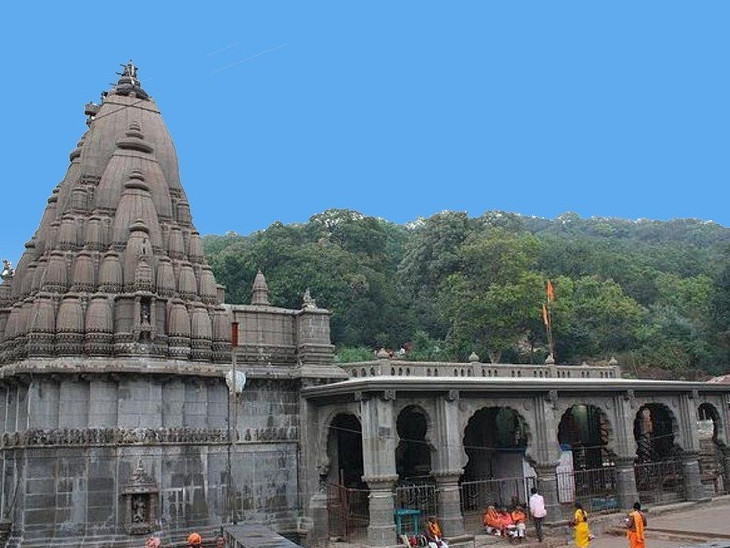
Bhimashankar Temple
Pune, Maharashtra

Bhimashankar Temple – A Sacred Jyotirlinga in the Sahyadri Mountains
Bhimashankar Temple Bhimashankar Temple is one of the 12 sacred Jyotirlingas of Lord Shiva, located amidst the dense forests and mist-covered peaks of the Sahyadri mountain range in the Pune district of Maharashtra, at an elevation of approximately 3,250 feet. Surrounded by lush greenery, peaceful hills, and pure natural beauty, the temple offers a divine and spiritually uplifting experience to devotees and travelers alike. The calm atmosphere, cool mountain air, and serene surroundings make it not only a religious destination but also a place of inner peace and spiritual awakening.
The name “Bhimashankar” is derived from two words — “Bhima” and “Shankar,” and is deeply connected to an ancient mythological legend. According to Hindu mythology, Bhima was a powerful demon and the son of Kumbhakarna, the brother of Ravana. Bhima performed intense penance and received a powerful boon from Lord Brahma, which made him nearly invincible. Filled with arrogance and power, he began troubling sages, saints, and even the gods, creating fear and chaos across the region. The helpless gods prayed to Lord Shiva for protection. Responding to their prayers, Lord Shiva appeared at this very location and fought a fierce battle with Bhima. After defeating and destroying the demon, Lord Shiva manifested himself as a Jyotirlinga here to bless and protect his devotees forever.
This sacred place is also believed to be the origin of the Bhima River, which later becomes a major tributary of the Krishna River. This adds both spiritual and geographical significance to the temple, making it a highly revered pilgrimage site in India.
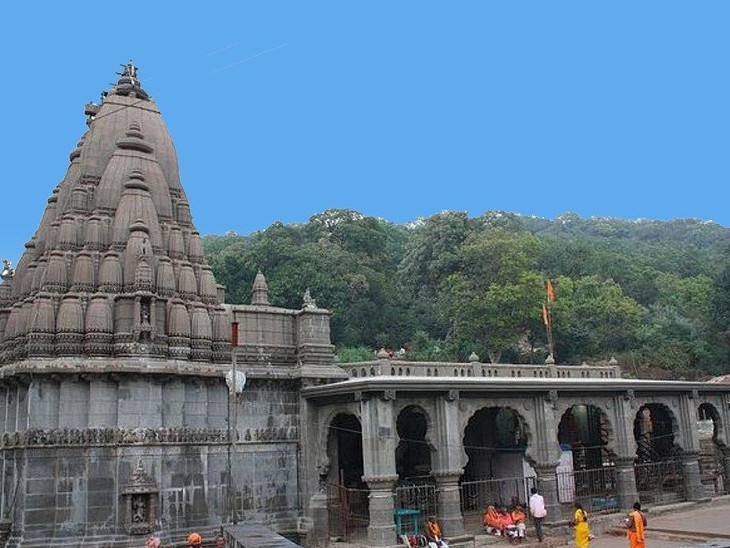
The architecture of Bhimashankar Temple reflects the traditional Nagara style, with beautifully carved stone walls, ancient pillars, and intricate designs that showcase India’s rich cultural and architectural heritage. The present structure of the temple was developed during the Maratha period, and significant contributions were made during the rule of the Peshwas. The Shiva Lingam inside the sanctum is considered “Swayambhu,” meaning self-manifested, and devotees believe that offering prayers here removes negative energies and brings peace, strength, and blessings into their lives.
The temple is surrounded by the Bhimashankar Wildlife Sanctuary, which is home to diverse flora and fauna, including the rare Indian Giant Squirrel. The natural beauty, dense forests, and scenic mountain views make the journey to Bhimashankar both spiritually fulfilling and visually breathtaking. It is also a popular destination for trekking and nature lovers, as the trails leading to the temple pass through forests, waterfalls, and picturesque landscapes.
Mahashivratri is celebrated here with great devotion and grandeur, attracting thousands of devotees from across the country. During this time, the temple resonates with chants, prayers, and the sound of bells, creating a deeply spiritual atmosphere. The holy month of Shravan is also considered highly auspicious, and special prayers and rituals are performed throughout the month.
There are several nearby attractions such as Hanuman Lake, Gupt Bhimashankar, and Nagphani View Point, which offer stunning views of the Sahyadri hills and surrounding forests.
Visiting Bhimashankar Temple is not just a pilgrimage but a complete spiritual and natural experience. It offers devotees a chance to connect with divine energy, find inner peace, and witness the powerful presence of Lord Shiva in a serene and sacred environment. This holy temple stands as a symbol of faith, devotion, and the eternal protection of Lord Shiva, making it one of the most revered Jyotirlingas in India.



Quick view — Bhimashankar Temple
📍 Bhimashankar Temple – Quick Travel Information
Bhimashankar Temple
🌍 Location: Sahyadri Hills, Pune District, Maharashtra, India
🌊 Elevation: Approximately 990 meters (3,250 feet) above sea level
🚗 How to Reach: Easily accessible by road from Pune, Mumbai, and Nashik
🚆 Nearest Railway Station: Pune Junction (~110 km from the temple)
✈️ Nearest Airport: Pune International Airport (~110 km away)
🛣 By Road: Well connected by buses and taxis from Pune, Mumbai, Nashik, and other major cities in Maharashtra
📅 Best Time to Visit: October to March (pleasant and comfortable weather)
🌦 Weather Conditions:
Summer: 20°C to 35°C (moderate to warm)
Monsoon: Heavy rainfall with lush greenery and scenic beauty
Winter: 10°C to 25°C (cool and most comfortable season)
⏰ Darshan Timings:
4:30 AM to 9:30 PM (timings may vary during festivals and special occasions)
Special Aartis are conducted in the morning and evening
🛕 Religious Significance:
One of the 12 sacred Jyotirlingas of Lord Shiva
Believed to be the origin place of the Bhima River
Associated with the legend of Lord Shiva defeating demon Bhima
Symbol of divine protection, power, and destruction of evil
📶 Mobile Network Availability:
Jio, Airtel, BSNL, and other major networks work, but signals may be weak in forest areas
🏧 Nearest ATM:
ATMs of SBI, HDFC, ICICI, and other banks are available in nearby towns and Pune
🏥 Medical Facilities:
Basic medical facilities available near the temple
Major hospitals available in Pune
📞 Emergency Numbers:
National Emergency Helpline: 112
Maharashtra Tourism Helpline: 1800-229-930
🌄 Scenic Beauty:
Located inside the Bhimashankar Wildlife Sanctuary
Surrounded by dense forests, waterfalls, and mountain views
Famous for trekking trails and natural viewpoints
📸 Photography Tip:
Best time for photography is early morning or during monsoon season
Photography inside the temple sanctum is strictly prohibited
🏨 Accommodation Options:
Hotels, guest houses, dharamshalas, and forest stays available nearby
Advance booking recommended during Shravan and Mahashivratri
🍽 Food Options:
Pure vegetarian restaurants available near the temple
Local Maharashtrian food like poha, bhakri, and simple thali is popular
🌍 Nearby Attractions:
• Bhimashankar Wildlife Sanctuary
• Nagphani View Point
• Hanuman Lake
• Gupt Bhimashankar
• Ahupe Waterfall
Key Attraction — Bhimashankar Temple
Bhimashankar Temple
Imagine this: You’re deep in the Sahyadri mountains. The air is cool, filled with the scent of wet earth and forest leaves. A soft mist floats between ancient trees. The distant sound of temple bells echoes through the hills. In front of you stands the sacred Bhimashankar Temple — surrounded by wilderness, silence, and divine presence. This is not just a temple visit… it’s a journey into nature, devotion, and inner awakening. Let’s step into the complete spiritual experience of Bhimashankar.
1. Journey into the Sahyadri Hills 🚗
Your journey begins as you leave behind the busy cities of Pune or Mumbai and enter the peaceful Sahyadri mountains. The roads wind through dense forests, valleys, and scenic viewpoints. With every turn, the noise of the world fades away, replaced by birdsong and mountain winds. The closer you get, the stronger the spiritual calm becomes.
2. Entering the Sacred Forest 🌲
Bhimashankar Temple lies within the Bhimashankar Wildlife Sanctuary. As you walk toward the temple, you pass through ancient trees, sacred silence, and untouched nature. The forest itself feels alive — as if it has witnessed centuries of devotion. The cool breeze and natural beauty prepare your mind and soul for darshan.
3. First Glimpse of the Divine Temple 🛕
Suddenly, through the forest, the ancient stone temple appears. Its traditional architecture, carved pillars, and timeless structure reflect centuries of faith. The temple stands strong and peaceful — a symbol of divine protection and spiritual power in the heart of nature.
4. Descending into the Sacred Sanctum 🔱
As you enter the temple and move toward the garbhagriha (sanctum), the atmosphere becomes more intense and sacred. The ancient stone walls, dim lighting, and sound of chants create a powerful spiritual aura.
In front of you is the Bhimashankar Jyotirlinga — one of the twelve sacred Jyotirlingas of Lord Shiva. This is the place where Lord Shiva defeated the demon Bhima and manifested as divine energy. Standing here, you feel a deep connection with something eternal — beyond time, beyond fear.
5. The Morning Aarti Experience 🔔
If you attend the early morning aarti, the experience is unforgettable. The temple fills with the sound of bells, conch shells, and sacred chants. Priests perform rituals with devotion and precision. The entire atmosphere vibrates with divine energy.
In that moment, you are not just watching — you are part of something sacred.
6. The Origin of the Bhima River 🌊
Near the temple, it is believed that the Bhima River originates. This sacred river flows quietly through the mountains, symbolizing purity and life. Standing near its origin, you feel connected to nature and the divine at the same time.
7. Exploring the Sacred Viewpoints 🌄
After darshan, you can explore nearby viewpoints like Nagphani Point. From here, you see endless mountain ranges, forests, and clouds stretching to the horizon. The silence and beauty create a deep sense of peace.
8. Wildlife and Nature Experience 🐿️
The Bhimashankar Wildlife Sanctuary is home to rare species like the Indian Giant Squirrel. The forest, waterfalls, and natural trails make this place a paradise for nature lovers and spiritual seekers alike.
Here, nature itself feels like a form of divine creation.
9. Evening Serenity at the Temple 🌙
As evening falls, the temple becomes even more peaceful. The cool mountain air, soft temple lights, and fading sunlight create a magical atmosphere. The evening aarti fills the surroundings with devotion and calmness.
It feels like time has slowed down.
10. The Complete Bhimashankar Experience 🌌
A visit to Bhimashankar is not just a pilgrimage — it is a journey into silence, nature, and divine energy.
From the sacred Jyotirlinga to the peaceful forests and mountains, every moment here feels meaningful. Bhimashankar reminds you of Lord Shiva’s power, protection, and eternal presence.
Standing in the Sahyadri mountains, you realize something profound:
Divinity is not just found in temples — it is felt in silence, nature, and devotion. 🔱✨
Har Har Mahadev 🙏
Darshan Details — Bhimashankar Temple
⏰ Darshan Timings
🕓 Morning: From approximately 4:30 AM
🌙 Night: Until approximately 9:30 PM
Bhimashankar Temple remains open throughout the day, allowing devotees to visit and offer prayers at their convenience. Multiple aartis are performed daily, including morning, afternoon, and evening rituals. During festivals such as Mahashivratri and the holy month of Shravan, the temple receives a large number of devotees, and darshan timings or entry arrangements may be adjusted accordingly. Access may also be briefly regulated during special rituals and temple preparations.
🌅 Special Pujas & Aartis
🔱 Morning Aarti (Kakad Aarti)
🕓 Time: Around 4:30 AM
This is the first and one of the most sacred rituals of the day. The temple resonates with the sound of bells, conch shells, and Vedic chants, creating a deeply spiritual atmosphere.
🪔 Afternoon Aarti (Madhyahan Aarti)
🕛 Time: Around 12:00 PM
This ritual includes special offerings and worship of the sacred Jyotirlinga. Devotees pray for peace, prosperity, and divine blessings.
🔔 Evening Aarti (Sandhya Aarti)
🕖 Time: Around 7:00 PM
As lamps are lit across the temple, the entire complex glows with divine light. The evening aarti is peaceful, powerful, and spiritually uplifting.
📿 Special Rituals
🕉 Rudrabhishek Puja
This is one of the most important rituals dedicated to Lord Shiva. Devotees offer water, milk, bilva leaves, flowers, and sacred items while chanting Vedic mantras. It is believed to bring spiritual purification and fulfillment of wishes.
🔱 Special Abhishek / Maha Puja
Performed on special occasions or by prior arrangement, this ritual includes elaborate worship and sacred offerings to Lord Shiva. Participation may require advance booking.
🙏 Rituals & Offerings
Devotees offer water, milk, honey, bilva leaves, dhatura, flowers, and incense to Lord Shiva. Offering sacred water is considered highly auspicious. All rituals are conducted respectfully under temple guidelines and according to traditional Vedic practices.
Prasad usually includes sacred ash (bhasma), flowers, and blessed offerings distributed to devotees after worship.
🎭 Cultural Activities & Religious Significance
Grand celebrations take place during Mahashivratri, attracting thousands of devotees from across the country. The holy month of Shravan is especially significant, with special prayers, devotional chanting, and religious events conducted regularly.
Bhimashankar Temple, being one of the twelve sacred Jyotirlingas, symbolizes Lord Shiva’s divine power, protection, and the destruction of evil. Worshipping here is believed to bring spiritual strength, peace, and divine blessings.
🌌 Spiritual Experience
Worshipping Lord Shiva at Bhimashankar Temple is a deeply peaceful and transformative experience. Surrounded by the forests and mountains of the Sahyadri range, the temple offers a rare combination of natural beauty and divine energy.
The echoing chants, ringing bells, and sacred atmosphere create a powerful spiritual vibration. Every moment spent here feels calm, meaningful, and connected to something eternal.
A visit to Bhimashankar Temple is not just a pilgrimage — it is a journey into devotion, nature, and inner awakening. 🔱✨
Har Har Mahadev 🙏
Permits and Registration — Bhimashankar Temple
✅ Is Registration Mandatory at Bhimashankar Temple?
No, advance registration is not mandatory for general darshan at Bhimashankar Temple. Devotees can directly visit the temple during official darshan hours and offer prayers to Lord Shiva without any prior booking. The temple remains open throughout the year and welcomes pilgrims daily.
However:
During major festivals such as Mahashivratri, Shravan month, and peak pilgrimage seasons, the temple receives a large number of devotees. During these periods, crowd management measures, queue systems, or controlled entry arrangements may be implemented by the temple authorities to ensure safety and smooth darshan.
For special pujas and abhishek rituals, advance booking may be required depending on availability and temple procedures.
🖥️ How to Book Special Pujas?
While general darshan does not require registration, certain rituals and sevas may require prior arrangement.
1️⃣ On-Site Booking (Temple Counter)
Devotees can book special pujas such as Rudrabhishek or Abhishek Puja directly at the temple counter. Availability depends on the number of requests and temple schedule. Early arrival is recommended, especially during weekends and festival seasons.
2️⃣ Through Local Temple Authorities or Priests
In some cases, special pujas can also be arranged through authorized temple priests or official temple management, subject to temple rules and availability.
Advance planning is recommended if you wish to perform a special ritual personally.
📑 Documents Required
For General Darshan:
✔️ No registration documents are required
✔️ Carrying a valid photo ID (Aadhaar Card, Driving License, Passport, or Voter ID) is recommended for security purposes
For Special Puja:
✔️ Valid photo ID proof
✔️ Puja booking receipt (if applicable)
✔️ Follow temple guidelines and instructions
👕 Dress Code Guidelines
For general darshan:
✔️ Decent and modest attire is recommended
✔️ Traditional Indian clothing is preferred but not mandatory
For special pujas and abhishek:
✔️ Men: Dhoti or traditional attire preferred
✔️ Women: Saree, salwar suit, or traditional attire recommended
Avoid wearing inappropriate or revealing clothing inside the temple premises.
🏥 Medical & Security Guidelines
✔️ No medical fitness certificate is required
✔️ Security checks are mandatory at the entrance
✔️ Mobile phones may be restricted inside the sanctum area
✔️ Locker facilities may be available near the temple premises
✔️ Follow instructions given by temple staff and authorities
💡 Important Tips for Devotees
• Reach early in the morning for a peaceful darshan experience
• Visit during non-peak hours to avoid heavy crowds
• Carry valid ID proof
• Follow temple rules and maintain discipline
• Photography inside the sanctum is strictly prohibited
• Respect the spiritual environment and temple traditions
🔱 Final Note
Unlike difficult mountain pilgrimages, Bhimashankar Temple is accessible by road and surrounded by the serene beauty of the Sahyadri mountains. As you enter the sacred temple and stand before the powerful Jyotirlinga of Lord Shiva, you experience a deep sense of peace and divine presence.
The calm forests, echoing temple bells, and sacred atmosphere create a spiritual experience that feels timeless and transformative.
A visit to Bhimashankar is not just a journey to a temple — it is a journey into devotion, nature, and inner awakening.
Har Har Mahadev 🙏✨
How to reach — Bhimashankar Temple
🛣️ By Road
Nearest Major Cities:
• Pune
• Mumbai
• Nashik
📍 Popular Route (From Pune):
Pune → Rajgurunagar (Khed) → Manchar → Ghodegaon → Bhimashankar
(Approx. 110 km, 3–4 hours drive)
📍 Popular Route (From Mumbai):
Mumbai → Thane → Kalyan → Murbad → Bhimashankar
(Approx. 210 km, 5–6 hours drive)
Bhimashankar Temple is well-connected by state and national highways. Regular private taxis, cabs, and Maharashtra State Transport buses operate daily from Pune, Mumbai, and nearby cities.
🅿️ Parking at Bhimashankar Temple
• Paid parking facilities are available near the temple area.
• Charges typically range from ₹30 to ₹150 depending on the vehicle type and duration.
• Designated parking zones are managed by local authorities.
• From the parking area, the temple entrance is within short walking distance.
• During Shravan month and Mahashivratri, parking areas may be located slightly farther due to crowd management.
🚆 By Train
Nearest Railway Station:
• Pune Junction (Approx. 110 km from the temple)
Pune Junction is well-connected to major cities such as:
• Mumbai
• Nashik
• Delhi
• Hyderabad
• Nagpur
From Pune railway station, taxis, buses, and private vehicles are easily available to reach Bhimashankar Temple.
✈️ By Air
Nearest Airport:
• Pune International Airport (~110 km away)
Alternative Major Airport:
• Mumbai International Airport (~210 km away)
From the airport, taxis, rental cars, and bus services are easily available for Bhimashankar.
🅿️ Parking at Airports:
Paid parking facilities are available at all major airports. Charges vary depending on duration.
🚍 Bus Services
Regular bus services operate from:
• Pune
• Mumbai
• Nashik
Operated by Maharashtra State Road Transport Corporation (MSRTC) and private operators.
Both AC and non-AC buses are available.
🚶 Local Transportation
• Auto-rickshaws and taxis are available near the temple area
• Shared jeeps and local transport services operate regularly
• The temple is accessible via a short walk from the parking area
• Walking paths are well-maintained and safe for devotees
🔱 Travel Tip
Unlike difficult mountain treks, Bhimashankar Temple is accessible by road and does not require strenuous trekking. It is suitable for families, senior citizens, and children.
You can simply arrive, park your vehicle, and walk toward the sacred temple surrounded by forests and mountains.
The peaceful natural surroundings, fresh mountain air, and divine presence of Lord Shiva create a spiritual experience that is calm, powerful, and deeply transformative.
Har Har Mahadev 🔱✨
History & Mythology — Bhimashankar Temple
👹 The Legend of Demon Bhima
According to Hindu mythology, the origin of Bhimashankar Jyotirlinga is connected to a powerful demon named Bhima, the son of Kumbhakarna (brother of Ravana) and Karkati. After learning about the death of his father at the hands of Lord Rama, Bhima became furious and vowed to take revenge on the gods and devotees of Lord Shiva.
To gain immense power, Bhima performed intense penance and pleased Lord Brahma, who granted him a powerful boon. With this strength, Bhima began terrorizing the region and attacked the sacred land of Kamarupeshwar, where a devoted king named Sudakshin was a great devotee of Lord Shiva.
Bhima imprisoned the king and tried to stop him from worshipping Lord Shiva. However, the king continued his prayers with unwavering devotion. Enraged by this, Bhima attempted to destroy the Shiva Lingam. At that very moment, Lord Shiva manifested in a fierce and radiant form and challenged the demon.
A powerful battle took place between Lord Shiva and Bhima. Ultimately, Lord Shiva destroyed the demon and freed the devotees from suffering. After this victory, Lord Shiva agreed to remain at that sacred place in the form of a Jyotirlinga, which became known as Bhimashankar Jyotirlinga.
It is believed that this Jyotirlinga is self-manifested (Swayambhu) and radiates immense divine energy. Lord Shiva here is worshipped as the protector of devotees and the destroyer of evil.
🌊 Origin of the Bhima River
After the intense battle, Lord Shiva rested in the Sahyadri mountains. It is believed that the sweat that flowed from Lord Shiva’s body formed the sacred Bhima River, which originates from this region and flows across Maharashtra and Karnataka.
The river symbolizes purification, divine grace, and the eternal connection between nature and Lord Shiva.
🕉 Spiritual Significance
The name “Bhimashankar” combines two powerful elements — Bhima, the demon, and Shankar, another name of Lord Shiva. It represents the victory of divine power over evil and ignorance.
Devotees believe that worshipping Lord Shiva at Bhimashankar protects them from negativity, removes fear, and brings spiritual strength, peace, and inner transformation.
As one of the 12 sacred Jyotirlingas, Bhimashankar holds immense importance in Shaivism. It is considered a place where Lord Shiva’s energy is especially powerful and protective.
🏛 Historical Background of Bhimashankar Temple
📜 Ancient References
Bhimashankar Temple is mentioned in ancient Hindu scriptures such as the Shiva Purana, which describes the story of Lord Shiva defeating the demon Bhima. The temple has been a center of devotion for centuries and is deeply connected to India’s spiritual heritage.
The temple is located in the Sahyadri hills, surrounded by forests and natural beauty, which enhances its sacred and mystical atmosphere.
⚔️ Development During Maratha Period
The present structure of Bhimashankar Temple was developed during the Maratha period. Great Maratha rulers and devotees contributed to its preservation and expansion.
Notably, Nana Phadnavis, an important Maratha statesman, played a significant role in improving the temple structure and supporting its maintenance.
The temple reflects traditional Nagara-style architecture, with stone carvings, ancient pillars, and a simple yet powerful design that reflects its spiritual significance.
🇮🇳 Modern Importance
Today, Bhimashankar Temple is one of the most important pilgrimage destinations in India. Thousands of devotees visit every year, especially during Mahashivratri and the holy month of Shravan.
The temple is also part of the Bhimashankar Wildlife Sanctuary, making it unique among Jyotirlingas as it combines spiritual devotion with natural beauty.
🌌 Symbolic Significance
Bhimashankar represents a profound spiritual truth —
Divine power always protects those who have faith.
The peaceful forests, sacred Jyotirlinga, and powerful spiritual atmosphere create a deeply transformative experience. Standing before Bhimashankar, devotees feel protected, calm, and spiritually awakened.
The temple stands not just as a place of worship, but as a symbol of Lord Shiva’s eternal presence, protection, and victory over evil.
Har Har Mahadev 🔱✨
Temple Prasad — Bhimashankar Temple
🔱 1. Regular Prasad
Authorized prasad counters are available inside and around the Bhimashankar Temple complex. Devotees can purchase official prasad items such as:
• Dry fruits
• Coconut
• Mishri (sugar crystals)
• Bilva leaves and flowers
• Packed temple prasad
It is recommended to purchase prasad only from temple-authorized counters, as outside items may be restricted for security and ritual purposes.
🪔 2. Special Puja Prasad
If you perform Rudrabhishek or any special Abhishek Puja, you will receive blessed prasad after the ritual. This may include:
• Sacred ash (Bhasma)
• Blessed flowers offered to Lord Shiva
• Holy water used during Abhishek
• Sometimes a Rudraksha bead (depending on the puja type)
This prasad is considered highly sacred and is received as a divine blessing from Lord Shiva.
🍛 Food Options Near Bhimashankar Temple
🥗 1. Pure Vegetarian (Sattvik) Food
Only pure vegetarian food is available near the temple area. Popular food options include:
• Traditional Maharashtrian thali
• Dal and rice
• Puri–sabzi
• Khichdi
• Poha (local specialty)
• Upma and simple sattvik meals
The food is usually light, nutritious, and sattvik, suitable for pilgrims visiting the temple.
🏨 2. Dharamshalas & Trust-Managed Bhojanalayas
Several dharamshalas and trust-managed dining halls provide simple and affordable meals for pilgrims.
During major festivals like Mahashivratri and Shravan, free community meals (Bhandara) may also be organized for devotees.
🥤 3. Local Snacks & Tea Stalls
Small tea stalls and snack counters are available outside the temple premises. Visitors can easily find:
• Tea and coffee
• Biscuits and light snacks
• Packaged drinking water and refreshments
These facilities ensure convenience for pilgrims and visitors.
🙏 Ritual Offerings & Traditions
• Devotees offer water, milk, honey, bilva leaves, dhatura, flowers, and incense to Lord Shiva.
• Touching the Shivling is generally not permitted; offerings are made respectfully from a designated area.
• Offering sacred water is considered highly auspicious.
• Prasad is received with devotion as a symbol of divine blessings.
All rituals are conducted according to traditional temple customs and Vedic practices.
🌌 A Spiritual Taste Experience
At Bhimashankar Temple, food and prasad are not just offerings — they become part of the spiritual journey. The peaceful forest surroundings, echoing temple bells, and sacred rituals create a calm and fulfilling atmosphere.
The simplicity of sattvik food and the sacred prasad reflect purity, devotion, and humility — completing your divine experience at one of the twelve sacred Jyotirlingas of Lord Shiva.
Har Har Mahadev 🔱✨
Nearby Attractions — Bhimashankar Temple
🌍 Nearby Places to Visit Around Bhimashankar Temple
A visit to Bhimashankar Temple is more than just Jyotirlinga darshan. The surrounding Sahyadri mountains, dense forests, waterfalls, and sacred locations offer a complete spiritual and nature-filled experience. These nearby places enhance your journey and allow you to explore the divine and natural beauty of the region.
🕉 Religious & Sacred Places
1️⃣ Gupt Bhimashankar
Gupt Bhimashankar is a hidden and sacred spot located deep inside the forest near the main temple. It is believed to be the origin point of the Bhima River. The peaceful environment, surrounded by trees and natural silence, makes it an ideal place for meditation and spiritual reflection.
2️⃣ Hanuman Lake (Hanuman Talav)
Hanuman Lake is a calm and sacred water body located near the temple area. It is surrounded by lush greenery and offers a peaceful environment where devotees and visitors can relax and connect with nature.
🌄 Scenic & Nature Attractions
3️⃣ Nagphani View Point (Snake’s Hood Point)
Nagphani View Point is one of the highest and most popular viewpoints near Bhimashankar. The mountain formation resembles the hood of a snake, which gives it its name. From here, visitors can enjoy breathtaking views of valleys, forests, and distant mountain ranges.
4️⃣ Bhimashankar Wildlife Sanctuary
This sanctuary surrounds the temple and is known for its rich biodiversity. It is home to rare species such as the Indian Giant Squirrel, along with various birds, animals, and plants. It is a perfect destination for nature lovers and wildlife enthusiasts.
5️⃣ Ahupe Waterfall
Ahupe Waterfall is a beautiful natural waterfall located near Bhimashankar. It becomes especially stunning during the monsoon season when water flows in full force. It is an ideal place for photography, sightseeing, and enjoying nature.
🏛 Trekking & Adventure Spots
6️⃣ Bhimashankar Trek Routes
Bhimashankar is also famous for its trekking routes. Popular trekking paths such as Ganesh Ghat and Shidi Ghat pass through forests, hills, and scenic landscapes. These routes offer both adventure and spiritual fulfillment.
🚗 Nearby Cities & Tourist Destinations
7️⃣ Pune (Approx. 110 km)
Pune is the nearest major city and offers many cultural, historical, and spiritual attractions. Visitors can explore temples, forts, museums, and enjoy the vibrant atmosphere of the city.
8️⃣ Lonavala (Approx. 120 km)
Lonavala is a famous hill station known for its scenic beauty, waterfalls, and cool climate. It is a perfect destination to relax and extend your trip after visiting Bhimashankar.
📌 Travel Tips
• Most attractions are located within 2–20 km of Bhimashankar Temple
• Early morning and evening are the best times to explore nearby places
• Monsoon and winter offer the most scenic and pleasant experience
• Wear comfortable footwear for walking and trekking
• Follow temple and forest guidelines for safety
Bhimashankar offers a powerful blend of spirituality, mythology, and natural beauty. Surrounded by sacred forests and peaceful mountains, every moment here feels divine and calming.
A visit to Bhimashankar Temple is not just temple tourism — it is a journey into devotion, nature, and inner peace.
Har Har Mahadev 🔱
Rules & Dress code — Bhimashankar Temple
👕 Dress Code at Bhimashankar Temple
Bhimashankar Temple
There is no extremely strict dress code for general darshan at Bhimashankar Temple, but modest, decent, and respectful attire is strongly recommended, as it is a sacred Jyotirlinga of Lord Shiva.
✅ Recommended Attire
For Men:
• Kurta–pyjama
• Dhoti
• Simple shirt and trousers
• Traditional Indian attire
For Women:
• Saree
• Salwar kameez
• Traditional Indian attire
• Decent long dresses covering shoulders and knees
Wearing traditional and modest clothing enhances the spiritual experience and shows respect for the sacred environment.
❌ Avoid Wearing
• Shorts
• Sleeveless tops
• Mini skirts
• Ripped jeans
• Revealing or inappropriate clothing
As Bhimashankar Temple is a holy place, dressing respectfully is important.
📵 Items Not Allowed Inside
• Mobile phones may be restricted inside the sanctum area
• Cameras
• Electronic gadgets
• Large bags and backpacks
• Sharp objects
Locker facilities may be available near the temple premises for storing personal belongings safely.
🙏 General Temple Rules
• Touching the Shivling is generally not permitted during normal darshan
• Maintain silence and discipline inside the temple
• Follow the designated queue system
• Photography inside the sanctum is strictly prohibited
• Follow all instructions given by temple authorities and security staff
🔒 Security Check
• Security screening is mandatory at the entrance
• Carry a valid ID proof for identification if required
• During festivals like Mahashivratri and Shravan, arrive early to avoid long queues
🌌 Spiritual Etiquette
• Remove footwear before entering the temple complex
• Wash hands before offering prayers
• Maintain respectful behavior and a devotional mindset
• Respect temple traditions and rituals
Visiting Bhimashankar Temple is not just about darshan — it is about entering a sacred space surrounded by divine energy, peace, and devotion. Respectful conduct and proper attire help you fully experience the spiritual atmosphere of this holy Jyotirlinga.
Har Har Mahadev 🔱✨
High-Impact Photo Gallery Section — Bhimashankar Temple
📸 Best Photo Concepts for Bhimashankar Temple (Cinematic Visual Ideas)
A visit to Bhimashankar Temple is peaceful, mystical, and deeply connected with nature. Surrounded by the Sahyadri forests and mountains, the visuals here should capture divinity, serenity, and raw natural beauty. Here are the best cinematic photo concepts for your website or app:
🌅 1. Golden Sunrise Over Bhimashankar Temple
Capture the first rays of sunlight falling on the temple shikhara, emerging through mist and forest. The soft golden light combined with mountain fog creates a divine and cinematic atmosphere.
Best time: 6:00 AM – 7:00 AM
Perfect for: Hero banner, homepage top section
🌲 2. Temple Emerging from the Forest
A wide-angle shot showing the temple surrounded by dense green forest and Sahyadri hills. This highlights the temple’s unique location inside a wildlife sanctuary.
Mood: Sacred, hidden, mystical
Perfect for: Website hero section or intro visuals
🔱 3. Jyotirlinga Darshan Atmosphere
Capture devotees offering prayers, folded hands, bells, and spiritual expressions (without violating temple photography rules). Focus on emotions and devotion rather than direct sanctum shots.
Perfect for: Spiritual storytelling sections
🌄 4. Nagphani View Point Landscape Shot
Capture the dramatic Sahyadri mountain ranges from Nagphani Point. Clouds floating over valleys and sunlight breaking through creates cinematic depth.
Perfect for: Travel inspiration and destination sections
🌙 5. Temple in Evening Serenity
Capture the temple during evening hours with soft natural light, calm surroundings, and fewer crowds. The peaceful environment reflects spiritual stillness.
Perfect for: Calm and premium website sections
🏛 6. Architectural Close-Ups
Focus on the temple’s heritage details such as:
• Stone carvings
• Temple pillars
• Ancient architecture
• Sacred bells and temple entrance
These visuals highlight the temple’s historical and spiritual significance.
🌧 7. Monsoon Mist & Forest Trails
Capture fog-covered forest paths, wet stone steps, and temple surroundings during monsoon. This creates a magical and cinematic experience unique to Bhimashankar.
Perfect for: Adventure + spiritual combination visuals
💡 Pro Tips for Website and App Impact
• Use a full-width hero banner image showing the temple and forest
• Add a powerful tagline like:
“Where Nature Meets the Divine Presence of Shiva.”
• Use WebP format for fast loading
• Enable lazy loading for performance optimization
• Maintain natural green and warm color tones for spiritual feel
• Use soft gradient overlays for clear and readable text
• Prefer real, authentic visuals over overly edited images
Bhimashankar Temple visuals should feel peaceful, sacred, and naturally divine — not overly dramatic, but deeply spiritual and connected to nature.
It is a place where forest silence, mountain energy, and Lord Shiva’s presence come together in perfect harmony.
Har Har Mahadev 🔱✨
Bhimashankar Temple — photos
Ratings & reviews
No one has rated Bhimashankar Temple yet.
Write a reviewBhimashankar Temple — travel FAQs
Where is Bhimashankar Temple located?
What is the religious significance of Bhimashankar Temple?
What are the darshan timings of Bhimashankar Temple?
What is the best time to visit Bhimashankar Temple?
How can you reach Bhimashankar Temple?
Is Bhimashankar Temple famous for trekking?
What are the nearby places to visit around Bhimashankar Temple?
Is Bhimashankar Temple a Jyotirlinga?
Which river originates from Bhimashankar Temple?
Is Bhimashankar Temple open throughout the year?
Wayntra app
Plan Your Next Adventure with Wayntra
Discover treks, local guides, travel experiences and adventure activities on the Wayntra app.