India’s local-first travel ecosystem — book local operators direct, zero commission



Quick view
Amritsar – The spiritual and cultural capital of Punjab, famous for the Golden Temple, rich Sikh heritage, vibrant markets, and delicious Punjabi cuisine. It is one of India's most visited religious and historical destinations.
🌾 Average Elevation:
Amritsar is situated at an average elevation of approximately 768 ft (234 m) above sea level.
The city lies in the fertile plains of Punjab and is surrounded by agricultural fields, making it an important center for farming and trade.
📍 Key Areas:
Old Amritsar – Historic core of the city featuring the Golden Temple, Jallianwala Bagh, and traditional markets
Hall Bazaar Area – Popular shopping district known for handicrafts, clothing, and local products
Ranjit Avenue – Modern residential and commercial hub with restaurants, hotels, and shopping centers
Lawrence Road – Well-known for cafes, food outlets, and urban lifestyle attractions
Heritage Street – Beautifully developed pedestrian pathway leading to the Golden Temple
🏞️ Top Tourist Attractions:
Golden Temple – Holiest shrine of Sikhism and the most iconic landmark of Amritsar
Jallianwala Bagh – Historic memorial dedicated to the victims of the 1919 massacre
Wagah Border – Famous Indo-Pak border ceremony attracting thousands of visitors daily
Partition Museum – India's first museum dedicated to the stories of Partition
Durgiana Temple – Hindu temple known for its architecture inspired by the Golden Temple
Akal Takht – One of the highest religious authorities in Sikhism
Gobindgarh Fort – Historic fort showcasing Punjab's military and cultural heritage
Maharaja Ranjit Singh Museum – Museum dedicated to the Lion of Punjab
📅 Historical Significance:
Amritsar was founded in 1577 by the fourth Sikh Guru, Guru Ram Das Ji.
The city became the spiritual center of Sikhism after the establishment of the Golden Temple.
It played a crucial role in India's freedom movement and remains deeply connected to the history of the nation.
🏰 Historical Importance:
Founded by Guru Ram Das Ji in the 16th century
Home to the Golden Temple, the holiest Sikh shrine
Site of the historic Jallianwala Bagh massacre in 1919
Important center during the Sikh Empire under Maharaja Ranjit Singh
Witness to major events during the Partition of India in 1947
🎭 Culture:
Strong Sikh traditions and Punjabi heritage
Famous for Bhangra, Giddha, and folk music
Warm hospitality and community spirit
Traditional Punjabi festivals celebrated with enthusiasm
Rich heritage reflected in architecture, food, and local customs
🗣️ Language:
Official Language: Punjabi
Widely Spoken: Hindi and English
Punjabi is primarily written in the Gurmukhi script.
🍲 Cuisine:
Signature Dishes:
Amritsari Kulcha
Chole Kulche
Lassi
Butter Chicken
Dal Makhani
Paneer Tikka
Tandoori Chicken
Pinni and Punjabi sweets
Amritsar is widely regarded as one of the best food destinations in India.
🌿 Geography & Landscape:
Located in the fertile plains of Punjab
Close to the India-Pakistan international border
Surrounded by agricultural lands producing wheat and rice
Flat terrain with a well-developed irrigation system
Pleasant winter climate and hot summers
🦁 Wildlife & Nature:
Harike Wetland – Popular birdwatching destination near Amritsar
Abohar Wildlife Sanctuary – Home to blackbucks and diverse wildlife
Several nearby wetlands attract migratory birds during winter.
🎢 Activities & Experiences:
Attend the Wagah Border Retreat Ceremony
Experience the Langar service at the Golden Temple
Explore heritage walks through Old Amritsar
Enjoy local food tours and street food experiences
Visit museums and historical monuments
Shop in traditional Punjabi markets
🕌 Religious & Spiritual Sites:
Golden Temple
Akal Takht
Durgiana Temple
Gurudwara Baba Atal Rai Sahib
Gurudwara Shaheed Ganj Sahib
Gurudwara Bibeksar Sahib
Ram Tirath Temple
🛍️ Famous For:
Golden Temple
Amritsari Kulcha
Punjabi Juttis
Phulkari Embroidery
Traditional Punjabi Suits
Religious Tourism
Sikh Heritage
Handcrafted Souvenirs
📸 Photography Tip:
Capture the Golden Temple during sunrise or after sunset for stunning reflections in the holy sarovar.
Visit Heritage Street at night for beautifully illuminated views.
Photograph the Wagah Border ceremony for energetic and patriotic moments.
Explore Old Amritsar's narrow lanes for authentic street photography.
🧭 Best Time to Visit:
October to March – Pleasant weather and ideal for sightseeing
November to February – Best for comfortable travel and photography
April – Experience vibrant Baisakhi celebrations
Avoid: May and June due to extreme summer heat and high temperatures.
Key Attraction
1. Major Tourist Attractions in Amritsar and Nearby Areas
🛕 Golden Temple
The holiest shrine of Sikhism and the most iconic landmark of Amritsar. The Golden Temple is renowned for its stunning architecture, sacred sarovar, peaceful atmosphere, and the world's largest free community kitchen (Langar).
🏛️ Jallianwala Bagh
A historic memorial dedicated to the victims of the 1919 massacre. It stands as a powerful reminder of India's struggle for independence.
🚩 Wagah Border
A famous border crossing between India and Pakistan, known for the daily Beating Retreat Ceremony that attracts thousands of visitors with its patriotic atmosphere.
🛕 Durgiana Temple
A popular Hindu temple inspired by the architectural style of the Golden Temple. It is an important religious and cultural landmark in the city.
🏰 Gobindgarh Fort
A historic fort showcasing Punjab's rich heritage through museums, cultural performances, light and sound shows, and exhibitions.
🛍️ Hall Bazaar
One of the most popular shopping destinations in Amritsar, known for Punjabi juttis, Phulkari embroidery, handicrafts, traditional clothing, and delicious street food.
🛕 Ram Tirath Temple
An important religious site associated with Lord Rama, Goddess Sita, and Maharishi Valmiki. It holds great spiritual significance for devotees.
2. Religious & Spiritual Sites
🕍 Akal Takht
One of the highest religious authorities in Sikhism, located within the Golden Temple complex.
🕍 Gurudwara Baba Atal Rai Sahib
A historic nine-story Gurudwara dedicated to Baba Atal Rai Ji, the son of Guru Hargobind Sahib Ji.
🕍 Gurudwara Shaheed Ganj Sahib
A significant Sikh shrine dedicated to the martyrs of Sikh history.
🕍 Gurudwara Bibeksar Sahib
A sacred Gurudwara established by Guru Hargobind Sahib Ji and known for its peaceful surroundings.
3. Museums & Historical Attractions
🏛️ Partition Museum
India's first museum dedicated to preserving stories, memories, and artifacts from the Partition of India in 1947.
🏛️ Maharaja Ranjit Singh Museum
A museum showcasing the life, achievements, and legacy of Maharaja Ranjit Singh, the founder of the Sikh Empire.
🏰 Maharaja Ranjit Singh Panorama
A unique attraction presenting Punjab's history and battles through modern visual displays and exhibits.
4. Natural & Recreational Attractions
🌳 Ram Bagh Garden
A beautiful historic garden developed during the reign of Maharaja Ranjit Singh, offering a peaceful retreat within the city.
🌿 Harike Wetland
A renowned birdwatching destination near Amritsar, home to numerous migratory birds and rich biodiversity.
🚣 Sacred Sarovar Area
The surroundings of the Golden Temple provide a serene environment ideal for meditation, photography, and spiritual reflection.
5. Cultural & Local Experiences
🎭 Heritage Street
A beautifully developed pedestrian street leading to the Golden Temple, known for its vibrant atmosphere and stunning evening illumination.
🍲 Amritsari Food Trail
Explore the city's famous culinary scene featuring Amritsari Kulcha, Chole, Lassi, Tandoori dishes, and traditional Punjabi sweets.
🎶 Punjabi Cultural Experience
Experience traditional Bhangra, Giddha, folk music, local traditions, and the warm hospitality that Punjab is famous for.
6. Popular Shopping Destinations
🛍️ Hall Bazaar
Famous for Phulkari embroidery, Punjabi juttis, traditional clothing, and local handicrafts.
🛍️ Guru Bazaar
Known for gold and silver jewelry, traditional ornaments, and local craftsmanship.
🛍️ Katra Jaimal Singh Market
A popular shopping area for fabrics, shawls, Punjabi suits, and fashion accessories.
🛍️ Lahori Gate Market
Ideal for buying souvenirs, handicrafts, and traditional Punjabi products.
7. Best Photography Spots
📸 Golden Temple during sunrise and nighttime illumination
📸 Wagah Border Beating Retreat Ceremony
📸 Heritage Street in the evening
📸 Historic lanes and traditional markets of Old Amritsar
📸 Jallianwala Bagh Memorial
📸 Migratory birds at Harike Wetland
8. Top Things to Do in Amritsar
✅ Visit the Golden Temple and experience the Langar service
✅ Watch the Wagah Border Beating Retreat Ceremony
✅ Explore Jallianwala Bagh
✅ Taste authentic Amritsari street food
✅ Join a heritage walk through Old Amritsar
✅ Shop for traditional Punjabi handicrafts and souvenirs
✅ Enjoy cultural performances at Gobindgarh Fort
✅ Visit the Partition Museum
✅ Go birdwatching at Harike Wetland
✅ Discover the rich history, spirituality, and culture of Punjab through Amritsar's iconic attractions and experiences.
Amritsar Itinerary
🗓️ 2 Days / 1 Night Amritsar Itinerary
Pickup & Drop: Amritsar → Amritsar
Day 1: Spirituality, History & Patriotism
🌅 Early Morning – Golden Temple
🛕 Begin your Amritsar journey with a visit to the Golden Temple, the holiest shrine of Sikhism.
🌊 Take a peaceful walk around the sacred sarovar and experience the spiritual atmosphere.
🍲 Participate in the famous Langar and witness one of the world's largest community kitchens.
🍳 Breakfast
🥘 Enjoy authentic Amritsari Kulcha, Chole, and a glass of traditional Lassi at a local restaurant.
🏛️ Jallianwala Bagh
🚶 Walk to the nearby Jallianwala Bagh, a historic memorial dedicated to the victims of the 1919 massacre.
📖 Learn about India's freedom struggle through preserved memorials and exhibits.
🏺 Partition Museum
🖼️ Visit the Partition Museum to explore stories, photographs, and artifacts related to the Partition of India.
🍽️ Lunch
🍛 Enjoy a traditional Punjabi lunch featuring local delicacies and rich flavors.
🛍️ Hall Bazaar & Heritage Street
🛒 Explore Hall Bazaar, famous for Punjabi juttis, Phulkari embroidery, handicrafts, and souvenirs.
🚶 Stroll through Heritage Street and admire the beautifully restored architecture.
🚩 Wagah Border Ceremony
🇮🇳 Drive to Wagah Border and witness the famous Beating Retreat Ceremony.
🎖️ Experience the patriotic energy, military drills, and flag-lowering ceremony at the India-Pakistan border.
🌙 Golden Temple Night View
✨ Return to the Golden Temple and witness its stunning illumination reflected in the holy sarovar.
🛌 Overnight stay in Amritsar.
Day 2: Culture, Heritage & Local Experiences
🍳 Breakfast
☕ Enjoy a traditional Punjabi breakfast before beginning the day's exploration.
🏰 Gobindgarh Fort
🏯 Visit Gobindgarh Fort and explore its museums, cultural galleries, and interactive heritage experiences.
🎭 Enjoy traditional Punjabi performances and historical exhibits.
🛕 Durgiana Temple
🙏 Visit the famous Durgiana Temple, known for its beautiful architecture inspired by the Golden Temple.
🍽️ Lunch
🍲 Relish authentic Punjabi cuisine at a local restaurant.
🛕 Ram Tirath Temple
🌿 Visit the sacred Ram Tirath Temple associated with Maharishi Valmiki, Lord Rama, and Goddess Sita.
🏛️ Maharaja Ranjit Singh Museum
👑 Explore the museum dedicated to the legendary ruler Maharaja Ranjit Singh and learn about Punjab's glorious history.
🛍️ Shopping & Food Trail
🛒 Visit Guru Bazaar and Katra Jaimal Singh Market for traditional clothing, jewelry, and handicrafts.
🍢 End your Amritsar tour with a local food trail featuring Amritsari Kulcha, Chole Bhature, Lassi, and Punjabi sweets.
🚗 Departure
🍳 After completing your sightseeing and shopping, proceed for your onward journey with unforgettable memories of Amritsar.
✨ Tour Highlights
✅ Golden Temple
✅ Jallianwala Bagh
✅ Partition Museum
✅ Hall Bazaar
✅ Heritage Street
✅ Wagah Border Ceremony
✅ Gobindgarh Fort
✅ Durgiana Temple
✅ Ram Tirath Temple
✅ Maharaja Ranjit Singh Museum
✅ Punjabi Food & Shopping Experience
Best Time to Visit: October to March
Ideal Duration: 2 Days / 1 Night
Suitable For: Families, Couples, Solo Travelers, Pilgrims, History Lovers & Food Enthusiasts
Culture and Festivals
🎭 Unique Culture of Amritsar
🛕 Spiritual & Religious Heritage
Amritsar is considered the spiritual center of Sikhism and is home to the world-famous Golden Temple. The city's culture is deeply rooted in the values of selfless service, equality, humanity, and community welfare. The Langar (community kitchen) at the Golden Temple is one of the most remarkable examples of these principles, serving free meals to thousands of visitors every day regardless of religion, caste, or background.
🎶 Music & Folk Dance
Amritsar's culture is closely connected to Punjabi music and traditional folk arts. Bhangra and Giddha are the most popular dance forms performed during festivals, weddings, and celebrations. The energetic beats of the dhol and vibrant folk songs reflect the joyful spirit and enthusiasm of the local people.
👳 Traditional Attire
Traditional clothing in Amritsar reflects the rich cultural heritage of Punjab. Men commonly wear Kurta-Pajama with colorful turbans, while women wear elegant Salwar Suits paired with beautifully embroidered Phulkari dupattas. Punjabi juttis and Phulkari embroidery are among the city's most famous traditional crafts.
🤝 Hospitality
The people of Amritsar are known for their warmth, friendliness, and welcoming nature. Visitors are often greeted with genuine hospitality and respect. "Sat Sri Akal" is the traditional greeting widely used throughout the city and symbolizes positivity and respect.
🗣️ Language
Punjabi is the primary and most widely spoken language in Amritsar and is mainly written in the Gurmukhi script. Hindi and English are also commonly spoken and understood by locals.
🍲 Cuisine
Amritsar is regarded as one of India's top food destinations. The city is famous for its rich and flavorful Punjabi cuisine, including Amritsari Kulcha, Chole, Lassi, Butter Chicken, Dal Makhani, Tandoori dishes, and traditional Punjabi sweets. The bustling food streets and local eateries offer an unforgettable culinary experience.
🎨 Arts & Handicrafts
Amritsar is renowned for its traditional arts and crafts, including Phulkari embroidery, Punjabi juttis, handcrafted jewelry, wooden artifacts, and decorative handicrafts. These products reflect the city's rich artistic heritage and are popular among visitors.
🎉 Major Festivals Celebrated in Amritsar
🌾 Baisakhi (April)
Baisakhi is one of the most important festivals in Amritsar and marks both the harvest season and the foundation of the Khalsa Panth. The city comes alive with religious ceremonies, Nagar Kirtans, cultural performances, and traditional celebrations.
🔥 Lohri (January)
Lohri is a popular winter festival celebrated with bonfires, folk songs, traditional dances, and festive gatherings. It marks the end of winter and the beginning of the harvest season.
🪯 Gurpurab
Gurpurabs commemorate the birth anniversaries and important events of Sikh Gurus. Gurudwaras across Amritsar organize special prayers, Kirtans, Langars, and religious processions to celebrate these sacred occasions.
⚔️ Hola Mohalla (March)
This traditional Sikh festival showcases martial arts demonstrations, horse riding, mock battles, and cultural performances. It reflects the bravery and warrior spirit of Sikh heritage.
💃 Teej Festival
Teej is celebrated primarily by women with traditional songs, folk dances, colorful attire, and festive gatherings. The festival highlights the cultural vibrancy of the region.
🪔 Diwali
Diwali is celebrated with great enthusiasm throughout Amritsar. The Golden Temple is beautifully illuminated with thousands of lights, creating one of the most spectacular sights in the city.
🇮🇳 Independence Day & Republic Day
National festivals are celebrated with patriotic events, cultural performances, community gatherings, and special ceremonies. The nearby Wagah Border celebrations add to the patriotic atmosphere.
🎡 Local Fairs & Cultural Festivals
Throughout the year, Amritsar hosts various fairs and cultural festivals that showcase Punjabi traditions, folk music, Bhangra performances, local cuisine, handicrafts, and community celebrations. These events provide visitors with an authentic experience of Punjabi culture and lifestyle.
Food and Cuisines
🍜 Traditional Cuisine of Amritsar
Amritsar is widely regarded as the food capital of Punjab and is famous for its rich flavors, traditional recipes, and authentic Punjabi hospitality. The city's culinary heritage reflects centuries of Punjabi culture, where food is prepared with fresh ingredients, aromatic spices, dairy products, and traditional cooking techniques. From bustling street food markets to legendary dhabas, Amritsar offers an unforgettable gastronomic experience for every food lover.
🥘 Must-Try Dishes in Amritsar
🫓 Amritsari Kulcha
The most iconic dish of the city, Amritsari Kulcha is a stuffed bread cooked in a traditional clay oven and served with spicy chole, chutney, and onions.
🍗 Butter Chicken
A world-famous Punjabi delicacy featuring tender chicken cooked in a rich tomato and butter-based gravy.
🥛 Lassi
A refreshing yogurt-based drink available in both sweet and salted varieties, often served in large traditional glasses.
🧀 Paneer Tikka
Marinated paneer grilled in a tandoor and served with mint chutney, making it a favorite vegetarian snack.
🍲 Dal Makhani
A creamy lentil preparation slow-cooked with butter, cream, and traditional spices.
🐟 Amritsari Fish Fry
A famous local specialty consisting of fish marinated with spices and gram flour before being deep-fried to perfection.
🍛 Chole Bhature
A popular North Indian dish featuring fluffy fried bread served with spicy chickpea curry.
🍢 Tandoori Delicacies
Amritsar is well known for its tandoori chicken, kebabs, and other charcoal-cooked specialties.
🍽️ Best Places to Eat in Amritsar
🏛️ Kesar Da Dhaba
One of the oldest and most famous eateries in Amritsar, known for authentic Punjabi cuisine, Dal Makhani, and traditional thalis.
🏛️ Bharawan Da Dhaba
Popular among locals and tourists for its delicious Amritsari Kulcha, Chole, and creamy Lassi.
🏛️ Makhan Fish & Chicken Corner
A must-visit destination for Amritsari Fish Fry and other non-vegetarian specialties.
🏛️ Giani Tea Stall
A legendary tea and snack spot near the Golden Temple, famous for chai, pakoras, and traditional Punjabi refreshments.
🏛️ Kanha Sweets
Well-known for traditional Punjabi sweets, snacks, and breakfast specialties.
🥛 Famous Dairy Products of Amritsar
🧈 White Butter (Makkhan)
Fresh homemade butter served with parathas, rotis, and traditional Punjabi meals.
🧀 Paneer
Locally produced fresh paneer is a key ingredient in many Punjabi dishes.
🥛 Lassi
The city's signature dairy beverage and an essential part of Punjabi food culture.
🧈 Desi Ghee
Widely used in traditional cooking and sweets, adding richness and flavor to meals.
🍮 Rabri & Kulfi
Popular dairy-based desserts enjoyed throughout the city.
🍹 Popular Beverages & Snacks
🥛 Sweet Lassi
The most iconic drink of Amritsar, known for its creamy texture and rich flavor.
🥤 Salted Chaas (Buttermilk)
A refreshing summer beverage commonly served with meals.
🍹 Sugarcane Juice
A popular roadside drink especially during the warmer months.
🍯 Pinni
A traditional Punjabi sweet made from desi ghee, dry fruits, and whole wheat flour.
🍬 Gajak & Rewari
Famous winter treats enjoyed during the festive season.
🥘 Street Food Experience in Amritsar
Amritsar's narrow lanes and bustling markets are a paradise for street food lovers. The city's food streets offer everything from crispy kulchas and spicy chole to traditional sweets and refreshing beverages.
🌟 Popular Street Food Areas
📍 Heritage Street
📍 Hall Bazaar Area
📍 Lawrence Road
📍 Golden Temple Food Lane
📍 Katra Ahluwalia Market
🍽️ Traditional Punjabi Dining Experience
A traditional meal in Amritsar often includes:
✅ Amritsari Kulcha
✅ Chole
✅ Dal Makhani
✅ Paneer Tikka
✅ Seasonal Vegetables
✅ Fresh White Butter
✅ Pickles & Chutneys
✅ Lassi
✅ Traditional Punjabi Desserts
The combination of rich flavors, generous hospitality, and authentic recipes makes Amritsar one of India's most celebrated food destinations and a must-visit city for culinary enthusiasts.
Shopping & Handicrafts
🛍️ Traditional Handicrafts & Shopping in Amritsar
Amritsar is not only famous for its spiritual heritage and historical landmarks but also for its vibrant markets, traditional handicrafts, and rich Punjabi craftsmanship. Shopping in Amritsar offers visitors a chance to explore the city's cultural heritage through beautifully handcrafted products, traditional clothing, religious souvenirs, and authentic local specialties. From colorful Phulkari embroidery to handcrafted Punjabi juttis, Amritsar is a paradise for shoppers seeking traditional Punjabi art and culture.
🧣 What to Buy in Amritsar?
🪡 Phulkari Embroidery
Phulkari is Punjab's most iconic traditional embroidery art. Beautifully handcrafted dupattas, suits, shawls, and stoles featuring colorful floral patterns are among the most sought-after souvenirs from Amritsar.
👞 Punjabi Juttis
Handmade Punjabi juttis are famous for their elegant designs, intricate embroidery, and comfortable craftsmanship. They are a symbol of Punjab's traditional fashion and cultural identity.
🛕 Religious Souvenirs
Amritsar offers a wide range of religious souvenirs inspired by Sikh heritage and the Golden Temple, including miniature replicas, keychains, decorative items, framed artwork, and spiritual keepsakes.
🧥 Shawls & Woolen Garments
The city's markets feature a variety of woolen shawls, stoles, sweaters, and winter wear suitable for different seasons.
🥒 Pickles, Papads & Punjabi Spices
Visitors can take home the authentic flavors of Punjab by purchasing traditional pickles, papads, and locally blended spices.
🎁 Handmade Decorative Items
Wooden carvings, handcrafted home décor products, traditional artwork, and decorative pieces reflecting Punjabi culture are popular shopping choices.
🛒 Popular Shopping Markets in Amritsar
🏬 Hall Bazaar
The most famous shopping destination in Amritsar, known for traditional Punjabi clothing, Phulkari embroidery, Punjabi juttis, handicrafts, and souvenirs.
🏬 Katra Jaimal Singh Market
A popular market for fabrics, Punjabi suits, Phulkari products, and traditional textiles.
🏬 Guru Bazaar
Famous for gold and silver jewelry, religious items, and traditional Punjabi accessories.
🏬 Lahori Gate Market
A bustling local market offering handicrafts, souvenirs, and authentic Punjabi products.
🏬 Heritage Street
Located near the Golden Temple, this vibrant area combines shopping, local culture, and traditional architecture.
🧶 Signature Handicrafts of Amritsar
🪡 Phulkari Embroidery
The most celebrated folk art of Punjab, known for its colorful floral embroidery and traditional craftsmanship.
👞 Punjabi Juttis
Handcrafted traditional footwear that represents the rich cultural heritage of Punjab.
🧕 Traditional Punjabi Attire
Punjabi suits, turbans, dupattas, and ethnic garments remain among the most popular cultural products of the city.
🎨 Handmade Decorative Crafts
Wooden, metal, and textile-based handicrafts showcase the artistic skills of local artisans.
🎁 Popular Souvenirs to Buy from Amritsar
✅ Phulkari Dupattas & Suits
✅ Punjabi Juttis
✅ Religious Souvenirs
✅ Traditional Punjabi Turbans
✅ Handmade Jewelry
✅ Shawls & Stoles
✅ Punjabi Spices
✅ Pickles & Papads
✅ Handcrafted Decorative Items
✅ Local Sweets & Food Products
💡 Shopping Tips
🛍️ Check the quality and authenticity of Phulkari embroidery and handmade juttis before purchasing.
🛍️ Bargaining is common in many traditional markets and local shops.
🛍️ Guru Bazaar and the markets around the Golden Temple are ideal for purchasing religious souvenirs.
🛍️ Morning and evening hours are generally the best times for shopping.
🛍️ Buying locally handmade products helps support traditional Punjabi artisans and preserve cultural craftsmanship.
Shopping in Amritsar is more than just purchasing products—it's an opportunity to take home a piece of Punjab's vibrant culture, artistic heritage, and timeless traditions.
Best Time to Visit
🧭 Best Time to Visit Amritsar
Amritsar is a year-round destination that offers a unique blend of spirituality, history, culture, and food experiences in every season. From the vibrant celebrations of Baisakhi to the magical beauty of the Golden Temple during winter, the city has something special to offer throughout the year. Here is a detailed guide to help you choose the best time to visit Amritsar based on weather conditions, festivals, sightseeing opportunities, and travel experiences.
🌸 March to April – Spring & Festival Season
Why Visit:
Spring is one of the most beautiful seasons to visit Amritsar. The weather remains pleasant, making it ideal for sightseeing and cultural exploration.
What to Expect:
🌾 Vibrant Baisakhi celebrations across the city
🛕 Comfortable weather for visiting the Golden Temple and other attractions
📸 Excellent conditions for photography and heritage walks
🎭 Cultural events, fairs, and traditional performances
🚶 Ideal for exploring local markets and historical sites
☀️ May to June – Summer Season
Why Visit:
This season is suitable for travelers looking for budget-friendly trips and fewer crowds at popular attractions.
What to Expect:
🌡️ Temperatures ranging between 30°C and 45°C
🛕 Less crowded tourist attractions
🥛 Enjoy refreshing Punjabi Lassi and traditional summer drinks
🛍️ Great time for shopping and indoor attractions
💰 Budget-friendly hotel rates and travel packages
🌧️ July to September – Monsoon Season
Why Visit:
The city becomes greener and more refreshing after the arrival of monsoon rains.
What to Expect:
🌦️ Occasional rainfall and pleasant weather
🌳 Fresh landscapes and greenery around the city
📸 Beautiful photography opportunities
🚗 Comfortable road trips and local sightseeing
👨👩👧👦 Fewer crowds at major attractions
🍁 October to November – Peak Tourist Season
Why Visit:
This is considered one of the best times to visit Amritsar due to pleasant weather and major festival celebrations.
What to Expect:
🍃 Cool temperatures and clear skies
🪔 Grand Diwali celebrations at the Golden Temple
🪯 Gurpurab festivities and religious events
📸 Perfect weather for sightseeing and photography
🍲 Excellent time for food tours and cultural experiences
❄️ December to February – Winter Season
Why Visit:
Winter transforms Amritsar into a charming destination with cool weather and festive celebrations.
What to Expect:
🌡️ Temperatures ranging between 5°C and 18°C
🌫️ Foggy mornings and pleasant afternoons
🍲 Best season to enjoy authentic Punjabi cuisine
📸 Ideal weather for exploring the Golden Temple and Heritage Street
🔥 Lohri festival celebrations in January
🌾 Beautiful winter landscapes and countryside views
🎯 Best Time to Visit Amritsar Based on Your Interests
🛕 Sightseeing & Heritage Tours
October to March
Comfortable weather makes exploring the Golden Temple, Jallianwala Bagh, Partition Museum, and other attractions more enjoyable.
🎉 Cultural Festivals
January (Lohri)
April (Baisakhi)
October–November (Diwali & Gurpurab)
These months offer the most vibrant cultural and religious celebrations.
🍲 Food Tours & Local Cuisine
October to February
The pleasant weather makes it perfect for exploring Amritsar's famous food streets and traditional dhabas.
📸 Photography
October to March
Best conditions for capturing the Golden Temple, Heritage Street, local markets, and cultural events.
💰 Budget-Friendly Travel
May to July
Hotels and travel services often offer attractive discounts during the off-season.
🛍️ Shopping & Local Experiences
October to February
Ideal weather for exploring Hall Bazaar, Katra Jaimal Singh Market, and Heritage Street.
History
🏰 History of Amritsar
Amritsar is one of the most historically, culturally, and spiritually significant cities in India. Known as the spiritual capital of Sikhism, the city has witnessed the rise of Sikh heritage, major historical events, colonial rule, India's freedom struggle, and the Partition of India. Today, Amritsar stands as a symbol of faith, resilience, sacrifice, and cultural pride.
🏛️ Foundation of Amritsar
Amritsar was founded in 1577 CE by the fourth Sikh Guru, Guru Ram Das Ji. He initiated the excavation of a sacred tank, later known as the Amrit Sarovar (Pool of Nectar), from which the city derives its name. Over time, a settlement developed around the sacred water tank, eventually becoming the city of Amritsar.
🪯 Spiritual Center of Sikhism
🛕 Construction of the Golden Temple
The fifth Sikh Guru, Guru Arjan Dev Ji, oversaw the construction of Harmandir Sahib, now globally known as the Golden Temple. In 1604, the holy scripture, Guru Granth Sahib, was installed in the shrine, establishing it as the holiest pilgrimage site of Sikhism.
🤝 Symbol of Equality and Service
The Golden Temple was designed with entrances on all four sides, symbolizing openness and equality for people of all religions, castes, and backgrounds. Its Langar tradition continues to serve thousands of visitors daily, representing selfless service and community spirit.
⚔️ Mughal Era and Sikh Struggles
Amritsar played a crucial role during the period of conflict between the Sikh community and the Mughal Empire.
🕊️ Martyrdom of Guru Arjan Dev Ji
In 1606, Guru Arjan Dev Ji was martyred for defending religious freedom and human rights. His sacrifice remains one of the most significant events in Sikh history.
⚔️ Leadership of Guru Hargobind Sahib Ji
Guru Hargobind Sahib Ji strengthened the Sikh community both spiritually and militarily, emphasizing courage, self-defense, and justice.
🏯 Sikh Empire and Maharaja Ranjit Singh
👑 The Lion of Punjab
In the early nineteenth century, Maharaja Ranjit Singh established the powerful Sikh Empire and transformed Amritsar into a major religious, cultural, and commercial center.
✨ Gold Plating of the Golden Temple
Maharaja Ranjit Singh donated gold for the beautification of Harmandir Sahib, giving rise to the name "Golden Temple," by which it is known worldwide today.
🏰 Period of Growth and Prosperity
Under his leadership, Amritsar flourished as a center of trade, culture, and Sikh heritage.
🇬🇧 British Colonial Rule
⚔️ Annexation by the British
After the annexation of Punjab in 1849, Amritsar became part of British India and emerged as an important administrative and commercial city.
🚂 Trade and Development
The introduction of railways and modern infrastructure significantly boosted trade and connectivity, helping Amritsar grow into a major economic hub.
🇮🇳 Role in India's Freedom Struggle
🏛️ Jallianwala Bagh Massacre (1919)
One of the most tragic events in Indian history occurred on 13 April 1919, when British troops opened fire on a peaceful gathering at Jallianwala Bagh. Hundreds of innocent people lost their lives, and the incident became a turning point in India's struggle for independence.
✊ Contribution to the Independence Movement
Amritsar became a center of nationalist activities and played an important role in inspiring resistance against British rule.
🚶 Partition of India (1947)
The Partition of India in 1947 had a profound impact on Amritsar due to its proximity to the newly created border between India and Pakistan.
🚂 Mass Migration
Millions of people crossed the border during Partition, and Amritsar witnessed large-scale migration, displacement, and communal violence.
🕊️ Recovery and Rebuilding
Despite the hardships of Partition, the city gradually rebuilt itself and regained its position as one of Punjab's most important urban centers.
🌆 Modern Amritsar
Today, Amritsar is a globally recognized destination that combines spirituality, history, culture, and tourism.
🛕 Religious Importance
The Golden Temple attracts millions of pilgrims and visitors from around the world every year.
🏛️ Historical Heritage
Landmarks such as Jallianwala Bagh, the Partition Museum, and Gobindgarh Fort preserve the city's rich historical legacy.
🍲 Culture and Cuisine
Amritsar is also celebrated for its vibrant Punjabi culture, traditional festivals, and world-famous cuisine.
📜 Historical Significance of Amritsar
✅ Founded by Guru Ram Das Ji in 1577
✅ Home to the Golden Temple, the holiest shrine of Sikhism
✅ Major center of Sikh spirituality and heritage
✅ Flourished under Maharaja Ranjit Singh and the Sikh Empire
✅ Site of the historic Jallianwala Bagh Massacre
✅ Played a significant role in India's freedom struggle
✅ Deeply connected to the history of the Partition of India
✅ One of the most important cultural, religious, and historical cities in India
Today, Amritsar continues to inspire visitors with its remarkable blend of spirituality, heritage, patriotism, and cultural richness, making it one of India's most iconic and meaningful destinations.
Geography
🗺️ Geography of Amritsar
Amritsar is one of the most important cities in the northwestern part of India, located in the state of Punjab. Known for its spiritual significance and rich cultural heritage, the city is situated in the fertile plains of Punjab and plays a vital role in the region's agriculture, trade, tourism, and economy. Its strategic location near the India–Pakistan border has also contributed significantly to its historical and geographical importance.
🏔️ Terrain and Elevation
Amritsar is located in the flat and fertile alluvial plains of Punjab.
The city has an average elevation of approximately 234 meters (768 feet) above sea level.
The terrain is predominantly level, making it suitable for agriculture, urban development, and transportation networks.
The surrounding landscape is characterized by vast agricultural fields, rural settlements, and irrigation canals.
🌄 Geographical Location
Amritsar is situated in the northwestern region of Punjab, close to the international border between India and Pakistan.
The city lies approximately 28 kilometers from the Wagah Border, one of the most important border crossings between the two countries.
Its location has historically made it an important center for trade, cultural exchange, and transportation.
💧 Rivers and Water Resources
Although no major river flows directly through the city, Amritsar benefits from Punjab's extensive river and canal network.
The nearby Ravi River is one of the significant rivers of the region.
A well-developed canal irrigation system supports agriculture and provides water resources to surrounding areas.
Groundwater and canal irrigation play a crucial role in sustaining farming activities.
🌾 Agriculture and Rural Landscape
The fertile alluvial soil surrounding Amritsar supports extensive agricultural activities.
Major crops grown in the region include:
🌾 Wheat
🌾 Rice
🌾 Mustard
🌾 Sugarcane
🌾 Maize
The countryside around Amritsar is known for its lush green fields, traditional villages, and agricultural prosperity.
During winter, the region becomes especially beautiful with blooming mustard fields.
🌤️ Climate
Amritsar experiences a continental climate with distinct seasons throughout the year.
☀️ Summer (April to June)
Temperatures range from 30°C to 45°C, with hot and dry weather conditions.
🌧️ Monsoon (July to September)
The city receives moderate rainfall, bringing greenery and relief from summer heat.
🍁 Autumn (October to November)
Pleasant weather and clear skies make this one of the best seasons for tourism.
❄️ Winter (December to February)
Temperatures can range between 5°C and 18°C, with cool days, foggy mornings, and comfortable sightseeing conditions.
🪨 Soil and Natural Features
Amritsar is blessed with highly fertile alluvial soil deposited by the river systems of Punjab.
The region is dominated by:
🌾 Agricultural fields
🚜 Rural farmlands
💧 Irrigation canals
🌳 Small patches of vegetation and village landscapes
These natural features have made Amritsar one of Punjab's most productive agricultural regions.
🌿 Flora and Fauna
The vegetation around Amritsar primarily consists of agricultural crops and common North Indian trees.
Common tree species include:
🌳 Neem
🌳 Banyan
🌳 Eucalyptus
🌳 Poplar
Wildlife in nearby areas includes:
🦚 Peacocks
🦌 Deer
🐦 Migratory birds
🐿️ Small mammals and wetland species
Nearby wetlands attract numerous migratory birds during winter.
🦁 Nearby Natural Attractions
🌿 Harike Wetland
One of North India's most important wetland ecosystems and a popular destination for birdwatching.
🌳 Abohar Wildlife Sanctuary
Known for blackbucks and diverse wildlife species.
🌾 Rural Punjab Landscapes
The villages and agricultural fields around Amritsar offer scenic countryside experiences and authentic Punjabi rural culture.
🧭 Geographical Importance of Amritsar
✅ Located near the India–Pakistan international border
✅ One of Punjab's most important cultural and economic centers
✅ Surrounded by fertile agricultural land
✅ Connected by major road, rail, and air transportation networks
✅ Significant center for religious tourism and trade
✅ Gateway to important historical and border-related attractions
Today, the geography of Amritsar continues to influence its agriculture, tourism, economy, and cultural identity, making it one of the most prominent and historically significant cities in northern India.
Permits and Registrations
📝 Permits and Registration in Amritsar
Amritsar is one of the most accessible and traveler-friendly destinations in Punjab. Most tourist attractions in the city can be visited without any special permit by domestic travelers. However, certain areas near the India–Pakistan border may involve security checks and identification requirements. Understanding the basic permit, registration, and travel regulations can help ensure a smooth and hassle-free visit.
🚩 General Travel Access
Is Any Permit Required?
No, most tourist attractions in Amritsar can be visited without any special permit.
Major Tourist Attractions:
🛕 Golden Temple
🏛️ Jallianwala Bagh
🏰 Gobindgarh Fort
🏛️ Partition Museum
🛕 Durgiana Temple
🛍️ Hall Bazaar
Indian tourists can freely visit these attractions without obtaining special permission.
Required Documents:
It is advisable to carry a valid photo identification document such as:
✅ Aadhaar Card
✅ Driving License
✅ Voter ID Card
✅ Passport
🚩 Wagah Border & Border Area Regulations
Where Are Security Checks Required?
Security screening is conducted at the Wagah Border and in certain high-security areas near the India–Pakistan border.
Required Documents:
📄 Valid Photo Identification
🎫 Security Clearance During Entry Checks
🛂 Passport and Valid Indian Visa for Foreign Visitors
Important Information:
📸 Photography may be restricted in certain border and military zones.
🚁 Flying drones is generally prohibited without prior permission.
🚫 Visitors should avoid photographing military installations and restricted security areas.
🌍 Rules for Foreign Tourists
Foreign travelers visiting Amritsar should carry:
🛂 A Valid Passport
📄 A Valid Indian Visa
🏨 Identification Documents Required for Hotel Check-In
Additional security checks may be conducted near border regions and sensitive locations.
📋 Hotel & Accommodation Registration
Most hotels, guest houses, and homestays in Amritsar require valid identification during check-in.
For Indian Travelers:
✅ Aadhaar Card
✅ Driving License
✅ Voter ID Card
For Foreign Travelers:
🛂 Passport
📄 Valid Visa
Hotels are required to register foreign guests with local authorities as per government regulations.
🚗 Vehicle & Driving Information
Traveling around Amritsar by private vehicle, taxi, or rental car is convenient and widely accessible.
Required Documents:
✅ Valid Driving License
✅ Vehicle Registration Certificate (RC)
✅ Vehicle Insurance
✅ Pollution Under Control Certificate (PUC)
Vehicle inspections may occur near border regions and other high-security zones.
⏳ Permit Validity & Regulations
No special permit is generally required for regular tourism activities in Amritsar.
If any temporary or special permission is issued for restricted areas, events, or security zones, its validity will be determined by the local authorities.
💡 Important Travel Tips
📄 Always carry a valid photo ID while traveling.
🛂 Follow all security instructions at Wagah Border and other restricted areas.
📸 Seek permission before photographing sensitive or military locations.
🚁 Check local regulations before using drones or professional filming equipment.
🏨 Book accommodations in advance during major festivals and holiday seasons.
⏰ Arrive early for the Wagah Border Ceremony to secure a good viewing spot.
📍 Important Contacts
🏢 Punjab Tourism Department
Chandigarh, Punjab, India
🏢 Tourist Assistance Center
Amritsar, Punjab, India
🏢 Amritsar Tourism Information Center
Amritsar, Punjab, India
✅ Quick Summary
✔️ No special permit is required for most tourist attractions in Amritsar.
✔️ Golden Temple, Jallianwala Bagh, Gobindgarh Fort, and other major attractions are freely accessible.
✔️ Valid identification is required for entry into Wagah Border and certain secure areas.
✔️ Foreign visitors must carry a valid passport and Indian visa.
✔️ Security regulations must be followed near border and military zones.
✔️ Always keep your travel documents, hotel bookings, and identification readily available during your trip.
Amritsar remains one of India's most visitor-friendly destinations, offering easy access to its spiritual landmarks, historical sites, cultural attractions, and vibrant local experiences.
Safety Tips & Additional Information
🛡️ Safety Tips for Traveling in Amritsar
Amritsar is one of the safest and most welcoming tourist destinations in India. Known for its hospitality, spiritual atmosphere, and vibrant culture, the city attracts millions of visitors every year. However, following a few basic safety precautions can help ensure a comfortable and hassle-free travel experience.
🚶 Stay Alert in Crowded Areas
Popular attractions such as the Golden Temple, Jallianwala Bagh, Hall Bazaar, Heritage Street, and Wagah Border can become crowded, especially during weekends, festivals, and holidays.
✅ Keep your valuables secure.
✅ Avoid displaying large amounts of cash or expensive jewelry.
✅ Be mindful of your belongings in crowded places.
🚗 Follow Traffic Rules
Amritsar's roads are generally well-connected, but traffic can be busy in market areas and city centers.
✅ Wear seat belts while driving.
✅ Use helmets when riding two-wheelers.
✅ Follow traffic regulations and speed limits.
✅ Use authorized taxis and transport services.
🌙 Avoid Isolated Areas Late at Night
Although Amritsar is considered a safe city for tourists, it is advisable to avoid deserted streets and isolated areas during late-night hours.
✅ Use reliable transportation at night.
✅ Inform family or friends about your travel plans when traveling alone.
☀️ Stay Hydrated During Summer
Summers in Amritsar can be extremely hot, especially between April and June.
✅ Drink plenty of water.
✅ Carry a reusable water bottle.
✅ Wear light cotton clothing.
✅ Avoid prolonged exposure to direct afternoon sunlight.
🛕 Respect Religious Customs
Amritsar is home to some of India's most important religious sites, particularly the Golden Temple.
Important Guidelines:
🧕 Cover your head before entering Gurudwaras.
👟 Remove footwear before entering religious premises.
👕 Dress modestly and respectfully.
🤫 Maintain silence and decorum inside prayer areas.
🍲 Food & Hygiene Awareness
Amritsar is famous for its street food and traditional Punjabi cuisine.
✅ Eat from clean and reputable restaurants or food stalls.
✅ Drink bottled or purified water when necessary.
✅ Avoid consuming uncovered food from unhygienic locations.
🚩 Wagah Border & Security Areas
The Wagah Border is one of Amritsar's most visited attractions.
Important Precautions:
📄 Carry a valid photo ID.
🚫 Follow all security instructions.
📸 Avoid photography in restricted military zones.
🚁 Do not operate drones without official permission.
💊 Carry Basic Medicines
It is recommended to keep a small medical kit while traveling.
Suggested essentials:
💊 Fever and pain relief medication
💊 Medicines for stomach discomfort
💊 Allergy medication
💊 ORS and hydration supplements
💊 Personal prescription medicines
🛡️ Travel Insurance
Travel insurance is recommended for:
✅ Medical emergencies
✅ Trip cancellations
✅ Lost baggage
✅ Unexpected travel disruptions
ℹ️ Additional Travel Information
📶 Mobile Network & Internet
Amritsar has excellent mobile connectivity and internet coverage.
Popular networks include:
📱 Jio
📱 Airtel
📱 Vi (Vodafone Idea)
Wi-Fi is available in most hotels, cafés, and commercial areas.
💳 Cash, ATMs & Digital Payments
Modern payment facilities are widely available across the city.
✅ UPI Payments
✅ Credit & Debit Cards
✅ Online Wallets
✅ ATMs in major markets and tourist areas
Carrying some cash is still useful for small vendors and local markets.
🚗 Transportation
Amritsar offers multiple transportation options:
🚕 Taxis and Cab Services
🛺 Auto Rickshaws
🚍 Local Buses
🚗 Self-Drive Vehicles
🚆 Railway Connectivity
✈️ International Airport Access
Road travel within the city is generally convenient and affordable.
🍲 Food Availability
Food is available throughout the city, ranging from luxury restaurants to traditional dhabas and street food stalls.
✅ Vegetarian Options
✅ Non-Vegetarian Options
✅ Traditional Punjabi Cuisine
✅ International Food Choices
🏨 Accommodation
Amritsar offers accommodation options for every budget.
🏨 Luxury Hotels
🏡 Homestays
🏢 Budget Hotels
🌿 Boutique Heritage Properties
Advance reservations are recommended during:
🎉 Baisakhi
🪔 Diwali
🪯 Gurpurab Celebrations
📅 Long Weekends and Holiday Seasons
🌿 Respect Heritage & Environment
Help preserve Amritsar's cultural and historical heritage.
✅ Use dustbins responsibly.
✅ Avoid littering near monuments and religious sites.
✅ Respect local traditions and customs.
✅ Support eco-friendly tourism practices.
🗣️ Language
The most widely spoken language in Amritsar is:
🗣️ Punjabi
Other commonly understood languages include:
🗣️ Hindi
🗣️ English
Most tourism-related businesses can communicate comfortably in Hindi and English.
🔌 Electricity & Infrastructure
Amritsar has modern infrastructure and reliable electricity supply.
⚡ Stable power supply in urban areas
📶 Strong communication networks
🏥 Good healthcare facilities
🏦 Banking and ATM services widely available
Occasional power interruptions may occur during extreme weather conditions, but they are generally short-lived.
✅ Quick Safety Summary
✔️ Keep valuables secure in crowded areas.
✔️ Carry a valid photo ID at all times.
✔️ Follow religious customs at the Golden Temple and other sacred sites.
✔️ Stay hydrated during summer months.
✔️ Use authorized transportation services.
✔️ Follow security guidelines at Wagah Border.
✔️ Keep emergency contacts and basic medicines handy.
✔️ Respect local culture, traditions, and heritage sites.
With its warm hospitality, rich culture, excellent infrastructure, and welcoming atmosphere, Amritsar offers a safe, memorable, and enjoyable travel experience for visitors from around the world.
Har Ki Dun trek
Kedarkantha
Gaumukh Tapovan Trek
Amber Fort
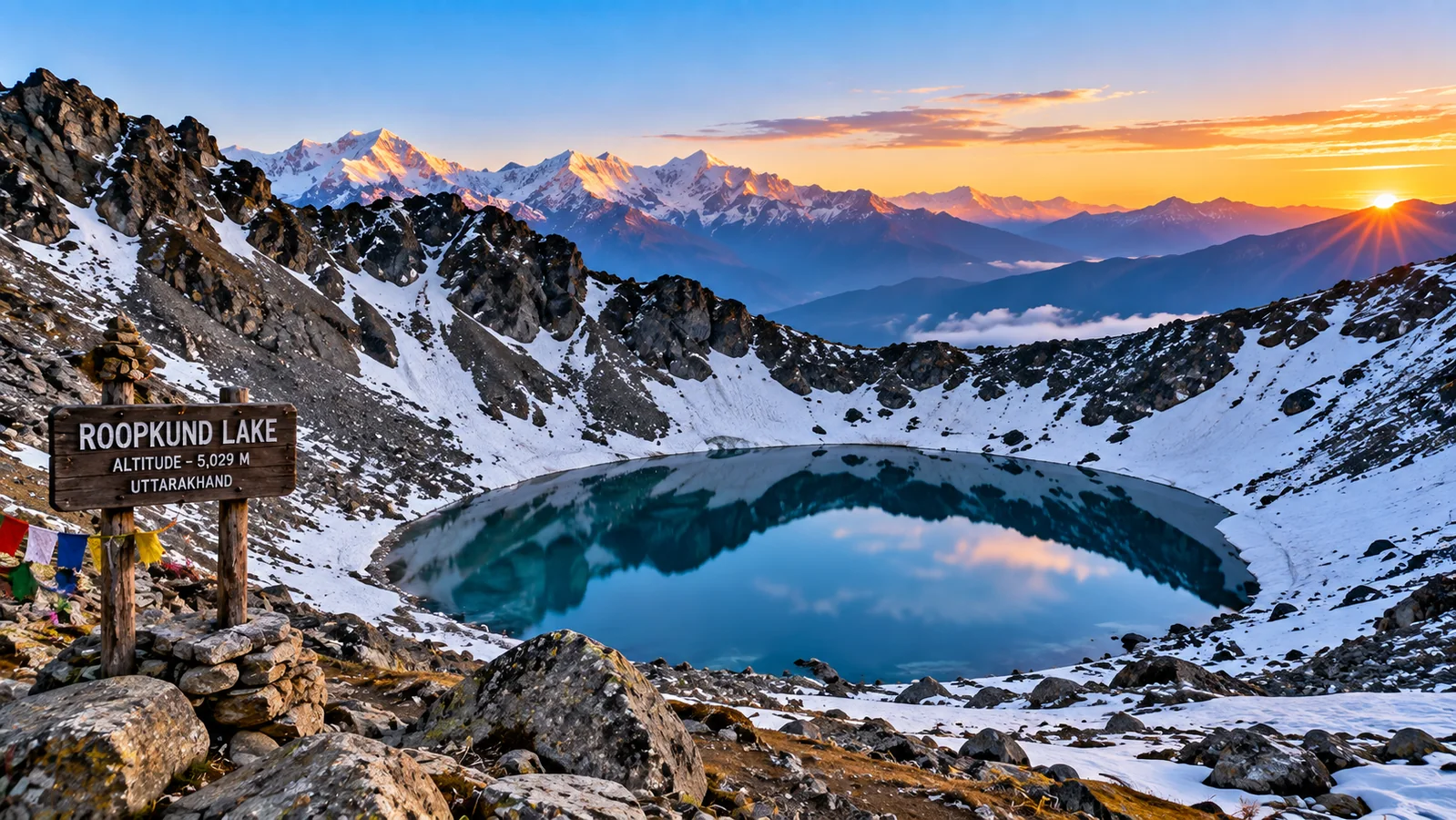
Roopkund Lake Trek
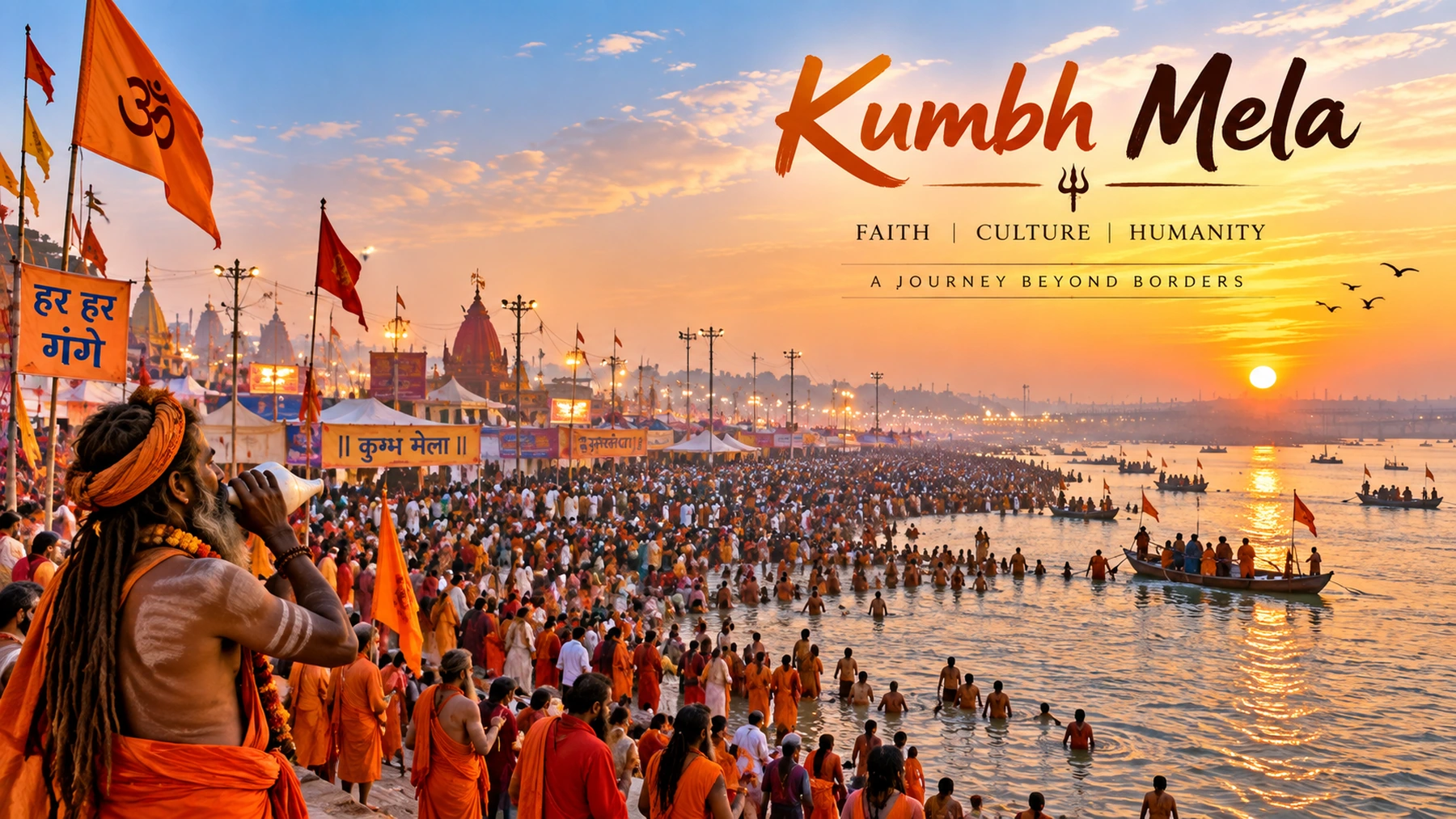
Maha Kumbh 2025
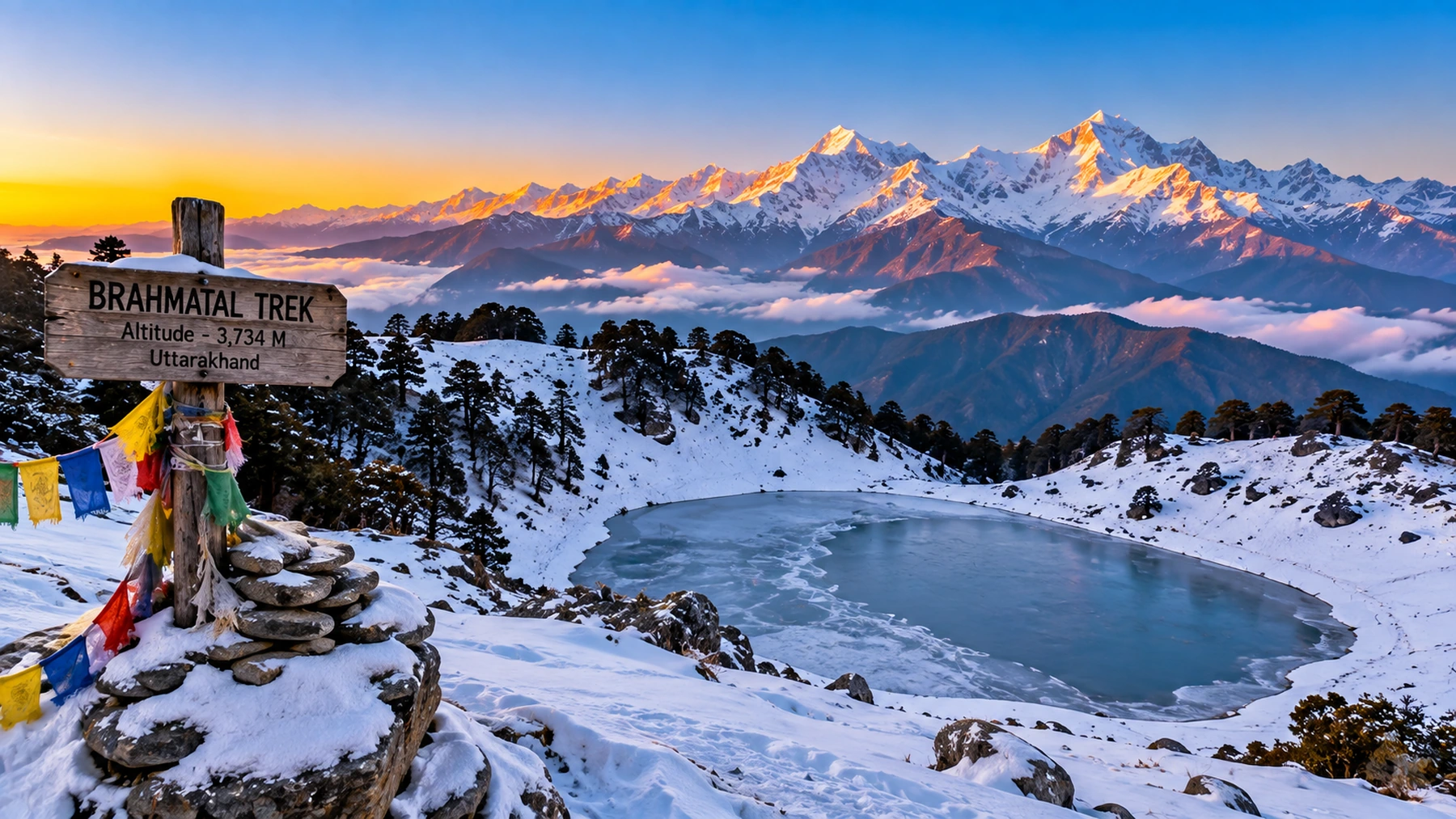
Brahmatal Trek
Kedarnath
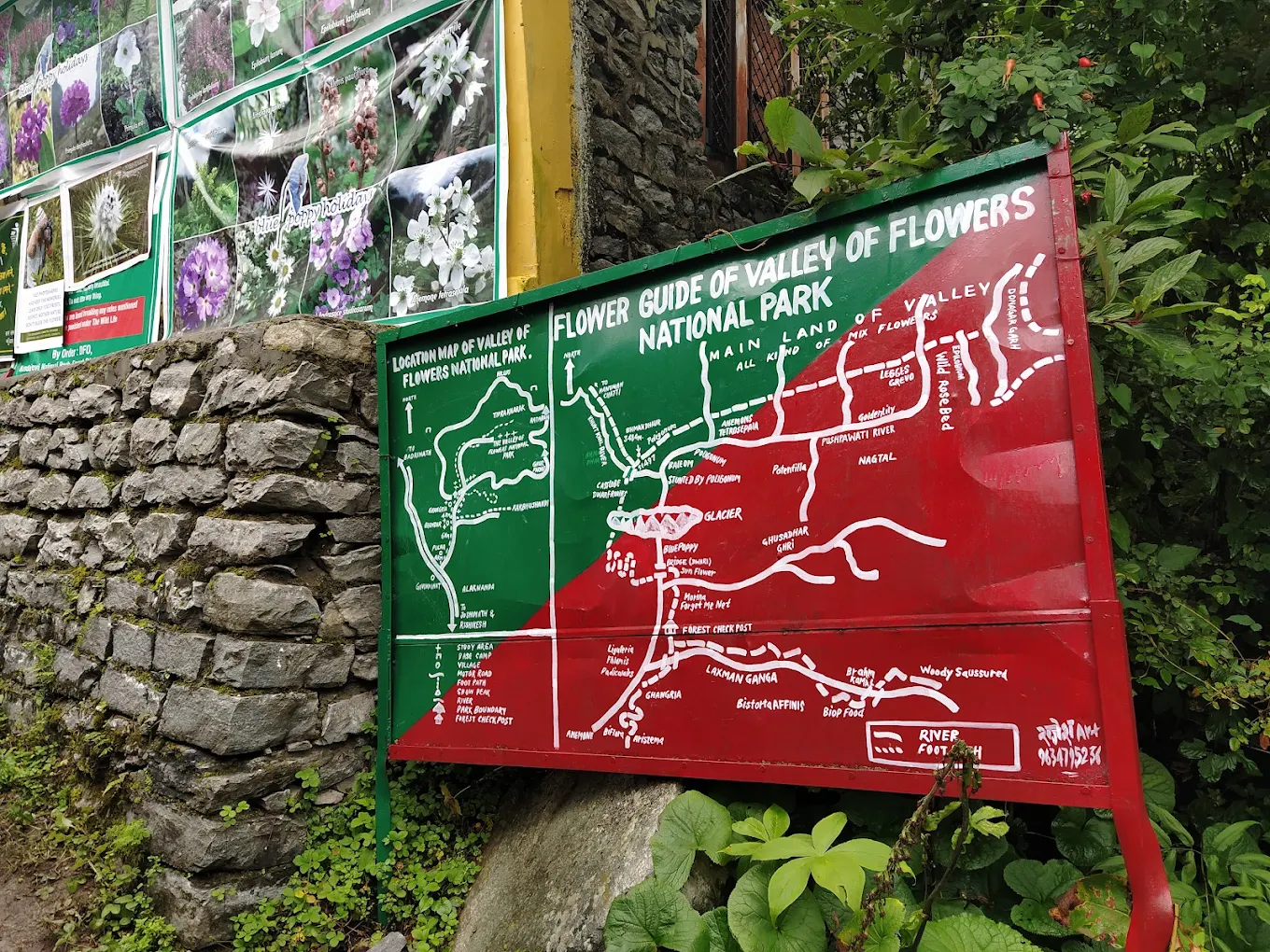
The Valley of Flowers Trek
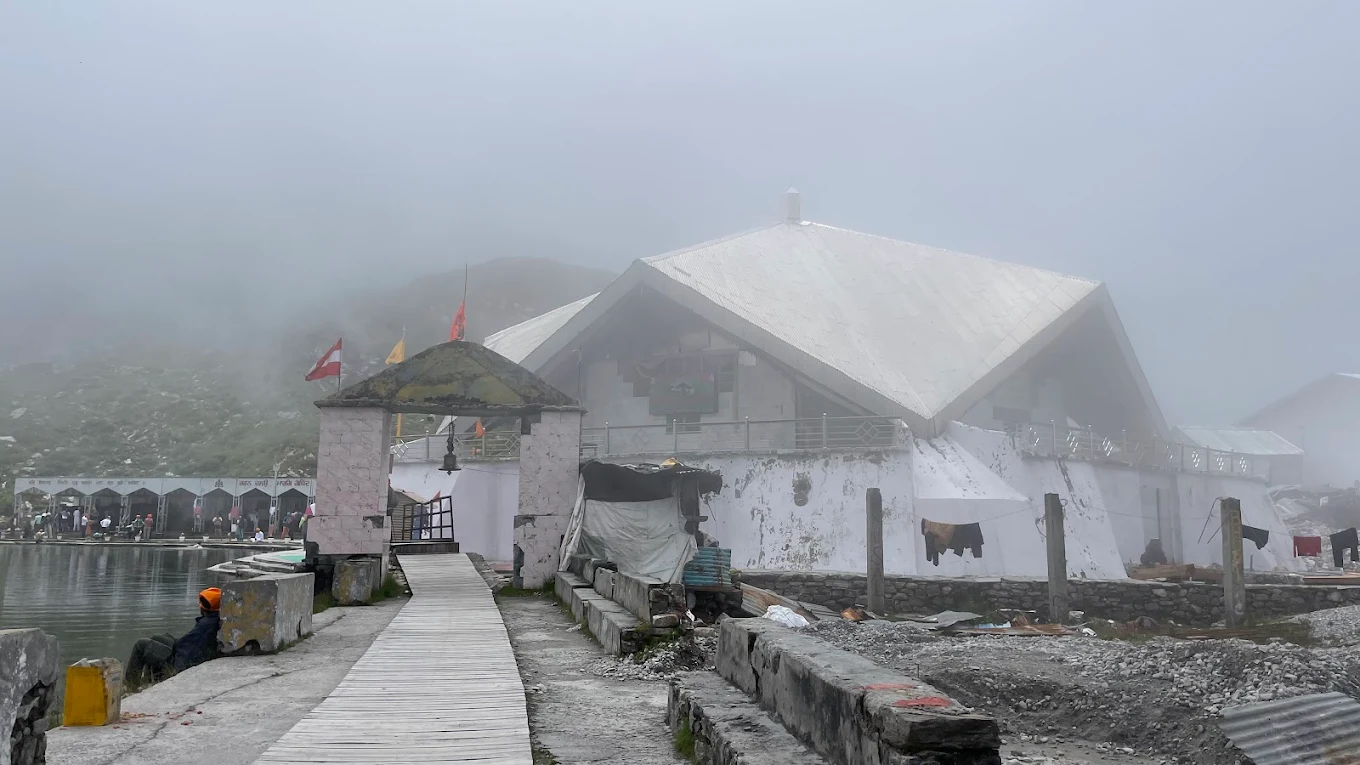
Sri Hemkund Sahib
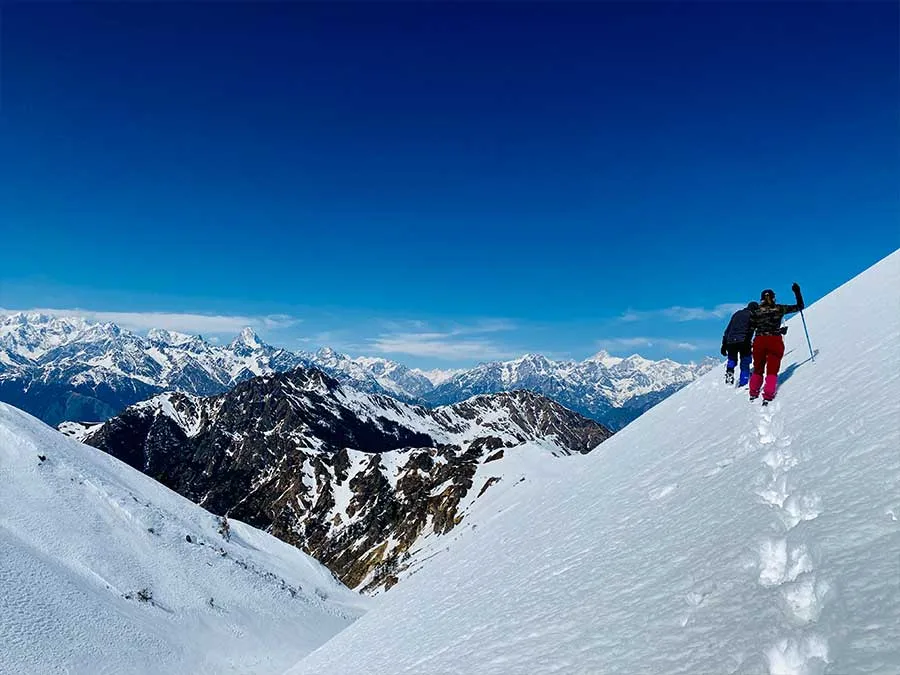
Kuari Pass Trek
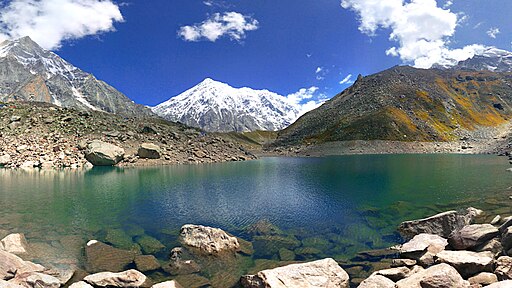
Satopanth Lake Trek
Rudranath
Dayara Bugyal Trek
Char Dham Yatra
Badrinath
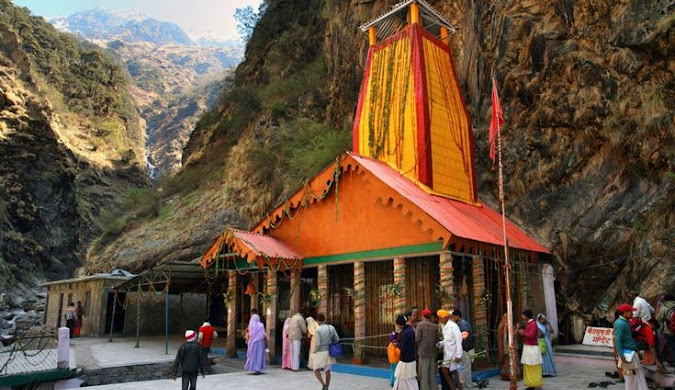
Yamunotri
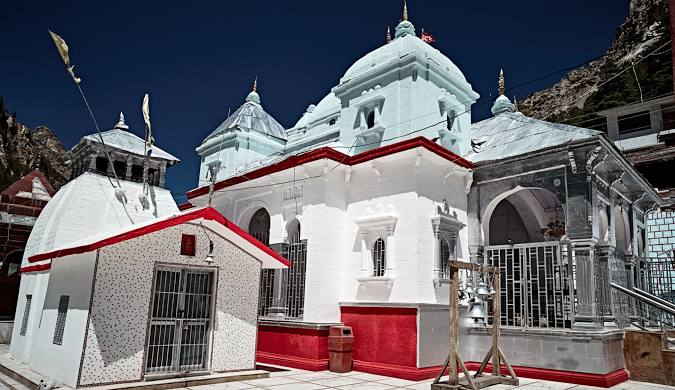
Gangotri
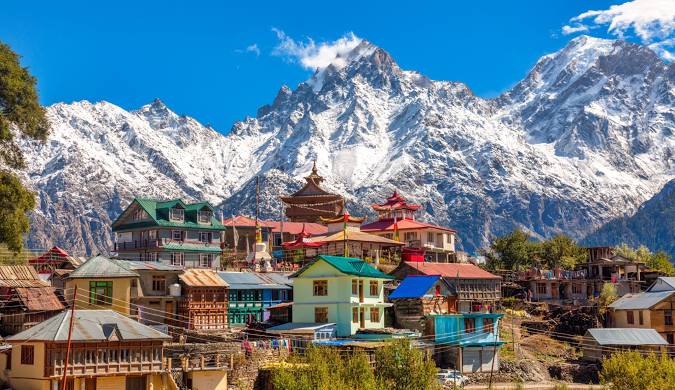
Kalpa
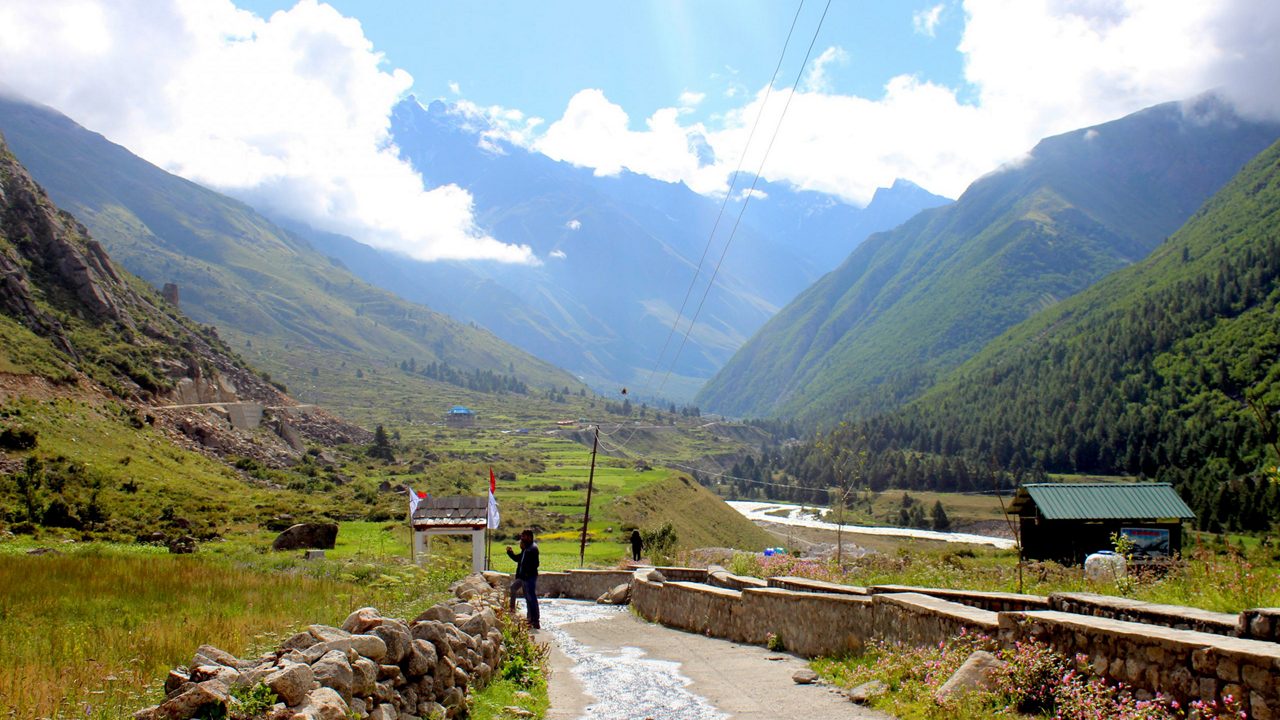
Chitkul
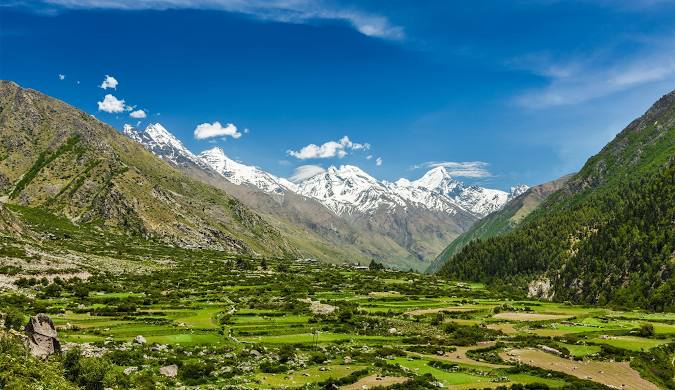
Sangla Valley
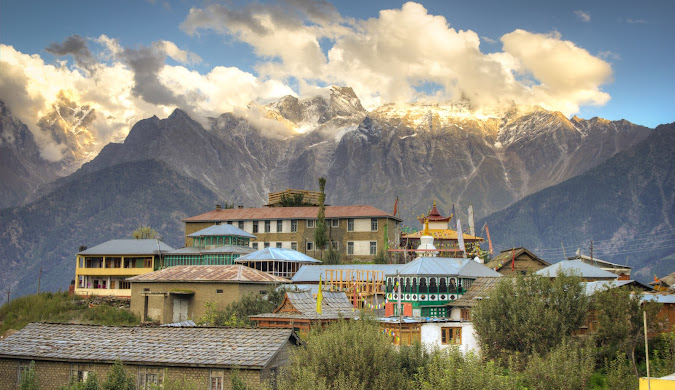
Reckong Peo
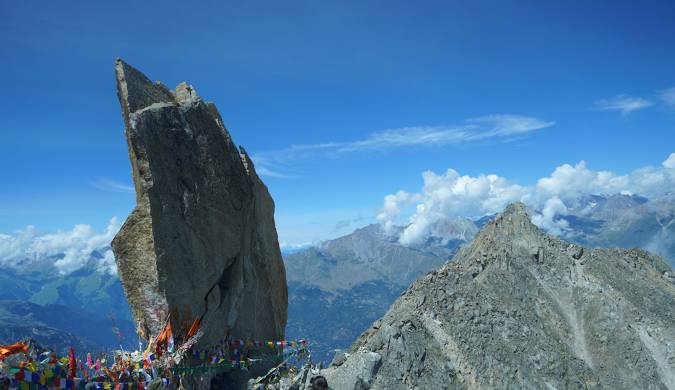
Kinner Kailash
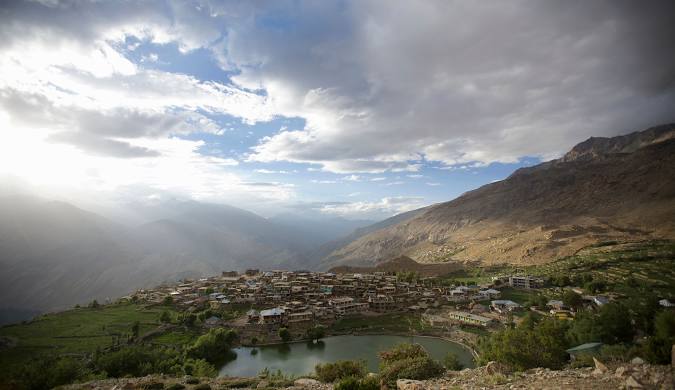
Nako Village
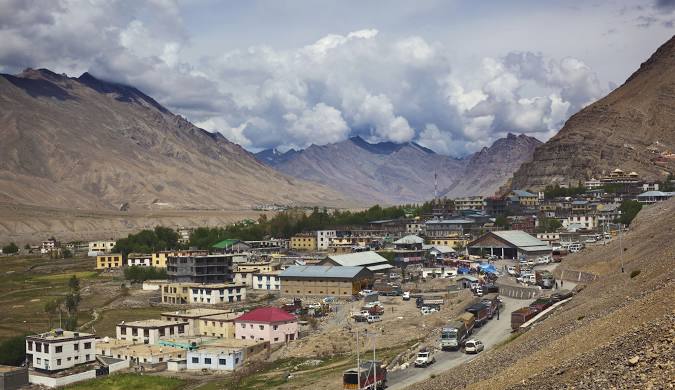
Kaza
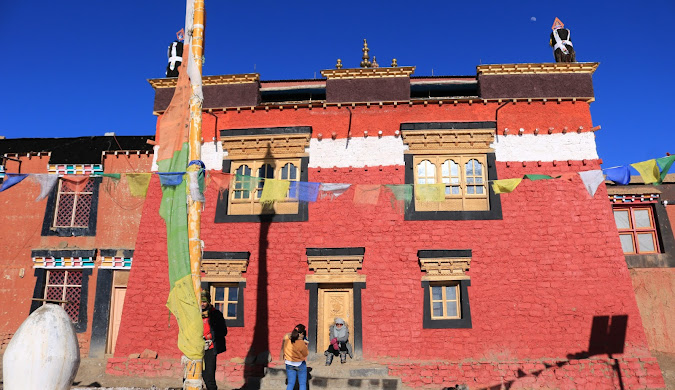
Komic Village
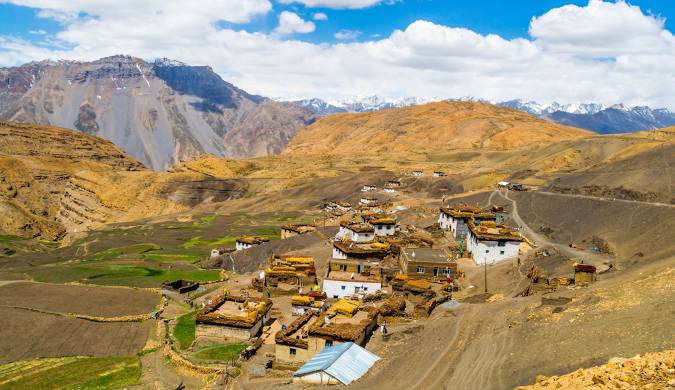
Hikkim Village
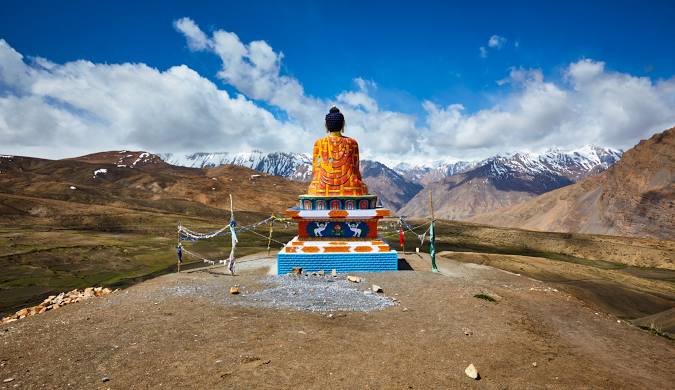
Langza Village
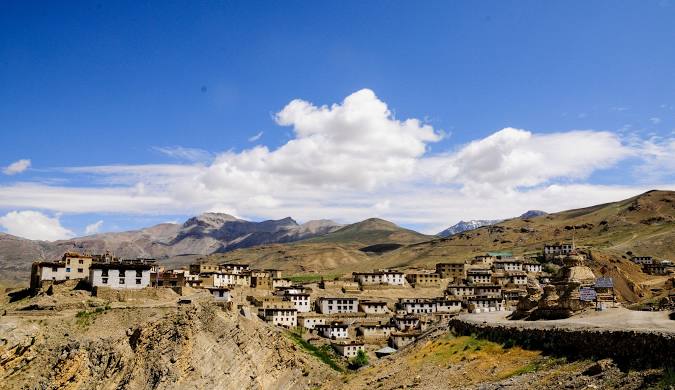
Kibber Village
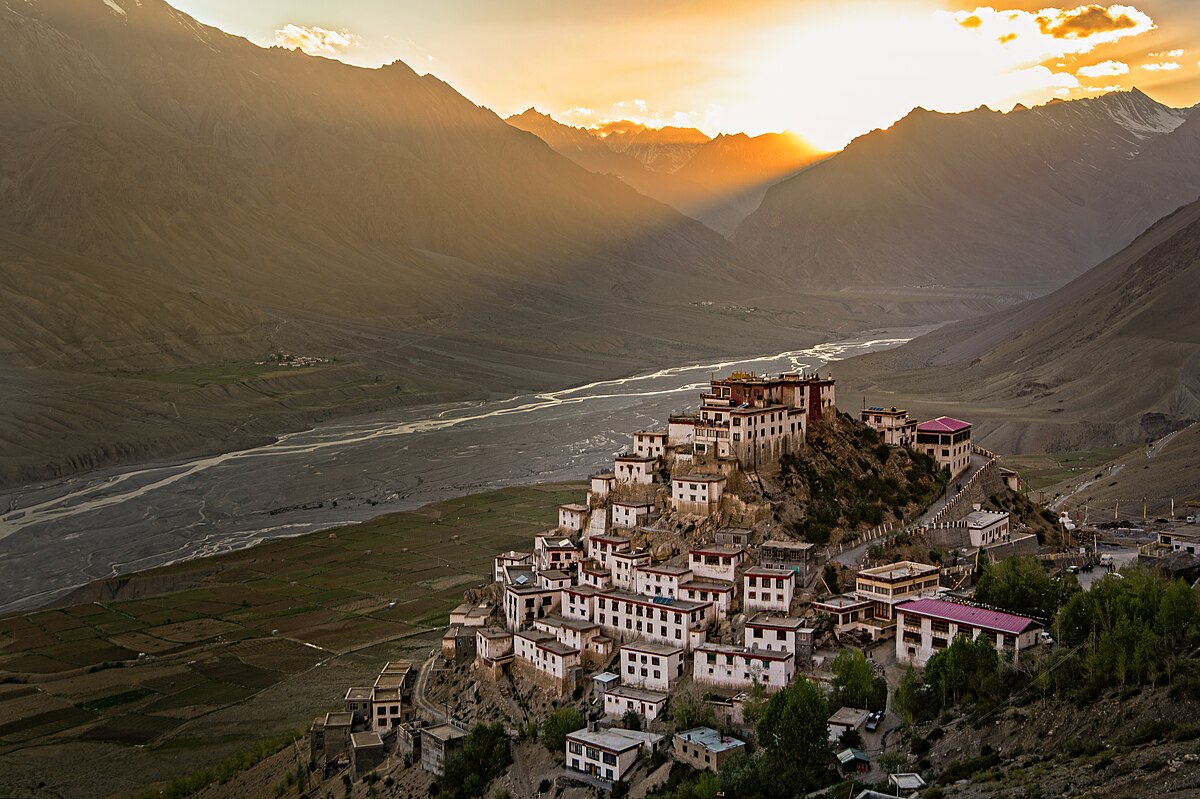
Key Monastery
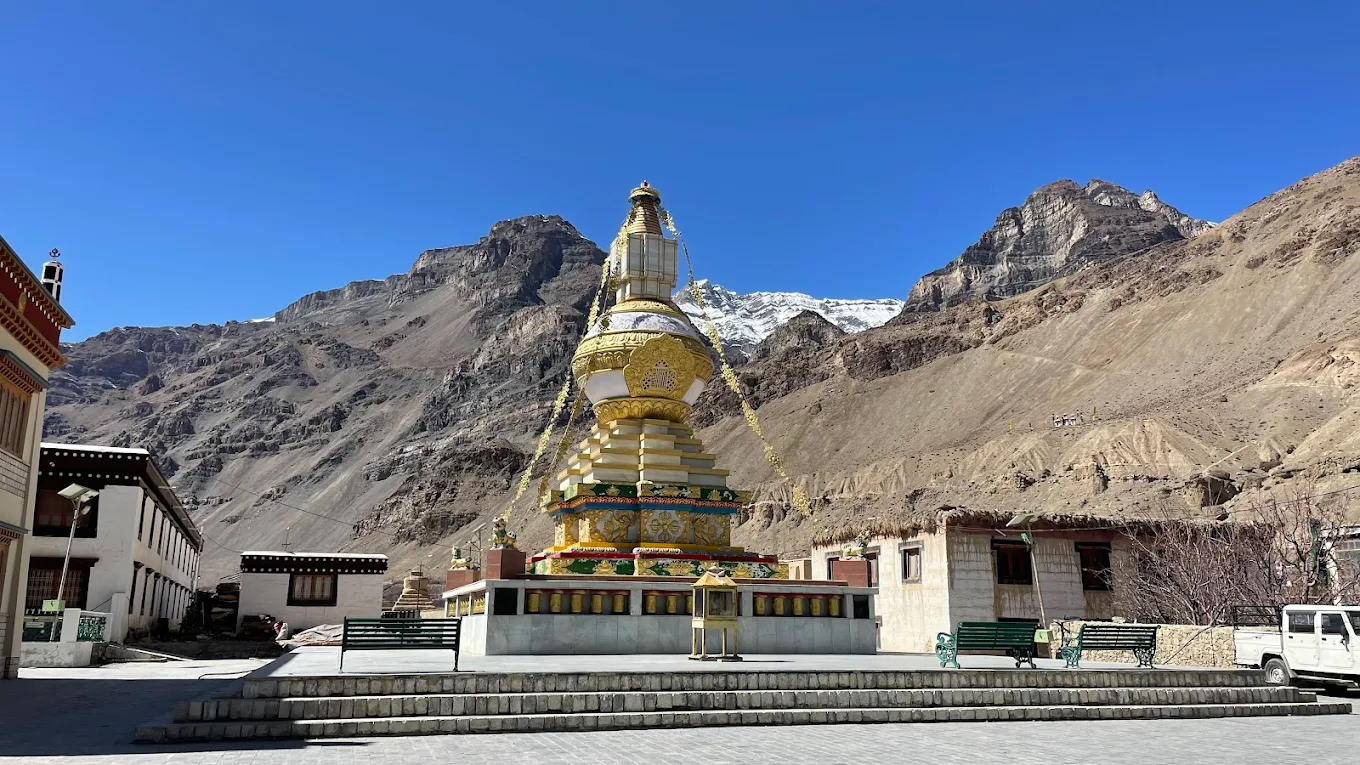
Tabo Monastery
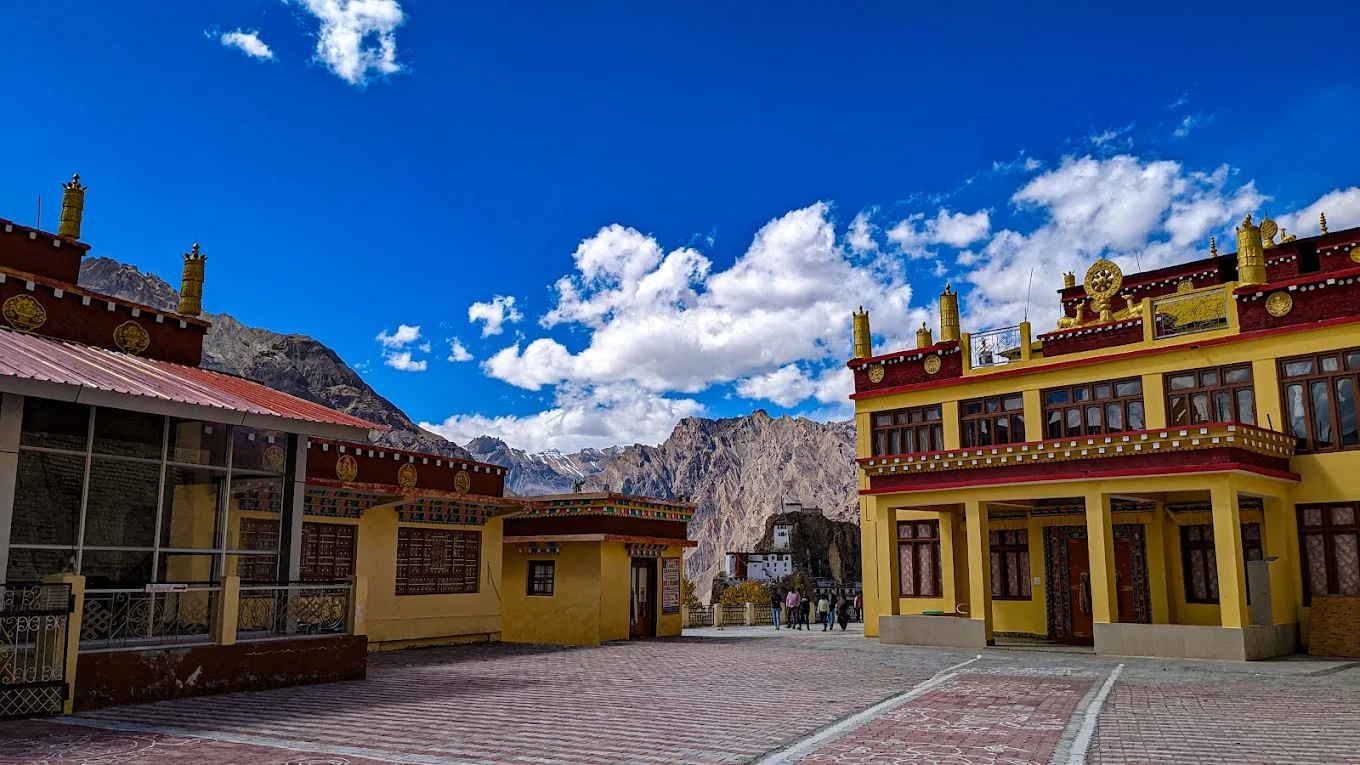
Dhankar Monastery
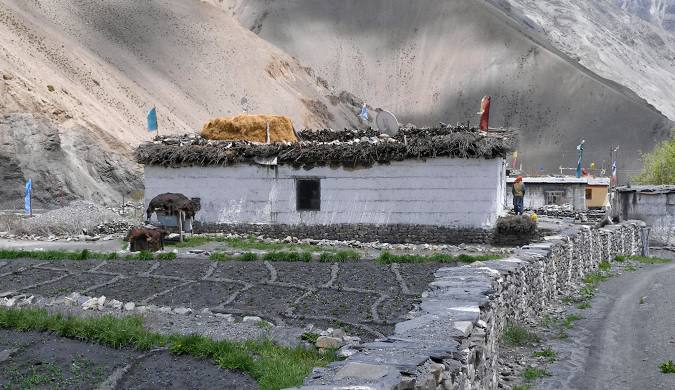
Gue Village
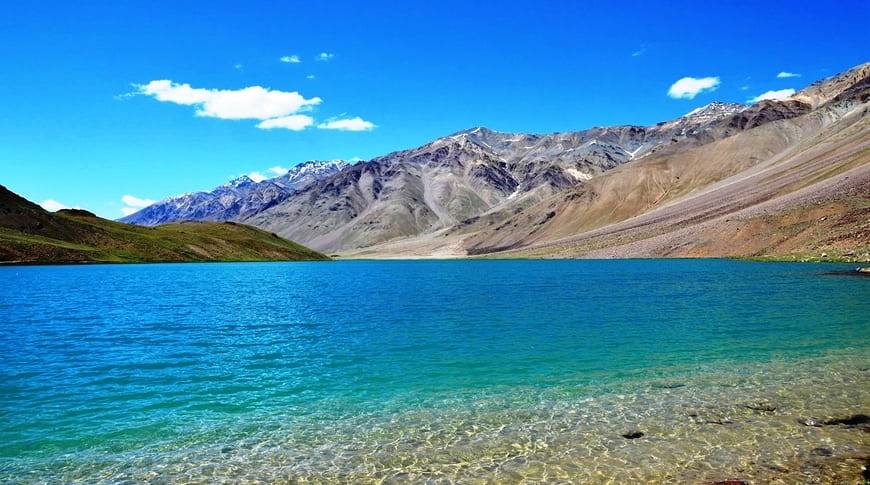
Chandratal Lake
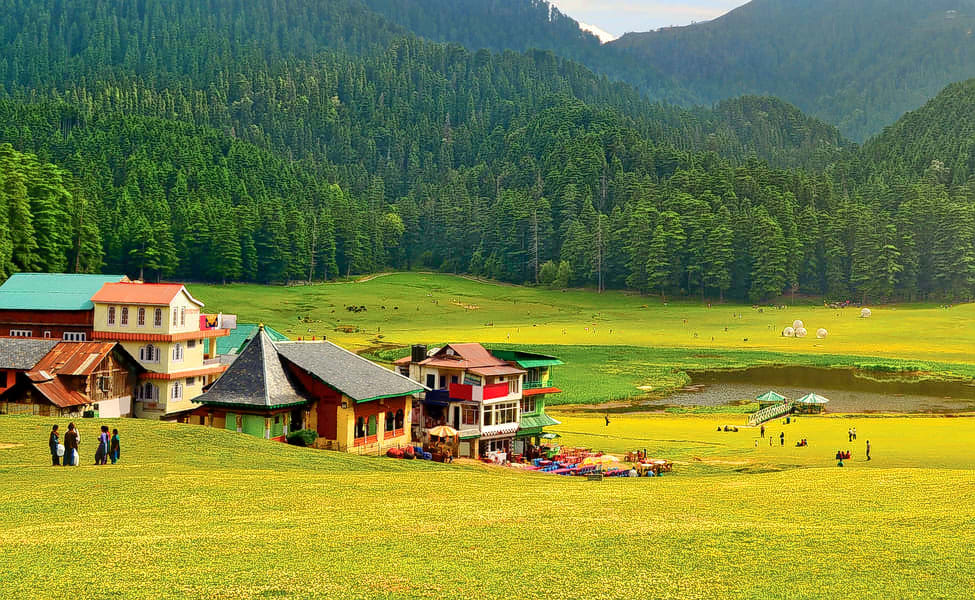
Dalhousie
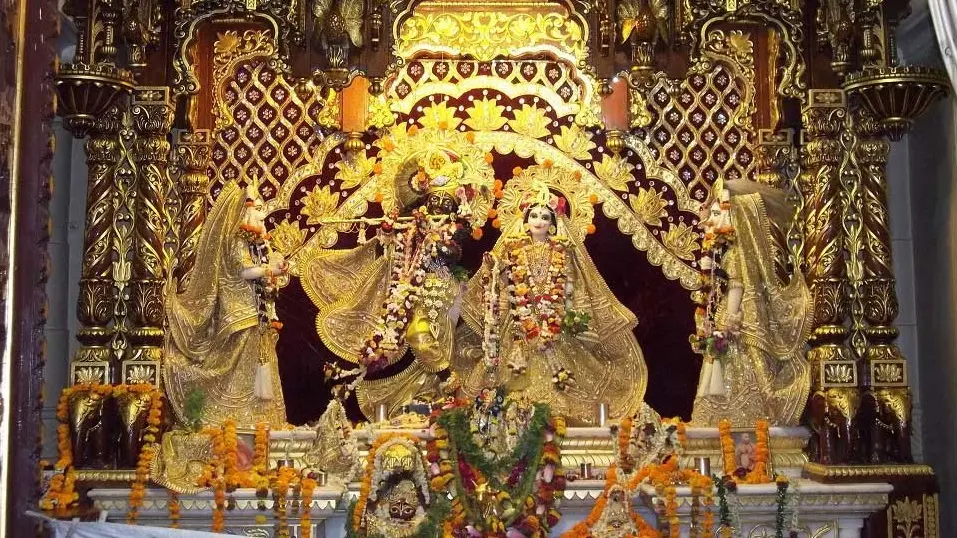
Shri Krishna Janmabhoomi Temple
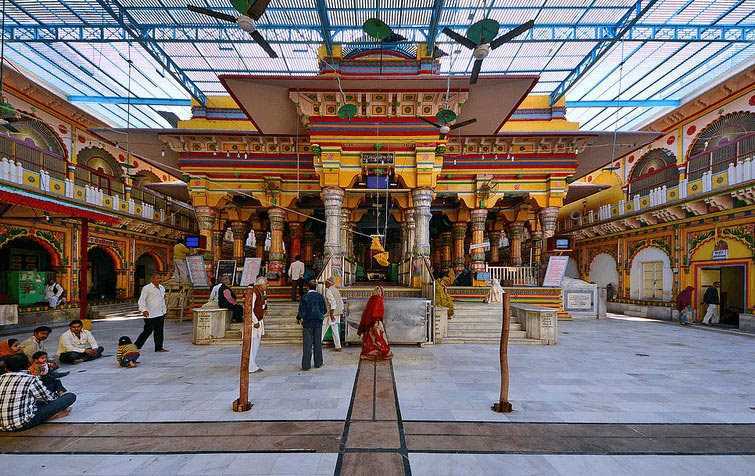
Shri Dwarkadhish Temple
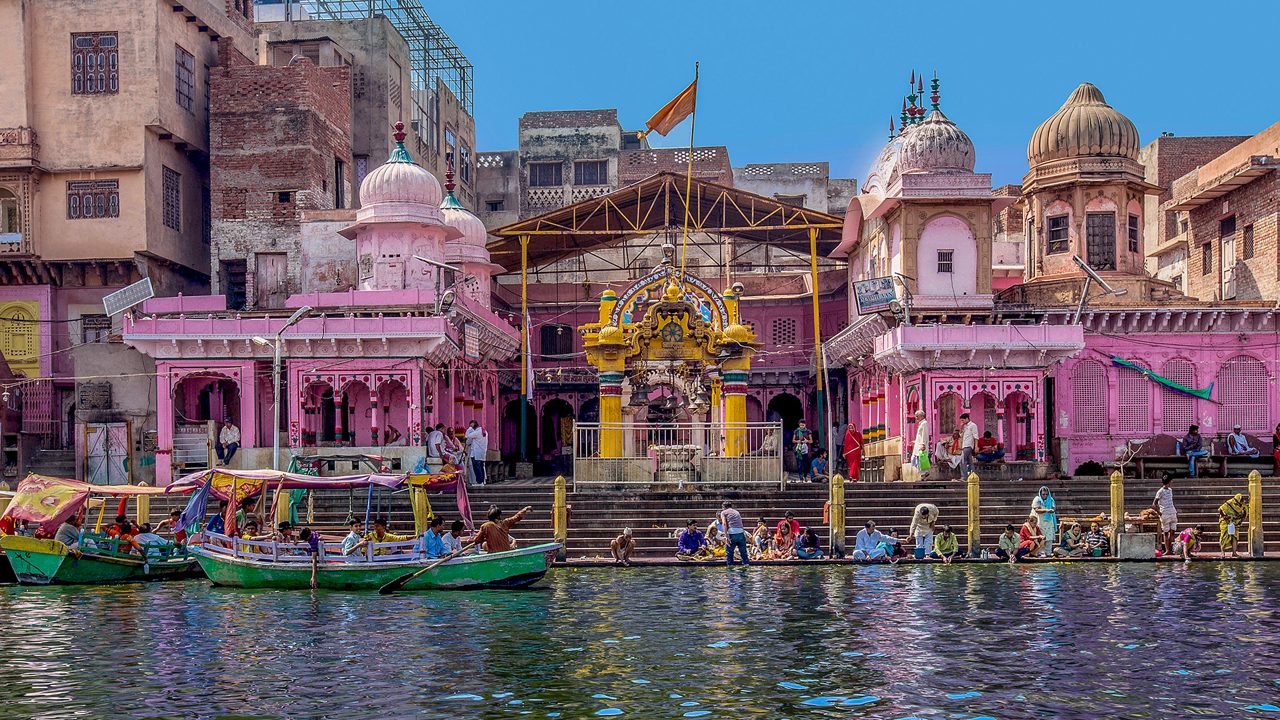
Vishram Ghat, Mathura
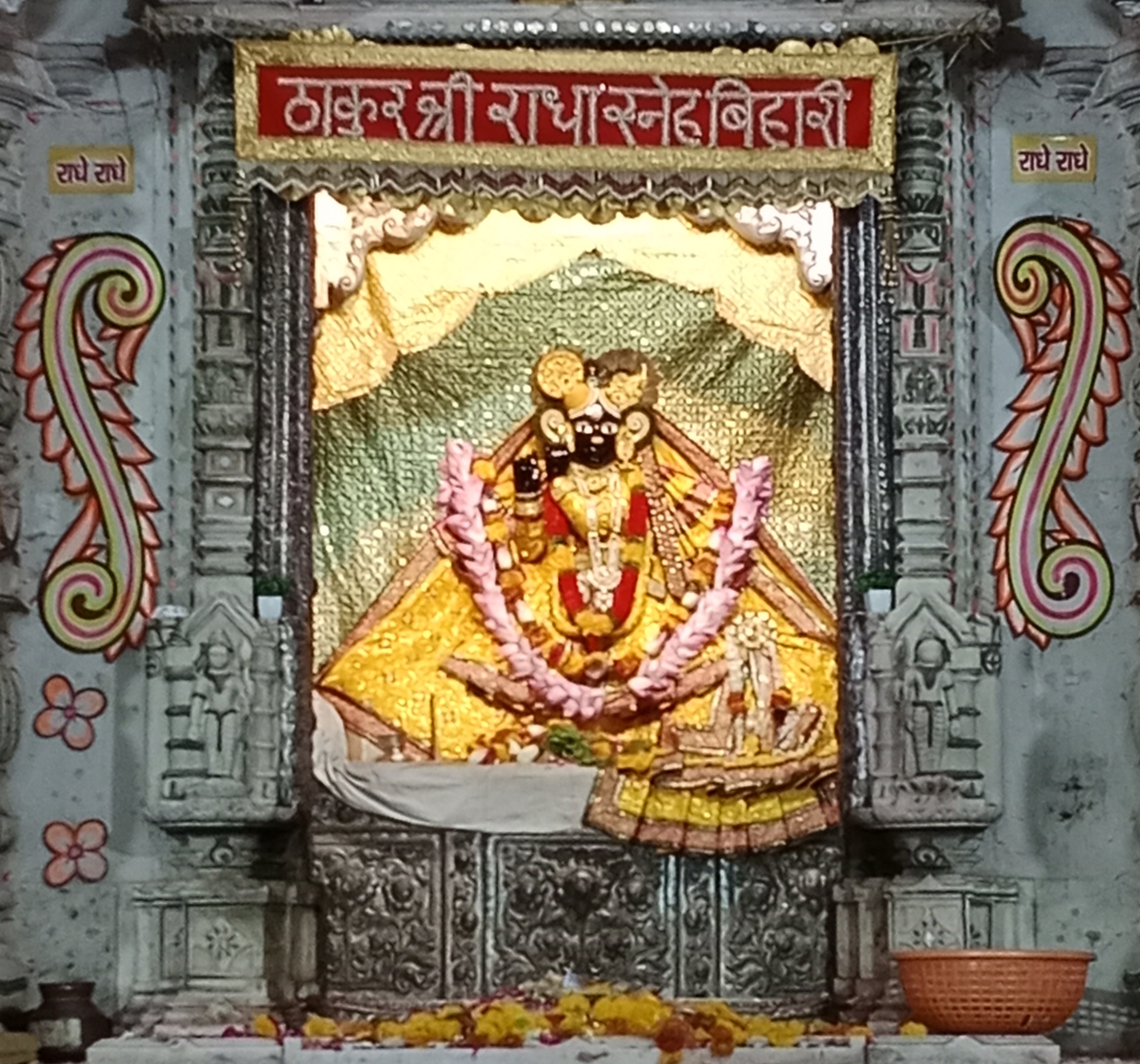
Shri Banke Bihari Temple, Vrindavan
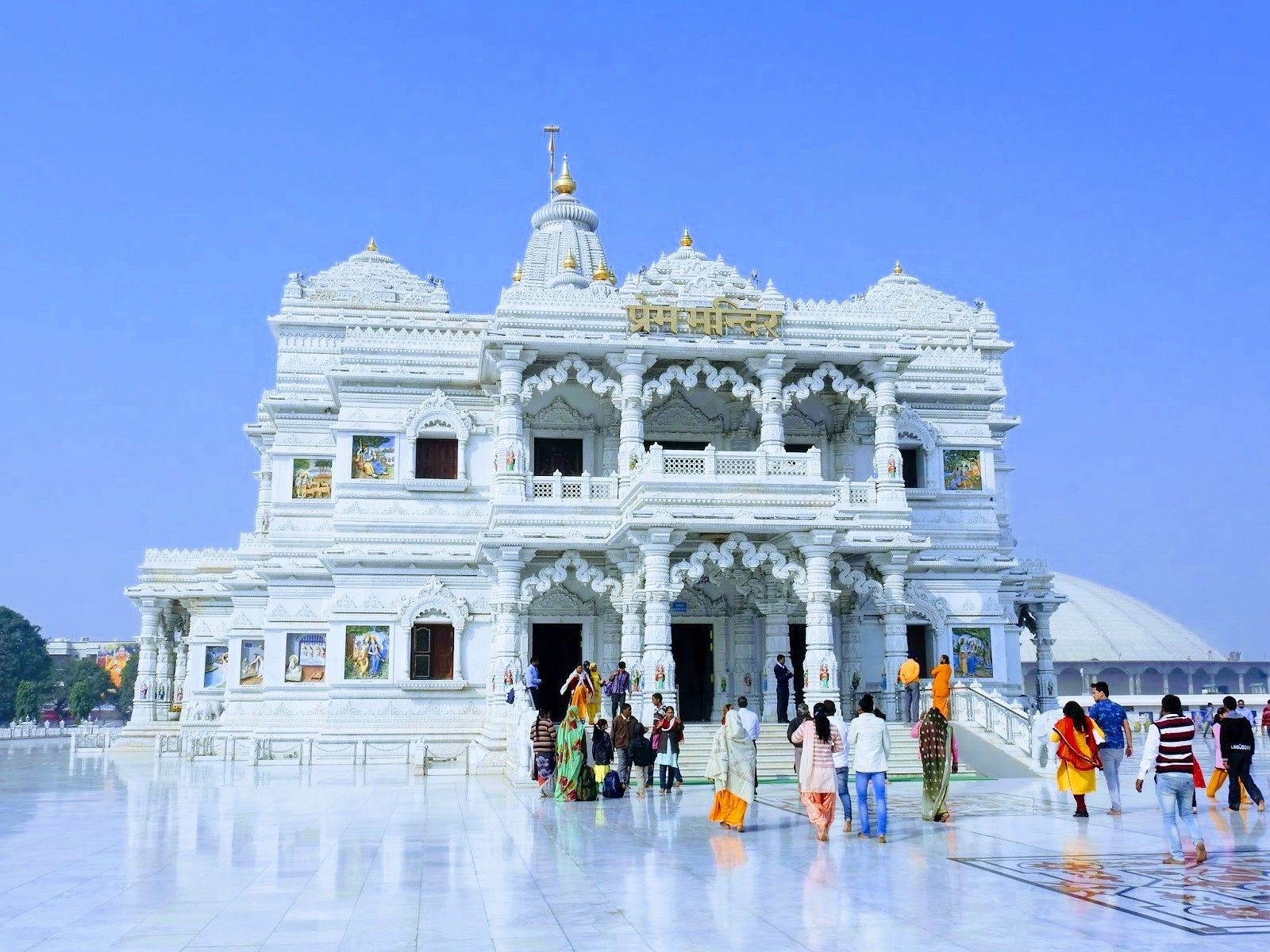
Shri Prem Mandir, Vrindavan
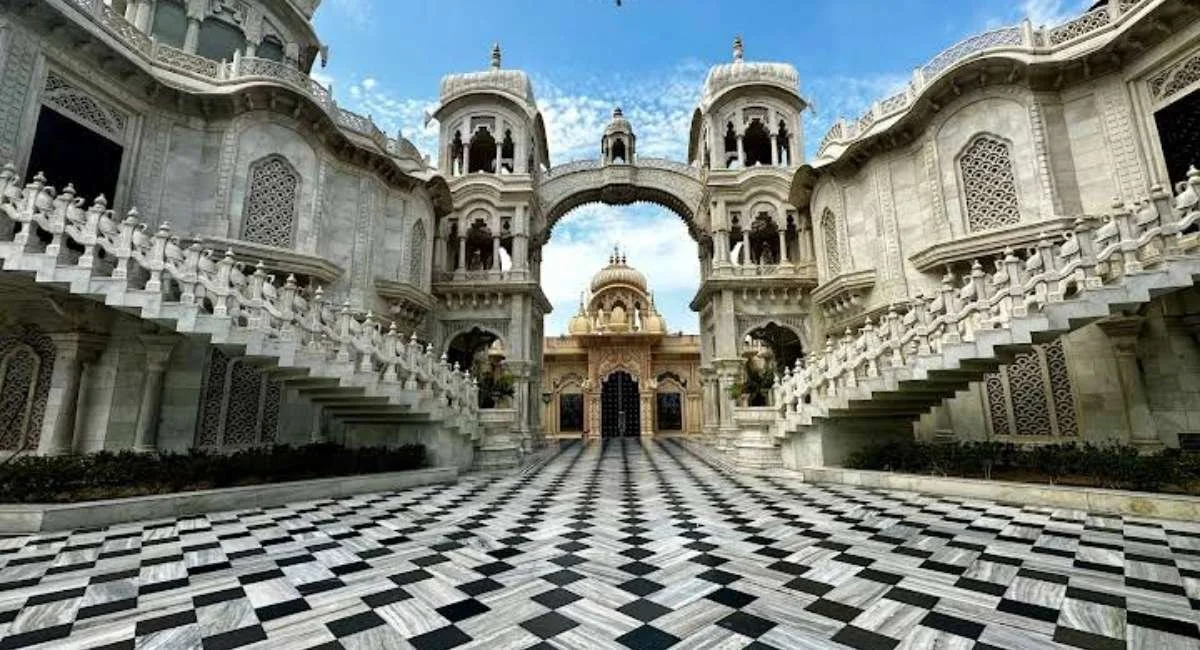
ISKCON Temple, Vrindavan
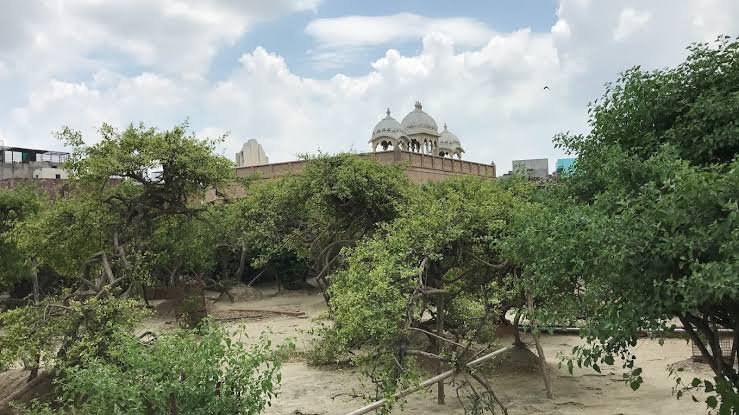
Nidhivan, Vrindavan
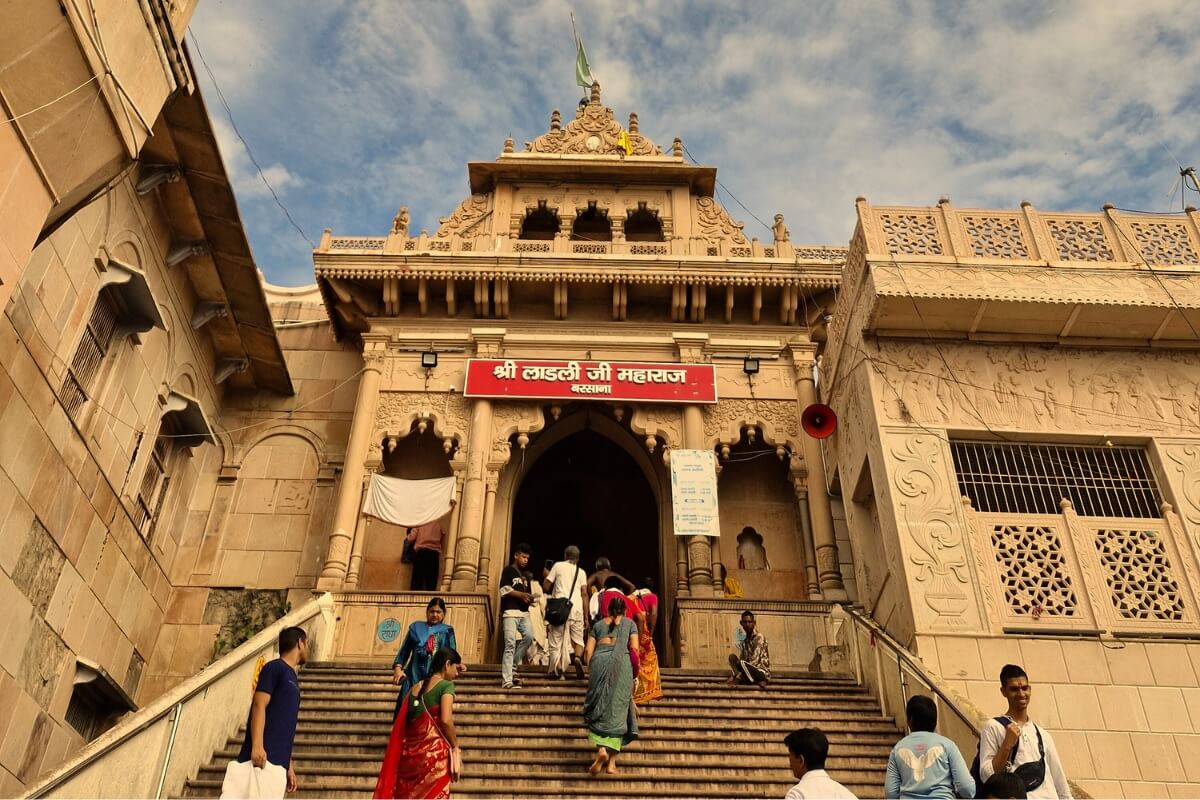
Shri Radha Rani Temple, Barsana
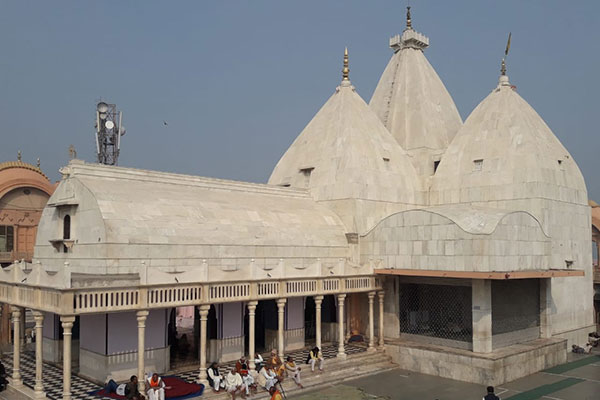
Nand Bhawan Mandir, Nandgaon
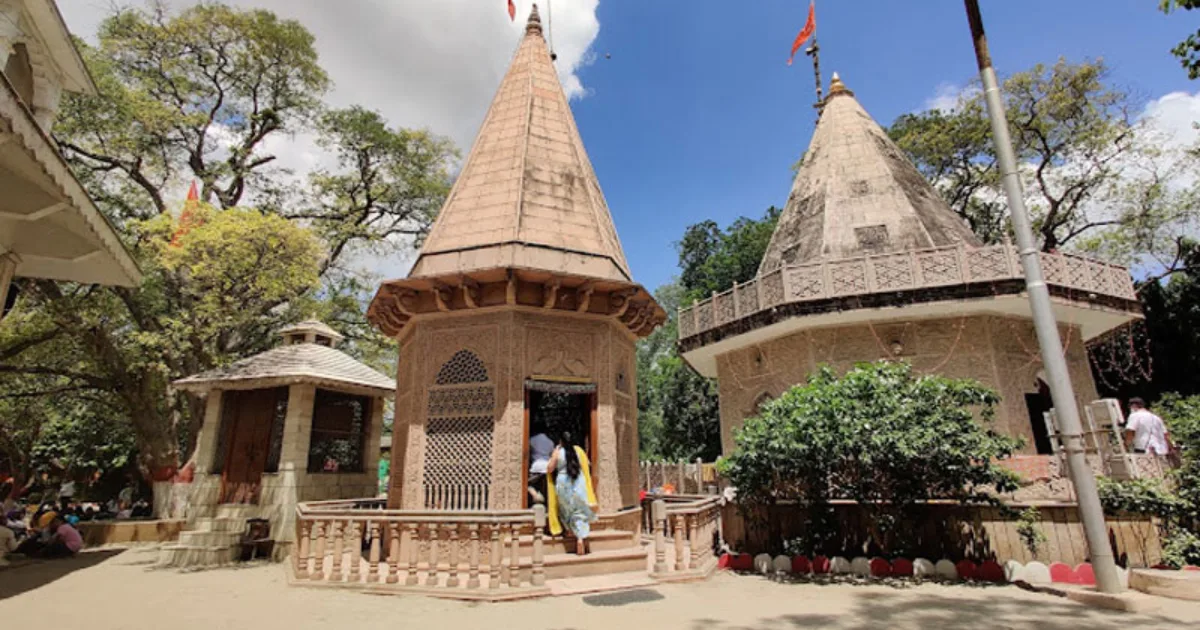
Raman Reti
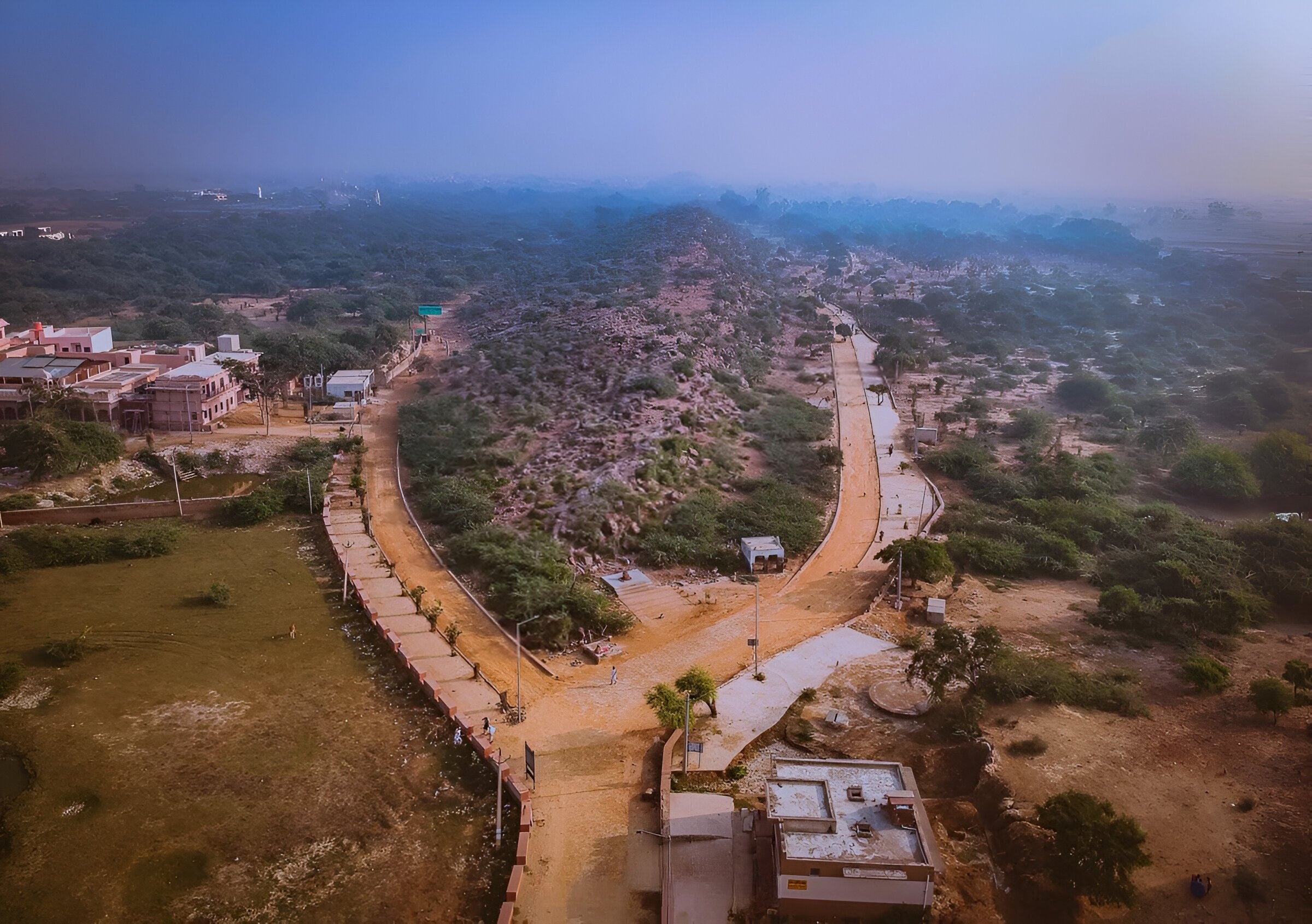
Goverdhan Parikrama
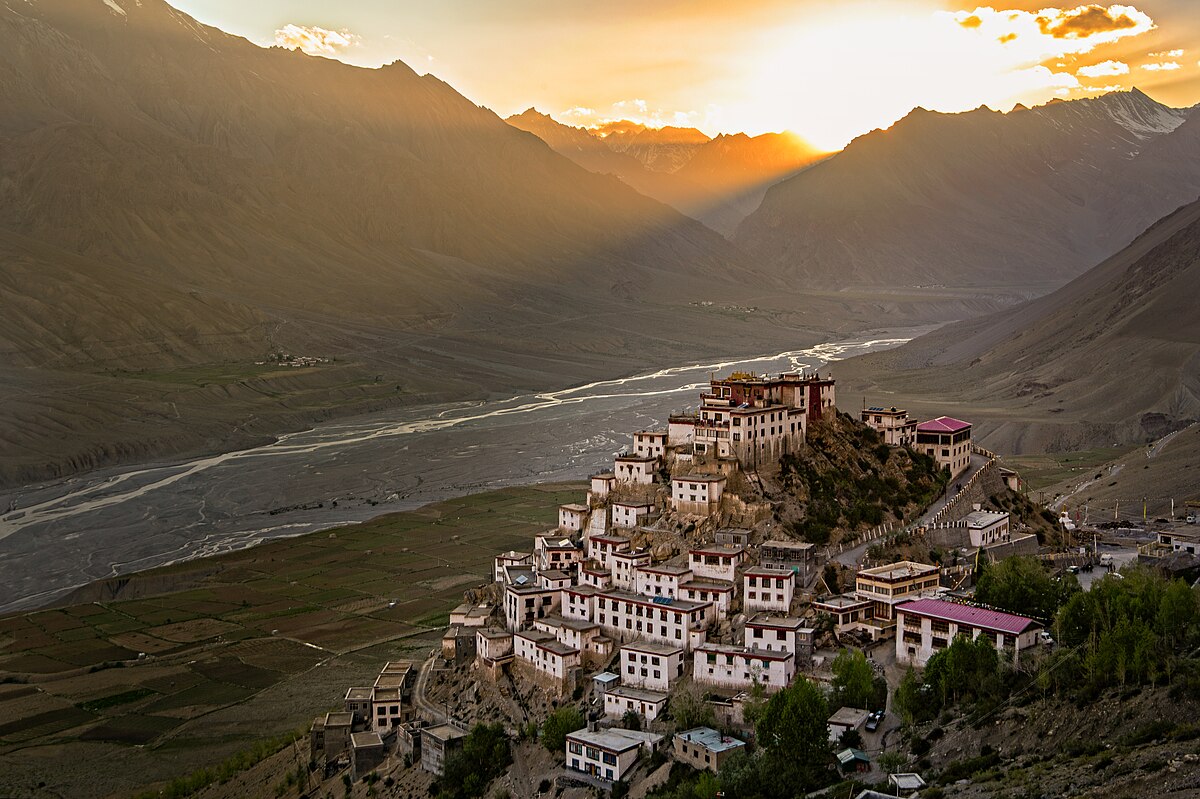
Spiti Valley Expedition
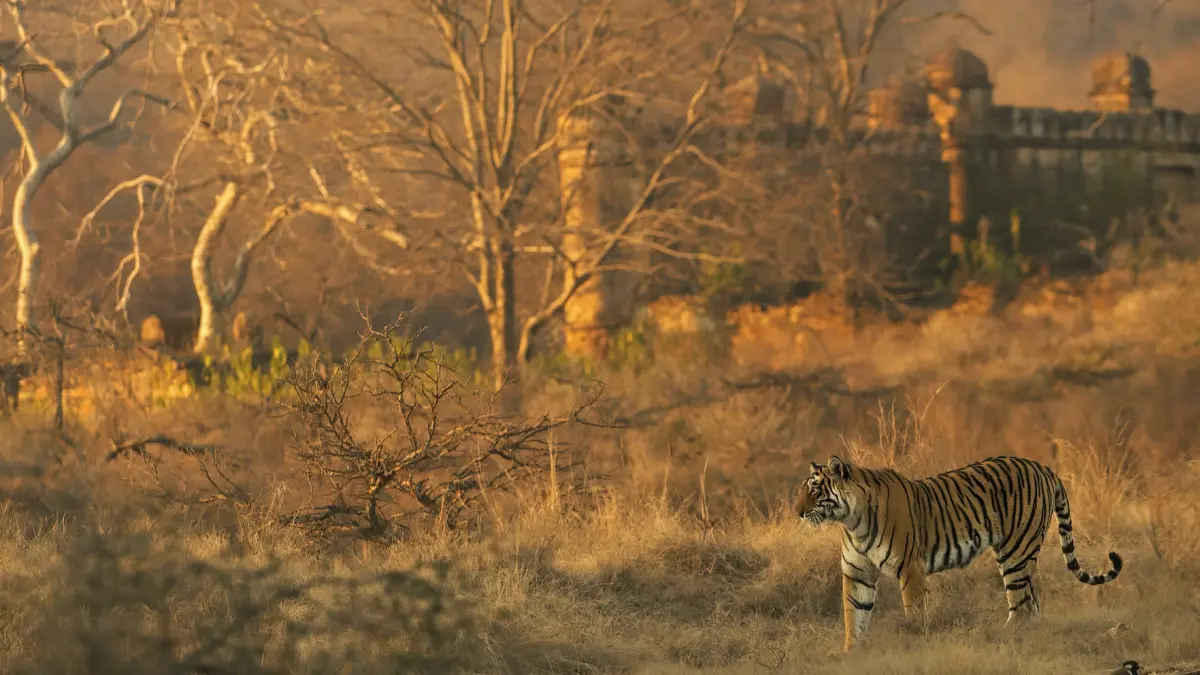
Ranthambhore National Park
Manali
Shimla
Mussoorie
Neem Karoli Baba, Kainchi Dham
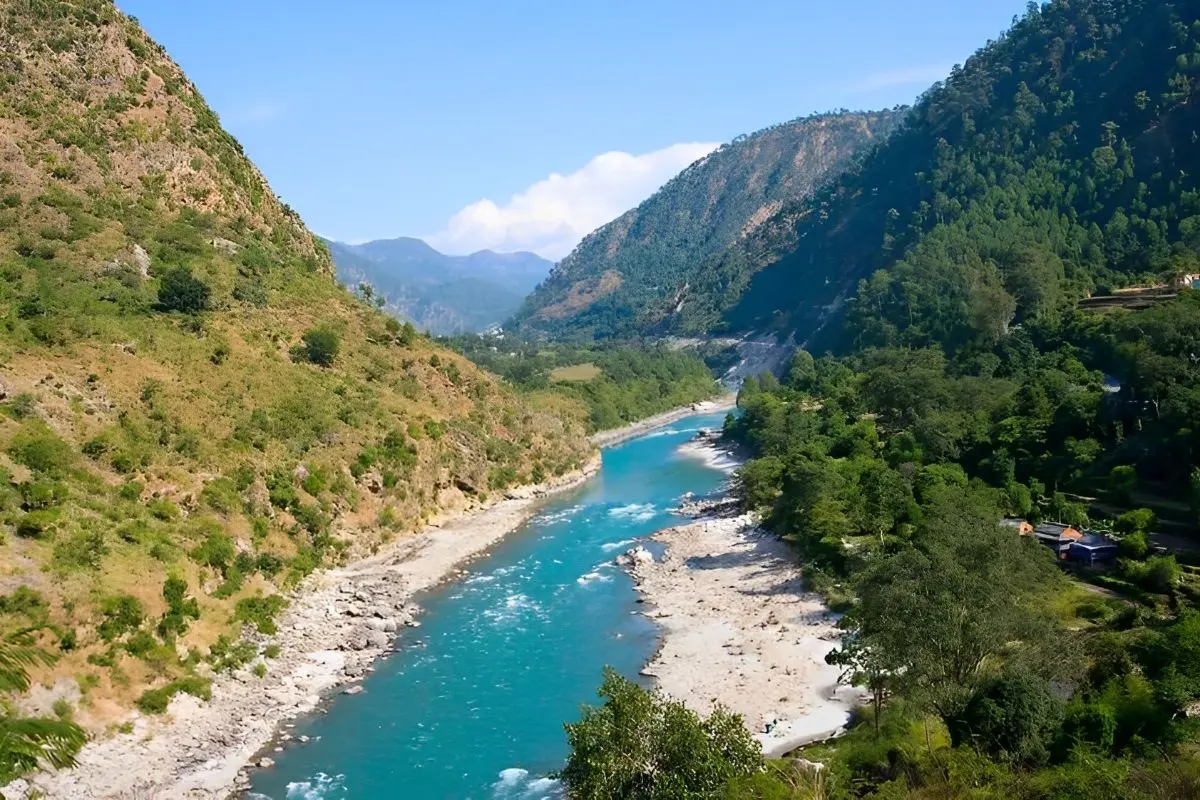
Mukteshwar
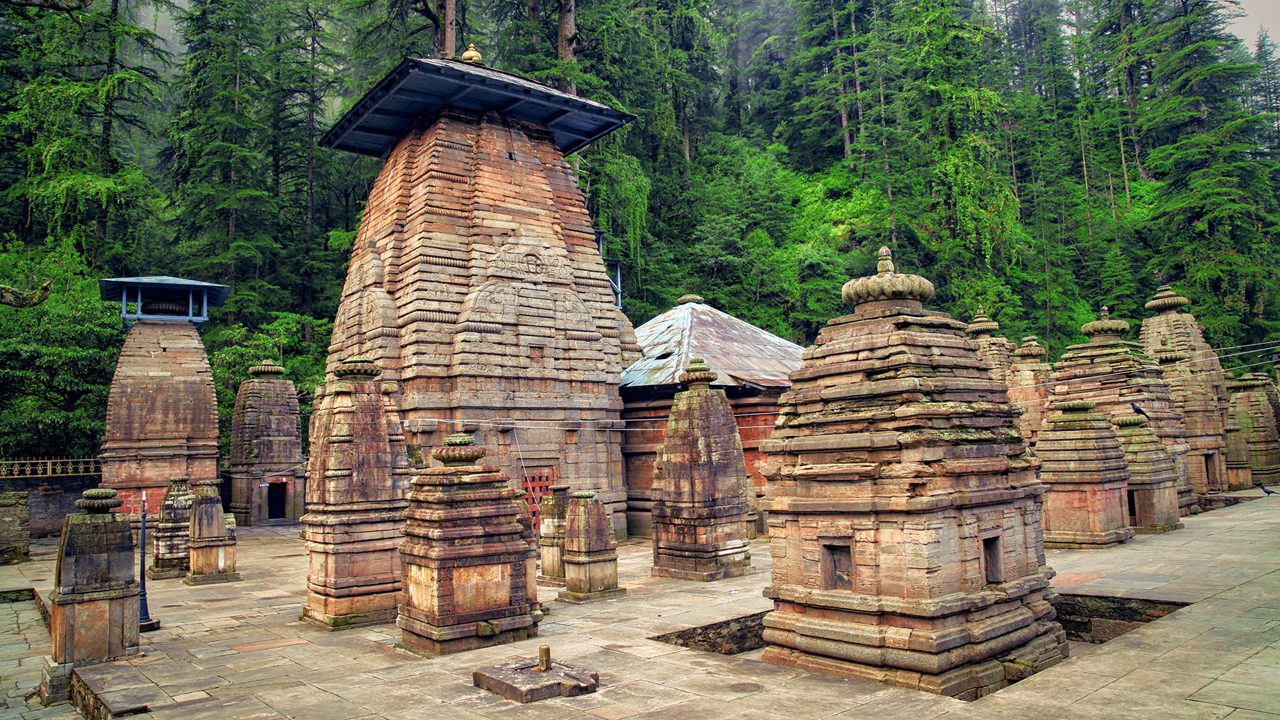
Jageshwar Dham
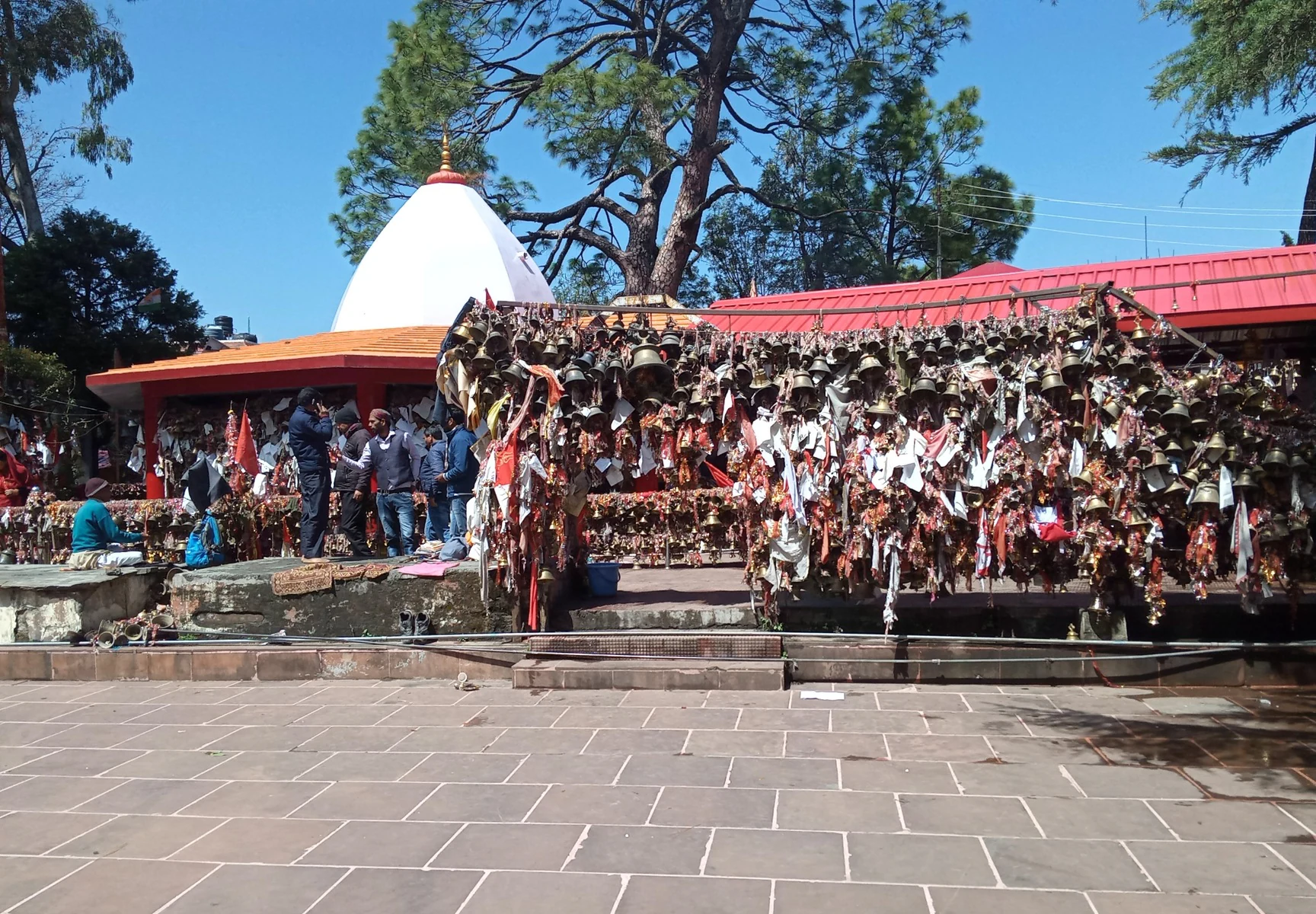
Chitai Golu Devta Temple
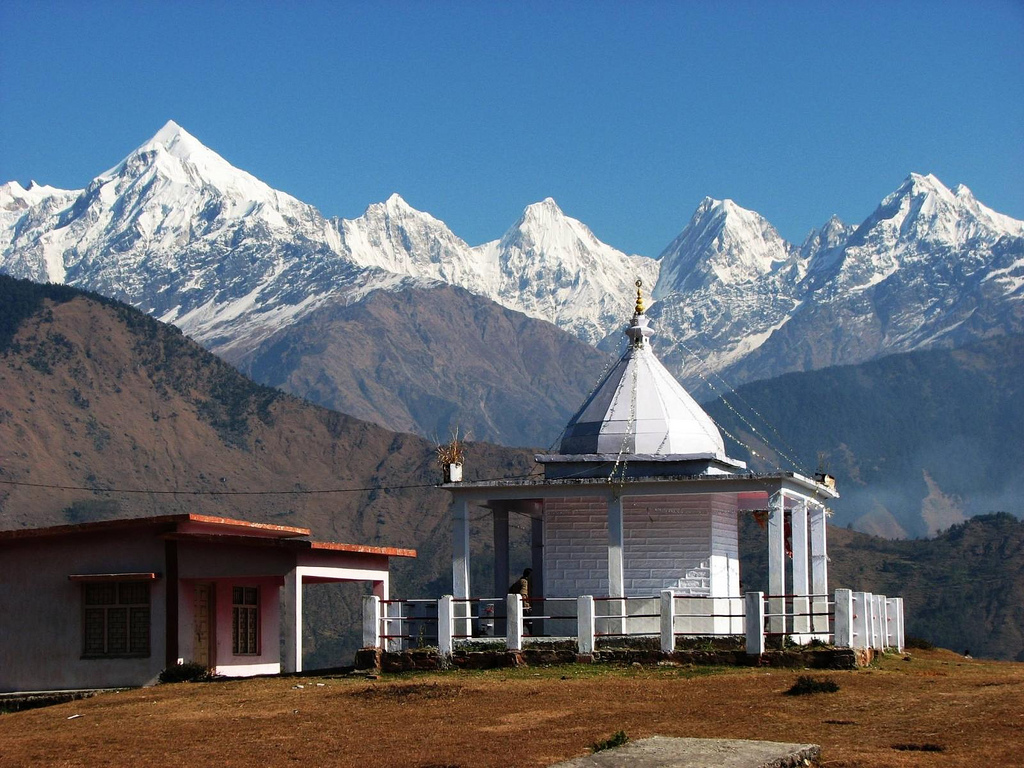
NANDA DEVI TEMPLE
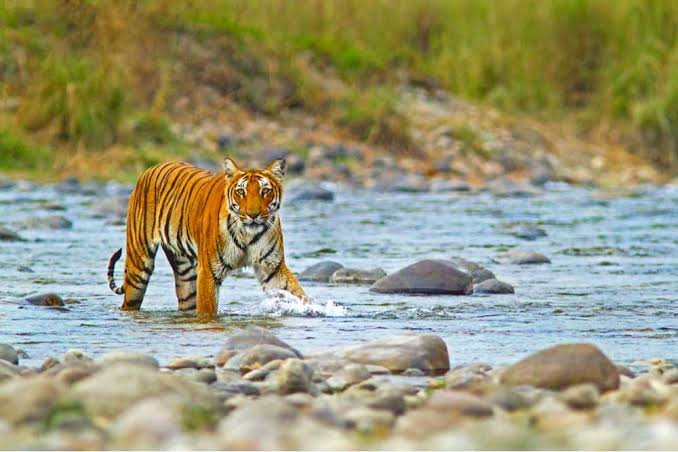
Jim Corbett National Park
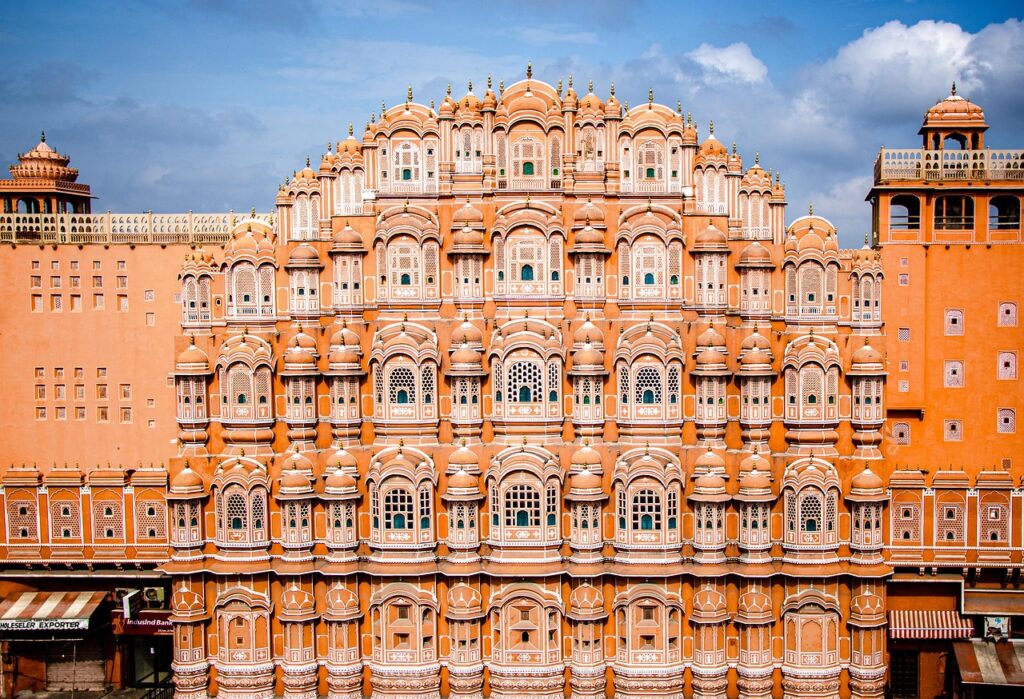
Hawa Mahal
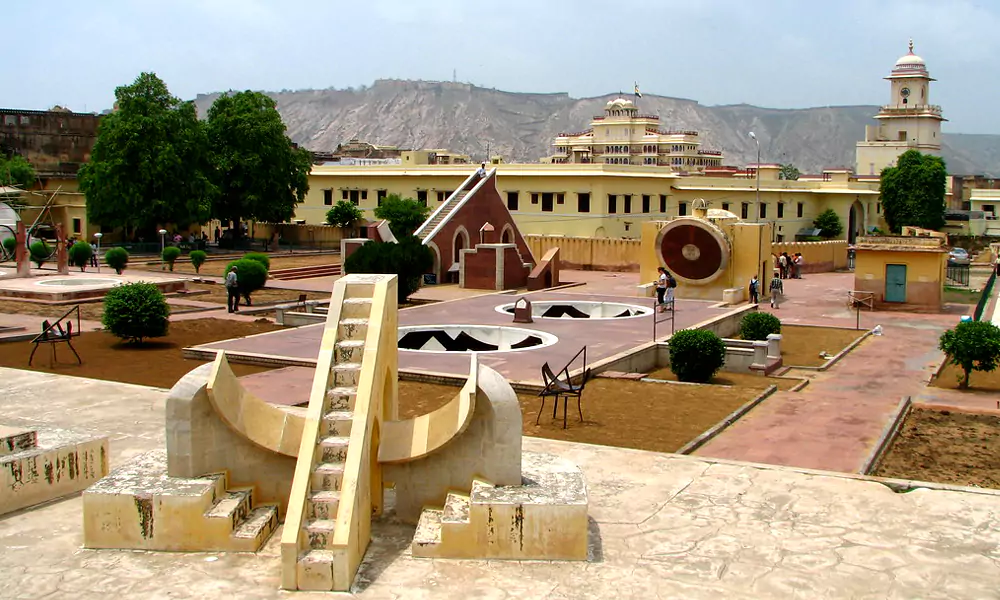
Jantar Mantar, Jaipur
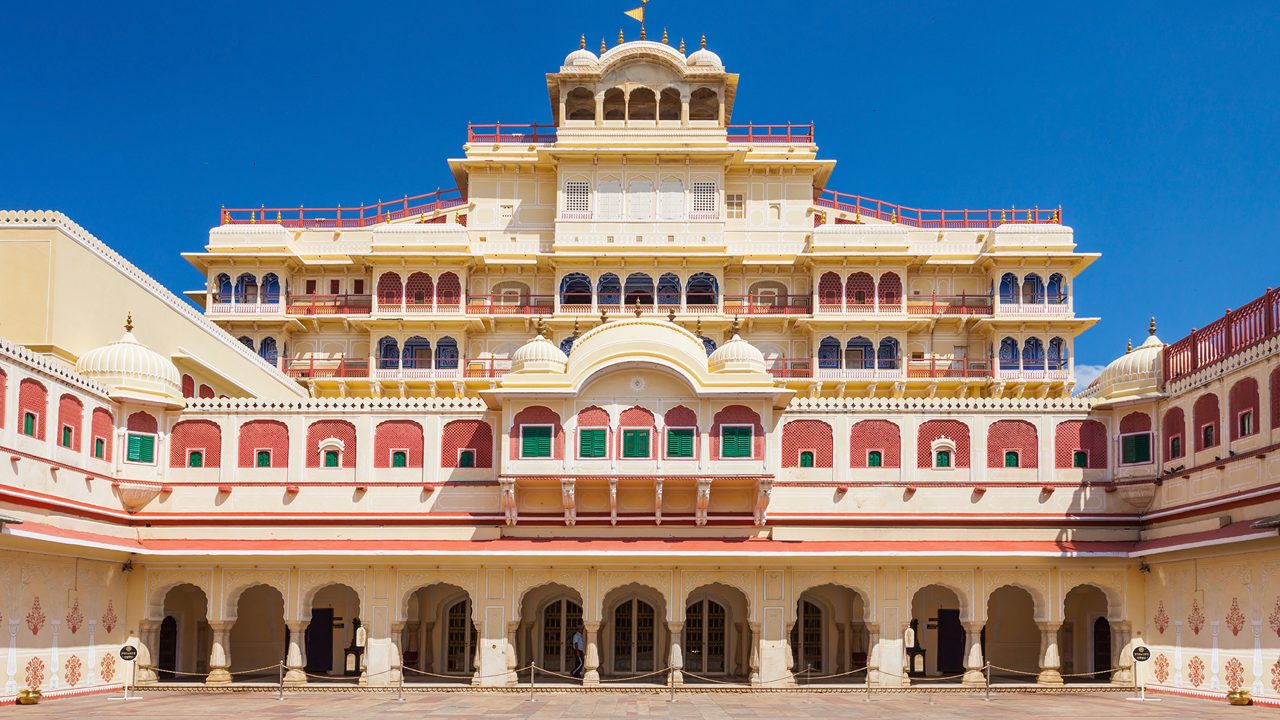
City Palace
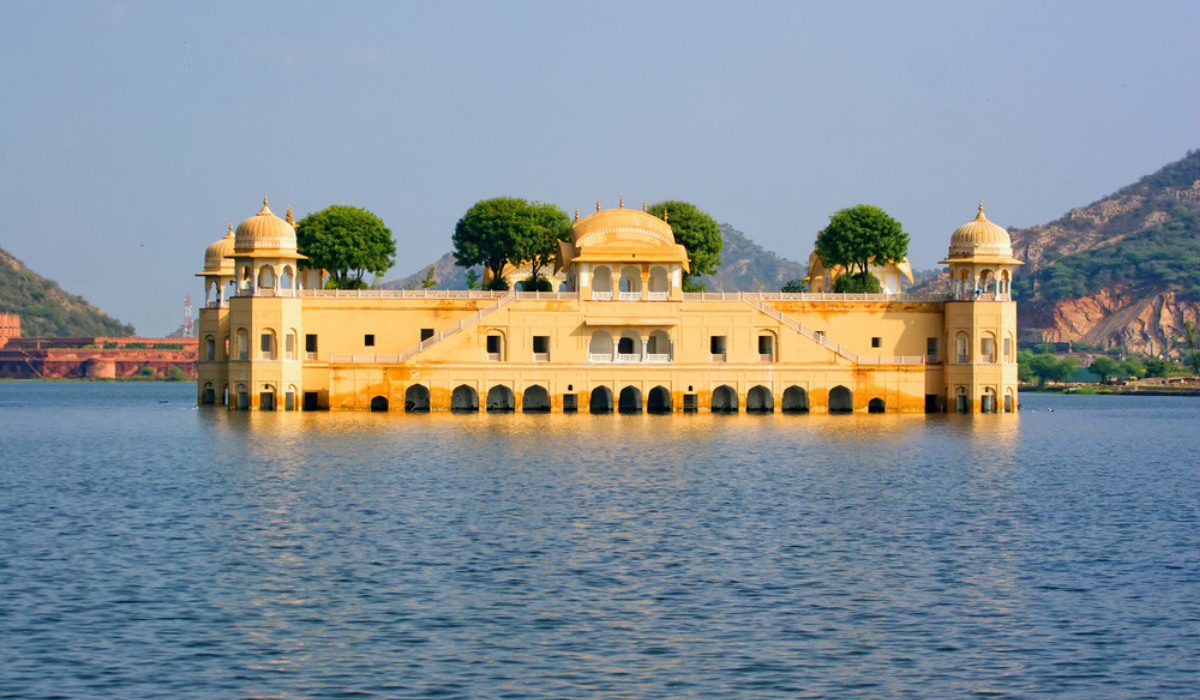
Jal Mahal
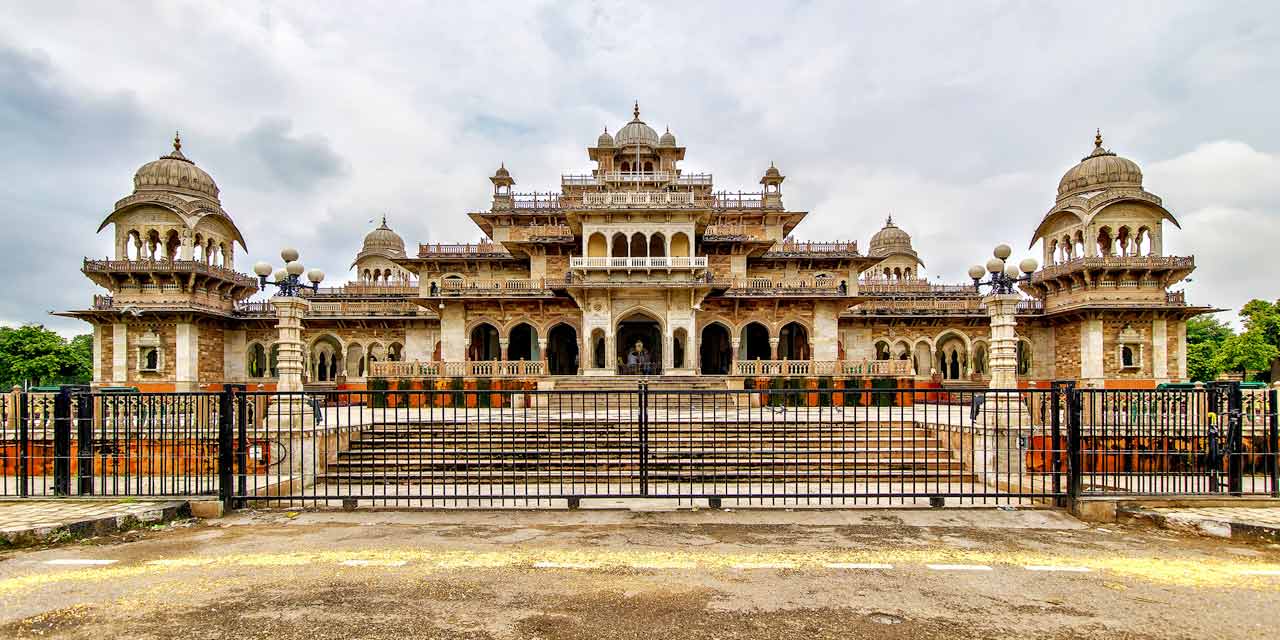
Albert Hall Museum
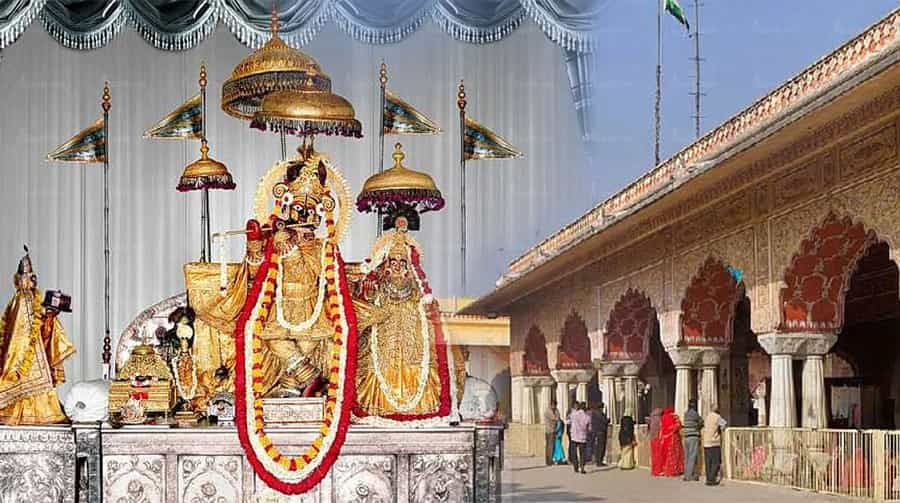
Shri Govind Dev Ji Temple
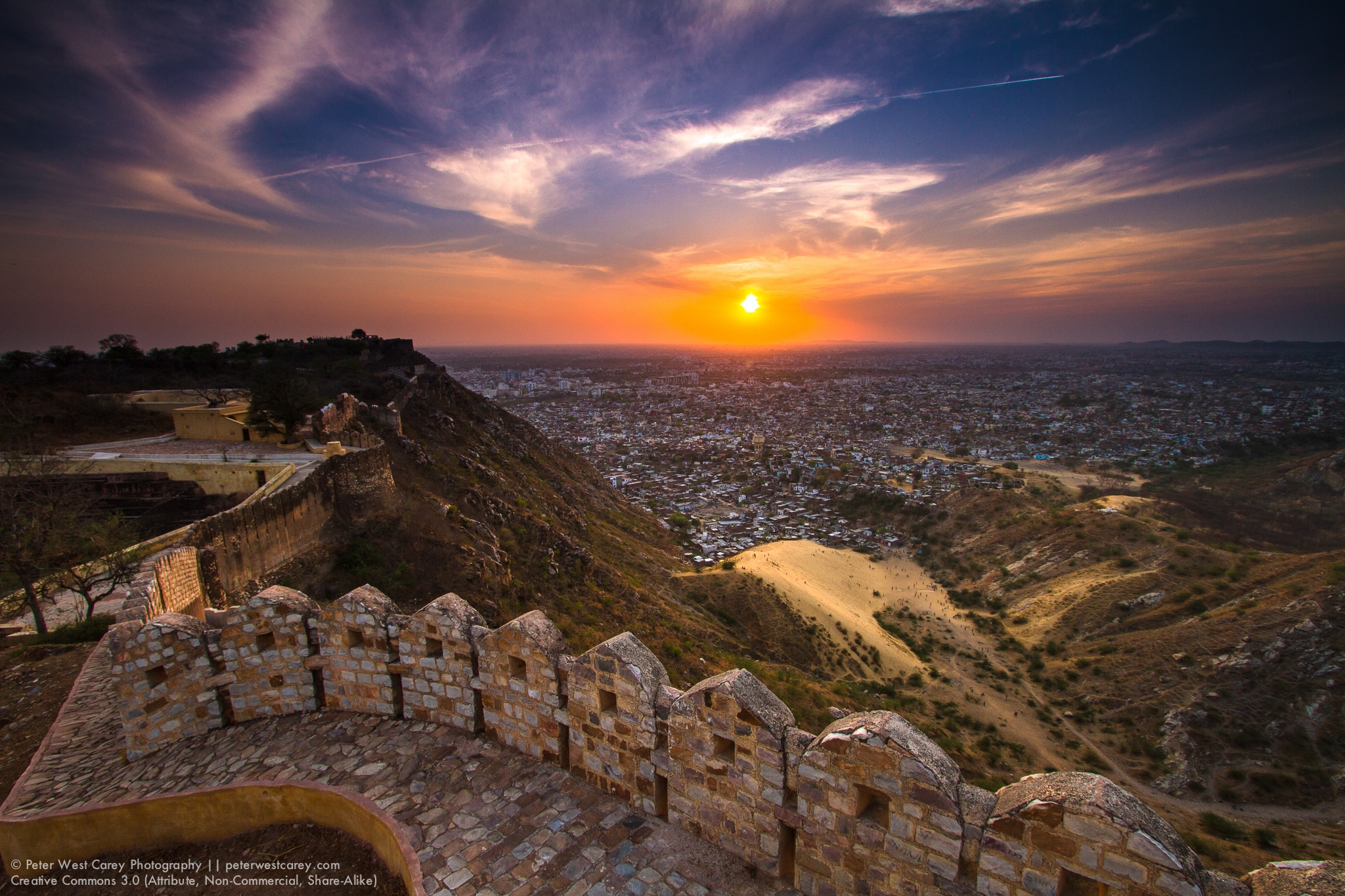
Nahargarh Fort
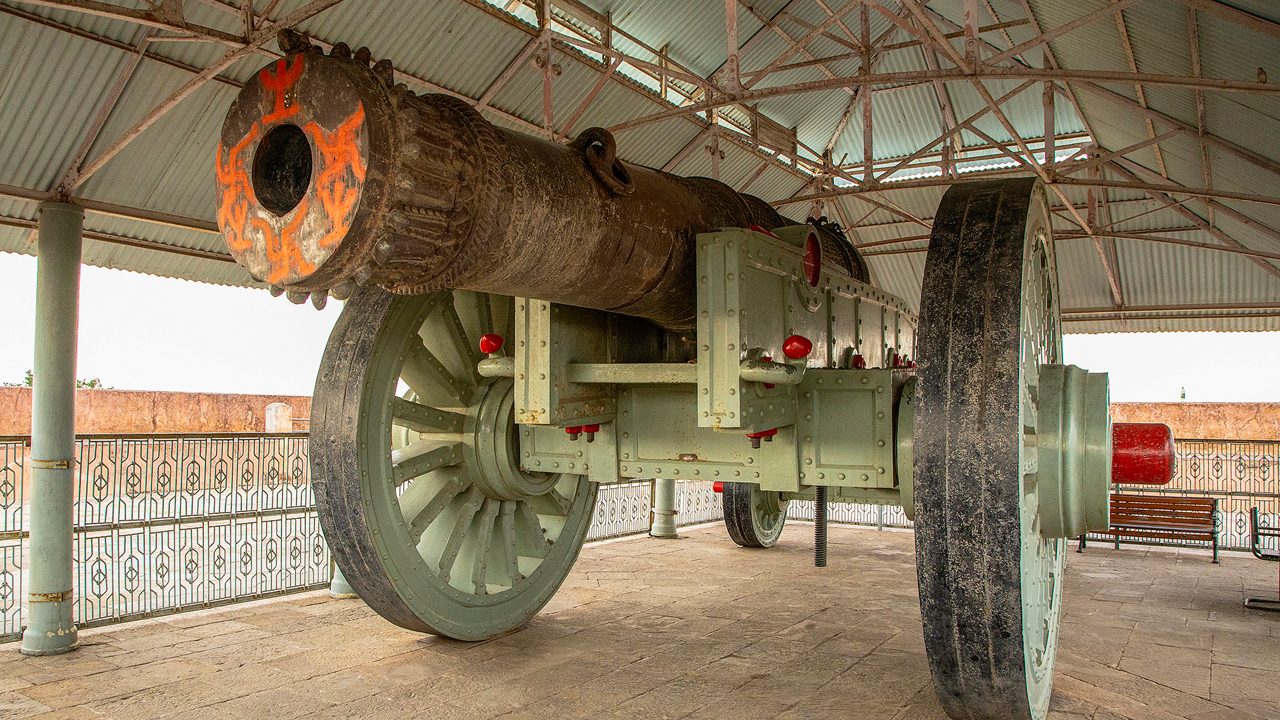
Jaigarh Fort
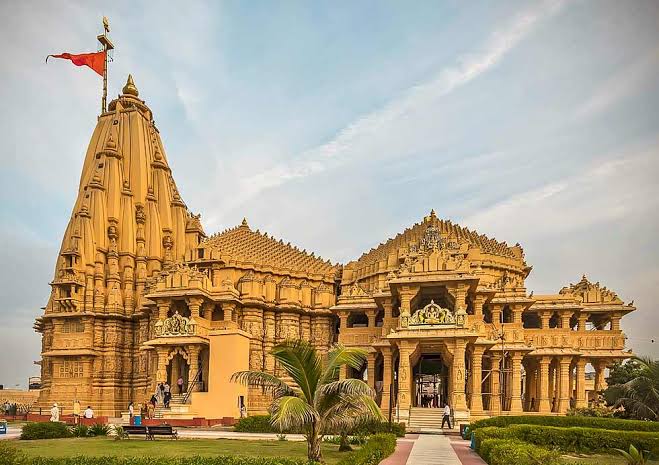
Somnath Temple
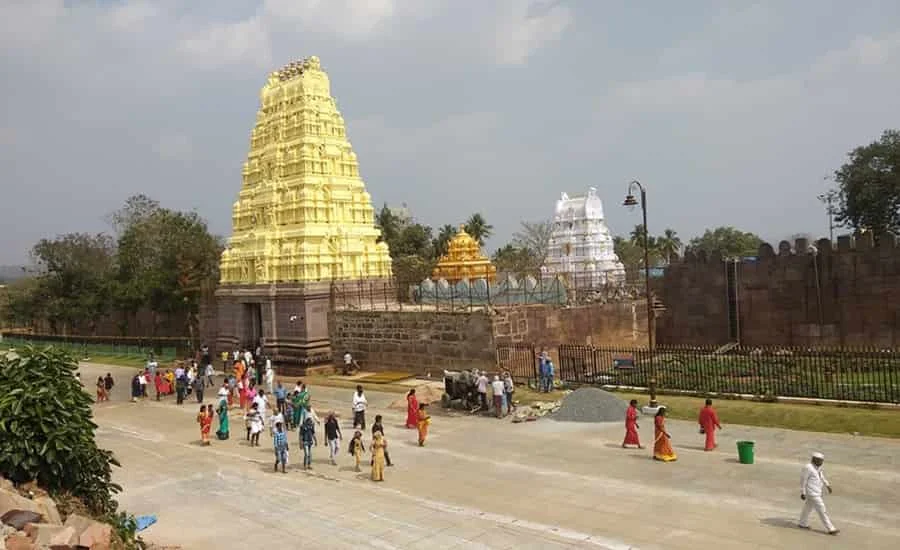
Mallikarjuna Temple
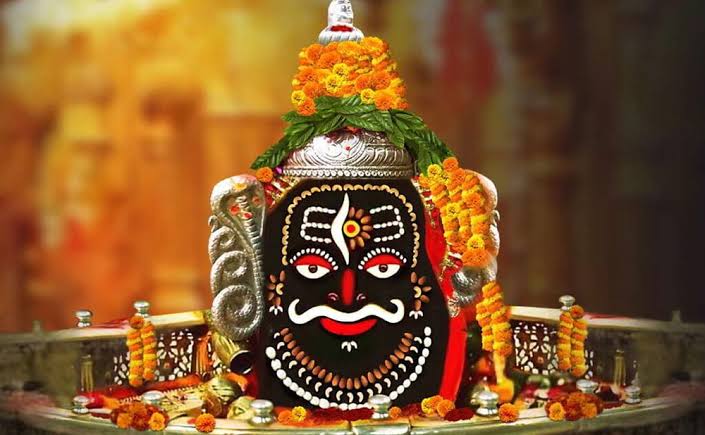
Mahakaleshwar Temple
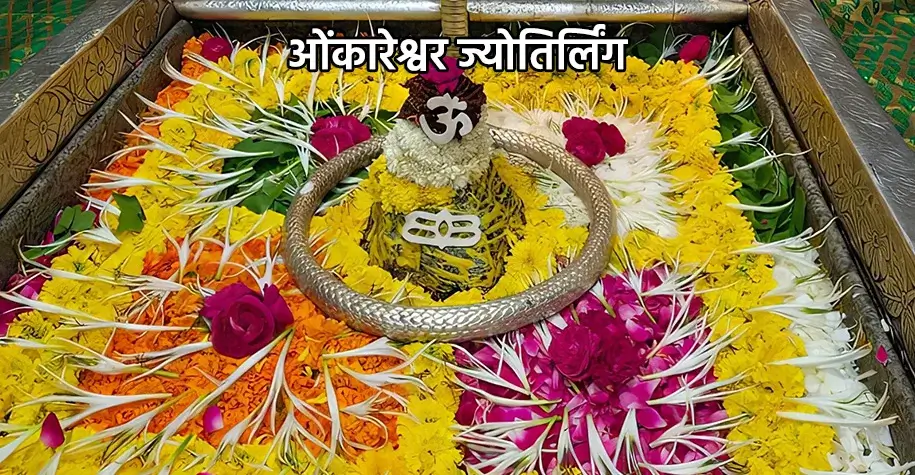
Omkareshwar Temple
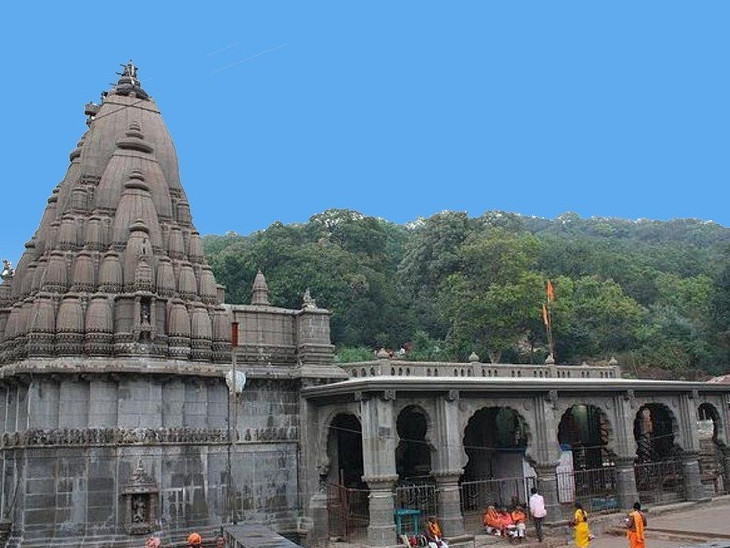
Bhimashankar Temple
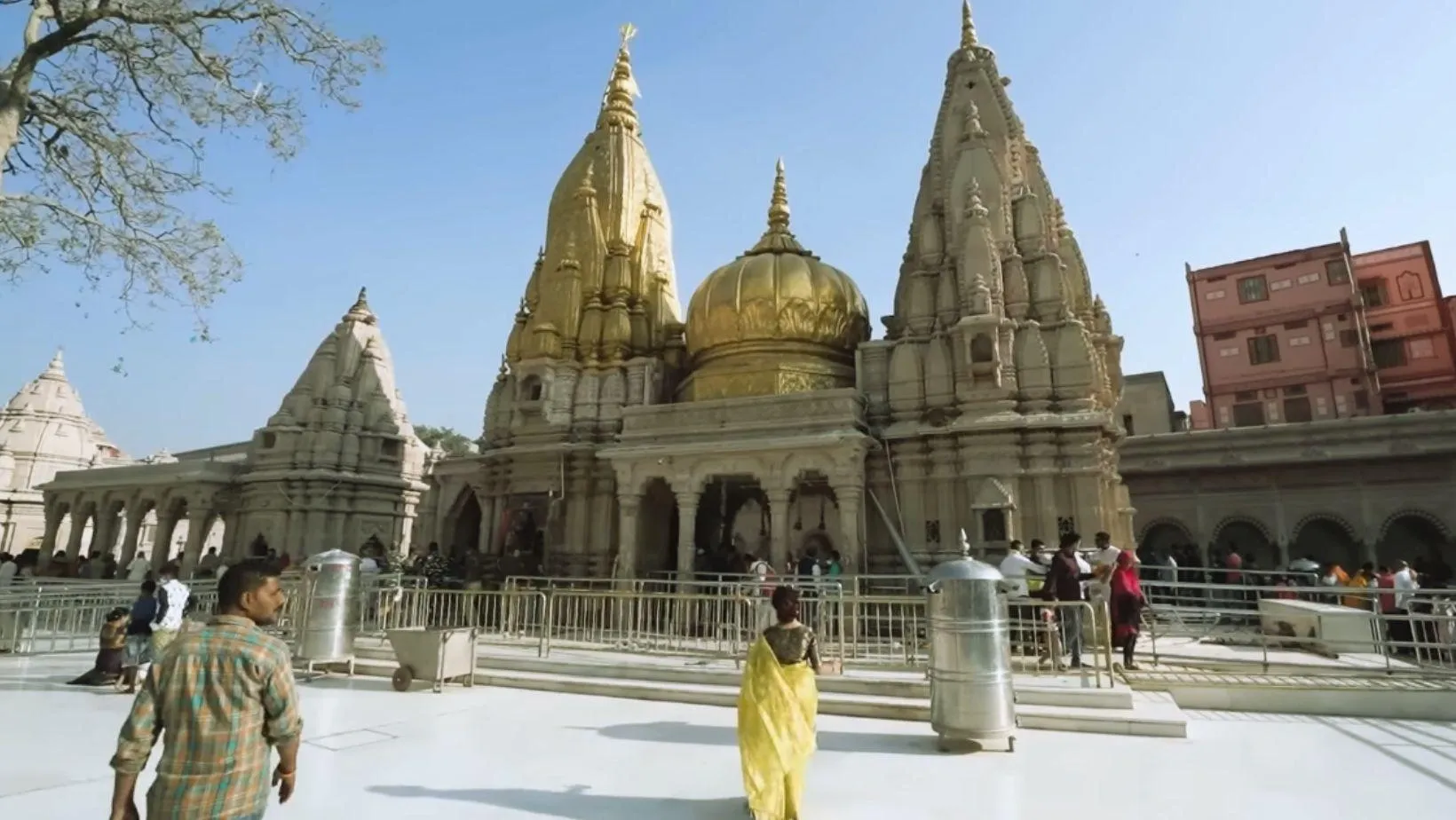
Kashi Vishwanath Temple
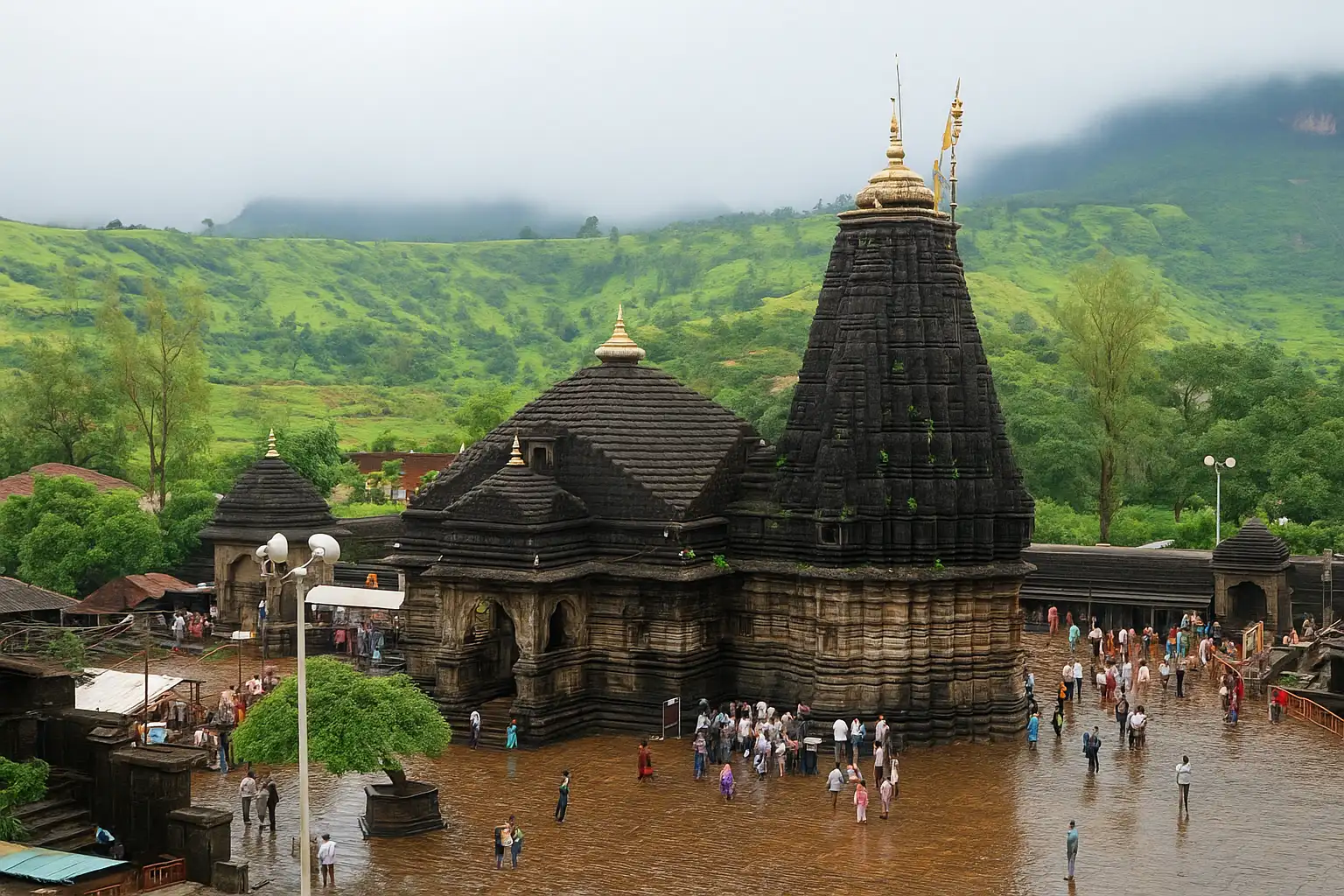
Trimbakeshwar Temple
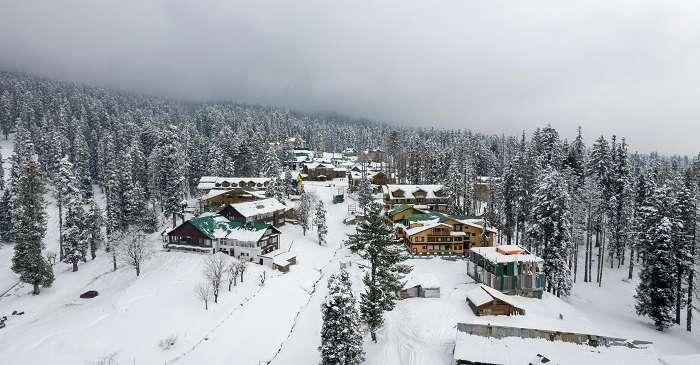
Harshil Valley
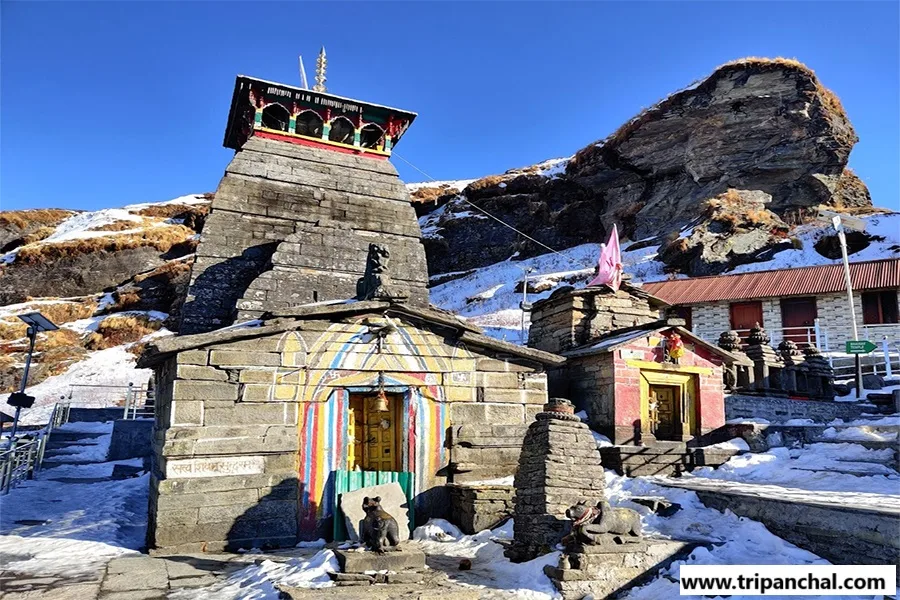
Tungnath Temple
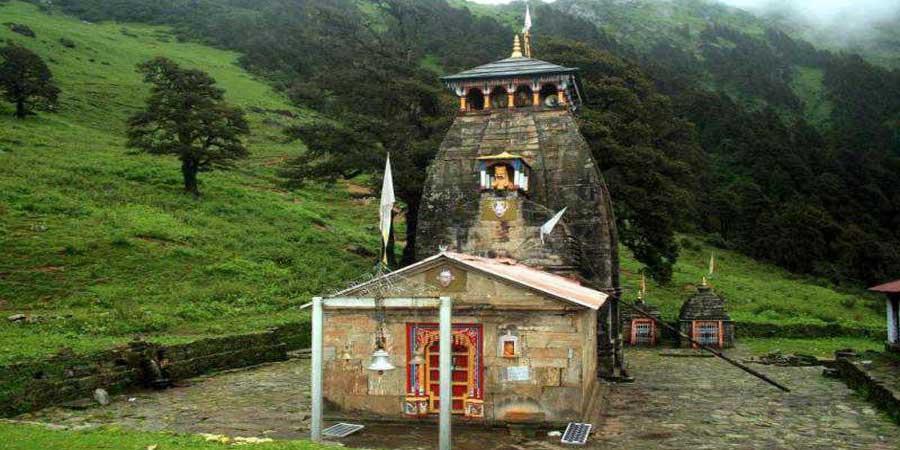
Madhyamaheshwar Temple
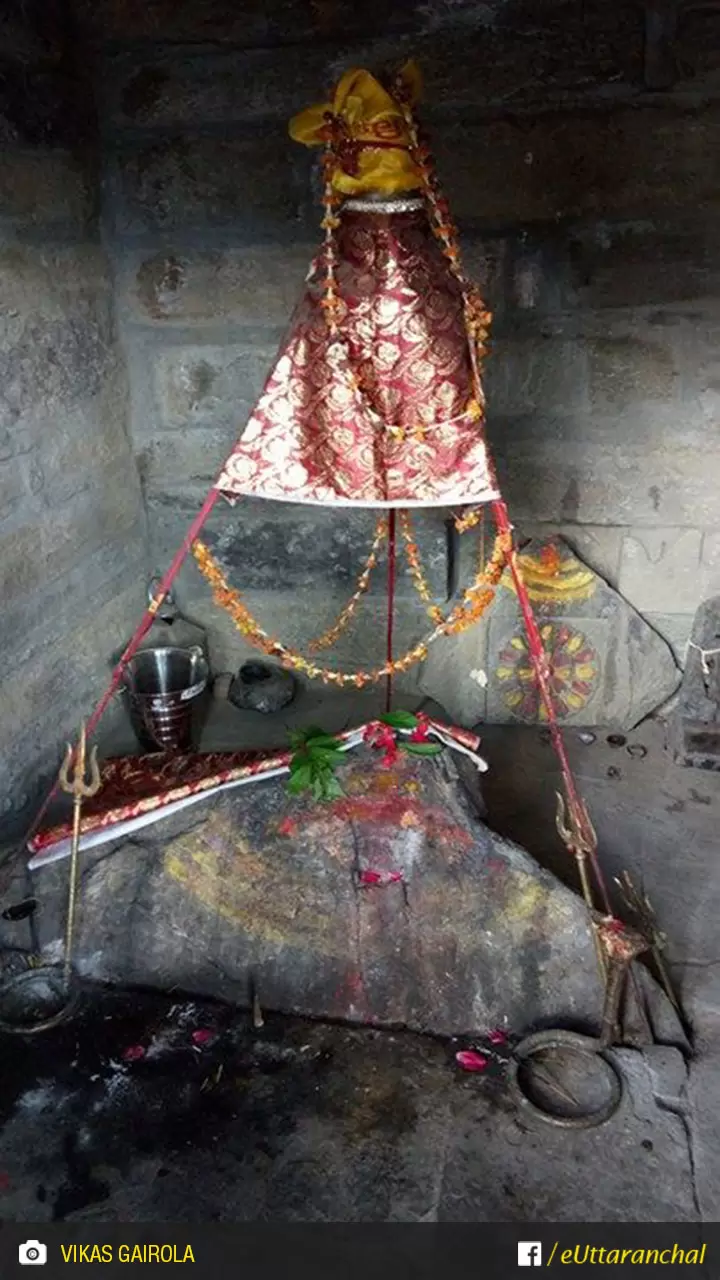
Kalpeshwar Mahadev Temple
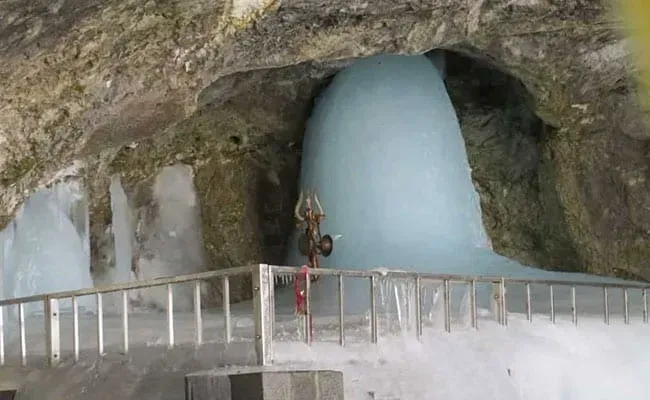
Amarnath

River Rafting in Rishikesh

River Rafting in Manali
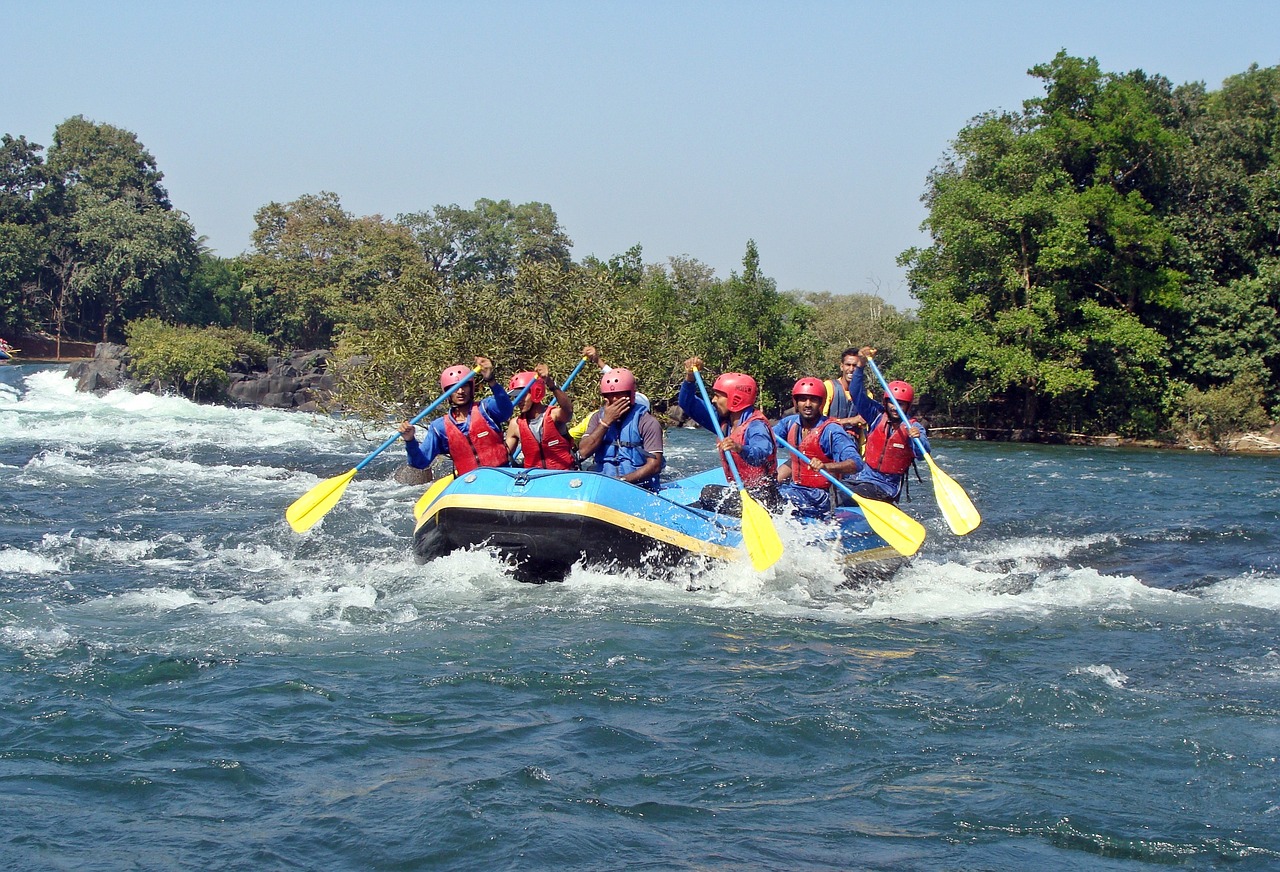
River Rafting in Kolad

River Rafting in Zanskar

River Rafting in Teesta River

River Rafting in Kameng River

River Rafting in Barapole River

River Rafting in Alaknanda River

Skydiving in Mysore

Skydiving in Dhana, Madhya Pradesh
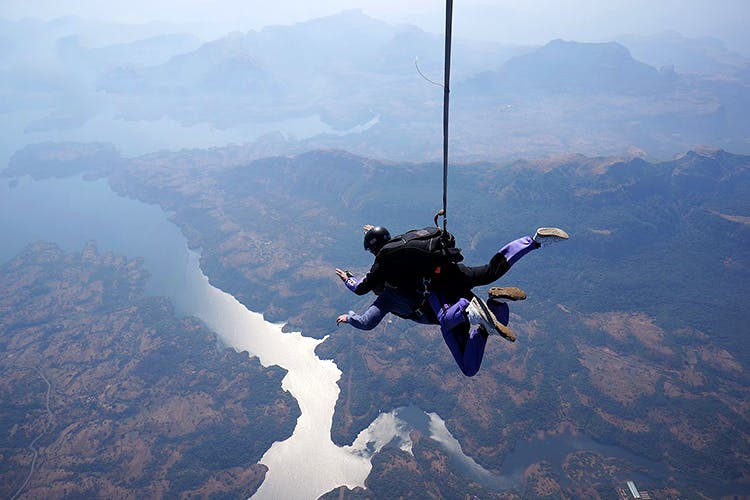
Skydiving in Aamby Valley, Maharashtra
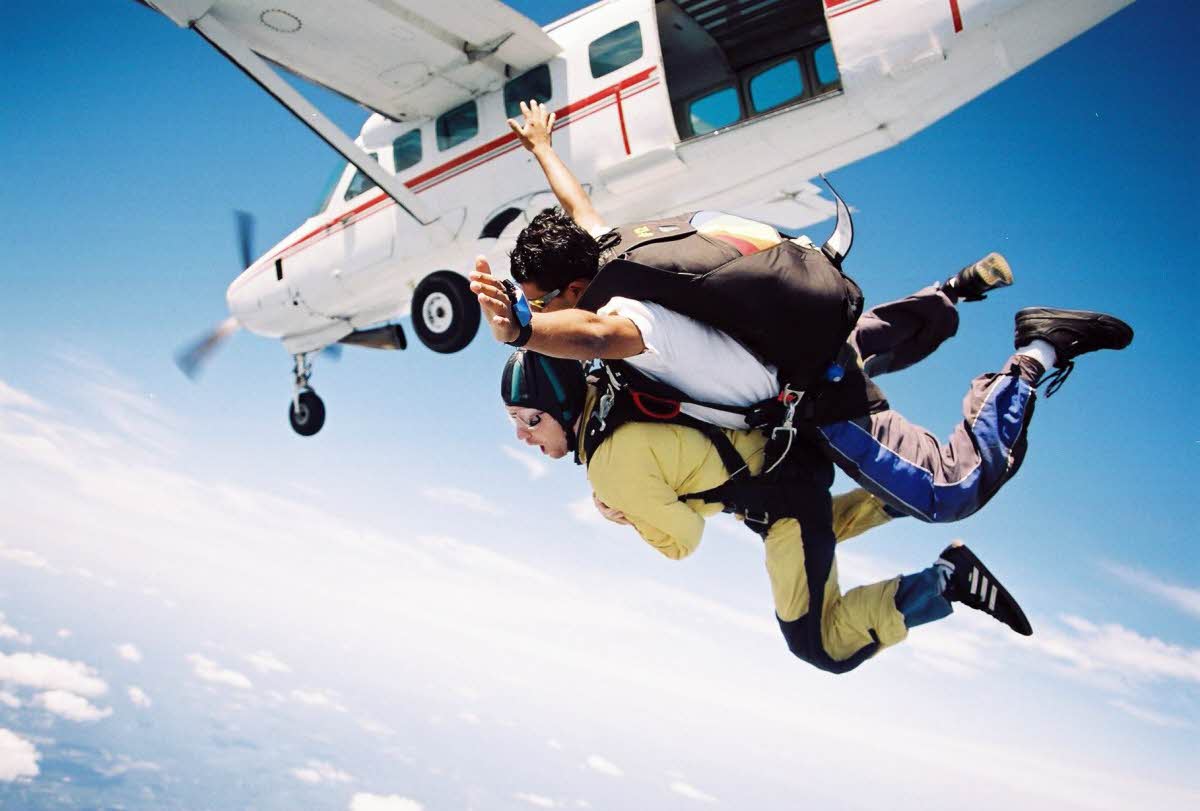
Skydiving in Deesa, Gujarat

Skydiving in Narnaul, Haryana

Skydiving in Pondicherry

Scuba Diving in Andaman & Nicobar Islands

Scuba Diving in Lakshadweep

Scuba Diving in Goa

Scuba Diving in Pondicherry
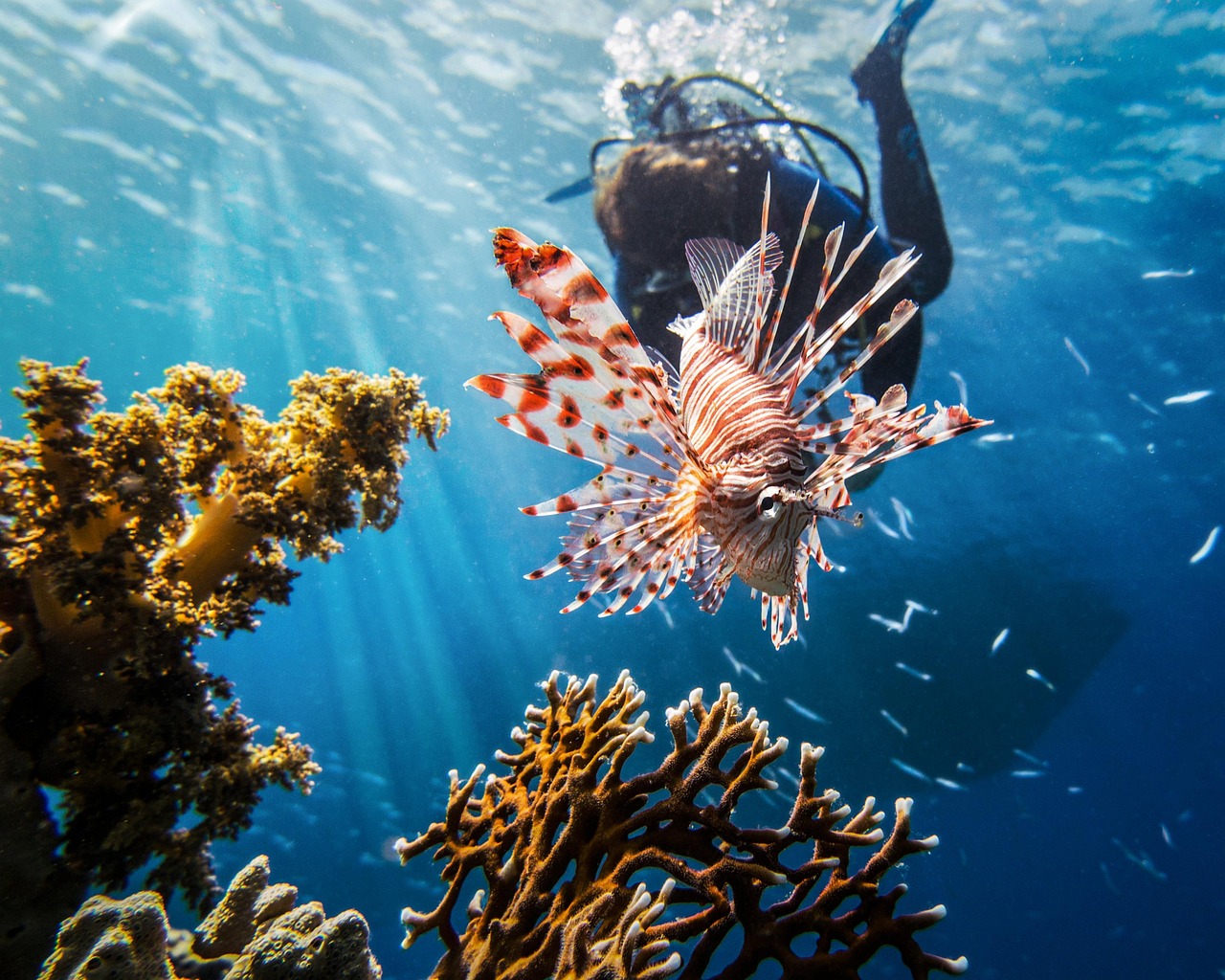
Scuba Diving in Netrani Island (Karnataka)

Scuba Diving in Tarkarli (Maharashtra)
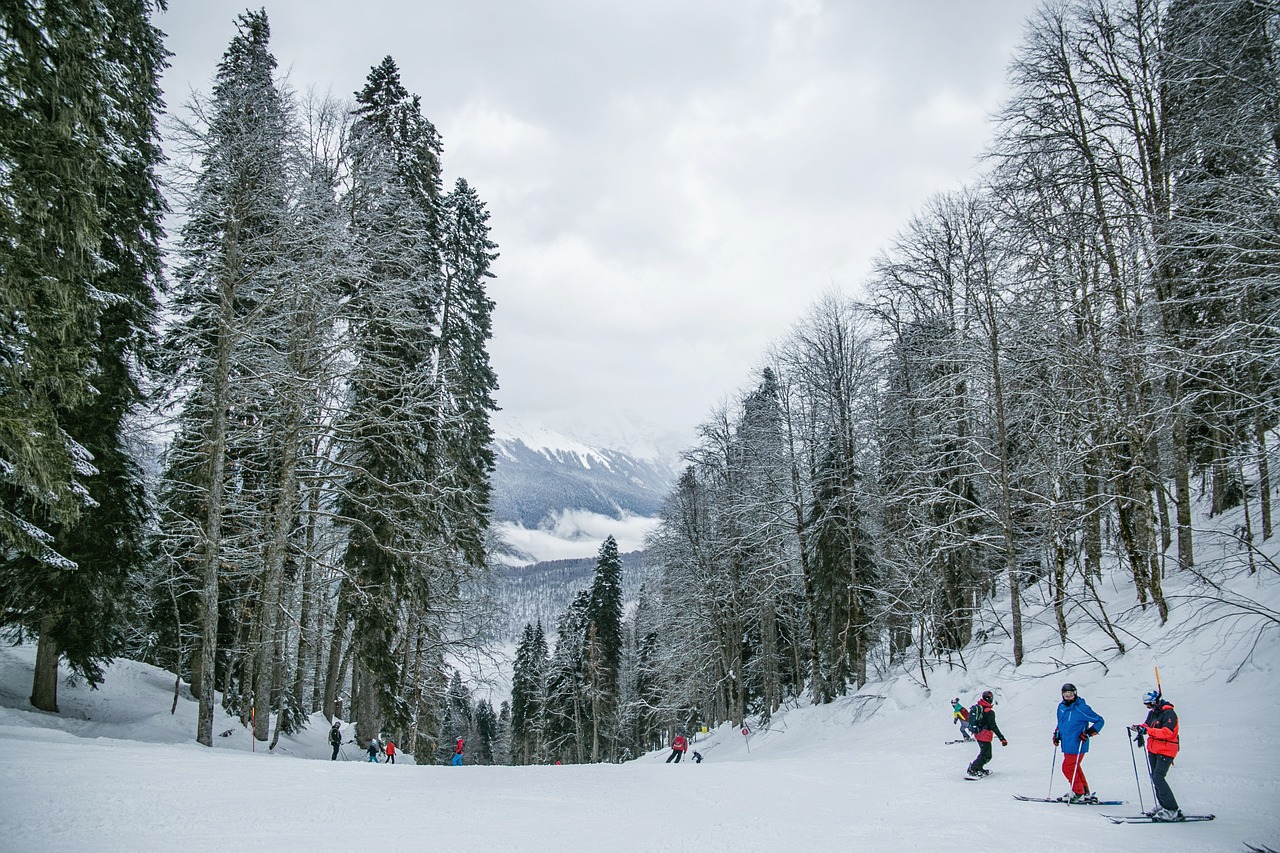
Skiing in Gulmarg

Skiing in Auli

Skiing in Solang
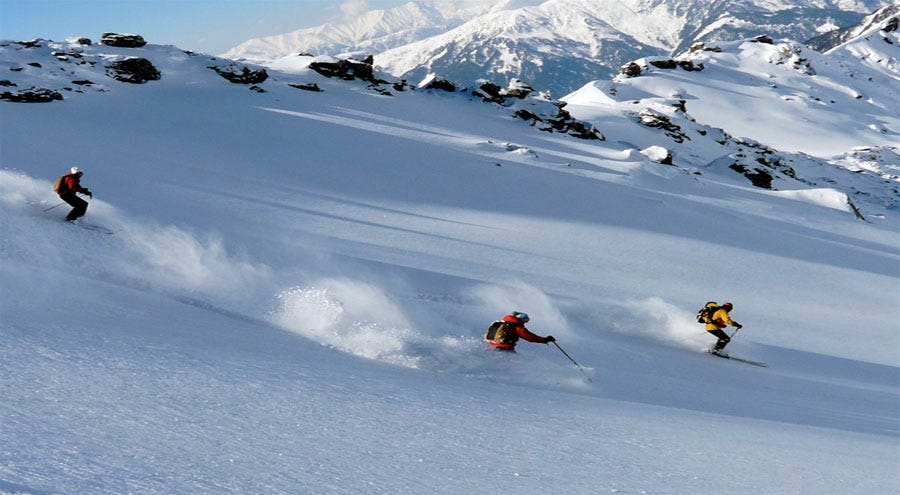
Skiing in Kufri
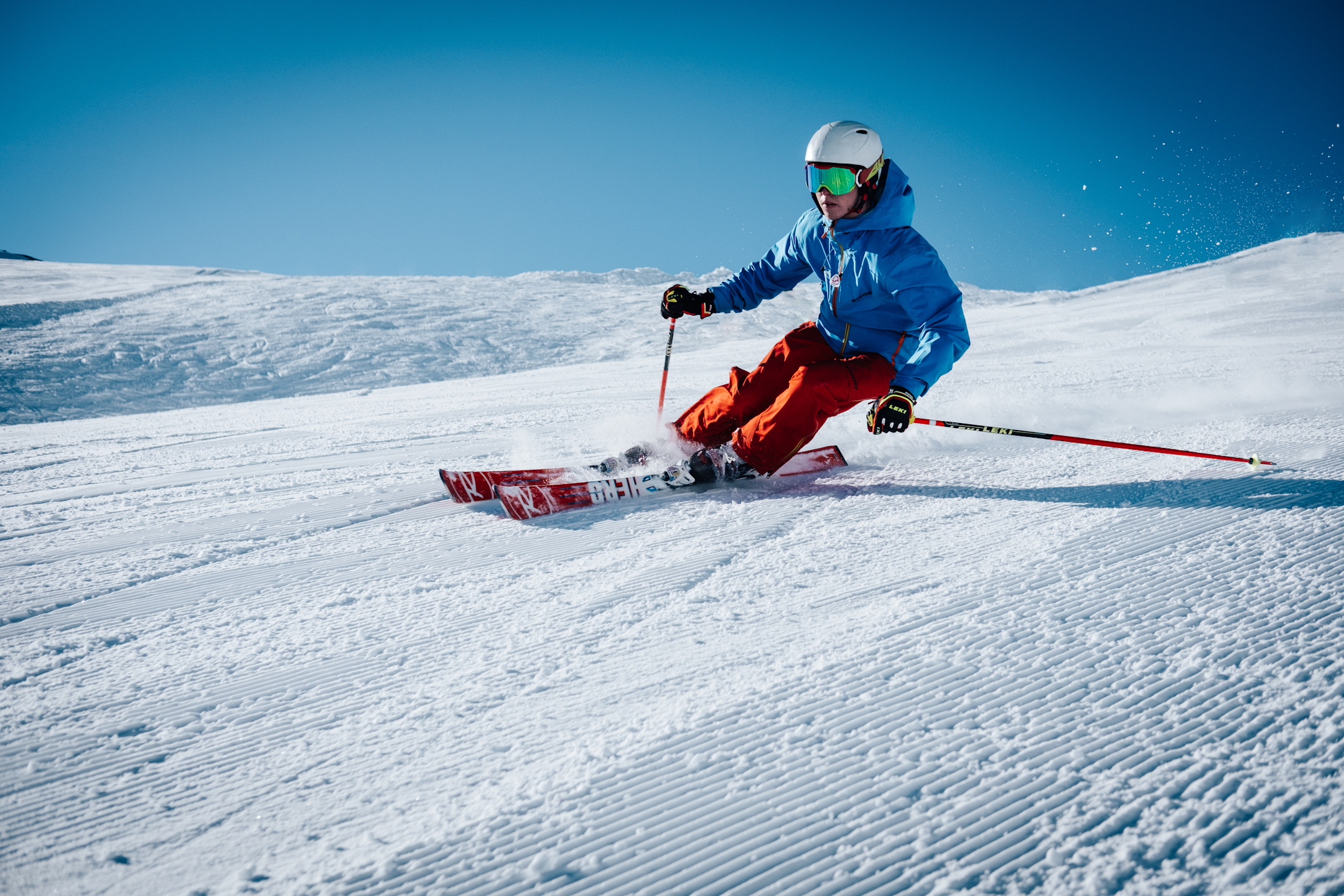
Skiing in Narkanda

Skiing in Munsiyari
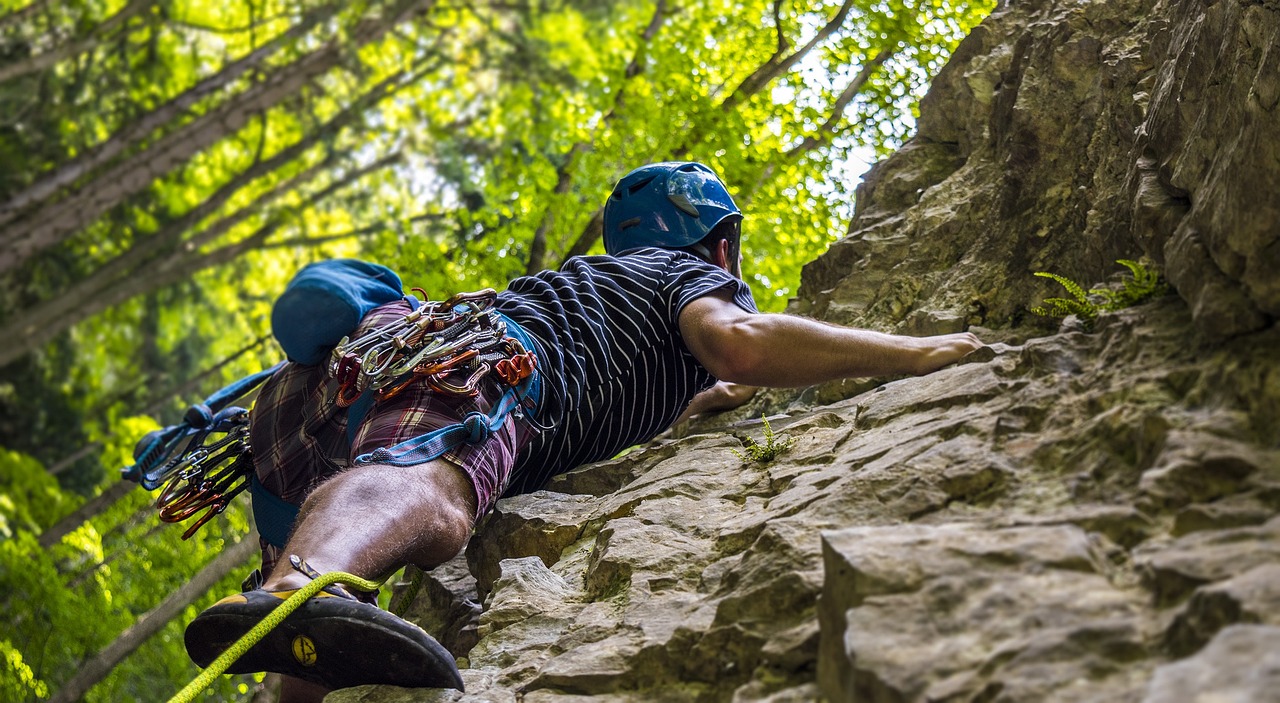
Rock Climbing in Manali
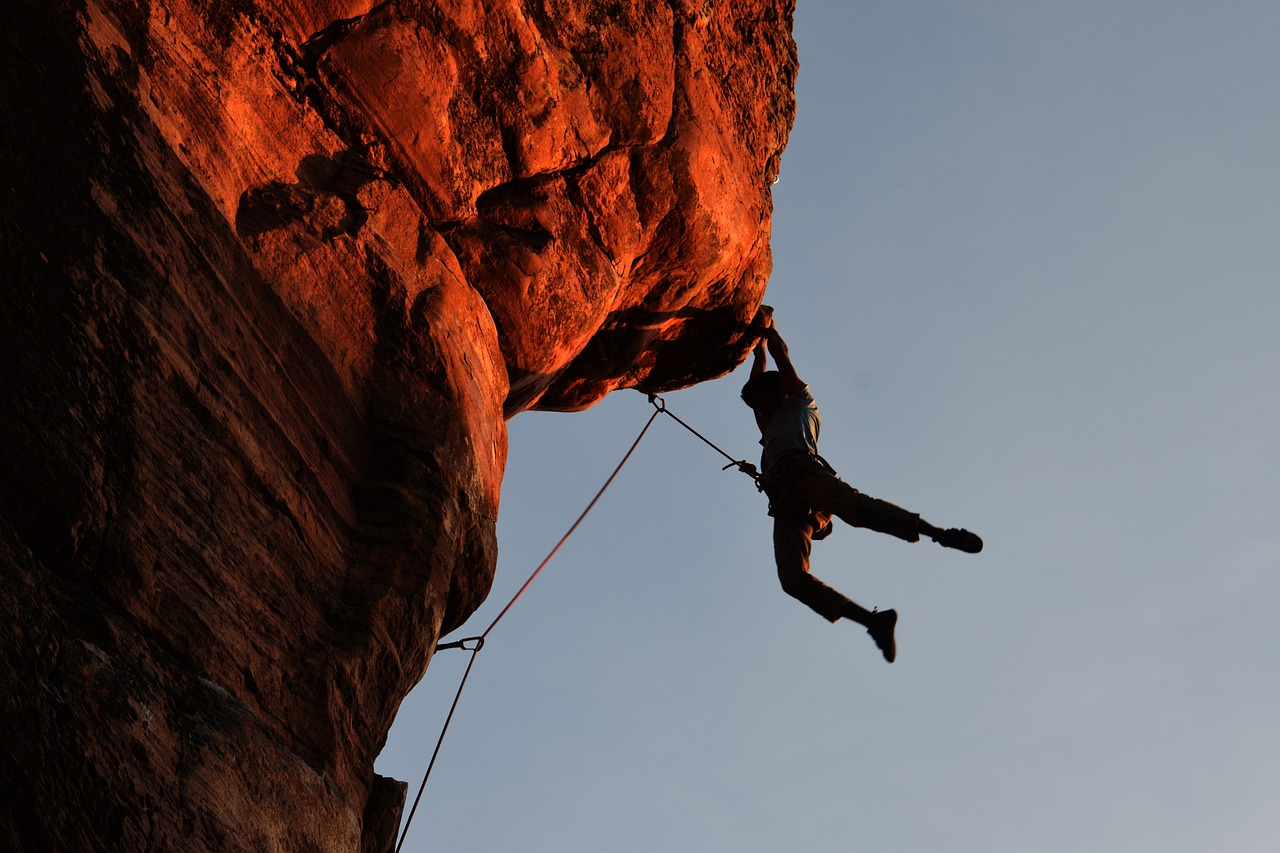
Rock climbing in Badami (Karnataka)
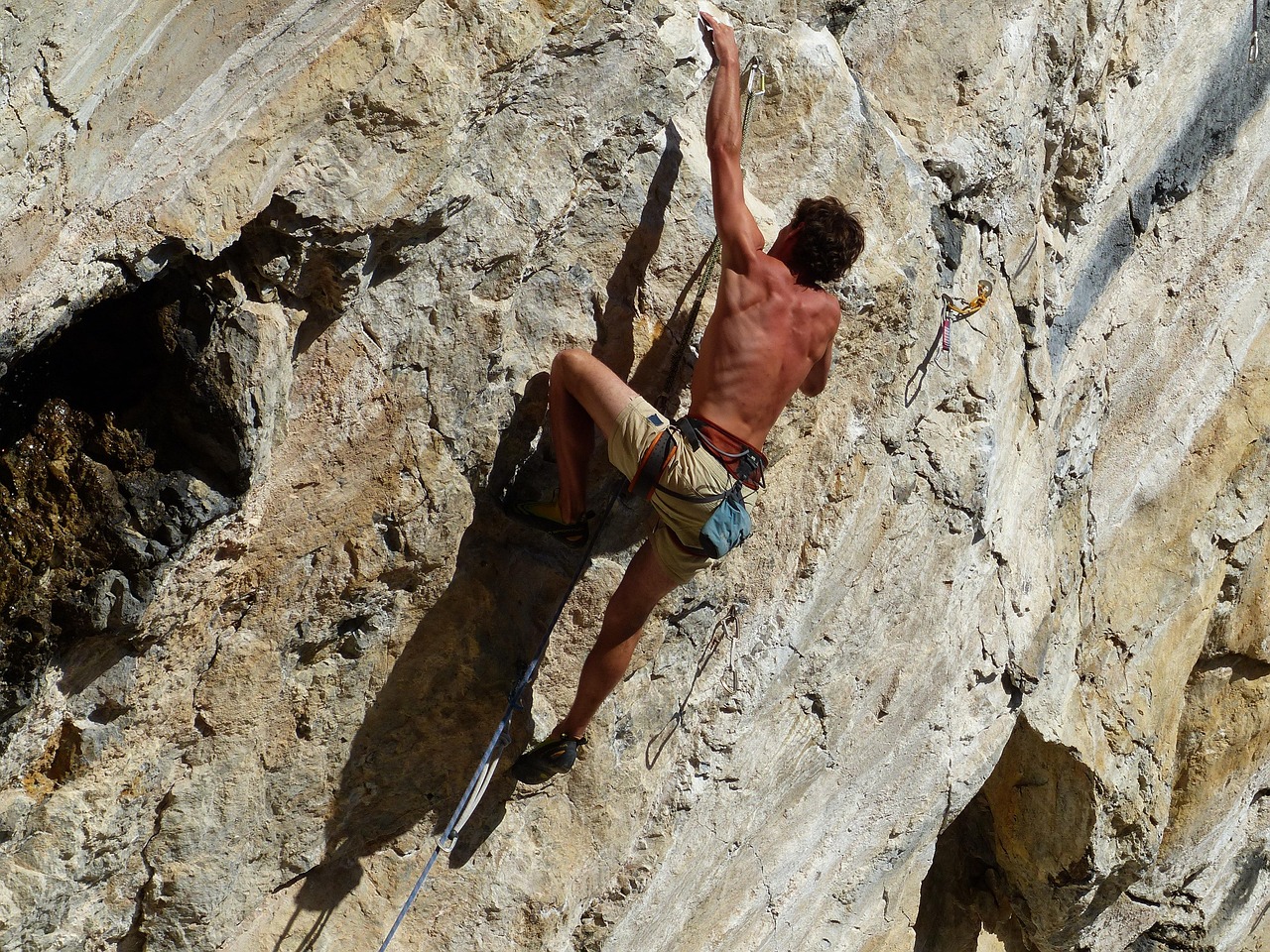
Rock climbing in Vijayapura (Karnataka)

Rock climbing in Boulder Hills (Hyderabad)
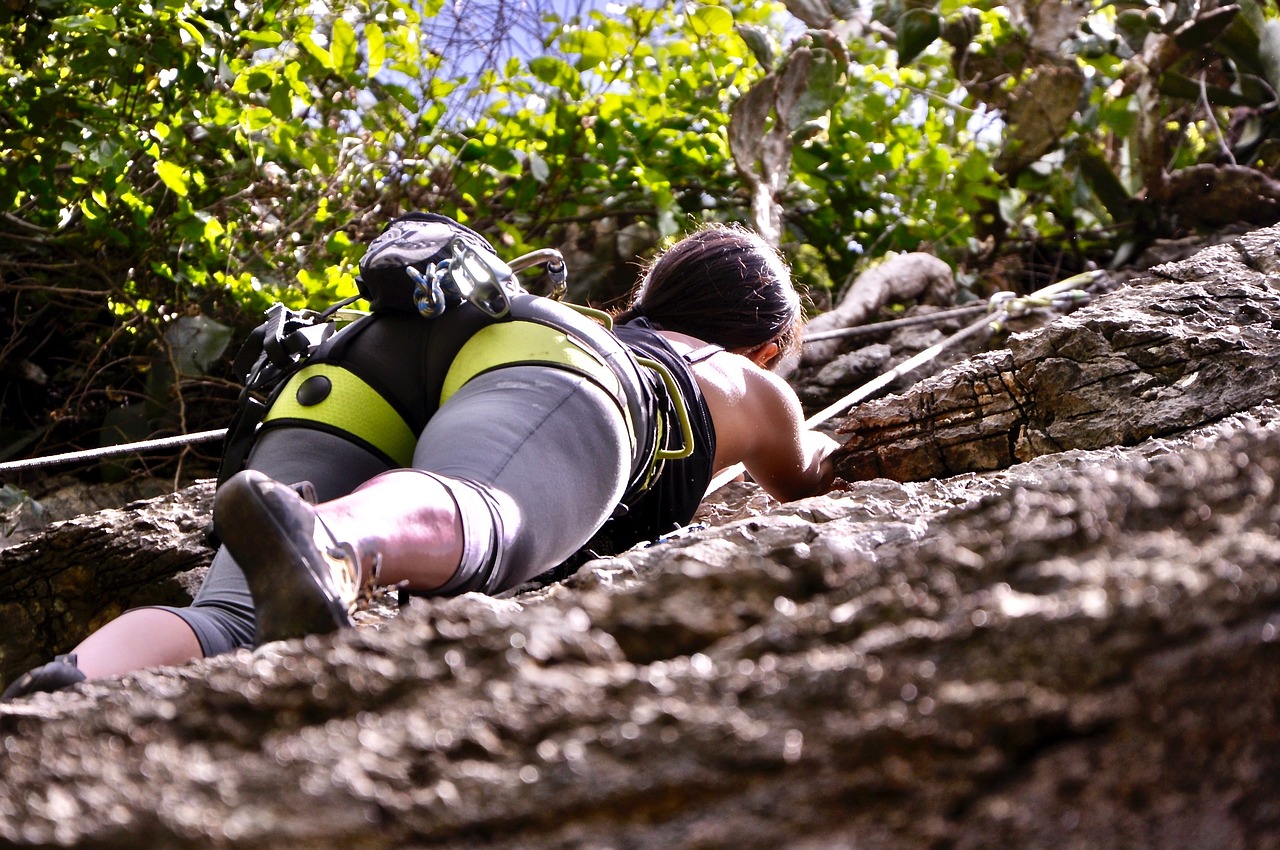
Rock climbing in Nainital
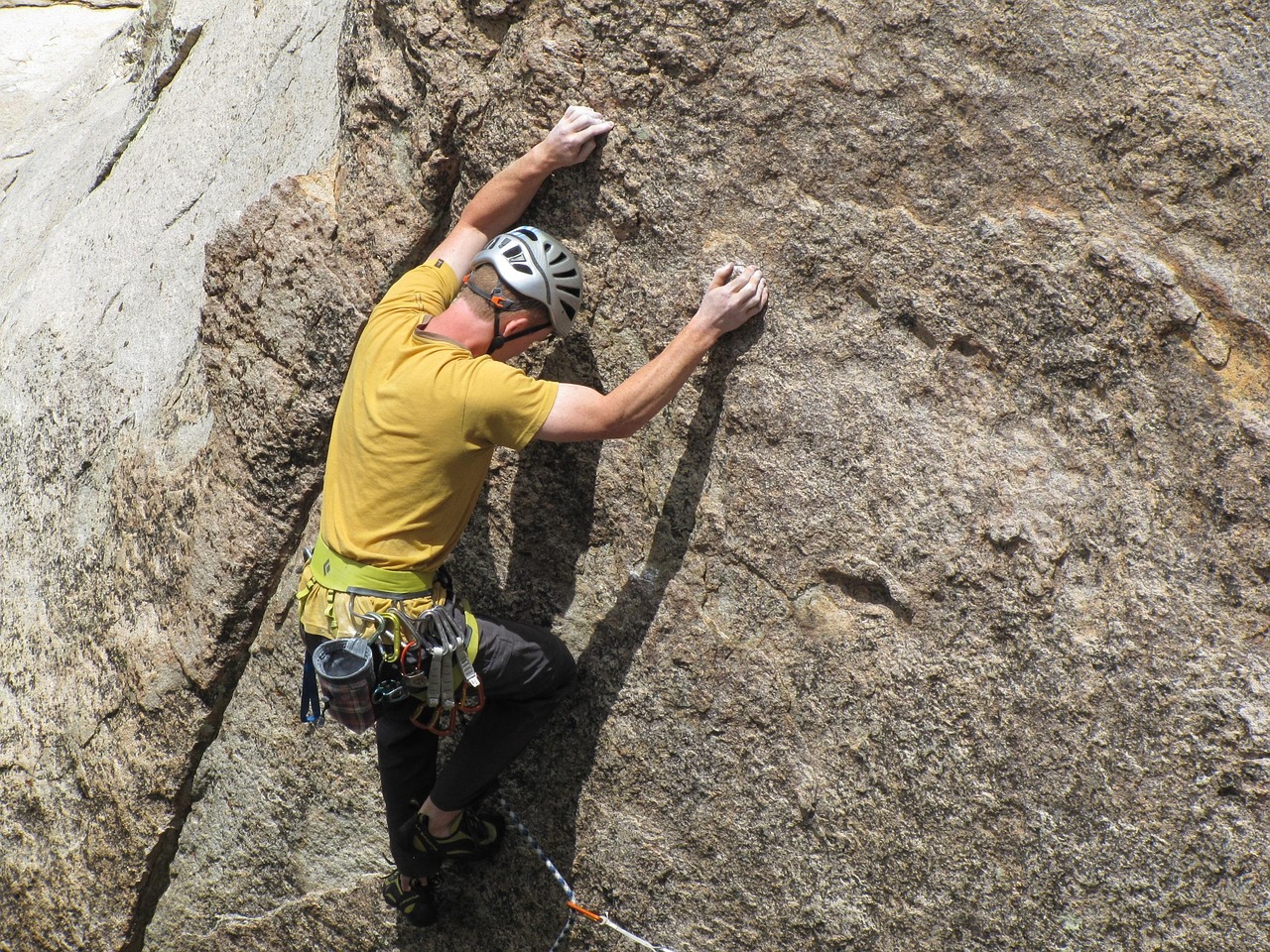
Rock climbing in Hampi (Karnataka)
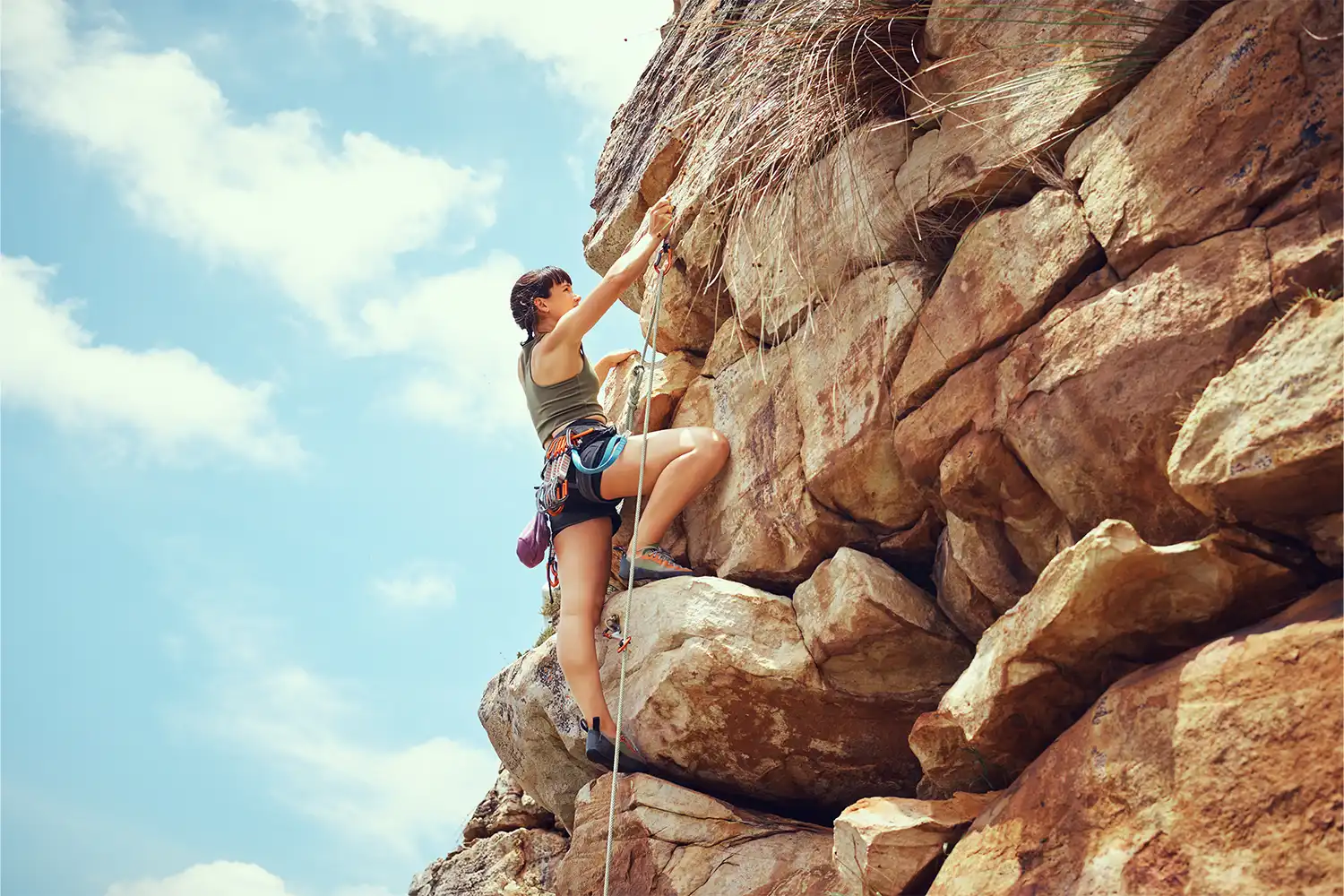
Rock climbing in Aravalli Range (Rajasthan)
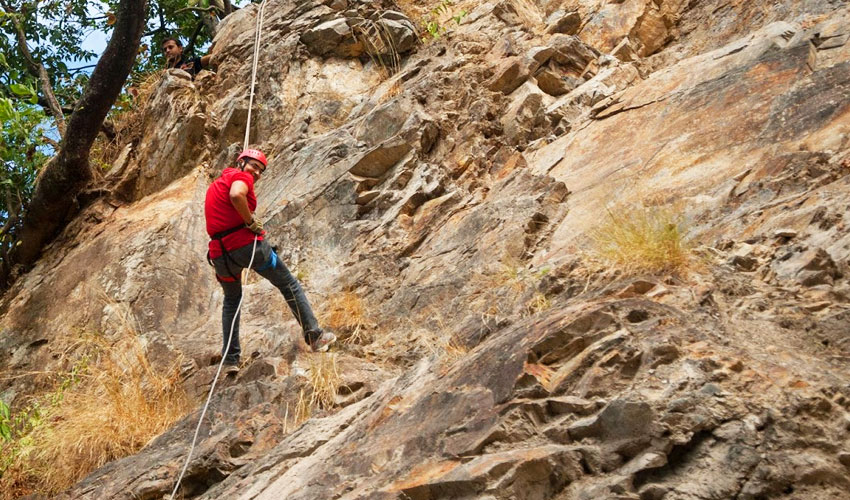
Rock climbing in Rishikesh
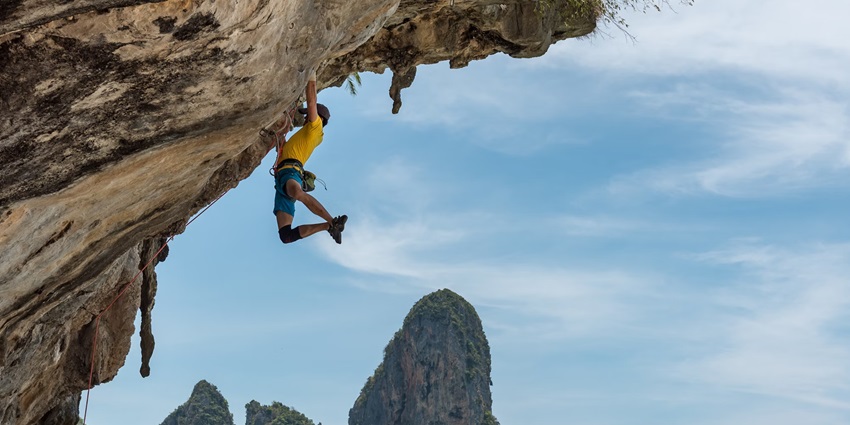
Rock climbing on Shey Rock (Ladakh)
Rock climbing in Pune
Hot Air Balloon Ride in Jaipur
Hot Air Balloon Ride in Pushkar
Hot Air Balloon Ride in Udaipur
Hot Air Balloon Ride in Jaisalmer
Hot Air Balloon Ride in Lonavala
Hot air balloon ride in Mysore
Hot air balloon ride in Hampi
Hot air balloon ride in Nainital
Zip Line ride in Neemrana
Kikar Lodge Zip Line
Zip Line ride in Rishikesh
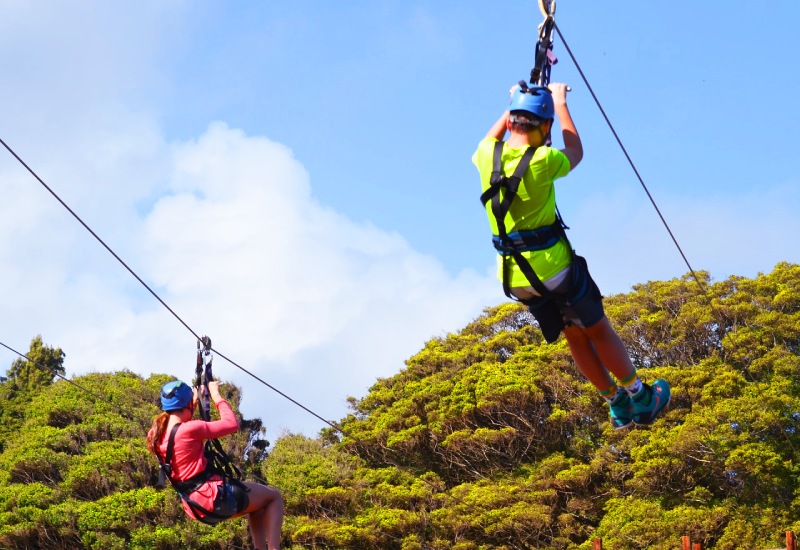
Zip Line ride in Mussoorie
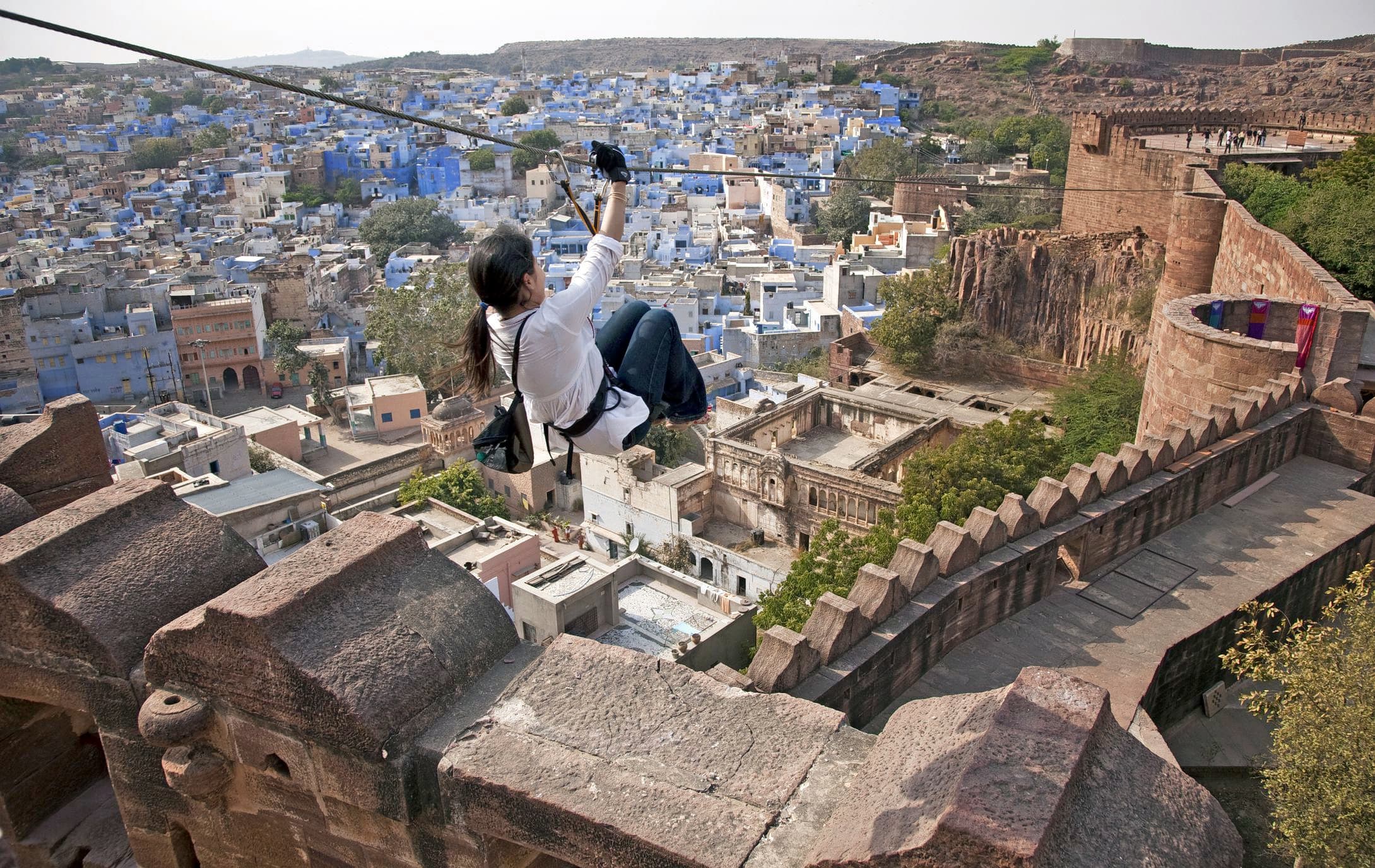
Zip Line ride in Jodhpur
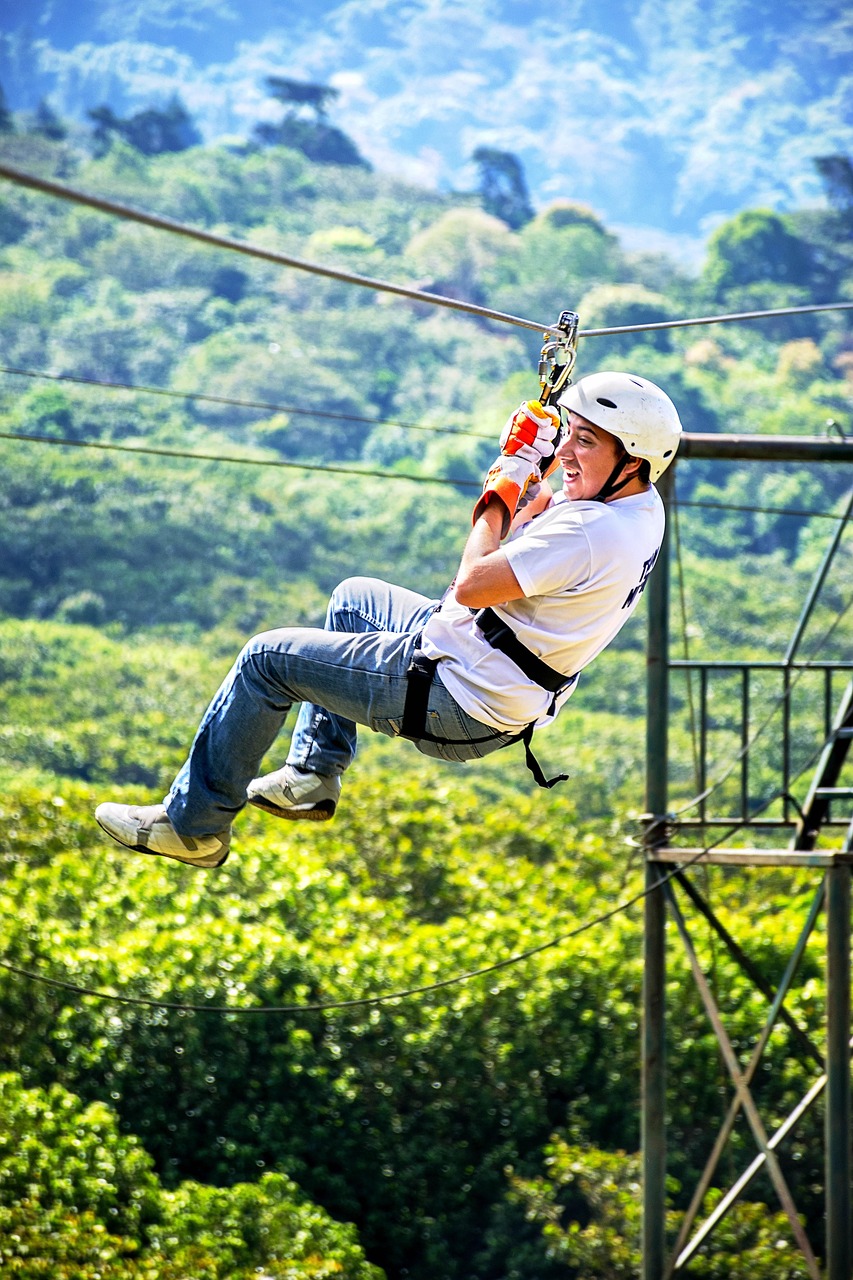
Zip Line ride in Munnar
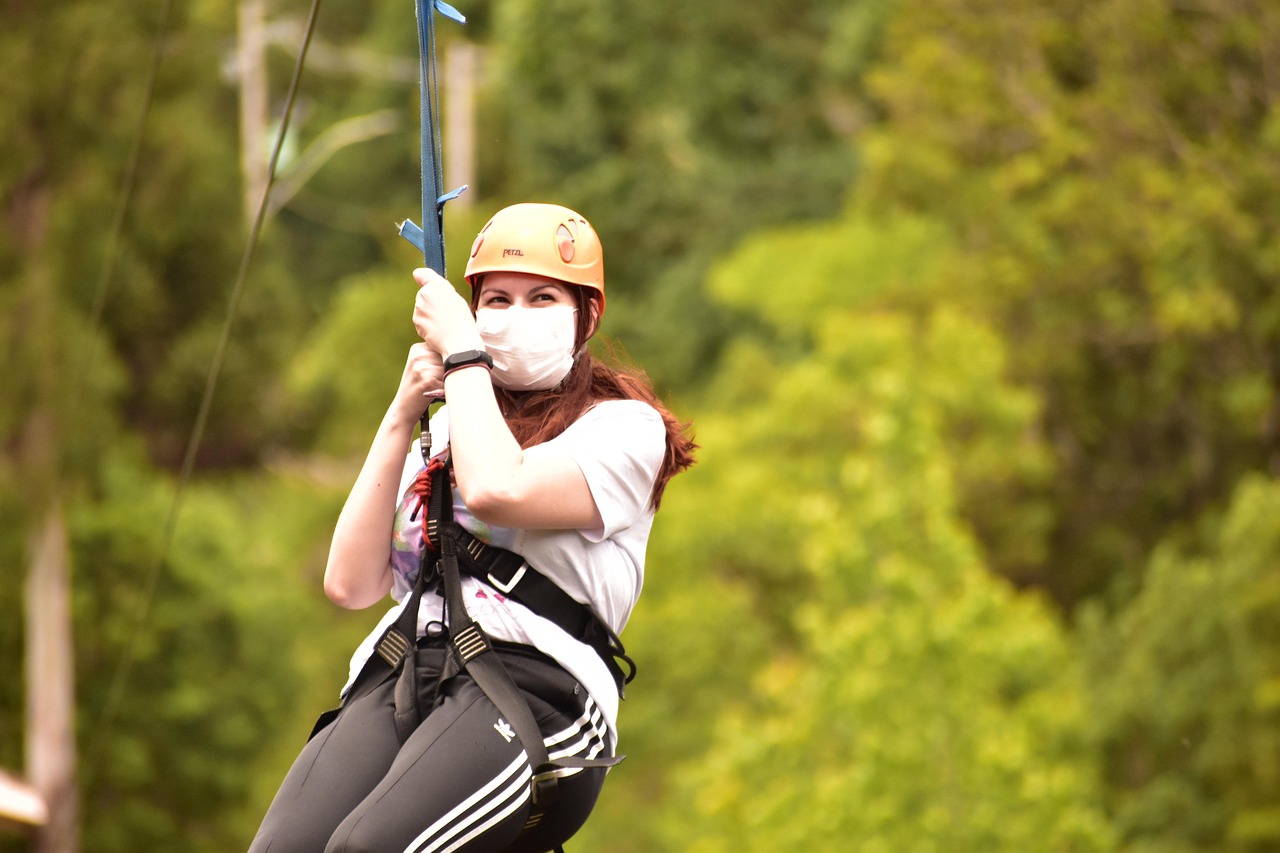
Zip Line ride in Manali
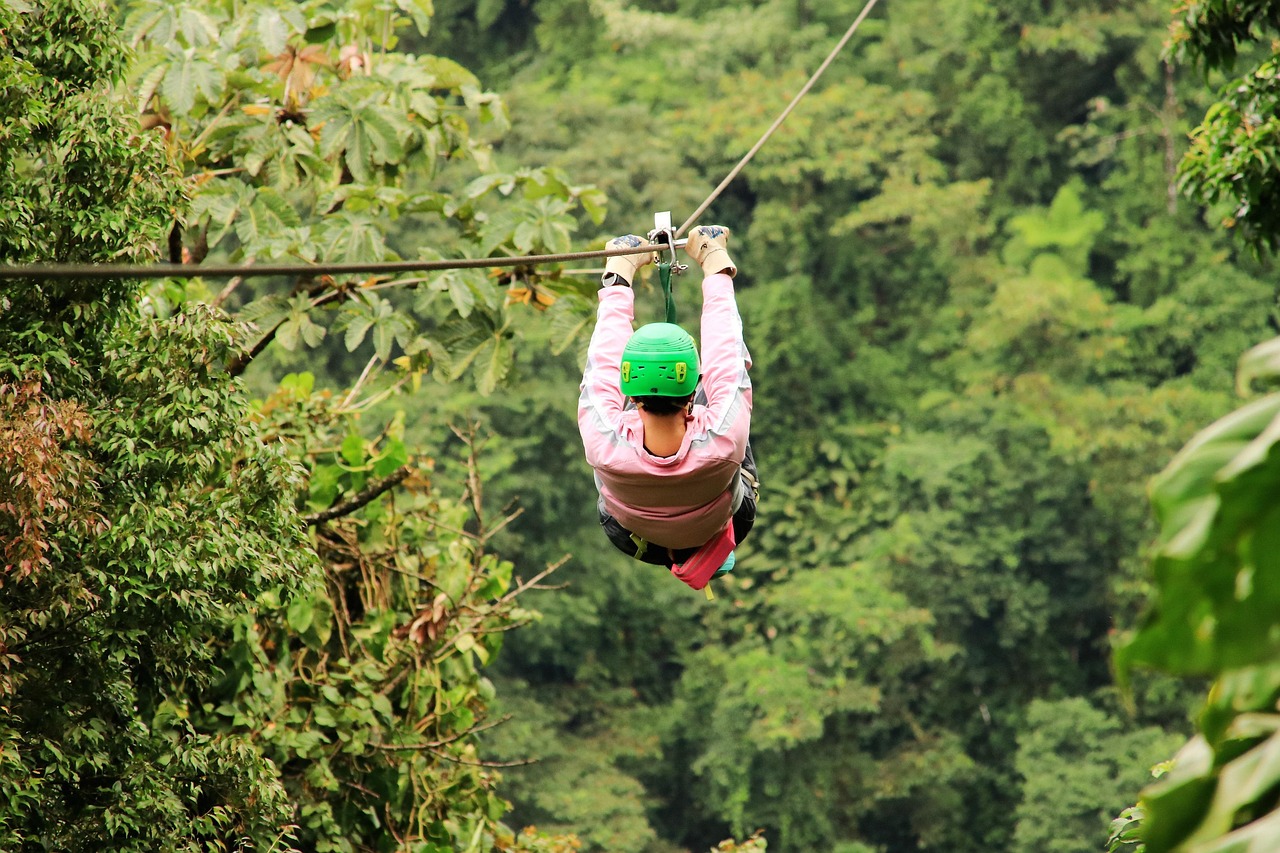
Zip Line ride in Darjeeling
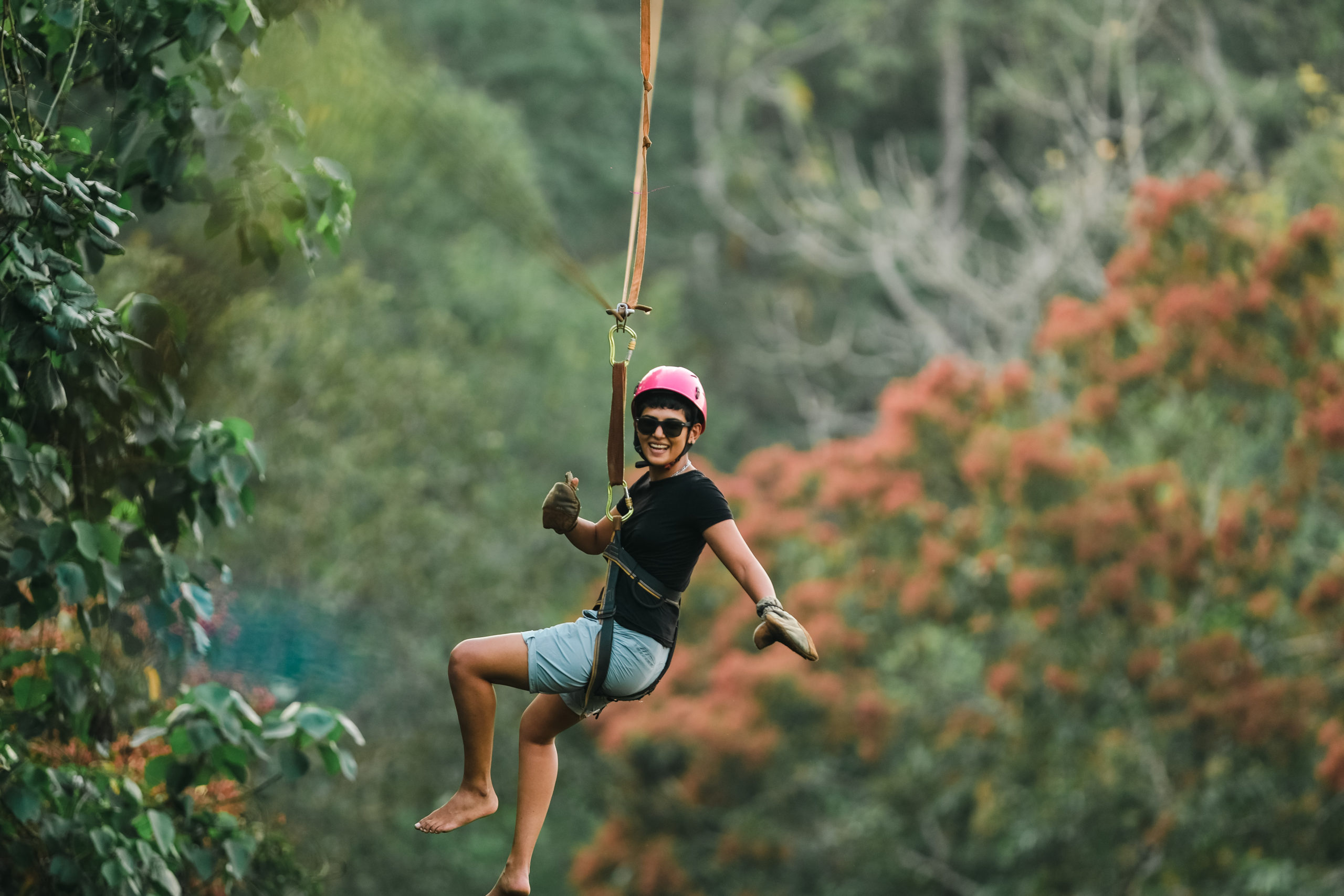
Zip Line ride in Goa
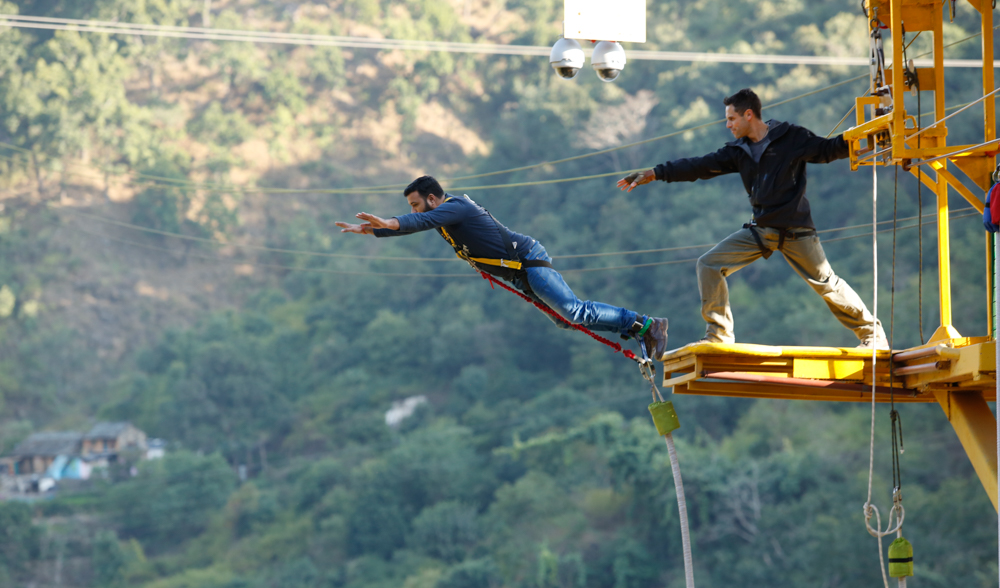
Bungee Jumping in Rishikesh
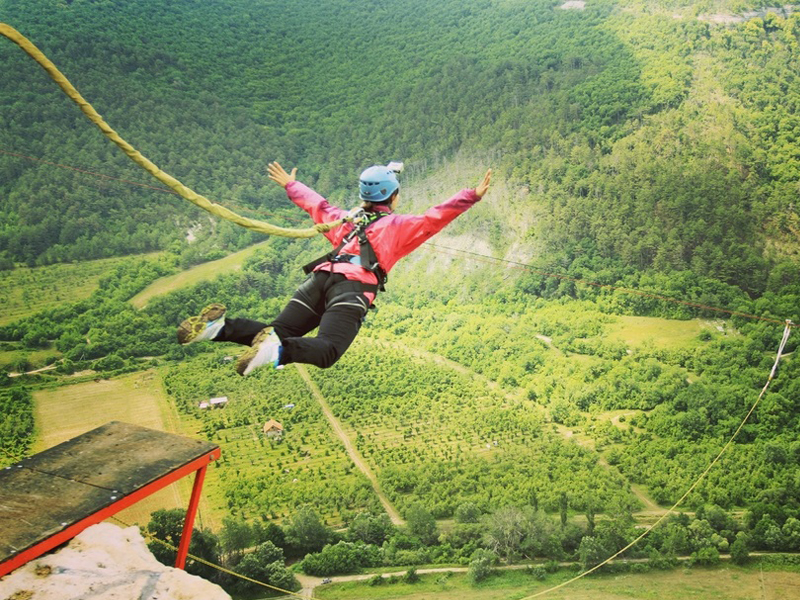
Bungee Jumping in Udaipur
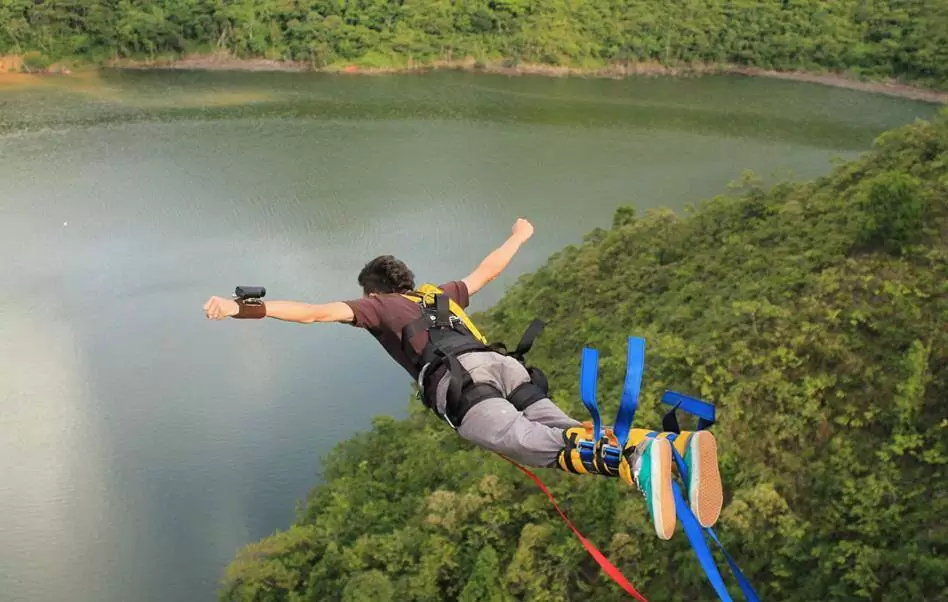
Bungee Jumping in Goa
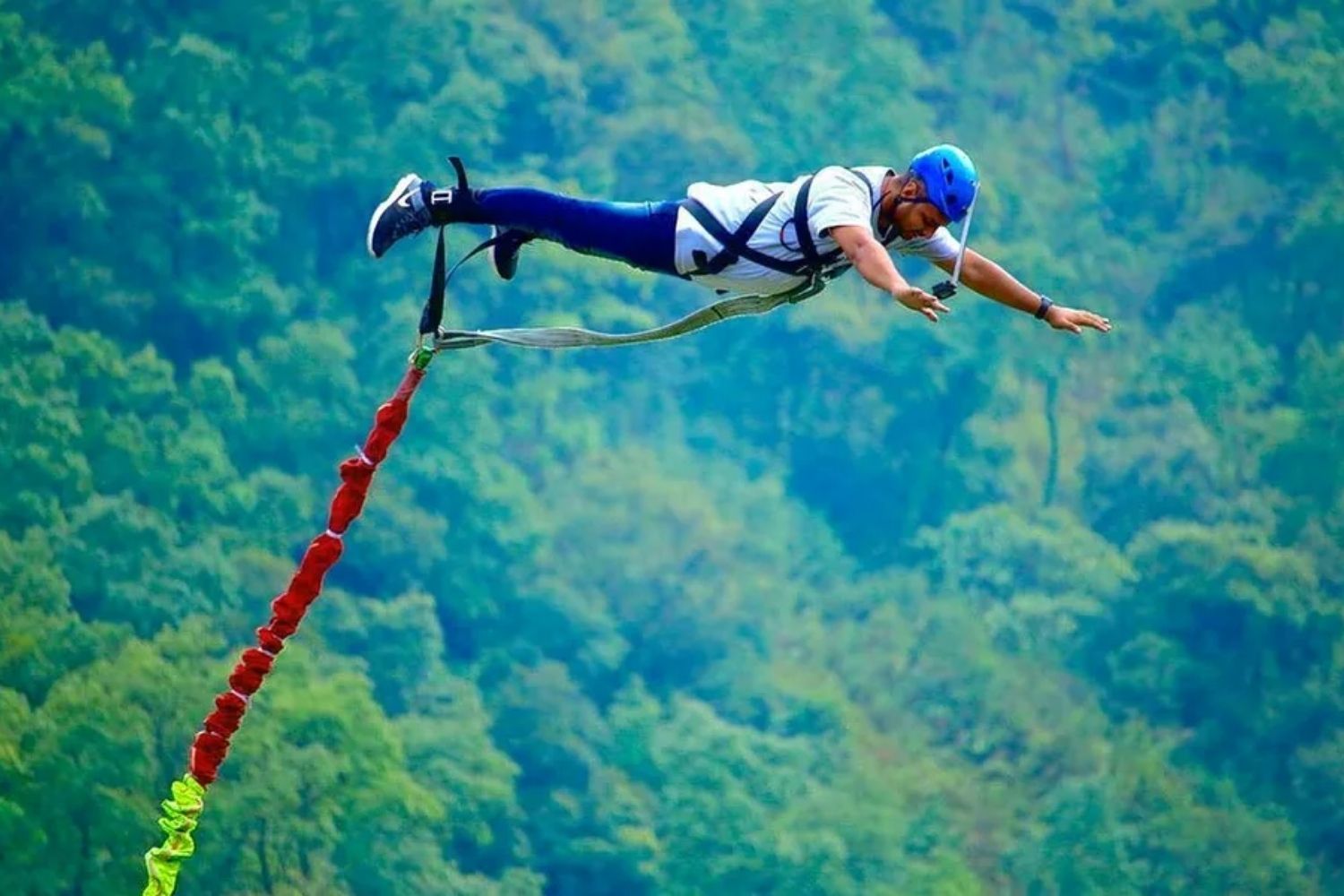
Bungee Jumping in Lonavala
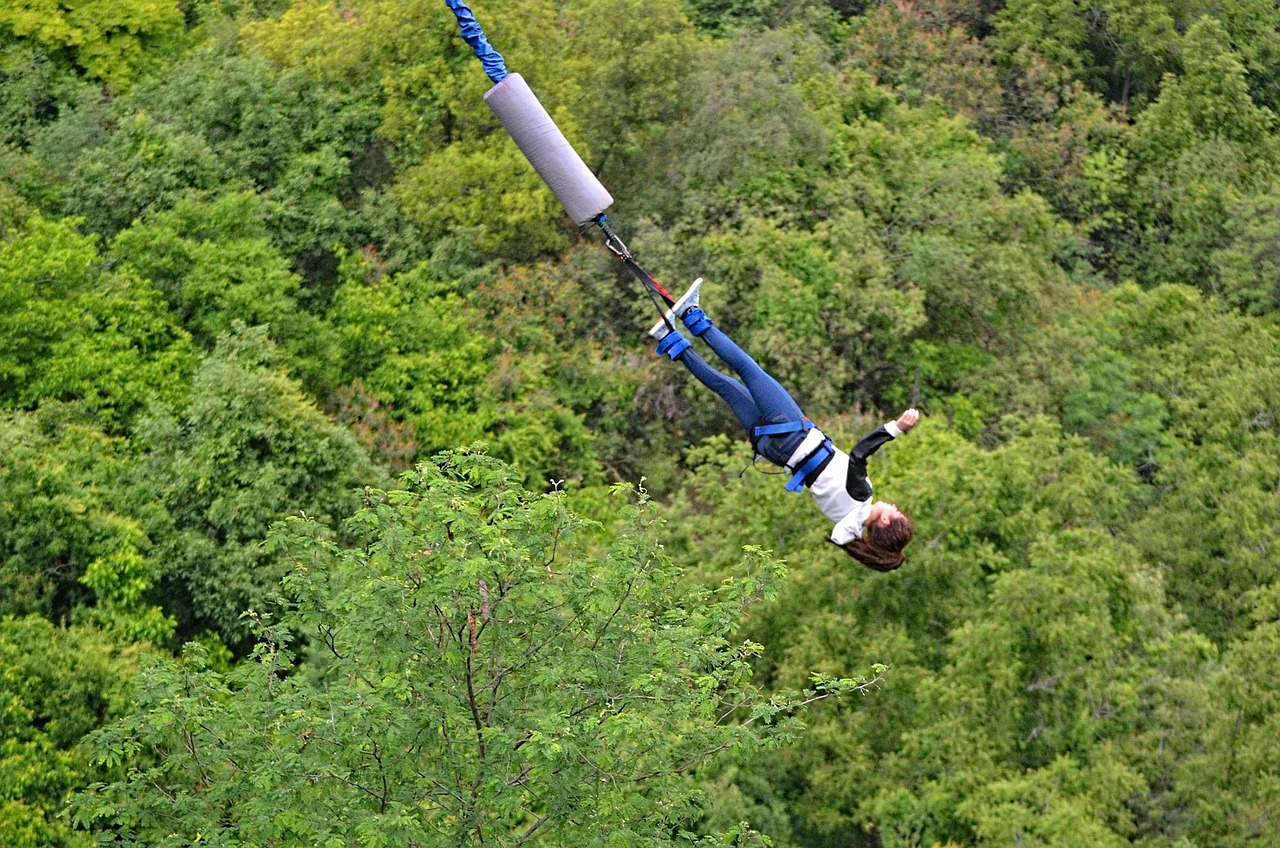
Bungee jumping in Bangalore
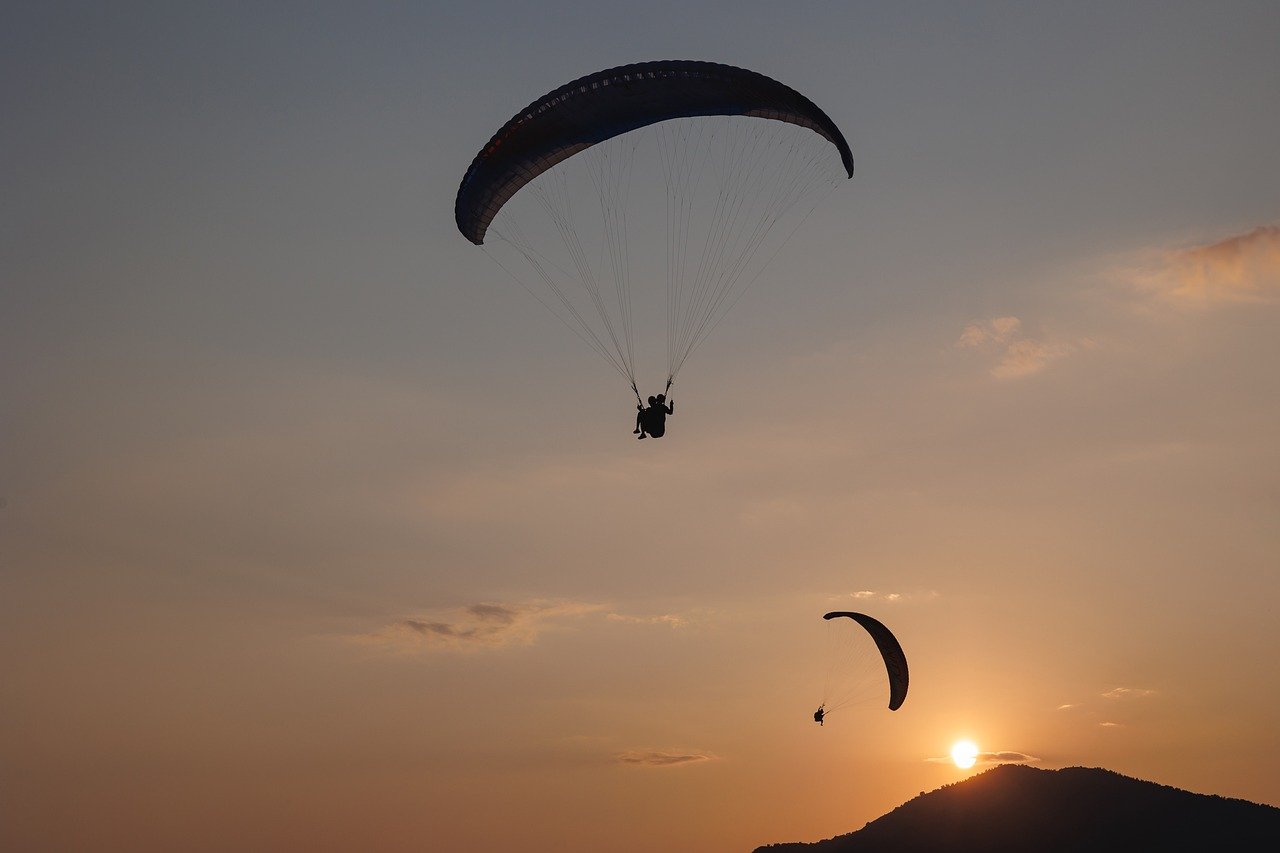
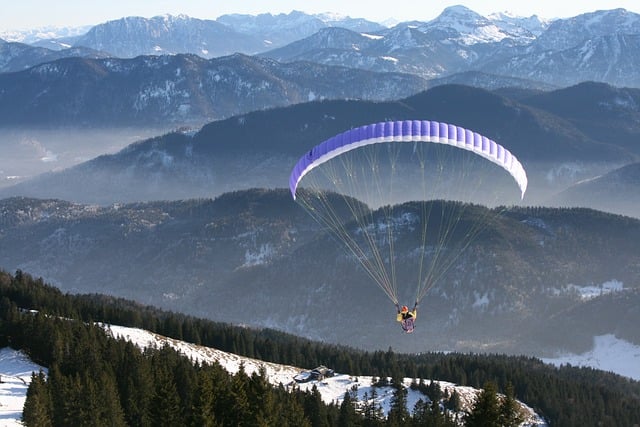
Paragliding in Bir Billing
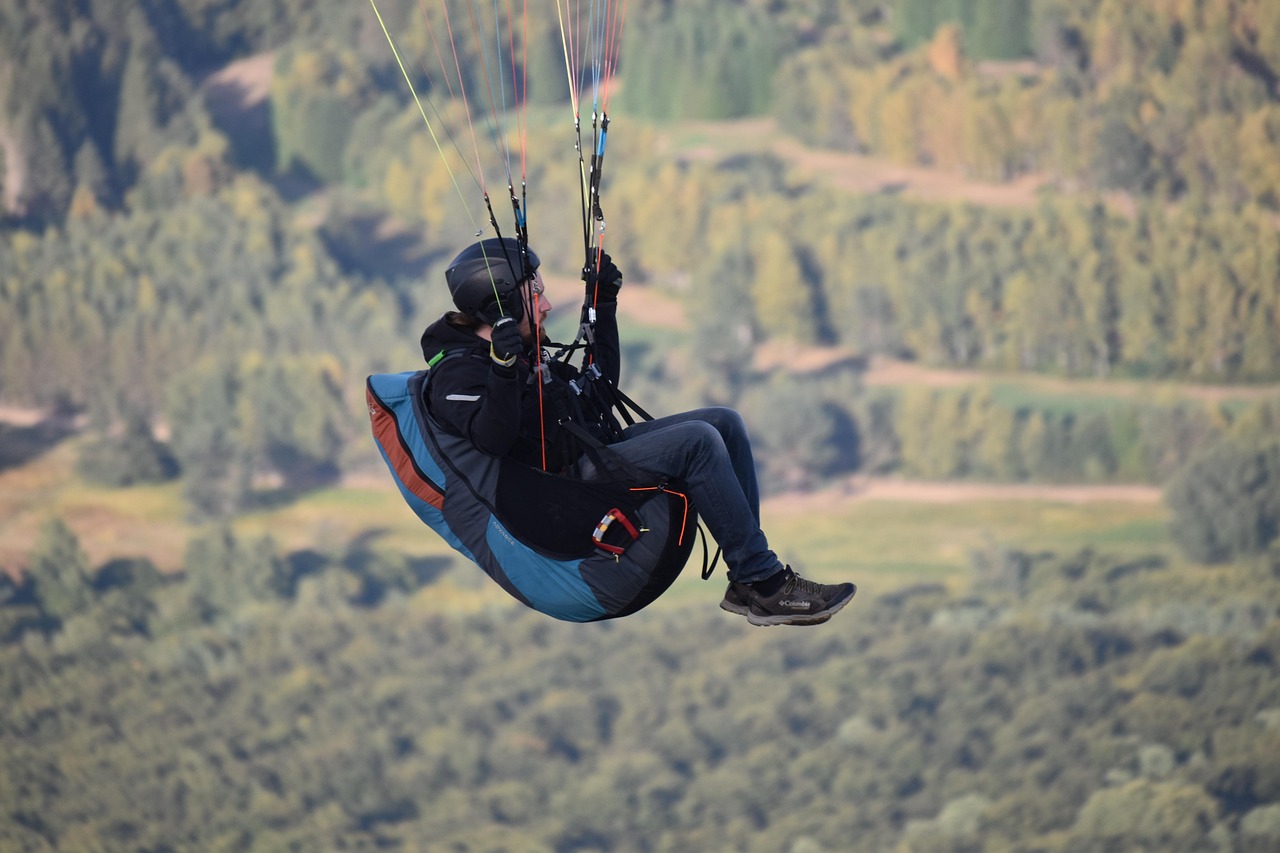
Paragliding in Manali
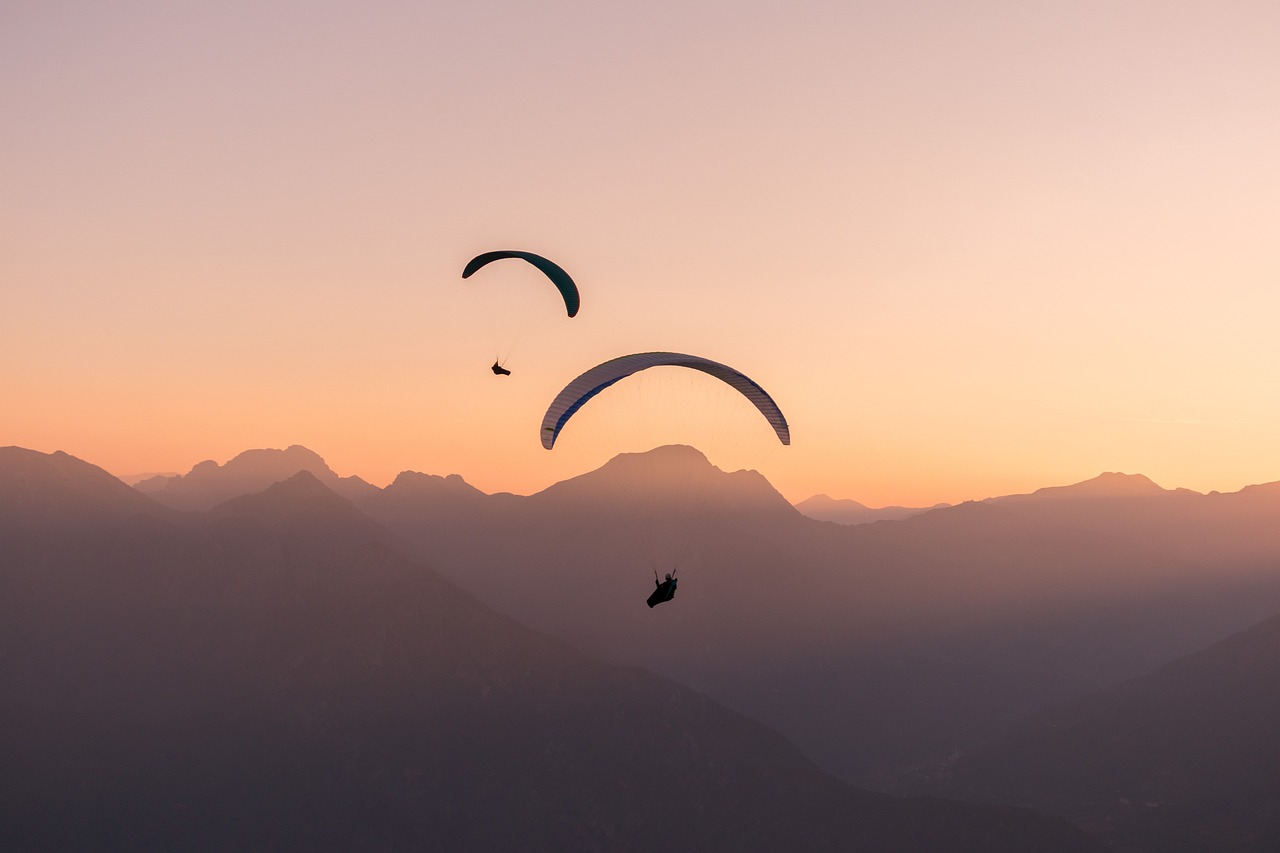
Paragliding in Nainital
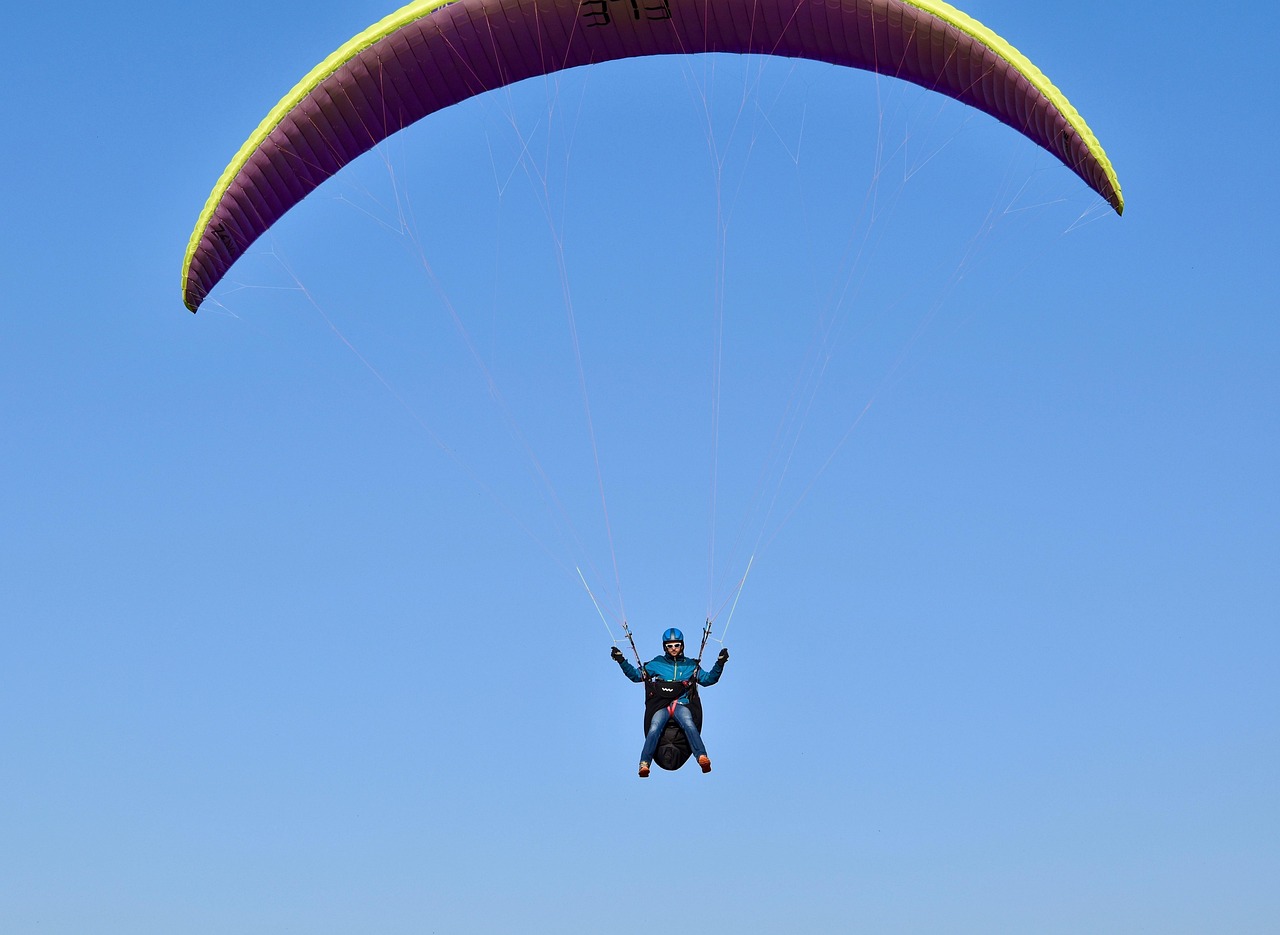
Paragliding in Kamshet
Paragliding in Ranikhet and Mukteshwar
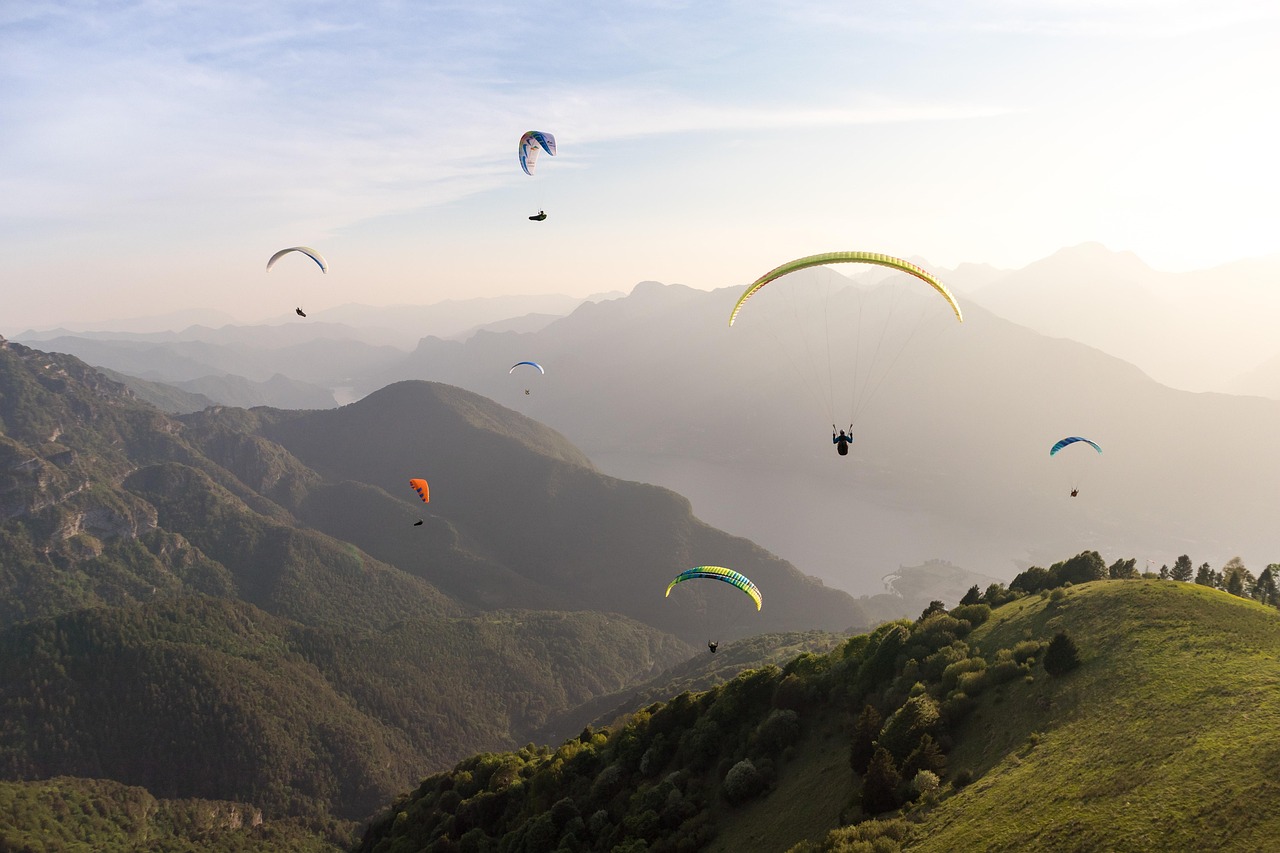
Paragliding in Gangtok
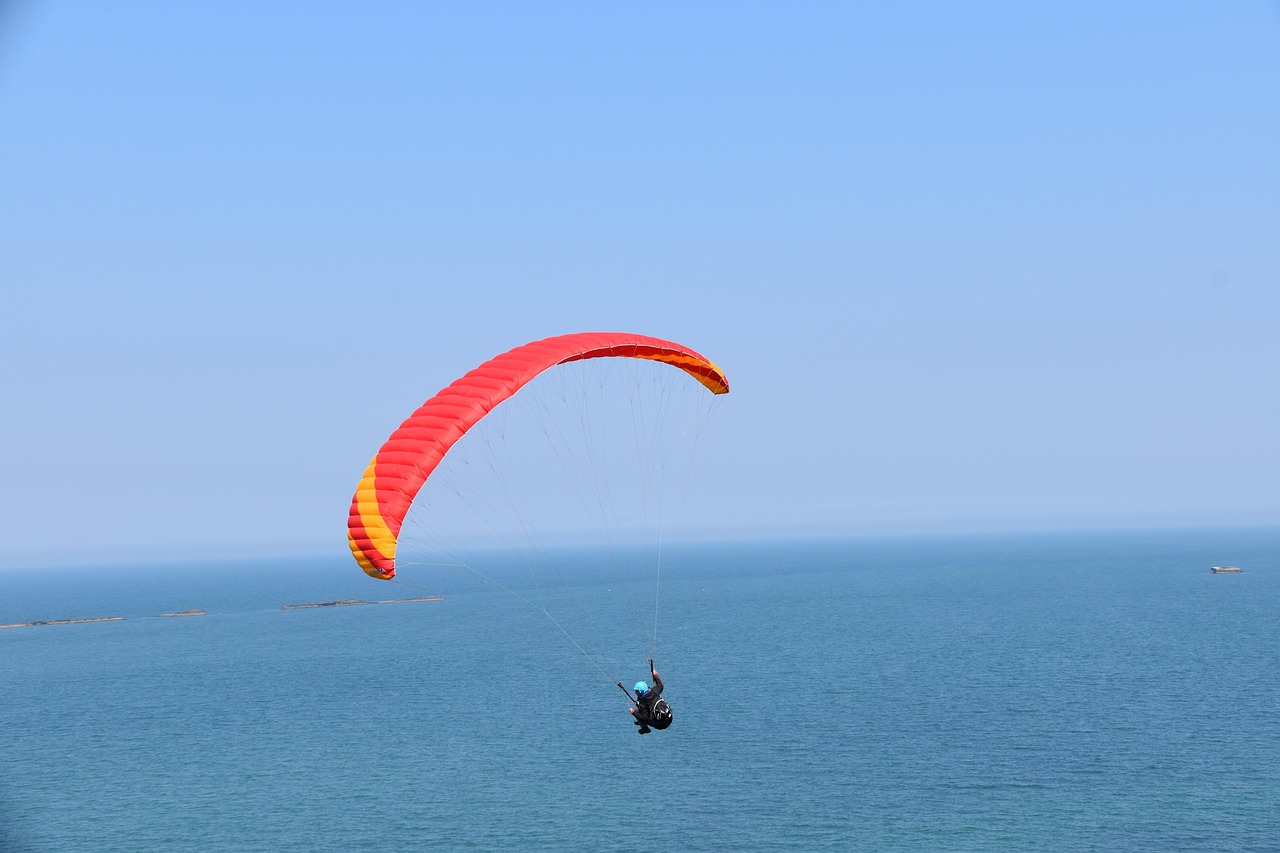
Paragliding in Arambol, Goa
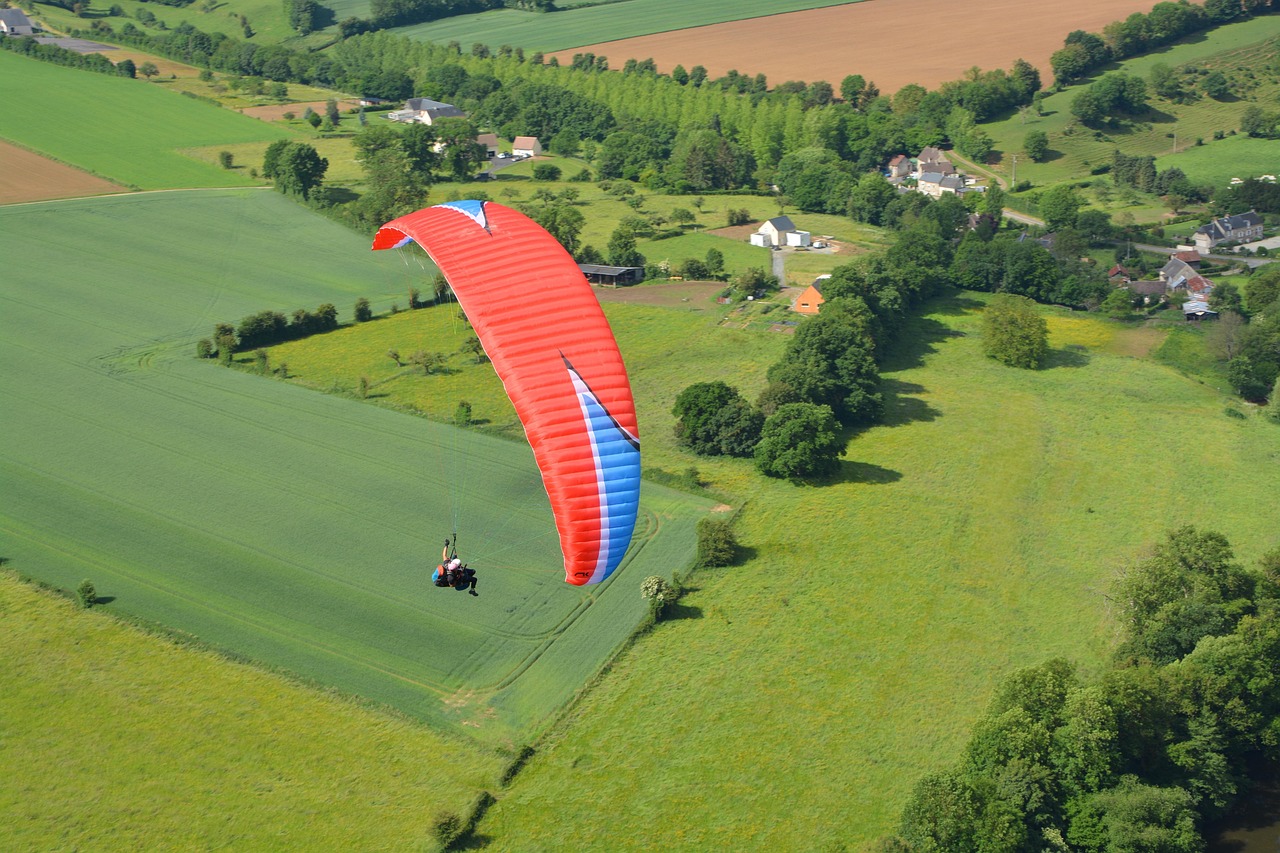
Paragliding in Pavagadh, Gujarat

Kayaking in Rishikesh

Kayaking in Andaman and Nicobar Islands

Kayaking in Kerala

Kayaking in Sikkim
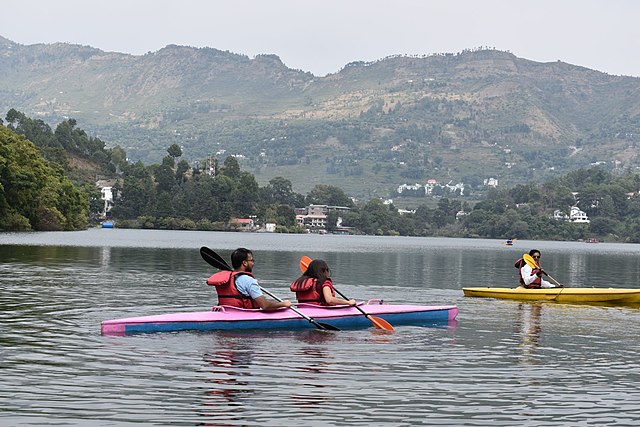
Kayaking in Nainital

Kayaking in Tungabhadra River, Karnataka

Kayaking in Pondicherry

Surfing in Goa

Surfing in Varkala (Kerala)

Surfing in Kovalam (Kerala)

Surfing in Manapad (Tamil Nadu)

Surfing in Udupi (Karnataka)

Surfing in Gokarna (Karnataka)

Surfing in Puducherry

Surfing in Sindhudurg (Maharashtra)
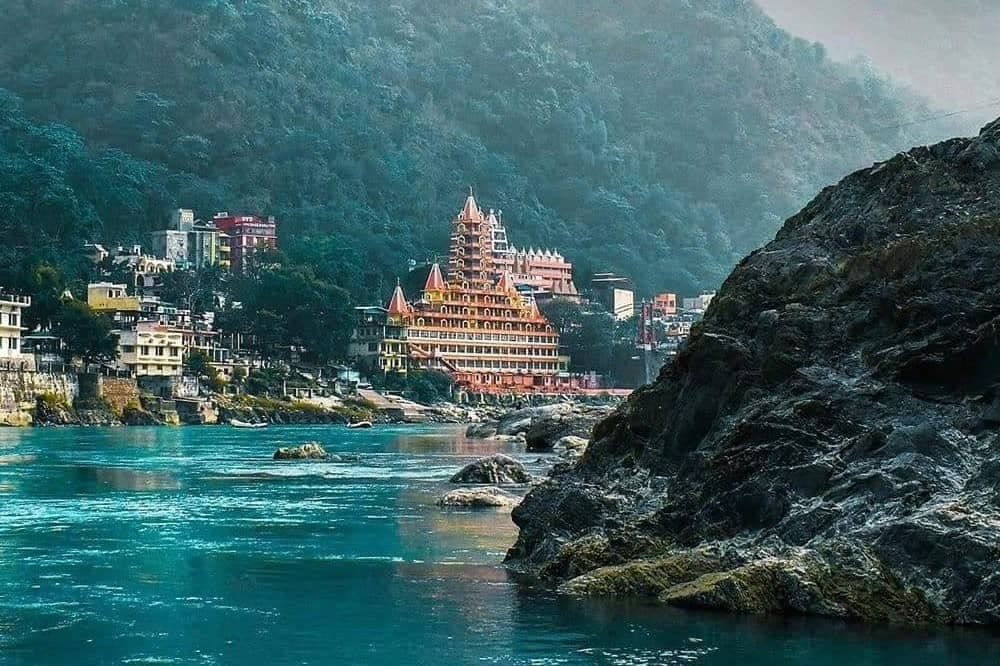
Top 10 Visiting Places in Rishikesh: Your Ultimate Travel Guide
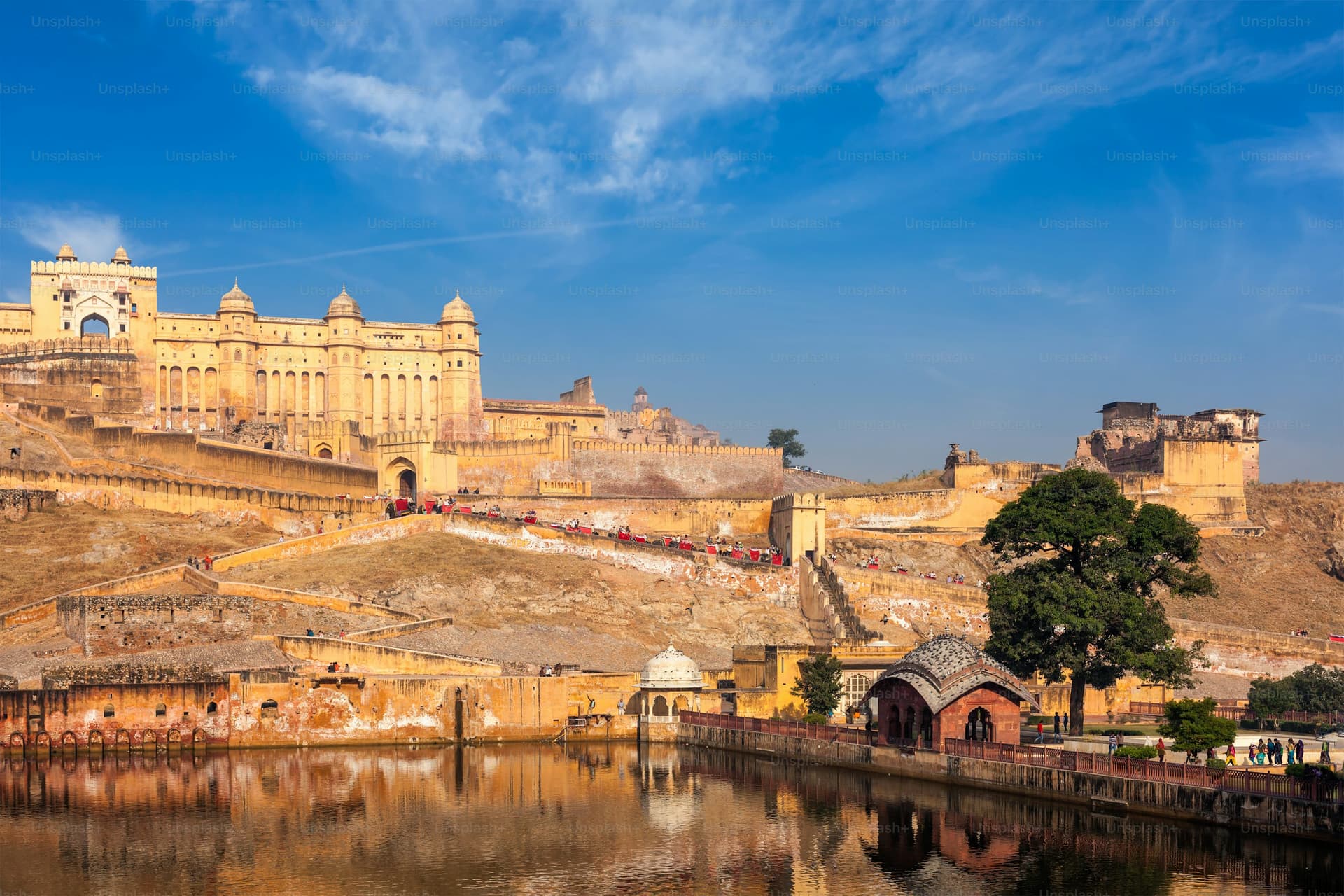
Top 10 Visiting Places in Jaipur: The Pink City’s Must-See Attractions
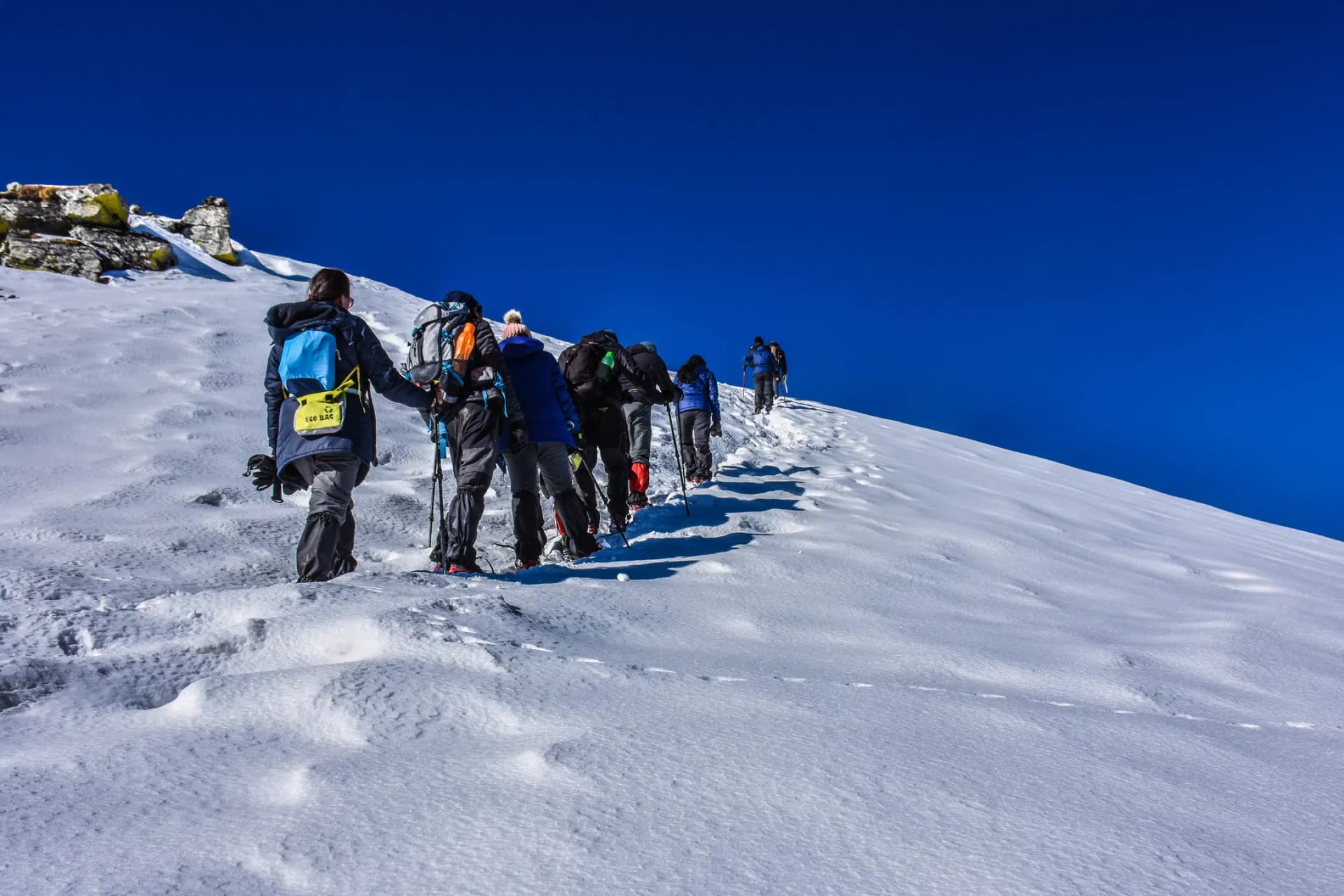
9 Amazing Treks in Uttarkashi: A Perfect Blend of Adventure, Beauty, and Peace
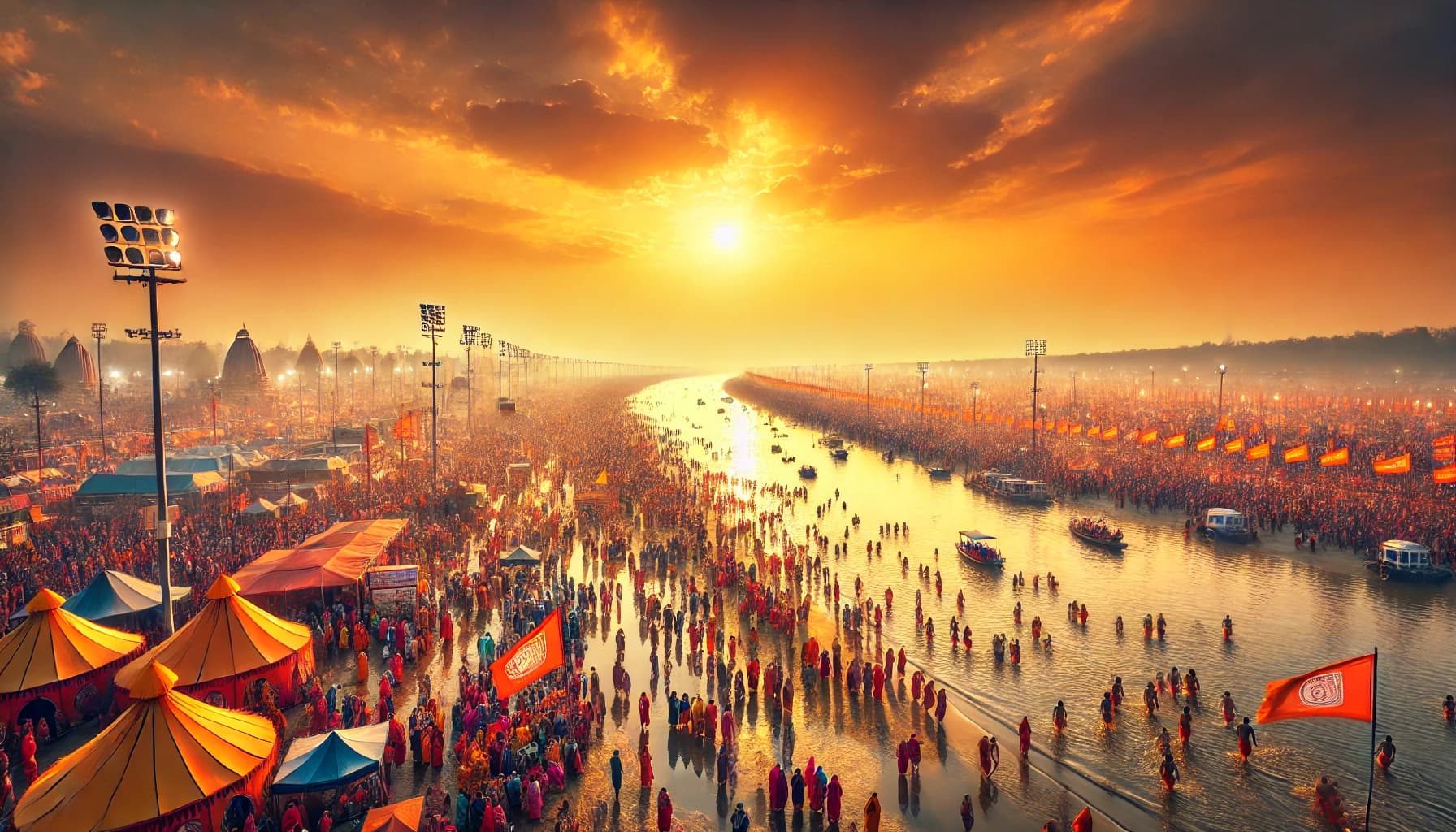
Prayagraj Maha Kumbh Mela 2025: Royal Bath Dates and Their Religious Significance
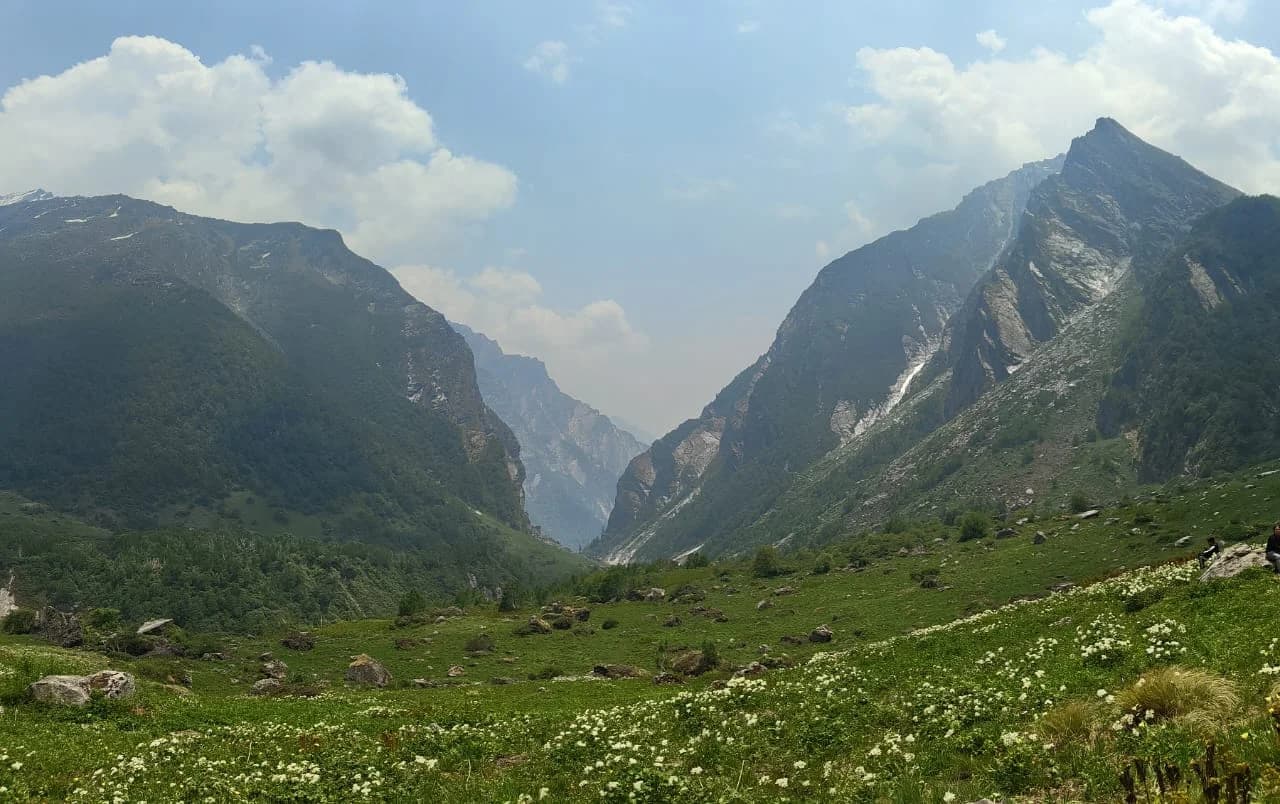
Valley of Flowers: A Himalayan Wonderland of Bloom and Beauty
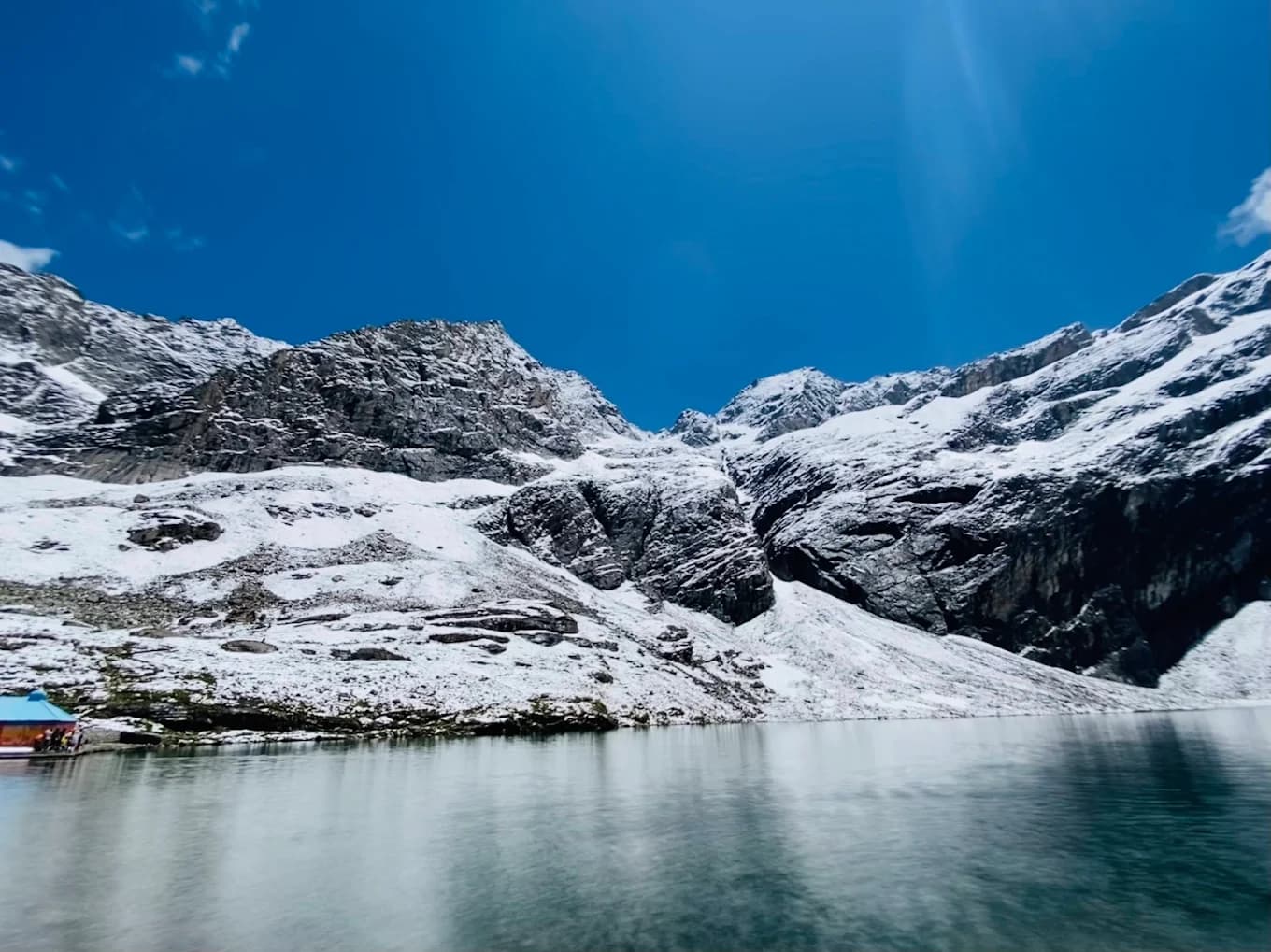
Hemkund Sahib Trek: A Divine Journey to the Sacred Himalayan Pilgrimage
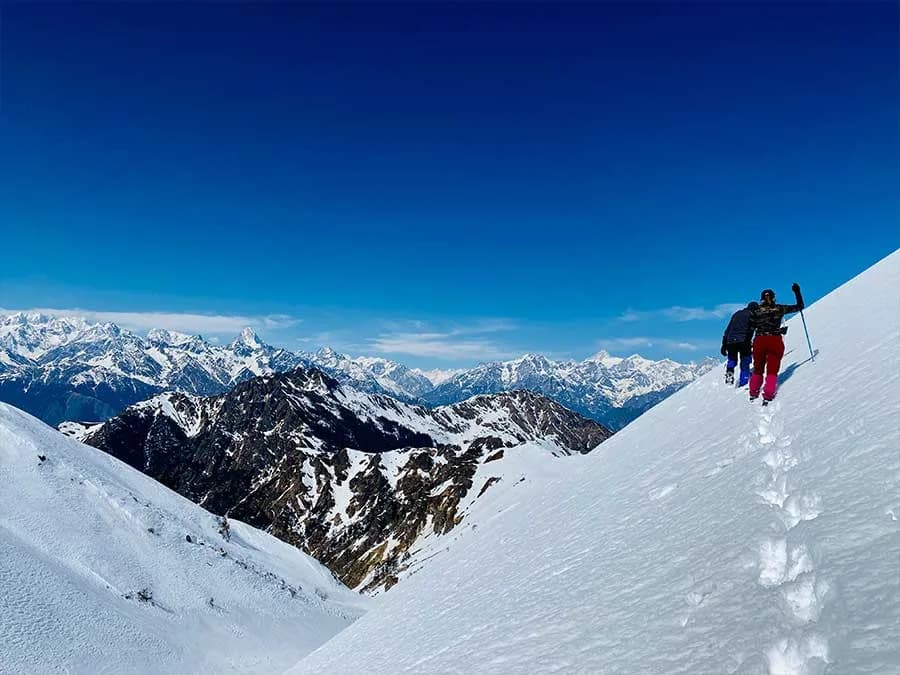
Kuari Pass Trek: A Dreamy Journey Amidst the Himalayas
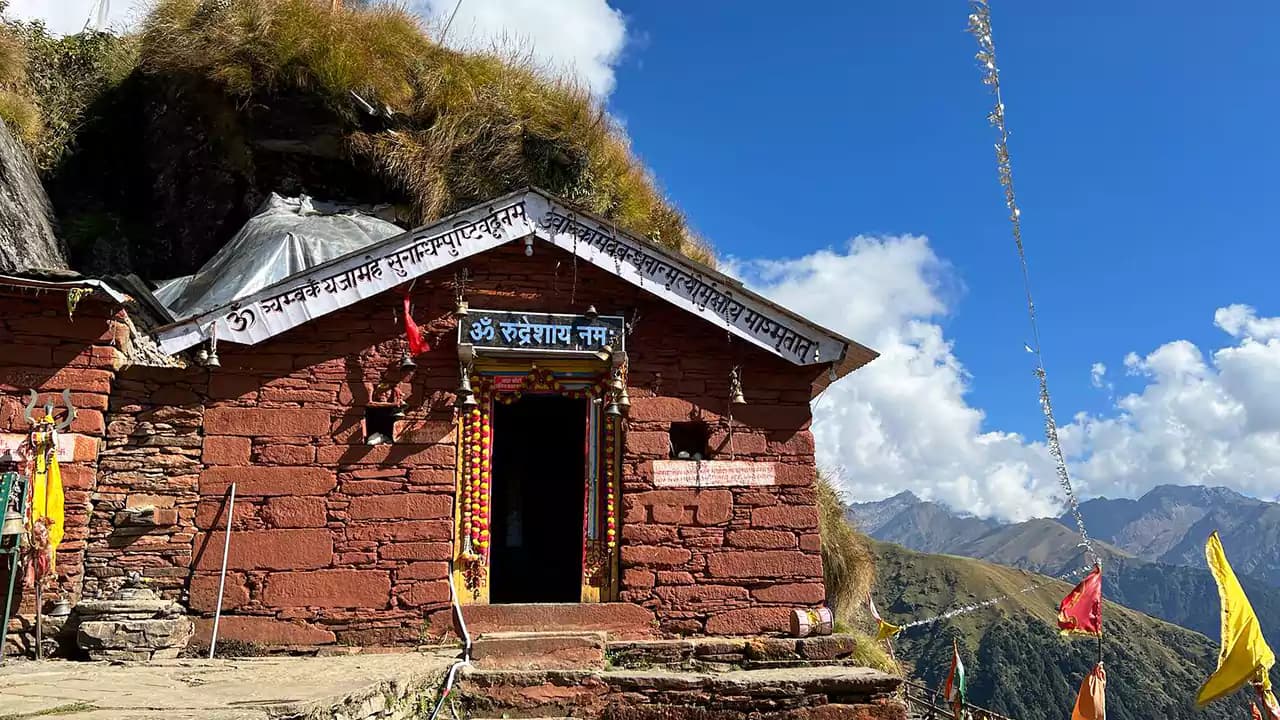
A Unique Spiritual Journey Among the Panch Kedar
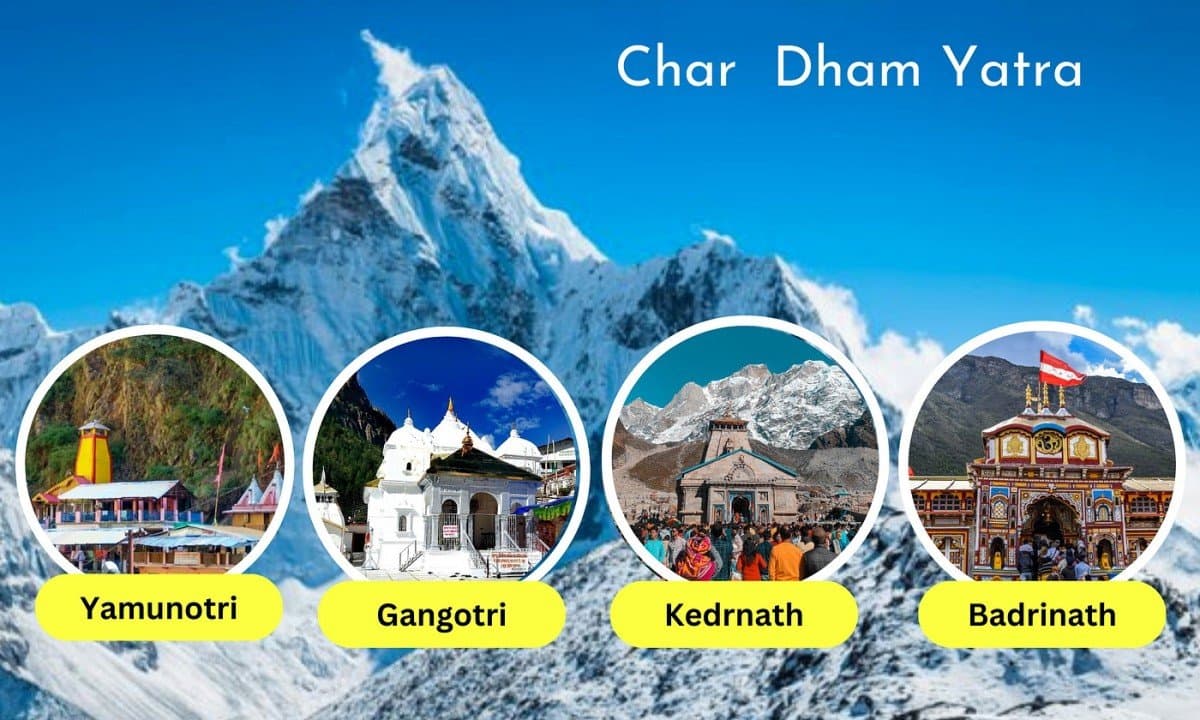
🕉️ Char Dham Yatra: A Life-Changing Spiritual Journey 🏔️🙏
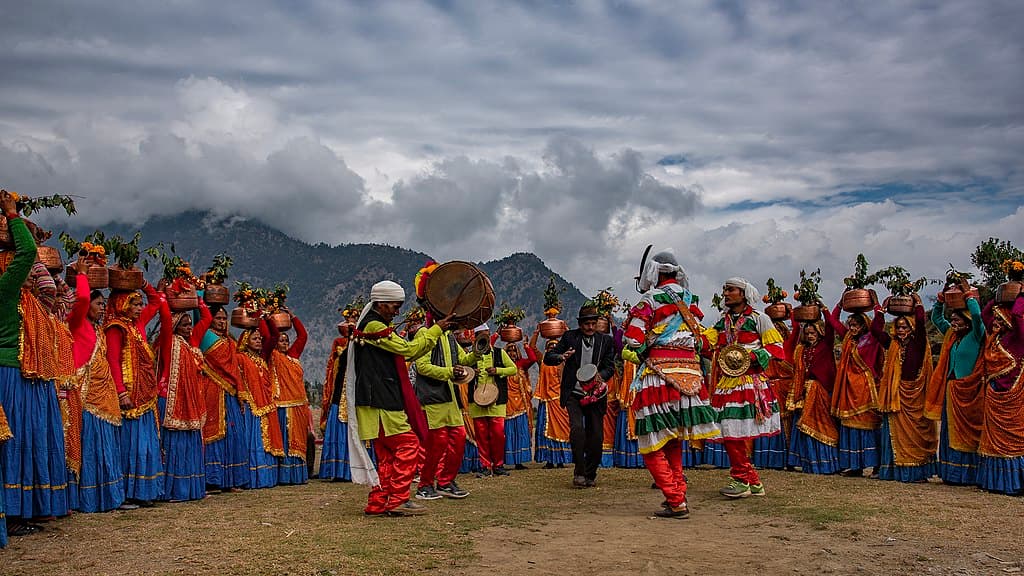
Ganga Dussehra to Nanda Devi Raj Jat: Major Festivals and Culture of Uttarakhand
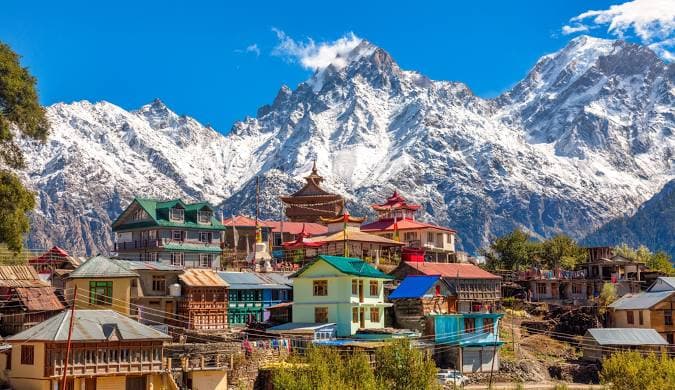
A Paradise in the Lap of the Himalayas: The Complete Travel Story of Himachal Pradesh 🏔️
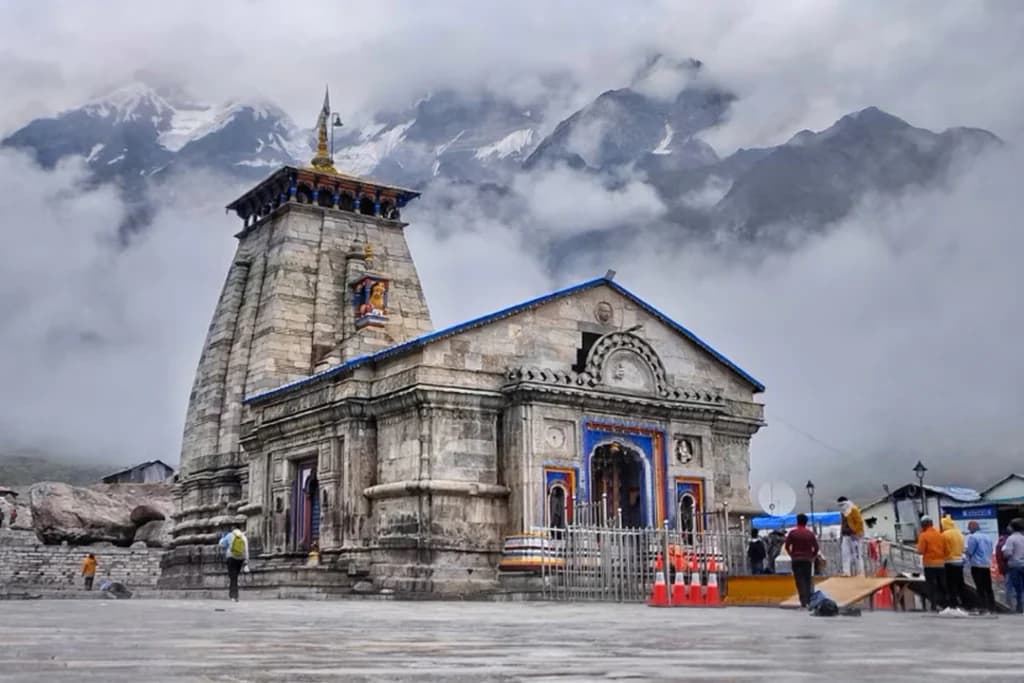
🕉️ The Doors of Baba Kedar Close — The Himalayas Echo with “Har Har Mahadev”

Kedarkantha Trek – The Crown of Winter Treks ❄️
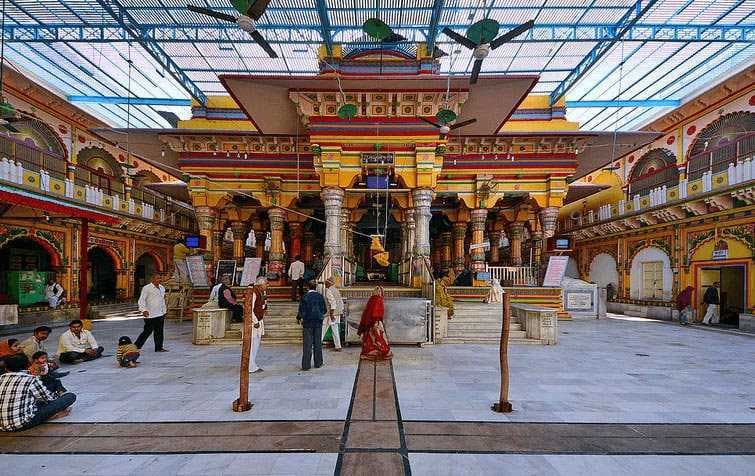
Shri Dwarkadhish Temple, Mathura – The Divine Abode of Lord Krishna
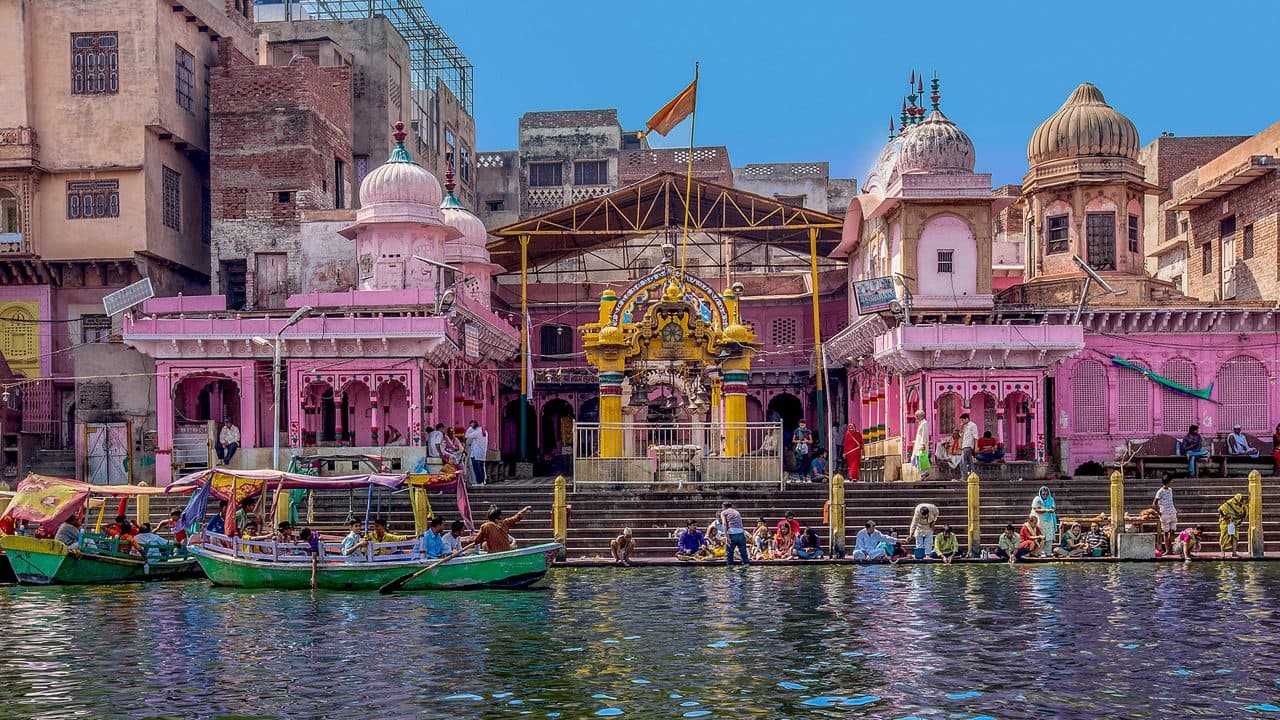
Vishram Ghat: The Sacred Riverside of Mathura
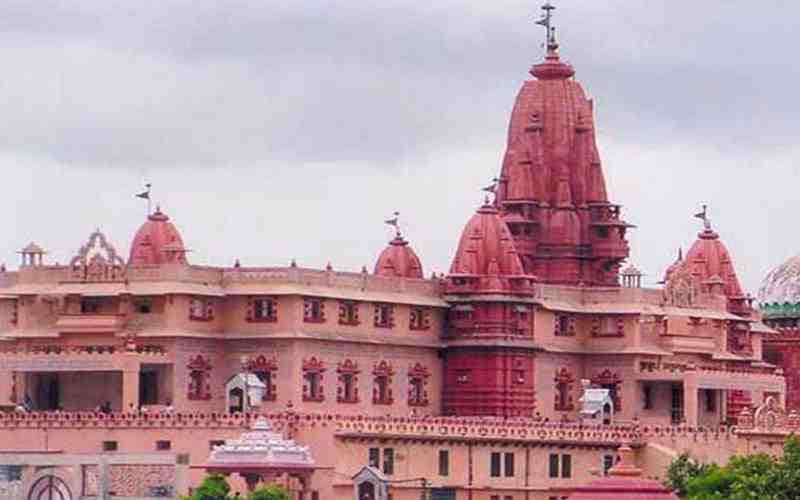
Explore Mathura – Temples, Culture, and Festivals
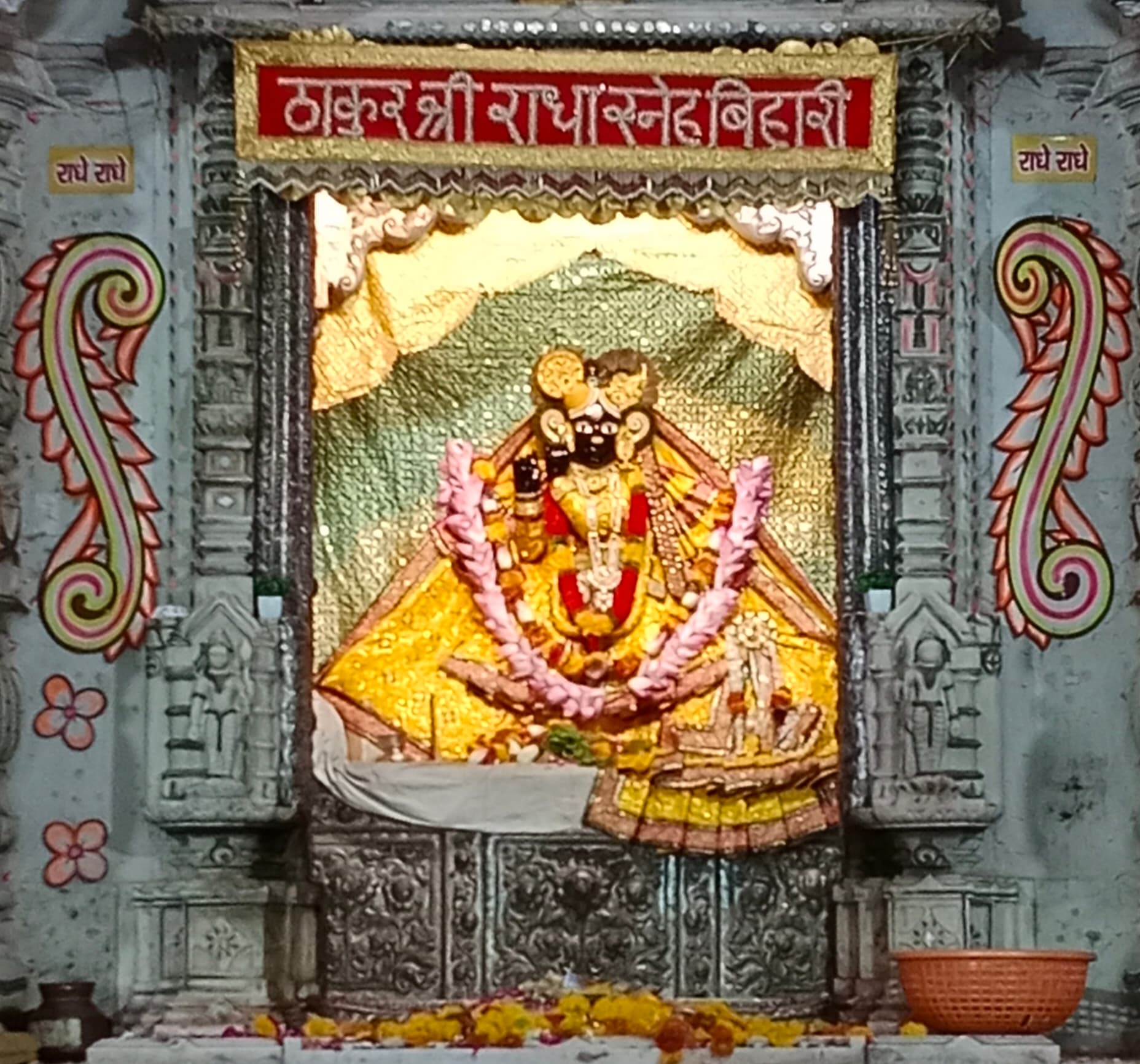
✨ Seek Blessings of Shri Banke Bihari Ji – Experience the Divine Vrindavan! 🙏
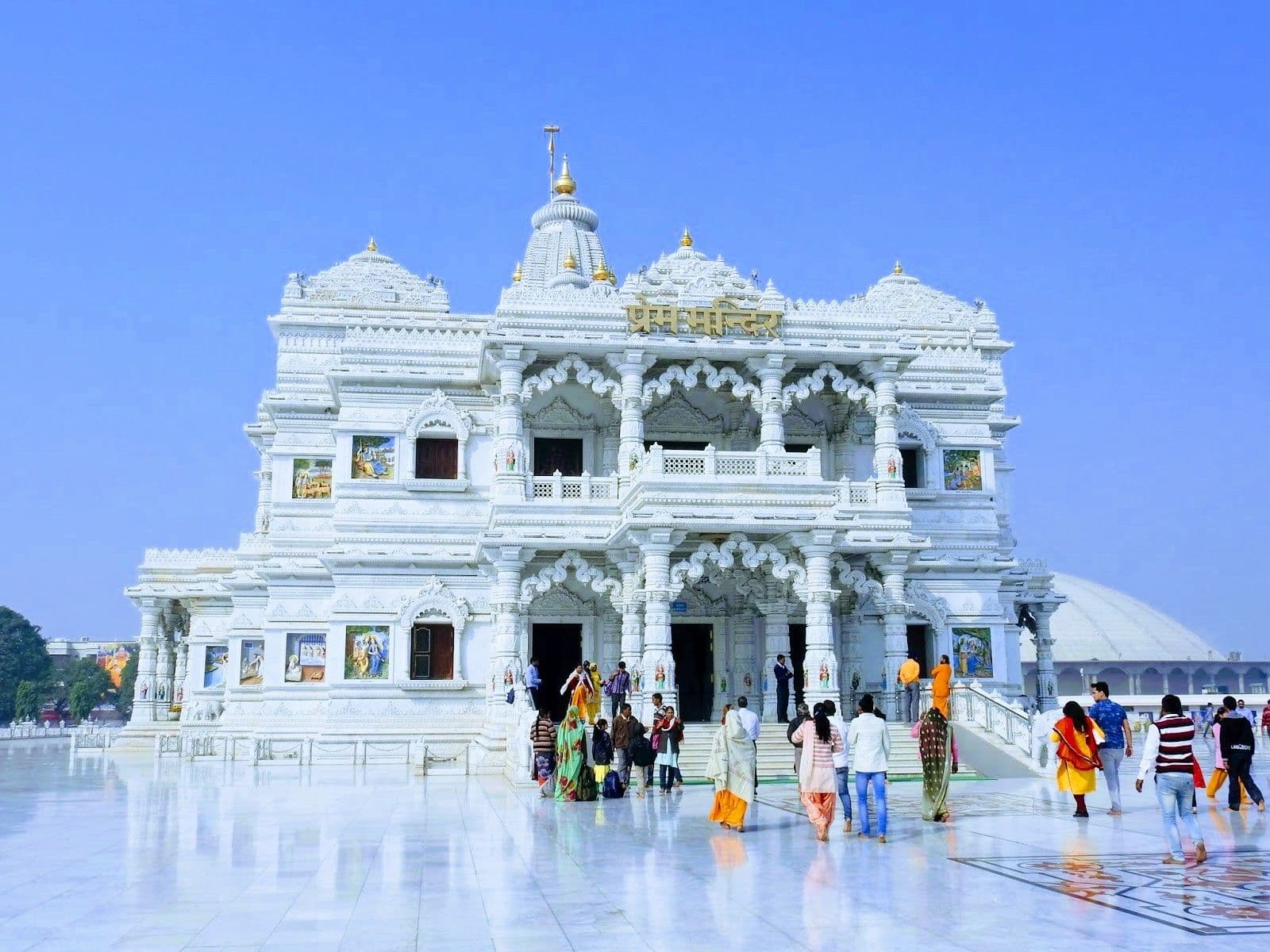
Shri Prem Mandir – Feel the Divine Love in Vrindavan 🙏
Nidhivan Vrindavan: Where Radha-Krishna Still Perform the Divine Ras Leela
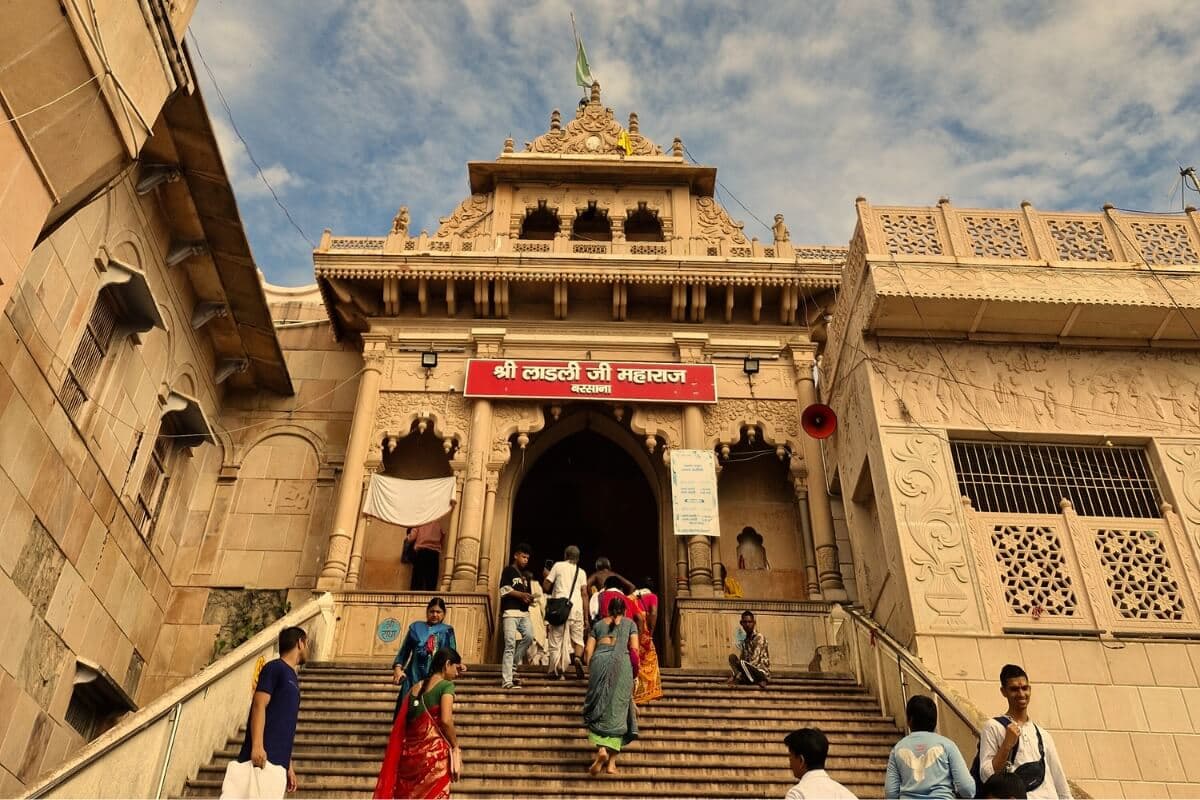
🙏 Have a divine darshan of Shri Radha Rani Temple in Barsana!
The historic Nanda Bhavan Temple in Gokul – a glimpse into the childhood of Lord Krishna
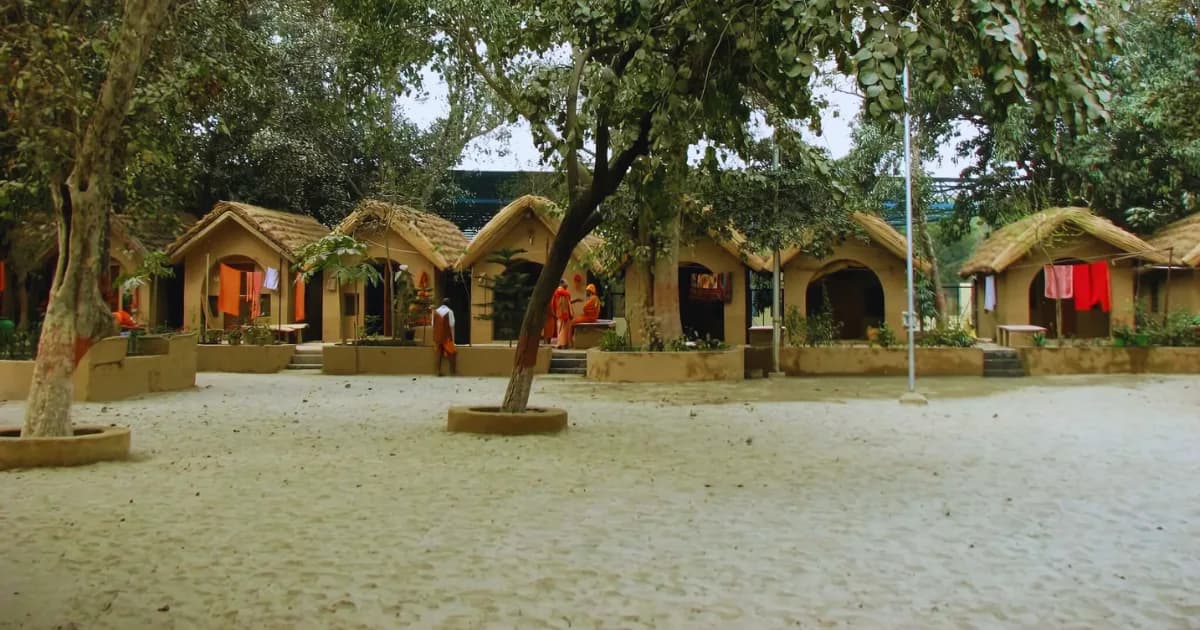
Raman Reti, Mathura: The sacred land of Balkrishna's pastimes
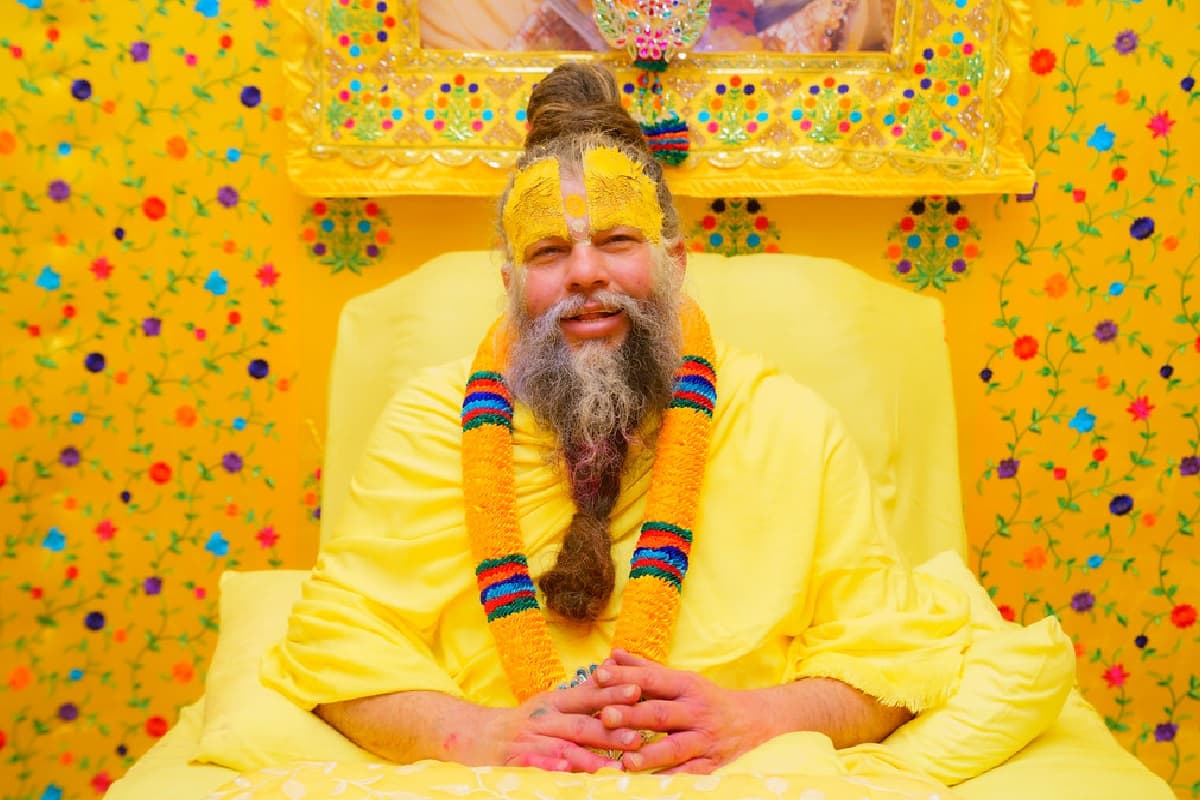
How to Get Darshan of Shri Premanand Ji Maharaj? Understand the Timings, Location & Contact Process.
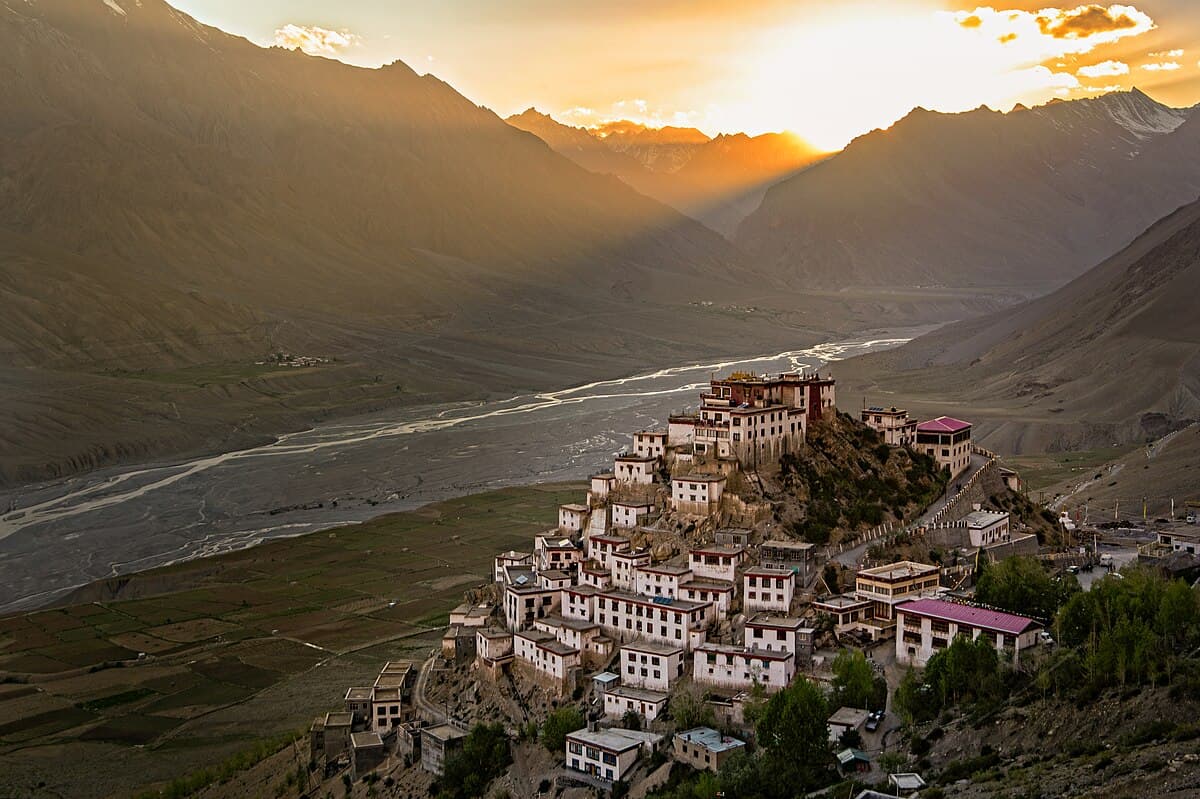
Discover the Magic of Spiti Valley – Villages, Monasteries & Scenic Wonders Await! 🏔️✨
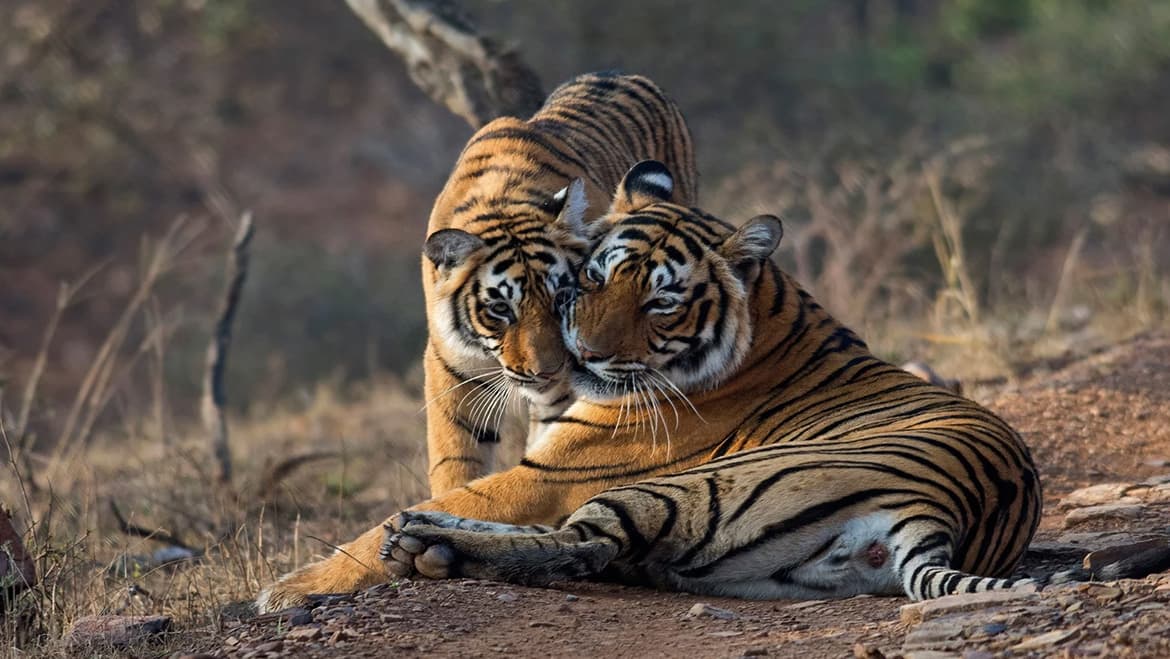
Ranthambhore National Park – Where Royal Tigers, Ancient Forts & Wilderness Come Alive
Ultimate Travel Guide to Manali: Attractions, Food, and Safety Tips
Shimla Travel Guide: Everything You Need to Know Before Visiting the Queen of Hills
Udaipur – The Venice of the East: A Complete Travel Guide
Jaisalmer Travel Guide: History, Forts, Desert Experiences, and Cultural Heritage
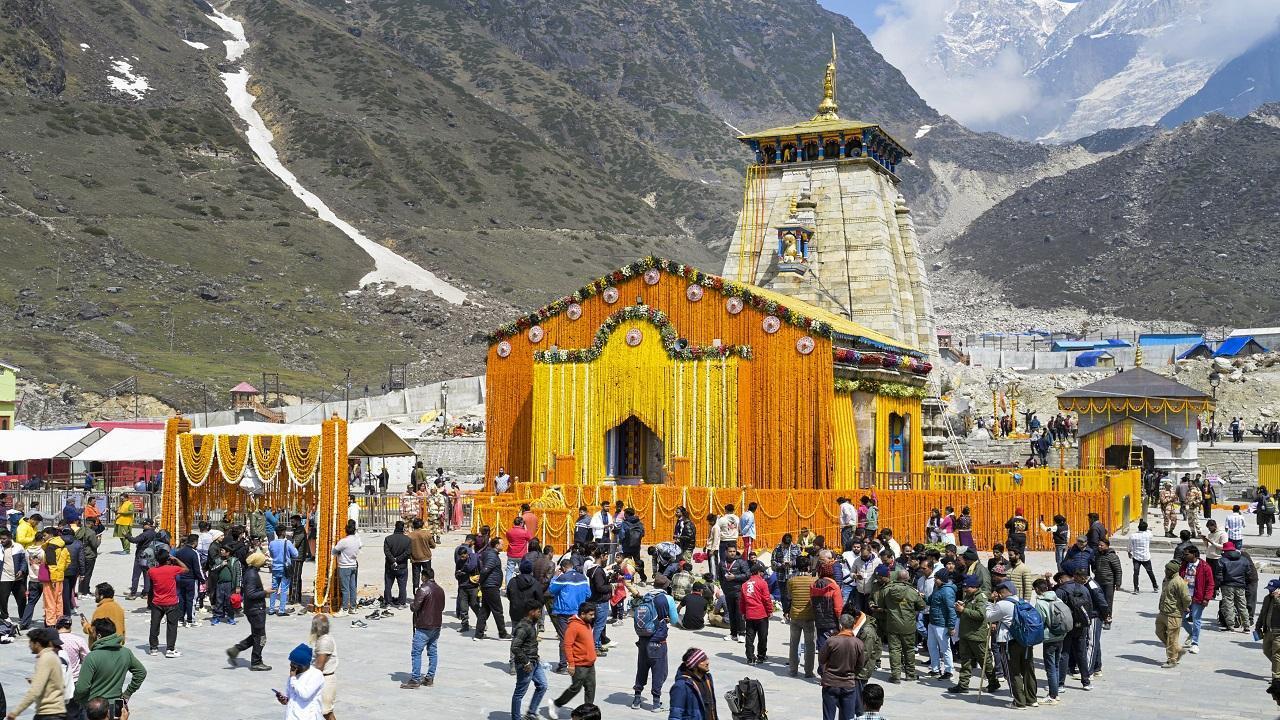
Kedarnath Yatra Registration 2026

Kedarnath Yatra Guide 2026
Kedarnath Helicopter Booking 2026: IRCTC Online Booking, Dates, Price & Complete Guide
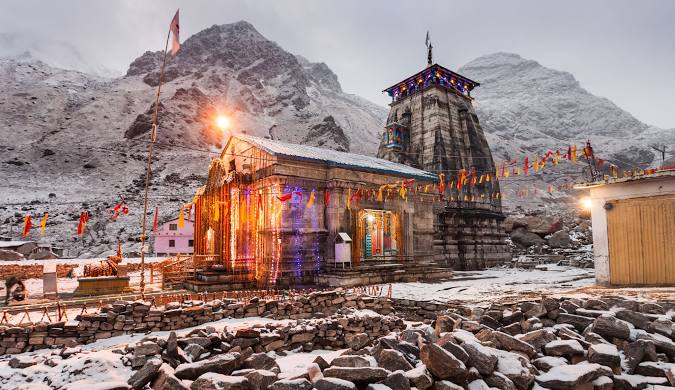
Kedarnath Temple Opens for 2026 Pilgrimage Season on April 22 at 8 AM

Kedarnath Yatra 2026: Ground Reality You Should Know Before Visiting
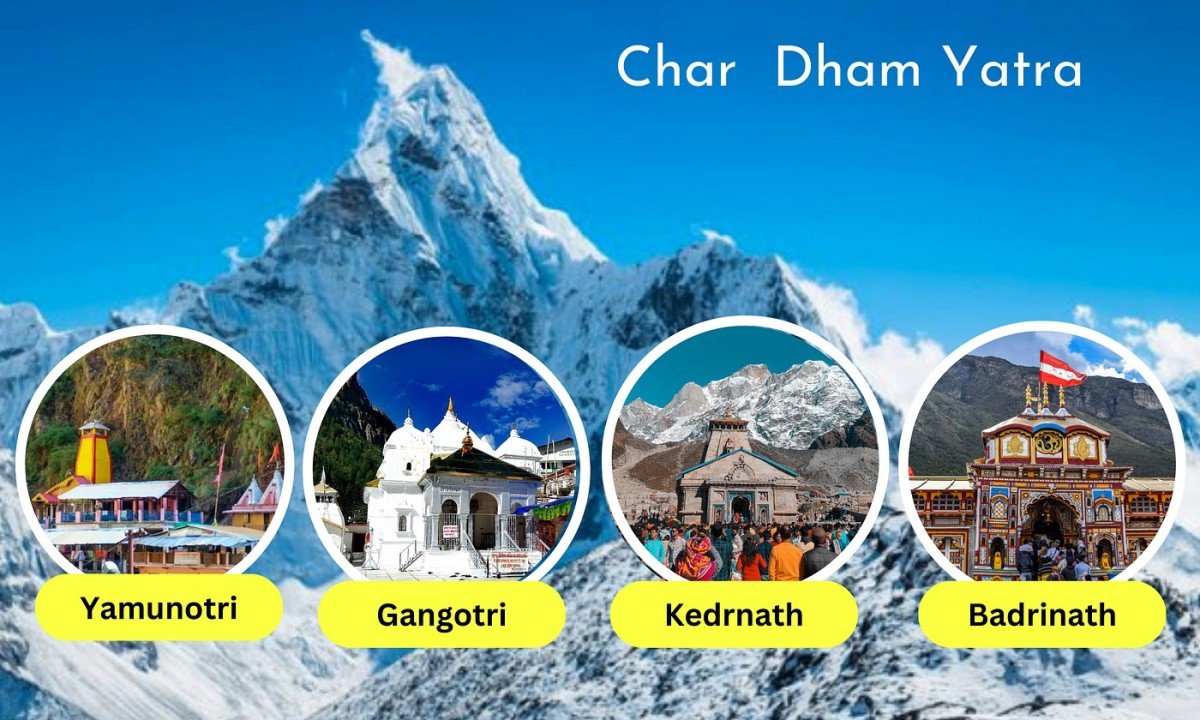
Number of Devotees on Char Dham Yatra Crosses 6.62 Lakh Till 3 May 2026
Harshil Valley – Uttarakhand’s Hidden Himalayan Paradise You Must Visit Once
Kinner Kailash – The Mystical Abode of Lord Shiva in the Himalayas
Madhyamaheshwar Temple Travel Guide 2026 – History, Trek, Route, Stay & Complete Travel Information
Delhi to Leh Bus Service 2026: Fare, Route, Timings, Stops & Complete Travel Guide
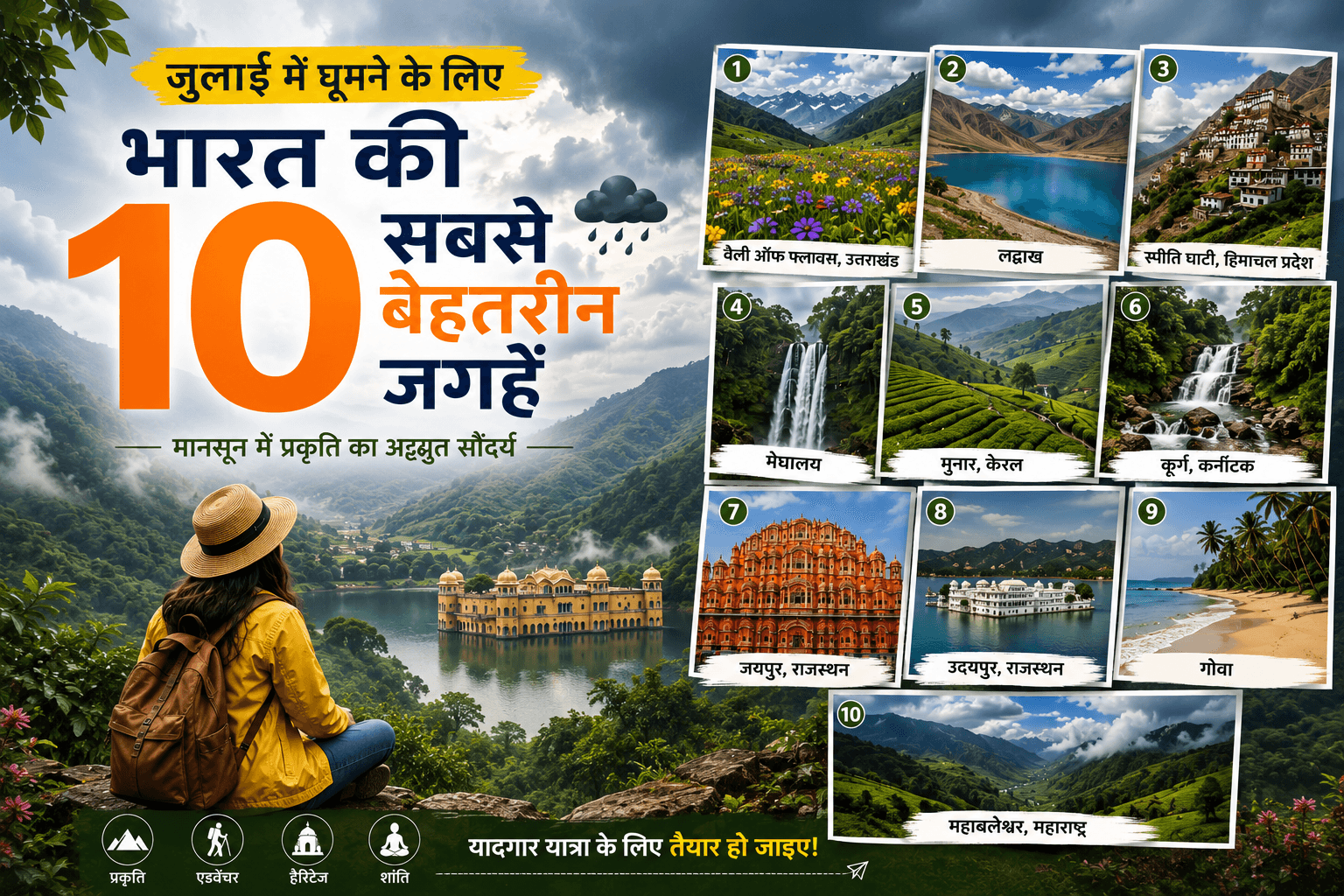
Top 10 Best Places to Visit in July in India (2026) – Monsoon Destinations You Shouldn't Miss
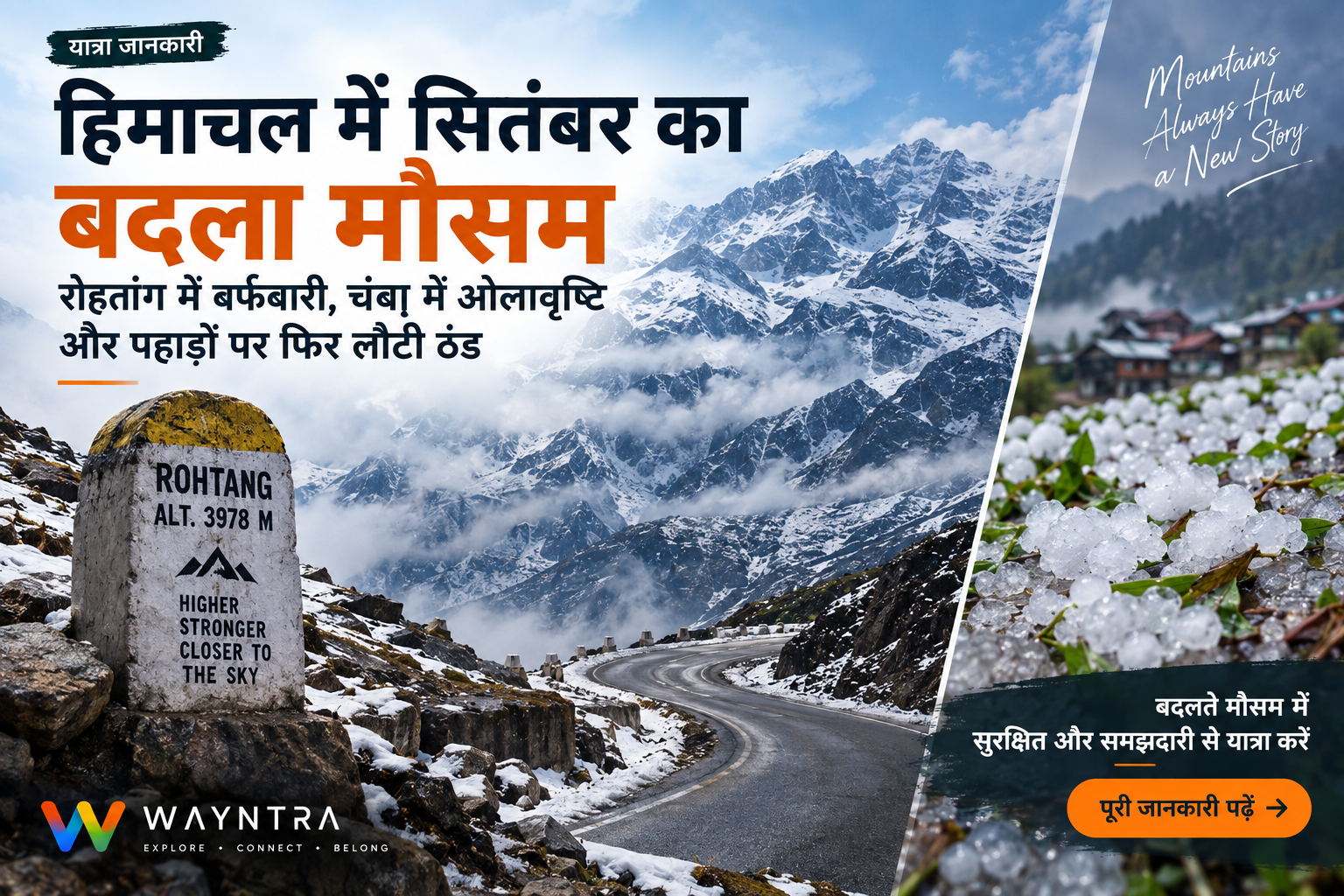
हिमाचल में सितंबर का बदला मौसम: रोहतांग में बर्फबारी, चंबा में ओलावृष्टि और पहाड़ों पर लौटी ठंड
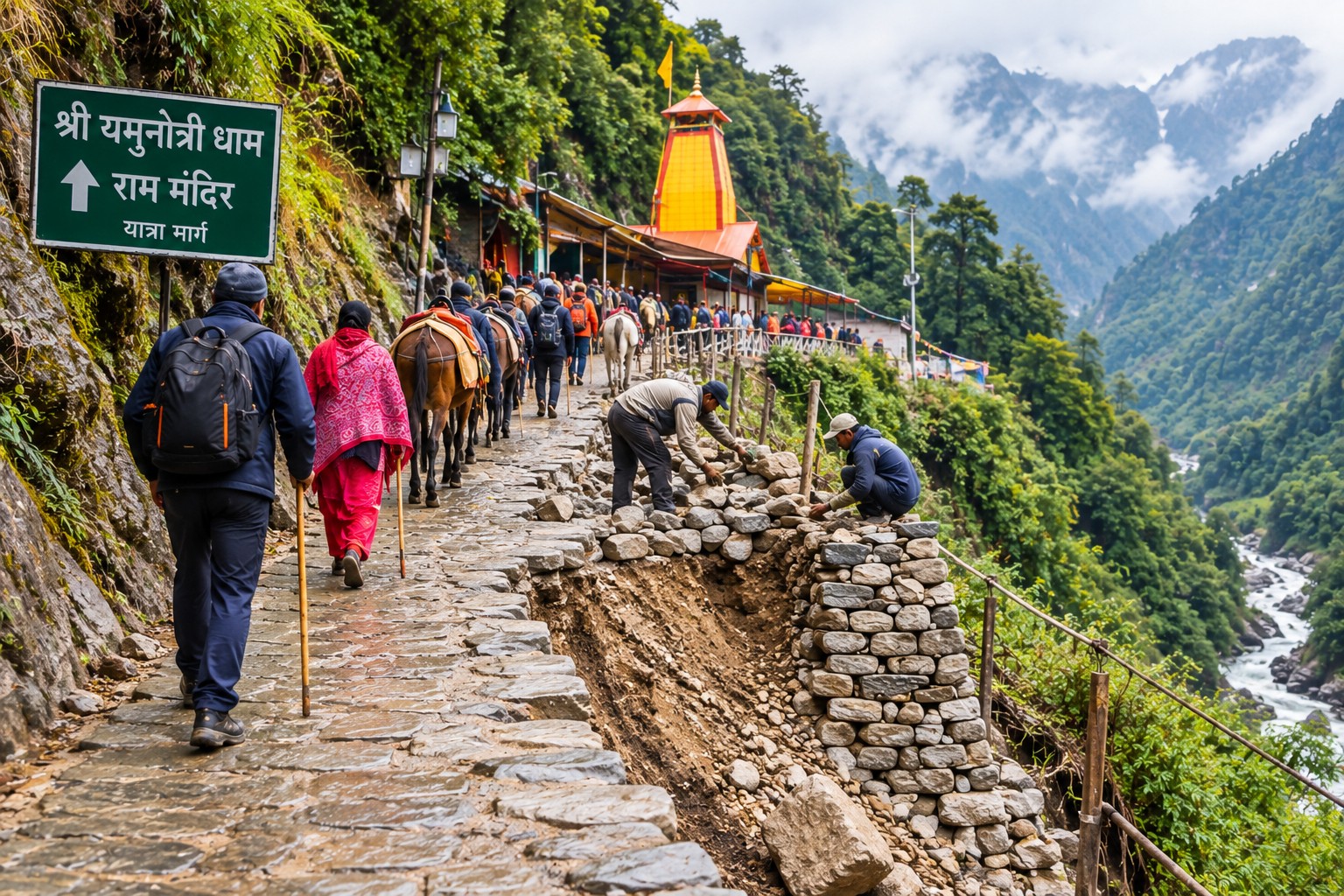
Yamunotri Dham: Safety Concerns Remain Near Ram Mandir on the Yatra Route
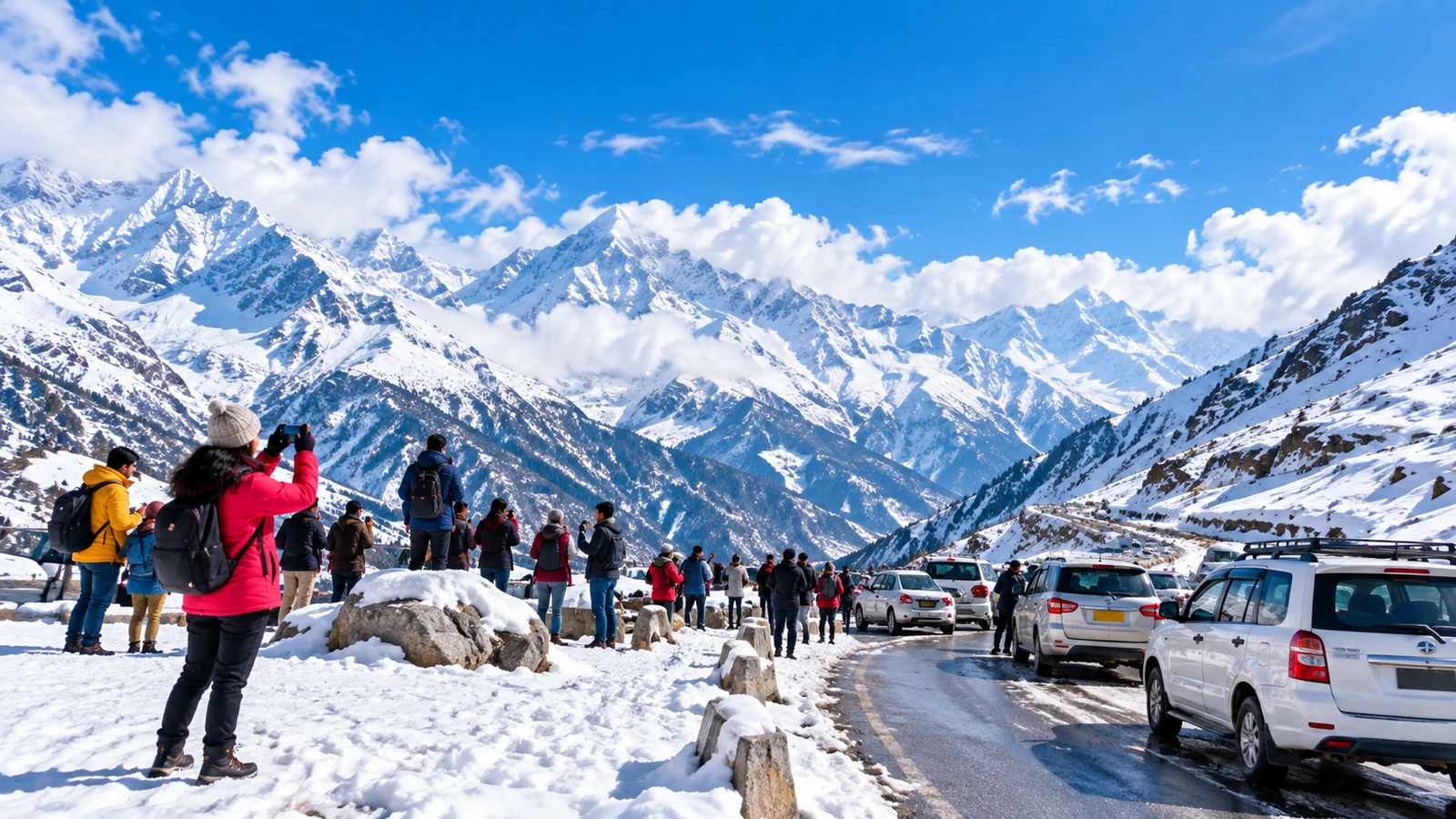
Tourists Flock to Rohtang After Snowfall, Over 600 Vehicles Arrive; Manali Comes Alive
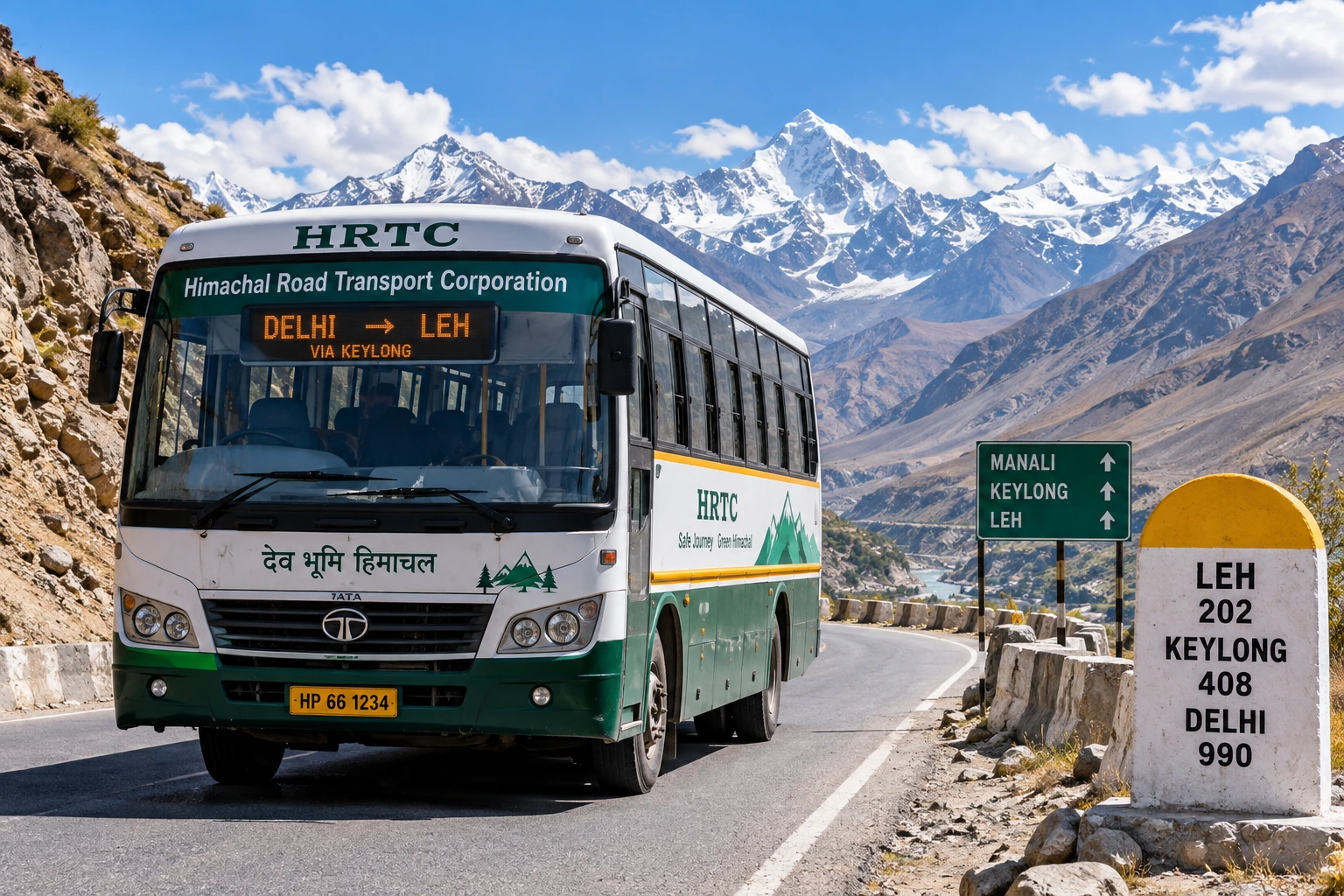
Delhi–Leh HRTC Bus Service Suspended: Service Will Resume Next May, Know All the Details

River Rafting May Resume in Rishikesh from September 23
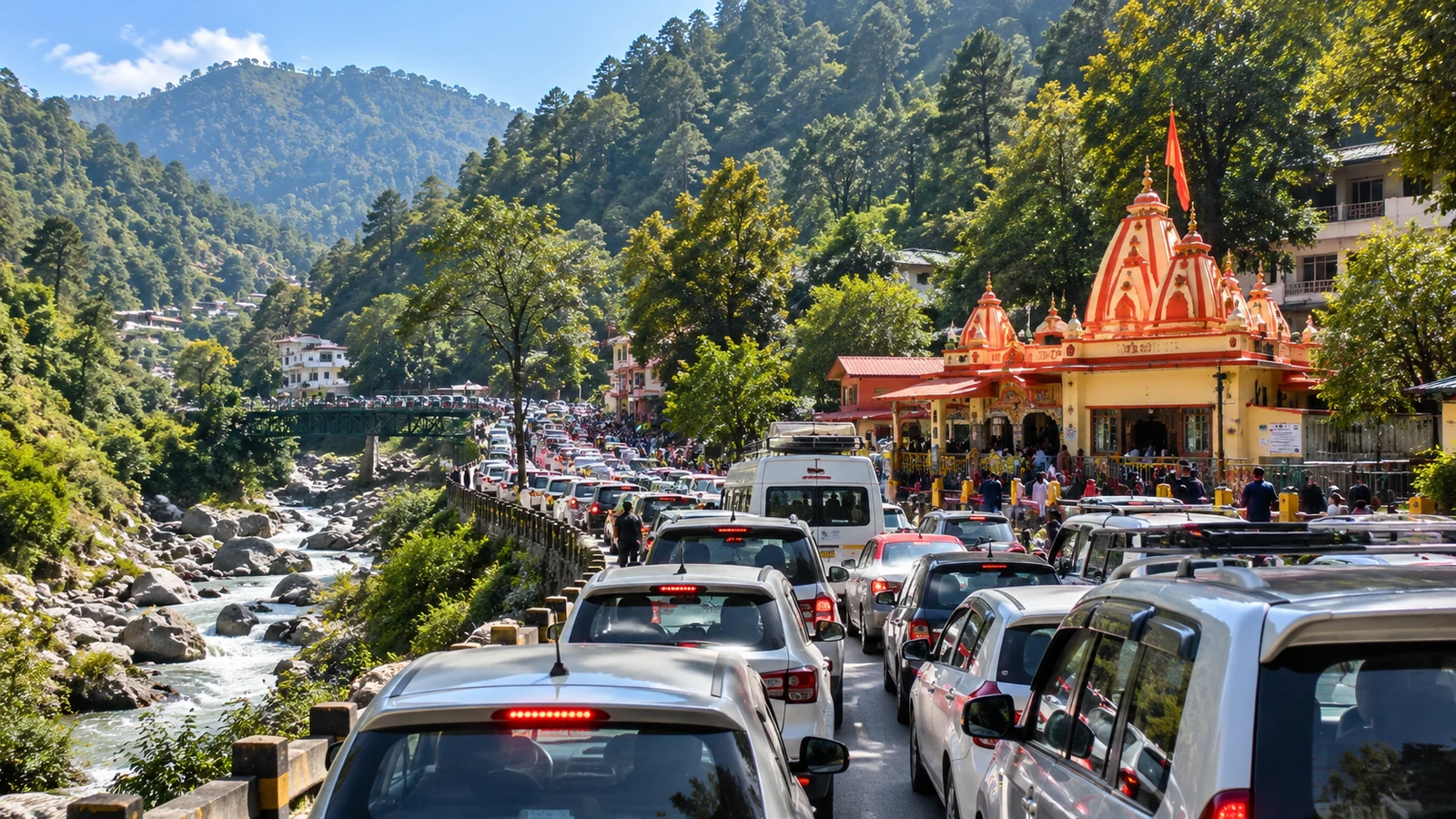
Heavy Crowd of Devotees at Kainchi Dham, 2-Km-Long Traffic Jam Reported
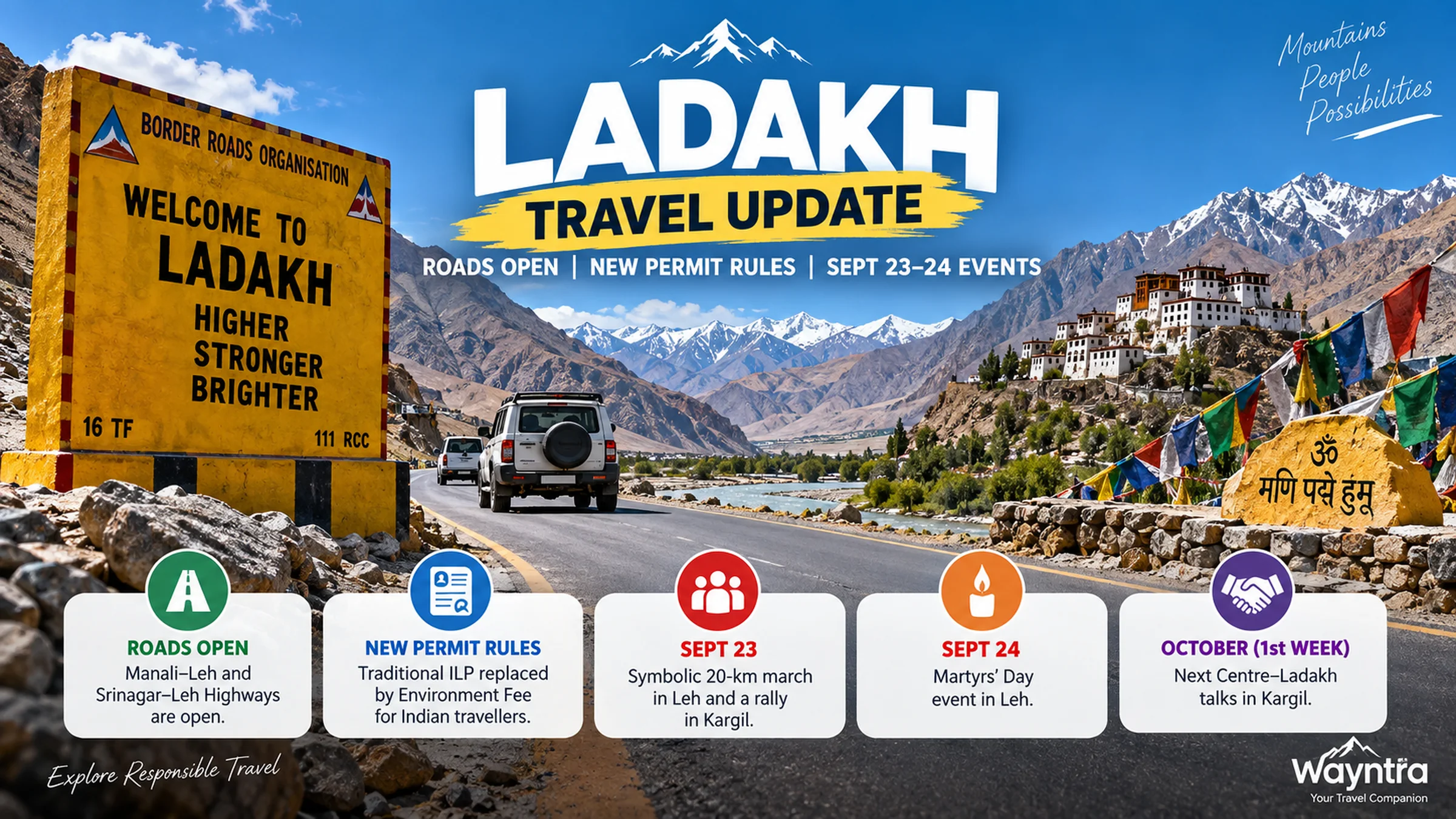
Ladakh Travel Update: Roads Open, New Permit Rules and September 23–24 Events
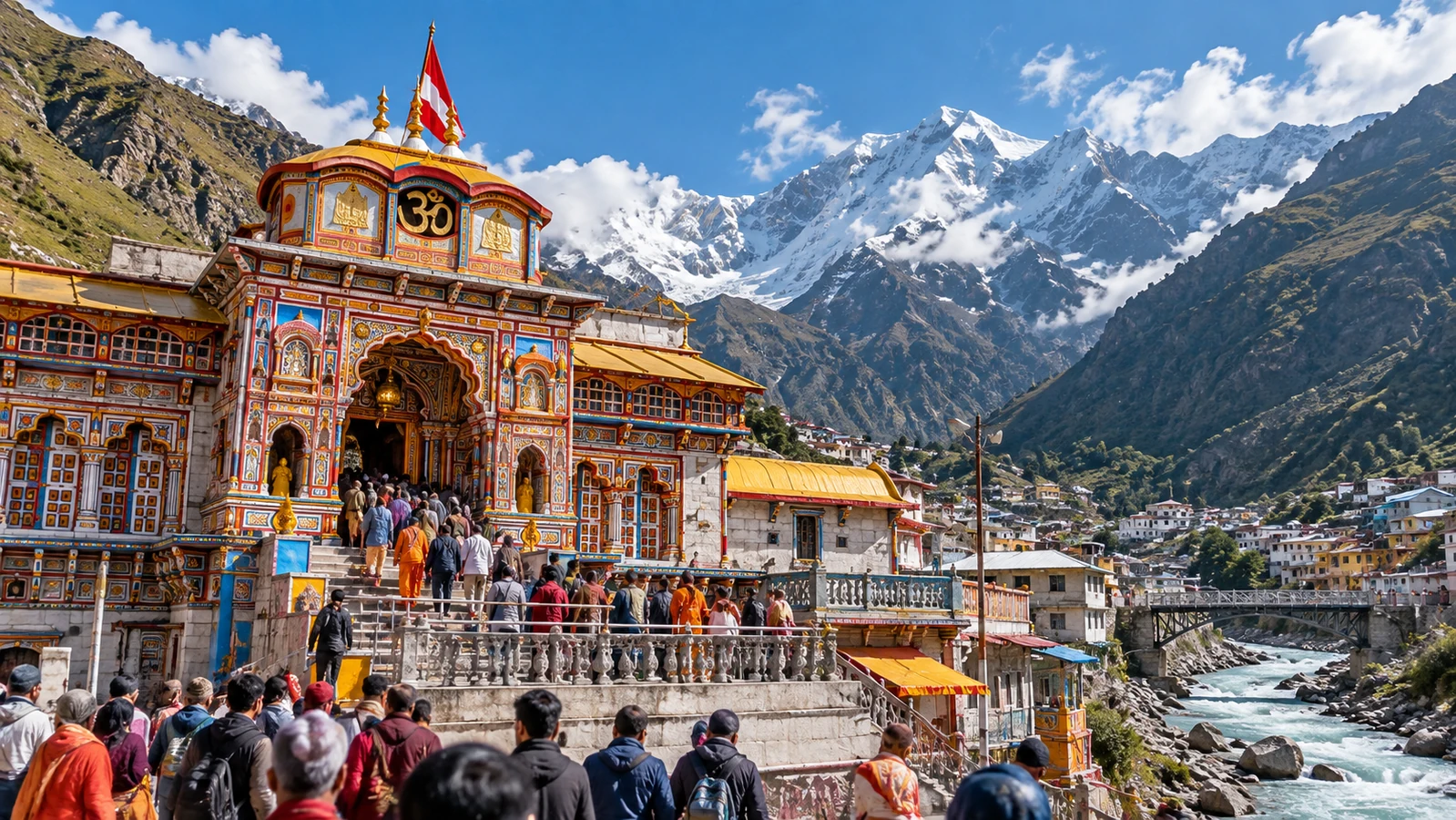
Badrinath Dham: Second Phase of Yatra Picks Up Pace, Thousands of Devotees Arriving for Darshan
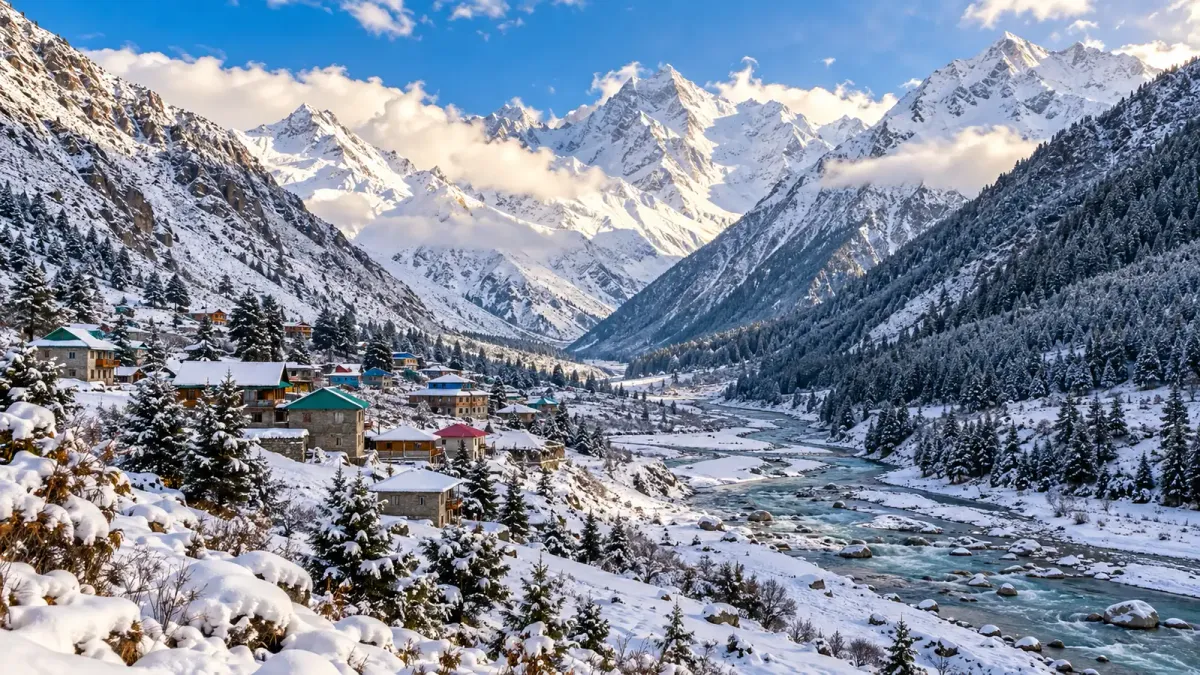
हिमाचल में सितंबर में बर्फबारी ने बदला मौसम का मिजाज, 18 साल बाद रिकॉर्ड ठंड
Amritsar — travel FAQs
Where is Amritsar located?
. Why is Amritsar famous?
What is the best time to visit Amritsar?
Which is the most famous attraction in Amritsar?
What is the significance of Jallianwala Bagh?
How far is Wagah Border from Amritsar?
Is one day enough to explore Amritsar?
What are the famous foods of Amritsar?
Is the Golden Temple open for visitors throughout the day?
How can I reach Amritsar?
Wayntra app
Explore Amritsar with Wayntra
Find destinations, adventures, local businesses and experiences across Amritsar.