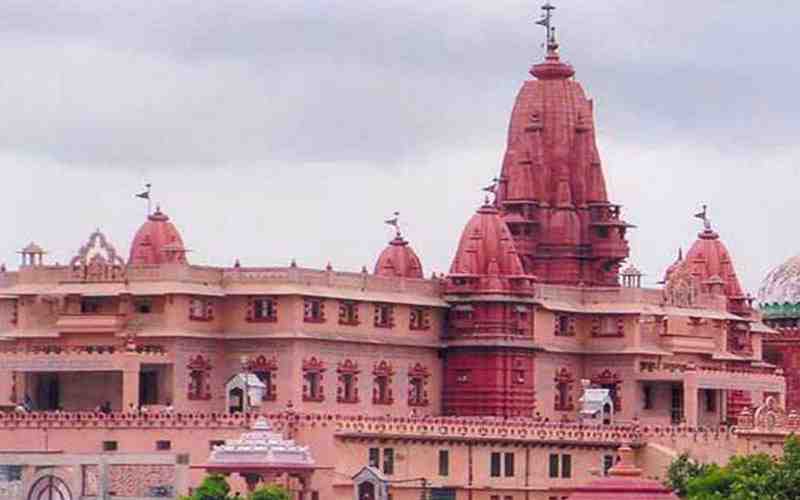
Mathura, located in the state of Uttar Pradesh, India, is considered one of the most sacred cities in Hinduism. It is famously known as the birthplace of Lord Krishna, the eighth avatar of Lord Vishnu. The city has a history dating back over 2,500 years and has been a major center of religious, cultural, and political significance. Mathura was an important city during the Maurya, Gupta, and Mughal empires, and it played a key role in the development of ancient Indian art and architecture.
The city was historically known as Matsyapura, named after the Matsya Kingdom. It has been mentioned in several ancient texts including the Mahabharata, Vishnu Purana, and the Bhagavata Purana. Archaeological excavations in Mathura have revealed numerous artifacts, sculptures, and coins dating back to the 6th century BCE, highlighting its rich historical past.
Mathura is also known for its association with the Mathura School of Art, a prominent center of Buddhist and Jain art in ancient India. The city has witnessed several invasions over time, including those by the Scythians, Kushans, and Mughals, which influenced its culture and architecture. Despite this, Mathura has retained its religious and cultural significance.
Geography and Climate
Mathura is situated on the banks of the Yamuna River, which adds to its religious importance. It lies approximately 145 kilometers south of Delhi and 57 kilometers from Agra. The city covers an area of about 3,520 square kilometers and has a population of over 300,000 people.
The climate of Mathura is characterized by hot summers, mild winters, and a monsoon season. Summer temperatures can reach up to 45°C, while winters remain relatively mild with temperatures dropping to around 7°C. The city receives moderate rainfall during the monsoon season from July to September.
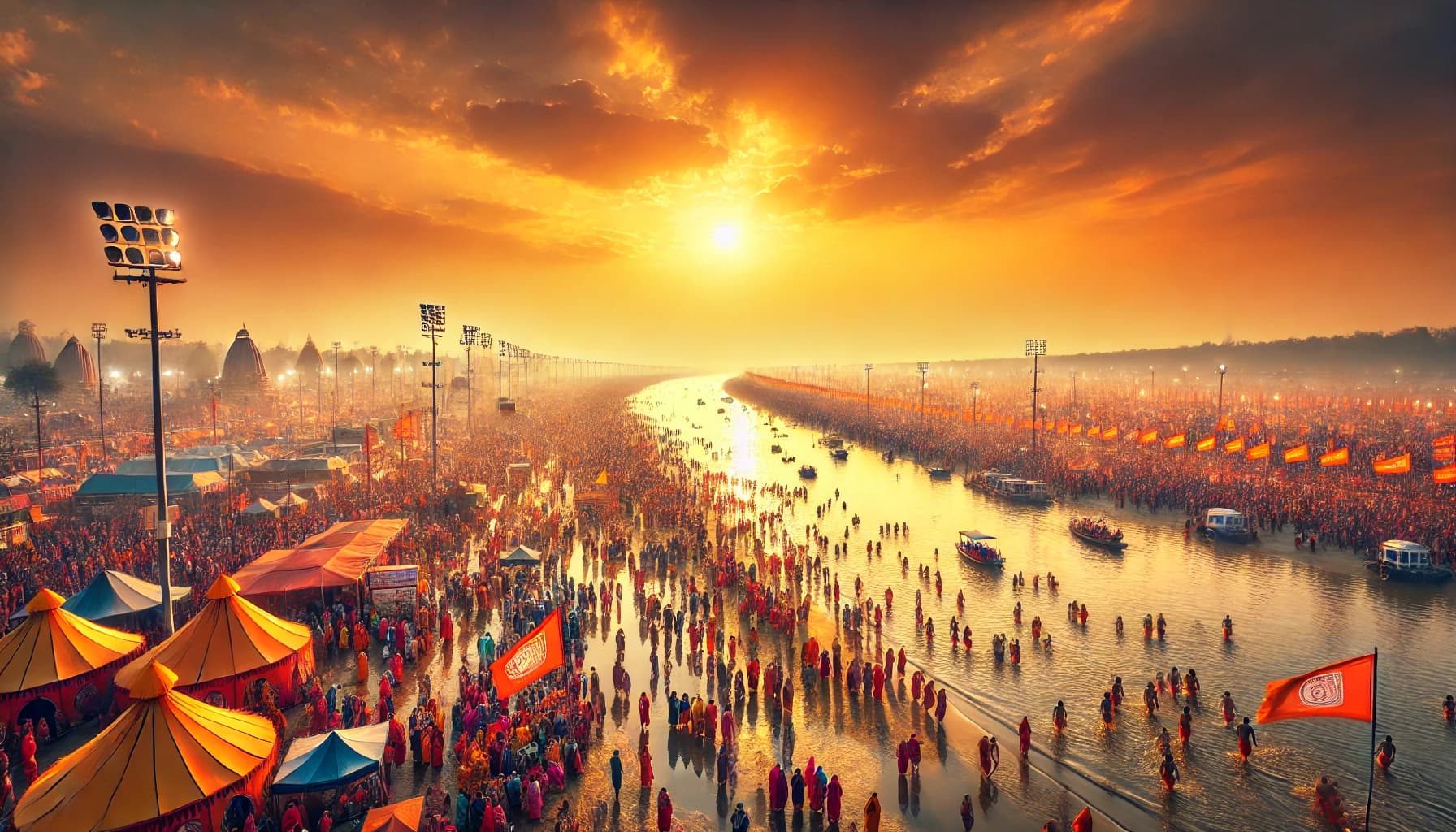
The Yamuna River is not only a geographical landmark but also a site for many religious rituals. Several ghats (riverfront steps) like Vishram Ghat, Holi Ghat, and Kesi Ghat are important for pilgrims visiting the city.
Cultural Significance
Mathura is considered a cultural hub of North India, particularly for Vaishnavism. The city is a center for traditional music, dance, and crafts. Rangoli, pottery, and brass work are among the famous handicrafts of Mathura.
The city has a vibrant market for sweets and snacks, with the famous pedas of Mathura being a must-try delicacy for visitors. Mathura’s cuisine also reflects the cultural diversity of the region, influenced by Mughal, Punjabi, and Rajasthani flavors.
Religious festivals are celebrated with grandeur. The most notable is Janmashtami, the birth anniversary of Lord Krishna. During this festival, the entire city comes alive with colorful decorations, processions, and traditional performances. Other festivals like Holi, Diwali, and Radhashtami are also celebrated with immense devotion and enthusiasm.
Religious Importance
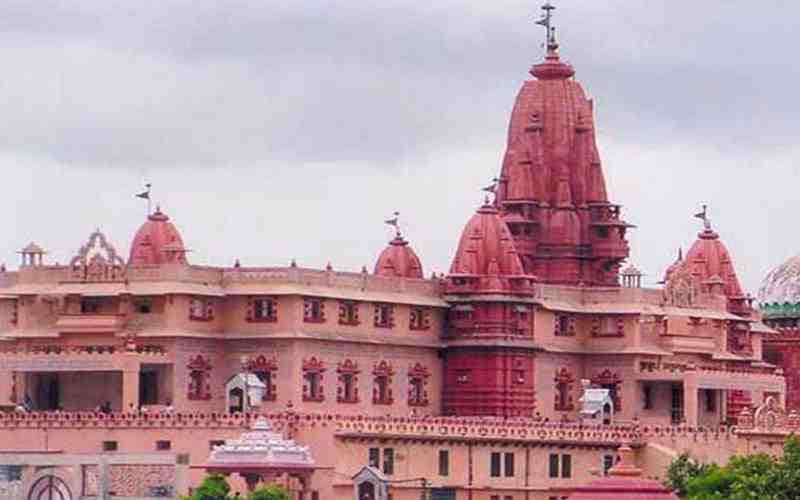
Mathura is one of the Sapta Puri, seven sacred pilgrimage centers in Hinduism. It has numerous temples dedicated to Lord Krishna, Radha, and other deities. The Shri Krishna Janmabhoomi Temple, believed to be the exact birthplace of Lord Krishna, is the most revered site in the city.
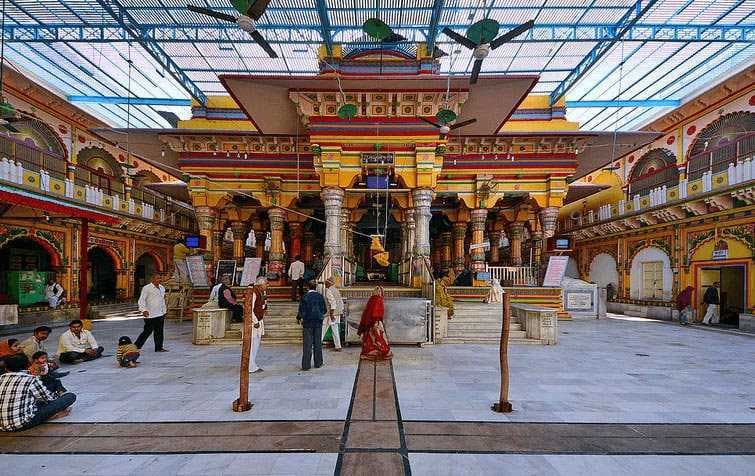
Other notable temples include Vishram Ghat, Dwarkadhish Temple, Govind Dev Temple, and Gokulnath Temple. Each of these temples has its own historical and religious significance and attracts thousands of pilgrims every year.
The city is also closely associated with the life events of Lord Krishna, including his childhood pastimes, Raslila dances, and miraculous deeds. Pilgrims often visit nearby towns like Vrindavan, Gokul, and Barsana, which are integral to Krishna’s stories.
Tourist Attractions
Mathura is not only a religious hub but also a tourist destination. Major attractions include:
- Shri Krishna Janmabhoomi Temple – The central temple complex marking Lord Krishna’s birthplace.
- Vishram Ghat – A sacred ghat on the Yamuna River where Lord Krishna is believed to have rested after killing Kansa.
- Dwarkadhish Temple – A beautiful temple dedicated to Lord Krishna as the “King of Dwarka.”
- Govind Dev Temple – Famous for its intricate carvings and spiritual significance.
- Mathura Museum (Government Museum) – Exhibits ancient sculptures, coins, and artifacts.
- Kesi Ghat – Associated with the legend of Krishna defeating the demon Kesi.
- Radha Kund and Shyam Kund – Holy ponds believed to be sites of divine love between Radha and Krishna.
Apart from temples, the city has several historic sites, ancient forts, and archaeological ruins worth exploring.
Arts and Handicrafts
Mathura has a rich tradition of arts, particularly the Mathura School of Art, which flourished from the 1st century BCE to the 3rd century CE. The city is famous for its stone and bronze sculptures depicting Hindu, Buddhist, and Jain deities.
Handicrafts like brass items, wooden toys, and leather goods are popular among tourists. Local artisans also create beautiful paintings and miniature art inspired by stories from the life of Lord Krishna.
Festivals and Celebrations
Festivals in Mathura are celebrated with unparalleled devotion.
- Janmashtami – Celebrated with midnight prayers, dance dramas, and lighting decorations.
- Holi – Known as the festival of colors, it is celebrated with enthusiasm, especially in the nearby town of Vrindavan.
- Radhashtami – Marks the birth of Radha and is celebrated with prayers and devotional singing.
- Diwali – Celebrated with lights, lamps, and fireworks across the city.
Special fairs and cultural events are also held during these festivals, attracting both domestic and international tourists.
Modern Mathura
Today, Mathura is a thriving city combining religious heritage with urban development. It has schools, hospitals, markets, and cultural centers catering to residents and tourists alike. The city also focuses on preserving its cultural and spiritual heritage while accommodating modern infrastructure.
The government has taken initiatives to develop Mathura as a tourist-friendly city, improving roads, cleanliness, and facilities for pilgrims. Sustainable tourism is promoted to protect historical monuments and the sacred Yamuna River.
Nearby Pilgrimage Sites
Visitors often explore surrounding religious towns:
- Vrindavan: Famous for Krishna temples and Holi celebrations.
- Barsana: Known as the birthplace of Radha, with beautiful hilly landscapes.
- Gokul: Associated with Krishna’s childhood pastimes.
- Govardhan Hill: Pilgrims perform parikrama (circumambulation) during festivals.
These towns form the Braja region, which is central to Krishna’s life stories.
Conclusion
Mathura is a city that beautifully combines spirituality, history, culture, and art. It is a major destination for pilgrims, tourists, and history enthusiasts alike. With its ancient temples, ghats, fairs, and festivals, Mathura continues to be a living testament to India’s rich religious and cultural heritage.
Visiting Mathura offers a unique experience of devotion, history, and tradition. Whether you are seeking spiritual solace, exploring ancient art, or enjoying cultural festivities, Mathura has something to offer for everyone.