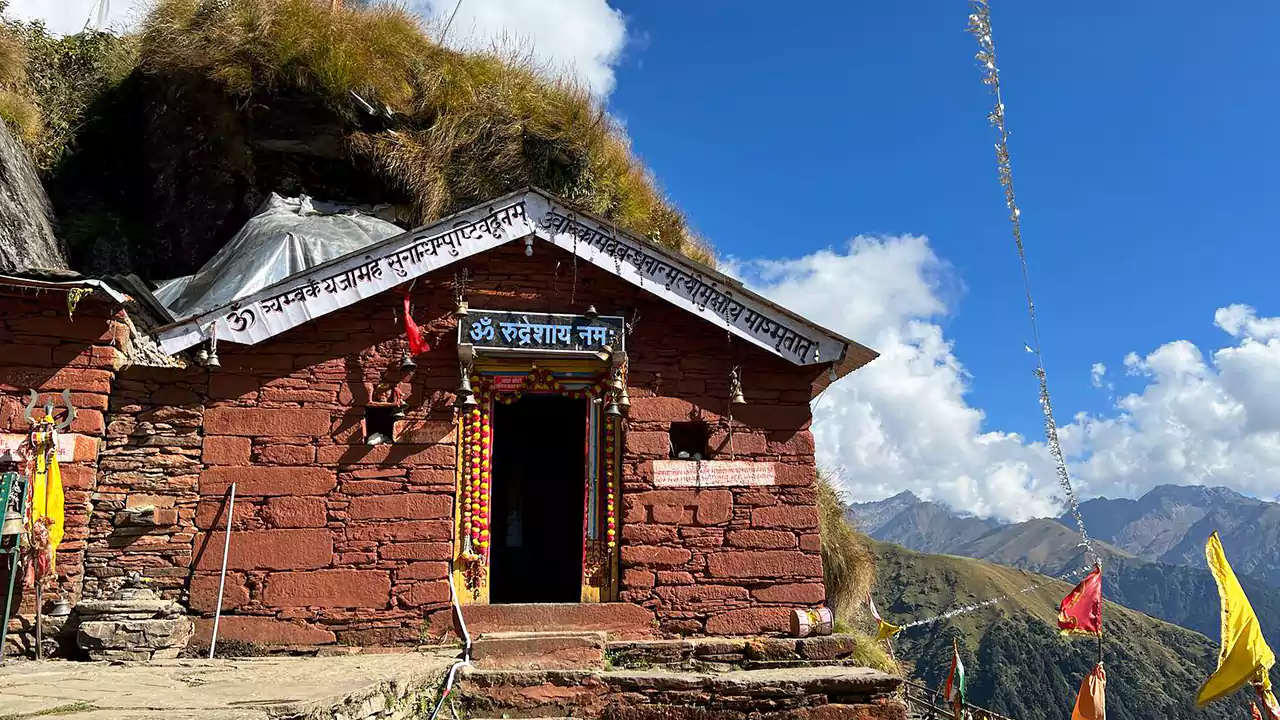
Rudranath Temple – A Unique Sacred Shrine of Lord Shiva
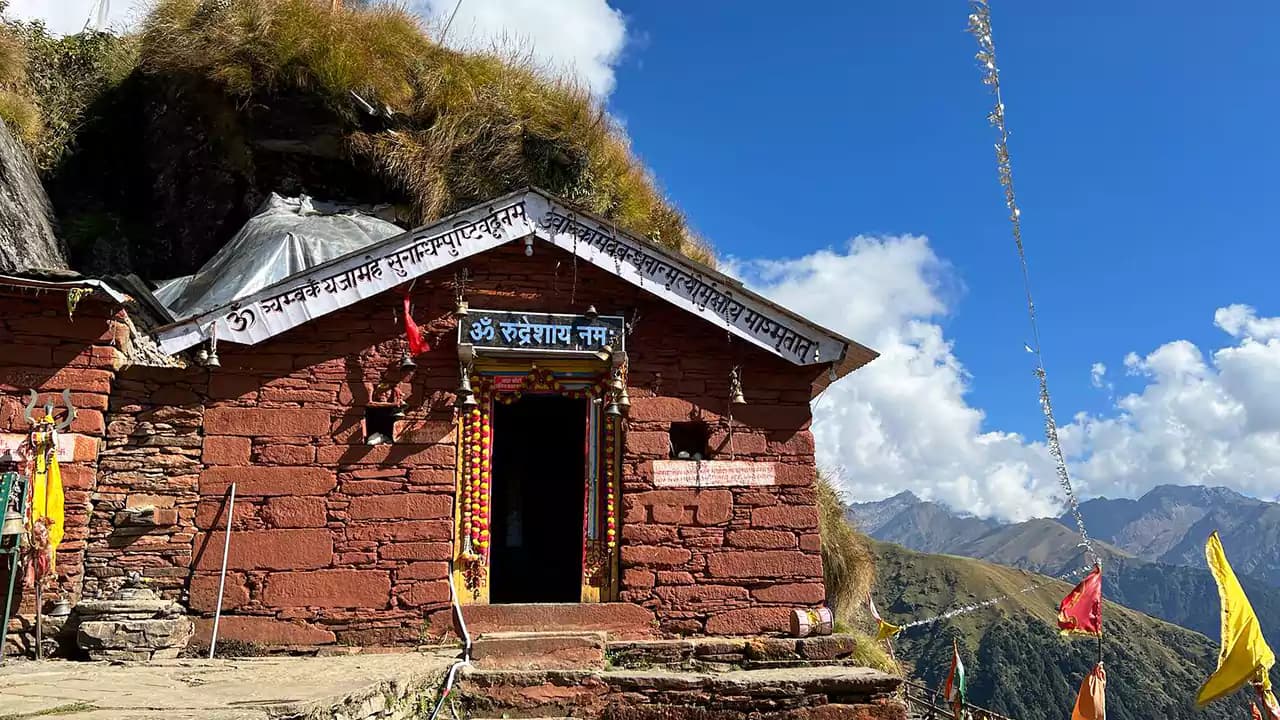
Rudranath is one of the Panch Kedar temples located in the holy land of Uttarakhand and holds a unique place in Hindu spirituality. It is the only Shiva temple in the world where devotees worship the face of Lord Shiva.
According to belief, during the Dwapar Yuga, Lord Shiva revealed his face to the Pandavas at this very place.
In most Shiva temples, devotees see only a symbolic face made with kumkum and sandalwood on the Shivling, but in Rudranath, the natural self-manifested form of Lord Shiva’s face (Ekanan – single face) is worshipped, making this temple truly special.
In Pashupatinath Temple in Nepal, Lord Shiva is worshipped in a Chaturan (four-faced) form, while in Indonesia, Shiva is worshipped as Panchanan (five-faced). However, Rudranath is the only place where the face of Lord Shiva itself is worshipped.
Panch Kedar – The Mythological Story
After the Mahabharata war, the Pandavas were burdened with the sin of killing their own relatives (Gotra Hatya). To seek forgiveness,
Lord Krishna advised them to pray to Lord Shiva.
However, Lord Shiva was angry with the Pandavas and did not want to give them darshan. Therefore, he left Kashi and moved to the
Himalayan region of Kedarkhand.
The Pandavas followed him, and Bhima recognized Shiva in the form of a bull. When Bhima tried to catch him, Lord Shiva disappeared into the earth, leaving behind parts of his body in different places.
While searching for Shiva, the Pandavas discovered five different parts of his body in five different locations in the Himalayas. Temples were later built at these places, which are now known as the Panch Kedar.
The Five Panch Kedar Temples
Kedarnath (First Kedar) – The torso of Lord Shiva
Madhyamaheshwar (Second Kedar) – The navel portion
Tungnath (Third Kedar) – The arms
Rudranath (Fourth Kedar) – The face
Kalpeshwar (Fifth Kedar) – The matted hair (Jata)
Kedarnath, Madhyamaheshwar, and Tungnath are located in the Rudraprayag district, while Rudranath and Kalpeshwar are situated in the Chamoli district of Uttarakhand.
Rudranath – The Divine Place to Witness Shiva’s Face
At Rudranath, devotees worship the dark-colored natural face of Lord Shiva, believed to date back to the time of the Pandavas.
The temple is located at an altitude of about 2,289 meters above sea level, surrounded by the beautiful alpine meadows (Bugyals) of the Himalayas, approximately 22 km from Gopeshwar in Chamoli district.
According to the Skanda Purana, the gods once prayed to Lord Shiva here when they were troubled by the demon Andhakasura. Lord Shiva declared this place as one of his most beloved locations and promised the gods that he would always reside here.
It is also believed that Lord Shiva created Veerabhadra from his matted hair here, who is worshipped in the region as the minister of
Shiva.
Sacred Places and Natural Beauty Around Rudranath
Within the temple complex, there are also small temples dedicated to the Pandavas and forest goddesses.
Some of the sacred sites nearby include:
- Saraswati Sarovar
- Manas Sarovar
- Narad Kund
- Vaitarani River
It is believed that performing Pind Daan in the Vaitarani River satisfies the ancestors, and the spiritual merit is considered equal to performing thousands of such rituals in Gaya.
According to local beliefs, a fish named Mrikund has been meditating in Saraswati Kund for thousands of years, and it appears with its family during Mahashivratri.
This place is also ideal for meditation and inner peace. Sitting in the serene Himalayan valleys and meditating in front of the divine form of Lord Shiva offers a deeply spiritual experience.
🚩 Rudranath Trek from Rishikesh – Complete Route Guide
🛣️ Travel Route
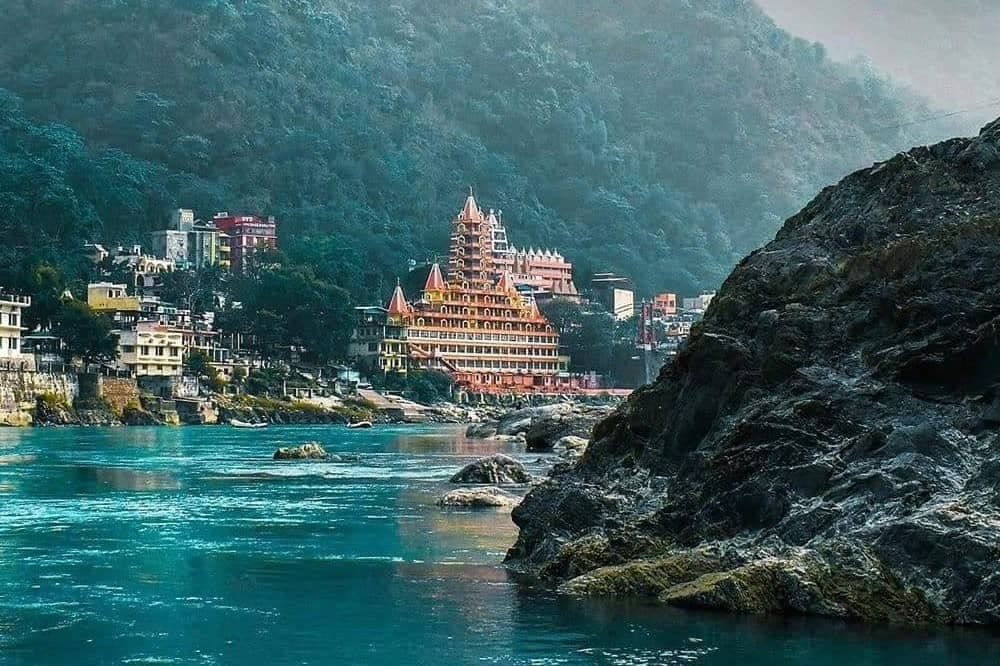
Rishikesh → Devprayag → Rudraprayag → Karnaprayag → Joshimath → Sagar Village (Trek Start) → Panar Bugyal → Rudranath Temple
🚌 Journey from Rishikesh to Joshimath
Distance: Around 230 km
Travel Time: Approximately 8–10 hours by road
Route Details
Travel from Rishikesh to Joshimath via Devprayag, Rudraprayag, and Karnaprayag by bus or taxi.
Both Uttarakhand Transport Corporation (UTC) buses and private buses are available.
From Joshimath to Sagar Village, you can hire a taxi or shared jeep (about 25–30 km), which is the starting point of the Rudranath trek.
🏞️ Trek Highlights
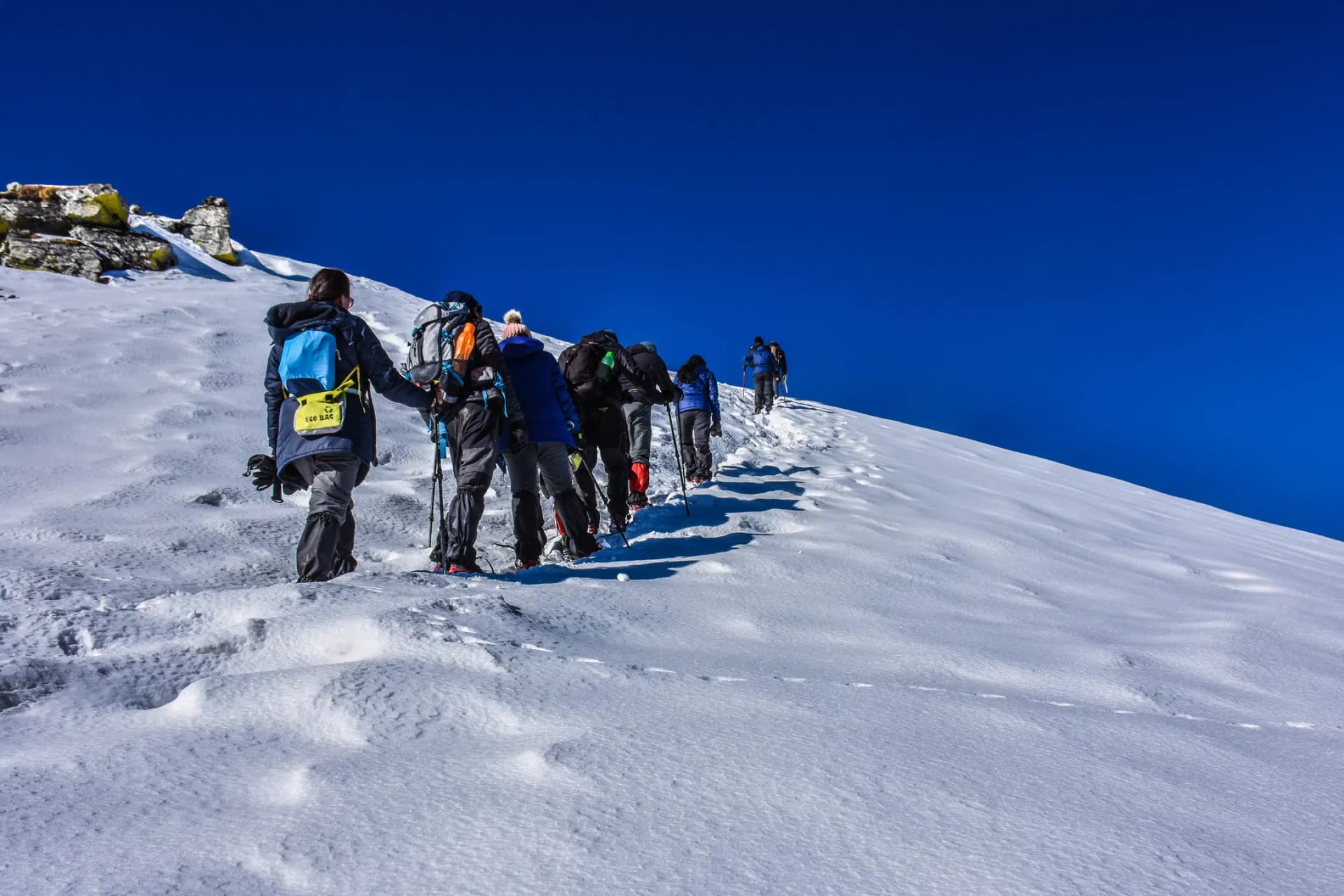
- Altitude: Around 3,600 meters
- Dense deodar forests
- Valleys filled with colorful Himalayan flowers
- Stunning views of snow-covered Himalayan peaks
- Worship of Lord Shiva in his Rudra form
- A peaceful environment filled with spiritual energy
💪 Difficulty Level and Fitness Requirements
- The trek is considered moderate to difficult.
- Good physical fitness is necessary.
- Previous trekking experience is beneficial.
- Stay hydrated and allow your body to adjust to high altitude.
📝 Permits and Registration
A trekking permit from the Forest Department is mandatory.
Permits can be obtained from Sagar Village or Joshimath.
These permits are required for environmental protection and safety.
You can get information and bookings from local trekking agencies or the administration.
🌤️ Best Season for the Trek
- April to June
- September to November
Trekking during the monsoon season (July–August) is not considered safe.
🎒 Essential Trekking Gear
- Strong and comfortable trekking shoes
- Warm clothes, raincoat, and sweater
- Enough water and high-energy snacks
- Sunscreen, cap, and sun protection
- First aid kit
- Trekking pole (optional but helpful)
🚌 Transport Booking Tips
Book bus tickets through the official UTC website.
Shared jeeps and taxis are available from Joshimath to Sagar Village.
Start the journey early in the morning so that you can reach Joshimath before evening.
🏞️ Nearby Attractions
Panar Bugyal – Beautiful green meadows ideal for camping.
Joshimath – A religious town and gateway to the Char Dham pilgrimage.
Devprayag – The sacred confluence of the Bhagirathi and Alaknanda rivers, where the Ganga is formed.
Rudraprayag and Karnaprayag – Scenic Himalayan valleys rich in natural beauty.
Badrinath Temple – A famous pilgrimage site located nearby.
Rudranath Temple Opening Time and Travel Tips
The Rudranath Temple opens from the Sankranti of the Jyeshtha month (around the third week of May) and remains open until the Sankranti of Kartik (October).
The best time to visit is between August and September, when the weather is clear and the natural beauty of the region is at its peak.
During this time, visitors can also witness the snow-covered peaks of Nanda Devi and the Trishul mountain range.
If you want to experience the culture, spirituality, history, and natural beauty of Devbhoomi Uttarakhand, a journey to Rudranath will offer an unforgettable spiritual experience.