India’s local-first travel ecosystem — book local operators direct, zero commission

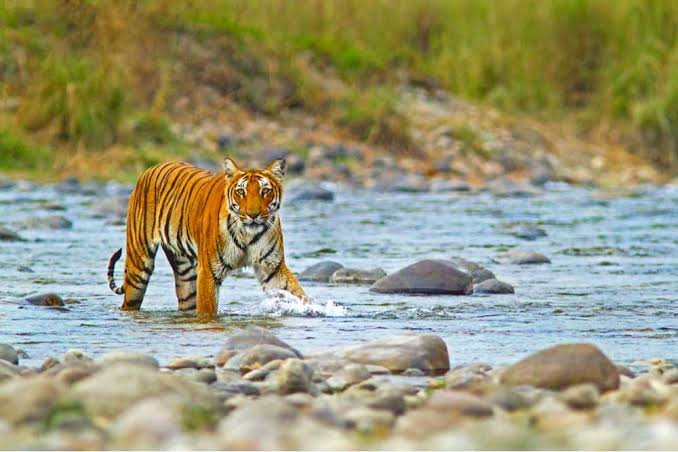
Jim Corbett National Park
Nainital, Uttarakhand

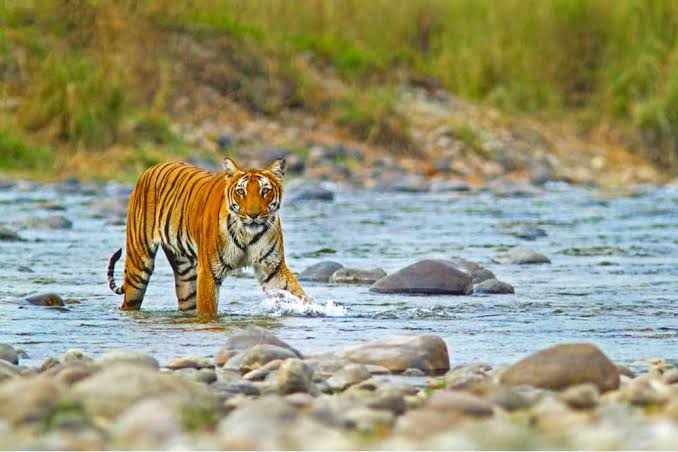
Jim Corbett National Park, nestled in the Nainital district of Uttarakhand, is one of India’s most celebrated wildlife destinations and a timeless sanctuary where wilderness, history, and serenity come together in perfect harmony. This forest is not merely a protected area — it is a living, breathing landscape where nature unfolds itself in countless forms. Sometimes it is the echo of a distant tiger call deep inside the sal forest, sometimes the quiet movement of elephants along the riverbanks, and sometimes the soft flow of the Ramganga River that fills the air with calm and wonder. Jim Corbett is a place where thrill and peace coexist effortlessly.
The soul of Jim Corbett lies in its natural diversity. Dense sal forests, open grasslands, riverine belts, hills, valleys, and wide water channels create a landscape that feels alive at every step. The Ramganga River acts as the lifeline of the park, nourishing wildlife and shaping breathtaking scenery. Early mornings in Corbett are magical — mist floats gently over the forest floor, sunlight filters through tall trees, and the jungle slowly awakens with bird calls and movement. Every safari feels like a new story waiting to be revealed.
Jim Corbett’s history is deeply connected with conservation in India. Established in 1936 as Hailey National Park, it later became India’s first national park and a cornerstone of wildlife protection. The park was renamed in honor of Jim Corbett, the legendary hunter-turned-conservationist who played a vital role in protecting wildlife and raising awareness about the importance of preserving nature. His legacy lives on through this forest, which later became a key part of Project Tiger, making Corbett one of the most significant tiger reserves in the country.
The biodiversity of Jim Corbett National Park is exceptionally rich. The forest is home to Royal Bengal Tigers, Asian Elephants, Leopards, Sloth Bears, Himalayan Black Bears, Wild Boars, Gharials, Crocodiles, and several species of deer including Sambar, Chital, Barking Deer, and Hog Deer. The diversity of habitats ensures that no two safaris are ever the same. One moment you may see a herd of elephants crossing a forest track, and the next moment the jungle may fall silent — a sign that a predator is nearby.
Jim Corbett is also a paradise for bird lovers. More than 650 species of resident and migratory birds have been recorded here, making it one of the finest birding destinations in India. Kingfishers flash across the river, crested serpent eagles circle above the canopy, hornbills glide between trees, and migratory birds arrive in large numbers during winter, transforming the forest into a vibrant avian haven.
The true highlight of Jim Corbett is its tigers. The park is renowned for having one of the highest tiger populations in India, and the chances of spotting a tiger here are among the best in the country. Each tiger has its own territory, carefully marked and fiercely defended. The moment when a tiger emerges from tall grass, crosses the safari track with calm authority, or rests near a water body is an experience that stays etched in memory forever. It is this raw, unscripted encounter with the wild that makes Corbett unforgettable.
Safari experiences in Jim Corbett are conducted through well-defined zones, each offering a distinct character. Dhikala is the most famous zone, known for its vast grasslands, river views, and frequent wildlife sightings. Bijrani is loved for its dense forest and scenic beauty. Jhirna and Dhela remain open for most of the year and offer excellent chances to see wildlife, while Durga Devi zone is quieter, hilly, and especially popular among bird watchers. Safaris are conducted in Jeep Safaris for a more intimate experience and Canter Safaris for larger groups, especially in Dhikala.
The best time to visit Jim Corbett National Park is from November to June. Winter months bring pleasant weather and lush greenery, while summer increases the chances of spotting tigers and other animals near water sources. During the monsoon season, most zones remain closed to allow the forest to regenerate naturally.
Reaching Jim Corbett is convenient and hassle-free. Ramnagar is the nearest railway station and serves as the main gateway to the park, well-connected with major cities like Delhi. Pantnagar Airport is the closest airport, and road connectivity from Delhi, Nainital, Haldwani, and Dehradun is excellent.
Accommodation options around Jim Corbett cater to every type of traveler. From luxury jungle resorts and riverside lodges to eco-friendly stays, forest camps, and budget hotels, visitors can choose an experience that matches their travel style. Many resorts located near the forest allow guests to hear the sounds of wildlife at night — distant calls, rustling leaves, and the rhythm of the jungle, creating an unforgettable atmosphere. Local Kumaoni cuisine, along with North Indian dishes, adds warmth and flavor to the journey.
Throughout your time in Jim Corbett, there are moments when the forest seems to speak to you. A sudden silence, a fresh animal trail on the path, or a bird alarm call can instantly raise your heartbeat. These subtle interactions remind you that you are inside a world governed by nature’s own rules. Jim Corbett National Park is not just a destination — it is an experience that humbles you, excites you, and reconnects you with the wild.
If you are looking for a place where raw wilderness, majestic wildlife, scenic beauty, and conservation history blend seamlessly, Jim Corbett National Park stands as a perfect choice. Every visit here leaves behind stories, emotions, and memories that remain long after the journey ends.


Quick view — Jim Corbett National Park
1️⃣ Route Overview
Start: Ramnagar (Uttarakhand)
Via: Ramnagar → Bijrani / Dhela / Jhirna / Dhikala Gate → Safari Zones → Ramganga River Area
Total Distance:
- Delhi → Jim Corbett ≈ 250–270 km
- Nainital → Jim Corbett ≈ 65 km
Recommended Duration: 2–3 days
Best Time to Visit: November – June (March–June is peak season for tiger sightings)
Modes of Travel: Train, car, taxi, bus
2️⃣ Key Places / Highlights
- Jim Corbett National Park: India’s first national park, famous for Royal Bengal Tigers 🐅
- Safari Zones: Dhikala, Bijrani, Jhirna, Dhela, Durga Devi
- Ramganga River: Lifeline of the park, excellent for tiger and elephant sightings 🌊
- Dhikala Grasslands: Vast open meadows, ideal for large wildlife viewing
- Kalagarh Dam: Crocodiles, birds, and scenic sunset views
- Garjiya Devi Temple: A revered temple located on a rock in the Kosi River 🙏
- Corbett Museum (Kaladhungi): Historical site related to Jim Corbett
3️⃣ Accommodation 🏡
- Luxury Resorts: Taj Corbett Resort, The Riverview Retreat
- Mid-Range Hotels: Namah Resort, Corbett Riverside Resort
- Budget Stays: Hotels and homestays in Ramnagar and near safari gates
- Forest Rest House: Dhikala Forest Lodge (limited availability, advance booking required)
4️⃣ Connectivity & Network 📶
- Mobile Network: Jio and Airtel work well in Ramnagar
- Limited Network: Inside Dhikala and inner safari zones
- No Network: Deep forest areas
- Internet: Good in town and resorts, unavailable inside the park
5️⃣ Booking & Permits 💳
- Safari Booking: Through the official Uttarakhand Forest Department website
- Safari Types:
- Jeep Safari (6-seater)
- Canter Safari (available only for Dhikala Zone)
- Safari Timings: Morning and evening
- Tip: Book safaris 7–10 days in advance during peak season
6️⃣ Wildlife & Activities 🧭
- Wildlife: Royal Bengal Tiger, Asian Elephant, Leopard, Sloth Bear, Sambar, Spotted Deer, Gharial
- Birdwatching: Over 650 bird species 🐦
- Photography: Riverbanks, grasslands, elephant herds, tiger trails 📸
- Nature Walks: Allowed only in buffer zones
- River Sightings: Ramganga and Kosi river areas
7️⃣ Food & Cuisine 🍲
- Local Kumaoni Dishes: Bhatt ki Churkani, Aloo ke Gutke
- Non-Vegetarian Food: Available at most resorts
- Street Food: Kachori, samosa, jalebi in Ramnagar
- Resorts: Multi-cuisine buffet and à la carte options
8️⃣ Culture & History 🎭
- Established: 1936 (India’s first national park)
- Named After: Jim Corbett, a hunter-turned-conservationist
- Local Culture: Kumaoni traditions and lifestyle
- Festivals: Garjiya Devi Fair and local cultural events
9️⃣ Health & Safety ⚠️
- Carry sunscreen, cap, and sufficient water
- Wear neutral-colored clothes during safari
- Maintain silence inside the forest
- Do not step out of the safari vehicle
- Follow guide and driver instructions strictly
- Avoid afternoon heat during peak summer
- Carry basic medicines for dehydration or motion sickness
🔟 Helpline Numbers 📞
- Forest Office (Ramnagar): +91 5947-251489
- Police: 112
- Ambulance: 102 / 108
- Uttarakhand Tourist Helpline: 1364
💡 Travel Tips
- Always book safaris in advance and carry valid ID
- Jeep safari offers a better chance for tiger sightings
- Morning safaris can be cold — carry a light jacket
- Evening safaris are perfect for golden-hour photography
- Carry some cash due to possible network issues
- Stay for at least 2–3 days for the best wildlife experience
Safari Zones — Jim Corbett National Park
Jim Corbett National Park – Advanced Safari Zone Comparison Guide
Jim Corbett National Park has core and buffer safari zones, each offering a different forest character, tiger movement pattern, wildlife diversity, and safari experience. Below is a detailed, advanced-level comparison of all major zones, written with H4 headings, to help travelers choose the most suitable zone.
Zone 1 – Dhikala Zone (Most Famous & Open Landscape)
- Tiger sighting probability: Very high
- Landscape: Vast grasslands, riverbanks, open forests
- Best for: First-time visitors, tiger-focused travelers
- Key locations: Dhikala Grassland, Ramganga View Points
- Why it stands out: Large open areas provide excellent long-distance visibility; elephant herds are also frequently seen.
Zone 2 – Bijrani Zone (Dense Forest + Balanced Safari Experience)
- Tiger sighting probability: High
- Landscape: Dense sal forest, grass patches, water sources
- Best for: Wildlife photographers, peaceful safari seekers
- Key locations: Bijrani Track, Malani Area
- Why it stands out: Consistent tiger movement with comparatively less crowd than Dhikala, offering a well-balanced safari.
Zone 3 – Jhirna Zone (Year-Round Open Safari Zone)
- Tiger sighting probability: Medium–High
- Landscape: Mixed forest, shrubs, open tracks
- Best for: Off-season travelers and short trips
- Key locations: Jhirna Range
- Why it stands out: Open even during monsoon; good chances of spotting elephants, sloth bears, and leopards.
Zone 4 – Dhela Zone (Newer Zone with Strong Tiger Movement)
- Tiger sighting probability: Medium–High
- Landscape: Dense forest, natural water bodies
- Best for: Travelers preferring fewer vehicles and less crowd
- Key locations: Dhela Range
- Why it stands out: Being a relatively new zone, traffic is lower and tiger movement has increased significantly in recent years.
Zone 5 – Durga Devi Zone (Hilly Terrain & Birding Paradise)
- Tiger sighting probability: Low–Medium
- Landscape: Mountain forests, streams, narrow tracks
- Best for: Birdwatchers, nature lovers, peaceful explorers
- Key locations: Durga Devi Temple Area
- Why it stands out: Exceptional bird diversity and serene surroundings, ideal for slow and immersive safaris.
Zone 6 – Sonanadi Zone (Buffer Zone with Elephant Movement)
- Tiger sighting probability: Low–Medium
- Landscape: Dense forest, river corridors
- Best for: Elephant sightings, raw jungle experience
- Key locations: Sonanadi Range
- Why it stands out: Regular elephant movement and an untouched forest feel make this zone unique.
Zone 7 – Sitabani Zone (Buffer Zone with Mythological Importance)
- Tiger sighting probability: Low
- Landscape: Open forest, sacred and mythological sites
- Best for: Family travelers, light safari experience
- Key locations: Sitabani Temple Area
- Why it stands out: Combines mythology, spirituality, and nature with minimal crowd pressure.
🔍 Quick Zone Selection Tips
- Highest tiger sighting chances: Dhikala, Bijrani
- Balanced safari with fewer crowds: Bijrani, Dhela
- All-season safari: Jhirna
- Birdwatching & silence: Durga Devi
- Elephant-focused experience: Sonanadi
Tiger Sighting Success Rate (Zone-wise) — Jim Corbett National Park
Jim Corbett National Park – Tiger Sighting Probability (Zone-wise Analysis)
In Jim Corbett National Park, the probability of tiger sightings depends on forest structure, openness of terrain, availability of water sources, prey density, and regular tiger movement.
Below is a zone-wise estimated success rate, based on forest guide reports, long-term staff observations, and tourist experiences.
1️⃣ Dhikala Zone – Highest Success Rate (★★★★★ – 70–80%)
- Most famous and wildlife-rich zone of Corbett
- Large open grasslands + Ramganga River
- Excellent long-distance visibility
- Frequent tiger and elephant movement
- Considered the best zone in Corbett for tiger sightings
2️⃣ Bijrani Zone – Very High Success Rate (★★★★★ – 60–70%)
- Dense sal forest mixed with open patches
- Regular tiger movement throughout the year
- Less crowded than Dhikala
- Ideal for balanced safari and photography
3️⃣ Dhela Zone – High Success Rate (★★★★☆ – 55–65%)
- Relatively newer zone with low vehicle pressure
- Dense forest with multiple water points
- Strong tiger movement in recent years
- Quiet and natural safari experience
4️⃣ Jhirna Zone – Medium to High Success Rate (★★★★☆ – 50–60%)
- Open throughout the year, including monsoon
- Mixed forest and scrubland
- Tigers, sloth bears, and elephants frequently seen
- Best option for off-season travelers
5️⃣ Durga Devi Zone – Medium Success Rate (★★★☆☆ – 40–50%)
- Hilly terrain with narrow forest tracks
- Tiger sightings possible but unpredictable
- Excellent bird diversity
- Peaceful zone with low crowd density
6️⃣ Sonanadi Zone – Medium Success Rate (★★★☆☆ – 35–45%)
- Buffer zone with dense forest cover
- Regular elephant movement
- Occasional tiger sightings
- Ideal for raw jungle and nature-focused safaris
7️⃣ Sitabani Zone – Low Success Rate (★★☆☆☆ – 25–35%)
- Buffer zone with mythological and cultural importance
- Open forest landscape
- Limited tiger movement
- Suitable for family trips and light safaris
🔍 Quick Tiger Sighting Guide
- Highest probability: Dhikala
- High chance with fewer crowds: Bijrani, Dhela
- All-season safari: Jhirna
- Peaceful & birding focused: Durga Devi
- Elephant-focused experience: Sonanadi
⚠️ Important Note: Tiger sightings are entirely wildlife-dependent and can never be guaranteed. These ratings indicate probability, not assurance.
Safari Timings — Jim Corbett National Park
🐅 Jim Corbett National Park – Safari Timings (Season-wise Guide)
Below is the season-wise safari schedule for Jim Corbett National Park. Safari timings are based on sunrise and sunset and may vary slightly depending on the zone and forest department guidelines.
Note: Always verify final timings on your official safari permit.
🌞 Summer Season (1 April – 30 June)
April
- Morning Safari: 6:00 AM – 9:30 AM
- Evening Safari: 3:00 PM – 6:30 PM
May
- Morning Safari: 5:30 AM – 9:00 AM
- Evening Safari: 3:30 PM – 7:00 PM
June
- Morning Safari: 5:30 AM – 9:00 AM
- Evening Safari: 3:30 PM – 7:00 PM
🌧️ Monsoon Season (1 July – 30 September)
- Core Zones (Dhikala, Bijrani): Closed
- Buffer Zones (Jhirna, Dhela, Sonanadi): Open on limited days
- Safari operations depend on rainfall and forest conditions
- Track closures are common during heavy rains
- ❄️ Winter Season (1 October – 31 March)
October
- Morning Safari: 6:30 AM – 10:00 AM
- Evening Safari: 2:30 PM – 6:00 PM
November
- Morning Safari: 7:00 AM – 10:30 AM
- Evening Safari: 2:00 PM – 5:30 PM
December
- Morning Safari: 7:00 AM – 10:30 AM
- Evening Safari: 2:00 PM – 5:30 PM
January
- Morning Safari: 7:00 AM – 10:30 AM
- Evening Safari: 2:00 PM – 5:30 PM
February
- Morning Safari: 6:45 AM – 10:15 AM
- Evening Safari: 2:15 PM – 5:45 PM
March
- Morning Safari: 6:30 AM – 10:00 AM
- Evening Safari: 2:30 PM – 6:00 PM
⚠️ Important Safari Information
- Safaris operate twice daily: morning and evening
- Wednesday evening safari is usually closed for maintenance
- Reach the safari gate 30–40 minutes before departure
- Valid photo ID is mandatory
- Winters can be very cold — carry jackets, caps, and gloves
- Summers offer the highest chances of tiger sightings
How to Reach — Jim Corbett National Park
🐅 Jim Corbett National Park – How to Reach (Complete Travel Guide)
Below is a detailed guide on how to reach Jim Corbett National Park, with all sections written using H4 headings for easy readability.
1️⃣ By Flight (Nearest Airports)
The nearest airport to Jim Corbett National Park is:
Pantnagar Airport (PGH)
- Pantnagar → Jim Corbett (Ramnagar): ~80 km
- Travel Time: 2–2.5 hours
- Direct Flights: Limited flights available from Delhi
Other Options:
- Delhi IGI Airport: ~260–270 km
- Best option for international travelers
- Well-connected with domestic and international cities
- Easy onward travel by train or road to Ramnagar
2️⃣ By Train (Most Convenient Option)
The nearest railway station to Jim Corbett National Park is:
Ramnagar Railway Station (RMR)
- Distance from Safari Gates: 10–20 minutes
- Major Trains:
- Ranikhet Express
- Uttarakhand Sampark Kranti Express
- Kathgodam Express
- Lucknow–Ramnagar Express
Direct Train Connectivity From:
Delhi, Lucknow, Moradabad, Haridwar, Dehradun, Varanasi, Kanpur, and nearby cities.
🚆 Train travel is considered the easiest and most reliable way to reach Jim Corbett.
3️⃣ By Road (Excellent Highway Connectivity)
Jim Corbett National Park is well-connected by national and state highways.
Major Road Routes:
- Delhi → Jim Corbett (Ramnagar):
~250–270 km | 5.5–6.5 hours - Nainital → Jim Corbett:
~65 km | ~2 hours - Dehradun → Jim Corbett:
~235 km | 6–7 hours - Haridwar → Jim Corbett:
~200 km | 5–6 hours - Moradabad → Jim Corbett:
~85 km | 2–2.5 hours
Road Conditions:
- Most highways are smooth and well-maintained
- Hill roads are scenic but require careful driving
- Taxis, private cars, and buses are easily available
💡 Travel Tips
- From Delhi, train + taxi is the most hassle-free option
- Reach Ramnagar a day before your safari for a relaxed start
- Avoid night driving on hilly roads
- GPS works well, but mobile networks may weaken near forest areas
Booking Process — Jim Corbett National Park
Jim Corbett National Park – Safari Booking Process (Official Guide)
Below is a complete, step-by-step guide to booking a safari in Jim Corbett National Park, covering official online booking, offline options, and important rules. All sections are structured with H4 headings for clarity.
✅ Official / Recommended Booking (Online)
Safari bookings for Jim Corbett are done through the official Uttarakhand Forest Department online portal. All core and buffer zones are booked from this portal only.
Details required during online booking:
- Safari date
- Shift: Morning / Evening
- Zone (subject to availability)
- Vehicle type: Jeep (6-seater) or Canter (Dhikala only)
- Names of all travelers
- ID proof details
ID Proof Rules:
- Indian tourists: Aadhaar / Voter ID / Driving Licence / PAN
- Foreign tourists: Passport is mandatory
- Full advance payment is required to generate the safari permit
- After confirmation, you receive an e-permit / confirmation slip
- At entry, you must show the same ID and permit used during booking
- Guide, driver, and vehicle are all officially assigned
- Private vehicles are not allowed inside the park
⚠️ Once confirmed, the safari permit is non-refundable and non-transferable.
📝 Offline / Counter Booking or Through Agents
If online slots are full or you are planning at the last moment:
- A limited offline / current quota may be available at forest offices or safari gates
- You must present original ID proof at the counter
- Availability is not guaranteed
Through Travel Agents / Tour Operators:
- Some agents offer Safari + Stay + Transport packages
- Be cautious—many packages can be overpriced or unofficial
- Always choose verified and trusted operators only
⚠️ Important Conditions, Rules & What to Watch Out For
- Safari bookings should be done well in advance (seats are limited)
- Once the permit is confirmed, no refund or transfer is allowed
- On safari day, the same original ID used during booking is mandatory
- Name/ID mismatch can lead to denied entry
- Only registered Gypsy / Canter vehicles operate inside the park
- Zone selection may be available during booking, but
final zone allotment depends on availability (no guarantee)
✅ Useful Suggestions
- Always prefer official online booking, especially in peak season
- Double-check traveler names and ID details before payment
- Carry permit printout + original ID on safari day
- Avoid random third-party websites and unverified agents
- If online booking fails, offline counter booking is the last option—but risky
Things to Pack — Jim Corbett National Park
Jim Corbett National Park – What to Pack for Safari (Essential Checklist)
Below is a complete packing guide for Jim Corbett National Park, written with H4 headings and organized for an easy, stress-free safari experience.
1️⃣ Clothing
- Light, breathable clothes for daytime safaris (earthy / green / brown shades are best to blend with the forest)
- Warm jacket or sweater for early morning and evening safaris (temperatures can drop)
- Comfortable shoes or sneakers (ideal for safaris and short walks near lodges)
- Cap / hat / sunglasses for sun protection
- Scarf or muffler to protect from dust and cool winds
2️⃣ Essential Items
- Reusable water bottle (stay hydrated)
- Binoculars for spotting tigers and distant wildlife
- Camera with extra battery and memory card
- Sunscreen and lip balm
- Personal medicines and a small first-aid kit
- Mosquito / insect repellent
3️⃣ Documents & Money
- Valid ID proof
- Indians: Aadhaar / Driving Licence / Voter ID
Foreigners: Passport
- Safari permit printout / digital confirmation
- Cash (small denominations) for snacks, tips, or local purchases
- ATMs may not be available near forest areas
4️⃣ Optional / Extra Items
- Notebook & pen for wildlife notes
- Lightweight backpack (easy to carry in the safari jeep)
- Flashlight / torch (useful in forest lodges at night)
- Snacks such as dry fruits or energy bars
💡 Important Tips
- Avoid bright or flashy colors—wild animals are sensitive to them
- Do not wear heavy jewelry; keep valuables minimal
- Use eco-friendly bags and bottles to keep the park plastic-free
- Travel light—space inside safari vehicles is limited
Key Attractions — Jim Corbett National Park
🐅 Royal Bengal Tigers
Jim Corbett National Park is one of the best tiger reserves in India to witness Royal Bengal Tigers in their natural habitat. The vast grasslands and riverbanks of Corbett offer excellent visibility, making tiger sightings thrilling and unforgettable.
🌿 Dense Sal Forests & Grasslands
Corbett is known for its rich sal forests, open grasslands, and riverine belts. This diverse landscape creates a perfect balance of mystery, beauty, and wildlife activity, making every safari unique.
🌊 Ramganga River & Riverine Views
The Ramganga River is the lifeline of Jim Corbett. It attracts tigers, elephants, deer, and birds, offering some of the most scenic wildlife moments—especially during early morning safaris.
🐘 Asian Elephants & Wildlife Diversity
Apart from tigers, the park is home to Asian elephants, leopards, sloth bears, Himalayan black bears, crocodiles, gharials, sambar, chital, and barking deer, making Corbett one of the most biodiverse parks in India.
🚙 Jungle Safari Experience
Enjoy thrilling Jeep Safari (6-seater) and Canter Safari (Dhikala zone) experiences across zones like Dhikala, Bijrani, Jhirna, Dhela, and Durga Devi—each offering different terrain, wildlife movement, and scenery.
🐦 Bird Watching Paradise
With 650+ bird species, Jim Corbett is a dream destination for bird lovers. Kingfishers, hornbills, eagles, owls, and migratory birds are commonly spotted along rivers and forest edges.
🛕 Garjiya Devi Temple
Located on a large rock in the Kosi River, Garjiya Devi Temple is a revered spiritual site near Corbett. It offers a peaceful break from safaris and a glimpse into local faith and culture.
🏛️ Corbett Museum (Kaladhungi)
The Corbett Museum at Kaladhungi was once the home of Jim Corbett. It showcases photographs, letters, and stories related to wildlife conservation and Corbett’s legacy.
🌅 Scenic Sunrises & Nature Moments
Early morning safaris in Corbett are magical—misty forests, golden sunlight, alarm calls of birds, and silent jungle trails create moments that stay with you forever.
Nearby Places to Visit — Jim Corbett National Park
🐅 Jim Corbett National Park – Nearby Places to Visit
Below are the top places to visit around Jim Corbett National Park, written in H4 headings and clear English, perfect for website or app use.
1️⃣ Garjiya Devi Temple (Approx. 14 km)
A famous hilltop temple dedicated to Goddess Garjiya, located on a large rock in the Kosi River. It is one of the most sacred sites near Corbett and is best visited during early morning or evening aarti.
2️⃣ Sitabani Forest & Temple Area (Approx. 25 km)
A peaceful forest zone linked to the Ramayana, believed to be the place where Goddess Sita lived during exile. Known for spiritual vibes, open forests, and light jungle safaris.
3️⃣ Dhikuli Village (Approx. 5–7 km)
One of the most popular stay locations near Corbett. Famous for riverside resorts, scenic Kosi River views, sunset points, cafes, and nature walks.
4️⃣ Kosi River & Kosi Barrage (Approx. 10–12 km)
A calm river stretch ideal for bird watching, photography, and relaxed walks. Elephants, deer, and many bird species are often spotted near the riverbanks.
5️⃣ Kaladhungi – Corbett Museum (Approx. 30 km)
Once the residence of Jim Corbett, this heritage bungalow is now a museum displaying his photographs, letters, and contributions to wildlife conservation.
6️⃣ Naina Devi Temple, Kaladhungi (Approx. 32 km)
A serene temple surrounded by forests, offering a quiet spiritual experience away from tourist crowds.
7️⃣ Ramnagar City (Approx. 5 km)
The main gateway to Jim Corbett National Park. Known for local markets, street food, railway station, hotels, and safari booking offices.
8️⃣ Garjiya Devi Riverside Road
A scenic road along the Kosi River with small viewpoints and peaceful spots for short walks, especially beautiful during sunrise and sunset.
9️⃣ Jhirna Area Forest Trails (Approx. 20–25 km)
A quieter forest region around the Jhirna zone, ideal for nature lovers, bird watchers, and travelers visiting Corbett during the off-season.
🔟 Nainital (Approx. 65 km)
A famous hill station that pairs perfectly with a Corbett trip. Attractions include Naini Lake, Mall Road, Snow View Point, ropeway rides, and viewpoints.
Budget — Jim Corbett National Park
🐅 Jim Corbett National Park – Budget & Cost Breakdown (H4 Format)
Below is a clear and practical cost breakdown for a Jim Corbett trip, covering safari, stay, travel, food, and the total estimated budget. All headings are kept in H4 format so you can directly use this for a website, app, or blog.
1️⃣ Safari Cost (Per Person / Per Safari)
🟢 Gypsy Safari (6-Seater)
- Indian: ₹1,500 – ₹2,200
- Foreigners: ₹3,000 – ₹4,500
- Private Gypsy (full vehicle): ₹10,000 – ₹15,000
🟣 Canter Safari (20-Seater – Dhikala Zone only)
- Indian: ₹1,200 – ₹1,600
- Foreigners: ₹2,500 – ₹3,200
Extra Charges (If Applicable):
- Camera fees: ₹200 – ₹600
- Tatkal / last-minute booking: +₹500 – ₹800
2️⃣ Stay Cost (Per Night)
🏨 Budget Hotels / Homestays
- ₹800 – ₹1,500 per night
- Suitable for backpackers, couples, short stays
🏕️ Mid-Range Resorts
- ₹2,000 – ₹4,000 per night
- Good comfort, breakfast, garden or pool
🏰 Luxury Jungle Resorts
- ₹6,000 – ₹15,000 per night
- Premium cottages, jungle views, guided experiences
3️⃣ Travel Cost (To Reach Jim Corbett – Ramnagar)
🚗 By Road (Taxi / Self Drive)
- Delhi → Jim Corbett: ₹2,500 – ₹4,000 (taxi, one way)
- Nainital → Jim Corbett: ₹1,200 – ₹2,000
- Self-drive fuel (2 days): ₹1,200 – ₹2,000
🚆 By Train (Till Ramnagar Station)
- Sleeper: ₹200 – ₹350
- 3AC: ₹600 – ₹900
- Auto / cab (station → hotel): ₹100 – ₹200
✈️ By Flight
- Average flight to Pantnagar / Delhi: ₹3,000 – ₹6,000
- Pantnagar → Jim Corbett taxi: ₹2,000 – ₹3,000
4️⃣ Food Cost (Per Day)
- Budget eateries: ₹300 – ₹500
- Mid-range restaurants: ₹600 – ₹1,000
- Resort buffet / meals: ₹1,200 – ₹1,800
5️⃣ Total Estimated Budget (1 Night / 2 Days Trip)
🟢 Budget Traveller
- ₹3,500 – ₹6,000
🟠 Mid-Range Traveller
- ₹7,000 – ₹12,000
🔵 Luxury Traveller
- ₹16,000 – ₹30,000
💡 Budget Tips
- Jeep safari gives better wildlife experience than canter
- Stay in Ramnagar or Dhikuli for more budget options
- Book safari well in advance to avoid tatkal charges
- Combine train + taxi to reduce travel cost
Do’s & Don’ts — Jim Corbett National Park
🐅 Jim Corbett National Park – Wildlife Photography Do’s & Don’ts (H4 Format)
Below are the essential Do’s and Don’ts for wildlife photography in Jim Corbett National Park, specially adapted for Corbett safaris. Following these not only improves your photography but also ensures safety, ethics, and respect for wildlife.
🔶 Do’s (What You Should Do)
1️⃣ Follow all forest rules
Always follow forest department regulations. Keep noise to a minimum, remain seated inside the vehicle, and listen carefully to your guide and driver.
2️⃣ Keep your camera ready
Set camera settings like shutter speed, ISO, aperture, and focus mode in advance. Wildlife sightings are often sudden and short.
3️⃣ Stay calm and steady
Avoid sudden movements. Keep your posture stable and use silent shooting mode if your camera supports it.
4️⃣ Maintain a safe distance
Never try to get too close to animals. A 200mm–600mm telephoto lens is ideal for Corbett’s open grasslands and forest trails.
5️⃣ Shoot in natural light
Early morning and late evening safaris offer the best golden light, perfect for dramatic and natural-looking wildlife photos.
6️⃣ Take multiple shots
Use burst/continuous mode to capture a sequence—this increases your chance of getting a sharp and well-timed frame.
7️⃣ Focus on the eyes
In wildlife photography, sharp eyes are everything. Always try to lock focus on the animal’s eyes.
🔴 Don’ts (What You Should Not Do)
1️⃣ Don’t use flash
Flash photography is strictly prohibited. It disturbs animals and can trigger aggressive behavior.
2️⃣ Don’t make noise
No shouting, whistling, clapping, or calling animals. Silence improves sightings and keeps the forest calm.
3️⃣ Don’t step out of the vehicle
Getting down from the safari vehicle is strictly forbidden and extremely dangerous.
4️⃣ Don’t block an animal’s path
If a tiger, elephant, or leopard is crossing the track, stop at a safe distance. Never block or surround the animal.
5️⃣ Don’t over-edit photographs
Avoid excessive saturation, contrast, or artificial filters. Let Corbett’s natural colors speak for themselves.
6️⃣ Don’t rush or change seats suddenly
Standing up, leaning out, or switching seats in excitement disturbs both wildlife and fellow travelers.
📸 Pro Tip for Jim Corbett
- Keep your camera mounted and ready during Dhikala and Bijrani safaris
- Respect alarm calls—often they indicate predator movement
- Remember: Ethical photography is more valuable than a close-up shot
Each Season — Jim Corbett National Park
Jim Corbett National Park – Best Time to Visit (Season-wise Guide)
Below is a season-wise breakdown of visiting Jim Corbett National Park, explaining what each season is best for, weather conditions, wildlife sightings, and travel tips. All sections are structured with H4 headings.
🍂 Jim Corbett in Winter (November – February)
Best for: Pleasant weather, long safaris, birdwatching & photography
Winter is one of the most popular seasons to visit Jim Corbett.
- Temperature: 8°C – 25°C
- Cool and comfortable weather makes safaris relaxed and enjoyable
- Animals often come out during late morning to bask in the sun
- Forest looks lush and green after monsoon—perfect for photography
- Birdwatcher’s paradise: 650+ bird species including winter migrants
- High demand: Safari permits fill quickly—advance booking is essential
- Must carry: Warm jackets, mufflers, caps, gloves (early mornings can be very cold)
☀️ Jim Corbett in Summer (March – June)
Best for: Maximum tiger sightings & serious wildlife enthusiasts
Summer is considered the best season for tiger sightings in Corbett.
- Temperature: 30°C – 45°C
- Tigers, elephants, and deer gather near water bodies and riverbeds, increasing sighting chances
- Dry weather reduces vegetation, giving clear visibility deep into forest areas
- Fewer tourists compared to winter—better availability of zones and gypsies
- Ideal for photographers seeking dramatic light, raw landscapes, and action moments
- Must carry: Plenty of water, sunscreen, sunglasses, cap, light cotton clothes
🌧️ Jim Corbett in Monsoon (July – October)
Best for: Nature lovers, greenery, peace & budget travel
(Note: Core zones remain closed for part of the monsoon)
Monsoon transforms Corbett into a lush green paradise.
- Weather: 25°C – 32°C with frequent showers
- Core zones (Dhikala, Bijrani) usually remain closed during peak monsoon
- Buffer zones (Jhirna, Dhela, Sonanadi) operate with limited safaris
- Scenic beauty is at its peak—dense forests, flowing streams, fresh landscapes
- Wildlife sightings can be unpredictable due to tall grass
- Lowest hotel & resort prices of the year
- Ideal for travelers seeking tranquillity, landscape photography, and fewer crowds
📌 Quick Season Comparison
- Best comfort & photography: Winter
- Best tiger sightings: Summer
- Best greenery & budget travel: Monsoon
Jim Corbett National Park — photos
Ratings & reviews
No one has rated Jim Corbett National Park yet.
Write a reviewJim Corbett National Park — travel FAQs
Where is Jim Corbett National Park located?
What is the best time to visit Jim Corbett? उत्तर / Answer:
Are tigers seen in Jim Corbett?
How many safari zones are there in Jim Corbett?
What types of safaris are available?
Is Jim Corbett open during monsoon?
What wildlife can be seen in Jim Corbett?
Is Jim Corbett good for birdwatching?
How to reach Jim Corbett?
What are the stay options in Jim Corbett?
Wayntra app
Plan Your Next Adventure with Wayntra
Discover treks, local guides, travel experiences and adventure activities on the Wayntra app.
More places in Uttarakhand
Travel partners near Jim Corbett National Park
Biswas Tour And Travels
Rudrapur Udham Singh Nagar Uttrakhand
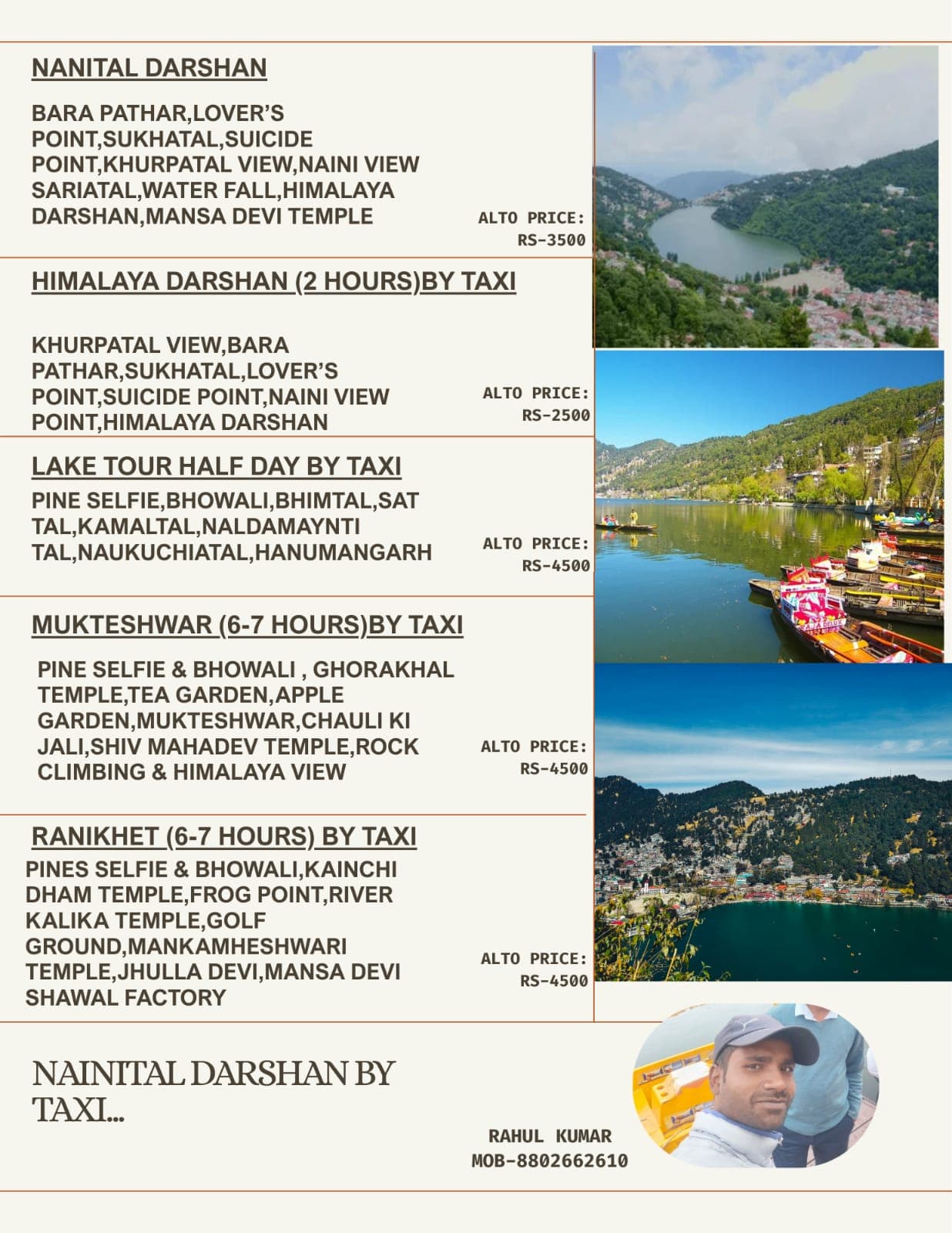
Rahul Taxi service
Sai Sadan cottage mallital near Sherwood college
Parvat travels
Nainital, Uttarakhand, India
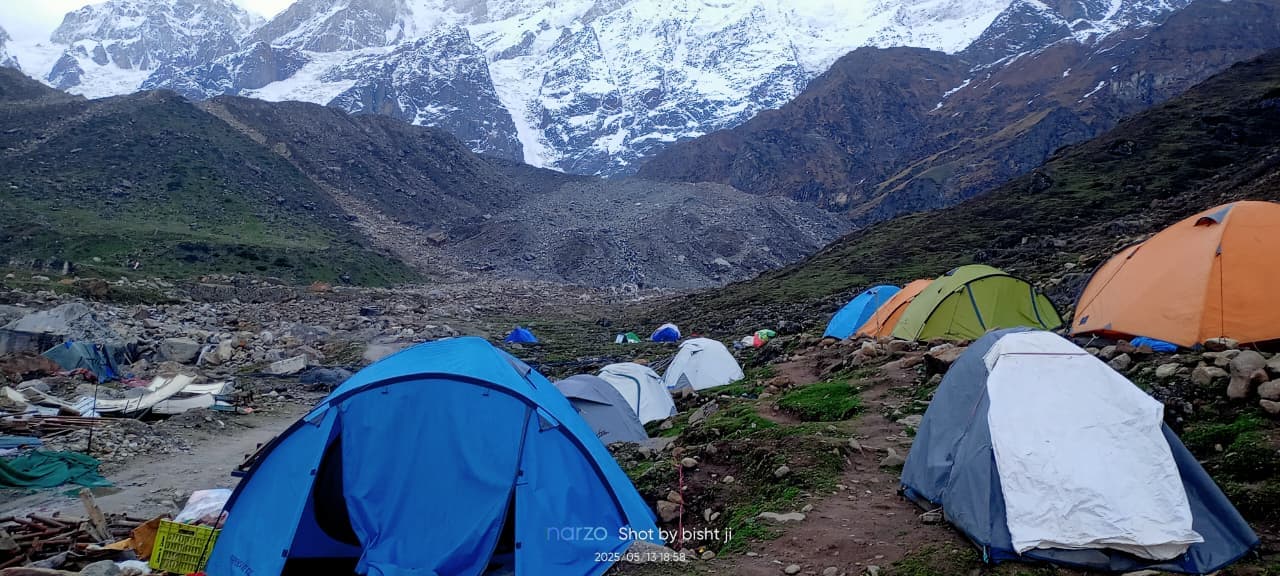
Tiwari camp
P3P9+CJJ Kedarnath, Uttarakhand 246445, India
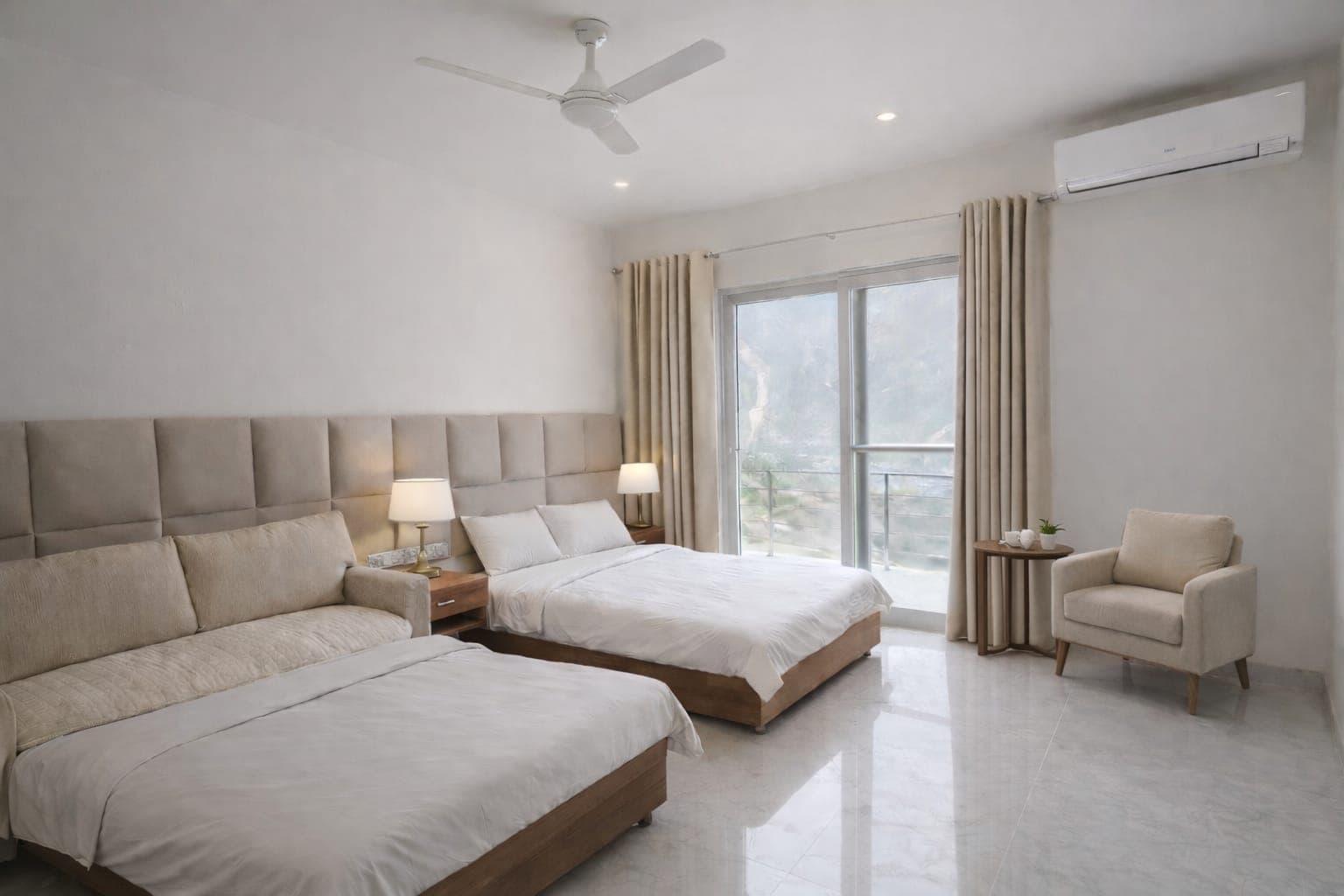
Holy Himalayan Trekr
village karokhi post office Daira ukhimath
Tripwala Foji
Kalyanpur, Meerut (U.P), pin -250502
Kedarnath Tour Guide
Khunnu Po Guptkashi DisT Rudraprayag Uttarakhand 246439
Adventure of india
Sankri, Uttarakhand, India