India’s local-first travel ecosystem — book local operators direct, zero commission

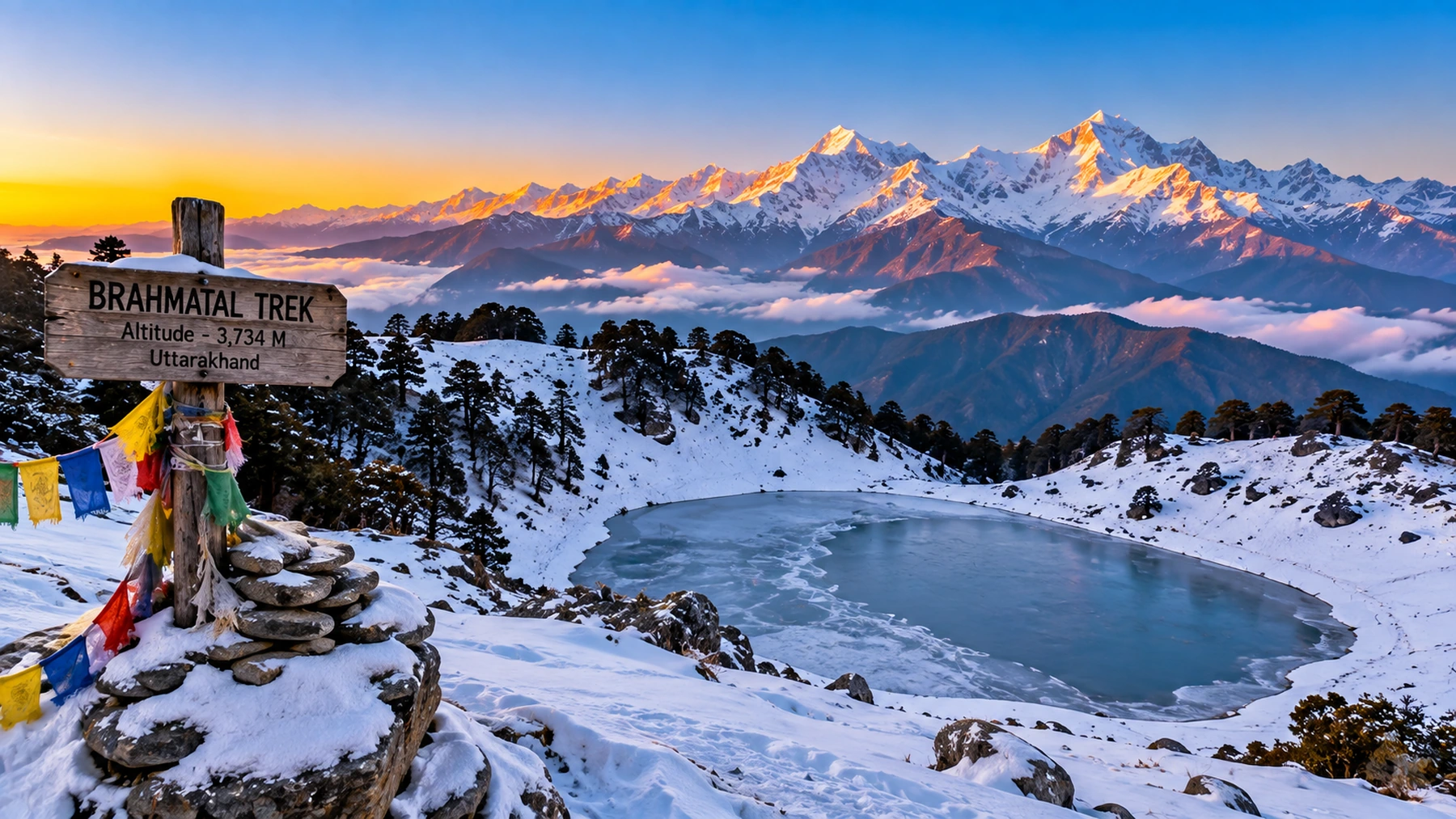
Brahmatal Trek
Chamoli, Uttarakhand

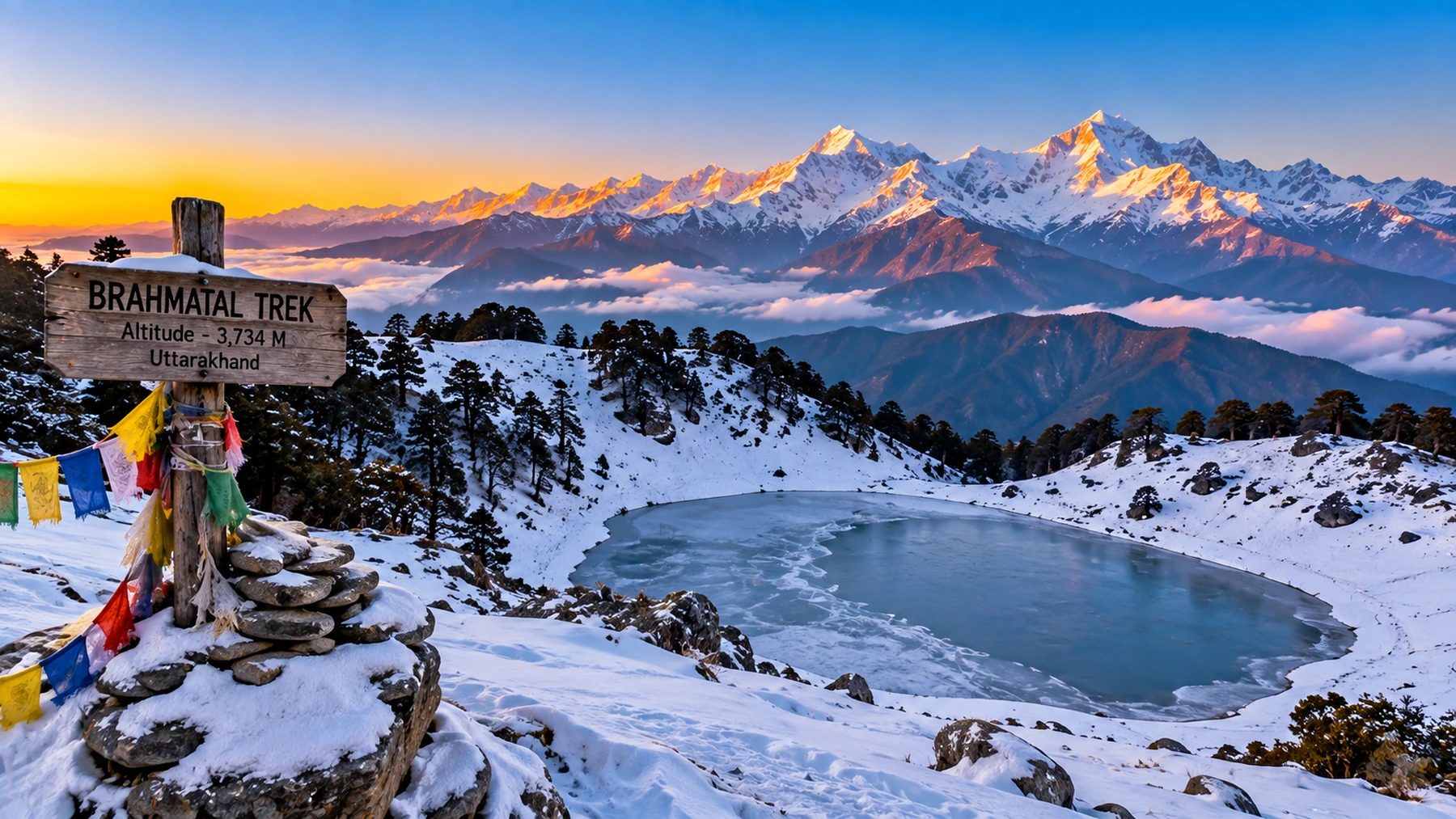
The Brahmatal Trek, located in the Chamoli district of Uttarakhand, is a popular trekking destination known for its scenic beauty and serene environment. This trek offers a unique experience, taking you through dense oak and rhododendron forests. The snow-covered trails, pristine surroundings, and clear skies are incredibly enchanting, especially for those looking to immerse themselves in nature and adventure.
The trek revolves around the Brahmatal Lake, which is believed to have mythological significance, being associated with Lord Brahma. The region experiences significant snowfall during winter, making it an ideal winter trekking destination. The trek offers breathtaking views of the Himalayan peaks like Trishul and Nanda Ghunti, which look magnificent, especially during the snow-clad season. In winter, the entire region transforms into a white wonderland.
The trek begins at Lohajung, which is easily accessible from Kathgodam or Rishikesh. From there, the trek typically lasts for 6-7 days, making it suitable for both beginners and experienced trekkers. The route takes you through several beautiful campsites and local villages, allowing you to experience the culture of the region. The nights spent camping under the stars are an unforgettable experience. Brahmatal Trek is an excellent choice not only for adventure enthusiasts but also for those seeking peace and a deeper connection with nature.
The trek covers a distance of approximately 22-24 kilometers and falls under moderate difficulty, but the presence of snow can make it slightly more challenging. It is generally done between December and March, when the trails are covered in snow, and the lakes are frozen, offering an entirely different kind of beauty.
From Lohajung, trekkers make their way to Brahmatal, Bekaltal, and finally to Brahmatal Lake. Each day of trekking covers about 4-7 kilometers, with diverse landscapes along the way, including lush meadows, dense forests, and ice-covered lakes. The journey to Brahmatal Lake provides stunning panoramic views of the Trishul and Nanda Ghunti peaks. These peaks remain visible throughout the trek, adding to the overall charm of the experience.
Along the way, trekkers can enjoy some beautiful campsites, where they spend the nights. These campsites create a perfect space to relax and bond with fellow trekkers while adding to the overall adventure. Being a part of a trek group adds a sense of camaraderie, making the journey more enjoyable.
The trek is guided by experienced leaders who help navigate the route, ensure safety, and share valuable local insights. It is ideal for trekkers who want to explore nature while enhancing their trekking skills.
The Brahmatal Trek is particularly appealing to winter and snow lovers, but it can be physically demanding. Proper preparation, including fitness training and carrying appropriate gear, is essential for making the trek enjoyable and safe. For those new to trekking, it's advisable to build up your fitness levels before attempting this trek. Overall, it’s an adventure that offers not only physical challenge but also the tranquility and beauty of the Himalayas.



Heighlights — Brahmatal Trek
The Brahmatal Trek in Uttarakhand is a magical journey that takes you through a pristine wilderness, offering a wide range of stunning views, serene landscapes, and thrilling challenges. Below are the key highlights of this trek:
1. Stunning Views of Himalayan Peaks
- The trek offers breathtaking views of some of the most iconic Himalayan peaks, including Trishul, Nanda Ghunti, and Kamet.
- The snow-covered peaks stand tall, creating a majestic backdrop for the journey.
- The clear blue skies and sunset/sunrise views enhance the beauty of the snow-capped peaks, making for some of the most memorable moments.
2. Brahmatal Lake – The Sacred Lake
- The Brahmatal Lake is the star attraction of this trek. Situated at an altitude of 12,250 feet (3734 meters), it is surrounded by snow and offers an ethereal beauty.
- According to Hindu mythology, the lake is associated with Lord Brahma and is believed to be the place where Lord Brahma meditated.
- The view of the lake with its glassy surface reflecting the snow-clad peaks is a photographer’s dream.
- The lake freezes in winter, making it a unique sight for those who visit during the cold season.
3. Bekaltal Lake – A Hidden Gem
- Bekaltal Lake, another key highlight, is situated on the way to Brahmatal Lake.
- This serene lake is a peaceful spot with clear waters, surrounded by dense forests and tall pine trees.
- It offers stunning reflections of the surrounding peaks on its surface, making it a perfect place for a quiet moment of solitude.
4. Beautiful Campsites
- The campsites along the trek offer a stunning natural environment. You stay in snow-covered meadows and forests, providing an immersive experience in nature.
- Locations like Brahmatal Base Camp and Bekaltal Camp offer panoramic views of the surrounding peaks and valleys.
- Spending the night in these campsites under the stars and the Himalayan sky is an unforgettable experience.
5. The Serenity of the Forests
- The trek passes through dense forests of oak, rhododendron, and pine trees. These woods offer a different kind of beauty, especially when the trees are in full bloom in spring.
- The trails are lined with wildflowers and dense undergrowth, making it feel like you are walking through a dreamlike forest.
- The sound of rustling leaves and the chirping of birds makes for a calming atmosphere.
6. Snow-Covered Trails (Winter Trek)
- If you trek during the winter season, the trails are covered with fresh snow, creating a mesmerizing landscape.
- Snow gives the trek a different level of beauty, making it seem like you are walking in a winter wonderland.
- The snow also adds an element of challenge as you navigate through slippery paths and snow-covered ridges.
7. Steep Ascents and Descents
- The trek involves some challenging ascents and descents, particularly as you approach Brahmatal Lake and Bekaltal Lake. These ascents can be steep and difficult, but they provide the satisfaction of conquering tough terrain.
- The climb to Brahmatal summit gives you a rewarding panoramic view of the surrounding Himalayan range.
8. Peaceful and Less Crowded
- Brahmatal Trek is relatively less crowded compared to other popular treks like Roopkund or Hemkund Sahib, offering trekkers a peaceful and tranquil experience.
- The solitude of the trek, along with the isolation from modern life, allows for a perfect escape into nature.
9. A Perfect Trek for Photography
- The views along the trek are absolutely stunning, making it an ideal trek for photographers.
- From snow-covered lakes and dense forests to towering peaks, the variety of landscapes provides ample opportunities for capturing some spectacular shots.
10. The Perfect Winter Trek
- Brahmatal Trek is one of the best winter treks in Uttarakhand. The heavy snow, frozen lakes, and chilly atmosphere add to the charm.
- It is especially recommended for people who want to experience snow trekking without the extreme cold conditions of higher altitude treks.
11. Interaction with Local Culture
- The trek takes you through remote villages like Lohajung, where you can interact with the local villagers.
- These communities follow ancient customs, and their way of life reflects the simplicity and authenticity of rural India.
- You can learn about their traditions, customs, and lifestyle while enjoying the warm hospitality of the locals.
12. Moderate Difficulty Level
- Brahmatal Trek has a moderate difficulty level, making it suitable for both beginners and experienced trekkers.
- The snow-covered paths during winter add a slight challenge, but they are manageable if you have good physical fitness and the right equipment.
- The trek is ideal for those who want to experience a Himalayan trek without extreme technical skills.
13. Constant View of the Himalayan Range
- Throughout the trek, you will enjoy uninterrupted views of the Himalayan range, including the towering peaks of Trishul, Nanda Ghunti, and Kamet.
- These peaks provide a breathtaking backdrop, constantly changing their appearance with the shifting sunlight, clouds, and weather conditions.
14. Spiritual Connection
- The trek holds a spiritual significance due to its association with Lord Brahma and Hindu mythology. The peaceful environment around Brahmatal Lake is believed to be sacred.
- Many trekkers feel a deep sense of spirituality as they trek through the serene surroundings of Brahmatal.
15. Clear and Starry Nights
- The nights in Brahmatal Trek offer a clear sky filled with stars. Since the trek is located away from city lights, you can witness the grandeur of the night sky.
- The sight of a blanket of stars spread across the sky is a truly magical experience.
16. Physical Challenge and Fitness
- While the Brahmatal Trek is of moderate difficulty, the altitude gain and long trekking hours require good fitness levels.
- The trek involves walking for around 5-7 hours each day, which helps trekkers build endurance and stamina. The challenge increases when snow covers the trail, making it more demanding.
17. Stunning Sunrises and Sunsets
- The trek offers some of the most beautiful sunrise and sunset views in the Himalayan region. The golden hues that light up the snow-covered peaks during sunrise are a sight to behold.
- Similarly, the sunsets, with their soft orange and pink tints, create an ethereal ambiance, perfect for photography and relaxation.
18. Off-Beat and Less Commercialized
- Brahmatal Trek is not as commercialized as other famous treks like Valley of Flowers or Roopkund, meaning you get to experience a less commercialized, more authentic trekking experience.
- You’ll find peace and quiet amidst nature without the usual hustle and bustle of other well-known trekking routes.
19. Challenging Weather Conditions
- Weather in Brahmatal can be unpredictable, especially in the winter months. Snowfall can occur anytime, and temperatures can drop below freezing.
- It’s important to be prepared for challenging weather conditions, including snow, rain, and cold winds. This makes the trek exciting and a true test of your adaptability.
20. Great for Group Treks
- Brahmatal is an excellent trek for groups. The varied trails and the challenges they bring make it an engaging experience for friends and family members who want to trek together.
- The camaraderie developed during the trek is memorable, and the shared experience makes the journey more enjoyable.
Conclusion: The Brahmatal Trek offers a stunning mix of beauty, adventure, and peace. Whether it’s the picturesque snow-covered landscapes, the serene lakes, the towering Himalayan peaks, or the cultural immersion with local communities, Brahmatal Trek is a must-visit for any nature and adventure lover. The trek promises to challenge your physical limits while simultaneously offering moments of quiet solitude and breathtaking natural beauty.
Itinerary — Brahmatal Trek
Here's the updated Brahmatal Trek Itinerary with both routes (via Rishikesh and Kathgodam) added to Day 1, along with the rest of the trek details. You can choose either route for the drive to Lohajung.
Day 1: Arrival in Rishikesh or Kathgodam and Drive to Lohajung
- Altitude: Rishikesh (1,200 feet) → Lohajung (7,600 feet) OR Kathgodam (1,230 feet) → Lohajung (7,600 feet)
- Distance:
- From Rishikesh to Lohajung (220 km)
- From Kathgodam to Lohajung (170 km)
- Duration:
- From Rishikesh: 10-12 hours
- From Kathgodam: 7-8 hours
Route 1: Via Rishikesh
- Arrive in Rishikesh in the morning, a popular destination known for spirituality, yoga, and adventure activities.
- Visit key attractions such as Laxman Jhula, Ram Jhula, and Triveni Ghat.
- After lunch, begin the scenic drive from Rishikesh to Lohajung. The drive will take approximately 10-12 hours, passing through Haridwar, small villages, and beautiful landscapes.
- Arrival at Lohajung in the evening. Check-in at a guesthouse or homestay for an overnight stay and acclimatization.
Route 2: Via Kathgodam
- Arrive at Kathgodam in the morning, a popular railhead that connects to Nainital and other hill stations in Uttarakhand.
- After reaching Kathgodam, you can enjoy a brief stop to stretch and refresh.
- Start your journey towards Lohajung. The drive will take around 7-8 hours through picturesque villages and winding roads.
- Arrival at Lohajung in the evening. Check-in at a guesthouse or homestay for overnight rest and acclimatization.
Day 2: Lohajung to Bekaltal (9 km, 5-6 hours)
- Altitude: Lohajung (7,600 feet) → Bekaltal (9,900 feet)
- Distance: 9 km
- Duration: 5-6 hours
Highlights:
- The trek begins with a gradual ascent, passing through a beautiful oak forest.
- Bekaltal Lake is a serene, pristine lake surrounded by dense forests.
- The campsite at Bekaltal is one of the most scenic, with the lake offering stunning reflections of the surrounding peaks.
- Overnight camping at Bekaltal.
Day 3: Bekaltal to Brahmatal (7 km, 4-5 hours)
- Altitude: Bekaltal (9,900 feet) → Brahmatal (12,250 feet)
- Distance: 7 km
- Duration: 4-5 hours
Highlights:
- Today’s trek takes you through dense rhododendron forests and opens up to meadows as you climb higher.
- The trail gets steeper as you approach Brahmatal.
- On the way, enjoy panoramic views of peaks like Trishul and Nanda Ghunti.
- Once you reach Brahmatal, enjoy stunning views of the surrounding snow-capped peaks, and you will be rewarded with the beauty of Brahmatal Lake.
- The lake is frozen in winter, adding to the ethereal beauty of the region.
- Overnight camping at Brahmatal.
Day 4: Brahmatal to Brahmatal Summit and Back to Brahmatal (5 km, 5-6 hours)
- Altitude: Brahmatal (12,250 feet) → Brahmatal Summit (12,750 feet)
- Distance: 5 km
- Duration: 5-6 hours
Highlights:
- Start early for a summit hike to Brahmatal Summit.
- The summit offers the most incredible 360-degree views of the surrounding peaks like Trishul, Nanda Ghunti, Kamet, and Neelkanth.
- The entire range is visible from here, and the feeling of standing at the top is unparalleled.
- After spending some time at the summit, descend back to Brahmatal for a second night at the campsite.
Overnight camping at Brahmatal.
Day 5: Brahmatal to Lohajung (10 km, 6-7 hours)
- Altitude: Brahmatal (12,250 feet) → Lohajung (7,600 feet)
- Distance: 10 km
- Duration: 6-7 hours
Highlights:
- Begin your descent towards Lohajung.
- The descent will be easier but requires care as the path can be slippery, especially in snowy conditions.
- On the way down, you’ll pass through oak and rhododendron forests again, which are particularly beautiful.
- Upon reaching Lohajung, you can relax and enjoy your last night in the region.
Overnight stay at Lohajung in a guesthouse or homestay.
Day 6: Departure from Lohajung
- Altitude: Lohajung (7,600 feet)
- Distance: 220 km drive to Rishikesh OR 170 km to Kathgodam
- Duration: 10-12 hours drive (Rishikesh) or 7-8 hours (Kathgodam)
Highlights:
- After a leisurely breakfast, you’ll depart from Lohajung.
- You will be transferred back to Rishikesh (if you traveled via Rishikesh) or Kathgodam (if you traveled via Kathgodam).
- The journey takes 7-12 hours, depending on the route taken.
- Upon reaching Rishikesh or Kathgodam, you can continue your onward journey.
This itinerary now allows you to choose either Rishikesh or Kathgodam as your starting point for the Brahmatal Trek, giving you flexibility in travel while still maintaining the original trekking schedule.
Backpack — Brahmatal Trek
Brahmatal Trek Backpack Packing Guide:
1. Backpack Size:
- Size: A 40-50L backpack is ideal for this trek. It provides enough space to carry everything you need without being too bulky.
- Lightweight: Choose a lightweight, ergonomic backpack that provides good back support.
2. Clothing:
- Base Layer (Moisture-wicking):
- T-shirts, thermals (top and bottom).
- Mid Layer (Insulating layer):
- Fleece jacket or a light down jacket.
- Outer Layer (Waterproof & Windproof):
- Waterproof jacket, windcheater, and rain pants (for unpredictable weather).
- Trekking Pants: Quick-drying pants or convertible pants (which can be turned into shorts).
- Innerwear: 3-4 pairs of breathable undergarments.
- Socks: 3-4 pairs of trekking socks (preferably woolen or synthetic for warmth).
- Warm Clothing:
- Woolen cap, gloves, neck gaiter, or scarf.
- Trekking Shoes: Waterproof trekking shoes with ankle support.
- Flip Flops/Sandals: Comfortable for camp use.
- Headgear: A cap or hat to protect from the sun.
3. Sleeping Gear:
- Sleeping Bag: A 3-season sleeping bag rated for temperatures from -5°C to 5°C.
- Sleeping Pad: Lightweight inflatable or foam sleeping mat.
- Compression Sack: For compressing your sleeping bag and saving space in your backpack.
4. Food & Hydration:
- Water Bottles/Hydration Bladder: 2-3 liters capacity for hydration.
- Energy Bars/Snacks: Carry easy-to-eat snacks like dry fruits, nuts, protein bars, and chocolates.
- Portable Stove & Fuel: If allowed to cook at campsites, carry lightweight cooking gear.
- Water Purification Tablets: For purifying water from natural sources.
5. Trekking Essentials:
- Trekking Poles: Essential for stability and reducing strain on your knees.
- Headlamp/Flashlight: With extra batteries.
- Sunglasses: UV protection sunglasses for sun protection.
- Sunblock & Lip Balm: To protect your skin from UV rays.
- Personal Hygiene Kit:
- Wet wipes, hand sanitizer, and toilet paper (in case toilets are not available).
- Toothbrush, toothpaste, and other toiletries (in travel-sized containers).
- First Aid Kit: Basic first aid kit with painkillers, antiseptic cream, bandages, blister pads, and any personal medications.
6. Important Documents:
- ID Proof: Government-issued ID (Aadhar card, Passport, etc.).
- Permits: If required, carry your trekking permits and booking confirmations (in a waterproof pouch).
- Cash: Small cash in case you need to make local purchases.
7. Electronics:
- Camera: If you want to capture the beautiful scenery.
- Mobile Phone: Though the signal might not be available in all places, it’s useful to carry for emergencies.
- Power Bank: For charging your devices, especially during longer treks.
8. Miscellaneous:
- Plastic Ziplock Bags: To separate wet clothes or store trash.
- Rain Cover for Backpack: In case of unexpected rain.
Tips for Packing:
- Pack Light: Avoid overpacking. A heavy backpack will slow you down and make the trek uncomfortable.
- Distribute Weight Evenly: Place heavier items closer to your back and at the bottom. Keep lighter items on top.
- Easy Access: Keep essentials like snacks, water, and rain gear in easily accessible pockets.
- Use Compression Sacks: Compress bulky items like your sleeping bag and clothes to save space.
Example Backpack Packing for Brahmatal Trek:
Top Compartment (Easy Access):
- Snacks, water bottle, sunglasses, sunscreen, rain jacket, gloves.
Main Compartment:
- Sleeping bag (in a compression sack), extra clothes, trekking shoes, first aid kit.
Side Pockets:
- Trekking poles, small power bank, or any tools you might need.
Bottom Compartment:
- Sleeping pad, flip-flops, extra socks or thermals.
External Loops:
- Trekking poles or any small items you need quick access to.
Packing Light & Smart:
Packing smart is essential for the Brahmatal Trek. By organizing your backpack and packing only the necessary items, you'll be able to trek comfortably, even in the challenging conditions. Make sure to prioritize comfort, safety, and warmth, as weather conditions in the mountains can change rapidly.
By following this packing guide, you'll be well-prepared to face the adventure and enjoy the stunning landscapes of Brahmatal Trek!
How to Reach — Brahmatal Trek
To reach Brahmatal for the trek, you have a couple of options based on where you're starting your journey from. Below is a detailed explanation of how to reach Brahmatal from two main points of access: Kathgodam and Rishikesh.
How to Reach Brahmatal Trek:
1. Reach Kathgodam (Closest Railway Station)
Kathgodam is the nearest railway station to the Brahmatal base, and from here, the trek starts.
By Train:
- From Delhi to Kathgodam:
- Duration: Around 6-7 hours by train.
- Trains: You can board a train from New Delhi Railway Station (NDLS) to Kathgodam. The most popular trains include:
- Ranikhet Express (Train No. 15013)
- Kumaon Express (Train No. 15035)
- Note: Trains are available in the morning or evening, so choose accordingly based on your convenience.
By Road:
- From Delhi to Kathgodam:
- Distance: 300 km.
- Duration: 7-8 hours by road.
- Mode of Transport: You can travel by private taxi, car, or state-run buses.
- If you are going by road, buses are available from ISBT Kashmiri Gate, Delhi, to Haldwani. From Haldwani, you can take a short 30-minute drive to Kathgodam.
By Air:
- From Delhi to Pantnagar Airport:
- Duration: 1 hour flight.
- From Pantnagar Airport, you can take a taxi (about 30-40 minutes) to reach Kathgodam.
2. From Kathgodam to Lohajung (Base for Brahmatal Trek)
Once you reach Kathgodam, you have to reach Lohajung, the base point for the Brahmatal Trek.
- By Road:
- Distance: 70-80 km from Kathgodam to Lohajung.
- Duration: 3-4 hours by road.
- You can book a private taxi or use a shared jeep from Kathgodam to Lohajung.
- The road journey takes you through beautiful hill stations and villages.
3. Reach Rishikesh (Alternative Route)
Rishikesh is another entry point for the Brahmatal trek if you want to take a different route.
By Train:
- From Delhi to Haridwar:
- Duration: Around 5-6 hours by train.
- Trains: Trains like Nanda Devi Express or Haridwar Mail are available from New Delhi Railway Station.
- From Haridwar to Rishikesh:
- Duration: 1 hour by road or bus. Rishikesh is around 25 km from Haridwar.
By Road:
- From Delhi to Rishikesh:
- Distance: 240 km.
- Duration: 6-7 hours by road.
- Mode of Transport: You can take a private taxi or state-run buses from ISBT Kashmiri Gate in Delhi to Rishikesh.
By Air:
- From Delhi to Dehradun Airport:
- Duration: 1 hour flight.
- After arriving at Dehradun Airport, you can take a taxi to Rishikesh (about 45 minutes to 1 hour drive).
4. From Rishikesh to Lohajung
After reaching Rishikesh, you will need to head to Lohajung.
- By Road:
- Distance: Approximately 200 km.
- Duration: 8-9 hours.
- You can take a private taxi or a shared jeep from Rishikesh to Lohajung.
Summary:
- From Kathgodam:
- Take a train, bus, or flight to Kathgodam.
- From Kathgodam, take a taxi or shared jeep to Lohajung.
- From Rishikesh:
- Reach Rishikesh by train, bus, or flight.
- From Rishikesh, take a taxi or shared jeep to Lohajung.
Once you reach Lohajung, you will begin your trek to Brahmatal. The trek generally takes around 6-7 hours on the first day to reach Brahmatal Camp from Lohajung, where you will stay for the night before continuing the journey the next day.
Best Time to Visit — Brahmatal Trek
Best Time to Visit Brahmatal Trek:
The best time to visit Brahmatal Trek depends on what kind of experience you're looking for. Each season offers a different charm, and the weather plays a key role in shaping your trekking experience. Here's a breakdown of the best times to visit:
1. Winter (December to February):
- Ideal Time:
- If you enjoy snowfall and want to experience winter trekking, December to February is the best time to visit Brahmatal.
- Main Attractions:
- During this period, the entire trekking route is covered in a thick layer of snow, offering stunning winter landscapes.
- The view of snow-covered mountains, trees, and frozen lakes adds to the beauty of the trek.
- The cold weather makes it more challenging but also more thrilling for adventure seekers.
- Temperature:
- Day temperature: 5°C to 10°C.
- Night temperature: -5°C to -10°C (sometimes even lower).
- Precautions:
- The paths can be slippery due to snow, so proper trekking gear and warm clothes are essential.
- If you're fond of snow and can handle cold conditions, winter is the best time for you.
2. Spring (March to May):
- Ideal Time:
- March to May offers a transitional phase, where the snow begins to melt, revealing scenic vistas and greenery. This is an excellent time to experience both winter and spring elements.
- Main Attractions:
- During this period, you can witness a beautiful combination of snow-covered peaks and lush green meadows.
- The trekking trails are also adorned with wildflowers, which bloom during this time, adding a touch of vibrancy to the landscape.
- Temperature:
- Day temperature: 10°C to 15°C.
- Night temperature: 0°C to 5°C.
- Precautions:
- This is a great time for trekking because the weather is mild and comfortable.
- Snow has melted on the trails, making them less slippery, and the landscape is refreshingly green.
3. Summer (June to August):
- Ideal Time:
- Summer is considered a good time for trekking in the Himalayan foothills, as the weather remains cool compared to the plains. However, you won’t find much snow during this time.
- Main Attractions:
- The trails are mostly free from snow, and you can enjoy the greenery, fresh mountain air, and clear skies.
- The wildflowers and streams are at their best, making the trek visually appealing.
- Temperature:
- Day temperature: 15°C to 20°C.
- Night temperature: 5°C to 10°C.
- Precautions:
- The weather is relatively mild, making it a comfortable trekking experience.
- However, if you're looking for snow or winter-like conditions, summer might not be ideal.
4. Monsoon (July to September):
- Not Recommended:
- Monsoon season is not suitable for Brahmatal Trek.
- The trekking trails become slippery and prone to landslides. The chances of accidents increase, and visibility is often poor due to rain.
- Main Issues:
- The risk of slippery paths, muddy trails, and landslides makes it dangerous to trek during the monsoon.
- Heavy rainfall can make the trek uncomfortable and risky.
Summary of the Best Time to Visit:
- If you're looking for a snow-filled adventure and don't mind cold weather, then December to February is the best time to visit.
- For a balanced weather experience with a mix of snow and greenery, March to May is ideal.
- If you want to enjoy clear skies and lush greenery without snow, June to August is a good choice, but snow will be absent.
- Monsoon (July to September) should be avoided due to the risks associated with wet and slippery trails.
Conclusion:
- Winter (December to February) offers the most enchanting views with snow-covered landscapes, but the cold weather can be challenging.
- Spring (March to May) is the most popular time for those seeking a moderate experience with beautiful weather and a combination of snow and greenery.
- Summer (June to August) offers a mild climate, but if you're looking for snow, this isn't the best time.
- Monsoon should be avoided due to the risk of slippery and unsafe trails.
Difficulty Level & Fitness Requirements — Brahmatal Trek
Difficulty Level of Brahmatal Trek:
The Brahmatal Trek is considered a moderate level trek, which means it is suitable for beginners who have some level of physical fitness and experience in walking long distances. However, it's not recommended for people who have little to no trekking experience or those who are not in good physical condition.
Here’s a detailed breakdown of the difficulty level:
1. Terrain:
- The Brahmatal Trek includes a variety of terrains, including dense forests, snow-covered slopes, steep ascents, and rocky paths.
- The path can be a bit challenging during winter months (December to February), especially when snow makes the trail slippery, adding difficulty to the ascent and descent.
- Forest trails are often muddy and steep, making the journey a little tougher, particularly if you are new to trekking in such conditions.
2. Altitude:
- The highest point of the trek is Brahmatal Summit at an elevation of around 3,300 meters (10,827 feet).
- The altitude is relatively moderate compared to other high-altitude treks in India. However, altitude sickness can affect trekkers, so acclimatization is important.
- At this elevation, oxygen levels drop slightly, which can cause some trekkers to feel mild symptoms of altitude sickness, such as headaches or dizziness.
3. Duration:
- The trek typically takes 6 to 7 days, with each day’s trek lasting anywhere from 4 to 8 hours.
- Some days include steep ascents and long stretches, which can be physically tiring.
4. Weather:
- In the winter months (December-February), you will experience heavy snow, which can make the trek more challenging. Slippery paths and cold temperatures can be tough, especially for beginners.
- During spring and summer, the weather is more temperate and comfortable, but the terrain can still be tricky, particularly on steeper sections of the trail.
5. Physical Demand:
- The trek involves continuous uphill climbing, which requires physical strength and stamina. Some sections of the trek are steep and involve climbing at higher altitudes, which could be strenuous.
- As the trail is not smooth and often has rough patches, trekkers need to be mentally prepared for a physically demanding experience.
Fitness Requirement for Brahmatal Trek:
While the Brahmatal Trek is moderate, it still demands a certain level of physical fitness and endurance. You don't need to be a seasoned athlete to complete the trek, but good stamina, strength, and preparation are essential.
Fitness Preparation:
To prepare for the trek, follow this general fitness routine:
- Cardiovascular Fitness:
- Walking or Hiking: Begin walking at a moderate pace, gradually increasing the distance (at least 5-7 km per day). This helps in building endurance for long trekking hours.
- Stair Climbing: Practice stair climbing or hill walking to get used to the steeper ascents and descents.
- Jogging or Running: Include jogging or running to improve your stamina. Aim for at least 20-30 minutes of cardio workout 3-4 times a week.
- Strength Training:
- Leg Strength: Focus on strengthening your legs as you'll be walking uphill for extended periods. Exercises like squats, lunges, and step-ups help build lower body strength.
- Core Stability: Include core exercises like planks, crunches, and leg raises to help with balance during the trek.
- Upper Body: Though the focus is on legs, upper body strength also helps in carrying your backpack. Push-ups, pull-ups, and dumbbell exercises can help you maintain overall strength.
- Endurance Training:
- Backpacking with Weight: Start carrying a backpack with weight to simulate the trekking experience. Gradually increase the weight (start with 5-7 kg) as you train.
- Walk on Inclines: If possible, hike on hills or inclined surfaces to get used to the gradients and altitude challenges.
- Flexibility and Mobility:
- Include stretching exercises in your workout routine to maintain flexibility and avoid injury during the trek.
- Yoga or Pilates can also help in improving flexibility and balance, which are crucial for tough terrains.
Mental Preparation:
- Endurance and Patience: Trekking at high altitudes requires patience. The terrain may be difficult and tiring, but staying mentally strong will help you push through tough patches.
- Stay Positive: Mental resilience is key. Being prepared for challenging weather conditions (especially in winter) and long trekking hours can make a big difference.
Conclusion:
- Difficulty Level: Moderate, with a mix of steep ascents, snowy trails, and rocky paths. Requires physical stamina and mental resilience.
- Fitness Requirement: Beginner to intermediate trekkers should be able to complete the trek with proper preparation. Regular cardio, strength training, and endurance building are essential for a successful and enjoyable experience.
- Mental Strength: Stay positive, especially on challenging days, and acclimatize properly to avoid altitude sickness.
With proper training and preparation, you can complete the Brahmatal Trek and enjoy its scenic beauty!
Permits & Regulations — Brahmatal Trek
The Brahmatal Trek is a popular trek in the Indian Himalayas, and like most trekking routes in India, it requires permits for entry, especially as the trek passes through protected or forest areas. Below are the details about the permits and regulations for the Brahmatal Trek:
1. Permits Required for Brahmatal Trek:
A. Forest Permit (Entry Permit):
- Where to Obtain: The Forest Permit is required because Brahmatal Trek passes through protected forest areas.
- You can obtain the forest permit from the Uttarakhand Forest Department.
- The permit can be arranged through the trekking agency that you are going with or directly from the District Forest Officer (DFO) in the region.
- If you're trekking independently (without a guide or agency), you will need to visit the local forest office in Kathgodam or Rishikesh (depending on your route) to apply for the permit.
B. Permission from the Uttarakhand Tourism Department:
- As a commercial trek, it is necessary to get permission from the Uttarakhand Tourism Department.
- The trekking agency or operator you book through generally takes care of this permission as part of your package. However, if you’re trekking independently, you must apply for the Uttarakhand Tourism Permit through the official tourism department.
C. Wildlife Sanctuary Entry Permit:
- If your route passes through any wildlife sanctuary areas, such as the Nanda Devi Sanctuary, you might need additional permits. These permits are typically managed by the Uttarakhand Forest Department and the local wildlife authority.
D. Local Police Registration:
- As the trek is conducted in a high-altitude region, there may be a requirement for police registration to ensure safety and security.
- All trekkers need to register their details with the local police station at the start of the trek (usually at Kathgodam or Rishikesh), and you will need to show the permit for the trek.
2. Regulations for Brahmatal Trek:
A. Group Treks:
- While solo trekking is allowed, it is highly recommended to go with an organized trekking group or guide. Trekking solo without proper experience and equipment can be dangerous due to the challenging terrain and weather conditions.
B. Follow the Marked Trail:
- Always follow the marked trails to avoid getting lost in the dense forests or rugged paths. The routes are well-maintained, but navigating without experience can be tricky.
- Ensure you’re carrying a map or use a GPS device if trekking independently.
C. Local Guide or Porter:
- Hiring a local guide and porter is often encouraged. They help with navigation, understanding the terrain, and ensuring safety, especially in the high-altitude conditions.
D. Respect Local Culture and Environment:
- Leave no trace: Ensure you don’t leave trash behind. Carry all your waste back with you.
- Respect the local communities: Many of the trekking routes go through remote villages, so ensure to respect the local customs, culture, and people.
E. Acclimatization:
- It’s important to acclimatize yourself properly at high altitudes to avoid altitude sickness. You should allow at least one full day of rest and adjustment to the altitude after reaching the high camps.
- Follow gradual ascent patterns to give your body enough time to adjust.
F. Safety Standards:
- Make sure to carry all necessary safety gear, including:
- First aid kit
- Flashlight/torch with spare batteries
- Water bottle and purification tablets
- Warm clothes, gloves, and headgear
- Crampons (in winter)
- Trekking poles for stability on snow or rocky surfaces
G. Emergency Contact:
- Always inform a friend or family member about your itinerary and the expected return date.
- Keep a list of emergency contacts, including the trekking agency, local authorities, and hospitals near the trekking route.
H. Government Guidelines:
- The government sometimes introduces seasonal restrictions to protect the environment, particularly during sensitive periods like the breeding season of wildlife.
- Always check the local tourism website or contact the trekking agency for any temporary regulations that may affect your trip.
3. Important Notes:
- Trekking Season: The trek requires permits only during the official trekking season, which is from December to February (winter), and March to May (spring). In the monsoon season (June to September), trekking is discouraged due to the risks of landslides and slippery paths.
- Travel Insurance: It’s advisable to have travel insurance that covers trekking at high altitudes and emergency evacuation.
- Local Transportation: Transportation from Kathgodam or Rishikesh to the trek starting point (like Lohajung) might require separate permits for buses or shared jeeps, depending on local regulations.
Conclusion:
When planning the Brahmatal Trek, it's important to ensure you have the right permits and adhere to local regulations. Most trekkers book through agencies that handle these arrangements, but if you're trekking independently, you’ll need to secure permits from the Uttarakhand Forest Department, local police stations, and tourism authorities. Always prioritize safety, respect the environment, and ensure proper acclimatization during your trek.
Safety Tips — Brahmatal Trek
The Brahmatal Trek is a beautiful yet challenging trek that requires preparation, awareness, and safety precautions to ensure a safe and enjoyable journey. Here are some essential safety tips for the Brahmatal Trek:
1. Pre-Trek Preparation:
A. Physical Fitness:
- Prepare physically by engaging in cardio exercises, strength training, and endurance activities. This will help you handle the physical demands of the trek, such as long walks and steep climbs.
- Practice trekking with a backpack to simulate the weight and conditions of the trek.
B. Proper Gear and Equipment:
- Wear sturdy hiking boots with good ankle support to handle rocky and snowy paths.
- Carry warm clothing as temperatures can drop significantly, especially at higher altitudes. Layering is key to staying warm and adjusting to changing weather conditions.
- Essential gear: Pack trekking poles (to help with stability), a headlamp, a first aid kit, and a water bottle with purification tablets.
- Snow gear: If trekking during winter, carry crampons, gaiters, and a waterproof jacket to protect against the snow.
C. First Aid Kit:
- Always carry a basic first aid kit with bandages, antiseptics, painkillers, blister treatment, altitude sickness tablets, and any personal medications.
- Include hand sanitizers, wet wipes, and sunscreen in your kit to maintain hygiene during the trek.
2. During the Trek:
A. Follow the Trail:
- Stick to the marked paths to avoid getting lost in dense forests or rugged terrain. If unsure about the path, ask your guide or refer to a map or GPS.
- Avoid cutting corners or creating new trails that may damage the environment and disturb wildlife.
B. Stay Hydrated and Nourished:
- Drink plenty of water to stay hydrated, especially at high altitudes where dehydration can occur faster.
- Carry energy snacks such as nuts, energy bars, or fruits to keep your energy levels up.
C. Pace Yourself:
- Take regular breaks to avoid exhaustion. Don’t rush the trek; maintain a steady pace.
- Don’t push beyond your limits. If you feel tired or unwell, it's important to rest and, if necessary, turn back.
D. Acclimatization:
- Allow your body to adjust to the altitude by taking rest days at higher camps. This will help prevent altitude sickness.
- Climb high, sleep low: After reaching a higher point, return to a lower elevation to sleep for the night.
E. Travel with a Guide:
- It’s advisable to trek with a local guide who knows the terrain, understands the challenges, and can handle emergency situations. A guide can also help in case of altitude sickness or other health issues.
F. Weather Awareness:
- Check the weather forecast before heading out. Weather conditions in the mountains can change rapidly, and it’s essential to be prepared for sudden storms or snowfall.
- Avoid trekking in severe weather conditions (e.g., snowstorms, heavy rain), as these can increase the risk of accidents and injuries.
3. Altitude Safety:
A. Recognize Symptoms of Altitude Sickness:
- Common symptoms of altitude sickness include headaches, dizziness, nausea, shortness of breath, and fatigue.
- If you experience symptoms, descend to a lower altitude immediately. Rest and hydrate well. If symptoms persist, seek medical attention.
B. Oxygen and Breathing:
- At higher altitudes, oxygen levels are lower. Take slow, deep breaths to conserve energy and ensure proper oxygen intake.
- Use an oxygen cylinder if available, especially in cases of severe altitude sickness.
4. Emergency and Communication:
A. Emergency Contact:
- Inform someone (a family member or friend) about your trek details, including your itinerary and expected return date.
- Carry the contact details of the trekking agency, local authorities, and nearby hospitals or clinics.
B. GPS and Navigation:
- If you’re trekking without a guide, ensure you have a GPS device or a map to avoid getting lost.
- Download offline maps in case you lose cell network coverage during the trek.
5. Safety in Winter Conditions:
A. Snow and Ice Safety:
- During winter, the paths may be covered with snow and ice, making them slippery. Use crampons to prevent slipping and ensure proper grip.
- Be cautious of avalanches in snow-covered areas. Follow your guide’s instructions and avoid venturing into risky slopes.
B. Cold Weather Safety:
- Dress in layers to regulate your body temperature. Start with moisture-wicking base layers, followed by insulating layers and a waterproof outer layer.
- Cover your face, hands, and ears to protect against frostbite in extreme cold conditions.
- Check the weather daily for signs of sudden temperature drops or snowstorms that could affect the trek.
6. Respect Nature and Environment:
A. Leave No Trace:
- Follow the Leave No Trace principle. Carry all your trash back with you, and avoid littering in natural spaces.
- Refrain from disturbing wildlife. Observe from a distance and avoid feeding animals or leaving food behind.
B. Fire Safety:
- In case you’re camping, ensure campfires are made safely and are completely extinguished before leaving the campsite.
- Never leave a fire unattended and avoid making a fire in windy conditions to prevent accidental wildfires.
7. Dealing with Wildlife:
- Avoid direct contact with wildlife like bears, leopards, or monkeys. These animals can be unpredictable and dangerous, especially if they feel threatened.
- Store food securely in your backpack or bear-proof containers to prevent attracting animals to your camp.
8. Health and Hygiene:
A. Wash Hands Regularly:
- Carry sanitizers and wet wipes to maintain personal hygiene.
- Always wash your hands with soap and water before eating to prevent foodborne illnesses.
B. Treat Water Safely:
- Never drink water directly from streams or rivers. Always use a water filter or purification tablets to ensure the water is safe to drink.
9. Stay Positive and Calm:
- Trekking in the mountains can sometimes be physically and mentally exhausting. Stay positive, maintain a calm mindset, and encourage fellow trekkers.
- In case of an emergency, remain calm, follow the safety protocols, and contact authorities or your guide immediately.
Conclusion:
The Brahmatal Trek offers a fantastic adventure, but safety should always be your top priority. By preparing properly, respecting nature, and staying vigilant during the trek, you can minimize risks and enjoy the stunning views and experiences it has to offer. Always remember that safety first ensures a successful and memorable journey!
Brahmatal Trek — photos
Ratings & reviews
No one has rated Brahmatal Trek yet.
Write a reviewBrahmatal Trek — travel FAQs
What is the altitude of Brahmatal Trek?
Is Brahmatal Trek suitable for beginners?
What is the total distance of the trek?
How long does the Brahmatal Trek take?
What are the key attractions of the trek?
What is the difficulty level of Brahmatal Trek?
Can children participate in the trek?
Do I need any special gear for the trek?
Is prior trekking experience required?
Are there any chances of altitude sickness?
What is the temperature during the trek?
Are there any accommodations during the trek?
How do I reach the starting point, Lohajung?
Is the trek safe for solo travelers?
What are the food arrangements on the trek?
What permits are required for the trek?
Is mobile network available during the trek?
What is the cost of the Brahmatal Trek?
Are there medical facilities on the trek?
Can Brahmatal Trek be done solo without guides?
Wayntra app
Plan Your Next Adventure with Wayntra
Discover treks, local guides, travel experiences and adventure activities on the Wayntra app.
More places in Uttarakhand
Travel partners near Brahmatal Trek

Biswas Tour And Travels
Rudrapur Udham Singh Nagar Uttrakhand
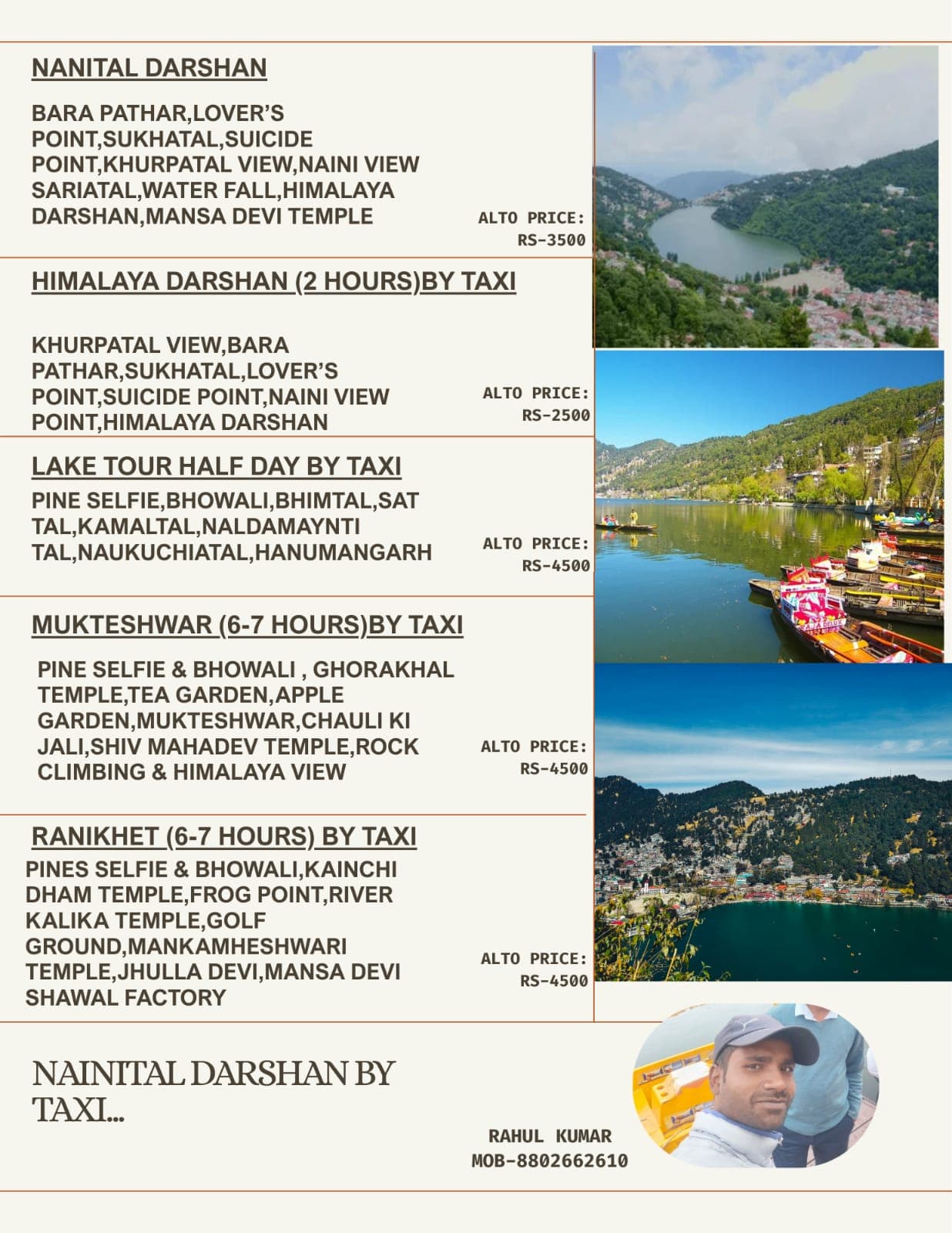
Rahul Taxi service
Sai Sadan cottage mallital near Sherwood college
Parvat travels
Nainital, Uttarakhand, India
Tiwari camp
P3P9+CJJ Kedarnath, Uttarakhand 246445, India
Holy Himalayan Trekr
village karokhi post office Daira ukhimath
Tripwala Foji
Kalyanpur, Meerut (U.P), pin -250502
Kedarnath Tour Guide
Khunnu Po Guptkashi DisT Rudraprayag Uttarakhand 246439
Adventure of india
Sankri, Uttarakhand, India