India’s local-first travel ecosystem — book local operators direct, zero commission

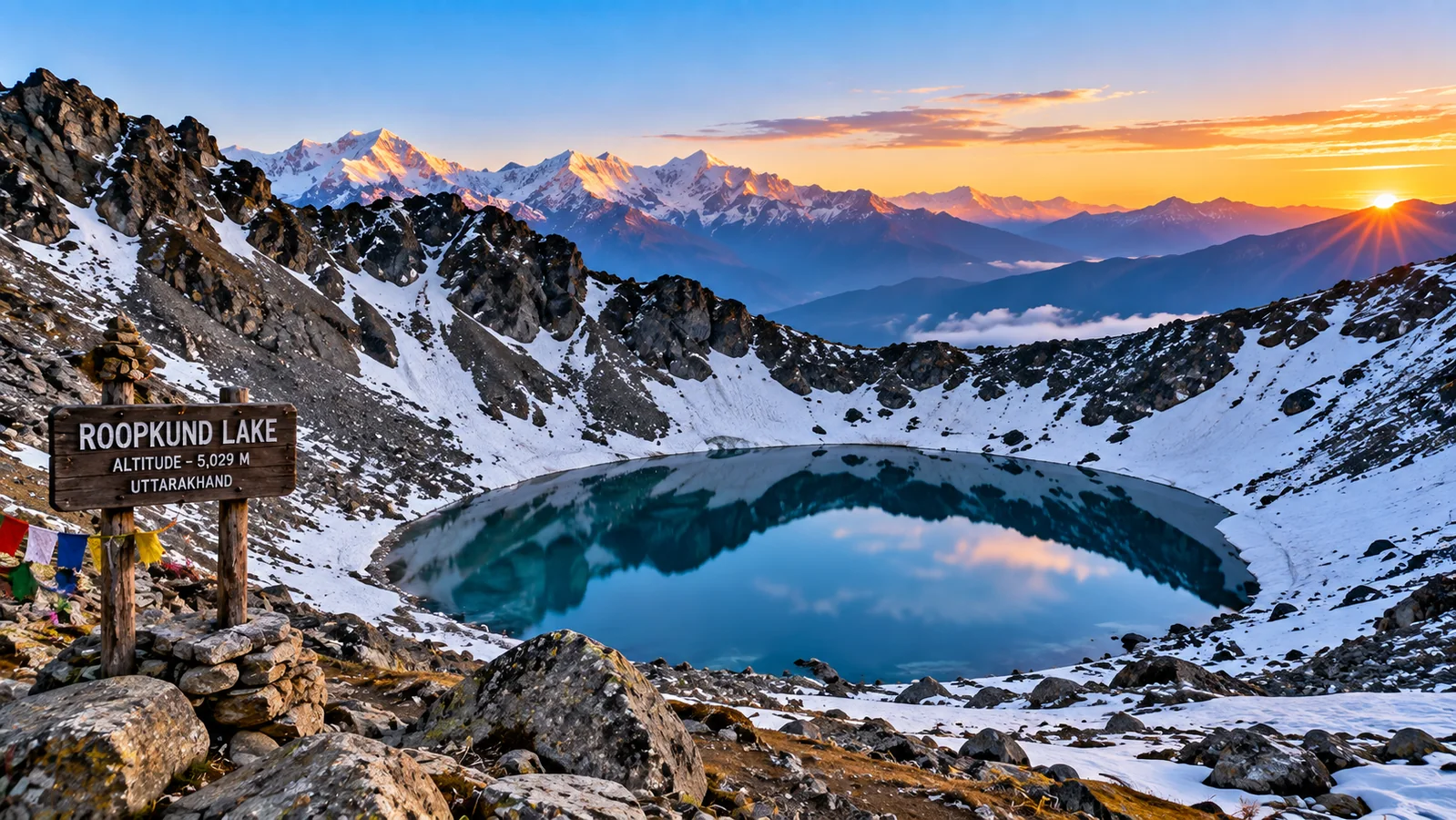
Roopkund Lake Trek
Chamoli, Uttarakhand

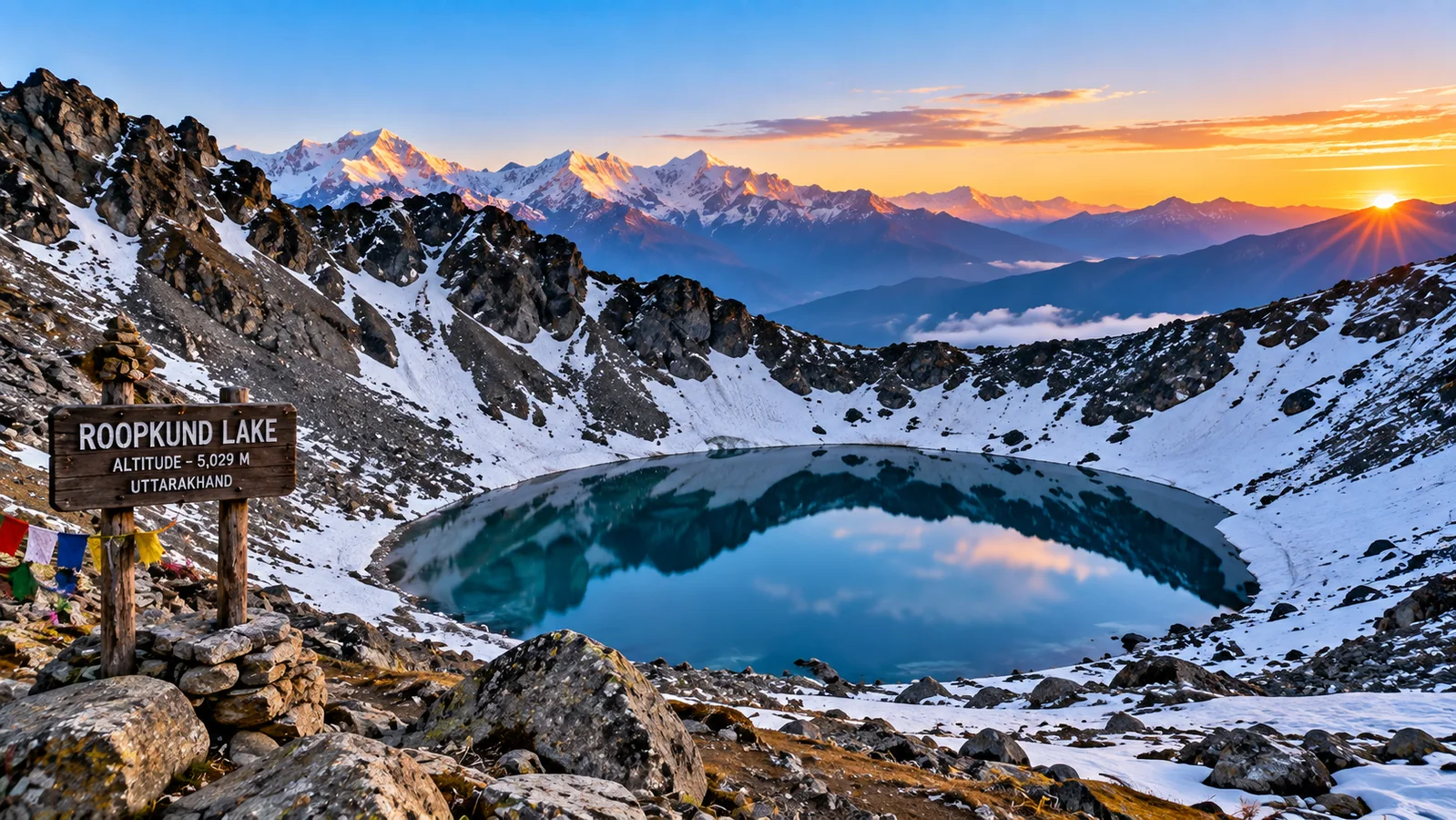
The Roopkund Lake Trek is a thrilling high-altitude trek located in the Chamoli district of Uttarakhand, India. Known as the “Mystery Lake,” Roopkund sits at a staggering altitude of 16,500 feet (5,029 meters) amidst the majestic Garhwal Himalayas. This trek is renowned not just for its challenging trails and breathtaking views, but also for the ancient human skeletons that lie scattered in and around the lake, sparking intrigue and mystery among historians and trekkers alike. These skeletal remains, dating back to the 9th century, are believed to belong to pilgrims and locals caught in a deadly hailstorm, giving the lake its eerie allure.
The trek offers an incredible diversity of landscapes, from dense oak and rhododendron forests at lower altitudes to expansive high-altitude meadows like Ali Bugyal and Bedni Bugyal, which are among the largest in Asia. These meadows, with their lush greenery and uninterrupted views of towering Himalayan peaks, provide a serene contrast to the rugged, snow-laden trails leading up to Roopkund.
Trekkers are greeted with awe-inspiring vistas of the Trishul (7,120 meters) and Nanda Ghunti (6,309 meters) peaks throughout the journey. The trail is also interspersed with picturesque villages, alpine streams, and temples, offering a glimpse into the region's vibrant culture and spiritual heritage. The Kalu Vinayak Temple, perched at a high altitude, is a sacred stop along the route, where trekkers often pause to seek blessings for a safe journey.
The trek is considered moderate to difficult, requiring good physical fitness and mental endurance. The trail involves steep ascents, rocky paths, and snowy terrains, especially as one approaches the lake. While the trek is open to enthusiasts during the summer (May–June) and post-monsoon (September–October) seasons, the landscape transforms dramatically across these periods. Summer offers snow-draped trails, while the post-monsoon season reveals clear skies, vibrant meadows, and pristine views of the surrounding peaks.
In addition to its natural beauty, the trek is deeply rooted in local folklore. The lake is associated with Goddess Nanda Devi, and the Raj Jat Yatra, a grand pilgrimage held every 12 years, retraces parts of this trail, adding a spiritual dimension to the adventure.
The Roopkund Lake Trek is not just a physical journey but also an exploration of mystery, history, and raw Himalayan beauty. Its unique combination of challenging trails, cultural richness, and haunting tales makes it an unforgettable adventure for trekkers and nature lovers. Whether you're drawn by the allure of the skeleton lake, the stunning alpine scenery, or the challenge of conquering a high-altitude trail, Roopkund promises an experience that will leave you in awe.



Highlights — Roopkund Lake Trek
The Roopkund Lake Trek is a captivating journey through the scenic Garhwal Himalayas, offering a mix of natural beauty, adventure, and historical intrigue. Below are the key highlights that make this trek unforgettable:
- Roopkund Lake – The Mystery Lake
Situated at an altitude of 16,500 feet, Roopkund Lake is famous for the ancient skeletons found at its bottom. Visible when the snow melts, these skeletons date back to the 9th century and are believed to belong to pilgrims caught in a severe hailstorm. This eerie feature adds a sense of mystery to the trek. - Majestic Himalayan Peaks
Trekkers are rewarded with close-up views of towering Himalayan giants like Trishul (7,120 meters) and Nanda Ghunti (6,309 meters). These peaks dominate the landscape, offering mesmerizing backdrops throughout the trail. - High-Altitude Meadows (Bugyals)
The trek passes through some of India’s most beautiful alpine meadows, including Ali Bugyal and Bedni Bugyal. These vast green expanses are filled with wildflowers in post-monsoon seasons and provide a serene contrast to the rugged trails. - Diverse Terrain
The trail transitions from dense oak and rhododendron forests to rocky pathways, gushing streams, and snowy slopes, offering a variety of landscapes in a single trek. - Kalu Vinayak Temple
A small but significant stone temple dedicated to Lord Ganesha marks a key milestone in the trek. Located at a high altitude, this temple is a spiritual stop where trekkers often pause for blessings. - Junargali Pass
For those seeking an extra challenge, the trek to Junargali Pass (16,800 feet) offers an exhilarating climb with spectacular views of the surrounding valleys and peaks. - Cultural Significance
The trek is intertwined with the legend of Goddess Nanda Devi, believed to bless the region. The route also overlaps with the Raj Jat Yatra, a spiritual journey held every 12 years, adding a cultural depth to the experience. - Challenging Adventure
With steep ascents, snowy trails, and high-altitude challenges, the trek offers a thrilling experience for adventure enthusiasts. - Pristine Natural Beauty
From the gurgling rivers and waterfalls to the snow-covered landscapes, every step on the Roopkund trek immerses trekkers in the untouched beauty of the Himalayas.
This combination of natural splendor, historical intrigue, and cultural richness makes the Roopkund Lake Trek a once-in-a-lifetime experience for trekkers.
Itinerary — Roopkund Lake Trek
Day 1: Kathgodam to Lohajung (Base Camp)
- Distance: ~210 km (9–10 hours by road)
- Altitude: 7,600 ft
- Highlights:
Begin your journey with a scenic drive from Kathgodam, passing through picturesque hill towns like Almora and Kausani. The drive offers stunning views of terraced fields, dense forests, and snow-capped Himalayan peaks in the distance. Lohajung, the base camp, is a quaint village and serves as the starting point of the trek. Spend the evening acclimatizing and preparing for the trek. - Stay: Guesthouse in Lohajung.
Day 2: Lohajung to Didna Village
- Trek Distance: ~8 km (5–6 hours)
- Altitude: 8,040 ft
- Trail: A steep descent to the village of Kulling, followed by a climb through dense oak and rhododendron forests.
- Highlights:
The trail offers refreshing views of mountain streams and lush greenery. Didna is a remote village, known for its peaceful atmosphere and friendly locals. It's an ideal spot to rest and get a taste of local life. - Stay: Homestay or campsite at Didna.
Day 3: Didna to Ali Bugyal
- Trek Distance: ~10 km (6–7 hours)
- Altitude: 11,320 ft
- Trail: A steep climb through forests, leading to the expansive high-altitude meadow of Ali Bugyal.
- Highlights:
Ali Bugyal is one of the largest alpine meadows in India. The lush green expanse, dotted with wildflowers and grazing sheep, provides panoramic views of the surrounding Himalayan peaks. The cool mountain breeze and wide-open skies make this day a favorite among trekkers. - Stay: Campsite in Ali Bugyal.
Day 4: Ali Bugyal to Patar Nachauni
- Trek Distance: ~6 km (4–5 hours)
- Altitude: 12,700 ft
- Trail: A gentle walk across undulating meadows, with occasional steep ascents.
- Highlights:
The trail transitions into rocky terrain as you leave the meadows. Along the way, you'll enjoy spectacular views of Mt. Trishul and Mt. Nanda Ghunti. The serene campsite at Patar Nachauni is surrounded by mountain ridges and makes for a perfect overnight stop. - Stay: Campsite at Patar Nachauni.
Day 5: Patar Nachauni to Bhagwabasa via Kalu Vinayak
- Trek Distance: ~5 km (4–5 hours)
- Altitude: 14,100 ft
- Trail: A steep ascent to the Kalu Vinayak Temple, followed by a gradual descent to Bhagwabasa.
- Highlights:
The climb to Kalu Vinayak is challenging but rewarding, with a panoramic view of the surrounding peaks. The temple, dedicated to Lord Ganesha, is a spiritual stop for trekkers. The rocky, barren landscape of Bhagwabasa contrasts starkly with the meadows below, offering a unique high-altitude experience. - Stay: Campsite at Bhagwabasa.
Day 6: Bhagwabasa to Roopkund Lake and back to Patar Nachauni
- Trek Distance: ~12 km (8–9 hours)
- Altitude: Roopkund (16,500 ft), Patar Nachauni (12,700 ft)
- Trail: A steep and snowy trail to Roopkund Lake, followed by a descent back to Patar Nachauni.
- Highlights:
The highlight of the trek, Roopkund Lake, is surrounded by snow-clad peaks and holds its mysterious charm with the skeletal remains visible near the lake. For adventure enthusiasts, a short climb to Junargali Pass (16,800 ft) offers even more breathtaking views. After spending time at the lake, retrace your steps to Patar Nachauni for the night. - Stay: Campsite at Patar Nachauni.
Day 7: Patar Nachauni to Lohajung
- Trek Distance: ~12 km (6–7 hours)
- Trail: Descend back through familiar trails via Ali Bugyal and forests.
- Highlights:
This day offers a nostalgic journey through the meadows and forests, with opportunities to take in final views of the Himalayan ranges. The descent is long but not very steep, making it a relaxing end to the trekking adventure. - Stay: Guesthouse in Lohajung.
Day 8: Lohajung to Kathgodam
- Distance: ~210 km (9–10 hours by road)
- Highlights:
Drive back to Kathgodam, marking the end of the trek. Enjoy the changing landscapes as you descend from the mountains to the plains.
This itinerary balances adventure, natural beauty, and cultural exploration, making the Roopkund Lake Trek an unforgettable experience.
Backpack — Roopkund Lake Trek
1. Clothing
- Base Layers: 2–3 quick-dry t-shirts and thermal innerwear.
- Insulating Layers: 2 fleece jackets/sweaters for warmth.
- Outer Layers: A down jacket and windproof, waterproof jacket.
- Trekking Pants: 2–3 pairs of quick-dry pants (avoid jeans).
- Rain Gear: Poncho or raincoat.
- Woolen Accessories: Gloves, socks (4–5 pairs), and beanie/cap.
2. Footwear
- Trekking Shoes: Sturdy, waterproof, with good ankle support.
- Camp Sandals/Flip-Flops: For campsite use.
3. Backpack and Daypack
- Backpack (50–60 liters): Comfortable and lightweight, with a rain cover.
- Daypack (20 liters): For carrying essentials on summit day.
4. Sleeping Essentials
- Sleeping Bag: Rated for sub-zero temperatures.
- Sleeping Mat: If not provided by your trek operator.
5. Personal Items
- Water bottles (2 liters) or hydration bladder.
- Energy bars, dry fruits, and snacks.
- Sunscreen (SPF 50+), lip balm, and sunglasses.
- Headlamp with extra batteries.
- Toiletries: Toothbrush, biodegradable soap, tissues, and wet wipes.
6. First Aid Kit
- Basic medications: Painkillers, Diamox (for AMS), ORS, etc.
- Band-aids, antiseptic cream, and blister pads.
7. Trekking Gear
- Trekking poles.
- Gaiters (for snow and mud).
- Microspikes/crampons (if required during snow).
8. Documents
- ID proof (original and photocopies).
- Trek permits (arranged by operator).
9. Other Essentials
- Camera and power bank.
- Multi-purpose knife.
- Trash bags to carry waste.
Pack light but ensure every item is functional for high-altitude trekking.
How to Reach — Roopkund Lake Trek
Lohajung, the base camp for the Roopkund Lake Trek, can be reached from Kathgodam (closer) or Rishikesh. Both routes offer scenic drives through the Garhwal Himalayas, passing through dense forests, rivers, and picturesque mountain villages.
Route 1: From Kathgodam
- Distance: ~210 km
- Travel Time: ~9–10 hours
- Route: Kathgodam → Almora → Kausani → Gwaldam → Dewal → Lohajung
Travel Options:
By Private Taxi:
- Available at Kathgodam railway station.
- Costs ₹5,000–7,000 for a vehicle.
- Comfortable and direct to Lohajung.
By Bus and Shared Jeep: - Take a bus to Gwaldam or Dewal (~7–8 hours).
- From Dewal, shared jeeps are available to Lohajung (~1 hour).
Highlights of the Drive:
- Drive through pine forests and terraced fields of Almora and Kausani.
- Beautiful views of snow-clad Himalayan peaks.
- Stop at Kausani for panoramic views and tea gardens.
Route 2: From Rishikesh
- Distance: ~270 km
- Travel Time: ~10–12 hours
- Route: Rishikesh → Srinagar → Rudraprayag → Karnaprayag → Dewal → Lohajung
Travel Options:
- By Private Taxi:
- Available at Rishikesh.
- Costs ₹6,000–9,000 for a vehicle.
- Direct and convenient, though longer than from Kathgodam.
- By Bus and Shared Jeep:
- Take a bus to Karnaprayag or Gwaldam (~8–9 hours).
- From Karnaprayag, hire a shared jeep to Dewal and then Lohajung (~2–3 hours).
Highlights of the Drive:
- Stunning river views of Alaknanda and Pindar Rivers.
- Stop at Karnaprayag, a famous confluence of rivers.
- Pass through dense forests and picturesque mountain villages.
Transport Hubs
- Kathgodam:
- Closest railway station, well-connected to Delhi, Lucknow, and other cities.
- Overnight trains from Delhi (e.g., Ranikhet Express, Sampark Kranti).
- Rishikesh:
- Major transport hub with good bus and rail connectivity.
- Ideal for trekkers coming from Dehradun or Haridwar.
Travel Tips
- Kathgodam Route: Shorter and more direct. Ideal if arriving by train.
- Rishikesh Route: Longer but scenic, perfect if combining other Uttarakhand destinations.
- Pre-book shared jeeps or taxis during peak trekking seasons for convenience.
- Ensure you start early in the morning, as mountain roads become challenging after dark.
Both routes offer a fantastic journey to Lohajung, setting the stage for an incredible trek.
Best Time to Visit — Roopkund Lake Trek
May to June (Pre-Monsoon)
- Highlights:
- Clear skies with snow-covered trails.
- Meadows like Ali and Bedni Bugyal just starting to turn green.
- Ideal for snow trekking.
- Challenges:
- Cold mornings and nights.
- Snow can make trails slippery.
September to October (Post-Monsoon)
- Highlights:
- Lush green meadows and clear mountain views.
- Crisp air and blooming wildflowers.
- Skeletons at Roopkund Lake more visible as snow recedes.
- Challenges:
- Nights are colder as winter approaches.
Avoid Monsoons (July–August): Trails become slippery and prone to landslides.
Winter (November–April): Extreme snow blocks trails, making trekking impossible.
Difficulty Level & Fitness Requirements — Roopkund Lake Trek
Difficulty Level
The Roopkund Lake Trek is categorized as a moderate to difficult trek due to its high altitude, challenging terrain, and varying weather conditions. The trek reaches an altitude of 16,500 ft at Roopkund Lake, and trekkers need to be prepared for the physical demands it entails. Here's a detailed look at the trek's challenges:
Altitude and Acclimatization:
- The highest point on the trek, Roopkund Lake, is at 16,500 ft, making the trek susceptible to Altitude Mountain Sickness (AMS) if you’re not acclimatized properly.
- Acclimatization is crucial. Trekking without proper acclimatization can lead to headaches, dizziness, and nausea. The trek has gradual altitude gain, but trekkers should take it slow and drink plenty of water.
- The trek is typically done in 6–8 days, which allows for adequate acclimatization, but trekkers must still be prepared for altitude challenges.
Terrain:
- The terrain of the Roopkund trek is varied and requires good physical strength. You’ll trek through:
- Steep ascents: Especially on Day 2 and Day 3, where you’ll climb through forests and alpine meadows.
- Rocky paths: On Day 4 and Day 5, the path becomes rocky, requiring careful navigation.
- Snow and ice: On the final approach to Roopkund, trekkers may encounter snow, making the trails slippery and more difficult to navigate.
- The trail also involves sections where you will be trekking on loose gravel, making footing precarious.
Weather:
- The trek is conducted in high-altitude conditions where the weather can change abruptly. Expect temperatures below freezing at night (even in summer months) and extremely cold winds. The weather on higher altitudes can be unpredictable, with sudden snow showers, even in the summer months.
- Winter treks (November–April) should be avoided due to snow-blocked trails and harsh conditions.
Physical Endurance:
- Trekking on this route involves 6-8 hours of trekking each day, with some days involving long ascents or descents (e.g., the 12 km trek to Roopkund on Day 6).
- Steady pace is important, and trekkers should be prepared for long trekking hours in challenging conditions.
- The trek includes a mix of moderate to steep climbs, so your legs will need to be strong enough for uphill climbs over extended periods.
Fitness Requirements for Roopkund Lake Trek
To successfully complete the Roopkund Lake Trek, fitness preparation is essential. Here’s what trekkers need to focus on:
- Cardiovascular Fitness:
- The ability to trek at high altitudes requires good cardiovascular endurance. Aerobic exercises such as running, cycling, swimming, or stair climbing will help improve stamina.
- Stair climbing and hill walking are especially important to build endurance for the steep ascents you will face during the trek.
- Aim to build cardiovascular stamina that can sustain continuous activity for several hours.
- Strength Training:
- Leg strength is crucial for the steep inclines and rocky descents. Exercises like squats, lunges, and step-ups will help strengthen your legs.
- Core strength is equally important, as it helps with balance and stability on rocky or uneven ground. Incorporate planks, leg raises, and other core workouts into your routine.
- Upper body strength is useful for carrying a daypack or assisting with balance, especially in difficult sections of the trek.
- Endurance:
- Since the trek is long and involves daily trekking for 6-8 hours, developing muscular endurance will help you maintain energy over the course of several days.
- Hiking with a weighted backpack is an excellent way to simulate the conditions of the trek. Gradually increase the weight and duration of your practice hikes to prepare for the actual trek.
- Flexibility:
- Flexibility exercises, including yoga and stretching, will help prevent injuries, especially in the hamstrings, calves, and lower back, which are commonly stressed during trekking.
- Stretch before and after treks to maintain muscle flexibility.
- Mental Fitness:
- Trekking at high altitudes is as much a mental challenge as a physical one. Mental toughness is key when facing tough stretches or the discomfort of altitude.
- Building resilience through meditation, visualization techniques, or practicing mindfulness during your training will help you stay focused and calm during the trek.
Preparation Timeline
To get physically fit for the Roopkund trek, start preparing 2-3 months before the trek, depending on your current fitness level. Here’s a sample preparation plan:
- First Month: Focus on building cardio endurance (jogging, cycling) and strength training (legs, core, and upper body). Start with lighter weights and shorter cardio sessions, then progressively increase the intensity.
- Second Month: Focus more on hill training and hiking with a loaded backpack. Include long walks and stair climbs, gradually increasing the duration and weight.
- Third Month: Increase your trekking practice, ideally on uneven, rocky, or hilly terrain to mimic conditions on the trek. Continue with strength and flexibility training and make sure to rest well during recovery days to avoid overexertion.
Permits and Regulations — Roopkund Lake Trek
The Roopkund Lake Trek requires trekkers to adhere to certain regulations and obtain specific permits, primarily due to its location in the Nanda Devi Biosphere Reserve and its proximity to protected areas. Below is a detailed description of the required permits and important regulations:
1. Forest Entry Permit
- Issued By: Uttarakhand Forest Department.
- Required For: Trekking through the Nanda Devi Biosphere Reserve and the Roopkund Lake region.
- How to Obtain:
- Arranged by Trek Operators: Most trek operators arrange the necessary permits for trekkers, but it’s recommended to check if the operator includes it in the trek cost.
- At Lohajung: If trekking independently, trekkers can obtain the permit at Lohajung, the base camp, from the local forest office.
- Cost:
- Indian Nationals: ₹150–₹200 per person.
- Foreign Nationals: ₹600+ per person.
- Valid: The permit is valid for the duration of the trek and is required to enter the protected area.
2. Nanda Devi Biosphere Reserve Permit
- Required For: All trekkers entering the Nanda Devi Biosphere Reserve, which includes the region surrounding Roopkund Lake.
- How to Obtain:
- The permit is usually provided when you acquire the forest entry permit.
- Trek operators handle this, but independent trekkers must arrange it with the local authorities at Lohajung.
- Cost: This is typically included in the forest entry permit fee for Indian nationals but may have an additional charge for foreign nationals.
3. Trekkers’ Identity Proof
- Required For:
- Valid Photo ID Proof is needed for permit application.
- Acceptable documents include:
- Aadhaar Card, Passport, Voter ID, Driving License.
- The original and photocopies should be carried for verification.
4. Environment Fees
- Required For: Maintaining cleanliness and minimizing the ecological impact of trekking in high-altitude regions.
- Cost:
- Around ₹50–₹100 per person.
- Typically included in the trekking operator’s fee or paid at the base camp.
- Purpose: The fees contribute to waste management and preserving the environment of the region.
5. Permissions for Camping
- Camping Sites:
- Trekking in areas like Ali Bugyal, Bedni Bugyal, and Roopkund is subject to specific camping guidelines.
- Camping Permits: Generally arranged by trekking agencies, but trekkers must follow the local guidelines about where and when to set up camp.
- Regulations:
- Camping is allowed only at designated spots to protect the fragile ecosystem.
- Make sure to use biodegradable toiletries and carry back all waste.
6. Other Important Regulations
- No Littering:
- The area is environmentally sensitive, and littering is strictly prohibited. Trekkers are required to carry back all trash, including food wrappers, plastic bottles, and other waste.
- Some operators may provide biodegradable trash bags for trekkers to carry out waste.
- Respect Local Culture and Communities:
- The region is home to indigenous communities, and trekkers should respect their culture and traditions.
- Engage responsibly with local people and avoid disruptive behavior.
- Safety and Wildlife:
- Wildlife protection laws are strict in the Nanda Devi Biosphere Reserve.
- Trekkers should refrain from disturbing the wildlife and should not engage in any activities that could harm the natural habitat.
- Trekking in Groups:
- Solo trekking is allowed, but it is highly advisable to trek with a guide or a group due to the challenging terrain and the risks associated with high-altitude treks.
- Guides should be trained in first aid, high-altitude trekking, and wilderness survival.
7. Trekking with an Operator
- Advantages:
- Trekking operators often handle the necessary permits, which makes the process smoother for trekkers.
- They also ensure compliance with the regulations, including camping guidelines and waste management.
- Some operators may require trekkers to submit an Indemnity Form or Health Certificate confirming their fitness for the trek.
8. Special Restrictions During Monsoon (July–August)
- The region can experience heavy rainfall during the monsoon season, which may lead to landslides and trail erosion.
- As a result, some authorities restrict trekking during the monsoon period to ensure safety and prevent environmental damage. Always check with the local authorities or your trek operator about trail conditions.
Conclusion
Before embarking on the Roopkund Lake Trek, ensure that all the necessary permits are obtained either through your trekking operator or independently. The regulations in place are meant to protect both the trekkers and the environment. Trekking responsibly by adhering to these rules will help preserve the natural beauty of the region for future adventurers.
Safety Tips — Roopkund Lake Trek
The Roopkund Lake Trek, while offering stunning views and a thrilling experience, comes with inherent risks due to its high-altitude terrain, unpredictable weather, and challenging trail conditions. To ensure a safe and enjoyable journey, here are essential safety tips for trekkers:
1. Altitude Sickness (AMS) Awareness
- What is AMS?
Altitude sickness occurs when your body is unable to adjust to lower oxygen levels at high altitudes. Common symptoms include headaches, nausea, dizziness, and breathlessness. - Prevention:
- Acclimatize Properly: Spend a night at a lower altitude if needed and don’t ascend too quickly.
- Drink Water: Stay hydrated, but avoid excessive drinking, as this may cause frequent urination, which can lead to dehydration.
- Rest: Ensure you rest regularly to allow your body to adjust.
- Medications: Carry Diamox (acetazolamide) if prescribed by a doctor for AMS prevention.
- If Symptoms Occur:
- Stop ascending and descend to a lower altitude immediately.
- Notify your guide or companions to get assistance quickly.
2. Proper Clothing and Gear
- Clothing:
- Layering: The weather can change rapidly, so wear moisture-wicking base layers, insulating mid-layers (fleece), and waterproof outer layers.
- Thermal Wear: Nights at higher altitudes can be freezing, so pack a good thermal jacket, gloves, headwear, and warm socks.
- Rain Gear: Even in summer, rainfall is common in the region, so carry a waterproof jacket and rain cover for your backpack.
- Footwear:
- Wear sturdy, waterproof trekking boots with good ankle support and traction to handle rocky, slippery, and snow-covered trails.
- Gaiters can help prevent snow or mud from getting into your boots.
- Accessories:
- Sunglasses with UV protection to protect your eyes from high-altitude sunlight.
- Hat or Buff for head protection against sun and cold winds.
3. Stay Hydrated and Nourished
- Water:
- Drink at least 3–4 liters of water daily to prevent dehydration at higher altitudes.
- Carry water purification tablets or a filter to ensure safe drinking water from streams.
- Avoid drinking unfiltered water directly from the streams to prevent waterborne illnesses.
- Food:
- Eat high-energy snacks (nuts, energy bars, dry fruits) to keep your energy levels up.
- Have a balanced diet with carbohydrates, proteins, and fats to fuel your body during the trek.
4. Know Your Limits
- Pacing:
- Start your trek at a comfortable pace and don’t rush. Take breaks every hour to rest and catch your breath.
- Avoid pushing yourself too hard, especially in steep sections or at higher altitudes.
- Listen to Your Body:
- If you feel unwell, fatigued, or are experiencing symptoms of AMS, do not continue the trek further.
- Turn back immediately if necessary, and always prioritize your health over reaching the summit.
5. Trek with a Guide or Group
- Guides:
- It is highly recommended to trek with an experienced guide who knows the region, trail conditions, and can respond to emergencies.
- Guides help with navigation, acclimatization, and provide essential knowledge on the terrain and weather patterns.
- Group Trekking:
- Trekking in a group adds an extra layer of safety. If someone is unwell or injured, there’s a higher chance of getting assistance quickly.
6. Emergency Protocols
- Know Emergency Contacts:
- Have the contact numbers of your trek operator, local rescue teams, and emergency medical services on hand.
- Inform your family or friends about your travel plans and expected return date.
- First Aid Kit:
- Carry a basic first aid kit with essentials such as band-aids, antiseptic creams, blister pads, and basic medications.
- It’s also a good idea to carry medications for altitude sickness, pain relief, and diarrhea.
- In Case of Injury:
- If injured, stay calm and apply basic first aid.
- For serious injuries, signal for help and follow the emergency evacuation protocols, which the guide will be familiar with.
7. Weather Preparedness
- Be Prepared for Changing Weather:
- Weather conditions in the mountains can change rapidly. Be prepared for sunshine, rain, snow, and cold winds.
- Monitor the weather regularly, and be ready to turn back if the weather conditions become unsafe (e.g., thunderstorms or heavy snowfall).
- Avoid Trekking in Monsoon:
- The Roopkund Lake Trek is best avoided during the monsoon season (July–August) due to the risk of landslides, mudslides, and slippery trails.
8. Protect the Environment
- Leave No Trace:
- Carry out all trash with you. Use biodegradable waste bags to dispose of garbage.
- Respect the wilderness and wildlife, avoid disturbing animals, and stay on designated paths.
- Respect Local Communities:
- The trek passes through remote villages. Be respectful of the local culture, traditions, and the environment. Always seek permission before photographing local people or their properties.
9. Keep Communication Lines Open
- Mobile Network:
- The mobile network is sporadic in remote areas, but some regions, like Lohajung and Bedni Bugyal, may have limited coverage.
- Carry a satellite phone or walkie-talkie (if required by your trekking operator) for emergency communication.
10. Pack Smart
- Light but Complete:
- Pack light but ensure you carry all necessary items. A heavy backpack can lead to fatigue and posture problems on long trekking days.
- Essential items: First aid kit, headlamp with extra batteries, personal identification, trekking poles, multi-tool, extra water bottles, and food.
Final Thoughts
By following these safety tips, you’ll significantly reduce the risks involved in the Roopkund Lake Trek. Always prioritize your health, well-being, and safety over completing the trek at all costs. If you're trekking with a guide or operator, always follow their instructions, especially in case of emergencies.
Additional Suggestions — Roopkund Lake Trek
Here are a few additional suggestions related to festivals and cultural elements that can enhance your experience during the Roopkund Lake Trek:
1. Festivals Around the Roopkund Lake Trek
Though the trek itself is primarily focused on nature and adventure, trekking in Uttarakhand also offers an opportunity to witness or experience local festivals, which add a unique cultural touch to the journey.
Nanda Devi Raj Jat Yatra (August-September)
- This is one of the most significant festivals in Uttarakhand, dedicated to Goddess Nanda Devi, the region's patron deity.
- Timing: Occurs every 12 years, with smaller ceremonies held more frequently.
- Where to Experience: The Nanda Devi Raj Jat Yatra usually passes through the Roopkund area, and trekking during this time offers a chance to witness the traditional rituals and celebrations.
- Highlights: You’ll experience traditional dances, offerings, and the vibrant processions involving hundreds of pilgrims. The trek is highly spiritual and culturally enriching, providing insight into the local folklore and devotion.
Makar Sankranti (January)
- Makar Sankranti is celebrated in the winter season, marking the day when the sun starts its journey towards the northern hemisphere.
- The festival is celebrated with kite flying, bonfires, and traditional foods. While it’s more widely celebrated in lower-altitude towns, trekking around the region during this time could allow you to join the celebrations in nearby villages like Lohajung and Bedni Bugyal.
- Experience: Enjoying the local delicacies and engaging with villagers during the festival can provide an immersive cultural experience.
Ganga Dussehra (May-June)
- A river festival held in the month of June, dedicated to the Ganges River. This is a great time to be in Uttarakhand as many temples and villages in the region celebrate the significance of the Ganges.
- The Ganga Dussehra festival often includes rituals, devotional singing, and pilgrimages, especially around Haridwar, Rishikesh, and Kedarnath, places you may pass through on your way to Roopkund.
2. Local Culture and Traditions You Can Explore
While trekking, learning more about the local culture and traditions can be a rewarding experience. Some ways you can engage with the culture during your trek include:
Interaction with Locals
- Villages like Lohajung, Bedni Bugyal, and Wan are home to the Bugyals (meadows) where local shepherds and villagers can offer a glimpse into their traditional lifestyle, agricultural practices, and spiritual practices.
- Engage in conversation with the locals about their traditions, folklore, and local handicrafts.
Traditional Music and Dance
- The region is rich in folk music and dances. If you're fortunate to trek during certain festivals, you may get the chance to see performances of local dances like the Chholiya dance, which is performed during celebrations.
- Chholiya is a traditional dance form of Kumaon, performed with drums, flutes, and traditional musical instruments.
3. Adding a Spiritual or Yoga Element
For trekkers looking for a spiritual or mindful experience, consider incorporating elements of yoga or meditation into your trek.
- Yoga on the Trail: The peaceful and scenic surroundings of Roopkund can be the perfect backdrop for a few minutes of morning yoga or meditation.
- Spiritual Trekking: Given the region's rich Hindu heritage (with temples dedicated to deities like Nanda Devi and Kali), you can visit local shrines and temples along the way for a deeper spiritual connection.
4. Adventure Beyond the Trek
If you're looking for additional adventure activities around the Roopkund Lake trek, Uttarakhand offers several other activities:
- Mountain Biking: Rent a bike in Rishikesh or Nainital and explore the area’s winding roads and hilly landscapes. This can be an exciting way to experience the beauty of the region.
- River Rafting in Rishikesh: If you have some time before or after the trek, rafting on the Ganges in Rishikesh is a thrilling activity to try.
- Camping and Stargazing: Enjoy a night under the stars at Bedni Bugyal or Ali Bugyal. The clear skies here make it an ideal location for stargazing, and some trekkers take a moment to admire the panoramic views of the stars in this serene, high-altitude environment.
5. Photography Tips
- Capturing the Spiritual Essence: The Roopkund Lake is not only a trekking destination but a spiritual spot, so capturing the peaceful moments and local culture can add a unique dimension to your photos.
- Wildlife Photography: The Nanda Devi Biosphere Reserve is home to various wildlife species like the Himalayan Monal, snow leopards, and black bears. Keep an eye out for opportunities to capture these animals, especially in the remote areas of the trek.
Conclusion
Incorporating festivals, local culture, and even spiritual elements into your Roopkund Lake trek will make the journey more memorable and rewarding. By participating in cultural events, understanding the traditions of the region, and possibly witnessing traditional performances or spiritual rituals, you'll leave with a much deeper connection to the place.
Roopkund Lake Trek — photos
Ratings & reviews
No one has rated Roopkund Lake Trek yet.
Write a reviewRoopkund Lake Trek — travel FAQs
What is the Roopkund Lake Trek?
Where is Roopkund Lake located?
What is the best time to do the Roopkund Lake Trek?
What is the difficulty level of the trek?
How long is the trek?
How do I reach the starting point of the trek?
What permits are required for the trek?
Is prior trekking experience necessary?
What kind of accommodation is available during the trek?
Are there any risks of altitude sickness?
What should I pack for the trek?
Is the trek safe for solo travelers?
Are there any wildlife encounters on the trek?
What is the significance of the skeletons at Roopkund Lake?
Can the trek be done without a guide?
Are there any mobile networks available on the trek?
What is the food like on the trek?
Is it safe to drink water from the streams?
Can I see snow on the trek?
Are there any cultural aspects to explore?
Wayntra app
Plan Your Next Adventure with Wayntra
Discover treks, local guides, travel experiences and adventure activities on the Wayntra app.
More places in Uttarakhand
Travel partners near Roopkund Lake Trek

Biswas Tour And Travels
Rudrapur Udham Singh Nagar Uttrakhand
Rahul Taxi service
Sai Sadan cottage mallital near Sherwood college
Parvat travels
Nainital, Uttarakhand, India
Tiwari camp
P3P9+CJJ Kedarnath, Uttarakhand 246445, India
Holy Himalayan Trekr
village karokhi post office Daira ukhimath
Tripwala Foji
Kalyanpur, Meerut (U.P), pin -250502
Kedarnath Tour Guide
Khunnu Po Guptkashi DisT Rudraprayag Uttarakhand 246439
Adventure of india
Sankri, Uttarakhand, India