India’s local-first travel ecosystem — book local operators direct, zero commission

The Valley of Flowers Trek
Chamoli, Uttarakhand

The Valley of Flowers Trek is a mesmerizing journey nestled in the Chamoli district of Uttarakhand, India. This UNESCO World Heritage Site is world-renowned for its spectacular meadows carpeted with rare and vibrant alpine flowers during the monsoon season. Situated at an altitude of around 11,500 feet (3,300 meters), the valley blooms into a riot of colors between July and September, attracting botanists, nature lovers, and photographers from across the globe. The trek offers a unique opportunity to witness a stunning floral diversity that is unmatched anywhere else in the world.
The trek starts from the quaint village of Govindghat and winds through lush forests of oak and rhododendron, alongside roaring rivers and pristine streams. As trekkers enter the valley, they are greeted by an endless spread of colorful flowers such as the Himalayan blue poppy, Brahma Kamal, and Cobra Lily, creating a breathtaking floral spectacle. The tranquil atmosphere and crisp mountain air provide a perfect escape from urban chaos. The trek also offers glimpses of rare Himalayan wildlife including the elusive snow leopard, musk deer, and various species of colorful birds.
One of the key attractions of this trek is the pristine and untouched natural beauty of the valley, which remains protected and sacred. The trek is of moderate difficulty, suitable for nature enthusiasts with a basic level of fitness. It combines cultural and spiritual elements as well, since the nearby Hemkund Sahib — a revered Sikh pilgrimage site — adds a deep sense of spirituality to the journey. The panoramic views of towering peaks like Nanda Devi and Kamet further elevate the trekking experience.
The best time to undertake the Valley of Flowers Trek is during the monsoon months from July to September when the flowers are in full bloom and the valley is alive with vibrant colors. Post-monsoon visits reveal clear skies and snow-capped peaks, offering a different kind of scenic beauty. The trek is more than just a physical journey; it’s an immersion into the mystical Himalayan ecosystem and a celebration of nature’s unparalleled artistry.
In essence, the Valley of Flowers Trek is a magical blend of adventure, natural splendor, and spiritual tranquility. Whether you are captivated by the breathtaking floral landscapes, the chance to spot rare wildlife, or the serenity of this sacred Himalayan valley, this trek promises an unforgettable experience for every traveler who walks its trails.



Quick view — The Valley of Flowers Trek
📍 Location: Chamoli District, Uttarakhand, India
🗻 Elevation: Approximately 3,658 meters (12,000 feet)
🧭 Trek Distance: Approximately 17 kilometers (round trip from Ghangaria)
⏳ Trek Duration: 6 to 8 hours (depending on fitness and pace)
🚶♂️ Difficulty Level: Moderate
📅 Best Time to Visit: July to September (during monsoon)
🌦 Weather Conditions:
- Summer: 10°C to 20°C
- Monsoon: Frequent rains, lush greenery
- Autumn: Clear skies, cooler temperatures
- Winter: Trek closed due to heavy snow
🗺️ Trek Route (Pedestrian Route Only):
Govindghat ➜ Ghangaria ➜ Valley of Flowers ➜ Ghangaria ➜ Govindghat
📌 Trek Details (In Detail):
🚩 Govindghat (0 km): Starting point by road
🏞️ Ghangaria (~14 km): Base camp for Valley of Flowers and Hemkund Sahib
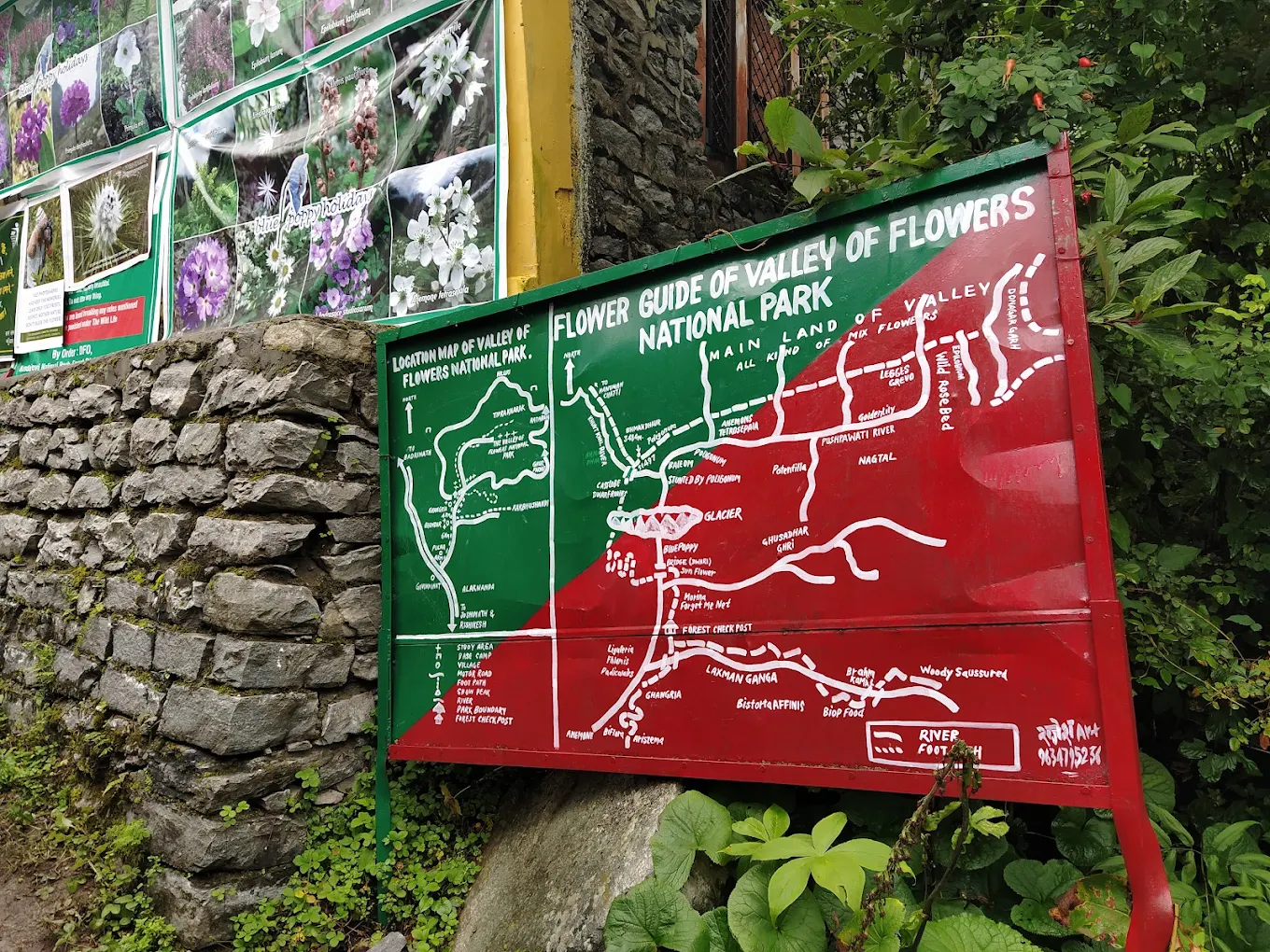
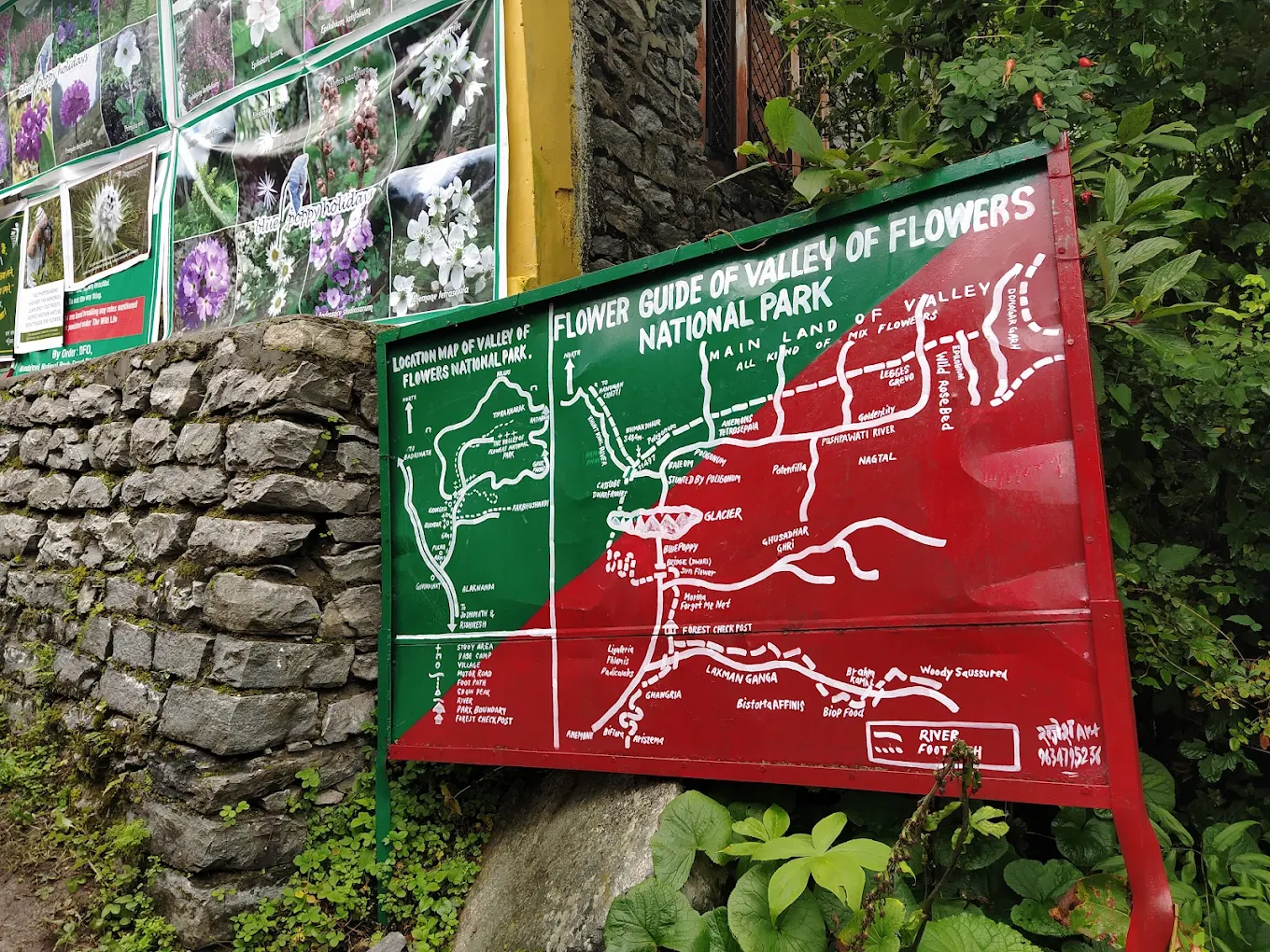
🌼 Valley of Flowers (~3 km from Ghangaria): Stunning alpine meadows full of flowers
📌 Facilities: Tea stalls, guesthouses, rest spots in Ghangariaa
⏰ Park Timings:
7:00 AM to 4:00 PM (Entry gates close by afternoon)
🛕 Cultural Significance:
Valley of Flowers is a UNESCO World Heritage Site and considered sacred in Hinduism
📶 Available Mobile Network:
Limited network in Ghangaria, almost no network inside the valley
🏧 Nearest ATM:
ATMs available at Govindghat and Joshimath
🏥 Hospital/Medical Facilities:
Basic medical aid in Ghangaria and Govindghat
Emergency evacuation by helicopter available from Govindghat
📞 Emergency Number:
Uttarakhand Helpline: 112
Forest Department: 01364-234567
🌄 Scenic Beauty:
Vibrant alpine flowers, snow-capped peaks, glaciers, and river streams
🐾 Wildlife:
Himalayan Monal, Musk Deer, Snow Leopard (rare sightings)
📸 Photography Tip:
Early morning and late afternoon light bring out the best colors in the valley
🐎 Pony and Porter Service:
Available from Govindghat to Ghangaria (mostly recommended for elderly)
🚁 Helicopter Service:
Available from Govindghat to Ghangaria (advance booking needed)
🏕 Accommodation:
Guesthouses, camps, and basic lodges in Ghangaria
Advance booking recommended during peak season
Key Attractions — The Valley of Flowers Trek
Imagine a vast alpine valley nestled deep within the Himalayas, where the ground is carpeted with vibrant blossoms and the air is infused with the sweet scent of wildflowers. Welcome to the Valley of Flowers – a UNESCO World Heritage Site and one of the most breathtaking treks in India. Let’s embark on a magical journey through this floral paradise:
1. Govindghat – The Starting Point 🚩
The trek begins from Govindghat, a small town located at the confluence of the Alaknanda and Lakshman Ganga rivers. It's the base for both the Valley of Flowers and Hemkund Sahib treks. From here, the road journey continues to Pulna, where the real trek begins.
2. Pulna to Ghangaria – The Ascent Begins 🥾
From Pulna, a 10 km trek takes you to Ghangaria, the last human settlement before the valley. The trail winds through lush forests, waterfalls, and the rushing Pushpawati River. You’ll hear the music of flowing water and birds chirping – nature's perfect welcome.
3. Ghangaria – The Gateway Village 🏘️
A scenic and serene village situated at 3,050 meters, Ghangaria serves as a base camp for the Valley of Flowers. With basic accommodations, small eateries, and a vibrant trekking community, this is where you rest before heading into the valley.
4. Entrance to Valley of Flowers – A Burst of Color 🎨
From Ghangaria, a 3 km trail leads to the entrance gate of the Valley of Flowers National Park. As you step through, you're greeted by a surreal landscape – an endless stretch of wildflowers blooming in every color imaginable, framed by towering snow peaks.
5. The Pushpawati River & Wooden Bridge 🌉
You’ll cross the crystal-clear Pushpawati River over a charming wooden bridge. The sound of gushing water, the backdrop of glaciers, and the view of flower-laden paths make this spot one of the trek’s most enchanting highlights.
6. The Endless Flower Carpet 🌼
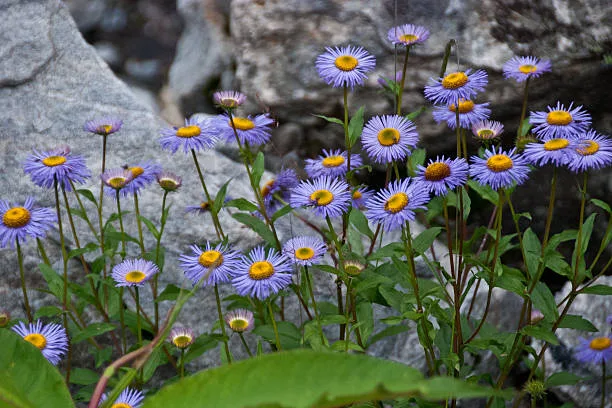
Depending on the month (July to early September), you’ll witness different species of flowers like blue poppies, cobra lilies, marigolds, orchids, and more. With over 600 types of flora, the valley turns into a painter’s canvas, changing every few days.
7. Hidden Waterfalls and Misty Views 💦🌫️
As you go deeper into the valley, you’ll spot hidden waterfalls cascading down moss-covered cliffs. Clouds drift lazily over the mountains, and the misty air adds a mystical charm to the already dreamlike landscape.
8. Flora & Fauna Delight 🐾🌿
The valley is part of the Nanda Devi Biosphere Reserve and home to rare Himalayan species. If you're lucky, you may spot the elusive snow leopard, blue sheep, or even the Himalayan black bear. The variety of alpine flowers and herbs is also a botanist’s dream.
9. Himalayan Peaks All Around 🏔️
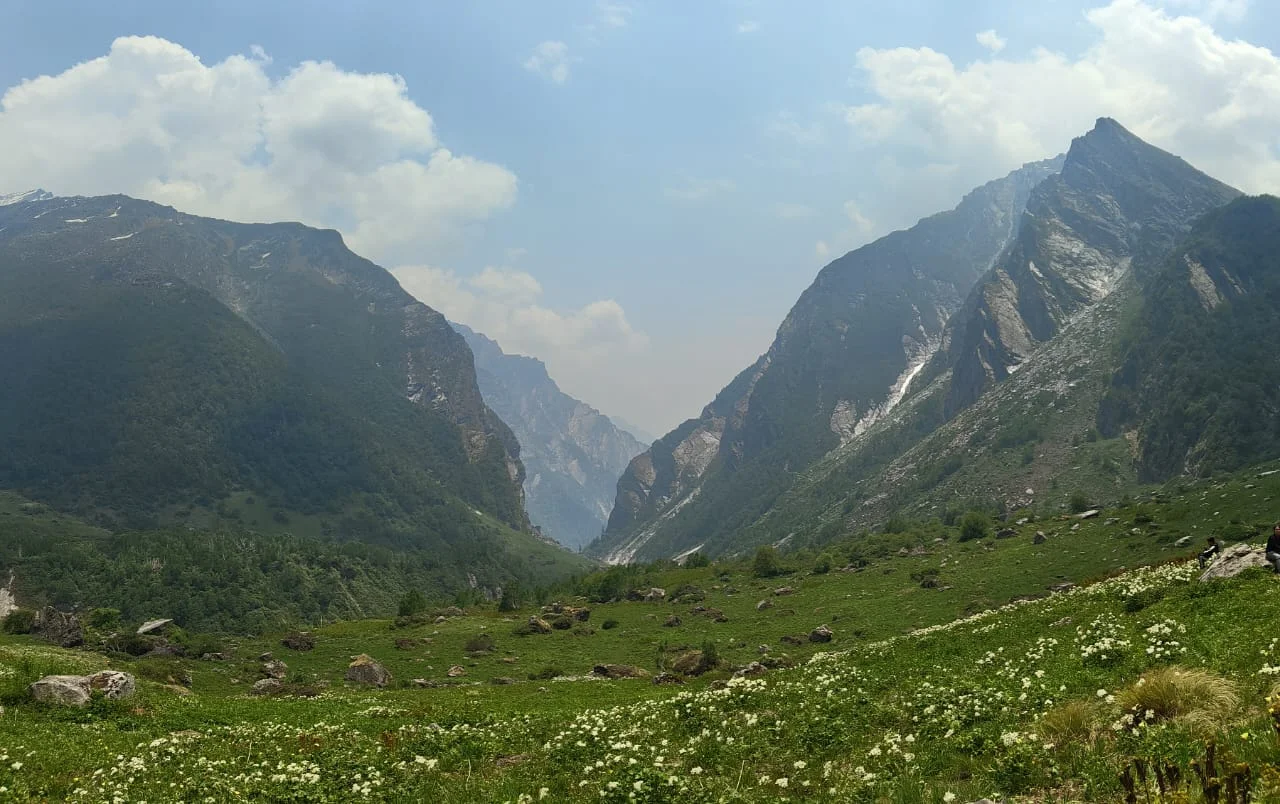
Surrounded by majestic peaks like Nilgiri Parbat, Gauri Parbat, and Rataban, the valley offers spellbinding mountain views that stay with you forever. The contrast of snow-capped summits against a sea of flowers is an unforgettable sight.
10. The Journey to Hemkund Sahib 🚶♂️🙏
Many trekkers extend their trip with a steep but rewarding climb from Ghangaria to Hemkund Sahib (4,329 meters). This sacred glacial lake is surrounded by snow peaks and a Gurudwara that resonates with divine calm. A spiritual highpoint to end your floral adventure.
Conclusion 🌟
The Valley of Flowers Trek isn’t just a trek – it’s a journey through nature’s secret garden. From colorful blooms and peaceful rivers to majestic peaks and serene spiritual spots, every step brings awe and tranquility. Whether you're a nature lover, a spiritual seeker, or an adventure junkie – this Himalayan gem promises a truly soul-stirring experience.
Itinerary — The Valley of Flowers Trek
Day 1: Rishikesh to Govindghat (Base Camp)
Distance: ~275 km (10–11 hours by road)
Altitude: ~6,000 ft
Highlights: Begin your journey with a long but scenic drive from Rishikesh to Govindghat. En route, you’ll pass through sacred confluences and towns like Devprayag, Srinagar, Rudraprayag, Karnaprayag, and Joshimath. The drive follows the Alaknanda River and offers breathtaking views of the Garhwal Himalayas. Govindghat, located at the confluence of Alaknanda and Lakshman Ganga, serves as the base camp for the Valley of Flowers trek.
Stay: Guesthouse or hotel in Govindghat.
Day 2: Govindghat to Ghangaria via Pulna
Trek Distance: ~10 km (6–7 hours)
Altitude: ~10,000 ft
Trail: A 4 km drive from Govindghat to Pulna, followed by a 10 km trek to Ghangaria through a well-laid path.
Highlights: The trail follows the Lakshman Ganga River, passing through lush green forests, waterfalls, and charming bridges. Mules and porters are available for assistance. Ghangaria is a small village nestled amidst pine trees, serving as the base for both the Valley of Flowers and Hemkund Sahib treks.
Stay: Guesthouse or campsite in Ghangaria.
Day 3: Ghangaria to Valley of Flowers and back
Trek Distance: ~8 km (4–5 hours round trip)
Altitude: ~11,500 ft
Trail: Gradual ascent through forested paths into the valley.
Highlights: Today is the highlight of the trek. As you enter the Valley of Flowers National Park, you’ll be greeted by a riot of colors—hundreds of species of blooming Himalayan flowers like blue poppies, orchids, and primulas. The valley is flanked by snow-capped peaks and fed by glacial streams. The surreal beauty, rich biodiversity, and spiritual ambiance make this day unforgettable.
Stay: Guesthouse or campsite in Ghangaria.
Day 4: Ghangaria to Hemkund Sahib and back
Trek Distance: ~12 km (6–7 hours round trip)
Altitude: ~14,100 ft
Trail: Steep ascent with paved steps leading to the glacial lake.
Highlights: A spiritual and high-altitude experience awaits you at Hemkund Sahib, a revered Sikh pilgrimage site. The crystal-clear Hemkund Lake sits beside the Gurudwara, surrounded by seven mountain peaks. Brahma Kamal, a rare Himalayan flower, is found en route. The sense of peace and the breathtaking views are well worth the challenging climb.
Stay: Guesthouse or campsite in Ghangaria.
Day 5: Ghangaria to Govindghat and drive to Joshimath
Trek Distance: ~10 km (3–4 hours trek) + 20 km drive
Altitude: ~6,000 ft
Trail: Descend back to Pulna and drive to Joshimath.
Highlights: Retrace your steps to Pulna through the same scenic trail. After reaching Govindghat, drive to Joshimath for a comfortable evening. Joshimath is a charming hill town with ancient temples and stunning views.
Stay: Guesthouse or hotel in Joshimath.
Day 6: Joshimath to Rishikesh
Distance: ~255 km (8–9 hours by road)
Highlights:Drive back to Rishikesh, marking the end of a beautiful trekking experience. The journey is filled with final glimpses of the mountains, rivers, and valleys that made your adventure memorable.
Backpack — The Valley of Flowers Trek
1. Clothing
- Base Layers: 2–3 quick-dry t-shirts and thermal innerwear for cold nights.
- Insulating Layers: 2 fleece jackets or woolen sweaters for added warmth.
- Outer Layers: A down jacket for extreme cold and a windproof, waterproof jacket for rain and wind protection.
- Trekking Pants: 2–3 pairs of quick-dry trekking pants (avoid jeans as they don’t dry easily).
- Rain Gear: Poncho or a good-quality raincoat with pants.
- Woolen Accessories: Warm gloves, 4–5 pairs of woolen socks, and a beanie or cap for chilly mornings and nights.
2. Footwear
- Trekking Shoes: Sturdy, waterproof trekking shoes with strong grip and good ankle support.
- Camp Footwear: Lightweight sandals or flip-flops to wear at the campsite.
3. Backpack and Daypack
- Backpack (50–60 liters): Comfortable with padded shoulder straps and a rain cover.
- Daypack (20 liters): For carrying essentials like water, snacks, and a jacket on shorter walks or summit day.
4. Sleeping Essentials
- Sleeping Bag: Rated for sub-zero temperatures (usually provided by trek operators).
- Sleeping Mat: Only if not provided; adds insulation and comfort.
5. Personal Items
- Water Bottles: 2 bottles (1 liter each) or a hydration bladder.
- Snacks: Energy bars, dry fruits, trail mix, and chocolates.
- Sun Protection: Sunscreen (SPF 50+), lip balm with SPF, and UV-protected sunglasses.
- Lighting: Headlamp or torch with extra batteries.
- Toiletries: Biodegradable soap, toothbrush, toothpaste, wet wipes, toilet paper, hand sanitizer, and a small towel.
6. First Aid Kit
- Basic Medications: Painkillers, Diamox (for AMS), ORS, paracetamol, antihistamines, etc.
- Other Supplies: Band-aids, antiseptic cream, blister pads, and cotton.
7. Trekking Gear
- Trekking Poles: Helpful during steep ascents and descents.
- Gaiters: Useful in muddy or snowy sections.
- Microspikes/Crampons: Only if there’s snow (check with your trek operator).
8. Documents
- ID Proof: Original and photocopies of Aadhar card/Passport/Voter ID.
- Permits: Trek permits or forest entry passes (usually arranged by the trek company).
9. Other Essentials
- Camera & Power Bank: To capture the beauty and keep devices charged.
- Multipurpose Knife/Swiss Knife: Handy for basic needs.
- Waste Bags: Carry reusable trash bags to keep the mountains clean.
📝 Tip: Pack light but smart. Every item should serve a purpose and be suitable for high-altitude weather conditions. Avoid overpacking and test your backpack weight before the trek.
How to Reach — The Valley of Flowers Trek
Base Camp: Govindghat (starting point for the trek to Valley of Flowers and Hemkund Sahib)
Govindghat is well-connected by road and is accessible from both Haridwar/Rishikesh and Dehradun. The journey offers spectacular views of the Garhwal Himalayas, rivers, and alpine villages.
🛣️ Route 1: From Haridwar/Rishikesh
- Distance: ~275 km
- Travel Time: ~10–11 hours
- Route: Haridwar/Rishikesh → Devprayag → Srinagar → Rudraprayag → Karnaprayag → Joshimath → Govindghat
🚕 By Private Taxi
- Available from Haridwar, Rishikesh, or Dehradun.
- Cost: ₹6,000–9,000 per vehicle.
- Comfortable, direct, and ideal for small groups or families.
🚌 By Bus and Shared Jeep
- Take a bus to Joshimath from Haridwar or Rishikesh (early morning).
- From Joshimath, shared jeeps and taxis are easily available to Govindghat (~1 hour).
🌄 Highlights of the Drive
- Scenic drive along the Alaknanda River and mountain roads.
- Cross several confluences: Devprayag (Alaknanda & Bhagirathi), Rudraprayag (Alaknanda & Mandakini).
- Enjoy picturesque landscapes and views of Himalayan peaks.
🛣️ Route 2: From Dehradun
- Distance: ~300 km
- Travel Time: ~10–12 hours
- Route: Dehradun → Rishikesh → Srinagar → Rudraprayag → Joshimath → Govindghat
🚕 By Private Taxi
- Available from Dehradun airport or railway station.
- Cost: ₹7,000–10,000 per vehicle.
- Ideal for travelers flying into Dehradun.
🚌 By Bus and Shared Jeep
- Take a bus or shared cab from Dehradun to Joshimath via Rishikesh.
- From Joshimath, take a shared jeep to Govindghat.
🌄 Highlights of the Drive
- Serene river valleys and pine forests.
- Opportunity to stop at sacred towns and confluences en route.
- Frequent views of the Garhwal Himalayan range.
🚉 Nearest Transport Hubs
- Haridwar/Rishikesh:
- Well-connected by train and bus to Delhi, Lucknow, and other major cities.
- Ideal for travelers coming from the plains.
- Dehradun:
- Airport (Jolly Grant) receives daily flights from major cities.
- Railway station and ISBT for bus/train travel.
🧭 Travel Tips
- Haridwar/Rishikesh Route: Most popular and accessible. Ideal for most trekkers.
- Dehradun Route: Suitable if flying in or combining Mussoorie/Char Dham with the trek.
- Start early morning to avoid traffic and reach Govindghat before dark.
- During peak season, pre-book taxis or buses, especially around Hemkund Sahib yatra season.
- Roads are well-paved but winding—carry motion sickness medication if needed.
Permits and Regulations — The Valley of Flowers Trek
The Valley of Flowers Trek is located within the Valley of Flowers National Park, a UNESCO World Heritage Site, and the Nanda Devi Biosphere Reserve. Due to its ecological sensitivity, trekkers must obtain permits and follow strict regulations to help preserve this pristine environment.
1. Entry Permit for Valley of Flowers National Park
- Issued By: Uttarakhand Forest Department
- Required For: Entry into the Valley of Flowers National Park
- How to Obtain:
- Usually arranged by trek operators.
- Independent trekkers can get permits at the park entry gate at Govindghat or from the local forest office.
- Cost:
- Indian Nationals: ₹200–₹300 per person (varies by season)
- Foreign Nationals: ₹600–₹1,000 per person
- Validity: Valid for the duration of the visit, usually a day or multi-day depending on the trek.
2. Nanda Devi Biosphere Reserve Permit
- Required For: All visitors entering the biosphere reserve area encompassing the Valley of Flowers
- How to Obtain:
- Included with the Valley of Flowers National Park permit in most cases.
- Independent trekkers may need to get this from the local forest department office.
- Cost: Usually bundled with the park entry permit.
3. Trekkers’ Identity Proof
- Required For: Applying for permits
- Acceptable Documents: Aadhaar Card, Passport, Voter ID, Driving License
- Carry both original and photocopies for verification at checkpoints.
4. Environment Fees and Regulations
- Purpose: To protect the fragile ecosystem and maintain cleanliness
- Cost: Approximately ₹50–₹100 per person
- Usually included in trek fees or collected at entry points
- Visitors must not pluck flowers or disturb flora and fauna.
5. Camping Regulations
- Camping: Generally not allowed inside the national park to protect the environment.
- Trekkers usually stay at designated campsites outside the park such as Hemkund Sahib or Ghangaria.
- Always follow local guidelines and park rules for camping and waste disposal.
6. Other Important Rules
- No Littering: Strictly prohibited to preserve natural beauty; carry back all trash.
- Respect Local Communities: The region is home to indigenous populations; respect their culture and traditions.
- Wildlife Protection: Avoid disturbing wildlife; adhere to conservation laws.
- Trekking in Groups: Recommended to trek with a guide or group for safety and compliance with regulations.
7. Trekking with an Operator
- Trek operators usually arrange all permits, ensure compliance with regulations, and provide guides.
- Some operators may require health certificates or indemnity forms.
8. Seasonal Restrictions
- The park is open to visitors typically from June to October; closed during monsoon and winter due to heavy snowfall and environmental sensitivity.
- Check current status before planning your trek.
The Valley of Flowers Trek — photos
Ratings & reviews
No one has rated The Valley of Flowers Trek yet.
Write a reviewThe Valley of Flowers Trek — travel FAQs
What is the best time for the Valley of Flowers trek?
What is the difficulty level of the trek?
Where does the trek start from?
What special flowers can be seen in the Valley of Flowers?
What wildlife can be seen during the trek?
Is permission required for the trek?
How long does the trek take to complete?
Is the trek safe for children?
Is a guide necessary for this trek?
How can one reach Hemkund Sahib after the Valley of Flowers?
Wayntra app
Plan Your Next Adventure with Wayntra
Discover treks, local guides, travel experiences and adventure activities on the Wayntra app.
More places in Uttarakhand
Travel partners near The Valley of Flowers Trek
Biswas Tour And Travels
Rudrapur Udham Singh Nagar Uttrakhand
Rahul Taxi service
Sai Sadan cottage mallital near Sherwood college
Parvat travels
Nainital, Uttarakhand, India
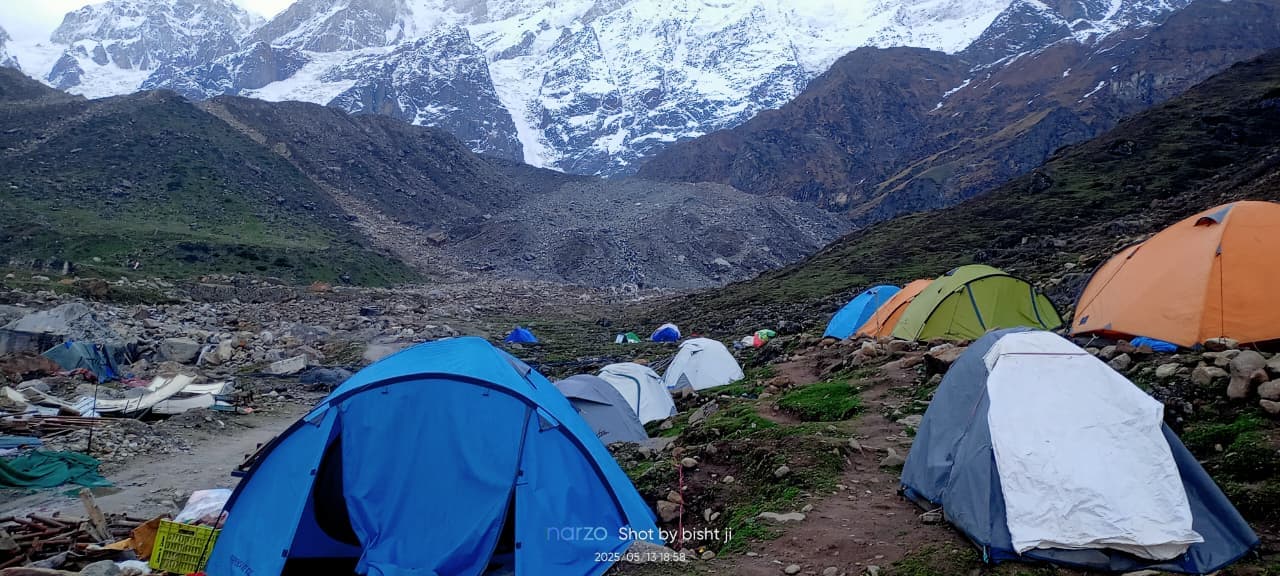
Tiwari camp
P3P9+CJJ Kedarnath, Uttarakhand 246445, India
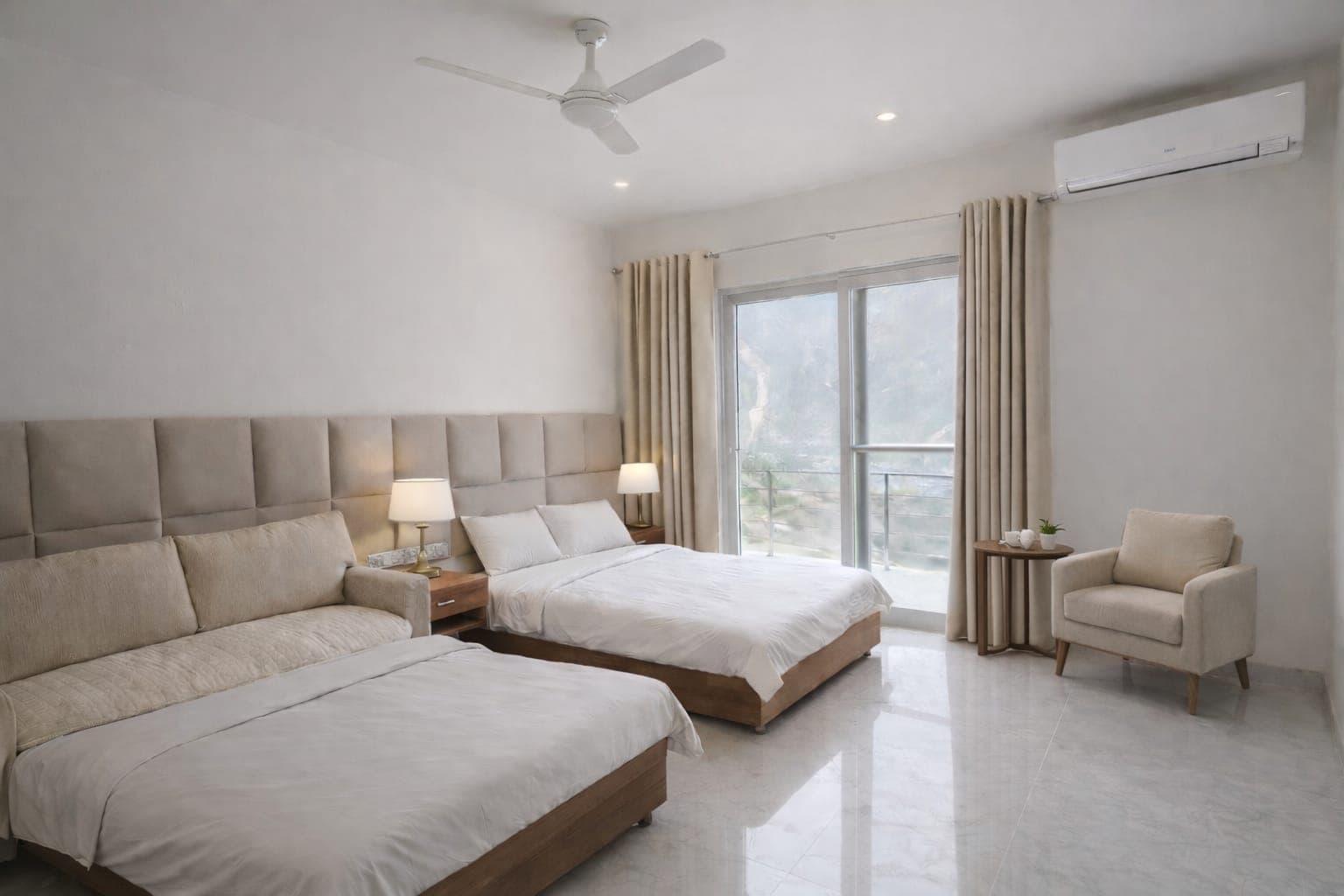
Holy Himalayan Trekr
village karokhi post office Daira ukhimath
Tripwala Foji
Kalyanpur, Meerut (U.P), pin -250502
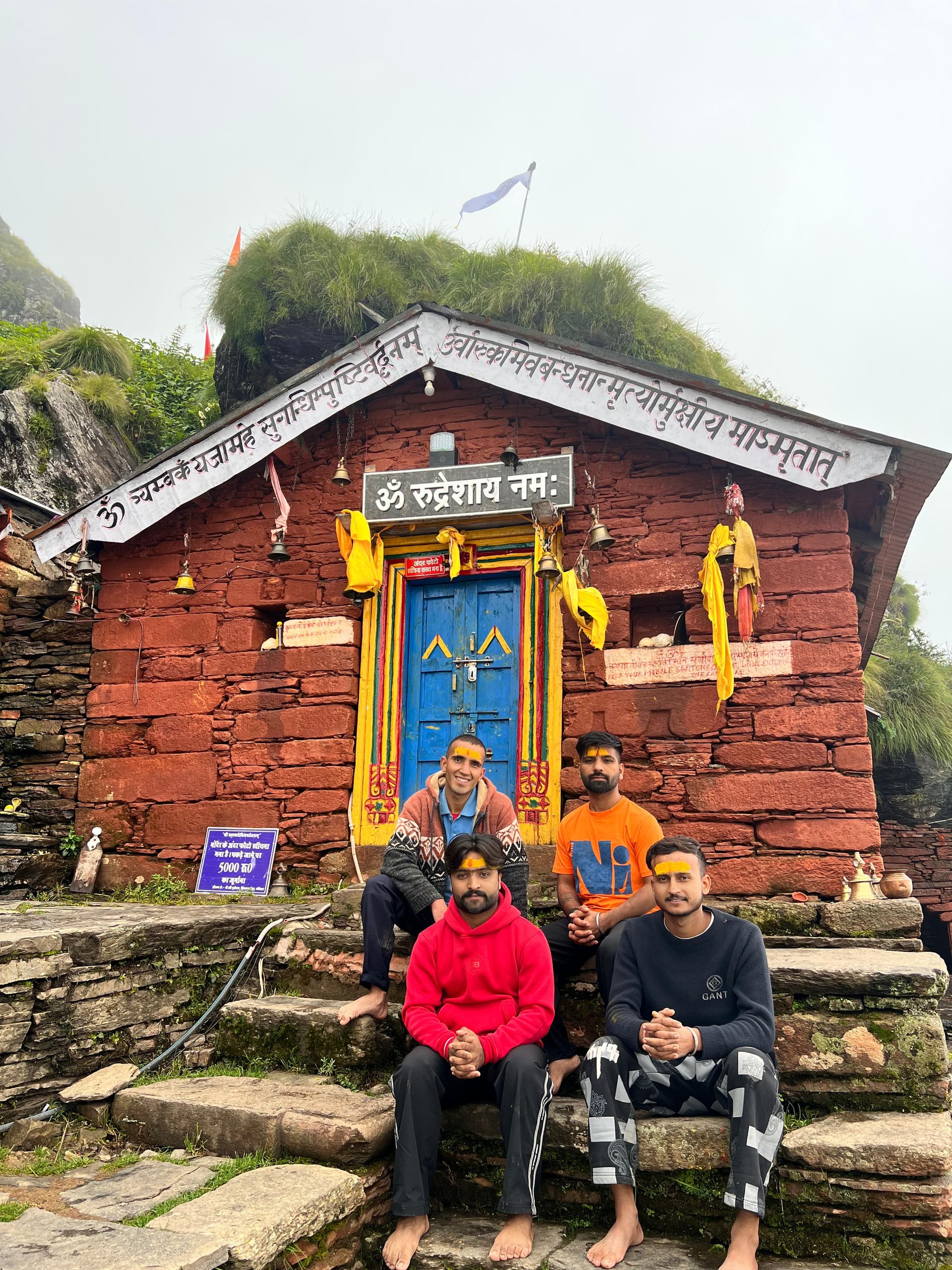
Kedarnath Tour Guide
Khunnu Po Guptkashi DisT Rudraprayag Uttarakhand 246439
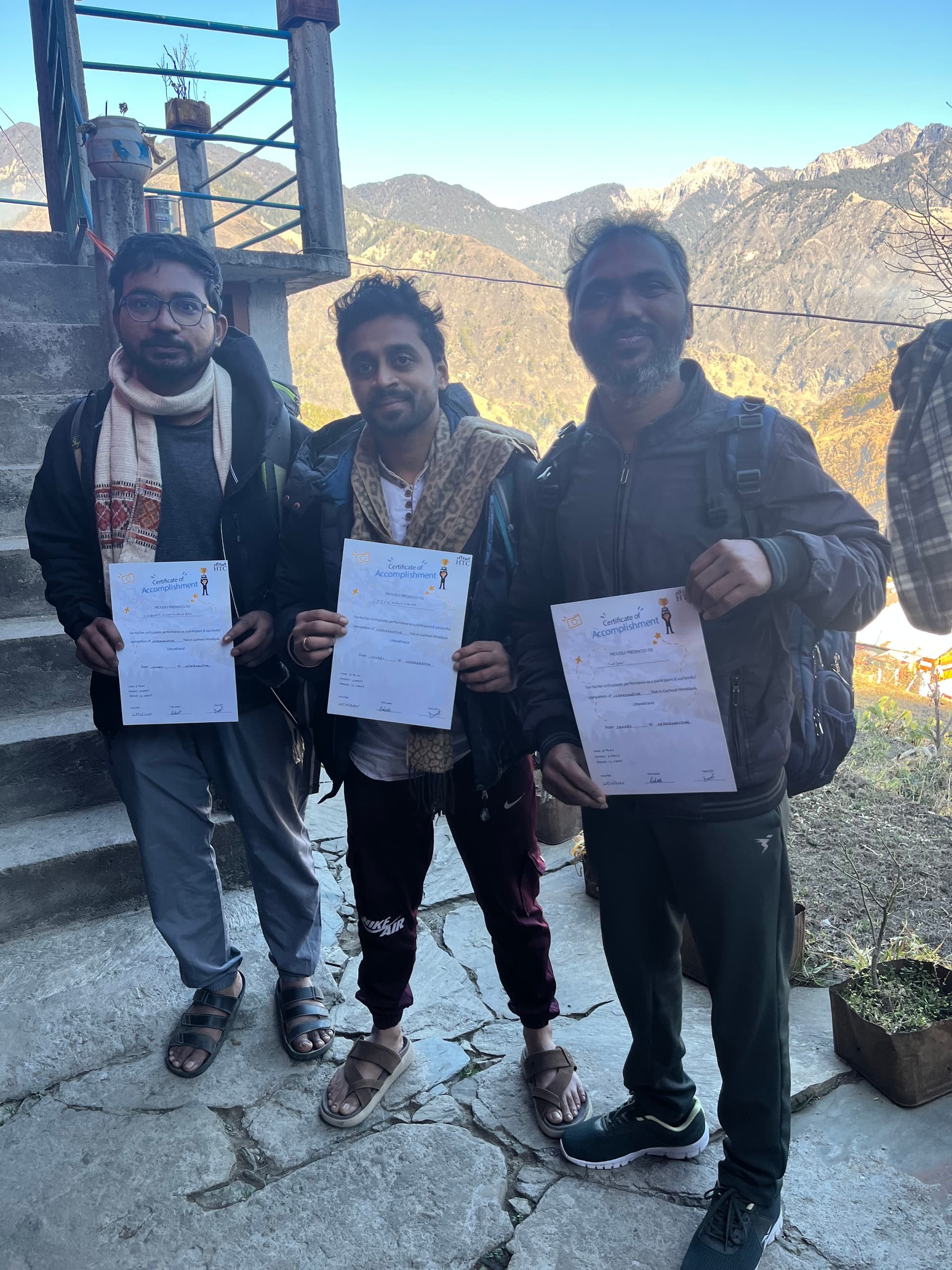
Adventure of india
Sankri, Uttarakhand, India