India’s local-first travel ecosystem — book local operators direct, zero commission

Har Ki Dun trek
Uttarkashi, Uttarakhand

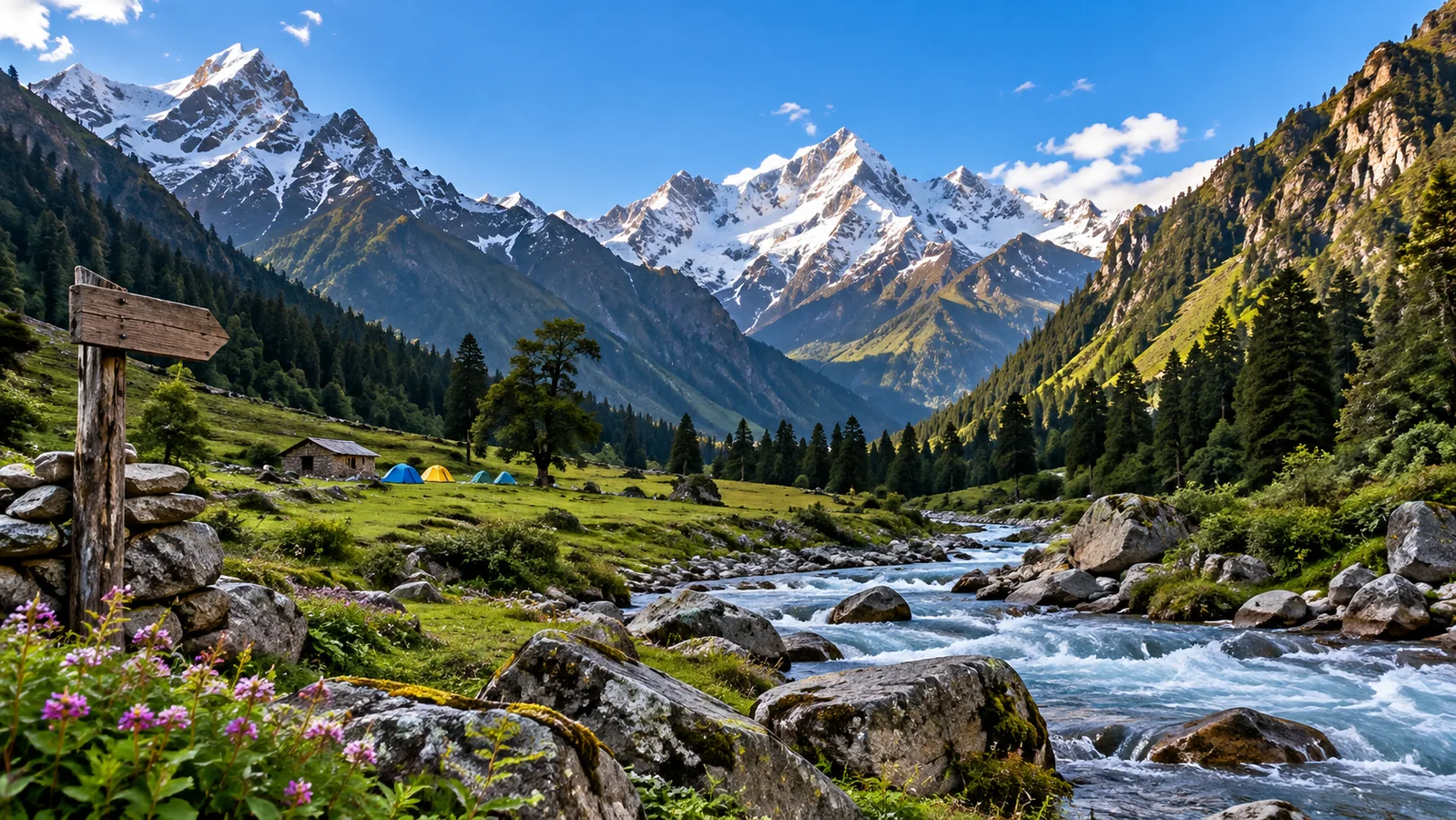
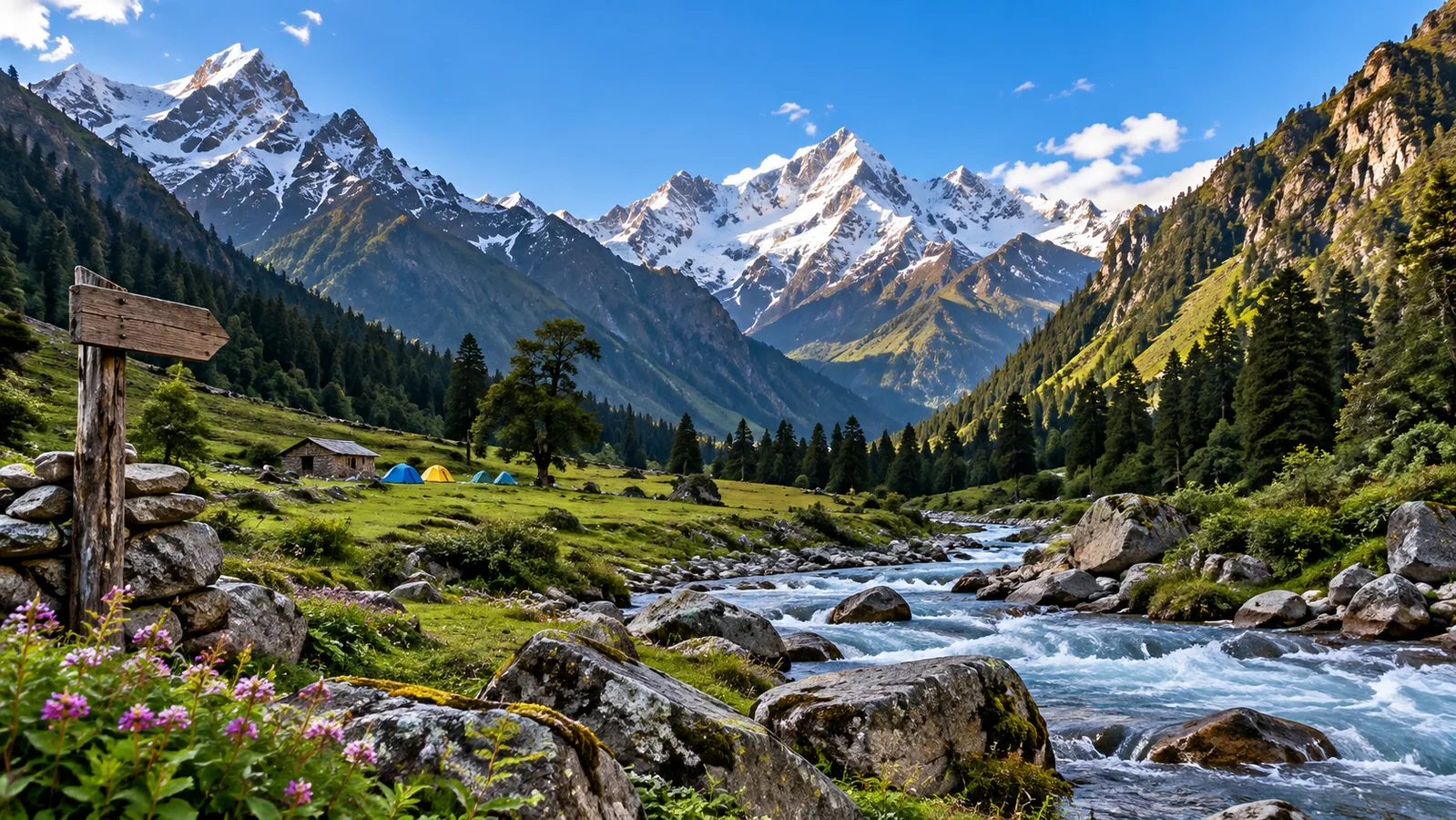
The **Har Ki Dun trek** is a remarkable adventure nestled in the western Himalayas of India, specifically in the Uttarkashi district of Uttarakhand. Steeped in mythological significance and natural beauty, this trek offers a journey into the heart of the Garhwal Himalayas, where time seems to slow down, and nature takes center stage. The name "Har Ki Dun" translates to "The Valley of Gods," a testament to its legendary past. It is believed to be the path that the Pandavas from the Mahabharata took to ascend to heaven, making the region not just a natural wonder but a place of deep spiritual resonance.
The trek to Har Ki Dun begins from the small village of **Sankri**, which serves as the base camp. Sankri is around 200 kilometers from Dehradun, a bustling city that connects this remote region to the rest of India. The road to Sankri winds through a landscape of rivers, forests, and terraced fields, giving trekkers a glimpse of the varied terrain they will encounter. Once in Sankri, trekkers are treated to views of majestic peaks like Swargarohini, Bandarpoonch, and Kalanag.
The trail from Sankri to Har Ki Dun is about 25 to 30 kilometers long, depending on the route, and typically takes 6 to 7 days to complete. The trek is considered moderate, making it accessible to beginners while still offering enough challenge and variety to keep seasoned trekkers engaged. The altitude of the valley is approximately 11,675 feet, providing a chance for trekkers to experience high-altitude trekking without extreme difficulty.
One of the striking features of the Har Ki Dun trek is the sheer diversity of landscapes that trekkers encounter. As the trail ascends, it weaves through dense forests of pine, deodar, and oak. In spring, these forests come alive with the vibrant hues of rhododendron flowers, painting the landscape in shades of red, pink, and white. The forests also serve as a home to a wide array of wildlife. If you're lucky, you might spot the elusive Himalayan black bear, musk deer, or the Bharal (blue sheep). The area is also a birdwatcher’s paradise, with numerous species of high-altitude birds, including monals, Himalayan griffons, and even golden eagles, soaring overhead.
The trek follows the course of the **Tons River**, which originates from the Bandarpunch glacier. The river is a constant companion throughout the trek, its gushing waters adding a soothing soundtrack to the journey. Along the way, trekkers cross quaint wooden bridges that add to the rustic charm of the region. These crossings are often punctuated by the sight of small mountain hamlets, where time seems to stand still. Villages like **Osla** and **Seema** are some of the highlights of the trek. Osla, in particular, is known for its ancient temples dedicated to Duryodhana, a unique aspect of the local culture that adds an element of historical intrigue to the trek. The people in these villages lead simple lives, reliant on agriculture and animal husbandry, and their hospitality towards trekkers is heartwarming.
As trekkers ascend further, the valley begins to open up, revealing expansive meadows, known as **bugyals** in the local language. These alpine meadows are dotted with wildflowers in the summer, and their gentle slopes provide stunning views of the surrounding snow-capped peaks. In the winter months, these meadows are blanketed in snow, transforming the landscape into a pristine white wonderland. The Har Ki Dun valley is particularly breathtaking in the early morning, as the first rays of the sun strike the peaks, bathing them in a golden hue.
The high point of the trek is the arrival at **Har Ki Dun**, a U-shaped valley cradled by towering mountains on all sides. The valley is fed by the **Har Ki Dun Glacier**, and the glacial streams that flow through it create a serene, almost ethereal atmosphere. The view from the valley is dominated by the Swargarohini massif, a group of peaks that are said to resemble a staircase to heaven. Swargarohini is closely linked to the legends of the Mahabharata, further reinforcing the spiritual significance of the trek. Many trekkers find themselves awestruck by the tranquility and majesty of the valley, and it’s not uncommon to see people spending hours just sitting by the streams, absorbing the beauty around them.
Another fascinating aspect of the Har Ki Dun trek is its connection to ancient Himalayan cultures. The villages along the way are home to the **Jaunsari** tribe, whose customs and traditions have remained largely unchanged for centuries. Their wooden houses, adorned with intricate carvings, are a testament to their craftsmanship. The temples in the region, particularly the one dedicated to Duryodhana in Osla, reflect a complex and ancient belief system that predates modern Hinduism. The locals’ relationship with the land is one of deep respect and reverence, and this is reflected in their sustainable way of life.
The best time to undertake the Har Ki Dun trek depends on what kind of experience you’re looking for. The spring and summer months (April to June) are ideal for those who want to see the valley in full bloom, with flowers carpeting the meadows and the forests lush and green. This is also a great time for birdwatchers and wildlife enthusiasts. Monsoon (July to September) brings heavy rainfall, and while the valley is incredibly green during this time, the trail can be slippery and prone to landslides. The post-monsoon period (September to November) is perhaps the most popular time for trekking, as the weather is stable, and the views are crystal clear. In winter (December to March), the valley is covered in snow, offering a completely different but equally stunning trekking experience. However, trekking in winter requires more preparation and gear, as the temperatures can drop significantly, especially at night.
Despite its beauty, the Har Ki Dun trek remains relatively less crowded compared to other popular treks in the region, like Kedarkantha or Valley of Flowers. This makes it an ideal choice for trekkers who are looking for solitude and a more immersive experience with nature. The trek’s moderate difficulty level and the opportunity to explore remote Himalayan villages also make it a great option for those looking to experience the cultural side of trekking.
In conclusion, the Har Ki Dun trek is much more than just a physical journey; it’s a deep immersion into the natural and cultural heritage of the Garhwal Himalayas. With its rich blend of mythological significance, breathtaking landscapes, and vibrant local culture, the trek offers something for everyone. Whether you’re a seasoned trekker or a beginner, the Valley of the Gods welcomes you with open arms, promising an experience that will stay with you long after you’ve descended from its heights. It’s a trek that reminds you of the simple joys of walking through nature, connecting with ancient cultures, and finding peace in the silence of the mountains.




Location And Address
Har Ki Doon Trek, Har ki Doon, Osala, Uttarakhand, India
itinerary — Har Ki Dun trek
Here’s a detailed itinerary for the Har Ki Dun trek:
Day 1: Dehradun to Sankri (Altitude: 6,400 ft)
- Distance: Approx. 200 km by road
- Travel Time: 8-10 hours
- Route: Dehradun → Mussoorie → Purola → Mori → Sankri
- Overview: Begin your journey with a scenic drive from Dehradun to Sankri, passing through lush green valleys, forests, and mountain views. Sankri is the base village for the trek, offering views of the Swargarohini peaks.
- Stay: Guesthouses or camps in Sankri.
Day 2: Sankri to Taluka (by road) and Taluka to Osla (Altitude: 8,500 ft)
- Drive Distance: 12 km (Sankri to Taluka, 1 hour by vehicle)
- Trek Distance: 13 km (Taluka to Osla)
- Trek Time: 6-7 hours
- Overview: Drive from Sankri to Taluka. Begin the trek from Taluka through dense forests of pine and deodar, and walk along the Supin River. The trail has several wooden bridges and small waterfalls. Reach the ancient village of Osla, known for its cultural significance and wooden houses.
- Stay: Camp at Osla.
Day 3: Osla to Har Ki Dun Valley (Altitude: 11,700 ft)
- Trek Distance: 11 km
- Trek Time: 6-7 hours
- Overview: The trek offers panoramic views of Swargarohini and Bandarpoonch peaks. Walk through alpine meadows, waterfalls, and dense forests. The trail gradually ascends and opens up into the wide, lush green Har Ki Dun valley, surrounded by snow-capped mountains.
- Stay: Campsite at Har Ki Dun.
Day 4: Explore Har Ki Dun Valley
- Activity: Exploration day
- Overview: Spend the day exploring the Har Ki Dun valley. You can visit nearby points like Jaundhar Glacier, Morinda Lake, or simply relax by the riverbank while enjoying the view of the surrounding peaks. Learn about the local legends connected to the Mahabharata.
- Stay: Camp at Har Ki Dun.
Day 5: Har Ki Dun to Osla
- Trek Distance: 11 km
- Trek Time: 5-6 hours
- Overview: Retrace your steps back to Osla through the same beautiful route. Enjoy the peaceful surroundings and interact with the locals in the remote villages.
- Stay: Camp at Osla.
Day 6: Osla to Taluka (Trek) and Drive to Sankri
- Trek Distance: 13 km
- Trek Time: 5-6 hours
- Overview: Begin your descent from Osla to Taluka, following the river trail through the forests. Once you reach Taluka, a vehicle will take you back to Sankri.
- Stay: Guesthouses or camps in Sankri.
Day 7: Sankri to Dehradun
- Distance: Approx. 200 km
- Travel Time: 8-10 hours
- Overview: Drive back to Dehradun, marking the end of your trek. You will carry beautiful memories of the Har Ki Dun valley and the stunning Himalayan landscape.
Optional Day (Extra Day for Summit Trek):
- Day 4: Trek to Jaundhar Glacier or Borasu Pass
- Trek Distance: 5-6 km (one way)
- Trek Time: 5-6 hours
- Overview: For adventurous trekkers, you can opt for a trek to Jaundhar Glacier (12,300 ft) or towards Borasu Pass (16,240 ft), which offers more challenging terrain and glacier views. This adds a day to your itinerary but rewards you with stunning views of untouched glaciers and higher mountain peaks.
Backpack — Har Ki Dun trek
1. Clothing:
- Trekking Pants: 2-3 pairs of lightweight, quick-dry trekking pants.
- Base Layers: Warm thermal inner wear for nights (top and bottom).
- Fleece Jacket: For layering during cold mornings and evenings.
- Down Jacket: Lightweight but warm jacket for high-altitude cold conditions.
- Waterproof Jacket & Pants: For protection from rain or snow.
- T-shirts: Quick-dry full-sleeve and half-sleeve shirts (avoid cotton).
- Woolen Socks: 4-5 pairs to keep feet warm (2 for daily use, 1-2 for cold nights).
- Gloves: Waterproof and warm gloves to protect hands in cold conditions.
- Cap or Hat: A sun protection cap and a woolen hat for cold weather.
2. Footwear:
- Trekking Shoes: High-ankle, waterproof trekking boots with good grip (can be rented if you don’t own a pair).
- Gaiters: To protect shoes from snow or mud.
- Slippers/Sandals: For wearing at the campsite.
3. Backpack:
- Trekking Backpack (40-60 liters): Comfortable and lightweight backpack with a rain cover.
- Daypack: Small backpack (20-30 liters) for carrying essential items during the trek.
4. Trekking Gear:
- Trekking Poles: Helpful for balance and reducing pressure on knees (available for rent).
- Headlamp: With extra batteries for trekking in low-light conditions.
- Sunglasses: UV-protected sunglasses to protect from snow blindness.
- Water Bottles/Bladder: 2 liters of water capacity, insulated bottles preferred.
- Personal Cutlery: Bowl, cup, spoon, and fork.
- Sleeping Bag: High-altitude, warm sleeping bag (available for rent).
- Sleeping Mat: Inflatable or foam mat (optional, depending on the campsite; also available for rent).
5. Toiletries:
- Sunscreen Lotion: High SPF for protection against harsh sun.
- Lip Balm: To protect lips from cracking in cold conditions.
- Wet Wipes/Tissues: For cleaning hands and face.
- Toilet Paper: For personal hygiene.
- Hand Sanitizer: Essential for keeping hands clean.
- Toothpaste and Toothbrush.
- Towel: A lightweight, quick-dry towel.
6. First Aid Kit:
- Personal Medications: Any prescribed medications you regularly take.
- Altitude Sickness Medicine: Such as Diamox (consult a doctor before use).
- Painkillers: For headaches or body pain.
- Bandages & Blister Plasters: For foot care and small injuries.
- Antiseptic Cream: For cuts and scrapes.
- Antibiotics: In case of infection (as prescribed by a doctor).
7. Miscellaneous:
- Power Bank: To charge electronic devices like phones and cameras.
- Camera/Phone: For capturing beautiful trek moments.
- Portable Chargers: If you are carrying any electronic devices.
- Multi-tool/Swiss Knife: Useful for various purposes.
- Plastic Bags: For keeping your belongings waterproof.
- Snacks: Energy bars, nuts, dry fruits, or chocolate.
Rental Equipment Information:
If you don’t have all the gear for the trek, you can rent equipment from nearby locations. There are multiple shops and services available in Dehradun and Sankri (the base village for the trek) where you can rent essential trekking gear.
Rental Locations:
Dehradun:
- Trek The Himalayas: Offers rental gear like trekking poles, backpacks, and sleeping bags.
- Ganga Trekkers: Known for affordable rental options for various trekking equipment.
Sankri Village (Base for Har Ki Dun trek):
- Sankri Rent Services: Offers almost all essential trekking gear, including sleeping bags, jackets, and trekking shoes.
- Local Shops: There are various small shops in Sankri where you can rent trekking equipment at reasonable prices.
Equipment Available for Rent:
- Trekking Shoes: High-quality, waterproof trekking boots.
- Jackets: Warm insulated jackets for high-altitude conditions.
- Trekking Poles: Supportive trekking poles to help with balance.
- Sleeping Bags: Warm sleeping bags suitable for cold nights.
- Backpacks: Large trekking backpacks with rain covers.
- Sleeping Mats: Comfortable sleeping mats for added warmth.
Make sure to check the condition and quality of the equipment before renting, and ensure a good fit, especially for shoes and jackets, to avoid discomfort during the trek.
How to Reach — Har Ki Dun trek
Har Ki Dun is a popular trek in Uttarakhand and is located in the Govind Pashu Vihar National Park and Sanctuary. The base camp for this trek is Sankri, a small village in the Uttarkashi district. Here's how you can reach the starting point of the trek:
1. By Air:
The nearest airport to Sankri is Jolly Grant Airport, located in Dehradun, about 220 km away from Sankri.
- Flight Information: Jolly Grant Airport is well-connected to major cities like Delhi, Mumbai, and Bangalore through regular flights.
- From the airport, you can either take a shared taxi, book a private cab, or use public transport to reach Sankri. The drive from Dehradun to Sankri takes approximately 8-10 hours.
2. By Train:
The nearest railway station is Dehradun Railway Station, which is about 200 km away from Sankri.
- Train Connectivity: Dehradun is well-connected to major cities such as Delhi, Lucknow, Kolkata, and Varanasi through regular trains.
- From Dehradun Railway Station, you can hire a taxi or take a bus to Sankri. The journey from Dehradun to Sankri by road takes 8-10 hours.
3. By Road:
Sankri is accessible by road and is connected to major cities in Uttarakhand and northern India. Here are the road options:
- From Dehradun: Direct buses and shared cabs are available from Dehradun to Sankri. You can also hire a private taxi.
- From Delhi: It’s about 430 km from Delhi to Sankri, and the drive takes approximately 12-14 hours.
- Route: Delhi → Dehradun → Mussoorie → Nainbagh → Purola → Mori → Netwar → Sankri.
- Bus Service: You can take an overnight bus from Delhi to Dehradun, then a local bus or shared cab from Dehradun to Sankri.
4. By Private Taxi/Car:
If you prefer a private vehicle, you can hire a cab or self-drive from Delhi, Dehradun, or nearby cities. Make sure your vehicle is suited for hilly terrain as the roads can be narrow and winding.
Key Travel Points:
- Dehradun to Sankri: 8-10 hours (by road, approximately 200 km).
- Delhi to Sankri: 12-14 hours (by road, approximately 430 km).
- Best Option: The most convenient route is to fly or take a train to Dehradun, then continue by road to Sankri.
By providing detailed travel options, users can plan their journey more efficiently and choose the best route based on their convenience.
Best Time to Visit — Har Ki Dun trek
The best time to visit Har Ki Dun trek depends on what kind of experience you're looking for. This trek is known for its changing beauty throughout the seasons, so here’s a guide for when to visit:
1. Summer (April to June):
- Weather: Clear skies, pleasant temperatures ranging from 10°C to 25°C during the day, and slightly cooler nights.
- What to Expect:
- Lush greenery, blooming flowers, and clear views of the majestic Swargarohini peaks.
- Ideal for those looking for a moderate trek with comfortable temperatures.
- Long daylight hours are perfect for trekking and photography.
- Why Visit: Perfect for nature lovers who want to see alpine meadows and vibrant flora in full bloom.
2. Post-Monsoon/Autumn (September to November):
- Weather: Crisp and cool, with temperatures ranging from 5°C to 20°C.
- What to Expect:
- Crystal-clear mountain views, with a mix of greenery and some early signs of snow at higher altitudes.
- Fewer crowds, making it ideal for trekkers who prefer more peaceful and quiet surroundings.
- Why Visit: Great for experiencing stunning landscapes, clear skies, and vibrant autumn colors.
3. Winter (December to March):
- Weather: Cold and snowy, with temperatures ranging from -5°C to 10°C.
- What to Expect:
- Snow-covered trails and meadows, turning the trek into a winter wonderland.
- Challenging trek conditions due to snow, making it suitable for experienced trekkers looking for a winter adventure.
- It’s a magical time, but some parts of the trek may be inaccessible due to heavy snowfall.
- Why Visit: For snow lovers and those looking to experience the raw beauty of the Himalayas under a blanket of snow.
4. Monsoon (July to August):
- Weather: Frequent rain, slippery trails, and temperatures ranging from 15°C to 25°C.
- What to Expect:
- Lush green landscapes but challenging trek conditions due to landslides, slippery paths, and heavy rainfall.
- Why Visit: Monsoon is generally not recommended for trekking due to safety concerns, but if you're an experienced trekker and don't mind the rain, it can offer a unique experience of misty forests and lush valleys.
Recommended Seasons:
- Best Time: April to June and September to November for comfortable weather, scenic beauty, and optimal trekking conditions.
- Avoid: The monsoon season due to risks of landslides and slippery terrain.
This guide will help users pick the right season based on their preferences and the kind of experience they want to have at Har Ki Dun.
Difficulty Level & Fitness Requirements — Har Ki Dun trek
Difficulty Level:
- Grade: Moderate
Har Ki Dun is considered a moderate trek, making it suitable for both beginners and experienced trekkers. The trek doesn't involve technical climbing, but the long walking hours and the altitude can be challenging for those who are not prepared. - Trek Duration: 6-7 days
- The trek spans approximately 47 kilometers (round trip), with daily trekking distances ranging from 10-12 kilometers.
- The average trekking time per day is about 5-6 hours, depending on your pace and weather conditions.
Altitude: The maximum altitude reached on this trek is 3,566 meters (11,700 feet) at Har Ki Dun valley.
- While the altitude is not extreme, trekkers may experience some discomfort due to the gradual rise in elevation, especially if they are not acclimatized.
Fitness Requirements:
To successfully complete the Har Ki Dun trek and enjoy the experience, it's essential to be in good physical condition. Here’s what is required:
Cardiovascular Endurance:
- Trekkers should be able to comfortably walk for long hours (5-6 hours a day) with a moderate amount of elevation gain and descent.
- Preparation: Start jogging, swimming, or cycling at least 3-4 weeks before the trek to improve stamina. Aim for 30-45 minutes of continuous cardio activity at a moderate pace.Leg Strength:
- Strong legs are crucial for handling the ascent and descent during the trek.
- Preparation: Practice exercises like squats, lunges, and step-ups to strengthen your quadriceps, hamstrings, and calves. Aim for at least 3-4 days of strength training per week.
- Core Strength:
- A strong core helps with balance and carrying a backpack over long distances.
- Preparation: Include planks, crunches, and lower back exercises in your routine.
Flexibility:
- Flexibility will help you navigate the uneven terrain more easily and avoid injuries.
- Preparation: Stretching exercises focusing on your hamstrings, hips, and lower back will be beneficial. Yoga is also a good way to improve flexibility and balance.
Acclimatization:
- Although the altitude is moderate, it’s important to let your body adjust to thinner air as you ascend.
- Preparation: If possible, arrive at a high-altitude location (such as Dehradun) a day or two before the trek to begin acclimatizing. Staying hydrated and walking at a steady pace during the trek will also help.
Mental Endurance:
- Trekking for multiple days in sometimes challenging weather conditions requires mental resilience.
- Preparation: Long hikes or walks over weekends, combined with strength training, can build both physical and mental endurance.
Who Should Avoid the Trek?
- Individuals with serious health conditions like heart disease, respiratory issues, or severe joint problems should consult a doctor before attempting the trek.
- If you are not accustomed to physical activity or have not prepared adequately, it’s advisable to train for at least a month before embarking on this trek.
By understanding the difficulty level and fitness requirements, users can better prepare for the Har Ki Dun trek and ensure a safe and enjoyable experience.
Permits & Regulations — Har Ki Dun trek
Since the Har Ki Dun trek passes through a protected area within the Govind Pashu Vihar National Park and Sanctuary, trekkers are required to obtain certain permits to enter the region. Here are the details:
1. Forest Entry Permits:
- Required Permits: A forest entry permit is mandatory for all trekkers as the trail passes through the national park. The permit fee helps in conservation efforts for the flora and fauna of the region.
- Where to Get It: The permit can be obtained from the Forest Department Office either in Sankri (the base village) or in Dehradun.
- If you're trekking with a registered trekking company, they will typically arrange the permits for you.
- Cost: The fee for the forest entry permit is usually around ₹150-₹300 for Indian citizens and slightly higher for foreign nationals. These prices may vary, so it’s best to check with the local authorities or your trekking company.
2. Wildlife Sanctuary Regulations:
- Since the trek passes through the Govind Pashu Vihar National Park, there are strict regulations to protect the wildlife and the environment.
- No Littering: Trekkers must carry their waste back and dispose of it responsibly.
- No Disturbing Wildlife: The park is home to several endangered species such as the Snow Leopard, Himalayan Black Bear, and Musk Deer. It is essential to avoid disturbing the wildlife.
- Camp Only in Designated Areas: Camping is only allowed in specified locations to protect the natural habitat.
- No Bonfires: Bonfires are prohibited to avoid damage to the forest ecosystem and reduce the risk of forest fires.
3. Local Guide/Porter Requirement:
- While the Har Ki Dun trek can be done independently, it is recommended to hire a local guide or porter. Not only do they know the terrain well, but hiring them also supports the local economy.
- Hiring Costs:
- A guide will typically charge around ₹500-₹1,000 per day depending on the season and group size.
- Porters may charge ₹400-₹600 per day depending on the weight of the luggage and the duration of the trek.
4. Identity Proof:
- You must carry a valid photo ID (Aadhaar, Passport, Voter ID, or Driver’s License) to present at the forest check posts for verification during the trek.
- Foreign nationals should carry a valid passport and visa details for identification.
5. Restricted Area Permissions:
- Some sections of the trek near the Indo-China border might have restricted access. Make sure to check with local authorities or your trekking operator about any restrictions in place before you start your journey.
6. Trekking with Respect to Local Culture:
- Respect Local Traditions: The Har Ki Dun region is home to several indigenous communities with deep-rooted cultural traditions. It's important to respect the local customs and avoid any behavior that could be offensive to the villagers.
- Photography: Always ask for permission before photographing local people or sacred sites.
Tips for Permits & Regulations:
- Apply Early: If possible, arrange your permits in advance through your trekking company or by visiting the Forest Department Office in Dehradun, especially during peak seasons.
- Follow All Rules: Strictly adhere to the regulations of the Govind Pashu Vihar National Park to avoid fines and contribute to conservation efforts.
By including the Permits & Regulations section, trekkers can be informed and well-prepared, ensuring that they meet all the legal requirements for a safe and smooth trekking experience.
Safety Tips — Har Ki Dun trek
Trekking in the Himalayas, especially on a moderate trek like Har Ki Dun, requires certain safety precautions to ensure a smooth and enjoyable experience. Here are some essential safety tips to keep in mind:
1. Acclimatize to the Altitude:
- Altitude Consideration: Har Ki Dun trek reaches a maximum altitude of 3,566 meters (11,700 feet). Although altitude sickness is less common at this height, it’s important to acclimatize properly to avoid any discomfort or health issues.
- Tip: Walk at a steady pace and avoid overexerting yourself. Stay hydrated, avoid alcohol, and take adequate rest at campsites.
- Symptoms of Altitude Sickness: Watch for dizziness, headache, nausea, or breathlessness. If symptoms persist, descend immediately and seek medical attention if necessary.
2. Stay Hydrated:
- Hydration: Drinking plenty of water is essential, especially at high altitudes where the air is drier and your body dehydrates faster.
- Tip: Carry a reusable water bottle and refill it at natural streams or campgrounds (use water purification tablets or filters).
3. Carry Adequate Warm Clothing:
- Cold Weather Preparedness: Even in summer, temperatures can drop significantly at night, so it’s important to have layers of warm clothing.
- Tip: Pack moisture-wicking base layers, fleece jackets, a windproof/waterproof jacket, and a warm hat and gloves.
4. Pack Light but Smart:
- Essential Gear: Carry only the essentials in your backpack to avoid straining your back and legs, but ensure you have all the necessary gear.
- Tip: Make sure to include a first-aid kit, headlamp, extra batteries, and a good pair of trekking poles for support on rough terrain.
5. Be Aware of Weather Conditions:
- Weather Changes: The weather in the Himalayas can be unpredictable, with sudden changes in temperature or storms. Always check the weather forecast before starting your trek and prepare for sudden rain or snow.
- Tip: Carry a waterproof jacket and cover your backpack with a rain cover to protect your gear.
6. Hire a Local Guide/Porter:
- Safety Advantage: Hiring a local guide ensures that you follow the correct trails and stay safe on unfamiliar terrain. A porter can help carry your heavy backpack, reducing your physical burden.
- Tip: Guides are also familiar with the region's wildlife, weather patterns, and local communities, adding a layer of safety and cultural understanding to your trek.
7. Trek in a Group:
- Group Safety: Solo trekking can be dangerous in the mountains, especially if you’re unfamiliar with the terrain. It’s always safer to trek in a group or with a guide.
- Tip: Stay with your group and don’t stray from marked trails.
8. Prepare for Emergencies:
- Emergency Contact Information: Carry the contact details of local rescue services, your trekking operator, and medical services.
- Tip: Keep an extra phone battery or power bank in case of emergencies. Ensure your phone has a signal, though coverage may be limited in remote areas.
9. Respect the Wildlife and Environment:
- Wildlife Encounters: The trek passes through Govind Pashu Vihar National Park, home to wildlife such as Himalayan Black Bears and Snow Leopards.
- Tip: Do not venture into dense forests alone or after dark. Follow local guides’ advice about animal encounters.
- Avoid Attracting Wildlife: Don’t leave food or garbage out in the open, as this may attract wild animals to campsites.
10. Follow Trail Markers:
- Stay on Marked Trails: It’s essential to follow the designated trekking paths to avoid getting lost or entering dangerous areas.
- Tip: Look for trail markers and avoid taking shortcuts through forests or unmarked trails, which can lead to accidents or encounters with wildlife.
11. First-Aid Kit and Medication:
- First Aid: Carry a basic first-aid kit that includes bandages, antiseptic cream, blister pads, painkillers, and any personal medications you may need.
- Tip: Include medications for altitude sickness (like Diamox), allergies, and common ailments like diarrhea or headaches.
12. Carry a Map and Compass:
- Navigation Tools: Even if you have a guide or GPS, always carry a physical map of the trek and a compass as backup in case of technology failure.
- Tip: Learn basic map-reading and compass skills if you're unfamiliar with them.
13. Keep Emergency Supplies:
- Emergency Food: Carry some high-energy snacks (like nuts, energy bars, and chocolate) in case you’re delayed due to weather or other unforeseen circumstances.
- Emergency Gear: Ensure you have a whistle, reflective blanket, and multi-tool in your backpack for emergencies.
14. Avoid Trekking in Monsoon:
- Landslide Risk: Trekking during the monsoon season (July-August) can be risky due to slippery trails, landslides, and poor visibility.
- Tip: If trekking during or just after the monsoon, make sure to stay updated about weather conditions and avoid risky paths.
15. Listen to Your Body:
- Take Breaks: Rest whenever you feel tired and do not push your limits beyond what your body can handle.
- Tip: Keep a steady pace, and listen to your body if you feel fatigued, dizzy, or unwell. It’s important to reach your destination safely rather than quickly.
By following these safety tips, trekkers can minimize risks and ensure a safe and enjoyable journey through the scenic Har Ki Dun valley.
Highlights — Har Ki Dun trek
Har Ki Dun trek offers a perfect blend of natural beauty, cultural experiences, and adventure. Here are the top highlights that make this trek one of the most enchanting in the Himalayas:
1. Stunning Valley Views:
- Har Ki Dun Valley: Known as the “Valley of Gods,” this ancient cradle-shaped valley is surrounded by towering snow-capped peaks like Swargarohini, Bandarpunch, and Black Peak. The lush green meadows, glacial moraines, and rivers add to its pristine beauty.
- Photographer's Paradise: Every corner of the valley offers picture-perfect views, making it a dream destination for photographers and nature lovers.
2. Majestic Swargarohini Peaks:
- Swargarohini Range: The trek offers breathtaking views of the Swargarohini peaks (1, 2, and 3), believed to be the path to heaven according to Hindu mythology. The mythological significance adds a layer of mysticism to the trek.
- Cultural Significance: According to local legends, the Pandavas from the Mahabharata took this route on their final journey to heaven.
3. Rich Flora and Fauna:
- Biodiversity: Har Ki Dun is located in the Govind Pashu Vihar National Park, home to a wide variety of wildlife including Himalayan Black Bears, Musk Deer, Monals, and, with luck, the elusive Snow Leopard.
- Lush Meadows and Forests: The trail winds through pine forests, terraced fields, and alpine meadows filled with wildflowers during the summer season.
4. Remote Villages and Local Culture:
- Ancient Villages: The trek passes through ancient villages like Osla and Gangad, where trekkers can interact with the friendly locals and witness traditional wooden architecture.
- Cultural Experience: These villages have maintained their age-old customs and traditions, giving trekkers a glimpse of life in the remote Garhwal Himalayas. The village of Osla even has a unique temple dedicated to Duryodhana, a character from the Mahabharata.
5. Alpine Meadows and Glacial Streams:
- Meadows of Devsu Thatch: This is one of the most scenic campsites on the trek, offering panoramic views of the surrounding peaks and lush green meadows filled with vibrant wildflowers in summer.
- Rivers and Streams: The trek follows the Tons River, fed by glacial melt from the Swargarohini peaks. You’ll cross charming wooden bridges and follow the river’s course through dense forests.
6. Mythological Significance:
- Swargarohini Myth: Har Ki Dun is associated with many myths and legends. It is believed to be the route that the Pandavas took to reach heaven (Swarga), adding a mystical aura to the entire trek.
- Duryodhana Temple in Osla: This trek also allows you to explore local legends with the Duryodhana temple, which showcases the unique belief system of the people of this region.
7. Ideal for Birdwatchers:
- Birdwatching Opportunities: The region is a paradise for birdwatchers. You can spot the Himalayan Monal, Western Tragopan, and other exotic birds in their natural habitat.
8. Moderate Difficulty for All Types of Trekkers:
- Trek for All Levels: Har Ki Dun is a moderate-level trek, making it accessible for both beginners and experienced trekkers. Its gradual ascent and beautiful campsites along the way ensure a rewarding experience for all.
9. Camping Under the Stars:
- Scenic Campsites: Camping in places like Seema, Osla, and Devsu Thatch offers an unforgettable experience of sleeping under a blanket of stars, with the majestic Himalayas as a backdrop.
10. Snow Adventure in Winter:
- Winter Wonderland: During winter, Har Ki Dun transforms into a snow-laden paradise. The snow-covered valley, frozen streams, and the surrounding peaks make for a perfect winter trekking experience for those looking for an adventurous challenge.
These highlights will help trekkers understand the unique charm of the Har Ki Dun trek and inspire them to explore the incredible beauty and culture this region has to offer.
Har Ki Dun trek — photos
Har Ki Dun trek — video
Ratings & reviews
No one has rated Har Ki Dun trek yet.
Write a reviewHar Ki Dun trek — travel FAQs
Where is Har Ki Dun located?
What is the altitude of Har Ki Dun?
How long is the Har Ki Dun trek?
What is the best time to do the Har Ki Dun trek?
Is Har Ki Dun trek suitable for beginners?
What fitness level is required for this trek?
What permits are required for the Har Ki Dun trek?
Can I do the Har Ki Dun trek solo?
What is the temperature during the Har Ki Dun trek?
How difficult is the Har Ki Dun trek?
Is it possible to rent trekking equipment for Har Ki Dun?
What should I pack for the Har Ki Dun trek?
How do I reach the base camp (Sankri) for Har Ki Dun?
Are there mobile networks or internet available on the trek?
What kind of accommodation is available on the trek?
What are the food options during the trek?
Are there any medical facilities available on the trek?
Can I do Har Ki Dun trek in winter?
What wildlife can be seen during the Har Ki Dun trek?
Do I need a guide for the Har Ki Dun trek?
Wayntra app
Plan Your Next Adventure with Wayntra
Discover treks, local guides, travel experiences and adventure activities on the Wayntra app.
More places in Uttarakhand
Travel partners near Har Ki Dun trek

Biswas Tour And Travels
Rudrapur Udham Singh Nagar Uttrakhand
Rahul Taxi service
Sai Sadan cottage mallital near Sherwood college
Parvat travels
Nainital, Uttarakhand, India
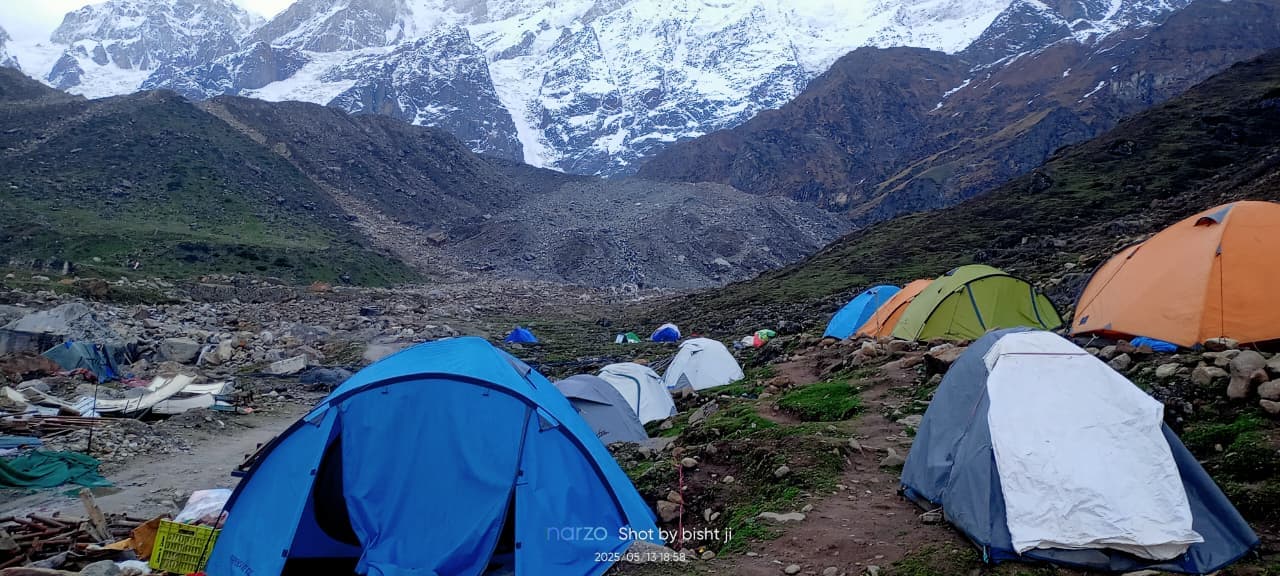
Tiwari camp
P3P9+CJJ Kedarnath, Uttarakhand 246445, India
Holy Himalayan Trekr
village karokhi post office Daira ukhimath

Tripwala Foji
Kalyanpur, Meerut (U.P), pin -250502
Kedarnath Tour Guide
Khunnu Po Guptkashi DisT Rudraprayag Uttarakhand 246439
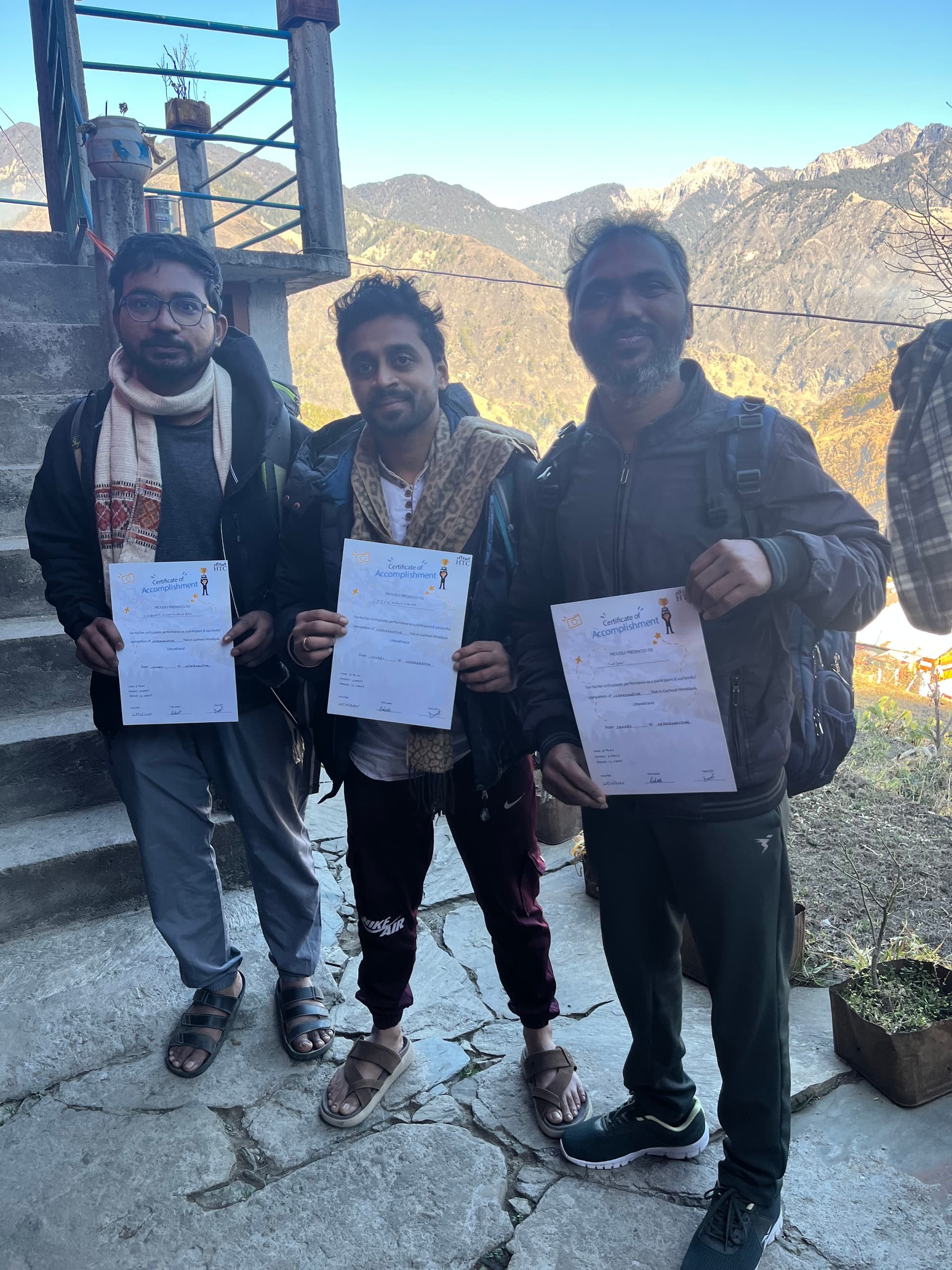
Adventure of india
Sankri, Uttarakhand, India