India’s local-first travel ecosystem — book local operators direct, zero commission

Kedarkantha
Uttarkashi, Uttarakhand

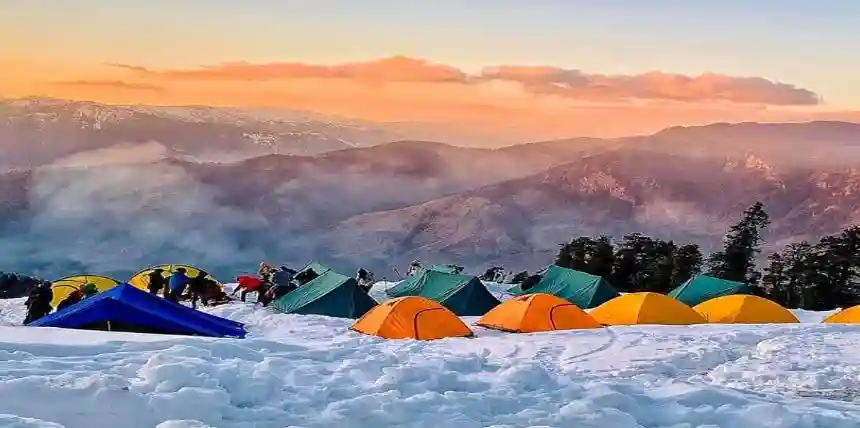
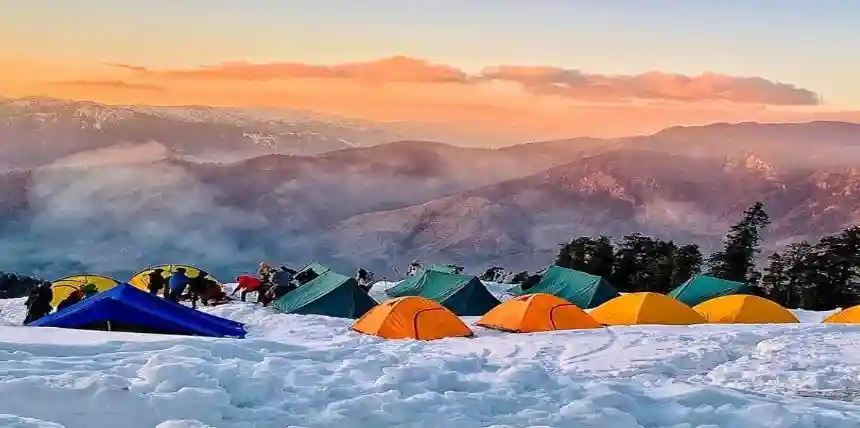
**Kedarkantha**, located in the Govind Wildlife Sanctuary of Uttarkashi, Uttarakhand, is one of the most popular winter treks in India. Standing at an elevation of 12,500 feet, the Kedarkantha trek is known for its stunning snow-covered landscapes, dense forests, and breathtaking views of Himalayan peaks. The trek offers a beautiful blend of natural beauty, adventure, and cultural exploration, making it a favorite among both novice and experienced trekkers.
The journey to Kedarkantha begins at the small village of **Sankri**, which also serves as the base for several other treks, including the Har Ki Dun trek. Sankri is around 200 kilometers from Dehradun, which is the nearest city with major transport connections. The drive from Dehradun to Sankri itself is a treat for nature lovers, as it passes through lush forests, alongside rivers, and across scenic mountain roads. Once in Sankri, trekkers are introduced to the quiet, traditional Himalayan village life, characterized by wooden houses, terraced fields, and a backdrop of snow-covered peaks.
The trail from Sankri to the Kedarkantha summit is about 20 kilometers long and typically takes around 4 to 6 days to complete, depending on the pace and weather conditions. The trek is classified as moderate in difficulty, which means that it is suitable for beginners with a basic level of fitness, as well as experienced trekkers looking for a winter adventure.
One of the most striking features of the Kedarkantha trek is the **dense pine and oak forests** that cover much of the lower altitude sections of the trail. As trekkers ascend, they find themselves surrounded by towering trees that create an almost mystical atmosphere. In winter, the forest floor is often covered in a thick blanket of snow, and the tall trees, with their snow-dusted branches, give the appearance of a magical winter wonderland. The stillness of the forest is occasionally broken by the sound of birds or the crunch of snow underfoot, adding to the peaceful ambiance of the trek.
As the trail progresses, trekkers pass through **meadows**, or "bugyals," which provide open spaces and panoramic views of the surrounding mountains. One of the most picturesque campsites on the trek is **Juda Ka Talab**, a high-altitude lake that freezes over during the winter. Surrounded by pine trees and covered in snow, Juda Ka Talab is a place of serenity and natural beauty. Camping by the frozen lake under a sky full of stars is one of the highlights of the trek, offering a unique and peaceful experience in the heart of the Himalayas.
The trek also offers numerous opportunities to witness the rich wildlife of the region. The Govind Wildlife Sanctuary, where Kedarkantha is located, is home to a variety of animals, including Himalayan black bears, leopards, and musk deer. Though sightings of these animals are rare, trekkers can often spot the tracks of animals in the snow. The region is also rich in birdlife, making it a delight for birdwatchers.
The trek reaches its climax at the **Kedarkantha summit**, which offers one of the most rewarding panoramic views in the Indian Himalayas. The summit provides an unobstructed 360-degree view of some of the most majestic peaks in the region, including Swargarohini, Bandarpoonch, Kalanag, and Black Peak, along with the Yamunotri and Gangotri ranges. On a clear day, trekkers can also spot the distant Har Ki Dun Valley and the Rupin Pass from the summit. The beauty of the sunrise from Kedarkantha summit is truly breathtaking, as the first rays of the sun light up the surrounding peaks in golden hues, creating a surreal and awe-inspiring moment.
The mythological significance of Kedarkantha adds another layer of interest to the trek. According to local legends, Kedarkantha was originally intended to be the site of a temple dedicated to Lord Shiva. However, due to disturbances caused by nearby villagers, Shiva abandoned this site and moved to the present-day Kedarnath, which is now one of the holiest shrines in Hinduism. The locals still hold Kedarkantha in high regard, and trekkers can see a small stone shrine dedicated to Lord Shiva at the summit.
One of the most attractive aspects of the Kedarkantha trek is that it is a **year-round trek**, though it is especially popular in the winter months from December to March when the entire trail is covered in snow. During this time, the trek takes on a completely different character, with deep snowdrifts, frozen lakes, and snow-capped trees creating a magical winter setting. For many, the snow is the main attraction, as it adds both beauty and a sense of adventure to the trek. The Kedarkantha trek is one of the few treks in India where beginners can experience snow trekking and camping in such a pristine environment.
For trekkers who want to avoid the crowds, the pre-monsoon (April to June) and post-monsoon (September to November) seasons are also great times to visit. During these periods, the snow may have melted, but the meadows are lush and green, filled with wildflowers, and the forests are alive with the sounds of birds and animals. The clear skies during these seasons also provide excellent visibility for mountain views.
Despite its growing popularity, Kedarkantha remains a relatively peaceful trek compared to other Himalayan trails. The villages en route, like Sankri and **Kotgaon**, offer a glimpse into the traditional lifestyle of the local **Himalayan communities**, many of whom belong to the **Jaunsari** tribe. Their wooden houses, often adorned with intricate carvings, are a reminder of the rich cultural heritage of the region. Trekkers often have the opportunity to interact with the villagers and learn about their customs, agriculture, and deep connection to the land.
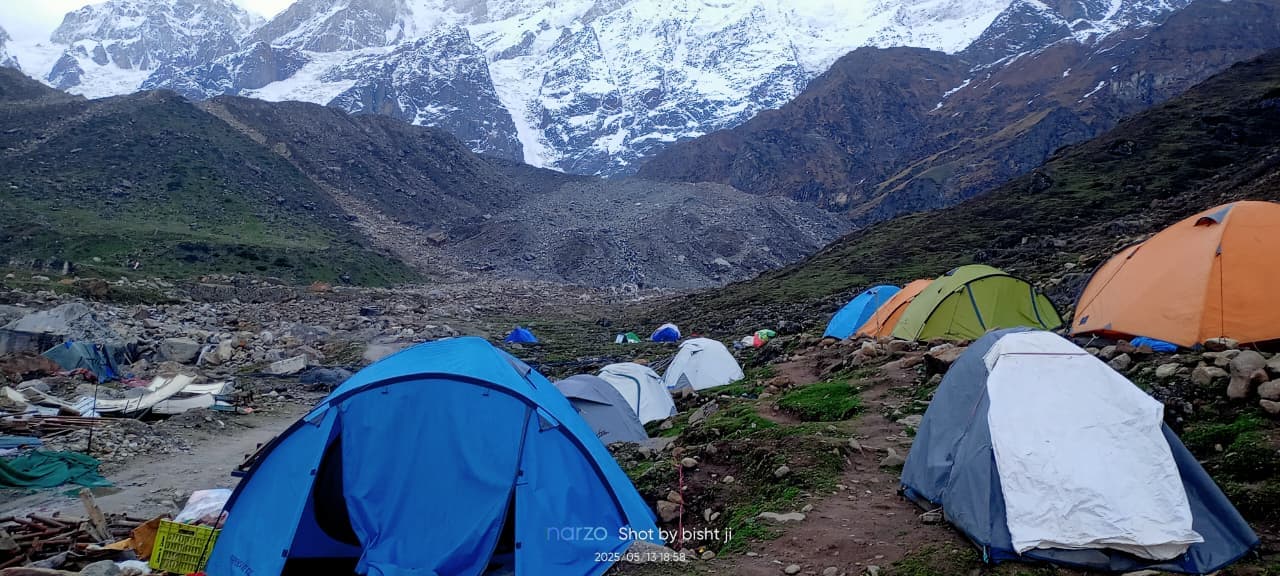
The Kedarkantha trek is also well-known for its well-organized campsites. The campsites along the trek, including **Juda Ka Talab**, **Kedarkantha Base Camp**, and **Hargano Thatch**, are beautifully situated in pristine locations. These sites offer trekkers an opportunity to spend the night under the stars, surrounded by snow-covered peaks and forests. The experience of waking up to the sight of towering Himalayan peaks, the fresh mountain air, and the stillness of the snow-covered landscape is one that stays with trekkers long after they return home.
The Kedarkantha trek, while moderately challenging, requires a basic level of physical fitness, particularly if undertaken in the winter when walking in deep snow can be exhausting. However, the trail is well-marked, and the ascent is gradual, making it a great option for first-time trekkers. Moreover, the reward of standing on the summit, surrounded by snow-capped peaks and an endless horizon, makes every step of the journey worthwhile.
In conclusion, the **Kedarkantha trek** is a quintessential Himalayan adventure that combines the beauty of snow-covered landscapes, the thrill of high-altitude trekking, and the charm of traditional village life. Whether you are trekking in the winter to experience the magic of snow or in the summer to witness the lush green meadows and alpine forests, Kedarkantha offers a rich and varied experience that is sure to leave a lasting impression. The trek’s accessibility, moderate difficulty level, and unparalleled scenic beauty make it one of the best treks for both beginners and seasoned adventurers alike.


Location And Address
25FC+2WC, Singtur Range, Uttarakhand 249128, India
Quick view — Kedarkantha
📍 Location
Kedarkantha Peak
Govind Wildlife Sanctuary, Uttarkashi District, Uttarakhand, India
🕰️ Best Time to Visit
❄️ December to April – Best for snow trekking, ideal winter adventure
🌤️ April to June – Pleasant weather, great visibility
🌧️ July to September – Not recommended due to heavy monsoon and landslides
🍂 October to November – Clear skies and beautiful autumn colors
🏔️ About Kedarkantha Trek
The Kedarkantha Trek is one of India’s most iconic winter treks, famous for its 360° Himalayan summit view, soft snow trails, dense pine forests, frozen lakes, and breathtaking campsites like Juda Ka Talab and Base Camp. Situated at 12,500 ft (3,800 m), this trek is perfect for both beginners and experienced trekkers.
The trail passes through charming Himalayan villages, ancient temples, meadows, and an enchanting snow-covered forest path. It is considered one of the most rewarding summit treks in the Indian Himalayas.
✨ Trek Highlights
🏔️ 12,500 ft summit with a panoramic view of Swargarohini, Black Peak & Ranglana
❄️ Perfect winter trek with guaranteed snow (Dec–Feb)
🏕️ Beautiful campsites: Juda Ka Talab, KK Base Camp, Hargaon
🌲 Dense alpine forests of pine, oak & deodar
🌌 Clear night sky with Milky Way views
🔥 Bonfire evenings & superb sunrise from the summit
🧊 Frozen lake (Juda ka Talab) in winter
🚶 Trek Difficulty
🌟 Easy to Moderate
Suitable for first-time trekkers with average fitness.
🗓️ Ideal Trek Duration
🕊️ 5 Days / 4 Nights (standard itinerary)
🔢 Altitude Profile
Sankri – 6,400 ft
Juda Ka Talab – 9,100 ft
Kedarkantha Base Camp – 11,200 ft
Kedarkantha Summit – 12,500 ft
🚗 How to Reach Sankri (Base Village)
✈️ By Air:
Nearest Airport – Dehradun Jolly Grant Airport (Approx. 200 km)
🚆 By Train:
Nearest Railway Station – Dehradun Railway Station
🛣️ By Road:
Dehradun → Mussoorie → Purola → Mori → Sankri
(Approx. 8–10 hours drive)
Regular buses and shared taxis from Dehradun ISBT.
🎉 Major Attractions On Trek
🌲 Snow-covered pine forests
🛕 Ancient Shiva temples
💎 Juda Ka Talab – frozen lake
🏔️ Himalayan sunrise from the summit
✨ Clear night sky perfect for astrophotography
🦌 Govind Wildlife Sanctuary landscapes
🧭 Nearby Attractions
🏔️ Har Ki Dun Valley
🌊 Mori River (Adventure activities)
🌄 Ruinsara Tal Trek
⛺ Purola Village
🏞️ Govind Pashu Vihar National Park
🚨 Emergency Information
📞 Important Contact Numbers
🚑 Uttarkashi District Emergency: 1070 / 108
🚓 Police Helpline: 100
🔥 Fire Service: 101
🆘 Disaster Management (DDR Uttarakhand): 1077
🏥 Medical Emergency: 102
📞 Forest Department – Sankri Range: Available locally via GMVN office
📞 Trek Leader / Local Guide (arranged by trekking company)
📡 Mobile Network Availability
📶 Sankri: Jio & BSNL work the best
📶 On Trek Route:
BSNL – Patchy
Jio – Works only in lower parts
Airtel/Vi – Mostly no network
👉 After Juda Ka Talab, network becomes almost zero.
🏧 ATMs
💳 Purola (Most reliable) – 25 km before Sankri
💳 Mori – Limited ATMs
💳 Sankri – No reliable ATM
👉 Carry enough cash before reaching Sankri.
🏥 Nearest Hospitals / Medical Help
🏥 Primary Health Center, Sankri – Basic
🏥 CHC Mori – 25 km
🏥 District Hospital Uttarkashi – 100+ km
🚁 Helicopter Evacuation: Available in emergencies (weather permitting)
🎒 Who Should Do This Trek?
✔️ First-time trekkers
✔️ Photographers
✔️ Snow lovers
✔️ Adventure seekers
✔️ Himalayan enthusiasts
🎯 Ideal Season for a Stunning Experience
❄️ December–February for snow
🌄 March–April for clear views
🍂 October–November for golden forests
💫 Fun Facts About Kedarkantha
🟣 According to locals, Lord Shiva meditated here before going to Kedarnath.
🟪 Juda Ka Talab was formed from a drop of water that fell from Shiva’s hair.
💫 Considered one of the easiest peak summits in Uttarakhand.
Trek Highlights — Kedarkantha
🏔️ 12,500 ft Summit Height – Offers a divine 360° panoramic view of the Himalayan ranges, including Swargarohini, Black Peak, and Bandarpoonch.
❄️ Guaranteed Winter Snow Trek – From December to March, the entire trail stays covered in soft, fresh snow, making it one of the most popular winter treks in India.
🌲 Dense Pine & Oak Forests – The trek begins through enchanting forests that make the journey adventurous, peaceful, and extremely photogenic.
💎 Juda Ka Talab – A stunning high-altitude lake that completely freezes in winter, known as one of the most picturesque spots on the trek.
🏕️ World-Class Campsites – Campsites like Hargao, Juda Ka Talab, and Kedarkantha Base Camp are considered among the most beautiful Himalayan campsites.
🌄 World-Famous Sunrise View – The sunrise seen from the summit is a once-in-a-lifetime experience, with the sky turning golden and the peaks glowing magically.
🌌 Stargazing & Milky Way – The clear, pollution-free sky offers mesmerizing views of the Milky Way, shooting stars, and distant galaxies at night.
🔥 Calm Himalayan Nights & Bonfire – Warm bonfires, conversations with trekkers, and cold mountain winds create unforgettable campsite memories.
🌼 End-to-End Natural Beauty – Forests, meadows, snowfields, villages, lakes, and glacier views—all in one single trek.
🧭 Perfect for Beginners – This easy-to-moderate trail is ideal for those who want to experience snow trekking in the Himalayas for the first time.
🦌 Close to Govind Wildlife Sanctuary – Chance to spot Himalayan birds, mountain foxes, and other rare species along the trail.
📸 100% Instagram-Perfect Trek – Every location—forest trails, snowy paths, frozen lakes, and summit scenes—is perfect for stunning photos.
Itinerary — Kedarkantha
📅 Kedarkantha Trek Itinerary (5 Days / 4 Nights) 🌄❄️
🗓️ Day 1: Dehradun → Sankri (Base Village) 🚌🏔️
Distance: 190 km (7–8 hours)
Altitude: 6,400 ft
A beautiful mountain journey starts from Dehradun. The entire drive is filled with lush pine forests 🌲, sparkling rivers 💧, and Himalayan curves that slowly take you closer to the snow-covered region. You pass through Mussoorie, Mori, Purola and the scenic Tons River Valley which keeps the road magical till the end.
By evening you reach Sankri 🏡, a peaceful Himalayan village. Here you can explore the local market, enjoy Garhwali chai ☕, meet friendly villagers, and feel the excitement of the upcoming trek.
Stay: Guesthouse / Homestay
Meals: Dinner
🗓️ Day 2: Sankri → Juda Ka Talab Trek 🚶♂️❄️
Trek Distance: 4 km
Altitude: 9,100 ft
Time: 4–5 hours
Your trekking journey begins today! The trail takes you through dense pine & oak forests 🌲, tiny wooden bridges, and cold mountain winds. In winter, you’ll see snow patches from the very first hour ❄️, making the trail even more magical.
A few hours later, you reach the beautiful Juda Ka Talab 🏞️, a frozen high-altitude lake surrounded by tall trees and deep silence. This campsite is famous for its mirror-like lake, bonfire vibes 🔥, and unbelievable stargazing 🌌.
Spend the evening relaxing, taking pictures, and enjoying mountain meals.
Stay: Camping
Meals: Breakfast, Lunch, Dinner
🗓️ Day 3: Juda Ka Talab → Kedarkantha Base Camp ⛺❄️
Trek Distance: 3 km
Altitude: 11,200 ft
Time: 3–4 hours
Today is a short but extremely scenic trail. You walk through open meadows 🌿, snow-laden forests ❄️, and clearings that slowly open up dramatic Himalayan views.
By noon you reach Kedarkantha Base Camp, one of the most breathtaking campsites in the entire Himalayas 🏔️. From here you can see the entire snowline shining in the afternoon sun.
Evening is perfect for sunset photography 🌅, warm soup, and preparing for the early-morning summit climb.
Stay: Camping
Meals: Breakfast, Lunch, Dinner
🗓️ Day 4: Summit Day — Base Camp → Kedarkantha Peak → Sankri 🌄❄️🔥
Trek Distance: 6–7 km
Summit Altitude: 12,500 ft
Time: 6–7 hours
This is the most exciting day of the trek!
Wake up around 2–3 AM 🌙, wear warm layers, and start climbing under the starry sky ⭐. The summit trail is steep but unbelievably beautiful.
As you reach the Kedarkantha Summit 🏔️, the first rays of the sun hit the snow — turning everything golden and magical 🌅✨. From the top, you get a 360° view of the Himalayas including Swargarohini, Black Peak, Bandarpoonch, and dozens of other giants.
After celebrating at the summit, descend back to base camp for hot lunch and then trek down to Sankri village by evening.
Stay: Guesthouse / Homestay
Meals: Breakfast, Lunch, Dinner
🗓️ Day 5: Sankri → Dehradun (Return Journey) 🚗🌄
Distance: 190 km
Time: 7–8 hours
After breakfast, say goodbye to the mountains and drive back toward Dehradun. The scenic journey feels even more special after completing the summit. Expect to reach by evening.
Meals: Breakfast
Backpack — Kedarkantha
🧥 1. Clothing Essentials (Layering System)
Layering keeps your body warm in extreme cold. Always follow the 3-layer rule: Base Layer + Insulation Layer + Outer Layer.
- 👕 Thermal Innerwear (Top + Bottom) – Must-have for cold nights.
- 🧣 Woolen Cap / Balaclava – Protects head & ears from freezing winds.
- 🧤 Warm Gloves + Waterproof Gloves – A pair of each for warmth and snow protection.
- 🧦 5–6 Pairs of Woolen Socks – Essential to avoid frostbite; keep extra dry pairs.
- 🧥 Fleece Jacket – Lightweight but very warm.
- 🧵 Heavy Padded Jacket / Down Jacket – Mandatory for summit night.
- 👖 2 Trek Pants (Quick Dry) – Avoid jeans; they remain wet & heavy.
- 🌧️ Waterproof / Windproof Outer Shell Jacket – Protects from snow and rain.
🥾 2. Footwear & Trekking Gear
- 🥾 Trekking Shoes (High Ankle, Waterproof) – Must for grip on snow & rough terrain.
- 👟 Lightweight Sports Shoes – For evenings at camp.
- 🦯 Trekking Pole – Gives balance on steep and snowy trails.
- 😎 UV-Protected Sunglasses – Prevents snow blindness.
- 🧢 Sun Cap – Strong UV rays at altitude.
- ❄️ Gaiters – To stop snow from entering shoes.
- 🔦 Headlamp (with extra batteries) – Needed for the early morning summit climb.
🎒 3. Bags & Waterproofing
- 🎒 50–60L Backpack (With Rain Cover) – Perfect size for a 5–6 day trek.
- 🧳 Small Daypack (20L) – For carrying essentials on summit day.
- 💦 Dry Bags / Zip Locks – Keeps clothes, electronics, and documents dry.
🧼 4. Toiletries & Hygiene Kit
- 🧻 Tissue Paper (VERY IMPORTANT) – Both dry & wet tissues.
- 🧴 Hand Sanitizer
- 🪥 Toothbrush & Toothpaste
- 🧴 Moisturizer & Lip Balm (SPF Recommended) – Cold winds cause dryness.
- 🌞 Sunscreen SPF 50+ – Prevents sunburn at high altitude.
- 🧼 Biodegradable Soap
- 🚽 Toilet Paper Roll
- 💧 Sanitary Pads / Tampons (for women)
- 💄 Cold Cream / Petroleum Jelly – Protects skin in extreme cold.
🧰 5. Health & Safety Essentials
- 💊 Personal Medication – Till 6 days.
- 🩹 Band-Aids, Crepe Bandage, Antiseptic Cream
- 🫁 Diamox (For AMS — consult doctor first)
- 🤧 Cold & Cough Tablets
- 😴 Sleeping Bag Liner – Adds extra warmth.
- 🔥 Hand Warmers – Optional but useful on summit night.
📱 6. Electronics & Accessories
- 📱 Fully Charged Phone
- 🔋 Power Bank (10,000–20,000 mAh) – No charging at camps.
- 📸 Camera (Optional)
- 🎧 Earphones
- 🔌 Charging Cables + Spare Cable
- 🪫 Extra Batteries for Headlamp
- 🔦 Backup Small Torch
🥤 7. Food & Hydration
- 🥤 2 Water Bottles (1L each)
- ❄️ Thermos Flask – Keeps water warm in freezing temps.
- 🍫 Energy Bars, Dry Fruits, Chocolates
- 🍪 Glucon-D / ORS Sachets – Prevent dehydration.
- 🍯 Honey / Peanut Butter Sachets – Quick energy boosts.
📄 8. Important Documents
- 🪪 Original ID Card (Aadhar / Passport / Driving License)
- 🧾 Medical Certificate (Mandatory for Kedarkantha)
- 📑 Travel Insurance (If you have)
- 💰 Some Cash (No ATM in the trek area)
🏕️ 9. Miscellaneous Must-Have Items
- 🧦 Extra Socks in Plastic Bag
- 🧵 Needle & Thread (Minor repairs)
- 📘 Small Notepad + Pen
- 🧤 Extra Gloves
- 🧽 Small Towel (Quick Dry)
- 📏 Rope (optional but useful)
- 🧩 Cards / Small Games – For fun at camps
- 📚 Book (optional)
💡 Pro Tips (Very Important)
- 🎒 Pack light but smart.
- 🧦 Keep one pair of socks ONLY for sleeping.
- 🧥 Always keep your padded jacket in an accessible pocket.
- ❄️ Drink warm water frequently to maintain body temperature.
- 🔥 Don’t ignore early symptoms of AMS (Headache, nausea, dizziness).
- 🛏️ Keep your electronics inside sleeping bag at night to prevent freezing.
How to Reach — Kedarkantha
✈️ By Air
- Nearest Airport: Jolly Grant Airport, Dehradun (Approx. 200 km from Sankri)
- From the airport, take a taxi 🚕, cab, or local bus to Dehradun city.
- From Dehradun, you can hire a direct taxi, shared jeep, or board a bus to Sankri.
📌 Tip:
Choose an early morning flight so you can reach Dehradun on time and travel towards Sankri during daylight.
🚆 By Train
- Nearest Railway Station: Dehradun Railway Station (DDN)
- Dehradun is well-connected by trains from all major cities in India.
- Outside the station, you will easily find shared taxis, local buses, and cab services going toward Sankri.
🚌 By Road
Most trekkers prefer traveling by road because it offers flexibility and stunning views throughout the journey.
Dehradun → Sankri
- Distance: Approx. 190 km
- Travel Time: 8–10 hours
- Direct buses to Sankri leave from Dehradun ISBT between 5 AM and 7 AM.
- You can also hire a private taxi or take a shared Bolero/Jeep.
📌 Route:
Dehradun → Mussoorie Road → Barkot → Purola → Mori → Sankri
A beautiful route filled with rivers, pine forests, and mountain valleys. 🌲🏞️
🚕 Delhi to Sankri
If you're traveling from Delhi:
- Distance: ~450 km
- Time: 11–12 hours
- Best option: Delhi → Dehradun (overnight bus/train) → Sankri
- Or hire a direct private cab (comfortable but expensive)
🔁 Recommended Travel Plan
✔️ Day 0: Reach Dehradun from your city
✔️ Day 1 (Morning): Dehradun → Sankri
✔️ Day 2: Start your Kedarkantha Trek
📝 Important Tips
- Avoid traveling toward Sankri at night — roads are narrow and mountainous.
- Leave Dehradun early (between 5–7 AM) to reach Sankri before sunset.
- Network connectivity drops after Purola — finish important calls before that.
- In winter snowfall, choose a Bolero/4x4 jeep for better safety.
- ATMs are available only up to Purola — carry sufficient cash.
Difficulty Level & Fitness Requirements — Kedarkantha
🧭 Overall Difficulty: Easy to Moderate
The Kedarkantha Trek is considered one of the best Himalayan treks for beginners, yet it offers enough challenge to keep even experienced trekkers excited.
- Trail Length: ~20–23 km
- Maximum Altitude: 12,500 ft
- Daily Trekking Hours: 4–6 hours
- Terrain: Forest trails, snow-covered paths, steep ascent to summit
- Snow Conditions: Heavy snow from December to March, making the summit stretch slightly tougher
The trek is not technically difficult and does not require mountaineering skills, but the summit day is steep and physically demanding.
🏋️♂️ Fitness Requirements
Even though it’s beginner-friendly, you must be physically prepared for cold conditions, steep ascents, and long walking hours.
✔️ Minimum Fitness Needed
- 🚶♂️ Should be able to walk 5–6 km daily without discomfort
- 🏃♂️ Should be able to jog 3–4 km in 25–30 minutes
- 🧗 Should be comfortable walking uphill for 1–2 hours
- 🧱 Good knee and ankle strength (important for descent on snow)
🫁 Cardio Readiness (Very Important)
High altitude means thinner air. So your lungs need to be ready.
- Running, brisk walking, cycling, skipping — all help
- Practice deep breathing exercises like anulom-vilom, bhastrika, or lung-expansion workouts
- If you feel breathless often, start training at least 3–4 weeks before the trek
🦵 Strength Training Requirements
To handle snow, slippery trails, and steep climbs:
- 🦵 Squats (50–60 per day)
- 🧘 Planks (1–2 minutes daily)
- 🏋️ Lunges (20 per leg)
- 🧗 Stair climbing is excellent practice for summit day
🧼 Acclimatization & Altitude Tips
- Drink warm water frequently
- Avoid alcohol and smoking at least 7 days before the trek
- Walk slowly on steep sections; don’t rush
- Sleep well a night before the summit push
- Keep yourself hydrated even in cold conditions
- AMS symptoms (headache, nausea, dizziness) must never be ignored
🎒 Mental Preparedness
Kedarkantha is easy, but:
- Temperatures can drop to -10°C to -15°C ❄️
- Summit night begins at 2–3 AM
- Snowy paths require patience
- You must be ready for cold winds, long hours, and slippery slopes
If your mindset is strong, this trek becomes an unforgettable and enjoyable adventure.
Permits and Regulations — Kedarkantha
The Kedarkantha Trek falls within the Govind Pashu Vihar National Park, so trekkers are required to follow certain rules and obtain necessary permissions to ensure safety and environmental conservation. Below is the complete and clear information:
1. Entry Permit (Forest Permit)
Every trekker must obtain an entry permit to enter Govind Pashu Vihar National Park. This is mandatory for all, including locals. The permit fee helps maintain the forest trails, campsites, and environmental protection efforts. Trekkers usually get this permit from Sankri, the base village.
2. Mandatory Forest Fees
Along with the trek permit, you must pay the forest entry fee, camera charges (if applicable), and environmental charges. These charges change slightly every year but are compulsory for all visitors.
3. Local Guide Requirement
The forest department often recommends (and during peak times, makes it mandatory) to hire a certified local guide for the trek. This is done to:
- Ensure safety
- Prevent trekkers from taking wrong routes
- Support the local economy
A guide helps in snow navigation, spotting safe trails, and understanding weather conditions.
4. Camping Regulations
Camping is allowed only at designated campsites such as Juda Ka Talab, Kedarkantha Base Camp, etc. Trekkers are not allowed to camp inside forest-restricted zones. This prevents wildlife disturbance and environmental damage.
5. No Littering Policy
Kedarkantha follows a strict “Leave No Trace” policy. Trekkers must carry back all their garbage, including:
- Plastic bottles
- Food wrappers
- Tissues
- Wet wipes
- Cans or packets
Forest officials may also check bags at the exit.
6. Bonfire Restrictions
Due to forest sensitivity, bonfires are banned in certain zones. Dry wood collection from the forest is strictly prohibited. Many trekking groups use portable burners instead.
7. Drone Usage
Flying drones is restricted in forest areas without special permissions because:
- They disturb wildlife
- They violate park rules
Trekkers should avoid using drones unless prior authorization is obtained.
8. Weather-Related Restrictions
During heavy snowfall or avalanche-prone conditions, the forest department may:
- Close the summit route temporarily
- Restrict movement beyond certain points
You must follow all instructions from forest officials and your guide.
9. Group Size Regulations
Some seasons have restrictions on the maximum number of trekkers per group to control crowding and reduce environmental pressure.
10. Travel Insurance (Recommended)
Though not compulsory, having high-altitude trek insurance is highly recommended as it covers emergencies like frostbite, AMS treatment, or evacuation.
Safety Tips — Kedarkantha
Staying safe on the Kedarkantha Trek is just as important as enjoying the beauty of the Himalayas. Weather, terrain, and altitude can change quickly, so the right precautions help you complete the trek smoothly and confidently. Here are the most important safety tips:
1. Acclimatize Properly
Even though Kedarkantha is a moderate trek, altitude can still cause problems. Walk slowly, stay hydrated, and give your body enough rest to adjust to higher elevations.
2. Stay Hydrated (But Not Overhydrated)
Drink water regularly to avoid dehydration, but don’t overdo it. Sip small amounts every 20–30 minutes.
3. Wear Proper Trekking Shoes
Use high-ankle, waterproof trekking shoes with a good grip. Snow and icy sections can be slippery, especially during winter.
4. Layer Your Clothing Correctly
The temperature can drop drastically. Follow the 3-layer rule:
- Base layer (thermal)
- Mid layer (fleece)
- Outer layer (windproof/waterproof jacket)
5. Use Trekking Poles
Trekking poles help reduce pressure on knees and give extra stability on snow and steep climbs.
6. Respect Weather Conditions
If it starts snowing heavily or the weather looks unsafe, stop and take shelter. Never push towards the summit in bad weather.
7. Follow Your Guide
Certified local guides know the terrain, shortcuts, and danger zones. Stay with the group; never trek alone.
8. Be Aware of AMS (Acute Mountain Sickness)
Watch out for symptoms like headache, nausea, dizziness, or loss of appetite. Inform your guide immediately if you feel uneasy.
9. Protect Yourself From Cold Injuries
Wear good-quality gloves, woolen socks, and keep your body dry. Wet socks or gloves can lead to frostbite.
10. Use Sunscreen & Sunglasses
Snow reflects sunlight strongly. Apply sunscreen (SPF 50+) and wear UV-protected sunglasses to avoid sunburn and snow blindness.
11. Keep Your Electronics Safe
Cold weather drains battery quickly. Keep your phone, power bank, and camera inside warm pockets.
12. Carry a Personal First-Aid Kit
Include:
- Diamox (if needed)
- Pain relievers
- Band-aids
- Antiseptic cream
- ORS
- Crepe bandage
- Any personal medicines
13. Stay on the Marked Trail
Do not take shortcuts. Snow-covered routes can hide dangerous slopes or soft patches.
14. Keep Your Body Fueled
Eat energy-giving foods at regular intervals. Carry dry fruits, energy bars, nuts, and chocolates.
15. Don’t Overexert Yourself
Walk at a comfortable pace. Take breaks when needed. Overexertion increases risk of injuries and altitude issues.
16. Avoid Alcohol & Smoking
Both hamper oxygen absorption and increase the chances of AMS. Avoid completely during the trek.
17. Use Headlamps During Dark Hours
If you start your summit trek early morning, always use a headlamp to watch your steps carefully.
18. Inform Someone About Your Itinerary
Share your full plan with a family member or friend before leaving.
19. Keep Extra Cash Handy
Network might not work in remote areas, so cash is needed for emergencies or local help.
20. Respect the Mountains
Don’t litter, don’t disturb wildlife, and move responsibly. Mountains are unpredictable — always stay aware.
Kedarkantha — photos
Ratings & reviews
No one has rated Kedarkantha yet.
Write a reviewWayntra app
Plan Your Next Adventure with Wayntra
Discover treks, local guides, travel experiences and adventure activities on the Wayntra app.
More places in Uttarakhand
Travel partners near Kedarkantha

Biswas Tour And Travels
Rudrapur Udham Singh Nagar Uttrakhand
Rahul Taxi service
Sai Sadan cottage mallital near Sherwood college
Parvat travels
Nainital, Uttarakhand, India
Tiwari camp
P3P9+CJJ Kedarnath, Uttarakhand 246445, India
Holy Himalayan Trekr
village karokhi post office Daira ukhimath

Tripwala Foji
Kalyanpur, Meerut (U.P), pin -250502
Kedarnath Tour Guide
Khunnu Po Guptkashi DisT Rudraprayag Uttarakhand 246439
Adventure of india
Sankri, Uttarakhand, India