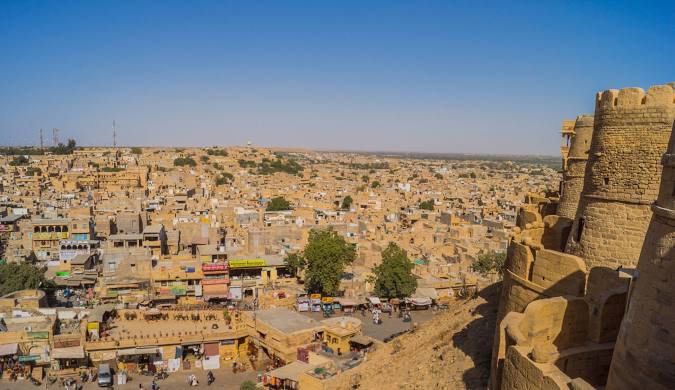
Jaisalmer, located in the heart of the Thar Desert in western Rajasthan, is one of India’s most enchanting heritage cities. Founded in 1156 AD by Rawal Jaisal, the city is famously known as the “Golden City of India” due to its yellow sandstone architecture that glows beautifully under the desert sun. Historically, Jaisalmer was a significant trading center along ancient caravan routes connecting India with Central Asia, Arabia, and Africa, which contributed greatly to its wealth and cultural richness.
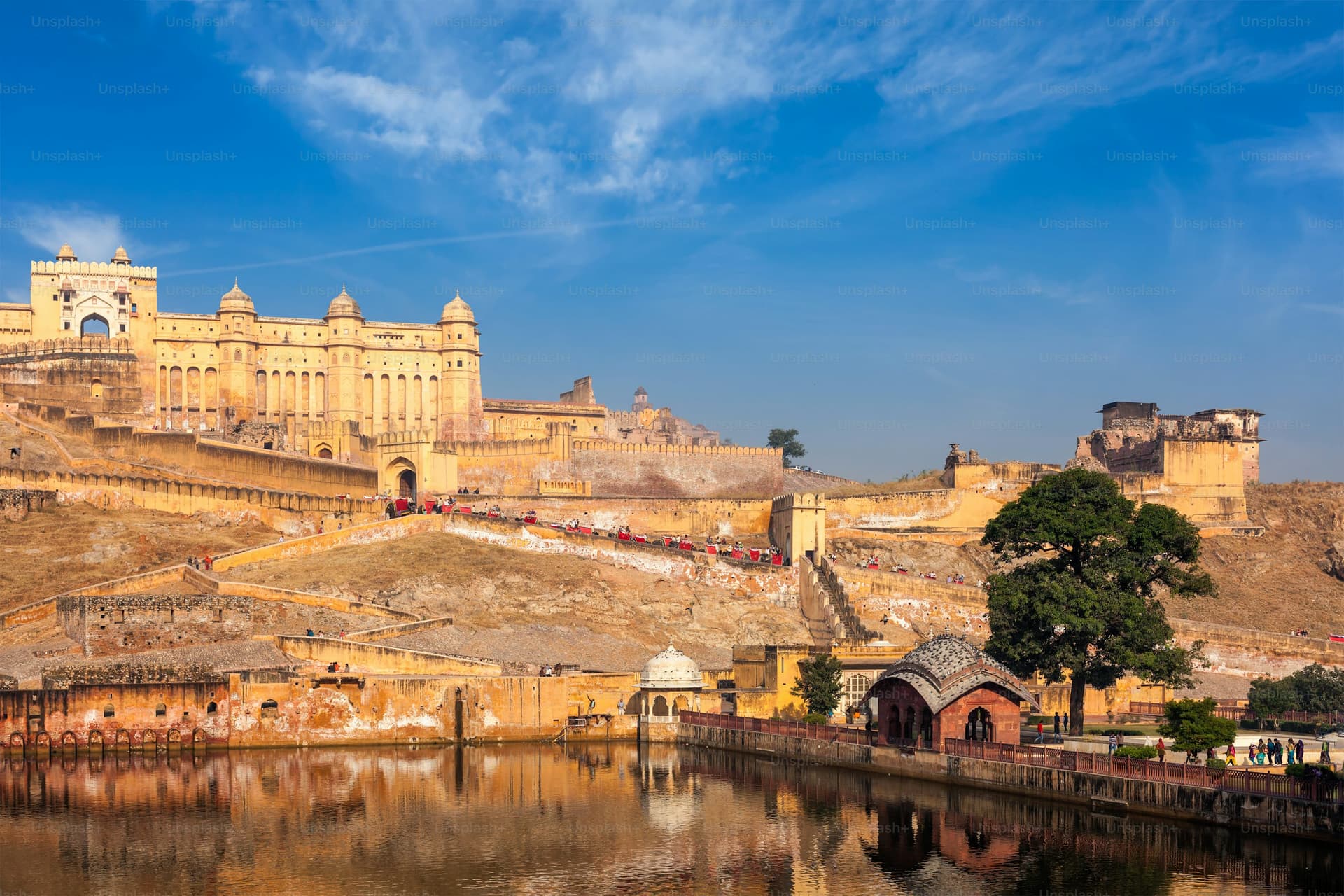
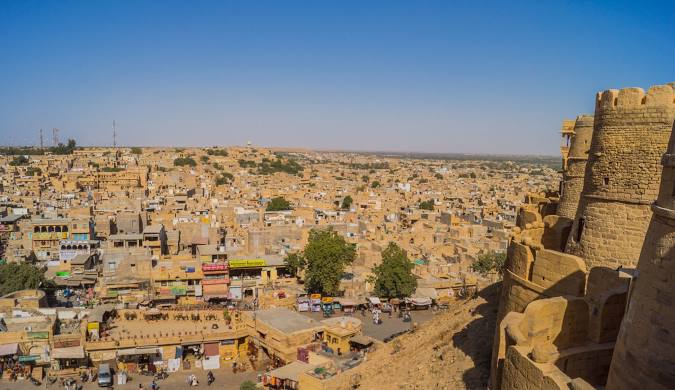
The most iconic landmark of the city is the Jaisalmer Fort, also known as Sonar Quila. This majestic fort is a UNESCO World Heritage Site and one of the few living forts in the world, where people still reside within its walls. Built atop Trikuta Hill, the fort houses royal palaces, ancient Jain temples, narrow streets, shops, and homes. From the fort, visitors can enjoy breathtaking views of the city and the endless desert landscape.
Jaisalmer is also famous for its exquisitely designed havelis, which showcase exceptional craftsmanship. Among them, Patwon Ki Haveli is the most prominent and elaborate, known for its intricate stone carvings, jharokhas, and detailed façades. Other notable mansions such as Nathmal Ki Haveli and Salim Singh Ki Haveli reflect the luxurious lifestyle of wealthy merchants and the artistic brilliance of that era.
A visit to Jaisalmer is incomplete without experiencing the magic of the desert at Sam Sand Dunes, located around 40 kilometers from the city. This area offers unforgettable experiences such as camel safaris, jeep safaris, desert camping, and cultural evenings. Watching the sunset over the sand dunes is one of the most mesmerizing sights in Rajasthan. At night, tourists can enjoy traditional Rajasthani folk music, Kalbelia dance performances, and authentic desert cuisine under the open sky.
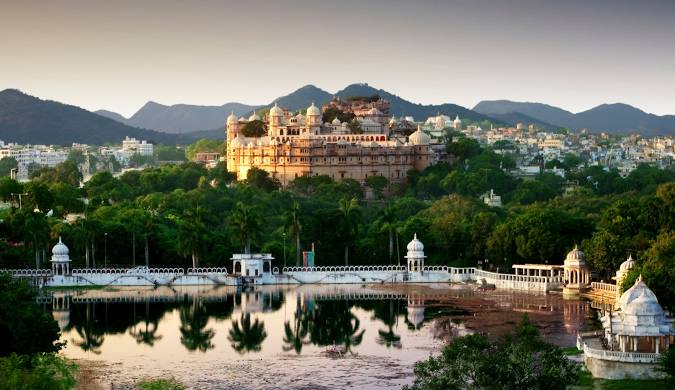
Another serene attraction is Gadisar Lake, a man-made reservoir that once served as the main water source for the city. Surrounded by chhatris, temples, and ghats, the lake provides a peaceful escape from the desert heat. Boating during sunrise and sunset offers stunning views and excellent photography opportunities, making it a favorite spot for travelers.
Jaisalmer’s cultural heritage is deeply rooted in Rajasthani traditions and desert life. Festivals such as the Jaisalmer Desert Festival celebrate local customs with camel races, folk performances, turban tying competitions, and handicraft exhibitions. These events give visitors a glimpse into the vibrant spirit and traditions of the desert community.
The cuisine of Jaisalmer reflects the flavors of Rajasthan, adapted to desert conditions. Popular dishes include dal baati churma, ker sangri, gatte ki sabzi, and bajre ki roti. Traditional sweets like lapsi and refreshing drinks such as lassi and chaach are also widely enjoyed by locals and tourists.
For shopping enthusiasts, Jaisalmer offers colorful local markets filled with handicrafts, embroidered textiles, mirror work items, leather goods, silver jewelry, and camel leather products. These markets are ideal for buying authentic souvenirs that reflect the region’s artistic heritage.
Jaisalmer is well-connected by road, rail, and air. The Jaisalmer Airport operates domestic flights, while the Jaisalmer Railway Station connects the city to major destinations like Jodhpur, Jaipur, and Delhi. Well-maintained highways link Jaisalmer to other parts of Rajasthan, making travel convenient for tourists.
Despite its ancient charm, Jaisalmer is gradually embracing modern tourism infrastructure while focusing on heritage conservation and sustainable desert tourism. Hotels, resorts, and desert camps offer modern comforts without compromising the city’s traditional essence.
In conclusion, Jaisalmer is a city where history, culture, and desert beauty come together to create a truly magical experience. Its golden architecture, majestic fort, vibrant traditions, and unique desert adventures make it one of the most captivating travel destinations in India.