Ranthambhore National Park, located in the Sawai Madhopur district of Rajasthan, is one of India’s most iconic wildlife destinations. This forest is not just a sanctuary but a living canvas of nature where thrill, beauty, silence, and history blend together. Ranthambhore is a place where nature reveals itself in its purest form — sometimes through the distant roar of a tiger, sometimes through herds of deer drinking peacefully at a waterbody, and sometimes through the gentle rustling of leaves that suddenly fills the air with excitement. Its trees, hills, cliffs, lakes, and ancient ruins make this forest mysterious, captivating, and deeply peaceful.
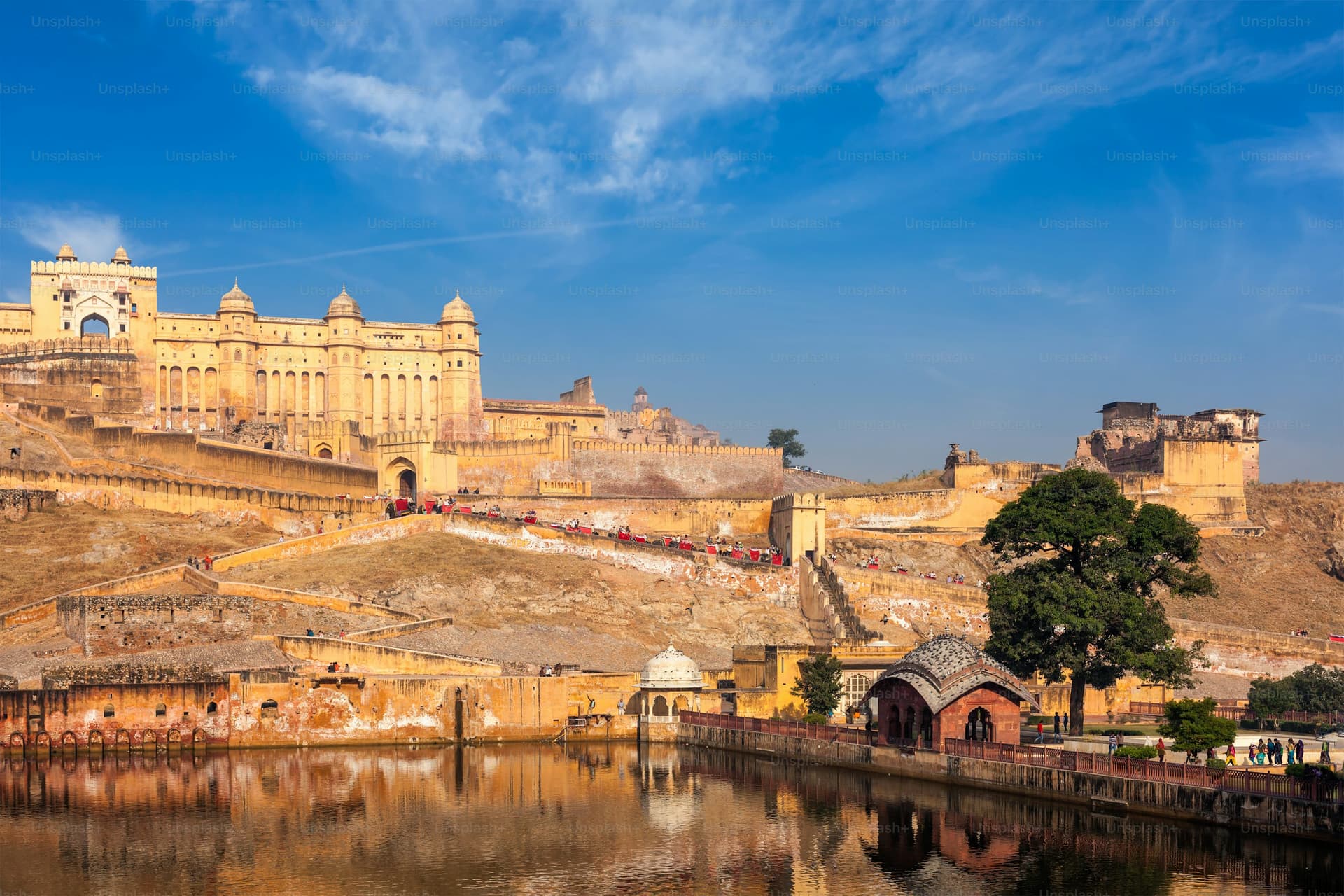
Ranthambhore’s history is as fascinating as its wilderness. The massive Ranthambhore Fort, standing high above the forest, is over 700 years old and was once a powerful Rajput stronghold. King Hammir Dev Chauhan made this fort a symbol of strength, pride, and resistance. Later, many Mughal–Rajput battles were fought here, adding layers of glory and drama to its past. Walking inside the fort today feels like stepping back into an era of valor — the old temples, reservoirs, crumbling structures, and ancient pathways still whisper stories of the bygone age. Among its most revered spots is the Trinetra Ganesh Temple, which attracts thousands of devotees every day. The panoramic view of the jungle from the fort is so breathtaking that it feels like an enormous nature painting spread out below your feet.
The biodiversity of the park is exceptionally rich. Its landscape ranges from rocky plateaus to dense bushes, open grasslands to vast water bodies. This diversity makes every safari unique. Sometimes a family of deer stands calmly beside the track, sometimes a leopard can be spotted sitting high on a rock, and sometimes the forest seems to hold its breath — a sign that a big predator might be nearby. The vegetation includes dhok, salar, babool, ber, rohida, khejri, and several medicinal species, making Ranthambhore one of the most ecologically diverse forests in Rajasthan.
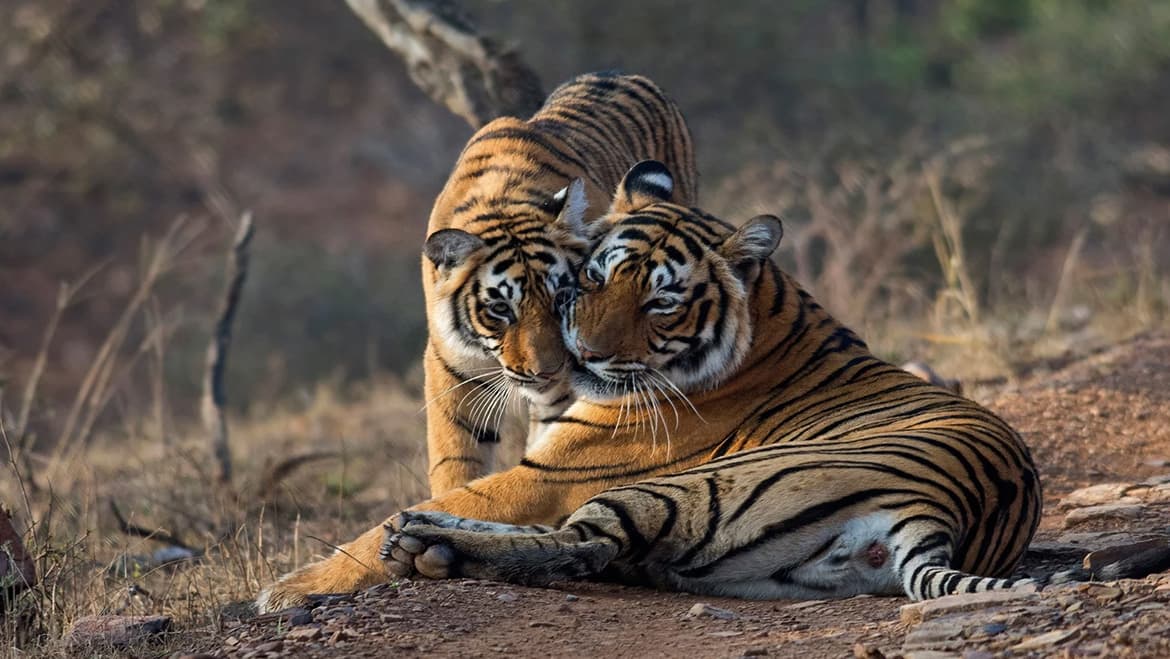
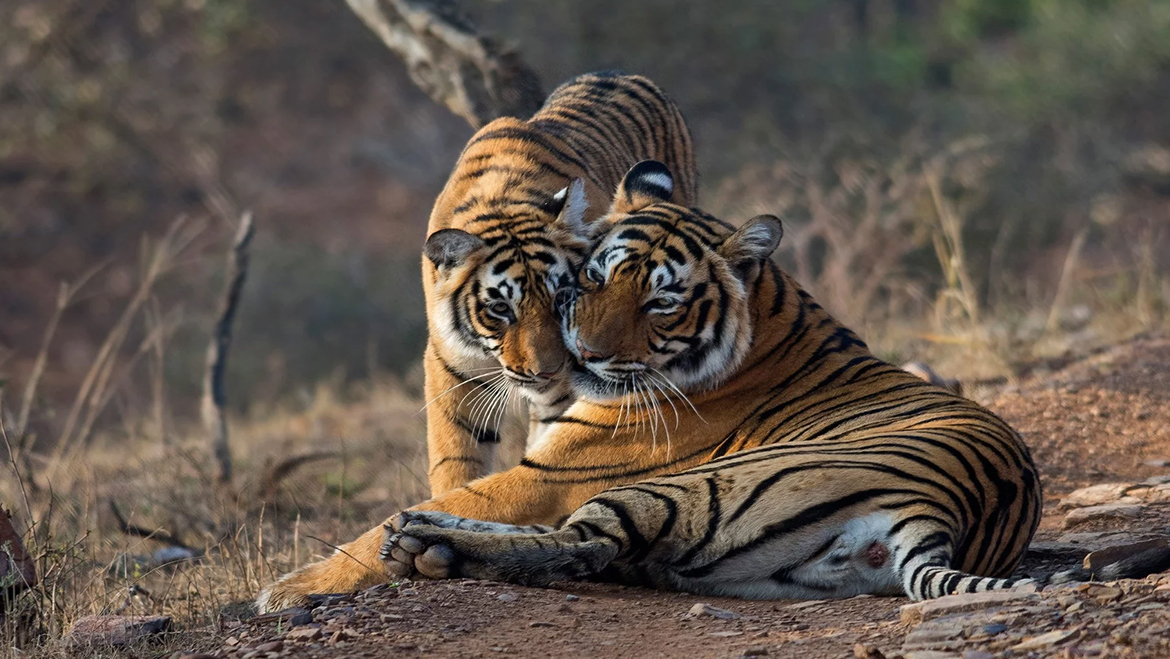
Of course, the biggest identity of Ranthambhore is its Royal Bengal Tigers. The chances of spotting tigers here are significantly higher compared to many other reserves. Each tiger has its own territory, fiercely protected and carefully marked. This forest gave the world one of the most famous tigresses — Machli (T-16), often known as The Queen of Ranthambhore. Her courage, hunting skills, and surprisingly calm temperament made her a legend. Even today, people feel a deep connection with the forest just by hearing her stories. Apart from her, tigers like Sultana, Rubina, Lightning, T-57, and T-91 often dominate safari experiences. The moment when a tiger suddenly appears on the track and starts walking gracefully along the road becomes a memory of a lifetime — that is the magic which sets Ranthambhore apart.
But Ranthambhore’s wildlife is not limited to tigers alone. The forest is home to leopards, sambar deer, spotted deer, nilgai, sloth bears, wild boars, langurs, hyenas, and jackals. Bird lovers are in for a treat as more than 270 species of birds can be seen here. Peacocks, owls, eagles, kingfishers, herons, and storks are common sights. During winter, the lakes attract numerous migratory birds, turning the region into a paradise for bird watchers.
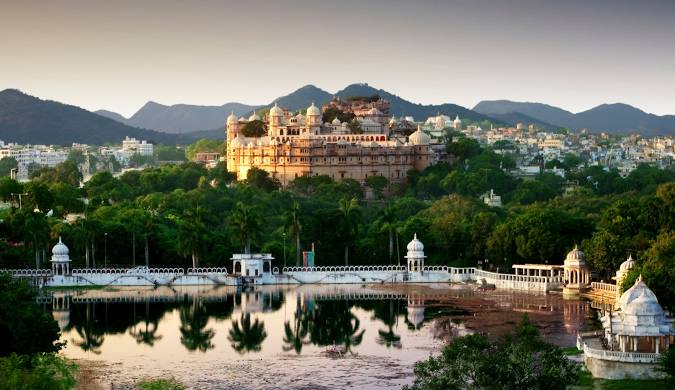
The lakes of Ranthambhore are its soul. Rajbagh Lake, Padam Talab, and Malik Talab are not just visually stunning but also prime wildlife viewing spots. The ruins around Rajbagh Lake often serve as resting places for tigers. The still water, the old stone structures around it, and the backdrop of the fort create a setting that looks almost unreal — like a scene from an ancient epic. Tigers are frequently seen cooling off, stalking prey, or resting along these picturesque water bodies.
A safari in Ranthambhore is an experience you feel with all your senses. The cool morning breeze, faint mist, and golden sunrise turn the forest magical during the early safari. In the evening safari, the setting sun bathes the jungle in warm hues of gold and orange. Safaris are conducted in two vehicles — Gypsy (6-seater) for a more private experience, and Canter (20-seater) for groups and budget travelers. The forest is divided into 10 safari zones, each with its own charm. Though experienced guides often mention Zones 3, 4, and 6 as the best for tiger sightings, the truth is that every zone has its own story and beauty.
The best time to visit Ranthambhore is from October to June. Winter brings lush greenery and pleasant weather, making the forest vibrant and alive. Summer is intense, but it increases the chances of spotting tigers near waterholes. During the monsoon, the park remains closed as many tracks become muddy and inaccessible.
Reaching Ranthambhore is easy and convenient. The nearest railway station is Sawai Madhopur, well-connected to major Indian cities. Jaipur is the closest airport, located about 160 km from the park. Road connectivity from Jaipur, Kota, Delhi, and Agra is also excellent.
Accommodation options here offer something for every traveler — luxurious jungle resorts, nature-themed hotels, boutique stays, eco-friendly tents, and budget-friendly guesthouses. Many resorts located close to the forest allow guests to hear the sounds of wildlife at night, creating a thrilling yet serene atmosphere. The food here carries the authentic flavors of Rajasthan. Dal baati, gatte ki sabzi, ker sangri, laal maas, malpua, and ghevar add a delicious cultural touch to the trip.
Throughout the journey, there are moments when it feels as if the forest is speaking to you. Sometimes a scent drifts through the breeze, sometimes a sudden silence grips the jungle, and sometimes a flock of birds changes the entire mood of the surroundings. These subtle yet powerful moments remind you of how enormous and extraordinary nature truly is. Ranthambhore is one such place that makes you understand your tiny place in the vast world of the wild.
If you are seeking a destination where nature, wildlife, history, and adventure merge perfectly, then Ranthambhore is the most beautiful answer. Every moment here, every sound, every glimpse of the wilderness fills you with awe — leaving you with memories that stay with you long after the trip ends.