India’s local-first travel ecosystem — book local operators direct, zero commission

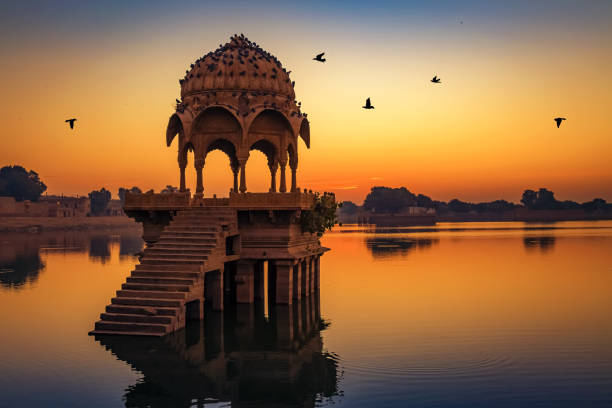
Rajasthan, often referred to as the "Land of Kings," is a state in India that resonates with the grandeur and glory of its royal past. This vibrant state is a treasure trove of history, culture, and natural beauty, offering a unique blend of majestic forts, opulent palaces, and rich traditions that have been preserved for centuries.
The capital city, Jaipur, known as the Pink City, is a gateway to the state’s royal heritage. With its stunning palaces like the City Palace and Amer Fort, and the iconic Hawa Mahal, Jaipur encapsulates the essence of Rajasthan’s architectural splendor. As you journey through the state, cities like Udaipur, Jodhpur, and Jaisalmer each reveal their own unique charm. Udaipur, often called the City of Lakes, is renowned for its romantic lakeside palaces, while Jodhpur’s Mehrangarh Fort stands as a formidable symbol of the region’s historical might. Jaisalmer, the Golden City, with its sandstone architecture and the massive Jaisalmer Fort, offers a glimpse into the life in the heart of the Thar Desert.
Rajasthan’s vast Thar Desert is an integral part of its landscape, providing a stark yet beautiful contrast to the ornate palaces and lush gardens of its cities. The desert is not just a geographical feature but a cultural one as well, with camel safaris, desert camps, and the vibrant Desert Festival in Jaisalmer drawing visitors from all over the world.
The culture of Rajasthan is as diverse as its landscape. The state is a living museum of traditional arts, crafts, music, and dance. Folk dances like Ghoomar and Kalbeliya, along with traditional music played on instruments like the dholak and sarangi, are integral to the social fabric of Rajasthan. Festivals such as Diwali, Holi, and the Pushkar Camel Fair are celebrated with great enthusiasm, showcasing the state’s love for color, festivity, and community.
The culinary heritage of Rajasthan is equally rich, offering dishes that are as vibrant as the state itself. Delicacies like Dal Baati Churma, Gatte ki Sabzi, and Laal Maas reflect the resourcefulness of Rajasthani cuisine, which has been shaped by the arid climate and the availability of ingredients. The food is often prepared with generous amounts of ghee and is characterized by its bold flavors and spices.
Rajasthan is also a haven for wildlife enthusiasts. The state is home to several national parks and wildlife sanctuaries, including the famous Ranthambore National Park and Sariska Tiger Reserve, where one can witness the majestic Bengal tiger in its natural habitat. The Keoladeo National Park, a UNESCO World Heritage Site, is a bird lover’s paradise, attracting thousands of migratory birds each year.
The state’s handicrafts are another highlight, with Rajasthan being famous for its intricate textiles, jewelry, pottery, and puppetry. The bustling markets of Jaipur, Jodhpur, and Udaipur are filled with colorful handicrafts that reflect the artistic traditions passed down through generations.
Religious tourism also plays a significant role in Rajasthan’s appeal. The state is dotted with sacred sites, including the Brahma Temple in Pushkar, the Dilwara Temples in Mount Abu, and the Karni Mata Temple in Bikaner. These sites are not only important pilgrimage destinations but also architectural marvels that attract visitors with their intricate carvings and spiritual significance.
Despite its royal past, Rajasthan today is a state that embraces modernity while staying true to its roots. The state’s economy is bolstered by tourism, agriculture, and handicrafts, making it one of the most vibrant and culturally rich states in India. Whether it’s the allure of the desert, the grandeur of its palaces, the thrill of its festivals, or the warmth of its people, Rajasthan offers an experience that is both timeless and unforgettable.
Quick view
🏙️ Capital:
Jaipur — Known as the Pink City, famous for its royal palaces, colorful bazaars, and historic forts.
🗻 Average Elevation:
Mostly plateau terrain ranging from 300 to 1,200 feet above sea level. The highest point is Guru Shikhar in Mount Abu (~5,650 feet).
🏞️ Top Tourist Attractions:
- Jaipur – Amber Fort, City Palace, Hawa Mahal
- Udaipur – Lake Pichola, City Palace, Sajjangarh Fort
- Jaisalmer – Sonar Qila (Golden Fort), Sam Sand Dunes
- Jodhpur – Mehrangarh Fort, Umaid Bhawan Palace
- Mount Abu – Dilwara Jain Temples, Nakki Lake
- Pushkar – Brahma Temple, Pushkar Lake
- Bikaner – Junagarh Fort, Karni Mata Temple (Rat Temple)
🏰 Historical Significance:
- The name Rajasthan means "Land of Kings."
- Historically known as Rajputana, ruled by brave Rajput dynasties.
- Known for valor, resistance against invasions, and architectural grandeur.
- Integrated into the Republic of India on 30 March 1949.
📅 Formation:
Formed on 30 March 1949 by merging various princely states.
🎭 Culture:
- Rich in Rajputana heritage, valor, and tradition.
- Famous folk dances: Ghoomar, Kalbelia, Bhavai.
- Traditional attire: Turbans (Pagdi), Ghagra-Choli, Angrakha.
- Known as the "Land of Colors" for its vibrant festivals like Teej, Gangaur, Camel Festival, and the Desert Festival.
🍲 Cuisine:
- Signature dish: Dal Baati Churma
- Other popular items: Gatte ki Sabzi, Laal Maas, Ker Sangri, Mirchi Bada, Papad Mangodi
- Famous sweets: Ghewar, Mawa Kachori, Imarti, Feeni
🏜️ Geography & Landscape:
- Dominated by the Thar Desert in the west
- The Aravalli Range runs through parts of the state
- Lakes in Udaipur add a contrasting lush charm to the desert landscape
🎡 Popular Activities:
- Desert Safaris in Jaisalmer & Bikaner
- Camel and Elephant Rides
- Heritage Palace Stays
- Folk Dance Shows and Cultural Evenings
- Shopping for textiles, gems, pottery, and leather goods
🕌 Religious & Spiritual Sites:
- Pushkar – Home to the world's only Brahma Temple
- Ajmer Sharif Dargah – Major pilgrimage site for all faiths
- Dilwara Temples – Marvels of Jain architecture
- Numerous temples, stepwells, and historic religious sites across the state
🛍️ Famous For:
- Block Prints, Blue Pottery, Bandhani Sarees, Mojari Footwear, Kundan & Meenakari Jewelry
📸 Photography Tip:
Golden hour at Sam Sand Dunes, sunrise at Lake Pichola, or night shots of Amber Fort offer stunning photo opportunities.
🧭 Best Time to Visit:
- October to March – Ideal weather for sightseeing and desert activities
- Avoid May–June – Summer heat is intense, often exceeding 45°C
Key Attraction
🏰 Forts & Palaces
- Amer Fort (Jaipur): A stunning blend of Rajput and Mughal architecture.
- Mehrangarh Fort (Jodhpur): A massive fort perched on a hill, offering museums and city views.
- Jaisalmer Fort: Known as the "Golden Fort", it is a living fort with residents still inside.
- City Palace (Jaipur & Udaipur): Regal architecture, royal collections, and ancient weapons.
- Hawa Mahal (Jaipur): Palace of Winds with 953 windows, once used by royal women to observe outside without being seen.
- Umaid Bhawan Palace (Jodhpur): Still home to royalty; part hotel and part museum.
- Kumbhalgarh Fort: Known for its 36-km long wall, often called the "Great Wall of India."
- Nahargarh Fort (Jaipur): Located in the Aravalli Hills, offers a panoramic view of the city.
- Jaigarh Fort (Jaipur): Famous for housing the world’s largest cannon on wheels—'Jaivana'.
- Monsoon Palace (Udaipur): Built to enjoy monsoon clouds, located atop a hill near Fateh Sagar Lake.
🕌 Religious Sites
- Khatu Shyam Ji Temple (Sikar): Major pilgrimage for Shyam Baba devotees, especially during the Phalgun Mela.
- Ajmer Sharif Dargah: Tomb of Sufi saint Khwaja Moinuddin Chishti, symbolizing Hindu-Muslim unity.
- Pushkar Brahma Temple: World’s only Brahma temple, near the sacred Pushkar Lake.
- Ranakpur Jain Temple: Intricate marble carvings and serene ambiance.
- Eklingji Temple (Udaipur): An ancient temple dedicated to Lord Shiva.
- Karni Mata Temple (Bikaner): Known as the "Temple of Rats" where thousands of rats are revered.
- Nathdwara Shreenathji Temple: A major center for Vaishnav devotees, dedicated to Lord Krishna.
- Galta Ji (Jaipur): Known for ancient Hanuman temple and sacred water tanks (kunds).
- Salasar Balaji Temple: Prominent Hanuman temple, especially crowded on Saturdays.
- Brahma Temple (Pushkar): The world’s only Brahma temple, beside Pushkar Lake.
🌄 Lakes & Natural Beauty
- Lake Pichola (Udaipur): Features Lake Palace in the middle, boating and sunset views.
- Fateh Sagar Lake (Udaipur): Ideal for peaceful surroundings and boat rides.
- Mount Abu: Rajasthan’s only hill station, known for Nakki Lake and Dilwara Temples.
- Sambhar Salt Lake: India’s largest inland saltwater lake, habitat for flamingos.
- Gangaur Ghat (Udaipur): Tranquil location, great for photography and spiritual vibes.
- Man Sagar Lake (Jaipur): Famous for Jal Mahal, located at the center of the lake.
- Bandikui Lake (Dausa): A serene spot known for natural beauty and bird watching.
- Gajner Lake (Bikaner): Peaceful lake near Gajner Palace.
- Rajsamand Lake: Known for stunning views, especially at sunset.
- Jaisamand Lake (Udaipur): Asia’s second-largest artificial lake.
🦁 Wildlife & Safari
- Ranthambhore National Park (Sawai Madhopur): Tiger sightings, jungle safaris, and Padmavati’s fort.
- Sariska Tiger Reserve (Alwar): Tiger safaris and diverse bird species.
- Keoladeo National Park (Bharatpur): UNESCO World Heritage site, paradise for bird lovers.
- Mount Abu Wildlife Sanctuary: Located on the hill station, home to various species.
- Desert National Park (Jaisalmer): Thriving desert ecosystem, famous for the Great Indian Bustard.
- Sajjangarh Wildlife Sanctuary (Udaipur): Located near Monsoon Palace, houses many animals.
- Tal Chhapar Sanctuary (Churu): Famous for blackbucks.
- Sita Mata Wildlife Sanctuary (Pratapgarh): Known for leopards and diverse wildlife.
- Kumbhalgarh Wildlife Sanctuary: Located in the Aravalli Hills, rich in flora and fauna.
- Jawai Leopard Safari (Pali): Famous for leopard sightings amidst granite hills.
🎉 Culture & Festivals
- Jaipur Literature Festival: World’s largest literary gathering.
- Pushkar Camel Fair: Globally famous camel fair, featuring folk dances and contests.
- Jaisalmer Desert Festival: Dance, music, kite flying, and bride-groom contests on sand dunes.
- Teej Festival: Celebrated by women with swings, songs, and dances.
- Gangaur Festival: Celebrated by unmarried girls and married women for good husbands and married life.
- Marwar Festival (Jodhpur): Showcases Rajasthani folk music and dance.
- Udaipur World Music Festival: Hosts musicians from all over the globe.
- Bundi Festival: Cultural programs, folk arts, music, and dance.
- Kota Dussehra Mela: Grand Ravan Dahan and cultural programs.
- Chetak Festival (Nagaur): Horse competitions and vibrant cultural events.
🧵 Handicrafts & Markets - Johari Bazaar (Jaipur): Famous for traditional jewelry, bangles, lehengas, and Rajasthani attire.
- Bapu Bazaar (Jaipur): Known for Jaipur slippers, bandhej sarees, kurtas, handicrafts, and budget-friendly shopping.
- Sadar Bazaar (Jodhpur): Handicrafts, glass bangles, traditional shoes (jootis), and spices.
- Hathi Pol Bazaar (Udaipur): Miniature paintings, wood carvings, and traditional artworks.
- Clock Tower Market (Jaisalmer): Jute bags, camel leather products, and leather goods.
- Sarafa Bazaar (Bikaner): Renowned for silver and gold jewelry, as well as Rajasthani costumes.
- Kapda Bazaar (Ajmer): Variety of colorful fabrics, leheriya and bandhej sarees.
- Mannak Chowk (Jaipur): Famous for precious stones, embroidered garments, and silver jewelry.
- Nai Sadak Bazaar (Jodhpur): Dyed sheets, ghagra-choli, and traditional clothing.
- Badi Chopad & Choti Chopad (Jaipur): Royal attire, handicrafts, hand-painted artworks, and decorative items.
🛣️ Unique Road Trips & Experiences
- Jaipur to Pushkar Road Trip: A beautiful drive through the Aravalli hills.
- Desert Safari in Jaisalmer: Camel rides, sunset on the sand dunes, and camping experience.
- Udaipur Lake Drive: Romantic drive along Lake Pichola and Fateh Sagar Lake.
- Winding Roads of Mount Abu: Cool breeze, scenic hills, and lush greenery.
- Ranthambhore Jungle Safari: Thrilling tiger trail safari experience.
- Pali-Jawai Road Trip: Leopard safari and royal village stay experience.
- Kumbhalgarh to Haldighati: Historic battlefield and scenic valleys.
- Nahar Waterfall in Bundi: Extremely beautiful and peaceful spot during monsoon.
- Jaipur Night Tour: Night view from Nahargarh Fort, street food, and a light drive.
- Bikaner Camel Farm Trip: Camel training, dairy products, and farm tour.
Culture and Festivals
🎭 Culture and Festivals of Rajasthan
- 🎶 Folk Music and Dance: Rajasthan's culture is vibrant with traditional music and dance forms like Ghoomar, Kalbeliya, Chari, and Bhavai. These performances often tell stories of valor, love, and celebration and are integral to weddings, fairs, and festivals.
- 👗 Traditional Attire: The colorful attire reflects Rajasthan’s lively culture. Men wear pagris (turbans), angarkhas, and dhoti, while women wear ghagras, cholis, and odhnis adorned with mirror work, bandhani, and embroidery.
- 🎉 Major Festivals:
- Diwali: Festival of lights celebrated with fireworks, decorations, and sweets.
- Holi: The festival of colors, where people splash vibrant powders and water.
- Teej: A women-centric festival celebrating the monsoon with swings, songs, and dances.
- Gangaur: Dedicated to Goddess Gauri, symbolizing marital bliss and fertility, celebrated with processions and rituals.
- Pushkar Camel Fair: A world-famous livestock fair with camel races, folk performances, and vibrant markets.
- Makar Sankranti: Harvest festival marked by kite flying and special foods.
- Desert Festival (Jaisalmer): Celebrates desert culture with folk dances, camel races, and turban tying competitions.
- Janmashtami: Birth of Lord Krishna celebrated with devotional songs and dances.
- Eid-ul-Fitr: Celebrated with feasts and prayers by the Muslim community.
Mewar Festival (Udaipur): Welcoming spring with music, dance, and rituals around Lake Pichola.
- 🍽️ Cuisine: Rajasthan's spicy and flavorful food is a cultural treasure. Dishes like Dal Baati Churma, Gatte ki Sabzi, Laal Maas, and sweets like Ghewar highlight the rich culinary heritage.
- 🏰 Architecture and Royal Heritage: Majestic forts, palaces, and havelis reflect the royal culture, showcasing intricate carvings, frescoes, and grand courtyards where festivals and rituals are often held.
- 📚 Literature and Art: Rich traditions of miniature paintings, folk tales, poetry (like the works of Meera Bai), and storytelling keep Rajasthan’s cultural history alive.
- 👨👩👧👦 Customs and Social Life: Deep respect for elders, elaborate wedding rituals with music and dance, and community gatherings are hallmarks of Rajasthani culture.
- 🛍️ Handicrafts and Markets: Vibrant bazaars like Johari Bazaar and Bapu Bazaar showcase crafts such as jewelry, textiles, pottery, and leather goods, reflecting centuries-old traditions.
- 🐎 Traditional Sports and Games: Activities like Kushti (wrestling), camel racing, and horse riding are part of the festive celebrations and rural life.
History
- Ancient Period: The region of Rajasthan is linked to the Indus Valley Civilization, with archaeological sites like Mehrgarh and Kalibangan. It was ruled by several ancient dynasties, including the Mauryas and Guptas.
- Medieval Era: Rajasthan was primarily ruled by Rajput clans known for their valor and bravery. Prominent Rajput dynasties include the Saurashtra, Maurya, Chauhan, Sisodia, and other royal families.
- Chauhan Dynasty: The Chauhan kings ruled Delhi and Ajmer. The famous king Prithviraj Chauhan fought many battles against invading forces in the 12th century.
- Sisodia Dynasty: The Sisodias of Mewar were known for their courage and pride. Maharana Pratap, a legendary warrior, belonged to this dynasty and famously fought the Battle of Haldighati against Mughal emperor Akbar.
- Mughal Period: In the 16th and 17th centuries, the Mughal Empire expanded over many parts of Rajasthan. Some Rajput rulers fought against the Mughals, while others formed alliances through royal marriages and treaties.
- Maratha Influence: In the 18th century, the Marathas established dominance in parts of Rajasthan, bringing many smaller princely states under their influence.
- British Era: By the 19th century, many Rajput states came under British suzerainty. The British allowed these states internal autonomy while making them protectorates.
- Union of Rajasthan: After India’s independence in 1947, many small princely states of Rajasthan were merged. Rajasthan officially became a unified state in 1949.
- Modern Rajasthan: Today, Rajasthan is the largest state in India, renowned worldwide for its rich cultural heritage, forts, palaces, and vibrant folk art.
- Important Historical Sites: Forts like Chittorgarh, Jaisalmer’s Sonar Fort, Amer Fort, and Udaipur’s City Palace reflect the glorious history of Rajasthan.
- Battlefields and Wars: Rajasthan’s land has witnessed many historic battles, including the Battle of Haldighati, fought between Maharana Pratap and Mughal emperor Akbar.
- Religious and Cultural Significance: Rajasthan hosts many religious sites like Shri Kishangarh Temple, Mahalakshmi Temple, and several Jain pilgrimages, showcasing the fusion of history and culture.
Geography
🌍 Geography of Rajasthan
- Rajasthan is located in the northwestern part of India and is the largest state in terms of area.
- It shares its borders with Punjab and Haryana to the north, Uttar Pradesh and Madhya Pradesh to the east, Gujarat to the south, and Pakistan to the west.
- The geography of Rajasthan is very diverse, including the Thar Desert, the Aravalli mountain range, and fertile plains.
- The Aravalli range runs through the central part of Rajasthan and is considered one of the oldest mountain ranges in the world.
- The Thar Desert, also known as the “Great Indian Desert,” spreads across the western part of Rajasthan and is the largest desert in India.
- The climate experiences extreme temperatures — in summer, temperatures can reach up to 50°C (122°F), while in winter, some areas can drop below freezing.
- Rajasthan has several rivers such as Chambal, Banas, Sohan, and Luni, but most of these rivers flow mainly during the monsoon season.
- Due to water scarcity, Rajasthan focuses heavily on water conservation and rainwater harvesting techniques.
- The eastern part of the state consists of fertile plains suitable for agriculture, while the western part is arid and desert-like.
- Mount Abu is Rajasthan’s only hill station, known for its cool climate and lush greenery in the Aravalli hills.
- Rajasthan’s climate is primarily semi-arid and desert-like, which deeply influences its agriculture, lifestyle, and culture.
Travel Tips and Best Time to Visit
Best Time to Visit:
🌟 The ideal time to visit Rajasthan is from October to March when the weather is cool and pleasant.
🔥 Summers (April to June) can be extremely hot, making travel uncomfortable.
☔ During the monsoon season (July to September), there is light rainfall which brings some greenery to the desert areas.
Travel Tips:
- 👚 Dress according to the weather: Wear woolens in winters and light cotton clothes in summers. Nights in the desert can get chilly.
- 💧 Stay hydrated: Keep drinking water regularly to avoid dehydration. Carry bottled water with you.
- 🙏 Respect local customs: Honor Rajasthan’s rich culture and follow rules at religious places.
- 🚗 Travel safely: Keep your belongings secure at tourist spots. Use verified taxis or cabs, especially while traveling at night.
- 💵 Cash and payment options: Carry some cash as digital payments might not be accepted everywhere.
- 🚌 Local transport: Auto-rickshaws, cycle rickshaws, and cabs are easily available. Negotiate fares beforehand.
- 🍲 Food hygiene: You can enjoy street food but ensure cleanliness. Prefer reputable restaurants for meals.
- 📅 Book in advance: Make advance bookings for hotels and tours during festivals and peak season.
- 🎉 Enjoy cultural events: Participate in local festivals like Pushkar Camel Fair and Jaipur Literature Festival for an enriching experience.
- 🕶️ Take care of your health: Carry sunscreen, sunglasses, and hats to protect from the sun. Don’t forget any personal medications.
Shopping & Handicrafts
Rajasthan is a shopper’s paradise, famous for its vibrant markets and exquisite handicrafts. From traditional jewelry to colorful textiles, the state offers a rich variety of handcrafted goods that reflect its royal heritage and artistic traditions.
- Jewelry: Rajasthan is renowned for its intricate jewelry, including Kundan, Meenakari, and Thewa work, especially found in markets like Jaipur’s Johari Bazaar.
- Textiles: The state is famous for Bandhani (tie-dye), Leheriya, and block-printed fabrics. Bapu Bazaar and Kapad Bazaar in Jaipur are great places to shop for these textiles.
- Handmade Pottery: Blue pottery from Jaipur is famous worldwide for its beautiful blue and white designs.
- Leather Goods: Jodhpur and Jaisalmer markets offer high-quality leather shoes, bags, and belts crafted using traditional methods.
- Miniature Paintings: Udaipur and Jaipur are famous for their detailed miniature paintings depicting royal themes and nature.
- Woodwork and Furniture: Hand-carved wooden furniture and decor items are widely available, showcasing intricate craftsmanship.
- Metalwork: Brass and copper utensils, decorative items, and statues are popular souvenirs.
- Rugs and Carpets: Rajasthan produces beautiful handwoven rugs with traditional patterns, especially from Bhilwara and Jaipur.
- Traditional Clothing: Look for embroidered ghagras, lehengas, and bandhni sarees that are vibrant and colorful.
- Markets to Visit:
- Johari Bazaar (Jaipur): Famous for jewelry and precious stones.
- Bapu Bazaar (Jaipur): Known for textiles and leather goods.
- Sadar Bazaar (Jodhpur): A hub for handicrafts and spices.
- Clock Tower Market (Jaisalmer): Great for leather and camel products.
Shopping in Rajasthan is not just about buying souvenirs, but also experiencing the rich culture and craftsmanship of the region. Don’t forget to bargain politely to get the best deals!
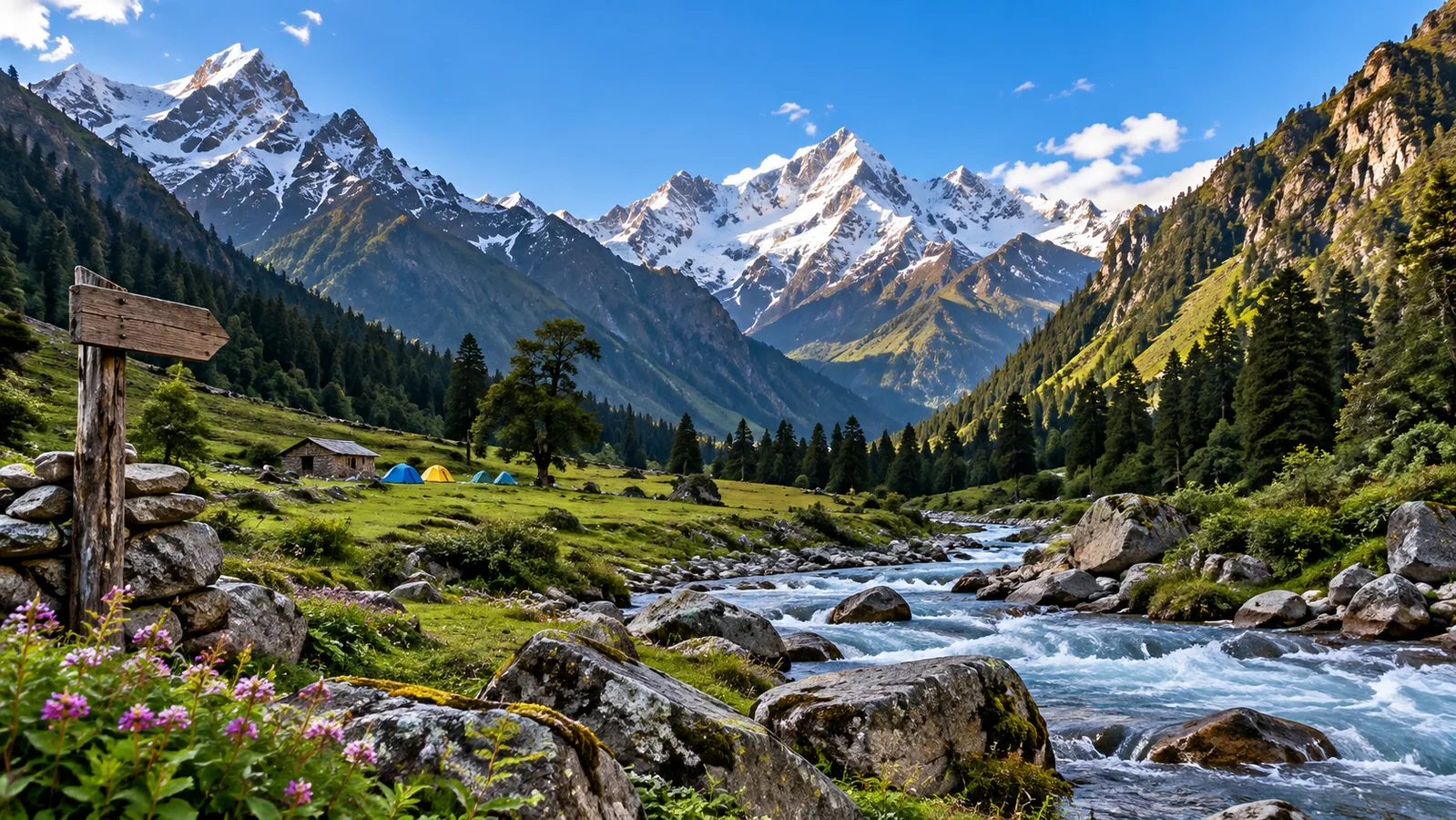
Har Ki Dun trek
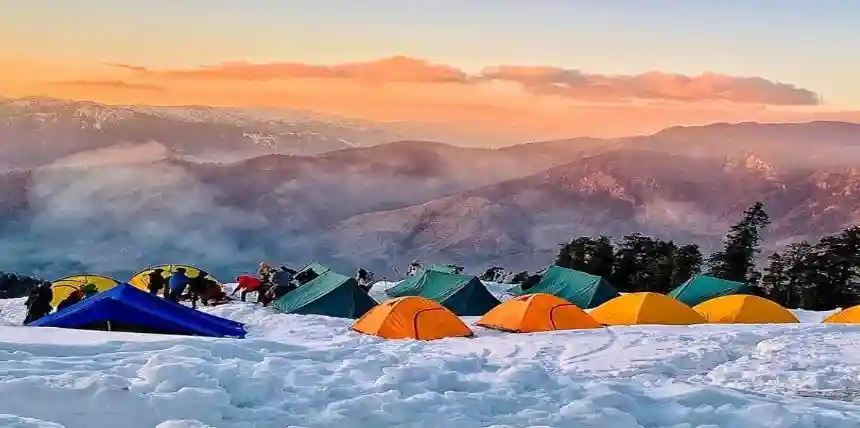
Kedarkantha
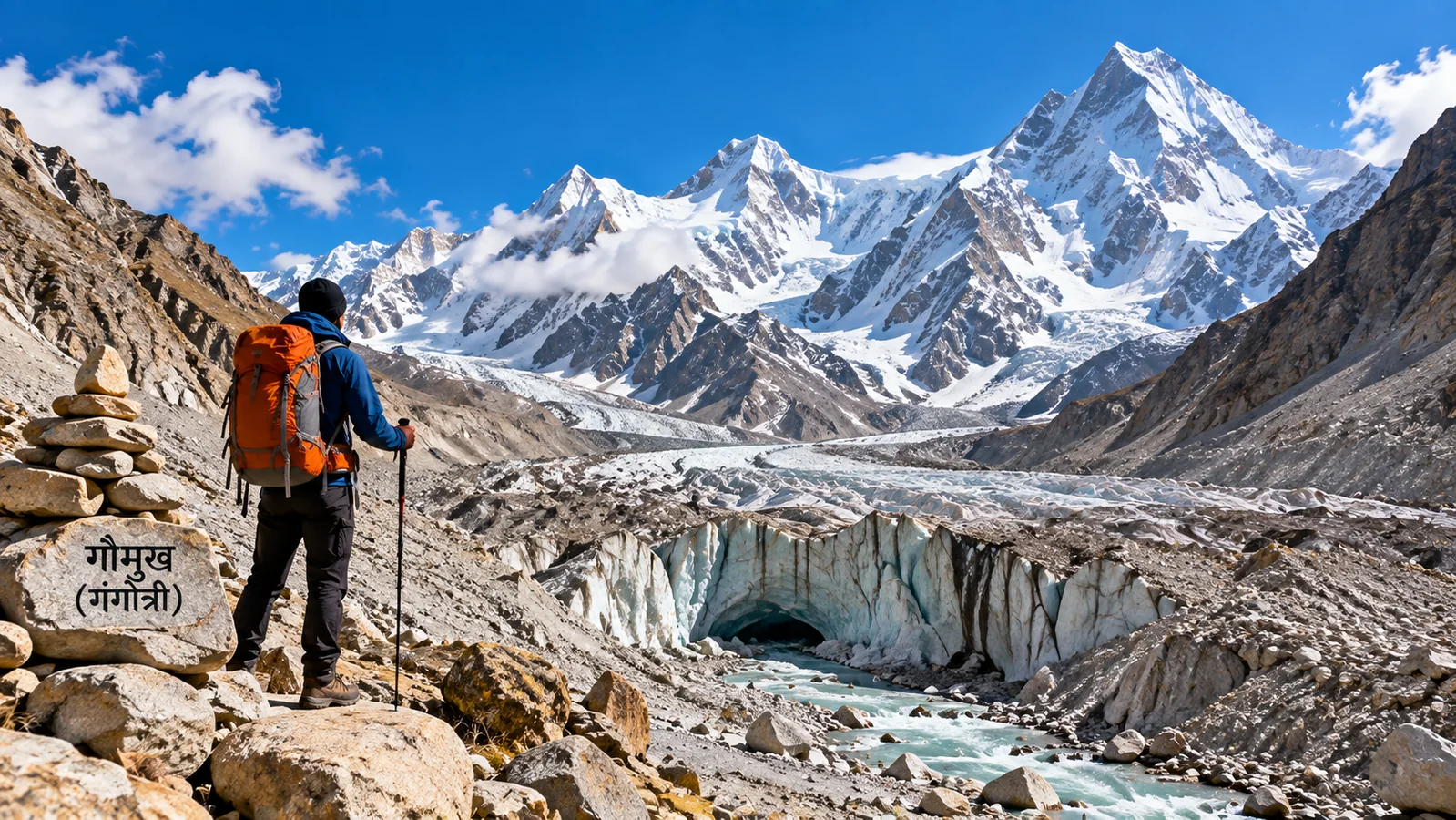
Gaumukh Tapovan Trek
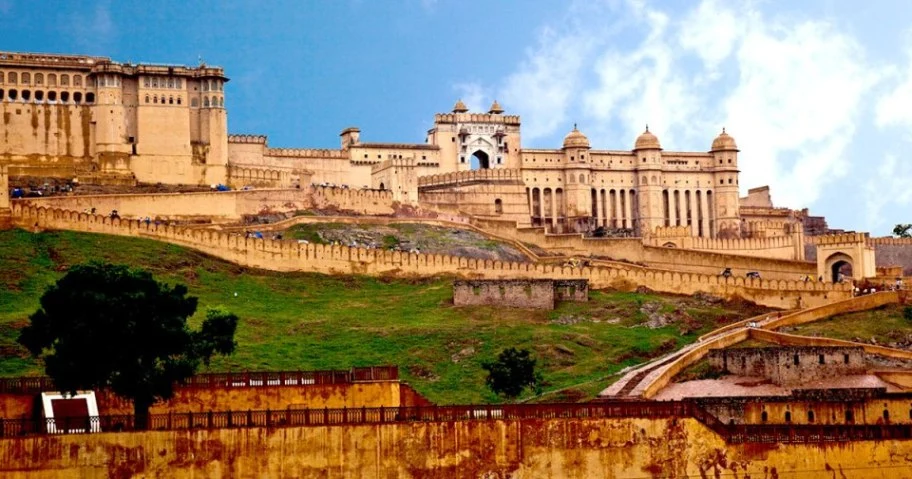
Amber Fort
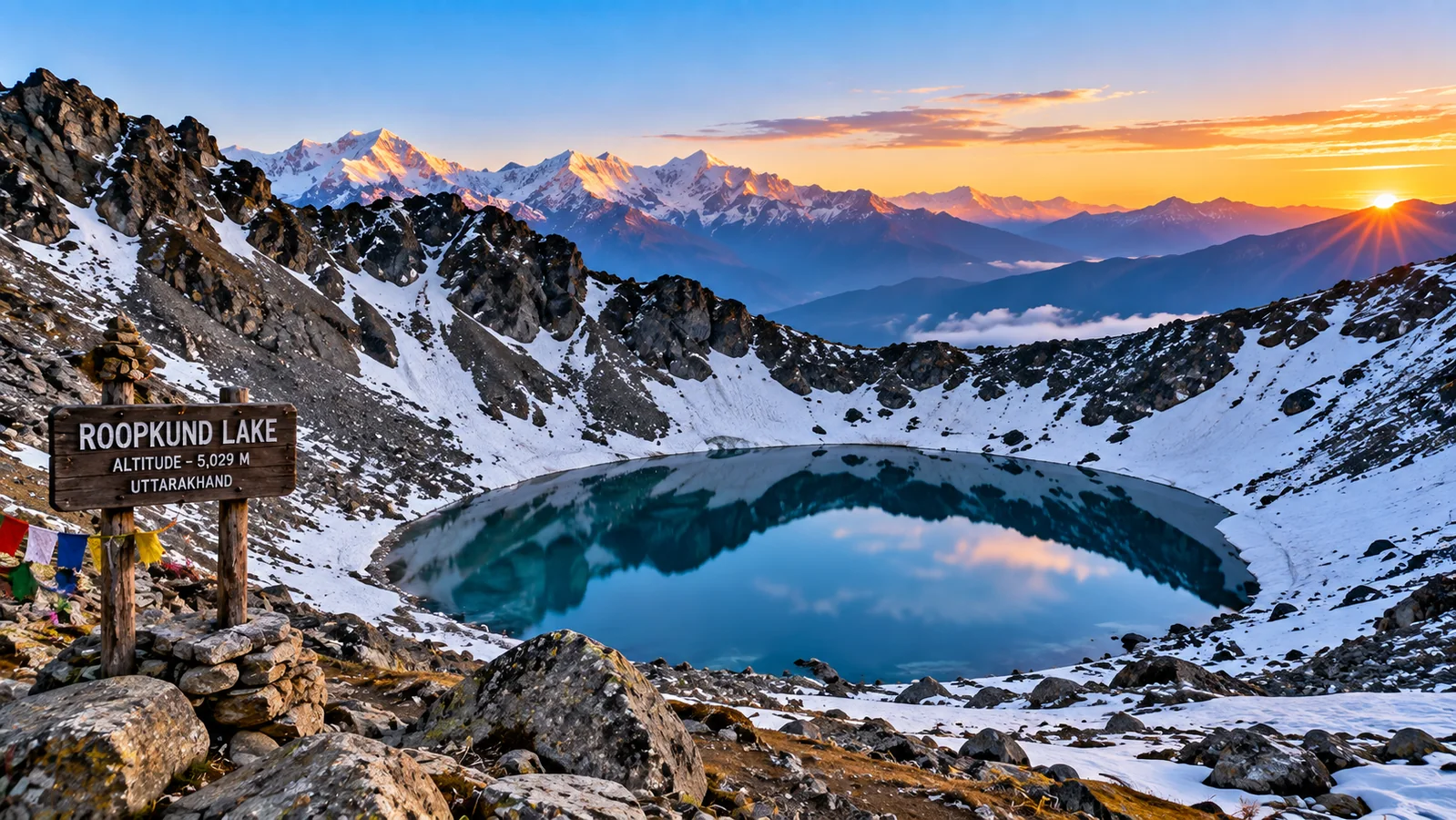
Roopkund Lake Trek
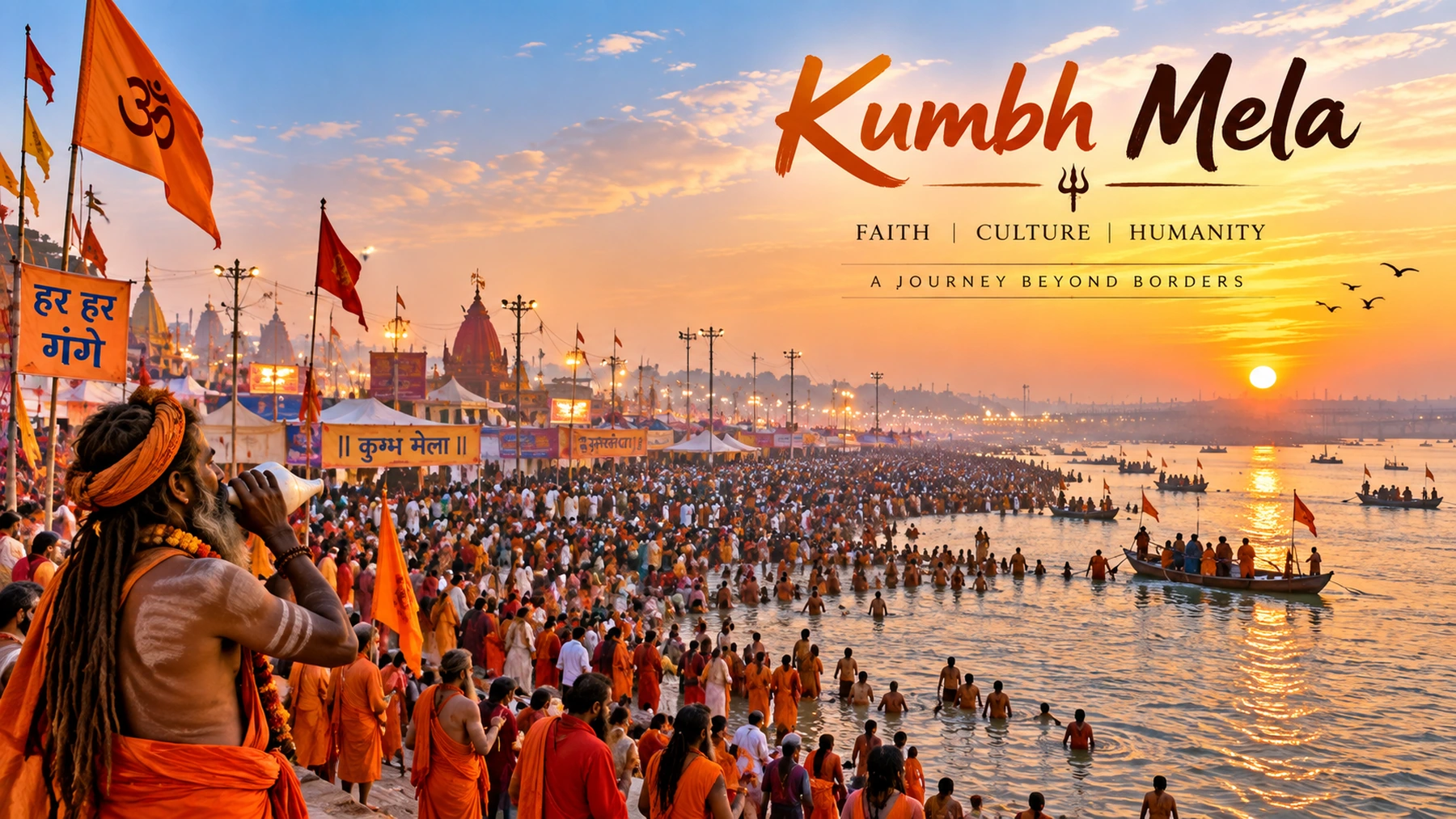
Maha Kumbh 2025
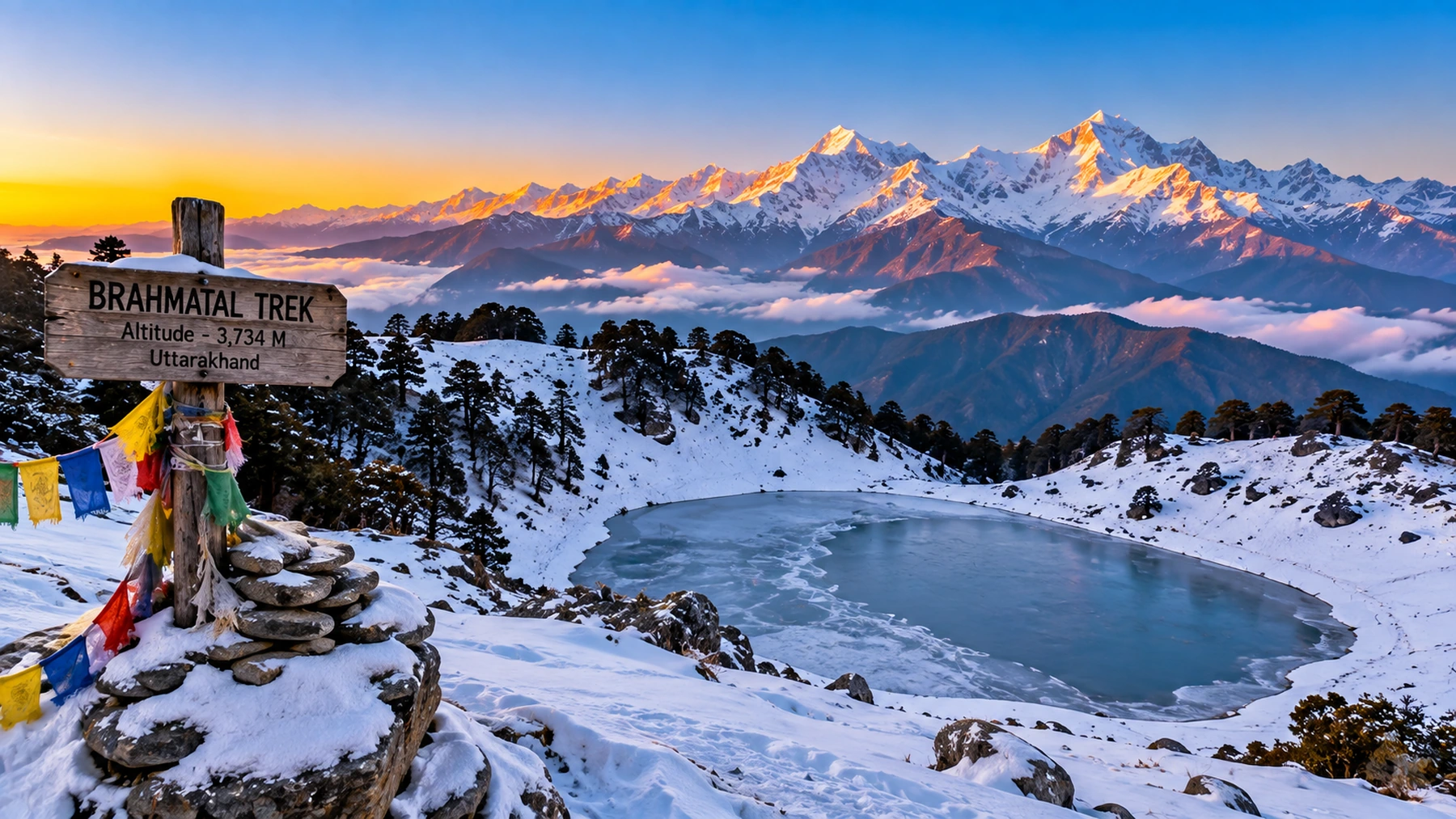
Brahmatal Trek
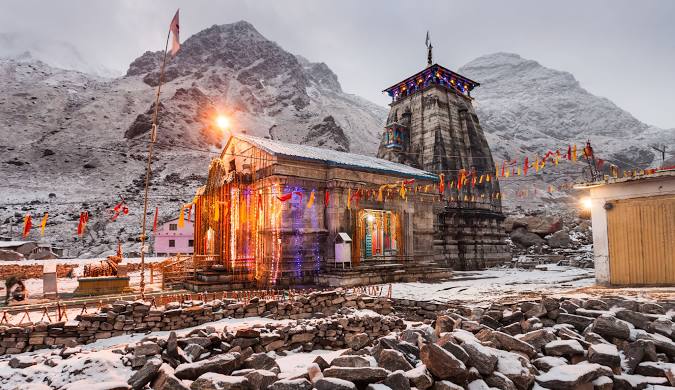
Kedarnath
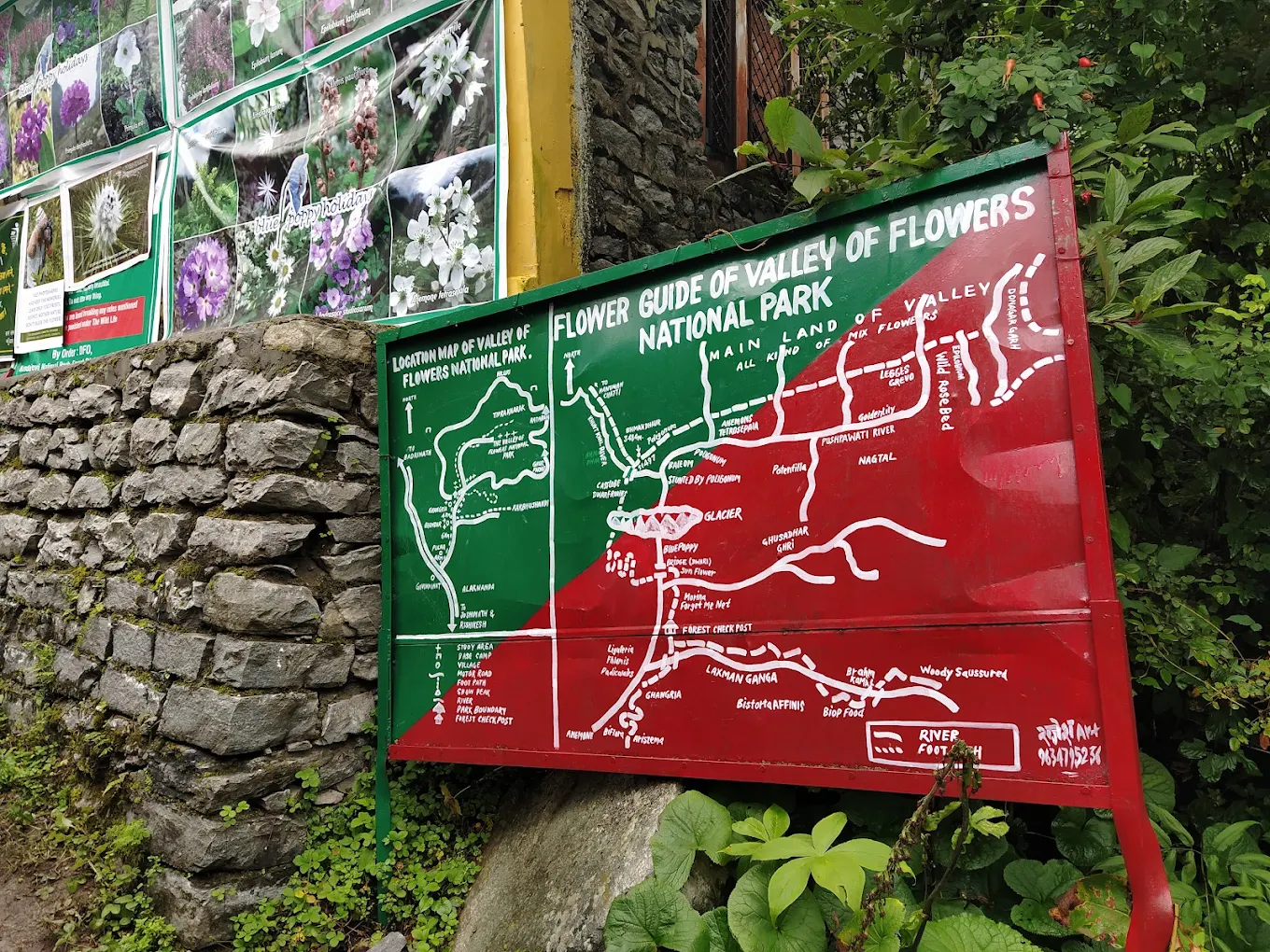
The Valley of Flowers Trek
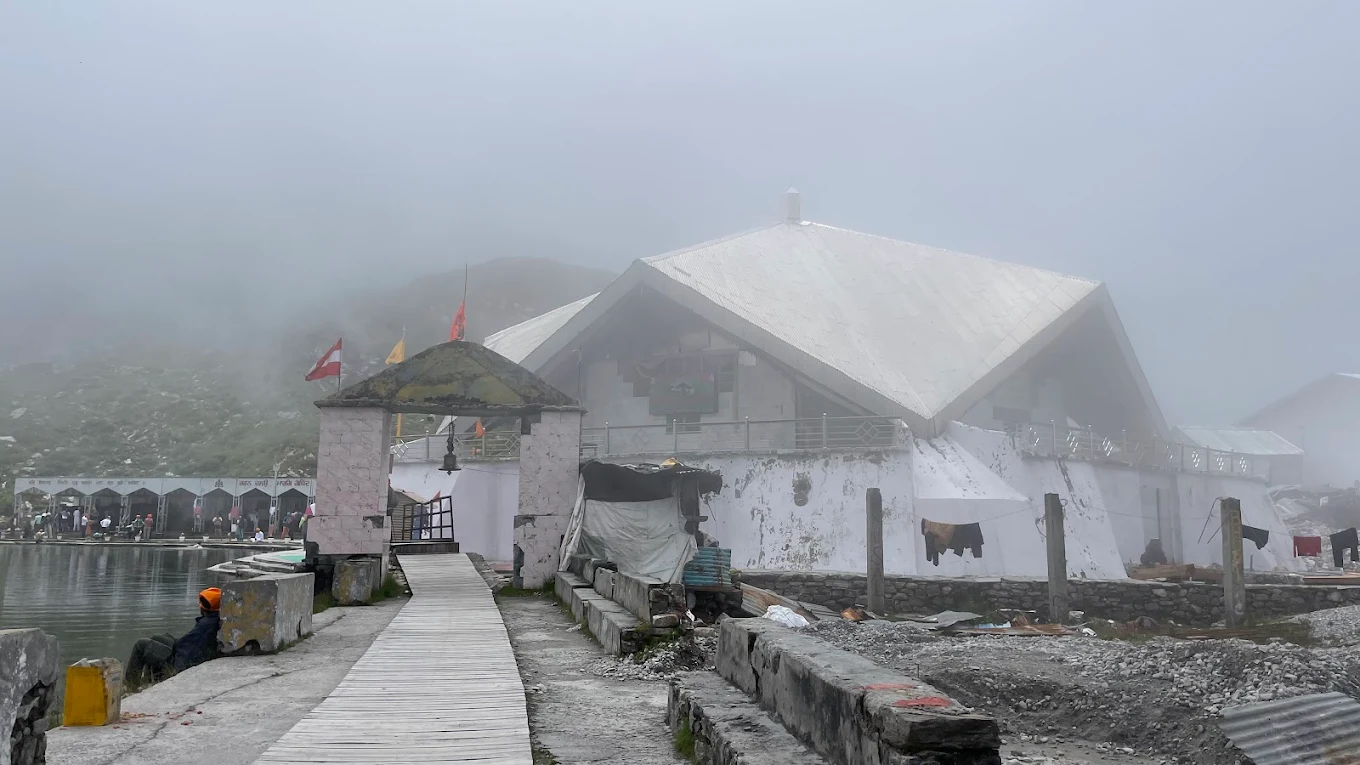
Sri Hemkund Sahib
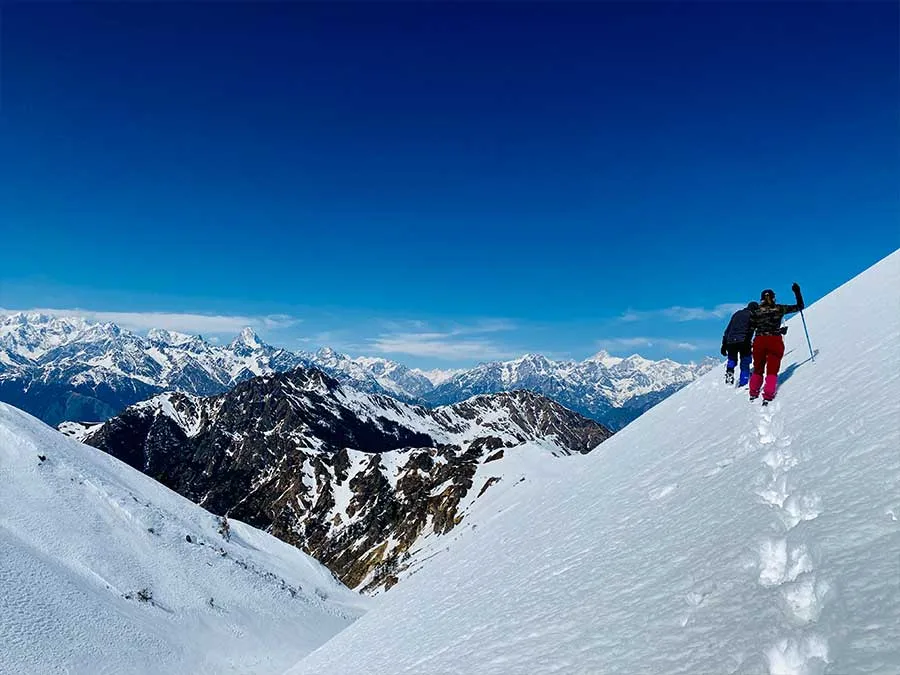
Kuari Pass Trek
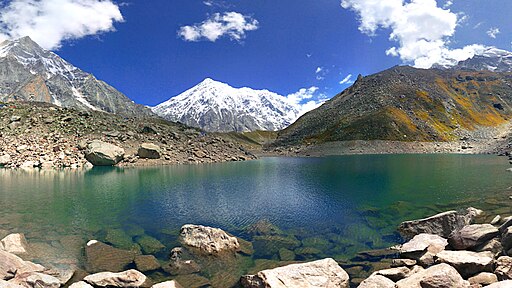
Satopanth Lake Trek
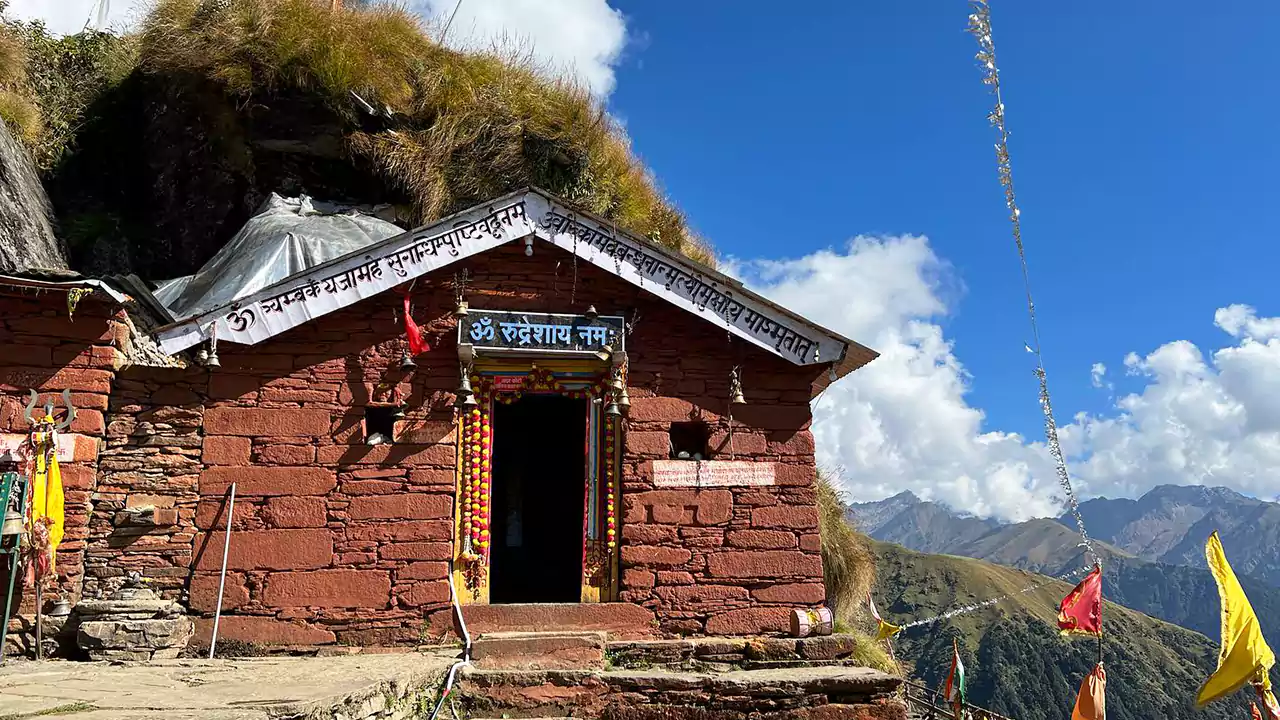
Rudranath
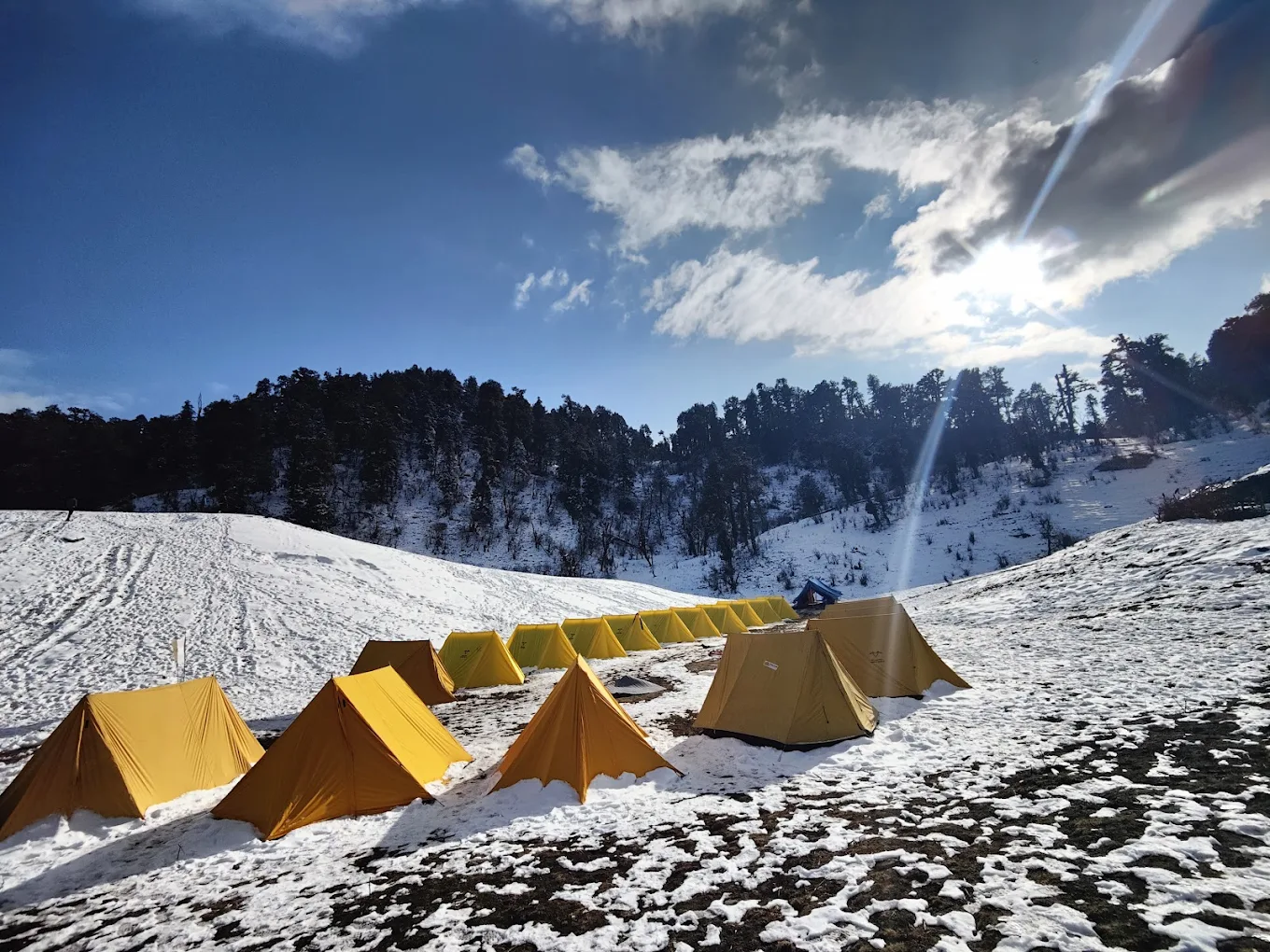
Dayara Bugyal Trek
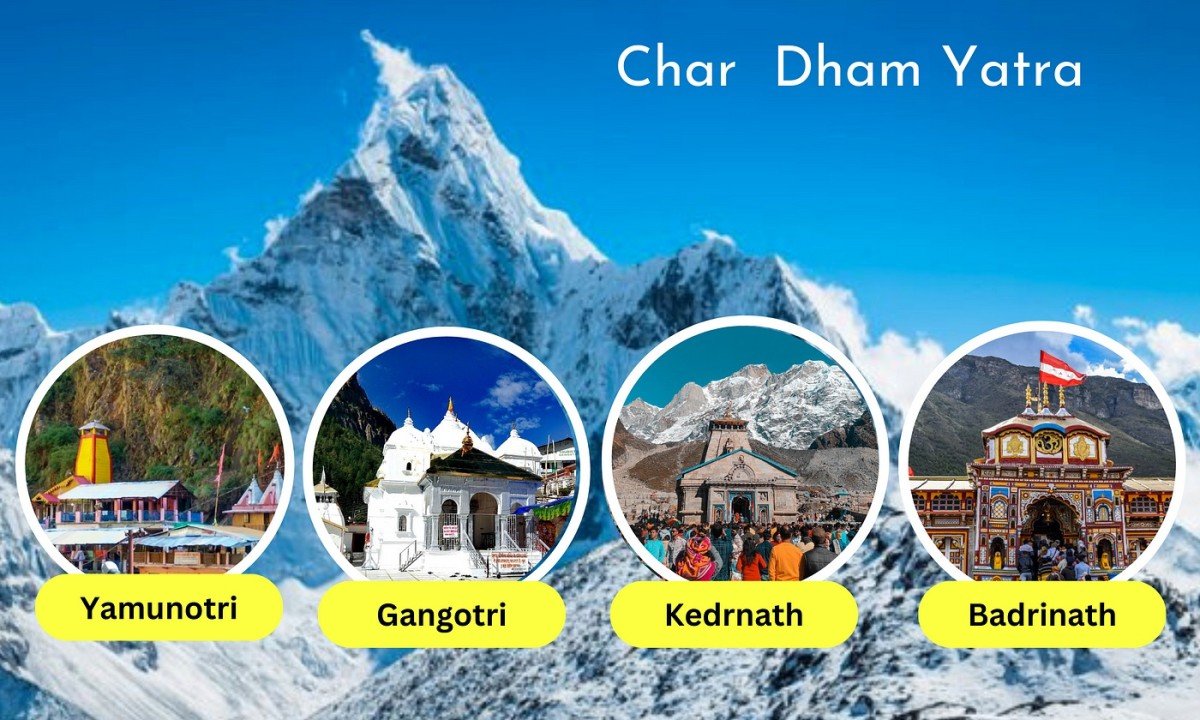
Char Dham Yatra
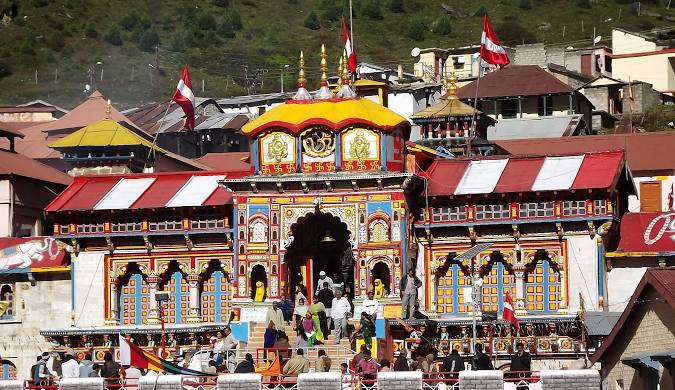
Badrinath
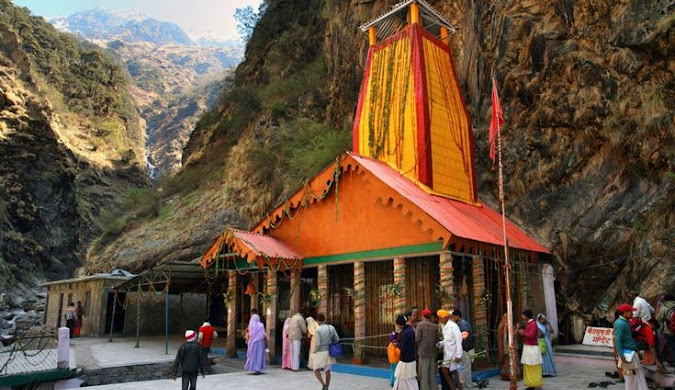
Yamunotri
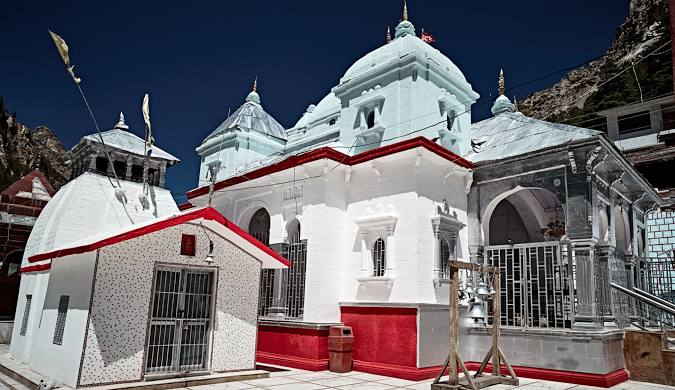
Gangotri
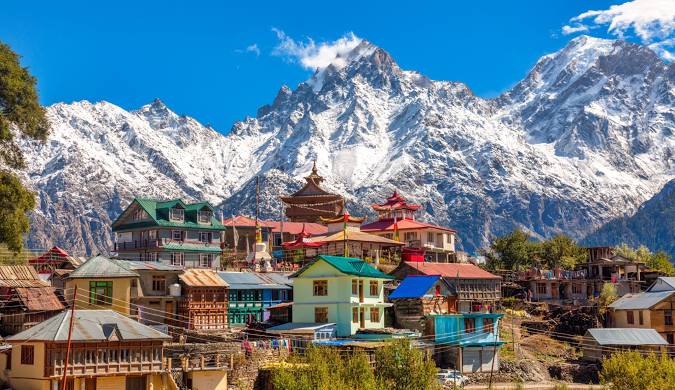
Kalpa
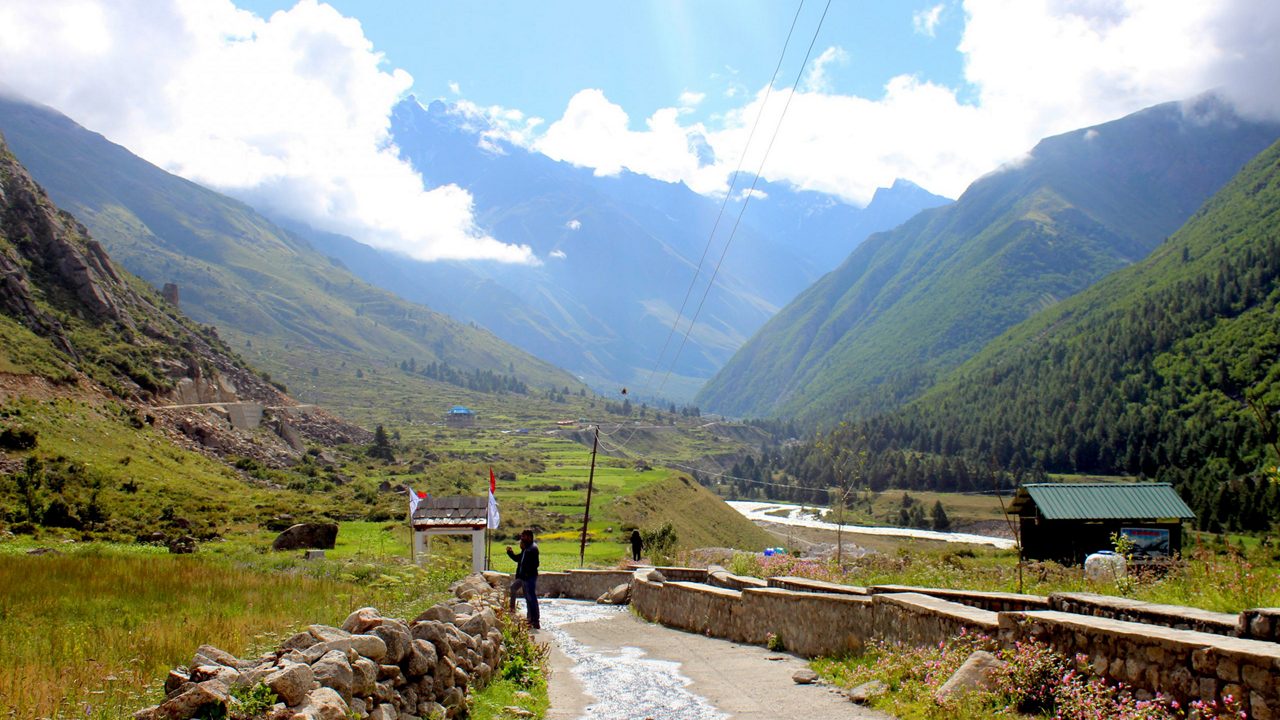
Chitkul
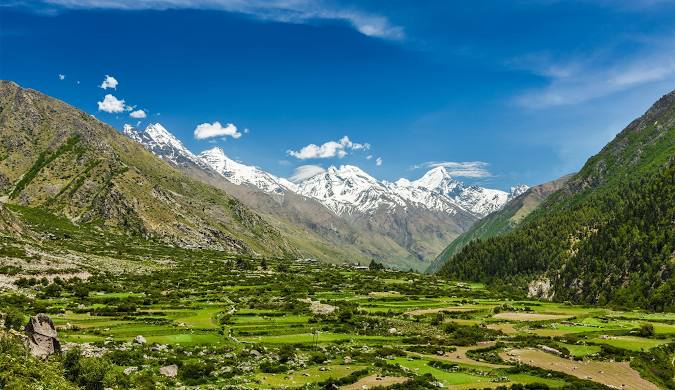
Sangla Valley
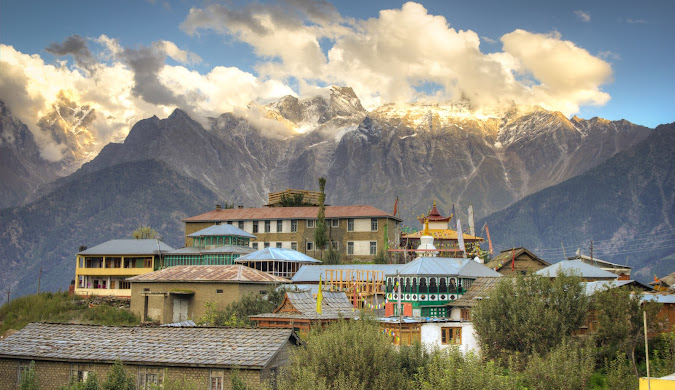
Reckong Peo
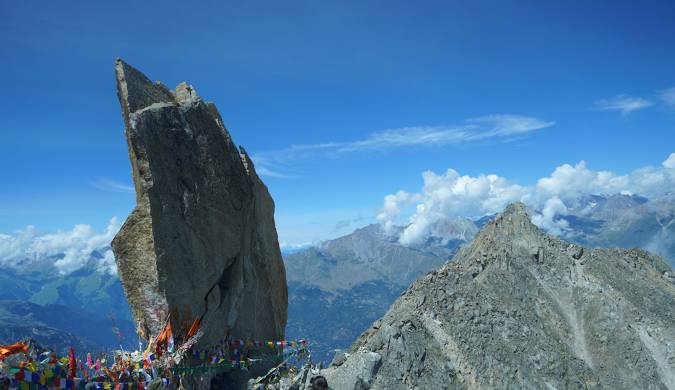
Kinner Kailash
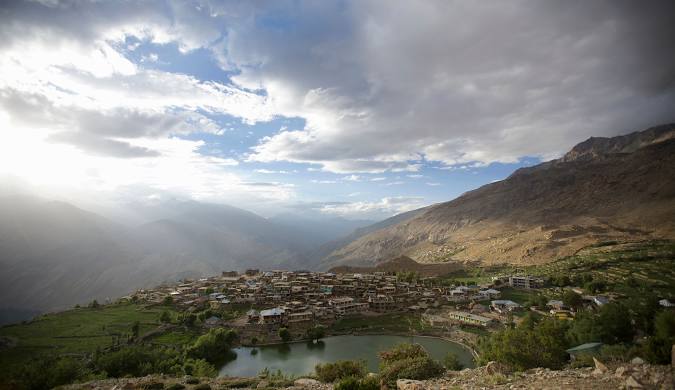
Nako Village
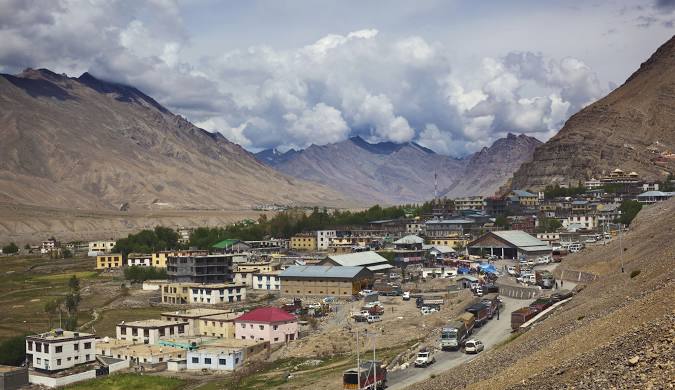
Kaza
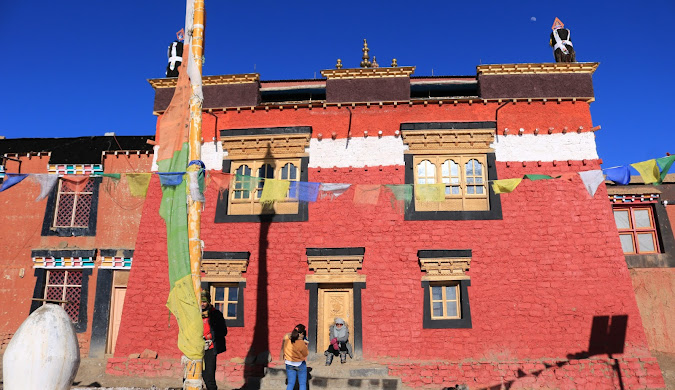
Komic Village
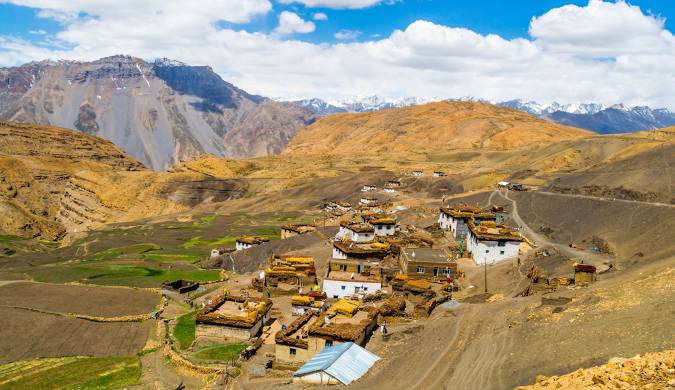
Hikkim Village
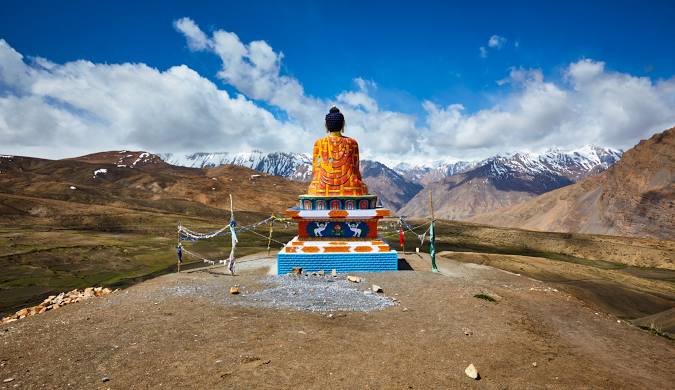
Langza Village
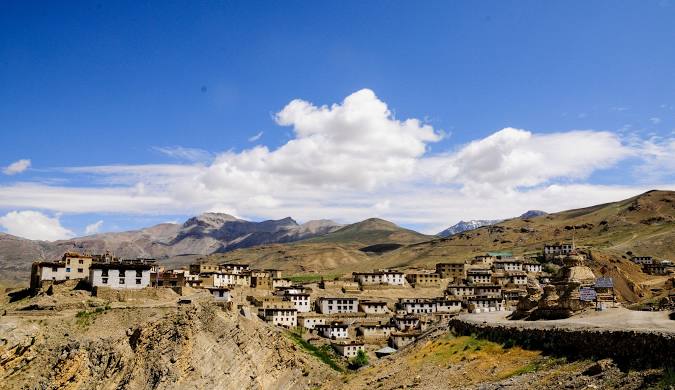
Kibber Village
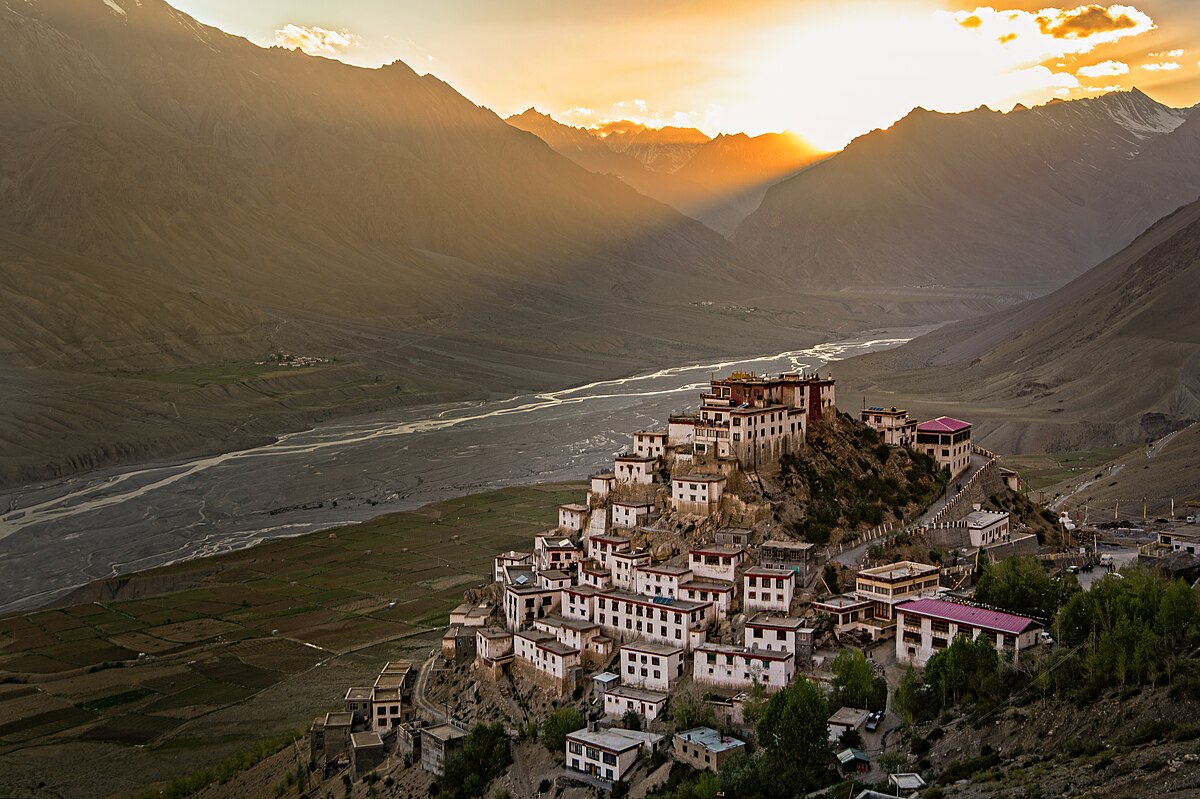
Key Monastery
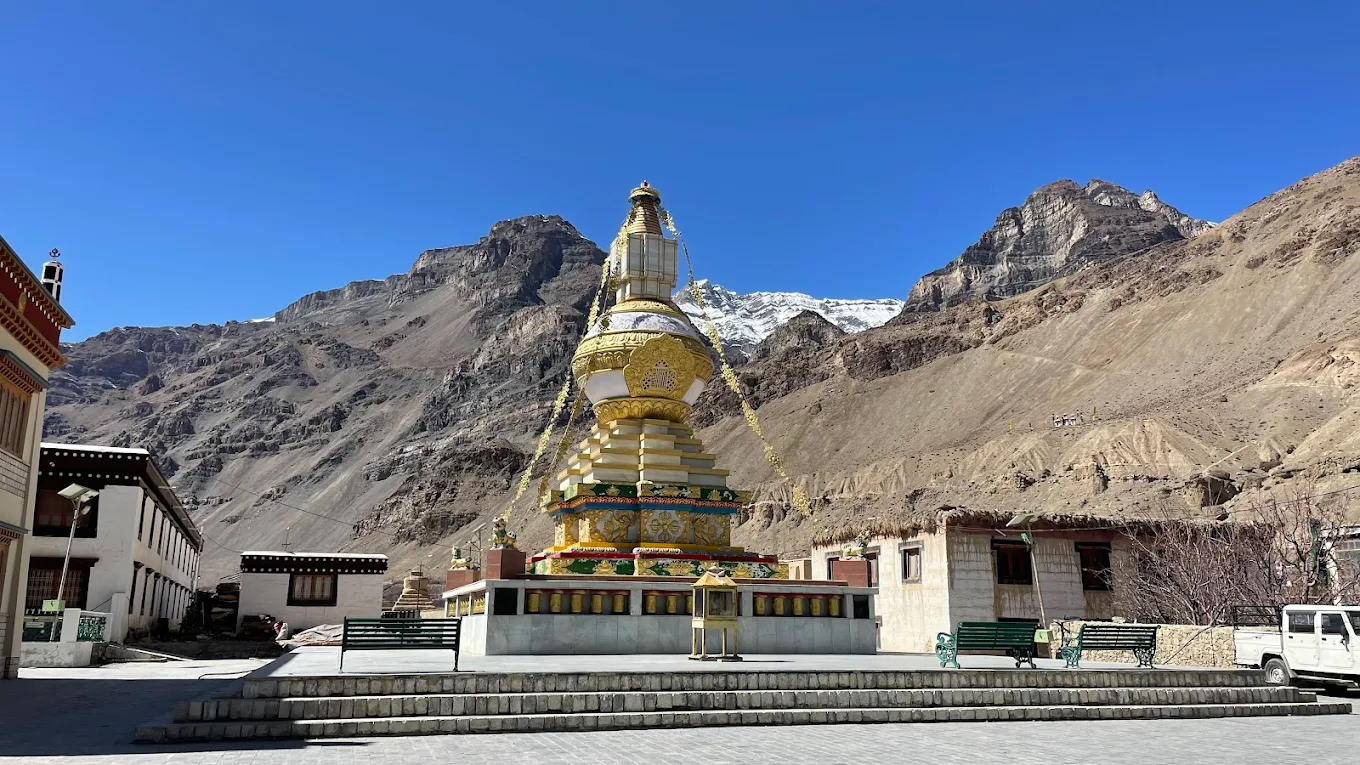
Tabo Monastery
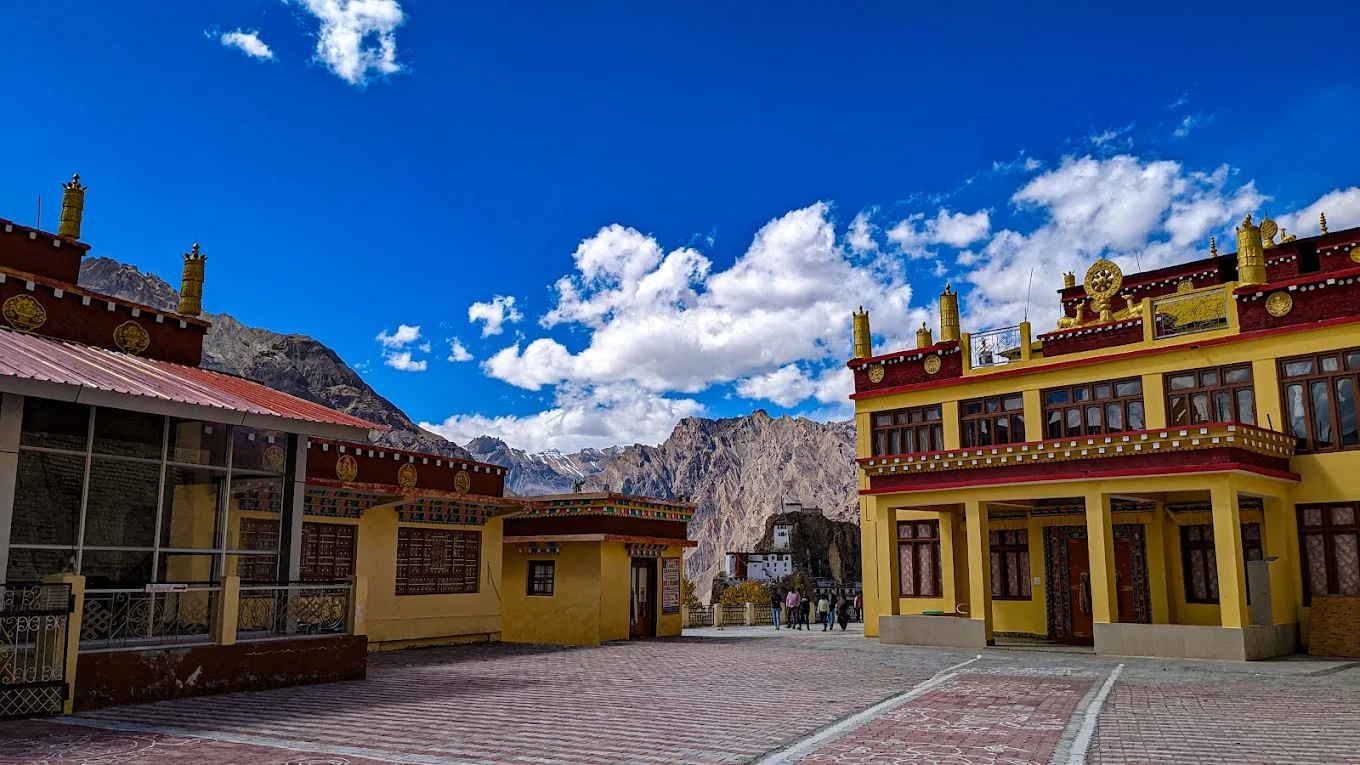
Dhankar Monastery
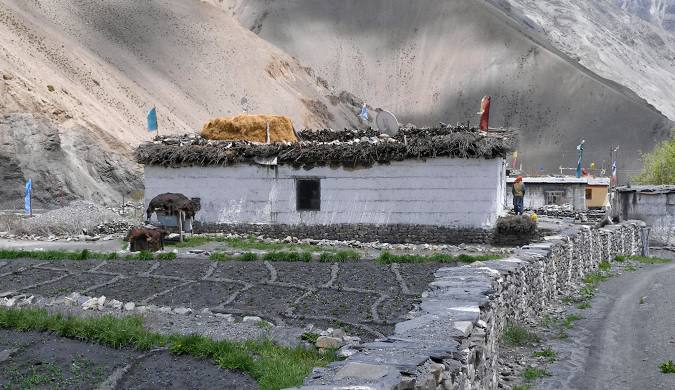
Gue Village
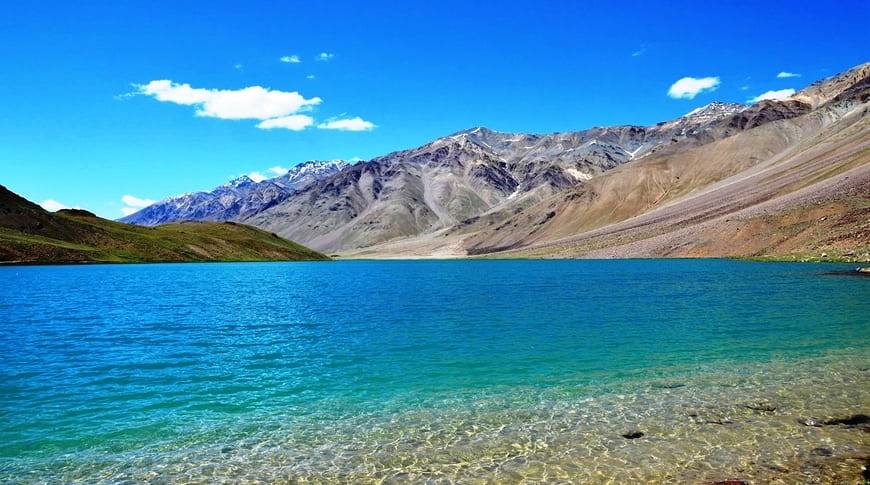
Chandratal Lake
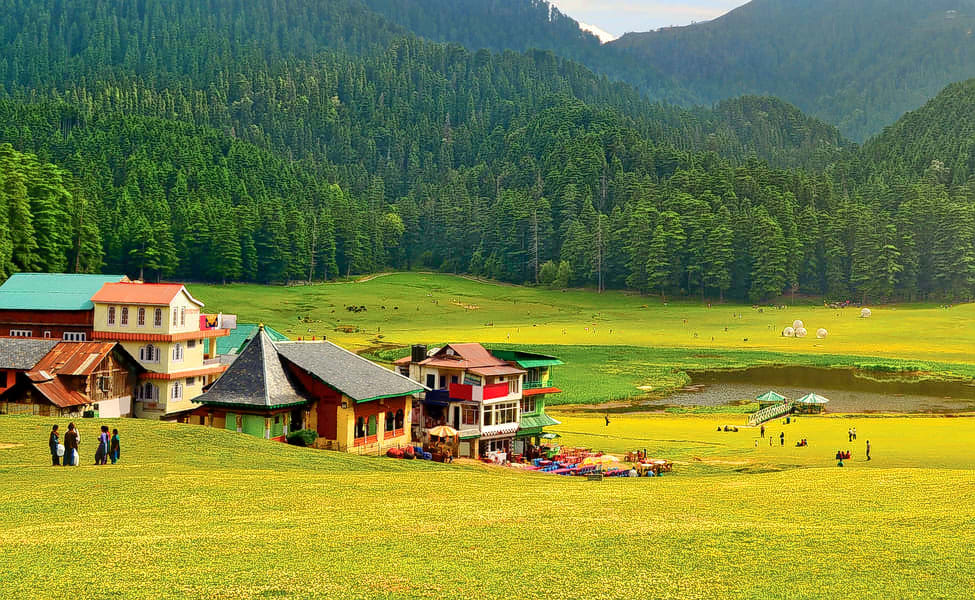
Dalhousie
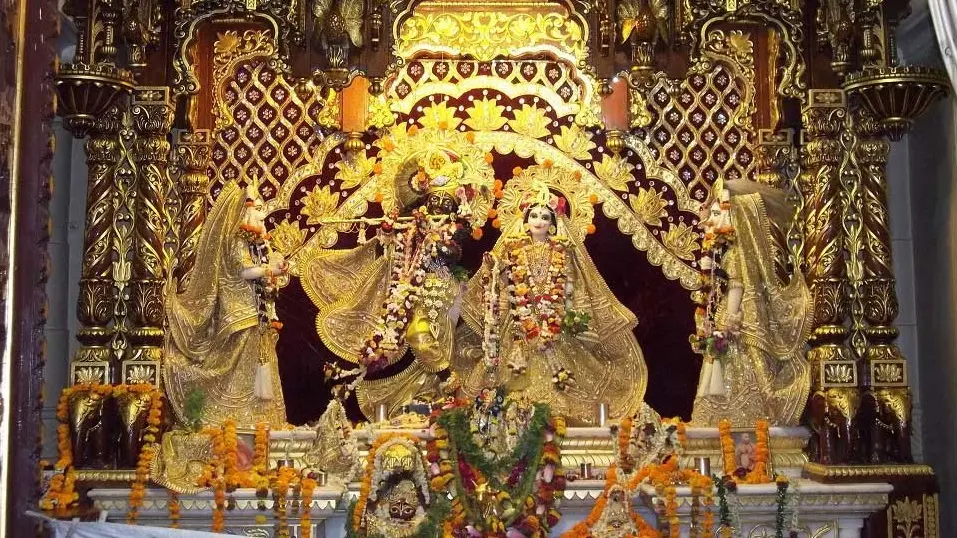
Shri Krishna Janmabhoomi Temple
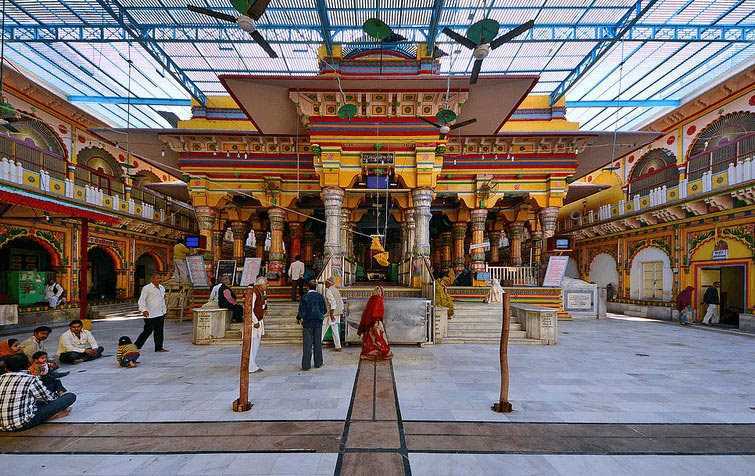
Shri Dwarkadhish Temple
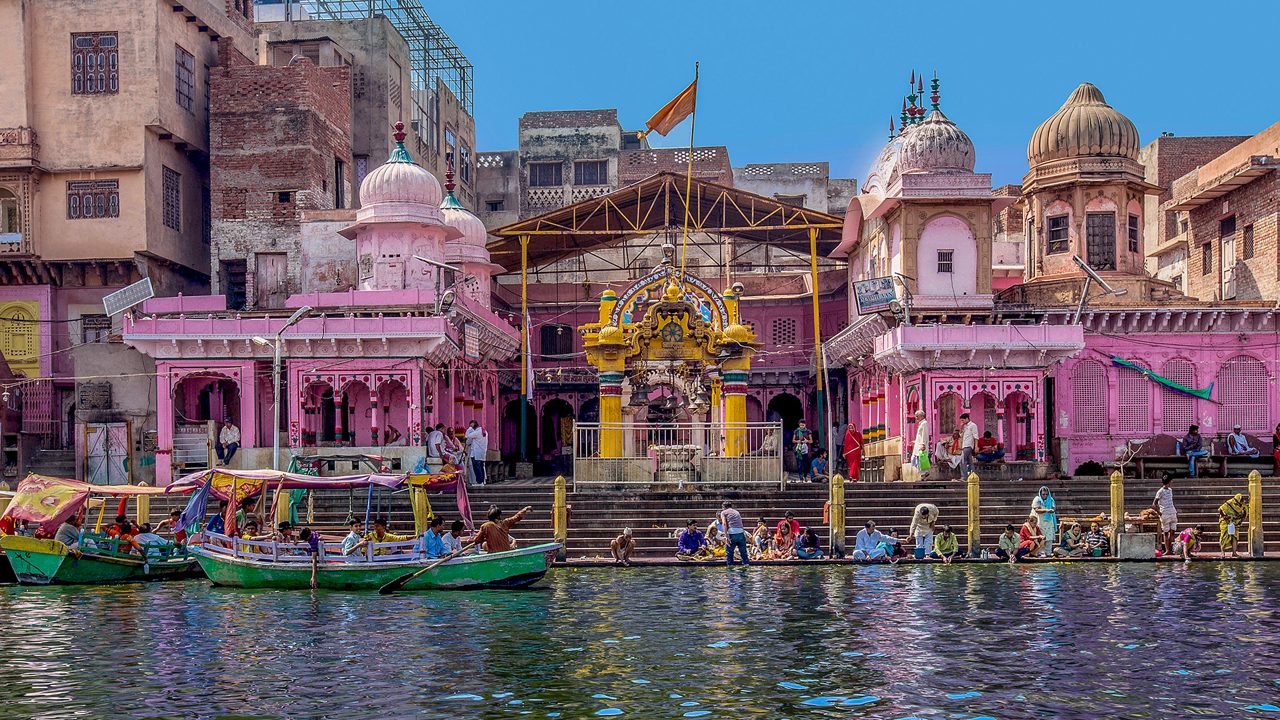
Vishram Ghat, Mathura
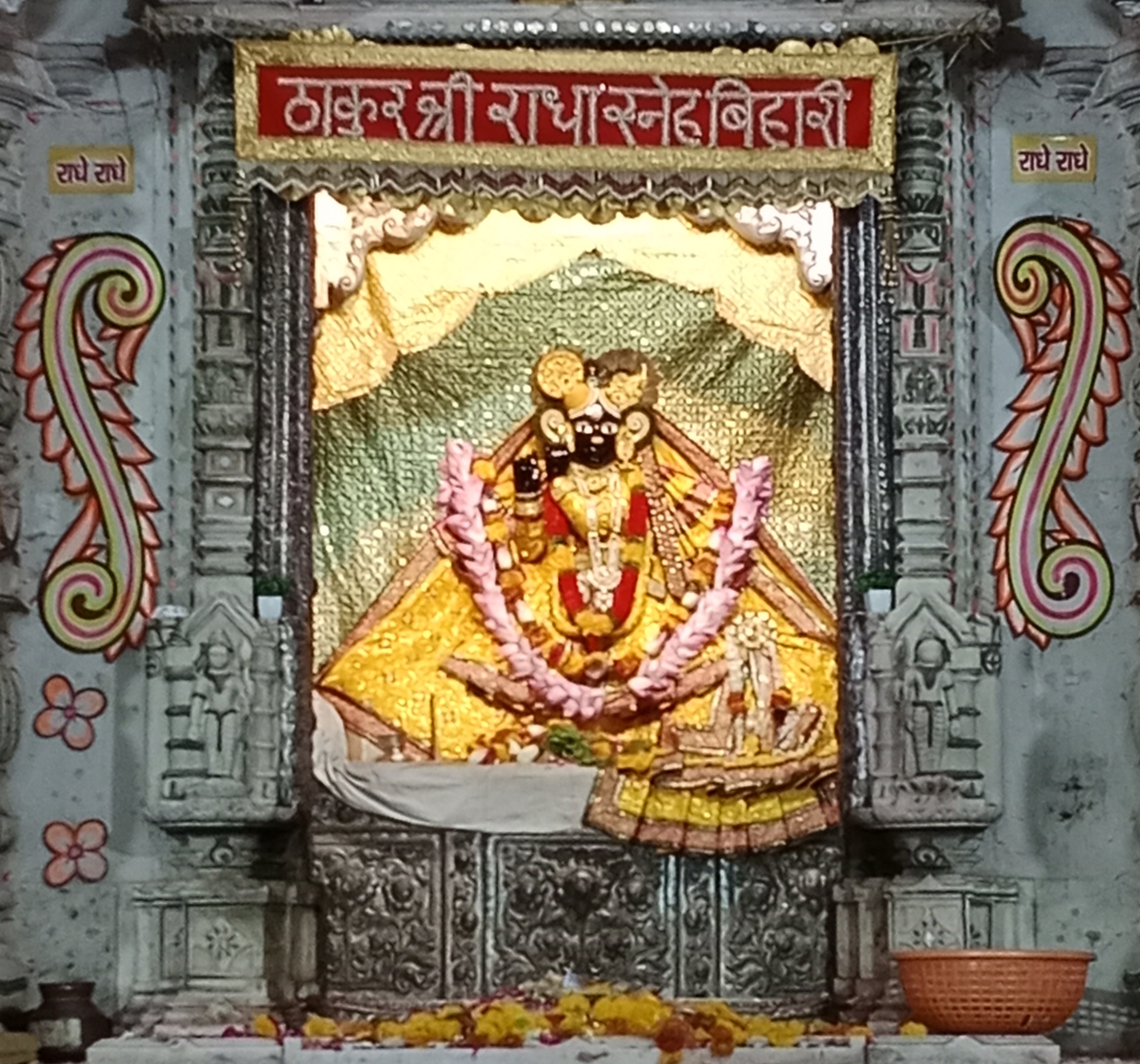
Shri Banke Bihari Temple, Vrindavan
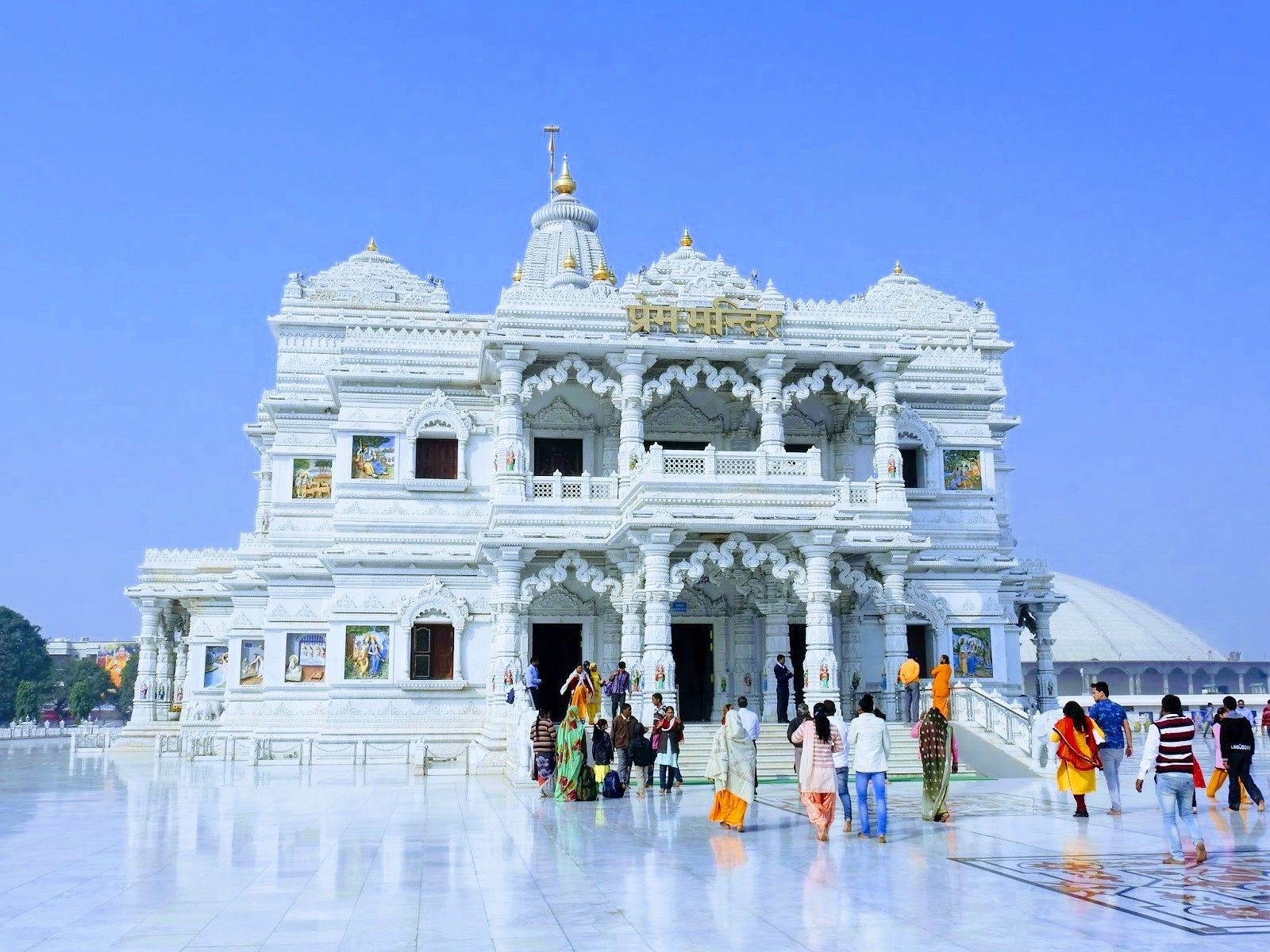
Shri Prem Mandir, Vrindavan
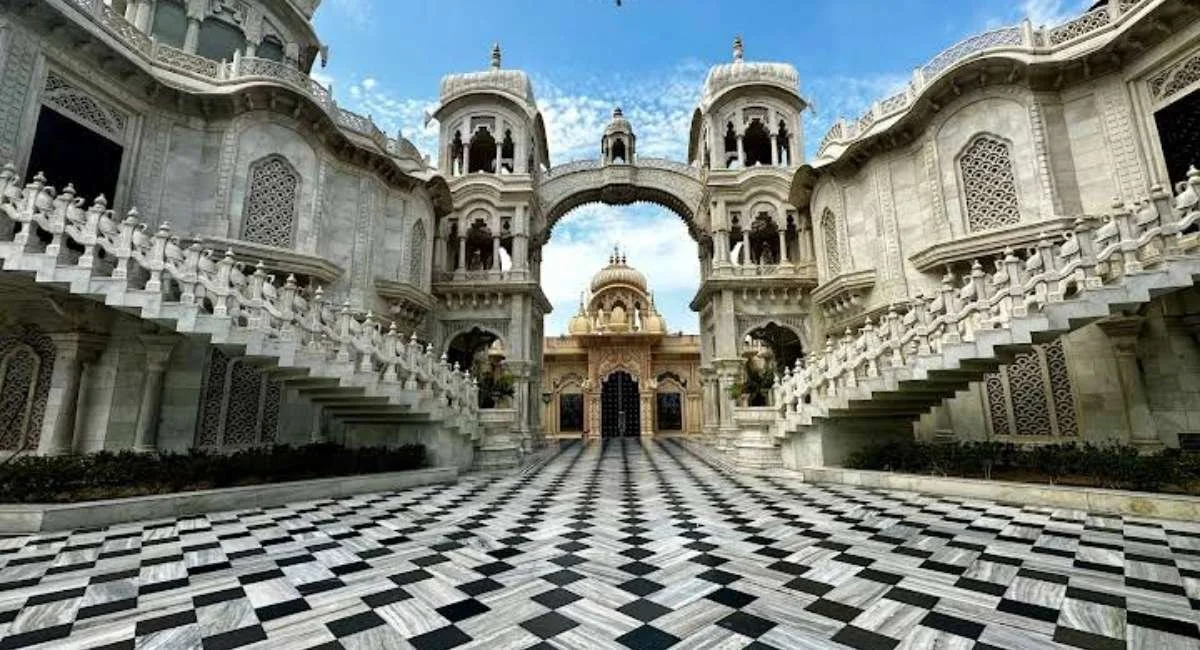
ISKCON Temple, Vrindavan
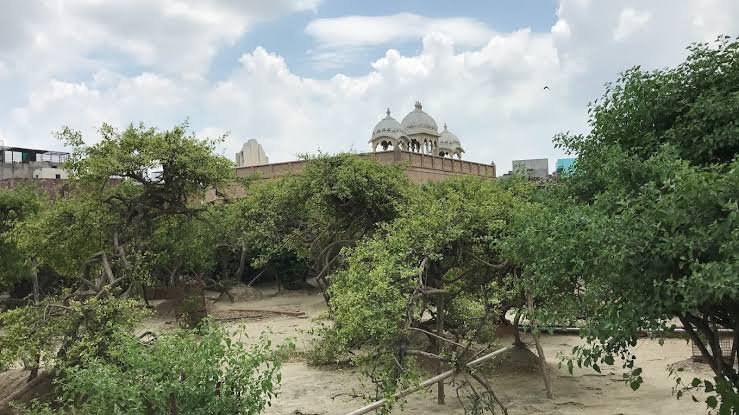
Nidhivan, Vrindavan
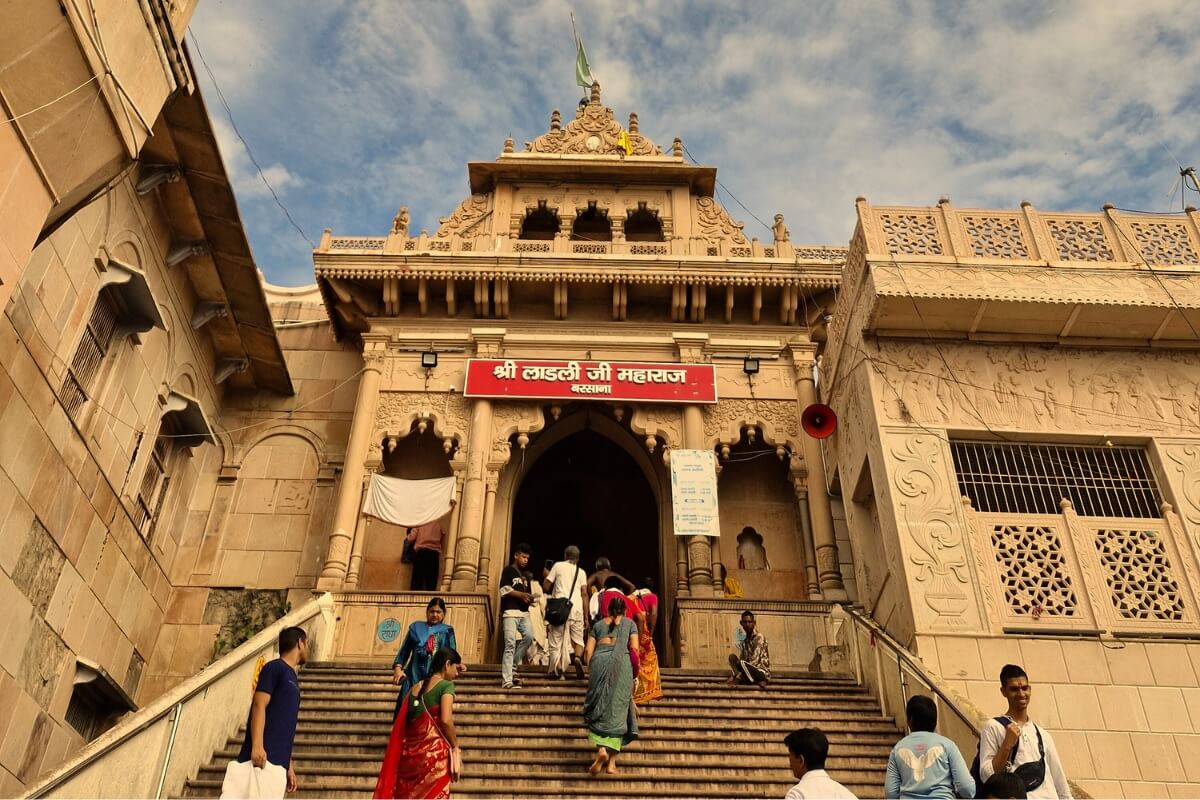
Shri Radha Rani Temple, Barsana
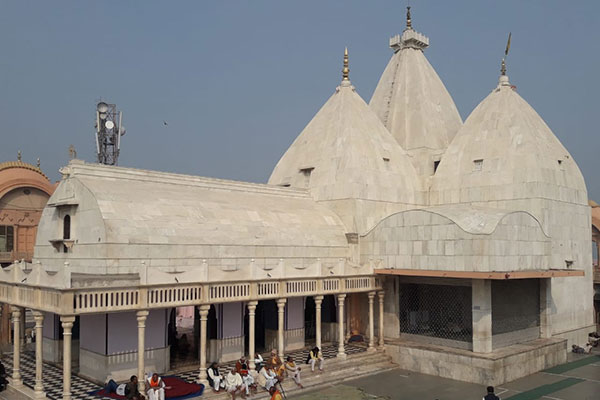
Nand Bhawan Mandir, Nandgaon
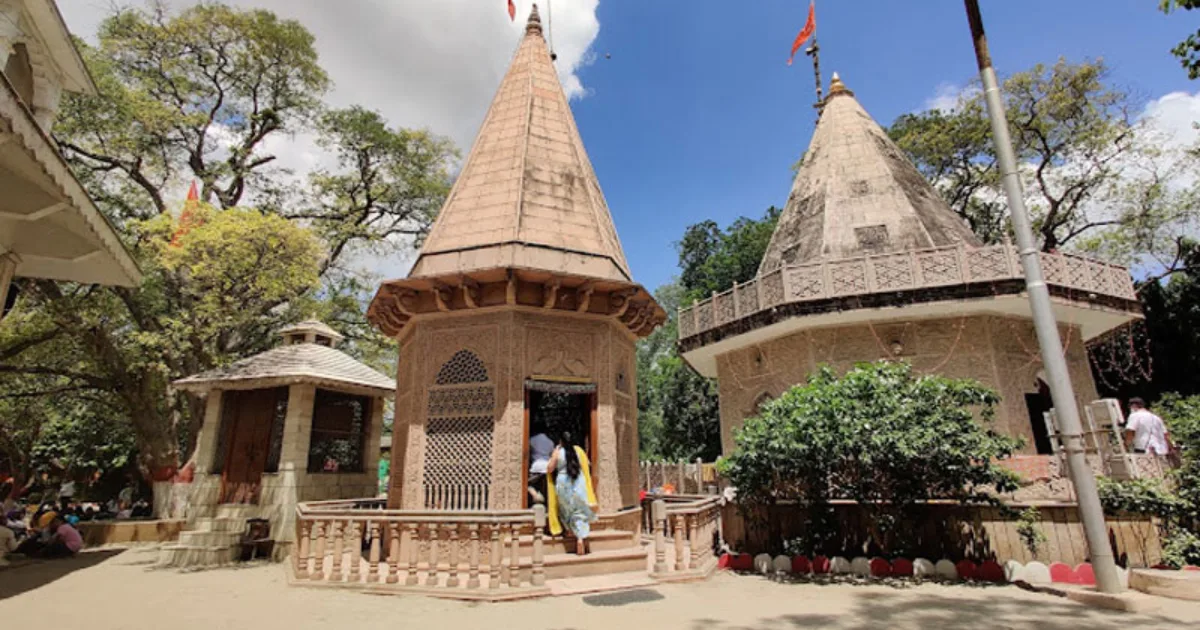
Raman Reti
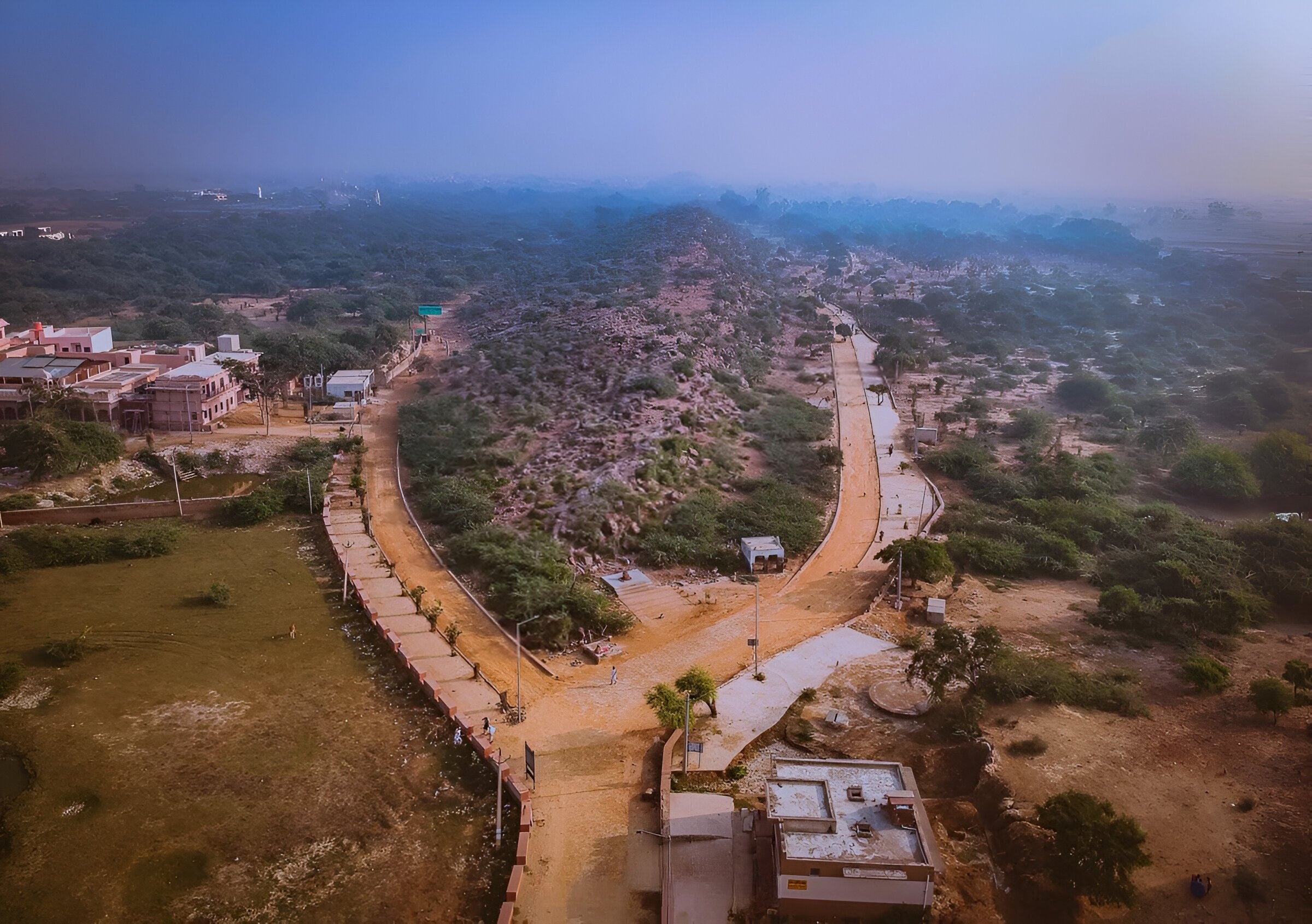
Goverdhan Parikrama
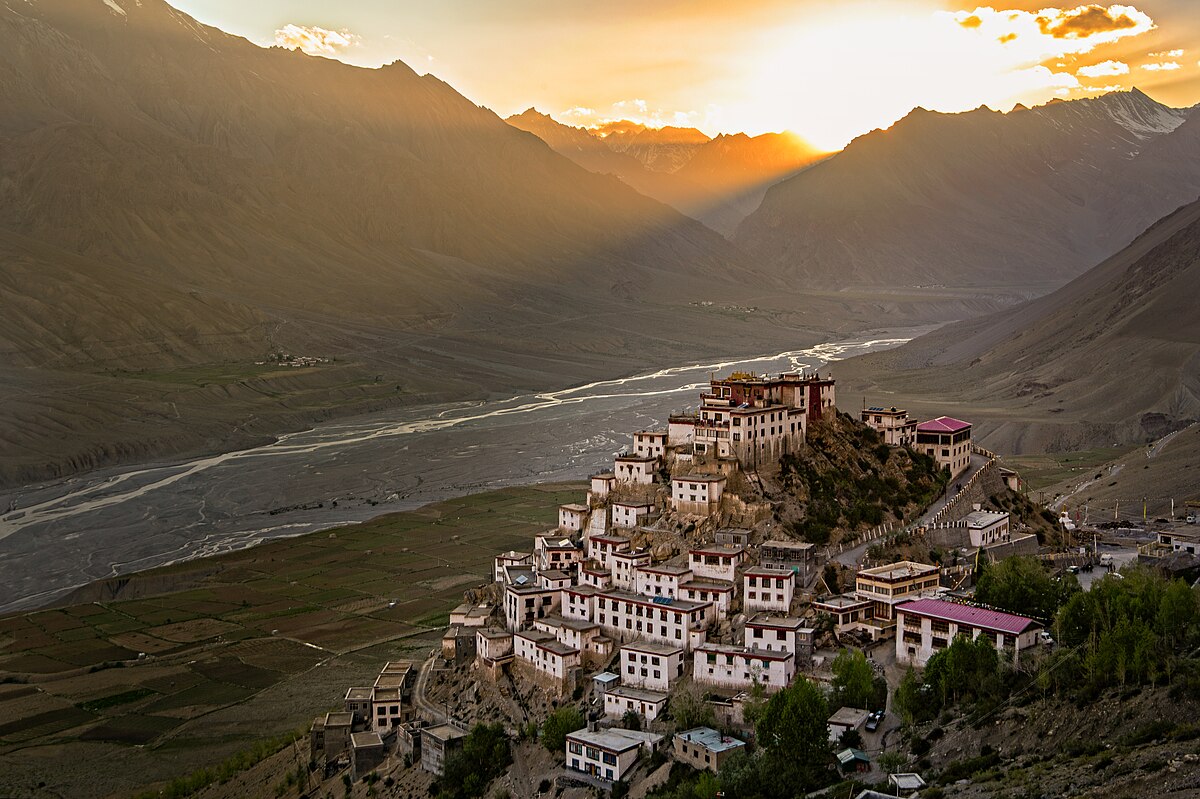
Spiti Valley Expedition
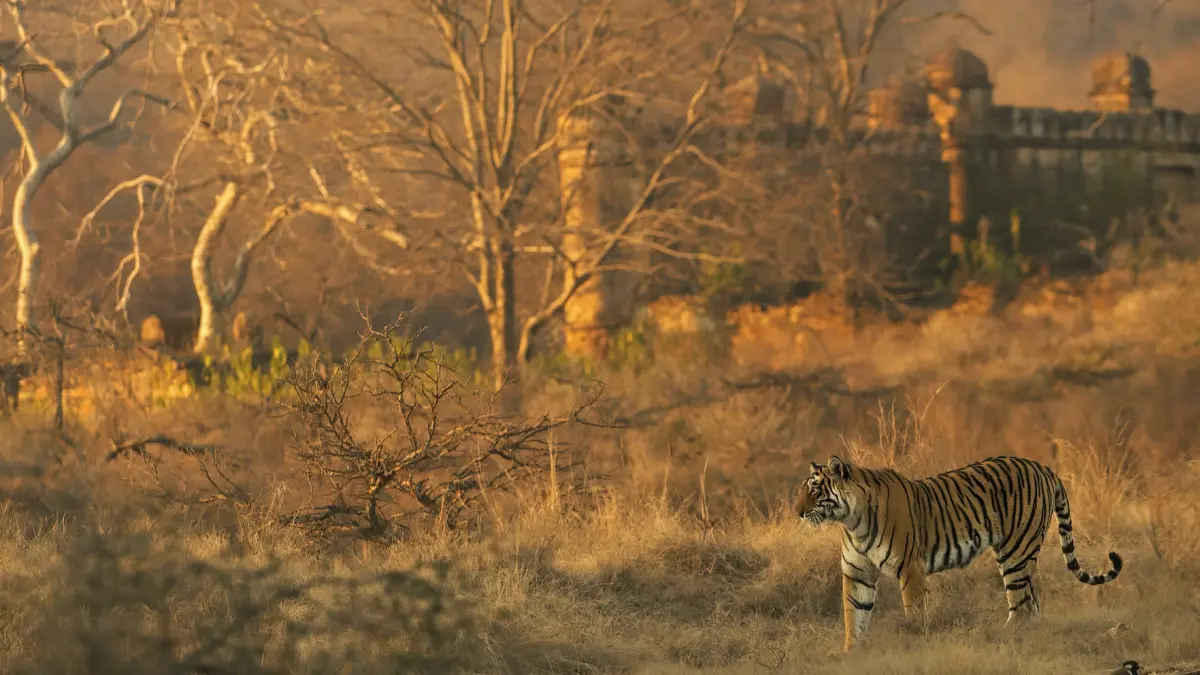
Ranthambhore National Park
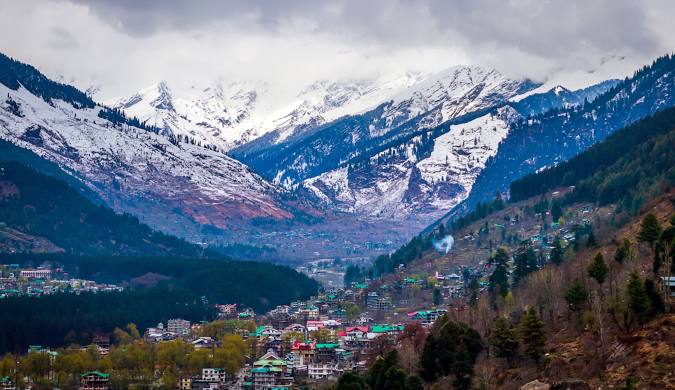
Manali
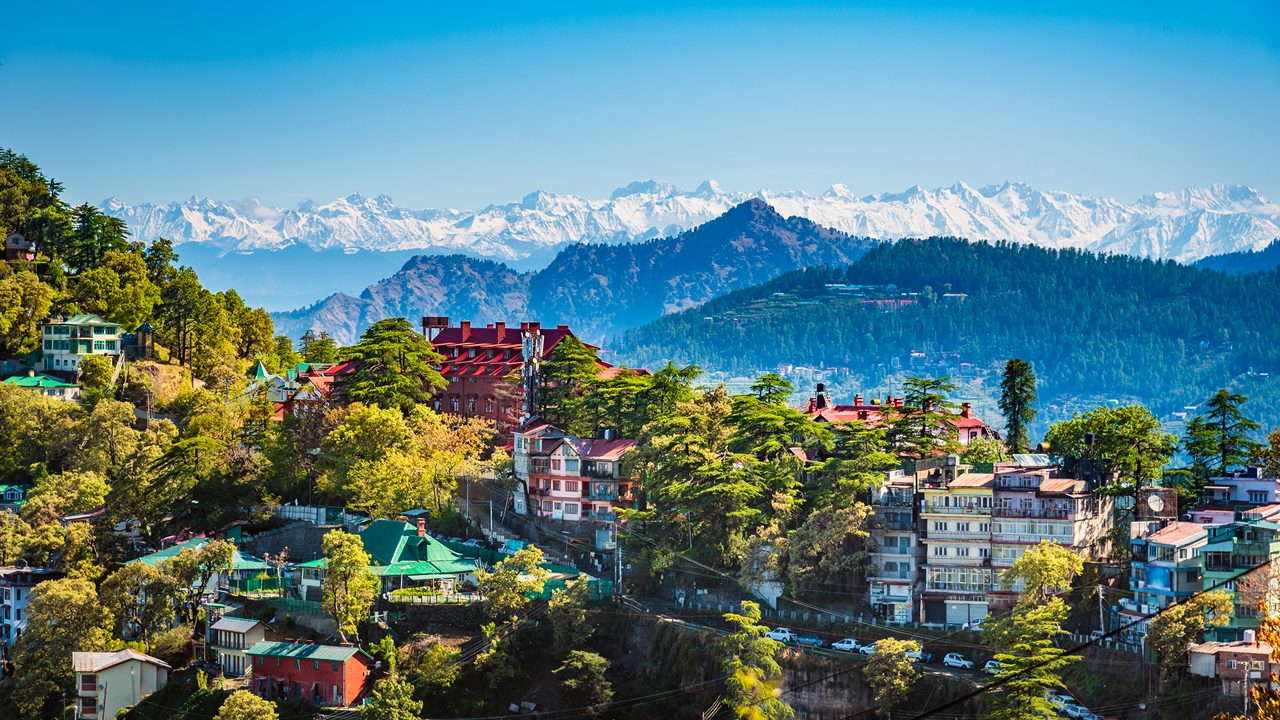
Shimla
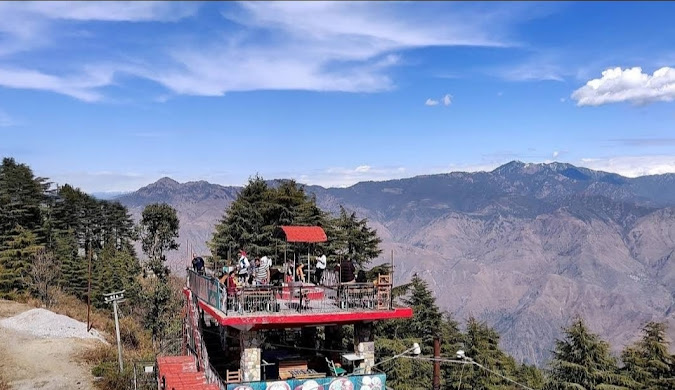
Mussoorie
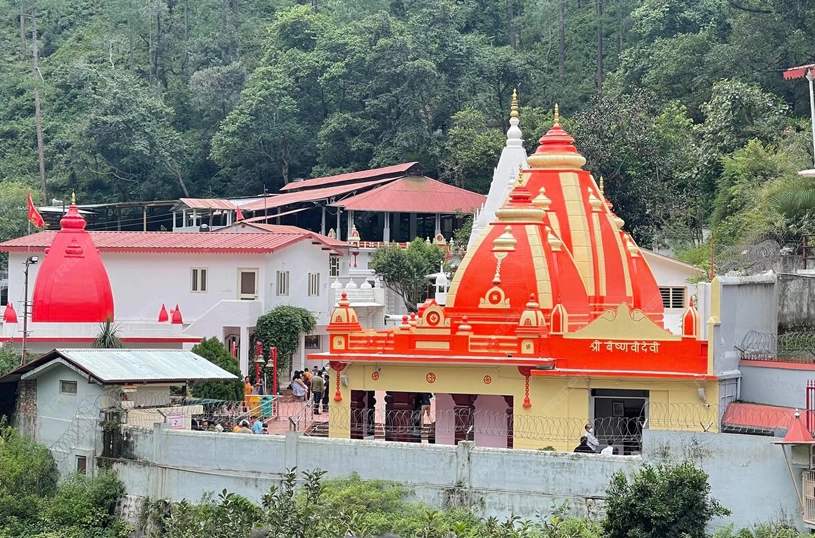
Neem Karoli Baba, Kainchi Dham
Mukteshwar
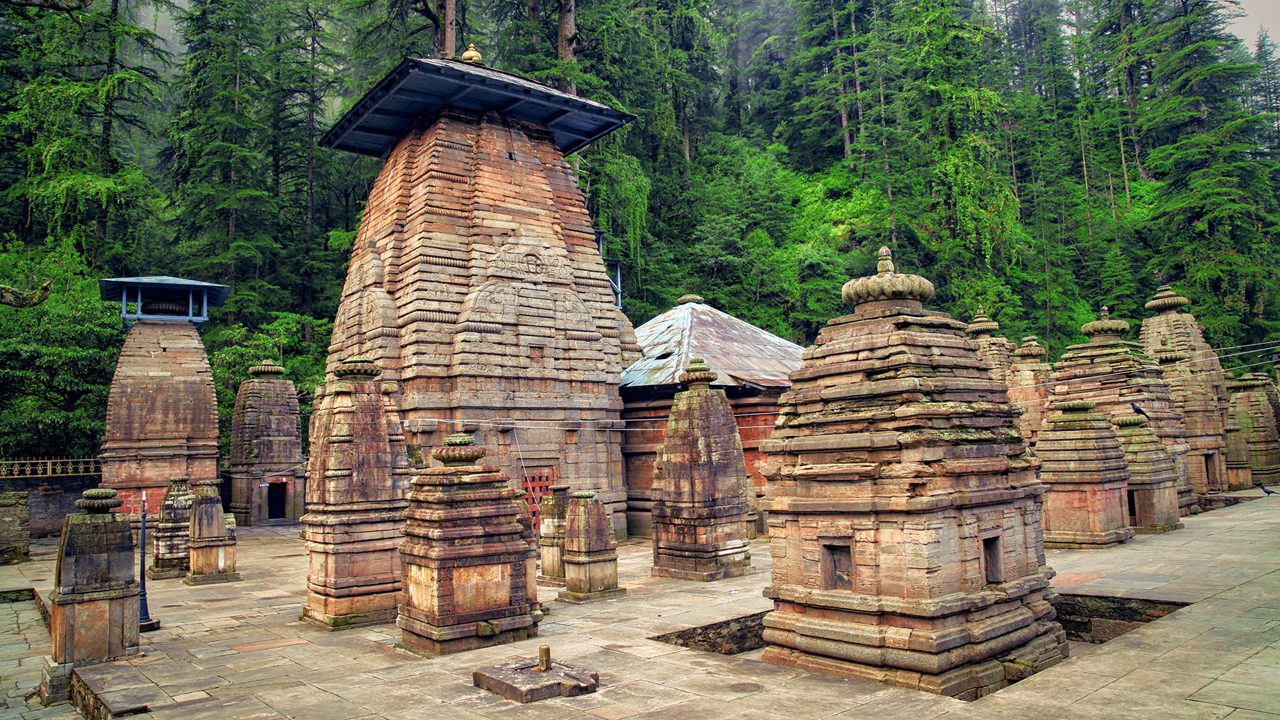
Jageshwar Dham
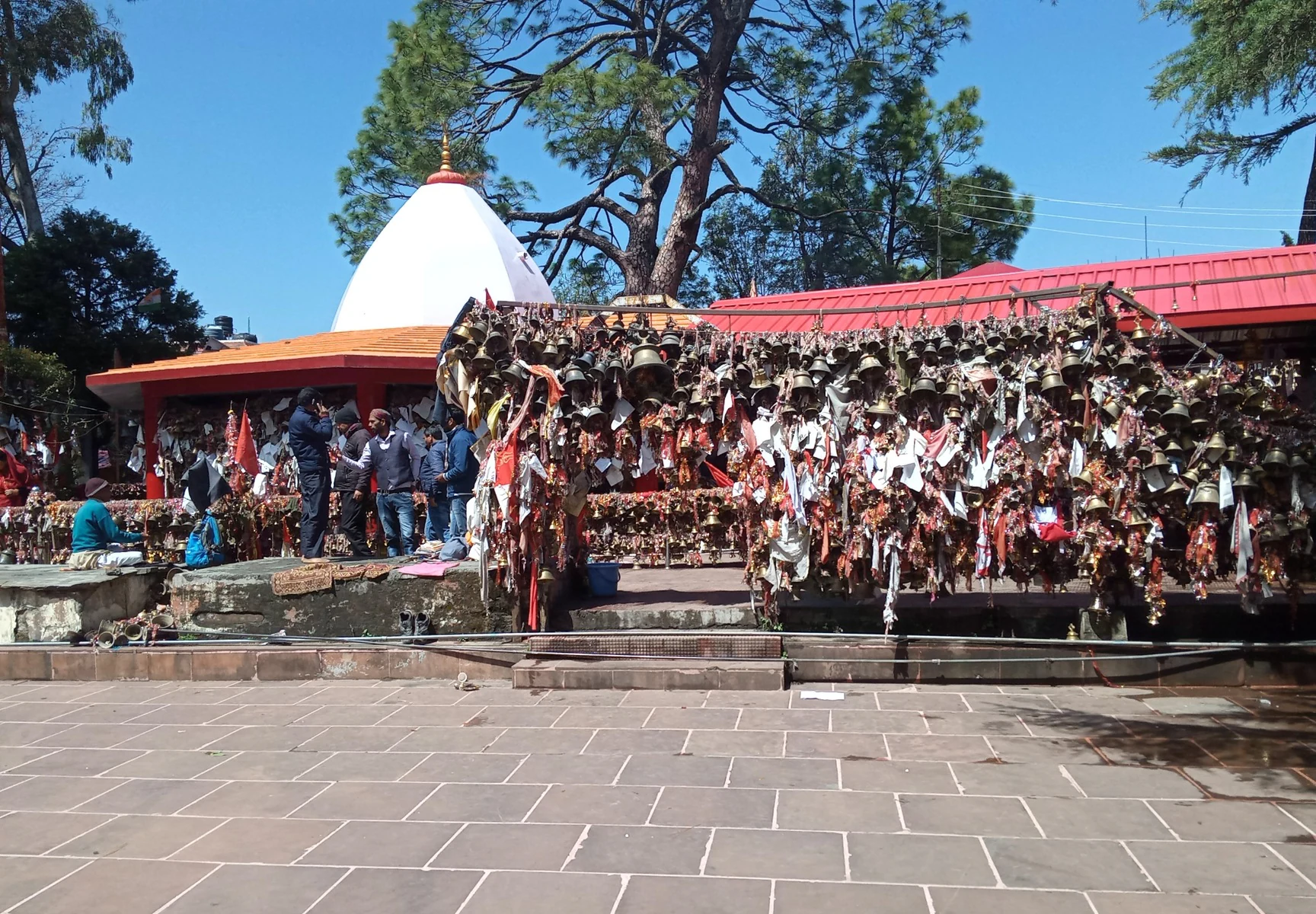
Chitai Golu Devta Temple
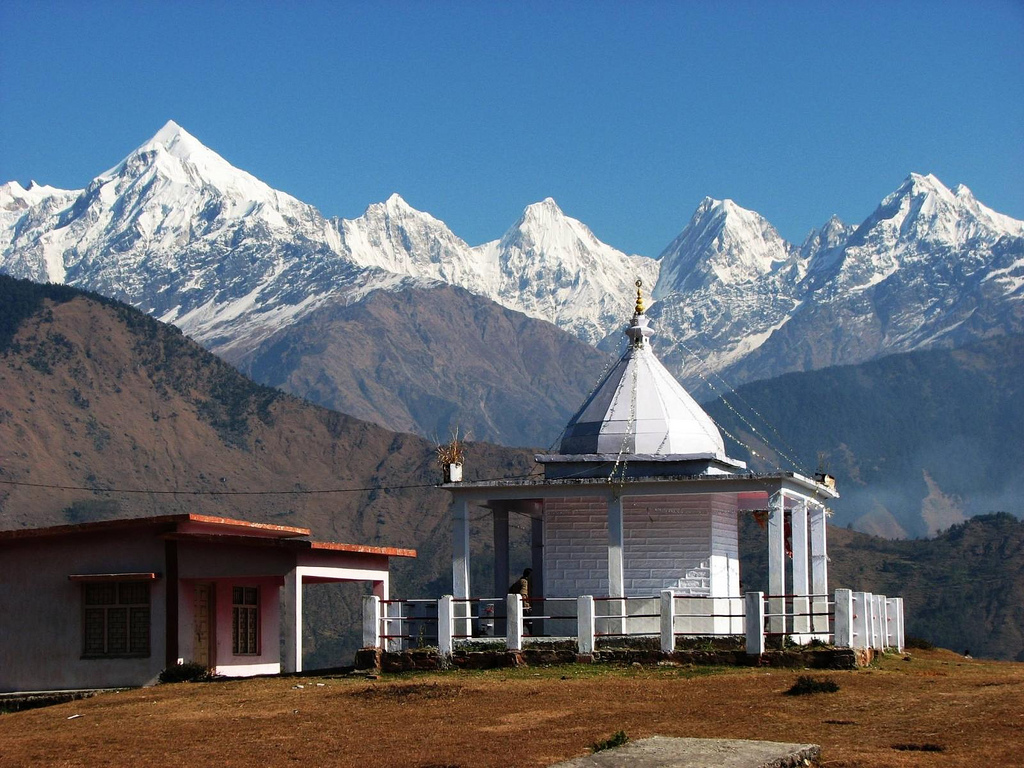
NANDA DEVI TEMPLE
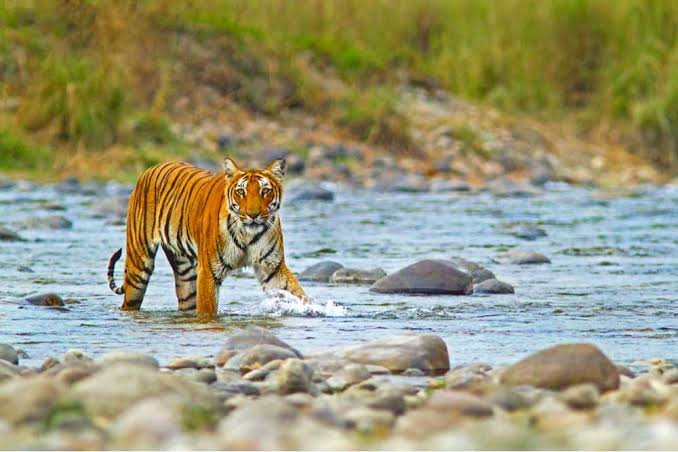
Jim Corbett National Park
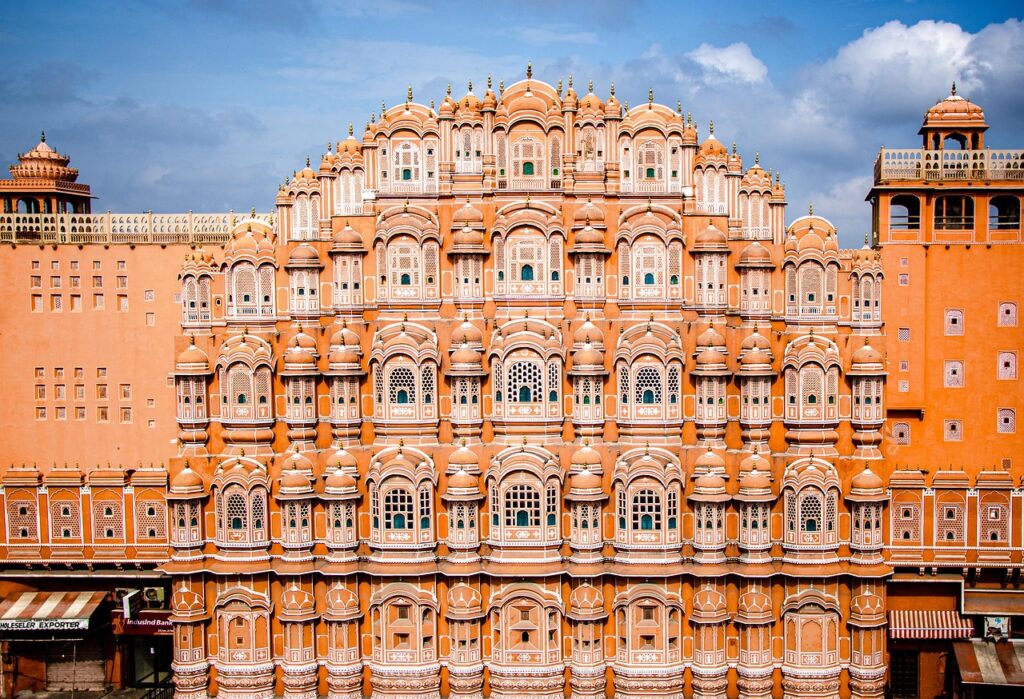
Hawa Mahal
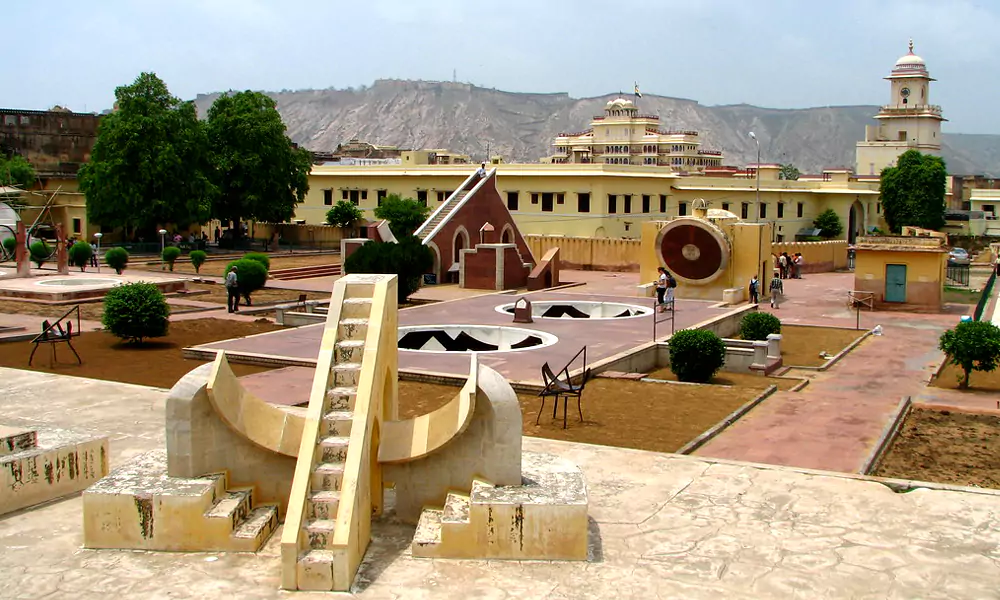
Jantar Mantar, Jaipur
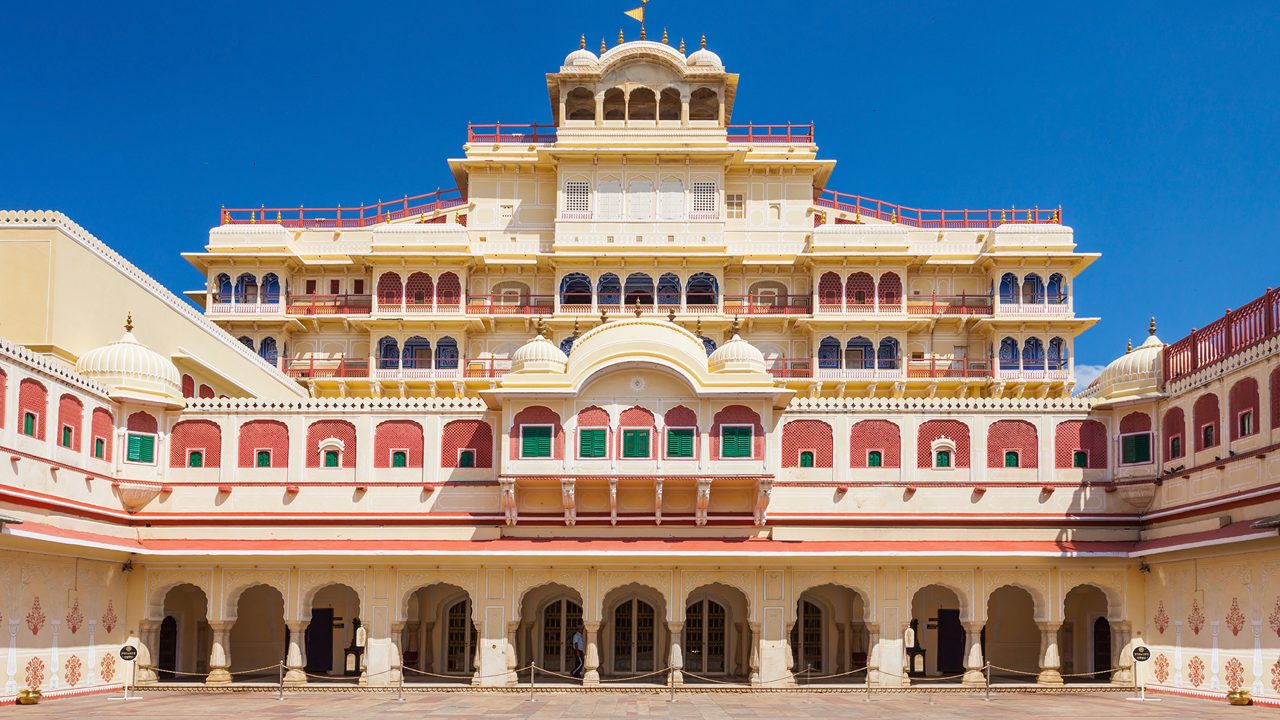
City Palace
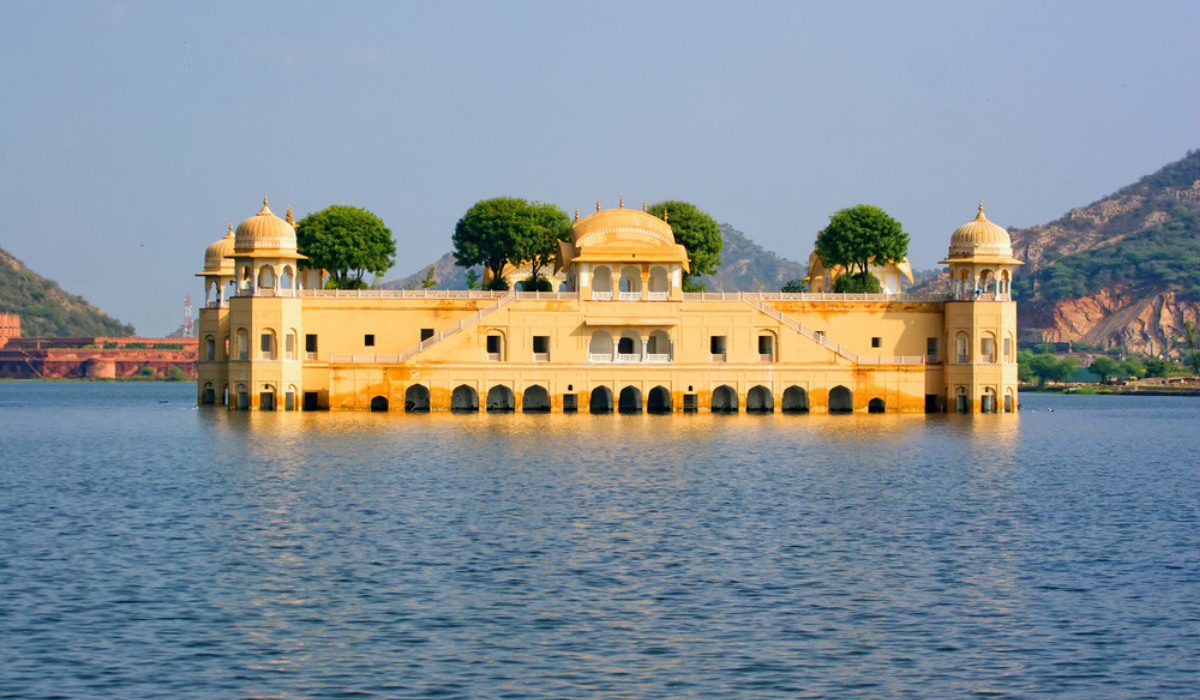
Jal Mahal
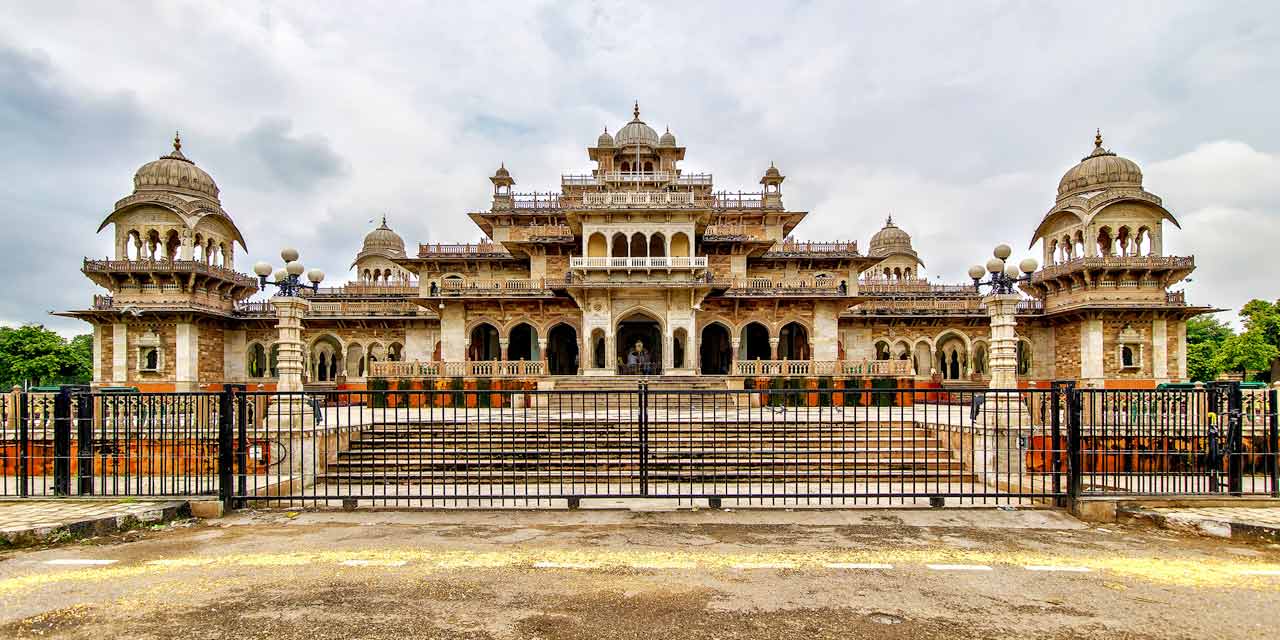
Albert Hall Museum
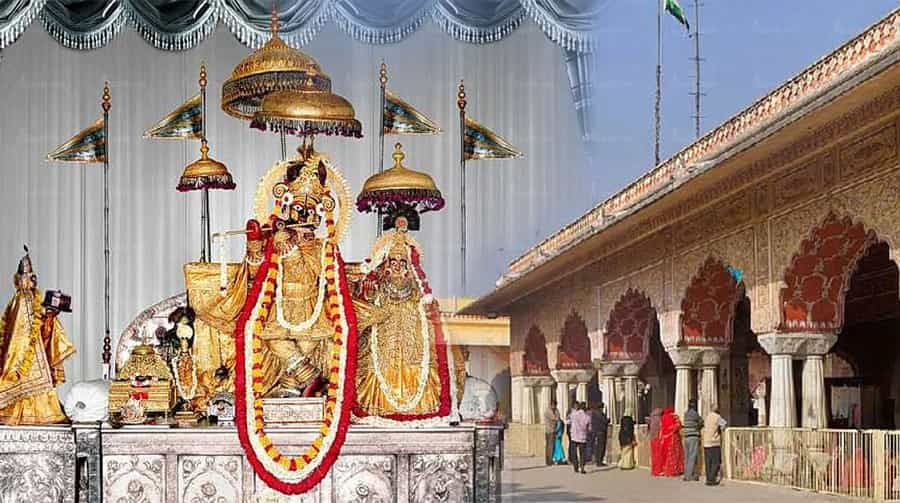
Shri Govind Dev Ji Temple
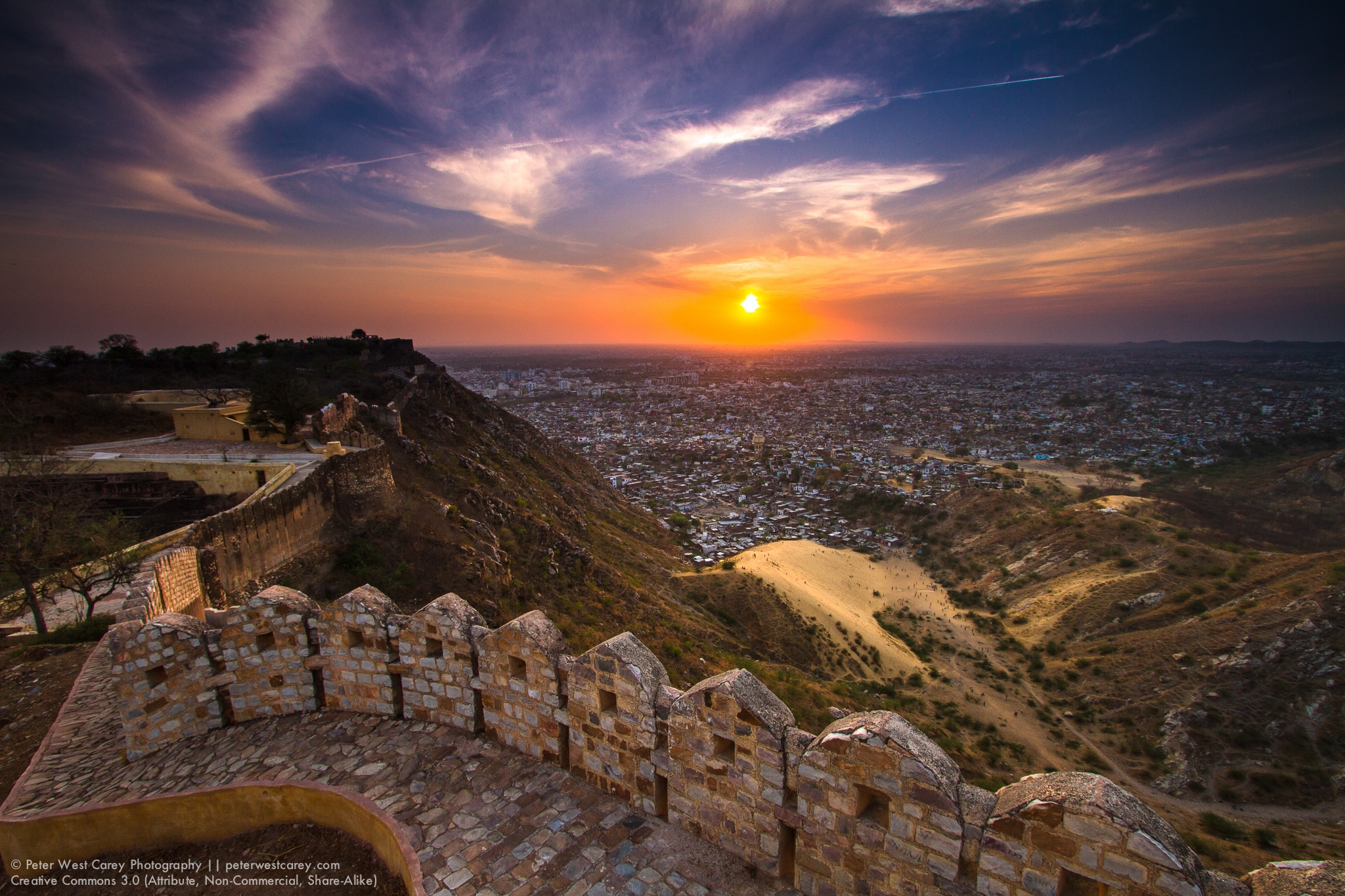
Nahargarh Fort
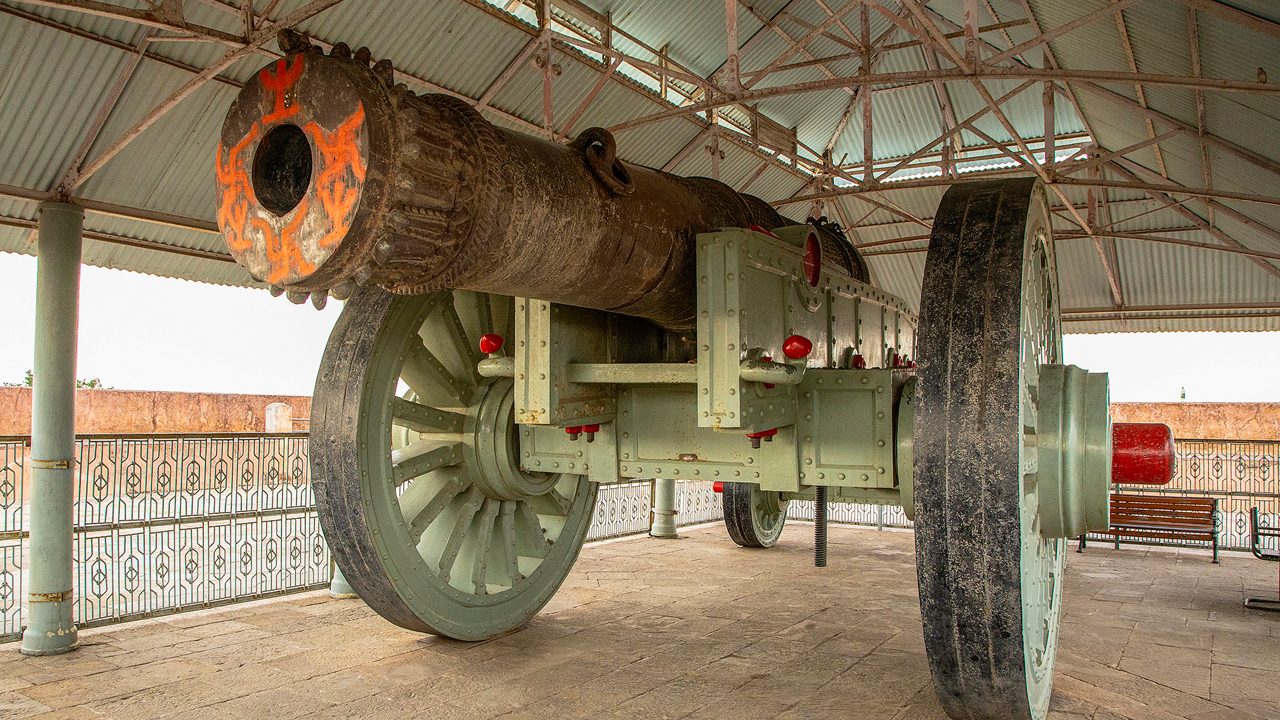
Jaigarh Fort
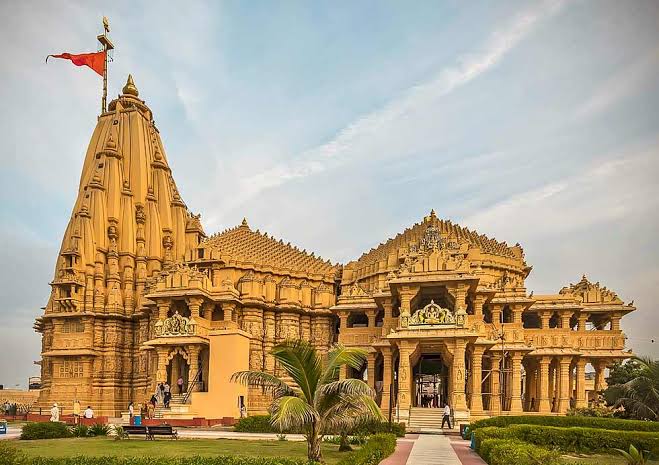
Somnath Temple
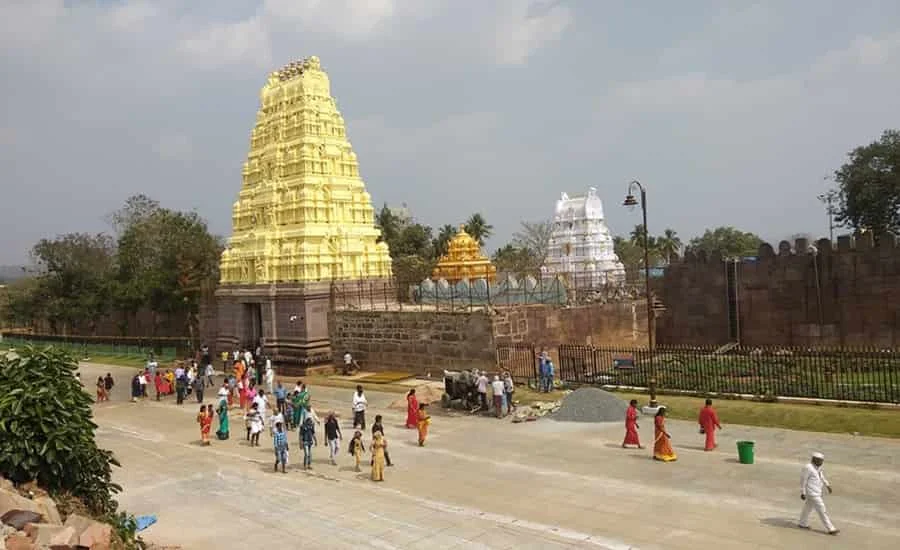
Mallikarjuna Temple
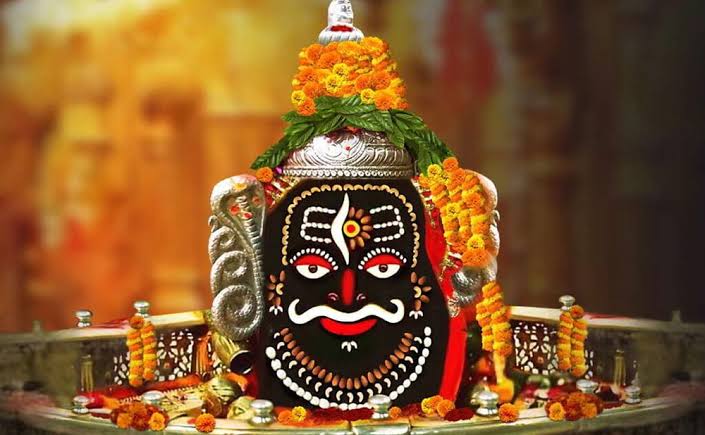
Mahakaleshwar Temple
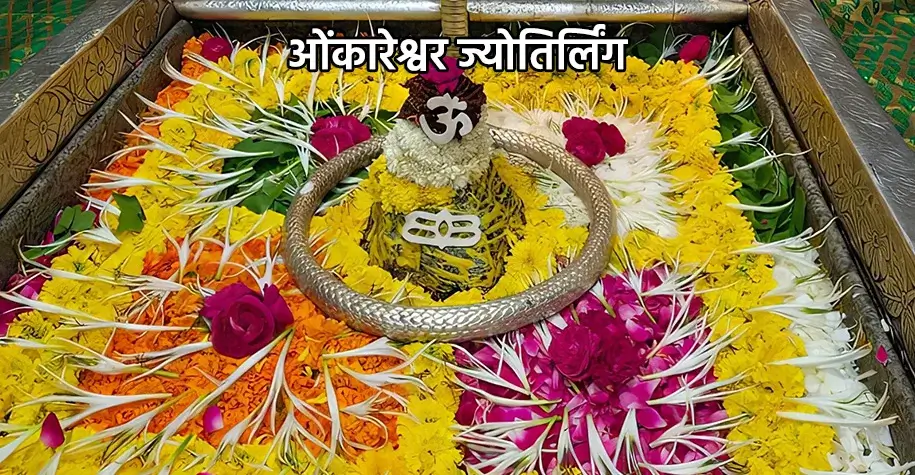
Omkareshwar Temple
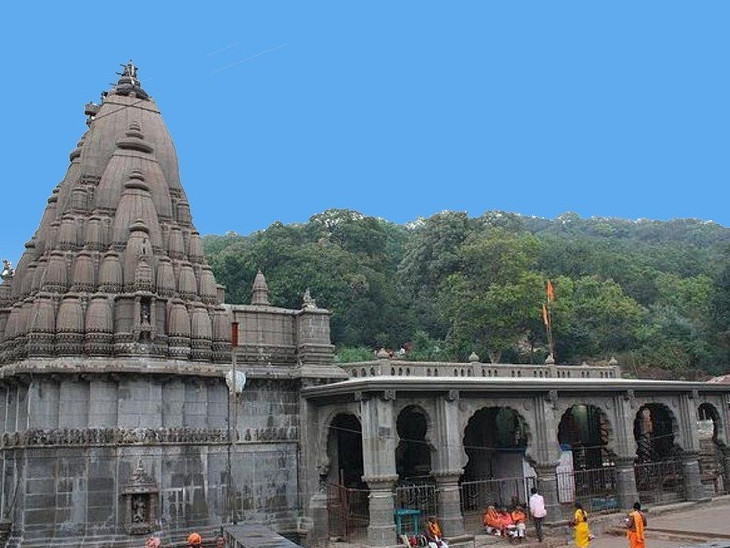
Bhimashankar Temple
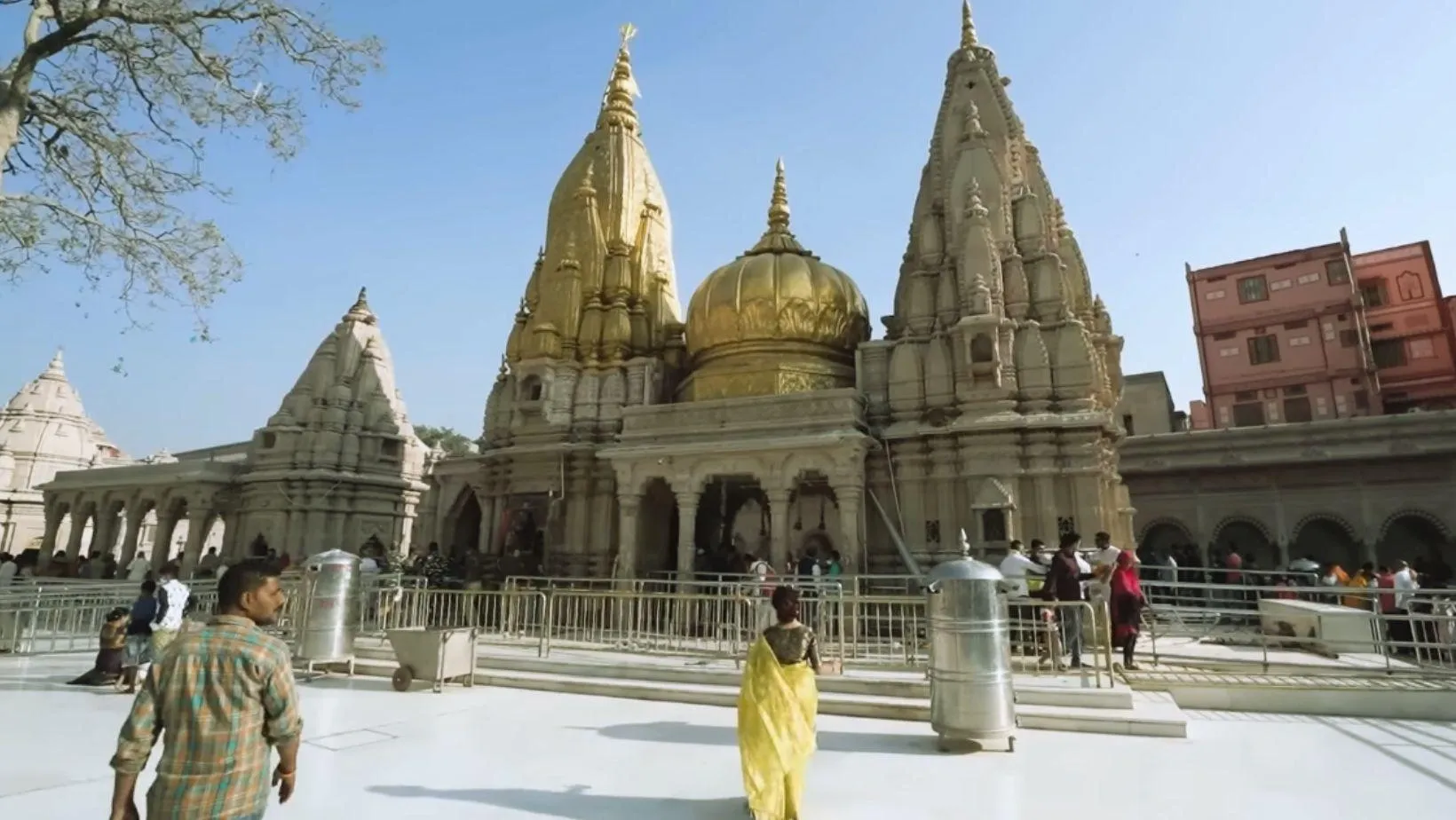
Kashi Vishwanath Temple
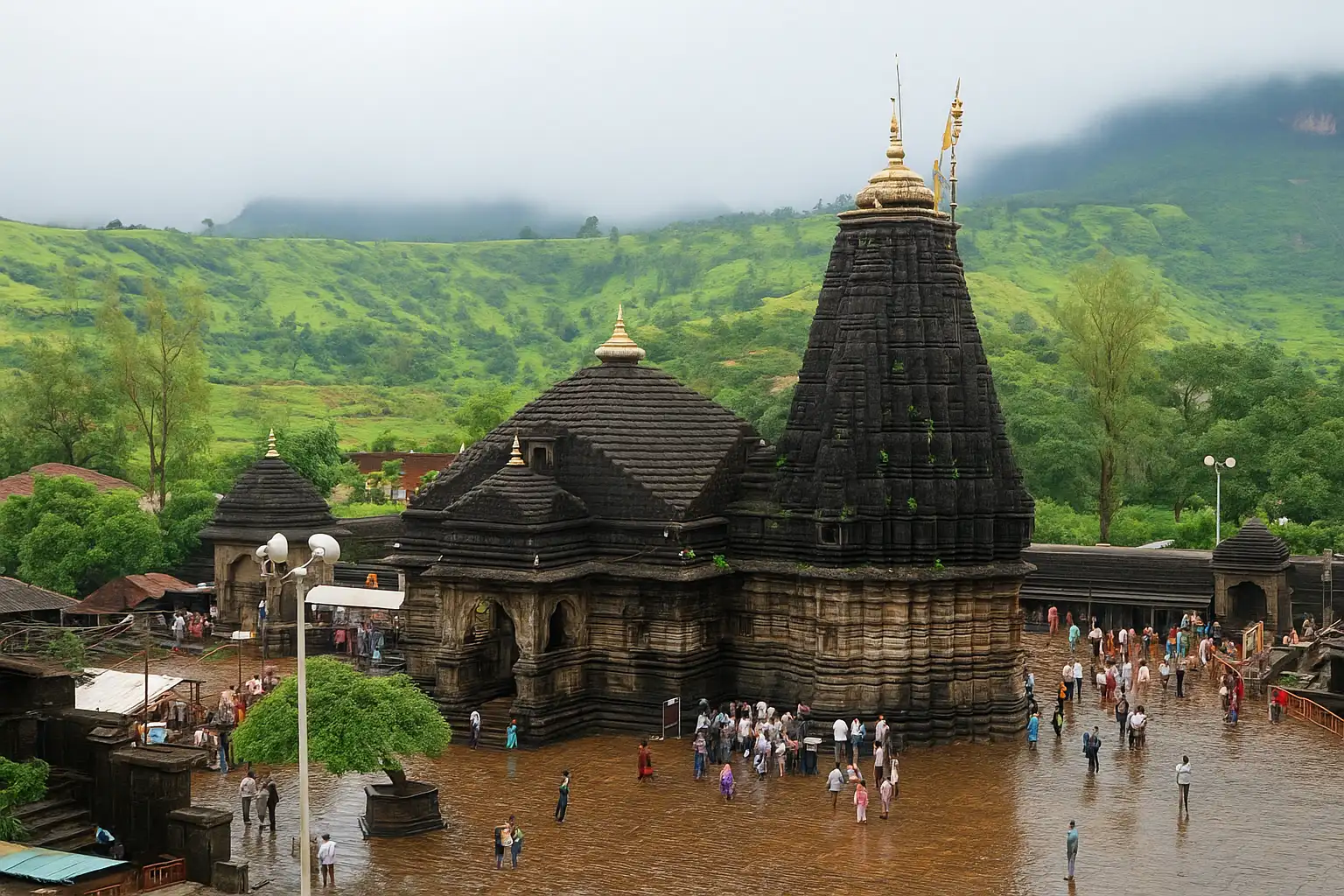
Trimbakeshwar Temple
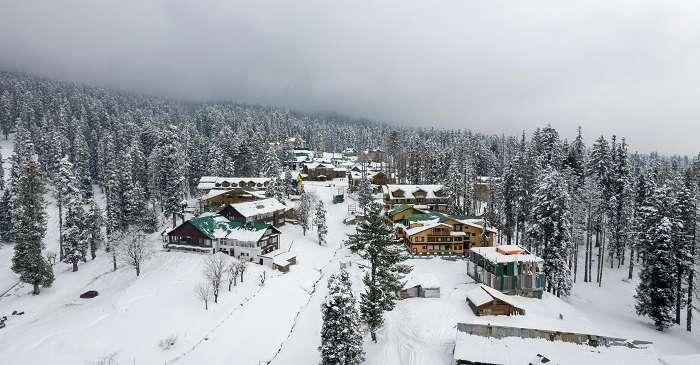
Harshil Valley
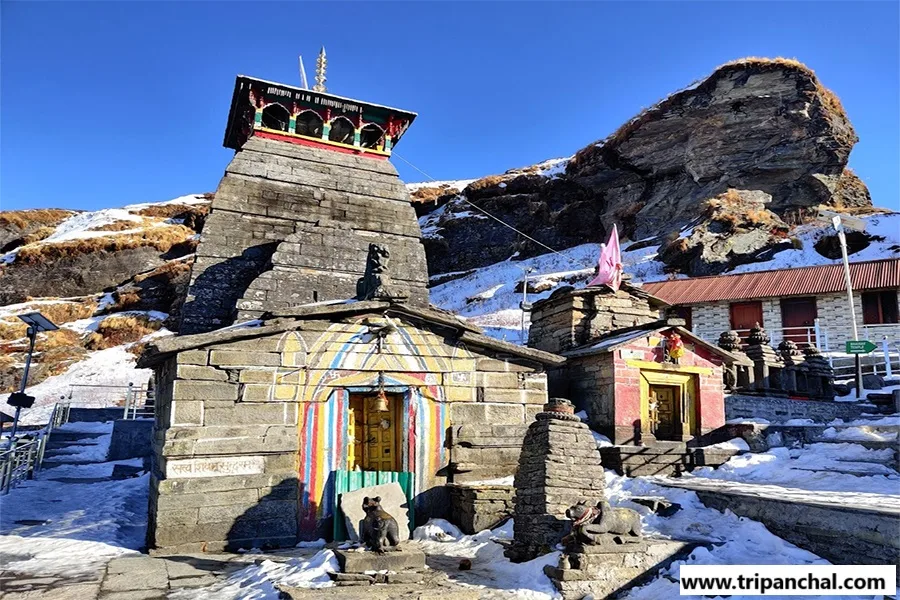
Tungnath Temple
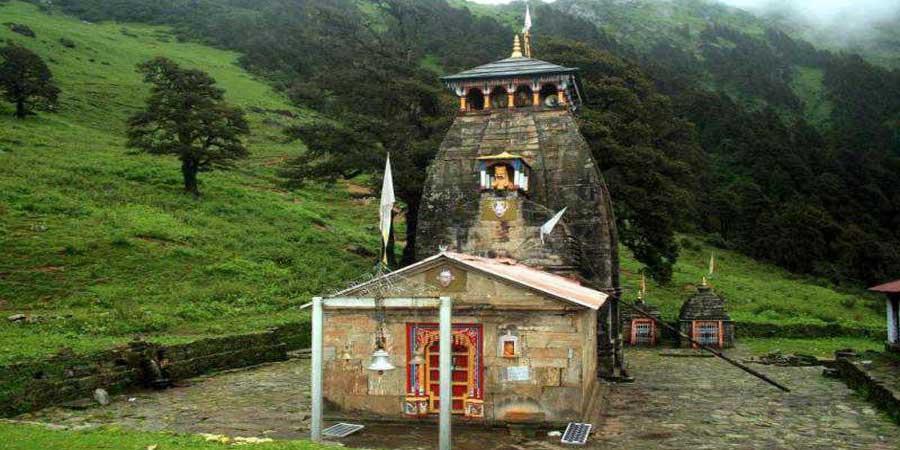
Madhyamaheshwar Temple
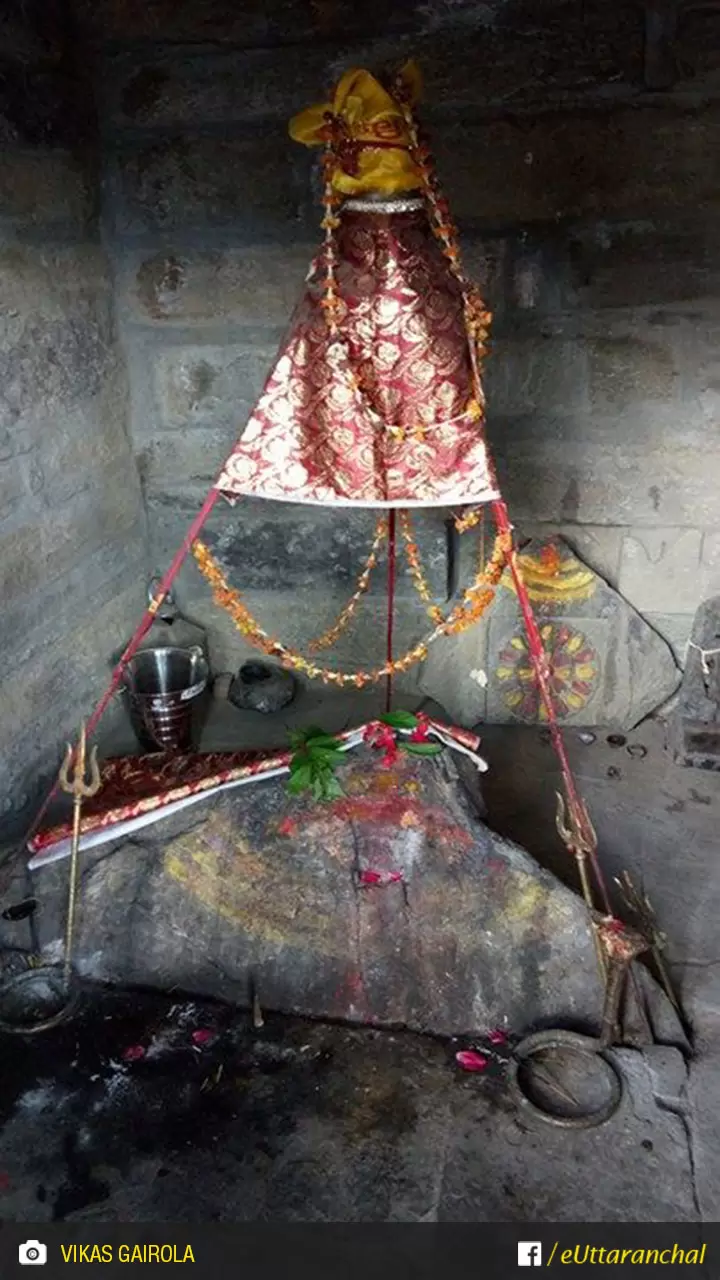
Kalpeshwar Mahadev Temple
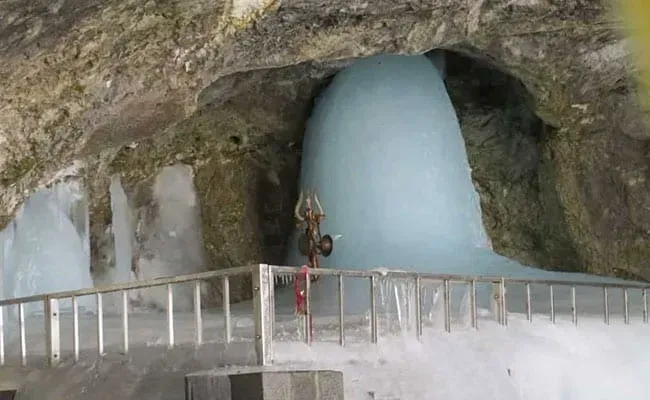
Amarnath
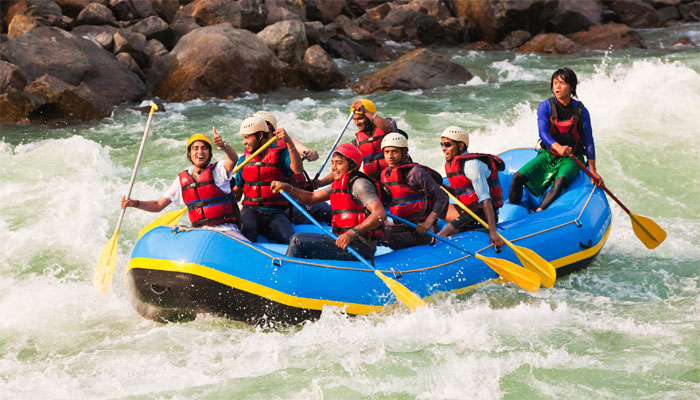
River Rafting in Rishikesh
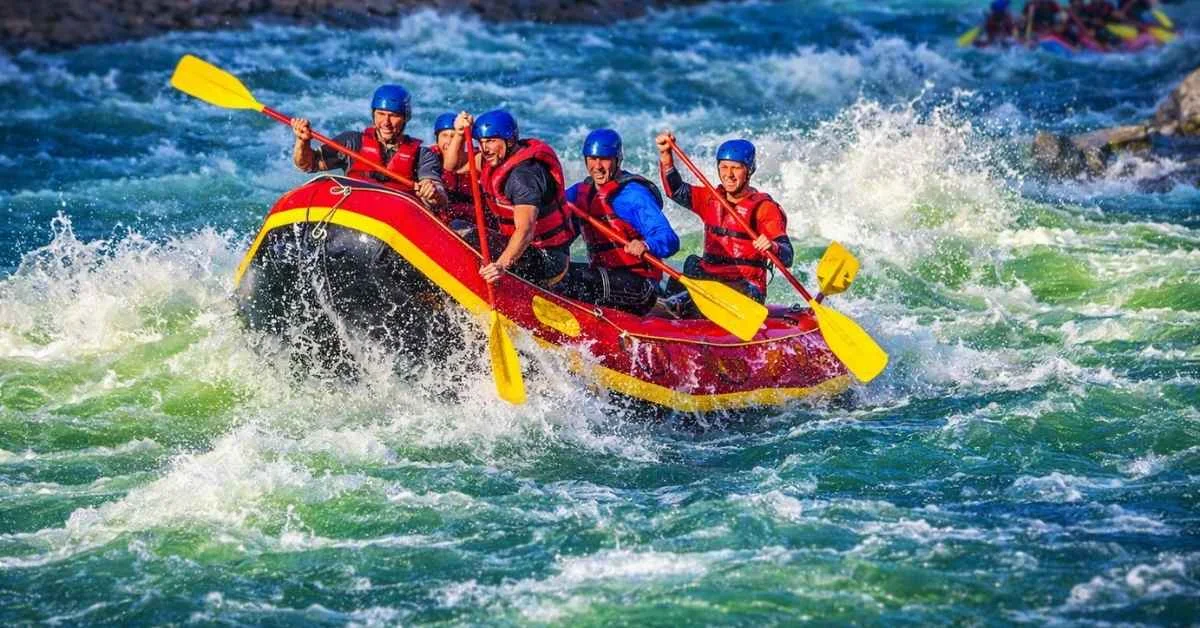
River Rafting in Manali
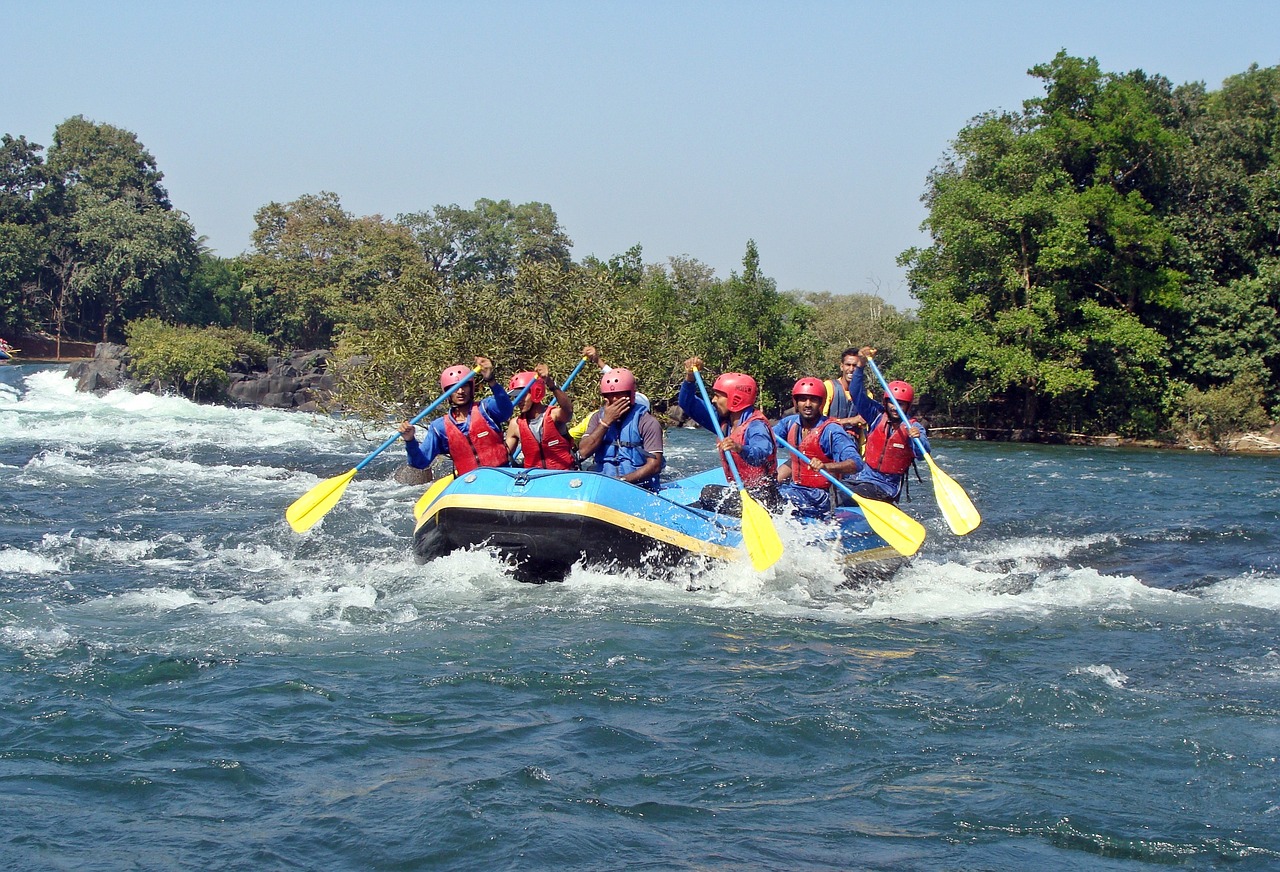
River Rafting in Kolad
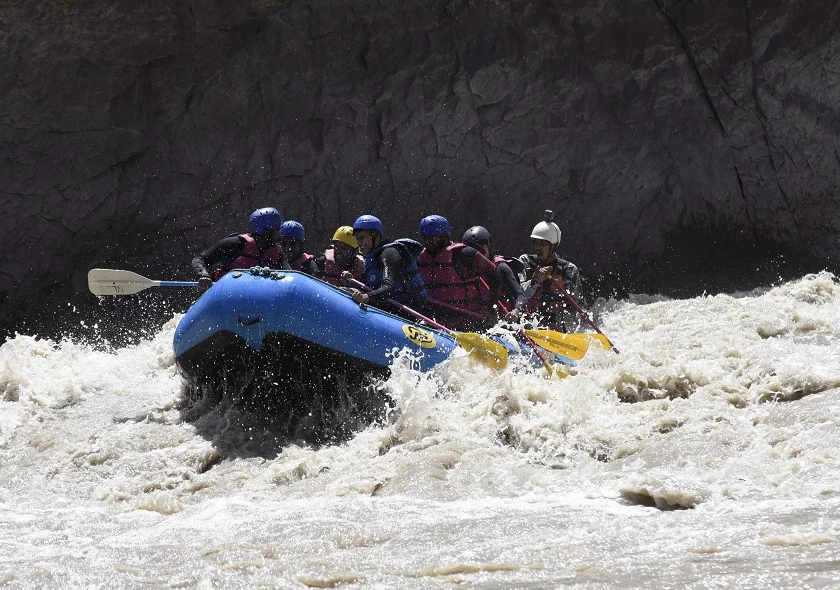
River Rafting in Zanskar
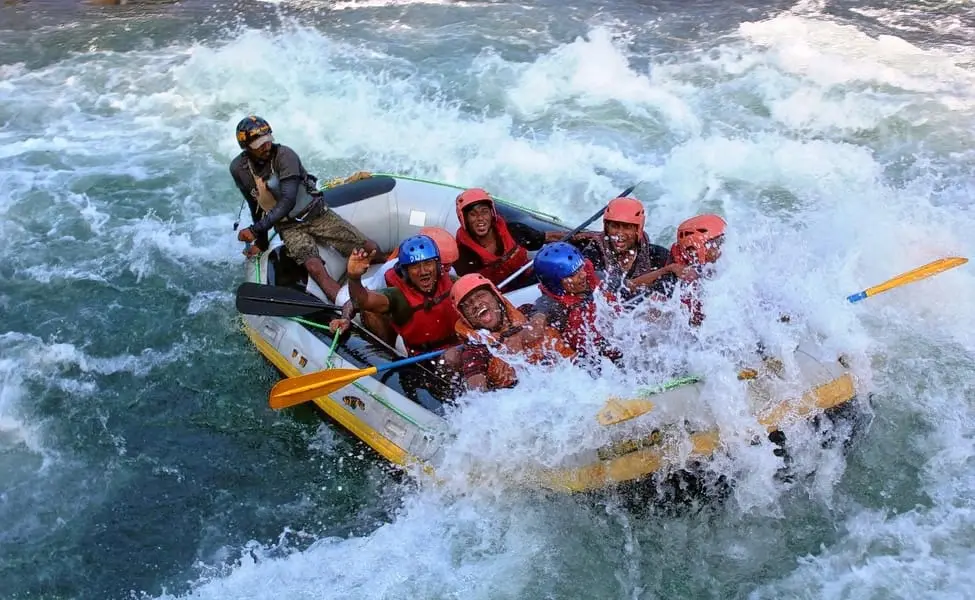
River Rafting in Teesta River
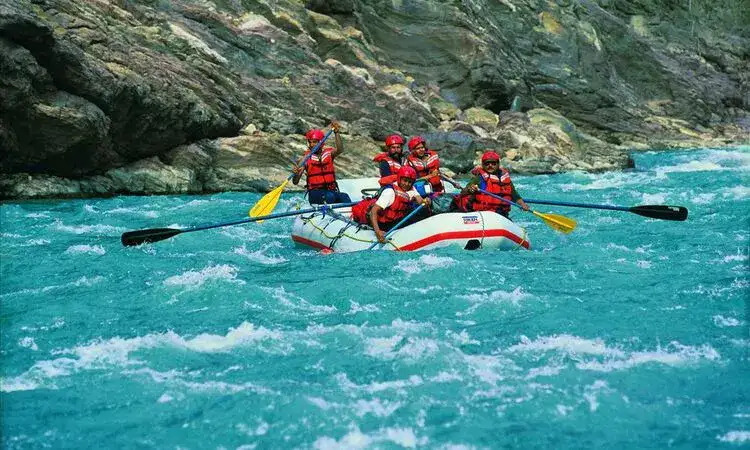
River Rafting in Kameng River
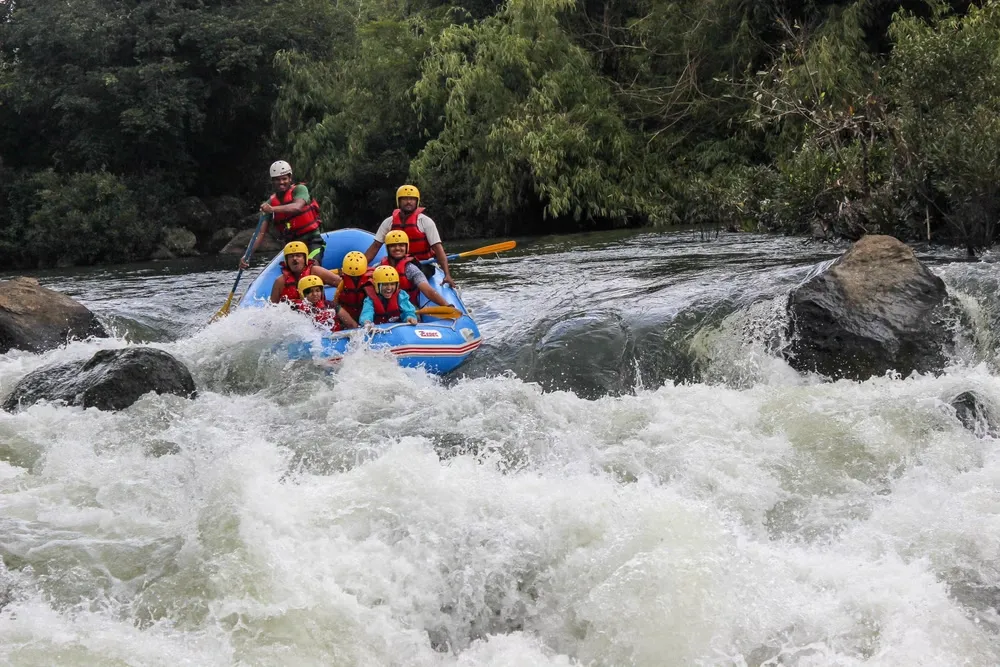
River Rafting in Barapole River
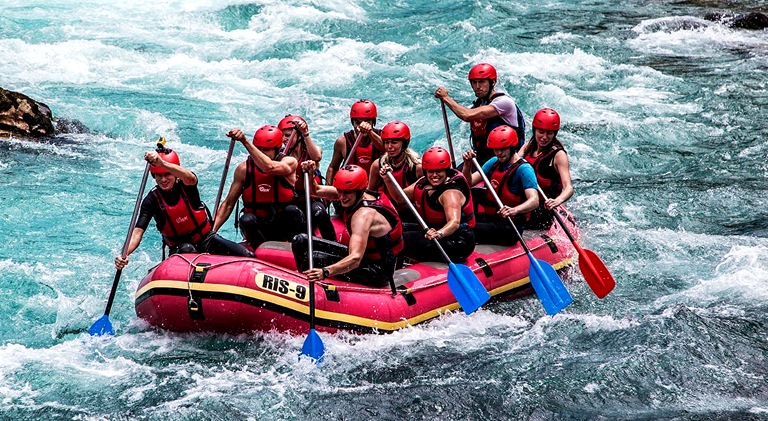
River Rafting in Alaknanda River
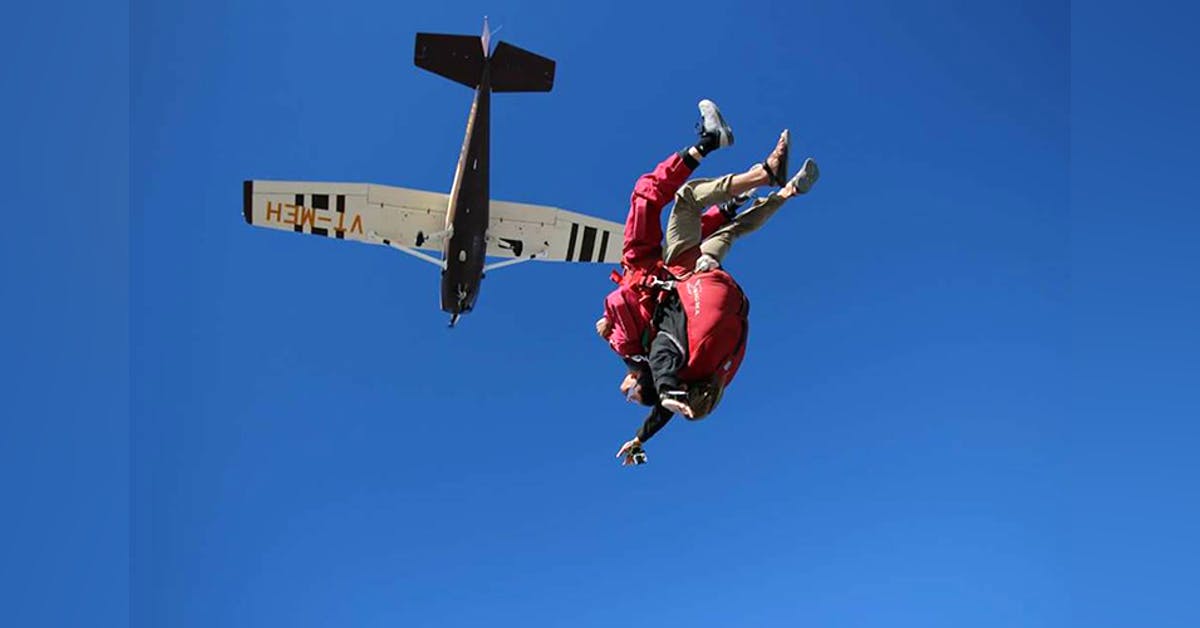
Skydiving in Mysore
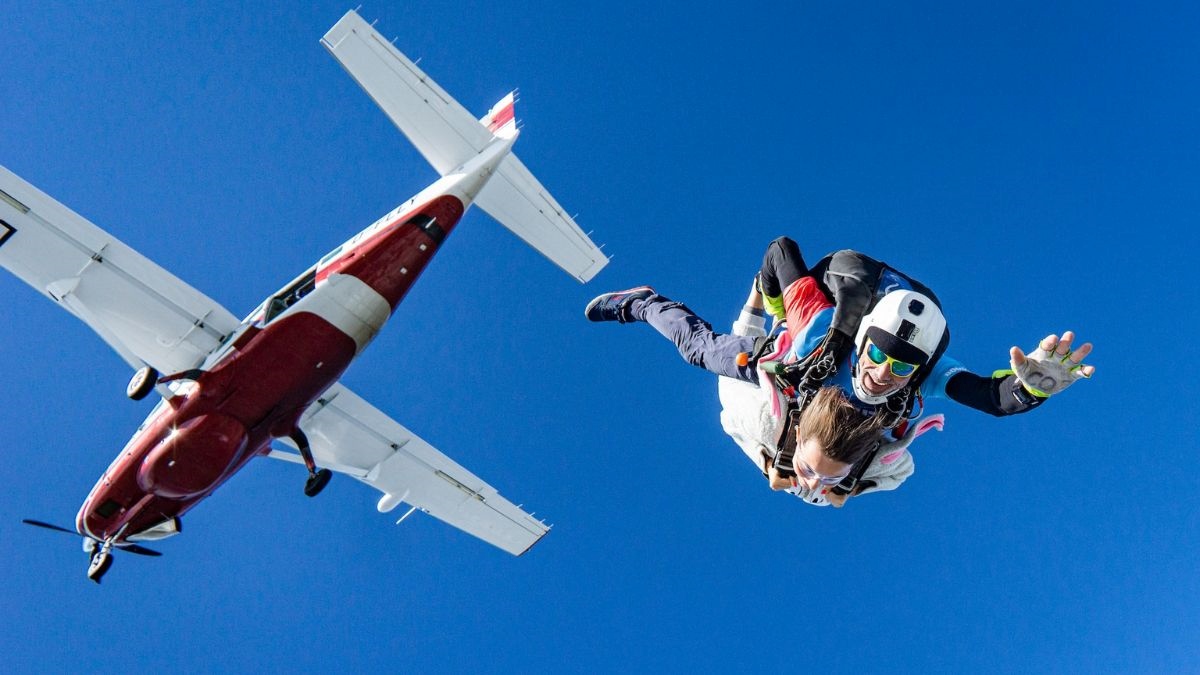
Skydiving in Dhana, Madhya Pradesh
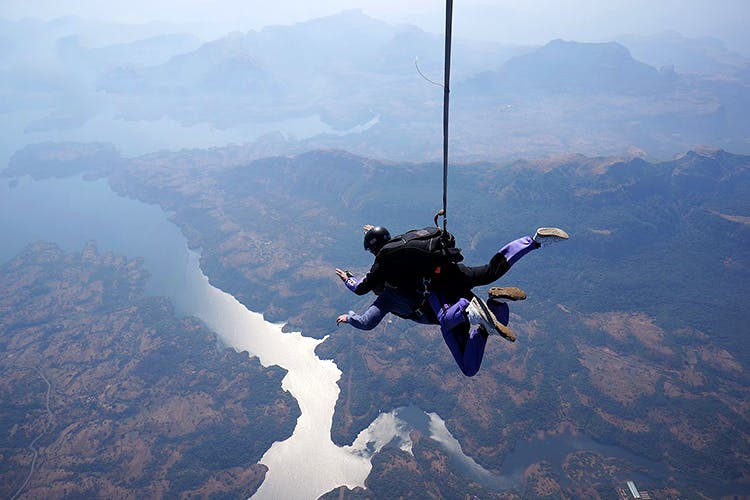
Skydiving in Aamby Valley, Maharashtra
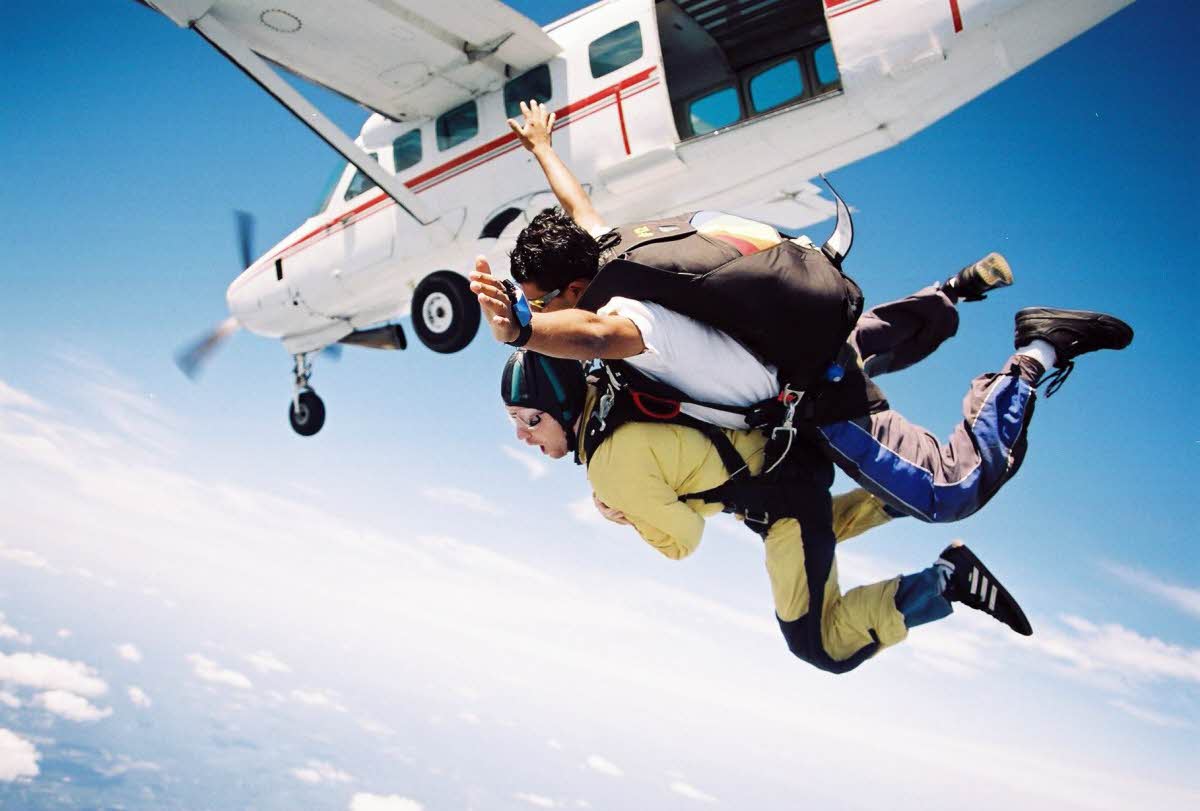
Skydiving in Deesa, Gujarat
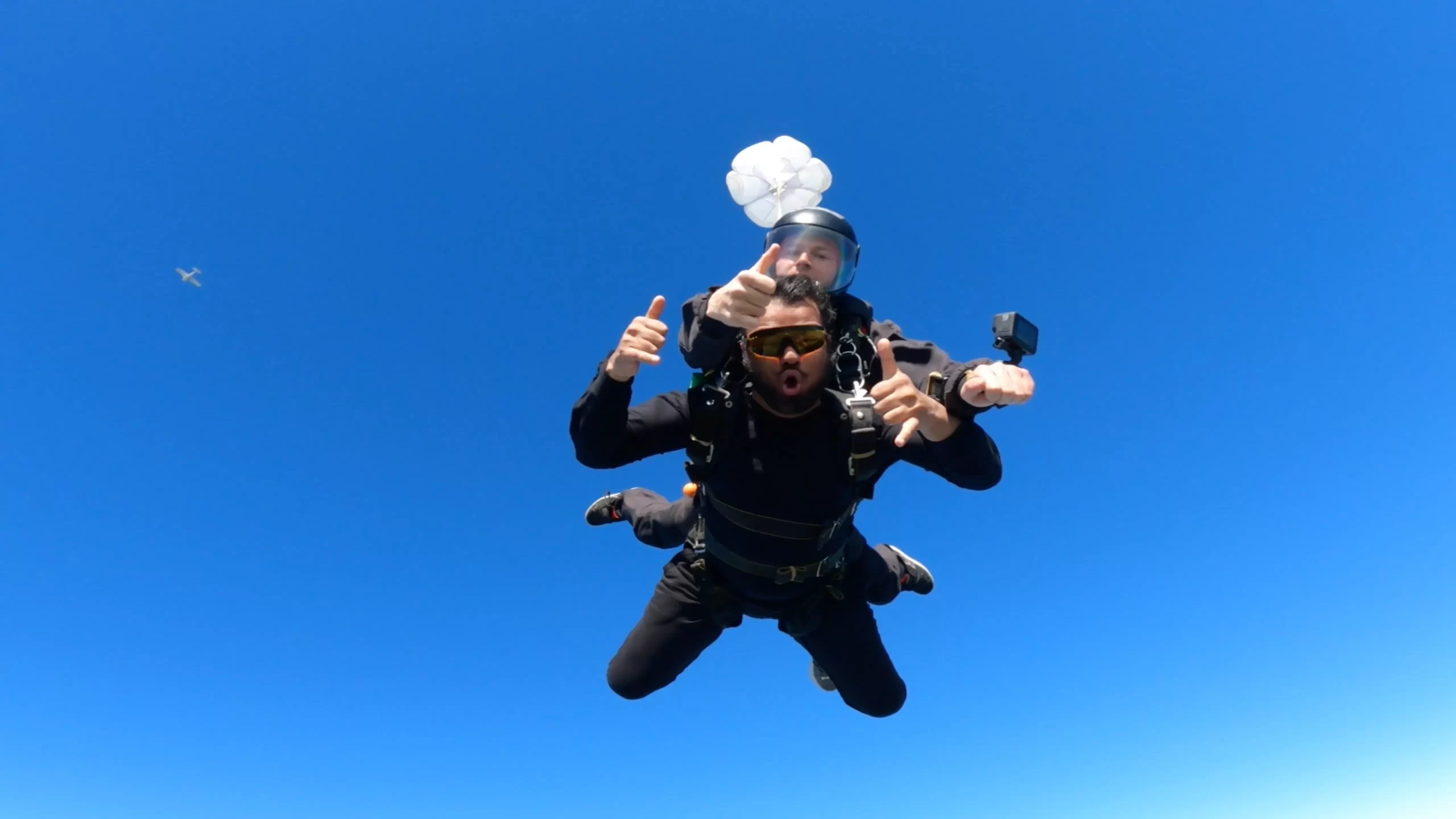
Skydiving in Narnaul, Haryana
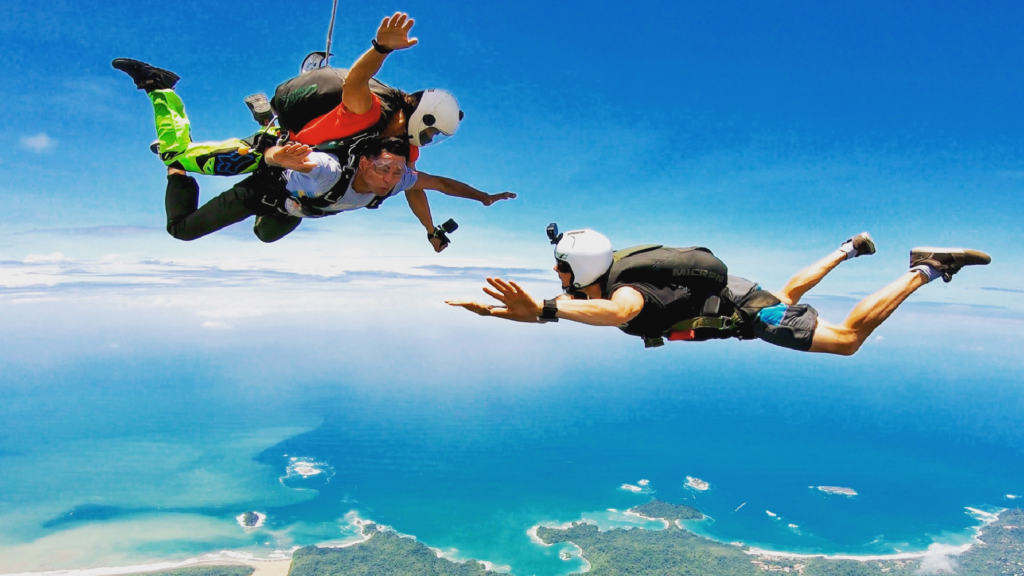
Skydiving in Pondicherry
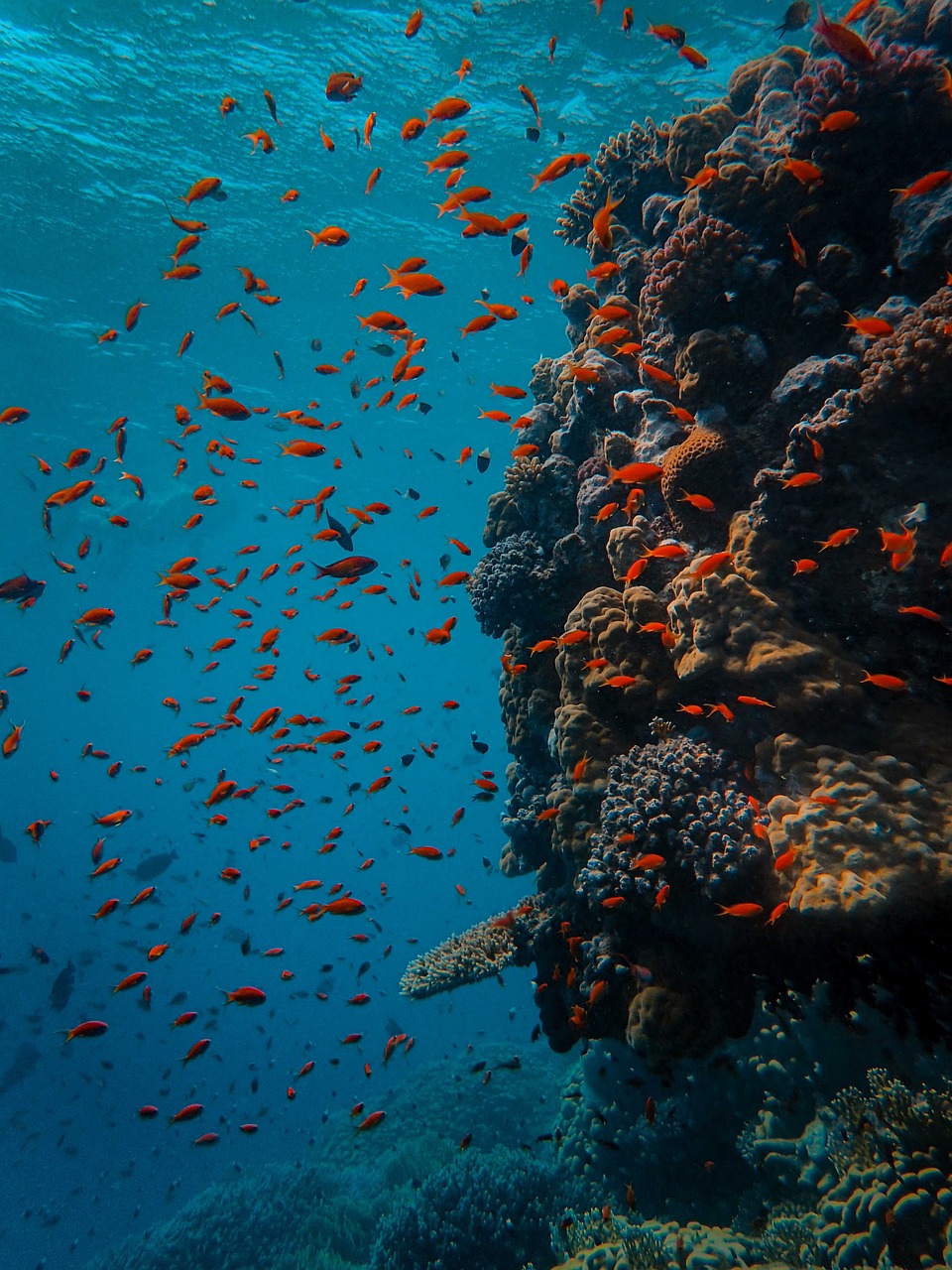
Scuba Diving in Andaman & Nicobar Islands
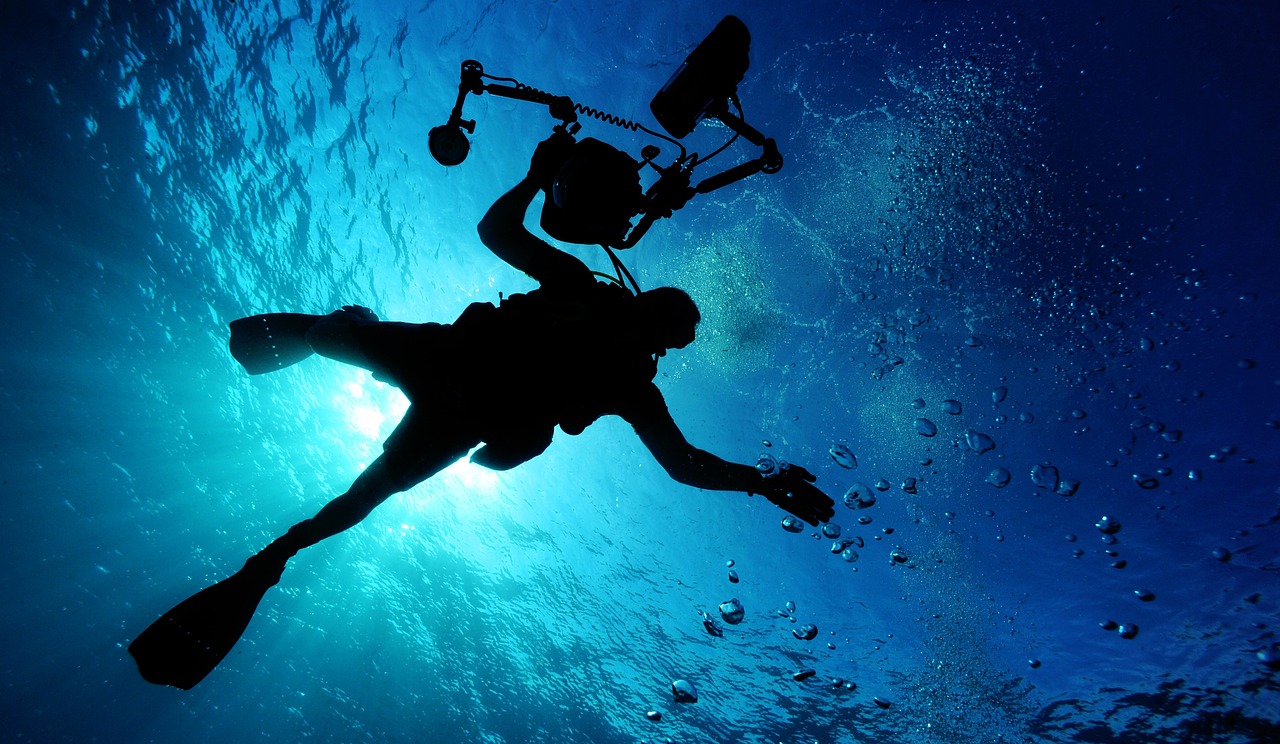
Scuba Diving in Lakshadweep
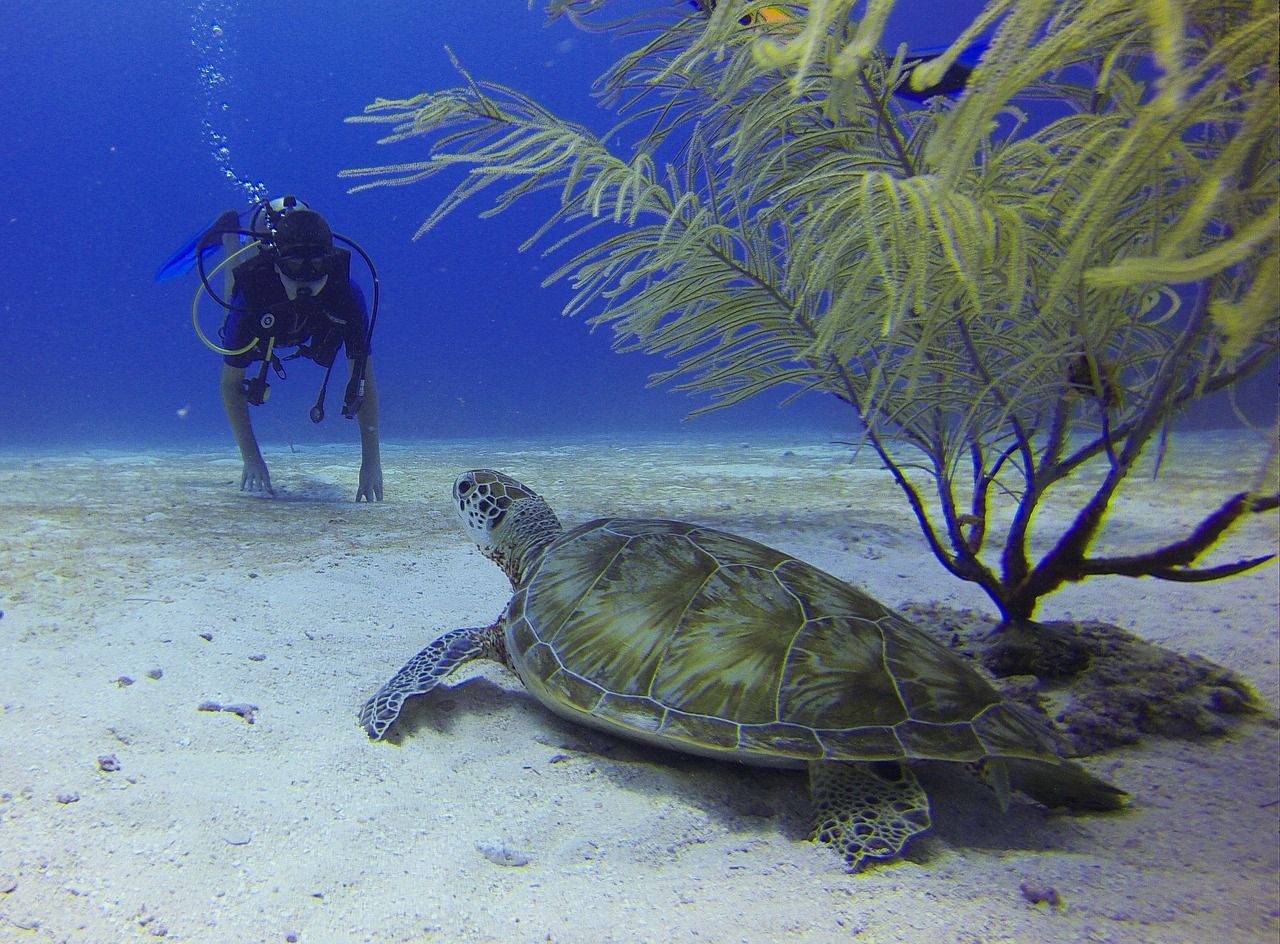
Scuba Diving in Goa
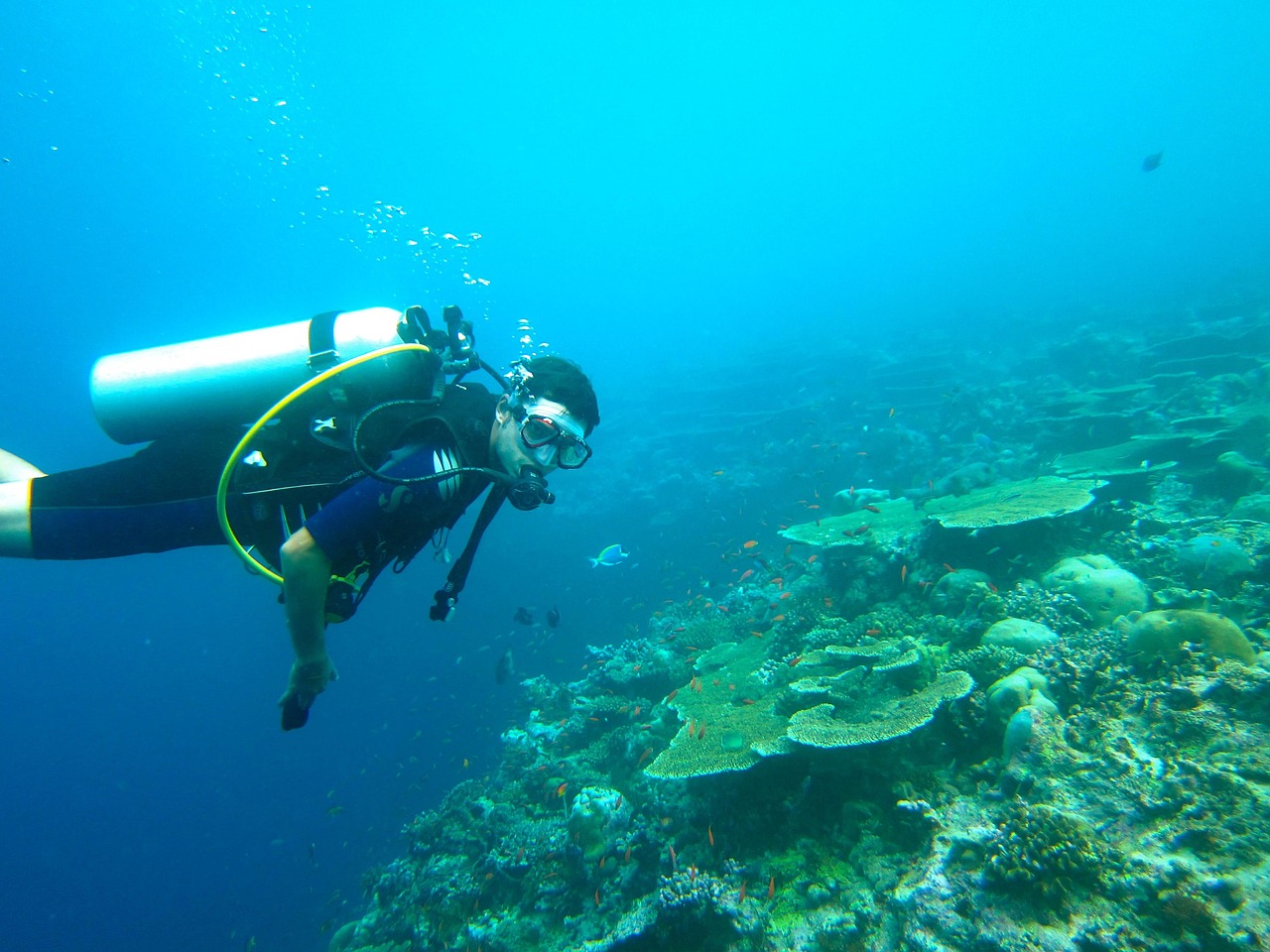
Scuba Diving in Pondicherry
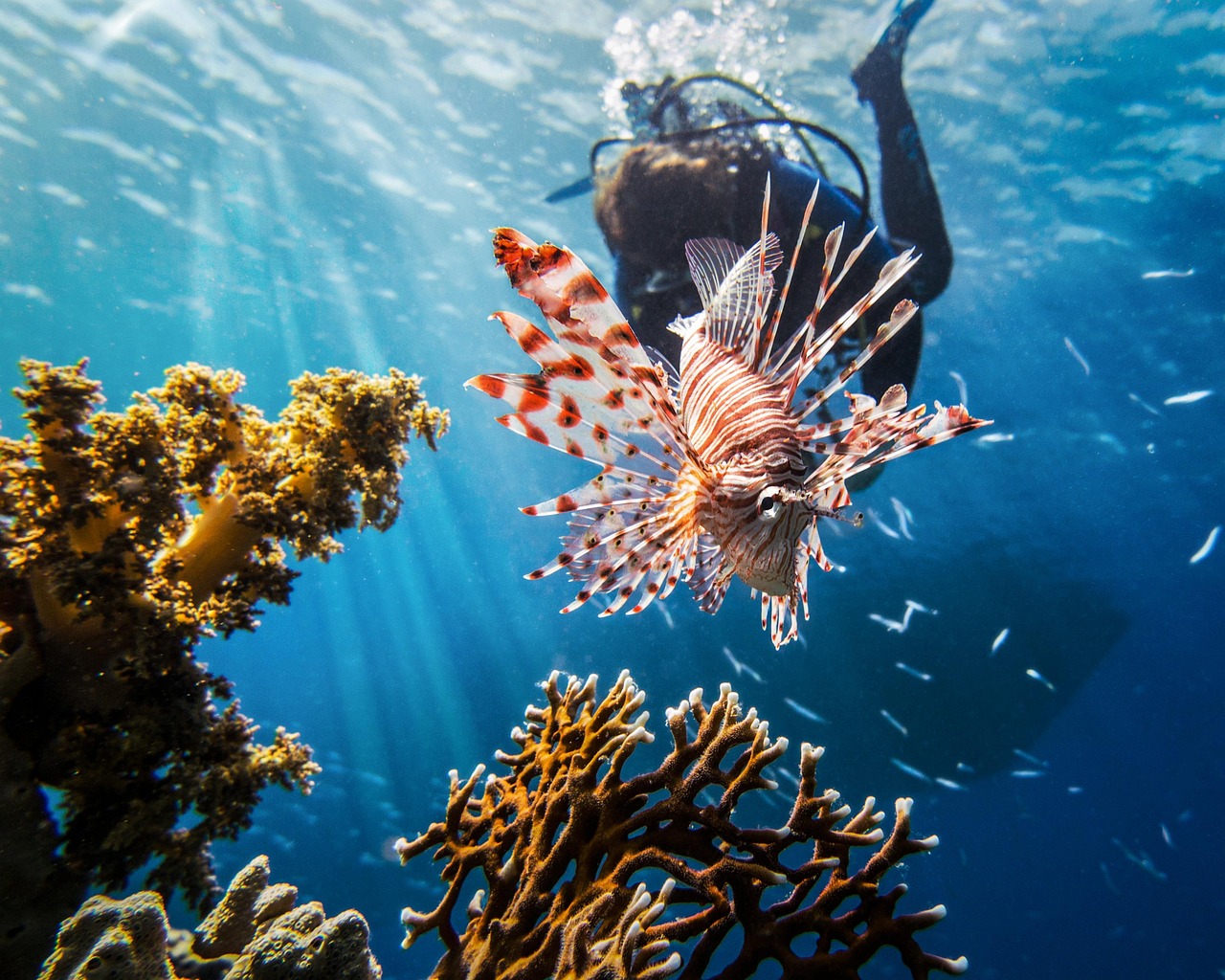
Scuba Diving in Netrani Island (Karnataka)
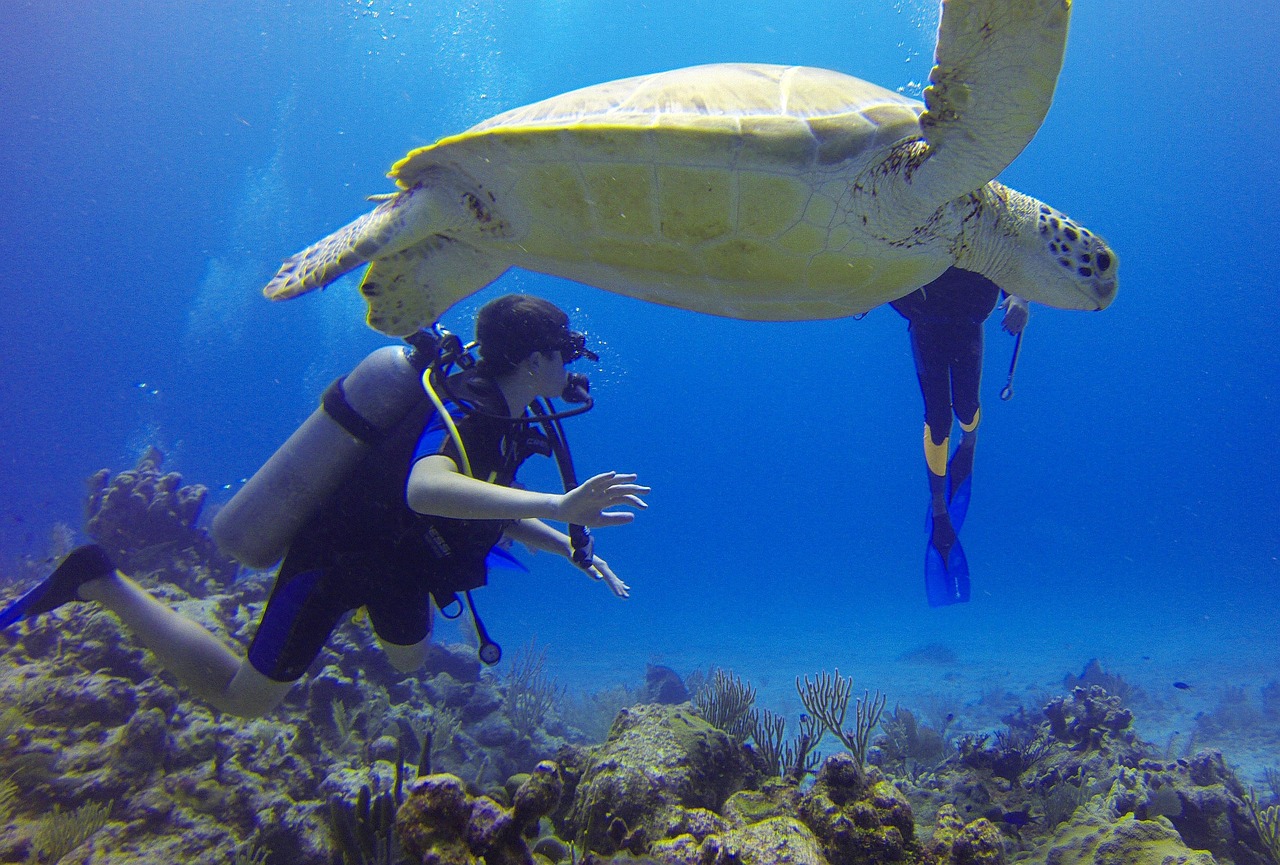
Scuba Diving in Tarkarli (Maharashtra)
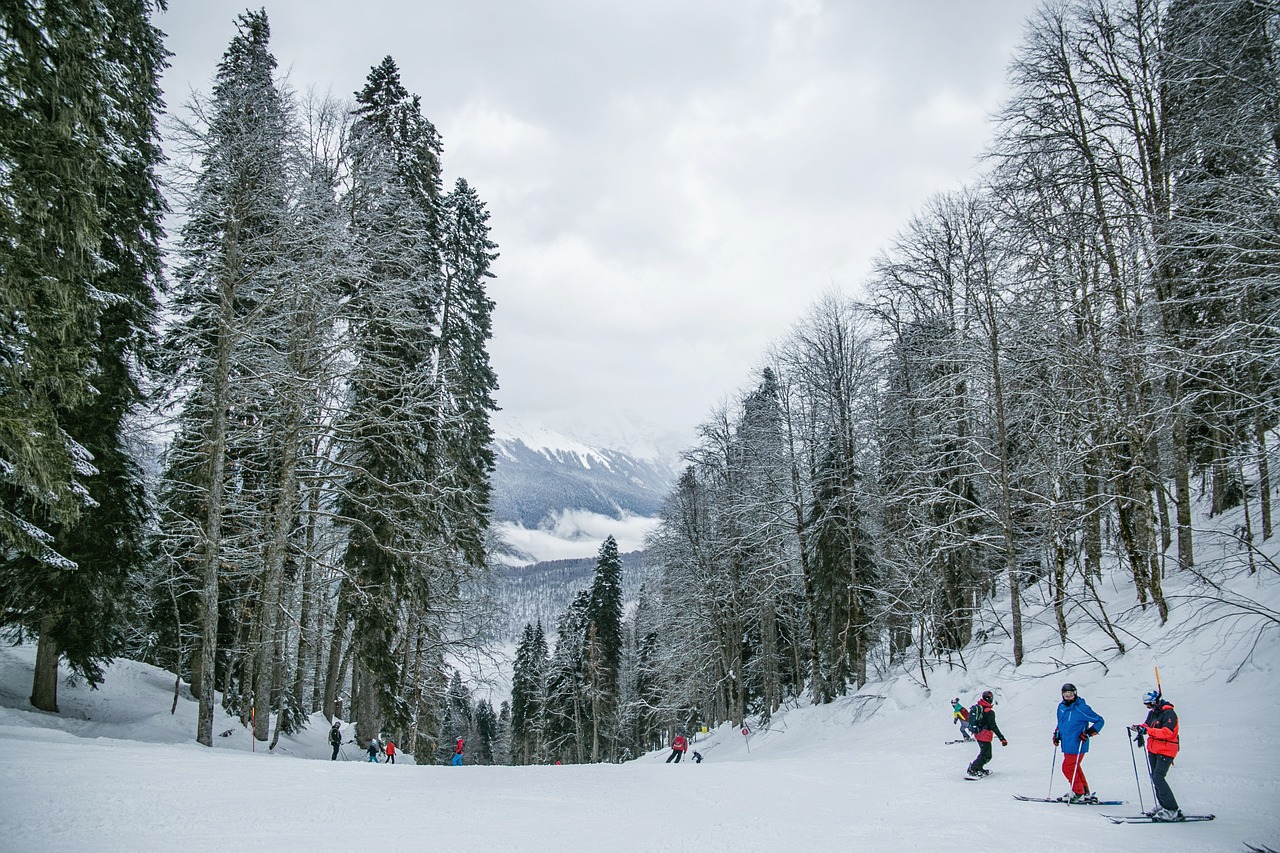
Skiing in Gulmarg
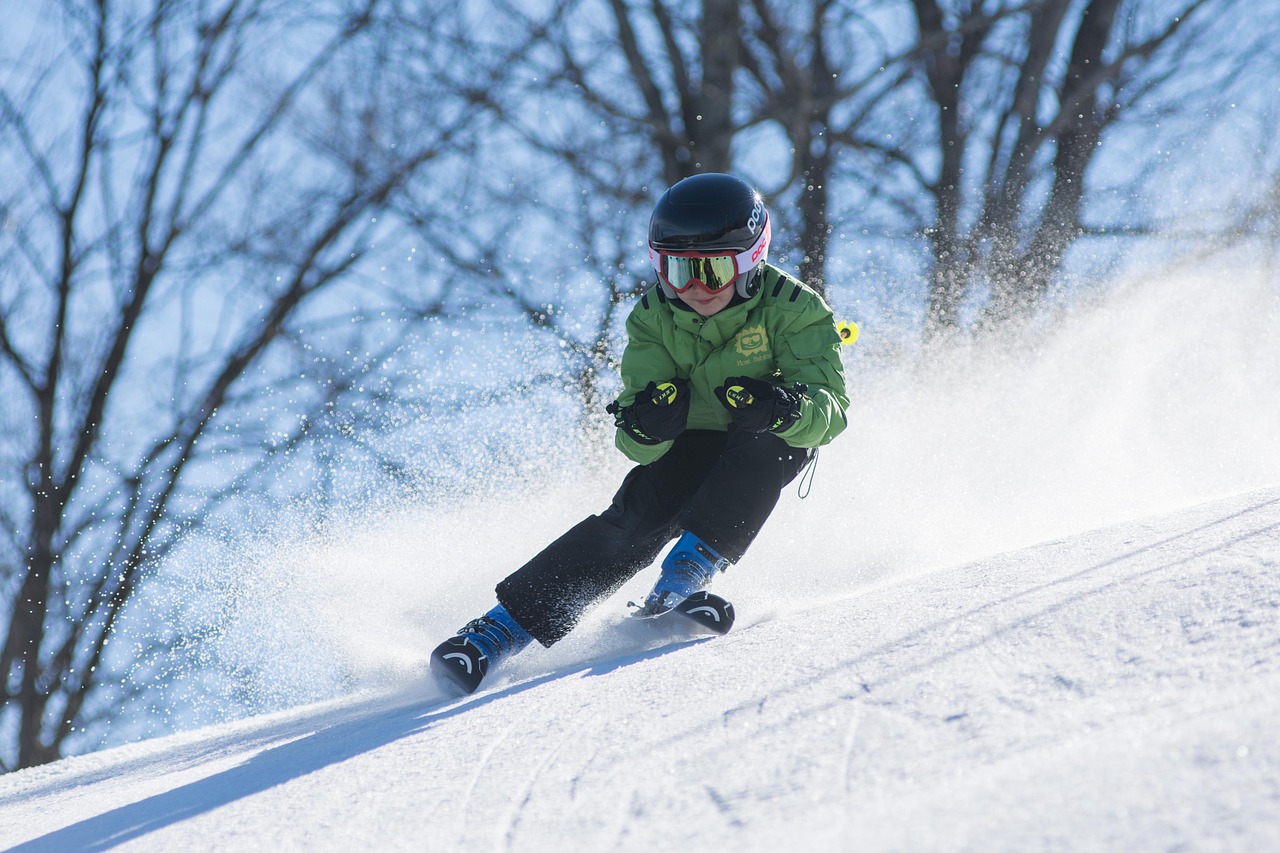
Skiing in Auli
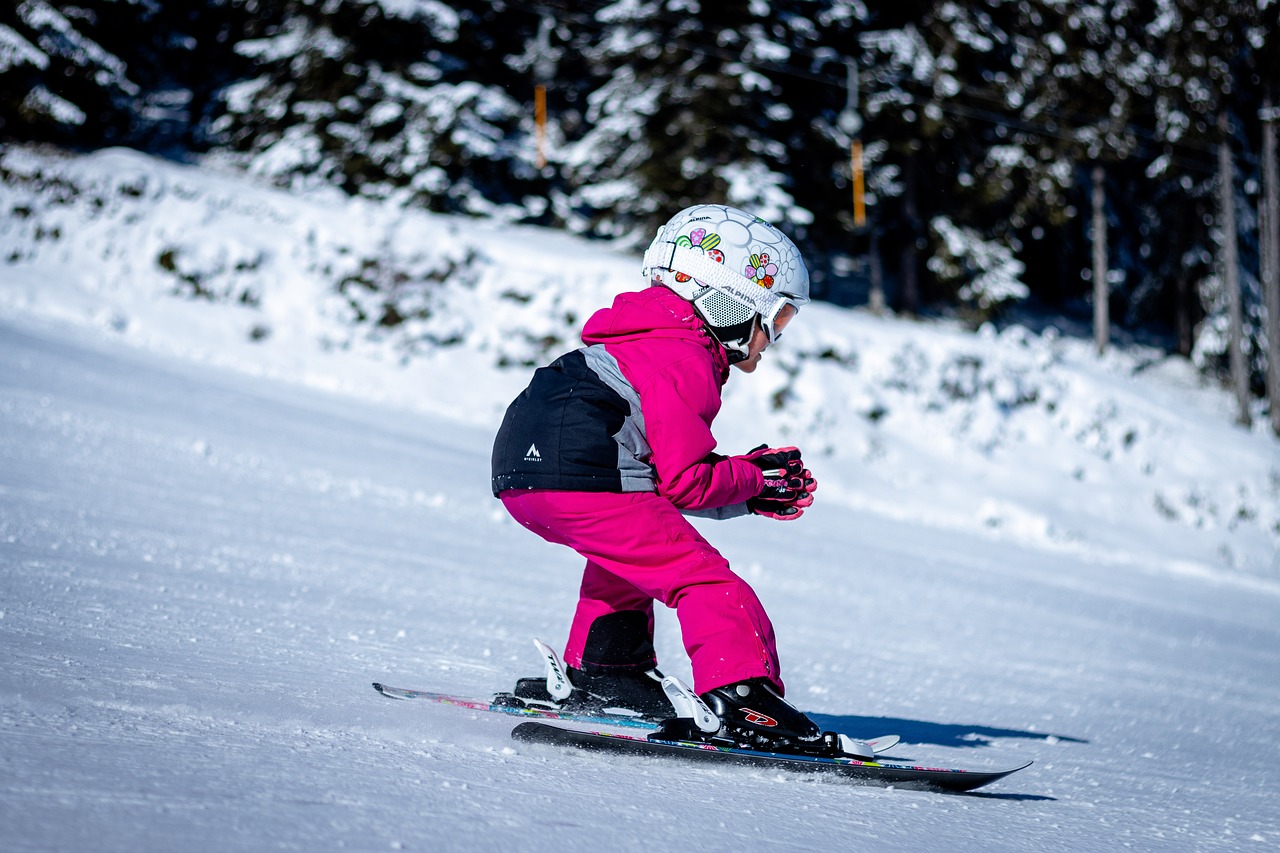
Skiing in Solang
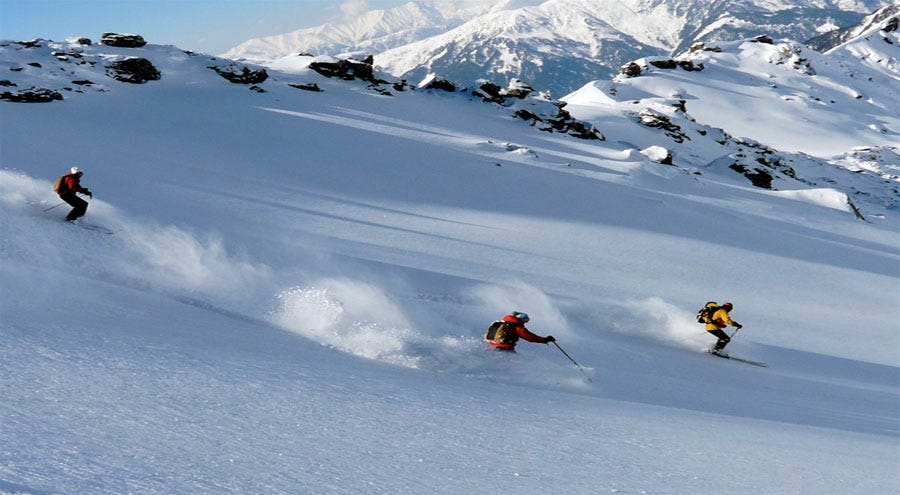
Skiing in Kufri
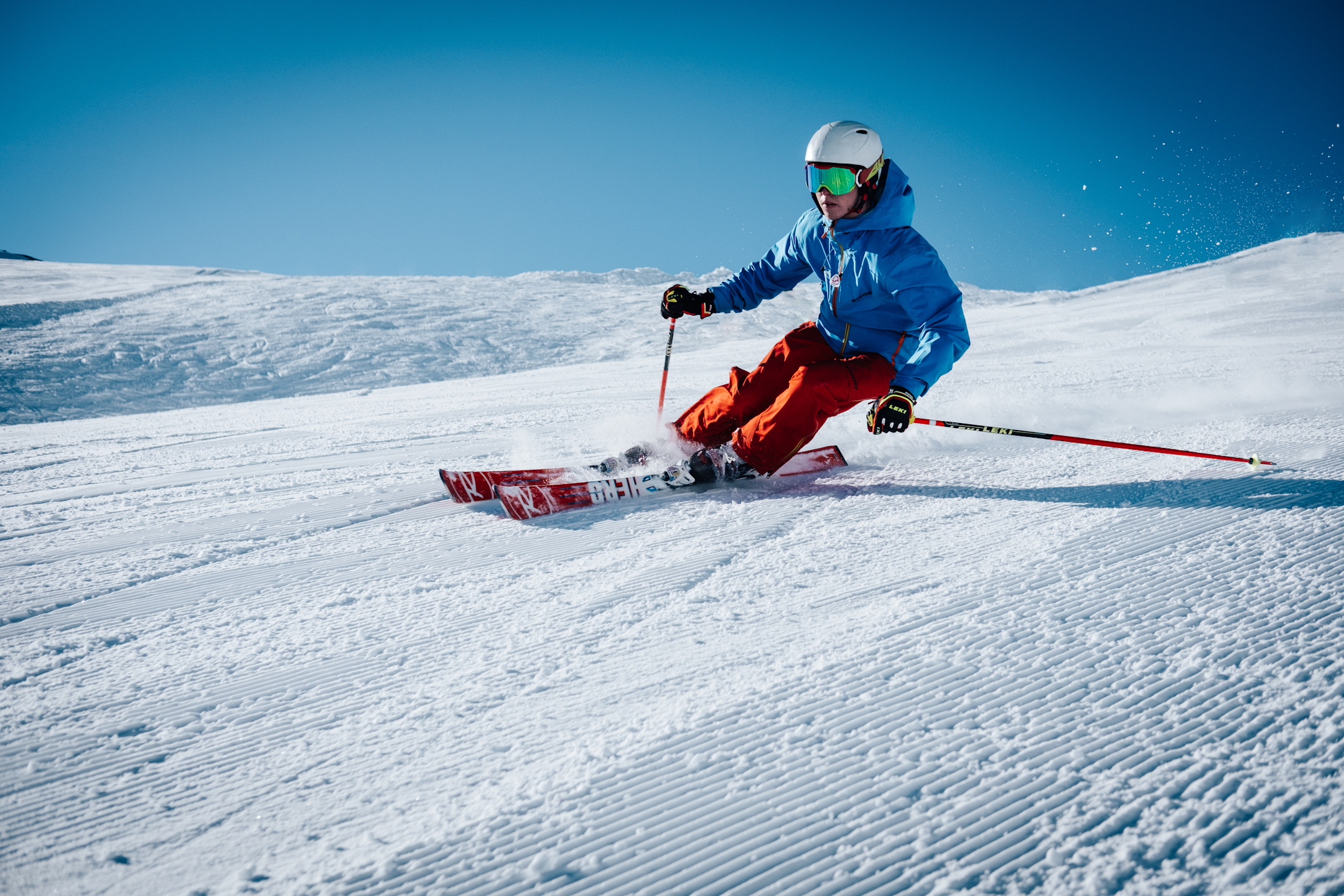
Skiing in Narkanda
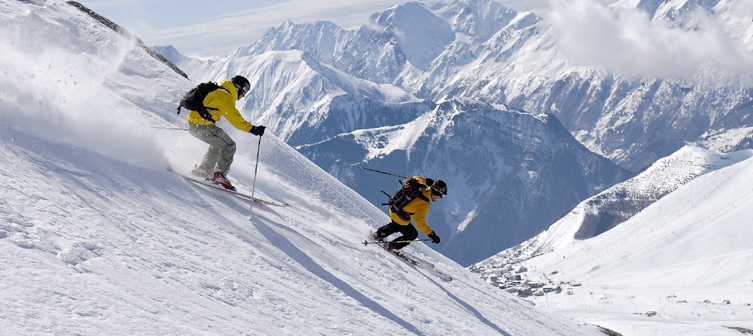
Skiing in Munsiyari
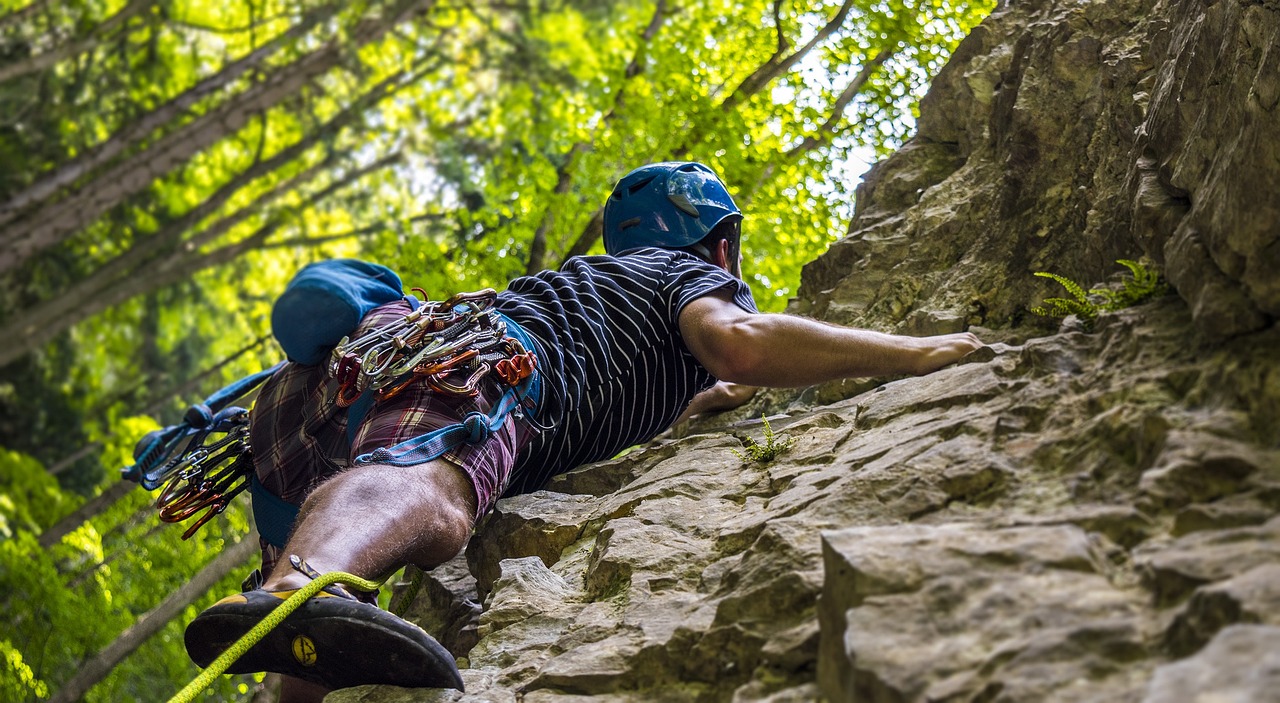
Rock Climbing in Manali
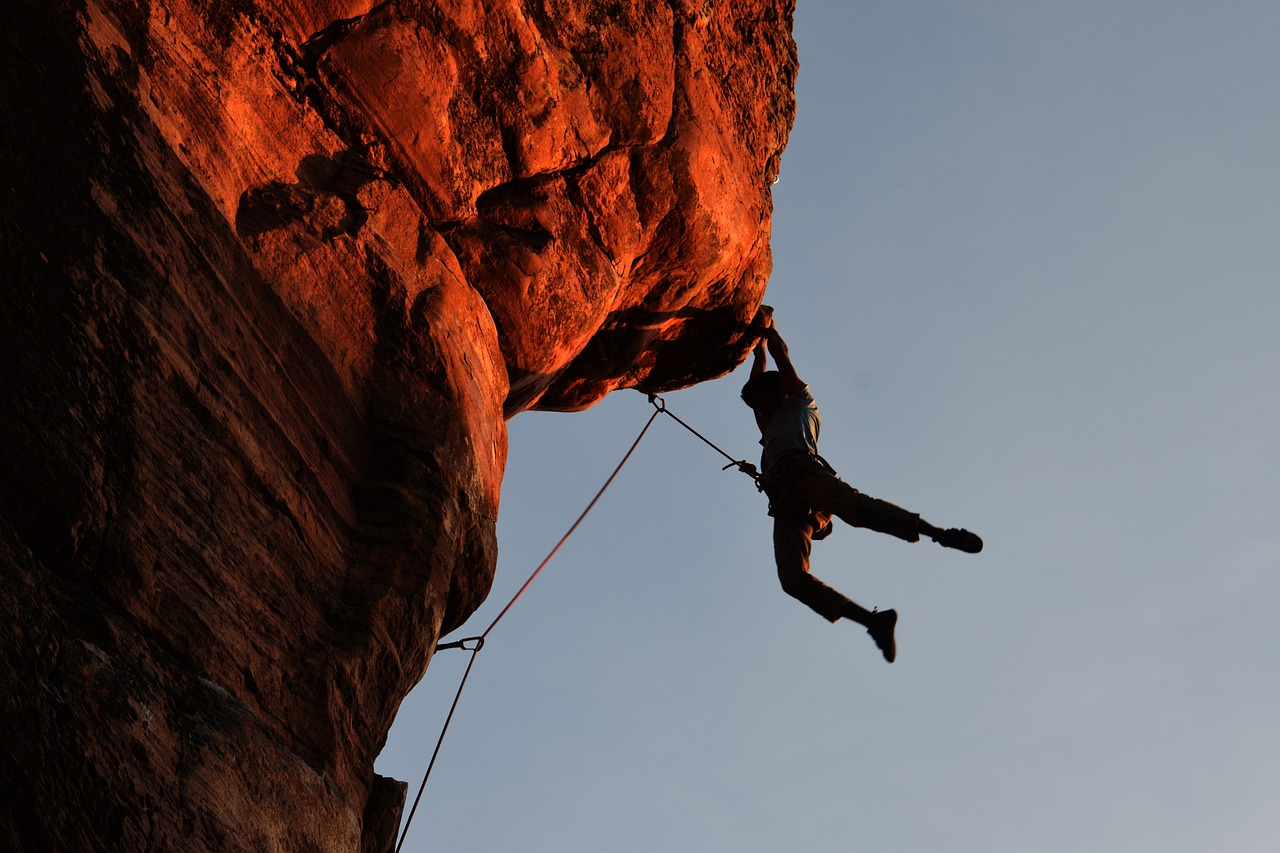
Rock climbing in Badami (Karnataka)
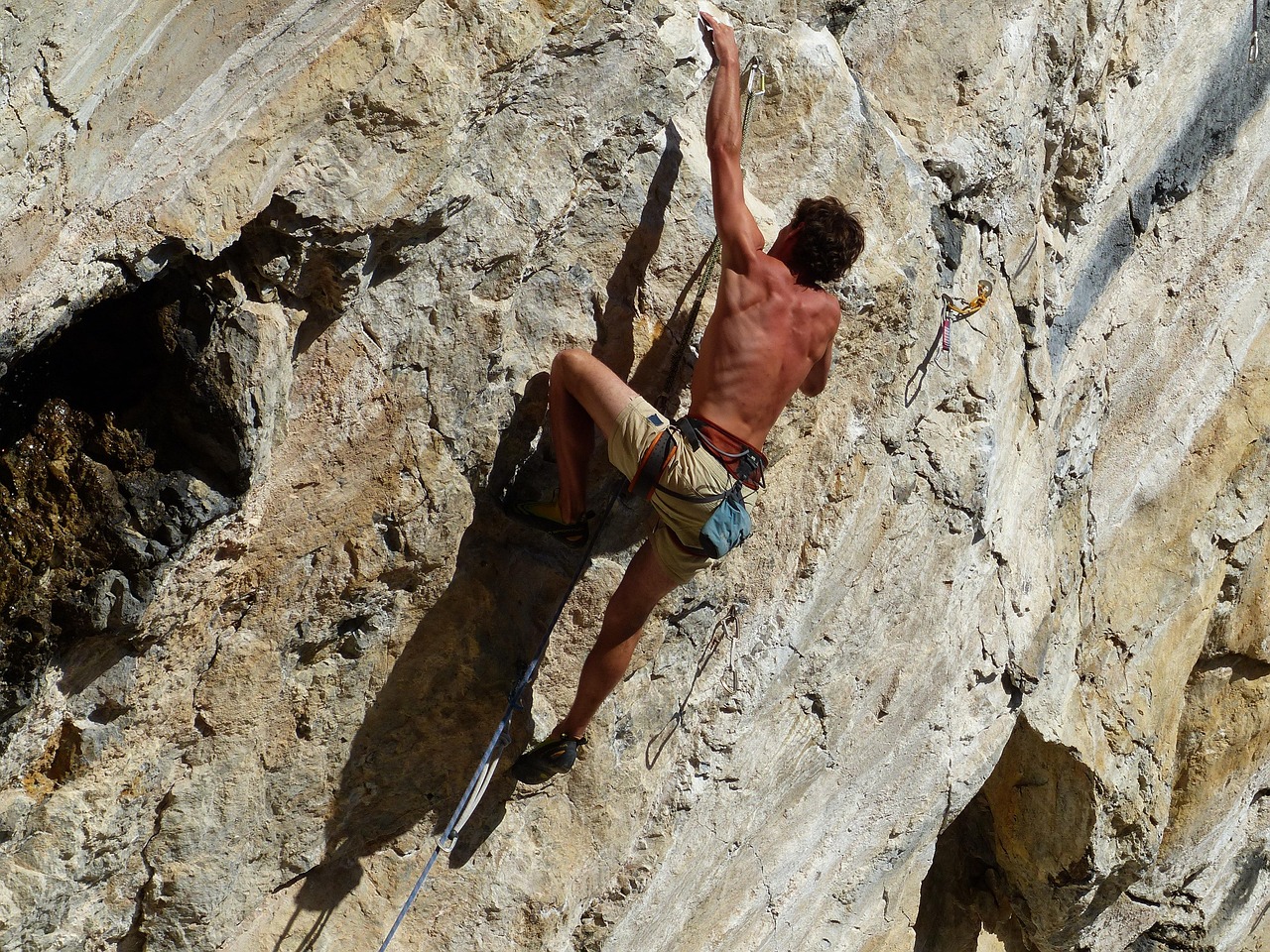
Rock climbing in Vijayapura (Karnataka)
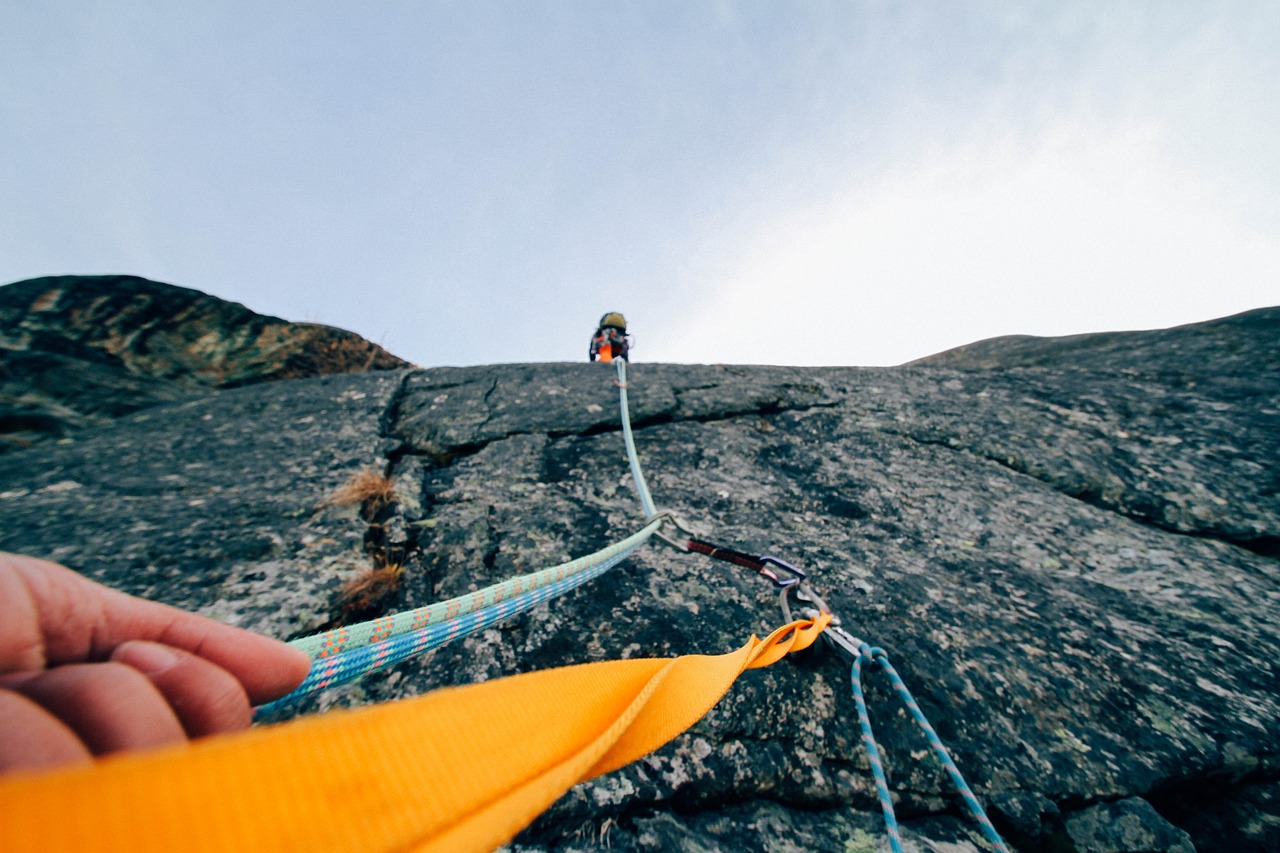
Rock climbing in Boulder Hills (Hyderabad)
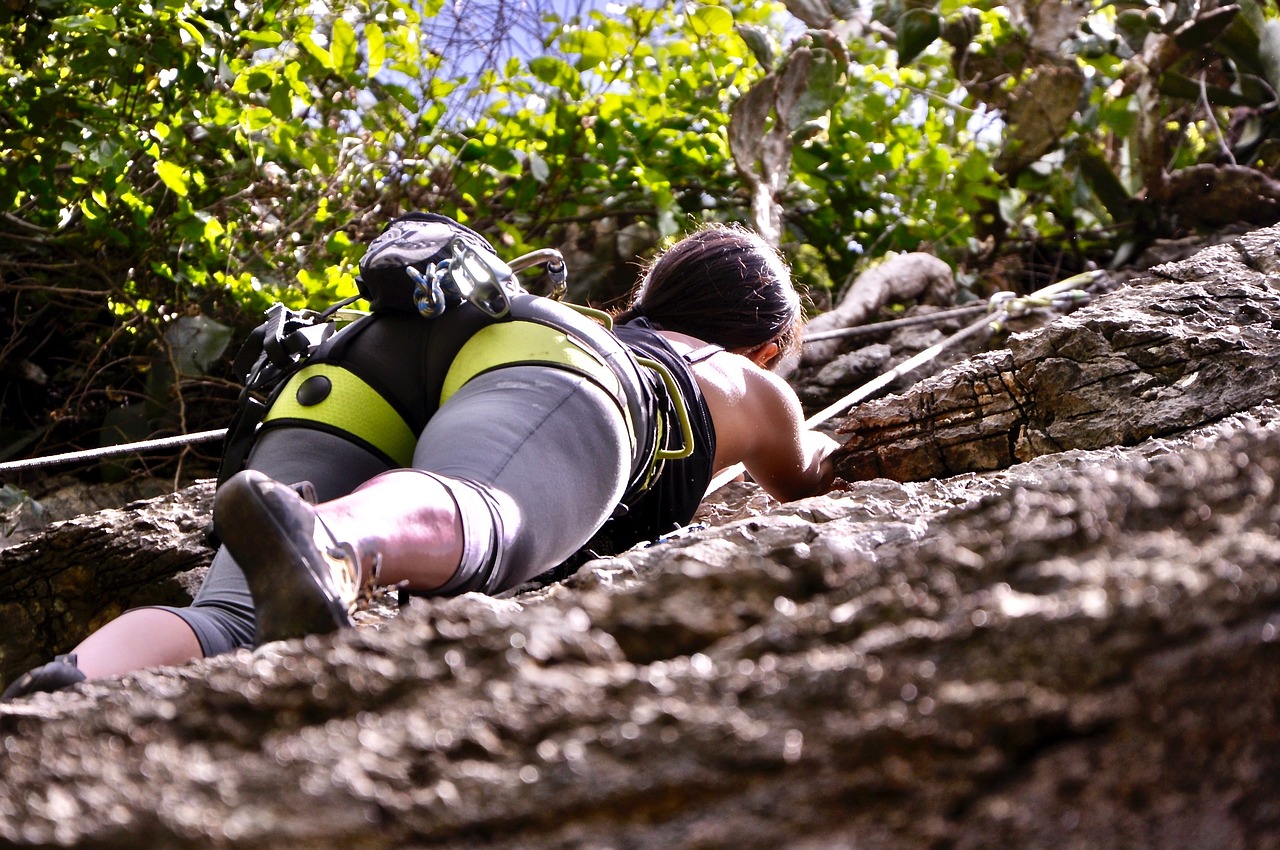
Rock climbing in Nainital
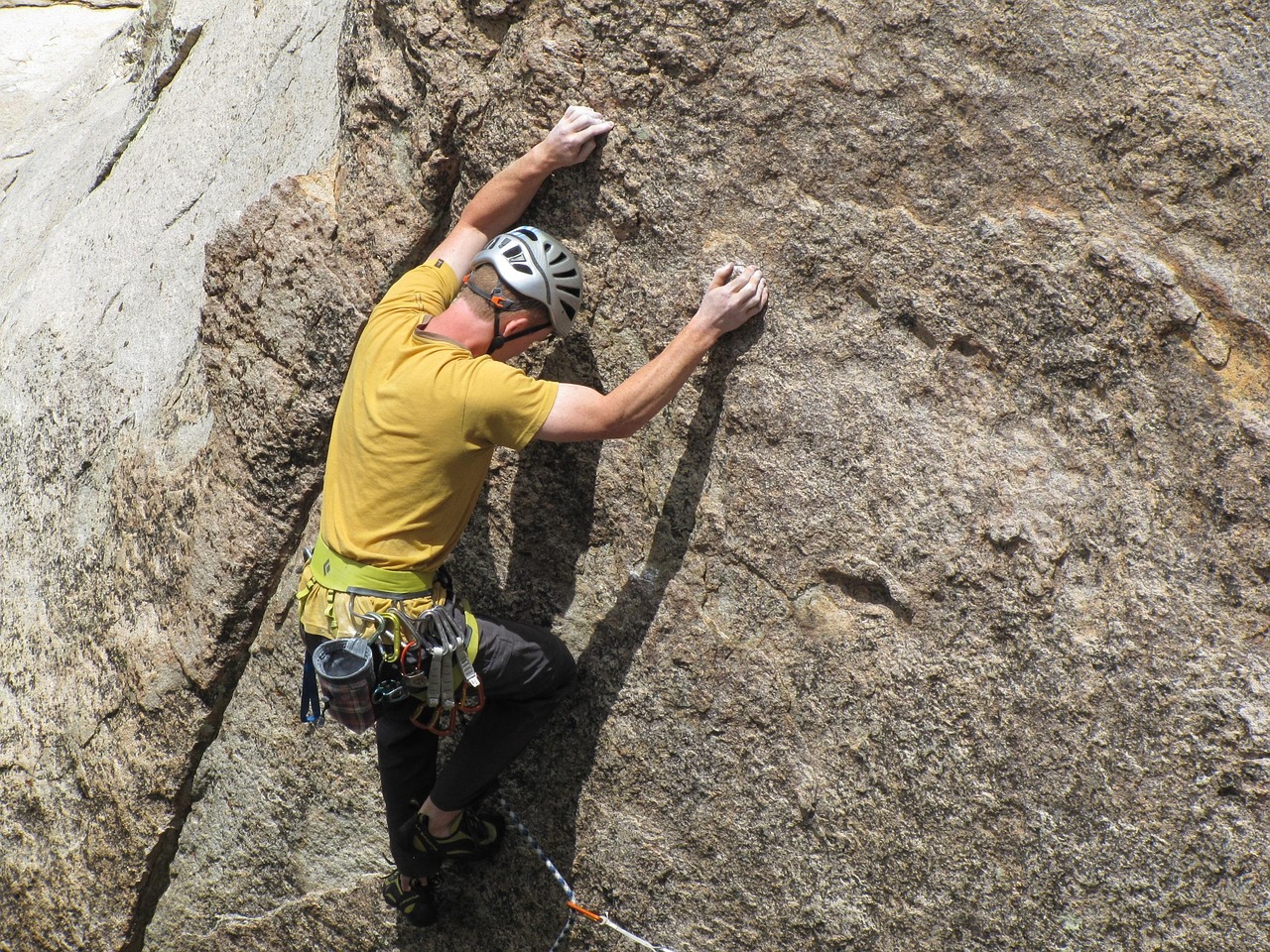
Rock climbing in Hampi (Karnataka)
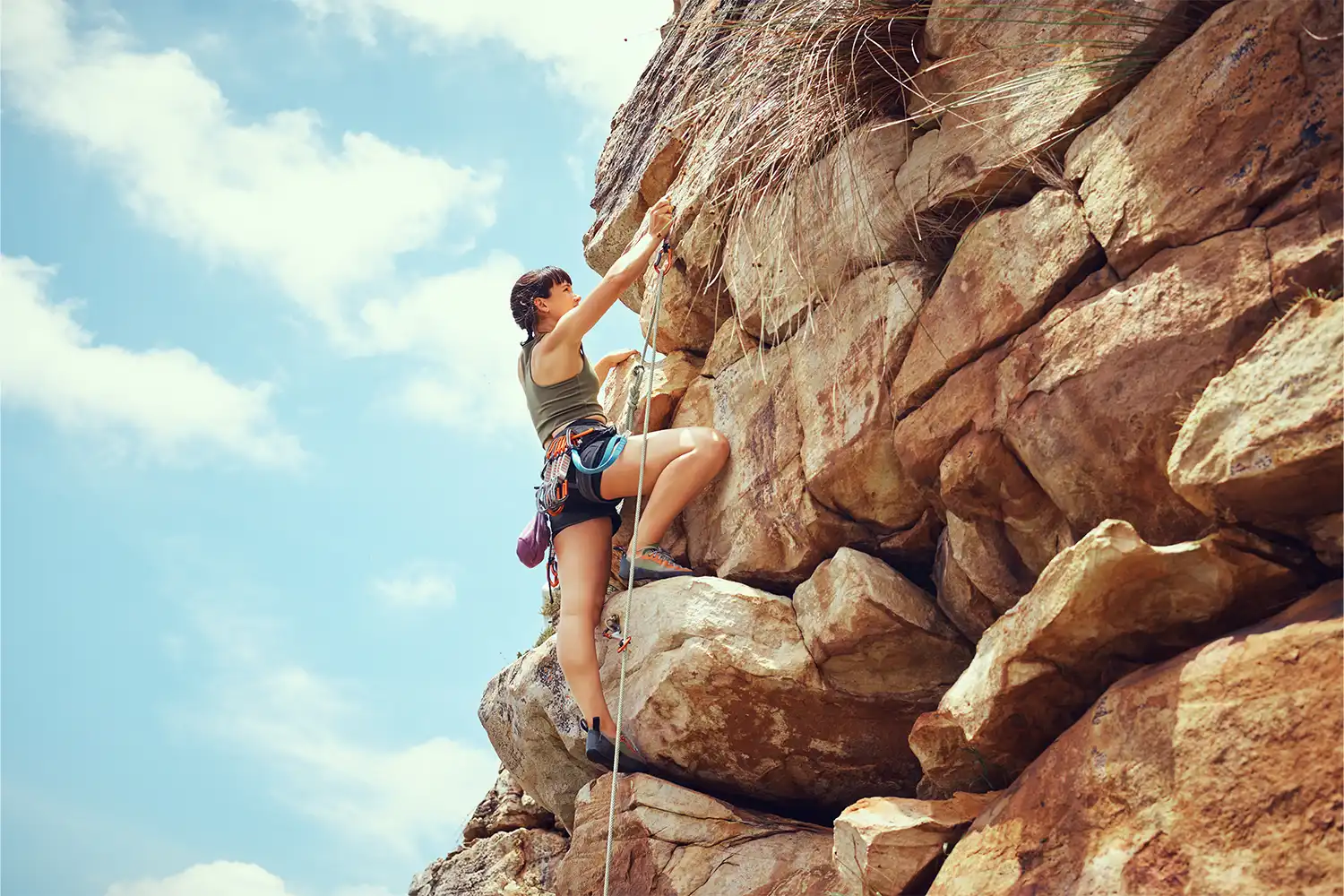
Rock climbing in Aravalli Range (Rajasthan)
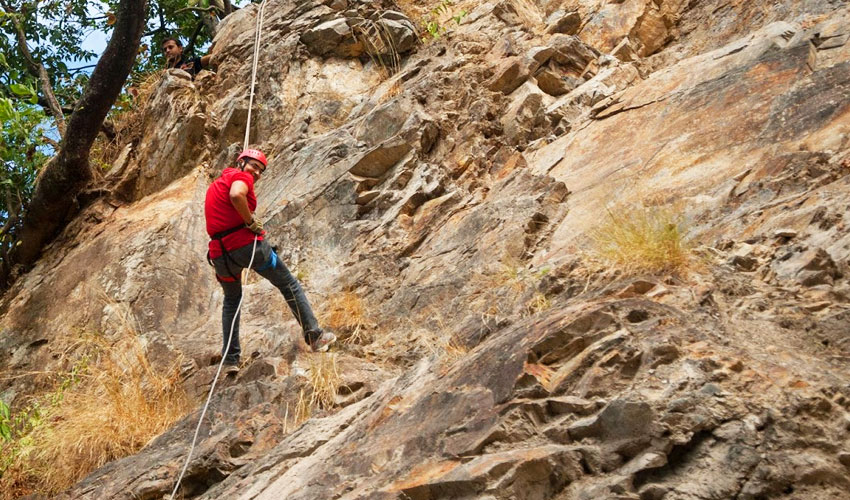
Rock climbing in Rishikesh
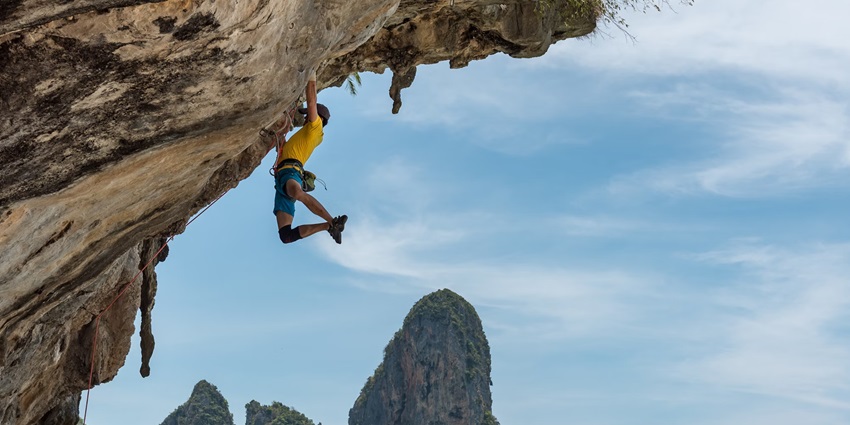
Rock climbing on Shey Rock (Ladakh)
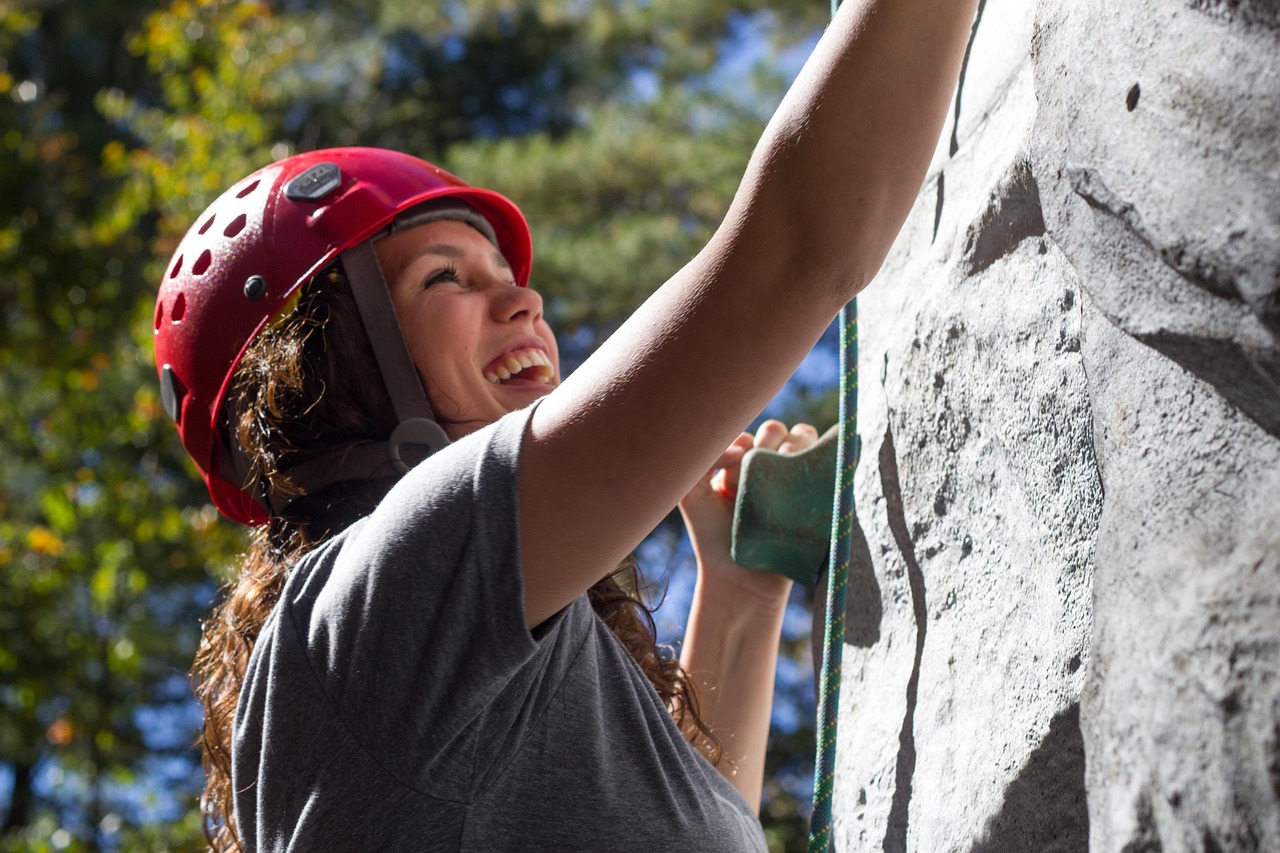
Rock climbing in Pune
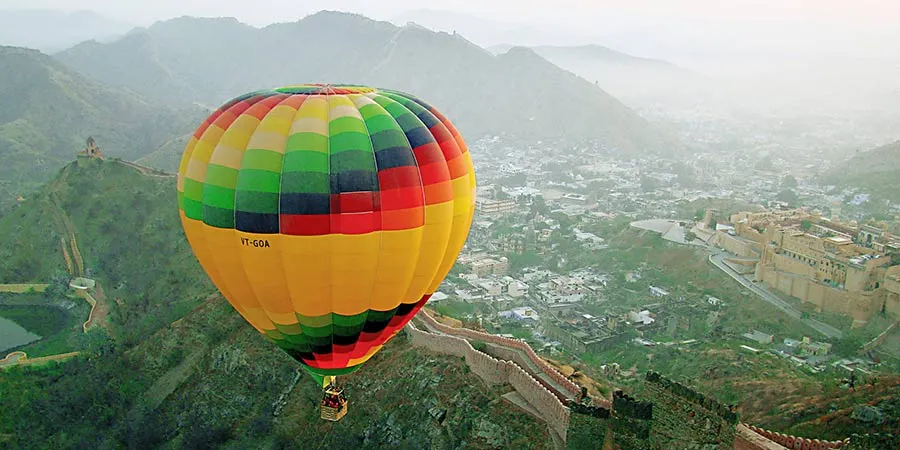
Hot Air Balloon Ride in Jaipur
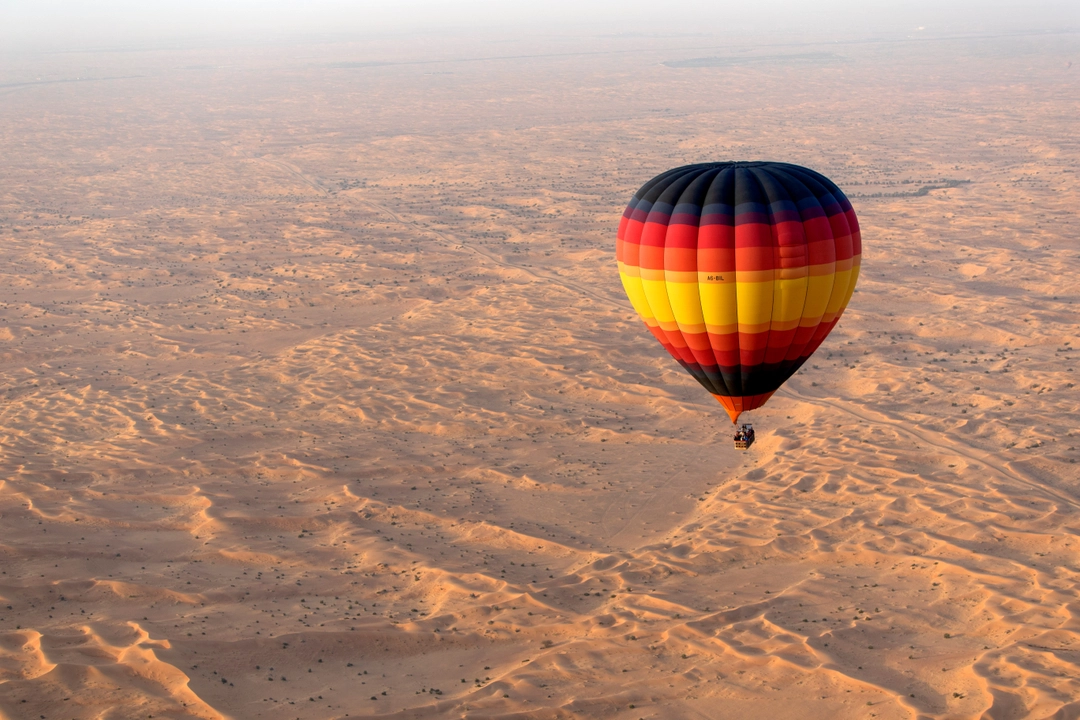
Hot Air Balloon Ride in Pushkar
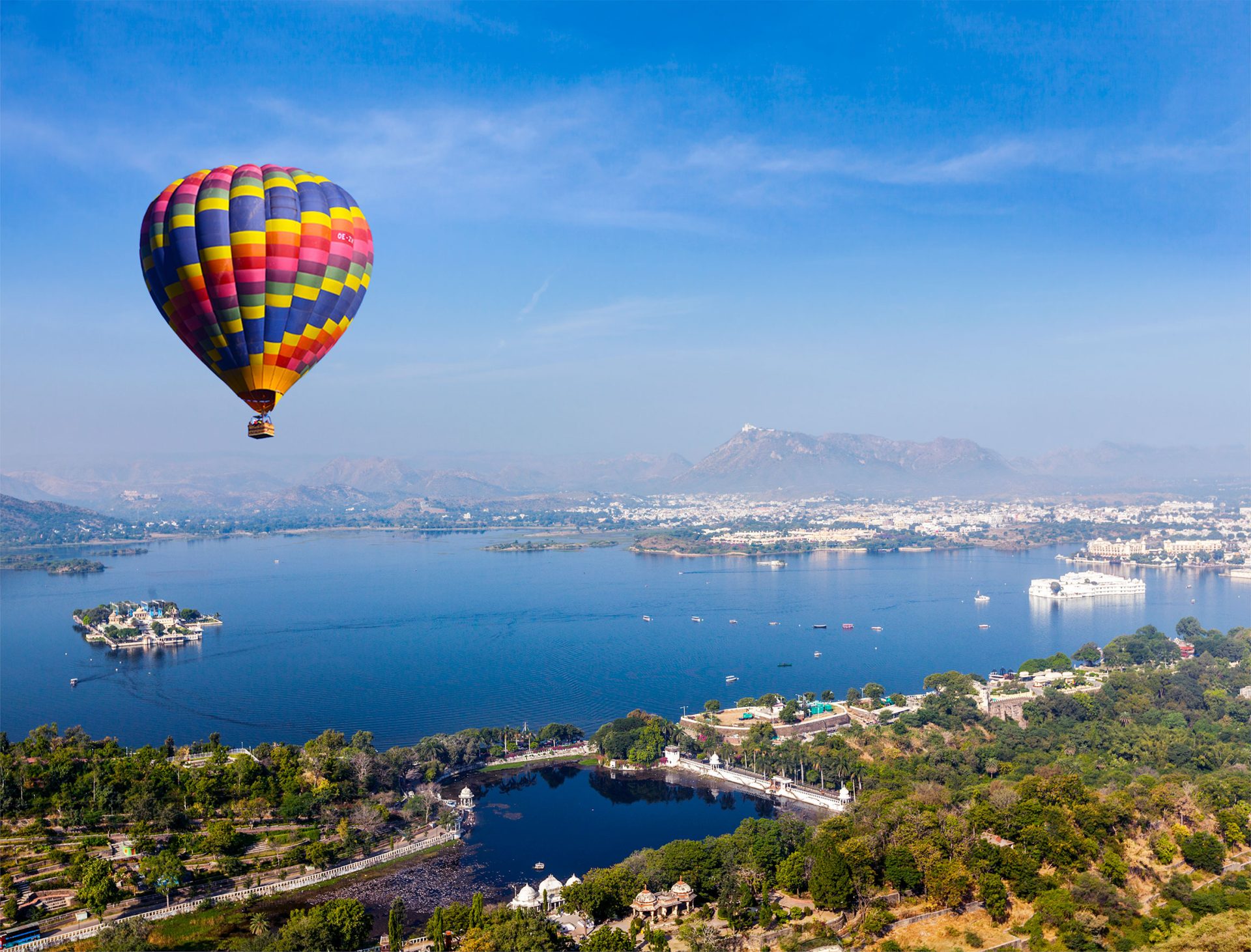
Hot Air Balloon Ride in Udaipur
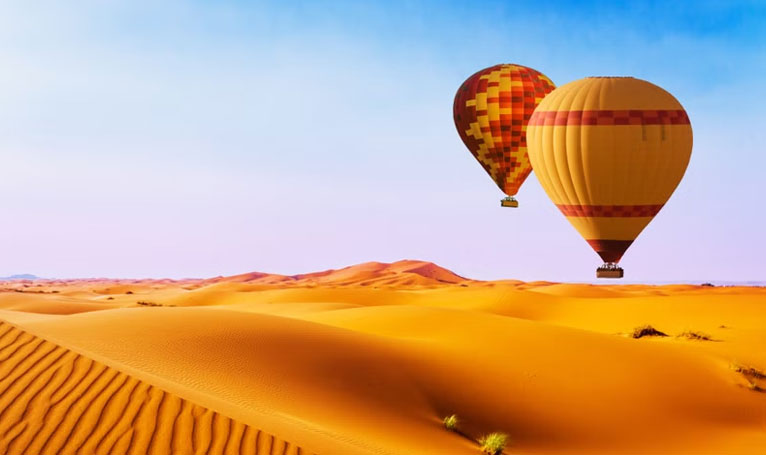
Hot Air Balloon Ride in Jaisalmer
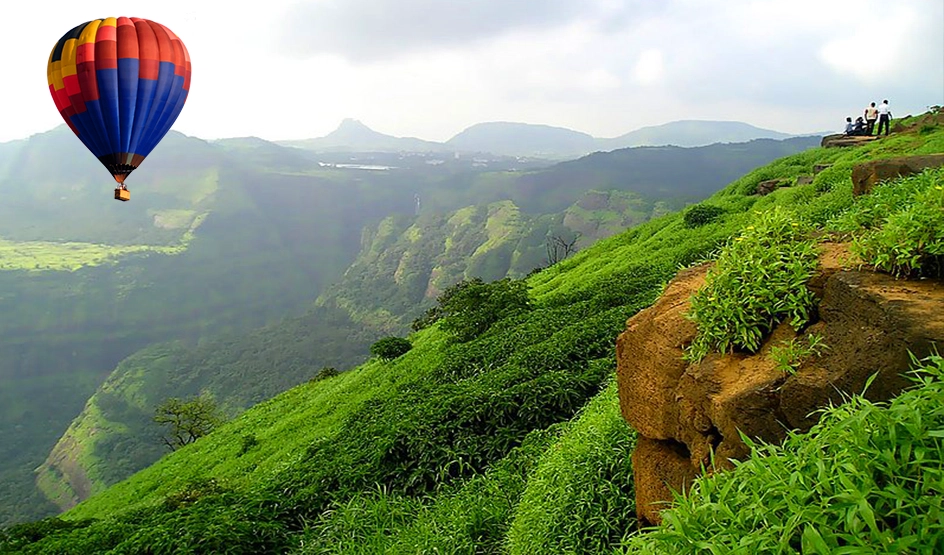
Hot Air Balloon Ride in Lonavala
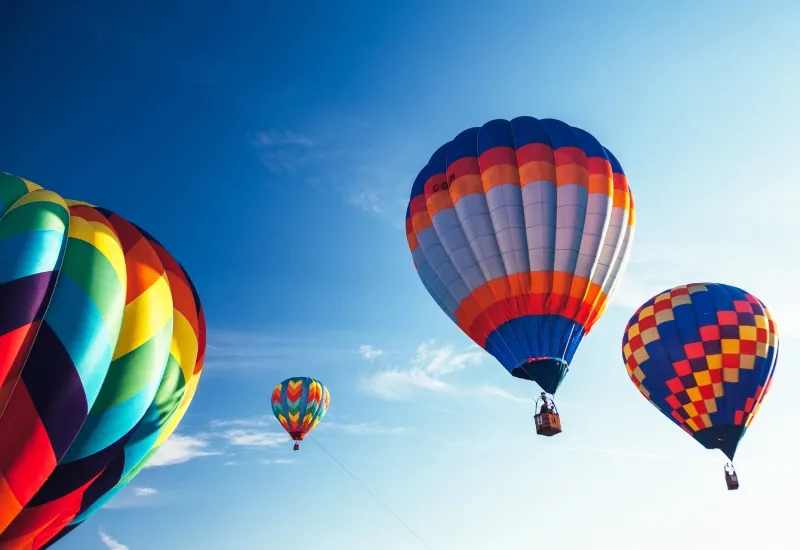
Hot air balloon ride in Mysore
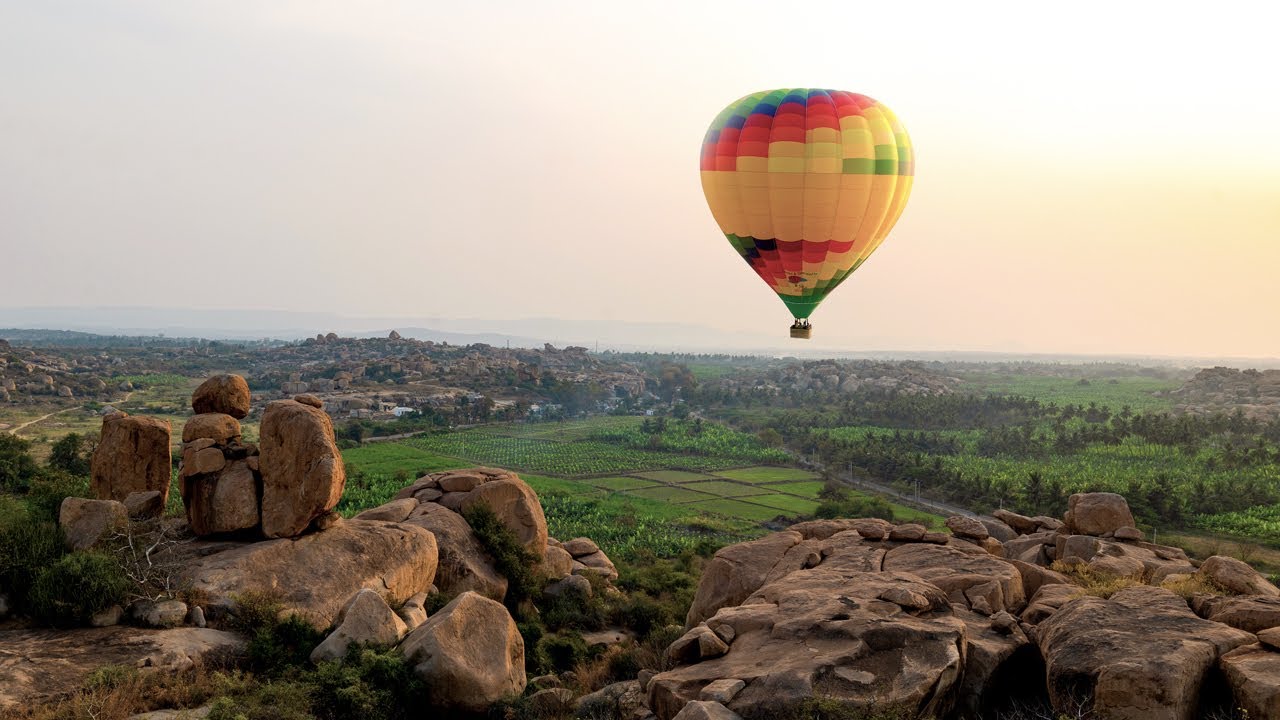
Hot air balloon ride in Hampi
Hot air balloon ride in Nainital
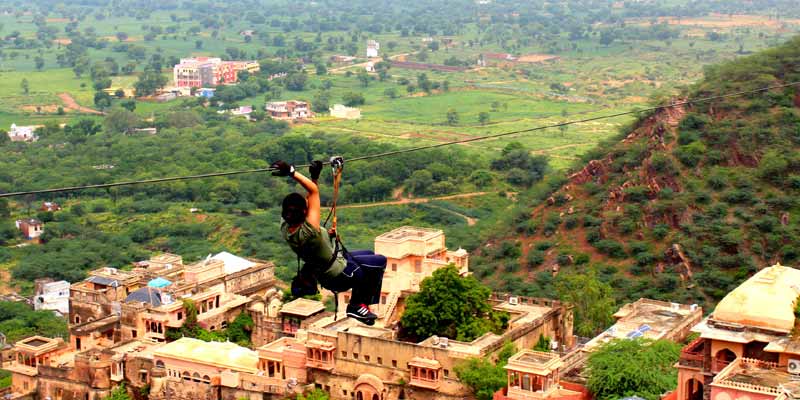
Zip Line ride in Neemrana
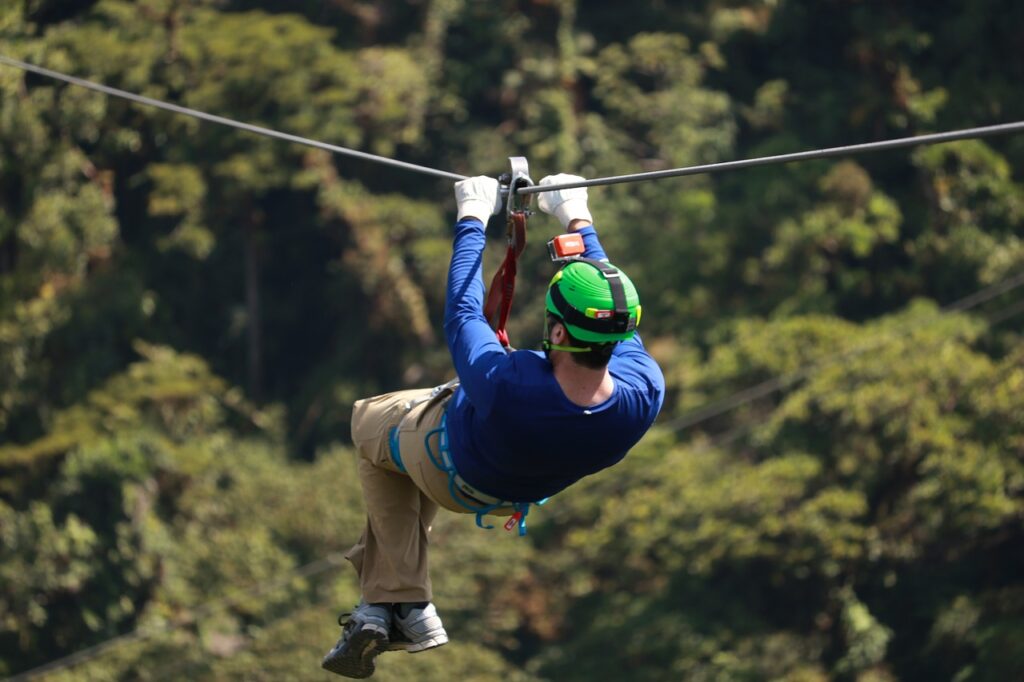
Kikar Lodge Zip Line
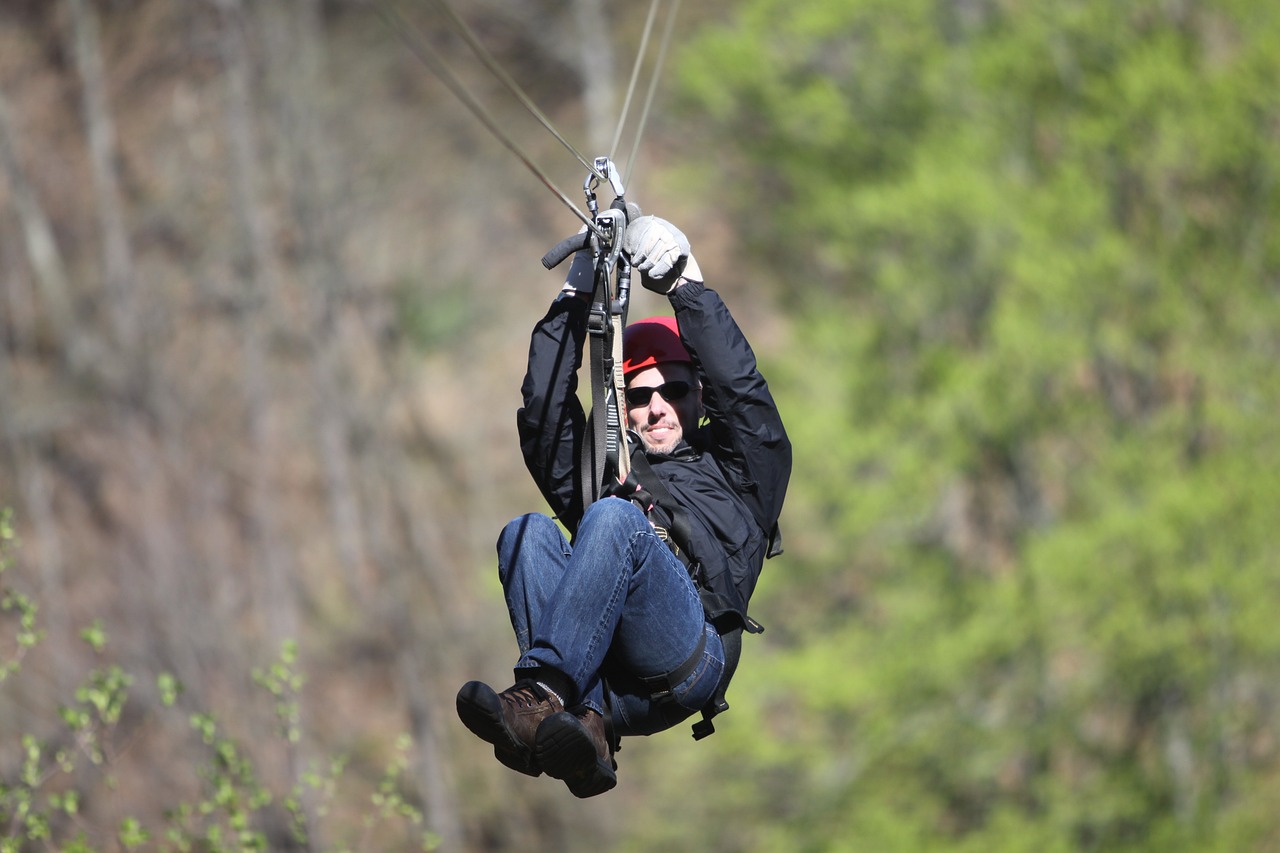
Zip Line ride in Rishikesh
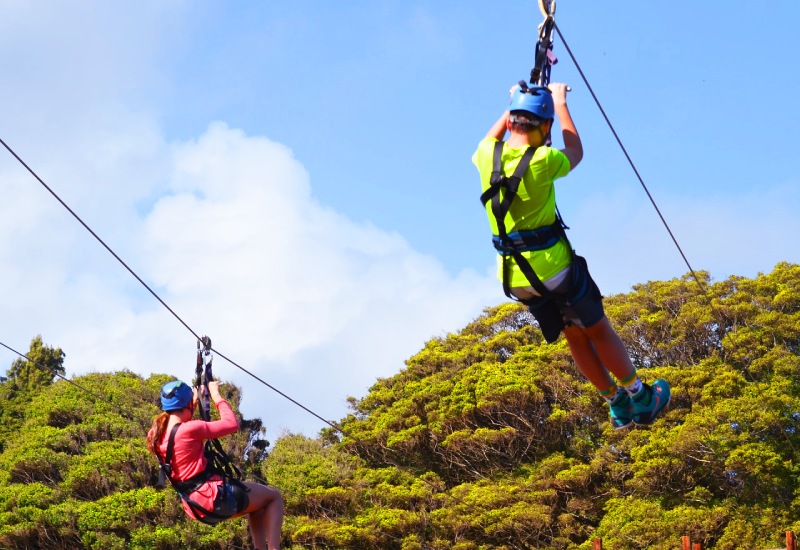
Zip Line ride in Mussoorie
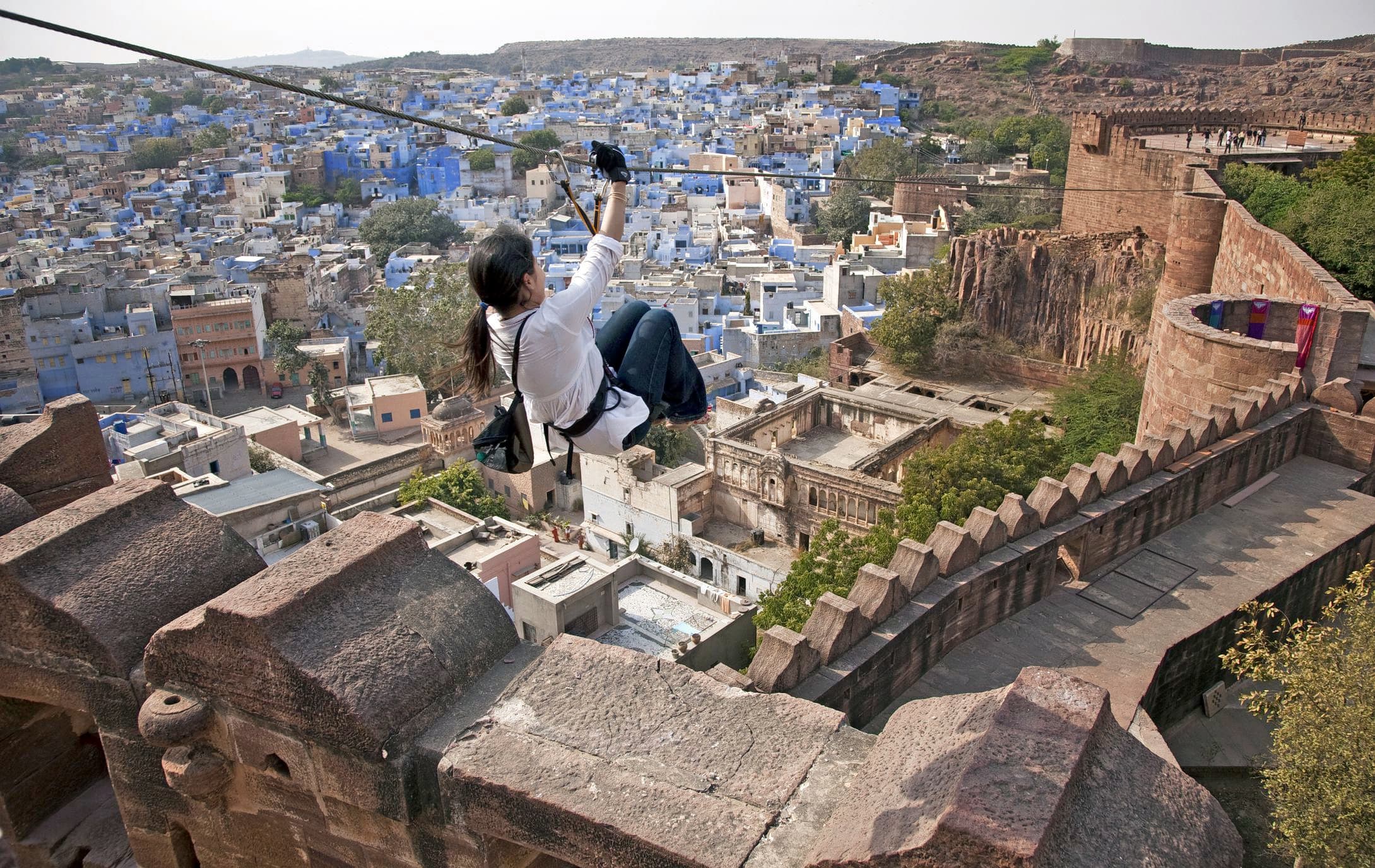
Zip Line ride in Jodhpur
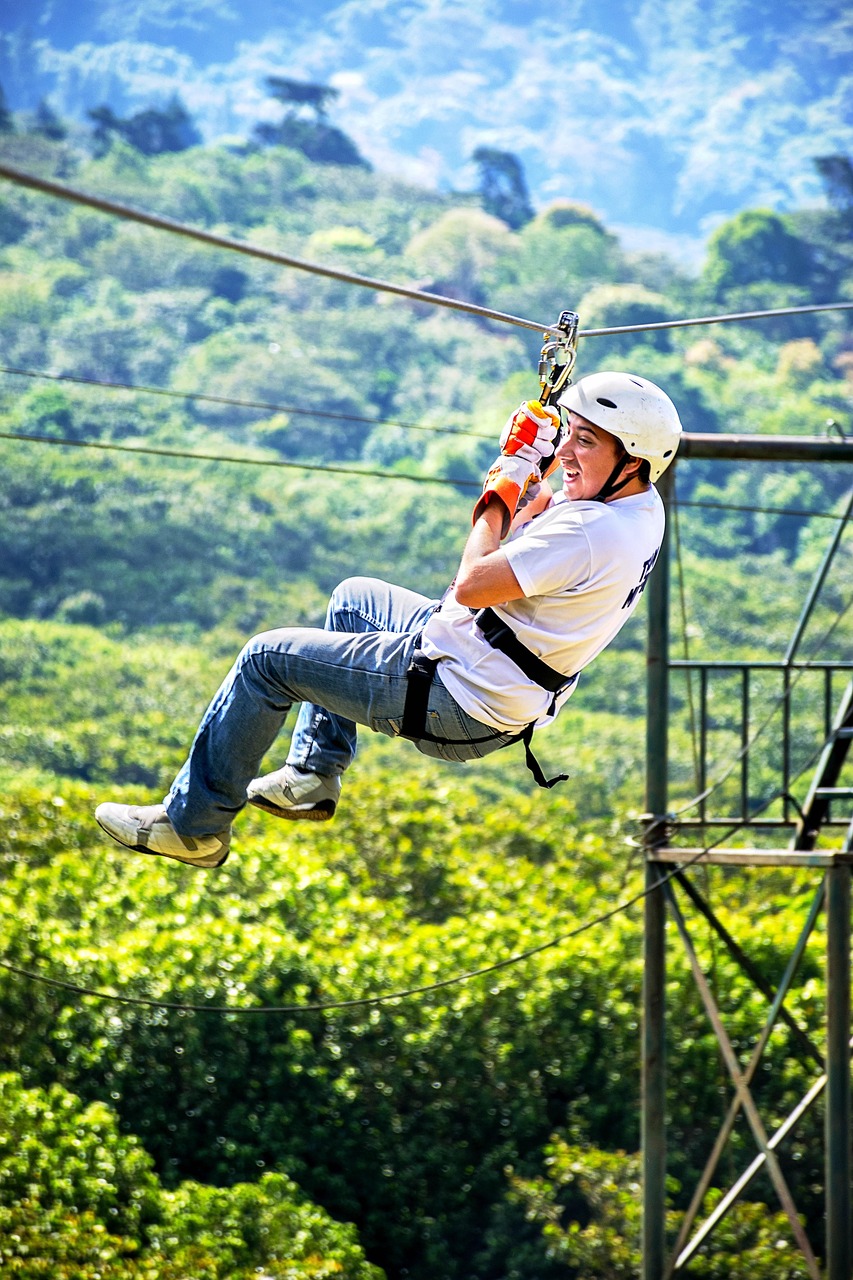
Zip Line ride in Munnar
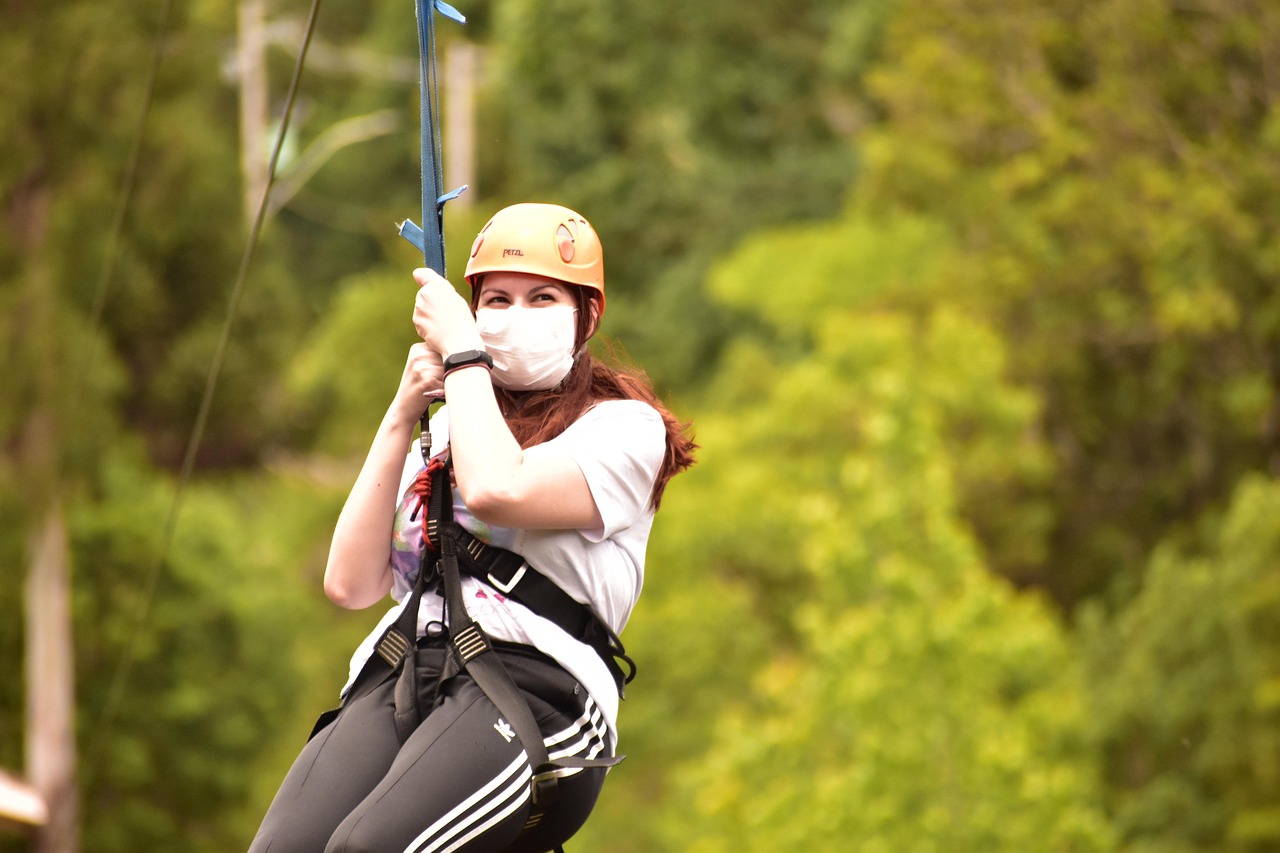
Zip Line ride in Manali
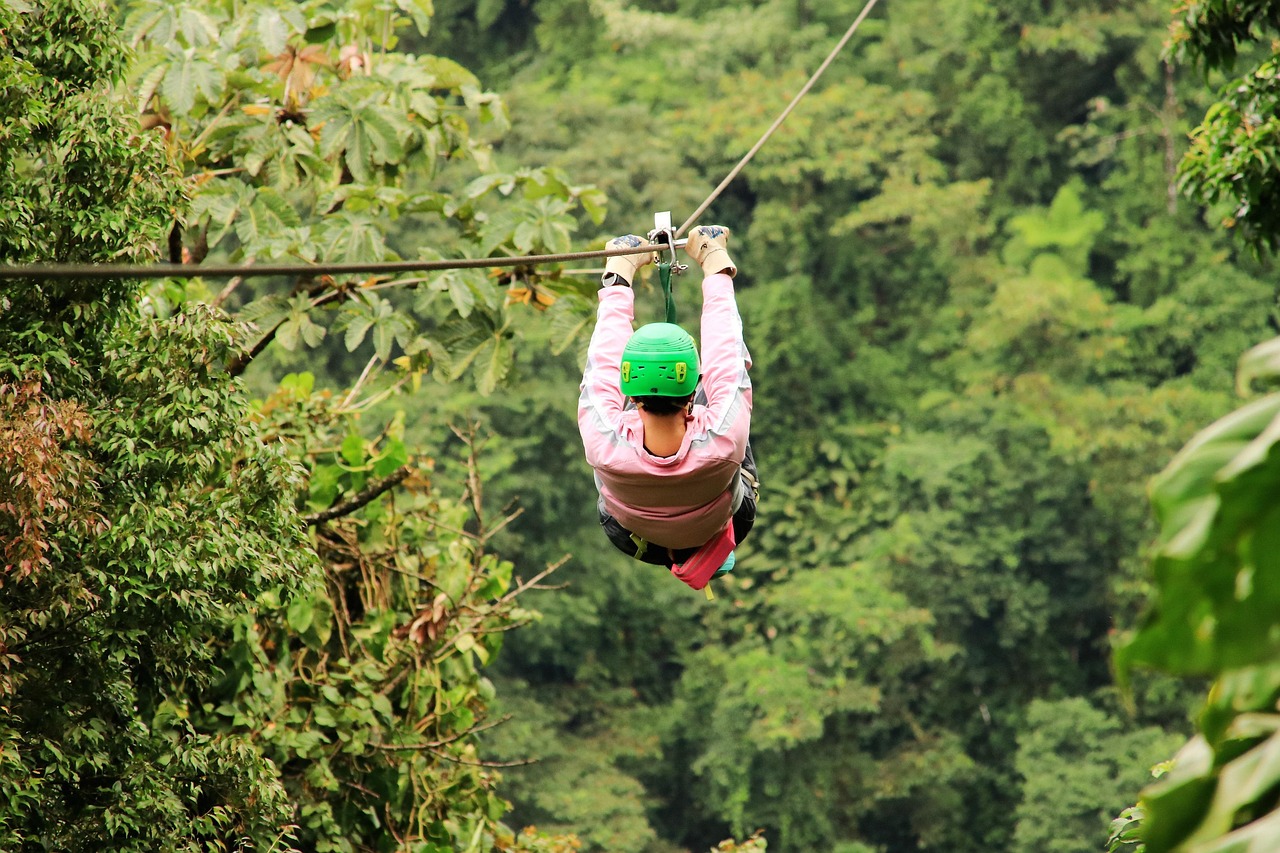
Zip Line ride in Darjeeling
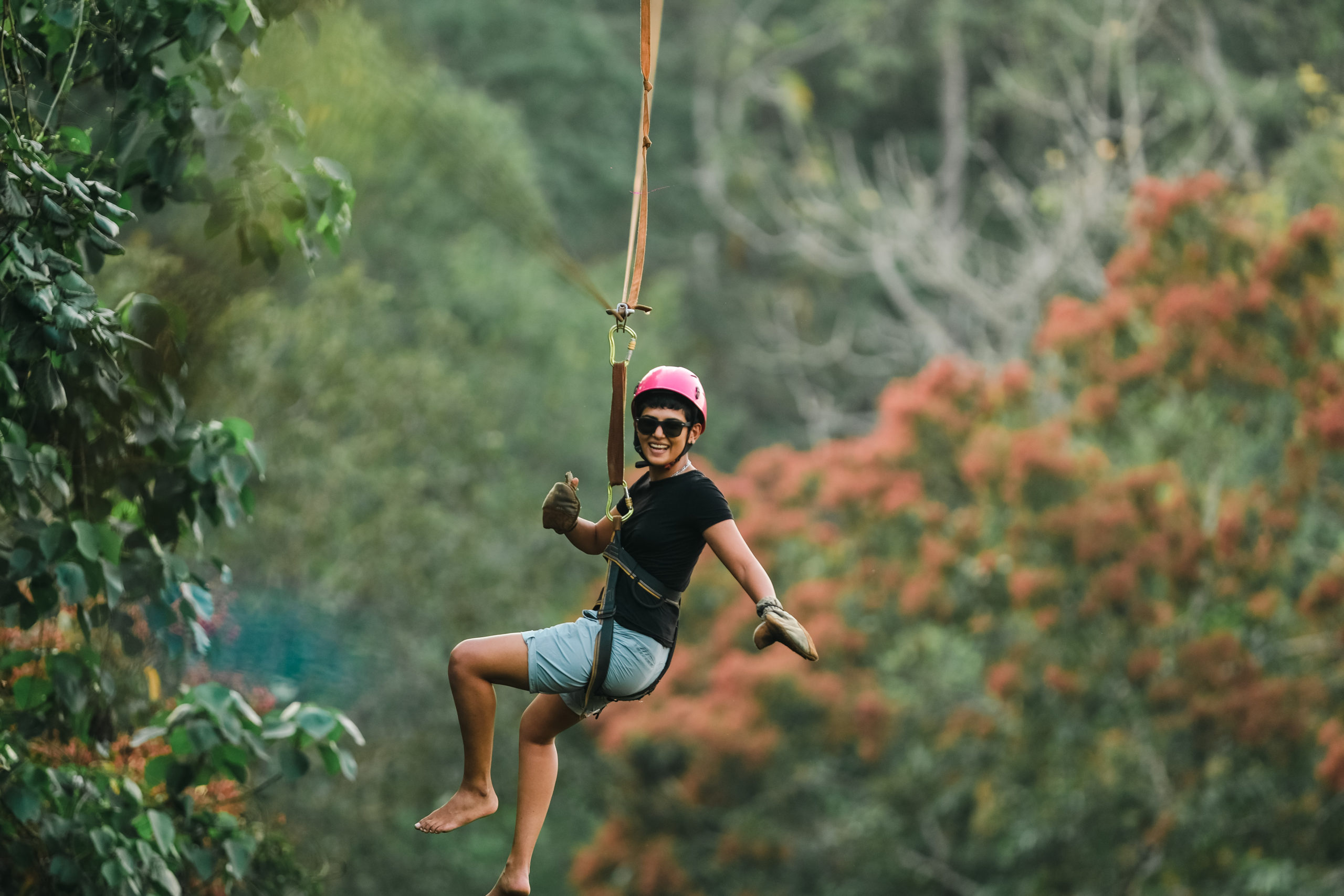
Zip Line ride in Goa
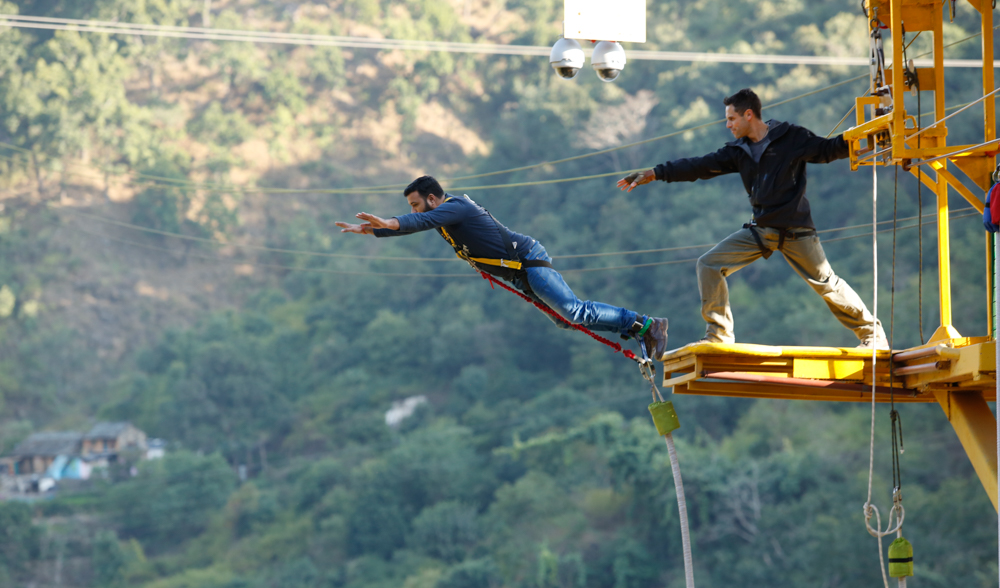
Bungee Jumping in Rishikesh
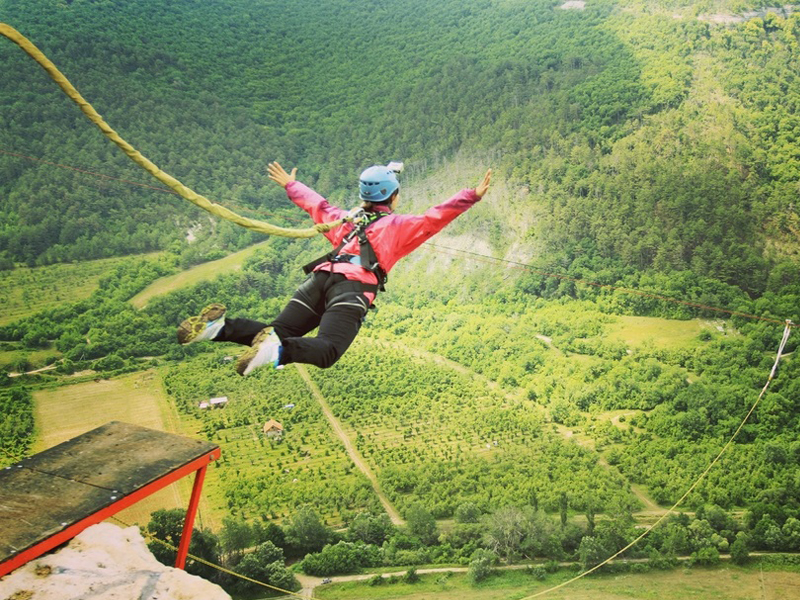
Bungee Jumping in Udaipur
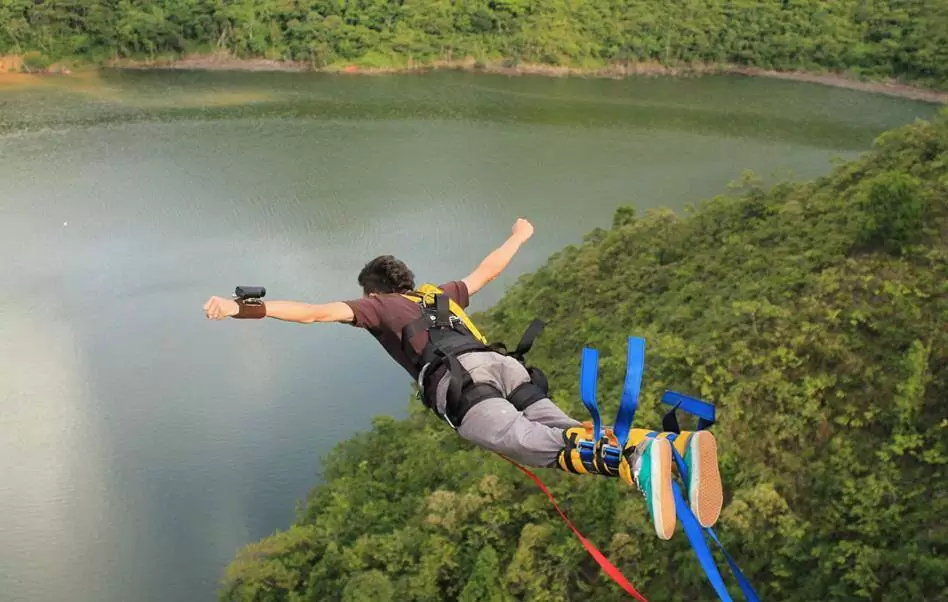
Bungee Jumping in Goa
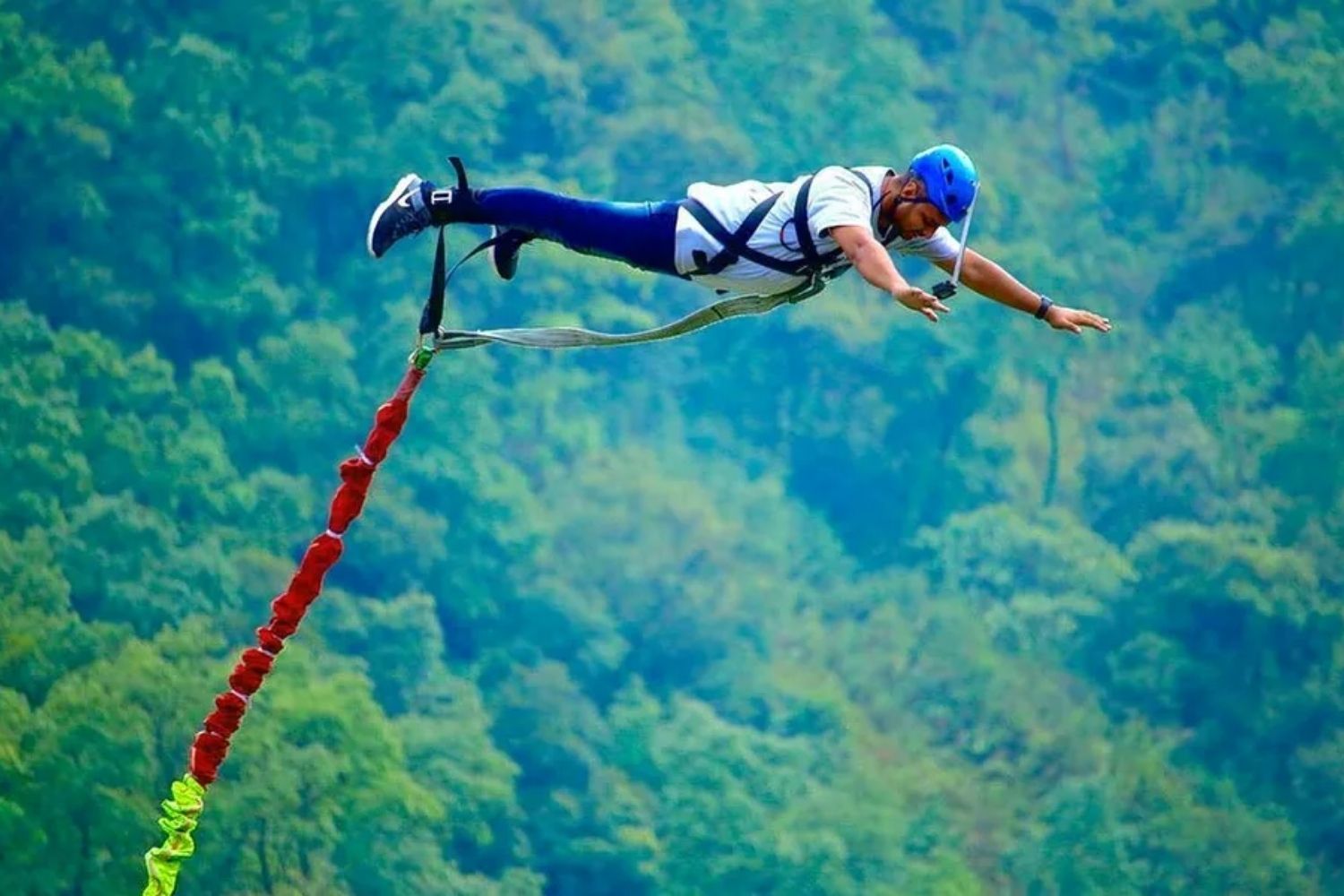
Bungee Jumping in Lonavala
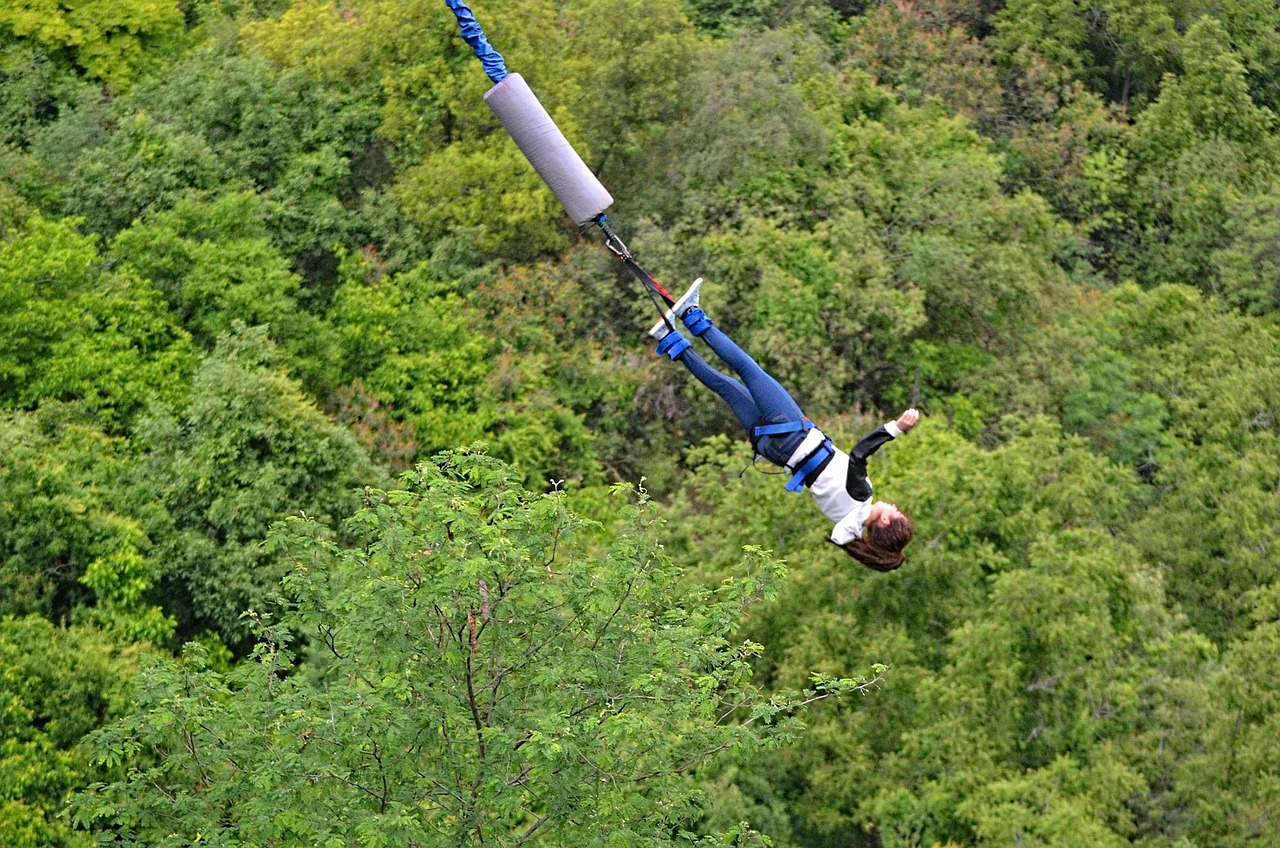
Bungee jumping in Bangalore
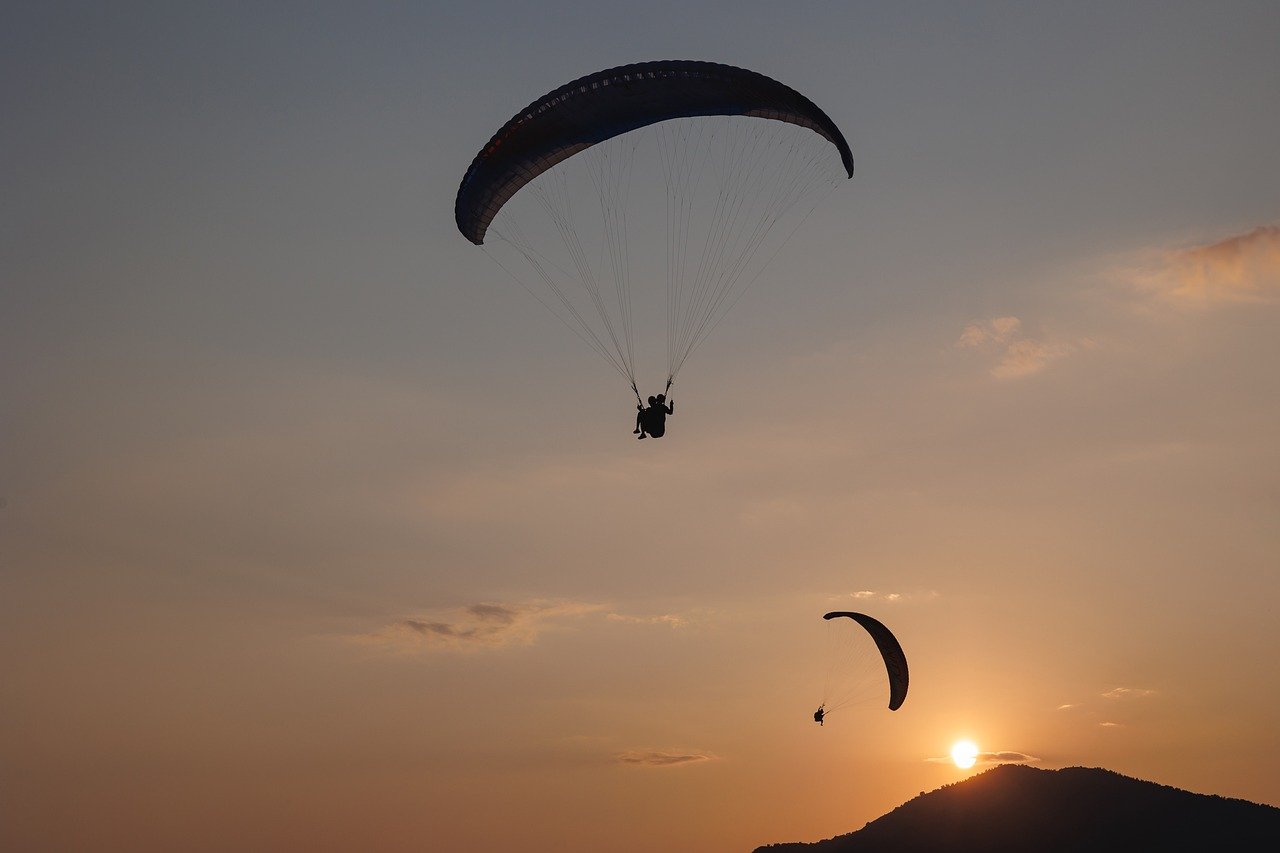
Paragliding in Bir Billing
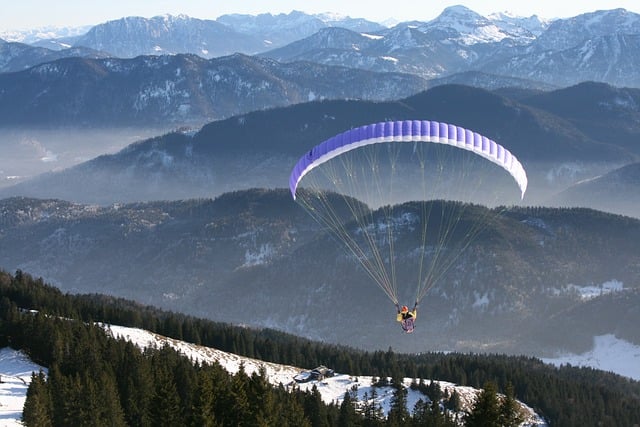
Paragliding in Manali
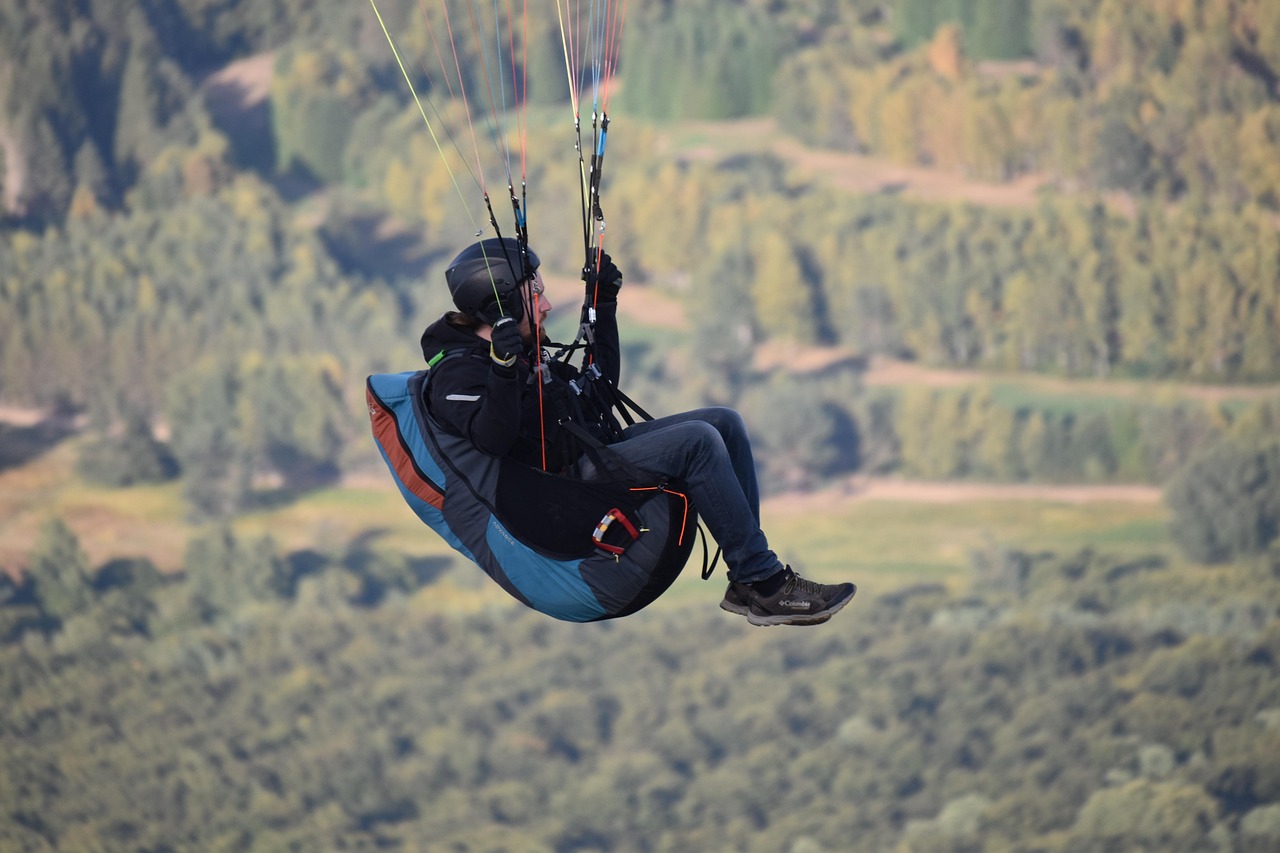
Paragliding in Nainital
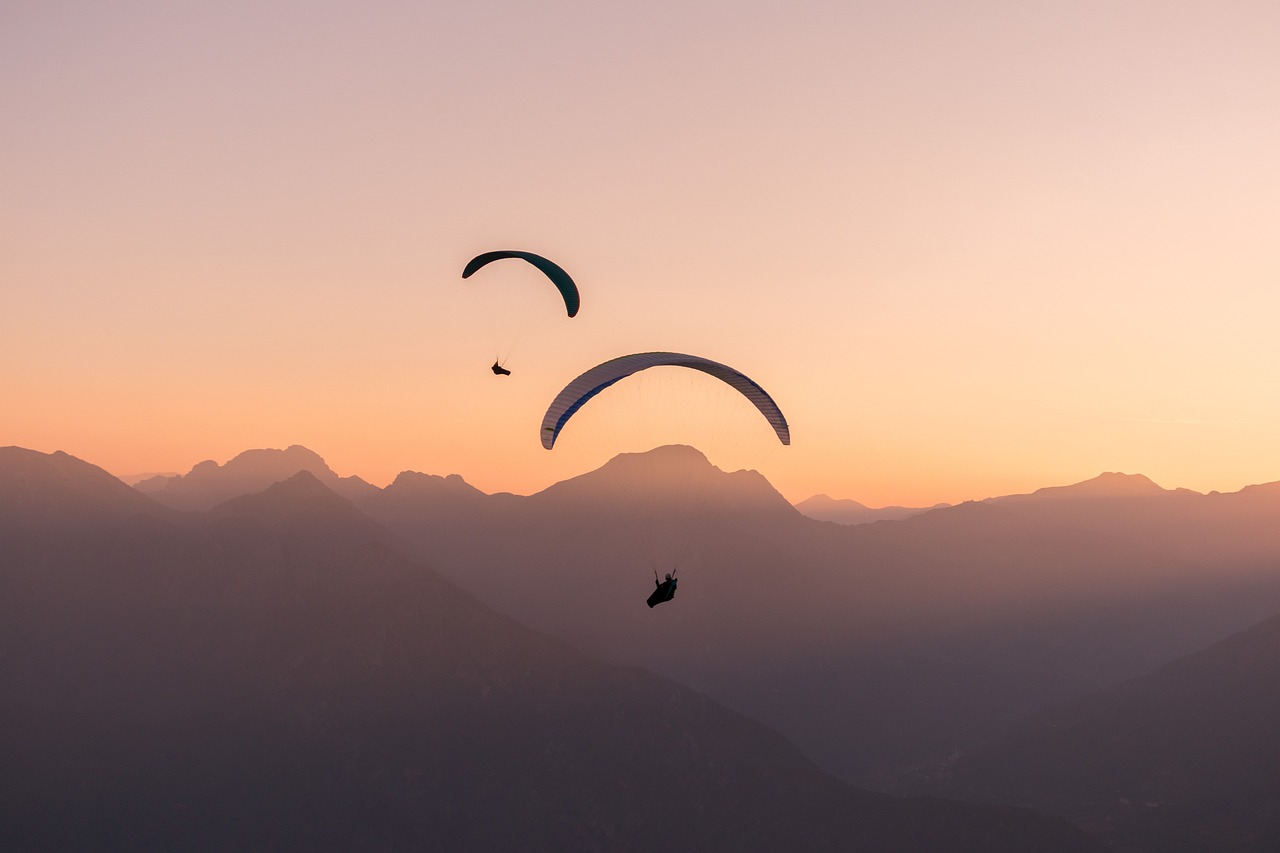
Paragliding in Kamshet
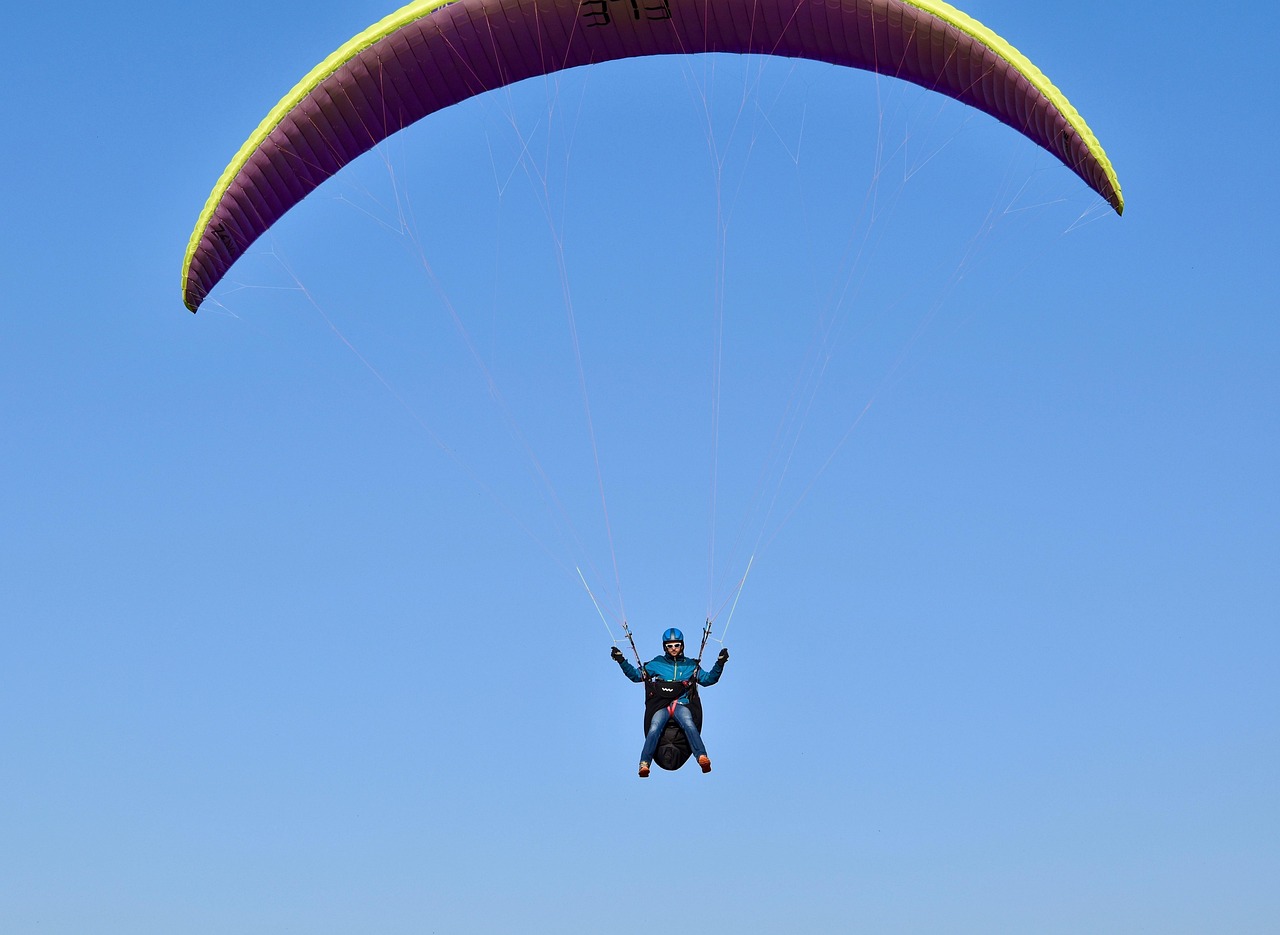
Paragliding in Ranikhet and Mukteshwar
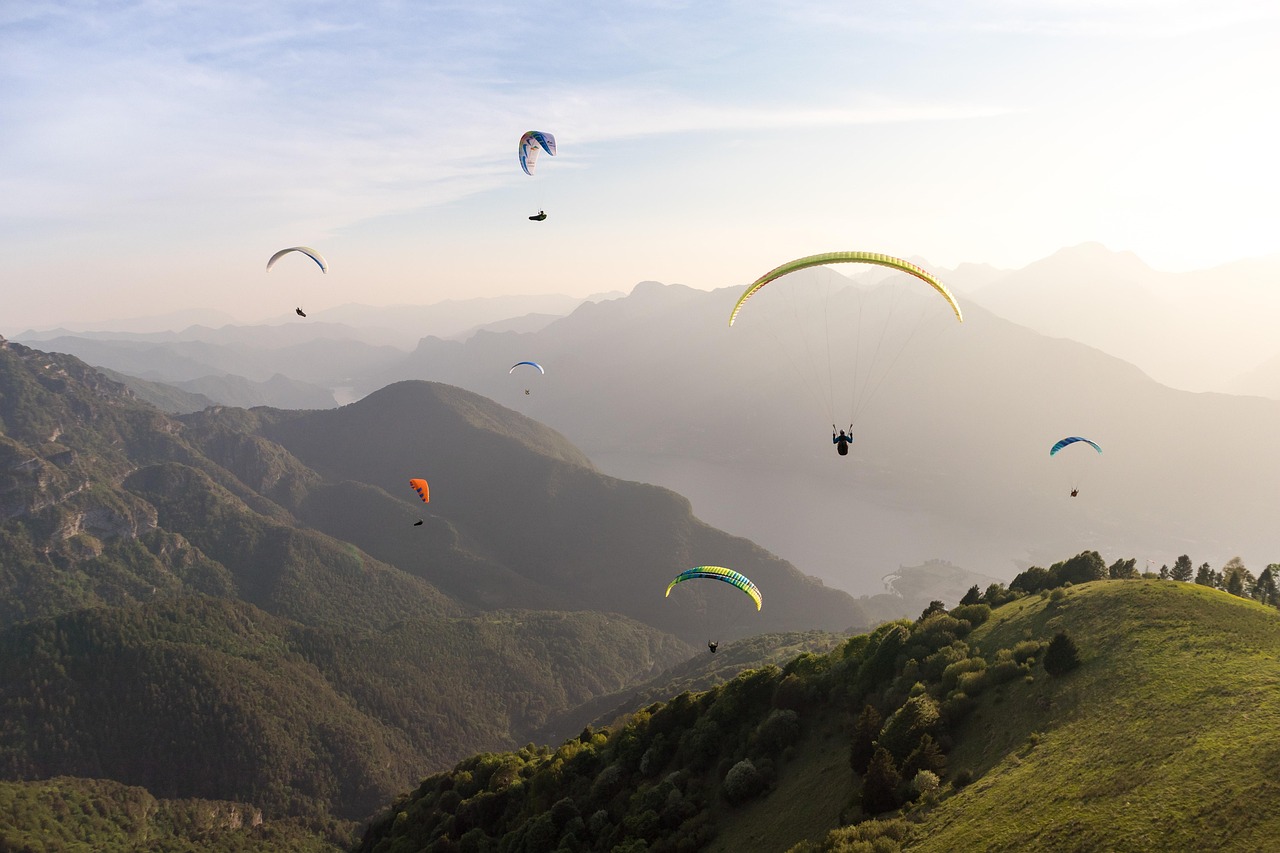
Paragliding in Gangtok
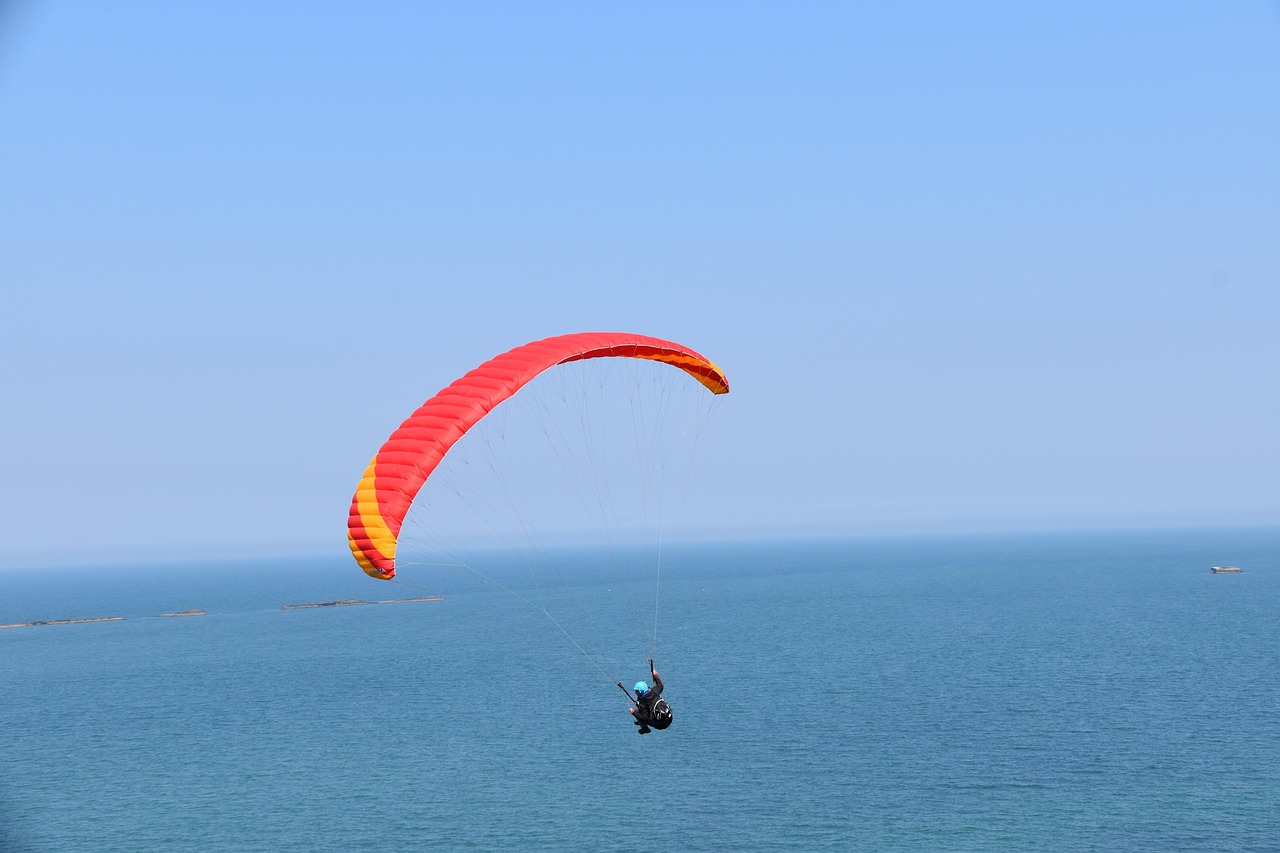
Paragliding in Arambol, Goa
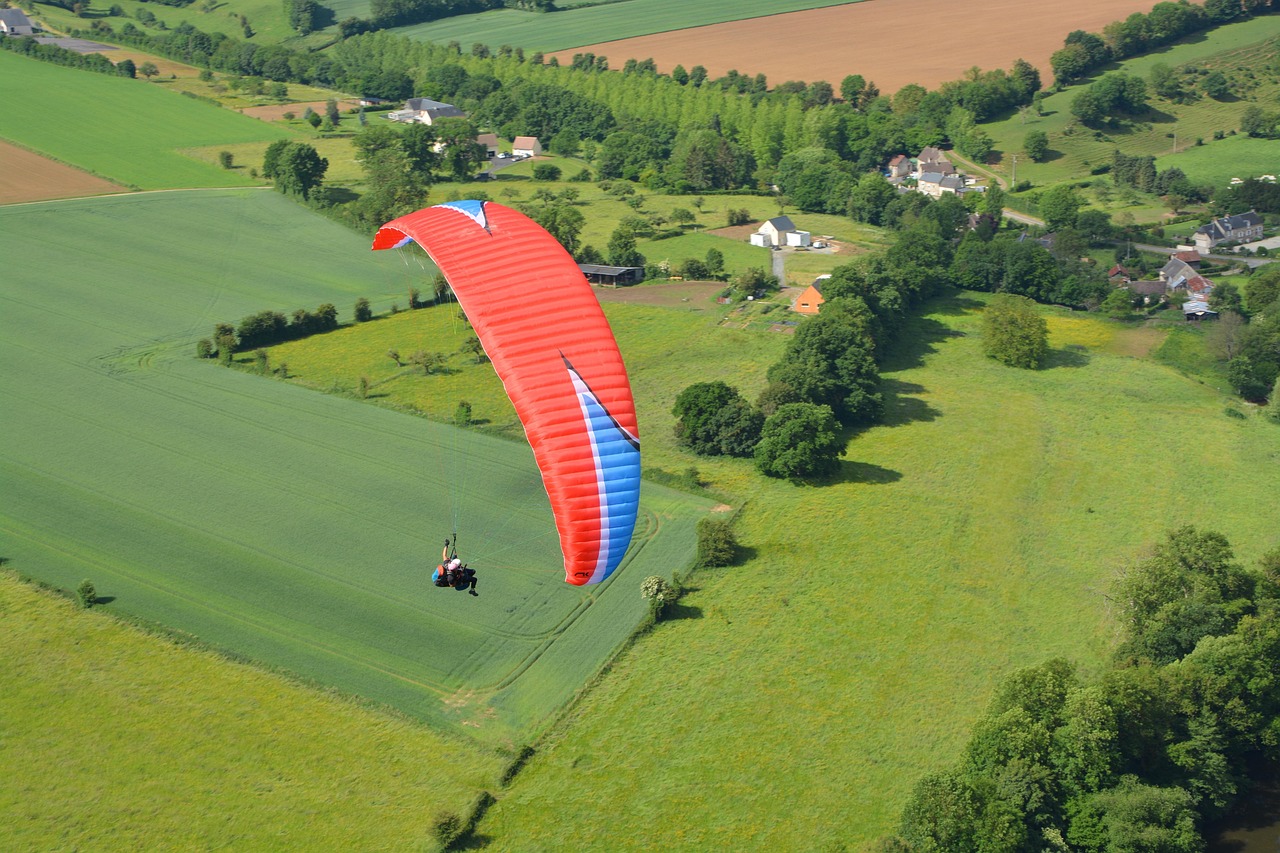
Paragliding in Pavagadh, Gujarat
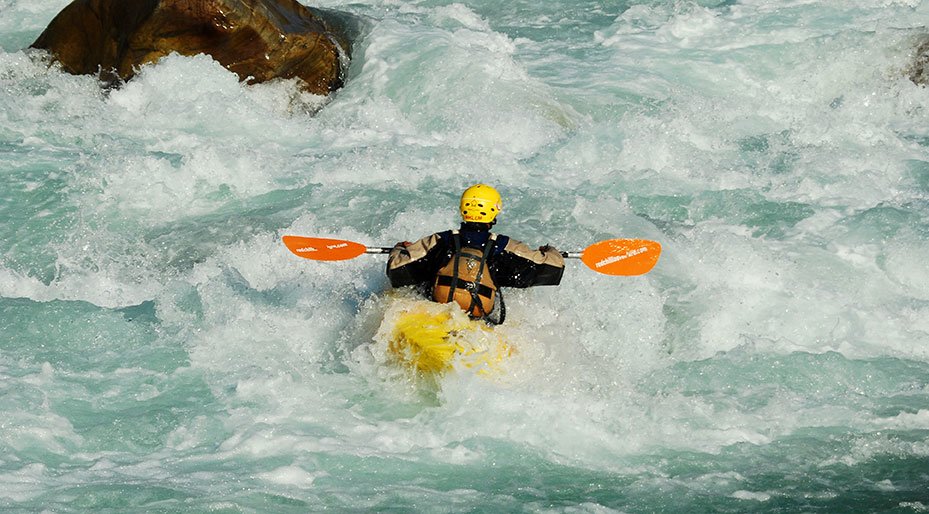
Kayaking in Rishikesh
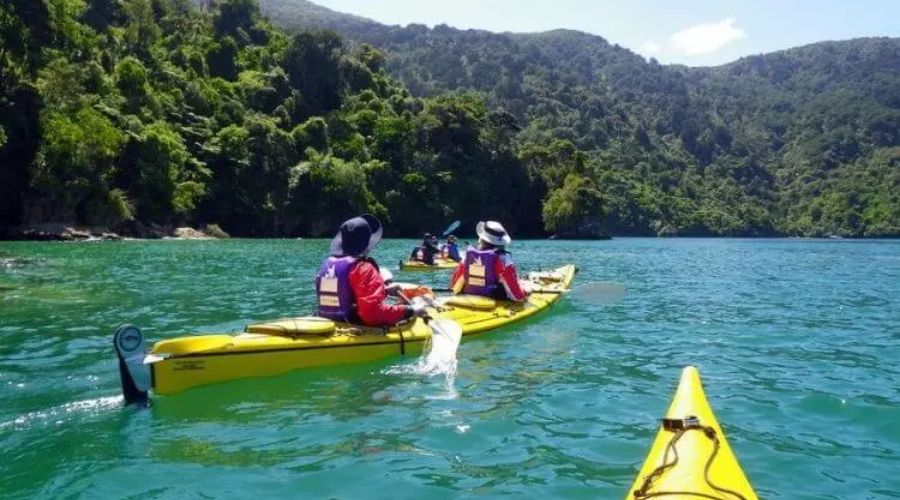
Kayaking in Andaman and Nicobar Islands
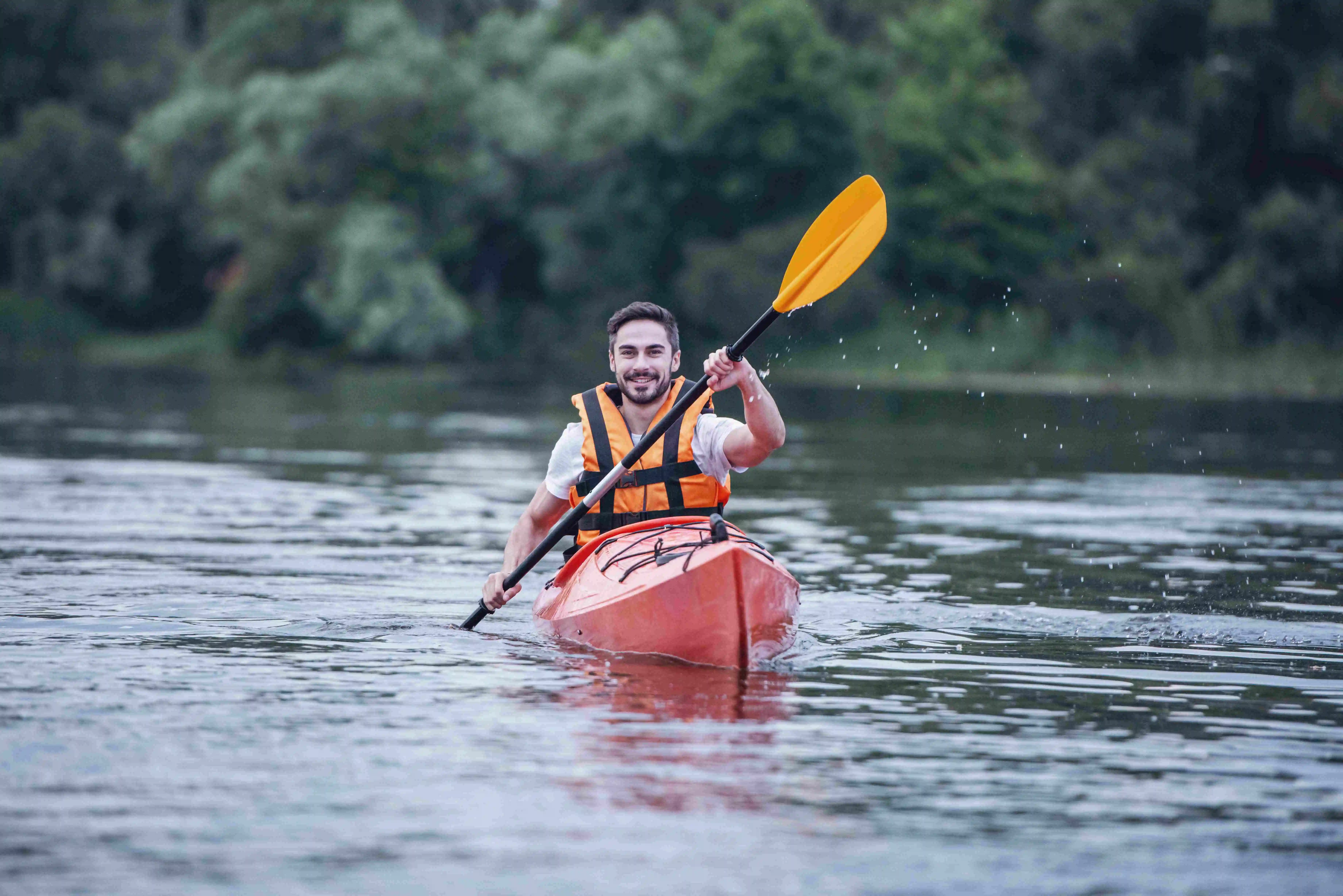
Kayaking in Kerala
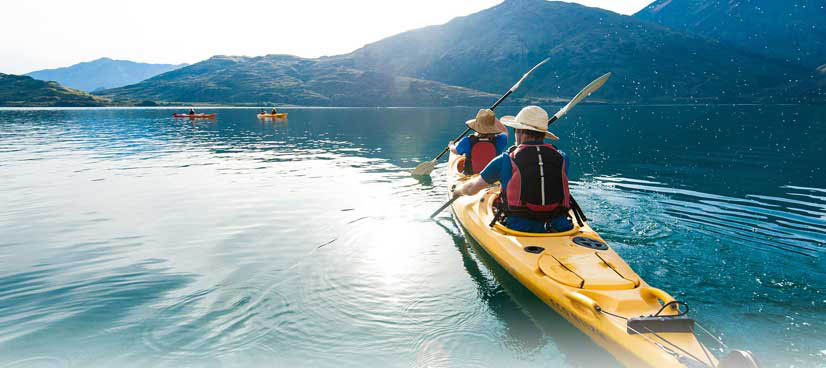
Kayaking in Sikkim
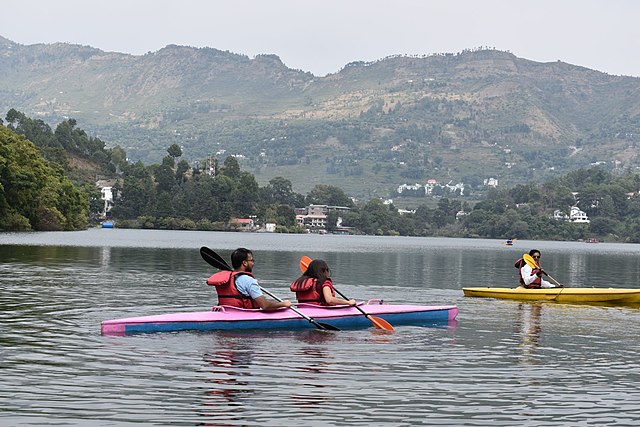
Kayaking in Nainital
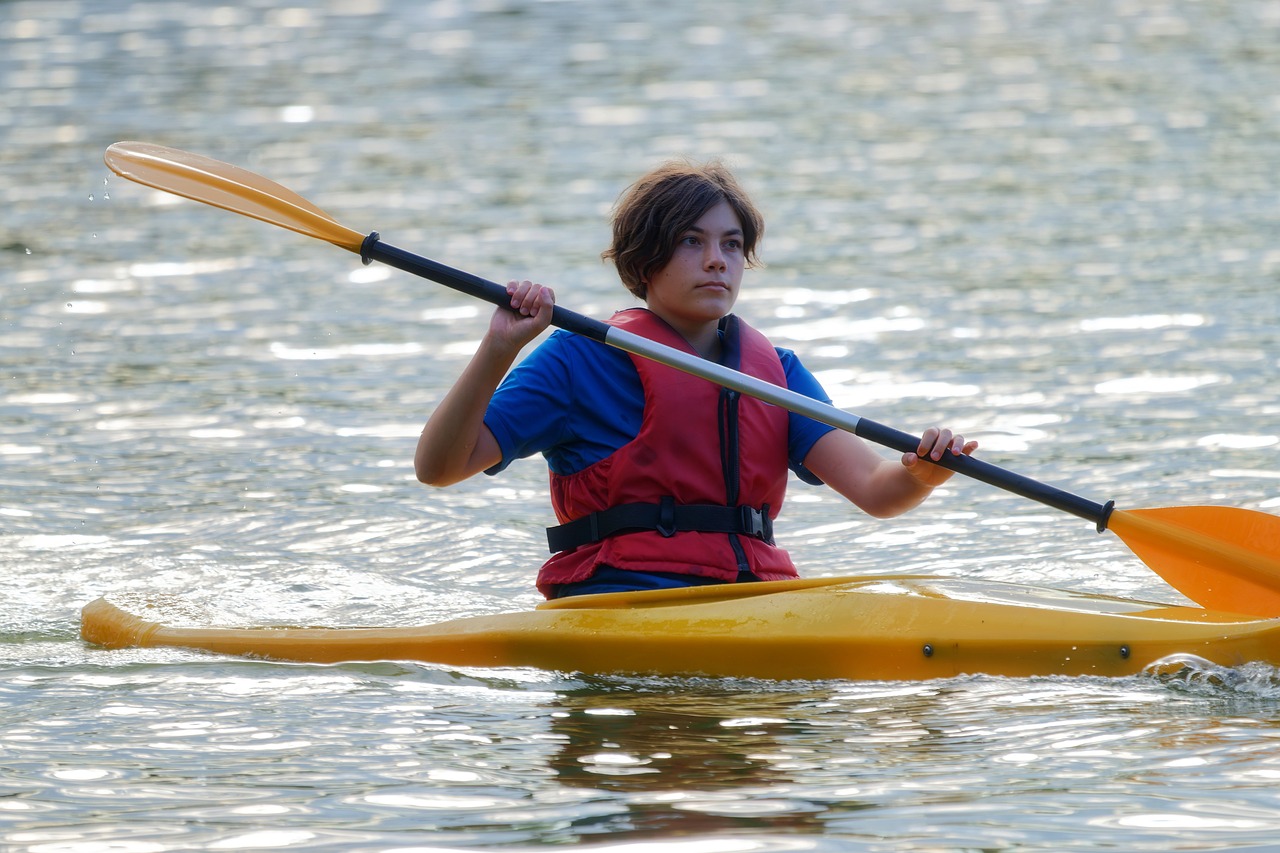
Kayaking in Tungabhadra River, Karnataka
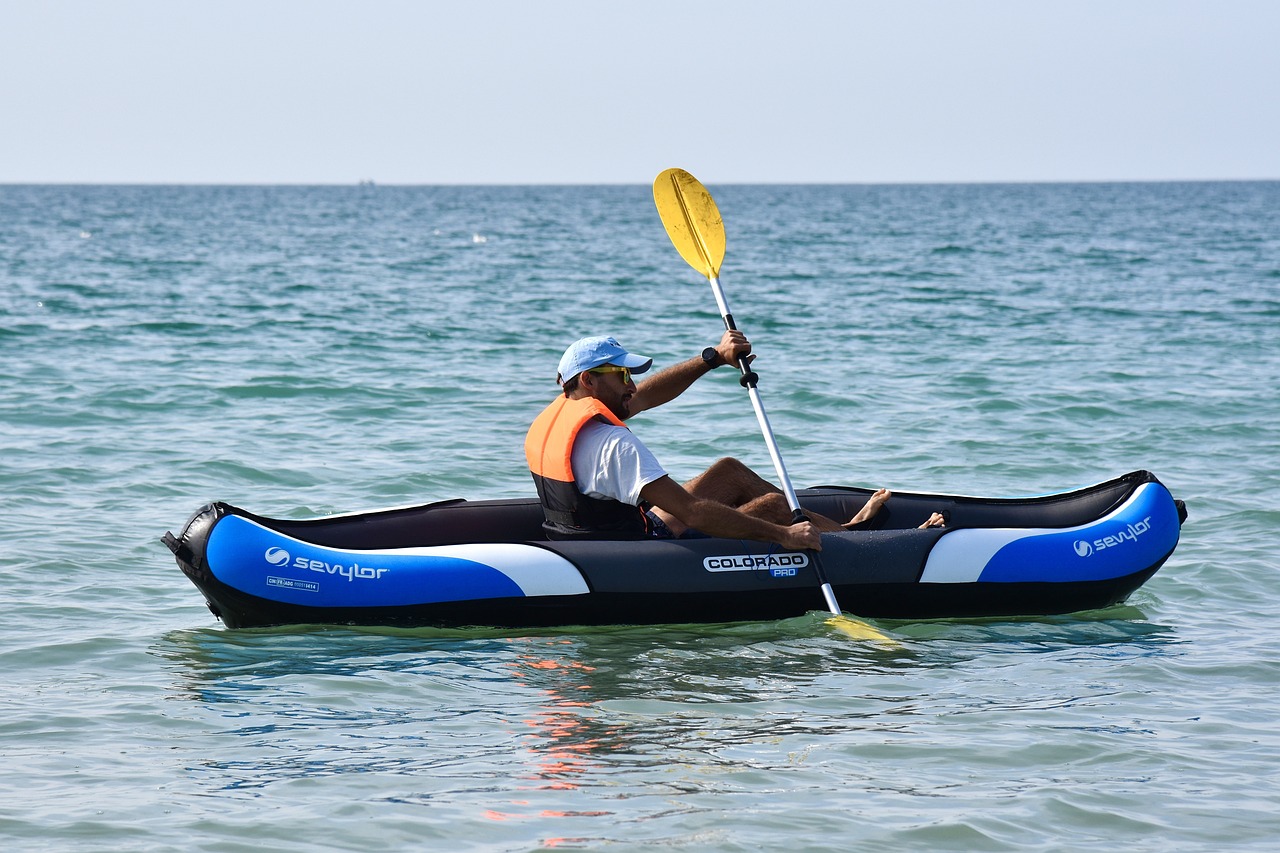
Kayaking in Pondicherry
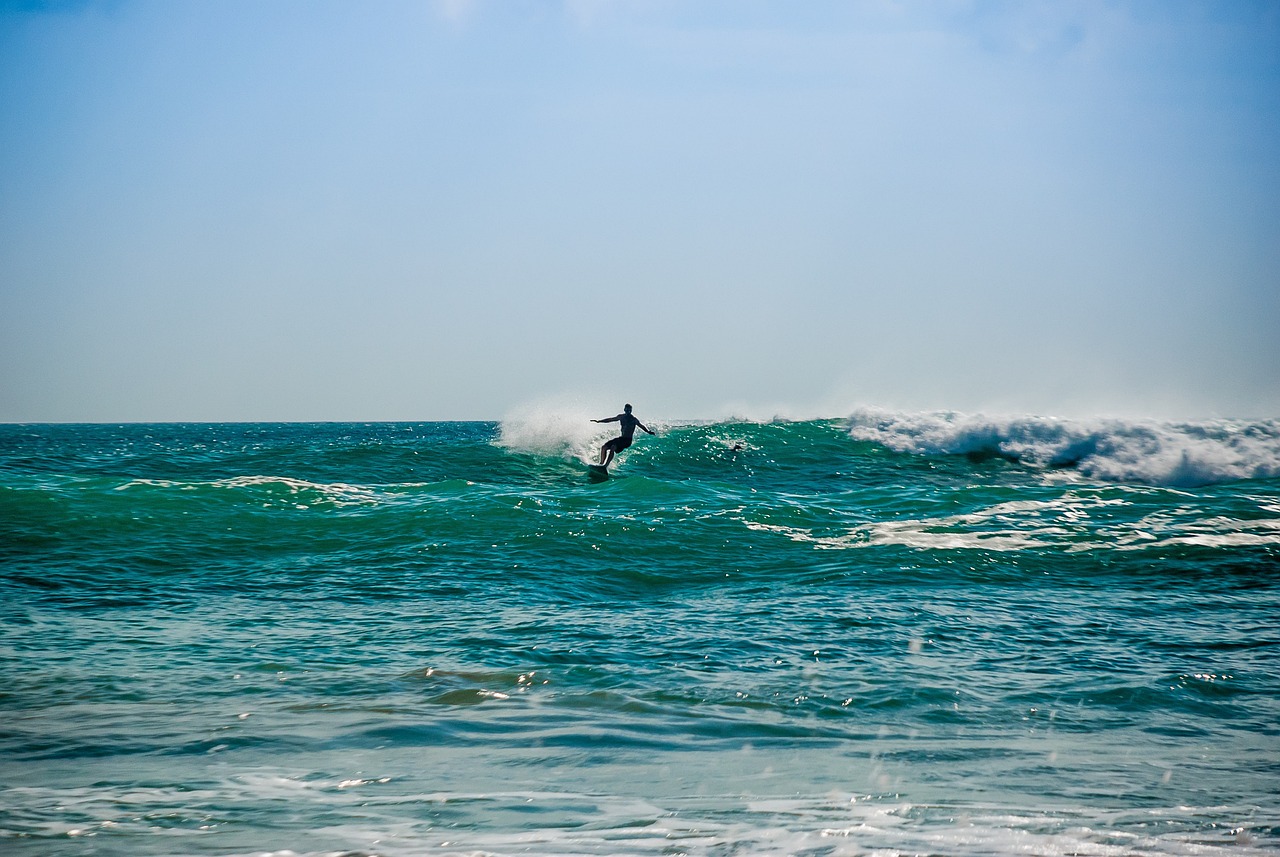
Surfing in Goa
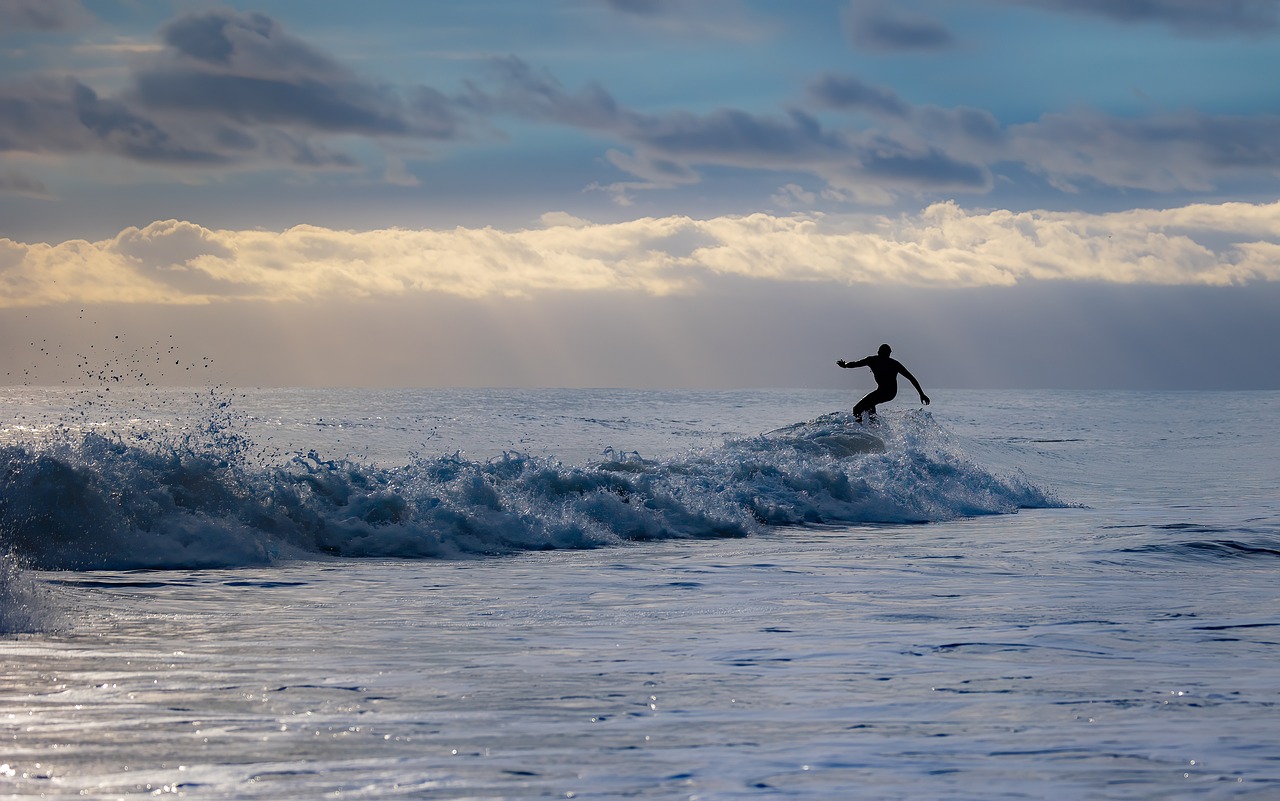
Surfing in Varkala (Kerala)
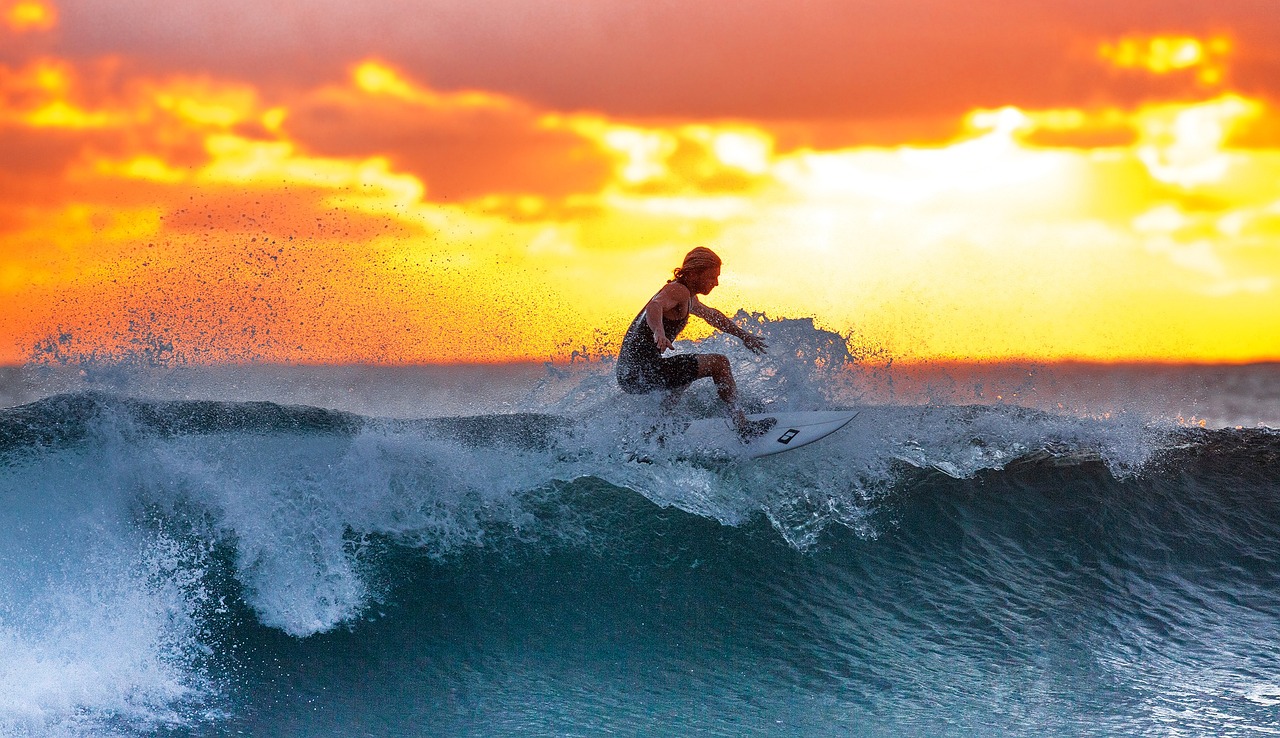
Surfing in Kovalam (Kerala)
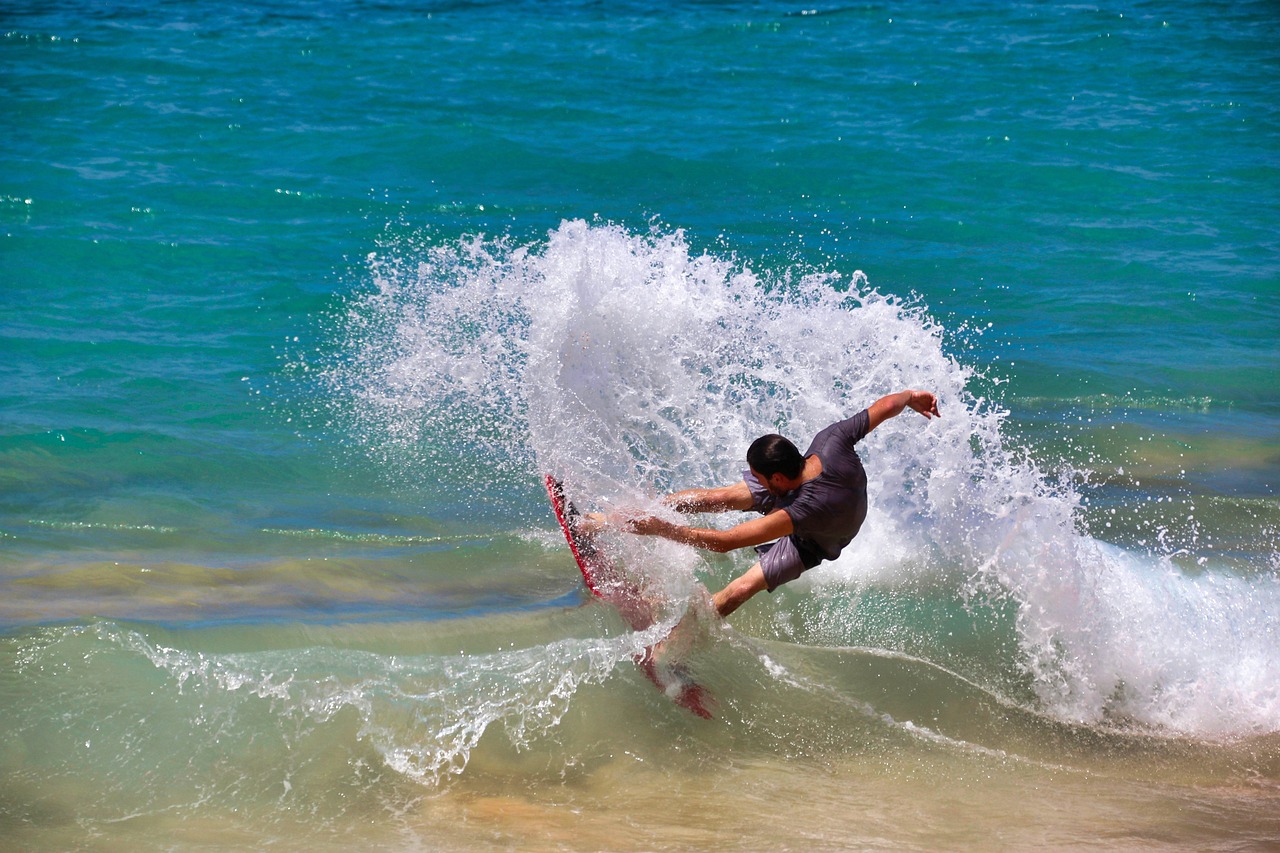
Surfing in Manapad (Tamil Nadu)
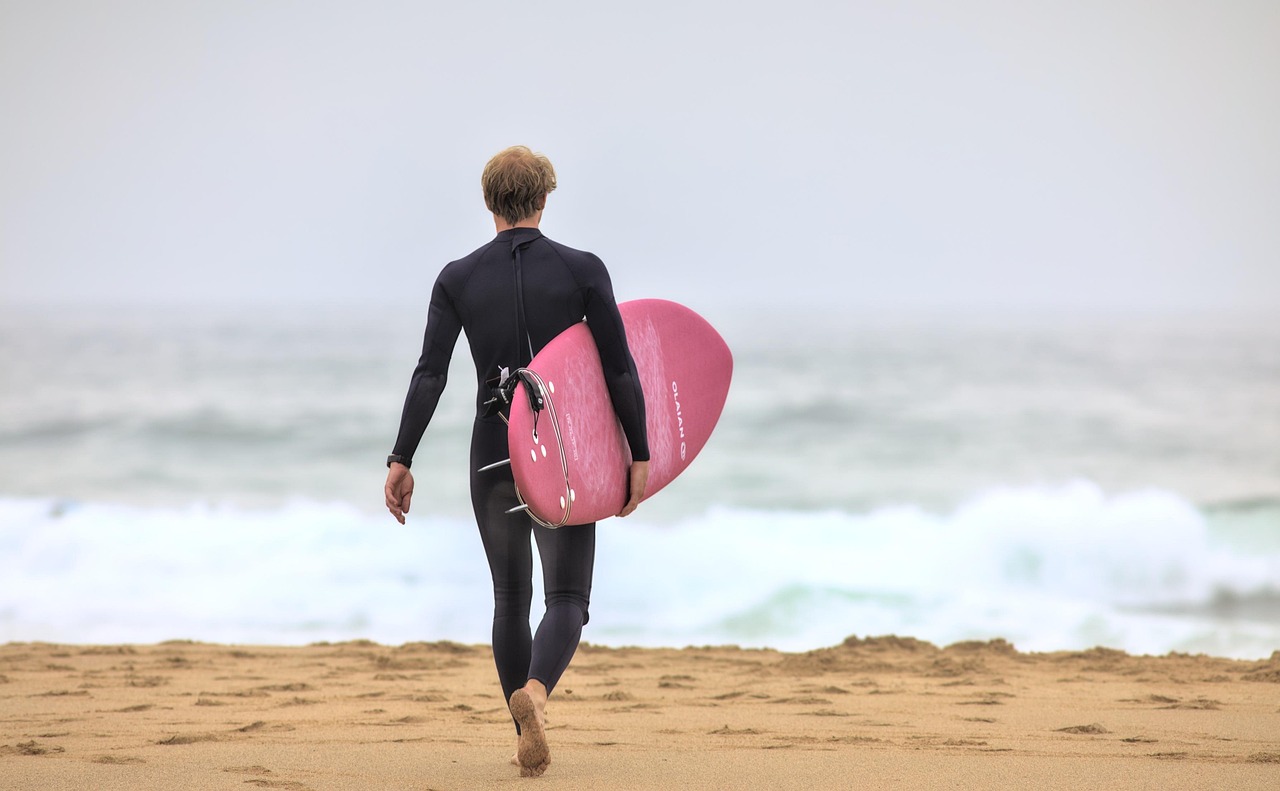
Surfing in Udupi (Karnataka)
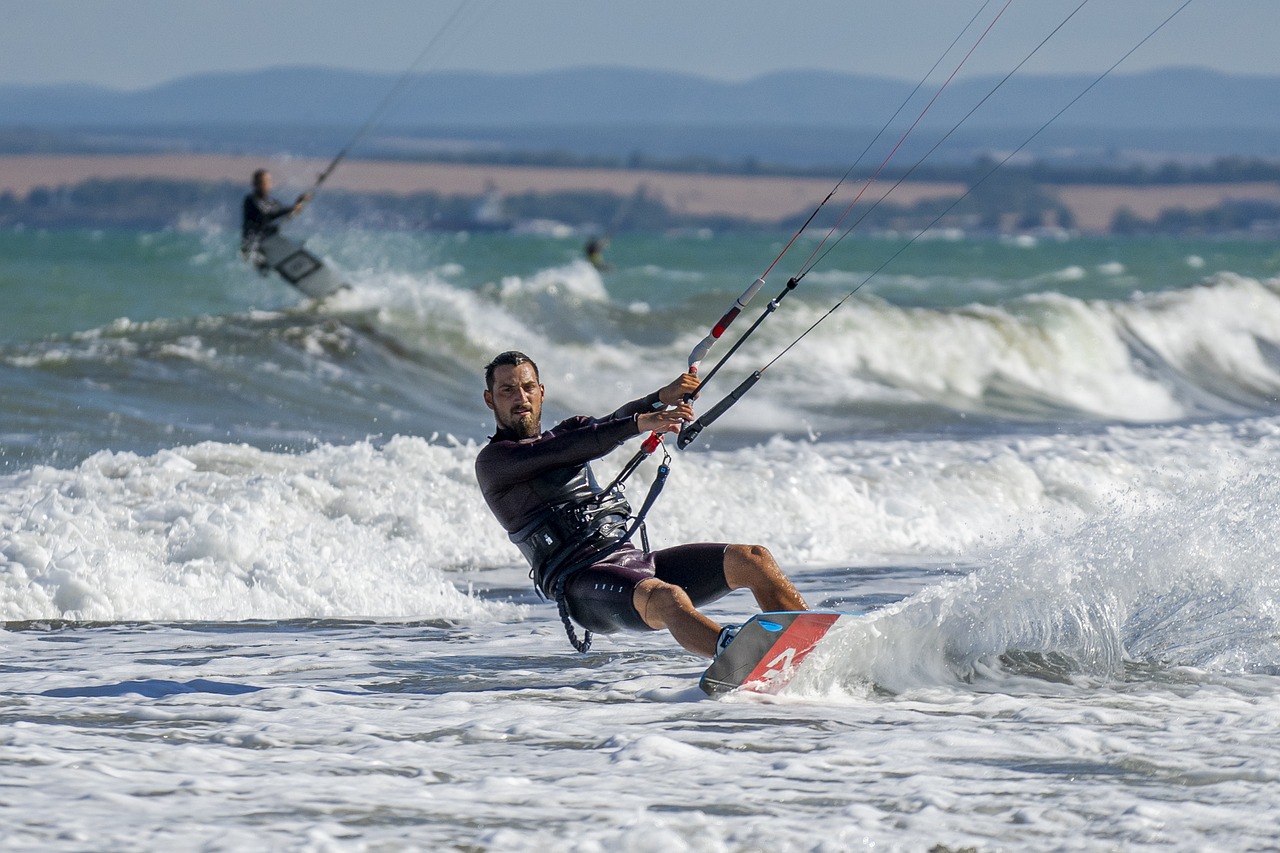
Surfing in Gokarna (Karnataka)
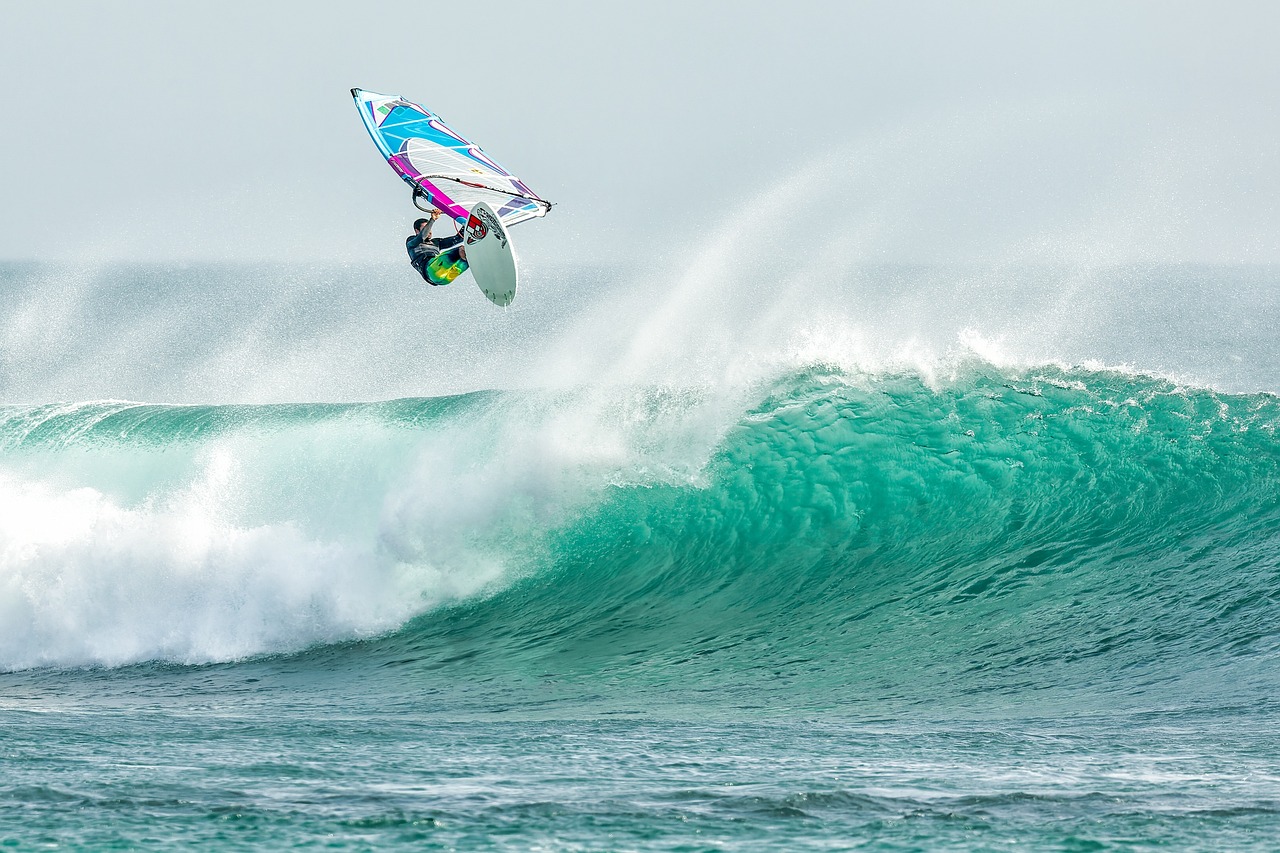
Surfing in Puducherry
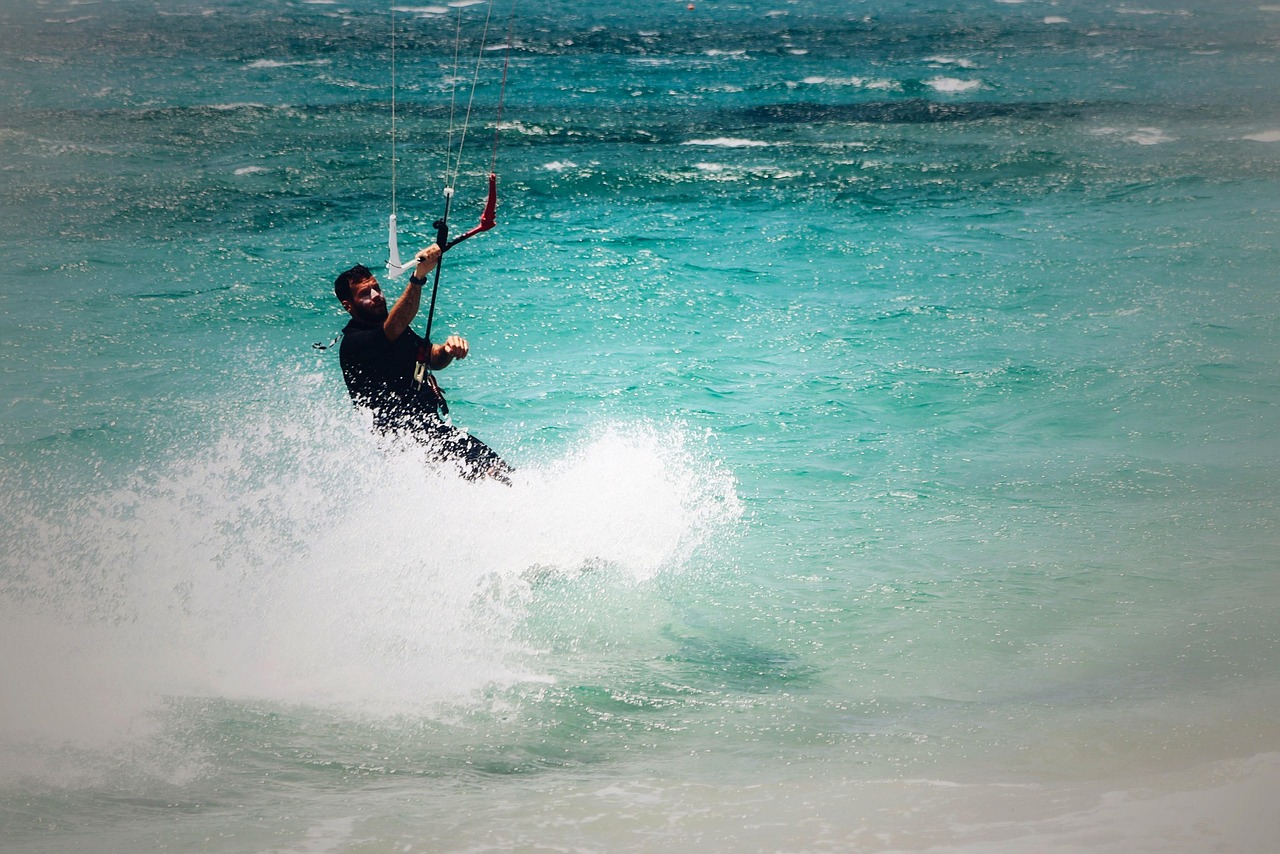
Surfing in Sindhudurg (Maharashtra)
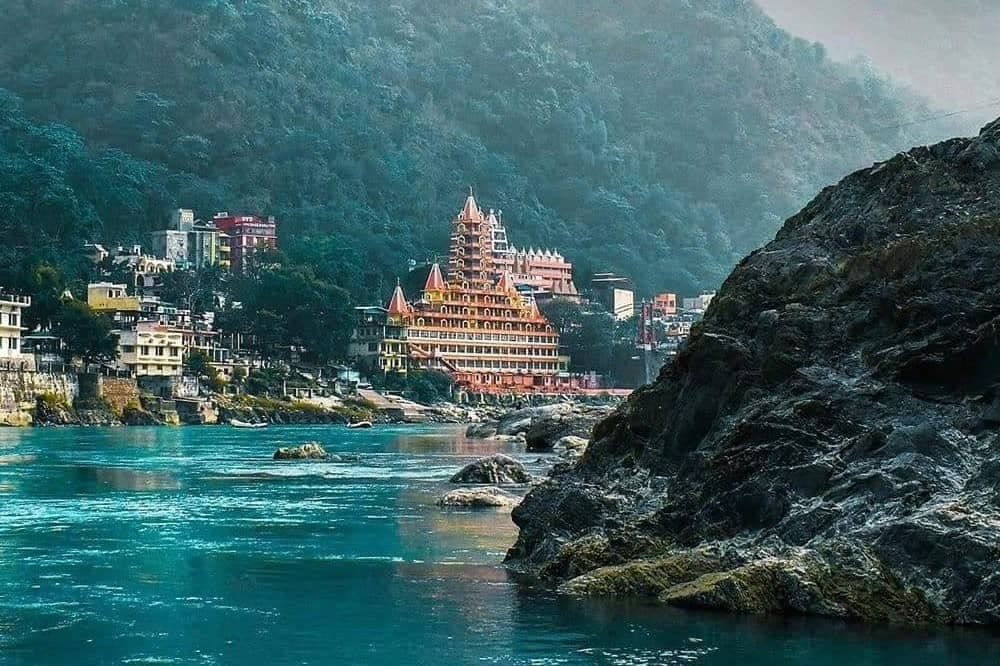
Top 10 Visiting Places in Rishikesh: Your Ultimate Travel Guide
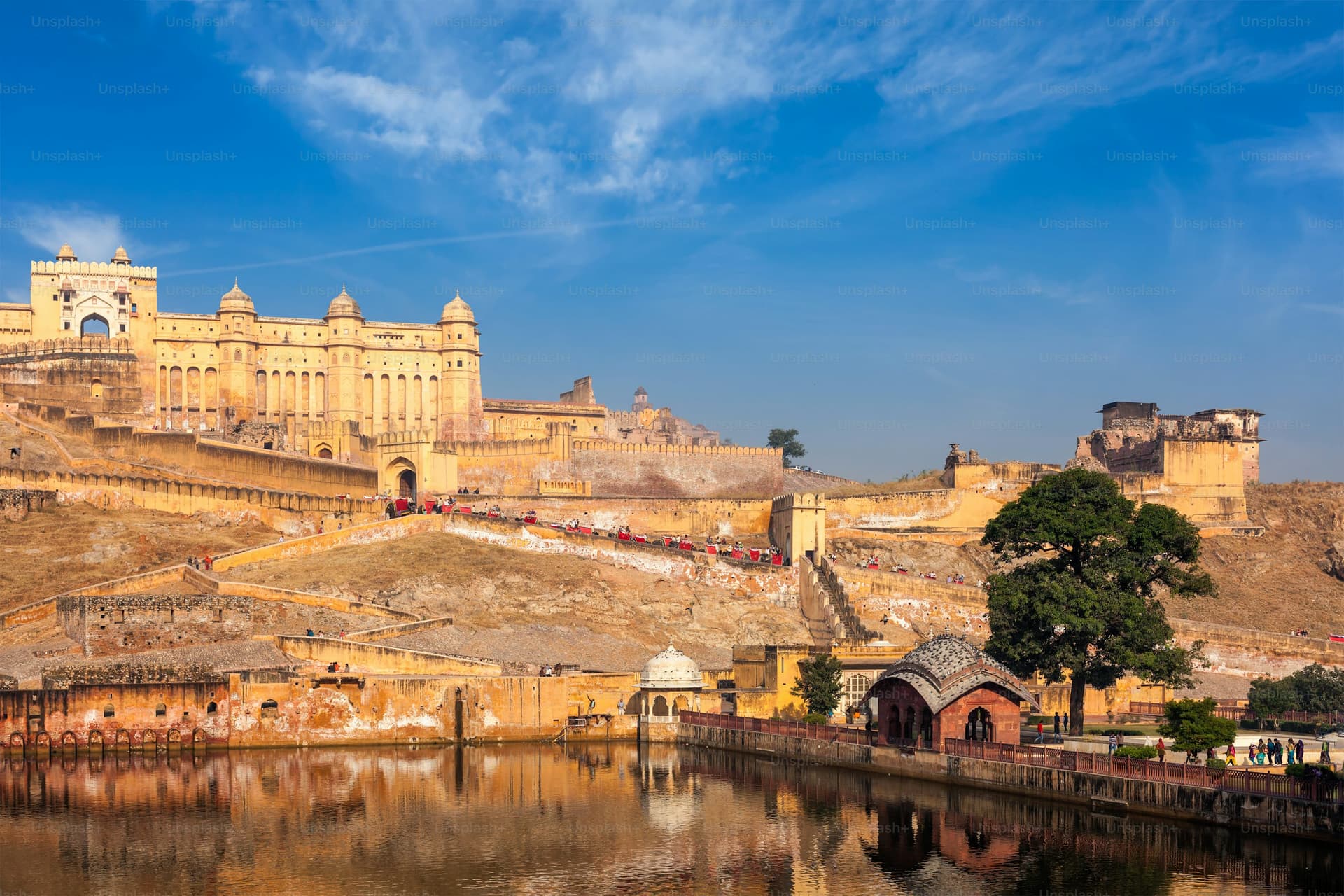
Top 10 Visiting Places in Jaipur: The Pink City’s Must-See Attractions
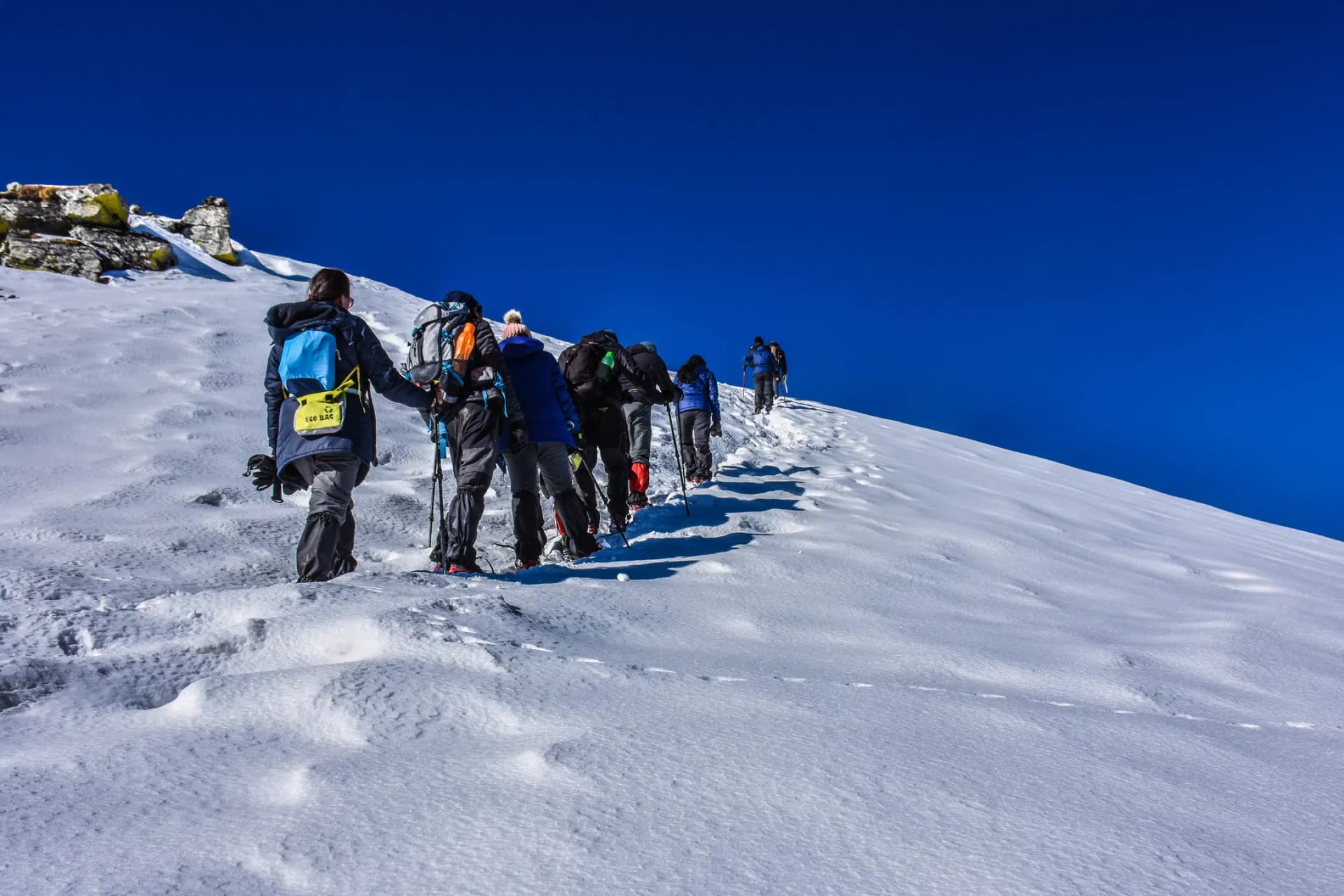
9 Amazing Treks in Uttarkashi: A Perfect Blend of Adventure, Beauty, and Peace
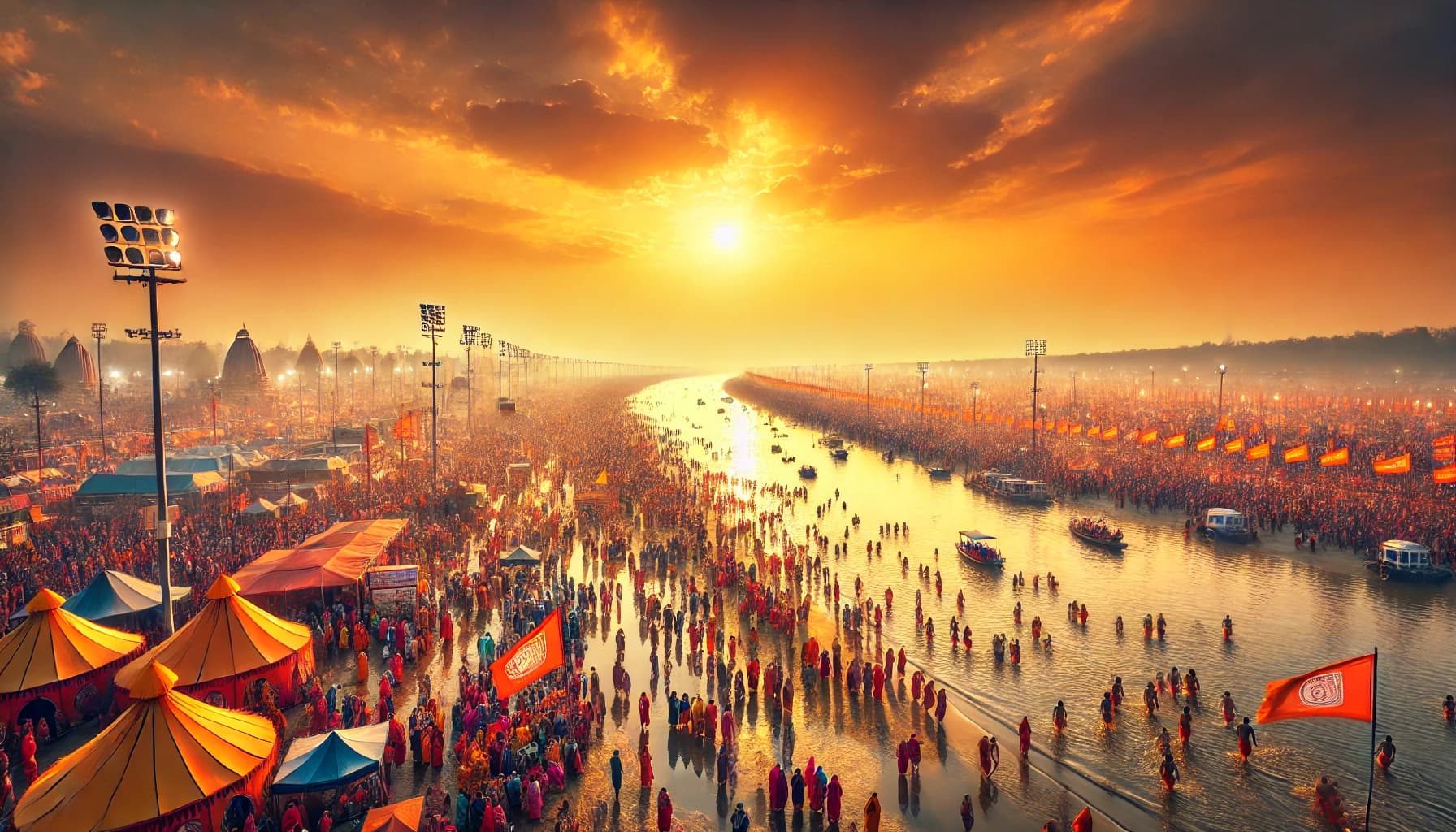
Prayagraj Maha Kumbh Mela 2025: Royal Bath Dates and Their Religious Significance
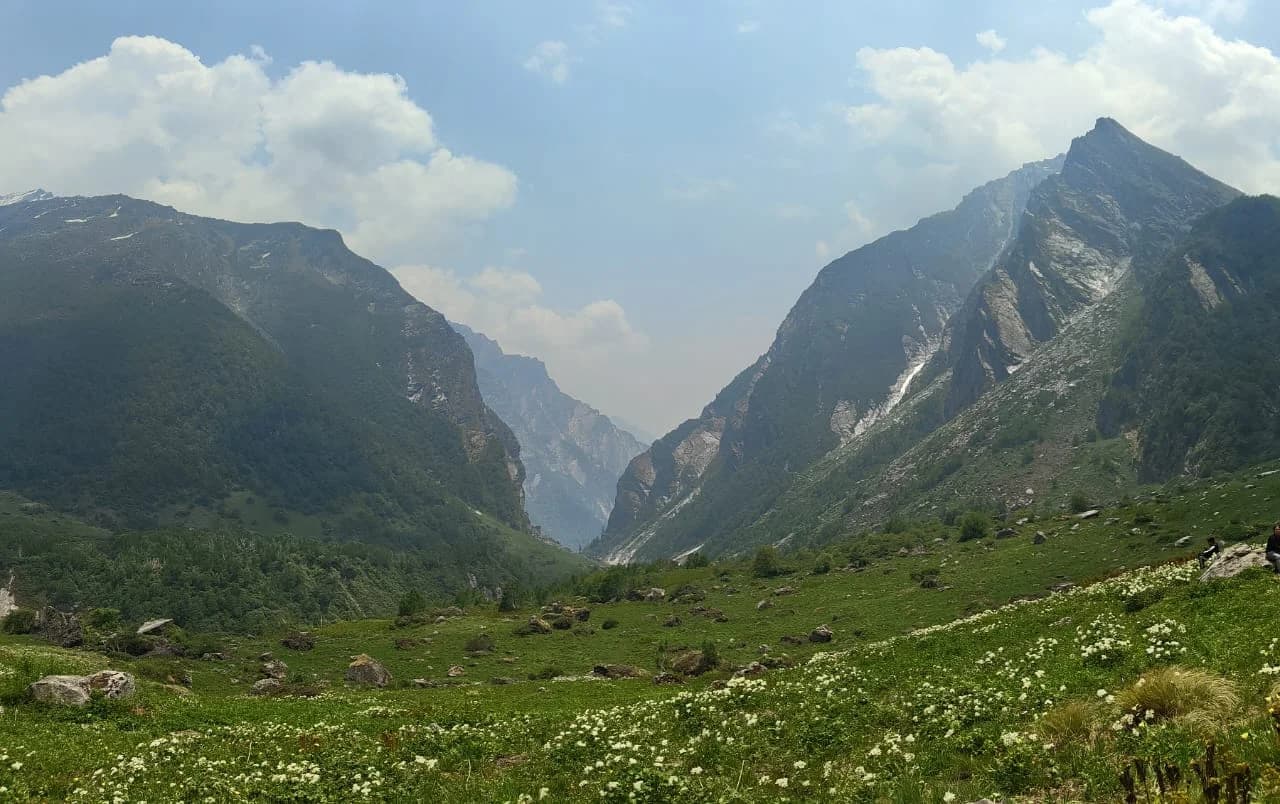
Valley of Flowers: A Himalayan Wonderland of Bloom and Beauty
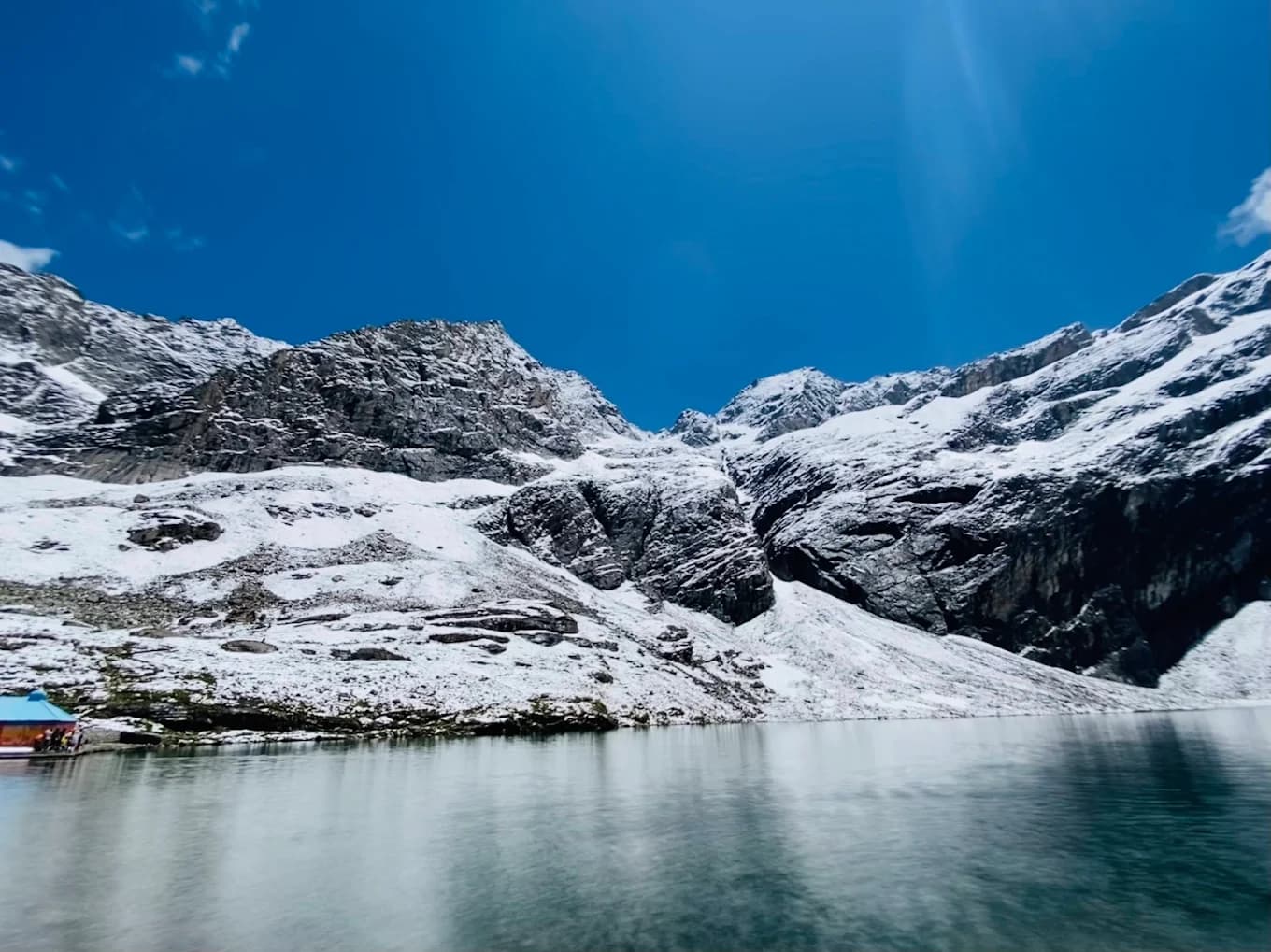
Hemkund Sahib Trek: A Divine Journey to the Sacred Himalayan Pilgrimage
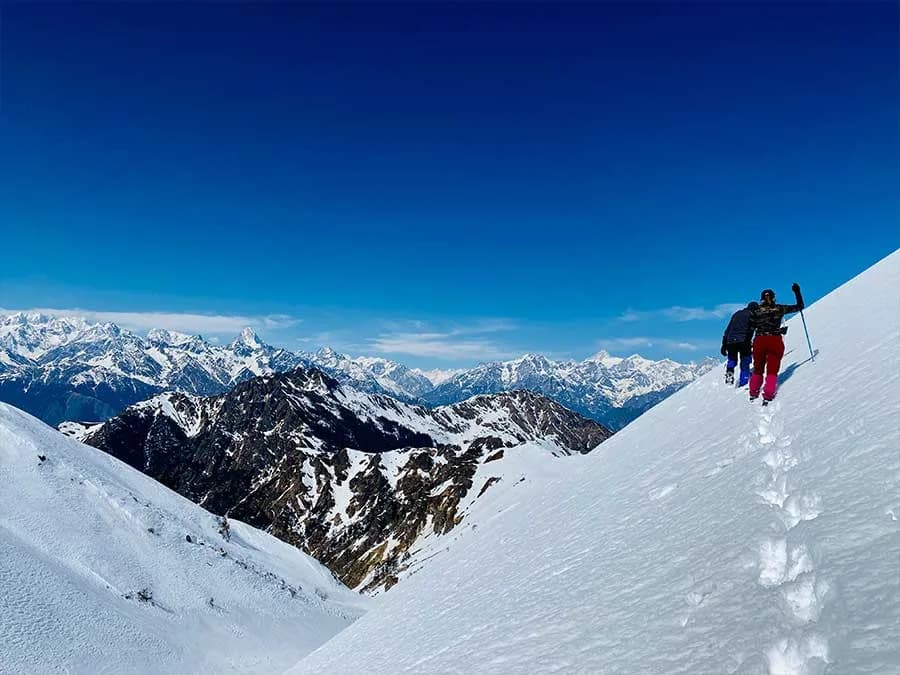
Kuari Pass Trek: A Dreamy Journey Amidst the Himalayas
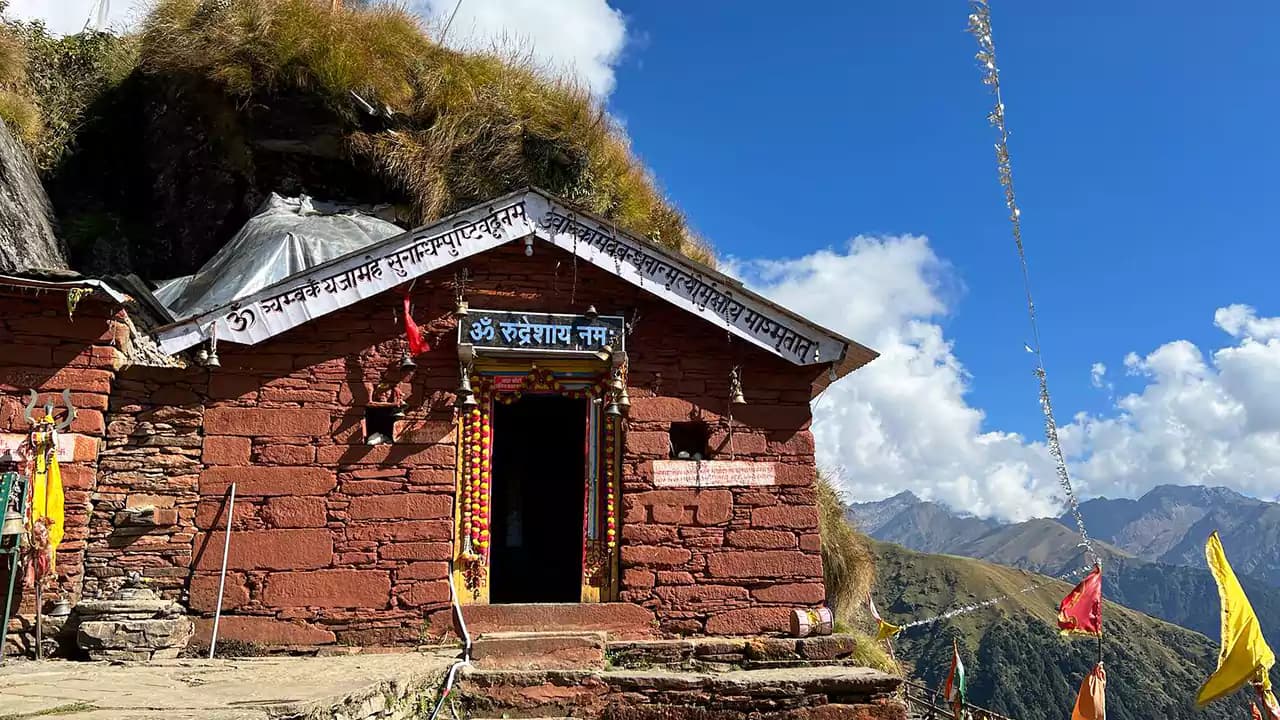
A Unique Spiritual Journey Among the Panch Kedar
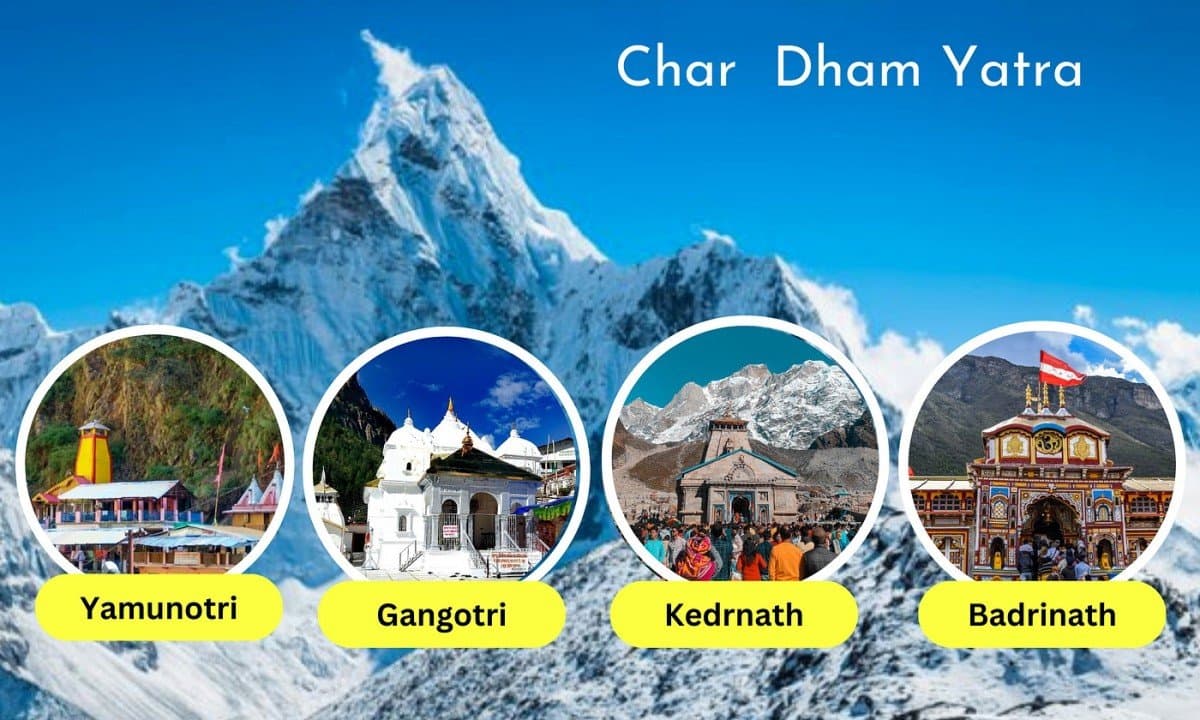
🕉️ Char Dham Yatra: A Life-Changing Spiritual Journey 🏔️🙏
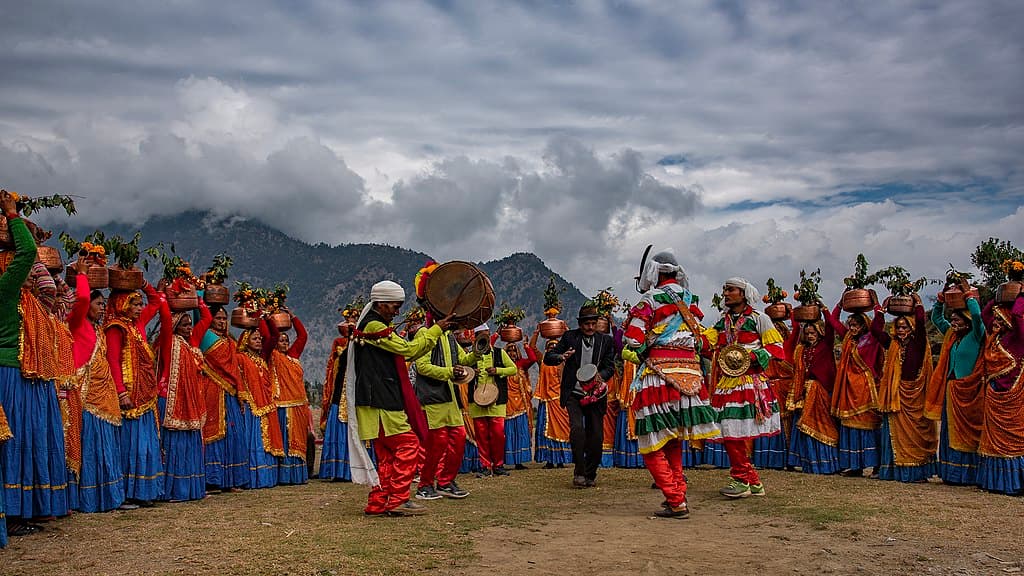
Ganga Dussehra to Nanda Devi Raj Jat: Major Festivals and Culture of Uttarakhand
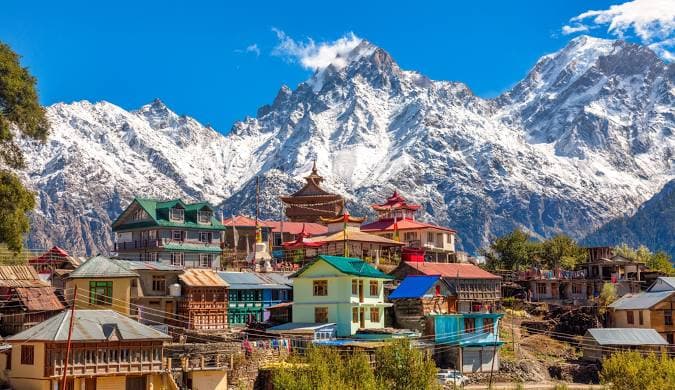
A Paradise in the Lap of the Himalayas: The Complete Travel Story of Himachal Pradesh 🏔️
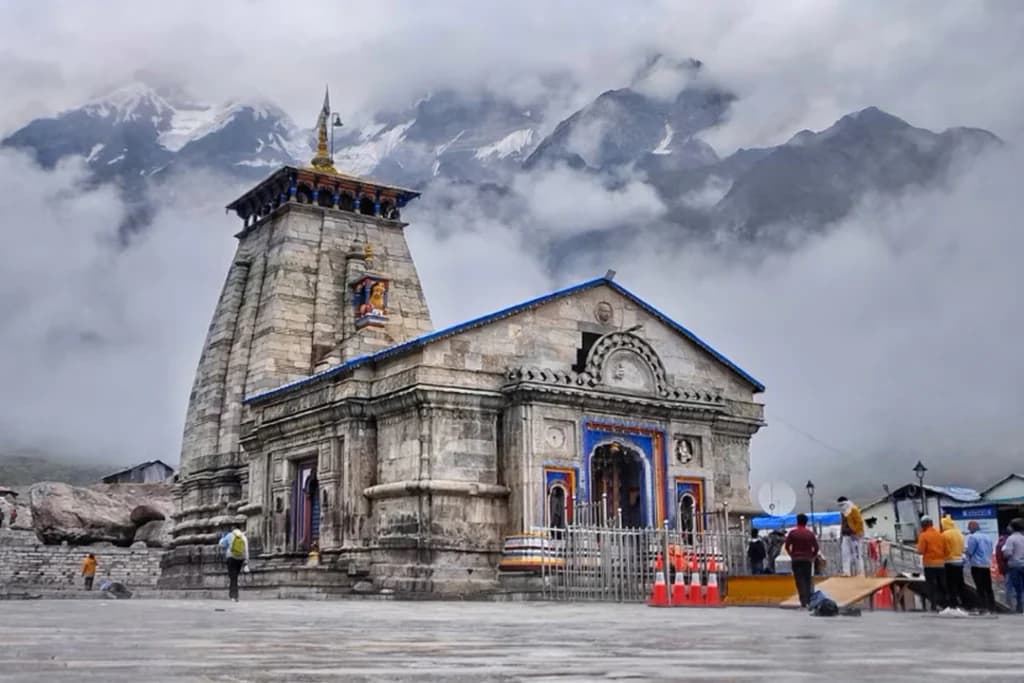
🕉️ The Doors of Baba Kedar Close — The Himalayas Echo with “Har Har Mahadev”

Kedarkantha Trek – The Crown of Winter Treks ❄️
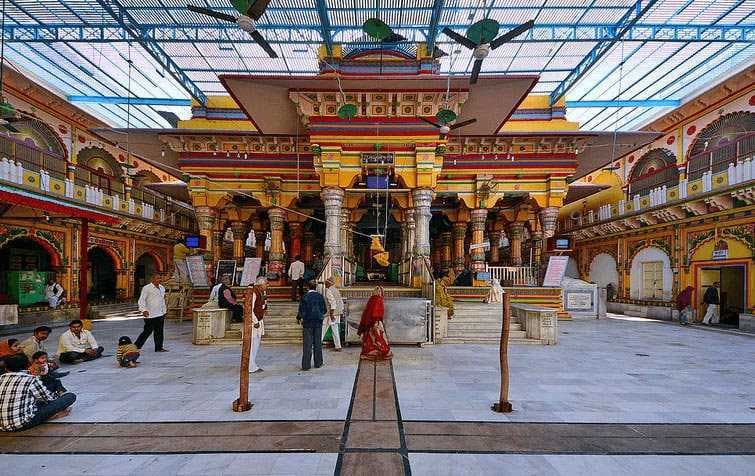
Shri Dwarkadhish Temple, Mathura – The Divine Abode of Lord Krishna
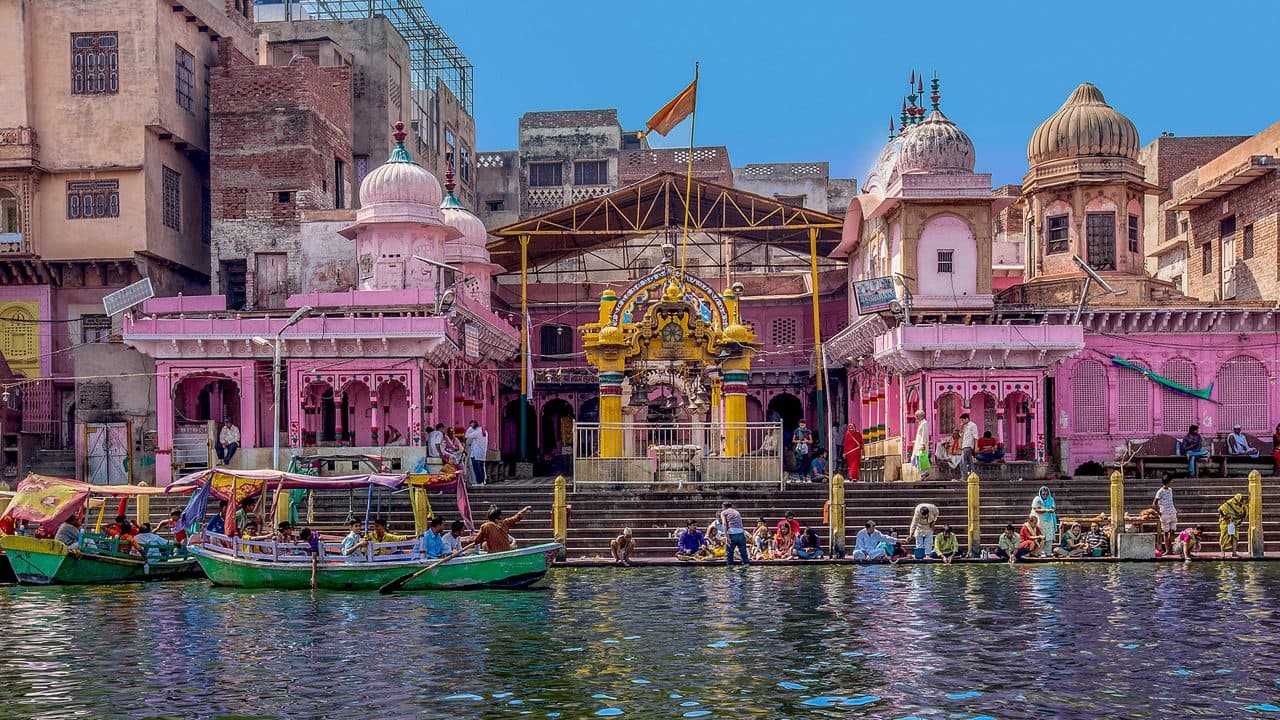
Vishram Ghat: The Sacred Riverside of Mathura
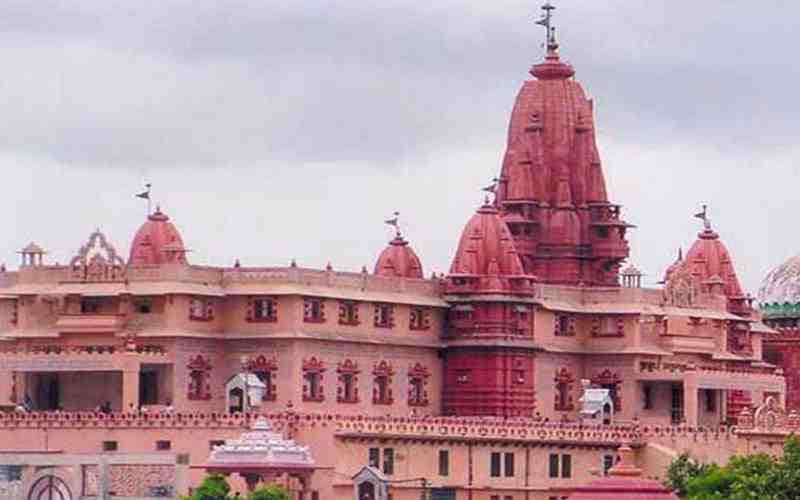
Explore Mathura – Temples, Culture, and Festivals
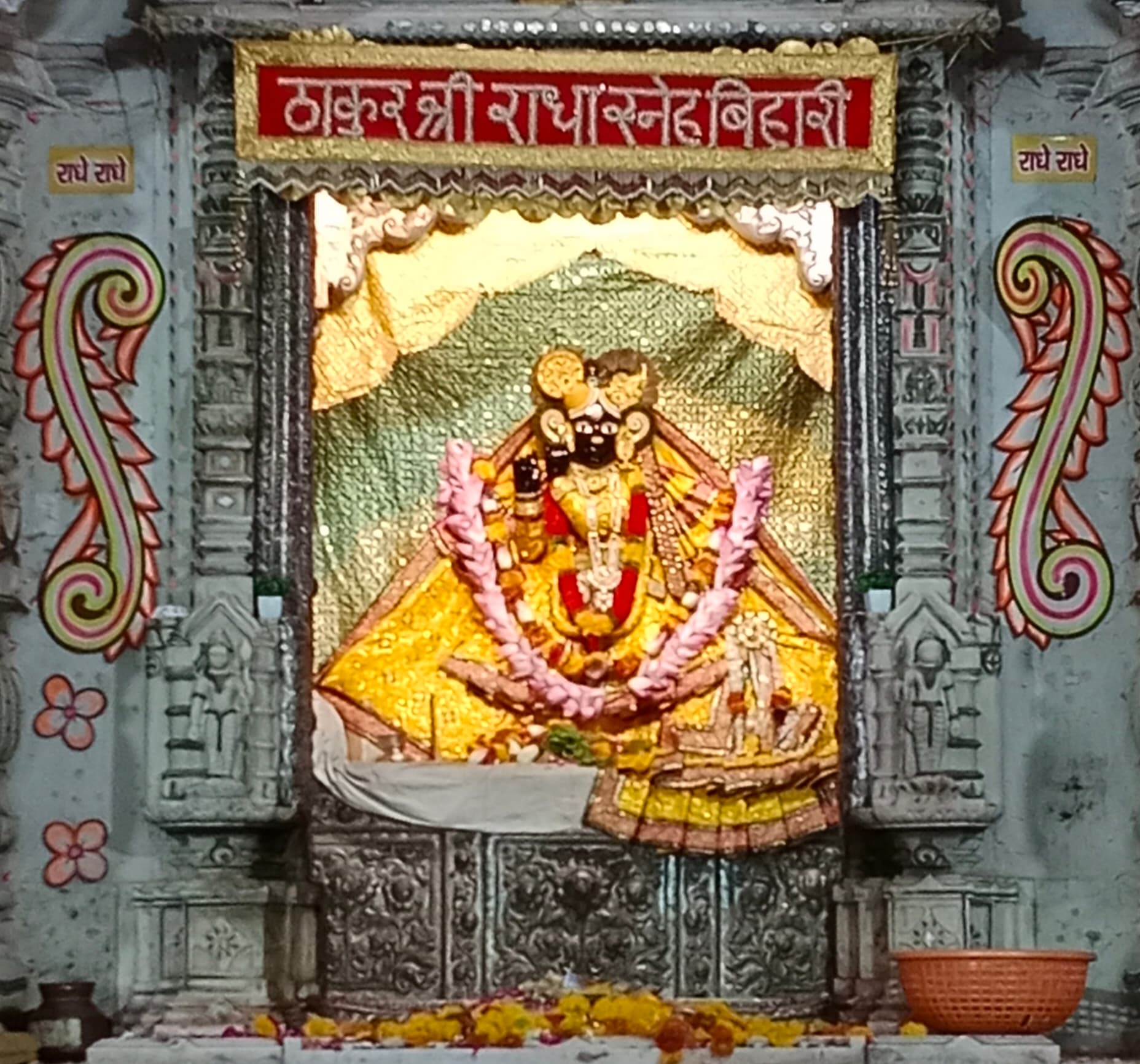
✨ Seek Blessings of Shri Banke Bihari Ji – Experience the Divine Vrindavan! 🙏
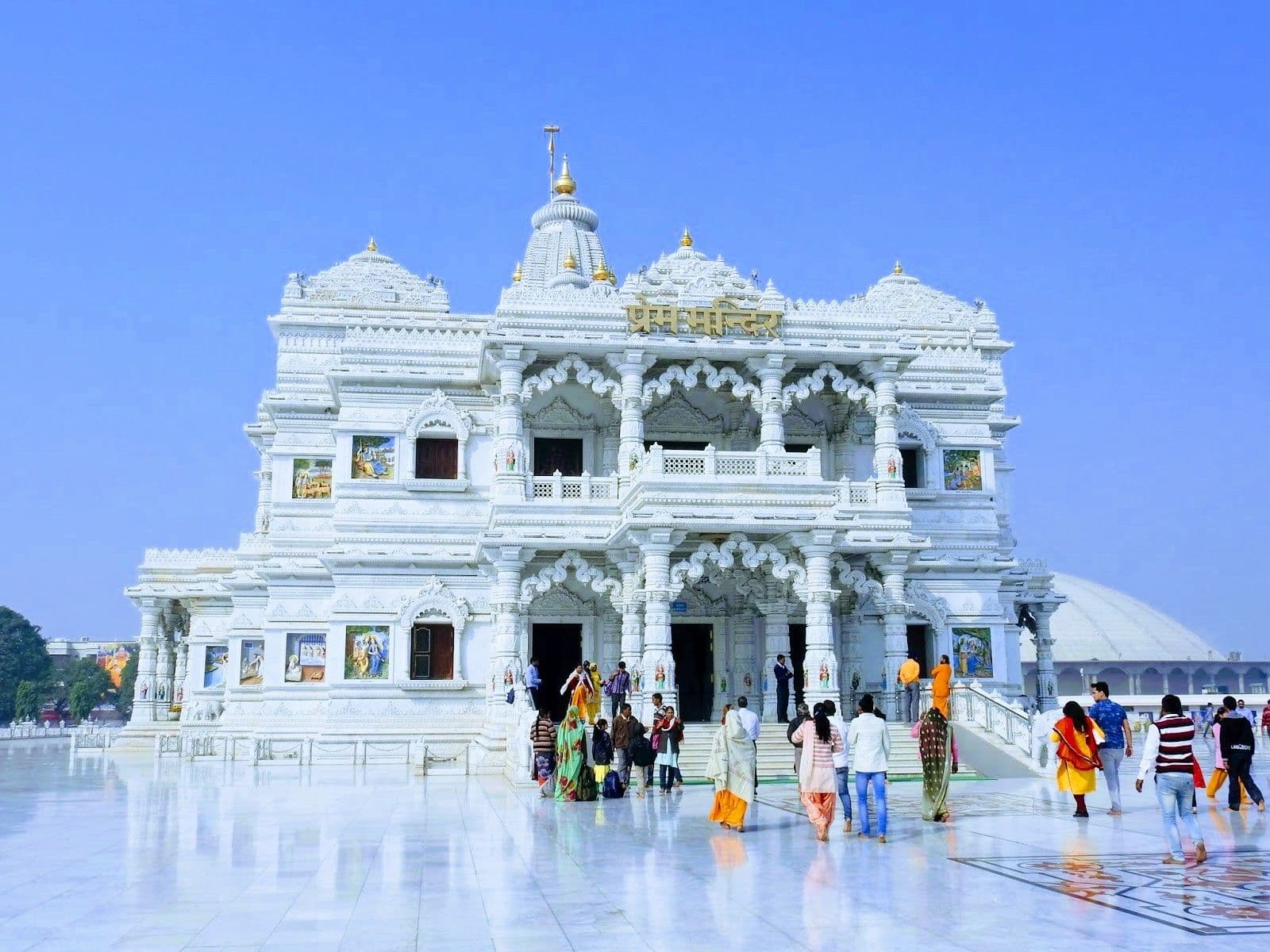
Shri Prem Mandir – Feel the Divine Love in Vrindavan 🙏
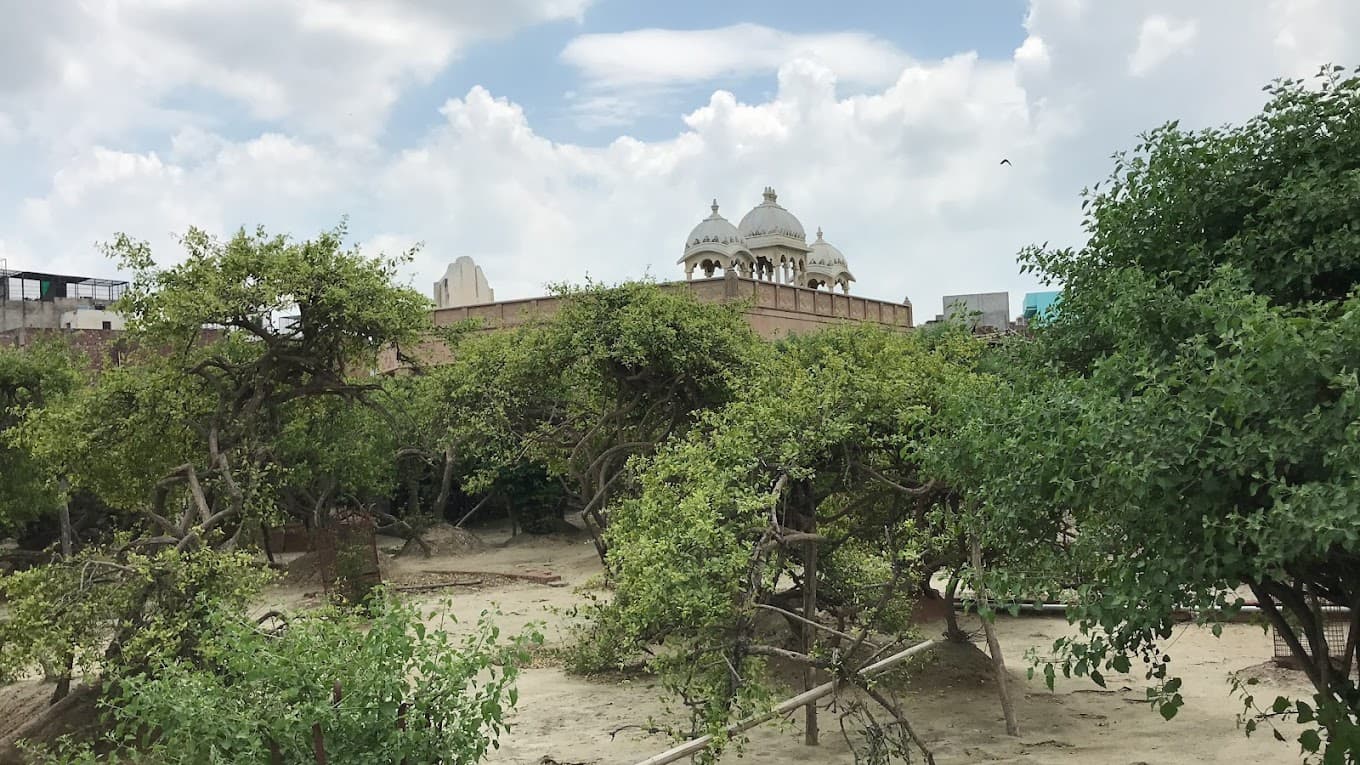
Nidhivan Vrindavan: Where Radha-Krishna Still Perform the Divine Ras Leela
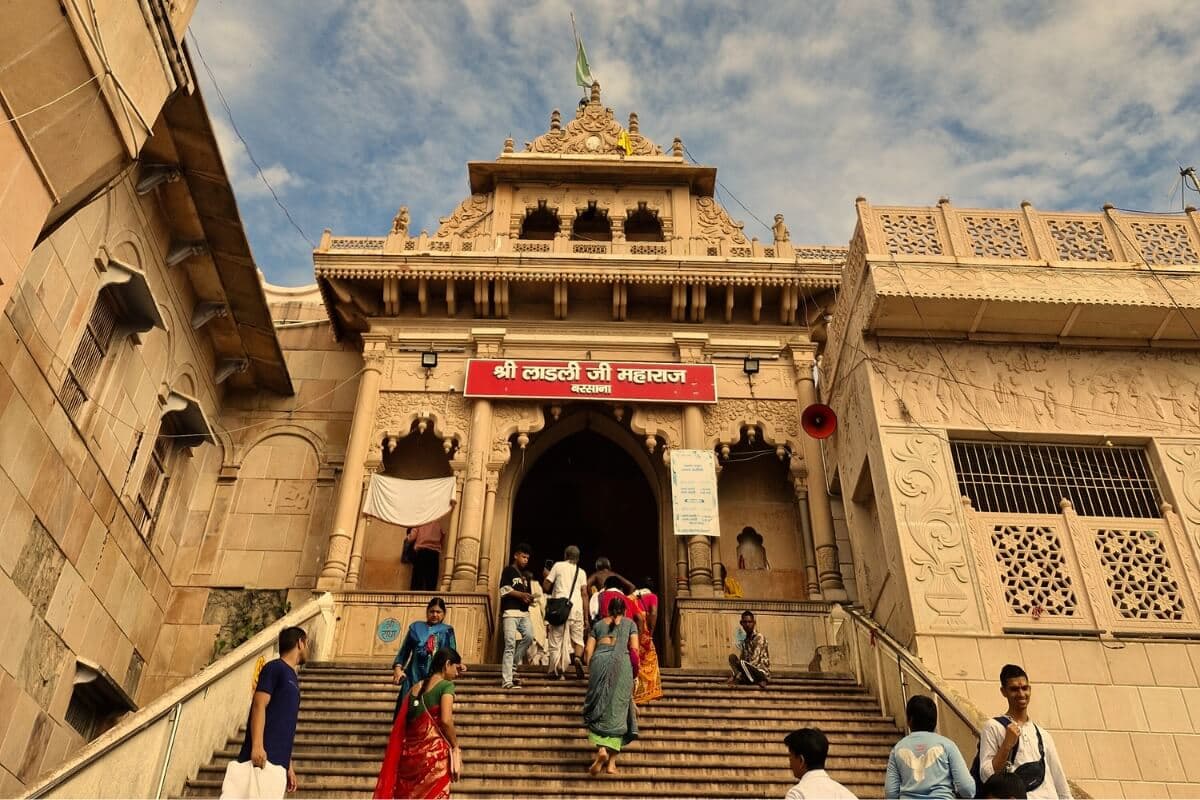
🙏 Have a divine darshan of Shri Radha Rani Temple in Barsana!
The historic Nanda Bhavan Temple in Gokul – a glimpse into the childhood of Lord Krishna
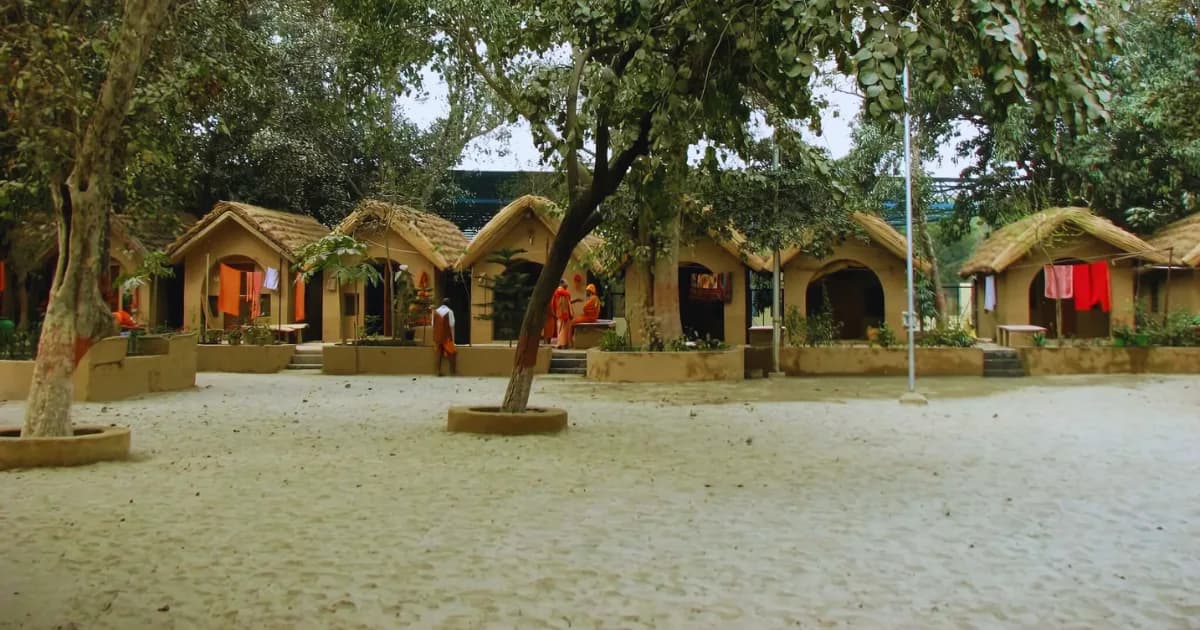
Raman Reti, Mathura: The sacred land of Balkrishna's pastimes
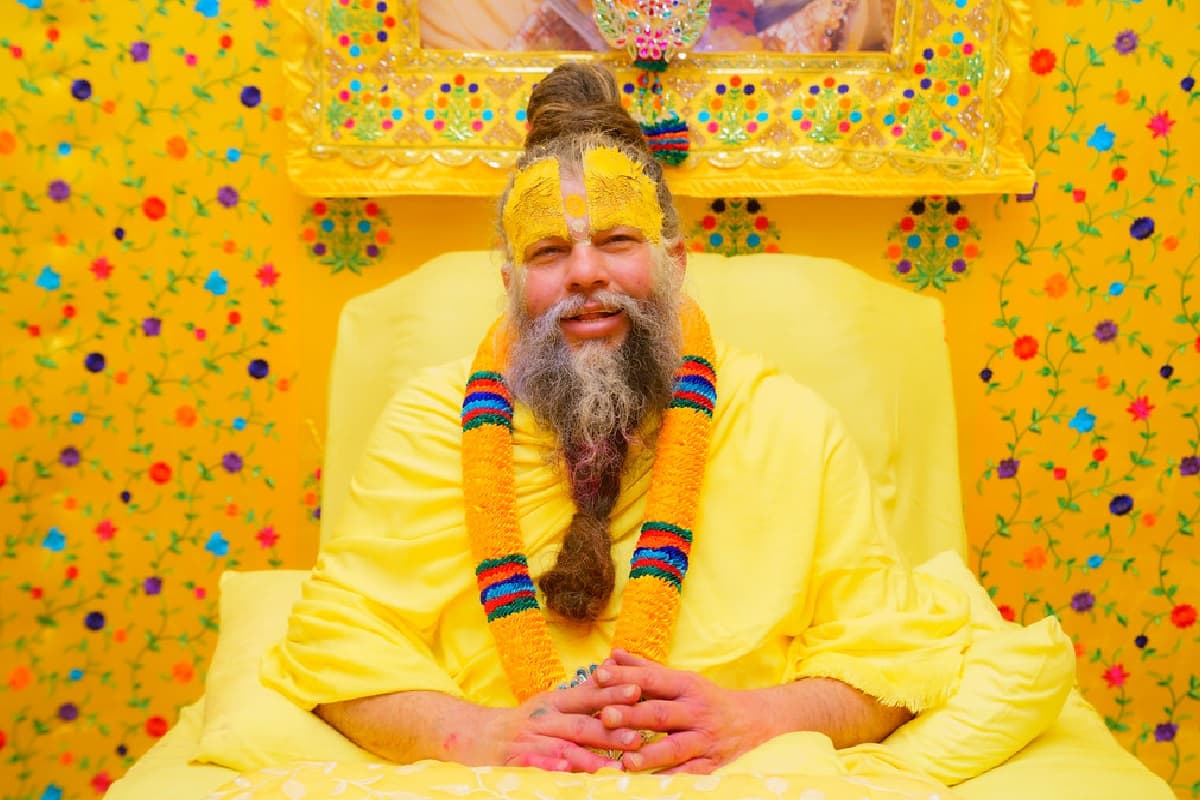
How to Get Darshan of Shri Premanand Ji Maharaj? Understand the Timings, Location & Contact Process.
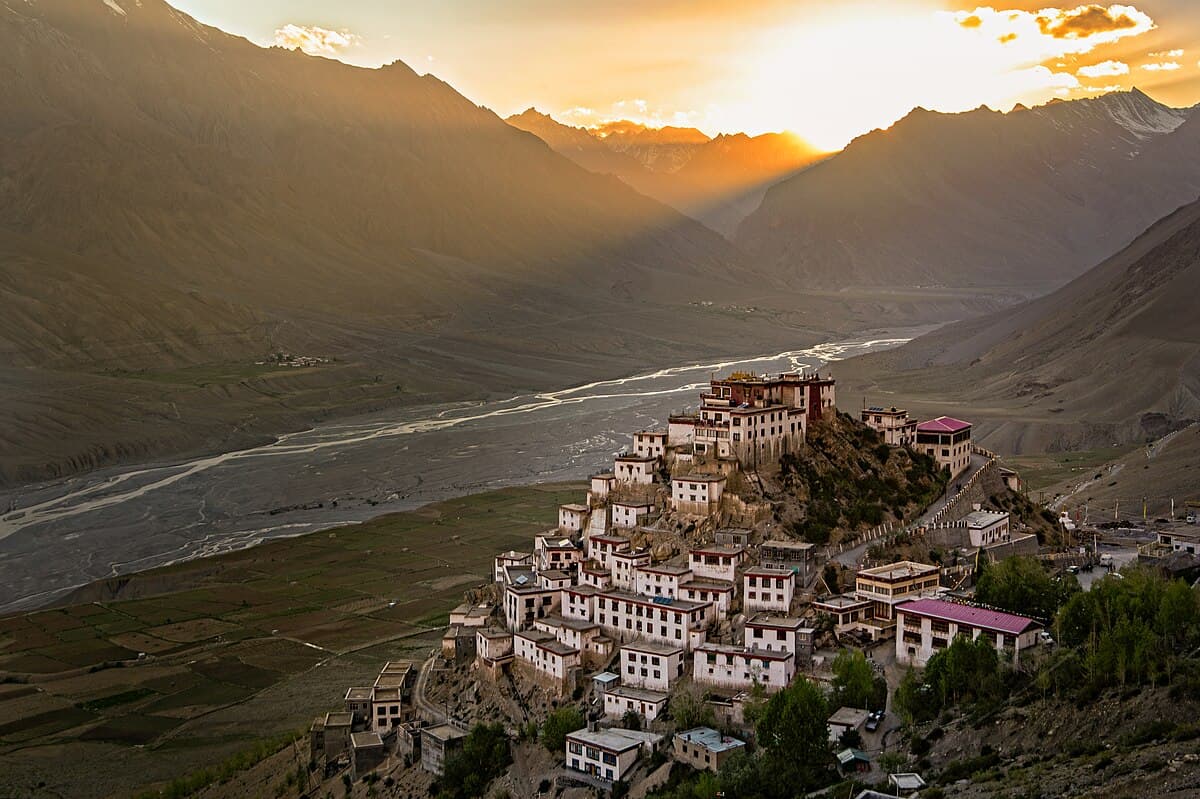
Discover the Magic of Spiti Valley – Villages, Monasteries & Scenic Wonders Await! 🏔️✨
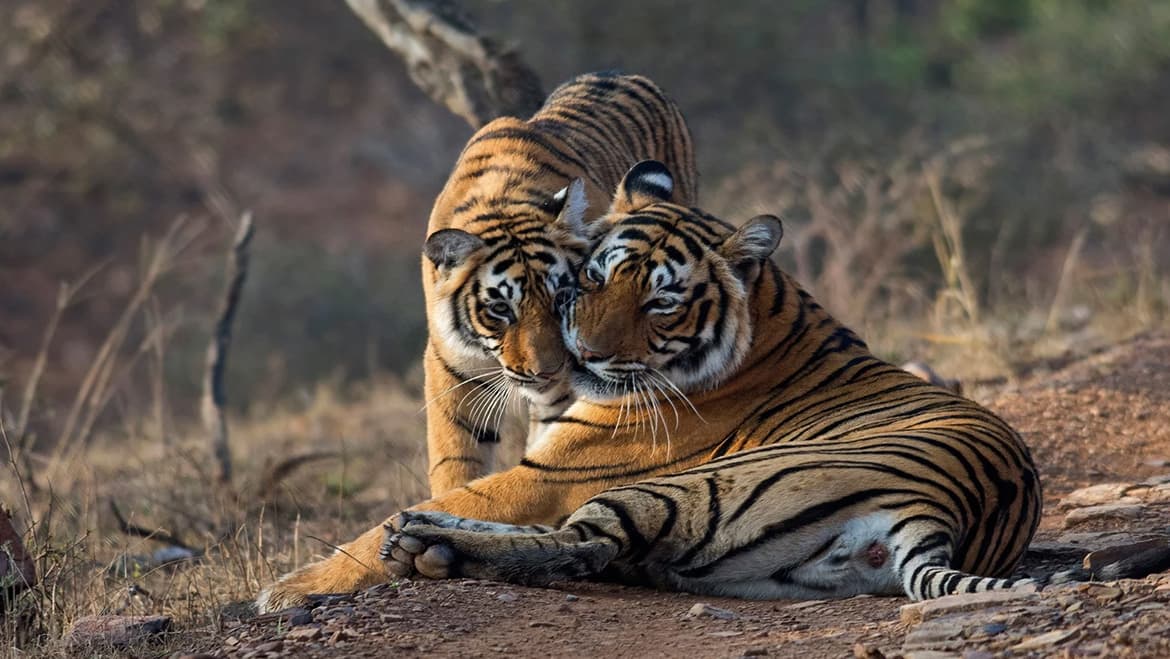
Ranthambhore National Park – Where Royal Tigers, Ancient Forts & Wilderness Come Alive
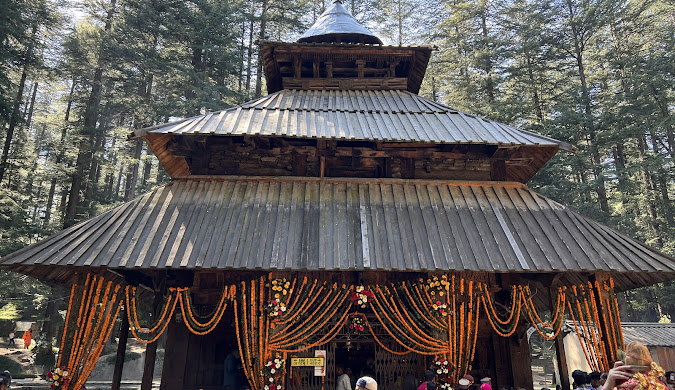
Ultimate Travel Guide to Manali: Attractions, Food, and Safety Tips
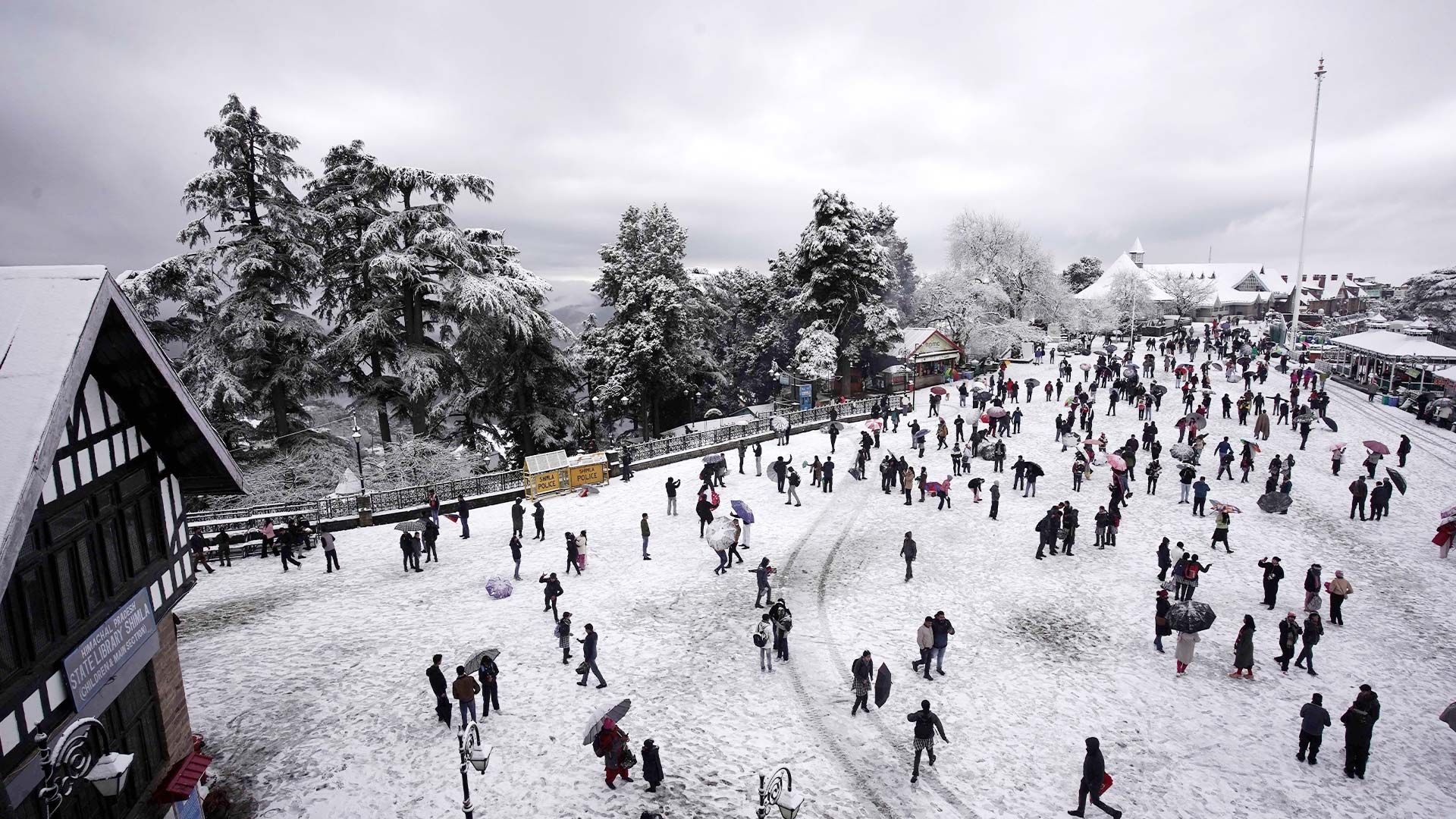
Shimla Travel Guide: Everything You Need to Know Before Visiting the Queen of Hills
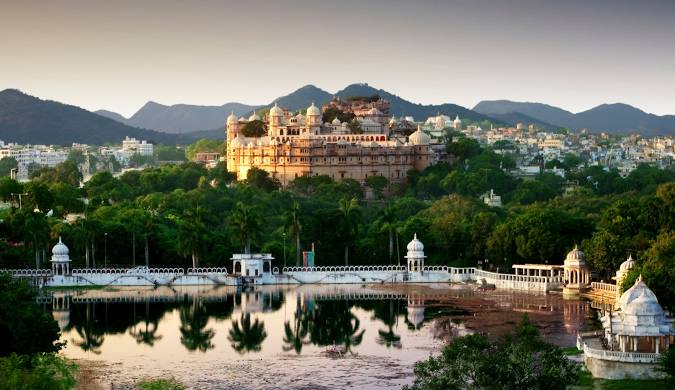
Udaipur – The Venice of the East: A Complete Travel Guide
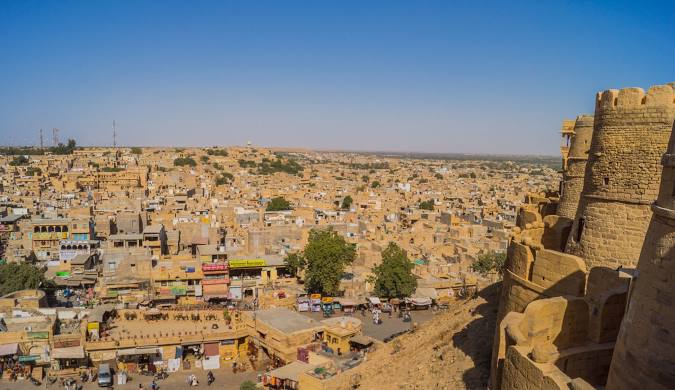
Jaisalmer Travel Guide: History, Forts, Desert Experiences, and Cultural Heritage
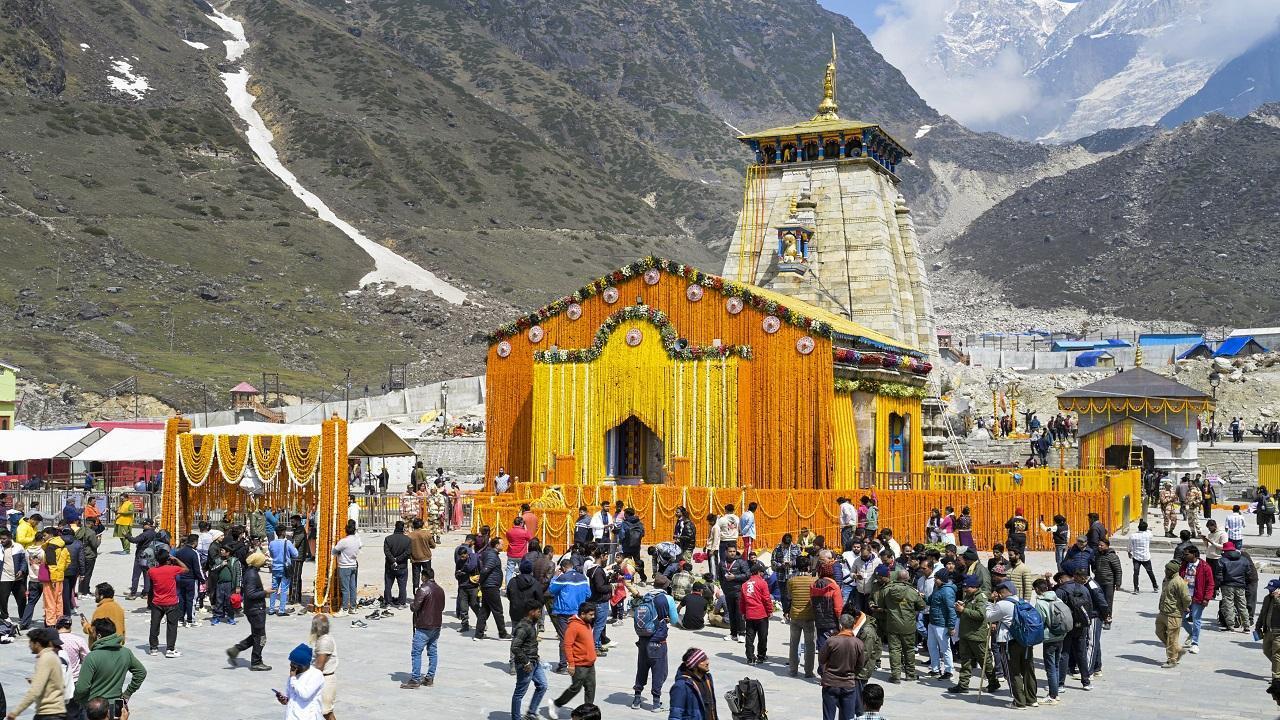
Kedarnath Yatra Registration 2026
Kedarnath Yatra Guide 2026
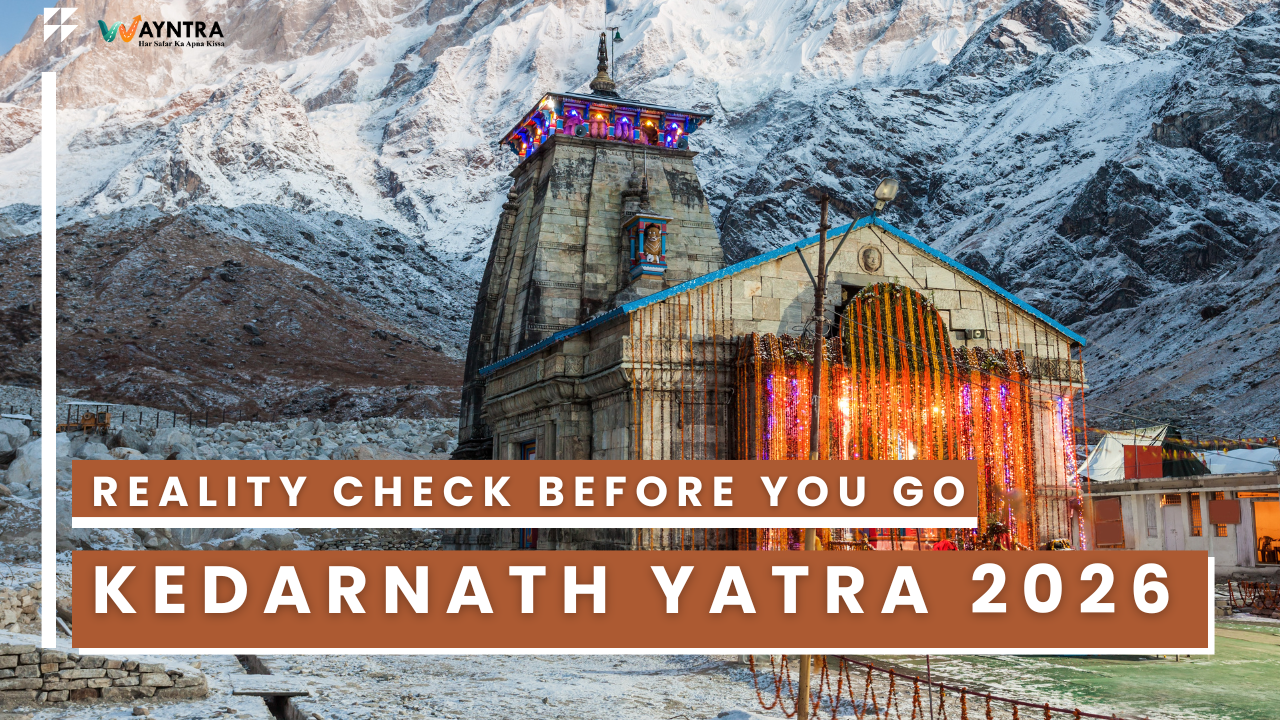
Kedarnath Helicopter Booking 2026: IRCTC Online Booking, Dates, Price & Complete Guide
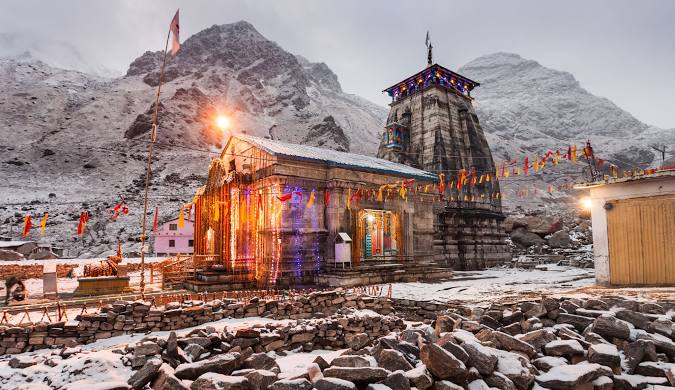
Kedarnath Temple Opens for 2026 Pilgrimage Season on April 22 at 8 AM
Kedarnath Yatra 2026: Ground Reality You Should Know Before Visiting
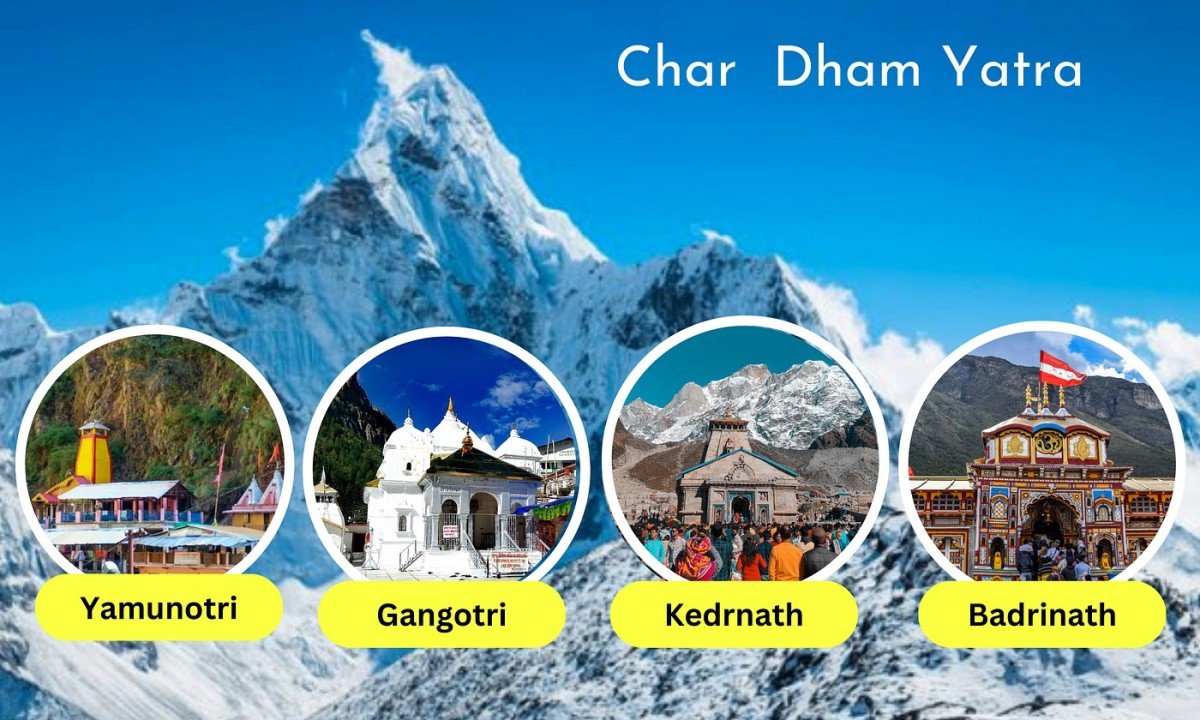
Number of Devotees on Char Dham Yatra Crosses 6.62 Lakh Till 3 May 2026
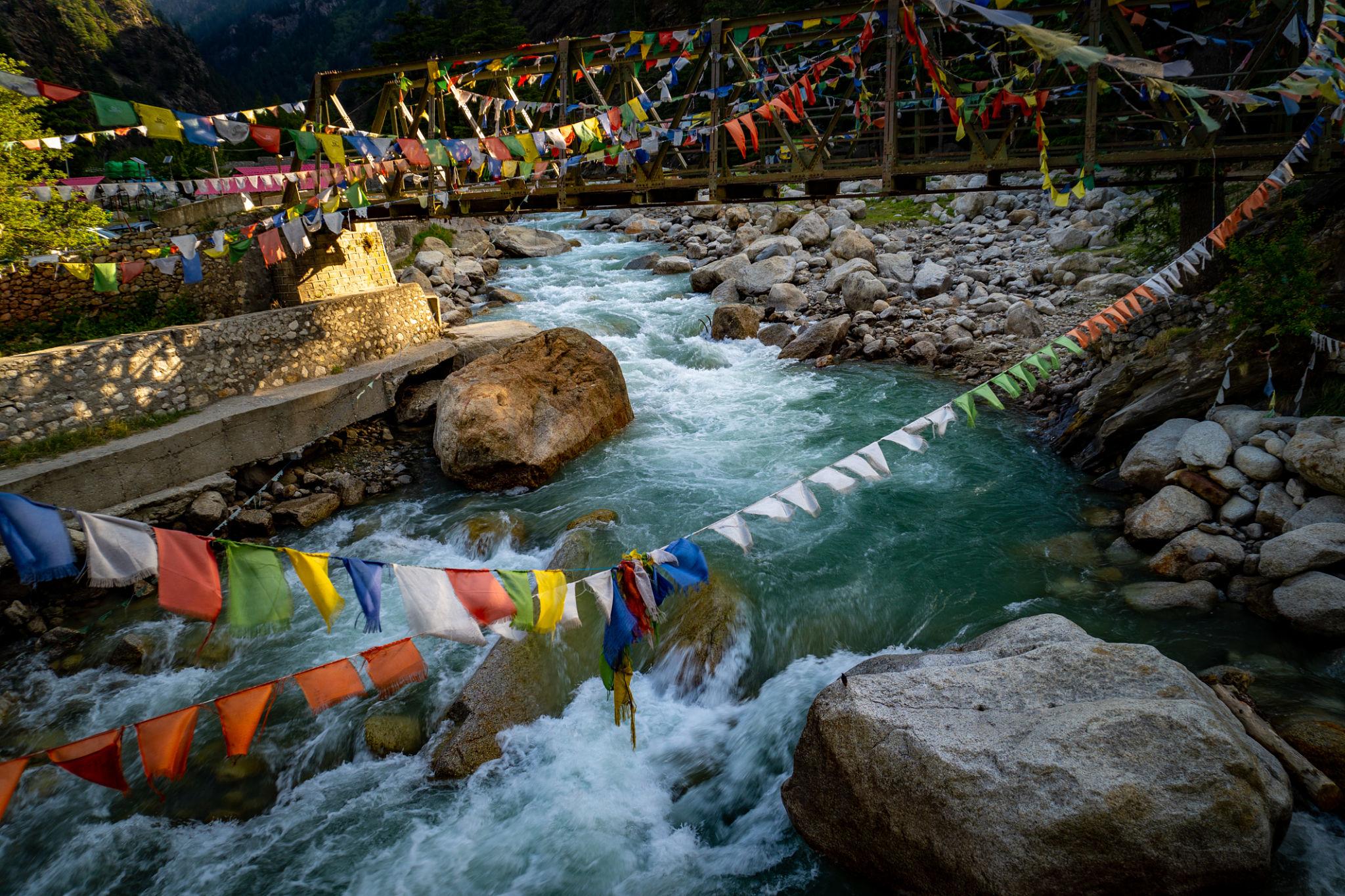
Harshil Valley – Uttarakhand’s Hidden Himalayan Paradise You Must Visit Once
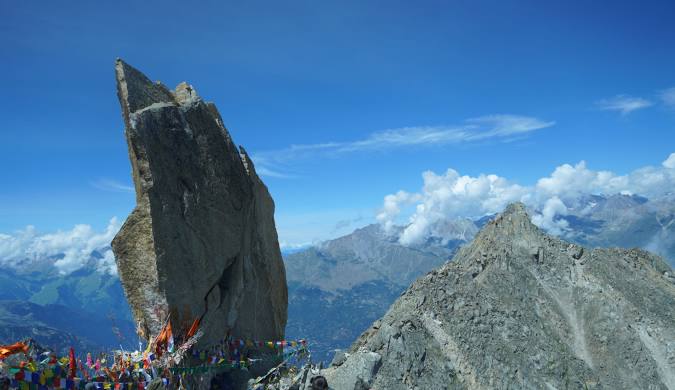
Kinner Kailash – The Mystical Abode of Lord Shiva in the Himalayas
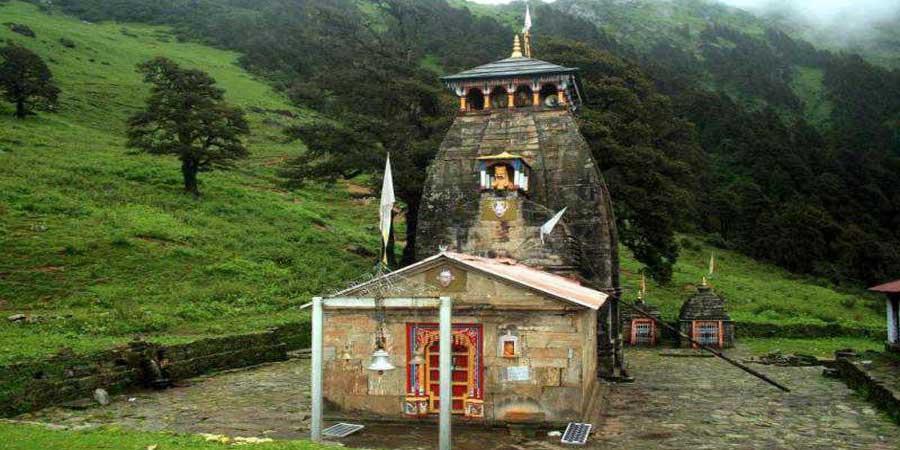
Madhyamaheshwar Temple Travel Guide 2026 – History, Trek, Route, Stay & Complete Travel Information
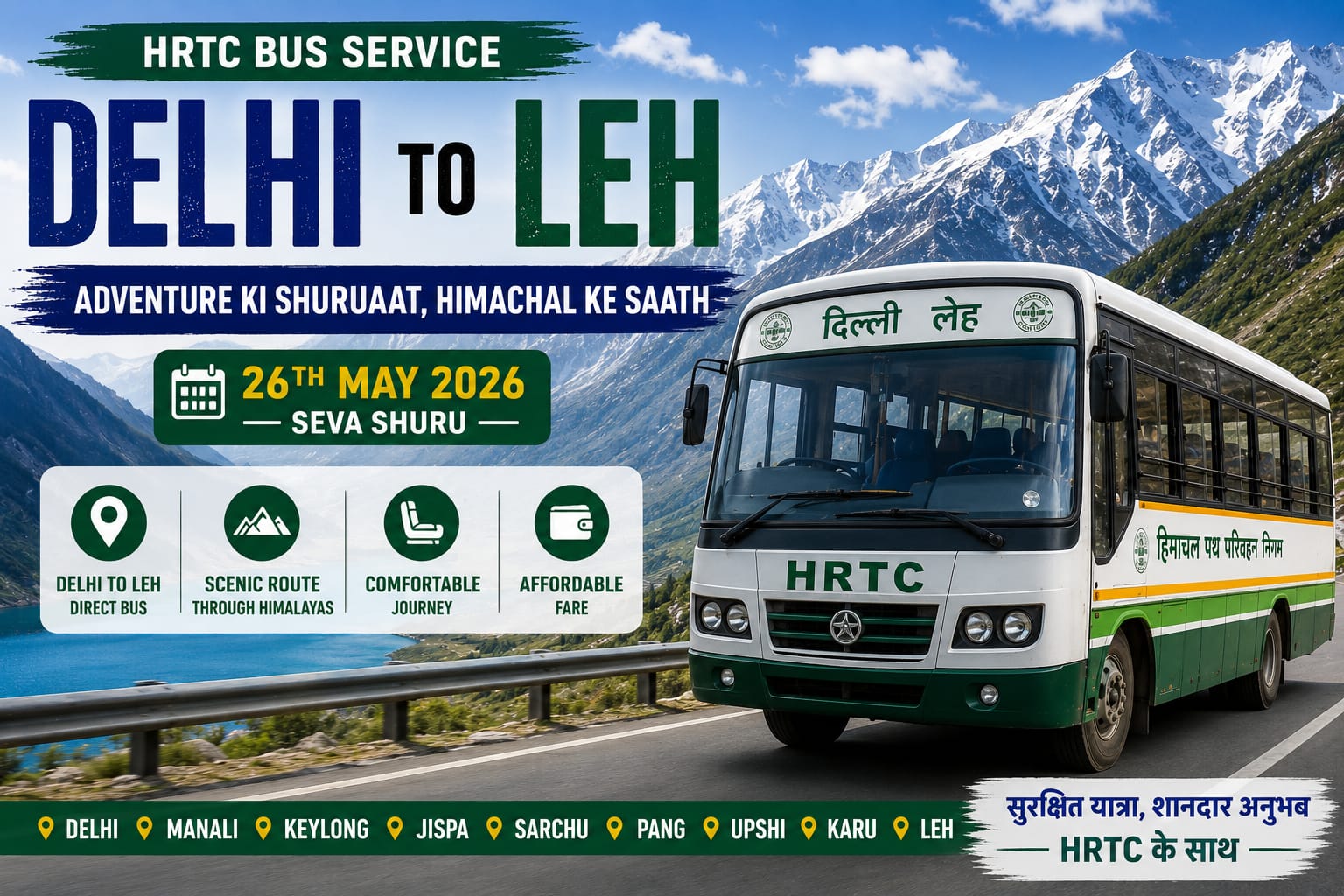
Delhi to Leh Bus Service 2026: Fare, Route, Timings, Stops & Complete Travel Guide
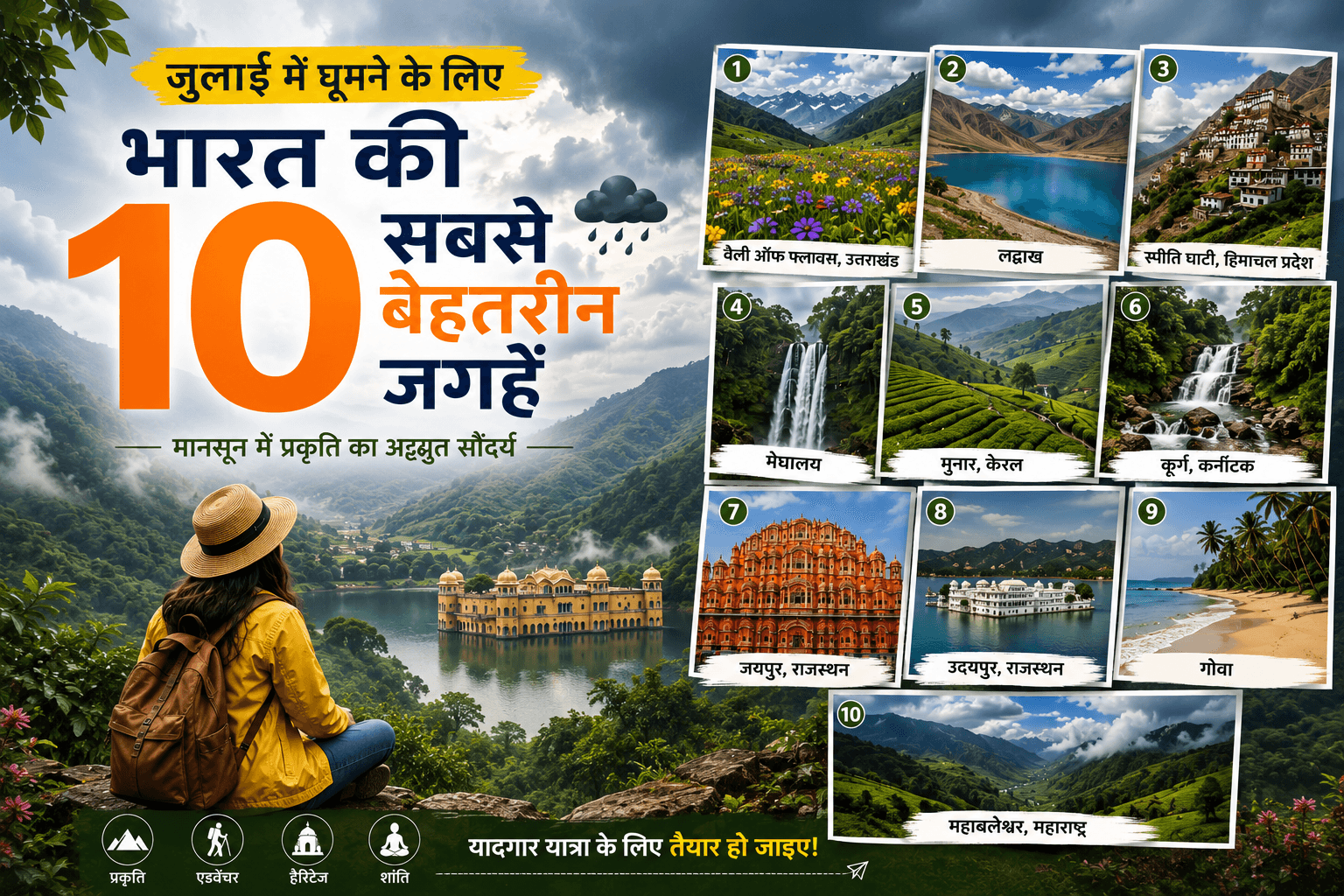
Top 10 Best Places to Visit in July in India (2026) – Monsoon Destinations You Shouldn't Miss
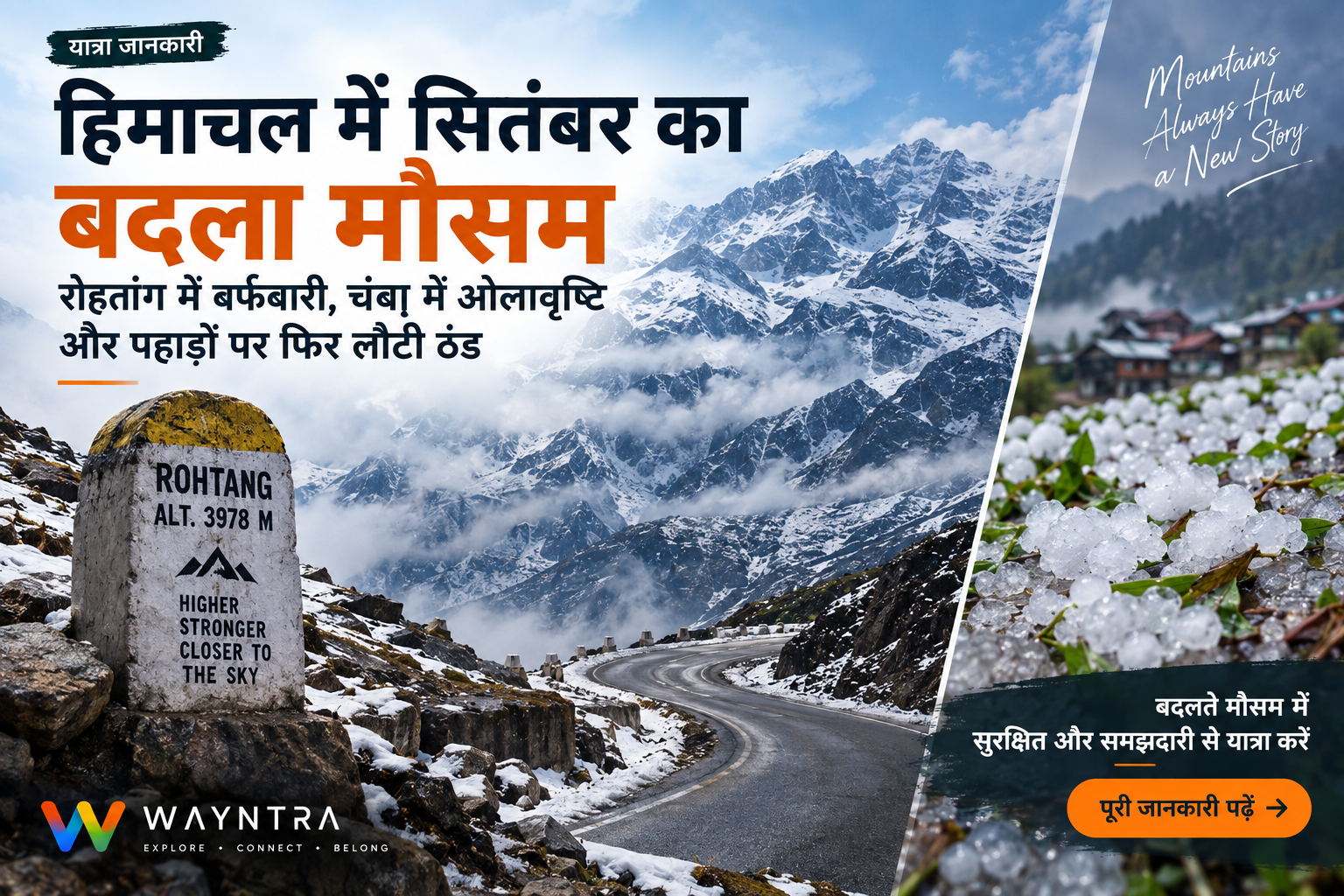
हिमाचल में सितंबर का बदला मौसम: रोहतांग में बर्फबारी, चंबा में ओलावृष्टि और पहाड़ों पर लौटी ठंड
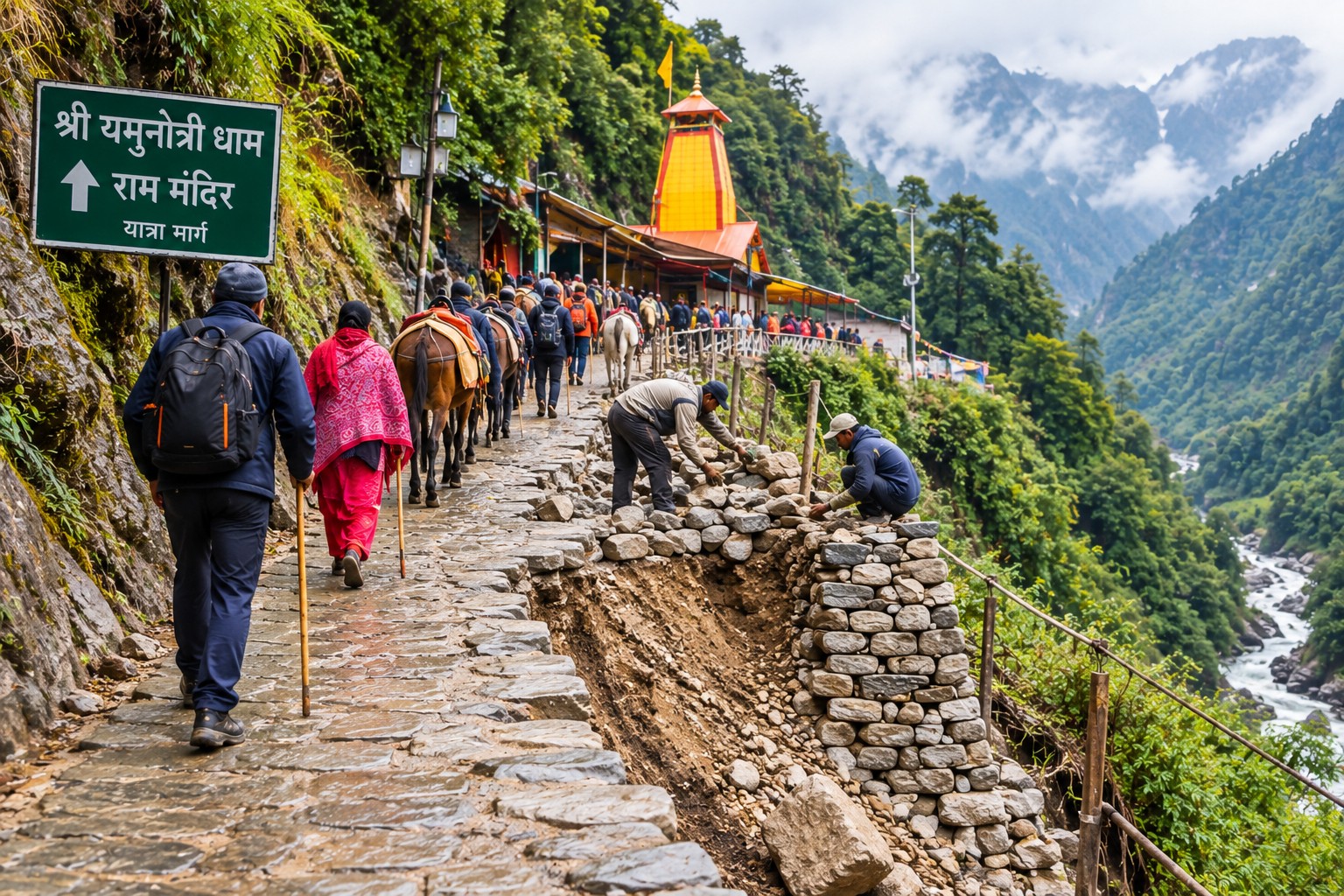
Yamunotri Dham: Safety Concerns Remain Near Ram Mandir on the Yatra Route
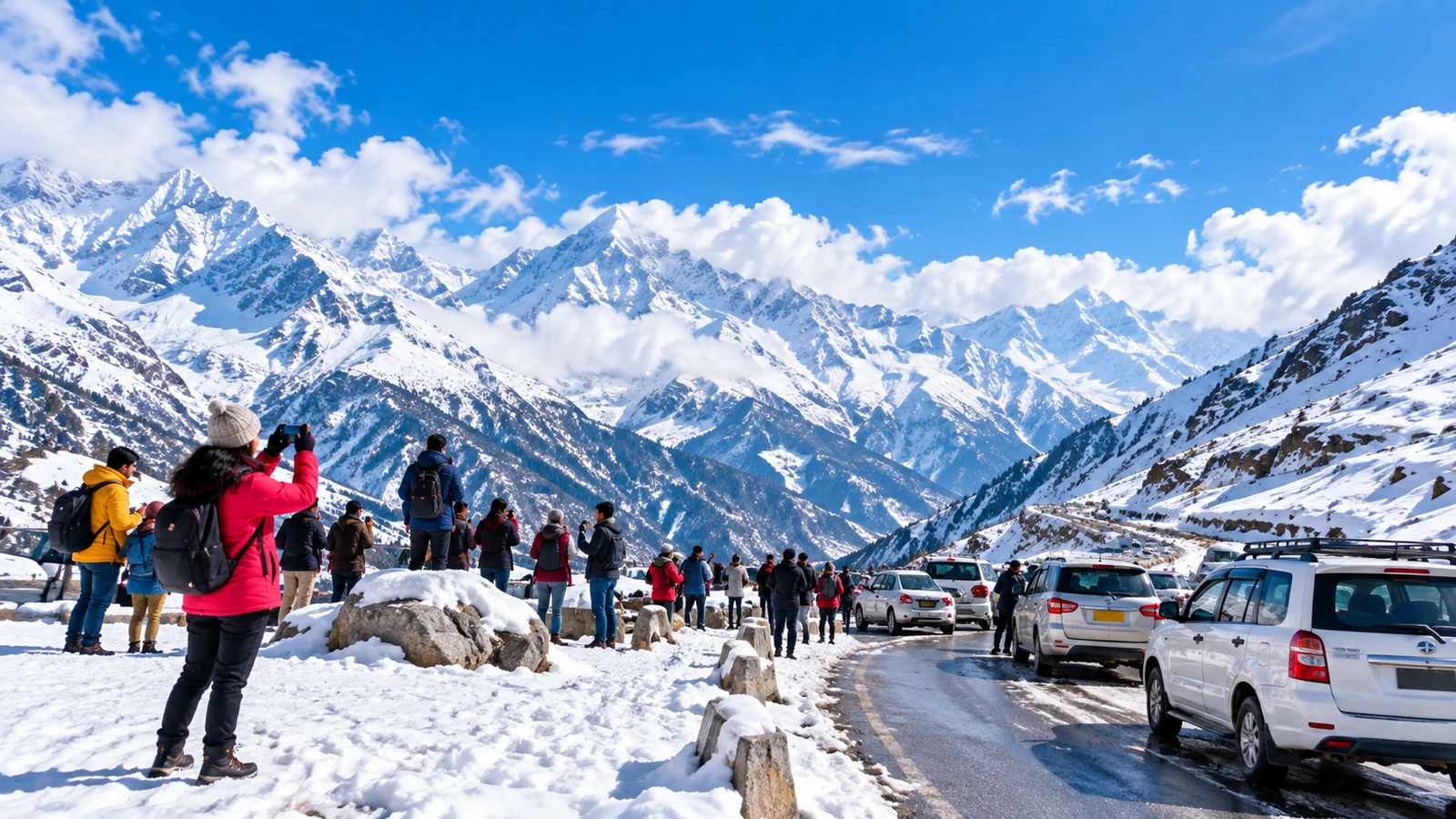
Tourists Flock to Rohtang After Snowfall, Over 600 Vehicles Arrive; Manali Comes Alive
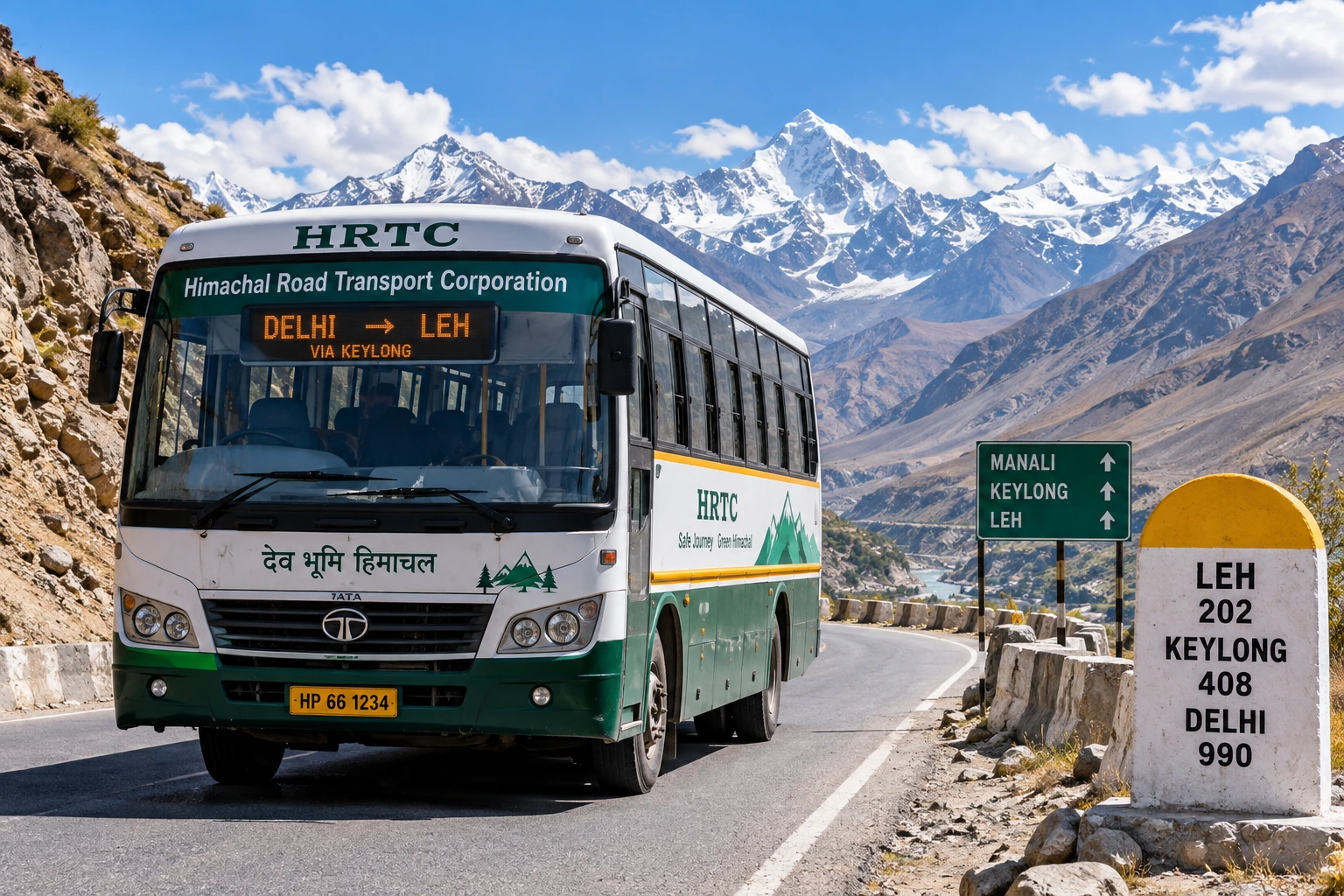
Delhi–Leh HRTC Bus Service Suspended: Service Will Resume Next May, Know All the Details
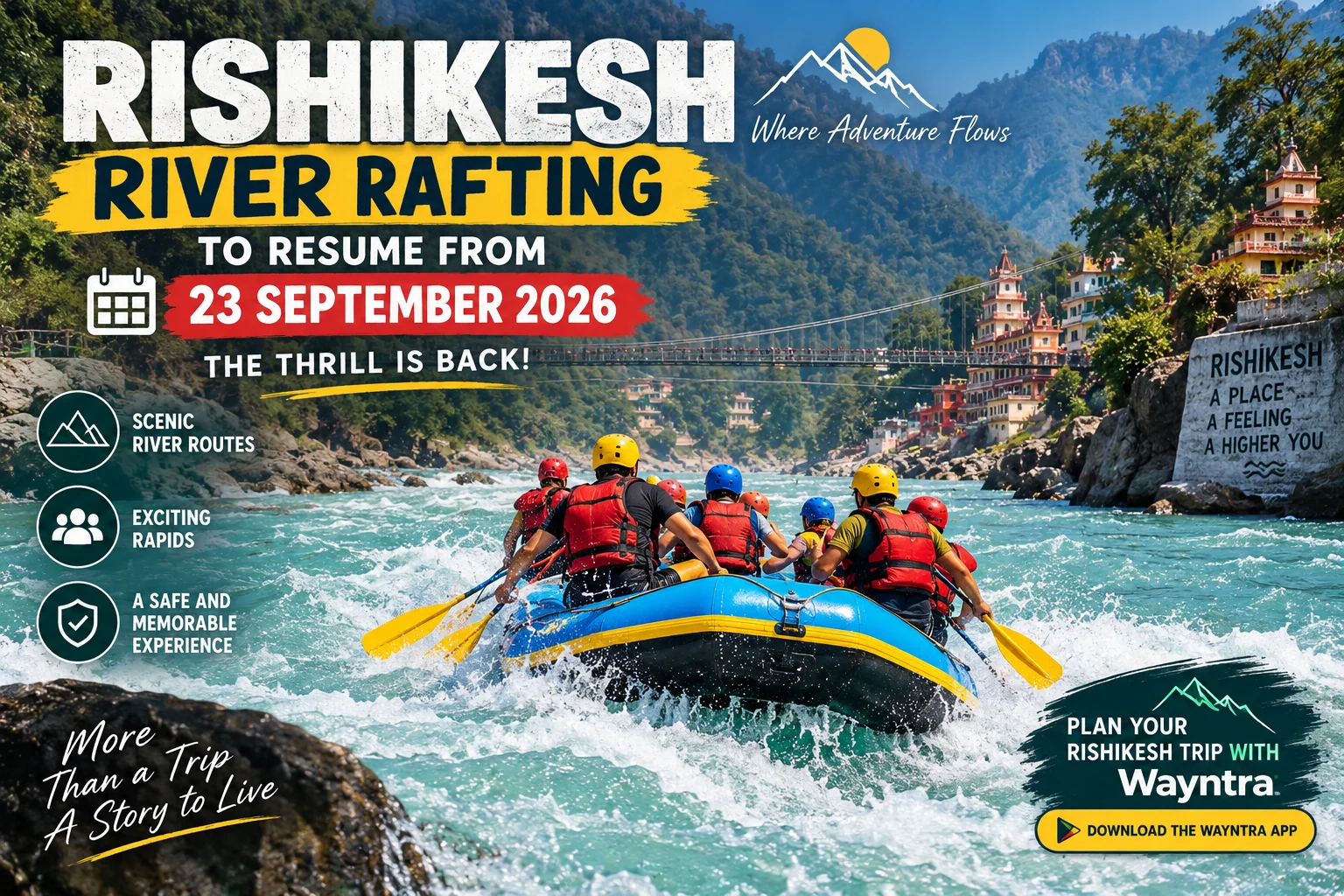
River Rafting May Resume in Rishikesh from September 23
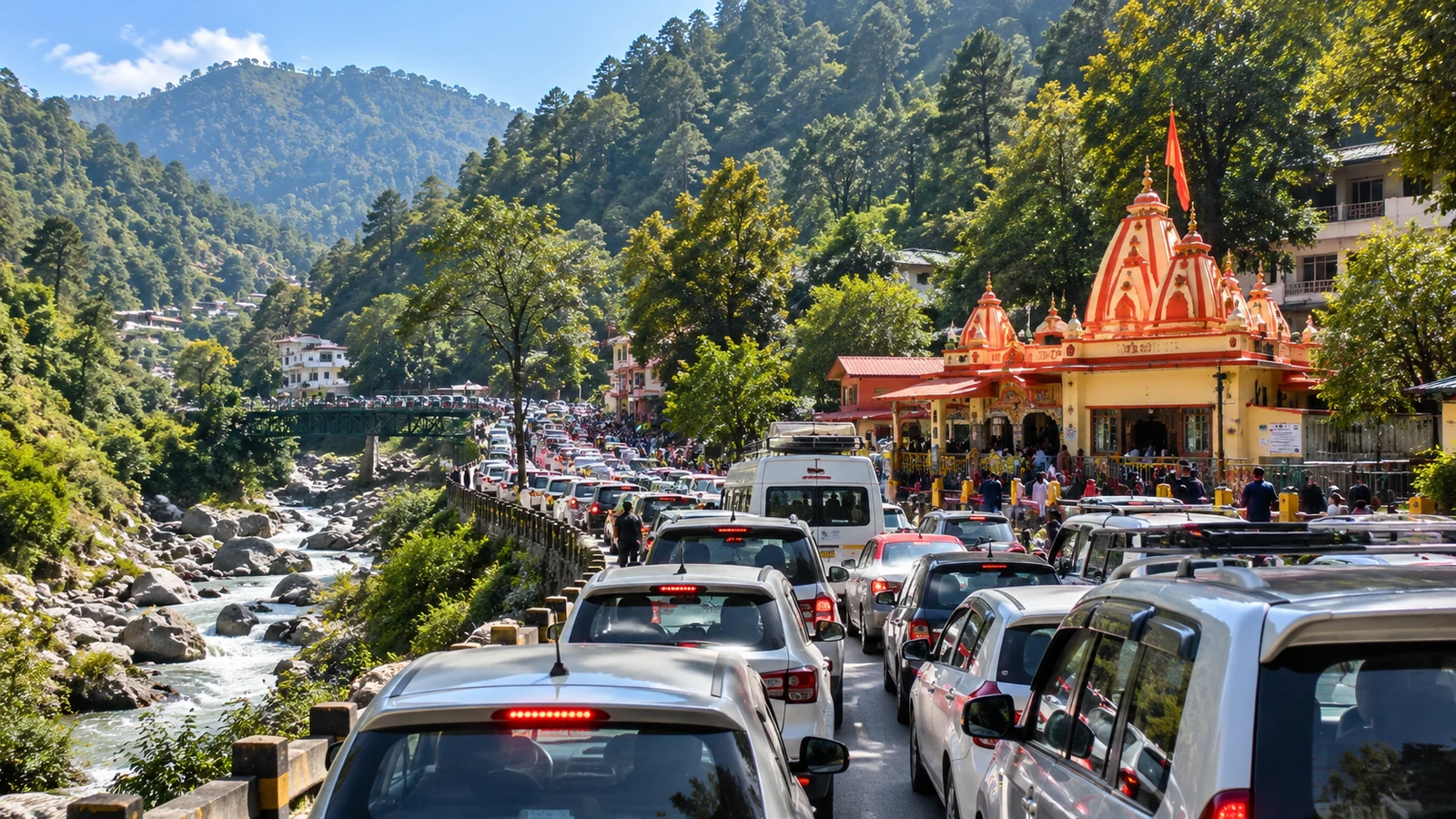
Heavy Crowd of Devotees at Kainchi Dham, 2-Km-Long Traffic Jam Reported
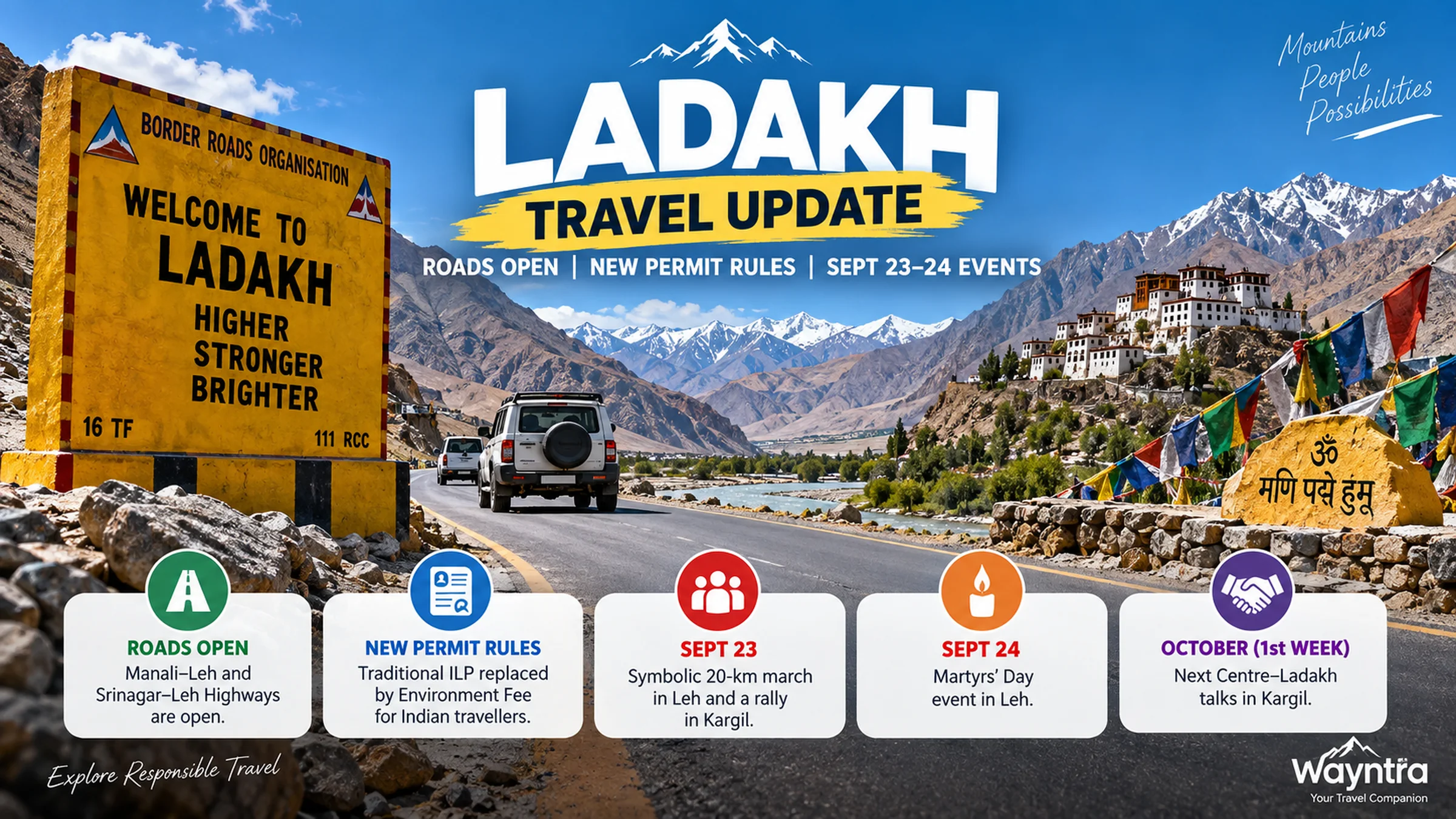
Ladakh Travel Update: Roads Open, New Permit Rules and September 23–24 Events
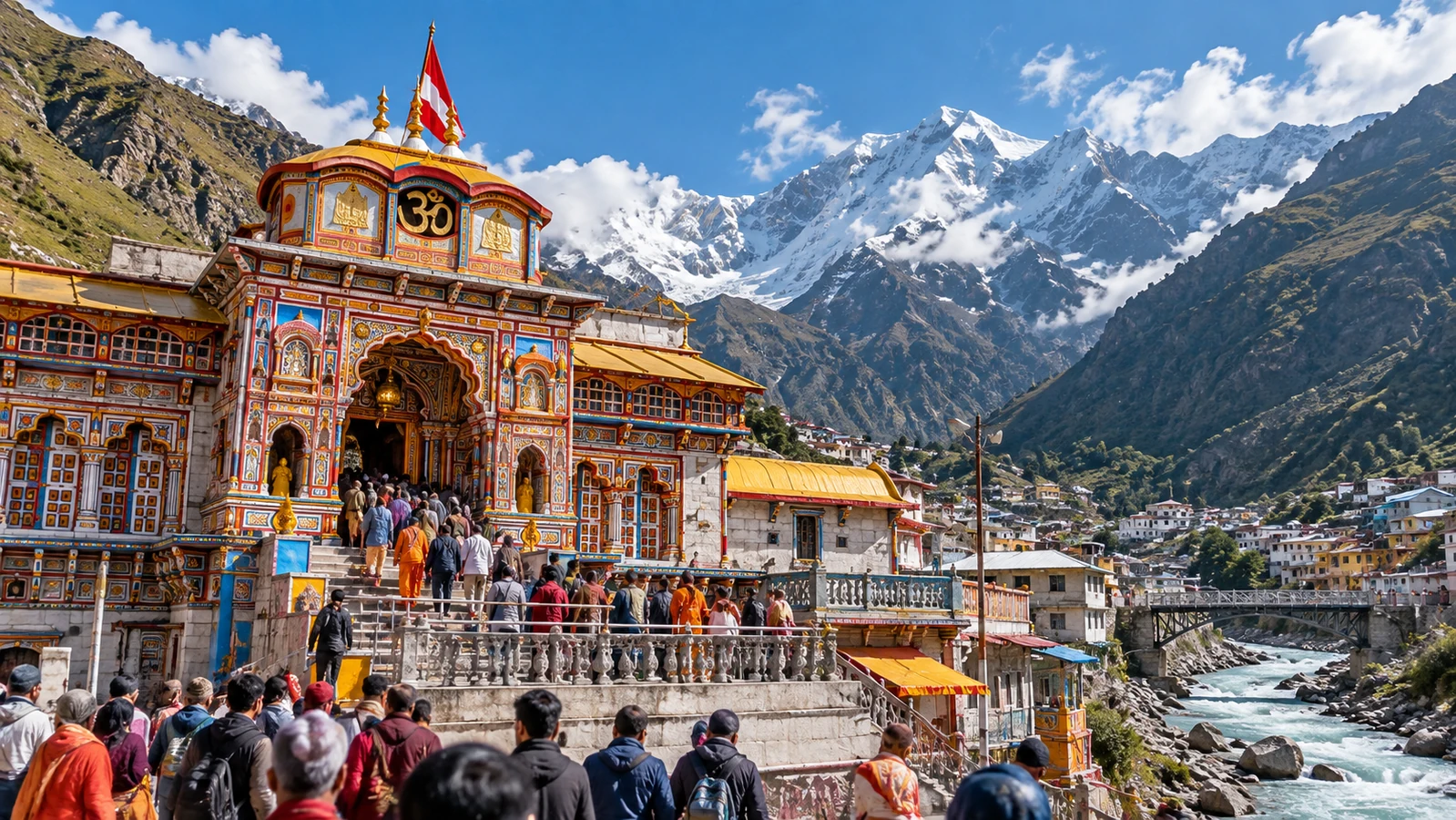
Badrinath Dham: Second Phase of Yatra Picks Up Pace, Thousands of Devotees Arriving for Darshan
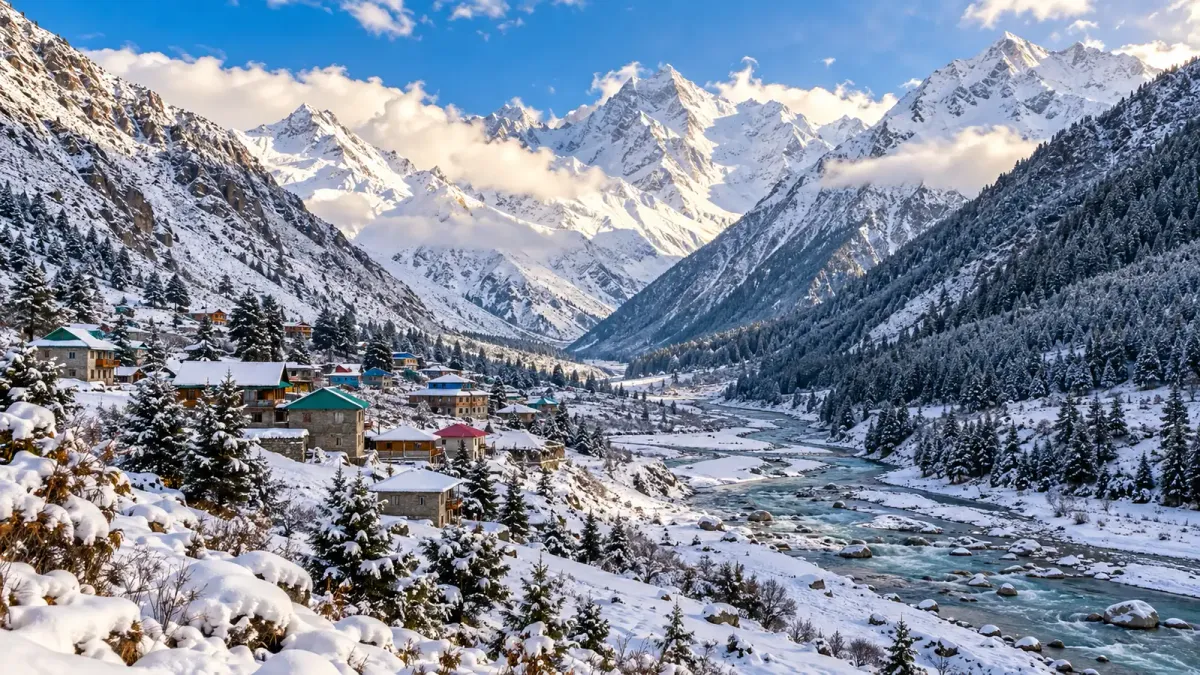
हिमाचल में सितंबर में बर्फबारी ने बदला मौसम का मिजाज, 18 साल बाद रिकॉर्ड ठंड
Rajasthan — video
Rajasthan — travel FAQs
What is Rajasthan famous for?
Which are the major cities to visit in Rajasthan?
What are the must-visit forts and palaces in Rajasthan?
When is the best time to visit Rajasthan?
What is the primary language spoken in Rajasthan?
What are the popular festivals in Rajasthan?
Is Rajasthan safe for tourists?
What is the traditional cuisine of Rajasthan?
What are some popular shopping items in Rajasthan?
Can I experience a desert safari in Rajasthan?
What wildlife can I see in Rajasthan?
What are the accommodation options in Rajasthan?
How can I travel within Rajasthan?
What is the significance of the Thar Desert in Rajasthan?
Are there any UNESCO World Heritage Sites in Rajasthan?
What are some popular cultural experiences in Rajasthan?
What are the religious sites to visit in Rajasthan?
What is the local attire in Rajasthan?
Can I visit Rajasthan during the monsoon season?
What are the transportation options from Delhi to Rajasthan?
Wayntra app
Explore Rajasthan with Wayntra
Find destinations, adventures, local businesses and experiences across Rajasthan.