India’s local-first travel ecosystem — book local operators direct, zero commission

Kinner Kailash
Kinnaur, Himachal Pradesh

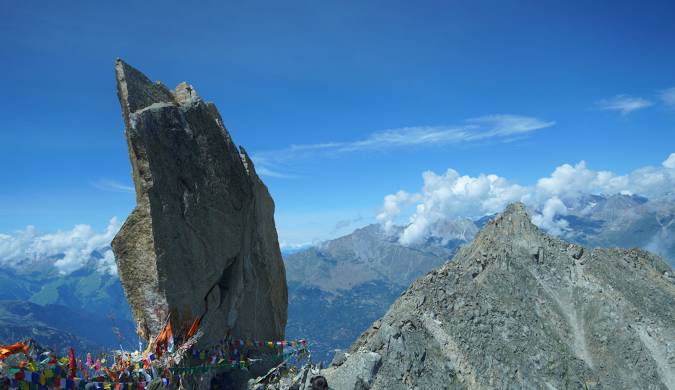
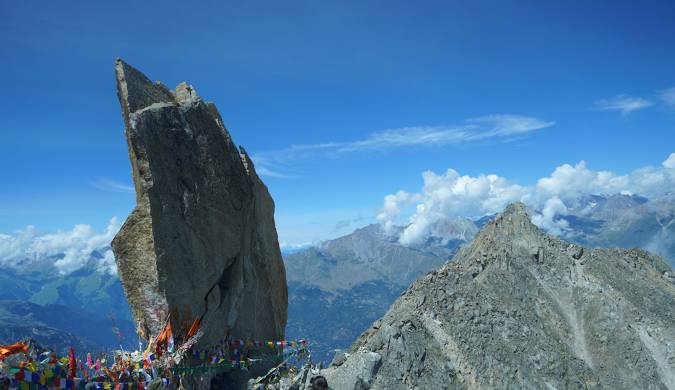
The Kinner Kailash Shivling Trek is one of the most spiritually significant and challenging high-altitude treks in Himachal Pradesh, nestled in the Kinnaur district. The trek takes pilgrims and adventurers alike to the sacred Kinner Kailash Shivling, a natural vertical rock formation around 79 feet tall, believed to be the symbolic representation of Lord Shiva’s presence in the Himalayas.
Located at an altitude of about 6,055 meters (19,865 feet) , the Kinner Kailash Shivling stands proudly amidst the snowy peaks, constantly changing hues with the sunlight. Devotees believe that Lord Shiva resides here, and visiting this place is equivalent to undertaking a spiritual journey similar to that of Kailash Mansarovar in Tibet.
The trek starts from Tangling village, which is around 10–11 km from Reckong Peo, the district headquarters of Kinnaur. It is advisable to spend a day in Reckong Peo or Kalpa to acclimatize to the altitude, as this trek involves steep ascents, rocky terrain, and thinning oxygen levels.
The first leg of the trek involves a steep climb through apple orchards and pine forests, leading to Tangling village. After crossing the Tangling bridge over the Sutlej River, the route becomes more intense, with narrow, dusty, and zigzagging mountain paths.
The first campsite is usually Ganesh Park, located around 7 km from Tangling. It is a meadow-like patch where trekkers pitch tents or take shelter under large boulders. The views from Ganesh Park are mesmerizing, especially during sunrise and sunset when the Kinner Kailash range glows golden and pink.
The next day, trekkers begin the final ascent to the Kinner Kailash Shivling. This part of the trek is the most difficult, involving climbing over rocky glaciers, slippery stones, and snow-covered patches, especially during late May to early July or post-monsoon in September.
After hours of climbing and spiritual chants echoing across the valley, trekkers reach the Shivling point, where the sacred vertical rock awaits. The aura here is divine and surreal. Many devotees perform parikrama (circumambulation) around the Shivling and offer flowers, holy water, and prayers, seeking blessings from Mahadev.
This place is not just for trekking but for deep spiritual connection, and many visitors describe it as a life-changing experience.
During the annual Kinner Kailash Yatra (mostly in July–August), hundreds of pilgrims from across India undertake this trek in devotion. The local administration often makes arrangements for food, shelter, and guides during this time.
Weather plays a crucial role in this trek. It is recommended to avoid the monsoon months (July–August) due to landslides, and the best time is from mid-June to early July and September. The cold can be intense, especially during night stays, so good quality winter gear is essential.
Only those with good physical fitness, mental endurance, and prior high-altitude trekking experience should attempt this trek. The trek is considered difficult to very difficult, and a basic health checkup beforehand is highly recommended.
Local guides are easily available in Reckong Peo and Kalpa, and hiring a knowledgeable guide is advised, especially for first-timers. They are familiar with shortcuts, emergency shelters, and can help in case of altitude sickness or injury.
It is also important to carry a valid ID proof and check for Inner Line Permit (ILP) requirements, especially for foreign nationals, since Kinnaur lies near the Indo-Tibetan border.
Key Highlights of the Kinner Kailash Shivling Trek:
- Starts from Tangling Village
- Campsite at Ganesh Park
- Shivling height approx. 79 feet
- Altitude reaches nearly 4,800 meters
- Trek length approx. 24–28 km round trip
- Ideal duration: 2 nights, 3 days
- Mesmerizing sunrise and sunset views
- Surreal rock formations and glaciers
- Connection to Lord Shiva and Hindu mythology
- Annual Kinner Kailash Yatra festival
Trekking Tips:
- Acclimatize for at least one day in Kalpa or Reckong Peo
- Start early in the morning to avoid sun glare on glaciers
Carry:
- Woolen clothes, gloves, windcheaters
- Snacks, dry fruits, water bottles
- First-aid kit and Diamox tablets (for altitude sickness)
- Torch, power bank, and trekking pole
- Avoid plastic and keep the route clean
- Respect local customs and religious sentiments
In conclusion, the Kinner Kailash Shivling Trek is not just a physical journey, but a deep spiritual and emotional one. With its raw Himalayan beauty, mythological connection, and tough terrain, it attracts the bravest of souls and the most devoted of pilgrims. Whether you go for the challenge or the divine energy — this trek will leave a mark on your soul forever.



Location And Address
Kinnaur Kailash, Dhar Panah, Himachal Pradesh, India
Quick view — Kinner Kailash
📍 Location: Kinner Kailash
🗻 Elevation: Approximately 6,055 meters (19,865 feet) above sea level
🧭 Accessibility: Accessible via Shimla → Reckong Peo → Kalpa → Tangling Village route
⏳ Travel Duration:
- Shimla to Reckong Peo: 10–12 hours drive
- Reckong Peo to Kalpa: 30–40 minutes drive
- Kalpa to Tangling Village: 20–30 minutes drive
🚶♂️ Exploration Level: Difficult (ideal for trekkers, spiritual travelers, photographers & adventure seekers)
📅 Best Time to Visit:
June to September
🌦 Weather Conditions:
☀️ Summer: 8°C to 20°C
Pleasant weather with clear Himalayan views and ideal trekking conditions.
🌧 Monsoon: Moderate rainfall with slippery trails and occasional landslides.
❄️ Winter: -10°C to 5°C
Heavy snowfall covers the region and trekking routes usually remain inaccessible.
🗺 Major Attractions (Kinner Kailash Route)
Reckong Peo ➜ Kalpa ➜ Tangling Village ➜ Ganesh Park ➜ Parvati Kund ➜ Kinner Kailash Shivling
📌 Attractions in Detail
🏔 Kinner Kailash Shivling:
A massive vertical rock formation believed to represent Lord Shiva. It is one of the most sacred attractions in the Himalayas.
🏡 Kalpa Village:
A scenic Himalayan village famous for traditional Kinnauri culture, wooden houses, monasteries, and stunning views of the Kinner Kailash range.
🌲 Tangling Village:
The starting point of the Kinner Kailash Trek surrounded by apple orchards and mountain scenery.
🛕 Parvati Kund:
A sacred water pond located on the trekking route, associated with spiritual beliefs and Himalayan mythology.
🏞 Ganesh Park:
A resting and camping point on the trek route offering panoramic mountain views and peaceful surroundings.
📌 Facilities Along Route
☕ Tea stalls and small food points available on the trekking route during peak season.
🏨 Hotels, homestays, camps, and guesthouses available in Kalpa and Reckong Peo.
🚻 Basic washroom facilities available at selected points near villages and campsites.
⛽ Fuel stations available mainly at Reckong Peo.
🕖 Popular Timings for Exploration
🌄 Early Morning: Best time to begin the trek because weather remains stable and clear.
🌅 Sunrise & Sunset: Ideal for mountain photography and panoramic Himalayan views.
🛕 Spiritual & Cultural Significance
Kinner Kailash is considered one of the holiest abodes of Lord Shiva in the Himalayas.
The region holds deep importance in Hindu and Buddhist traditions and is associated with ancient Himalayan mythology and local Kinnauri culture.
📶 Available Mobile Network
📱 Jio, Airtel, and BSNL work in Kalpa and Reckong Peo.
📡 Network connectivity becomes limited or unavailable on higher trekking routes.
🏧 Nearest ATM
🏦 ATMs available at Reckong Peo and Kalpa.
🏥 Hospital / Medical Facilities
🏥 Basic medical facilities available at Reckong Peo and Kalpa.
🚑 Nearest major healthcare facilities available at Reckong Peo.
📞 Emergency Numbers
🚓 Police / Ambulance / Fire: 112
🏔 Himachal Pradesh Tourism Helpline: 1800-180-8077
🚑 Emergency Medical Support: 108
🌄 Scenic Beauty
The Kinner Kailash region is surrounded by snow-covered Himalayan peaks, deep valleys, pine forests, waterfalls, and dramatic mountain landscapes.
Sunrise and sunset views over the Kinner Kailash range are considered among the most beautiful sights in Himachal Pradesh.
🐾 Wildlife
Nearby forest regions are home to Himalayan birds, mountain goats, foxes, and rare high-altitude wildlife species.
Birdwatchers and nature photographers often visit the area because of its untouched Himalayan ecosystem.
📸 Photography Tip
Capture sunrise views from Kalpa and dramatic mountain landscapes during the Kinner Kailash trek for stunning Himalayan photography.
The clear night skies also provide excellent opportunities for astrophotography and stargazing.
🚗 Transportation
🚖 Shared taxis and local cabs available from Shimla, Reckong Peo, and Kalpa.
🏍 Popular destination among bikers and Himalayan road-trip enthusiasts.
🏕 Accommodation
🏨 Hotels, traditional homestays, camps, guesthouses, and mountain-view stays available in Kalpa and nearby villages.
📌 Advance booking is highly recommended during trekking season and summer months.
🍲 Local Cuisine
Try traditional Himachali and Kinnauri dishes like Siddu, Chilta, Thukpa, Madra, local rajma, and fresh apple products.
Local herbal tea and mountain cuisine are also popular among travelers visiting the region.
Key Attraction — Kinner Kailash
Kinner Kailash Shivling
Kinner Kailash is most famous for the massive natural rock formation believed to represent Lord Shiva. This sacred vertical rock standing high in the Himalayas is one of the major spiritual and trekking attractions in Himachal Pradesh.
Kalpa Village
Kalpa is a beautiful Himalayan village known for its traditional wooden houses, monasteries, apple orchards, and stunning views of the Kinner Kailash range. The village is especially famous for breathtaking sunrise and sunset views over snow-covered mountains.
Tangling Village
Tangling Village is the main starting point of the Kinner Kailash Trek. Surrounded by apple orchards and mountain scenery, this peaceful village attracts trekkers and adventure travelers from across India.
Parvati Kund
Parvati Kund is a sacred water pond located on the trekking route to Kinner Kailash. The place holds spiritual importance and offers peaceful Himalayan surroundings for pilgrims and trekkers.
Ganesh Park
Ganesh Park is an important resting and camping point on the trek route. The area offers panoramic views of Himalayan valleys, mountains, and forests, making it a popular stop for trekkers.
Reckong Peo
Reckong Peo is the main town of Kinnaur district and serves as the gateway to the Kinner Kailash region. It offers stunning mountain views and acts as the primary base for travelers heading toward Kalpa and the trek route.
Apple Orchards
The Kinnaur region is famous for its fresh Himalayan apples. Large apple orchards spread across Kalpa and nearby villages add incredible beauty to the mountain landscapes, especially during the harvesting season.
Kinnauri Villages & Culture
The villages around Kinner Kailash are known for their traditional Kinnauri culture, wooden architecture, colorful local dresses, and peaceful mountain lifestyle. Travelers can experience authentic Himalayan culture and hospitality here.
Monasteries & Temples
Several ancient monasteries and temples in the region reflect the deep spiritual and cultural heritage of Kinnaur. These religious places showcase the unique blend of Hindu and Buddhist traditions.
Himalayan Sunrise & Sunset Views
Sunrise and sunset views over the Kinner Kailash range are considered among the most spectacular sights in Himachal Pradesh. Golden sunlight reflecting on snow-covered peaks creates unforgettable scenery.
Himalayan Trekking Routes
Kinner Kailash is famous for its challenging Himalayan trekking routes filled with steep climbs, rocky trails, glaciers, forests, and dramatic mountain landscapes.
Deodar & Pine Forests
Dense deodar and pine forests surrounding the region provide peaceful natural surroundings perfect for trekking, nature walks, camping, and photography.
Stargazing Experience
Because of the high altitude and low pollution, the Kinner Kailash region offers excellent stargazing opportunities. On clear nights, travelers can witness thousands of stars and even the Milky Way.
Offbeat Himalayan Experience
Unlike crowded tourist destinations, Kinner Kailash still offers a raw and peaceful Himalayan experience filled with spirituality, adventure, silence, and untouched natural beauty.
Itinerary — Kinner Kailash
🌄 Kinner Kailash 5 Days / 6 Nights Itinerary
Experience the spiritual beauty of Kinnaur — mountains, monasteries, villages & Himalayan adventures 🏔️
🏡 Day 1: Arrival in Shimla – Journey Toward Kinnaur
🚗 Arrive in Shimla and begin your scenic road journey toward the Kinnaur region.
🌲 Drive through beautiful Himalayan roads surrounded by pine forests, rivers, waterfalls, and mountain valleys.
☕ Stop at small roadside cafés and scenic viewpoints along the Sutlej River route.
🏨 Reach Reckong Peo / Kalpa by evening and check into your hotel or homestay.
🌅 Enjoy sunset views over the Kinner Kailash range.
🍲 Dinner & overnight stay in Kalpa.
🏔 Day 2: Kalpa Village Exploration & Acclimatization
🍳 Breakfast with panoramic Himalayan mountain views.
🏡 Explore Kalpa Village known for traditional Kinnauri houses, monasteries, apple orchards, and peaceful surroundings.
🛕 Visit local temples and Buddhist monasteries to experience the spiritual culture of Kinnaur.
📸 Enjoy photography of snow-covered mountains and beautiful village landscapes.
☕ Relax at local cafés with views of the Kinner Kailash range.
🌌 Evening free for stargazing and peaceful mountain walks.
🍛 Dinner & overnight stay in Kalpa.
🥾 Day 3: Kinner Kailash Trek – Ganesh Park Camp
🌄 Early morning breakfast and drive to Tangling Village, the starting point of the Kinner Kailash Trek.
🥾 Begin the challenging Himalayan trek through forests, rocky trails, waterfalls, and steep mountain paths.
🏞 Reach Ganesh Park, a popular camping and resting point offering breathtaking mountain views.
📸 Enjoy sunset photography and peaceful Himalayan surroundings.
🔥 Bonfire, camping experience & overnight stay near Ganesh Park.
🛕 Day 4: Kinner Kailash Shivling Darshan & Return
🌅 Start trekking early in the morning toward the sacred Kinner Kailash Shivling.
🏔 Experience one of the most spiritual and adventurous Himalayan journeys surrounded by dramatic mountain landscapes.
🛕 Spend time near the holy Shivling rock formation and enjoy panoramic Himalayan views.
📸 Capture unforgettable photographs of the Himalayan peaks and trekking route.
🥾 Begin descent back toward Tangling Village by afternoon.
🚗 Return to Kalpa / Reckong Peo by evening.
🍲 Dinner & overnight stay.
🌲 Day 5: Sangla Valley & Chitkul Excursion
🍳 After breakfast, drive toward the beautiful Sangla Valley.
🏞 Explore riverside villages, pine forests, and scenic Himalayan landscapes.
🏡 Visit Chitkul Village, the last inhabited village near the Indo-Tibet border.
📸 Enjoy mountain photography, café hopping, riverside walks, and local Kinnauri culture.
☕ Taste traditional Himachali and Kinnauri food.
🌅 Return to Kalpa / Sangla by evening.
🔥 Bonfire & overnight stay.
🚗 Day 6: Departure with Himalayan Memories
🍳 Breakfast with mountain sunrise views.
🛍️ Explore local markets for apples, woolens, handicrafts, dry fruits, and Kinnauri souvenirs.
📸 Spend peaceful final moments in the Himalayas before departure.
🚕 Begin return journey toward Shimla / Chandigarh with unforgettable memories of Kinner Kailash and Kinnaur Valley.
✨ Optional Add-ons
🏕 Riverside camping experience in Sangla Valley.
📸 Sunrise photography session in Kalpa.
🥾 Extra village walks and short forest hikes.
🍎 Apple orchard visits during harvest season.
🌌 Stargazing and astrophotography sessions.
🍲 Traditional Kinnauri food tasting experience.
How to reach — Kinner Kailash
🛣️ By Road
Kinner Kailash is mainly accessible via the scenic Himalayan route through Shimla and Kinnaur Valley.
Nearest major city: Shimla
Popular Route:
Chandigarh → Shimla → Narkanda → Rampur → Jeori → Reckong Peo → Kalpa → Tangling Village
🚗 Distance Estimates:
- Chandigarh to Reckong Peo: ~350 km
- Shimla to Reckong Peo: ~230 km
- Reckong Peo to Kalpa: ~7 km
- Kalpa to Tangling Village: ~10 km
🅿️ Parking Information:
Parking facilities are available near Tangling Village and Kalpa. Travelers usually park vehicles at Tangling before beginning the Kinner Kailash Trek.
🏔️ The road journey itself is considered one of the most scenic Himalayan drives in Himachal Pradesh, filled with mountain valleys, rivers, waterfalls, and apple orchards.
🥾 Kinner Kailash Trek
📍 Trek Starting Point: Tangling Village
🥾 Approx Trek Distance: 18–22 km (round trip)
📌 Popular Trek Route:
Tangling Village → Ganesh Park → Parvati Kund → Kinner Kailash Shivling
⏳ Trek Duration:
Usually completed in 1–2 days depending on fitness level and weather conditions.
⚠️ Difficulty Level: Difficult
The trek involves steep climbs, rocky paths, high altitude, and changing weather conditions.
🎒 Recommended:
Carry trekking shoes, warm clothes, rain protection, water, snacks, flashlight, and basic medicines.
🚆 By Train
🚉 Nearest Railway Stations:
- Shimla Railway Station
- Kalka Railway Station (major rail connectivity)
📍 Distance from Kalka to Reckong Peo: ~320 km
From Kalka or Shimla, travelers can continue the journey by taxi, private vehicle, or Himachal Roadways buses.
🚂 The Kalka–Shimla toy train route is also a popular experience among travelers visiting Himachal Pradesh.
✈️ By Air
🛫 Nearest Airport:
Shimla Airport (Jubbarhatti Airport) – limited connectivity
✈️ Better Airport Options:
- Chandigarh International Airport (~360 km)
- Bhuntar Airport, Kullu (~260 km but limited routes)
🚕 From the airport, taxis and buses are available toward Reckong Peo, Kalpa, and Kinnaur region.
🚍 Bus Services
🚌 Regular Himachal Road Transport Corporation (HRTC) buses and private buses operate from:
- Chandigarh
- Shimla
- Rampur
- Reckong Peo
📍 Overnight buses from Delhi and Chandigarh to Reckong Peo are also available during the tourist season.
🚖 Shared taxis and local cabs are easily available from Reckong Peo to Kalpa and nearby villages.
🏍️ By Bike / Road Trip
Kinner Kailash is one of the most famous Himalayan road-trip destinations among bikers and adventure travelers.
🏔️ The route through Kinnaur Valley offers dramatic mountain roads, river valleys, waterfalls, tunnels, and breathtaking Himalayan landscapes.
📌 Popular Road Trip Route:
Delhi → Chandigarh → Shimla → Narkanda → Rampur → Reckong Peo → Kalpa
⚠️ Travel Tip:
Avoid night driving in mountain areas because of narrow roads, falling rocks, and sharp turns.
⛽ Fuel stations are available at major towns like Rampur and Reckong Peo.
By Himachal Pradesh Government — Kinner Kailash
🛕 Kinner Kailash Yatra – Brief Information
- Organized every year by the Himachal Pradesh Government and local administration.
- One of the most sacred Himalayan pilgrimages dedicated to Lord Shiva.
- The yatra takes place in the Kinnaur district of Himachal Pradesh.
- Main trek route starts from Tangling Village near Kalpa.
- Pilgrims trek toward the holy Kinner Kailash Shivling.
- Thousands of devotees, trekkers, and adventure travelers participate annually.
- The journey combines spirituality, trekking, and Himalayan adventure.
- Trek passes through forests, rocky trails, waterfalls, and high-altitude mountain landscapes.
- Medical camps, security support, and basic facilities are arranged during the official yatra period.
- Best time for the yatra is usually between July and August, depending on weather conditions.
- Weather can change rapidly, so proper trekking gear and warm clothes are recommended.
- The yatra is considered physically challenging because of steep climbs and high altitude.
- Travelers get to experience traditional Kinnauri culture, villages, and breathtaking Himalayan views during the journey.
Backpack — Kinner Kailash
Things to Carry for Kinner Kailash Trek
1. Clothing
🧥 Base Layers:
Carry 2–3 quick-dry t-shirts and thermal innerwear for changing weather conditions and cold temperatures.
🧣 Insulating Layers:
Carry 2 fleece jackets or warm sweaters for extra insulation during mornings and nights.
🧥 Outer Layers:
A down jacket along with a windproof and waterproof jacket is highly recommended because weather can change suddenly in the Himalayas.
👖 Trekking Pants:
Carry 2–3 pairs of quick-dry trekking pants. Avoid jeans because they become heavy and uncomfortable during trekking.
🌧️ Rain Protection:
Carry a poncho or raincoat, especially during monsoon season and unpredictable mountain weather.
🧤 Woolen Accessories:
Warm gloves, woolen socks (4–5 pairs), muffler, and woolen cap/beanie are essential for cold weather protection.
2. Footwear
🥾 Trekking Shoes:
Good-quality waterproof trekking shoes with strong grip and ankle support are necessary for steep and rocky Himalayan trails.
🩴 Camp Slippers / Sandals:
Useful for relaxing at campsites and homestays after long trekking hours.
3. Backpack & Daypack
🎒 Main Backpack (50–60 Liters):
Choose a lightweight and comfortable trekking backpack with rain cover support.
🎒 Daypack (20 Liters):
Carry a small backpack for water bottles, snacks, camera, and essentials during trekking hours.
4. Sleeping Essentials
🛌 Sleeping Bag:
Carry a sleeping bag suitable for sub-zero temperatures if not provided by your trek organizer.
🛏️ Sleeping Mat:
Useful during camping and overnight trekking stays.
5. Personal Essentials
💧 Water bottles or hydration pack (2 liters minimum).
🍫 Energy bars, dry fruits, chocolates, and snacks for energy during the trek.
🧴 Sunscreen (SPF 50+), lip balm, moisturizer, and sunglasses for UV and cold weather protection.
🔦 Headlamp or flashlight with extra batteries.
🪥 Toiletries like toothbrush, biodegradable soap, tissues, wet wipes, and sanitizer.
6. First Aid Kit
💊 Carry basic medicines for headache, fever, cold, stomach issues, and altitude sickness (AMS).
🩹 Keep band-aids, antiseptic cream, cotton, blister pads, and ORS packets.
⚠️ Personal prescription medicines should also be carried in advance.
7. Trekking Gear
🥾 Trekking poles for support on steep climbs and descents.
❄️ Gaiters for snow, mud, and rocky sections.
🧊 Microspikes or crampons if trekking during snowy conditions.
8. Important Documents
🪪 Original ID proof along with photocopies.
📄 Trek permits and registration documents if required during official yatra season.
9. Other Essentials
📸 Camera, memory cards, and power bank for photography and charging devices.
🔪 Multi-purpose pocket knife.
🗑️ Trash bags to carry personal waste and help keep the Himalayas clean.
📱 Fully charged mobile phone with emergency contacts saved offline.
🚩 Important Trekking Tip
Pack light but carry all essential high-altitude trekking gear. Weather in the Kinner Kailash region can change rapidly, so proper preparation is extremely important for safety and comfort.
Best Time to Visit — Kinner Kailash
Best Time to Visit Kinner Kailash
🌸 Summer Season (May to June)
Temperature: 8°C to 20°C
Weather: Pleasant and cool with clear mountain views and comfortable trekking conditions.
Main Attractions: Kalpa Village, apple orchards, Kinner Kailash views, monasteries, and Himalayan landscapes.
Things to Do: Trekking, sightseeing, village walks, photography, camping, and cultural exploration.
Why Visit: Summer is considered one of the best times to explore Kinner Kailash because the weather remains stable and roads are mostly accessible.
🌧️ Monsoon Season (July to September)
Temperature: 10°C to 18°C
Weather: Green valleys, mist-covered mountains, and occasional rainfall create dramatic Himalayan scenery.
Things to Do: Kinner Kailash Yatra, trekking, photography, village exploration, and nature experiences.
Caution: Landslides and slippery roads may occur due to heavy rainfall in mountain regions.
Why Visit: This is the official Kinner Kailash Yatra season and the mountains look incredibly fresh and vibrant during monsoon months.
🍂 Autumn Season (September to October)
Temperature: 5°C to 15°C
Weather: Clear skies, cold mountain air, and beautiful golden landscapes after monsoon.
Main Attractions: Snow-covered peaks, apple orchards, sunrise views, and peaceful Himalayan villages.
Things to Do: Trekking, camping, photography, stargazing, and scenic road trips.
Why Visit: Autumn offers crystal-clear Himalayan views and is one of the most scenic seasons for photographers and nature lovers.
❄️ Winter Season (November to March)
Temperature: -10°C to 5°C
Weather: Extremely cold with heavy snowfall in higher regions and frozen Himalayan landscapes.
Things to Do: Snow photography, winter road trips, peaceful mountain stays, and snowfall experiences in Kalpa and nearby villages.
Caution: Heavy snowfall may block roads and trekking routes in upper areas.
Why Visit: Winter is perfect for snow lovers and travelers who want to experience the raw beauty of the Himalayas in complete silence and peace.
🌤️ Recommended Months to Visit:
May to October is generally considered the best time to visit Kinner Kailash.
For trekking and the official Kinner Kailash Yatra, July to September is the most popular period.
Travelers looking for clear skies, scenic mountain views, and peaceful weather usually prefer May–June and September–October.
Difficulty Level & Fitness Requirements — Kinner Kailash
Difficulty Level & Fitness Requirements for Kinner Kailash Trek
Difficulty Level
The Kinner Kailash Trek is considered a difficult to highly challenging Himalayan trek because of its steep climbs, high altitude, rocky terrain, and rapidly changing mountain weather.
The trek reaches an altitude of approximately 4,650 meters (15,255 feet), where oxygen levels become lower and trekking becomes physically demanding. Proper preparation and fitness are extremely important for completing the trek safely.
🏔 Altitude & Acclimatization
High altitude is one of the biggest challenges during the Kinner Kailash Trek.
As trekkers gain elevation, there is a possibility of experiencing Altitude Mountain Sickness (AMS) if the body is not properly acclimatized. Symptoms may include:
- Headache
- Dizziness
- Nausea
- Fatigue
- Shortness of breath
Spending at least one night in Kalpa or Reckong Peo before beginning the trek is highly recommended for better acclimatization.
Staying hydrated and maintaining a slow, steady pace during the climb is extremely important.
🥾 Trekking Terrain
The trail includes several physically demanding sections such as:
- Steep ascents
- Rocky mountain paths
- Narrow Himalayan trails
- Loose gravel sections
- Snow patches during colder months
- High-altitude exposed ridges
The climb becomes especially difficult after Ganesh Park as the terrain gets steeper and more rugged.
Trekkers should be prepared for uneven paths and long uphill climbs.
🌦 Weather Conditions
Weather conditions in the Kinner Kailash region can change suddenly.
Even during summer months, temperatures may drop below freezing at night in higher regions. Strong winds, fog, rainfall, or sudden snowfall can make trekking conditions more difficult.
Monsoon season may also increase the risk of slippery trails and landslides.
⏳ Trekking Duration & Physical Endurance
The trek usually takes 1–2 days depending on weather, fitness level, and trekking pace.
Trekkers may need to walk continuously for 6–10 hours on steep Himalayan terrain.
Good stamina and endurance are essential because the trek demands sustained physical effort at high altitude.
💪 Fitness Requirements
🏃 Cardiovascular Fitness
Strong cardiovascular endurance is extremely important for high-altitude trekking.
Recommended activities include:
- Running
- Jogging
- Cycling
- Stair climbing
- Swimming
- Brisk walking
Trekkers should be able to walk long distances comfortably without excessive fatigue.
🦵 Leg Strength
The trek involves continuous uphill climbing and steep descents.
Exercises that help improve leg strength include:
- Squats
- Lunges
- Step-ups
- Hill walking
- Stair training
Strong legs reduce fatigue and improve trekking stability.
🧘 Core Strength & Balance
Good core strength helps maintain balance on rocky and uneven Himalayan trails.
Exercises like:
- Planks
- Leg raises
- Mountain climbers
- Yoga
can improve stability and reduce the risk of injury during the trek.
🎒 Backpack Training
Practicing with a loaded backpack before the trek is highly recommended.
Short hikes carrying weight help the body adjust to long trekking hours and improve endurance.
🫁 Mental Strength
Kinner Kailash is not only physically challenging but also mentally demanding.
Trekkers should stay patient, calm, and mentally prepared for:
- Long trekking hours
- High-altitude discomfort
- Harsh weather conditions
- Physical exhaustion
Mental preparation plays a major role in completing the trek successfully.
📅 Preparation Timeline
It is recommended to begin physical preparation at least 6–8 weeks before the trek.
A proper training routine including cardio, strength exercises, stretching, and practice hikes can significantly improve trekking performance and safety.
Permits and Regulations — Kinner Kailash
Permits and Regulations for Kinner Kailash Trek
📄 Trek Permit Requirement
The Kinner Kailash Trek generally does not require a special trekking permit for Indian citizens during the regular travel season.
However, during the official Kinner Kailash Yatra, local authorities may require registration for safety and monitoring purposes.
Travelers are advised to check the latest guidelines from the Himachal Pradesh administration before starting the trek.
🪪 Identity Proof
Carrying a valid government-issued ID proof is mandatory.
Accepted documents usually include:
- Aadhaar Card
- Passport
- Driving License
- Voter ID
Travelers may need to show identification at checkpoints or accommodation facilities.
🌍 Foreign Nationals
Foreign travelers may need additional permissions for certain nearby border-sensitive regions in Kinnaur district.
Although Kinner Kailash itself is generally accessible, some nearby Indo-Tibetan border areas may require an Inner Line Permit (ILP).
Foreign nationals should confirm current regulations before travel.
🛕 Official Kinner Kailash Yatra Registration
During the annual Kinner Kailash Yatra season, the administration may organize:
- Medical checkups
- Registration counters
- Safety verification
- Emergency support services
Trekkers are encouraged to complete official registration whenever available.
⚠️ Environmental Regulations
The Kinner Kailash region is ecologically sensitive, and travelers are expected to follow responsible tourism guidelines.
Important rules include:
- Avoid littering
- Do not damage forests or local property
- Carry back plastic waste
- Respect local culture and religious places
- Avoid loud music in peaceful mountain areas
Keeping the Himalayas clean and protected is strongly encouraged.
🔥 Camping & Bonfire Rules
Camping is allowed only in designated or safe areas.
In some forest regions, open fires or bonfires may be restricted during dry seasons because of wildfire risk.
Travelers should always follow local administration and forest department instructions.
🚫 Restricted & Dangerous Areas
Certain high-altitude or border-sensitive zones near Kinnaur may be restricted because of:
- Army regulations
- Weather risks
- Landslide-prone routes
- Border security concerns
Travelers should avoid entering restricted areas without official permission.
🌦 Weather & Safety Advisory
Weather in the Kinner Kailash region changes rapidly.
Authorities may temporarily stop trekking activity during:
- Heavy rainfall
- Snowfall
- Landslides
- Strong winds
- Unsafe trail conditions
Always check local weather updates before beginning the trek.
🏥 Medical & Fitness Advisory
Because the trek is physically demanding and reaches high altitude, travelers with serious heart, breathing, or medical conditions should consult a doctor before attempting the trek.
Carrying basic medicines and emergency supplies is highly recommended.
📌 Important Travel Tip
Rules and permit requirements may change depending on weather conditions, government advisories, or the official yatra schedule.
It is always best to confirm the latest information from local authorities or Himachal Pradesh Tourism before planning the Kinner Kailash Trek.
Safety Tips — Kinner Kailash
Safety Tips for Kinner Kailash Trek
🏔 Acclimatize Properly Before the Trek
Spend at least one night in Kalpa or Reckong Peo before starting the trek to help your body adjust to high altitude conditions.
Proper acclimatization reduces the risk of Altitude Mountain Sickness (AMS).
💧 Stay Hydrated
Drink plenty of water throughout the trek to avoid dehydration and altitude-related problems.
Avoid excessive alcohol and smoking at high altitude.
🌦 Check Weather Conditions
Weather in the Kinner Kailash region can change suddenly.
Always check weather forecasts before beginning the trek and avoid trekking during heavy rain, snowfall, or storms.
🥾 Wear Proper Trekking Shoes
Use strong waterproof trekking shoes with good grip and ankle support because the trail includes steep, rocky, and slippery sections.
Avoid using casual sports shoes or sandals during the trek.
🧥 Carry Warm & Waterproof Clothing
Temperatures can drop rapidly in higher regions, especially during mornings, evenings, and nights.
Carry thermal wear, gloves, woolen caps, waterproof jackets, and rain protection.
⚠️ Avoid Trekking Alone
Solo trekking is not recommended, especially for first-time trekkers.
Traveling with a guide, group, or experienced trekkers is safer in remote Himalayan terrain.
🍫 Carry Energy Food & Essentials
Keep snacks, dry fruits, chocolates, ORS, and energy bars with you during the trek to maintain energy levels.
Always carry enough water and basic medicines.
🫁 Recognize AMS Symptoms Early
If you experience severe headache, dizziness, nausea, breathing difficulty, or extreme fatigue, stop climbing immediately and descend if necessary.
Do not ignore altitude sickness symptoms.
📱 Keep Emergency Contacts Ready
Save important local emergency numbers and inform family or friends about your trekking plan before departure.
Mobile networks may not work properly in higher trekking regions.
🔥 Follow Camping & Fire Safety Rules
Avoid lighting fires in restricted forest areas.
Use designated camping spots and never leave campfires unattended.
🗑️ Respect Nature & Avoid Littering
Do not throw plastic bottles, wrappers, or waste on the trekking route.
Carry your waste back and help preserve the Himalayan environment.
🚫 Avoid Risky Shortcuts
Do not attempt dangerous shortcuts or unexplored mountain routes.
Always stay on the marked trekking trail for safety.
🏥 Medical Checkup Before Trek
People with heart problems, asthma, breathing issues, or serious medical conditions should consult a doctor before attempting the trek.
High-altitude trekking can be physically demanding.
🌌 Start Trek Early in the Morning
Beginning the trek early helps avoid bad weather, strong afternoon winds, and late-evening darkness on mountain trails.
Early starts also provide safer trekking conditions and better visibility.
🚩 Important Safety Advice
Kinner Kailash is a spiritually powerful but physically demanding Himalayan trek.
Good fitness, proper preparation, patience, and responsible trekking behavior are extremely important for a safe and successful journey.
Additional Suggestions — Kinner Kailash
Additional Suggestions for Kinner Kailash Trek
📅 Plan Your Trip in Advance
Kinner Kailash is a high-altitude Himalayan trek, so advance planning is extremely important.
Book accommodations, transportation, and trekking essentials early, especially during the yatra season and summer months.
🏔 Spend Time in Kalpa Before Trekking
Staying in Kalpa or Reckong Peo for a day before starting the trek helps your body adjust to the altitude and reduces fatigue during the climb.
It also gives travelers time to explore local culture and mountain landscapes.
🎒 Pack Light but Smart
Avoid carrying unnecessary heavy luggage during the trek.
Carry only essential trekking gear, warm clothes, medicines, water, and energy snacks. Lightweight packing makes trekking easier and safer.
🥾 Train Before the Trek
Prepare your body at least 6–8 weeks before the trek with regular walking, cardio workouts, stair climbing, and leg exercises.
Good fitness significantly improves the trekking experience.
📶 Expect Limited Network Connectivity
Mobile network coverage may become weak or unavailable in higher trekking regions.
Download offline maps, keep emergency contacts saved, and inform family members about your travel plan in advance.
🌦 Keep Extra Buffer Days
Mountain weather can change suddenly due to rain, snowfall, or landslides.
Keeping 1–2 extra buffer days in your itinerary is highly recommended for safety and flexibility.
🍲 Try Local Kinnauri Food
Do not miss the opportunity to experience traditional Himachali and Kinnauri cuisine.
Local dishes, herbal tea, fresh apples, and mountain food add a unique cultural experience to the journey.
📸 Carry Extra Batteries & Power Banks
Cold weather drains batteries faster in high-altitude regions.
Carry extra camera batteries, power banks, and charging cables for photography and communication.
🌌 Enjoy the Himalayan Night Sky
The Kinner Kailash region offers breathtaking night skies with minimal pollution.
Spend some time stargazing and enjoying the peaceful Himalayan atmosphere after sunset.
🗑 Practice Responsible Tourism
Respect nature, local traditions, and mountain culture.
Avoid plastic waste, loud music, and damage to natural surroundings. Help keep the Himalayas clean and peaceful.
🛕 Respect Religious Sentiments
Kinner Kailash is not only an adventure destination but also a sacred pilgrimage site for thousands of devotees.
Maintain respectful behavior near temples, religious spots, and local communities.
🚖 Start Early During Road Journeys
Mountain roads in Kinnaur are safer during daylight hours.
Avoid unnecessary late-night driving because of narrow roads, falling rocks, and changing weather conditions.
📍Hire Local Guides if Needed
If you are trekking for the first time or unfamiliar with Himalayan routes, hiring a local guide is highly recommended for navigation and safety.
Local guides also provide valuable cultural and route-related information.
🚩 Final Travel Advice
Kinner Kailash is not just a trek — it is a combination of spirituality, adventure, culture, and raw Himalayan beauty.
Travel slowly, stay prepared, respect the mountains, and fully experience the peaceful atmosphere of the Himalayas.
Kinner Kailash — photos
Ratings & reviews
No one has rated Kinner Kailash yet.
Write a reviewKinner Kailash — travel FAQs
Where is Kinner Kailash located?
What is Kinner Kailash famous for?
How difficult is the Kinner Kailash Trek?
What is the altitude of Kinner Kailash?
What is the best time to visit Kinner Kailash?
Where does the Kinner Kailash Trek start from?
Is Kinner Kailash a religious place?
Is a guide necessary for the Kinner Kailash Trek?
What are the nearby attractions around Kinner Kailash?
Does Kinner Kailash receive snowfall?
Is Kinner Kailash safe for solo travelers?
What is the total distance of the Kinner Kailash Trek?
Can Kinner Kailash be visited with family?
Do mobile networks work in Kinner Kailash region?
Why is Kinner Kailash considered special?
Wayntra app
Plan Your Next Adventure with Wayntra
Discover treks, local guides, travel experiences and adventure activities on the Wayntra app.
More places in Himachal Pradesh
Travel partners near Kinner Kailash
CRBNS HOLIDAYS
A-2 Green Apartment Kanlog

Naresh Taxi Service
Shimla

Tripwala Foji
Kalyanpur, Meerut (U.P), pin -250502
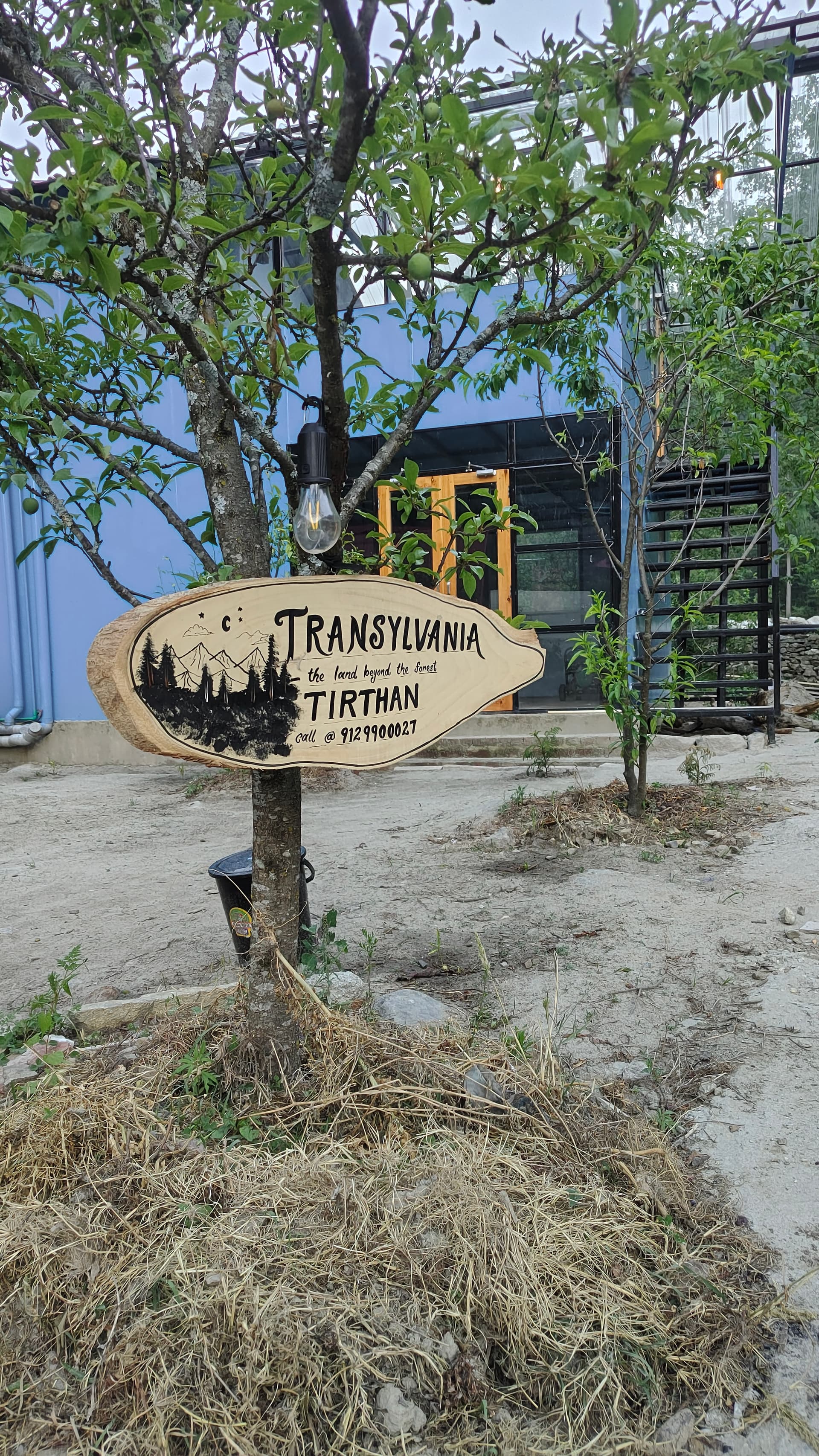
Transylvania - The Land Beyond The Forest
JC8W+99 Chippni, Himachal Pradesh, India
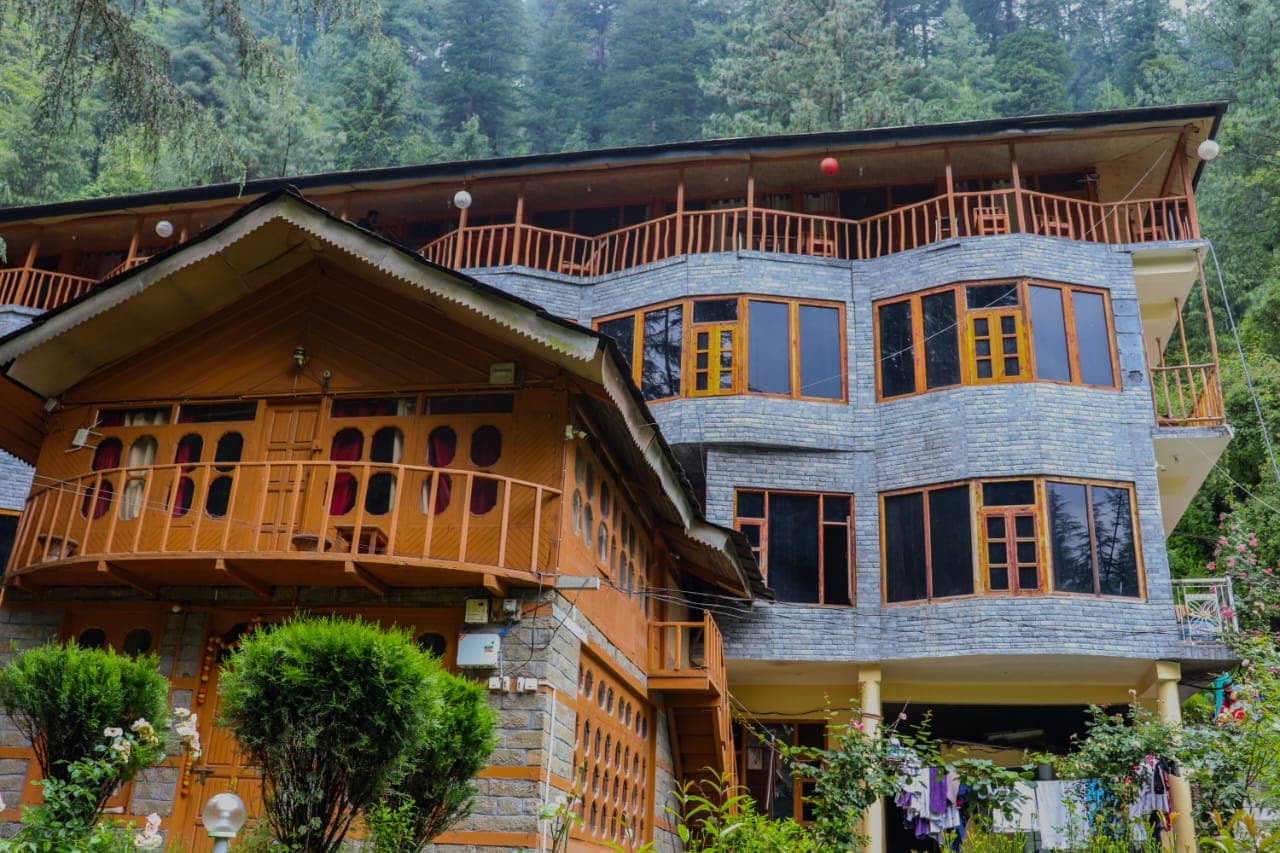
Lato the hut & Chauhan Palace
Lato the hut Chauhan Palace H9Q2+38 Tandi, Himachal Pradesh, India
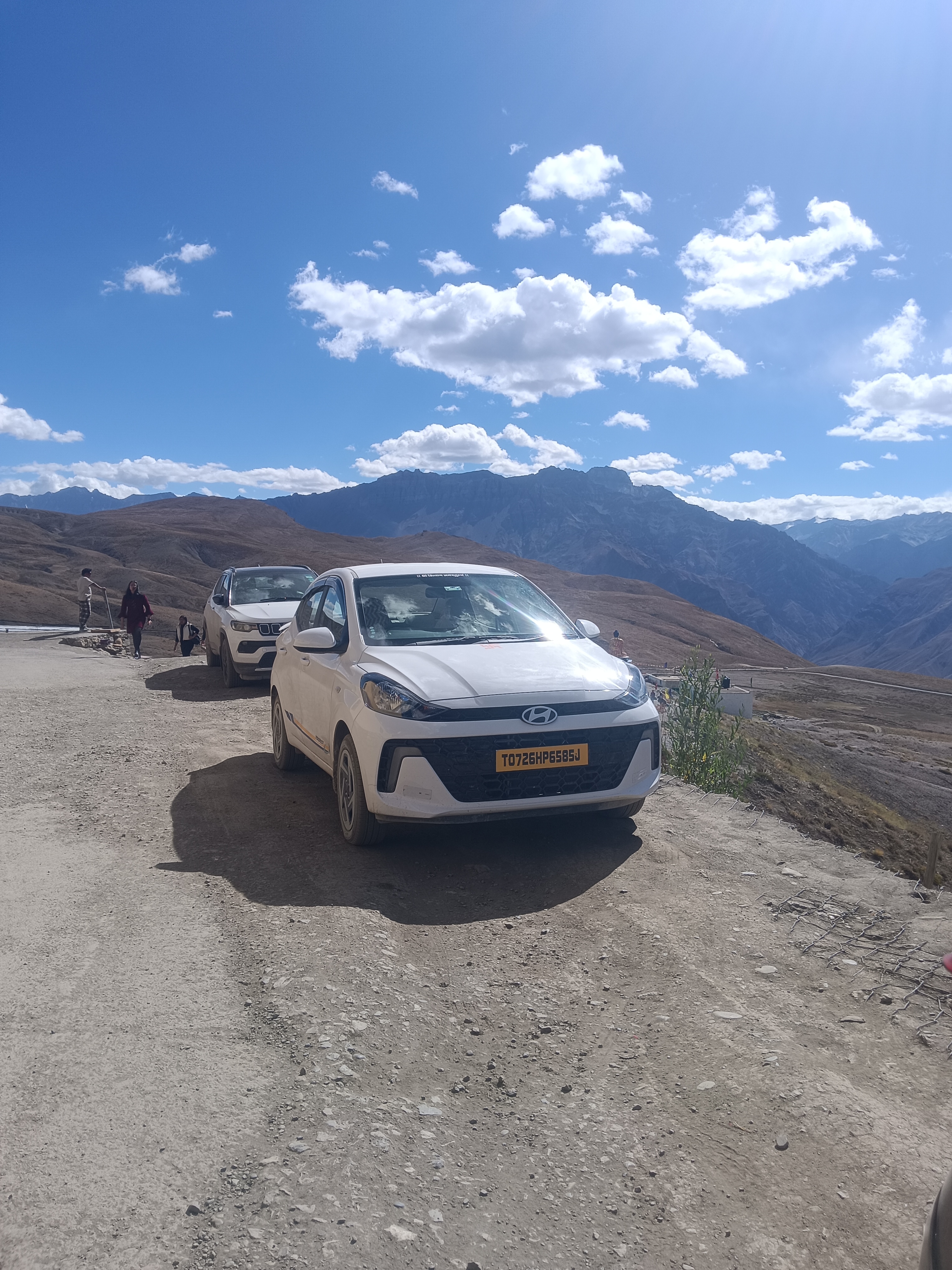
The Pnorma stays
756X+G2 Bashisht, Himachal Pradesh, India

Ajju Trip Tour Traveller
Dehradun Uttarakhand

Devdar Tour & Travels
Yamuna colony kishan Nagar chowk