India’s local-first travel ecosystem — book local operators direct, zero commission

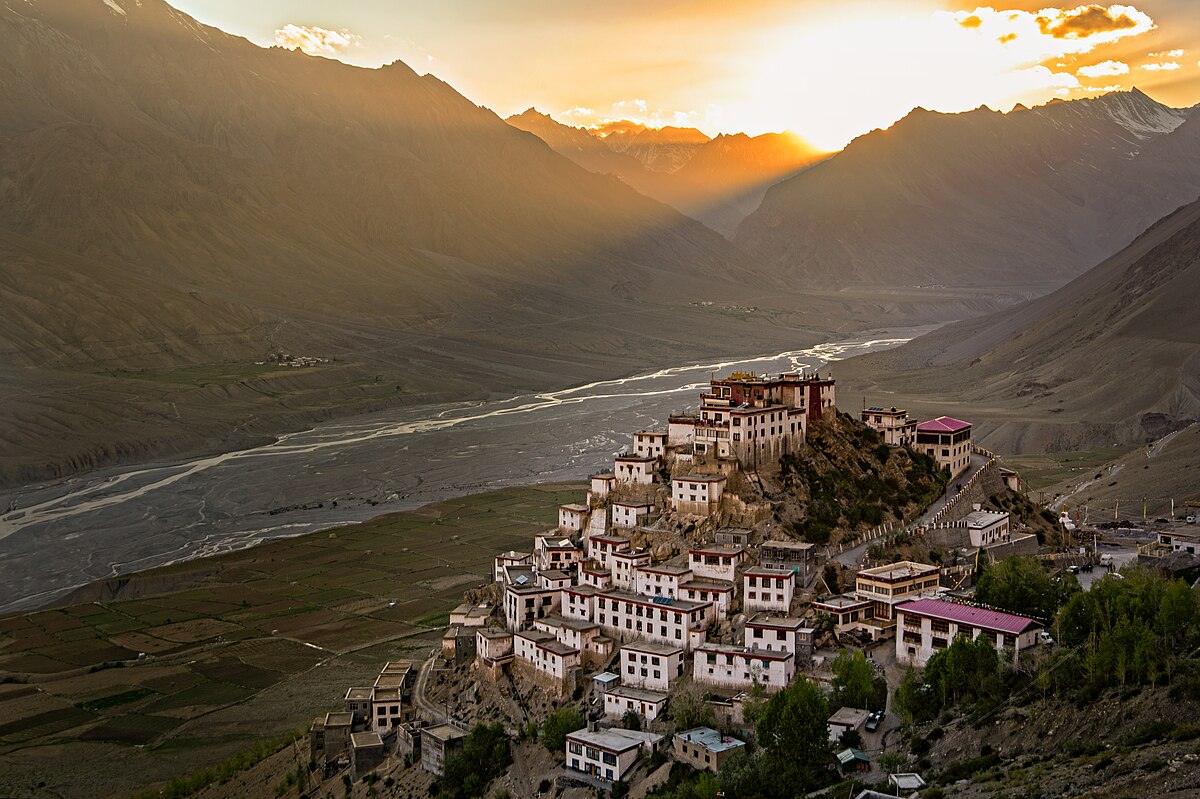
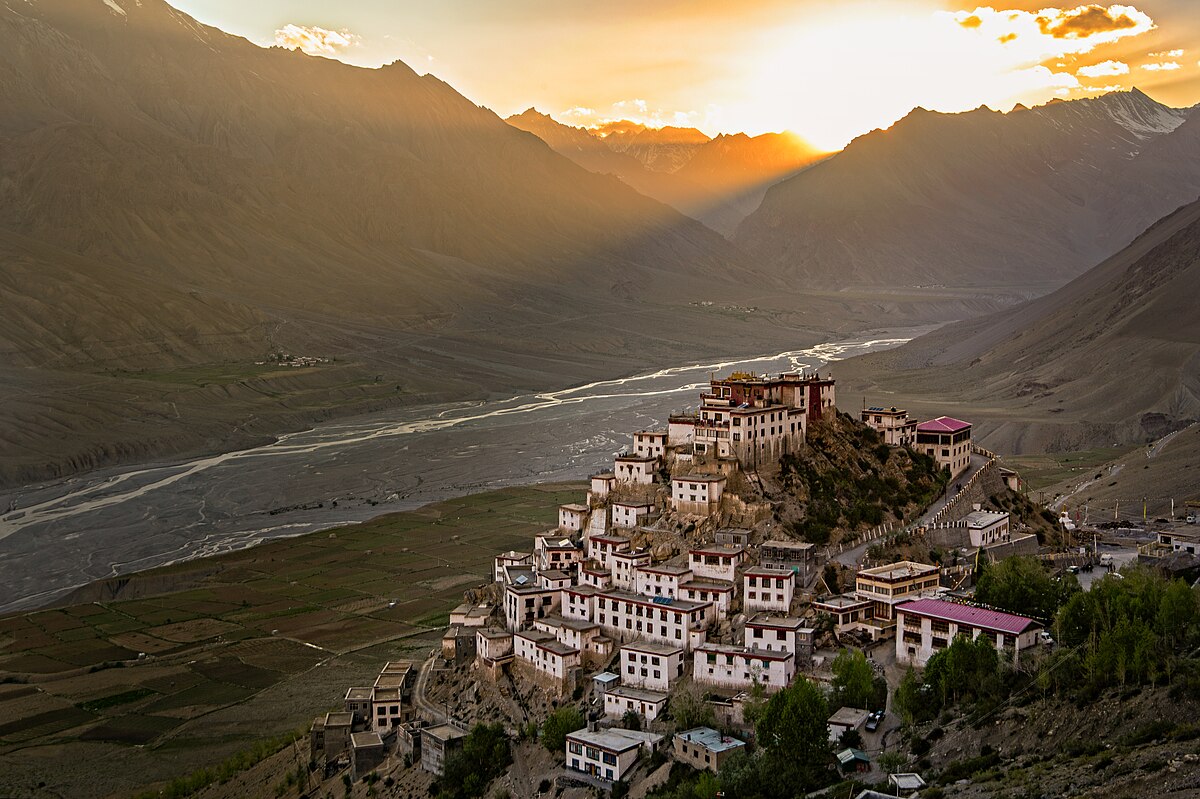
Himachal Pradesh, a state in northern India, is renowned for its natural beauty, cultural richness, and spiritual significance. Nestled in the western Himalayas, it boasts a diverse landscape of lush valleys, towering peaks, and serene rivers, making it a paradise for nature lovers and spiritual seekers alike.
The state is home to several prominent peaks, including Shitidhar Peak at 6,026 meters (19,439 feet) and Hanuman Tibba at 5,982 meters (19,626 feet). These majestic mountains attract mountaineers and trekkers from around the world. Other notable peaks such as Deo Tibba and Indrasan Peak also offer challenging climbs and stunning vistas.
Himachal Pradesh is renowned for its trekking routes, catering to various levels of adventurers. The **Hampta Pass Trek**, for instance, offers a journey through lush green valleys, dense forests, and barren landscapes, culminating at the Hampta Pass at 4,270 meters (14,010 feet). The **Triund Trek**, starting from McLeod Ganj near Dharamshala, is popular for its accessible routes and breathtaking views of the Dhauladhar Range and Kangra Valley. For a more challenging adventure, the **Pin Parvati Pass Trek** connects the Parvati Valley with the Pin Valley, crossing the Pin Parvati Pass at 5,319 meters (17,450 feet), while the **Stok Kangri Trek** in Ladakh takes trekkers to the summit of Stok Kangri at 6,153 meters (20,187 feet).
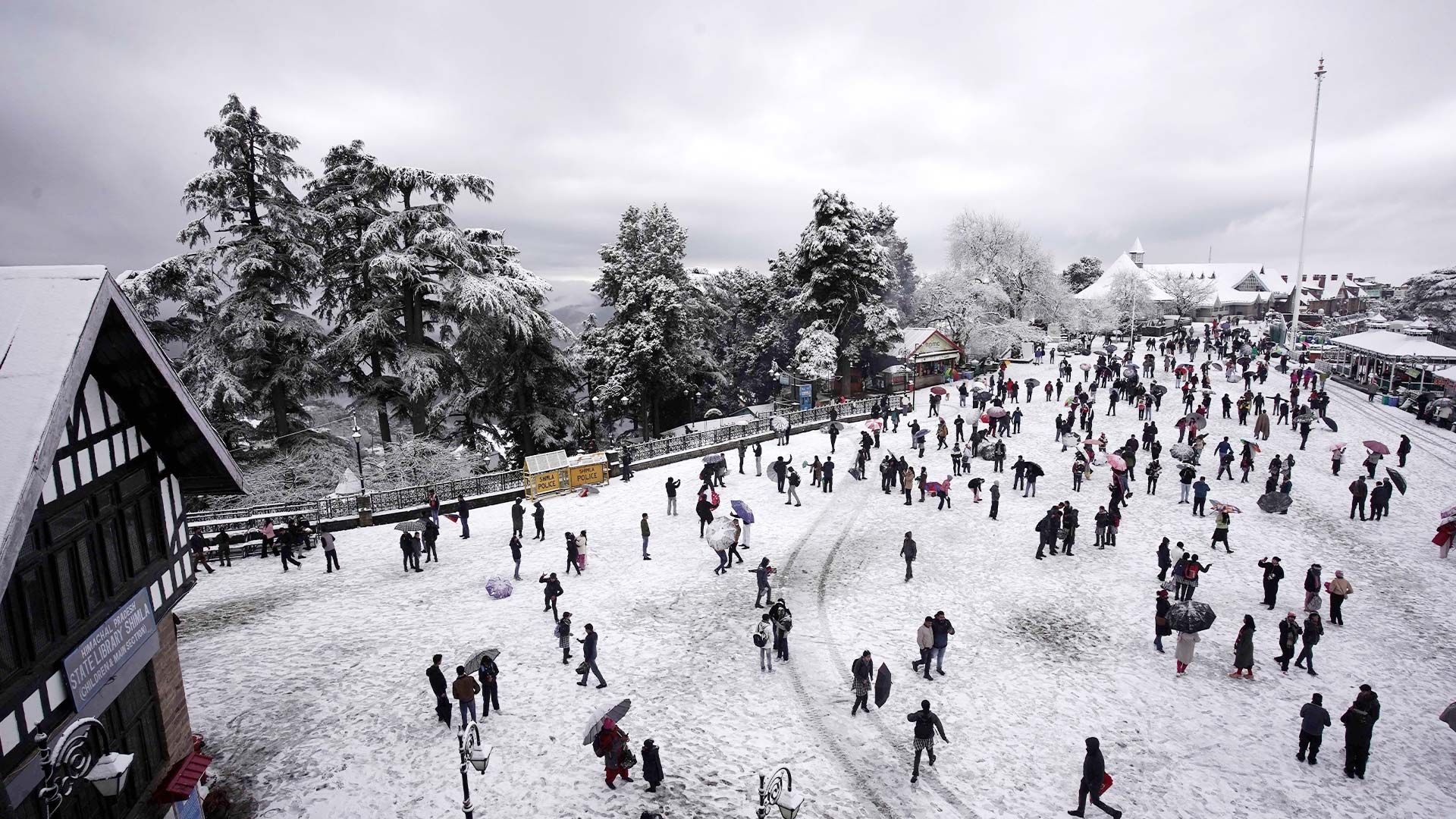
Shimla, the state capital, is known for its colonial charm and scenic beauty. Once a summer retreat for the British, it retains historical buildings such as the Viceregal Lodge and Christ Church. The Mall Road and Ridge area are popular with tourists, offering shops, restaurants, and street vendors. Shimla’s climate ranges from mild in summer to cold and snowy in winter, making it a year-round destination.
Manali, located in the Kullu Valley, is famous for its adventure sports and vibrant atmosphere. The nearby Solang Valley is known for skiing and paragliding, while the Rohtang Pass offers stunning snow-capped views in summer. Manali serves as a base for exploring scenic spots and trekking routes, attracting outdoor enthusiasts.
Dharamshala, situated in the Kangra Valley, is significant for its Tibetan cultural influence. It is home to the Tibetan government-in-exile and the Dalai Lama. McLeod Ganj, a suburb of Dharamshala, is renowned for its Tibetan monasteries, traditional markets, and spiritual ambiance. The Namgyal Monastery, an important Tibetan Buddhist site, and local Tibetan cuisine provide a unique experience.
Kullu offers a tranquil experience with its apple orchards and picturesque landscapes. The town acts as a gateway to surrounding areas and features traditional festivals and fairs that highlight local customs and crafts.
The natural beauty of Himachal Pradesh extends to its rivers and wildlife sanctuaries. The Beas, Chenab, and Ravi rivers flow through the state, adding to its scenic charm. The Great Himalayan National Park, a UNESCO World Heritage Site, is known for its diverse flora and fauna, including endangered species like the Himalayan tahr and snow leopard. The park’s rugged terrain and varied ecosystems make it ideal for wildlife enthusiasts and trekkers. Similarly, the Pin Valley National Park, located in the remote Spiti Valley, features a high-altitude desert environment and rare wildlife such as the ibex and blue sheep.
Himachal Pradesh is also known for its devotional places, which draw visitors seeking spiritual solace and cultural enrichment. **Vaishno Devi Temple** in Kullu is a prominent pilgrimage site dedicated to Goddess Vaishno Devi, attracting devotees from across the country. **Jwala Ji Temple**, located in the Kangra Valley, is famous for its eternal flames that burn without any visible fuel, believed to be the manifestation of the goddess Jwala Ji.
The **Baba Barbhag Singh Temple** in Chamba is another revered site, dedicated to Baba Barbhag Singh, a local deity known for his miraculous powers. **Chintpurni Temple**, also in the Kangra Valley, is dedicated to Goddess Chintpurni and is a significant pilgrimage destination.
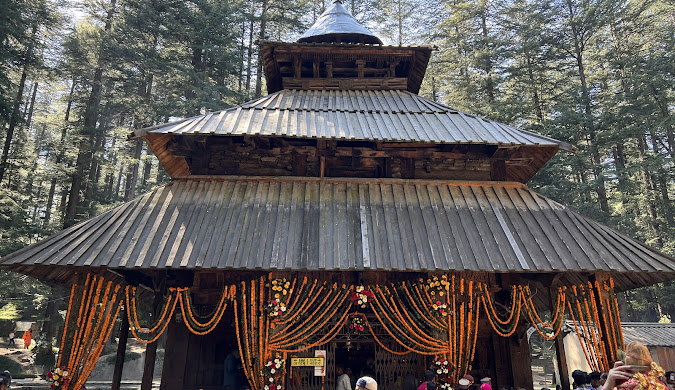
The **Hadimba Devi Temple** in Manali, dedicated to Goddess Hadimba, is famous for its unique architecture and tranquil setting amidst cedar forests. The **Tirupati Balaji Temple** in Bilaspur is a notable temple modeled after the famous Tirumala Venkateswara Temple in Andhra Pradesh, attracting devotees who seek blessings from Lord Venkateswara.
Culturally, Himachal Pradesh is rich with traditions and festivals. The Kullu Dussehra, celebrated in Kullu, is famous for its grand processions and the gathering of deities from nearby villages. The Shimla Summer Festival showcases local music, dance, and crafts, attracting visitors from across India and beyond.
The state’s cuisine reflects its diverse landscape and agricultural practices. Traditional dishes like Chana Madra (a chickpea curry with yogurt and spices) and Siddu (a type of steamed bread) use locally grown ingredients and provide warmth during the cold mountain winters.
Overall, Himachal Pradesh offers a harmonious blend of natural beauty, cultural richness, and spiritual significance. Whether you’re drawn to its majestic mountains, adventurous treks, serene rivers, or devotional sites, Himachal Pradesh provides a wealth of experiences that make every visit memorable and fulfilling.
Quick view
🏙️ Capital:
Shimla (Summer Capital) – Known for colonial charm, toy train, Mall Road, Ridge, and Jakhu Temple.
Dharamshala (Winter Capital) – Famous for Tibetan culture, the Dalai Lama’s residence, and the scenic cricket stadium.
🗻 Average Elevation:
Hilly terrain – Ranges from 350 meters to 6,816 meters.
Highest Peak:
Reo Purgyil (also known as Silver Peak) – 6,816 meters (approx. 22,000+ ft)
📍 Key Regions:
- Kangra – Dharamshala, Palampur, temples, tea gardens
- Kinnaur – Gateway to Spiti, Kalpa, Reckong Peo
- Lahaul-Spiti – Chandratal, Key Monastery, cold desert charm
- Mandi & Kullu – Tirthan Valley, lakes, sacred temples
- Shimla & Solan – Colonial hill towns, tourist hubs
- Chamba – Khajjiar (Mini Switzerland), Bharmour, ancient temples
🌄 Top Tourist Attractions:
- Manali – Solang Valley, Rohtang Pass, Hidimba Temple
- Shimla – Toy train, Kufri, Mall Road
- Dharamshala & McLeod Ganj – Tibetan culture, Bhagsu Waterfall
- Spiti Valley – Key Monastery, Dhankar, Chandratal Lake
- Dalhousie & Khajjiar – Deodar forests, meadow trails
- Tirthan Valley – Trout fishing, peaceful natural surroundings
- Kasol & Tosh – Backpacker’s paradise in Parvati Valley
- Chamba – Chamunda Temple, Ravi river landscapes
- Prashar Lake – Floating island, spiritual serenity
- Jibhi – Hidden gem near Jalori Pass and Serolsar Lake
📅 Formation:
25 January 1971 – Became the 18th state of India. Formed by merging hilly regions from Punjab and Himachal Union Territory.
🏰 Historical Significance:
- Ancient princely states – Mandi, Chamba, Bushahr
- Strong Buddhist influence in Lahaul-Spiti
- Former trade routes to China and Tibet through snowy passes
🎭 Culture:
- Folk Dances: Nati, Kulluvi Nati, Lahauli Dance
- Major Festivals: Kinnaur’s Phagli, Minjar Fair in Chamba, Kullu Dussehra
- Musical Instruments: Ransingha, Kangri Dhol, Been Baja
- Tibetan influence in areas like Spiti and Dharamshala
🗣️ Language:
- Official: Hindi
- Other Spoken Languages: Pahari, Mandeali, Kullvi, Kinnauri, Lahauli, Tibetan
🍲 Food & Cuisine:
- Dham – Traditional festive platter
- Sidu (steamed bread), Madra, Meetha
- Bhaturu, Churpe, and Tibetan dishes in Spiti
- Apples and honey from Kinnaur
- Trout fish in Kullu
- Tibetan Momos & Thukpa – especially in Dharamshala and Spiti
🌿 Geography:
- Himalayan mountain ranges, snow valleys, deep river gorges
- Major Rivers: Beas, Ravi, Satluj, Chenab
- Famous Lakes: Renuka, Karsoog, Kamrunag, Chandratal, Rewalsar
- High Passes: Rohtang, Kunzum, Baralacha La
🐆 Wildlife & National Parks:
- Great Himalayan National Park (UNESCO site) – Himalayan Thar, snow leopard
- Pin Valley National Park – Cold desert wildlife
- Renuka Lake – Migratory bird sanctuary
- Kufri Zoo – Monal, Himalayan bears, snow leopards
- Simbalwara Wildlife Sanctuary – Rich Western Himalayan ecosystem
🎢 Adventure Activities:
- Trekking – Hampta Pass, Bada Bhangal, Pin Parvati, Triund
- Skiing – Solang Valley, Narkanda
- Camping – Kasol, Tirthan, Khajjiar
- River Rafting – Kullu, Tirthan, Ravi
- Biking – Spiti, Kinnaur, Rohtang route
- Paragliding – Bir Billing (World-famous location)
🕌 Spiritual Destinations:
- Temples: Jwala Ji, Chintpurni, Naina Devi, Baijnath
- Bhimakali Temple (Sarahan)
- Buddhist Monasteries: Key, Dhankar, Tabo in Spiti
- Manu Temple in Manali
- Taradevi & Sankat Mochan Temples in Shimla
🛍️ What to Buy:
- Woollen clothes, Kullu shawls, Chamba rumals
- Enamel miniatures, Chamba paintings
- Tibetan jewelry, wooden handicrafts
- Apples, apricots, cherries, pine souvenirs
- Honey, herbal soaps, and essential oils
📸 Photography Tips:
- Morning mist in Khajjiar’s meadows
- Sunset at Key Monastery and reflection in Chandratal
- Wide-angle snow shots at Rohtang Pass
- Snow-covered toy train tracks in Shimla
- Himalayan shadow play over Kinnaur’s orchards
🧭 Best Time to Visit:
- March to June – Pleasant weather, ideal for hill station tours
- September to November – Best for treks, festivals, and clear views
- December to February – Snowfall, skiing, and winter charm
- July–August – Avoid due to heavy monsoons and landslides
Key Attraction
🕌 Spiritual Attractions
- Jwala Ji Temple (Kangra) – One of the Shakti Peeths where eternal flames emerge from rock.
- Chintpurni Temple (Una) – Revered shrine of Goddess Chhinnamastika, popular for wish fulfillment.
- Baijnath Temple (Kangra) – Ancient temple dedicated to Lord Shiva, known for intricate carvings.
- Naina Devi Temple (Bilaspur) – Located on a hilltop, it offers panoramic views and deep mythological significance.
- Bhimakali Temple (Sarahan) – Unique architecture blending Hindu and Buddhist styles.
- Manu Temple (Manali) – Said to be the only temple dedicated to Sage Manu.
- Hadimba Temple (Manali) – Wood-carved temple amidst cedar forests, dedicated to Hidimba Devi.
- Sankat Mochan & Tara Devi Temples (Shimla) – Serene spiritual sites with beautiful city views.
- Key Monastery (Spiti) – Iconic Tibetan monastery perched on a hill.
- Tabo & Dhankar Monasteries (Spiti) – Among the oldest Buddhist monasteries in India.
🥾 Trekking Destinations
- Hampta Pass Trek (Manali to Spiti) – Crossover trek offering lush valleys and barren Spiti views.
- Pin Parvati Trek (Kullu to Spiti) – High-altitude adventurous trek across wild terrains.
- Triund Trek (Dharamshala) – Short, easy hike with stunning views of Dhauladhar range.
- Bhrigu Lake Trek (near Manali) – Alpine lake trek offering snow even in summer months.
- Kheerganga Trek (Parvati Valley) – Popular trek to natural hot springs and mountain views.
- Prashar Lake Trek (Mandi) – Ideal winter/summer trek to a sacred lake with a floating island.
- Chandrakhani Pass (Kullu) – Scenic and offbeat trek passing through magical meadows.
- Deo Tibba Base Camp (Manali) – Moderate-difficult trek offering glaciers and alpine scenery.
- Beas Kund Trek (Solang Valley) – Short high-altitude trek to the origin of River Beas.
🎢 Adventure Activities
- Paragliding in Bir Billing – World-famous spot with stunning aerial views.
- River Rafting (Kullu, Tirthan, Ravi) – Thrilling white water experience through Himalayan rivers.
- Skiing (Solang Valley & Narkanda) – Popular snow destinations during winter months.
- Camping (Kasol, Tirthan, Khajjiar) – Serene riverside and meadow camping experiences.
- Mountain Biking (Spiti & Kinnaur) – Cross rugged terrains and high-altitude passes.
- Zorbing, Ropeway & Ziplining (Solang & Kufri) – Family-friendly adventure sports.
- Snowboarding (Solang, Rohtang) – Ideal for winter sports lovers.
🏔️ Nature & Lakes
- Chandratal Lake (Spiti) – Crescent-shaped, crystal-clear lake in a high-altitude desert.
- Prashar Lake (Mandi) – Sacred lake with a floating island and temple.
- Renuka Lake (Sirmaur) – Largest lake in Himachal, dedicated to Goddess Renuka.
- Serolsar Lake (Jibhi) – Beautiful hidden lake surrounded by dense forests.
- Rewalsar Lake (Mandi) – Sacred to Hindus, Sikhs, and Buddhists.
- Kareri Lake (Dharamshala) – Glacier lake trek amidst meadows and pine forests.
- Khajjiar Meadows – Often called ‘Mini Switzerland’, famous for its lush beauty and lake.
- Tirthan Valley – Tranquil valley with gushing rivers and rich biodiversity.
- Great Himalayan National Park (Kullu) – UNESCO World Heritage Site with unique flora & fauna.
- Pin Valley National Park (Spiti) – Cold desert sanctuary with rare species like the snow leopard.
🏘️ Hill Stations & Popular Towns
- Shimla – Colonial charm, Mall Road, toy train, Jakhu Temple.
- Manali – Gateway to snow, Rohtang Pass, Solang Valley, Hidimba Temple.
- Dharamshala/McLeod Ganj – Tibetan vibes, Bhagsu Falls, Dalai Lama’s residence.
- Dalhousie – Pine-scented serenity, colonial-era charm.
- Kasauli – Quiet retreat with colonial architecture and nature trails.
- Chail – Home to the world’s highest cricket ground, peaceful pine forests.
- Palampur – Tea gardens and picturesque mountain views.
- Narkanda – Skiing destination with apple orchards and Hatu Peak.
- Kinnaur (Kalpa, Reckong Peo) – Apple orchards, view of Kinnaur Kailash.
- Solan – Mushroom city with monasteries and brewery.
🌄 Hidden Gems & Offbeat Places
- Jibhi (Tirthan Valley) – Quaint hamlet with forest walks and homestays.
- Barot Valley – Peaceful village ideal for trout fishing and eco-tourism.
- Shoja (near Jalori Pass) – Lesser-known spot with pristine nature.
- Bharmour (Chamba) – Ancient temples and base for Manimahesh trek.
- Malana (Parvati Valley) – Mysterious village known for its unique customs.
- Tosh & Kalga (Parvati Valley) – Tranquil backpacker destinations.
- Sangla & Chitkul (Kinnaur) – Chitkul is the last village before the Indo-Tibet border.
- Gushaini (Tirthan Valley) – Perfect for birdwatching and peace seekers.
- Thanedar (Narkanda region) – Known for the first apple orchard of India.
- Roghi & Suicide Point (Kalpa) – Cliff-edge point with dramatic Himalayan views.
Culture and Festivals
Himachal Pradesh is a land of rich traditions, vibrant culture, and colorful festivals. Nestled in the lap of the Himalayas 🏔️, the state boasts a unique blend of indigenous customs, folk arts, music, dance, and rituals that reflect the diversity and spirit of its people. The cultural heritage of Himachal is deeply rooted in its rural lifestyle, religion, and close connection with nature 🌿.
Culture of Himachal Pradesh 👘🎶
- Traditional Attire 👚🧣
Men traditionally wear the chola (a long woolen robe), woolen caps 🧢, and pattu shawls. Women wear ghagra (long skirts), cholis (blouses), and colorful woolen shawls, especially in cold weather ❄️. The Kullu cap and Kinnauri shawls are famous worldwide for their unique craftsmanship. - Languages 🗣️
The primary languages spoken are Hindi, Pahari dialects, and Punjabi. Each valley and district often has its own dialect and style of folk songs 🎵. - Folk Music and Dance 💃🥁
Folk music is integral to life in Himachal. Instruments like the Narsingha (horn), Dhol (drum), Shehnai (wind instrument), and Ektara are common. Traditional dances like Nati (folk dance of Kullu) are performed during festivals and celebrations 🎊. - Handicrafts and Artisanship 🧶🖼️
Himachal Pradesh is known for its exquisite handicrafts — woolen shawls, carpets, wooden crafts, metalware, and pottery. The Chamba Rumal (embroidered handkerchief) and Kullu woolens are particularly famous. - Architecture 🏡🛕
Traditional houses are made of wood and stone with sloping roofs designed to withstand heavy snowfall ❄️. Temples exhibit a blend of Hindu and Buddhist architectural styles, often carved out of wood.
Festivals of Himachal Pradesh 🎉🪔
- Kullu Dussehra 🎇👑
Celebrated with grandeur in the Kullu Valley, this 7-10 day festival marks the victory of Lord Raghunath (a form of Lord Rama) over evil. Local deities from surrounding villages are brought in procession, accompanied by folk music and dance. - Lohri and Makar Sankranti 🔥🌾
Marking the end of winter, these harvest festivals are celebrated with bonfires, traditional songs, and dances. - Phagli Festival 🌸🎶
Celebrated mainly in the Shimla and Sirmaur districts, it marks the arrival of spring and is associated with prayers for a good harvest and health. - Minjar Festival 🌾🎉
Held in Chamba, it celebrates the harvest of crops and includes vibrant processions, folk dances, and rituals. - Losar Festival 🕉️🎭
The Tibetan New Year celebrated mainly in the Lahaul-Spiti region with masked dances, prayers, and feasting. - Mandi Shivratri Fair 🕉️🙏
A large religious fair honoring Lord Shiva, attracting thousands of devotees. It includes music, dance, and religious rituals.
Food and Cuisines
Himachal Pradesh offers a rich variety of traditional dishes that reflect its diverse regions, climates, and cultural influences. Each area has its own unique flavors and specialties, often based on locally grown ingredients and age-old recipes.
1. Kangra Valley 🌿🏞️
- Dishes:
- Chha Gosht (Lamb cooked in marinated yogurt and spices) 🥩
- Madra (Chickpeas cooked in yogurt-based gravy) 🍲
- Babru (Himachali version of stuffed kulcha) 🫓
- Specialties: Use of yogurt, mustard oil, and lots of local herbs and spices.
2. Kullu Valley 🏔️🌲
- Dishes:
- Sidu (Steamed bread made from wheat flour, often stuffed with fat or lentils) 🍞
- Tudkiya Bhat (Rice dish cooked with lentils, yogurt, and spices) 🍚
- Trout fish (Freshwater fish, often grilled or fried) 🐟
- Specialties: Use of wheat, barley, and fresh river fish.
3. Lahaul-Spiti Valley ❄️🏜️
- Dishes:
- Thukpa (Tibetan-style noodle soup) 🍜
- Tingmo (Steamed Tibetan bread) 🍞
- Chhurpi (Dried cheese) 🧀
- Gyapa Khazi (Spicy buckwheat dish) 🌾
- Specialties: Tibetan influence with use of buckwheat, barley, and dairy products.
4. Shimla and Surrounding Areas 🏙️🌄
- Dishes:
- Chana Madra (Chickpeas cooked in yogurt gravy) 🍛
- Babru and Patande (Stuffed and plain pancakes) 🥞
- Pahadi chicken (Spicy hill chicken curry) 🍗
- Specialties: Rich yogurt-based dishes and use of spices like cardamom and cinnamon.
5. Chamba Region 🏞️🏰
- Dishes:
- Chha Meat (A meat dish slow-cooked with yogurt and spices) 🍖
- Chutney made with local herbs 🌿
- Sweet dishes like Mittha (sweet rice) 🍚
- Specialties: Rich, hearty meat-based dishes and fresh herbs.
6. Sirmaur and Solan 🌄🌾
- Dishes:
- Dham (A traditional festive meal served in multiple courses including rice, dal, rajma, and sweet dishes) 🍽️
- Khatta (Sour curry made from tamarind) 🍛
- Specialties: Known for elaborate traditional feasts with a variety of vegetarian and non-vegetarian dishes.
7. Una and Hamirpur Areas 🌳🌾
- Dishes:
- Simple vegetarian fare with Rajma (kidney beans), Chole (chickpeas), and Roti 🍛🫓
- Fish curry in some pockets near rivers 🐟
- Specialties: Homely and simple cuisine with focus on pulses and seasonal vegetables.
Common Ingredients Across Himachal 🧄🌿
- Millets and Barley: Used in many breads and porridges.
- Yogurt and Dairy: Integral to most dishes, especially in valleys like Kangra and Kullu.
- Herbs and Spices: Cardamom, cumin, coriander, mustard seeds, and local herbs.
- Meat: Lamb and chicken are common, especially in colder regions.
- Vegetables: Seasonal local vegetables, including greens, potatoes, and radishes.
- Honey and Apples: Particularly from Kinnaur and Shimla regions.
Shopping & Handicrafts
Himachal Pradesh is known for its rich tradition of handicrafts and local products that beautifully represent its culture and heritage. When you visit, you’ll find unique items that make perfect souvenirs and gifts.
1. Woollen Clothes & Shawls 🧣🧥
- Kullu Shawls: Famous for vibrant colors and intricate geometric patterns. Made from fine wool, ideal for cold weather.
- Kinnauri Woollens: Known for bright colors and tribal designs.
- Chamba Woollens: Featuring embroidery and unique stitching styles.
2. Wooden Handicrafts & Carvings 🪵🖼️
- Hand-carved wooden boxes, jewelry cases, and decorative items are common.
- Traditional wooden toys and religious idols, especially from Kangra and Chamba regions.
3. Tibetan Handicrafts & Jewelry 💍🏔️
- Available mostly in Dharamshala, McLeod Ganj, and Spiti Valley.
- Includes colorful prayer flags, thangkas (religious paintings), beads, and silver jewelry.
4. Chamba Rumals & Miniature Paintings 🎨🧵
- Fine embroidered handkerchiefs called Chamba Rumals — often with religious or floral motifs.
- Miniature paintings depicting local legends and scenic beauty.
5. Enamelware & Metal Crafts 🛠️✨
- Enamel jewelry and decorative items, especially in Kullu and Shimla.
- Traditional brass and copper utensils and decor.
6. Natural Products 🍯🍎
- Apples and Apricots: Fresh and dried varieties from Shimla and Kinnaur.
- Honey: Organic, from wildflowers of the Himalayas.
- Herbal Soaps & Oils: Locally made using natural Himalayan herbs and flowers.
7. Woolen Caps & Gloves 🧤🎩
- Hand-knitted woolen caps, gloves, and socks — warm and perfect for cold weather.
Popular Markets for Shopping 🛒🛍️
- Shimla Mall Road: Lots of shops selling woollens, handicrafts, and souvenirs.
- Dharamshala & McLeod Ganj: Tibetan markets with prayer flags, jewelry, and spiritual items.
- Kullu Market: Known for shawls, woollens, and wooden crafts.
- Manali Market: Handicrafts, jewelry, and souvenirs for tourists.
Best Time to Visit
Best Time to Visit Himachal Pradesh 🧭🌄
- March to June 🌸🌞
This is the ideal time to visit for pleasant weather and to enjoy the hill stations in full bloom. The temperatures are comfortable, perfect for sightseeing, trekking, and outdoor activities. - September to November 🍂🍁
The post-monsoon season offers clear skies, cool weather, and vibrant autumn colors. It’s the best time for trekking, festivals, and exploring the natural beauty without the summer crowds. - December to February ❄️⛷️
Winter brings snowfall and a magical atmosphere. Ideal for skiing and winter sports enthusiasts, especially in places like Solang Valley and Narkanda. Be prepared for cold weather. - July to August 🌧️🌧️
Monsoon season. Heavy rains and possible landslides make travel difficult and risky. Not recommended for tourists during this period.
History
Himachal Pradesh has a rich and diverse history shaped by its strategic location in the Himalayas. The region was historically made up of numerous small kingdoms and principalities, each ruled by local dynasties. Some of the most notable princely states were Mandi, Chamba, Bushahr, Kangra, and Sirmaur.
The area saw influences from various empires and cultures, including the Mauryas, Guptas, and later the Mughals. It was also a significant route for ancient trade with Tibet and Central Asia through mountain passes like Rohtang and Kunzum.
Buddhism has played a major role in shaping the cultural and spiritual landscape of Himachal, especially in regions like Lahaul, Spiti, and Dharamshala, which is home to the Tibetan government-in-exile and the Dalai Lama.
In modern times, Himachal Pradesh was formed as a union territory on April 15, 1948, by merging 30 princely states. It gained full statehood on January 25, 1971. Since then, it has developed rapidly, balancing tradition and modernity while preserving its natural and cultural heritage.
Geography
1. Location 📍
Himachal Pradesh is located in the north-western part of India. It shares borders with:
- Jammu & Kashmir and Ladakh to the north
- Tibet (China) to the east
- Uttarakhand to the southeast
- Haryana to the south
- Punjab to the west
2. Area 🏞️
Total area: 55,673 square kilometers
It is one of India’s most mountainous and scenic states.
3. Mountain Ranges 🏔️
There are three major Himalayan zones in Himachal:
- Shivalik Hills (350–1,500 m) – Lower Himalayas with dense forests and warm climate
- Lesser/Middle Himalayas (1,500–4,500 m) – Most towns, agriculture, and tourist hubs fall here
- Greater Himalayas (Above 4,500 m) – Snow-clad peaks and cold deserts (Spiti, Lahaul)
4. Major Rivers 🏞️
Rivers originate from glaciers and flow through the valleys:
- Satluj – Flows through Kinnaur and Shimla
- Beas – Passes through Kullu and Mandi
- Ravi – Flows in Chamba
- Chenab – From Lahaul and Pangi
- Yamuna Tributaries – In Sirmaur region
5. Climate 🌤️❄️
- Summer (Mar–Jun): Cool and pleasant
- Monsoon (Jul–Sep): Heavy rain, risk of landslides
- Winter (Oct–Feb): Freezing cold and snowfall in high altitudes
6. Major Lakes 🏞️
- Chandratal Lake – In Spiti, crescent-shaped glacial lake
- Parashar Lake – Sacred lake in Mandi
- Renuka Lake – Largest lake in Sirmaur
- Kamrunag Lake – Sacred, near Mandi
- Rewalsar Lake – Holy lake with Buddhist, Hindu, and Sikh significance
7. Famous Passes (Mountain Passes) 🏔️
- Rohtang Pass – Connects Kullu to Lahaul
- Kunzum Pass – Links Spiti to Lahaul
- Baralacha La – On Manali-Leh route
8. Forests and Biodiversity 🌳🦌
Over 60% of Himachal is covered in forests with species like deodar, pine, oak, and birch.
Wildlife includes:
- Snow Leopard
- Himalayan Black Bear
- Himalayan Tahr
- Musk Deer
- Monal (State bird)
9. Agriculture & Landscape 🌾🌲
- Fertile valleys: Kullu, Kangra, Sirmaur
- Apple production: Shimla, Kinnaur, Kullu
- Dry desert-like zones: Lahaul-Spiti (Cold Desert)
10. Unique Geographical Features 🌐
- Around 66% of the state is rugged and mountainous
- Kinnaur and Spiti regions remain snow-bound and isolated in winter
- Many glaciers and glacial lakes are crucial for water sources and tourism
Safety Tips & Additional Information
🛡️ Safety Tips for Travelers in Himachal Pradesh
1. 🧥 Pack for Weather Conditions:
- Carry warm clothes even in summer, especially if traveling to higher altitudes (like Spiti, Lahaul, or Rohtang).
- During winter (Dec–Feb), snowfall can block roads—check weather updates in advance.
2. 🧭 Altitude Awareness:
- Regions like Spiti and Kinnaur have high altitudes (above 3,000 m).
- Carry medicines for altitude sickness, stay hydrated, and take it slow when ascending.
3. 🚗 Road Safety:
- Roads are scenic but narrow and winding. Avoid night travel in hilly terrain.
- Hire experienced local drivers, especially for routes like Kunzum Pass or Jalori Pass.
4. 🌧️ Monsoon Alert:
- Avoid trekking and long travel during July–August due to landslides and cloudbursts in areas like Kullu, Chamba, and Kangra.
5. 📵 Network Issues:
- Remote areas like Spiti, Lahaul, and parts of Kinnaur may have poor or no mobile connectivity.
- Inform someone of your travel plan in advance.
6. 🔌 Electricity Supply:
- Power cuts are common in remote villages. Carry power banks and flashlights.
7. 📋 Permits for Restricted Areas:
- Some regions (e.g., border villages in Kinnaur or Spiti) require Inner Line Permits. Carry valid ID proofs.
8. 🐾 Wildlife Safety:
- When trekking or camping, stay with the group and avoid feeding wild animals.
- Do not venture into dense forests without a guide.
9. 💳 Cash & ATMs:
- Carry sufficient cash, especially in places like Jibhi, Tirthan, Chitkul, and Spiti, where ATMs are rare or non-functional.
10. 🚯 Respect Nature:
- Avoid littering. Use dustbins, carry reusable water bottles, and avoid single-use plastic.
ℹ️ Additional Information for Tourists
🔸 Emergency Contacts:
- Police: 100
- Ambulance: 108
- Fire: 101
- Tourist Helpline: 1364 or local tourism centers
🔸 Local Transport:
- HRTC buses run across the state, even in remote areas.
- Shared cabs are available in regions like Manali, Dharamshala, Reckong Peo.
🔸 Travel Insurance:
Highly recommended, especially for trekking, adventure sports, or visiting remote areas.
🔸 Local Laws & Culture:
- Dress modestly near religious sites.
- Respect local customs, especially in tribal belts like Lahaul, Spiti, and Kinnaur.
🔸 Medical Facilities:
- Basic hospitals are available in major towns (Shimla, Mandi, Dharamshala).
- Remote areas have primary health centers, but carry your own medicines if needed.
🔸 Language Barrier:
- Locals understand Hindi and basic English in tourist areas.
- In remote areas, a local guide or translator is helpful.
🔸 Wildlife & Forest Entry:
- Entry to National Parks (like Great Himalayan or Pin Valley) may require permits. Follow rules strictly.
Har Ki Dun trek
Kedarkantha
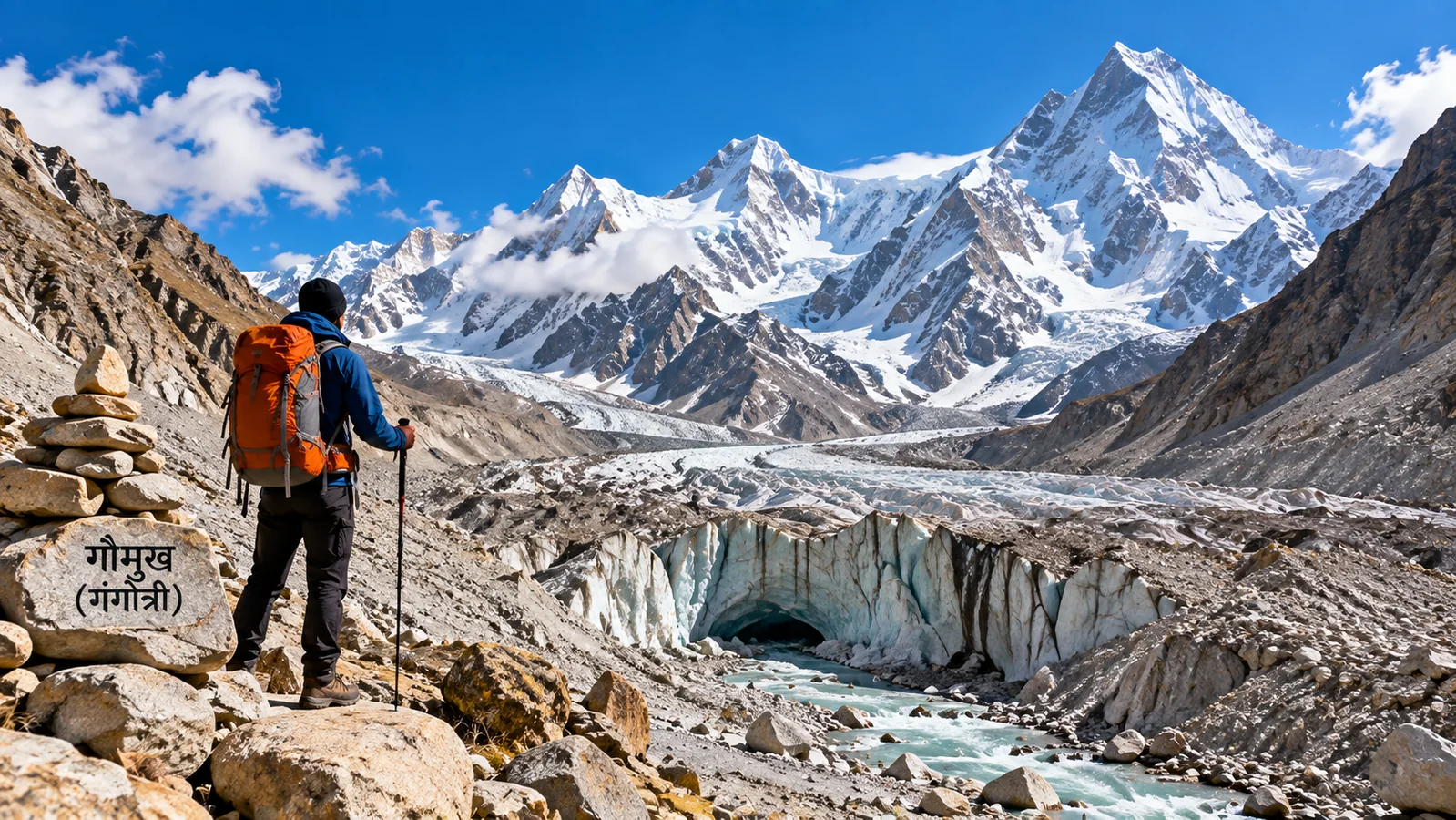
Gaumukh Tapovan Trek
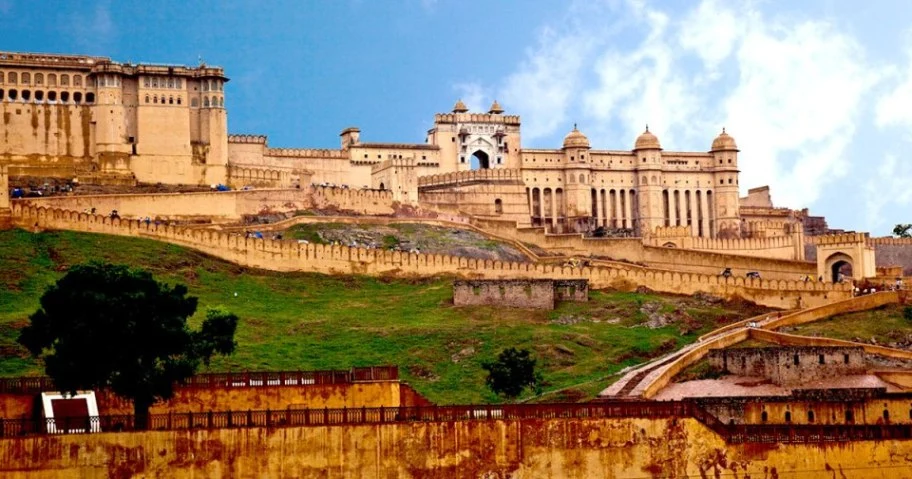
Amber Fort
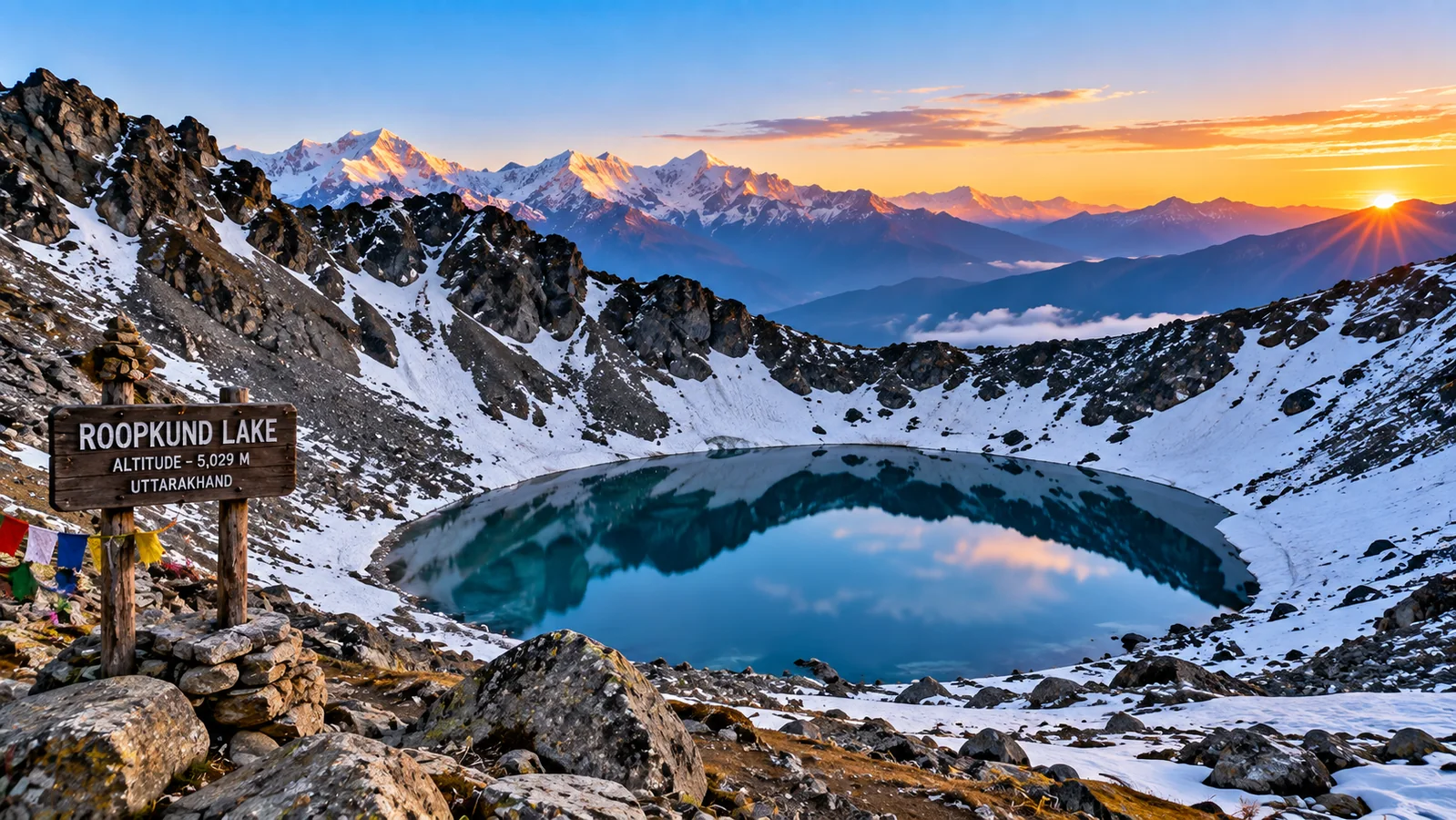
Roopkund Lake Trek
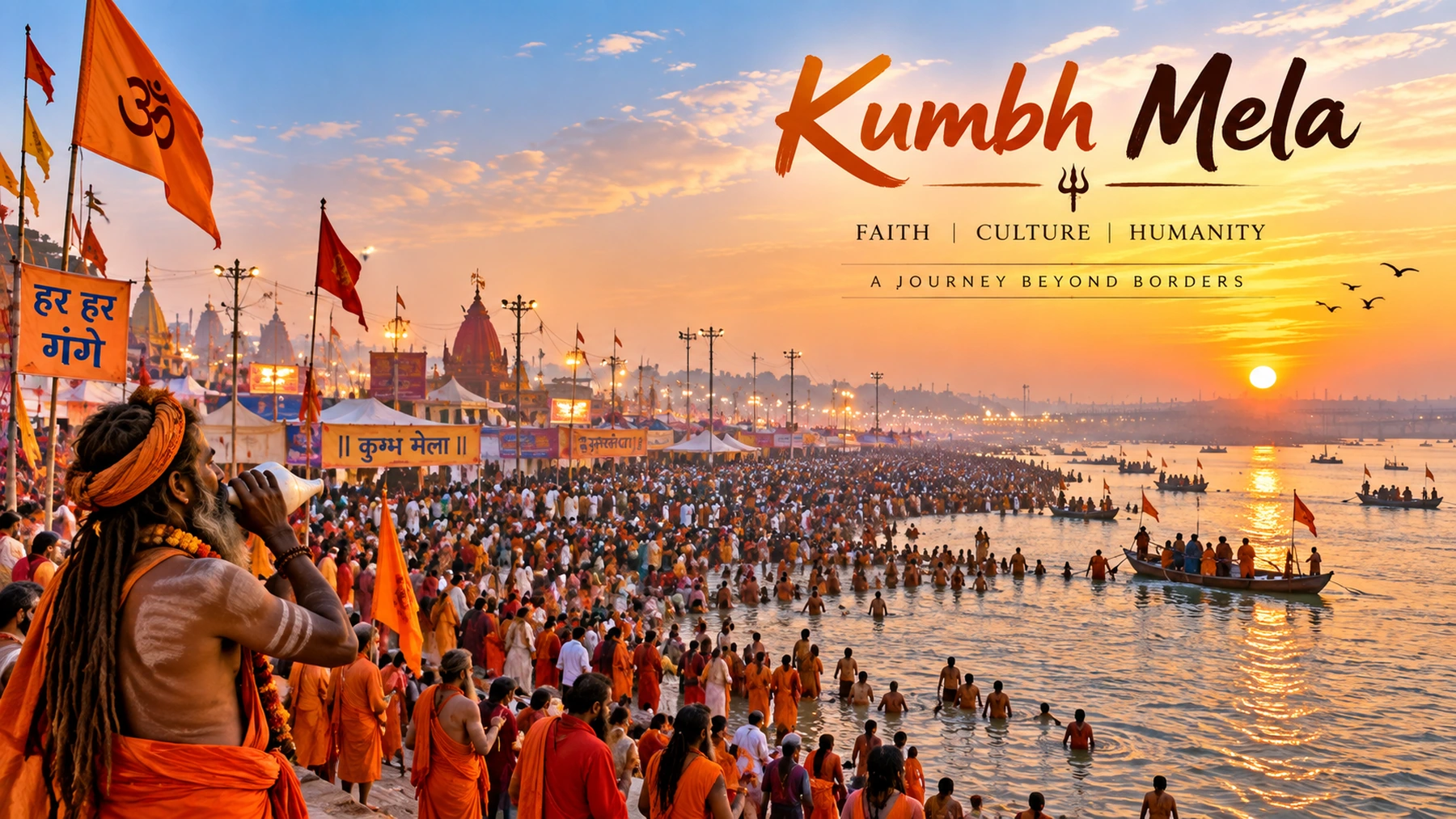
Maha Kumbh 2025
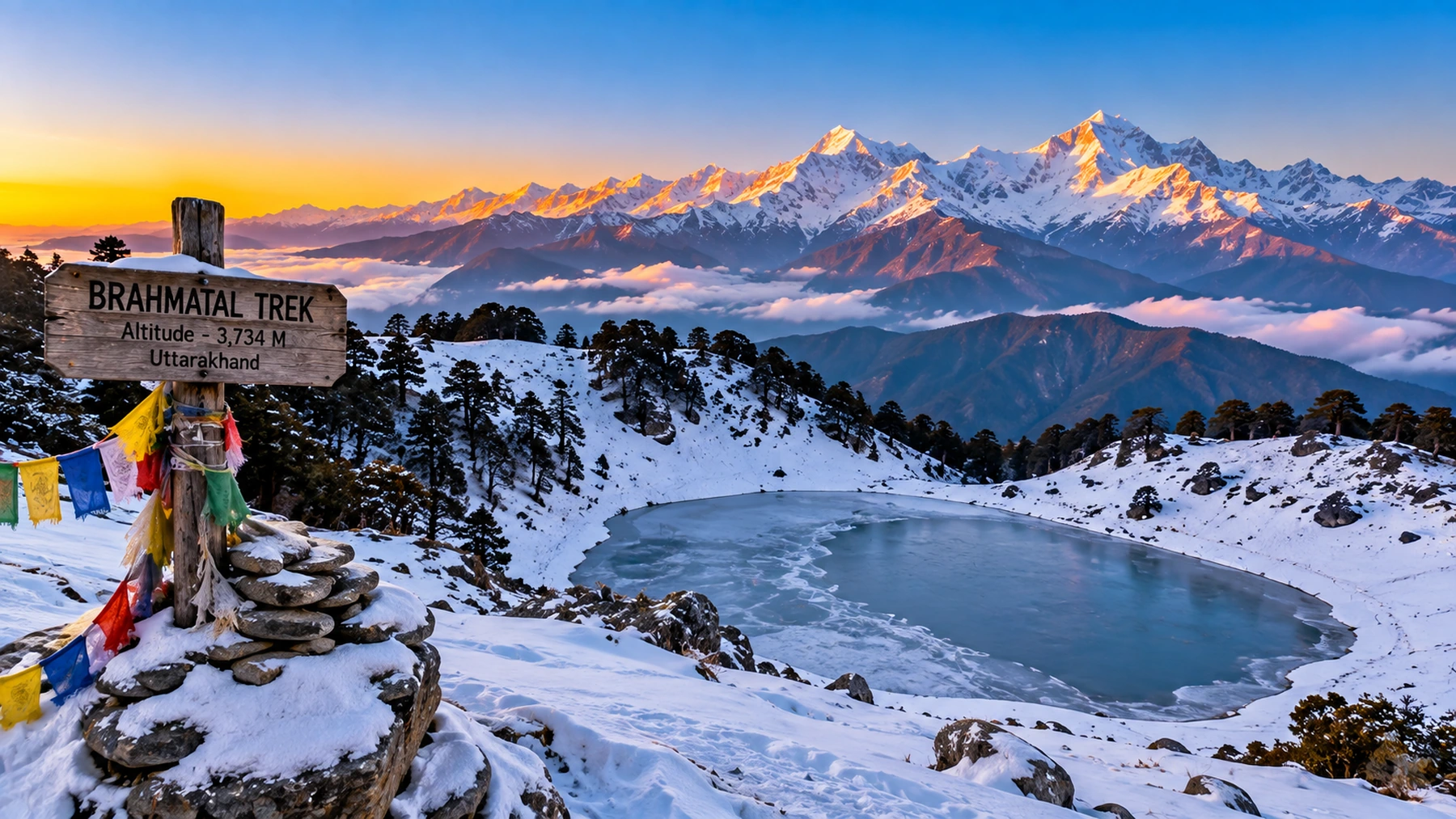
Brahmatal Trek
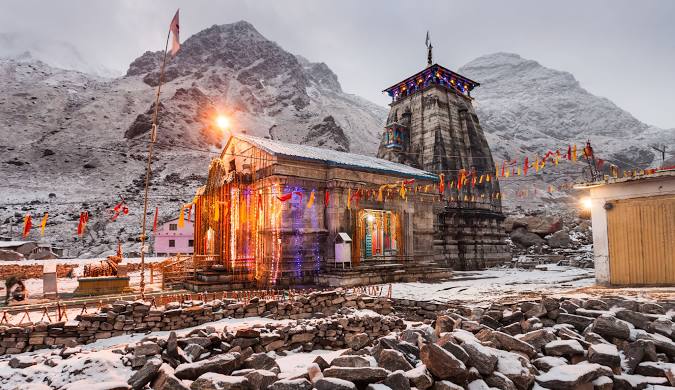
Kedarnath
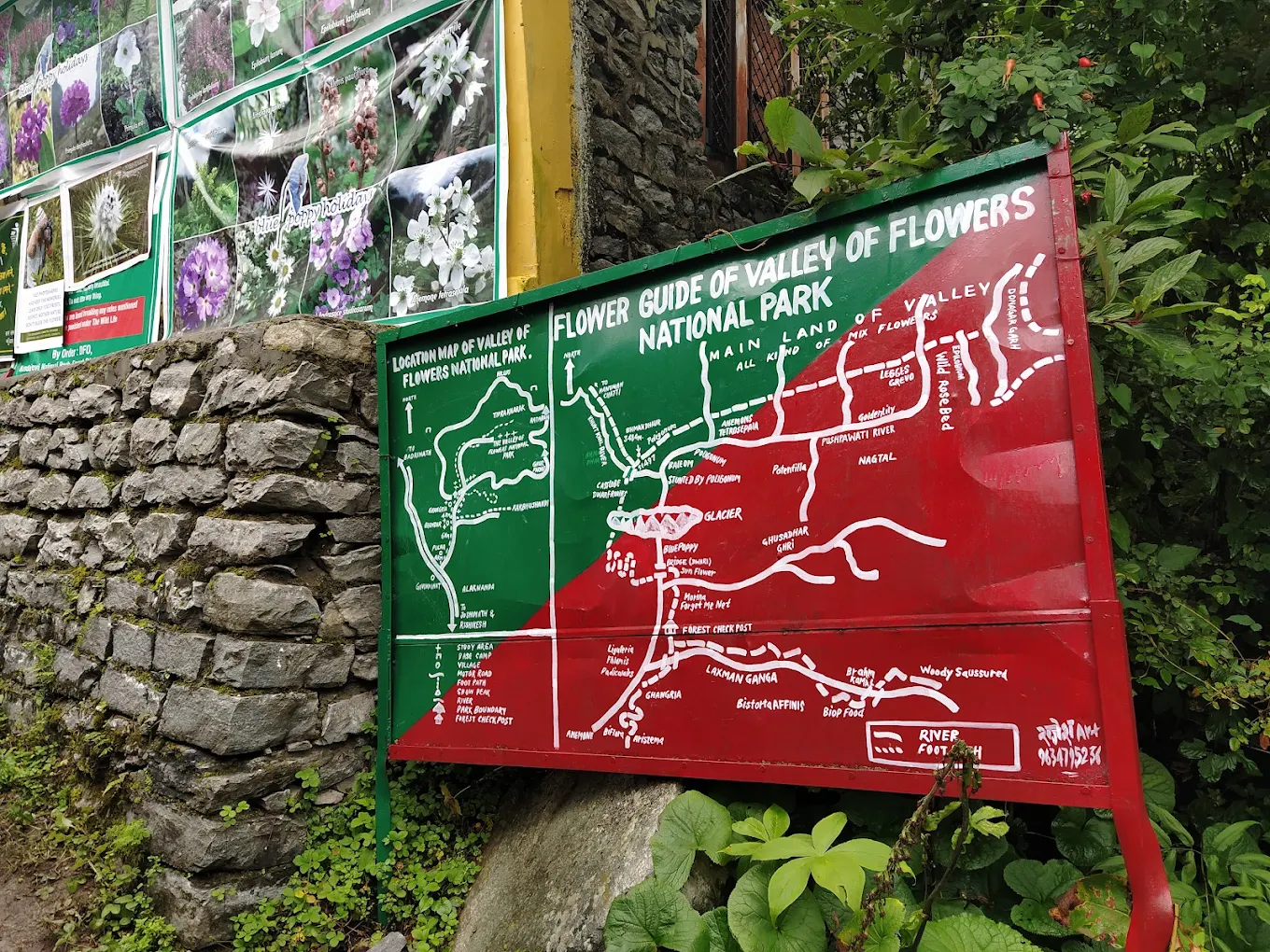
The Valley of Flowers Trek
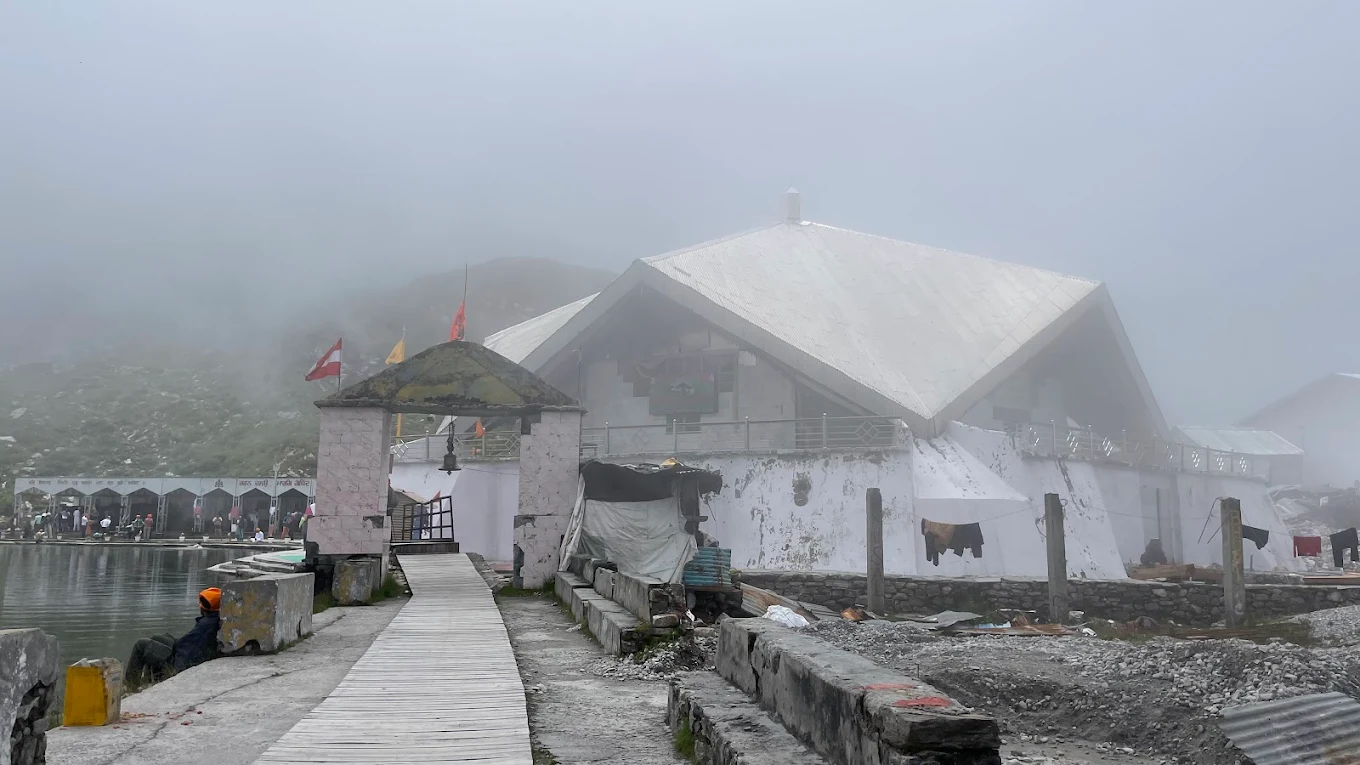
Sri Hemkund Sahib
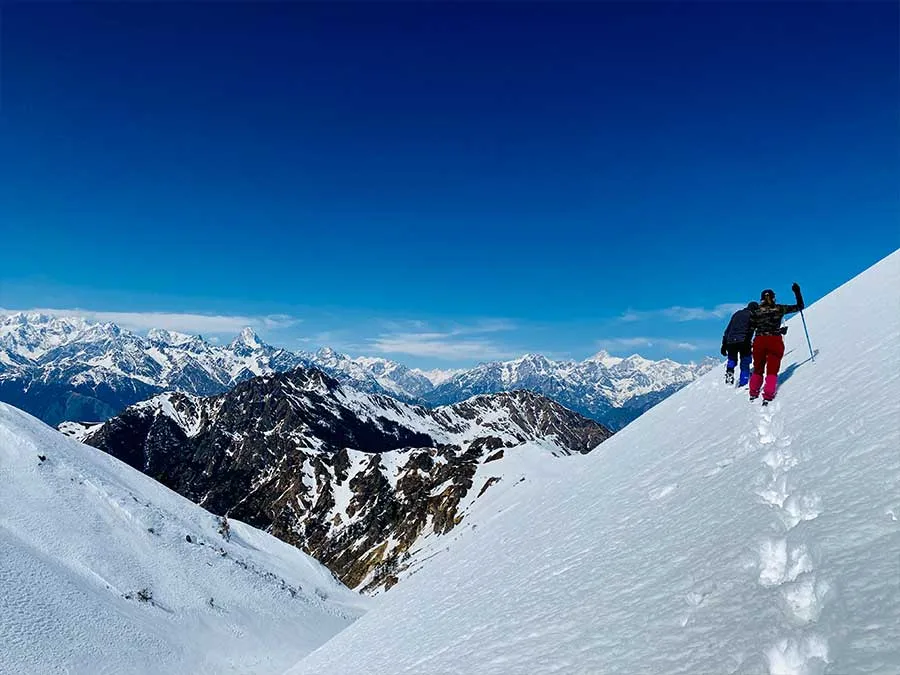
Kuari Pass Trek
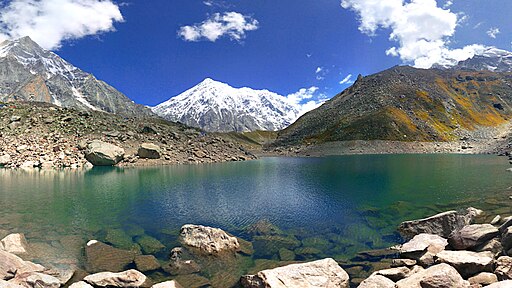
Satopanth Lake Trek
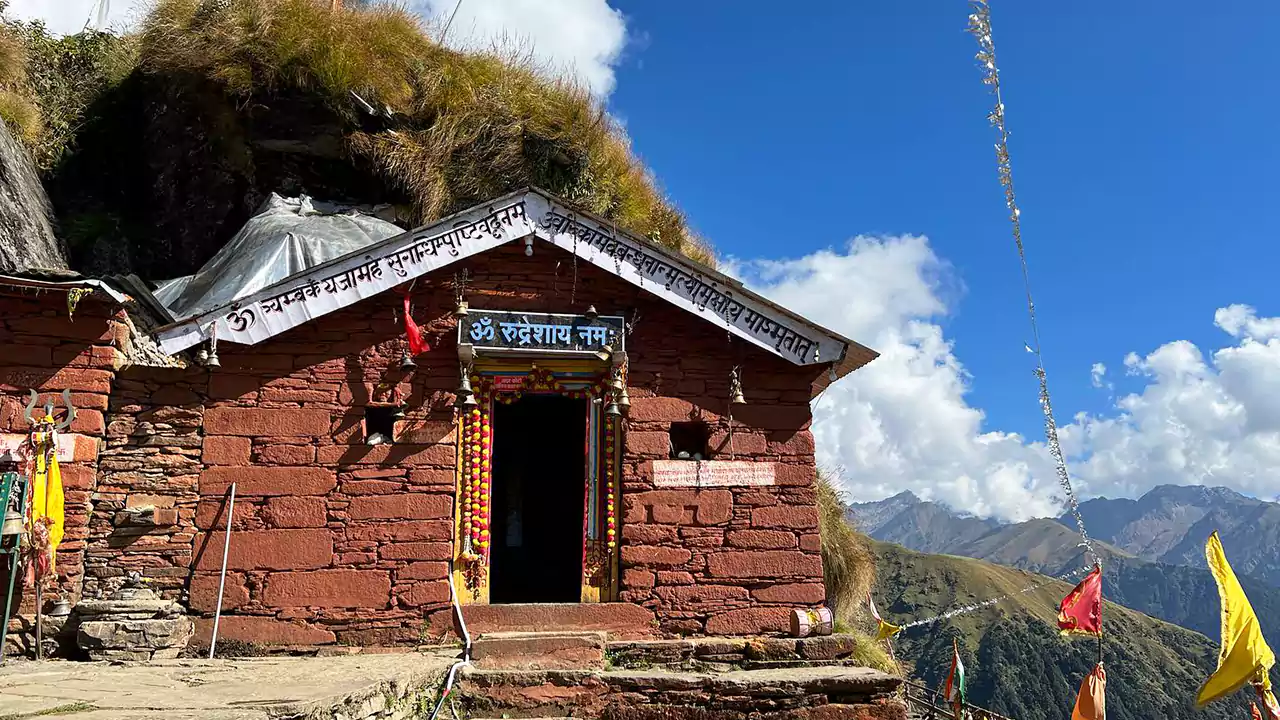
Rudranath
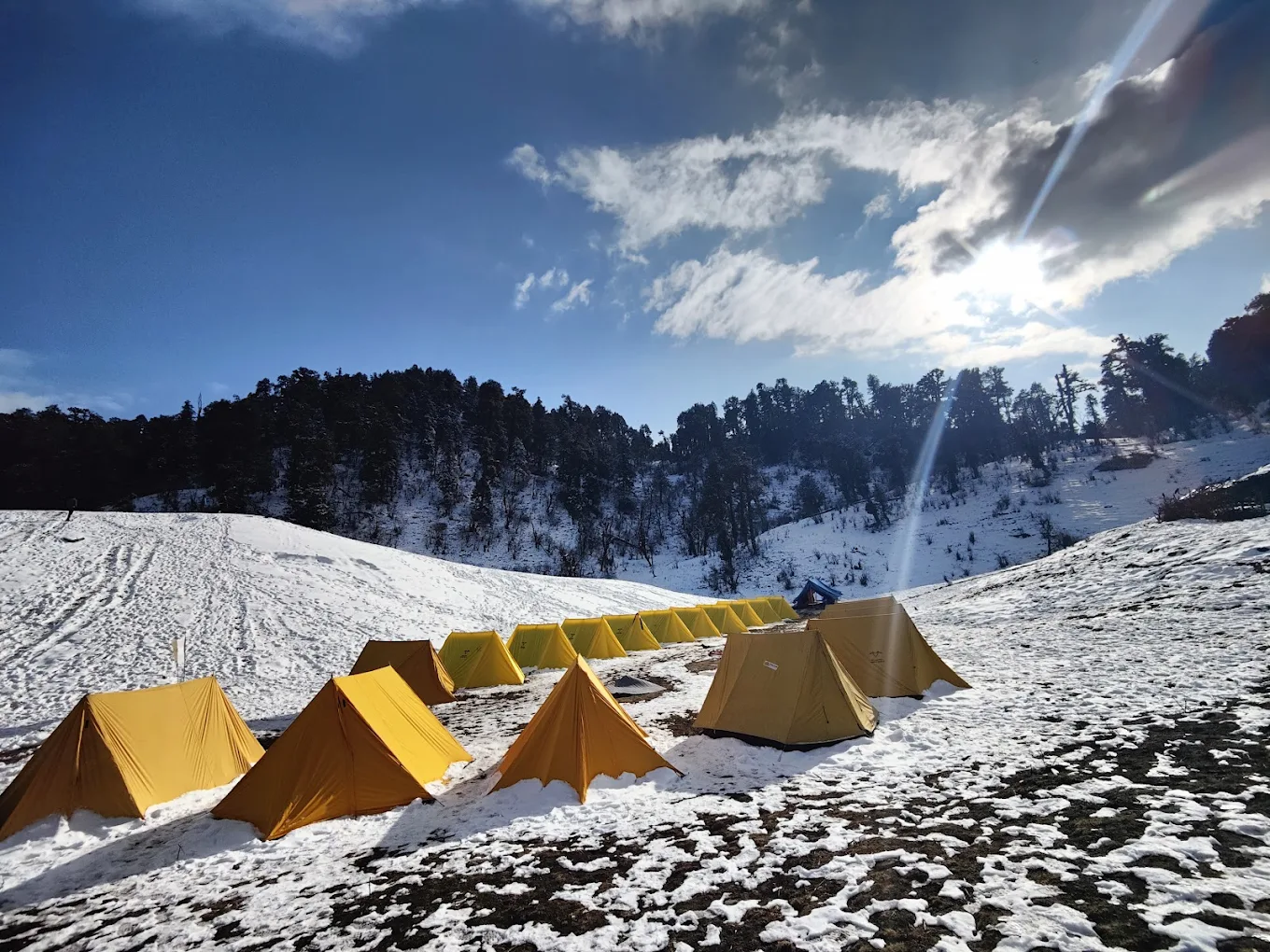
Dayara Bugyal Trek
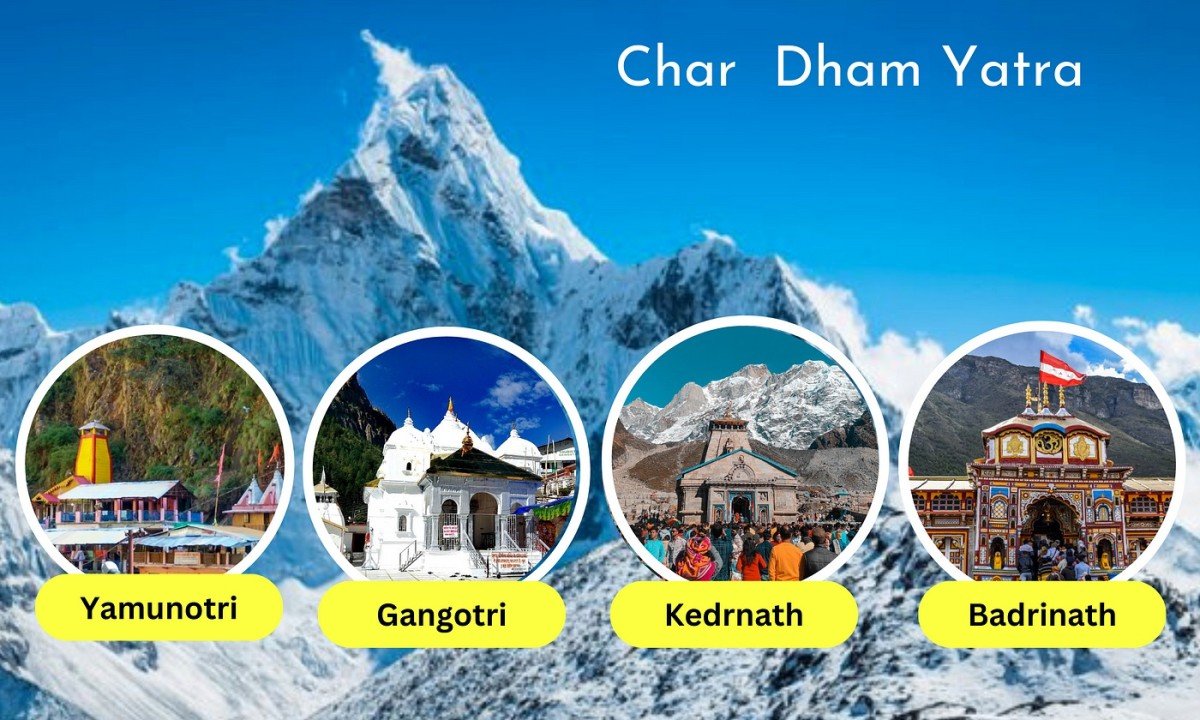
Char Dham Yatra
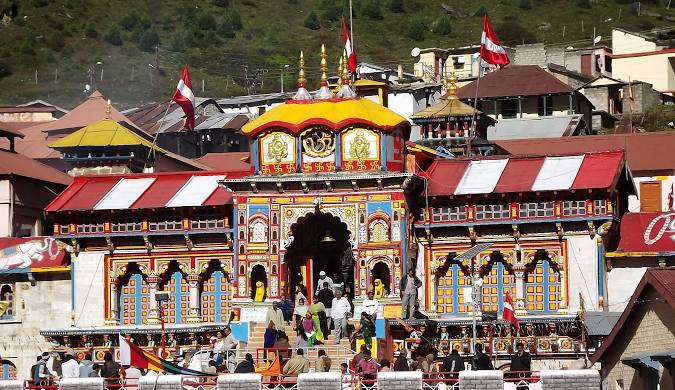
Badrinath
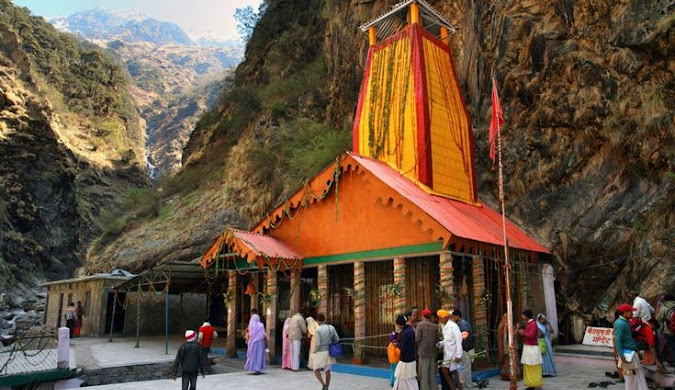
Yamunotri
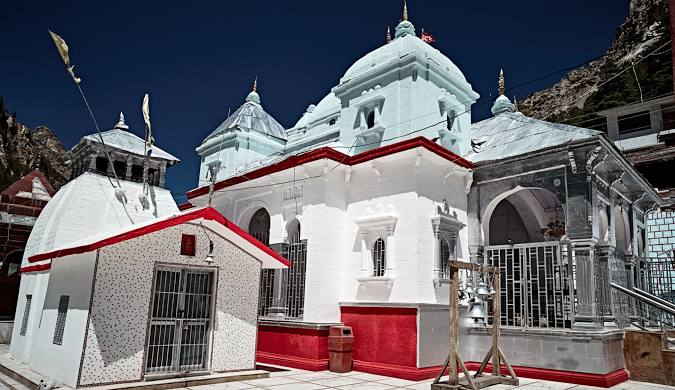
Gangotri
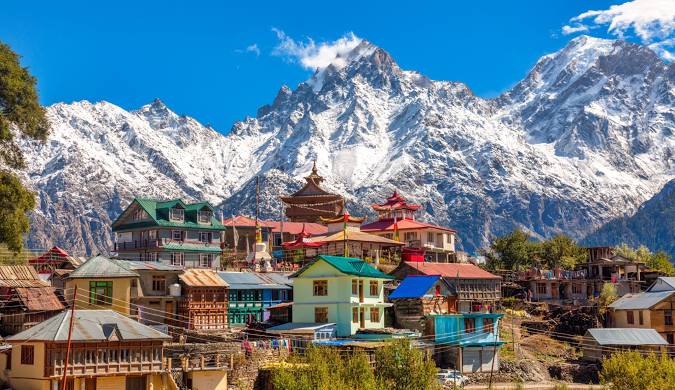
Kalpa
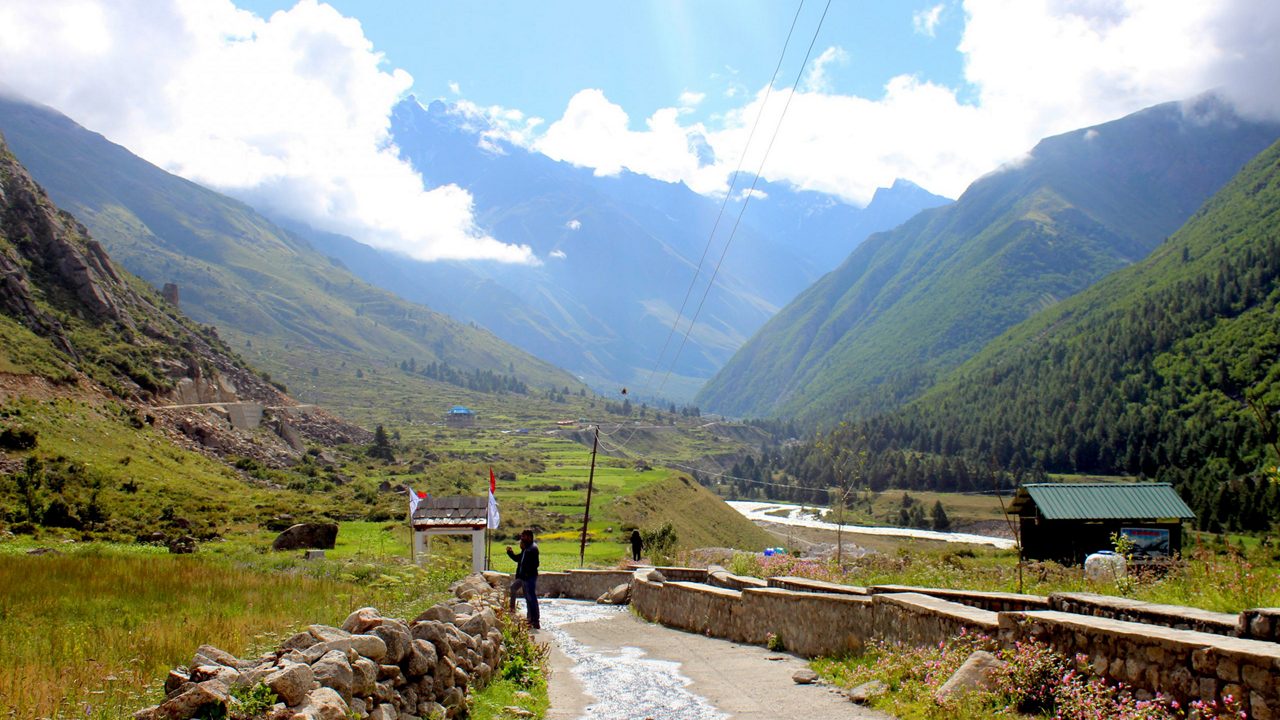
Chitkul
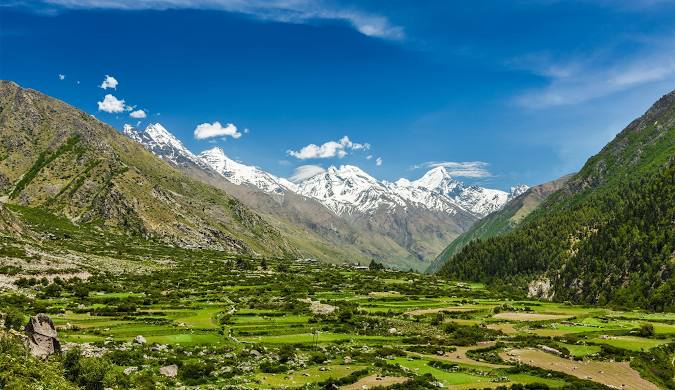
Sangla Valley
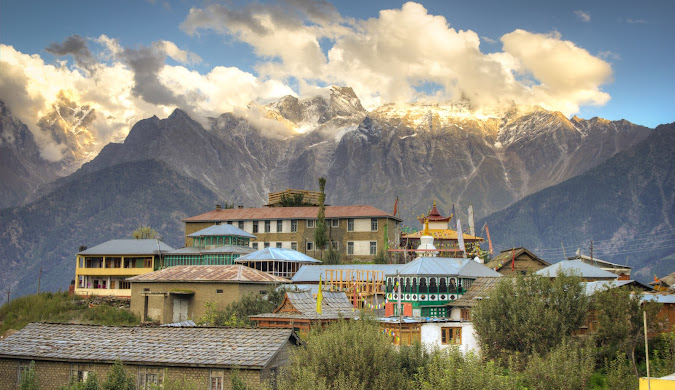
Reckong Peo
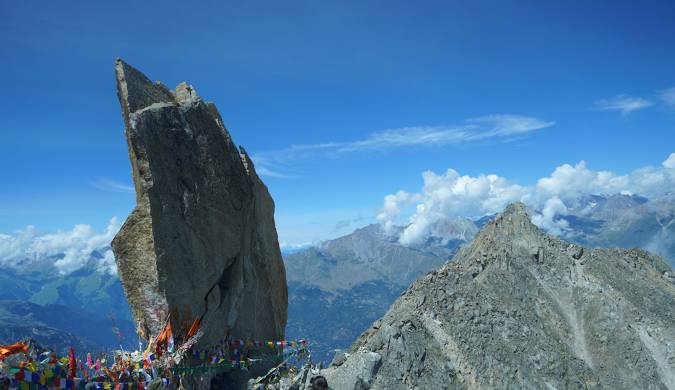
Kinner Kailash
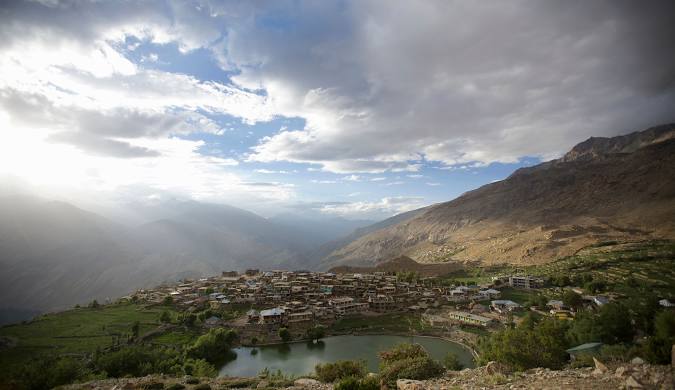
Nako Village
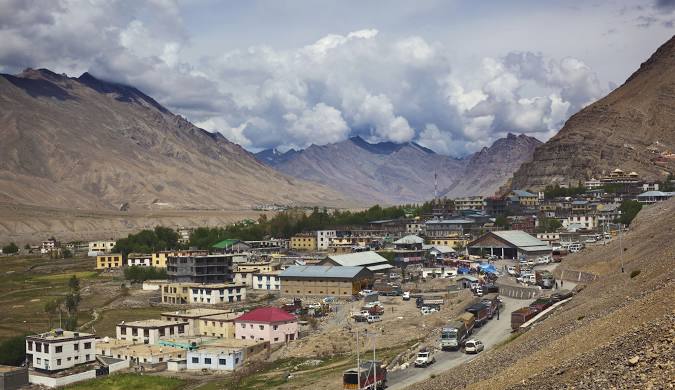
Kaza
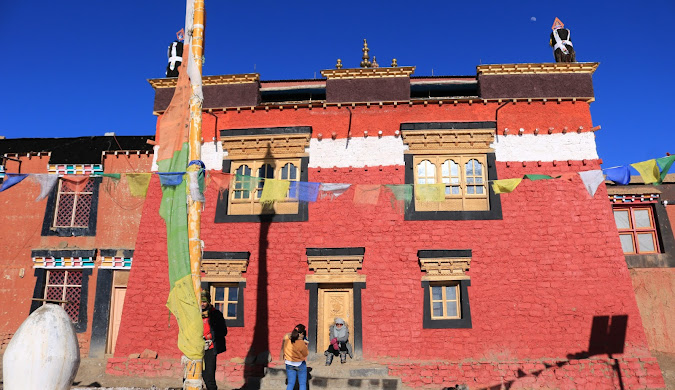
Komic Village
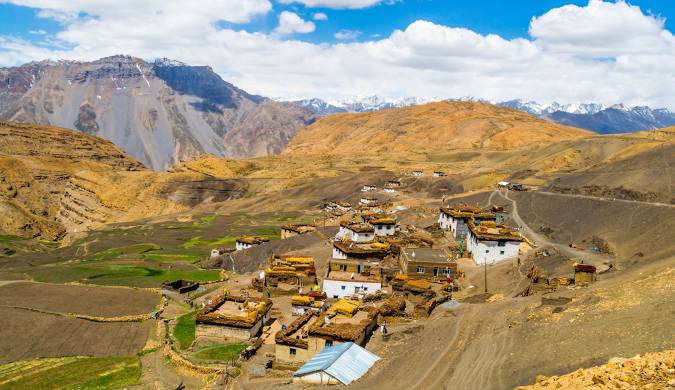
Hikkim Village
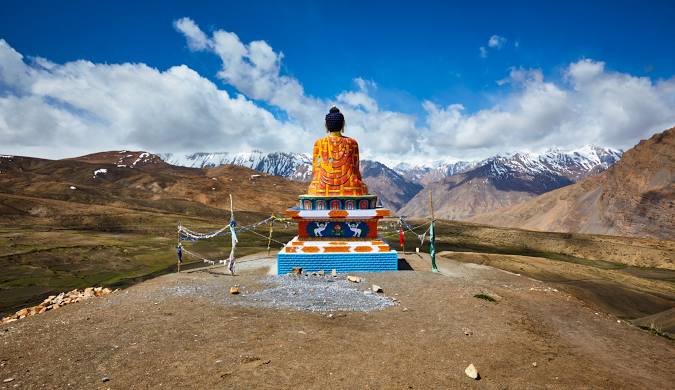
Langza Village
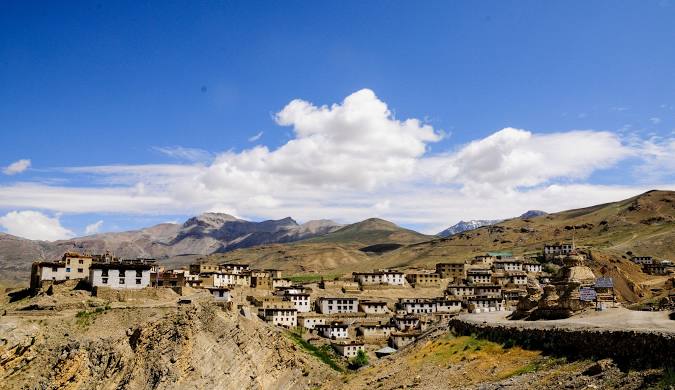
Kibber Village
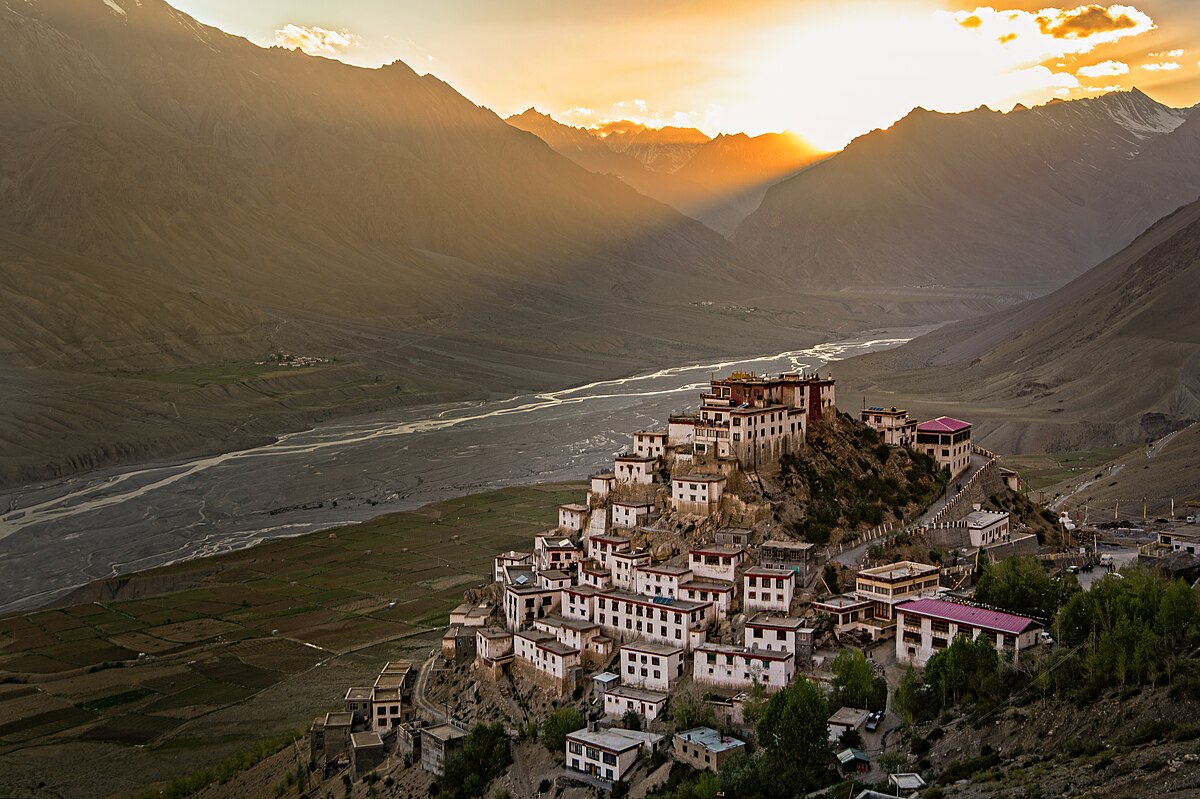
Key Monastery
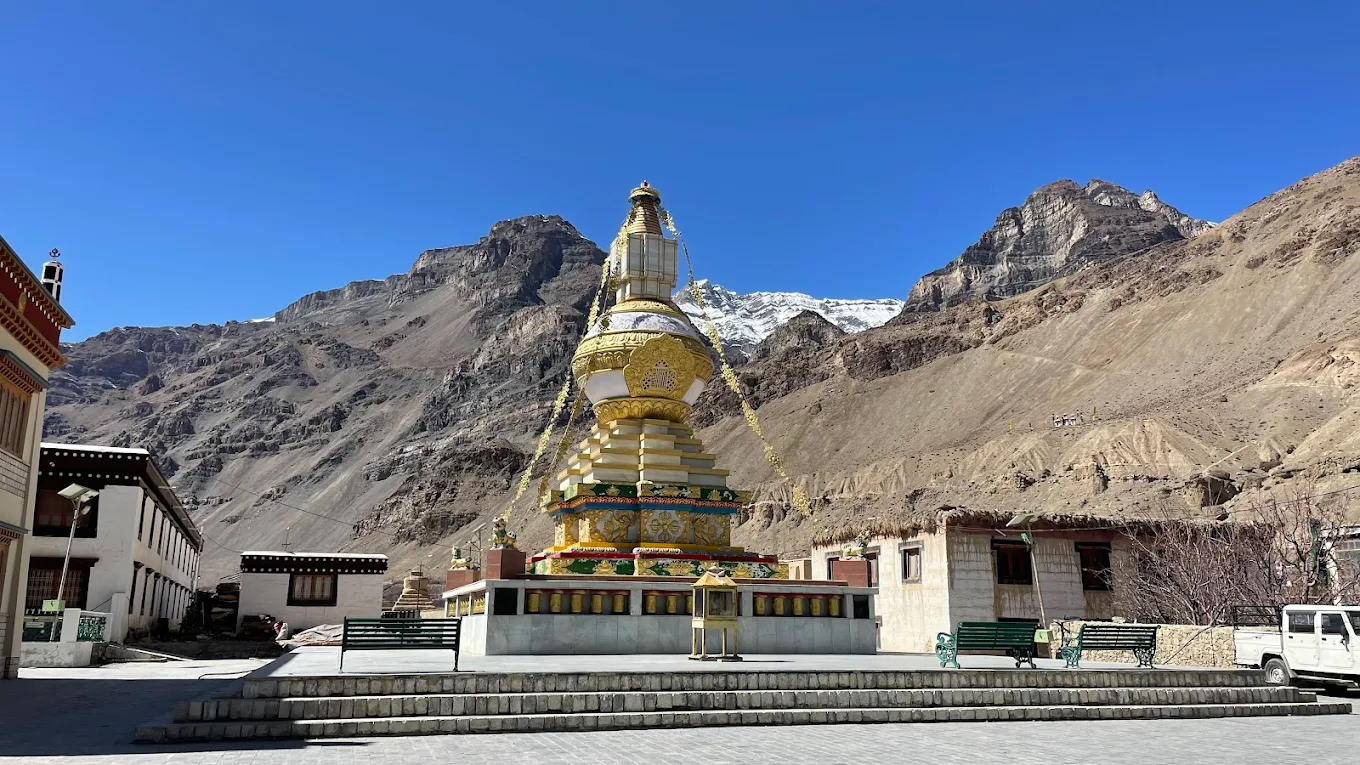
Tabo Monastery
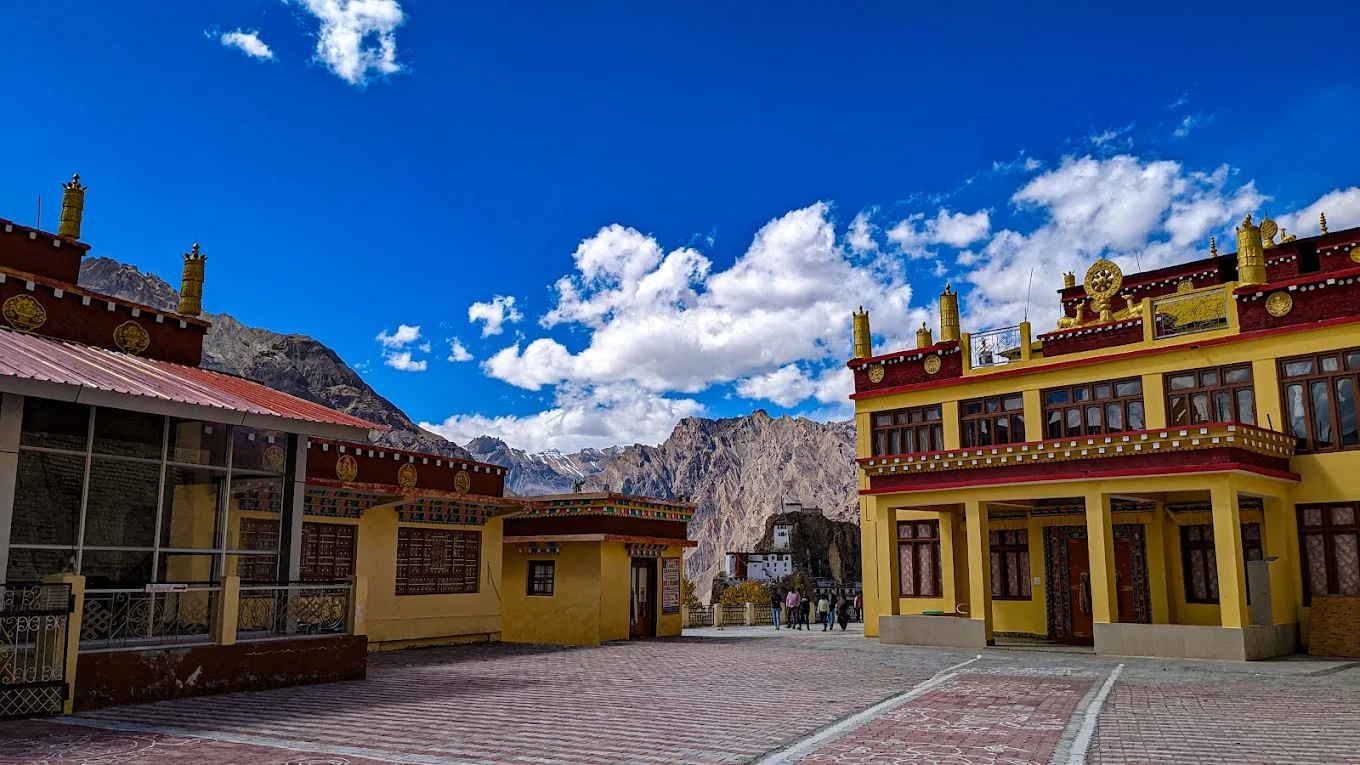
Dhankar Monastery
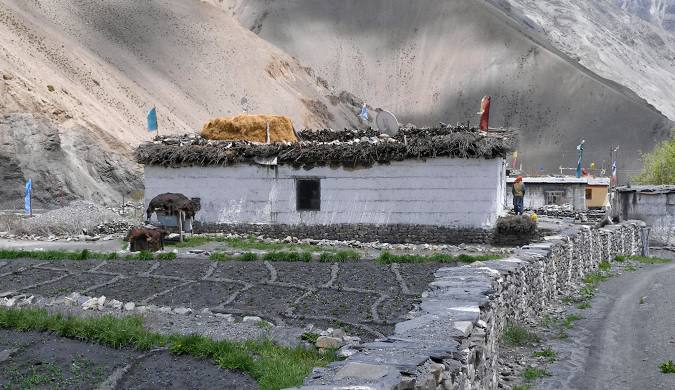
Gue Village
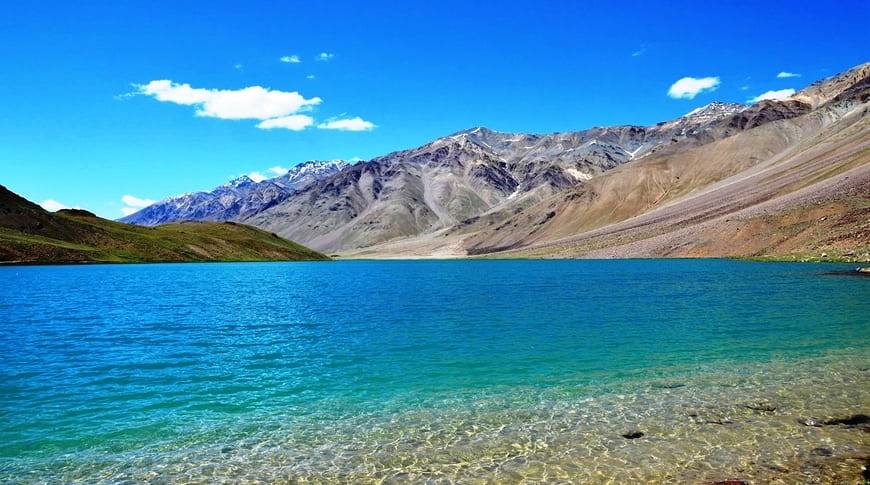
Chandratal Lake
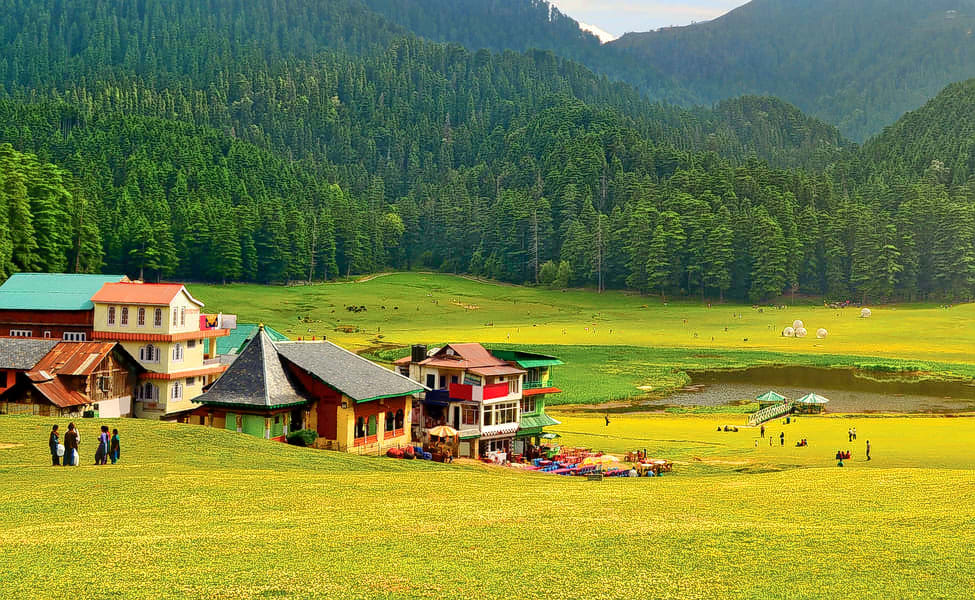
Dalhousie
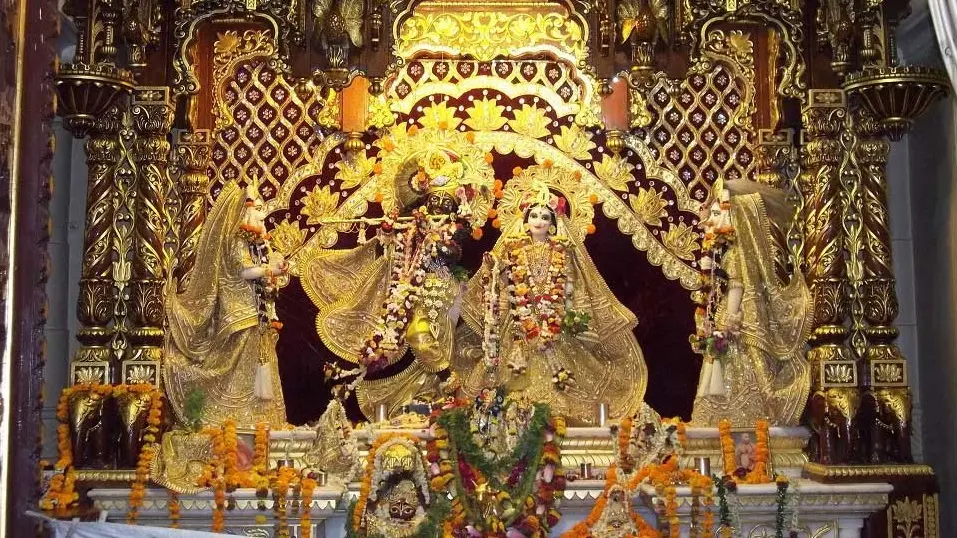
Shri Krishna Janmabhoomi Temple
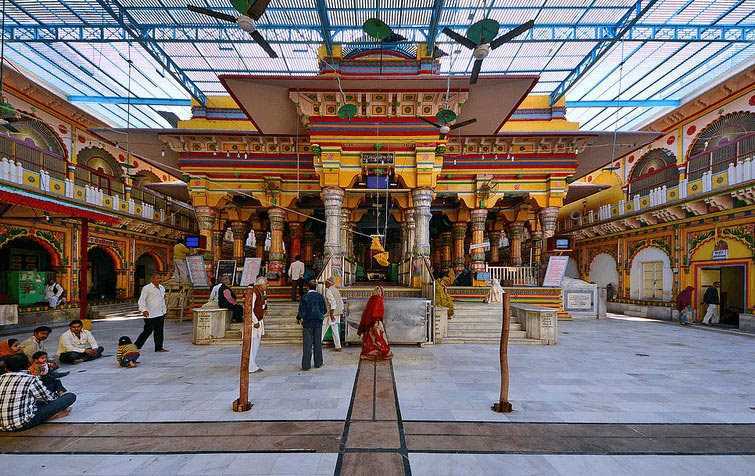
Shri Dwarkadhish Temple
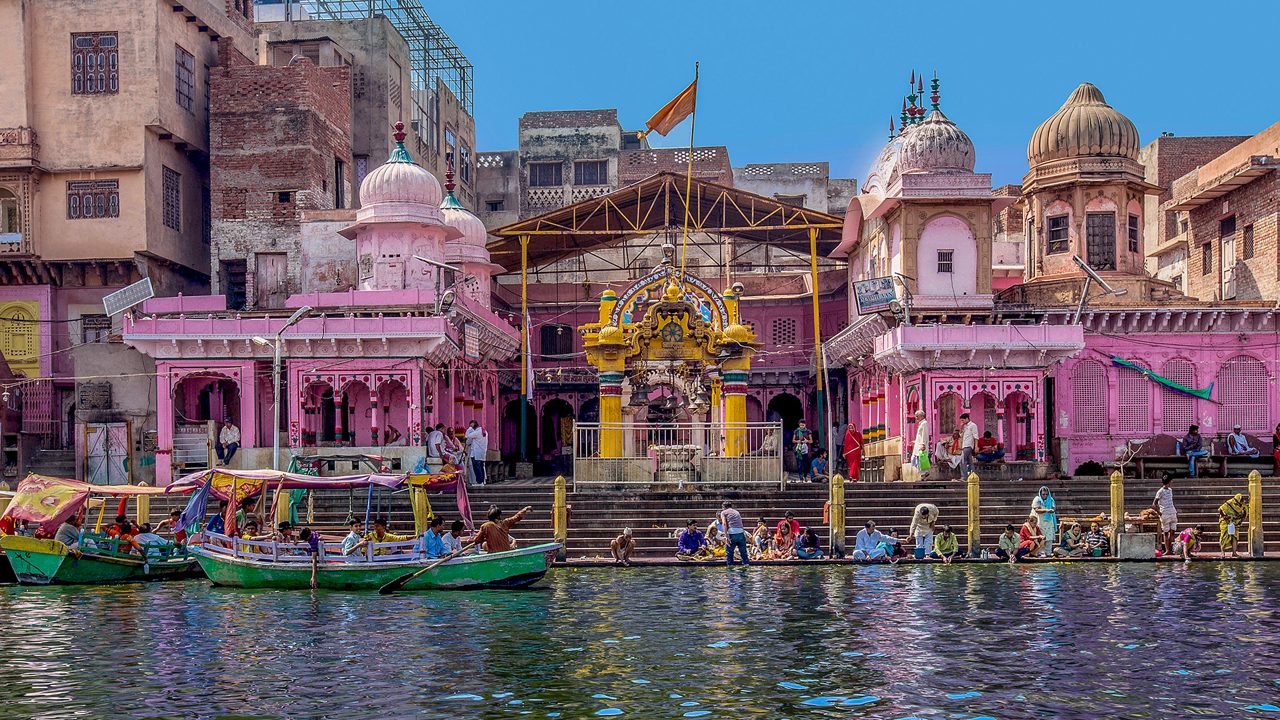
Vishram Ghat, Mathura
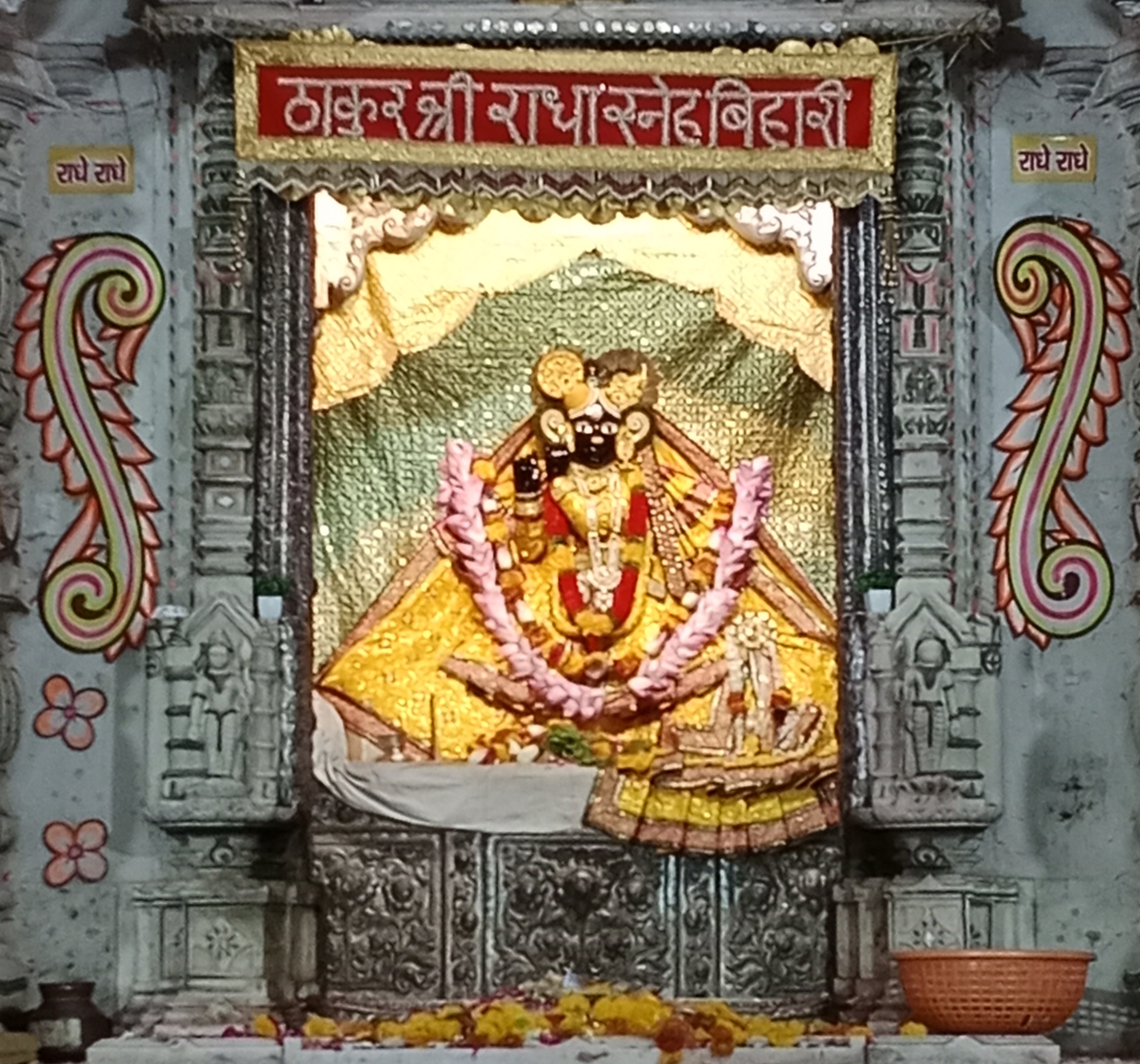
Shri Banke Bihari Temple, Vrindavan
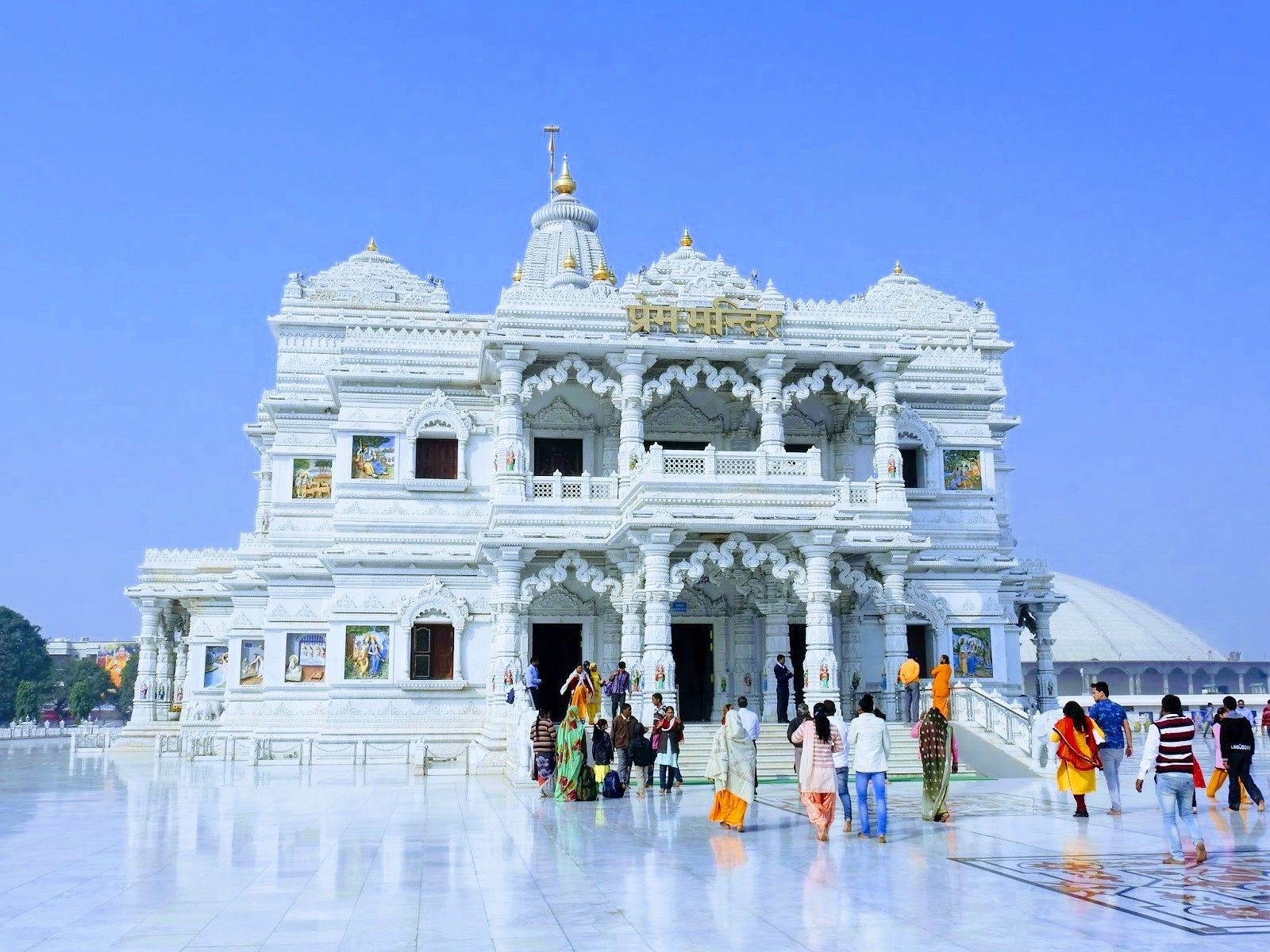
Shri Prem Mandir, Vrindavan
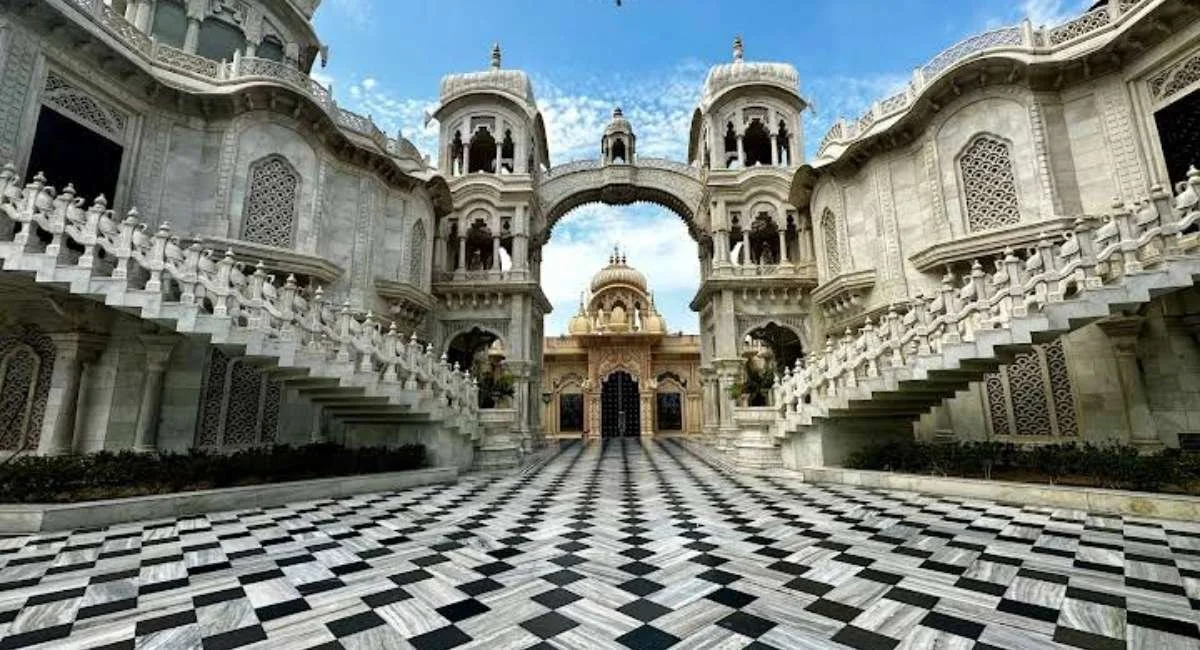
ISKCON Temple, Vrindavan
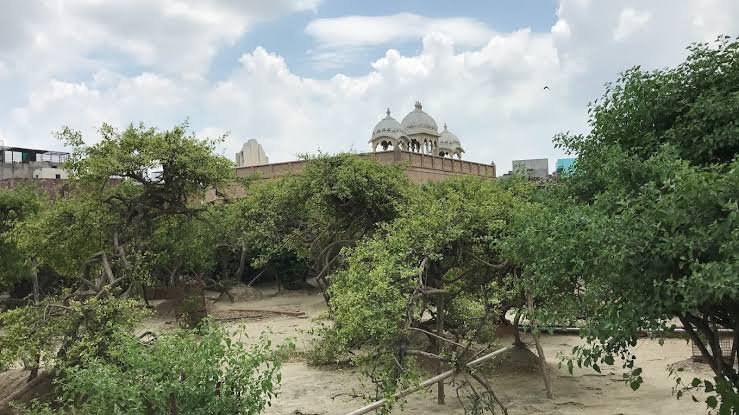
Nidhivan, Vrindavan
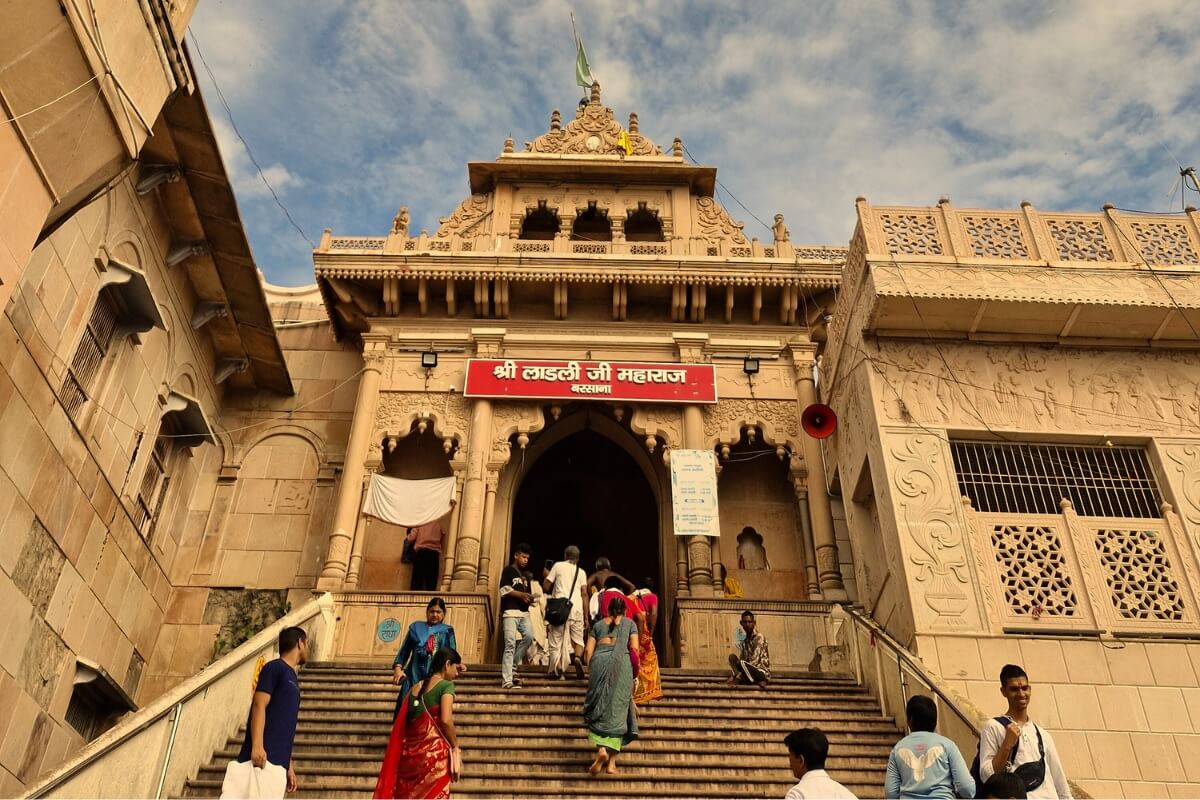
Shri Radha Rani Temple, Barsana
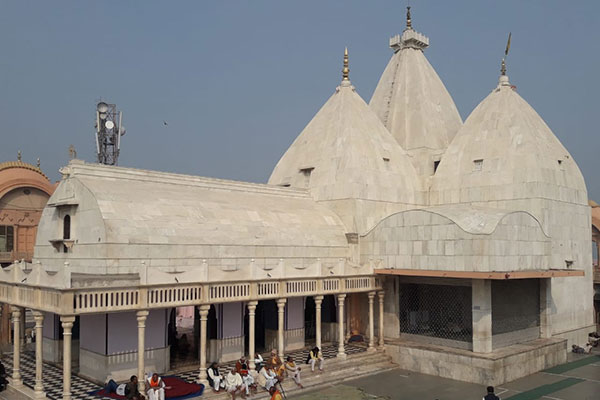
Nand Bhawan Mandir, Nandgaon
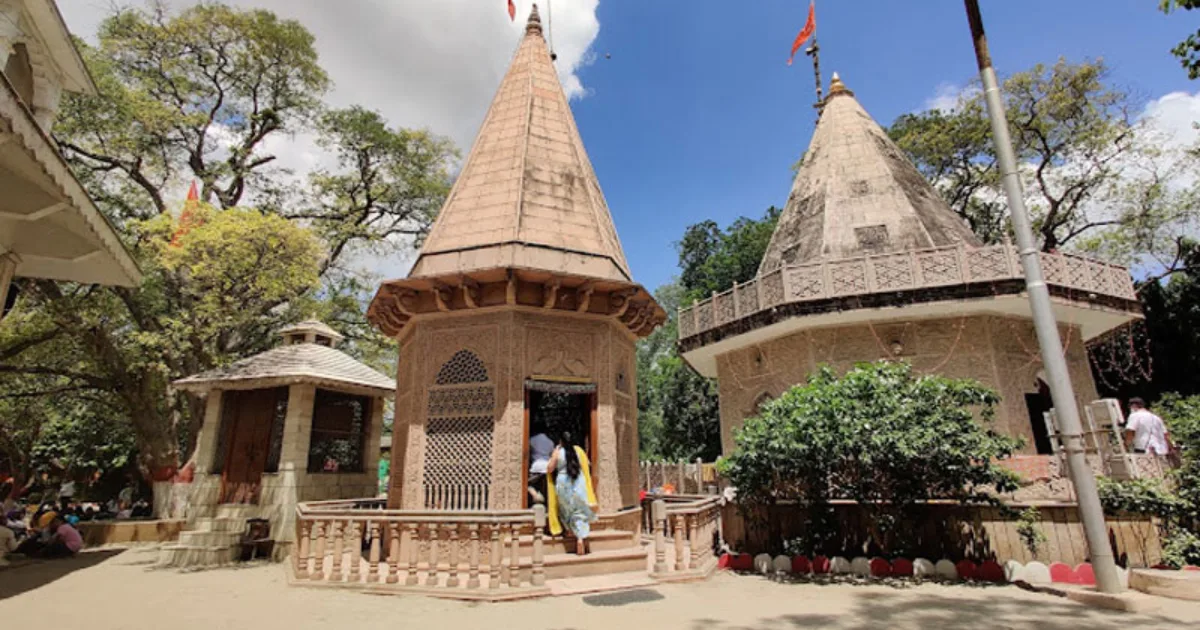
Raman Reti
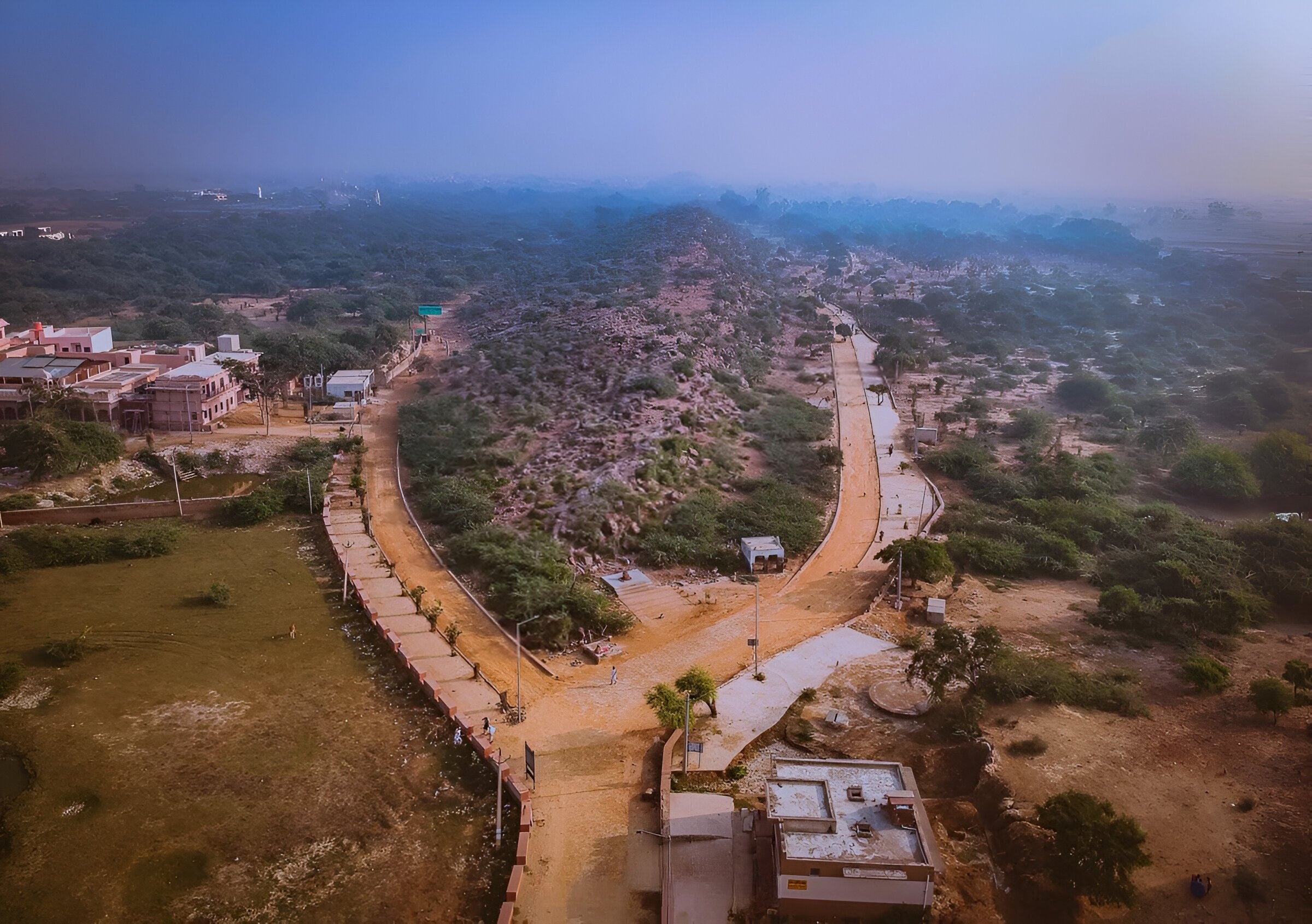
Goverdhan Parikrama
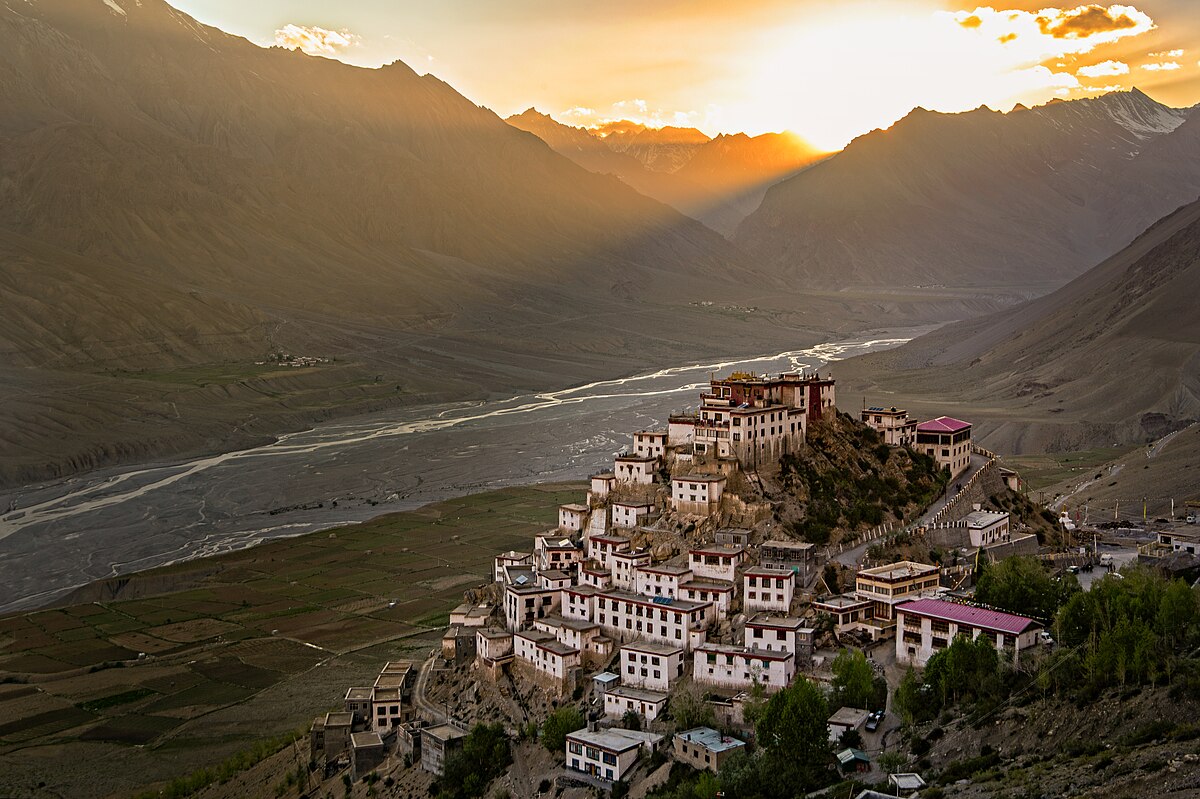
Spiti Valley Expedition
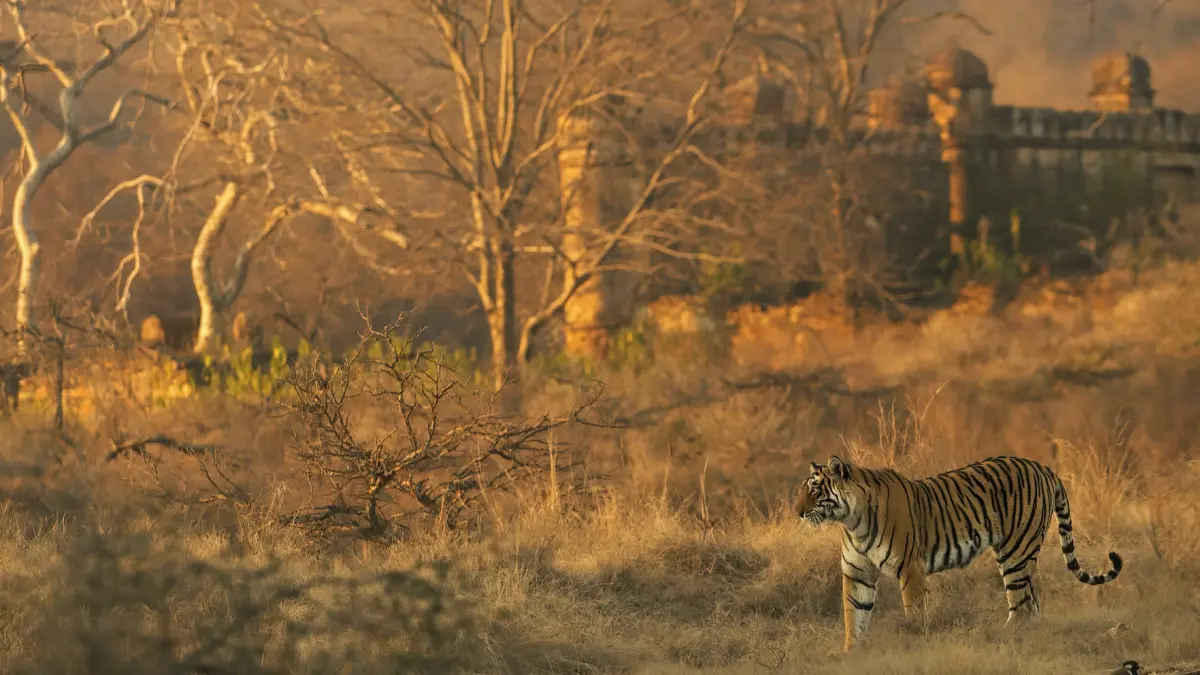
Ranthambhore National Park
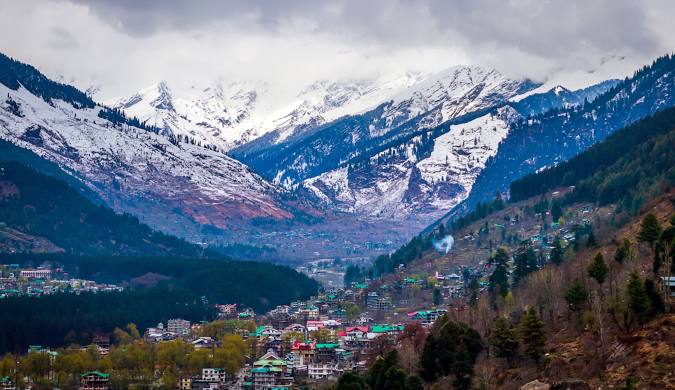
Manali
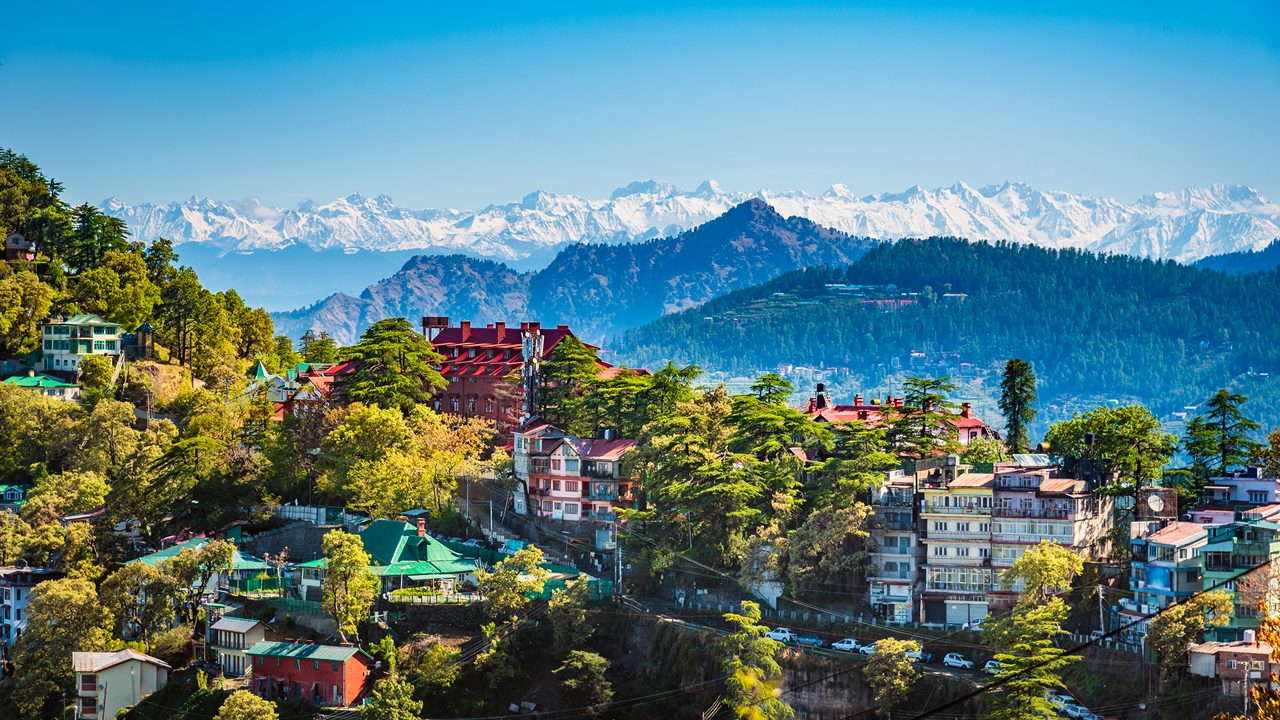
Shimla
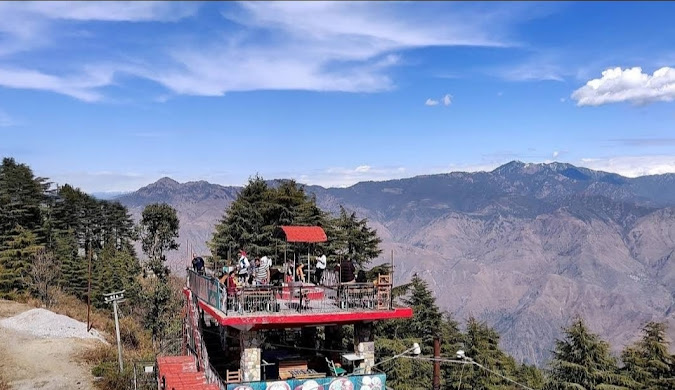
Mussoorie
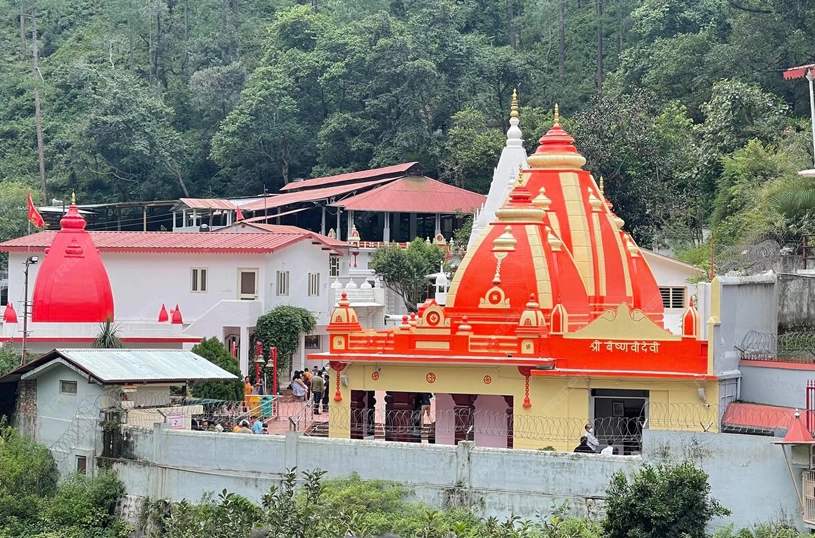
Neem Karoli Baba, Kainchi Dham
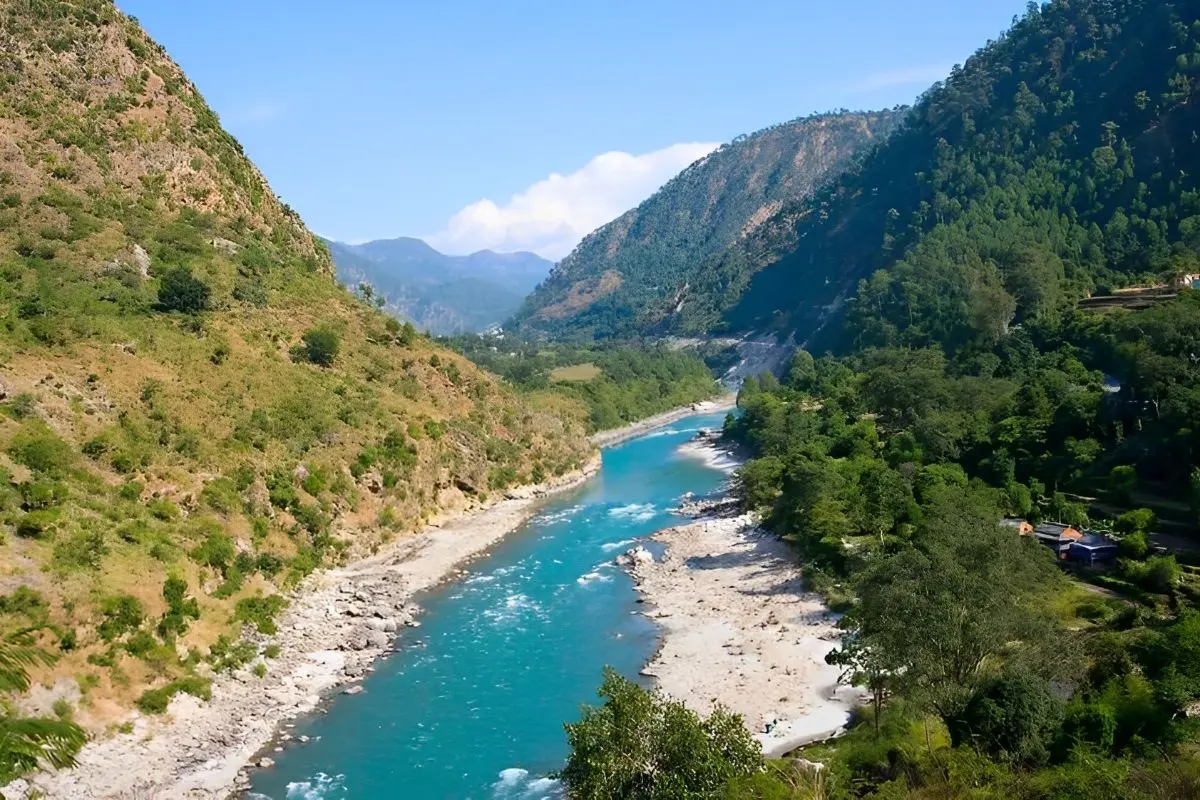
Mukteshwar
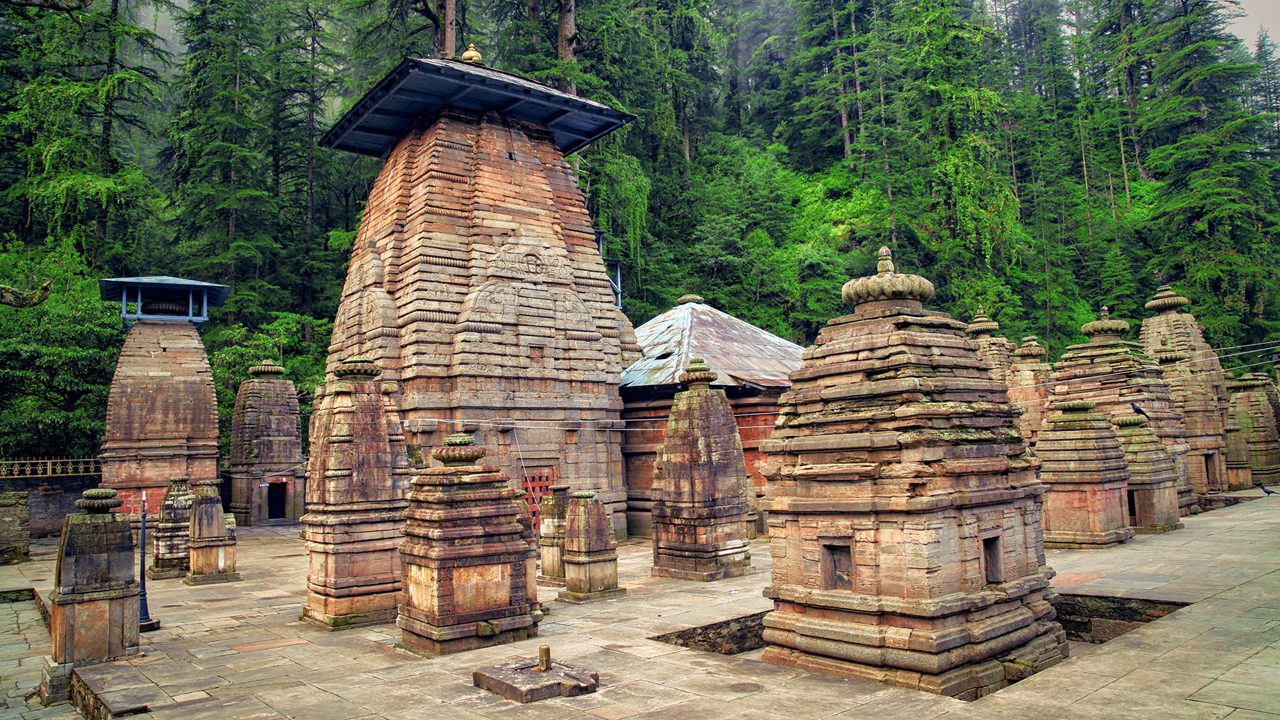
Jageshwar Dham
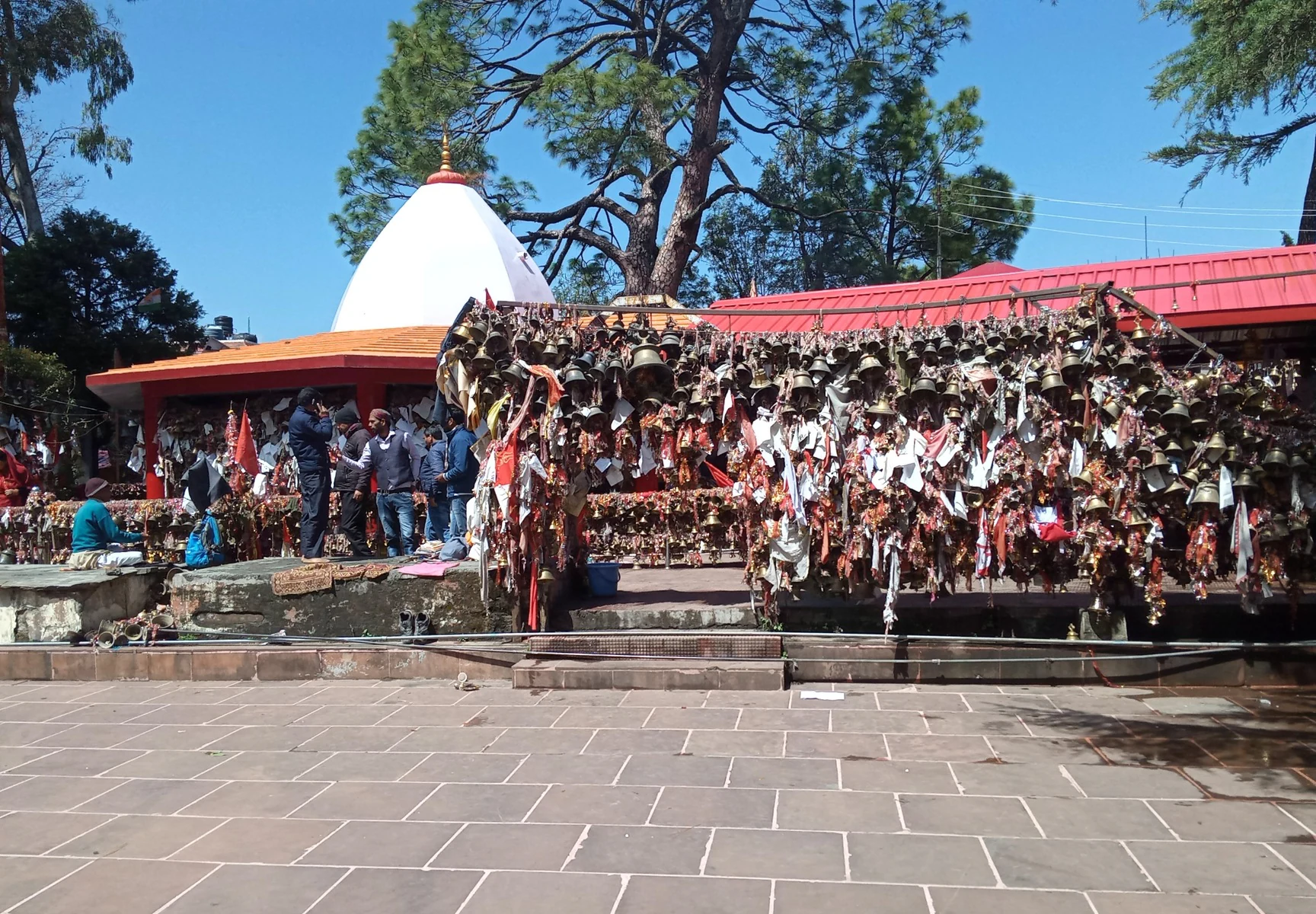
Chitai Golu Devta Temple
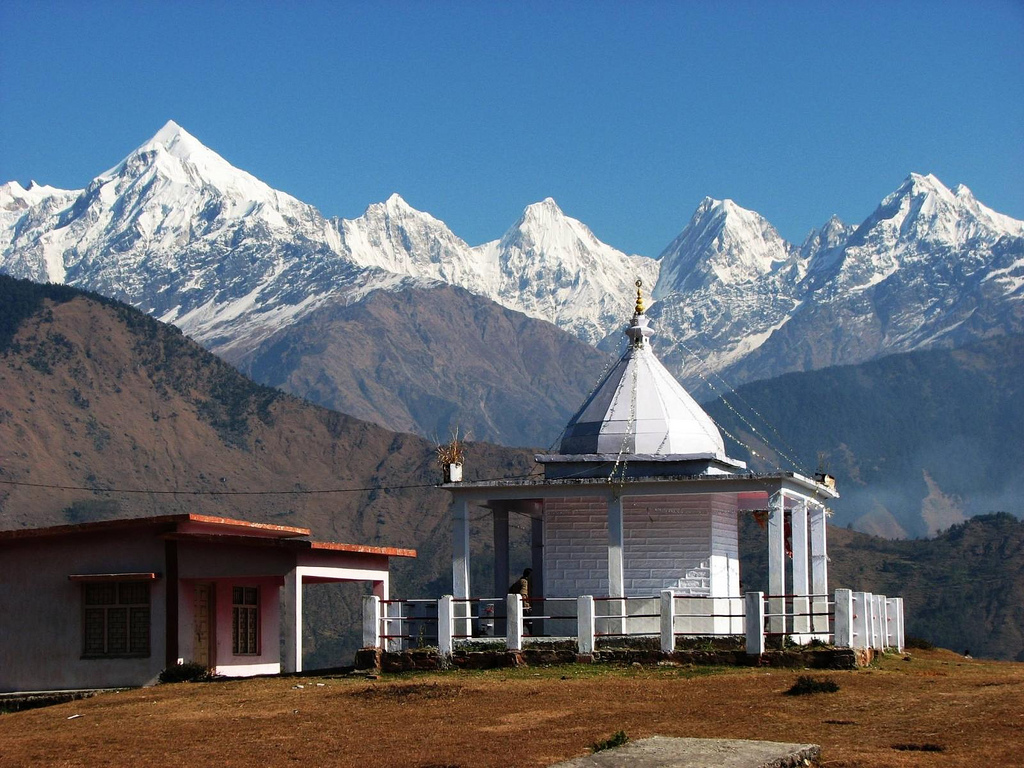
NANDA DEVI TEMPLE
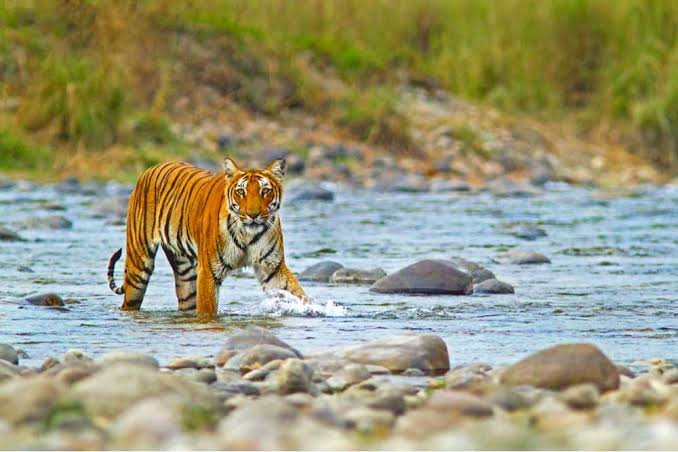
Jim Corbett National Park
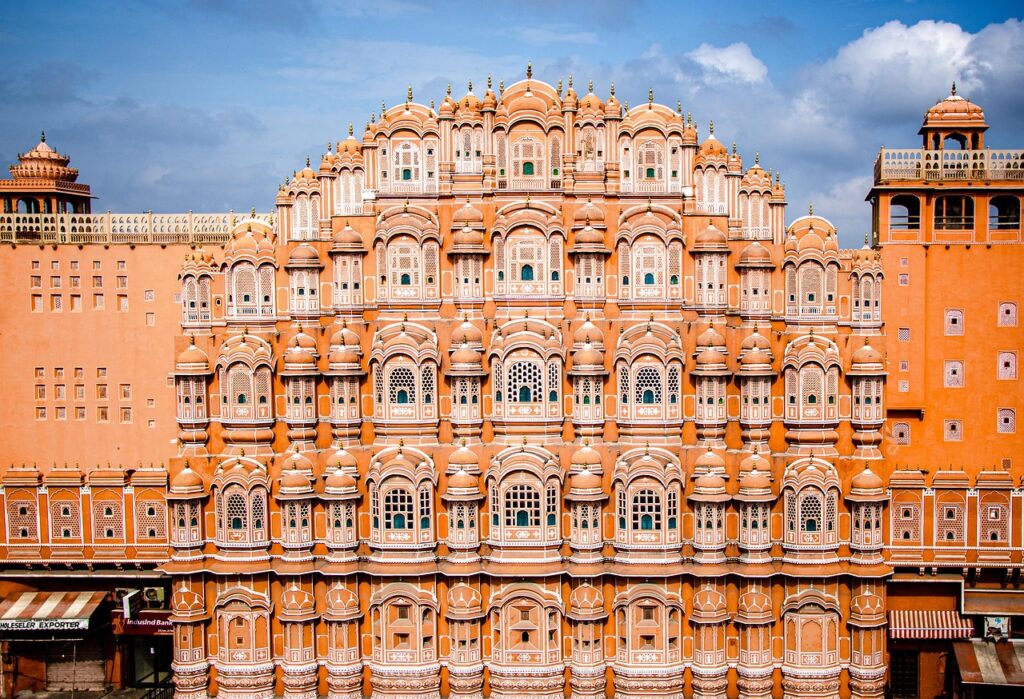
Hawa Mahal
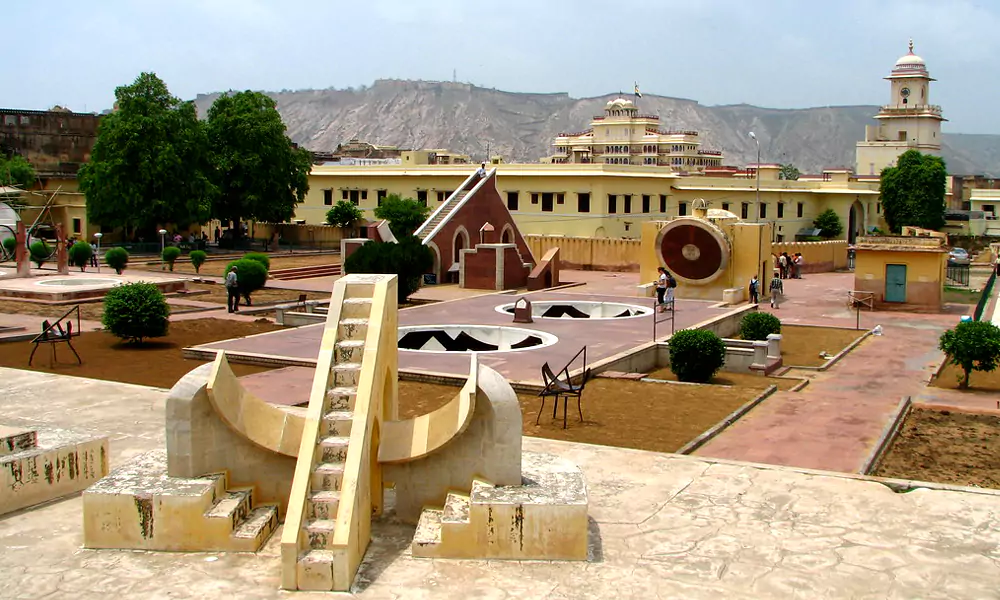
Jantar Mantar, Jaipur
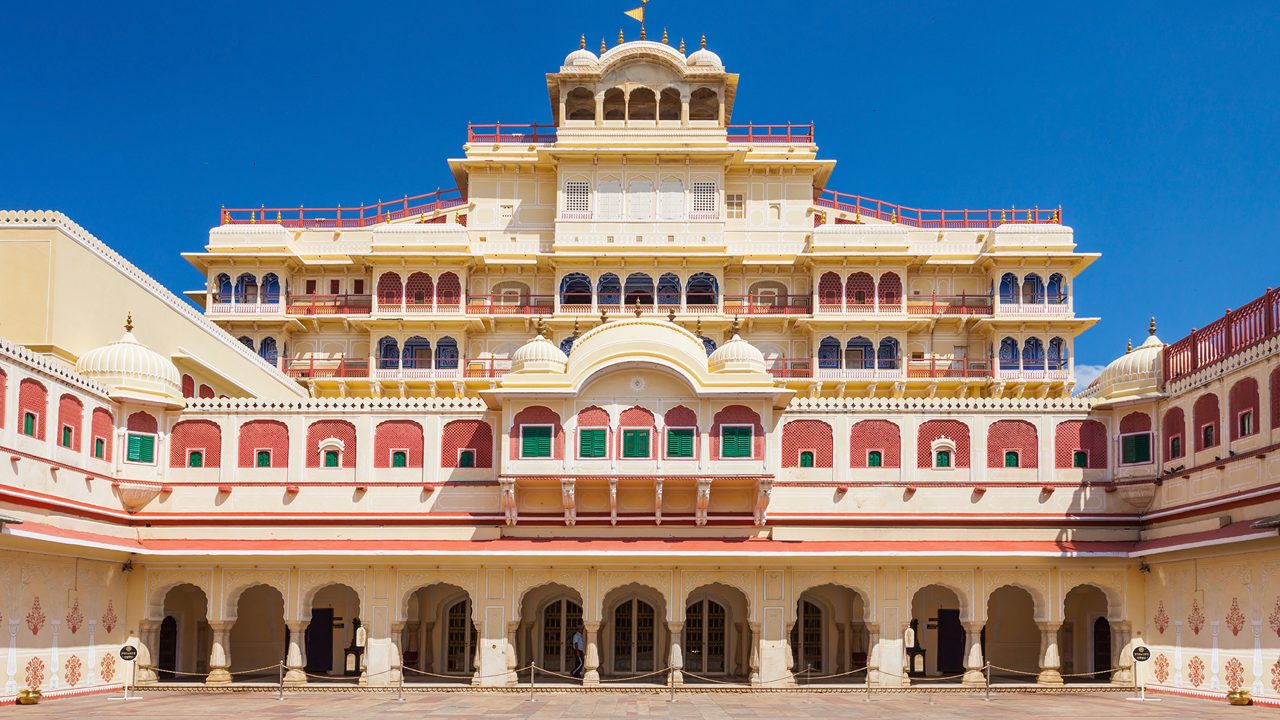
City Palace
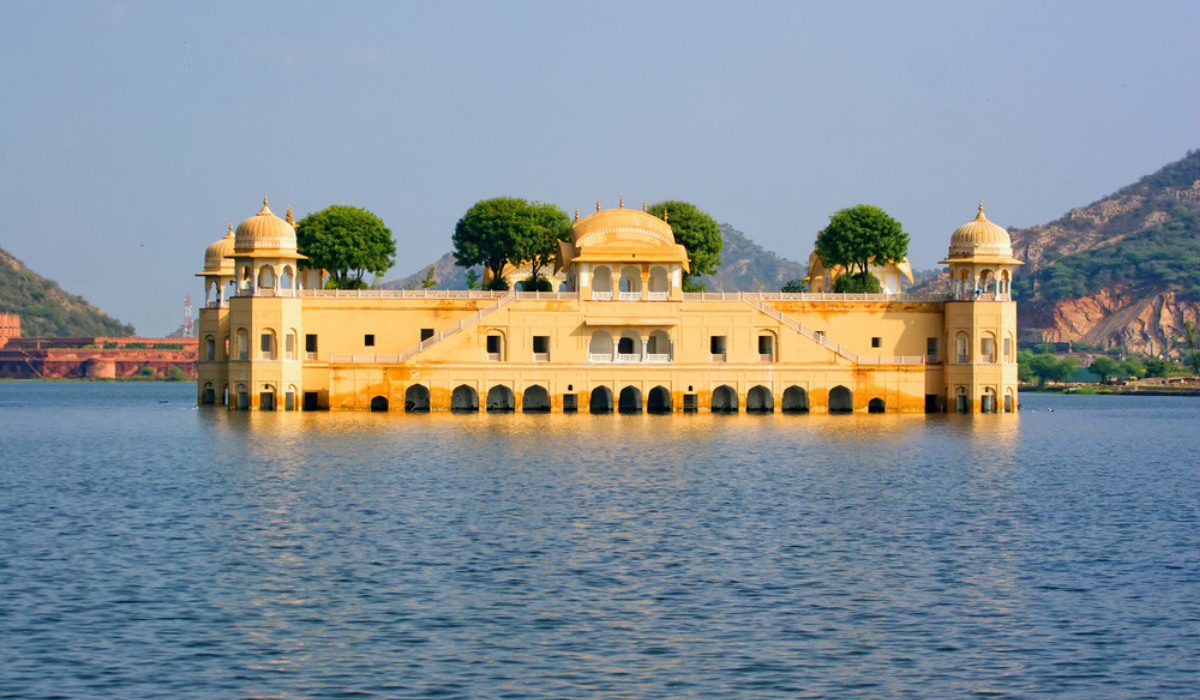
Jal Mahal
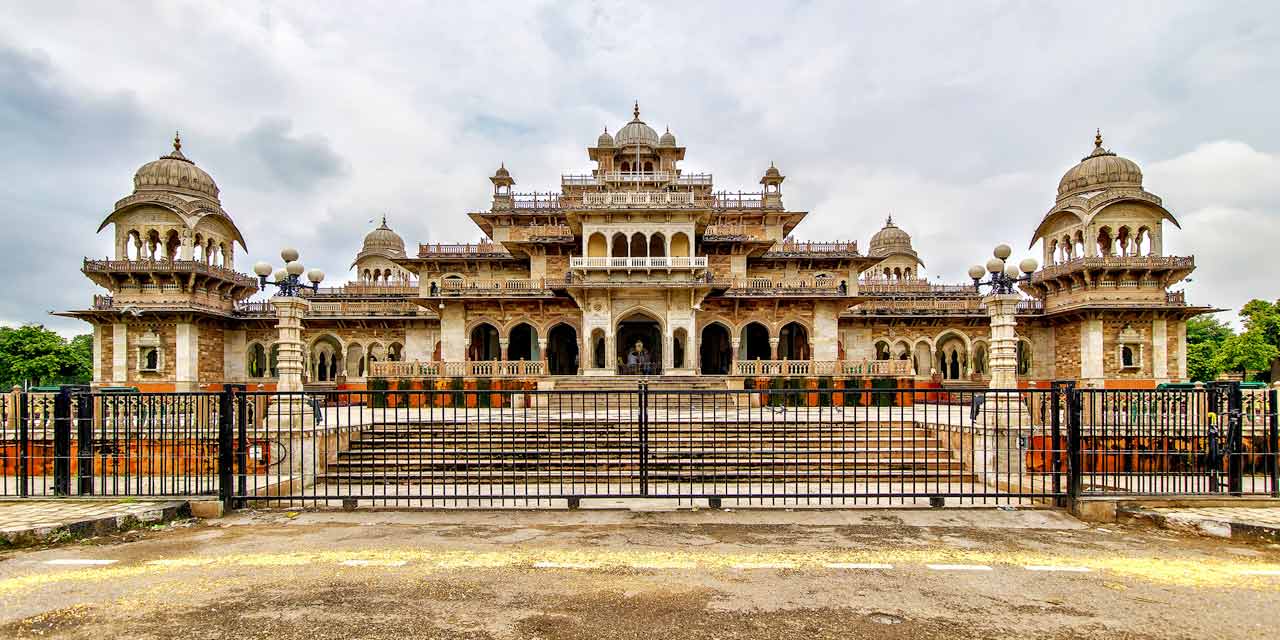
Albert Hall Museum
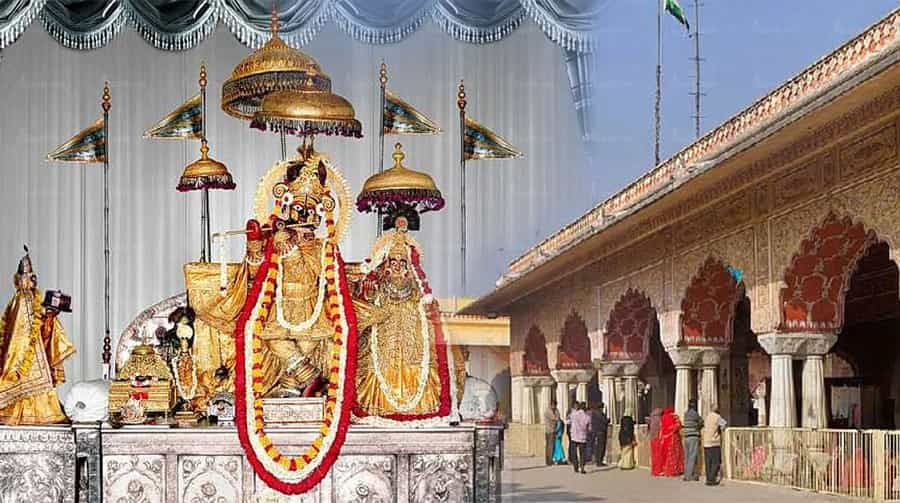
Shri Govind Dev Ji Temple
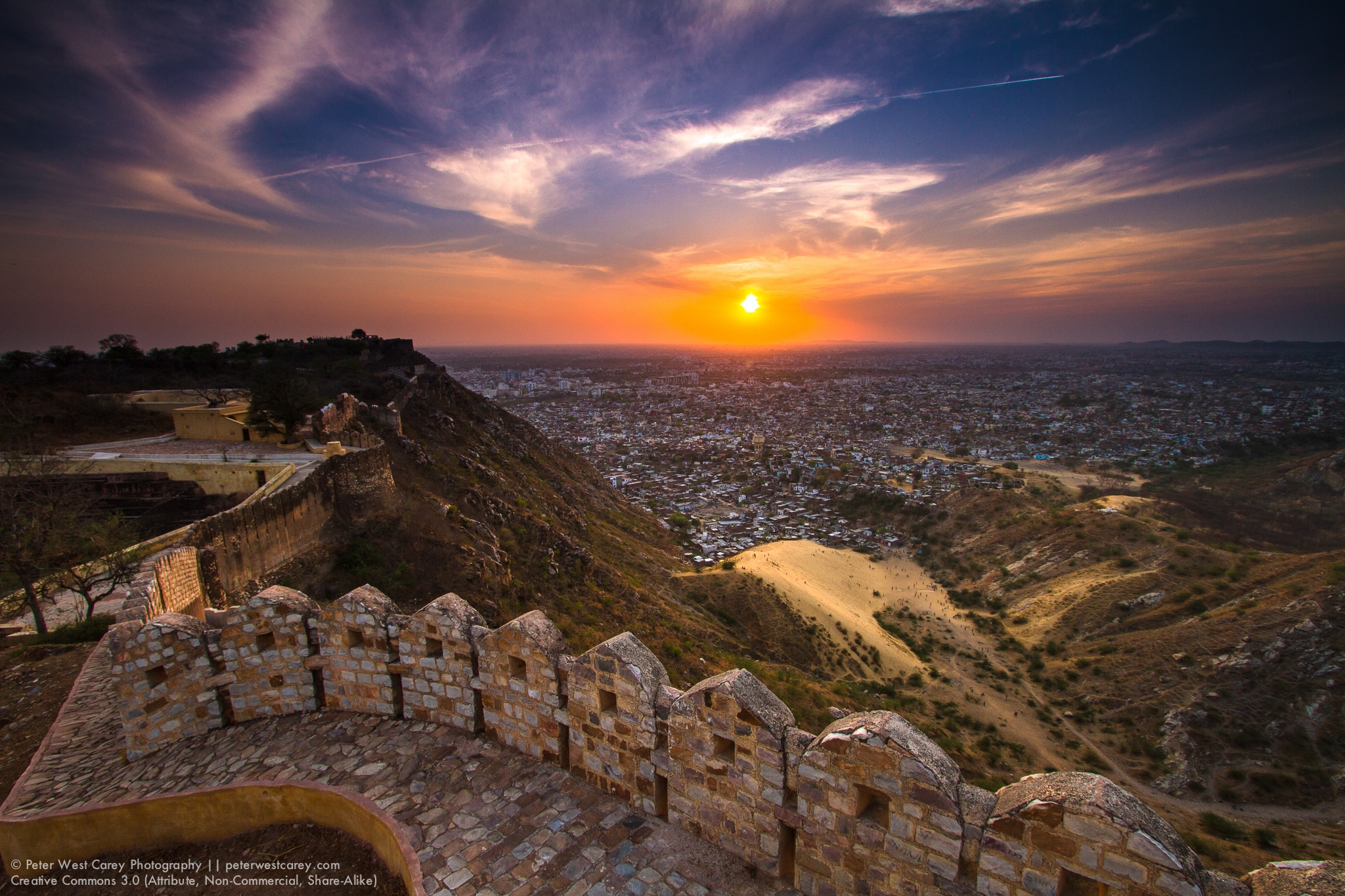
Nahargarh Fort
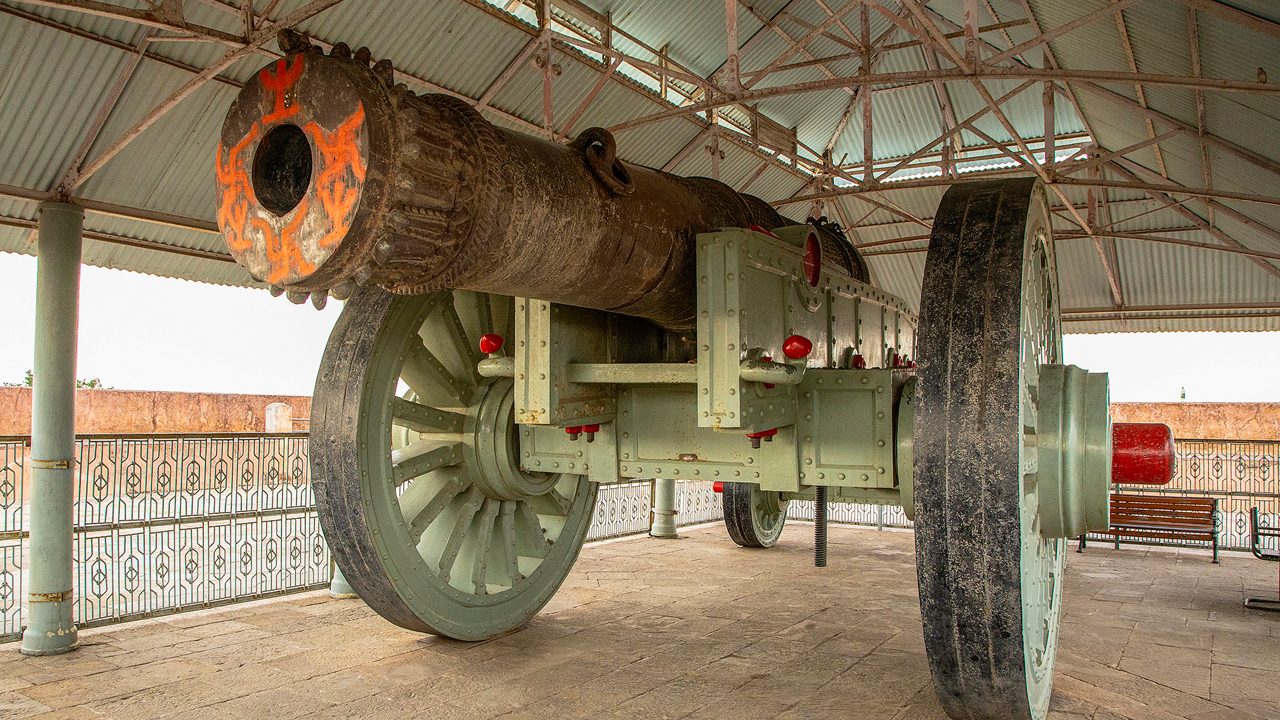
Jaigarh Fort
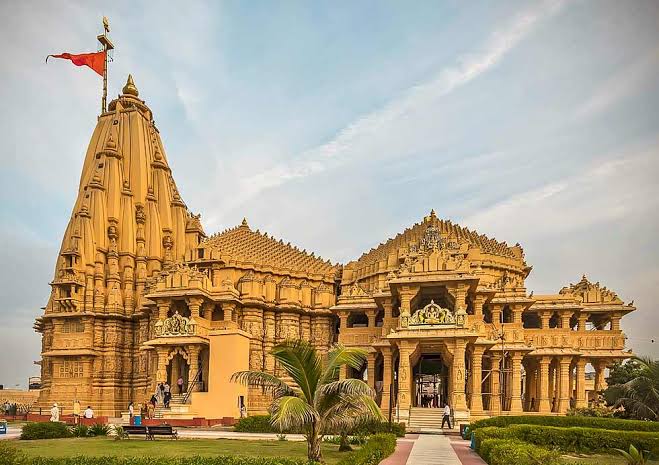
Somnath Temple
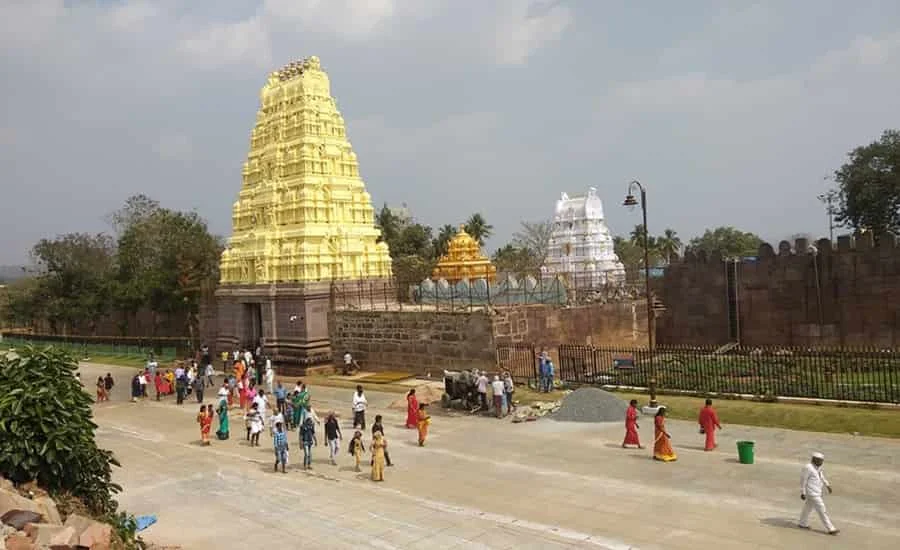
Mallikarjuna Temple
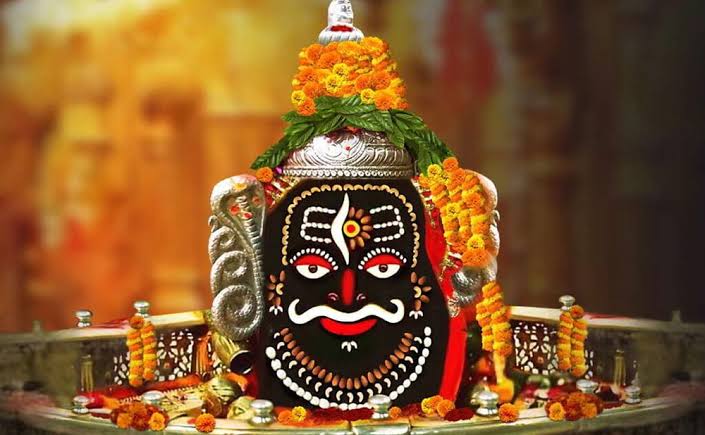
Mahakaleshwar Temple
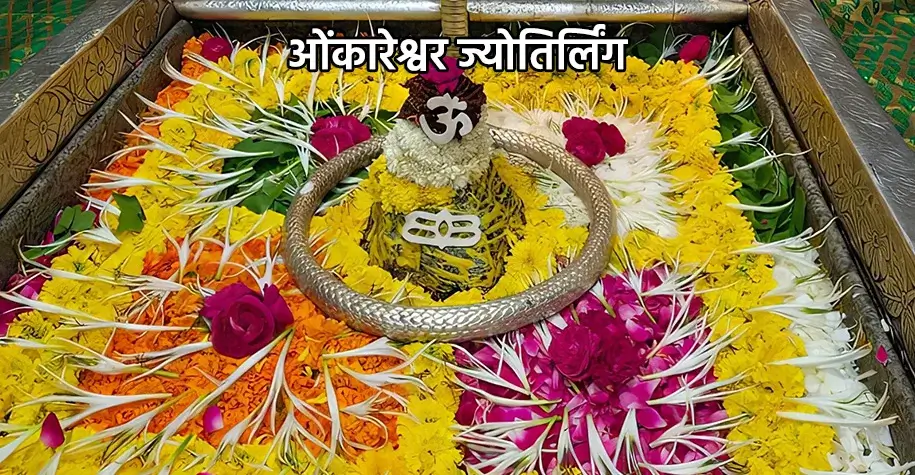
Omkareshwar Temple
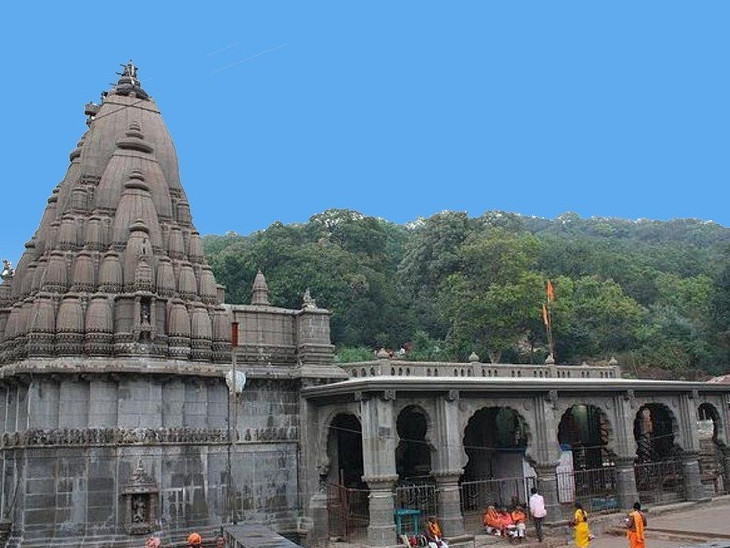
Bhimashankar Temple
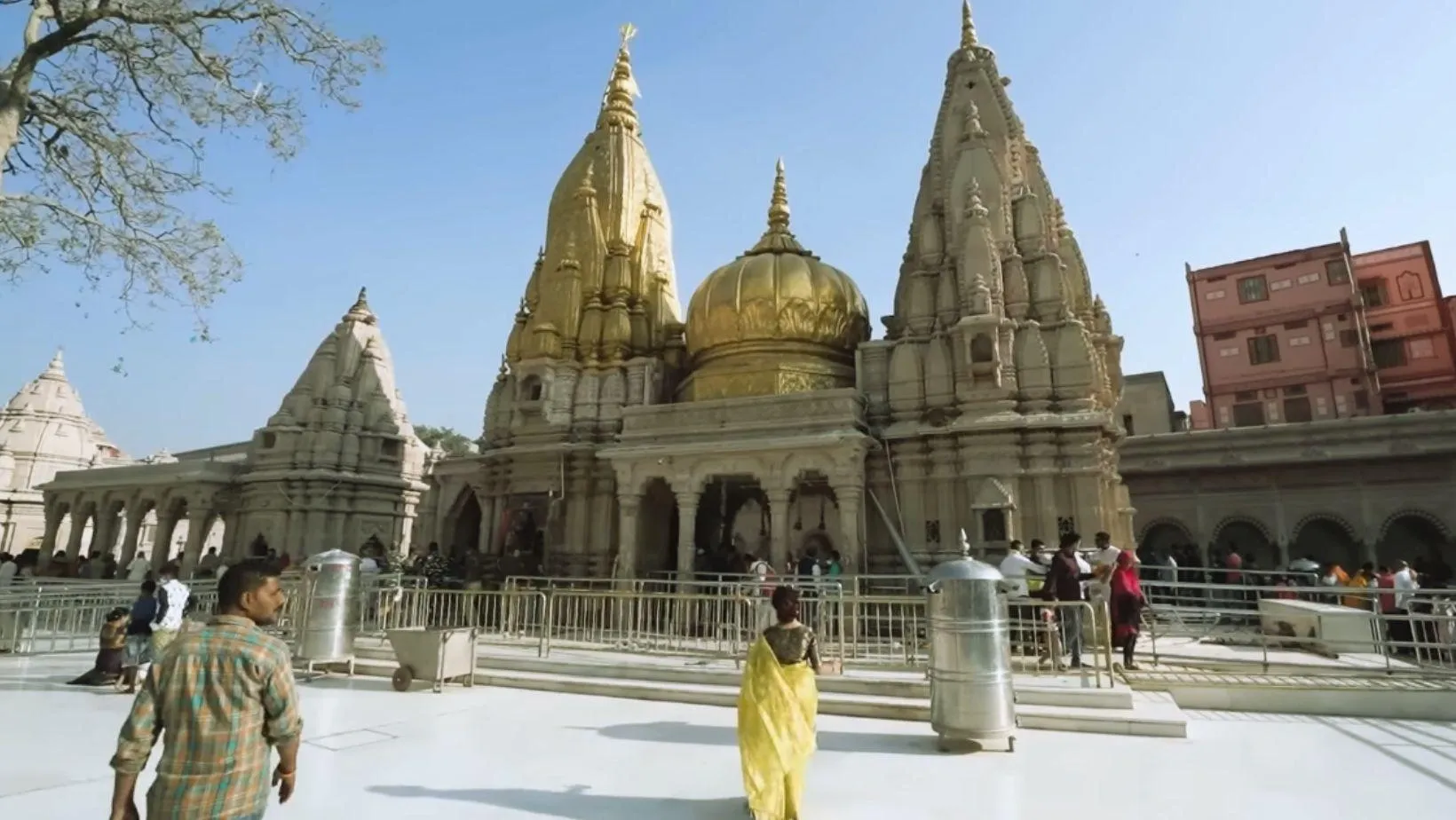
Kashi Vishwanath Temple
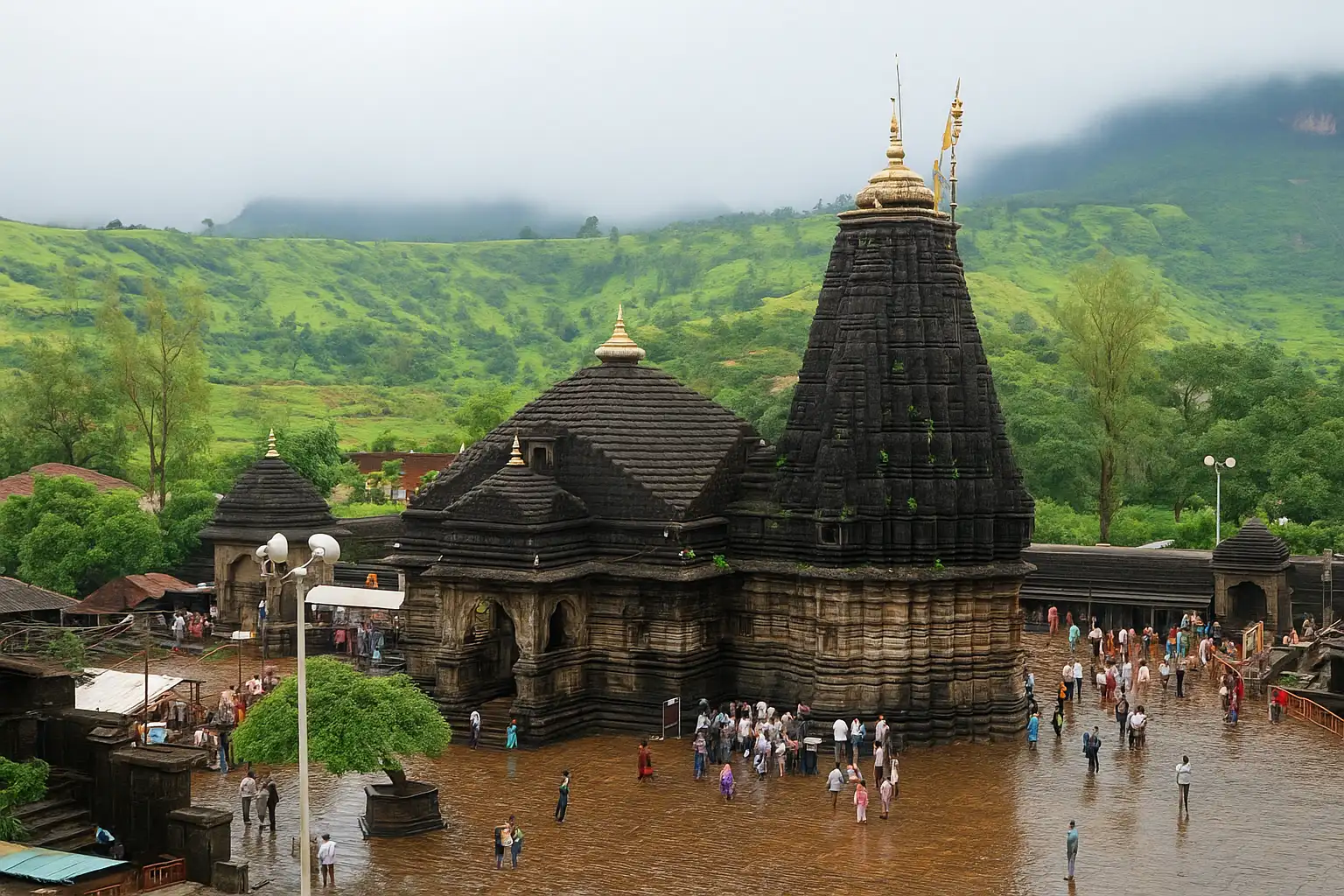
Trimbakeshwar Temple
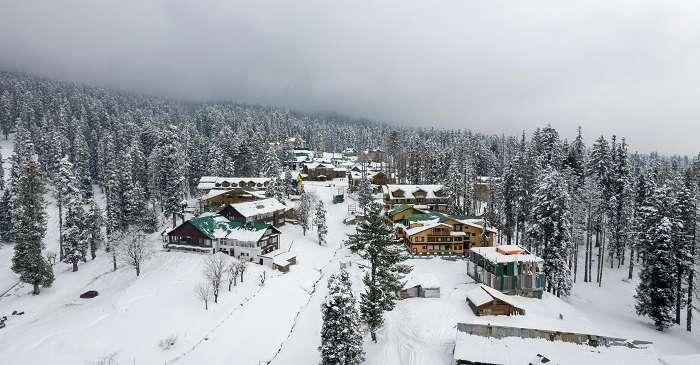
Harshil Valley
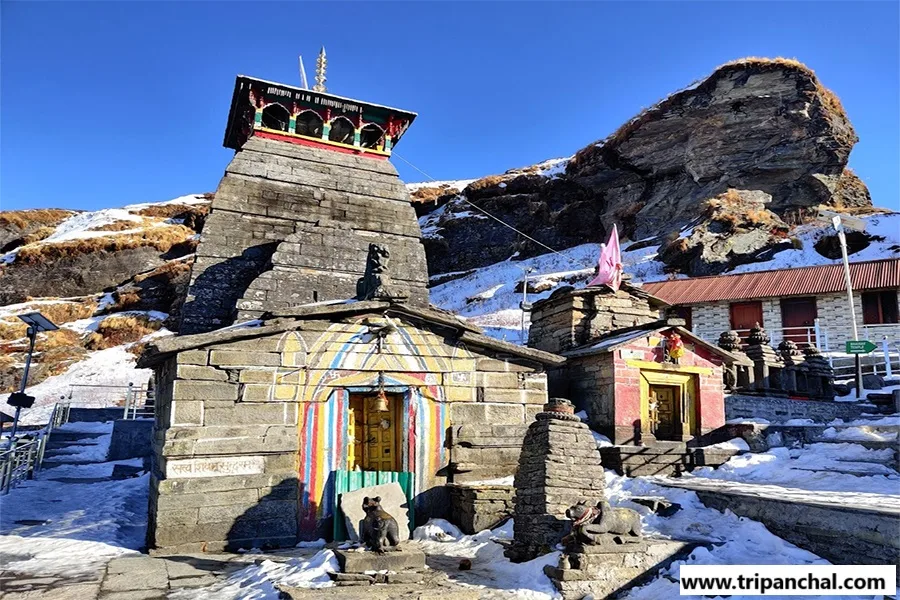
Tungnath Temple
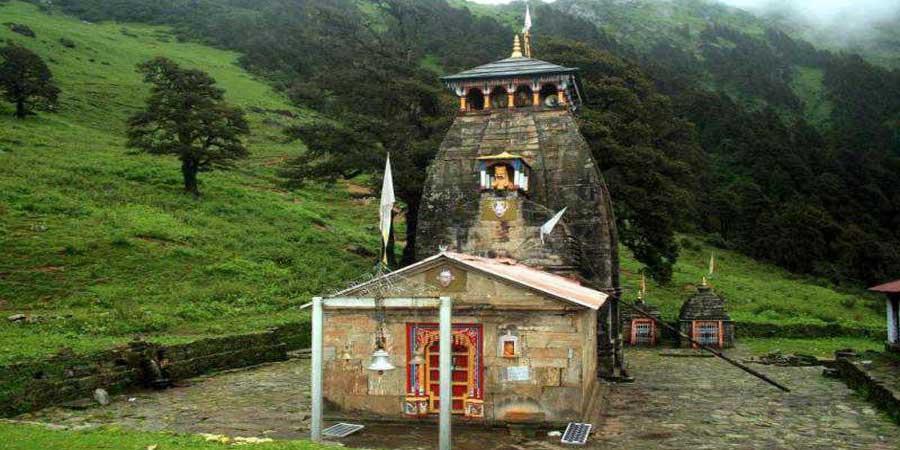
Madhyamaheshwar Temple
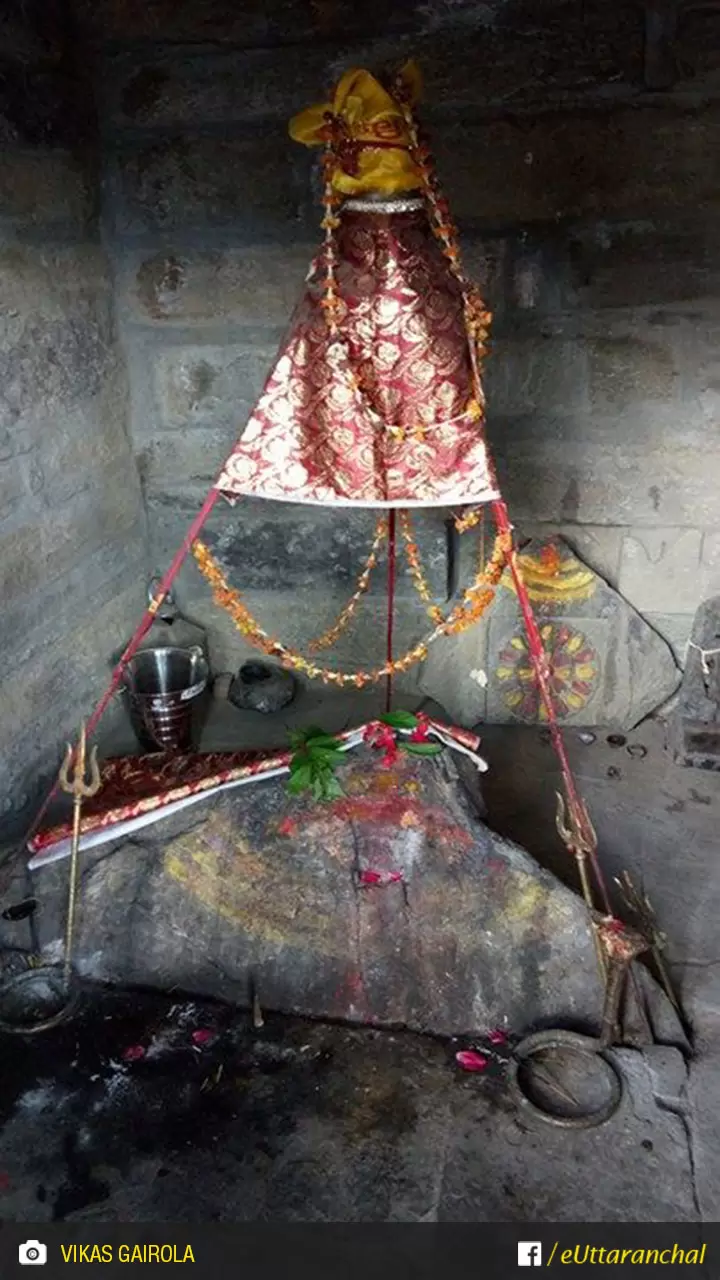
Kalpeshwar Mahadev Temple
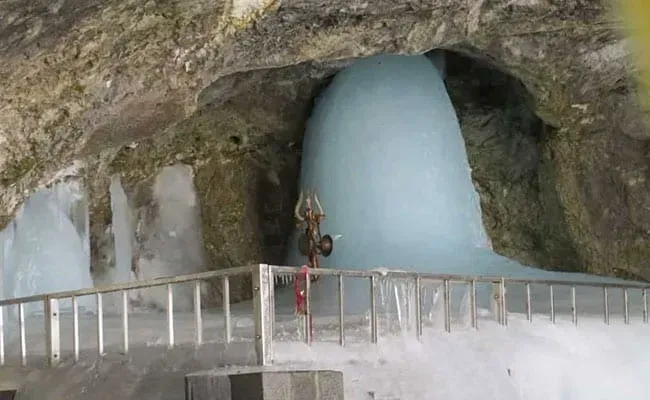
Amarnath
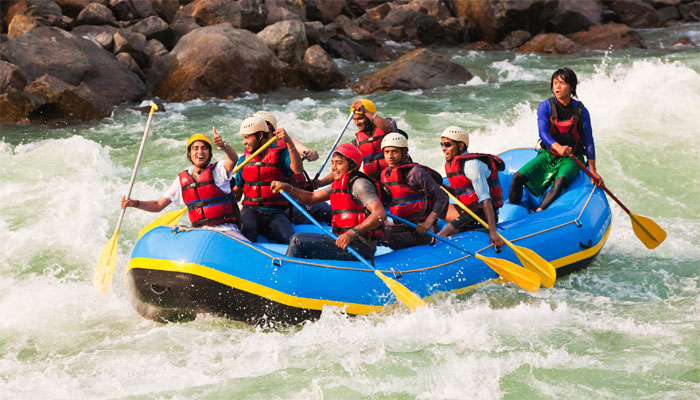
River Rafting in Rishikesh
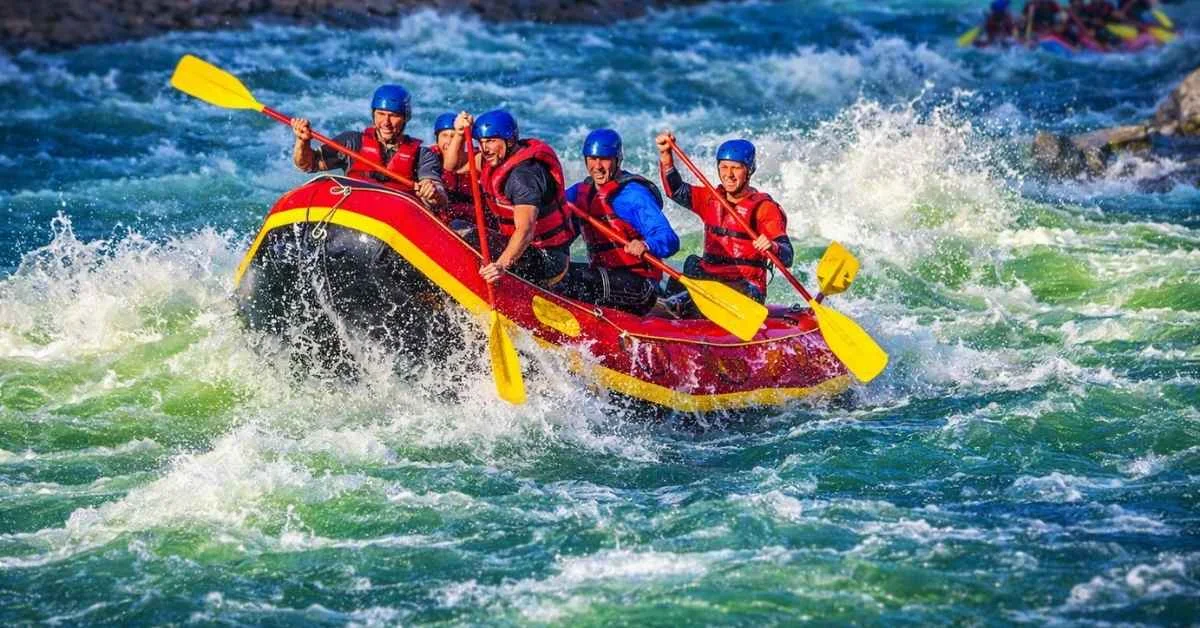
River Rafting in Manali
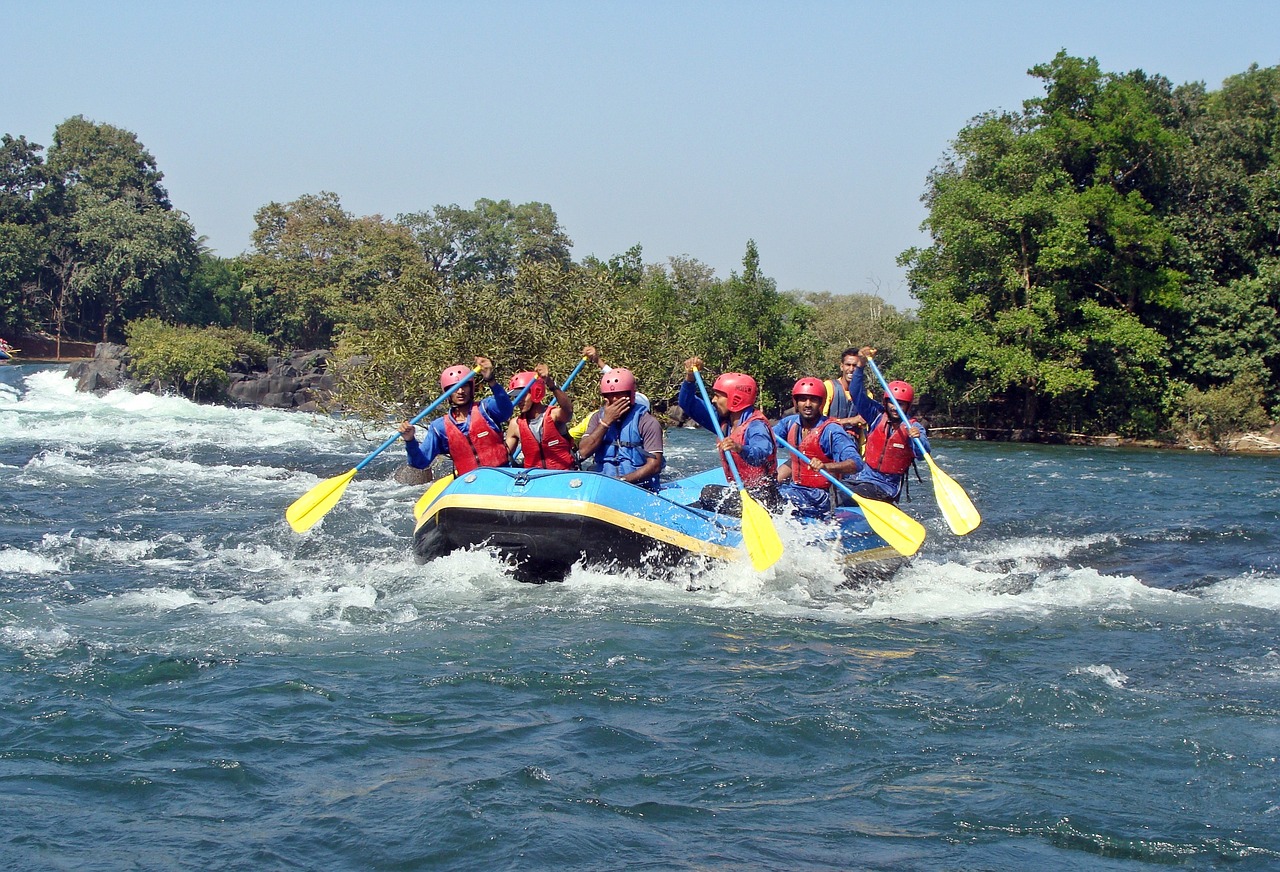
River Rafting in Kolad
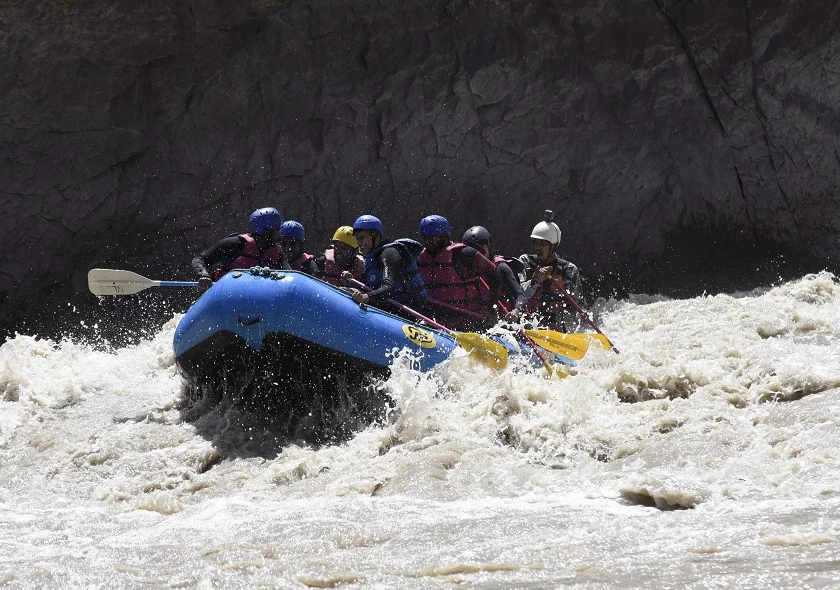
River Rafting in Zanskar
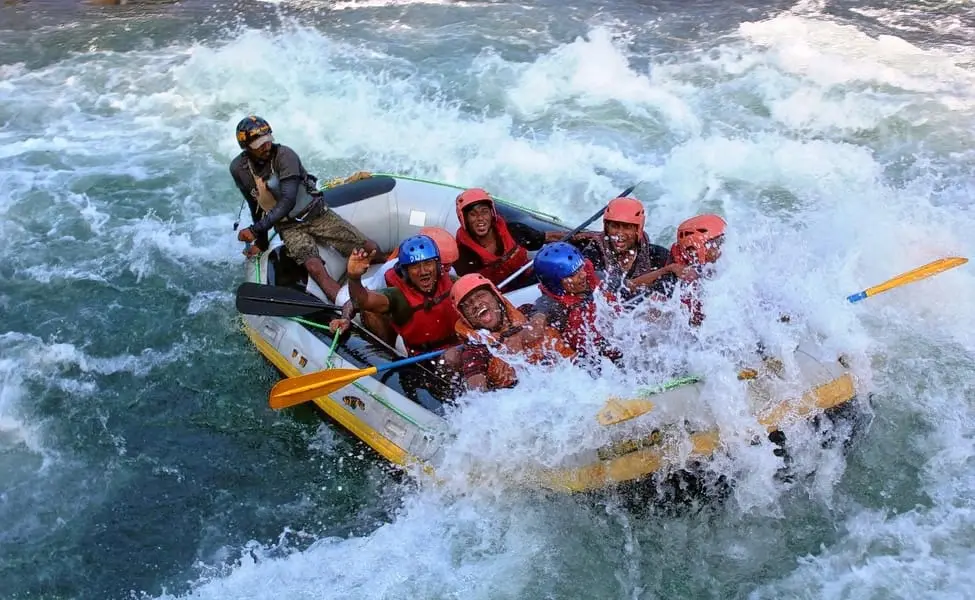
River Rafting in Teesta River
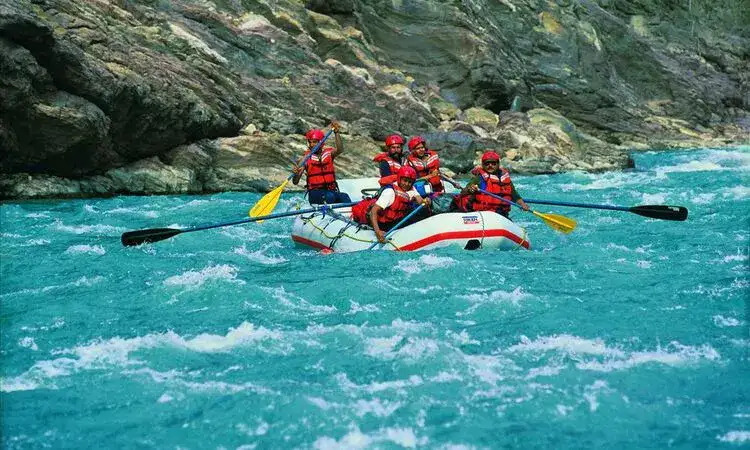
River Rafting in Kameng River
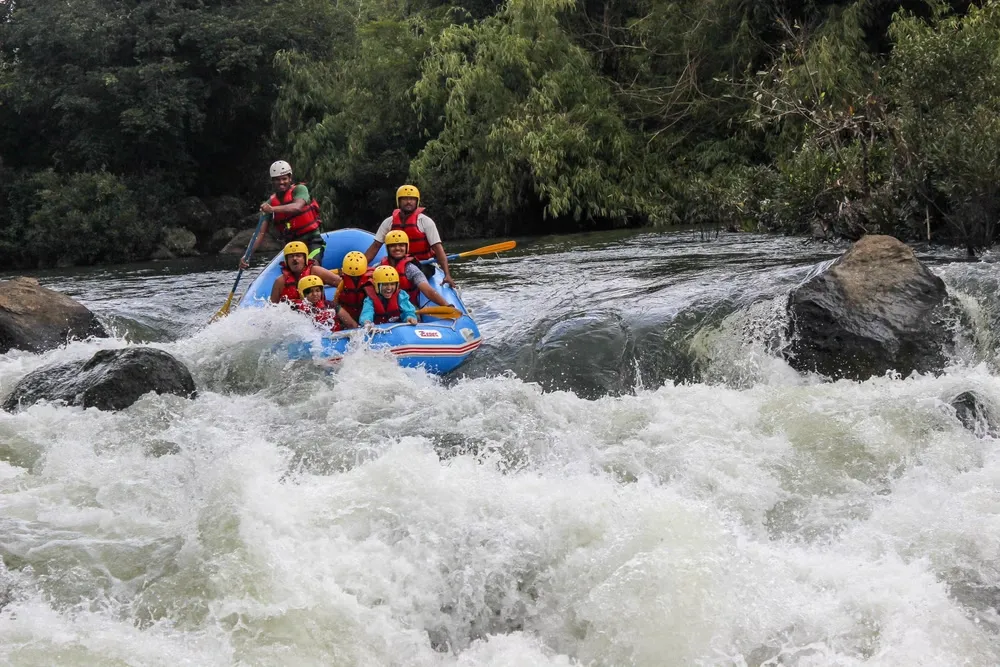
River Rafting in Barapole River
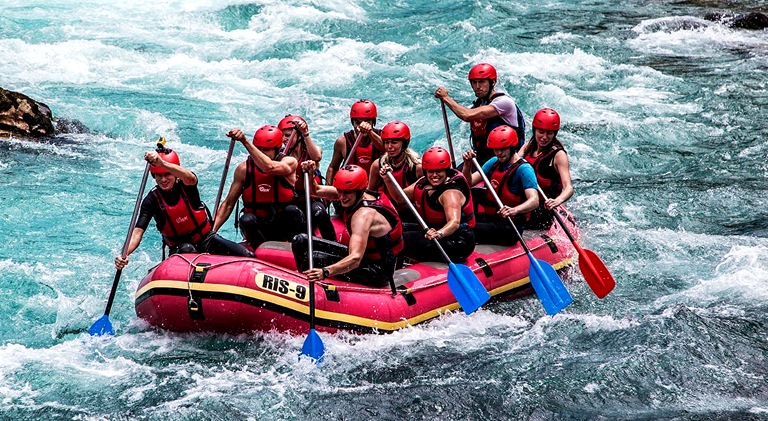
River Rafting in Alaknanda River
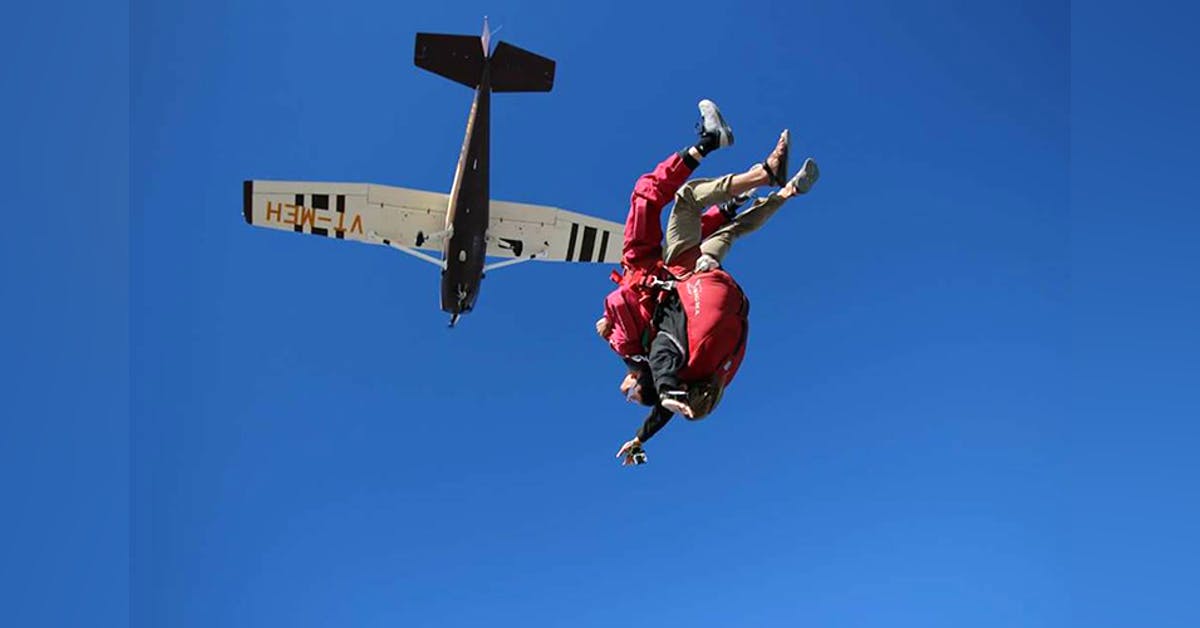
Skydiving in Mysore
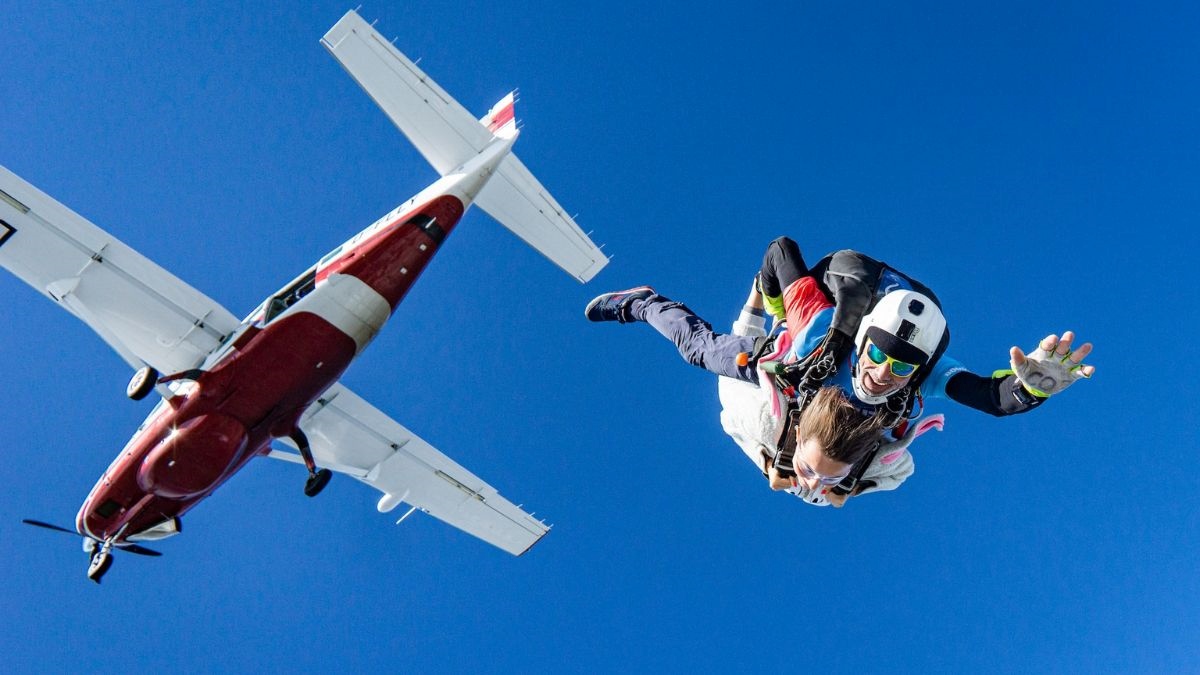
Skydiving in Dhana, Madhya Pradesh
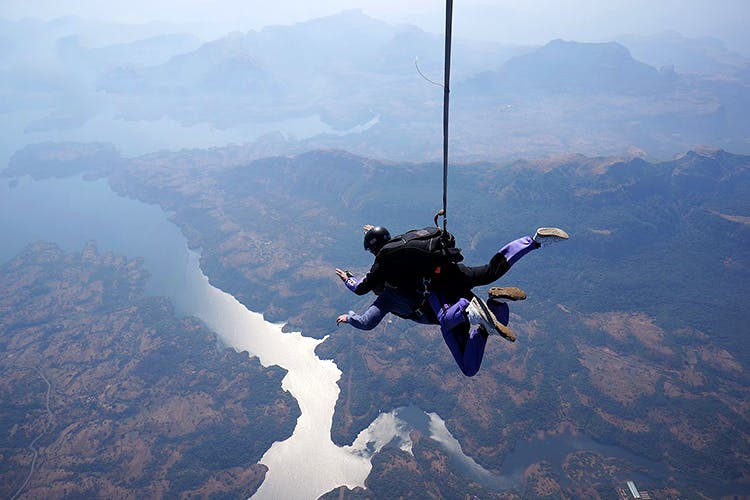
Skydiving in Aamby Valley, Maharashtra
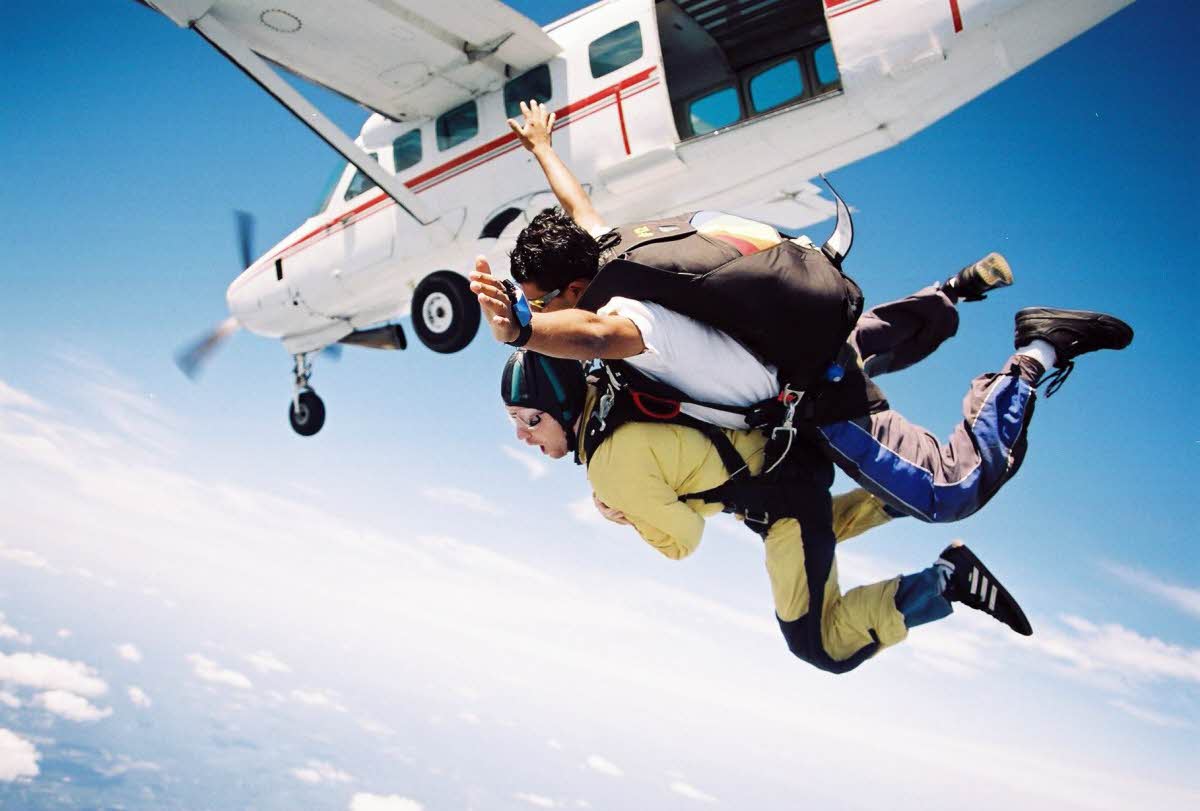
Skydiving in Deesa, Gujarat
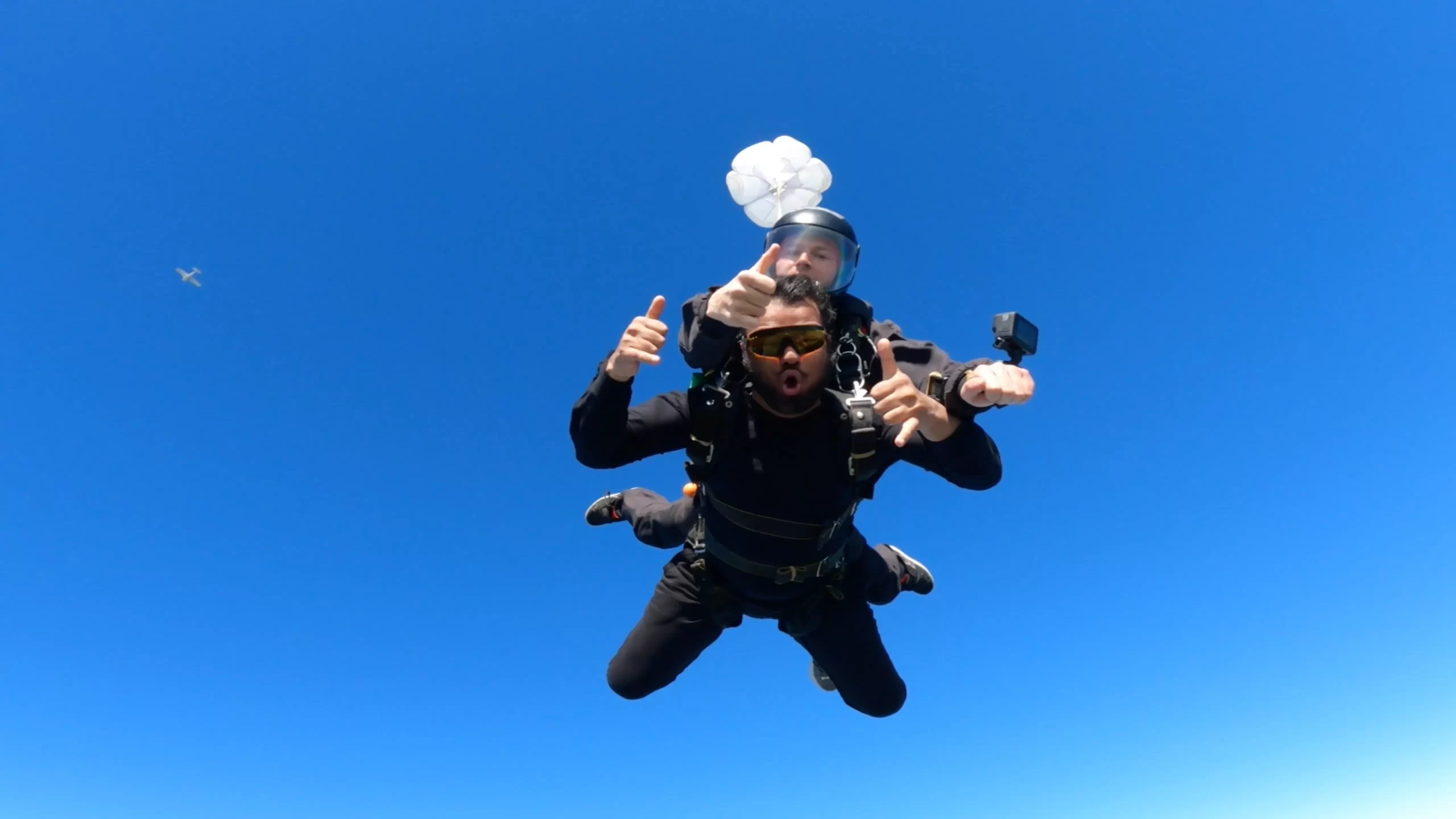
Skydiving in Narnaul, Haryana
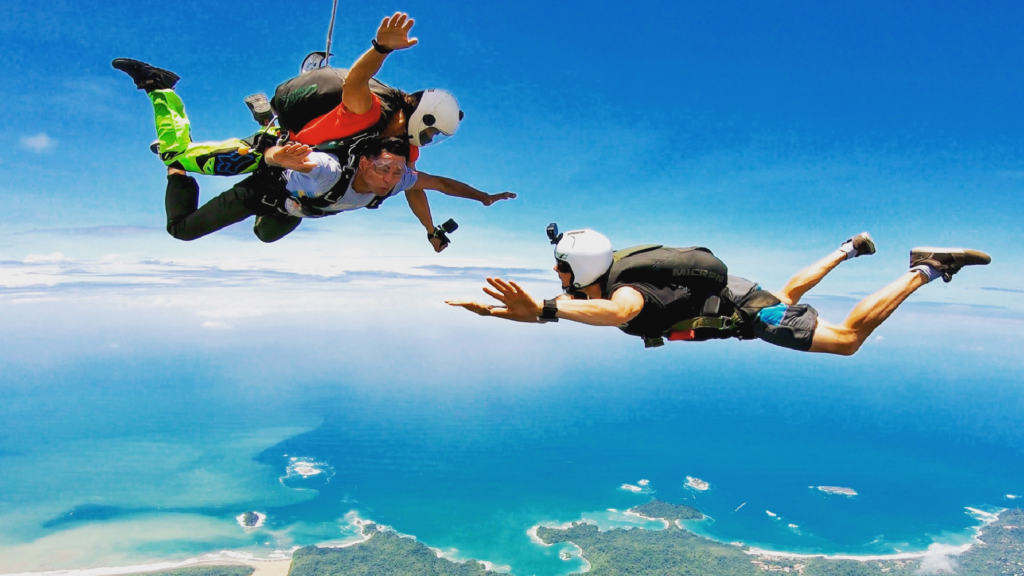
Skydiving in Pondicherry
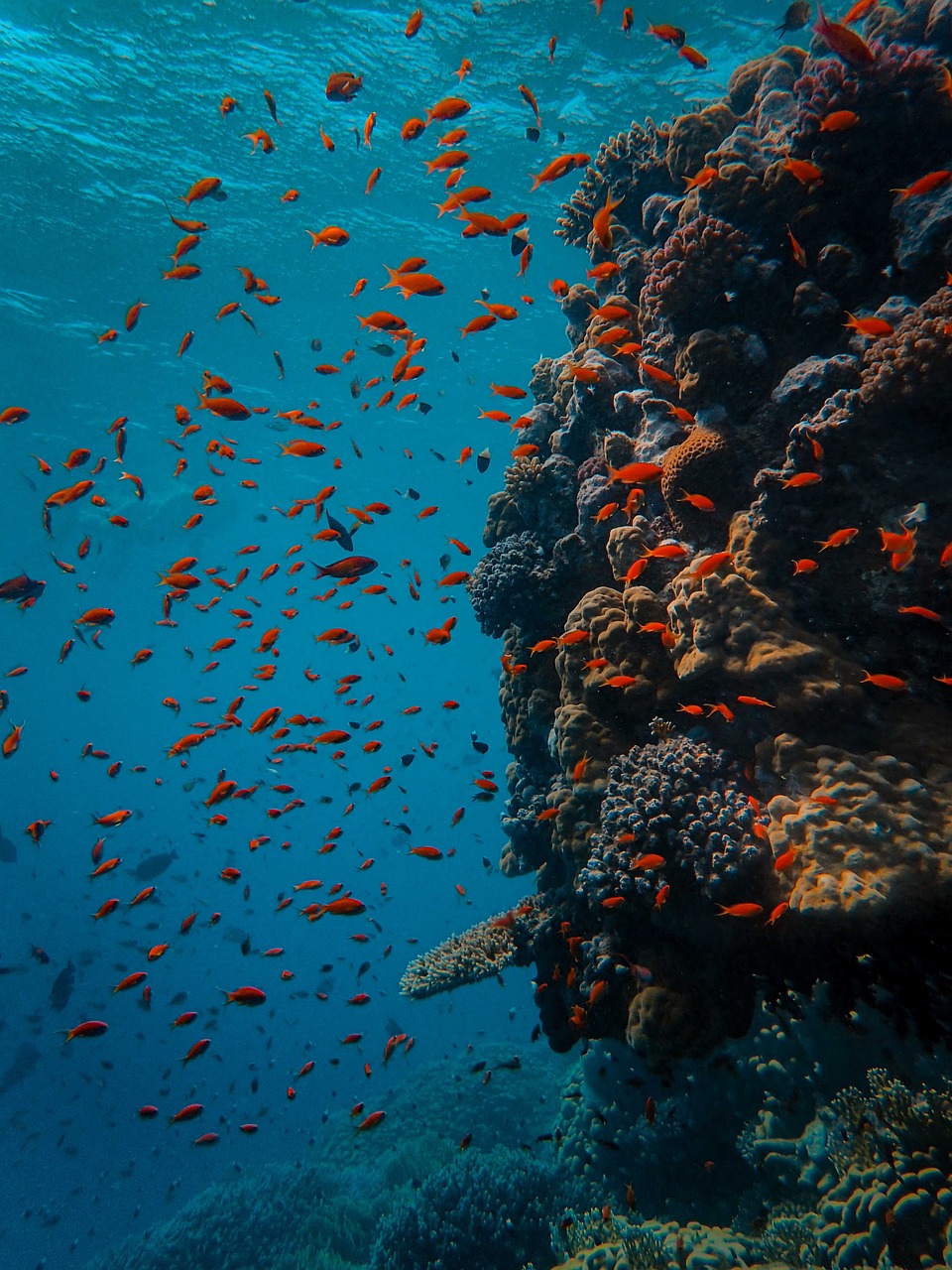
Scuba Diving in Andaman & Nicobar Islands
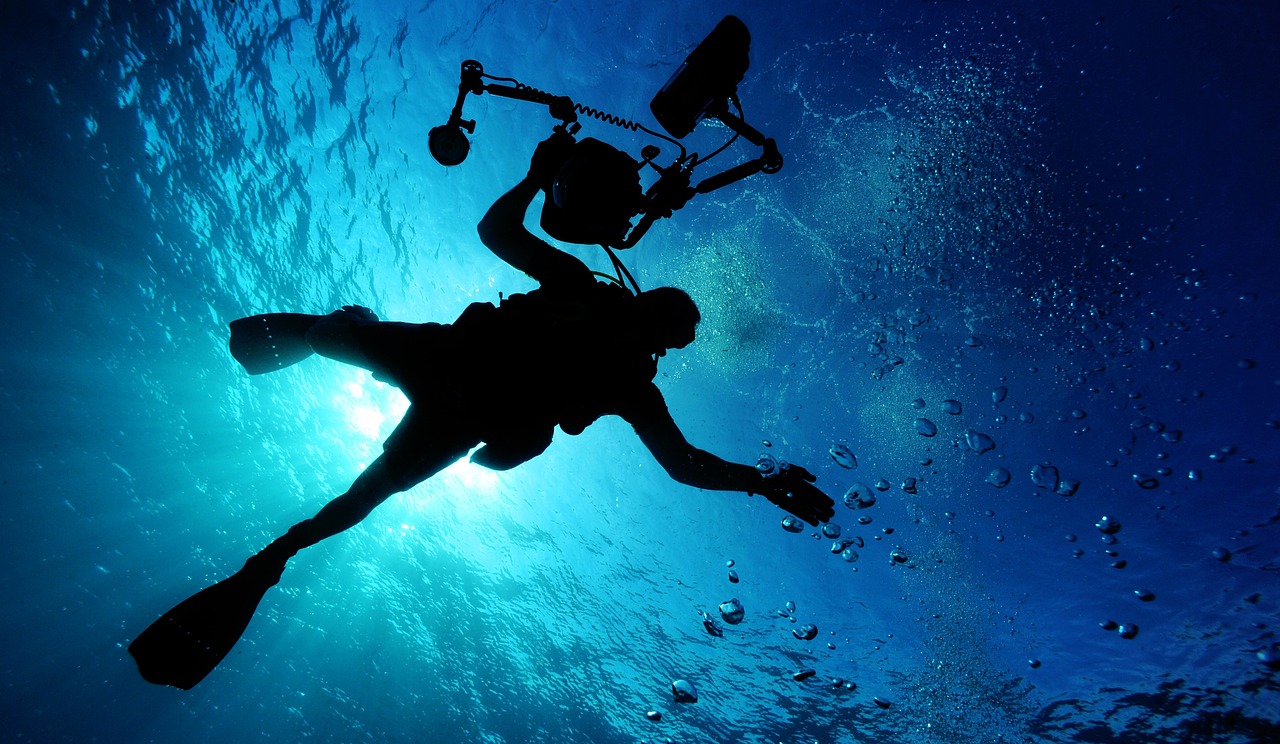
Scuba Diving in Lakshadweep
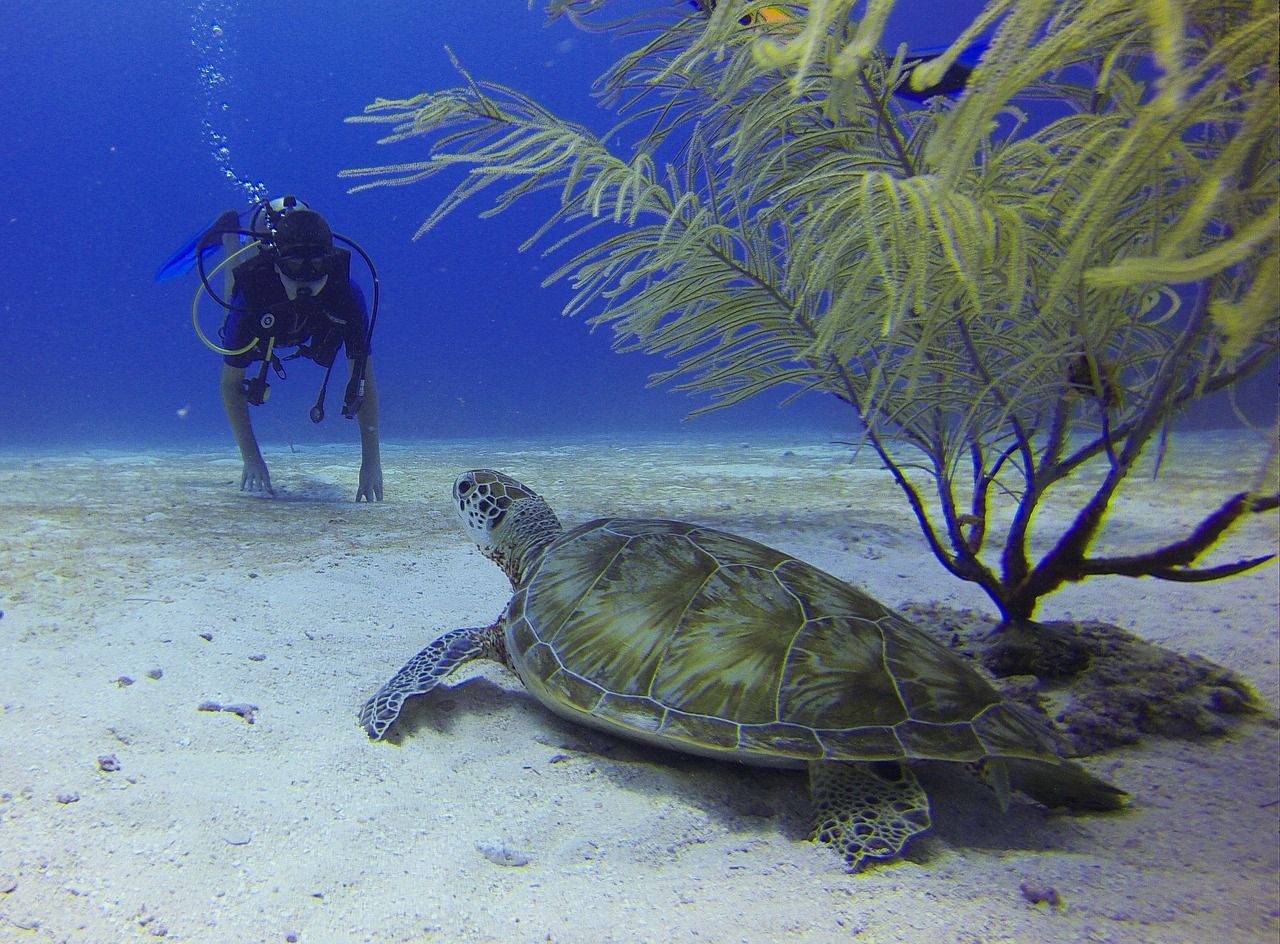
Scuba Diving in Goa
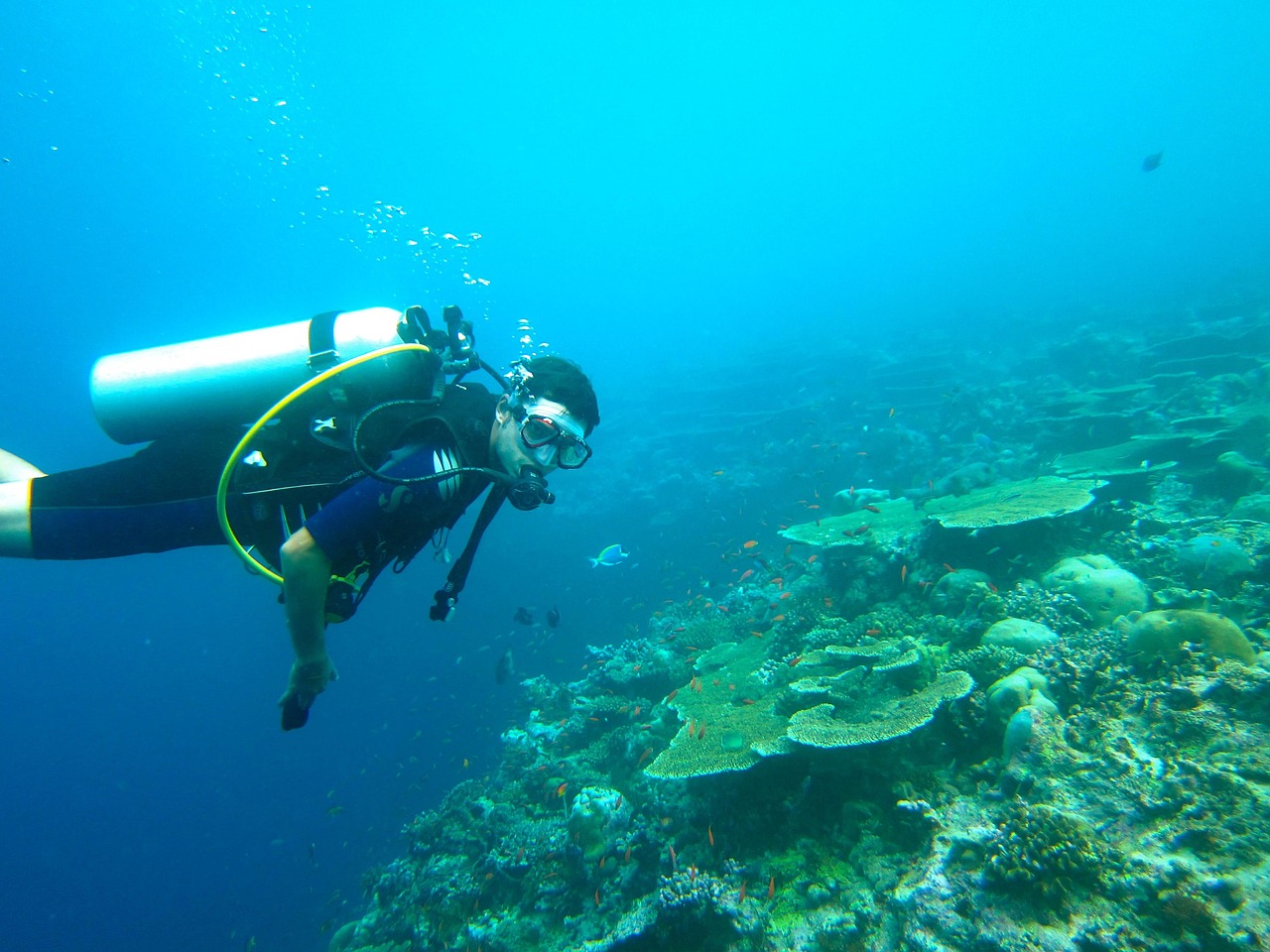
Scuba Diving in Pondicherry
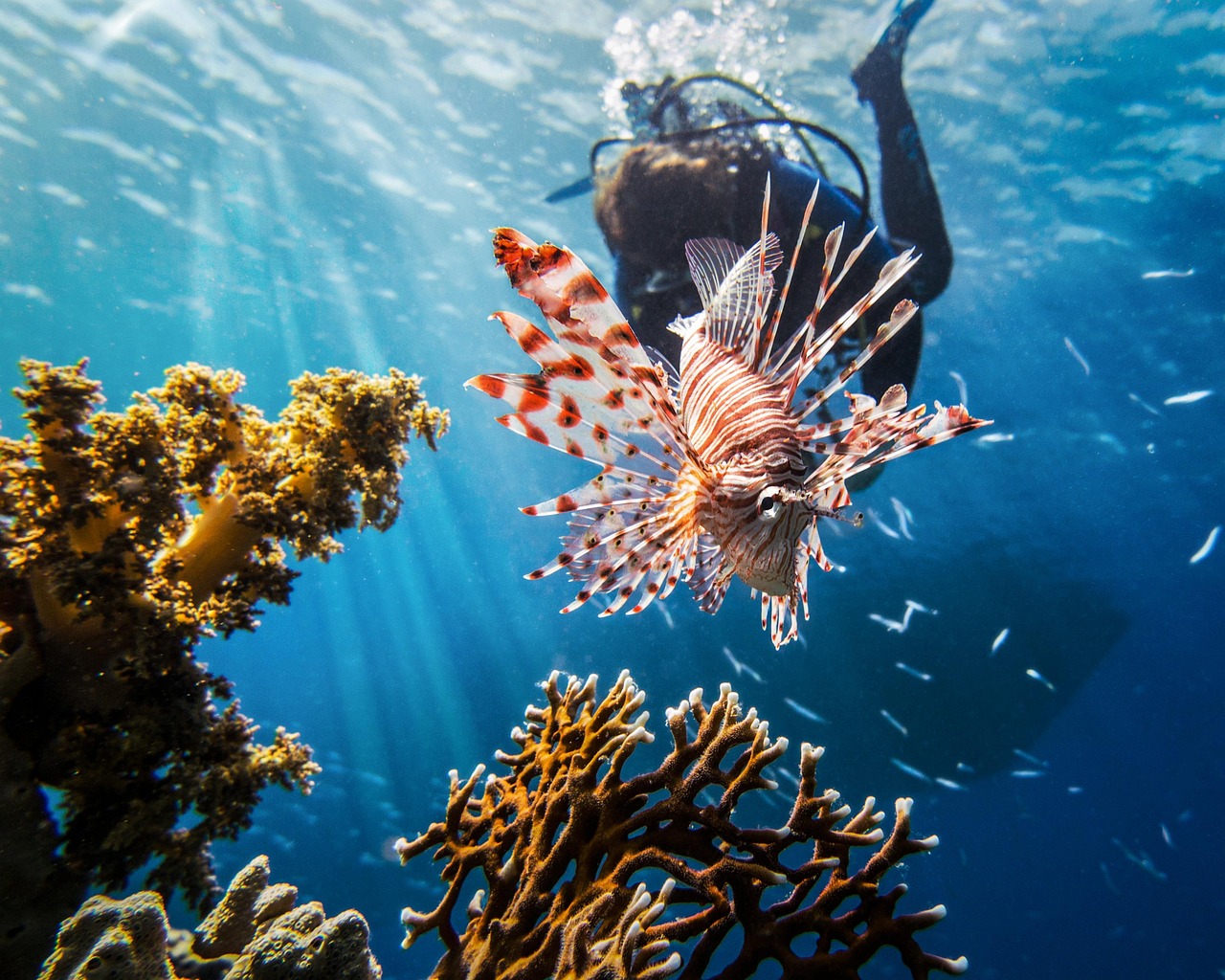
Scuba Diving in Netrani Island (Karnataka)
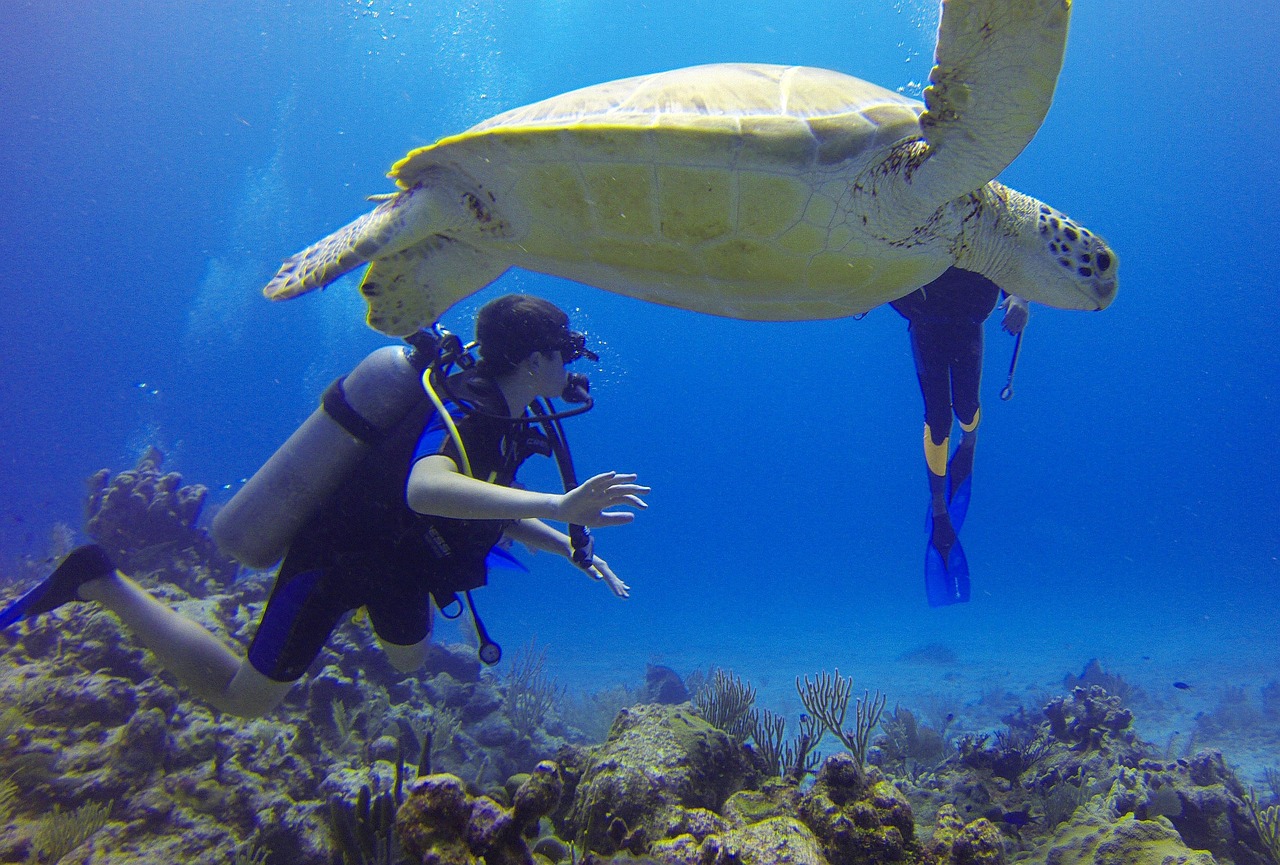
Scuba Diving in Tarkarli (Maharashtra)
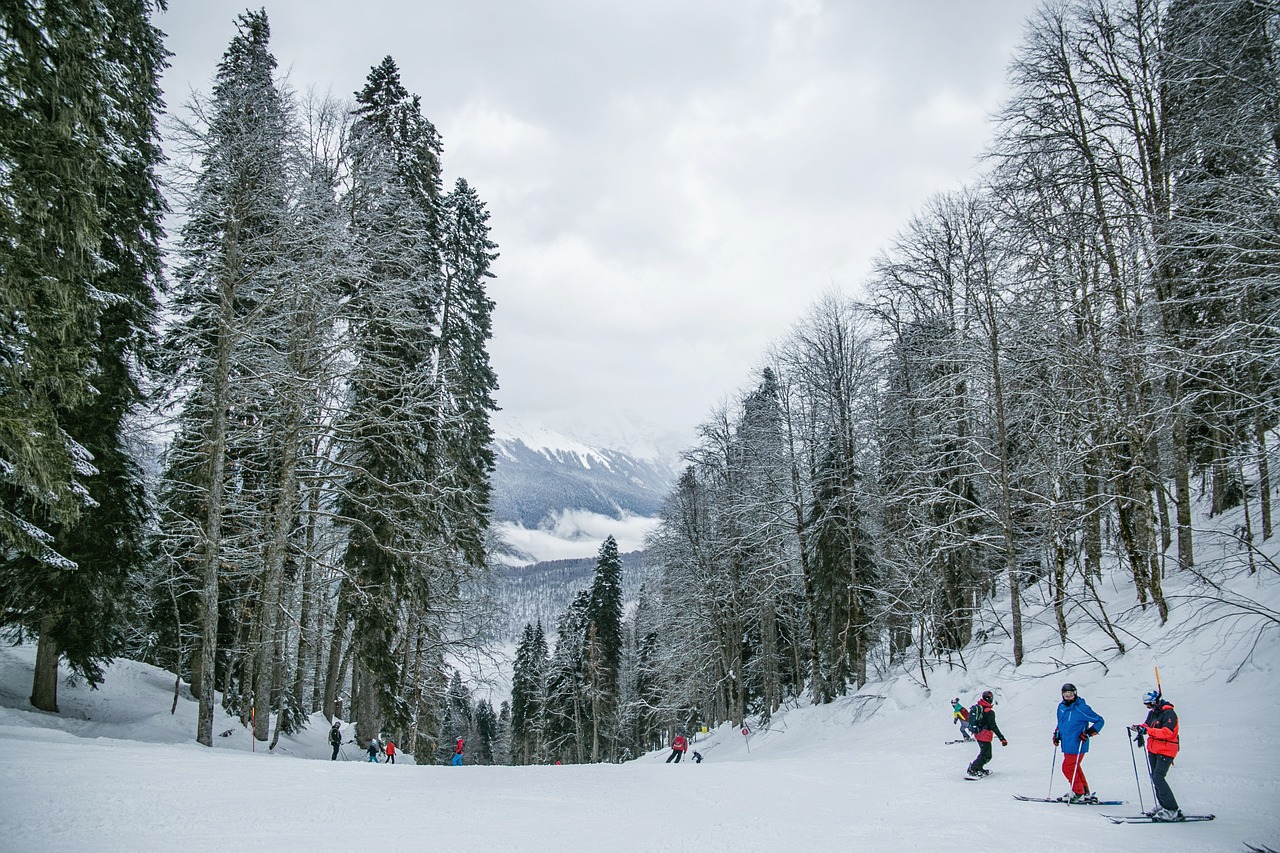
Skiing in Gulmarg
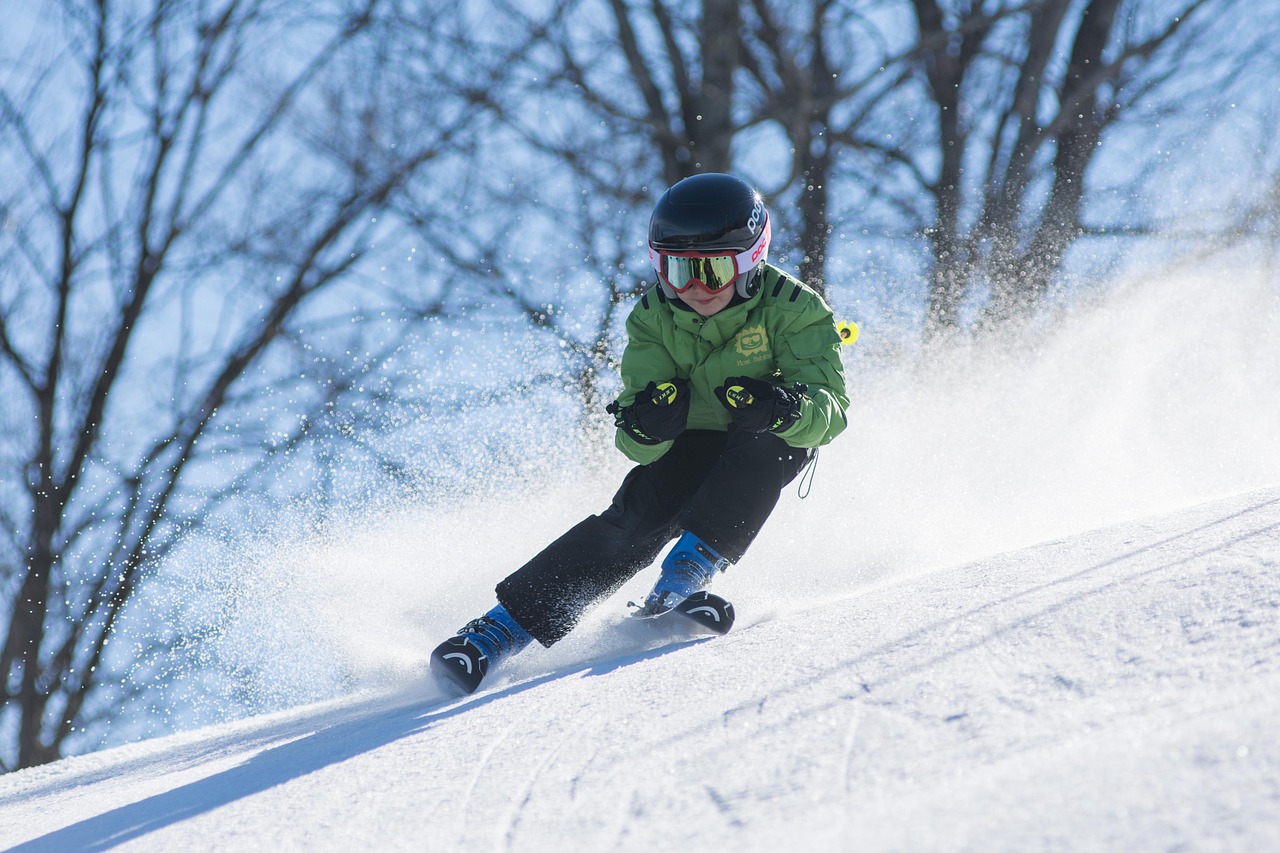
Skiing in Auli
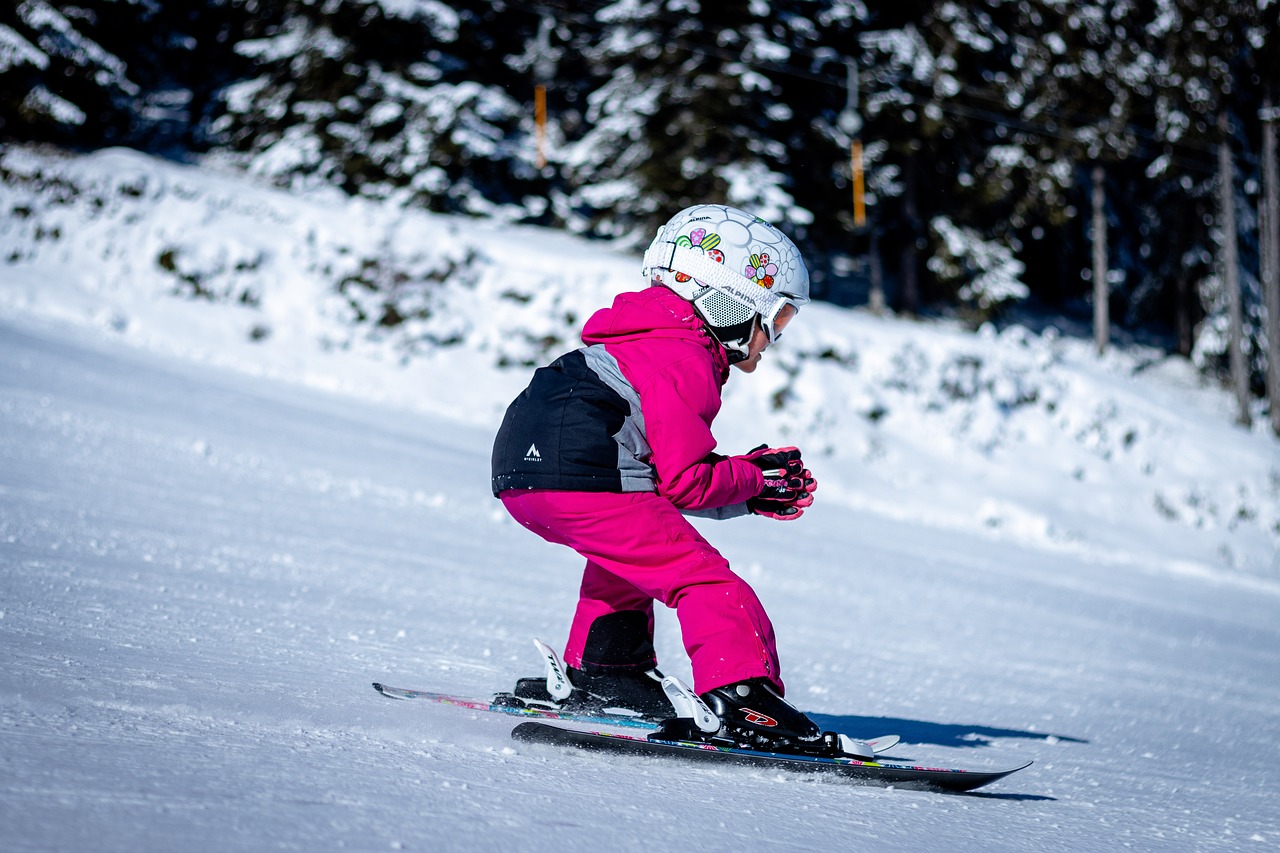
Skiing in Solang
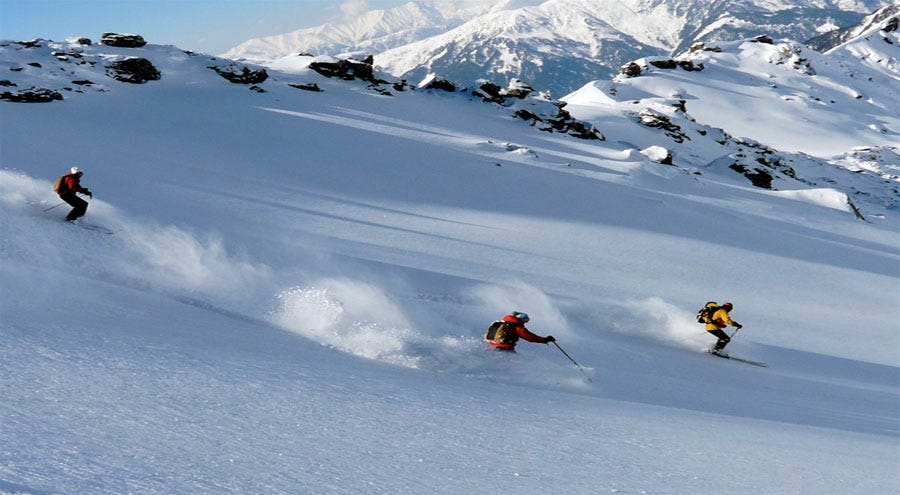
Skiing in Kufri
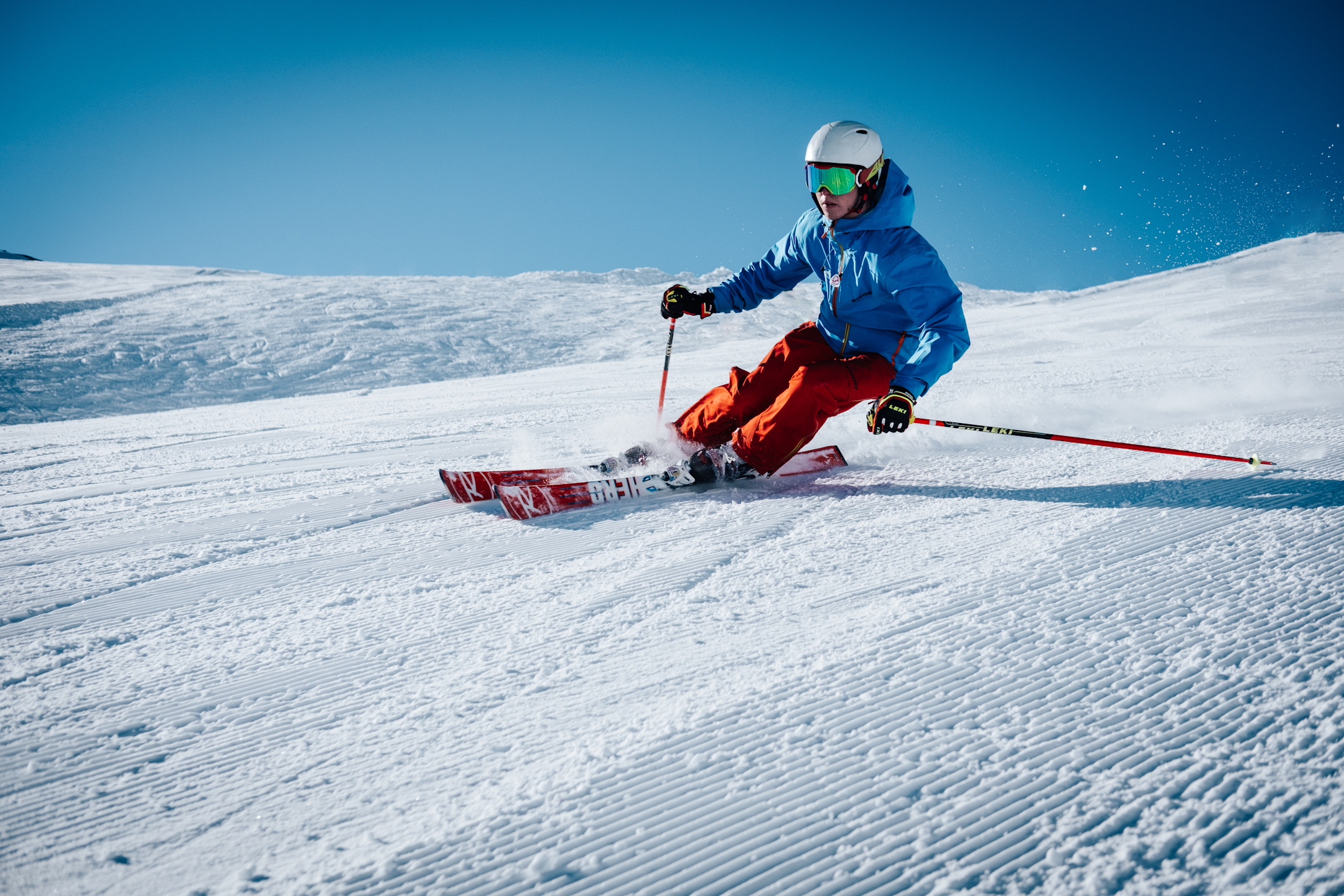
Skiing in Narkanda
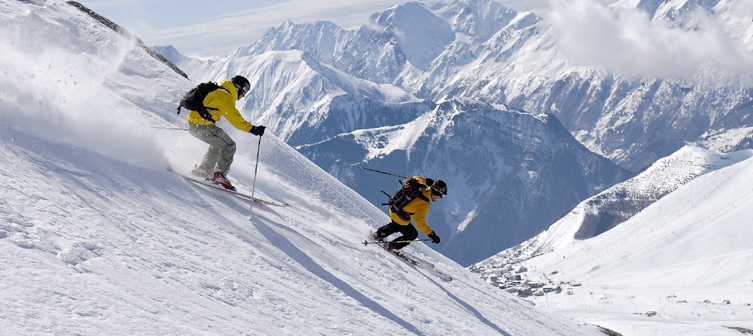
Skiing in Munsiyari
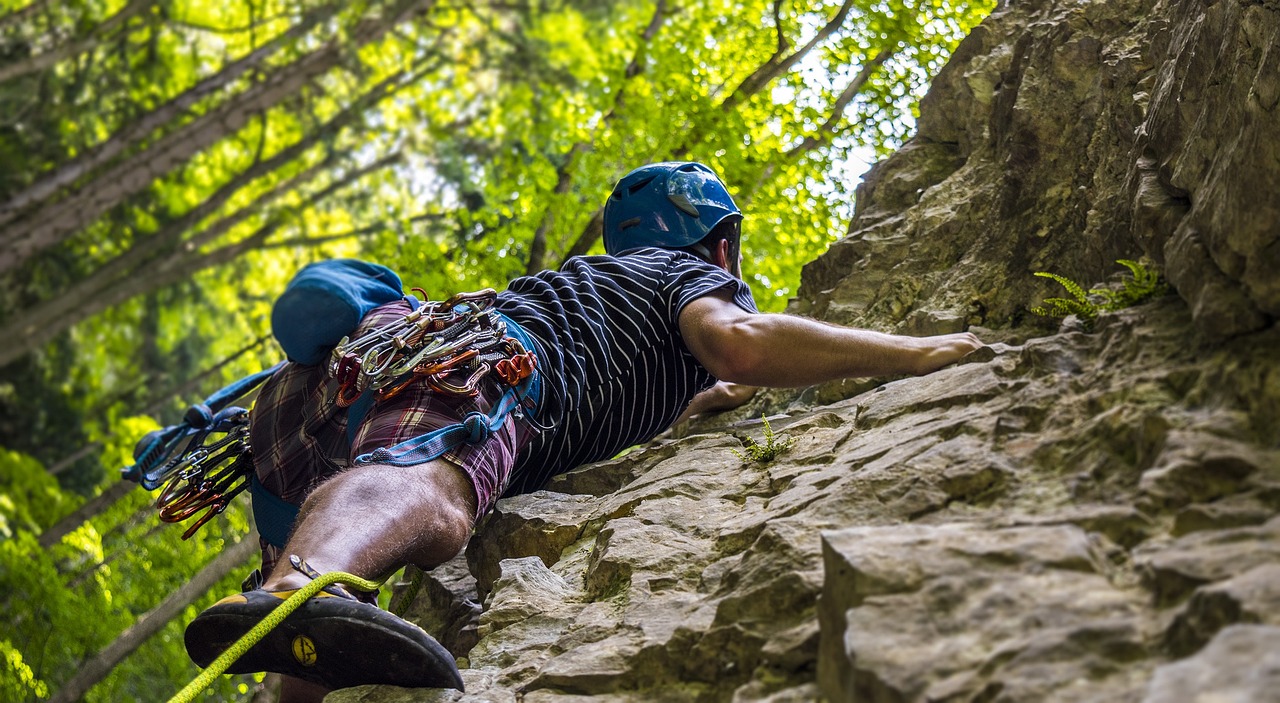
Rock Climbing in Manali
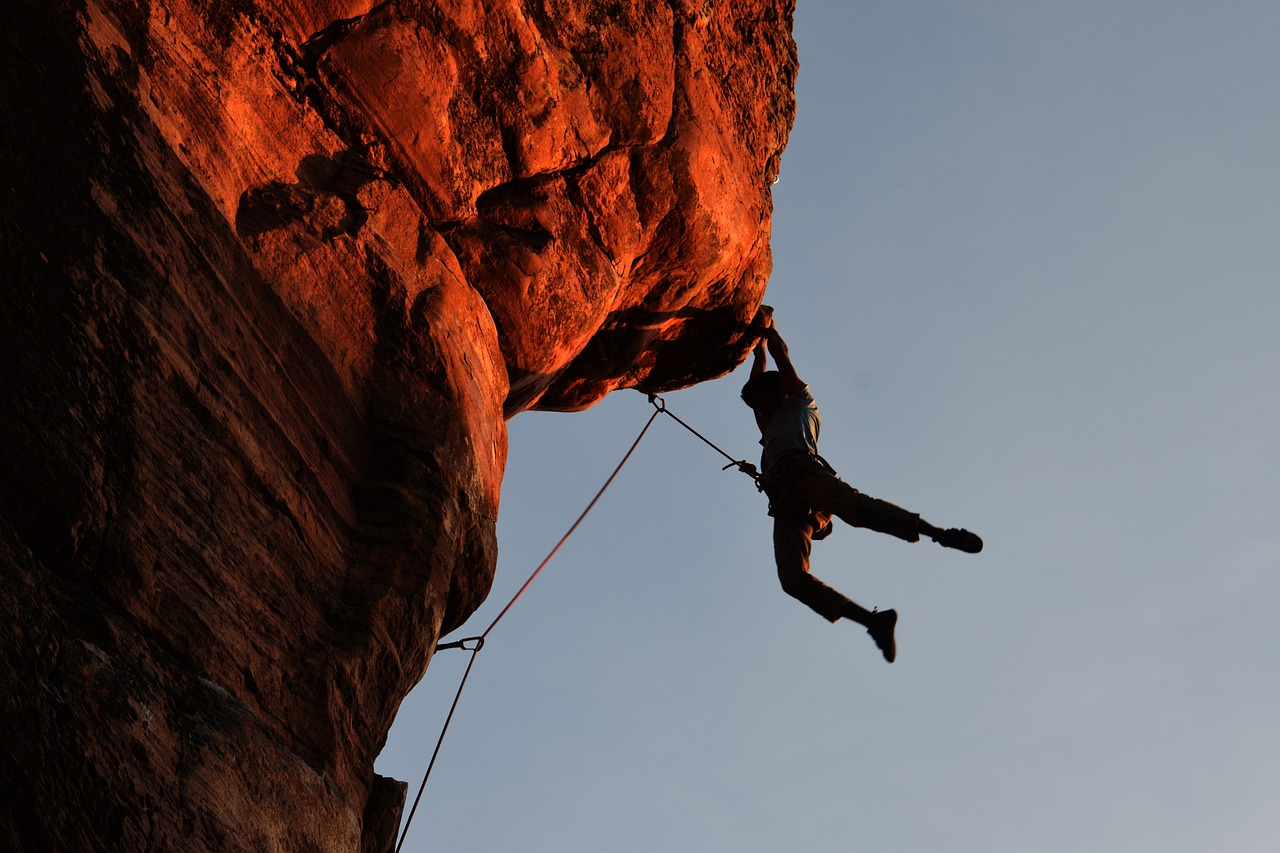
Rock climbing in Badami (Karnataka)
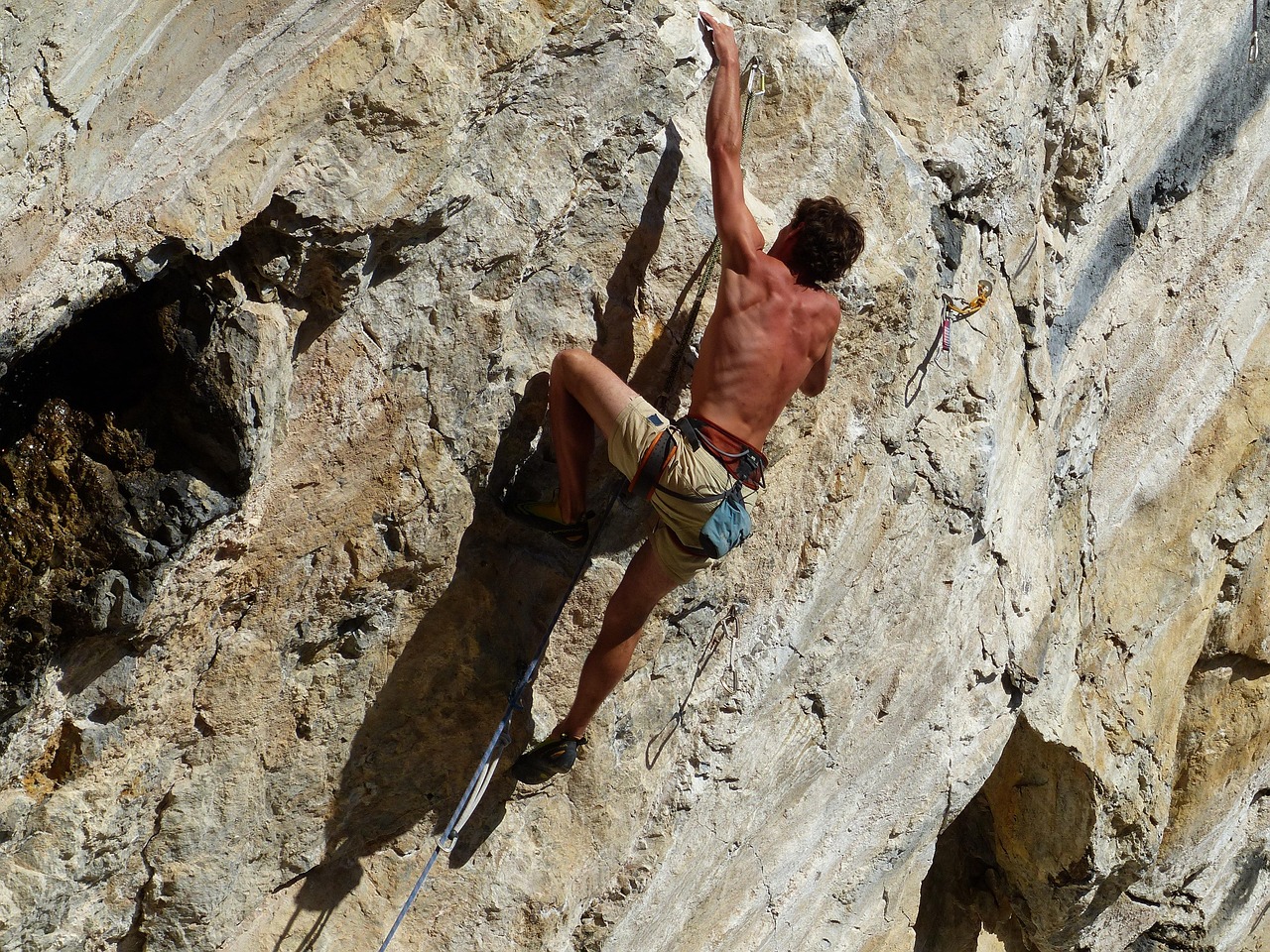
Rock climbing in Vijayapura (Karnataka)
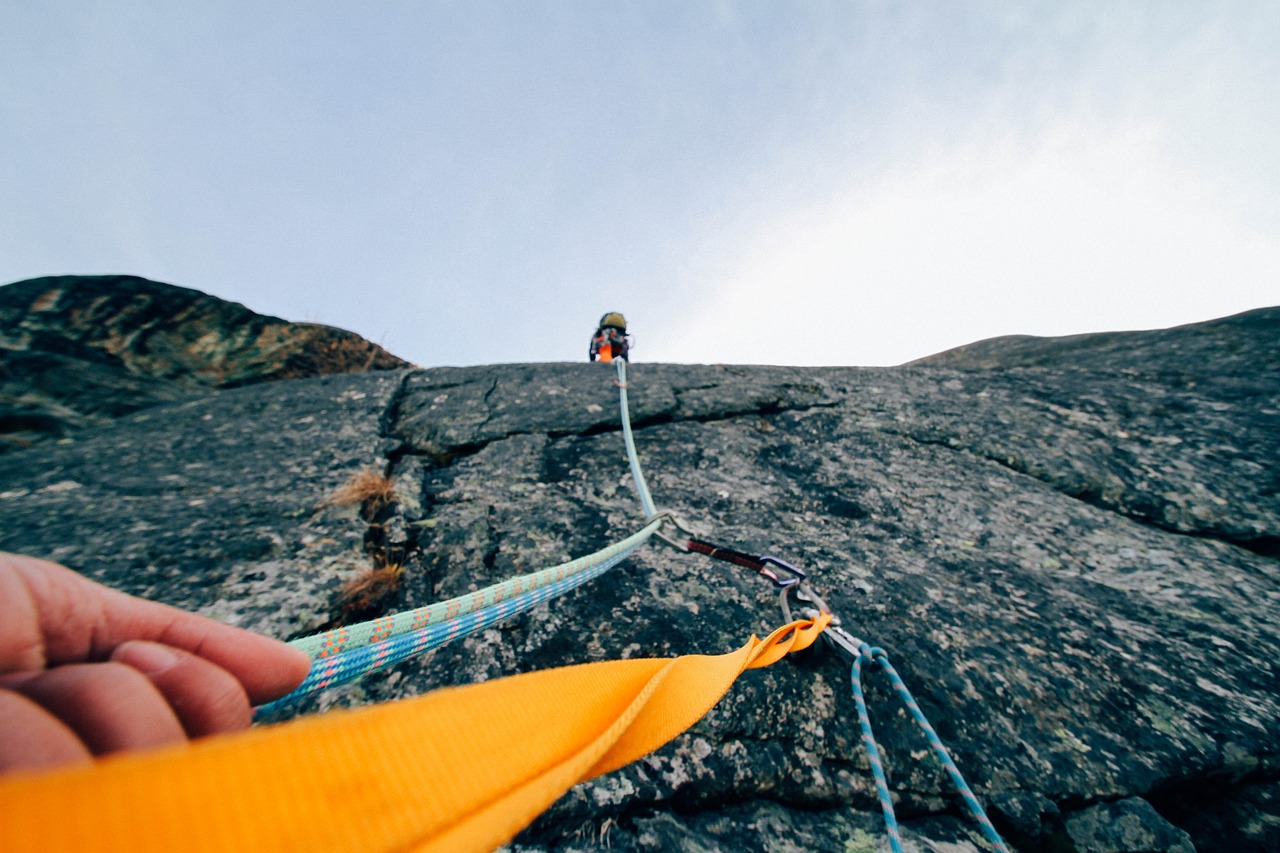
Rock climbing in Boulder Hills (Hyderabad)
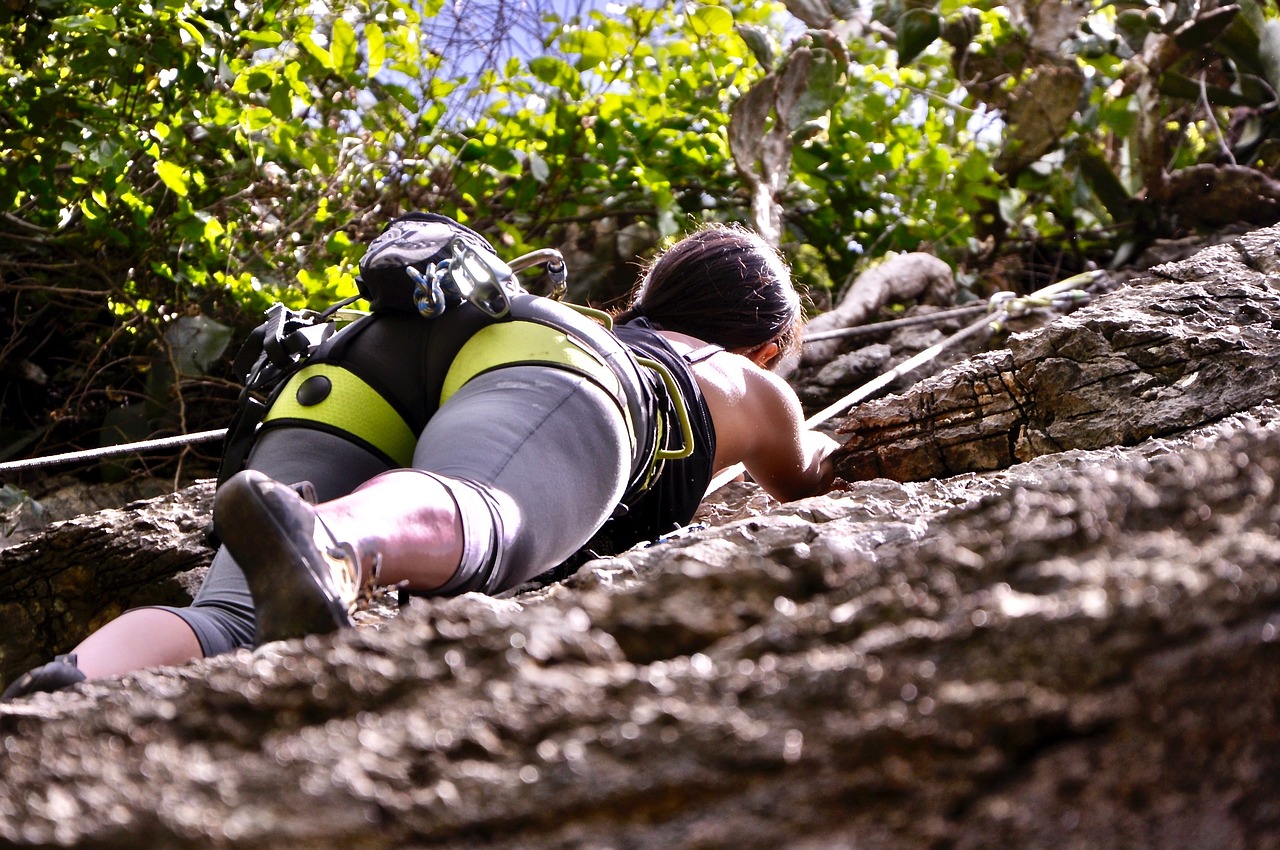
Rock climbing in Nainital
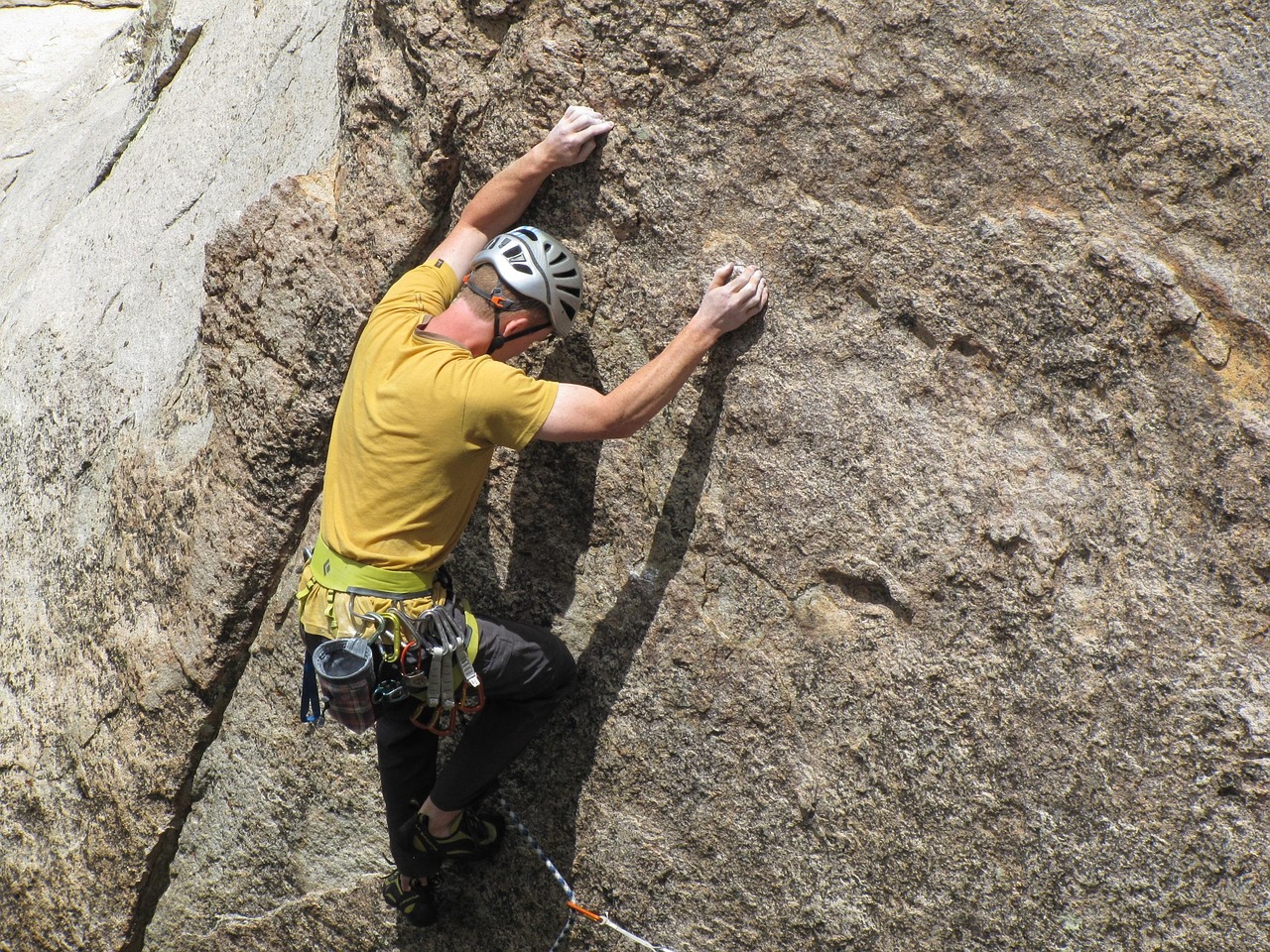
Rock climbing in Hampi (Karnataka)
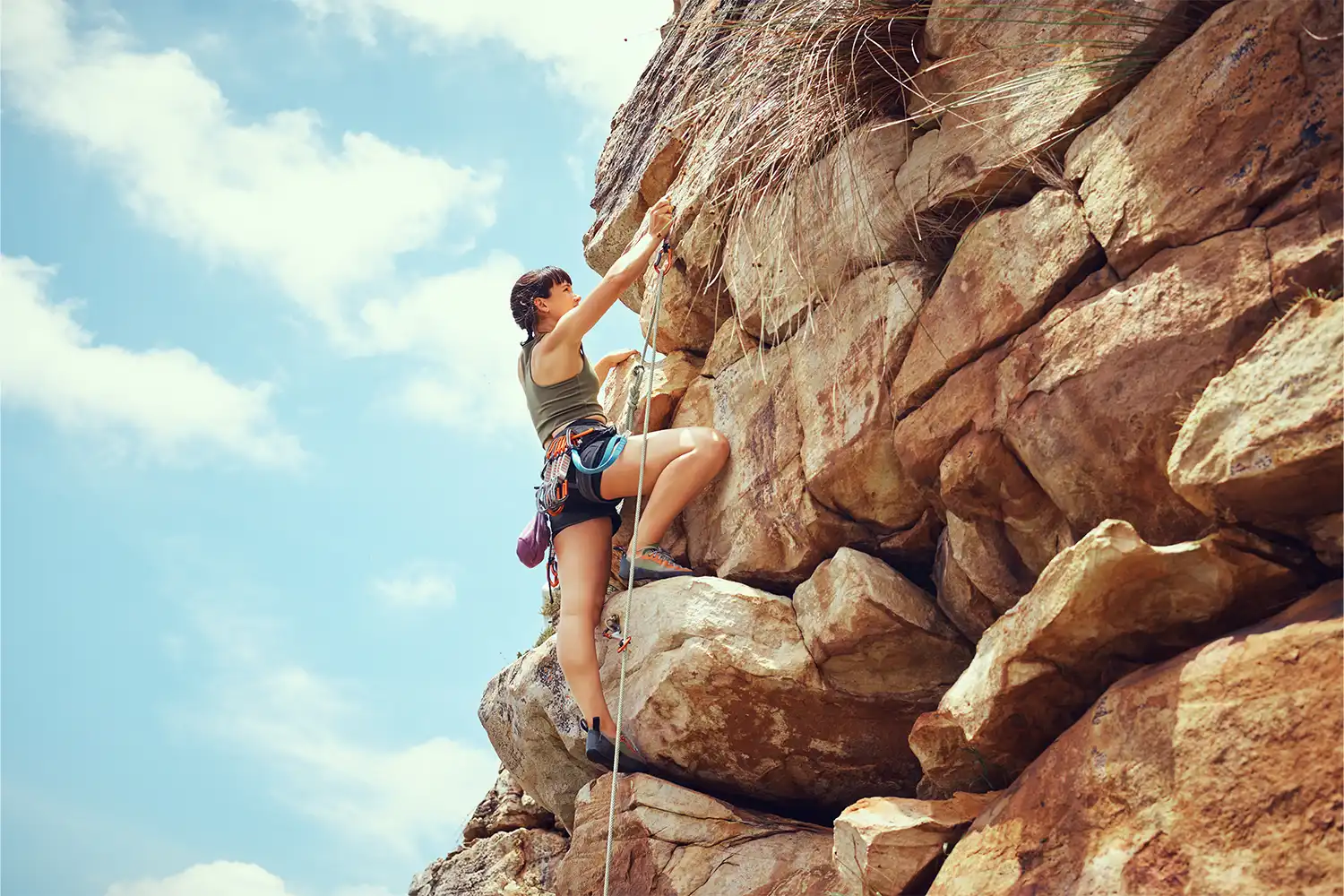
Rock climbing in Aravalli Range (Rajasthan)
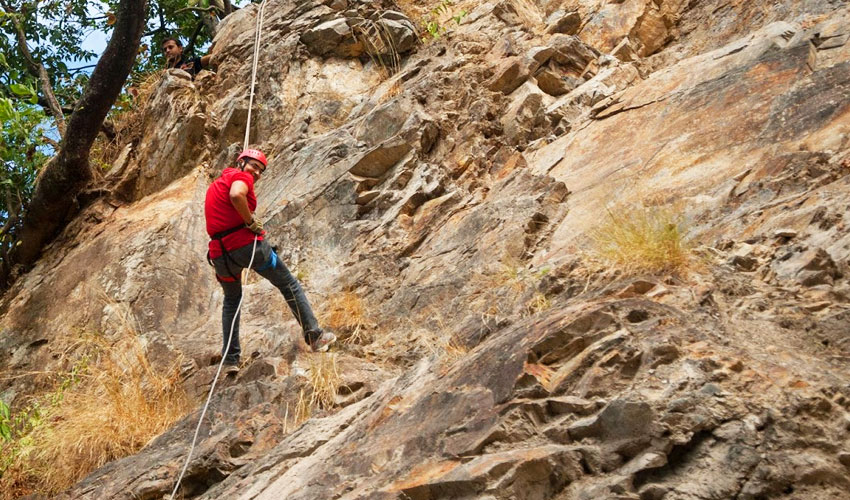
Rock climbing in Rishikesh
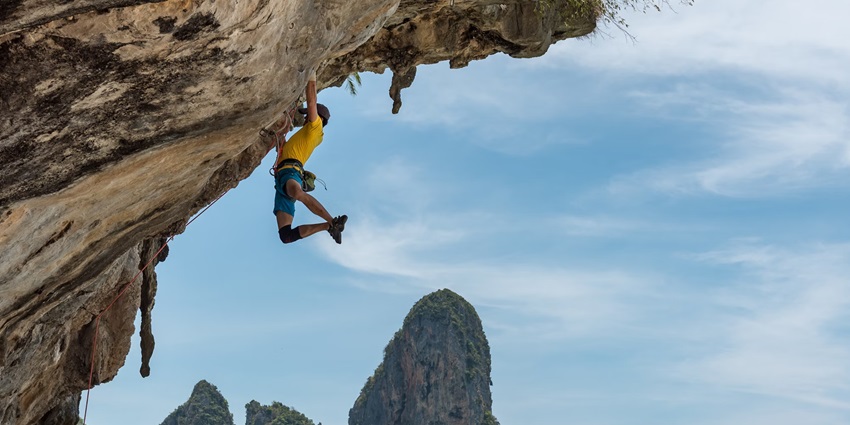
Rock climbing on Shey Rock (Ladakh)
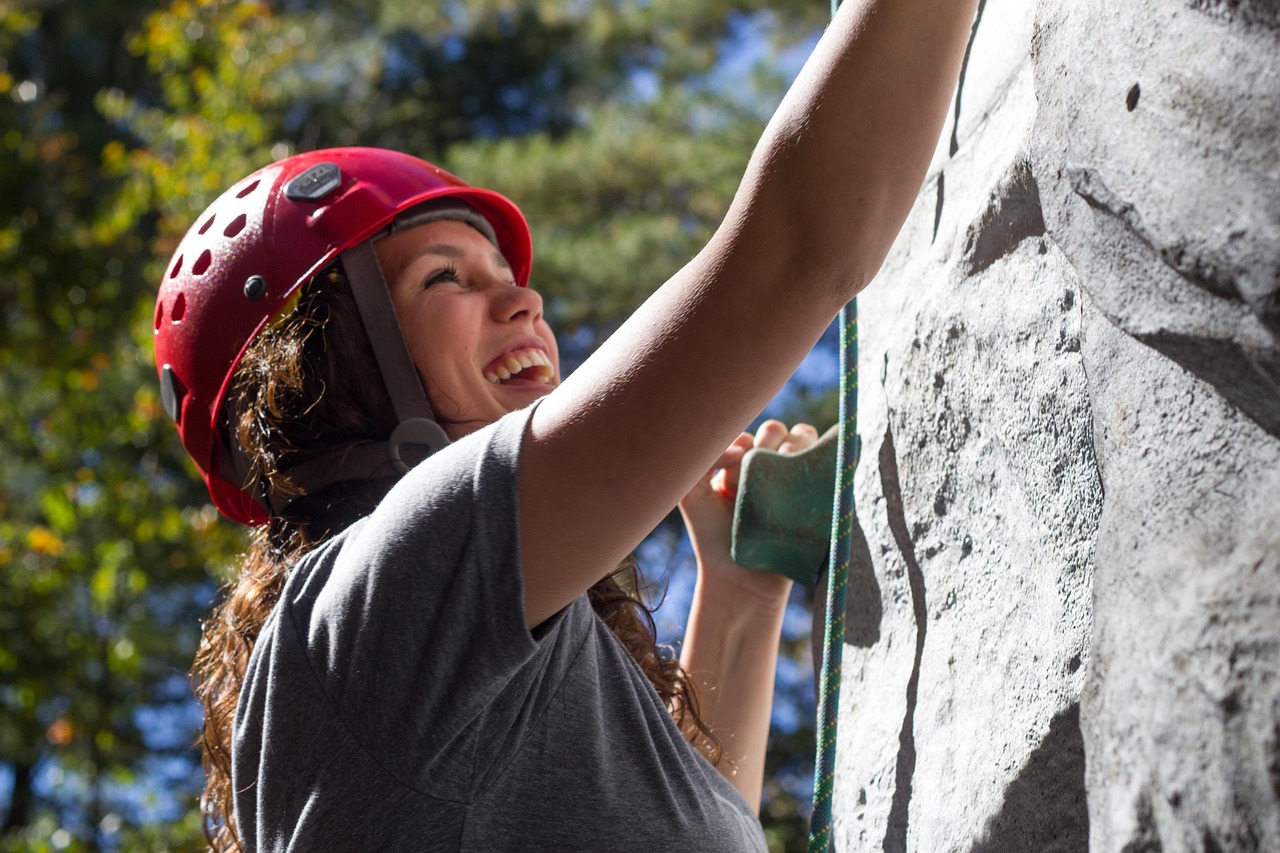
Rock climbing in Pune
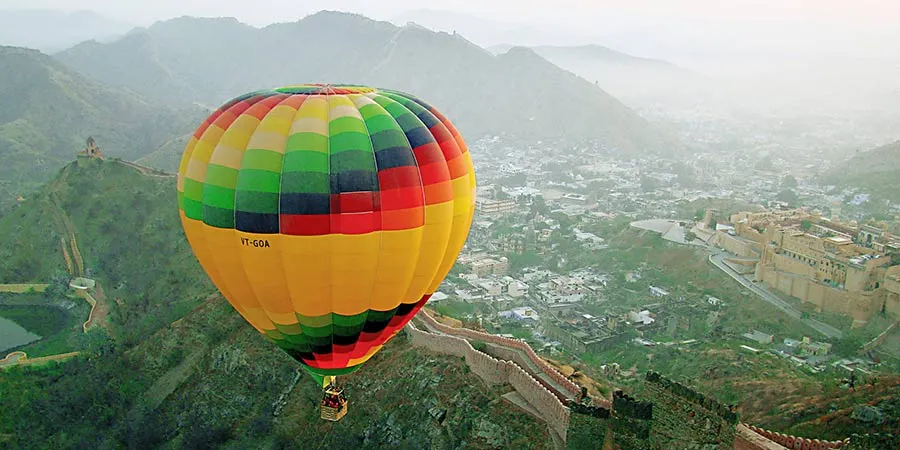
Hot Air Balloon Ride in Jaipur
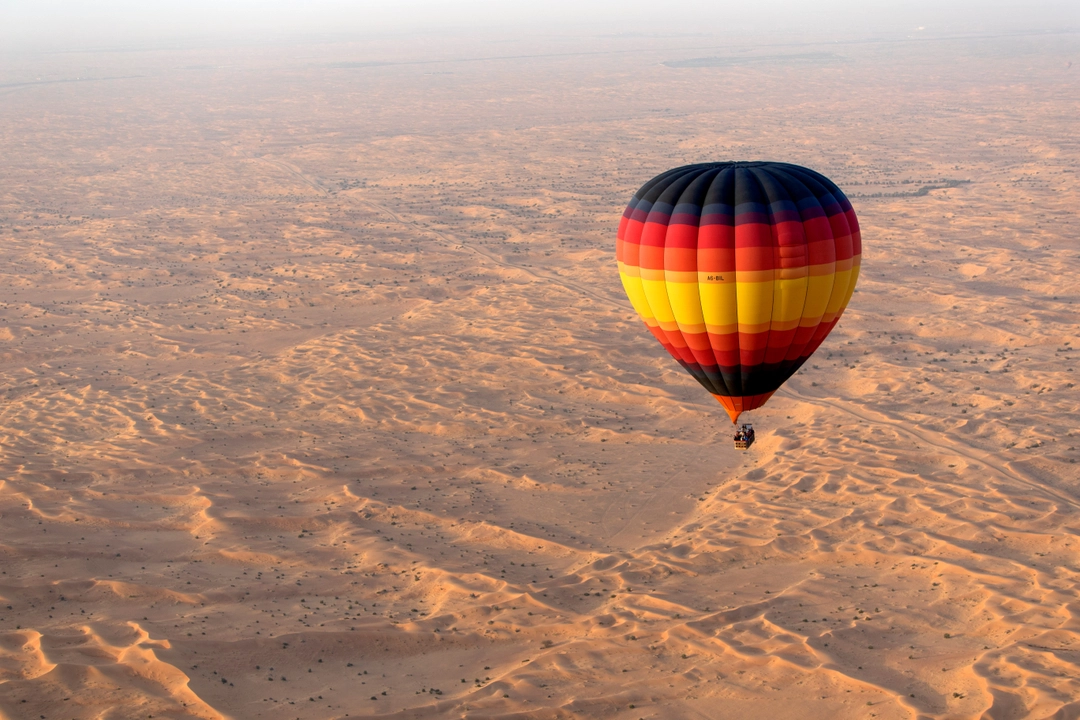
Hot Air Balloon Ride in Pushkar
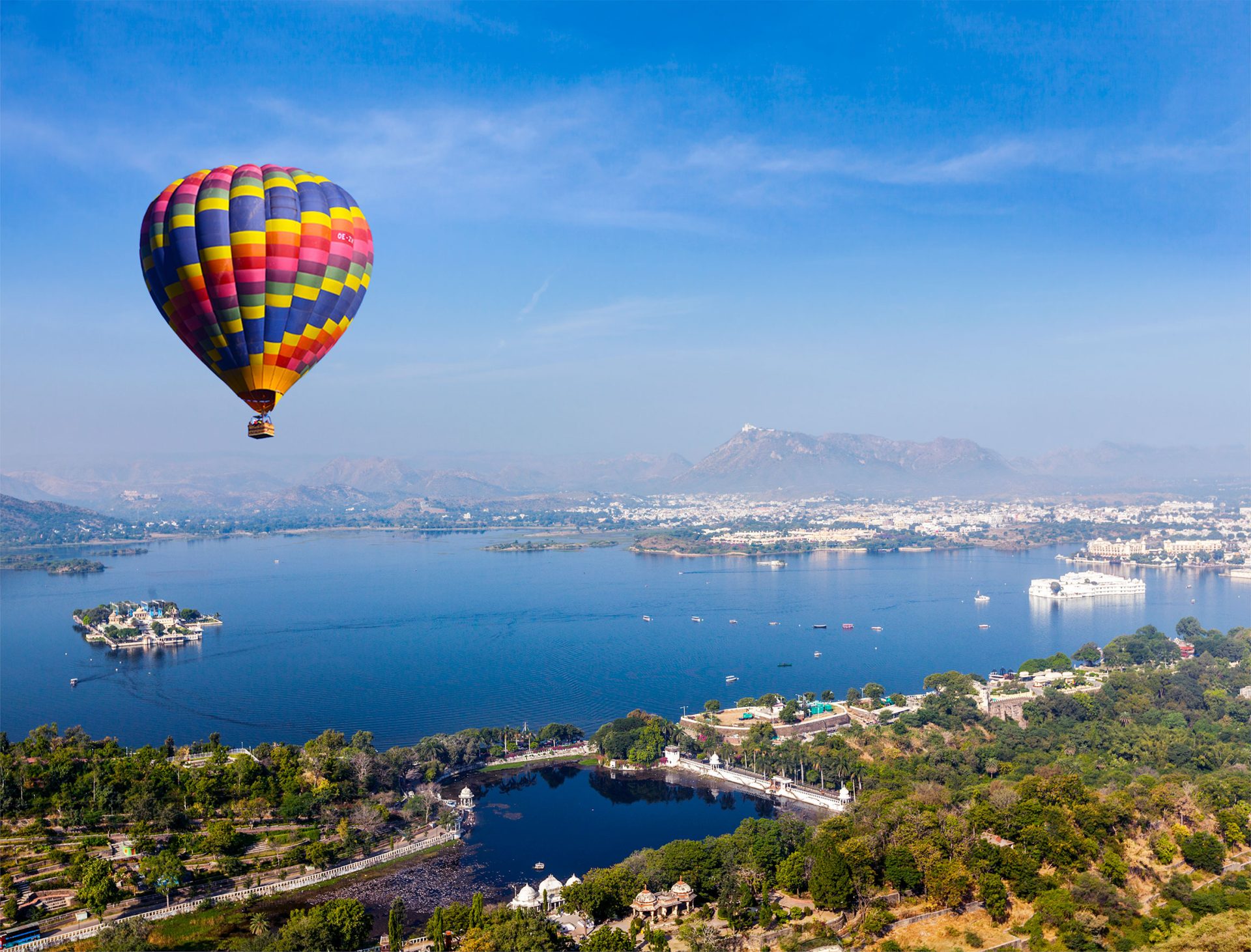
Hot Air Balloon Ride in Udaipur
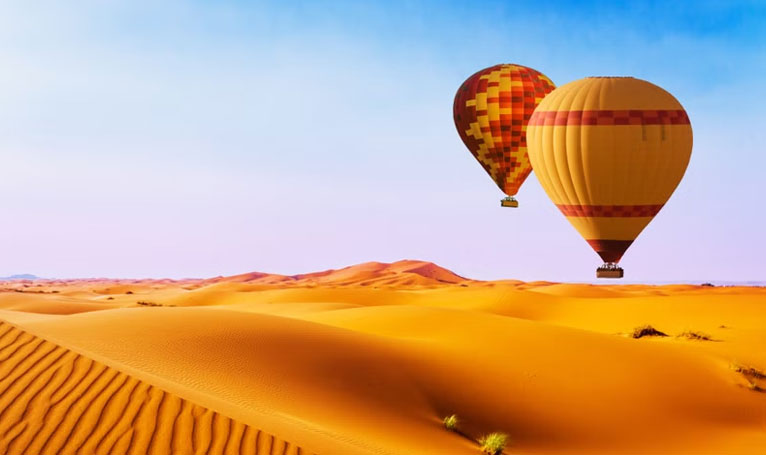
Hot Air Balloon Ride in Jaisalmer
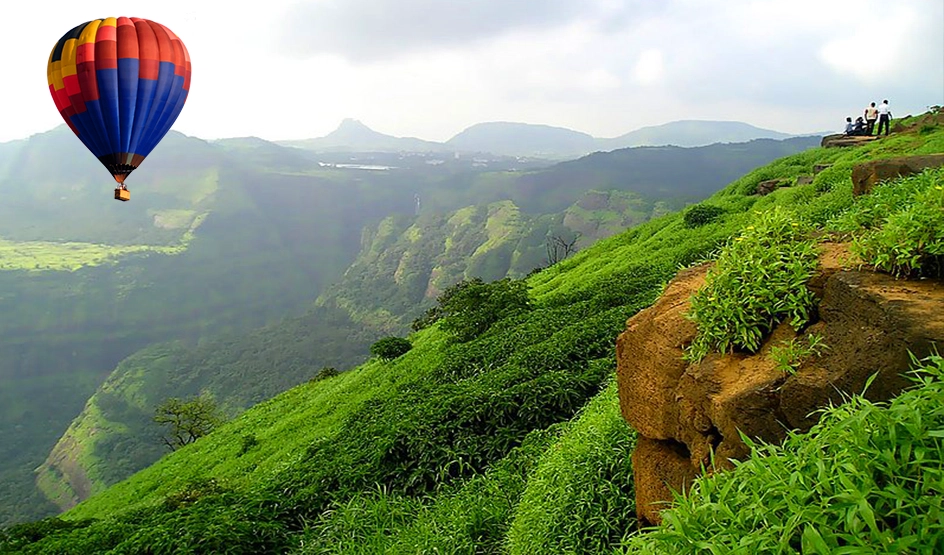
Hot Air Balloon Ride in Lonavala
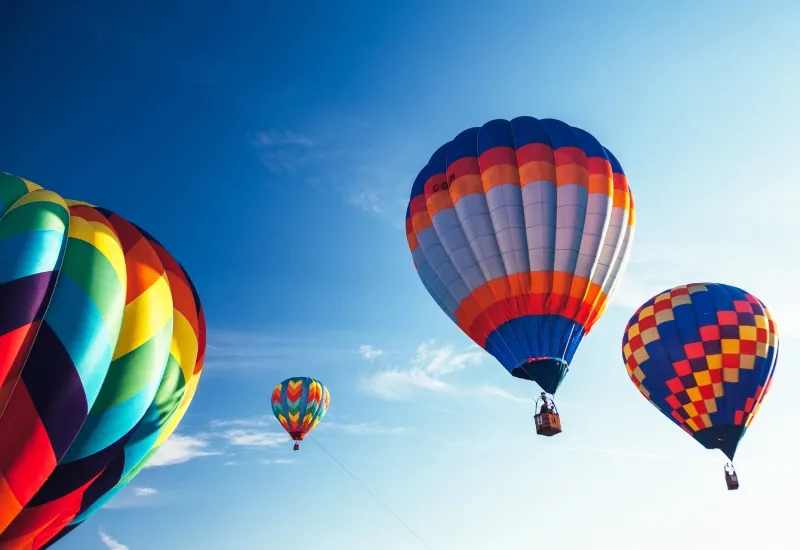
Hot air balloon ride in Mysore
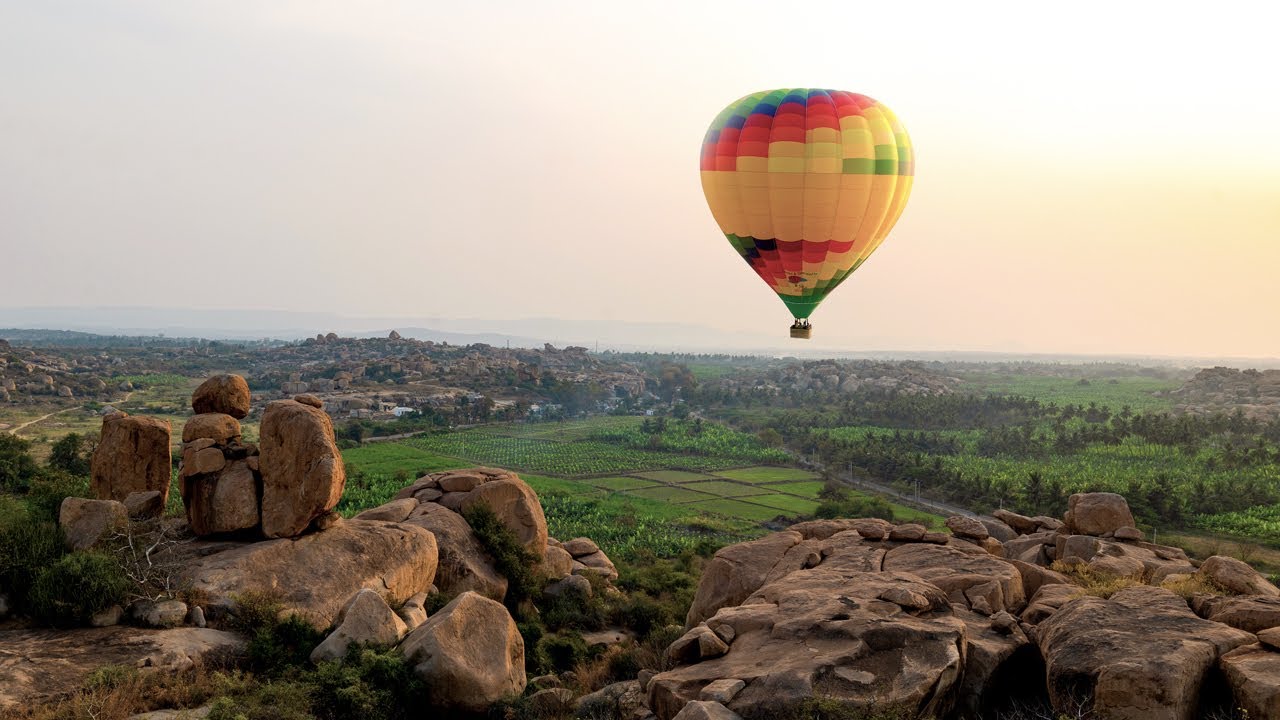
Hot air balloon ride in Hampi
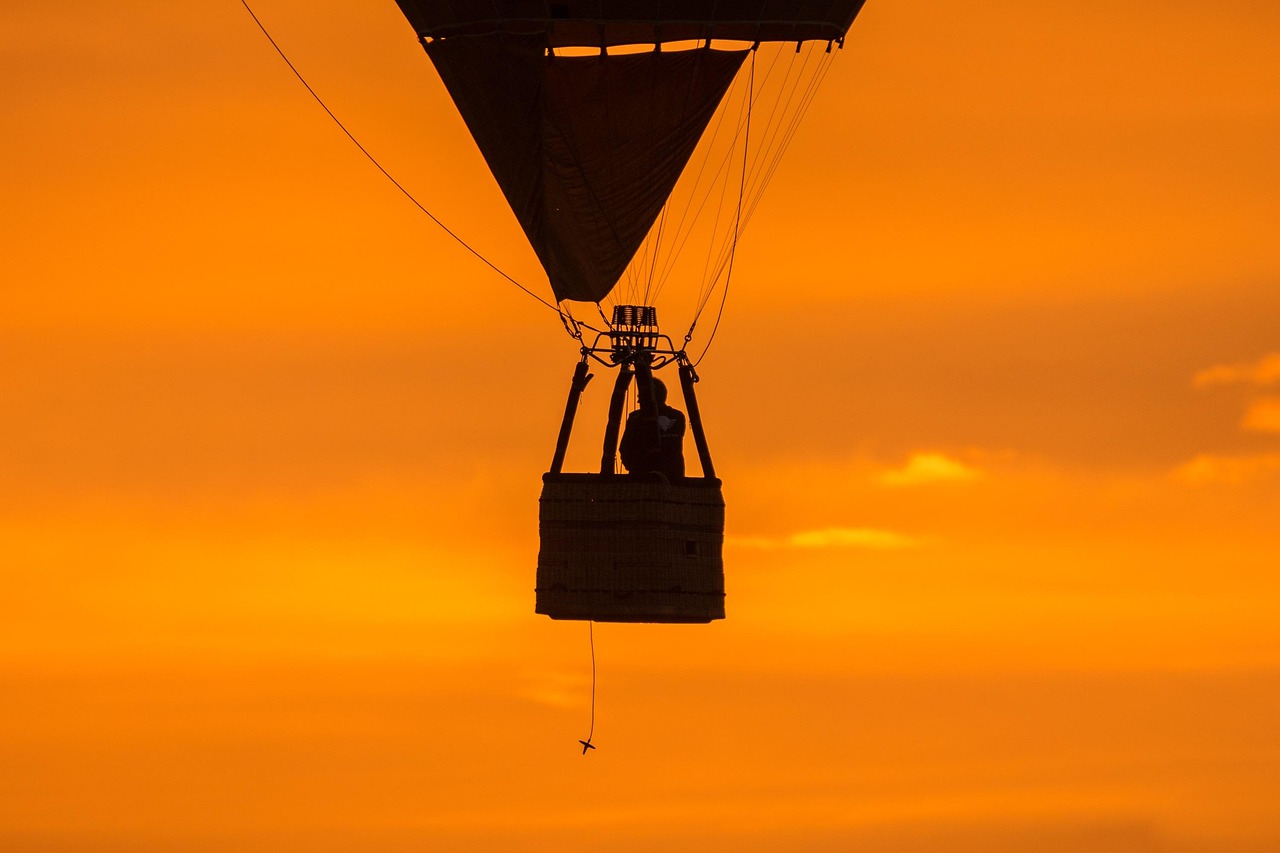
Hot air balloon ride in Nainital
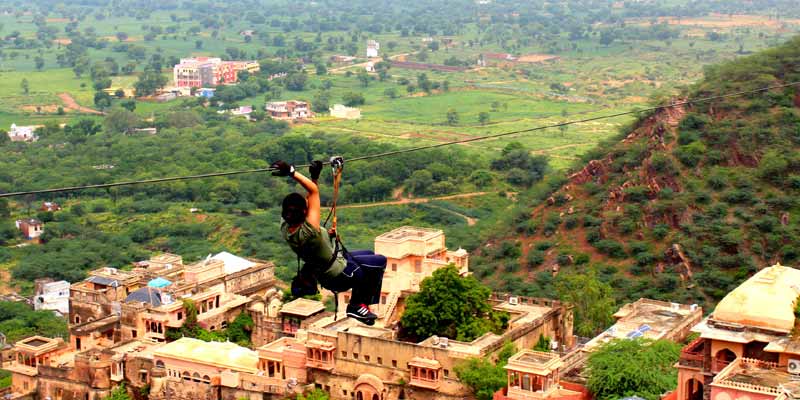
Zip Line ride in Neemrana
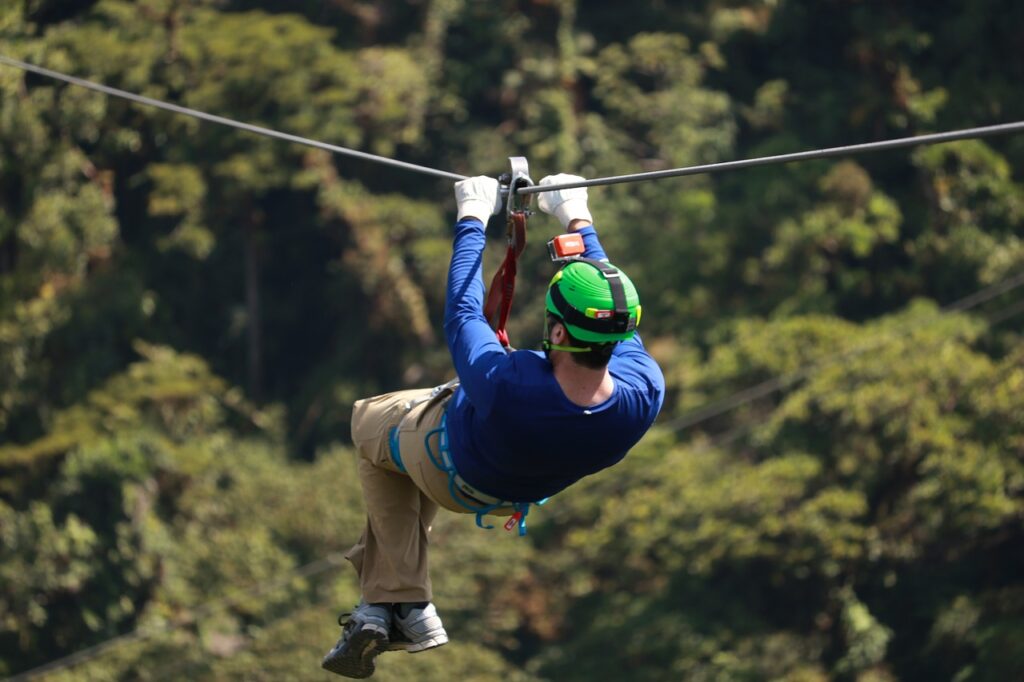
Kikar Lodge Zip Line
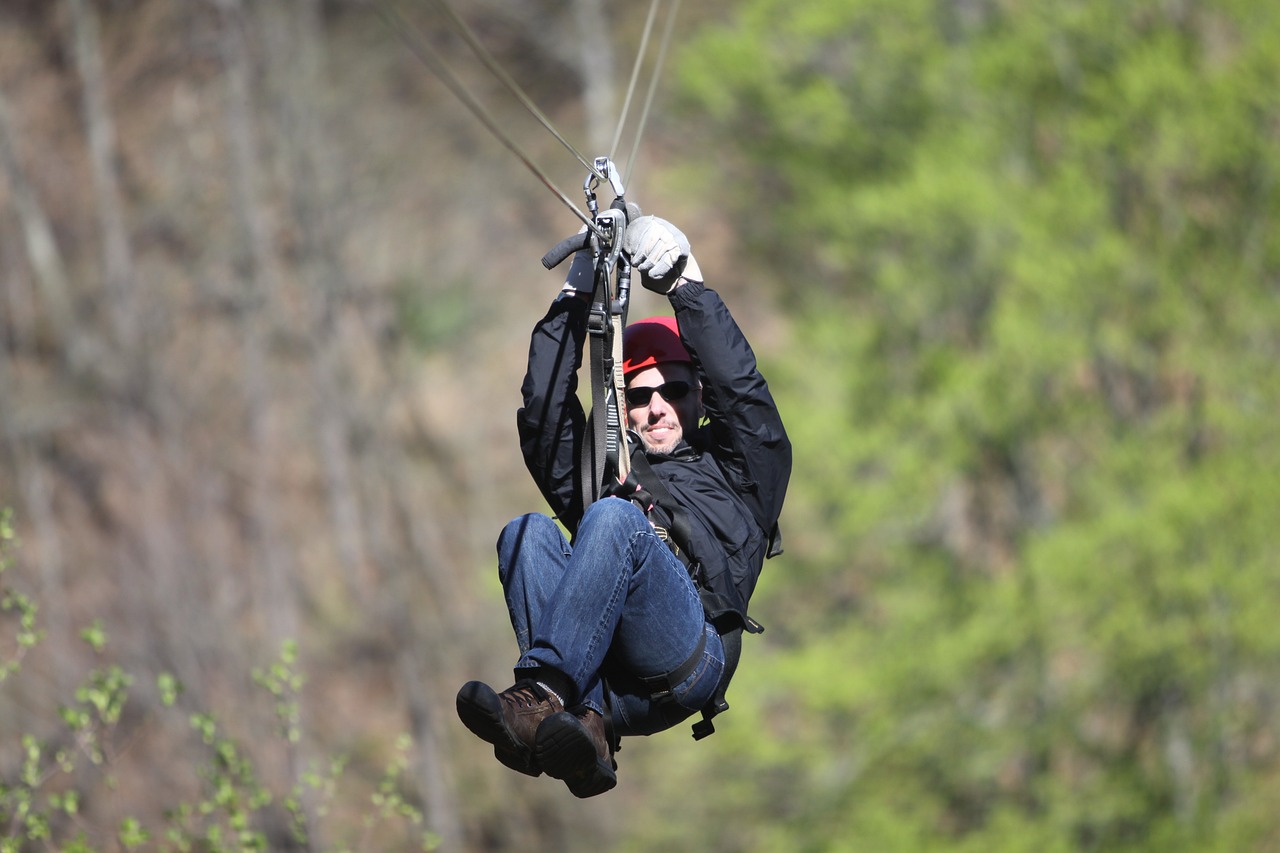
Zip Line ride in Rishikesh
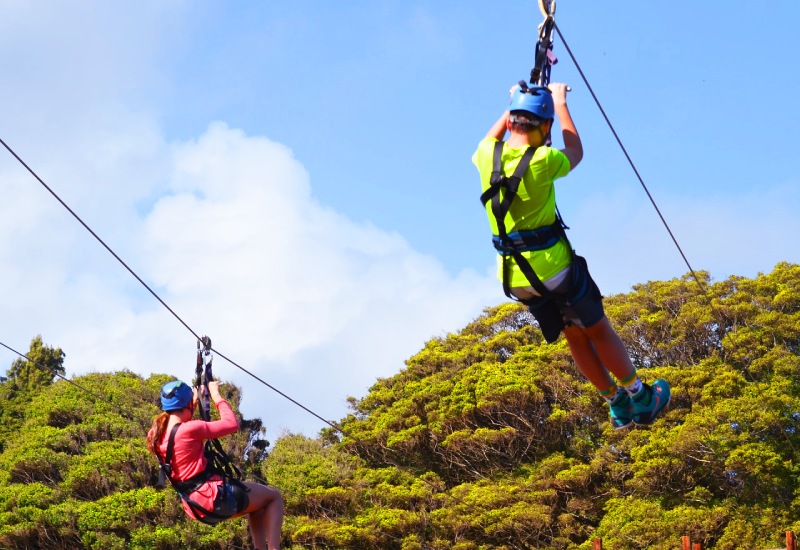
Zip Line ride in Mussoorie
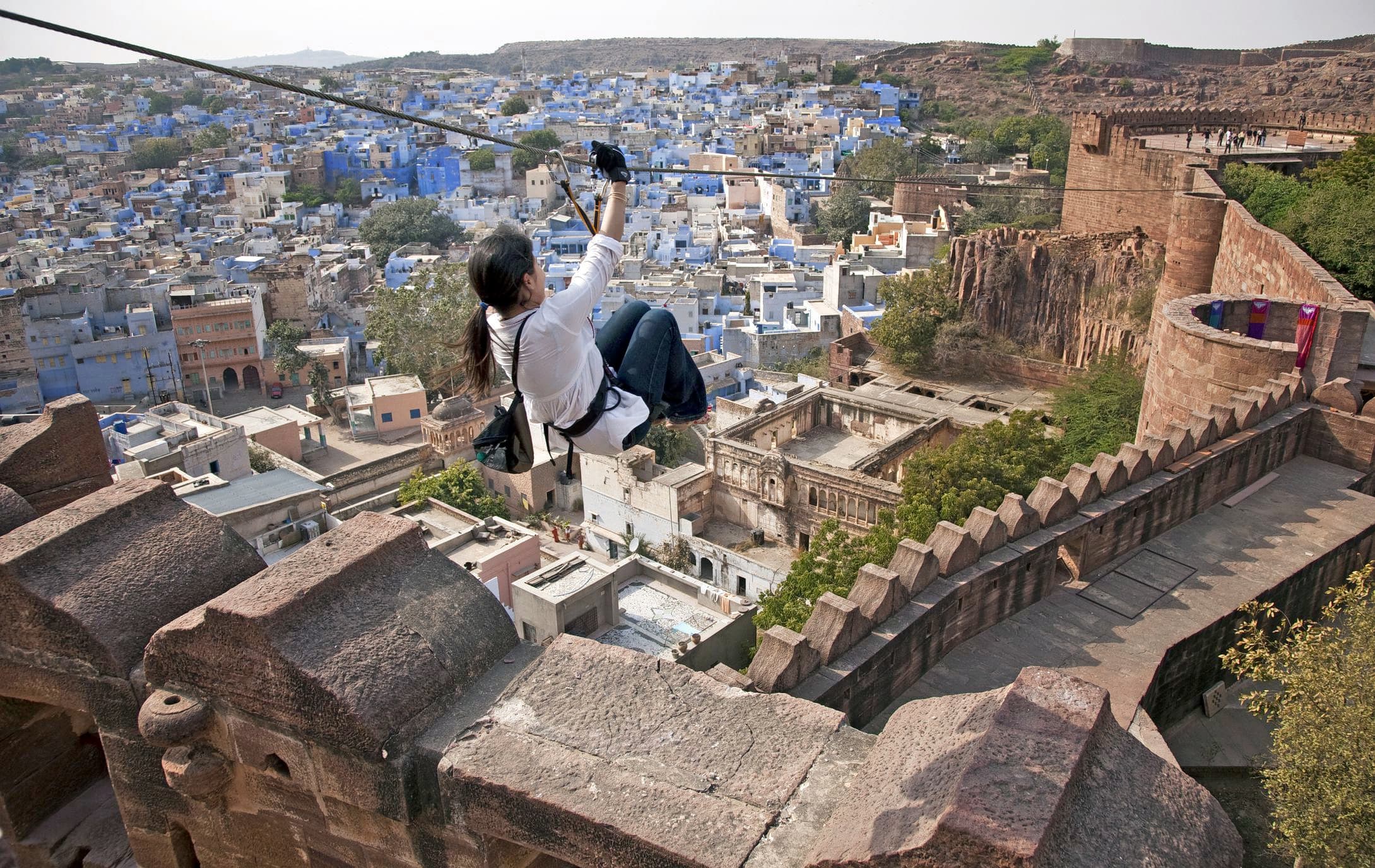
Zip Line ride in Jodhpur
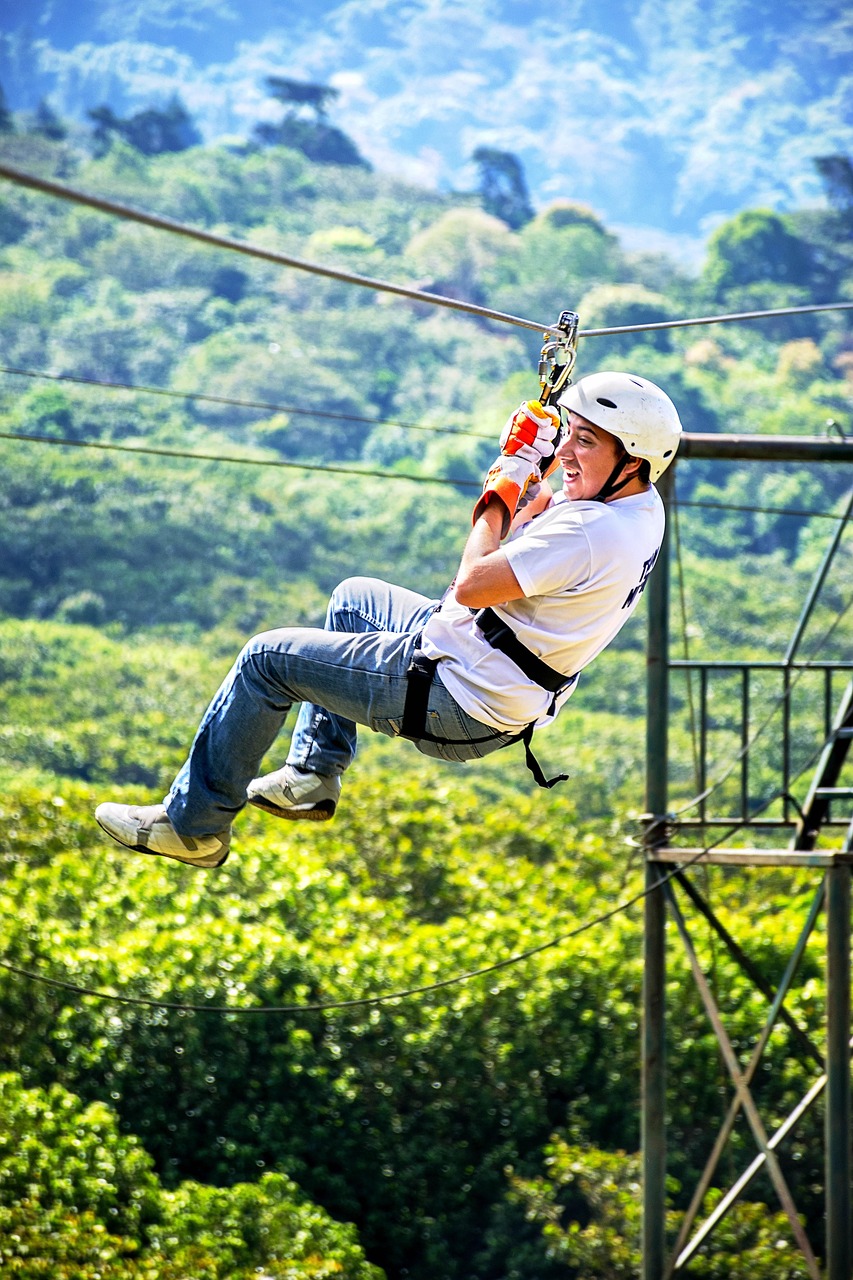
Zip Line ride in Munnar
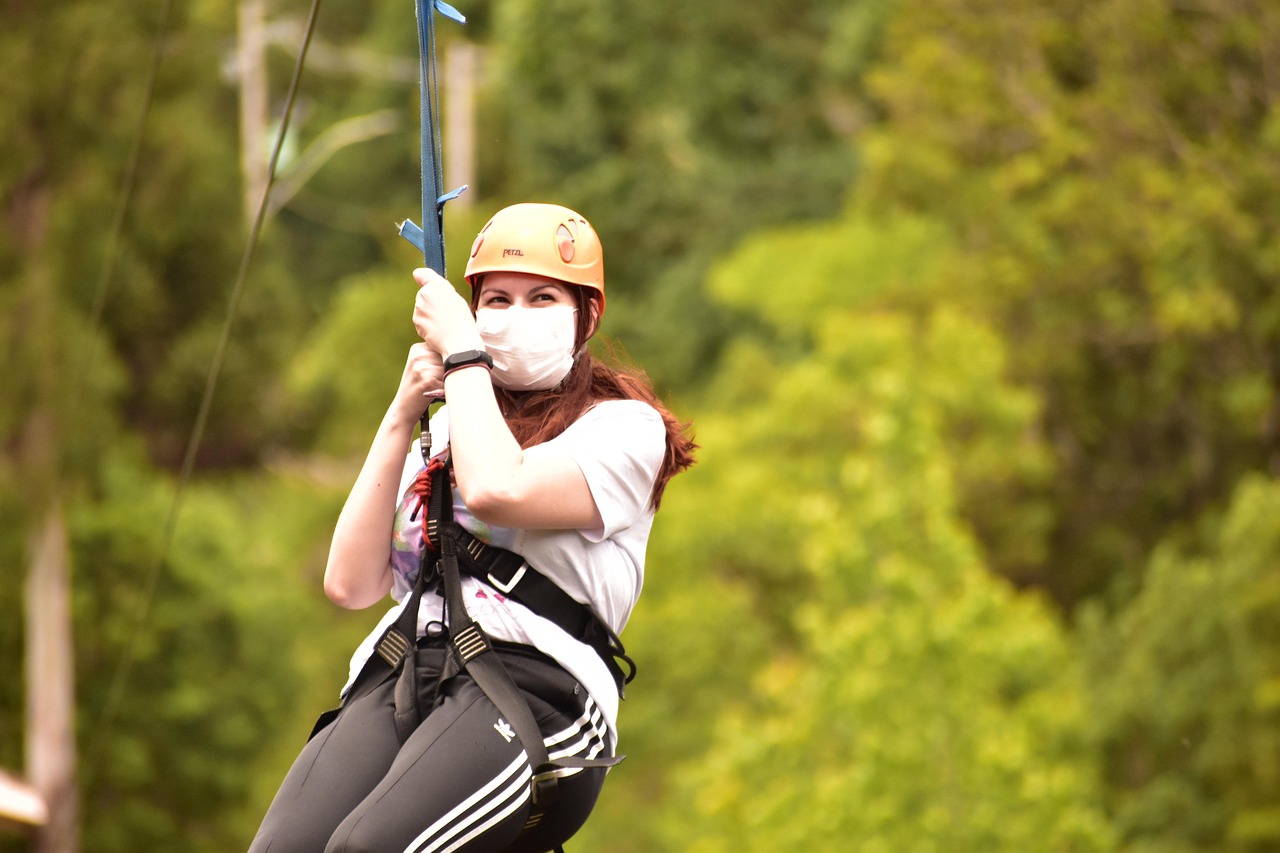
Zip Line ride in Manali
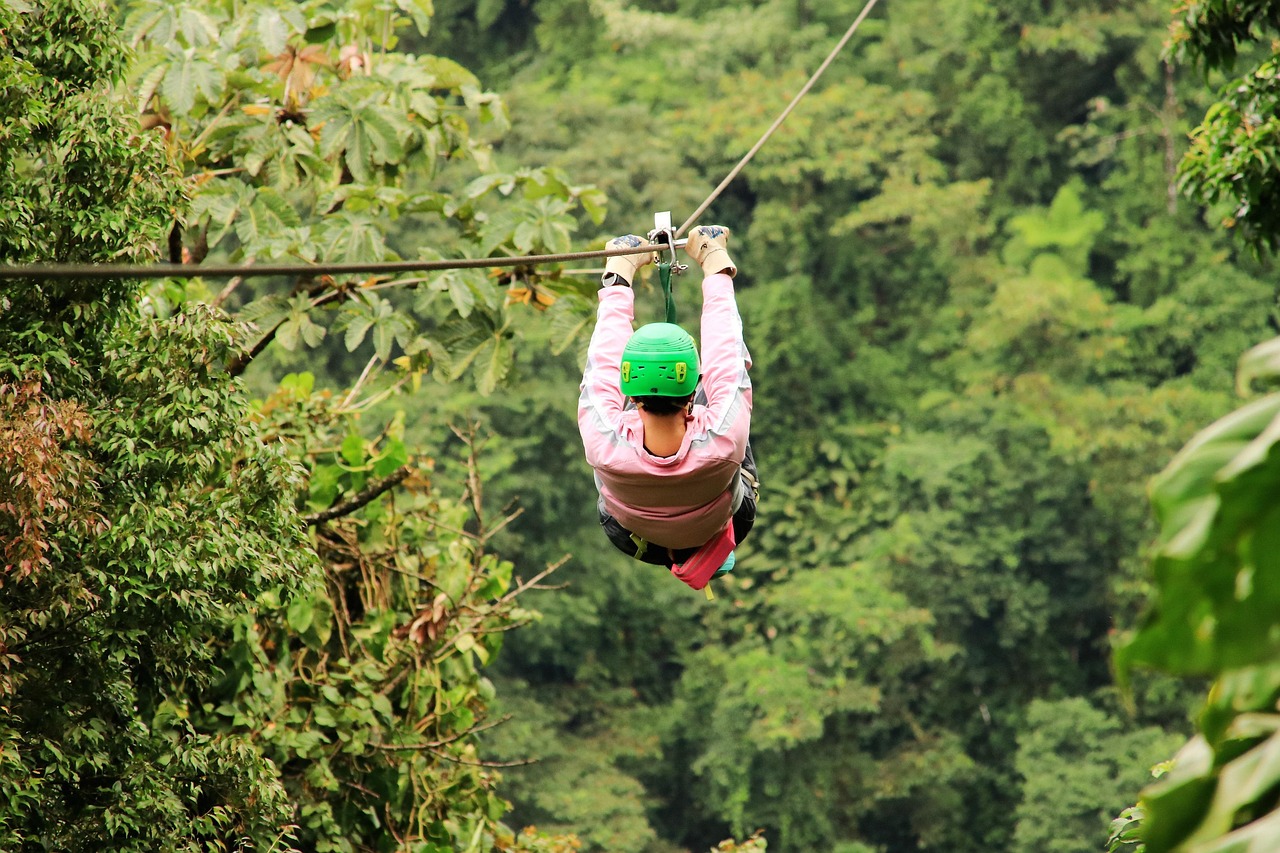
Zip Line ride in Darjeeling
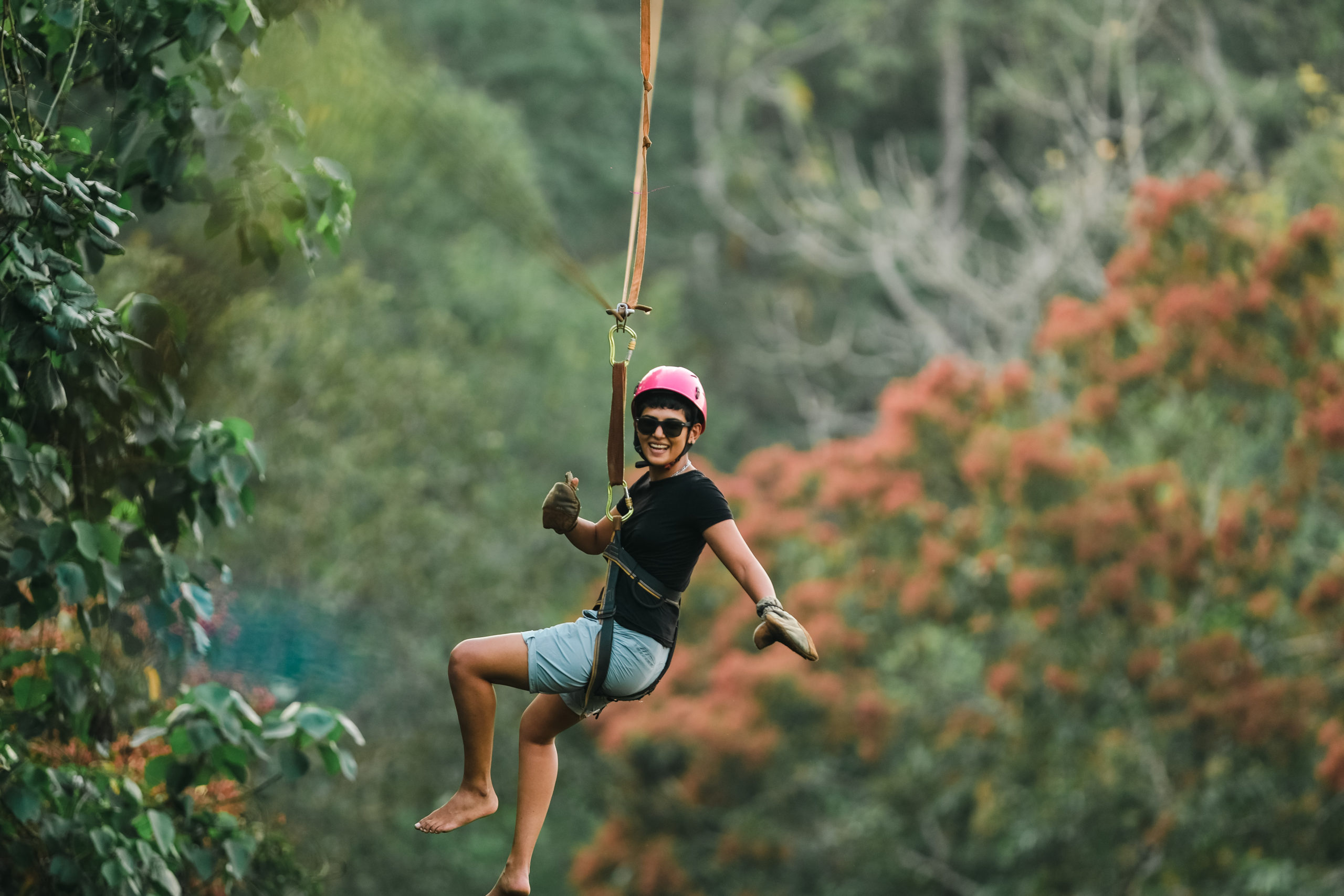
Zip Line ride in Goa
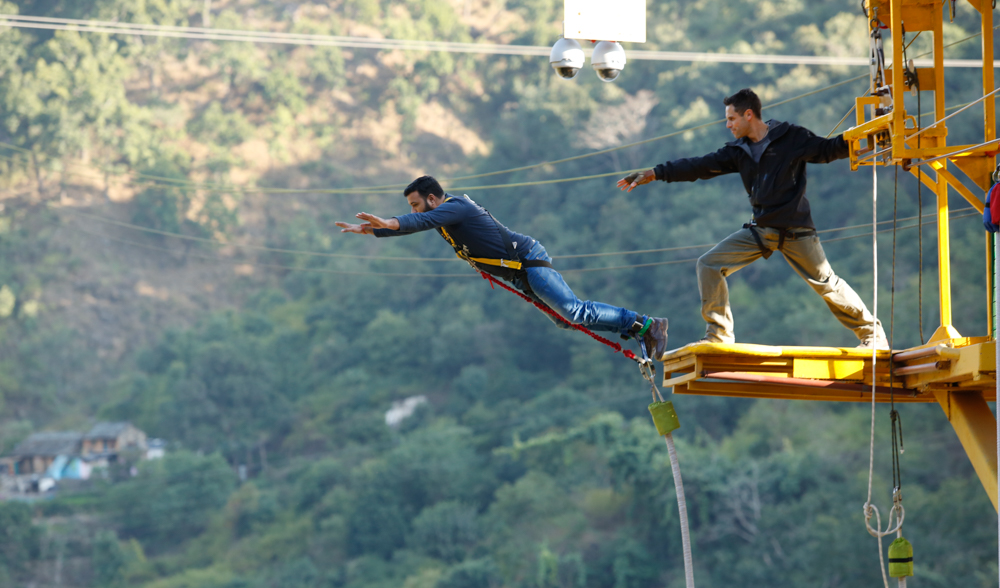
Bungee Jumping in Rishikesh
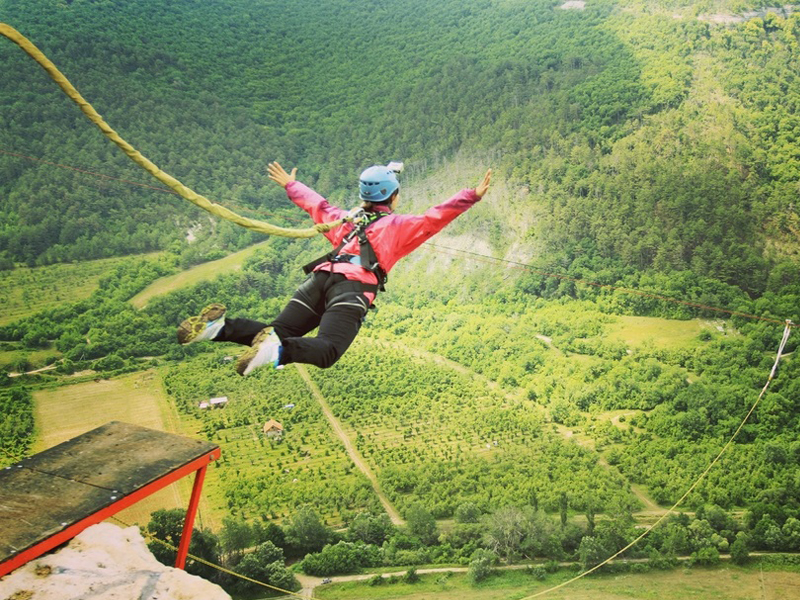
Bungee Jumping in Udaipur
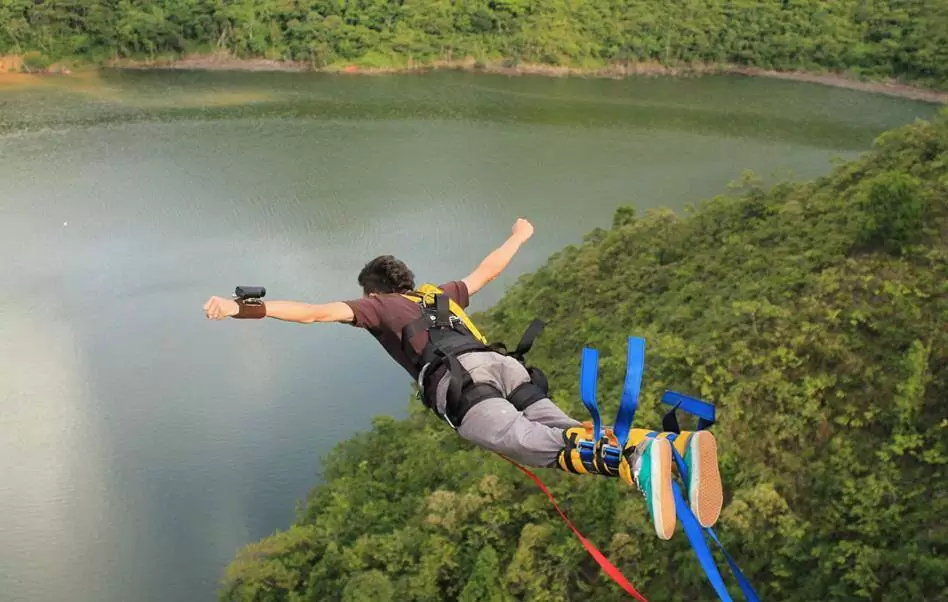
Bungee Jumping in Goa
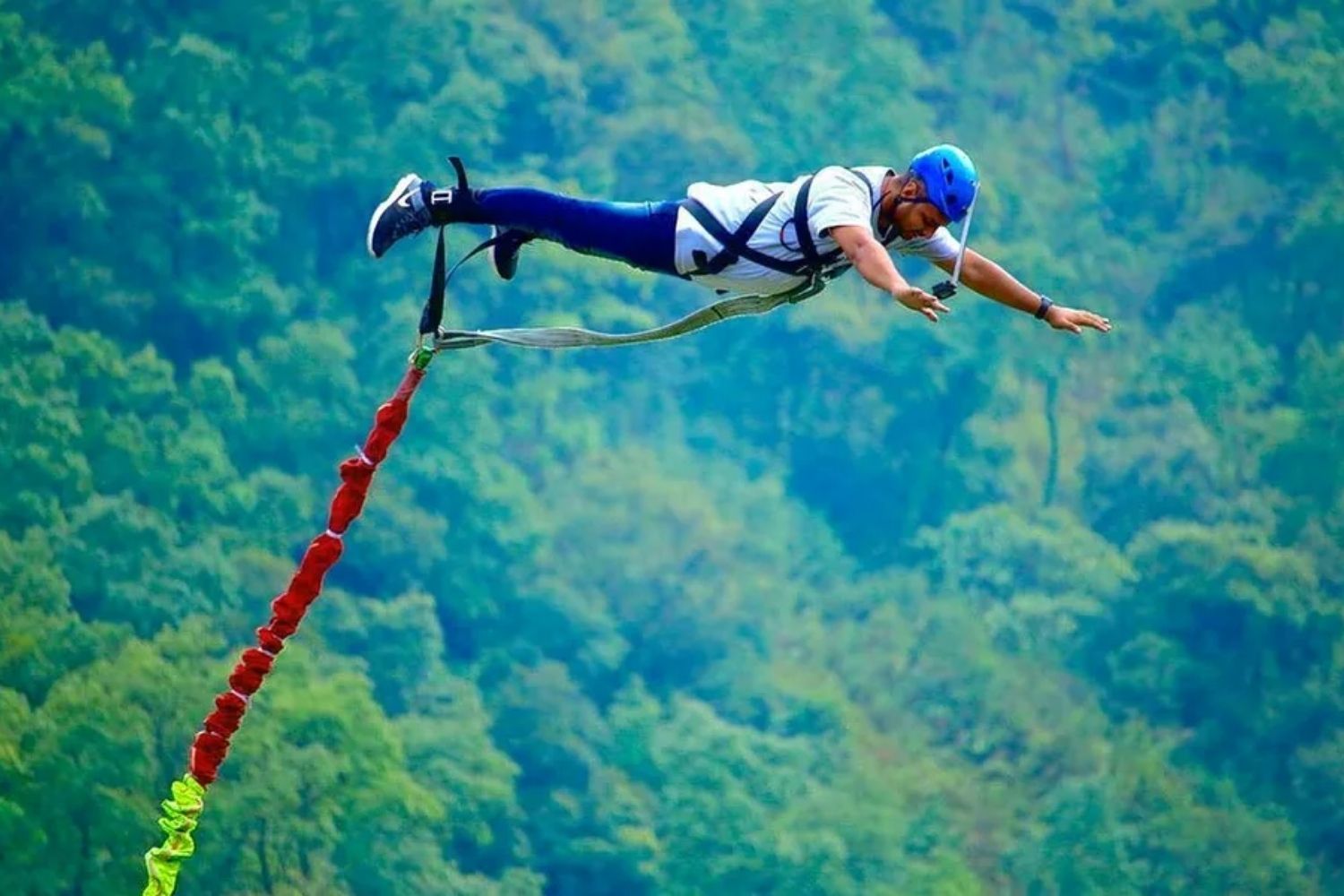
Bungee Jumping in Lonavala
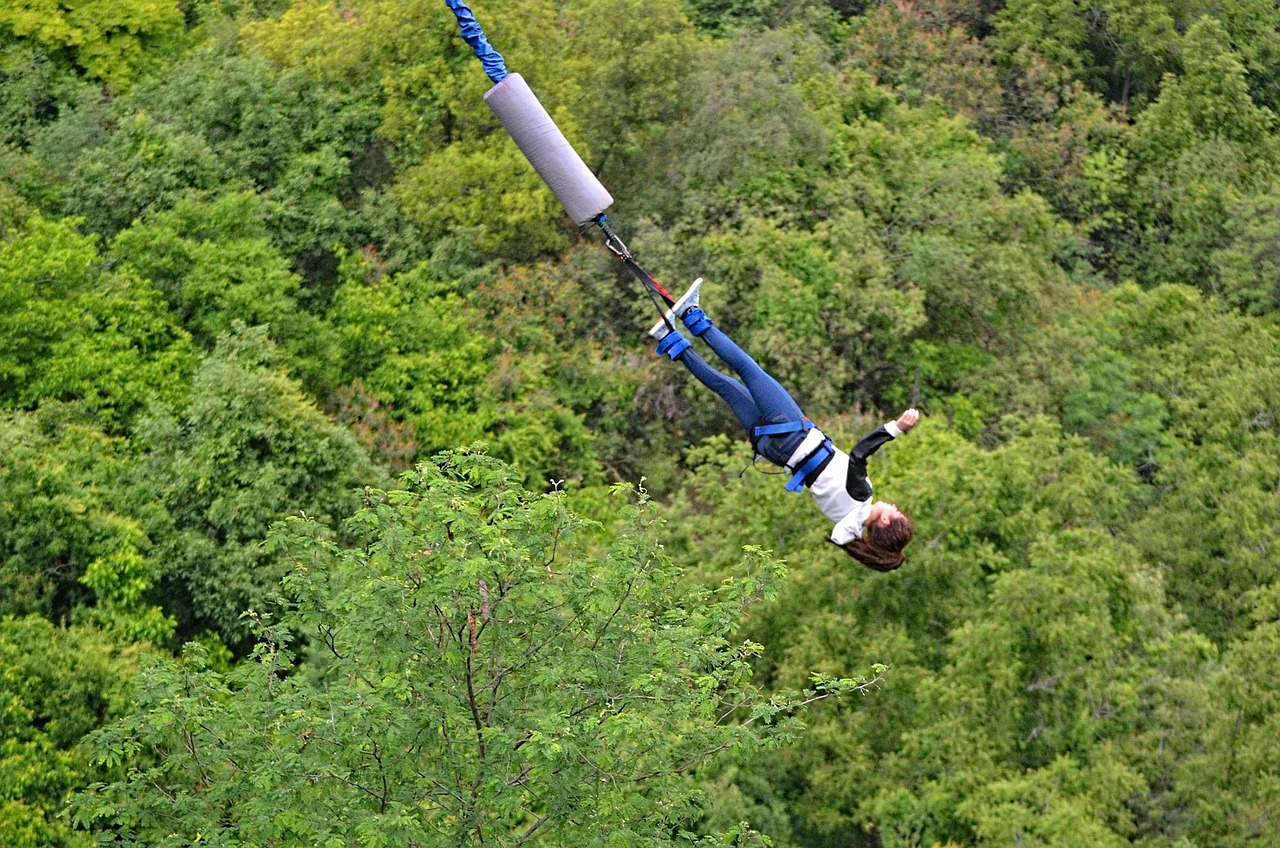
Bungee jumping in Bangalore
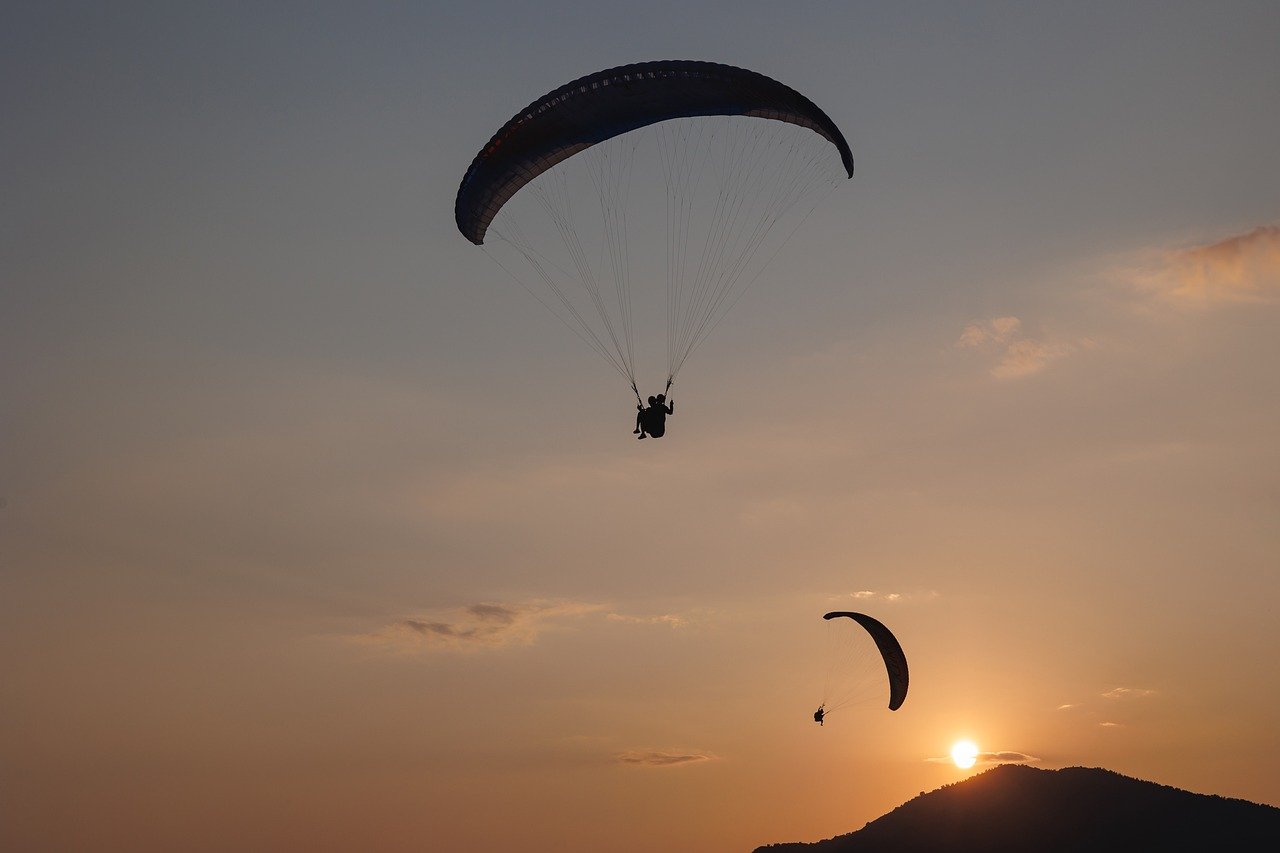
Paragliding in Bir Billing
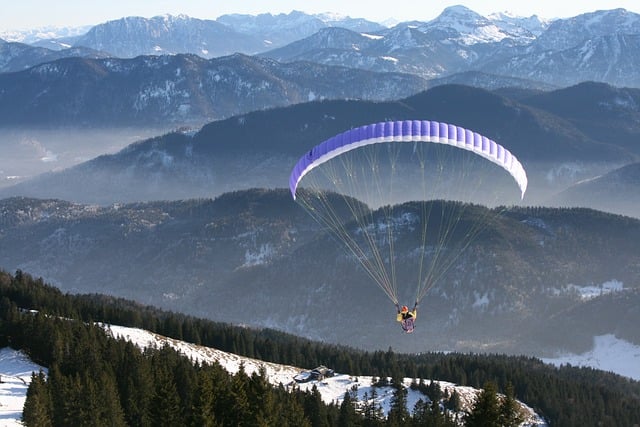
Paragliding in Manali
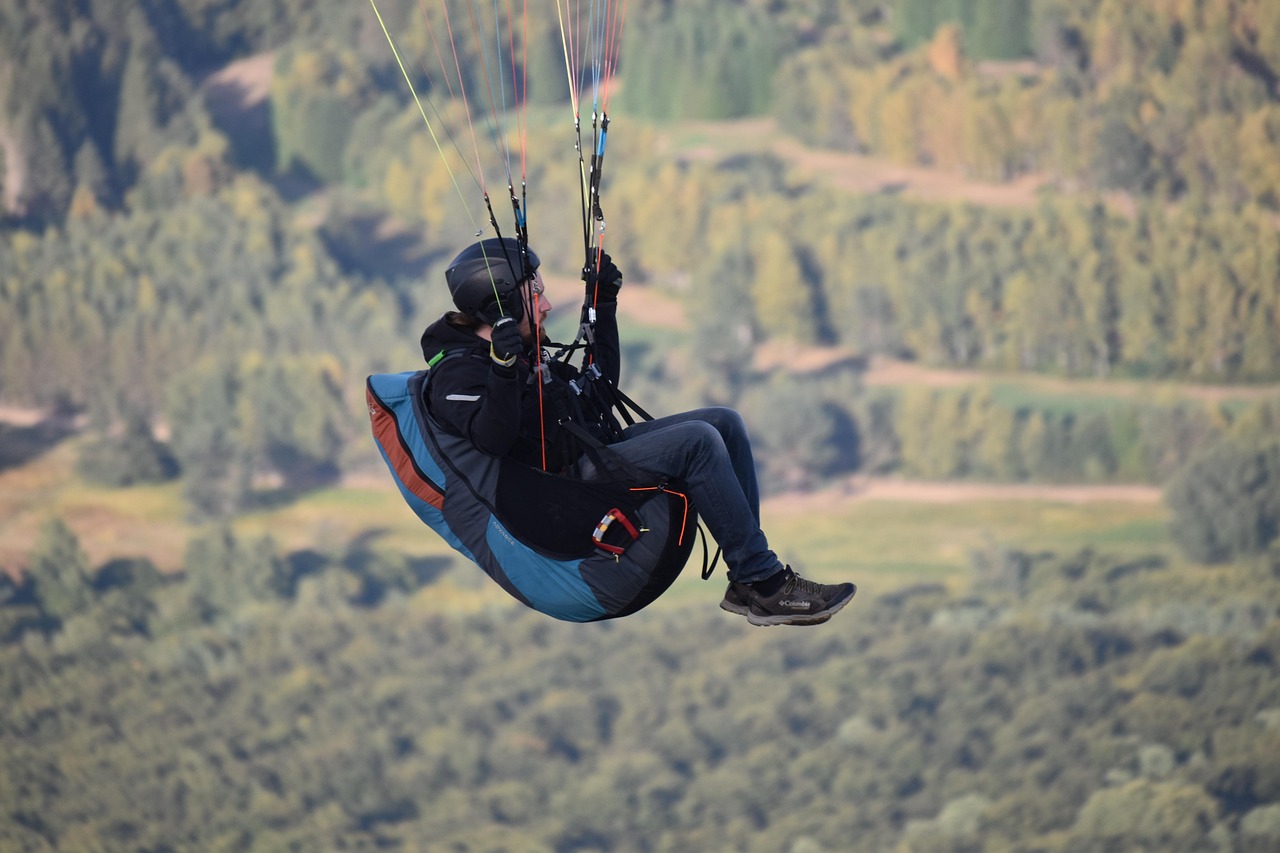
Paragliding in Nainital
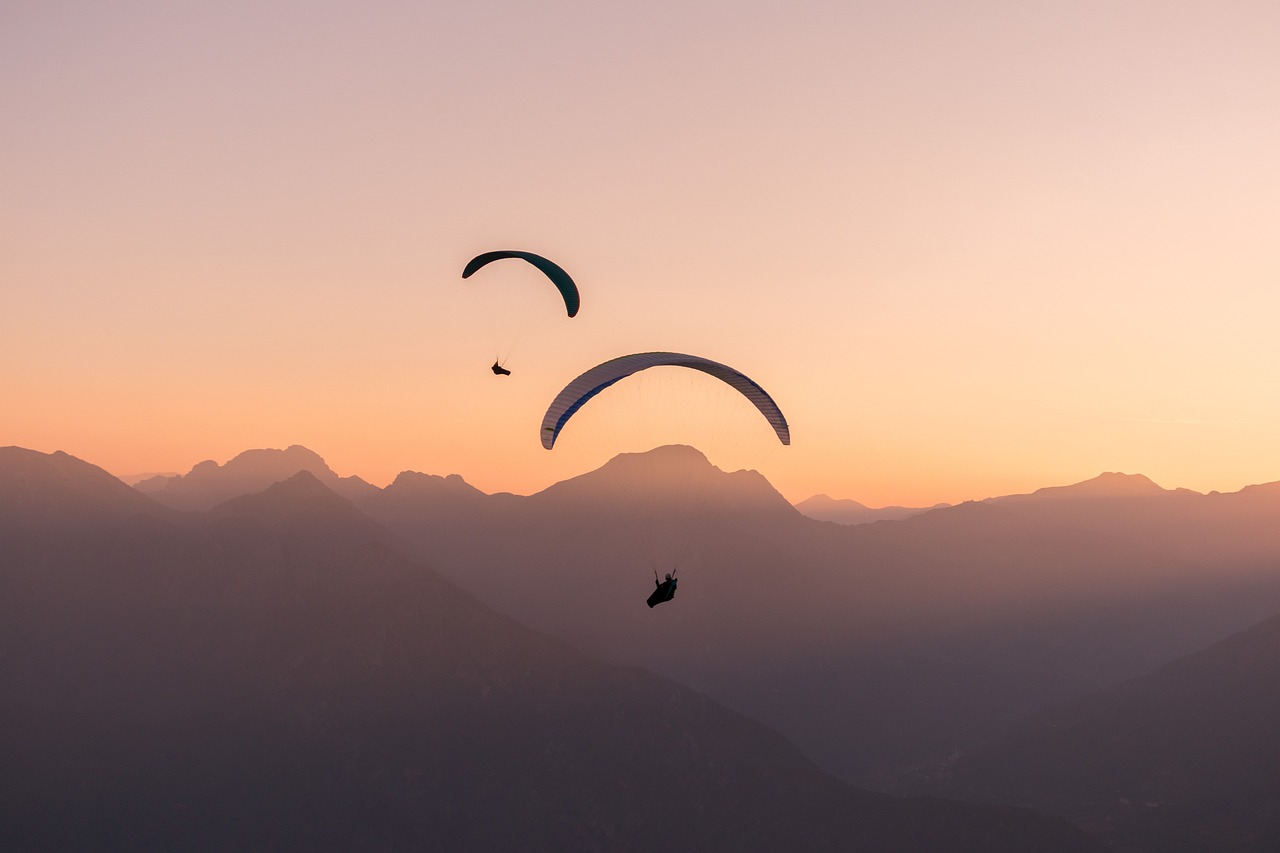
Paragliding in Kamshet
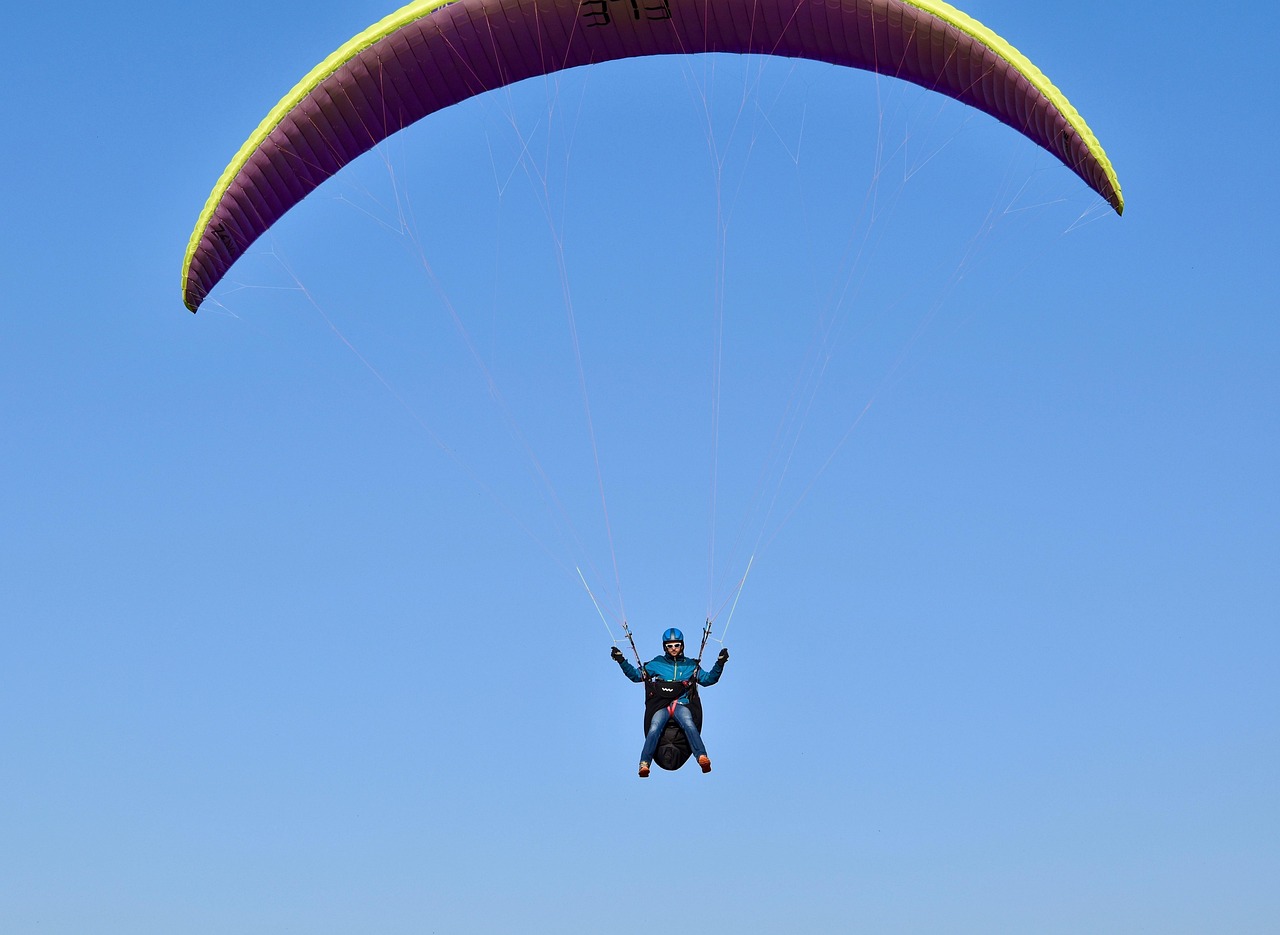
Paragliding in Ranikhet and Mukteshwar
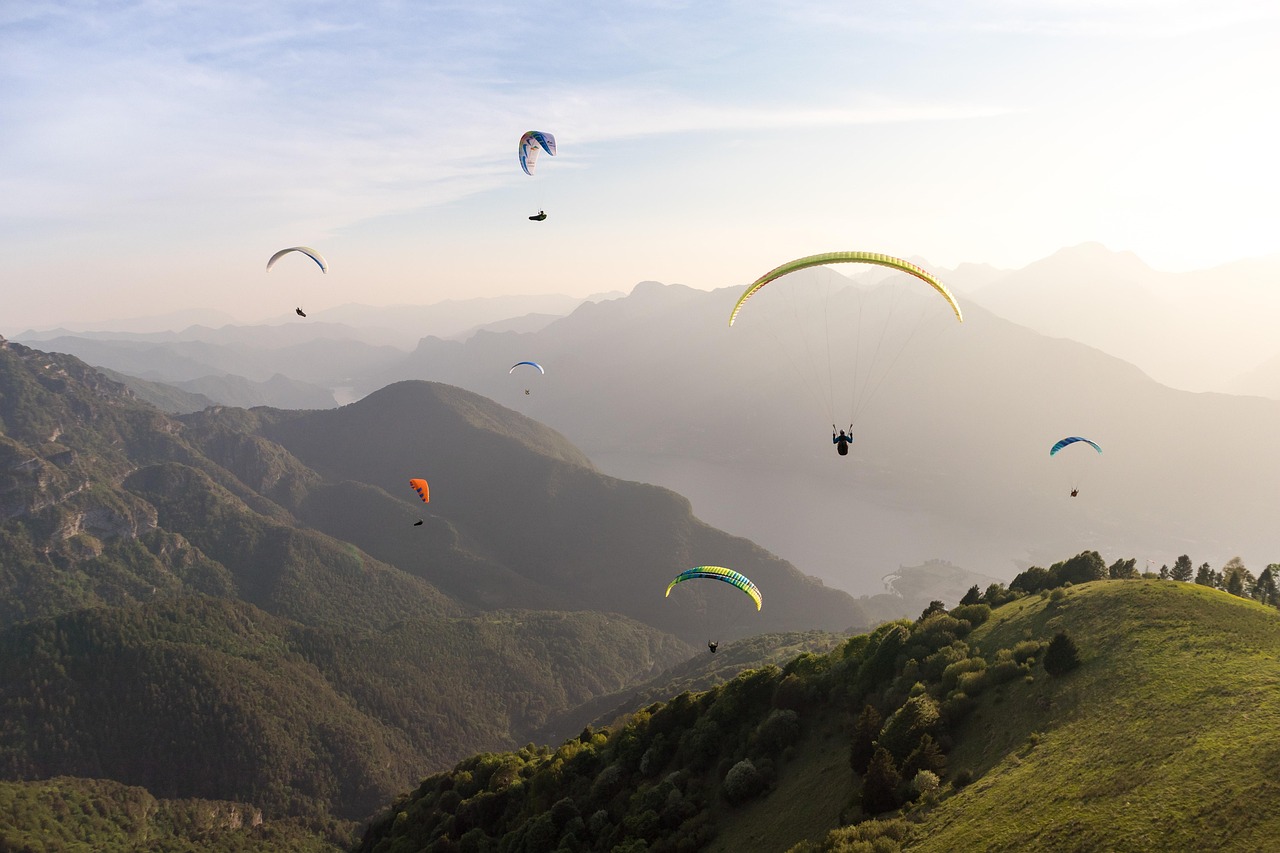
Paragliding in Gangtok
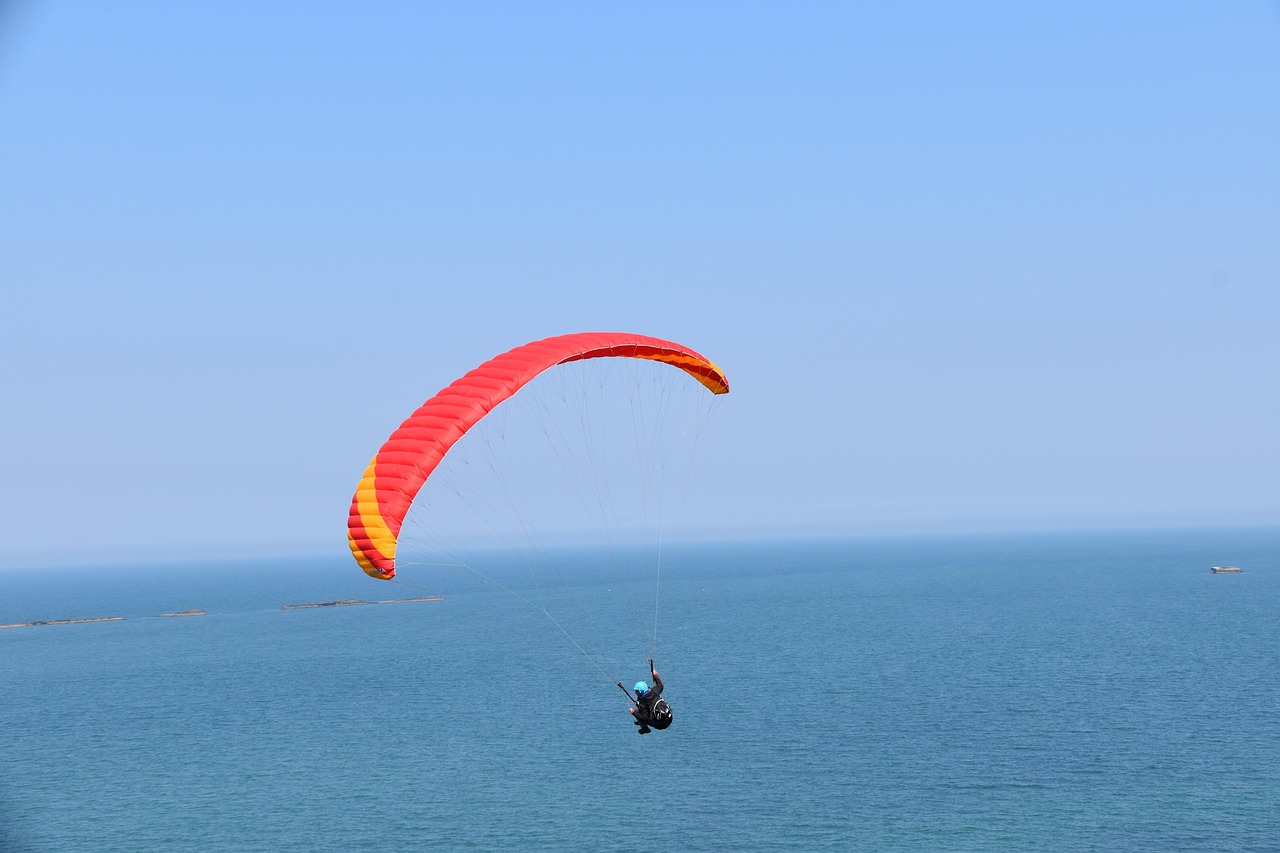
Paragliding in Arambol, Goa
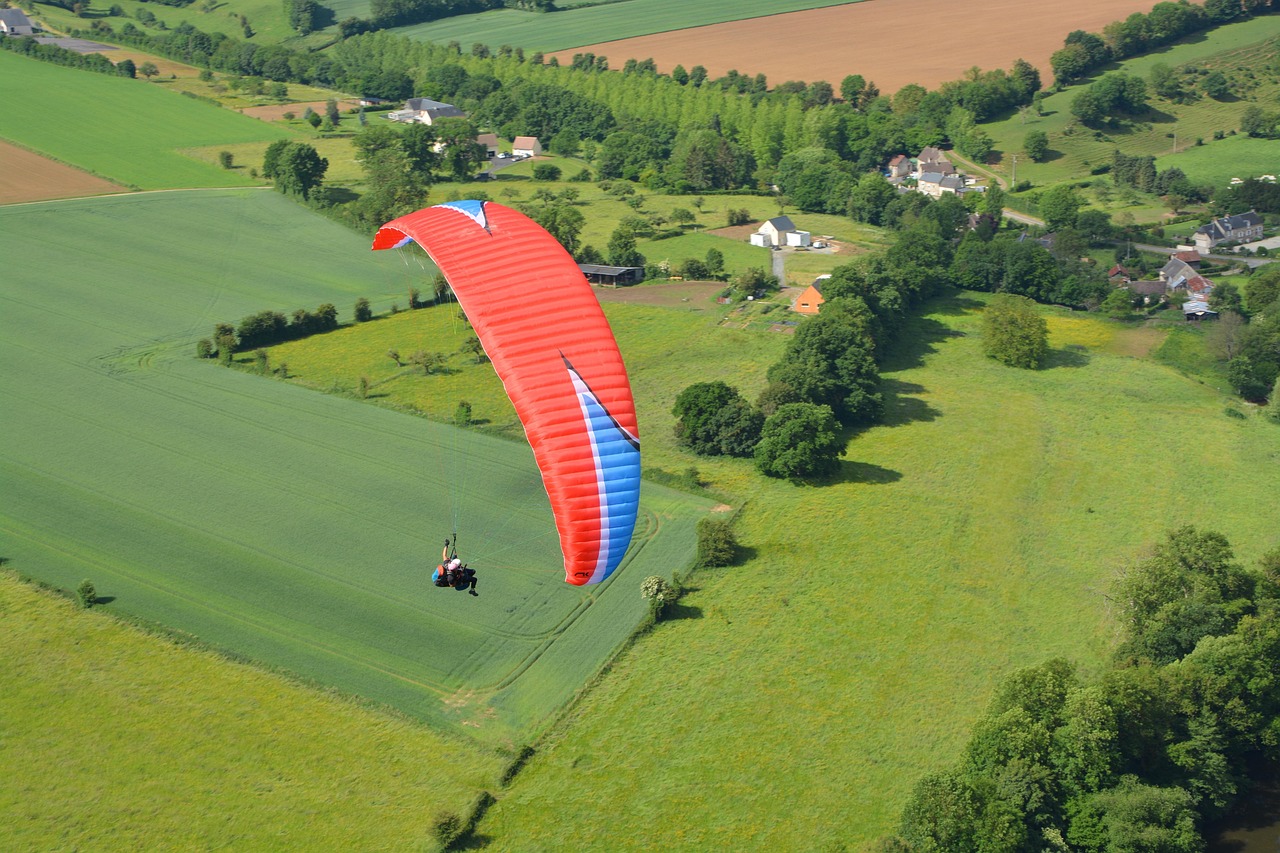
Paragliding in Pavagadh, Gujarat
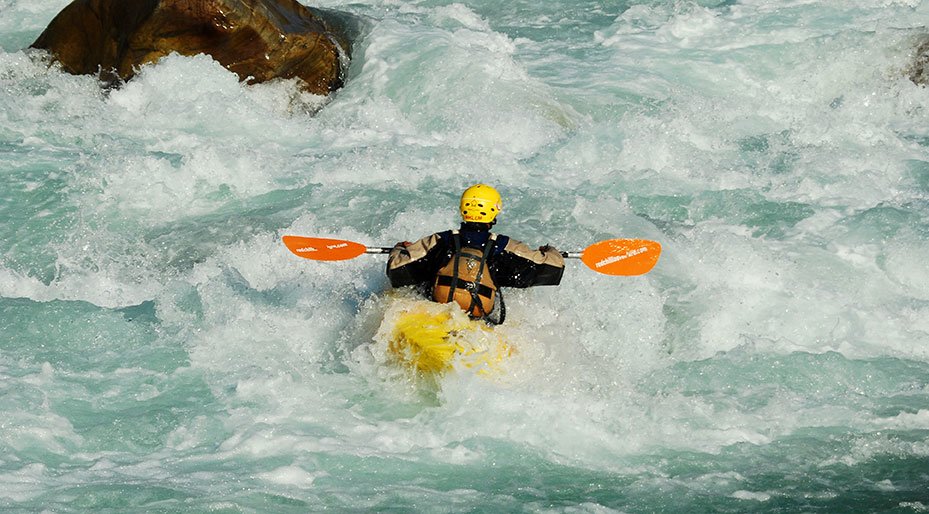
Kayaking in Rishikesh
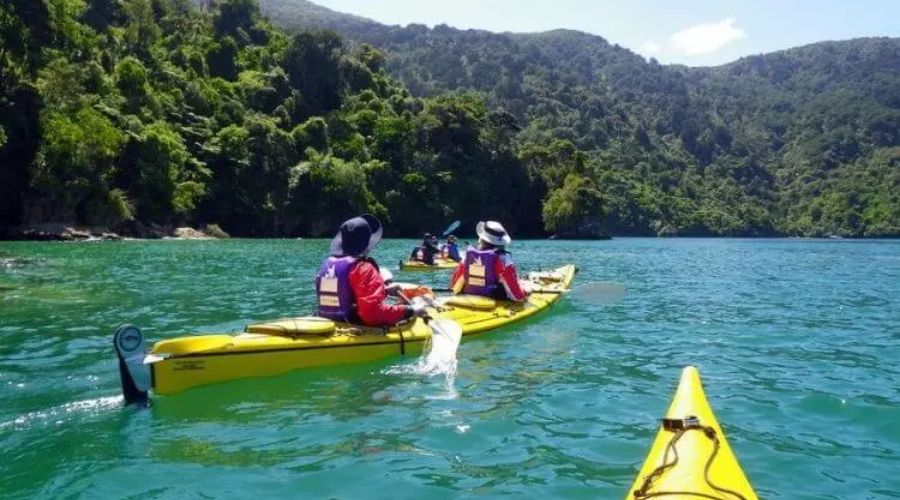
Kayaking in Andaman and Nicobar Islands
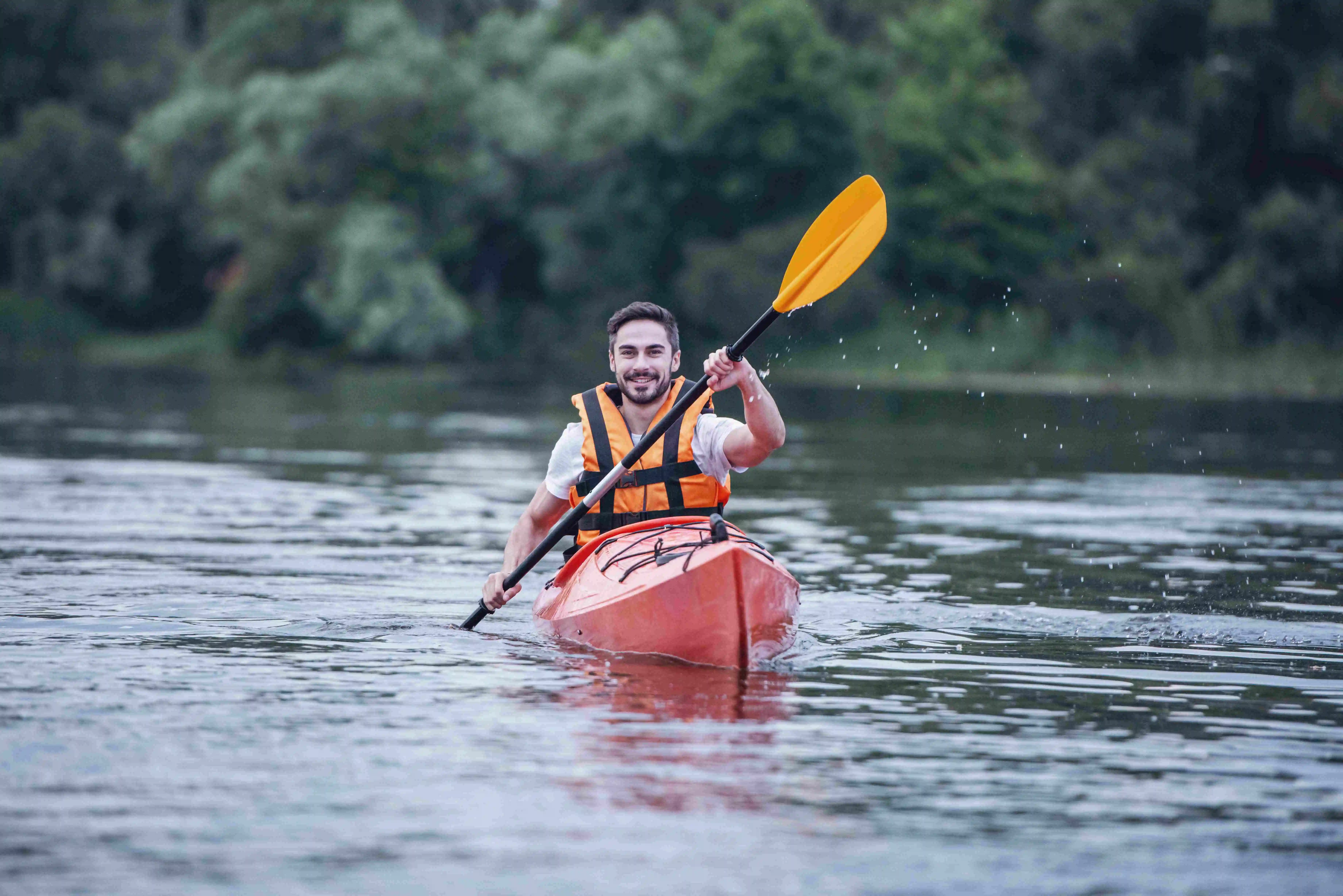
Kayaking in Kerala
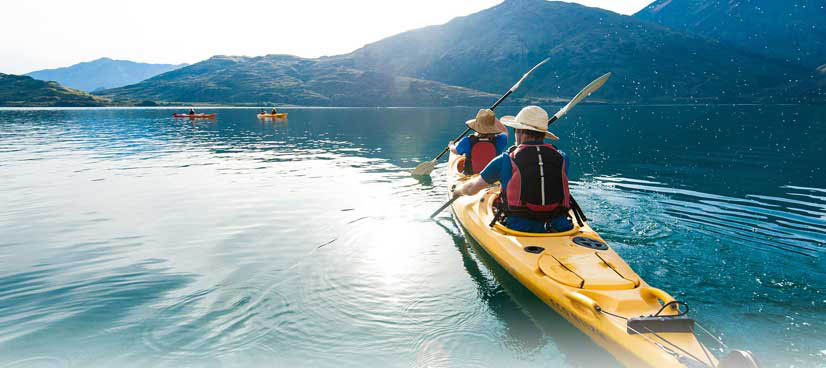
Kayaking in Sikkim
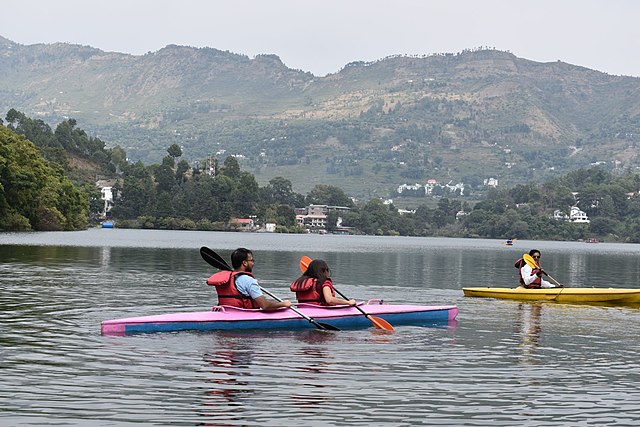
Kayaking in Nainital
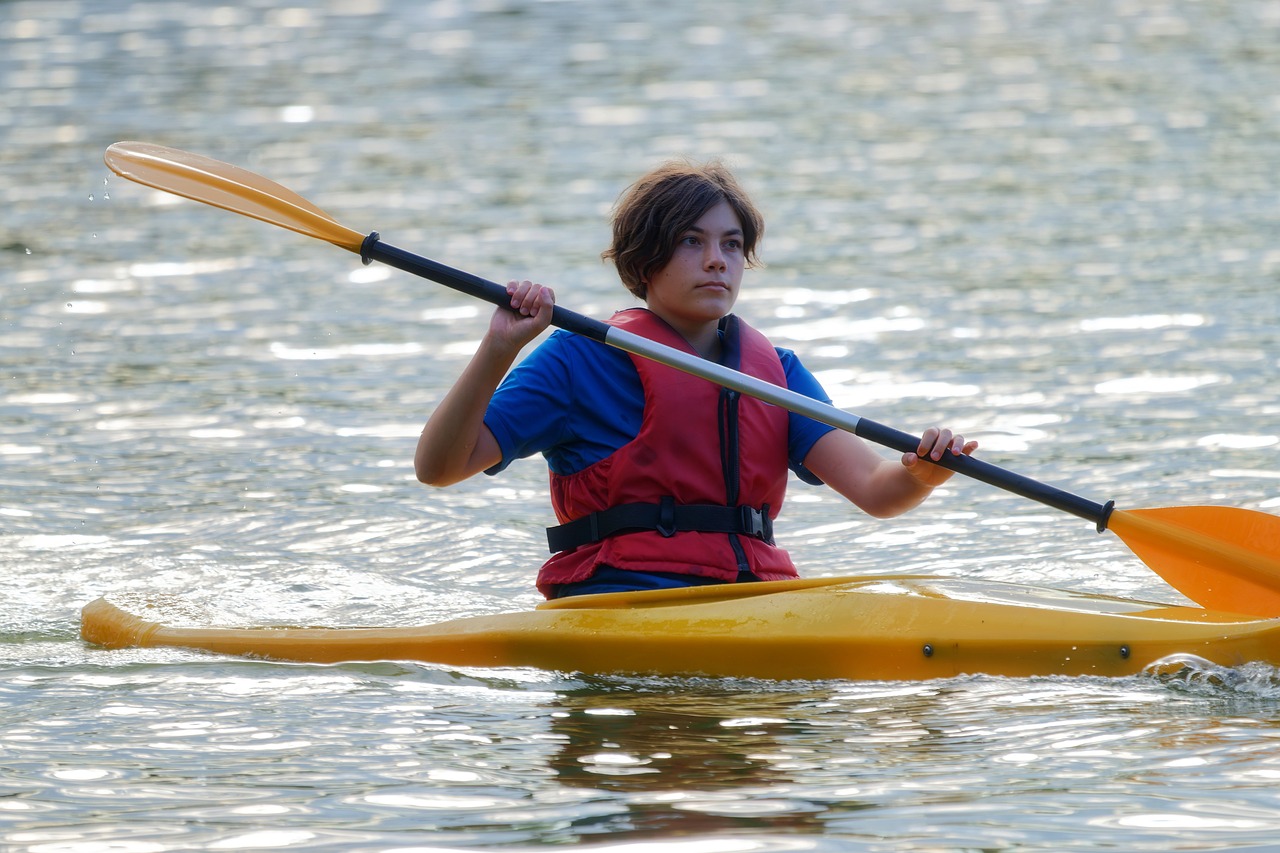
Kayaking in Tungabhadra River, Karnataka
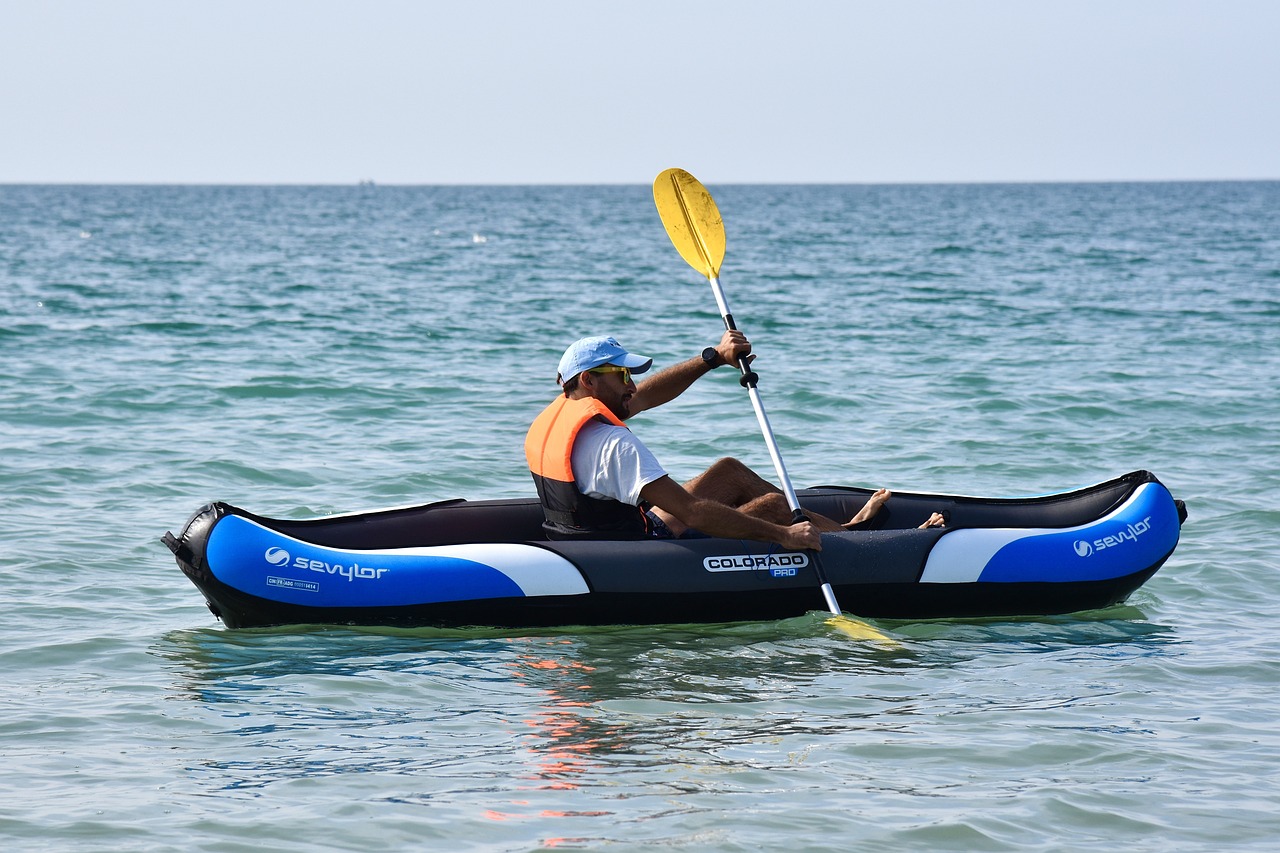
Kayaking in Pondicherry
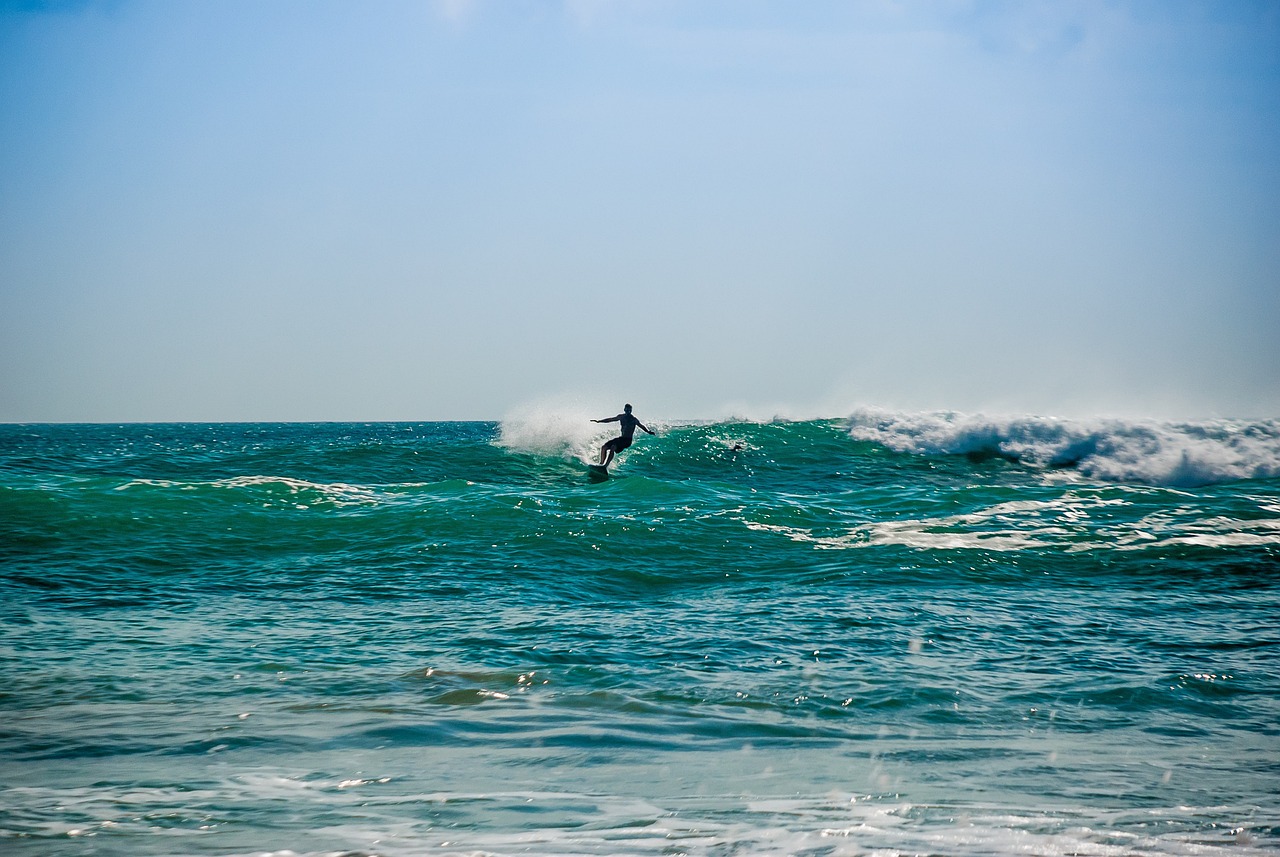
Surfing in Goa
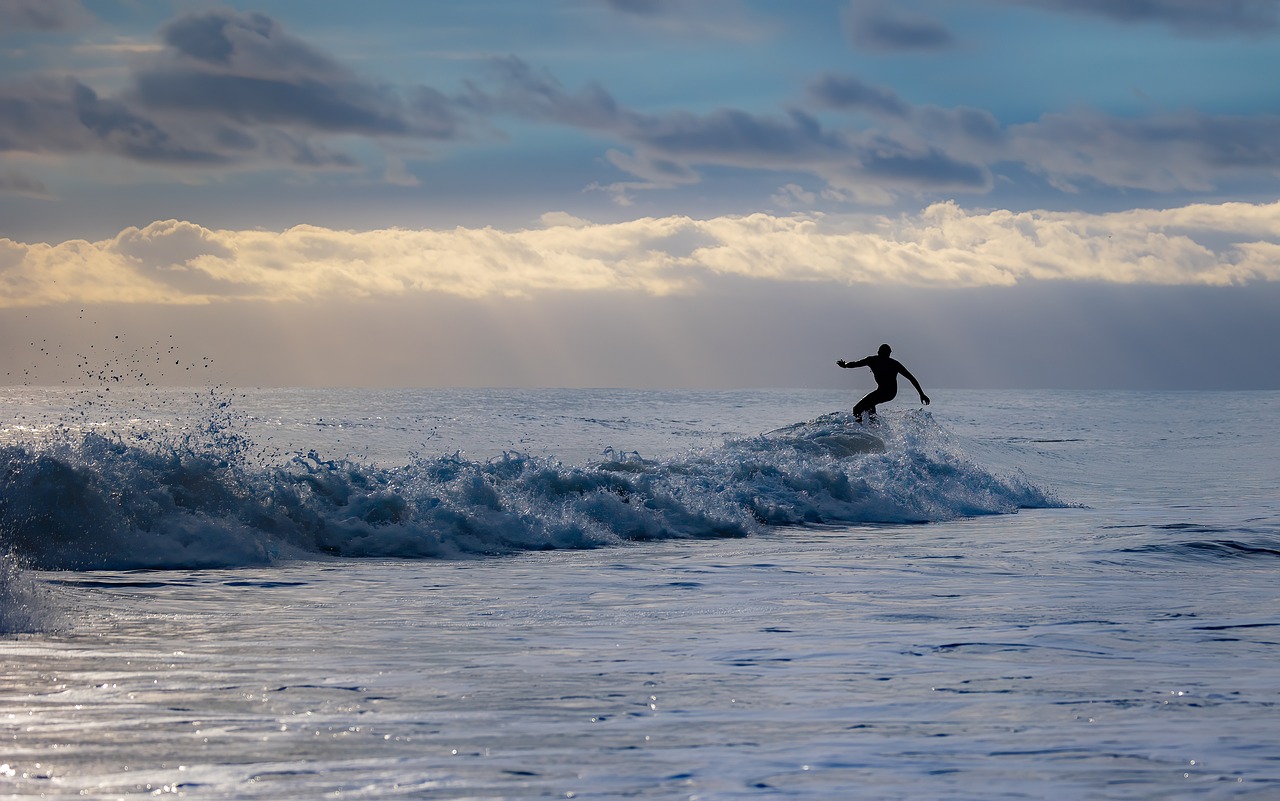
Surfing in Varkala (Kerala)
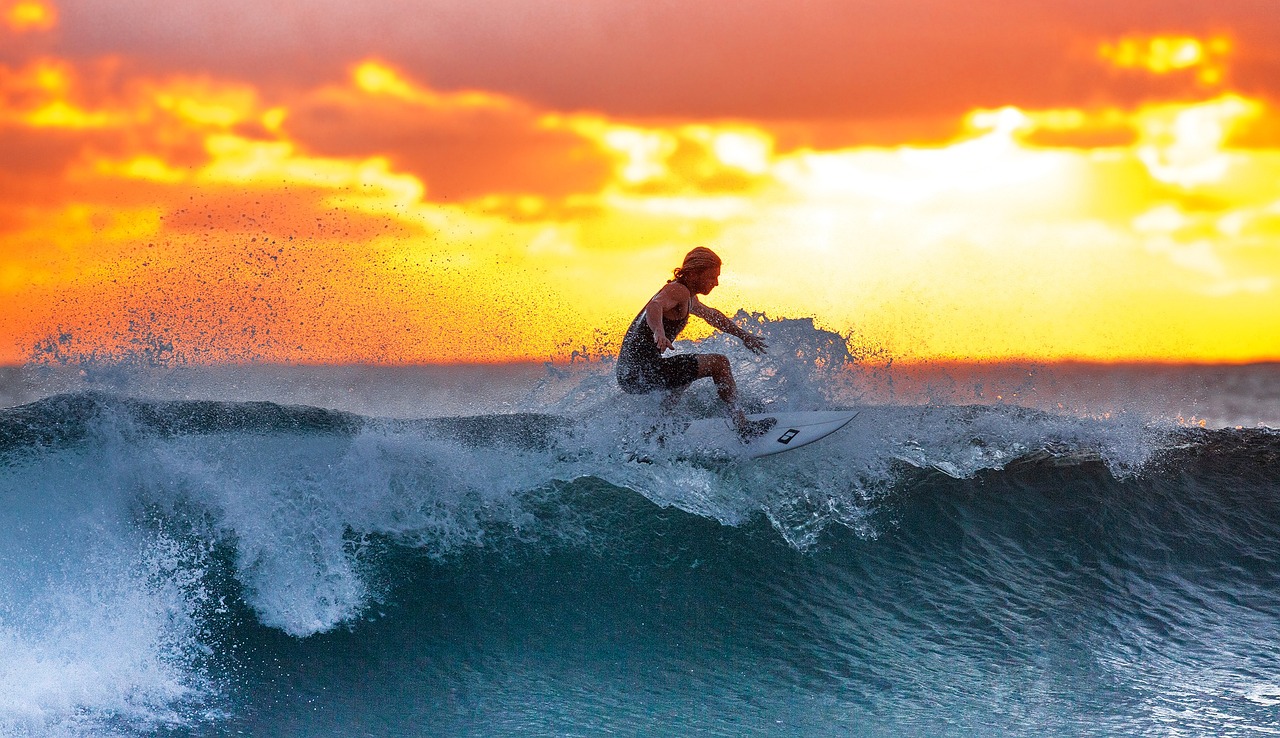
Surfing in Kovalam (Kerala)
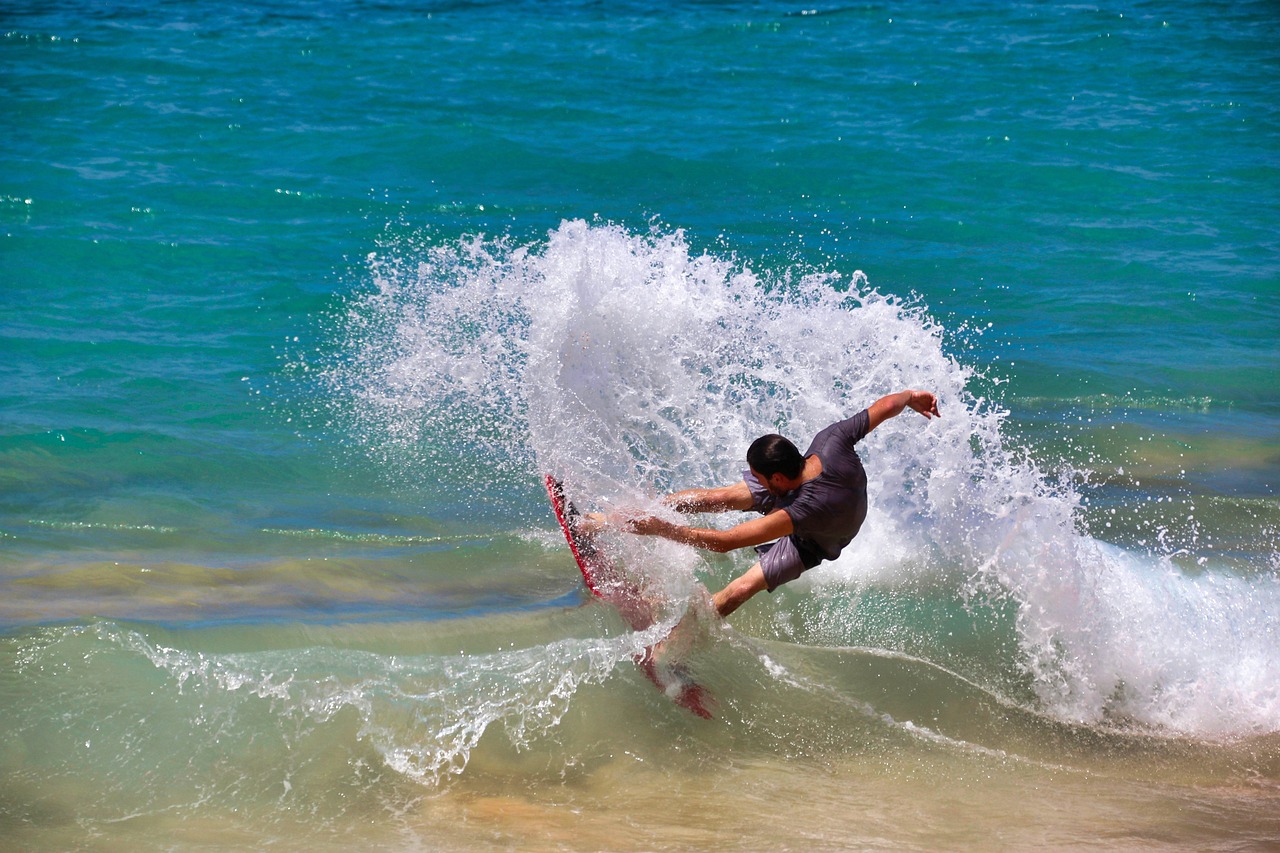
Surfing in Manapad (Tamil Nadu)
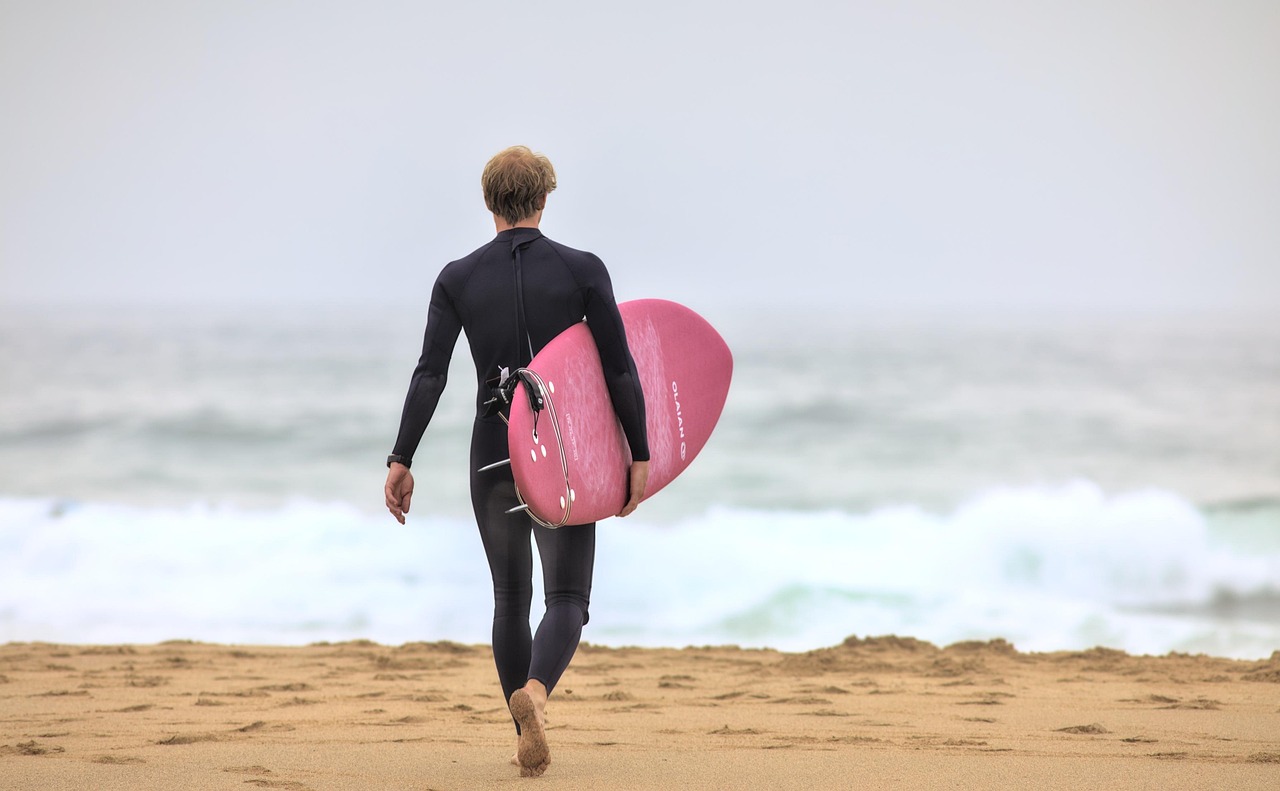
Surfing in Udupi (Karnataka)
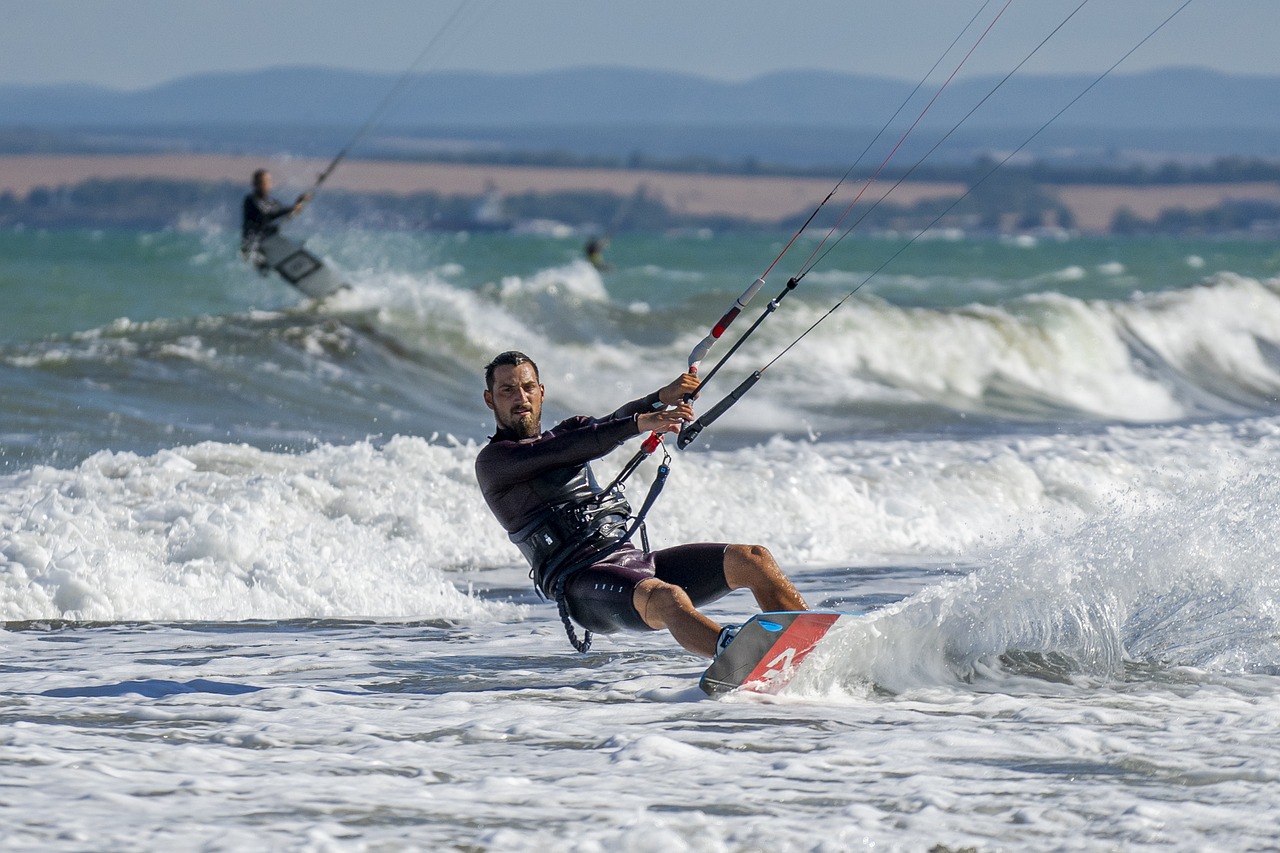
Surfing in Gokarna (Karnataka)
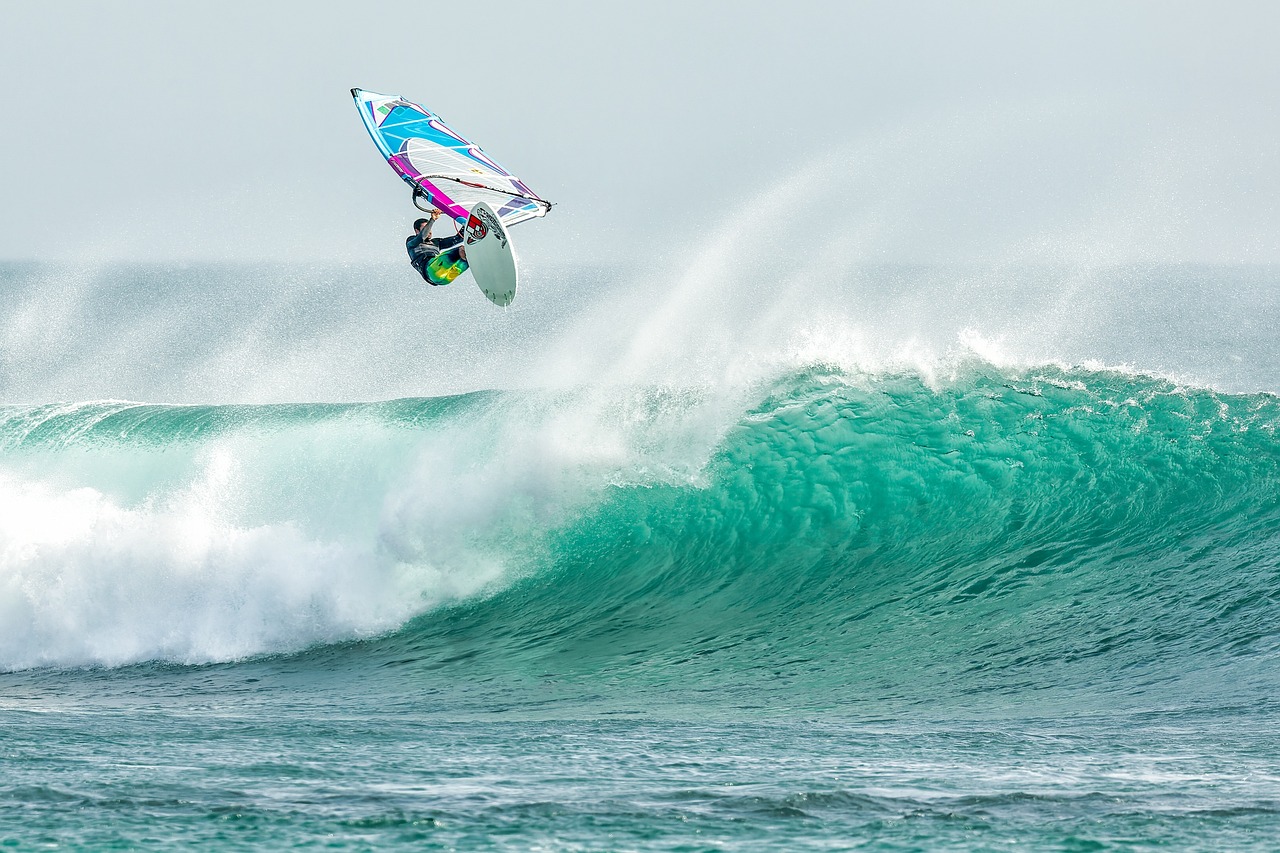
Surfing in Puducherry
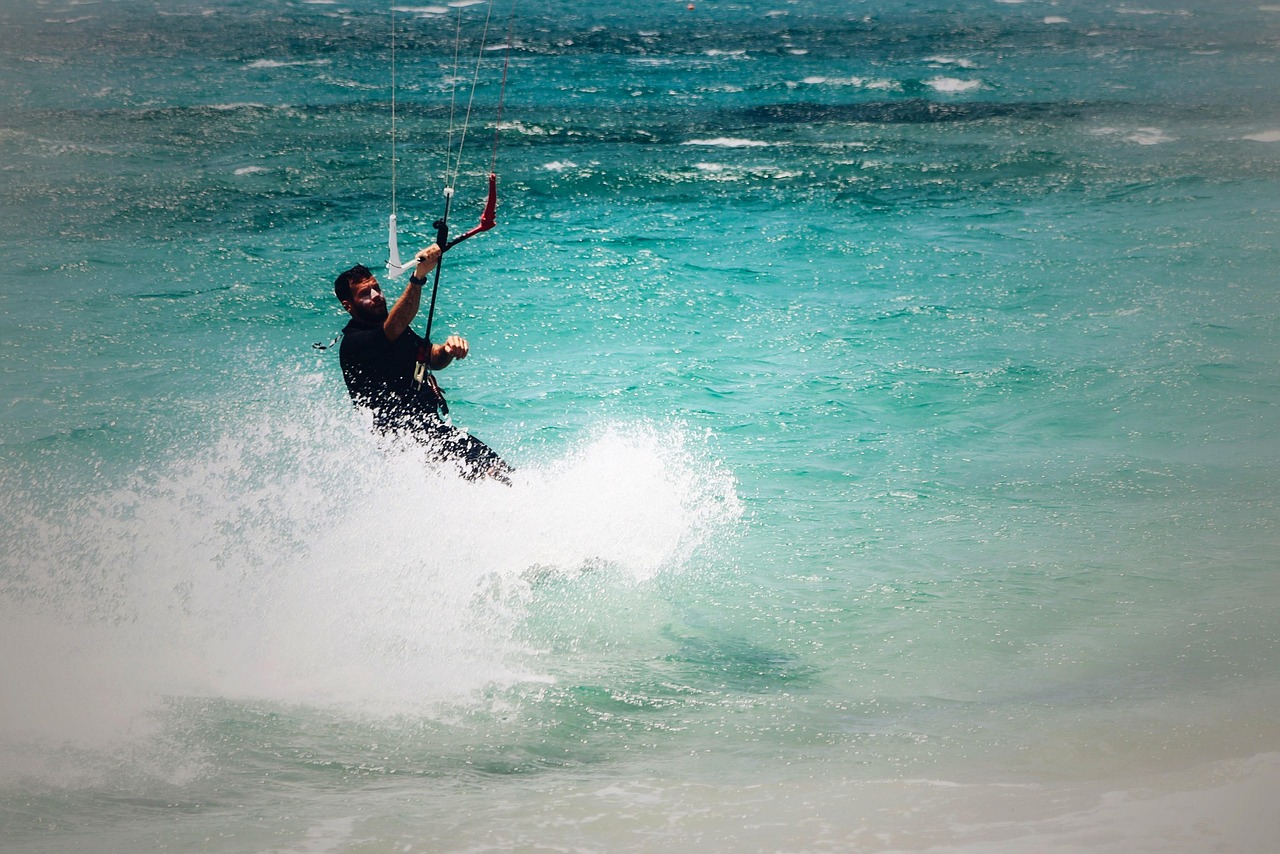
Surfing in Sindhudurg (Maharashtra)
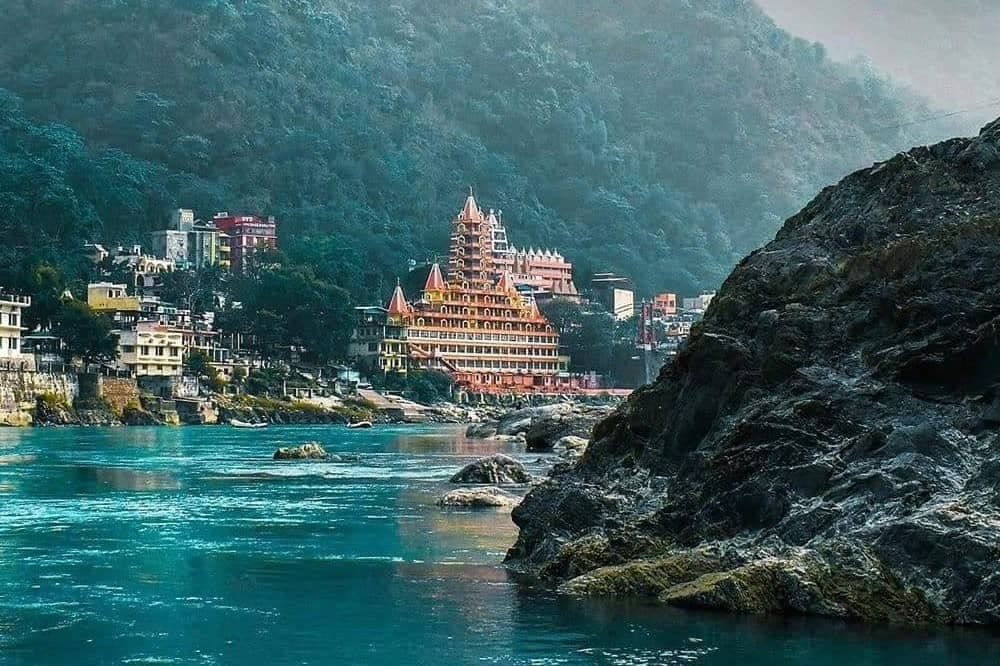
Top 10 Visiting Places in Rishikesh: Your Ultimate Travel Guide
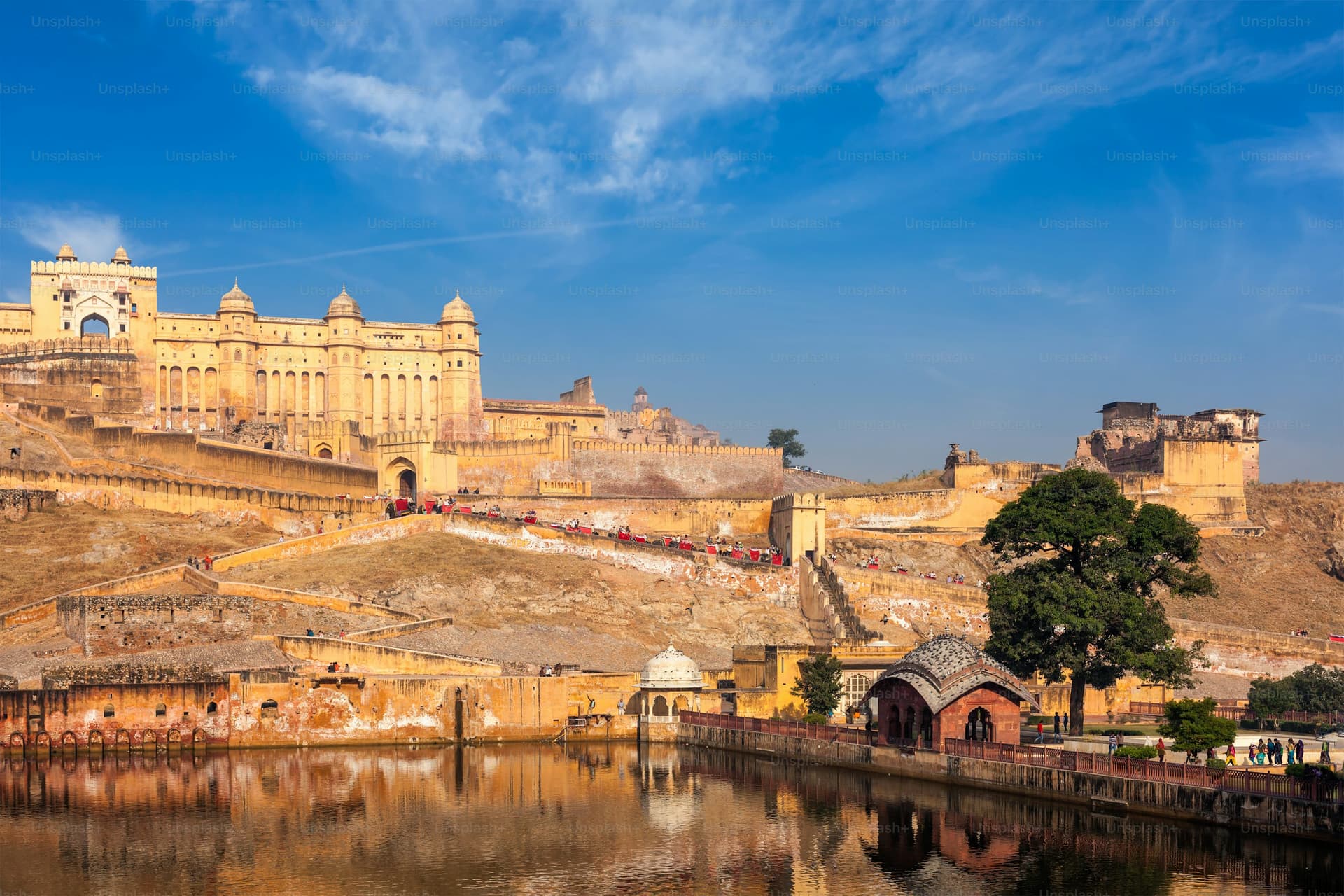
Top 10 Visiting Places in Jaipur: The Pink City’s Must-See Attractions
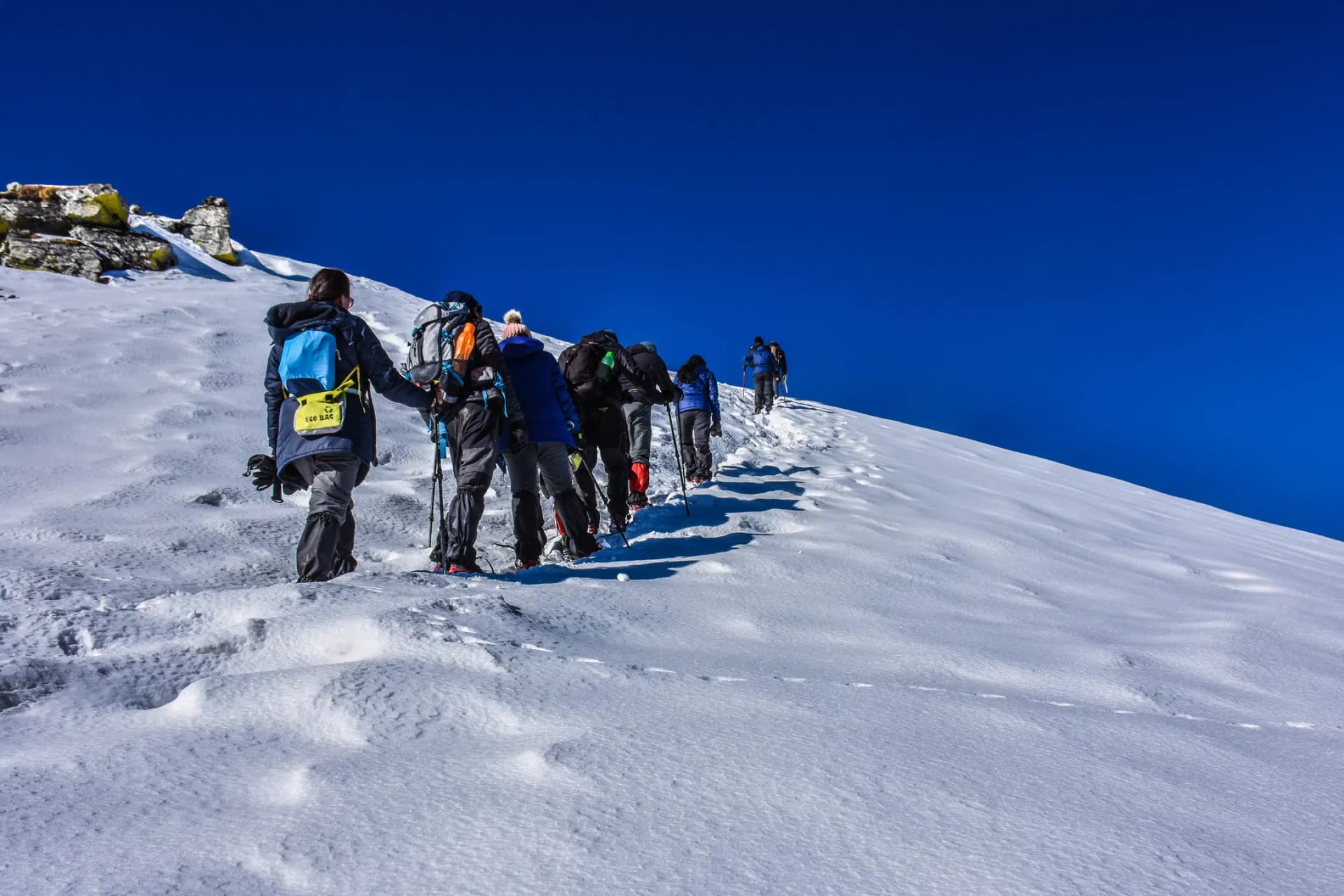
9 Amazing Treks in Uttarkashi: A Perfect Blend of Adventure, Beauty, and Peace
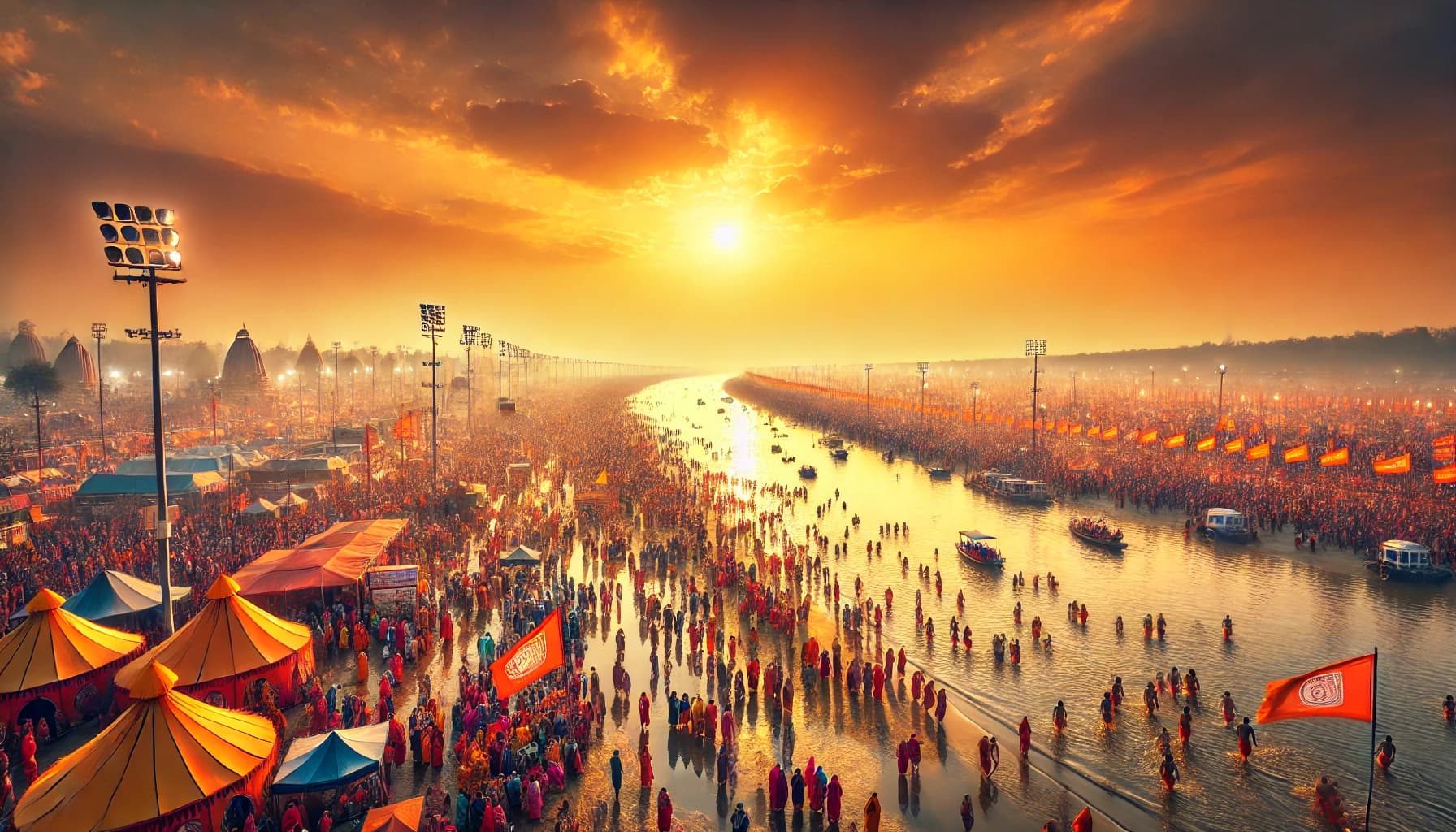
Prayagraj Maha Kumbh Mela 2025: Royal Bath Dates and Their Religious Significance
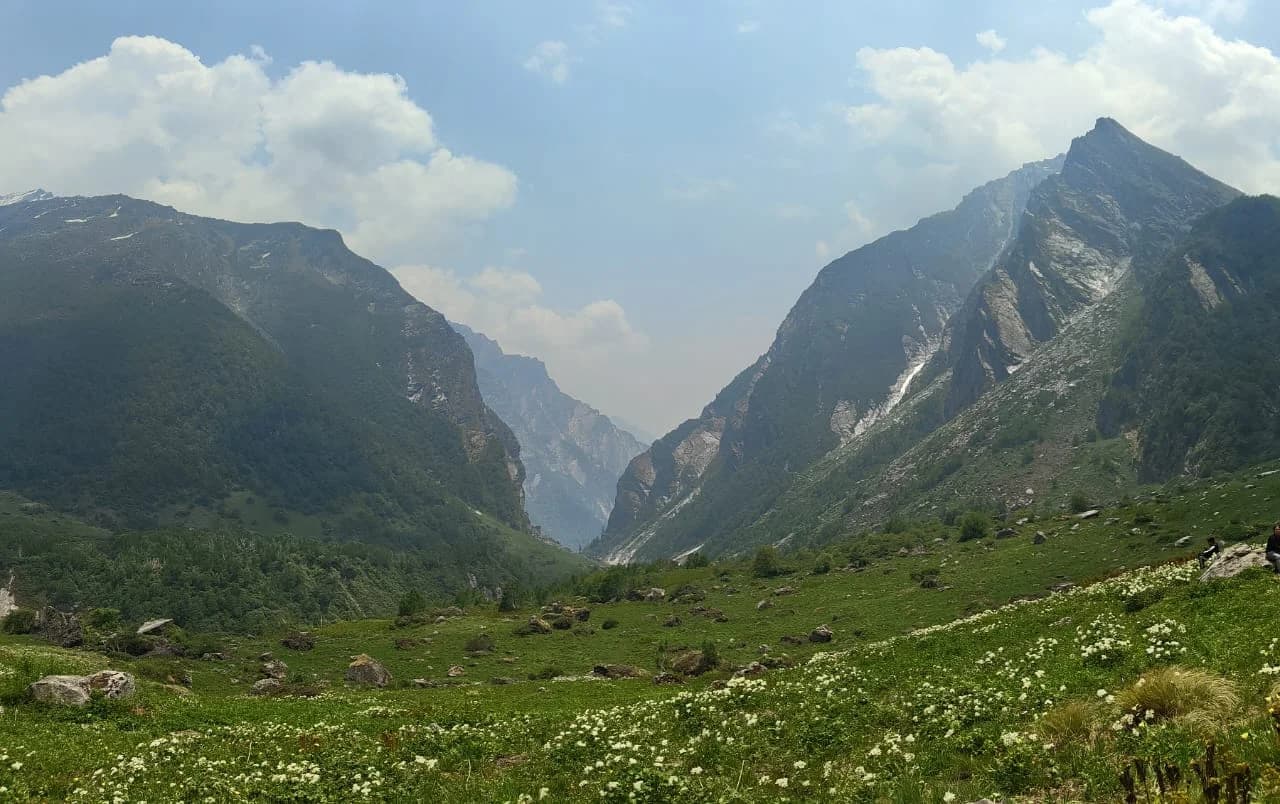
Valley of Flowers: A Himalayan Wonderland of Bloom and Beauty
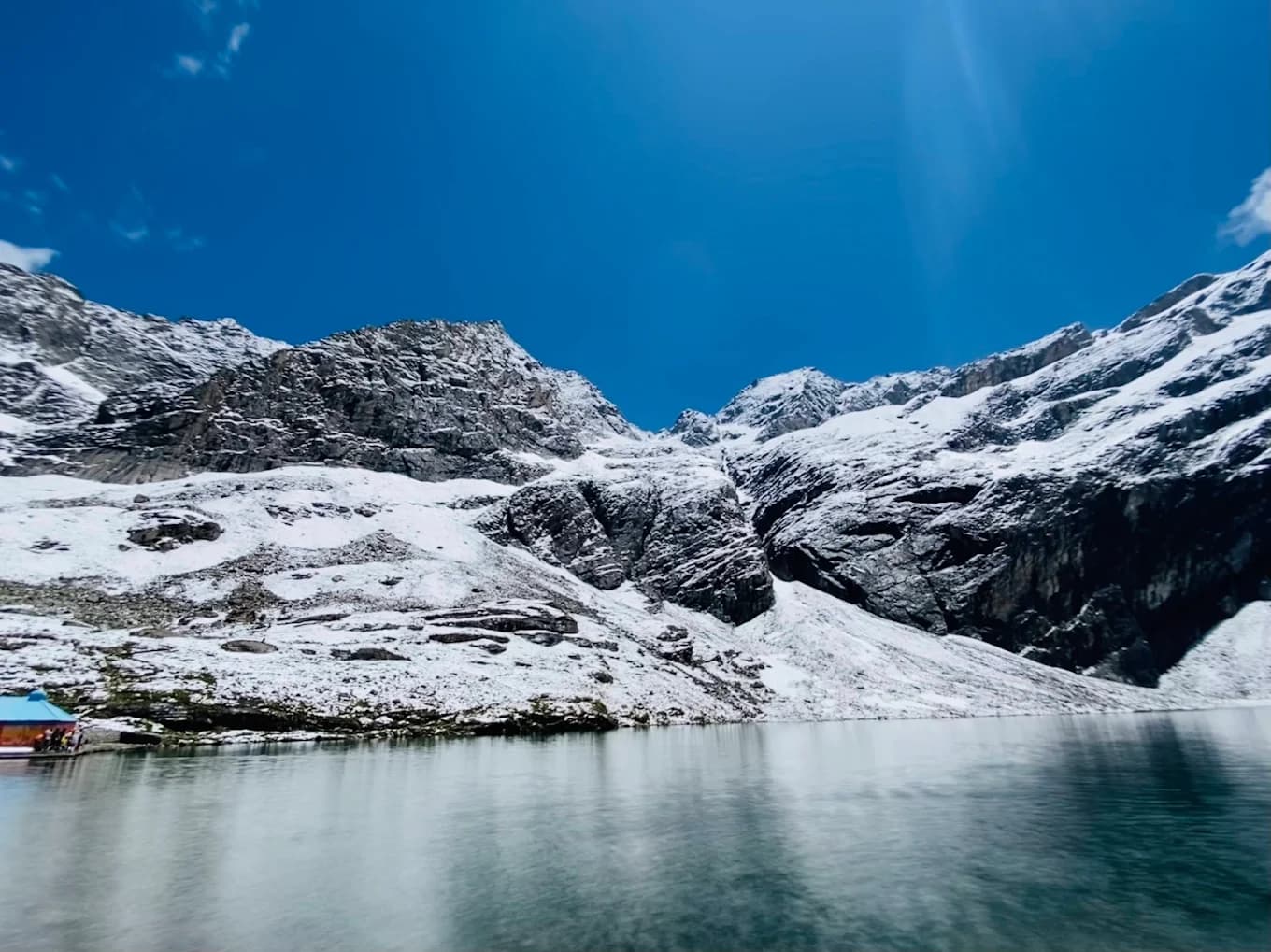
Hemkund Sahib Trek: A Divine Journey to the Sacred Himalayan Pilgrimage
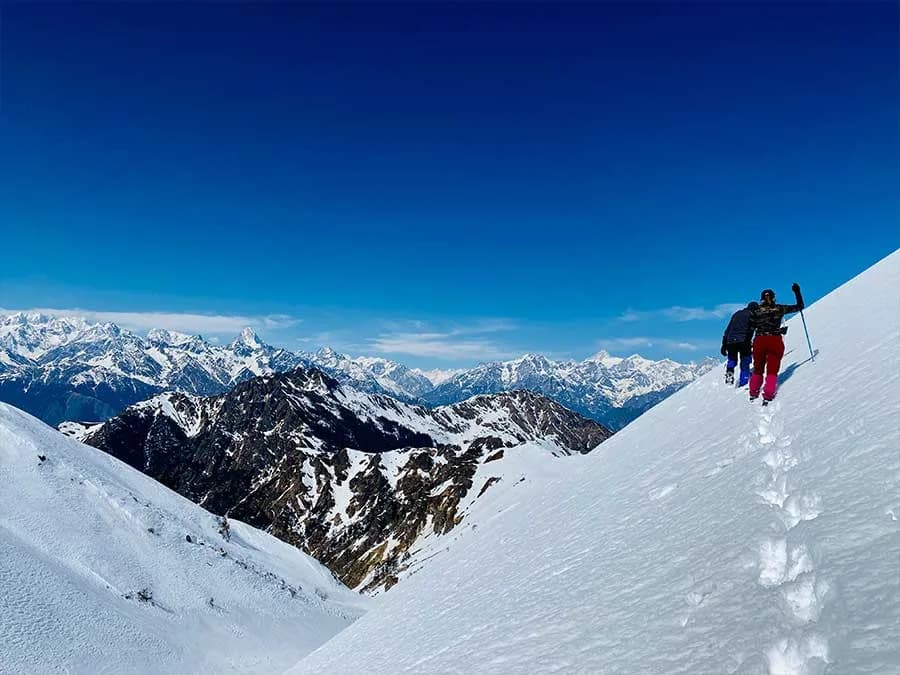
Kuari Pass Trek: A Dreamy Journey Amidst the Himalayas
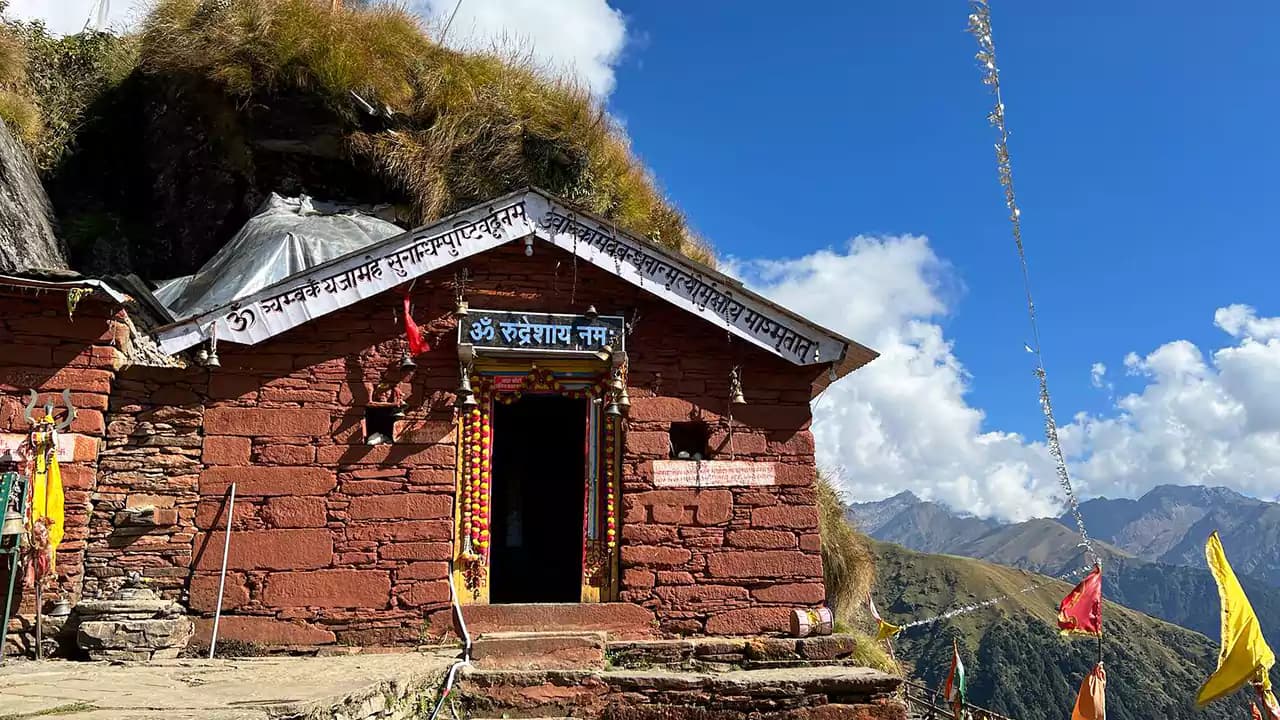
A Unique Spiritual Journey Among the Panch Kedar
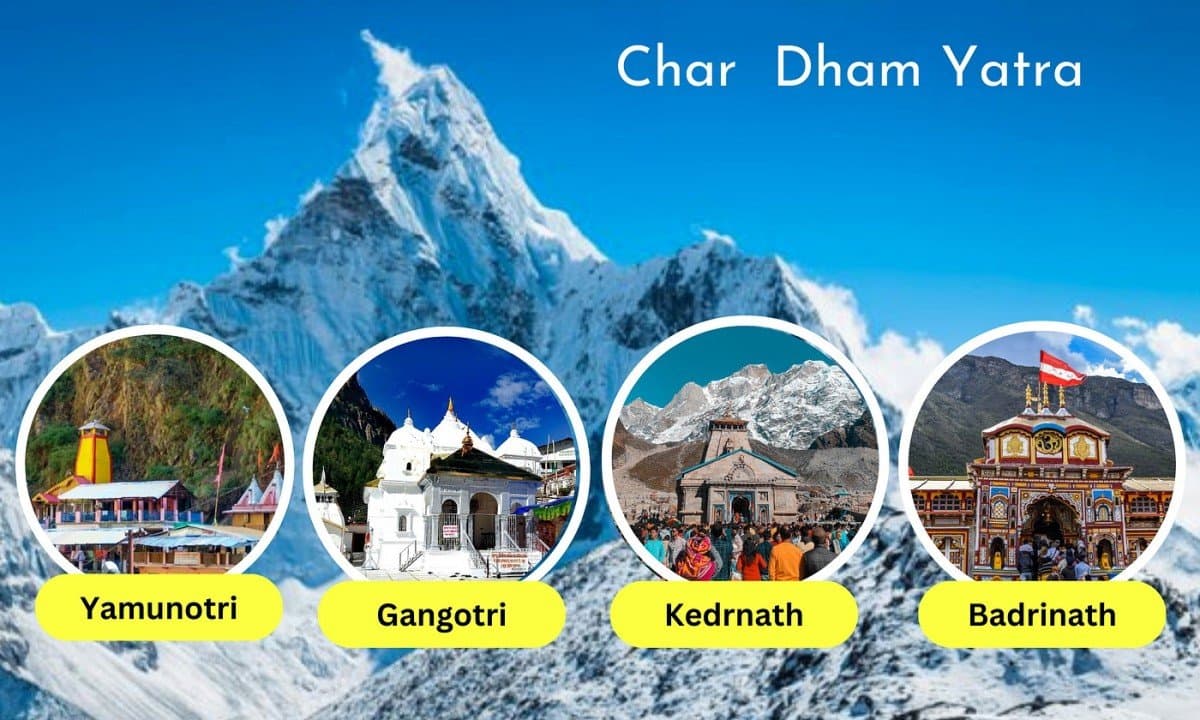
🕉️ Char Dham Yatra: A Life-Changing Spiritual Journey 🏔️🙏
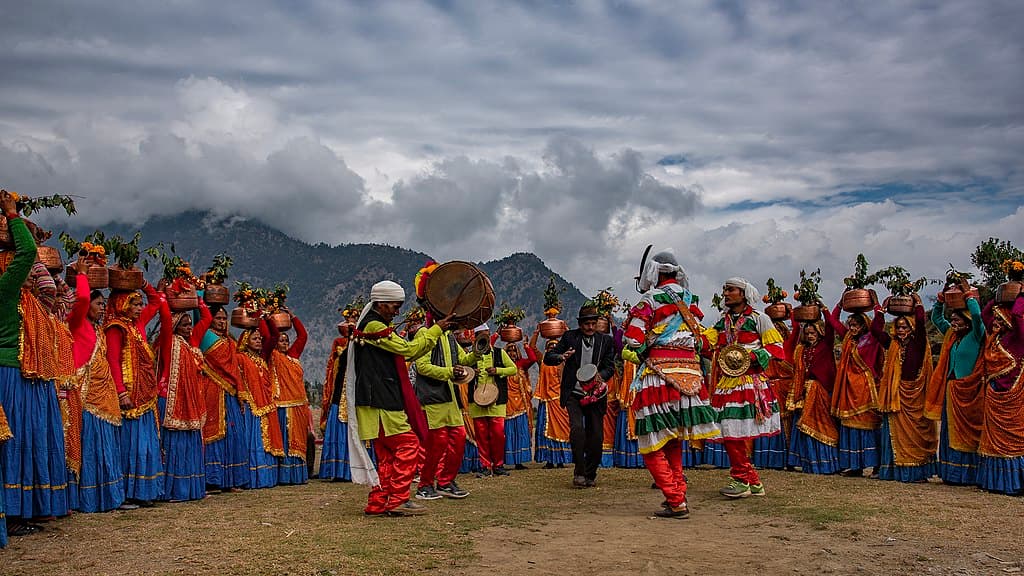
Ganga Dussehra to Nanda Devi Raj Jat: Major Festivals and Culture of Uttarakhand
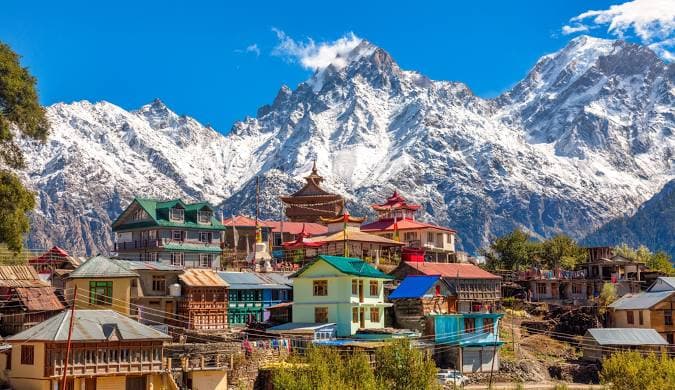
A Paradise in the Lap of the Himalayas: The Complete Travel Story of Himachal Pradesh 🏔️
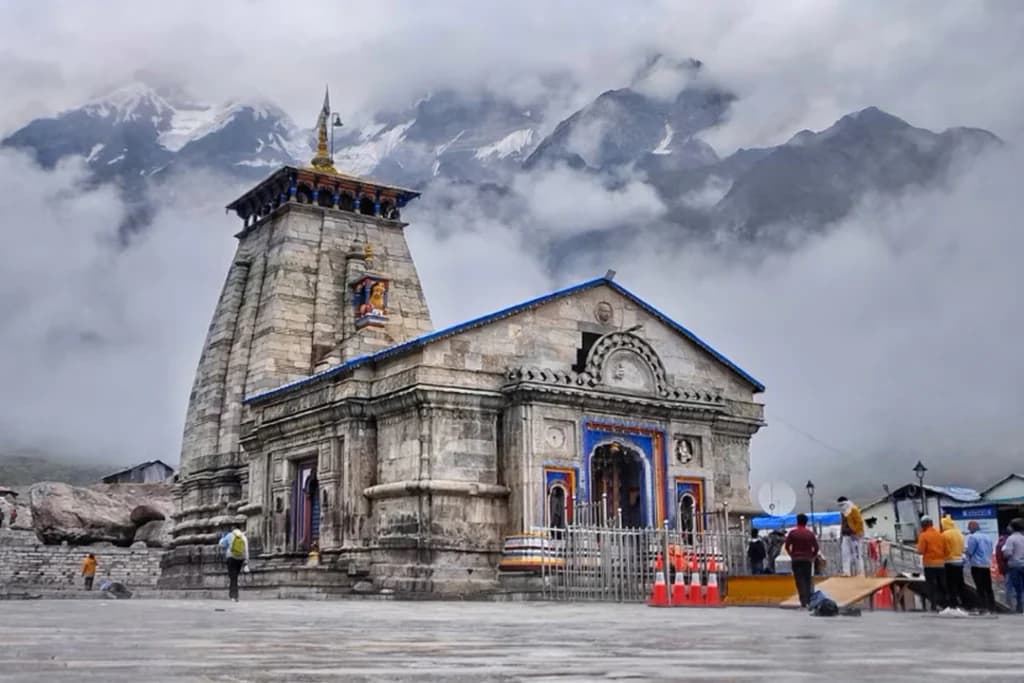
🕉️ The Doors of Baba Kedar Close — The Himalayas Echo with “Har Har Mahadev”
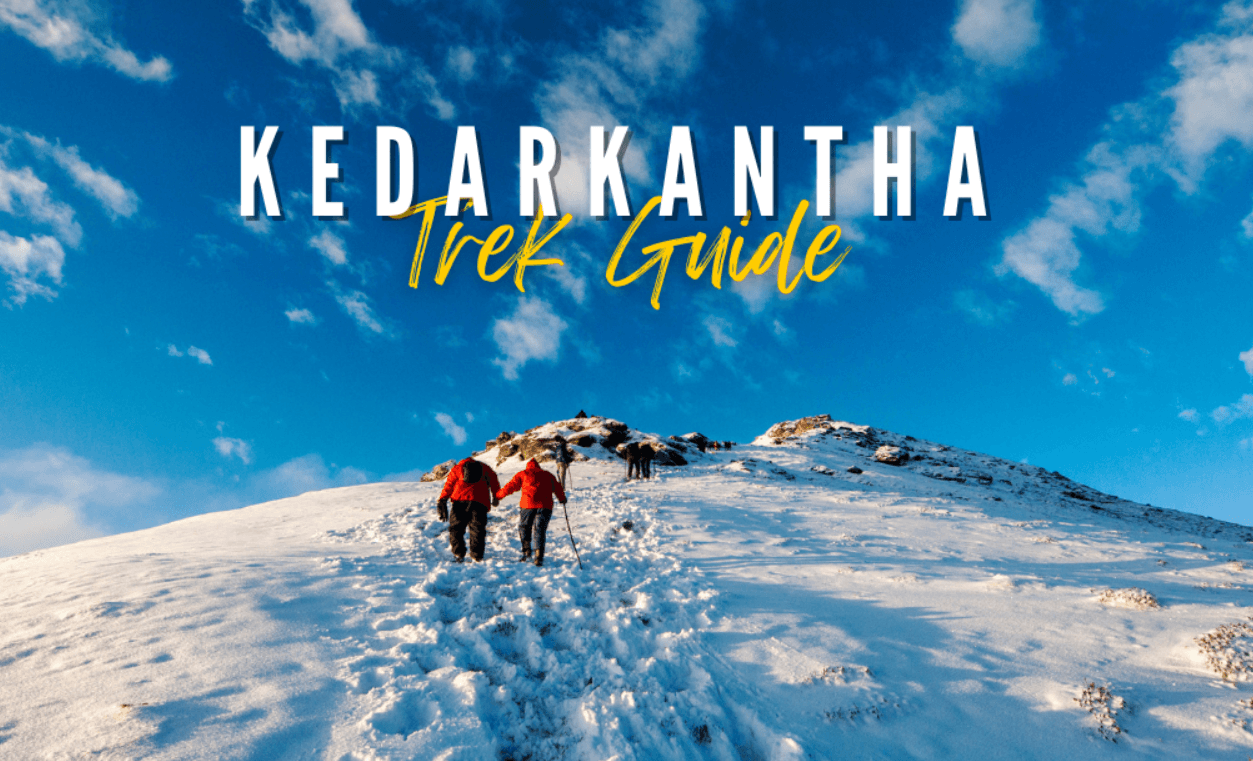
Kedarkantha Trek – The Crown of Winter Treks ❄️
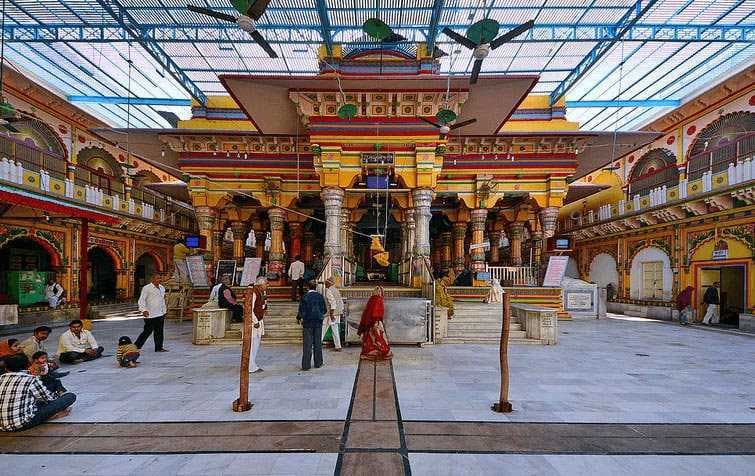
Shri Dwarkadhish Temple, Mathura – The Divine Abode of Lord Krishna
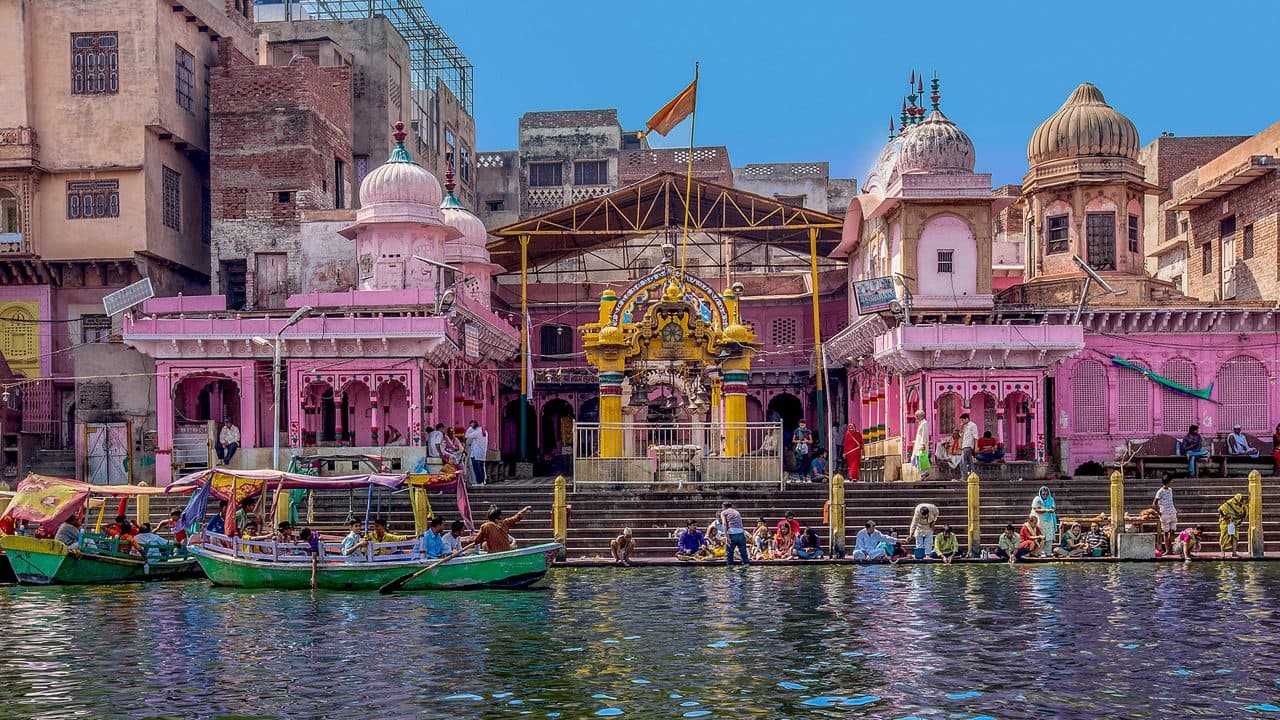
Vishram Ghat: The Sacred Riverside of Mathura
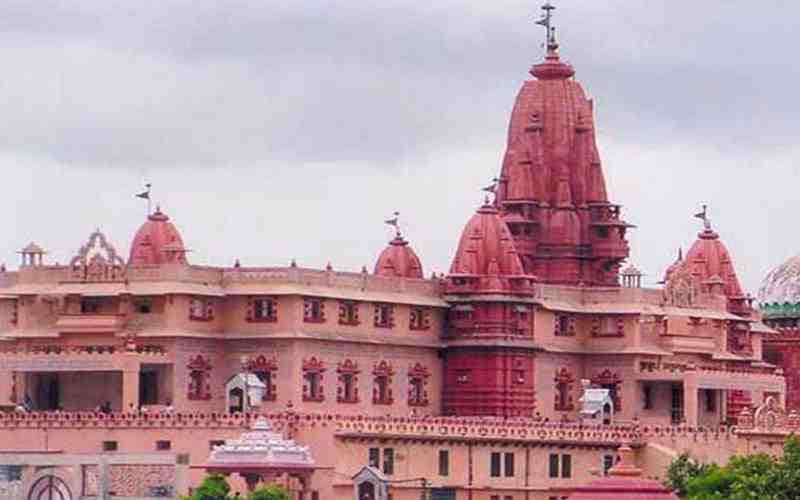
Explore Mathura – Temples, Culture, and Festivals
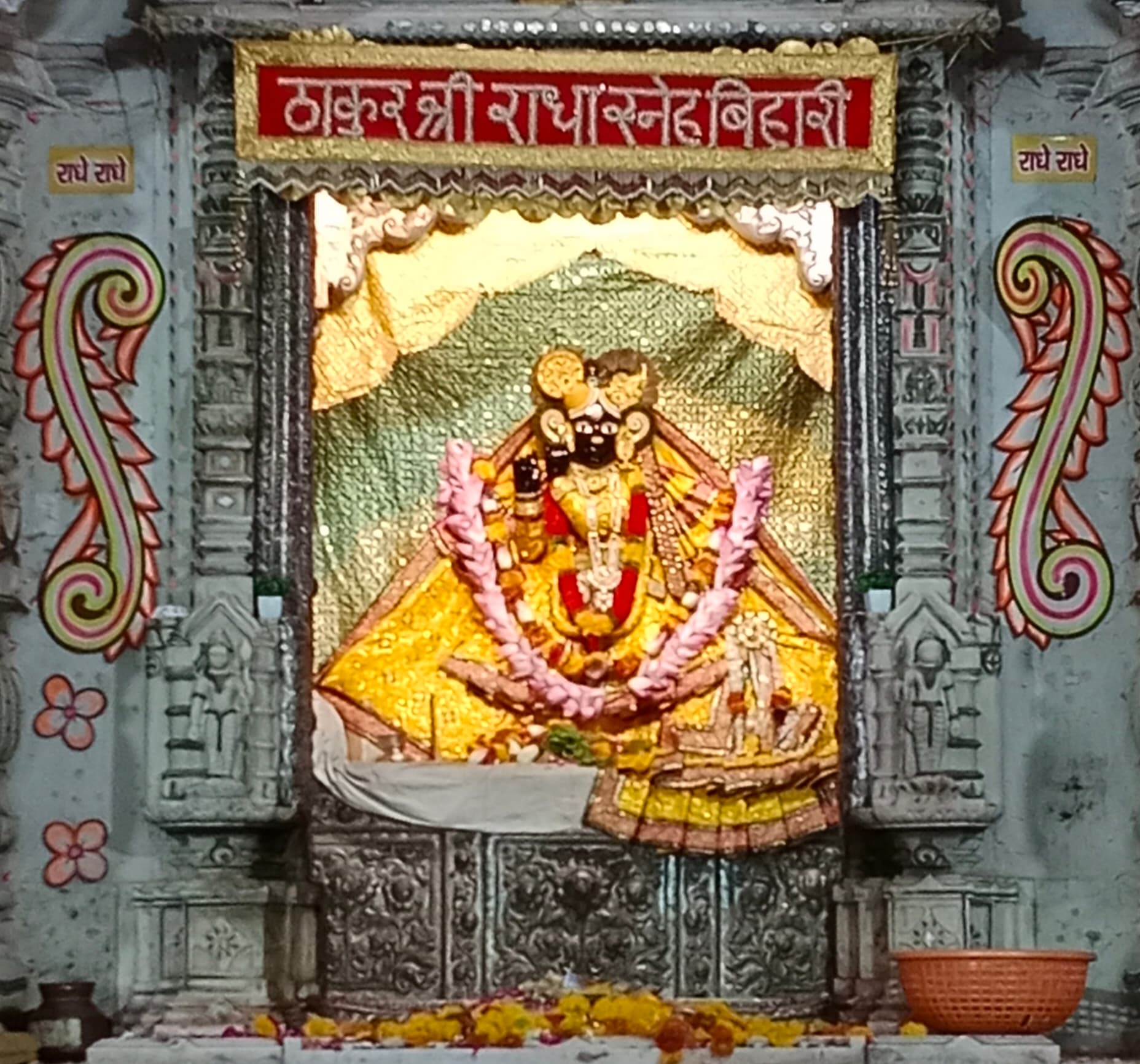
✨ Seek Blessings of Shri Banke Bihari Ji – Experience the Divine Vrindavan! 🙏
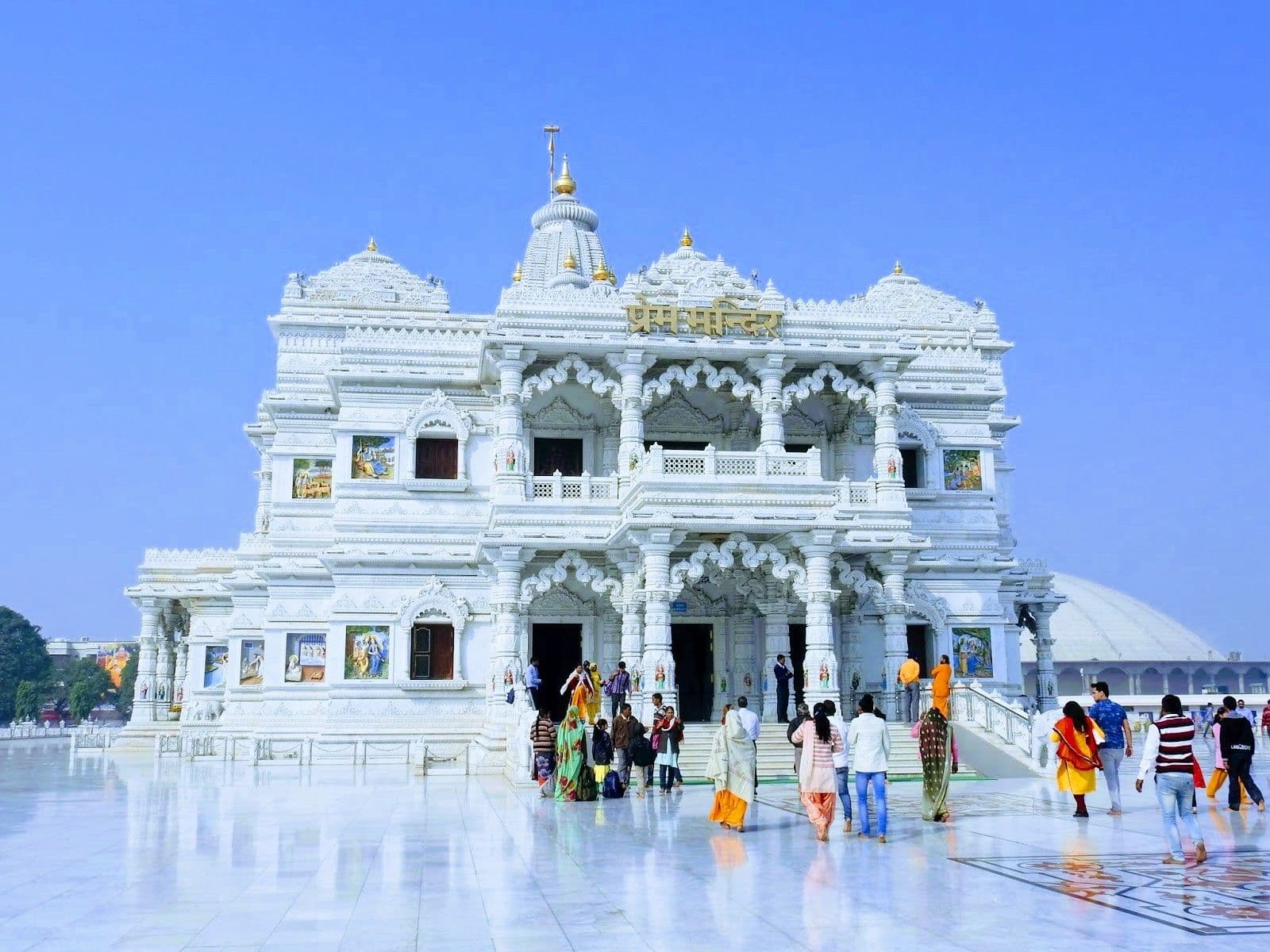
Shri Prem Mandir – Feel the Divine Love in Vrindavan 🙏
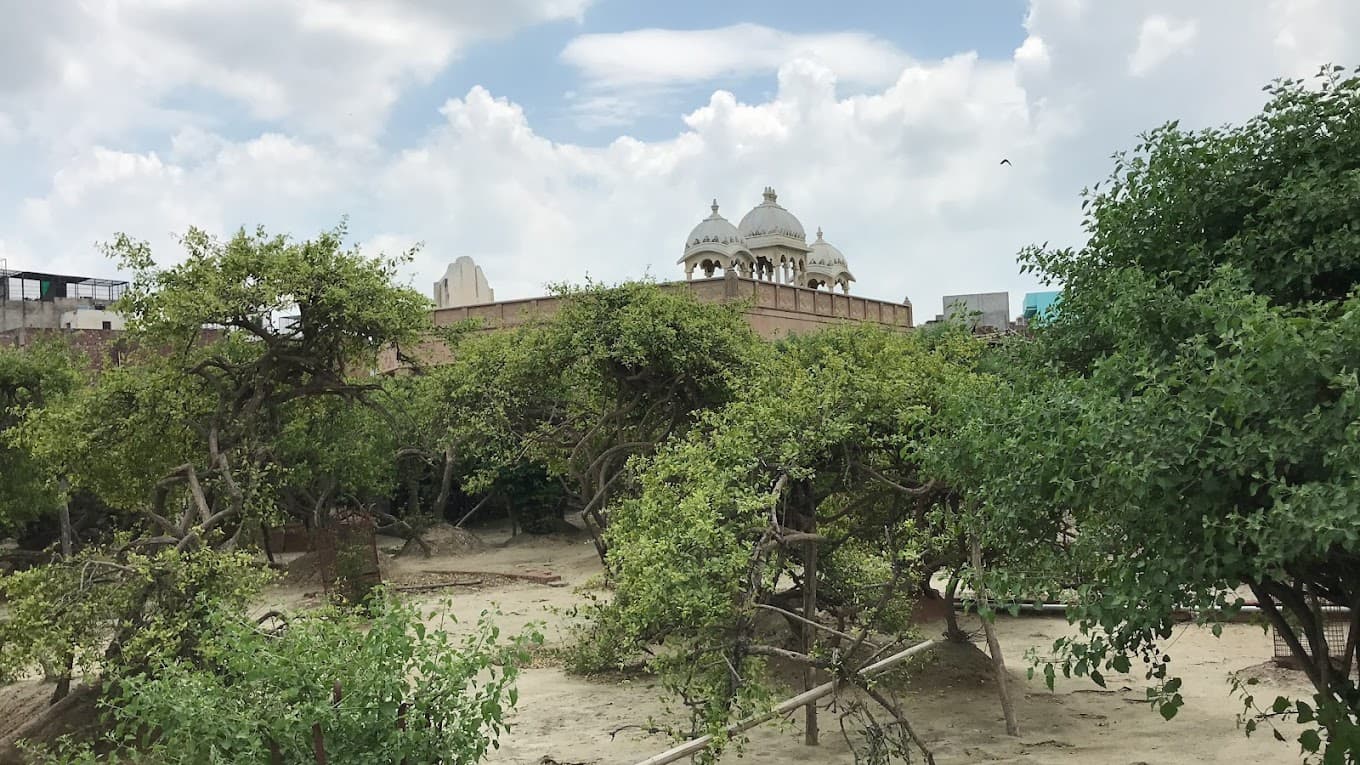
Nidhivan Vrindavan: Where Radha-Krishna Still Perform the Divine Ras Leela
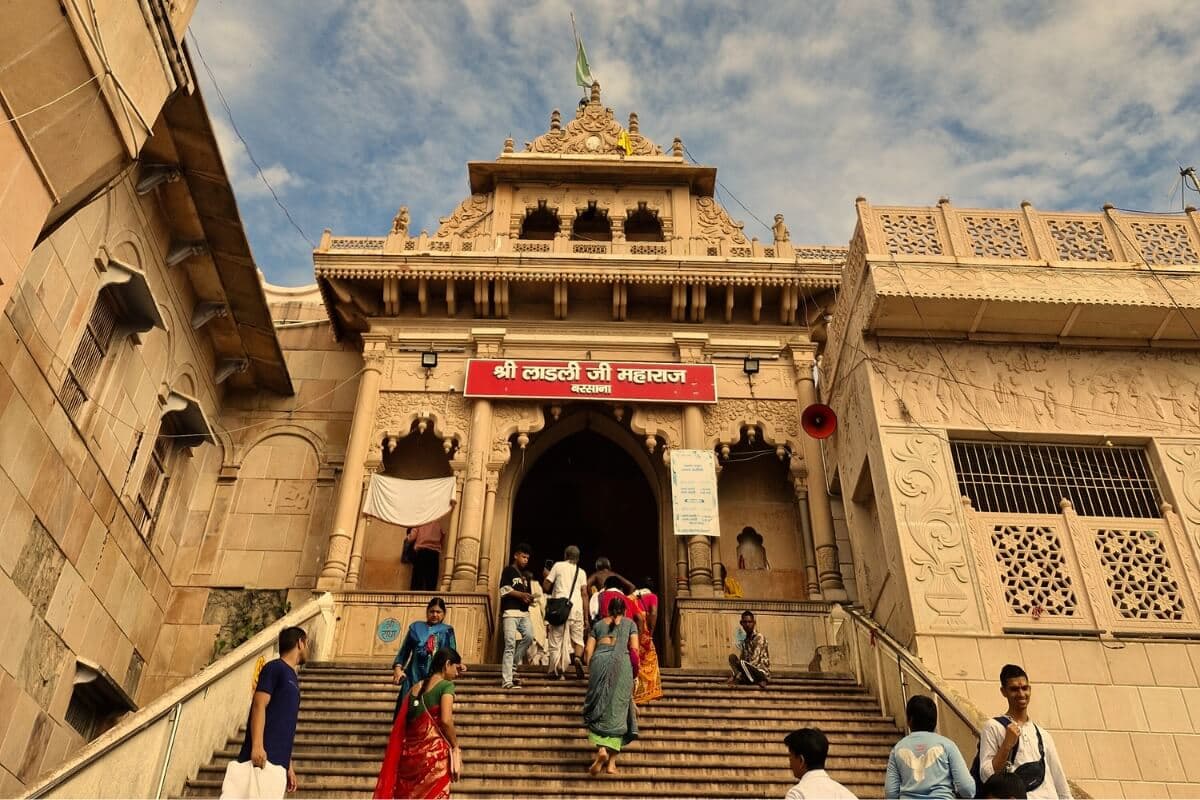
🙏 Have a divine darshan of Shri Radha Rani Temple in Barsana!
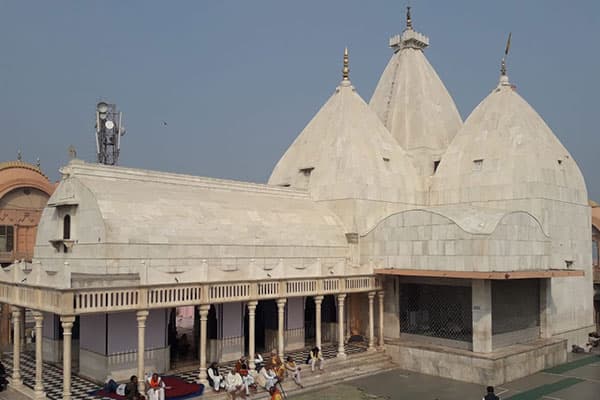
The historic Nanda Bhavan Temple in Gokul – a glimpse into the childhood of Lord Krishna
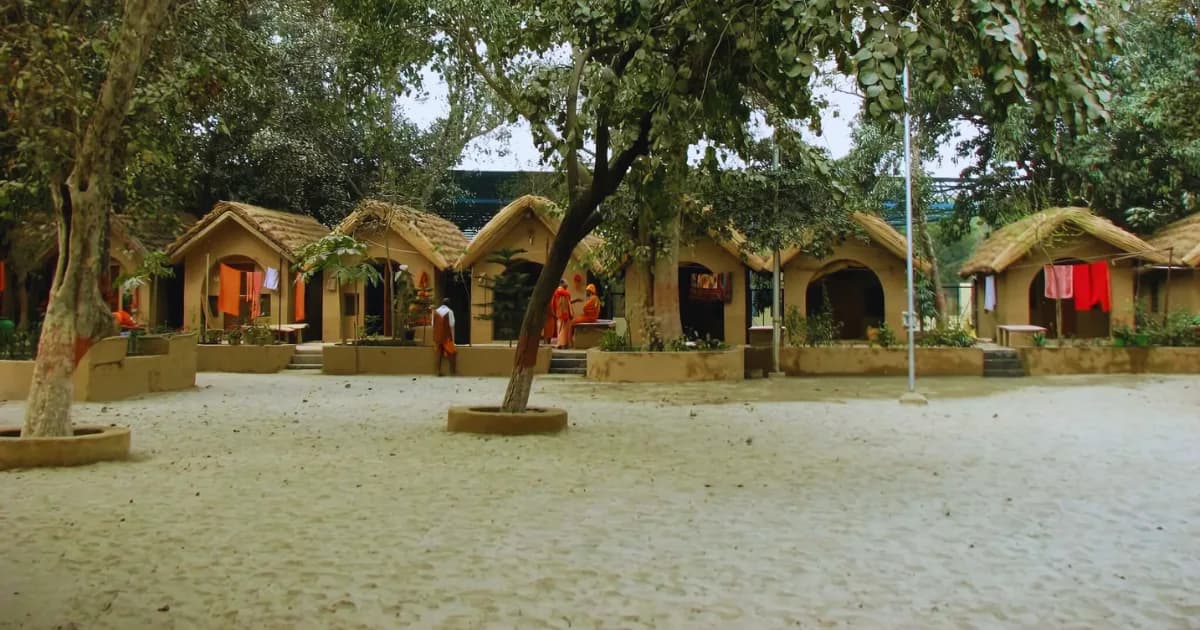
Raman Reti, Mathura: The sacred land of Balkrishna's pastimes
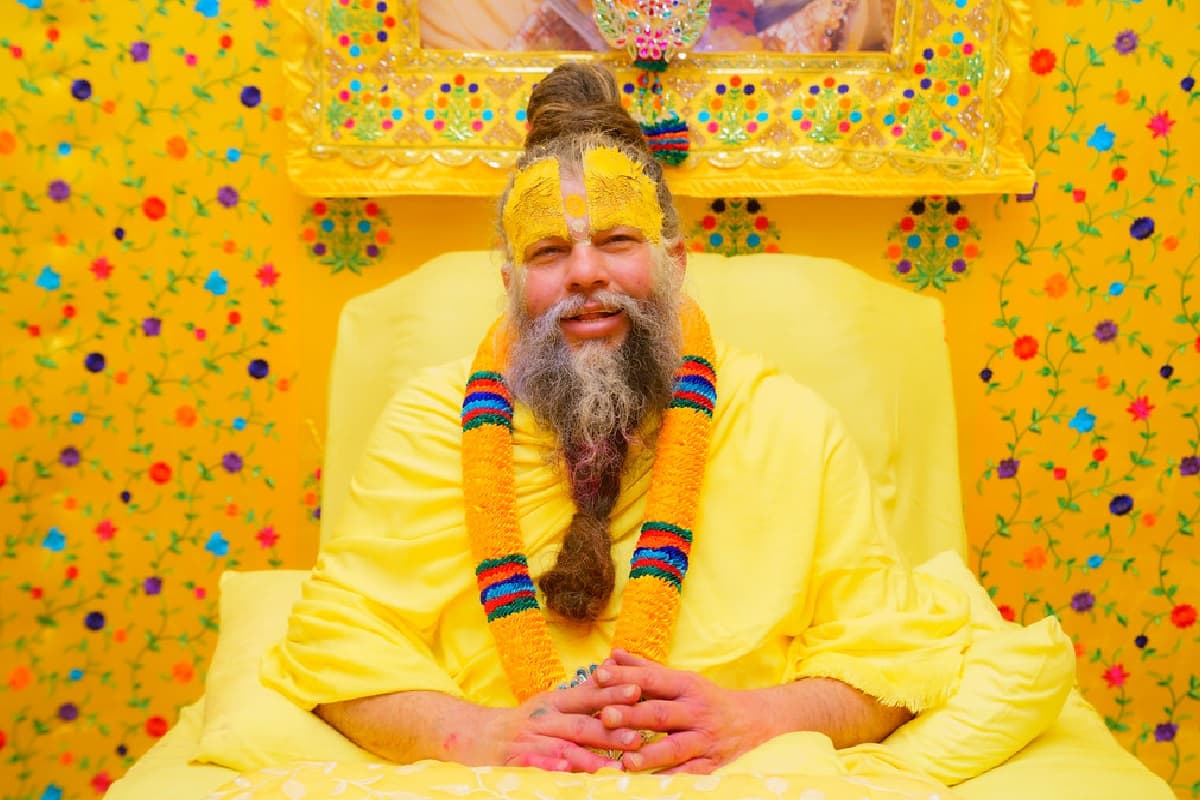
How to Get Darshan of Shri Premanand Ji Maharaj? Understand the Timings, Location & Contact Process.
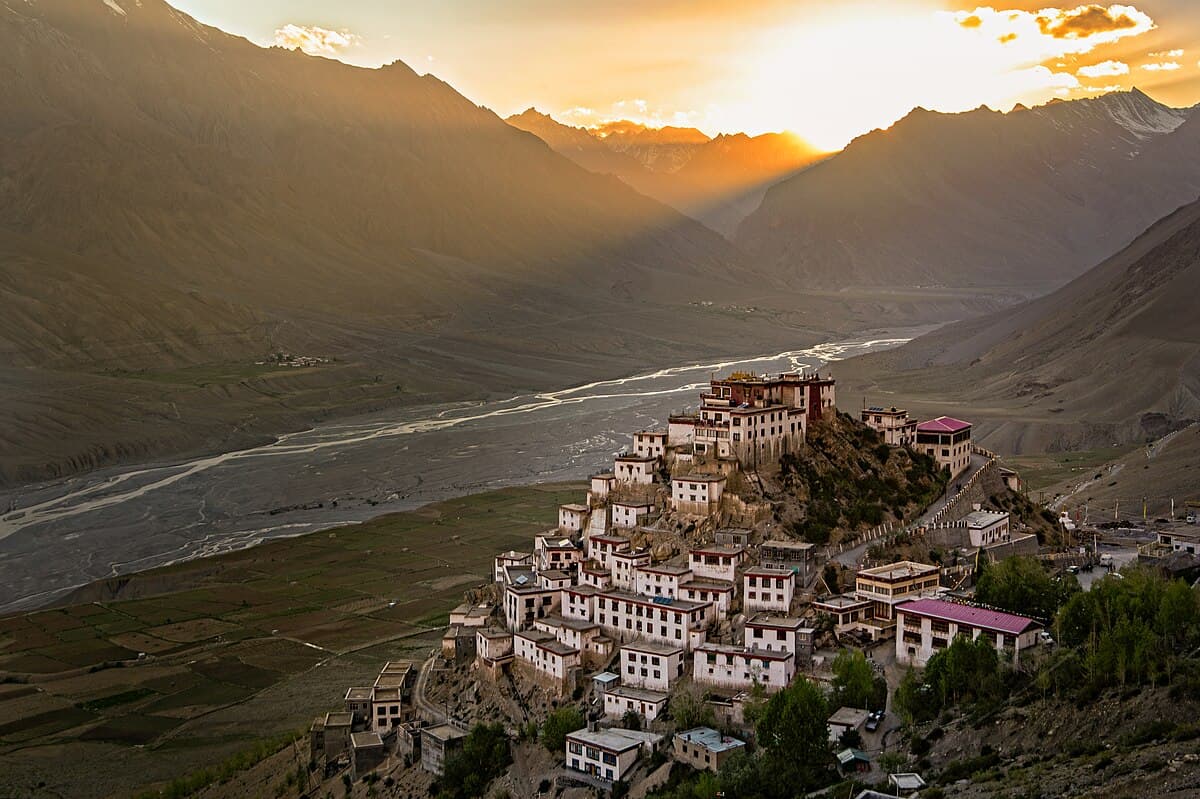
Discover the Magic of Spiti Valley – Villages, Monasteries & Scenic Wonders Await! 🏔️✨
Ranthambhore National Park – Where Royal Tigers, Ancient Forts & Wilderness Come Alive
Ultimate Travel Guide to Manali: Attractions, Food, and Safety Tips
Shimla Travel Guide: Everything You Need to Know Before Visiting the Queen of Hills
Udaipur – The Venice of the East: A Complete Travel Guide
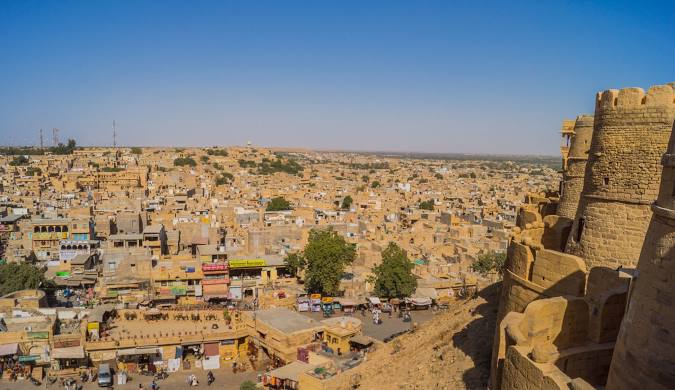
Jaisalmer Travel Guide: History, Forts, Desert Experiences, and Cultural Heritage
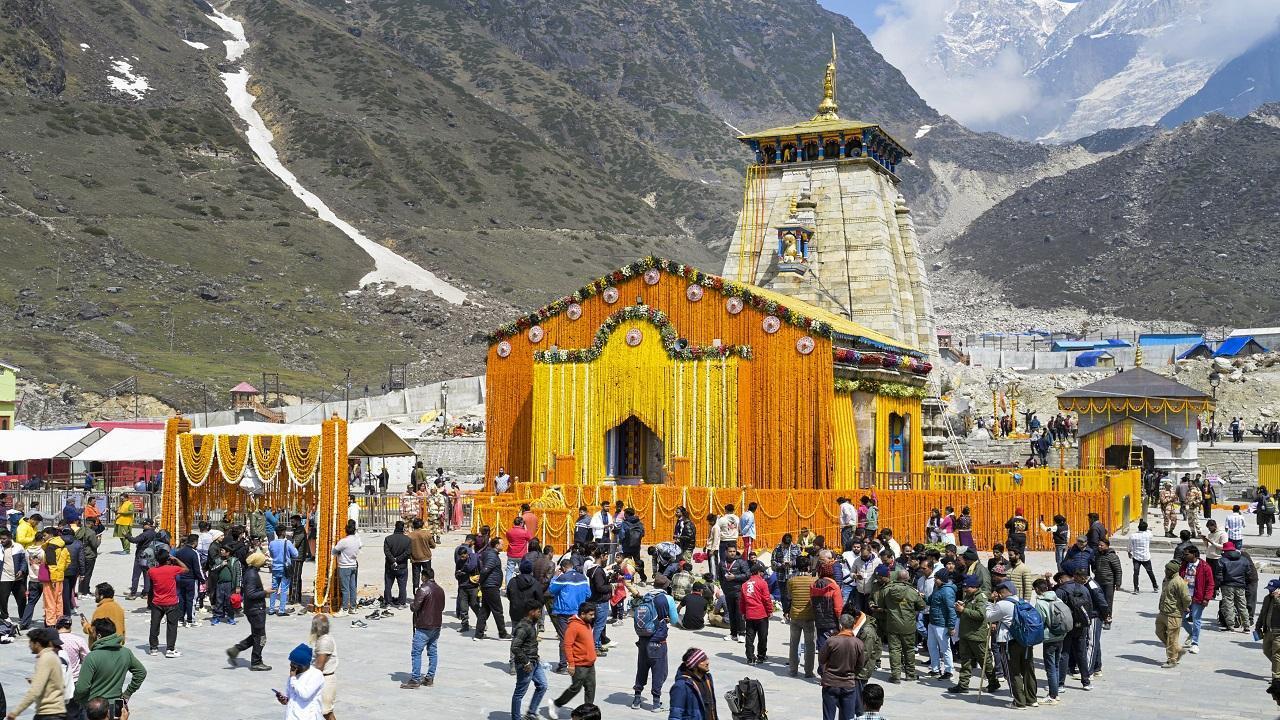
Kedarnath Yatra Registration 2026
Kedarnath Yatra Guide 2026
Kedarnath Helicopter Booking 2026: IRCTC Online Booking, Dates, Price & Complete Guide
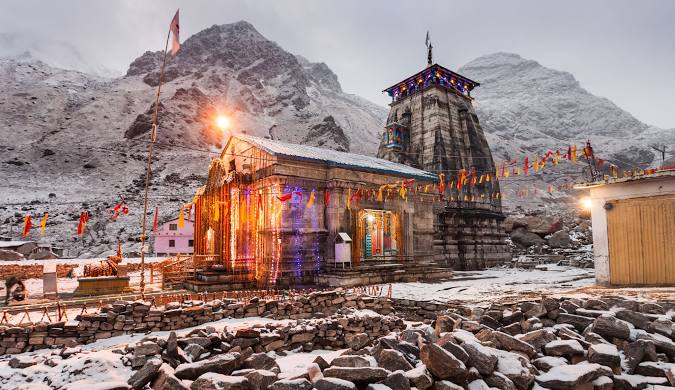
Kedarnath Temple Opens for 2026 Pilgrimage Season on April 22 at 8 AM
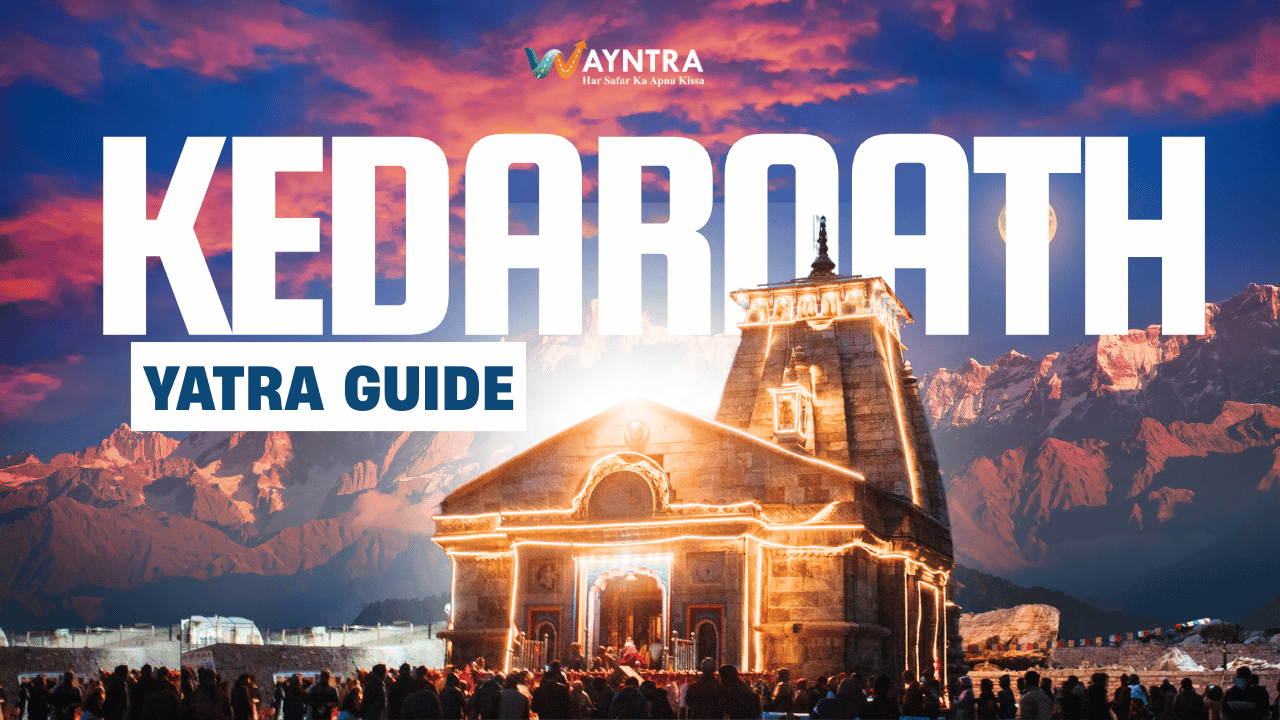
Kedarnath Yatra 2026: Ground Reality You Should Know Before Visiting
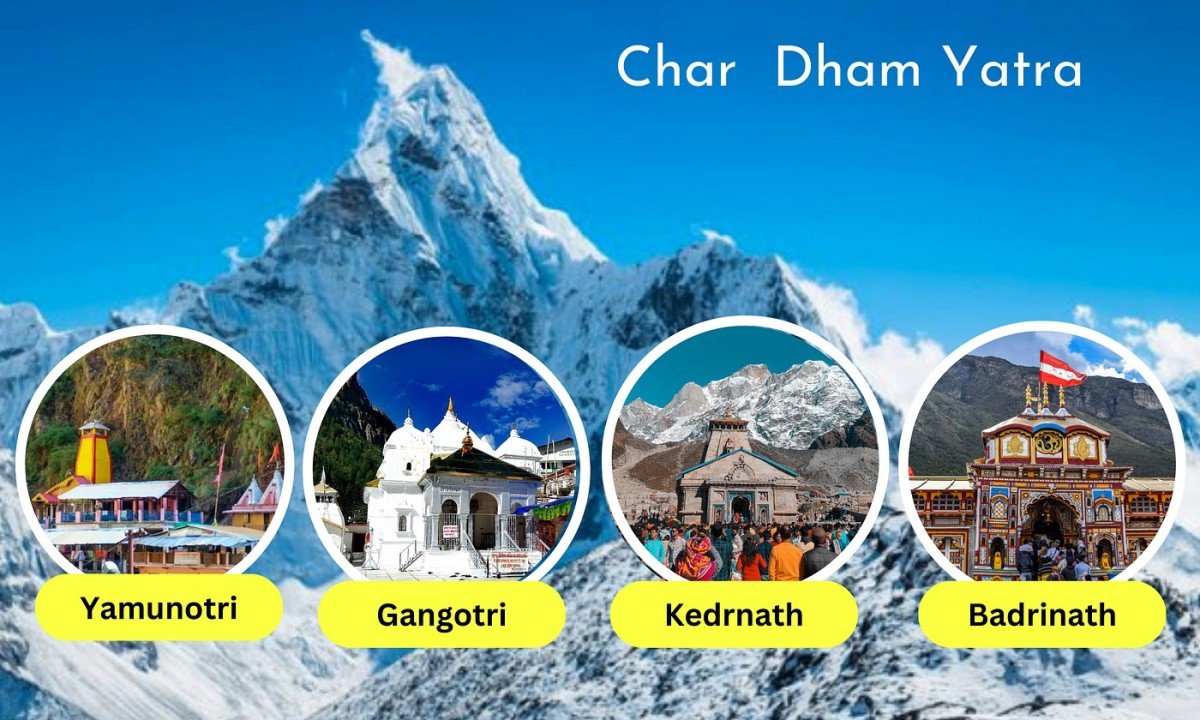
Number of Devotees on Char Dham Yatra Crosses 6.62 Lakh Till 3 May 2026
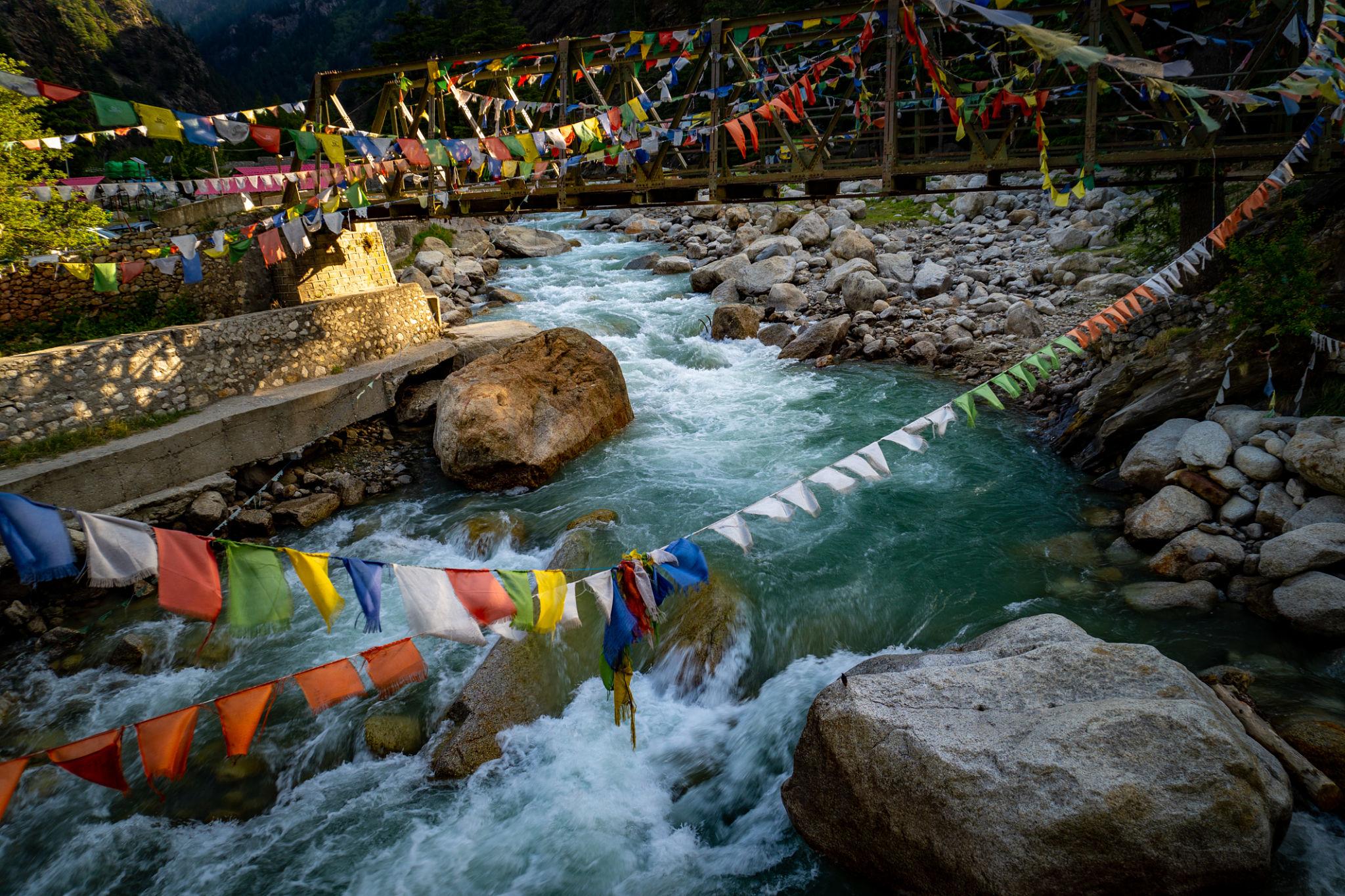
Harshil Valley – Uttarakhand’s Hidden Himalayan Paradise You Must Visit Once
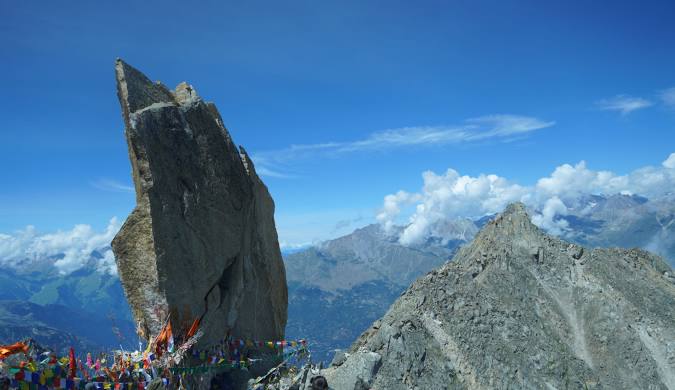
Kinner Kailash – The Mystical Abode of Lord Shiva in the Himalayas
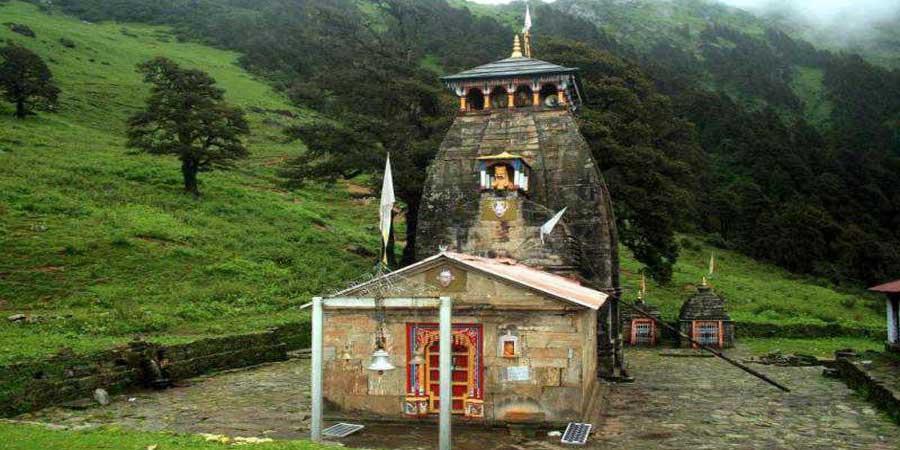
Madhyamaheshwar Temple Travel Guide 2026 – History, Trek, Route, Stay & Complete Travel Information
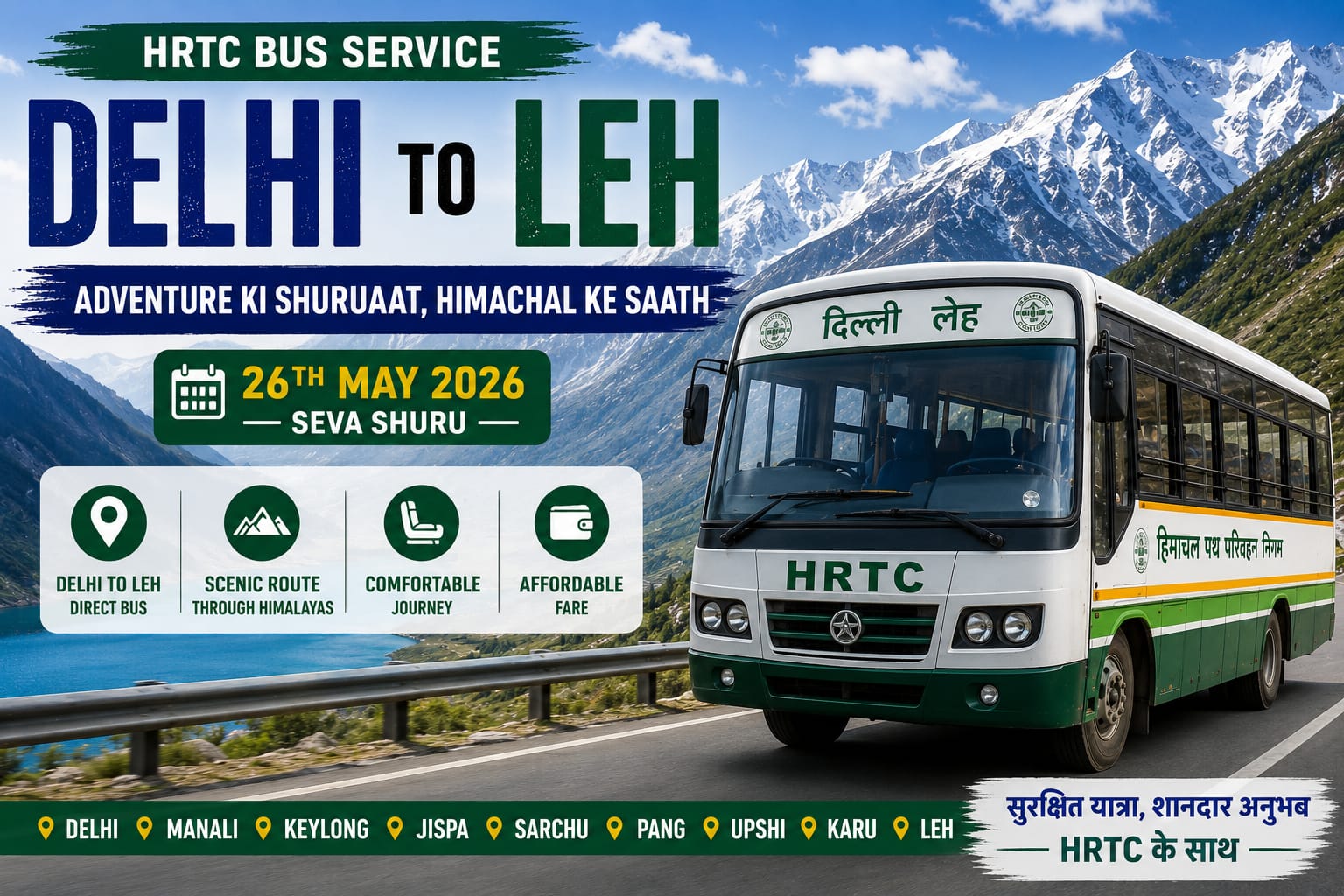
Delhi to Leh Bus Service 2026: Fare, Route, Timings, Stops & Complete Travel Guide
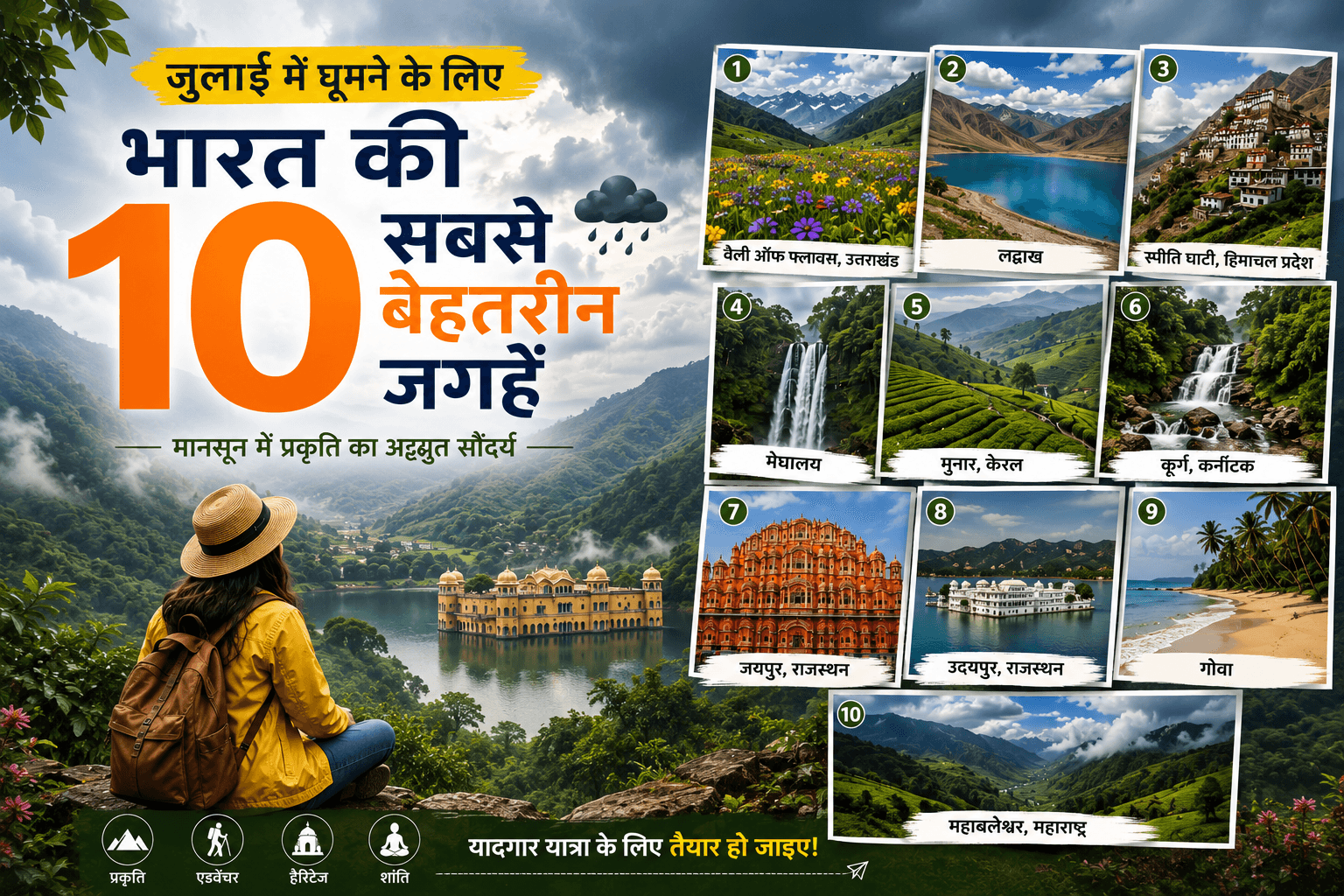
Top 10 Best Places to Visit in July in India (2026) – Monsoon Destinations You Shouldn't Miss
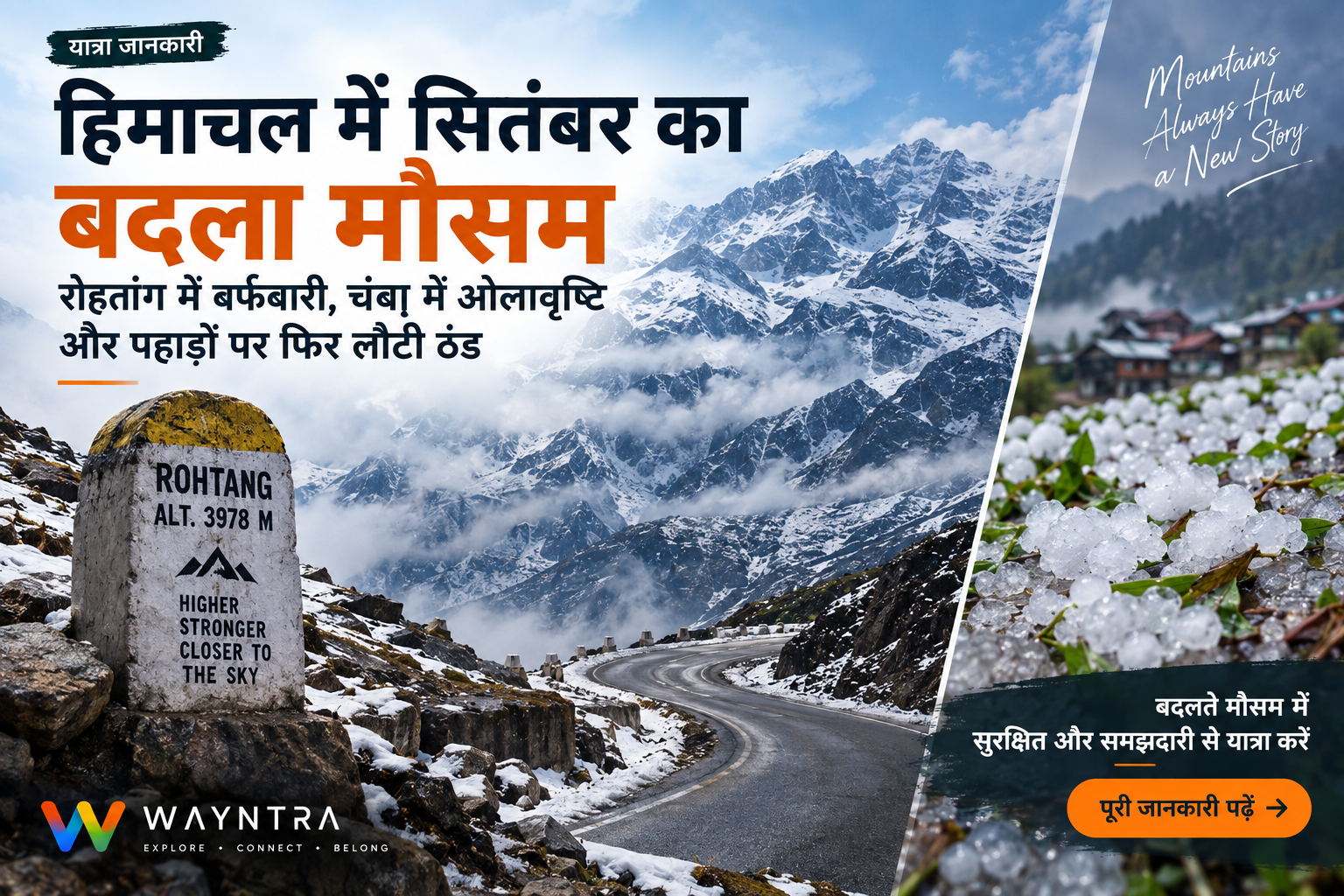
हिमाचल में सितंबर का बदला मौसम: रोहतांग में बर्फबारी, चंबा में ओलावृष्टि और पहाड़ों पर लौटी ठंड
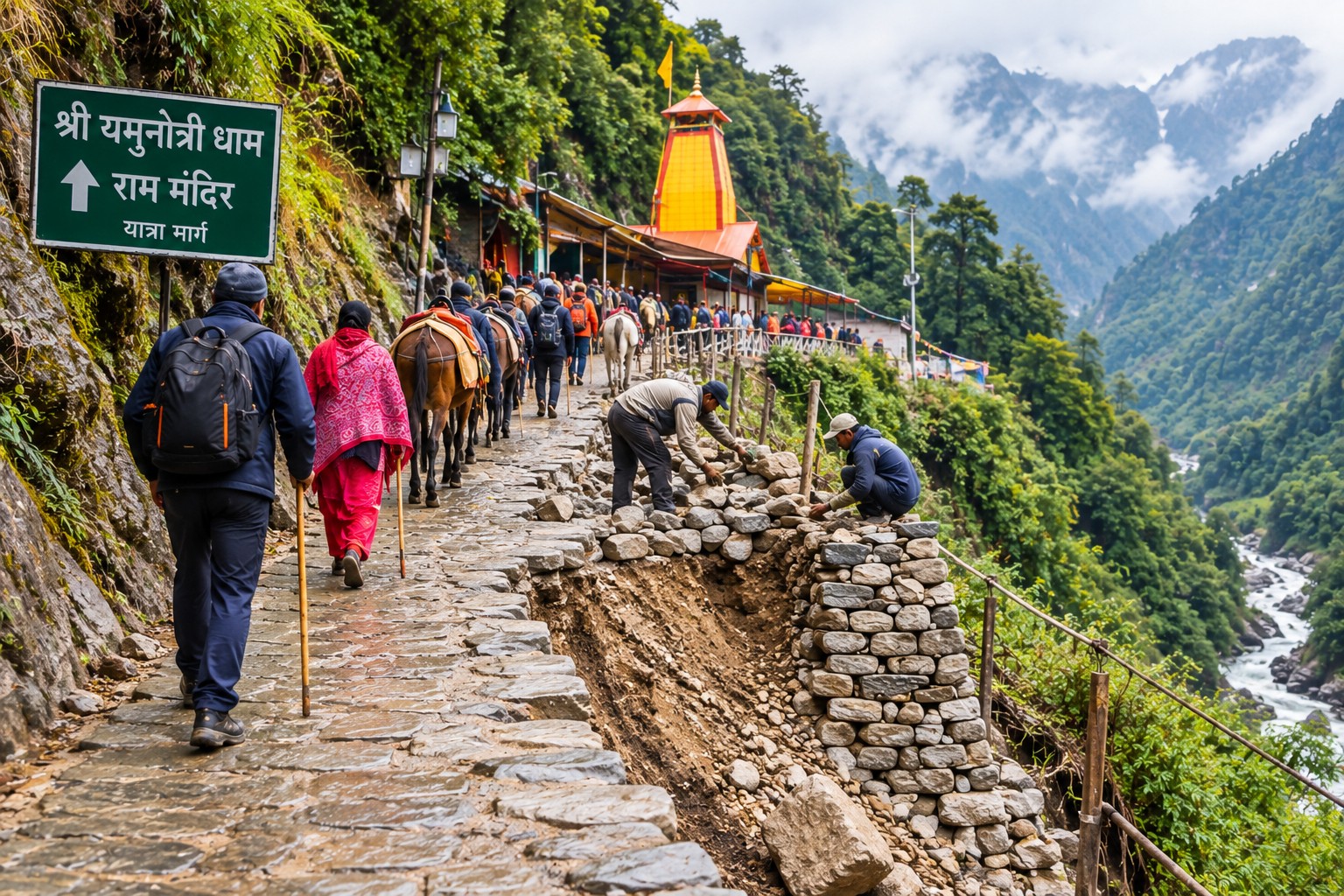
Yamunotri Dham: Safety Concerns Remain Near Ram Mandir on the Yatra Route
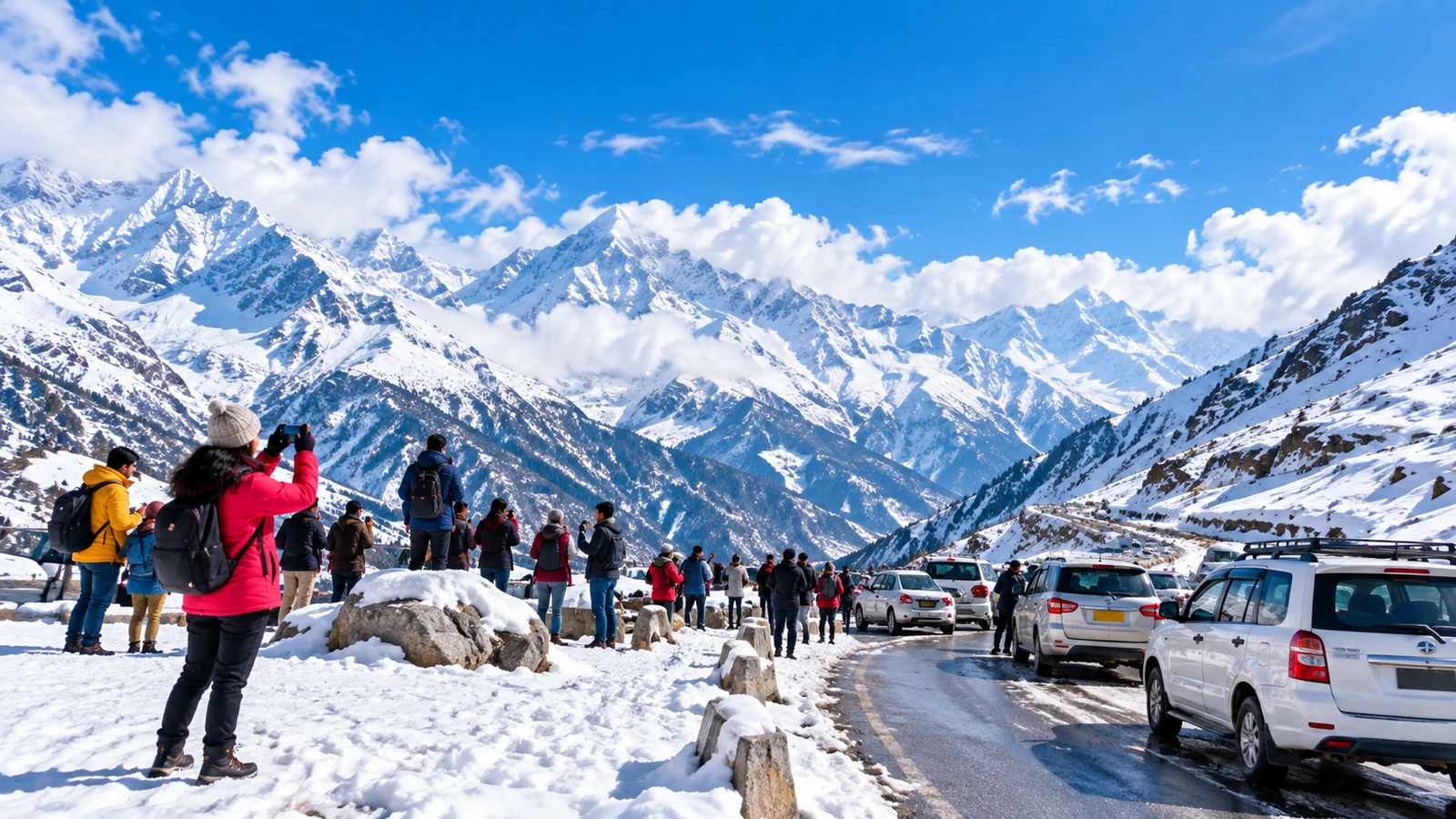
Tourists Flock to Rohtang After Snowfall, Over 600 Vehicles Arrive; Manali Comes Alive
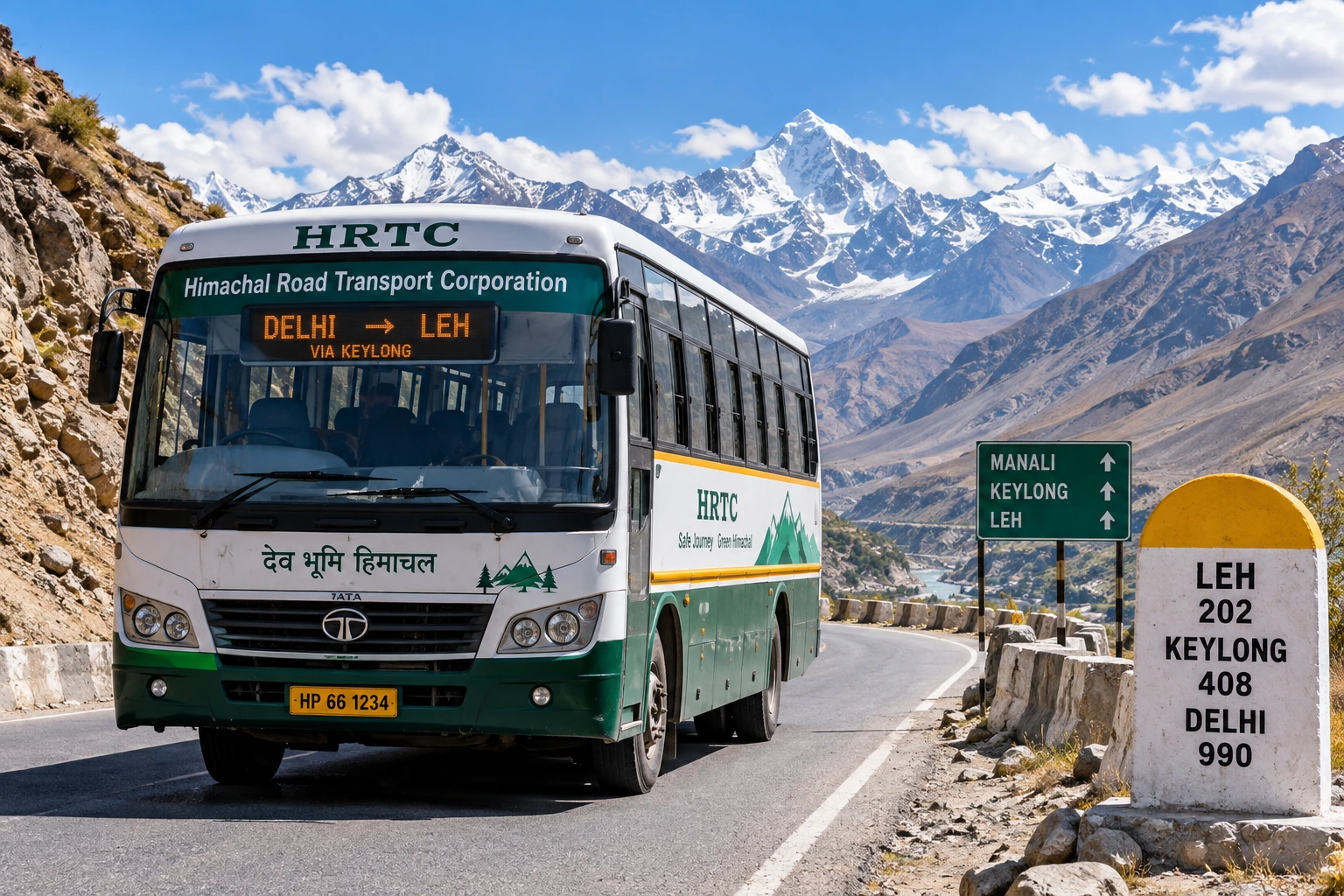
Delhi–Leh HRTC Bus Service Suspended: Service Will Resume Next May, Know All the Details

River Rafting May Resume in Rishikesh from September 23
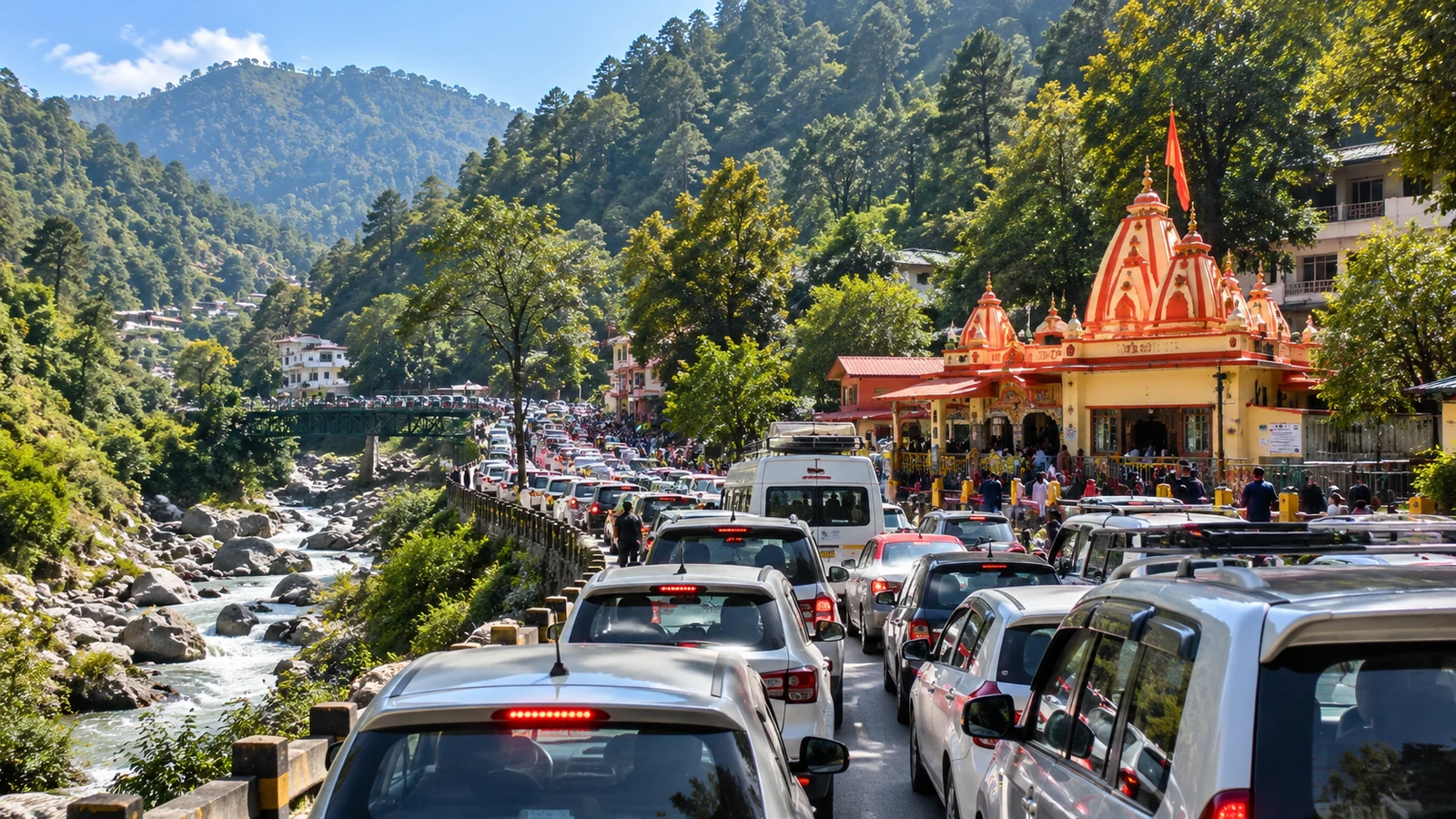
Heavy Crowd of Devotees at Kainchi Dham, 2-Km-Long Traffic Jam Reported
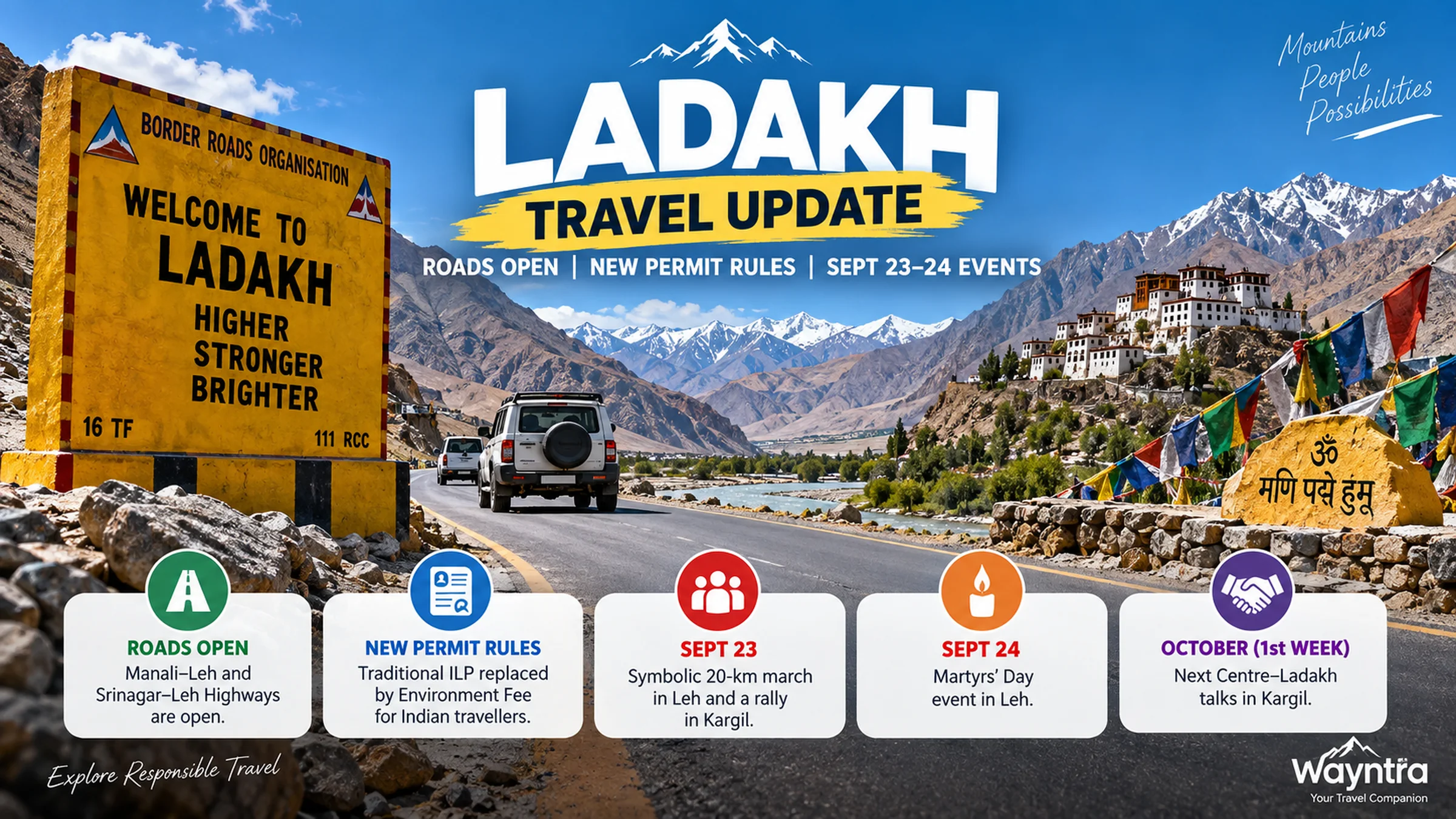
Ladakh Travel Update: Roads Open, New Permit Rules and September 23–24 Events
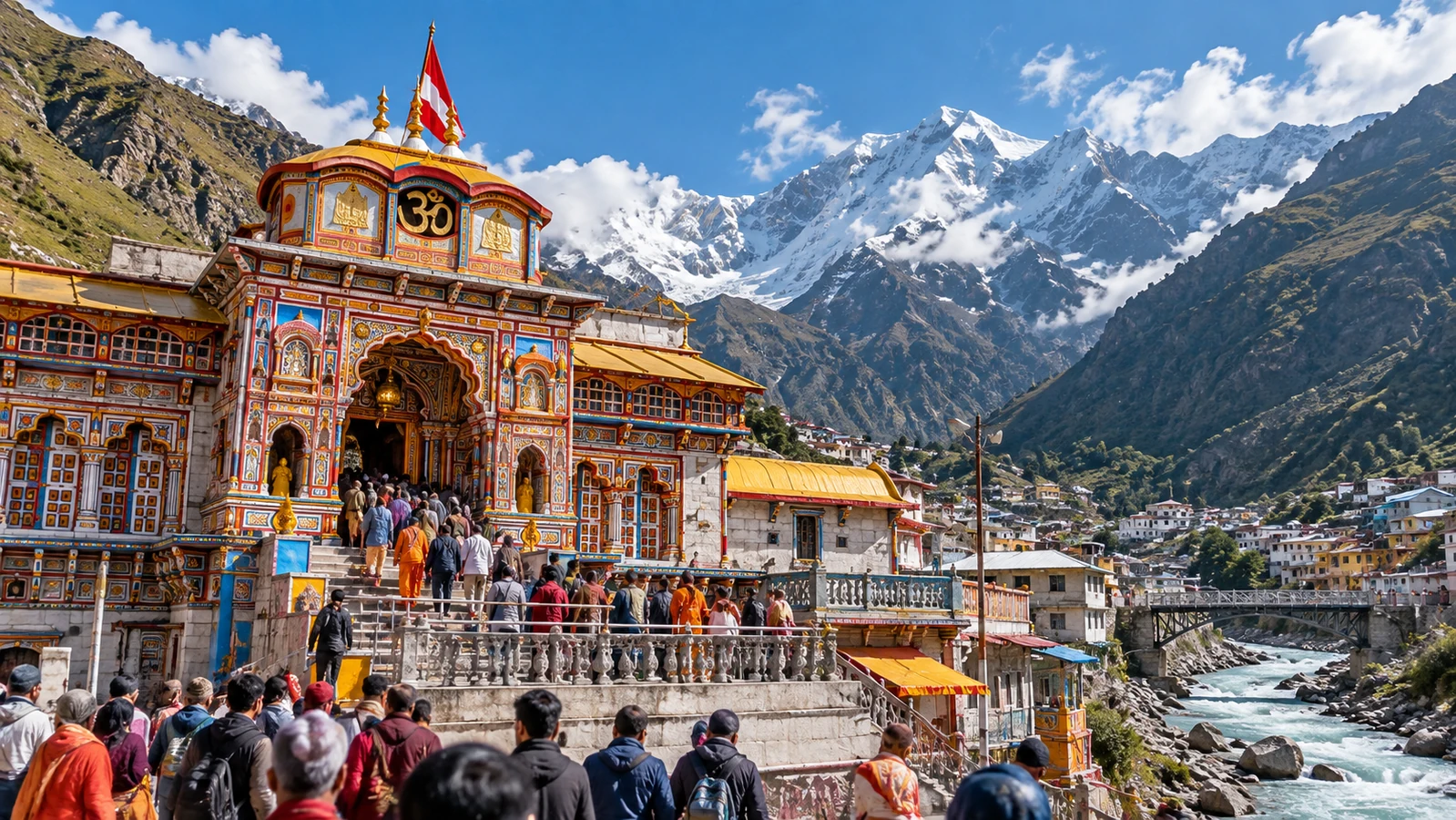
Badrinath Dham: Second Phase of Yatra Picks Up Pace, Thousands of Devotees Arriving for Darshan
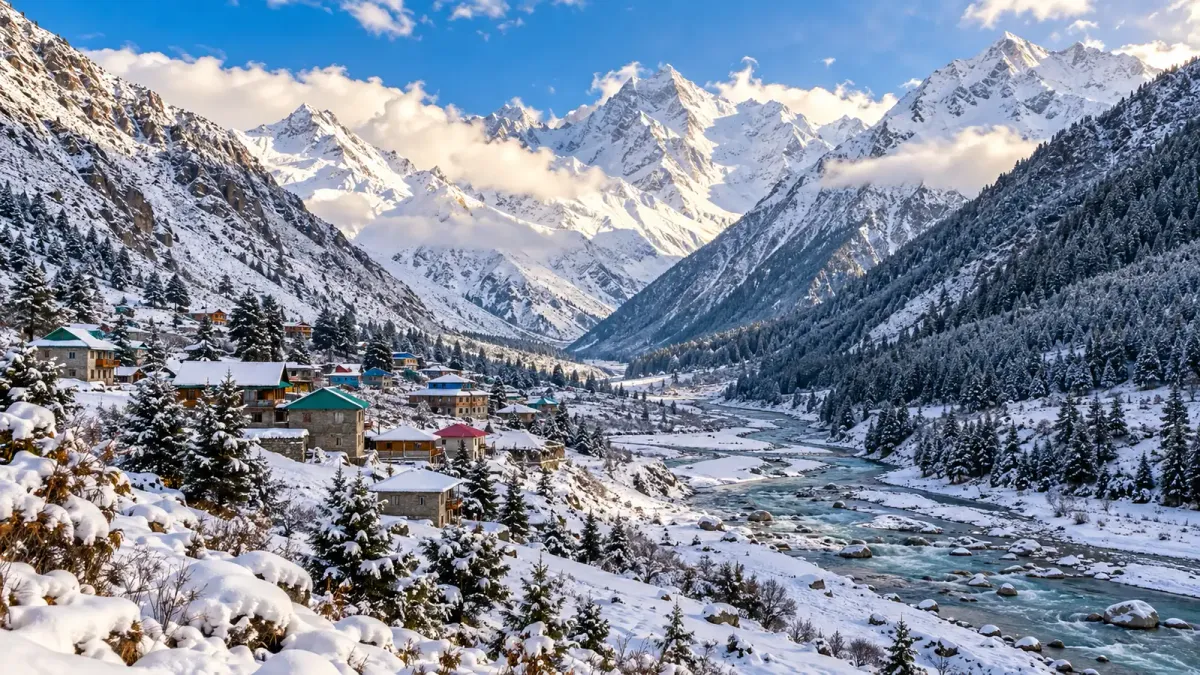
हिमाचल में सितंबर में बर्फबारी ने बदला मौसम का मिजाज, 18 साल बाद रिकॉर्ड ठंड
Himachal Pradesh — travel FAQs
What is Himachal Pradesh known for?
What are the best times to visit Himachal Pradesh?
What are the popular tourist destinations in Himachal Pradesh?
What are the major trekking routes in Himachal Pradesh?
How can I reach Himachal Pradesh?
What are some must-visit temples and spiritual places in Himachal Pradesh?
What kind of adventure activities can I do in Himachal Pradesh?
What is the climate like in Himachal Pradesh?
What are the local dishes or cuisines of Himachal Pradesh?
Is Himachal Pradesh safe for tourists?
What is the local language spoken in Himachal Pradesh?
Are there any wildlife sanctuaries or national parks in Himachal Pradesh?
Can I use public transportation in Himachal Prades
What are some traditional festivals celebrated in Himachal Pradesh?
What kind of accommodations are available in Himachal Pradesh?
How can I stay connected to the internet in Himachal Pradesh?
What health precautions should I take while visiting Himachal Prades
Are there any restrictions or permits required for visiting certain areas?
What is the local currency, and are credit cards widely accepted?
What are some cultural customs to be aware of while visiting Himachal Pradesh?
Wayntra app
Explore Himachal Pradesh with Wayntra
Find destinations, adventures, local businesses and experiences across Himachal Pradesh.