India’s local-first travel ecosystem — book local operators direct, zero commission

Spiti Valley Expedition
Lahaul and Spiti, Himachal Pradesh

Travel advisory
Safe to Visit
Conditions look good for travel right now.
Important Update · Spiti Valley Expedition
🚙 Big Update for Spiti Travelers! 🏔️ Manali–Kaza route via Kunzum Pass ab 4x4 vehicles ke liye officially open ho gaya hai! 🔥 BRO ne kaafi months ki snow clearance ke baad route ko restore kar diya hai aur ab adventurous road trips fir se start ho chuki hain. ❄️🛣️ Filhaal sirf 4x4 vehicles ko allow kiya gaya hai kyunki kai stretches par snow, slush aur rough patches abhi bhi maujood hain. Travel karne se pehle weather aur road conditions zarur check karein. ⚠️ Spiti season officially begins! 🌍✨ Tag your travel partner jis ke saath aap ye epic route explore karna chahte ho 😍
Live · updates automatically
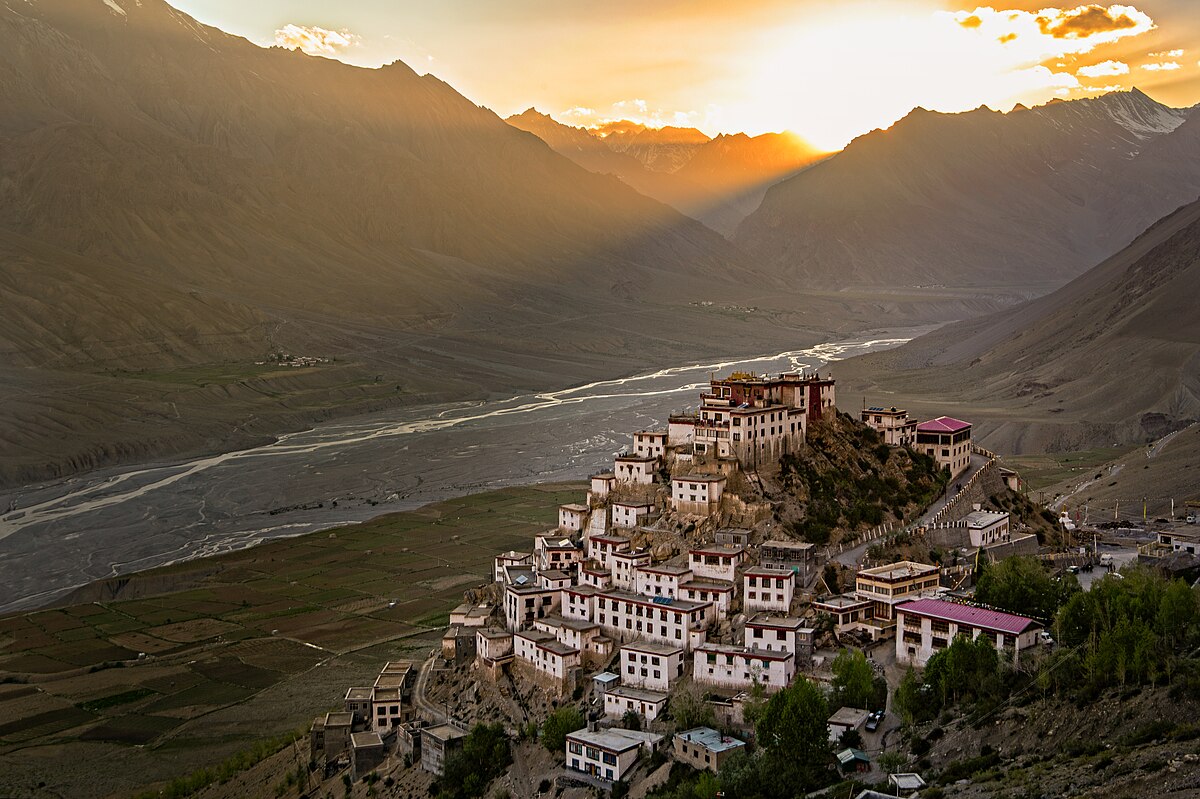
Spiti Valley is located in the Lahaul-Spiti district of Himachal Pradesh and is one of the most breathtaking and remote regions of India. The valley is renowned for its stunning natural beauty, snow-capped mountains, barren landscapes, and unique cultural heritage. For adventure enthusiasts, a trip to Spiti Valley promises an unforgettable experience. The valley is ideal for trekking, biking, and nature-loving travelers.
The name 'Spiti' translates to ‘The Middle Land’, and the region is often called the ‘Mini Tibet of India’ due to its cultural and geographical similarity with Tibet. The valley is mostly cold and dry throughout the year, with a unique charm of its stark yet beautiful landscapes. The best time to visit Spiti is between May and October, when the roads are accessible, and the weather is suitable for exploration.
To reach Spiti, travelers usually begin from Manali or Shimla, with road trips that are both challenging and scenic. From Manali, the journey to Spiti takes around 12–14 hours on rugged mountain roads. Despite the difficulty, travelers are rewarded with breathtaking views of the Himalayas, rushing rivers, and serene valleys, making the journey worthwhile.
One of the most fascinating aspects of Spiti is its monasteries and Buddhist culture. The valley is home to several ancient monasteries like Key Monastery, Tabo Monastery, Dhankar Monastery, and Kye Gompa. These monasteries are not only places of worship but also centers of ancient art, wall paintings, and intricate architecture, reflecting the deep spiritual heritage of the region.
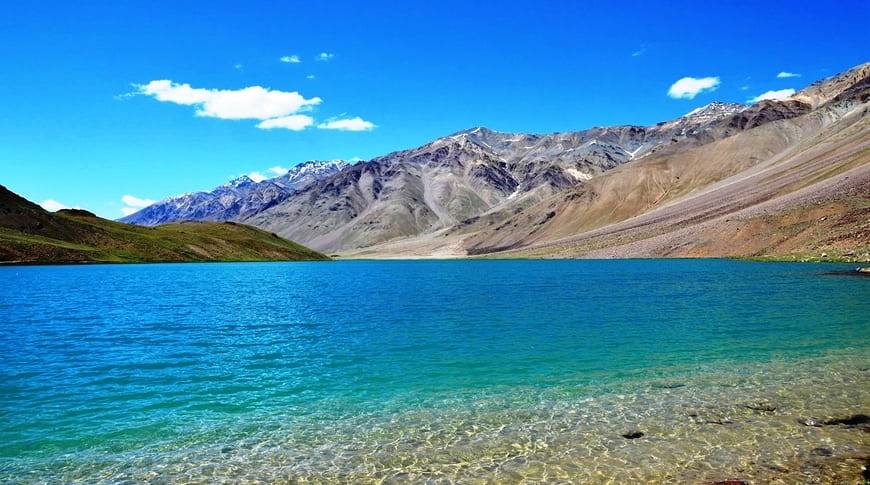
Spiti is also known for its pristine lakes and rivers. The Chandratal Lake, perched at an altitude of 14,100 feet, is a perfect example of nature’s tranquility and beauty. The lake is surrounded by snow-covered mountains, making it an ideal spot for camping and trekking. The Spiti River and Sutlej River are vital to the valley, sustaining local life and agriculture.
The valley offers plenty of adventure activities for travelers. You can indulge in hiking, biking, mountaineering, river crossings, and camping. Especially for bikers, the route from Kaza to Lahaul provides one of the most thrilling rides of your life. The rugged terrain, high passes, and scenic views make it a biker’s paradise.
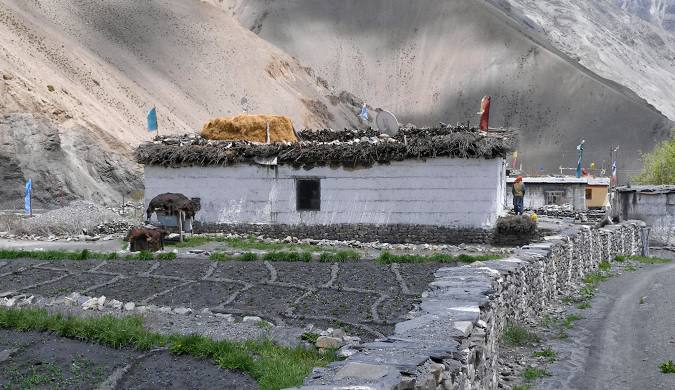
Life in Spiti is simple yet fascinating. Most inhabitants are devout Buddhists, leading a traditional lifestyle. The villages primarily cultivate barley, wheat, and peas, and the locals are known for their friendliness and hospitality. Spiti’s handicrafts, including handmade shawls, Thangka paintings, and wooden artifacts, are highly sought after by travelers.
Travelers must take precautions against Acute Mountain Sickness (AMS) due to the valley’s high altitude, which ranges from 3,000 to 4,500 meters. Staying hydrated, eating light meals, and gradually acclimatizing are essential for a safe journey. First-time travelers should increase altitude slowly and ensure adequate rest.
Some of the must-visit villages and towns in Spiti include Kaza, Keylong, Hunder, Tabo, Lingzi, and Dhankar. Kaza, the main town, offers hotels, homestays, and cafés, while Keylong is historically significant with its ancient monasteries. Hunder is famous for its sand dunes and Bactrian camels, adding a desert-like charm amidst the mountains.
The natural beauty of Spiti Valley is simply mesmerizing. Travelers are greeted with snow-covered peaks, crystal-clear rivers, lush green valleys, and dramatic cliffs. Every turn offers a new perspective and countless photo opportunities, especially during sunrise and sunset, which are breathtakingly beautiful.
Spiti also offers unique local cuisine. Traditional dishes such as Thukpa, Momos, and Khichdi are widely enjoyed. Local dairy products like fresh milk, yogurt, and cheese add to the culinary experience. Tibetan and Himachali influences give the food a distinctive taste.
The valley is also a paradise for trekkers and nature enthusiasts. Popular trekking routes include Chandratal Trek, Kunzum Pass Trek, and Pin Parvati Pass, offering challenging yet rewarding experiences. These treks provide travelers with a true Himalayan adventure and a close encounter with nature.
For photographers and content creators, Spiti is unmatched. The combination of blue skies, white snow, and colorful landscapes makes every photograph look magical. Social media enthusiasts will find countless opportunities to capture the essence of the Himalayas.
The expedition is not only about natural beauty but also about spirituality and cultural immersion. Travelers can engage with local stories, folk songs, and traditional rituals while staying in villages or monasteries. This cultural exchange provides a deep and meaningful travel experience.
While traveling in Spiti, safety and precautions are paramount. Mountain roads are difficult, and weather conditions can change rapidly. Always travel with a local guide, keep updated with weather forecasts, and use GPS or digital maps to navigate safely.
The journey through Spiti is an experience that can transform perspectives. Its natural serenity, snow-capped peaks, and peaceful way of life offer a break from city chaos and stress. Travelers often return feeling rejuvenated, inspired, and connected to nature.
Spiti Valley is a destination that promises adventure, tranquility, and cultural richness. Every traveler leaves with memories of majestic landscapes, serene lakes, historic monasteries, and warm local hospitality. The valley is a testament to the raw beauty and spiritual essence of the Himalayas.
Ultimately, a Spiti Valley expedition is about exploring the unknown, embracing adventure, and finding inner peace amidst pristine nature and ancient culture. It’s a journey that remains etched in the hearts of travelers forever.



Quick view — Spiti Valley Expedition
🗺️ Spiti Expedition Quick View (Shimla → Kinnaur → Lahaul → Spiti → Manali Loop)
1️⃣ Route Overview:
- Start: Shimla (Himachal Pradesh)
- Via: Narkanda → Sangla → Chitkul → Kalpa → Kinnaur → Tabo → Kaza → Dhankar → Keylong → Manali
- Total Distance: ~1,000 km loop
- Duration: 10–14 days (recommended)
- Best Time: May – October
- Travel Mode: Bike, SUV, Car, or Road Trip
2️⃣ Key Places / Highlights:
- Shimla: Start point, historical town, Mall Road, Jakhoo Temple 🏰
- Narkanda: Apple orchards, snow in early May ❄️
- Sangla Valley: Baspa river, lush greenery, local villages 🌿
- Chitkul: Last inhabited village near Indo-Tibet border 🏘️
- Kalpa: Kinnaur Kailash view, monasteries, apple orchards 🍎
- Kinnaur: Reckong Peo, Sarahan (Bhimakali Temple), scenic drives 🏔️
- Tabo: Ancient Tabo Monastery (UNESCO) 🕉️
- Kaza: Main town in Spiti, cafes, homestays, local markets 🏡
- Dhankar: Dhankar Monastery & fort, cliff views 🏯
- Key Monastery: Cultural and spiritual hub 🏯
- Langza, Komik, Kibber: High-altitude villages, fossil hunting, Tibetan culture 🦖
- Chandratal Lake: Camping & trekking spot 🌊
- Hunder (Lahaul): Sand dunes, camel safari 🐪
- Manali: Adventure hub, Mall Road, temples, hot springs ♨️
3️⃣ Accommodation 🏡:
- Homestays: Sangla, Chitkul, Kalpa, Kaza, Keylong, Hunder
- Hotels/Lodges: Shimla, Manali, Kaza, Kalpa
- Camping: Chandratal, Hunder dunes
4️⃣ Connectivity & Network 📶:
- Mobile: BSNL, Jio mostly work in Kaza, Keylong, Manali
- Weak/No Network: Remote villages like Chitkul, Komik, Langza, Dhankar
- Internet: Available only in Kaza & Manali areas
5️⃣ ATM & Banking 💰:
- ATMs: Shimla, Reckong Peo, Kaza, Manali
- Banks: SBI, HDFC in major towns
- Tip: Carry cash for remote villages
6️⃣ Adventure & Activities 🧭:
- Trekking: Chandratal, Pin Valley, Kunzum Pass, Chitkul – Sangla hikes
- Biking: Shimla → Kinnaur → Spiti → Manali (adventure route) 🏍️
- Camping: Chandratal, Hunder dunes ⛺
- River crossings & mountaineering in high passes
- Photography: Villages, monasteries, rivers, glaciers 📸
7️⃣ Food & Cuisine 🍲:
- Local dishes: Thukpa, Momos, Khichdi, Siddu, Babru
- Dairy: Fresh milk, cheese, yogurt
- Shimla & Manali: Regular Himachali & North Indian cuisine
8️⃣ Culture & Festivals 🎭:
- Predominantly Buddhist in Spiti, Hindu in Kinnaur & Himachal
- Festivals: Losar (Tibetan New Year), Halda in Kinnaur, local temple fairs
- Handicrafts: Thangka painting, wooden artifacts, shawls, woollen caps 🧶
9️⃣ Health & Safety ⚠️:
- Watch for Acute Mountain Sickness (AMS)
- Carry oxygen cylinder, first aid, and basic medicines
- Travel slowly on high passes: Kunzum, Rohtang, Jalori
- Always hire local guide in remote villages
- Keep warm clothes, rain gear, and sturdy footwear
🔟 Helpline Numbers 📞:
- Police: 100
- Ambulance: 102 / 108
- Kaza Tourist Info: +91 1902-224010
- Manali Tourist Info: +91 1902-252000
💡 Travel Tips:
- Carry enough cash, remote areas have limited ATMs 💵
- Respect local culture and monasteries 🙏
- Check weather and road conditions before crossing passes ⛰️
- Fuel up vehicles in major towns, remote fuel stations limited ⛽
Key Attractions — Spiti Valley Expedition
Shimla
Mall Road & Ridge 🏙️ – Shimla ka heart point, shopping, cafes aur colonial architecture. Sunset views laajawab.
Jakhoo Temple 🛕 – Hanuman ji ka prasiddh mandir, Shimla ki highest point.
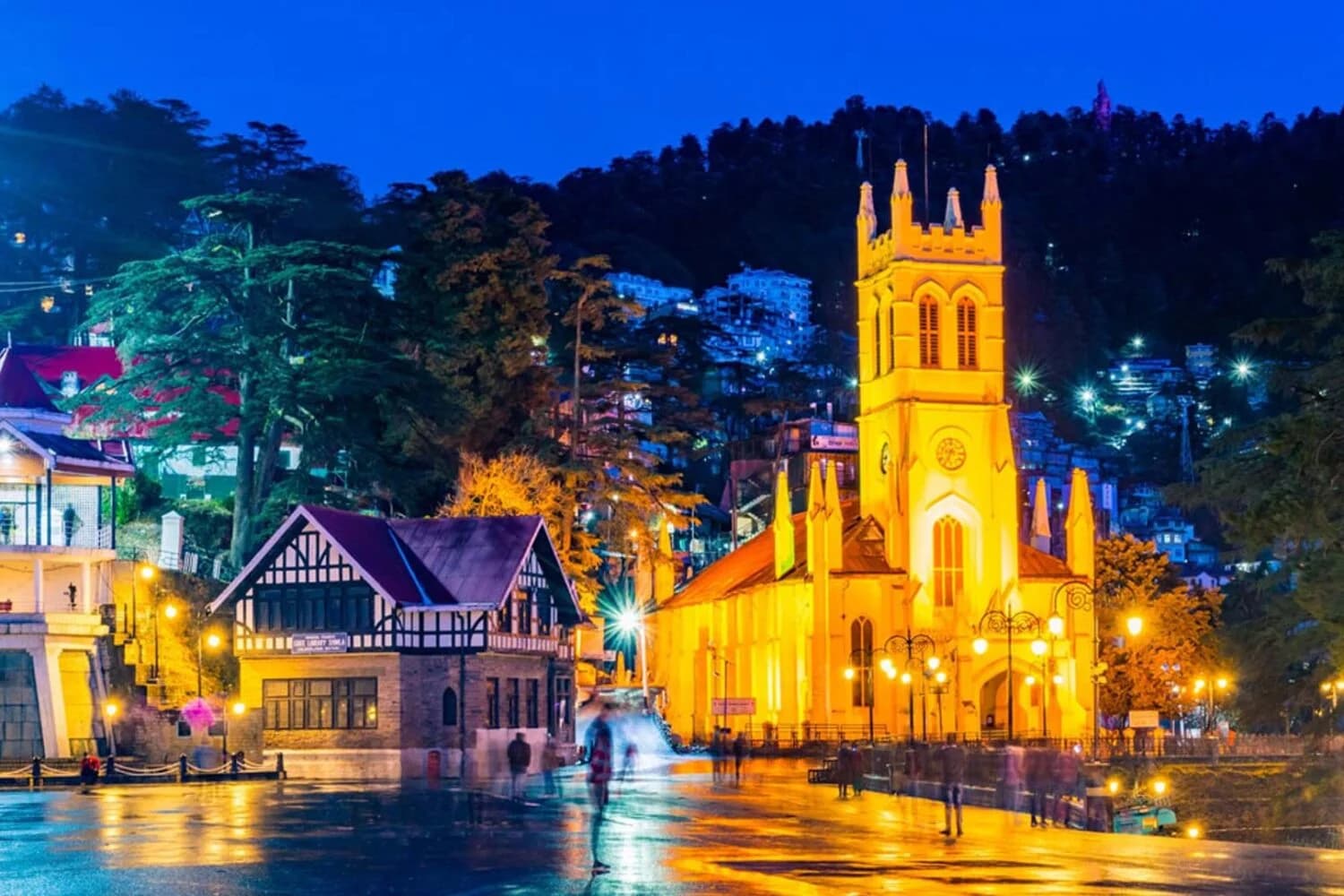
Christ Church ⛪ – British era ka historic church.
Narkanda
Hatu Peak 🏔️ – Trekking aur sunrise view ke liye perfect.
Apple Orchards 🍎 – Narkanda ka famous apple cultivation area.
Kinnaur (Shimla se aage)
Sangla Valley 🌿 – Baspa River ke saath lush greenery.
Kamru Fort 🏰 – Historical fort aur scenic views.
Basho Village 🏘️ – Traditional Kinnauri culture experience.
Chitkul 🏞️ – Last inhabited village near Indo-Tibet border.
Kalpa 🌄 – Kinnaur Kailash ke views aur apple orchards.
Recong Peo 🏙️ – District HQ, cultural hub.
Sarahan (Bhimakali Temple 🛕) – Ancient temple aur architecture.
Sangla, Rakcham, Batseri Villages 🏡 – Local culture aur scenic stops.
Lahaul (Manali side)
Keylong Town 🏘️ – Lahaul district HQ, convenient stay aur food options.
Jispa & Darcha 🏞️ – River-side camping aur trekking base.
Sissu Waterfalls 💦 – Picturesque waterfalls en route.
Baralacha Pass 🏔️ – High-altitude mountain pass, scenic photo stop.
Batal & Kunzum Pass 🏔️ – Trekking aur adventure ka hub.
Spiti Valley
Tabo Monastery 🕉️ – UNESCO heritage, 1000+ years old.
Tabo Caves 🏞️ – Meditation caves aur spiritual vibe.
Kaza Town 🏡 – Main town, cafes, markets aur homestays.
Key Monastery 🏯 – Largest monastery in Spiti, ancient murals.
Dhankar Monastery & Fort 🏯 – Cliff-top monastery, panoramic view.
Gue Village 🏘️ – Famous for mummy of Lama, cultural insight.
Langza Village 🦖 – Fossil village, giant Buddha statue, mountains.
Komik Village 🏔️ – Highest motorable village, Tibetan lifestyle.
Kibber Village 🏘️ – Wildlife spotting, one of the highest inhabited villages.
Lhalung Village 🏘️ – Old village near Key Monastery.
Pin Valley National Park 🐐 – Snow leopards, ibex, trekking.
Chandratal Lake 🌊 – Camping aur trekking spot.
Dhankar Village 🏘️ – Ancient monastery aur cliff-top views.
Hunder & Lahaul-Spiti Border
Hunder Sand Dunes 🐪 – Camel safari aur desert-like terrain.
Sakya Tangyud Monastery 🏯 – Small monastery near Hunder.
Mudh Village 🏘️ – Traditional culture aur local homestays.
Return via Manali
Rohtang Pass 🏔️ – Snow-capped mountains aur adventure activities.
Solang Valley ⛷️ – Paragliding, skiing aur river activities.
Manali Town ♨️ – Adventure hub, Mall Road, temples, hot springs.
Vashisht Village 🏘️ – Famous for hot springs aur temples.
Suggested Itinerary — Spiti Valley Expedition
🗓️ 9 Nights / 10 Days Spiti Expedition Itinerary
Pickup & Drop: Chandigarh → Chandigarh
Day 1: Chandigarh → Narkanda
- 🏞️ Chandigarh pahunchkar apni Spiti yatra ki shuruaat karein.
- 🚗 Scenic drive through beautiful highways towards Narkanda.
- 🍎 Narkanda ke famous apple orchards explore karein.
- 🏔️ Hatu Peak par sightseeing aur breathtaking mountain views ka anand lein.
- 🛌 Overnight stay in Narkanda.
Day 2: Narkanda → Sangla
- 🚗 Rampur ke through drive, ghatiyon aur river ke scenic views enjoy karein.
- 🏘️ Sangla pahunchkar hotel/ homestay me check-in karein.
- 🌄 Valley aur Baspa river ke serene surroundings me relax karein.
- 🛌 Overnight stay in Sangla.
Day 3: Sangla → Kalpa
- 🏘️ Visit Chitkul – India ka last village near Tibet border.
- 🌿 Explore Sangla Valley aur Baspa River ke lush green surroundings.
- 🌄 Scenic drive ke saath Kalpa pahunchkar check-in karein.
- 🏔️ Sunset views ke liye Kalpa ka high point dekhein.
- 🛌 Overnight stay in Kalpa.
Day 4: Kalpa → Nako → Tabo
- 🚗 Kinnaur Valley ke through drive towards Spiti.
- 🌄 Kalpa me Kinner Kailash ke stunning views enjoy karein.
- ⚠️ Suicide Point ka visit karein aur Kalpa Monastery explore karein.
- 🏞️ Nako Lake stop – beautiful high-altitude lake.
- 🌙 Moonland aur Khaab Sangam ka experience lein.
- 🏘️ Gue Monastery visit karein – home to 515-year-old mummy.
- 🏯 Tabo Monastery (UNESCO Heritage) ka visit aur overnight stay in Tabo.
Day 5: Tabo → Kaza
- 🏯 Dhankar Monastery visit karein, cliff-top location aur panoramic valley views ke liye.
- 🥾 Optional trek to Dhankar Lake.
- 🍲 Dinner & overnight stay in Kaza.
Day 6: Kaza → Hikkim → Komic → Langza
- ✉️ Hikkim visit – world’s highest post office.
- 🏘️ Explore Komic, one of the highest villages in the world.
- 🗿 Langza Village – famous for giant Buddha statue aur fossil hunting.
- 🛌 Overnight stay in Kaza.
Day 7: Kaza → Chandratal Lake (Camping)
- 🏯 Key Monastery visit – Spiti ka largest monastery.
- 🐾 Kibber Village explore – winter me snow leopards ke liye famous.
- 🏔️ Kunzum Pass (4,551 m) aur Chicham Bridge (Asia ka longest & highest iron bridge) ke stunning views enjoy karein.
- 🌊 Chandratal Lake (Moon Lake) par overnight camping aur stargazing ka anand lein.
Day 8: Chandratal → Manali
- 🛣️ Short stop at Koksar aur drive through Atal Tunnel.
- 🚗 Scenic Spiti-Manali Highway ke terrain ka experience lein.
- 🏨 Manali pahunchkar hotel me check-in.
- 🍲 Dinner & overnight stay in Manali.
Day 9: Manali Sightseeing
- 🛕 Hidimba Temple visit karein aur Mall Road explore karein.
- 🌄 Optional local sightseeing aur adventure activities.
- 🛌 Overnight stay in Manali.
Day 10: Manali → Chandigarh
- 🍳 Breakfast ke baad Chandigarh ke liye drive karein ya bus/flight se departure.
How to Reach — Spiti Valley Expedition
1️⃣ By Air
- Nearest Airport:
- Bhuntar Airport, Kullu-Manali (Approx. 200 km from Manali)
- This airport is the main gateway for traveling to Manali and Lahaul-Spiti.
- Flights: Regular flights are available from Delhi and Chandigarh to Bhuntar.
- Tip: From Bhuntar, take the road to Manali, and from there start your journey to Spiti Valley.
2️⃣ By Train
- Nearest Railway Stations:
- Shimla Railway Station (Approx. 230 km from Kaza) – A scenic narrow-gauge route.
- Chandigarh Railway Station (Approx. 340 km to Shimla) – Broad gauge station with major train connections.
- Tip: There is no direct rail route to Spiti Valley. You need to reach Shimla or Chandigarh by train and continue by road.
3️⃣ By Road
- Main Route:
- Chandigarh → Shimla → Narkanda → Kinnaur → Lahaul → Spiti → Manali
- Route Highlights:
- Chandigarh to Shimla via NH5
- Shimla → Narkanda → Rampur → Sangla → Kalpa → Nako → Tabo → Kaza → Kunzum Pass → Chandratal → Manali
- Approximate Distances & Duration:
- Chandigarh to Shimla: 115 km, approx. 4–5 hours
- Shimla to Narkanda: 65 km, approx. 2–3 hours
- Narkanda to Kinnaur (Sangla, Kalpa): 200 km, approx. 7–8 hours
- Kinnaur to Spiti (Tabo, Kaza): 180 km, approx. 6–7 hours
- Kaza to Chandratal: 80 km, approx. 3–4 hours
- Chandratal to Manali: 115 km, approx. 4–5 hours
- Tips:
- Some roads, especially Kunzum Pass and Rohtang Pass, may be closed due to snow or rain.
- A 4x4 vehicle is recommended for safety.
- Fuel stations, ATMs, and network connectivity are limited, so plan accordingly.
4️⃣ By Taxi / Private Vehicle
- Hiring a private taxi or SUV from Chandigarh, Shimla, or Manali is convenient and comfortable.
- Local taxis can take you to Kaza, Tabo, and Key Monastery.
5️⃣ By Bus / Public Transport
- HRTC and private buses operate from Chandigarh / Shimla / Manali.
- Some buses run directly or via Manali to Kaza or Tabo.
- Tip: Advance booking is recommended, especially during peak summer months
Weather — Spiti Valley Expedition
🌤️ Spiti Valley Weather Guide (Month-Wise)
❄️ January – February (Peak Winter)
- Temperature: –20°C to –5°C
- Heavy snowfall; roads remain closed (especially Manali–Kaza route)
- Only locals stay — not recommended for tourists
- Extremely harsh cold; water freezes everywhere
❄️🌨️ March – April (Early Spring)
- Temperature: –10°C to 5°C
- Shimla–Kaza route opens partially
- Landscapes remain snow-covered
- Good for photographers, but still very cold
- Limited stays open in Kaza
☀️ May – June (Summer Peak / Best Time)
- Temperature: 5°C to 15°C
- Best weather to explore Spiti
- Manali–Kaza road opens (depending on snow clearance)
- Clear skies, perfect for sightseeing, stargazing & treks
- Daytime is pleasant but nights are cold
🌤️ July – August (Monsoon Season)
- Temperature: 8°C to 16°C
- Spiti receives very little rain, but Kinnaur route becomes risky
- Frequent landslides on Shimla–Kaza road
- Best for green landscapes & fewer crowds
- Manali side remains muddy & slippery
🍁 September – October (Post-Monsoon / Golden Season)
- Temperature: 0°C to 12°C
- One of the best months to visit
- Stunning golden-brown landscapes
- Perfect visibility for astrophotography
- Nights become extremely cold after mid-October
❄️ November – December (Onset of Winter)
- Temperature: –10°C to 5°C
- Snowfall begins
- Most homestays shut by end of November
- Roads start closing gradually
- Suitable only for experienced winter travellers
📌 Quick Weather Summary
🏔️ Best Time to Visit Spiti
✔️ May to October
❄️ Winter Lovers
✔️ March (light snow)
✔️ November (start of snow)
⚠️ Avoid These Months
🚫 January–February (unsafe & inaccessible)
🚫 Heavy rains in July–August (Kinnaur road dangerous)
🧥 What to Pack for Spiti Weather
- Heavy woollens (thermals, gloves, cap)
- Sunglasses + sunscreen (UV rays are strong)
- Waterproof shoes
- Lip balm & moisturizer (air is dry)
- Winter jacket even in summer (nights are cold)
🩺 Weather & Health Tips
- Stay hydrated
- Avoid alcohol for first 48 hours
- Acclimatization is important — Spiti is above 3,500 m
- Keep Diamox if needed
- Drive slowly on icy or wet patches
Food & Cuisines — Spiti Valley Expedition
🍜 1. Thukpa
A hearty Tibetan noodle soup made with vegetables or meat.
Perfect for cold evenings in Kaza or Tabo, thukpa warms you instantly and supports acclimatization.
🥟 2. Momos
Steamed or fried dumplings filled with veggies, paneer, or meat.
Spiti’s momos are softer and lighter due to their high-altitude steaming style.
🍲 3. Skyu (Traditional Spitian Dish)
A signature local dish made with wheat dough pieces cooked in vegetables or lentils.
Skyu is rich, filling, and eaten frequently in cold weather.
🥣 4. Thenthuk
Hand-pulled noodle soup made with mountain herbs and vegetables.
It improves body warmth and is extremely popular in winters.
🍛 5. Tsampa (Roasted Barley Flour)
One of the oldest Himalayan foods — mixed with butter tea or water.
High in energy and often eaten by monks and locals.
☕ 6. Butter Tea (Gur-Gur Chai)
A salty tea made with yak butter, tea leaves, and salt.
It keeps your body warm and helps fight altitude sickness.
🧀 7. Tibetan Bread / Tingmo
Soft steamed bread served with:
- Veg/non-veg curries
- Soups
- Butter & jam for breakfast
Tingmo is a staple in Spiti cafés.
🌾 8. Buckwheat Dishes
Since buckwheat grows well in Spiti’s climate, you’ll find:
- Buckwheat pancakes (Chilke)
- Buckwheat rotis
They are gluten-free and very healthy.
🍗 9. Local Meat Curries
In Lahaul (Keylong, Udaipur, Jispa), you get delicious Himalayan-style:
- Mutton curry
- Yak meat dishes (rare and seasonal)
Flavours are mild yet rich.
🫘 10. Spitian Daal–Rice & Simple Home Food
Homestays often serve:
- Daal
- Rice
- Sabzi
- Local pickles
This food is easy on the stomach and perfect during acclimatization.
🍺 11. Chhang (Local Alcohol)
A mild traditional barley beer made locally.
Avoid during the first 2–3 days because of the altitude.
🍪 12. Himalayan Herbal Teas & Local Snacks
You’ll find unique teas made from mountain flowers and herbs like:
- Seabuckthorn tea
- Rhododendron tea
Plus local snacks like: - Dry apricots
- Yak cheese cubes
Shopping & Handicrafts — Spiti Valley Expedition
Shopping in Spiti Valley is a wholesome cultural experience. Most souvenirs here are handmade by local artisans, monks, and women communities, reflecting the region’s Tibetan–Buddhist and Himalayan heritage.
⭐ 1. Tibetan Handicrafts
Beautiful hand-crafted items inspired by Buddhist culture such as:
- Prayer wheels
- Prayer flags
- Hand-carved wooden plaques
- Miniature stupas
These carry spiritual significance and are perfect decorative keepsakes.
⭐ 2. Woolen Items (Handwoven)
Due to the extreme cold, Spiti is known for premium-quality wool products:
- Yak wool shawls
- Sheep wool mufflers
- Hand-knitted socks, caps & gloves
- Traditional Spitian jackets
They are warm, durable, and made by local women.
⭐ 3. Traditional Jewellery
Spiti has a distinct style of Himalayan jewellery:
- Turquoise stone ornaments
- Silver anklets & earrings
- Coral bead necklaces
- Thangkas (religious painting on fabric)
These pieces are often handcrafted and have cultural symbolism.
⭐ 4. Organic Local Produce
Must-buy natural products from the valley:
- Sea buckthorn juice & tea
- Local herbal teas
- Spiti apricots
- Raw organic honey
- Himalayan herbs
Pure, organic, and excellent for health.
⭐ 5. Handmade Pottery & Clay Items
Some villages like Langza still preserve traditional pottery art:
- Clay figurines
- Small clay pots
- Buddha & wildlife clay models
These eco-friendly souvenirs are unique to the region.
⭐ 6. Thangka Paintings
A sacred Tibetan art form created by monks and trained artists:
- Depicts Buddhist deities
- Intricate hand painting
- Often takes weeks to make
These are premium but highly valuable collectibles.
⭐ 7. Local Spitian Pickles & Snacks
Perfect for food lovers:
- Lingri pickle (local fern)
- Yak cheese
- Himalayan herbs masala
All are homemade with authentic mountain flavors.
⭐ 8. Carpets & Rugs (Handwoven)
Spiti homes use handwoven woolen carpets:
- Bright colors
- Geometric Tibetan patterns
- Extremely warm and long-lasting
Great for home décor.
⭐ 9. Tribal Masks & Wooden Art
Spiti artisans make:
- Wooden masks used in festivals
- Wall-hangings depicting wildlife
- Hand-carved Buddhist symbols
Unique, bold, and deeply cultural.
📍 Best Places to Shop in Spiti & Lahaul
🔸 Kaza Market
The main market for:
- Woolen wear
- Jewelry
- Handicrafts
- Local food products
🔸 Tabo Monastery Shops
Best for:
- Thangkas
- Buddhist souvenirs
- Spiritual items
🔸 Key Monastery Shop
Perfect for:
- Prayer wheels
- Key Monastery souvenirs
- Books on Buddhism
🔸 Local Villages (Langza, Kibber, Demul)
Great for:
- Pottery
- Handmade woolens
- Local organic products
Best Time to Visit — Spiti Valley Expedition
- Summer (May to September):
- This is the most popular and safest time to visit Spiti.
- Snow has mostly melted, roads are open, and the weather is pleasant with daytime temperatures around 15–20°C.
- The valleys, rivers, and villages look vibrant, and you can access almost all major attractions like Kaza, Tabo, Key Monastery, Chandratal Lake, and more.
- Adventure activities like trekking, camping, and photography are ideal in this season.
- Monsoon (July to August):
- Monsoon is mild in Spiti due to its rain shadow location.
- However, occasional landslides can occur in lower Kinnaur and Lahaul regions, so caution is advised.
- Winter (October to April):
- Most of the Spiti region is covered in snow, and many high-altitude passes like Kunzum Pass are closed.
- Only experienced travelers or winter enthusiasts attempt the journey.
- Temperature can drop below -20°C in some areas.
- If you want snow scenery and solitude, winter is perfect, but accessibility is limited.
Summary: May to September is ideal for most travelers for sightseeing, road trips, and adventure activities.
Safety Tips — Spiti Valley Expedition
Altitude Awareness:
- Spiti is a high-altitude region (around 3,000–4,500 meters).
- Take time to acclimatize, stay hydrated, and avoid sudden exertion to prevent Acute Mountain Sickness (AMS).
Weather Preparedness:
- Carry warm clothes even in summer; nights can be cold.
- Always check weather forecasts before traveling, especially in monsoon or winter.
Road & Driving Safety:
- Roads are narrow, steep, and winding. Prefer 4x4 vehicles.
- Drive cautiously, especially near cliff edges, during landslides, or at high passes like Kunzum or Rohtang.
- Avoid night driving in remote areas.
Health & First Aid:
- Carry basic first aid, medicines for altitude sickness, cold, fever, and stomach issues.
- Keep your mobile charged and carry power banks; network is limited in many areas.
Accommodation & Essentials:
- Pre-book stays in major villages like Kaza, Tabo, or Kalpa.
- Carry cash as ATMs are sparse; digital payments may not work everywhere.
Local Culture & Respect:
- Always respect local customs, monasteries, and dress codes.
- Avoid loud music or littering in villages.
Adventure Precautions:
- For trekking or camping near Chandratal, always travel with local guides.
- Avoid risky shortcuts or unmarked trails.
Emergency Contacts:
- Keep local police, hospital, and travel agency numbers handy.
- Typical emergency number in Himachal Pradesh: 112
Where to Stay and Why — Spiti Valley Expedition
1️⃣ Narkanda
- Why Stay: Perfect stop at the beginning of the journey. Offers scenic views of Himachal valleys and Hatu Peak.
- Accommodation Options: Small hotels, homestays, and guesthouses.
- Tips: Nights are cold, so ensure warm bedding and blankets.
2️⃣ Sangla
- Why Stay: Scenic village in Baspa Valley, peaceful riverbanks, and apple orchards – ideal for relaxation.
- Accommodation Options: Guesthouses and homestays.
- Tips: Try local food like trout fish and traditional Himachali dishes.
3️⃣ Kalpa
- Why Stay: Stunning views of Kinner Kailash, sunsets, and mountains.
- Accommodation Options: Boutique hotels and homestays.
- Tips: Visit the sunset viewpoint and local monastery.
4️⃣ Nako
- Why Stay: Short rest or photo stop near Nako Lake.
- Accommodation Options: Limited guesthouses; optional stop.
- Tips: Explore the lake and village surroundings.
5️⃣ Tabo
- Why Stay: Visit the famous Tabo Monastery (UNESCO Heritage).
- Accommodation Options: Guesthouses and lodges near the monastery.
- Tips: Visit the monastery early morning and experience local culture.
6️⃣ Kaza
- Why Stay: Capital of Spiti, base for adventure activities and trekking.
- Accommodation Options: Hotels, guesthouses, homestays.
- Tips: Explore the local market and start adventure trips (Dhankar, Langza, Hikkim) from here.
7️⃣ Chandratal Lake
- Why Stay: Ideal for camping and stargazing.
- Accommodation Options: Tent camping provided by local operators with sleeping bags.
- Tips: Nights are freezing; carry warm clothes and blankets.
8️⃣ Manali
- Why Stay: Rest and sightseeing after completing the expedition.
- Accommodation Options: Hotels, resorts, guesthouses.
- Tips: Visit Hidimba Temple, Mall Road, and try local Himachali cuisine.
💡 Extra Tips:
- High-altitude areas (Kaza, Chandratal) require 1–2 nights for acclimatization.
- ATMs and network are limited in Spiti; always refill cash at each stop.
- Staying in local homestays provides an authentic cultural and culinary experience.
Spiti Valley Expedition — photos
Ratings & reviews
No one has rated Spiti Valley Expedition yet.
Write a reviewSpiti Valley Expedition — travel FAQs
What is the safest season to travel to Spiti?
How to prevent altitude sickness in Spiti?
Are some routes in Spiti unsafe for bikes and cars?
Is mobile and internet connectivity available in Spiti?
Are special permits required to visit Spiti?
Where to find quality homestays and lodges in Spiti?
Which adventure activities should be prioritized in Spiti?
Is it safe to travel to Spiti with your own car/bike?
What is the health and medical scenario in Spiti?
How to enrich the cultural and spiritual experience in Spiti?
Wayntra app
Plan Your Next Adventure with Wayntra
Discover treks, local guides, travel experiences and adventure activities on the Wayntra app.
More places in Himachal Pradesh
Travel partners near Spiti Valley Expedition
CRBNS HOLIDAYS
A-2 Green Apartment Kanlog
Naresh Taxi Service
Shimla

Tripwala Foji
Kalyanpur, Meerut (U.P), pin -250502
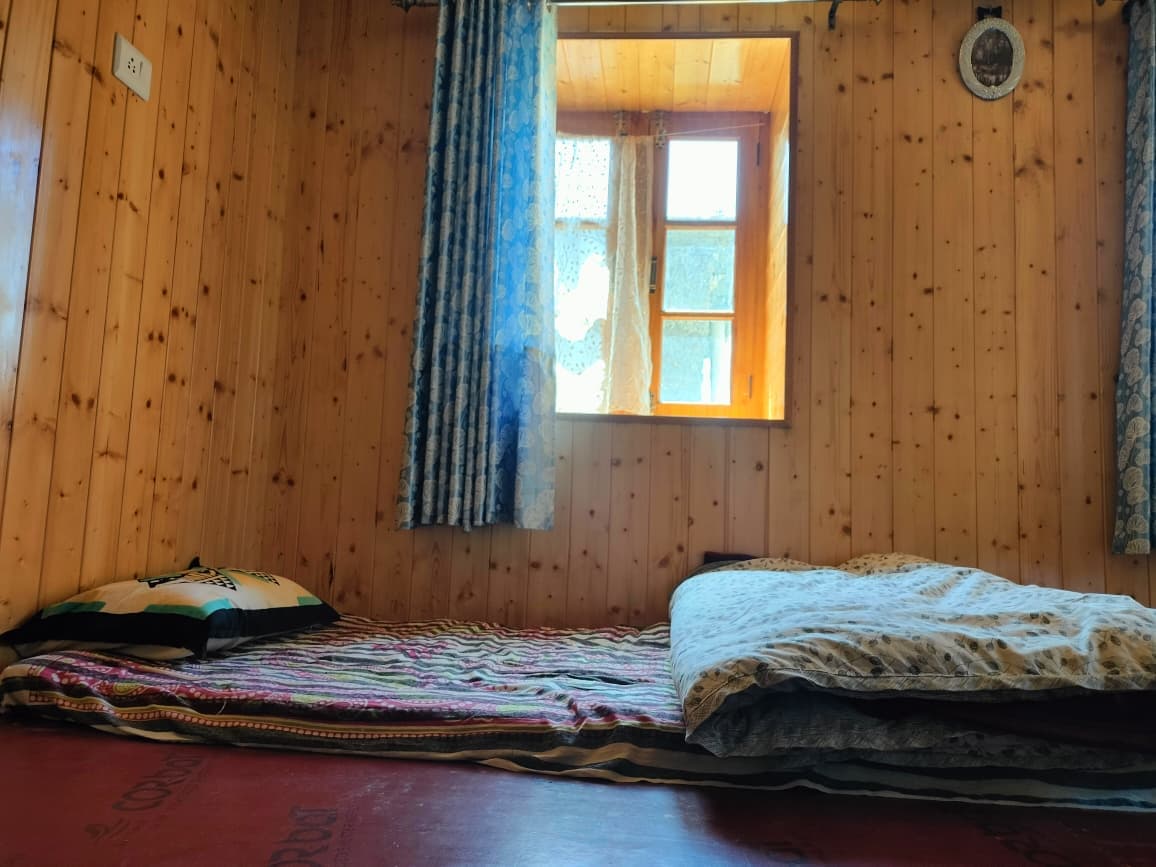
Chachipa Mud House
H2M8+RQ4, Keylong, Himachal Pradesh 175132, India
Transylvania - The Land Beyond The Forest
JC8W+99 Chippni, Himachal Pradesh, India
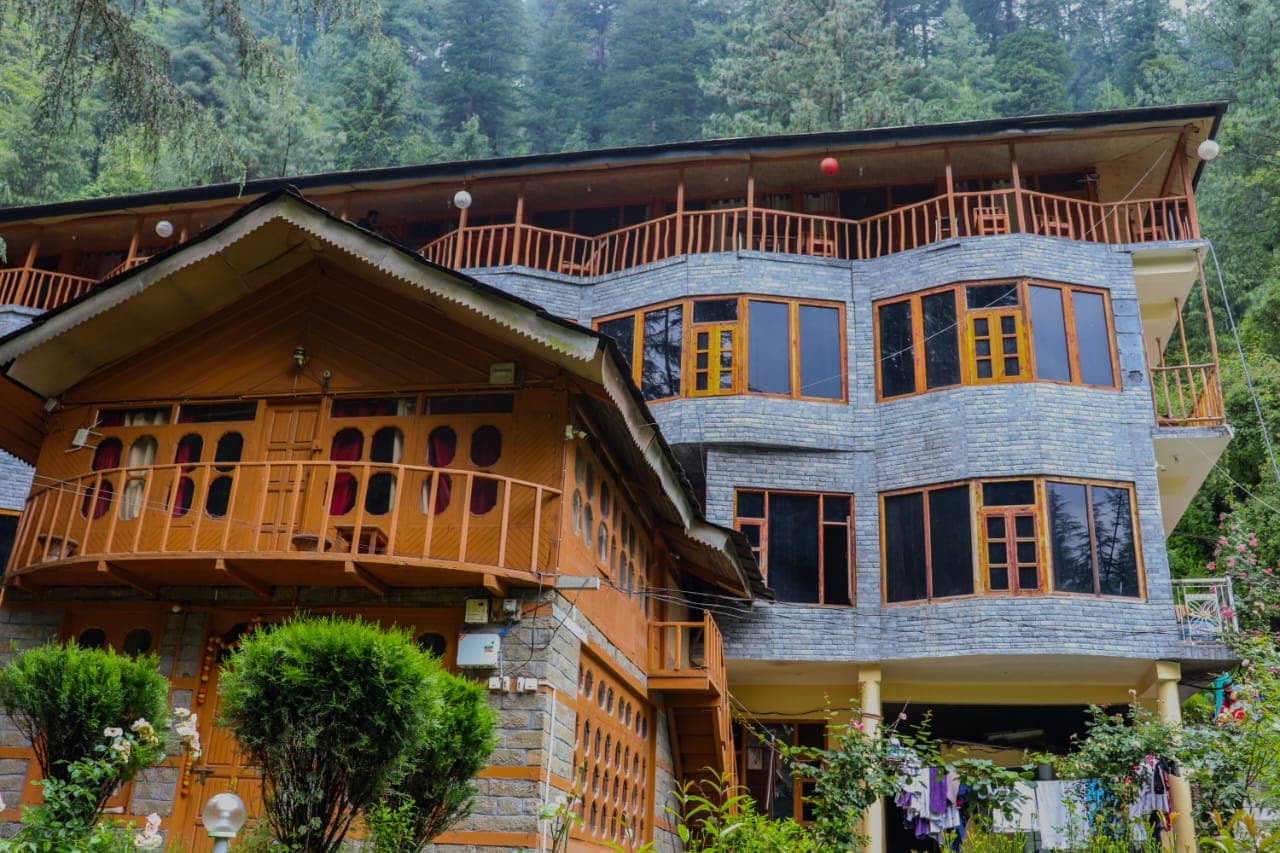
Lato the hut & Chauhan Palace
Lato the hut Chauhan Palace H9Q2+38 Tandi, Himachal Pradesh, India
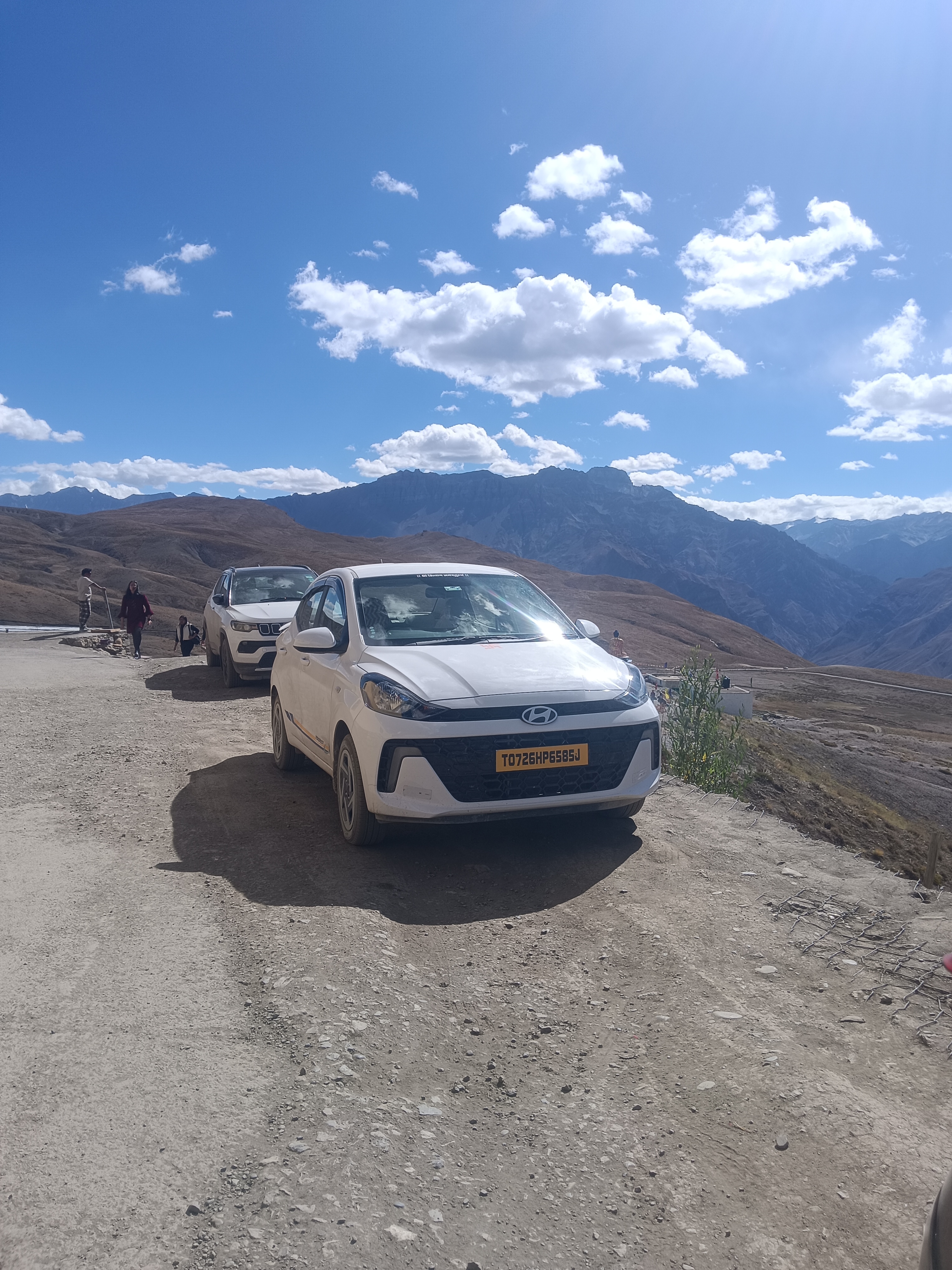
The Pnorma stays
756X+G2 Bashisht, Himachal Pradesh, India

Ajju Trip Tour Traveller
Dehradun Uttarakhand