India’s local-first travel ecosystem — book local operators direct, zero commission

Sangla Valley
Kinnaur, Himachal Pradesh

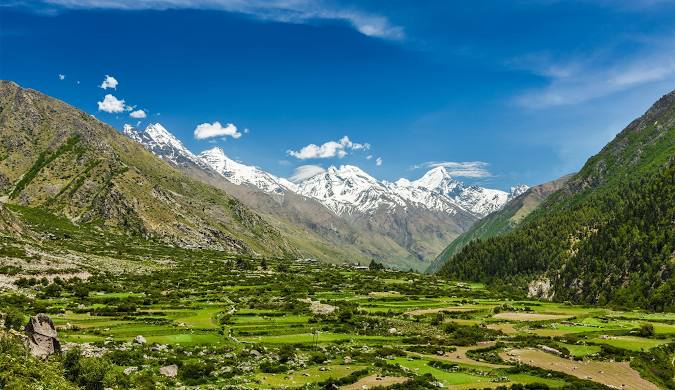
Sangla Valley, often referred to as the Baspa Valley, is one of the most picturesque and charming valleys in Himachal Pradesh, located in the Kinnaur district. Named after the quaint village of Sangla, this valley is nestled along the banks of the Baspa River, at an altitude of around 2,600 meters (8,500 feet) above sea level. It lies close to the Indo-Tibetan border, offering a perfect blend of raw Himalayan landscapes, apple orchards, alpine meadows, and traditional Himachali culture.
Sangla means “light passes through”, derived from the Tibetan word Sang (light) and La (pass), which reflects its position as a sunny valley surrounded by towering mountains. The entire valley remains cut off during the winter months due to heavy snowfall and harsh weather, so the best time to visit Sangla is between April and October.
Sangla town is the main hub of the valley and serves as the base for exploring nearby attractions like Chitkul, Rakchham, Kamru Fort, and Batseri Village. The roads to Sangla are steep and narrow, making the journey adventurous, especially for those who love scenic drives and offbeat trails.
One of the highlights of Sangla Valley is the Baspa River, which adds life and sparkle to the landscape. Its crystal-clear waters, flanked by pine and deodar forests, make it an ideal location for angling, picnics, riverside camping, and nature walks.
Kamru Fort, located about 2 km from Sangla town, is a major historical and cultural landmark. The fort is believed to be over 1,000 years old and now houses the idol of Goddess Kamakhya Devi, brought from Assam. It offers panoramic views of the valley and is a blend of Hindu and Tibetan architecture.
The villages of Sangla Valley – Batseri, Rakchham, Chansu, and Chitkul – each have their own unique identity. These hamlets are known for their traditional wooden houses, rich folklore, and warm hospitality. Walking through these villages gives you a sense of Himachal's ancient way of life.
Sangla is also famous for its orchards, especially apples, apricots, walnuts, and almonds. During the blooming season, the entire valley bursts into colors of pink and white, making it a paradise for photographers and nature lovers.
Adventure seekers will find plenty to explore in Sangla. From high-altitude treks like the Rupin Pass and Borasu Pass, to short hikes in the alpine forests, the region is rich in opportunities for trekking, rock climbing, and camping under the stars.
The flora and fauna of Sangla Valley are equally impressive. The valley is home to rare Himalayan birds, pine martens, foxes, and snow leopards (in higher altitudes). Wildflowers, ferns, and birch trees add to the natural beauty.
The culture of Sangla Valley is deeply influenced by both Hinduism and Buddhism. Locals celebrate festivals like Phulech, where villagers offer flowers to the local deity and share community feasts and dance. The region is also known for Kinnauri handicrafts, woolens, and silver jewelry, which are available in local shops.
Sangla's climate is cool and refreshing during summer, while winter transforms it into a snow-covered dreamland. However, most roads remain inaccessible during snowfall, so travelers should plan their trips accordingly.
There are no airports or railways in Sangla. The nearest airport is in Shimla, and from there, one has to travel around 230+ km by road to reach Sangla via Rampur and Karcham. The roads can be narrow and treacherous in parts but offer some of the most awe-inspiring views of the Himalayas.
Accommodation in Sangla Valley ranges from budget homestays to luxury campsites and wooden cottages. Staying in a local homestay allows you to experience authentic Kinnauri food, which includes dishes like Siddu, Thukpa, Chana Madra, and Churpi. The warm hospitality of the locals enhances the experience even more.
Some key travel tips for Sangla:
- Carry cash, as ATM access is limited.
- Mobile networks may be unstable – BSNL works best.
- Fuel up your vehicle at Rampur, as Sangla has limited petrol stations.
- Respect local customs and environment – don’t litter or pluck flowers.
- Be prepared for sudden weather changes, especially in higher regions.
Sangla Valley is a photographer’s dream. From sunrise over snow peaks, clouds dancing over pine forests, to the tranquil blue waters of the Baspa, every corner of Sangla tells a story worth capturing.
For peace seekers, Sangla offers spiritual solitude, nature’s music, and a pace of life that’s soothing and healing. For adventurers, it presents rugged trails and unexplored paths. For culture enthusiasts, it offers timeless traditions and untouched heritage.
In summary, Sangla Valley is a magical Himalayan destination that combines raw beauty, adventure, culture, and tranquility. It remains one of the most unspoiled and peaceful valleys in India, perfect for those who want to escape the noise and chaos of city life.


Sangla Valley — photos
Ratings & reviews
No one has rated Sangla Valley yet.
Write a reviewWayntra app
Plan Your Next Adventure with Wayntra
Discover treks, local guides, travel experiences and adventure activities on the Wayntra app.
More places in Himachal Pradesh
Travel partners near Sangla Valley
CRBNS HOLIDAYS
A-2 Green Apartment Kanlog
Naresh Taxi Service
Shimla

Tripwala Foji
Kalyanpur, Meerut (U.P), pin -250502
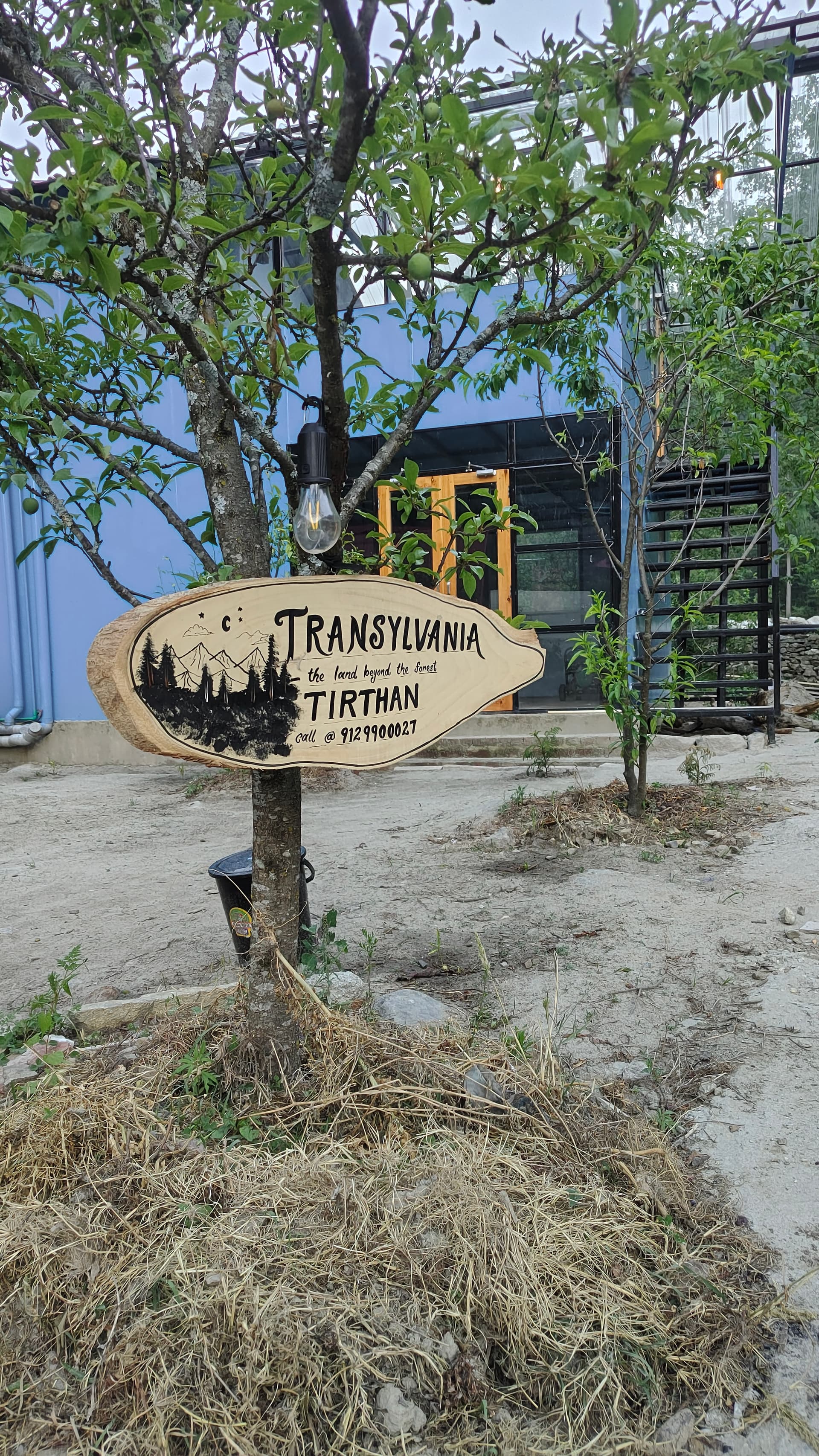
Transylvania - The Land Beyond The Forest
JC8W+99 Chippni, Himachal Pradesh, India
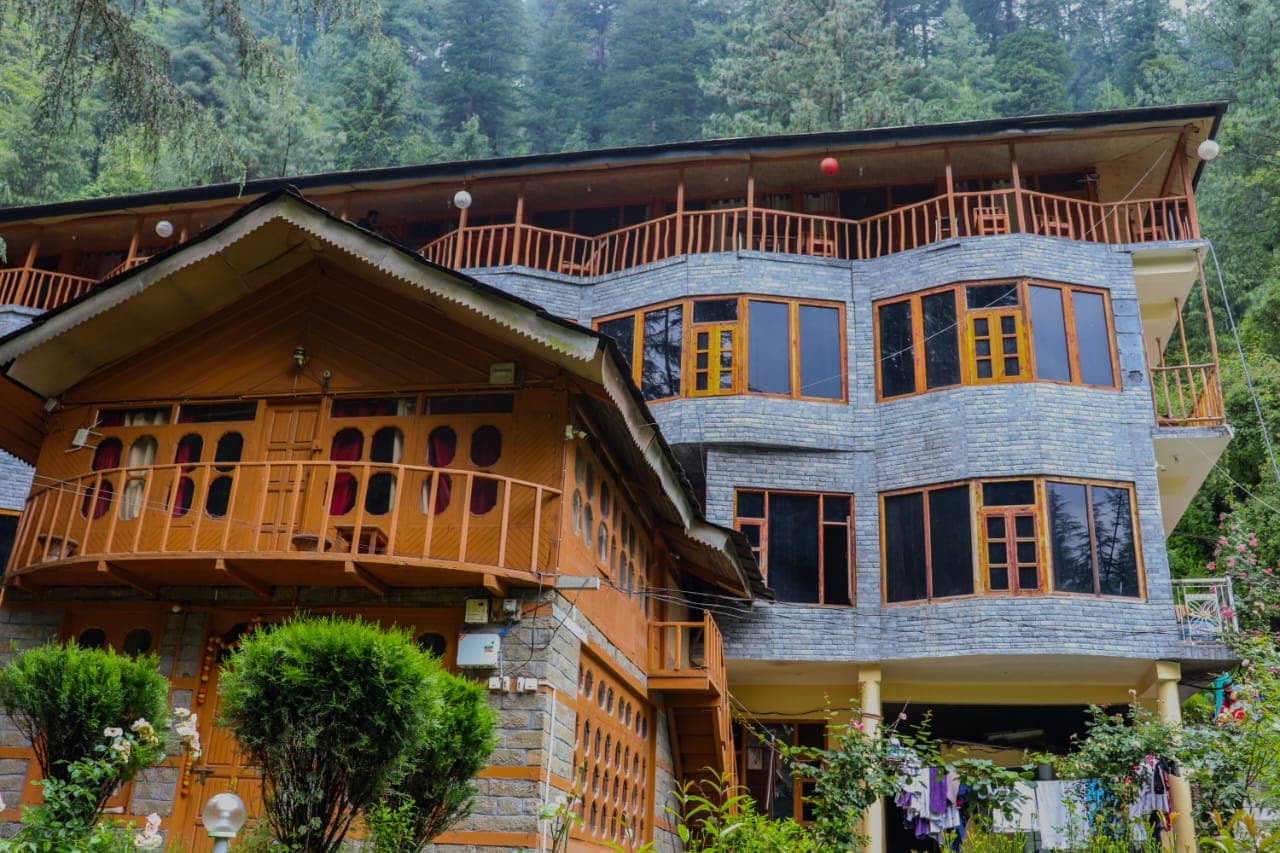
Lato the hut & Chauhan Palace
Lato the hut Chauhan Palace H9Q2+38 Tandi, Himachal Pradesh, India
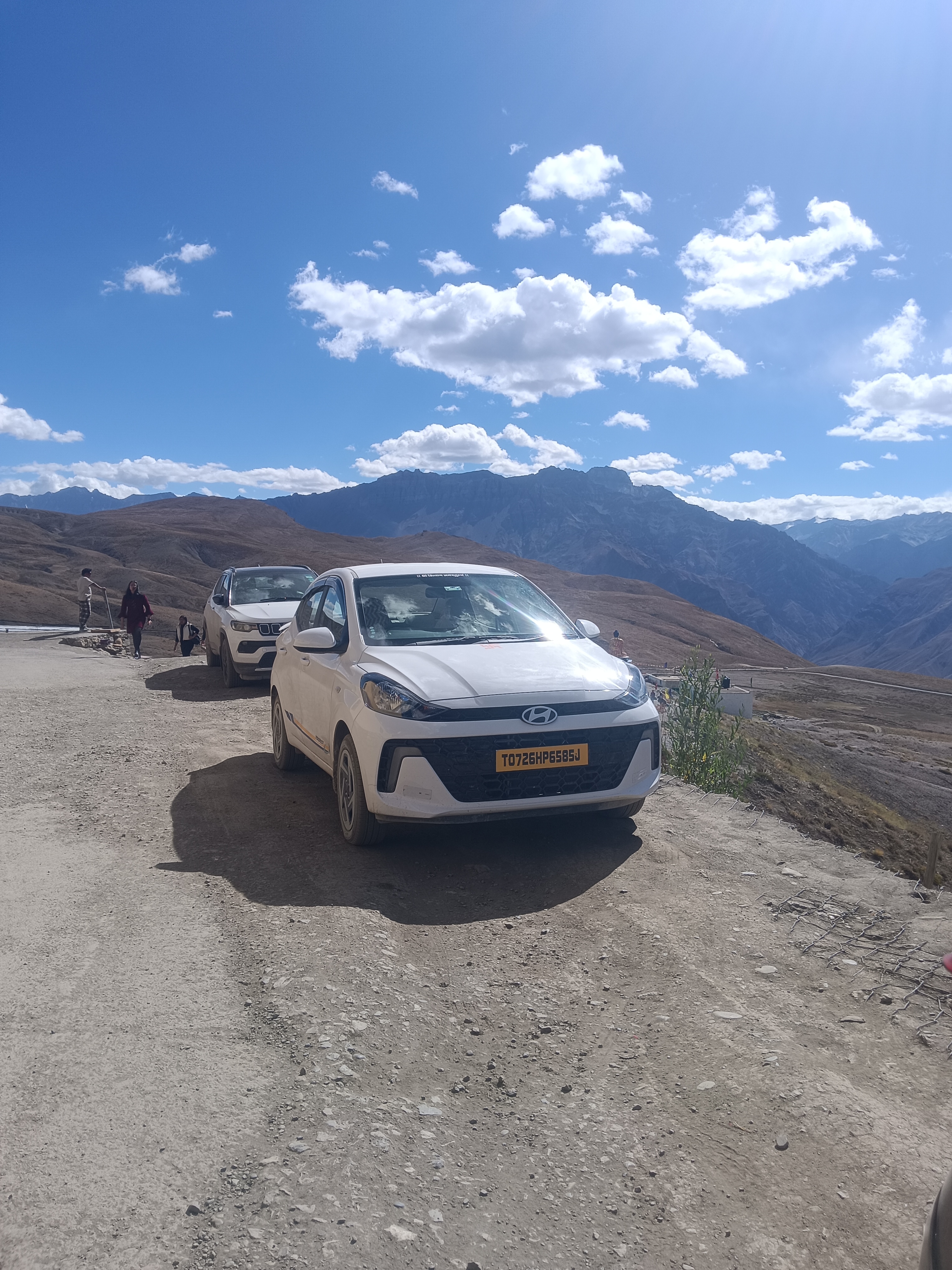
The Pnorma stays
756X+G2 Bashisht, Himachal Pradesh, India

Ajju Trip Tour Traveller
Dehradun Uttarakhand

Devdar Tour & Travels
Yamuna colony kishan Nagar chowk