India’s local-first travel ecosystem — book local operators direct, zero commission

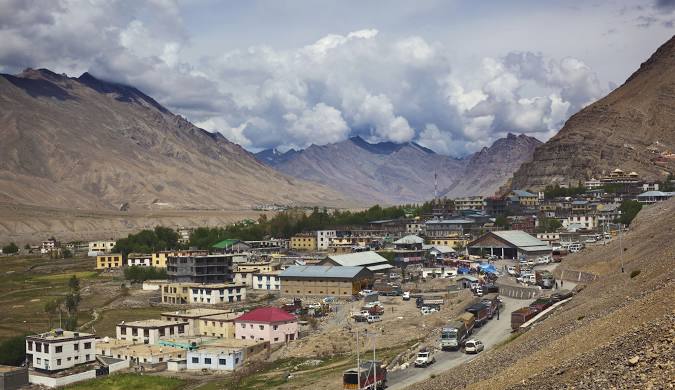
Kaza
Lahaul and Spiti, Himachal Pradesh

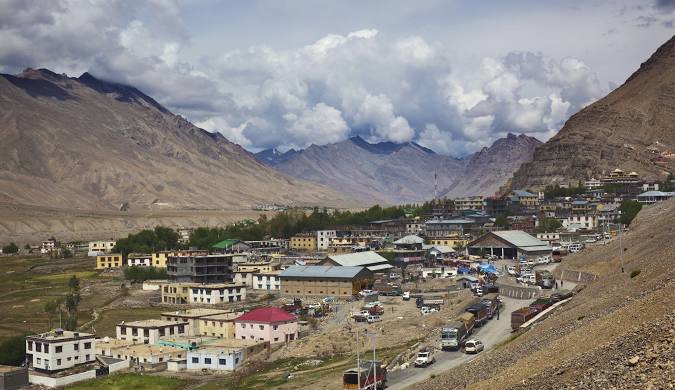
Kaza is the largest township and administrative center of the Spiti Valley in Himachal Pradesh, located at an altitude of approximately 3,800 meters (12,500 feet). Nestled on the banks of the Spiti River, Kaza is surrounded by towering barren mountains, rugged terrains, and surreal desert landscapes, making it one of the most fascinating high-altitude towns in India.
Known for its stark beauty, Tibetan-Buddhist culture, and remote serenity, Kaza acts as a base camp for several treks, high-altitude villages, and ancient monasteries. Despite its remoteness, the town has a bustling atmosphere during summer, with travelers, monks, and explorers visiting from all around the world.
Kaza is divided into two main sections – the old Kaza (Kaza Khas) and the new Kaza (Kaza Soma). The old town retains traditional Tibetan-style homes and a monastic ambiance, while the new town houses the administrative offices, hotels, shops, cafes, and homestays.
The Spiti River, which flows calmly beside Kaza, adds a sense of peace and poetry to the stark desert landscape. Its blue-green waters stand in stark contrast to the brown-gray mountains, creating surreal panoramic views at every turn.
One of the major highlights of Kaza is the Kaza Monastery (Sakya Gompa), a spiritual center for locals. The monastery is known for its peaceful ambiance, vibrant prayer flags, and intricate murals that reflect Buddhist teachings and local mythology.
Kaza serves as the gateway to many iconic attractions, including:
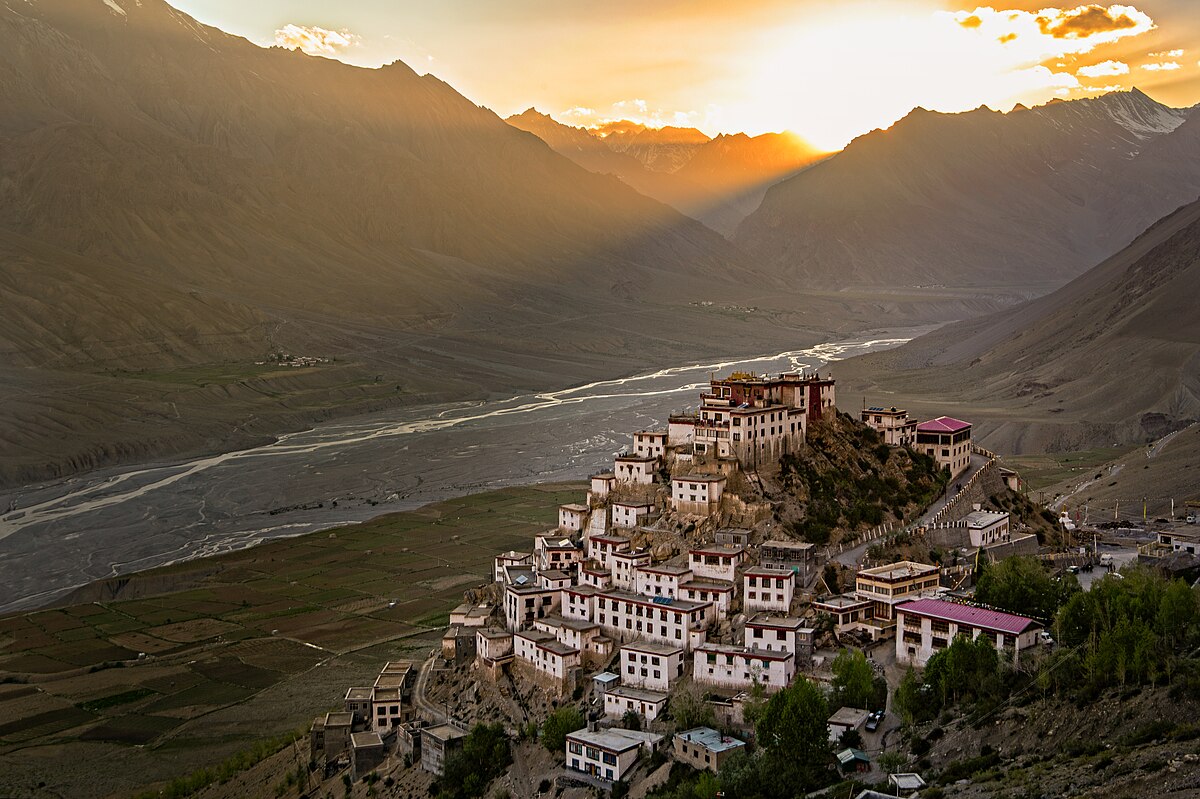
- Key Monastery (Ki Gompa) – the largest and most famous monastery in Spiti
- Hikkim – home to the world’s highest post office
- Komic – one of the highest motorable villages in the world
- Langza – known for fossils, the Buddha statue, and prehistoric life
- Pin Valley National Park – famous for snow leopards and rare Himalayan wildlife
Despite its altitude, Kaza has a relatively developed infrastructure for tourists, especially between May and October. You can find ATMs, internet cafés, fuel pumps, bike rentals, government offices, and good connectivity, which makes it a convenient base for longer stays.
The people of Kaza are warm, humble, and deeply spiritual, reflecting a beautiful mix of Buddhist and Himalayan tribal cultures. Their daily life is simple and community-centered, and most people speak Hindi, Tibetan, and Spitian dialects.
During summer months, Kaza comes alive with colorful markets, local fairs, and traditional festivals like Ladarcha, where people from Ladakh, Spiti, and Kinnaur come together to celebrate with dances, trade, and local delicacies.
Food in Kaza is heavily influenced by Tibetan cuisine. You’ll find momos, thukpa, tingmo (steamed buns), yak butter tea, and local barley dishes. Several cozy cafés run by locals and expats offer excellent coffee, baked goods, and home-cooked meals – perfect for relaxing after long treks.
One of the biggest charms of Kaza is its slow pace of life. The lack of network coverage and minimal distractions makes it a perfect destination for digital detox, inner reflection, and offbeat exploration.
Reaching Kaza is adventurous and scenic. There are two main routes:
- From Manali via Rohtang Pass and Kunzum Pass – open only from June to October, very rugged and scenic
- From Shimla via Kinnaur and Spiti route – accessible for more months, though longer
Both routes offer dramatic Himalayan views, remote villages, and unique roadside experiences.
Best time to visit Kaza is from May to October, when roads are open and weather is pleasant. Winters are harsh, with temperatures dropping to -25°C or lower, and the region becomes inaccessible due to snow. However, winter photography, snow leopard spotting, and cultural isolation attract some hardcore explorers.
Adventure lovers flock to Kaza for trekking, mountain biking, stargazing, wildlife spotting, and spiritual retreats. Treks like Dhankar to Lhalung, Pin-Parvati Pass, and Kaza to Langza-Komic-Hikkim loop are especially popular.
Despite being in one of the most remote regions, Kaza has a self-sustained lifestyle. Solar panels, eco-friendly practices, and traditional farming are widely adopted. Water is precious here, and every drop is used with mindfulness.
The town also houses several monks and nuns, many of whom are learners at the monastic schools in nearby monasteries. The chanting of prayers and turning of prayer wheels offer a calming rhythm to daily life in Kaza.
Visitors are encouraged to respect local customs, avoid plastic waste, and participate in the minimal-impact tourism movement that Kaza supports. It is a place for those who travel with their hearts open and eyes wide.
📌 Key Highlights of Kaza:
- Main town of Spiti Valley with basic facilities
- Kaza Monastery – spiritual and peaceful center
- Base for visiting Key, Komic, Hikkim, Langza
- Unique geography and moon-like desert beauty
- Snow-clad peaks and turquoise Spiti River
- Local markets, food stalls, and Tibetan cafés
- Colorful Buddhist culture and festivals
- Remote yet accessible during summer months
- Perfect for digital detox and soul-searching
- One of India’s most peaceful adventure destinations
Kaza is not just a place on the map—it is a feeling, an emotion, and a doorway to the Himalayas' raw beauty and spirituality. Whether you come here for peace, photography, adventure, or culture, Kaza will quietly transform you, leaving behind an imprint of the mountains, monks, and stars.


Kaza — photos
Ratings & reviews
No one has rated Kaza yet.
Write a reviewWayntra app
Plan Your Next Adventure with Wayntra
Discover treks, local guides, travel experiences and adventure activities on the Wayntra app.
More places in Himachal Pradesh
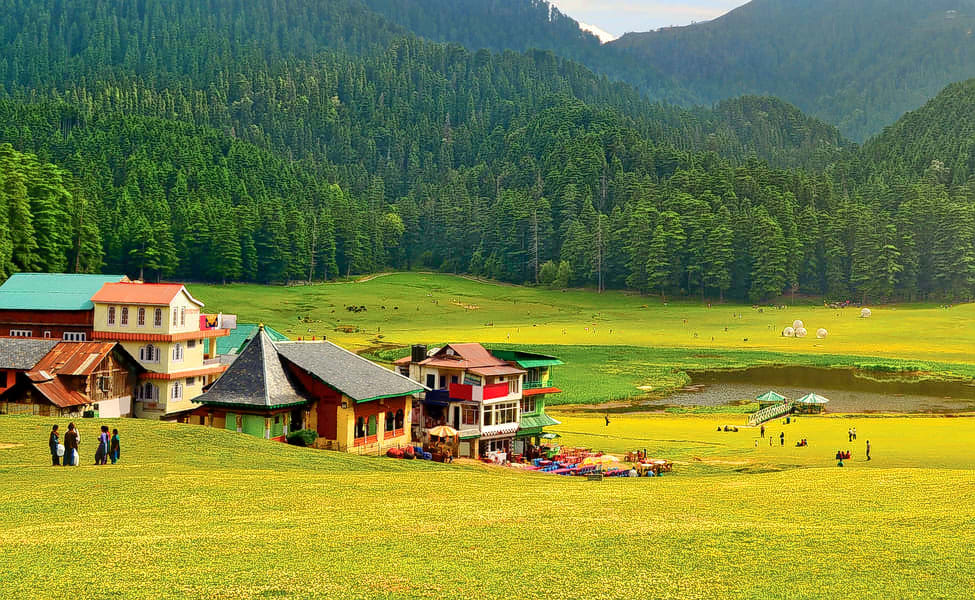
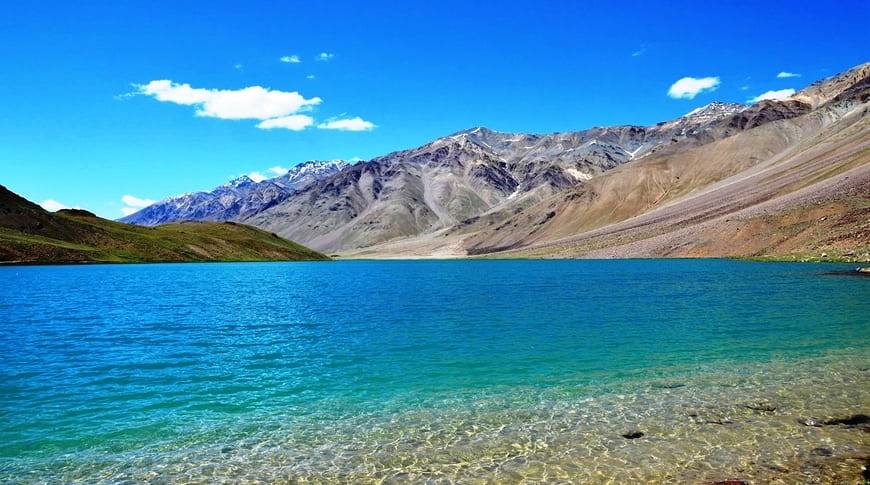
Travel partners near Kaza
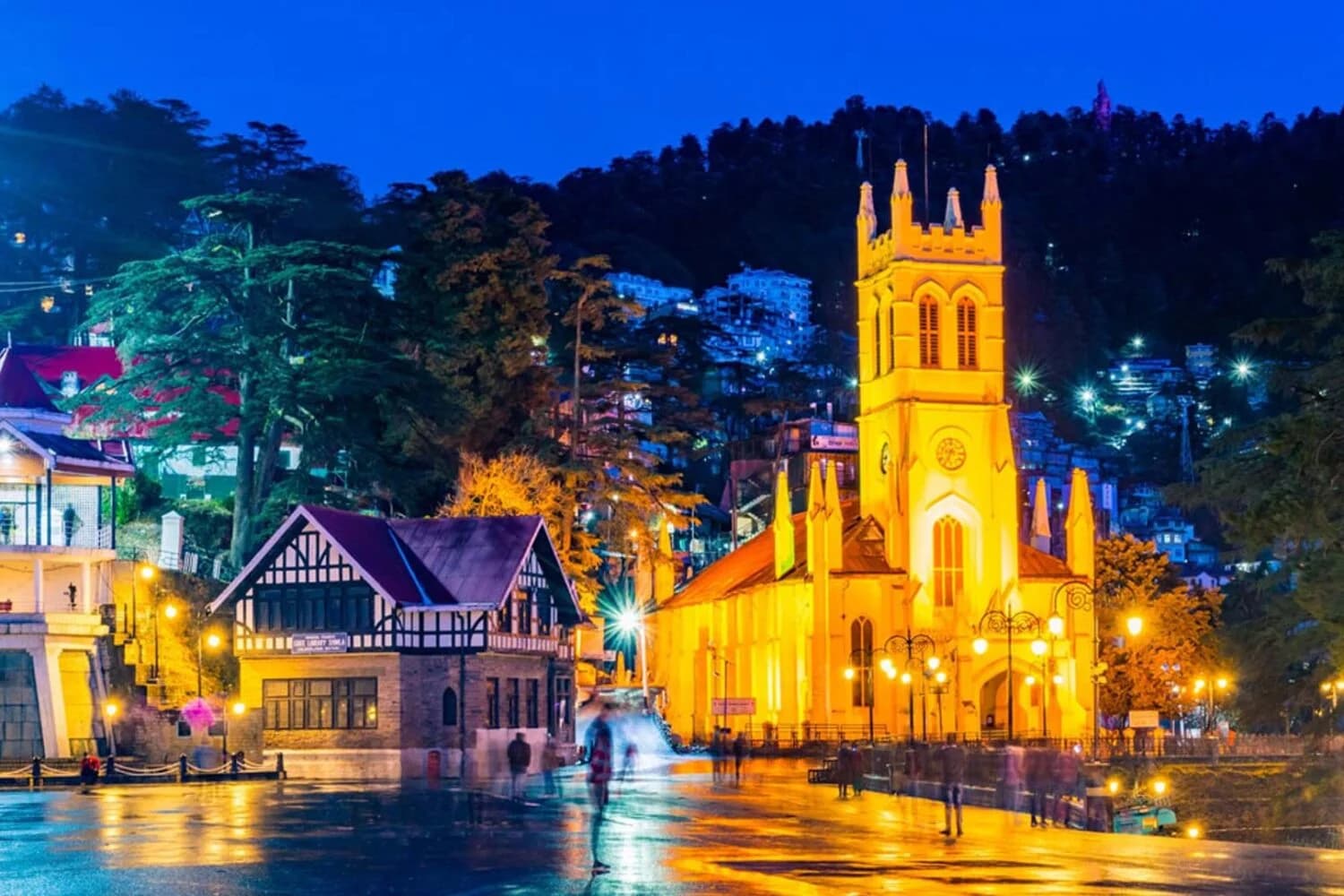
CRBNS HOLIDAYS
A-2 Green Apartment Kanlog

Naresh Taxi Service
Shimla

Tripwala Foji
Kalyanpur, Meerut (U.P), pin -250502
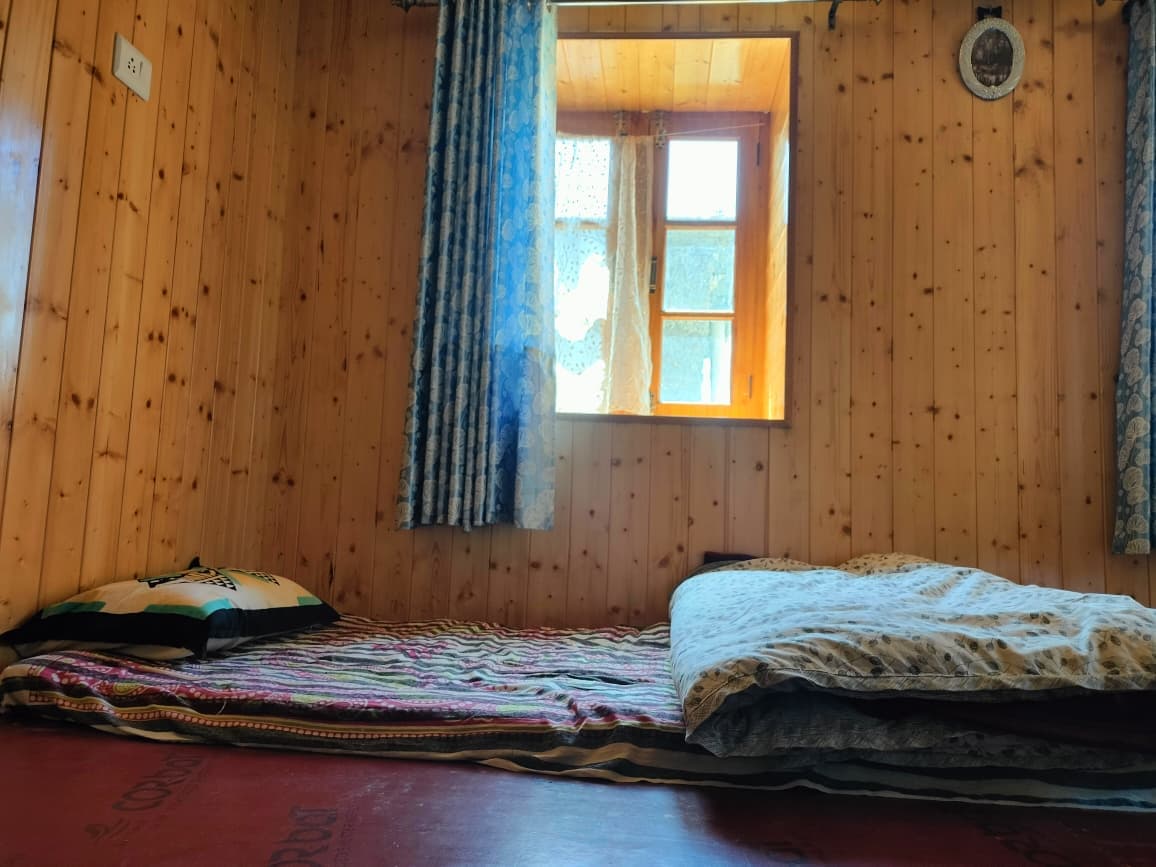
Chachipa Mud House
H2M8+RQ4, Keylong, Himachal Pradesh 175132, India
Transylvania - The Land Beyond The Forest
JC8W+99 Chippni, Himachal Pradesh, India
Lato the hut & Chauhan Palace
Lato the hut Chauhan Palace H9Q2+38 Tandi, Himachal Pradesh, India
The Pnorma stays
756X+G2 Bashisht, Himachal Pradesh, India

Ajju Trip Tour Traveller
Dehradun Uttarakhand