India’s local-first travel ecosystem — book local operators direct, zero commission

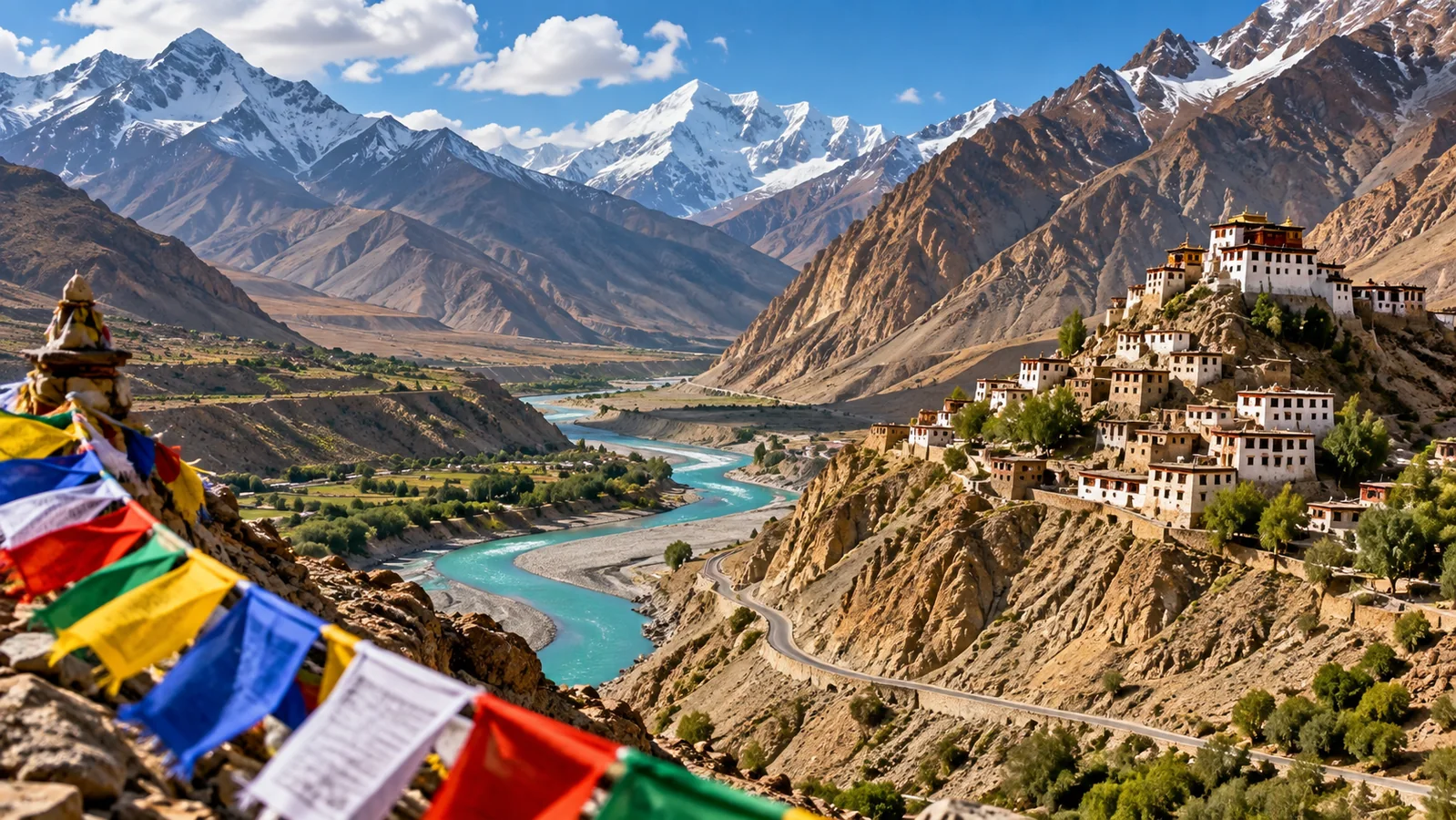
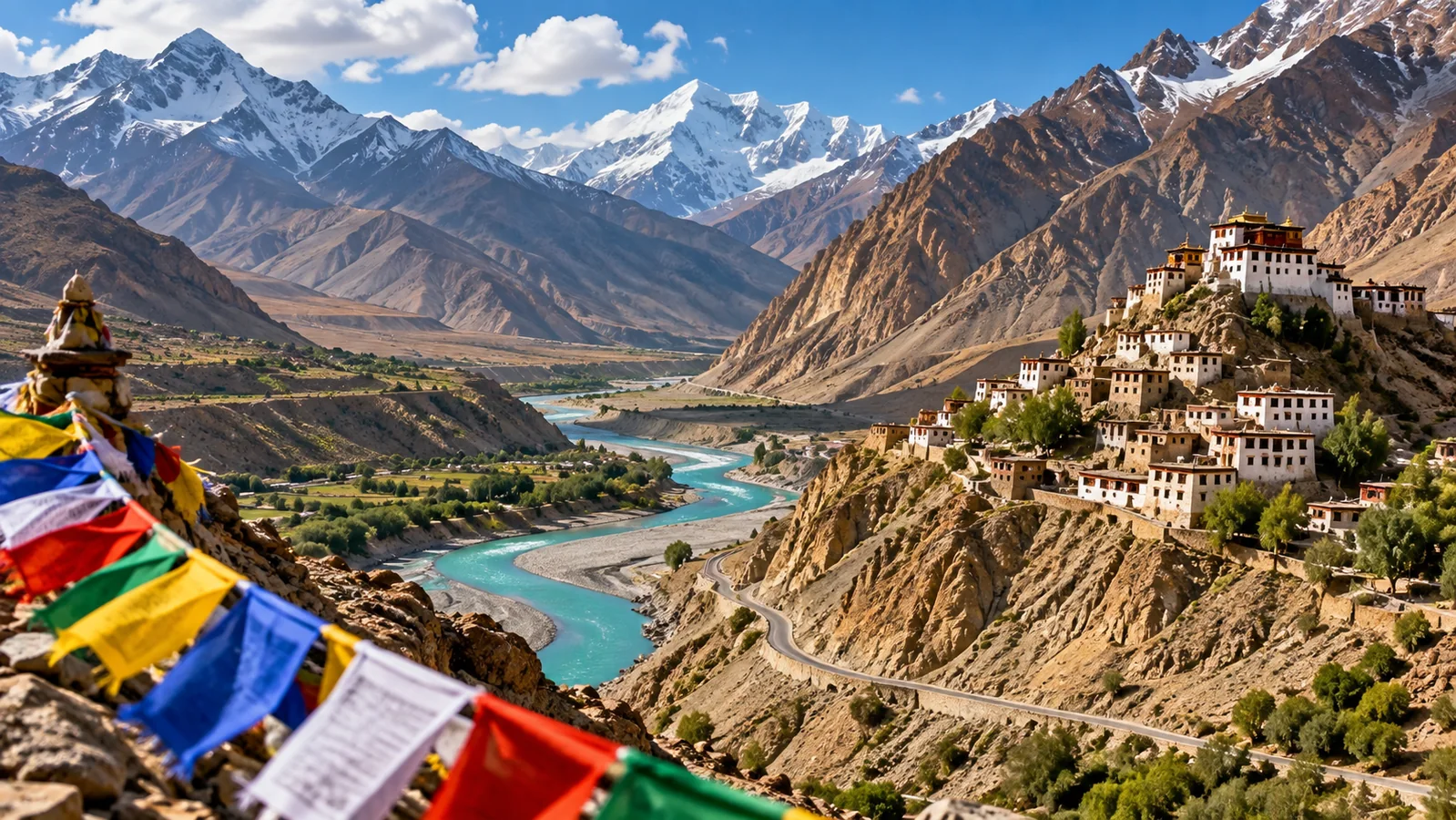
Spiti Valley, located in the northern Indian state of Himachal Pradesh, is a high-altitude cold desert that offers a unique blend of breathtaking landscapes, ancient Buddhist culture, and serene spirituality. The word "Spiti" means "The Middle Land," symbolizing its location between India and Tibet.
Spiti is a part of the Lahaul-Spiti district, and its administrative center is Kaza, which is also the largest town in the valley. For travelers seeking peace, adventure, and a cultural deep dive away from crowds, Spiti is a dream destination.
The valley sits at an average elevation of 12,500 feet (3,800 meters) above sea level. Surrounded by towering snow-capped mountains, barren cliffs, and scattered villages, Spiti offers raw, untouched beauty that leaves a lasting impact on visitors.
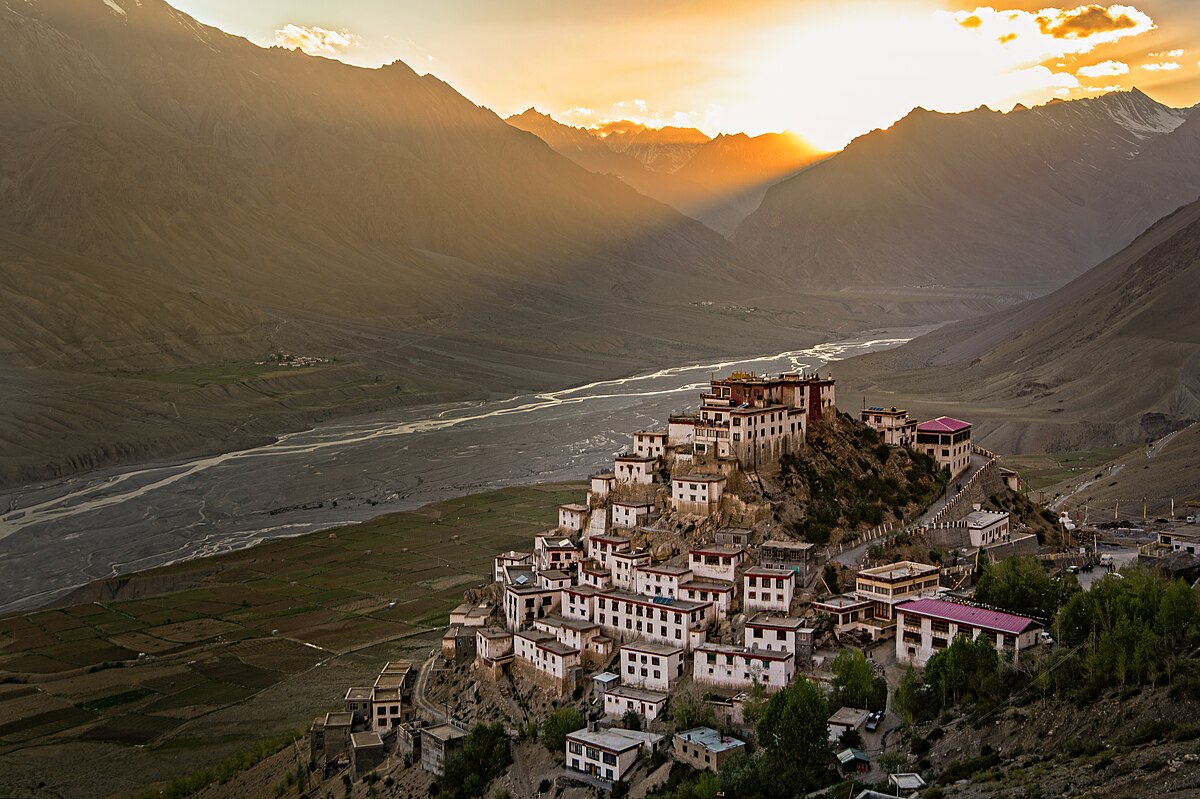
One of the most distinctive features of Spiti is its ancient Buddhist monasteries, perched on hilltops and cliffs. The Key Monastery (Kye Gompa) is the most famous, over 1,000 years old, and commands an awe-inspiring view of the valley below.
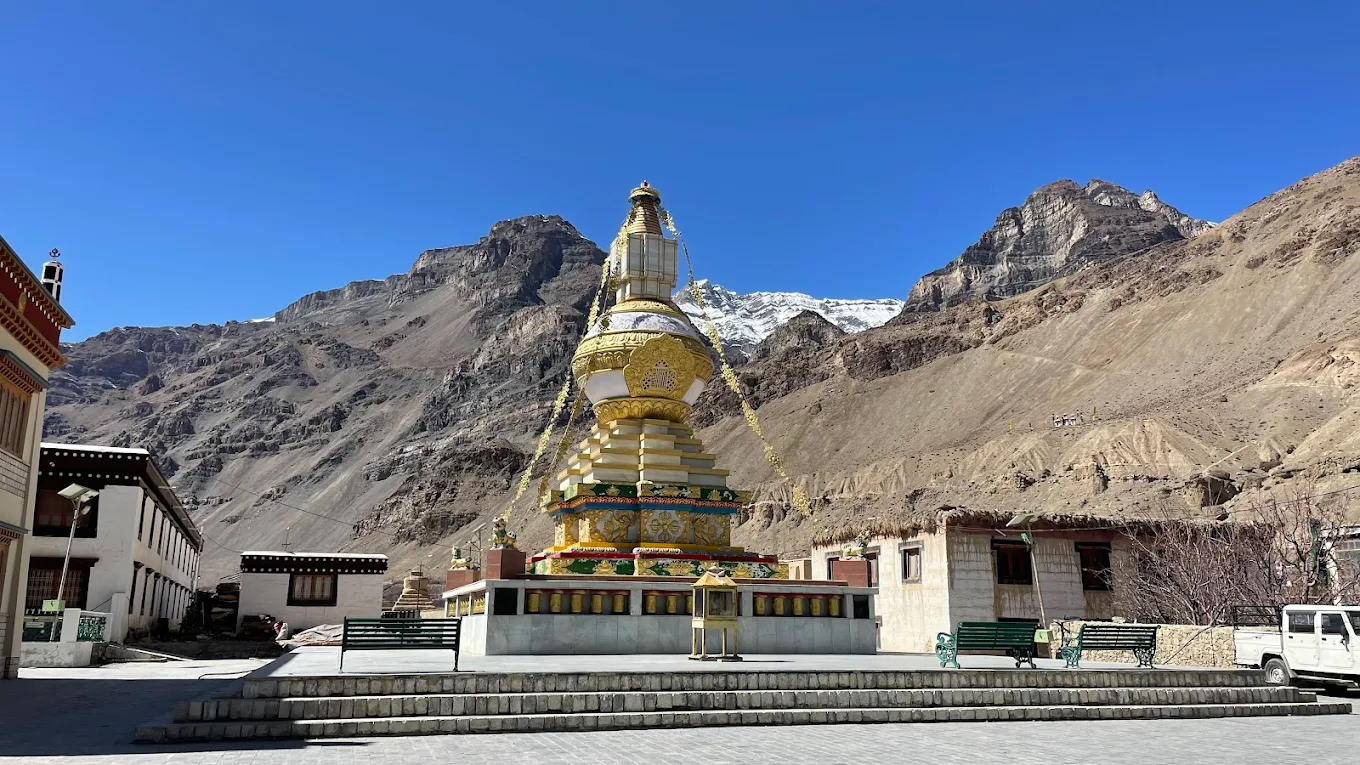
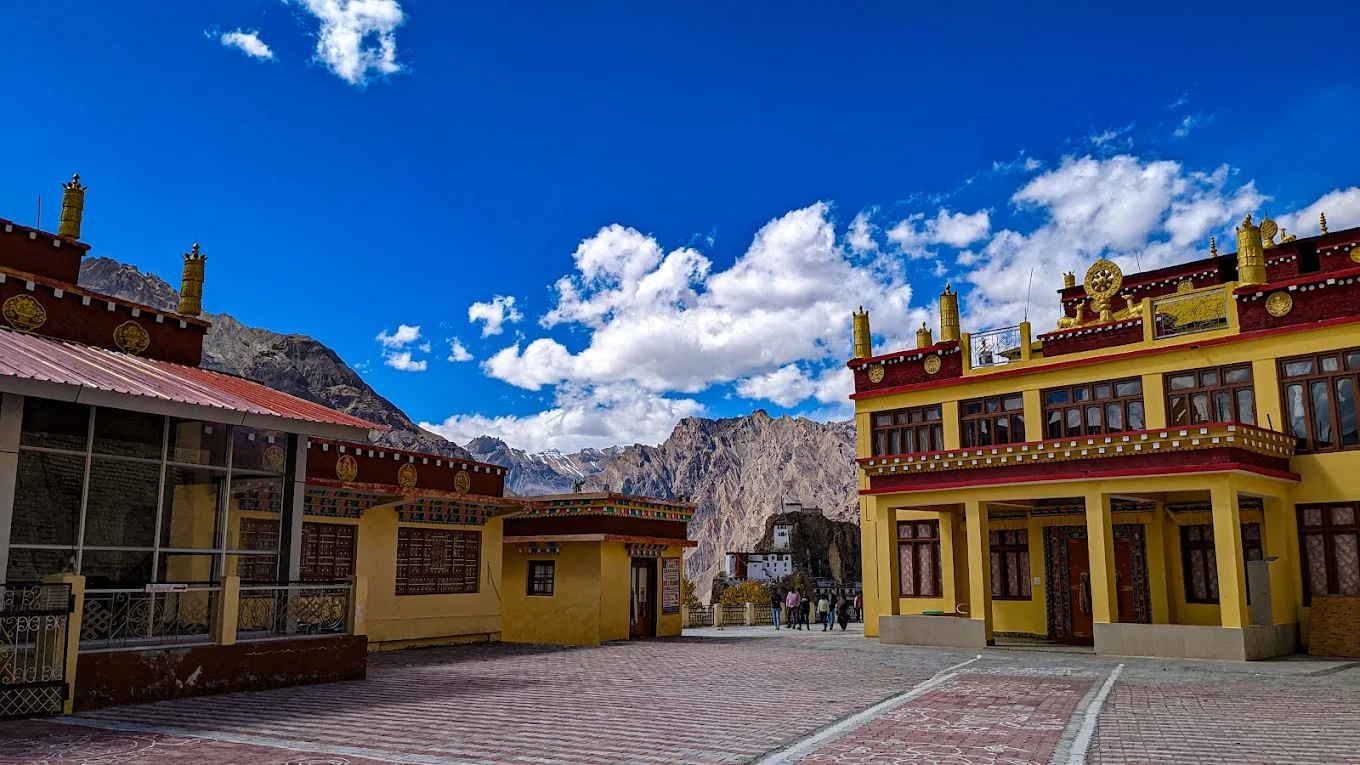
Another architectural wonder is Dhankar Monastery, balanced dramatically on a rocky edge, once the capital of the Spiti king. Then there’s Tabo Monastery, known as the "Ajanta of the Himalayas", founded in 996 A.D., which houses rare frescoes, murals, and ancient scriptures.
The climate of Spiti is harsh and dry. Due to its altitude and terrain, it receives very little rainfall, which makes it a high-altitude cold desert. Summers are pleasant, with temperatures ranging from 15°C to 20°C, but winters are extremely cold, often dropping below -20°C.
Spiti can be accessed through two main routes:
- Via Manali, passing through Rohtang Pass and Kunzum Pass, open only from late May to October.
- Via Shimla and Kinnaur, which is longer but open for most of the year, barring major snowfalls.
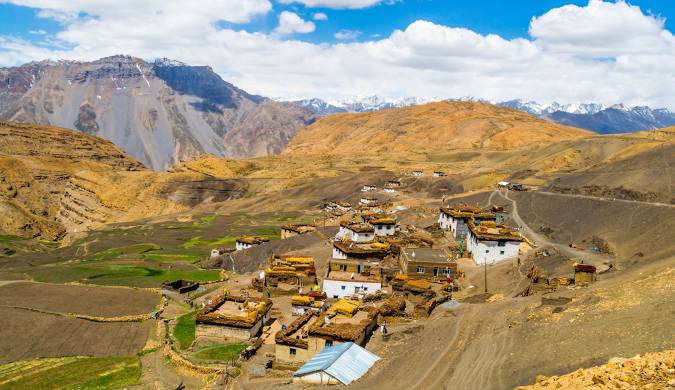
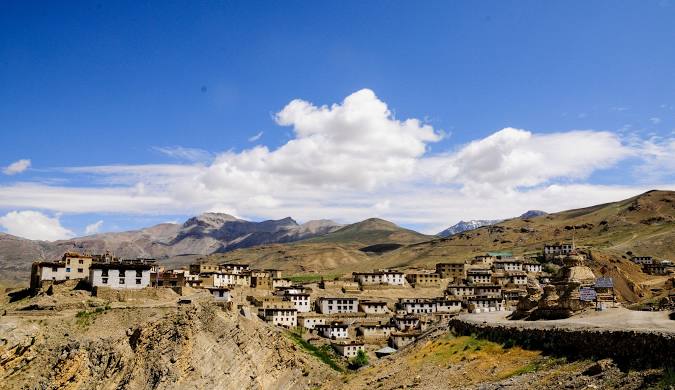
The lifeline of the valley is the Spiti River, which flows across the region, nurturing its villages and ecosystems. Along its banks lie charming villages like Langza, Hikkim, Kibber, and Komic – each with its own story and charm.
Komic is considered the world’s highest motorable village, while Hikkim is home to the highest post office in the world, a favorite spot for tourists to send postcards as souvenirs from the "roof of the world".
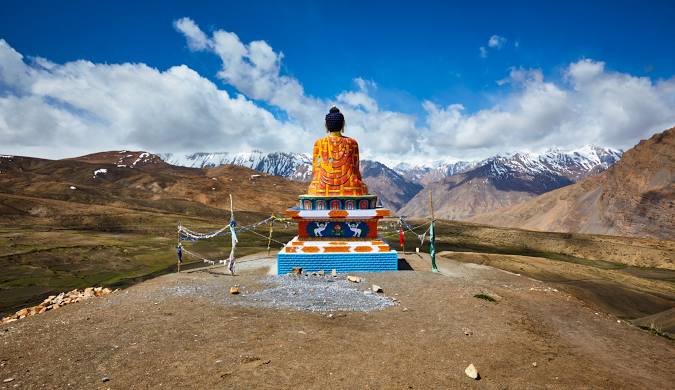
Langza is famous for ancient marine fossils, often found embedded in stones, indicating that this region was once submerged under the Tethys Sea millions of years ago.
The people of Spiti are warm-hearted, deeply spiritual, and resilient. Their lives are closely tied to Tibetan Buddhism, and most villages follow a monastic lifestyle with daily rituals, chants, and festivals.
Major festivals like Losar, Guitor, and Ladarcha are celebrated with traditional dance, music, and colorful attire, showcasing the valley’s rich heritage and communal joy.
Spiti is a paradise for trekkers and adventure enthusiasts. Popular treks include:
- Pin-Parvati Pass Trek
- Pin-Bhaba Pass Trek
- Chandratal Trek
These trails take you across surreal landscapes, glaciers, high passes, and isolated villages.
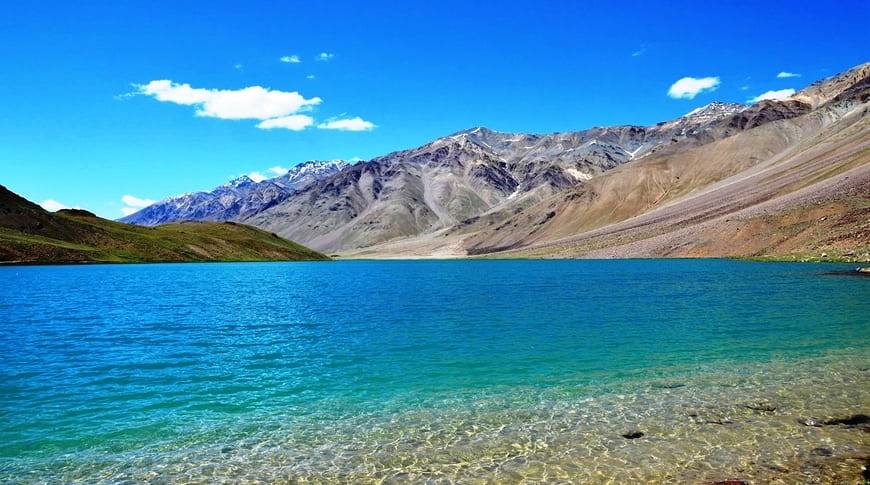
Chandratal Lake, meaning "Moon Lake", is a stunning crescent-shaped high-altitude lake located on the border of Lahaul and Spiti. At over 14,000 feet, its blue waters surrounded by mountains make it a surreal camping destination.
Food in Spiti is simple but soulful, heavily influenced by Tibetan cuisine. Local dishes like Thukpa (noodle soup), momos, butter tea, barley bread, and Yak cheese are widely consumed.
Mobile connectivity is sparse, with only a few areas in Kaza having intermittent network access. This makes Spiti an ideal digital detox destination, where you can truly unplug and reconnect with nature.
The roads in Spiti are narrow, winding, and often treacherous. Only experienced drivers or locals should navigate them, especially in bad weather. However, the journey is as mesmerizing as the destination itself.
Homestays in Spiti are becoming increasingly popular, offering travelers a glimpse into authentic Himalayan life. Staying with locals, enjoying home-cooked meals, and listening to ancient stories is one of the highlights of the Spiti experience.
In recent years, Spiti has also gained attention among photographers and vloggers for its dramatic landscapes, clear night skies, and Milky Way visibility. Star trails, astrophotography, and time-lapses taken in Spiti are often spellbinding.
The valley is also emerging as a hub for eco-tourism, with locals encouraging sustainable travel practices. Tourists are advised to carry reusable bottles, avoid plastic, and respect the fragile ecosystem.
Each turn in Spiti reveals a new wonder – be it fossil hills, glacier-fed rivers, ancient monasteries, or moon-like terrains. It's a journey that tests you, humbles you, and ultimately transforms you.
Whether you're a solo backpacker, spiritual seeker, mountaineer, or culture lover, Spiti offers something rare and precious – a connection with the divine silence of the mountains.
The sunrise turning snowy peaks golden, the echoing chants from monasteries, and the endless stretches of barren beauty together create an experience that goes far beyond tourism.
A trip to Spiti is not just a vacation; it’s a journey of introspection and inner peace. It challenges your limits and opens your soul to the sheer power and serenity of the Himalayas.
Quick view
🏞️ Region Name: Lahaul & Spiti Valley
📍 Location: Himachal Pradesh, India (Near the Tibet border)
🕰️ Best Time to Visit:
❄️ May to October – Best for road trips, clear views
🌨️ Avoid November to April – Heavy snowfall, most routes closed
🎒 Monsoon: July–August (Landslides possible, but greenery at peak)
🏔️ Top Attractions in Lahaul–Spiti:
⭐ Spiti Valley (Cold Desert Side)
🏯 Key Monastery (Ki Gompa) – 1000-year-old monastery on a hilltop
🏜️ Kaza – Main town, cafes & stay hub
🌄 Langza Village – Giant Buddha statue & fossil hunting
🏔️ Hikkim – World’s highest post office
🏘️ Komic Village – One of the world's highest motorable villages
🏞️ Dhankar Monastery & Lake – Cliff-top monastery + hidden lake trek
🪨 Pin Valley National Park – Home to elusive snow leopards
🌊 Chandratal Lake – “Moon Lake”, camping heaven
🏔️ Kunzum Pass – Scenic gateway to Spiti
🏔️ Lahaul Valley (Greener Side)
⛺ Sissu Waterfall – Insta-famous waterfall
🚗 Atal Tunnel – World’s longest highway tunnel at high altitude
🏞️ Jispa – Peaceful riverside village
🌄 Baralacha La – Stunning high-altitude pass
🛕 Shashur & Kardang Monastery – Lahaul’s heritage monasteries
🍽️ Local Food to Try:
🍜 Thukpa & Momo – Tibetan comfort food
🥟 Tingmo (Steamed bread) – Served with veg/non-veg curry
🧈 Butter Tea (Po Cha) – Traditional Himalayan tea
🌾 Barley-based dishes: Chhang (local drink), barley bread
🍯 Buckwheat pancakes (Kulluvi Siddu) – Regional speciality
🥣 Mutton stew (Local Himalayan style) – Rich and hearty
🛍️ What to Shop:
🧣 Woolen shawls & yak wool caps
🎨 Tibetan handicrafts & thangkas
🪵 Handmade wooden items
📿 Prayer wheels, flags & Tibetan jewellery
🍘 Organic seabuckthorn products (Juice, tea)
🎉 Festivals to Experience:
🎭 Losar Festival – Tibetan New Year
🥁 Fagli Festival (Lahaul) – Mask dances & cultural rituals
🪔 Gustor Festival (Komic & Key Monastery) – Monastic celebration
🎶 Ladarcha Fair (Kaza) – Biggest cultural festival of Spiti
🚗 How to Reach:
✈️ Nearest Airport:
– Kullu-Manali Airport (Bhuntar)
– Chandigarh Airport (better connectivity)
🚗 By Road:
– Manali → Spiti: Via Atal Tunnel & Kunzum Pass (seasonal)
– Shimla → Spiti: All-weather route (longer but safer)
🚌 Buses:
Himachal Roadways buses available from Shimla, Reckong Peo & Manali
🧭 Nearby Places for Day Trips:
🏔️ Kibber – Snow leopard spotting
📮 Hikkim Post Office – Send postcards
🌅 Langza – Best sunrise in Spiti
🪨 Gue Village – Mummy of Sangha Tenzin (600+ years old)
🏞️ Tabo Monastery – One of the oldest monasteries in the Himalayas (996 AD)
🧳 Ideal Trip Duration:
🗓️ 6 to 10 Days (Complete circuit – Lahaul + Spiti)
🎯 Fun Facts About Lahaul & Spiti:
🟣 Spiti is called “The Middle Land” between India & Tibet
🟪 Home to some of the highest motorable villages on Earth
❄️ Receives very little rainfall, making it a cold desert
🏔️ Spiti roads are among India’s most adventurous road-trip routes
📬 Hikkim has the world’s highest post office
Key Attractions
🏯 MONASTERIES / GOMPAS
1️⃣ Key Monastery (Ki Gompa)
Spiti’s largest monastery with ancient murals, scriptures, monk residence, and panoramic views.
2️⃣ Dhankar Monastery
A 1000-year-old cliff monastery perched dramatically on a high ridge overlooking the confluence of rivers.
3️⃣ Tabo Monastery
Known as the Ajanta of the Himalayas, 1020 AD murals, caves, and powerful spiritual energy.
4️⃣ Tangyud Monastery (Komic)
A fortress-style monastery located at one of the world’s highest villages.
5️⃣ Kungri Monastery (Pin Valley)
Center of the ancient Nyingmapa Buddhist tradition.
6️⃣ Shashur Monastery (Lahaul)
Known for its blue pine forests, mask dances, and 17th-century heritage.
7️⃣ Kardang Monastery (Keylong)
Lahaul’s largest monastery with old scriptures and views of the Bhaga River.
8️⃣ Gandhola Monastery (Lahaul)
1,000-year-old monastery with a special wooden idol and royal history.
🏔️ VILLAGES & HIGH-ALTITUDE SETTLEMENTS
9️⃣ Kaza
Main town of Spiti — cafes, markets, stay options.
🔟 Langza (Fossil Village)
Marine fossils + giant Buddha statue.
1️⃣1️⃣ Hikkim
World’s highest post office.
1️⃣2️⃣ Komic
One of the highest motorable villages.
1️⃣3️⃣ Demul Village
Eco-friendly village known for homestays and stargazing.
1️⃣4️⃣ Mudh Village (Pin Valley)
Base village for Pin–Parvati and Bhabha Pass treks.
1️⃣5️⃣ Gulling Village
Entry point to Pin Valley National Park.
1️⃣6️⃣ Chicham Village
Famous for the highest suspension bridge.
1️⃣7️⃣ Gue Village
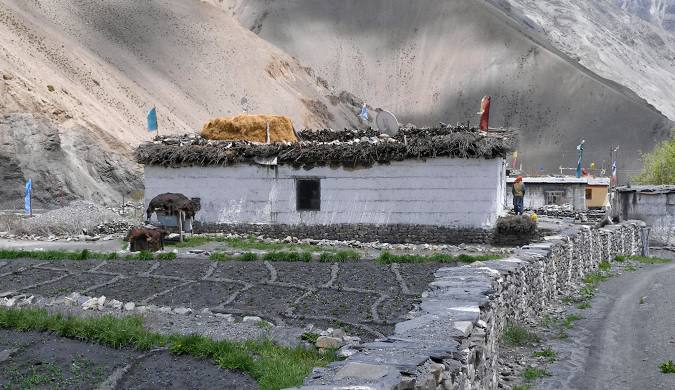
Home to the 600-year-old naturally preserved mummy.
1️⃣8️⃣ Tashigang Village
Highest polling station in the world.
1️⃣9️⃣ Kibber
Snow leopard spotting hub + adventure gateway.
2️⃣0️⃣ Gete
A small scenic village with valley views.
2️⃣1️⃣ Losar Village
First village when entering Spiti from Lahaul via Kunzum.
🌊 LAKES
2️⃣2️⃣ Chandratal Lake
The Moon Lake — famous for reflections, camping, and landscapes.
2️⃣3️⃣ Dhankar Lake
A high-altitude lake reached via a moderate trek from Dhankar Monastery.
2️⃣4️⃣ Suraj Tal Lake (Near Baralacha La)
India’s 3rd highest lake — turquoise waters.
2️⃣5️⃣ Deepak Tal
A small but scenic lake on the Manali–Leh route.
🏔️ MOUNTAIN PASSES
2️⃣6️⃣ Kunzum Pass
Gateway between Lahaul and Spiti, decorated with prayer flags.
2️⃣7️⃣ Baralacha La
High-altitude pass where multiple mountain ranges meet.
🌄 VIEWPOINTS & UNIQUE SCENIC SPOTS
2️⃣8️⃣ Moonland (Spiti’s Lunar Landscapes)
Natural formations that resemble the surface of the moon — rare and stunning.
2️⃣9️⃣ Chicham Bridge
Asia’s highest suspension bridge — adventure lovers’ favorite.
3️⃣0️⃣ Spiti River Viewpoints
Snow peaks + river carving through the valley.
3️⃣1️⃣ Key Viewpoint (above Key Monastery)
Sunrise and sunset heaven.
3️⃣2️⃣ Kunzum Top Viewpoint
360° panoramic Himalayan views.
🌿 NATIONAL PARKS / TREKKING & ADVENTURE
3️⃣3️⃣ Pin Valley National Park
Home to snow leopards, ibex, Himalayan fox, and rare flora.
3️⃣4️⃣ Pin–Parvati Pass Trek
One of India’s most challenging and beautiful treks.
3️⃣5️⃣ Bhabha Pass Trek
Adventure trek connecting Kinnaur to Spiti.
3️⃣6️⃣ Spiti River Rafting (Seasonal)
Short rafting experience in Kaza.
🌊 RIVERS & WATERFALLS
3️⃣7️⃣ Spiti River
Originates from the glaciers near Kunzum — lifeline of the valley.
3️⃣8️⃣ Sissu Waterfall (Lahaul)
Huge and majestic waterfall easily accessible via Atal Tunnel.
3️⃣9️⃣ Bhaga River (Keylong/Jispa)
Beautiful riverside views.
🚗 ROAD MARVELS
4️⃣0️⃣ Atal Tunnel
World’s longest high-altitude tunnel — reduces time to Lahaul drastically.
4️⃣1️⃣ The Kaza–Kibber Road
A stunning cliff-edge road famous for adventure drives.
4️⃣2️⃣ Spiti–Kinnaur Road
One of the world’s most dangerous yet scenic roads.
🏞️ LAHAUL SPECIAL ATTRACTIONS
4️⃣3️⃣ Jispa
Scenic village famous for stargazing and riverside camps.
4️⃣4️⃣ Keylong
District HQ — monasteries, cafes, and local culture.
4️⃣5️⃣ Udaipur (Lahaul)
Home to the ancient Mrikula Devi Temple.
4️⃣6️⃣ Darcha
Base for the Zanskar and Padum treks.
🏛️ TEMPLES
4️⃣7️⃣ Kunzum Mata Temple
A small but sacred shrine for safe passage through the mountains.
4️⃣8️⃣ Triloknath Temple (Lahaul)
A unique temple worshipped by both Hindus and Buddhists.
🔭 STARGAZING & ASTRONOMY SPOTS
4️⃣9️⃣ Kaza Night Sky
Milky Way visibility almost every clear night.
5️⃣0️⃣ Hikkim & Demul
Zero light pollution — ideal for astrophotography.
🎉 CULTURAL EVENTS
5️⃣1️⃣ Ladarcha Festival (Kaza)
Spiti’s biggest cultural festival.
5️⃣2️⃣ Fagli Festival (Lahaul)
Mask dances, local traditions.
5️⃣3️⃣ Gustor Festival
Monastery celebrations with masked dances.
How to Reach
Spiti Valley can be reached via two major routes — one from Manali and one from Shimla/Kinnaur. Lahaul can be accessed throughout the year (except heavy snowfall days), thanks to the Atal Tunnel. Below is the complete point-wise guide.
🚗 By Road (Most Popular Options)
👉 Manali → Atal Tunnel → Keylong → Kaza (Lahaul to Spiti Route)
- Reach Manali by bus or car.
- Cross the Atal Tunnel (9.02 km) to enter Lahaul Valley.
- Pass through Sissu → Keylong → Jispa → Darcha → Tandi.
- Continue via Gramphu → Batal → Kunzum Pass → Losar → Kaza.
- This route is open May to October (depending on snowfall).
- Roads are rough; ideal for SUVs, bikers, and adventure travellers.
👉 Shimla → Narkanda → Rampur → Reckong Peo → Nako → Tabo → Kaza (Kinnaur to Spiti Route)
- Start from Shimla (all-weather road).
- Drive through Narkanda → Rampur → Jeori → Karchham → Reckong Peo.
- Enter upper Kinnaur: Kalpa → Pooh → Nako → Gue → Tabo → Dhankar.
- Reach Kaza from the Spiti side.
- This route remains open almost all year, except landslides in monsoon.
🚌 By Bus (HRTC Bus Service – Updated)
👉 Manali → Kaza Bus
- Operates only in summer (May–October).
- Route: Manali → Rohtang/Atal Tunnel → Kaza.
- Departure: Early morning (5–6 AM).
- Duration: 10–12 hours depending on road conditions.
👉 Shimla → Kaza Bus (Year-round except heavy snow)
- Daily HRTC buses from Shimla ISBT to Kaza.
- Route: Shimla → Reckong Peo → Nako → Tabo → Kaza.
- Travel time: 2 days (night halt at Reckong Peo).
- Departure: 4:00 AM – 5:30 AM (varies by season).
👉 Keylong → Kaza Bus
- Summer-only service.
- Route: Keylong → Grampu → Batal → Losar → Kaza.
- Departure: 6:00 AM approx.
- Very scenic but bumpy road.
👉 Reckong Peo → Kaza Bus
- One of the most reliable Spiti buses.
- Departure: 7:00 AM approx from Reckong Peo bus stand.
- Covers Nako, Tabo, Dhankar on the way.
NOTE:
⏳ Bus timings in the Himalayas change depending on weather, landslides, and road conditions. It is always advised to reconfirm timings one day before travel.
✈️ By Air (Nearest Airports)
👉 Kullu–Manali Airport (Bhuntar)
- Closest airport to Lahaul and Spiti.
- From Bhuntar → Manali → Atal Tunnel → Lahaul → Spiti.
- Flights limited; weather-dependent.
👉 Chandigarh Airport
- Best for reliability and connectivity.
- Drive: Chandigarh → Shimla → Kinnaur → Spiti (2 days travel).
🚆 By Train (Nearest Railway Stations)
👉 Chandigarh Railway Station
- Best major station for Spiti travellers.
- Continue by road via Shimla/Kinnaur.
👉 Shimla Toy Train Station
- Narrow-gauge toy train route.
- Scenic but slow.
- Continue road journey from Shimla.
🚕 By Taxi / Bike / Self-drive
👉 Self-drive cars (SUV recommended)
• Suitable for both Manali and Shimla routes.
• Roads can be extremely rough, especially Batal → Kaza.
👉 Bike riders (Leh/Spiti circuits)
• Very popular among motorcyclists.
• Royal Enfield rental available at Manali & Shimla.
👉 Shared Taxis
• Available from Manali, Kaza, Reckong Peo.
• More frequent in summer season.
Suggested Itinerary
🗺️ 8-Day Spiti Valley Itinerary (Via Shimla Route)
Day 1: Shimla → Narkanda / Kufri / Theog
Distance: 65–80 km | Time: 2–3 hrs
Altitude: 2,700 m
Plan:
- Arrive in Shimla
- Visit Kufri Viewpoint / Adventure Park
- Drive to Narkanda or stay in Theog
- Sunset at Hatu Peak (optional)
Night Stay: Narkanda
Day 2: Narkanda → Sangla / Rakcham / Chitkul
Distance: 160 km | Time: 6–7 hrs
Altitude: 3,450 m (Chitkul)
Plan:
- Slow scenic drive through apple orchards
- Explore Sangla Valley
- Reach Chitkul — India’s last village
- Baspa River walk
Night Stay: Chitkul / Sangla
Day 3: Sangla → Kalpa / Reckong Peo
Distance: 40–50 km | Time: 2 hrs
Altitude: 2,960 m
Plan:
- Visit Kalpa Suicide Point
- Explore Roghi Village
- View the massive Kinner Kailash Range
Night Stay: Kalpa
Day 4: Kalpa → Nako → Gue → Tabo
Distance: 160 km | Time: 6–7 hrs
Altitude: 3,280 m (Tabo)
Plan:
- Stop at Nako Lake
- Visit Gue Mummy (600-year-old!)
- Reach Tabo Monastery (Ajanta of Himalayas)
Night Stay: Tabo
Day 5: Tabo → Dhankar → Pin Valley → Kaza
Distance: 90–110 km | Time: 4–6 hrs
Altitude: 3,650 m
Plan:
- Explore Dhankar Monastery & Dhankar Lake (optional trek)
- Enter Pin Valley National Park
- Visit Mudh Village
- Reach Kaza by evening
Night Stay: Kaza
Day 6: Kaza → Key–Kibber → Hikkim → Komic → Langza
Distance: 50–60 km (local circuit)
Altitude: 4,500 m
Plan:
- Key Monastery
- Kibber Village (Snow leopard spotting)
- Hikkim (world’s highest post office)
- Komic Village (one of the highest motorable villages)
- Langza (giant Buddha statue + fossils)
Night Stay: Kaza
Day 7: Kaza → Chicham Bridge → Losar → Kunzum Pass → Chandratal
Distance: 100–120 km
Altitude: 4,550 m (Kunzum), 4,300 m (Chandratal)
Plan:
- Cross the iconic Chicham Bridge
- Drive to Losar (last village)
- Enjoy 360° views at Kunzum Pass
- Arrive at Chandratal Lake
- Night camping near Chandratal
Night Stay: Chandratal Camps
Day 8: Chandratal → Batal → Atal Tunnel → Manali (Trip Ends)
Distance: 120 km | Time: 6–7 hrs
Plan:
- Early morning lake visit
- Cross the rugged Batal–Gramphu route
- Pass through Atal Tunnel
- Reach Manali
🗺️ 7-Day Spiti Valley Itinerary (Via Manali Route)
(Fastest route but requires strong acclimatization)
Day 1: Reach Manali (Acclimatization Day)
Altitude: 2,050 m
Plan:
- Rest completely
- Light walk to Mall Road / Hidimba Temple
- Stay hydrated
Night Stay: Manali
Day 2: Manali → Atal Tunnel → Batal → Chandratal
Distance: 110 km | Time: 5–6 hrs
Plan:
- Drive through Atal Tunnel
- Cross Chhatru & Batal
- Reach Chandratal Lake
Night Stay: Chandratal Camps
Day 3: Chandratal → Kunzum Pass → Losar → Kaza
Distance: 60 km | Time: 3–4 hrs
Plan:
- Visit Kunzum Mata Temple
- Stop at Losar Village
- Arrive in Kaza
Night Stay: Kaza
Day 4: Kaza → Key → Kibber → Chicham Bridge
Plan:
- Key Monastery
- Kibber Village
- Chicham Bridge sightseeing
Night Stay: Kaza
Day 5: Kaza → Hikkim → Komic → Langza
Plan:
- World’s highest post office
- Komic’s monasteries
- Langza Buddha statue
Night Stay: Kaza
Day 6: Kaza → Tabo → Dhankar → Pin Valley → Kaza
A beautiful mix of culture + nature.
Plan:
- Tabo Monastery
- Dhankar Monastery & Lake
- Mudh Village in Pin Valley
Night Stay: Kaza
Day 7: Kaza → Batal → Atal Tunnel → Manali (Trip Ends)
Drive back with memories through the rugged terrain.
⭐ Tips for Both Routes
- Avoid alcohol for first 2–3 days
- Keep Diamox (if needed)
- Carry sufficient cash (ATMs rare)
- Mobile networks: BSNL better, Jio in some areas (not available at chandratal)
- Roads may remain closed early winter
Weather
🌤️ Spiti Valley Weather Guide (Month-Wise)
❄️ January – February (Peak Winter)
- Temperature: –20°C to –5°C
- Heavy snowfall; roads remain closed (especially Manali–Kaza route)
- Only locals stay — not recommended for tourists
- Extremely harsh cold; water freezes everywhere
❄️🌨️ March – April (Early Spring)
- Temperature: –10°C to 5°C
- Shimla–Kaza route opens partially
- Landscapes remain snow-covered
- Good for photographers, but still very cold
- Limited stays open in Kaza
☀️ May – June (Summer Peak / Best Time)
- Temperature: 5°C to 15°C
- Best weather to explore Spiti
- Manali–Kaza road opens (depending on snow clearance)
- Clear skies, perfect for sightseeing, stargazing & treks
- Daytime is pleasant but nights are cold
🌤️ July – August (Monsoon Season)
- Temperature: 8°C to 16°C
- Spiti receives very little rain, but Kinnaur route becomes risky
- Frequent landslides on Shimla–Kaza road
- Best for green landscapes & fewer crowds
- Manali side remains muddy & slippery
🍁 September – October (Post-Monsoon / Golden Season)
- Temperature: 0°C to 12°C
- One of the best months to visit
- Stunning golden-brown landscapes
- Perfect visibility for astrophotography
- Nights become extremely cold after mid-October
❄️ November – December (Onset of Winter)
- Temperature: –10°C to 5°C
- Snowfall begins
- Most homestays shut by end of November
- Roads start closing gradually
- Suitable only for experienced winter travellers
📌 Quick Weather Summary
🏔️ Best Time to Visit Spiti
✔️ May to October
❄️ Winter Lovers
✔️ March (light snow)
✔️ November (start of snow)
⚠️ Avoid These Months
🚫 January–February (unsafe & inaccessible)
🚫 Heavy rains in July–August (Kinnaur road dangerous)
🧥 What to Pack for Spiti Weather
- Heavy woollens (thermals, gloves, cap)
- Sunglasses + sunscreen (UV rays are strong)
- Waterproof shoes
- Lip balm & moisturizer (air is dry)
- Winter jacket even in summer (nights are cold)
🩺 Weather & Health Tips
- Stay hydrated
- Avoid alcohol for first 48 hours
- Acclimatization is important — Spiti is above 3,500 m
- Keep Diamox if needed
- Drive slowly on icy or wet patches
Food & Cuisines
🍜 1. Thukpa
A hearty Tibetan noodle soup made with vegetables or meat.
Perfect for cold evenings in Kaza or Tabo, thukpa warms you instantly and supports acclimatization.
🥟 2. Momos
Steamed or fried dumplings filled with veggies, paneer, or meat.
Spiti’s momos are softer and lighter due to their high-altitude steaming style.
🍲 3. Skyu (Traditional Spitian Dish)
A signature local dish made with wheat dough pieces cooked in vegetables or lentils.
Skyu is rich, filling, and eaten frequently in cold weather.
🥣 4. Thenthuk
Hand-pulled noodle soup made with mountain herbs and vegetables.
It improves body warmth and is extremely popular in winters.
🍛 5. Tsampa (Roasted Barley Flour)
One of the oldest Himalayan foods — mixed with butter tea or water.
High in energy and often eaten by monks and locals.
☕ 6. Butter Tea (Gur-Gur Chai)
A salty tea made with yak butter, tea leaves, and salt.
It keeps your body warm and helps fight altitude sickness.
🧀 7. Tibetan Bread / Tingmo
Soft steamed bread served with:
- Veg/non-veg curries
- Soups
- Butter & jam for breakfast
Tingmo is a staple in Spiti cafés.
🌾 8. Buckwheat Dishes
Since buckwheat grows well in Spiti’s climate, you’ll find:
- Buckwheat pancakes (Chilke)
- Buckwheat rotis
They are gluten-free and very healthy.
🍗 9. Local Meat Curries
In Lahaul (Keylong, Udaipur, Jispa), you get delicious Himalayan-style:
- Mutton curry
- Yak meat dishes (rare and seasonal)
Flavours are mild yet rich.
🫘 10. Spitian Daal–Rice & Simple Home Food
Homestays often serve:
- Daal
- Rice
- Sabzi
- Local pickles
This food is easy on the stomach and perfect during acclimatization.
🍺 11. Chhang (Local Alcohol)
A mild traditional barley beer made locally.
Avoid during the first 2–3 days because of the altitude.
🍪 12. Himalayan Herbal Teas & Local Snacks
You’ll find unique teas made from mountain flowers and herbs like:
- Seabuckthorn tea
- Rhododendron tea
Plus local snacks like: - Dry apricots
- Yak cheese cubes
Shopping & Handicrafts
Shopping in Spiti Valley is a wholesome cultural experience. Most souvenirs here are handmade by local artisans, monks, and women communities, reflecting the region’s Tibetan–Buddhist and Himalayan heritage.
⭐ 1. Tibetan Handicrafts
Beautiful hand-crafted items inspired by Buddhist culture such as:
- Prayer wheels
- Prayer flags
- Hand-carved wooden plaques
- Miniature stupas
These carry spiritual significance and are perfect decorative keepsakes.
⭐ 2. Woolen Items (Handwoven)
Due to the extreme cold, Spiti is known for premium-quality wool products:
- Yak wool shawls
- Sheep wool mufflers
- Hand-knitted socks, caps & gloves
- Traditional Spitian jackets
They are warm, durable, and made by local women.
⭐ 3. Traditional Jewellery
Spiti has a distinct style of Himalayan jewellery:
- Turquoise stone ornaments
- Silver anklets & earrings
- Coral bead necklaces
- Thangkas (religious painting on fabric)
These pieces are often handcrafted and have cultural symbolism.
⭐ 4. Organic Local Produce
Must-buy natural products from the valley:
- Sea buckthorn juice & tea
- Local herbal teas
- Spiti apricots
- Raw organic honey
- Himalayan herbs
Pure, organic, and excellent for health.
⭐ 5. Handmade Pottery & Clay Items
Some villages like Langza still preserve traditional pottery art:
- Clay figurines
- Small clay pots
- Buddha & wildlife clay models
These eco-friendly souvenirs are unique to the region.
⭐ 6. Thangka Paintings
A sacred Tibetan art form created by monks and trained artists:
- Depicts Buddhist deities
- Intricate hand painting
- Often takes weeks to make
These are premium but highly valuable collectibles.
⭐ 7. Local Spitian Pickles & Snacks
Perfect for food lovers:
- Lingri pickle (local fern)
- Yak cheese
- Himalayan herbs masala
All are homemade with authentic mountain flavors.
⭐ 8. Carpets & Rugs (Handwoven)
Spiti homes use handwoven woolen carpets:
- Bright colors
- Geometric Tibetan patterns
- Extremely warm and long-lasting
Great for home décor.
⭐ 9. Tribal Masks & Wooden Art
Spiti artisans make:
- Wooden masks used in festivals
- Wall-hangings depicting wildlife
- Hand-carved Buddhist symbols
Unique, bold, and deeply cultural.
📍 Best Places to Shop in Spiti & Lahaul
🔸 Kaza Market
The main market for:
- Woolen wear
- Jewelry
- Handicrafts
- Local food products
🔸 Tabo Monastery Shops
Best for:
- Thangkas
- Buddhist souvenirs
- Spiritual items
🔸 Key Monastery Shop
Perfect for:
- Prayer wheels
- Key Monastery souvenirs
- Books on Buddhism
🔸 Local Villages (Langza, Kibber, Demul)
Great for:
- Pottery
- Handmade woolens
- Local organic products
Festivals & Culture
The cultural life of Spiti Valley is vibrant and unique. Its festivals, traditional rituals, and lifestyle are deeply connected to Tibetan-Buddhist traditions.
⭐ 1. Losar Festival
- Losar is the New Year festival celebrated with great enthusiasm in Spiti.
- It usually falls in February–March.
- People wear colorful traditional attire, decorate homes and monasteries, and perform traditional dances and music.
⭐ 2. Chaam Dance Festivals
- Mainly held in monasteries across the valley.
- Monks wear colorful costumes and perform mask dances.
- The dances depict Buddhist deities and mythological stories.
⭐ 3. Torgya Festival
- Primarily celebrated at Tabo Monastery.
- This festival is meant to protect the village from evil and bring prosperity.
- Monks perform chants, rituals, and ceremonial dances.
⭐ 4. Cultural Practices
- People wear traditional long woolen jackets, jewelry, and headgear.
- Homes feature Tibetan-style decorations, and monasteries are adorned with religious paintings and sculptures.
- Folk arts and handicrafts are an integral part of daily life.
⭐ 5. Local Music & Dance
- Traditional Tibetan instruments like dhochs, drums, and singing bowls are used.
- Villagers perform group dances during festivals and celebrations.
⭐ 6. Spiritual Culture
- Monasteries and religious sites are the heart of Spiti’s culture.
- Locals deeply respect meditation, prayers, and monastic life.
- Buddhist rituals and meditation retreats are often open for tourists.
📍 Highlights
- Festivals showcase colorful masks, traditional attire, and local music.
- Culture is deeply intertwined with daily life, spirituality, and artisan crafts.
- Visiting during festival times offers the best opportunity for cultural immersion.
Best Time to Visit
Spiti Valley, located in the cold desert of Himachal Pradesh, experiences extreme weather conditions. Choosing the right time to visit is crucial for a safe and enjoyable trip.
⭐ 1. Summer (May to September)
- This is the peak tourist season.
- Temperatures range from 15°C to 25°C during the day.
- Roads are mostly clear, making it ideal for trekking, sightseeing, and cultural exploration.
- Festivals like Losar and Torgya occur during this period, offering a rich cultural experience.
⭐ 2. Monsoon (July to August)
- Spiti receives very minimal rainfall, so it is less affected by the heavy rains of Himachal.
- Some remote areas may become slightly difficult to access due to landslides in nearby regions.
⭐ 3. Winter (October to April)
- Temperatures can drop to -30°C in higher altitudes, and many roads are blocked due to snow.
- Ideal only for adventure seekers, photographers, or those interested in experiencing snow-capped landscapes.
- Most villages and monasteries are quiet, offering a serene experience.
⭐ 4. Shoulder Seasons (April–May & September–October)
- Less crowded than peak summer months.
- Perfect for travelers looking for peaceful stays, clear skies, and pleasant weather.
- Roads are generally accessible, and local life can be experienced authentically.
📍 Travel Tips:
- Always check road conditions before planning the trip, especially in winter.
- Summer is best for exploring Kaza, Tabo, Key Monastery, Kibber, and Langza.
- Carry warm clothing even in summer, as nights can be chilly.
- For adventure activities like trekking and camping, May to September is ideal.
Safety Tips
Spiti Valley is a remote and high-altitude region, so taking precautions is essential for a safe and enjoyable trip.
⭐ 1. Acclimatize Properly
- Spiti is located at high altitudes (3,000–4,500 meters), so altitude sickness can occur.
- Spend at least a day in Kaza or other lower-altitude villages to acclimatize before trekking.
- Stay hydrated and avoid alcohol in the first few days.
⭐ 2. Check Road Conditions
- Roads in Spiti can be narrow, winding, and affected by landslides, especially during summer and monsoon.
- Hire experienced drivers or drive cautiously if self-driving.
- Keep extra fuel, water, and snacks in your vehicle.
⭐ 3. Weather Precautions
- Temperatures can drop sharply, especially at night.
- Carry warm clothes, gloves, hats, and thermal wear even in summer.
- Keep rain gear handy during monsoon.
⭐ 4. Health & First Aid
- Carry a basic first-aid kit, medicines for altitude sickness, stomach issues, and cold.
- Ensure you have travel insurance that covers high-altitude emergencies.
- Inform someone about your travel itinerary when going to remote villages.
⭐ 5. Travel & Trekking Safety
- Trek in groups whenever possible.
- Hire local guides for treks, monasteries visits, and remote village exploration.
- Follow local rules and respect religious and cultural practices.
⭐ 6. Food & Water Safety
- Drink only bottled or boiled water.
- Eat freshly prepared food and avoid uncooked street food in remote areas.
- Spiti is remote, so carry some energy bars or dry snacks for long journeys.
⭐ 7. Wildlife & Nature Awareness
- Keep a safe distance from wild animals like yaks and Himalayan wolves.
- Do not litter; carry trash back with you.
- Respect fragile ecosystems, especially near lakes, monasteries, and high-altitude passes.
⭐ 8. Connectivity & Emergency Contacts
- Mobile networks are limited; BSNL and Jio often work in some areas.
- Keep offline maps and emergency contacts handy.
- Know the nearest hospital or medical center for emergencies.
📍 Quick Tips:
- Travel during May to September for safer road conditions.
- Always carry ID, cash, and essential documents, as ATMs are limited.
- Be prepared for sudden weather changes, especially in higher altitudes.
Additional Information
Spiti Valley is a high-altitude cold desert in Himachal Pradesh, rich in culture, natural beauty, and adventure opportunities. Here’s some additional info that can help travelers plan better:
⭐ 1. Geography & Landscape
- Located between Lahaul and Kinnaur, Spiti is often called the “Middle Land.”
- The valley is arid, rugged, and surrounded by Himalayan peaks.
- Famous rivers: Spiti River and Pin River.
⭐ 2. Language & People
- Primary languages: Bhoti (Tibetan dialect) and Hindi.
- Locals are warm and follow Buddhist traditions.
- Community life is strong, with festivals, prayer rituals, and shared farming.
⭐ 3. Monasteries & Heritage Sites
- Key Monastery, Tabo Monastery, and Dhankar Monastery are iconic.
- Tabo Monastery is known as the “Ajanta of the Himalayas” with ancient frescoes.
- Spiti has several ancient villages like Kibber, Langza, and Komic, preserving traditional architecture.
⭐ 4. Adventure & Activities
- Popular activities: Trekking, mountain biking, camping, and river crossing.
- Famous treks: Pin Parvati Trek, Chandratal Trek, and Komic-Langza Trek.
- Motorbiking from Manali or Shimla to Kaza is an adventure in itself.
⭐ 5. Connectivity & Transportation
- Accessible via road from Manali or Shimla.
- Nearest airport: Kullu-Manali (Bhuntar Airport).
- Public transport is limited; hiring a private taxi or bike is recommended.
⭐ 6. Accommodation
- Options include guesthouses, homestays, and camps.
- Homestays provide authentic local experiences and food.
- Pre-booking in peak season is advisable.
⭐ 7. Best Time to Visit
- May to September for most attractions and trekking.
- October–April for snow lovers and photographers, but roads may be closed.
⭐ 8. Important Tips
- Carry cash, as ATMs are limited.
- Keep warm clothing, sunscreen, and sunglasses.
- Respect local culture, avoid littering, and ask before photographing locals.
- Internet connectivity is limited, mainly in Kaza and a few villages.
📍 Summary:
Spiti Valley is perfect for those seeking adventure, spirituality, culture, and serenity. Proper planning, acclimatization, and respect for local customs make the journey safe and memorable.
Har Ki Dun trek
Kedarkantha
Gaumukh Tapovan Trek
Amber Fort
Roopkund Lake Trek
Maha Kumbh 2025
Brahmatal Trek
Kedarnath
The Valley of Flowers Trek
Sri Hemkund Sahib
Kuari Pass Trek
Satopanth Lake Trek
Rudranath
Dayara Bugyal Trek
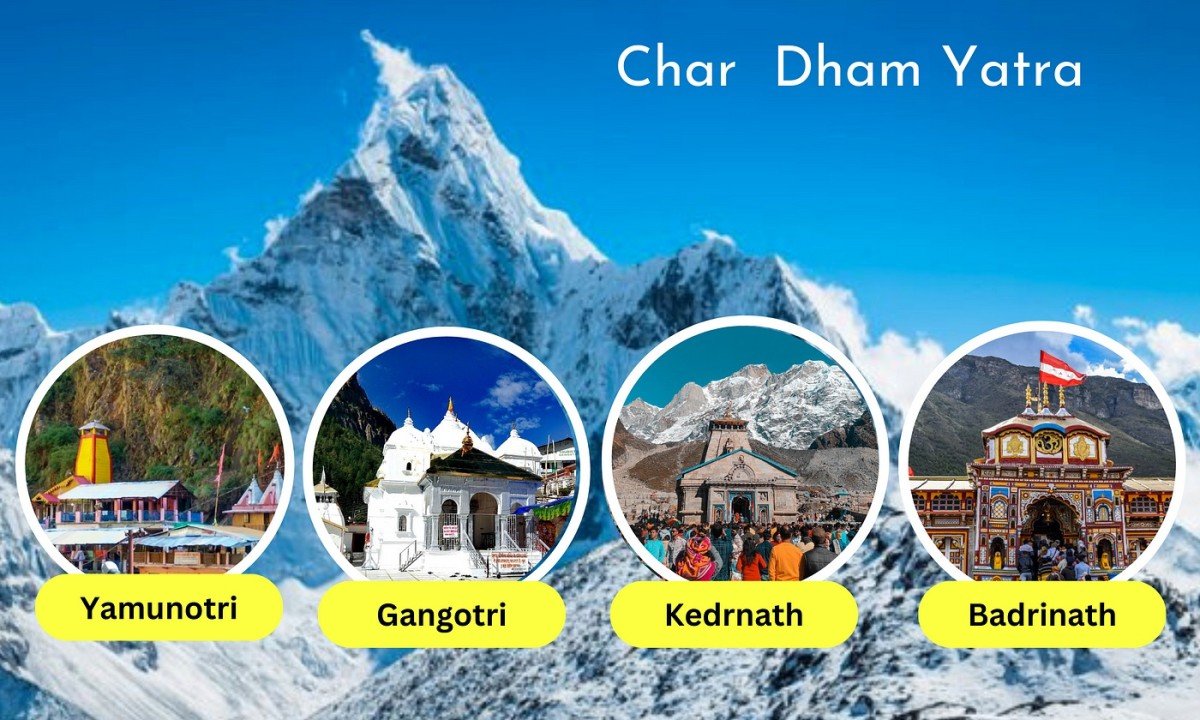
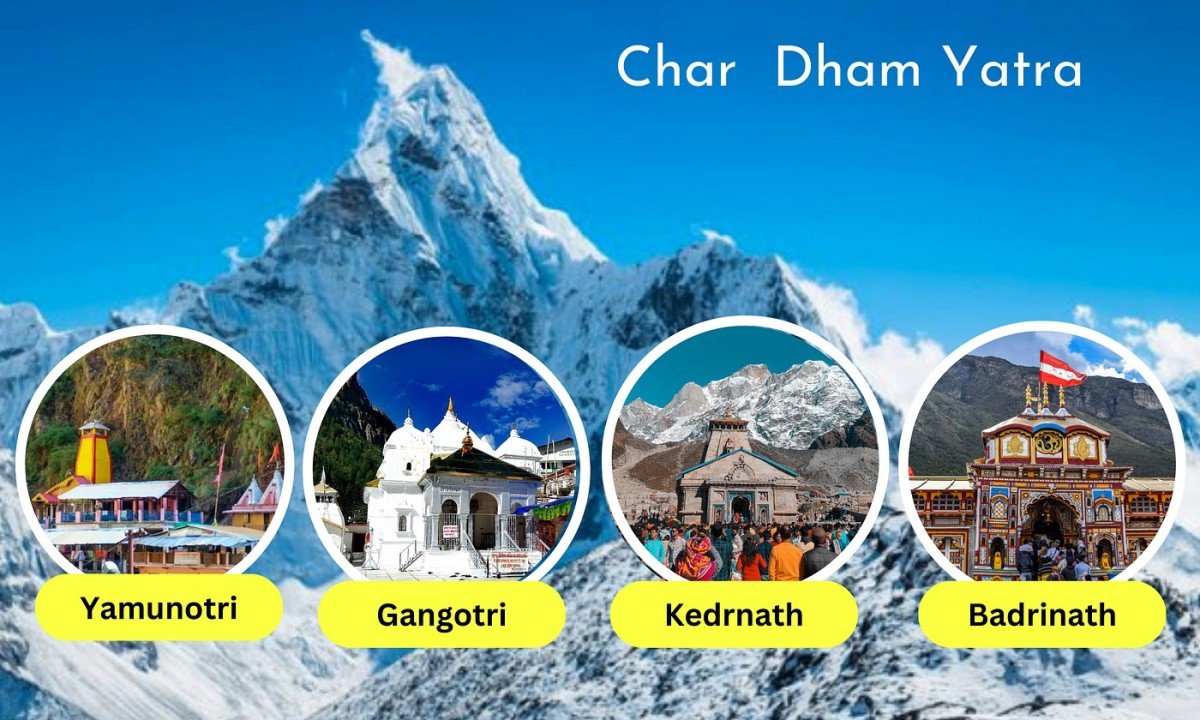
Char Dham Yatra
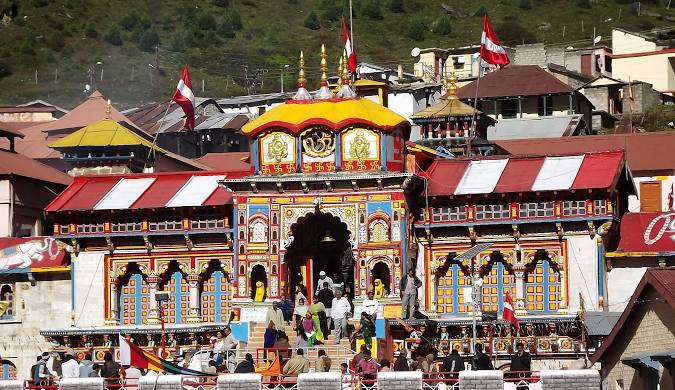
Badrinath
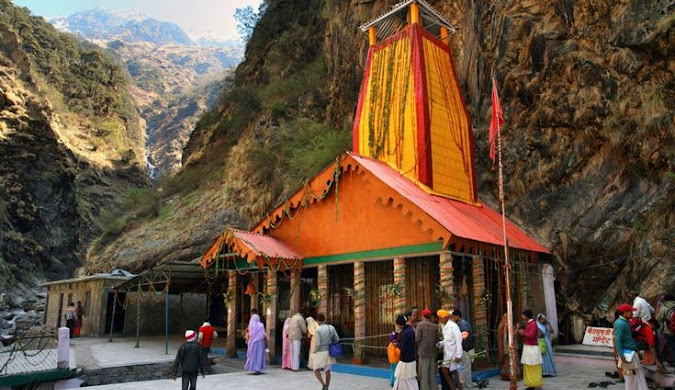
Yamunotri
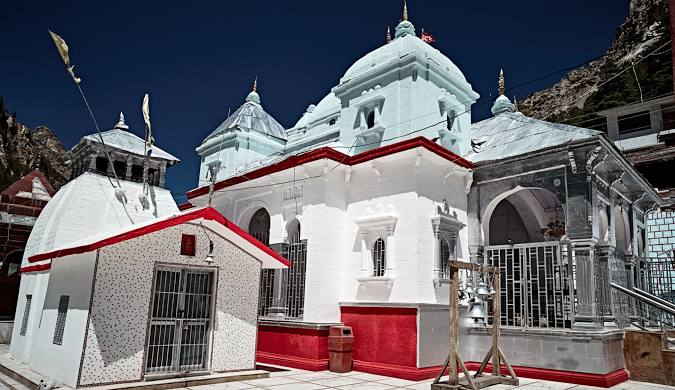
Gangotri
Kalpa
Chitkul
Sangla Valley
Reckong Peo
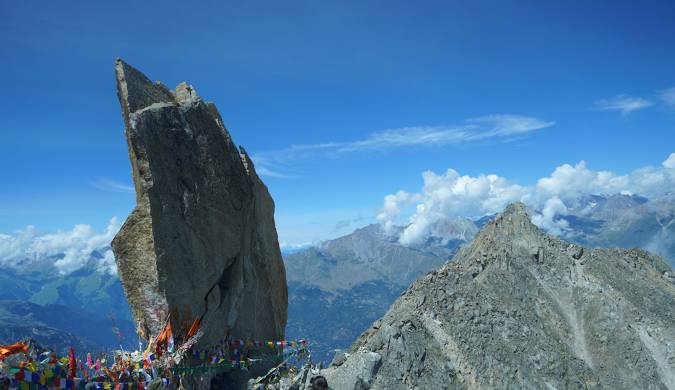
Kinner Kailash
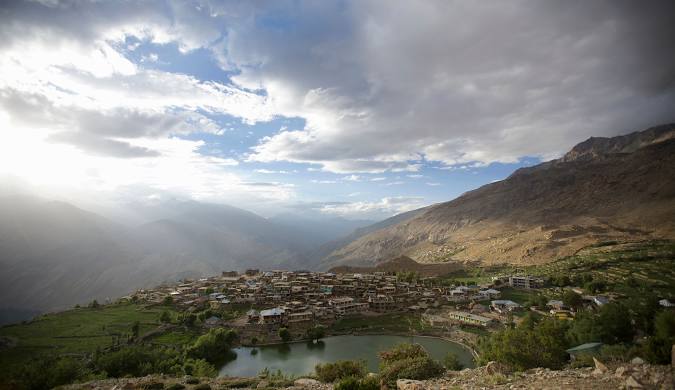
Nako Village
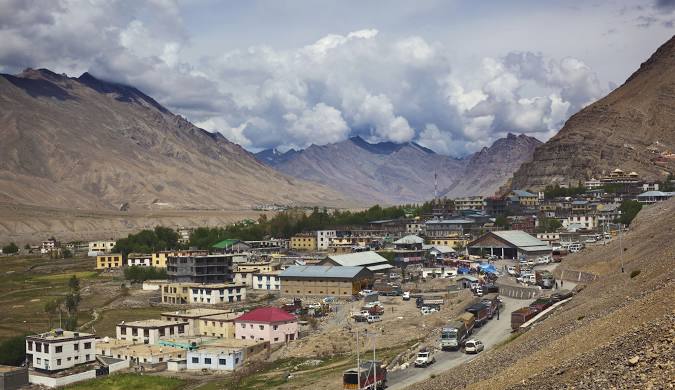
Kaza
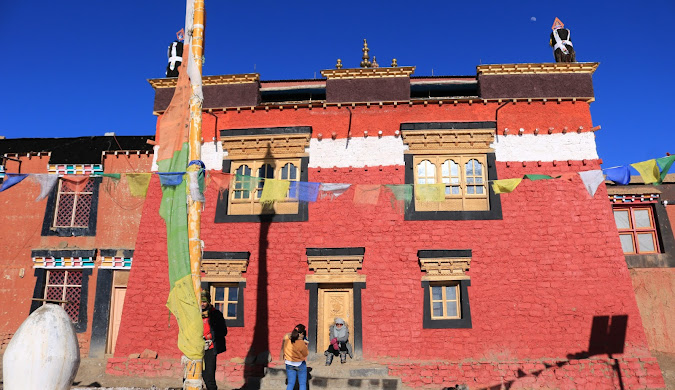
Komic Village
Hikkim Village
Langza Village
Kibber Village
Key Monastery
Tabo Monastery
Dhankar Monastery
Gue Village
Chandratal Lake
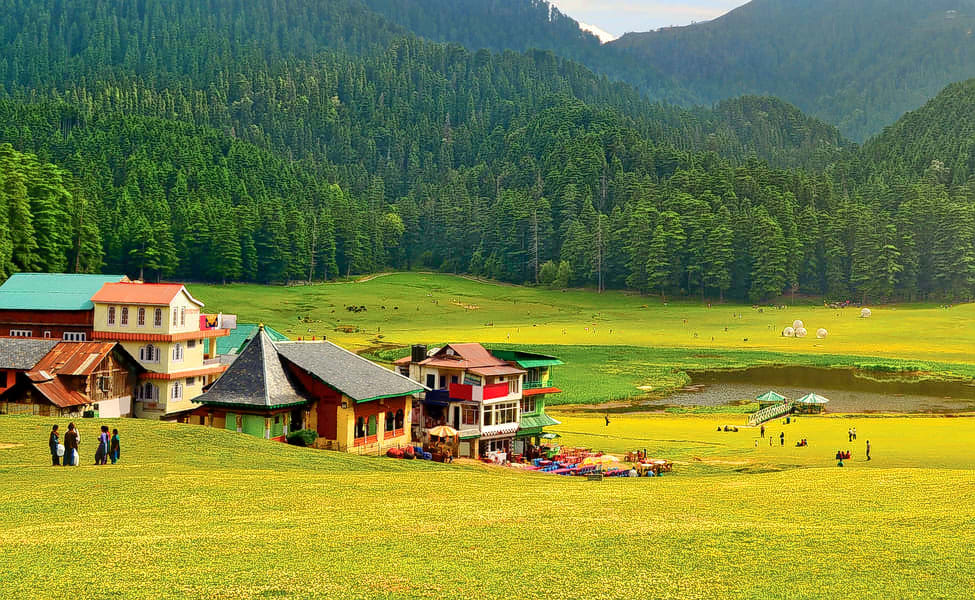
Dalhousie
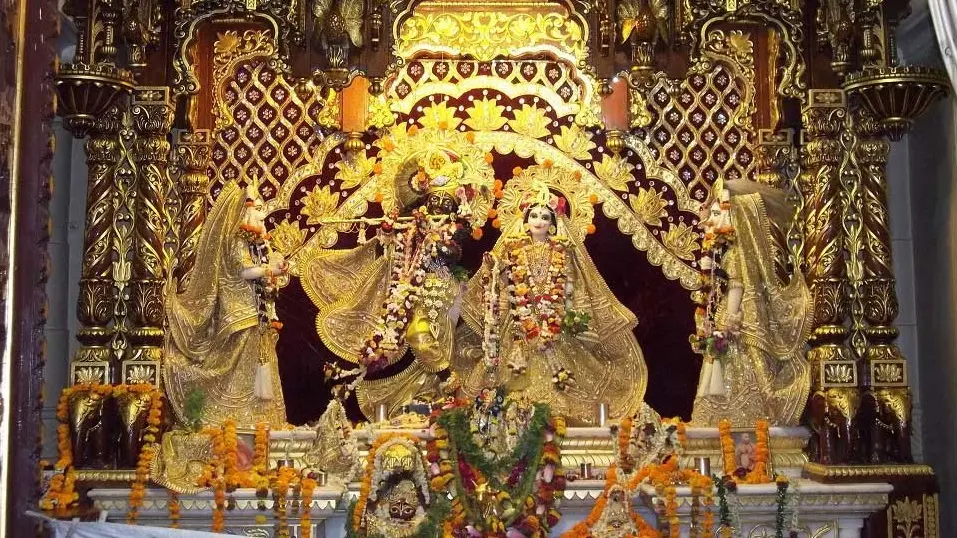
Shri Krishna Janmabhoomi Temple
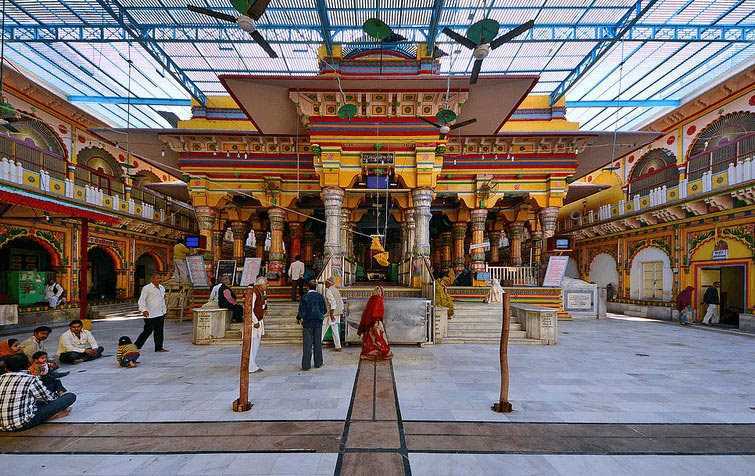
Shri Dwarkadhish Temple
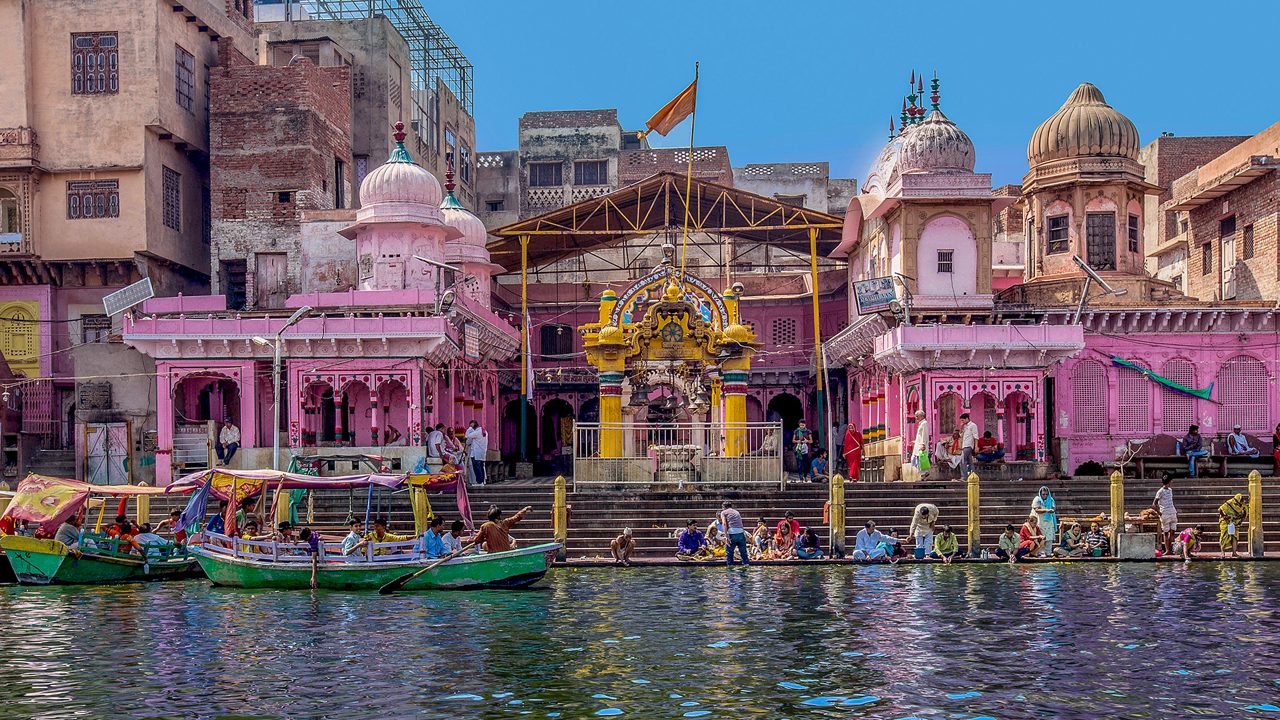
Vishram Ghat, Mathura
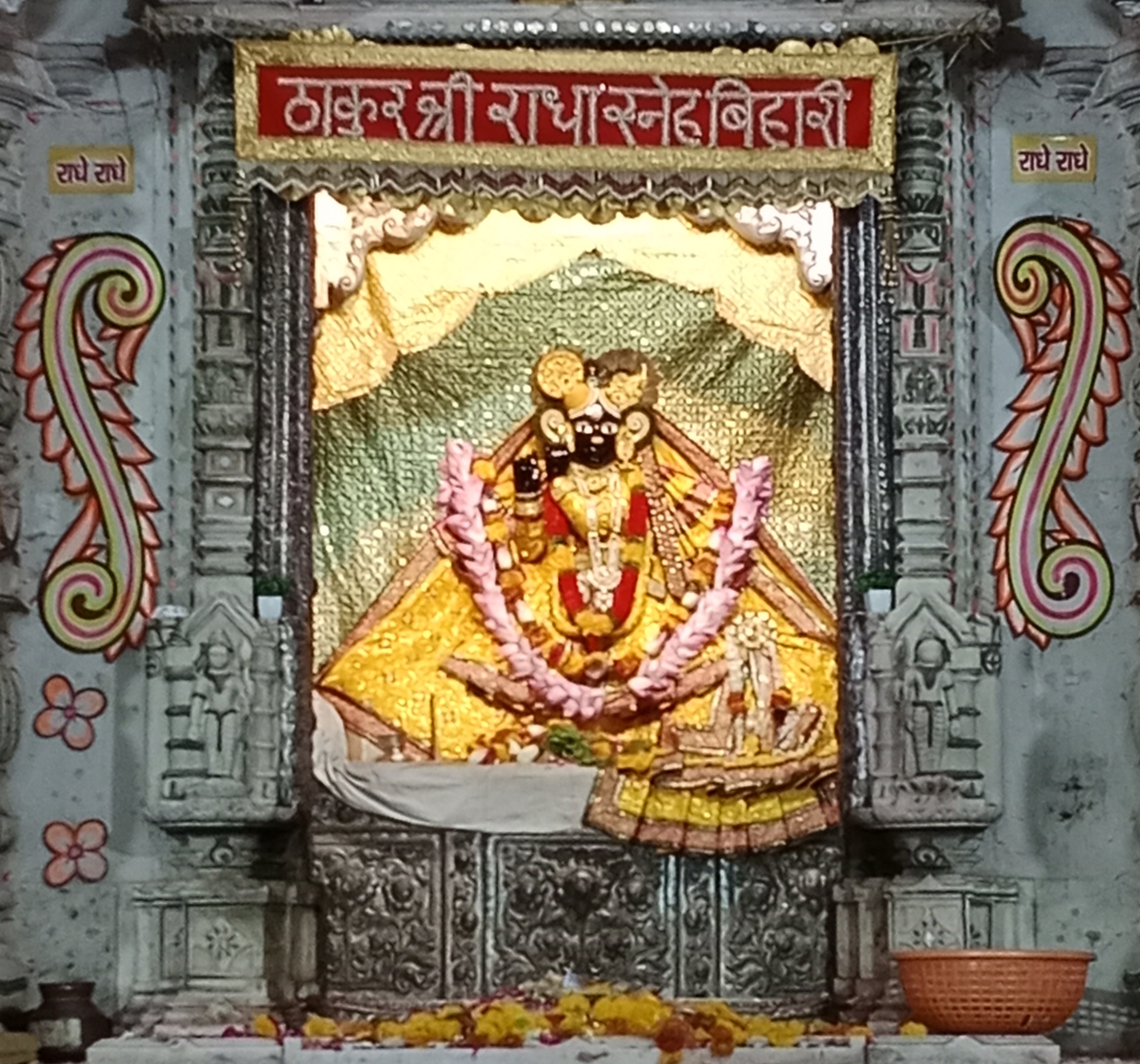
Shri Banke Bihari Temple, Vrindavan
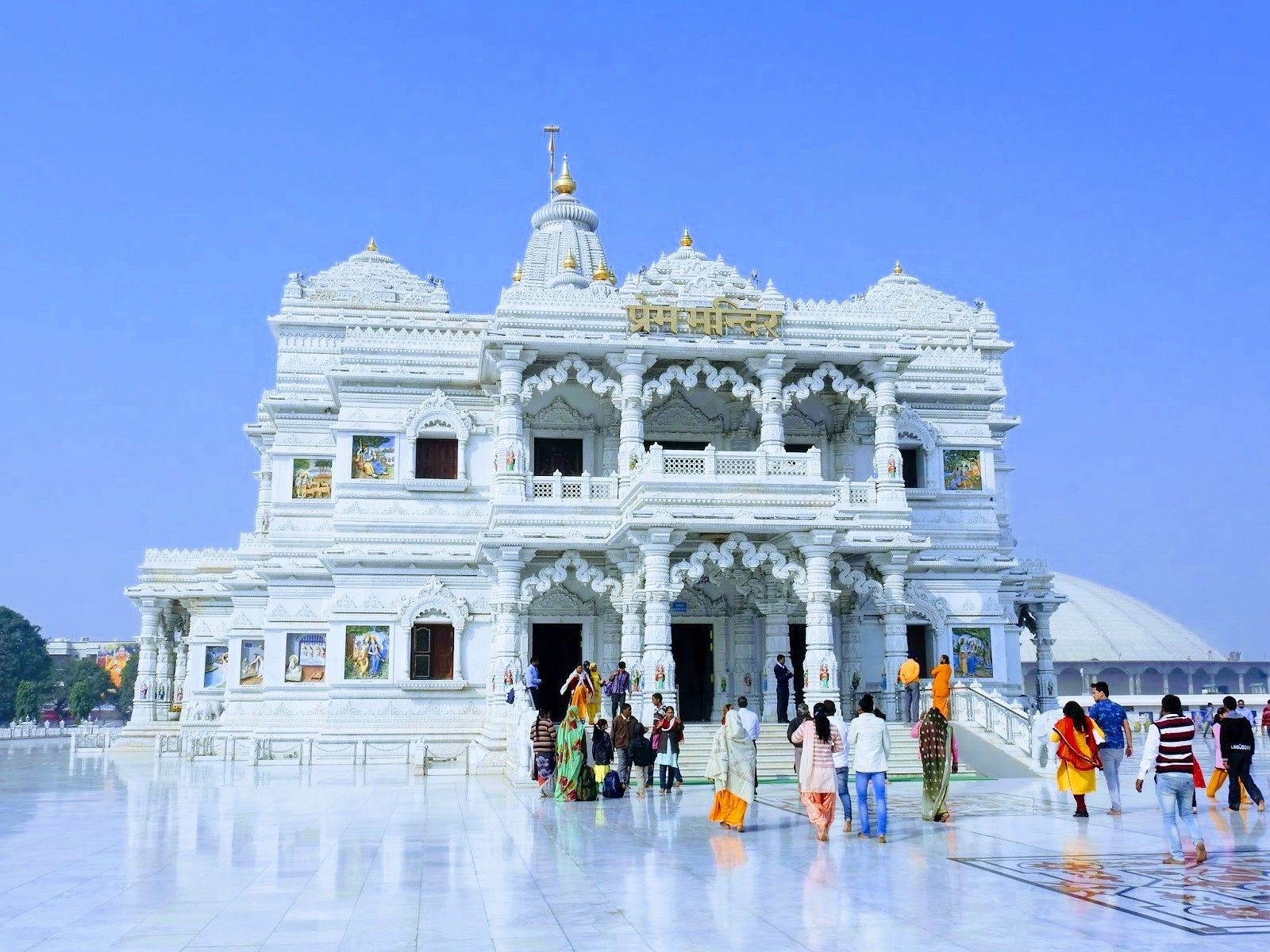
Shri Prem Mandir, Vrindavan
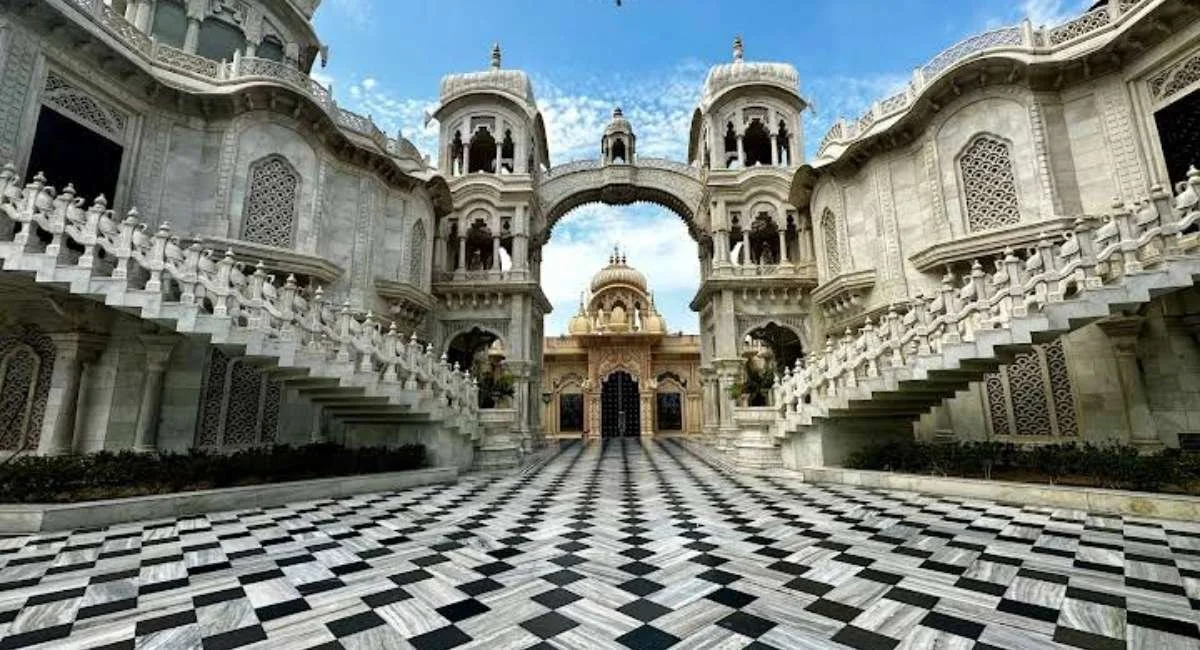
ISKCON Temple, Vrindavan
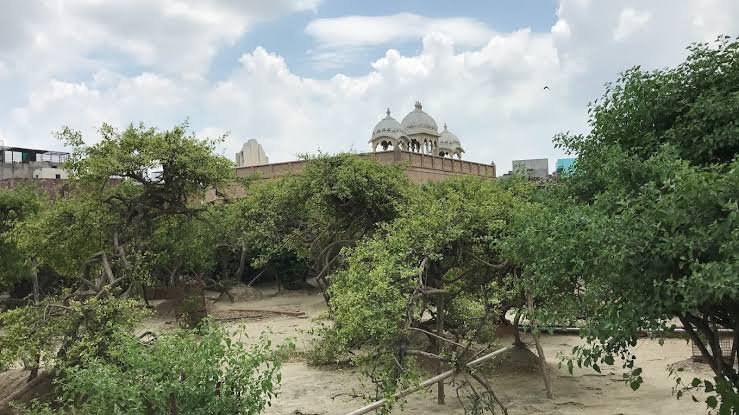
Nidhivan, Vrindavan
Shri Radha Rani Temple, Barsana
Nand Bhawan Mandir, Nandgaon
Raman Reti
Goverdhan Parikrama
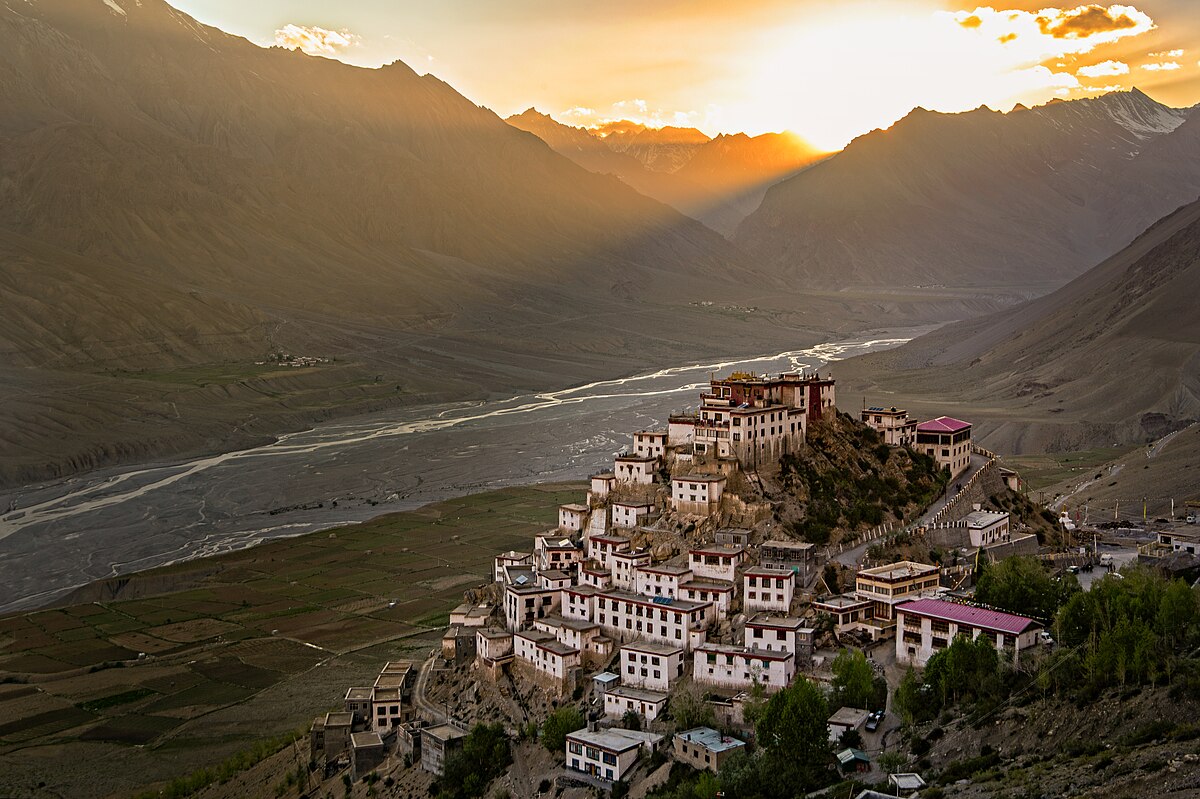
Spiti Valley Expedition
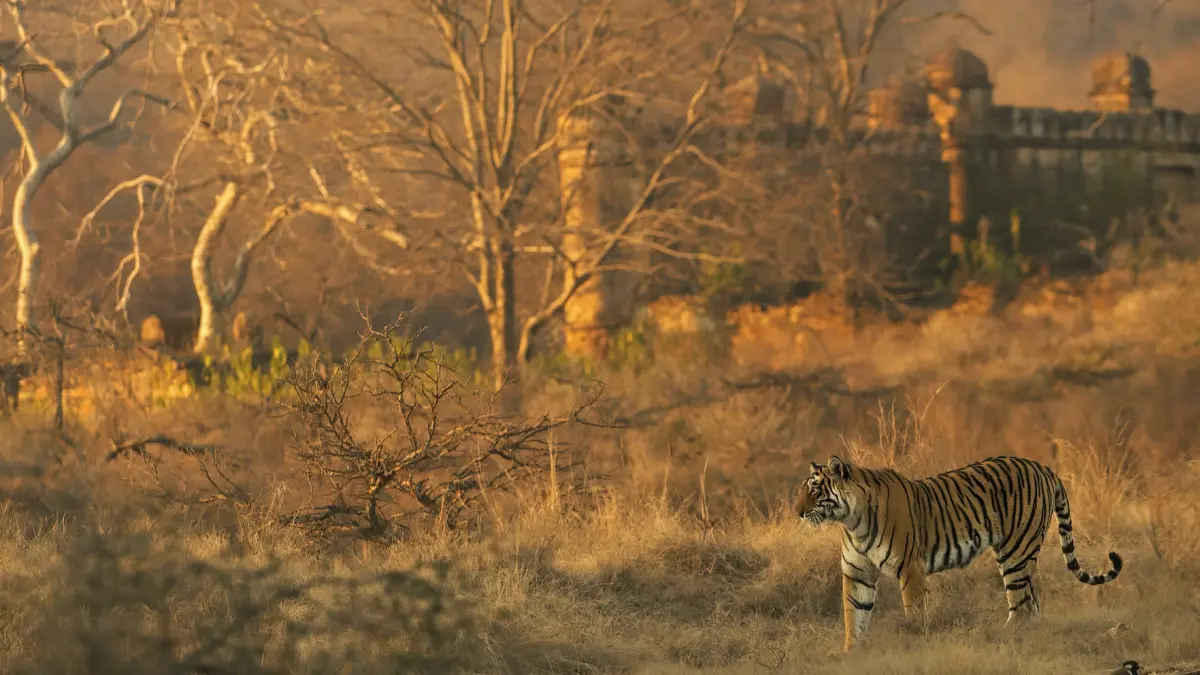
Ranthambhore National Park
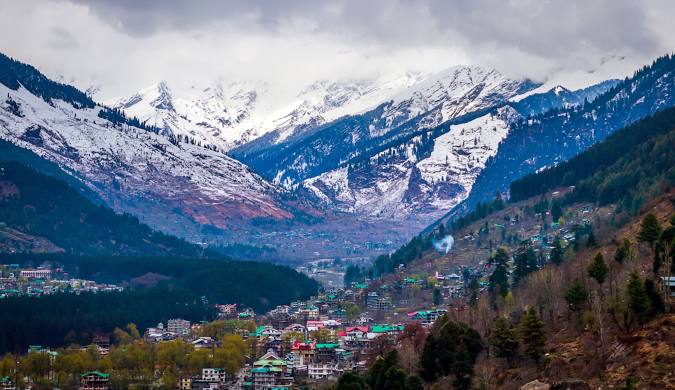
Manali
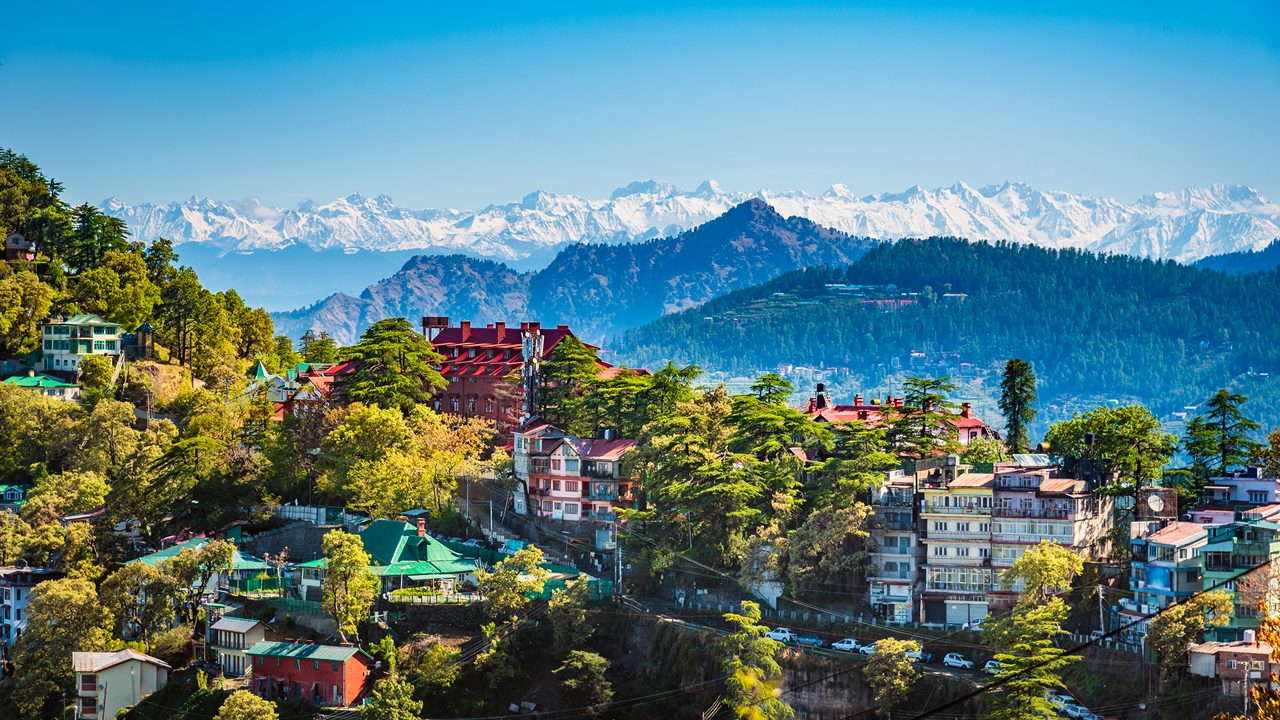
Shimla
Mussoorie
Neem Karoli Baba, Kainchi Dham
Mukteshwar
Jageshwar Dham
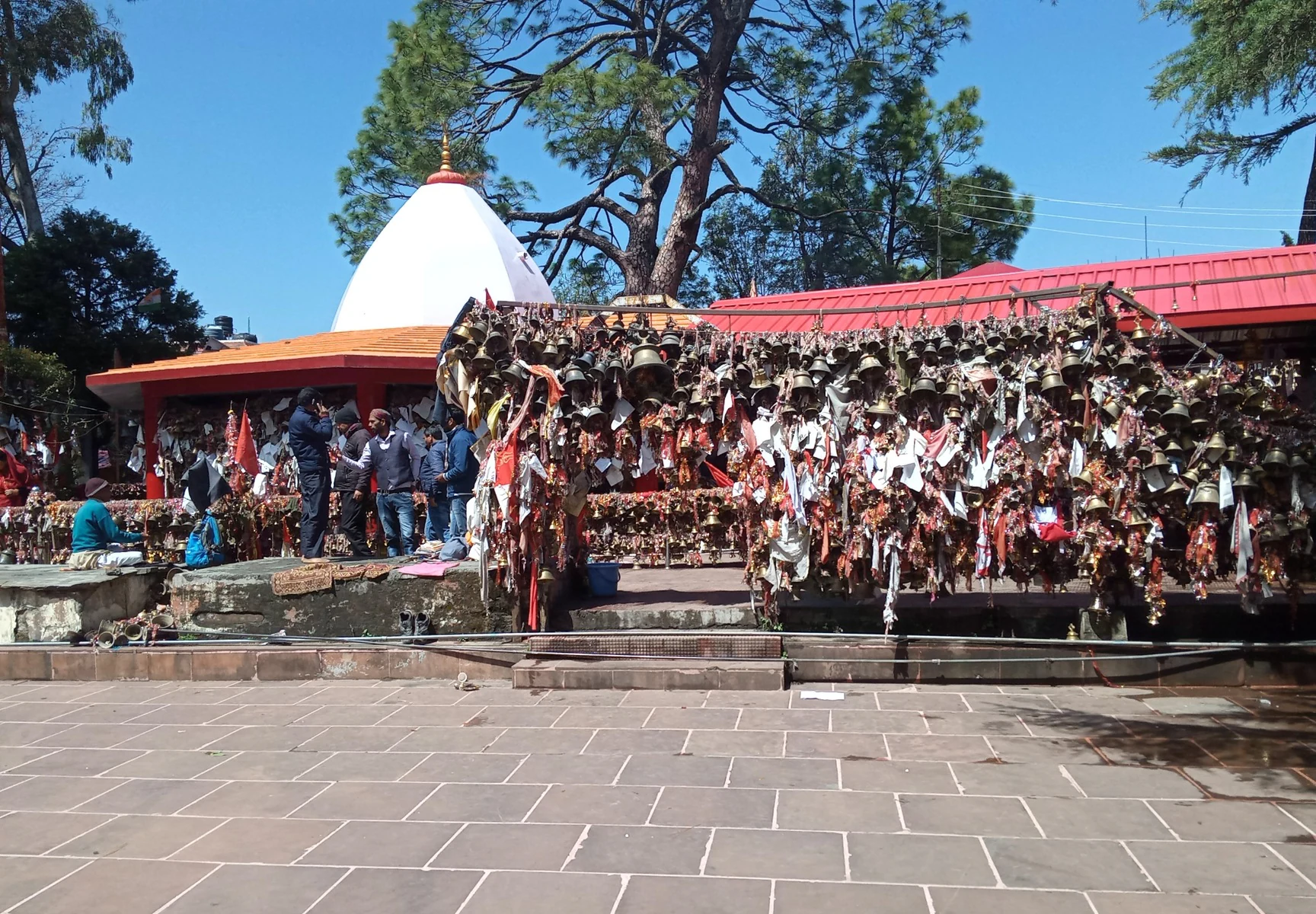
Chitai Golu Devta Temple
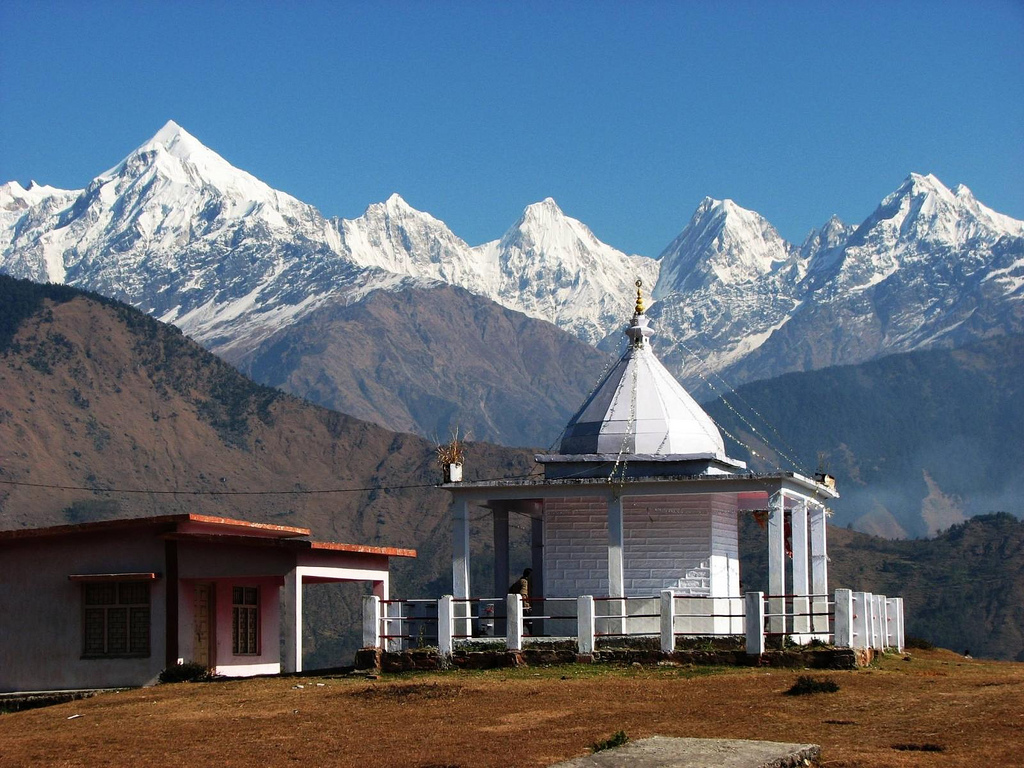
NANDA DEVI TEMPLE
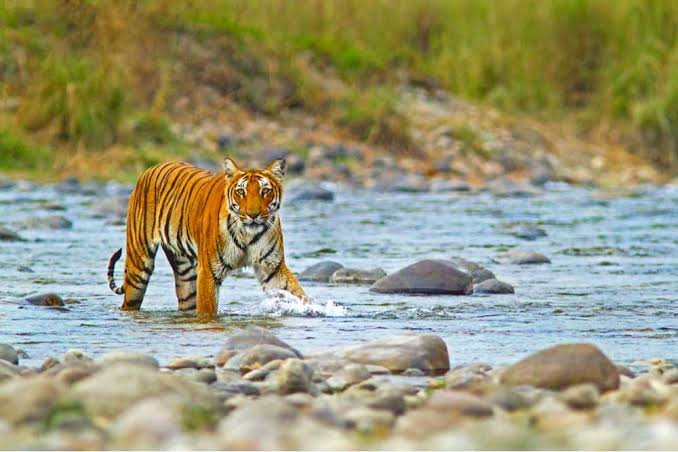
Jim Corbett National Park
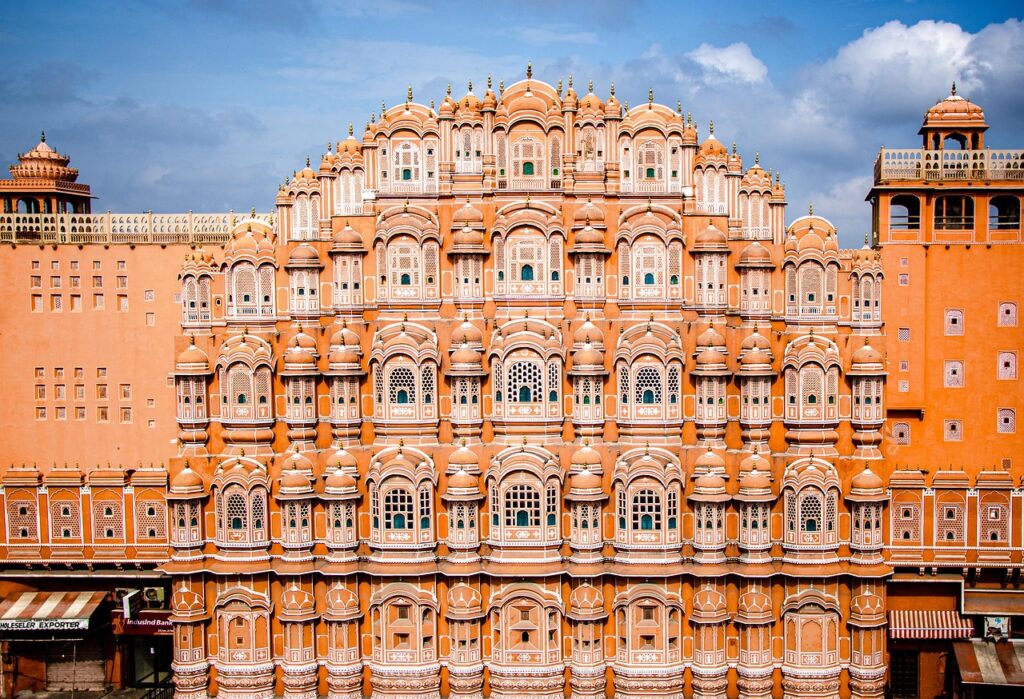
Hawa Mahal
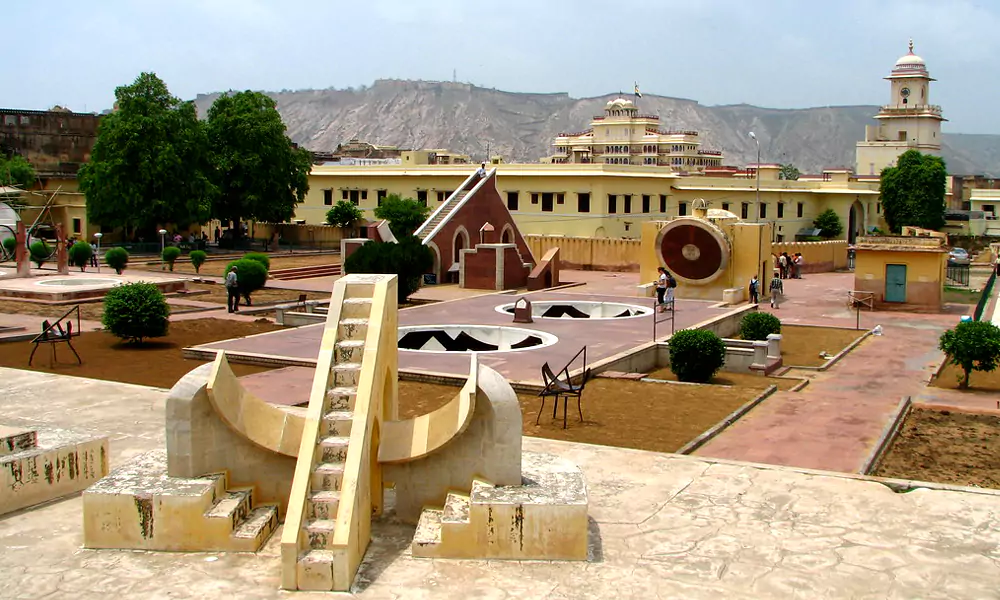
Jantar Mantar, Jaipur
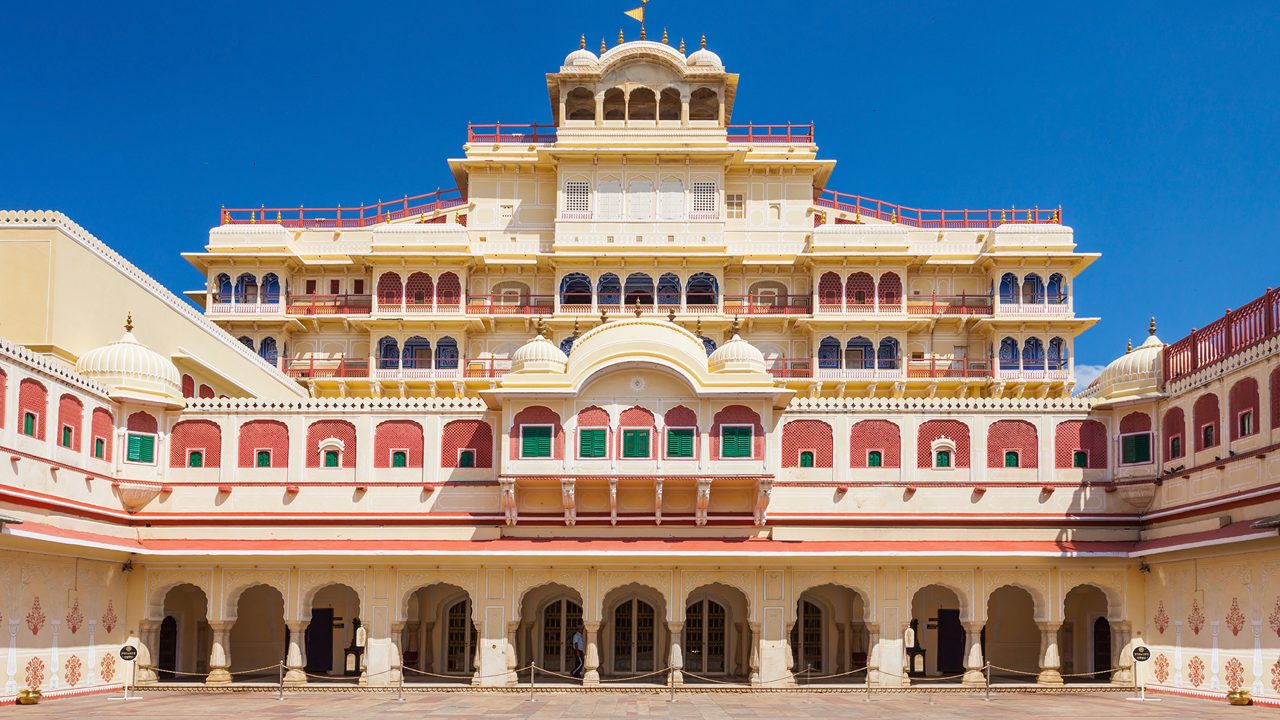
City Palace
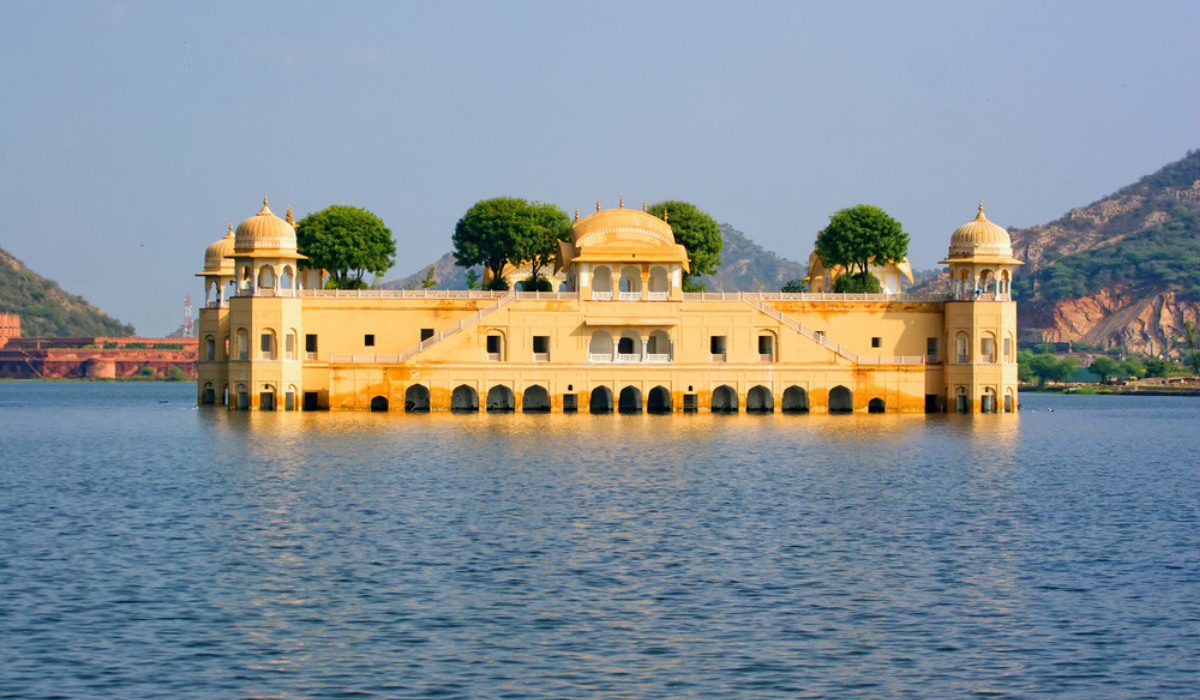
Jal Mahal
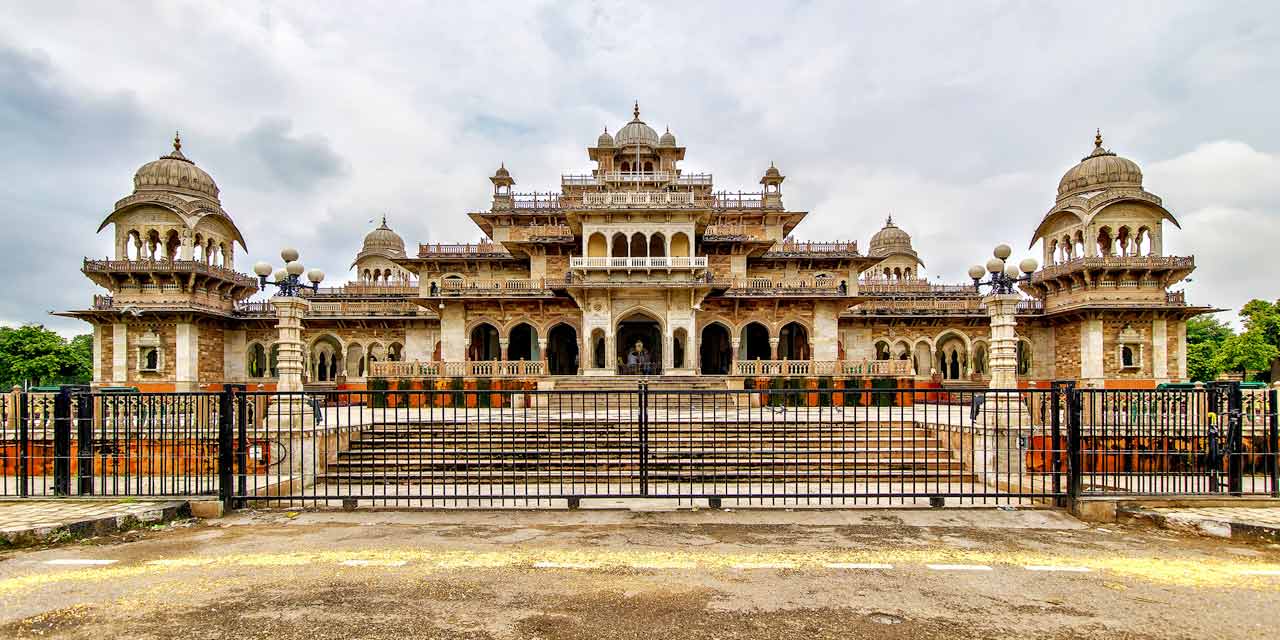
Albert Hall Museum

Shri Govind Dev Ji Temple
Nahargarh Fort
Jaigarh Fort
Somnath Temple
Mallikarjuna Temple
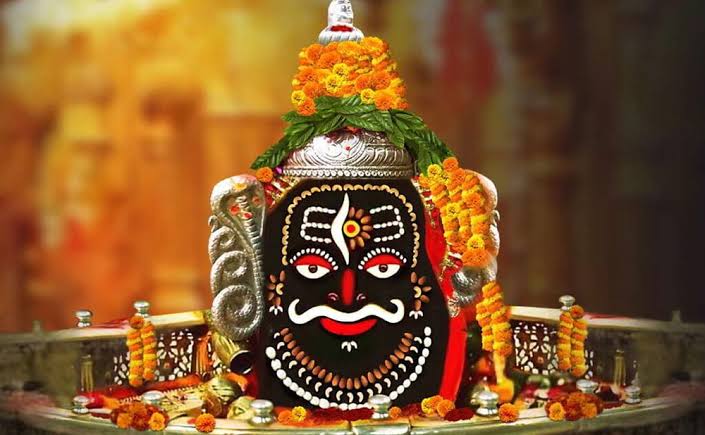
Mahakaleshwar Temple
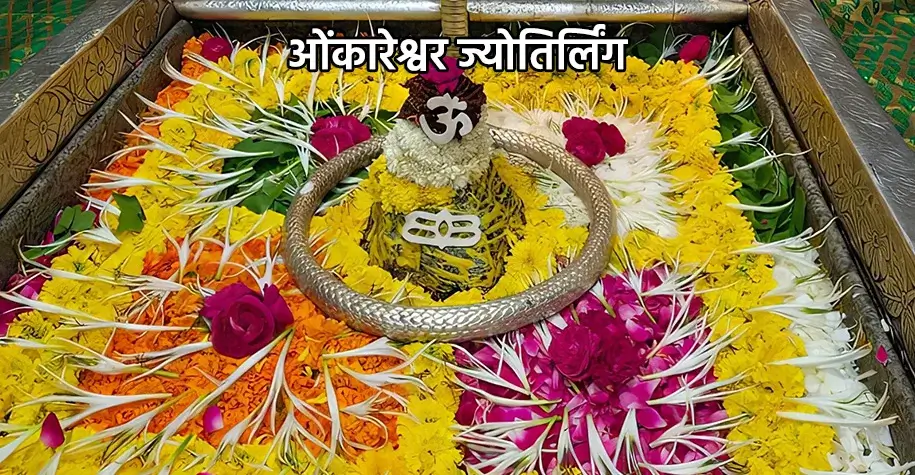
Omkareshwar Temple
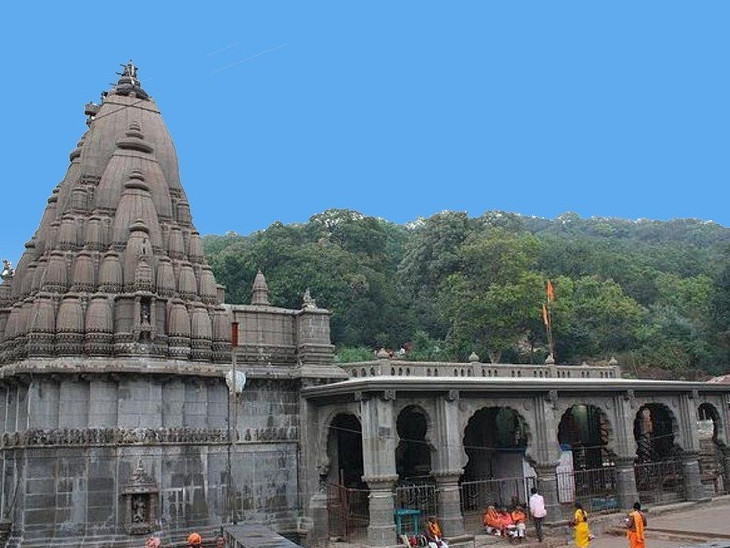
Bhimashankar Temple
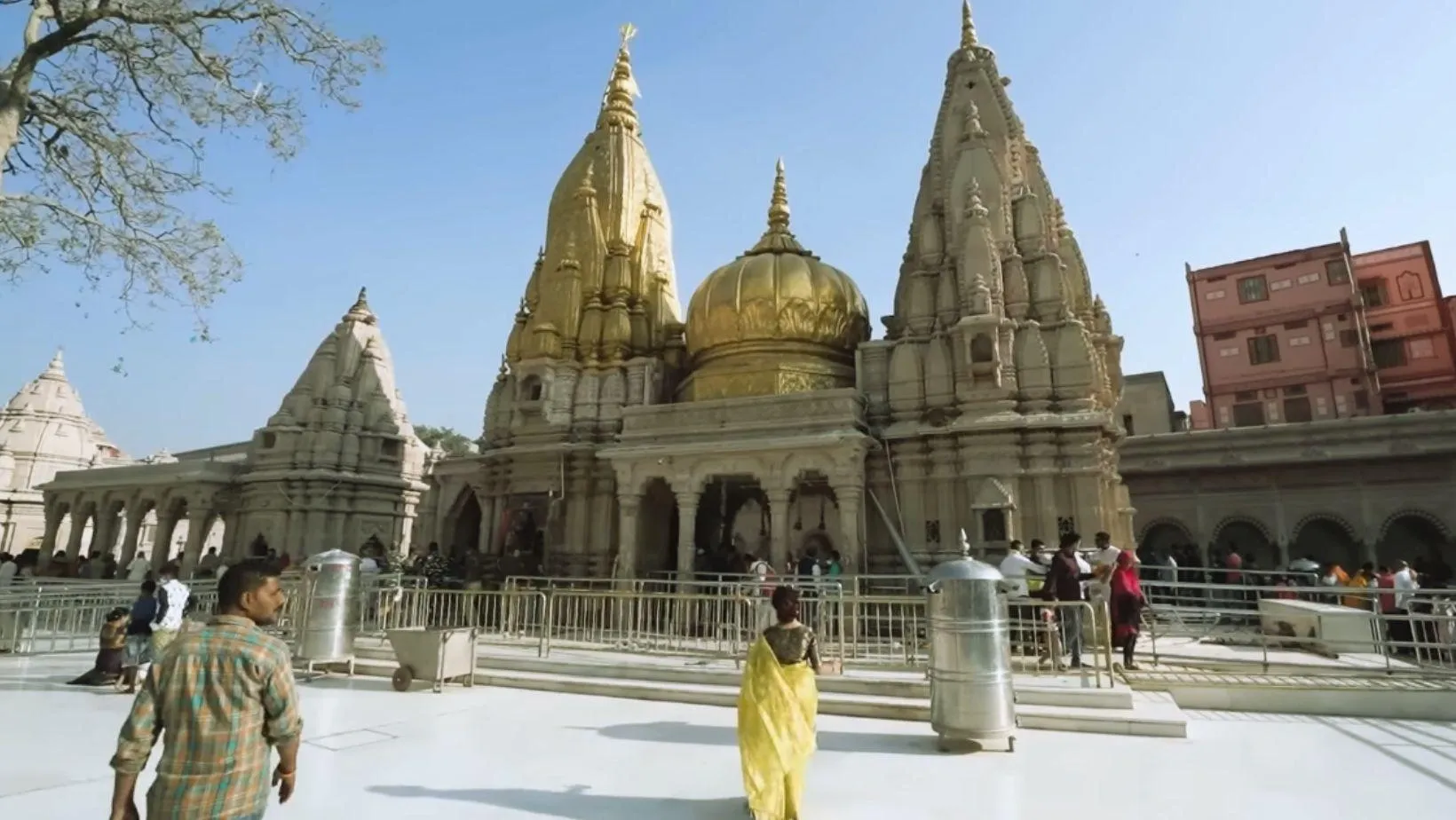
Kashi Vishwanath Temple
Trimbakeshwar Temple
Harshil Valley
Tungnath Temple
Madhyamaheshwar Temple
Kalpeshwar Mahadev Temple
Amarnath
River Rafting in Rishikesh
River Rafting in Manali
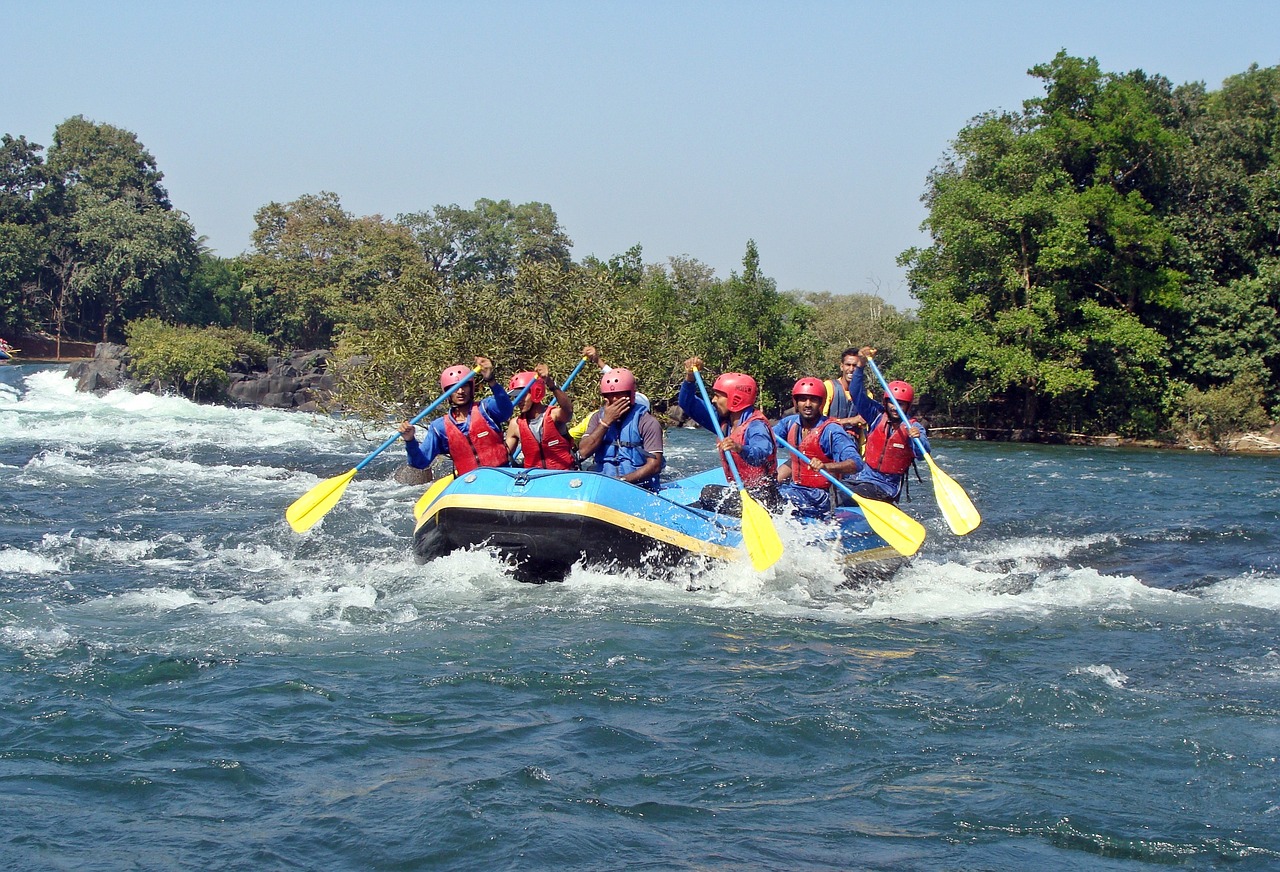
River Rafting in Kolad
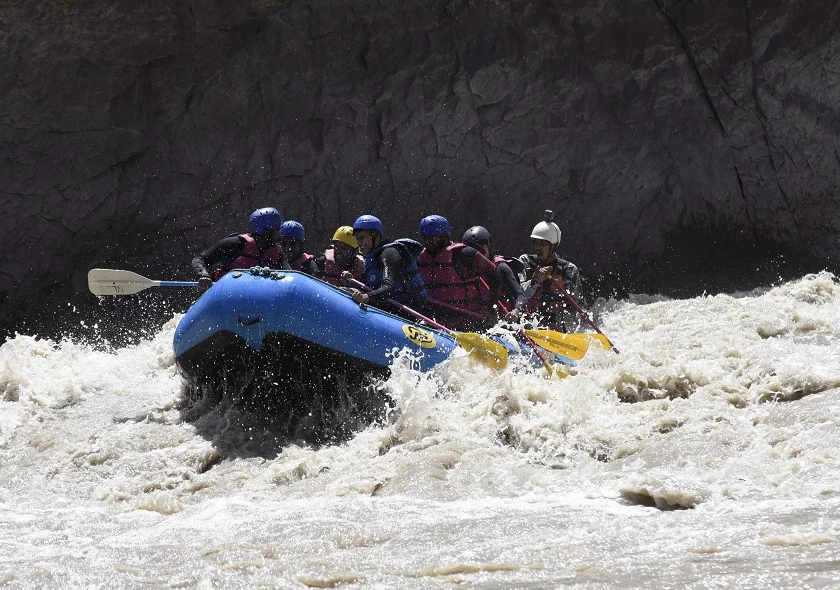
River Rafting in Zanskar
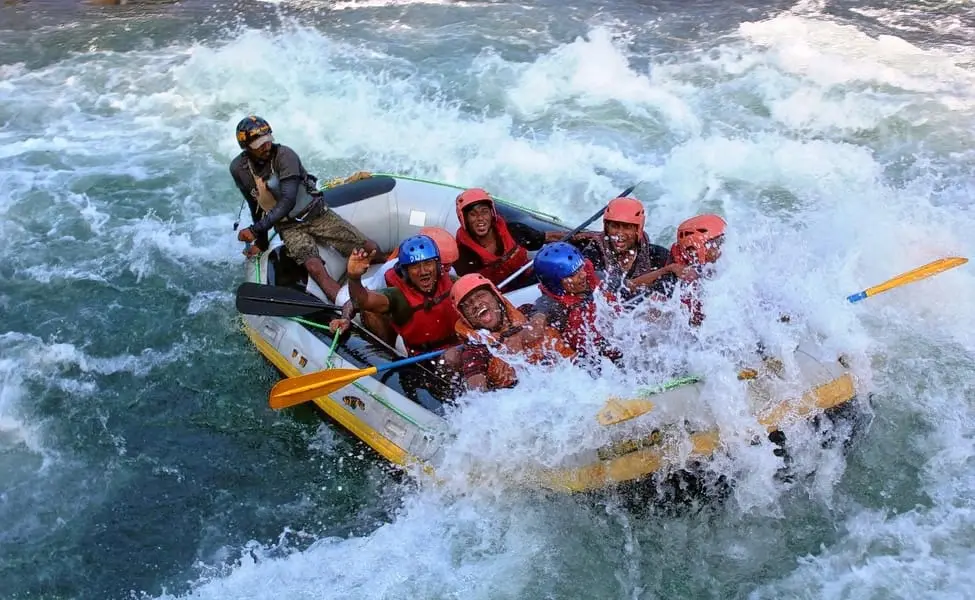
River Rafting in Teesta River
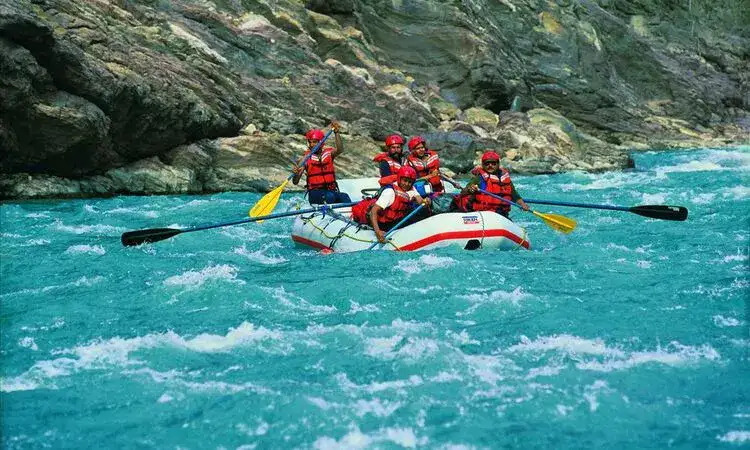
River Rafting in Kameng River
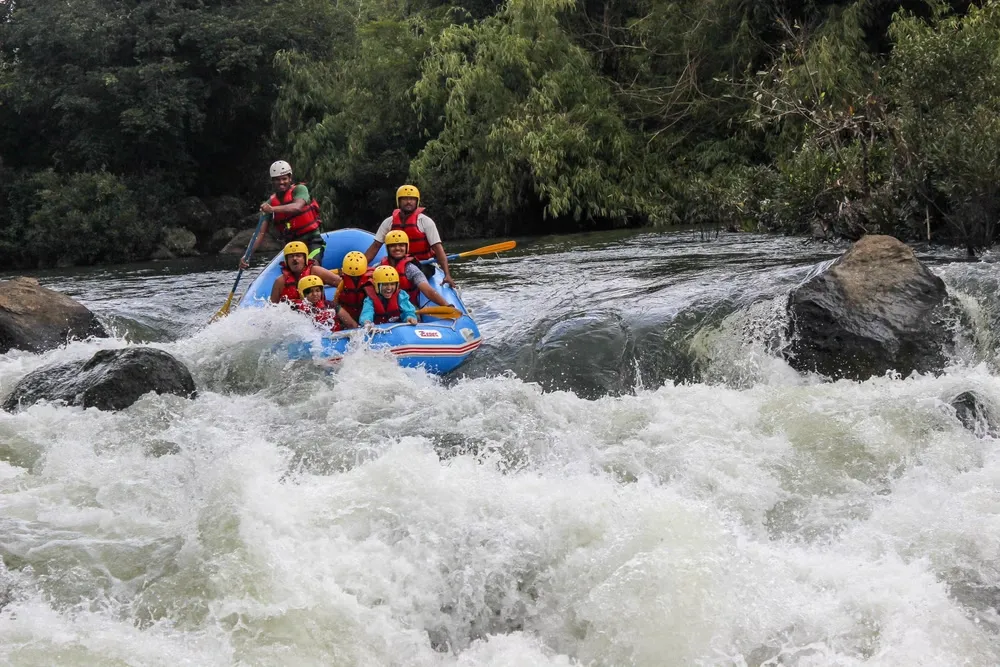
River Rafting in Barapole River
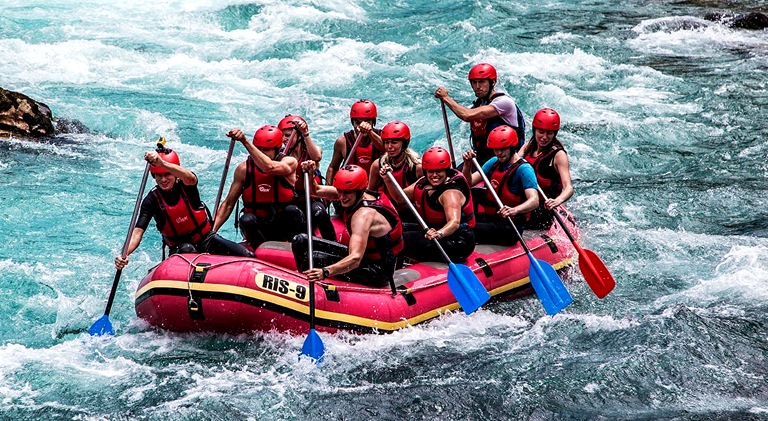
River Rafting in Alaknanda River
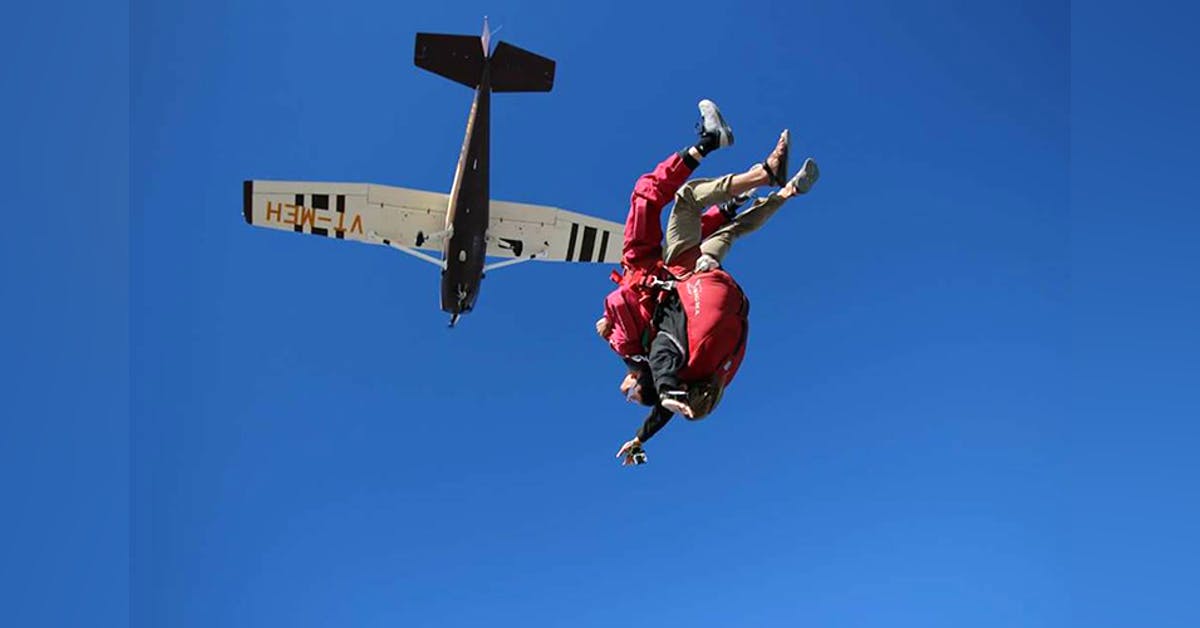
Skydiving in Mysore
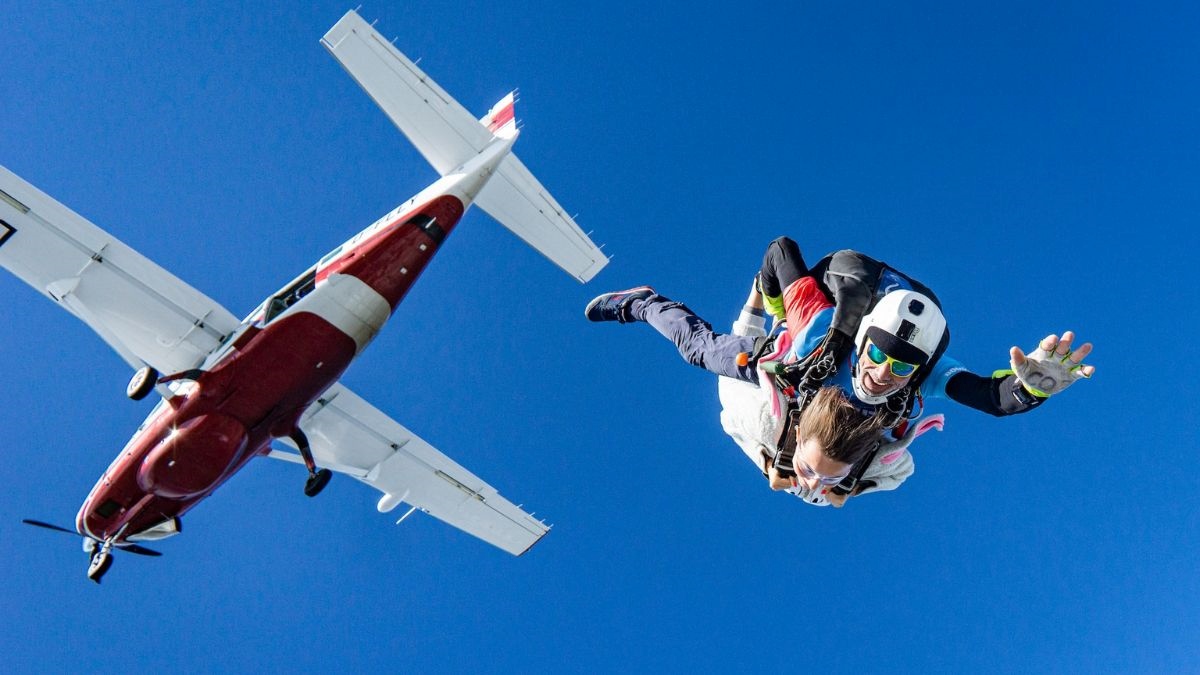
Skydiving in Dhana, Madhya Pradesh
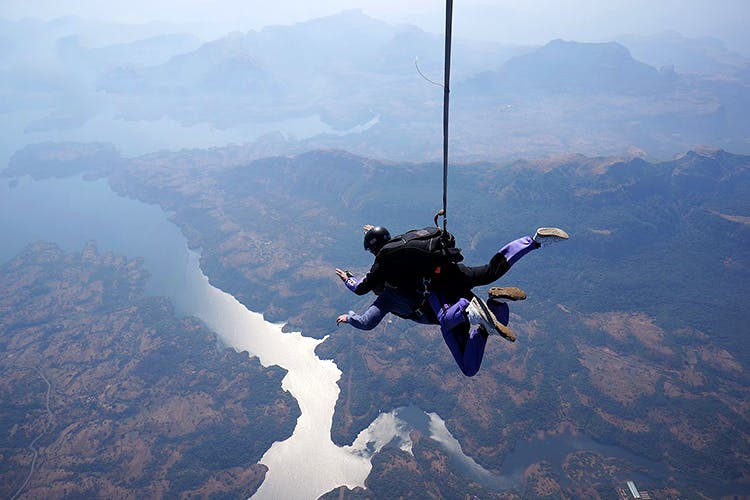
Skydiving in Aamby Valley, Maharashtra
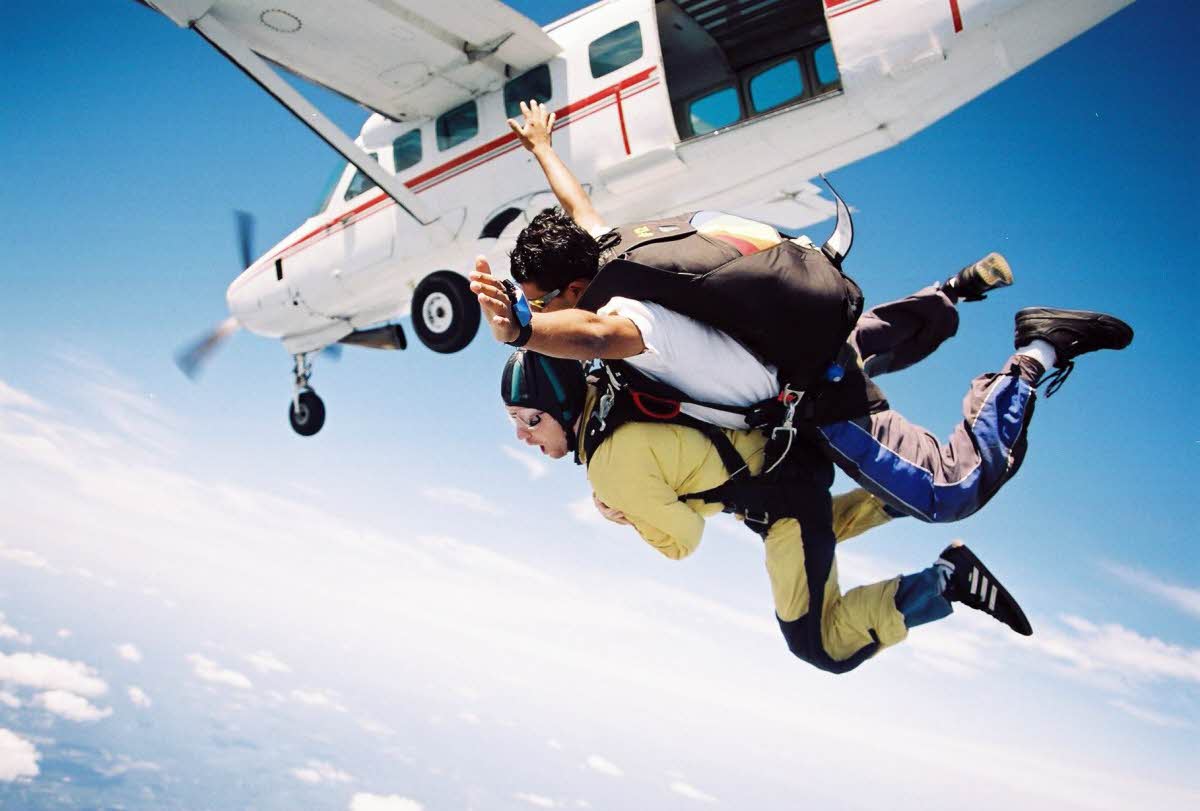
Skydiving in Deesa, Gujarat
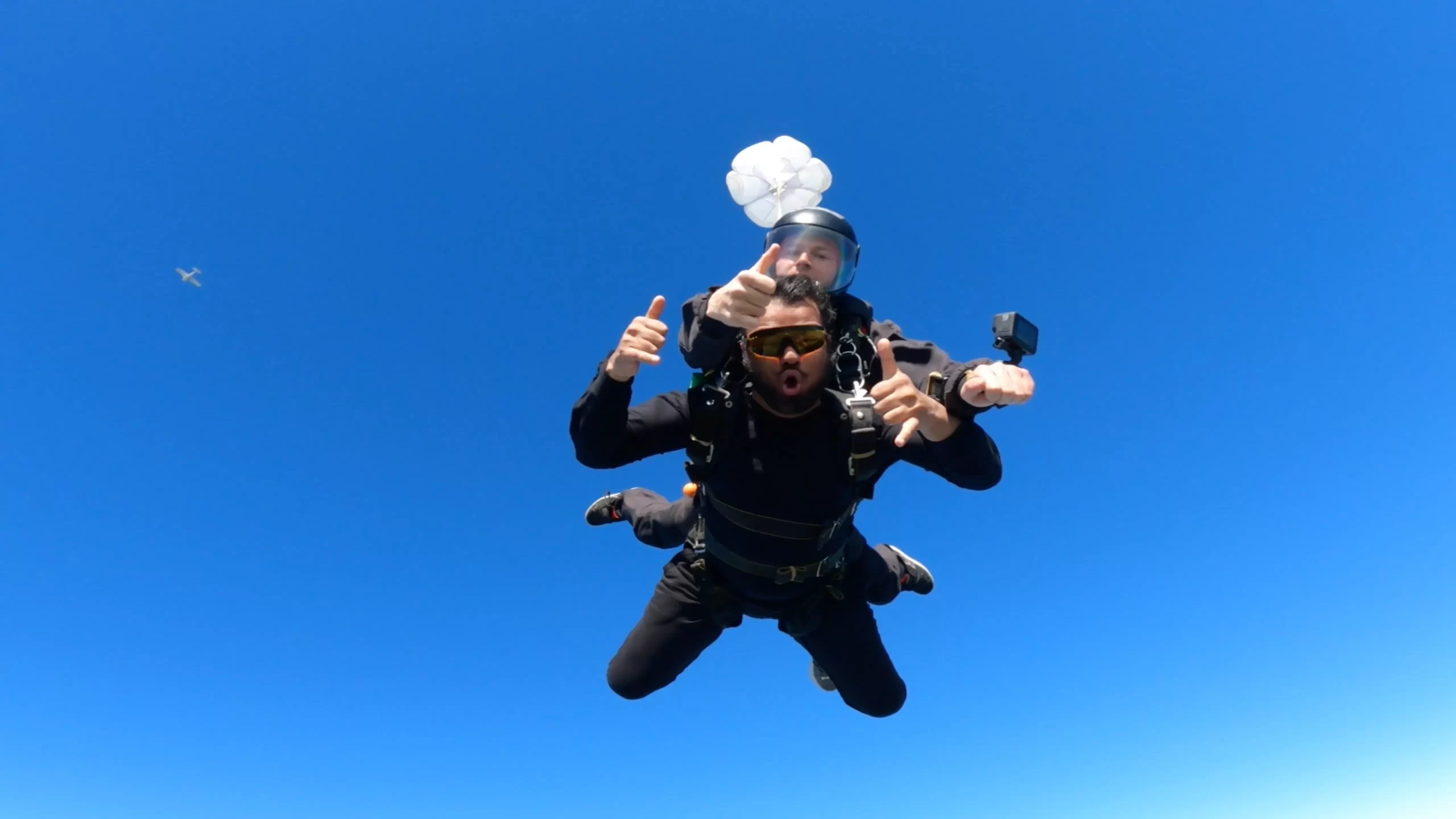
Skydiving in Narnaul, Haryana

Skydiving in Pondicherry

Scuba Diving in Andaman & Nicobar Islands

Scuba Diving in Lakshadweep

Scuba Diving in Goa
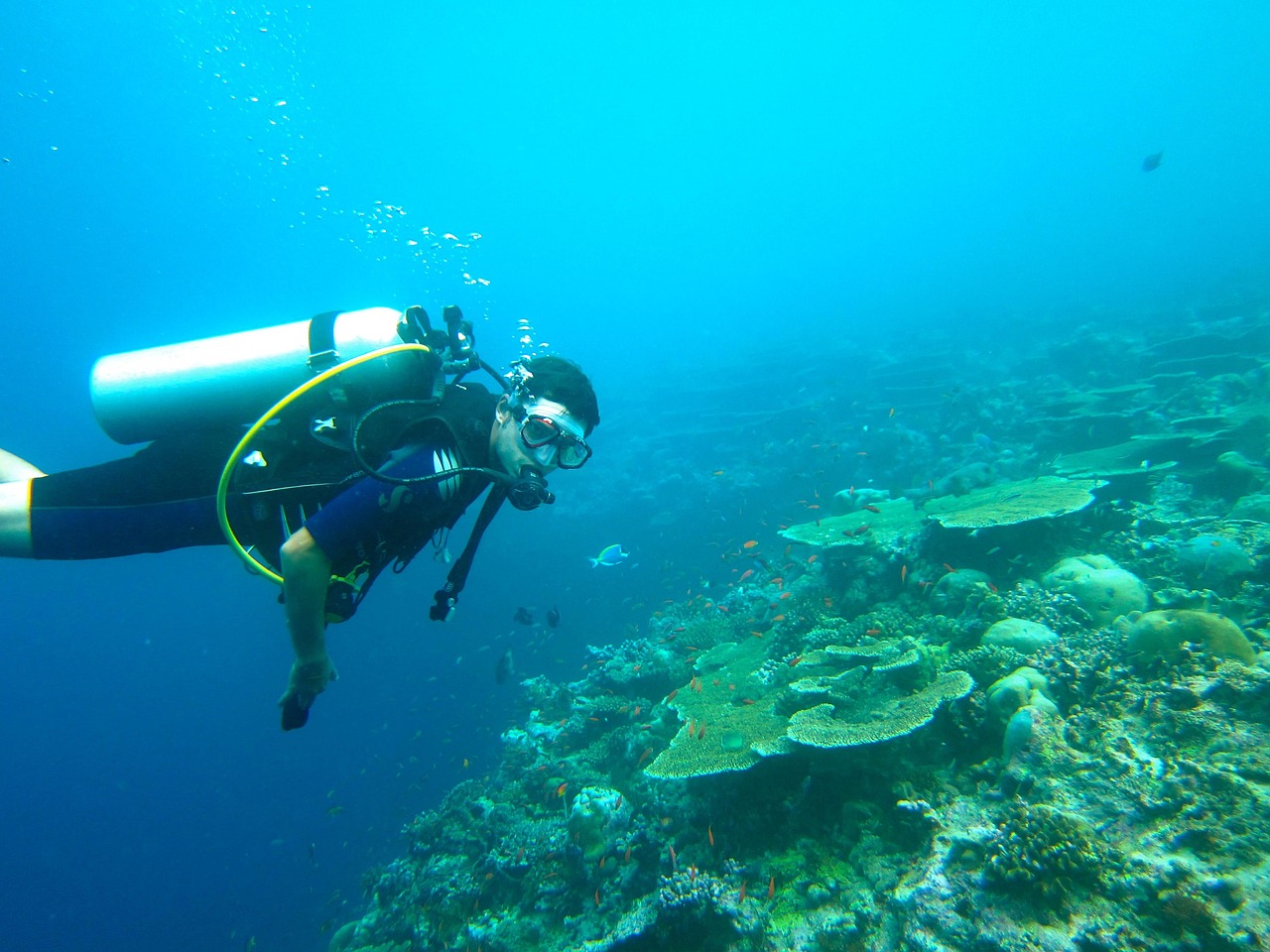
Scuba Diving in Pondicherry

Scuba Diving in Netrani Island (Karnataka)
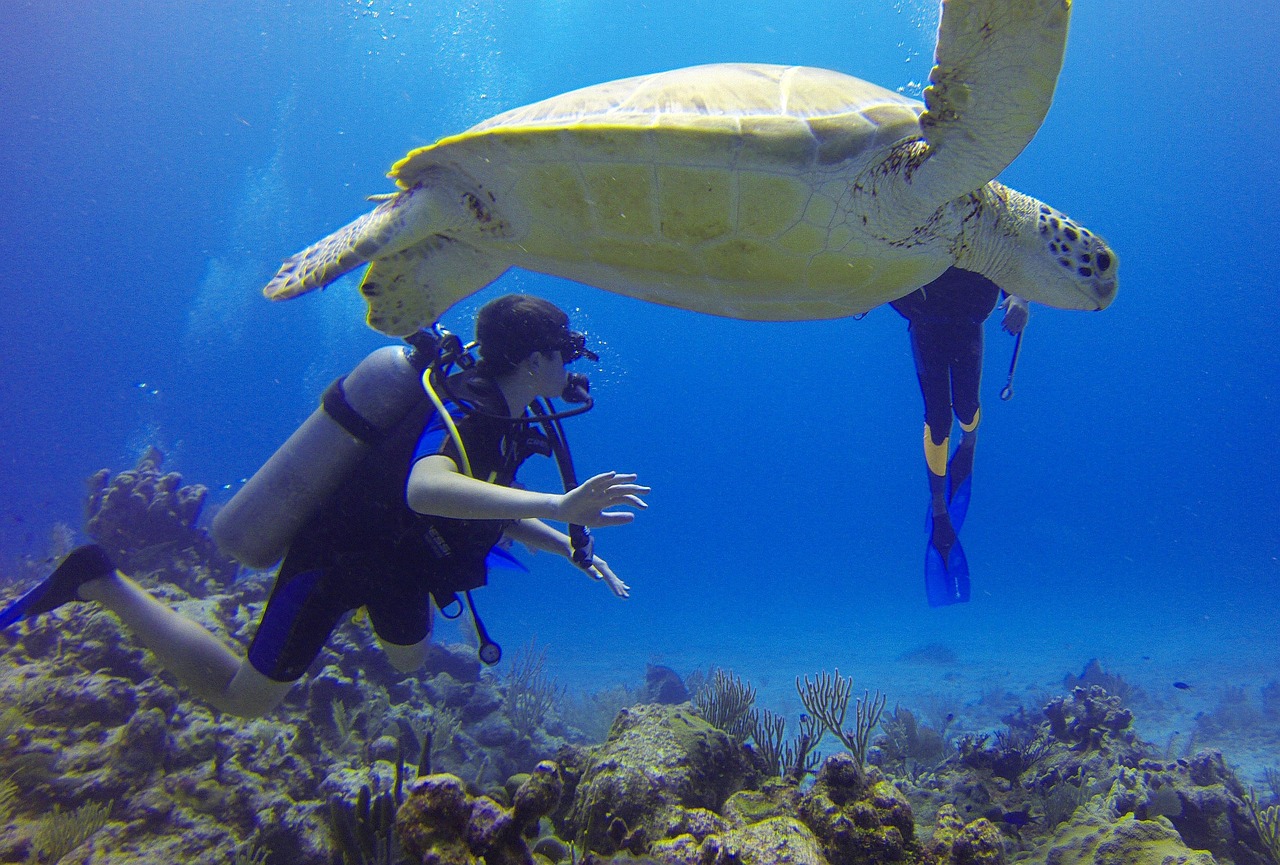
Scuba Diving in Tarkarli (Maharashtra)
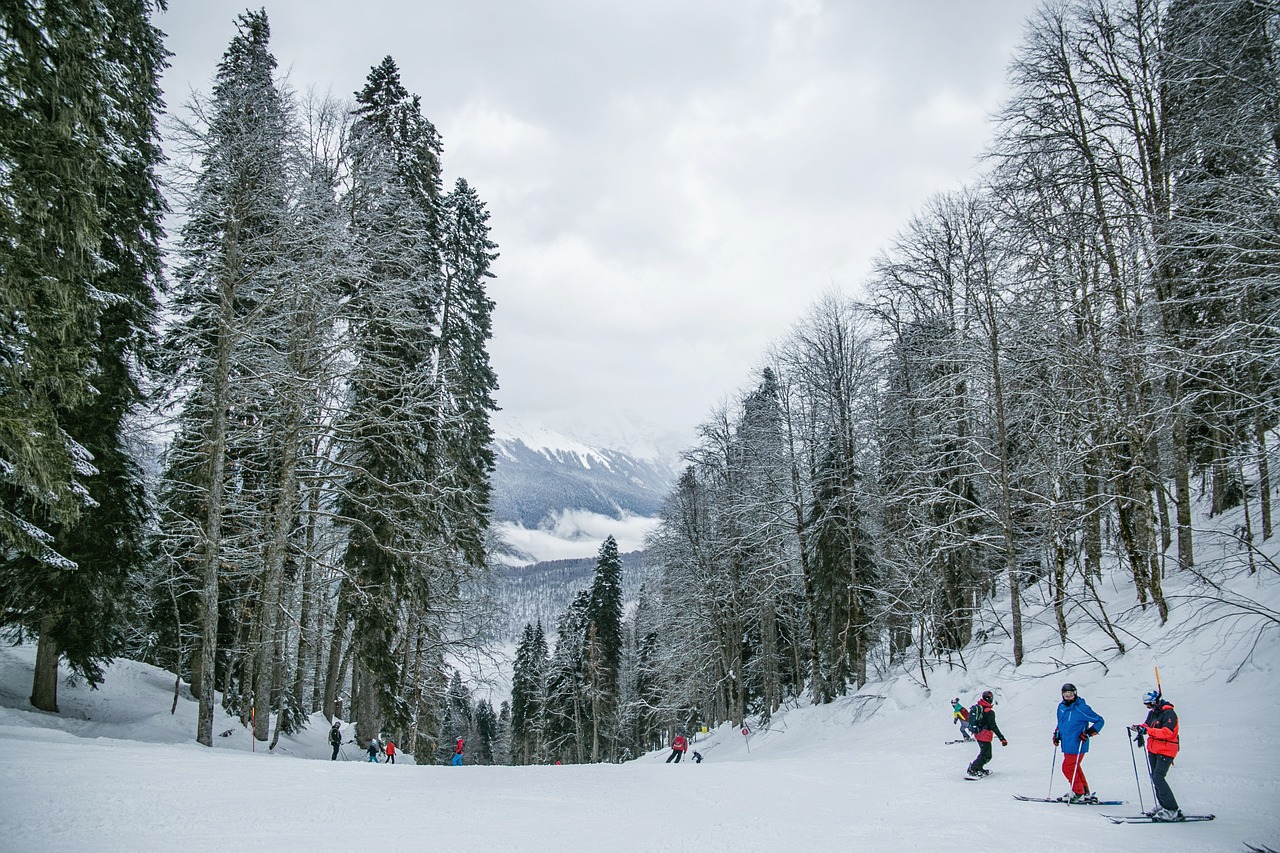
Skiing in Gulmarg
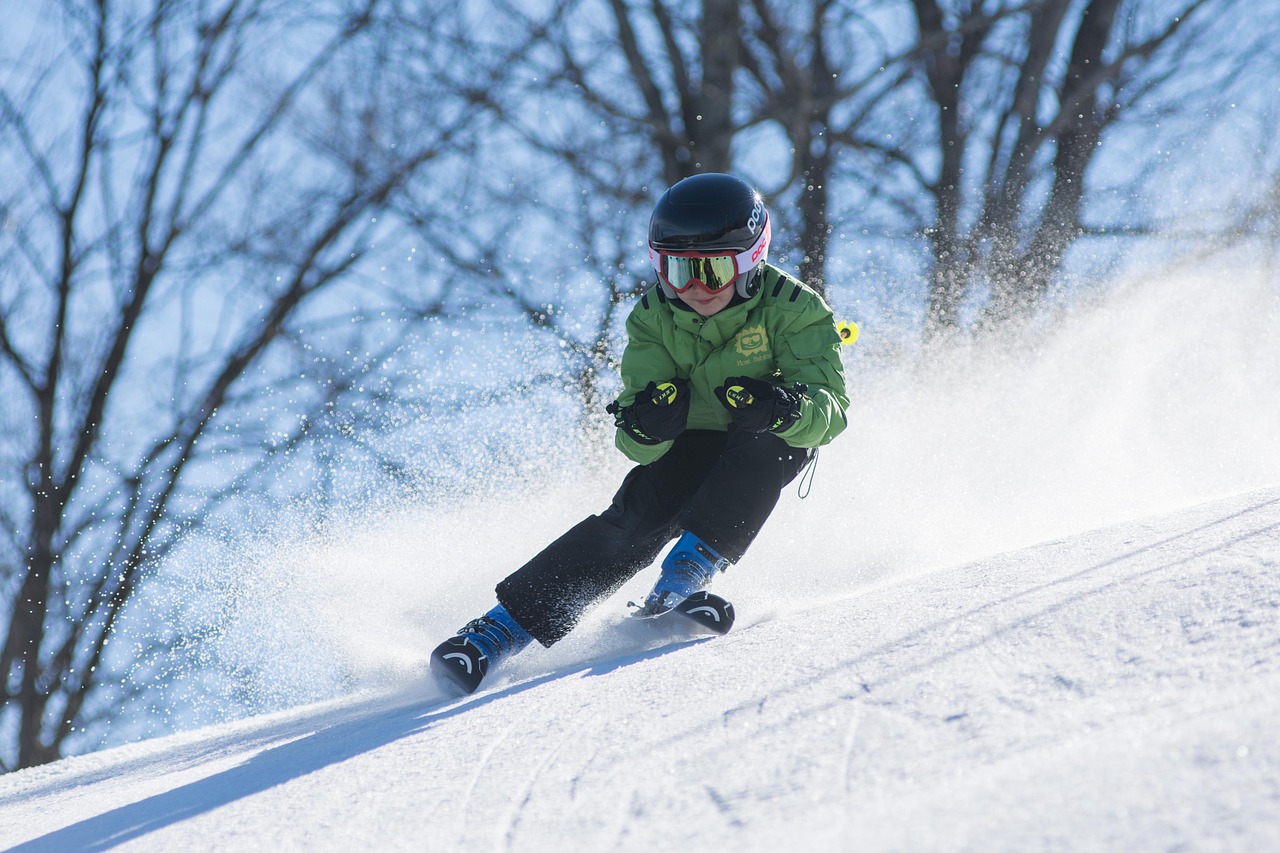
Skiing in Auli
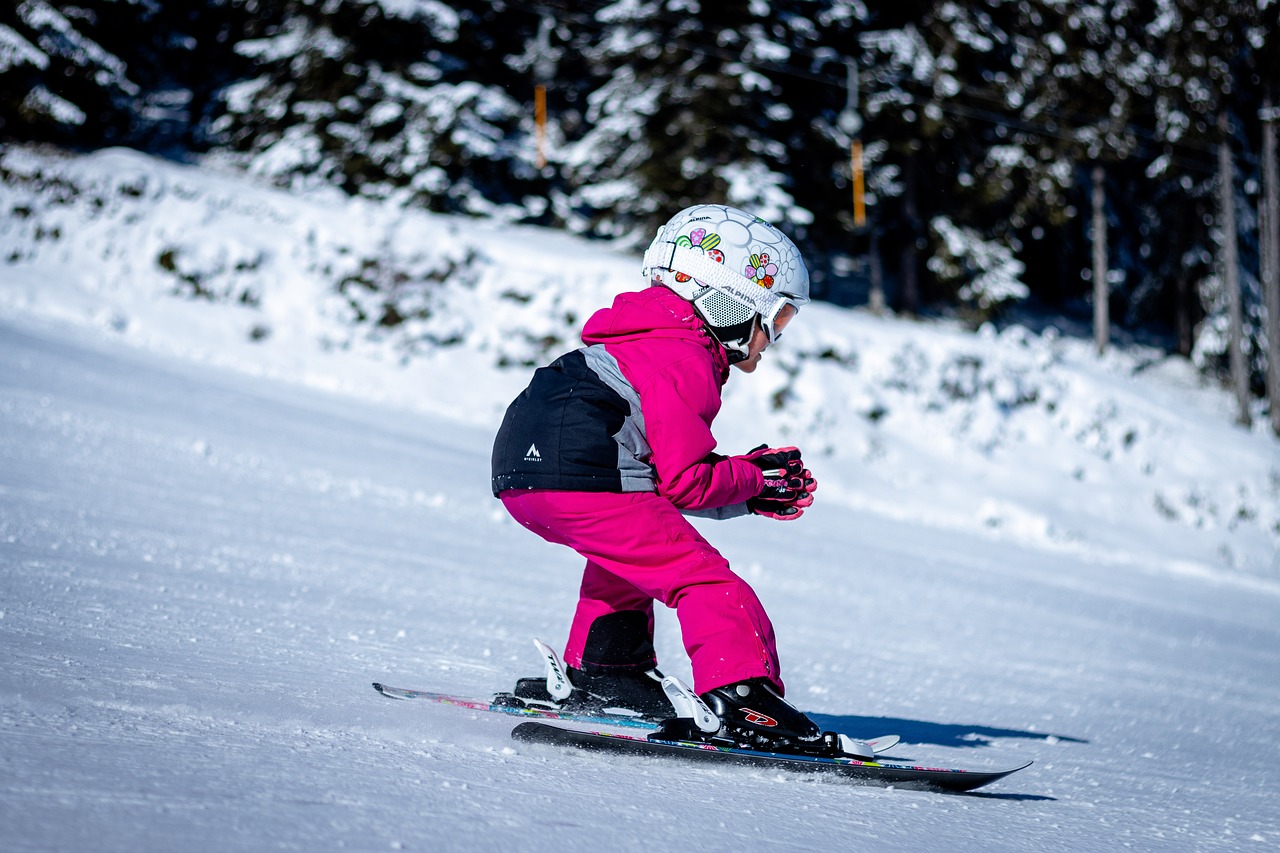
Skiing in Solang
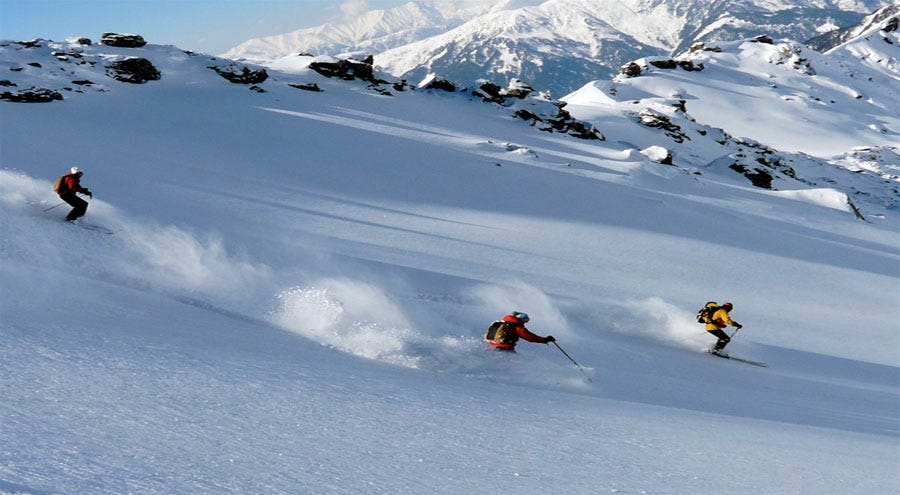
Skiing in Kufri
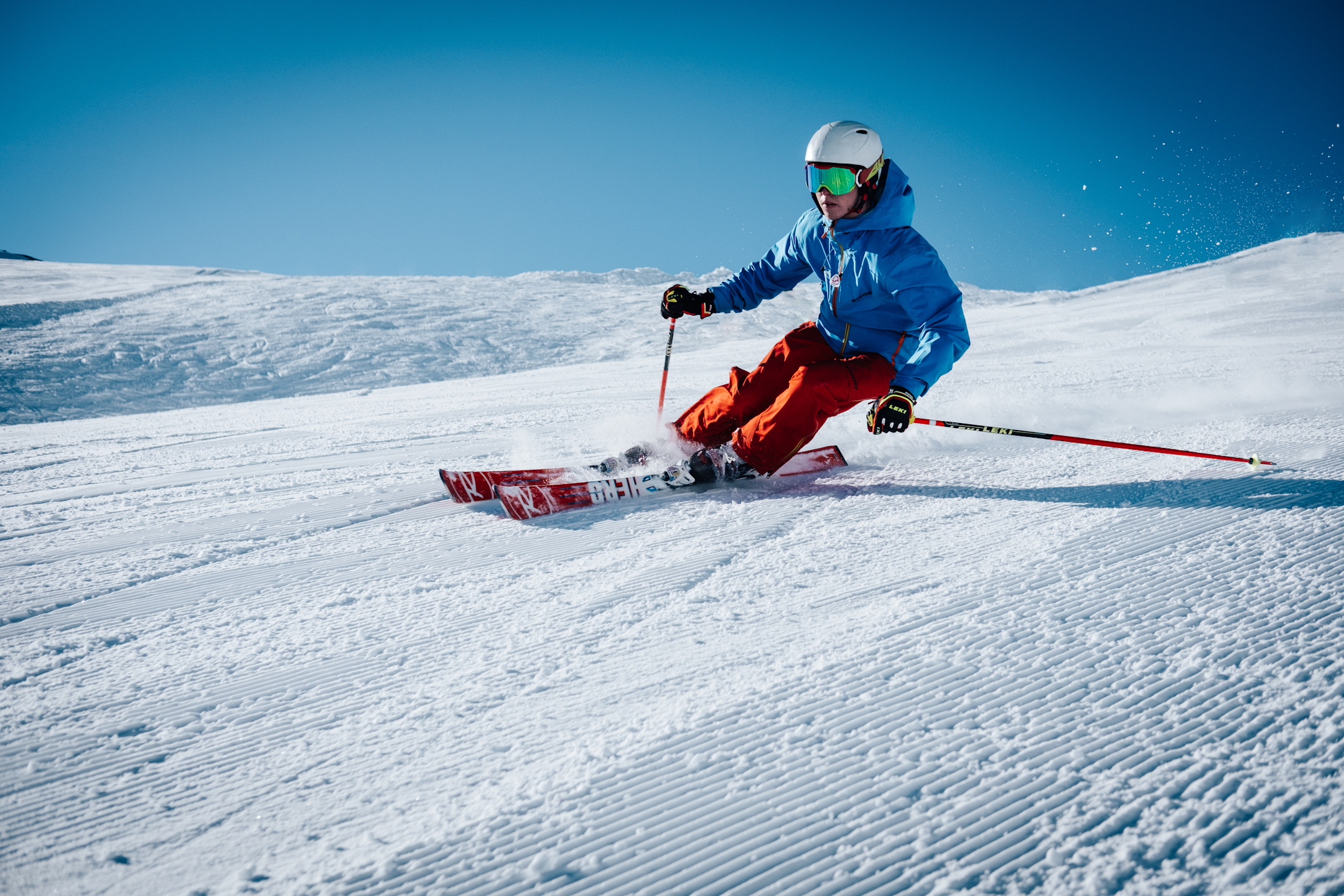
Skiing in Narkanda
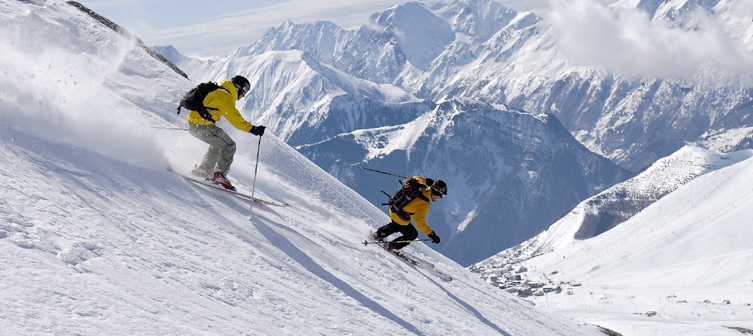
Skiing in Munsiyari
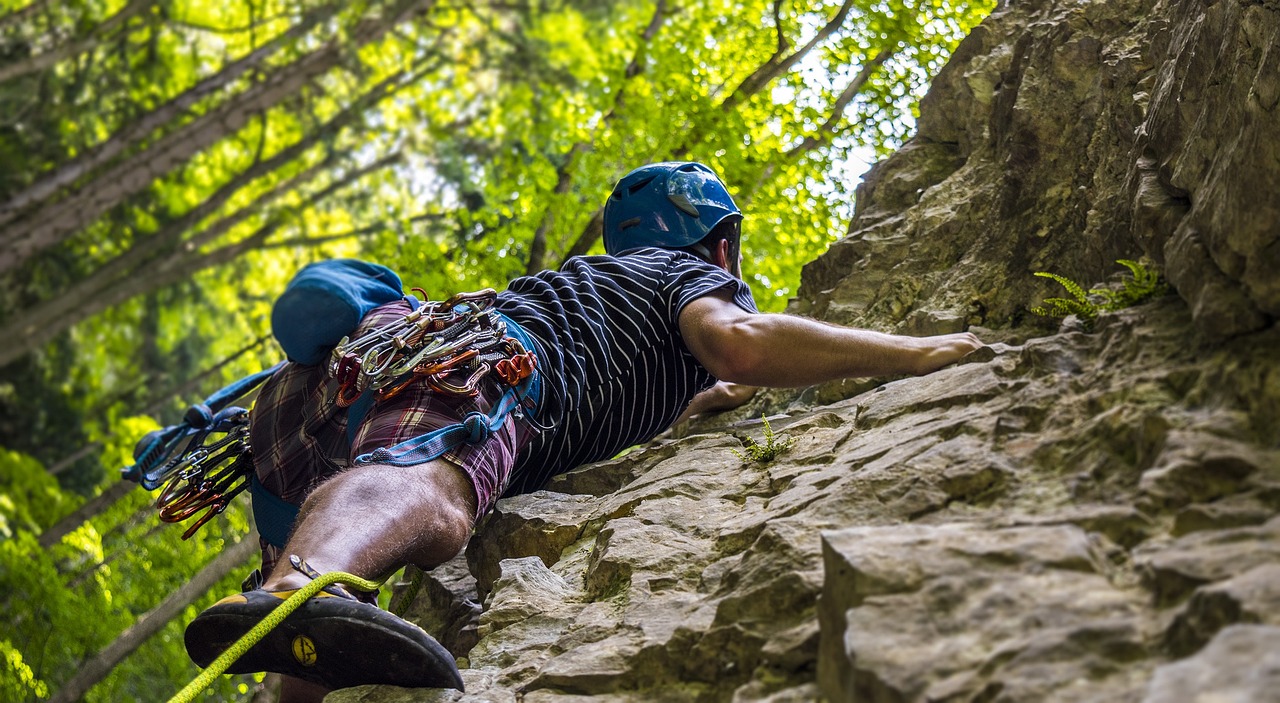
Rock Climbing in Manali
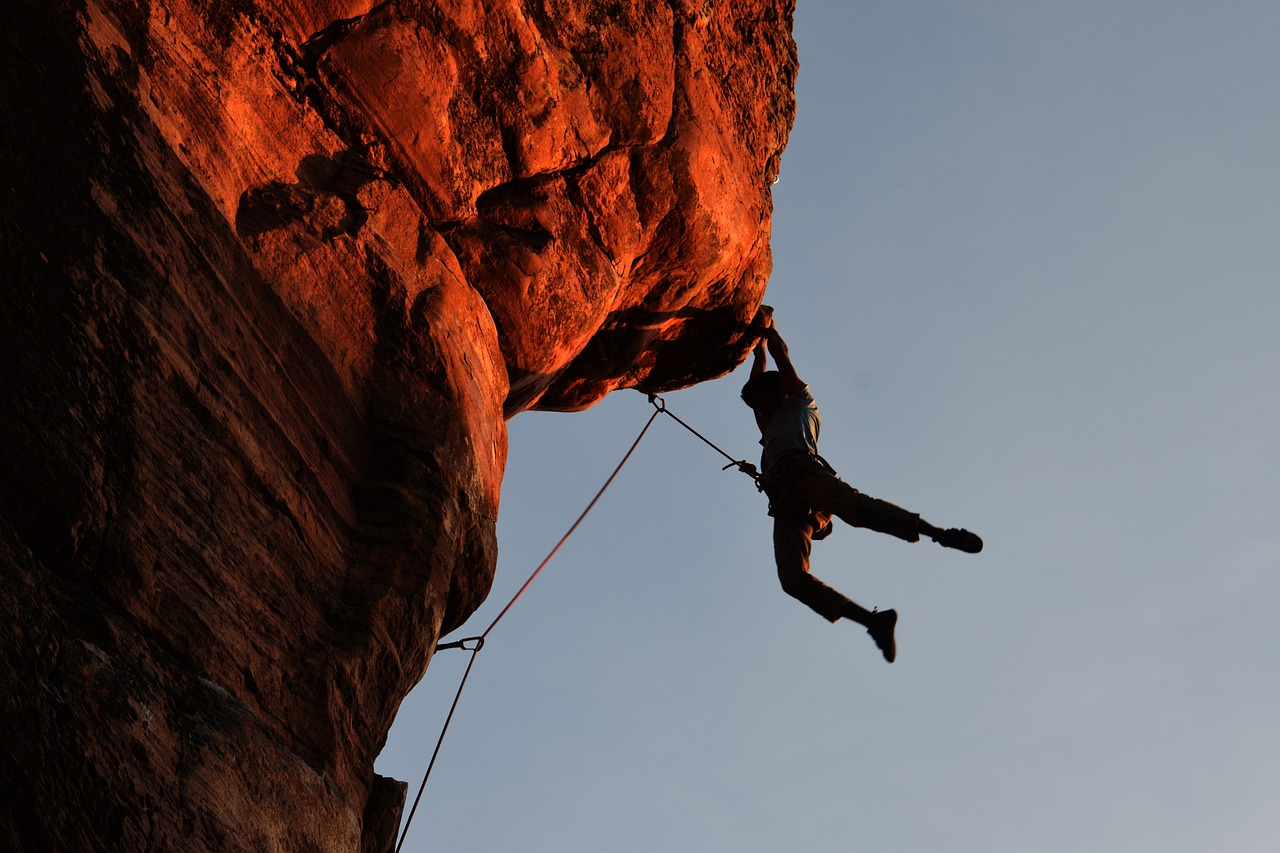
Rock climbing in Badami (Karnataka)
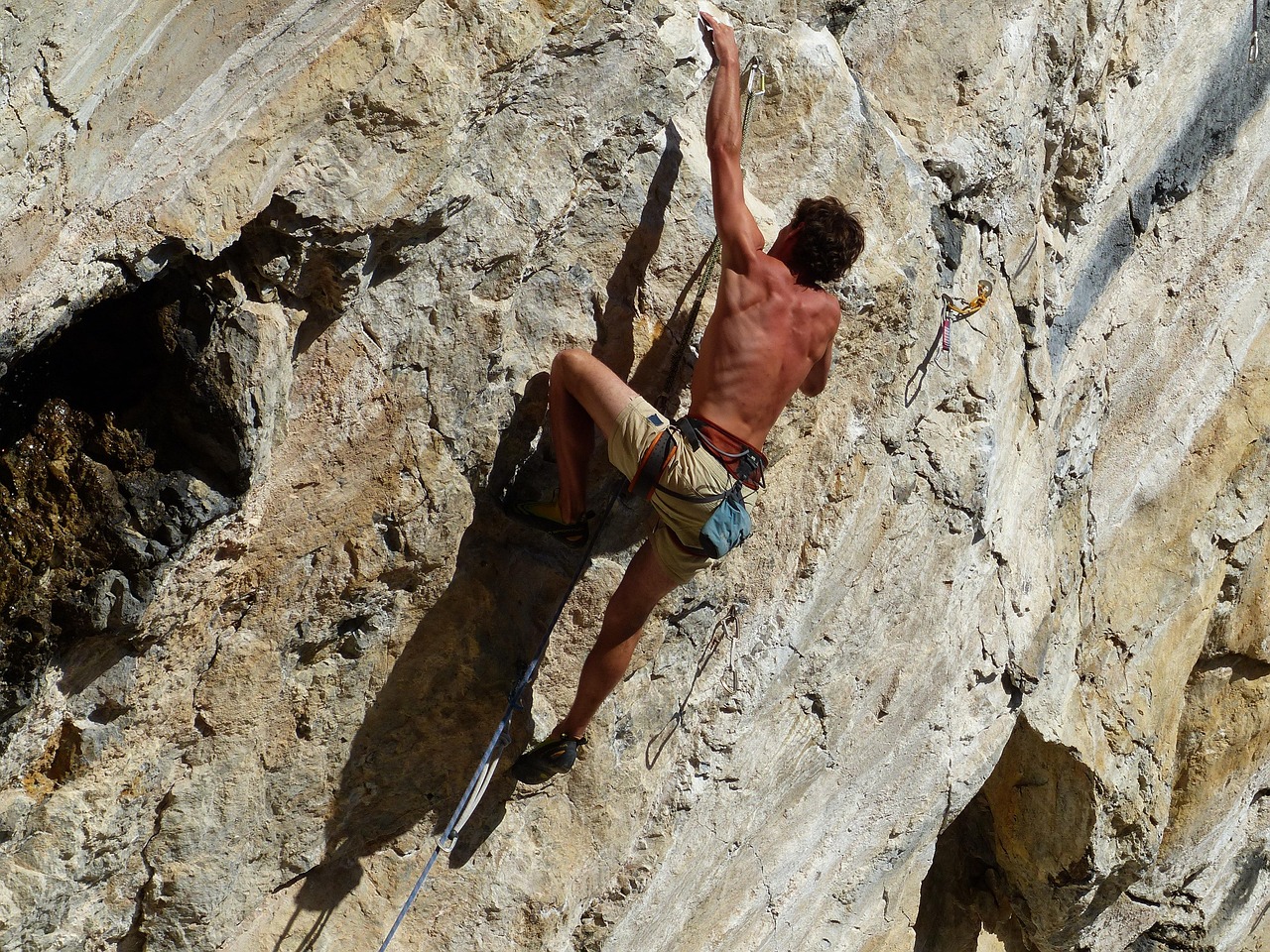
Rock climbing in Vijayapura (Karnataka)
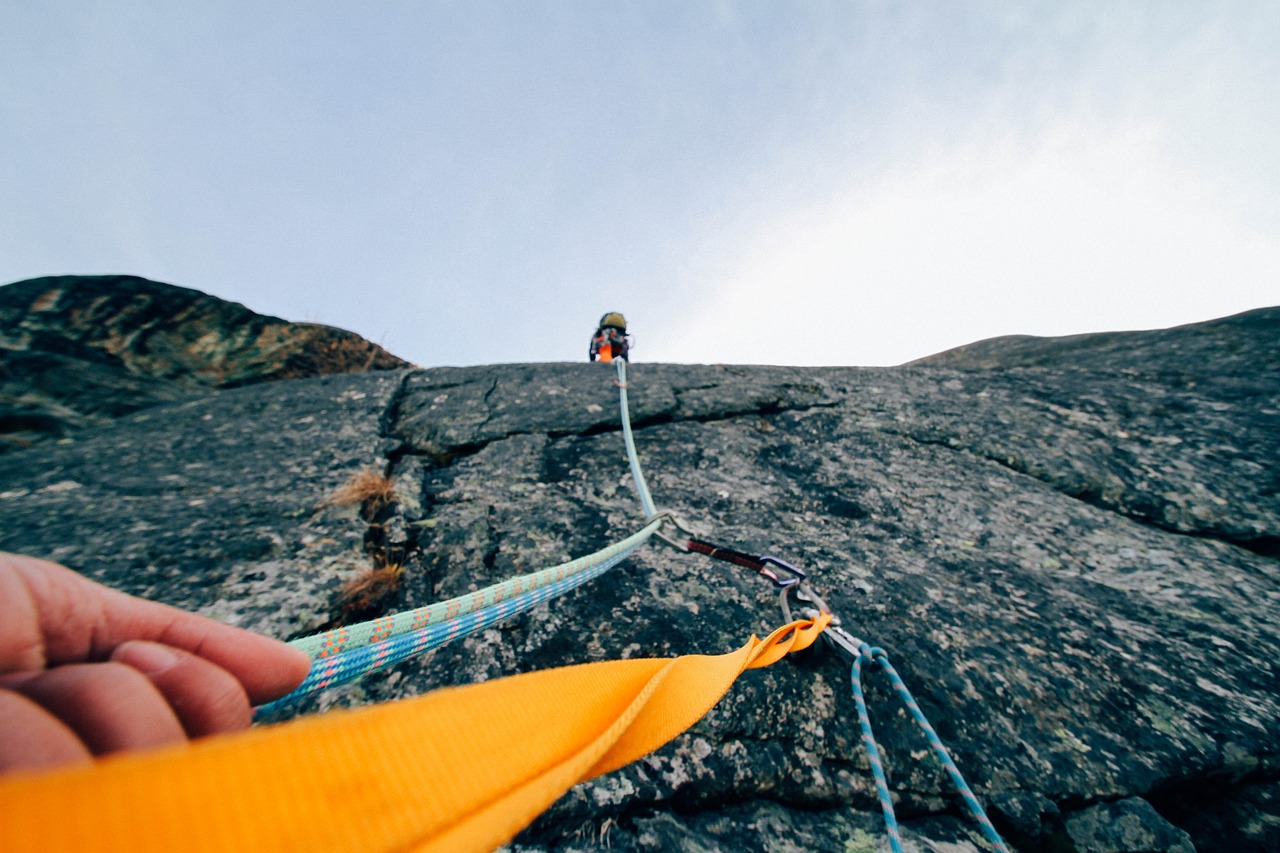
Rock climbing in Boulder Hills (Hyderabad)
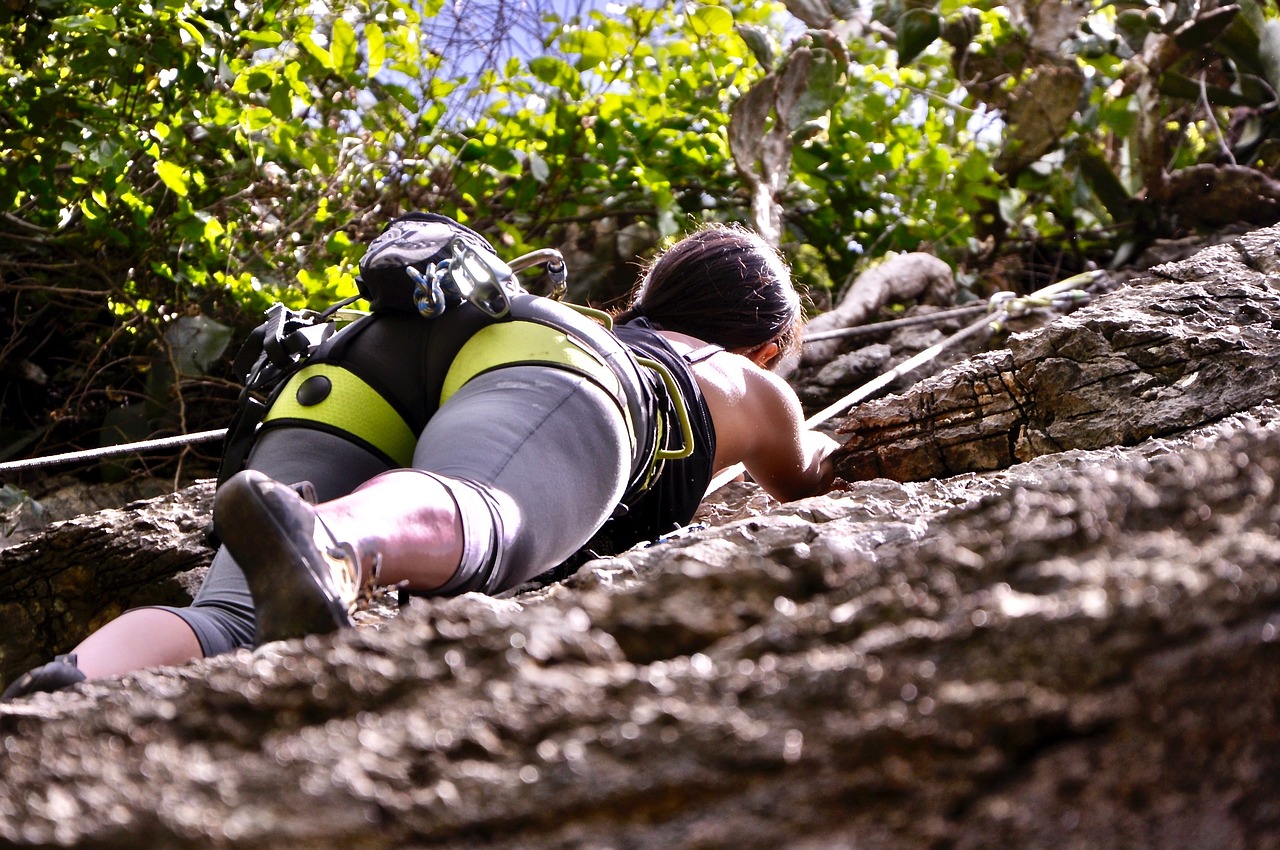
Rock climbing in Nainital
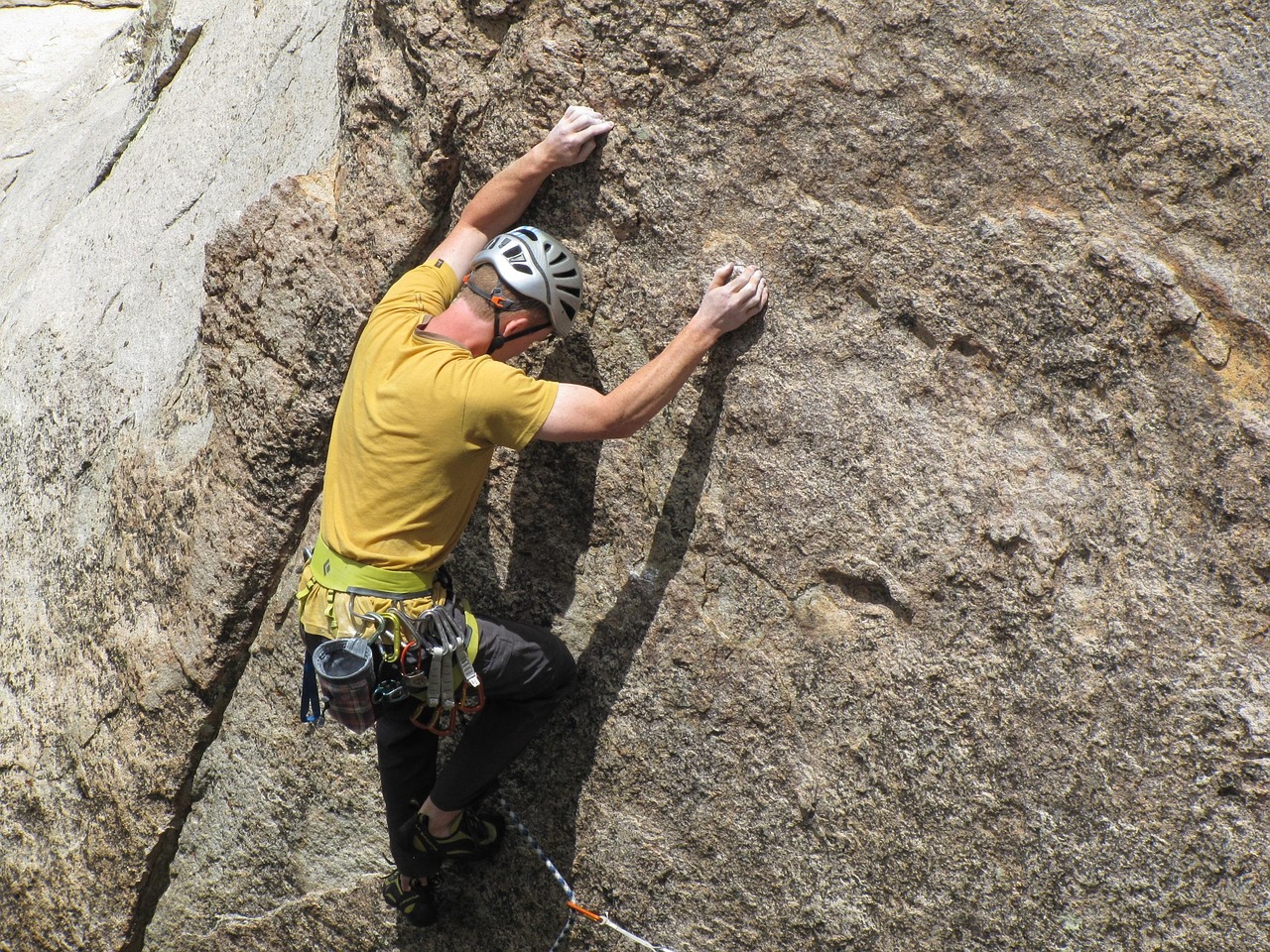
Rock climbing in Hampi (Karnataka)
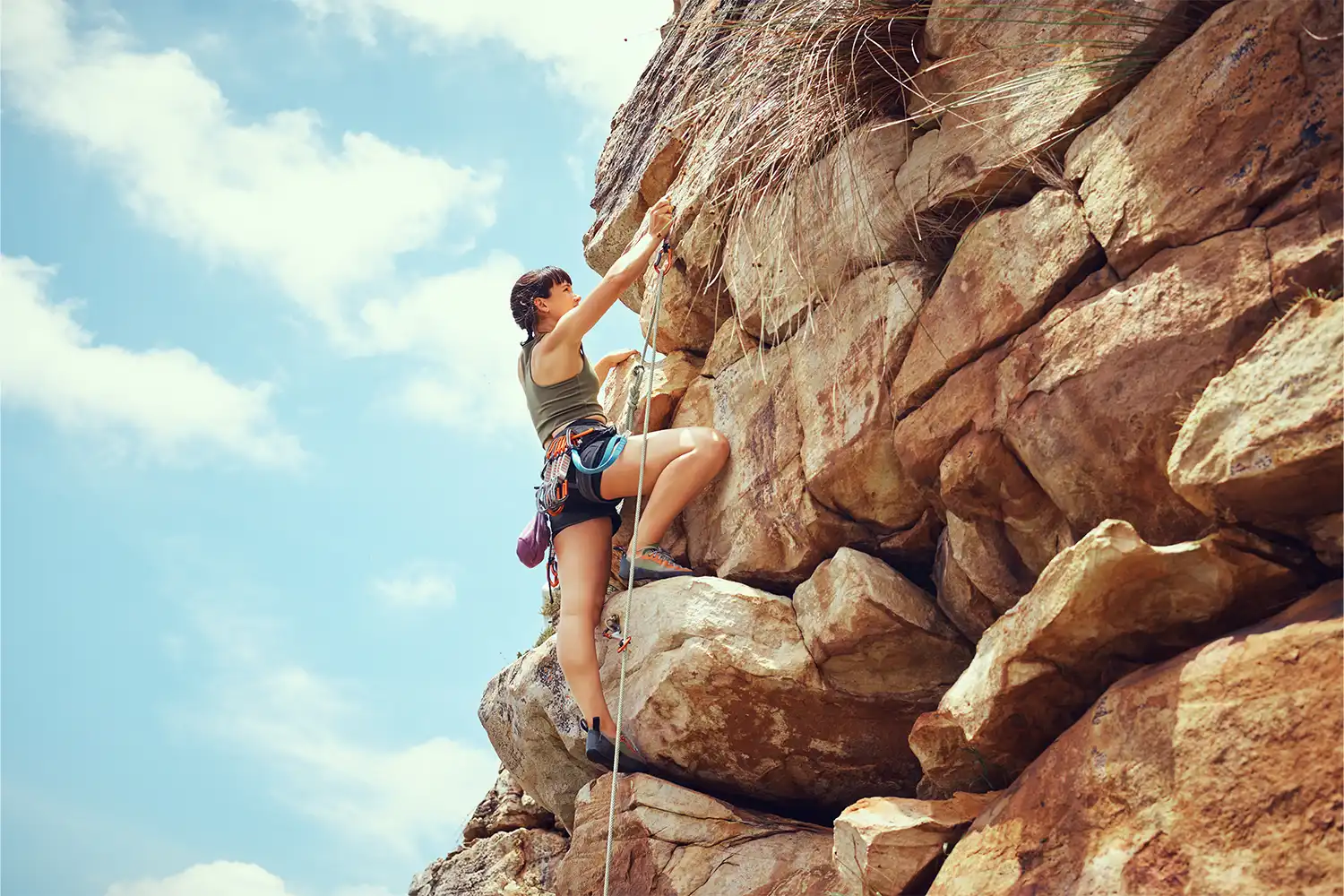
Rock climbing in Aravalli Range (Rajasthan)
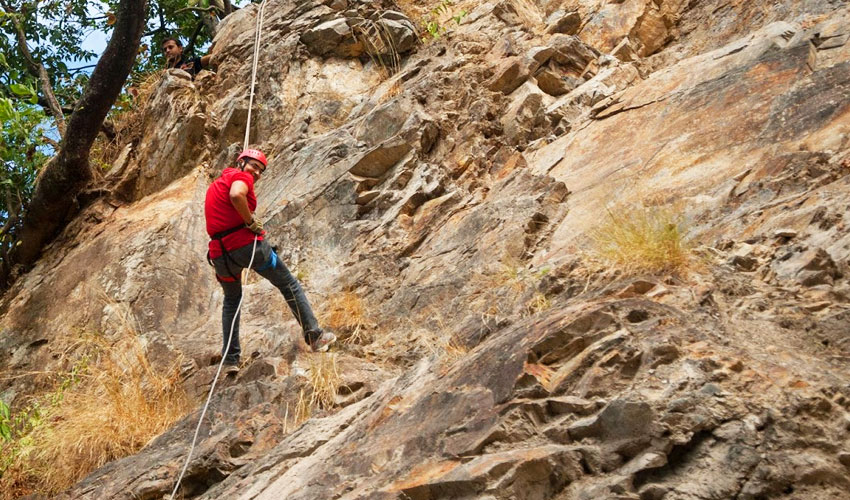
Rock climbing in Rishikesh
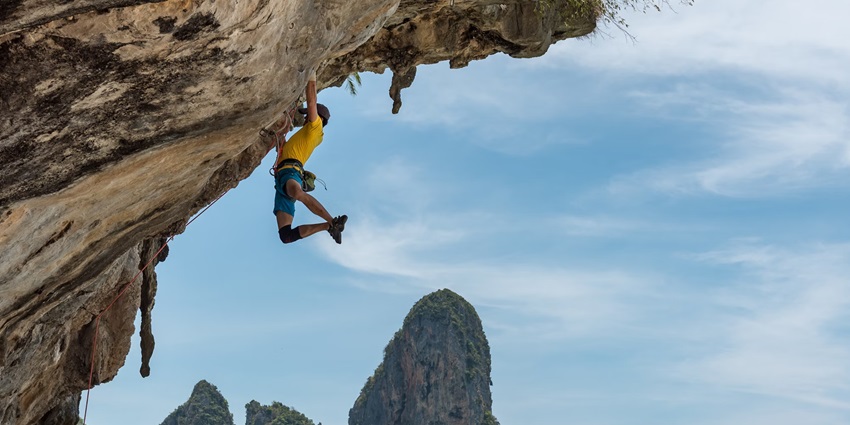
Rock climbing on Shey Rock (Ladakh)
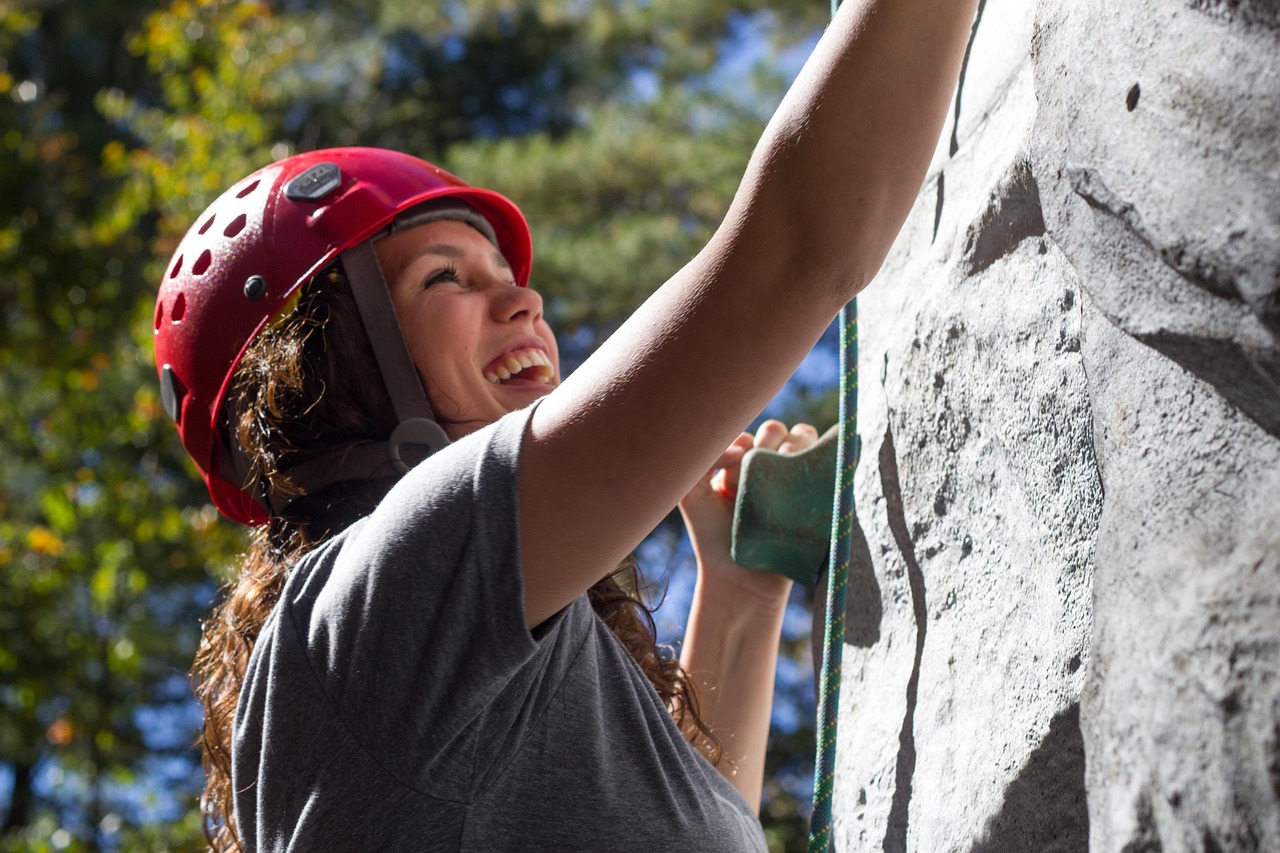
Rock climbing in Pune
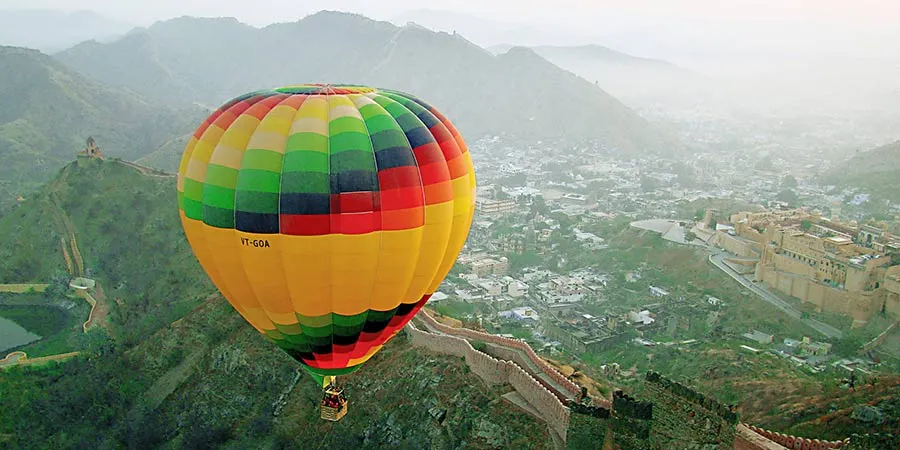
Hot Air Balloon Ride in Jaipur
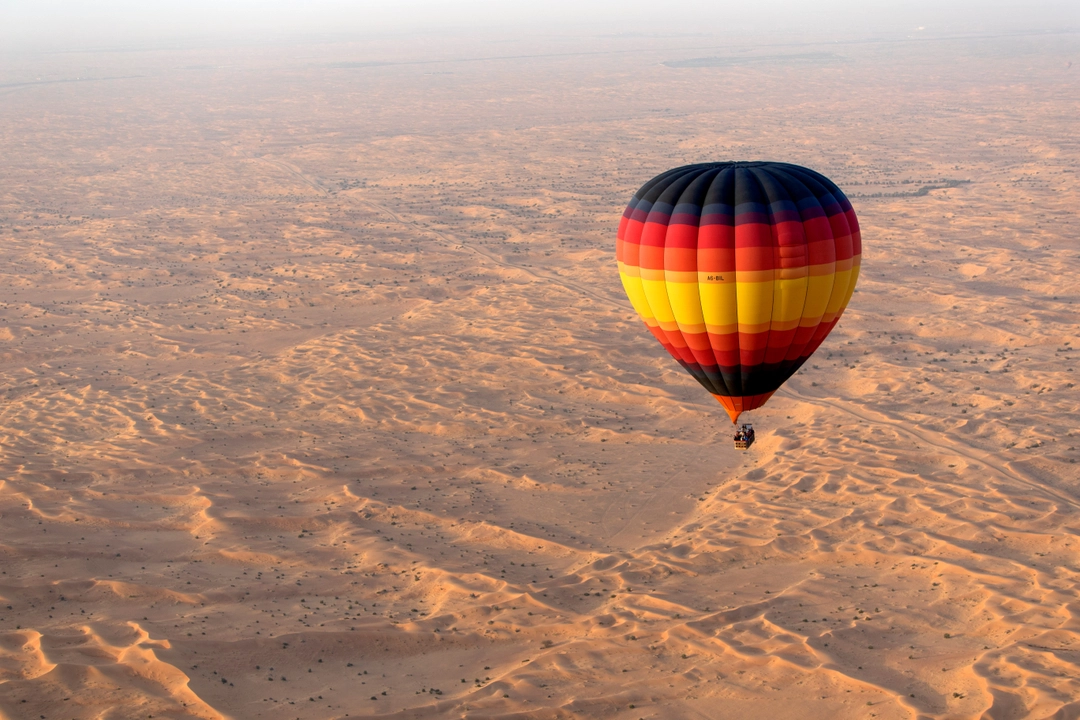
Hot Air Balloon Ride in Pushkar
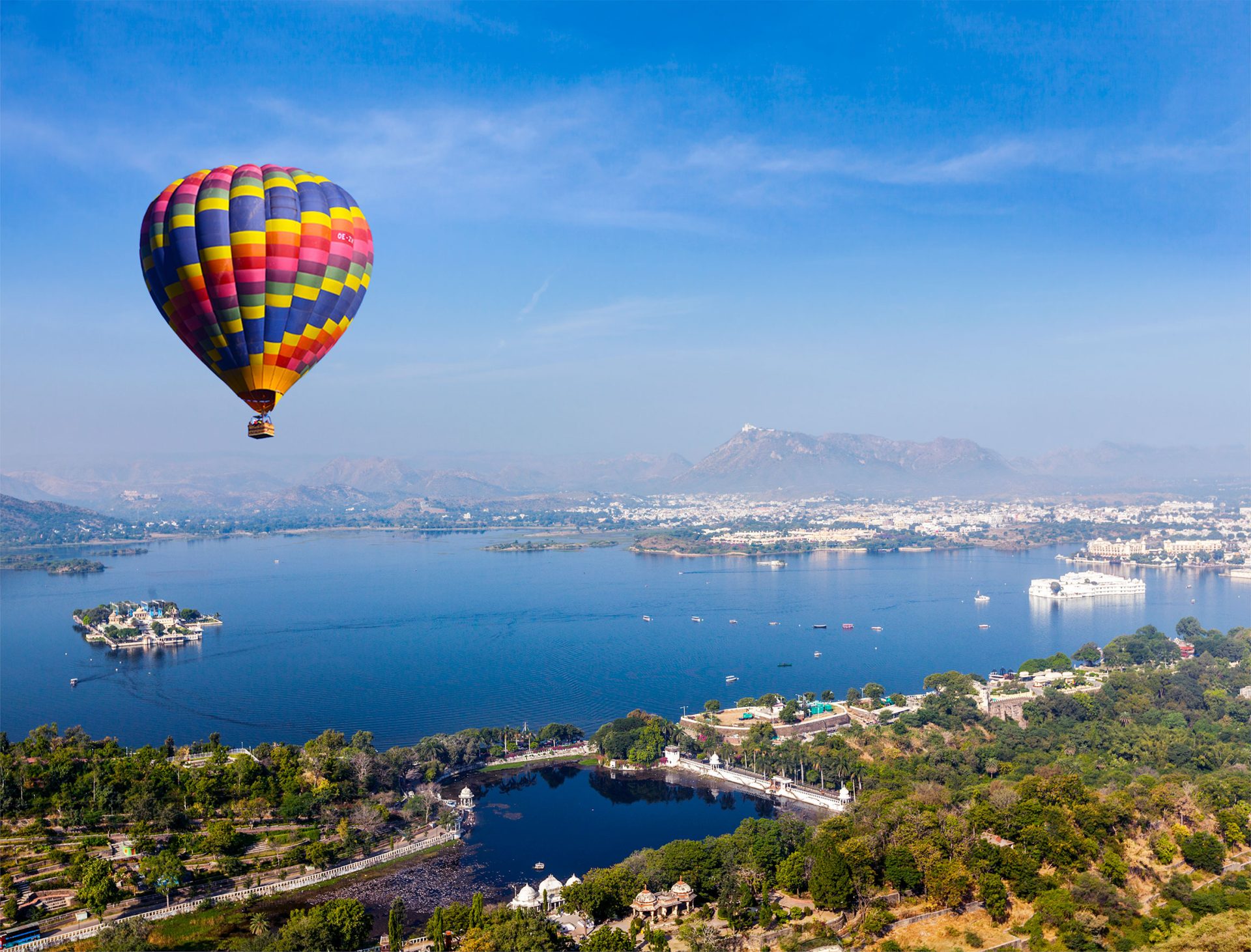
Hot Air Balloon Ride in Udaipur

Hot Air Balloon Ride in Jaisalmer
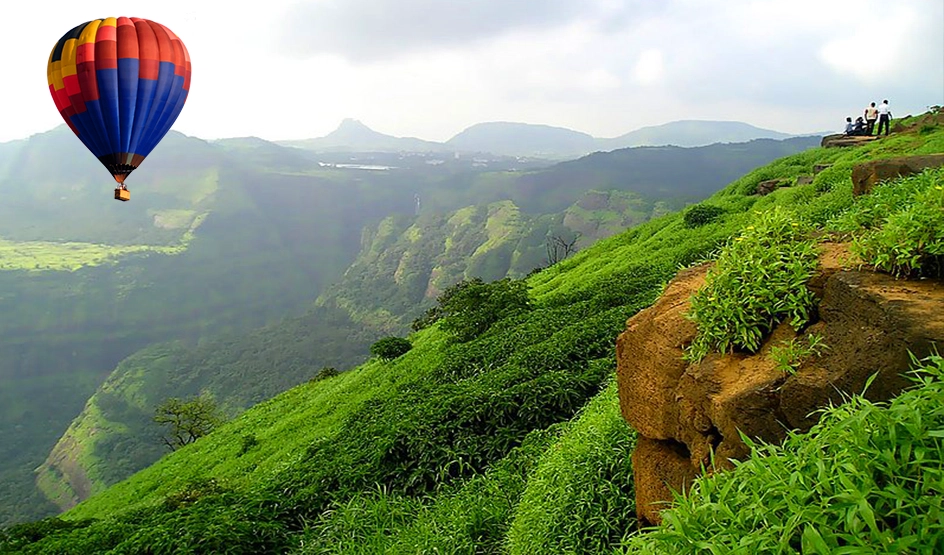
Hot Air Balloon Ride in Lonavala
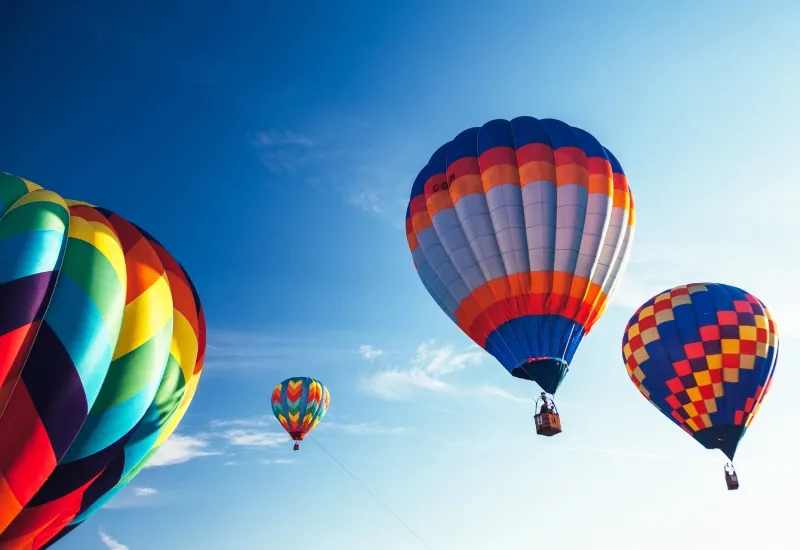
Hot air balloon ride in Mysore
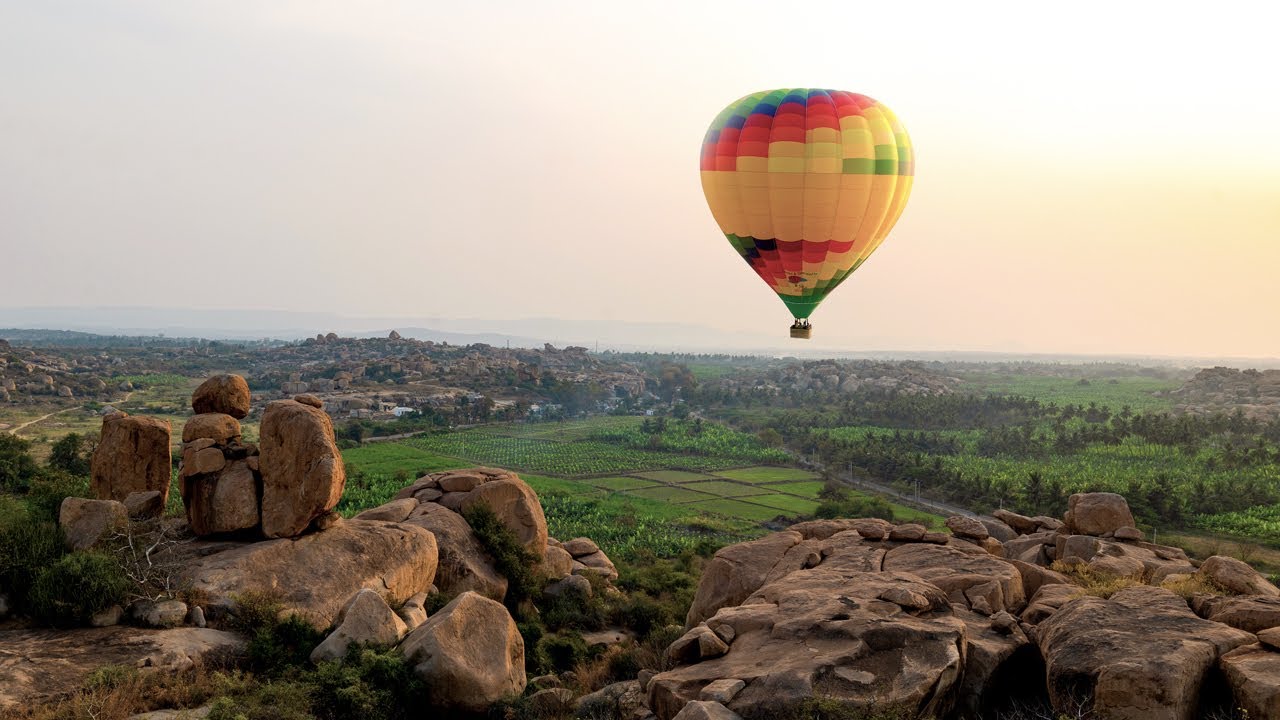
Hot air balloon ride in Hampi
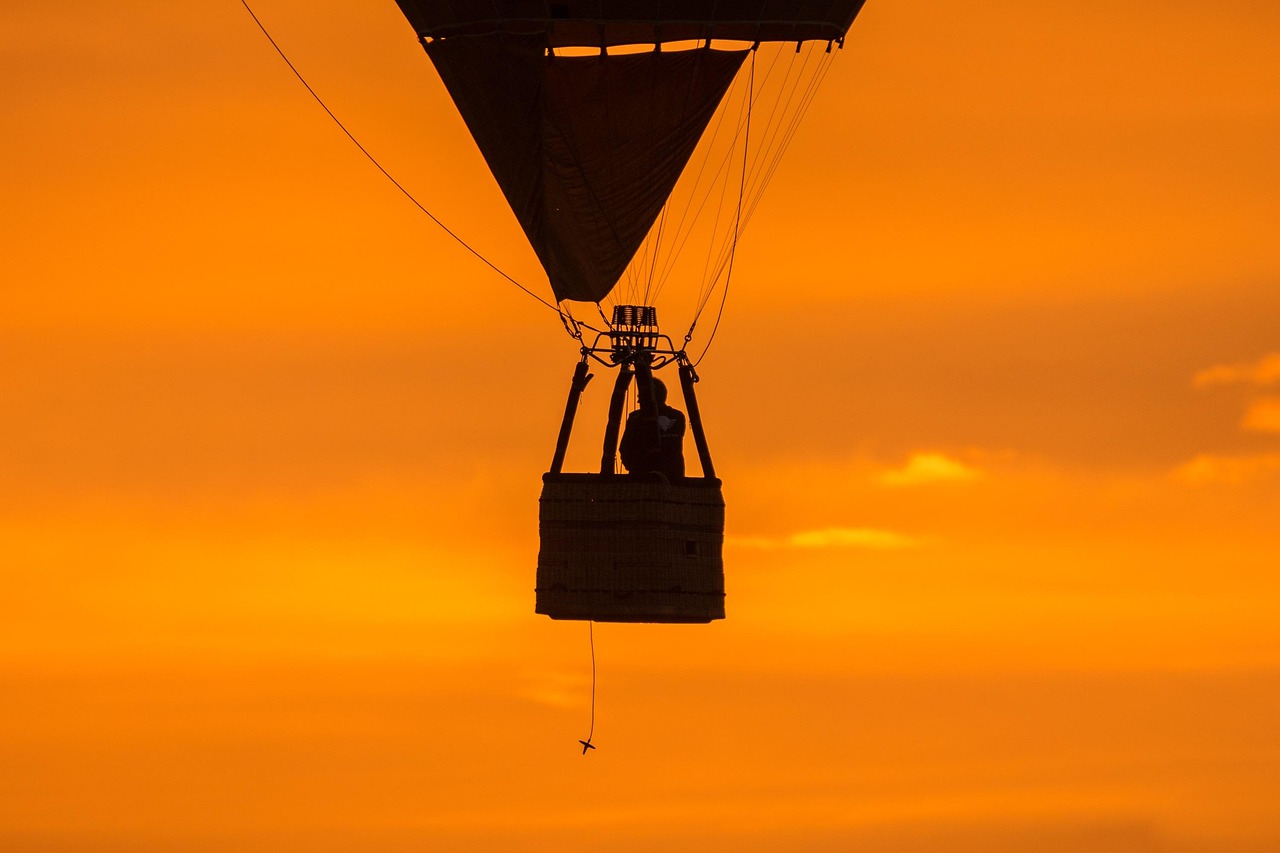
Hot air balloon ride in Nainital
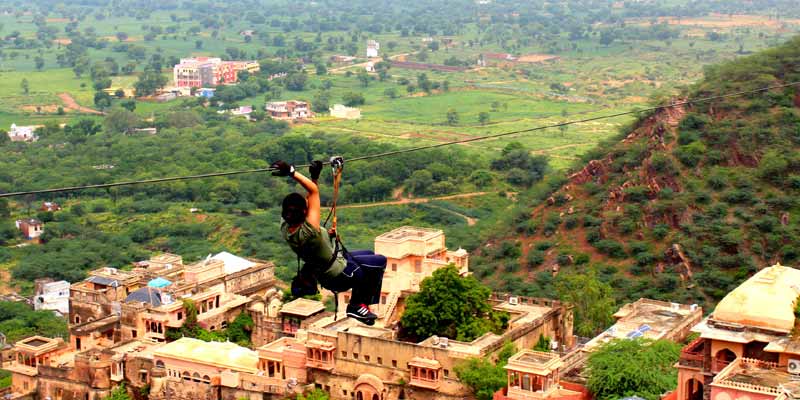
Zip Line ride in Neemrana
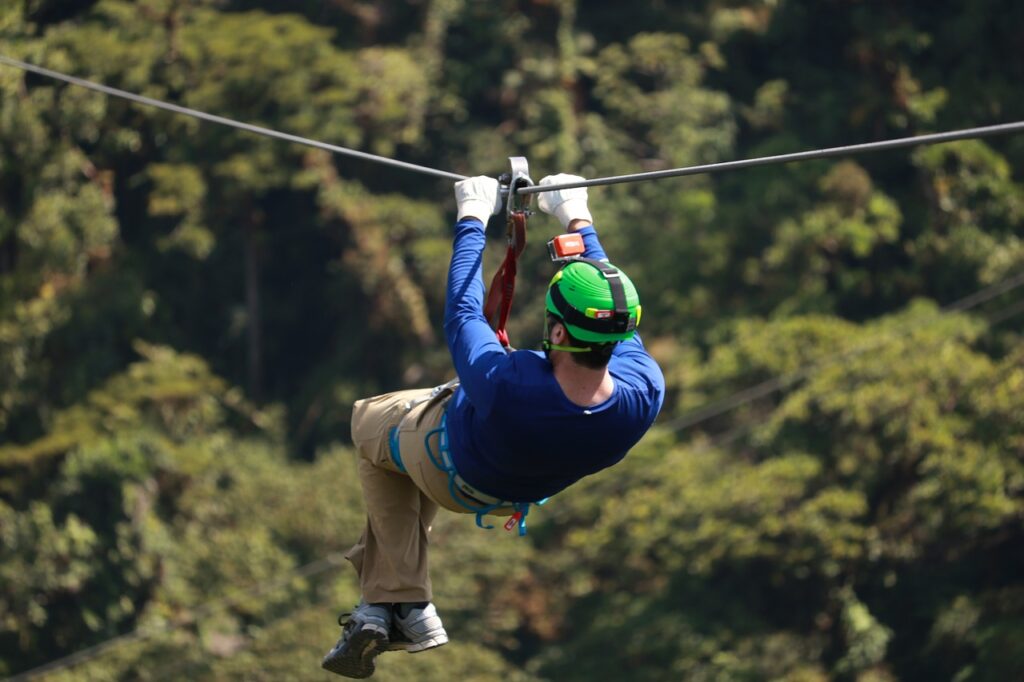
Kikar Lodge Zip Line
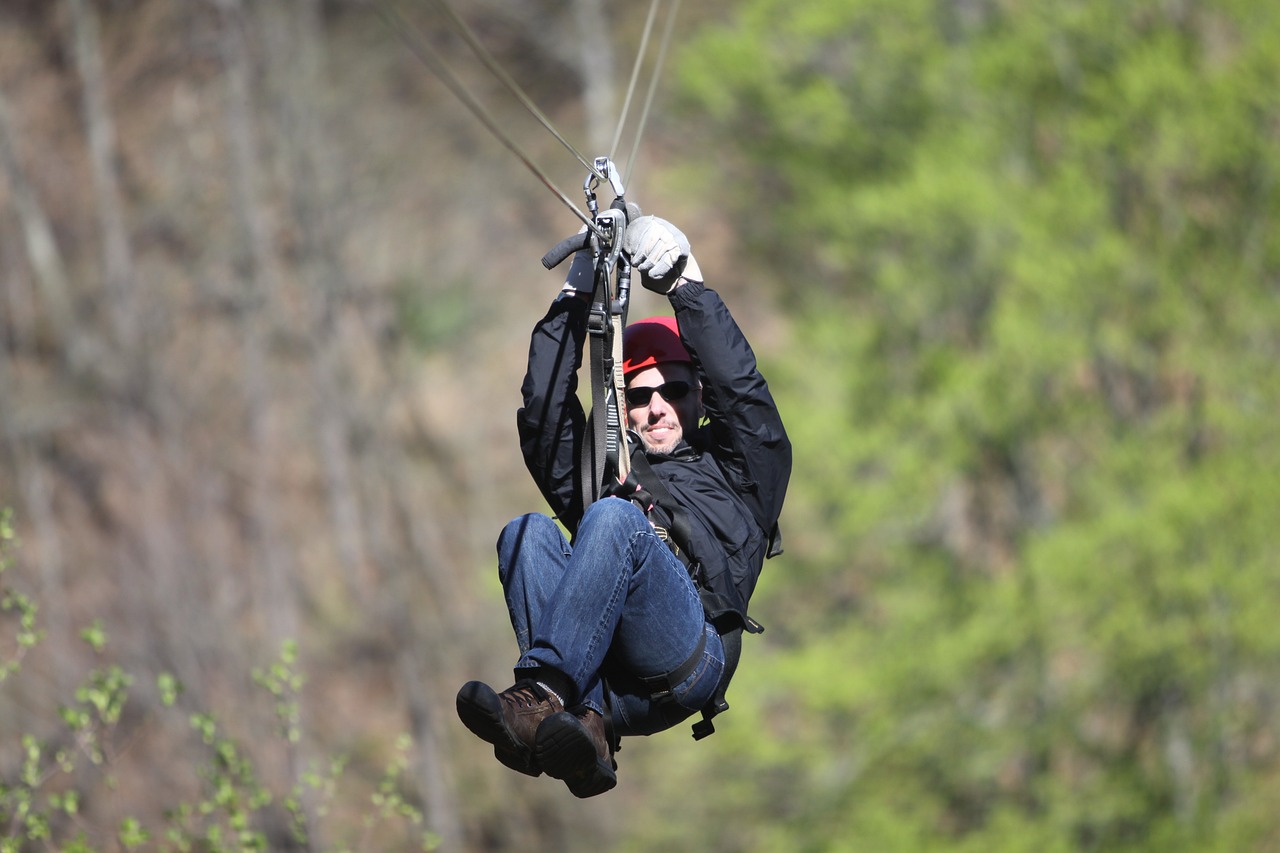
Zip Line ride in Rishikesh
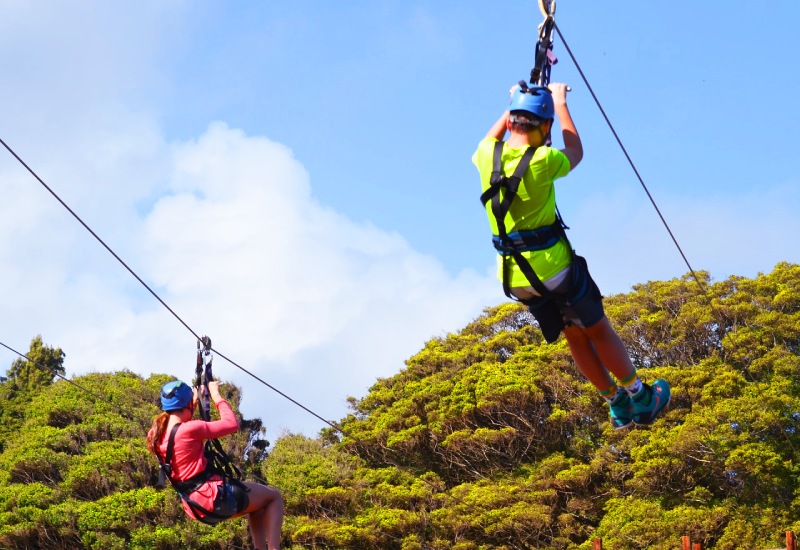
Zip Line ride in Mussoorie
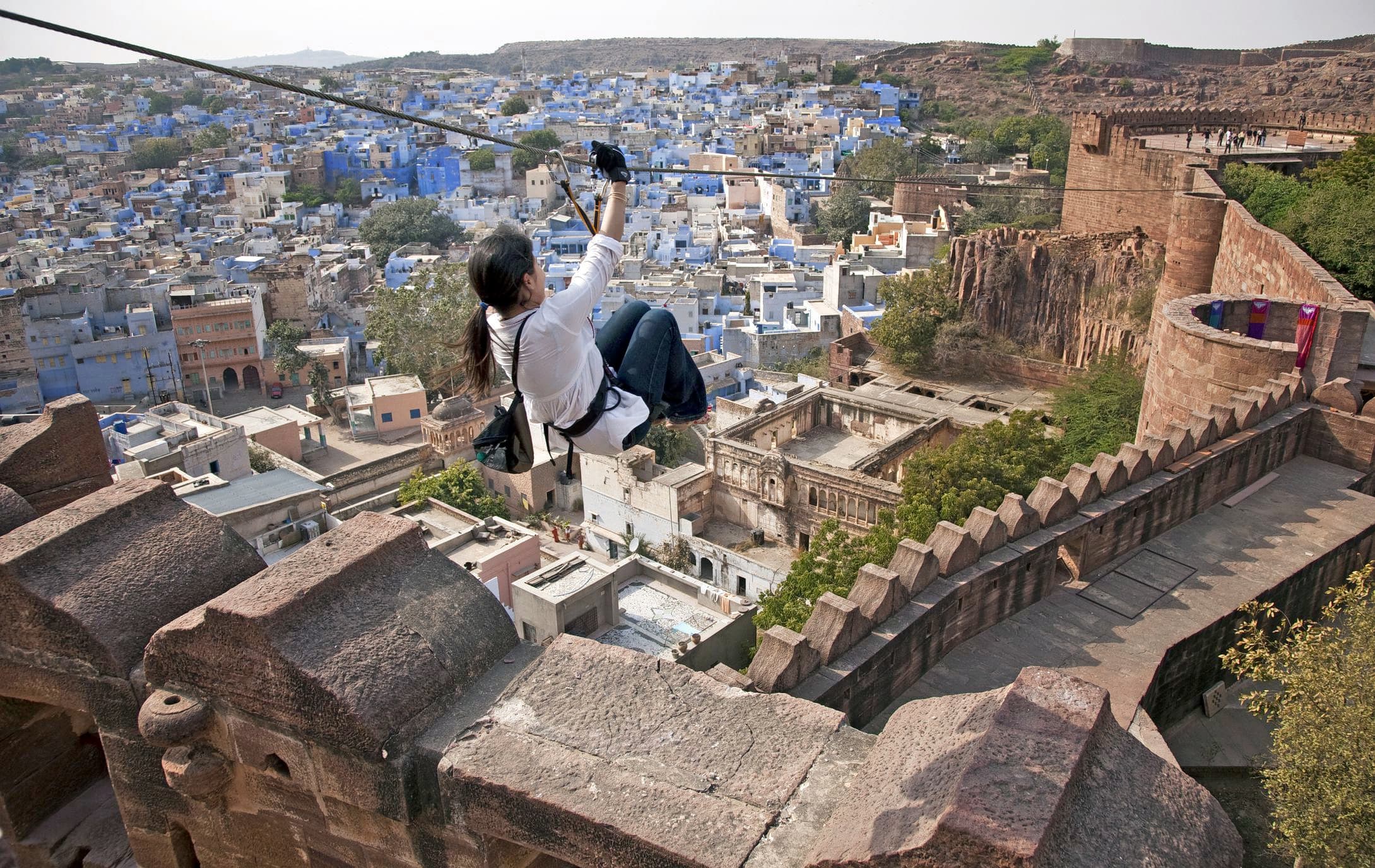
Zip Line ride in Jodhpur
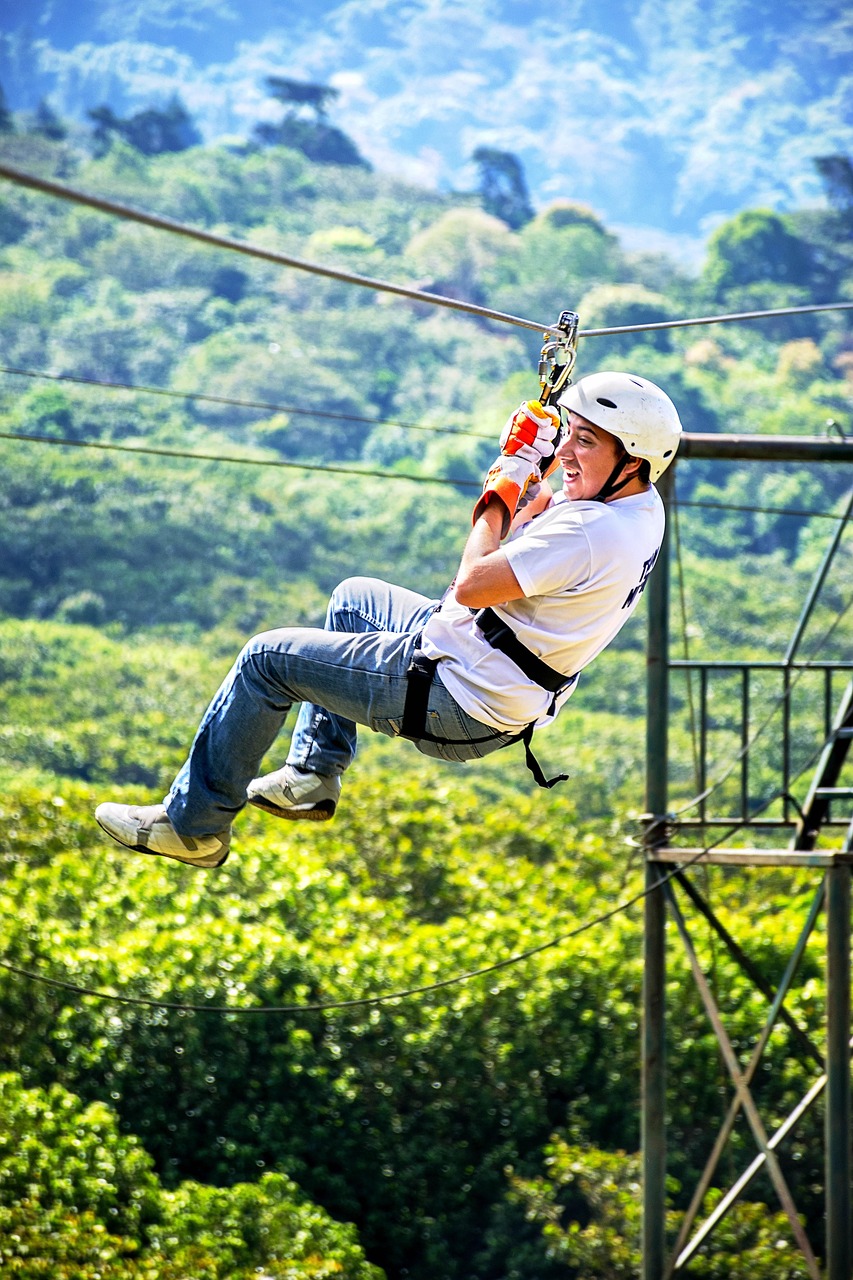
Zip Line ride in Munnar
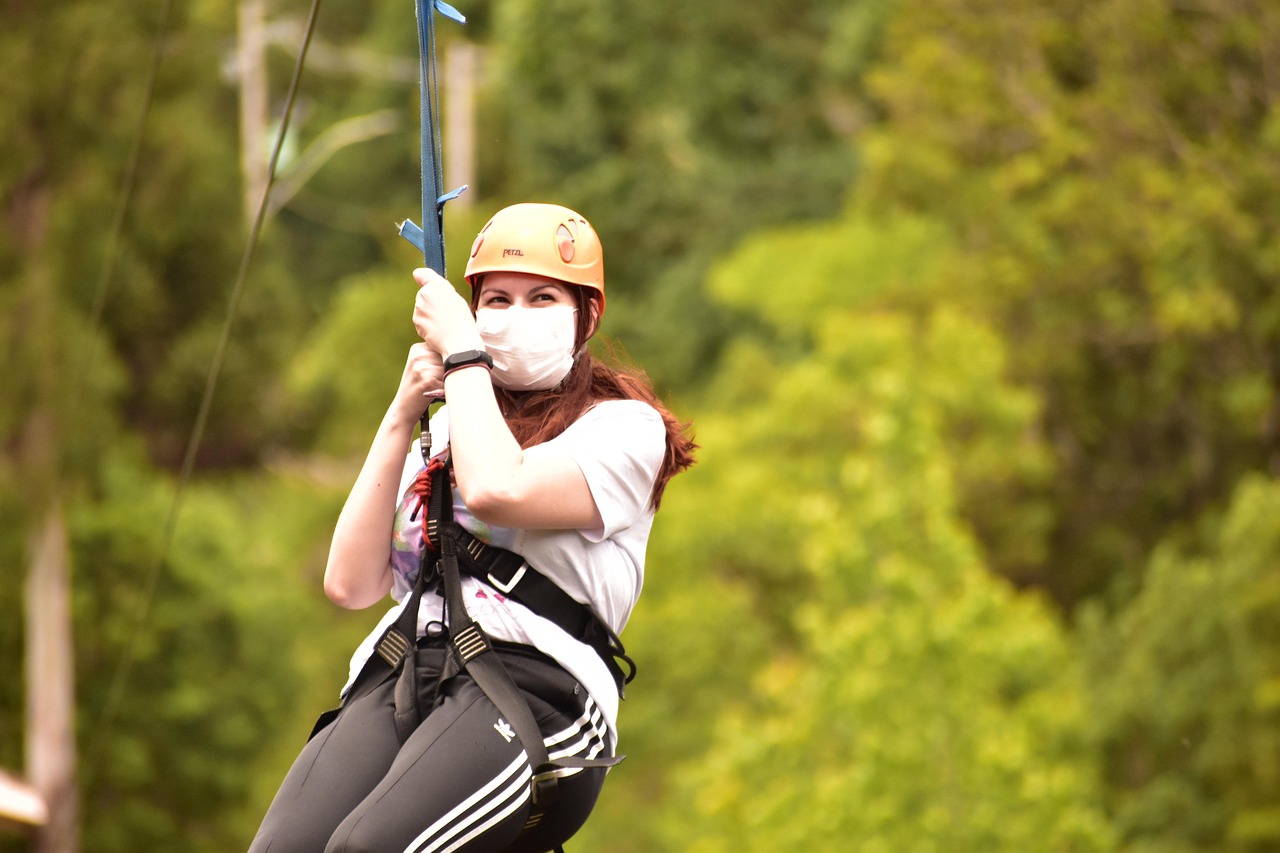
Zip Line ride in Manali
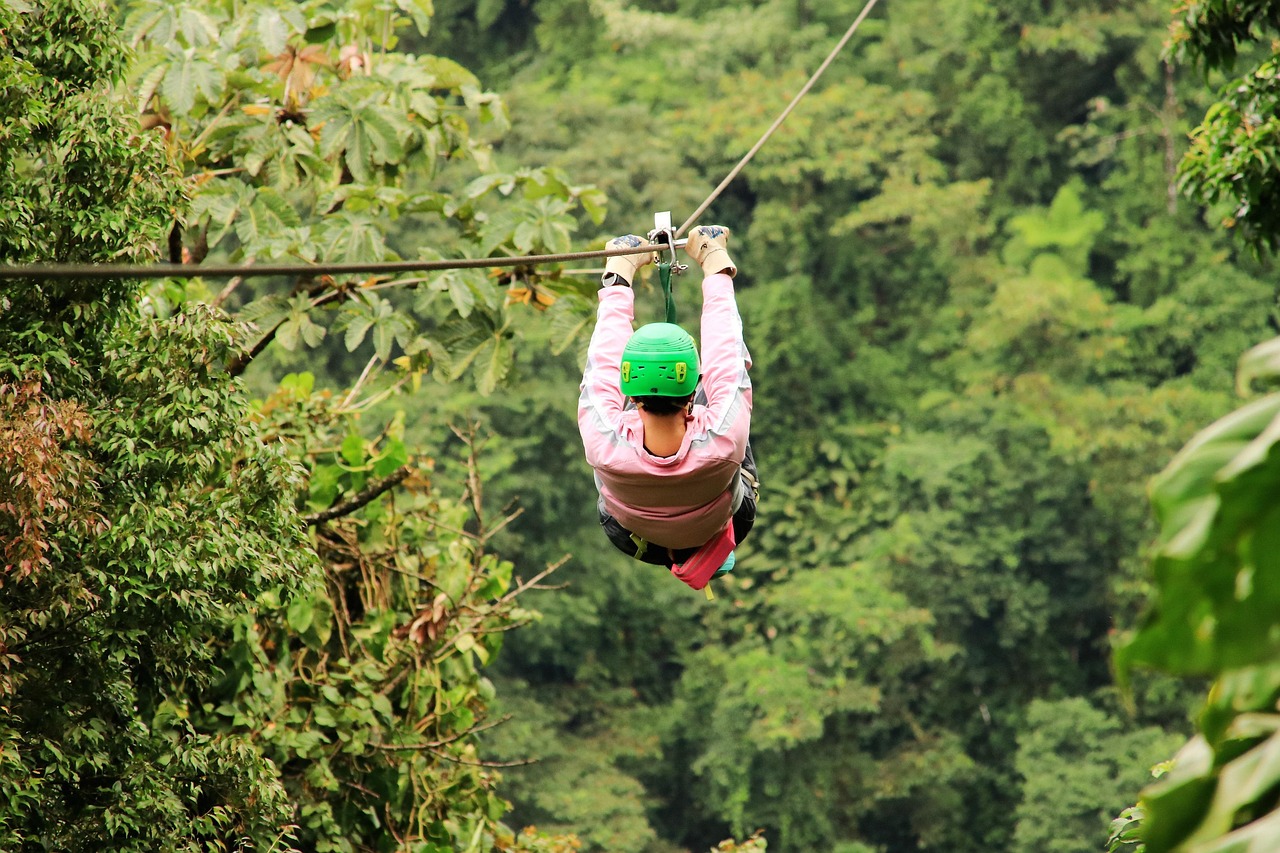
Zip Line ride in Darjeeling
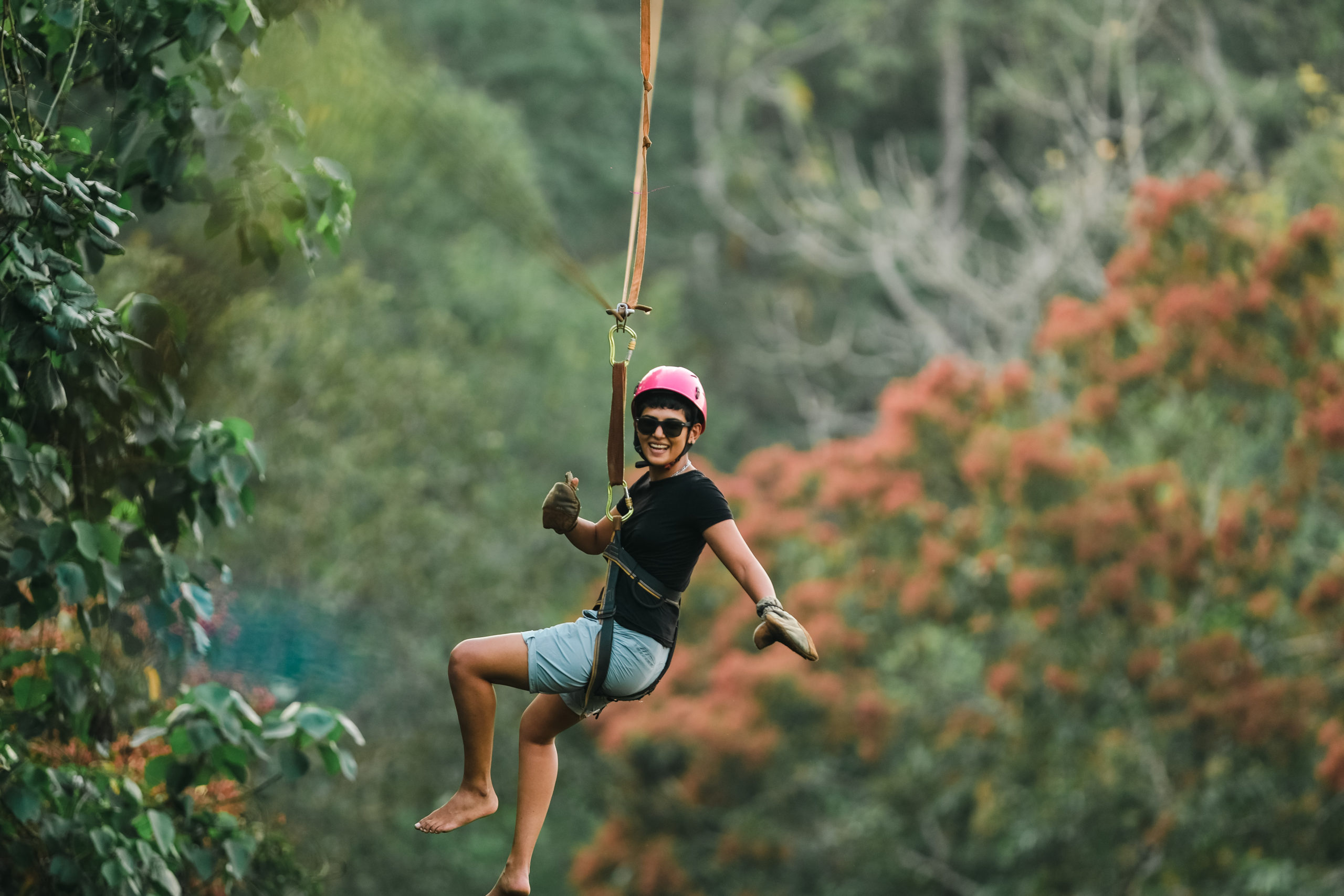
Zip Line ride in Goa
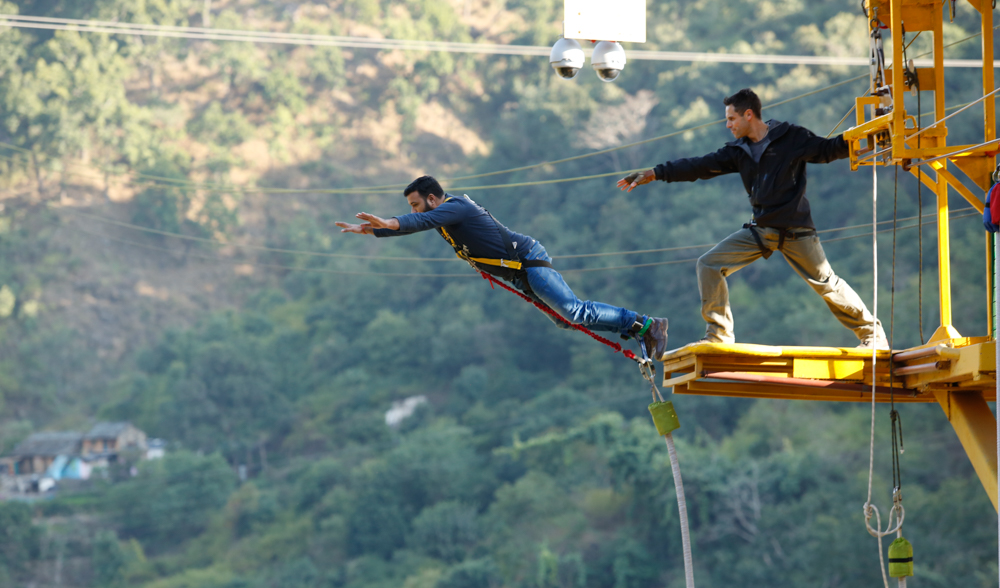
Bungee Jumping in Rishikesh
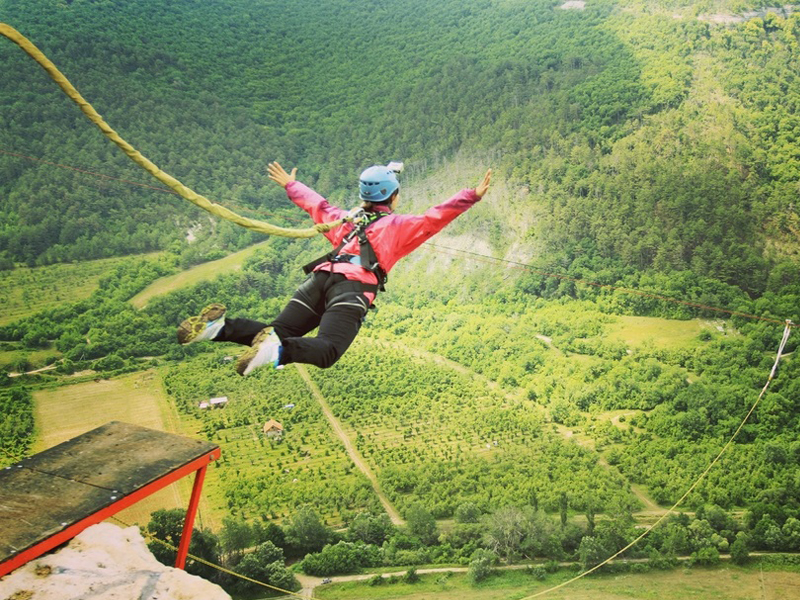
Bungee Jumping in Udaipur
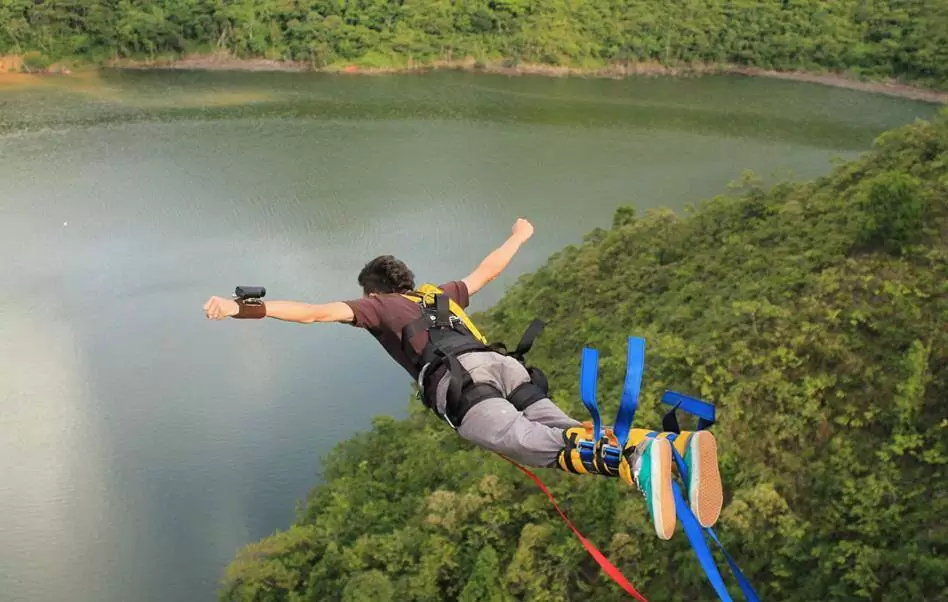
Bungee Jumping in Goa
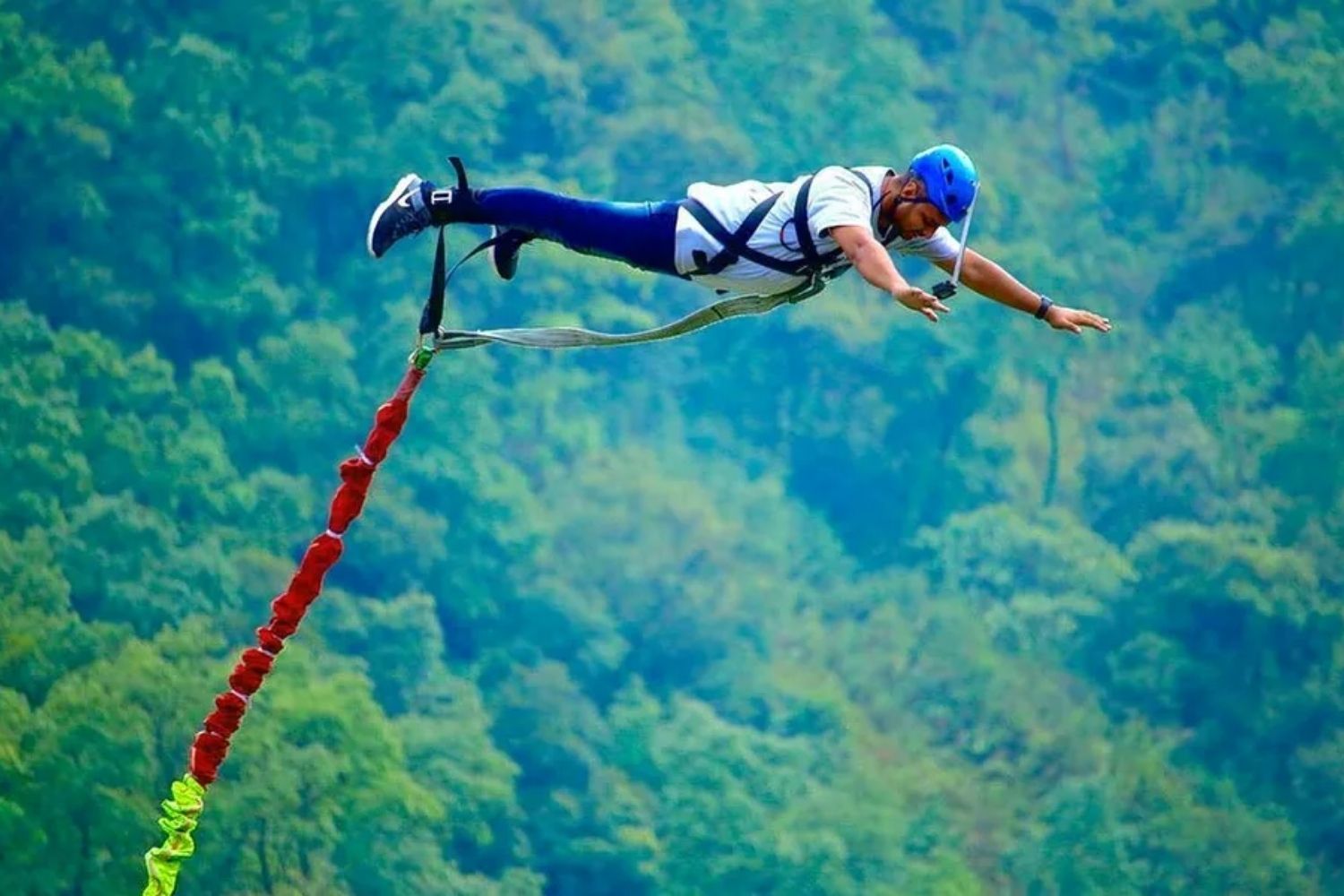
Bungee Jumping in Lonavala
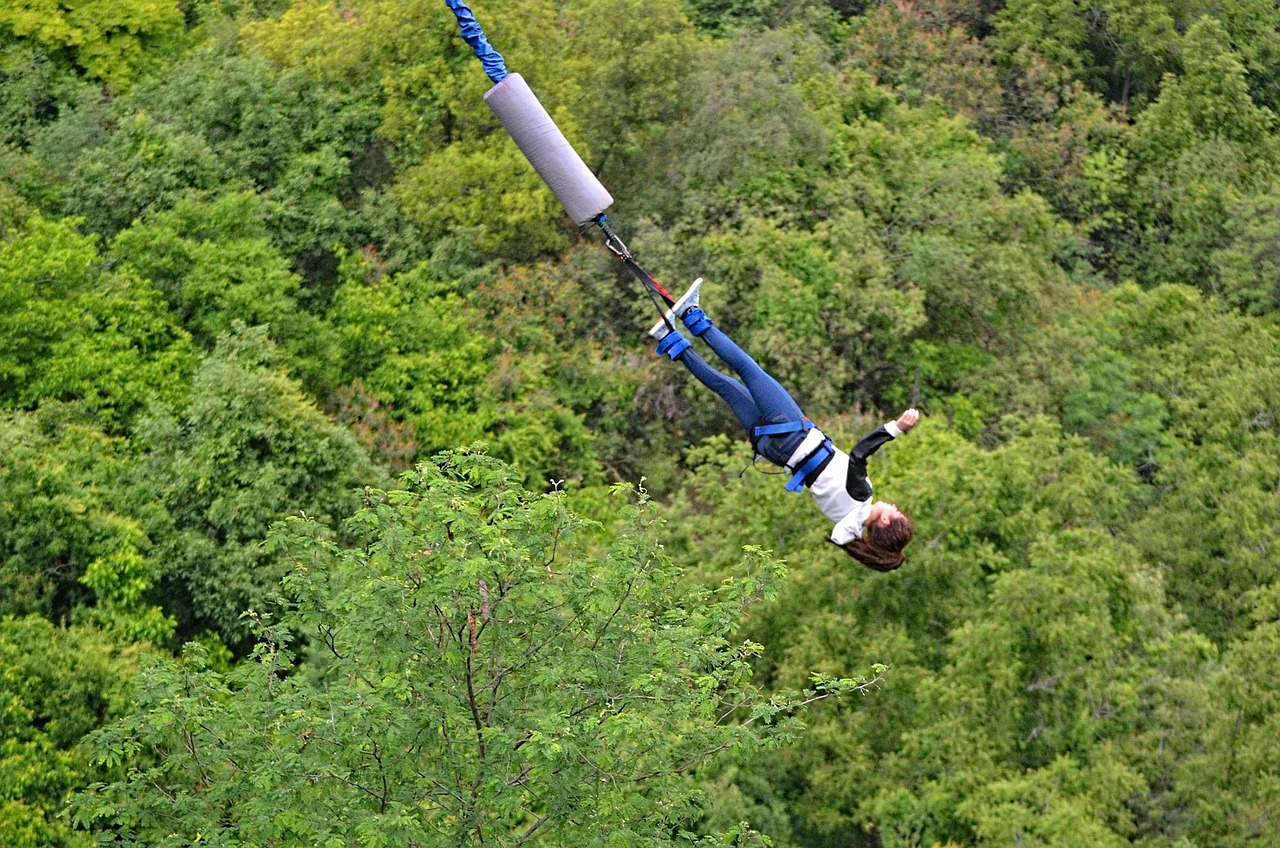
Bungee jumping in Bangalore
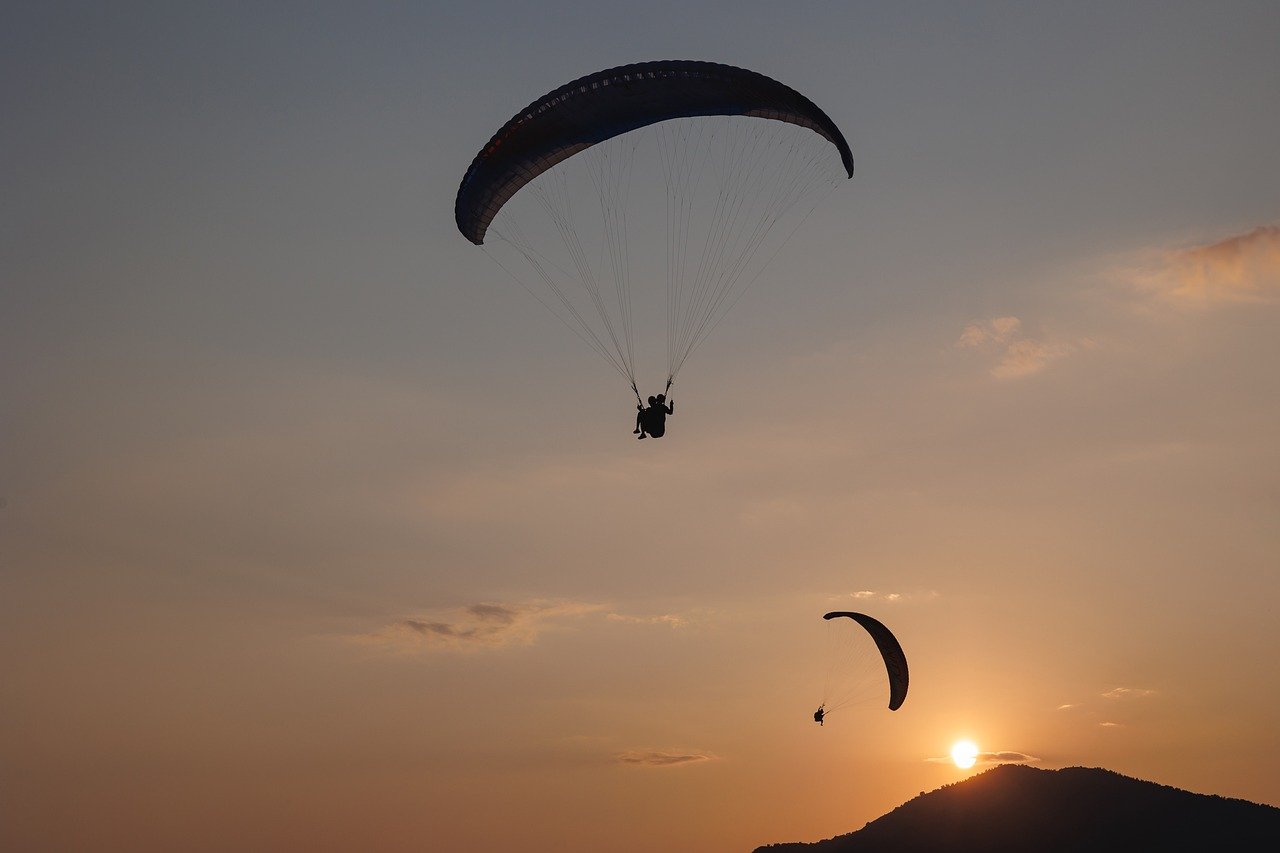
Paragliding in Bir Billing
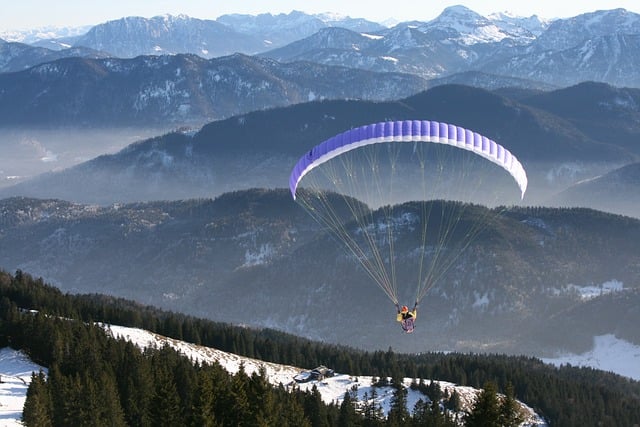
Paragliding in Manali
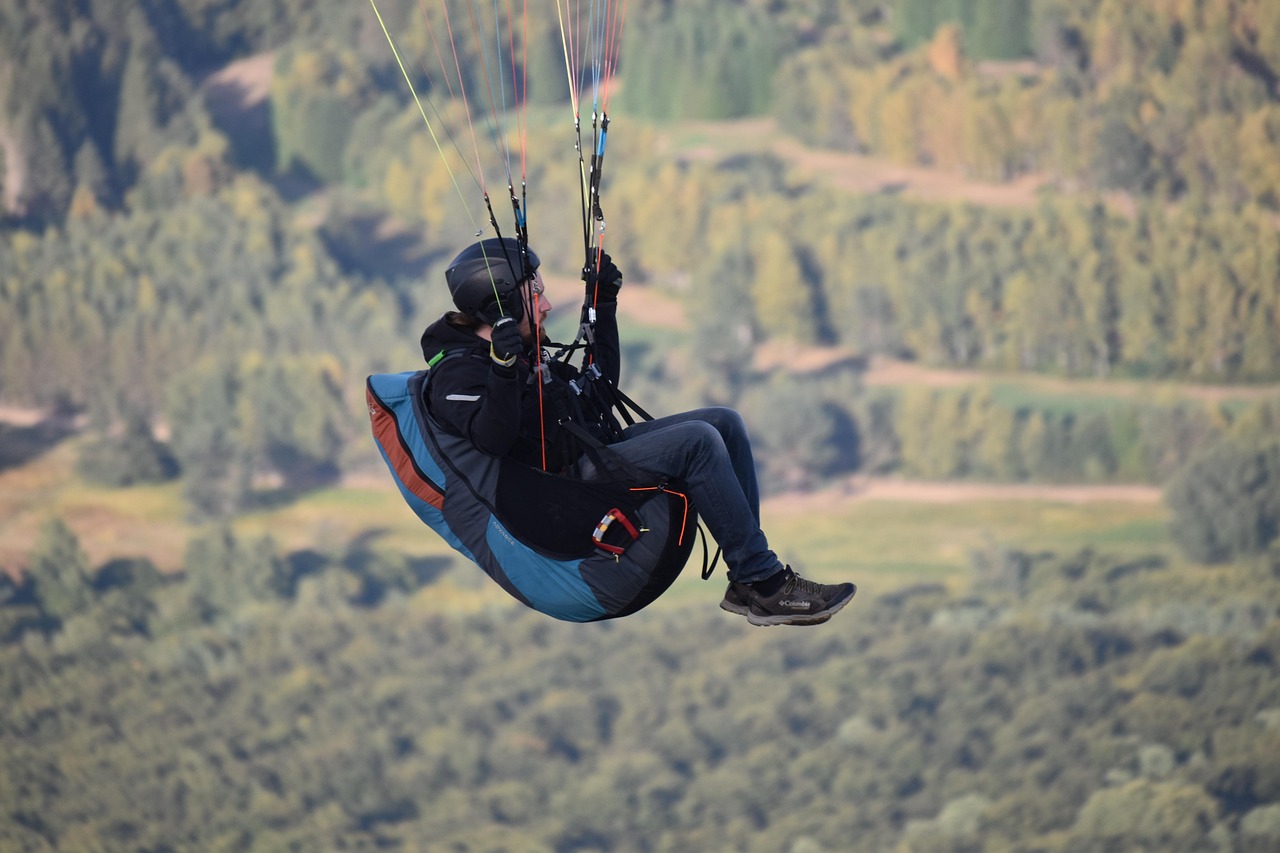
Paragliding in Nainital
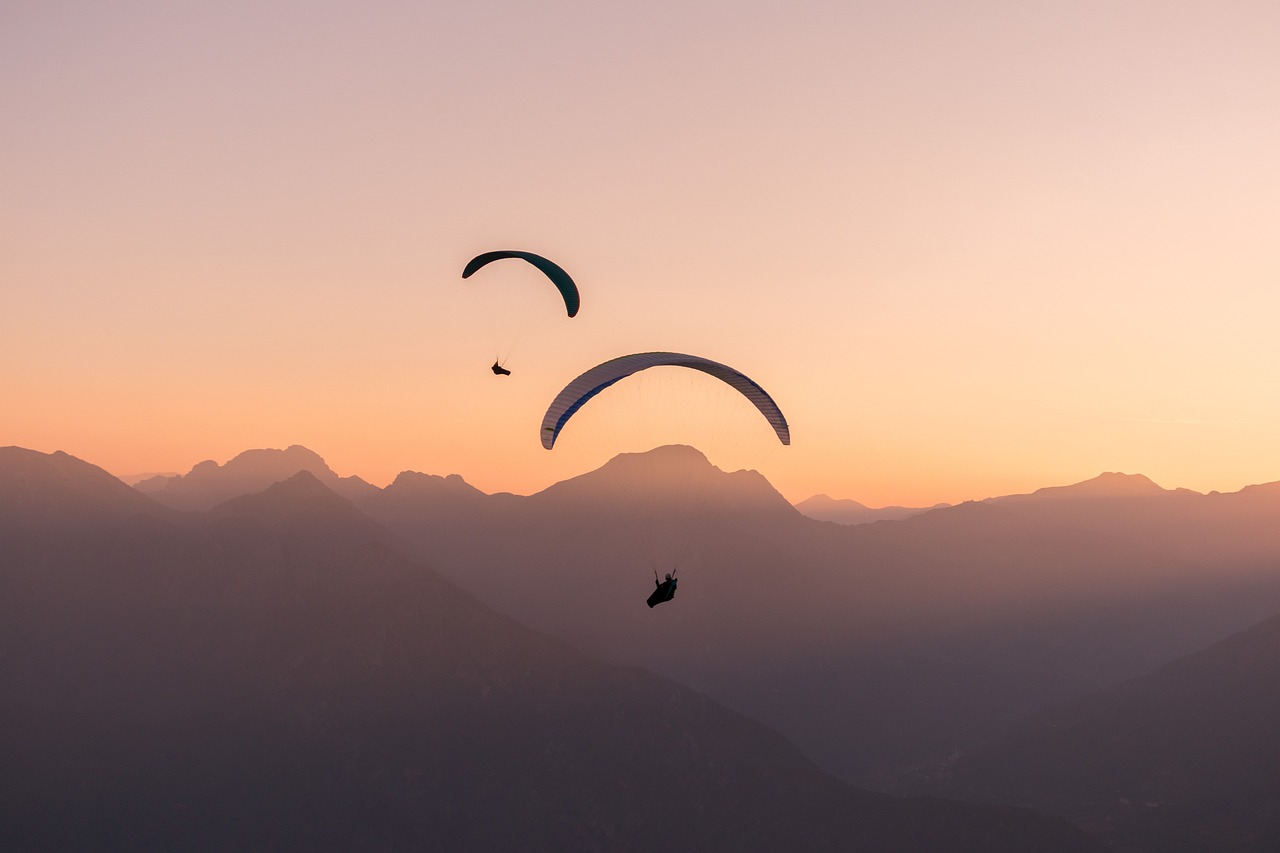
Paragliding in Kamshet
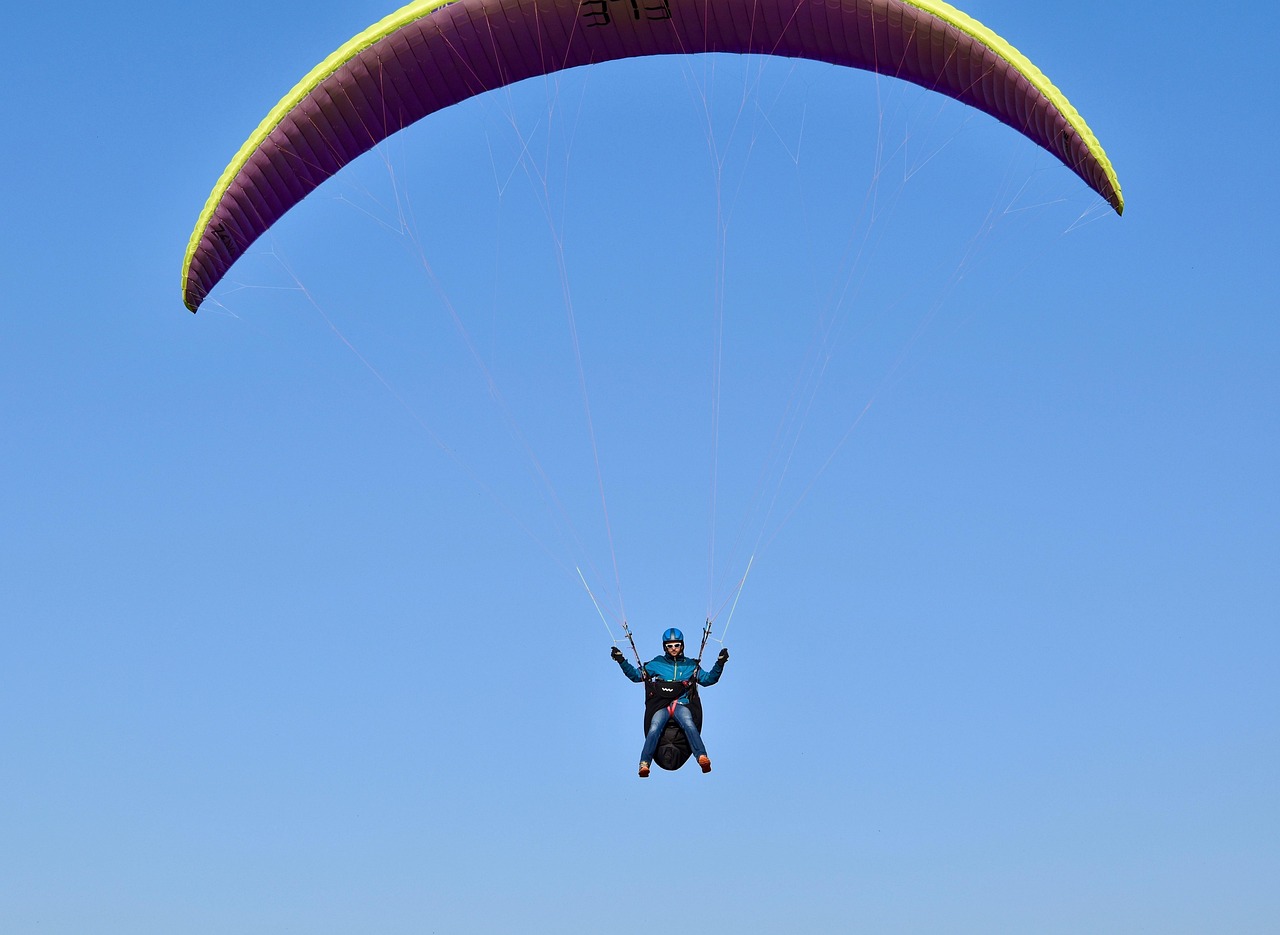
Paragliding in Ranikhet and Mukteshwar
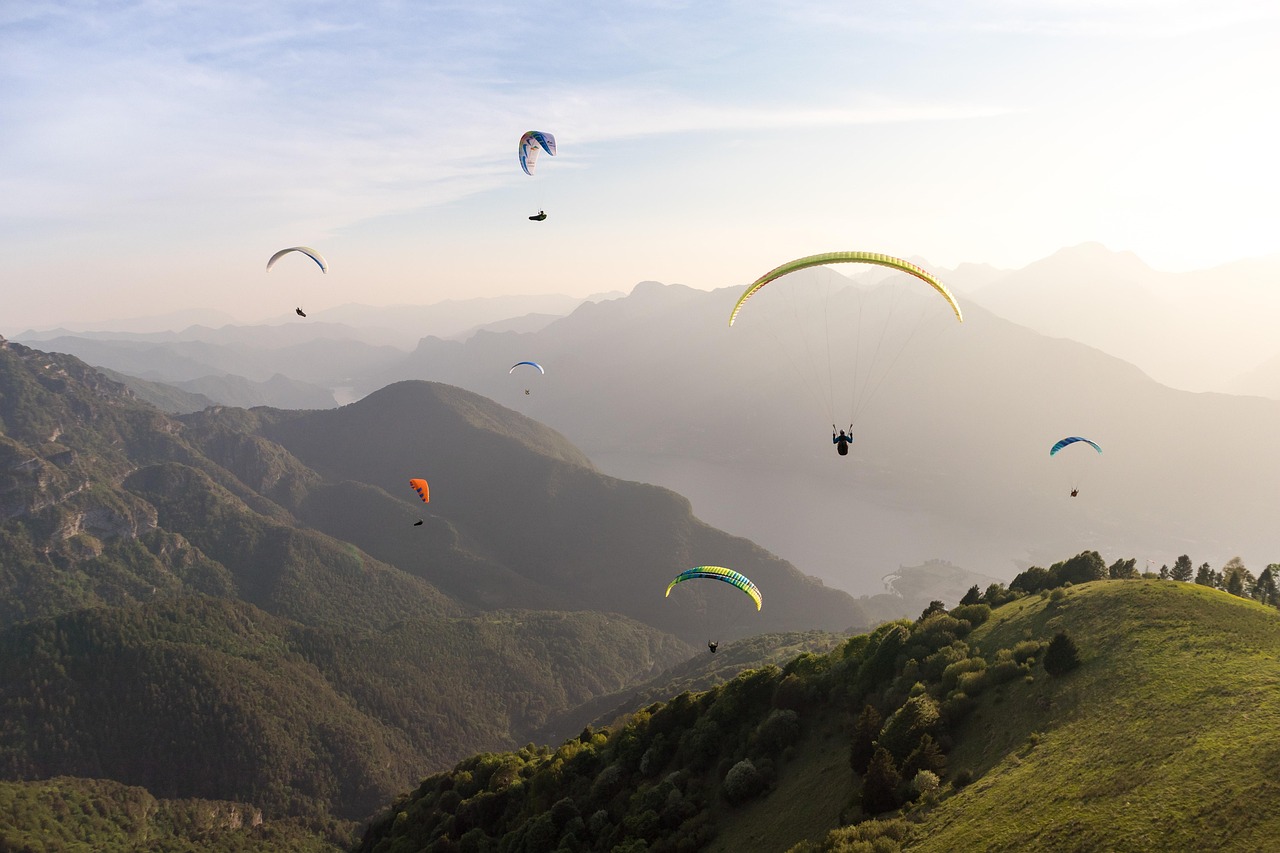
Paragliding in Gangtok
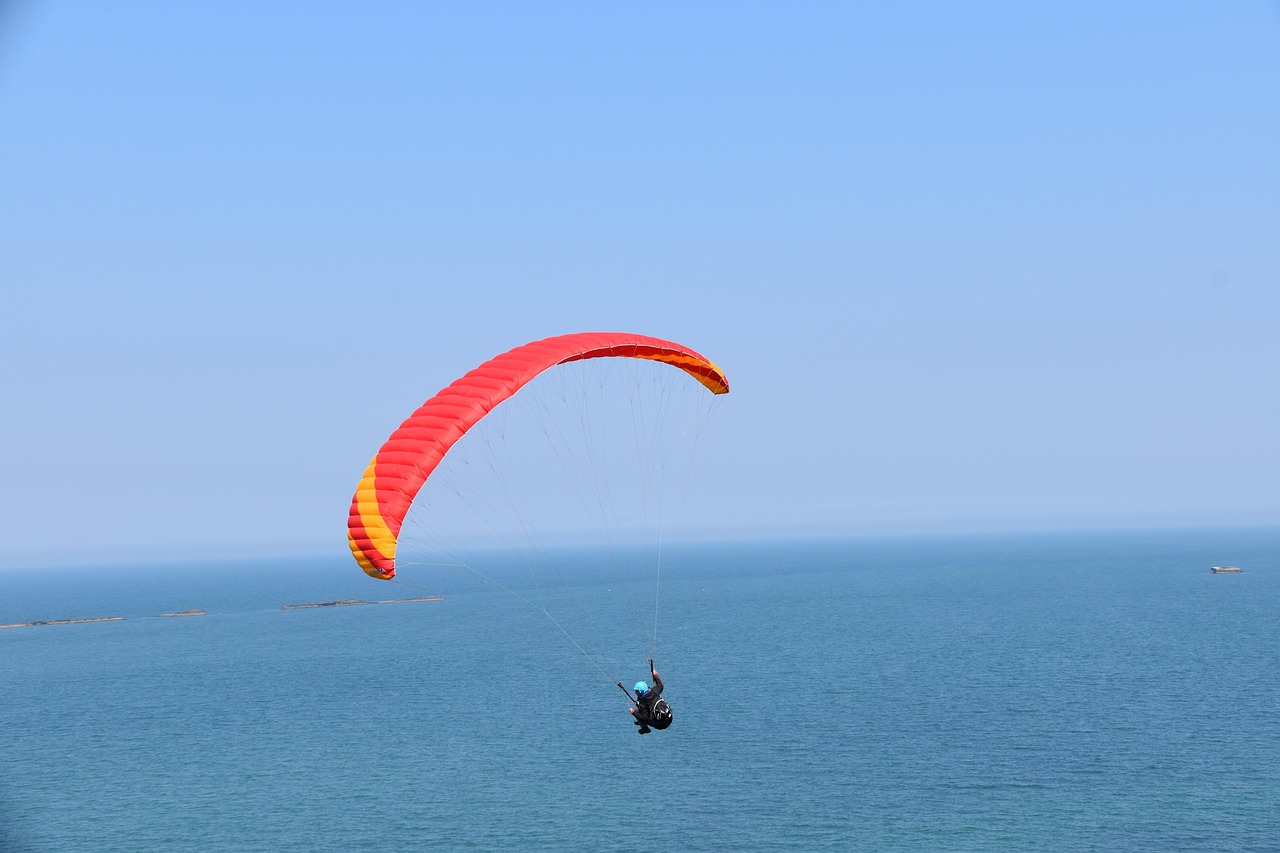
Paragliding in Arambol, Goa
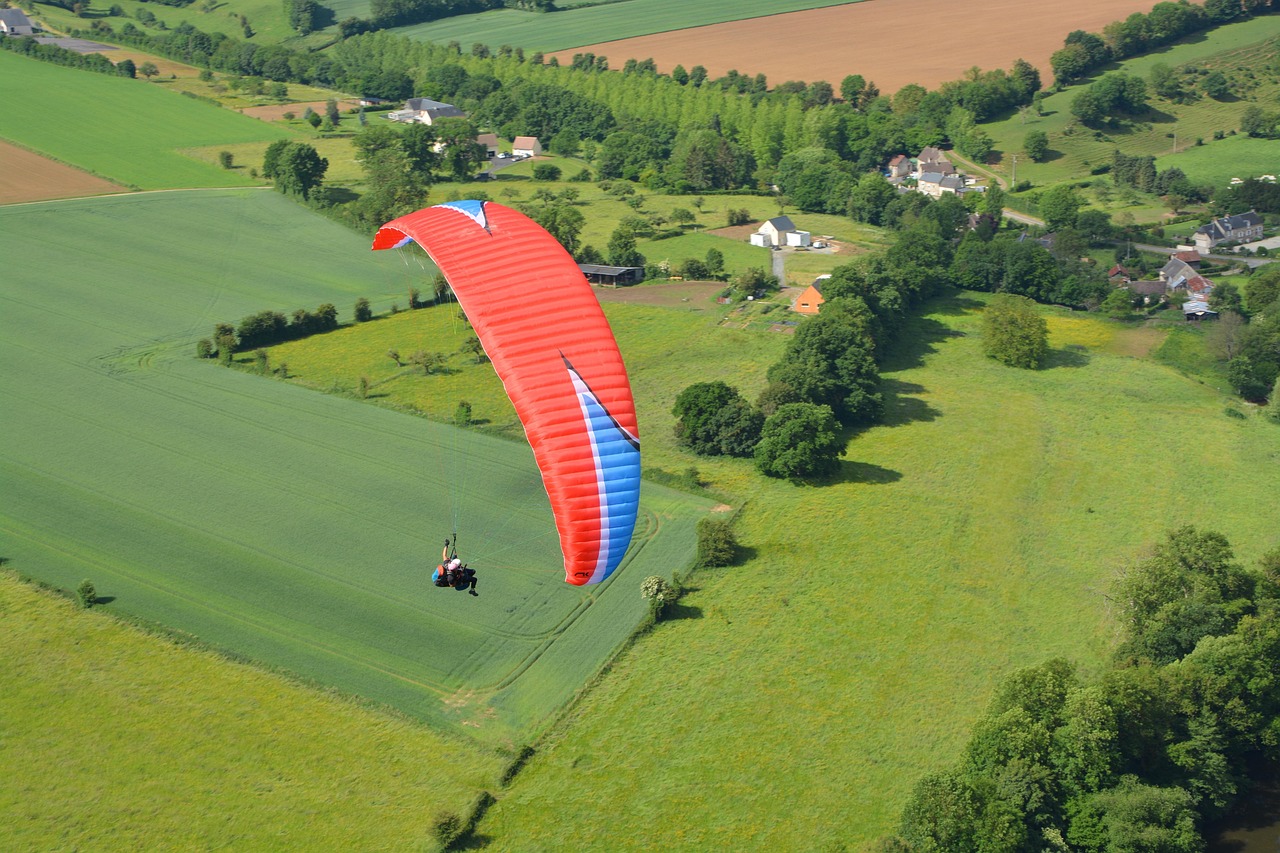
Paragliding in Pavagadh, Gujarat
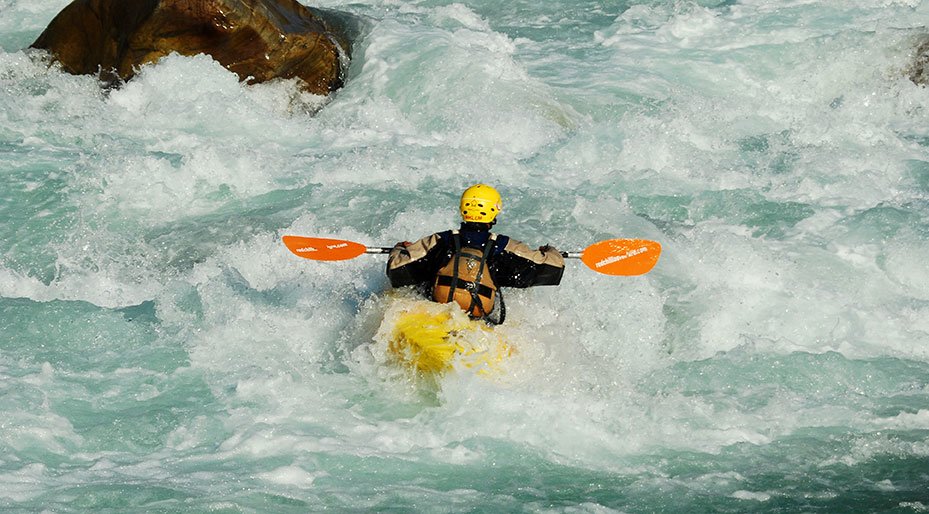
Kayaking in Rishikesh
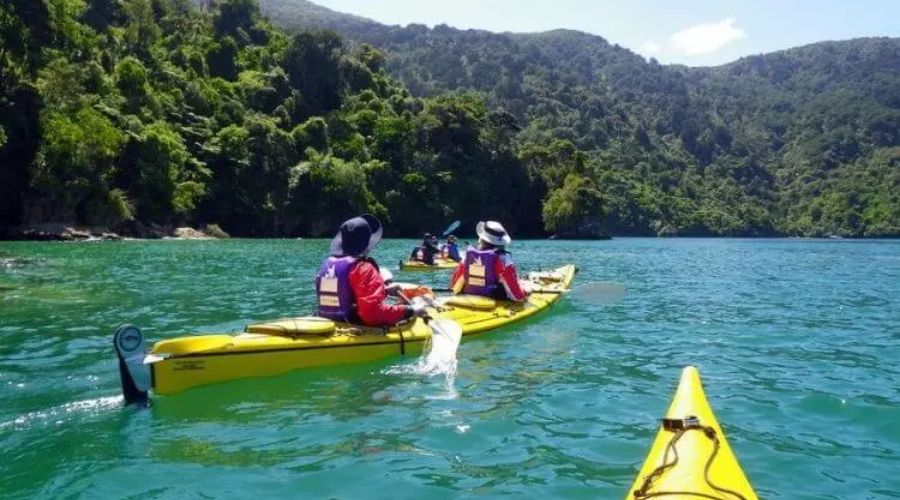
Kayaking in Andaman and Nicobar Islands

Kayaking in Kerala
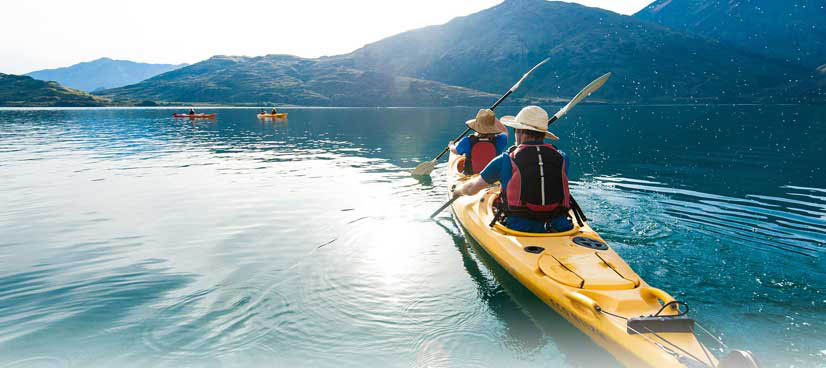
Kayaking in Sikkim
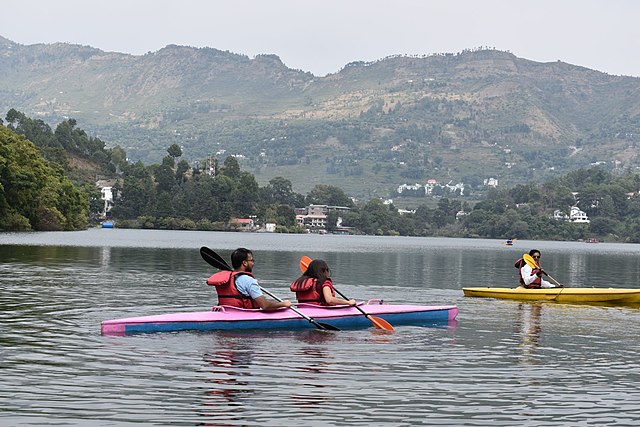
Kayaking in Nainital

Kayaking in Tungabhadra River, Karnataka
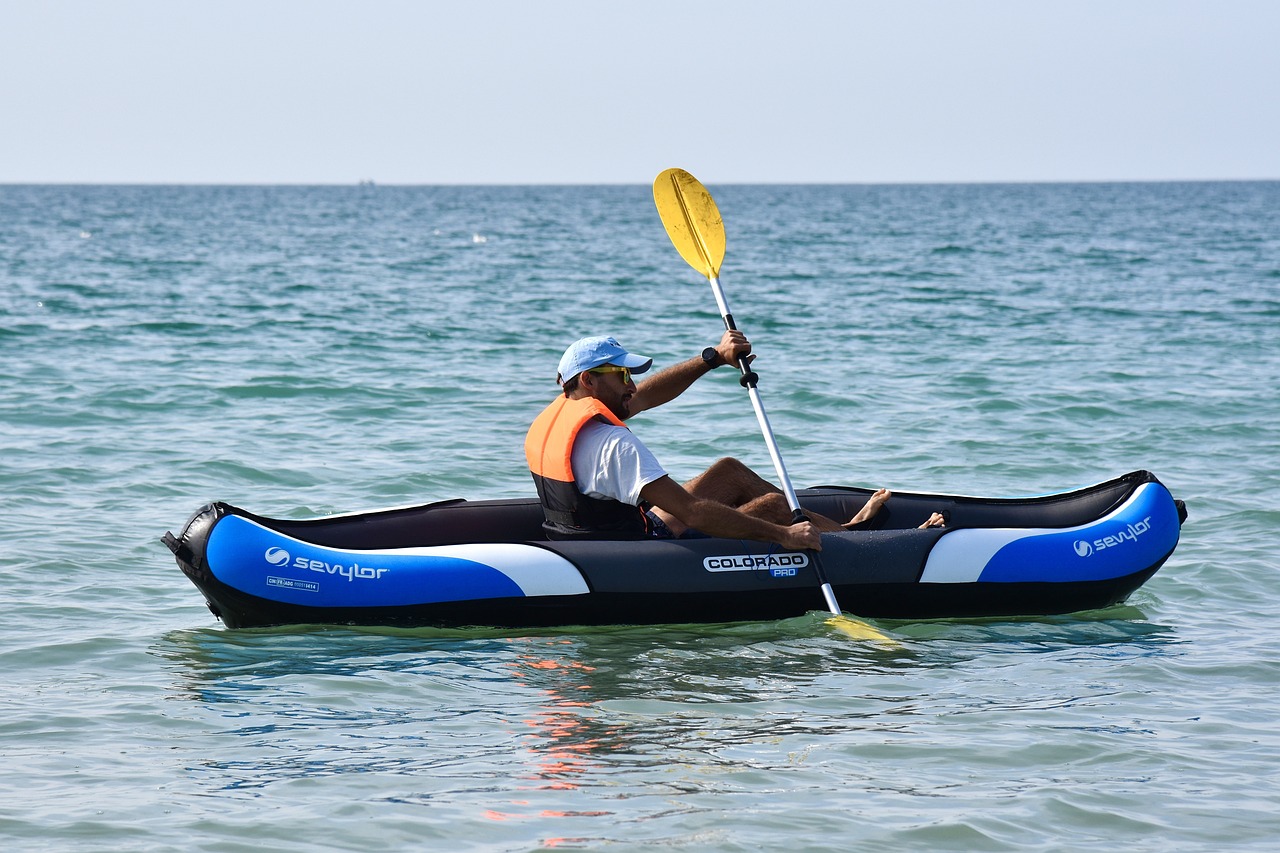
Kayaking in Pondicherry
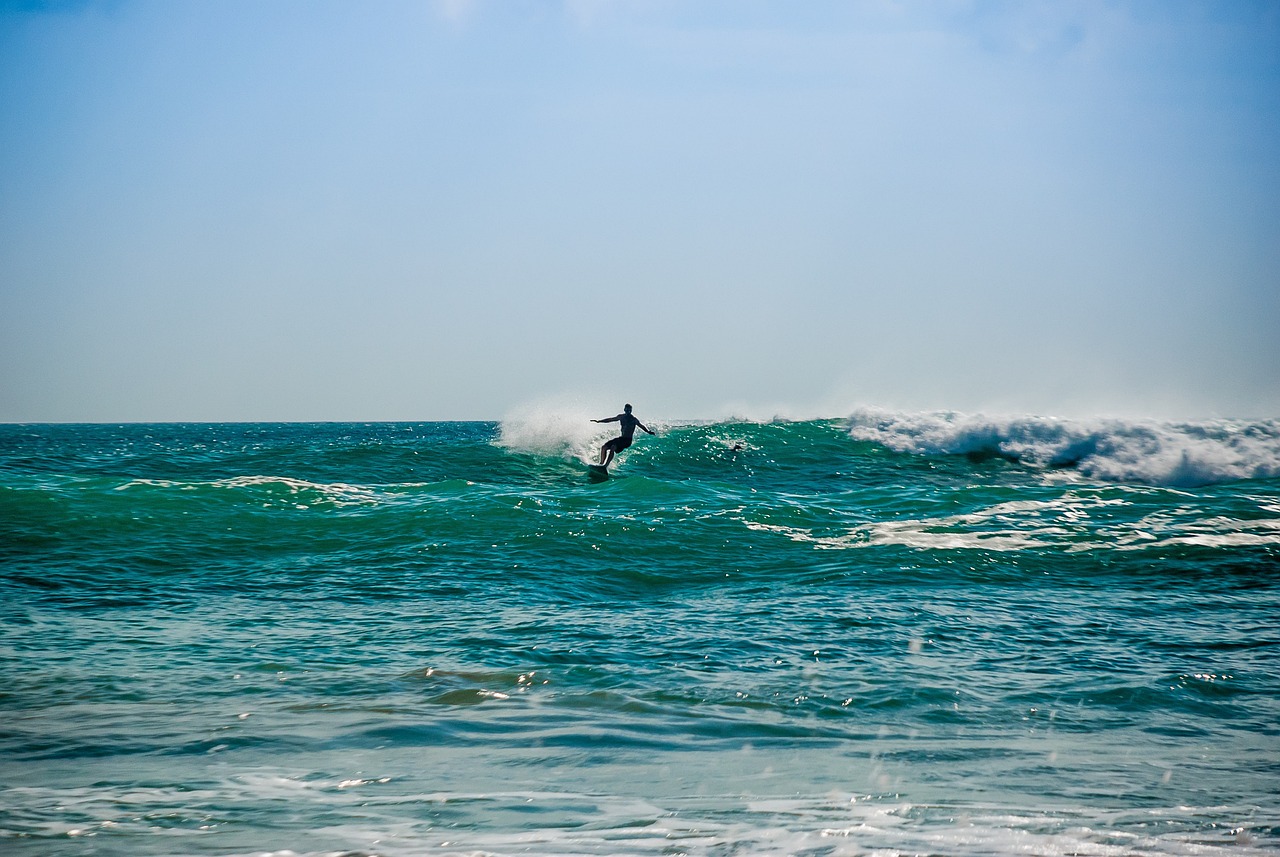
Surfing in Goa

Surfing in Varkala (Kerala)

Surfing in Kovalam (Kerala)

Surfing in Manapad (Tamil Nadu)
Surfing in Udupi (Karnataka)
Surfing in Gokarna (Karnataka)

Surfing in Puducherry
Surfing in Sindhudurg (Maharashtra)
Top 10 Visiting Places in Rishikesh: Your Ultimate Travel Guide
Top 10 Visiting Places in Jaipur: The Pink City’s Must-See Attractions
9 Amazing Treks in Uttarkashi: A Perfect Blend of Adventure, Beauty, and Peace
Prayagraj Maha Kumbh Mela 2025: Royal Bath Dates and Their Religious Significance
Valley of Flowers: A Himalayan Wonderland of Bloom and Beauty
Hemkund Sahib Trek: A Divine Journey to the Sacred Himalayan Pilgrimage
Kuari Pass Trek: A Dreamy Journey Amidst the Himalayas
A Unique Spiritual Journey Among the Panch Kedar
🕉️ Char Dham Yatra: A Life-Changing Spiritual Journey 🏔️🙏
Ganga Dussehra to Nanda Devi Raj Jat: Major Festivals and Culture of Uttarakhand
A Paradise in the Lap of the Himalayas: The Complete Travel Story of Himachal Pradesh 🏔️
🕉️ The Doors of Baba Kedar Close — The Himalayas Echo with “Har Har Mahadev”
Kedarkantha Trek – The Crown of Winter Treks ❄️
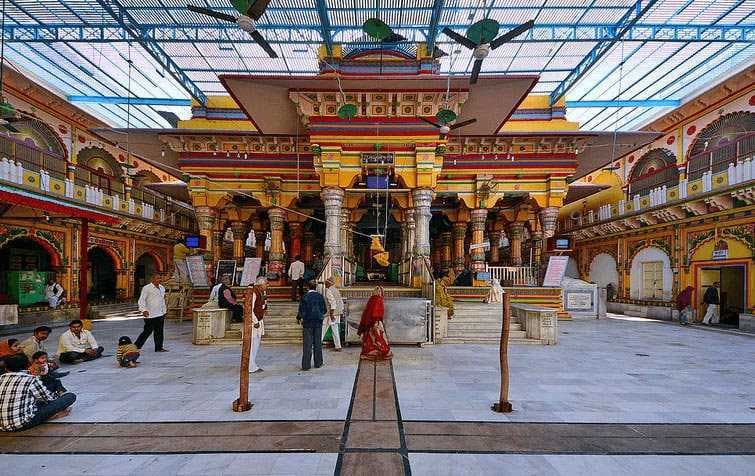
Shri Dwarkadhish Temple, Mathura – The Divine Abode of Lord Krishna
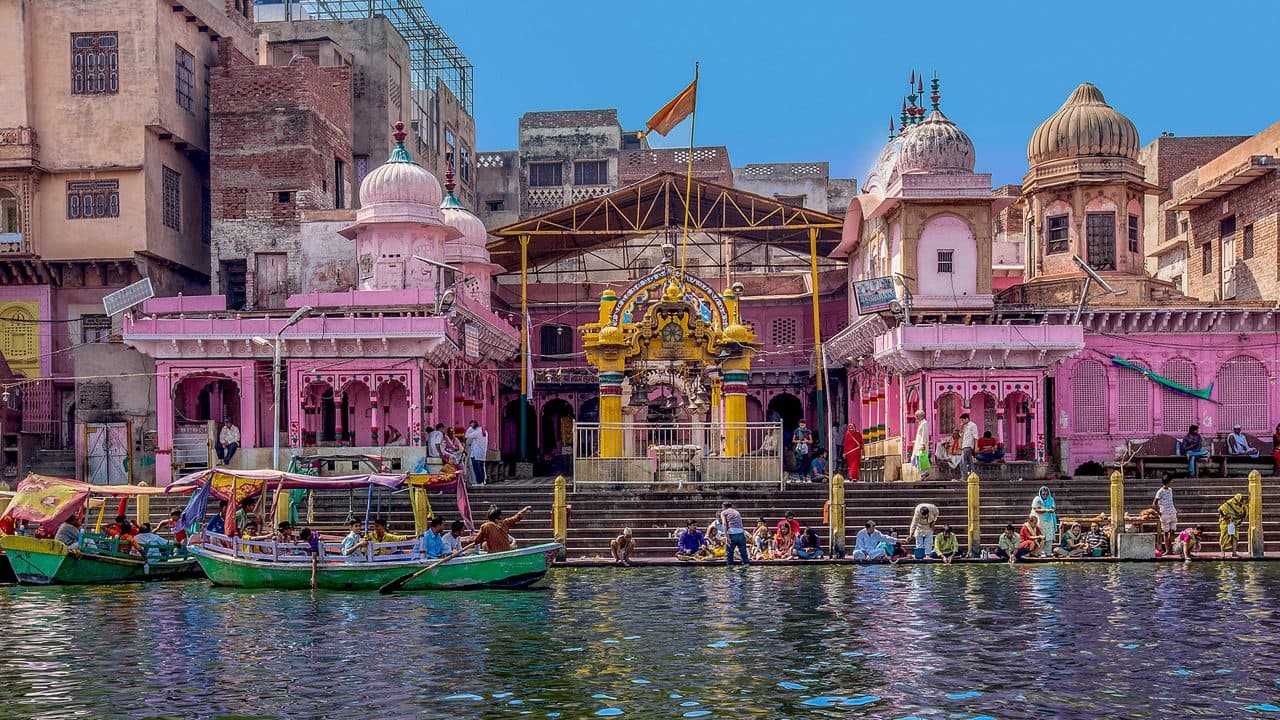
Vishram Ghat: The Sacred Riverside of Mathura
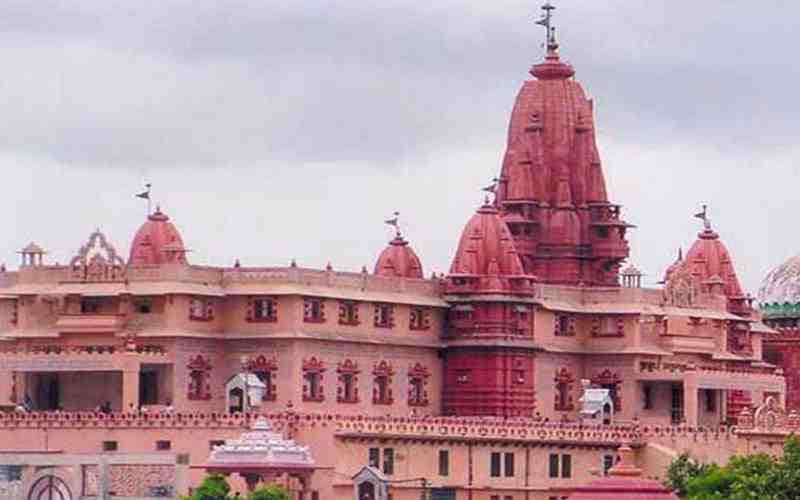
Explore Mathura – Temples, Culture, and Festivals
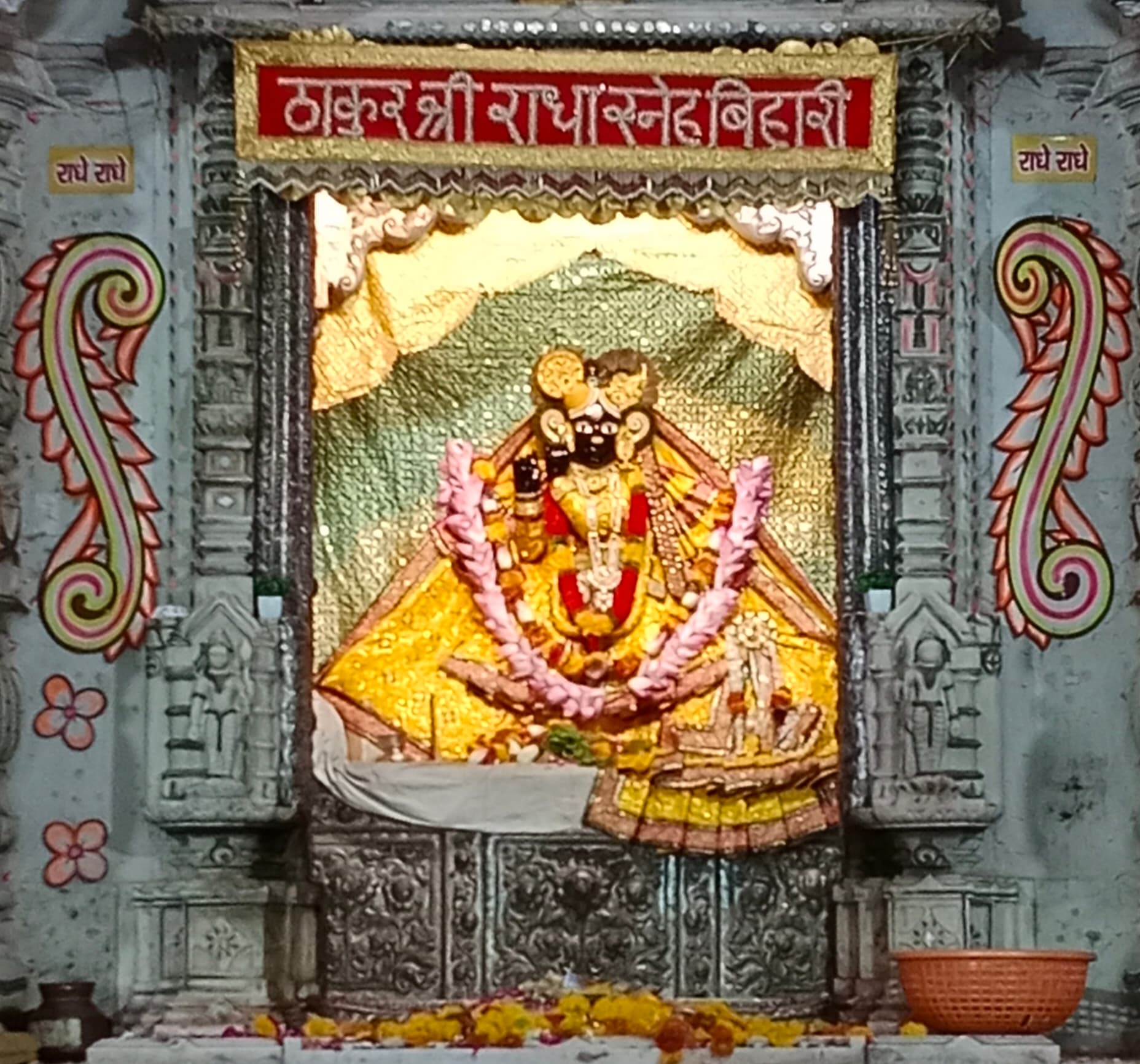
✨ Seek Blessings of Shri Banke Bihari Ji – Experience the Divine Vrindavan! 🙏
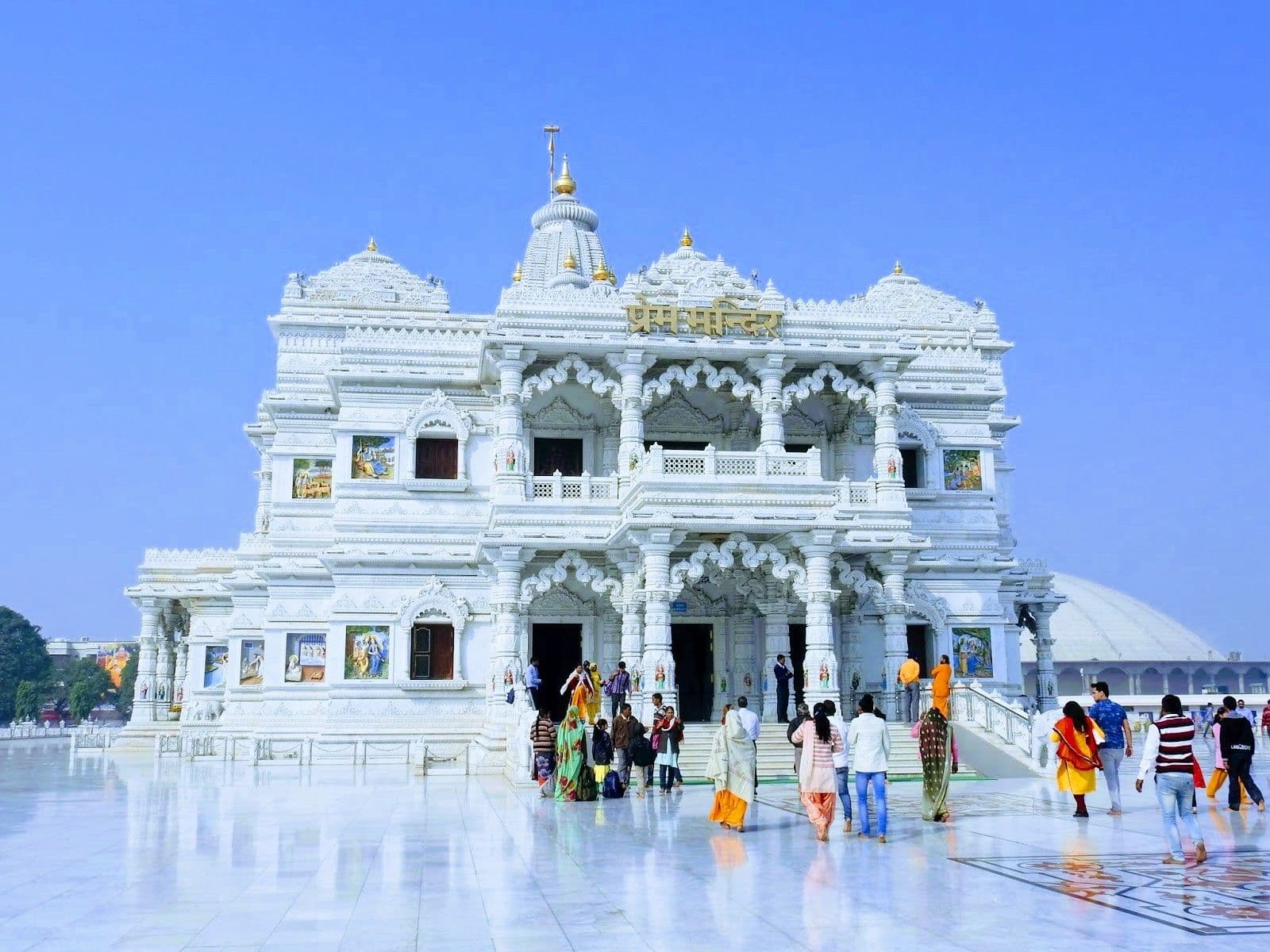
Shri Prem Mandir – Feel the Divine Love in Vrindavan 🙏
Nidhivan Vrindavan: Where Radha-Krishna Still Perform the Divine Ras Leela
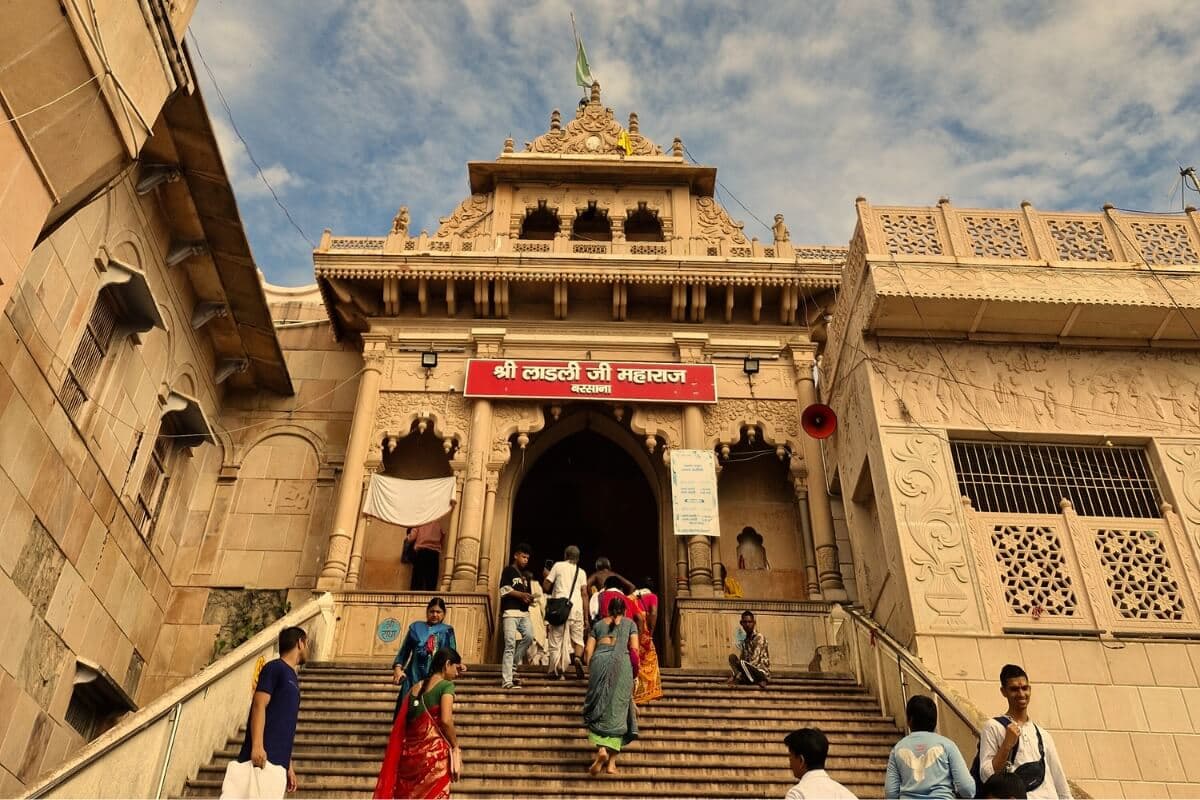
🙏 Have a divine darshan of Shri Radha Rani Temple in Barsana!
The historic Nanda Bhavan Temple in Gokul – a glimpse into the childhood of Lord Krishna
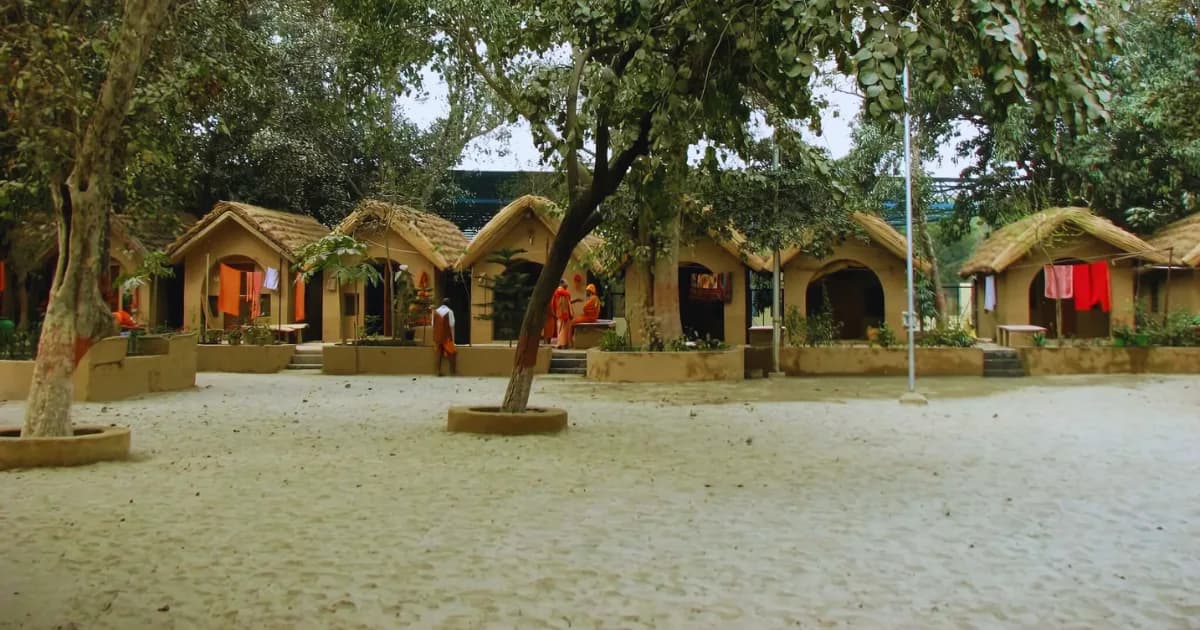
Raman Reti, Mathura: The sacred land of Balkrishna's pastimes

How to Get Darshan of Shri Premanand Ji Maharaj? Understand the Timings, Location & Contact Process.
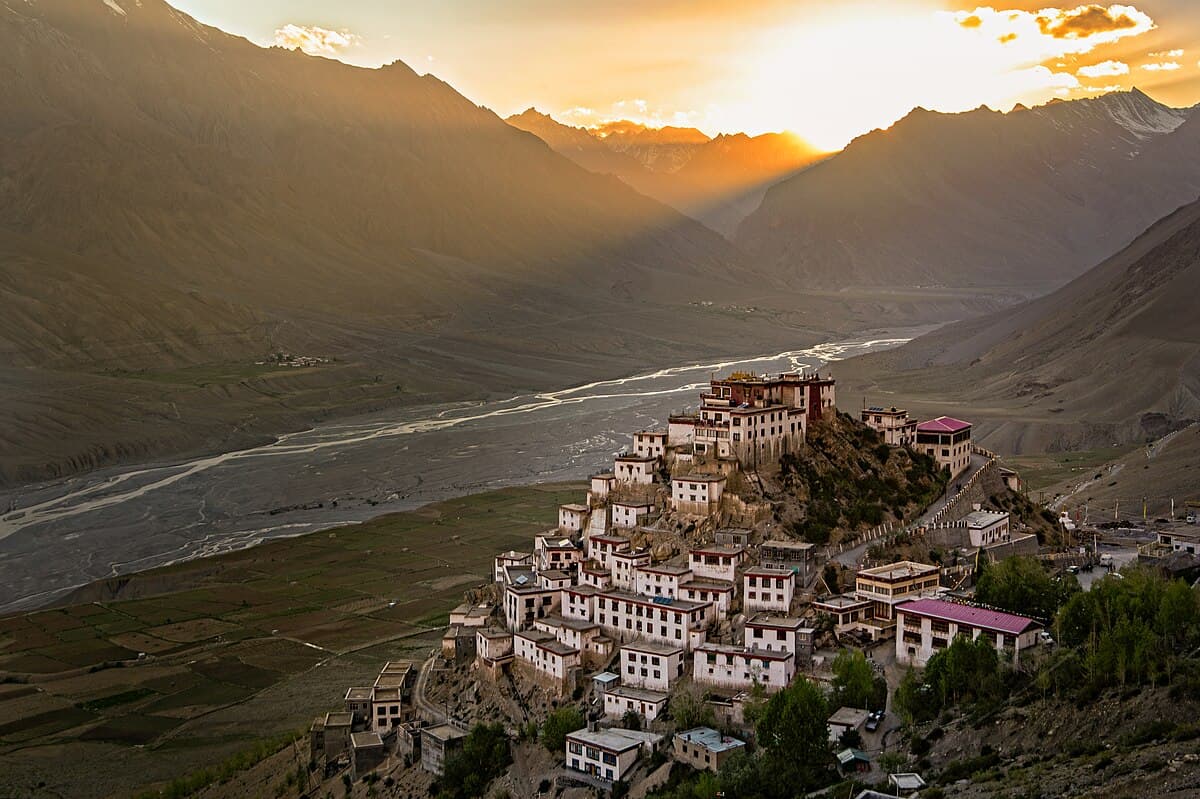
Discover the Magic of Spiti Valley – Villages, Monasteries & Scenic Wonders Await! 🏔️✨
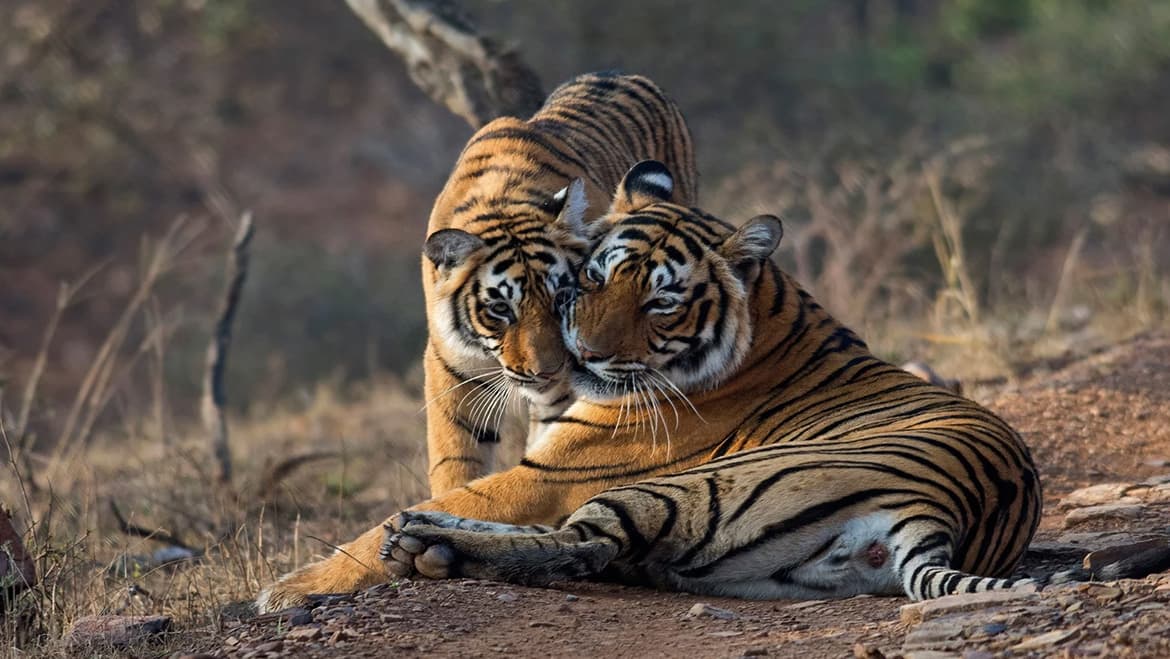
Ranthambhore National Park – Where Royal Tigers, Ancient Forts & Wilderness Come Alive
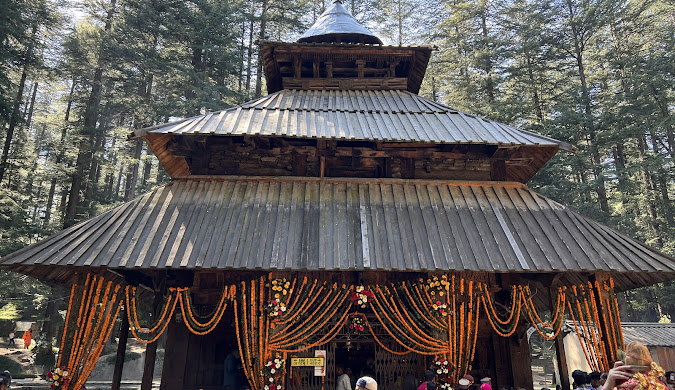
Ultimate Travel Guide to Manali: Attractions, Food, and Safety Tips
Shimla Travel Guide: Everything You Need to Know Before Visiting the Queen of Hills
Udaipur – The Venice of the East: A Complete Travel Guide
Jaisalmer Travel Guide: History, Forts, Desert Experiences, and Cultural Heritage
Kedarnath Yatra Registration 2026
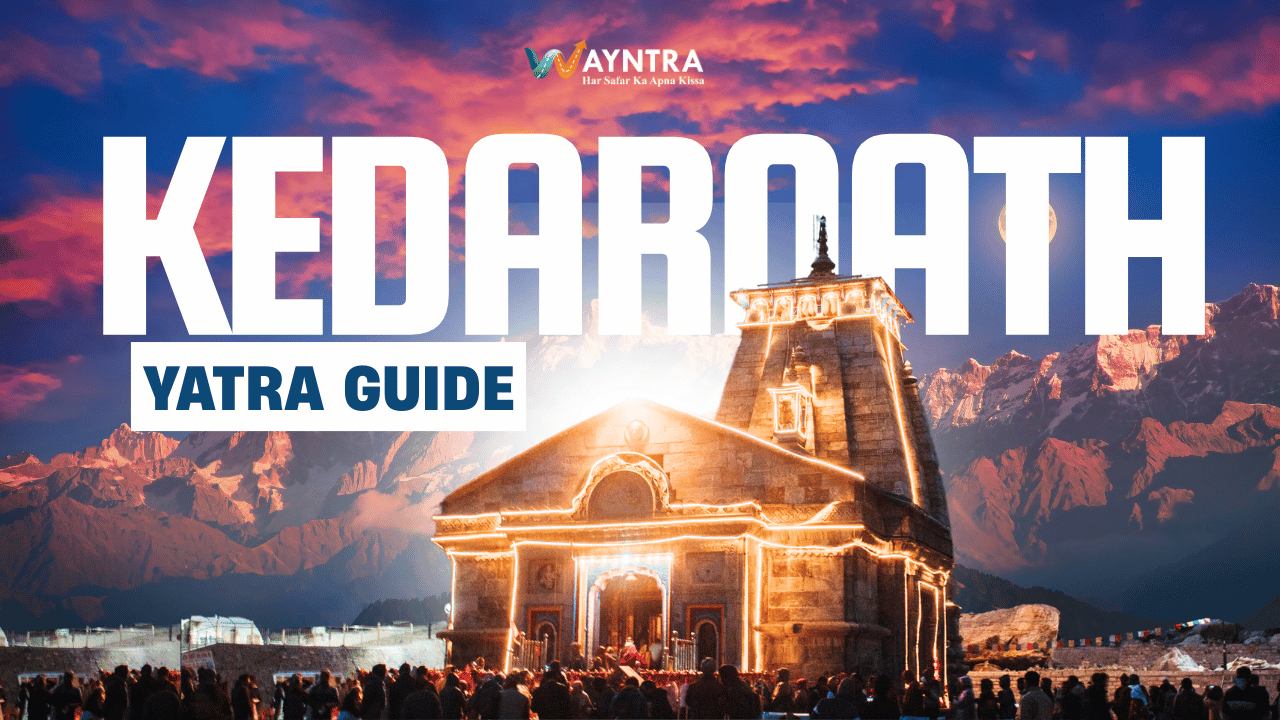
Kedarnath Yatra Guide 2026
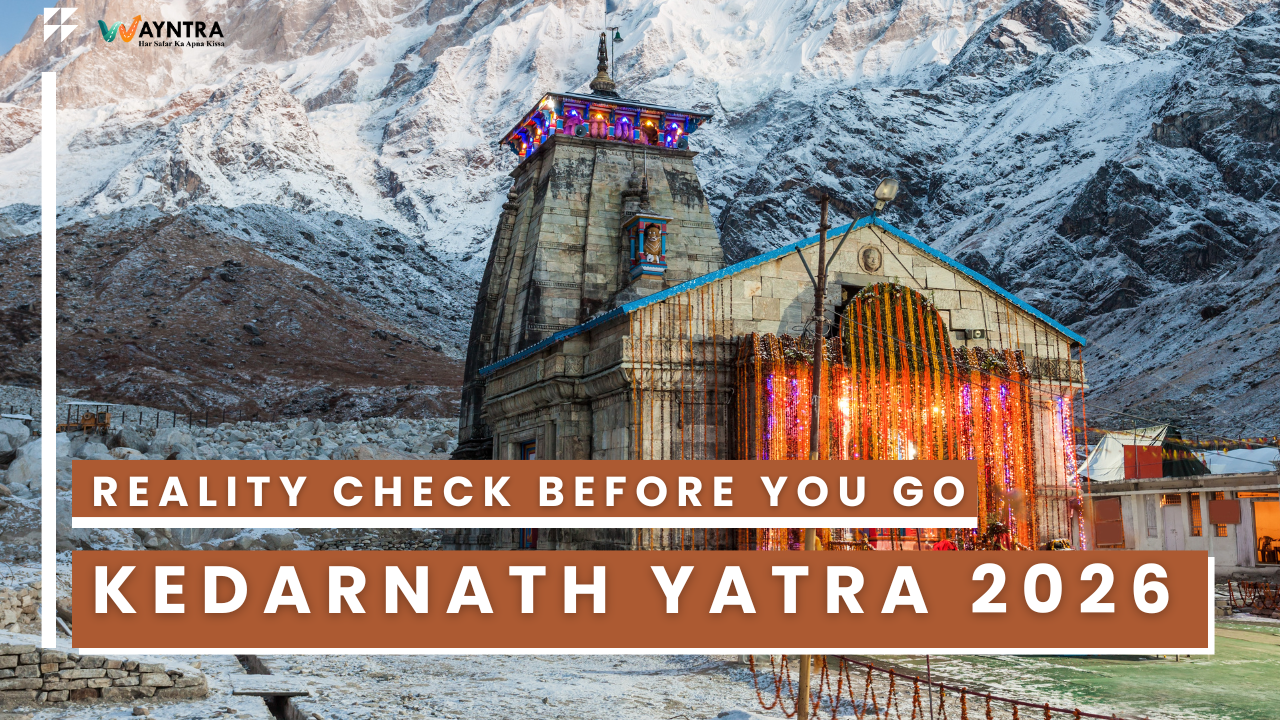
Kedarnath Helicopter Booking 2026: IRCTC Online Booking, Dates, Price & Complete Guide
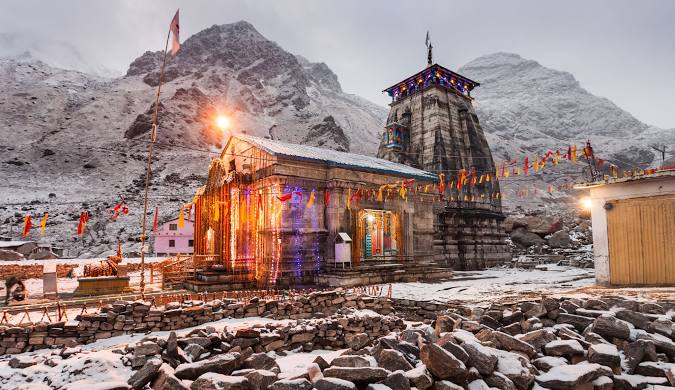
Kedarnath Temple Opens for 2026 Pilgrimage Season on April 22 at 8 AM
Kedarnath Yatra 2026: Ground Reality You Should Know Before Visiting
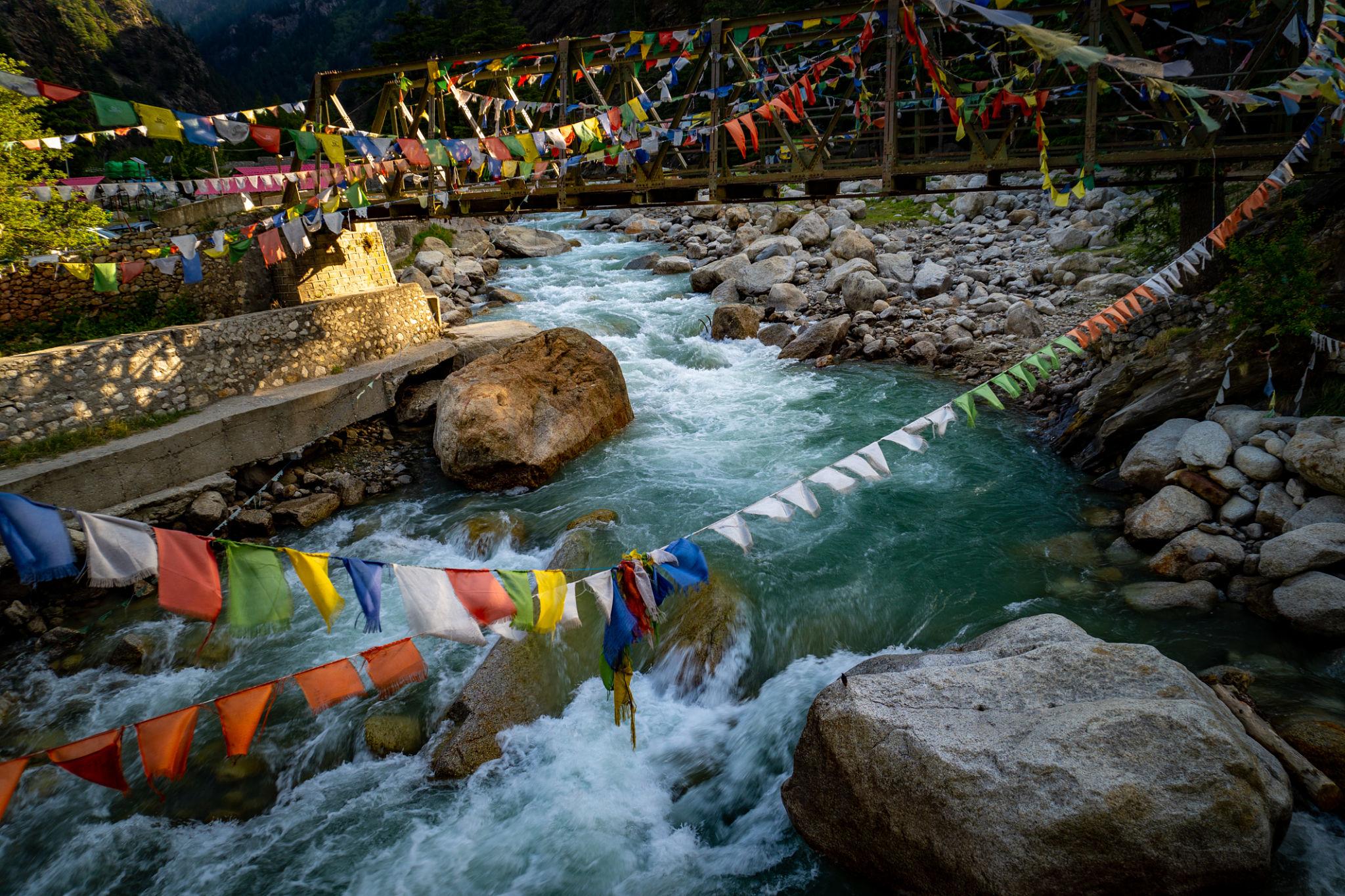
Number of Devotees on Char Dham Yatra Crosses 6.62 Lakh Till 3 May 2026
Harshil Valley – Uttarakhand’s Hidden Himalayan Paradise You Must Visit Once
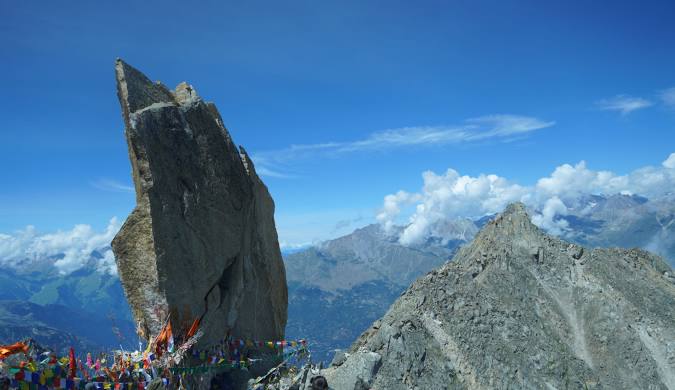
Kinner Kailash – The Mystical Abode of Lord Shiva in the Himalayas
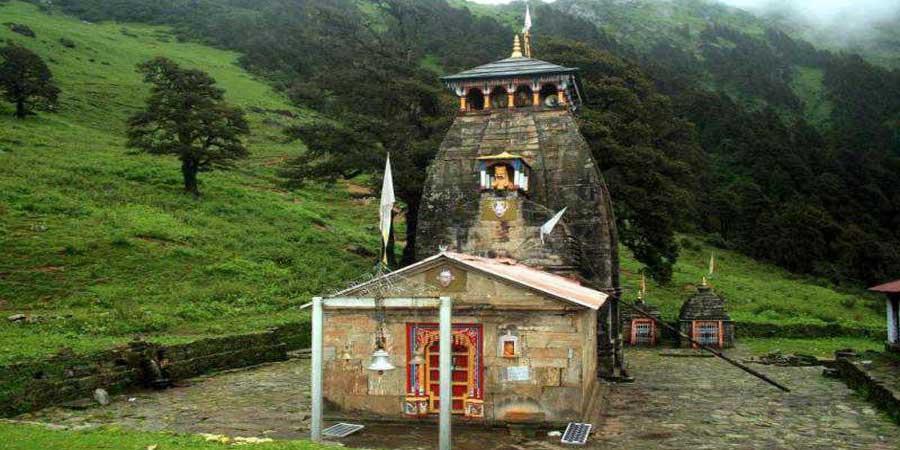
Madhyamaheshwar Temple Travel Guide 2026 – History, Trek, Route, Stay & Complete Travel Information
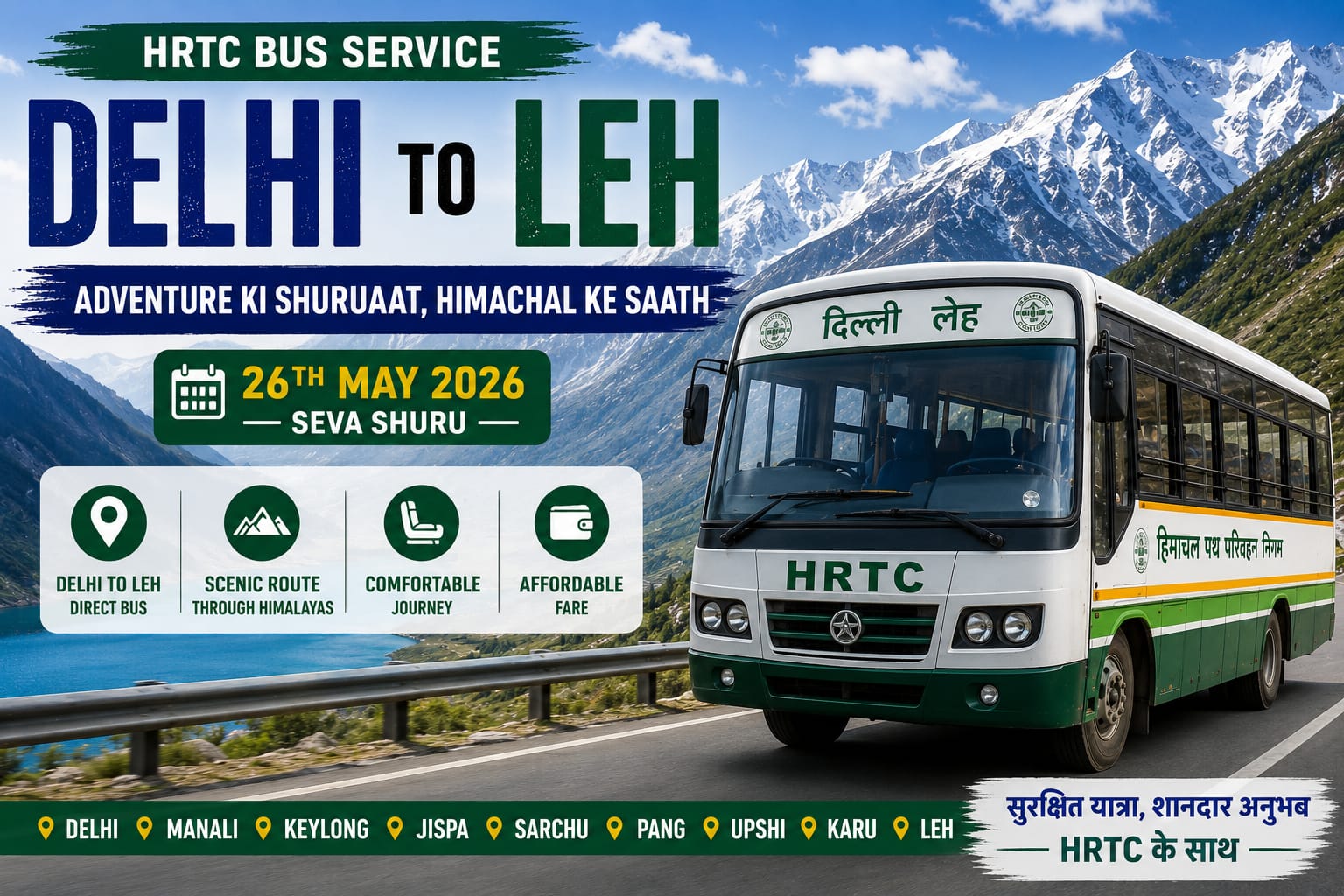
Delhi to Leh Bus Service 2026: Fare, Route, Timings, Stops & Complete Travel Guide
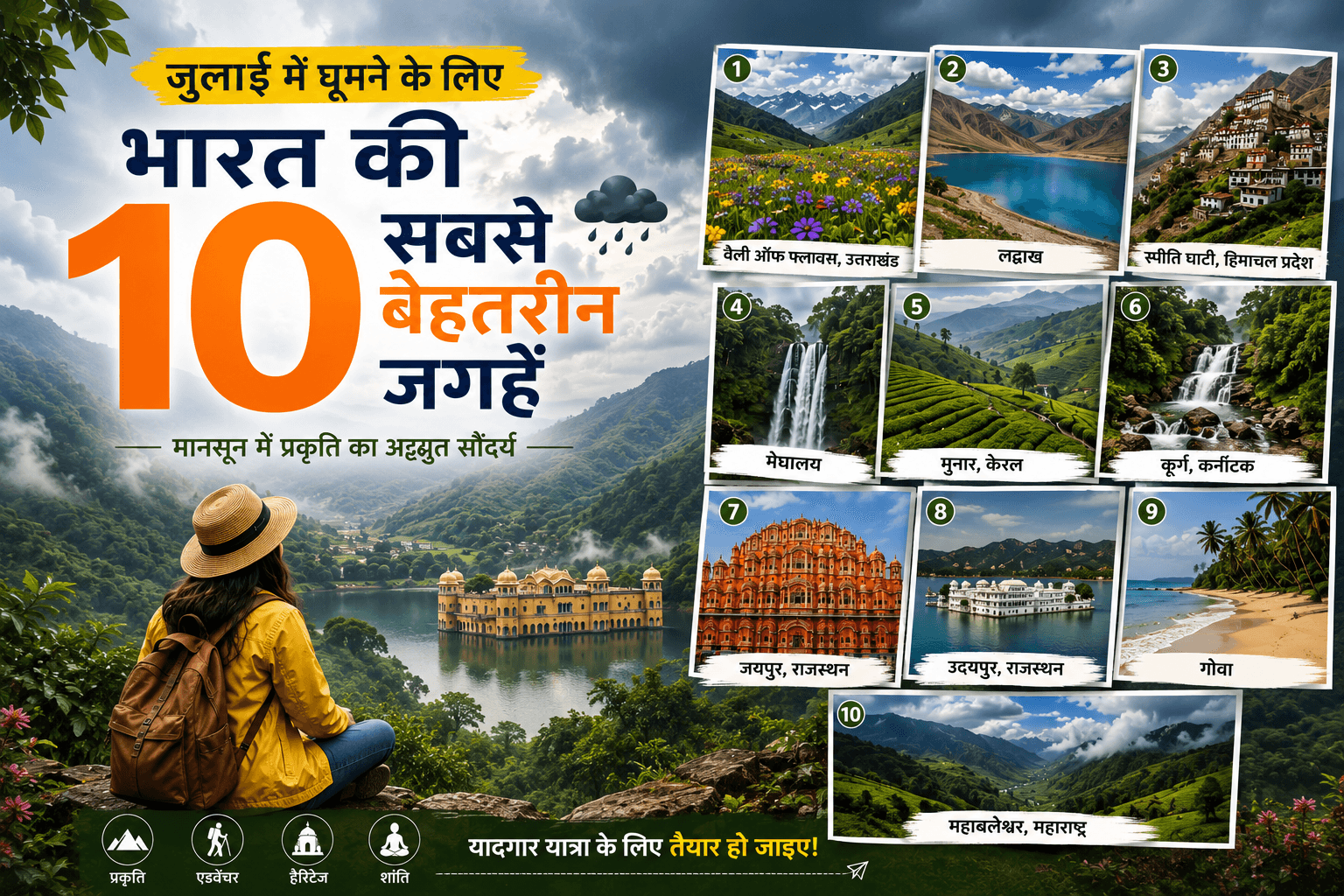
Top 10 Best Places to Visit in July in India (2026) – Monsoon Destinations You Shouldn't Miss
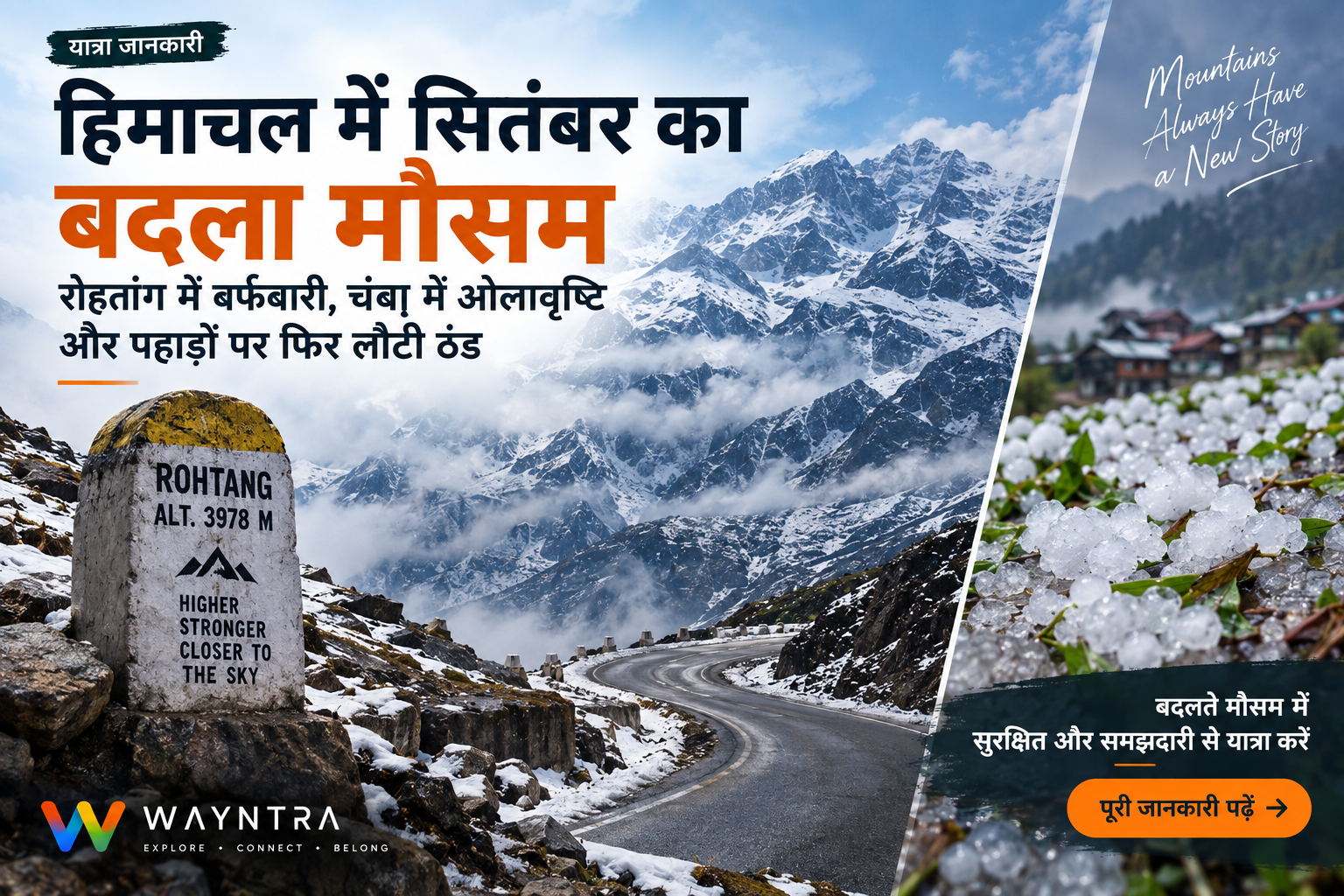
हिमाचल में सितंबर का बदला मौसम: रोहतांग में बर्फबारी, चंबा में ओलावृष्टि और पहाड़ों पर लौटी ठंड
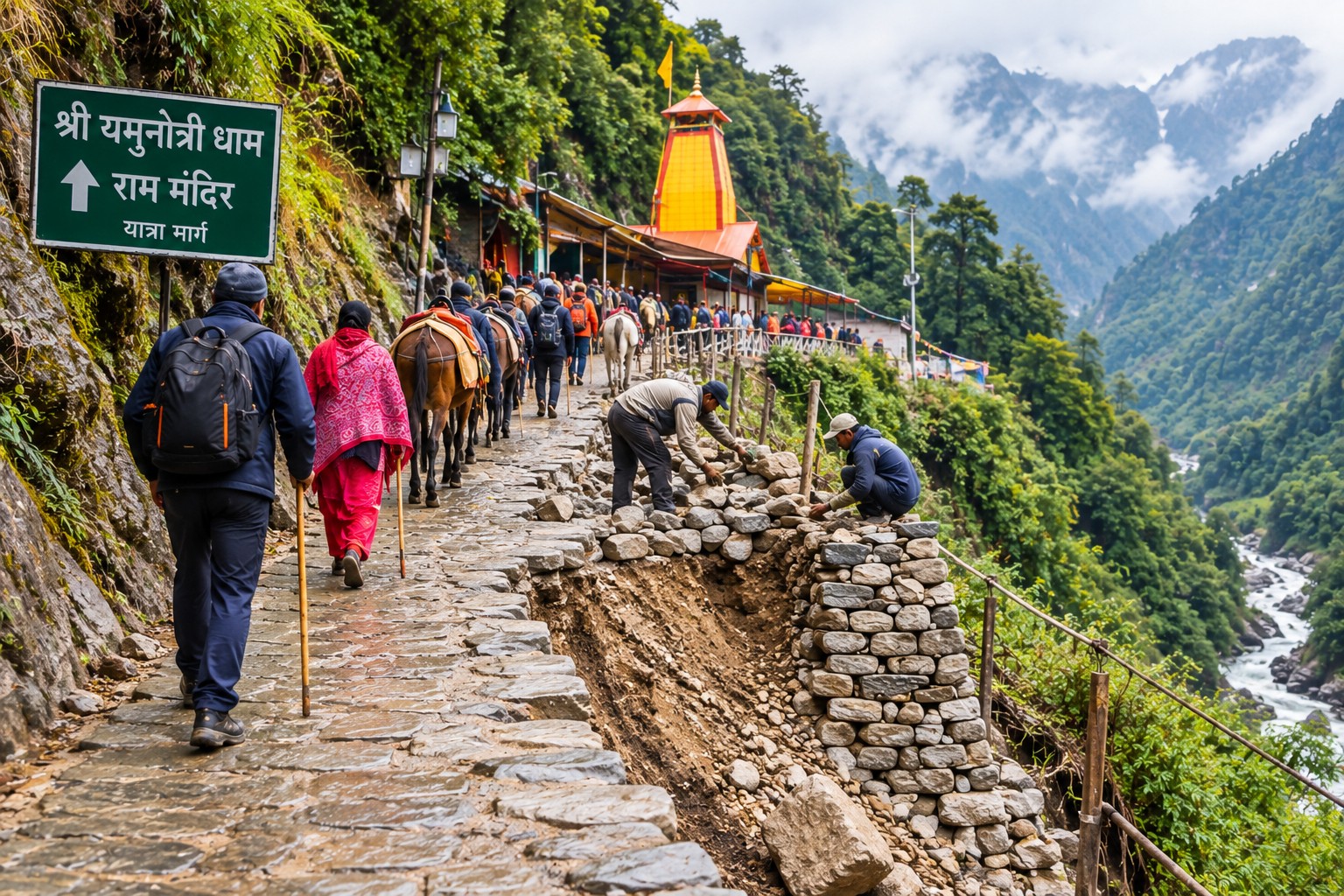
Yamunotri Dham: Safety Concerns Remain Near Ram Mandir on the Yatra Route
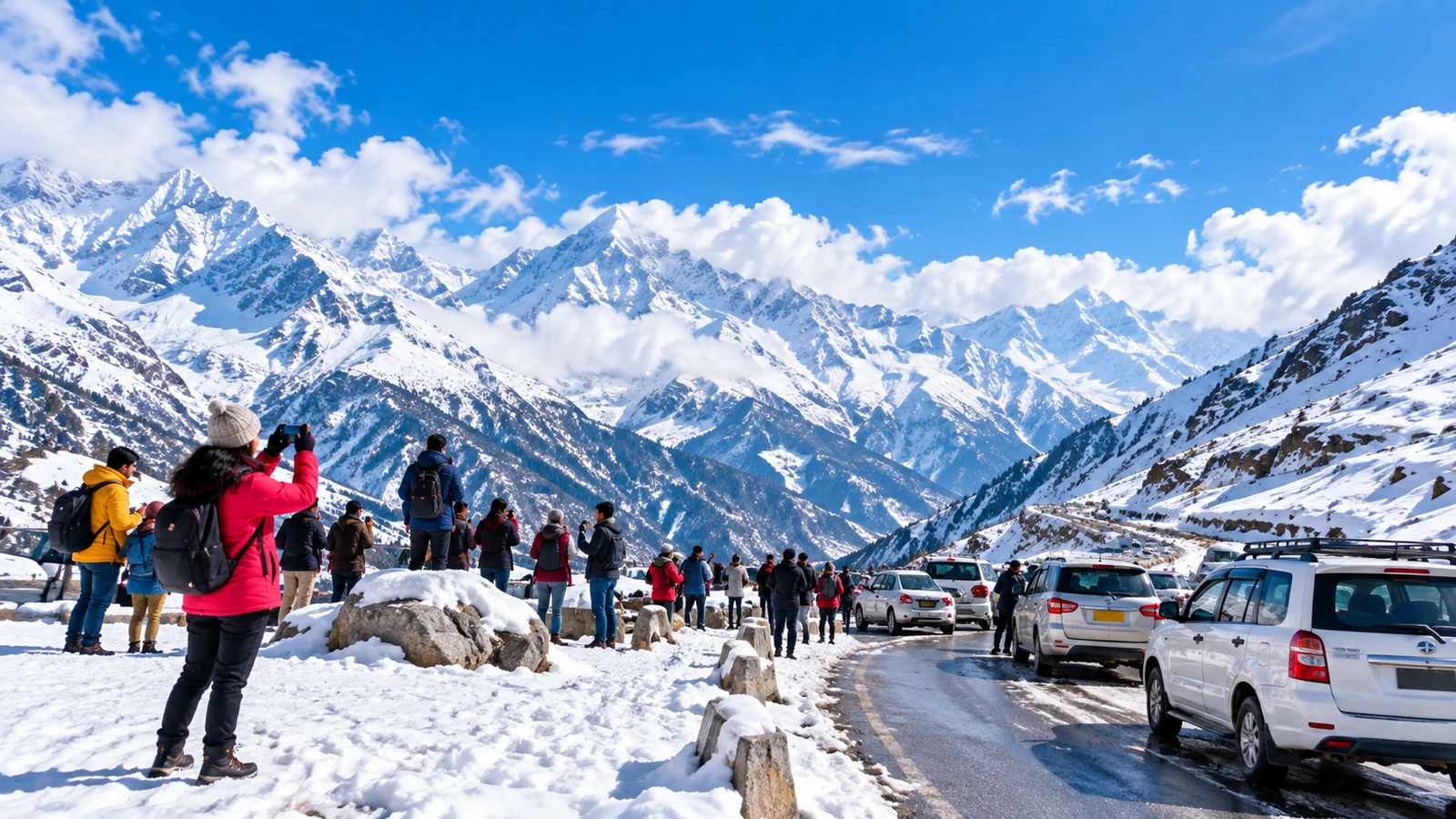
Tourists Flock to Rohtang After Snowfall, Over 600 Vehicles Arrive; Manali Comes Alive
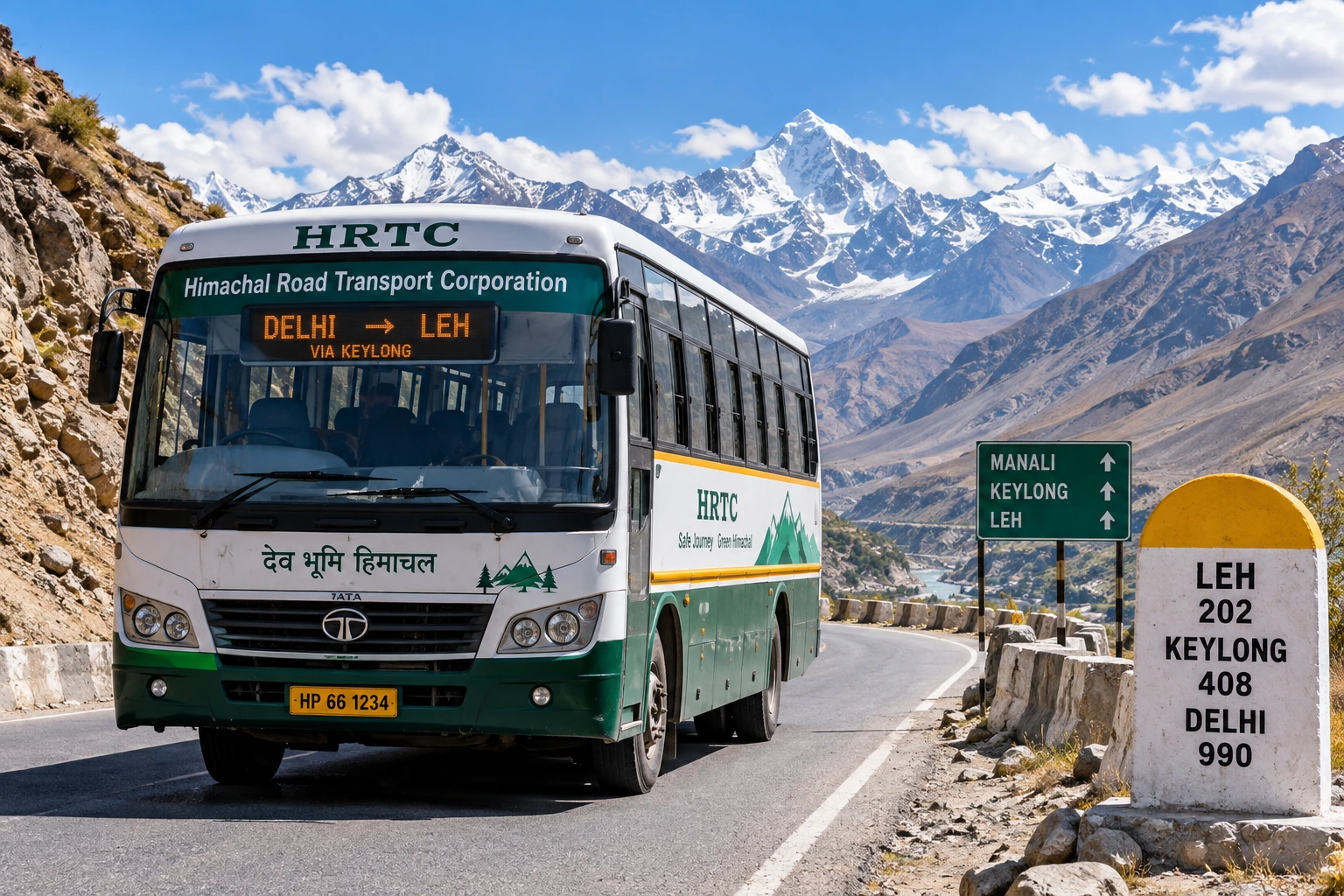
Delhi–Leh HRTC Bus Service Suspended: Service Will Resume Next May, Know All the Details
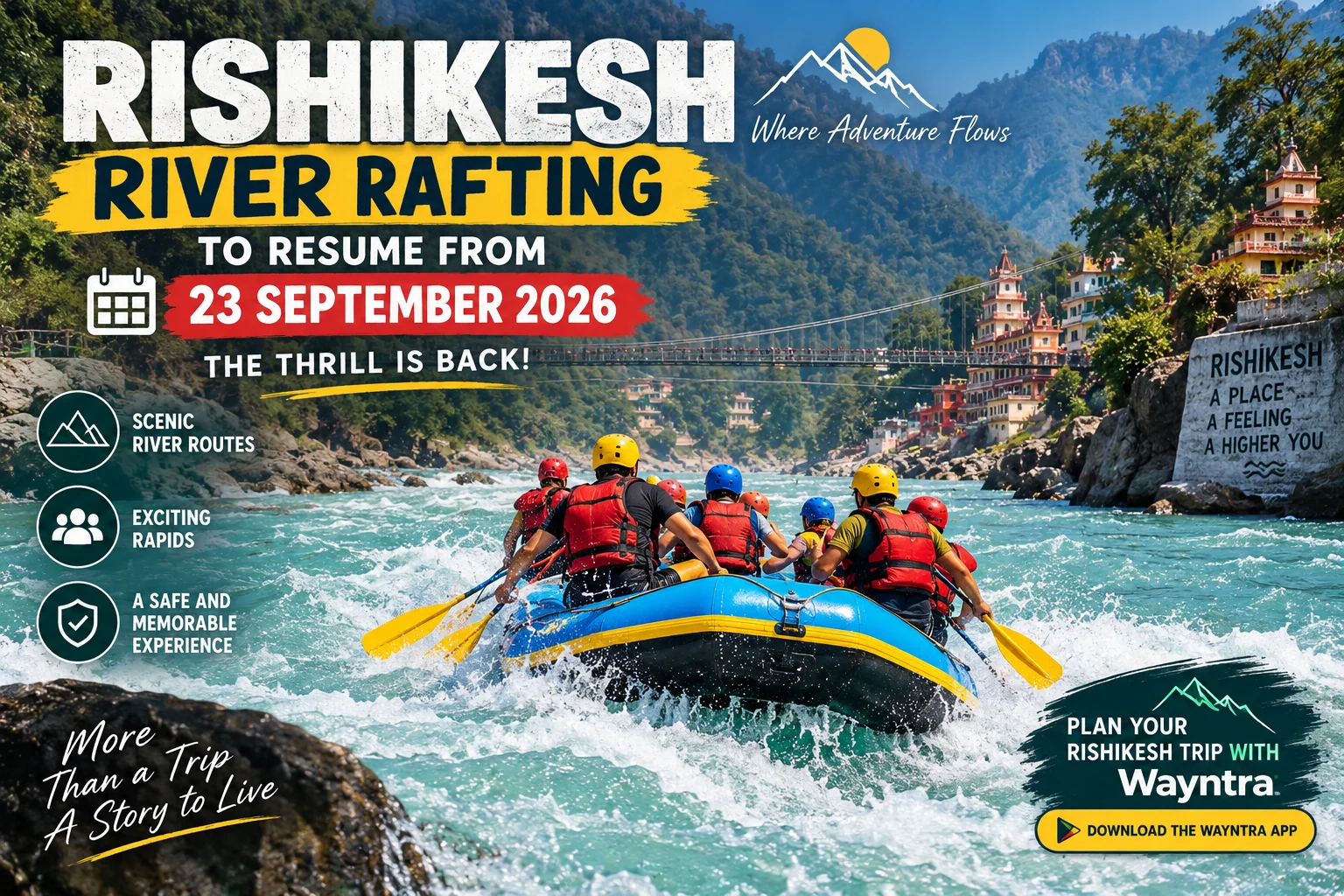
River Rafting May Resume in Rishikesh from September 23
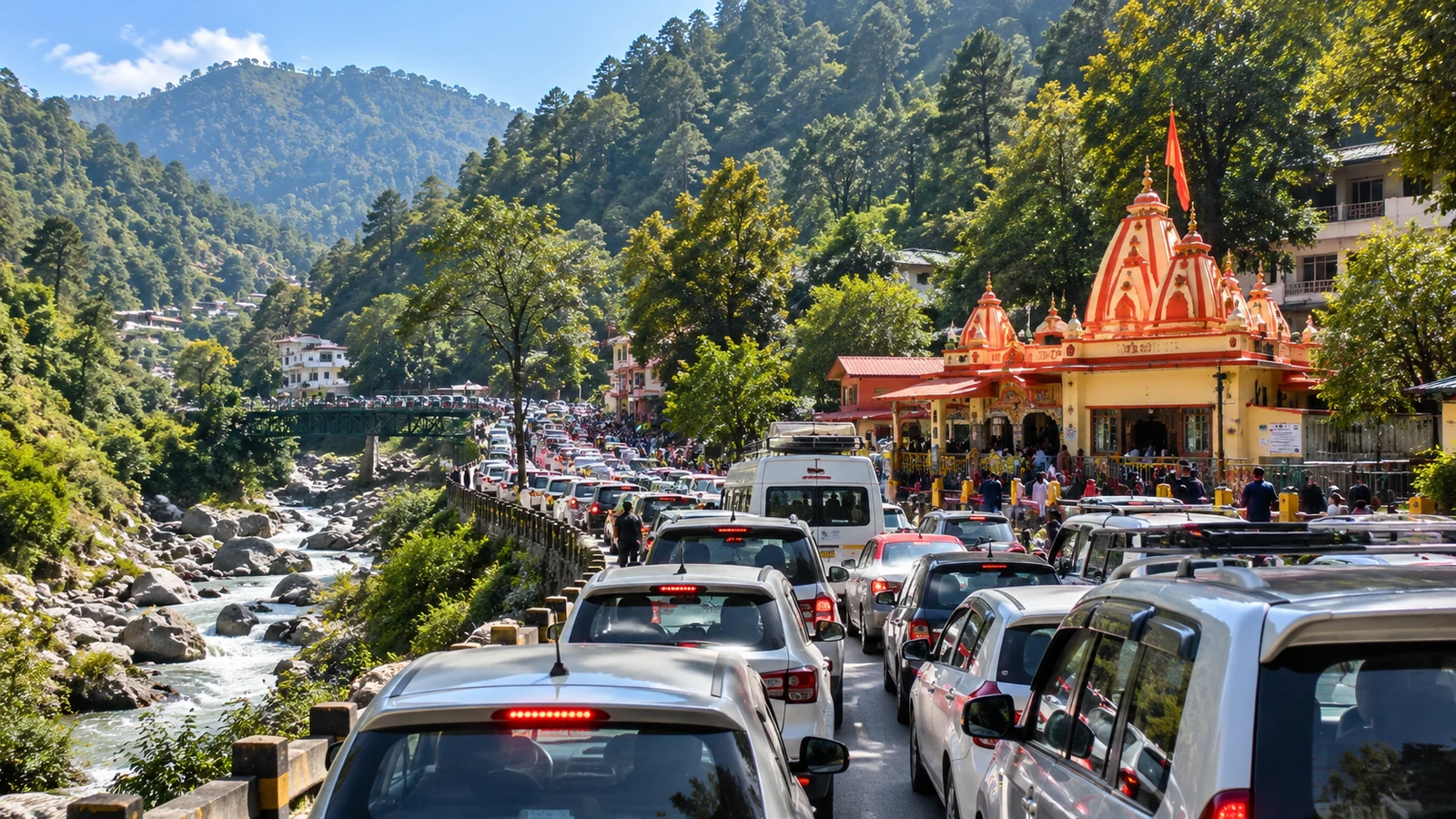
Heavy Crowd of Devotees at Kainchi Dham, 2-Km-Long Traffic Jam Reported
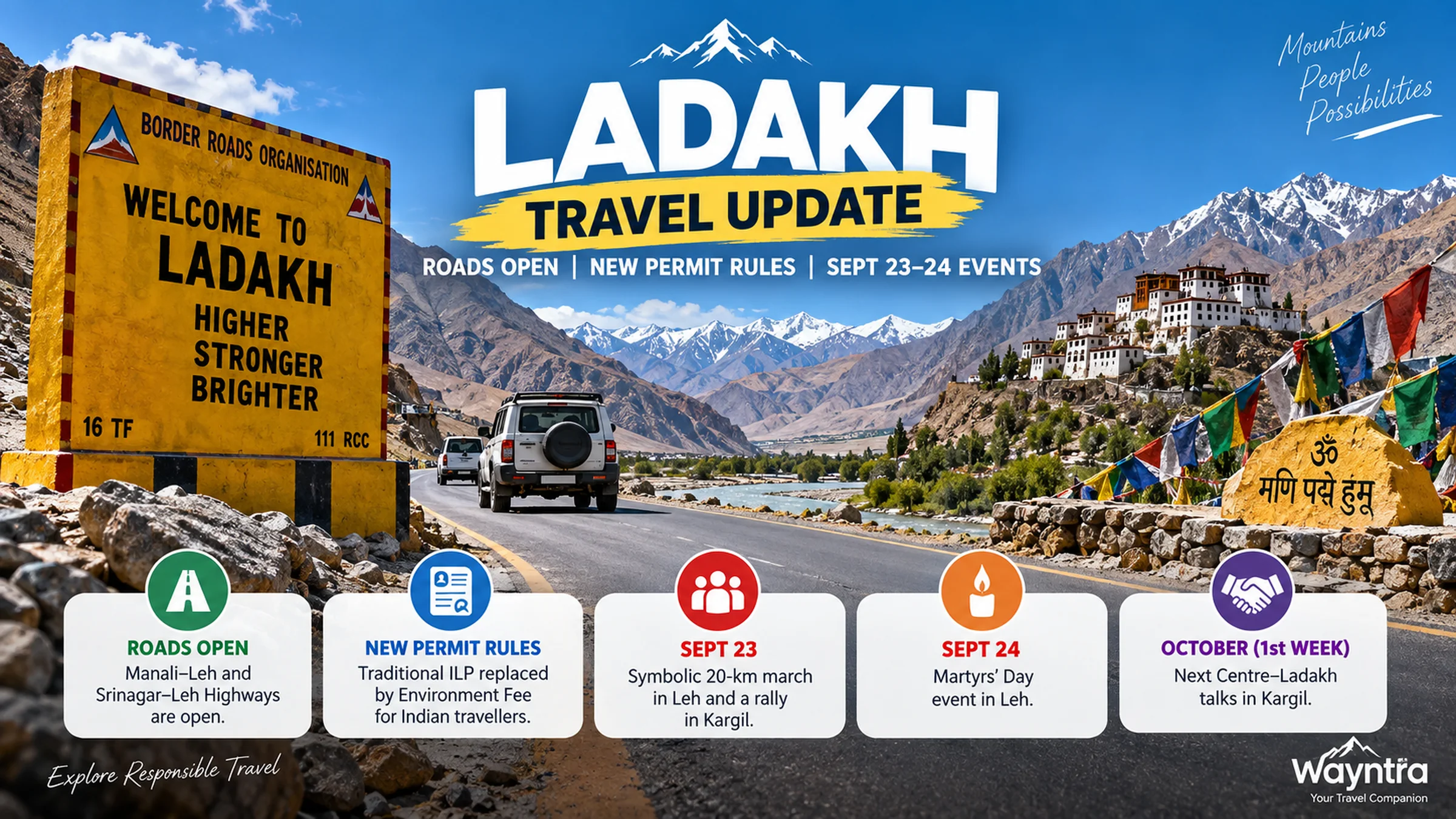
Ladakh Travel Update: Roads Open, New Permit Rules and September 23–24 Events
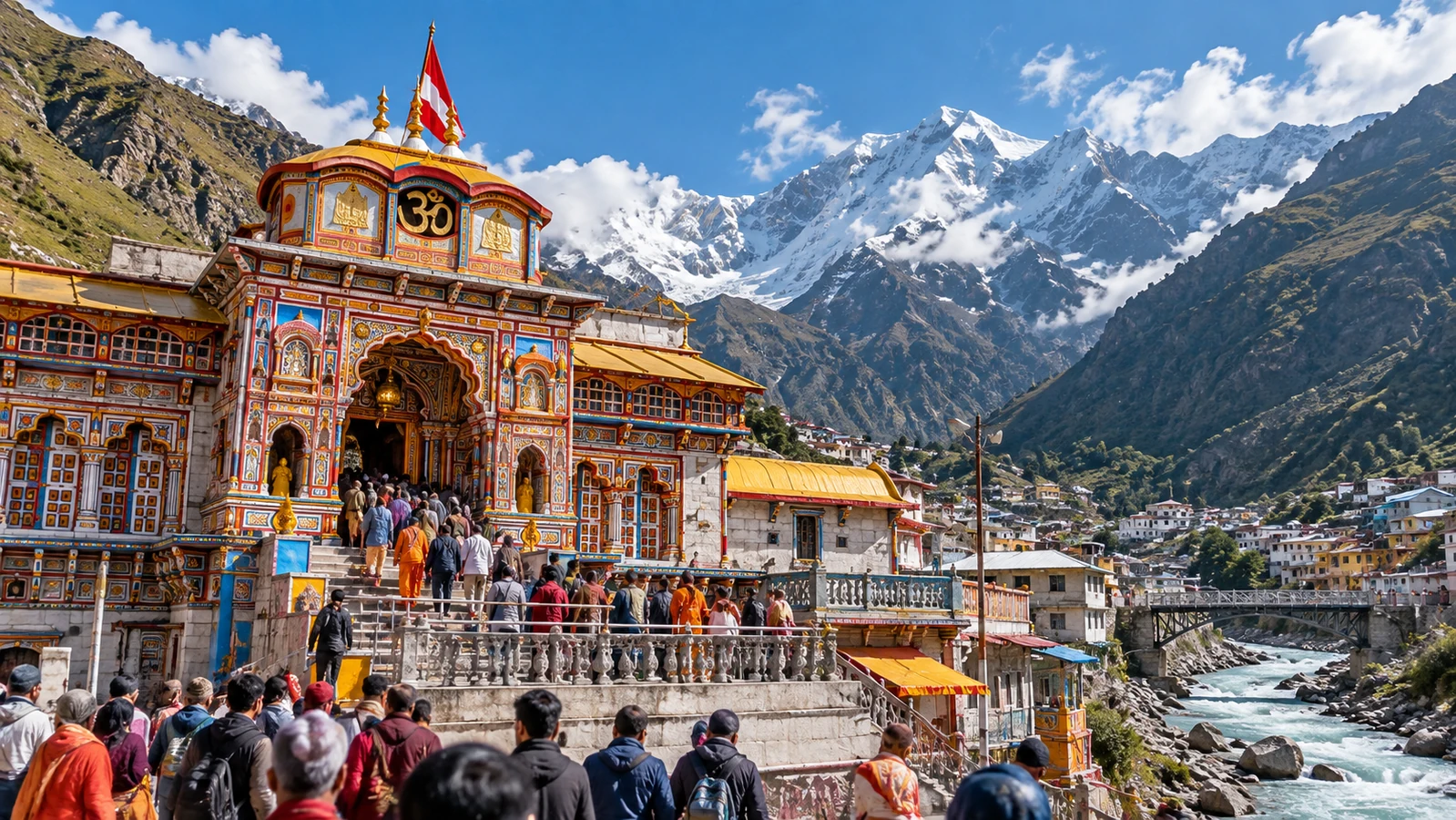
Badrinath Dham: Second Phase of Yatra Picks Up Pace, Thousands of Devotees Arriving for Darshan
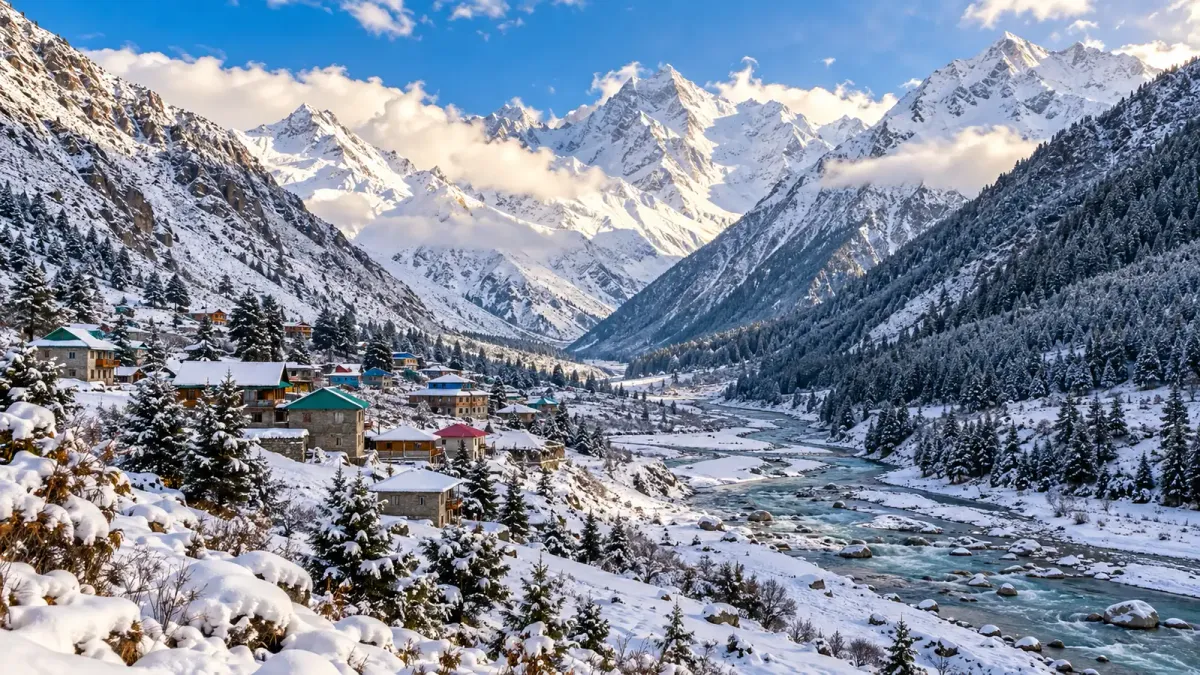
हिमाचल में सितंबर में बर्फबारी ने बदला मौसम का मिजाज, 18 साल बाद रिकॉर्ड ठंड
Other destinations in Himachal Pradesh
Wayntra app
Explore Lahaul and Spiti with Wayntra
Discover the best places, local experiences, businesses and travel activities around Lahaul and Spiti.