India’s local-first travel ecosystem — book local operators direct, zero commission

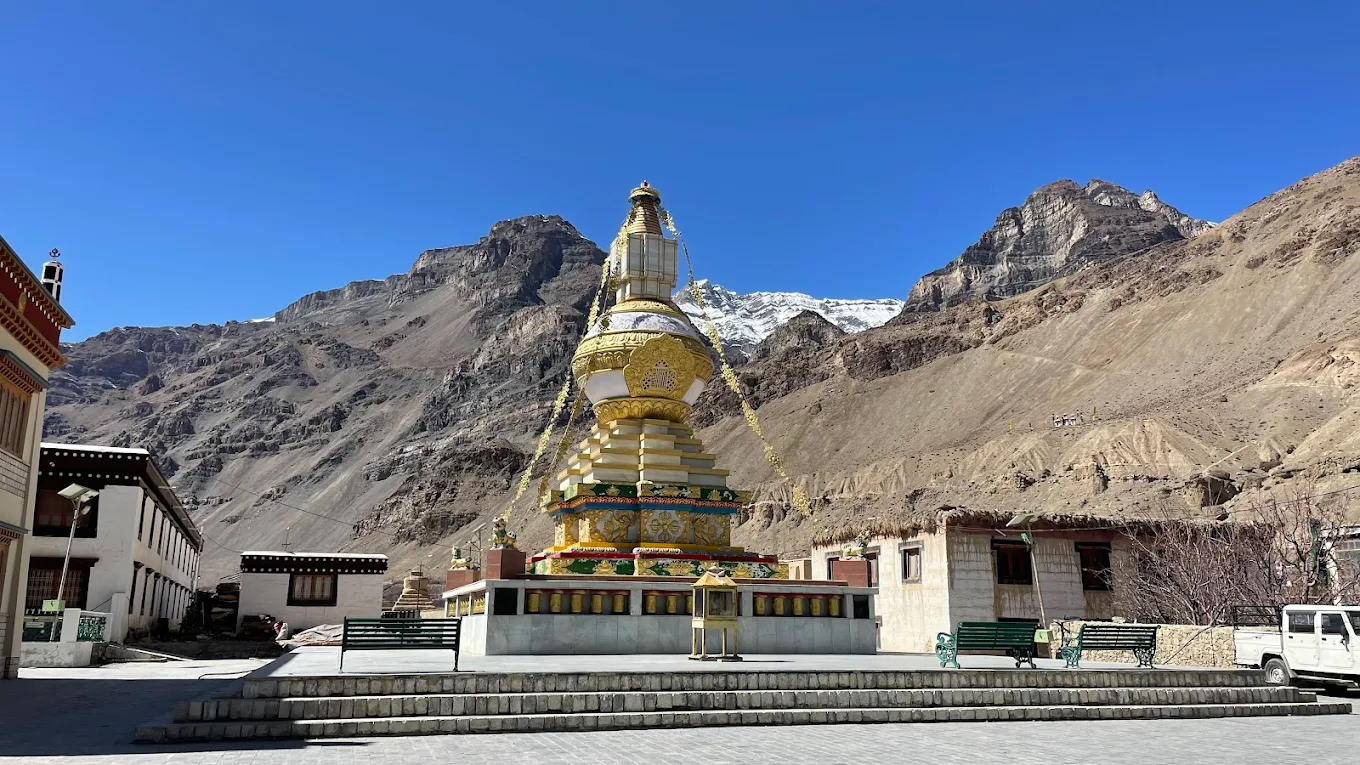
Tabo Monastery
Lahaul and Spiti, Himachal Pradesh

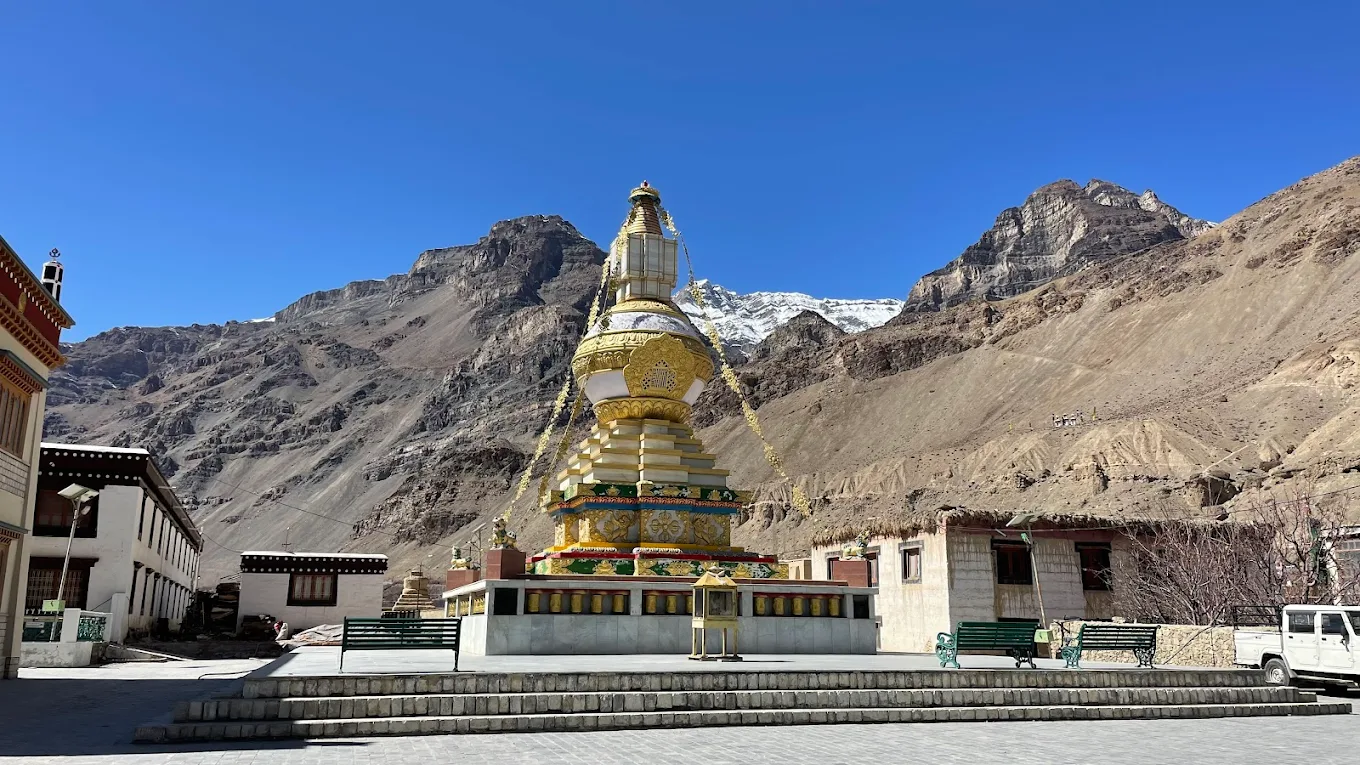
🕉️ Tabo Monastery – The Ajanta of the Himalayas
Nestled in the arid, high-altitude landscape of Spiti Valley, Tabo Monastery stands as one of the oldest and most sacred Buddhist monasteries in India. Located in Tabo village, about 3,050 meters (10,006 feet) above sea level, and roughly 50 kilometers from Kaza, this ancient monastery is often referred to as the “Ajanta of the Himalayas” due to its extraordinary murals, frescoes, and sculptures.
Founded in 996 AD by the great Tibetan Buddhist translator Rinchen Zangpo, Tabo Monastery holds immense spiritual, historical, and artistic significance. It is not only the oldest continuously functioning Buddhist enclave in India, but also a protected monument under the Archaeological Survey of India (ASI).
🌄 Historical Significance
Tabo Monastery is more than 1,000 years old, making it one of the oldest monastic complexes in the entire Himalayan region. Its establishment marked a revival of Buddhism in western Tibet, and it became an important center for Buddhist learning, culture, and translation. Over the centuries, Tabo has served as a monastic university, attracting scholars, monks, and devotees from India, Tibet, and beyond.
In 1996, during its millennium celebration, the 14th Dalai Lama visited the monastery and conducted a Kalachakra initiation, further enhancing its global spiritual stature.
🛕 Architecture and Layout
The Tabo Monastery complex comprises nine temples, four stupas, numerous small shrines, and monks’ quarters, spread over 6,300 square meters. Its mud-brick construction blends naturally with the surrounding barren landscape. The architecture may appear modest on the outside, but inside it houses some of the most exquisite and ancient Indo-Tibetan artworks.
The main temple, known as the Tsug Lhakhang (Assembly Hall), is the oldest and most important. It features ancient frescoes, murals, and sculptures that vividly depict the life of Buddha, the Pantheon of Mahayana Buddhism, and Bodhisattvas in various forms.
🖼️ Artistic Treasures
Tabo’s interior walls are a canvas of spirituality and history, adorned with frescoes and paintings that are over a thousand years old. The artistry is a blend of Indian, Tibetan, and Kashmiri styles, making it a rare cultural treasure.
The painted ceilings, wall murals, and stucco statues exhibit incredible detailing and are unmatched in the Buddhist art world. Many experts compare the monastery’s murals to the famous Ajanta Caves in Maharashtra, hence the nickname.
Its meditation caves and ancient library of scriptures further add to its allure.
🧘♂️ Religious and Spiritual Importance
Tabo is an active monastery, with monks residing, studying, and practicing within its walls. It follows the Gelugpa sect (Yellow Hat) of Tibetan Buddhism. However, due to its antiquity and importance, it’s respected by all Tibetan Buddhist schools.
The monastery conducts daily rituals, meditations, prayer ceremonies, and Buddhist festivals, keeping the ancient traditions alive.
During Buddhist festivals like Chökhor Düchen and Losar (Tibetan New Year), the monastery becomes vibrant with prayers, chants, and traditional dances.
🏞️ Surroundings and Nearby Attractions
Tabo lies in a scenic valley along the Spiti River, surrounded by stark brown mountains and blue skies, creating a serene and surreal landscape. The silence of the desert valley makes it an ideal place for introspection and meditation.
Just above the monastery, you'll find ancient meditation caves carved into the mountainside, believed to be used by monks for solitary retreats and deep meditation practices.
Nearby, you can explore:
- Dhankar Monastery (35 km)
- Pin Valley National Park
- Kaza town
- Key Monastery
- Giu Mummy Village (known for the 500-year-old preserved mummy)
🧭 Travel Information
- Location: Tabo village, Spiti Valley, Himachal Pradesh
- Altitude: 3,050 meters (10,006 feet)
- Best time to visit: May to October (snow blocks roads in winter)
- How to reach:
- From Shimla via Reckong Peo – about 320 km
- From Manali via Kunzum Pass – about 150 km (open only in summer)
- Stay options: Guesthouses, homestays, monastery lodges in and around Tabo
- Food: Simple Tibetan and Indian food is available in local dhabas and homestays
✅ Travel Tips
- Altitude can cause sickness; acclimatize properly and stay hydrated
- Carry warm clothes, even in summer, as nights are cold
- Respect monastic rules—no photography inside temples unless permitted
- Avoid loud behavior; this is a living spiritual site
- Support the local economy by buying handicrafts and souvenirs from local artisans
🧡 Why Tabo is Special
- It is a living heritage site—functional, spiritual, and historical
- You get to see over 1,000 years of uninterrupted Buddhist tradition
- It offers an authentic glimpse into Himalayan monastic life
- Tabo is a cultural bridge between India and Tibet
- It’s perfect for spiritual travelers, history lovers, and culture explorers


Location And Address
Tabo Monastery, Tabo, Himachal Pradesh, India
Tabo Monastery — photos
Ratings & reviews
No one has rated Tabo Monastery yet.
Write a reviewWayntra app
Plan Your Next Adventure with Wayntra
Discover treks, local guides, travel experiences and adventure activities on the Wayntra app.
More places in Himachal Pradesh
Travel partners near Tabo Monastery
CRBNS HOLIDAYS
A-2 Green Apartment Kanlog

Naresh Taxi Service
Shimla

Tripwala Foji
Kalyanpur, Meerut (U.P), pin -250502
Chachipa Mud House
H2M8+RQ4, Keylong, Himachal Pradesh 175132, India
Transylvania - The Land Beyond The Forest
JC8W+99 Chippni, Himachal Pradesh, India
Lato the hut & Chauhan Palace
Lato the hut Chauhan Palace H9Q2+38 Tandi, Himachal Pradesh, India
The Pnorma stays
756X+G2 Bashisht, Himachal Pradesh, India

Ajju Trip Tour Traveller
Dehradun Uttarakhand