India’s local-first travel ecosystem — book local operators direct, zero commission

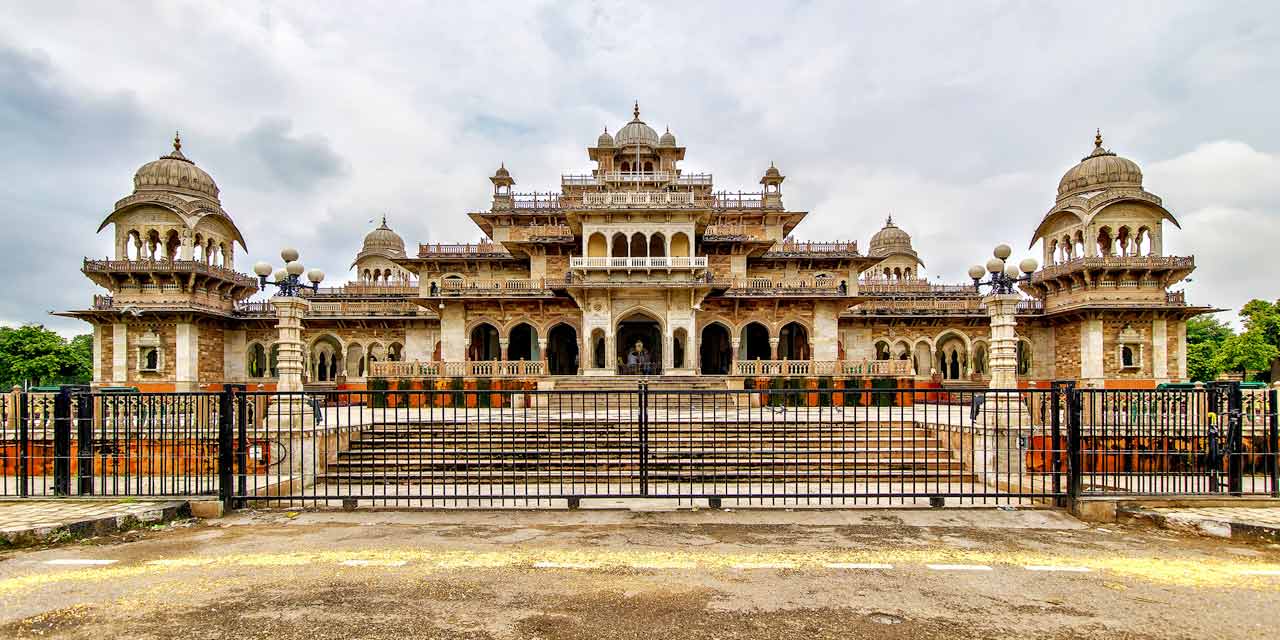
Albert Hall Museum
Jaipur, Rajasthan

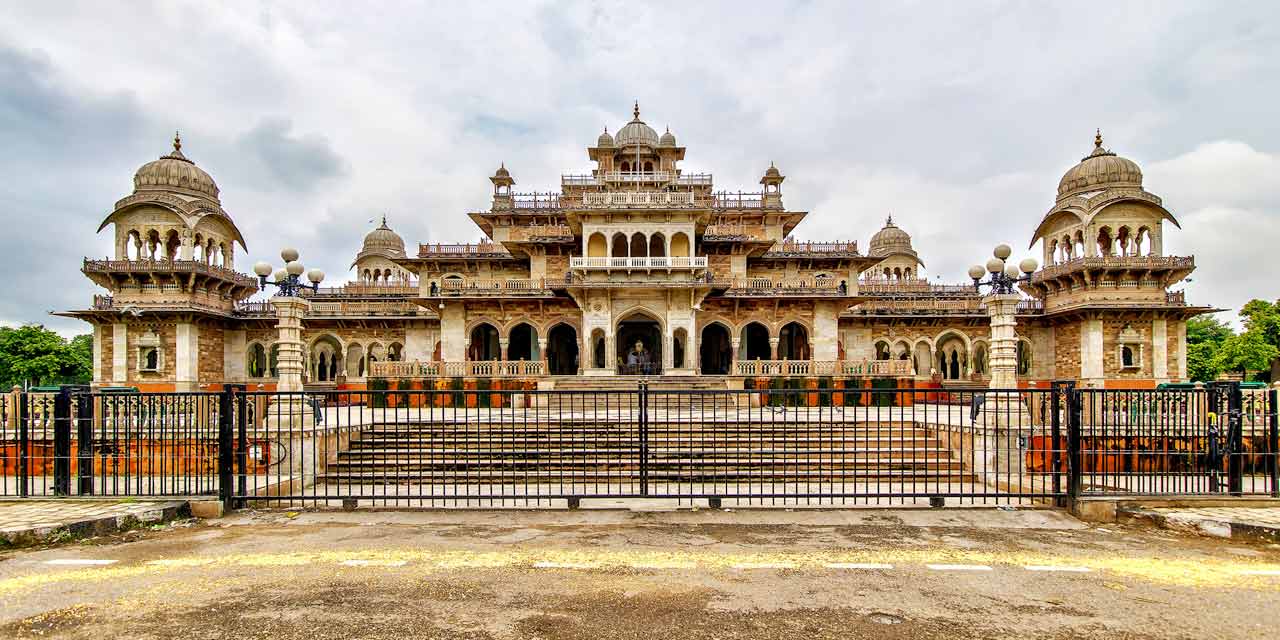
Albert Hall Museum is one of Jaipur’s most graceful cultural landmarks, standing proudly at the edge of Ram Niwas Garden as a timeless celebration of art, history, and architectural brilliance. With its grand arches, domes, and intricate detailing, the museum feels less like a building and more like a royal statement—quietly commanding attention in the heart of the Pink City.
Designed in the Indo-Saracenic style and completed in the late 19th century, Albert Hall Museum was envisioned during the reign of Maharaja Sawai Madho Singh II. What was initially planned as a town hall evolved into Rajasthan’s first public museum, preserving centuries of heritage under one magnificent roof. The fusion of Rajput, Mughal, and European design elements gives the structure a refined elegance that feels both regal and welcoming.
Inside, the museum unfolds like a journey through time. Ancient sculptures, miniature paintings, royal costumes, arms and armor, musical instruments, and decorative arts narrate stories of civilizations long past. One of its most fascinating highlights is the Egyptian mummy—an unexpected yet mesmerizing artifact that draws visitors from across the world.
As daylight fades, Albert Hall transforms. Illuminated in soft golden and colorful lights, the museum becomes almost dreamlike, reflecting beautifully against the surrounding gardens and night sky. The atmosphere turns calm, romantic, and contemplative—making evening visits especially memorable.
Albert Hall Museum is more than a collection of artifacts; it is a space where history breathes, where silence carries stories, and where architecture itself becomes an exhibit. Whether you’re a history enthusiast, a culture lover, or simply someone who appreciates timeless beauty, this museum offers a deeply enriching and soul-stirring experience.
✨ A palace of knowledge, a canvas of history, and one of Jaipur’s most elegant cultural treasures. ✨



Key Highlights — Albert Hall Museum
Located in the heart of Jaipur within the lush Ram Niwas Garden, Albert Hall Museum is one of the city’s most iconic cultural and architectural landmarks. Known for its grand Indo-Saracenic design, the museum stands as a timeless symbol of Jaipur’s rich heritage, artistic legacy, and royal vision.
Built in the late 19th century during the reign of Maharaja Sawai Madho Singh II, Albert Hall Museum was originally conceived as a town hall but later transformed into Rajasthan’s first public museum. The structure beautifully blends Rajput, Mughal, and European architectural styles, featuring majestic arches, ornate domes, detailed stone carvings, and expansive corridors that exude regal elegance.
Inside the museum, visitors are taken on a journey through history. The galleries display an impressive collection of ancient sculptures, miniature paintings, royal costumes, arms and armor, musical instruments, coins, and decorative arts. One of the museum’s most fascinating attractions is the Egyptian mummy, which adds a rare and mysterious global touch to the collection.
As evening falls, Albert Hall Museum transforms into a visual spectacle. Illuminated with soft golden and colorful lights, the monument looks especially breathtaking at night, reflecting a calm, almost dreamlike atmosphere. The surrounding gardens and quiet ambiance make it a perfect spot for evening walks and photography.
Albert Hall Museum is not just a place to observe artifacts—it is a space where history, art, and architecture come together in harmony. A visit here offers a deeper understanding of Jaipur’s cultural soul and leaves visitors with a sense of awe and admiration for its timeless legacy.
✨ A living archive of history, a masterpiece of architecture, and a proud cultural jewel of Jaipur. ✨
History — Albert Hall Museum
Albert Hall Museum is the oldest and one of the most prestigious museums in Jaipur, located in the heart of Ram Niwas Garden. It stands as a proud symbol of Rajasthan’s rich cultural heritage, artistic excellence, and architectural grandeur. More than just a museum, Albert Hall represents Jaipur’s deep respect for history, knowledge, and preservation.
1. Construction and Establishment
The construction of Albert Hall Museum began in 1876 and it was opened to the public in 1887, during the reign of Maharaja Sawai Madho Singh II. Initially, the building was intended to serve as a town hall, but it was later converted into Rajasthan’s first public museum to preserve and showcase the region’s historical and artistic legacy.
2. Royal Vision and Purpose
The primary purpose of Albert Hall Museum was:
- To preserve Rajasthan’s historical artifacts
- To promote art, culture, and craftsmanship
- To serve as a center of education and cultural awareness
The museum reflects the forward-thinking vision of Jaipur’s royal rulers, who believed that heritage should be preserved and shared with the public rather than confined to royal spaces.
3. Architectural Style and Design
Albert Hall Museum is a fine example of Indo-Saracenic architecture, combining Rajput, Mughal, and European design elements.
Key architectural highlights include:
- Use of red sandstone and white marble
- Grand arches and majestic domes
- Intricately carved pillars and jharokhas
- Perfectly balanced and symmetrical layout
The building itself is considered a masterpiece and is often admired as much as the exhibits it houses.
4. Major Collections Inside the Museum
The museum holds an extensive and diverse collection, including:
- Ancient Hindu, Jain, and Buddhist sculptures
- Rajasthani miniature paintings
- Royal costumes and traditional textiles
- Arms, armor, and weapons
- Musical instruments
- Rare coins and manuscripts
- The famous Egyptian mummy, one of the museum’s most unique attractions
These collections offer a glimpse into both Indian and global history.
5. Preservation and Night-Time Beauty
Over the years, several conservation efforts have been undertaken to maintain the museum’s structural integrity and artifacts.
In the evening, Albert Hall Museum is beautifully illuminated with colorful lights, creating a magical and elegant atmosphere. The night view is especially popular among photographers and visitors.
6. Albert Hall Museum in Modern Times
Today, Albert Hall Museum:
- Serves as a major cultural and educational center in Jaipur
- Attracts history lovers, students, and tourists from around the world
- Represents the artistic and historical soul of Rajasthan
A visit to the museum is not just about viewing artifacts, but about experiencing the legacy of a royal past.
Conclusion
Albert Hall Museum is not merely a historical building—it is a living archive of Rajasthan’s heritage. Majestic, dignified, and timeless, it continues to inspire visitors with its blend of history, art, and architecture. It remains one of Jaipur’s most valuable cultural treasures.
✨ A monument of knowledge, a symbol of heritage, and the cultural pride of Jaipur. ✨
Culture — Albert Hall Museum
Albert Hall Museum, Jaipur is not a royal residence or leisure palace like Jal Mahal, but it holds immense cultural importance as a symbol of knowledge, education, preservation, and enlightened royal vision. It reflects a phase of Jaipur’s history where rulers focused on documenting heritage, promoting learning, and presenting culture to the public rather than confining it within palace walls.
Below are the key cultural aspects associated with Albert Hall Museum:
1. Royal Vision for Knowledge and Public Education
Albert Hall Museum was established as Rajasthan’s first public museum, marking a shift from private royal collections to shared cultural heritage.
It represents the progressive mindset of Jaipur’s rulers, who believed that art, history, and knowledge should be accessible to society, not limited to royalty.
2. Cultural Preservation and Identity
The museum serves as a guardian of Rajasthan’s cultural identity.
Through sculptures, paintings, textiles, weapons, and manuscripts, Albert Hall preserves centuries of regional traditions, craftsmanship, and historical narratives that define Rajasthan’s cultural soul.
3. A Bridge Between East and West
Architecturally and conceptually, Albert Hall Museum reflects cultural exchange.
Its Indo-Saracenic design blends Rajput and Mughal traditions with European museum planning, symbolizing Jaipur’s engagement with global ideas while staying rooted in Indian heritage.
4. Architecture as Cultural Expression
Unlike defensive forts or pleasure palaces, Albert Hall was designed as a temple of knowledge.
Its symmetry, domes, arches, and detailed stonework convey dignity, order, and intellectual seriousness—values deeply associated with learning and culture.
5. Cultural Diversity Under One Roof
The museum’s collections include not only Rajasthani artifacts but also objects from different parts of India and the world, such as the Egyptian mummy.
This reflects Jaipur’s cultural openness and its role as a center of global curiosity and intellectual exchange.
6. Symbolism in Jaipur’s Cultural Landscape
Albert Hall Museum symbolizes:
- Intellectual refinement over royal luxury
- Preservation over power
- Education over authority
It stands in cultural contrast to City Palace (governance) and Jal Mahal (leisure), representing knowledge and continuity in Jaipur’s royal narrative.
Conclusion
Albert Hall Museum is a cultural monument dedicated to memory, learning, and identity.
If City Palace speaks of power and Jal Mahal of pause, Albert Hall speaks of understanding. Majestic yet purposeful, it embodies the belief that a civilization is remembered not only by how it ruled, but by how it preserved its knowledge and culture.
✨ A palace of learning, a keeper of heritage, and the intellectual heart of Jaipur. ✨
Albert Hall Museum — photos
Ratings & reviews
No one has rated Albert Hall Museum yet.
Write a reviewAlbert Hall Museum — travel FAQs
Where is Albert Hall Museum located?
What is Albert Hall Museum famous for?
Who built Albert Hall Museum?
When was Albert Hall Museum built?
. Albert Hall Museum में क्या-क्या देखने को मिलता है?
What is the entry fee for Albert Hall Museum?
What are the visiting hours?
Is entry allowed inside Albert Hall Museum?
What is the best time to visit Albert Hall Museum?
Is Albert Hall Museum good for kids and families?
Wayntra app
Plan Your Next Adventure with Wayntra
Discover treks, local guides, travel experiences and adventure activities on the Wayntra app.
More places in Rajasthan

Travel partners near Albert Hall Museum
Naresh tour and travels
A 35 agarsen vihar colony shree ram ki nangal goner mod

Tripwala Foji
Kalyanpur, Meerut (U.P), pin -250502

Traipchaska Holidays
Shivanand puri mahapura vaya bhankrota ajmer road jaipur

Vardan Tour And Travel Haridwar
Haridwar kankhal Bangali mod

Jaipur Holiday Tour and Travels
Kamla Nehru Nagar puliya Jaipur Ajmer road
Salasar Tour And Travel
37RV+77C, Jaliya Road, Theekrana Medratan, Moti Nagar, Beawar, Rajasthan 305901, India

Akki Tour & Travels
H.No.753 St.No.7 Gurubax Calony Patiala
JMR Travels
9/10, Laxmi Narayan Bansal Marg, Block C, Mianwali Nagar, Paschim Vihar, Delhi, 110087, India