India’s local-first travel ecosystem — book local operators direct, zero commission

Nahargarh Fort
Jaipur, Rajasthan

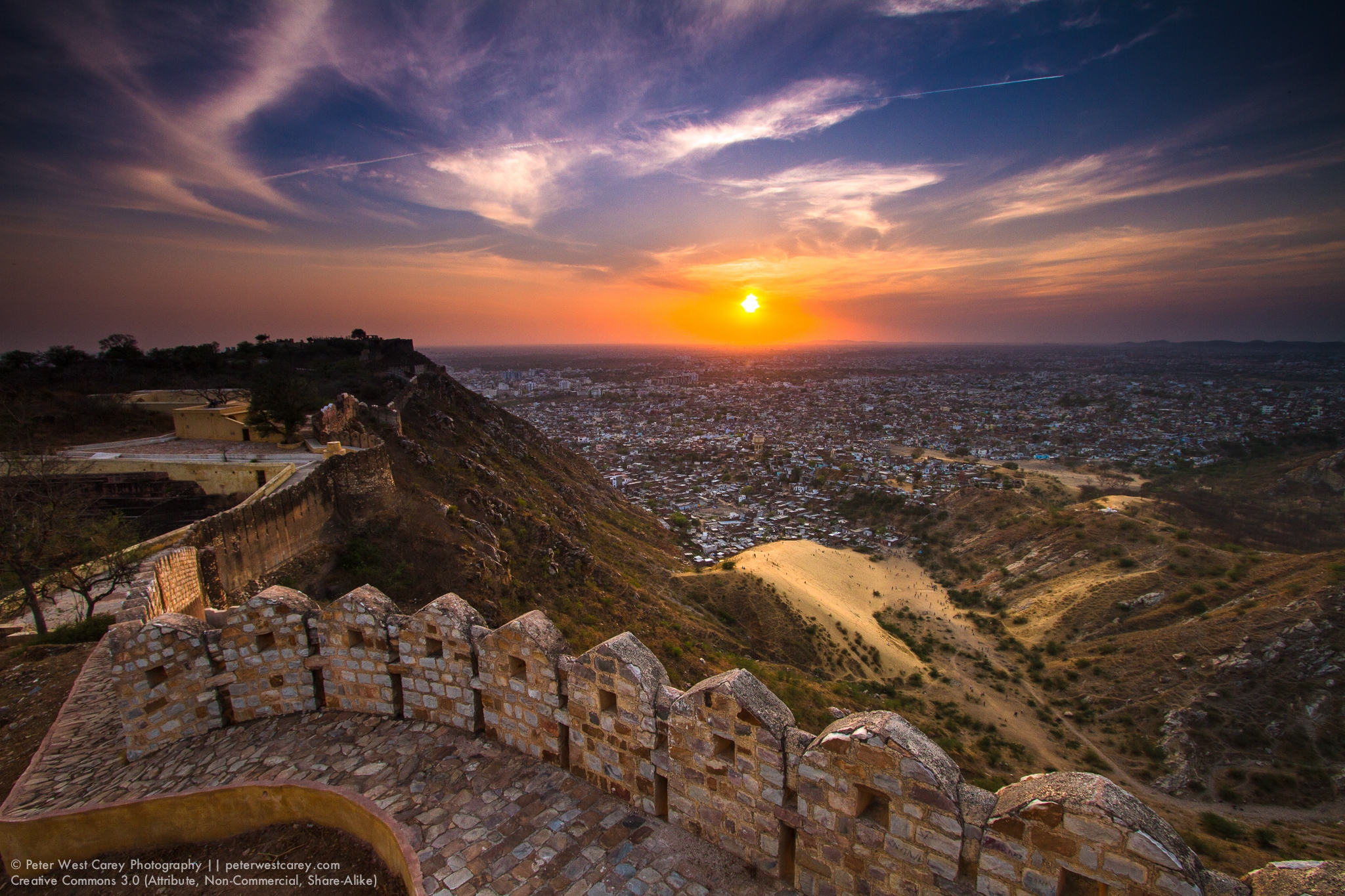
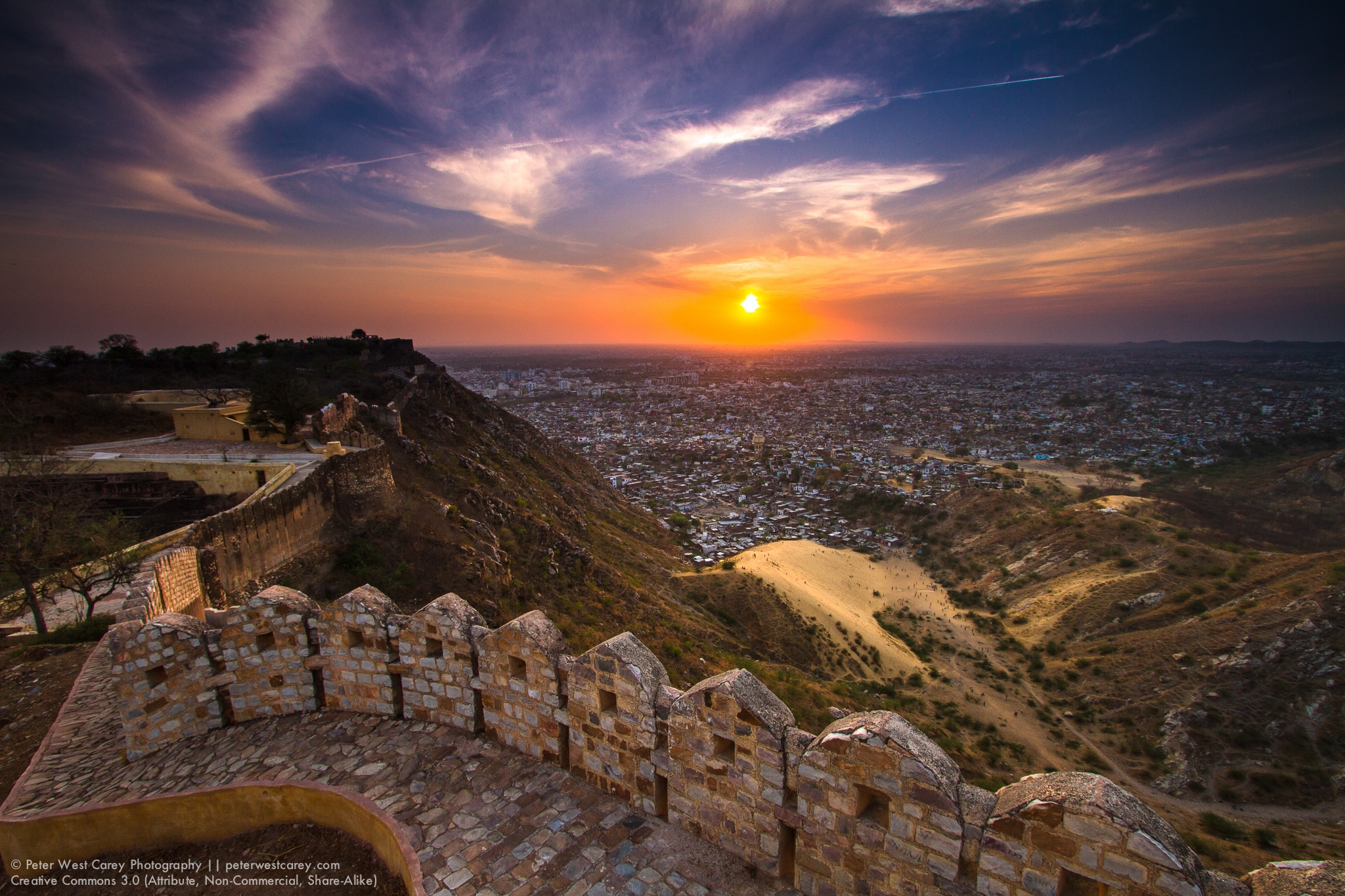
Nahargarh Fort is a historic hilltop fortress located on the rugged ridges of the Aravalli Range, overlooking the Pink City of Jaipur, Rajasthan. Known for its breathtaking panoramic views and intriguing legends, Nahargarh Fort stands as a silent guardian of Jaipur’s royal past. Along with Amber and Jaigarh forts, it once formed a strong defensive ring around the city.
Historical Overview
- Nahargarh Fort was built in 1734 by Maharaja Sawai Jai Singh II, the founder of Jaipur.
- Originally named Sudarshangarh, the fort later came to be known as Nahargarh, associated with the legend of a restless spirit named Nahar Singh.
- Unlike Amber Fort, Nahargarh was primarily used as a defensive retreat and never faced direct military attack.
Architectural Highlights
Nahargarh Fort reflects a blend of Rajput military architecture and royal residential design, adapted perfectly to the hill terrain.
Madhavendra Bhawan
- The most remarkable structure inside the fort.
- Built by Sawai Madho Singh, it consists of nine identical suites for the queens, all connected by a central corridor.
- Each suite ensured privacy while maintaining symmetry—an architectural marvel of its time.
Fort Walls & Bastions
- Massive walls follow the contours of the Aravalli hills.
- The fort seamlessly merges with the natural landscape, offering strategic vantage points.
Scenic Beauty & Views
- Nahargarh Fort offers one of the best views of Jaipur city, especially during sunset.
- At night, the illuminated city below creates a magical skyline, making it a favorite spot for photographers and couples.
- The fort’s elevated location provides a peaceful escape from city chaos.
Cultural & Modern Significance
- Nahargarh Fort has featured in popular Bollywood films like Rang De Basanti and Shuddh Desi Romance.
- Today, it houses a heritage café, an art gallery, and open spaces for cultural events.
- The fort is also part of Jaipur’s UNESCO World Heritage fort circuit.
Festivals & Activities
- Occasionally hosts art exhibitions, cultural programs, and heritage walks.
- Popular spot for cycling routes and early morning hikes among locals.
Visitor Information
Timings:
- Open daily from 10:00 AM to 5:30 PM
Entry Fees:
- Indians: Approx. ₹50
- Foreign Tourists: Approx. ₹200
How to Reach:
- By Taxi/Car: 20 minutes from Jaipur city
- Scooters and bikes are also popular options due to scenic uphill roads
Best Time to Visit:
- October to March for pleasant weather
- Sunset hours for the best experience
Tips for Visitors
- Visit during late afternoon to enjoy daylight views and sunset together.
- Carry water and wear comfortable shoes.
- Avoid peak summer afternoons due to heat.
- Photography lovers should plan extra time.
Conclusion
Nahargarh Fort may not have the lavish palaces of Amber Fort, but it offers something equally special—tranquility, mystery, and unmatched views. It stands as a reminder of Jaipur’s strategic brilliance and royal foresight. A visit to Nahargarh Fort is not just sightseeing; it’s an experience of history, legends, and nature coming together high above the Pink City.



Quick view — Nahargarh Fort
📍 Location: Jaipur, Rajasthan, India
🗻 Elevation: Approx. 700 meters (2,300 feet) above sea level
🧭 Distance from Jaipur City: Around 6–7 km
⏳ Travel Time: 20–30 minutes by road
🚗 Access: Easily reachable by car, taxi, bike, or scooter (no trekking required)
🚶♂️ Difficulty Level: Easy (suitable for all age groups)
📅 Best Time to Visit:
October to March
Late afternoon to evening for the best sunset views
🌦 Weather Conditions:
- Summer: 25°C to 40°C (hot during afternoons)
- Monsoon: Light rainfall with greener surroundings
- Winter: 10°C to 25°C (most pleasant season)
🗺️ Road Route to Nahargarh Fort:
Jaipur City ➜ Brahmpuri ➜ Nahargarh Fort Road
📌 Travel Overview:
🚩 Jaipur: Nearest major city
🌄 Aravalli Hills: Scenic winding hill road
🏰 Nahargarh Fort: Historic hilltop fort overlooking Jaipur
📌 Facilities Available: Parking, café, restrooms, and multiple viewpoint areas
⏰ Visiting Hours:
10:00 AM to 5:30 PM
(Evenings are crowded due to sunset popularity)
🎟 Entry Fee:
Indians: Approx. ₹50
Foreign Tourists: Approx. ₹200
🏰 Historical & Cultural Significance:
- Built in 1734 by Maharaja Sawai Jai Singh II
- Originally named Sudarshangarh
- Constructed for the defense of Jaipur
- Fine example of Rajput military architecture
🏛 Major Attractions:
- Madhavendra Bhawan (nine identical queen suites)
- Fort walls and bastions
- Panoramic view of Jaipur city
🎬 Film Shoots:
Rang De Basanti, Shuddh Desi Romance
📶 Mobile Network:
Good connectivity for Jio, Airtel, and BSNL
📸 Photography Tip:
Sunset and night views with illuminated Jaipur city offer the best shots
🚶♀️ Ideal For:
Families
Couples
Photography lovers
History and heritage enthusiasts
🏨 Stay Options:
All categories of hotels, resorts, and homestays available in Jaipur city
✨ Highlight:
Nahargarh Fort is Jaipur’s most famous sunset viewpoint, offering a peaceful atmosphere and breathtaking city views.
Key Attraction — Nahargarh Fort
you are standing high on the rugged ridges of the Aravalli Hills, where the cool breeze brushes past ancient stone walls and the entire city of Jaipur stretches out below you like a glowing canvas. The noise of the city fades into a distant hum, replaced by silence, wind, and history. As you approach Nahargarh Fort, time seems to slow, inviting you into a world where royalty, strategy, and solitude once ruled. Let’s walk through each stage of this unforgettable journey:
1. Journey from Jaipur to Nahargarh Fort 🚗
The journey begins in the heart of Jaipur. As the road starts climbing upward, the city gradually falls behind. With every turn, traffic noise fades and open skies take over. The drive itself feels like a transition—from the present into the past.
2. Aravalli Hill Road Experience 🌄
The winding hill road offers scenic views, rocky landscapes, and refreshing air. As you ascend, Jaipur begins to look smaller, calmer—almost poetic. This stretch sets the mood for what lies ahead.
3. First Glimpse of Nahargarh Fort 🏰
Suddenly, the fort emerges—strong, silent, and timeless. Its massive walls blend naturally with the hills, as if the Aravallis themselves shaped it. Standing at the entrance, you sense the fort’s quiet power.
4. Walking Through the Fort Corridors 🚶♂️
Inside, stone pathways and courtyards echo with history. Every step feels grounded, every wall holds stories of Rajput valor, royal retreats, and guarded secrets.
5. Madhavendra Bhawan – The Queen’s Quarters 👑
At the heart of the fort lies Madhavendra Bhawan, a beautifully planned palace with identical suites for the queens. Walking through its symmetrical corridors, you experience a rare blend of privacy, balance, and royal elegance.
6. Panoramic View of Jaipur 🌆
From the fort’s viewpoints, Jaipur unfolds below in its full glory. During sunset, the sky turns golden, pink, and purple, while the city slowly lights up. It’s a moment that feels both vast and deeply personal.
7. Silence, Wind, and Reflection 🌬️
Unlike crowded monuments, Nahargarh offers space—to sit, breathe, and reflect. The sound of wind against stone walls creates a meditative calm, making this fort as peaceful as it is powerful.
8. History Etched in Stone 📜
Built in 1734 by Maharaja Sawai Jai Singh II, Nahargarh was once a guardian of Jaipur. Though it never faced a major battle, its walls stand as a symbol of foresight, defense, and royal vision.
9. Nightfall Over the Pink City 🌙
As darkness falls, Jaipur glows below like a sea of stars. The fort transforms into a quiet balcony overlooking life, movement, and time—unchanged, yet always moving.
10. Nahargarh Fort – A Journey Above and Within ✨
A visit to Nahargarh Fort is more than sightseeing. It is a journey above the city and inward into stillness. Here, history meets silence, and elevation brings perspective—not just of Jaipur, but of yourself.
History — Nahargarh Fort
Nahargarh Fort is an important symbol of Jaipur’s history and Rajput strategic planning. Located on the rugged ridges of the Aravalli Hills, the fort once stood as a silent guardian of the Pink City, watching over it for centuries.
Construction and Early History
Nahargarh Fort was built in 1734 AD by Maharaja Sawai Jai Singh II, the founder of Jaipur. Originally, the fort was named Sudarshangarh. Its primary purpose was to protect Jaipur from potential invasions coming from the northern side and to act as a strategic lookout point.
Legend Behind the Name
According to local legends, the construction of the fort faced repeated obstacles. It was believed that the spirit of a Rajput warrior named Nahar Singh haunted the site. To appease the spirit, a temple was built in his honor, after which the construction progressed smoothly. This legend led to the fort being renamed Nahargarh, meaning “the abode of tigers.”
Role in Rajput Defense System
Nahargarh Fort, along with Amer Fort and Jaigarh Fort, formed a strong defensive network protecting Jaipur. Although the fort never faced a major direct attack, it played a crucial role as a military outpost and surveillance fort, offering a clear view of the surrounding region.
Royal Retreat and Madhavendra Bhawan
In the 19th century, Maharaja Sawai Madho Singh constructed Madhavendra Bhawan within the fort. This palace complex was designed as a royal retreat, featuring nine identical suites for the queens, all connected by a central corridor. The structure reflects advanced planning, symmetry, and royal elegance.
Role During the Revolt of 1857
During the Indian Rebellion of 1857, Nahargarh Fort served as a safe refuge. British officers and their families from the Jaipur region were sheltered inside the fort to ensure their protection during the uprising.
Modern Significance
Today, Nahargarh Fort is one of Jaipur’s most popular heritage attractions. It is known for its historical significance, peaceful ambiance, and breathtaking views of the city. The fort has also been featured in several Bollywood films and continues to host cultural events and exhibitions.
Conclusion
Nahargarh Fort is not merely a military structure; it is a living record of Jaipur’s royal past, legends, and architectural brilliance. Standing tall above the city, it continues to narrate stories of strategy, royalty, and time itself.
Architecture — Nahargarh Fort
Nahargarh Fort showcases a refined blend of Rajput military architecture and royal residential design, thoughtfully adapted to the rugged terrain of the Aravalli Hills. Unlike grand ceremonial forts, Nahargarh’s architecture reflects strategic planning, symmetry, and simplicity, combined with royal elegance.
Hilltop Strategic Design
The fort is built along the contours of the Aravalli ridges, allowing it to merge naturally with the landscape.
- Thick stone walls and high bastions provided excellent defense and surveillance.
- The elevated position offered a clear view of Jaipur and surrounding regions, making it ideal for monitoring movement.
Fort Walls and Bastions
- Massive fortification walls follow the uneven hill terrain.
- Watchtowers and bastions are placed at key points for visibility and protection.
- The design emphasizes strength over ornamentation, typical of Rajput defensive architecture.
Madhavendra Bhawan – Architectural Masterpiece
The most striking architectural feature of Nahargarh Fort is Madhavendra Bhawan, built by Maharaja Sawai Madho Singh.
- Consists of nine identical suites for the queens
- All suites are connected by a central corridor, ensuring privacy and balance
- Each suite includes living rooms, bedrooms, kitchens, and toilets—advanced planning for its time
- Symmetry and repetition reflect a strong sense of order and harmony
This structure highlights the fort’s transition from a military outpost to a royal retreat.
Interior Design and Decoration
- Interiors are relatively simple compared to Amer Fort
- Use of fresco paintings, floral motifs, and traditional Rajput patterns
- Jharokhas (overhanging balconies) and small windows allow airflow and natural light
- Minimal decoration aligns with the fort’s functional purpose
Courtyards and Open Spaces
Open courtyards are integral to the fort’s design.
- They enhance ventilation and natural lighting
- Serve as gathering and resting spaces
- Offer stunning views of Jaipur city and the surrounding hills
Materials Used
- Locally sourced sandstone and limestone
- Materials chosen for durability and climate suitability
- Stone construction helps maintain cooler interiors during hot summers
Architectural Significance
Nahargarh Fort’s architecture represents:
- Strategic military planning
- Efficient space utilization
- Balance between defense and comfort
- Adaptation to natural topography
Conclusion
The architecture of Nahargarh Fort may appear understated at first glance, but it reveals remarkable intelligence in design. Built for protection yet refined for royal leisure, the fort stands as a powerful example of how Rajput architecture harmonized strength, symmetry, and sustainability.
Culture — Nahargarh Fort
Nahargarh Fort is not only a historic stronghold but also an important part of Jaipur’s cultural identity. Over time, it has evolved from a defensive fort into a space where royal traditions, folklore, art, and modern cultural life come together.
Rajput Traditions and Royal Lifestyle
- Nahargarh Fort served as a royal retreat and strategic residence for Rajput rulers.
- The peaceful surroundings reflect the Rajput values of discipline, introspection, and honor.
- Madhavendra Bhawan represents royal customs, privacy, and the structured lifestyle of the queens.
Folklore and Beliefs
- The fort’s name is linked to the legend of Nahar Singh, reflecting Rajasthan’s deep-rooted belief in folklore and spiritual traditions.
- This legend highlights how faith and local beliefs shaped historical decisions and architecture.
Art, Music, and Contemporary Culture
- Today, Nahargarh Fort hosts art exhibitions, cultural festivals, heritage walks, and creative events.
- The on-site art gallery and café symbolize a blend of traditional heritage with modern artistic expression.
- Local art, photography, and handicrafts are often showcased here.
Social and Urban Culture
- The fort has become a popular gathering place for locals, tourists, artists, and photographers, especially during sunset hours.
- It reflects Jaipur’s evolving urban culture—where heritage spaces are shared and enjoyed by all generations.
Cinema and Popular Culture
- Nahargarh Fort gained modern cultural recognition through Bollywood films like Rang De Basanti and Shuddh Desi Romance.
- These films connected the fort with contemporary storytelling and youth culture.
Spiritual Calm and Reflection
- Set high in the Aravalli Hills, the fort offers an atmosphere of silence, calm, and reflection.
- Many visitors experience it as a place for mental peace, photography, and quiet contemplation.
Conclusion
The culture of Nahargarh Fort is a unique blend of royal heritage, folklore, artistic expression, and modern social life. It stands as a living cultural space—where history is not only preserved but actively experienced.
Legend & Story — Nahargarh Fort
Nahargarh Fort is not just a historical monument; it is deeply wrapped in mystery, legends, and folklore that make it one of the most intriguing forts in Jaipur. Among all the forts of the city, Nahargarh is often regarded as the most mysterious.
The Legend of Nahar Singh’s Spirit 👻
According to local folklore, when the construction of the fort began in the 18th century, it faced repeated disturbances.
- Walls built during the day would mysteriously collapse at night.
- Workers and craftsmen were struck with fear.
It was believed that the site was haunted by the spirit of a Rajput warrior named Nahar Singh, who wandered the hill and was displeased with the construction taking place there.
Appeasing the Spirit 🕯️
Concerned by these events, the king summoned priests and spiritual experts to seek guidance. On their advice:
- A temple was built inside the fort in honor of Nahar Singh
- The spirit was respectfully acknowledged and appeased
It is believed that after this, the construction continued smoothly without further obstacles.
The Mystery Behind the Name 🐅
Because of this legend, the fort’s name changed:
- Earlier: Sudarshangarh
- Later: Nahargarh
The word “Nahar” also means tiger or lion, which led many to interpret Nahargarh as the “abode of tigers”—a symbol of strength, power, and awe.
A Mystery That Lives On 🌙
Even today, locals and some staff members claim that:
- A strange heaviness and silence can be felt at night
- Certain areas of the fort feel unusually still
Although there is no historical evidence to support these claims, such stories continue to deepen the fort’s mysterious aura.
Where History Meets Folklore
Historically, Nahargarh Fort was a strategic defensive structure guarding Jaipur.
Folklore, however, presents it as a place connected to faith, fear, respect, and unseen forces.
This blend of fact and legend is what makes Nahargarh more than just stone walls—it becomes a monument alive with stories.
Conclusion
The legend of Nahargarh Fort reminds us that Rajasthan’s history is not only shaped by kings and battles, but also by beliefs, spirits, and timeless mysteries.
This mystical character is what sets Nahargarh apart from Jaipur’s other forts and continues to captivate visitors even today.
Inside Nahargarh Fort — Nahargarh Fort
Stepping inside Nahargarh Fort feels like entering a quiet world shaped by stone, symmetry, and silence. Unlike the grandeur of Amer Fort, the interiors of Nahargarh are calm, functional, and deeply atmospheric, reflecting its role as a retreat and watchful guardian over Jaipur.
Stone Corridors and Pathways
As you walk inside the fort, narrow stone corridors guide you through its heart.
- The pathways are simple yet powerful, echoing footsteps and history.
- Thick walls keep the interiors naturally cool, even during hot summers.
- Every turn opens into small courtyards or viewpoints overlooking the city.
Madhavendra Bhawan – The Inner Palace
The most significant interior structure is Madhavendra Bhawan, located at the center of the fort.
- A beautifully planned palace with nine identical suites, built for the queens
- All rooms are connected by a long central corridor, ensuring privacy and balance
- Each suite includes living areas, sleeping chambers, kitchens, and washrooms
- The interiors feature fresco paintings, floral motifs, and muted colors, giving a refined yet peaceful feel
This layout shows advanced architectural planning and royal sensitivity toward comfort and dignity.
Courtyards and Open Spaces
Inside the fort, open courtyards break the solid stone structures.
- These spaces allow sunlight and fresh air to flow naturally
- They were used for rest, reflection, and informal gatherings
- From here, visitors get framed views of the Aravalli Hills and Jaipur city
Windows, Jharokhas, and Views
Small windows and jharokhas (overhanging balconies) are placed strategically.
- Designed for ventilation and surveillance
- Offer stunning panoramic views while maintaining privacy
- Create a constant connection between the interior and the landscape outside
Minimal Decoration, Maximum Purpose
Unlike highly ornate forts, Nahargarh’s interiors focus on utility over extravagance.
- Decoration is subtle and symbolic
- The simplicity enhances the fort’s peaceful and contemplative atmosphere
- This makes the interiors feel timeless and meditative
Experience Inside Nahargarh Fort
Being inside Nahargarh Fort is less about spectacle and more about feeling—
the cool stone under your hand, the quiet corridors, the breeze through the windows, and the city far below.
It is a space where history slows you down, inviting you to pause, observe, and reflect.
Entry Fee & Timings — Nahargarh Fort
⏰ Visiting Timings
- Open: Daily
- Time: 10:00 AM – 5:30 PM
Late afternoon is the most popular time, especially for sunset views over Jaipur.
🎟 Entry Fee
- Indian Tourists: ₹50 (approx.)
- Foreign Tourists: ₹200 (approx.)
- Students/Children: Concessions may be available with valid ID
Note: Ticket prices may change slightly, so it’s best to check at the entrance.
🚗 Additional Charges (if applicable)
- Parking fee (for cars/bikes)
- Guide charges (optional)
- Camera fee (may apply in some cases)
⭐ Best Time to Visit
- October to March for pleasant weather
- Evening hours for the best city and sunset views
Nearby Attractions — Nahargarh Fort
Nahargarh Fort is surrounded by several iconic heritage and sightseeing spots that can be easily covered in a single trip:
1. Jaigarh Fort
- Distance: ~6–7 km
- Highlights: Jaivana Cannon, robust military architecture
- Tip: The ridge route between Nahargarh and Jaigarh offers great views
2. Amer Fort
- Distance: ~11 km
- Highlights: Sheesh Mahal, Diwan-e-Aam, grand courtyards
- Tip: Visit early morning or attend the Light & Sound Show
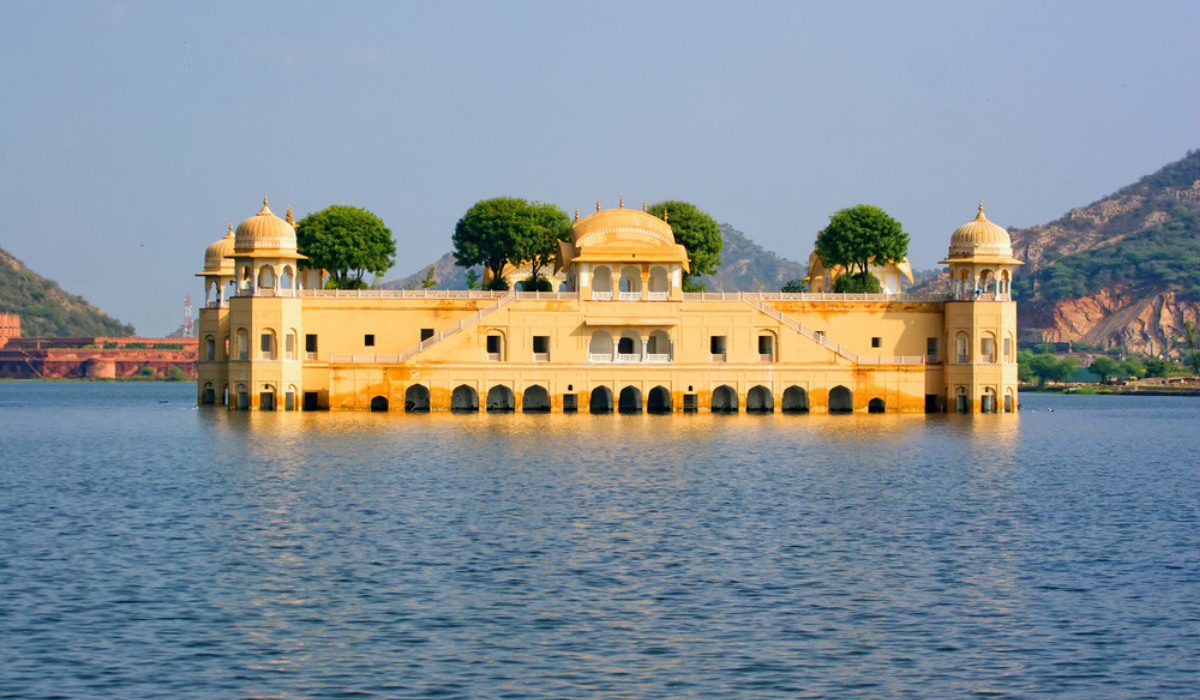
3. Jal Mahal
- Distance: ~8 km
- Highlights: Palace set in Man Sagar Lake
- Tip: Best for sunset photography
4. Gaitore Ki Chhatriyan
- Distance: ~3 km
- Highlights: Royal cenotaphs of the Kachwaha rulers with fine carvings
- Tip: Quiet and less crowded; ideal for a peaceful visit
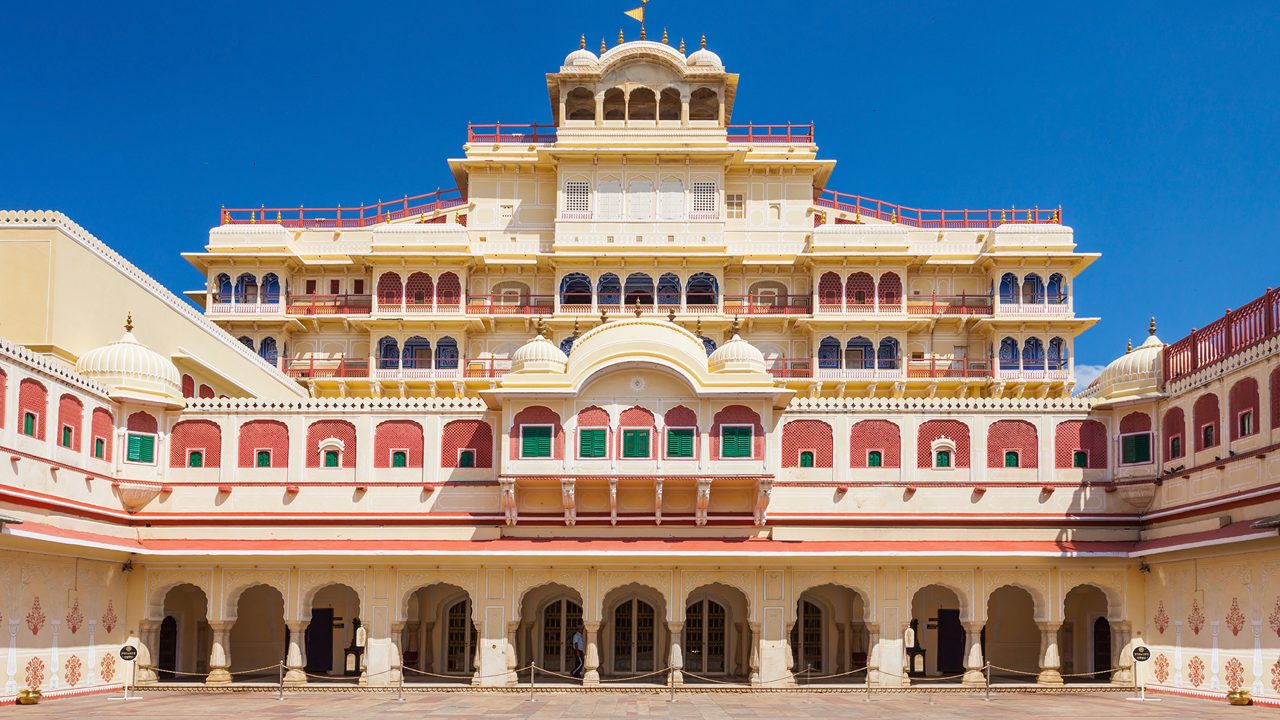
5. City Palace Jaipur
- Distance: ~6 km
- Highlights: Museums, royal courtyards, art and history
- Tip: A guided tour enhances the experience
6. Hawa Mahal
- Distance: ~6 km
- Highlights: 953 windows; icon of the Pink City
- Tip: Morning light is best for photos
Quick Travel Tip
The Nahargarh → Jaigarh → Amer → Jal Mahal route makes a popular half-day circuit and saves time.
Travel Tips — Nahargarh Fort
Best Time to Visit:
Late afternoon aao, taaki sunset + city view dono enjoy ho jaayein. October–March weather ke liye best hai.
Reach Smartly:
Fort road steep aur narrow hai—car/bike brakes check karke aao. Evening me traffic slow ho sakta hai.
Footwear Matters:
Comfortable shoes pehno—stone paths aur thoda walking hota hai.
Carry Essentials:
Water, sunglasses, sunscreen zaroor rakho (especially summer me).
Avoid Peak Rush:
Weekend sunset time pe crowd hota hai. Weekday ya thoda pehle pahunchna better.
Photography Tip:
Golden hour (sunset se 30 min pehle) best shots deta hai. Tripod allowed ho to le aao.
Safety at Night:
Sunset ke baad views amazing hote hain, par guarded areas me hi raho.
Combine Nearby Spots:
Nahargarh → Jaigarh → Amer → Jal Mahal half-day circuit plan karo—time save hota hai.
Local Café Stop:
Fort ke café me short break lo, par peak hours me waiting ho sakti hai.
Respect the Site:
Walls par likhna/chepna avoid karo—heritage ko preserve rakhein.
Best Time to Visit — Nahargarh Fort
Best Season
- October to March is the best time to visit Nahargarh Fort.
The weather is pleasant, making sightseeing and walking inside the fort comfortable.
🌅 Best Time of Day
- Late Afternoon to Sunset (4:30 PM – 6:30 PM)
This is the most popular and recommended time because: - You get stunning sunset views over Jaipur
- The city lights start glowing after sunset
- Perfect time for photography and sightseeing
☀️ Summer (April to June)
- Visit early morning or late evening only
- Afternoons can be very hot
🌧 Monsoon (July to September)
- The hills turn green and scenic
- Roads can be slippery, but views are refreshing
- Fewer crowds compared to peak season
⭐ Quick Tip
For the best overall experience:
👉 Visit between October and March, and reach the fort 1 hour before sunset.
How to Reach — Nahargarh Fort
Nahargarh Fort is one of the easiest hilltop forts to access in Jaipur. It is well connected by road and does not require any trekking, making it suitable for all age groups.
🛣️ By Road
Nearest Major City: Jaipur
Route Options:
- Jaipur City → Brahmpuri → Nahargarh Fort Road
- Jaipur City → Jal Mahal → Nahargarh Fort (scenic route)
- The road is fully motorable up to the fort.
- Taxis, auto-rickshaws (up to a point), private cars, bikes, and scooters are commonly used.
- The hill road is steep and winding, but well maintained.
🚗 Last Motorable Point
- Vehicles can reach very close to the main fort entrance.
- No trekking is required.
🅿️ Parking at Nahargarh Fort
- Paid parking available near the fort premises
- Approximate parking charges: ₹20–₹50 (may vary)
- From the parking area, the fort entrance is just a short walk of a few minutes
🚶♂️ Walking Distance
- No trekking required
- Only a short and easy walk from the parking area to the fort
- Suitable for senior citizens, families, and children
🚆 By Train
Nearest Railway Station:
- Jaipur Junction Railway Station (approx. 15 km)
From Jaipur Junction:
- Taxis, cabs, and app-based rides are easily available
- Travel time: 30–40 minutes, depending on traffic
✈️ By Air
Nearest Airport:
- Jaipur International Airport (JAI) – approx. 25 km
From the airport:
- Hire a taxi or cab directly to Nahargarh Fort
- Travel time: 45–60 minutes
Airport Parking:
- Paid parking available at Jaipur Airport (charges based on duration)
🚍 Bus & Local Transport
- City buses run up to Brahmpuri / Jal Mahal area
- From there, taxis or bikes are preferred to reach the fort
- App-based cabs (Ola/Uber) are widely available in Jaipur
⭐ Travel Tip
Visit late afternoon to enjoy the drive, explore the fort, and stay for the sunset view over Jaipur. Avoid late-night driving on the hill road if unfamiliar.
Accessibility Summary
- ✔ Fully road-connected
- ✔ No trekking involved
- ✔ Easy parking & short walk
- ✔ Ideal for families, senior citizens & first-time visitors
Nahargarh Fort — photos
Ratings & reviews
No one has rated Nahargarh Fort yet.
Write a reviewNahargarh Fort — travel FAQs
Where is Nahargarh Fort located?
When and by whom was Nahargarh Fort built?
What was the original name of Nahargarh Fort?
Why is Nahargarh Fort famous?
What is the main attraction of Nahargarh Fort?
What is Madhavendra Bhawan?
What is the best time to visit Nahargarh Fort?
What are the visiting hours of Nahargarh Fort?
What is the entry fee for Nahargarh Fort?
Is Nahargarh Fort famous for sunset views?
Wayntra app
Plan Your Next Adventure with Wayntra
Discover treks, local guides, travel experiences and adventure activities on the Wayntra app.
More places in Rajasthan
Travel partners near Nahargarh Fort

Naresh tour and travels
A 35 agarsen vihar colony shree ram ki nangal goner mod

Tripwala Foji
Kalyanpur, Meerut (U.P), pin -250502

Traipchaska Holidays
Shivanand puri mahapura vaya bhankrota ajmer road jaipur

Vardan Tour And Travel Haridwar
Haridwar kankhal Bangali mod

Jaipur Holiday Tour and Travels
Kamla Nehru Nagar puliya Jaipur Ajmer road

Salasar Tour And Travel
37RV+77C, Jaliya Road, Theekrana Medratan, Moti Nagar, Beawar, Rajasthan 305901, India

Akki Tour & Travels
H.No.753 St.No.7 Gurubax Calony Patiala

JMR Travels
9/10, Laxmi Narayan Bansal Marg, Block C, Mianwali Nagar, Paschim Vihar, Delhi, 110087, India