India’s local-first travel ecosystem — book local operators direct, zero commission

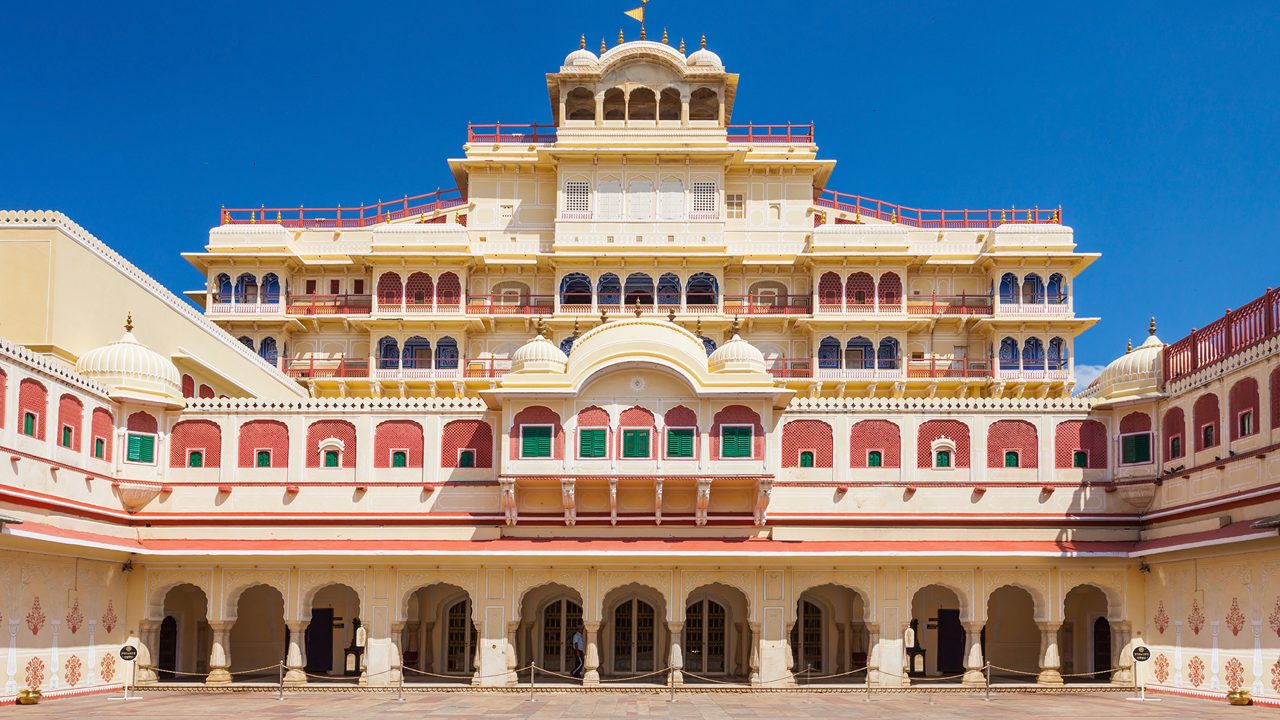
City Palace
Jaipur, Rajasthan

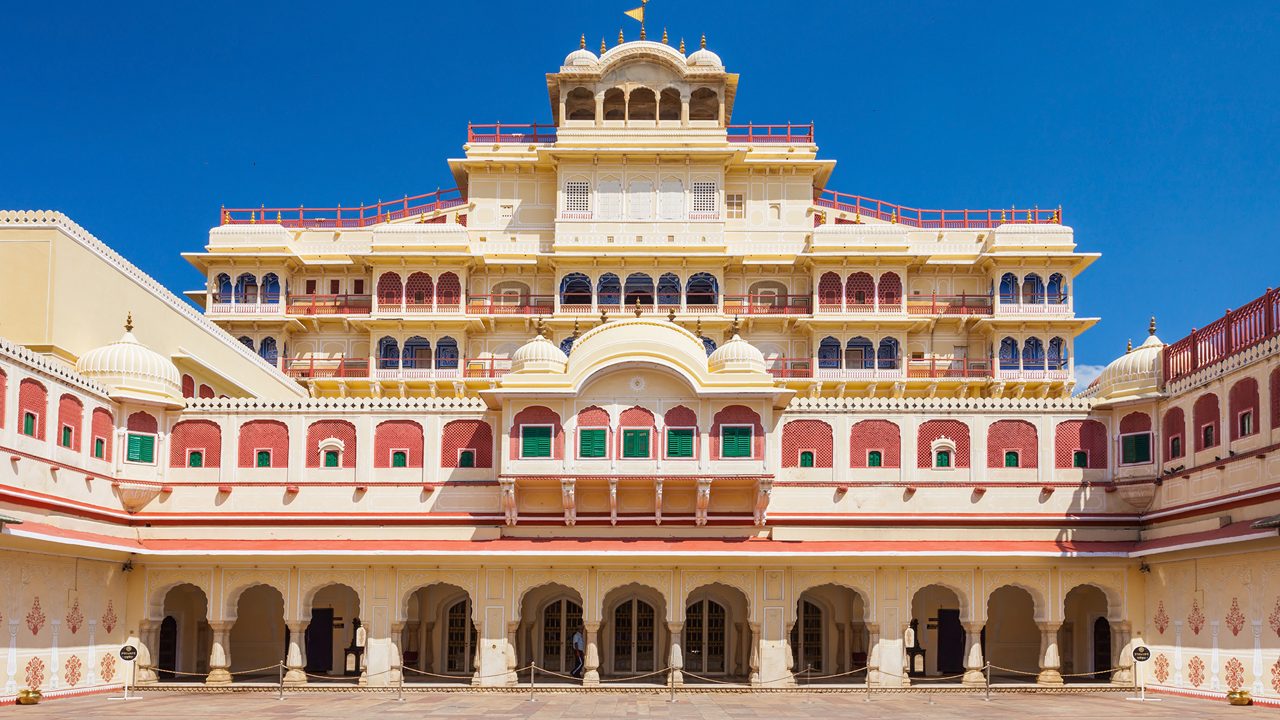
City Palace, Jaipur is a magnificent royal complex located in the heart of Jaipur, Rajasthan. Built at the time when Jaipur was founded, this palace is a splendid symbol of Rajputana pride, royal elegance, and architectural brilliance. Even today, it remains a living palace, with a part of the complex still serving as the residence of the former royal family of Jaipur.
Blending Rajput, Mughal, and European architectural styles, City Palace offers an immersive journey into Rajasthan’s regal past, making it one of the most important heritage attractions in the Pink City.
Historical Overview
- City Palace was commissioned by Maharaja Sawai Jai Singh II in 1727, alongside the planned development of Jaipur city.
- It served as the administrative and ceremonial center of the Kachwaha Rajput rulers.
- Over time, successive Maharajas added new structures, courtyards, and artistic elements, enriching the palace complex.
- Today, the palace functions both as a royal residence and a museum, preserving centuries of history.
Architectural Highlights
City Palace is a vast complex of courtyards, palaces, gardens, and galleries, each reflecting refined craftsmanship and royal aesthetics.
1. Mubarak Mahal (Welcome Palace)
- Built in the late 19th century as a reception palace for visiting dignitaries.
- Now houses the Textile Museum, displaying royal costumes, silk saris, shawls, and garments worn by the Maharajas.
2. Chandra Mahal
- A seven-storey palace and the current residence of the royal family.
- Upper floors are partially open to visitors and showcase royal artifacts, paintings, and photographs.
- Each floor represents a different theme of art and culture.
3. Diwan-i-Aam (Hall of Public Audience)
- A grand hall where the Maharaja addressed public grievances and ceremonies were held.
- Features intricately carved columns and open galleries.
4. Diwan-i-Khas (Hall of Private Audience)
- Reserved for confidential meetings and royal discussions.
- Famous for housing two massive silver urns, listed in the Guinness World Records as the largest silver vessels in the world.
5. Pritam Niwas Chowk
- A picturesque courtyard with four beautifully decorated gates, each symbolizing a season.
- The Peacock Gate is the most iconic and photographed gate of City Palace.
Temples Within the Palace
Govind Dev Ji Temple
- Dedicated to Lord Krishna and considered one of the most sacred temples in Jaipur.
- Daily aartis attract both devotees and tourists.
Art, Design, and Craftsmanship
- City Palace is adorned with fresco paintings, mirror work, marble carvings, and decorative arches.
- The blend of Rajasthani motifs with Mughal symmetry highlights the artistic excellence of palace artisans.
- Museums inside the palace display weapons, manuscripts, paintings, and royal memorabilia.
Cultural Sinificance
- City Palace remains the center of royal traditions and festivals.
- Important events like Gangaur, Teej, and royal processions are closely associated with the palace.
- It frequently hosts cultural exhibitions and heritage events.
Visitor Information
Timings
- Open daily: 9:30 AM – 5:00 PM
- Night visit options are available on selected days.
Entry Fees (Approx.)
- Indians: ₹200
- Foreign Tourists: ₹700
- Additional charges apply for special areas and photography.
How to Reach
- Located in Jaipur’s Old City near Jantar Mantar and Hawa Mahal.
- Easily accessible by auto-rickshaw, taxi, and local buses.
Best Time to Visit
- October to March for pleasant weather and comfortable sightseeing.
Tips for Visitors
- Allocate 2–3 hours to explore the palace comfortably.
- Hire a guide or use an audio tour to fully understand the history.
- Visit early in the morning to avoid crowds.
- Photography lovers should not miss Pritam Niwas Chowk and Chandra Mahal views.
Conclusion
City Palace, Jaipur is not just a monument—it is a living legacy of Rajasthan’s royal past. From grand courtyards and elegant palaces to sacred temples and priceless artifacts, every corner narrates stories of power, culture, and refined taste. A visit to City Palace is an unforgettable journey into the soul of Jaipur, where history continues to breathe amidst royal splendor.



Key Highlights — City Palace
Located in the heart of Jaipur, City Palace is a magnificent royal complex that beautifully represents Rajasthan’s rich heritage and regal lifestyle. This grand palace is a fine blend of Rajput, Mughal, and European architectural styles, known for its elegant structures, historical importance, and artistic brilliance. Even today, a part of the palace serves as the residence of Jaipur’s former royal family, making it a living palace.
Major Attractions of City Palace
1. Chandra Mahal
- A seven-storey palace and the current residence of the royal family.
- Selected floors are open to visitors and display royal artifacts, paintings, and historical memorabilia.
2. Mubarak Mahal
- Built to welcome royal guests and dignitaries.
- Now houses the Textile Museum, showcasing royal costumes, silk garments, and traditional attire.
3. Diwan-i-Aam (Hall of Public Audience)
- The place where the Maharaja addressed public grievances.
- An impressive open hall adorned with ornate pillars and arches.
4. Diwan-i-Khas (Hall of Private Audience)
- Used for confidential meetings and special guests.
- Famous for housing the world’s largest silver urns.
5. Pritam Niwas Chowk
- A charming courtyard with four beautifully designed gates, each representing a season.
- The Peacock Gate is the most iconic and photographed spot inside the palace.
6. Govind Dev Ji Temple
- A sacred temple dedicated to Lord Krishna.
- Daily aartis attract devotees and visitors alike.
7. Art, Museums, and Craftsmanship
- Displays of ancient weapons, manuscripts, paintings, and royal belongings.
- Intricate carvings, frescoes, and decorative artwork reflect the excellence of Rajasthani craftsmanship.
Why Visit City Palace, Jaipur?
City Palace is a perfect blend of history, culture, royal traditions, and architectural grandeur. Every courtyard, gate, and gallery narrates stories of Jaipur’s glorious past and royal splendor. A visit to Jaipur is considered incomplete without exploring City Palace, as it offers an unforgettable glimpse into the royal legacy of Rajasthan.
History — City Palace
City Palace, Jaipur has a rich and enduring history that dates back to the early 18th century. Located in the heart of Jaipur, Rajasthan, the palace complex stands as a powerful symbol of Rajput royalty, political authority, and refined architecture. Unlike many forts that served purely military purposes, City Palace was designed as both a royal residence and an administrative center, reflecting the vision of a modern and well-planned capital city.
1. Foundation and Establishment of Jaipur
City Palace was commissioned by Maharaja Sawai Jai Singh II in 1727, at the same time he founded the city of Jaipur.
Recognizing the limitations of Amer Fort—such as water scarcity and lack of space—Jai Singh II decided to shift the capital from Amer to Jaipur and envisioned a planned city, inspired by Vedic architecture and modern urban principles.
City Palace was constructed at the center of this new city, symbolizing royal power and administrative control.
2. Role as the Royal and Administrative Hub
From its inception, City Palace served as:
- The official residence of the Kachwaha Rajput rulers
- The seat of governance, where state affairs, public hearings, and royal ceremonies were conducted
The palace played a central role in shaping Jaipur’s political, cultural, and social life for centuries.
3. Architectural Style and Influences
City Palace reflects a harmonious blend of:
- Rajput architecture – courtyards, chhatris, decorative gates
- Mughal design – arches, symmetry, and ornamental detailing
- European influences – visible in later additions such as Mubarak Mahal
Constructed using pink sandstone, marble, and stucco work, the palace showcases refined craftsmanship and evolving architectural tastes across generations.
4. Expansion by Successive Rulers
After Jai Singh II, several rulers expanded and enhanced the palace:
- Mubarak Mahal was added in the late 19th century as a reception palace for foreign dignitaries
- Chandra Mahal became the primary royal residence, rising seven storeys high
- Diwan-i-Aam and Diwan-i-Khas were refined to host public audiences and confidential royal meetings
Each ruler contributed to the palace while maintaining its original grandeur.
5. Symbol of Royal Power and Prestige
City Palace was not merely a residence—it was a statement of authority and prestige.
Royal processions, festivals, and important announcements took place here, reinforcing the Maharaja’s presence among the people.
The famous silver urns in Diwan-i-Khas, used to carry sacred Ganga water during foreign travels, symbolized both faith and royal pride.
6. Religious and Cultural Importance
The palace complex houses the revered Govind Dev Ji Temple, dedicated to Lord Krishna.
The temple remains one of the most important spiritual centers in Jaipur, closely associated with royal traditions and daily worship.
City Palace also played a key role in hosting festivals like Gangaur, Teej, and royal ceremonies, blending governance with culture.
7. City Palace during British Rule
During British colonial rule, the Maharajas of Jaipur retained significant autonomy.
City Palace continued to function as a royal residence and ceremonial center, while Jaipur emerged as a major princely state under indirect British administration.
8. Transition in Post-Independence India
After India’s independence in 1947:
- Jaipur acceded to the Indian Union
- City Palace remained the residence of the former royal family
- Large sections of the palace were converted into museums to preserve heritage
This transition allowed the palace to open its doors to the public while retaining its royal character.
9. Preservation and Heritage Status
Today, City Palace is carefully preserved as:
- A major heritage monument
- One of Jaipur’s most visited tourist attractions
- A living palace where tradition and modernity coexist
Its museums display royal costumes, weapons, manuscripts, paintings, and artifacts, offering deep insight into Rajasthan’s royal past.
Conclusion
City Palace, Jaipur stands as a timeless emblem of royal vision, political wisdom, and architectural excellence. From its role as the nucleus of a planned city to its continued existence as a living royal residence, the palace narrates the story of Jaipur’s glorious past. Rich in history, culture, and elegance, City Palace remains an essential destination for anyone seeking to understand the true spirit of Rajasthan’s royal heritage.
Culture — City Palace
City Palace, Jaipur – A Living Centre of Culture, Tradition, and Royal Life
City Palace, Jaipur is not just an architectural landmark but a living representation of Rajput culture, royal traditions, and administrative excellence. Built alongside the founding of Jaipur, the palace became the cultural and political heart of the city. During its golden era, life inside City Palace reflected a refined blend of Rajput values, Mughal aesthetics, and evolving modern governance, clearly visible in its architecture, rituals, art forms, and royal lifestyle.
Below are the key cultural aspects associated with City Palace, Jaipur:
1. Rajput Culture
City Palace served as the royal residence and administrative headquarters of the Kachwaha Rajput rulers.
Royal Governance and Discipline
- Rajput ideals of justice, honor, and disciplined rule were upheld within the palace.
- Important decisions, public hearings, and court proceedings were held in Diwan-i-Aam and Diwan-i-Khas.
Royal Lifestyle
- Chandra Mahal functioned as the private residence of the royal family.
- The courtyards, gateways, balconies, and ceremonial spaces reflect dignity, balance, and royal elegance rather than military dominance.
2. Religious Beliefs and Traditions
Govind Dev Ji Temple
- Dedicated to Lord Krishna, this temple is the spiritual heart of City Palace.
- The royal family regarded Lord Krishna as the true ruler of Jaipur, governing the kingdom as His servants.
Rituals and Festivals
- Daily aartis, special pujas, and religious observances were integral to palace life.
- Festivals such as Gangaur, Teej, and Janmashtami were celebrated with royal patronage and grandeur.
3. Mughal and European Influence
- Mughal influence is evident in symmetrical layouts, arches, and decorative detailing.
- Later structures such as Mubarak Mahal show clear European architectural influence.
- This fusion reflects Jaipur’s openness to cultural exchange while preserving its traditional roots.
4. Traditional Arts and Crafts
Painting and Decorative Arts
- Intricate frescoes, painted doorways, and ornamental motifs highlight Rajput artistic excellence.
- The four gates of Pritam Niwas Chowk symbolize seasons and refined aesthetic sensibilities.
Textiles and Jewellery
- The royal wardrobe displayed fine silks, velvets, and gold–silver embroidery.
- Today, these traditions are preserved in the Textile Museum at Mubarak Mahal.
5. Music and Dance
Court Music
- Classical music played an important role in royal ceremonies and celebrations.
- Instruments such as sitar, tabla, and shehnai were commonly used.
Dance Performances
- Classical forms like Kathak and regional folk dances were performed during festivals and royal events.
- Cultural performances enhanced courtly life and social gatherings.
6. Social Structure and Administrative Life
- City Palace was the center of Jaipur’s governance.
- The Maharaja ruled with the support of ministers, nobles, and court officials.
- Diwan-i-Aam provided a platform for direct interaction between the ruler and the public, reflecting inclusive governance.
7. Culinary Traditions
Royal Kitchens (Bawarchikhana)
- The palace cuisine reflected a blend of Rajasthani and Mughal flavors.
- Dishes such as dal-baati-churma, rich curries, sweets, and festive delicacies were common.
Royal Feasts
- Grand banquets were organized for special guests and festivals.
- Music, dance, and traditional hospitality accompanied these feasts.
Conclusion
The culture of City Palace, Jaipur represents a perfect harmony of Rajput pride, spiritual devotion, artistic refinement, and royal administration. Its traditions, rituals, architecture, and lifestyle narrate the story of a kingdom that valued balance between power and culture. Even today, City Palace stands as a living symbol of Jaipur’s cultural identity, offering visitors an authentic glimpse into Rajasthan’s glorious royal heritage.
Fee & Charges — City Palace
City Palace, Jaipur – Entry Fees, Timings & Visitor Information
🎟️ City Palace, Jaipur – Entry Fees
For Indian Citizens
- General Entry Ticket: ₹200 per person
- Chandra Mahal (Special Access): ₹300 – ₹500 per person (separate ticket)
Night Tour (if available): ₹500 – ₹700 per person
For Foreign Tourists
- General Entry Ticket: ₹700 per person
- Chandra Mahal (Special Access): ₹1,000 – ₹1,500 per person
- Night Tour (if available): ₹1,000+ per person
➕ Additional Charges
- Guide Fee: ₹300 – ₹600
(depending on language and type of tour) - Audio Guide: ₹200 – ₹300
- Camera Charges:
- Still Camera: Usually free
- Video Camera: ₹200 – ₹500 (if applicable)
⏰ Opening Hours
- City Palace:
9:30 AM – 5:00 PM (Daily) - Night Visit / Night Tour:
Usually starts after 7:00 PM
(Subject to season and availability)
ℹ️ Important Note
- All ticket prices are approximate and may change due to season, special events, or administrative updates.
- Chandra Mahal and Night Tours require separate tickets.
- It is recommended to check the official ticket counter or website for the latest prices and timings before visiting.
City Palace — photos
Ratings & reviews
No one has rated City Palace yet.
Write a reviewCity Palace — travel FAQs
Where is City Palace, Jaipur located?
सिटी पैलेस का निर्माण किसने करवाया था?
What is the best time to visit City Palace?
What are the visiting hours of City Palace?
What are the main attractions inside City Palace?
Does the royal family still live in City Palace?
How much time is required to visit City Palace?
Are guides or audio tours available at City Palace?
Is City Palace good for photography?
Wayntra app
Plan Your Next Adventure with Wayntra
Discover treks, local guides, travel experiences and adventure activities on the Wayntra app.
More places in Rajasthan
Travel partners near City Palace
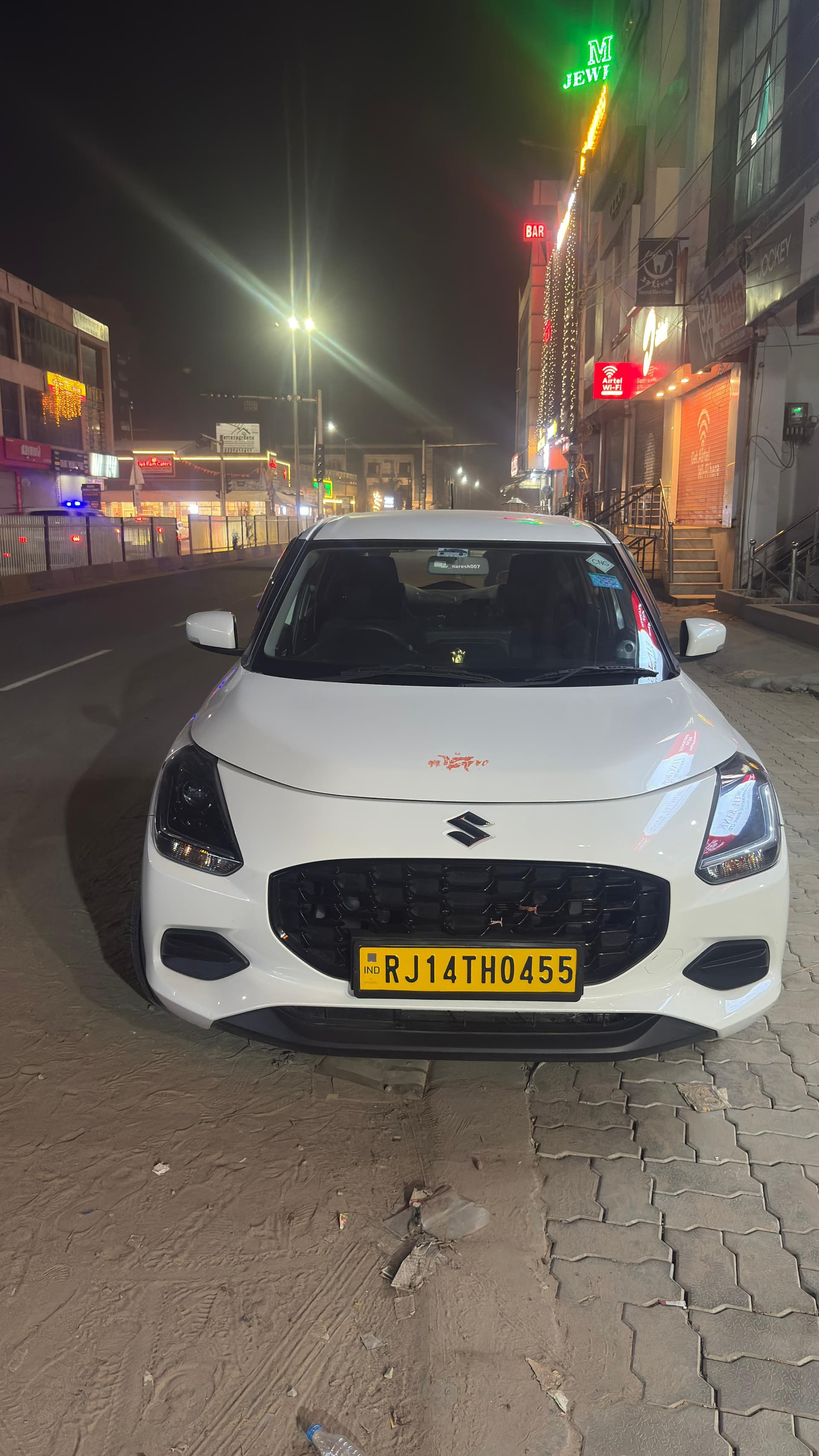
Naresh tour and travels
A 35 agarsen vihar colony shree ram ki nangal goner mod

Tripwala Foji
Kalyanpur, Meerut (U.P), pin -250502

Traipchaska Holidays
Shivanand puri mahapura vaya bhankrota ajmer road jaipur

Vardan Tour And Travel Haridwar
Haridwar kankhal Bangali mod

Jaipur Holiday Tour and Travels
Kamla Nehru Nagar puliya Jaipur Ajmer road

Salasar Tour And Travel
37RV+77C, Jaliya Road, Theekrana Medratan, Moti Nagar, Beawar, Rajasthan 305901, India

Akki Tour & Travels
H.No.753 St.No.7 Gurubax Calony Patiala
JMR Travels
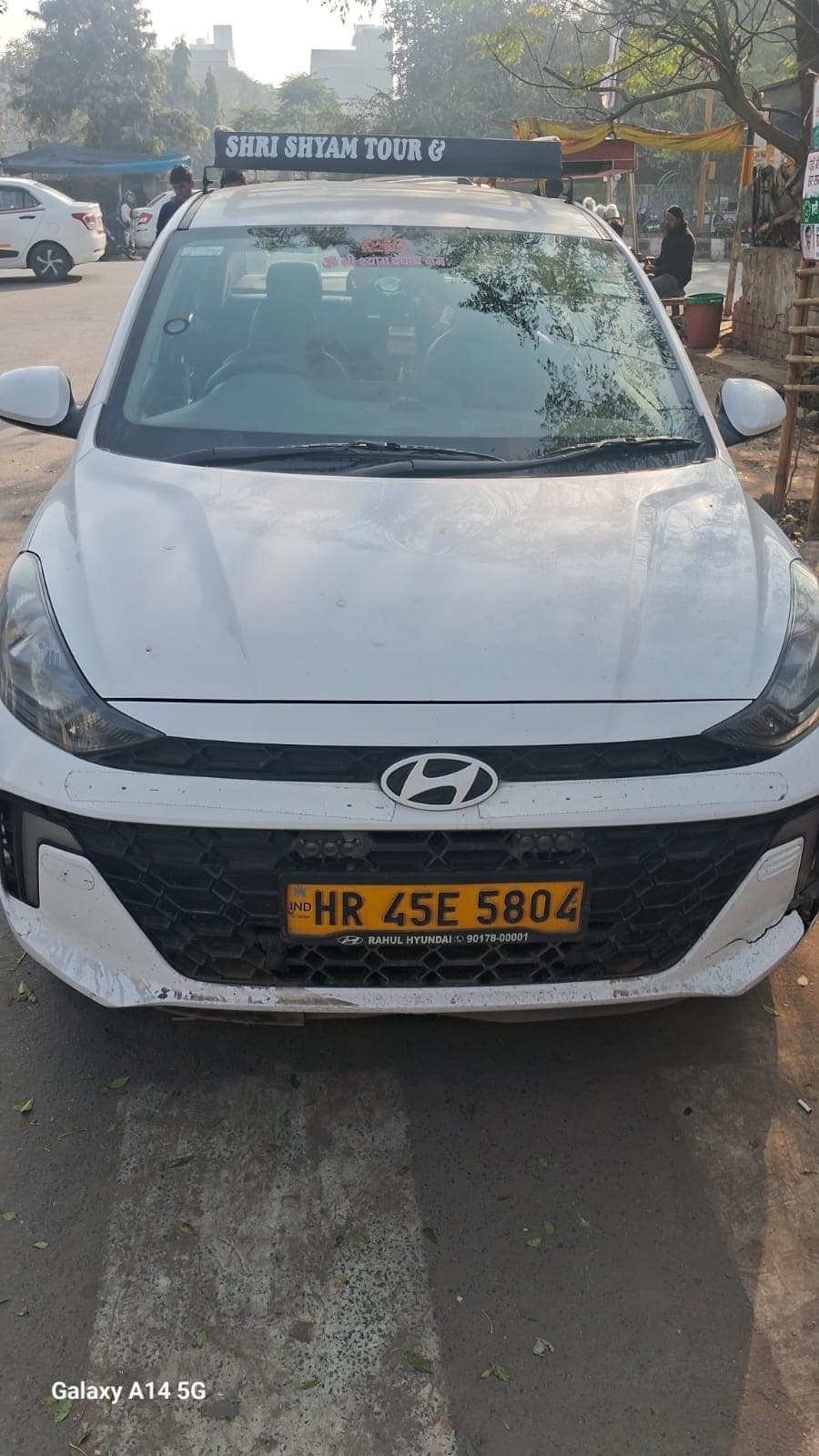
9/10, Laxmi Narayan Bansal Marg, Block C, Mianwali Nagar, Paschim Vihar, Delhi, 110087, India