India’s local-first travel ecosystem — book local operators direct, zero commission

Jaigarh Fort
Jaipur, Rajasthan

Jaigarh Fort is a magnificent and well-preserved hilltop fortress located in Jaipur, Rajasthan. Built in 1726 by Maharaja Sawai Jai Singh II, the fort was primarily constructed to protect the nearby Amber Fort. Unlike decorative royal palaces, Jaigarh Fort was designed mainly for military defense, which is why its architecture is strong, strategic, and practical.
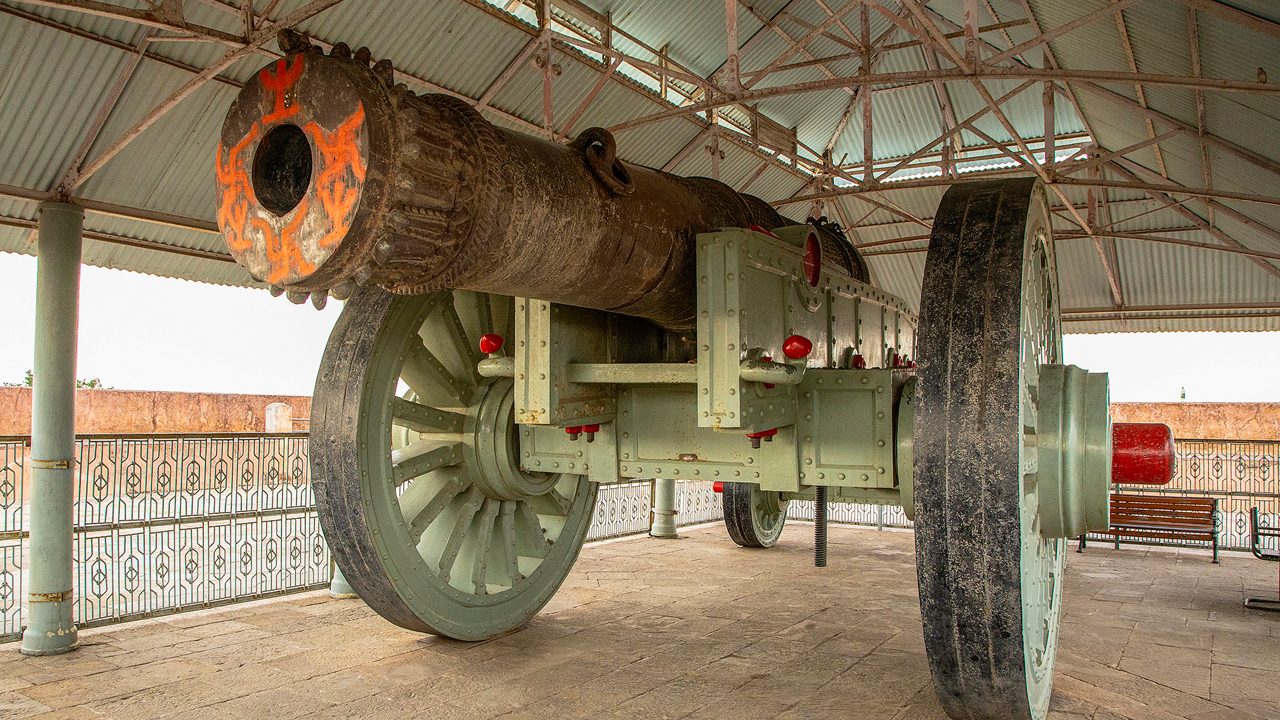
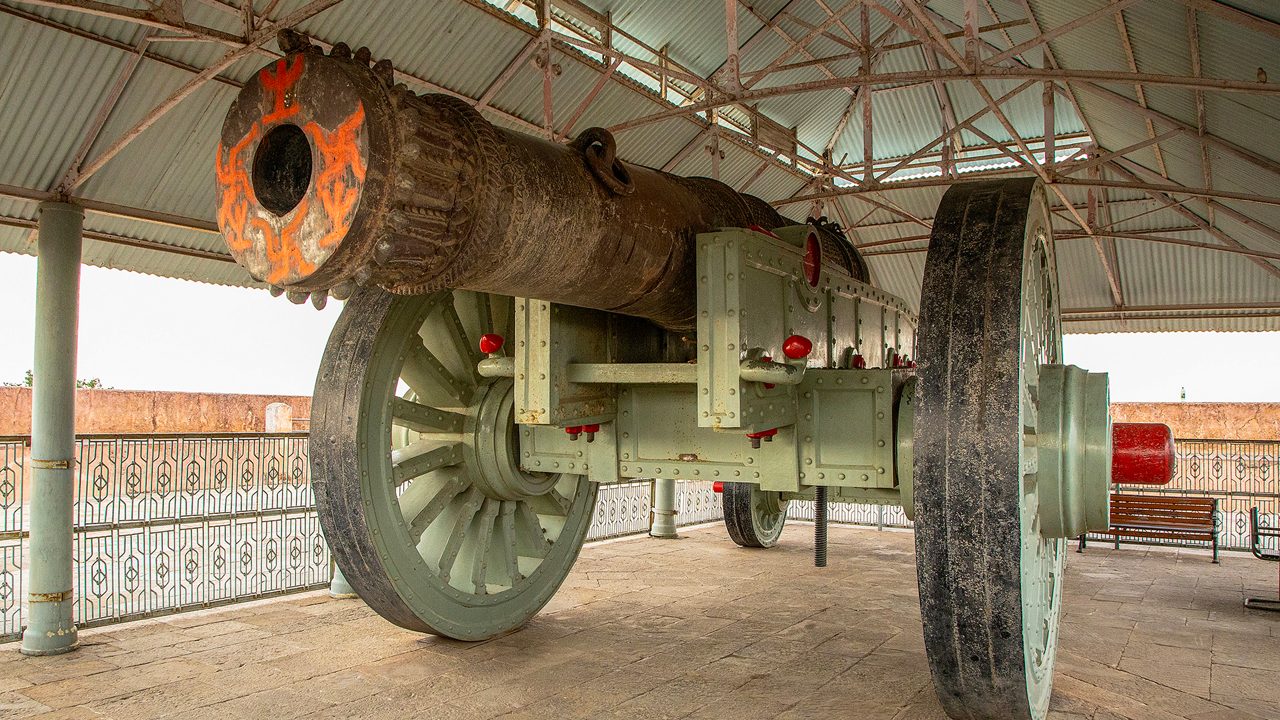
The fort is famous for its massive walls, watchtowers, and an advanced rainwater harvesting system with large underground water tanks. One of its biggest attractions is the legendary Jaivana Cannon, considered one of the largest wheeled cannons in the world. It represents the military strength and engineering skills of that era.
Inside the fort, there is also a small palace complex where members of the royal family stayed when required. From the top of Jaigarh Fort, visitors can enjoy breathtaking panoramic views of Jaipur city and the surrounding Aravalli hills, especially during sunrise and sunset. The fort stands as a powerful symbol of Rajput bravery, strategic planning, and architectural excellence.


Quick view — Jaigarh Fort
📍 Location: Jaipur, Rajasthan, India
🗻 Elevation: Approx. 400 meters (1,300 feet) above the surrounding plains (Aravalli Hills)
🧭 Distance from Jaipur City: Around 15 km from city center
⏳ Travel Time: 30–40 minutes by road
🚗 Access: Easily reachable by car, taxi, bike, or scooter
🚶♂️ Difficulty Level: Easy (minimal walking inside the fort)
📅 Best Time to Visit:
October to March
Morning or late afternoon for pleasant weather and clear views
🌦 Weather Conditions:
Summer: 25°C to 40°C (hot during midday)
Monsoon: Occasional rain, lush green surroundings
Winter: 10°C to 25°C (most comfortable season)
🗺️ Road Route to Jaigarh Fort:
Jaipur City ➜ Amer Road ➜ Amber Fort ➜ Jaigarh Fort Road
📌 Travel Overview:
🚩 Jaipur: Nearest major city
🏞 Aravalli Hills: Scenic uphill drive
🏰 Jaigarh Fort: Historic military fort overlooking Amber
📌 Facilities Available:
Parking area, restrooms, small refreshment stalls, guide services
⏰ Visiting Hours:
9:00 AM to 4:30 PM (timings may vary slightly)
🎟 Entry Fee (Approx.):
Indians: ₹35–₹50
Foreign Tourists: ₹85–₹100
🏰 Historical & Cultural Significance:
Built in 1726 by Maharaja Sawai Jai Singh II
Constructed mainly to protect Amber Fort
Never conquered in battle
Famous for housing the massive Jaivana Cannon
Excellent example of Rajput military engineering
🏛 Major Attractions:
🔹 Jaivana Cannon (world’s largest wheeled cannon)
🔹 Cannon foundry (tope banane ka purana karkhana)
🔹 Massive fort walls and watchtowers
🔹 Underground water storage system
🔹 Panoramic view of Amber and surrounding hills
🎬 Film & Media:
The fort has been featured in documentaries and historical programs highlighting Rajasthan’s heritage.
📶 Mobile Network:
Good connectivity for major networks like Jio and Airtel
📸 Photography Tip:
Capture wide-angle shots of the fort walls and the breathtaking view of Amber Fort from the top. Early morning light gives dramatic shadows on the fort structure.
🚶♀️ Ideal For:
Families
History lovers
Architecture enthusiasts
Photography lovers
🏨 Stay Options:
All categories of hotels and resorts are available in Jaipur and near Amer.
✨ Highlight:
Jaigarh Fort is known as the “Fort of Victory” and stands as a powerful symbol of Rajput strength, strategy, and engineering brilliance.
Key Attraction — Jaigarh Fort
You are no longer just above Jaipur — you are standing inside a fortress built for power, precision, and protection. The wind feels sharper here. The walls are thicker. The silence is not poetic — it is strategic. Welcome to Jaigarh Fort, where strength once ruled every stone.
Let’s walk through this powerful journey step by step:
1. Journey from Jaipur to Jaigarh Fort 🚗
The drive begins in the lively streets of Jaipur. As you leave the city behind and move toward Amer, the road starts climbing through the Aravalli hills. Unlike Nahargarh’s sunset charm, this ascent feels purposeful — as if you’re heading toward something built for defense, not leisure.
2. The Climb Above Amer 🌄
As the road curves upward past Amber Fort, you realize Jaigarh stands higher — watching, guarding. The landscape turns rugged, the air cooler, and the fort’s long defensive walls begin to appear along the ridges like a stone serpent stretching across the hills.
3. First Glimpse of the Fort Walls 🏰
Jaigarh doesn’t reveal itself dramatically. It stands firm and silent. Massive red sandstone walls, strong bastions, and guarded gateways make one thing clear — this fort was never meant for decoration. It was built for war.
4. Inside the Military Stronghold 🚶♂️
Walking through the gates, you notice the simplicity. Wide courtyards, soldier quarters, storage chambers — everything feels functional. There’s a discipline in the architecture. No excess. No distraction. Just strength and structure.
5. The Legendary Jaivana Cannon 💣
Then you reach the pride of Jaigarh — the mighty Jaivana Cannon. Massive. Immovable. Historic.
Crafted in the 18th century, it is considered one of the largest wheeled cannons ever made. Standing beside it, you don’t just see a weapon — you feel the engineering brilliance and military confidence of the Rajput era.
6. The Water Intelligence 💧
Hidden beneath the fort lie enormous underground water reservoirs. Rainwater harvesting here was not optional — it was survival strategy. Even during long sieges, the fort could sustain itself. Intelligence wasn’t just in weapons, but in planning.
7. The View of Amer from Above 🌆
From the ramparts, you look down at Amber Fort below. The perspective is powerful. Jaigarh wasn’t just a fort — it was a guardian. From here, every movement in the valley could be observed. It feels like standing at the eye of history.
8. Strength in Silence 🌬️
There is less crowd, less noise. The wind moves sharply along the walls. This silence feels different — not romantic, but commanding. Jaigarh doesn’t invite you to relax. It reminds you of vigilance.
9. History That Never Fell 📜
Built in 1726 by Maharaja Sawai Jai Singh II, Jaigarh Fort was never conquered in battle. It stood firm through time — a symbol of strategic brilliance and Rajput pride.
10. Jaigarh Fort – Power Above the Hills ✨
A visit to Jaigarh is not about leisure. It is about understanding strength.
Here, the hills don’t just hold history — they hold discipline, defense, and determination.
Above Amer, above Jaipur — Jaigarh stands as victory carved in stone.
History — Jaigarh Fort
Jaigarh Fort stands as a powerful symbol of Jaipur’s military strength and Rajput strategic intelligence. Perched high on the rugged ridges of the Aravalli Hills, this massive fortress was built not for luxury, but for defense. Overlooking the historic Amber Fort, it functioned as the ultimate guardian of the region, silently protecting the kingdom for centuries.
Construction and Early History
Jaigarh Fort was constructed in 1726 AD by Maharaja Sawai Jai Singh II, the founder of Jaipur. Unlike many ornate palaces of Rajasthan, Jaigarh was designed primarily as a military stronghold. Its strategic position above Amber allowed soldiers to monitor enemy movements and secure the capital from potential invasions. The fort was carefully engineered with thick defensive walls, watchtowers, and guarded gateways, ensuring maximum protection.
Role in the Rajput Defense Network
Jaigarh Fort formed a crucial part of Jaipur’s defensive triangle along with Amber Fort and Nahargarh Fort. While Amber served as the royal residence and Nahargarh as a lookout fort, Jaigarh acted as the main military center. It stored weapons, ammunition, and supplies necessary during times of war. Remarkably, the fort was never conquered, reflecting its strong defensive design and strategic importance.
The Legendary Jaivana Cannon
One of Jaigarh’s most iconic attractions is the massive Jaivana Cannon. Built in the early 18th century, it is considered one of the largest wheeled cannons in the world. Cast within the fort’s own foundry, the cannon represents the advanced metallurgical skills of the Rajput era. It symbolizes both technological excellence and military confidence.
Engineering and Water Management
Jaigarh Fort is also admired for its sophisticated rainwater harvesting system. Large underground water tanks were constructed to store water during monsoon seasons, ensuring self-sufficiency during prolonged sieges. This advanced planning highlights the foresight and engineering brilliance of its builders.
Royal Use and Later History
Although primarily a military fort, Jaigarh also includes a residential complex and administrative areas for royal officials. In the 20th century, the fort gained attention due to rumors of hidden royal treasures, leading to government-led searches. Though no confirmed treasure was found, the mystery added to the fort’s historical intrigue.
Modern Significance
Today, Jaigarh Fort is one of Jaipur’s major heritage attractions. Visitors come to witness its massive fortifications, historic cannon, and panoramic views of the Aravalli Hills and Amber below. It stands not merely as a monument, but as a testimony to Rajput valor, discipline, and strategic brilliance.
Conclusion
Jaigarh Fort is more than stone walls and cannons — it is a living symbol of strength and foresight. Towering above Amber, it continues to narrate stories of courage, preparation, and power. In its silence, one can still sense the vigilance that once guarded an entire kingdom.
Architecture — Jaigarh Fort
Jaigarh Fort is a remarkable example of Rajput military architecture, designed with strength, strategy, and sustainability in mind. Unlike decorative palace-forts, Jaigarh was built primarily for defense and protection. Perched high above Amber Fort, its structure reflects discipline, practicality, and advanced planning adapted perfectly to the rugged Aravalli terrain.
Hilltop Strategic Design
The fort is constructed along the natural contours of the Aravalli hills.
- Its elevated position provided clear surveillance over Amber and surrounding regions.
- Thick stone walls and high bastions ensured strong defense against invasions.
- The long defensive ramparts follow the ridgelines, blending with the landscape while maximizing protection.
Fort Walls and Bastions
- Massive fortification walls stretch across uneven hill terrain.
- Watchtowers and bastions are strategically positioned for visibility and military advantage.
- The design emphasizes strength and functionality over ornamentation, a hallmark of Rajput defensive architecture.
Jaivana Cannon – Engineering Excellence
One of the most iconic features of Jaigarh Fort is the legendary Jaivana Cannon.
- Cast within the fort’s own foundry, it represents exceptional metallurgical skill.
- It is considered one of the largest wheeled cannons in the world.
- The presence of the cannon and the foundry highlights Jaigarh’s role as a military production center, not just a defensive post.
Water Management System
Jaigarh Fort demonstrates remarkable foresight in water conservation.
- Large underground water reservoirs were built to store rainwater.
- The rainwater harvesting system ensured sustainability during long sieges.
- This advanced planning reflects the engineering intelligence of the Rajput era.
Interior Layout
- The fort includes soldiers’ quarters, armories, storage chambers, and administrative spaces.
- A small residential palace complex was built for royal officials when necessary.
- The interiors are simple and functional, aligning with the fort’s primary military purpose.
Materials Used
- Constructed using locally sourced red sandstone and limestone.
- Thick stone walls help maintain cooler interiors during Rajasthan’s hot summers.
- Durability and climate suitability were key priorities in construction.
Architectural Significance
Jaigarh Fort’s architecture represents:
- Strategic military planning
- Efficient use of space and resources
- Adaptation to natural topography
- A balance between defense, sustainability, and functionality
Conclusion
At first glance, Jaigarh Fort may appear austere compared to ornate palace forts, but its brilliance lies in its strength and precision. It stands as a powerful testament to Rajput military intelligence, engineering excellence, and disciplined architectural vision. Towering above Amber, Jaigarh continues to symbolize resilience, strategy, and enduring power.
Culture — Jaigarh Fort
Jaigarh Fort is not just a military stronghold; it is a powerful symbol of Jaipur’s martial heritage and Rajput identity. While it was primarily constructed for defense, over time it has become an important cultural landmark that reflects courage, craftsmanship, legacy, and historical pride.
Rajput Valor and Warrior Tradition
Jaigarh Fort represents the disciplined and warrior spirit of the Rajputs.
- Built as the main military center of Jaipur’s defense network, it symbolizes readiness and resilience.
- The presence of massive armories and the legendary Jaivana Cannon reflects the martial culture that defined Rajput rule.
- Unlike pleasure palaces, Jaigarh embodies strength, honor, and strategic foresight — core Rajput values.
Connection with Amber and Royal Authority
Overlooking Amber Fort, Jaigarh functioned as its protective shield.
- This connection highlights the balance between royal administration and military preparedness.
- The fort reflects how Rajput rulers combined governance with constant vigilance.
Craftsmanship and Indigenous Technology
Jaigarh Fort houses a historic cannon foundry where weapons were manufactured.
- This showcases Rajasthan’s advanced metallurgical knowledge and self-reliant defense systems.
- The engineering brilliance behind the Jaivana Cannon stands as a cultural achievement, not just a military one.
Folklore and Hidden Treasure Legends
Jaigarh is also associated with stories of hidden royal treasures.
- In the 20th century, search operations were conducted based on local legends about concealed wealth.
- Though no confirmed treasure was discovered, these tales have become part of Jaipur’s folklore and popular imagination.
Modern Cultural Identity
Today, Jaigarh Fort plays a vital role in Jaipur’s heritage tourism.
- It attracts historians, photographers, architecture enthusiasts, and cultural travelers.
- The fort often features in documentaries and heritage programs showcasing Rajasthan’s royal past.
- Its panoramic setting and historic ambiance make it a meaningful cultural experience rather than just a sightseeing stop.
Symbol of Strength and Reflection
Standing high in the Aravalli Hills, Jaigarh offers a different kind of cultural experience — one rooted in discipline and endurance.
- The quiet courtyards and massive walls evoke reflection on power, responsibility, and legacy.
- Visitors often feel a sense of respect for the resilience that once protected an entire kingdom.
Conclusion
The culture of Jaigarh Fort is deeply intertwined with Rajput valor, strategic wisdom, and technological excellence. It is not a space of royal leisure, but a monument of strength and preparedness. Today, Jaigarh stands as a living cultural symbol — where history is not only remembered, but felt through its walls, weapons, and unwavering presence above the hills of Jaipur.
Legend & Story — Jaigarh Fort
Jaigarh Fort is not only a symbol of military strength but also a place wrapped in mystery, treasure legends, and untold stories. While historically it served as the main defensive stronghold of Jaipur, folklore and modern intrigue have given it an additional aura of secrecy.
The Legend of Hidden Treasure 💰
One of the most famous mysteries surrounding Jaigarh Fort is the story of hidden royal treasure.
- It is believed that the rulers of Amer stored immense wealth here, possibly collected during Mughal campaigns.
- The fort’s massive underground chambers and water reservoirs fueled speculation that treasure was concealed within its depths.
- In the 1970s, a government-led search operation was conducted based on these rumors. Officially, no treasure was found — yet the legend continues to captivate imaginations.
Secret Tunnels and Escape Routes 🕳️
Local accounts suggest that Jaigarh Fort is connected to Amber Fort through a secret underground passage.
- This tunnel was reportedly used as an emergency escape route for the royal family during times of danger.
- Parts of the passage can still be seen today, though much of its structure remains hidden and unexplored.
The idea of concealed pathways adds to the fort’s mysterious appeal.
The Unconquered Fortress 🛡️
Historically, Jaigarh Fort was never conquered in battle.
- Its massive defensive walls and strategic hilltop position made it nearly impregnable.
- This undefeated status enhances its powerful and almost legendary reputation.
Silence of the Stone Walls 🌙
Visitors often describe a deep, commanding silence within the fort’s vast courtyards and ramparts.
- At dusk, the wind moving through the corridors creates an atmosphere that feels intense and reflective.
- Though there is no documented paranormal evidence, the sheer scale and isolation of the fort naturally inspire awe and mystery.
Where History Meets Legend
Historically, Jaigarh was a disciplined military fortress — a center of weapons manufacturing and strategic defense.
Folklore, however, paints it as a site of hidden wealth, secret tunnels, and guarded secrets.
This blend of fact and imagination transforms Jaigarh from a simple fort into a living narrative of intrigue and power.
Conclusion
The mysteries of Jaigarh Fort remind us that Rajasthan’s history is shaped not only by battles and rulers, but also by stories passed through generations.
Standing high above Amber, Jaigarh continues to guard its secrets — inviting every visitor to wonder what might still lie hidden within its ancient stone walls.
Inside jaigarh Fort — Jaigarh Fort
Stepping inside Jaigarh Fort feels like entering a world carved from stone, discipline, and strength. Unlike ornate palace-forts, Jaigarh’s interiors are purposeful and commanding. The atmosphere is calm, yet there is a sense of vigilance in the air — a reminder that this was a living military stronghold, not a ceremonial residence.
Stone Corridors and Inner Pathways
Wide yet simple stone corridors guide you through the heart of the fort.
- Thick walls keep the interiors naturally cool, even during Rajasthan’s intense summers.
- The pathways are straightforward, reflecting functionality over decoration.
- At various turns, you encounter open courtyards or passages leading to the massive ramparts.
The design emphasizes order, movement, and defense readiness.
Armories and the Jaivana Cannon
Jaigarh’s interior strongly reflects its military character.
- The fort houses armory spaces and storage chambers once used for weapons and ammunition.
- The highlight is the legendary Jaivana Cannon, mounted on a high platform.
- From this vantage point, you can clearly overlook Amber Fort and the surrounding valley — a perfect strategic position.
This area represents the core of Jaigarh’s defensive power.
Courtyards and Open Spaces
Open courtyards balance the heavy stone structures.
- They allow natural light and ventilation throughout the fort.
- These spaces were used for assembly, coordination, and daily activities of soldiers and officials.
- From here, panoramic views of the Aravalli Hills unfold dramatically.
Water Reservoirs and Underground Structures
Jaigarh Fort features impressive underground water storage systems.
- Large rainwater harvesting tanks ensured sustainability during long sieges.
- These reservoirs demonstrate advanced planning and engineering foresight.
- The scale of these structures highlights how self-sufficient the fort was designed to be.
Minimal Ornamentation, Maximum Strength
Unlike decorative royal palaces, Jaigarh’s interiors are restrained and austere.
- Ornamentation is minimal and purposeful.
- Every structure serves a clear defensive or administrative function.
- This simplicity gives the fort a powerful and timeless character.
The Experience Within
Being inside Jaigarh Fort is not about grandeur — it is about strength.
The cool stone floors, the towering ramparts, and the sweeping views create an experience rooted in resilience and strategy.
It is a place where history feels disciplined and deliberate —
where every wall once stood ready to protect an entire kingdom.
Entry Fee & Timings — Jaigarh Fort
⏰ Visiting Hours (Timing)
Open: Daily
Time: 9:00 AM to 4:30 PM (may vary slightly depending on season)
Afternoon hours usually see moderate crowds. Early morning visits are calmer and offer clearer views of the hills and Amber Fort below.
🎟 Entry Fee (Approximate)
Indian Tourists: ₹35–₹50
Foreign Tourists: ₹85–₹100
Students/Children: Concessions may be available with valid ID
Note: Ticket prices may change over time, so it is advisable to confirm at the entrance counter before visiting.
🚗 Additional Charges (If Applicable)
Parking Fee (Car/Bike)
Guide Charges (Optional)
Camera or Video Charges (sometimes applicable for professional equipment)
⭐ Best Time to Visit
October to March (pleasant and comfortable weather)
Morning hours for peaceful exploration and better photography
Late afternoon for warm light over the fort walls and scenic views of the Aravalli landscape
Jaigarh Fort offers not just history, but an elevated experience — where massive ramparts, military heritage, and panoramic hill views come together in one powerful setting.
Nearby Attractions — Jaigarh Fort
🏰 Places to Visit Near Jaigarh Fort
Jaigarh Fort is surrounded by several iconic heritage attractions that can easily be covered in a single trip:
1️⃣ Nahargarh Fort
Distance: ~6–7 km
Highlights: Panoramic views of Jaipur city, scenic sunset points
Tip: The ridge route between Jaigarh and Nahargarh offers breathtaking views and is great for photography.
2️⃣ Amer Fort
Distance: ~11 km
Highlights: Sheesh Mahal, Diwan-e-Aam, grand courtyards, Rajput architecture
Tip: Visit early in the morning or attend the Light & Sound Show in the evening.
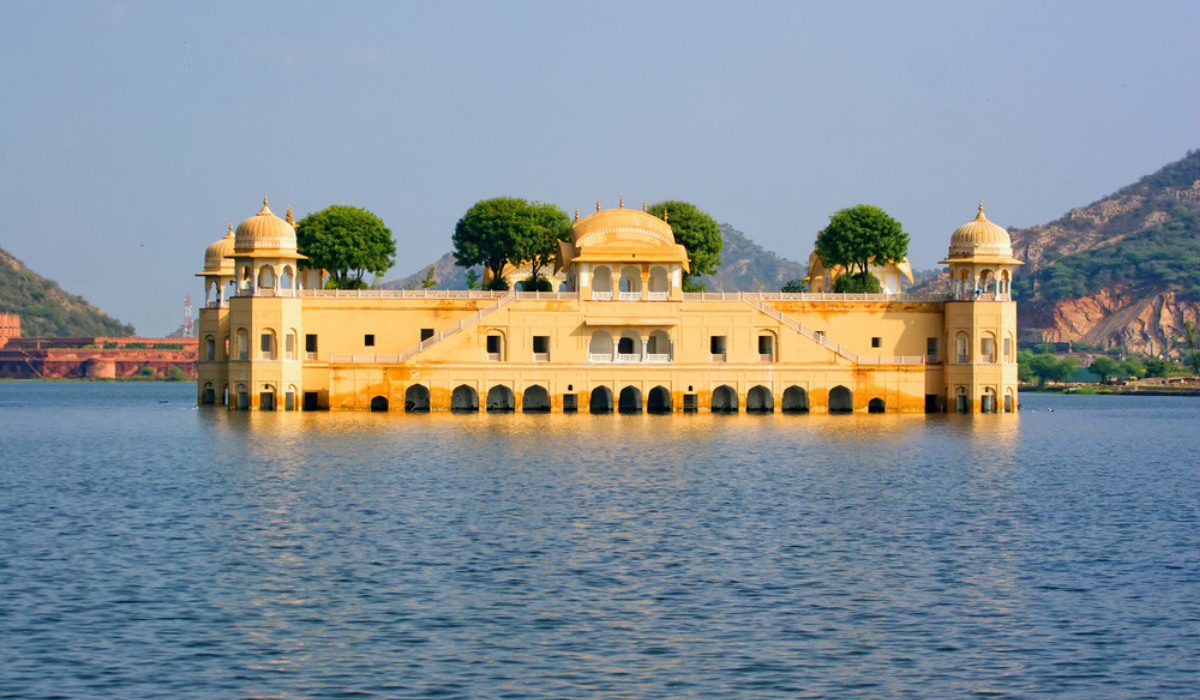
3️⃣ Jal Mahal
Distance: ~8 km
Highlights: Palace set beautifully in the middle of Man Sagar Lake
Tip: Best visited during sunset for stunning photography.
4️⃣ Gaitore Ki Chhatriyan
Distance: ~9 km
Highlights: Royal cenotaphs of the Kachwaha rulers with intricate marble carvings
Tip: A peaceful and less crowded spot, ideal for a quiet heritage visit.
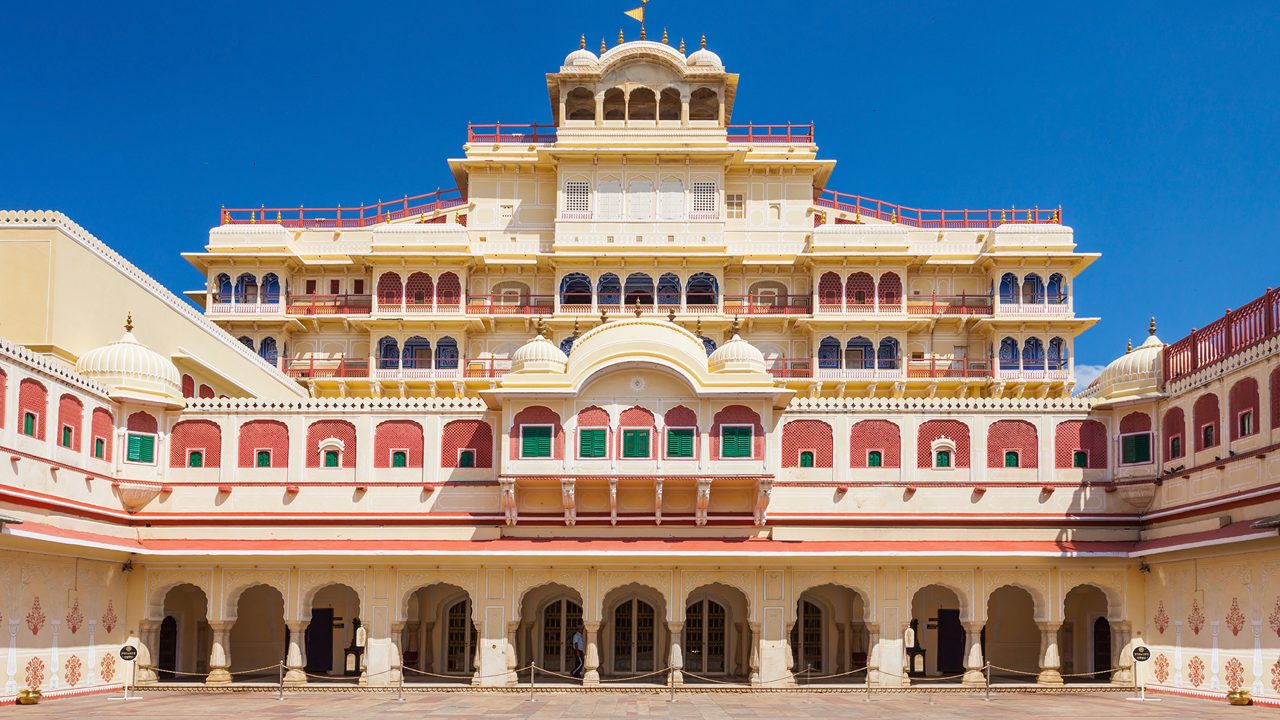
5️⃣ City Palace Jaipur
Distance: ~6 km
Highlights: Museums, royal courtyards, art collections, and historic exhibits
Tip: A guided tour enhances the overall experience.
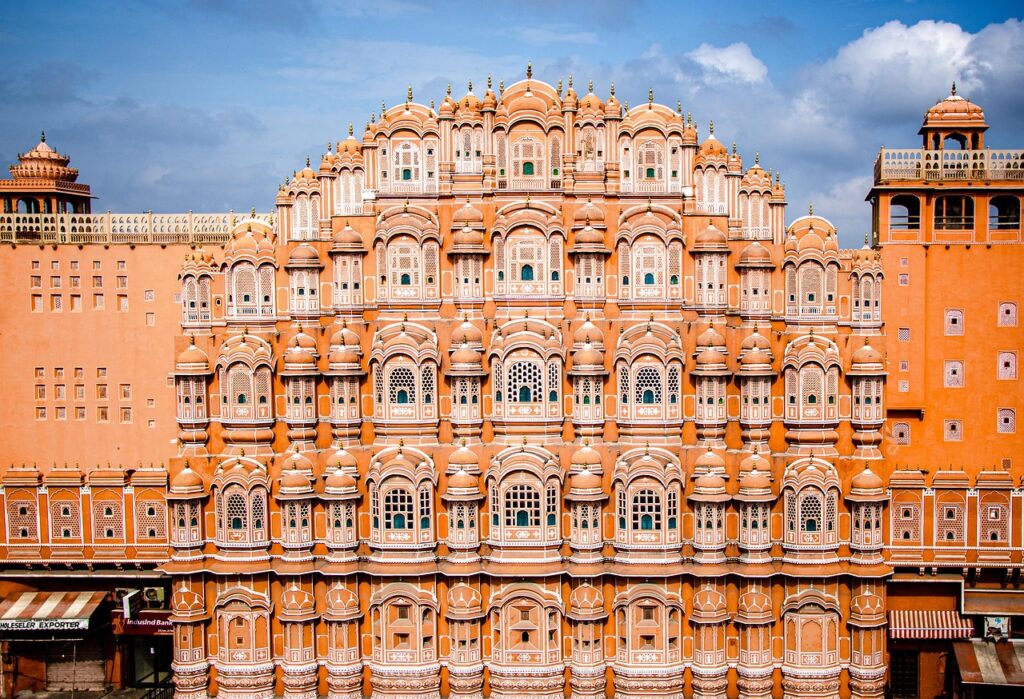
6️⃣ Hawa Mahal
Distance: ~6 km
Highlights: 953 windows (jharokhas); iconic landmark of the Pink City
Tip: Morning light is best for photography.
🚗 Quick Travel Tip
The Jaigarh → Nahargarh → Amer → Jal Mahal route makes a popular half-day heritage circuit, saving time while covering Jaipur’s most scenic and historic highlights.
Travel Tips — Jaigarh Fort
⭐ Best Time to Visit
Visit in the late afternoon or just before sunset to enjoy stunning views of the Aravalli hills and the majestic Amer Fort below.
October to March is the most suitable period, as the weather remains pleasant and comfortable for exploration.
🚗 How to Reach (Drive Safely)
The road leading to the fort is hilly and has sharp turns. Make sure your car or bike brakes are in good condition before starting.
During the monsoon season, roads may be slightly slippery.
Evenings and weekends can see moderate traffic, so plan a little extra time.
👟 Wear Comfortable Footwear
Jaigarh Fort has a large complex with stone pathways, open courtyards, and long ramparts. Be prepared to walk, so comfortable shoes are highly recommended.
🎒 Carry Essentials
• Water bottle
• Sunglasses
• Sunscreen
• Cap or hat (especially in summer)
The fort is largely open, and sunlight can be intense during the day.
👥 Tips to Avoid Crowds
Weekends and public holidays tend to be busier.
For a quieter experience, visit on a weekday or in the morning hours.
📸 Photography Tip
The best time for photography is about 30 minutes before sunset (Golden Hour).
The elevated ramparts offer breathtaking views of Amer Fort and the surrounding Aravalli landscape.
🌆 Evening Safety Advice
Sunset views are beautiful, but remain within designated and safe areas after dark.
Be cautious near high walls and edges once visibility decreases.
🗺 Combine Nearby Attractions
Plan a half-day circuit:
Jaigarh → Nahargarh Fort → Amer Fort → Jal Mahal
This route helps you save time while covering Jaipur’s top heritage highlights efficiently.
☕ Take a Café Break
There are small refreshment spots available inside or near the fort premises.
During peak hours, you may need to wait a bit.
🏛 Respect the Heritage
Avoid writing on walls or damaging any part of the historic structure.
Preserving our heritage is everyone’s responsibility.
Best Time to Visit — Jaigarh Fort
🌤 Best Season
October to March is the best time to visit Jaigarh Fort.
The weather remains pleasant, making it comfortable to explore the massive courtyards, long ramparts, and open viewpoints of the fort.
🌅 Best Time of Day
Late Afternoon (3:30 PM – 5:30 PM)
This is the most recommended time because:
• The sunlight creates a golden glow on the fort walls
• You get clear panoramic views of the Aravalli hills
• Amer Fort looks spectacular from the top
• Ideal lighting conditions for photography
☀️ Summer (April to June)
• Visit early morning or late afternoon only
• Midday heat can be intense due to the open fort structure
• Carry water and sun protection
🌧 Monsoon (July to September)
• The surrounding hills turn lush green and scenic
• The fort looks dramatic against cloudy skies
• Roads may be slightly slippery — drive carefully
• Comparatively fewer crowds than peak winter season
⭐ Quick Tip
For the best overall experience:
👉 Visit between October and March, and reach the fort at least 45–60 minutes before sunset to explore comfortably and enjoy scenic views from the ramparts.
How to Reach — Jaigarh Fort
Jaigarh Fort is a majestic hilltop fort in Jaipur that is easy and safe to reach. It is directly accessible by road—no trekking is required.
🛣️ By Road
Nearest Major City: Jaipur
Route Options:
• Jaipur City → Amer → Jaigarh Fort Road
• Jaipur City → Jal Mahal → Amer → Jaigarh (scenic and popular route)
The road is fully motorable.
You can easily reach by taxi, private car, bike, or scooter.
The route is hilly with sharp turns, but it is generally well-maintained.
🚗 Final Motorable Point
Vehicles can reach close to the main entrance of the fort.
No trekking is required.
🅿️ Parking Facility
Paid parking is available near the fort.
Estimated Charges: ₹20–₹50 (depending on local arrangements).
From the parking area, the fort is just a short and easy walk away.
🚶 Walking Distance
• No trekking required
• Short walk from parking to entrance
• Suitable for families, children, and senior citizens
🚆 By Train
Nearest Railway Station:
Jaipur Junction railway station (approx. 18 km)
Taxis and cabs are easily available from the station.
Travel Time: 35–45 minutes (depending on traffic)
✈️ By Air
Nearest Airport:
Jaipur International Airport (approx. 28 km)
You can hire a taxi directly from the airport to the fort.
Travel Time: 50–70 minutes (depending on traffic)
Paid parking is available at the airport.
🚍 Bus & Local Transport
• City buses operate up to Amer
• From Amer, taxis or auto-rickshaws are convenient
• App-based cabs like Ola and Uber are available in Jaipur
⭐ Travel Tips
• Visit in the late afternoon to enjoy the drive, explore the fort, and catch scenic views in one trip.
• Drive carefully on the hilly road, especially during evenings.
• Roads may be slightly slippery during the monsoon season.
📌 At a Glance
✔ Fully connected by road
✔ No trekking required
✔ Parking available
✔ Family- and senior-friendly
Jaigarh Fort — photos
Ratings & reviews
No one has rated Jaigarh Fort yet.
Write a reviewWayntra app
Plan Your Next Adventure with Wayntra
Discover treks, local guides, travel experiences and adventure activities on the Wayntra app.
More places in Rajasthan
Travel partners near Jaigarh Fort
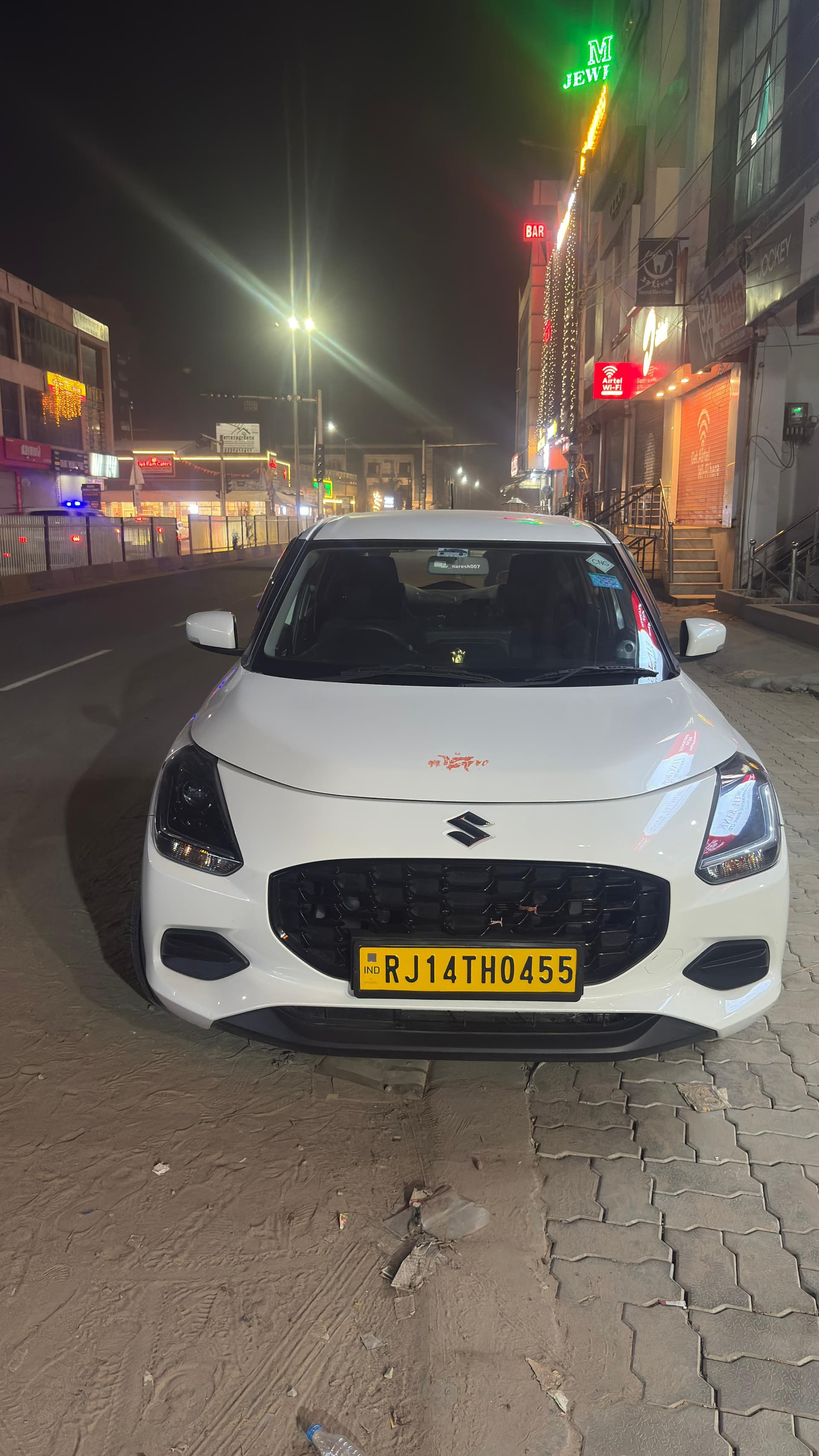
Naresh tour and travels
A 35 agarsen vihar colony shree ram ki nangal goner mod

Tripwala Foji
Kalyanpur, Meerut (U.P), pin -250502

Traipchaska Holidays
Shivanand puri mahapura vaya bhankrota ajmer road jaipur

Vardan Tour And Travel Haridwar
Haridwar kankhal Bangali mod
Jaipur Holiday Tour and Travels
Kamla Nehru Nagar puliya Jaipur Ajmer road

Salasar Tour And Travel
37RV+77C, Jaliya Road, Theekrana Medratan, Moti Nagar, Beawar, Rajasthan 305901, India

Akki Tour & Travels
H.No.753 St.No.7 Gurubax Calony Patiala
JMR Travels
9/10, Laxmi Narayan Bansal Marg, Block C, Mianwali Nagar, Paschim Vihar, Delhi, 110087, India