India’s local-first travel ecosystem — book local operators direct, zero commission

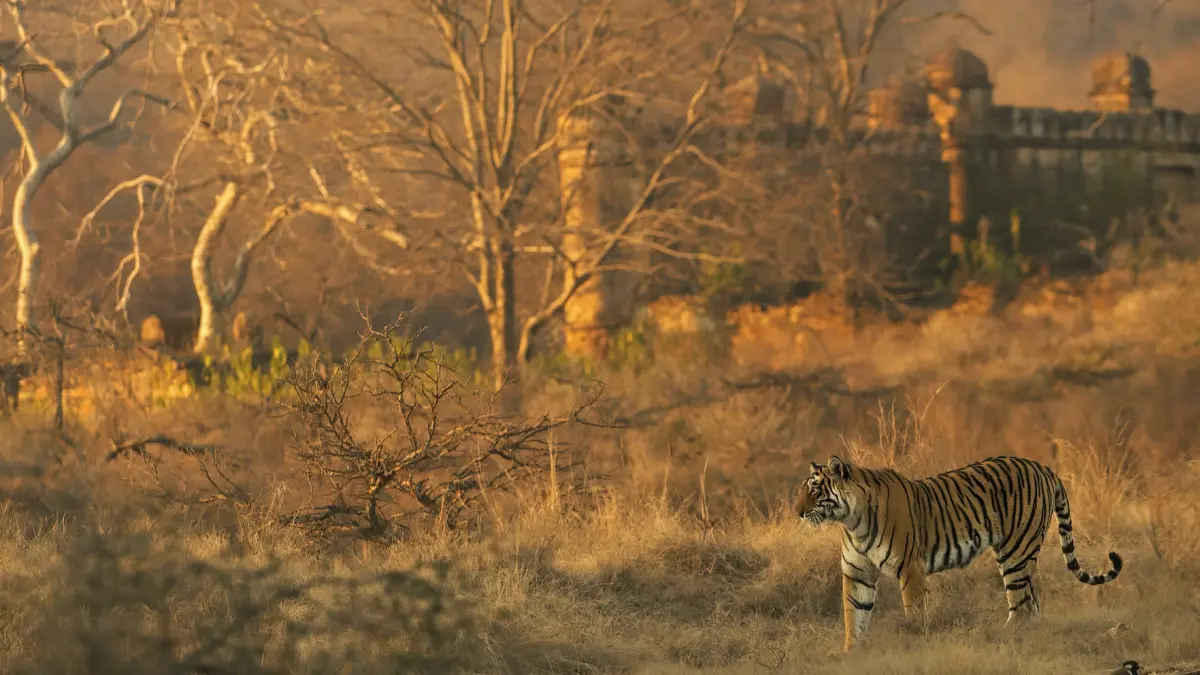
Ranthambhore National Park
Sawai Madhopur, Rajasthan

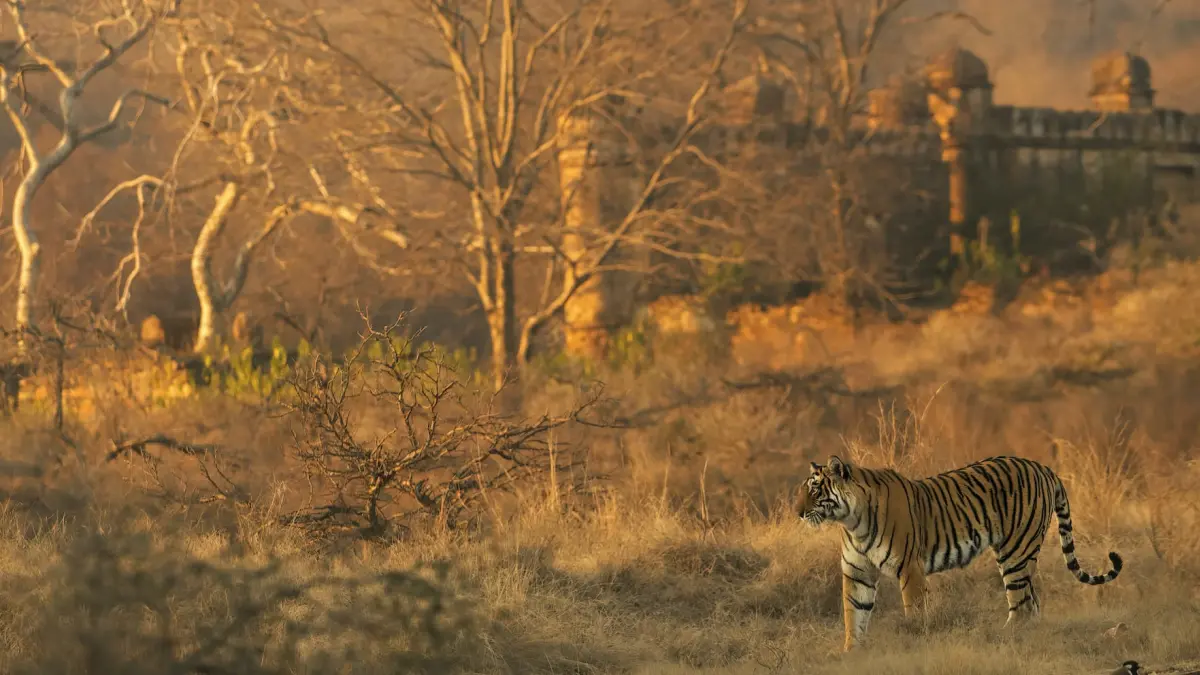
Ranthambhore National Park, located in the Sawai Madhopur district of Rajasthan, is one of India’s most iconic wildlife destinations. This forest is not just a sanctuary but a living canvas of nature where thrill, beauty, silence, and history blend together. Ranthambhore is a place where nature reveals itself in its purest form — sometimes through the distant roar of a tiger, sometimes through herds of deer drinking peacefully at a waterbody, and sometimes through the gentle rustling of leaves that suddenly fills the air with excitement. Its trees, hills, cliffs, lakes, and ancient ruins make this forest mysterious, captivating, and deeply peaceful.
Ranthambhore’s history is as fascinating as its wilderness. The massive Ranthambhore Fort, standing high above the forest, is over 700 years old and was once a powerful Rajput stronghold. King Hammir Dev Chauhan made this fort a symbol of strength, pride, and resistance. Later, many Mughal–Rajput battles were fought here, adding layers of glory and drama to its past. Walking inside the fort today feels like stepping back into an era of valor — the old temples, reservoirs, crumbling structures, and ancient pathways still whisper stories of the bygone age. Among its most revered spots is the Trinetra Ganesh Temple, which attracts thousands of devotees every day. The panoramic view of the jungle from the fort is so breathtaking that it feels like an enormous nature painting spread out below your feet.
The biodiversity of the park is exceptionally rich. Its landscape ranges from rocky plateaus to dense bushes, open grasslands to vast water bodies. This diversity makes every safari unique. Sometimes a family of deer stands calmly beside the track, sometimes a leopard can be spotted sitting high on a rock, and sometimes the forest seems to hold its breath — a sign that a big predator might be nearby. The vegetation includes dhok, salar, babool, ber, rohida, khejri, and several medicinal species, making Ranthambhore one of the most ecologically diverse forests in Rajasthan.
Of course, the biggest identity of Ranthambhore is its Royal Bengal Tigers. The chances of spotting tigers here are significantly higher compared to many other reserves. Each tiger has its own territory, fiercely protected and carefully marked. This forest gave the world one of the most famous tigresses — Machli (T-16), often known as The Queen of Ranthambhore. Her courage, hunting skills, and surprisingly calm temperament made her a legend. Even today, people feel a deep connection with the forest just by hearing her stories. Apart from her, tigers like Sultana, Rubina, Lightning, T-57, and T-91 often dominate safari experiences. The moment when a tiger suddenly appears on the track and starts walking gracefully along the road becomes a memory of a lifetime — that is the magic which sets Ranthambhore apart.
But Ranthambhore’s wildlife is not limited to tigers alone. The forest is home to leopards, sambar deer, spotted deer, nilgai, sloth bears, wild boars, langurs, hyenas, and jackals. Bird lovers are in for a treat as more than 270 species of birds can be seen here. Peacocks, owls, eagles, kingfishers, herons, and storks are common sights. During winter, the lakes attract numerous migratory birds, turning the region into a paradise for bird watchers.
The lakes of Ranthambhore are its soul. Rajbagh Lake, Padam Talab, and Malik Talab are not just visually stunning but also prime wildlife viewing spots. The ruins around Rajbagh Lake often serve as resting places for tigers. The still water, the old stone structures around it, and the backdrop of the fort create a setting that looks almost unreal — like a scene from an ancient epic. Tigers are frequently seen cooling off, stalking prey, or resting along these picturesque water bodies.
A safari in Ranthambhore is an experience you feel with all your senses. The cool morning breeze, faint mist, and golden sunrise turn the forest magical during the early safari. In the evening safari, the setting sun bathes the jungle in warm hues of gold and orange. Safaris are conducted in two vehicles — Gypsy (6-seater) for a more private experience, and Canter (20-seater) for groups and budget travelers. The forest is divided into 10 safari zones, each with its own charm. Though experienced guides often mention Zones 3, 4, and 6 as the best for tiger sightings, the truth is that every zone has its own story and beauty.
The best time to visit Ranthambhore is from October to June. Winter brings lush greenery and pleasant weather, making the forest vibrant and alive. Summer is intense, but it increases the chances of spotting tigers near waterholes. During the monsoon, the park remains closed as many tracks become muddy and inaccessible.
Reaching Ranthambhore is easy and convenient. The nearest railway station is Sawai Madhopur, well-connected to major Indian cities. Jaipur is the closest airport, located about 160 km from the park. Road connectivity from Jaipur, Kota, Delhi, and Agra is also excellent.
Accommodation options here offer something for every traveler — luxurious jungle resorts, nature-themed hotels, boutique stays, eco-friendly tents, and budget-friendly guesthouses. Many resorts located close to the forest allow guests to hear the sounds of wildlife at night, creating a thrilling yet serene atmosphere. The food here carries the authentic flavors of Rajasthan. Dal baati, gatte ki sabzi, ker sangri, laal maas, malpua, and ghevar add a delicious cultural touch to the trip.
Throughout the journey, there are moments when it feels as if the forest is speaking to you. Sometimes a scent drifts through the breeze, sometimes a sudden silence grips the jungle, and sometimes a flock of birds changes the entire mood of the surroundings. These subtle yet powerful moments remind you of how enormous and extraordinary nature truly is. Ranthambhore is one such place that makes you understand your tiny place in the vast world of the wild.
If you are seeking a destination where nature, wildlife, history, and adventure merge perfectly, then Ranthambhore is the most beautiful answer. Every moment here, every sound, every glimpse of the wilderness fills you with awe — leaving you with memories that stay with you long after the trip ends.



Quick view — Ranthambhore National Park
1️⃣ Route Overview
Start: Sawai Madhopur (Rajasthan)
Via: Ranthambhore Road → National Park Gate → Safari Zones (1–10) → Ranthambhore Fort → Ganesh Temple
Total Distance: Jaipur → Ranthambhore (≈160 km), Delhi → Ranthambhore (≈400 km)
Duration: 2–3 days (recommended)
Best Time: October – June (Tiger sightings peak: March–June)
Travel Mode: Train, Car, Taxi, Bus
2️⃣ Key Places / Highlights
Ranthambhore National Park: One of India’s top tiger reserves, famous for Royal Bengal Tigers 🐅
Safari Zones 1–10: Diverse landscapes, lakes, grasslands, fort ruins, wildlife viewing
Padam Talao: Largest lake, ideal for spotting tigers, crocs & birds 🌊
Rajbagh Ruins: Ancient palace ruins where tigers often roam 🏰
Ranthambhore Fort: UNESCO World Heritage (Hill Forts of India) 🏯
Trinetra Ganesh Temple: India’s oldest temple of Trinetra Ganesha 🙏
Jogi Mahal: Historic rest house near Padam Talao
Kachida Valley: Leopard sighting hotspot
Lakarda & Anantpura: Bear sighting areas 🐻
Bird Watching: 300+ species—owls, eagles, painted storks, kingfishers 🐦
3️⃣ Accommodation 🏡
Luxury Resorts: Aman-i-Khas, Oberoi Vanyavilas
Mid-Range Hotels: Ranthambhore Bagh, Tiger Den Resort
Budget Stays: Homestays near Sawai Madhopur & Ranthambhore Road
Forest Rest Houses: Limited availability, pre-booking needed
4️⃣ Connectivity & Network 📶
Mobile: Jio, Airtel work in Sawai Madhopur; weak inside the forest
No Network: Deep safari zones (3, 4, 6, 7)
Internet: Good in town, limited near park gates
5️⃣ Booking & Permits 💳
Safari Booking: Online via Rajasthan Forest Department portal
Safari Types: Gypsy (6-seater), Canter (20-seater)
Timing: Morning & Evening
Zones: 1–10 (all equally good)
Tip: Book 1–2 weeks in advance during peak season
6️⃣ Wildlife & Activities 🧭
Wildlife: Royal Bengal Tiger, Leopard, Sloth Bear, Nilgai, Hyena, Crocodile
Birding: Padam Talao & Malik Talao best points
Photography: Fort ruins, lakes, sunset at Ranthambhore Fort, tiger trails 📸
Trekking: Only allowed inside Fort area, not inside National Park
Village Tour: Explore local Rajasthani rural life
Nature Walks: Allowed only around buffer zones
7️⃣ Food & Cuisine 🍲
Local Dishes: Dal Baati Churma, Gatte ki Sabzi, Ker Sangri
Non-Veg Options: Available in hotels
Street Food: Poha, kachori, samosa near Sawai Madhopur station
Resorts: Multi-cuisine buffets available
8️⃣ Culture & History 🎭
Ranthambhore Fort: 1000+ years old, Chauhan dynasty
Local Tribes: Meena & Gurjar communities
Temple Festivals: Special events at Trinetra Ganesh Temple
Crafts: Rajasthani mirror work, wooden art, handmade jewelry 🧵
9️⃣ Health & Safety ⚠️
Carry sunscreen, hats, water
Wear neutral-colored clothes for safari
No loud noises inside forest
Do not stand up or get off vehicle
Follow instructions of guide/driver
Avoid summer afternoon heat (May–June extremely hot)
Keep basic medicines for dehydration & motion sickness
🔟 Helpline Numbers 📞
Forest Helpline: +91 7462-220223
Sawai Madhopur Police: 100
Ambulance: 102 / 108
Tourist Assistance: +91 141-2822863 (Rajasthan Tourism)
💡 Travel Tips
Book safari early, carry ID proof
Choose Gypsy for best wildlife visibility
Morning safari: chilly → carry jacket
Evening safari: best golden-hour photography
Respect wildlife—maintain silence
Carry cash for local shopping & village tours
Stay 2–3 days for better tiger sighting chances
Safari Zones — Ranthambhore National Park
Ranthambhore Tiger Reserve consists of 10 core safari zones, each offering unique landscapes, tiger activity, wildlife density, and safari experience. Below is the complete advanced comparison of all zones to help tourists choose the best safari routes.
Zone 1 – Quiet Forest + Leopard Territory
- Tiger Sightings: Medium
- Leopard Sightings: High
- Landscape: Rocky stretches, narrow forest trails, dense vegetation
- Best For: Leopard enthusiasts, bird watchers
- Highlights: Sultanpur Chowki, Tuti ka Nalla
Why it’s good: Fewer vehicles, excellent leopard movement, peaceful safari experience.
Zone 2 – One of the Top 3 Tiger Zones
- Tiger Sightings: Very High
- Landscape: Lakes, valleys, ruins, wide grasslands
- Best For: High tiger sighting chances
- Highlights: Jogi Mahal belt, active tiger corridors
Why it’s special: Strong tiger movement throughout the day, broad visibility, highly popular among tourists.
Zone 3 – The Iconic Tiger Zone with Padam Talao
- Tiger Sightings: Very High
- Landscape: Padam Talao lake, Rajbagh ruins, open meadows
- Best For: First-time visitors & photographers
- Highlights: Most viral tiger photos and documentaries are shot here
Why it’s the best: The perfect combination of lakes, ruins, and tiger sightings.
Zone 4 – Highly Photogenic + Tiger Mothers with Cubs
- Tiger Sightings: High
- Landscape: Slopes, deep valleys, ancient ruins
- Best For: Photography, families
- Highlights: Lambi Ka Nallah, Singh Dwar
Why it stands out: Frequent sightings of tigresses with cubs.
Zone 5 – Tiger + Sloth Bear Combo Zone
- Tiger Sightings: Medium–High
- Sloth Bear Sightings: High
- Landscape: Thick forest patches, water bodies
- Best For: Mixed wildlife lovers
- Highlights: Bhuskhidra, Singh Dwar
Why it’s special: Good chances of seeing both tigers and sloth bears.
Zone 6 – Open Landscape + Fast Safari Route
- Tiger Sightings: Medium
- Landscape: Wide open forest, golden grasslands, hills
- Best For: Fast-paced safaris
- Highlights: Kunda area
Why tourists choose it: Desert-like scenery + easy visibility + fast tracking.
Zone 7 – Raw, Deep Jungle Experience
- Tiger Sightings: Medium–Low
- Landscape: Rugged, deep forest, narrow paths
- Best For: Adventure and offbeat safari lovers
- Highlights: Chidikho region
Why it's unique: Gives a real wild jungle vibe with minimal tourist crowd.
Zone 8 – Peaceful & Least Crowded
- Tiger Sightings: Medium–Low
- Landscape: Rocky hills, broken pathways, quiet forest regions
- Best For: Crowd-free safari lovers
- Highlights: Banas river belt
Why it’s peaceful: Very silent jungle routes, best for nature lovers.
Zone 9 – Leopard & Hyena Stronghold
- Tiger Sightings: Low–Medium
- Leopard Sightings: High
- Hyena Sightings: High
- Landscape: Rocky cliffs, dry forests
- Best For: Leopard watchers & wildlife photographers
- Highlights: Kuwal Ji region
Why it’s special: High leopard-hyena movement, dramatic forest terrain.
Zone 10 – Newly Added + Strong Tiger Movement
- Tiger Sightings: Medium–High
- Landscape: Open landscapes, rolling hills
- Best For: New explorers & fast routes
- Highlights: Devpura area
Why it’s good: Less crowded, better tiger shock factor, new tiger corridors.
Tiger Sighting Success Rate (Zone-wise) — Ranthambhore National Park
Tiger sightings at Ranthambhore depend heavily on zone terrain, water bodies, forest density, and territory of dominant tigers. Below is the approximate success rate based on recent tourist reviews and guide reports:
1️⃣ Zone 3 – Highest Success (★★★★★ – 70–80%)
- Most popular zone with Padam Talao, Rajbagh Lake, Malik Talao.
- Open landscapes, plenty of water sources.
- Regular sightings of famous tigers like Arrowhead, Riddhi, and cubs.
2️⃣ Zone 4 – Very High Success (★★★★★ – 65–75%)
- Large tiger territories with active movement.
- Dense forest + open meadows give balanced visibility.
- Tigers like T-19 Family, T-41, and males patrol this area.
3️⃣ Zone 2 – High Success (★★★★☆ – 55–65%)
- Rocky regions + multiple water points.
- Good chances during summer and early morning.
- Known for dominant males crossing routes.
4️⃣ Zone 6 (Kundal) – High Success (★★★★☆ – 50–60%)
- Open grasslands, great for photography.
- Tigers frequently move between Zone 1, 2 and 6.
- Often less crowd, making it peaceful for sightings.
5️⃣ Zone 1 – Moderate to Good (★★★☆☆ – 45–55%)
- Entry point zone; sightings depend on tiger movement.
- T-72 and other big males often pass this zone.
6️⃣ Zone 5 – Moderate (★★★☆☆ – 40–50%)
- Thick zones with steep terrain.
- Sightings possible but not guaranteed.
- Good for birding and landscape views.
7️⃣ Zone 7 – Moderate (★★★☆☆ – 35–45%)
- Open hills and rocky tracks.
- Tigers roam but not frequently visible.
8️⃣ Zone 8 – Moderate-Low (★★☆☆☆ – 30–40%)
- Large area with scattered water sources.
- Best sightings during early morning hours.
9️⃣ Zone 9 – Low (★★☆☆☆ – 25–35%)
- Beautiful landscape but limited tiger territories.
- Occasionally leopard sightings.
🔟 Zone 10 – Low (★☆☆☆☆ – 20–30%)
- Remote zone; low tiger density.
- Scenic but not ideal for sightings unless lucky
Safari Timings — Ranthambhore National Park
Summer Timings (1 April – 30 September)
April
- Morning Safari: 6:00 AM – 9:30 AM
- Evening Safari: 3:00 PM – 6:30 PM
May
- Morning Safari: 5:30 AM – 9:00 AM
- Evening Safari: 3:30 PM – 7:00 PM
June
- Morning Safari: 5:30 AM – 9:00 AM
- Evening Safari: 3:30 PM – 7:00 PM
July – September
- Park Closed (Monsoon Season)
Winter Timings (1 October – 31 March)
October
- Morning Safari: 6:30 AM – 10:00 AM
- Evening Safari: 2:30 PM – 6:00 PM
November
- Morning Safari: 7:00 AM – 10:30 AM
- Evening Safari: 2:00 PM – 5:30 PM
December
- Morning Safari: 7:00 AM – 10:30 AM
- Evening Safari: 2:00 PM – 5:30 PM
January
- Morning Safari: 7:00 AM – 10:30 AM
- Evening Safari: 2:00 PM – 5:30 PM
February
- Morning Safari: 6:45 AM – 10:15 AM
- Evening Safari: 2:15 PM – 5:45 PM
March
- Morning Safari: 6:30 AM – 10:00 AM
- Evening Safari: 2:30 PM – 6:00 PM
Important Notes
- Safari timings are based on sunrise & sunset.
- Two safaris daily: Morning and Evening.
- Evening safari is closed every Wednesday for park maintenance.
- Monsoon (July–Sept) the park remains closed.
- Zones 6–10 sometimes open in monsoon on limited basis.
- Reporting time: 30–40 minutes earlier.
- ID proof mandatory for all tourists.
- Winters are extremely cold—carry jacket, gloves, cap.
- Summer = highest tiger sighting chances.
How to Reach — Ranthambhore National Park
1️⃣ By Flight (Nearest Airports)
The nearest airport to Ranthambhore is Jaipur International Airport (JAI).
- Jaipur Airport → Ranthambhore (Sawai Madhopur): 180 km
- Travel Time: 3.5 – 4 hours by road
- Connectivity: Direct flights from Delhi, Mumbai, Bangalore, Kolkata, Hyderabad, Chennai, Goa, Ahmedabad, etc.
Alternative Airports:
- Kota Airport – 140 km (very limited flights)
- Delhi IGI Airport – 400 km (best for international travellers)
2️⃣ By Train (Most Convenient Option)
The closest railway station is Sawai Madhopur Railway Station (SWM) – just 10–15 minutes from Ranthambhore Safari Gate.
Major Trains to SWM:
- Rajdhani Express
- August Kranti Rajdhani
- Golden Temple Mail
- Dehradun Express
- Kota Jan Shatabdi
- Mumbai–Jaipur trains
- Delhi–Kota–Vadodara line connectivity
Direct trains available from:
Delhi, Mumbai, Jaipur, Agra, Ahmedabad, Kota, Vadodara, Indore, Haridwar, Dehradun, Lucknow, Varanasi, Bhopal, Gwalior, Udaipur etc.
3️⃣ By Road (Highway Connectivity)
Ranthambhore is well connected via national highways.
Major Road Routes:
- Jaipur → Ranthambhore: 180 km (NH552) – 3.5 hours
- Delhi → Ranthambhore: 400 km – 7–8 hours
- Agra → Ranthambhore: 260 km – 5 hours
- Udaipur → Ranthambhore: 390 km – 7 hours
- Kota → Ranthambhore: 140 km – 2.5 hours
- Jodhpur → Ranthambhore: 440 km – 8 hours
- Pushkar/Ajmer → Ranthambhore: 260 km – 5 hours
Road conditions:
- Mostly excellent highways
- Last stretch near Sawai Madhopur is smooth and well-marked
Booking Process — Ranthambhore National Park
✅ Official / Recommended Booking (Online)
- Ranthambhore safari booking is available through the official booking portal, where you can apply for safari permits:
- To book online, you need to fill a form with the following details: safari date, shift (morning/evening), vehicle type (Jeep/Canter), names of all travelers, and ID proof details.
- For Indian tourists, any one of Aadhaar, Voter ID, Driving Licence, or PAN card is valid. For foreign tourists, a passport is mandatory.
- Payment for the safari permit must be made in full advance.
- Once the booking is confirmed, you will receive a confirmation including safari date, shift, vehicle type, and other details. On the day of the safari, you must show the same ID and permit used at the time of booking.
- The safari permit, guide, driver, and vehicle (Gypsy or Canter) are all official. Private vehicles are not allowed inside the park.
- Safari permits are non-transferable and non-refundable once confirmed.
📝 Offline / Counter Booking or Through Agents
- If online slots are full, or you are planning late, some safaris are available through offline booking or last-minute quotas (tatkal/current).
- You can visit the booking counters, show your original ID, select your vehicle type, and get the safari permit — but availability is not guaranteed.
- Some private travel agents or tour operators also offer safari + stay + transport combos, but be cautious — unofficial or overpriced packages are common.
⚠️ Important Conditions, Rules & What to Watch Out For
- Safari booking should be done well in advance — seats are limited and fill quickly.
- Once the permit is confirmed, the booking is non-refundable and non-transferable.
- On the day of the safari, you must carry the same original ID used during booking. Any mismatch can lead to denied entry.
- Private vehicles are not allowed inside the park — only registered Gypsy or Canter vehicles are permitted.
- Zone selection can be requested at the time of booking, but final allotment depends on availability — no guarantee for a specific zone.
✅ Suggestions (As Content Creator / Traveller)
- Always try to book your safari online in advance, especially during the high season.
- Enter traveler details and ID information correctly to avoid any issues.
- Carry booking confirmation, printout, and ID card on the safari day.
- Avoid booking through unverified third-party agents — use official or verified operators only.
- If online booking fails, offline counters are an option, but there is no guarantee of availability.
Things to Pack — Ranthambhore National Park
1️⃣ Clothing
- Lightweight, breathable clothes for daytime (preferably in earthy or green shades to blend with the forest).
- Warm jacket or sweater for early morning and evening safaris (temperature can drop).
- Comfortable trekking shoes / sneakers for walking in safari zones or nearby trails.
- Cap / hat / sunglasses to protect from sun.
- Scarf or muffler for dust or wind protection.
2️⃣ Essentials
- Water bottle (stay hydrated).
- Binoculars for better tiger and wildlife spotting.
- Camera with extra batteries / memory cards for photography.
- Sunscreen and lip balm.
- Personal medications and first-aid kit.
- Insect repellent.
3️⃣ Documents & Money
- ID proof (Aadhaar, Driving License, Passport for foreigners).
- Safari permit printout / confirmation.
- Cash (small denominations) for souvenirs, snacks, or local purchases — ATMs may be limited.
4️⃣ Optional / Extras
- Notebook & pen (for wildlife notes).
- Light backpack to carry essentials inside the safari jeep.
- Flashlight / torch (if staying near forest lodges).
- Snacks (dry fruits, energy bars).
💡 Tips:
- Avoid wearing bright or flashy colors — animals are sensitive to bright shades.
- Carry minimal jewelry; avoid valuables inside the safari.
- Pack eco-friendly bags and bottles to reduce littering in the park
Key Attractions — Ranthambhore National Park
🐅 Royal Bengal Tigers
Ranthambhore is one of the best places in India to spot tigers in their natural habitat. The thrill of seeing a tiger roaming freely is unmatched.
🏰 Ranthambhore Fort (UNESCO World Heritage Site)
A magnificent 10th-century fort offering breathtaking valley views, ancient temples, and a deep royal history.
🌅 Padam Talao & 🏯 Jogi Mahal
This scenic lake is known for its stunning sunrise views, lotus blooms, and the historic Jogi Mahal standing beside the famous giant banyan tree.
🏚️ Rajbagh Ruins
Old palace arches, stone walls, and jungle-covered ruins create the perfect backdrop for wildlife and landscape photography.
🦌 Wildlife Diversity
Apart from tigers, the park is home to leopards, sloth bears, crocodiles, sambar, chital, and 300+ vibrant bird species.
🚙 Jungle Safari Experience
Enjoy exciting Gypsy or Canter safaris across different zones—each offering unique terrain, water bodies, and wildlife sightings.
🐦 Bird Watching Paradise
Ranthambhore’s lakes and forest edges make it a hotspot for resident and migratory birds—ideal for bird lovers and photographers.
🌊 Surwal Lake
A peaceful seasonal lake outside the park, perfect for early-morning visits and spotting flocks of migratory birds.
Nearby Places to Visit — Ranthambhore National Park
🏯 1. Khandar Fort (Approx. 40 km)
One of Rajasthan’s oldest and most powerful hill forts, located near the Khandar town. Known as the “Security Fort of Ranthambhore”, it offers spectacular valley views, ancient temples, ruined palaces, and a deep historical aura.
🦢 2. National Chambal Sanctuary (Approx. 60 km)
A pristine river sanctuary famous for its endangered wildlife like Gharials, Gangetic Dolphins, and Marsh Crocodiles. You can enjoy guided boat safaris and spot rare birds along the Chambal River.
🏞️ 3. Surwal Lake (Approx. 15 km)
A seasonal lake perfect for early-morning photography. Known for beautiful sunrises and a large number of migratory birds during winter.
🏜️ 4. Mansarovar Dam (Approx. 20 km)
A calm, scenic reservoir ideal for nature walks and birdwatching. Great place for those who want quiet time away from safari crowds.
🏛️ 5. Sawai Madhopur City (Approx. 10 km)
Explore the local markets, traditional Rajasthani handicrafts, and historic temples like Chamatkar Jain Temple. Good for food lovers and cultural experiences.
🕌 6. Chauth Mata Temple (Approx. 35 km)
Situated on a hilltop, this ancient temple is a major pilgrimage site. The panoramic view of the town from above is stunning and worth the climb.
🌿 7. Amareshwar Mahadev Temple (Approx. 8 km)
A cave-temple dedicated to Lord Shiva, surrounded by forest. The short trek to reach here is peaceful and scenic, perfect for nature lovers.
🚣 8. Kalisil Dam (Approx. 45 km)
A lovely spot surrounded by green hills—great for boating (seasonal), picnics, and quiet nature time.
🐘 9. Ranthambhore School of Art (Sawai Madhopur)
Famous for its wildlife paintings, especially tiger art. You can meet local artists and purchase hand-made artwork.
📍 10. Shekhawati Stepwells (Near Sawai Madhopur)
Historic stepwells (Baoris) showcasing Rajasthani architecture—great for photography and heritage lovers.
Budget — Ranthambhore National Park
1️⃣ Safari Cost (Per Person / Per Safari)
🟢 Gypsy Safari (6-Seater)
- Indian: ₹1,700 – ₹2,200
- Foreigners: ₹3,500 – ₹4,500
- Private Gypsy: ₹12,000 – ₹15,000 per vehicle
🟣 Canter Safari (20-Seater)
- Indian: ₹1,200 – ₹1,600
- Foreigners: ₹2,500 – ₹3,200
Extra Costs
- Camera fees (if applicable): ₹200 – ₹600
- Tatkal / Last-minute booking: +₹500 to ₹800
2️⃣ Stay Cost (Per Night)
🏨 Budget Hotels
- ₹800 – ₹1,500 per night
(Backpackers, couples, short stay)
🏕️ Mid-Range Resorts
- ₹2,000 – ₹4,000 per night
(Good comfort, swimming pool, breakfast)
🏰 Luxury Jungle Lodges
- ₹6,000 – ₹15,000 per night
(Private cottages, premium jungle experience)
3️⃣ Travel Cost (To Reach Ranthambhore)
🚗 By Road
- Jaipur → Ranthambhore: ₹1,500 – ₹3,000 (taxi)
- Kota → Ranthambhore: ₹1,200 – ₹2,000
- Self-drive fuel (2 days): ₹1,000 – ₹1,800
🚆 By Train (till Sawai Madhopur)
- Sleeper: ₹200 – ₹350
- 3AC: ₹600 – ₹900
- Auto from station → hotel: ₹100 – ₹150
✈️ By Flight (till Jaipur)
- Average flight to Jaipur: ₹3,000 – ₹6,000
- Jaipur airport → Ranthambhore taxi: ₹2,500 – ₹3,500
4️⃣ Food Cost (Per Day)
- Budget: ₹300 – ₹500
- Mid-range: ₹600 – ₹1,000
- Resort buffet: ₹1,200 – ₹1,800
5️⃣ Total Estimated Budget (1N/2D Trip)
🟢 Budget Traveller
₹3,500 – ₹6,000
🟠 Mid-Range Traveller
₹7,000 – ₹12,000
🔵 Luxury Traveller
₹16,000 – ₹30,000
Do’s & Don’ts — Ranthambhore National Park
🔶 Do’s (What You Should Do)
1️⃣ Follow all forest rules
Keep noise to a minimum, don’t stand up in the vehicle, and always listen to your guide.
2️⃣ Keep your camera ready
Set your shutter speed, ISO, and focus mode in advance so you don’t miss sudden wildlife moments.
3️⃣ Stay calm and steady
Avoid sudden movements. Use silent shooting mode whenever possible.
4️⃣ Maintain a safe distance
Never try to get too close to animals. A 200mm–600mm telephoto lens works best.
5️⃣ Shoot in natural light
Early morning and late evening golden hours are the best for wildlife photography.
6️⃣ Take multiple shots
Use burst mode to capture a series of images for better chances of getting the perfect shot.
7️⃣ Focus on the eyes
Sharp eyes are the soul of wildlife photographs—make them your primary focus.
🔴 Don’ts (What You Should Not Do)
1️⃣ Don’t use flash
Flash irritates animals and can sometimes make them aggressive.
2️⃣ Don’t make noise
No whistling, clapping, calling animals, or talking loudly.
3️⃣ Don’t step out of the vehicle
Getting down from the safari vehicle is strictly prohibited and dangerous.
4️⃣ Don’t block the animal’s path
If a tiger or leopard is crossing, stop at a distance. Never block the road.
5️⃣ Don’t over-edit photos
Avoid excessive saturation, contrast, or filters. Keep the picture natural.
6️⃣ Don’t rush or change seats suddenly
Switching seats, standing, or leaning out in excitement disturbs others and wildlife.
Each Season — Ranthambhore National Park
Ranthambhore in Winter (November – February)
Best for: Comfortable weather, long safaris, crisp photography
- Winter is the most popular season for visiting Ranthambhore. Temperature stays between 8°C – 25°C, making safaris pleasant and comfortable.
- Animals prefer coming out in the late morning hours to bask in the sun, so sightings during late morning and afternoon safaris can be excellent.
- The park looks lush, green, and photogenic after monsoon, giving perfect backgrounds for wildlife photography.
- Birds migrate to the region, making it a birdwatcher’s paradise—over 300+ species can be seen.
- Due to high demand, safari bookings fill fast—advance booking is strongly recommended.
- Mornings can be extremely cold; warm jackets, mufflers, and gloves are required.
Ranthambhore in Summer (March – June)
Best for: Maximum tiger sightings & adventure lovers
- Summer is considered the best season for tiger sightings, because animals gather near water bodies (Rajbagh Lake, Padam Talao, Malik Talao).
- Temperatures rise to 40–48°C, making it very hot, but this heat increases the chances of spotting tigers and leopards.
- Vegetation becomes thin, giving clear visibility deep into the forest areas.
- Fewer tourists visit during peak summer—so zones, gypsies, and guides are more easily available.
- Ideal for photographers who want dramatic light, raw landscapes, and hunting moments around waterholes.
- Must carry: water, sunscreen, goggles, cap, light cotton clothes.
Ranthambhore in Monsoon (July – September)
Best for: Nature lovers, greenery, tranquillity
(Note: Core zones 1–5 remain closed; only buffer zones open)
- Monsoon brings fresh greenery, waterfalls, and a completely renewed jungle.
- From July to September, core safari zones (1–5) remain closed for tiger breeding season.
- Safari is allowed only in buffer zones (6–10), which are still rich in wildlife and offer great sightings.
- Weather stays pleasant: 25°C – 32°C, with occasional showers.
- Ideal for travellers who want peace, nature, photography of landscapes, and fewer crowds.
- Resorts & hotels offer the cheapest rates of the year during monsoon.
- Sightings can be unpredictable due to tall grass, but scenic beauty is at its peak.
Ranthambhore National Park — photos
Ratings & reviews
No one has rated Ranthambhore National Park yet.
Write a reviewRanthambhore National Park — travel FAQs
What is the most critical factor for spotting tigers in Ranthambhore?
Which safari zone in Ranthambhore is considered the most reliable for tiger sightings?
Is the morning safari better or the evening safari?
Is the chance of spotting a tiger the same in a Canter as in a Gypsy?
Under what conditions can tiger behavior change in Ranthambhore?
Is doing two safaris in a single day beneficial in Ranthambhore?
Is off-roading allowed inside Ranthambhore?
How safe is it to do a safari in the summer season?
Are there rare wildlife species visible in Ranthambhore?
Is Ranthambhore safe for solo travelers?
Wayntra app
Plan Your Next Adventure with Wayntra
Discover treks, local guides, travel experiences and adventure activities on the Wayntra app.
More places in Rajasthan
Travel partners near Ranthambhore National Park
Naresh tour and travels
A 35 agarsen vihar colony shree ram ki nangal goner mod
Vardan Tour And Travel Haridwar
Haridwar kankhal Bangali mod
Jaipur Holiday Tour and Travels
Kamla Nehru Nagar puliya Jaipur Ajmer road

Salasar Tour And Travel
37RV+77C, Jaliya Road, Theekrana Medratan, Moti Nagar, Beawar, Rajasthan 305901, India

Akki Tour & Travels
H.No.753 St.No.7 Gurubax Calony Patiala
JMR Travels
9/10, Laxmi Narayan Bansal Marg, Block C, Mianwali Nagar, Paschim Vihar, Delhi, 110087, India
Biswas Taxi service
Dineshpur main market
Khatushhyam travels
482, near Sham Sweets Since 1951, Phase III, Jacobpura, Sector 19, Gurugram, Haryana 122001, India