India’s local-first travel ecosystem — book local operators direct, zero commission

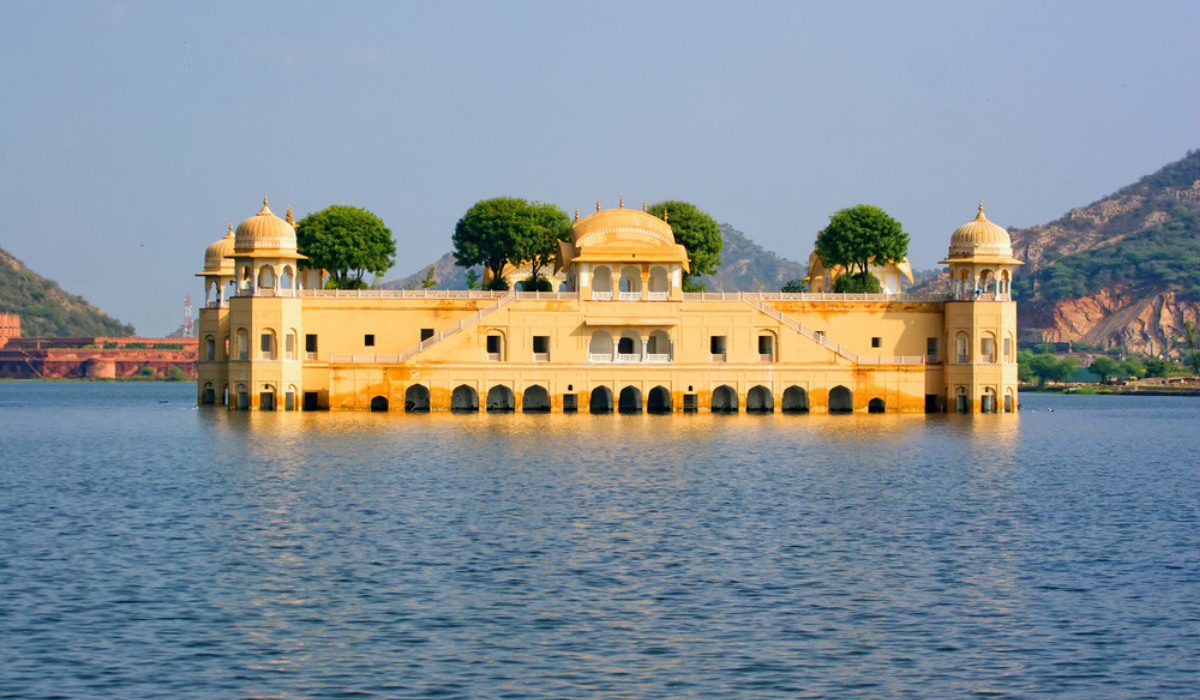
Jal Mahal
Jaipur, Rajasthan

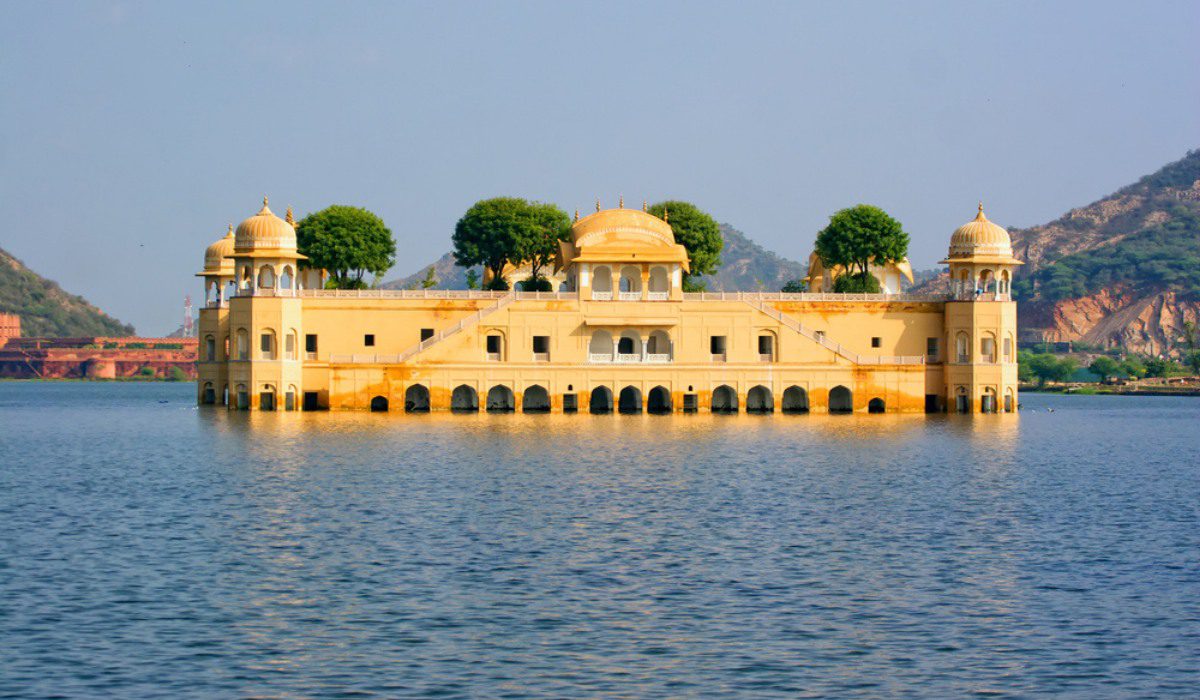
Jal Mahal is one of Jaipur’s most enchanting architectural marvels, gracefully floating at the heart of Man Sagar Lake. Surrounded by the Aravalli hills and reflected in the calm waters below, Jal Mahal stands as a symbol of timeless beauty, balance, and royal elegance.
Built in the 18th century by Maharaja Madho Singh I, Jal Mahal was conceived as a royal retreat and pleasure palace. Designed in a harmonious blend of Rajput and Mughal architecture, the palace features clean lines, delicate chhatris, and a striking symmetry that feels almost meditative when viewed from the lake’s edge.
What makes Jal Mahal truly unique is its structure: the palace has five storeys, of which four remain submerged underwater when the lake is full—only the top level is visible, creating a surreal and almost magical sight. Constructed from yellow sandstone, the palace changes hues with the shifting light of the day, appearing golden at sunrise and glowing softly during sunset.
Beyond its visual charm, Jal Mahal reflects advanced ancient water management and architectural wisdom, allowing it to withstand centuries of submersion without losing its structural integrity. Though entry inside the palace is currently restricted, the experience of standing by the lake—watching the palace mirrored in the water, birds gliding over the surface, and the city slowly fading into silence—is deeply calming and unforgettable.
A visit to Jal Mahal is not just sightseeing; it is a moment of pause. It invites travelers to slow down, breathe, and admire how nature and human craftsmanship can coexist in perfect harmony. Whether you are a history lover, a photographer, or a seeker of quiet beauty, Jal Mahal remains one of Jaipur’s most poetic and soul-soothing landmarks.
✨ A palace on water, a vision in stillness, and a timeless jewel of Rajasthan. ✨



Key Highlights — Jal Mahal
Jal Mahal
Located in the heart of Jaipur, Jal Mahal is one of the city’s most enchanting architectural landmarks. Gracefully situated in the middle of Man Sagar Lake, this stunning water palace perfectly reflects the harmony between royal architecture and natural beauty. Surrounded by the Aravalli hills, Jal Mahal offers a serene and picturesque setting that captivates visitors at first glance.
Built in the 18th century by Maharaja Madho Singh I, Jal Mahal was designed as a royal pleasure palace and a retreat for leisure and duck hunting. The palace showcases a refined blend of Rajput and Mughal architectural styles, characterized by clean symmetry, elegant chhatris, and delicate decorative elements.
One of the most fascinating features of Jal Mahal is its unique structure. The palace has five storeys, out of which four remain submerged under water when the lake is full, with only the top floor visible above the surface. Constructed from yellow sandstone, the palace appears to change colors throughout the day and looks especially magical during sunset, when its reflection shimmers across the lake.
Although entry inside Jal Mahal is currently restricted, the view from the lakeside is truly mesmerizing. The calm waters, cool breeze, and timeless beauty of the palace create a peaceful and almost meditative experience.
Jal Mahal is not just a monument—it is a symbol of Jaipur’s royal elegance, architectural brilliance, and the perfect balance between nature and heritage.
History — Jal Mahal
Jal Mahal, meaning “Water Palace,” is one of Jaipur’s most unique and visually striking monuments. Located in the middle of Man Sagar Lake, Jal Mahal stands as a remarkable example of Rajput architectural ingenuity and harmonious coexistence with nature. Unlike large fortresses or administrative palaces, Jal Mahal was designed as a leisure retreat, reflecting the refined lifestyle and aesthetic sensibilities of Rajasthan’s royal rulers.
1. Origin and Construction
Jal Mahal was built in the early 18th century by Maharaja Madho Singh I of Jaipur. The palace was primarily constructed as a royal pleasure pavilion, meant for relaxation, hunting excursions (especially duck hunting), and short stays away from the bustling city.
Its location within Man Sagar Lake was carefully chosen to create a tranquil environment, offering the royal family peace, scenic beauty, and privacy.
2. Purpose and Royal Use
Unlike City Palace, which served administrative and political purposes, Jal Mahal functioned mainly as:
- A leisure retreat for the royal family
- A hunting lodge during seasonal expeditions
- A scenic stopover for royal guests and processions
The palace was never intended to be a permanent residence, which explains its compact yet elegant design.
3. Architectural Style and Design
Jal Mahal showcases a graceful blend of Rajput and Mughal architectural styles, characterized by balance, symmetry, and minimal ornamentation.
Key architectural features include:
- A five-storey structure, where four floors remain submerged underwater when the lake is full
- Construction using yellow sandstone, which changes color with sunlight
- Elegant chhatris (domed pavilions) on the roof
- Intricate stone detailing that reflects fine craftsmanship
The palace’s foundation incorporates an advanced ancient water-management system, allowing it to remain structurally stable despite prolonged submersion.
4. Relationship with Man Sagar Lake
Man Sagar Lake itself is an artificial reservoir, originally created to address water scarcity in the region. Jal Mahal was built as part of this broader water and landscape planning initiative.
The lake not only enhanced the palace’s beauty but also helped regulate the surrounding environment, making Jal Mahal a rare example of architecture integrated with ecological planning.
5. Decline and Restoration
Over time, neglect and pollution caused deterioration of both the lake and the palace. In recent decades:
- Conservation efforts were initiated to restore the lake
- Structural preservation of Jal Mahal was undertaken
- Entry inside the palace remained restricted to protect the monument
These efforts helped revive Jal Mahal as a visual and cultural landmark of Jaipur.
6. Jal Mahal in Modern Times
Today, Jal Mahal:
- Is one of Jaipur’s most photographed monuments
- Serves as a symbol of royal elegance and architectural balance
- Attracts tourists, photographers, and heritage enthusiasts from around the world
Although visitors cannot enter the palace, the lakeside view—especially during sunset and evening hours—offers a peaceful and memorable experience.
Conclusion
Jal Mahal is not a palace of power or administration, but a palace of beauty, leisure, and vision. Floating serenely on water, it represents the refined tastes of Jaipur’s royal past and their deep understanding of architecture, nature, and aesthetics. Timeless, calm, and poetic, Jal Mahal remains one of Rajasthan’s most iconic heritage treasures.
Culture — Jal Mahal
Jal Mahal – A Symbol of Leisure, Nature, and Royal Aesthetics
Jal Mahal, Jaipur is not a center of administration or governance like City Palace, but it holds deep cultural significance as a symbol of royal leisure, harmony with nature, and refined aesthetic sensibility of the Rajput rulers. Built amid water, Jal Mahal reflects a different side of royal life—one focused on peace, recreation, and balance rather than power and authority.
Below are the key cultural aspects associated with Jal Mahal:
1. Royal Leisure and Lifestyle
Jal Mahal was conceived as a royal pleasure palace, meant for relaxation and short retreats away from the formal atmosphere of City Palace.
The palace represents the refined lifestyle of Jaipur’s rulers, where leisure, nature, and contemplation were considered essential aspects of royal life.
2. Harmony with Nature
Unlike forts and palaces built on hills or within city walls, Jal Mahal was designed in complete harmony with water and landscape.
The palace, surrounded by Man Sagar Lake and the Aravalli hills, reflects the Rajput philosophy of coexisting with nature rather than dominating it.
3. Cultural Use and Royal Recreation
Jal Mahal was primarily used for:
- Royal outings and relaxation
- Duck hunting expeditions, a popular royal pastime
- Scenic retreats for select royal guests
These activities highlight the cultural importance of recreation and seasonal movement in royal traditions.
4. Architectural Culture and Aesthetics
The palace showcases a subtle blend of Rajput and Mughal architectural styles, emphasizing elegance over grandeur.
Its symmetrical design, chhatris, and minimal ornamentation reflect cultural values of balance, restraint, and visual harmony.
The unique structure—where four out of five storeys remain underwater—demonstrates advanced engineering combined with artistic vision.
5. Spiritual and Meditative Atmosphere
Although Jal Mahal is not a temple-centered complex, its calm surroundings, water reflections, and isolation create a naturally meditative environment.
For the royals, such spaces were important for mental peace, reflection, and spiritual balance.
6. Symbolism in Rajput Culture
Jal Mahal symbolizes:
- Royal sophistication rather than military strength
- A lifestyle that valued beauty, silence, and nature
- The ability of Rajput rulers to integrate art, engineering, and environment
It stands as a cultural contrast to Jaipur’s forts and administrative palaces.
Conclusion
Jal Mahal is a cultural expression of royal serenity, leisure, and architectural wisdom.
While City Palace represents power and governance, Jal Mahal represents pause and reflection. Floating gracefully on water, it narrates a softer yet equally important chapter of Jaipur’s royal heritage—where culture, nature, and aesthetics existed in perfect harmony.
Fee & Charges — Jal Mahal
🎟️ Jal Mahal, Jaipur – Entry Fees
For Indian Citizens
- No entry fee
- Viewing Jal Mahal from the lakeside is completely free of cost
For Foreign Tourists
- No entry fee
- Jal Mahal can be viewed freely from outside by all visitors
⚠️ Important:
Entry inside Jal Mahal is currently not allowed for any visitors. The palace can only be admired from the outside.
➕ Additional Information
- Guide Fee:
- No separate guide is required for Jal Mahal
- Guide charges may apply if included as part of a Jaipur city tour
- Camera Charges:
- Still Camera / Mobile Photography: Free
- Video Camera: Usually free (subject to local regulations)
⏰ Visiting Timings
- Morning: From around 6:00 AM
- Night: Till approximately 10:00 PM
- Being an open lakeside area, visiting hours are generally flexible
🌅 Best Time to Visit:
- Evening and sunset hours for the most scenic views and photography
- Night-time lighting also offers a beautiful visual experience
ℹ️ Important Visitor Notes
- Jal Mahal is located in the middle of Man Sagar Lake, so access inside the palace is restricted
- No boating or public entry to the palace is permitted
- Parking areas, photo spots, and street food stalls are available along the roadside
- Sunset and early evening are the most popular times to visit
✨ In Short
Jal Mahal is a free-to-visit heritage landmark of Jaipur, offering a peaceful and picturesque experience without any ticket cost.
A visit to Jaipur feels incomplete without witnessing the iconic sunset view of Jal Mahal, where royal architecture meets serene natural beauty.
Jal Mahal — photos
Ratings & reviews
No one has rated Jal Mahal yet.
Write a reviewJal Mahal — travel FAQs
Where is Jal Mahal located?
Who built Jal Mahal?
How many floors does Jal Mahal have?
Are four floors submerged?
Can tourists enter Jal Mahal?
What is the architectural style?
What material is it made of?
Is there any entry fee?
/ Best time to visit?
Why is Jal Mahal famous?
Wayntra app
Plan Your Next Adventure with Wayntra
Discover treks, local guides, travel experiences and adventure activities on the Wayntra app.
More places in Rajasthan
Travel partners near Jal Mahal
Naresh tour and travels
A 35 agarsen vihar colony shree ram ki nangal goner mod

Tripwala Foji
Kalyanpur, Meerut (U.P), pin -250502

Traipchaska Holidays
Shivanand puri mahapura vaya bhankrota ajmer road jaipur

Vardan Tour And Travel Haridwar
Haridwar kankhal Bangali mod

Jaipur Holiday Tour and Travels
Kamla Nehru Nagar puliya Jaipur Ajmer road

Salasar Tour And Travel
37RV+77C, Jaliya Road, Theekrana Medratan, Moti Nagar, Beawar, Rajasthan 305901, India

Akki Tour & Travels
H.No.753 St.No.7 Gurubax Calony Patiala
JMR Travels
9/10, Laxmi Narayan Bansal Marg, Block C, Mianwali Nagar, Paschim Vihar, Delhi, 110087, India