India’s local-first travel ecosystem — book local operators direct, zero commission

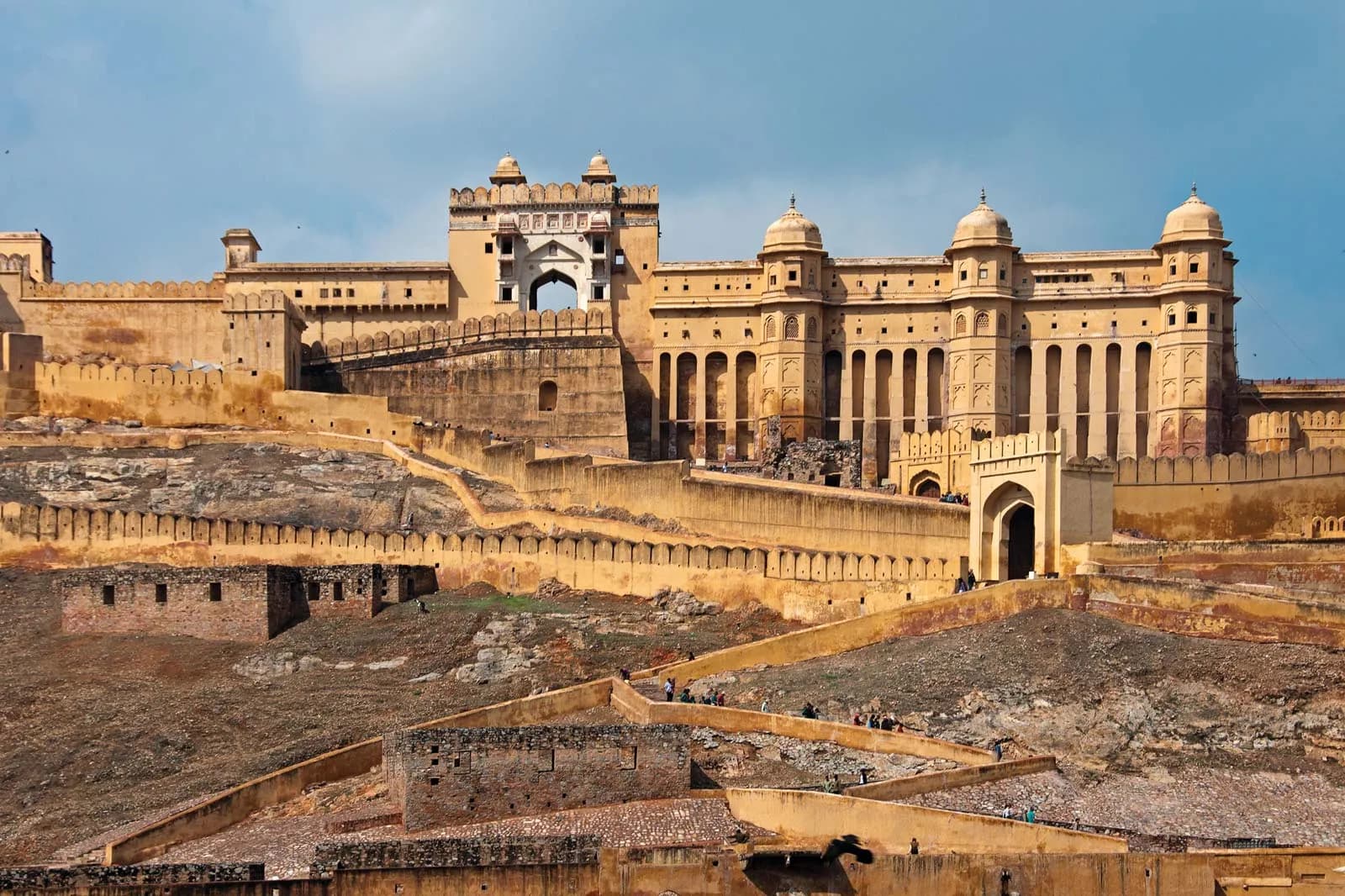
Amber Fort
Jaipur, Rajasthan

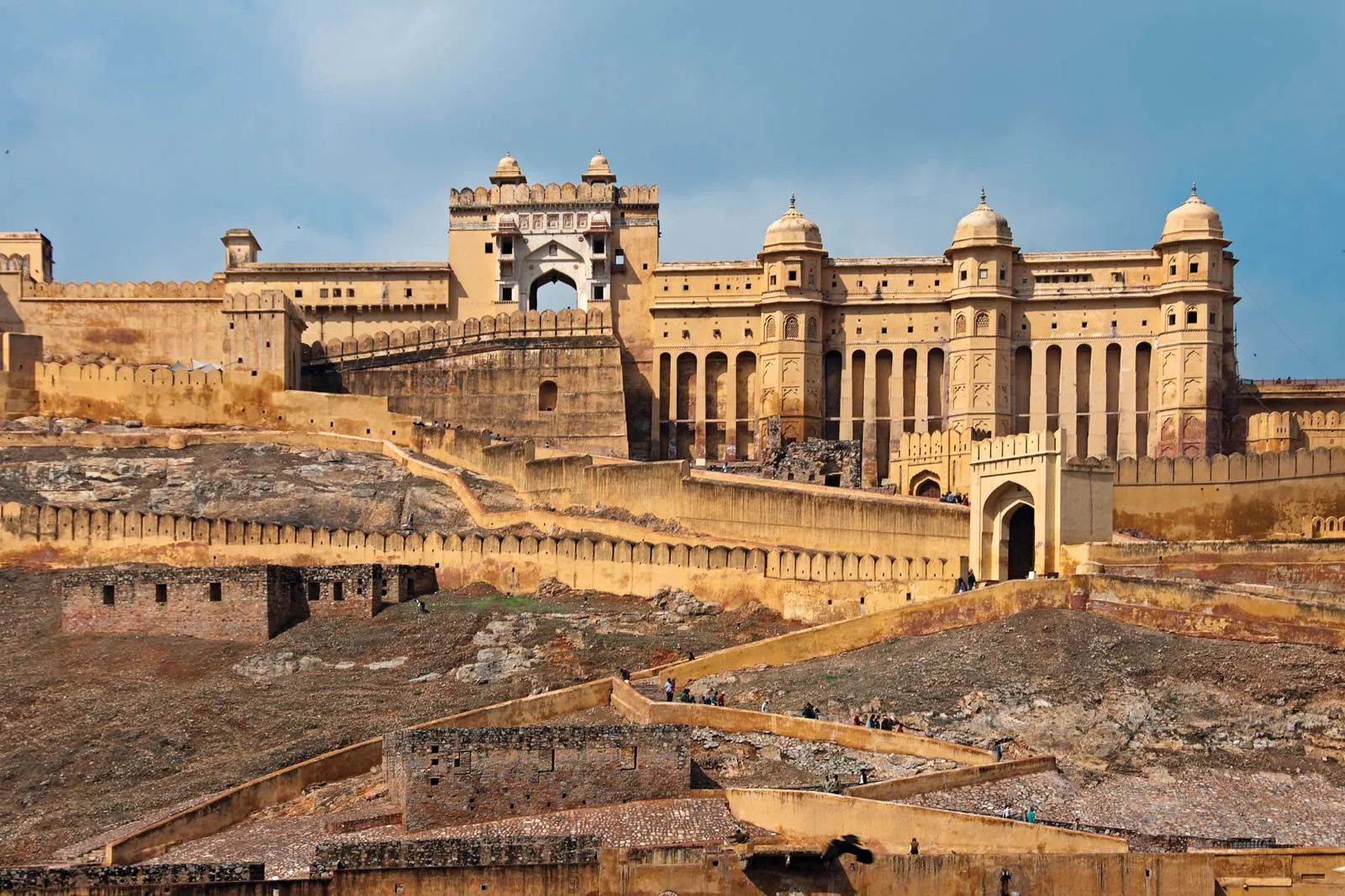
Amber Fort: The Grandeur of Rajputana Architecture
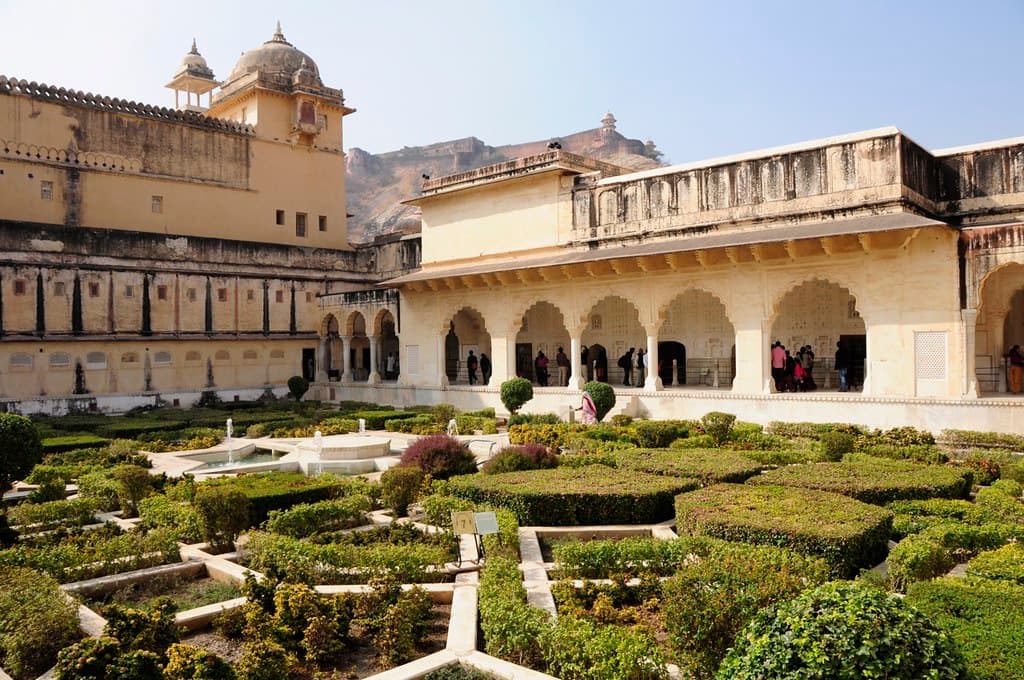
Amber Fort, also known as Amer Fort, is a majestic fortress located in Amer, a small town 11 kilometers from Jaipur, Rajasthan. Perched atop the rugged hills of the Aravalli range, Amber Fort is a testament to the grandeur and splendor of Rajputana architecture. This magnificent fort, built using red sandstone and white marble, is a harmonious blend of Hindu and Mughal architectural styles, showcasing the richness of India's cultural heritage.
Historical Overview
- The construction of Amber Fort began in 1592 under the reign of Raja Man Singh I, a trusted general of Emperor Akbar.
- It served as the residence of the Kachwaha Rajputs before Jaipur was established as the capital by Jai Singh II.
- Over the centuries, successive rulers, including Jai Singh I, expanded and enhanced the fort, making it the grand structure we see today.
Architectural Highlights
Amber Fort is divided into four main sections, each with its own courtyard. It features stunning palaces, halls, temples, and gardens that reflect the artistic sensibilities of the Rajputs.
1. First Courtyard (Jaleb Chowk)
- Jaleb Chowk, meaning "assembly place," is the first courtyard and was used by soldiers for parades and victory celebrations.
- Visitors enter through the Suraj Pol (Sun Gate), which faces east and is the main entrance.
2. Second Courtyard
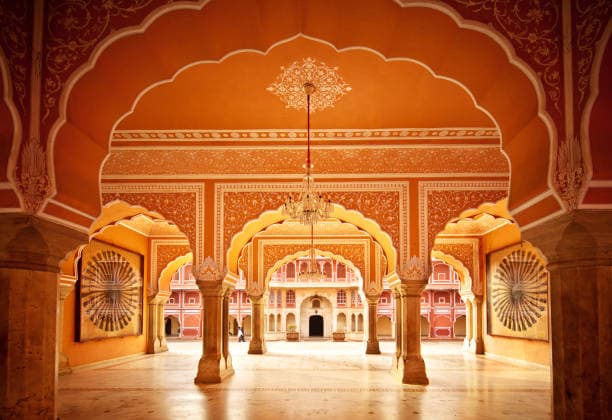
- The second courtyard houses the Diwan-e-Aam (Hall of Public Audience), where the king addressed the grievances of his subjects.
- The hall is an open pavilion with a raised platform, surrounded by ornate columns and arches.
3. Third Courtyard
- The third courtyard is the most significant, containing the private quarters of the royal family.
- Key attractions in this courtyard include:
- Ganesh Pol: A beautifully decorated gateway with frescoes dedicated to Lord Ganesha.
- Sheesh Mahal (Mirror Palace): Known for its intricate mirror work, this hall creates a mesmerizing effect when light reflects off the mirrors.
- Sukh Niwas (Hall of Pleasure): Equipped with a water-cooling system, this hall provided relief during the scorching summers.
4. Fourth Courtyard
- This section was primarily used by the royal women and contains the Zenana (women's quarters).
- The design ensures privacy for the royal ladies while allowing them to observe activities in the courtyards through latticed windows.
Temples Within the Fort
- Shila Devi Temple: Dedicated to the goddess Kali, this temple is a sacred place within Amber Fort. It houses an idol brought from Bengal during the conquest of Jessore.
Scenic Beauty
- Maota Lake: The fort overlooks Maota Lake, which served as the primary water source. The fort’s reflection in the lake creates a breathtaking view, especially during sunrise and sunset.
- Kesar Kyari (Saffron Garden): Located in the middle of Maota Lake, this beautifully designed garden adds to the charm of the surroundings.
Cultural and Recreational Activities
- Light and Sound Show:
- The evening show narrates the fort's history through engaging visuals and music.
- Available in both Hindi and English, the show adds a magical touch to the fort's experience.
- Elephant Rides:
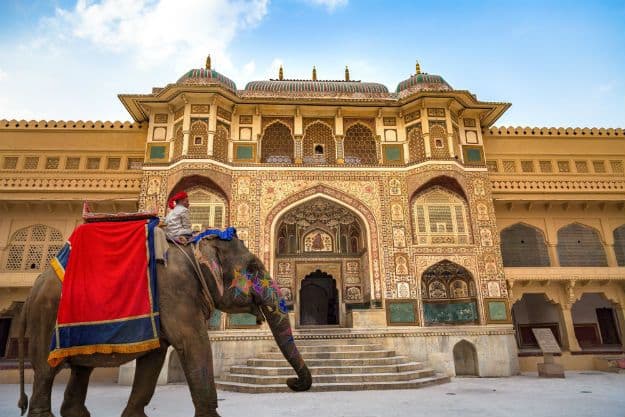
- Visitors can enjoy a traditional elephant ride to the fort’s entrance, though eco-friendly alternatives like jeeps are also available.
Art and Design
- The fort is adorned with intricate carvings, beautiful frescoes, and delicate jali (lattice) work, demonstrating the artistic excellence of the Rajput craftsmen.
- The mirror mosaics in Sheesh Mahal and the floral patterns in Sukh Niwas highlight the attention to detail in the fort’s design.
Key Features and Attractions
- Sheesh Mahal (Mirror Palace):
- A hall adorned with thousands of tiny mirrors, creating a magical effect when lit.
- Legend has it that the hall was designed to mimic a starry night, allowing the queen to experience starlight indoors.
- Diwan-e-Khas (Hall of Private Audience):
- Reserved for confidential meetings, this hall showcases delicate carvings and stunning architecture.
- Elephant Ramp:
- A sloping pathway designed for elephants to transport visitors and royal members to the fort.
- Hidden Tunnels:
- Amber Fort has a series of underground tunnels connecting it to Jaigarh Fort. These tunnels were used as escape routes during wars.
Festivals and Celebrations
- Dussehra Celebrations: The Shila Devi Temple inside the fort becomes a focal point during Navratri and Dussehra.
- Cultural Programs: The fort frequently hosts traditional Rajasthani dance and music performances, showcasing the vibrant culture of the region.
Visitor Information
- Timings:
- Open daily from 8:00 AM to 5:30 PM.
- Light and Sound Show: 7:00 PM to 9:30 PM (varies by season).
- Entry Fees:
- Indians: ₹100
- Foreign Tourists: ₹500
- Students may receive discounts with valid ID.
- How to Reach:
- By Car/Taxi: A 20-30 minute drive from Jaipur city.
- Local Buses/Auto-rickshaws: Easily available.
- Best Time to Visit:
- October to March offers pleasant weather, ideal for exploring.
Tips for Visitors
- Wear comfortable footwear: The fort is vast and requires significant walking.
- Arrive early: To avoid crowds and enjoy the serene atmosphere.
- Hire a guide: A guide or audio tour enhances your understanding of the fort’s history and architecture.
- Carry essentials: Sunscreen, a hat, and water are a must, especially in summer.
Conclusion
Amber Fort is not just a historical monument but a vibrant cultural hub that offers an immersive experience into the life of the Rajput rulers. From its breathtaking architecture and artistic brilliance to its captivating views and rich history, Amber Fort stands as a timeless emblem of Rajasthan’s royal heritage. A visit to this fort is a journey back in time, where every corner tells a story of valor, opulence, and artistry.




Key Highlights — Amber Fort
Amber Fort, a stunning blend of Hindu and Mughal architecture, is renowned for its intricate design, rich history, and remarkable attractions. Here’s a brief overview of the fort's key highlights:
1. Sheesh Mahal (Mirror Palace)
- A dazzling hall adorned with thousands of tiny mirrors and glasswork.
- Famous for its magical lighting effect where a single flame reflects to illuminate the entire hall.
2. Ganesh Pol
- A beautifully painted gateway leading to the private quarters of the royal family.
- Adorned with frescoes and intricate designs, dedicated to Lord Ganesha.
3. Diwan-e-Aam (Hall of Public Audience)
- An open hall where the king addressed public grievances and held official meetings.
- Features ornate columns and arches with Mughal and Rajput architectural influences.
4. Diwan-e-Khas (Hall of Private Audience)
- A royal chamber for confidential meetings and discussions with dignitaries.
- Notable for its luxurious decor and stunning carvings.
5. Sukh Niwas (Hall of Pleasure)
- Designed for relaxation with an ancient cooling system using water channels and marble walls.
- Created to provide relief from Rajasthan’s scorching summers.
6. Shila Devi Temple
- A revered temple dedicated to Goddess Kali.
- Houses an idol brought from Bengal and is a focal point during Navratri festivities.
7. Maota Lake
- A picturesque lake at the base of the fort, reflecting its grandeur.
- Features Kesar Kyari, a star-shaped saffron garden in its center.
8. Jaleb Chowk
- The main courtyard used for military parades and victory celebrations.
- Visitors enter through the Suraj Pol (Sun Gate).
9. Hidden Tunnels
- A series of underground passages connecting Amber Fort to Jaigarh Fort.
- Used as an escape route during attacks or emergencies.
10. Light and Sound Show
- A captivating evening show that narrates the history of Amber Fort.
- Available in Hindi and English, enhancing the experience with dramatic visuals and music.
11. Elephant Rides
- A unique experience of ascending to the fort’s entrance on elaborately decorated elephants.
- Offers a glimpse of royal transportation traditions.
12. Architecture and Design
- A blend of red sandstone and white marble showcasing Rajput and Mughal styles.
- Features ornate frescoes, intricate carvings, and stunning lattice (jali) work.
Each highlight reflects the rich culture, artistry, and heritage of Rajasthan, making Amber Fort a must-visit destination.
History — Amber Fort
Amber Fort, also known as Amer Fort, has a rich history that spans several centuries. Located in the town of Amer, around 11 kilometers from Jaipur, Rajasthan, it stands as a symbol of Rajput architecture, culture, and royalty.
1. Early Foundations
- The original fort was constructed by Maharaja Man Singh I, one of the trusted generals of Mughal Emperor Akbar, in 1592. However, there is evidence that a fort existed in the area even earlier, built by the Meenas, the original rulers of Amer.
- The fort was built on the Maota Lake and served as the capital of the Kachwaha Rajputs before they moved to Jaipur in the 18th century.
2. Influence of Rajput and Mughal Architecture
- The fort showcases a unique blend of Rajput and Mughal architecture. While the Rajput style dominates in the design and structure of the fort, the influence of the Mughal emperors, particularly in the Sheesh Mahal and Diwan-e-Aam, is evident in the decoration and layout.
- Maharaja Man Singh I started the construction, and his successors, including Jai Singh I, made several modifications and additions to the fort, expanding it into the majestic structure we see today.
3. Rajput Power and Royal Residence
- Amber Fort was initially the royal residence of the Kachwaha Rajputs, who ruled the area. The fort was strategically built on a hilltop, making it defensible and a stronghold for the royal family.
- Maharaja Man Singh I chose Amber due to its proximity to Jaipur and its defensible location in the Aravalli hills. The fort served not only as a residence but also as a military stronghold.
- The fort had a dual function, serving as a military fortification and as the residence for the ruling family, with luxurious spaces for the royals, their families, and the court.
4. The Construction of Key Elements
- Jai Singh I, the successor of Man Singh I, made further enhancements to the fort in the early 18th century. He added the Diwan-e-Khas, Sukh Niwas, and Ganesh Pol, which were more ornate and reflected the growing opulence of the Rajput rulers.
- The Sheesh Mahal, also known as the Mirror Palace, is one of the most iconic elements of Amber Fort. It was built with the intention of creating a dazzling effect, using thousands of small mirrors embedded in the walls, which reflected light across the room.
5. Decline of the Kachwaha Dynasty
- Amber Fort continued to serve as the capital of the Kachwaha Rajputs until 1727, when Maharaja Jai Singh II, the founder of Jaipur, moved the capital to Jaipur for better water supply and modern urban development.
- Despite the move, Amber remained a royal residence and military center, continuing to play an important role in the defense of the region.
6. Integration into the Jaipur Kingdom
- After Jai Singh II established Jaipur as the new capital, Amber Fort was still used for ceremonial and administrative purposes, but Jaipur took precedence in terms of development and modernization.
- The fort's decline as a royal residence coincided with the rise of Jaipur as a significant political and cultural center.
7. Amber Fort under British Rule
- During the British colonial period, Amber Fort saw reduced significance as a military base and royal residence.
- However, it continued to be admired for its architectural beauty and historical importance.
8. Preservation and Restoration
- In the post-independence era, efforts were made to preserve the fort as a heritage site.
- The fort was declared a heritage monument and began to attract increasing numbers of tourists.
- Today, Amber Fort is part of the Hill Forts of Rajasthan, a UNESCO World Heritage Site, recognized for its historical and cultural significance.
9. Cultural Significance and Symbol of Rajasthan
- Amber Fort is a symbol of Rajput valor and opulence. The fort complex houses important temples, palaces, and gardens, reflecting the grandeur of the Rajput kings.
- The Shila Devi Temple, dedicated to the goddess Kali, is one of the most important places of worship within the fort, with an idol believed to have been brought from Bengal.
- The fort is also famous for its military architecture, including hidden tunnels that once connected Amber Fort to the nearby Jaigarh Fort, which housed the royal treasures and artillery.
Conclusion
Amber Fort stands as a living testament to the vision of the Rajput rulers and their architectural brilliance. From its strategic location to its luxurious palaces and temples, the fort embodies the essence of Rajasthan’s royal heritage. Though it no longer serves as a royal residence, Amber Fort continues to captivate visitors with its beauty, history, and cultural significance. Today, it stands as one of Rajasthan's most visited tourist attractions, drawing thousands of tourists from around the world who come to experience its rich legacy.
Culture — Amber Fort
Amber Fort, a symbol of Rajput royalty and architectural brilliance, is deeply intertwined with the rich cultural heritage of Rajasthan. The fort reflects the Rajputana culture and Mughal influence, evident in its architecture, traditions, and daily life of the royal family during its peak. Here are some key aspects of the culture associated with Amber Fort:
1. Rajput Culture
Amber Fort was the seat of the Kachwaha Rajputs, one of the most prominent Rajput clans in Rajasthan. The culture of the Rajput rulers is reflected in several aspects of the fort:
- Chivalry and Warrior Ethos: The Rajputs were known for their valor, and this is evident in the fort's design as a military stronghold. The fort’s defensive architecture, including its high walls, gates, and watchtowers, was built with the intent to protect the kingdom from invaders, particularly during the 16th and 17th centuries.
- Royal Life: Amber Fort housed the royal family of the Kachwaha dynasty. The luxury and splendor seen in the palaces, gardens, and temples reflect the wealth, power, and lifestyle of the Rajput kings and queens. The Sheesh Mahal (Mirror Palace) is an example of how the Rajputs used opulence to express their status and create a lavish life for the royals.
- Religious Traditions: The Shila Devi Temple at Amber Fort is an important religious site, reflecting the Hindu culture of the Rajputs. The temple is dedicated to Goddess Kali (Shila Devi) and was a center of worship for the royal family. The Kachwaha kings made annual pilgrimages to this temple to seek the goddess’s blessings.
- Festivals and Rituals: Amber Fort was an active center for various festivals and ceremonial activities. Navratri, Dussehra, and Diwali were celebrated with grandeur in the fort, with pujas (ritual prayers), processions, and other cultural activities. Dussehra celebrations, in particular, were grand, where the royal family would organize royal processions and participate in the festivities in the temple.
2. Mughal Influence
The Mughal Empire had a profound influence on the architecture and culture of Amber Fort, especially under the rule of Maharaja Man Singh I, who was a key general in the Mughal army:
- Mughal Architecture: The fort's design incorporates many Mughal elements, such as gardens, arches, and pavilions. The Sheesh Mahal and Diwan-e-Khas (Hall of Private Audience) are perfect examples of the Mughal style combined with traditional Rajput architecture.
- Cultural Exchange: The Mughal influence brought a taste for fine art, craft, and design to Amber. The use of intricate inlay work, tile patterns, and decorative ceilings are influenced by Mughal aesthetics, which combined Persian and Central Asian traditions with Indian designs.
3. Traditional Arts and Crafts
Amber Fort is also an important cultural hub for traditional Rajasthani arts and crafts, which flourished during the Rajput era:
- Miniature Paintings: The fort houses several beautiful Rajput-style paintings, particularly depicting scenes from Hindu mythology, royal life, and daily activities. The Ganesh Pol (Ganesh Gate) is decorated with frescoes of Lord Ganesha, reflecting the love for artistic expression in the Rajput court.
- Carved Wood and Marble Work: The fort's ornate wooden doors, windows, and marble inlay work showcase the exceptional craftsmanship of the time. The marble carvings in the Diwan-e-Khas and the arches in Ganesh Pol reflect the rich tradition of decorative stonework in Rajasthan.
- Textiles and Jewelry: Amber Fort was home to the rich tradition of Rajasthani textiles and jewelry. The royal family had access to some of the finest silks, velvets, and gold-embroidered fabrics, as well as precious gems and jewels, which were not only used for ceremonial purposes but were also an integral part of the culture and tradition.
4. Music and Dance
The cultural significance of music and dance was central to life at Amber Fort:
- Court Musicians: The royal court at Amber Fort hosted musicians and performers who played traditional instruments such as the sitar, tabla, sarod, and shehnai. Music was an integral part of royal ceremonies, gatherings, and festivals.
- Dance Performances: Classical Indian dance forms, especially Kathak, were likely performed at the royal court during celebrations and special occasions. Performances would often accompany feasts, court meetings, and festivals like Diwali and Navratri.
- Rajasthani Folk Music: Folk music forms such as Ghoomar and Kalbeliya dance were traditionally performed in the royal palace for entertainment and cultural enrichment.
5. Social Structure and Daily Life
Amber Fort, as the seat of the Rajput royalty, reflects the feudal structure of society at the time:
- The King and Queen: The Maharaja and his queen were the central figures of the royal household. They lived in lavish palaces, including the Sukh Niwas and Sheesh Mahal, with the queen often overseeing the day-to-day activities within the palace and royal gardens.
- Royal Guards and Servants: The fort’s military and servant class played a crucial role in the functioning of the fort. The royal guards were responsible for the fort's defense, while servants maintained the royal kitchens, gardens, and living spaces.
- Caste System: The society within Amber Fort, like in most Rajput kingdoms, followed a rigid caste system. Brahmins (priests), Kshatriyas (warriors), and Vaishyas (merchants) were involved in the administration, while the Shudras (laborers) carried out menial work and service duties.
6. Culinary Traditions
- Royal Kitchens (Bawarchikhana): The royal kitchens at Amber Fort were a reflection of Rajasthani cuisine, with influences from both Mughal and Rajput traditions. The royal family enjoyed a variety of delicacies, such as dal-baati-churma, gatte ki sabzi, safed maas, and lassi.
- Feasts and Banquets: The Rajput kings often hosted grand feasts for guests, which were held in the palace courtyards. These feasts were lavish affairs with music, dance, and traditional dishes prepared by royal chefs.
Conclusion
The culture of Amber Fort is a reflection of the glorious Rajputana and Mughal legacies. Its art, architecture, traditions, and royal lifestyle all play a part in telling the story of Rajasthan’s rich cultural history. From religion and festivals to royal life and craftsmanship, Amber Fort encapsulates the essence of Rajasthan's historical and cultural wealth.
Fee & Charges — Amber Fort
Here’s a brief overview of the charges for visiting Amber Fort:
Amber Fort Entry Charges:
- Indian Citizens:
- Entry Fee: ₹100 per person
- Light and Sound Show Fee: ₹200 per person (approximately)
- Foreign Tourists:
- Entry Fee: ₹500 per person
- Light and Sound Show Fee: ₹300 per person (approximately)
Elephant Ride Charges:
- Adult (Round Trip): ₹1,100 – ₹1,500
- Child (Round Trip): ₹500 – ₹700
- (The price varies depending on the time of day and other factors.)
Additional Charges:
- Guide Charges: ₹200 – ₹500 (depending on the language and type of tour)
- Camera Charges: ₹50 for a still camera and ₹200 for a video camera (if applicable)
Opening Hours:
- Fort: 8:00 AM – 5:30 PM
- Light and Sound Show: 7:00 PM onwards (timings may vary based on season)
These are approximate charges and may vary slightly depending on the season or any updates by the authorities. It’s advisable to check the latest fees before visiting.
Amber Fort — photos
Amber Fort — video
Ratings & reviews
No one has rated Amber Fort yet.
Write a reviewAmber Fort — travel FAQs
Where is Amber Fort located?
Who built Amber Fort?
Why is Amber Fort famous?
What are the main attractions inside Amber Fort?
Is Amber Fort a UNESCO World Heritage Site?
What materials were used to build Amber Fort?
What is the best time to visit Amber Fort?
Are there entry fees for Amber Fort?
Can you do a guided tour of Amber Fort?
Is there a light and sound show at Amber Fort?
What is Sheesh Mahal, and why is it special?
How can I reach Amber Fort?
Can I take an elephant ride to Amber Fort?
How long does it take to explore Amber Fort?
Is photography allowed inside Amber Fort?
What are the visiting hours of Amber Fort?
What is Ganesh Pol in Amber Fort?
Is there a dress code for visiting Amber Fort?
What is the significance of Maota Lake near Amber Fort?
Is Amber Fort accessible for people with disabilities?
What is the timing and charges of elephant safari?
More places in Rajasthan
Travel partners near Amber Fort
Naresh tour and travels
A 35 agarsen vihar colony shree ram ki nangal goner mod

Tripwala Foji
Kalyanpur, Meerut (U.P), pin -250502

Vardan Tour And Travel Haridwar
Haridwar kankhal Bangali mod

Jaipur Holiday Tour and Travels
Kamla Nehru Nagar puliya Jaipur Ajmer road

Salasar Tour And Travel
37RV+77C, Jaliya Road, Theekrana Medratan, Moti Nagar, Beawar, Rajasthan 305901, India

Akki Tour & Travels
H.No.753 St.No.7 Gurubax Calony Patiala
JMR Travels
9/10, Laxmi Narayan Bansal Marg, Block C, Mianwali Nagar, Paschim Vihar, Delhi, 110087, India
Biswas Taxi service
Dineshpur main market