India’s local-first travel ecosystem — book local operators direct, zero commission

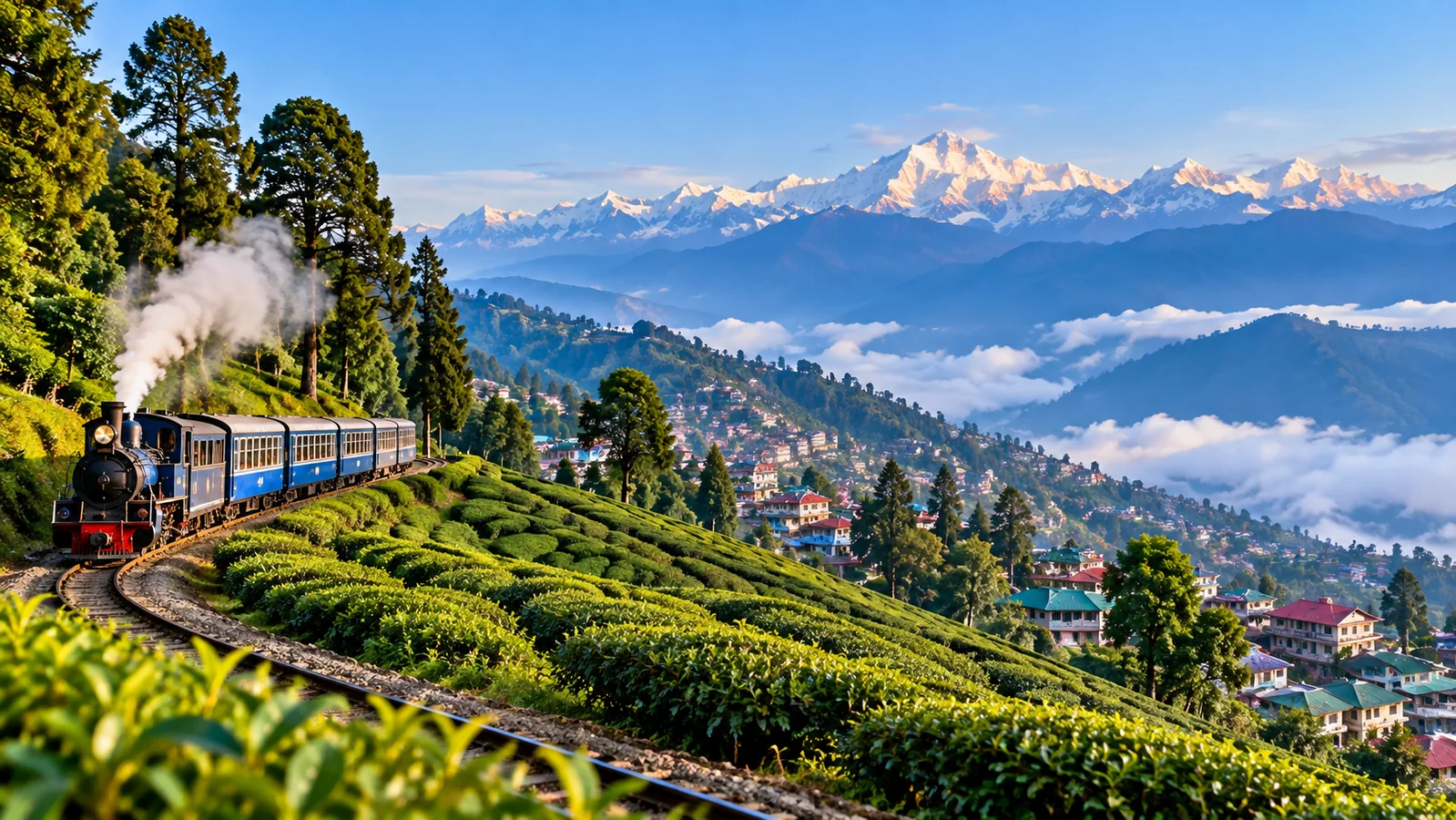
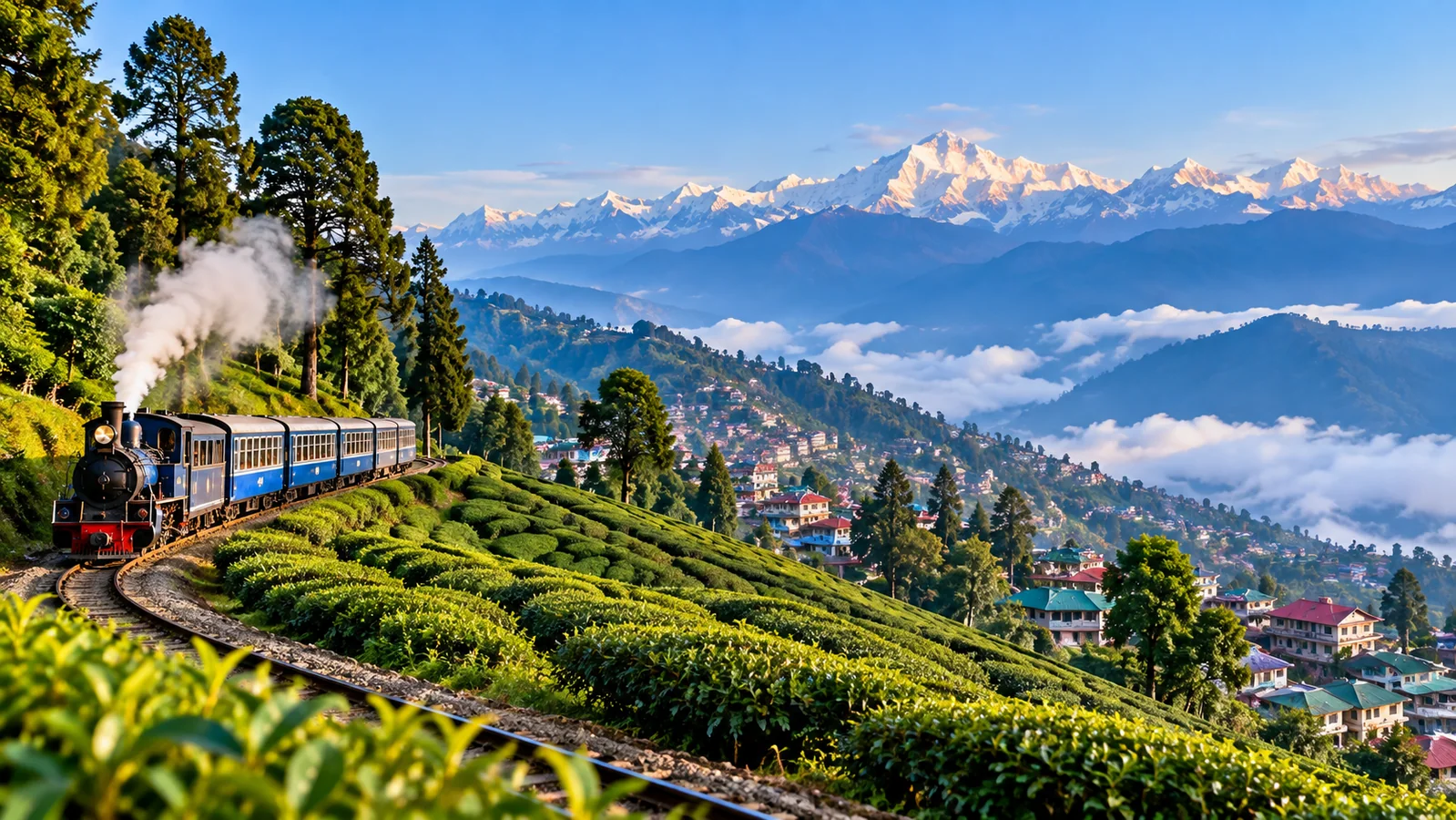
Darjeeling is a beautiful hill town located in the Indian state of West Bengal. Situated at an altitude of approximately 2,042 meters above sea level, it is renowned worldwide for its breathtaking natural beauty, lush tea gardens, and stunning Himalayan views. Often referred to as the "Queen of the Hills," Darjeeling attracts visitors with its peaceful atmosphere, cool climate, and scenic landscapes.
The history of Darjeeling is both fascinating and rich. Originally, the region was part of Sikkim before being developed by the British during the 19th century. Recognizing its pleasant climate, the British established Darjeeling as a hill station. Over time, it became an important center for tea cultivation and tourism. Even today, many colonial-era buildings and heritage sites reflect its historical significance.
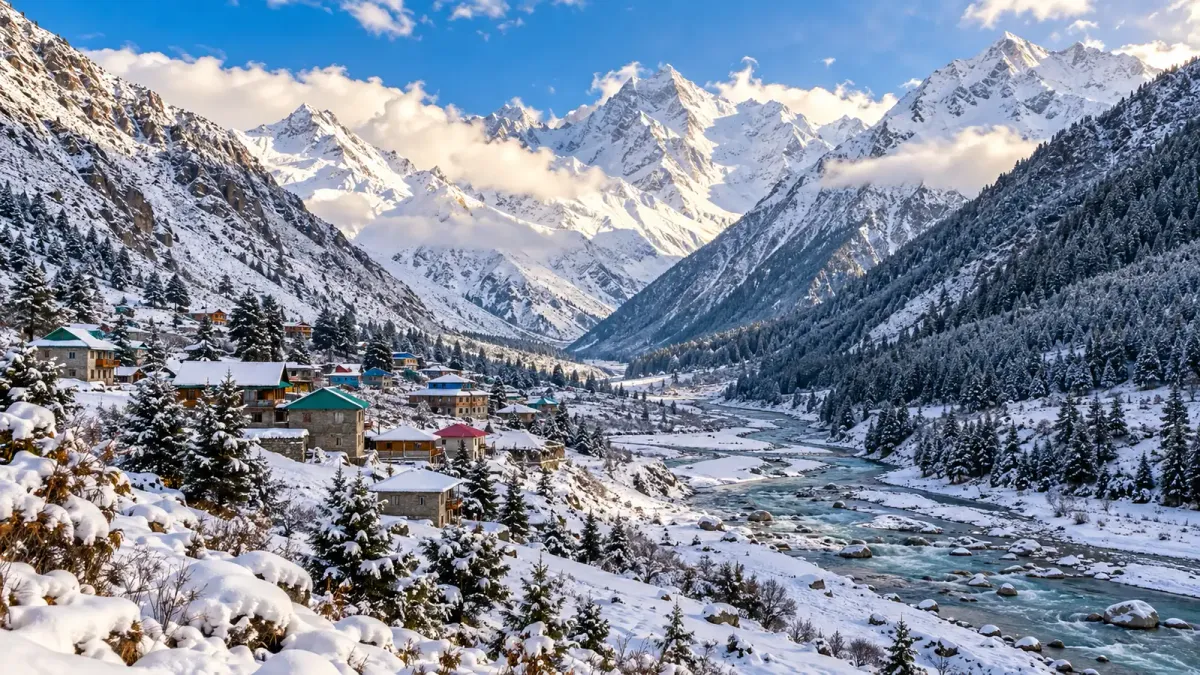
Darjeeling is best known for its extraordinary natural beauty. Surrounded by rolling green hills, dense forests, and mist-covered valleys, the town offers a picture-perfect landscape. The sight of the first rays of sunlight illuminating the mountains in the early morning creates a magical and unforgettable experience.
One of Darjeeling's greatest attractions is the magnificent view of Kangchenjunga, the world's third-highest mountain. On clear days, visitors can admire the snow-covered peaks stretching across the horizon. During sunrise, the golden glow reflecting off the mountain creates a truly spectacular sight.
Tiger Hill is among the most popular tourist attractions in Darjeeling. Thousands of visitors gather here before dawn to witness the breathtaking sunrise. As the sun rises, the peaks of Kangchenjunga gradually light up in shades of gold, offering one of the most stunning views in the Himalayas.
The famous Darjeeling Himalayan Railway is a UNESCO World Heritage Site and one of Darjeeling's most iconic attractions. This narrow-gauge railway winds through picturesque mountain landscapes, providing travelers with a unique and memorable journey. The toy train is especially popular among tourists of all ages.
Darjeeling is globally recognized for producing some of the finest tea in the world. Vast tea estates cover the surrounding hillsides, creating stunning green landscapes. Darjeeling Tea is often referred to as the "Champagne of Teas" because of its distinctive aroma, flavor, and premium quality.
The culture of Darjeeling is a vibrant blend of Nepali, Tibetan, Bhutia, and Bengali traditions. People from different communities live together harmoniously, contributing to the region's rich cultural diversity. The warm hospitality and friendly nature of the locals make visitors feel welcome.
Darjeeling is home to several beautiful Buddhist monasteries where visitors can experience peace and spirituality. Prayer wheels, colorful prayer flags, and serene surroundings create a calming atmosphere. These monasteries offer a glimpse into the region's deep-rooted Buddhist heritage and Himalayan traditions.
The Darjeeling region is rich in biodiversity and supports a variety of flora and fauna. Numerous bird species, colorful butterflies, and rare wildlife can be found in the surrounding forests. The area is a paradise for nature enthusiasts, bird watchers, and photographers.
Darjeeling's cuisine is another attraction for travelers. Popular dishes include momos, thukpa, noodles, and various Tibetan delicacies. Prepared with fresh ingredients and local spices, these dishes offer a unique and flavorful culinary experience.
Beyond its scenic beauty, Darjeeling is also a popular destination for adventure enthusiasts. Visitors can enjoy activities such as trekking, mountain biking, camping, and rock climbing. The surrounding Himalayan terrain provides excellent opportunities for outdoor adventures.
The ideal time to visit Darjeeling is from March to May and from October to December. During these months, the weather remains pleasant, and the Himalayan views are generally at their best, making sightseeing and outdoor activities more enjoyable.
Darjeeling is more than just a tourist destination; it is a unique blend of nature, culture, history, and tea heritage. Whether you are a nature lover, photographer, family traveler, or adventure seeker, Darjeeling offers something special for everyone.
Darjeeling is one of India's most beautiful hill stations. Its stunning landscapes, spectacular views of Kangchenjunga, sprawling tea gardens, historic toy train, rich culture, and peaceful environment make it an unforgettable travel destination. Anyone who visits Darjeeling is likely to cherish its beauty and charm for years to come.
Quick view
🏙️ Capital
Darjeeling – The cultural and tourism hub of the region, known for its colonial charm, tea estates, Himalayan views, and the famous toy train. It serves as the gateway to attractions like Tiger Hill, Batasia Loop, and nearby Himalayan destinations.
🗻 Average Elevation
Darjeeling is situated at an average elevation of approximately 6,700 ft (2,042 m) above sea level.
Nearby High Peaks:
- Kangchenjunga – 28,169 ft (8,586 m), the world's third-highest mountain
- Sandakphu – 11,930 ft (3,636 m), the highest point in West Bengal
- Phalut – 11,811 ft (3,600 m)
📍 Major Regions
- Darjeeling Town – Main tourist and cultural center
- Kurseong – Known as the "Land of White Orchids"
- Kalimpong – Famous for monasteries, flower nurseries, and scenic viewpoints
- Mirik – Popular for Sumendu Lake and tea gardens
- Siliguri – Gateway to Darjeeling and Northeast India
🏞️ Top Tourist Attractions
- Tiger Hill – Famous sunrise point overlooking Kangchenjunga
- Darjeeling Himalayan Railway – UNESCO World Heritage Toy Train
- Batasia Loop – Scenic railway loop and war memorial
- Peace Pagoda – Symbol of peace and spirituality
- Himalayan Mountaineering Institute – Museum dedicated to mountaineering
- Padmaja Naidu Himalayan Zoological Park – Home to red pandas and snow leopards
- Happy Valley Tea Estate – One of the oldest tea gardens
- Observatory Hill – Religious and scenic viewpoint
- Japanese Temple – Peaceful spiritual site
- Rock Garden & Ganga Maya Park – Popular family attractions
📅 Historical Development
- Darjeeling was originally part of the Kingdom of Sikkim.
- It was leased to the British East India Company in 1835.
- Developed as a hill station and tea-growing center during British rule.
- Became internationally famous for Darjeeling Tea and mountain tourism.
🏰 Historical Significance
- Major British-era hill station in Eastern India.
- Birthplace of the world-famous Darjeeling Tea industry.
- Home to the historic Darjeeling Himalayan Railway.
- Important center for Himalayan exploration and mountaineering.
🎭 Culture
- Blend of Nepali, Tibetan, Lepcha, Bhutia, Bengali, and Marwari cultures.
- Rich traditions of folk music and dance.
- Festivals celebrated include Dashain, Tihar, Losar, Buddha Jayanti, and Durga Puja.
- Strong influence of Buddhist and Himalayan traditions.
🗣️ Language
Official Languages:
- Bengali
- Nepali
Widely Spoken:
- Hindi
- English
- Lepcha
- Tibetan
🍲 Cuisine
Popular Dishes:
- Momos
- Thukpa
- Sel Roti
- Gundruk
- Wai Wai Noodles
- Phaley
- Shyaphaley
Popular Beverages:
- Darjeeling Tea
- Butter Tea
- Tongba (traditional millet beverage)
🌿 Geography & Landscape
- Rolling green hills and valleys
- Vast tea plantations
- Dense forests and mountain streams
- Spectacular Himalayan panoramas
- Pleasant year-round climate
🦁 Wildlife & Nature
- Red Panda
- Snow Leopard
- Himalayan Black Bear
- Barking Deer
- Various Himalayan bird species
Protected Areas:
- Singalila National Park
- Senchal Wildlife Sanctuary
🎢 Adventure Activities
- Sandakphu Trek
- Singalila Ridge Trek
- Mountain Biking
- Camping
- Bird Watching
- Nature Walks
- Toy Train Rides
- Photography Tours
🕌 Religious & Spiritual Sites
- Peace Pagoda
- Japanese Temple
- Bhutia Busty Monastery
- Ghoom Monastery
- Dali Monastery
- Observatory Hill Temple
🛍️ Famous For
- Darjeeling Tea
- Handmade Woolen Products
- Tibetan Handicrafts
- Prayer Flags
- Handmade Jewelry
- Organic Tea Products
- Local Spices and Souvenirs
📸 Photography Tips
- Capture sunrise from Tiger Hill.
- Visit tea gardens during early morning hours.
- Photograph toy trains at Batasia Loop.
- Shoot Kangchenjunga during clear weather.
- Explore monasteries for cultural photography.
- Use wide-angle lenses for landscapes.
🧭 Best Time to Visit
March to May
- Pleasant weather
- Clear mountain views
- Blooming flowers
October to December
- Crisp skies
- Excellent visibility of Kangchenjunga
- Ideal for sightseeing
June to September
- Monsoon season
- Lush green landscapes
- Occasional landslides and travel disruptions
January to February
- Cold weather
- Fewer tourists
- Occasional frost in higher areas
This format will match the style of your Ladakh overview and work well for a Wayntra destination page.
Key Attraction
1. Darjeeling Town and Nearby Areas
Tiger Hill — World-famous viewpoint for witnessing the sunrise over Kangchenjunga.
Batasia Loop — Scenic railway loop featuring a war memorial and panoramic mountain views.
Darjeeling Himalayan Railway (Toy Train) — UNESCO World Heritage railway offering a unique mountain journey.
Chowrasta & Mall Road — Popular promenade for shopping, dining, and enjoying local culture.
Observatory Hill — Sacred hill known for its spiritual significance and scenic beauty.
Peace Pagoda — Iconic Buddhist monument promoting peace and harmony.
Japanese Temple — Serene temple known for meditation and spiritual practices.
Lebong Race Course — One of the highest racecourses in the world.
Rock Garden & Ganga Maya Park — Beautiful landscaped gardens with waterfalls and picnic spots.
2. Tea Garden Region
Happy Valley Tea Estate — One of the oldest and most famous tea estates in Darjeeling.
Glenburn Tea Estate — Luxury tea estate offering breathtaking views and tea tourism experiences.
Makaibari Tea Estate — Renowned for organic tea production and sustainable practices.
Singtom Tea Estate — Historic tea plantation with colonial charm.
Tea Factory Tours — Opportunity to learn about the tea-making process and sample authentic Darjeeling tea.
3. Ghoom and Surroundings
Ghoom Monastery (Yiga Choeling Monastery) — One of the oldest and most important monasteries in the region.
Ghoom Railway Station — One of the highest railway stations in India.
Batasia Loop — Popular attraction located near Ghoom.
Dharmachakra Centre — Important center for Buddhist learning and culture.
4. Kurseong Region
Eagle’s Crag Viewpoint — Offers stunning views of the Himalayas and surrounding valleys.
Deer Park — Popular nature and wildlife attraction.
Ambotia Shiva Temple — Well-known religious site.
Tea Gardens & Waterfalls — Scenic landscapes that define the beauty of Kurseong.
5. Mirik Region
Sumendu Lake — The main attraction of Mirik, ideal for boating and relaxation.
Ramitay Dara Viewpoint — Famous for panoramic views of the surrounding hills.
Bokar Monastery — Significant Buddhist monastery.
Orange Orchards — Mirik is known for its beautiful orange plantations.
6. Kalimpong Region
Durpin Monastery — Popular monastery offering spectacular views of the mountains.
Zang Dhok Palri Phodang Monastery — Important center of Tibetan Buddhism.
Deolo Hill — The highest and most visited viewpoint in Kalimpong.
Cactus Nursery — Home to a remarkable collection of rare cacti and succulents.
Morgan House — Historic colonial-era mansion with fascinating architecture.
7. Singalila National Park
Sandakphu — The highest peak in West Bengal and a paradise for trekkers.
Phalut — A scenic trekking destination with stunning Himalayan views.
Singalila Ridge Trek — One of the most beautiful trekking routes in India.
Red Panda Habitat — Opportunity to spot the rare and endangered Red Panda.
8. Religious and Spiritual Sites
Bhutia Busty Monastery — Historic Buddhist monastery with rich cultural significance.
Dali Monastery — One of the largest monasteries in Darjeeling.
Peace Pagoda — Symbol of peace and spiritual harmony.
Mahakal Temple — Sacred temple located on Observatory Hill.
Japanese Temple — Popular destination for meditation and prayer.
9. Wildlife and Nature Attractions
Padmaja Naidu Himalayan Zoological Park — Famous for Red Pandas, Snow Leopards, and Himalayan wildlife.
Senchal Wildlife Sanctuary — Rich biodiversity and scenic forest landscapes.
Lloyd Botanical Garden — Home to a diverse collection of Himalayan flora.
Red Panda Conservation Centre — Dedicated to protecting the endangered Red Panda.
10. Natural Beauty & Adventure Spots
Tiger Hill Sunrise Point — One of the best sunrise photography locations in India.
Sandakphu Trek — A dream destination for trekking enthusiasts.
Mountain Biking Trails — Exciting routes through hills, forests, and tea gardens.
Camping Sites — Popular camping locations around Sandakphu, Phalut, and Singalila.
Birdwatching Spots — Excellent opportunities to observe rare Himalayan bird species.
Photography Locations — Perfect for capturing Kangchenjunga, tea gardens, monasteries, and toy trains.
Nature Walks & Forest Trails — Ideal for travelers seeking peace and outdoor exploration.
⭐ Most Popular Attractions in Darjeeling
- Tiger Hill
- Darjeeling Himalayan Railway (Toy Train)
- Batasia Loop
- Happy Valley Tea Estate
- Peace Pagoda
- Ghoom Monastery
- Padmaja Naidu Himalayan Zoological Park
- Sandakphu Trek
- Kalimpong & Deolo Hill
- Mirik (Sumendu Lake)
These attractions make Darjeeling one of the most scenic and culturally rich hill destinations in India, offering a perfect blend of nature, adventure, heritage, spirituality, and world-famous tea experiences.
Darjeeling Itinerary
🗓️ 2 Days / 1 Night Darjeeling Itinerary
Pickup & Drop: Darjeeling → Darjeeling
Day 1: Sunrise, Heritage & Tea Gardens
🌅 Early Morning – Tiger Hill Sunrise
🌄 Start your Darjeeling journey with an early morning visit to Tiger Hill, one of the most famous sunrise viewpoints in India.
🏔️ Witness the first rays of sunlight illuminating the majestic Kangchenjunga, the world's third-highest mountain.
📸 Capture breathtaking panoramic views of the Eastern Himalayas.
🍳 Breakfast
🥘 Enjoy a traditional hill breakfast with tea, toast, momos, or local delicacies at a nearby café.
🚂 Batasia Loop & Ghoom Monastery
🚉 Visit Batasia Loop, a beautifully landscaped railway loop offering stunning mountain views.
🎖️ Explore the War Memorial dedicated to Indian soldiers.
🛕 Continue to Ghoom Monastery, one of the oldest Tibetan Buddhist monasteries in the region.
🚂 Darjeeling Himalayan Railway (Toy Train Ride)
🚂 Experience a ride on the famous Darjeeling Himalayan Railway, a UNESCO World Heritage Site.
📸 Enjoy scenic views of hills, forests, and charming mountain settlements.
🍽️ Lunch
🍛 Enjoy authentic Himalayan and Nepali cuisine at a local restaurant.
🍃 Happy Valley Tea Estate
🌿 Visit the famous Happy Valley Tea Estate and learn about the process of producing world-renowned Darjeeling Tea.
☕ Enjoy tea tasting while admiring the lush green tea gardens.
🛍️ Chowrasta & Mall Road
🛒 Spend the evening exploring Chowrasta and Mall Road.
🎁 Shop for tea, woolen garments, handicrafts, prayer flags, and souvenirs.
🌙 Observatory Hill & Night Walk
🌃 Enjoy a peaceful walk around Observatory Hill and admire the beautiful night views of Darjeeling town.
🛌 Overnight stay in Darjeeling.
Day 2: Nature, Culture & Local Experiences
🍳 Breakfast
☕ Begin your day with a cup of authentic Darjeeling Tea and a hearty breakfast.
🐼 Padmaja Naidu Himalayan Zoological Park
🦁 Visit the famous zoo known for conserving rare Himalayan wildlife.
🐼 See Red Pandas, Snow Leopards, Himalayan Wolves, and other unique species.
🏔️ Himalayan Mountaineering Institute
🥾 Explore the institute established in honor of Mount Everest pioneer Sir Edmund Hillary and Tenzing Norgay.
🏔️ Learn about Himalayan expeditions, mountaineering history, and Everest achievements.
🕊️ Japanese Temple & Peace Pagoda
🙏 Visit the peaceful Japanese Temple and the iconic Peace Pagoda.
🌿 Experience tranquility while enjoying panoramic views of the surrounding mountains.
🍽️ Lunch
🍜 Enjoy local specialties such as Momos, Thukpa, Noodles, and traditional Himalayan cuisine.
🌺 Lloyd Botanical Garden
🌳 Explore a beautiful collection of Himalayan plants, orchids, and rare flora.
🛍️ Local Shopping & Food Trail
🛒 Visit local markets for:
- Darjeeling Tea
- Tibetan Handicrafts
- Woolen Products
- Handmade Jewelry
- Prayer Flags
🍢 Enjoy a local food trail featuring:
- Momos
- Thukpa
- Sel Roti
- Phaley
- Traditional Himalayan Tea
🚗 Departure
🎒 After sightseeing, shopping, and local experiences, proceed for your onward journey with unforgettable memories of Darjeeling.
✨ Tour Highlights
✅ Tiger Hill Sunrise
✅ Kangchenjunga Views
✅ Batasia Loop
✅ Ghoom Monastery
✅ Darjeeling Himalayan Railway (Toy Train)
✅ Happy Valley Tea Estate
✅ Chowrasta & Mall Road
✅ Padmaja Naidu Himalayan Zoological Park
✅ Himalayan Mountaineering Institute
✅ Japanese Temple
✅ Peace Pagoda
✅ Lloyd Botanical Garden
✅ Darjeeling Tea & Local Shopping Experience
✅ Himalayan Food Trail
📅 Best Time to Visit
March to May and October to December
⏳ Ideal Duration
2 Days / 1 Night
👨👩👧👦 Suitable For
Families, Couples, Solo Travelers, Nature Lovers, Photographers, Adventure Enthusiasts, Tea Lovers & Cultural Explorers
Culture and Festivals
🎭 Unique Culture of Darjeeling
🏔️ Himalayan and Multicultural Influence
Darjeeling's culture is a fascinating blend of Nepali, Lepcha, Bhutia, Tibetan, and Bengali traditions. The region's lifestyle, festivals, food, and customs reflect the rich heritage of the Eastern Himalayas.
👘 Traditional Attire
The local communities of Darjeeling are known for their colorful traditional clothing.
- Men commonly wear Daura Suruwal and other traditional Nepali attire.
- Women wear Gunyu Cholo, Bakhu, and beautifully crafted traditional jewelry.
- Traditional dresses are especially prominent during festivals and cultural celebrations.
🤝 Hospitality
The people of Darjeeling are known for their warmth, friendliness, and hospitality.
Visitors are welcomed with genuine kindness, making them feel at home while experiencing the region's unique culture and traditions.
🗣️ Language
Several languages are spoken throughout Darjeeling.
- Nepali (most widely spoken)
- Bengali
- Hindi
- English
- Lepcha
- Tibetan
🍲 Cuisine
Darjeeling's cuisine is heavily influenced by Himalayan, Nepali, and Tibetan traditions.
Popular Dishes:
- Momos
- Thukpa
- Sel Roti
- Gundruk
- Phaley
- Shyaphaley
- Noodles
Popular Beverages:
- Darjeeling Tea
- Butter Tea
- Traditional Herbal Tea
🎨 Arts & Crafts
Darjeeling is famous for its traditional handicrafts and artistic heritage.
- Tibetan Carpets
- Handmade Woolen Products
- Thangka Paintings
- Wood Carvings
- Prayer Flags
- Handmade Jewelry
🎉 Major Festivals Celebrated in Darjeeling
🎊 Dashain Festival (September–October)
Dashain is the most important and widely celebrated festival among the Nepali community in Darjeeling.
🙏 It symbolizes the victory of good over evil and is a time for family gatherings, blessings, and celebrations.
🪔 Tihar Festival (October–November)
Also known as the Festival of Lights, Tihar is one of the most vibrant festivals in Darjeeling.
🐕 Special worship is offered to crows, dogs, cows, and oxen as part of the celebrations.
🏮 Homes are decorated with lamps, flowers, and colorful rangoli designs.
☸️ Losar Festival (February–March)
Losar marks the Tibetan New Year and is an important festival for the Tibetan and Buddhist communities.
🎭 Monasteries host special prayers, traditional performances, and cultural celebrations.
🏮 Buddha Purnima (April–May)
This sacred festival commemorates the birth, enlightenment, and passing of Lord Buddha.
🛕 Buddhist monasteries and temples organize special prayers, processions, and spiritual events.
🎭 Maghe Sankranti (January)
An important festival among the Nepali community, marking the beginning of an auspicious period in the year.
🌿 Families gather to celebrate prosperity, health, and happiness.
💃 Teej Festival (August–September)
A popular festival celebrated primarily by women.
🙏 Women observe fasting and prayers for the well-being and longevity of their families.
🎶 Traditional songs and dances form an essential part of the celebrations.
🎸 Darjeeling Carnival (November)
A modern cultural festival showcasing the region's art, music, food, and heritage.
🎭 Visitors can enjoy live performances, cultural exhibitions, food festivals, and local handicrafts.
🏔️ Namsung Festival (December)
The traditional New Year festival of the Lepcha community.
🎊 The celebrations include folk dances, music performances, and cultural programs reflecting Lepcha heritage.
🎨 Tourism & Cultural Festivals
Various tourism and cultural festivals are organized throughout the year to promote Darjeeling's heritage.
🎵 These events showcase local music, dance, handicrafts, traditional cuisine, and cultural diversity.
✨ Cultural Highlights of Darjeeling
✅ Unique blend of Nepali, Tibetan, Lepcha, Bhutia, and Bengali cultures
✅ World-famous Darjeeling Tea culture
✅ Colorful Buddhist monasteries and spiritual traditions
✅ Traditional folk music and dance performances
✅ Delicious Himalayan, Nepali, and Tibetan cuisine
✅ Handmade woolen products and Tibetan handicrafts
✅ Vibrant festivals celebrated throughout the year
Darjeeling's culture beautifully combines Himalayan traditions, spirituality, hospitality, and diversity, offering visitors a truly memorable cultural experience.
Food and Cuisines
🍜 Traditional Darjeeling Cuisine
Darjeeling's cuisine is a delightful blend of Nepali, Tibetan, Bengali, and Himalayan flavors. Due to its cool climate and multicultural heritage, the food is warm, comforting, and rich in local traditions. Popular ingredients include vegetables, noodles, dairy products, fermented foods, and locally grown tea.
🏙️ Darjeeling Town – Culinary Heart of the Hills
Must-Try Dishes:
🥟 Momos – Steamed dumplings filled with vegetables, chicken, or pork.
🍜 Thukpa – Traditional Tibetan noodle soup served with vegetables or meat.
🥖 Phaley – Deep-fried Tibetan bread stuffed with vegetables or meat.
🥬 Gundruk – Fermented leafy greens, a popular Nepali delicacy.
🍚 Sel Roti – Traditional homemade rice bread often served during festivals.
🍵 Darjeeling Tea – The world-famous aromatic tea grown in the surrounding hills.
Best Places to Eat:
🍴 Kunga Restaurant – Famous for authentic Tibetan cuisine and momos.
🍴 Glenary's Bakery & Restaurant – Popular for baked goods, breakfast, and hill views.
🍴 Keventer's – Historic eatery known for breakfast platters and local favorites.
🍴 Sonam's Kitchen – Loved for homemade breakfast and local delicacies.
🍃 Tea Garden Region – Tea & Local Flavors
Specialties:
☕ Freshly brewed Darjeeling Tea
🍪 Tea-infused cookies and cakes
🍯 Organic honey and homemade preserves
🍰 Traditional bakery items prepared with local ingredients
Where to Try:
🏡 Tea estate cafés and guesthouses around Happy Valley and Glenburn Tea Estates
☕ Tea tasting centers across Darjeeling
🏔️ Kurseong – Authentic Hill Cuisine
Specialties:
🥟 Momos and Thukpa
🌽 Traditional corn-based snacks
🍜 Homemade noodle dishes
🍵 Fresh organic tea
Where to Try:
🍴 Local cafés and family-run restaurants throughout Kurseong
🏡 Homestays serving traditional Himalayan meals
🌊 Mirik – Lakeside Delicacies
Specialties:
🍊 Fresh oranges and orange-based products
🍜 Tibetan noodle dishes
🥟 Handmade momos
🍵 Locally grown tea
Where to Try:
🍴 Restaurants around Sumendu Lake
🏡 Local eateries serving traditional Nepali and Tibetan cuisine
🏞️ Kalimpong – Blend of Himalayan & Tibetan Flavors
Specialties:
🥖 Thenthuk and Phaley
🥬 Gundruk Soup
🍚 Sel Roti
🍜 Traditional Tibetan and Nepali meals
Where to Try:
🍴 Gompu's Bar & Restaurant
🍴 Local Tibetan eateries and cafés
🏡 Family-run restaurants serving authentic hill cuisine
🫖 Popular Beverages Across Darjeeling
☕ Darjeeling Tea – Known as the "Champagne of Teas" worldwide.
🧈 Butter Tea – Traditional Tibetan tea made with butter and salt.
🍋 Lemon Tea – Refreshing local favorite.
🌿 Herbal Tea – Prepared using Himalayan herbs and natural ingredients.
🥛 Hot Milk Tea – Popular during cold winter months.
🍪 Popular Snacks & Street Food
🥟 Momos
🍜 Wai Wai Noodles
🌽 Roasted Corn
🥔 Aloo Dum
🍞 Tibetan Bread
🍚 Sel Roti
🍢 Local Himalayan Snacks
🍰 Traditional Sweets
🍩 Sel Roti
🍯 Khapse (Tibetan fried pastry)
🍮 Homemade Rice Pudding
🍊 Orange-based sweets from Mirik and Kalimpong
🍪 Tea-flavored cakes and cookies
⭐ Food Highlights of Darjeeling
✅ World-famous Darjeeling Tea
✅ Authentic Tibetan Momos
✅ Traditional Thukpa
✅ Nepali Sel Roti
✅ Gundruk and Himalayan Cuisine
✅ Fresh Organic Produce
✅ Tea Estate Cafés
✅ Tibetan and Nepali Street Food
✅ Scenic Dining with Himalayan Views
Darjeeling offers a unique culinary journey where visitors can enjoy authentic Himalayan, Tibetan, and Nepali flavors while sipping world-renowned Darjeeling Tea amidst breathtaking mountain scenery. 🍵🏔️✨
Shopping & Handicrafts
🛍️ Traditional Handicrafts & Shopping in Darjeeling
Darjeeling is famous for its rich blend of Himalayan, Nepali, Tibetan, Lepcha, and Bhutia cultures, which is beautifully reflected in its handicrafts and local products. From world-renowned tea to handmade woolen garments and Tibetan artifacts, shopping in Darjeeling offers a unique cultural experience.
🧣 Darjeeling Town – The Main Shopping Hub
What to Buy:
☕ Darjeeling Tea – World-famous for its unique aroma and flavor.
🧣 Woolen shawls, sweaters, mufflers, jackets, and winter wear.
🎨 Traditional Thangka Paintings depicting Buddhist art and spirituality.
🏮 Tibetan prayer flags and Buddhist decorative items.
💍 Handmade jewelry featuring traditional Himalayan designs.
🪵 Wooden handicrafts and carved decorative pieces.
🎒 Handmade bags, purses, and woolen accessories.
Where to Shop:
🛍️ Chowrasta Market – Popular for local handicrafts, tea, and souvenirs.
🛍️ Mall Road – Ideal for shopping, dining, and local products.
🛍️ Tibetan Refugee Self-Help Centre – Famous for authentic Tibetan handicrafts, carpets, and woolen products.
🛍️ Bhutia Market – Known for affordable woolen clothing and traditional items.
🍃 Tea Estate Region – Home of Darjeeling Tea
What to Buy:
☕ Premium Darjeeling Tea
🍵 Organic Green Tea
🌿 White Tea and Black Tea
🎁 Tea gift packs and tea-infused products
🍪 Tea-flavored cookies and specialty snacks
Where to Shop:
🏡 Happy Valley Tea Estate
🏡 Glenburn Tea Estate
☕ Tea tasting centers and estate outlets throughout Darjeeling
🏔️ Kurseong – Traditional Hill Products
What to Buy:
🧶 Handmade woolen garments
🍯 Organic honey
☕ Fresh tea products
🪵 Wooden handicrafts
🎁 Local handmade souvenirs
Where to Shop:
🛍️ Kurseong Local Market
🏡 Village handicraft centers and local artisan shops
🌊 Mirik – Local Delicacies & Natural Products
What to Buy:
🍊 Fresh oranges and orange-based products
🍯 Homemade jams and preserves
☕ Locally grown tea
🧺 Handmade decorative items
Where to Shop:
🛍️ Markets around Sumendu Lake
🛍️ Local village markets and roadside shops
🏞️ Kalimpong – Artistic & Cultural Shopping
What to Buy:
🎨 Thangka Paintings
🪵 Wooden crafts and sculptures
🧶 Woolen products
💍 Handmade jewelry
🏮 Tibetan decorative items
Where to Shop:
🛍️ Kalimpong Market
🛍️ Tibetan handicraft stores and local artisan shops
🧵 Tibetan Handicrafts & Buddhist Artifacts
What to Buy:
🎨 Thangka Paintings
🏮 Prayer Flags
📿 Prayer Wheels
🛕 Buddha Statues
🪔 Religious and spiritual souvenirs
Where to Shop:
🛍️ Tibetan Refugee Self-Help Centre
🛍️ Shops near monasteries and cultural centers
🧶 Woolen & Handmade Products
What to Buy:
🧣 Shawls and Mufflers
🧤 Gloves and Woolen Caps
🧥 Winter Jackets
🧶 Handmade Carpets
🎒 Handwoven Bags and Accessories
Where to Shop:
🛍️ Bhutia Market
🛍️ Mall Road
🛍️ Local handicraft stores
🍯 Specialty Local Products
What to Buy:
☕ Darjeeling Tea
🍯 Organic Honey
🌿 Herbal Products
🍊 Fruit Jams and Preserves
🍪 Tea-flavored Cookies and Biscuits
🎁 Handmade Gift Items
⭐ Shopping Highlights of Darjeeling
✅ World-Famous Darjeeling Tea
✅ Traditional Thangka Paintings
✅ Woolen Shawls, Sweaters & Mufflers
✅ Tibetan Prayer Flags & Buddhist Artifacts
✅ Handmade Jewelry
✅ Wooden Handicrafts
✅ Organic Honey & Homemade Jams
✅ Tibetan Carpets & Woolen Products
✅ Authentic Himalayan Souvenirs
Darjeeling offers a memorable shopping experience where visitors can take home a piece of Himalayan culture through its tea, handicrafts, woolen products, Buddhist artifacts, and locally crafted souvenirs. A visit to Darjeeling is incomplete without exploring its vibrant markets and unique handmade treasures. 🏔️☕🛍️
Best Time to Visit
🧭 Best Time to Visit Darjeeling
Darjeeling is a year-round destination, with each season offering a unique experience. From blooming flowers in spring to misty monsoons and clear Himalayan views in winter, the "Queen of the Hills" has something special for every traveler.
🌸 March to May – Spring & Early Summer (Best Time to Visit)
Why Visit?
The weather becomes pleasant, flowers bloom across the hills, and the skies are generally clear, offering stunning views of Kangchenjunga.
What to Expect:
🌺 Rhododendrons and orchids in full bloom
🏔️ Clear views of Kangchenjunga and the Himalayas
🌤️ Pleasant temperatures ranging from 10°C to 20°C
🚂 Ideal weather for sightseeing, toy train rides, and tea garden visits
📸 Perfect season for photography and outdoor activities
☀️ June to September – Monsoon Season
Why Visit?
Darjeeling transforms into a lush green paradise during the monsoon, with mist-covered hills and refreshing weather.
What to Expect:
🌿 Vibrant green landscapes and tea gardens
☁️ Misty mountain views and dramatic cloud formations
🌧️ Frequent rainfall and occasional landslides
📷 Ideal for nature lovers and monsoon photography
🏨 Lower hotel rates and fewer crowds
🍁 October to November – Autumn Beauty
Why Visit?
This is one of the most beautiful times to visit Darjeeling, with crystal-clear skies and breathtaking mountain views.
What to Expect:
🏔️ Excellent visibility of Kangchenjunga
📸 Best season for landscape photography
🌤️ Comfortable temperatures ranging from 8°C to 18°C
🚶 Perfect for sightseeing, trekking, and outdoor exploration
🎉 Festivals such as Dashain, Tihar, and Diwali add cultural charm
❄️ December to February – Winter Season
Why Visit?
Winter brings chilly weather, peaceful surroundings, and stunning Himalayan views with fewer tourists.
What to Expect:
🌨️ Cold temperatures ranging from 2°C to 10°C
🏔️ Clear mountain views on sunny days
☕ Cozy cafés, hot tea, and peaceful hill station vibes
📷 Great season for photography and relaxation
👥 Fewer tourists and quieter attractions
🥾 Best Season for Adventure Activities
🚶 Trekking
Best Time: March to May & October to November
Popular Treks:
- Sandakphu Trek
- Phalut Trek
- Singalila Ridge Trek
🚵 Mountain Biking
Best Time: March to May & October to December
🏕️ Camping
Best Time: March to May & October to November
🐦 Bird Watching
Best Time: April to June
📸 Best Time for Photography
🌺 Flowers & Tea Gardens
March to May
☁️ Misty Landscapes
June to September
🏔️ Clear Himalayan Views
October to December
🌄 Sunrise Photography at Tiger Hill
October to April
🎉 Best Time for Festivals & Culture
Dashain Festival
📅 September – October
Tihar Festival
📅 October – November
Losar Festival
📅 February – March
Darjeeling Carnival
📅 November
Buddha Purnima
📅 April – May
✅ Summary – Best Time Based on Travel Purpose
🏔️ Sightseeing & Family Trips
March to May & October to December
📸 Photography
October to December
🌺 Nature & Flower Lovers
March to May
🥾 Trekking & Adventure
March to May & October to November
☁️ Monsoon Lovers
June to September
❄️ Peaceful Winter Experience
December to February
Darjeeling offers breathtaking Himalayan scenery, tea gardens, colonial charm, and cultural richness throughout the year. However, March to May and October to November are generally considered the best months to experience the destination at its finest. 🏔️☕🌿✨
History
🏰 History of Darjeeling
Darjeeling's history is a fascinating blend of Himalayan heritage, colonial influence, tea cultivation, and cultural diversity. Today known as one of India's most famous hill stations, Darjeeling was once a part of the Kingdom of Sikkim before evolving into a globally recognized tourist destination and tea-growing region.
🗿 Ancient Times
Early Inhabitants
The earliest known inhabitants of the Darjeeling region were the Lepchas, who are considered the indigenous people of the area.
🌿 The Lepchas lived in harmony with nature and regarded the mountains, forests, and rivers as sacred.
Part of the Kingdom of Sikkim
For centuries, Darjeeling remained under the control of the Kingdom of Sikkim.
🏔️ Due to its location in the Eastern Himalayas, the region served as an important route for trade and cultural exchanges between neighboring Himalayan communities.
🏹 Gorkha and Bhutanese Influence
During the 18th century, the expanding Gorkha Kingdom of Nepal occupied large parts of the Darjeeling region.
⚔️ Several conflicts took place between Nepal, Sikkim, and Bhutan over control of the Himalayan territories.
Following British intervention, the Gorkhas were defeated, and much of the territory was restored to Sikkim.
🇬🇧 British Rule and the Development of Darjeeling
1835 – Transfer to the British
In 1835, the Chogyal (King) of Sikkim ceded Darjeeling to the British East India Company.
🏔️ Impressed by its cool climate and strategic location, the British decided to develop Darjeeling as a hill station and summer retreat.
Growth as a Hill Station
Darjeeling quickly became a popular destination for British officials, soldiers, and their families seeking relief from the heat of the plains.
🏡 During this period, roads, schools, churches, and colonial-era buildings were constructed, many of which still stand today.
🍃 Rise of the Darjeeling Tea Industry
1840s – Introduction of Tea Cultivation
British botanists began experimenting with tea cultivation in the Darjeeling hills during the 1840s.
☕ The region's altitude, climate, and soil proved ideal for producing high-quality tea.
Global Recognition
Over time, Darjeeling Tea gained international fame for its unique aroma, flavor, and quality.
🌍 Today, Darjeeling is one of the world's most prestigious tea-producing regions and is often referred to as the "Champagne of Teas."
🚂 Darjeeling Himalayan Railway
1881 – Birth of the Toy Train
The Darjeeling Himalayan Railway (DHR) was inaugurated in 1881.
🚂 The railway connected Darjeeling with the plains, making travel easier and boosting tourism and trade.
🏆 In recognition of its engineering significance and heritage value, it was later designated as a UNESCO World Heritage Site.
🎓 Education and Cultural Development
During British rule, Darjeeling emerged as an important educational center.
🏫 Several prestigious schools and institutions were established, attracting students from across India and abroad.
Cultural Diversity
Large numbers of Nepali, Bhutia, Tibetan, Bengali, and other communities settled in Darjeeling during the colonial period.
🌏 This migration transformed Darjeeling into a vibrant multicultural society that continues to thrive today.
🇮🇳 Post-Independence Era
After 1947
Following India's independence, Darjeeling became part of the state of West Bengal.
🏛️ Tourism, tea cultivation, and education continued to drive the region's economy.
Growth of Tourism
Over the decades, Darjeeling developed into one of India's most visited hill stations.
📸 Millions of visitors travel here each year to experience its tea gardens, mountain views, colonial architecture, and Himalayan culture.
📜 Historical Significance
☕ World-Famous Tea Region
Darjeeling is internationally recognized for producing some of the finest tea in the world.
🚂 Heritage Railway
The Darjeeling Himalayan Railway remains one of India's most iconic and historically significant railway systems.
🏔️ Himalayan Tourism Hub
Darjeeling serves as one of the most important tourism destinations in the Eastern Himalayas.
🌏 Cultural Crossroads
The region's history reflects a unique blend of Lepcha, Nepali, Bhutia, Tibetan, Bengali, and British influences.
⭐ Historical Highlights of Darjeeling
✅ Ancient homeland of the Lepcha people
✅ Former part of the Kingdom of Sikkim
✅ Developed as a major British hill station
✅ Birthplace of the world-famous Darjeeling Tea industry
✅ Home to the UNESCO-listed Darjeeling Himalayan Railway
✅ Important center of Himalayan culture and heritage
✅ One of India's most iconic mountain destinations
Darjeeling's history is not just the story of a hill station—it is a remarkable journey of cultural exchange, colonial legacy, tea cultivation, and Himalayan traditions that have shaped one of India's most celebrated travel destinations. 🏔️☕🚂✨
Geography
🗺️ Geography of Darjeeling
Darjeeling is a picturesque hill region located in the northern part of the Indian state of West Bengal. Nestled in the Eastern Himalayas, it is known for its rolling hills, lush tea gardens, dense forests, and breathtaking mountain views. Its unique geography, pleasant climate, and rich biodiversity make it one of India's most popular hill destinations.
🏔️ Mountainous Terrain and Elevation
Darjeeling is situated at an average elevation of approximately 2,042 meters (6,700 feet) above sea level.
The region forms part of the Lesser Himalayas and is characterized by steep slopes, deep valleys, and mountain ridges.
🏔️ Nearby prominent peaks include:
- Kangchenjunga (8,586 m / 28,169 ft) – The world's third-highest mountain, visible from many viewpoints in Darjeeling.
- Sandakphu (3,636 m / 11,930 ft) – The highest peak in West Bengal.
- Phalut (3,600 m / 11,811 ft) – A popular trekking destination offering panoramic Himalayan views.
The hilly terrain contributes to the region's stunning landscapes and cool climate.
🌄 Major Hills, Valleys and Regions
🏙️ Darjeeling Town
The cultural and tourism hub of the region, situated on a ridge overlooking the Himalayan ranges.
🌿 Kurseong
Known as the "Land of White Orchids," famous for tea estates and scenic viewpoints.
🌊 Mirik
Popular for its beautiful Sumendu Lake, orange orchards, and surrounding hills.
🏞️ Kalimpong
Located east of Darjeeling, known for monasteries, flower nurseries, and panoramic views.
🥾 Singalila Ridge
A high mountain ridge famous for trekking routes such as Sandakphu and Phalut.
💧 Rivers, Lakes and Water Sources
Several rivers, streams, and mountain springs provide water to the region.
Major Rivers:
🌊 Teesta River
The most important river in the region, flowing through the hills before entering the plains of West Bengal.
🌊 Rangeet River
A major tributary of the Teesta River, known for its scenic beauty and river rafting opportunities.
Lakes:
💧 Sumendu Lake (Mirik Lake)
One of the most popular lakes in the region, surrounded by forests and gardens.
Numerous natural springs and streams support agriculture and local settlements.
🌦️ Climate and Environment
Darjeeling enjoys a temperate mountain climate throughout the year.
Summer (March–May)
🌤️ Pleasant temperatures ranging from 10°C to 20°C.
Monsoon (June–September)
🌧️ Heavy rainfall transforms the region into a lush green paradise.
Autumn (October–November)
🍁 Clear skies and spectacular mountain views.
Winter (December–February)
❄️ Cool temperatures ranging from 2°C to 10°C, with occasional frost in higher elevations.
The climate is ideal for tea cultivation and supports rich biodiversity.
🪨 Geology and Terrain Features
The region is characterized by:
🏔️ Steep mountain slopes
🌿 Forest-covered hills
🪨 Rocky ridges and valleys
💧 Numerous streams and waterfalls
The terrain has been shaped over millions of years by tectonic activity, erosion, and river systems associated with the Himalayan mountain range.
🌿 Flora and Fauna
Darjeeling is one of the most biodiverse regions in the Eastern Himalayas.
Vegetation:
🌲 Oak forests
🌳 Pine forests
🌺 Rhododendrons
🌸 Orchids
🌿 Bamboo and medicinal plants
Wildlife:
🐼 Red Panda
🐆 Snow Leopard
🐻 Himalayan Black Bear
🦌 Barking Deer
🐦 Himalayan Monal and numerous bird species
🏞️ Protected Areas
🌲 Singalila National Park
Known for Red Pandas, trekking routes, and spectacular Himalayan views.
🌳 Senchal Wildlife Sanctuary
One of the oldest wildlife sanctuaries in India and an important source of water for Darjeeling.
🌺 Lloyd Botanical Garden
Home to a rich collection of Himalayan flora and rare plant species.
🍃 Tea Garden Landscape
One of Darjeeling's most distinctive geographical features is its extensive tea plantations.
☕ The region's elevation, cool temperatures, misty climate, and fertile soil create ideal conditions for producing world-famous Darjeeling Tea.
Major tea-growing areas include:
- Happy Valley Tea Estate
- Glenburn Tea Estate
- Makaibari Tea Estate
- Singtom Tea Estate
🧭 Geographical Importance
Darjeeling occupies a strategic position in the Eastern Himalayas near the borders of Nepal, Bhutan, and Sikkim.
🌏 Historically, it served as an important cultural and trade link between India and the Himalayan kingdoms.
🏔️ Its location makes it a significant center for tourism, tea cultivation, biodiversity conservation, and Himalayan studies.
⭐ Geographical Highlights of Darjeeling
✅ Located in the Eastern Himalayas of West Bengal
✅ Average elevation of 2,042 meters (6,700 feet)
✅ Spectacular views of Kangchenjunga
✅ Home to the famous Teesta and Rangeet Rivers
✅ Rich biodiversity and Himalayan ecosystems
✅ Extensive tea gardens and plantations
✅ Singalila National Park and Senchal Wildlife Sanctuary
✅ Pleasant mountain climate throughout the year
Darjeeling's geography is a perfect blend of towering Himalayan peaks, lush tea-covered hills, scenic valleys, rivers, forests, and rich biodiversity, making it one of the most beautiful mountain destinations in India. 🏔️☕🌿✨
Permits and Registrations
📝 Permits and Registration in Darjeeling
Darjeeling is one of India's most popular hill destinations, and in most cases, travelers do not require any special permit to visit the town and its major attractions. However, certain protected forests, trekking routes, and border-sensitive areas may require permits or entry permissions. Below is a complete guide to permits and registration requirements for Darjeeling.
🚩 Do You Need a Permit to Visit Darjeeling?
🇮🇳 For Indian Citizens
No special permit is required to visit popular tourist attractions such as:
- Tiger Hill
- Batasia Loop
- Ghoom Monastery
- Peace Pagoda
- Chowrasta & Mall Road
- Happy Valley Tea Estate
- Mirik
- Kurseong
- Kalimpong
Visitors only need to carry a valid government-issued photo ID such as:
🪪 Aadhaar Card
🪪 Voter ID Card
🪪 Driving License
🪪 Passport
🚩 Singalila National Park Entry Permit
Visitors planning to trek to Sandakphu, Phalut, or explore Singalila National Park must obtain an entry permit.
Where Is It Required?
🥾 Sandakphu Trek
🥾 Phalut Trek
🌲 Singalila National Park
How to Obtain It?
Permits are usually issued at the park entry points:
📍 Manebhanjan
📍 Rimbik
Required Documents
📄 Valid Photo ID
📸 Passport-sized photograph (if required)
Fees
💰 Entry fees vary for Indian and foreign nationals and may change periodically.
🚩 For Foreign Tourists
Foreign visitors generally do not require a special permit to visit Darjeeling and nearby tourist destinations.
Required Documents
🛂 Valid Passport
📄 Valid Indian Visa
However, travelers visiting certain border-sensitive regions near Nepal, Bhutan, or Sikkim should verify current regulations before traveling.
🚩 Border & Restricted Areas
Some locations near international borders may occasionally require special permissions or be subject to travel restrictions.
Examples
🏔️ Areas close to the Nepal border
🏔️ Certain locations near the Bhutan border
🏔️ Sensitive zones around the Sikkim border
Travelers should consult local authorities or tourism offices before planning visits to such regions.
📋 Hotel & Homestay Registration
Upon arrival in Darjeeling, most hotels, resorts, and homestays require guest registration for security and record-keeping purposes.
Required Documents
🪪 Aadhaar Card
🪪 Voter ID Card
🪪 Driving License
🛂 Passport (for foreign nationals)
Accommodation providers usually complete the registration process on behalf of guests.
🚗 Vehicle Regulations & Parking
Due to Darjeeling's narrow mountain roads and limited parking space, vehicle movement is regulated in certain areas.
Important Information
🚖 Local taxis are often the most convenient mode of transportation.
🚶 Private vehicles are not allowed in pedestrian areas such as Chowrasta and portions of Mall Road.
🅿️ Visitors must use designated parking areas.
⏳ Permit Validity
Singalila National Park Permit
📅 Permits are generally issued for the duration of the trek or visit.
🥾 Additional permits may be required for extended trekking itineraries.
📍 Important Contacts
Singalila National Park Office
📍 Manebhanjan, Darjeeling District, West Bengal, India
West Bengal Tourism Information Centre
📍 Darjeeling, West Bengal, India
💡 Travel Tips
✅ Always carry a valid government-issued photo ID.
✅ Check weather and trekking conditions before visiting Sandakphu or Phalut.
✅ Obtain the required permit before entering Singalila National Park.
✅ Keep digital and printed copies of important documents.
✅ Confirm local regulations before visiting border-sensitive areas.
✅ Follow forest and environmental guidelines while trekking.
⭐ Quick Summary
No Permit Required For:
✅ Darjeeling Town
✅ Tiger Hill
✅ Batasia Loop
✅ Ghoom Monastery
✅ Peace Pagoda
✅ Chowrasta & Mall Road
✅ Happy Valley Tea Estate
✅ Mirik
✅ Kurseong
✅ Kalimpong
Permit Required For:
✅ Singalila National Park
✅ Sandakphu Trek
✅ Phalut Trek
For most travelers, visiting Darjeeling is straightforward and hassle-free. Special permits are generally required only for protected trekking areas such as Sandakphu, Phalut, and Singalila National Park. Carrying valid identification and following local regulations will ensure a smooth and enjoyable trip to the Queen of the Hills. 🏔️🚂☕✨
Safety Tips & Additional Information
🛡️ Safety Tips for Traveling in Darjeeling
Darjeeling is generally a safe and welcoming destination for travelers. However, due to its mountainous terrain, changing weather conditions, and busy tourist areas, it is important to take some basic precautions to ensure a comfortable and hassle-free trip.
🌦️ Be Prepared for Changing Weather
Darjeeling's weather can change quickly, especially during the monsoon and winter seasons.
🧥 Carry warm clothing, even during summer months.
☔ Keep a raincoat or umbrella handy, particularly between June and September.
🕶️ Carry sunglasses, sunscreen, and a hat for daytime sightseeing.
🚶 Be Careful on Hilly Roads
The roads in and around Darjeeling are narrow, steep, and winding.
🚗 Drive carefully and avoid overspeeding.
🚖 Hire experienced local drivers for long-distance travel and mountain routes.
🌧️ During monsoon season, be cautious of landslides and slippery roads.
🌙 Avoid unnecessary night travel on unfamiliar mountain roads.
🥾 Safety During Trekking
Popular treks such as Sandakphu and Phalut require proper preparation.
🥾 Wear comfortable trekking shoes.
💧 Carry sufficient drinking water and energy snacks.
🗺️ Follow marked trails and avoid trekking alone in remote areas.
🌦️ Check weather forecasts before starting any trek.
💰 Protect Your Valuables
Darjeeling is generally safe, but basic travel precautions are always recommended.
🎒 Keep your belongings secure in crowded markets and tourist spots.
📱 Avoid displaying expensive gadgets and valuables unnecessarily.
💳 Carry a mix of cash and digital payment options.
🙏 Respect Local Culture & Traditions
Darjeeling has a rich blend of Nepali, Tibetan, Lepcha, Bhutia, and Bengali cultures.
👕 Dress modestly while visiting monasteries and religious sites.
📸 Ask permission before photographing local people, monks, or religious ceremonies.
🤝 Respect local customs and traditions.
🚑 Emergency Contacts
Keep important emergency numbers saved on your phone.
Emergency Numbers
🚓 Police: 100
🚑 Ambulance: 102
🚒 Fire Brigade: 101
Local Medical Facilities
🏥 Darjeeling District Hospital
🏥 Eden Hospital
🏥 Various private clinics and healthcare centers in Darjeeling town
💧 Food & Drinking Water Safety
🚰 Avoid drinking untreated tap water.
💧 Use bottled or purified drinking water.
🍽️ Eat at clean and reputable restaurants and cafés.
🥤 Stay hydrated, especially while trekking and sightseeing.
🎒 Carry a Basic First Aid Kit
Include:
💊 Medicines for fever and cold
🤕 Bandages and antiseptic cream
🌡️ Personal prescription medications
🚗 Motion sickness medicine for mountain roads
🦟 Insect repellent if visiting forests or trekking areas
🌧️ Monsoon Travel Precautions
The monsoon season (June–September) brings heavy rainfall to Darjeeling.
⚠️ Landslides may occasionally affect road connectivity.
🌧️ Check weather and road conditions before traveling.
👟 Wear waterproof footwear and carry rain gear.
ℹ️ Additional Travel Information
📶 Mobile Network & Internet
📱 Jio, Airtel, BSNL, and Vi networks generally work well in Darjeeling town.
📡 Network coverage may become weak in remote trekking areas.
🌐 Internet services are available in most hotels, cafés, and homestays.
💵 Cash & ATMs
🏧 ATMs are available throughout Darjeeling town.
💳 Digital payments are accepted in most hotels, restaurants, and shops.
💰 Carry some cash when visiting remote villages or trekking routes.
🍜 Food Availability
🍽️ Darjeeling offers a wide range of restaurants, cafés, bakeries, and tea lounges.
🥟 Popular local dishes include Momos, Thukpa, Sel Roti, and Tibetan bread.
💧 Carry water and snacks when traveling to remote locations.
🏨 Accommodation
🏡 Hotels, resorts, guesthouses, and homestays are widely available.
📅 Book accommodation in advance during peak tourist seasons:
- March to May
- October to December
🌿 Respect Nature & Wildlife
Darjeeling is part of the fragile Himalayan ecosystem.
🚯 Do not litter.
♻️ Use eco-friendly products whenever possible.
🌲 Respect forests, wildlife habitats, and protected areas.
🐼 Avoid disturbing animals in national parks and wildlife sanctuaries.
🗣️ Language
The most commonly spoken languages include:
- Nepali
- Bengali
- Hindi
- English
- Tibetan
- Lepcha
Most tourism service providers can communicate in Hindi and English.
🔌 Electricity & Power Supply
⚡ Electricity is generally reliable in Darjeeling town.
🔋 Carry a power bank when traveling to remote areas or trekking routes.
📱 Keep mobile phones and cameras charged before day trips.
⭐ Travel Safety Summary
✅ Carry warm clothing and rain protection.
✅ Drive carefully on mountain roads.
✅ Stay hydrated and use safe drinking water.
✅ Respect local culture and religious sites.
✅ Keep emergency contacts handy.
✅ Book hotels in advance during peak seasons.
✅ Carry cash for remote locations.
✅ Follow environmental guidelines and avoid littering.
Darjeeling is one of India's safest and most traveler-friendly hill stations. With a little preparation and responsible travel practices, you can enjoy its stunning Himalayan landscapes, tea gardens, monasteries, and cultural experiences without any worries. 🏔️☕🚂✨
Backpack
🎒 Backpacking in Darjeeling
Backpacking in Darjeeling is an unforgettable experience that combines breathtaking Himalayan landscapes, lush tea gardens, vibrant local culture, colonial heritage, and exciting trekking opportunities. Known as the "Queen of the Hills," Darjeeling is a paradise for backpackers, solo travelers, nature enthusiasts, and adventure seekers looking for an authentic mountain experience.
🌟 Why Go Backpacking in Darjeeling?
🏔️ Spectacular Himalayan Views
Darjeeling offers stunning views of Kangchenjunga, the world's third-highest mountain. Watching the sunrise from Tiger Hill and exploring the Singalila Ridge are experiences every backpacker should have.
🍃 Beautiful Tea Gardens
The rolling tea estates of Darjeeling create some of the most picturesque landscapes in India. Visitors can explore tea plantations and taste the world-famous Darjeeling Tea.
🥾 Adventure Opportunities
From trekking and camping to mountain biking and nature walks, Darjeeling provides plenty of outdoor adventures.
🛕 Rich Culture & Heritage
Ancient monasteries, Tibetan influences, colonial architecture, and vibrant local markets make Darjeeling culturally fascinating.
💰 Budget-Friendly Travel
With numerous hostels, guesthouses, homestays, and affordable eateries, Darjeeling is an excellent destination for budget travelers.
🎒 Essential Backpacking Tips for Darjeeling
👕 Pack for Variable Weather
Mountain weather can change quickly throughout the day.
Carry:
🧥 Warm jackets and layered clothing
☔ Waterproof jacket or raincoat
🕶️ Sunglasses and sunscreen
🧢 Hat or cap
🥾 Comfortable trekking shoes
💧 Stay Hydrated
Walking and trekking in the hills can be physically demanding.
🥤 Always carry a reusable water bottle and drink plenty of water.
🗺️ Plan Your Route
Research trekking routes, transportation, weather conditions, and accommodation before starting your journey.
Popular trekking routes include:
- Sandakphu Trek
- Phalut Trek
- Singalila Ridge Trek
🙏 Respect Local Culture
Darjeeling is home to Nepali, Tibetan, Lepcha, Bhutia, and Bengali communities.
📸 Ask permission before photographing people, monks, or religious ceremonies.
👕 Dress respectfully when visiting monasteries and religious sites.
📶 Connectivity
Most mobile networks work well within Darjeeling town.
📱 Jio, Airtel, BSNL, and Vi generally provide good coverage.
🥾 Network connectivity may be limited in remote trekking areas.
🎒 Essential Backpacking Gear
🎒 Backpack
A comfortable 40–60 liter backpack is ideal for most trips.
👕 Clothing
- Warm jacket
- Full-sleeve shirts or base layers
- Trekking pants
- Rain jacket
👟 Footwear
- Trekking shoes
- Comfortable sandals or slippers
🔦 Other Essentials
- Headlamp or flashlight
- Power bank
- Reusable water bottle
- Camera
- Travel towel
💊 First Aid Kit
Include:
- Basic medicines
- Bandages
- Antiseptic cream
- Motion sickness tablets
🥾 Popular Backpacking Routes
🏔️ Sandakphu Trek
The most famous trek in West Bengal and one of the best in the Eastern Himalayas.
Highlights:
✨ Views of Kangchenjunga
✨ Sightings of Mount Everest, Lhotse, and Makalu on clear days
✨ Forests and landscapes of Singalila National Park
🌄 Phalut Trek
An extension of the Sandakphu route offering quieter trails and spectacular mountain scenery.
Highlights:
✨ Fewer crowds
✨ Panoramic Himalayan views
✨ Peaceful trekking experience
🌲 Singalila National Park
A dream destination for nature lovers and wildlife enthusiasts.
Highlights:
✨ Red Panda habitat
✨ Rare Himalayan bird species
✨ Dense forests and mountain landscapes
🚂 Darjeeling Town Backpacking Circuit
Perfect for travelers seeking a cultural and budget-friendly experience.
Must-Visit Attractions:
- Tiger Hill
- Batasia Loop
- Ghoom Monastery
- Peace Pagoda
- Chowrasta
- Mall Road
- Happy Valley Tea Estate
🌊 Mirik & Kalimpong Circuit
Excellent side trips for backpackers exploring the region.
Highlights:
✨ Sumendu Lake
✨ Deolo Hill
✨ Monasteries and local culture
✨ Scenic Himalayan landscapes
💰 Budget Backpacking Tips
🏡 Stay in hostels, guesthouses, or homestays.
🍜 Eat at local restaurants and street-food stalls.
🚖 Use shared taxis whenever possible.
🚶 Explore nearby attractions on foot.
🎟️ Book treks and activities in advance during peak season.
⭐ Backpacking Highlights
✅ Magnificent views of Kangchenjunga
✅ Sandakphu and Phalut Treks
✅ World-famous Darjeeling Tea
✅ Tibetan, Nepali, and Himalayan Culture
✅ Darjeeling Himalayan Railway (Toy Train)
✅ Budget-Friendly Accommodation
✅ Wildlife and Nature Experiences
✅ Local Markets and Street Food
Darjeeling backpacking is more than just a journey through the mountains—it's an opportunity to immerse yourself in Himalayan culture, explore scenic trekking trails, enjoy world-renowned tea, and create unforgettable memories. Whether you're a solo traveler, photographer, trekker, or budget explorer, Darjeeling offers an adventure you'll cherish for a lifetime. 🎒🏔️☕✨
Har Ki Dun trek
Kedarkantha
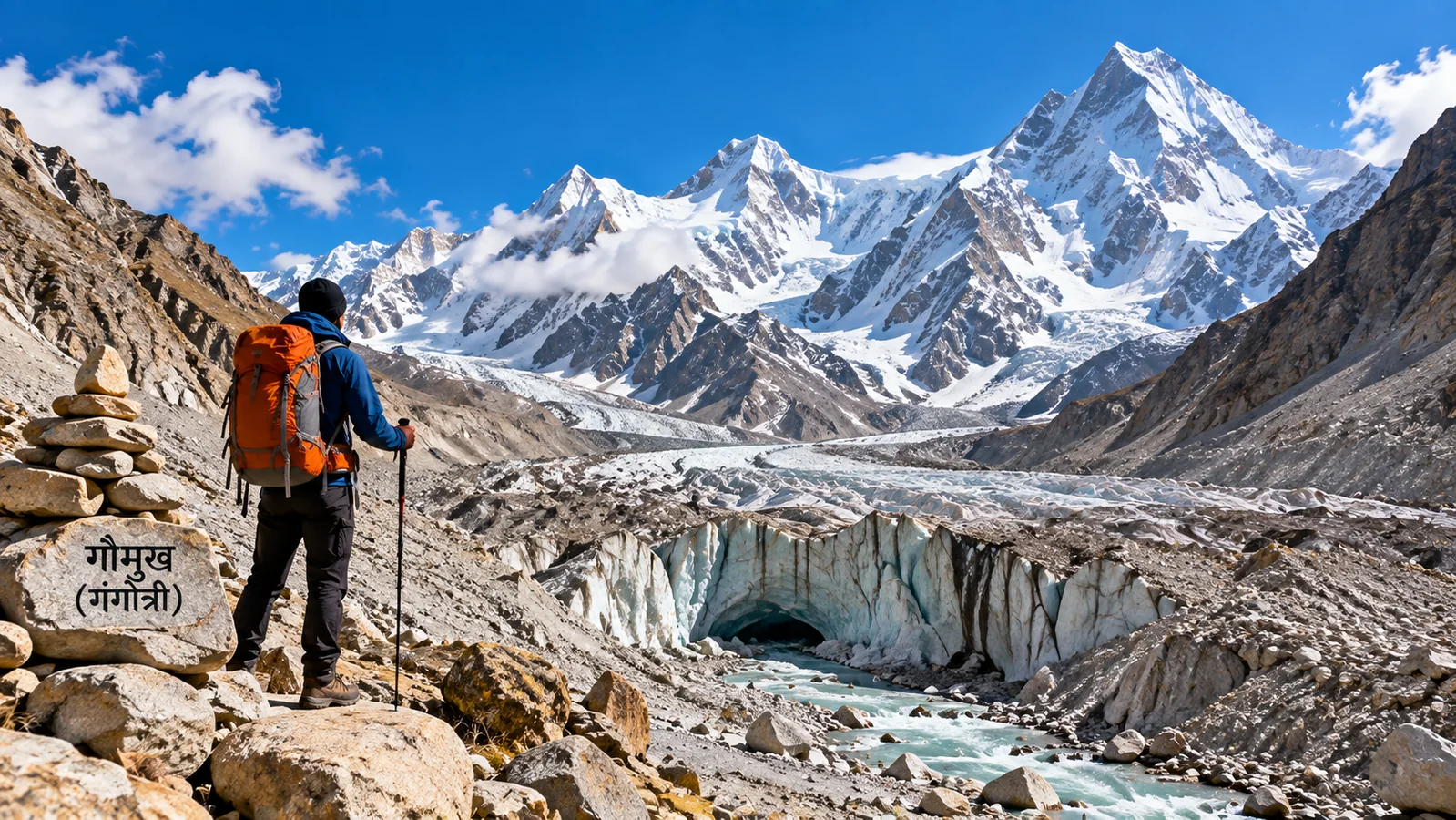
Gaumukh Tapovan Trek
Amber Fort
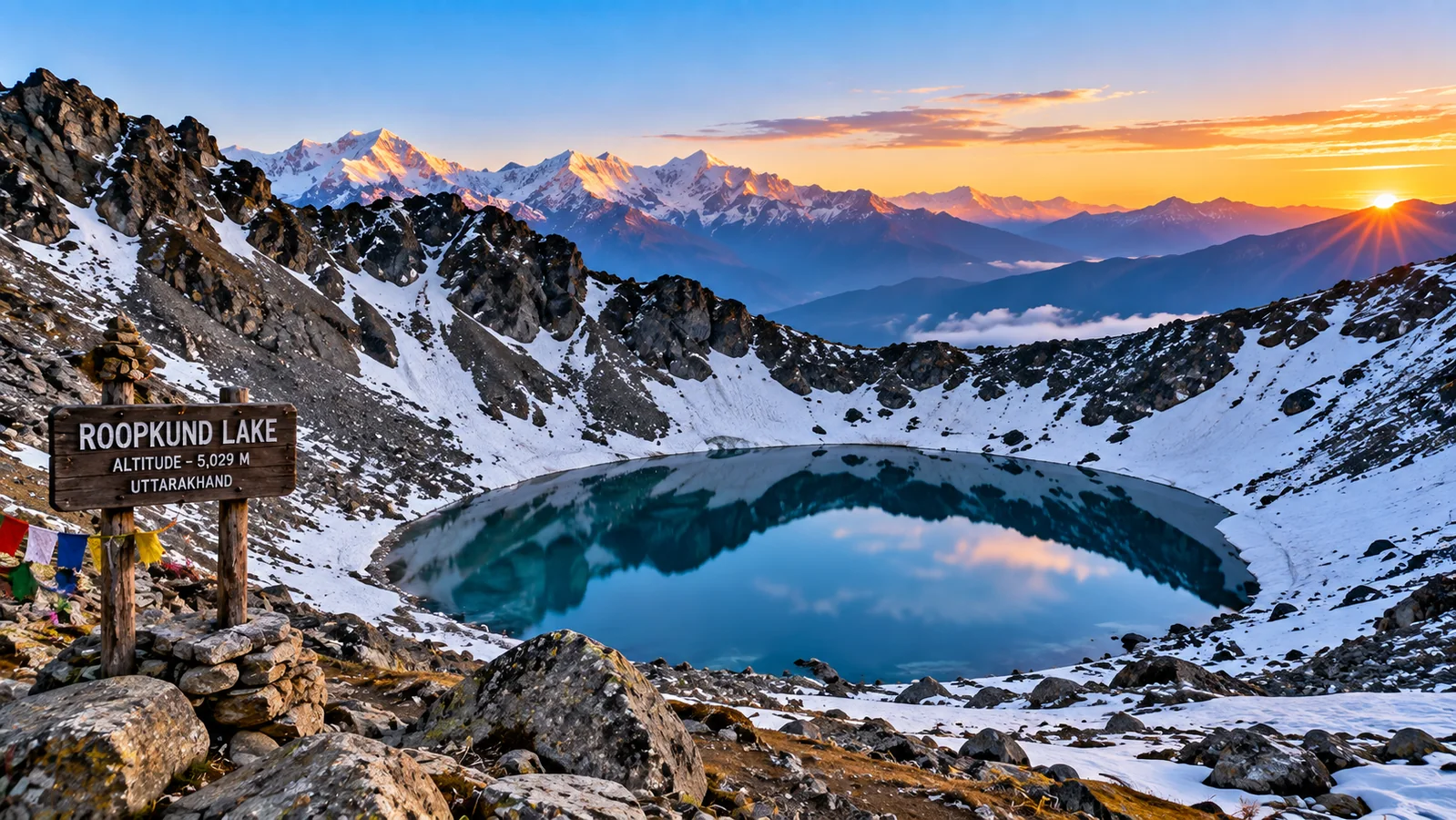
Roopkund Lake Trek
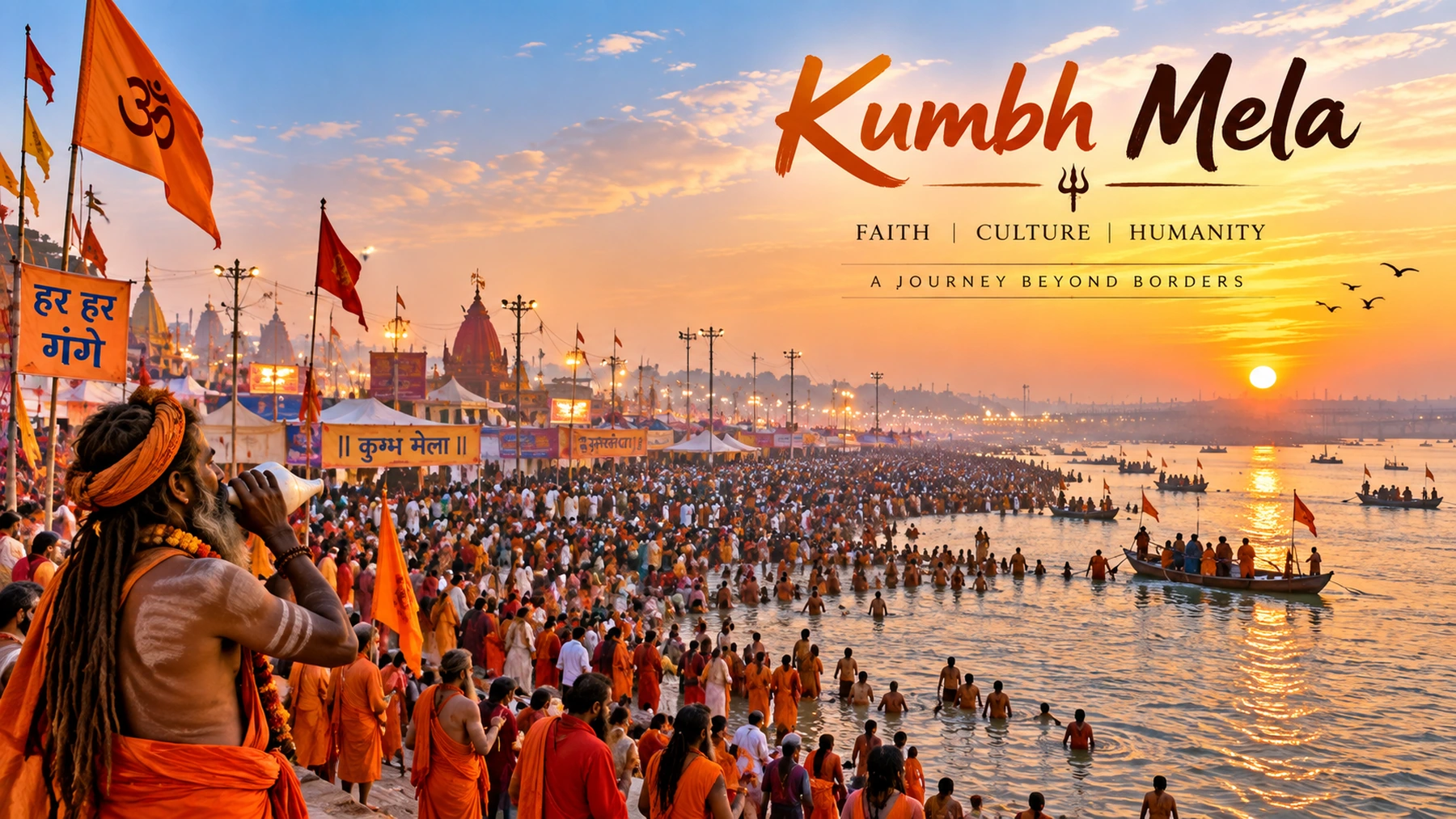
Maha Kumbh 2025
Brahmatal Trek
Kedarnath
The Valley of Flowers Trek
Sri Hemkund Sahib
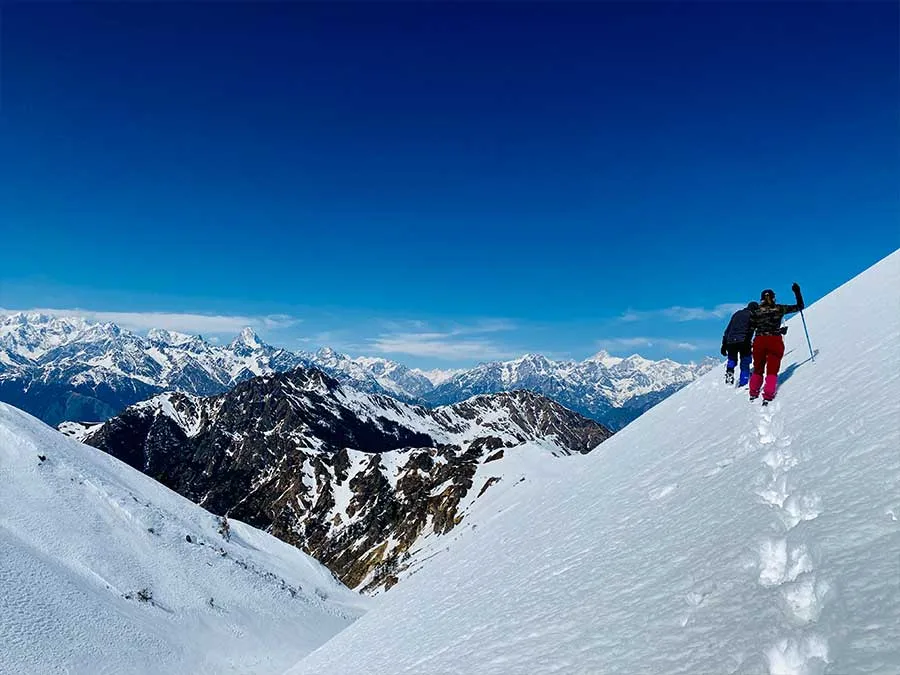
Kuari Pass Trek
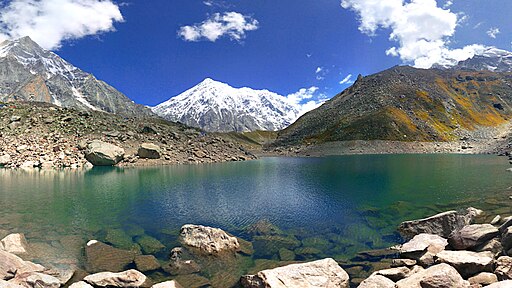
Satopanth Lake Trek
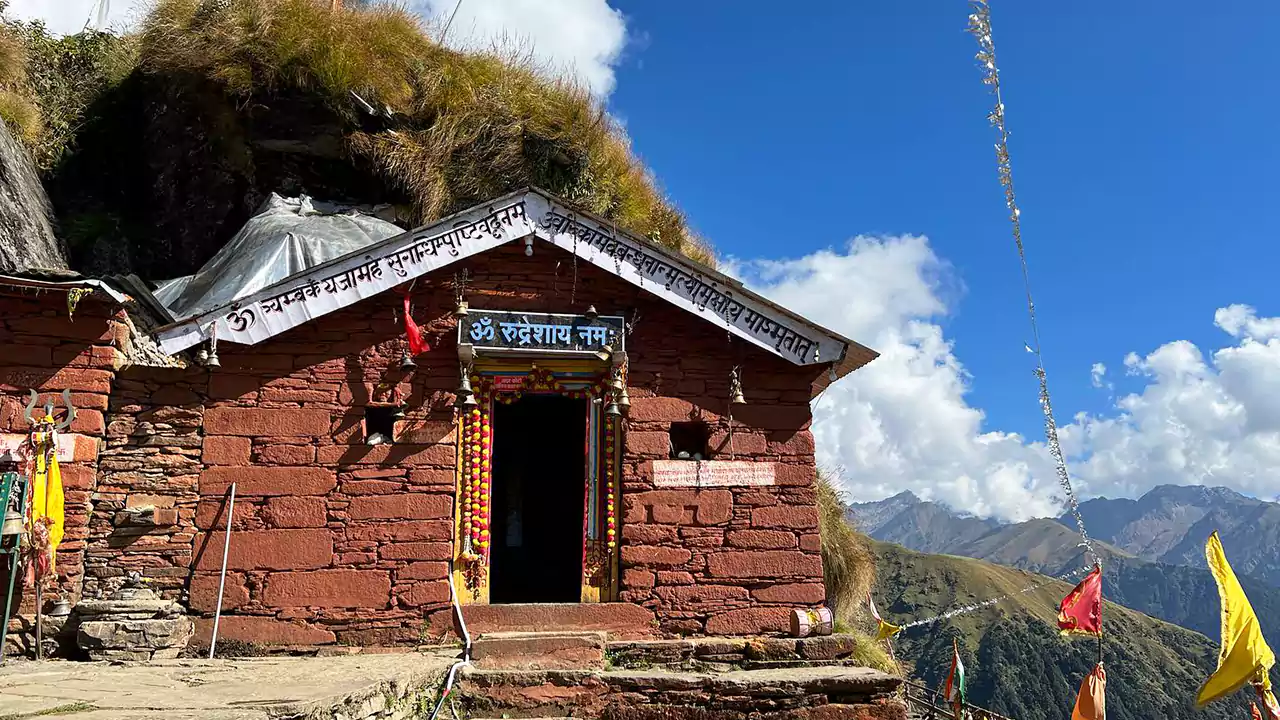
Rudranath
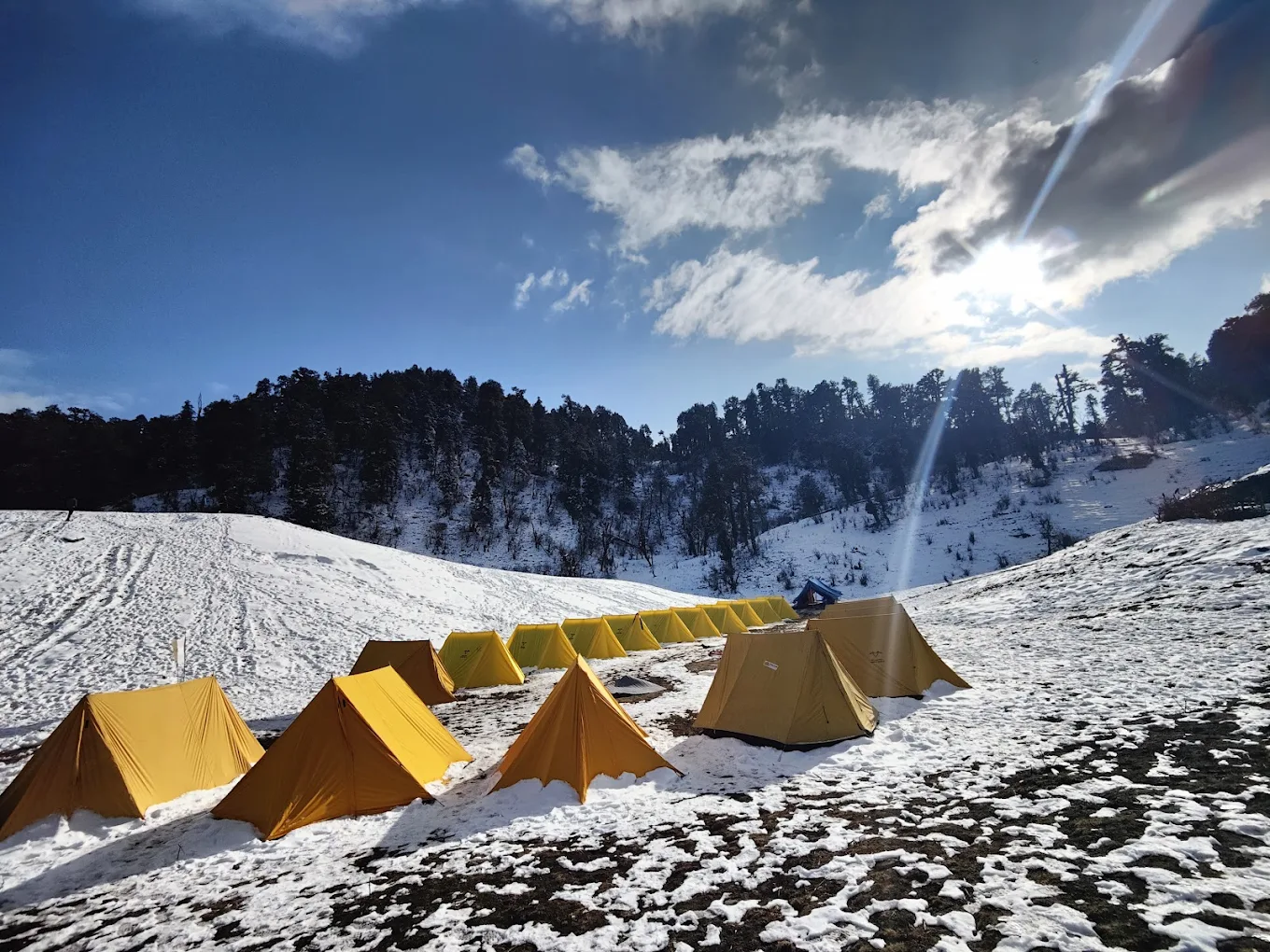
Dayara Bugyal Trek
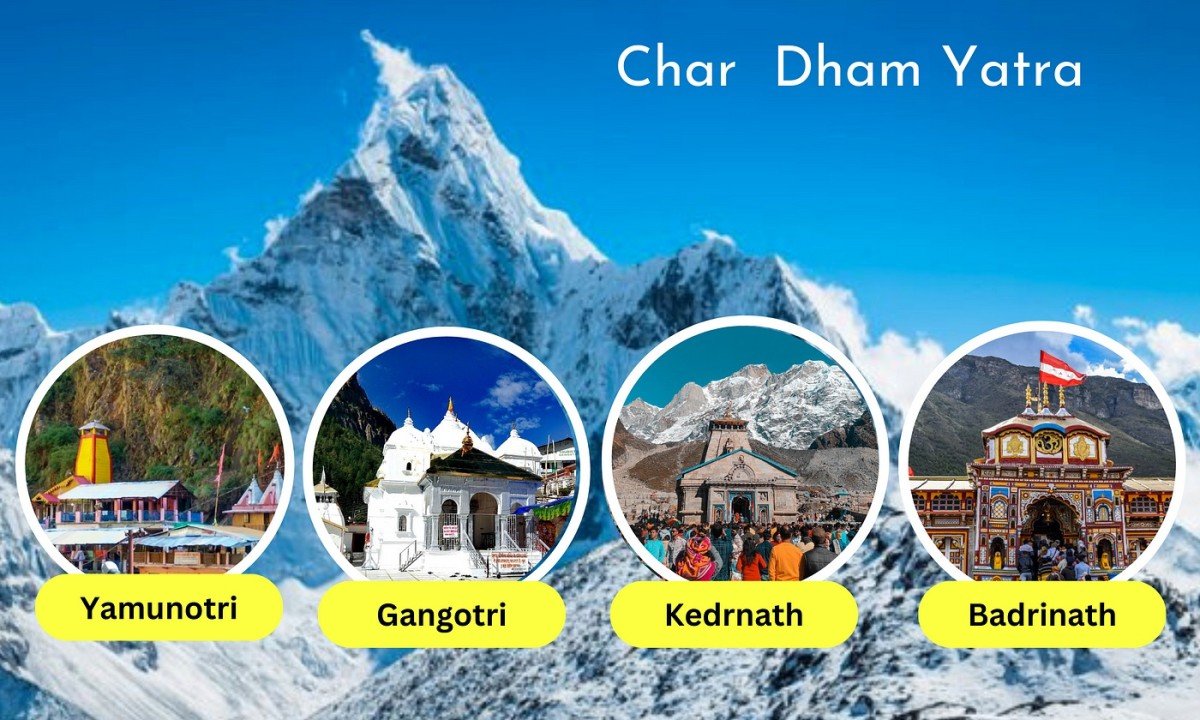
Char Dham Yatra
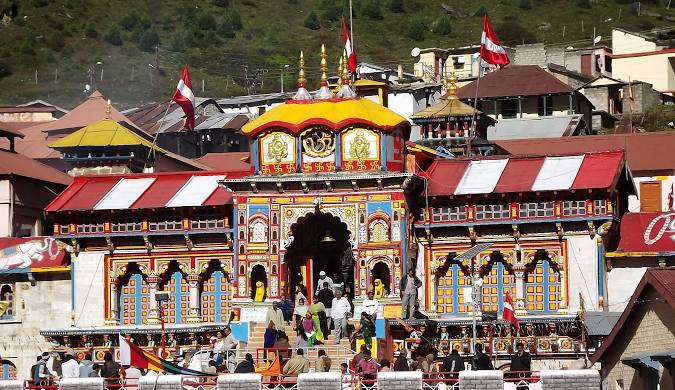
Badrinath
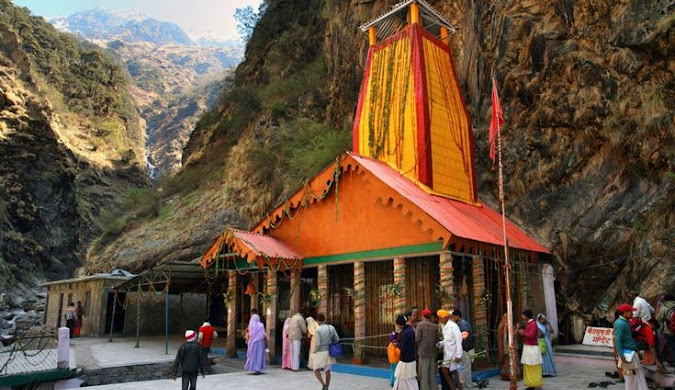
Yamunotri
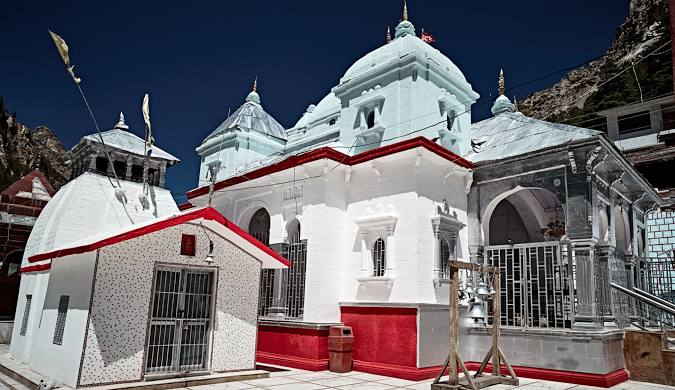
Gangotri
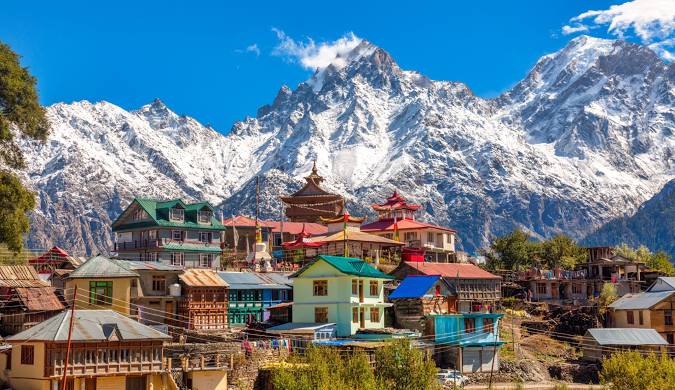
Kalpa
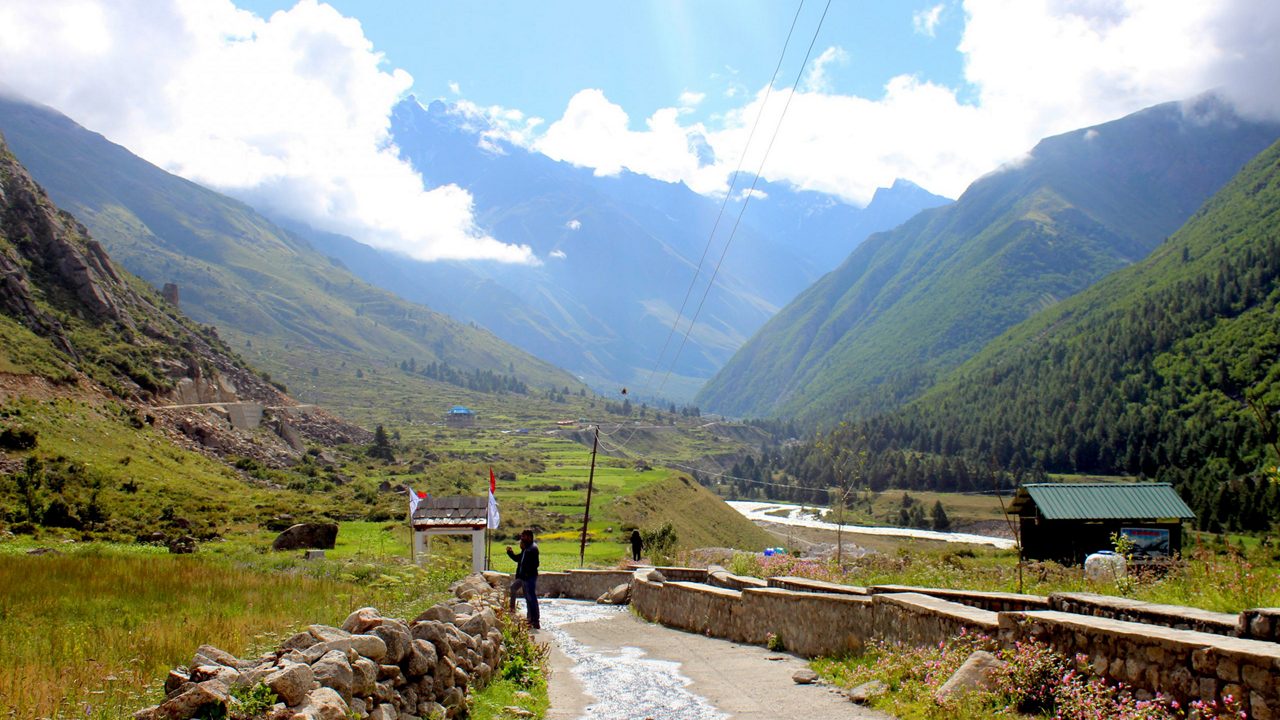
Chitkul
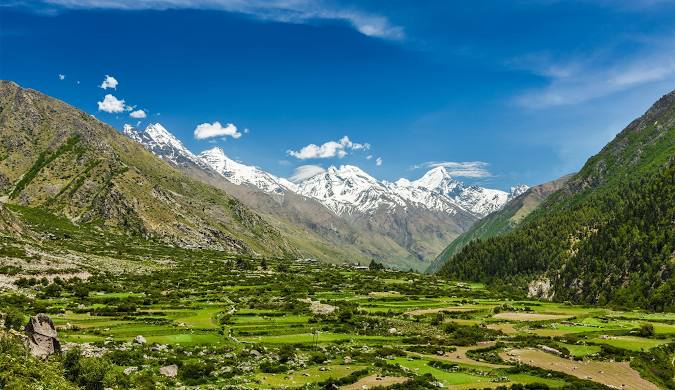
Sangla Valley
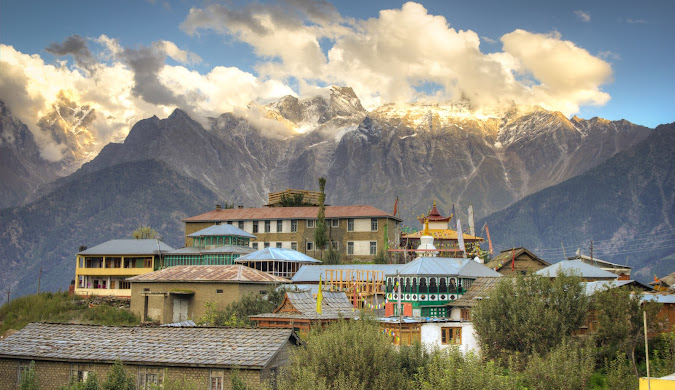
Reckong Peo
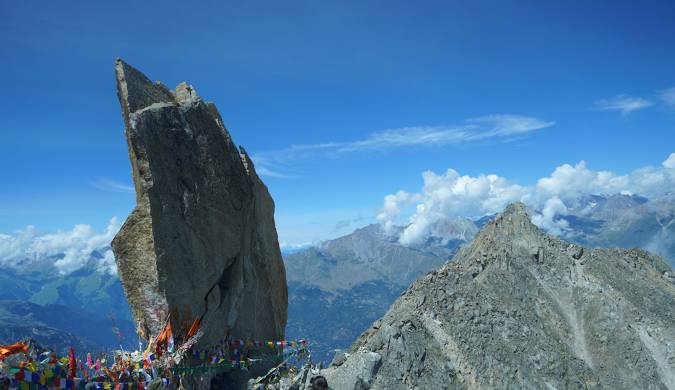
Kinner Kailash
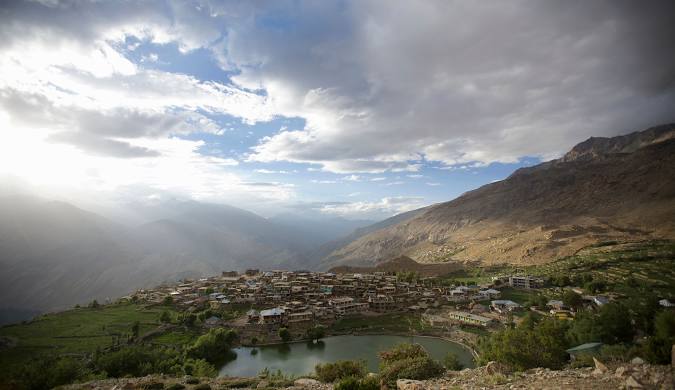
Nako Village
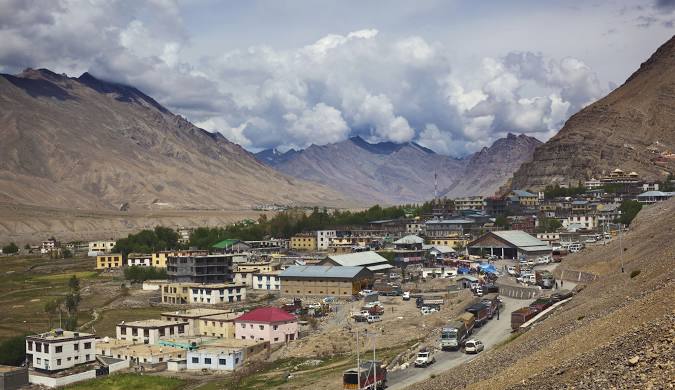
Kaza
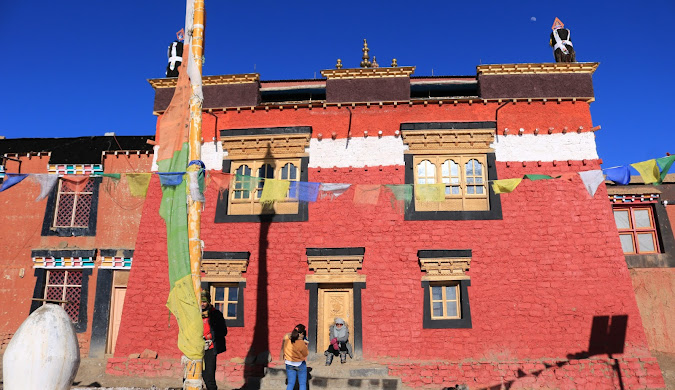
Komic Village
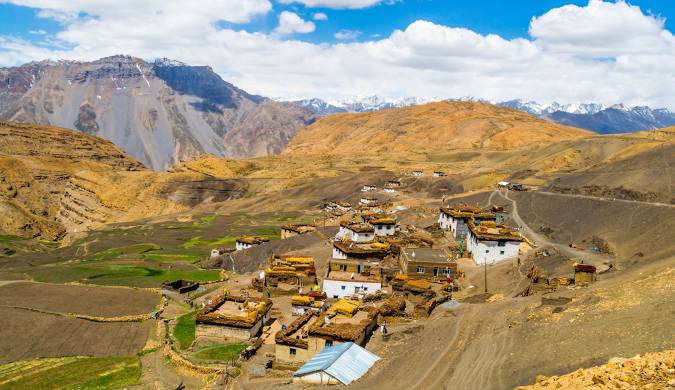
Hikkim Village
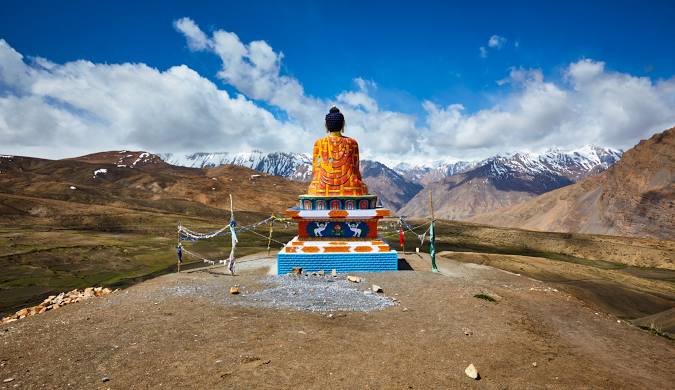
Langza Village
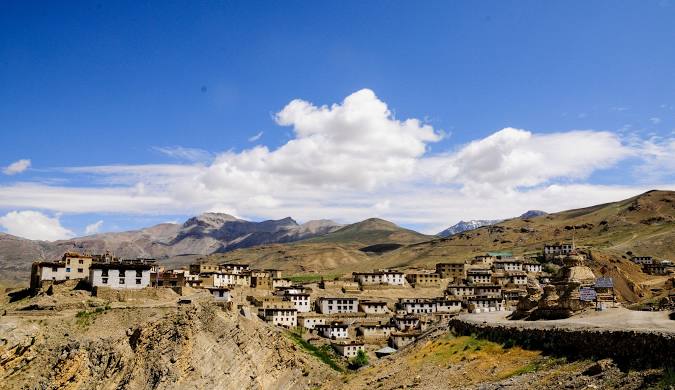
Kibber Village
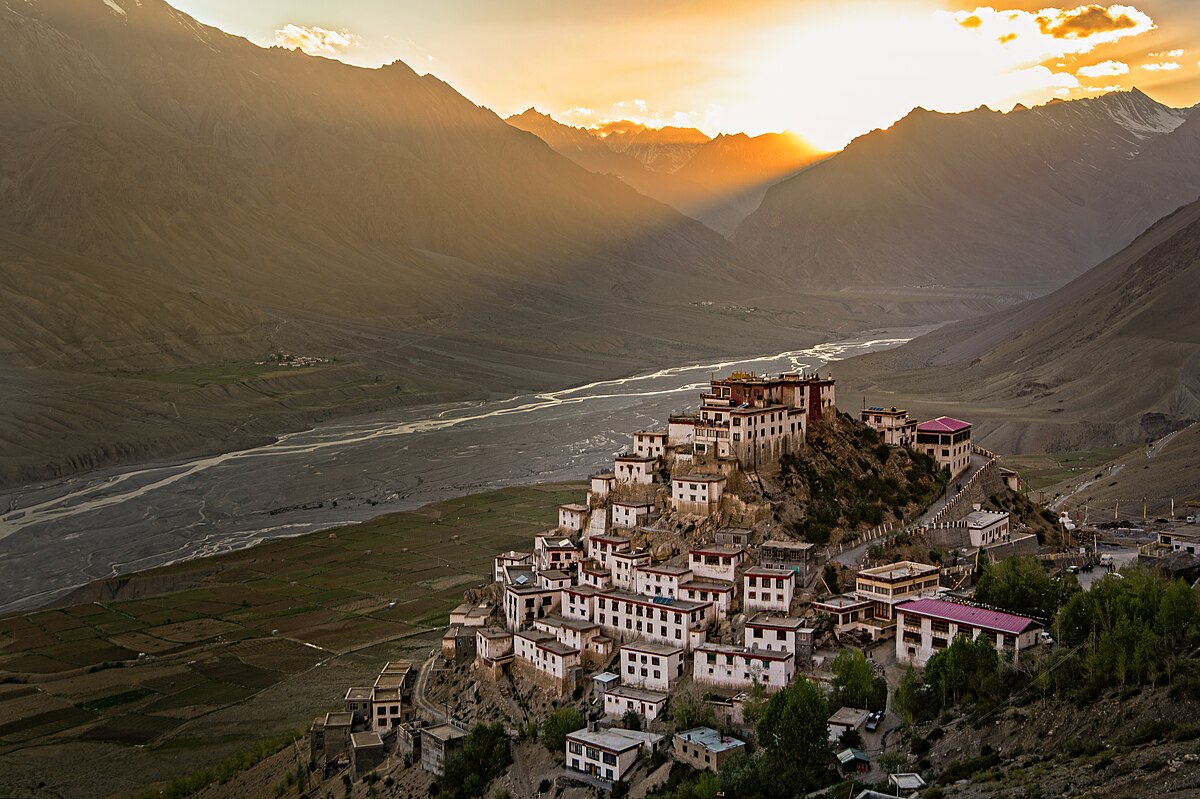
Key Monastery
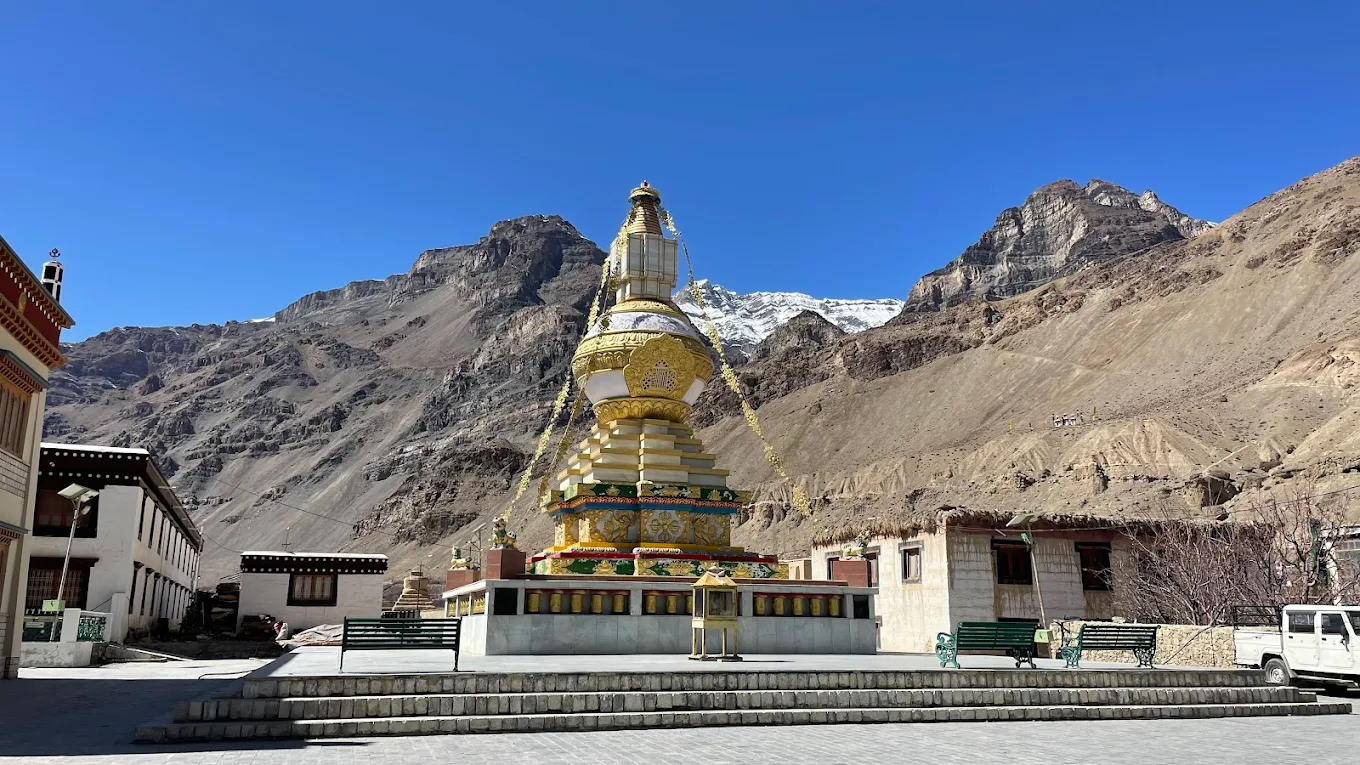
Tabo Monastery
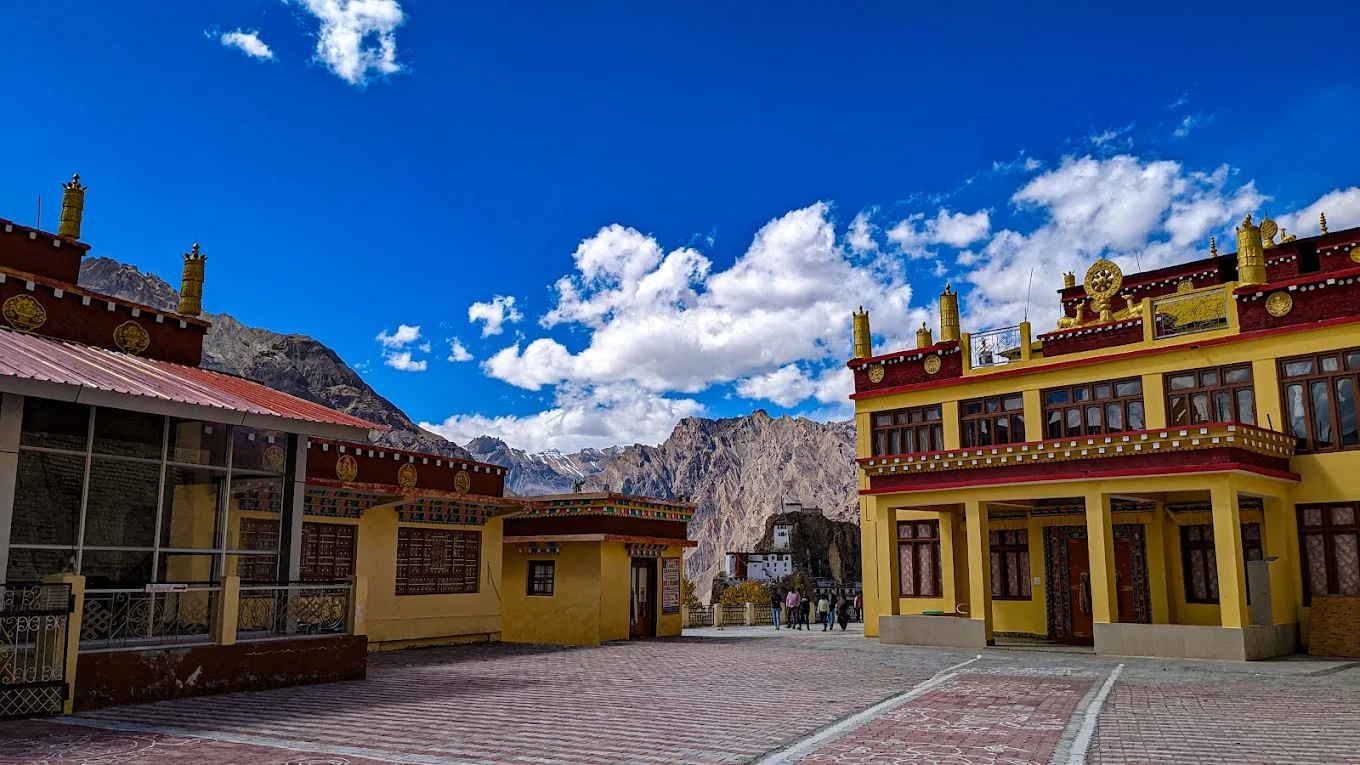
Dhankar Monastery
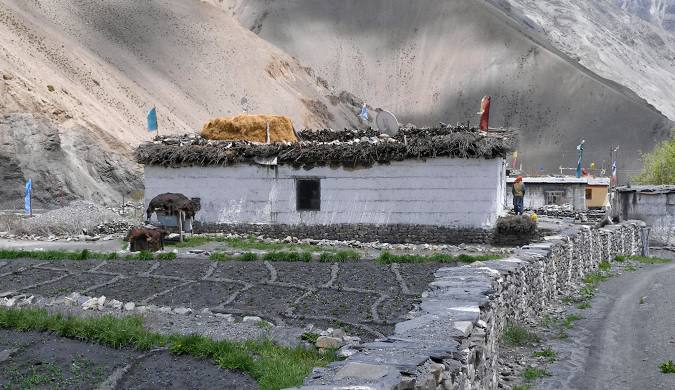
Gue Village
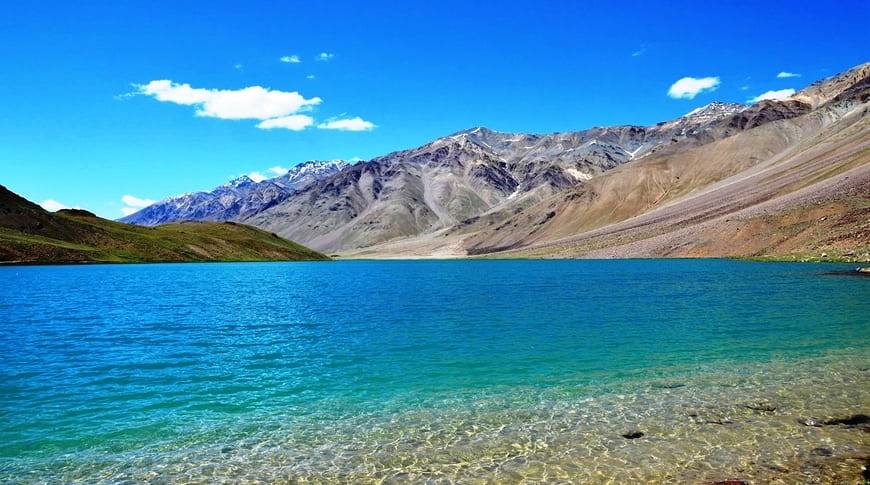
Chandratal Lake
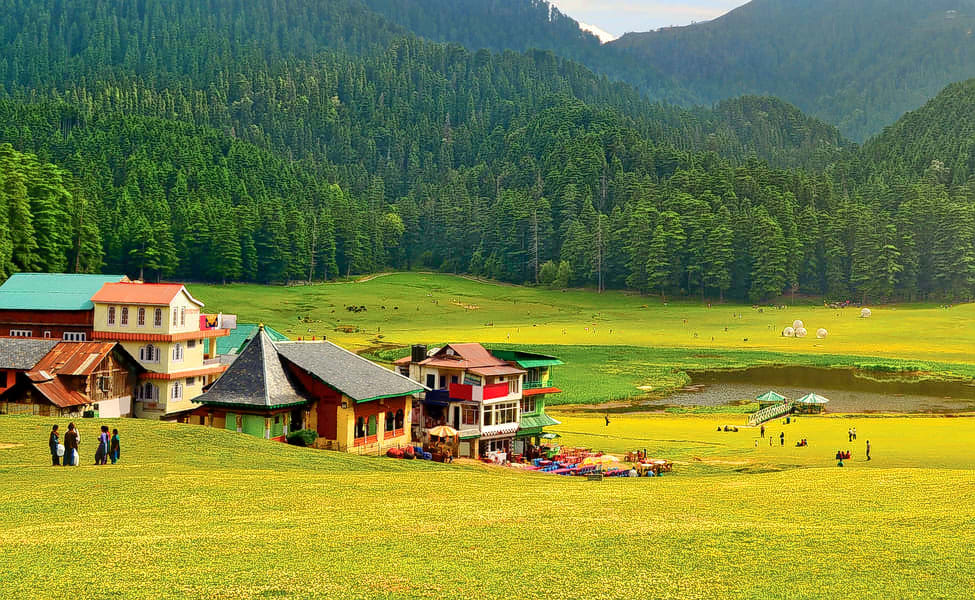
Dalhousie
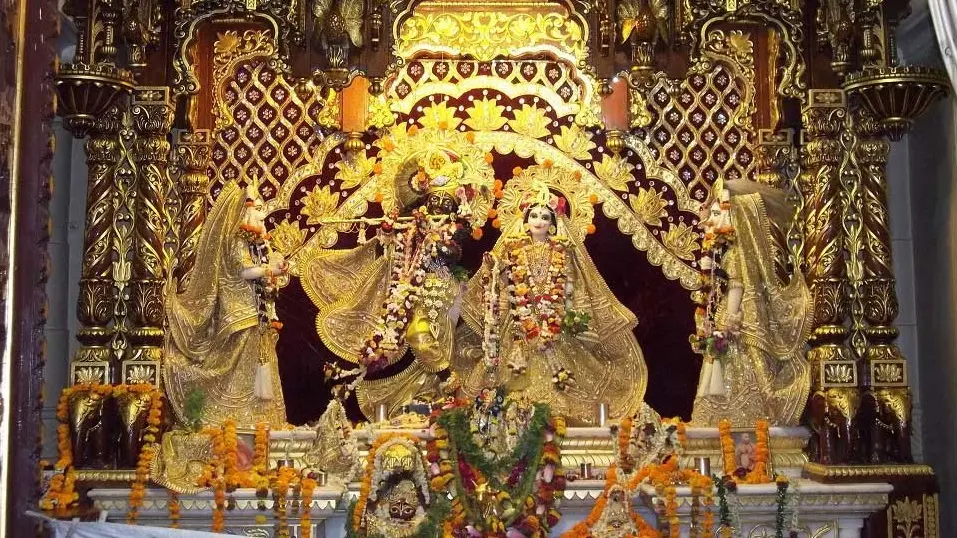
Shri Krishna Janmabhoomi Temple
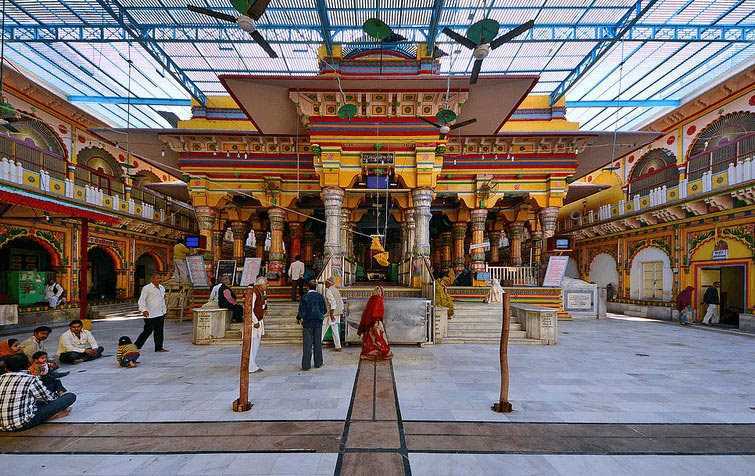
Shri Dwarkadhish Temple
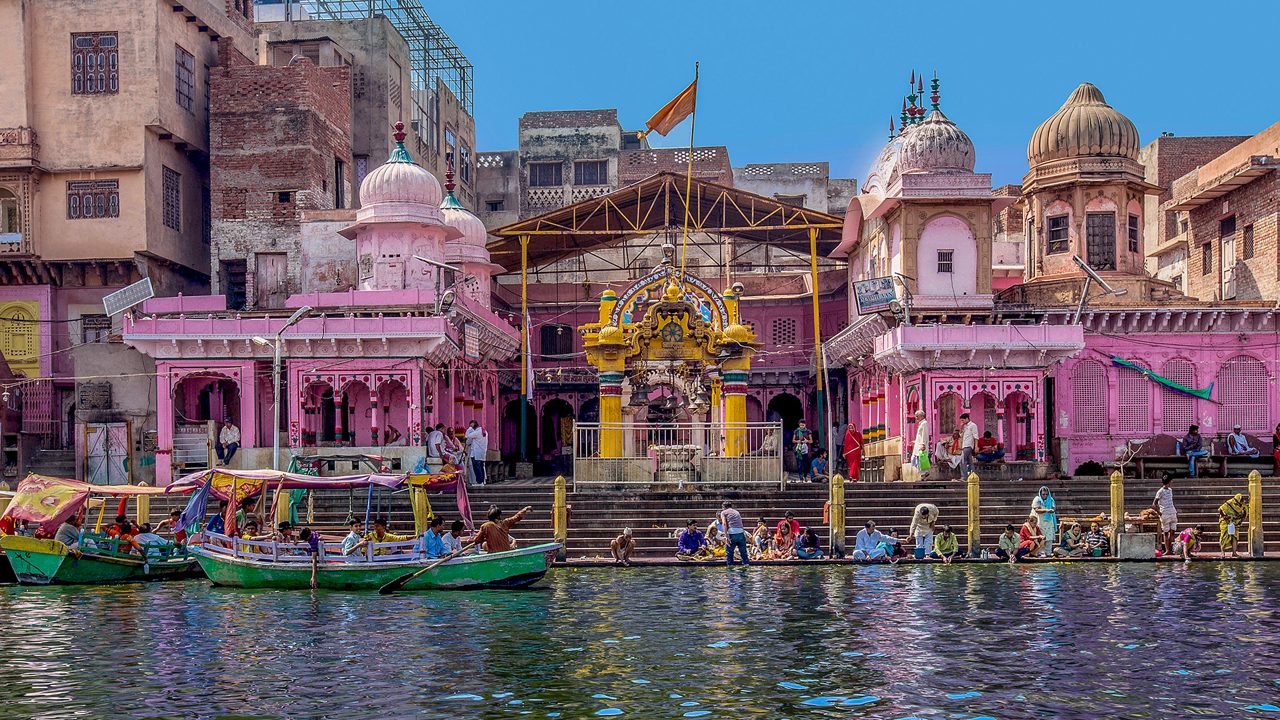
Vishram Ghat, Mathura
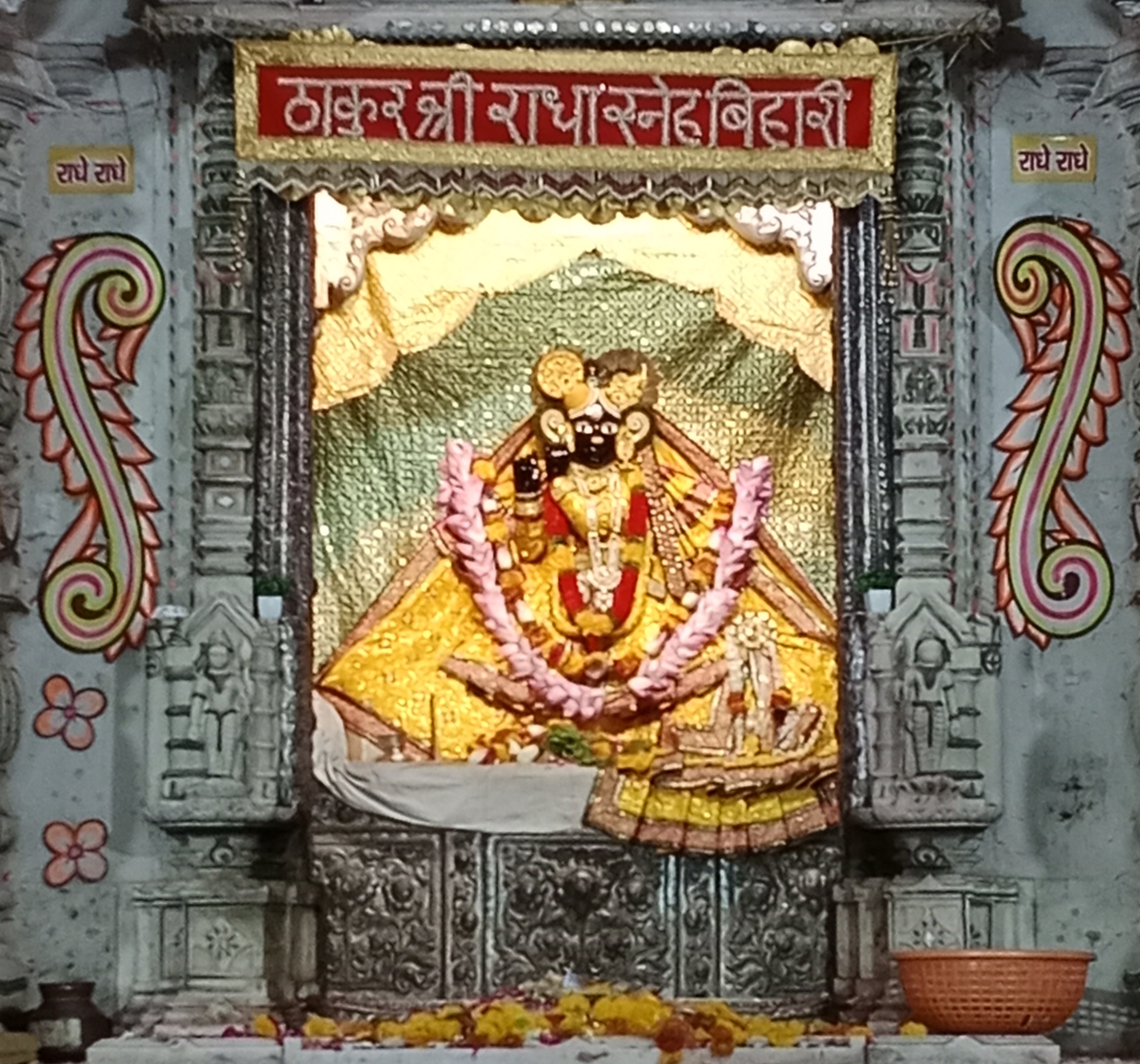
Shri Banke Bihari Temple, Vrindavan
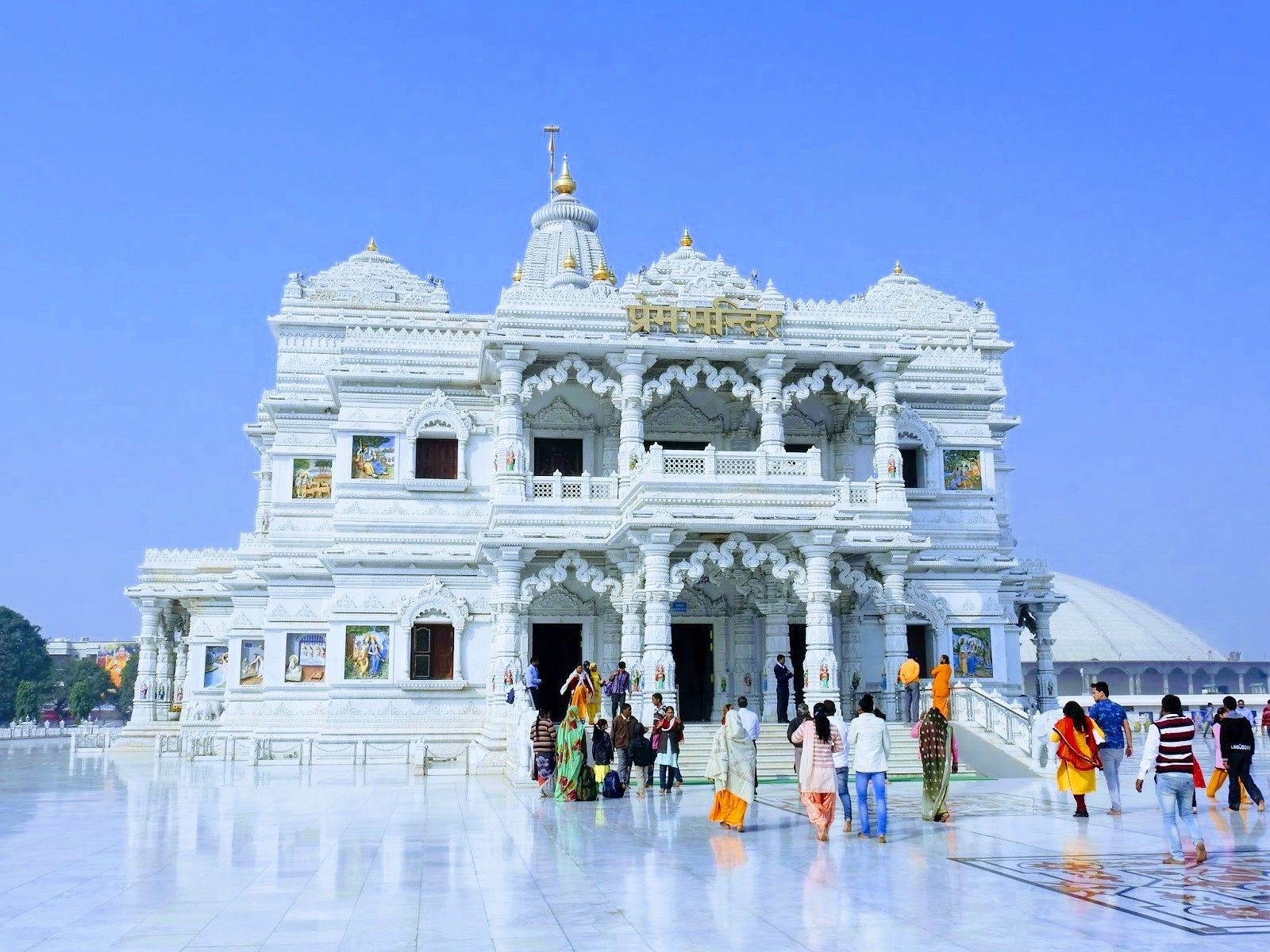
Shri Prem Mandir, Vrindavan
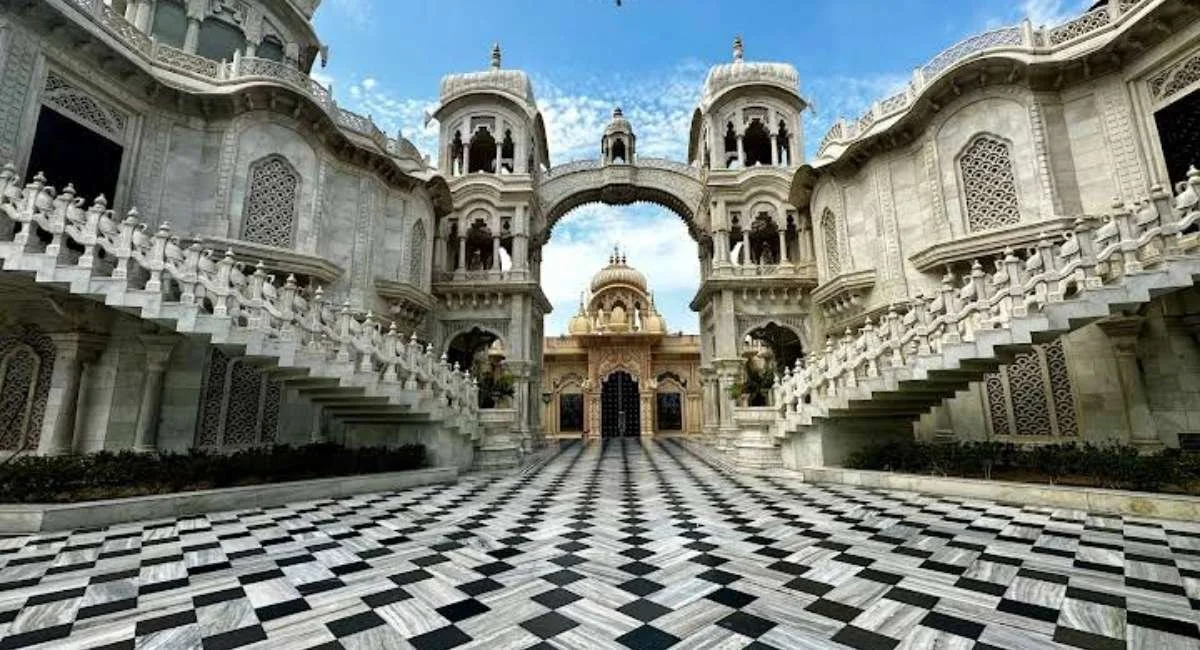
ISKCON Temple, Vrindavan
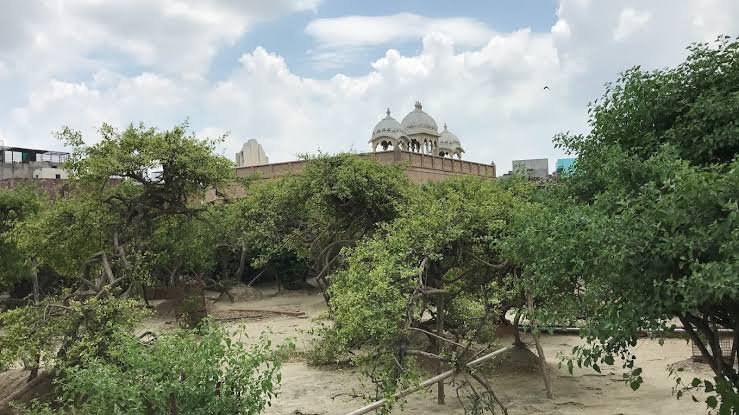
Nidhivan, Vrindavan
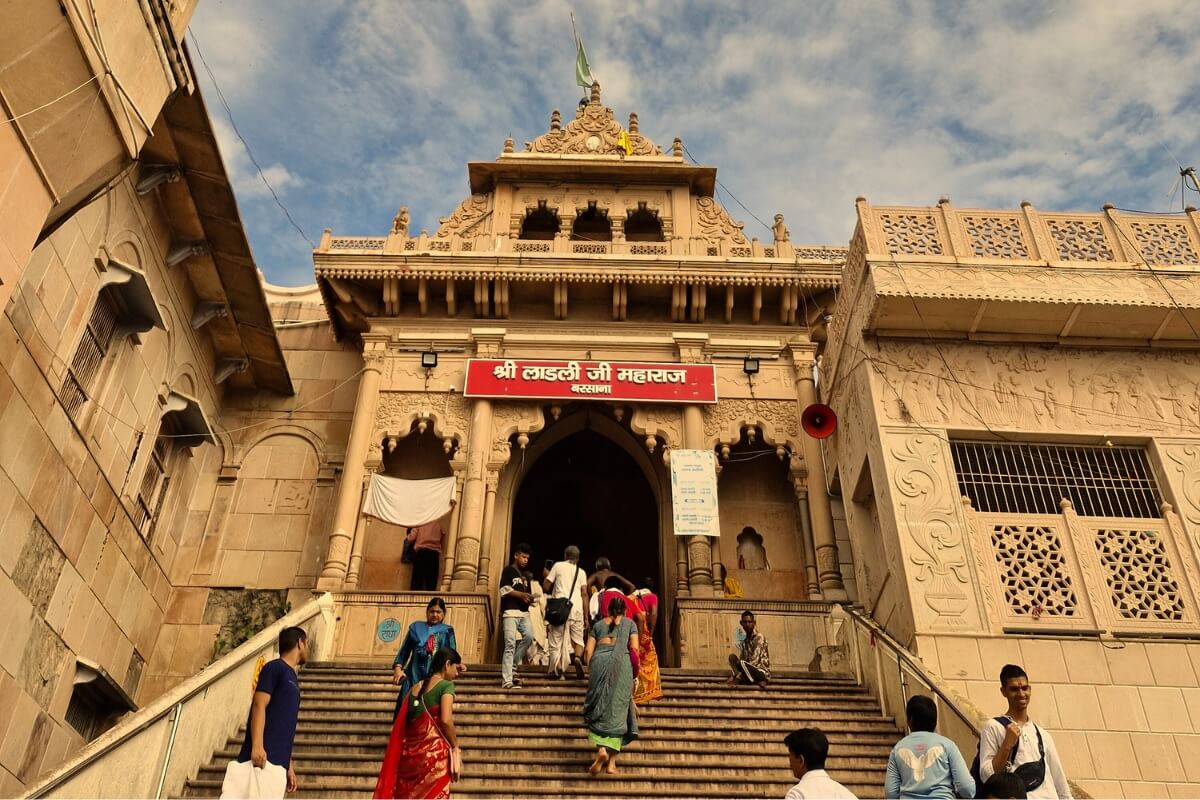
Shri Radha Rani Temple, Barsana
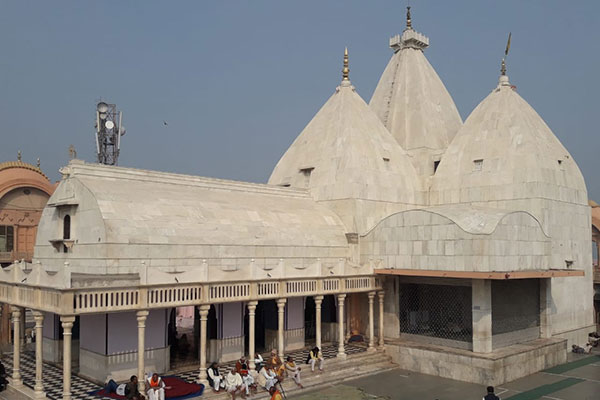
Nand Bhawan Mandir, Nandgaon
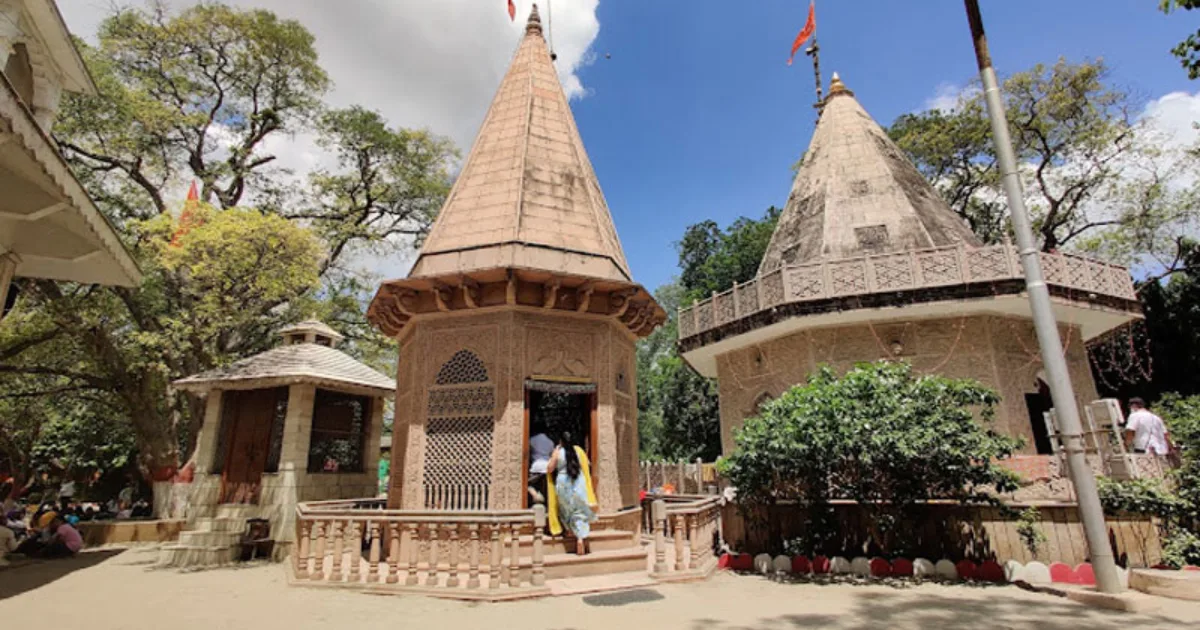
Raman Reti
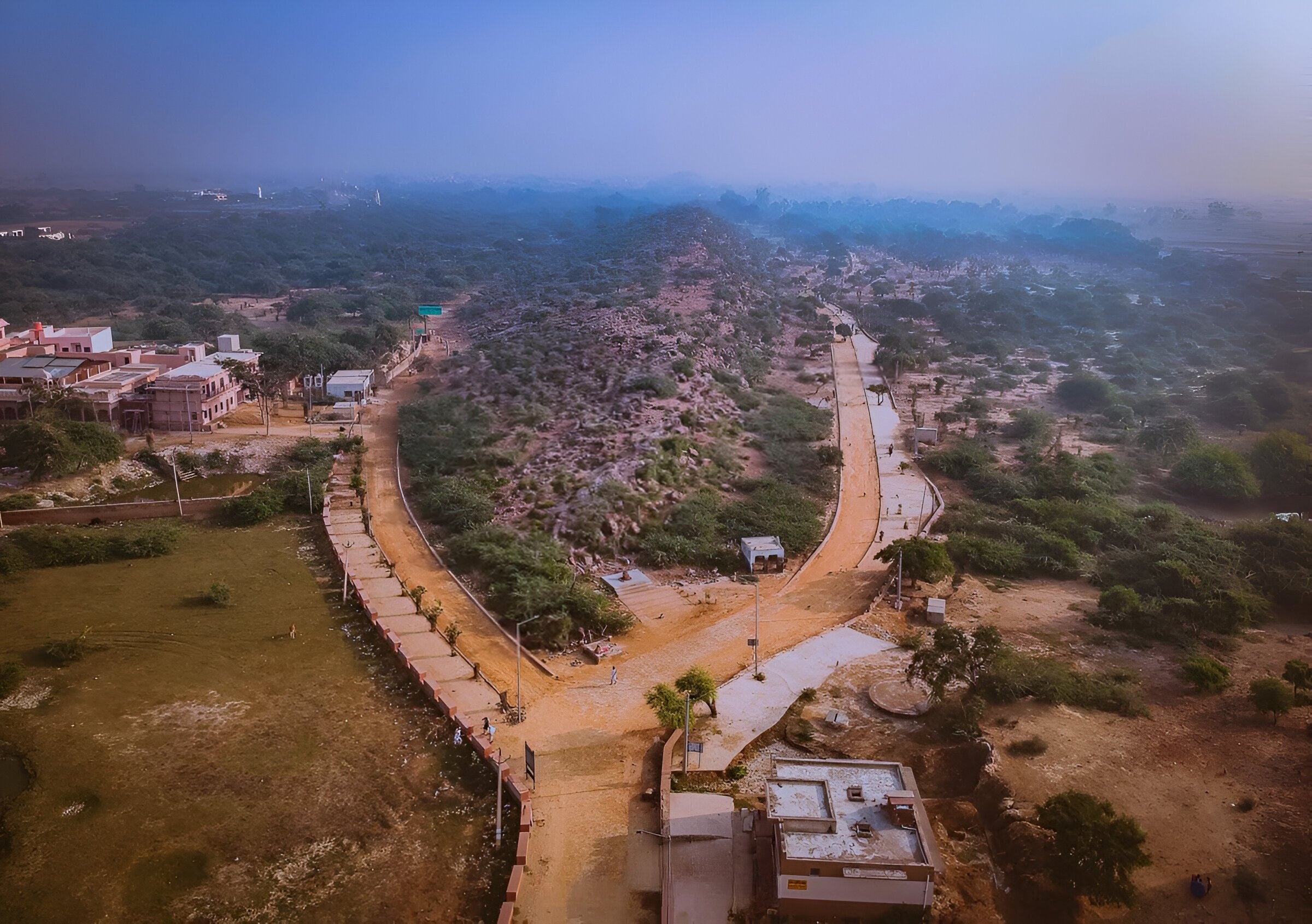
Goverdhan Parikrama
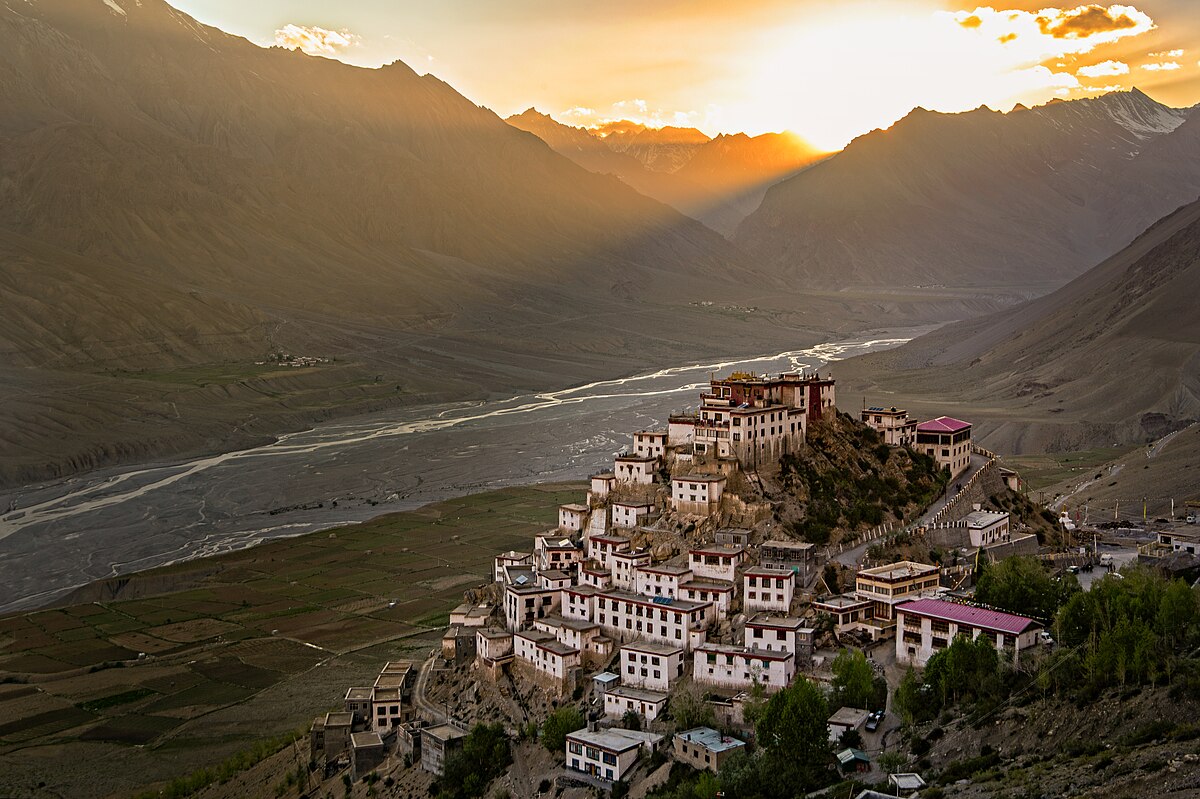
Spiti Valley Expedition
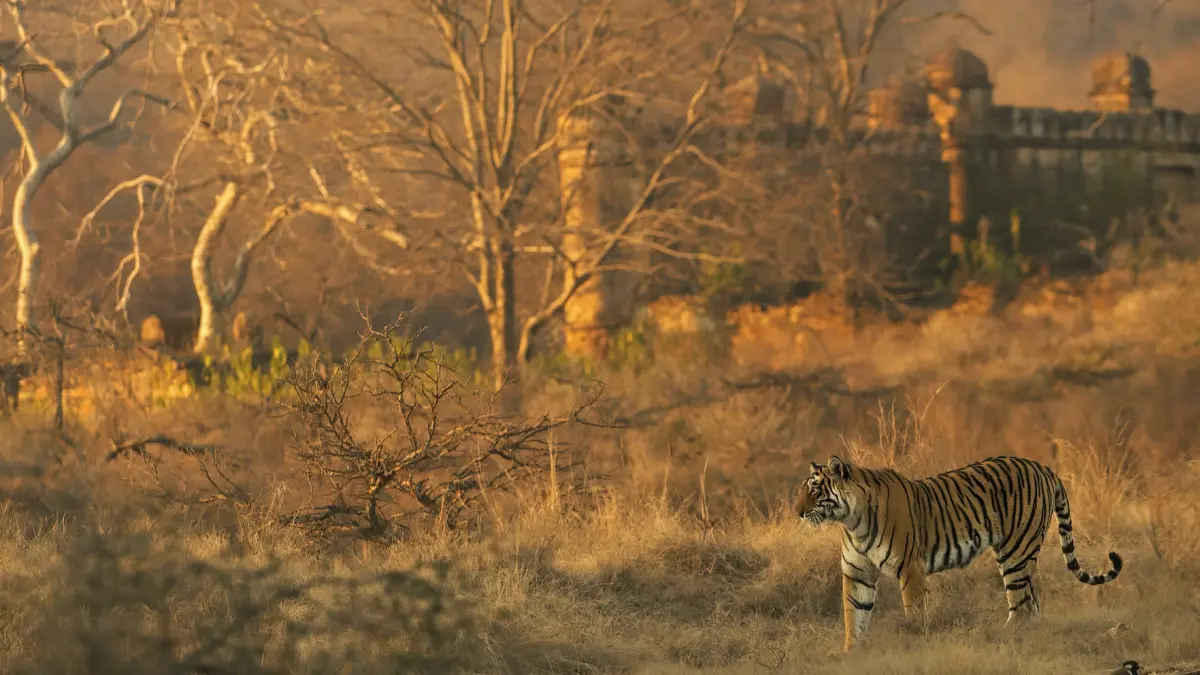
Ranthambhore National Park
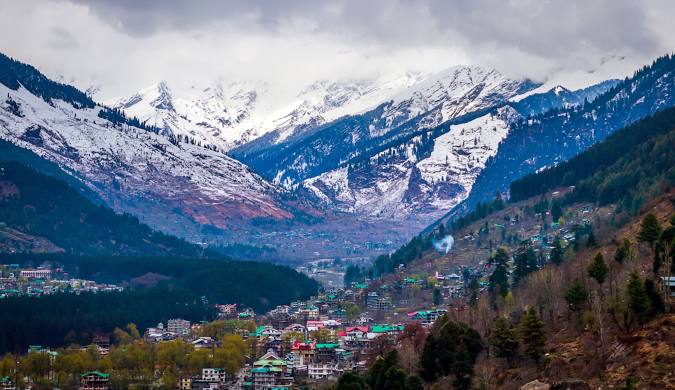
Manali
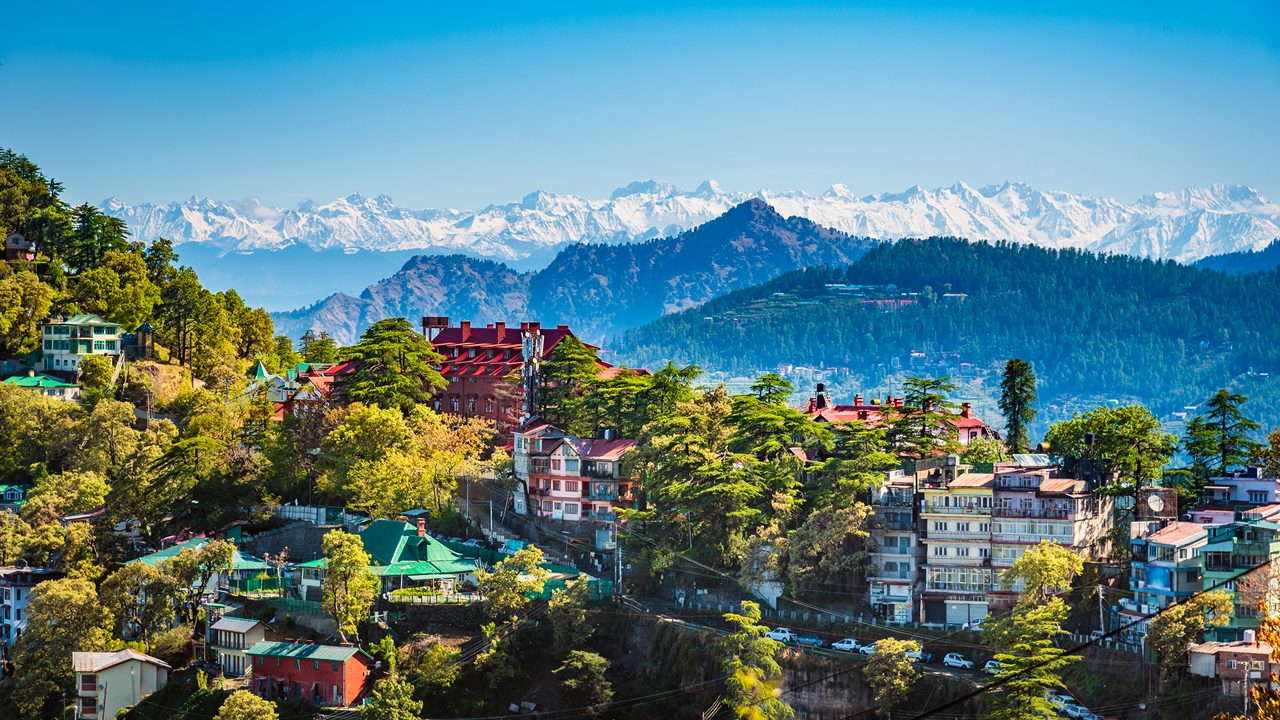
Shimla
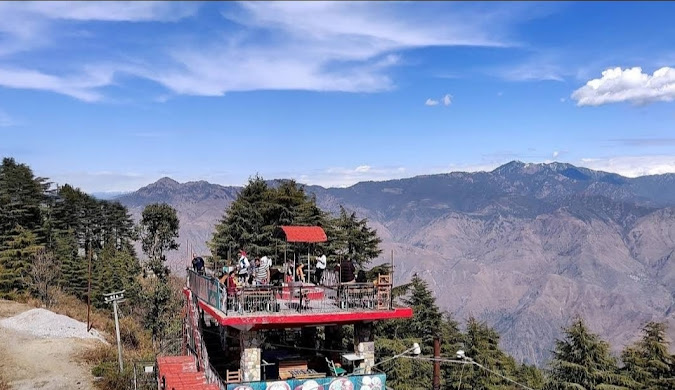
Mussoorie
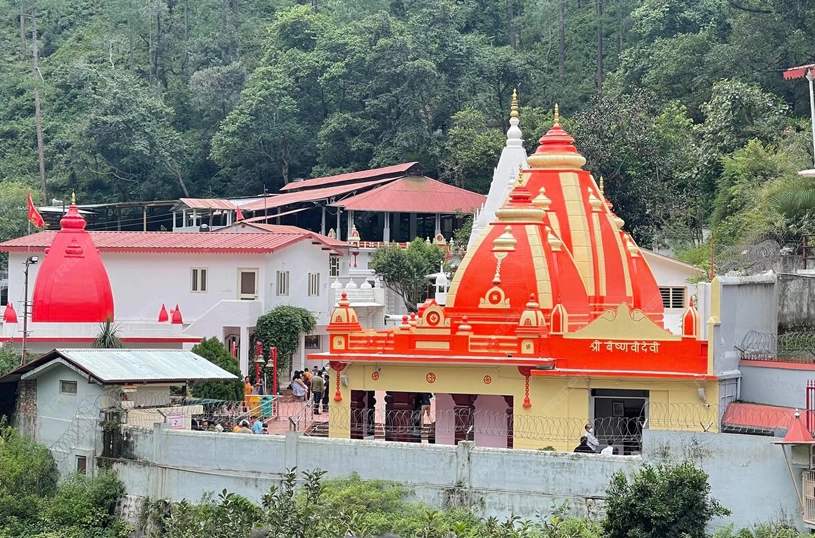
Neem Karoli Baba, Kainchi Dham
Mukteshwar
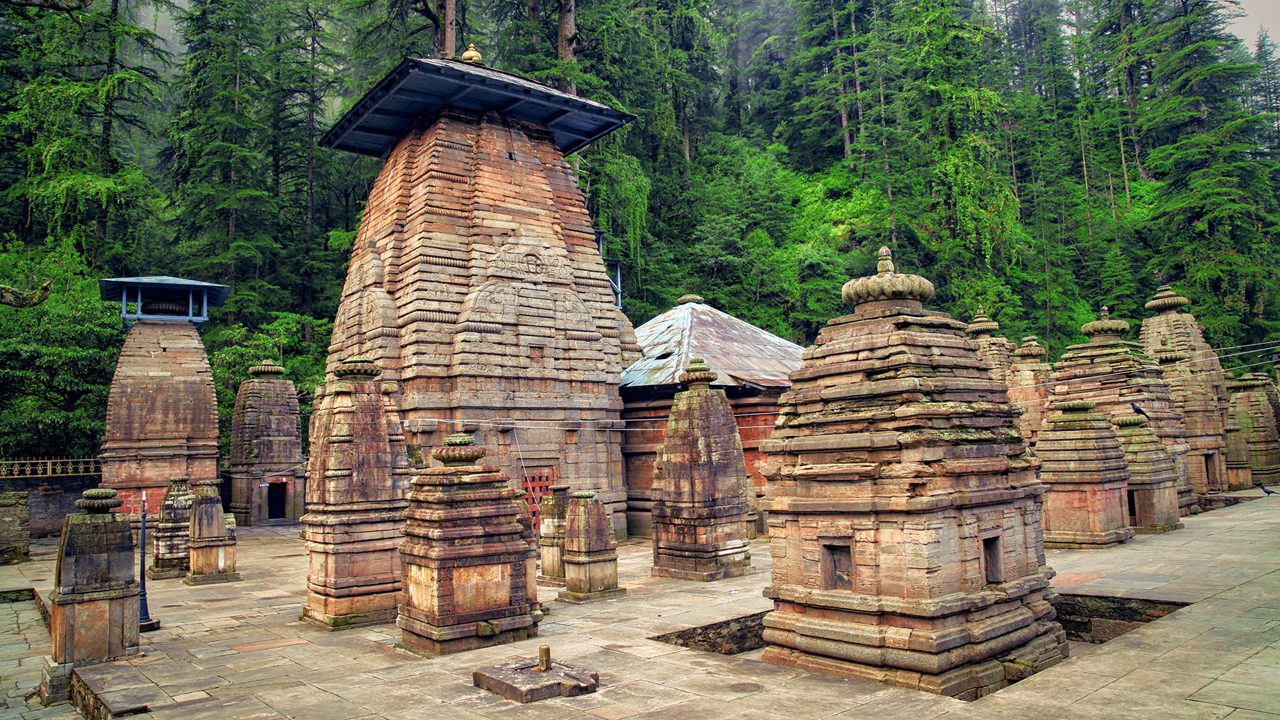
Jageshwar Dham
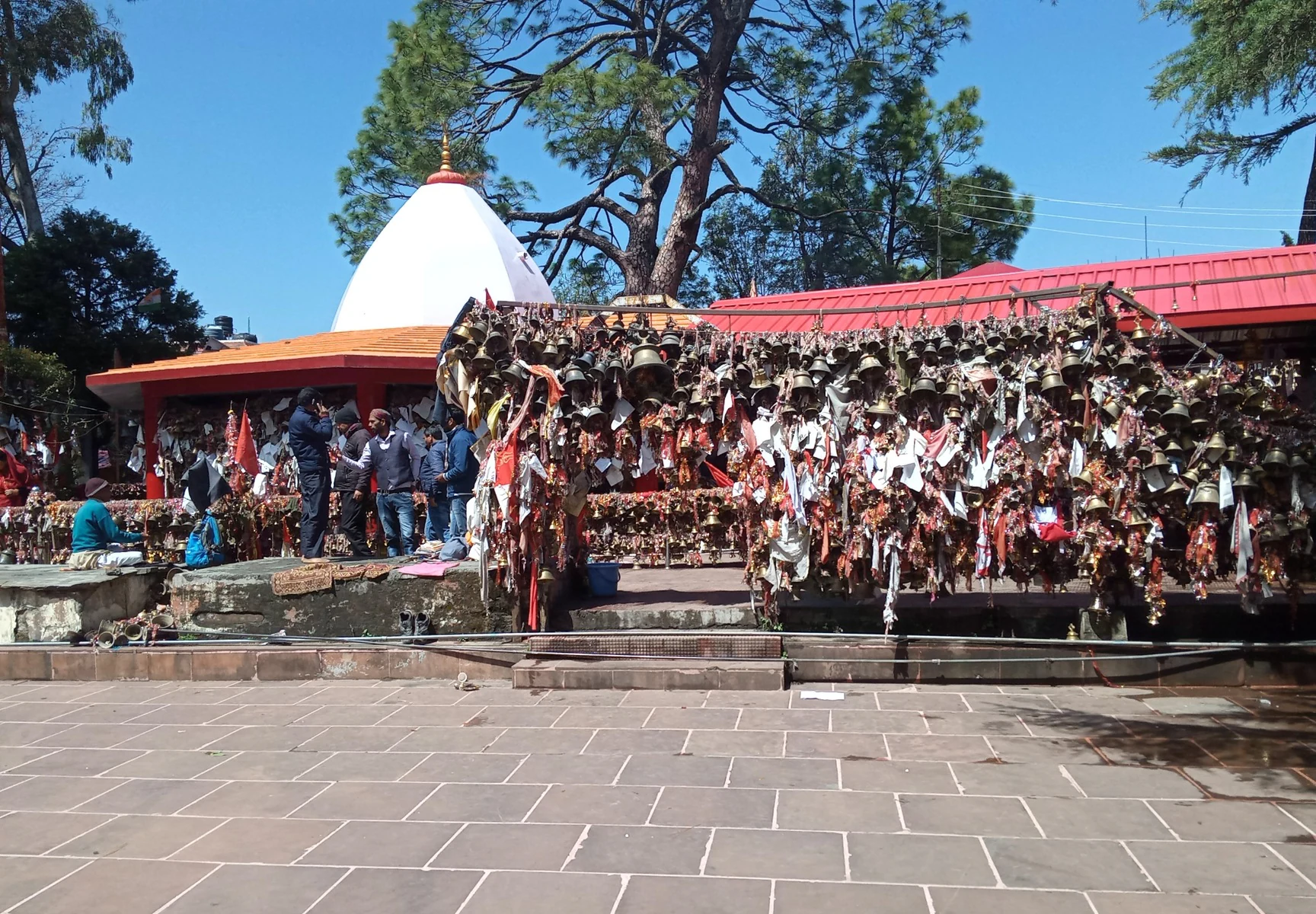
Chitai Golu Devta Temple
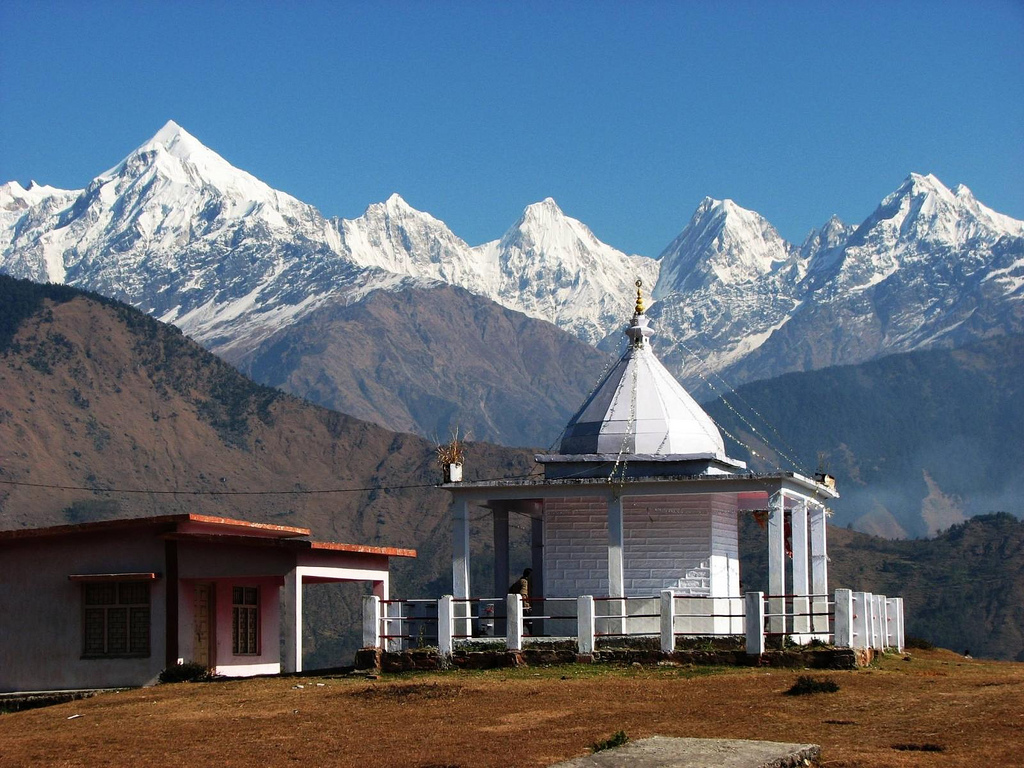
NANDA DEVI TEMPLE
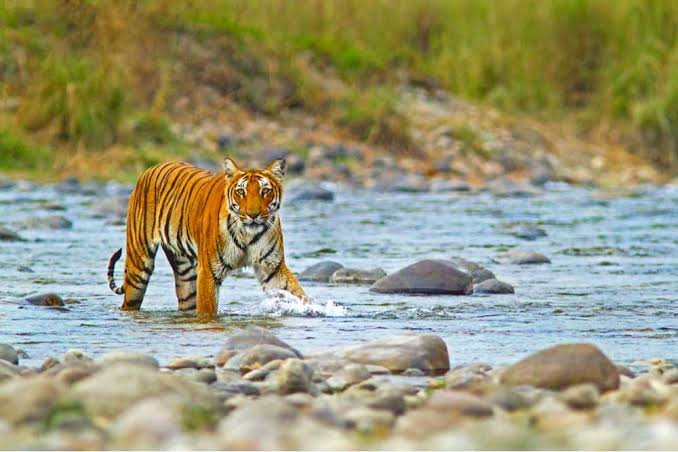
Jim Corbett National Park
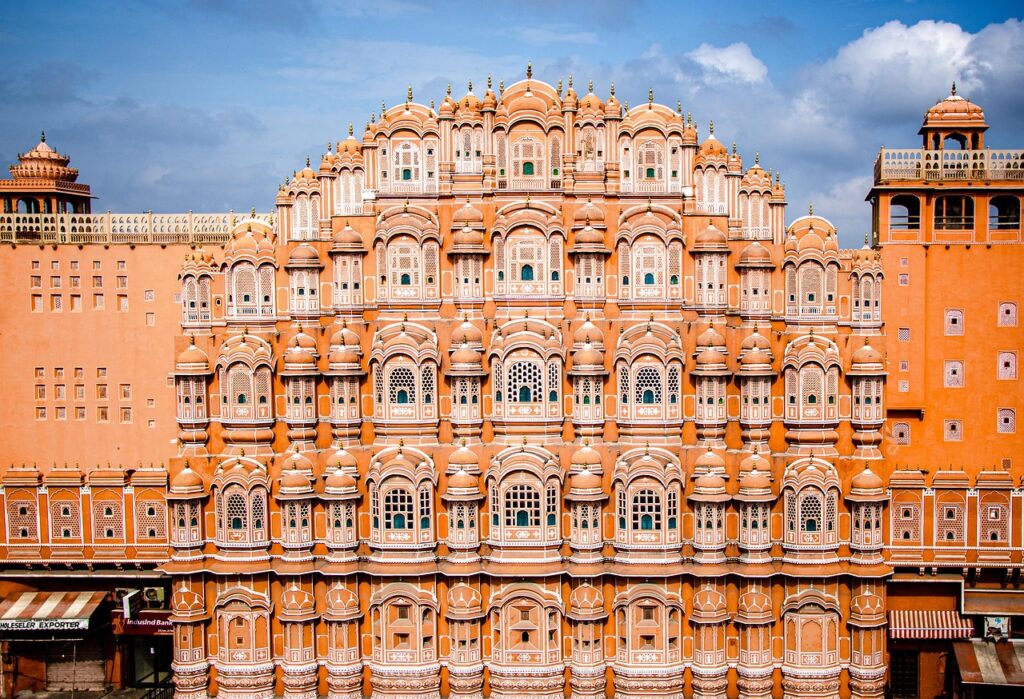
Hawa Mahal
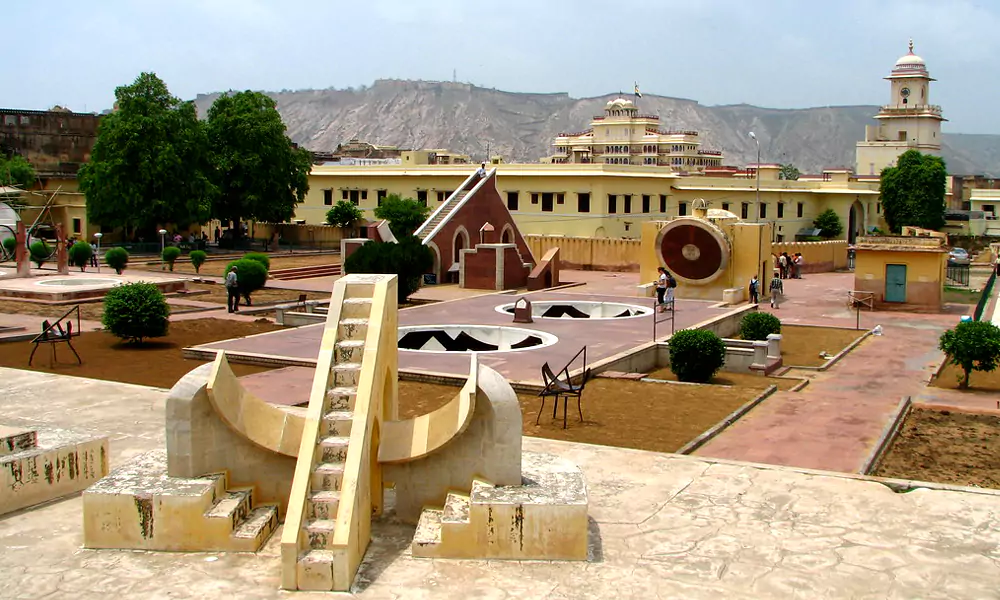
Jantar Mantar, Jaipur
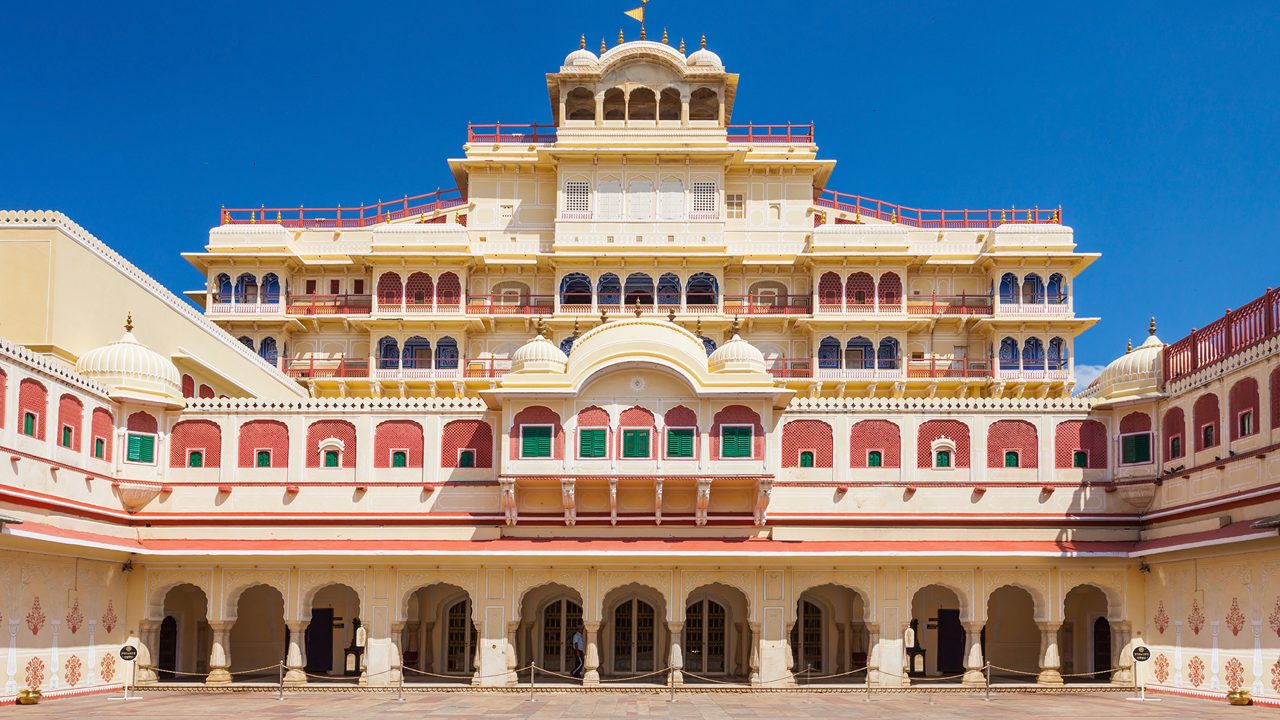
City Palace
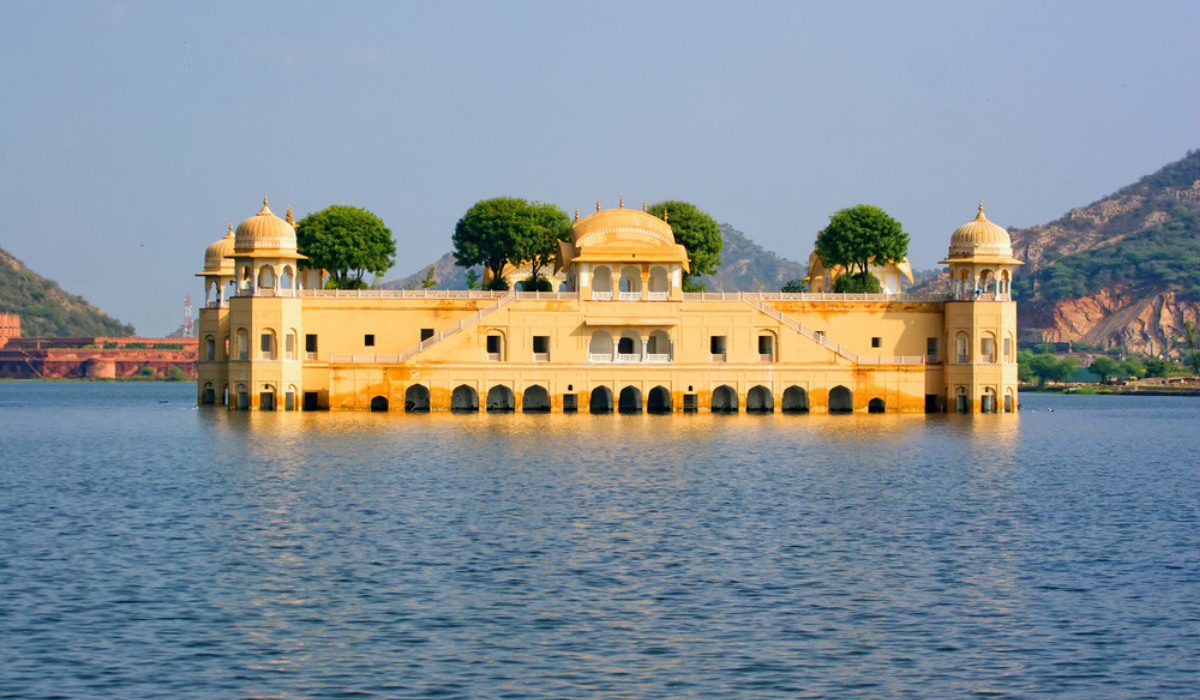
Jal Mahal
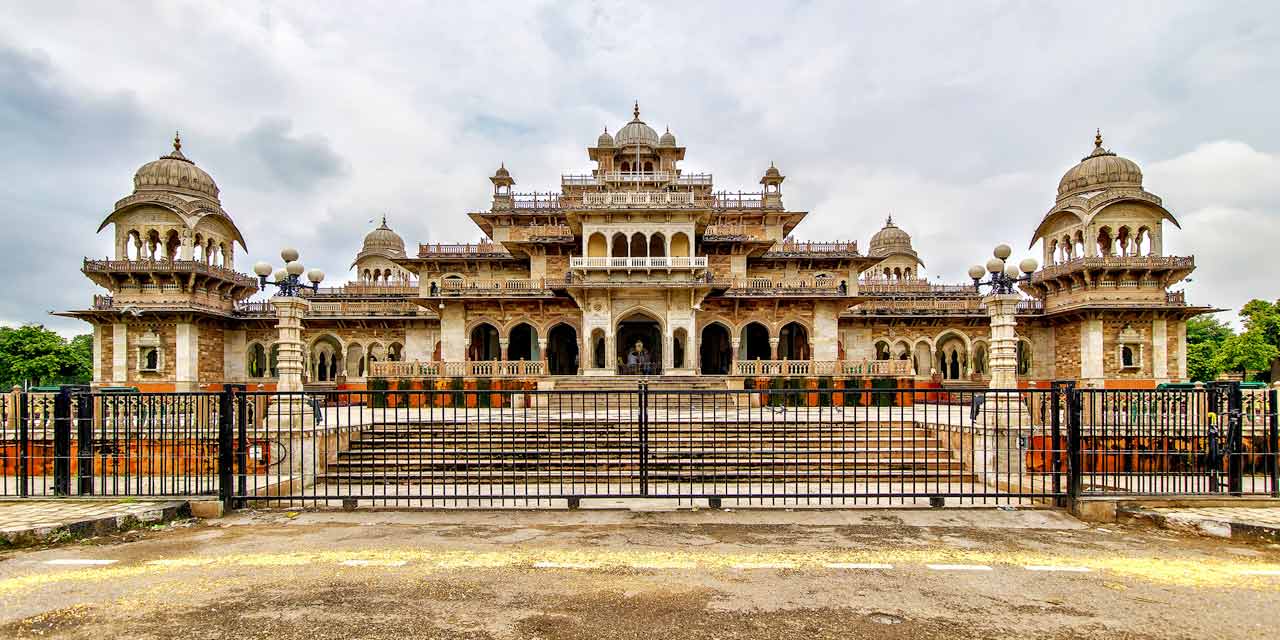
Albert Hall Museum
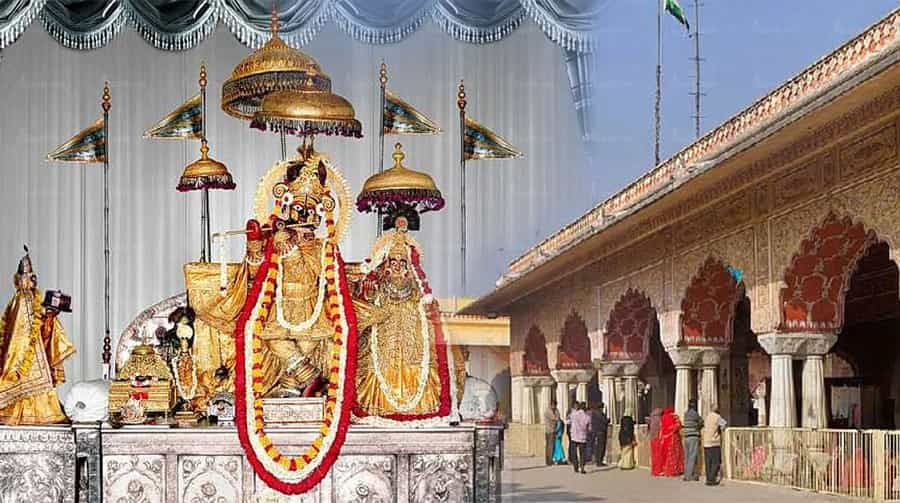
Shri Govind Dev Ji Temple
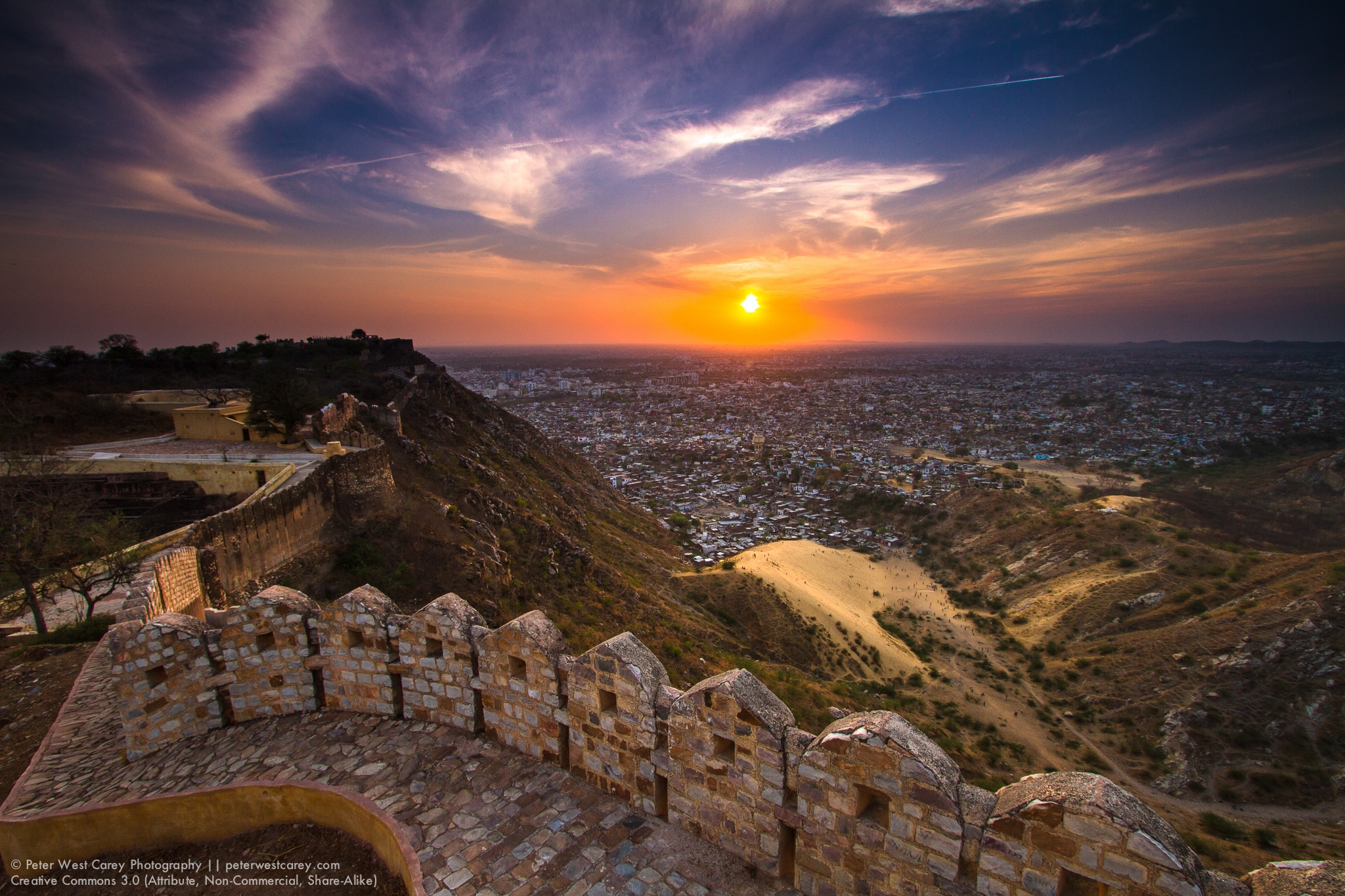
Nahargarh Fort
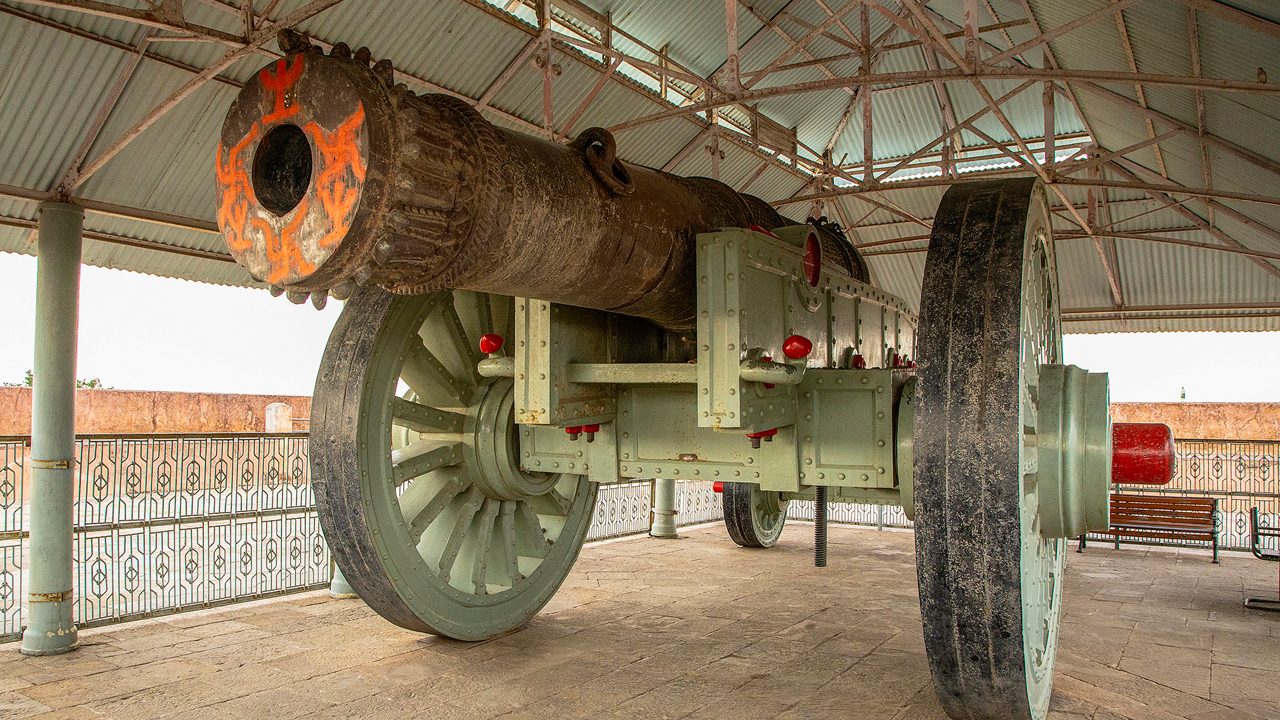
Jaigarh Fort
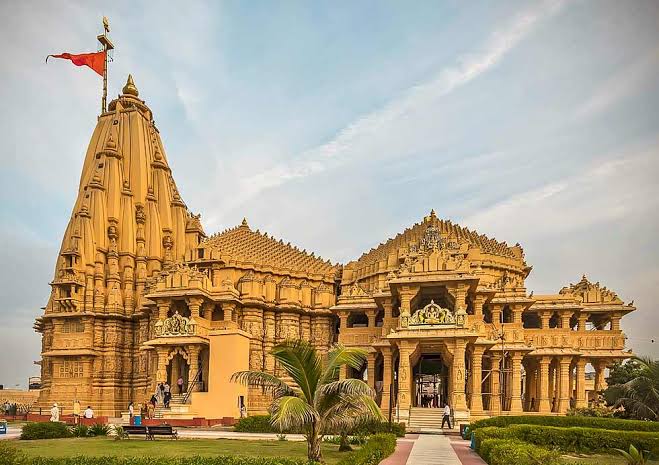
Somnath Temple
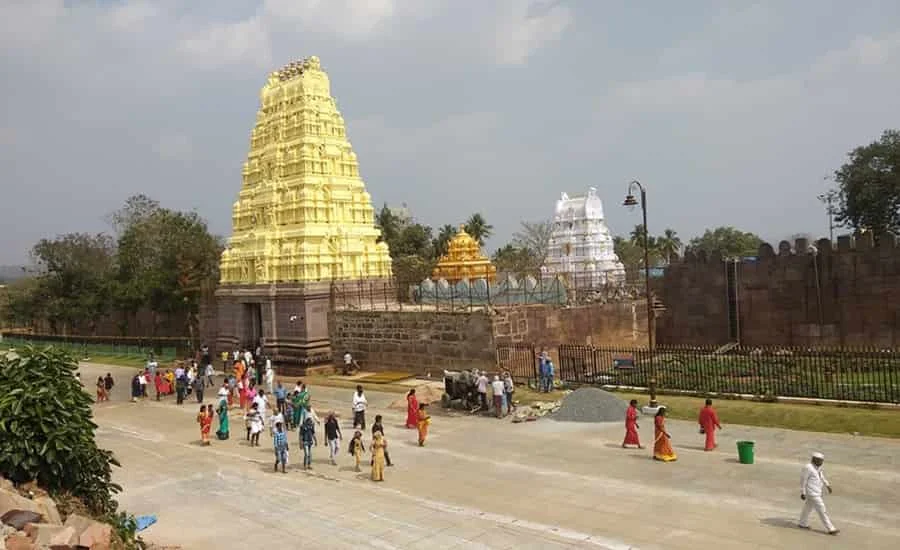
Mallikarjuna Temple
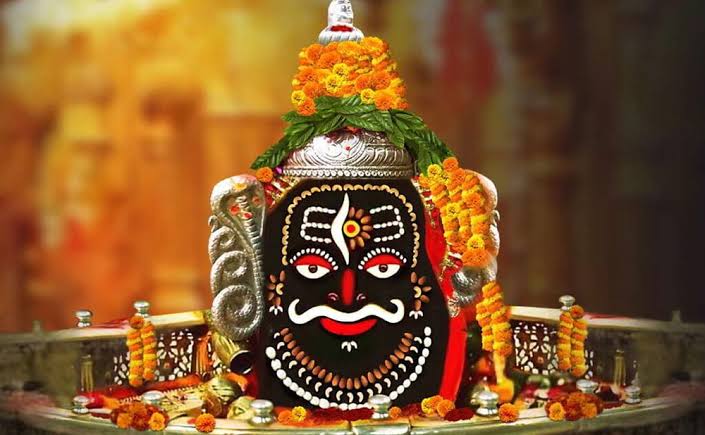
Mahakaleshwar Temple
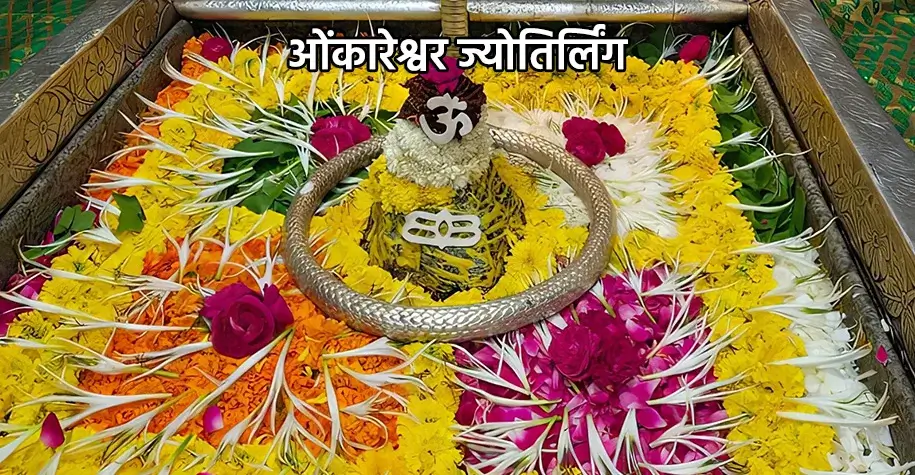
Omkareshwar Temple
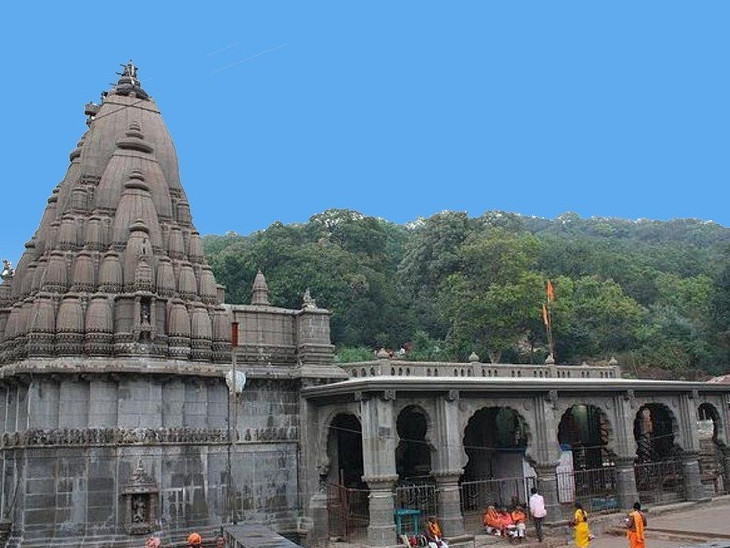
Bhimashankar Temple
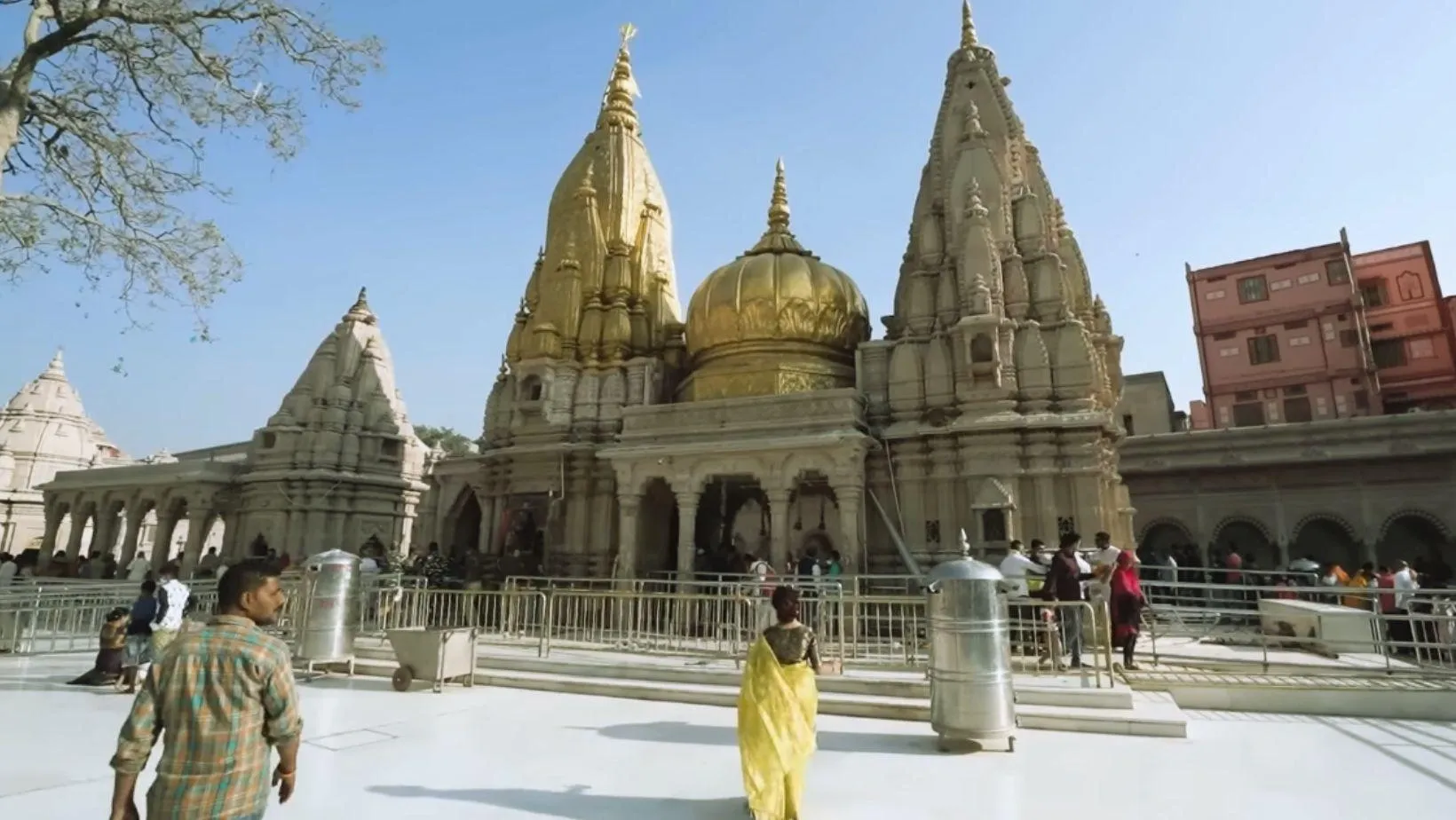
Kashi Vishwanath Temple
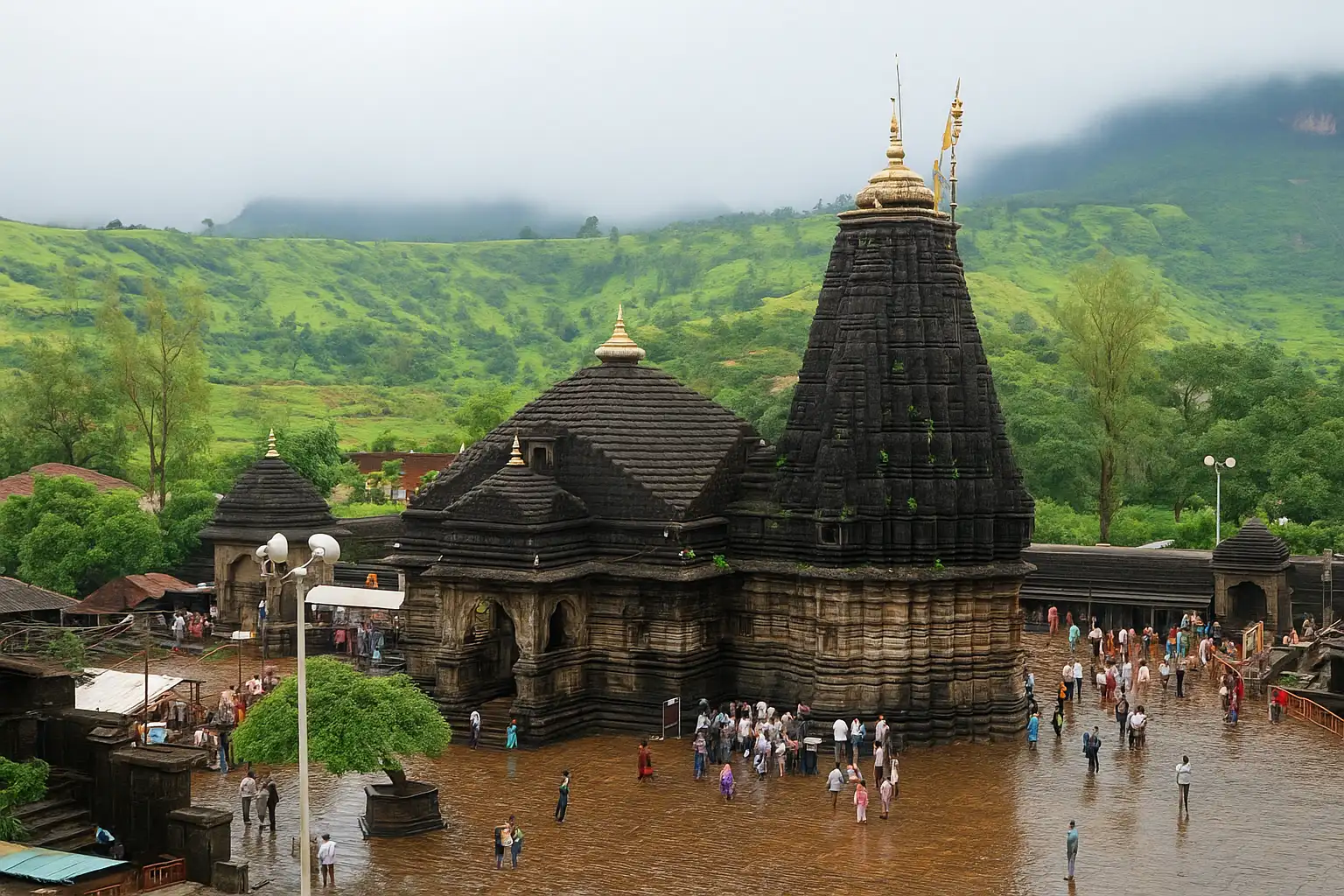
Trimbakeshwar Temple
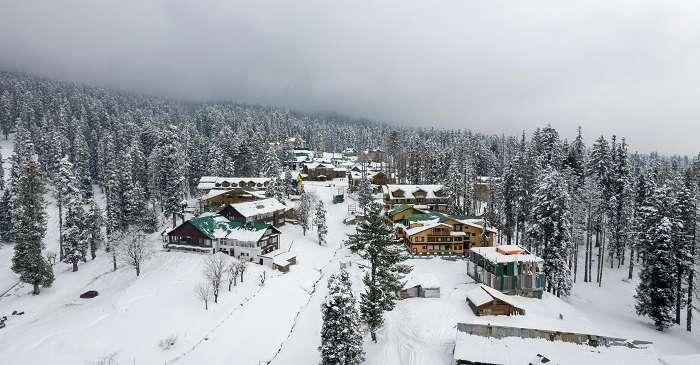
Harshil Valley
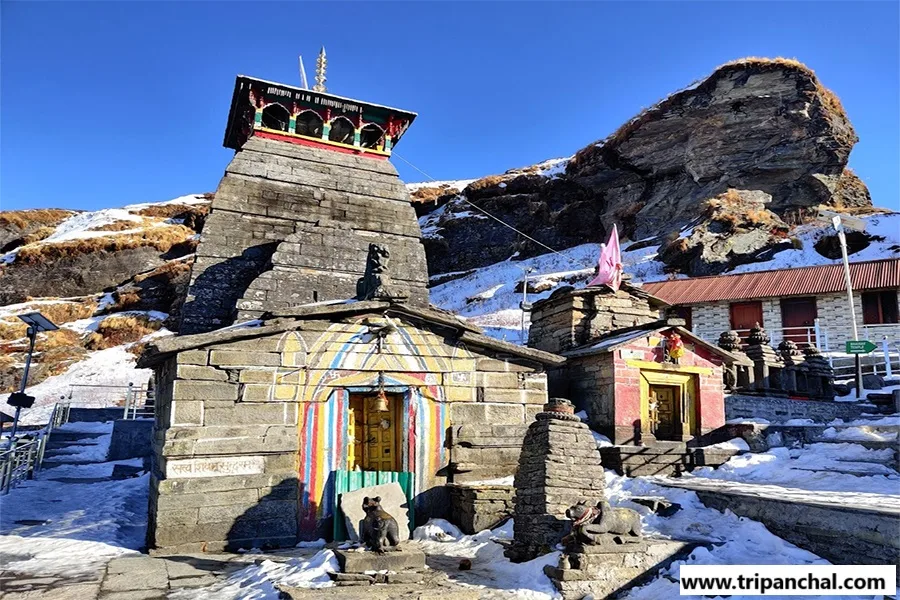
Tungnath Temple
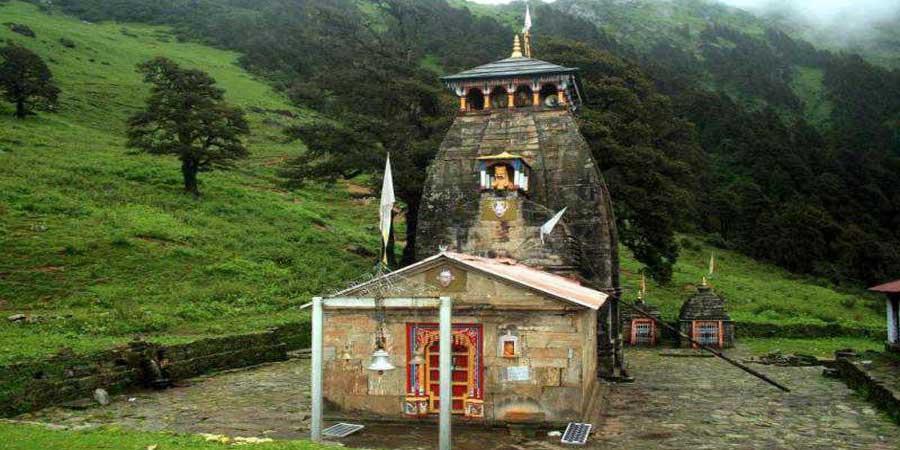
Madhyamaheshwar Temple
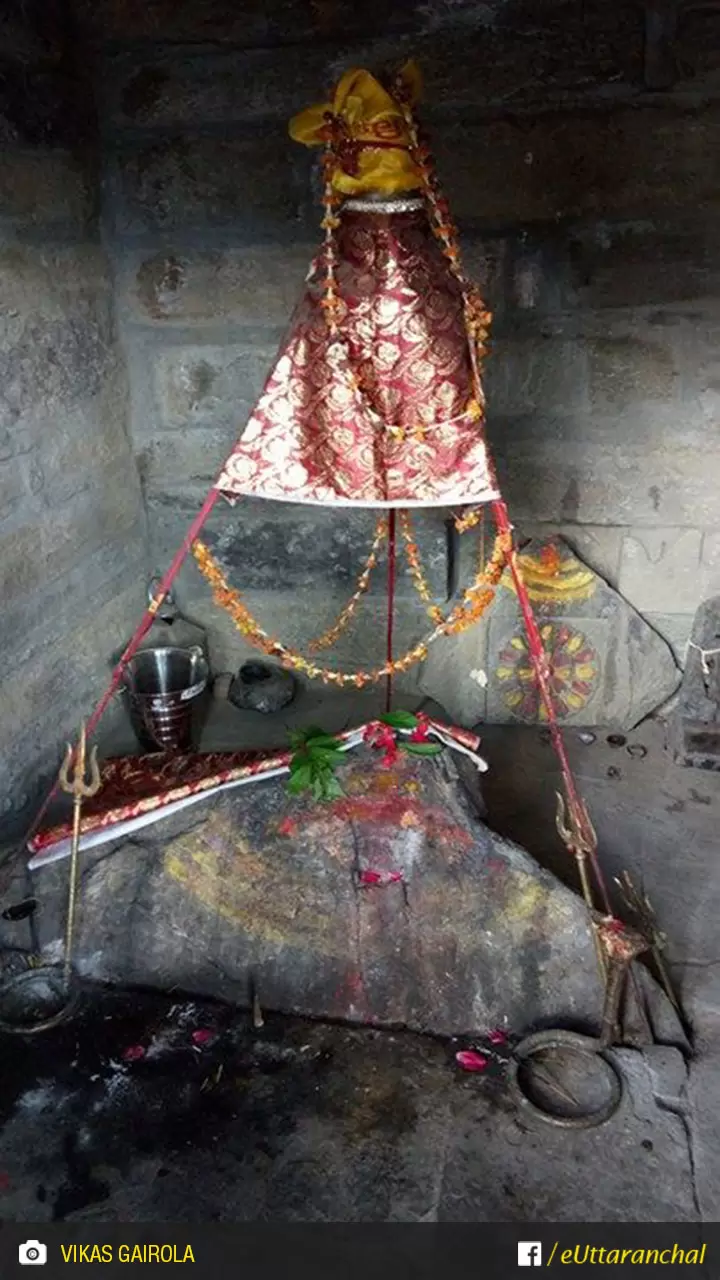
Kalpeshwar Mahadev Temple
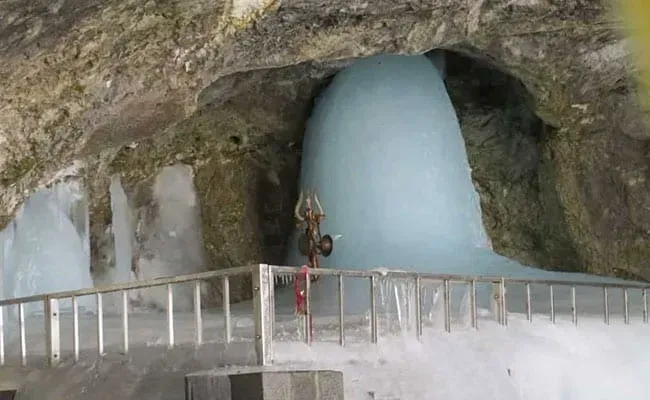
Amarnath
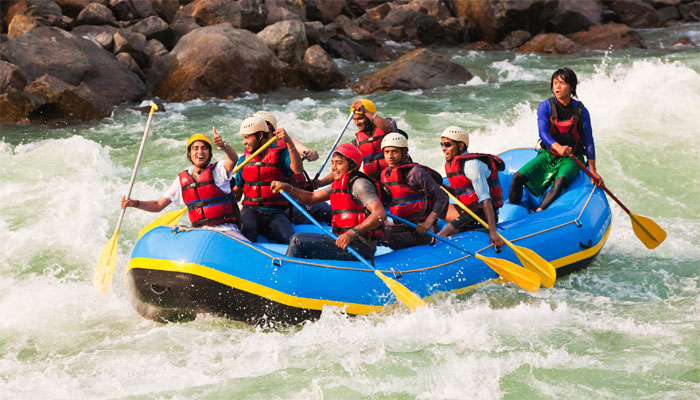
River Rafting in Rishikesh

River Rafting in Manali
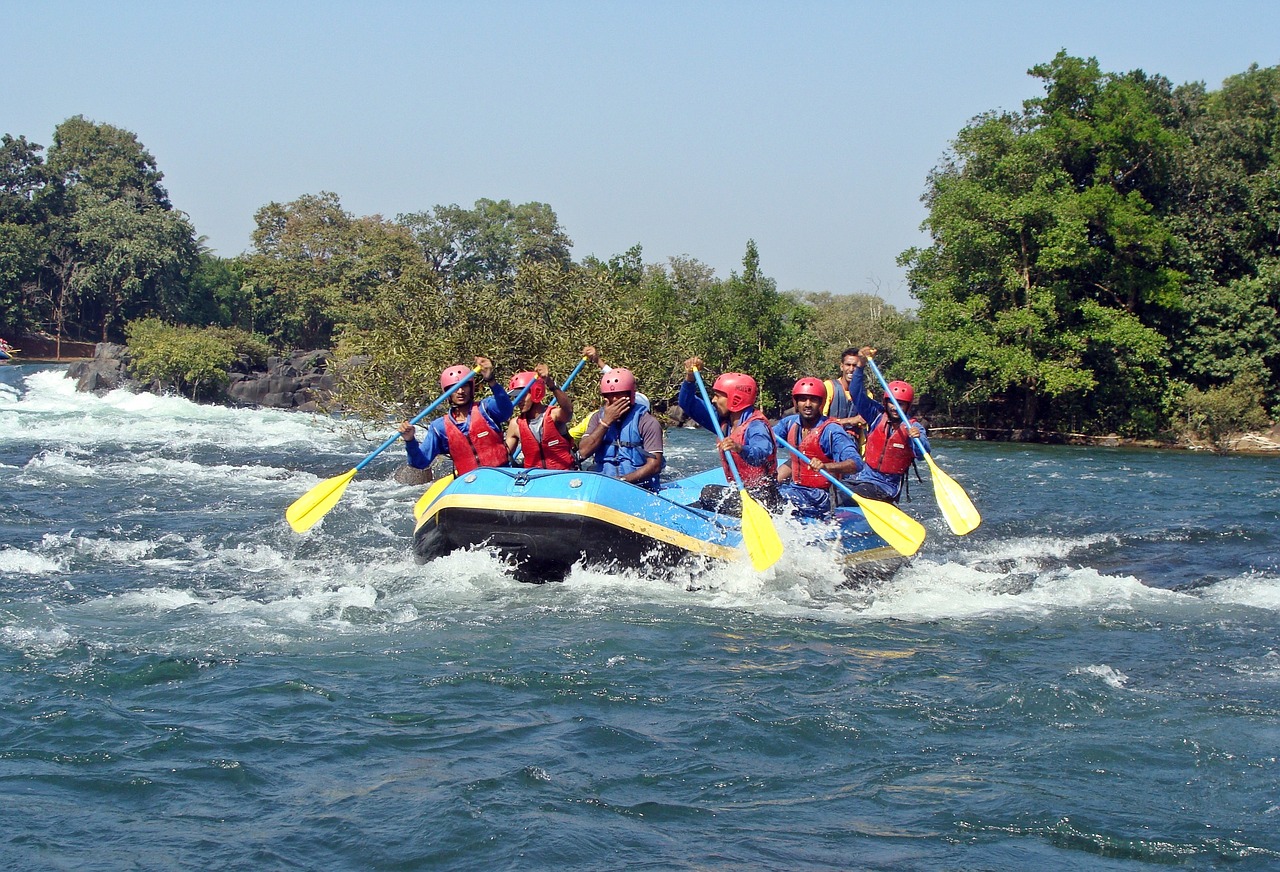
River Rafting in Kolad
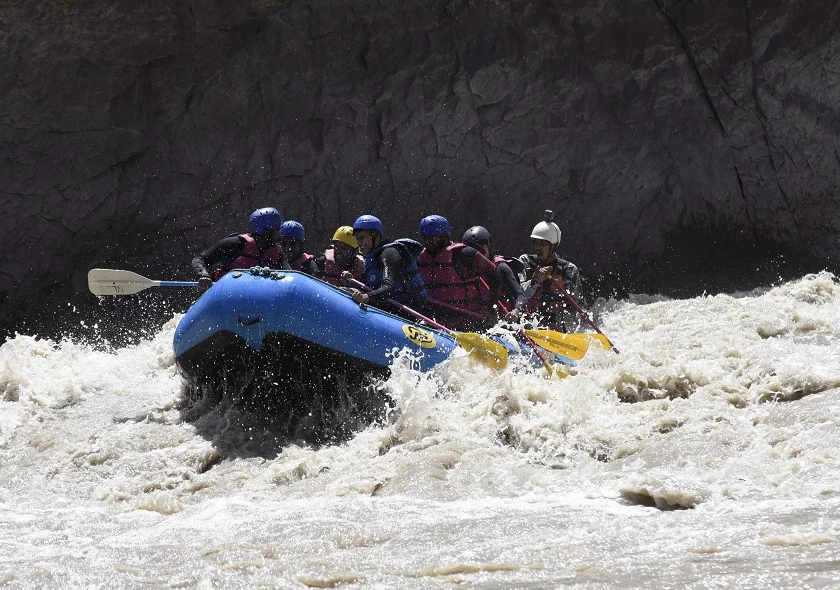
River Rafting in Zanskar

River Rafting in Teesta River

River Rafting in Kameng River
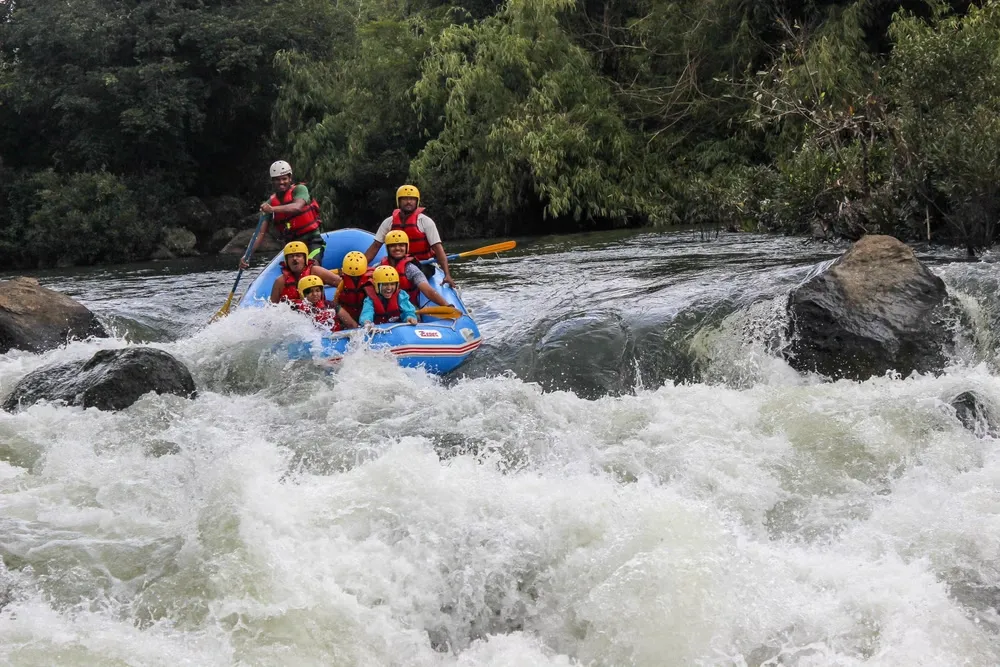
River Rafting in Barapole River
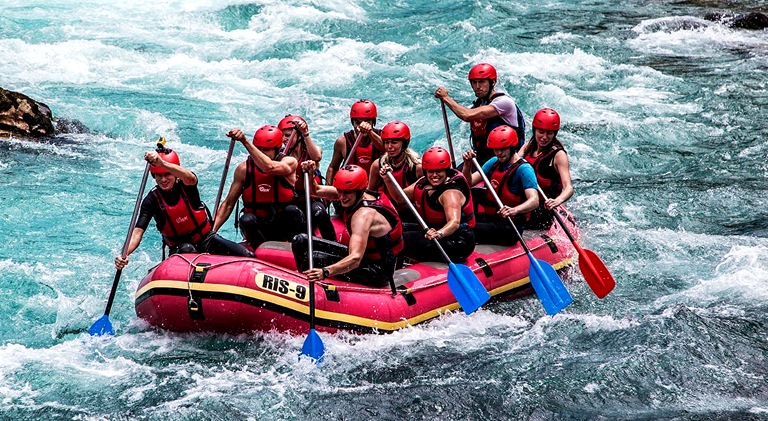
River Rafting in Alaknanda River

Skydiving in Mysore

Skydiving in Dhana, Madhya Pradesh
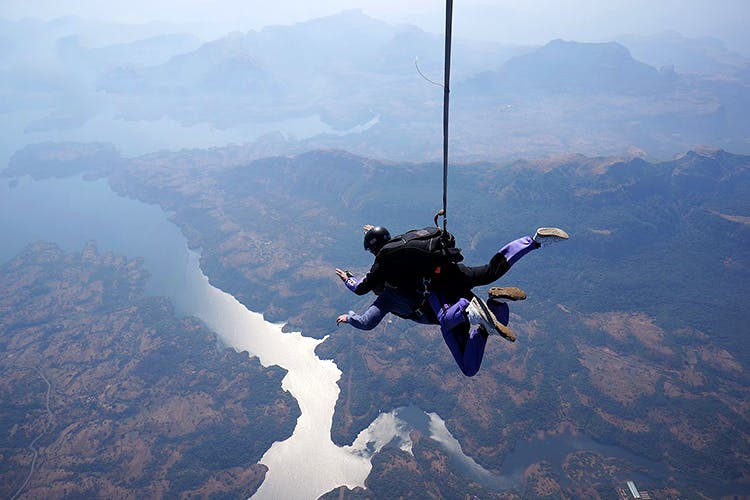
Skydiving in Aamby Valley, Maharashtra
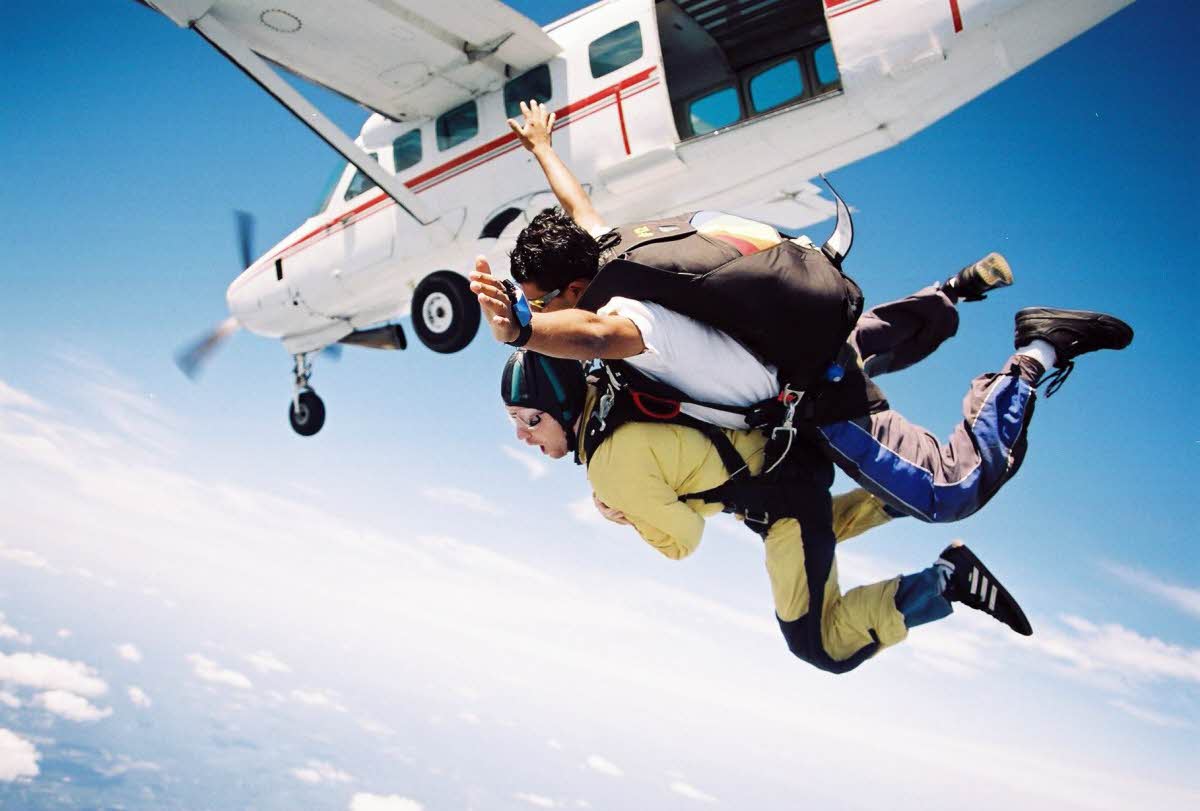
Skydiving in Deesa, Gujarat

Skydiving in Narnaul, Haryana

Skydiving in Pondicherry

Scuba Diving in Andaman & Nicobar Islands

Scuba Diving in Lakshadweep

Scuba Diving in Goa

Scuba Diving in Pondicherry

Scuba Diving in Netrani Island (Karnataka)

Scuba Diving in Tarkarli (Maharashtra)
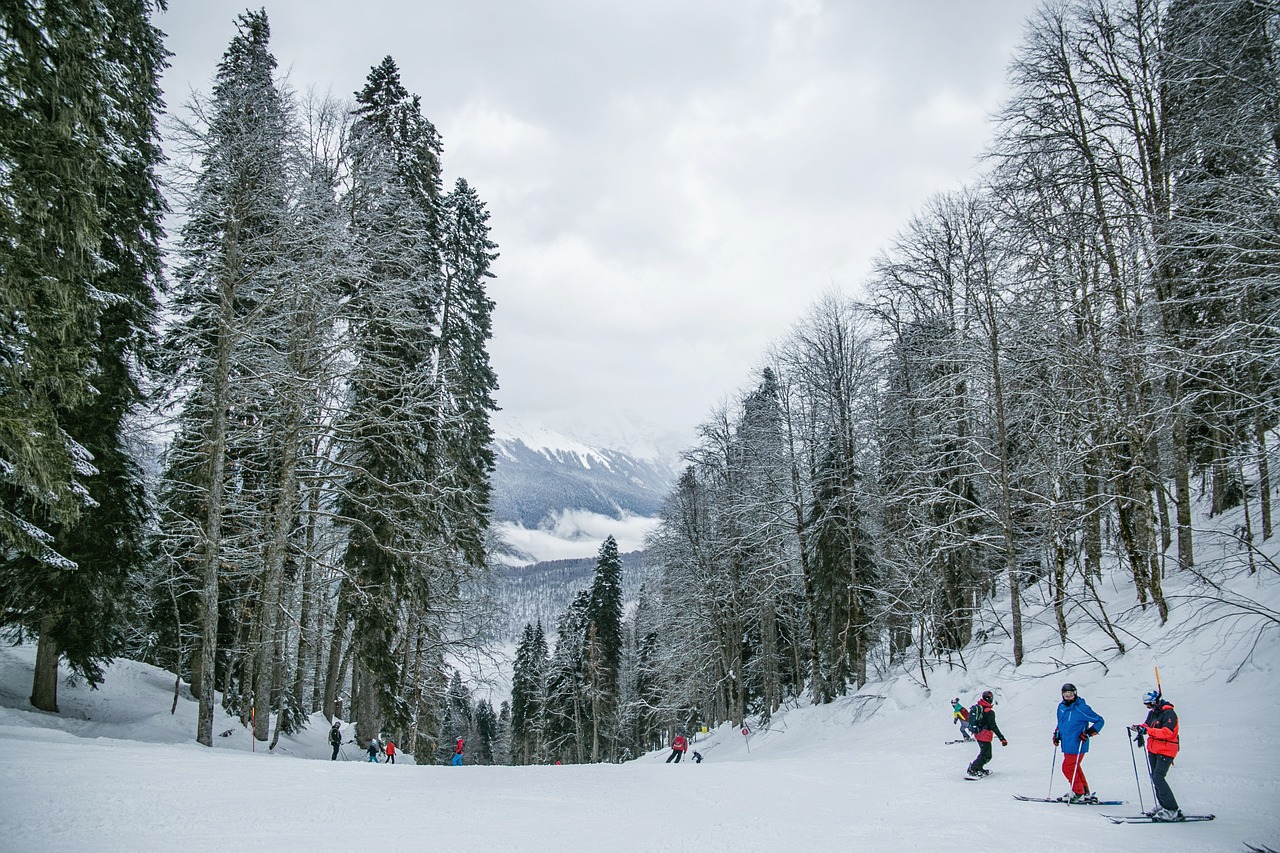
Skiing in Gulmarg

Skiing in Auli
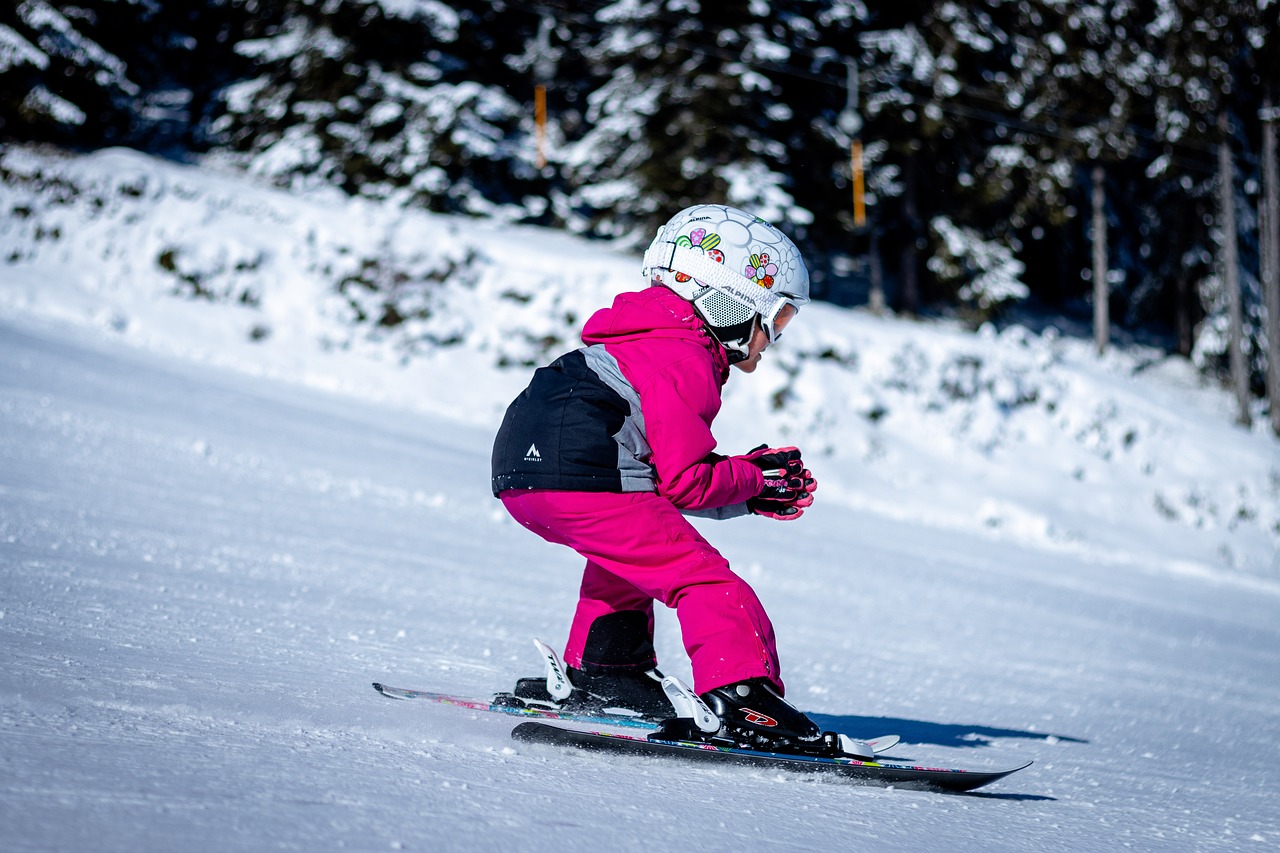
Skiing in Solang
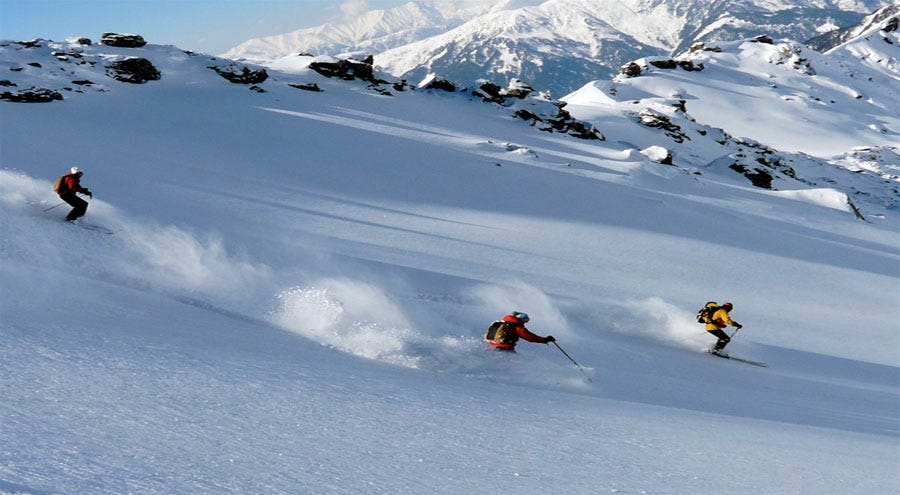
Skiing in Kufri
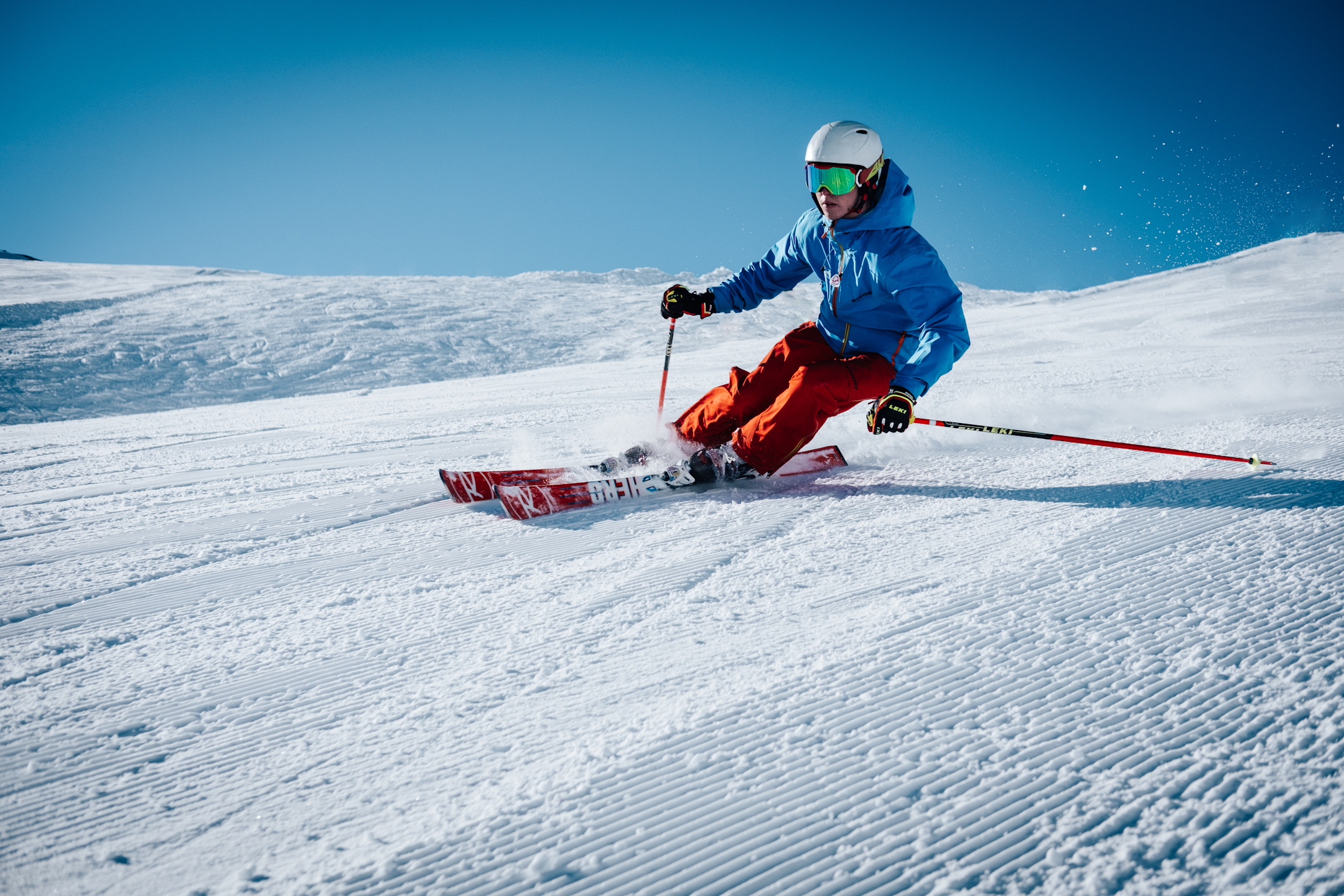
Skiing in Narkanda
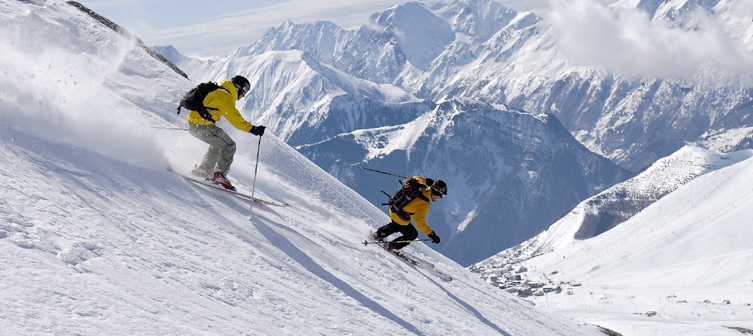
Skiing in Munsiyari
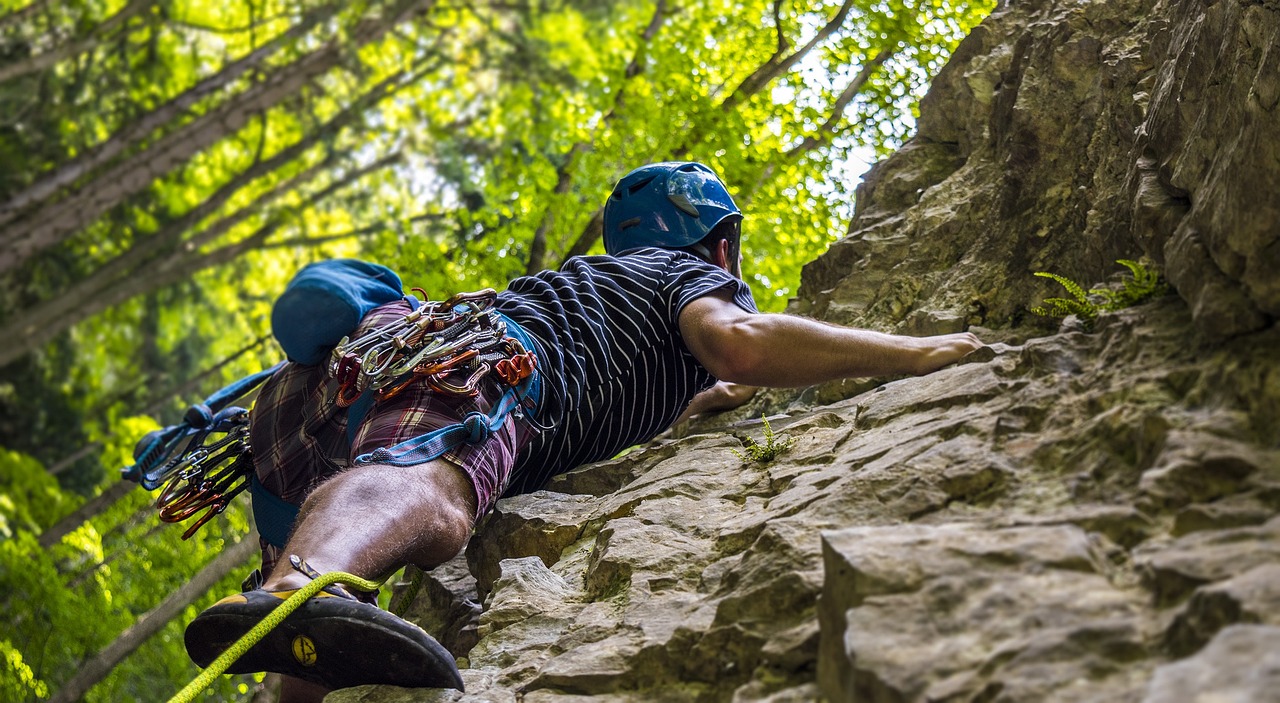
Rock Climbing in Manali
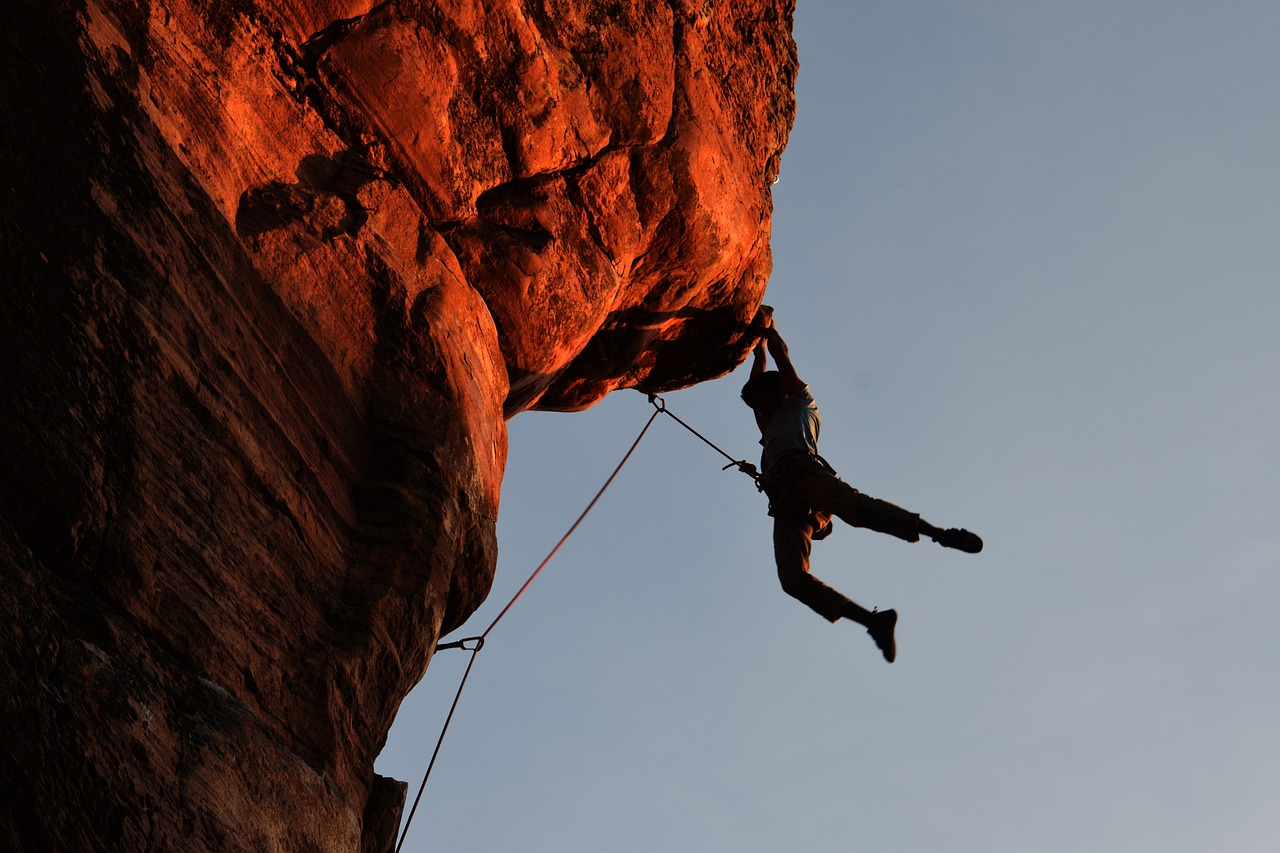
Rock climbing in Badami (Karnataka)
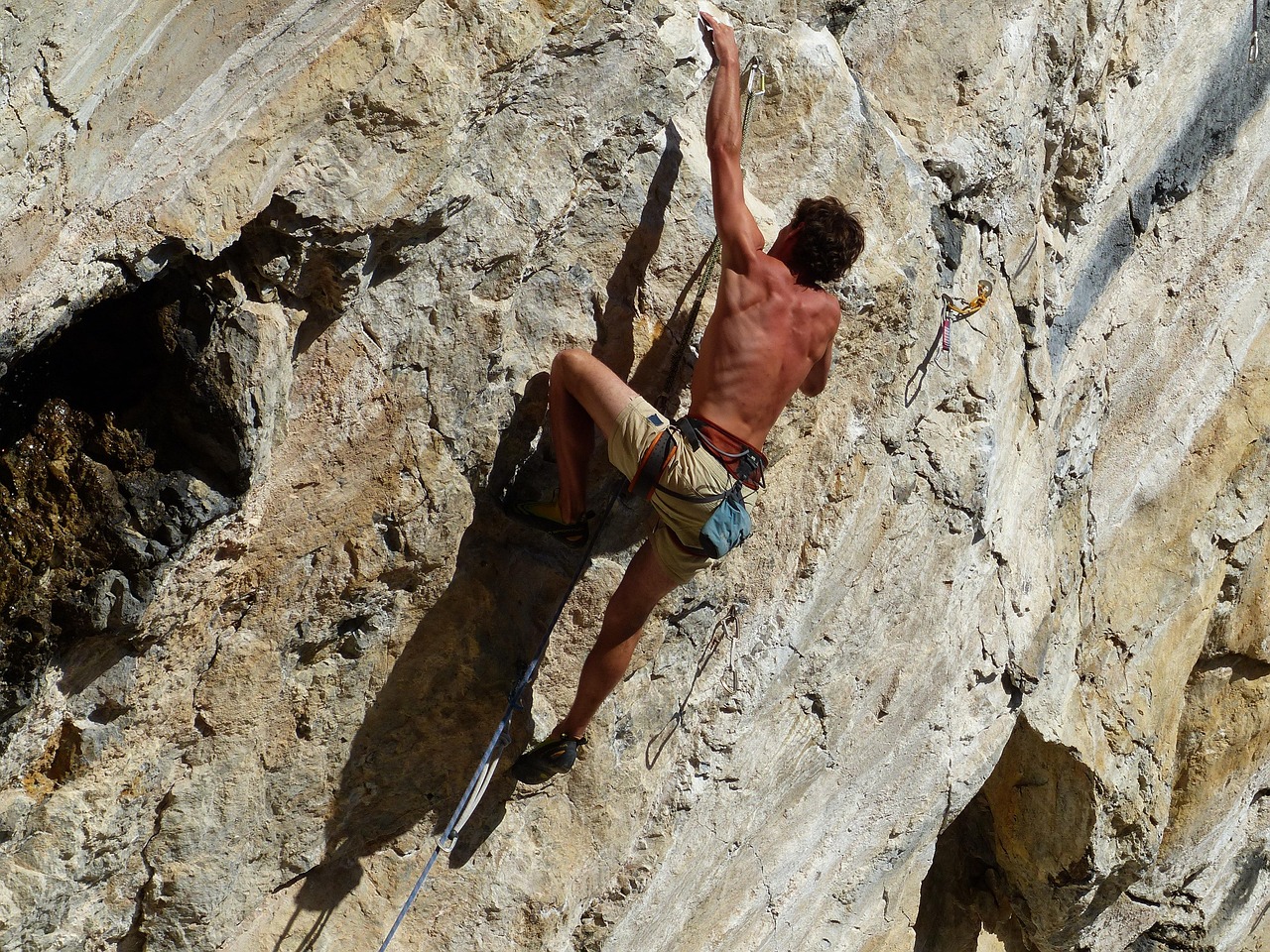
Rock climbing in Vijayapura (Karnataka)
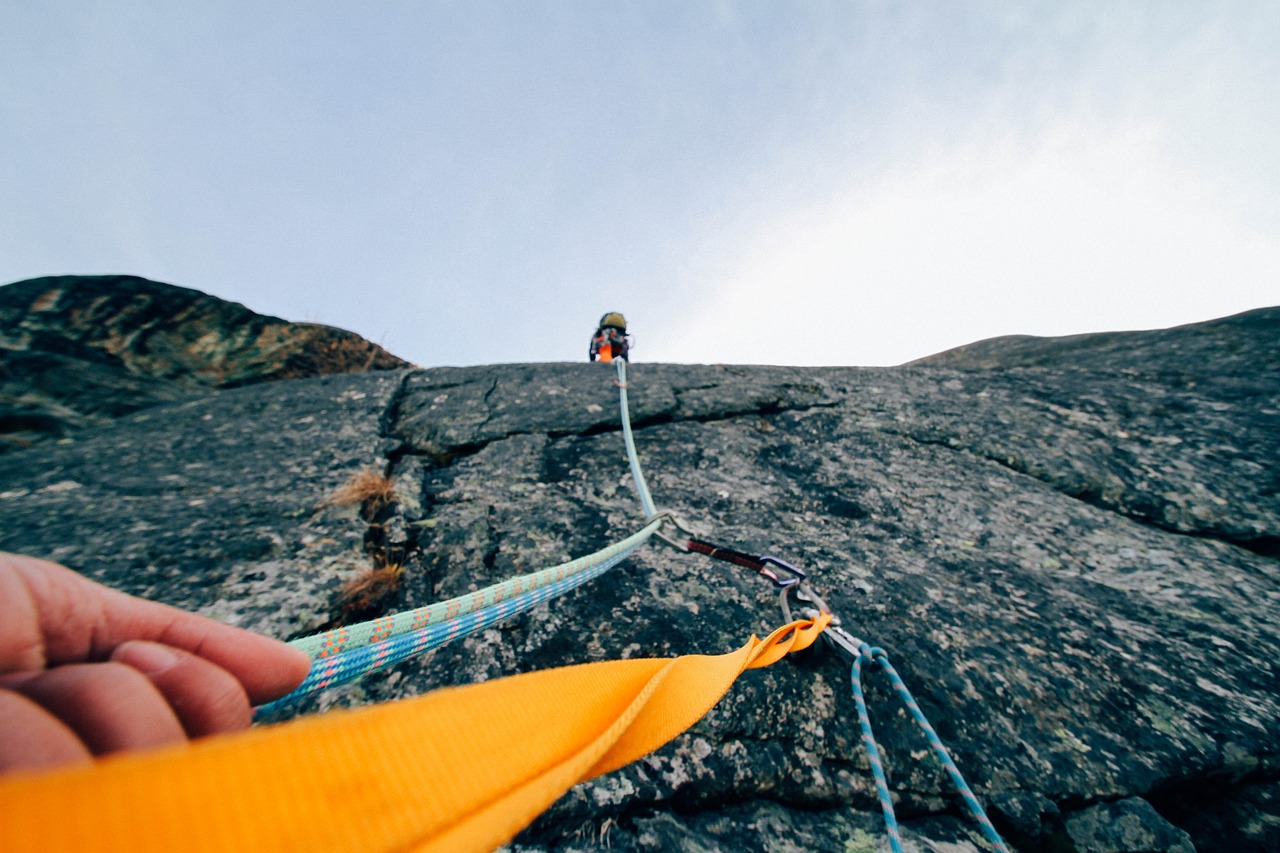
Rock climbing in Boulder Hills (Hyderabad)
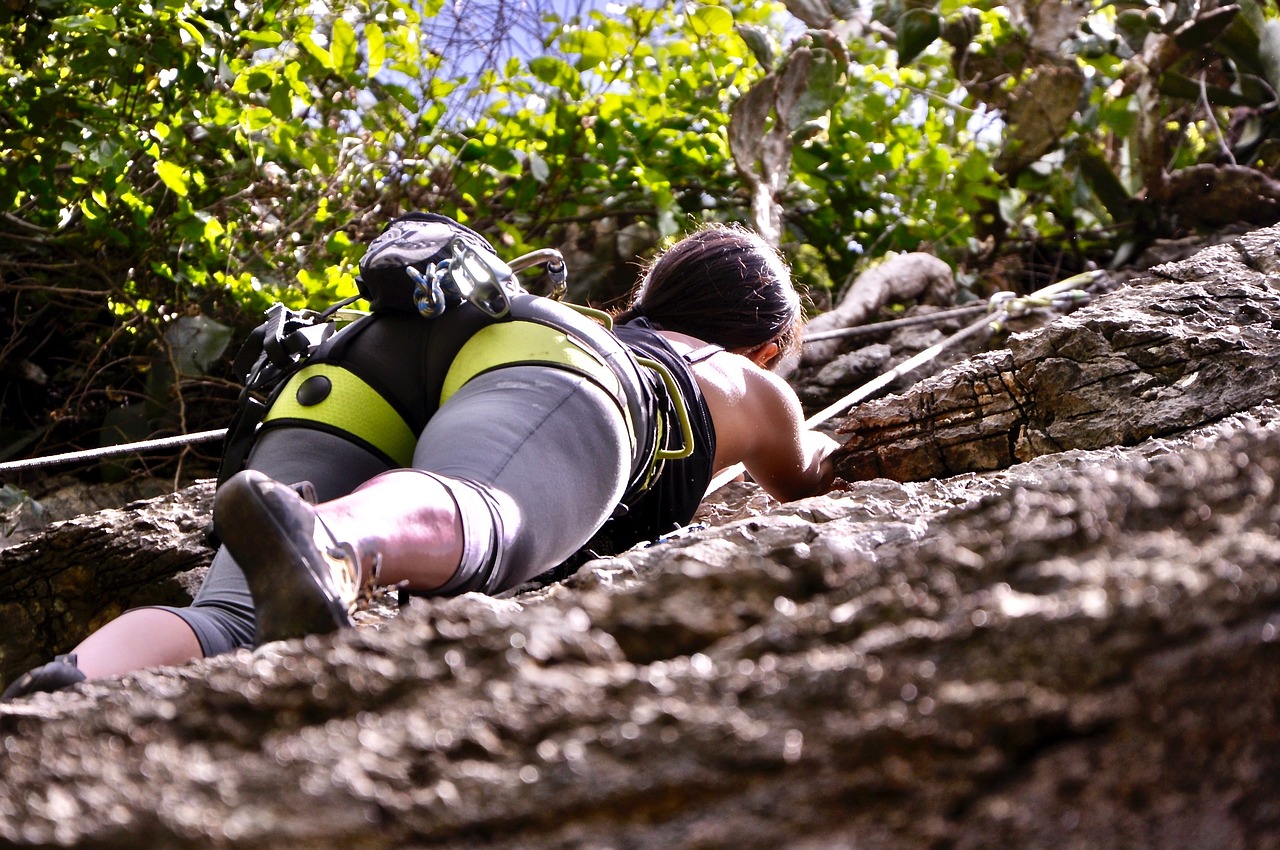
Rock climbing in Nainital
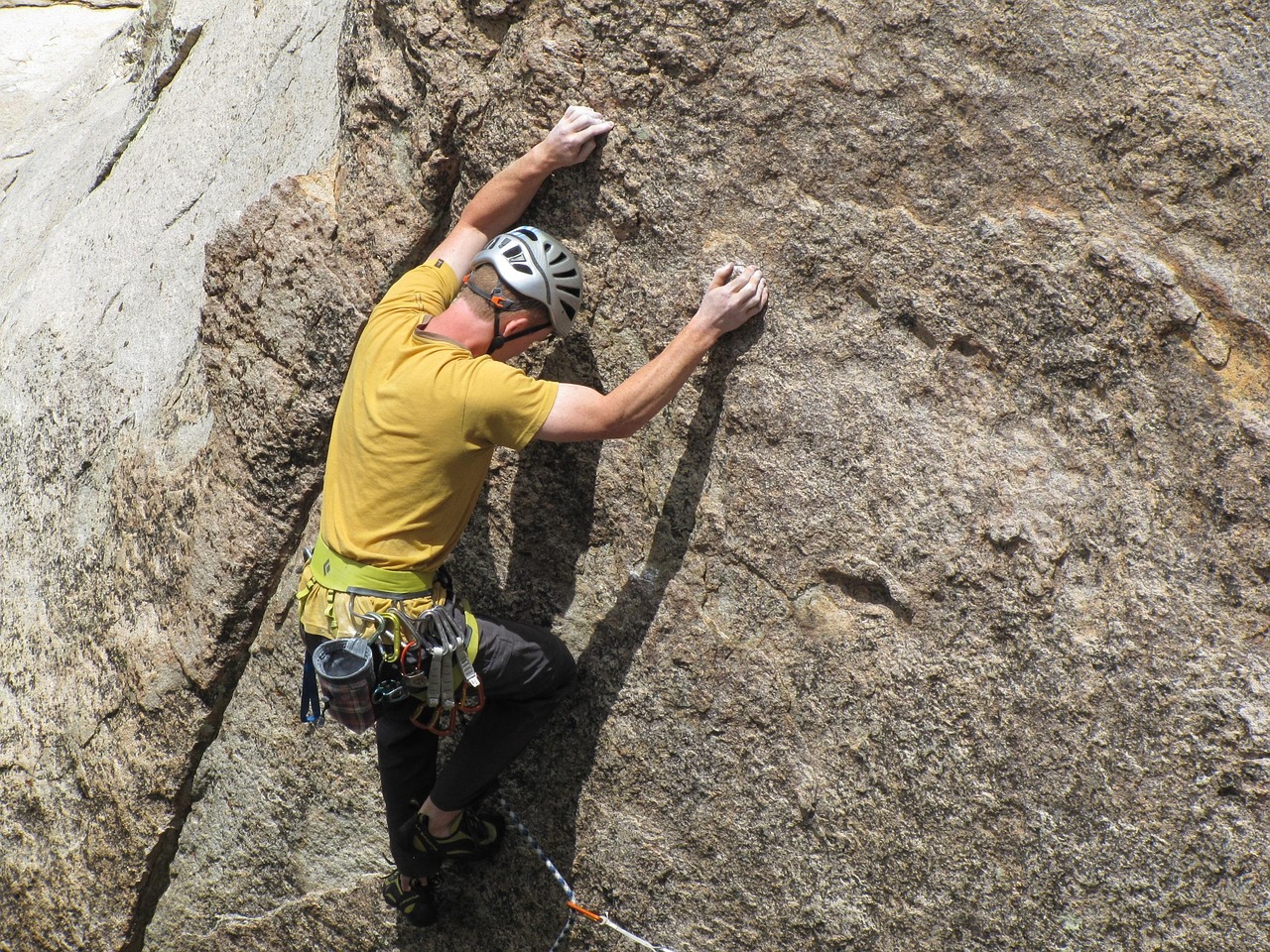
Rock climbing in Hampi (Karnataka)
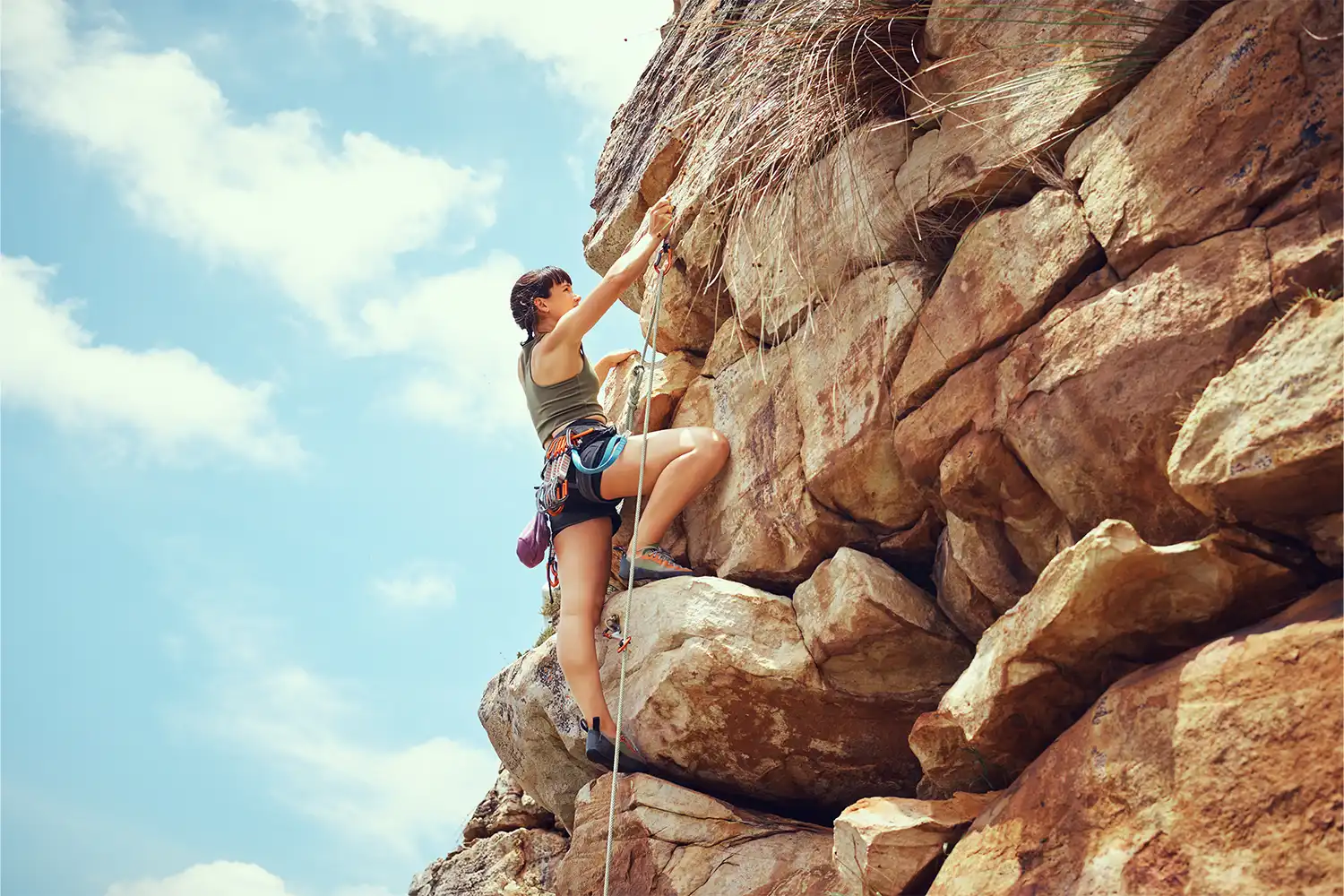
Rock climbing in Aravalli Range (Rajasthan)
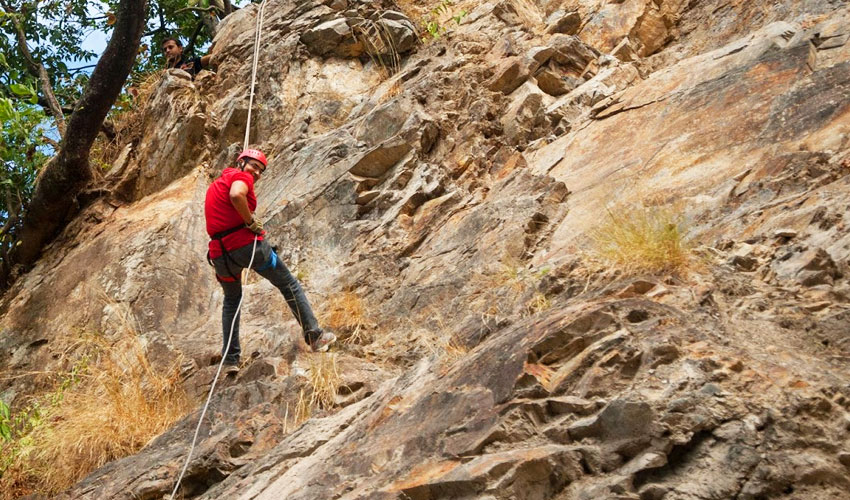
Rock climbing in Rishikesh
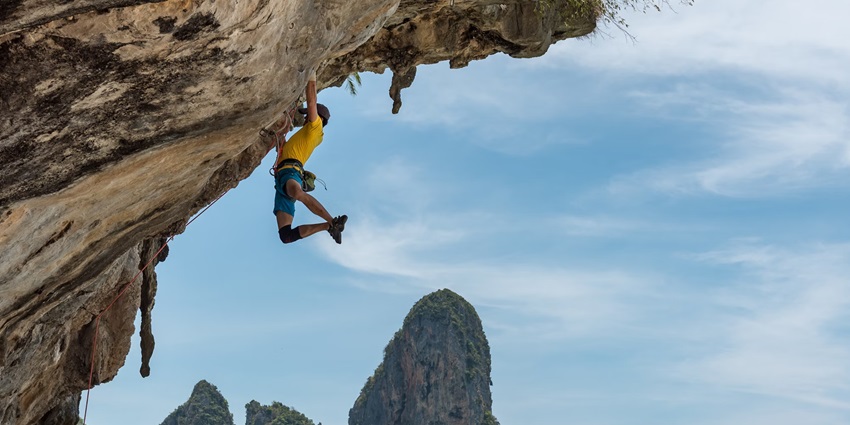
Rock climbing on Shey Rock (Ladakh)
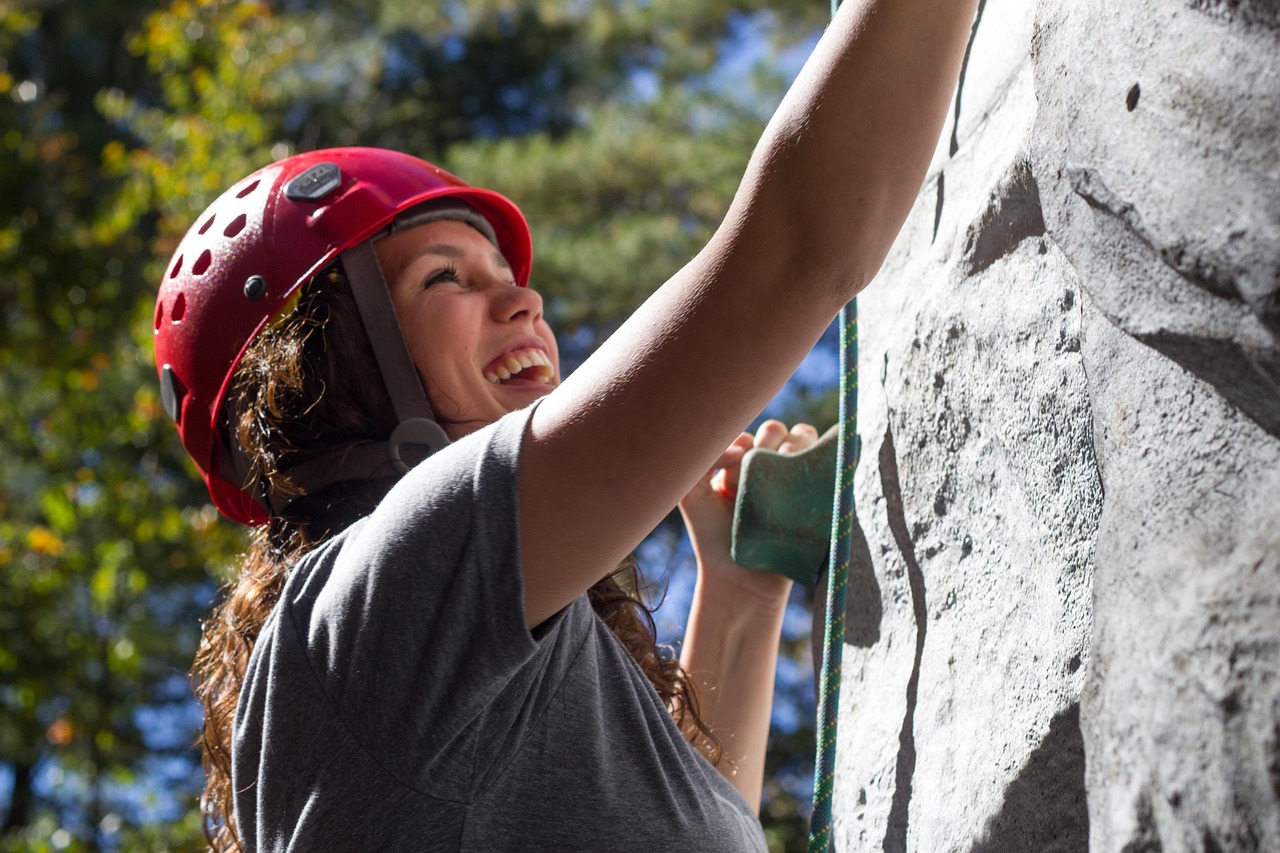
Rock climbing in Pune
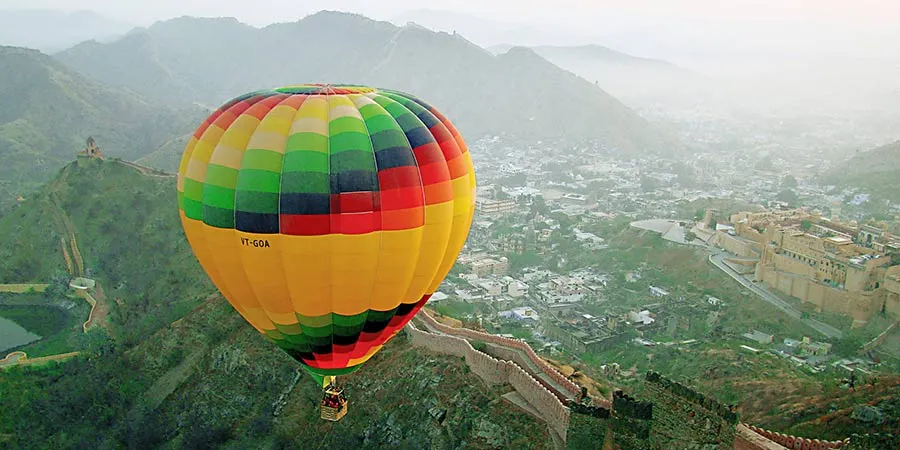
Hot Air Balloon Ride in Jaipur
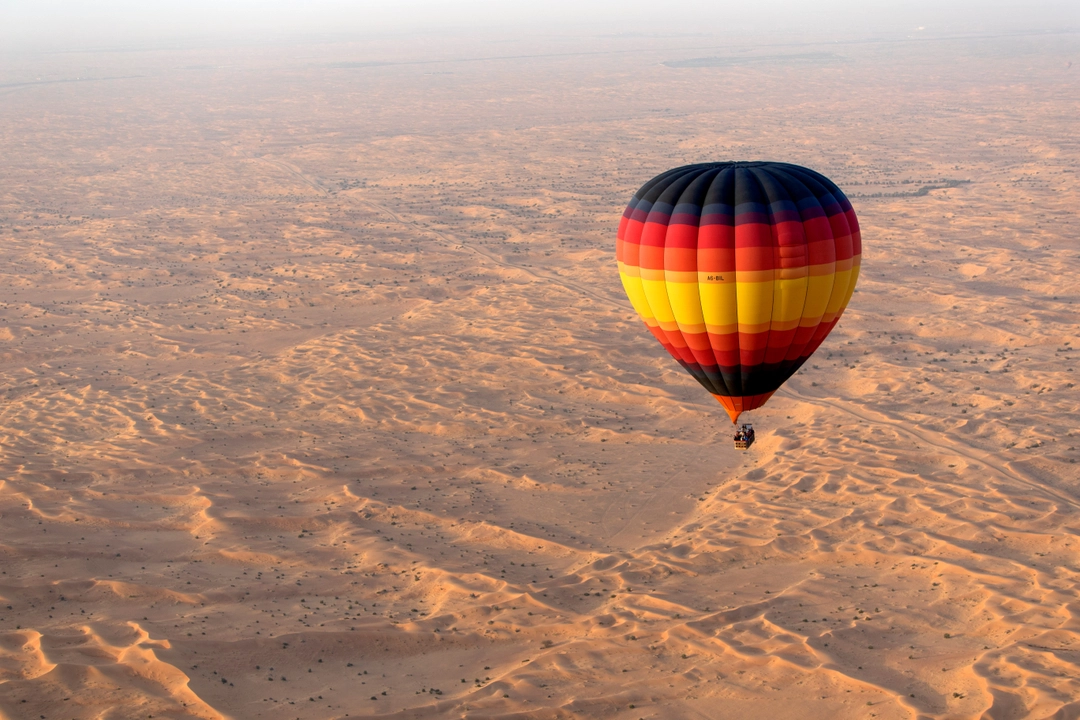
Hot Air Balloon Ride in Pushkar
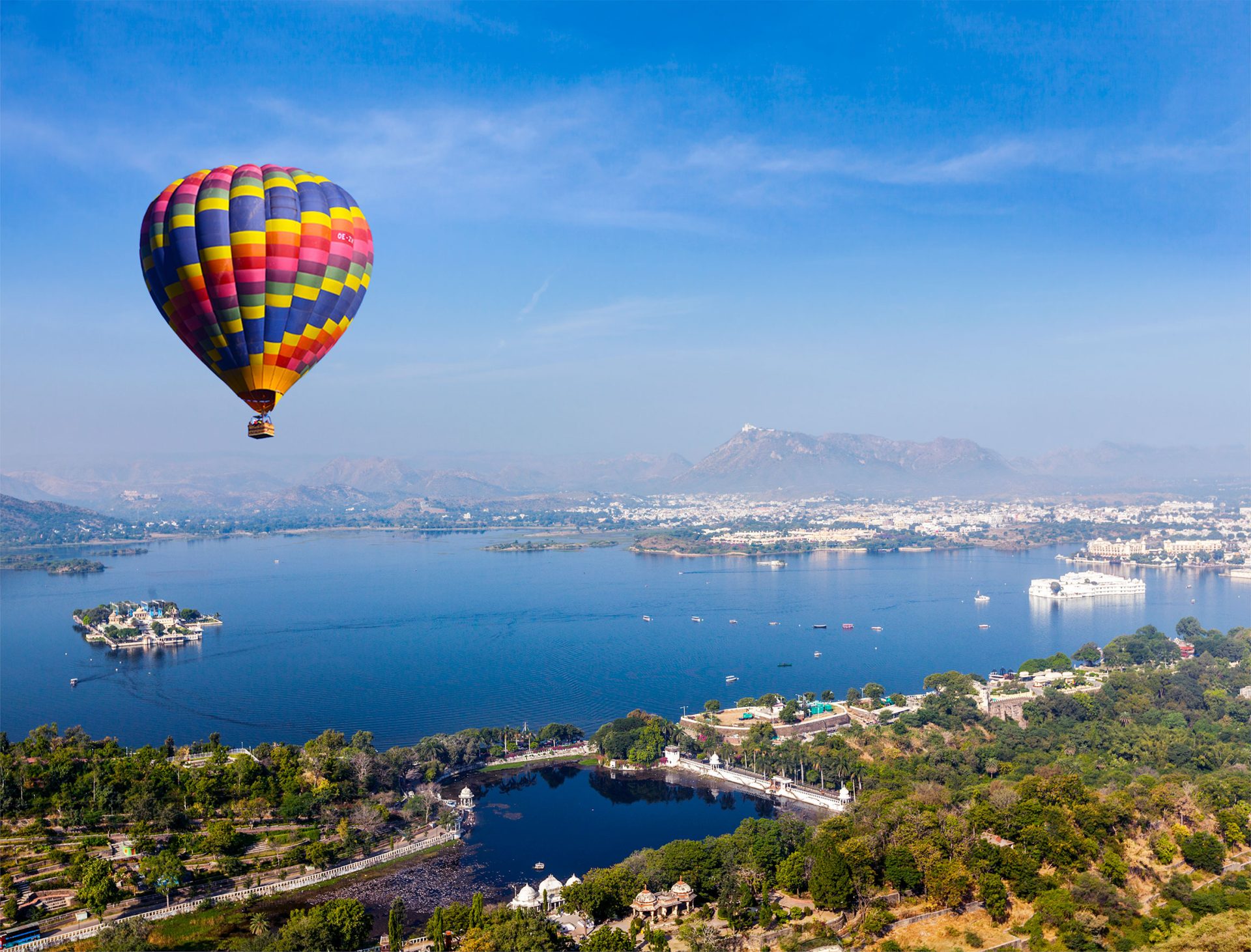
Hot Air Balloon Ride in Udaipur
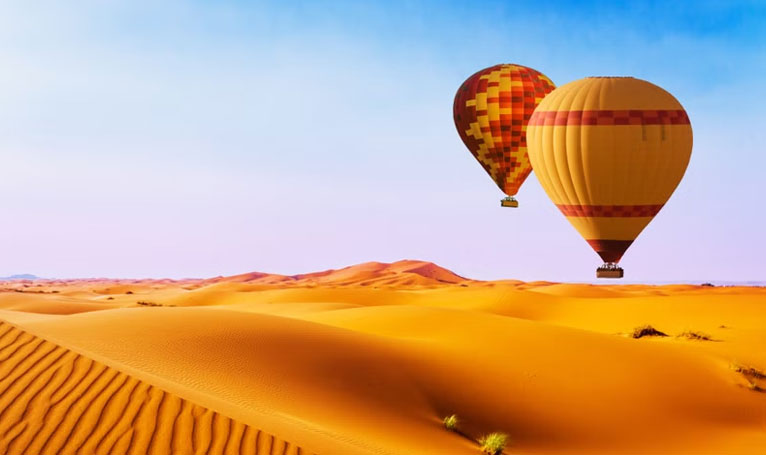
Hot Air Balloon Ride in Jaisalmer
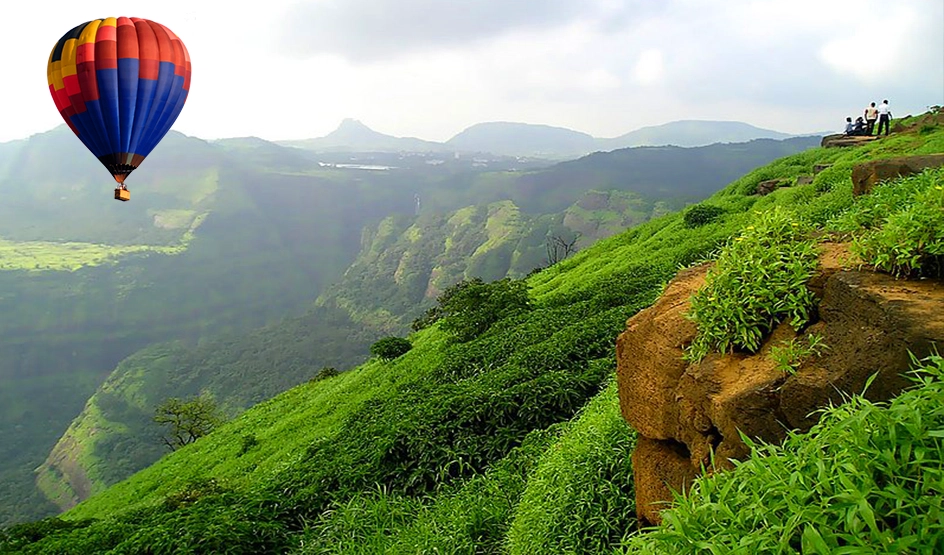
Hot Air Balloon Ride in Lonavala
Hot air balloon ride in Mysore
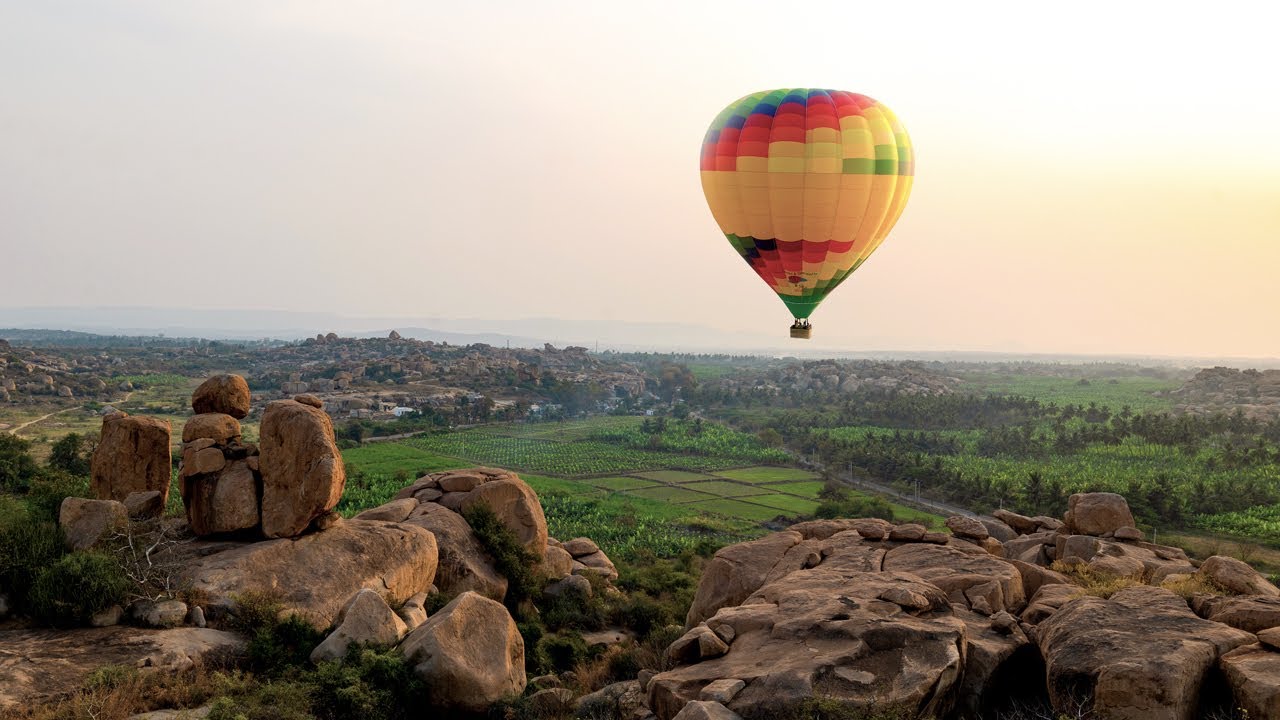
Hot air balloon ride in Hampi
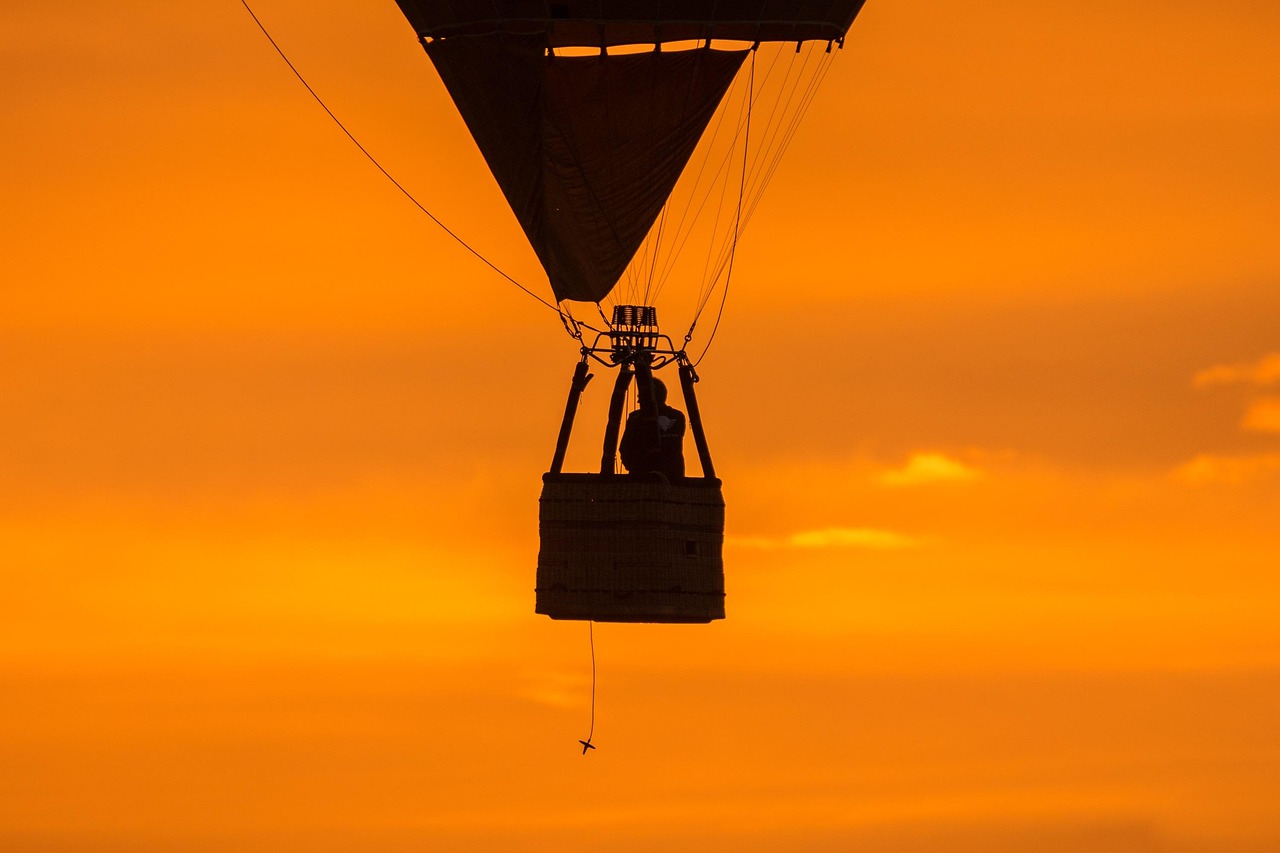
Hot air balloon ride in Nainital
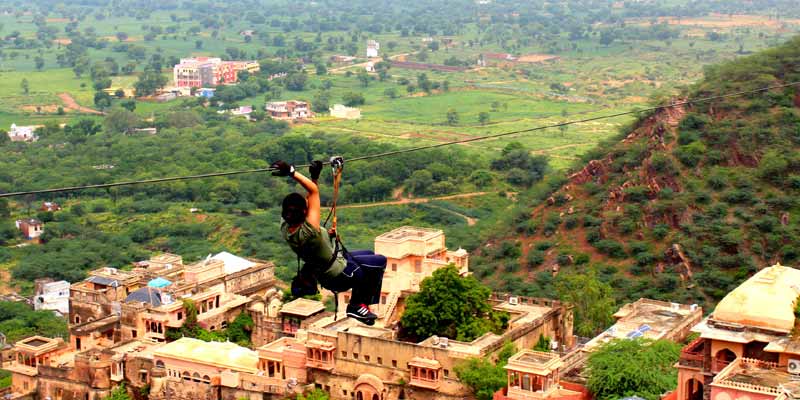
Zip Line ride in Neemrana
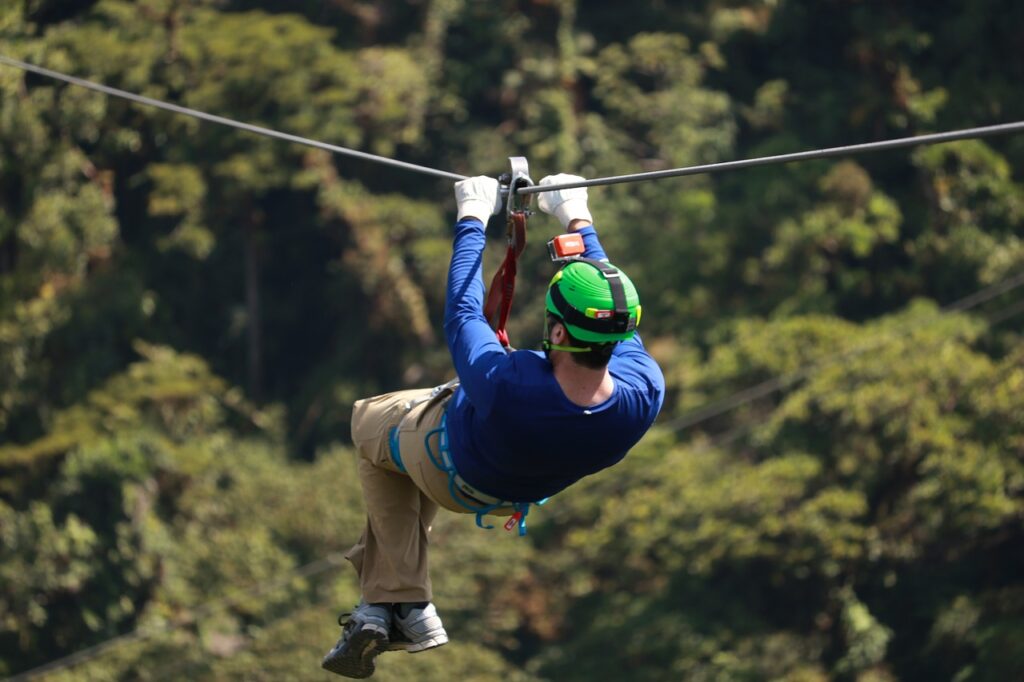
Kikar Lodge Zip Line
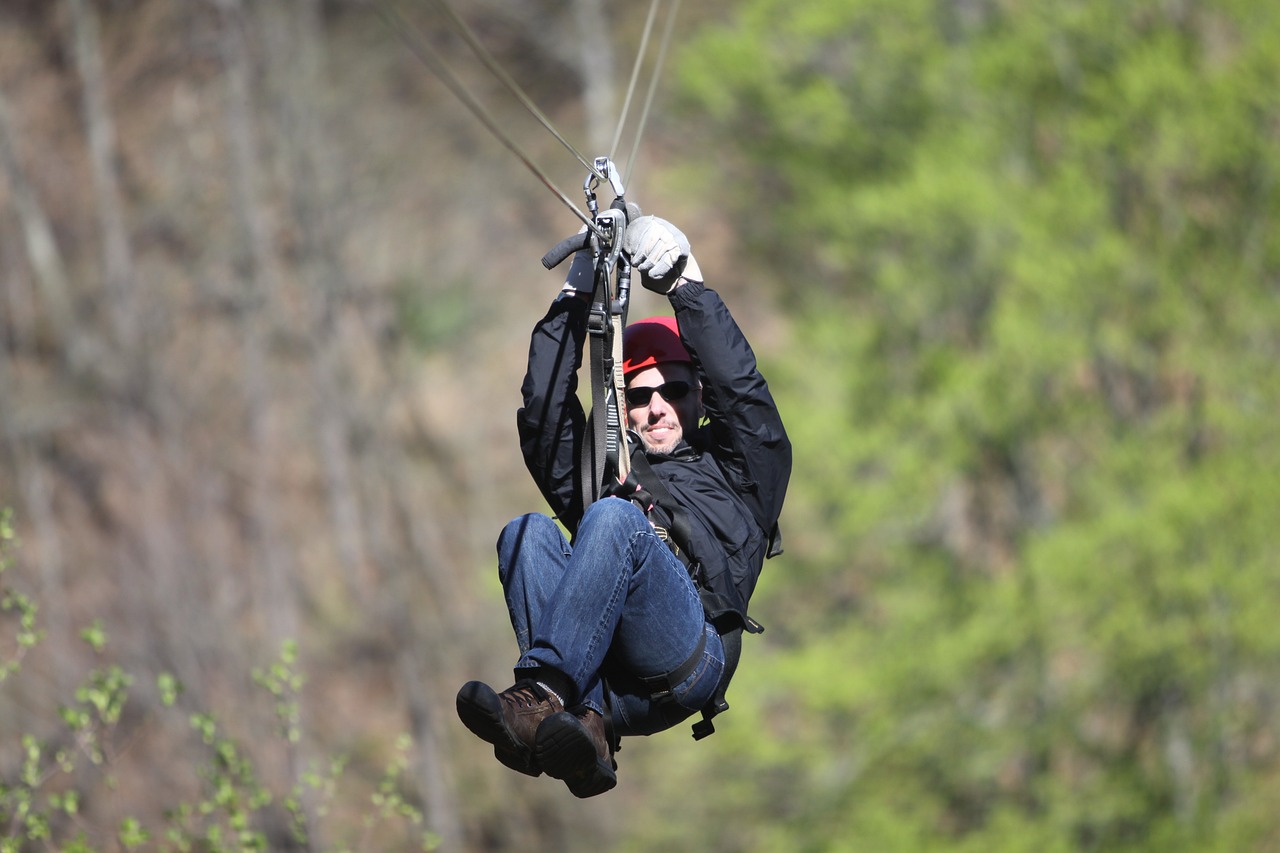
Zip Line ride in Rishikesh
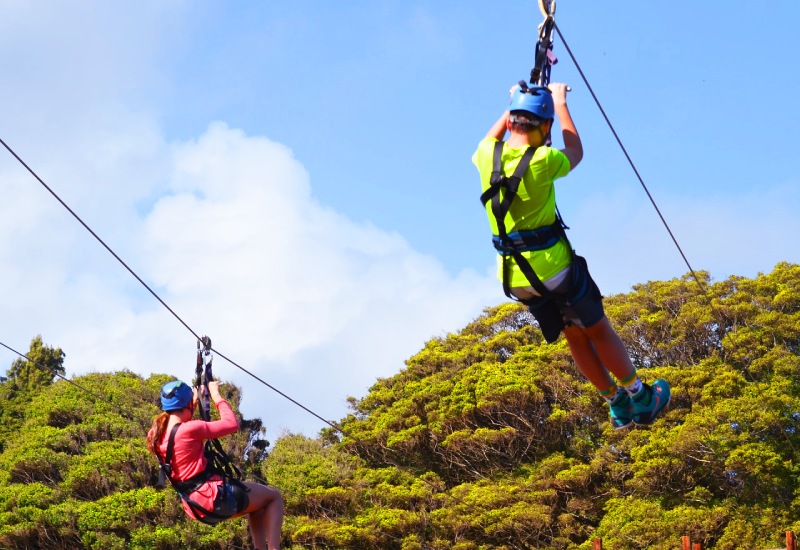
Zip Line ride in Mussoorie
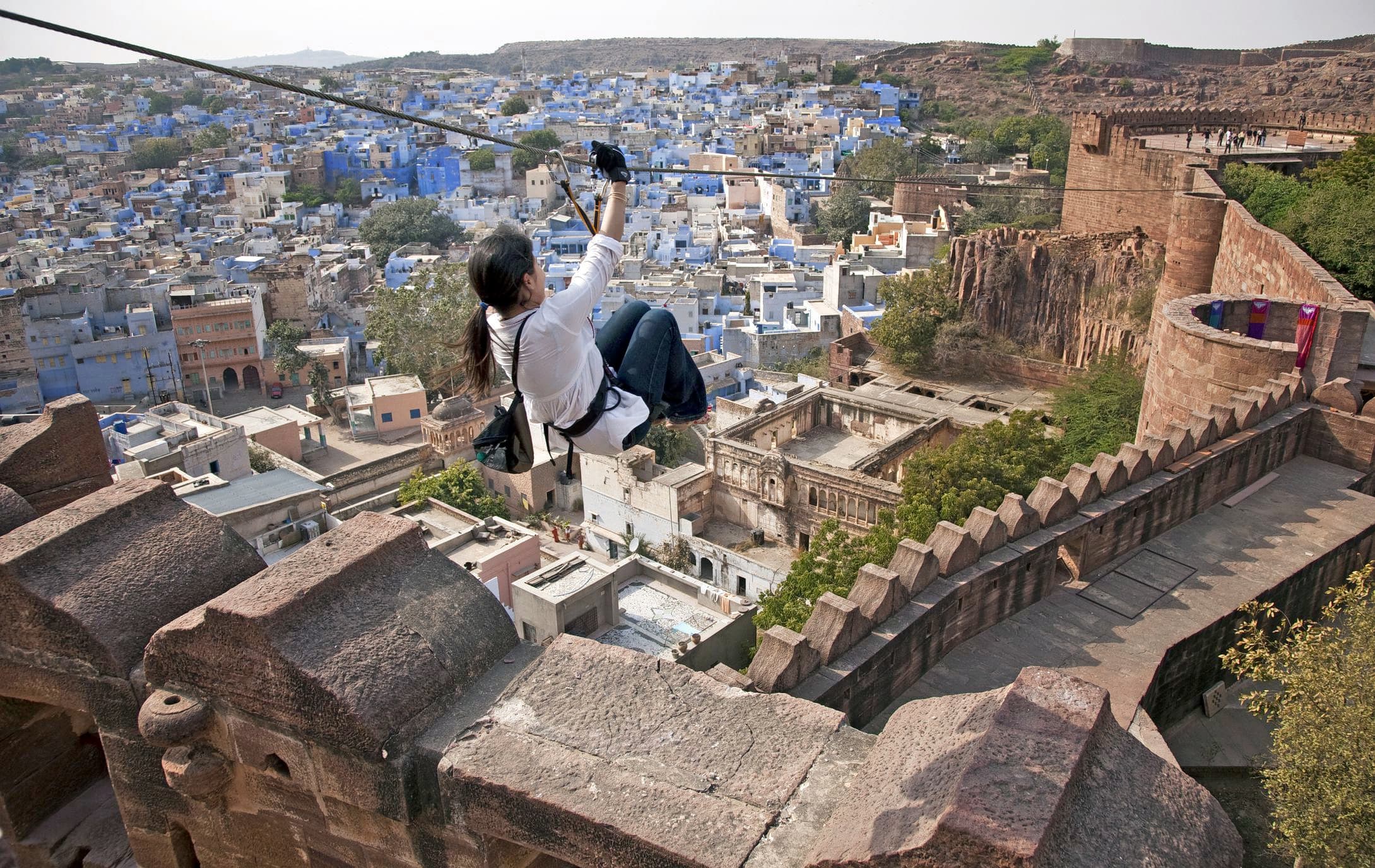
Zip Line ride in Jodhpur
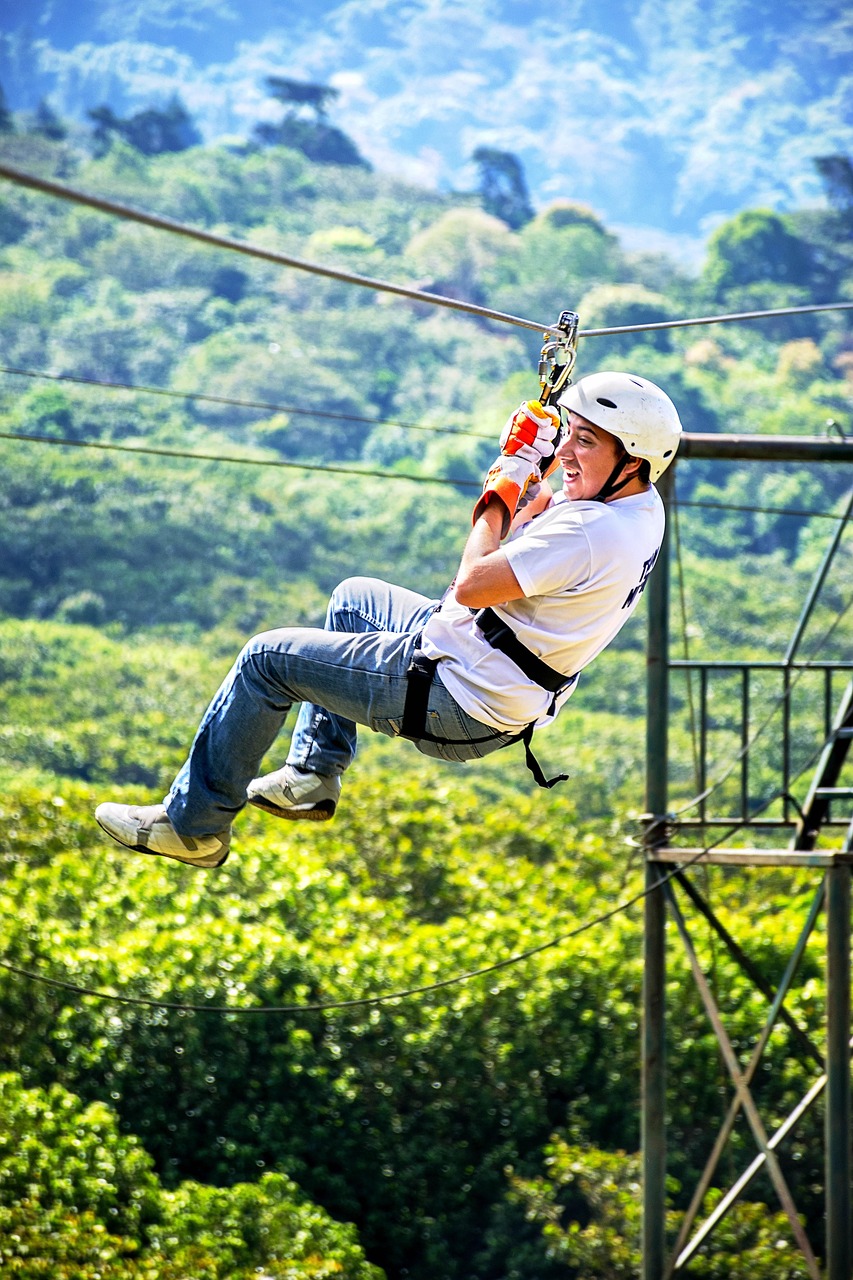
Zip Line ride in Munnar
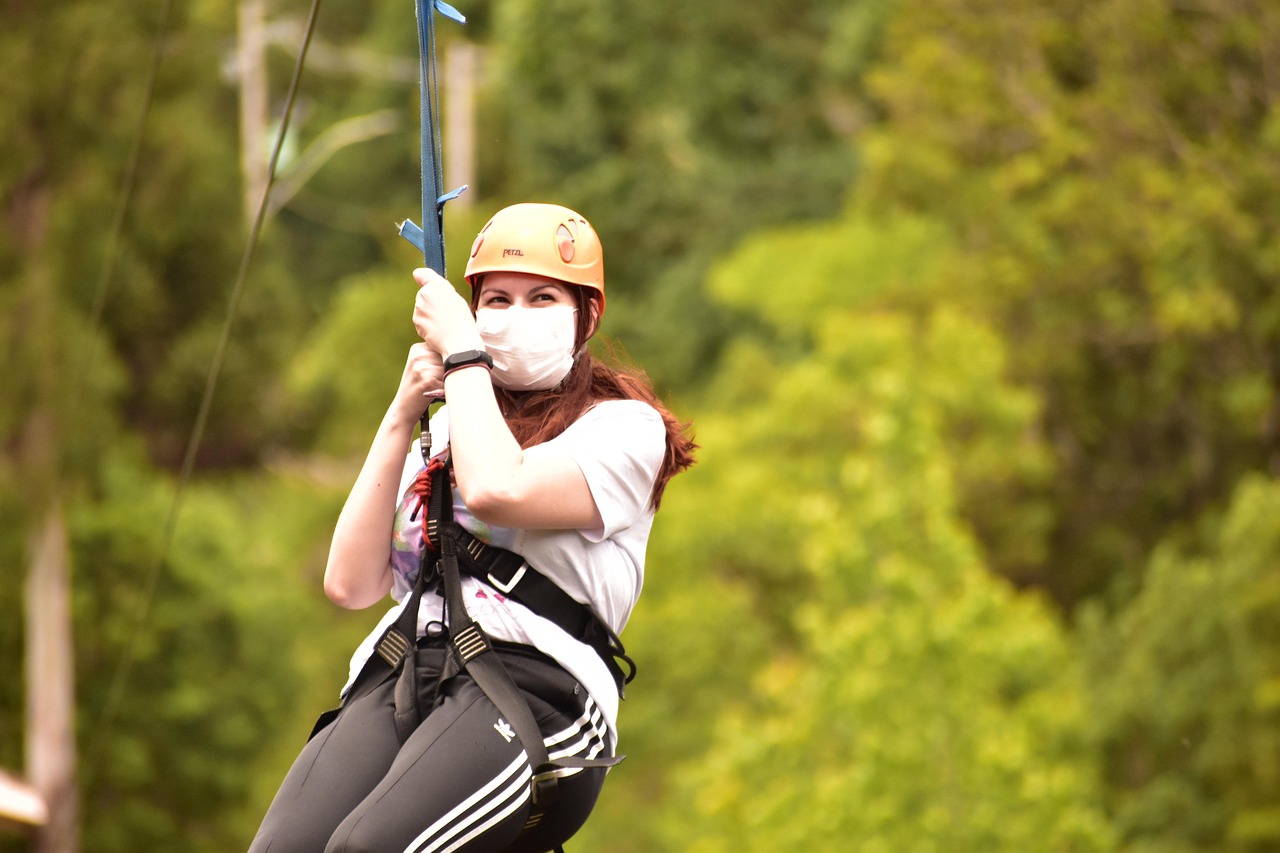
Zip Line ride in Manali
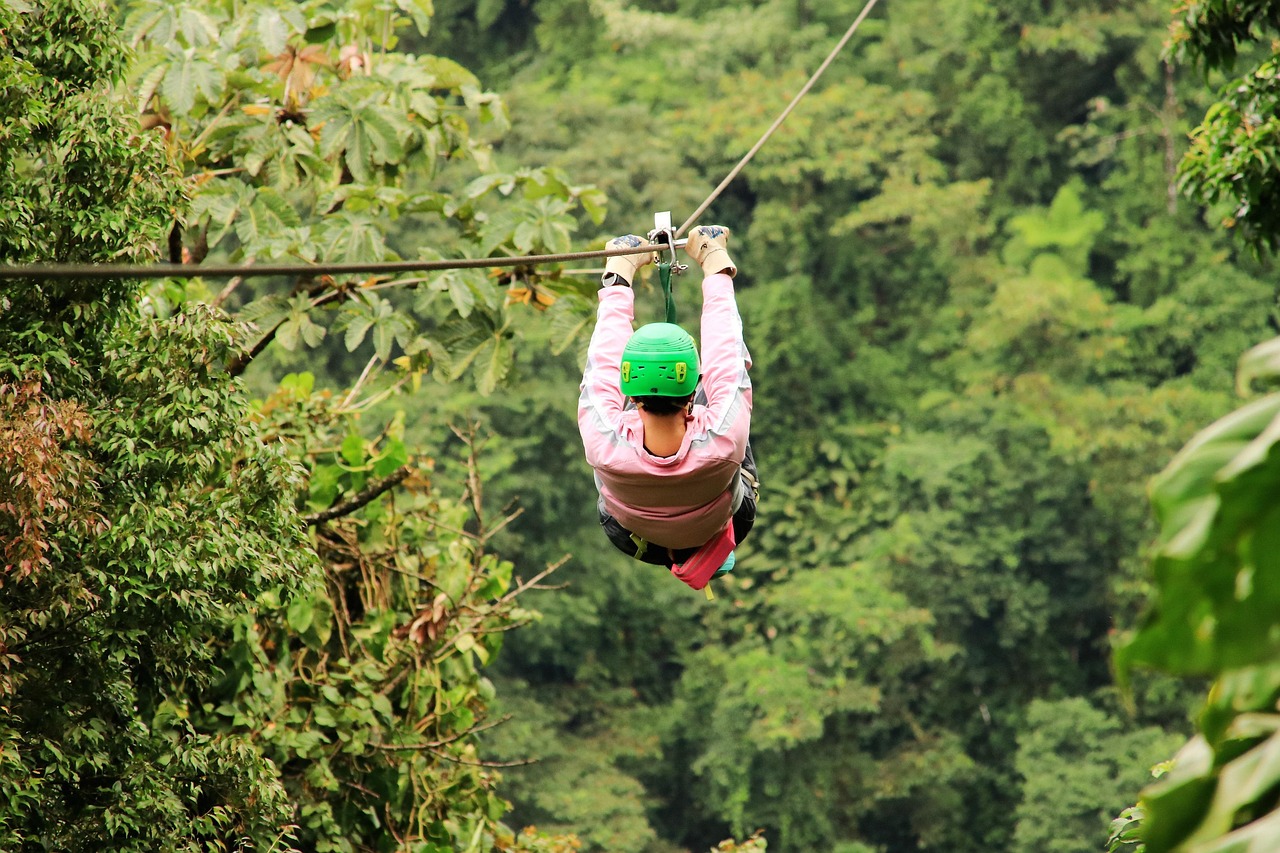
Zip Line ride in Darjeeling
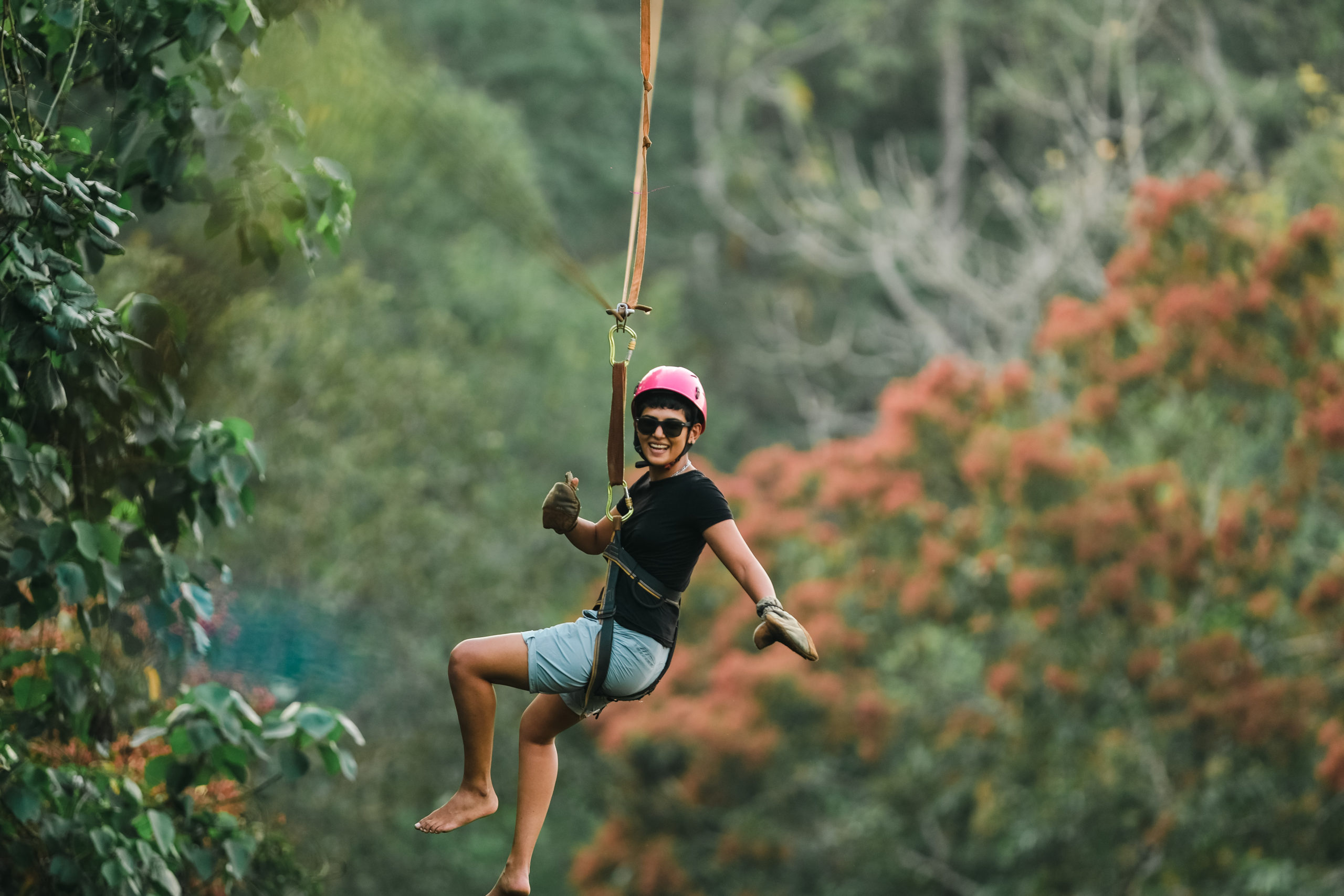
Zip Line ride in Goa
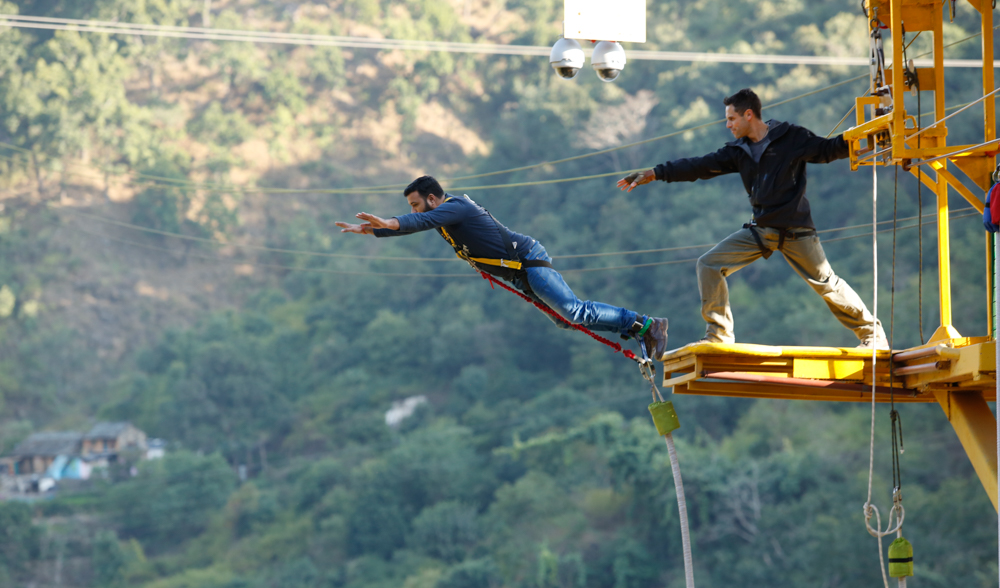
Bungee Jumping in Rishikesh
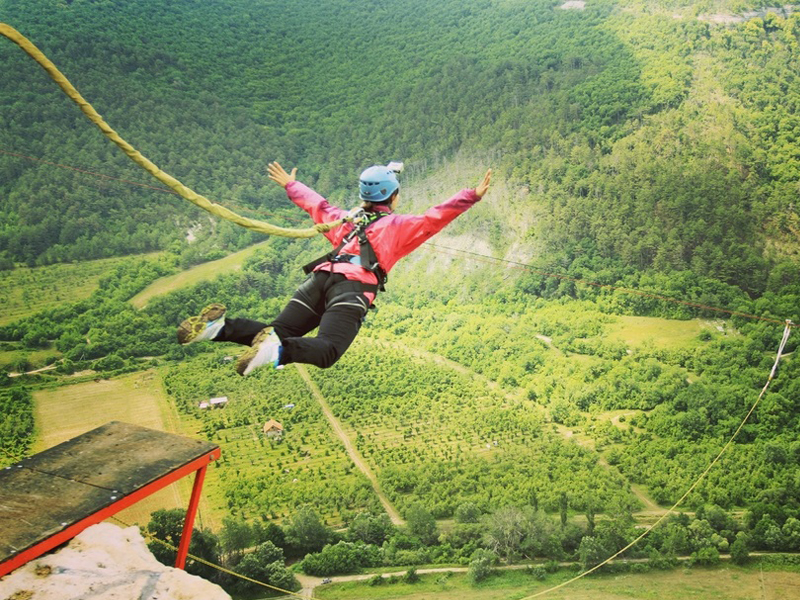
Bungee Jumping in Udaipur
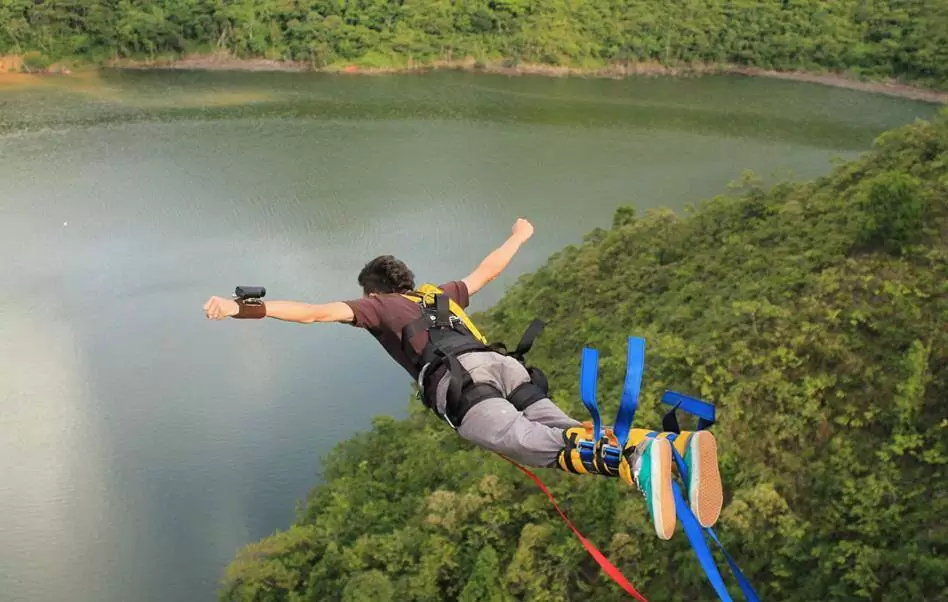
Bungee Jumping in Goa
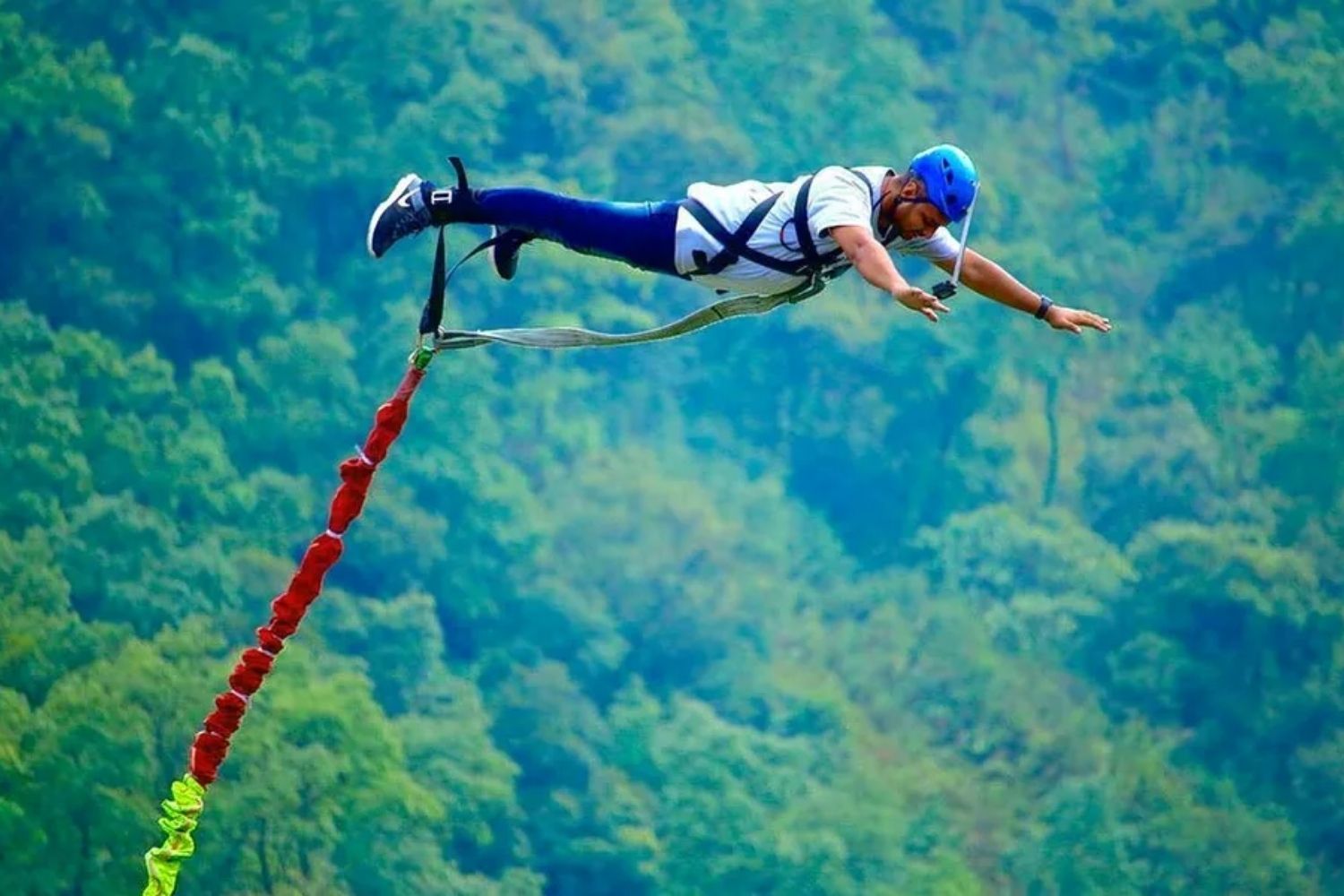
Bungee Jumping in Lonavala
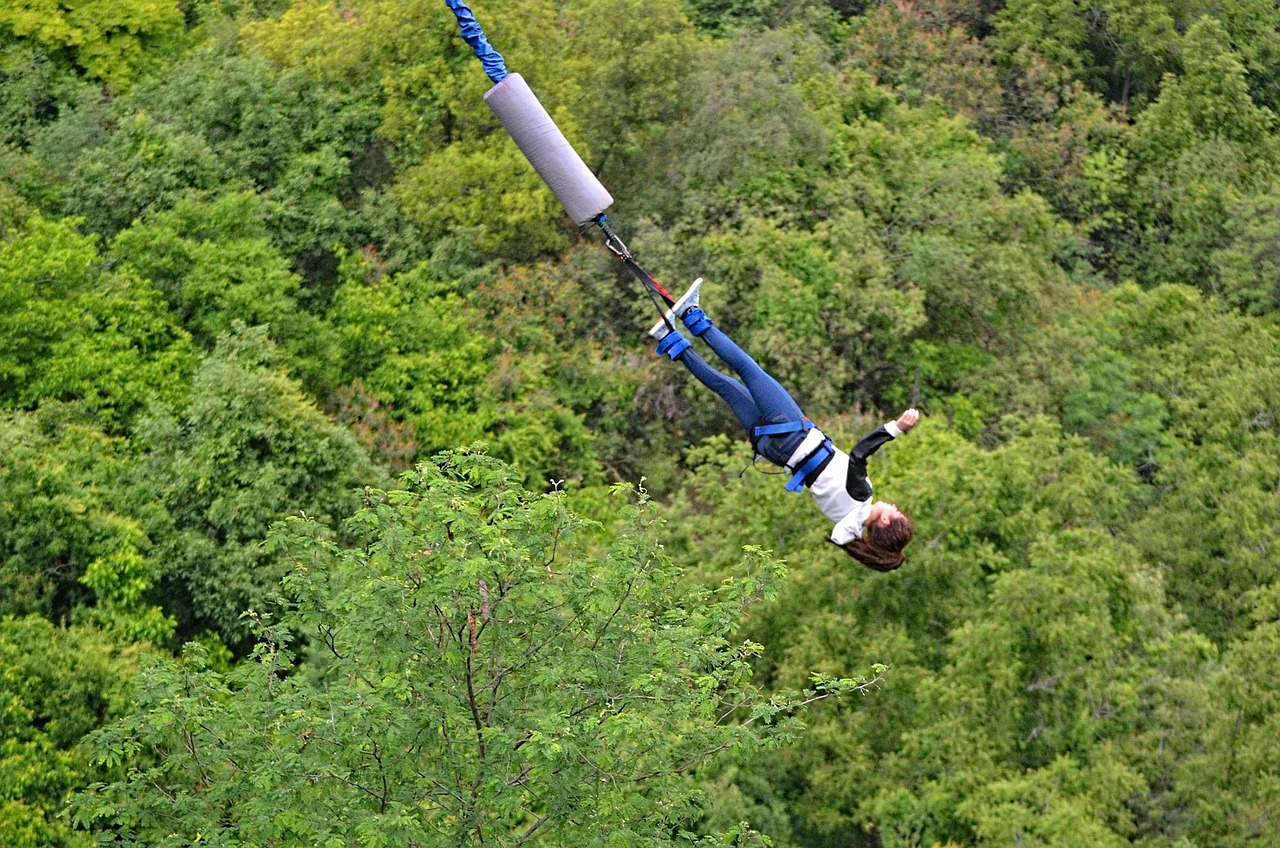
Bungee jumping in Bangalore
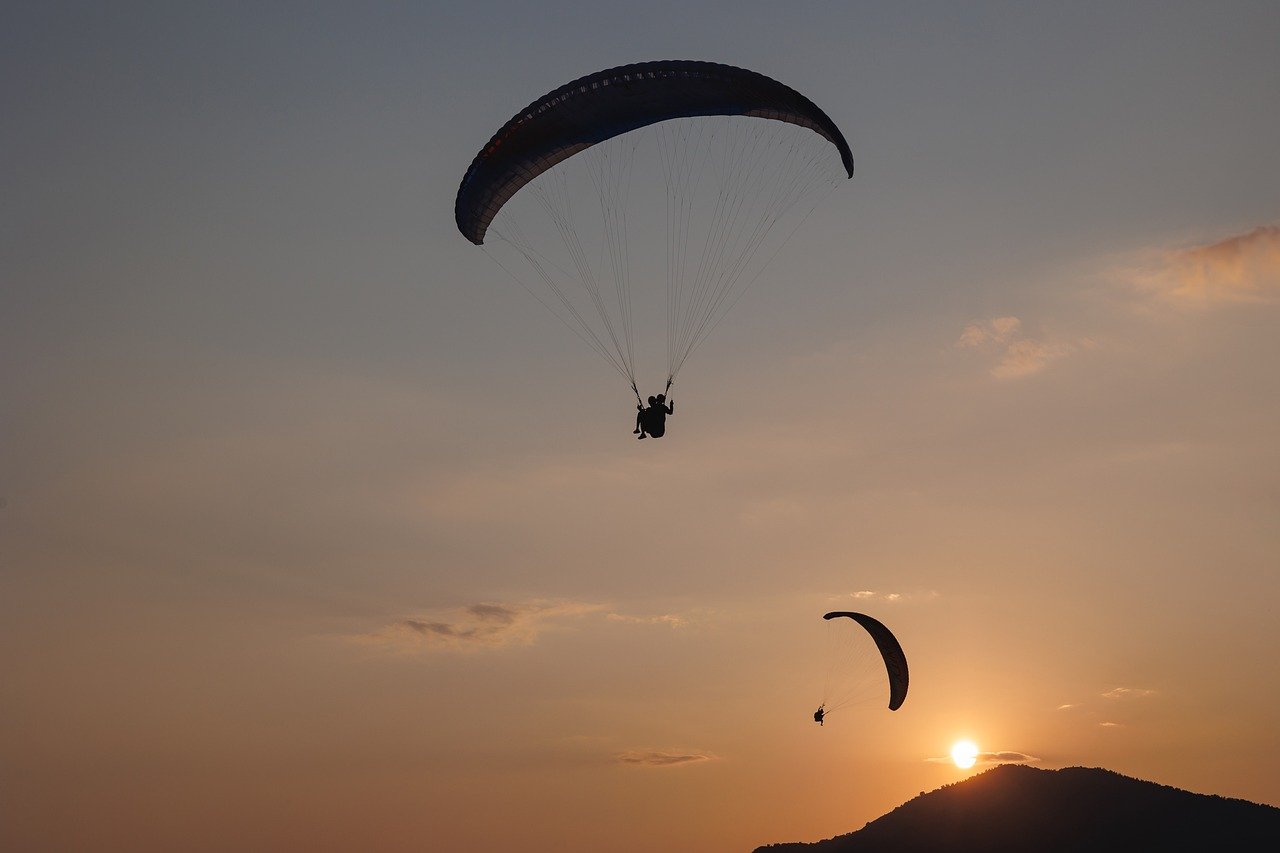
Paragliding in Bir Billing
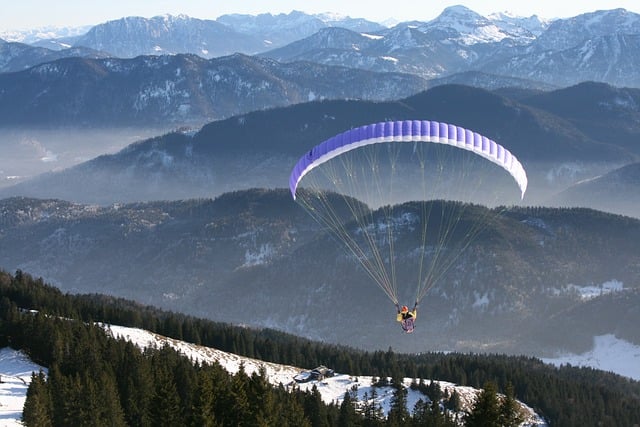
Paragliding in Manali
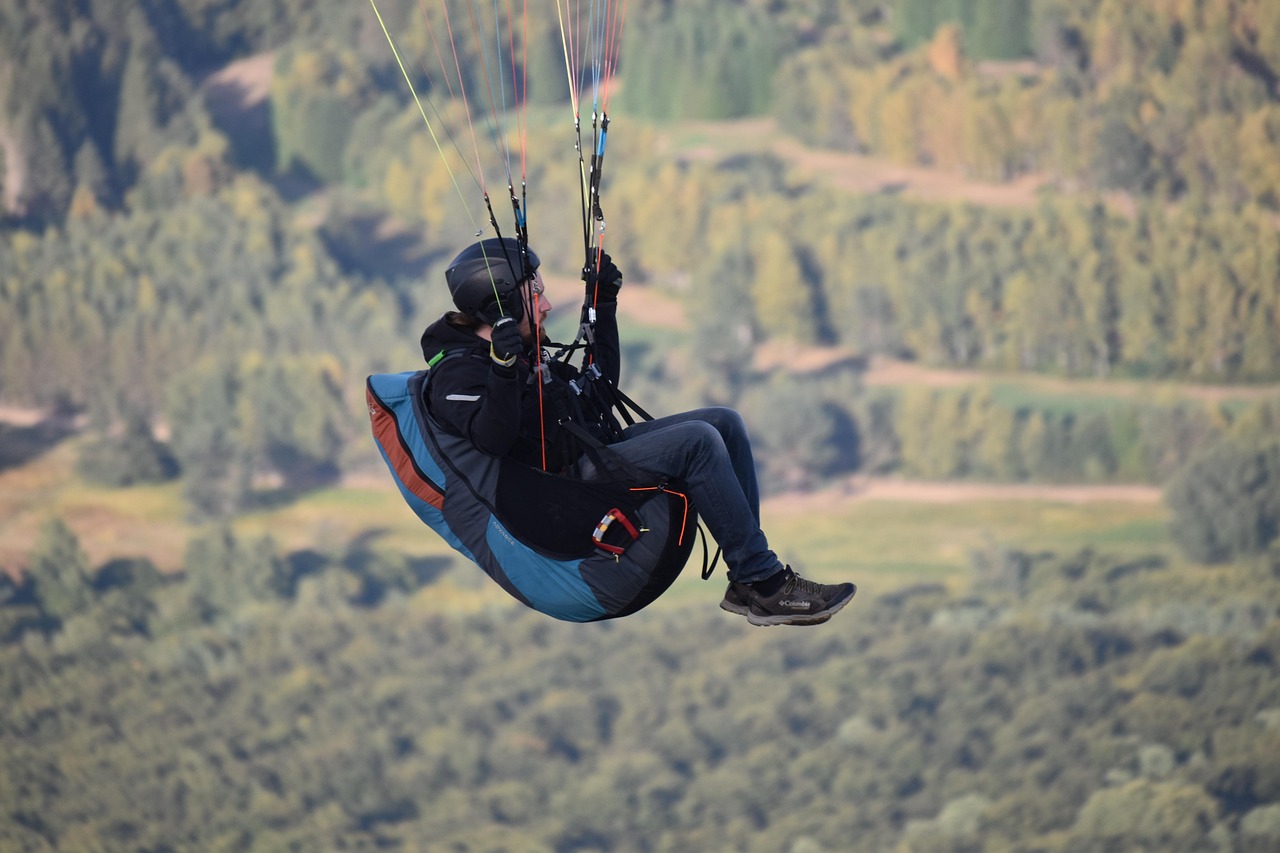
Paragliding in Nainital
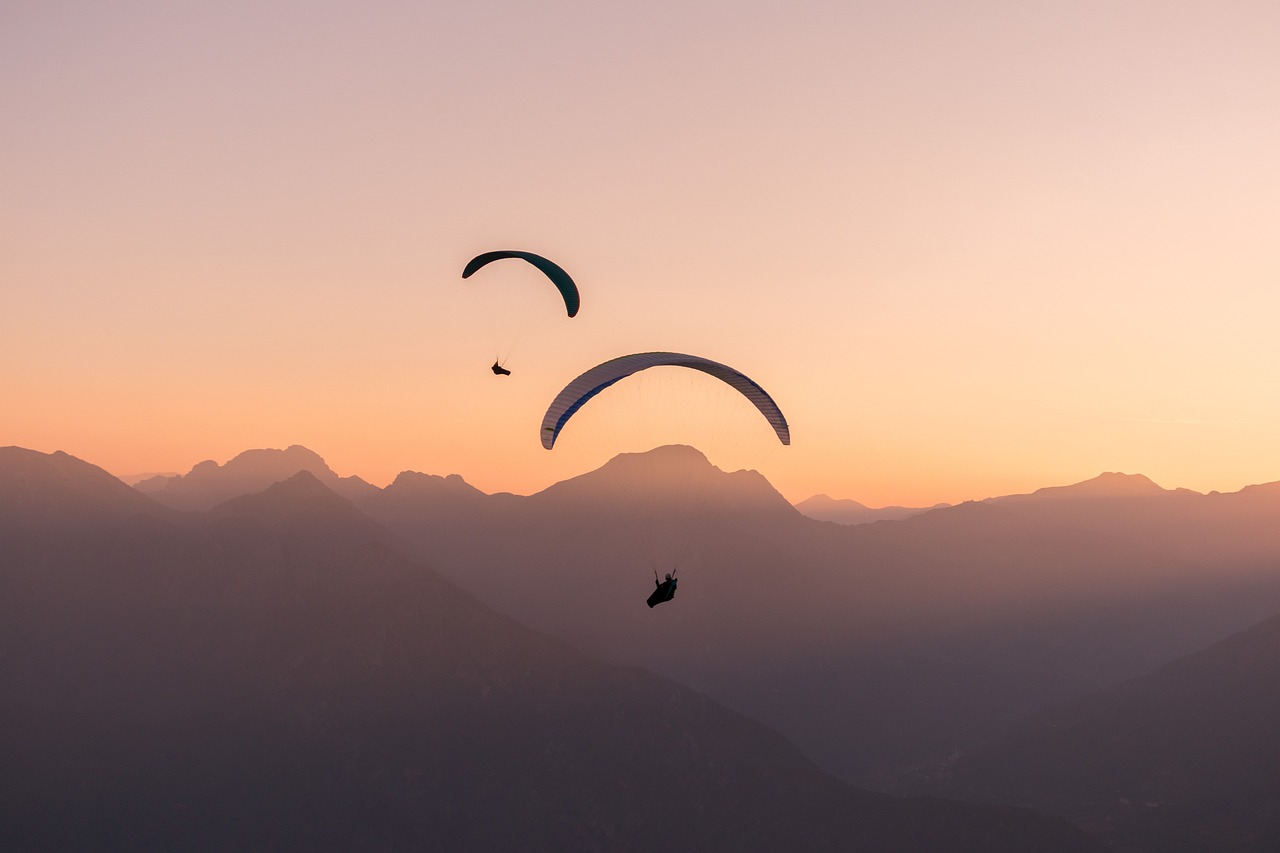
Paragliding in Kamshet
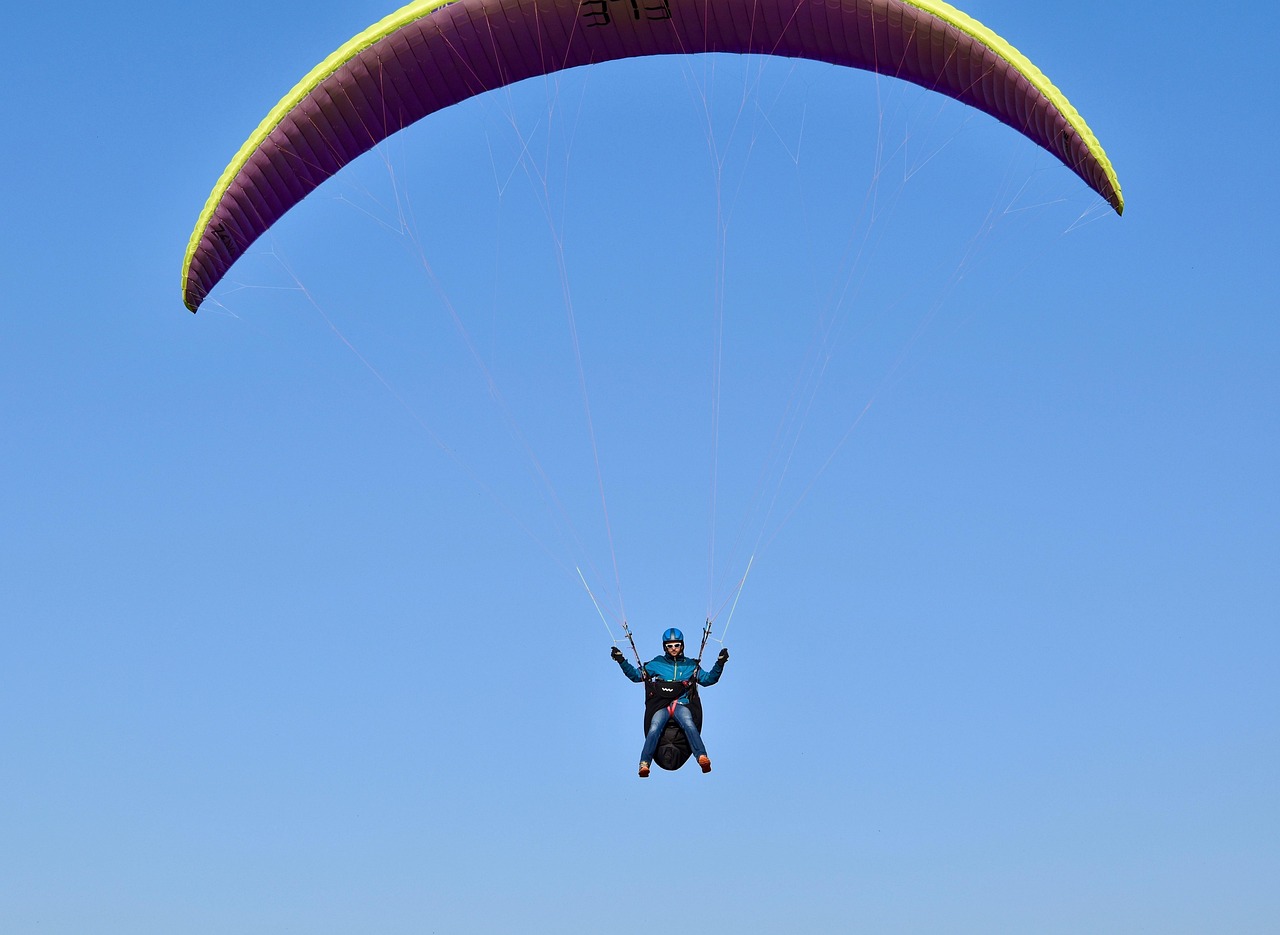
Paragliding in Ranikhet and Mukteshwar
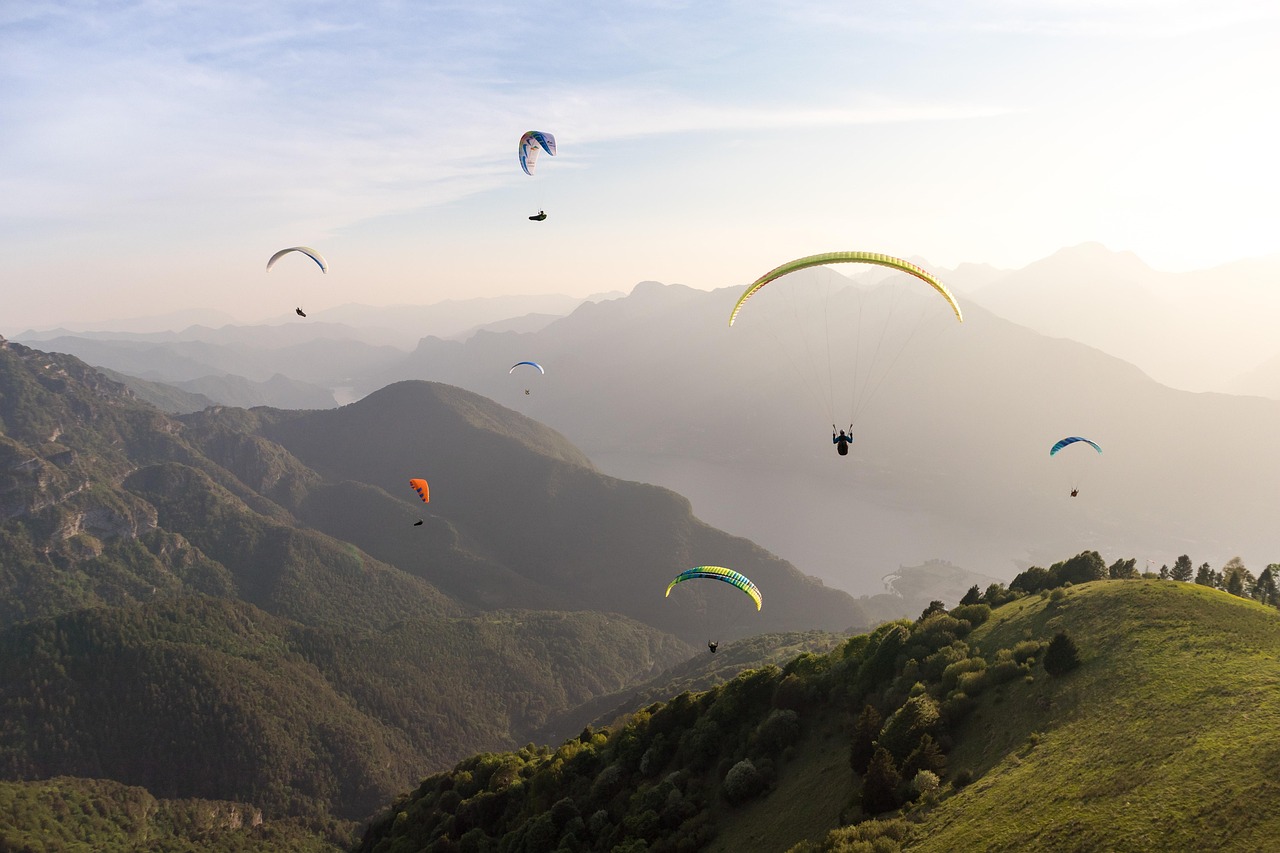
Paragliding in Gangtok
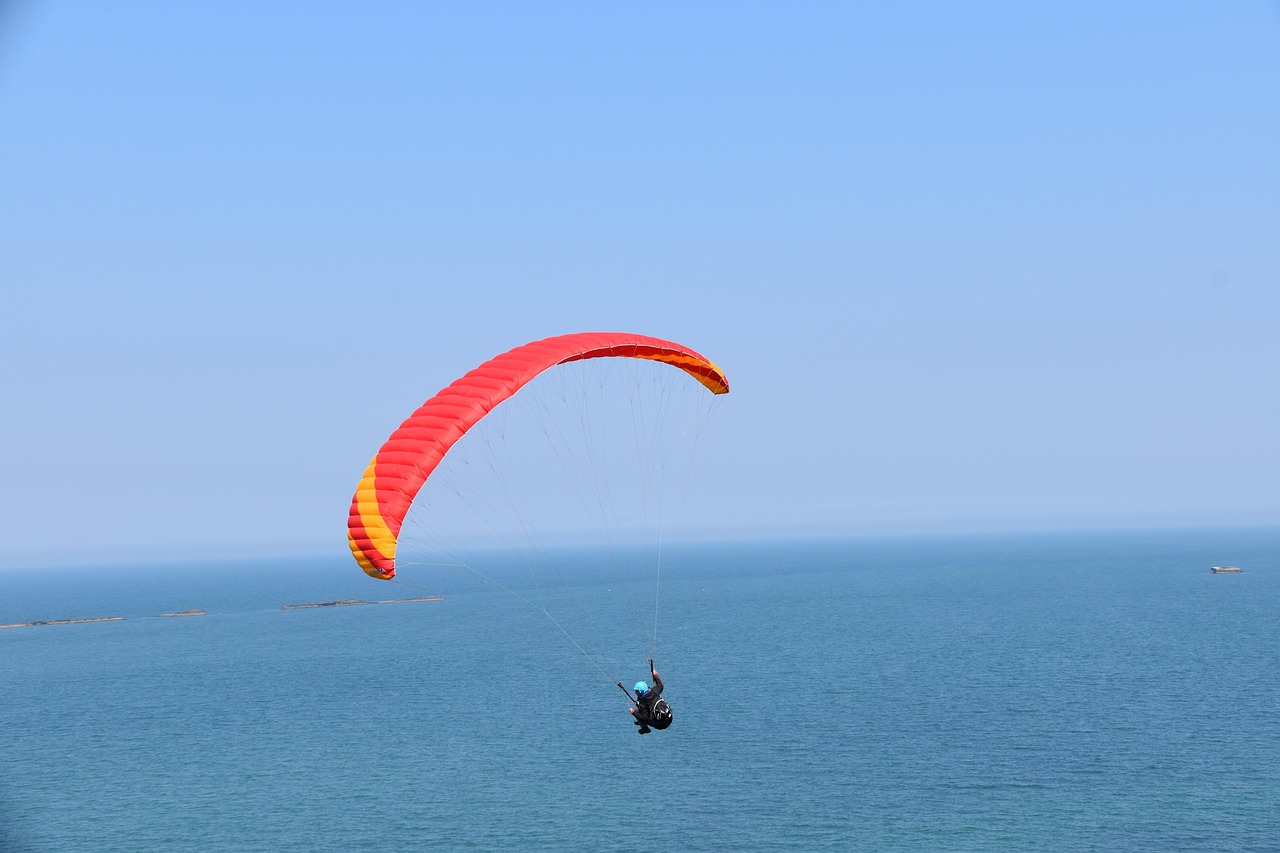
Paragliding in Arambol, Goa
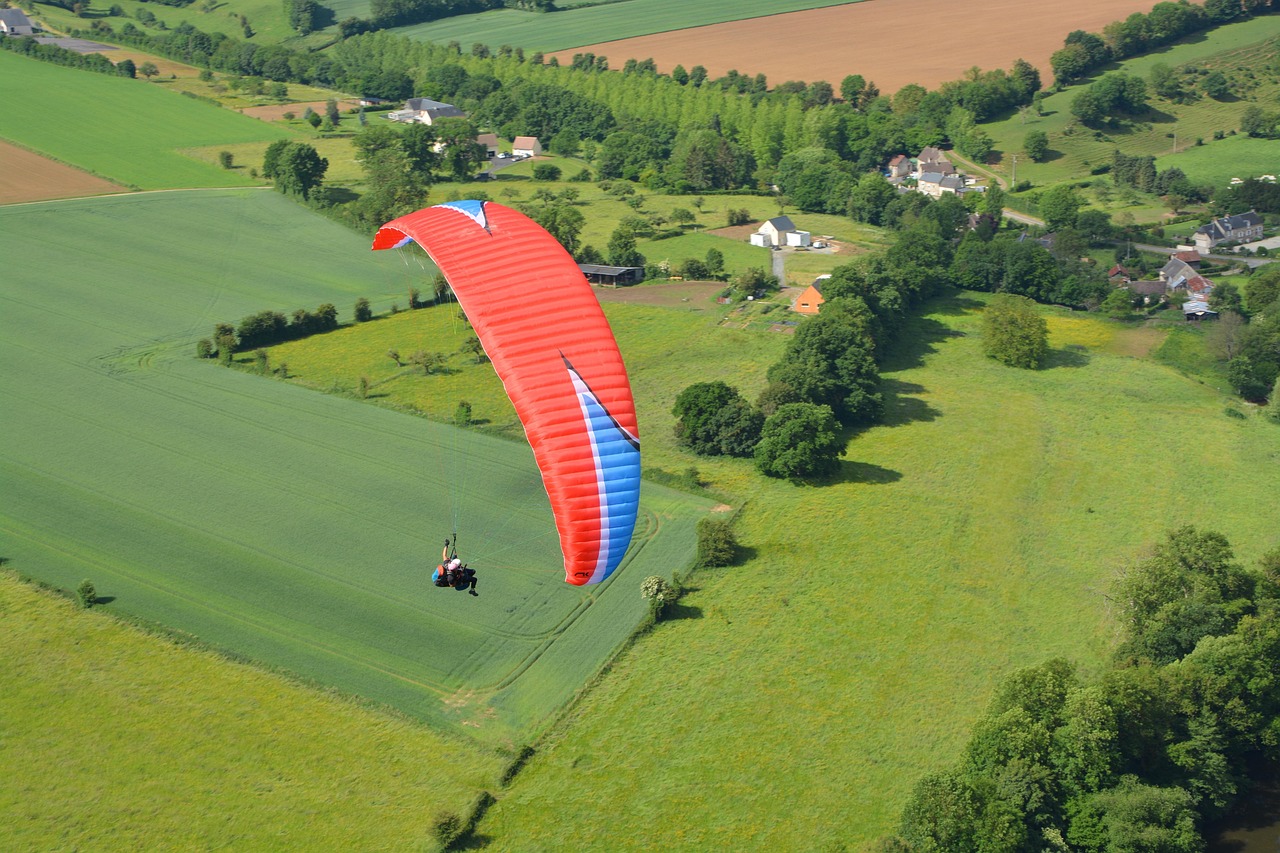
Paragliding in Pavagadh, Gujarat
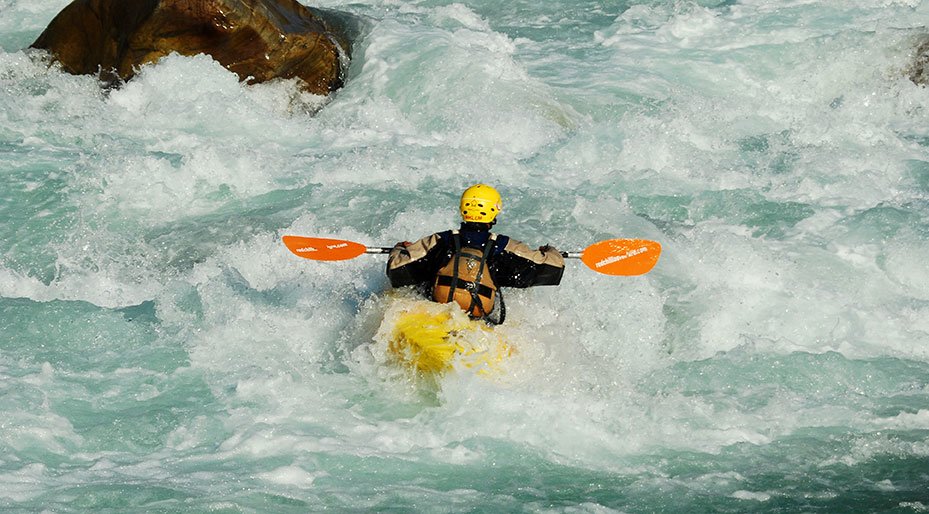
Kayaking in Rishikesh
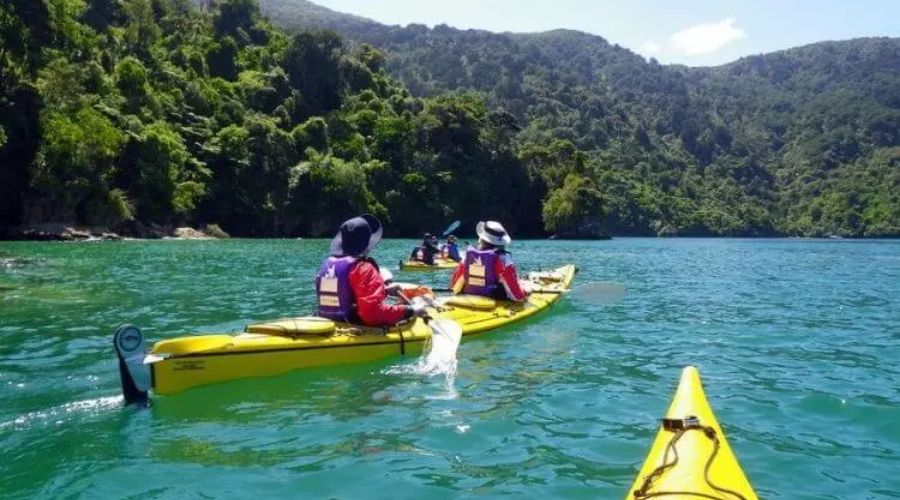
Kayaking in Andaman and Nicobar Islands

Kayaking in Kerala
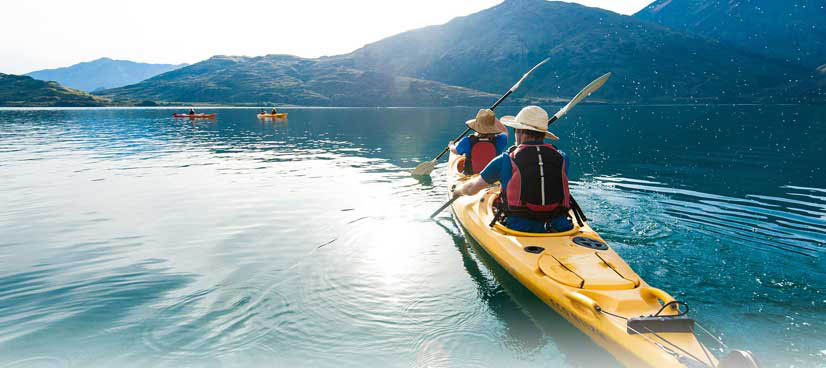
Kayaking in Sikkim
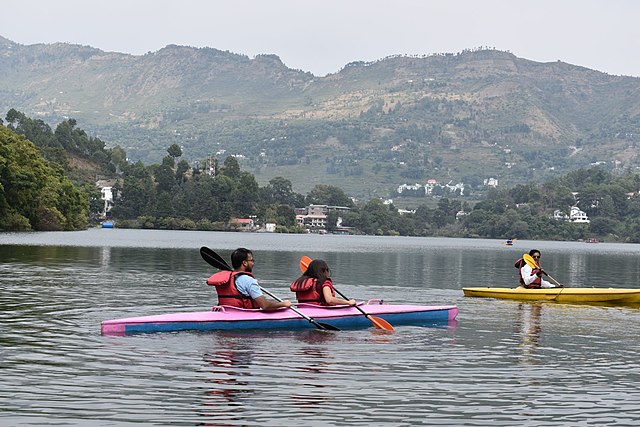
Kayaking in Nainital

Kayaking in Tungabhadra River, Karnataka

Kayaking in Pondicherry

Surfing in Goa

Surfing in Varkala (Kerala)

Surfing in Kovalam (Kerala)

Surfing in Manapad (Tamil Nadu)

Surfing in Udupi (Karnataka)

Surfing in Gokarna (Karnataka)

Surfing in Puducherry

Surfing in Sindhudurg (Maharashtra)
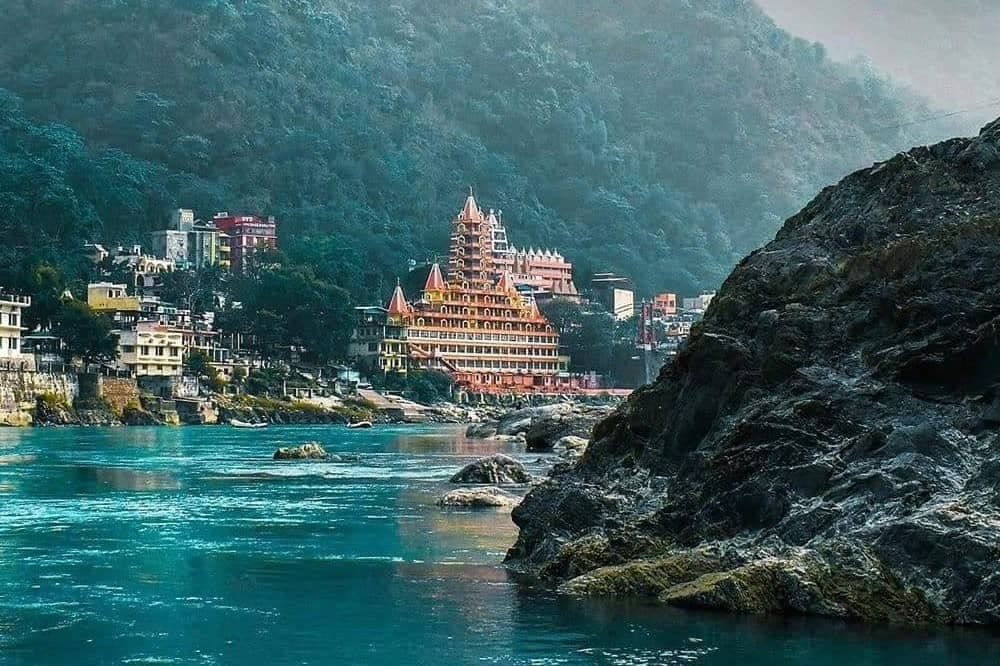
Top 10 Visiting Places in Rishikesh: Your Ultimate Travel Guide
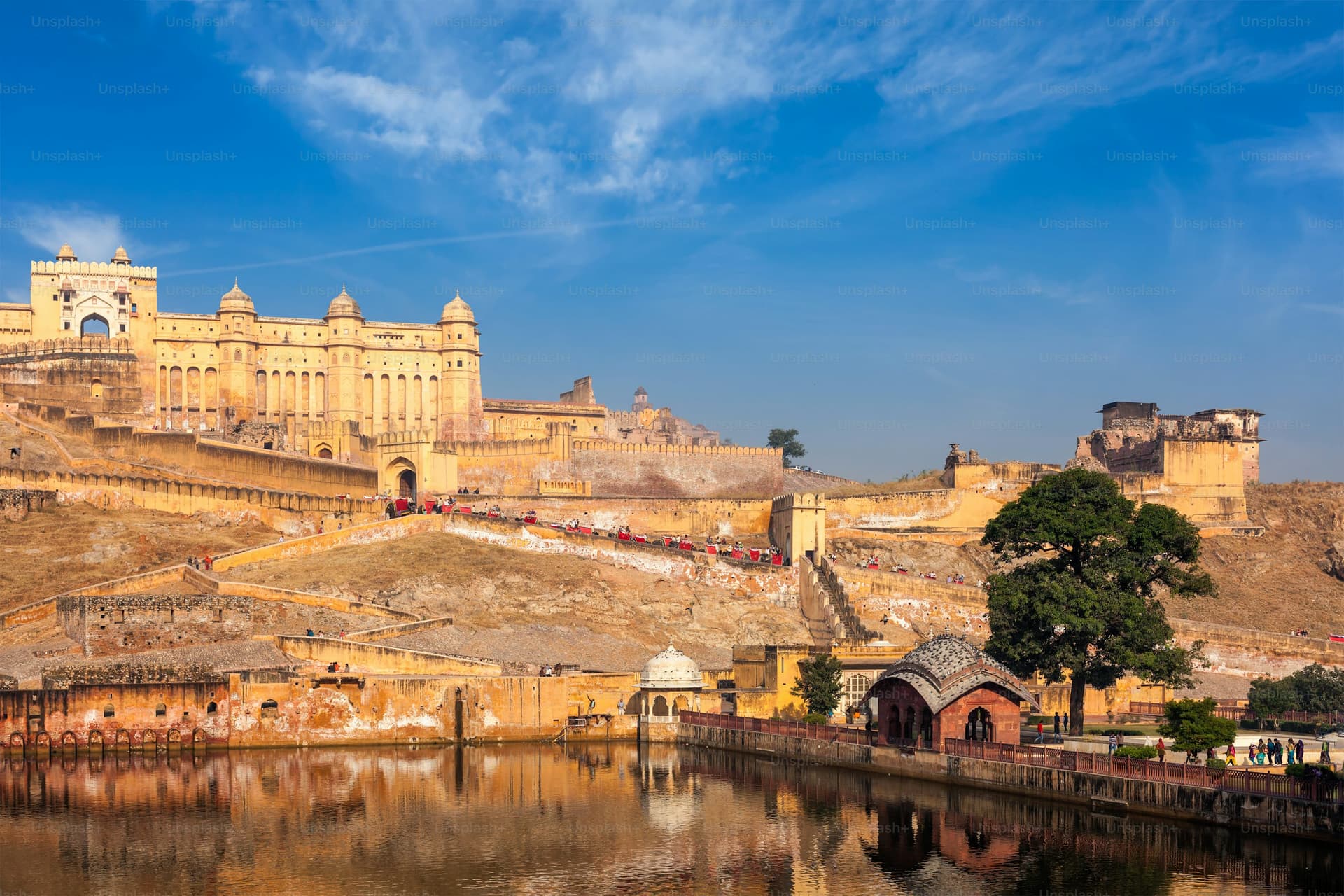
Top 10 Visiting Places in Jaipur: The Pink City’s Must-See Attractions
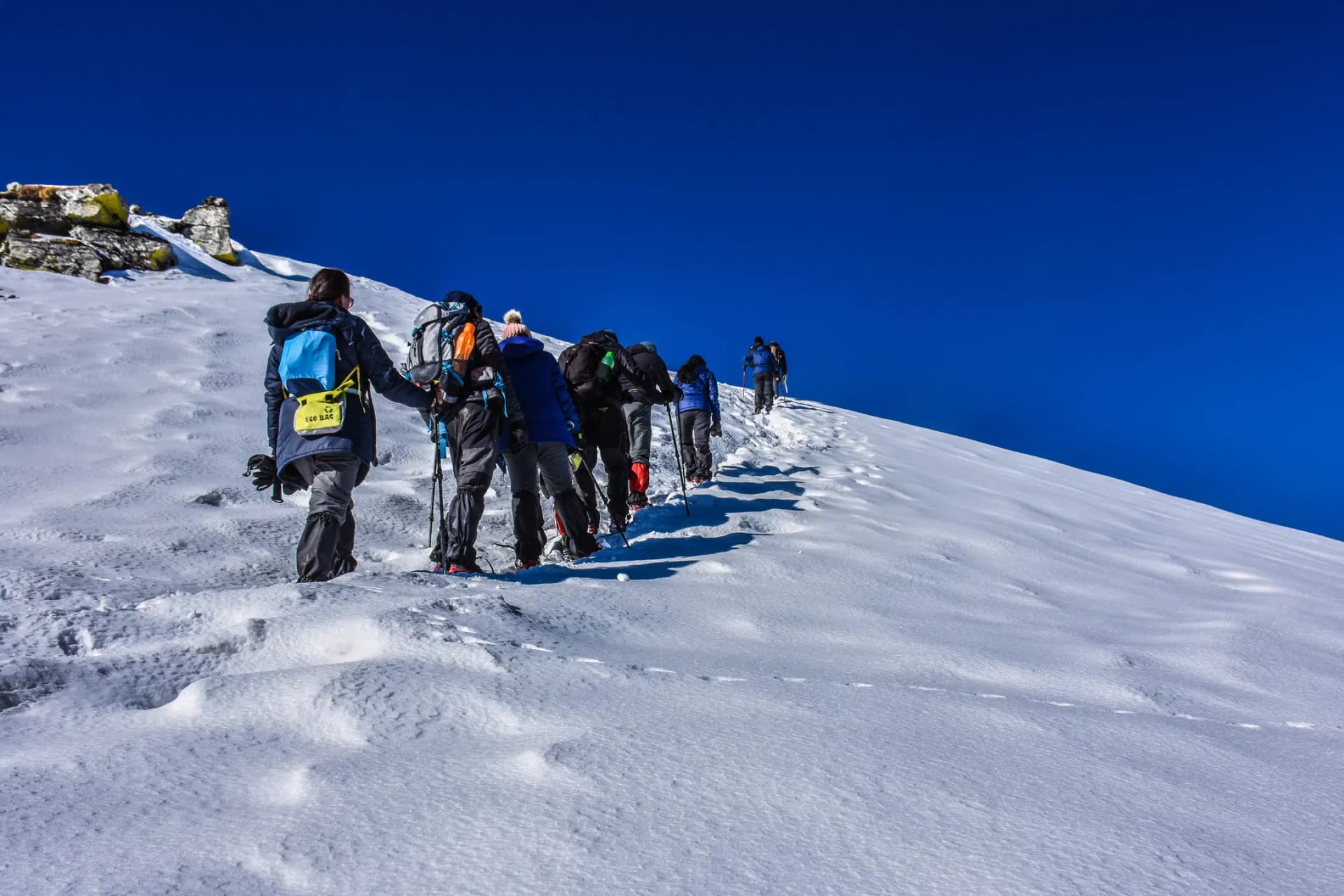
9 Amazing Treks in Uttarkashi: A Perfect Blend of Adventure, Beauty, and Peace
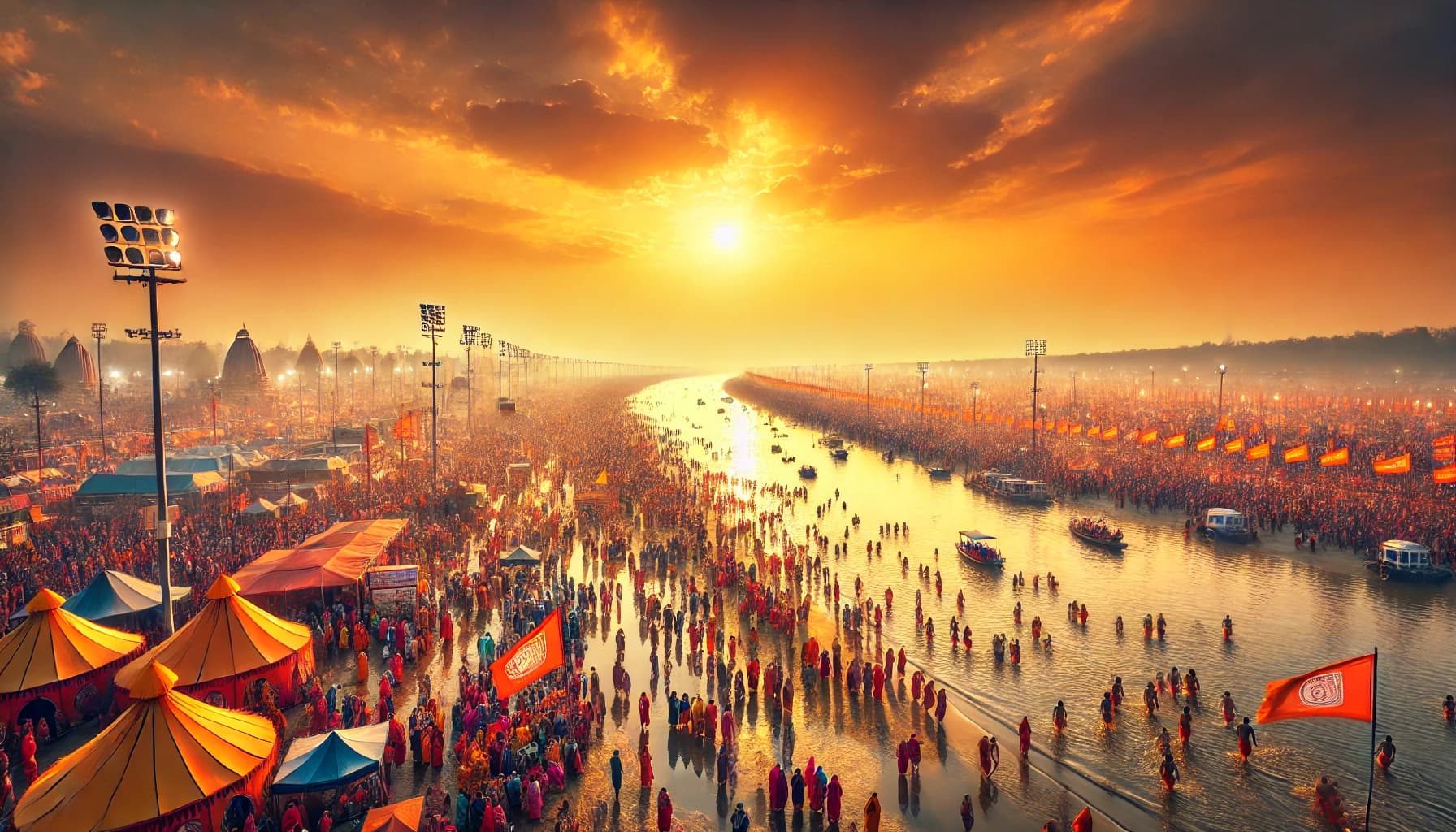
Prayagraj Maha Kumbh Mela 2025: Royal Bath Dates and Their Religious Significance
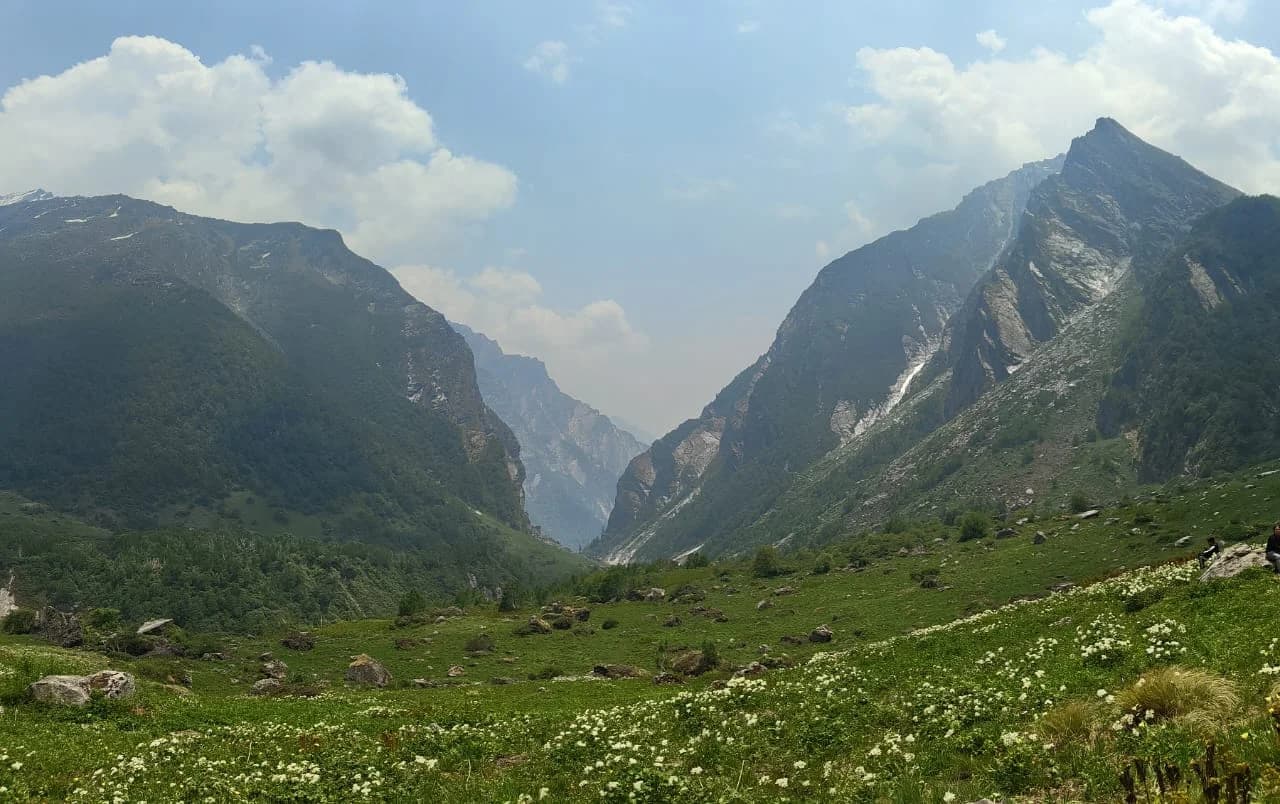
Valley of Flowers: A Himalayan Wonderland of Bloom and Beauty
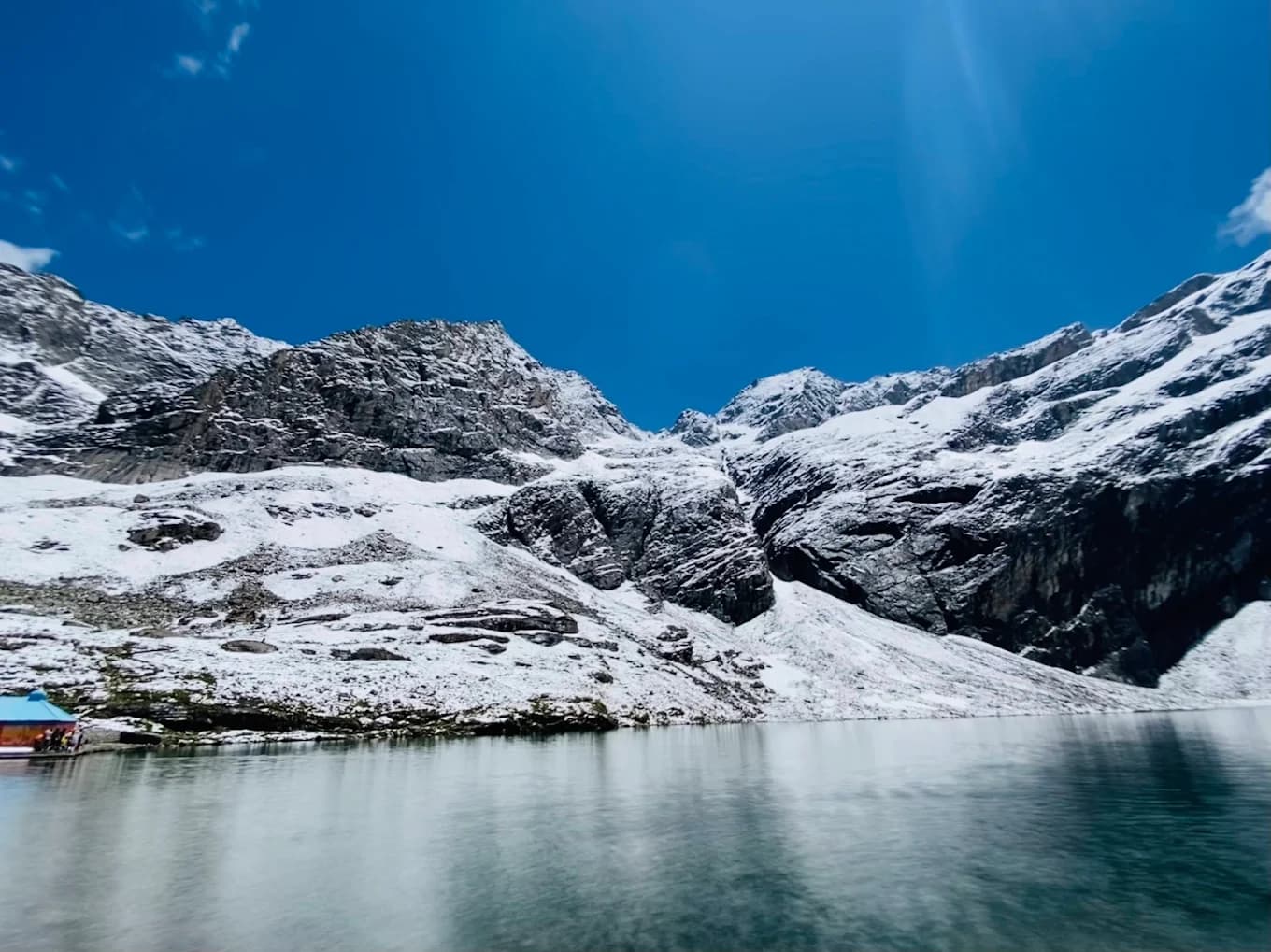
Hemkund Sahib Trek: A Divine Journey to the Sacred Himalayan Pilgrimage
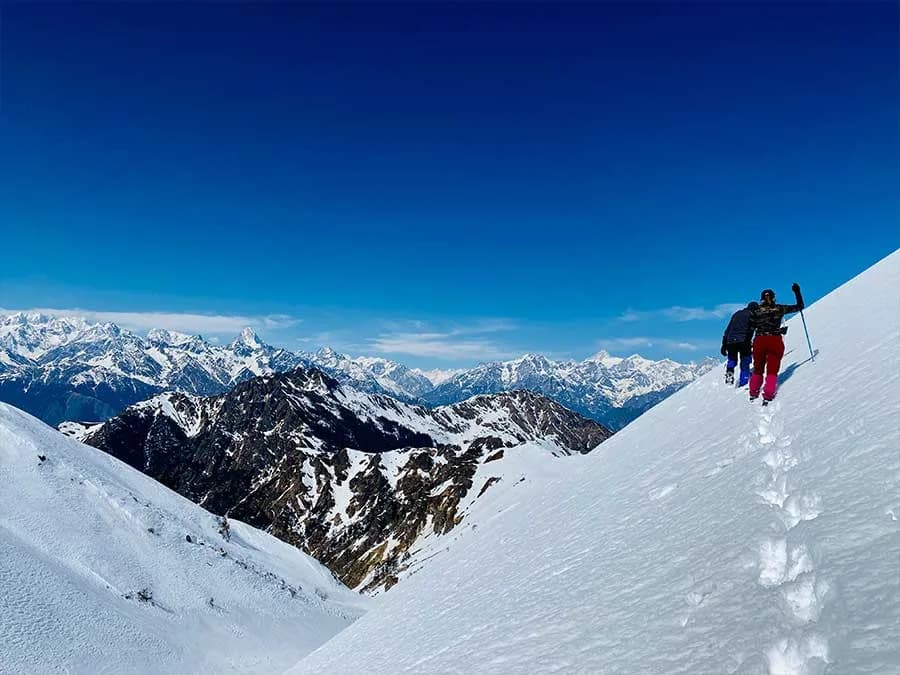
Kuari Pass Trek: A Dreamy Journey Amidst the Himalayas
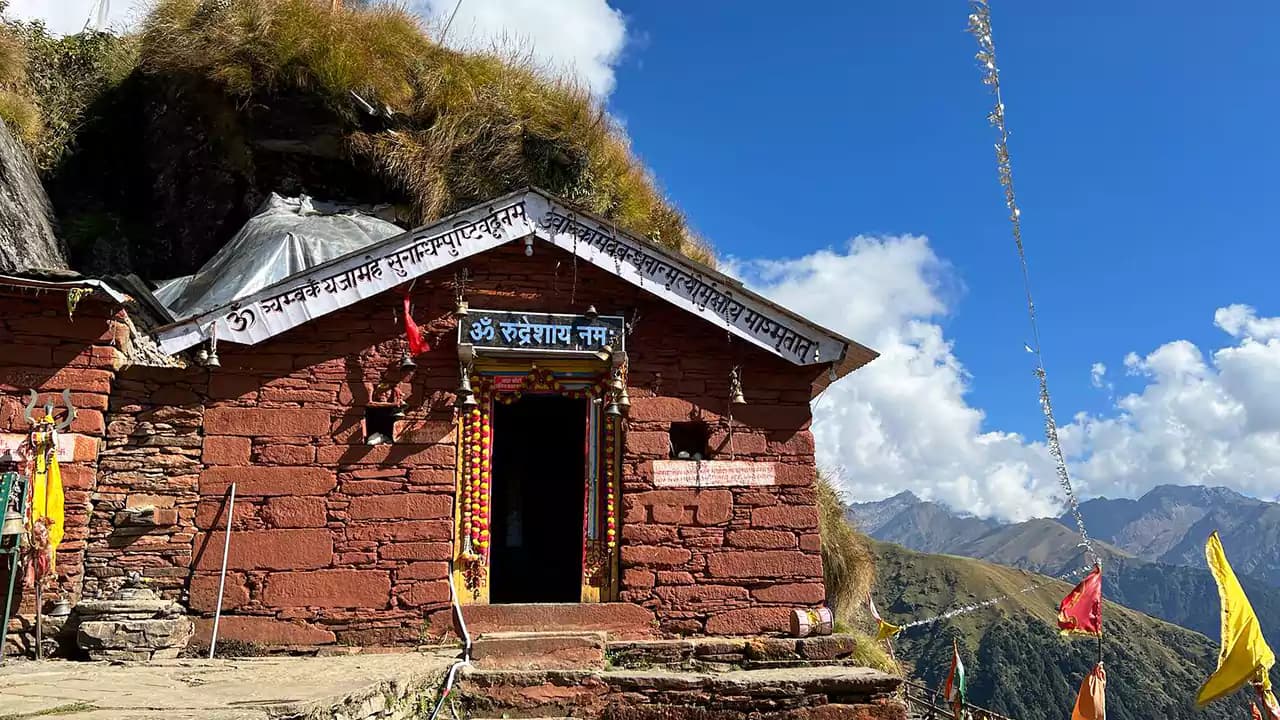
A Unique Spiritual Journey Among the Panch Kedar
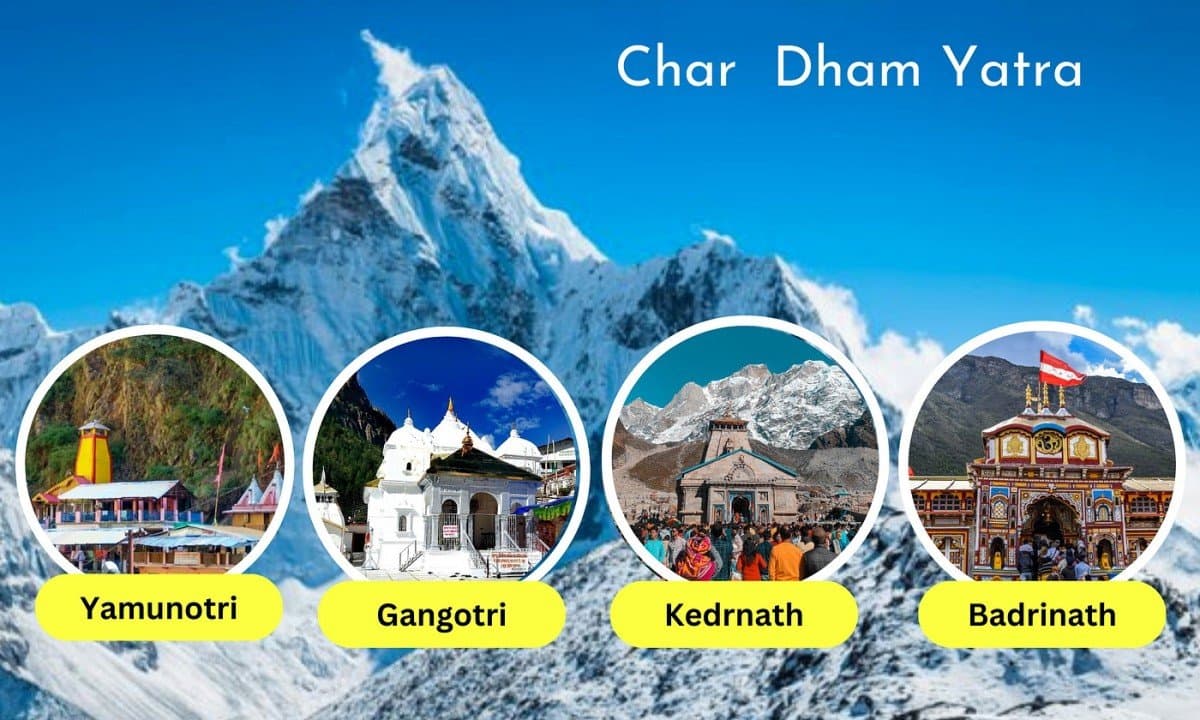
🕉️ Char Dham Yatra: A Life-Changing Spiritual Journey 🏔️🙏
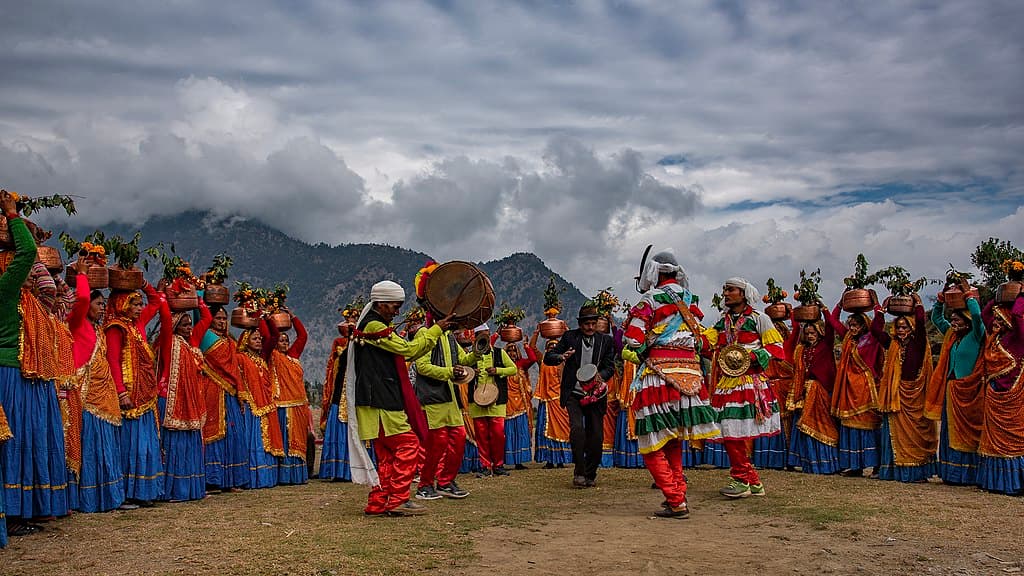
Ganga Dussehra to Nanda Devi Raj Jat: Major Festivals and Culture of Uttarakhand
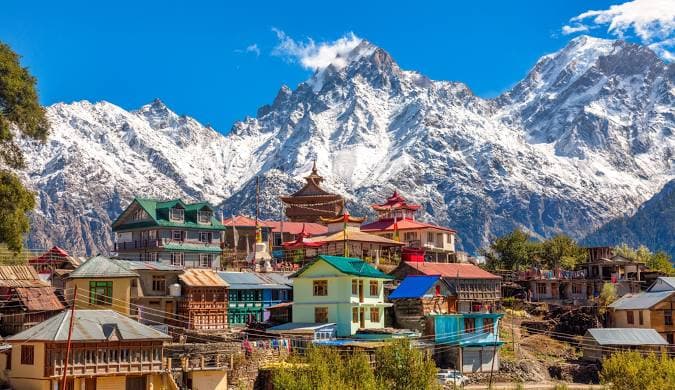
A Paradise in the Lap of the Himalayas: The Complete Travel Story of Himachal Pradesh 🏔️
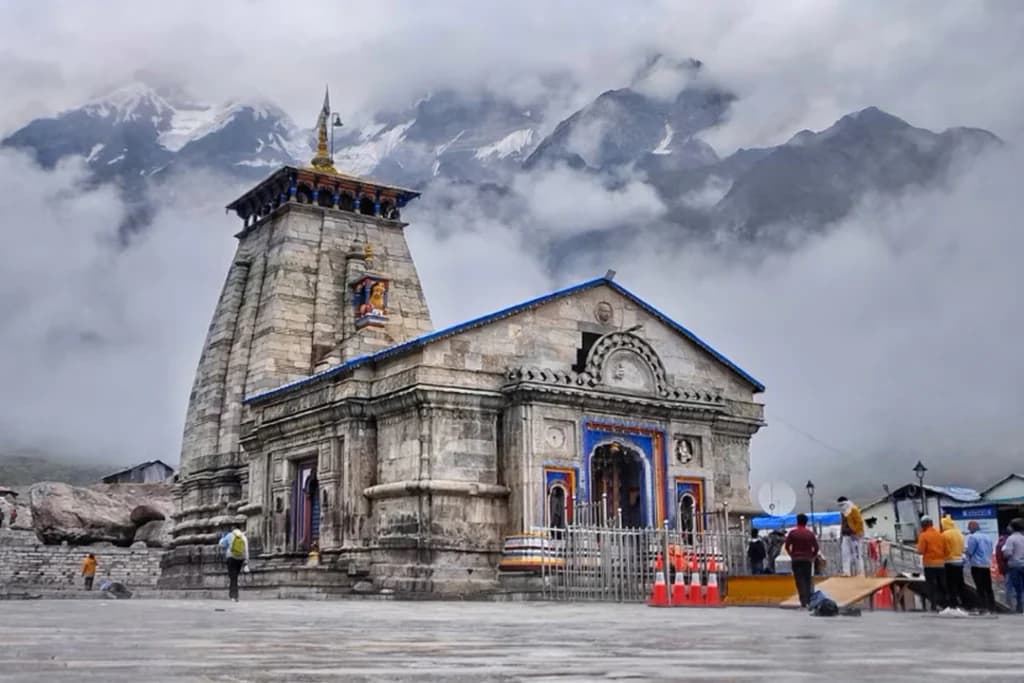
🕉️ The Doors of Baba Kedar Close — The Himalayas Echo with “Har Har Mahadev”
Kedarkantha Trek – The Crown of Winter Treks ❄️
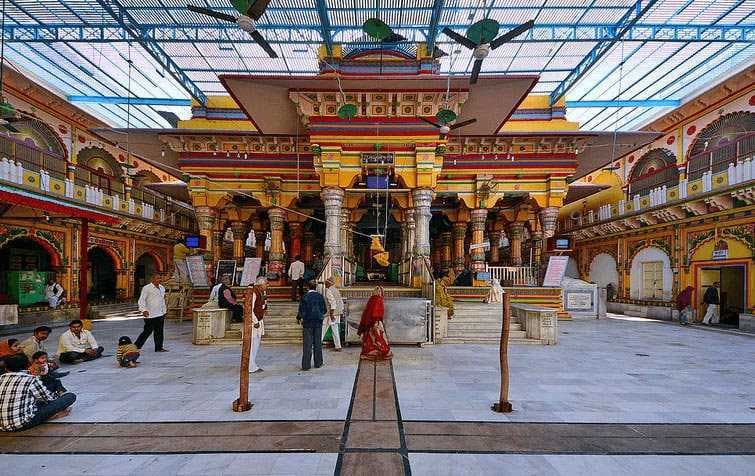
Shri Dwarkadhish Temple, Mathura – The Divine Abode of Lord Krishna
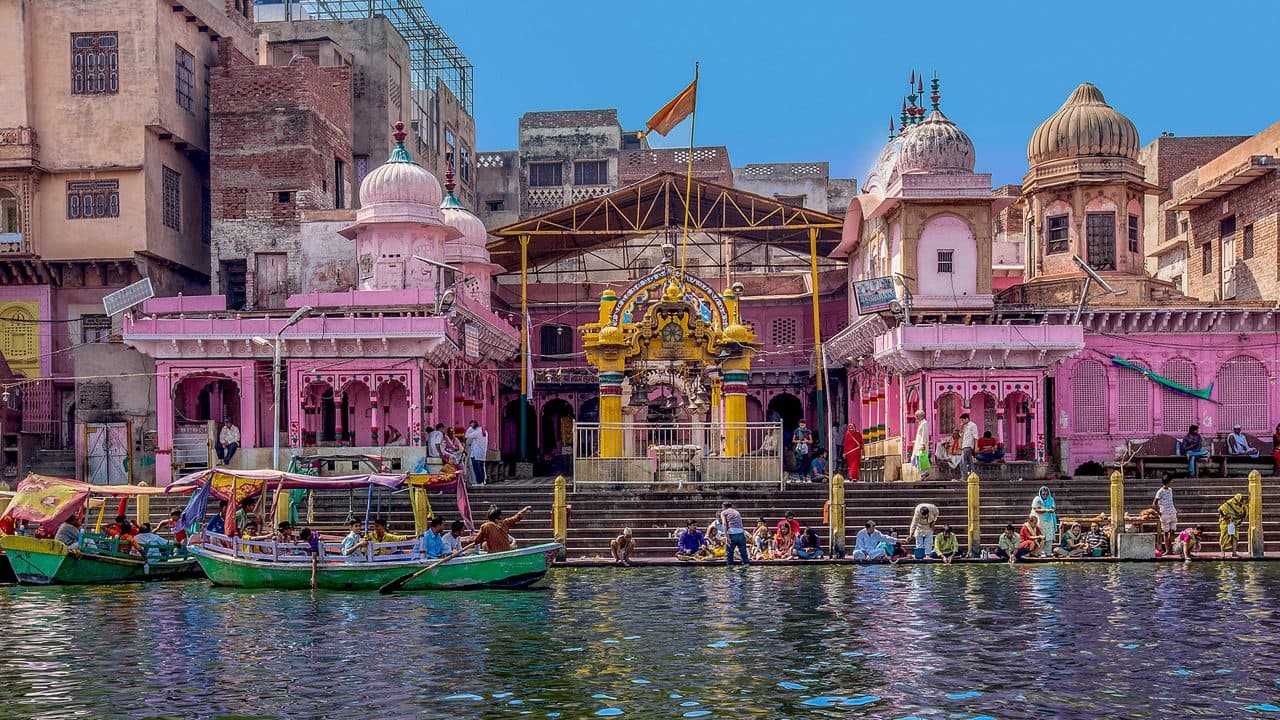
Vishram Ghat: The Sacred Riverside of Mathura
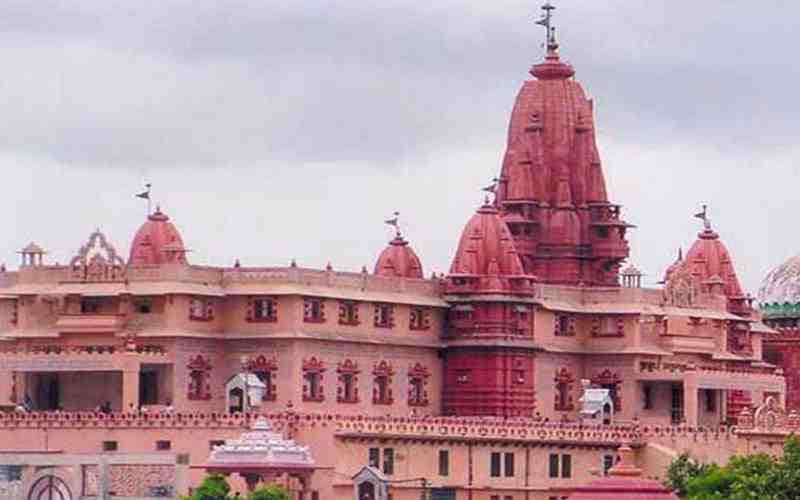
Explore Mathura – Temples, Culture, and Festivals
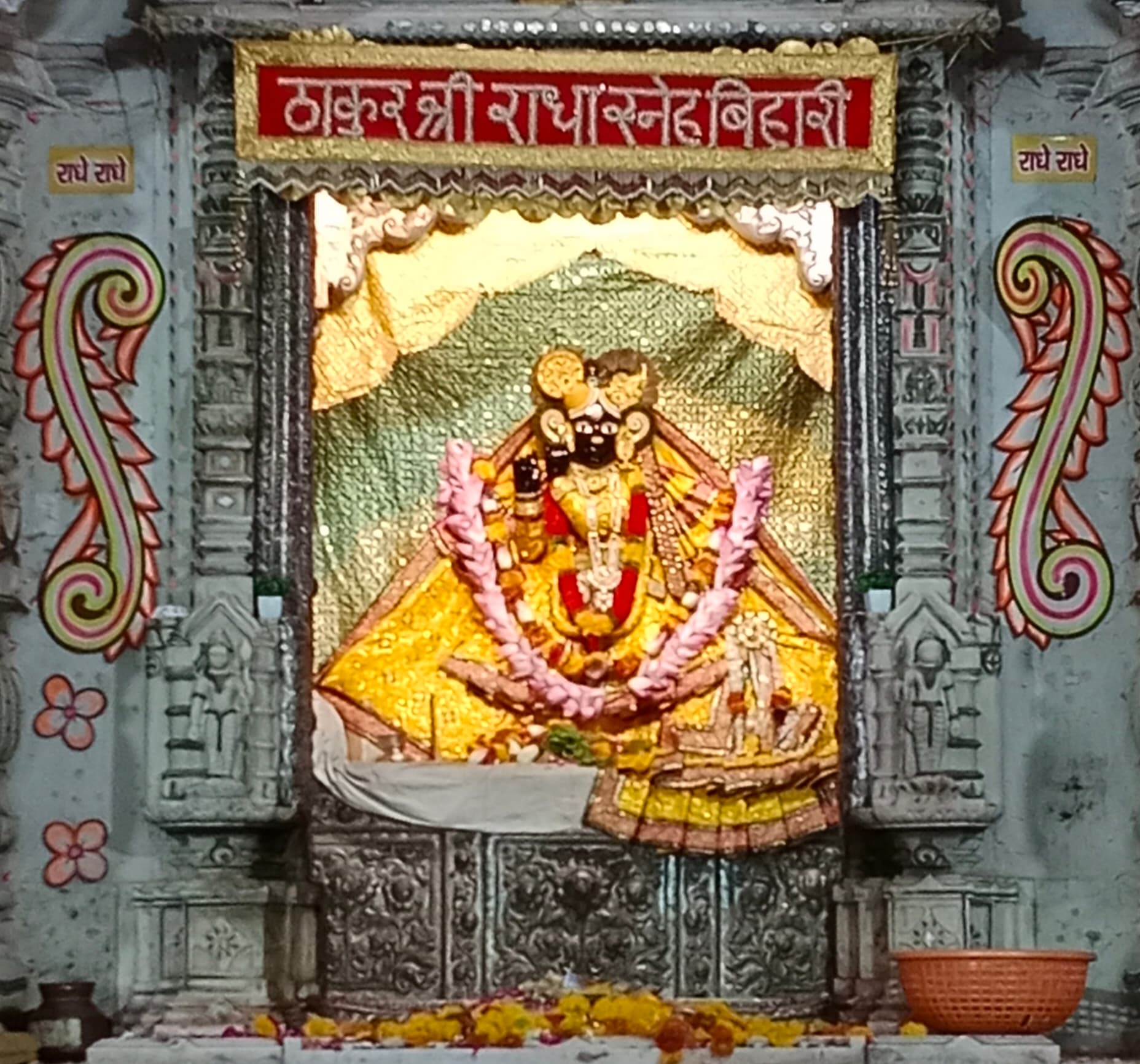
✨ Seek Blessings of Shri Banke Bihari Ji – Experience the Divine Vrindavan! 🙏
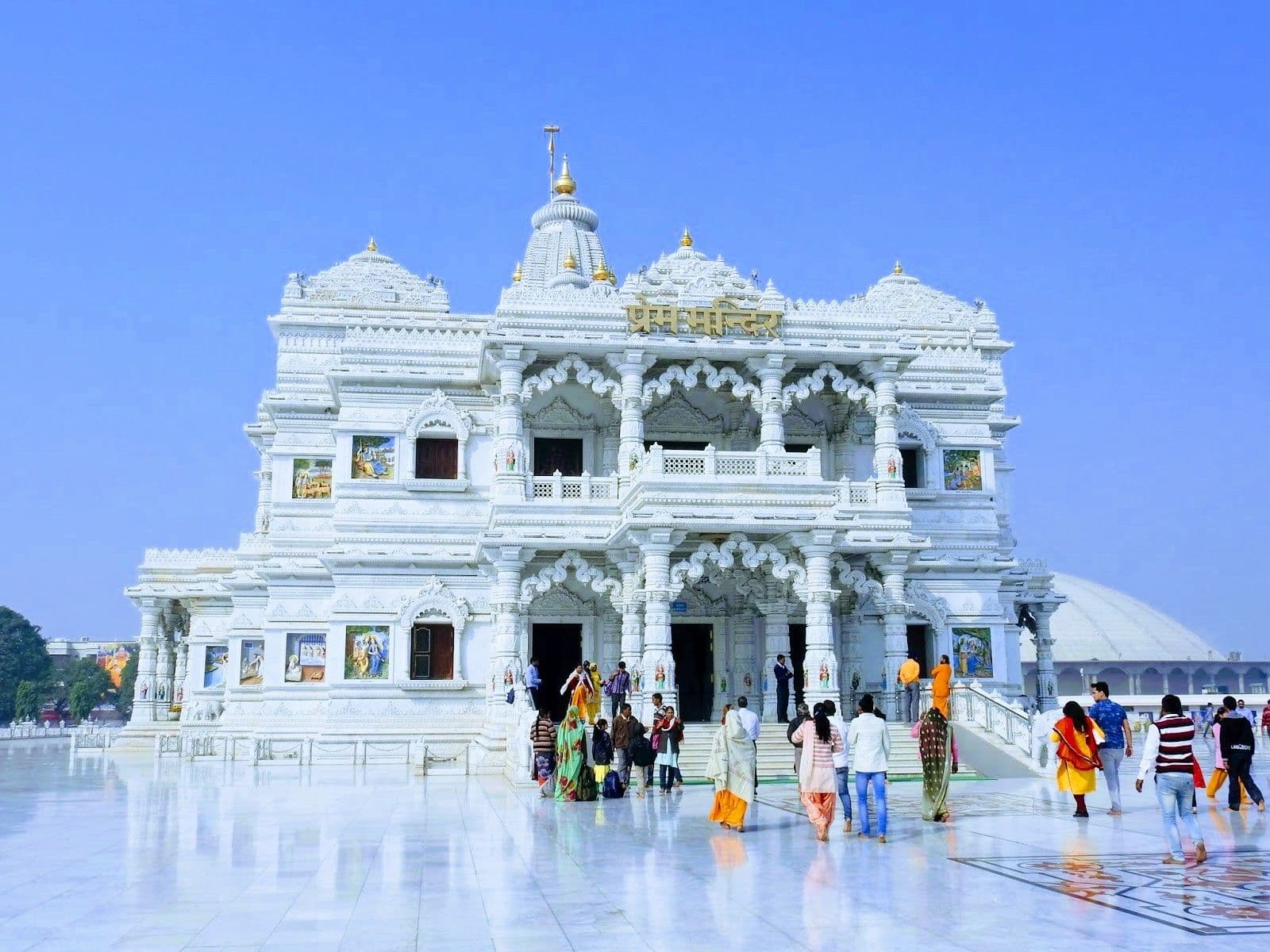
Shri Prem Mandir – Feel the Divine Love in Vrindavan 🙏
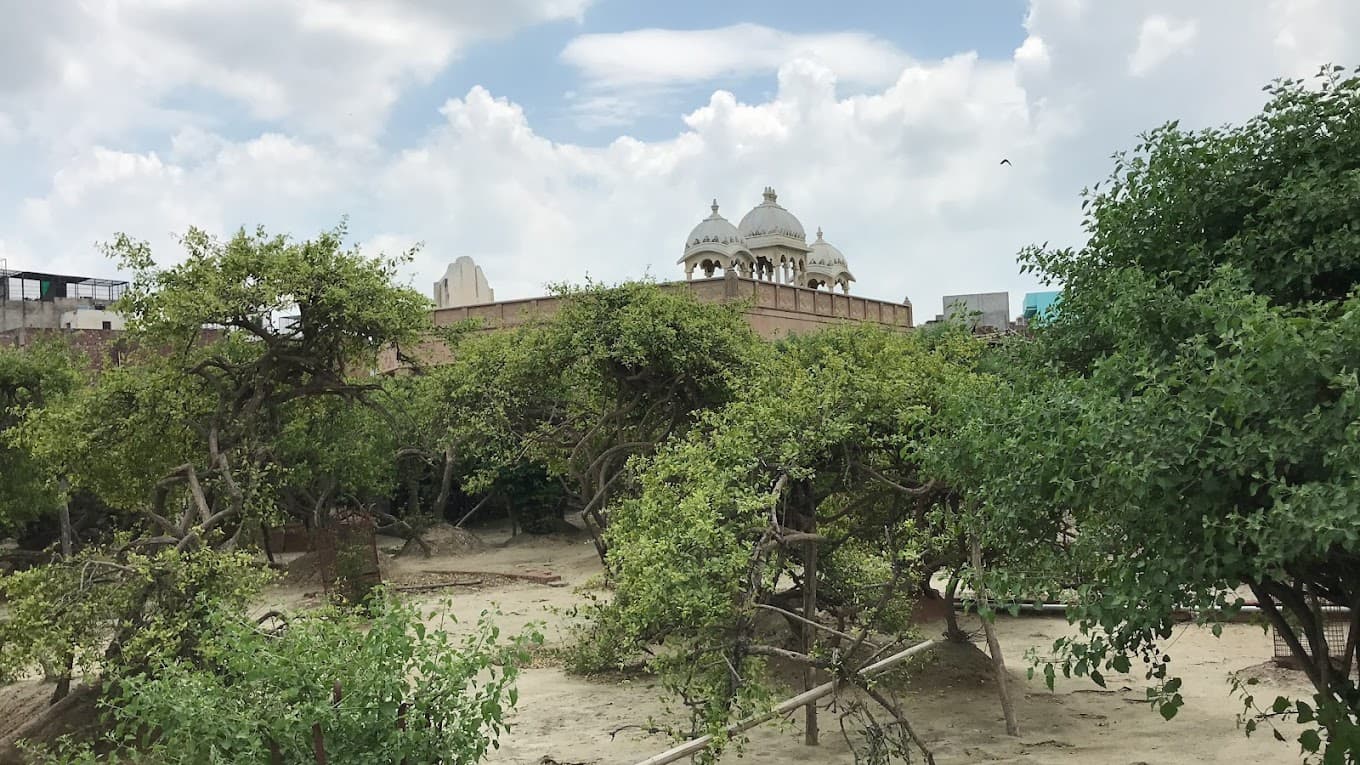
Nidhivan Vrindavan: Where Radha-Krishna Still Perform the Divine Ras Leela
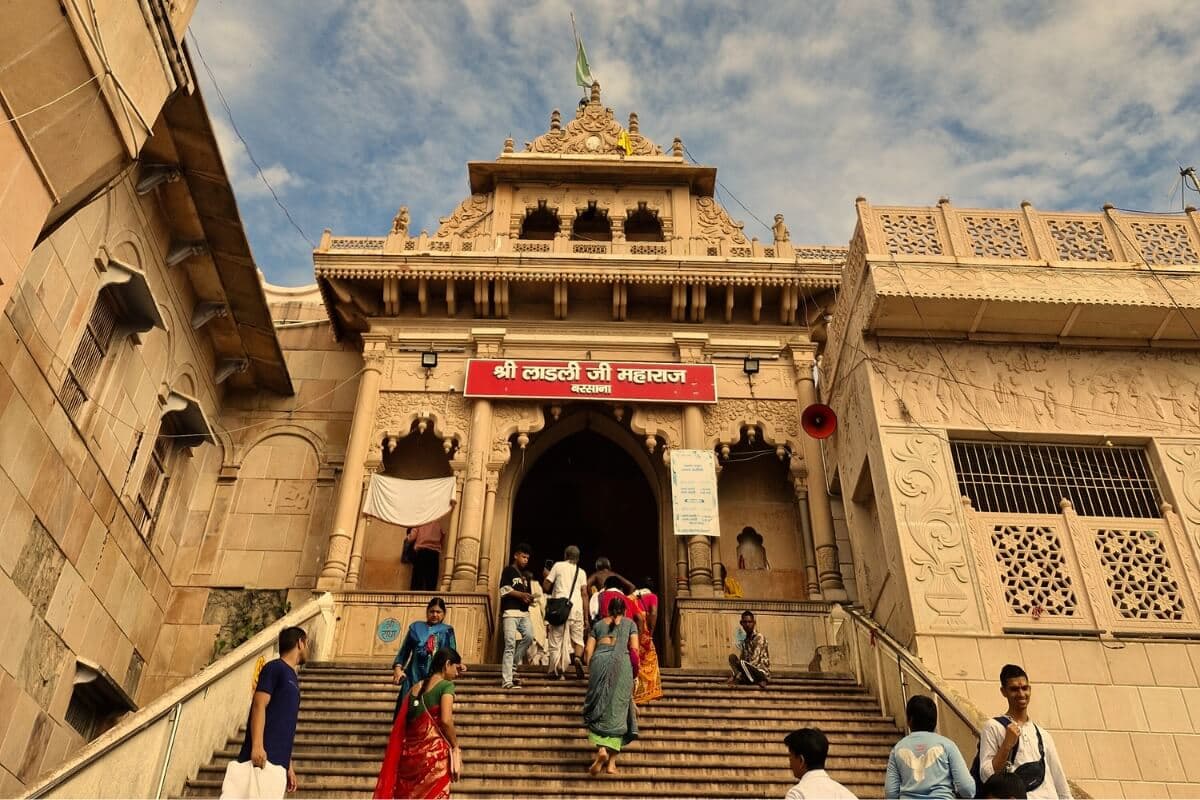
🙏 Have a divine darshan of Shri Radha Rani Temple in Barsana!
The historic Nanda Bhavan Temple in Gokul – a glimpse into the childhood of Lord Krishna
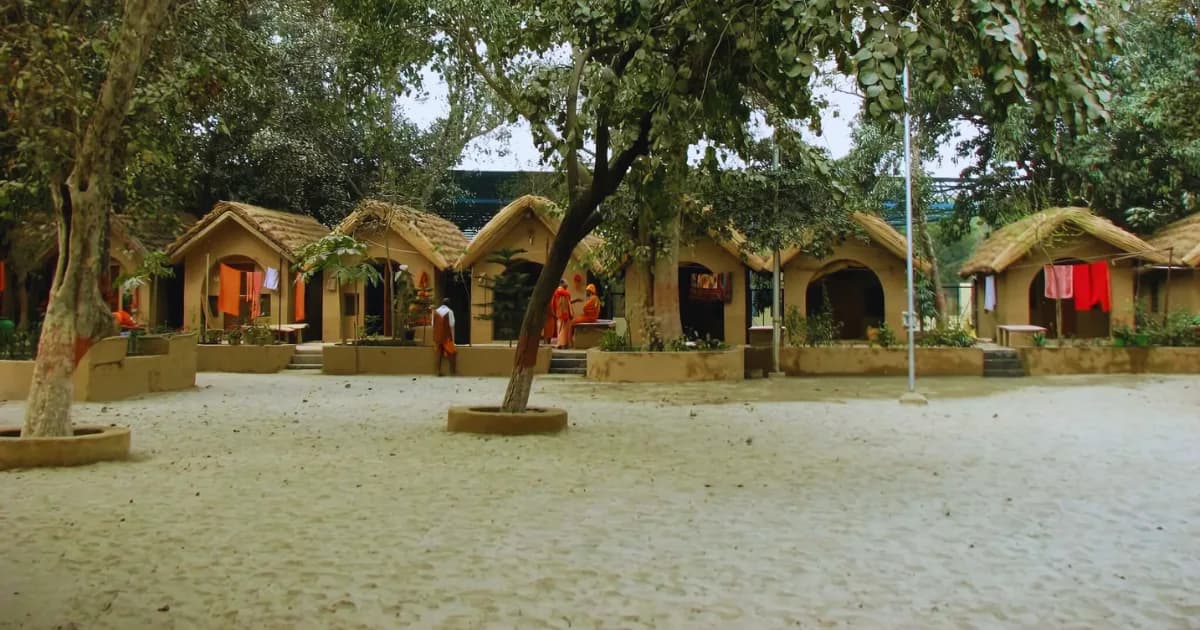
Raman Reti, Mathura: The sacred land of Balkrishna's pastimes
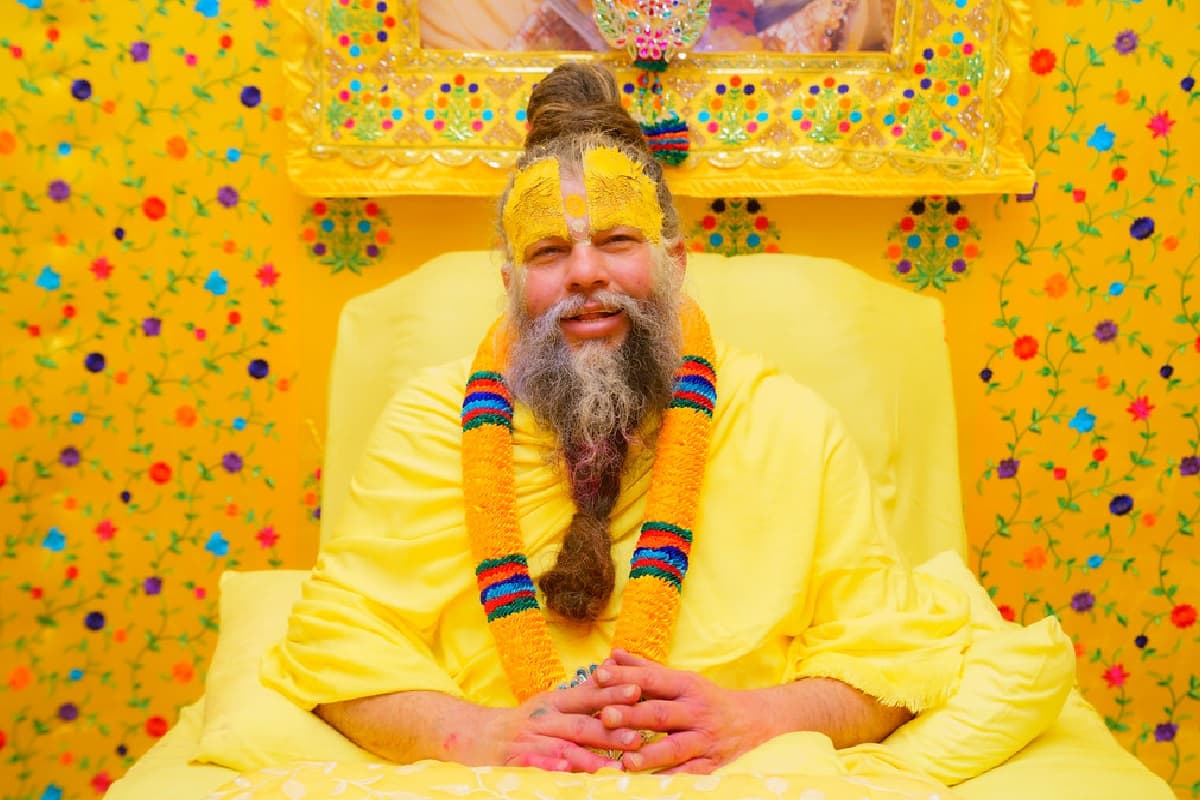
How to Get Darshan of Shri Premanand Ji Maharaj? Understand the Timings, Location & Contact Process.
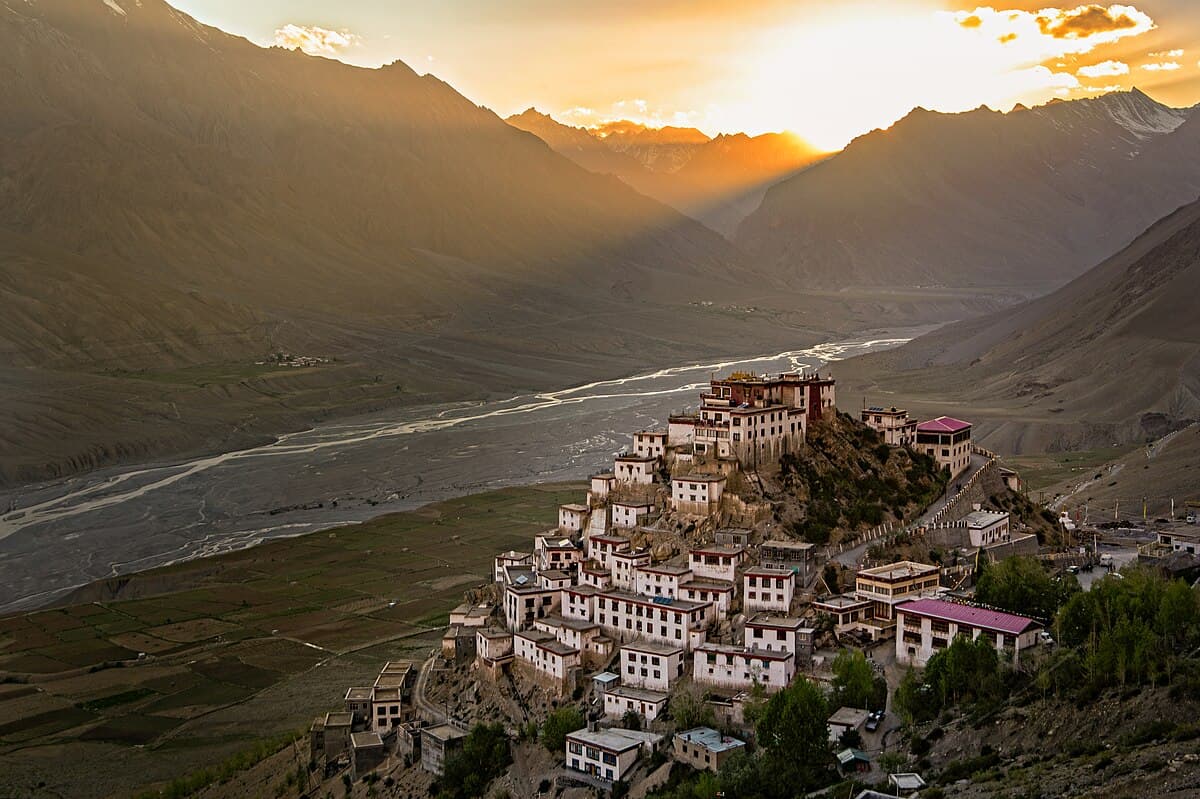
Discover the Magic of Spiti Valley – Villages, Monasteries & Scenic Wonders Await! 🏔️✨
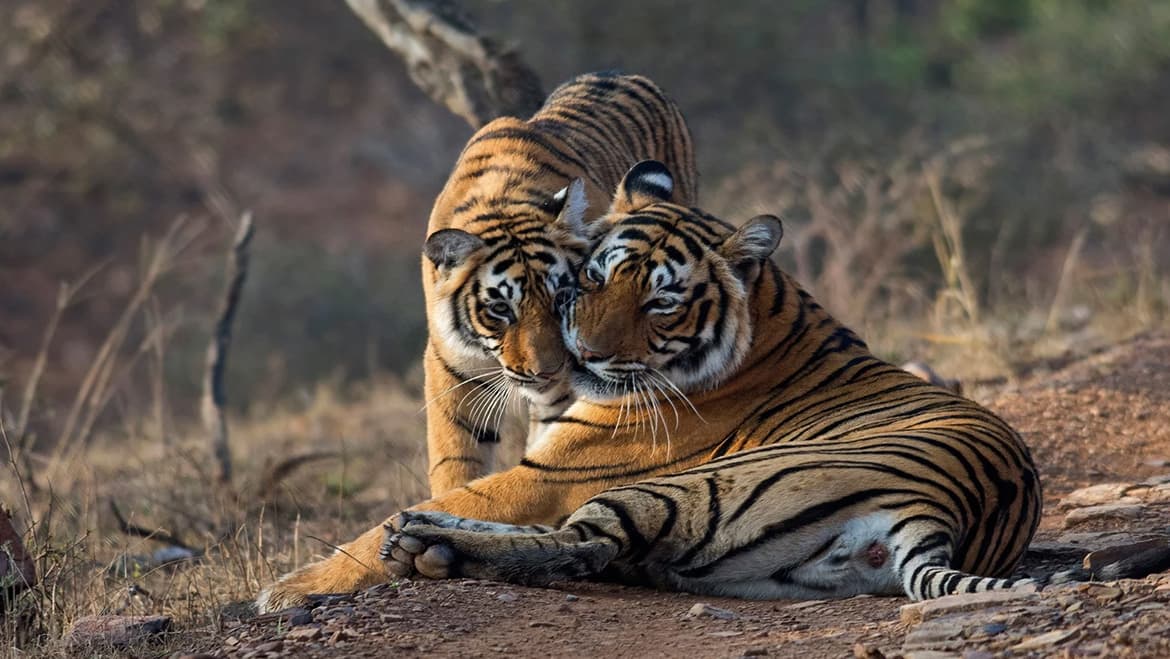
Ranthambhore National Park – Where Royal Tigers, Ancient Forts & Wilderness Come Alive
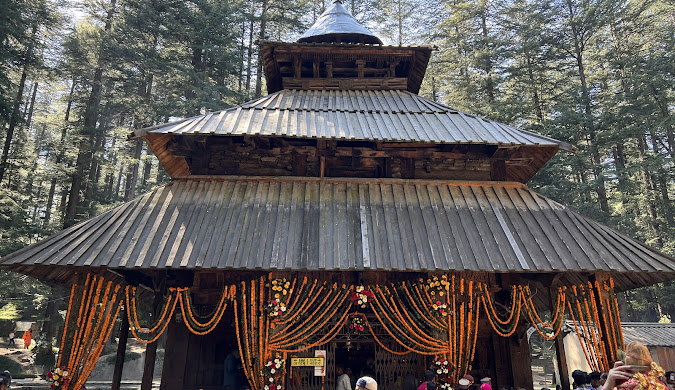
Ultimate Travel Guide to Manali: Attractions, Food, and Safety Tips
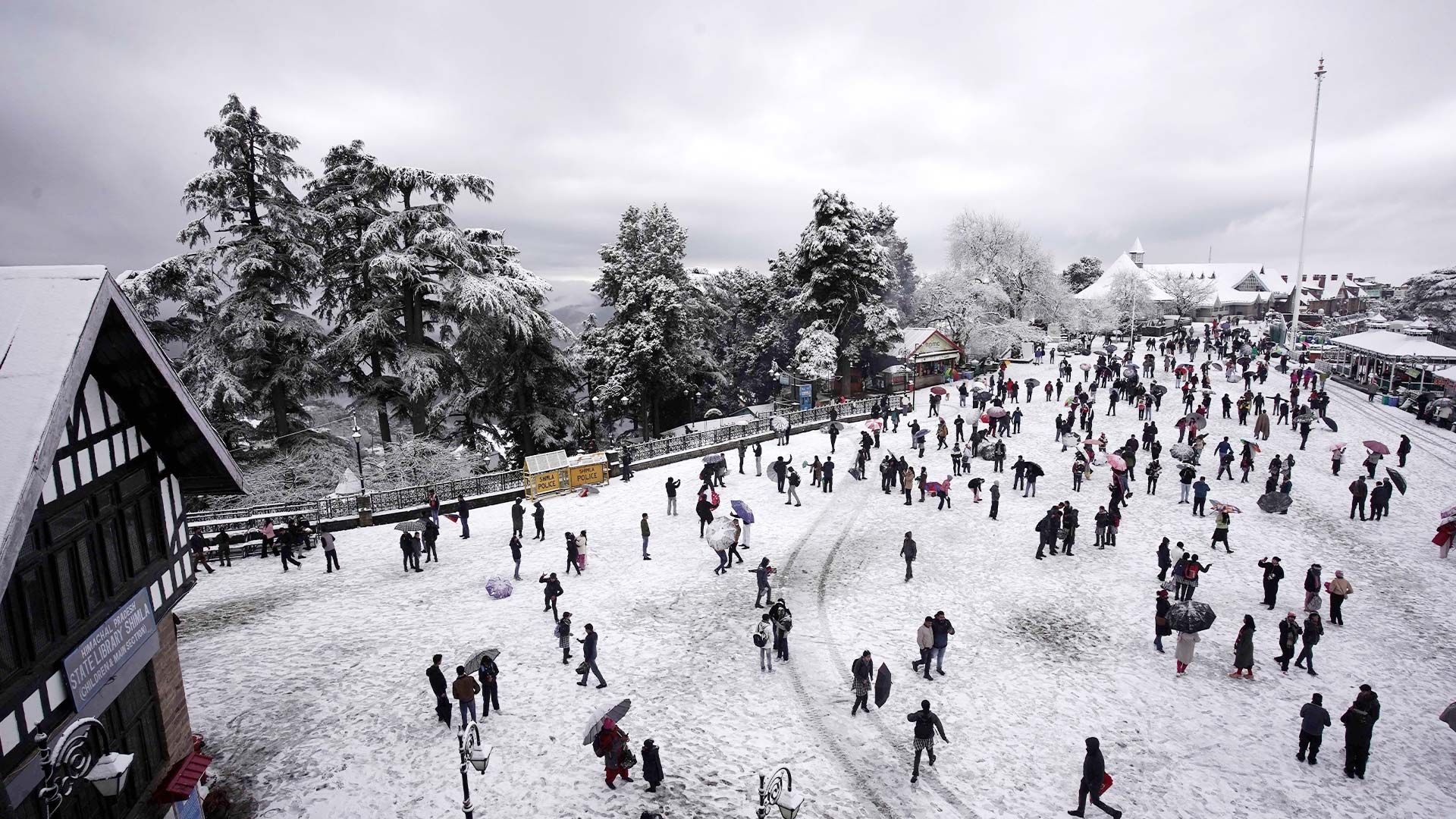
Shimla Travel Guide: Everything You Need to Know Before Visiting the Queen of Hills
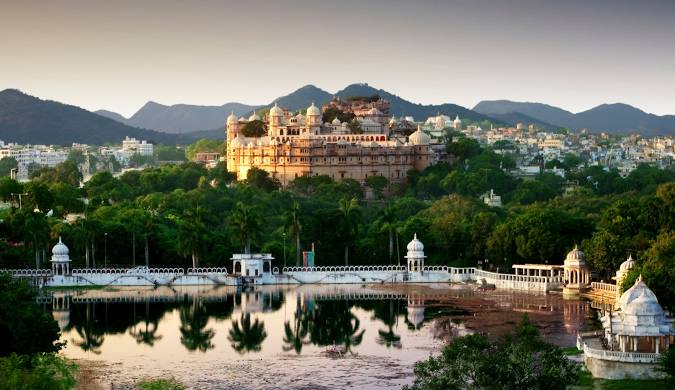
Udaipur – The Venice of the East: A Complete Travel Guide
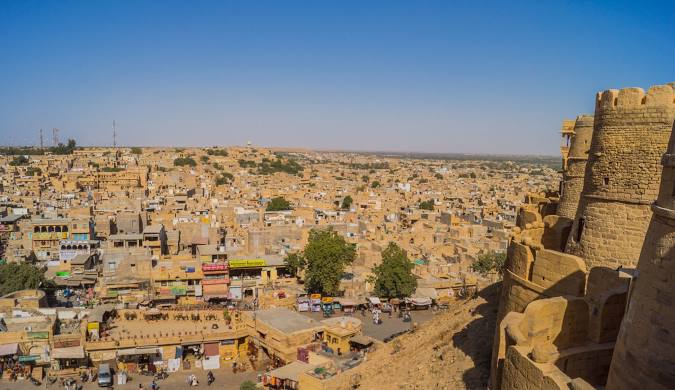
Jaisalmer Travel Guide: History, Forts, Desert Experiences, and Cultural Heritage
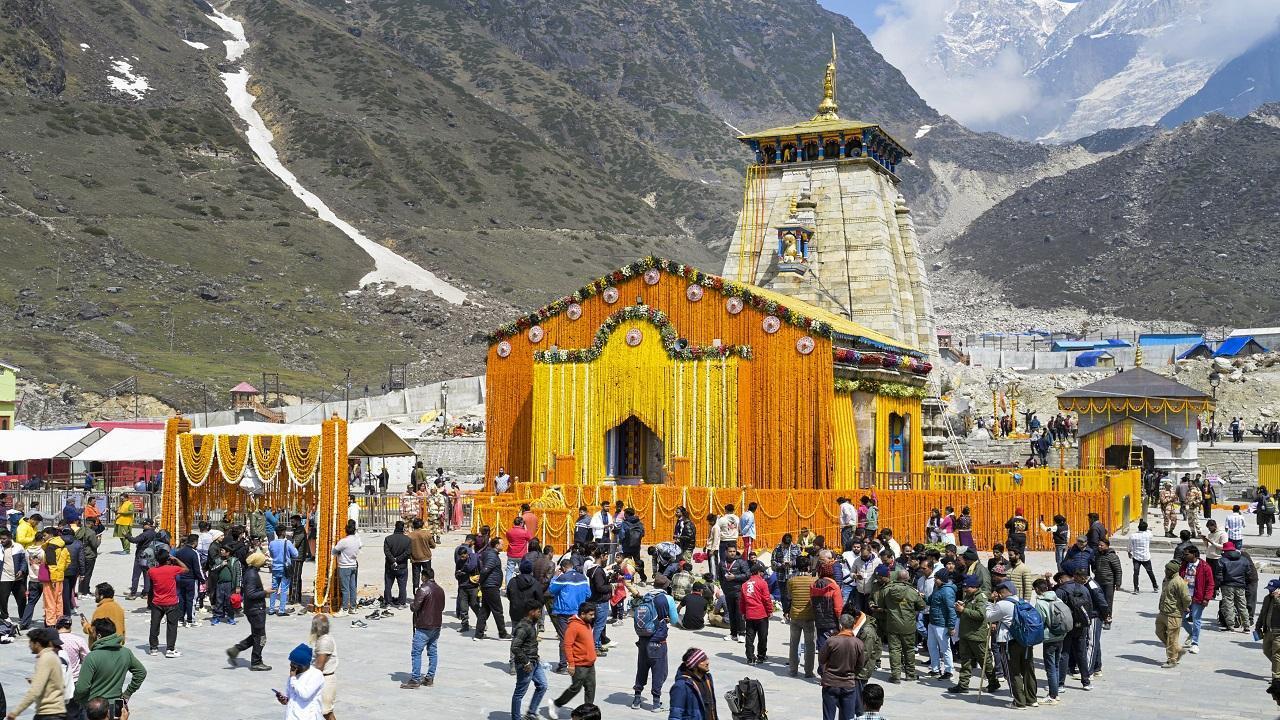
Kedarnath Yatra Registration 2026

Kedarnath Yatra Guide 2026
Kedarnath Helicopter Booking 2026: IRCTC Online Booking, Dates, Price & Complete Guide
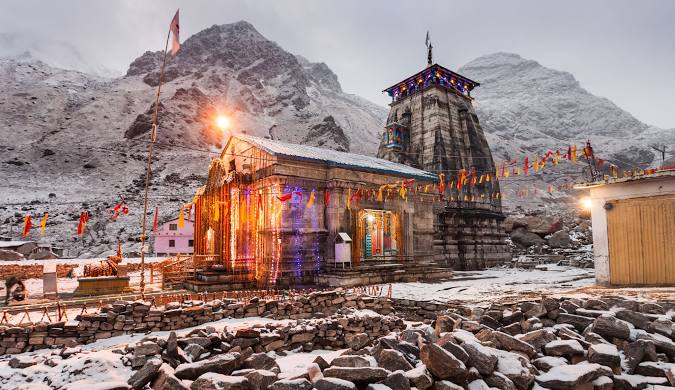
Kedarnath Temple Opens for 2026 Pilgrimage Season on April 22 at 8 AM

Kedarnath Yatra 2026: Ground Reality You Should Know Before Visiting
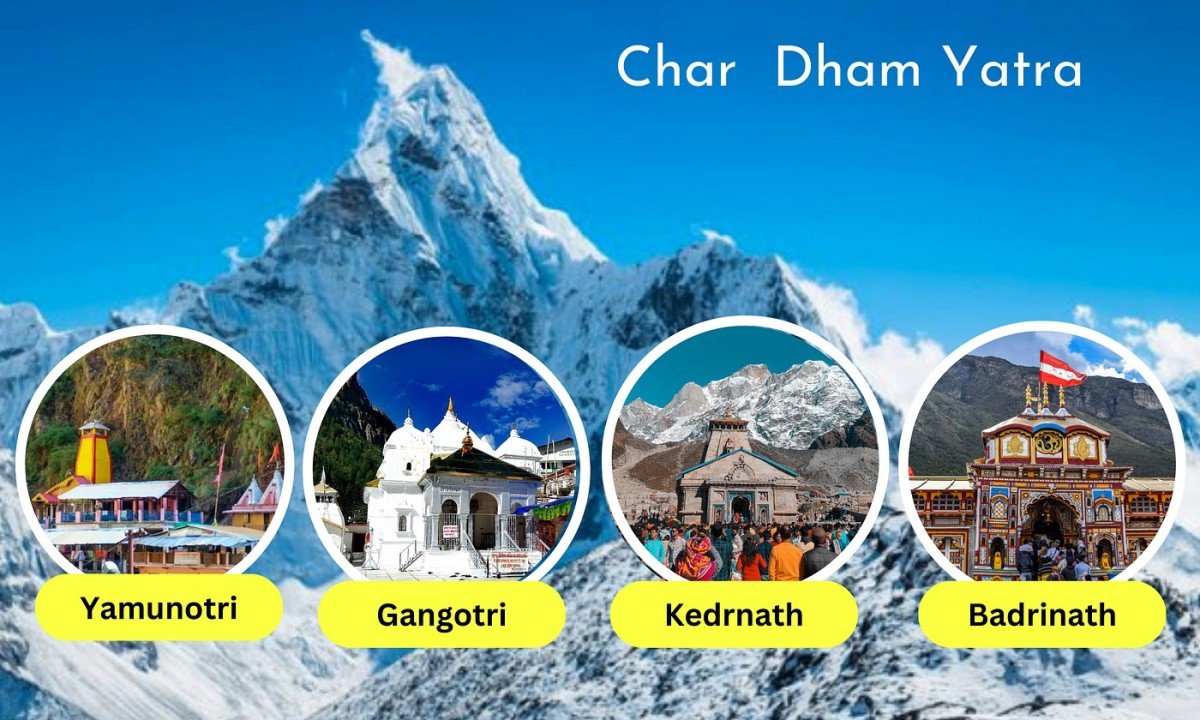
Number of Devotees on Char Dham Yatra Crosses 6.62 Lakh Till 3 May 2026
Harshil Valley – Uttarakhand’s Hidden Himalayan Paradise You Must Visit Once
Kinner Kailash – The Mystical Abode of Lord Shiva in the Himalayas
Madhyamaheshwar Temple Travel Guide 2026 – History, Trek, Route, Stay & Complete Travel Information
Delhi to Leh Bus Service 2026: Fare, Route, Timings, Stops & Complete Travel Guide
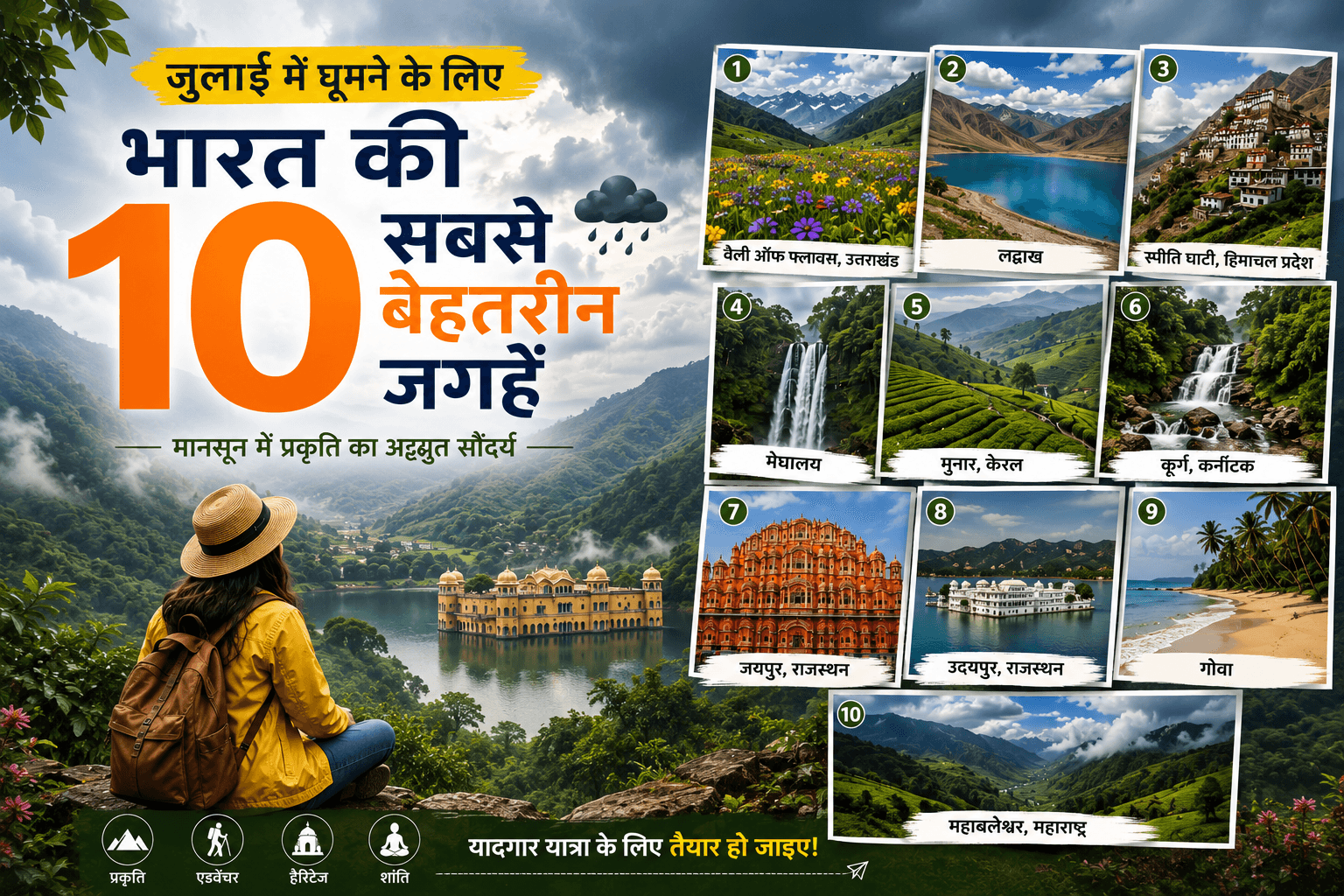
Top 10 Best Places to Visit in July in India (2026) – Monsoon Destinations You Shouldn't Miss
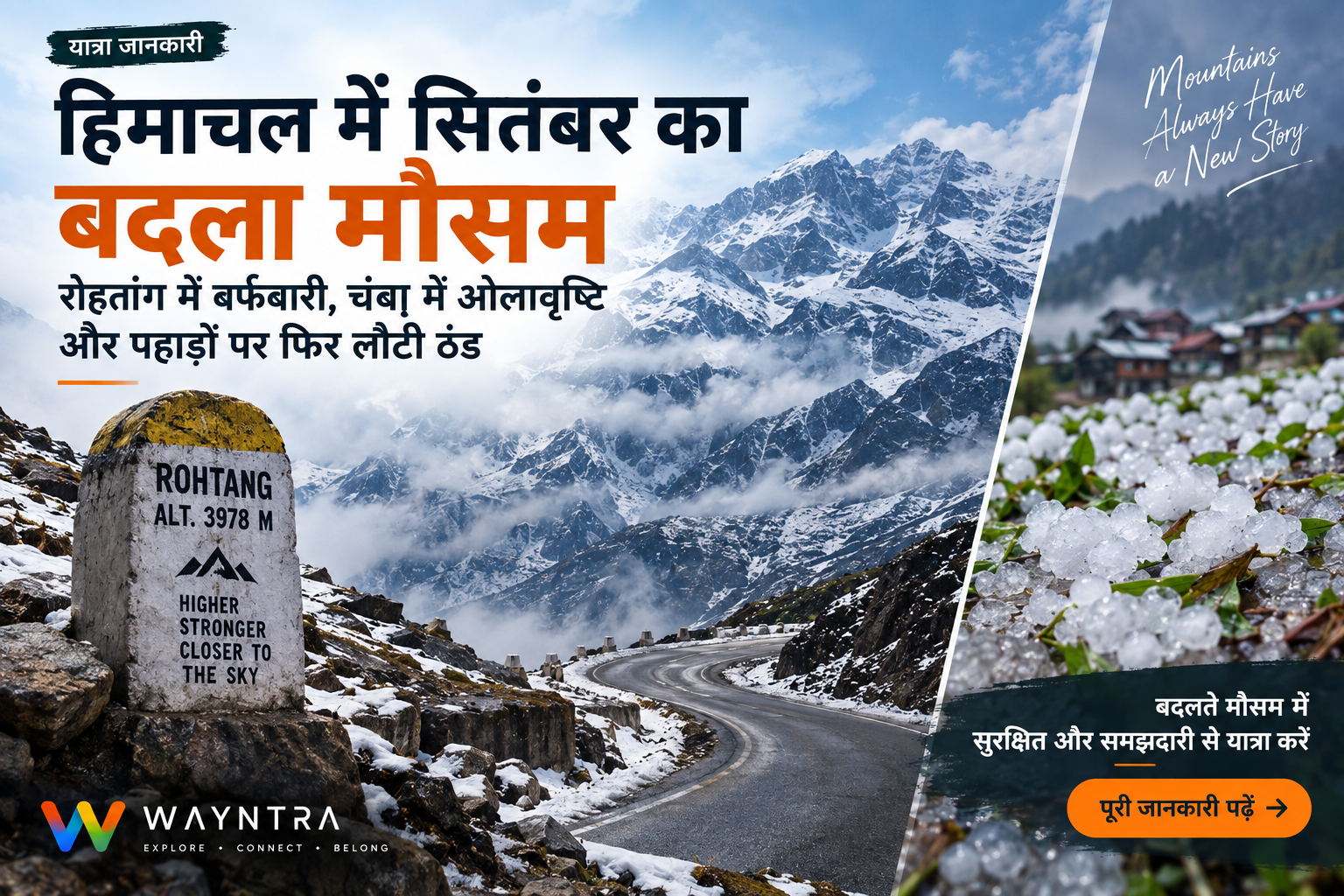
हिमाचल में सितंबर का बदला मौसम: रोहतांग में बर्फबारी, चंबा में ओलावृष्टि और पहाड़ों पर लौटी ठंड
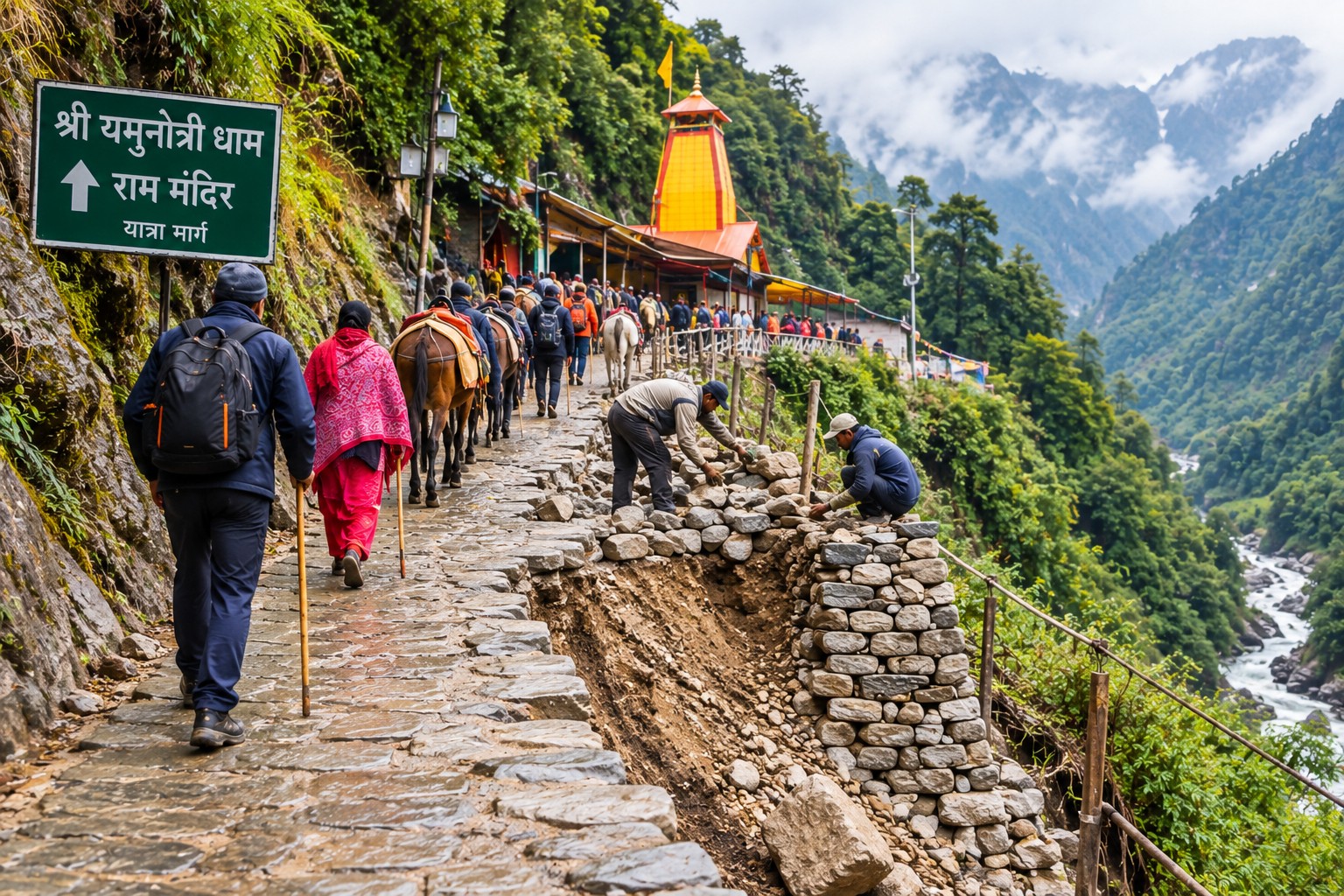
Yamunotri Dham: Safety Concerns Remain Near Ram Mandir on the Yatra Route
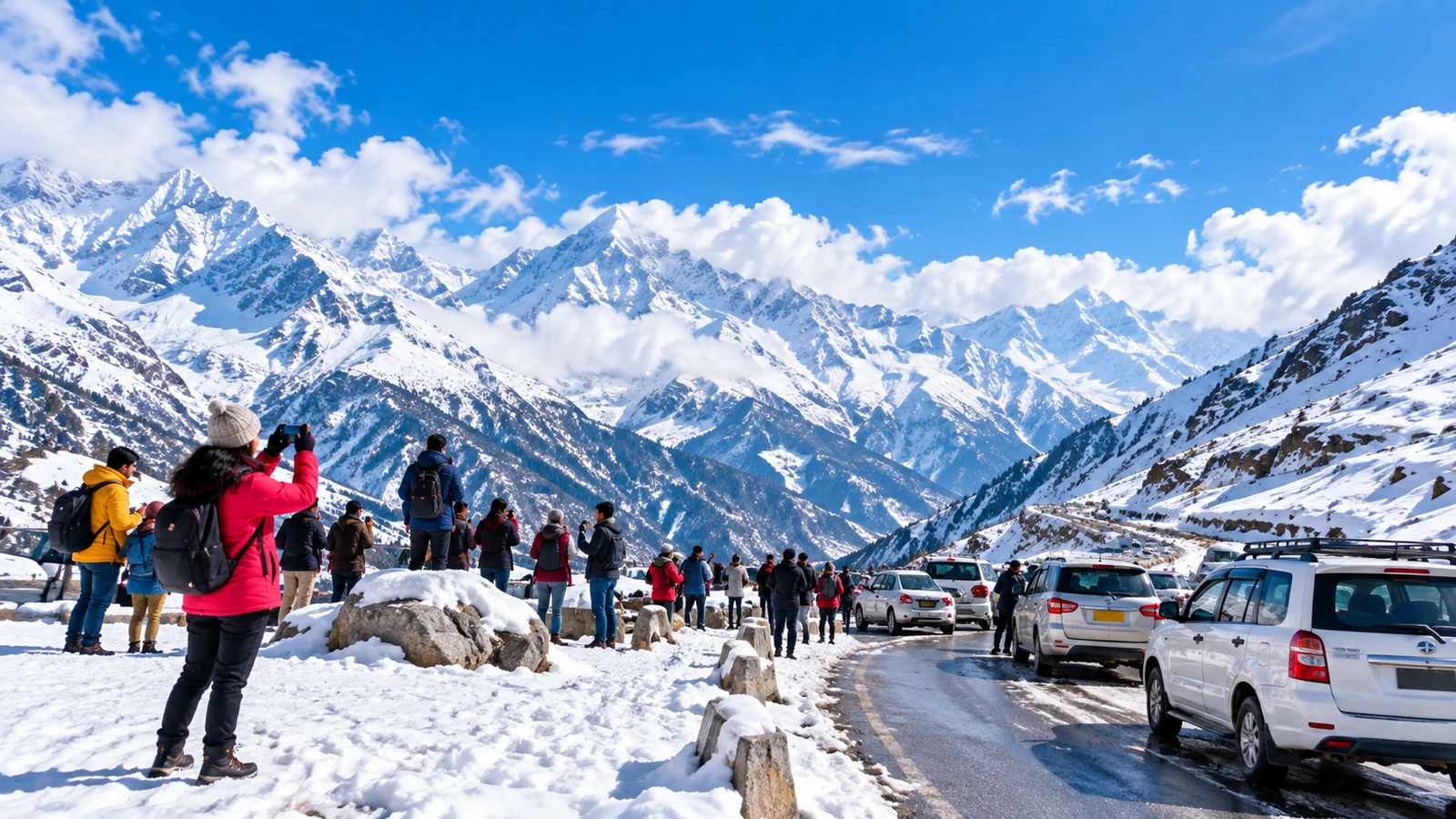
Tourists Flock to Rohtang After Snowfall, Over 600 Vehicles Arrive; Manali Comes Alive
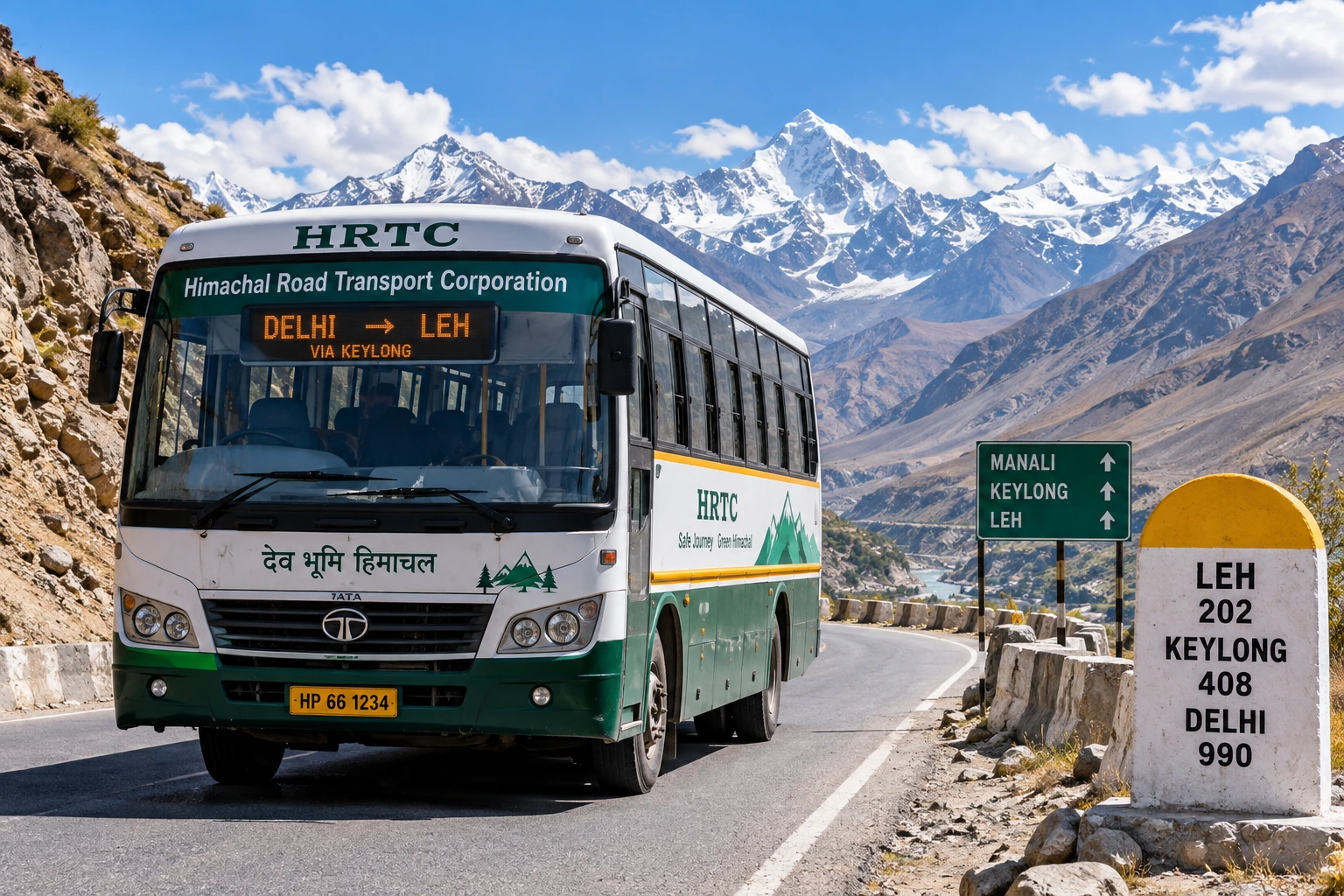
Delhi–Leh HRTC Bus Service Suspended: Service Will Resume Next May, Know All the Details

River Rafting May Resume in Rishikesh from September 23
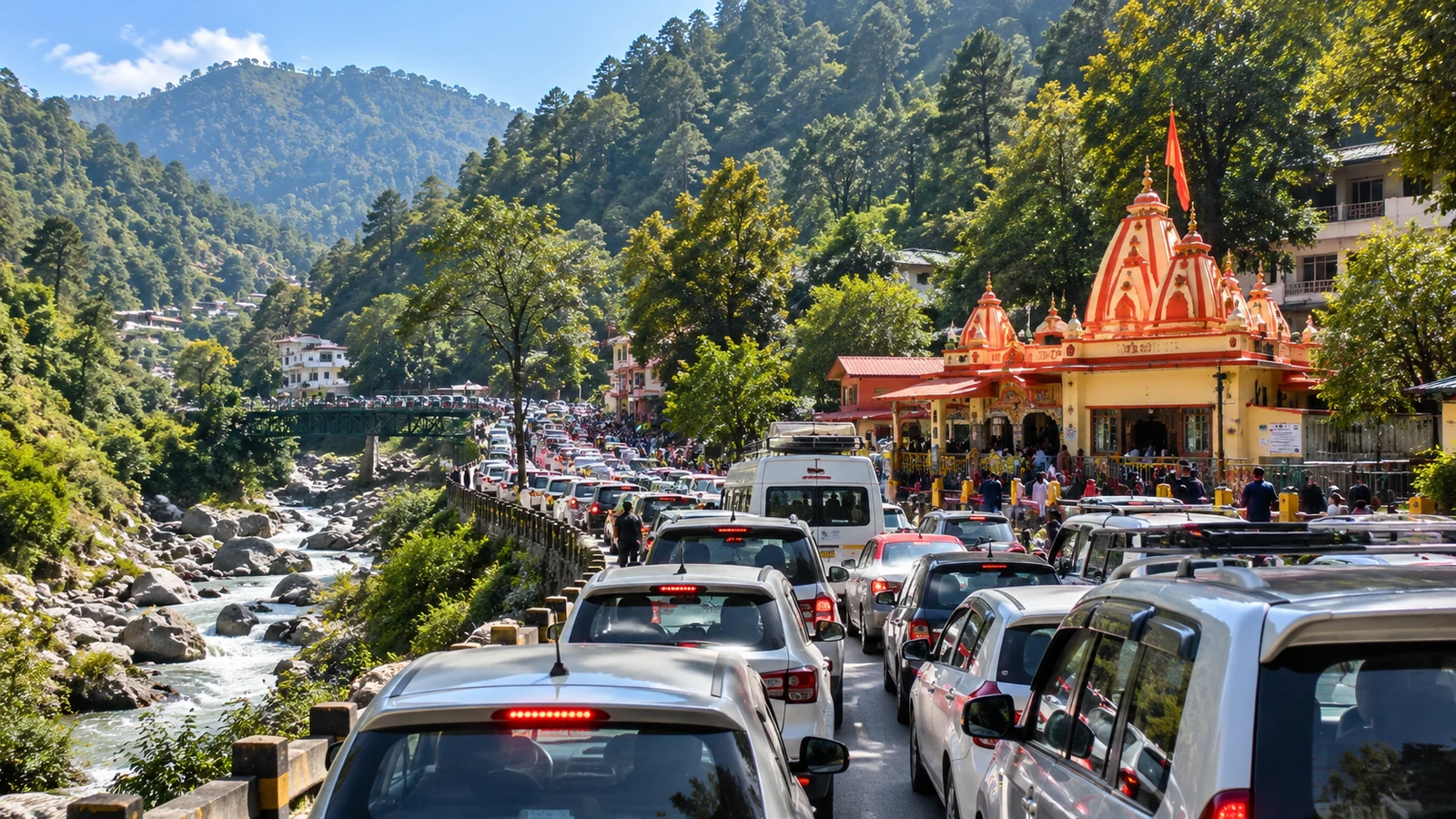
Heavy Crowd of Devotees at Kainchi Dham, 2-Km-Long Traffic Jam Reported
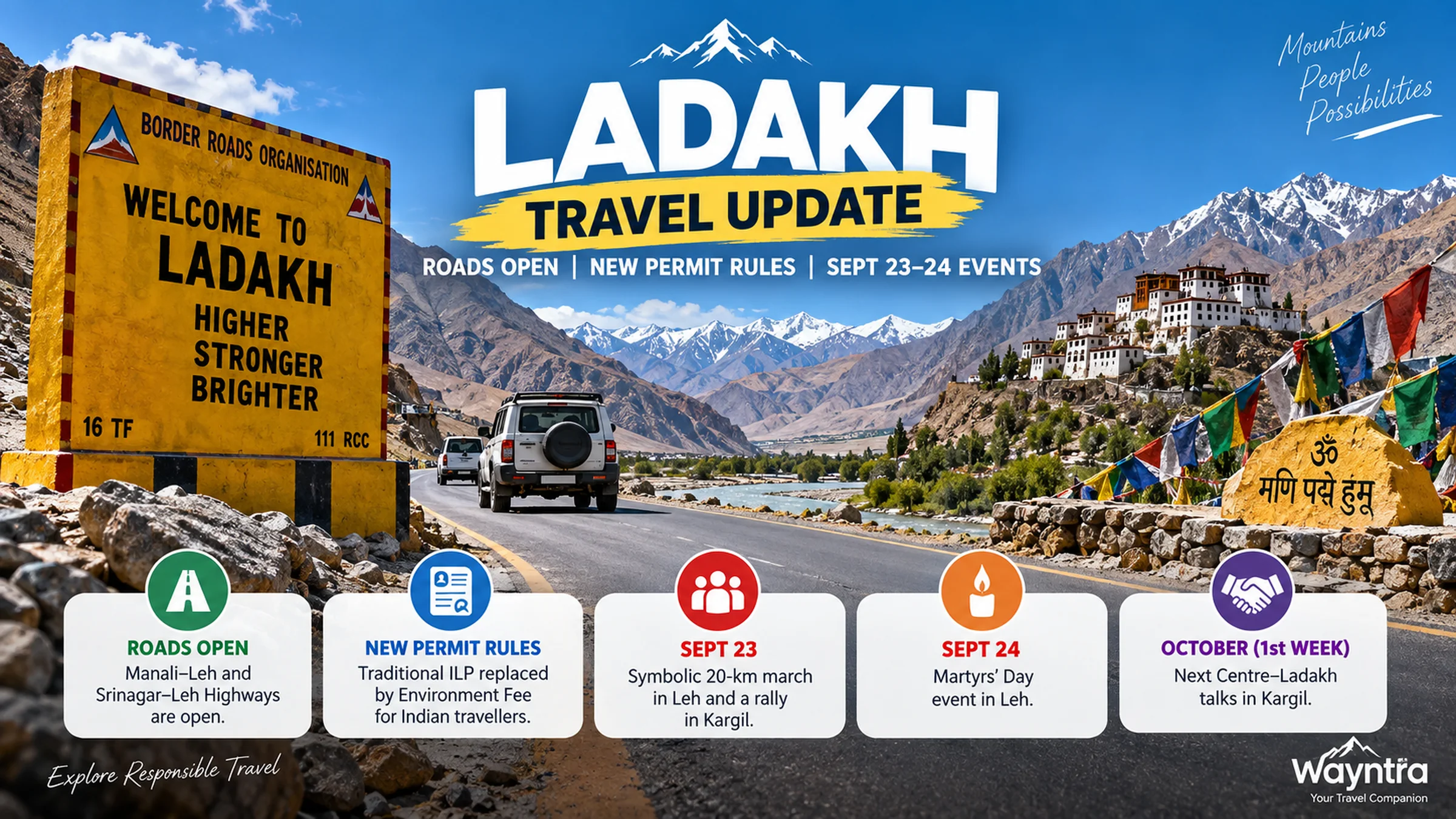
Ladakh Travel Update: Roads Open, New Permit Rules and September 23–24 Events
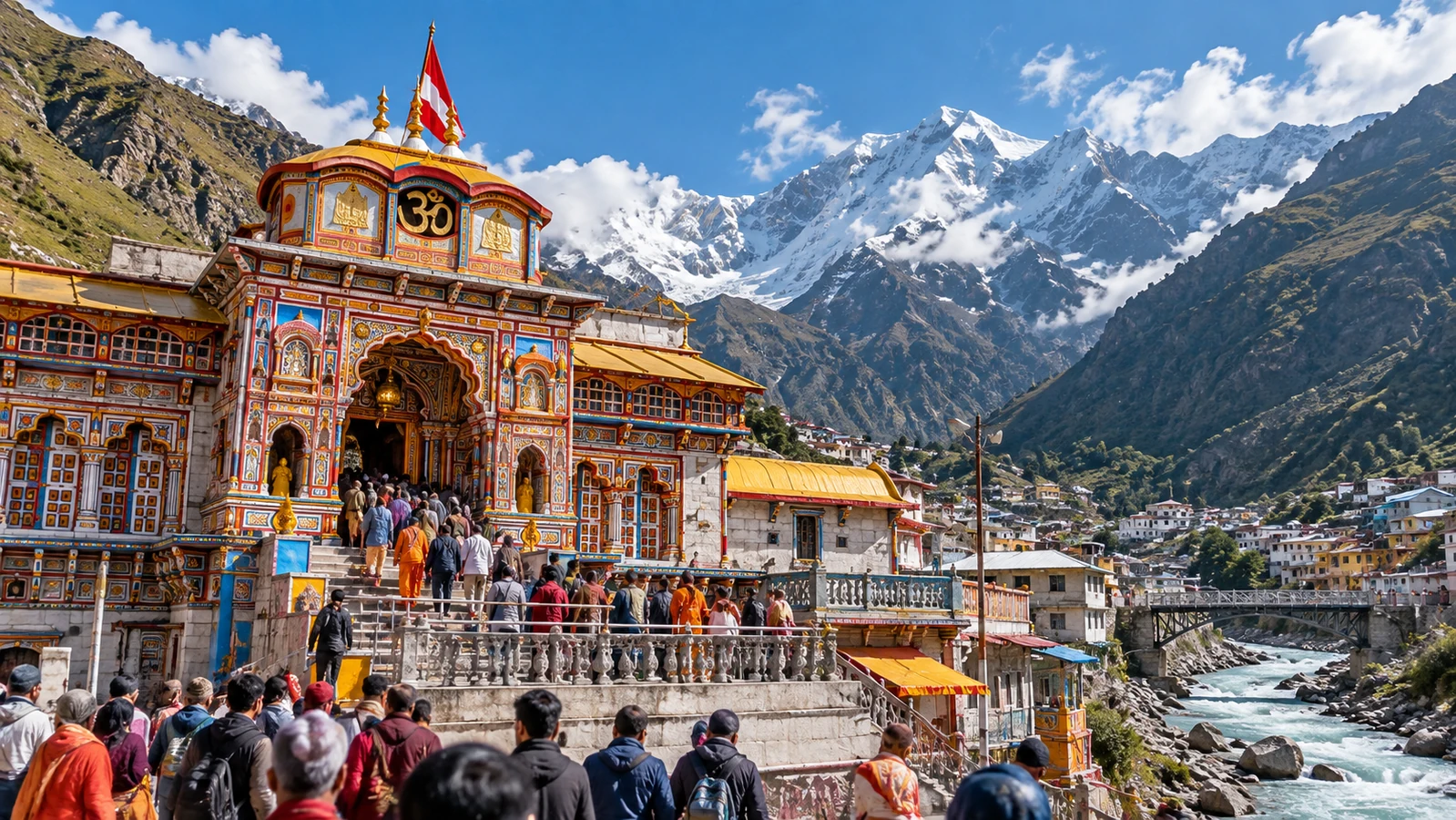
Badrinath Dham: Second Phase of Yatra Picks Up Pace, Thousands of Devotees Arriving for Darshan
हिमाचल में सितंबर में बर्फबारी ने बदला मौसम का मिजाज, 18 साल बाद रिकॉर्ड ठंड
Other destinations in West Bengal
Darjeeling — travel FAQs
Where is Darjeeling located?
Why is Darjeeling famous?
What is the best time to visit Darjeeling?
How many days are enough for a Darjeeling trip?
What are the top tourist attractions in Darjeeling?
Is snowfall common in Darjeeling?
How can I reach Darjeeling?
Is Darjeeling suitable for family trips?
What local food should I try in Darjeeling?
Is Darjeeling safe for solo travelers?
Wayntra app
Explore Darjeeling with Wayntra
Discover the best places, local experiences, businesses and travel activities around Darjeeling.