India’s local-first travel ecosystem — book local operators direct, zero commission

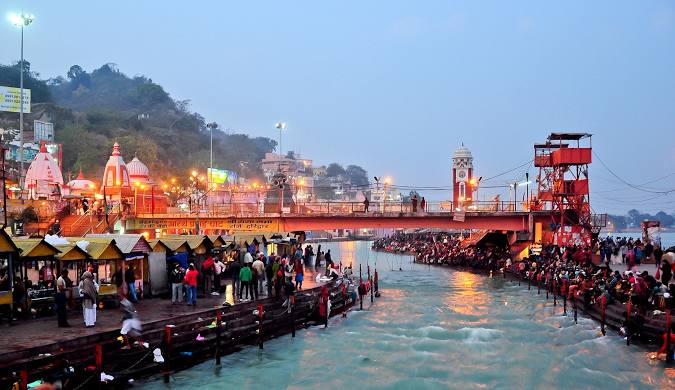
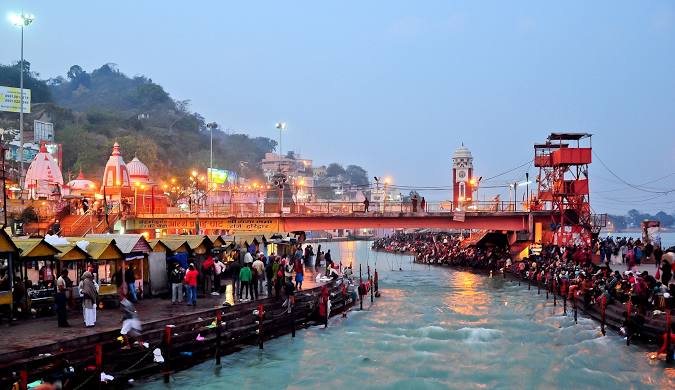
Haridwar is one of the most sacred and famous religious cities in India. Located on the banks of the holy Ganga River, Haridwar holds immense importance in Hinduism and is considered one of the holiest pilgrimage destinations in the country. The city is often called the “Gateway to the Gods” because it serves as the entry point to the Himalayas and the Char Dham Yatra. Due to its spiritual atmosphere, ancient temples, sacred ghats, and world-famous Ganga Aarti, millions of pilgrims and tourists visit Haridwar every year.
The history of Haridwar dates back thousands of years and finds mention in several ancient Hindu scriptures, Puranas, and mythological stories. According to Hindu beliefs, drops of the sacred nectar (Amrit) fell in Haridwar during the Samudra Manthan (churning of the ocean), making this city extremely holy. Because of this spiritual significance, Haridwar hosts the famous Kumbh Mela, one of the largest religious gatherings in the world.
The holy Ganga River is the heart and soul of Haridwar. It is believed that this is the place where the Ganga descends from the Himalayas and enters the plains of North India. The evening Ganga Aarti performed at the ghats of Haridwar is considered one of the most divine spiritual experiences in India. The sight of thousands of diyas floating on the river along with chanting, bells, and devotional music creates a magical atmosphere.
Har Ki Pauri is the most famous and sacred ghat in Haridwar. According to religious beliefs, this place carries the footprints of Lord Vishnu. Devotees gather here for holy bathing rituals and to attend the mesmerizing evening Ganga Aarti. During festivals and special occasions, the ghat witnesses massive crowds of pilgrims from across the country.
Haridwar is culturally and spiritually rich and is home to many famous temples. Important religious sites include Mansa Devi Temple, Chandi Devi Temple, Maya Devi Temple, Bharat Mata Temple, and Daksh Mahadev Temple. These temples attract devotees throughout the year and are considered highly significant in Hindu tradition.
The city is also globally recognized as a major center for yoga, meditation, and spiritual learning. Haridwar has numerous ashrams, yoga centers, and spiritual institutions where people from around the world come to practice yoga, meditation, and seek inner peace. Along with nearby Rishikesh, Haridwar forms one of India’s most important spiritual and wellness destinations.
The natural beauty of Haridwar adds to its charm. The flowing Ganga River, green surroundings, fresh air, and scenic Himalayan backdrop create a peaceful and relaxing atmosphere for travelers. Walking along the ghats during sunrise and sunset offers a unique and calming experience.
Haridwar becomes even more vibrant during religious festivals and spiritual events. Major celebrations include Kumbh Mela, Kanwar Yatra, Ganga Dussehra, Diwali, and Makar Sankranti. During the Kumbh Mela, millions of devotees and saints gather in Haridwar, making it one of the largest spiritual events in the world.
Haridwar is also famous for its delicious vegetarian cuisine and street food. Travelers especially enjoy dishes like Kachori Sabzi, Aloo Puri, Rabri, Lassi, Jalebi, and traditional North Indian meals. The areas around Har Ki Pauri and the main markets are filled with old and famous food shops serving authentic local flavors.
Shopping in Haridwar is another popular experience for visitors. The local markets are known for religious items, rudraksha malas, Ayurvedic products, handicrafts, spiritual books, puja items, and souvenirs related to the Ganga River. Moti Bazaar and Bara Bazaar are among the most popular shopping markets in the city.
From a tourism perspective, Haridwar is rapidly developing with excellent accommodation options including hotels, dharamshalas, homestays, luxury resorts, and wellness retreats. Most travelers visiting Uttarakhand or beginning the Char Dham Yatra start their journey from Haridwar.
Today, Haridwar is not only a religious city but also a major center of India’s spiritual, cultural, and yogic heritage. Visitors coming here experience devotion, peace, meditation, yoga, and the divine beauty of the Ganga River. The holiness, spiritual atmosphere, and cultural richness of Haridwar make it one of the most special pilgrimage destinations in India.
Quick view
📍 Location:
Uttarakhand, India
🕰️ Best Time to Visit:
🌤️ October to March: Pleasant weather and best for sightseeing, temple visits & Ganga Aarti
🔥 April to June: Warm summer season, ideal for Char Dham travelers
🌧️ July to September: Monsoon season with lush greenery and spiritual vibes
🛕 Top Attractions in Haridwar:
🌊 Har Ki Pauri – The most sacred ghat famous for the evening Ganga Aarti
🛕 Mansa Devi Temple – Popular hilltop temple dedicated to Goddess Mansa Devi
🚡 Chandi Devi Temple – Sacred temple accessible by ropeway with scenic views
🕉️ Maya Devi Temple – One of the oldest and most important Shakti Peethas
🏛️ Bharat Mata Temple – Multi-storey temple dedicated to Bharat Mata and Indian culture
🙏 Daksh Mahadev Temple – Ancient Shiva temple associated with Sati and Daksha Prajapati
🌿 Shanti Kunj – Spiritual and yoga center of the Gayatri Parivar organization
🪔 Sapt Rishi Ashram – Peaceful ashram linked with the seven great sages of Hinduism
🌅 Ganga Ghats – Famous for holy bathing rituals, meditation, and spiritual atmosphere
🏞️ Rajaji National Park – Popular wildlife destination near Haridwar
🍽️ Local Food to Try:
🥘 Kachori Sabzi – Traditional and famous breakfast dish
🍛 Aloo Puri – Popular North Indian meal served across Haridwar
🍬 Rabri & Jalebi – Sweet delicacies loved by travelers
🥛 Kulhad Lassi – Refreshing yogurt drink served in clay cups
🍢 Chaat & Pakoras – Must-try local street food experiences
🍲 Satvik Bhojan – Pure vegetarian meals served near temples and ashrams
🛍️ What to Shop:
📿 Rudraksha Malas & Spiritual Items
🪔 Religious Idols & Puja Materials
🧴 Ayurvedic Products & Herbal Medicines
🧵 Handicrafts & Traditional Clothing
📖 Spiritual Books & Ganga Souvenirs
🎉 Festivals to Experience:
🪔 Kumbh Mela – One of the world’s largest spiritual gatherings
🚩 Kanwar Yatra – Massive pilgrimage dedicated to Lord Shiva
🌊 Ganga Dussehra – Festival celebrating the descent of River Ganga
✨ Diwali – Ghats and temples beautifully decorated with lights and diyas
🙏 Makar Sankranti – Holy bathing rituals at the Ganga Ghats
🚗 How to Reach:
✈️ By Air: Jolly Grant Airport, Dehradun (approx. 35 km)
🚆 By Train: Haridwar Junction connects major Indian cities
🛣️ By Road: Well connected with Delhi, Rishikesh, Dehradun & other North Indian cities
🧭 Nearby Places for Day Trips:
🧘 Rishikesh – Yoga capital famous for adventure and spirituality
🏞️ Rajaji National Park – Wildlife safari and nature destination
🌄 Mussoorie – Popular hill station near Dehradun
🕉️ Neelkanth Mahadev Temple – Sacred Shiva temple in the hills
🌿 Devprayag – Holy confluence of Alaknanda and Bhagirathi rivers
🧳 Ideal Trip Duration:
🗓️ 2 to 3 Days – Perfect for temples, Ganga Aarti, yoga & nearby sightseeing
🎯 Fun Facts About Haridwar:
🟠 Haridwar is one of the seven holiest cities (Sapta Puri) in Hinduism
🔵 The Ganga River enters the plains from the Himalayas at Haridwar
🟢 Har Ki Pauri hosts one of India’s most famous Ganga Aartis
🟣 Kumbh Mela in Haridwar attracts millions of pilgrims from around the world
🟡 Haridwar is considered the gateway to Char Dham Yatra and the Himalayas
Key Attractions
🛕 Religious & Spiritual Places:
🌊 Har Ki Pauri – The most sacred ghat in Haridwar, famous for the mesmerizing evening Ganga Aarti and holy bathing rituals.
🛕 Mansa Devi Temple – Popular hilltop temple dedicated to Goddess Mansa Devi, accessible by ropeway and trekking route.
🚡 Chandi Devi Temple – Sacred temple located on Neel Parvat, offering beautiful panoramic views of Haridwar.
🕉️ Maya Devi Temple – One of the ancient Shakti Peethas and among the oldest temples in Haridwar.
🙏 Daksh Mahadev Temple – Famous Shiva temple associated with the legend of Sati and King Daksha.
🏛️ Bharat Mata Temple – Unique multi-storey temple dedicated to Bharat Mata, Indian culture, saints, and freedom fighters.
🌿 Shanti Kunj – Spiritual and yoga center of Gayatri Parivar known for meditation and spiritual learning.
🪔 Sapt Rishi Ashram – Peaceful spiritual ashram associated with the seven great sages of Hindu mythology.
🛕 Pawan Dham Temple – Famous for its intricate glass work and beautifully decorated idols.
🌅 Vaishno Devi Temple (Haridwar) – Replica of the Vaishno Devi cave shrine attracting pilgrims and tourists.
🌿 Natural & Peaceful Spots:
🌊 Ganga River Ghats – Perfect for spiritual walks, meditation, photography, and peaceful sunrise or sunset views.
🏞️ Rajaji National Park – Famous wildlife sanctuary known for elephants, tigers, deer, and jungle safaris.
🌳 Bilkeshwar Mahadev Area – Peaceful forest surroundings and spiritual atmosphere near the temple.
🌅 Neel Dhara Pakshi Vihar – Bird watching spot and peaceful riverside area popular among nature lovers.
🏰 Historic & Cultural Sites:
🏯 Bhimgoda Tank – Ancient water tank associated with Bhima from the Mahabharata.
🏛️ Gurukul Kangri University – Historic educational institution preserving Vedic studies and Indian culture.
📜 Ancient Ghats & Ashrams – Historic spiritual centers reflecting Haridwar’s deep religious heritage.
🎭 Cultural & Yoga Centers – Ashrams hosting yoga sessions, spiritual programs, and cultural activities.
🌸 Nearby Holy Places:
🧘 Rishikesh – Yoga capital of the world, famous for temples, adventure sports, and Ganga ghats.
🕉️ Neelkanth Mahadev Temple – Sacred Shiva temple located amidst scenic hills near Rishikesh.
🌿 Devprayag – Holy confluence of Alaknanda and Bhagirathi rivers forming the Ganga River.
🏞️ Mussoorie – Popular hill station near Dehradun known for scenic beauty and pleasant weather.
🚩 Chilla Range – Wildlife and eco-tourism area near Rajaji National Park.
🎉 Festivals & Cultural Events:
🪔 Kumbh Mela – One of the world’s largest spiritual gatherings held every 12 years.
🚩 Kanwar Yatra – Massive pilgrimage dedicated to Lord Shiva attracting millions of devotees.
🌊 Ganga Dussehra – Celebration of the descent of River Ganga to Earth.
✨ Diwali & Kartik Purnima – Ghats and temples glow with diyas, lights, and spiritual celebrations.
🎶 Ganga Aarti Ceremonies – Daily devotional rituals creating a magical spiritual atmosphere.
🧘 International Yoga Events – Yoga and wellness programs attended by people from across the world.
🍽️ Local Cuisine & Food Experiences:
🥘 Kachori Sabzi – Famous spicy breakfast dish loved by travelers.
🍛 Aloo Puri – Traditional North Indian meal served across Haridwar.
🍬 Rabri, Jalebi & Gulab Jamun – Popular sweets and desserts.
🥛 Kulhad Lassi – Thick and refreshing yogurt drink served in clay cups.
🍢 Chaat & Pakoras – Famous local street food options near markets and ghats.
🍲 Satvik Bhojan – Pure vegetarian meals served in temples, ashrams, and local restaurants.
🛍️ Shopping Markets:
🪔 Moti Bazaar – Famous market for religious items, rudraksha malas, and souvenirs.
📿 Bara Bazaar – Popular shopping area for handicrafts, clothing, and puja materials.
🧴 Ayurvedic Product Shops – Herbal medicines, oils, and wellness products are widely available.
🎨 Handicraft & Spiritual Markets – Best places to buy idols, spiritual décor, and local products.
📸 Best Photo / Instagram Spots:
📷 Har Ki Pauri during Ganga Aarti – Stunning spiritual visuals with floating diyas and devotional atmosphere.
📷 Mansa Devi Ropeway Views – Panoramic views of Haridwar city and the Ganga River.
📷 Ganga River Ghats at Sunrise – Peaceful reflections and scenic beauty.
📷 Rajaji National Park Safari Areas – Nature and wildlife photography spots.
📷 Evening Views of Temples & Ghats – Beautifully illuminated spiritual surroundings perfect for photography.
Aarti Timings
🪔 Ganga Aarti Timings in Haridwar
🌅 Morning Ganga Aarti:
⏰ Around 5:30 AM – 6:30 AM (timings may vary slightly according to season)
🌇 Evening Ganga Aarti at Har Ki Pauri:
⏰ Summer: Around 6:30 PM – 7:30 PM
⏰ Winter: Around 5:30 PM – 6:30 PM
📍 The most famous Ganga Aarti takes place at Har Ki Pauri, where thousands of devotees gather daily to witness the spiritual ceremony of diyas, chants, bells, and prayers on the banks of the sacred Ganga River.
🛕 Famous Temple Timings in Haridwar
🛕 Mansa Devi Temple
⏰ Opening Time: 5:00 AM
⏰ Closing Time: 9:00 PM
🚡 Ropeway services generally operate from morning till evening.
🛕 Chandi Devi Temple
⏰ Opening Time: 5:00 AM
⏰ Closing Time: 8:00 PM
🚡 Ropeway facility available for easier access.
🕉️ Maya Devi Temple
⏰ Opening Time: 6:00 AM
⏰ Closing Time: 8:00 PM
🙏 Daksh Mahadev Temple
⏰ Opening Time: 6:00 AM
⏰ Closing Time: 8:00 PM
🌿 Shanti Kunj Ashram
⏰ Open throughout the day for visitors and spiritual activities.
📌 Temple and Aarti timings may change during festivals, special occasions, or seasonal weather conditions, so checking locally before visiting is always recommended.
History
Haridwar is one of the oldest and most sacred cities in India, with a history that dates back thousands of years. The city has immense religious significance in Hinduism and is considered one of the seven holiest pilgrimage cities, also known as the Sapta Puri. Haridwar has been an important center for spirituality, meditation, yoga, and pilgrimage since ancient times.
The name “Haridwar” is derived from two words — Hari (Lord Vishnu) and Dwar (Gateway), meaning “Gateway to Lord Vishnu.” The city is also sometimes referred to as Hardwar, where “Har” represents Lord Shiva, making it spiritually important for both Vaishnav and Shaiv traditions.
According to Hindu mythology, Haridwar is closely associated with the legendary Samudra Manthan (Churning of the Ocean). It is believed that during the struggle between gods and demons for the pot of nectar (Amrit), a few drops of nectar fell at Haridwar. Because of this divine connection, Haridwar became one of the four sacred places where the famous Kumbh Mela is organized.
Haridwar is also deeply connected with the sacred Ganga River. According to Hindu beliefs, this is one of the first places where the holy Ganga descends from the Himalayas and enters the plains. For centuries, pilgrims have visited Haridwar to take a holy dip in the Ganga River, believing it cleanses sins and grants spiritual purification.
The city finds mention in several ancient Hindu scriptures, including the Mahabharata, Puranas, and various Vedic texts. Many sages, saints, and spiritual leaders are believed to have meditated and lived in Haridwar throughout history. The nearby Sapt Rishi Ashram is associated with the seven great sages of Hindu mythology.
Haridwar has also been an important center for education and spiritual learning. Institutions such as Gurukul Kangri University, established in the early 20th century, played a major role in preserving Vedic education, Indian culture, and traditional knowledge.
During different historical periods, Haridwar witnessed the rule of several kingdoms and empires, including the Mauryas, Guptas, and later regional dynasties. Despite political changes over centuries, the city maintained its spiritual and cultural identity.
The famous Har Ki Pauri ghat became one of the most important spiritual landmarks in Haridwar. It is believed that Lord Vishnu’s footprints are present here, making it one of the holiest places for devotees. The evening Ganga Aarti at Har Ki Pauri continues to attract pilgrims and tourists from around the world.
In modern times, Haridwar has developed into a major spiritual and tourism hub. Along with religion, the city is globally recognized for yoga, Ayurveda, meditation, and wellness tourism. Today, Haridwar represents a unique blend of ancient traditions, spirituality, culture, and modern development, making it one of the most visited pilgrimage destinations in India.
Suggested Itinerary
📍 Day 1 – Arrival & Ganga Aarti Experience
🚆 Arrive in Haridwar and check in to your hotel, homestay, or dharamshala near the ghats or temple area. After some rest, begin your spiritual journey with local sightseeing.
🌊 Visit Har Ki Pauri, the most sacred ghat in Haridwar, and experience the peaceful atmosphere of the holy Ganga River.
🛕 Explore nearby temples and local markets around Har Ki Pauri. Enjoy local snacks like Kachori Sabzi, Rabri, and Kulhad Lassi.
🌇 In the evening, attend the famous Ganga Aarti at Har Ki Pauri. The sound of bells, devotional chants, and floating diyas create a magical spiritual experience.
📸 Spend the night walking along the illuminated ghats and enjoying riverside photography.
📍 Day 2 – Temples, Ropeway & Spiritual Exploration
🌅 Start your morning with a peaceful walk near the Ganga Ghats and enjoy sunrise views.
🚡 Visit Mansa Devi Temple using the ropeway or trekking route and enjoy panoramic views of Haridwar city.
🛕 Continue to Chandi Devi Temple, another important hilltop shrine accessible by ropeway.
🙏 Explore Maya Devi Temple, one of Haridwar’s ancient Shakti Peethas.
🏛️ Visit Bharat Mata Temple and Daksh Mahadev Temple to learn about the spiritual and cultural heritage of the city.
🍽️ In the evening, try traditional North Indian and satvik food at local restaurants and ashram dining halls.
🛍️ Spend time shopping at Moti Bazaar and Bara Bazaar for rudraksha malas, spiritual books, handicrafts, Ayurvedic products, and souvenirs.
📍 Day 3 – Ashrams, Nature & Departure
🌿 Begin your final day with a visit to Shanti Kunj, the famous spiritual and yoga center of Gayatri Parivar.
🪔 Visit Sapt Rishi Ashram and enjoy the peaceful spiritual environment near the Ganga River.
🏞️ If time permits, explore nearby Rajaji National Park or enjoy a short trip toward Rishikesh for scenic beauty and yoga vibes.
🍲 Enjoy a traditional breakfast before checking out from your stay.
🚆 Depart from Haridwar with spiritual memories, peaceful experiences, and blessings from the holy Ganga River.
How to Reach
✈️ By Air:
The nearest airport to Haridwar is Jolly Grant Airport, Dehradun, located approximately 35 km away. Regular flights connect the airport with major cities like Delhi, Mumbai, Bengaluru, and Jaipur. Taxis and buses are easily available from the airport to Haridwar.
🚆 By Train:
Haridwar Junction Railway Station is one of the major railway stations in North India and is well connected with cities like Delhi, Mumbai, Kolkata, Varanasi, Lucknow, Jaipur, and Ahmedabad. Several express and superfast trains operate daily to Haridwar.
🛣️ By Road:
Haridwar is well connected by national highways and can easily be reached by buses, taxis, or private vehicles from nearby cities such as Delhi, Dehradun, Rishikesh, Chandigarh, and Jaipur.
🚌 By Bus:
Regular government and private buses operate from Delhi ISBT, Dehradun, Rishikesh, and other major North Indian cities. Both AC and Non-AC buses are available for travelers.
🚖 Local Transportation:
Within Haridwar, travelers can use auto-rickshaws, e-rickshaws, taxis, cycle rickshaws, and local buses for sightseeing and temple visits. Walking around the ghats and temple areas is also a popular and convenient option.
Food & Cuisines
🥘 Kachori Sabzi – One of the most popular breakfast dishes in Haridwar, served with spicy potato curry and crispy kachoris.
🍛 Aloo Puri – Traditional North Indian meal loved by pilgrims and travelers across the city.
🍬 Rabri & Jalebi – Famous sweet delicacies commonly enjoyed after temple visits and evening walks.
🥛 Kulhad Lassi – Thick and refreshing yogurt drink served in traditional clay cups.
🍢 Chaat & Pakoras – Popular local street food available around Har Ki Pauri and market areas.
🍲 Satvik Bhojan – Pure vegetarian meals prepared without onion and garlic, commonly served in temples, ashrams, and local restaurants.
🧁 Gulab Jamun & Rasmalai – Traditional Indian desserts loved by visitors and devotees.
☕ Masala Tea & Kulhad Chai – Hot traditional tea served in clay cups, perfect during evenings near the ghats.
🥗 North Indian Thali – Complete traditional meal including dal, roti, rice, sabzi, curd, and sweets.
🪔 Temple Prasad – Sacred sweets and offerings distributed at temples carry spiritual and cultural importance in Haridwar.
Shopping & Handicrafts
📿 Rudraksha Malas & Spiritual Accessories – Haridwar is famous for authentic rudraksha malas, tulsi malas, bracelets, lockets, and spiritual accessories used for meditation and पूजा.
🪔 Religious Idols & Puja Materials – Shops across Haridwar sell beautifully crafted idols of Hindu deities, diyas, incense sticks, bells, and other religious items.
🧴 Ayurvedic Products & Herbal Medicines – Haridwar is well known for Ayurvedic oils, herbal medicines, natural skincare products, and wellness items from trusted Ayurvedic brands.
🧵 Handicrafts & Traditional Clothing – Local markets offer embroidered fabrics, shawls, traditional clothing, handmade decorative items, and spiritual-themed handicrafts.
📖 Spiritual Books & Religious Literature – Travelers can buy copies of the Bhagavad Gita, Ramayana, yoga books, meditation guides, and devotional literature in multiple languages.
🍬 Local Sweets & Prasad Boxes – Famous sweets like peda, rabri, laddoo, and beautifully packed temple prasad are popular shopping items among pilgrims.
🎨 Wooden Crafts & Decorative Items – Handmade wooden décor, miniature temples, wall hangings, and spiritual art pieces are widely available in local handicraft shops.
🪙 Brass & Metal Handicrafts – Brass diyas, bells, puja utensils, and decorative spiritual artifacts are popular traditional products in Haridwar markets.
🏺 Clay Diyas & Handmade Pottery – Traditional clay lamps and pottery products become especially popular during festivals like Diwali and Ganga Dussehra.
🛍️ Popular Shopping Markets:
🪔 Moti Bazaar – Famous for religious items, souvenirs, and spiritual accessories.
📿 Bara Bazaar – Popular for clothing, handicrafts, sweets, and puja materials.
🎨 Upper Road Market – Known for Ayurvedic products, local snacks, and shopping variety.
Festivals & Culture
🪔 Kumbh Mela – Haridwar hosts one of the world’s largest religious gatherings, held every 12 years. Millions of saints, pilgrims, and tourists gather to take a holy dip in the sacred Ganga River.
🚩 Kanwar Yatra – One of the biggest Hindu pilgrimages dedicated to Lord Shiva, where devotees carry holy Ganga water from Haridwar to Shiva temples across North India.
🌊 Ganga Dussehra – Celebrated to mark the descent of River Ganga to Earth. Devotees gather at ghats for holy bathing, prayers, and spiritual rituals.
✨ Diwali Celebrations – During Diwali, Haridwar’s ghats and temples are beautifully illuminated with diyas, lights, and decorations, creating a divine atmosphere.
🙏 Makar Sankranti & Kartik Purnima – Thousands of pilgrims visit Haridwar for sacred bathing rituals and spiritual ceremonies on these auspicious occasions.
🎶 Ganga Aarti Tradition – The evening Ganga Aarti at Har Ki Pauri is one of the most famous spiritual ceremonies in India, attracting devotees and travelers from around the world every day.
🧘 Yoga & Spiritual Culture – Haridwar is deeply connected with yoga, meditation, Ayurveda, and spiritual learning. Ashrams and yoga centers organize regular meditation sessions, spiritual discourses, and wellness programs.
📖 Religious Storytelling & Bhajan-Kirtan – Temples and ashrams regularly host Ramayana recitations, devotional singing, bhajans, and spiritual gatherings that reflect the city’s rich religious culture.
🎭 Traditional Fairs & Cultural Events – Haridwar hosts spiritual fairs, cultural festivals, folk performances, and traditional programs that showcase Uttarakhand’s heritage and Indian traditions.
🕉️ Temple Rituals & Spiritual Practices – Daily temple aartis, pujas, and religious ceremonies are an important part of Haridwar’s cultural and spiritual identity.
Best Time to Visit
🌤️ October to March (Best Season)
This is considered the best time to visit Haridwar because the weather remains pleasant and comfortable for sightseeing, temple visits, Ganga Aarti, and spiritual activities. Winter mornings and evenings feel cool and refreshing, making it ideal for pilgrims and tourists.
🔥 April to June (Summer Season)
Summer in Haridwar can be warm, with temperatures sometimes reaching above 35°C. However, this season is popular among travelers starting the Char Dham Yatra and visiting nearby hill stations like Rishikesh and Mussoorie. Early morning and evening sightseeing are recommended during summer.
🌧️ July to September (Monsoon Season)
The monsoon season brings greenery and a peaceful atmosphere to Haridwar. The flow of the Ganga River becomes stronger and the surroundings look beautiful. However, heavy rainfall can occasionally affect travel plans and outdoor activities.
🪔 Best Time for Festivals & Spiritual Events
Travelers interested in spiritual experiences should visit during:
🚩 Kumbh Mela – One of the world’s largest religious gatherings
🌊 Ganga Dussehra – Celebrating the descent of River Ganga
✨ Diwali – Ghats and temples beautifully decorated with diyas
🙏 Kanwar Yatra – Major pilgrimage dedicated to Lord Shiva
📌 Travel Tip:
For a peaceful experience with comfortable weather and manageable crowds, visiting Haridwar between October and February is highly recommended.
Safety & Caution
🌊 Be Careful Near the Ganga River – The flow of the Ganga River can be very strong at certain ghats. Always use safety chains while taking a holy dip and avoid going into deep water, especially during monsoon season.
👣 Beware of Slippery Ghats – Steps near ghats can become slippery due to water and crowd movement. Wear comfortable footwear with good grip while walking around temple and river areas.
🎒 Take Care of Your Belongings – During festivals, weekends, and evening Ganga Aarti, Haridwar becomes extremely crowded. Keep wallets, phones, and valuables secure in crowded areas.
🚫 Avoid Unauthorized Guides & Agents – Some unauthorized people may overcharge travelers for rituals, guides, or transport. Always confirm prices beforehand and book services from trusted sources.
🌧️ Check Weather During Monsoon – Heavy rainfall between July and September may affect travel plans, river activities, and nearby hill routes. Stay updated with weather conditions before traveling.
🙏 Respect Religious Traditions – Dress modestly while visiting temples and ghats. Avoid loud behavior, smoking, alcohol, or littering near sacred places.
📸 Follow Photography Rules – Photography may not be allowed inside some temples and spiritual centers. Always check local rules before taking photos or videos.
🐒 Stay Alert Around Monkeys – Monkeys are commonly found near temples like Mansa Devi and Chandi Devi. Avoid carrying visible food items or teasing animals.
🚖 Use Trusted Transportation – Prefer registered taxis, e-rickshaws, and official transport services, especially during late evening travel.
💧 Stay Hydrated & Carry Essentials – Summers can be hot, so carry water bottles, sunscreen, caps, and basic medicines while exploring the city.
📌 Emergency Numbers:
🚔 Police: 112
🚑 Ambulance: 108
👩 Women Helpline: 1091
Additional Information
ℹ️ Additional Information About Haridwar
🏨 Accommodation
Haridwar offers a wide range of accommodation options including budget hotels, luxury resorts, homestays, guesthouses, dharamshalas, and yoga retreats. Popular stay areas include Har Ki Pauri, Bhupatwala, Railway Station Road, and nearby spiritual zones.
🛏️ During peak seasons like Kumbh Mela, Kanwar Yatra, weekends, and holidays, advance hotel booking is highly recommended due to heavy tourist rush.
🍽️ Food & Dining
Haridwar is known for its pure vegetarian and satvik food culture. Travelers can enjoy traditional North Indian meals, sweets, and famous street food near temples and markets.
🥘 Popular dishes include Kachori Sabzi, Aloo Puri, Chaat, Rabri, Jalebi, Kulhad Lassi, and Satvik Thalis.
🕰️ Temple & Aarti Timings
Most temples in Haridwar generally open from 5:00 AM to 12:00 PM and again from 4:00 PM to 9:00 PM.
🪔 The famous Ganga Aarti at Har Ki Pauri usually takes place around sunset and timings may vary slightly according to season and weather conditions.
🚆 Transportation & Connectivity
Haridwar has excellent road, rail, and air connectivity with major Indian cities.
🚆 Haridwar Junction Railway Station is well connected with Delhi, Mumbai, Kolkata, Jaipur, Varanasi, and Lucknow.
✈️ Jolly Grant Airport, Dehradun is the nearest airport.
🚖 Local transport includes auto-rickshaws, e-rickshaws, taxis, and cycle rickshaws.
📱 Network & Internet Connectivity
Major mobile networks like Jio, Airtel, VI, and BSNL work well across Haridwar city, temples, and ghats. Most hotels, cafes, and resorts also offer Wi-Fi services.
🙏 Local Culture & Etiquette
Haridwar is a deeply spiritual city, so travelers are advised to maintain cleanliness and respect local customs and religious traditions.
👣 Remove footwear before entering temples.
🚭 Avoid smoking, alcohol, and non-vegetarian food near religious places.
👕 Modest clothing is preferred at temples and ghats.
📸 Photography Tips
📷 Early morning at the ghats and evening Ganga Aarti are the best times for photography.
🚫 Photography may be restricted inside some temples and spiritual centers.
💡 Useful Travel Tips
💧 Carry water bottles and comfortable footwear while exploring temples and ghats.
🌅 Attend the evening Ganga Aarti at least once for a complete spiritual experience.
🧘 Combine your Haridwar trip with nearby destinations like Rishikesh, Neelkanth Mahadev, or Rajaji National Park for a more complete Uttarakhand experience.
💰 Approximate Budget Per Person (2N/3D)CategoryAverage Cost💸 Budget Trip₹4,000 – ₹7,000🏨 Mid-Range Trip₹8,000 – ₹15,000✨ Luxury Trip₹18,000 – ₹30,000+
(Costs may vary depending on season, hotel category, and travel style.)
☎️ Emergency Contacts
🚔 Police: 112
🚑 Ambulance: 108
👩 Women Helpline: 1091
🚆 Railway Inquiry: 139
🛕 Tourist Help Centers: Available near Har Ki Pauri and major temple areas.
Har Ki Dun trek
Kedarkantha
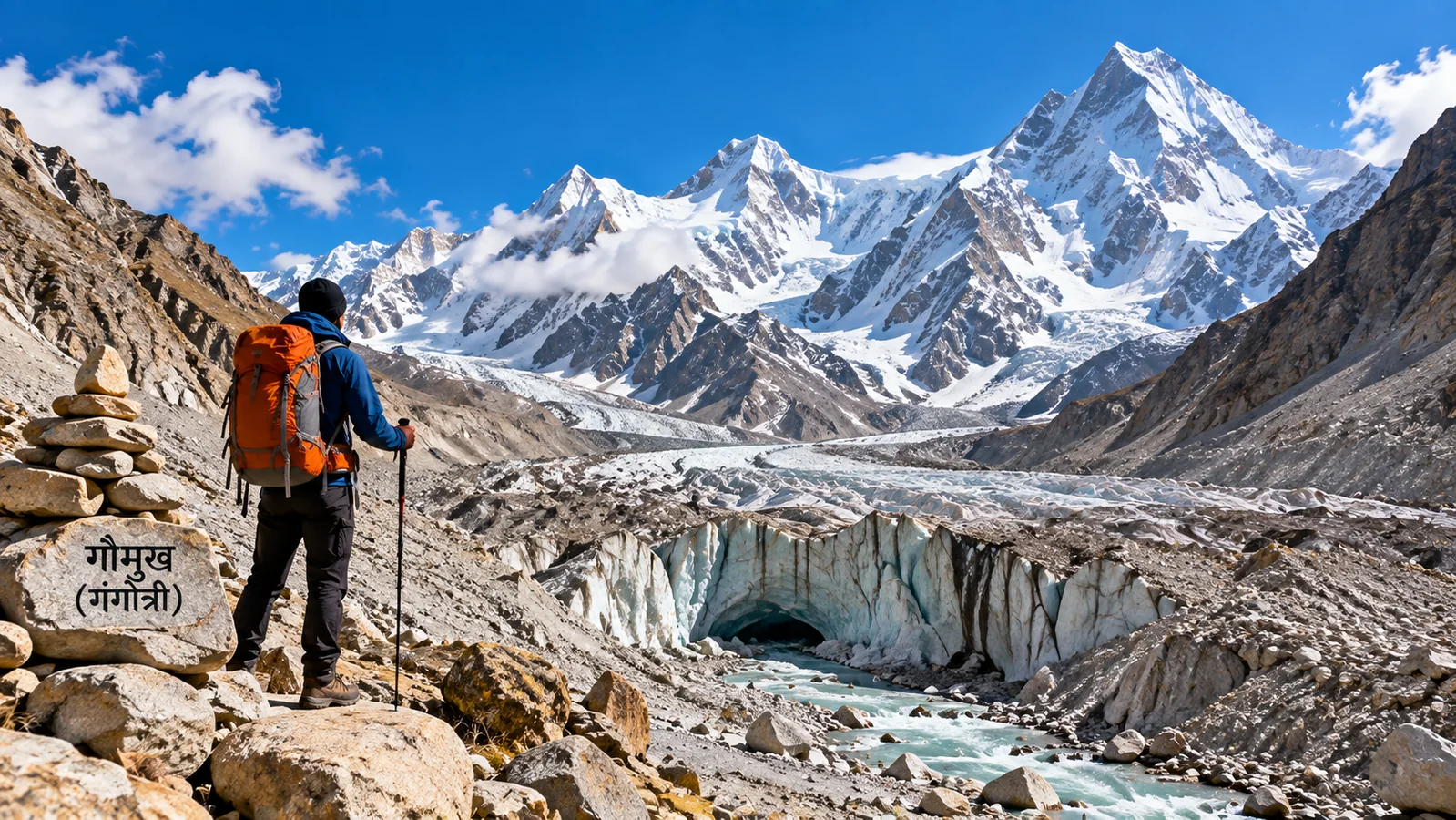
Gaumukh Tapovan Trek
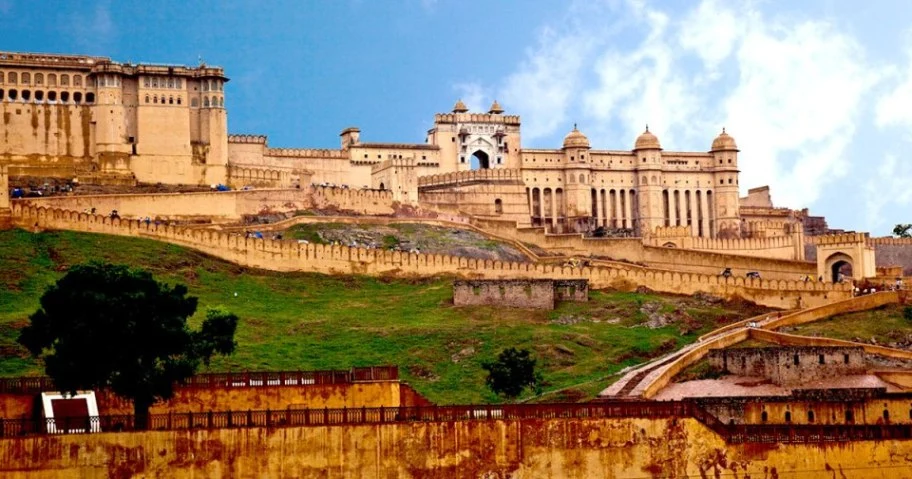
Amber Fort
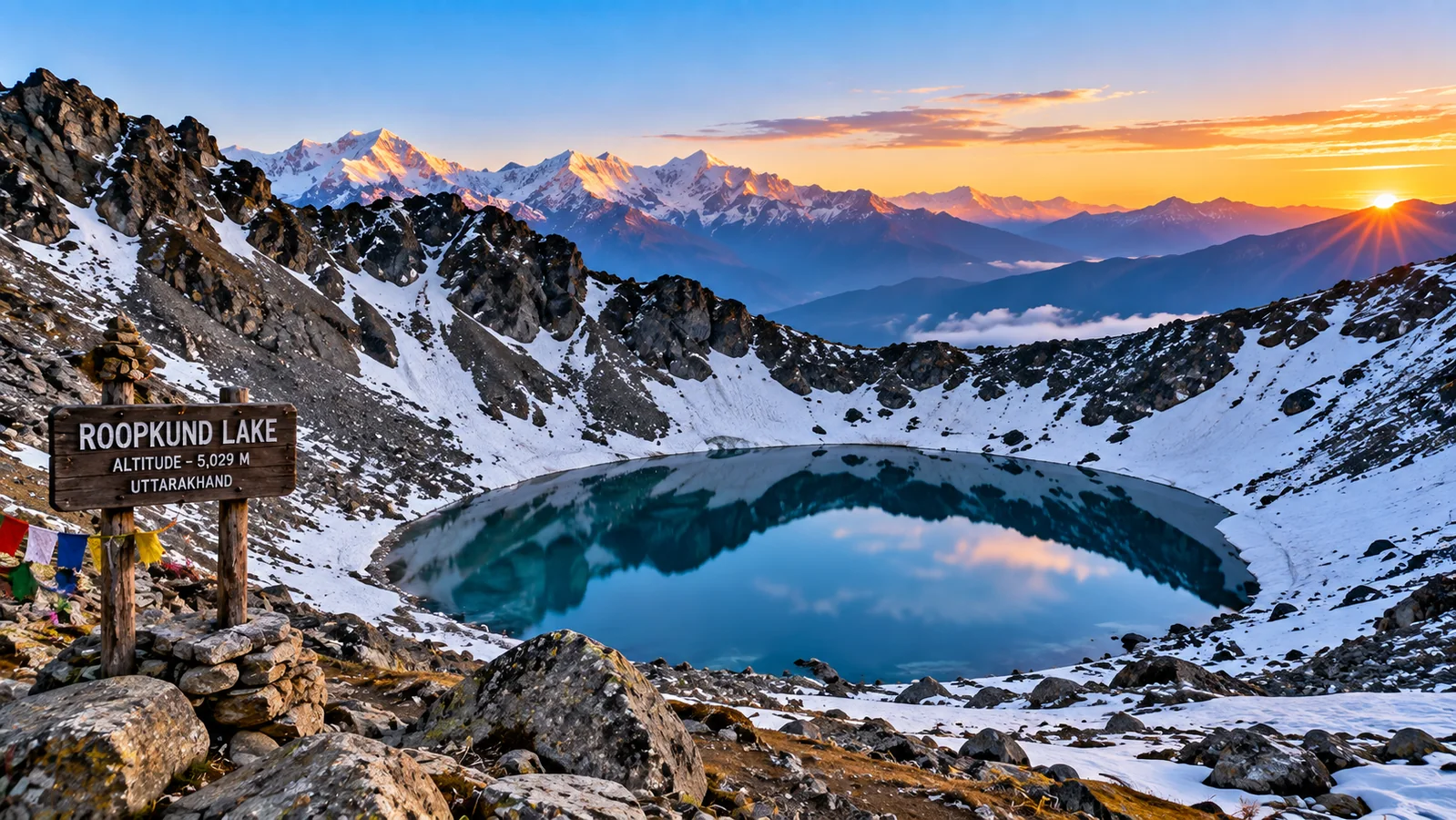
Roopkund Lake Trek
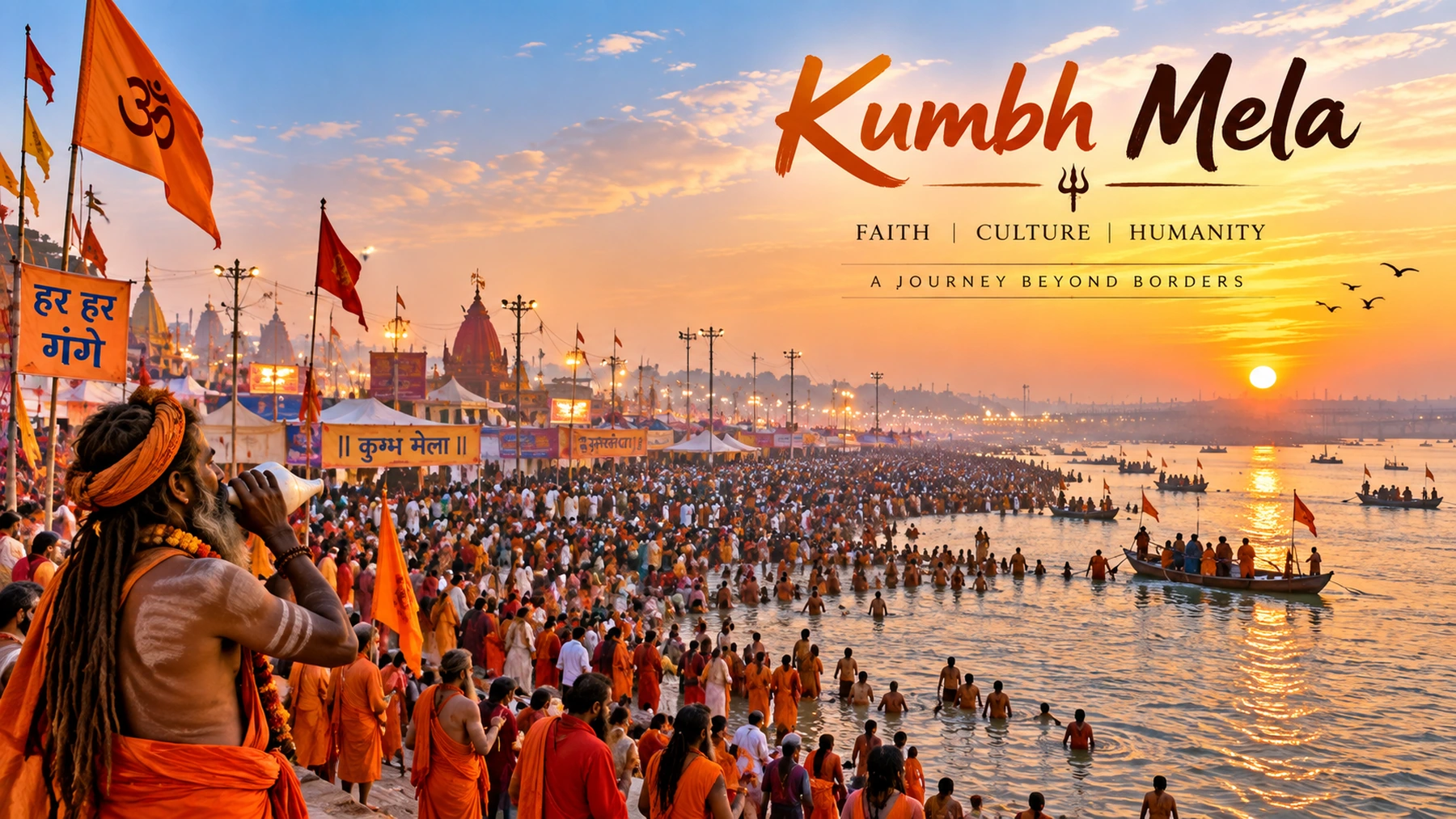
Maha Kumbh 2025
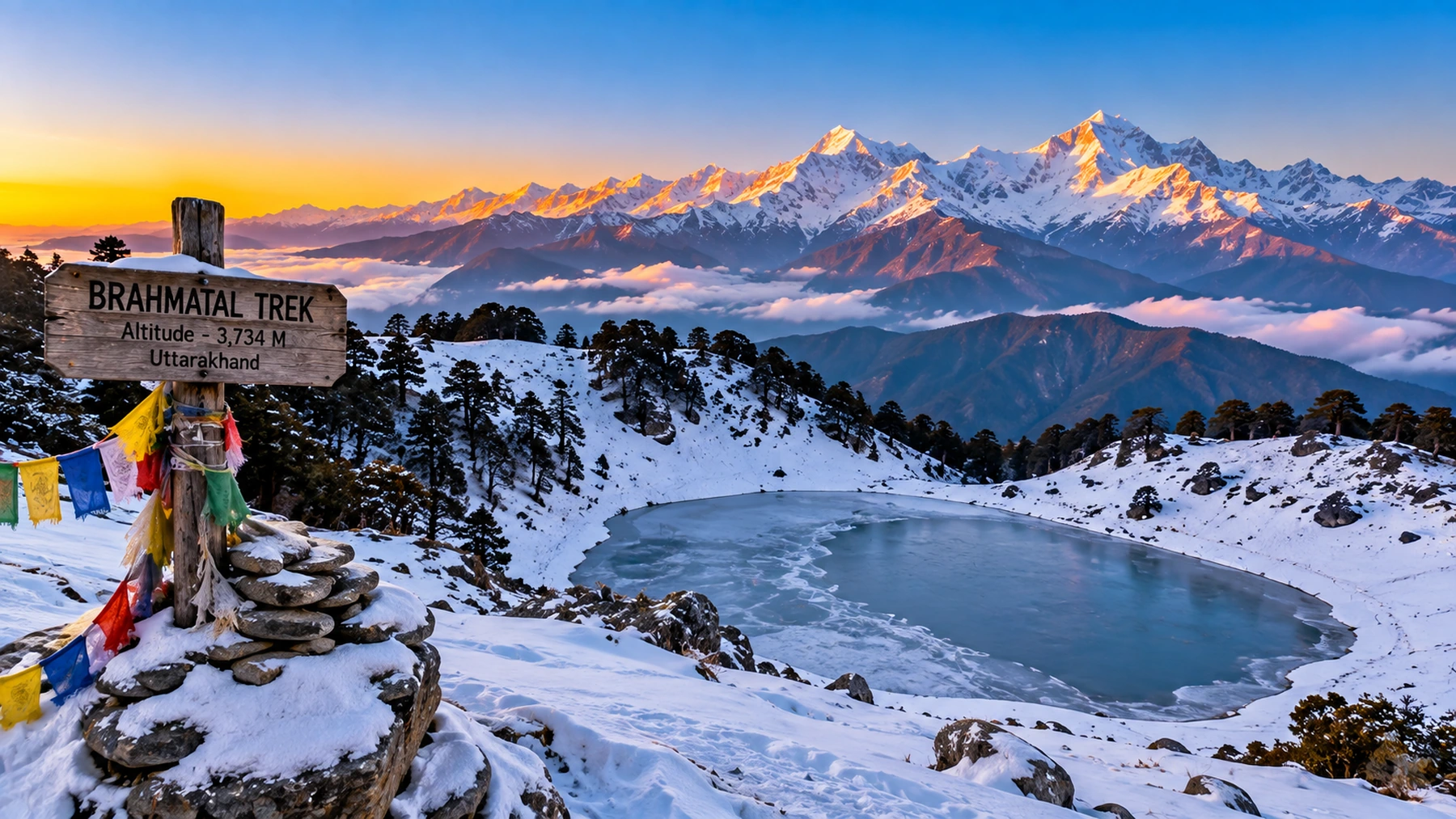
Brahmatal Trek
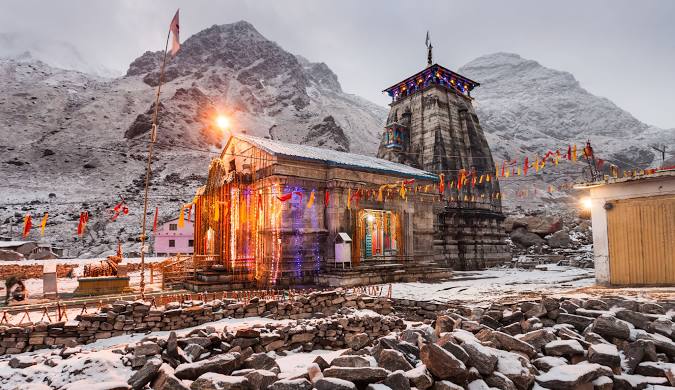
Kedarnath
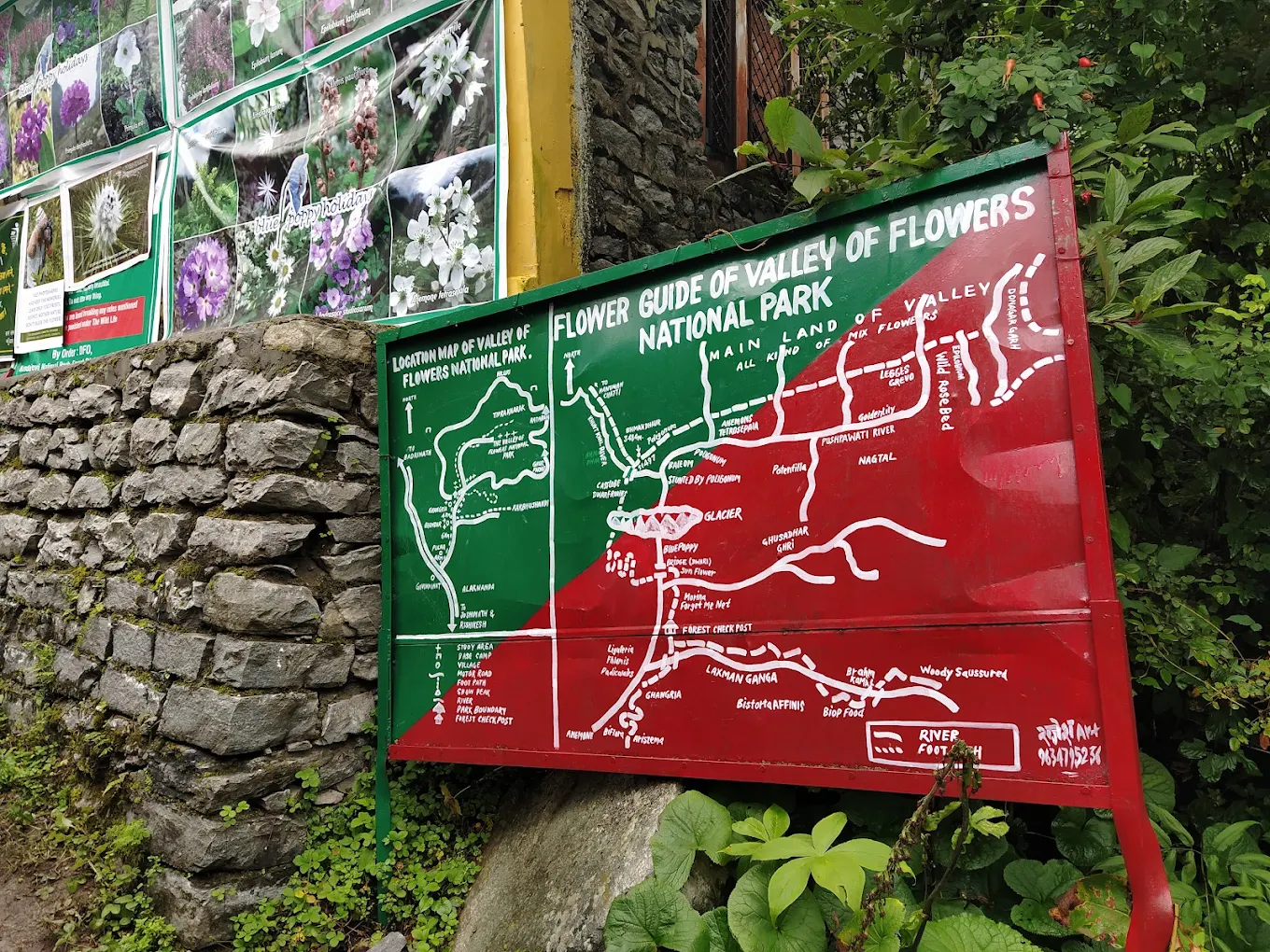
The Valley of Flowers Trek
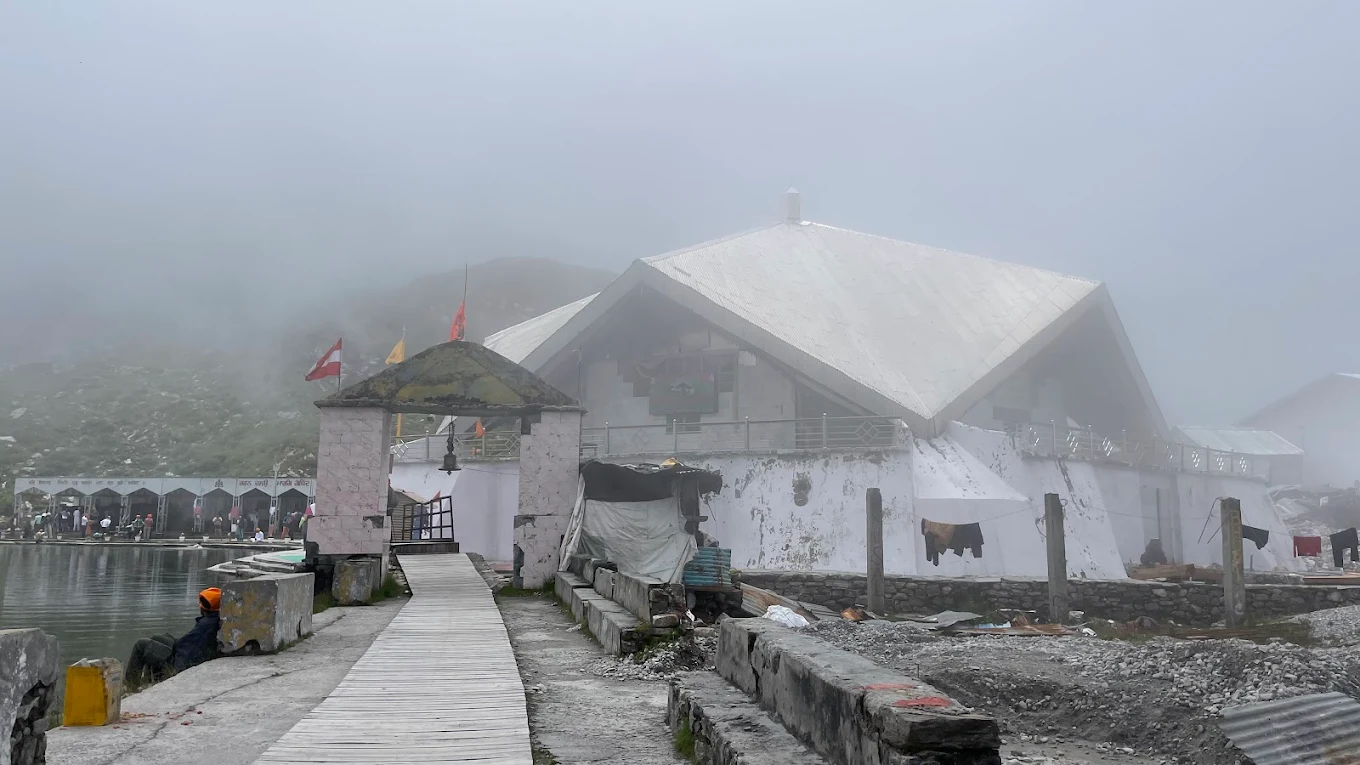
Sri Hemkund Sahib
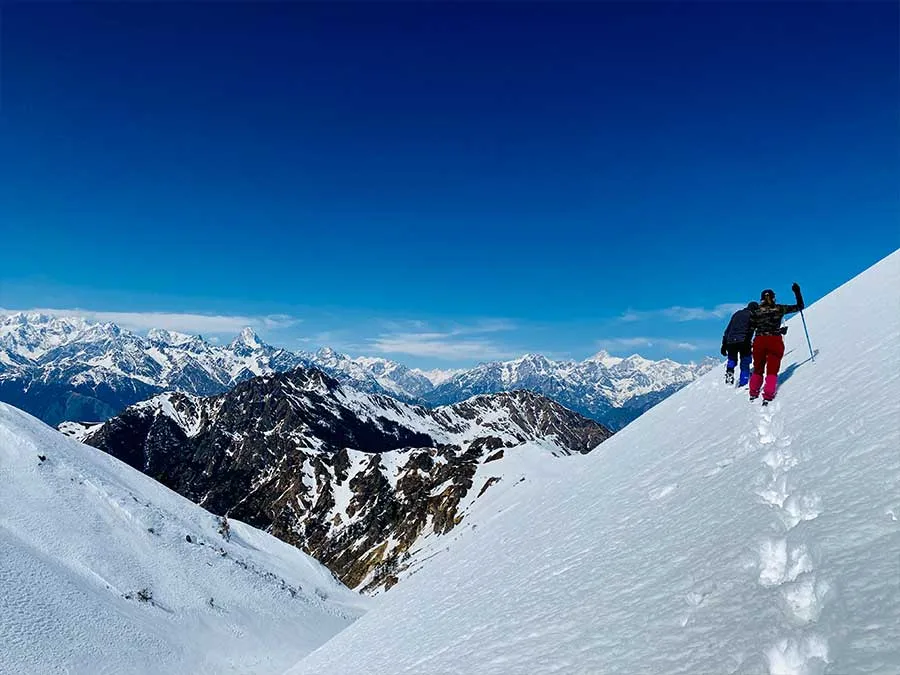
Kuari Pass Trek
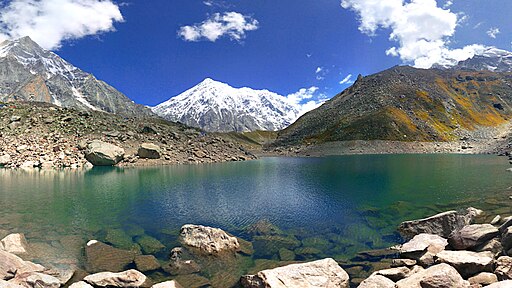
Satopanth Lake Trek
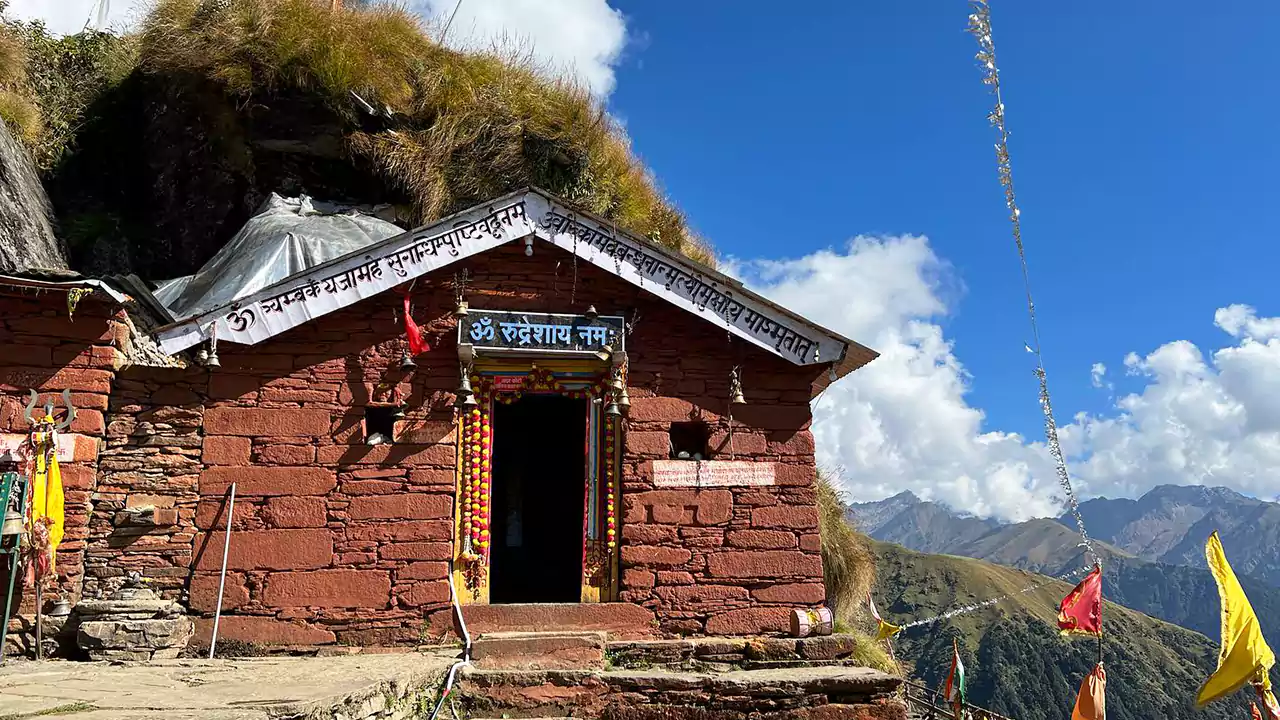
Rudranath
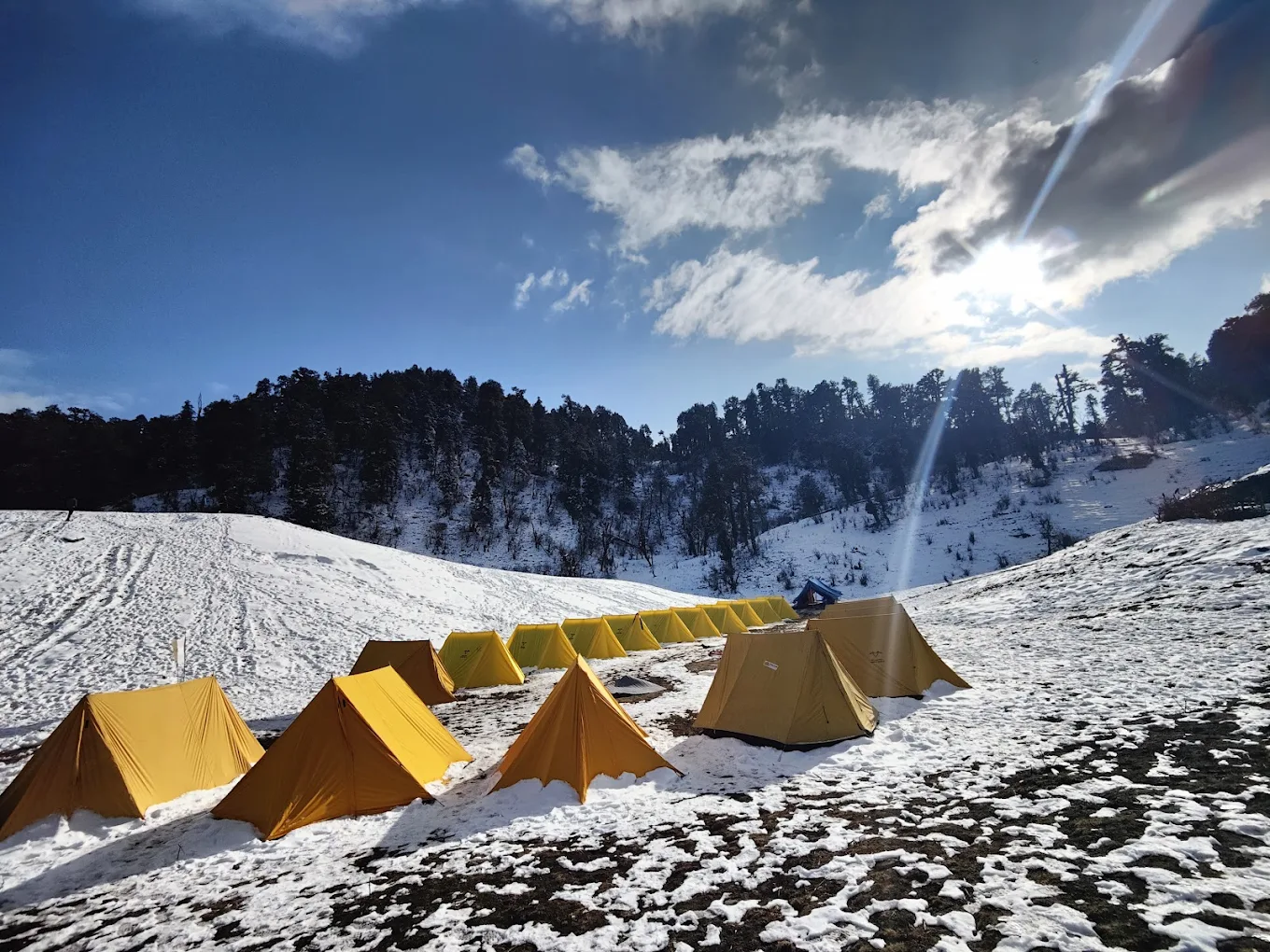
Dayara Bugyal Trek
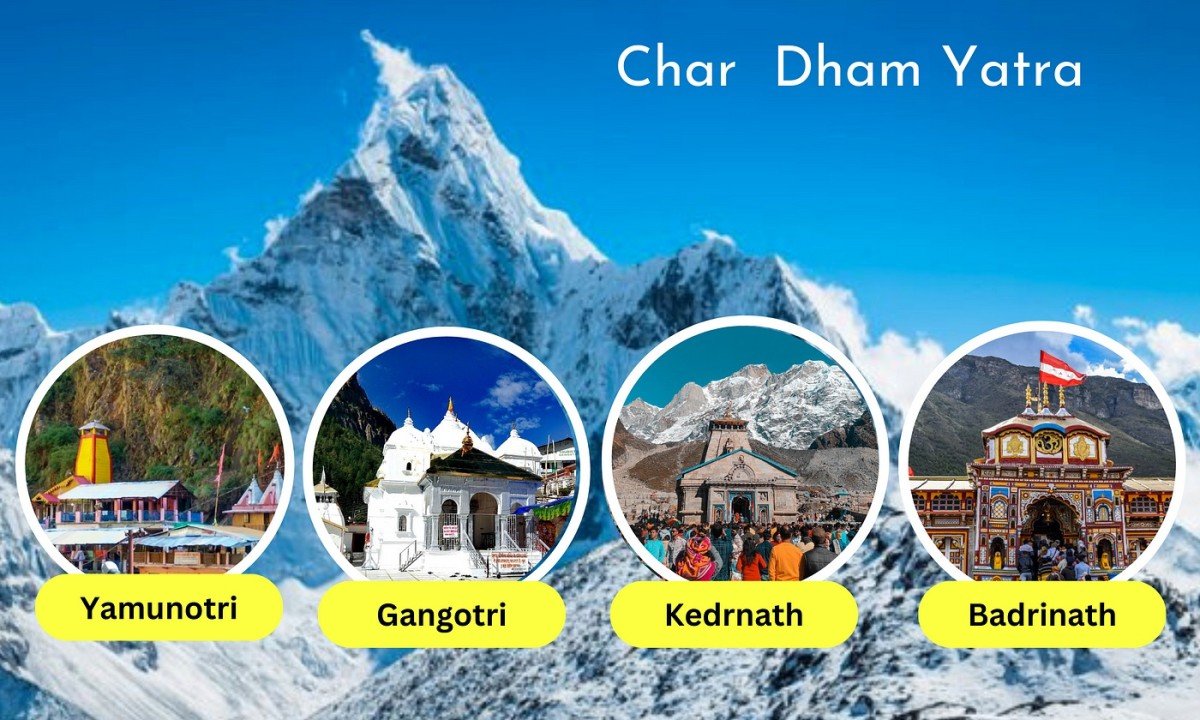
Char Dham Yatra
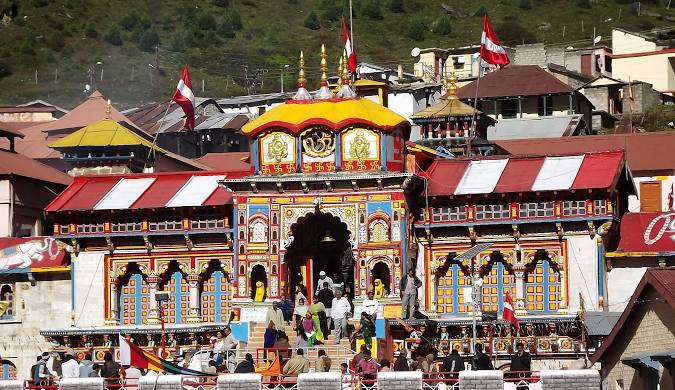
Badrinath
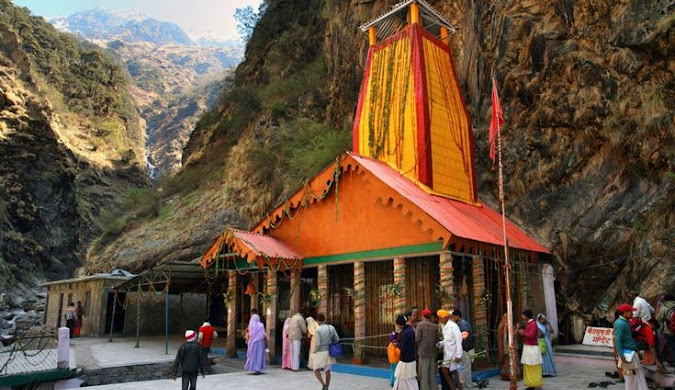
Yamunotri
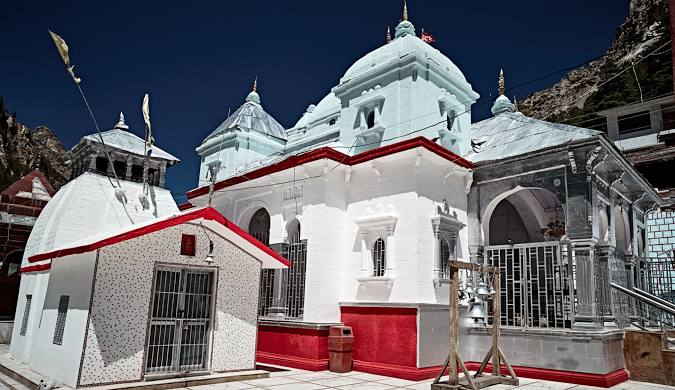
Gangotri
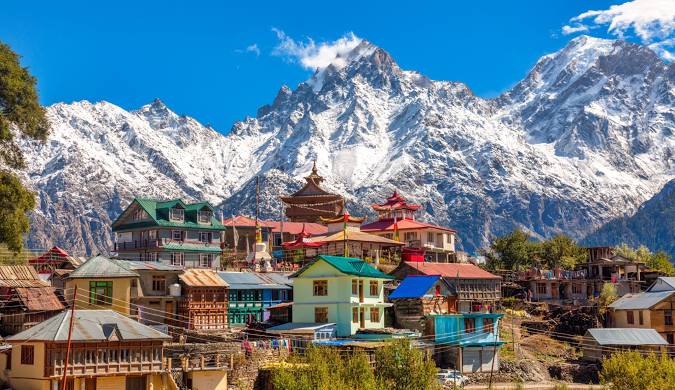
Kalpa
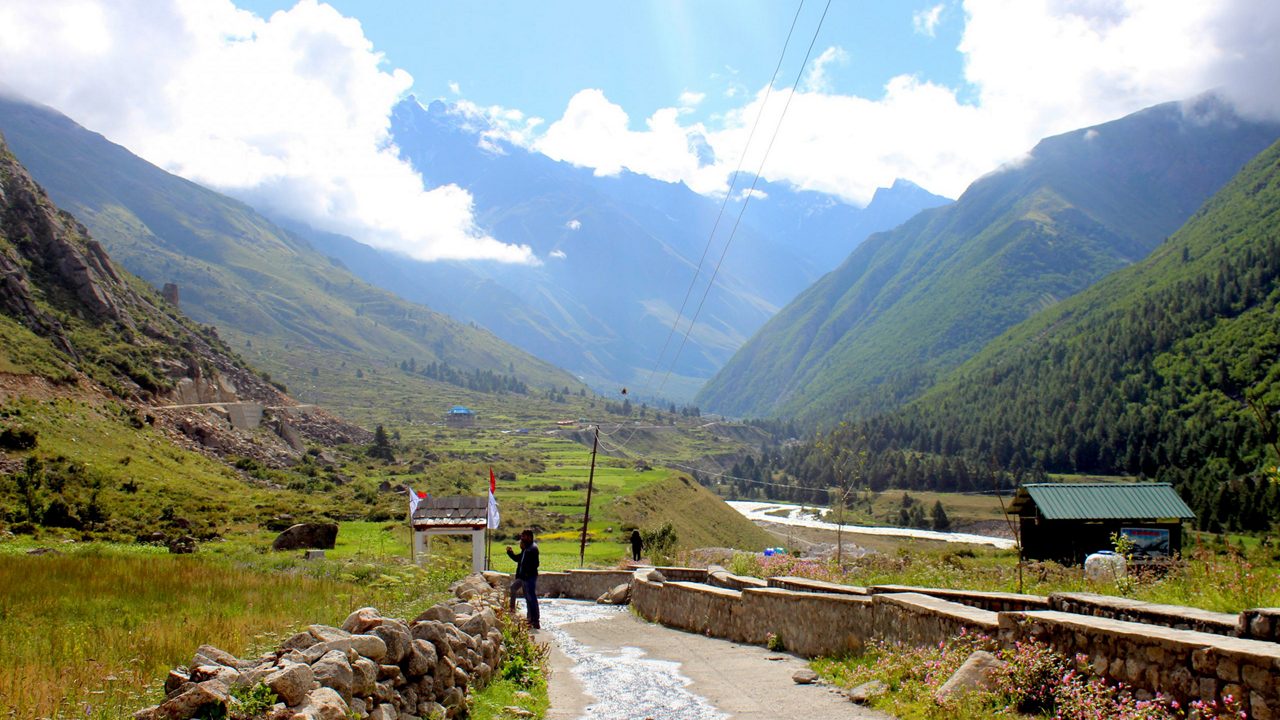
Chitkul
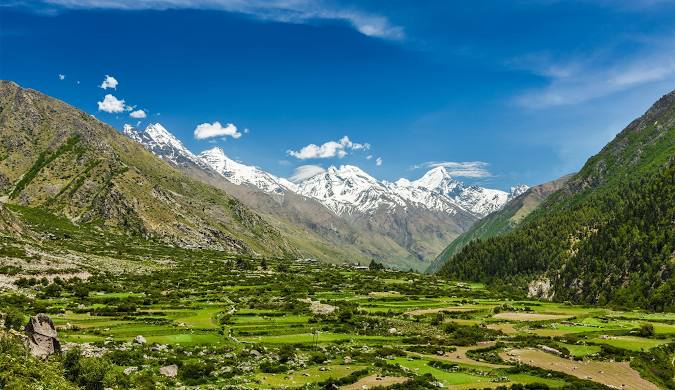
Sangla Valley
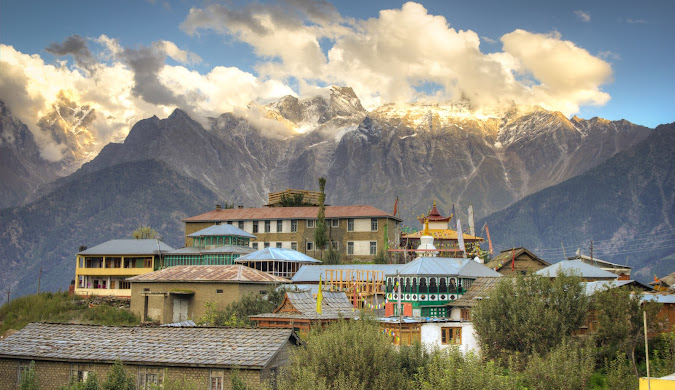
Reckong Peo
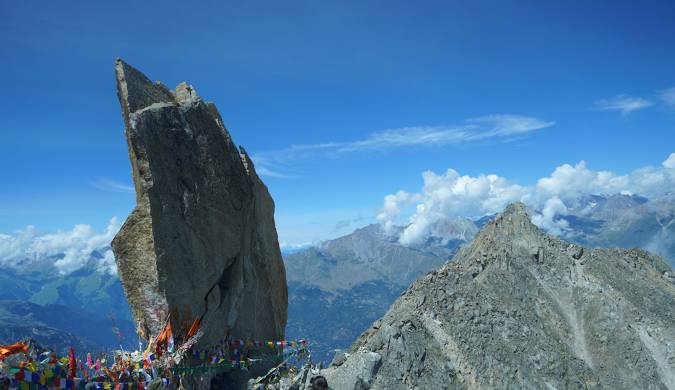
Kinner Kailash
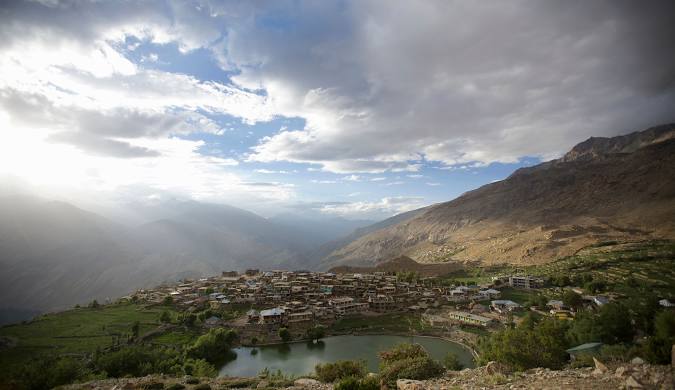
Nako Village
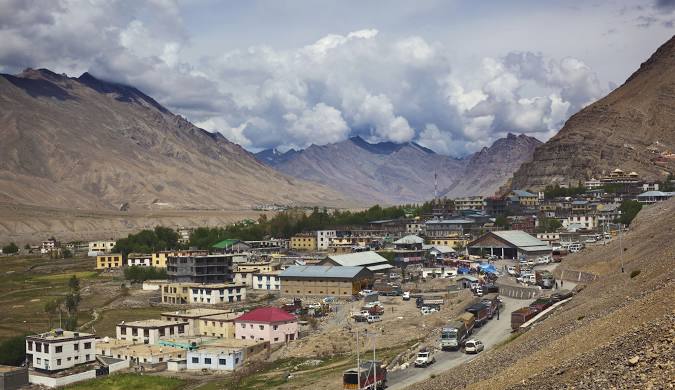
Kaza
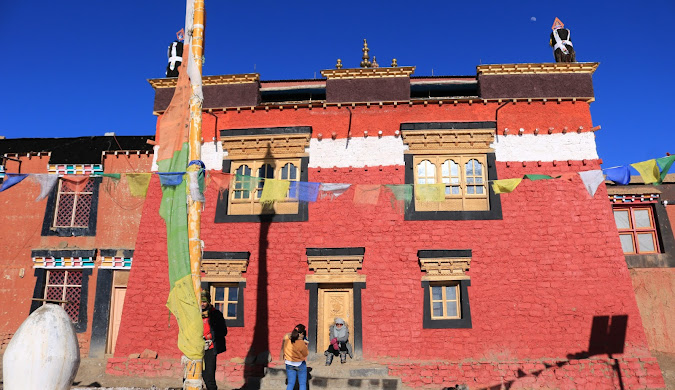
Komic Village
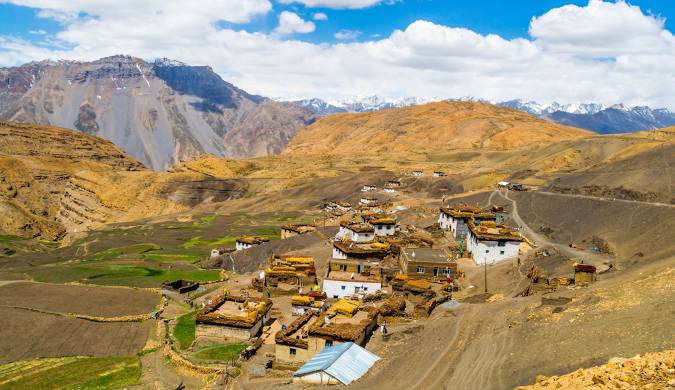
Hikkim Village
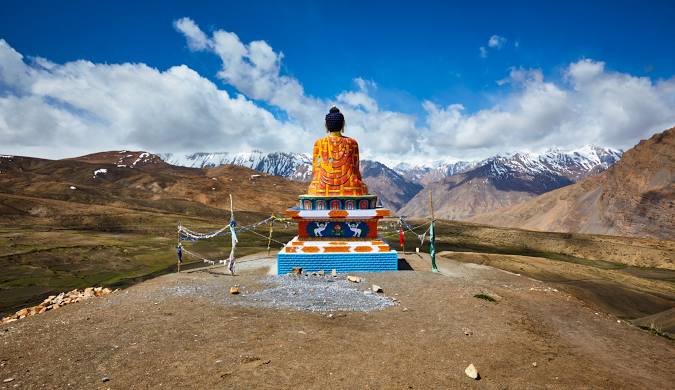
Langza Village
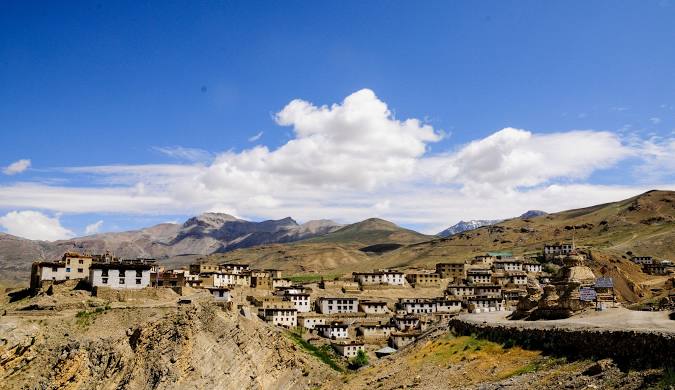
Kibber Village
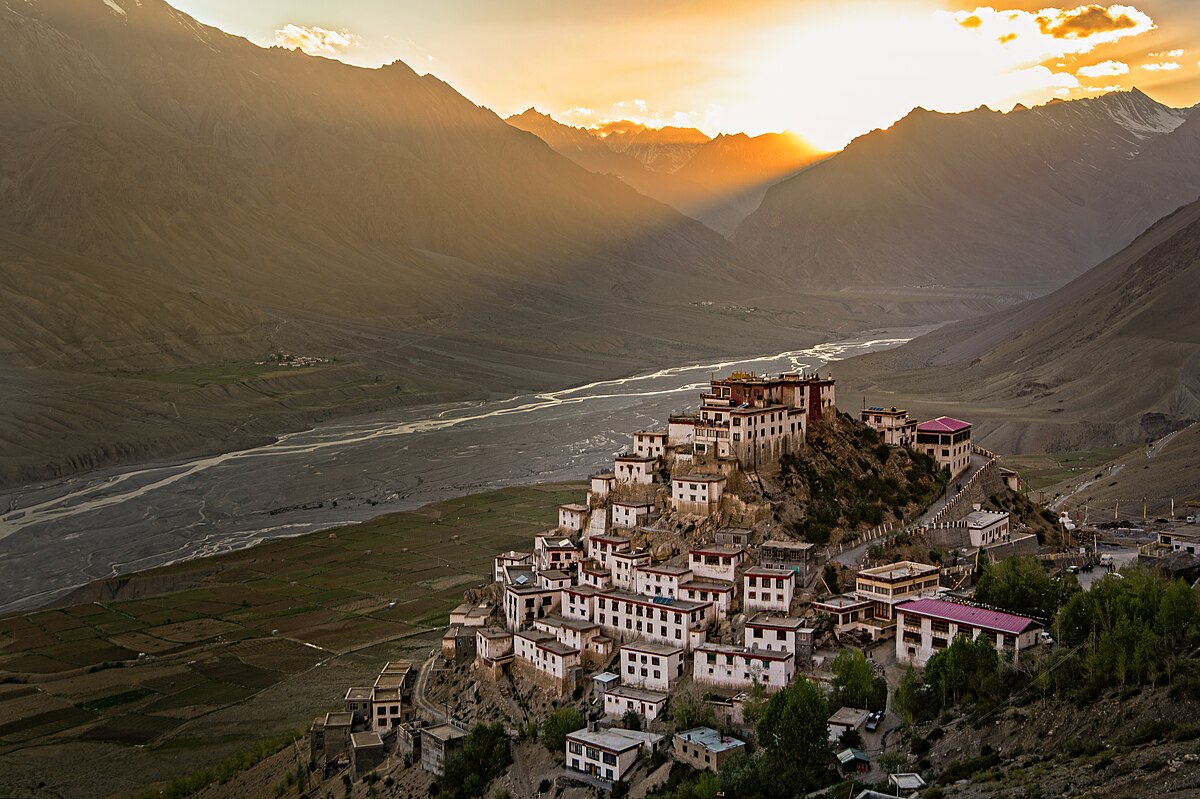
Key Monastery
Tabo Monastery
Dhankar Monastery
Gue Village
Chandratal Lake
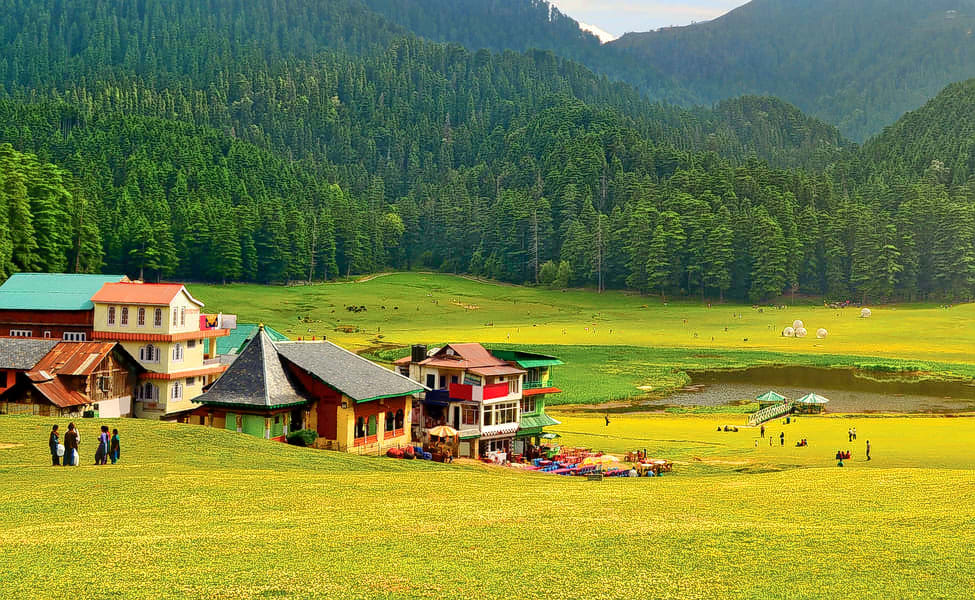
Dalhousie
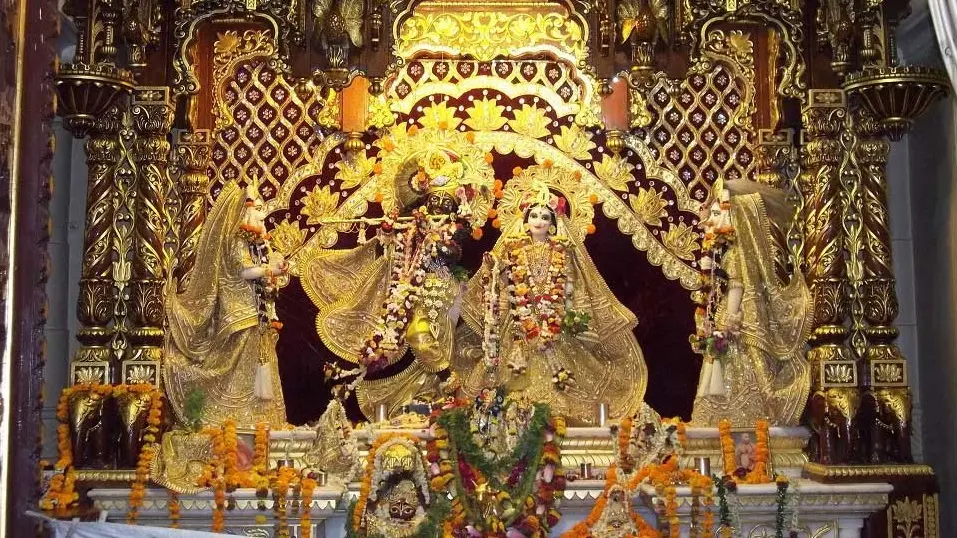
Shri Krishna Janmabhoomi Temple
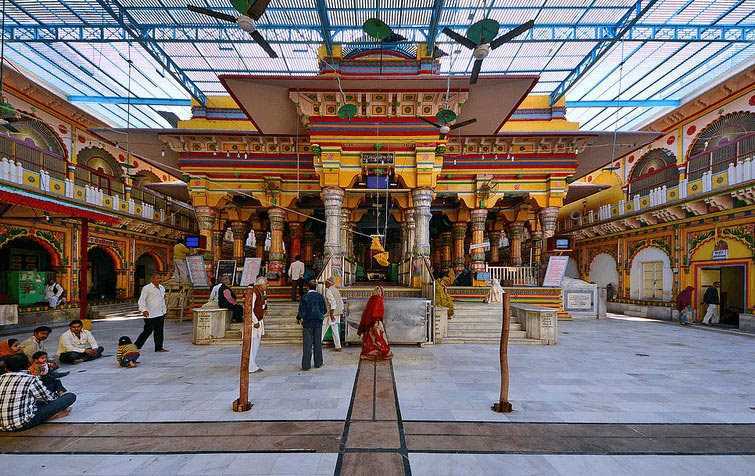
Shri Dwarkadhish Temple
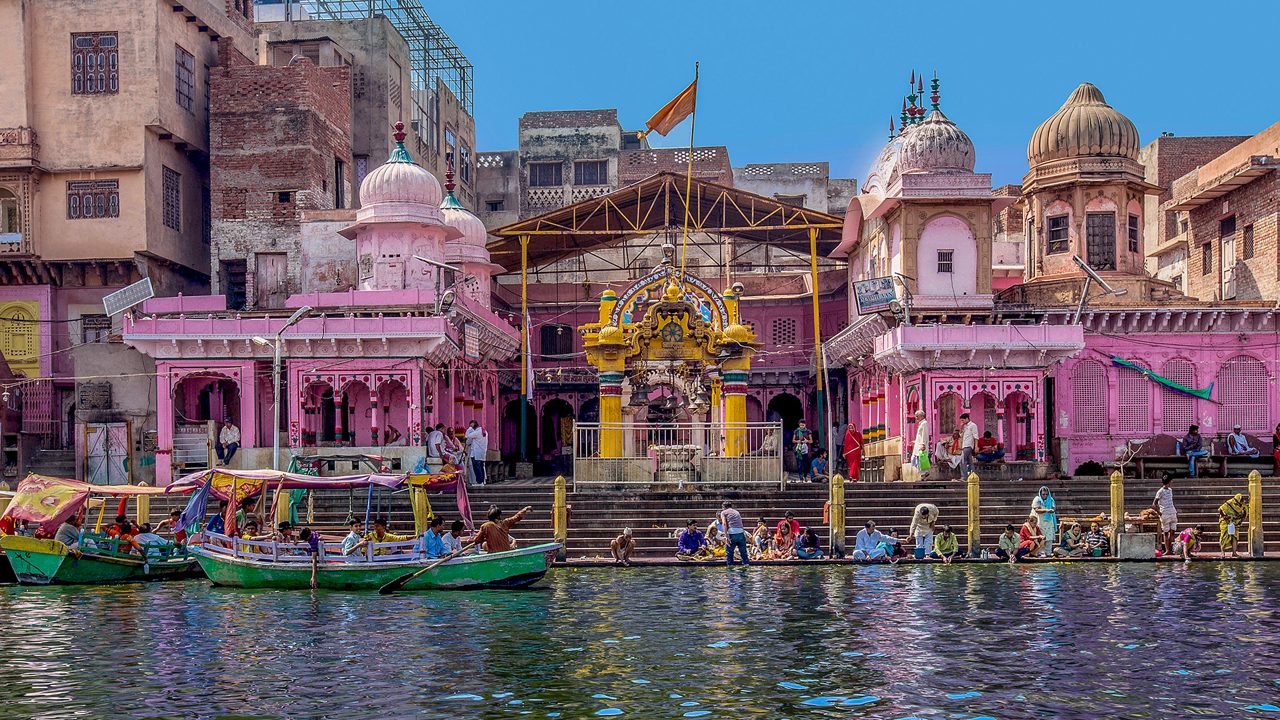
Vishram Ghat, Mathura
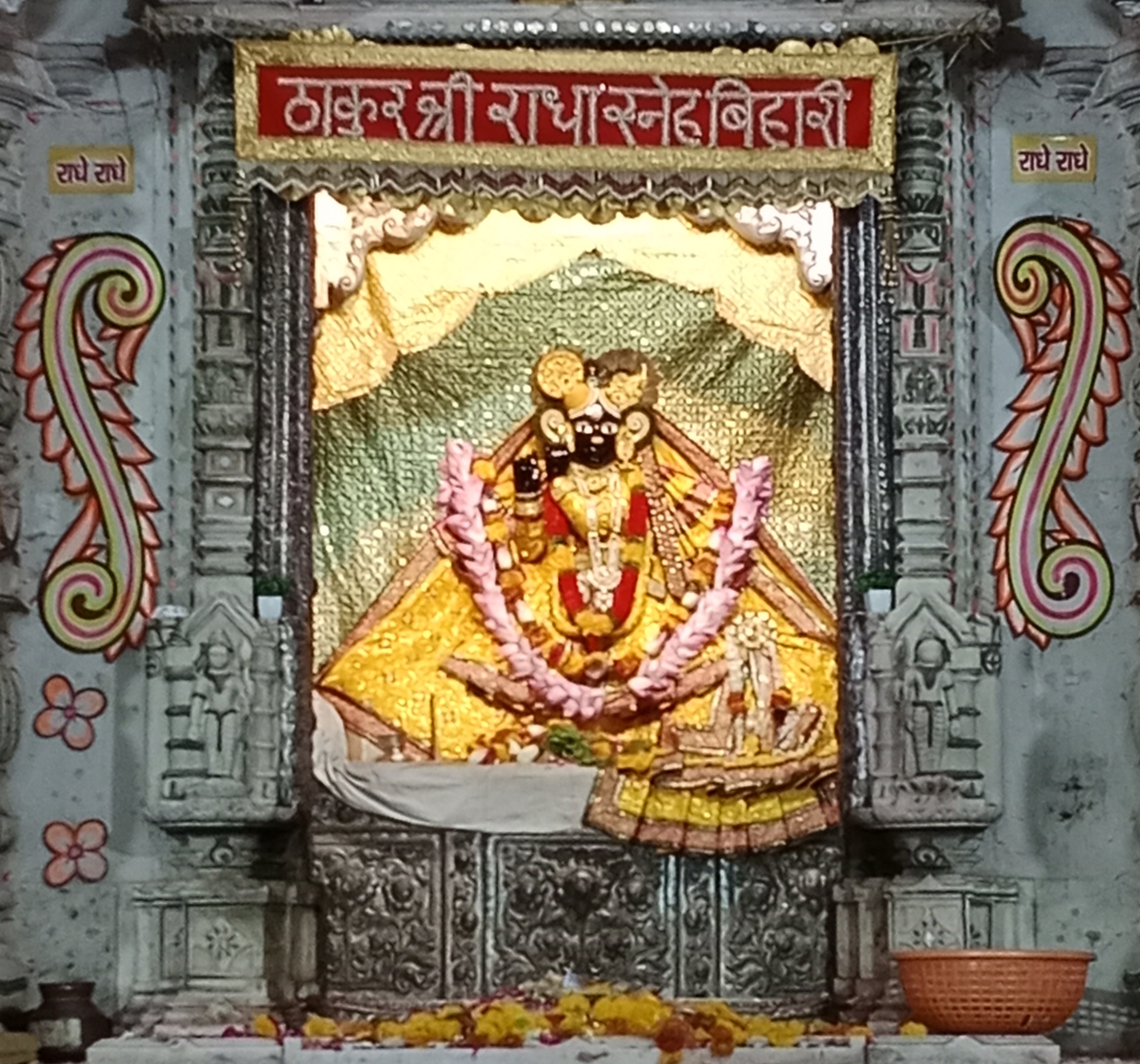
Shri Banke Bihari Temple, Vrindavan
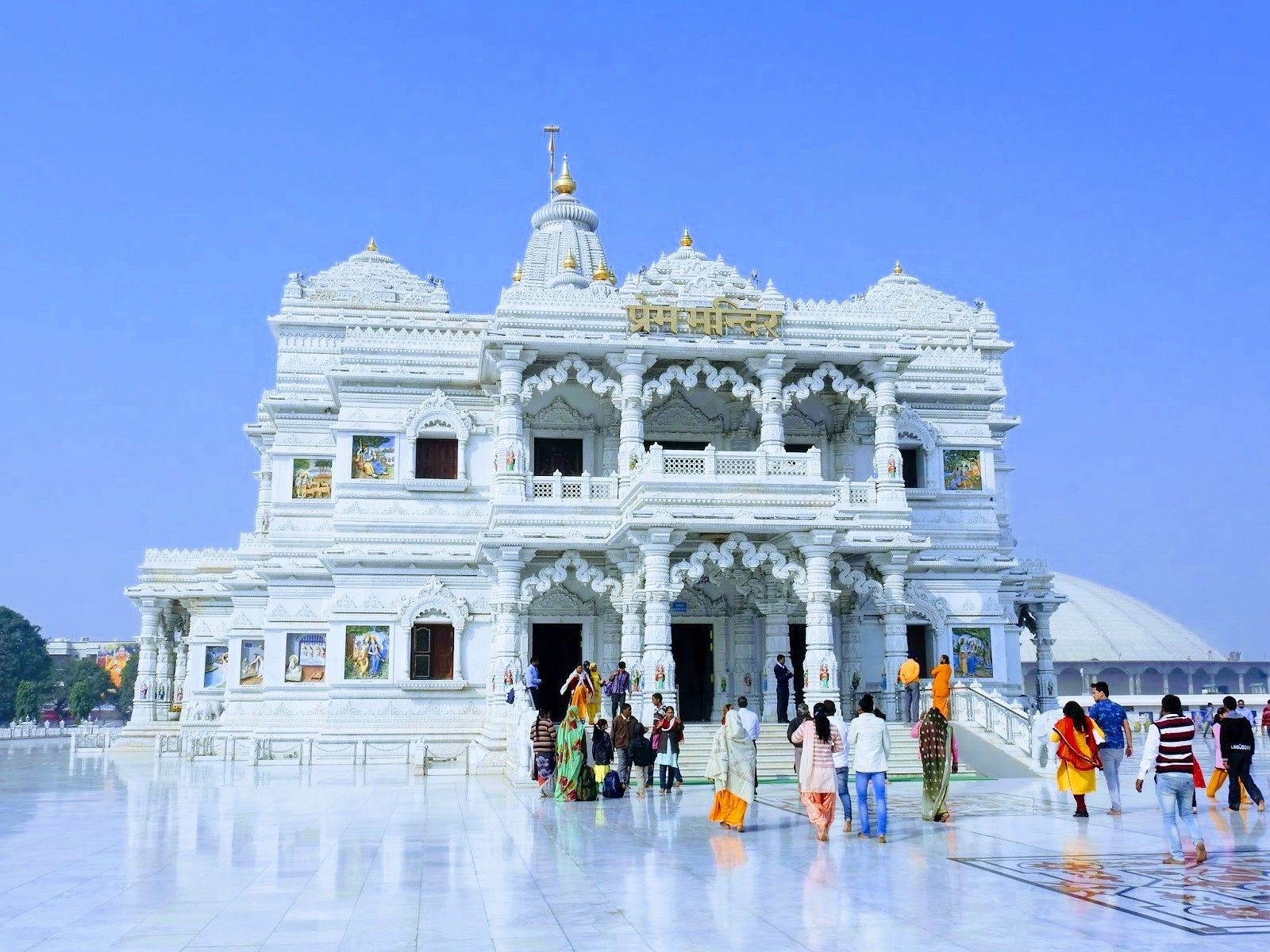
Shri Prem Mandir, Vrindavan
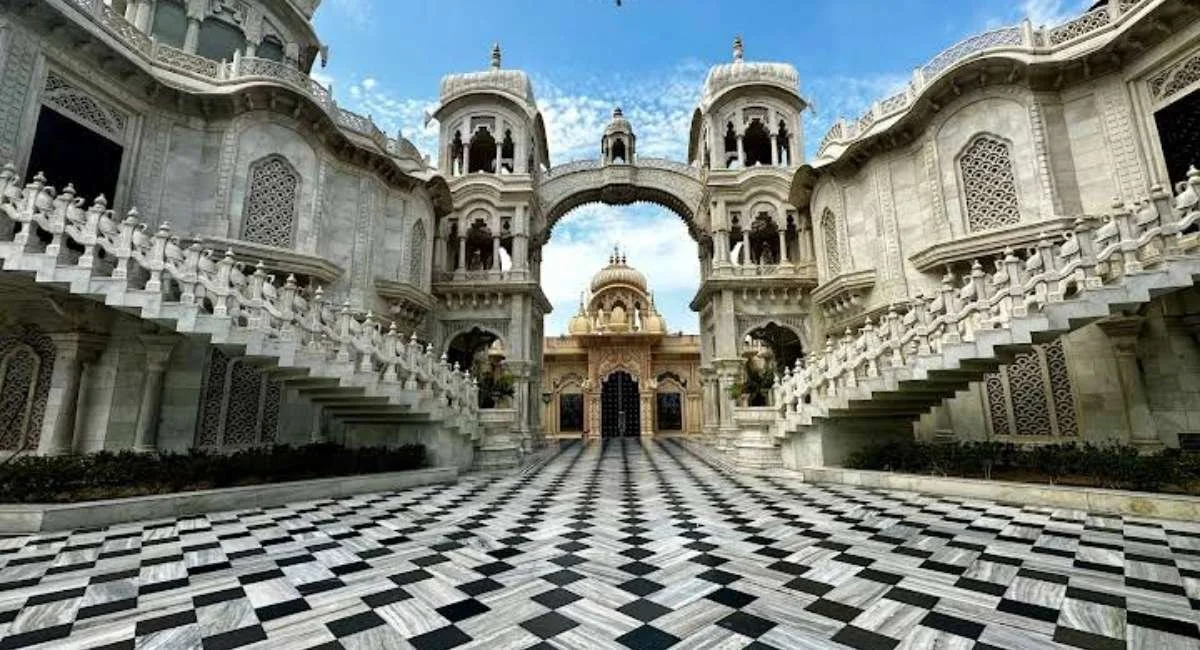
ISKCON Temple, Vrindavan
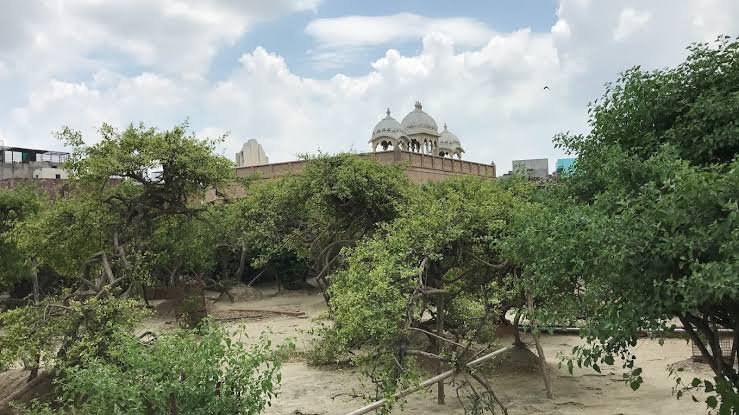
Nidhivan, Vrindavan
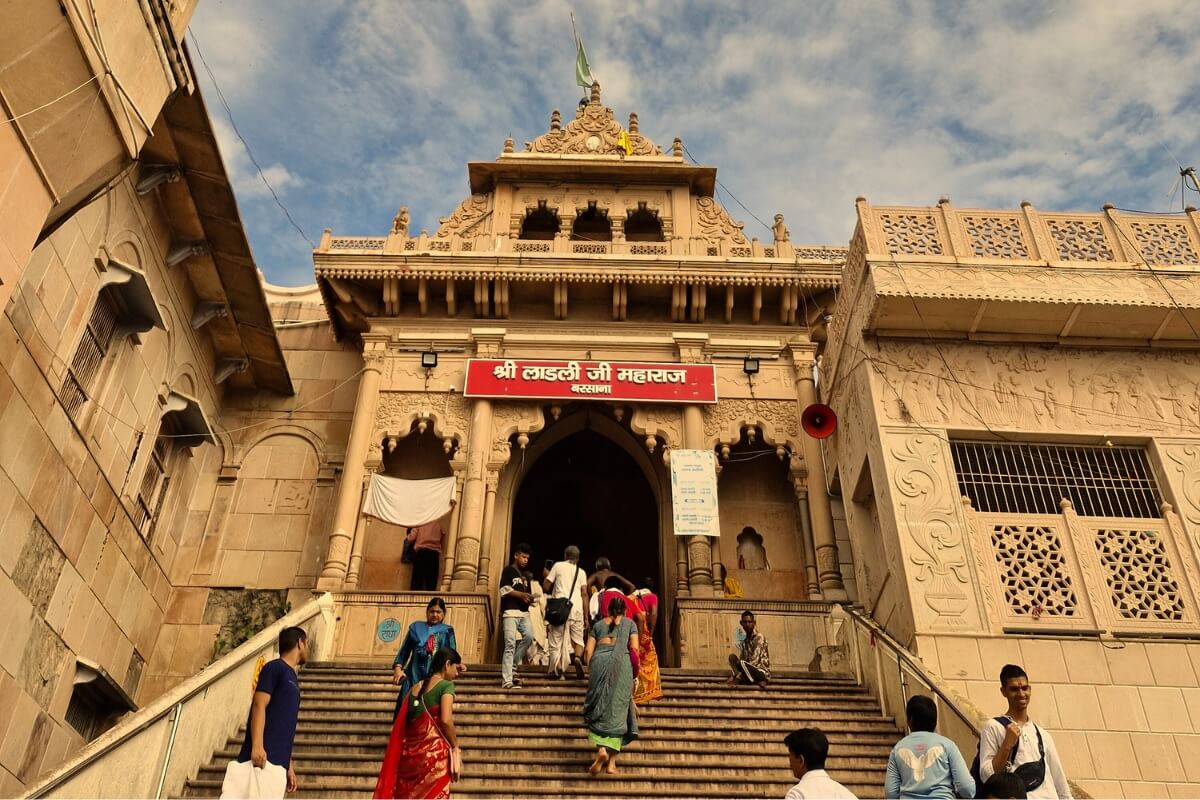
Shri Radha Rani Temple, Barsana
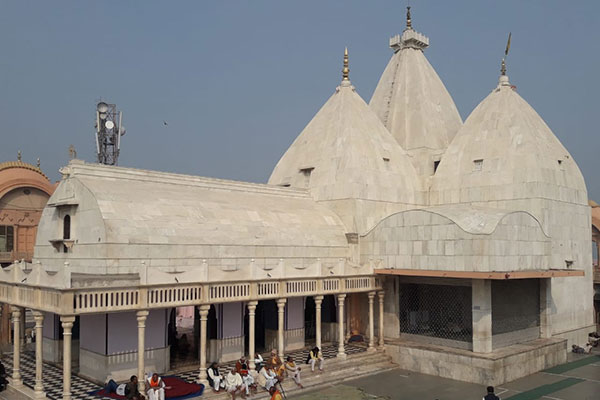
Nand Bhawan Mandir, Nandgaon
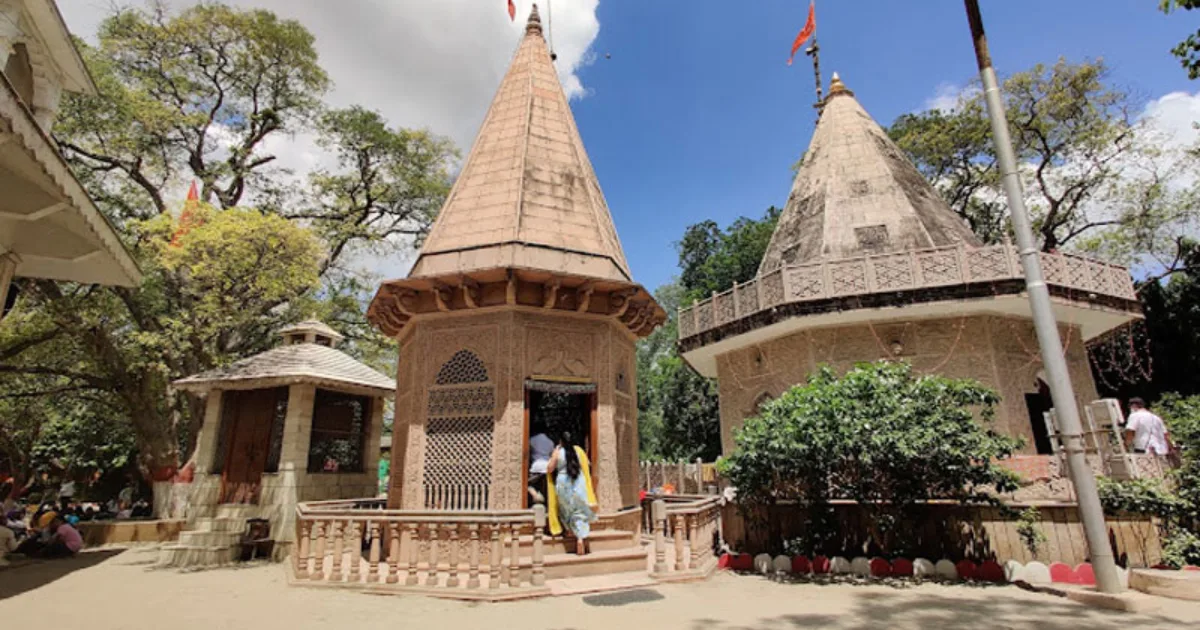
Raman Reti
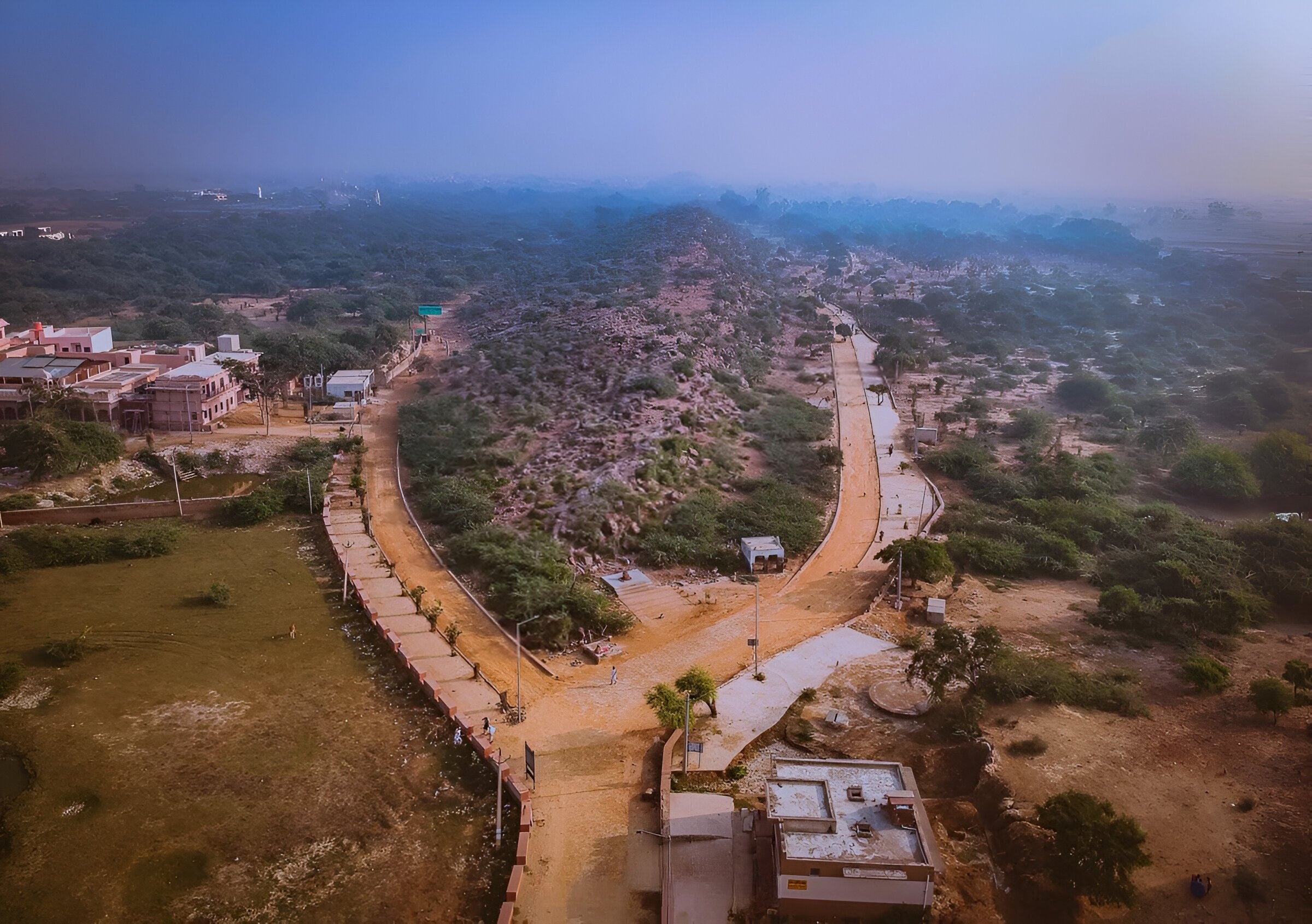
Goverdhan Parikrama
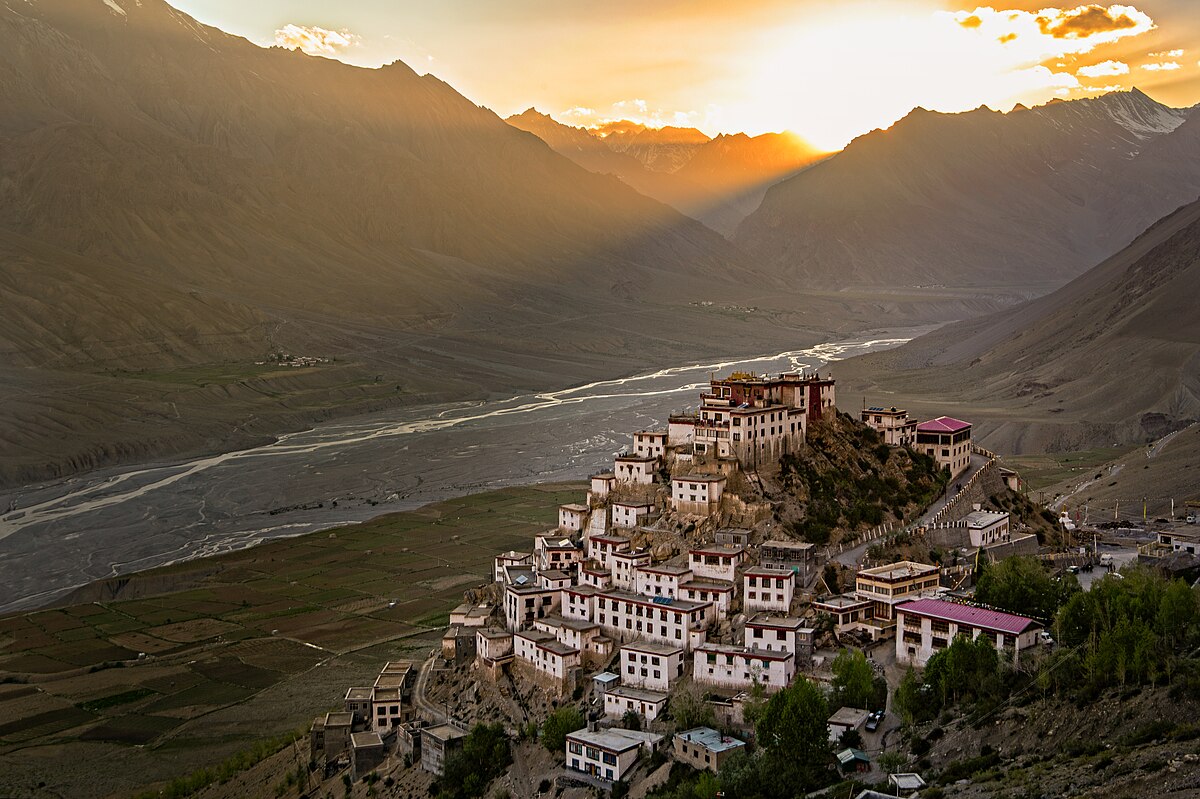
Spiti Valley Expedition
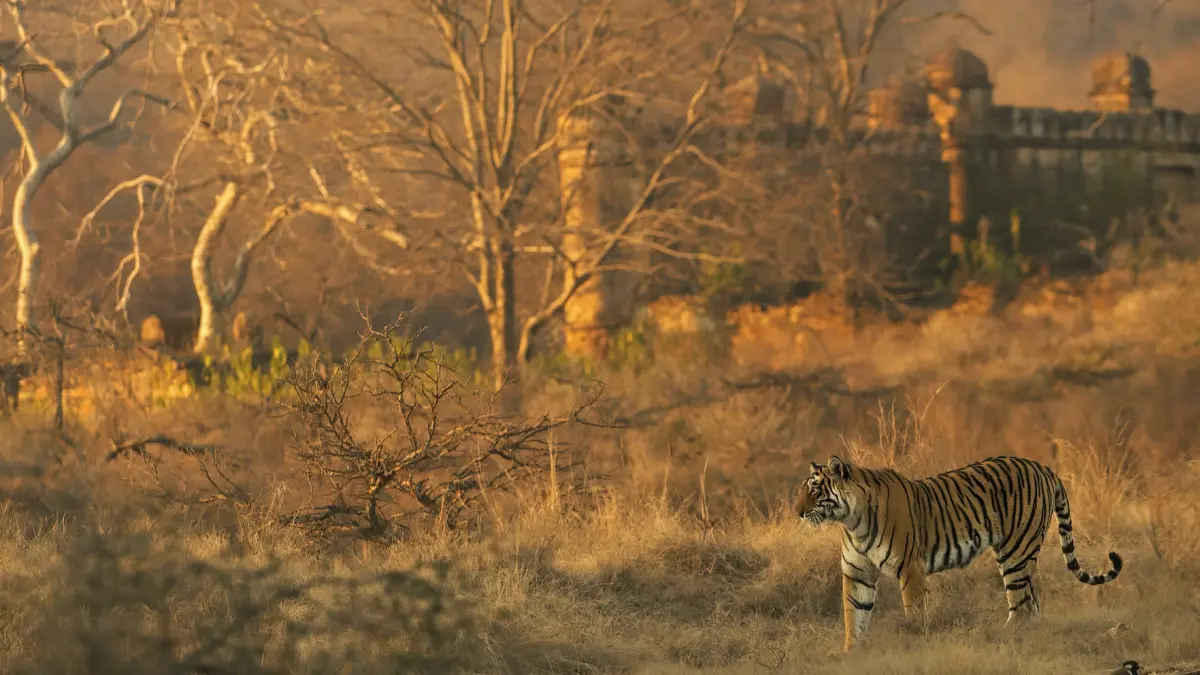
Ranthambhore National Park
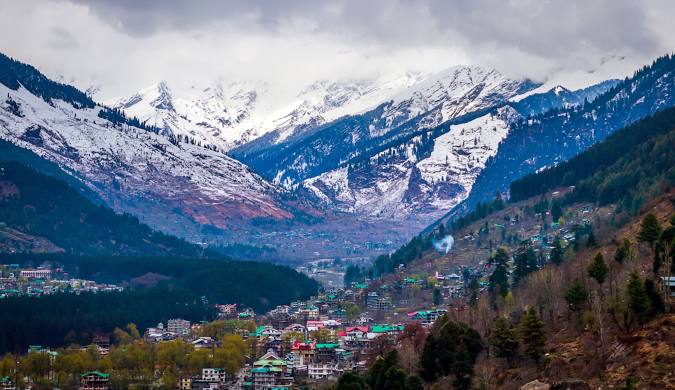
Manali
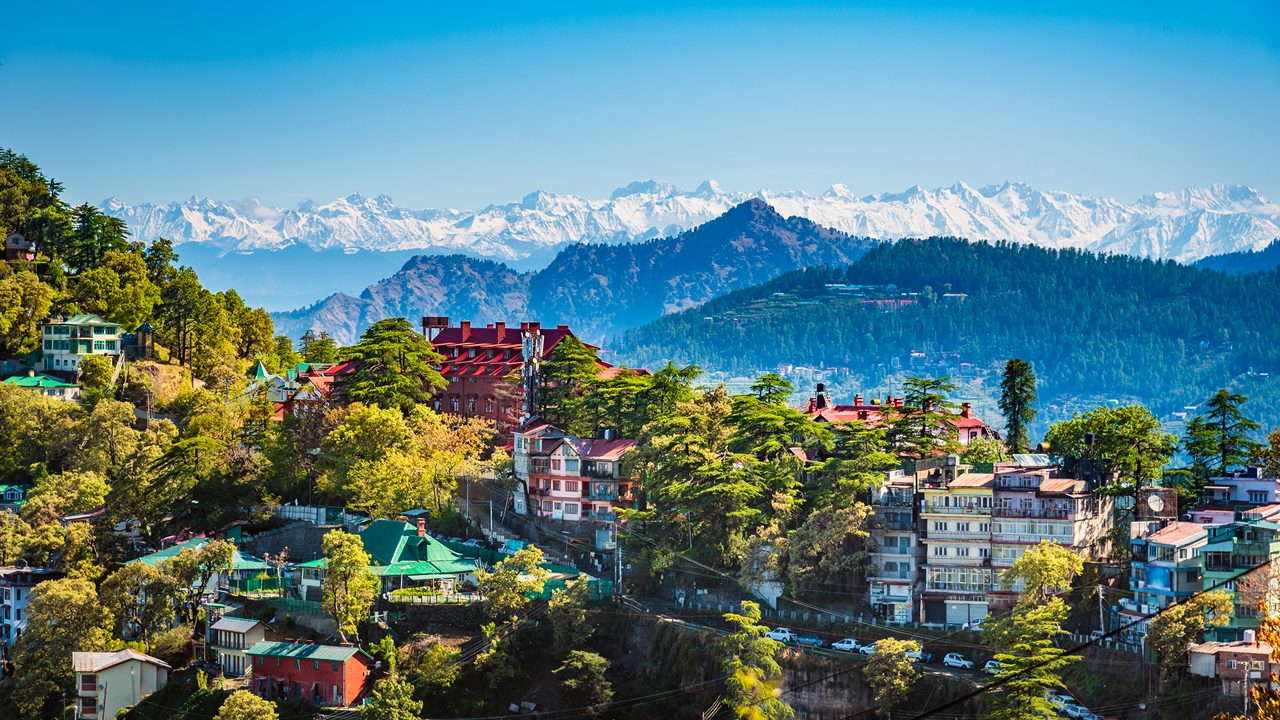
Shimla
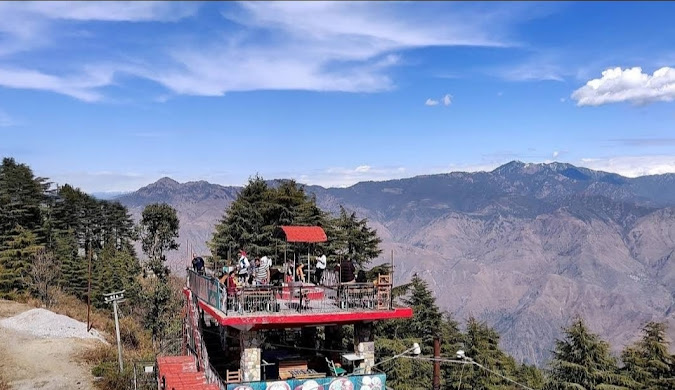
Mussoorie
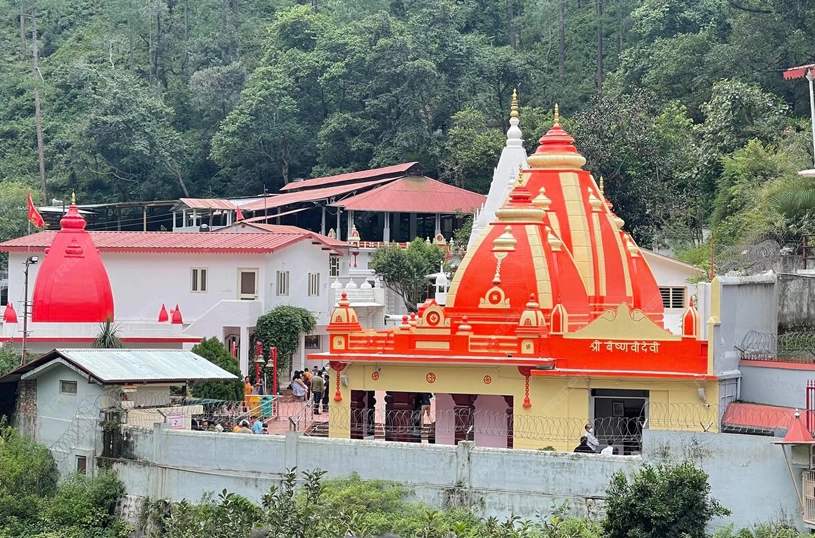
Neem Karoli Baba, Kainchi Dham
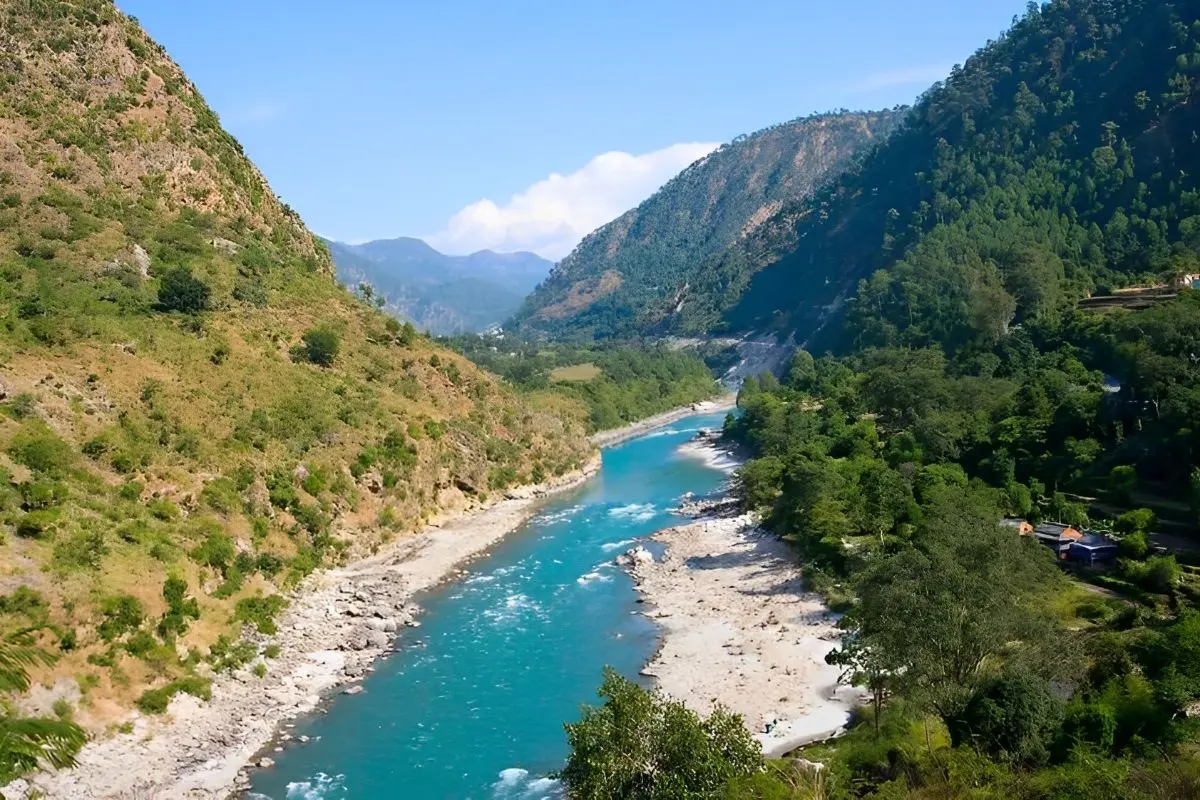
Mukteshwar
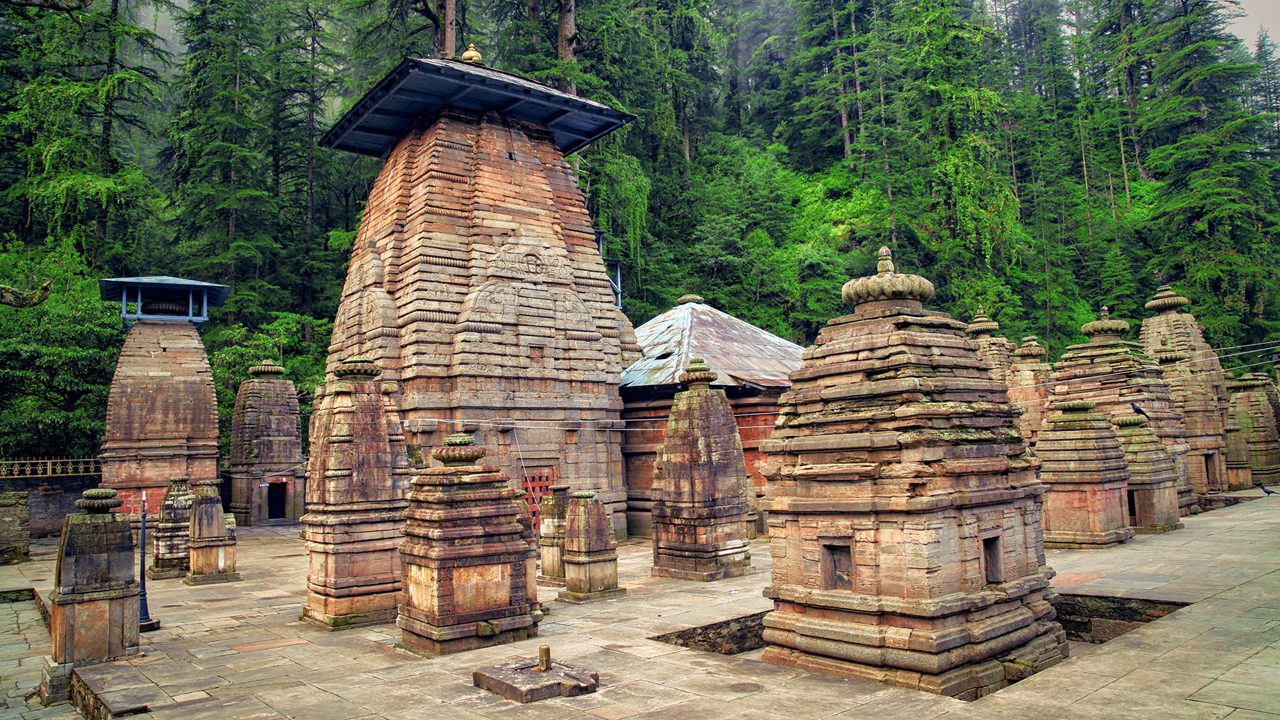
Jageshwar Dham
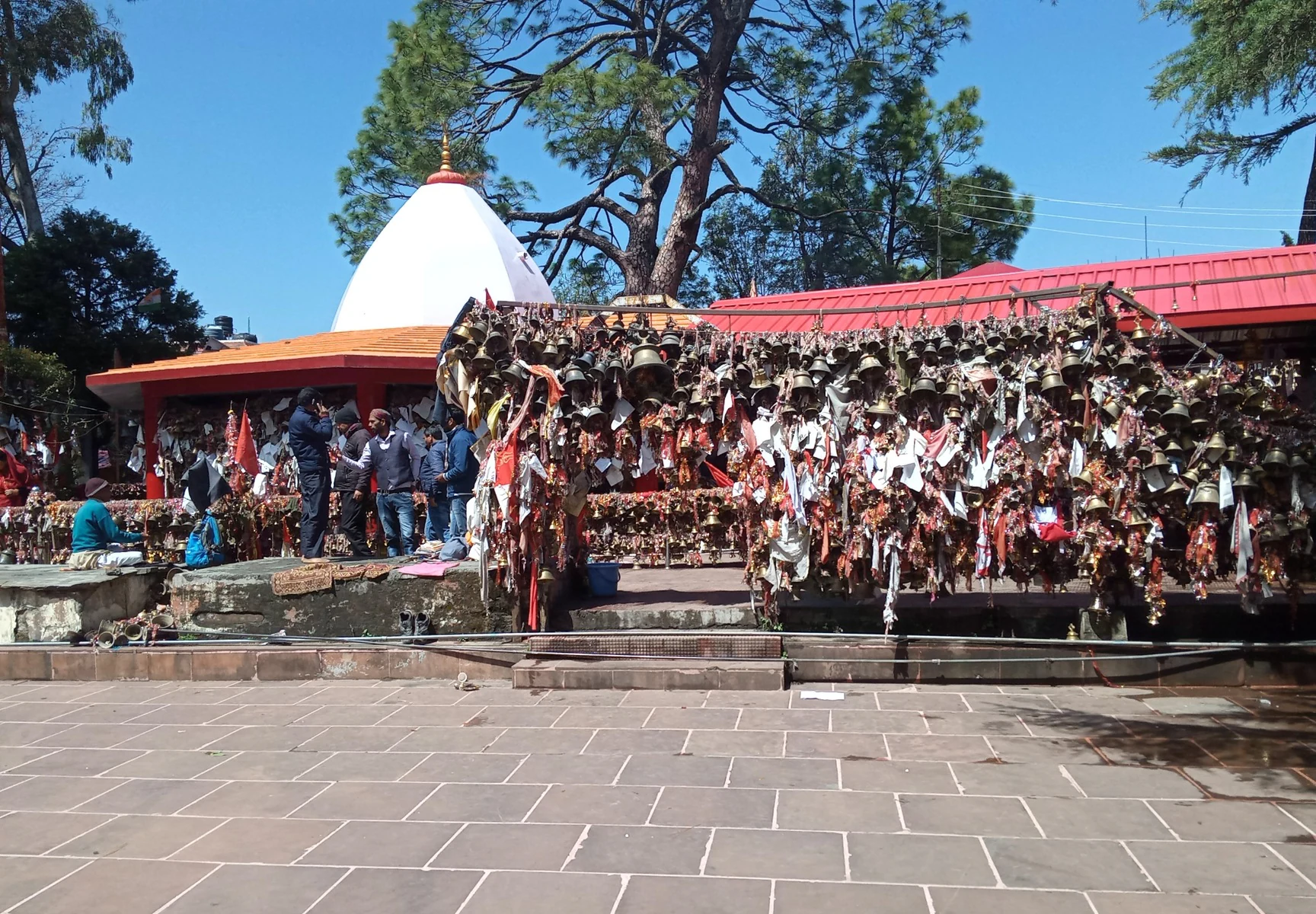
Chitai Golu Devta Temple
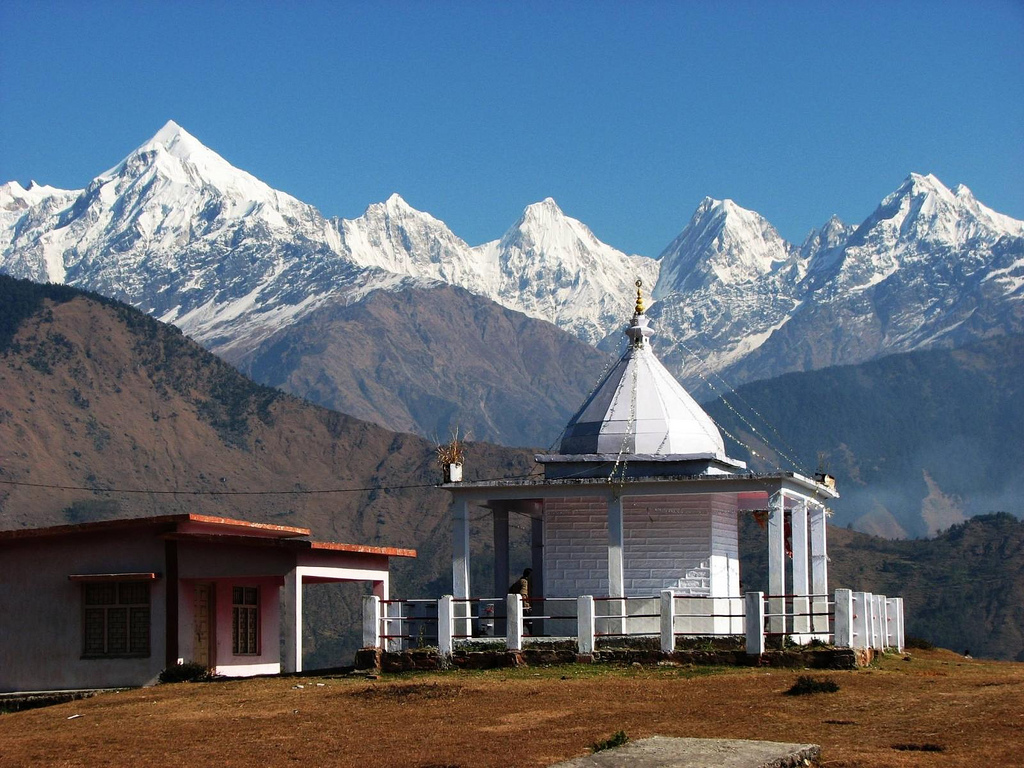
NANDA DEVI TEMPLE
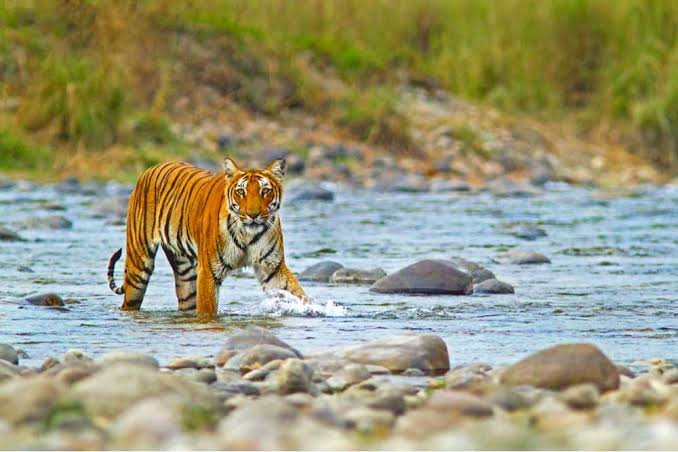
Jim Corbett National Park
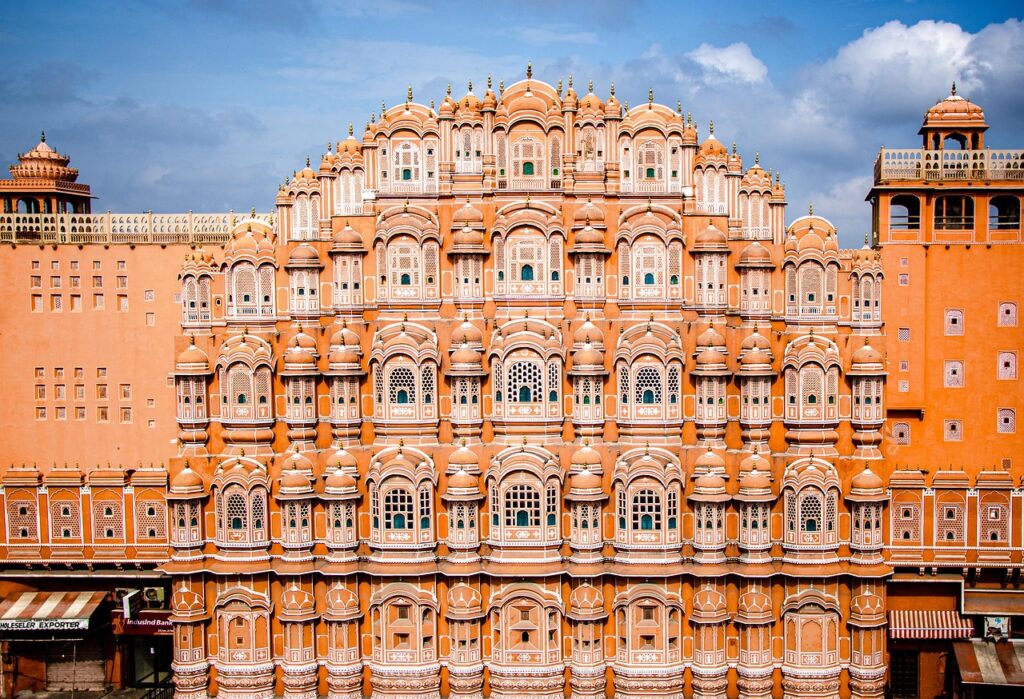
Hawa Mahal
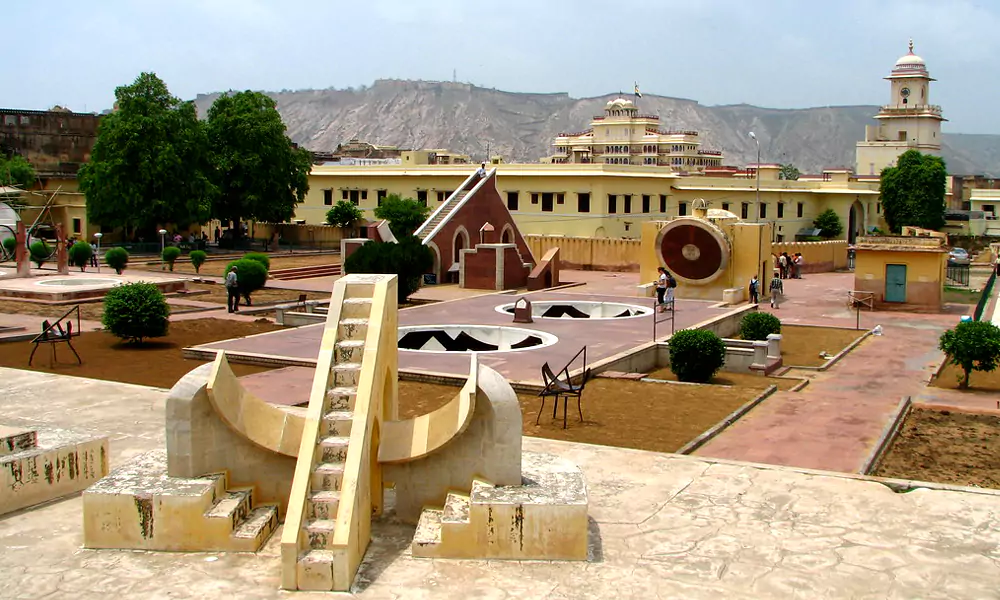
Jantar Mantar, Jaipur
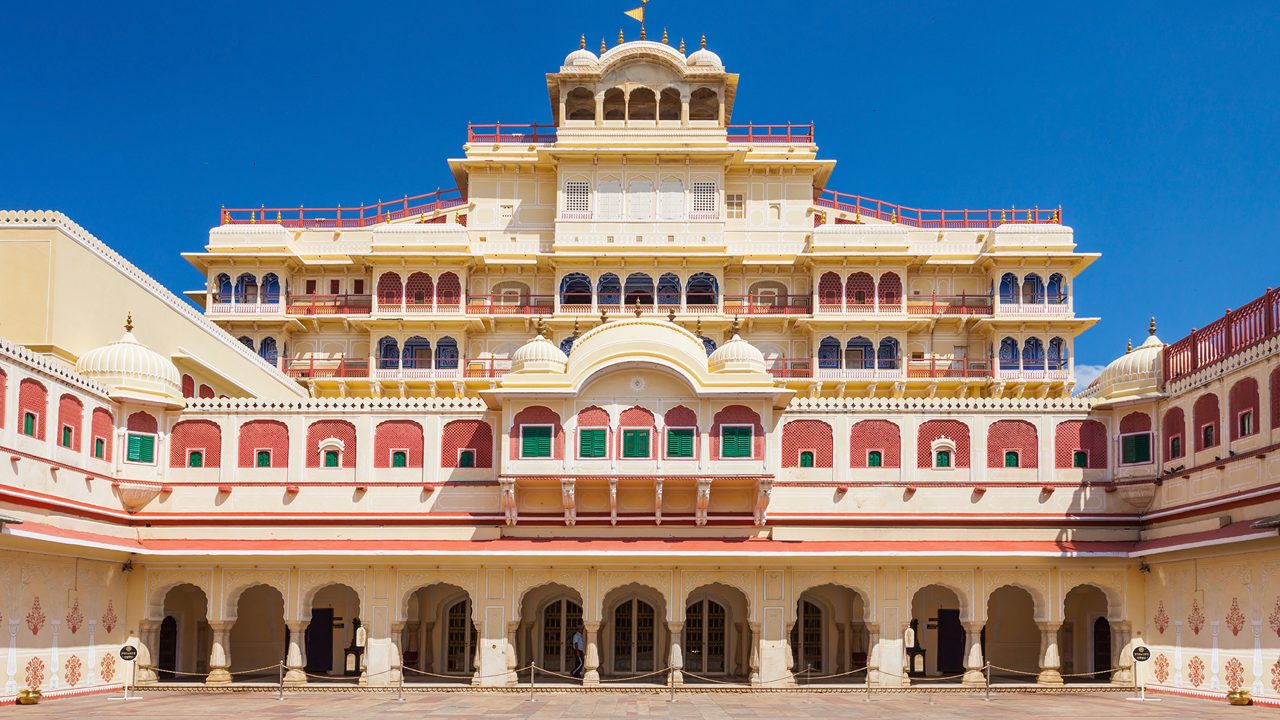
City Palace
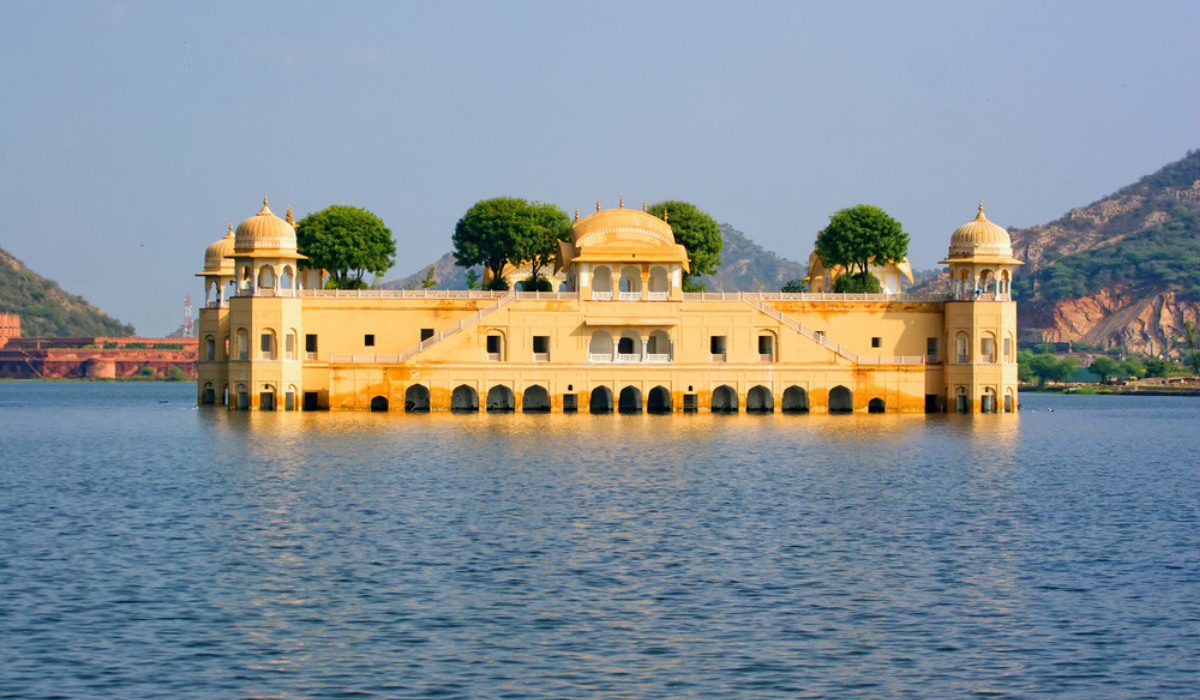
Jal Mahal
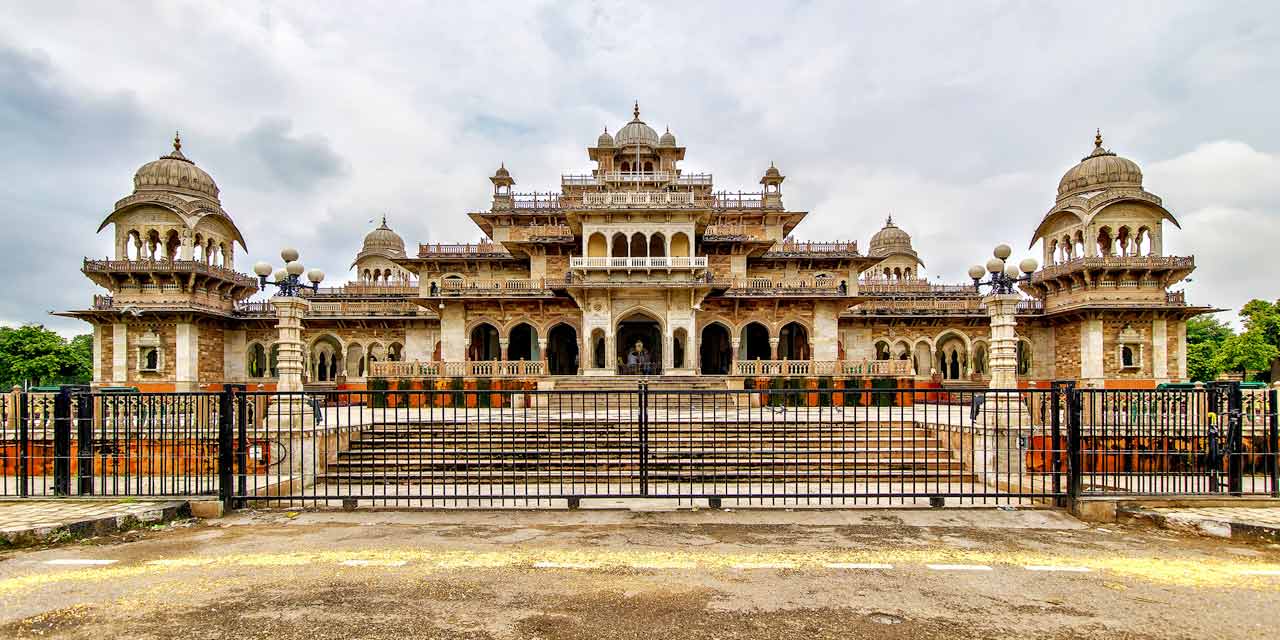
Albert Hall Museum
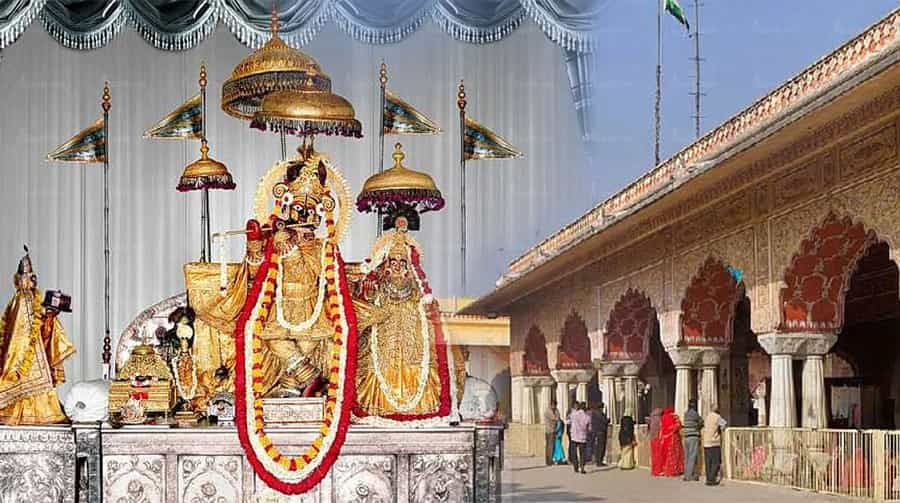
Shri Govind Dev Ji Temple
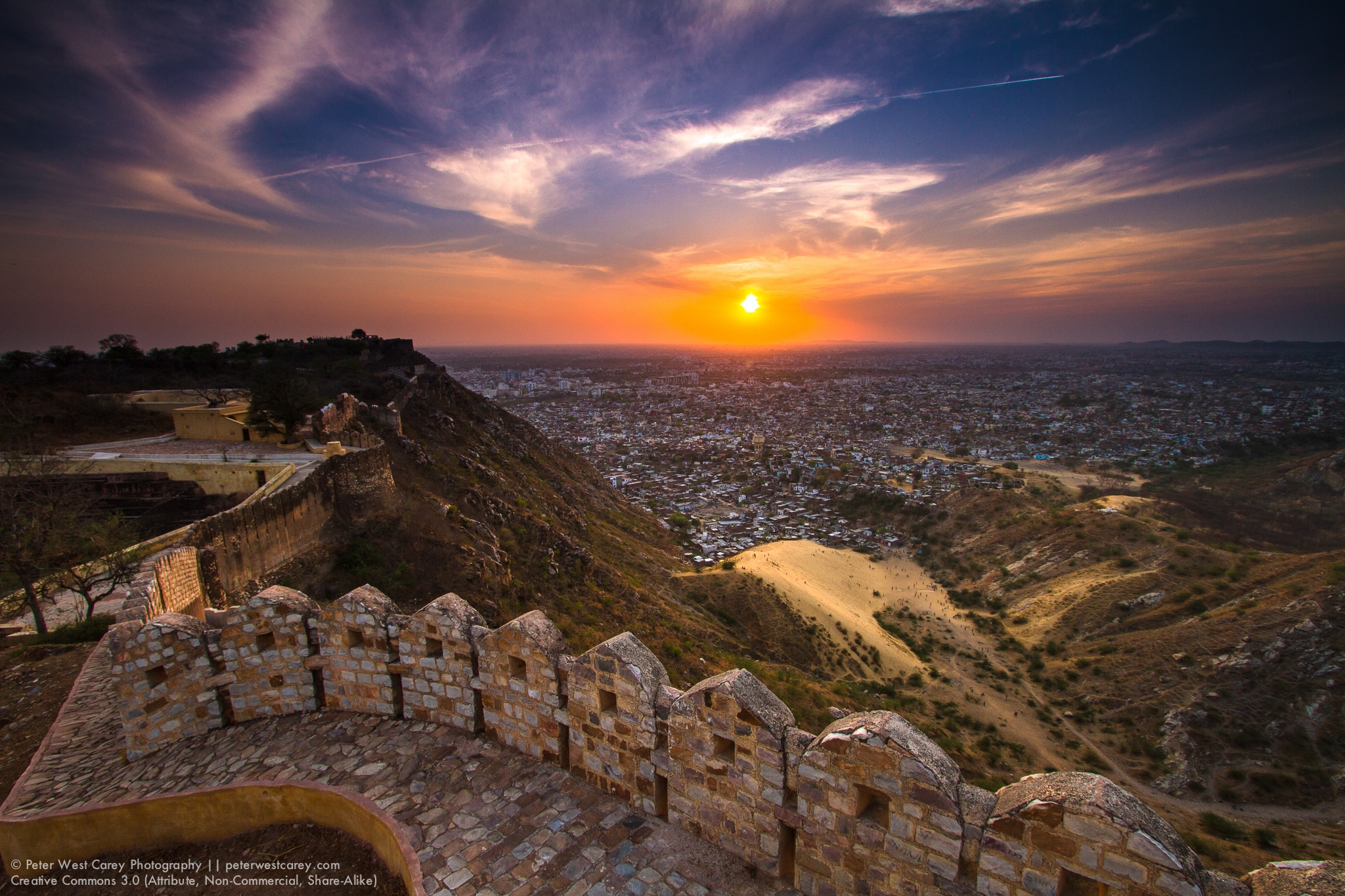
Nahargarh Fort
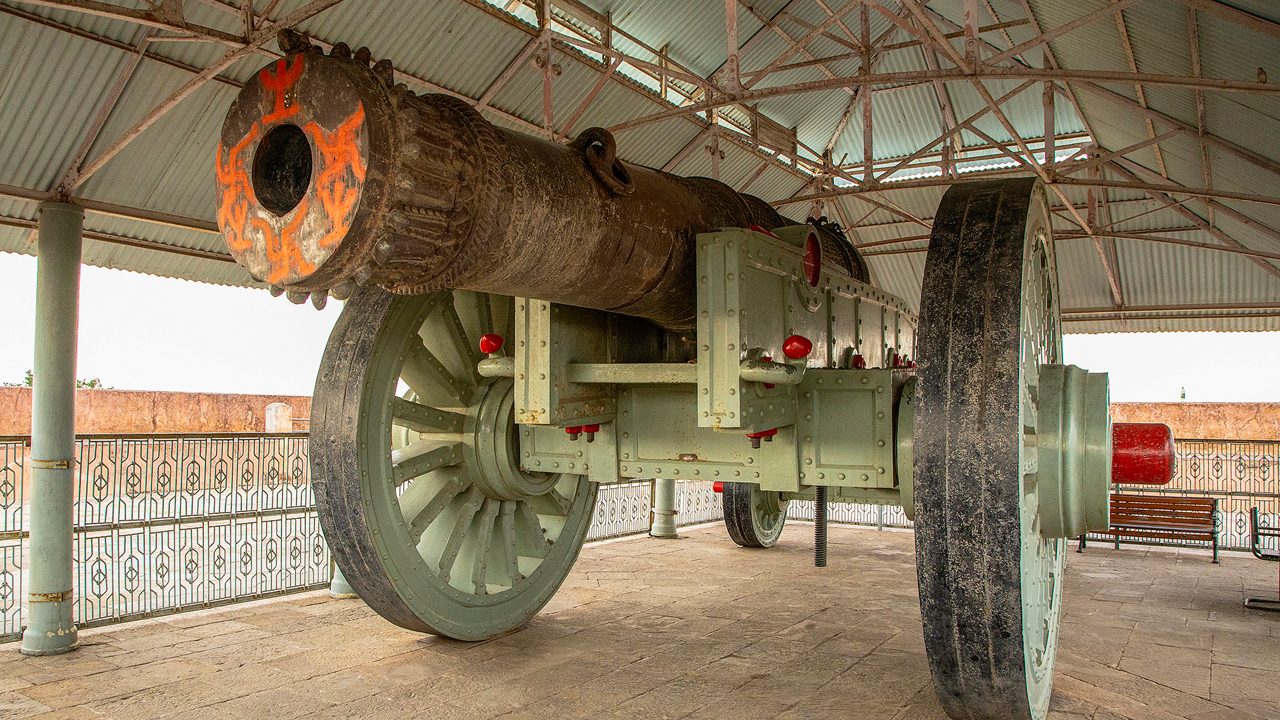
Jaigarh Fort
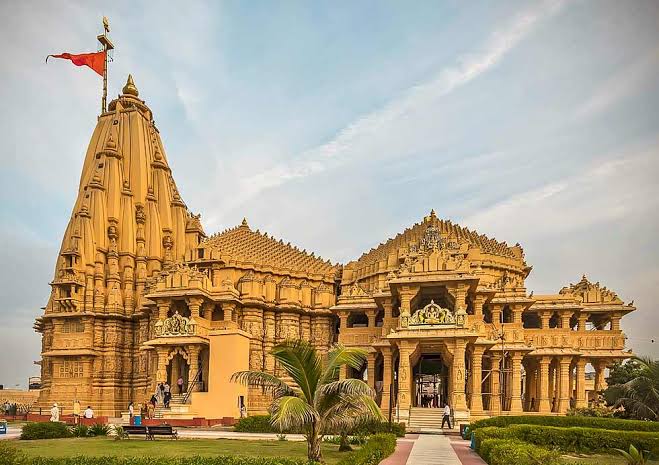
Somnath Temple
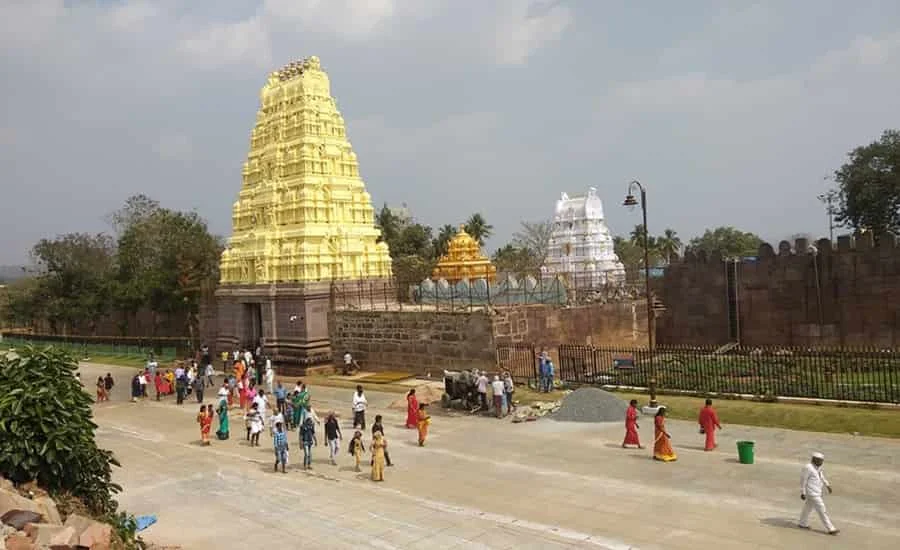
Mallikarjuna Temple
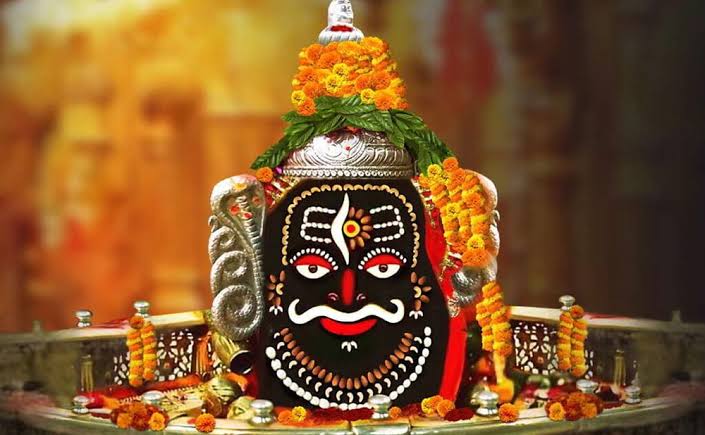
Mahakaleshwar Temple
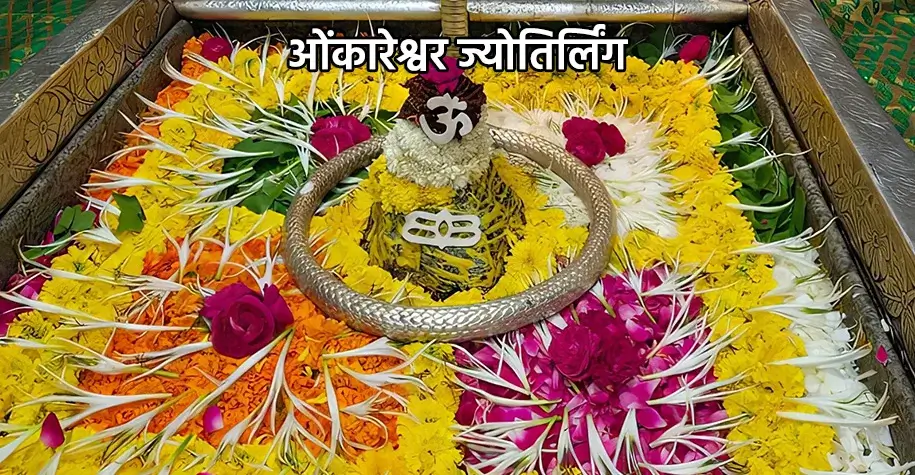
Omkareshwar Temple
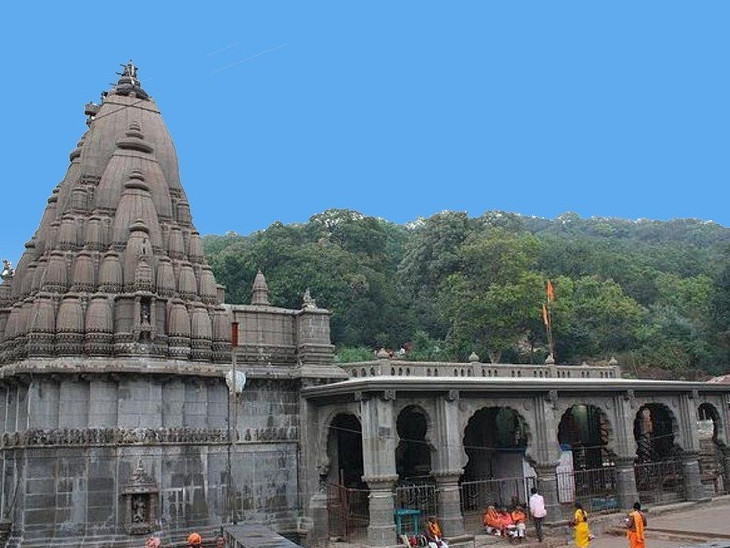
Bhimashankar Temple
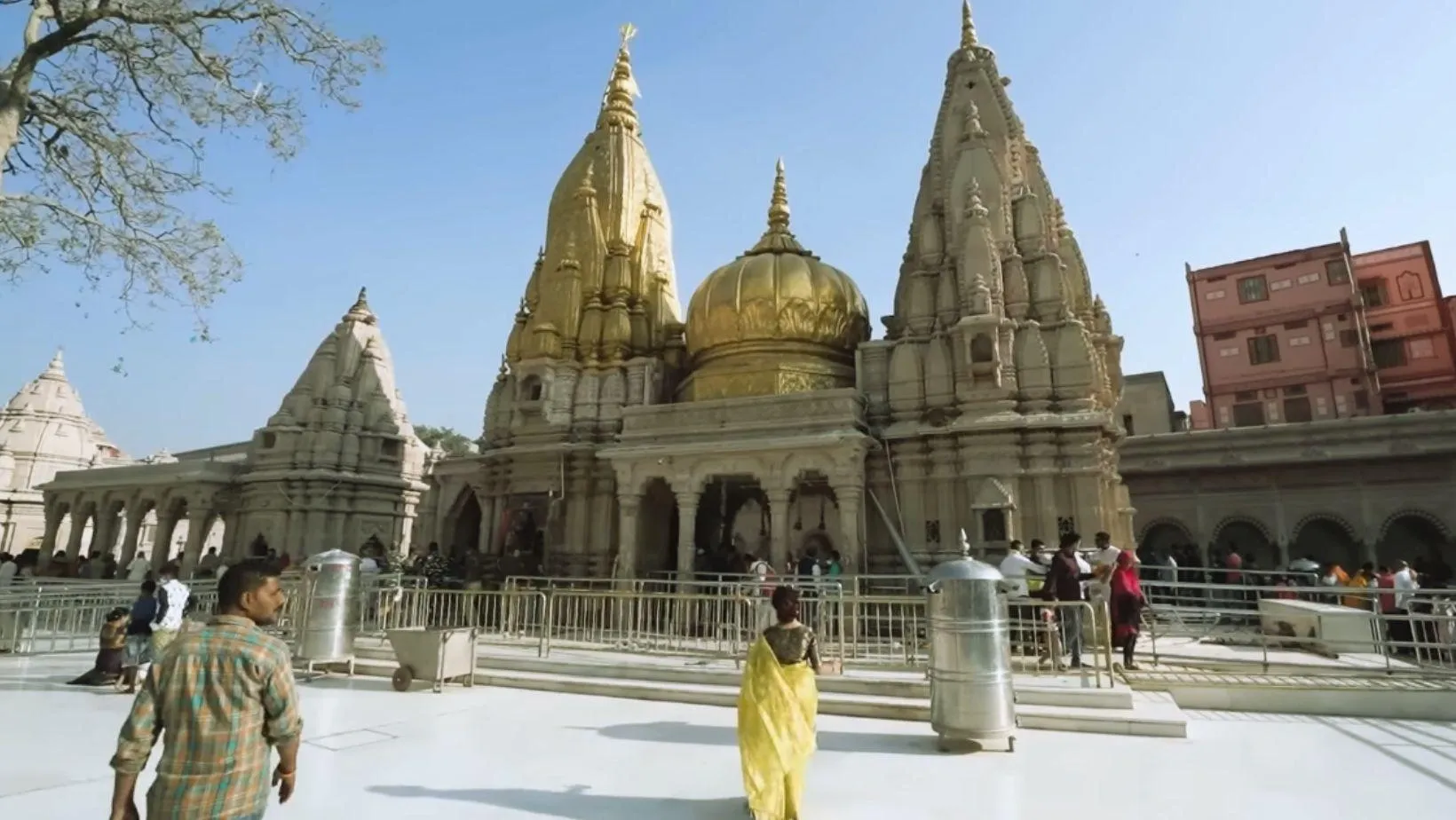
Kashi Vishwanath Temple
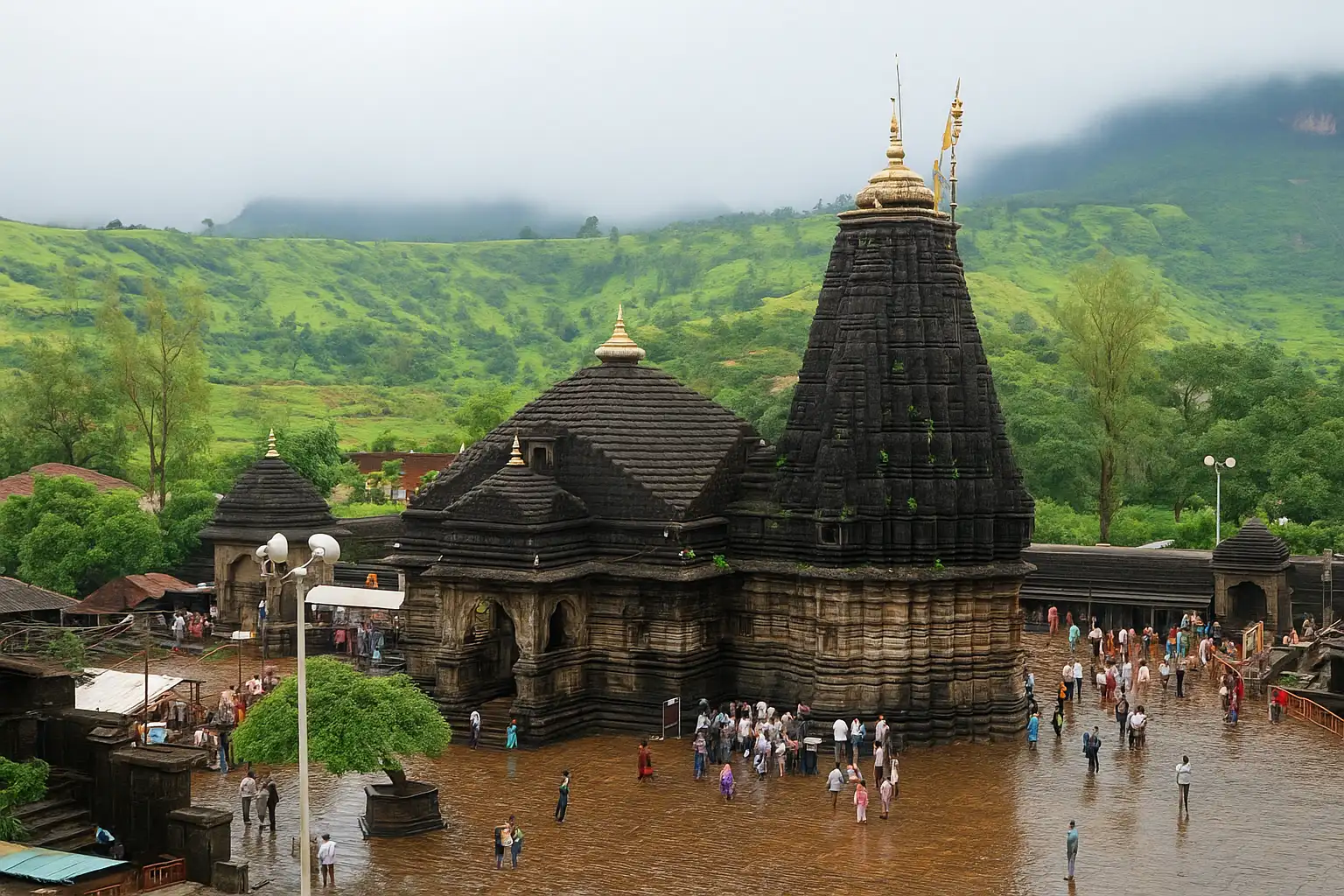
Trimbakeshwar Temple
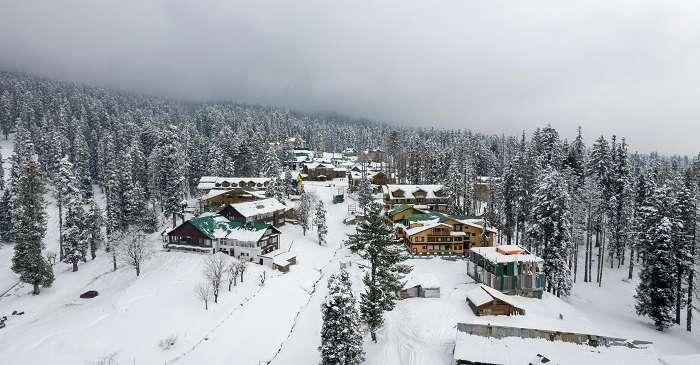
Harshil Valley
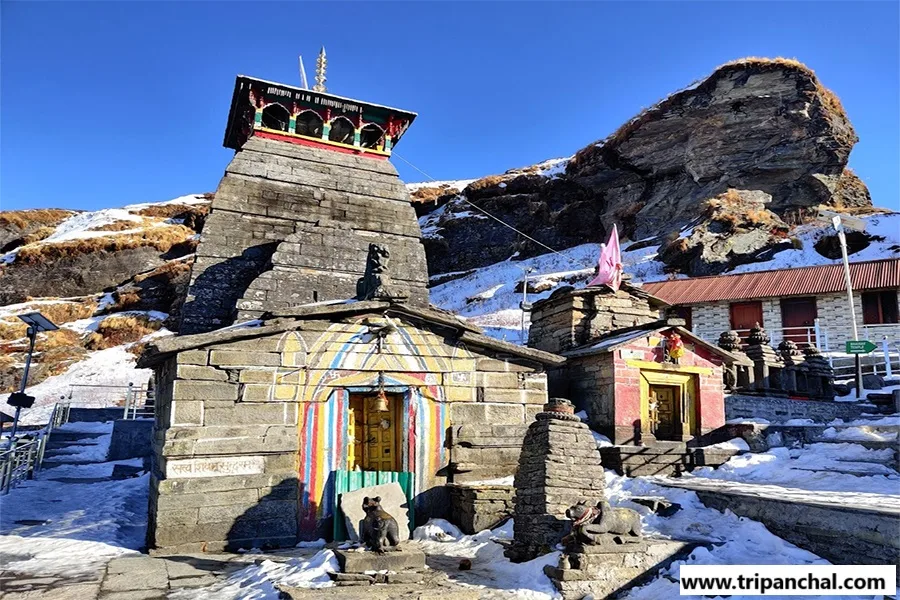
Tungnath Temple
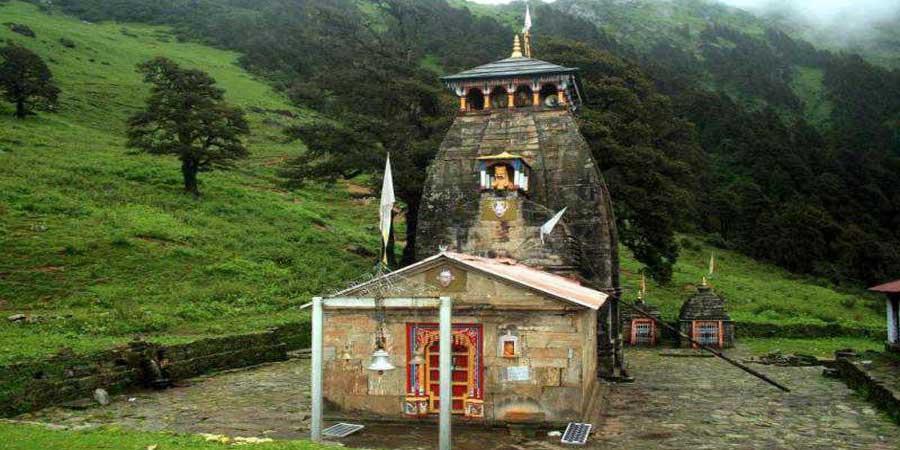
Madhyamaheshwar Temple
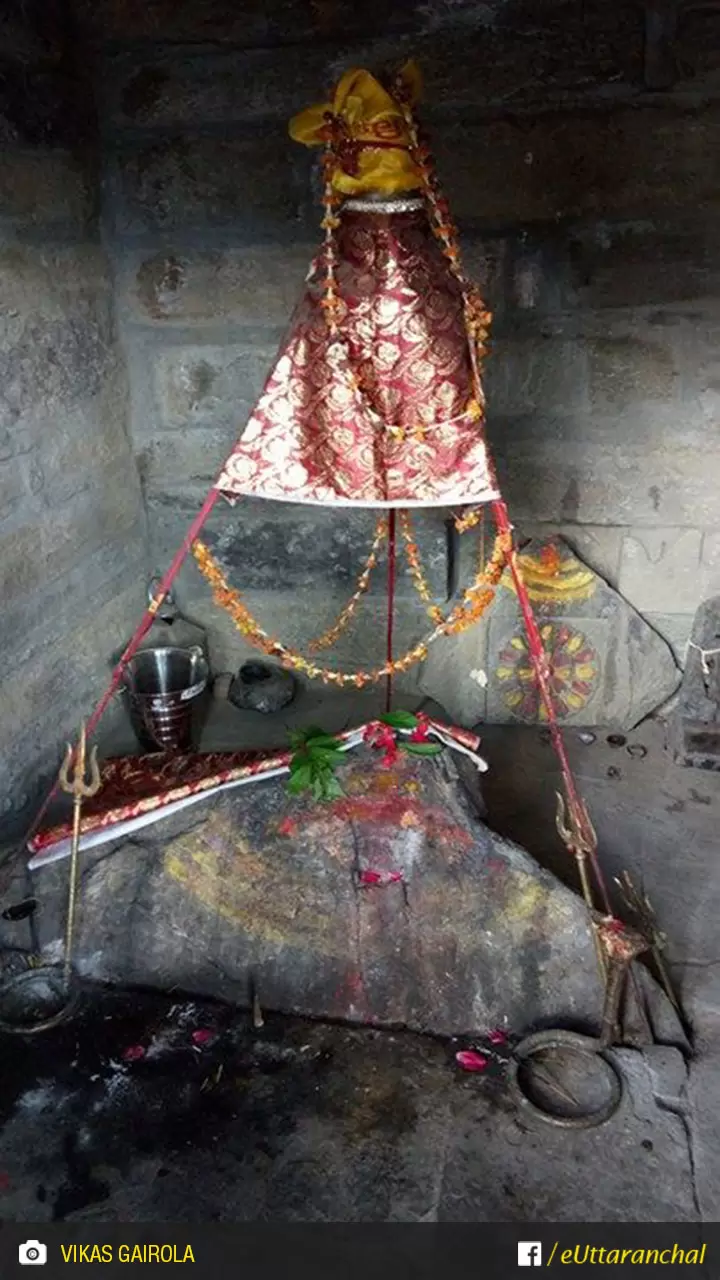
Kalpeshwar Mahadev Temple
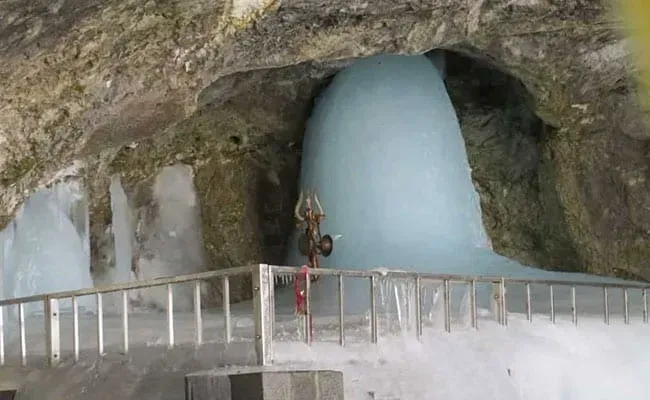
Amarnath

River Rafting in Rishikesh

River Rafting in Manali
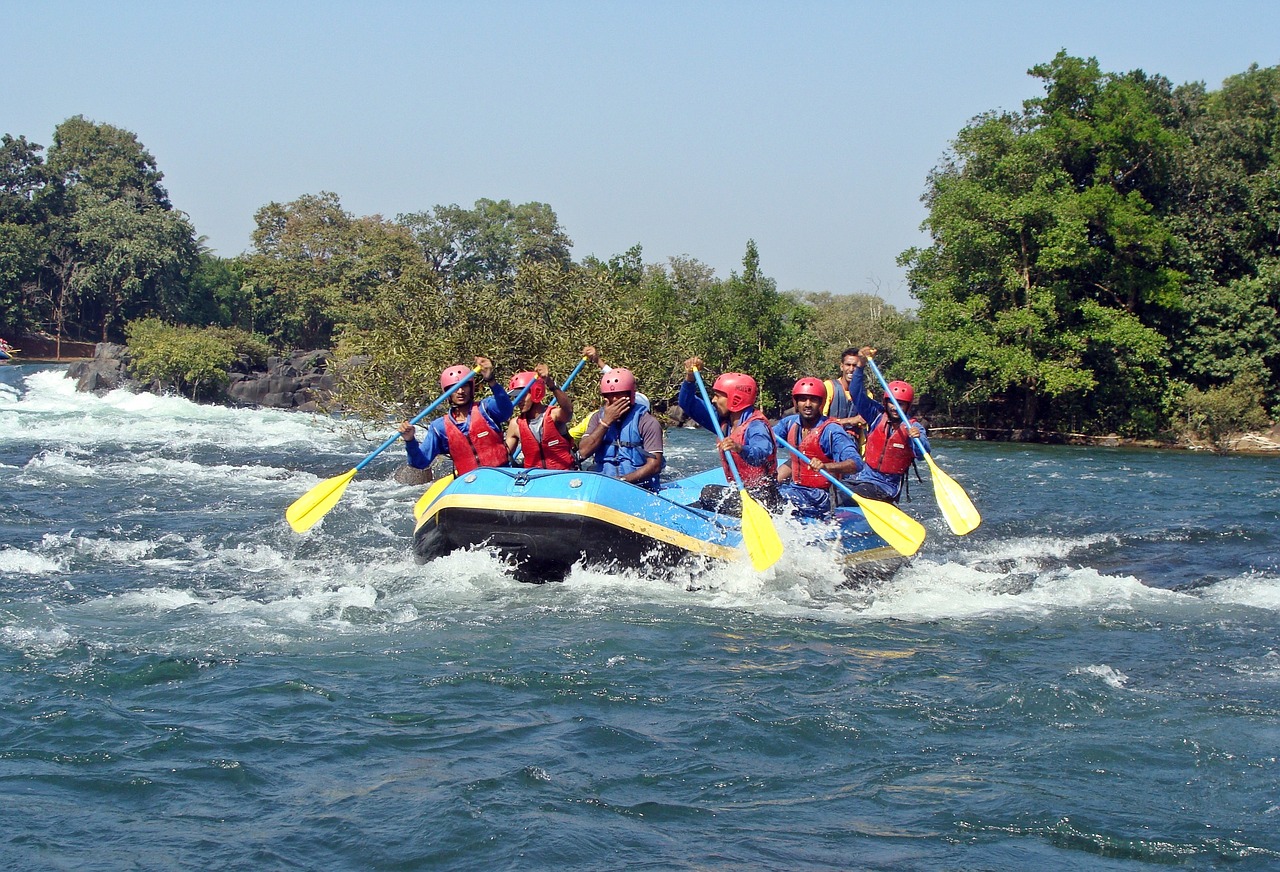
River Rafting in Kolad

River Rafting in Zanskar

River Rafting in Teesta River

River Rafting in Kameng River

River Rafting in Barapole River

River Rafting in Alaknanda River

Skydiving in Mysore

Skydiving in Dhana, Madhya Pradesh
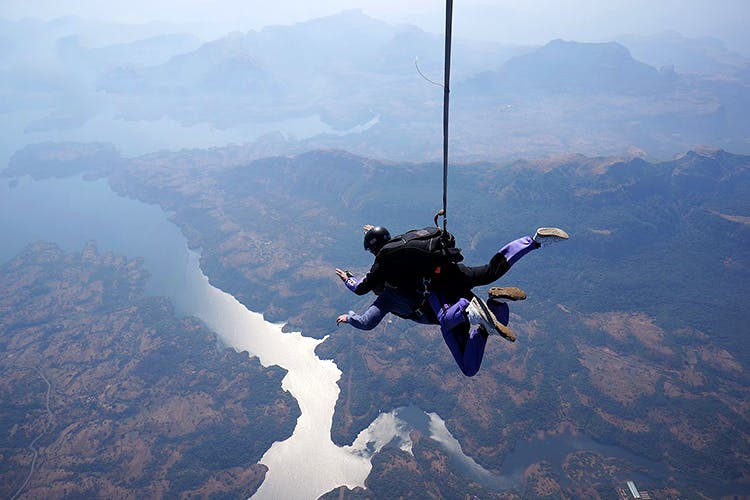
Skydiving in Aamby Valley, Maharashtra
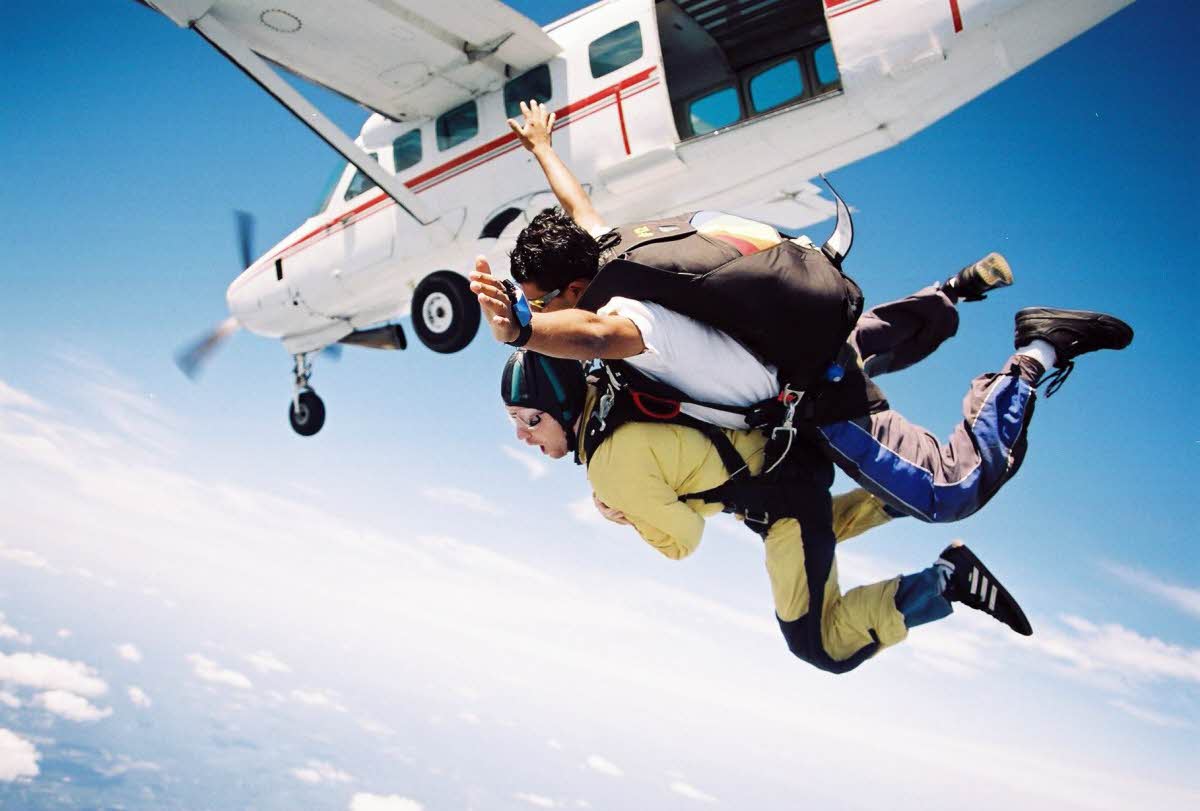
Skydiving in Deesa, Gujarat

Skydiving in Narnaul, Haryana

Skydiving in Pondicherry

Scuba Diving in Andaman & Nicobar Islands

Scuba Diving in Lakshadweep

Scuba Diving in Goa

Scuba Diving in Pondicherry

Scuba Diving in Netrani Island (Karnataka)

Scuba Diving in Tarkarli (Maharashtra)
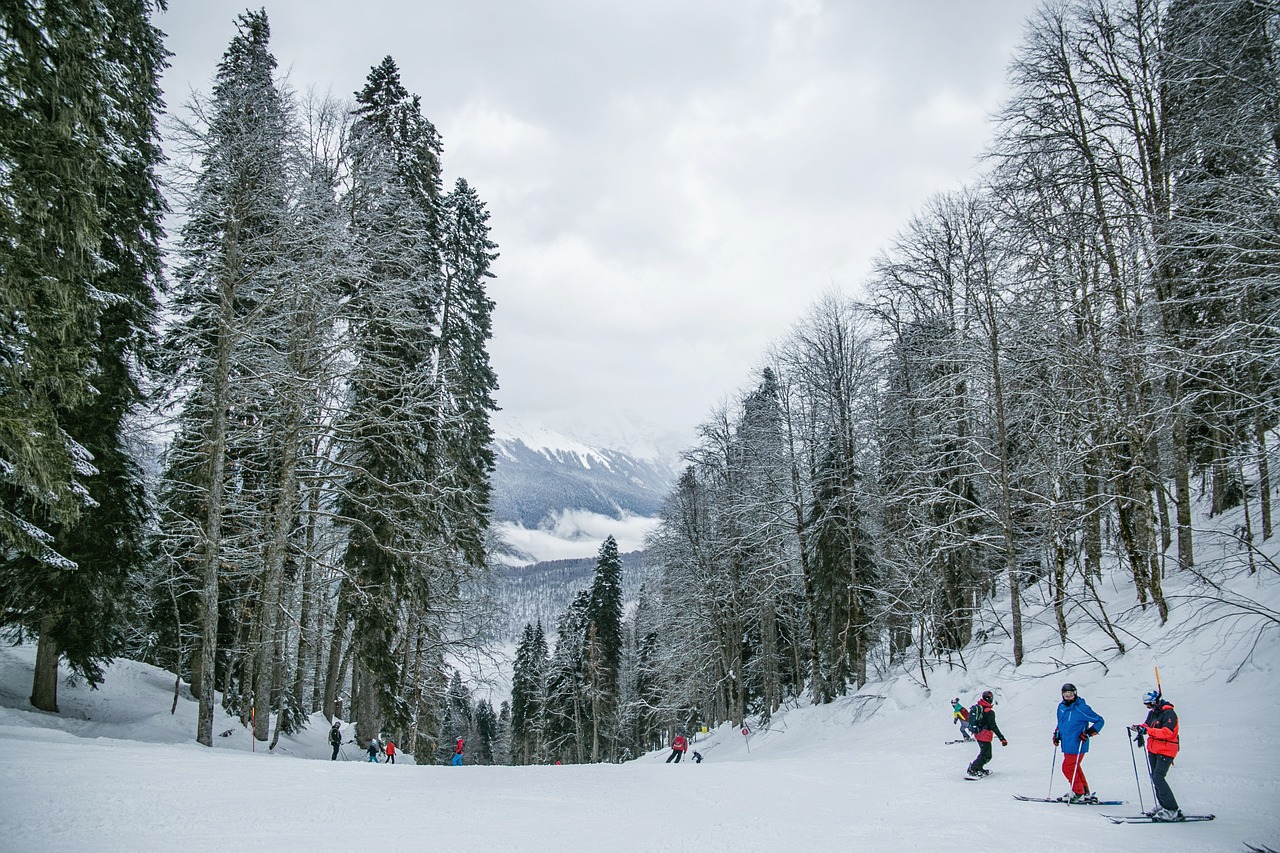
Skiing in Gulmarg

Skiing in Auli

Skiing in Solang

Skiing in Kufri

Skiing in Narkanda

Skiing in Munsiyari
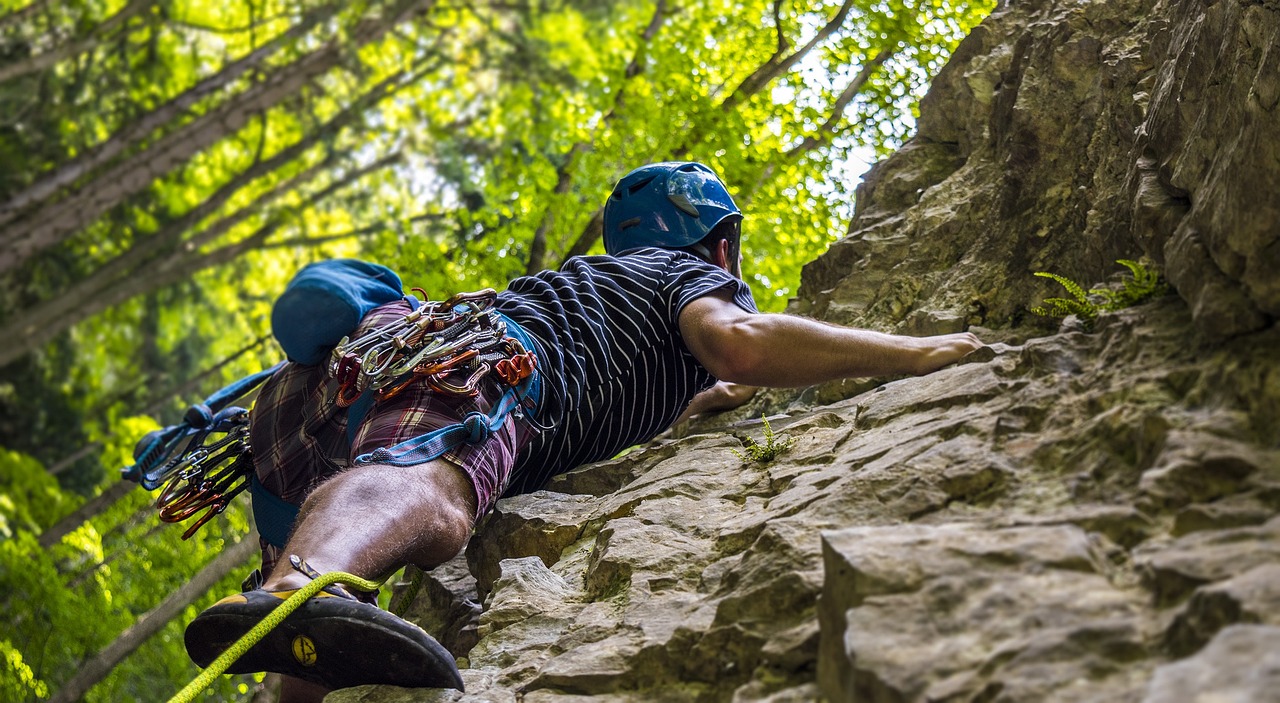
Rock Climbing in Manali
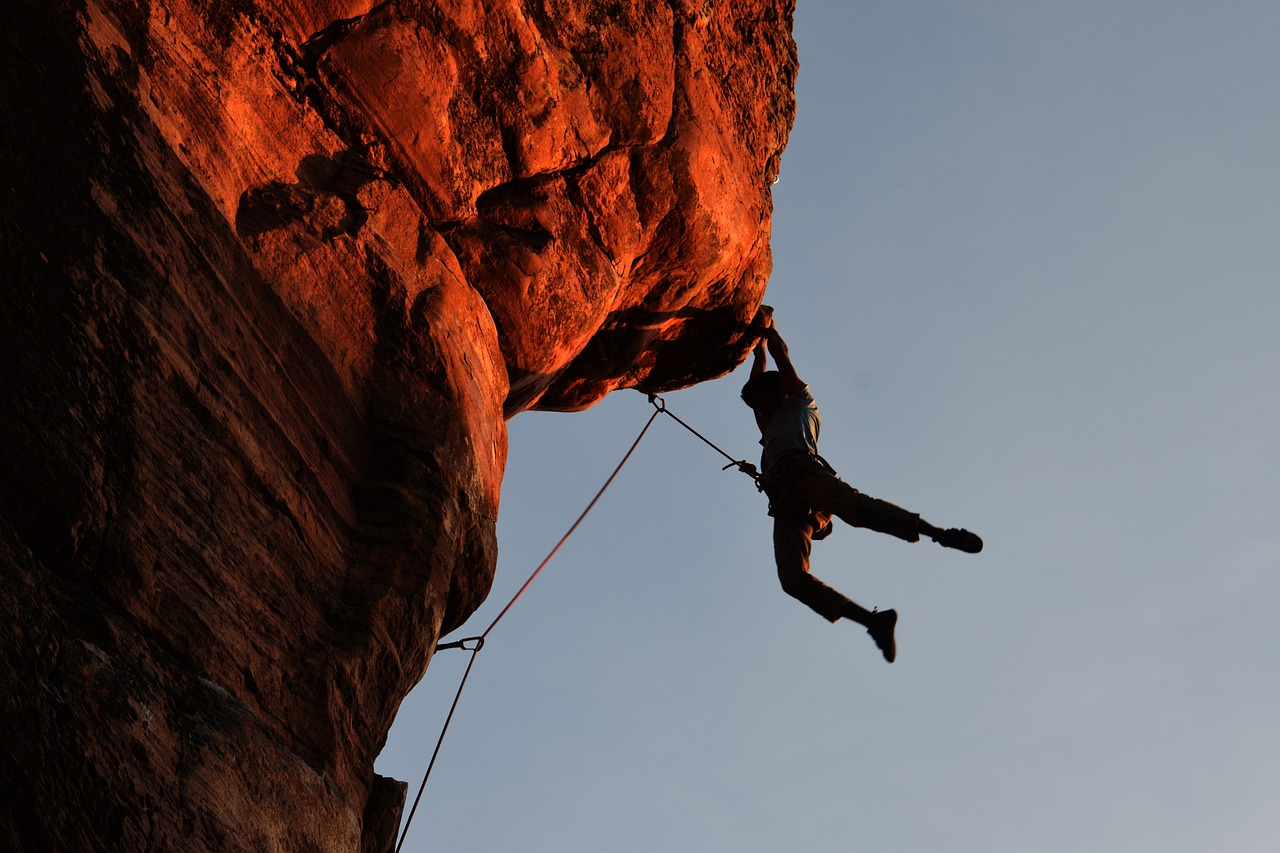
Rock climbing in Badami (Karnataka)
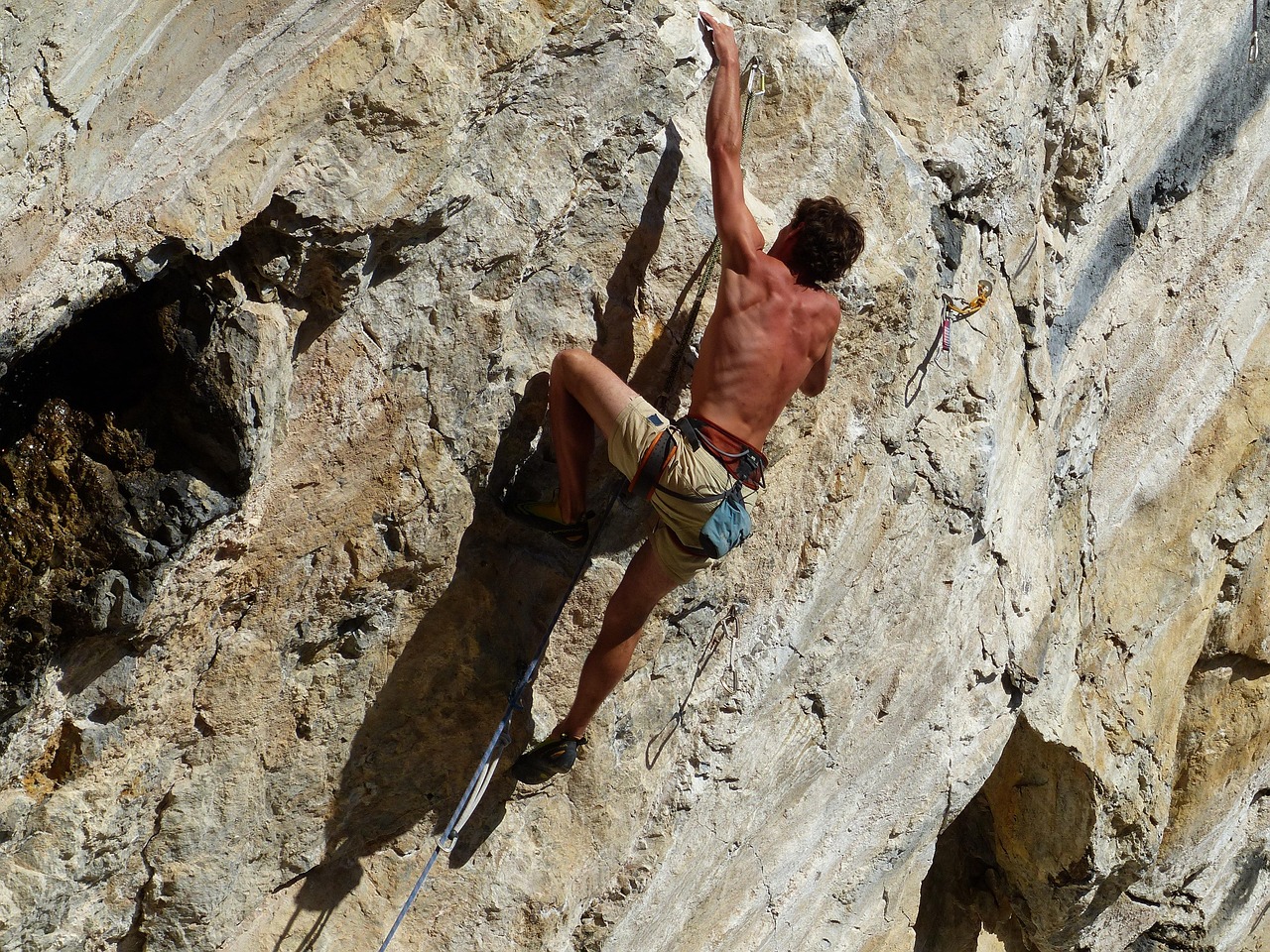
Rock climbing in Vijayapura (Karnataka)

Rock climbing in Boulder Hills (Hyderabad)
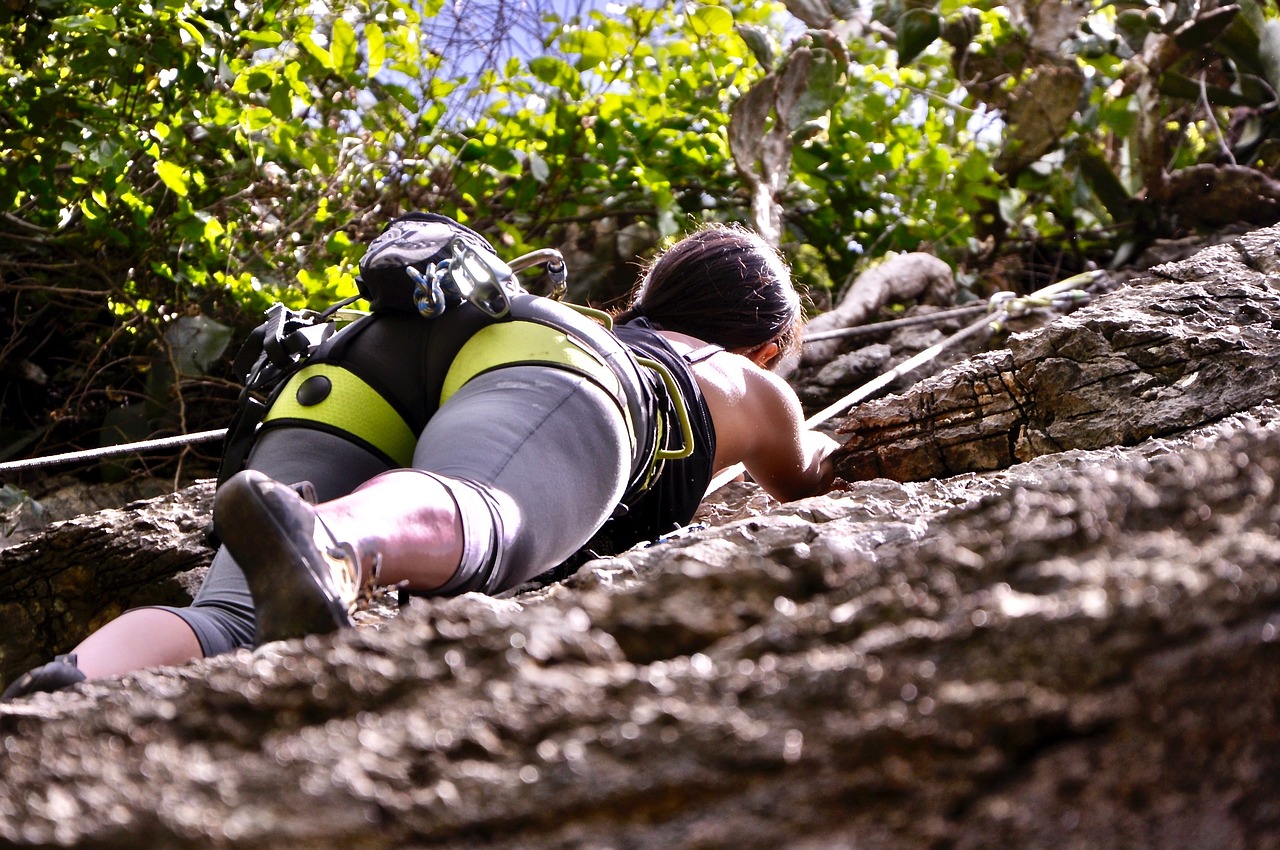
Rock climbing in Nainital
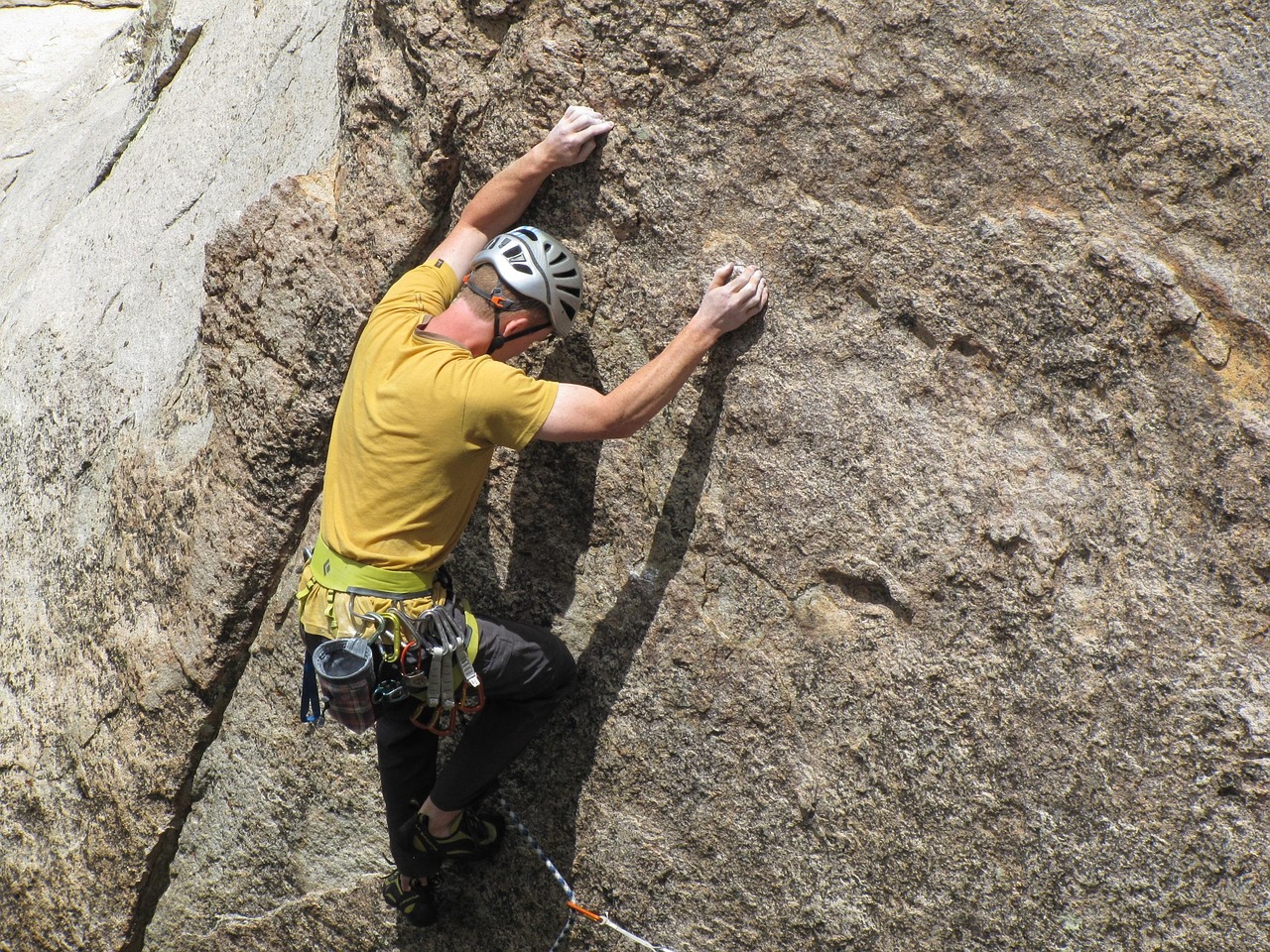
Rock climbing in Hampi (Karnataka)

Rock climbing in Aravalli Range (Rajasthan)
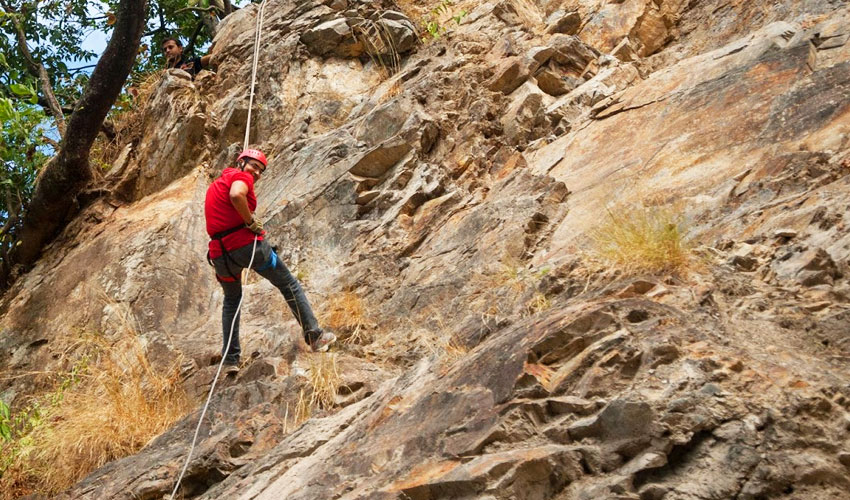
Rock climbing in Rishikesh
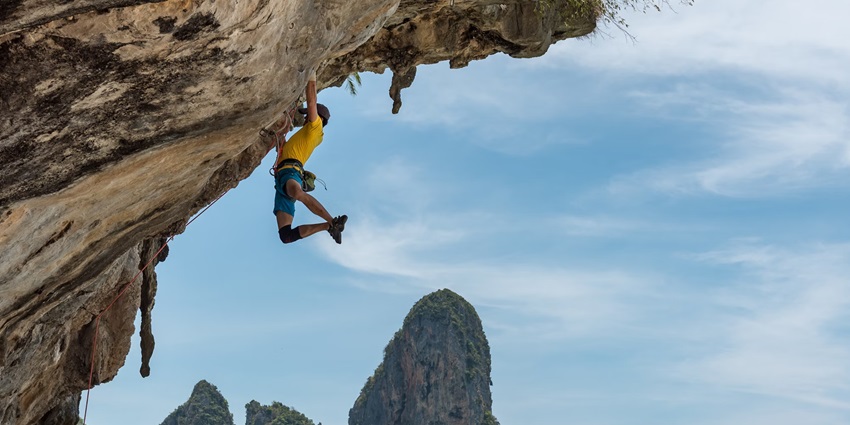
Rock climbing on Shey Rock (Ladakh)
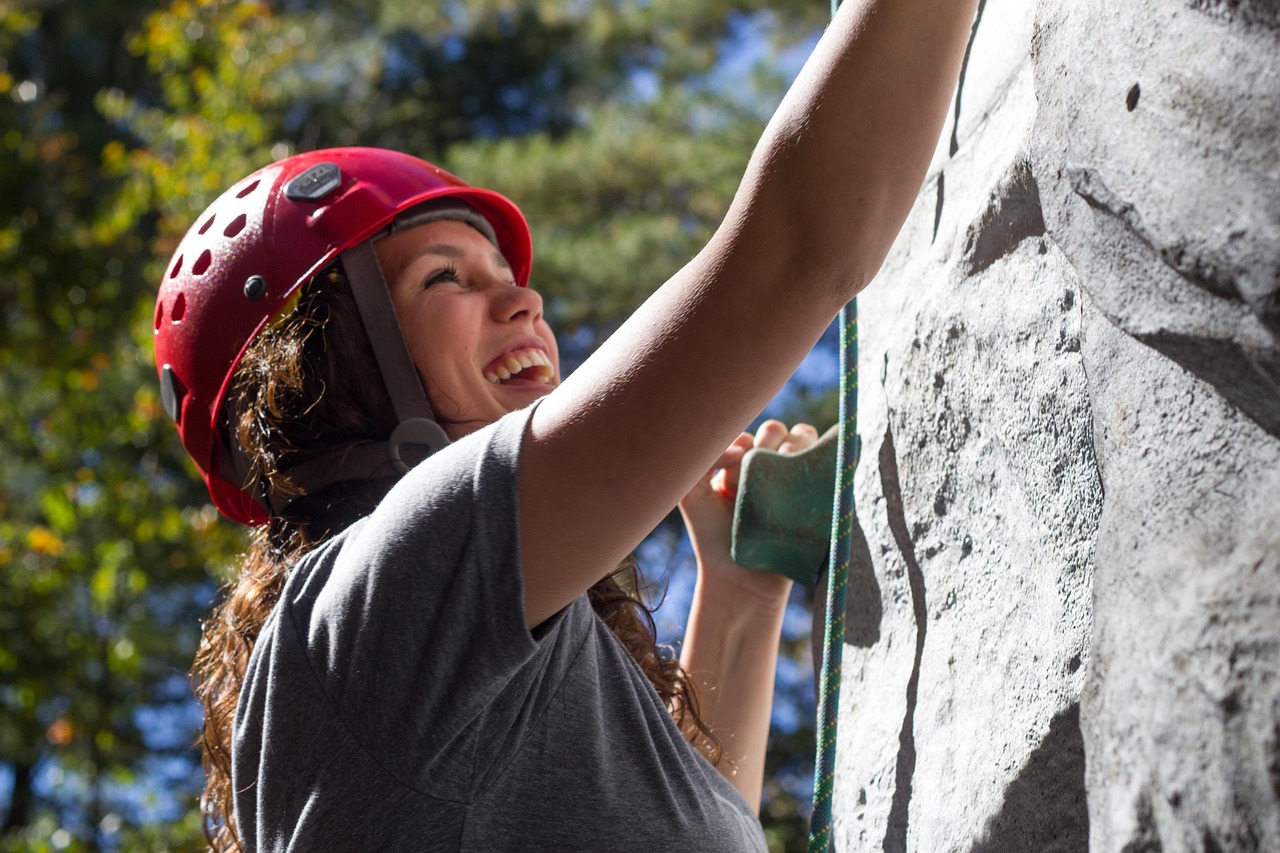
Rock climbing in Pune
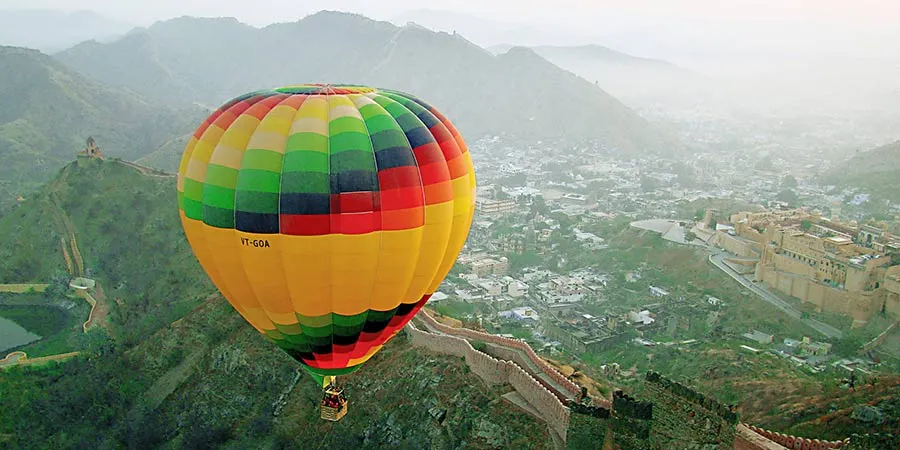
Hot Air Balloon Ride in Jaipur
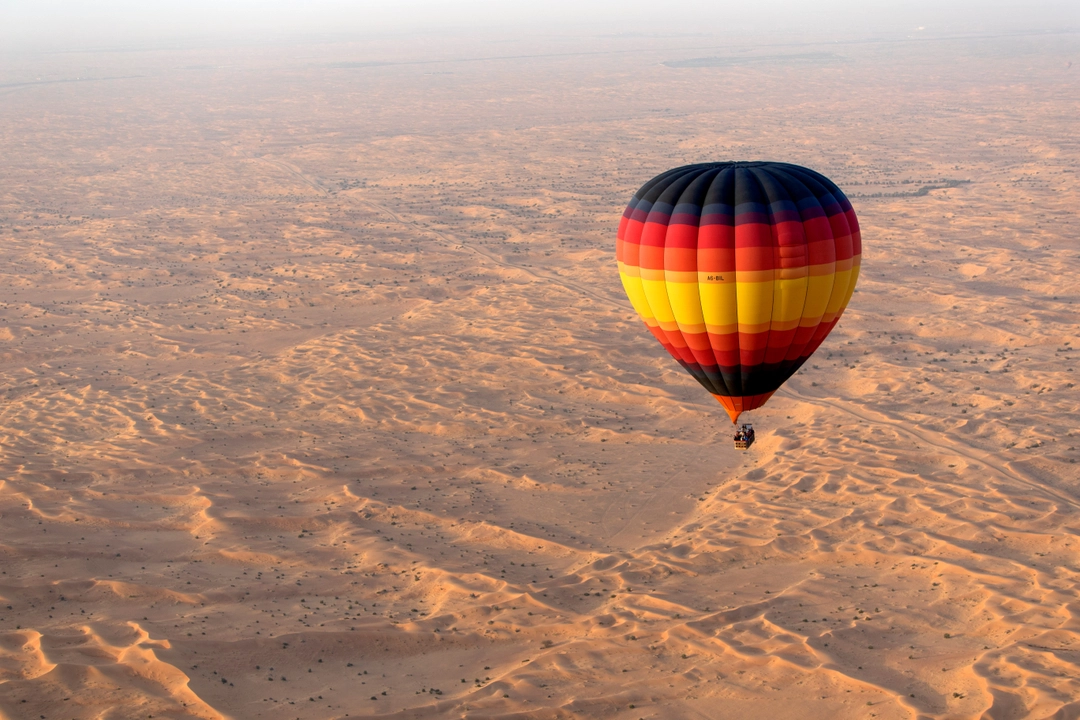
Hot Air Balloon Ride in Pushkar
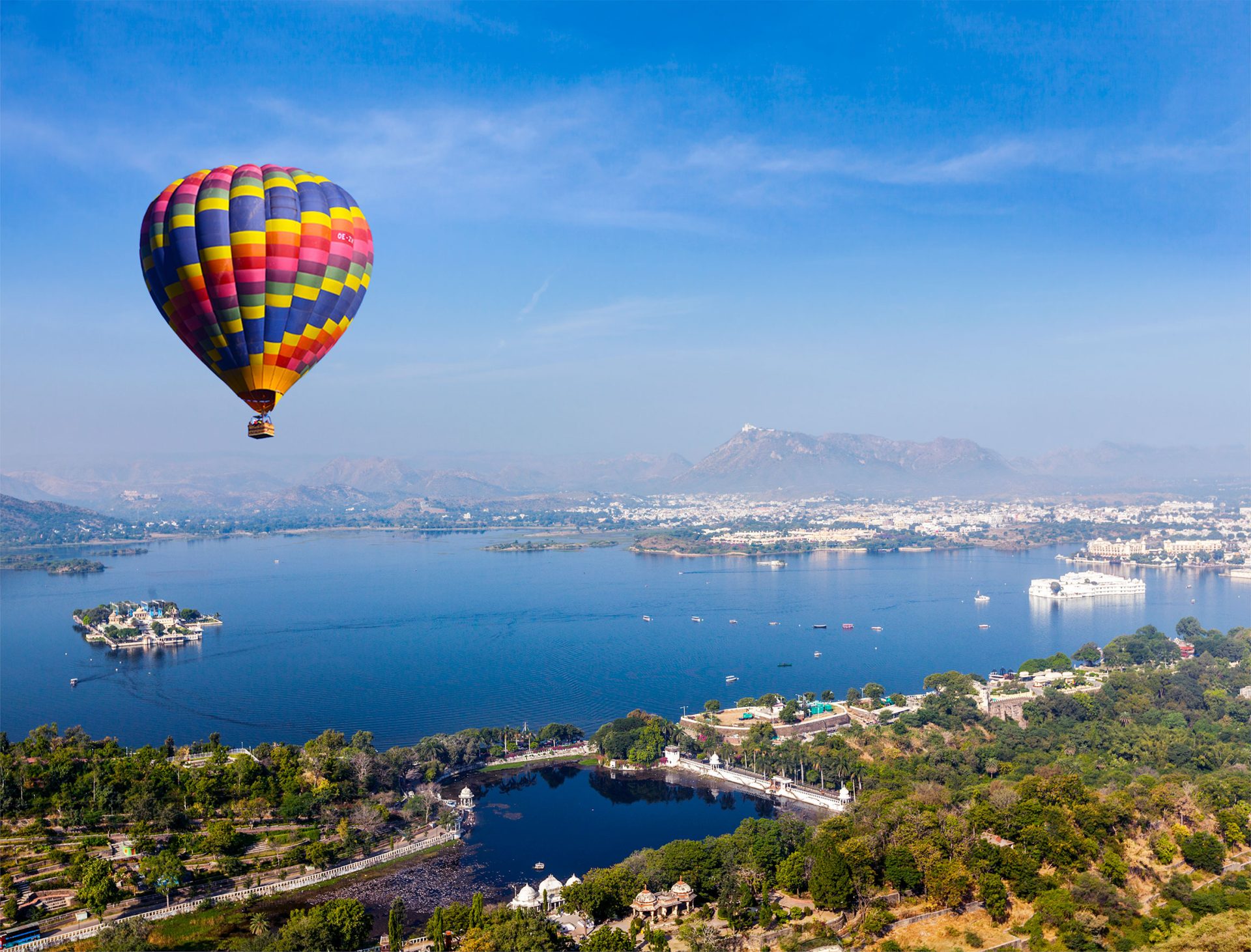
Hot Air Balloon Ride in Udaipur
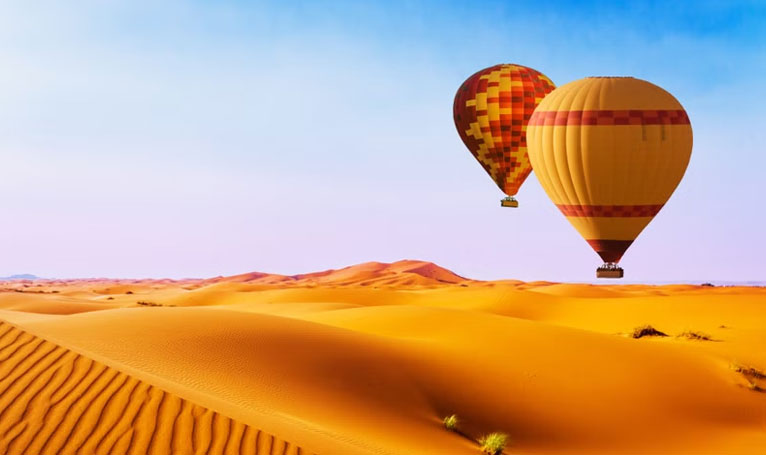
Hot Air Balloon Ride in Jaisalmer
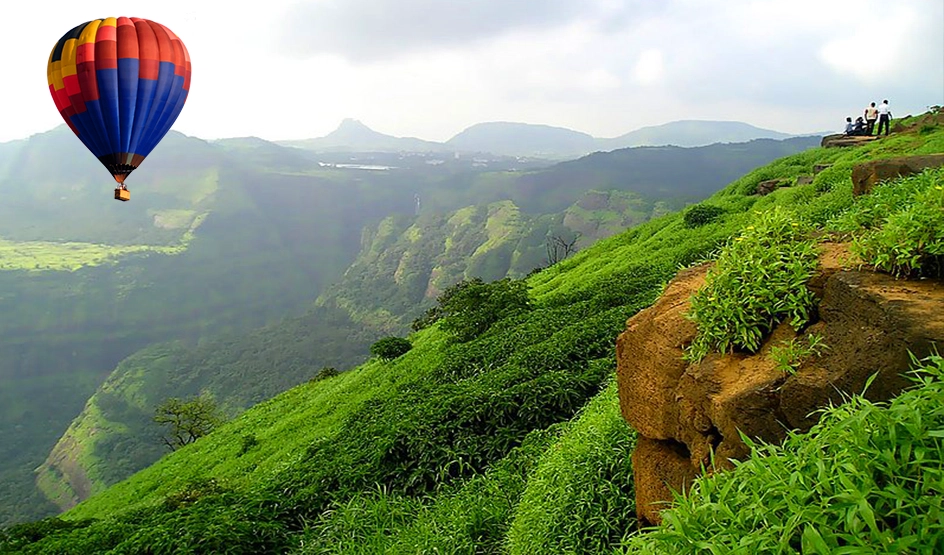
Hot Air Balloon Ride in Lonavala
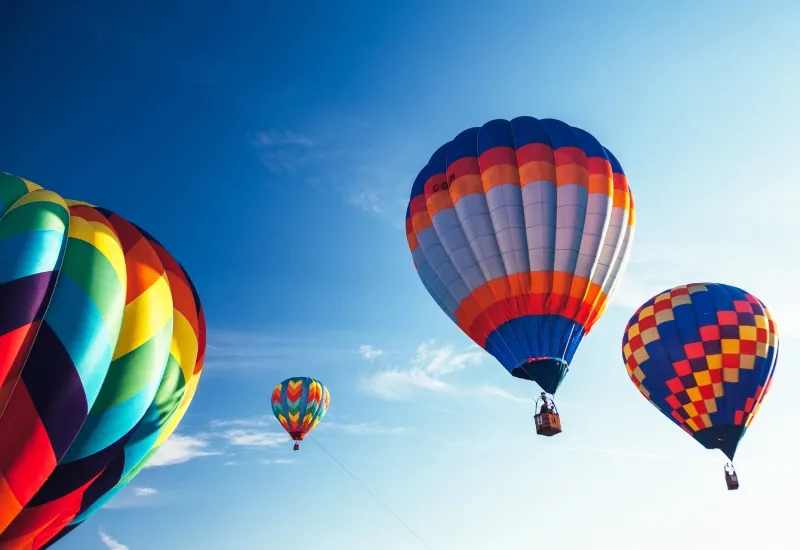
Hot air balloon ride in Mysore
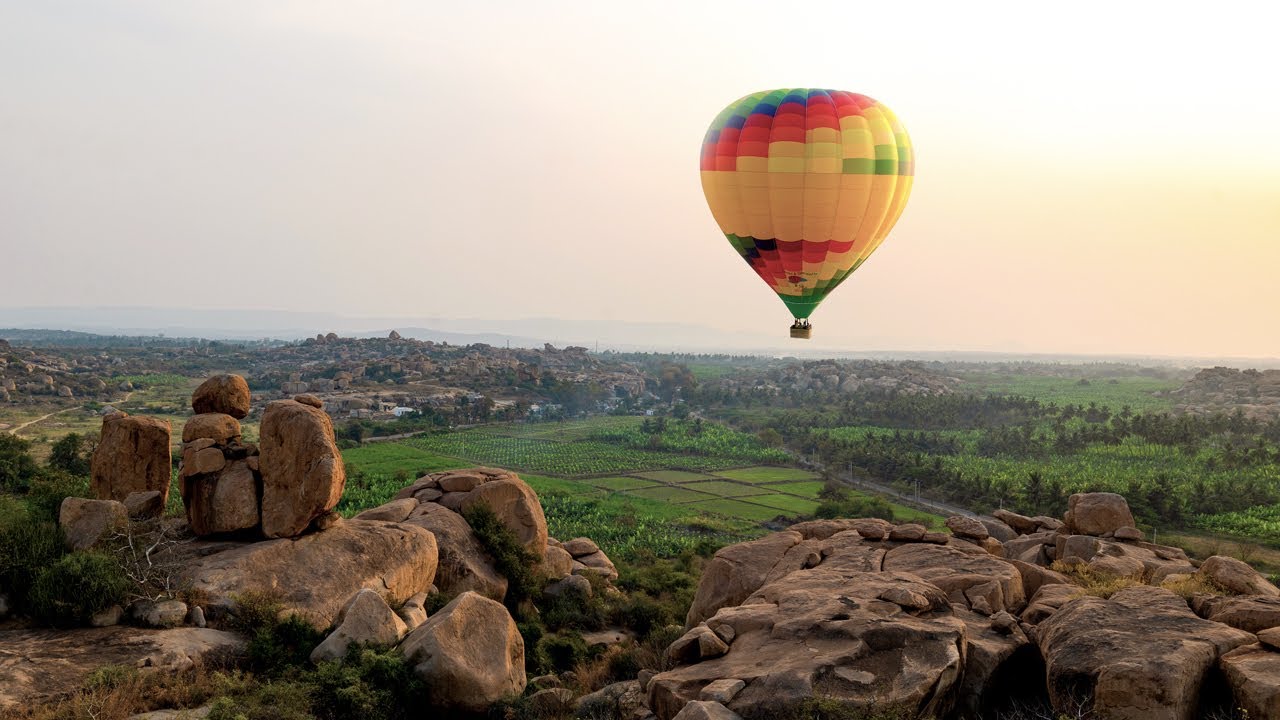
Hot air balloon ride in Hampi
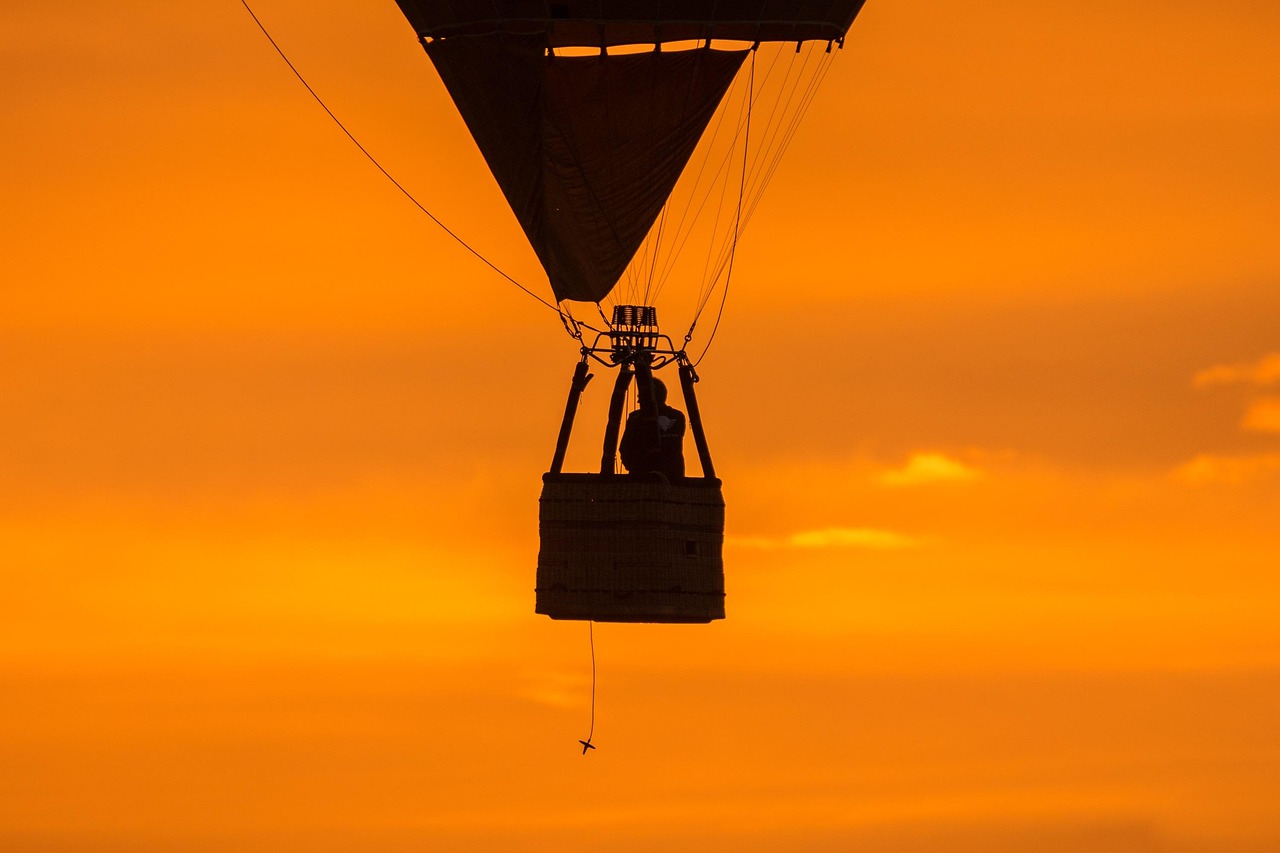
Hot air balloon ride in Nainital
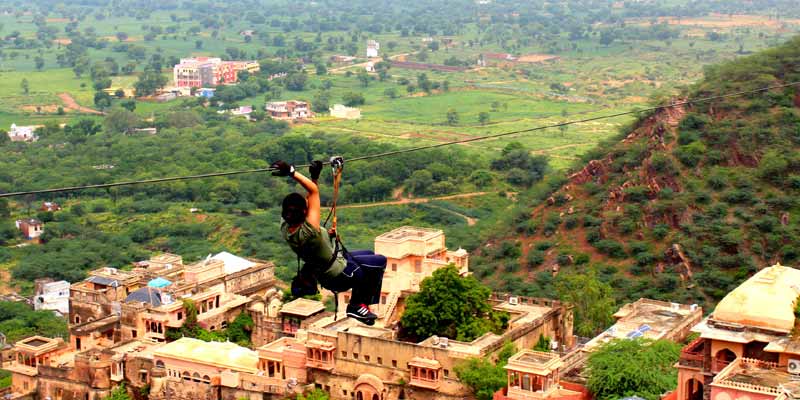
Zip Line ride in Neemrana
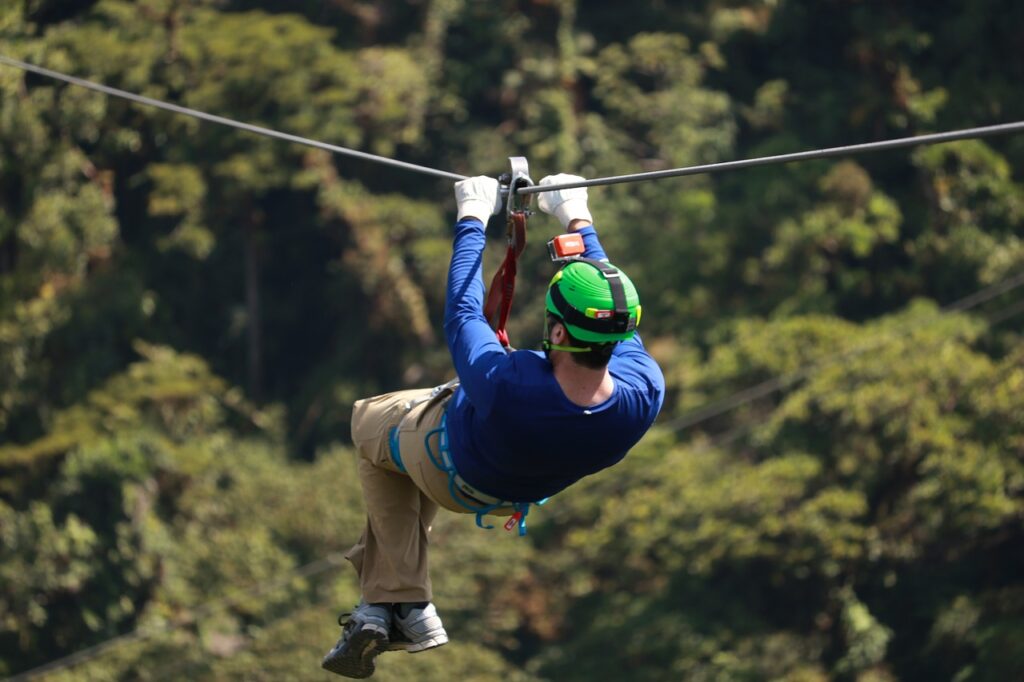
Kikar Lodge Zip Line
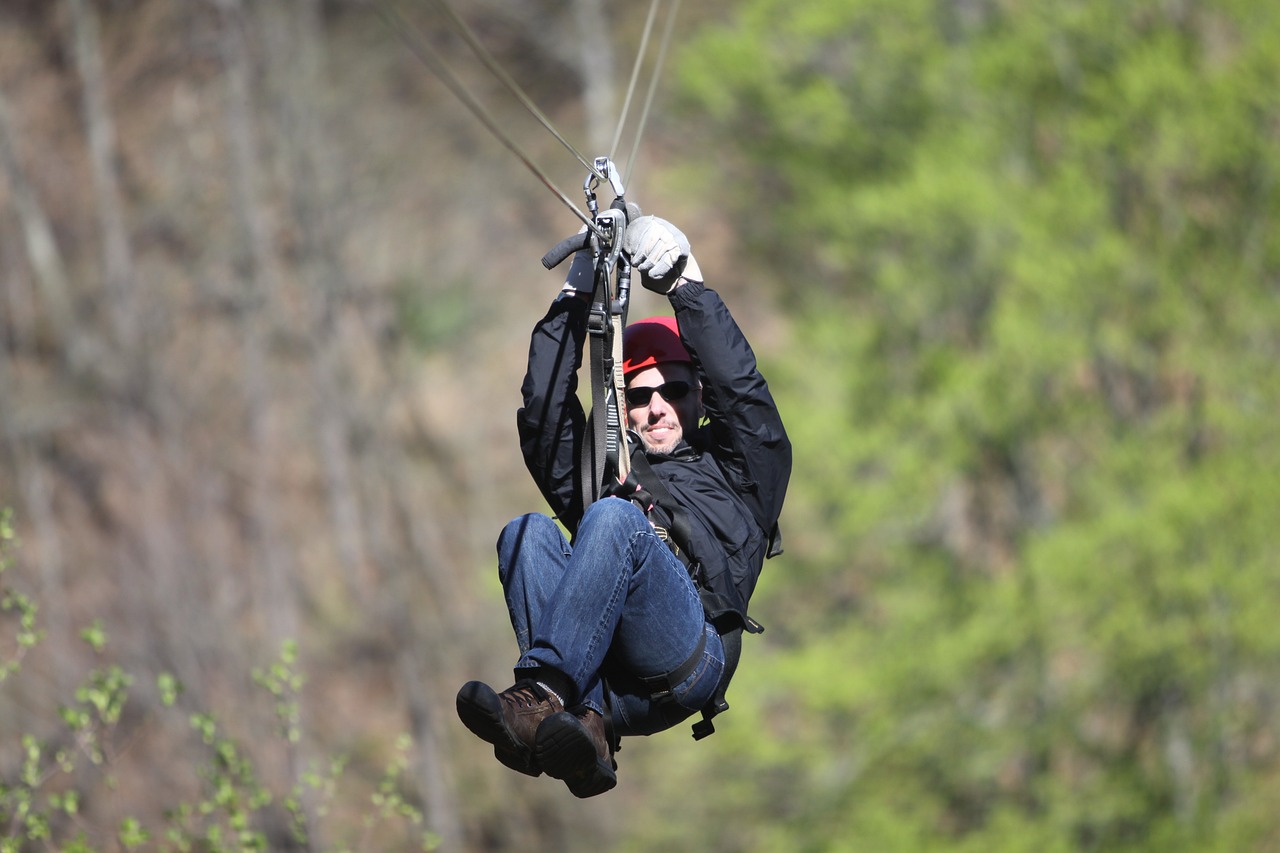
Zip Line ride in Rishikesh
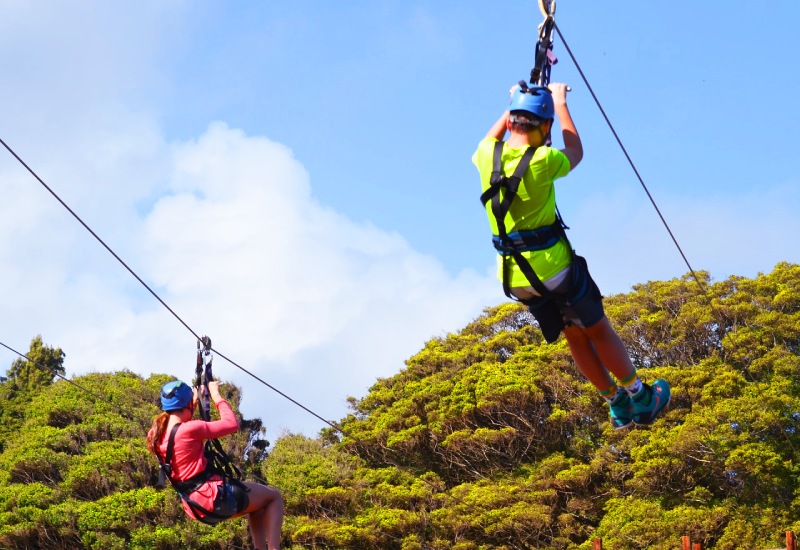
Zip Line ride in Mussoorie
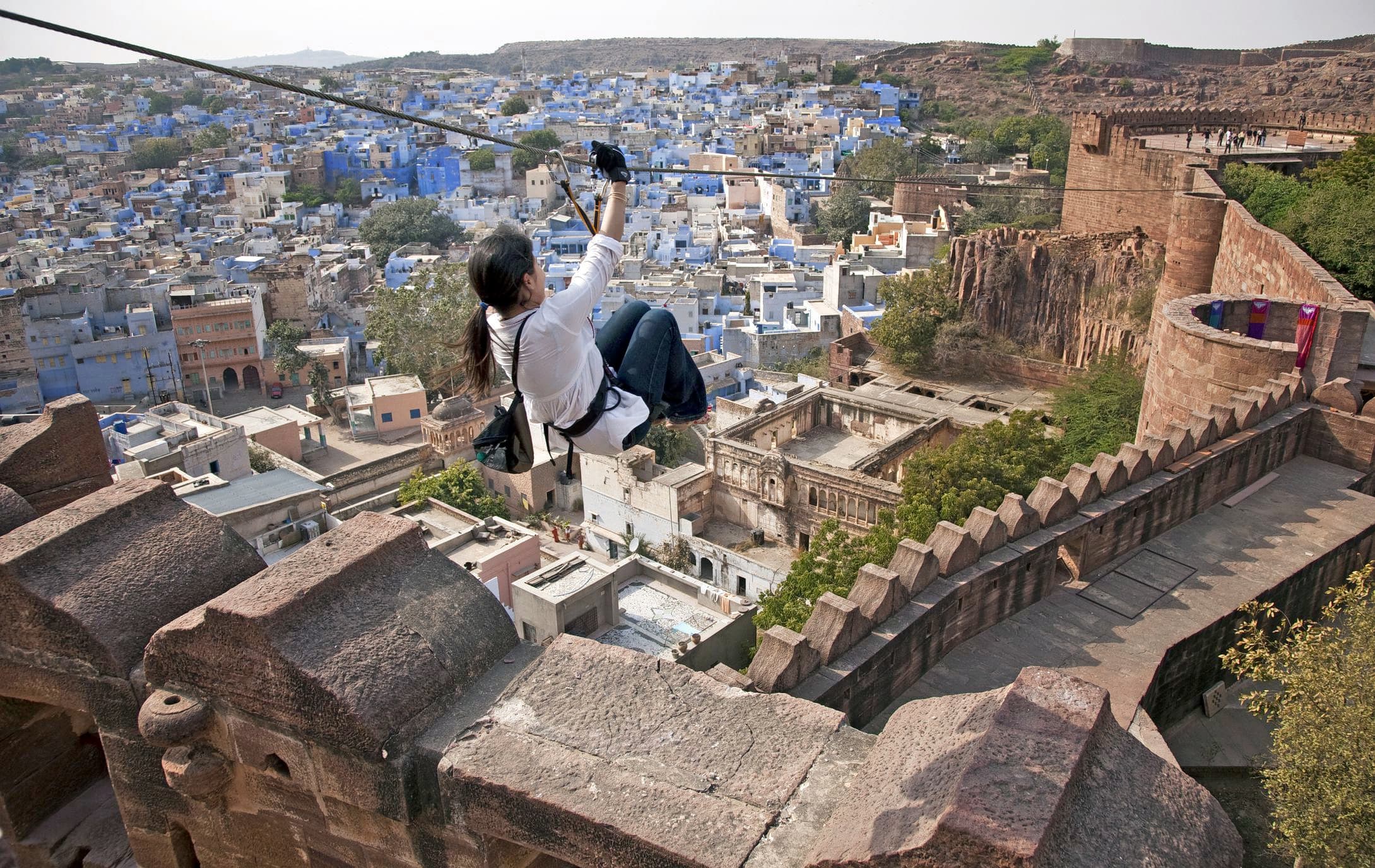
Zip Line ride in Jodhpur
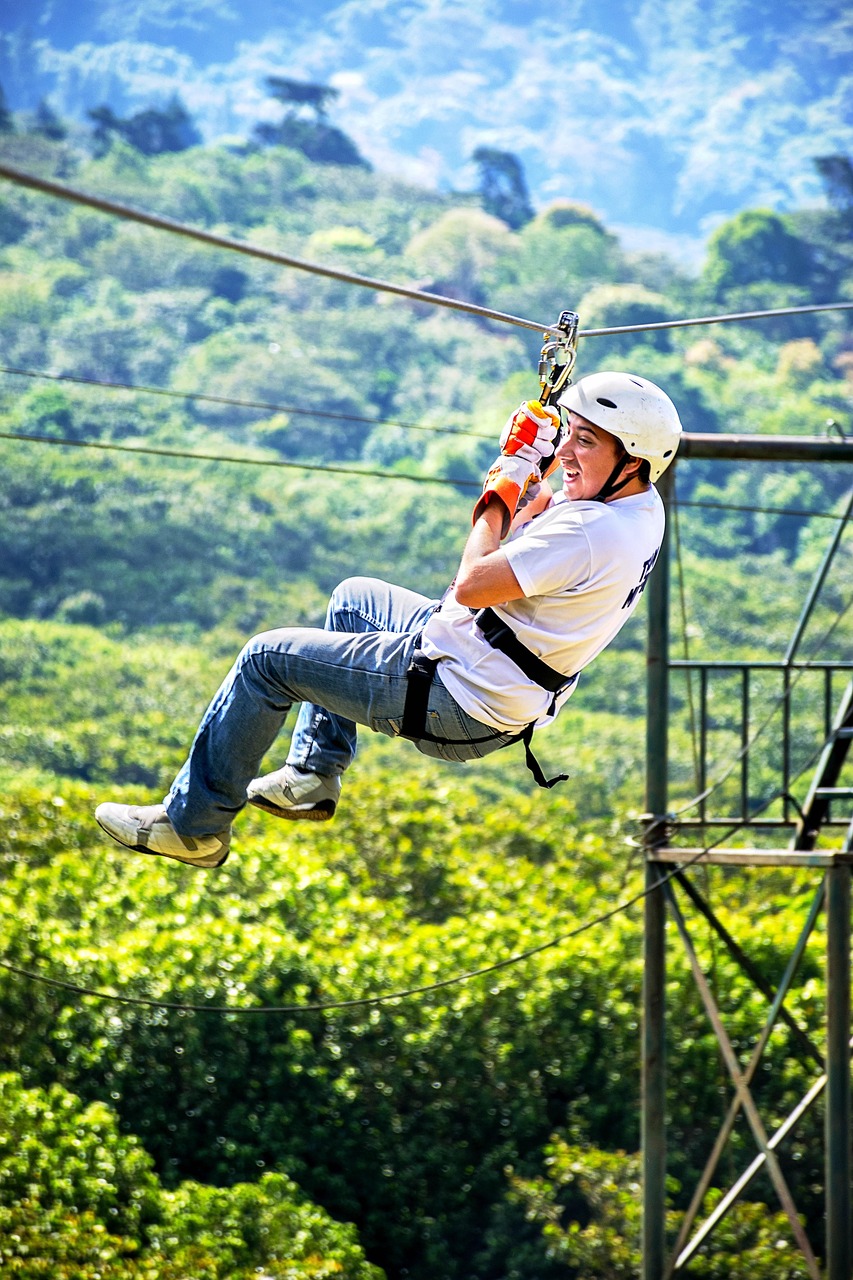
Zip Line ride in Munnar
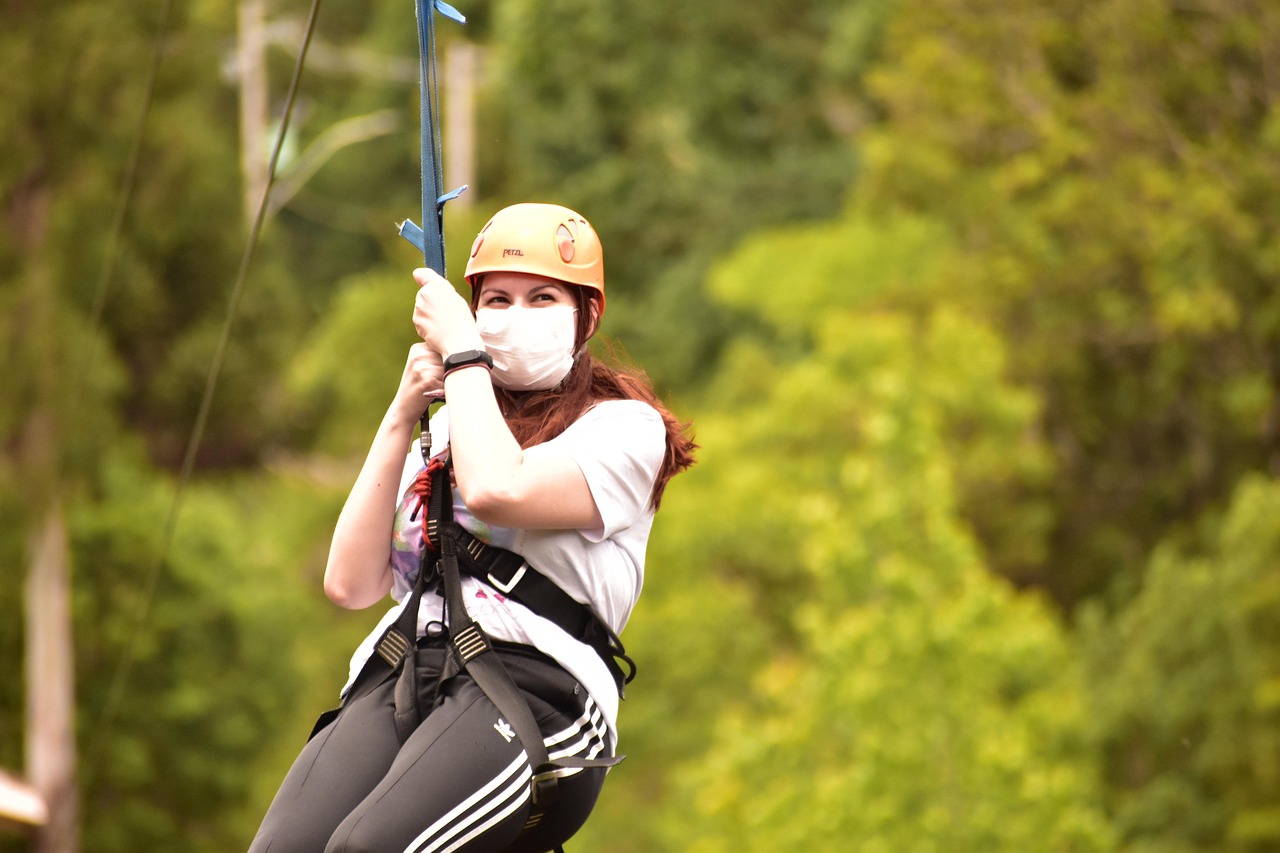
Zip Line ride in Manali
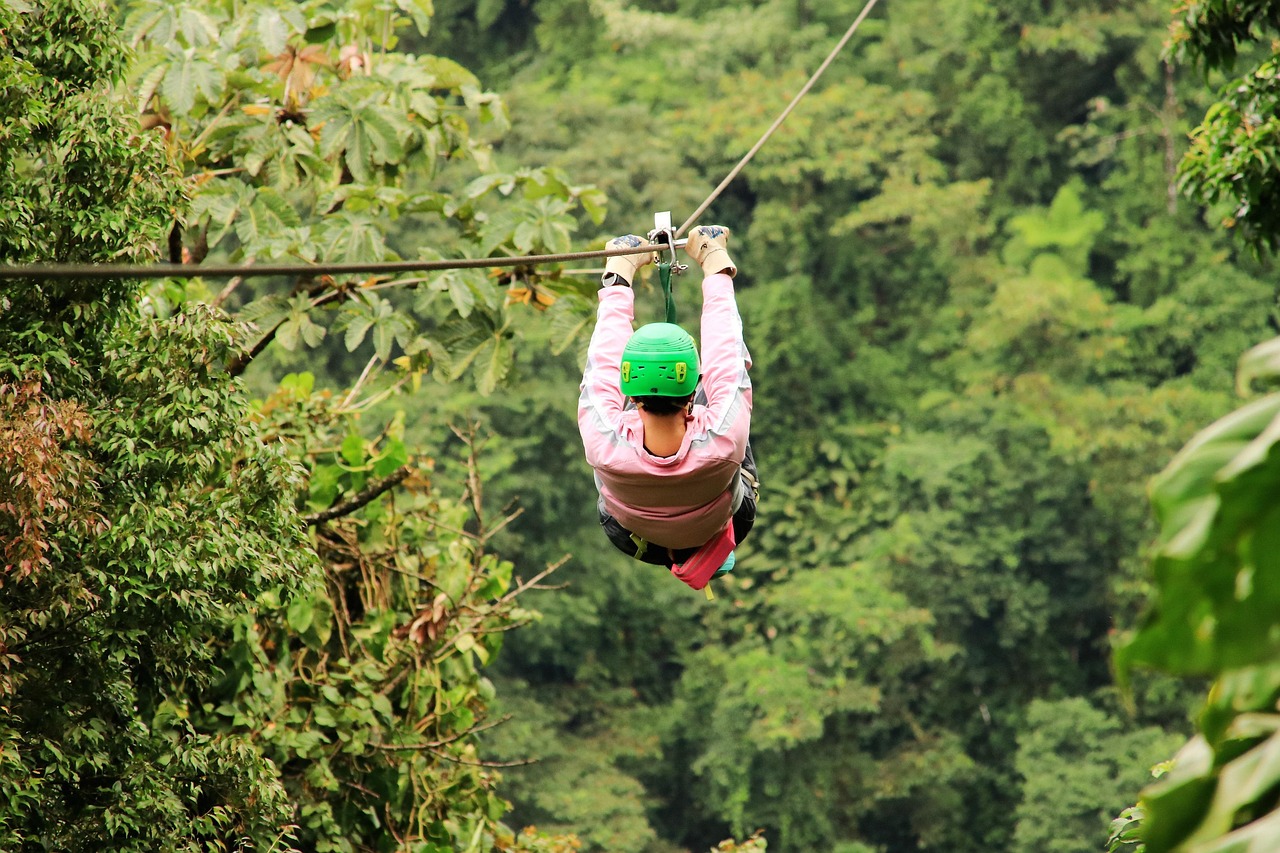
Zip Line ride in Darjeeling
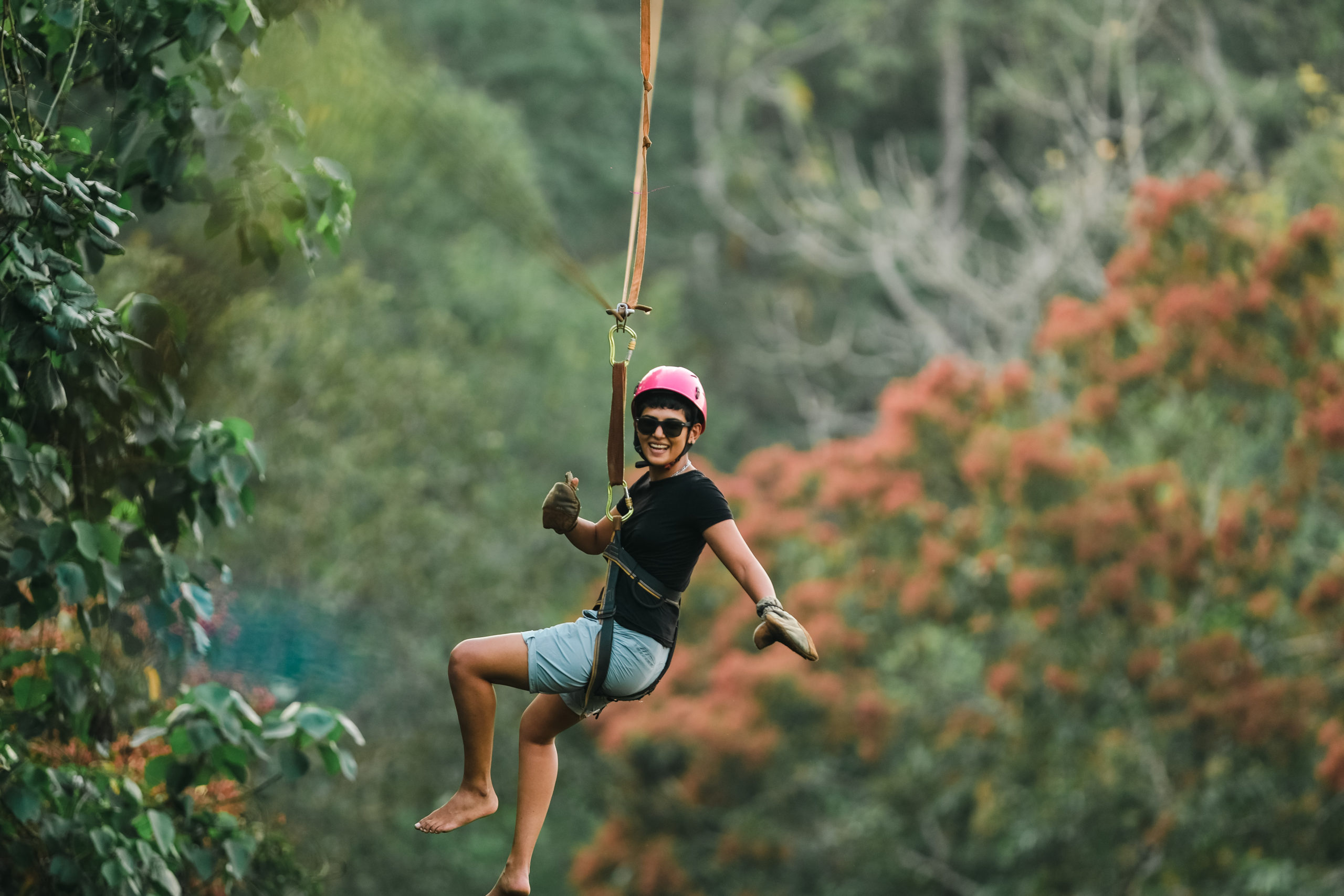
Zip Line ride in Goa
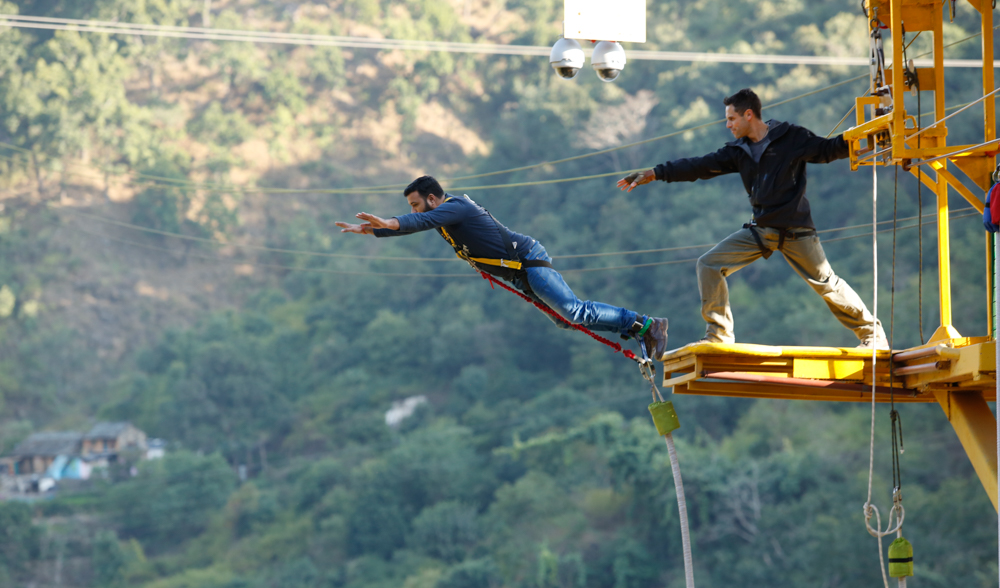
Bungee Jumping in Rishikesh
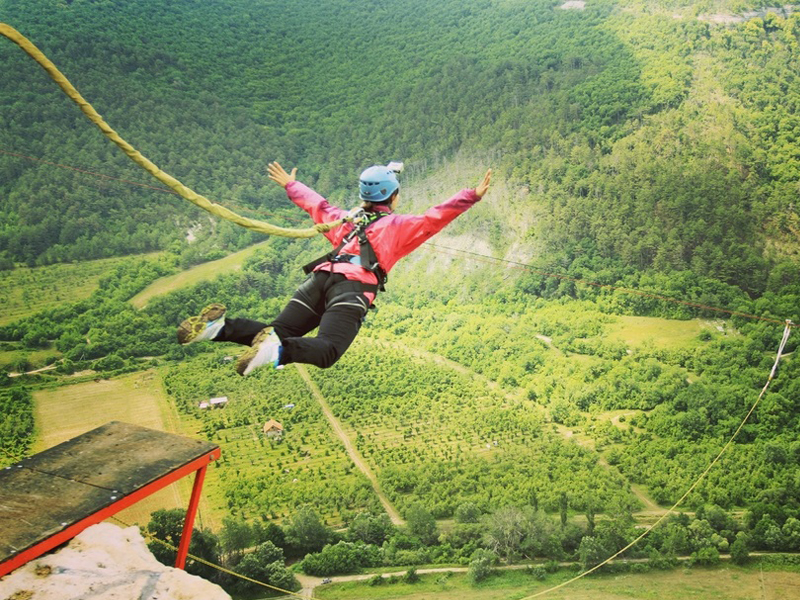
Bungee Jumping in Udaipur
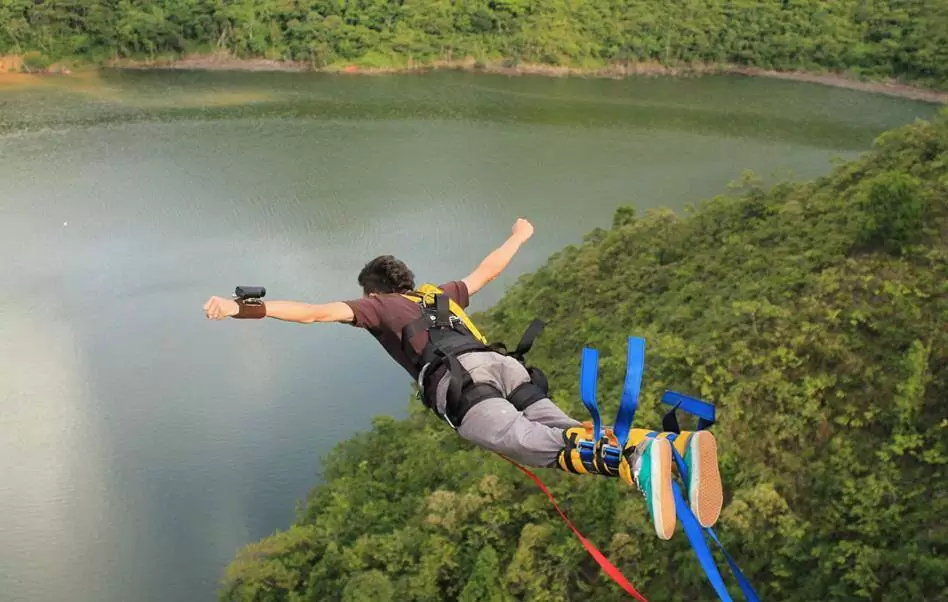
Bungee Jumping in Goa
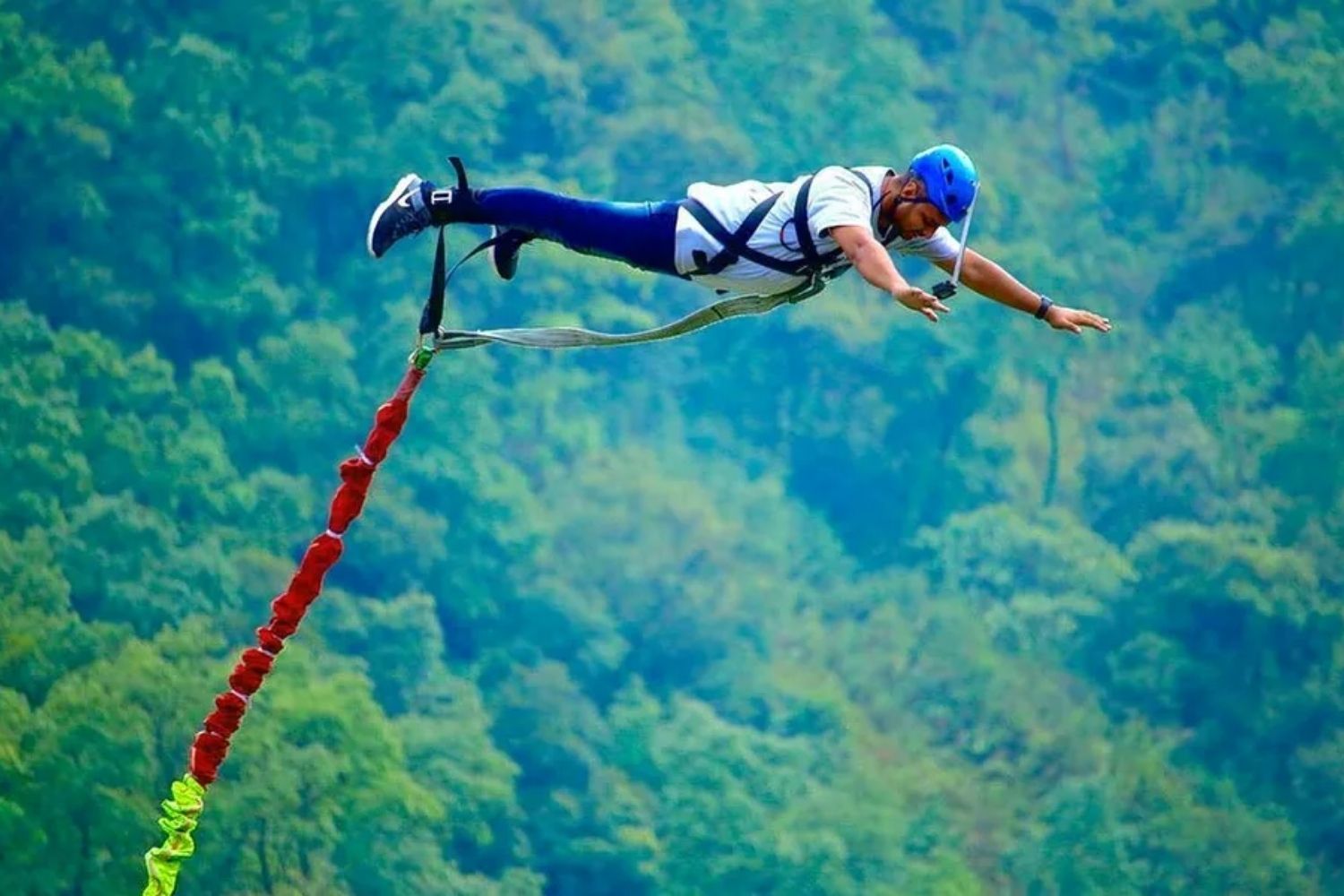
Bungee Jumping in Lonavala
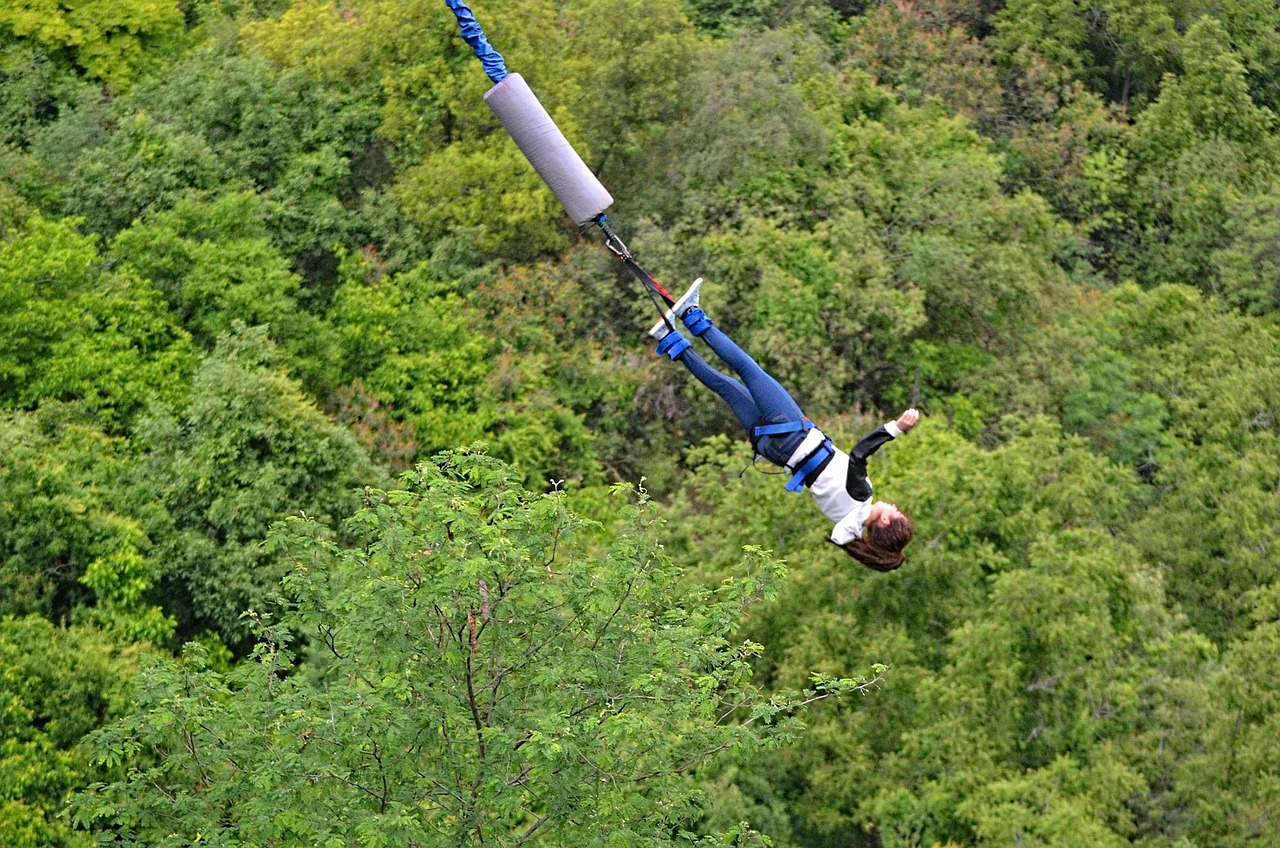
Bungee jumping in Bangalore
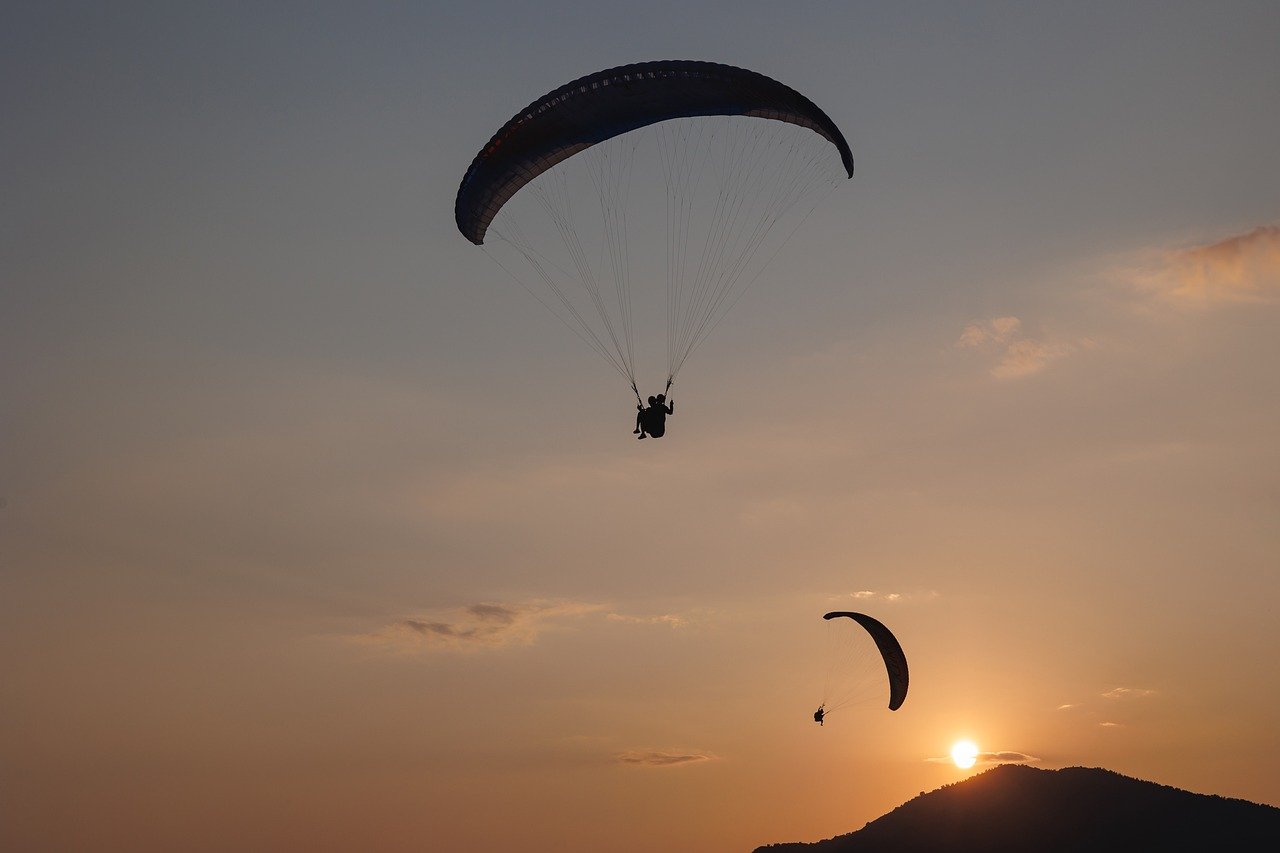
Paragliding in Bir Billing
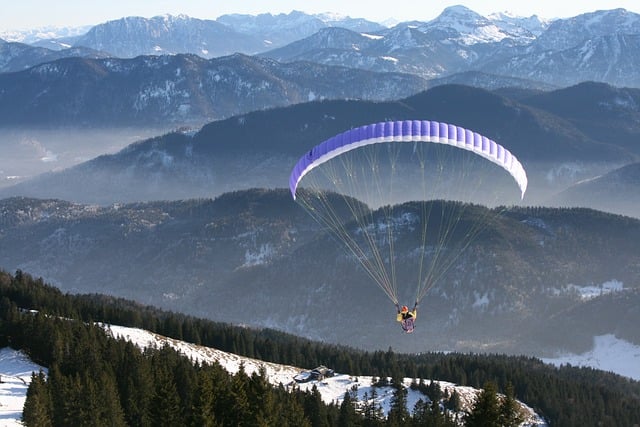
Paragliding in Manali
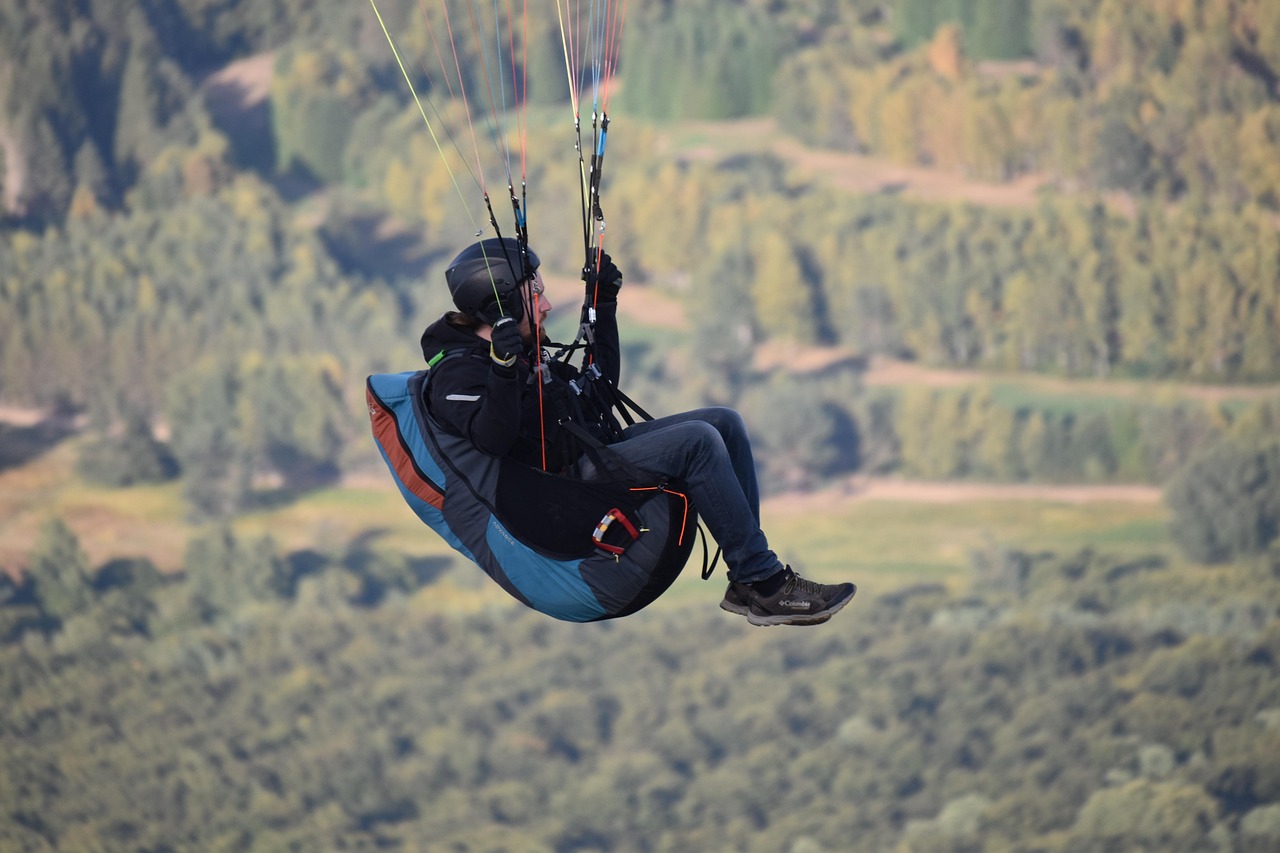
Paragliding in Nainital
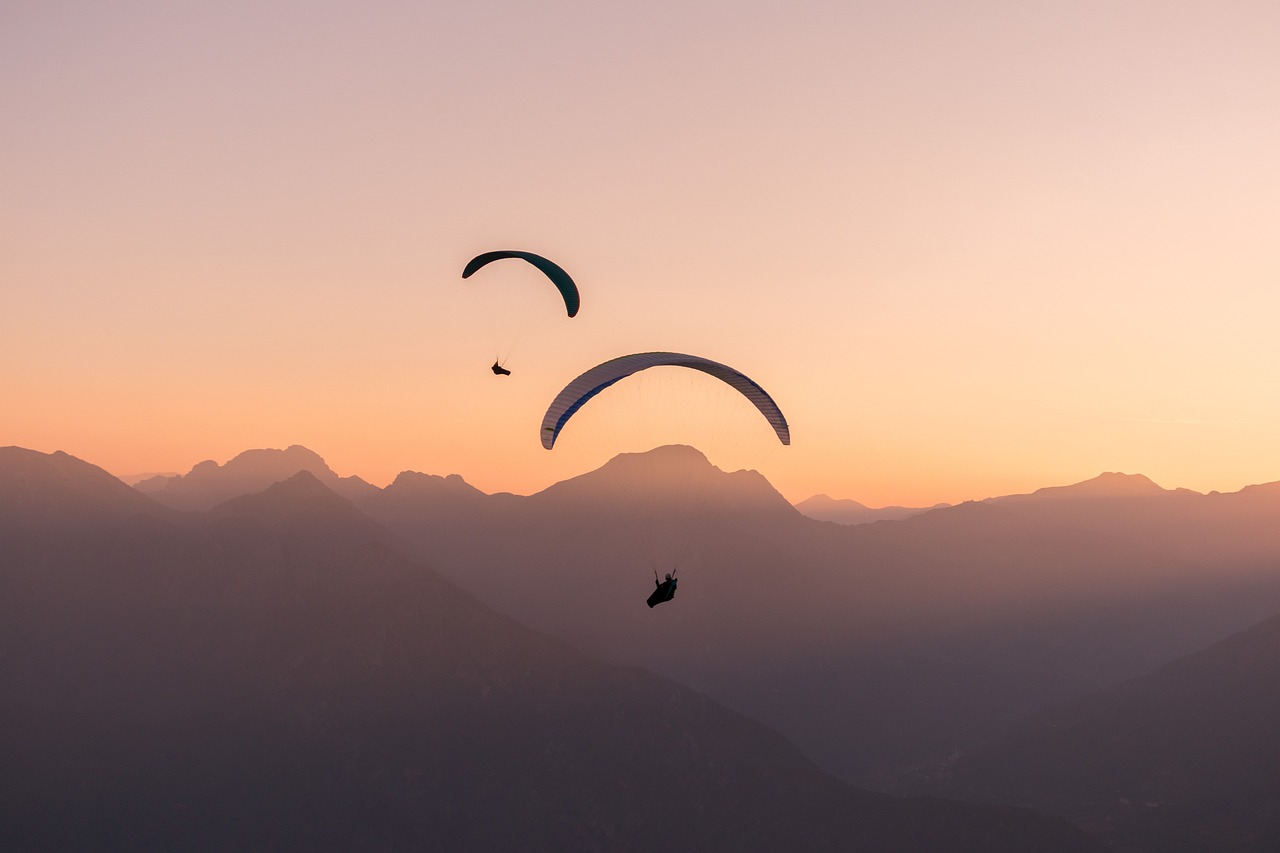
Paragliding in Kamshet
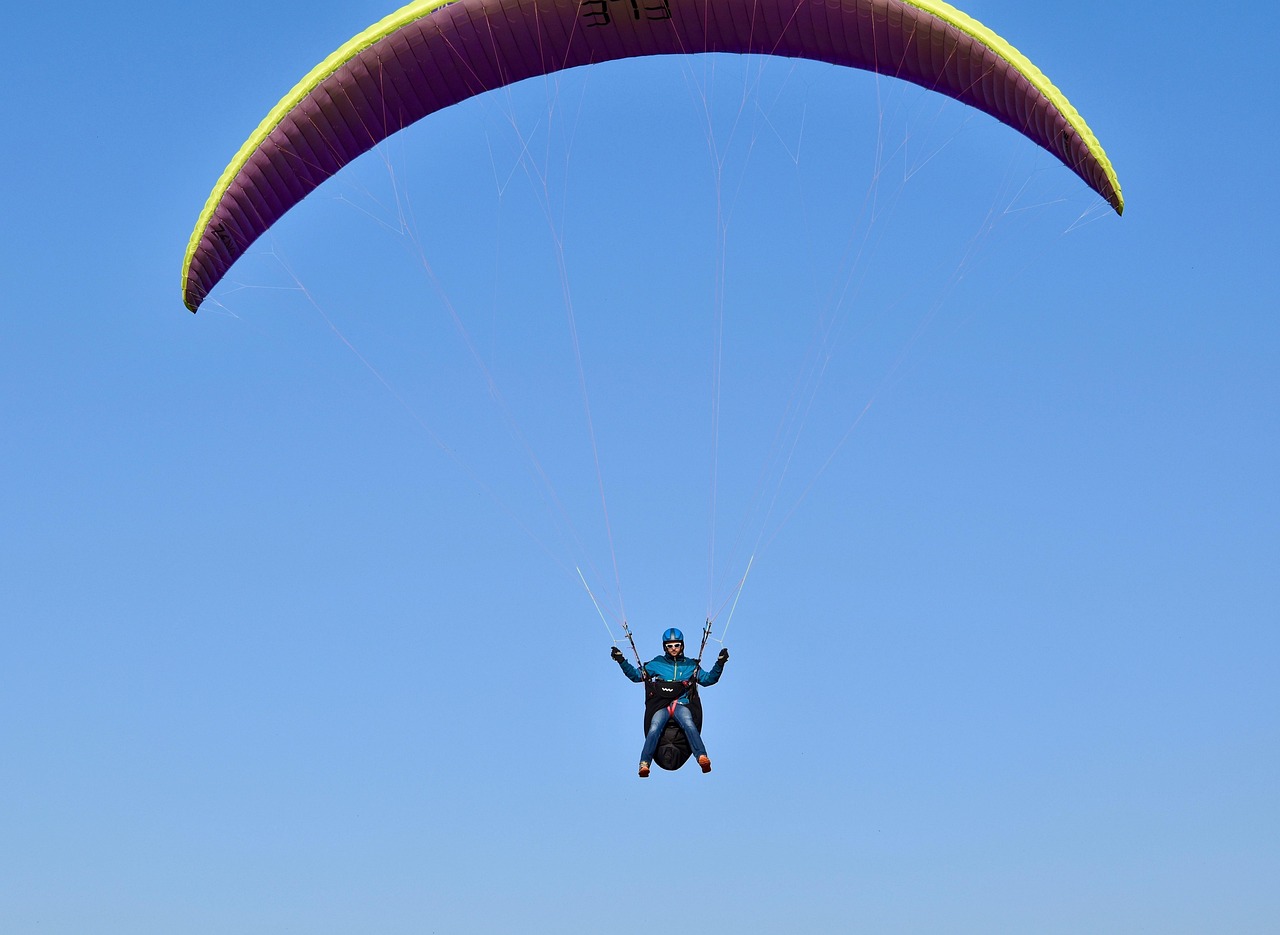
Paragliding in Ranikhet and Mukteshwar
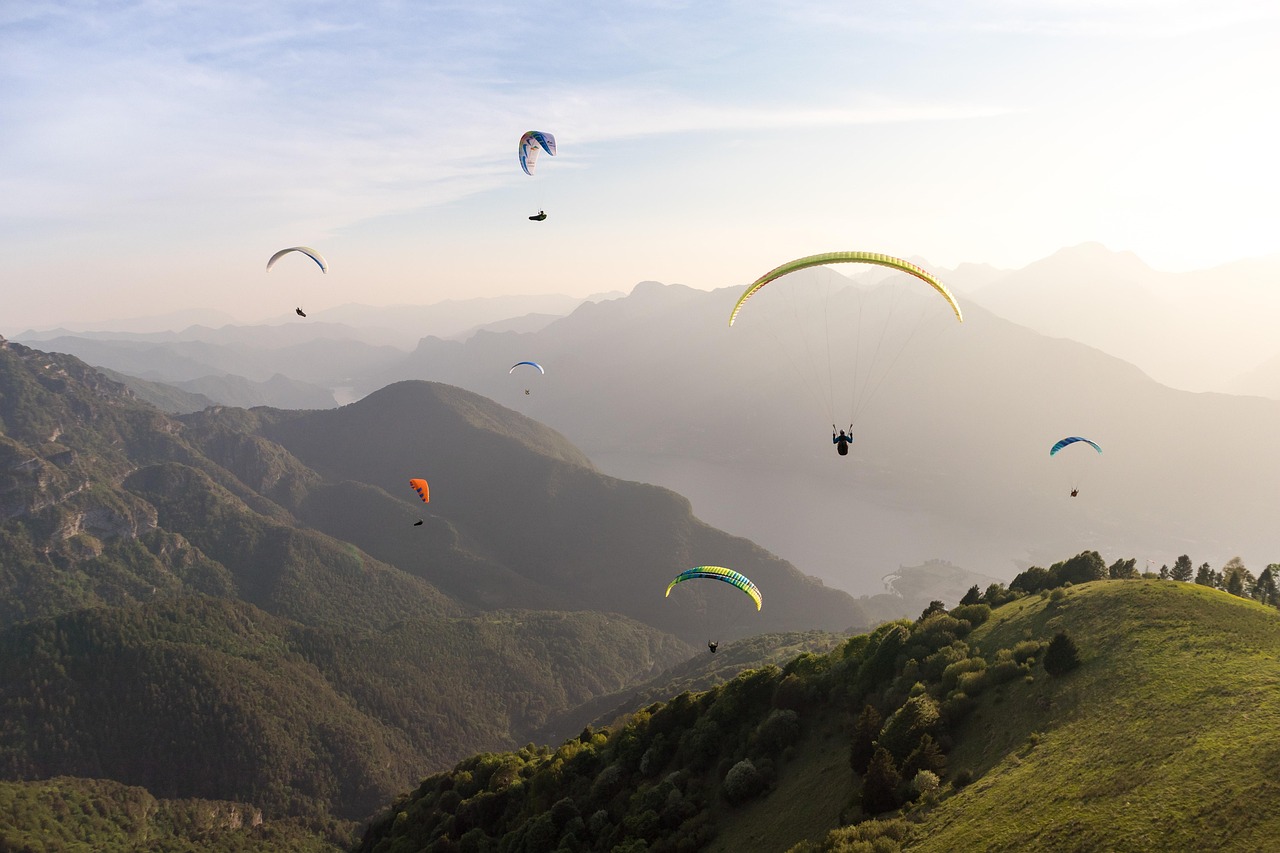
Paragliding in Gangtok
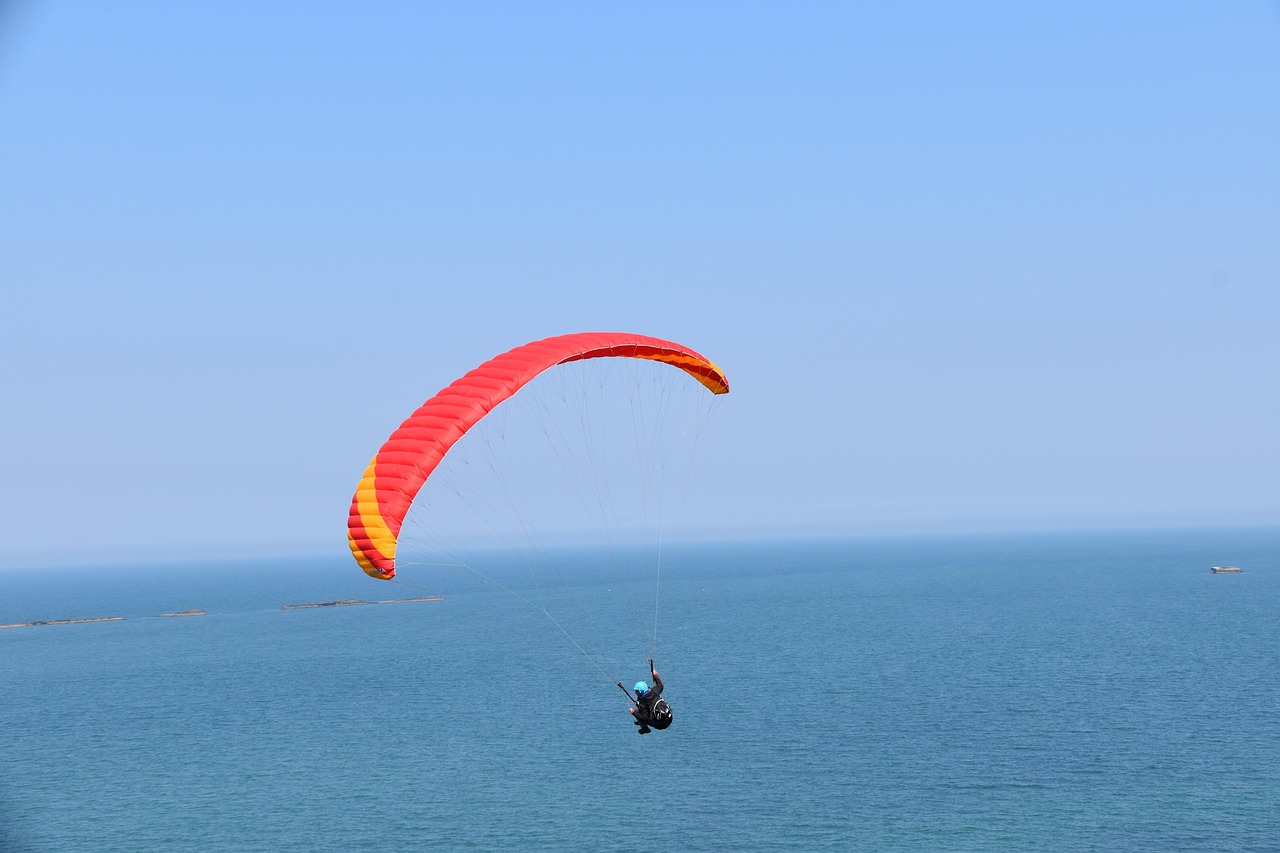
Paragliding in Arambol, Goa
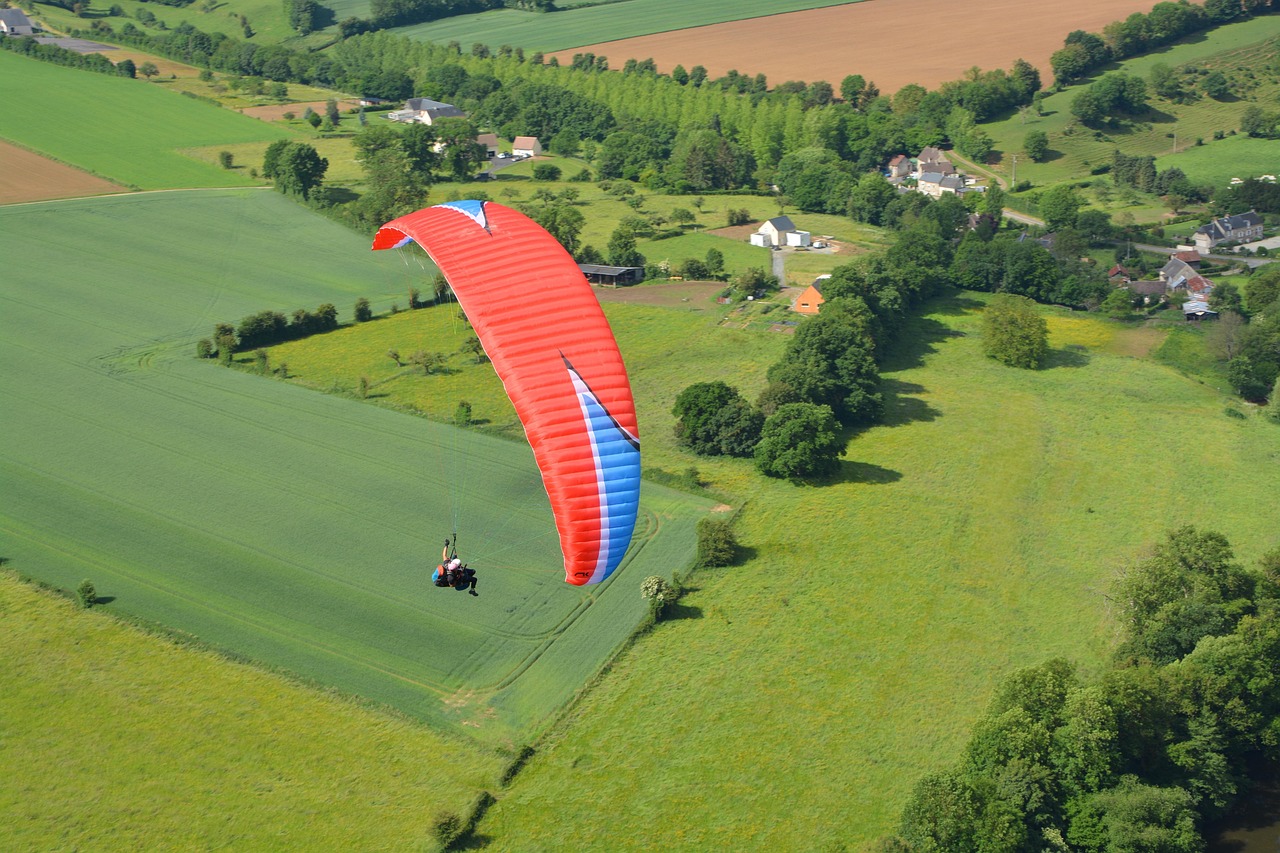
Paragliding in Pavagadh, Gujarat

Kayaking in Rishikesh

Kayaking in Andaman and Nicobar Islands

Kayaking in Kerala

Kayaking in Sikkim
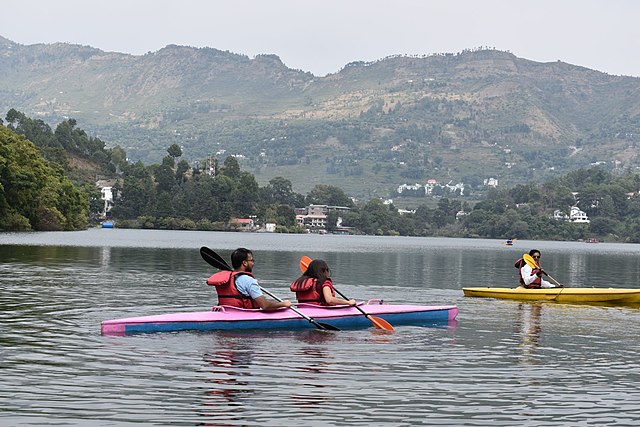
Kayaking in Nainital

Kayaking in Tungabhadra River, Karnataka

Kayaking in Pondicherry

Surfing in Goa

Surfing in Varkala (Kerala)

Surfing in Kovalam (Kerala)

Surfing in Manapad (Tamil Nadu)

Surfing in Udupi (Karnataka)

Surfing in Gokarna (Karnataka)

Surfing in Puducherry

Surfing in Sindhudurg (Maharashtra)
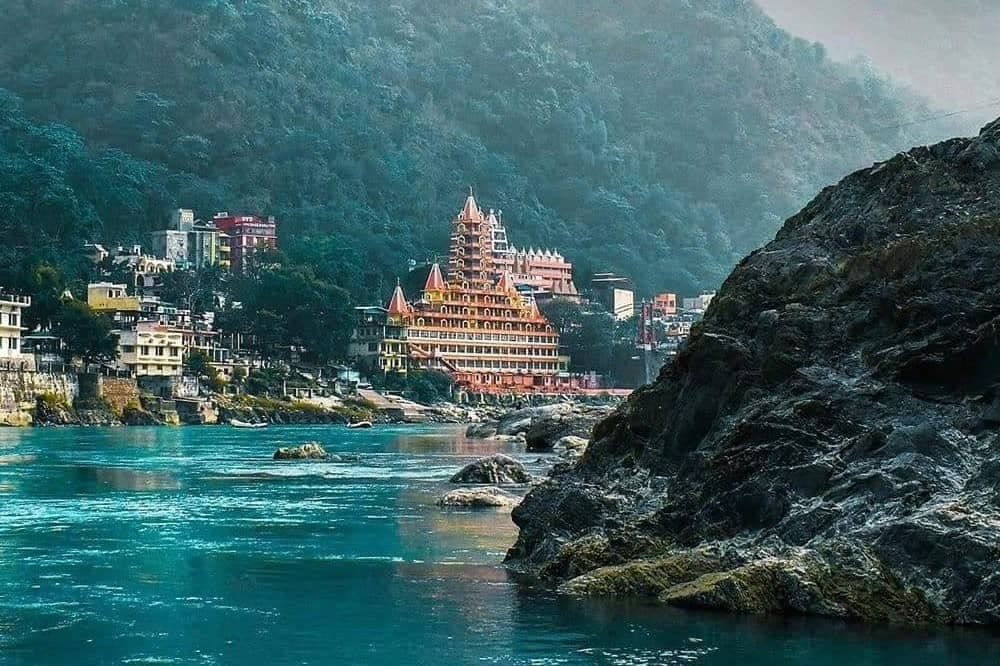
Top 10 Visiting Places in Rishikesh: Your Ultimate Travel Guide
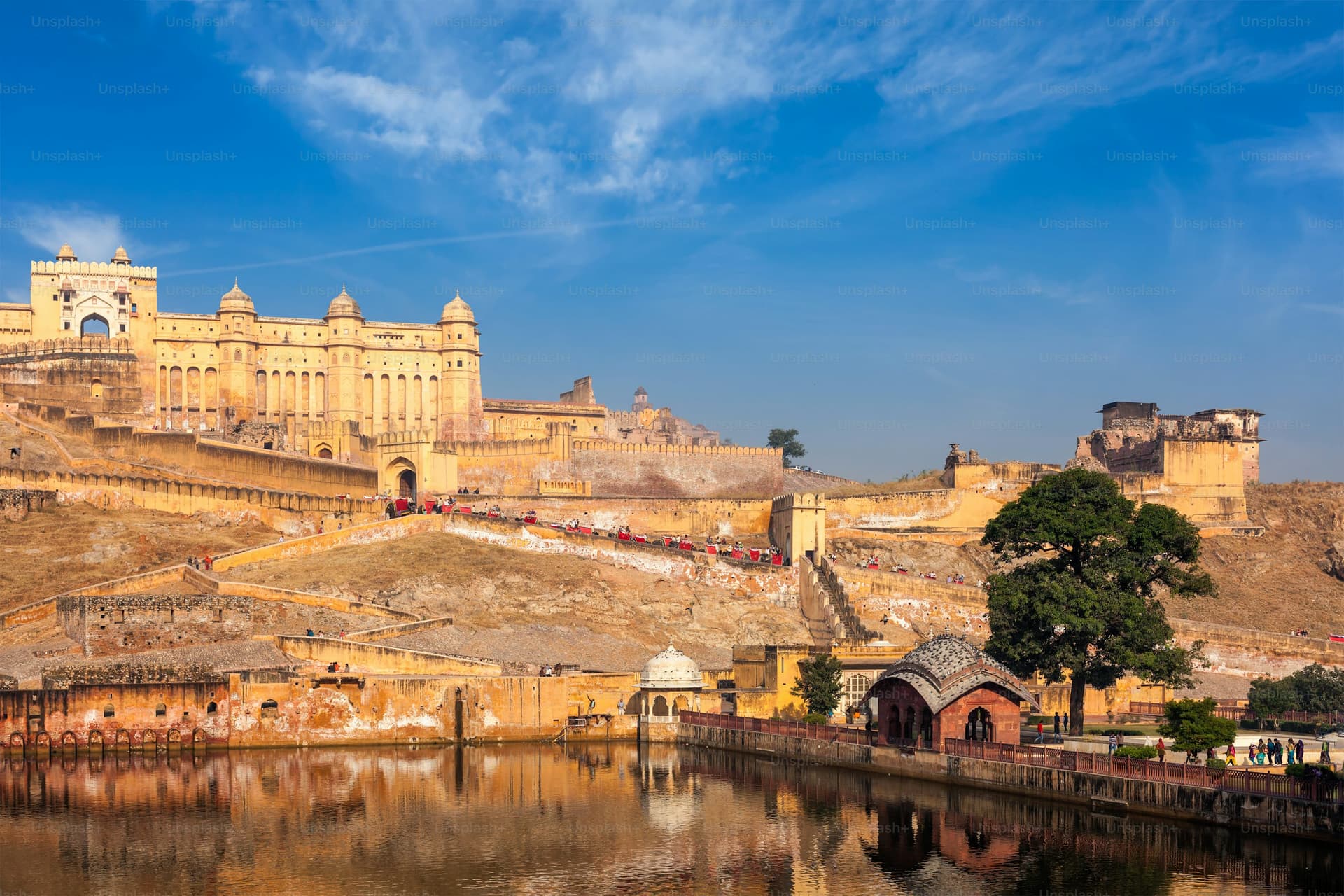
Top 10 Visiting Places in Jaipur: The Pink City’s Must-See Attractions
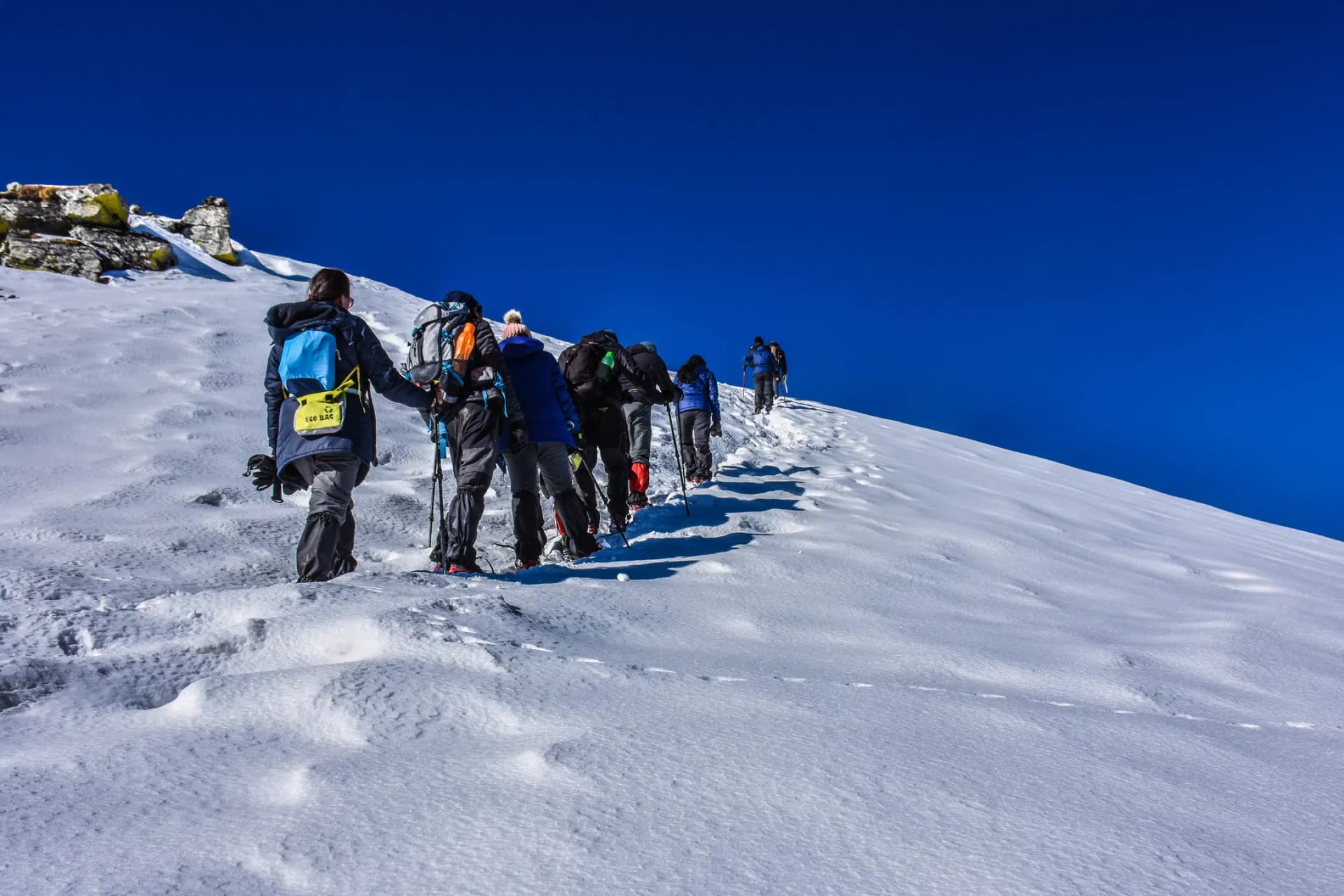
9 Amazing Treks in Uttarkashi: A Perfect Blend of Adventure, Beauty, and Peace
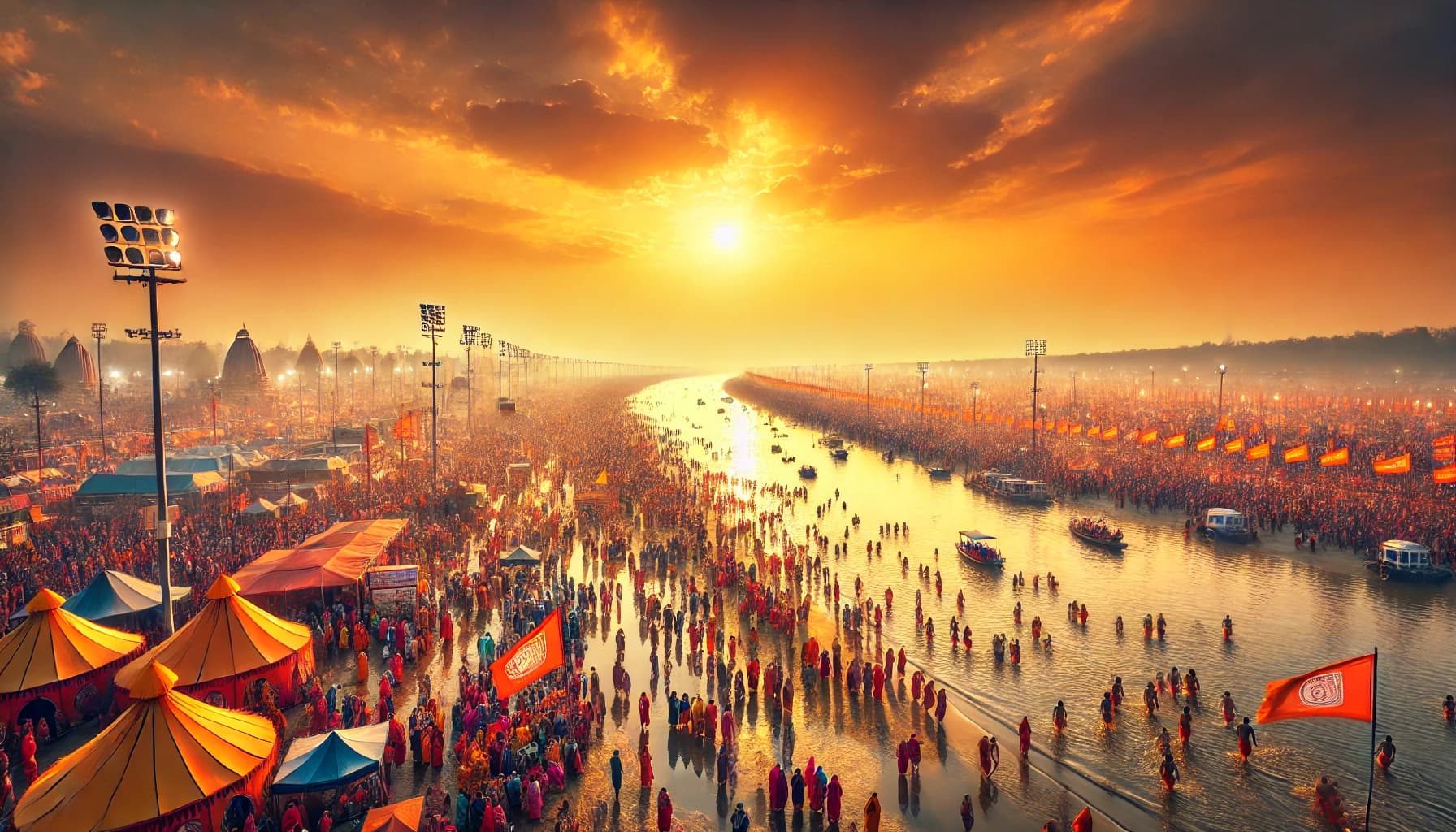
Prayagraj Maha Kumbh Mela 2025: Royal Bath Dates and Their Religious Significance
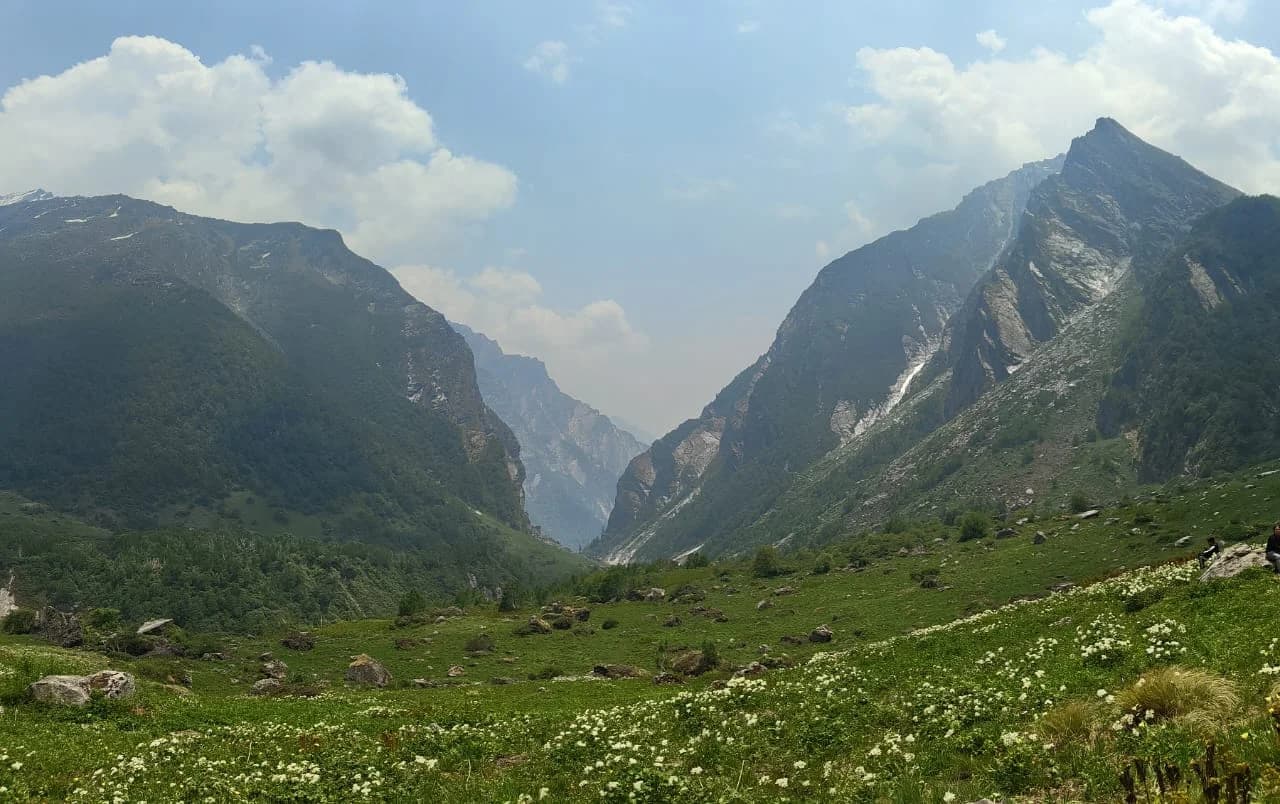
Valley of Flowers: A Himalayan Wonderland of Bloom and Beauty
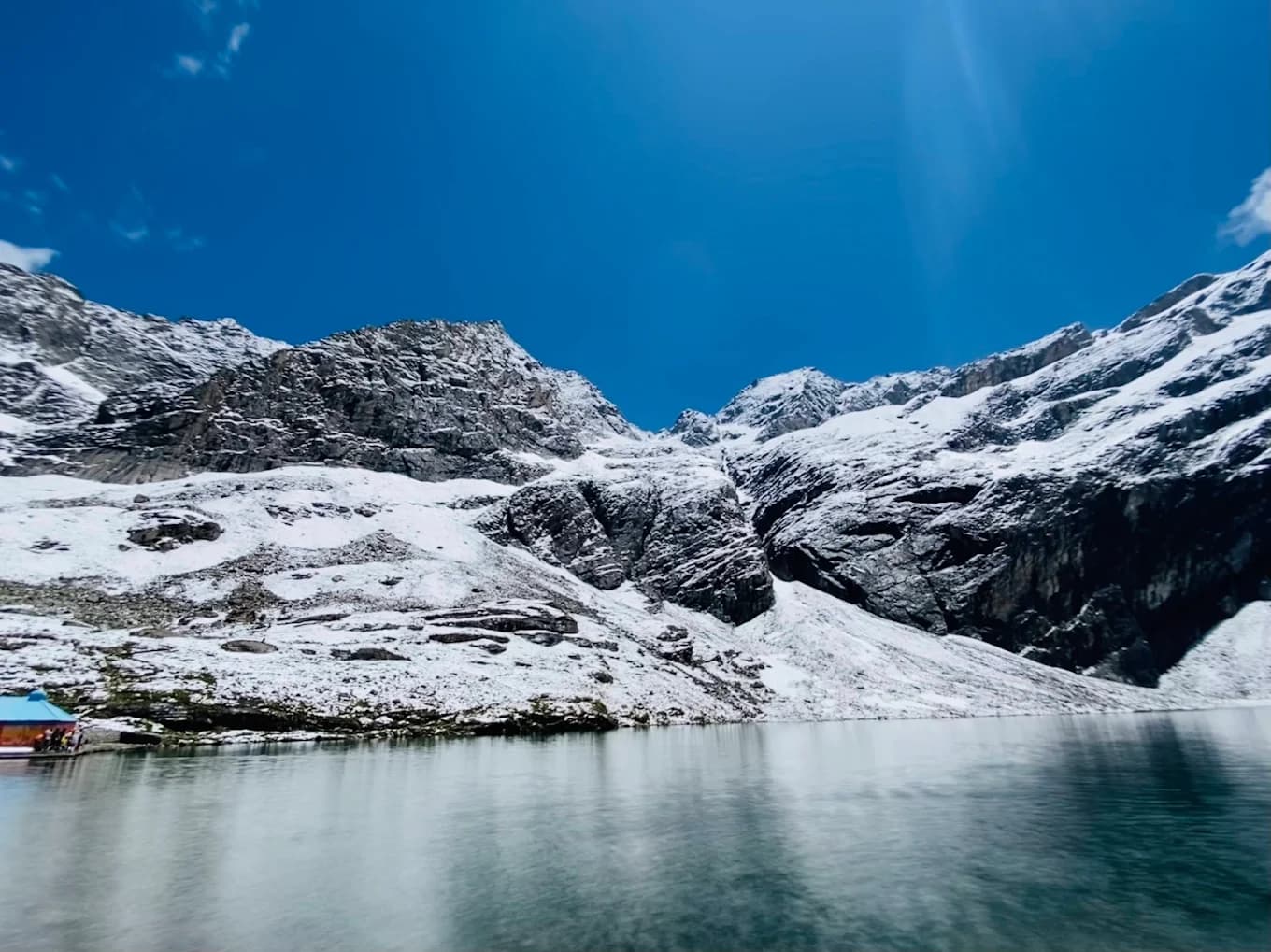
Hemkund Sahib Trek: A Divine Journey to the Sacred Himalayan Pilgrimage
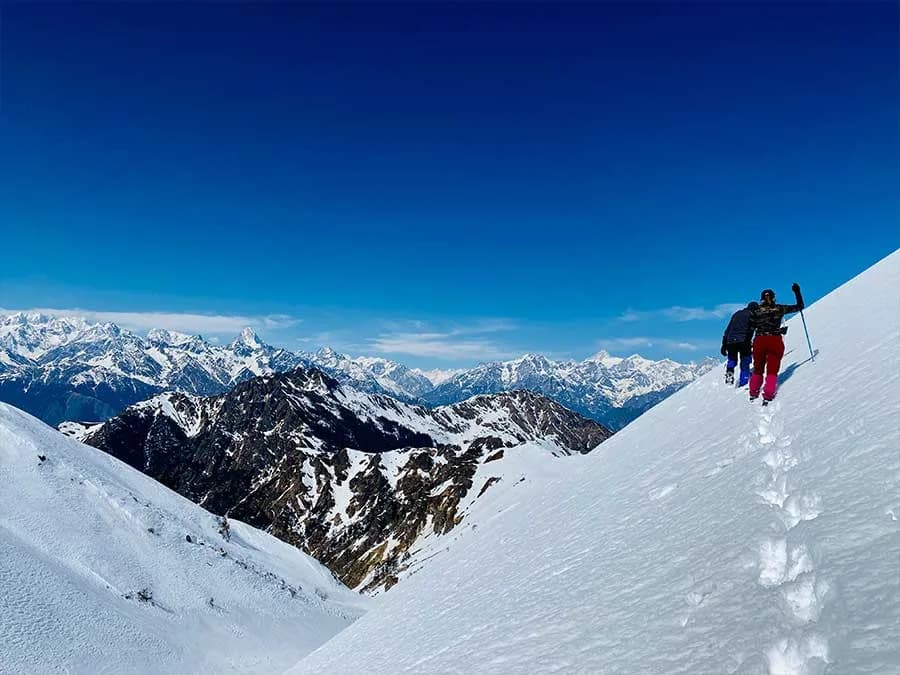
Kuari Pass Trek: A Dreamy Journey Amidst the Himalayas
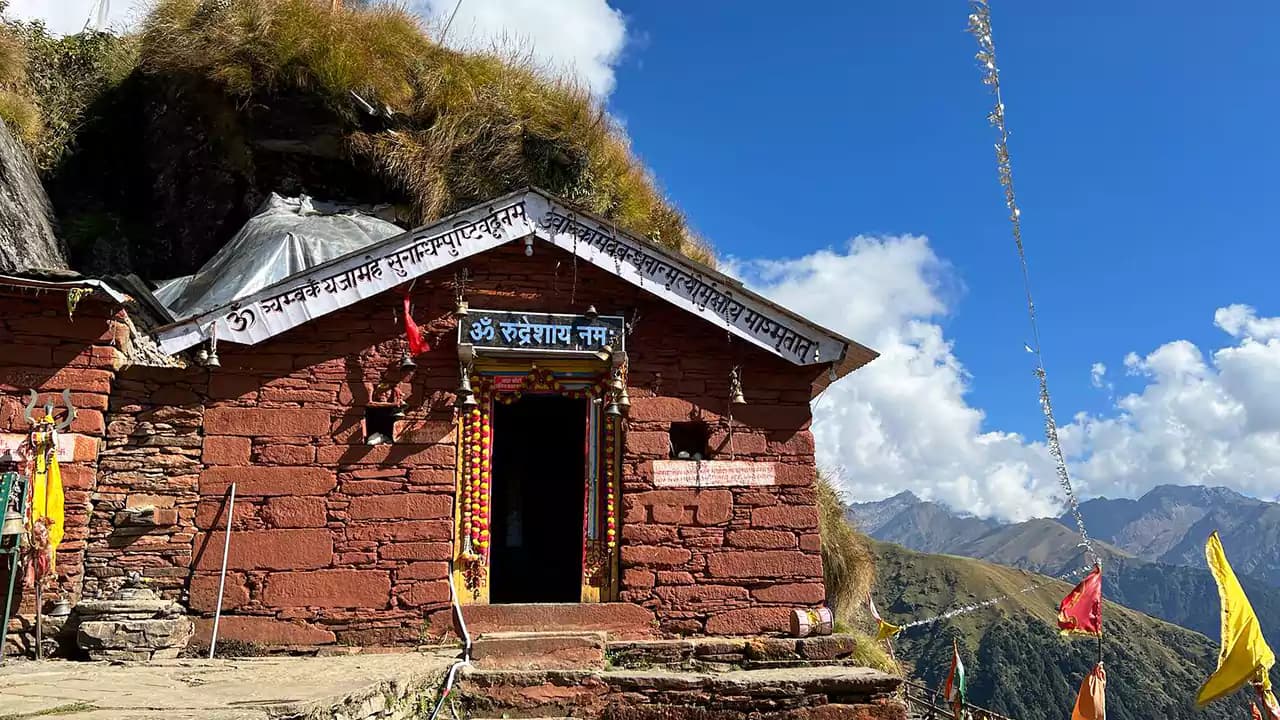
A Unique Spiritual Journey Among the Panch Kedar
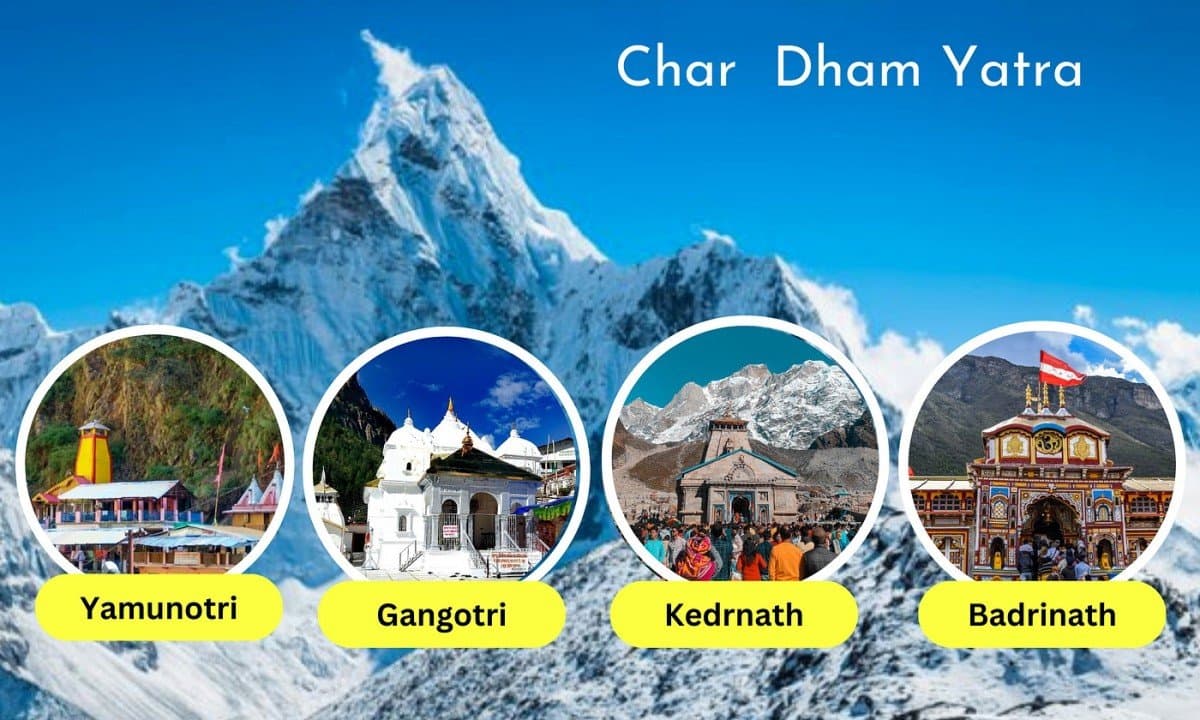
🕉️ Char Dham Yatra: A Life-Changing Spiritual Journey 🏔️🙏
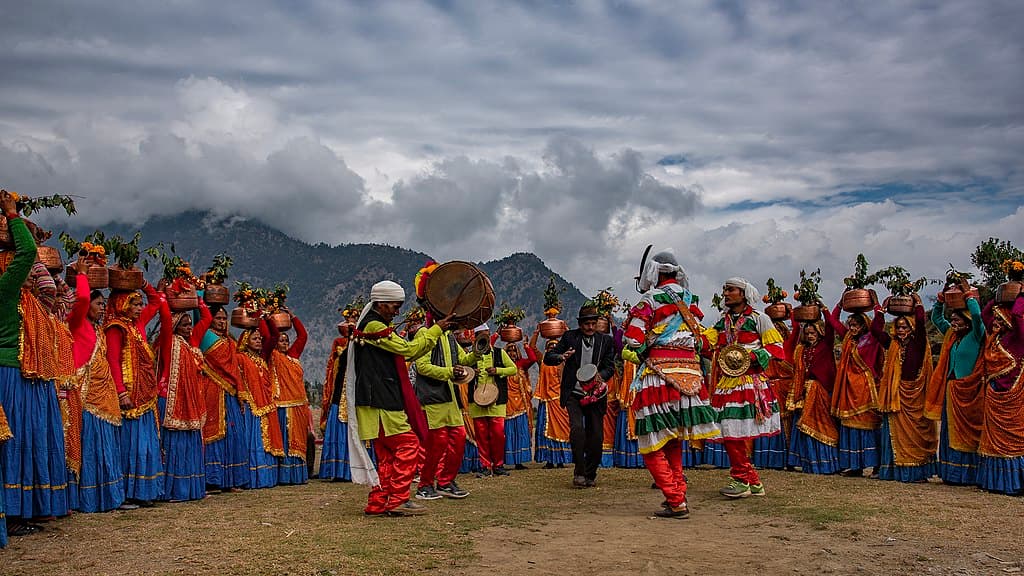
Ganga Dussehra to Nanda Devi Raj Jat: Major Festivals and Culture of Uttarakhand
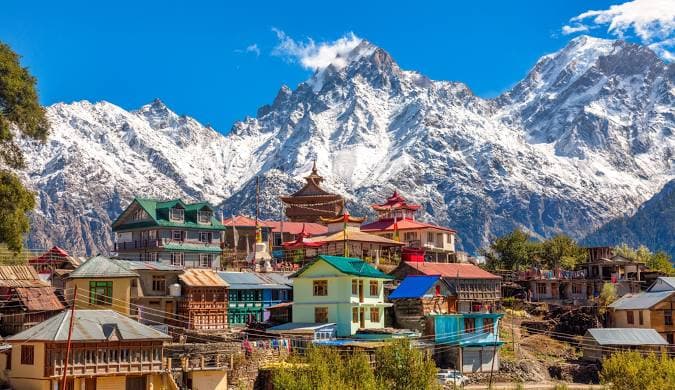
A Paradise in the Lap of the Himalayas: The Complete Travel Story of Himachal Pradesh 🏔️
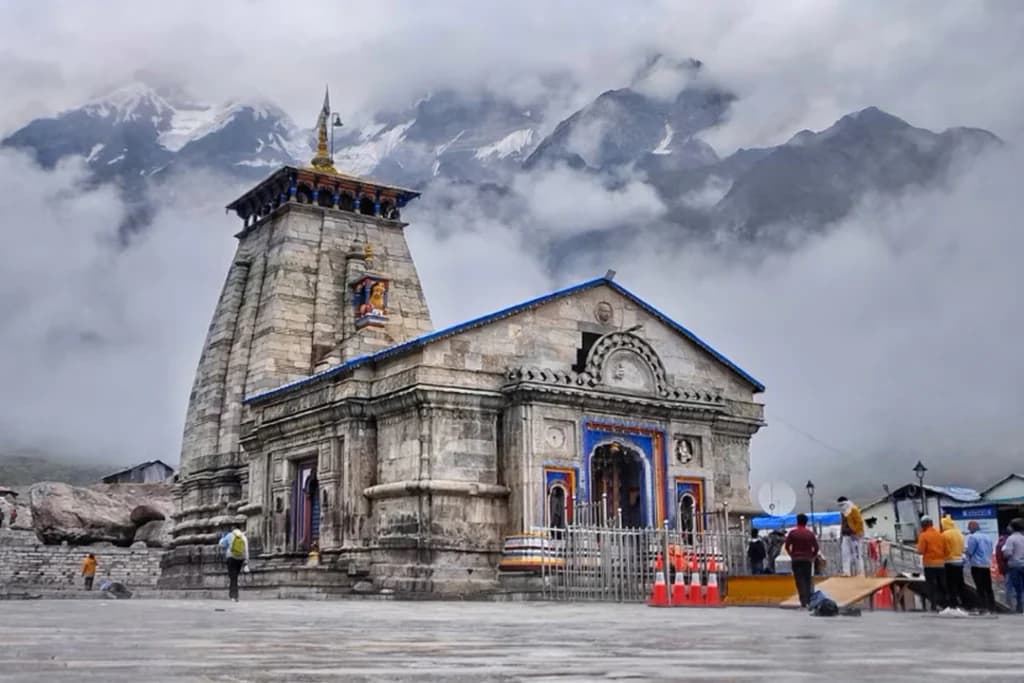
🕉️ The Doors of Baba Kedar Close — The Himalayas Echo with “Har Har Mahadev”

Kedarkantha Trek – The Crown of Winter Treks ❄️
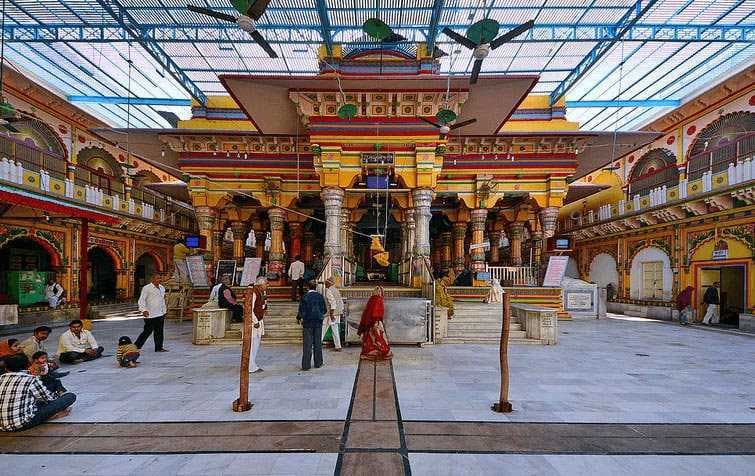
Shri Dwarkadhish Temple, Mathura – The Divine Abode of Lord Krishna
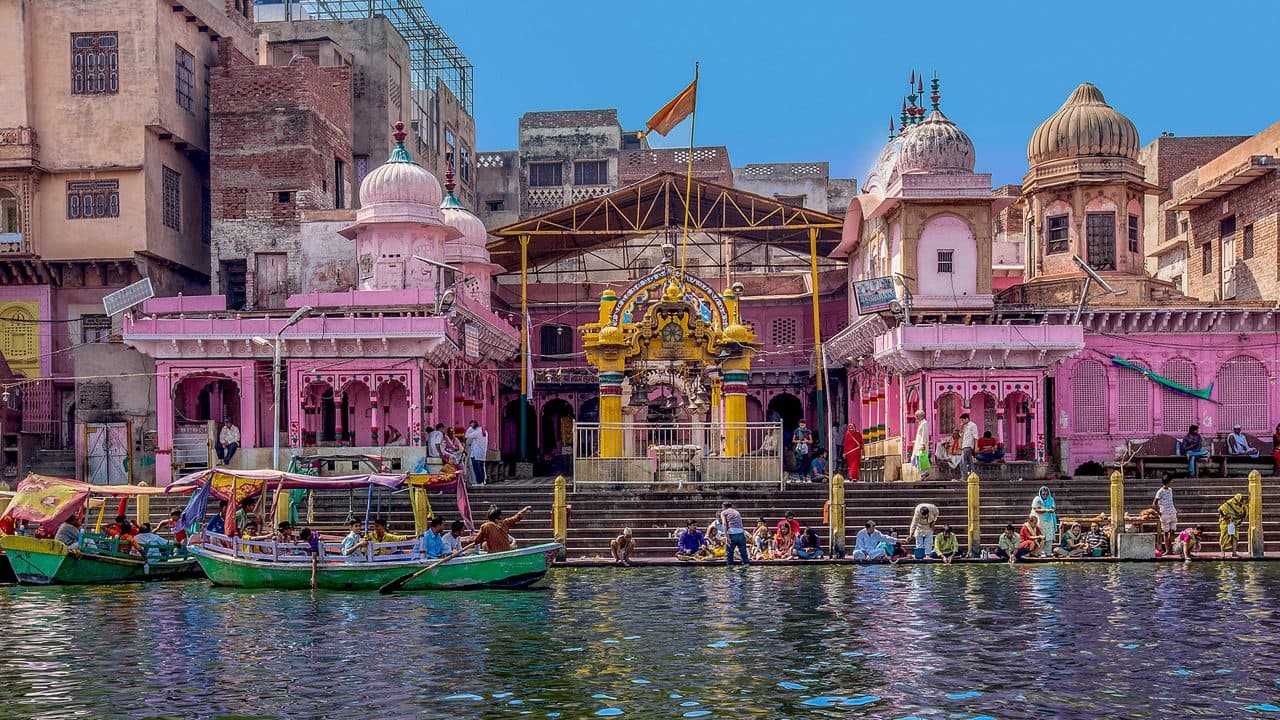
Vishram Ghat: The Sacred Riverside of Mathura
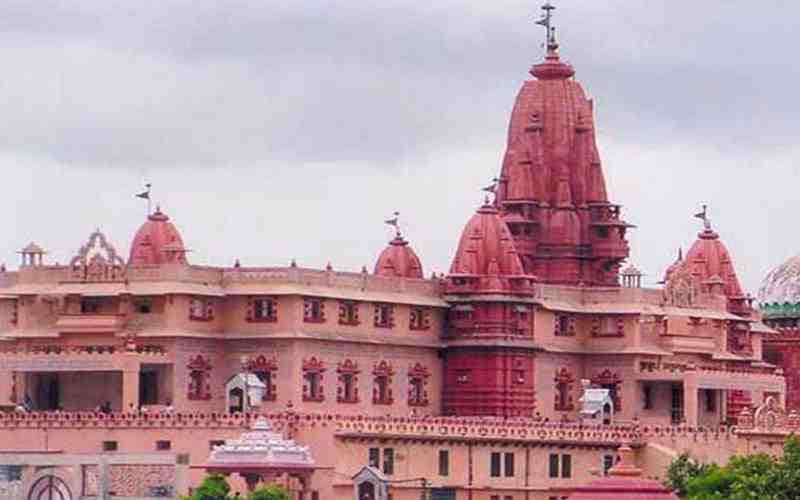
Explore Mathura – Temples, Culture, and Festivals
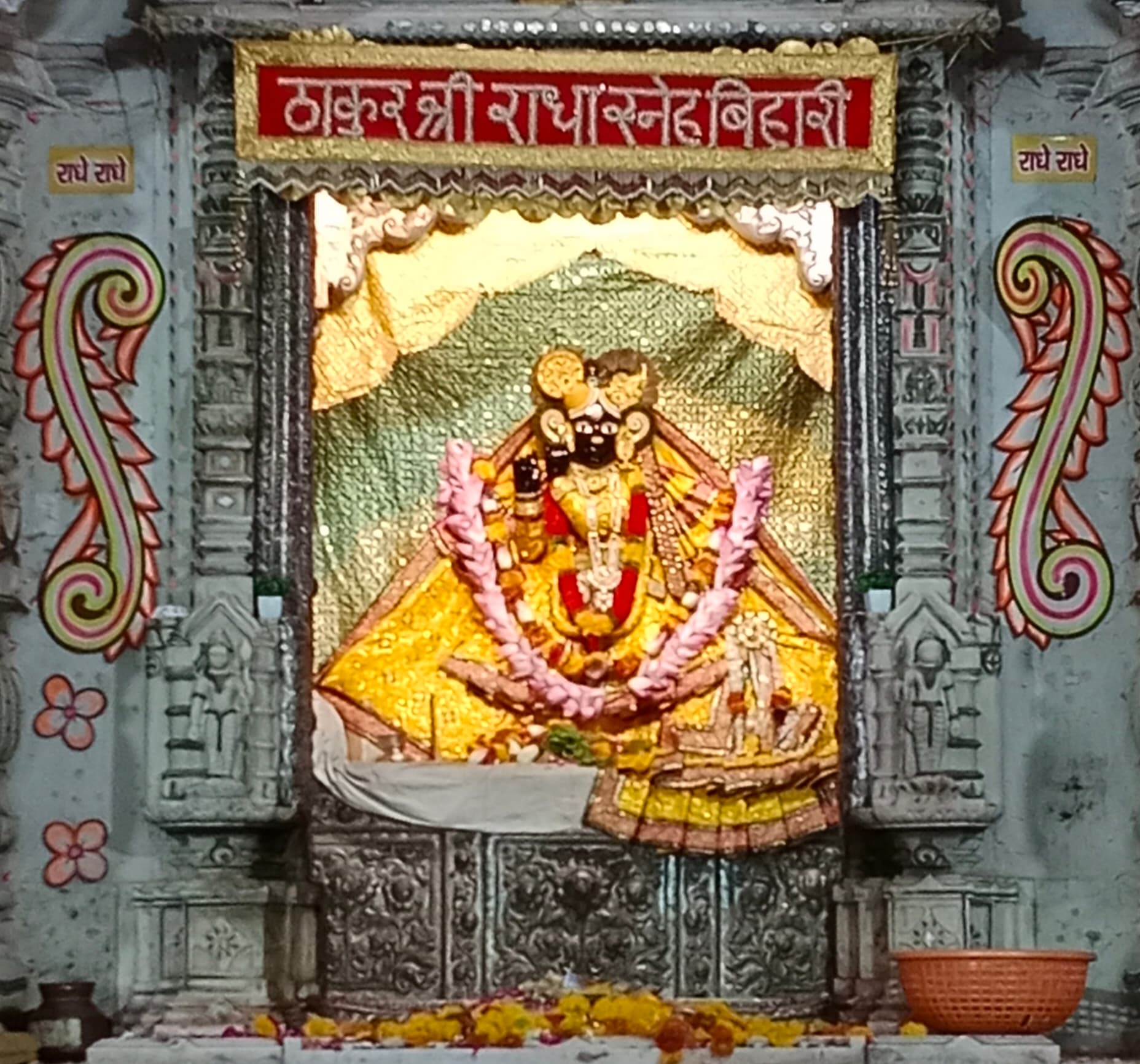
✨ Seek Blessings of Shri Banke Bihari Ji – Experience the Divine Vrindavan! 🙏
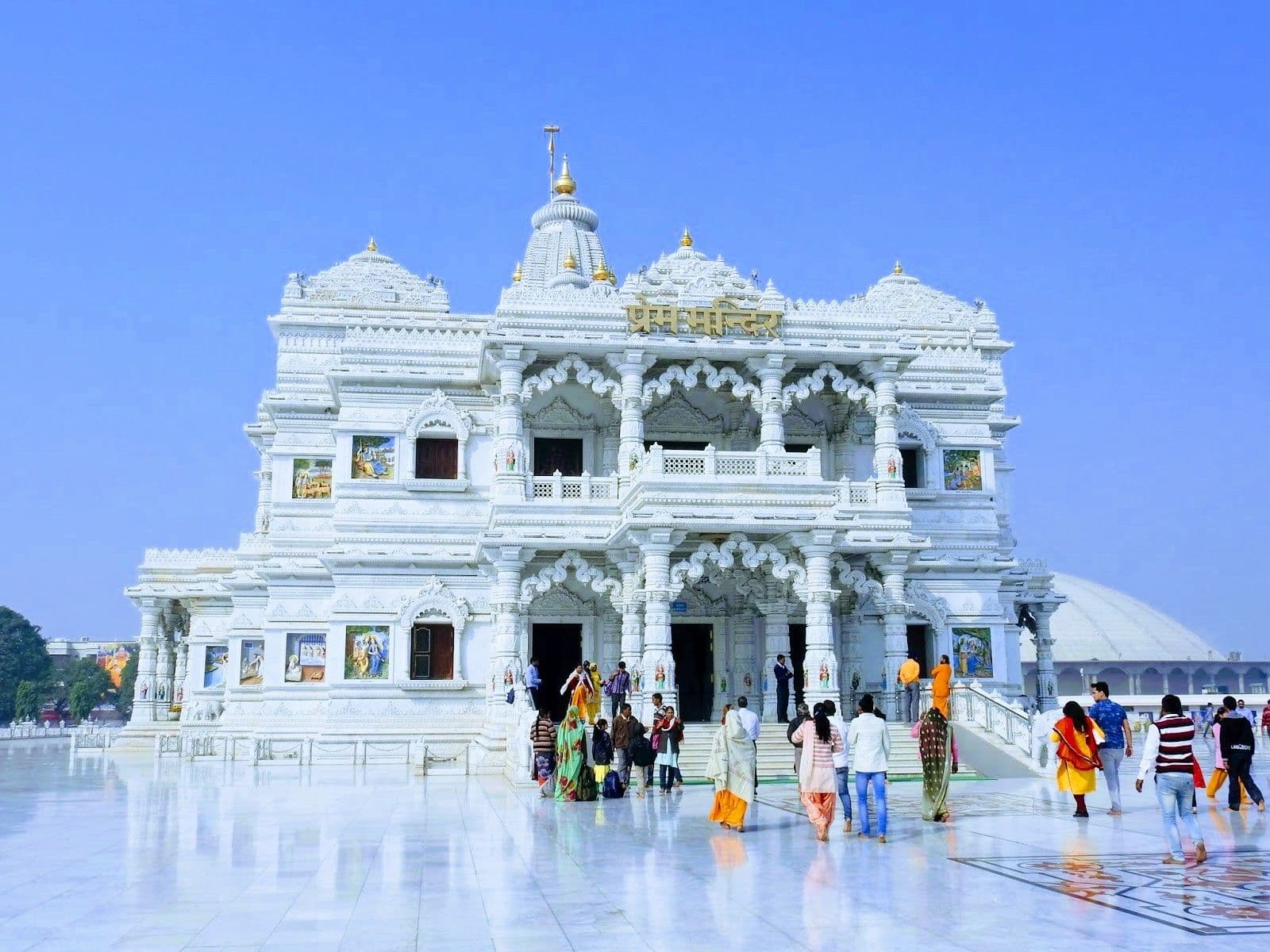
Shri Prem Mandir – Feel the Divine Love in Vrindavan 🙏
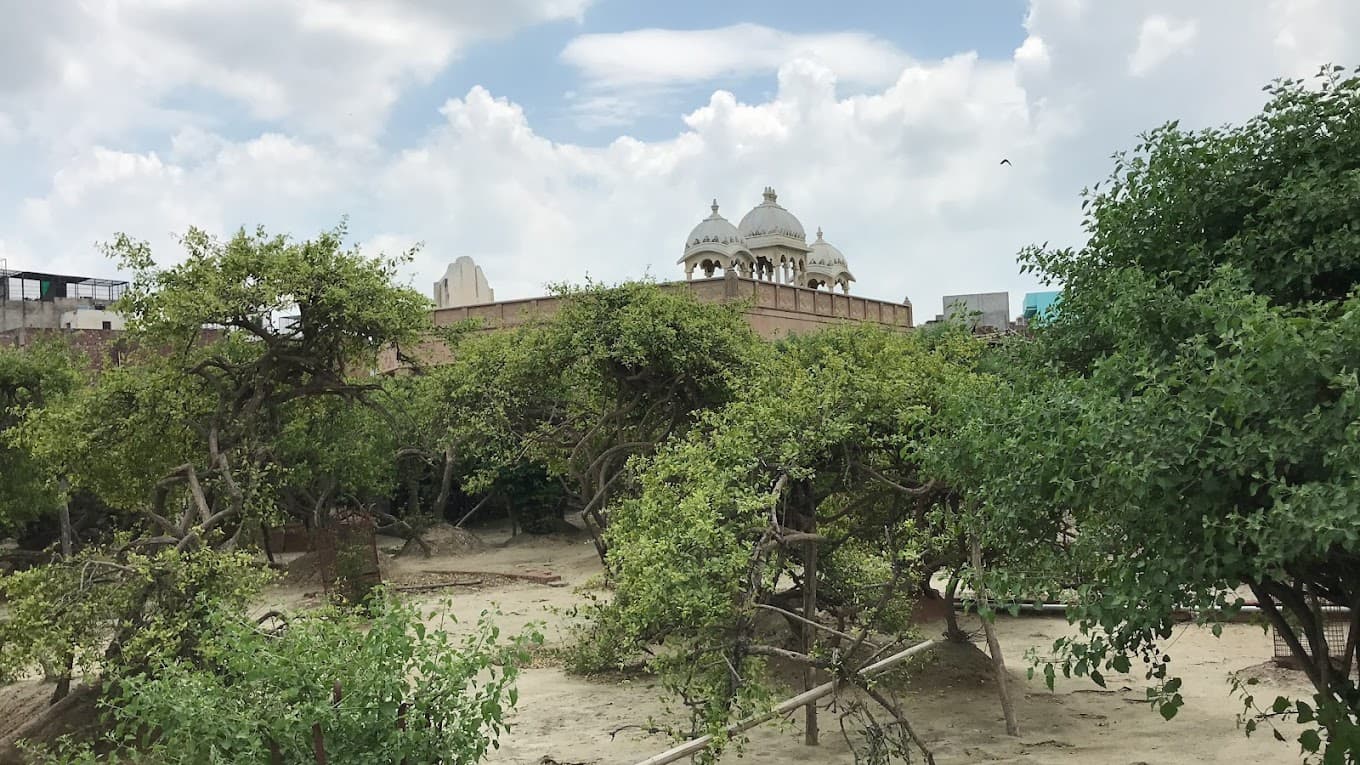
Nidhivan Vrindavan: Where Radha-Krishna Still Perform the Divine Ras Leela
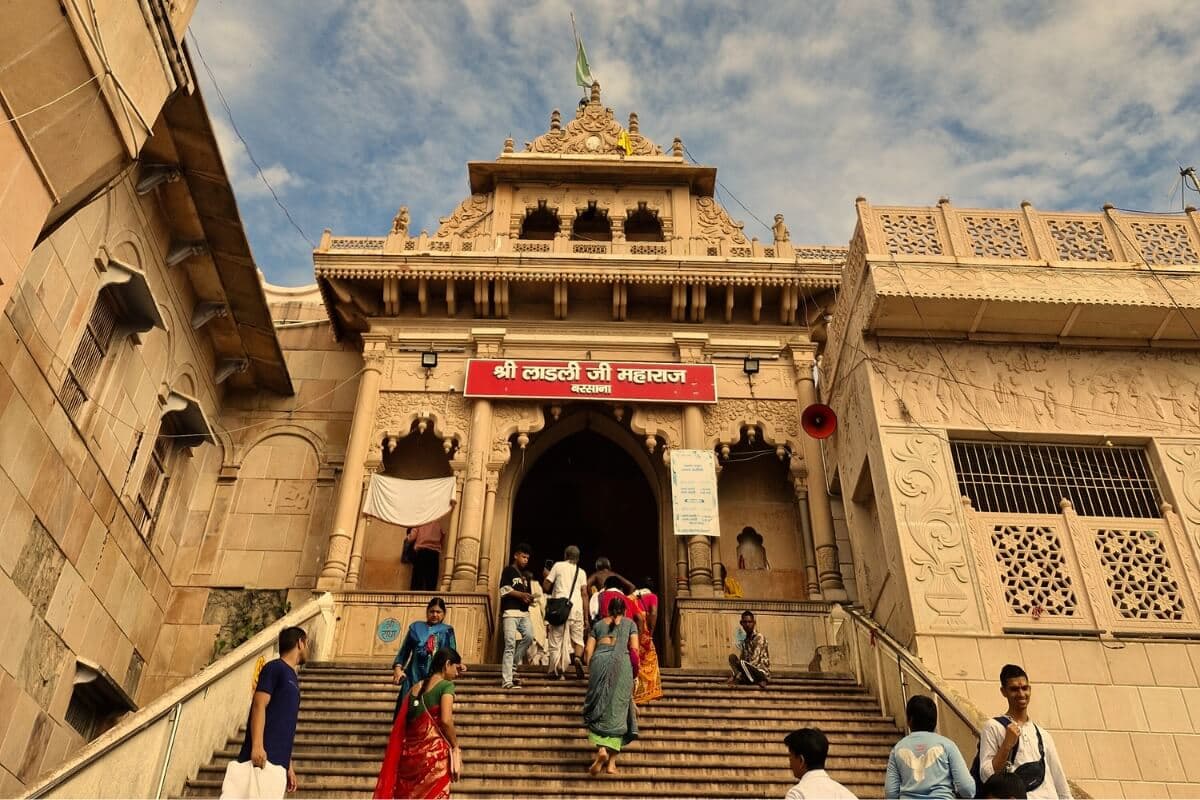
🙏 Have a divine darshan of Shri Radha Rani Temple in Barsana!
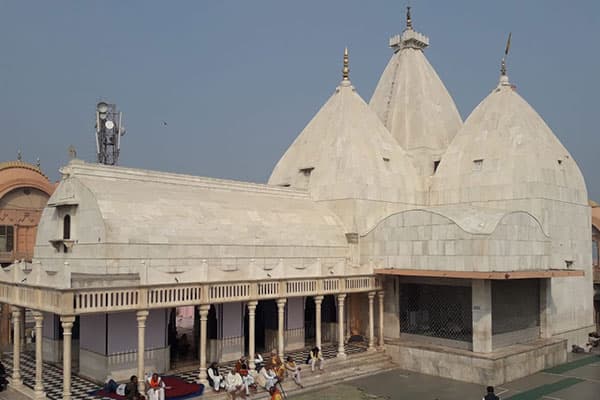
The historic Nanda Bhavan Temple in Gokul – a glimpse into the childhood of Lord Krishna
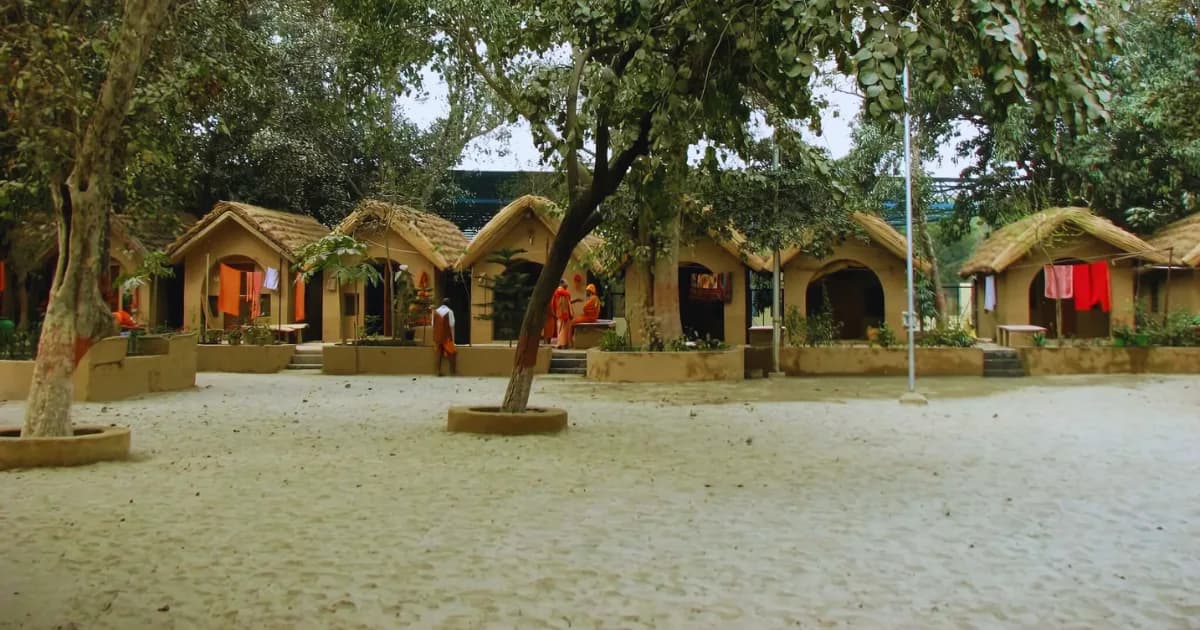
Raman Reti, Mathura: The sacred land of Balkrishna's pastimes
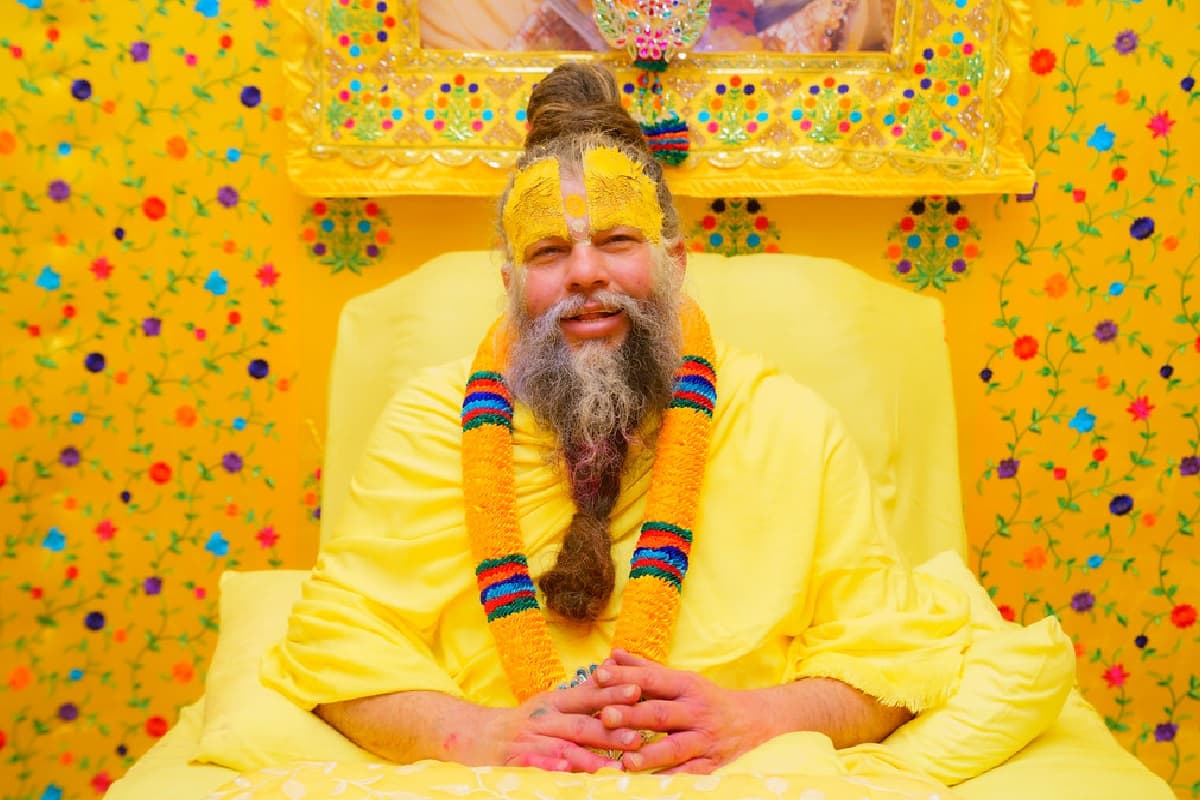
How to Get Darshan of Shri Premanand Ji Maharaj? Understand the Timings, Location & Contact Process.
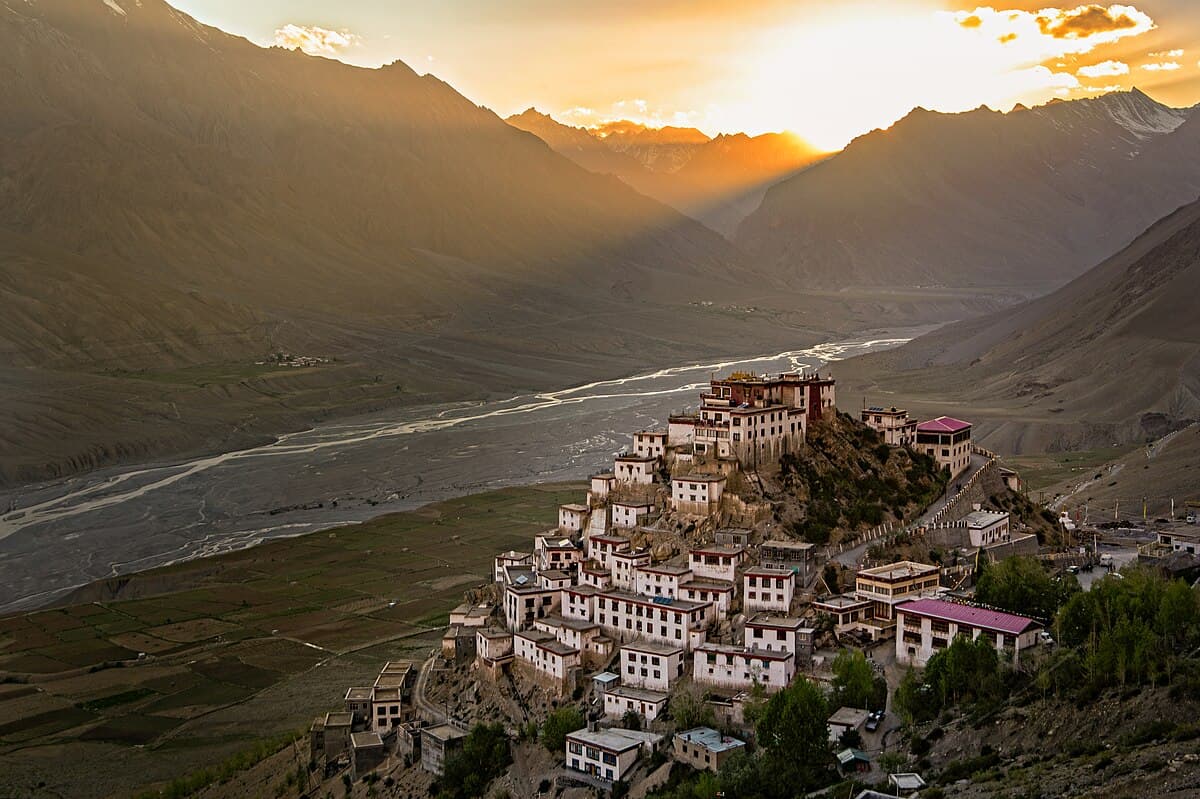
Discover the Magic of Spiti Valley – Villages, Monasteries & Scenic Wonders Await! 🏔️✨
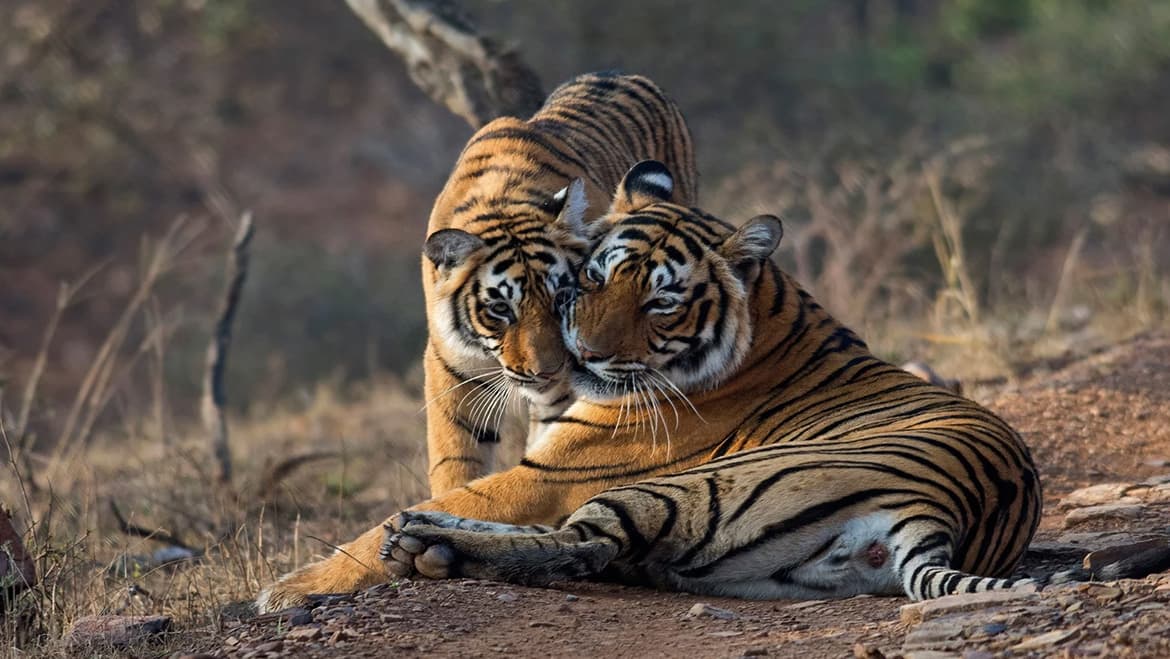
Ranthambhore National Park – Where Royal Tigers, Ancient Forts & Wilderness Come Alive
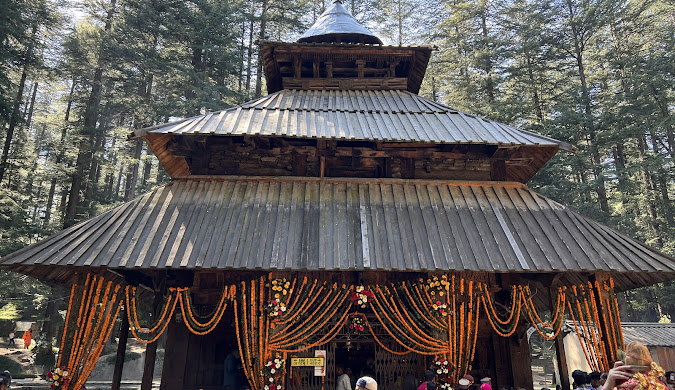
Ultimate Travel Guide to Manali: Attractions, Food, and Safety Tips
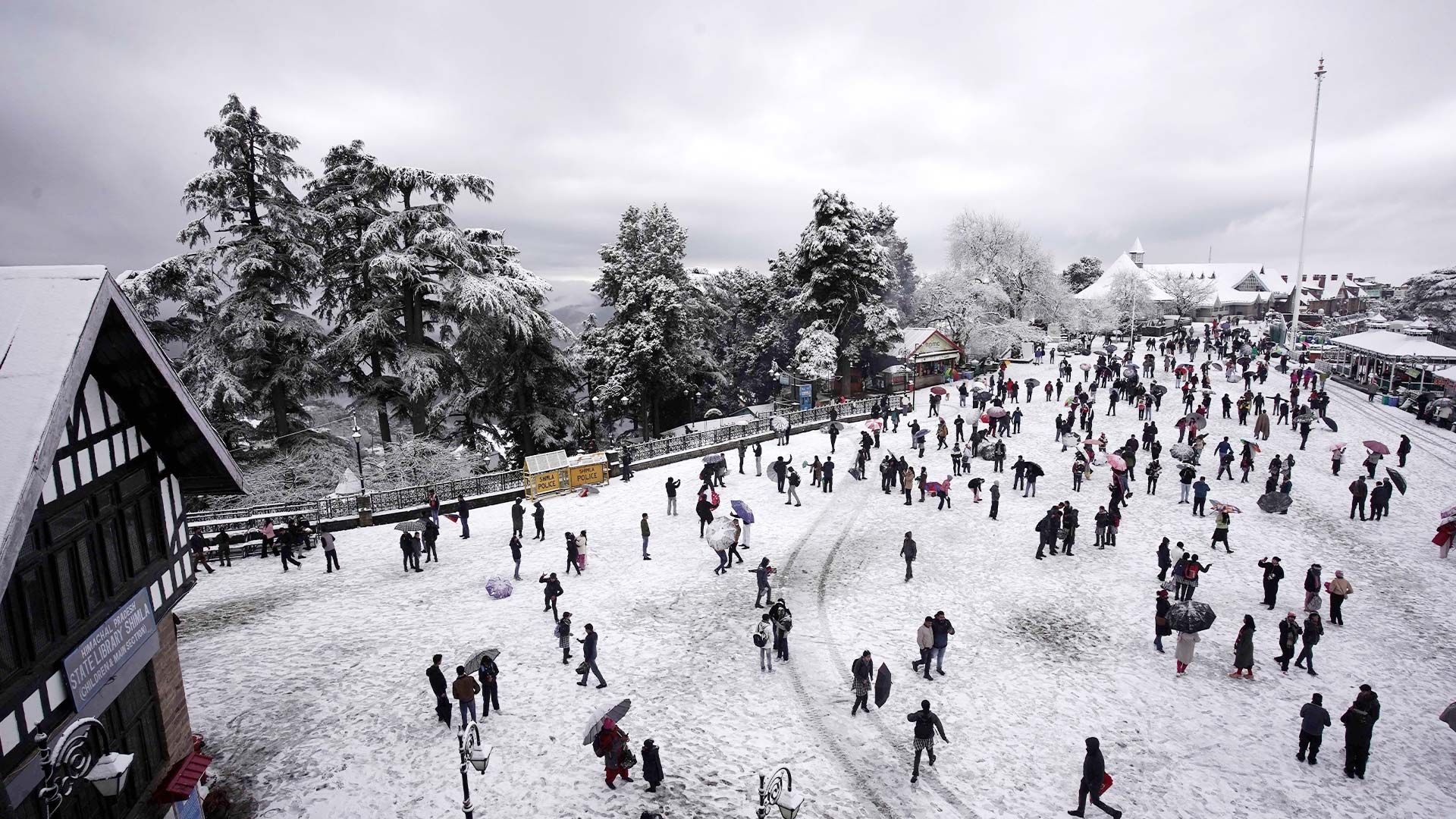
Shimla Travel Guide: Everything You Need to Know Before Visiting the Queen of Hills
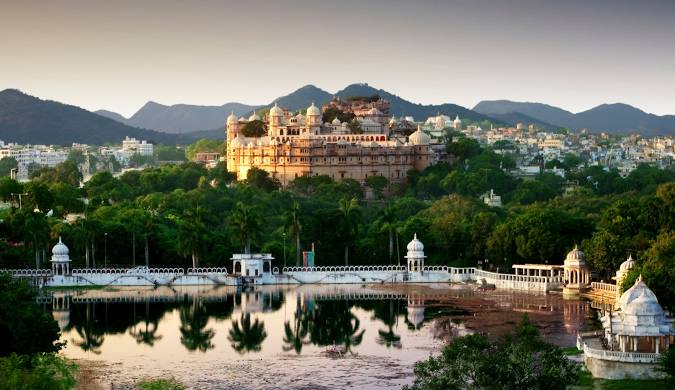
Udaipur – The Venice of the East: A Complete Travel Guide
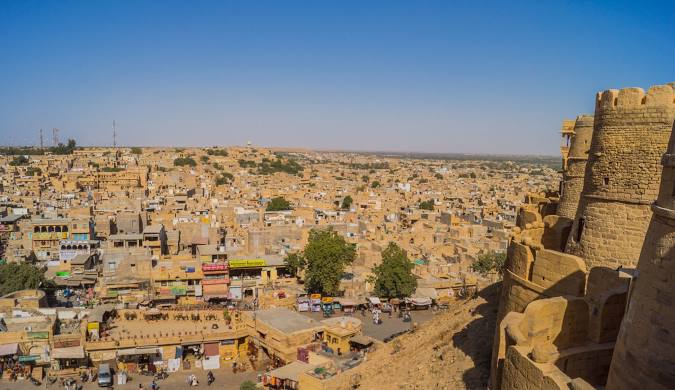
Jaisalmer Travel Guide: History, Forts, Desert Experiences, and Cultural Heritage
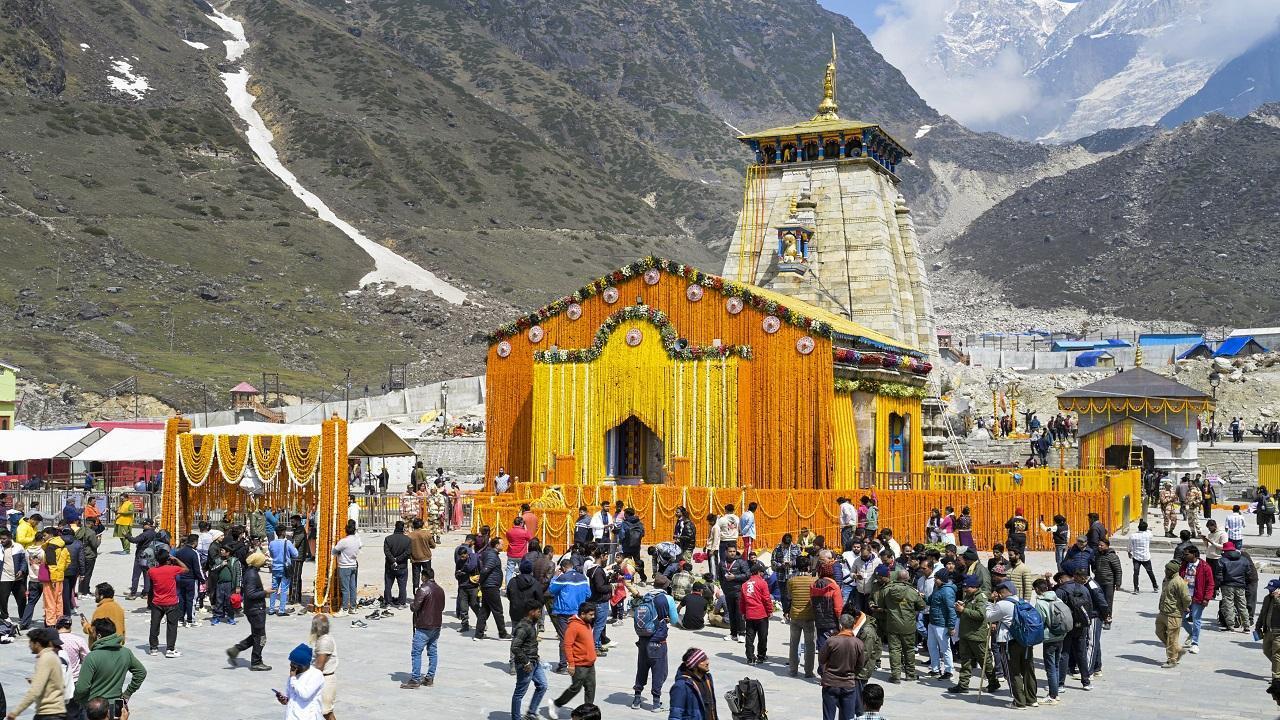
Kedarnath Yatra Registration 2026
Kedarnath Yatra Guide 2026
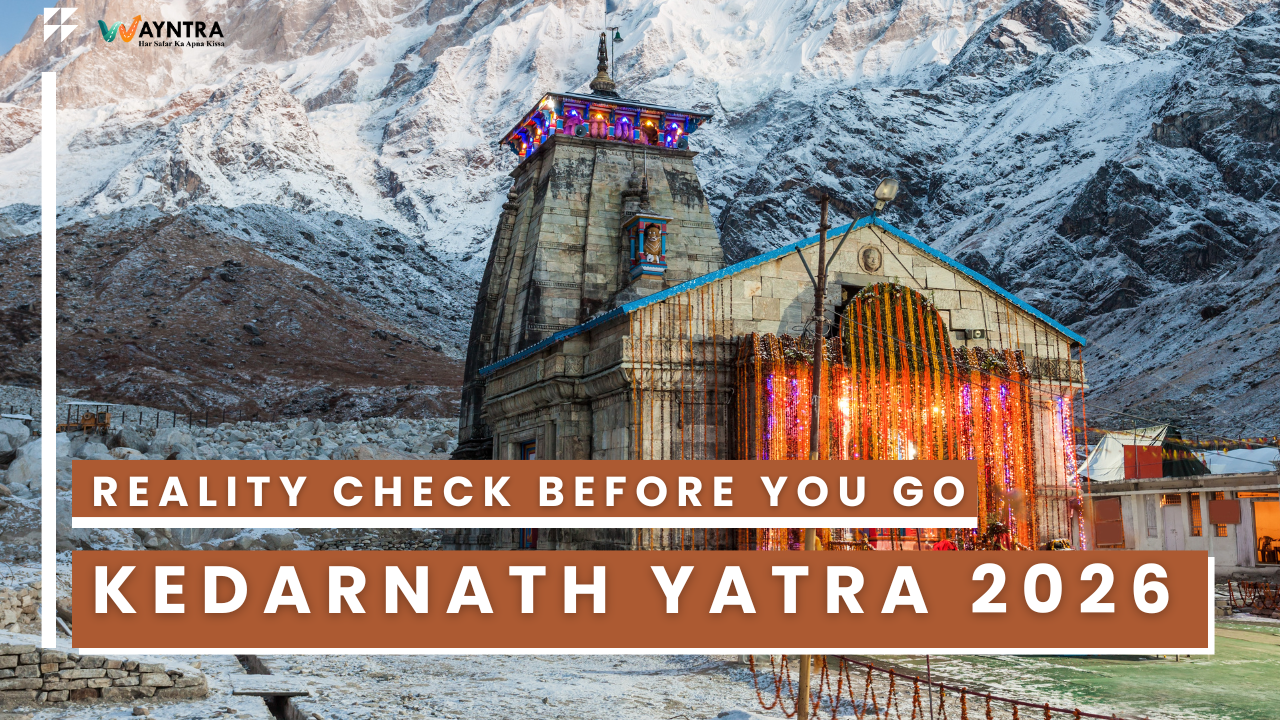
Kedarnath Helicopter Booking 2026: IRCTC Online Booking, Dates, Price & Complete Guide
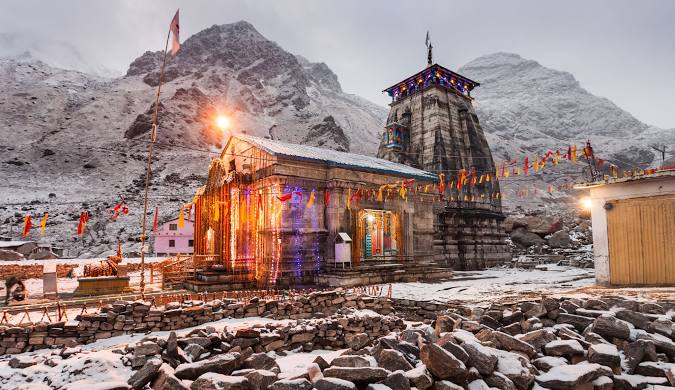
Kedarnath Temple Opens for 2026 Pilgrimage Season on April 22 at 8 AM
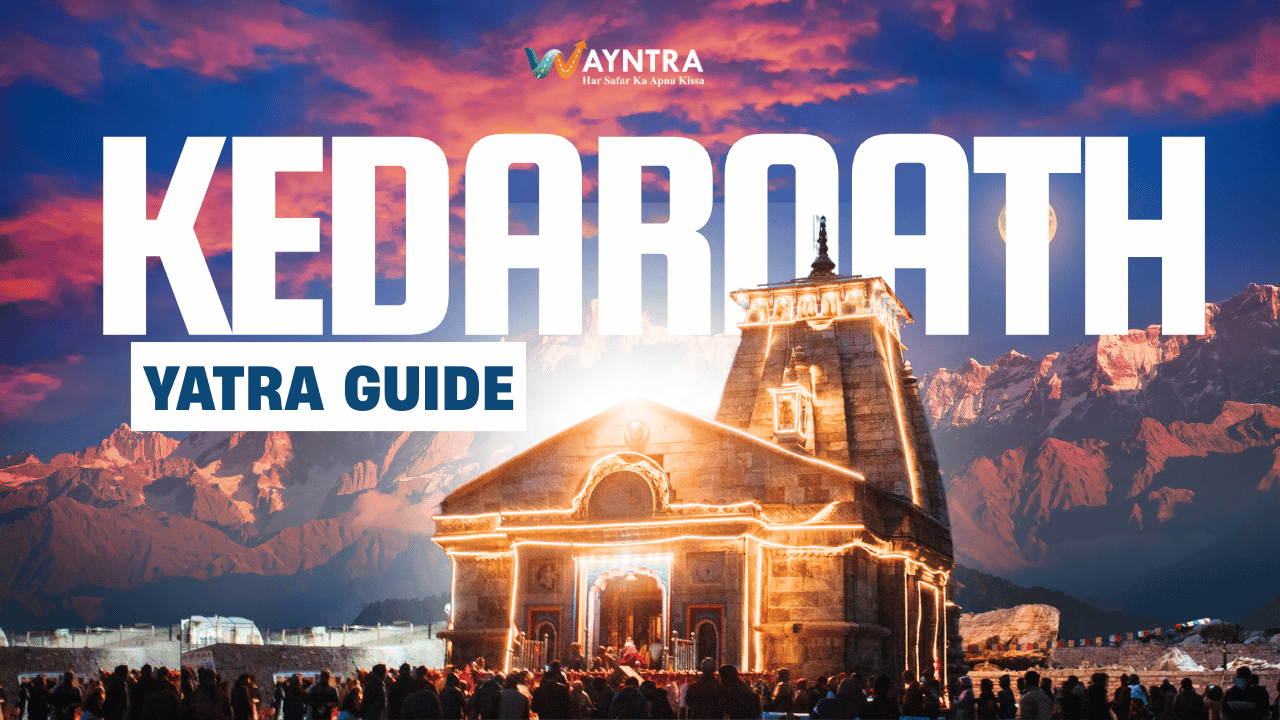
Kedarnath Yatra 2026: Ground Reality You Should Know Before Visiting
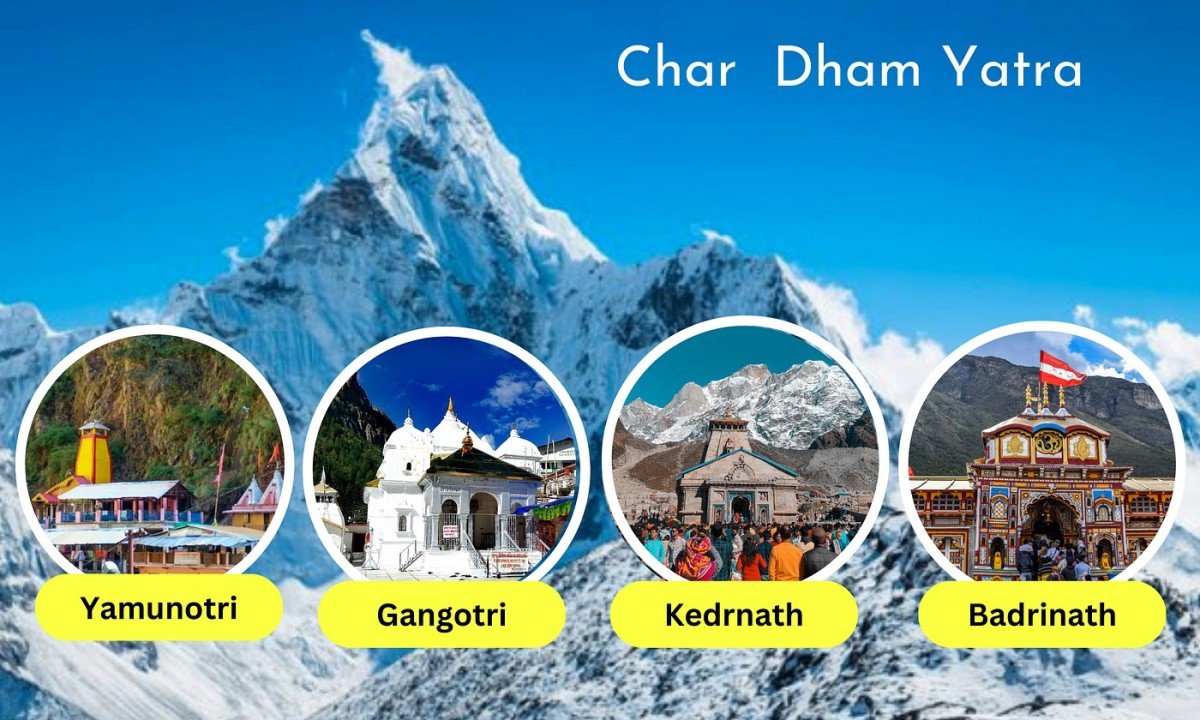
Number of Devotees on Char Dham Yatra Crosses 6.62 Lakh Till 3 May 2026
Harshil Valley – Uttarakhand’s Hidden Himalayan Paradise You Must Visit Once
Kinner Kailash – The Mystical Abode of Lord Shiva in the Himalayas
Madhyamaheshwar Temple Travel Guide 2026 – History, Trek, Route, Stay & Complete Travel Information
Delhi to Leh Bus Service 2026: Fare, Route, Timings, Stops & Complete Travel Guide
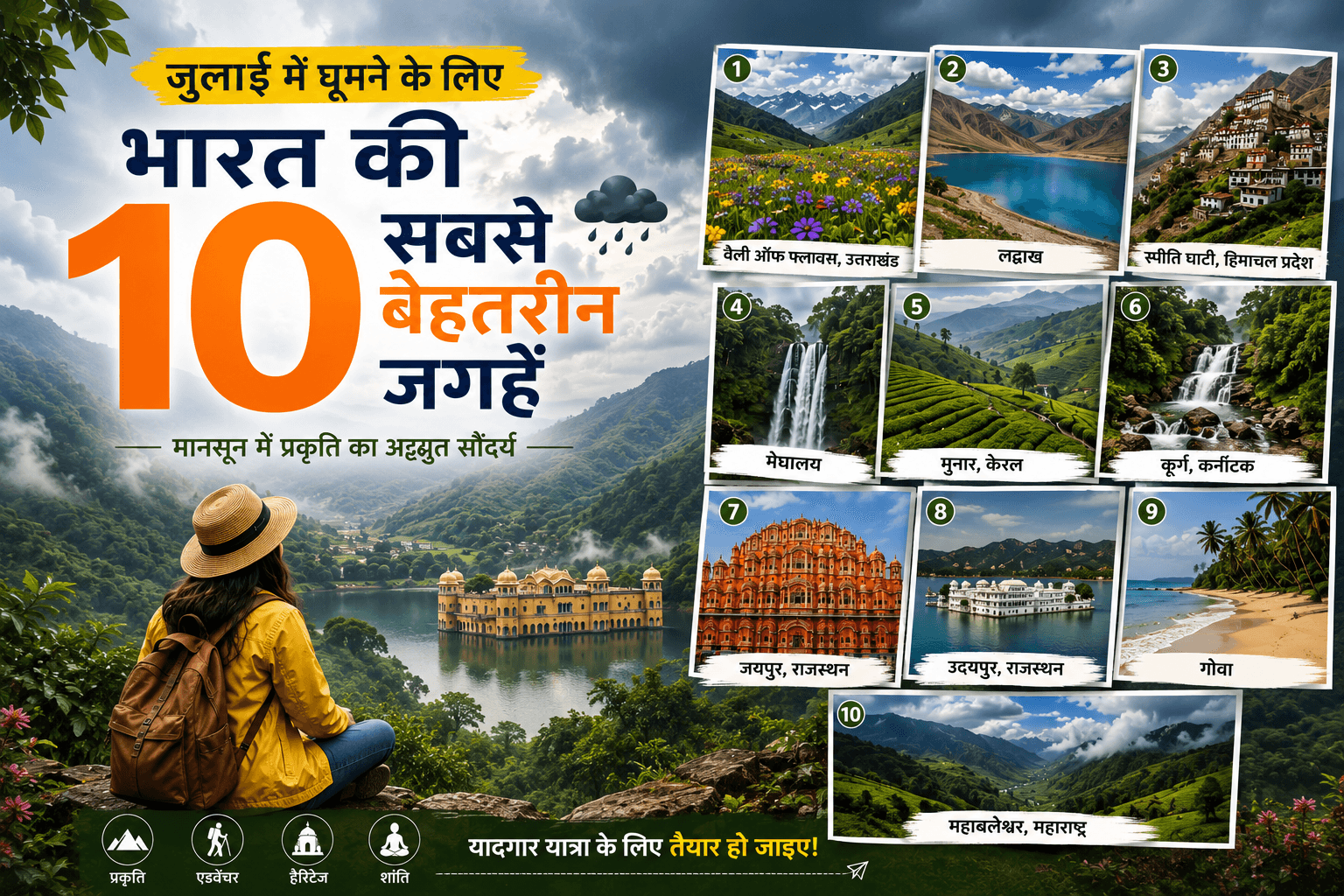
Top 10 Best Places to Visit in July in India (2026) – Monsoon Destinations You Shouldn't Miss
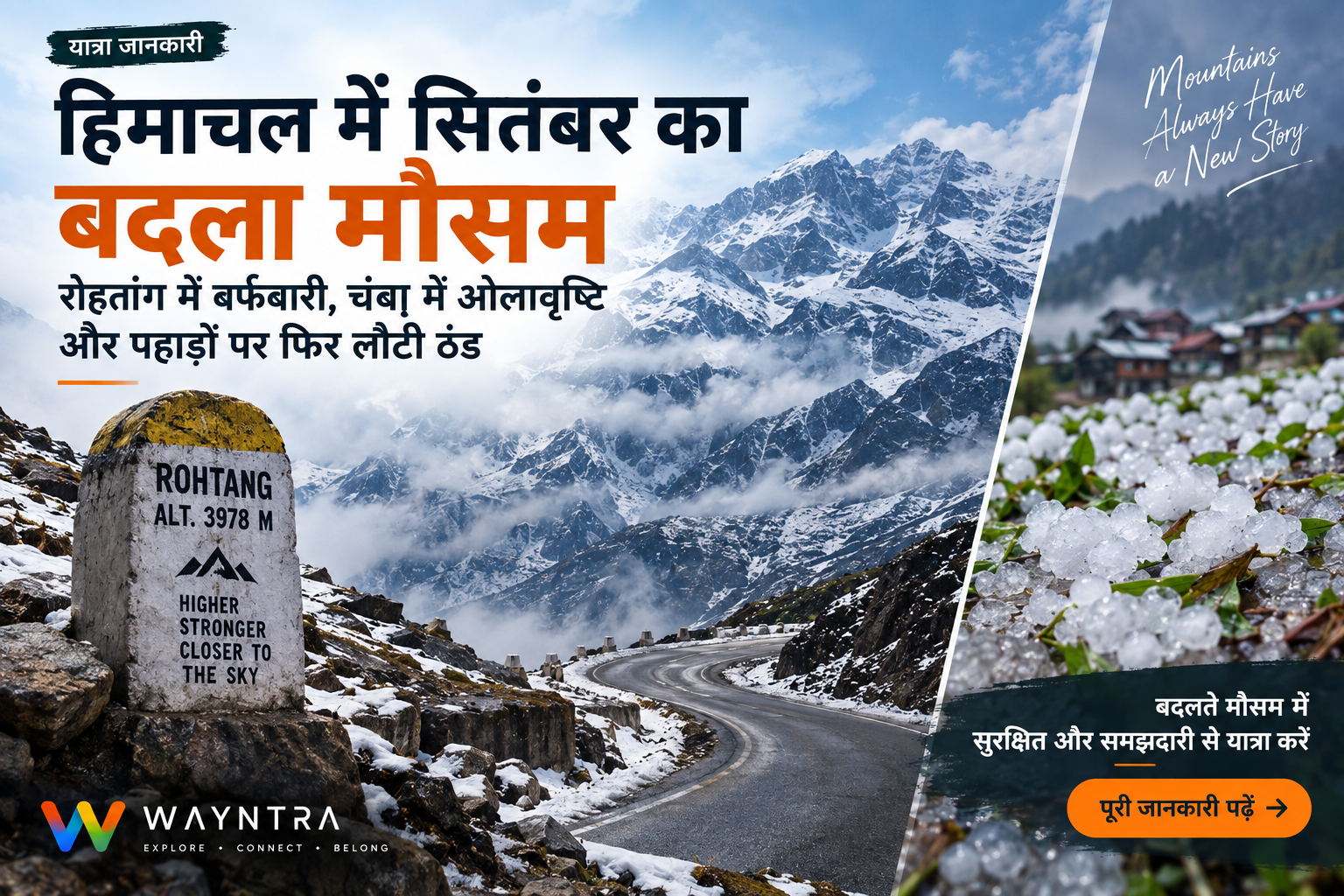
हिमाचल में सितंबर का बदला मौसम: रोहतांग में बर्फबारी, चंबा में ओलावृष्टि और पहाड़ों पर लौटी ठंड
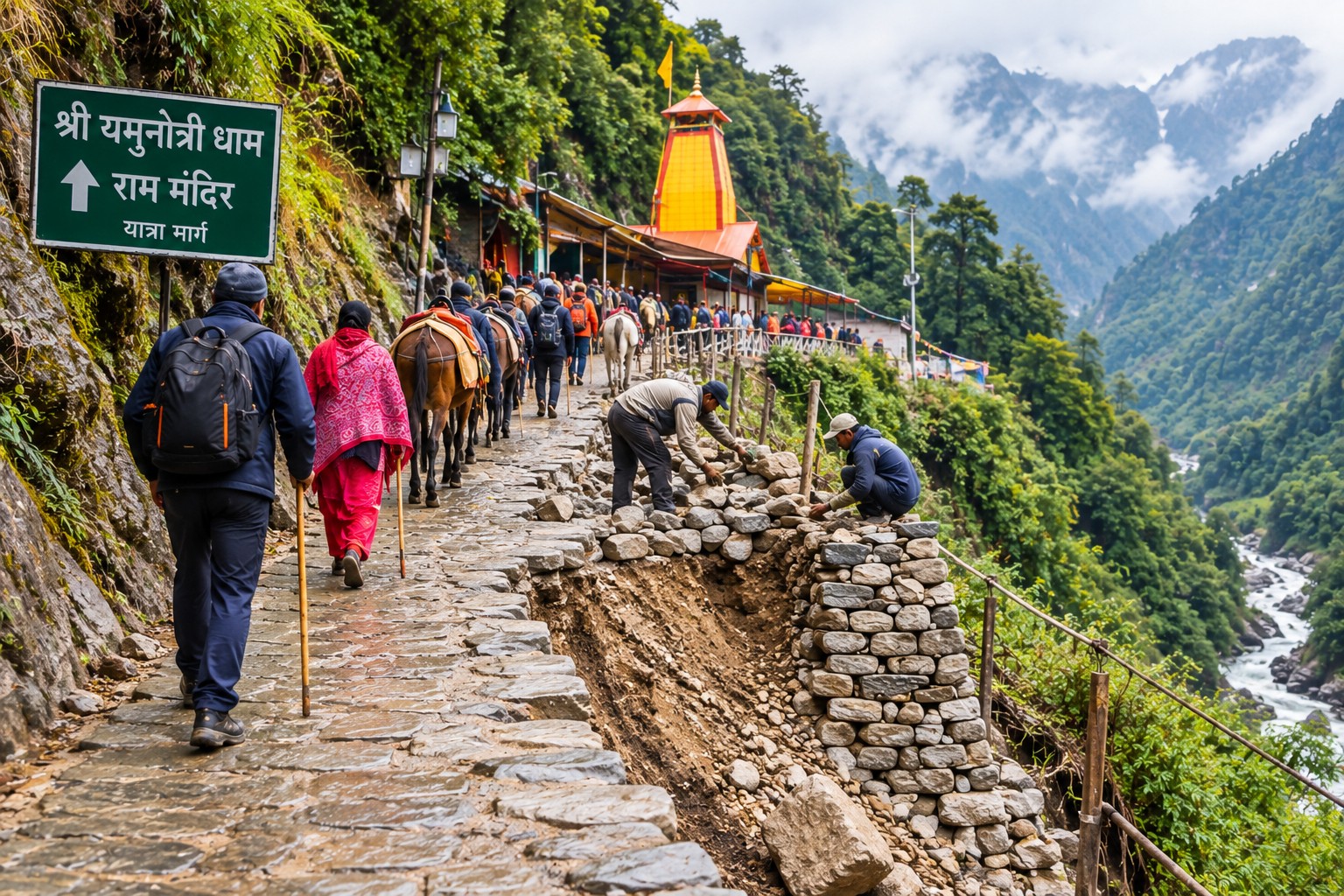
Yamunotri Dham: Safety Concerns Remain Near Ram Mandir on the Yatra Route
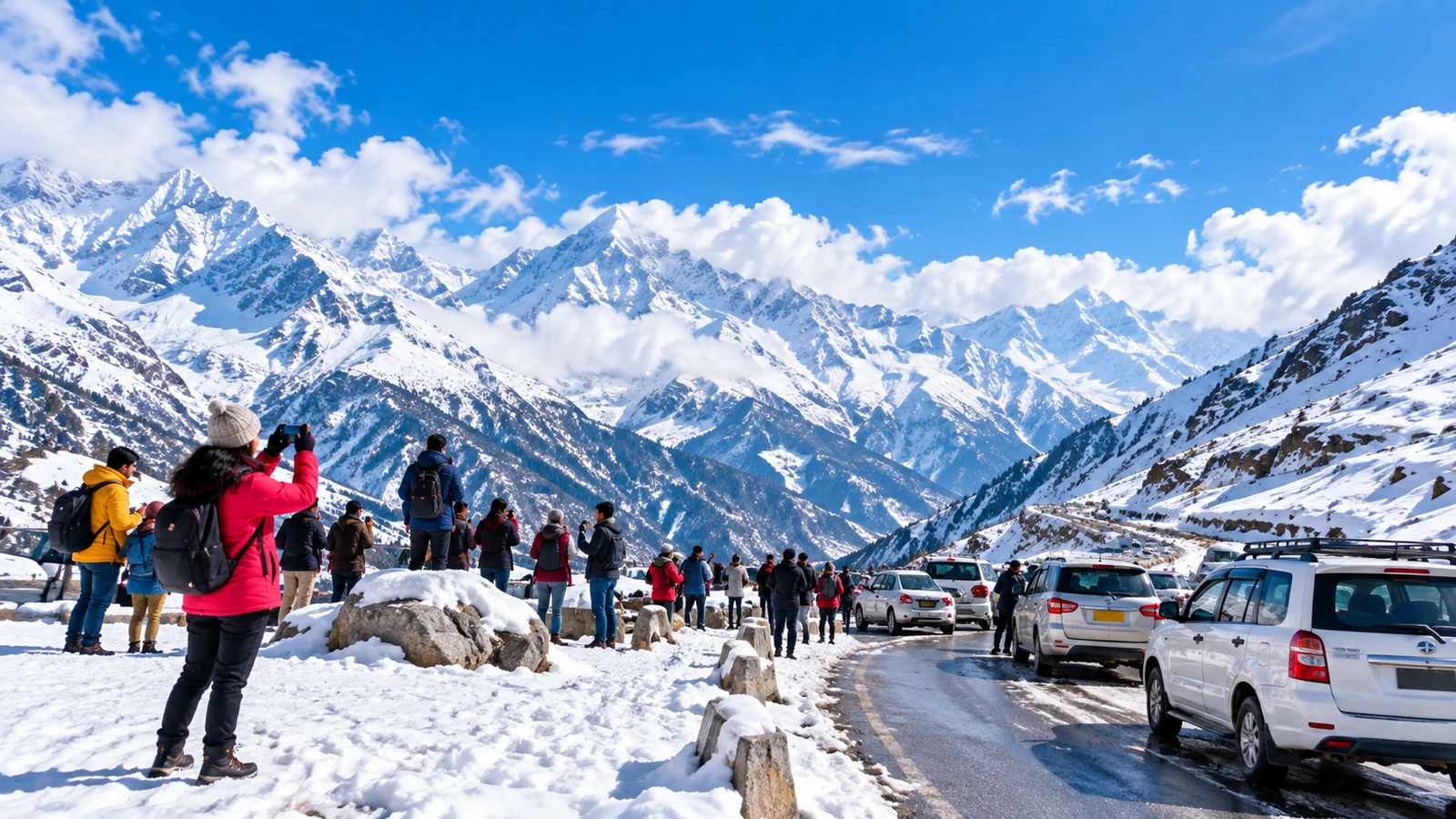
Tourists Flock to Rohtang After Snowfall, Over 600 Vehicles Arrive; Manali Comes Alive
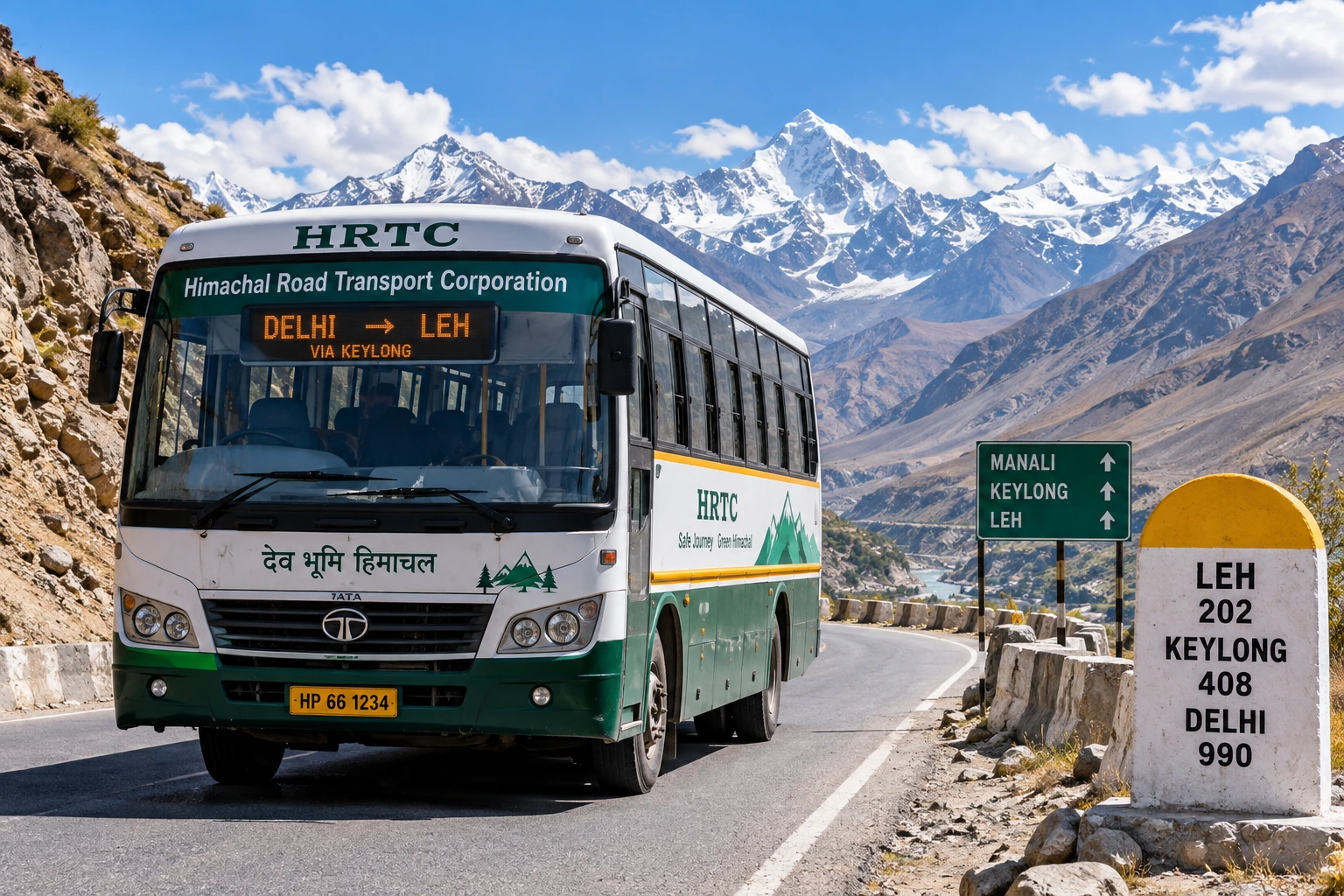
Delhi–Leh HRTC Bus Service Suspended: Service Will Resume Next May, Know All the Details

River Rafting May Resume in Rishikesh from September 23
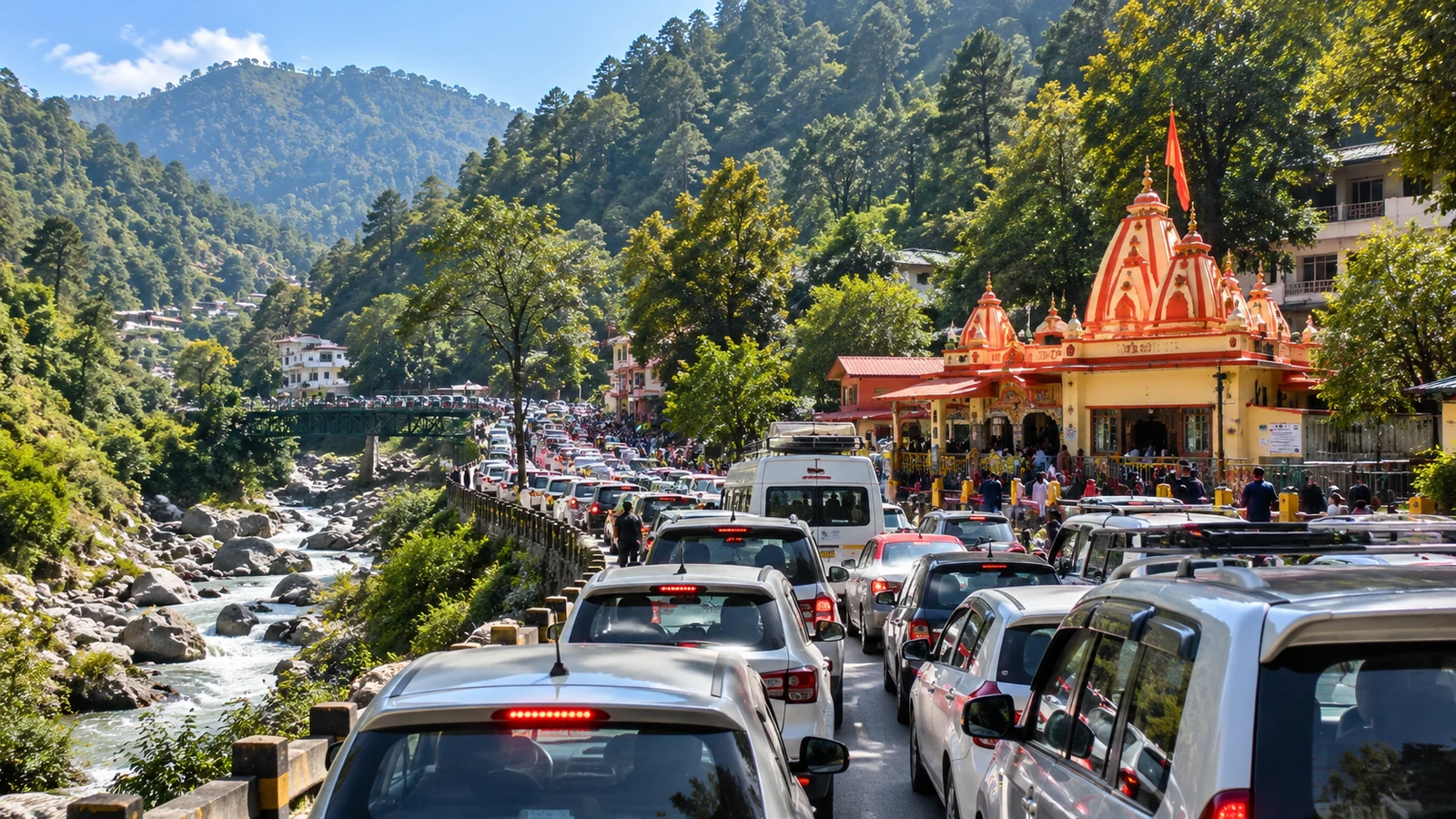
Heavy Crowd of Devotees at Kainchi Dham, 2-Km-Long Traffic Jam Reported
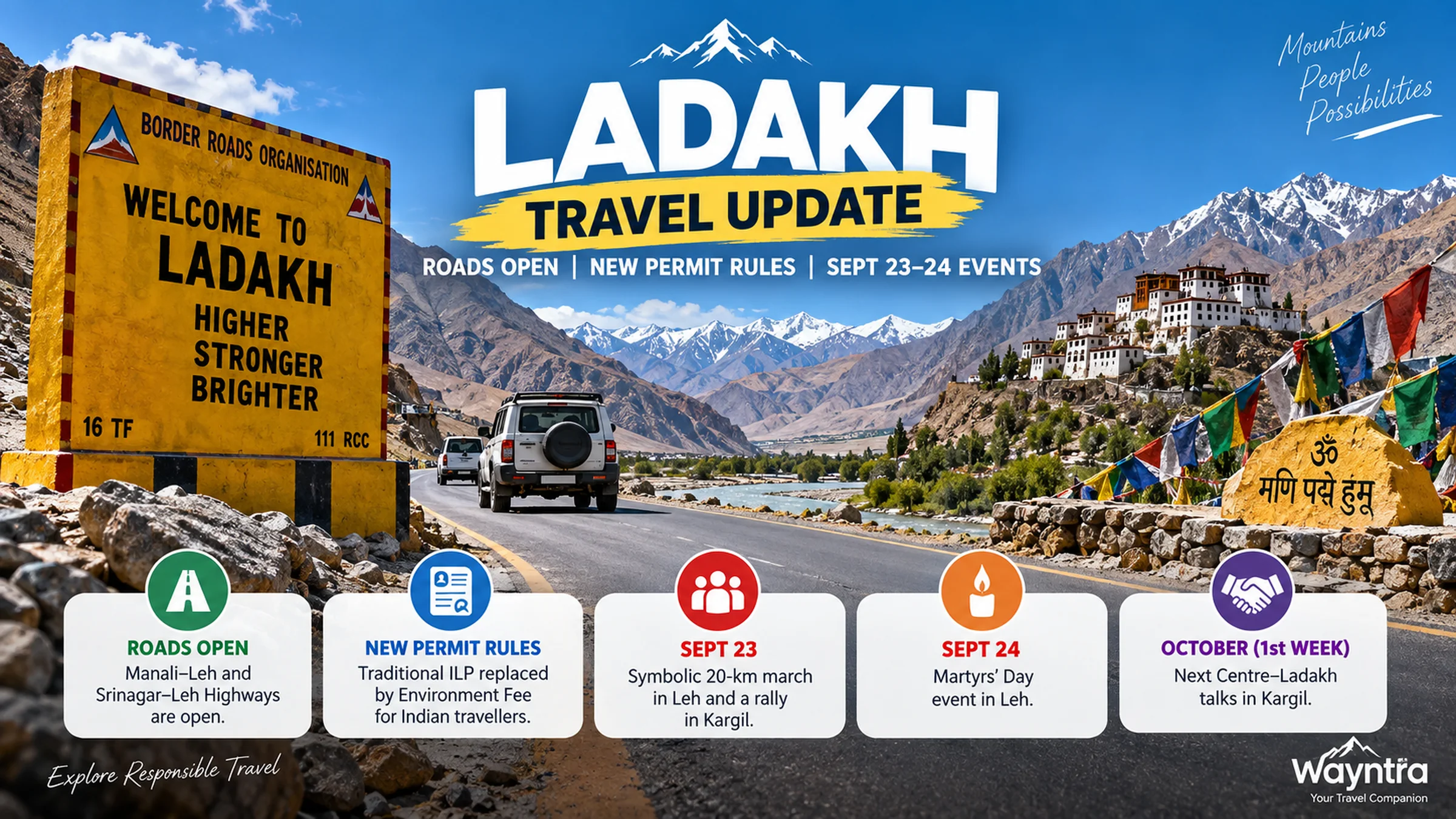
Ladakh Travel Update: Roads Open, New Permit Rules and September 23–24 Events
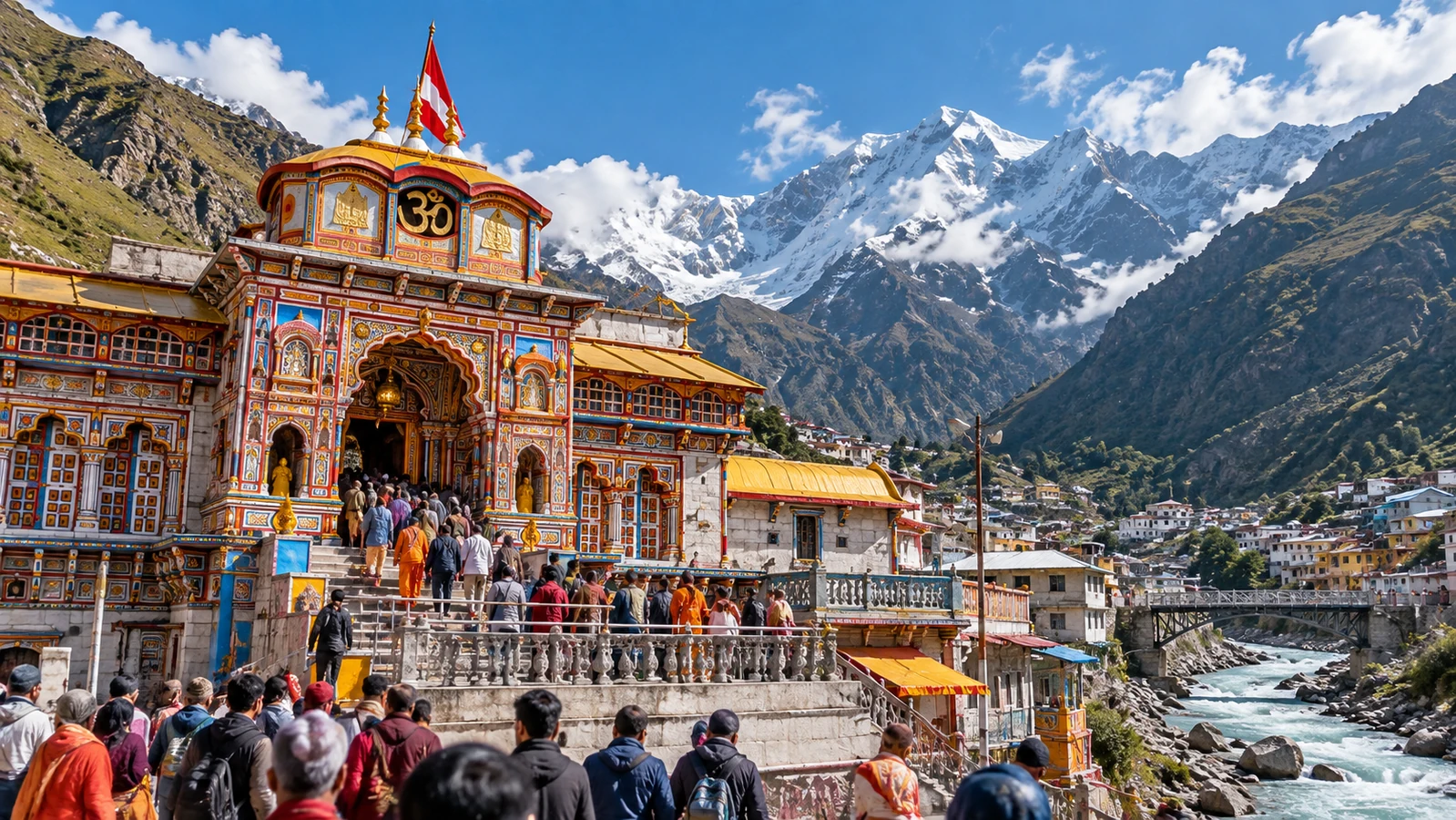
Badrinath Dham: Second Phase of Yatra Picks Up Pace, Thousands of Devotees Arriving for Darshan
हिमाचल में सितंबर में बर्फबारी ने बदला मौसम का मिजाज, 18 साल बाद रिकॉर्ड ठंड
Other destinations in Uttarakhand
Haridwar — travel FAQs
1. What is the best time to visit Haridwar for both spiritual experiences and comfortable weather?
2. Is Haridwar suitable for solo travelers, families, and senior citizens?
3. What are the most important spiritual experiences travelers should not miss in Haridwar?
4. How many days are ideal for exploring Haridwar properly?
5. Is it safe to take a bath in the Ganga River at Haridwar?
6. What local food should travelers try in Haridwar?
7. Which are the best areas to stay in Haridwar?
8. How crowded does Haridwar become during festivals and peak seasons?
9. Can Haridwar be explored on a budget?
10. Why is Haridwar considered one of India’s most important spiritual destinations?
Wayntra app
Explore Haridwar with Wayntra
Discover the best places, local experiences, businesses and travel activities around Haridwar.