India’s local-first travel ecosystem — book local operators direct, zero commission

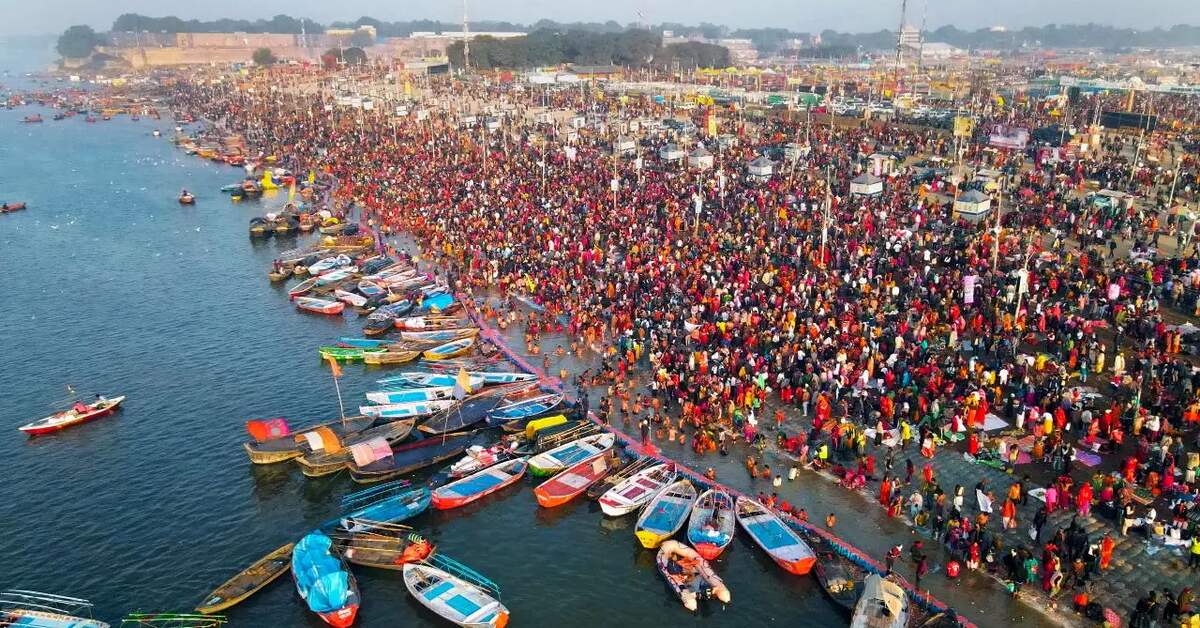
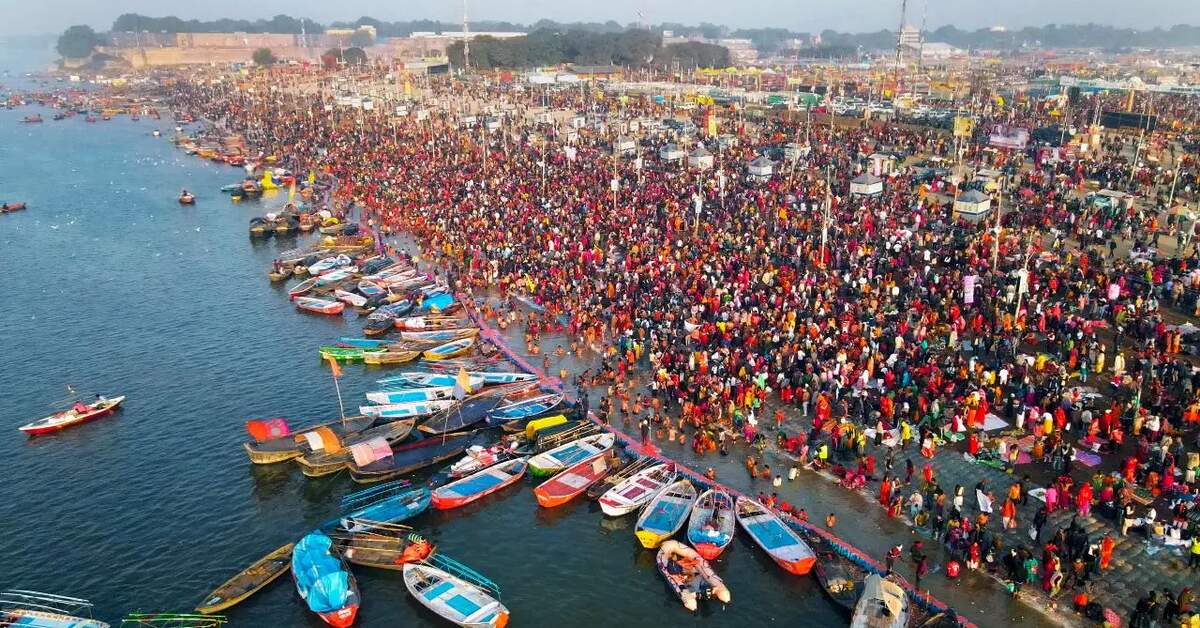
Prayagraj, formerly known as Allahabad, is a prominent city in Uttar Pradesh, India, renowned for its historical and religious significance. Located at the confluence of the Ganga, Yamuna, and the mythical Saraswati rivers, this sacred site is called the Triveni Sangam. It holds immense importance in Hinduism and attracts millions of devotees annually. The city becomes the epicenter of global attention every twelve years during the Maha Kumbh Mela, the largest religious gathering in the world, where millions gather to take a holy dip at the Sangam to cleanse their sins and seek spiritual liberation. The Maha Kumbh is a spectacle of faith, culture, and tradition, drawing pilgrims, saints, and tourists from all corners of the globe.
The history of Prayagraj dates back thousands of years and is deeply rooted in ancient scriptures like the Vedas and Puranas. It is believed that Lord Brahma performed the first yajna (sacrifice) here, giving it the name "Prayag," which means "the place of offerings." During the Mughal era, Emperor Akbar renamed the city "Allahabad," and it became a key administrative center. In 2018, the city's name was officially changed back to Prayagraj, reflecting its ancient heritage.
Prayagraj has also played a significant role in India’s political and historical landscape. During British rule, it was the administrative headquarters of the United Provinces. The city was a hub of the Indian freedom struggle, with prominent leaders like Pandit Motilal Nehru and Pandit Jawaharlal Nehru residing here. Their ancestral home, Anand Bhavan, is now a museum and a major attraction for history enthusiasts.
The city is equally celebrated for its educational prominence. The University of Allahabad, established in 1887, is one of the oldest and most prestigious educational institutions in India. It has been a nurturing ground for many prominent scholars, leaders, and intellectuals.
For travelers, Prayagraj offers a blend of spirituality, history, and culture through its numerous attractions. Triveni Sangam is the most revered spot, where pilgrims and visitors gather to witness the confluence of the three rivers and partake in rituals. Anand Bhavan, the residence of the Nehru family, provides a deep insight into India’s freedom struggle. The Allahabad Fort, built by Emperor Akbar in the 16th century, is another must-visit site. This architectural marvel is known for its historical significance and houses the famous Ashoka Pillar and the Patalpuri Temple.
Khusro Bagh, a beautiful garden and a historical site, is the burial place of Prince Khusro, the son of Emperor Jahangir. It is known for its stunning Mughal architecture and serene ambiance. The Swaraj Bhavan, adjacent to Anand Bhavan, was an important center for political discussions during the freedom struggle and is now a museum showcasing India's rich history.
For art and culture lovers, the Prayag Sangeet Samiti is a hub of classical music and dance, nurturing talent for decades. Additionally, the city’s vibrant markets and local food, such as kachori-sabzi, imarti, and other street delicacies, provide a delightful experience for visitors.
In modern times, Prayagraj is rapidly transforming into an urban hub with improved infrastructure and connectivity. Prayagraj Junction, one of India’s busiest railway stations, connects the city to all major destinations in the country. Despite its modernization, the city retains its spiritual charm, with its ghats, temples, and the constant chanting of prayers creating an aura of peace and devotion.
Prayagraj is not just a city but a confluence of history, spirituality, and culture. Whether you are seeking divine blessings at the Triveni Sangam, exploring historical monuments like the Allahabad Fort and Khusro Bagh, or experiencing the unparalleled grandeur of the Maha Kumbh, this city offers a journey that is both enriching and unforgettable.
Key Heighlights
1. Triveni Sangam
Triveni Sangam, located at the confluence of the Ganga, Yamuna, and the mythical Saraswati rivers, is one of the most sacred spots in India. Pilgrims from across the country visit this location, especially during the Kumbh Mela, which occurs once every 12 years. The confluence is believed to cleanse the soul and grant moksha (liberation). The Ganga and Yamuna are physically visible, while Saraswati is a mythical river mentioned in the Vedas. The region surrounding the Sangam is an important hub for religious activities and rituals, making it a must-visit for devotees and history enthusiasts alike. The calmness of the confluence, coupled with the spiritual energy it radiates, makes it a significant cultural and religious landmark.
- Kumbh Mela: During the Kumbh Mela, millions of people come together to bathe in the waters of the Sangam, which is believed to purify and bless them with a sense of spiritual renewal. This event, held every 12 years, is the largest religious gathering on earth. It is not just a pilgrimage but also an opportunity to witness the vibrant culture, fairs, and rituals of India.
- Magh Mela: A more frequent gathering, the Magh Mela, also attracts large crowds of devotees, especially during the winter months when the weather is cooler and ideal for religious activities.
- Boating and Aarti: Visitors can take boat rides to the Sangam, offering them an unmatched view of the confluence and the sacred ghats. The Ganga Aarti, held every evening, adds a sense of divinity and grandeur to the experience.
2. Kumbh Mela
The Kumbh Mela is the largest religious festival in the world, attracting millions of people who gather to bathe in the holy waters of the Ganga at the Triveni Sangam. It is believed that during the Kumbh, the nectar of immortality (Amrit) fell into the Sangam, making the water here extraordinarily sacred.
- Historical Significance: The origins of the Kumbh Mela go back to ancient times, when the gods and demons fought for the Amrit, the nectar of immortality, during the churning of the ocean. The four places where drops of Amrit fell – Prayagraj, Haridwar, Nashik, and Ujjain – became the sites for this grand festival.
- Cultural Importance: The Kumbh Mela is not just a religious gathering but a cultural extravaganza. It includes spiritual discourses, religious debates, dance performances, music, and exhibitions on Indian traditions and practices.
- Unique Events: The most notable event during the Kumbh Mela is the “Royal Bath” when the highest-ranking saints, known as Naga Babas, take the first dip in the Sangam. The sight of the long procession of saffron-clad monks, holy men, and pilgrims is an awe-inspiring experience.
3. Allahabad Fort
The Allahabad Fort, constructed by Emperor Akbar in 1583, is one of the finest examples of Mughal architecture in India. Situated at the banks of the Yamuna River, the fort served as a military and administrative center.
- Architectural Marvel: The fort is famous for its massive walls, towering gates, and intricate carvings. The walls are made of red sandstone, with large bastions at the corners. The main entrance, called Lal Darwaza, is grand and imposing.
- Inside the Fort: The fort houses many significant structures, including the Akbar’s Baithak (meeting hall), Jahangir’s Bagh (garden), and The Ashoka Pillar.
- Historical Relevance: The fort was strategically important during the Mughal period and later became a symbol of British colonial power in the region. The fort has witnessed many battles and events that shaped the history of India.
4. Anand Bhavan
Anand Bhavan was the residence of Jawaharlal Nehru, India’s first Prime Minister, and his family. It is now converted into a museum that showcases the history of the Nehru family and the Indian independence movement.
- Architectural Style: The mansion is built in a blend of colonial and Indian architectural styles, with spacious rooms, decorative windows, and sprawling gardens.
- Historical Significance: Anand Bhavan is not only a home but a symbol of India’s struggle for independence. It was here that important meetings and discussions regarding India’s political future were held during the British rule.
- Museum and Exhibits: The museum displays various artifacts, including Nehru’s personal belongings, photographs, and documents. It offers insight into the lives of Nehru and other prominent freedom fighters.
5. Bade Hanuman Mandir
The Bade Hanuman Mandir is located near the Sangam and is dedicated to Lord Hanuman. The temple is famous for housing a large, towering statue of Hanuman in a reclining posture.
- Size of the Statue: The Hanuman statue is one of the largest in the country, making it a popular attraction for visitors and devotees.
- Religious Significance: The temple is considered highly auspicious, and devotees often visit to seek blessings for strength, courage, and protection. The temple attracts large crowds, especially on Hanuman Jayanti.
6. Alopi Devi Mandir
Alopi Devi Mandir is another important Shakti Peeth situated near the Triveni Sangam. It is dedicated to Goddess Alopi, a form of Goddess Durga.
- Unique Feature: The idol of Goddess Alopi is not visible to the devotees; only a symbolic representation is offered, making the temple unique and mysterious.
- Cultural Importance: The temple is visited by thousands of devotees, particularly women seeking blessings for fertility and strength. The atmosphere is serene, with the sound of chants and hymns echoing around the temple complex.
7. New Yamuna Bridge
The New Yamuna Bridge is a vital link connecting Prayagraj to other cities like Delhi and Lucknow. It serves as a crucial part of the city’s infrastructure, easing traffic congestion.
- Modern Architecture: The bridge is a modern engineering marvel, with its impressive design and construction.
- Significance for Transport: The bridge plays a pivotal role in the smooth flow of traffic and trade, contributing to the economic development of the region.
8. Chandrashekhar Azad Park
Chandrashekhar Azad Park, formerly known as Alfred Park, is a large and beautiful park in Prayagraj, named after the famous freedom fighter Chandrashekhar Azad.
- Historical Importance: The park holds great historical significance as it was here that Chandrashekhar Azad, one of the prominent figures in the Indian freedom struggle, made his last stand against the British.
- Statue and Memorial: A statue of Azad stands tall in the park, commemorating his sacrifice and contributions to India’s independence movement.
- Leisure and Recreational Spot: Apart from its historical importance, the park is a favorite recreational spot for locals and tourists alike. It features lush greenery, walking tracks, and a serene lake, providing a peaceful atmosphere for visitors.
9. Allahabad University
Allahabad University, established in 1887, is one of the oldest and most prestigious universities in India.
- Educational Excellence: The university has produced some of the brightest minds in Indian politics, law, and science, including prominent leaders like Jawaharlal Nehru and Harivansh Rai Bachchan.
- Historical Importance: The university has a rich heritage and has played a crucial role in the Indian freedom struggle. It was here that several political and cultural movements took shape, making it a landmark institution in Indian history.
- Architecture: The university buildings, with their colonial architecture and expansive lawns, are a sight to behold. They also house the University Museum, which showcases historical and cultural artifacts.
10. Khusro Bagh
Khusro Bagh is a Mughal-era garden and burial site located in Prayagraj. It is the final resting place of Khusro, the eldest son of Emperor Jahangir.
- Mughal Architecture: The tombs in the garden reflect the grandeur of Mughal architecture, with intricately carved stone structures and lush greenery surrounding the area.
- Historical Significance: The tomb of Khusro is a reminder of the political intrigue and struggles within the Mughal empire. The tombs are considered an excellent example of Mughal garden design.
- Tourist Attraction: The peaceful atmosphere and historical significance make Khusro Bagh a popular site for history buffs, architecture enthusiasts, and tourists.
These highlights encapsulate the spiritual, historical, cultural, and architectural essence of Prayagraj, making it a fascinating destination for travelers from all over the world.
History
The history of Prayagraj is closely linked to the cultural, religious, and political history of India, evolving over time with various rulers, civilizations, and eras. This city has played a crucial role in Indian history from ancient times to the modern era.
1. Ancient and Vedic Period
Prayagraj is mentioned in the ancient Vedas and epics. It was known as "Prayag" in ancient times and was called Tirtharaj, the king of pilgrimage sites. The Triveni Sangam (confluence of the Ganga, Yamuna, and Saraswati rivers) is situated here, making it a highly sacred spot in Indian civilization. The Saraswati River, once flowing through this area, was considered extremely significant in religious and cultural contexts. Although the Saraswati is now believed to be mythical, historical references suggest that it flowed here in ancient times. The Mahabharata and Ramayana also mention Prayagraj as a major religious and cultural center. The sacred waters of the Sangam were believed to cleanse one’s soul and remove sins.
2. Gupta Period
During the Gupta Empire, Prayagraj remained a prominent center for cultural and religious activities. The Gupta period saw significant developments in literature, art, and science, with Prayagraj being a key participant in these advancements. Several important Hindu temples and stupas were built during this time. The city also played a crucial role in the spread of Buddhism, with many Buddhist sites being established in and around the area.
3. Maurya Period and Ashoka’s Influence
Under the Mauryan Empire, especially during Emperor Ashoka’s reign, Prayagraj held great importance. Ashoka promoted Buddhism in the region, and many religious activities were organized here to propagate his beliefs. Ashoka's pillar in Prayagraj stands as a symbol of his peaceful reign and dedication to the spread of dharma (moral law). The pillar marks an important historical and religious site, reminding of the promotion of non-violence and peace during his rule.
4. Mughal Era (16th Century)
The Mughal Emperor Akbar played a significant role in shaping Prayagraj in the 16th century. In 1583, he constructed the Allahabad Fort, a remarkable example of Mughal architecture, located at the banks of the Yamuna River. The fort served as a military and administrative center. Within the fort, key structures such as Akbar’s Baithak (meeting hall), Jahangir’s Bagh (garden), and the Ashoka Pillar can still be found. During the Mughal period, Prayagraj was not only a cultural and religious center but also an important hub for administration, trade, and diplomacy.
Following Akbar, his successors Jahangir and Shah Jahan also contributed to the development of Prayagraj. Shah Jahan is known for enhancing the city's religious and architectural importance.
5. British Period (19th Century)
During British rule, Prayagraj became a center for education, administration, and politics. It played a pivotal role in India’s struggle for independence. The city was a place of resistance against colonial rule, and many important freedom fighters emerged from here. Notably, Chandra Shekhar Azad, one of India’s most famous revolutionaries, spent much of his life in Prayagraj. The Chandra Shekhar Azad Park, formerly known as Alfred Park, is a significant historical site where Azad fought his last battle against the British forces.
Additionally, Anand Bhavan, the residence of Jawaharlal Nehru and his family, became a hub for the Indian independence movement. This building is now a museum, offering insights into the Nehru family and the Indian freedom struggle.
6. The Nehru Family and the Freedom Struggle
Prayagraj holds immense historical significance as the birthplace of Jawaharlal Nehru, India’s first Prime Minister. Anand Bhavan in the city was not only the family home but also a major center for political discourse during the British colonial period. It was here that many crucial meetings concerning India’s political future were held, and the seeds for the independence movement were sown. The Nehru family’s contributions to Indian politics and the struggle for freedom are deeply embedded in the history of Prayagraj.
The city’s educational institutions like Allahabad University and Aligarh University also played a key role in the freedom movement and the development of India’s intellectual and political leadership.
7. Post-Independence and Renaming
After India gained independence in 1947, Prayagraj continued to be an important center for politics, education, and religion. In 2018, the Uttar Pradesh government officially renamed the city from Allahabad to Prayagraj, reflecting its deep religious significance, especially due to the Triveni Sangam. This name change aimed to honor the city’s cultural heritage and its ancient religious importance.
8. Modern Times
In modern times, Prayagraj continues to be an important religious, educational, and administrative hub in Uttar Pradesh. It is renowned for hosting the Kumbh Mela, one of the largest religious gatherings in the world. Millions of devotees visit the city to take a dip in the holy waters of the Sangam, seeking spiritual purification and salvation.
Prayagraj is also home to Allahabad University, one of the oldest educational institutions in India, and continues to produce prominent figures in various fields. The city's Prayagraj High Court is another major landmark, contributing to the region's legal and judicial significance.
9. Cultural and Natural Heritage
Prayagraj is known for its rich cultural and natural heritage. The city’s vibrant festivals, classical music, dance performances, and other cultural events reflect India’s diverse traditions. The peaceful atmosphere at Triveni Sangam, along with the sacred ghats, historic temples, and serene landscapes, makes the city a prominent tourist destination.
The region’s unique blend of spirituality, history, and culture, along with the scenic beauty of the Ganga and Yamuna rivers, makes it a key spot for pilgrims and travelers alike.
10. Conclusion
Prayagraj's history is not just the story of a city, but the journey of Indian civilization and culture. From ancient religious rituals to modern-day political significance, the city has been a vital part of India’s historical fabric. Its role in the spiritual, cultural, and political development of the country makes it a unique and enduring landmark in Indian history, continuing to attract millions of pilgrims, scholars, and tourists from around the world.
Culture
Prayagraj, with its deeply rooted religious and historical heritage, is a city that offers a fascinating blend of ancient traditions and modern influences. Its cultural fabric has evolved over centuries, shaped by its rich historical background and the convergence of multiple civilizations. The culture of Prayagraj is a seamless fusion of various religious practices, artistic expressions, literature, music, dance, and festivals, all of which contribute to the city’s unique identity.
1. Religious and Spiritual Culture
At the heart of Prayagraj’s culture is its spiritual significance. The Triveni Sangam, the confluence of the Ganga, Yamuna, and the mythical Saraswati, is the focal point of spiritual activities. The city is considered one of the holiest pilgrimage sites in India. The Ganga and Yamuna rivers are revered as deities, and bathing in their waters is believed to purify the soul and grant liberation. Particularly, the Kumbh Mela, a major religious festival, attracts millions of devotees. People gather here to bathe in the sacred confluence, which is seen as a spiritual rejuvenation.
2. Festivals and Fair Culture
Festivals and fairs play a significant role in the cultural life of Prayagraj. The Kumbh Mela, the largest religious fair in the world, is held once every 12 years. During this event, millions of people gather at the Triveni Sangam to bathe in the holy rivers. It is a major spiritual and cultural event, offering a unique insight into India’s rich traditions. Magh Mela, which occurs annually, is another important event. These fairs are not just about religious rituals; they also showcase cultural performances, music, dance, and exhibitions that add to the vibrant atmosphere.
3. Art and Music
Prayagraj’s cultural identity is deeply intertwined with its artistic traditions. The city has been a major center for classical music and art. Hindustani classical music, Qawwali, and Thumri are some of the major forms of music that find roots in the city. Prayagraj Sangeet Samaroh is one of the prominent music festivals that feature artists from around the world. Besides music, the city has a long-standing tradition of literature and poetry, with poets and writers holding the city in high regard. The city’s atmosphere is often enriched with impromptu performances of music, poetry recitations, and folk songs.
4. Dance and Theatre Arts
Dance and theatre have been integral parts of Prayagraj’s cultural fabric. The classical dance form of Kathak is highly popular in Prayagraj, with several renowned dancers performing here. Kathak performances are held during major festivals and cultural events. Additionally, traditional folk dances like Alha, Jhoomar, and Charkula continue to thrive in this region. Theatre also holds a prominent place, with plays and performances being regularly staged in the city. Many cultural societies in Prayagraj contribute to the development and preservation of traditional and contemporary performing arts.
5. Language and Literature
Prayagraj is a major center for Hindi and Urdu literature. The city has produced some of the most renowned poets and writers in Indian history. Harivansh Rai Bachchan, a prominent poet and the father of Bollywood superstar Amitabh Bachchan, hailed from Prayagraj. Additionally, Muktibodh, Nirala, and Firaq Gorakhpuri are some of the famous literary figures associated with the city. Prayag Sahitya Sammelan is an important literary gathering that takes place annually, bringing together writers, poets, and intellectuals to celebrate literature and exchange ideas. The city’s intellectual environment has contributed immensely to the growth of Hindi and Urdu literature.
6. Architectural Heritage
Prayagraj’s architectural heritage is a unique blend of Mughal and Hindu styles. The city is home to several historical landmarks, such as the Allahabad Fort, built by the Mughal Emperor Akbar in 1583. The fort is a fine example of Mughal architecture, with large stone walls, intricate carvings, and majestic gates. Additionally, several temples, mosques, and ghats in the city showcase a blend of architectural styles, representing the city’s diverse cultural and religious history. These structures serve as both places of worship and cultural hubs, contributing to the rich architectural landscape of Prayagraj.
7. Traditional Games and Entertainment
Prayagraj has a rich history of traditional games and recreational activities. Wrestling (Kushti) and lathi fighting were once popular pastimes among the locals. These activities were not only a form of physical exercise but also part of the cultural identity of the region. Mela (fairs), traditional fairs, and kavadi yatra (pilgrimages) are other cultural practices that combine elements of traditional games, cultural expressions, and devotional activities.
8. Cuisine and Food Culture
The culinary traditions of Prayagraj are an essential part of its cultural identity. The city is famous for its chaat, kachori, and tahari (a flavorful rice dish). Local sweets like rasgulla, balushahi, and besan ke laddoo are beloved by residents and visitors alike. Street food is an essential part of daily life, and local food joints serve delicious snacks that reflect the city’s culture and heritage. Traditional Mughlai and Awadhi cuisine also has a significant influence on the local food culture, which visitors enjoy exploring.
9. Craftsmanship and Traditional Arts
Prayagraj is known for its rich tradition of handicrafts and folk arts. Local artisans create beautiful wooden carvings, brass works, and brass statues that reflect the region's craftsmanship. Kumhar (pottery) and Weaving are also prominent industries in the region, with many villages and communities continuing these ancient traditions. Additionally, Kalamkari paintings and Banarasi saris, though traditionally from Varanasi, are also significant elements of Prayagraj’s cultural crafts.
10. Social Life and Lifestyle
The social life in Prayagraj is centered around strong community ties, family values, and religious observances. People in the city are known for their warm hospitality, and gatherings often revolve around festivals, rituals, and social events. Temple festivals, family functions, and local fairs form an essential part of the social calendar. The city also has a deep commitment to preserving its traditions while adapting to modern life. Young people are often seen actively participating in cultural activities and education while also balancing traditional values passed down through generations.
In conclusion, Prayagraj’s culture is a vibrant and dynamic blend of history, religion, art, and traditions. Its deep spiritual roots, artistic heritage, literary contributions, and vibrant festivals all make it a city of immense cultural significance. Whether it’s the magnificent temples and ghats, the resonating music and dance, or the lively festivals and fairs, Prayagraj is a reflection of India’s diverse and rich cultural heritage.
Delicious Dishes
Prayagraj's food culture has a unique and rich history, influenced by various religious, cultural, and historical factors. The food traditions here are not only delicious but are especially presented during festivals, fairs, and religious events. The cuisine of Prayagraj is a blend of dishes, sweets, and snacks, prepared using local flavors and traditional methods. The city's dishes are particularly famous for their spiciness, freshness, and variety.
1. Chaat
Prayagraj's chaat is very famous and is a major attraction of the city. Some popular types of chaat include Pani Puri, Batashe, Papdi Chaat, Dheeli Chaat, and Dahi Puri. These chaat dishes feature a wonderful mix of fresh spices, tangy-sweet chutneys, yogurt, and crispy papdis. The chaat shops near Karbala Chowraha and Kamla Nehru Park are particularly famous.
2. Kachori and Aloo
Kachori is a famous street food in Prayagraj. It is typically served with spicy potatoes or tangy-sweet dal. Kachori is especially consumed during breakfast and is paired with lassi or tea. The kachori here is light, crispy, and has a delicious taste. It is served with yogurt, aloo sabzi, and tamarind chutney, which makes the dish even more delicious.
3. Tahri
One of the special dishes of Prayagraj is Tahri. It is a type of spicy rice dish, usually made with chicken, mutton, or vegetables. Tahri is known for its spicy and tangy taste. It is similar to pulao but uses more spices. It is often cooked with kasuri methi and ghee, which enhance the flavor.
4. Kalbire (Kalbire Kebabs)
In Prayagraj, Kalbire or Kalbire Kebabs are a famous non-vegetarian dish. They are made from mutton or chicken, mixed with spices and herbs. The kebabs are prepared using the tandoori method, which makes them even more flavorful. Kalbire is often eaten with naan or rumali rotis.
5. Ras Malai and Gulab Jamun
Prayagraj's sweets are also very famous. Ras Malai and Gulab Jamun are the key desserts here. Ras Malai is creamy with a light taste, garnished with fennel seeds, cardamom, and rose water. Gulab Jamun, a sweet deep-fried ball soaked in sugar syrup, is a delightful choice for sweet lovers. Both of these desserts are enjoyed during various festivals and special occasions.
6. Chicken and Mutton Biryani
Biryani is another prominent dish in Prayagraj. The biryani here is typically made with chicken or mutton. It is spicy and aromatic, cooked in a special tazeen style. The use of ghee, yogurt, spices, and fresh coriander makes the biryani even more delicious. It is usually served with salad and raita.
7. Lassi
Prayagraj's Lassi is very famous. Particularly in summers, yogurt-based lassi offers a refreshing taste. It is thick and sweet, and is often topped with a flavorful kitchen masala. To enhance the flavor, ingredients like rose water, kiwi, or banana are sometimes added.
8. Sweet Dishes
Prayagraj has a special place for its sweet desserts. Here, Balushahi, Rasgulla, Besan Ladoo, and Ladoo are particularly famous. Balushahi is light, crispy, and sweet, with a good taste of ghee. Rasgulla is one of the prominent sweets and is widely sold in the city's sweet markets.
9. Aloo Tikki and Pakodi
Aloo Tikki and Pakodi are popular snacks in Prayagraj, especially during winters. Aloo Tikki is made from spiced potatoes and is eaten with coriander and mint chutney. Pakodi is an ideal snack for the hot weather, especially paired with tea. Pakodis are made from a variety of vegetables and leaves and deep-fried, which adds to their taste.
10. Paneer and Tandoori Vegetables
Paneer is also widely consumed in Prayagraj, especially Tandoori Paneer and Paneer Tikka. These dishes are made with a mixture of various spices and yogurt. The paneer is cooked in a tandoor and garnished with fresh coriander and chat masala. Tandoori vegetables are also part of the local flavors, which are spicy and delicious.
Conclusion:
The food of Prayagraj is a reflection of its culture and history. Not only are the dishes here delicious, but their variety also attracts people. The special dishes, sweets, and local food traditions of the city allure food enthusiasts as well as tourists. If you're in Prayagraj, experiencing these tasty dishes will be an unforgettable experience.
Geography
Prayagraj, previously known as Allahabad, is located in the northern part of the state of Uttar Pradesh, India. It is an important center of Indian history, culture, and religion. The city is situated at the confluence of three major rivers, which have had a profound impact on its geography and cultural identity.
1. Location
Prayagraj is located in the central part of Uttar Pradesh, with coordinates 25.4358° N latitude and 81.8463° E longitude. The city is situated at the Triveni Sangam, where the Ganga, Yamuna, and Saraswati rivers meet. This geographical location makes it extremely significant from a religious and cultural perspective.
2. Rivers
The geography of Prayagraj is primarily defined by its rivers:
- Ganga: The Ganga river is India's most sacred and important river, flowing from the north and passing through Prayagraj city. It holds immense religious significance.
- Yamuna: The Yamuna is also a significant river and is considered the sister of the Ganga. It also merges at the Sangam in Prayagraj.
- Saraswati: Although the Saraswati river is no longer visible today, it once flowed through this region in ancient times and holds a key place in Indian culture and religion.
3. Geographical Structure
The geographical landscape of Prayagraj is mainly flat, forming part of the Indo-Gangetic plains. The land here is fertile and suitable for agriculture, with very little undulation in the surrounding areas. Major agricultural products of the region include wheat, sugarcane, rice, and pulses.
4. Climate
Prayagraj has a hot semi-arid climate with variations based on seasons:
- Summer (March to June): In the summer, the temperature in Prayagraj can exceed 40°C (104°F). The weather is hot and dry, and heatwaves occasionally occur.
- Monsoon (June to September): The monsoon season brings rainfall, providing relief from the heat. Average rainfall during this time ranges from 800 mm to 1000 mm.
- Winter (November to February): The winter season is cool and comfortable, with temperatures ranging between 5°C and 25°C (41°F to 77°F). Fog is common during this season.
5. Soil and Agriculture
Prayagraj’s soil is mainly alluvial (river-deposited) and highly fertile. The Ganga and Yamuna rivers frequently flood, leaving behind nutrient-rich silt, which makes the soil ideal for agriculture. Wheat, rice, sugarcane, and pulses are the main crops grown here.
6. Natural Resources
Prayagraj is rich in natural resources, especially water resources. The Ganga and Yamuna rivers serve as the primary water sources. Additionally, mineral resources are available in the region, though agriculture remains the primary economic activity.
7. Flora and Fauna
The natural vegetation of Prayagraj consists mainly of tropical deciduous forests and riparian forests along the riverbanks. The area is home to various species of birds, fish, and small mammals, especially near the riverbanks.
- Flora: Common trees in the area include neem, peepal, bamboo, and tamarind. Additionally, various crops and plants are cultivated on agricultural lands.
- Fauna: The region is home to the Indian palm squirrel, foxes, and various birds like fish-eating birds, parrots, and migratory birds that visit in winter.
8. Urban Geography
Prayagraj is a rapidly growing urban center. The city is divided into several areas, including the old Allahabad, Civil Lines, Rambagh, and Kalyani Devi. The Triveni Sangam area, which is the central point of the city, is a major site and attracts a large number of pilgrims and tourists.
9. Transportation
Prayagraj is well-connected by road, rail, and air:
- Rail: Prayagraj Junction is a major railway station that connects the city to Uttar Pradesh, Bihar, West Bengal, and other Indian states.
- Road: The city is connected to national highways, and a strong bus network links it to nearby cities and villages.
- Air: Prayagraj Airport (formerly Bamrauli Airport) is connected to major Indian cities like Delhi, Mumbai, and Kolkata.
10. Climate Change
Climate change is affecting weather patterns, impacting agriculture and water resources, which necessitates the adoption of sustainable practices to maintain stability in the region.
Conclusion
The geography of Prayagraj, where the Ganga and Yamuna rivers meet, not only makes it a historical and religious center but also influences the city's climate, soil, and natural resources, which in turn affect its agriculture, culture, and economy. The flat land, fertile soil, and abundant water sources make it ideal for agriculture. At the same time, urbanization and challenges like climate change are part of the city's evolving geography.
Har Ki Dun trek
Kedarkantha
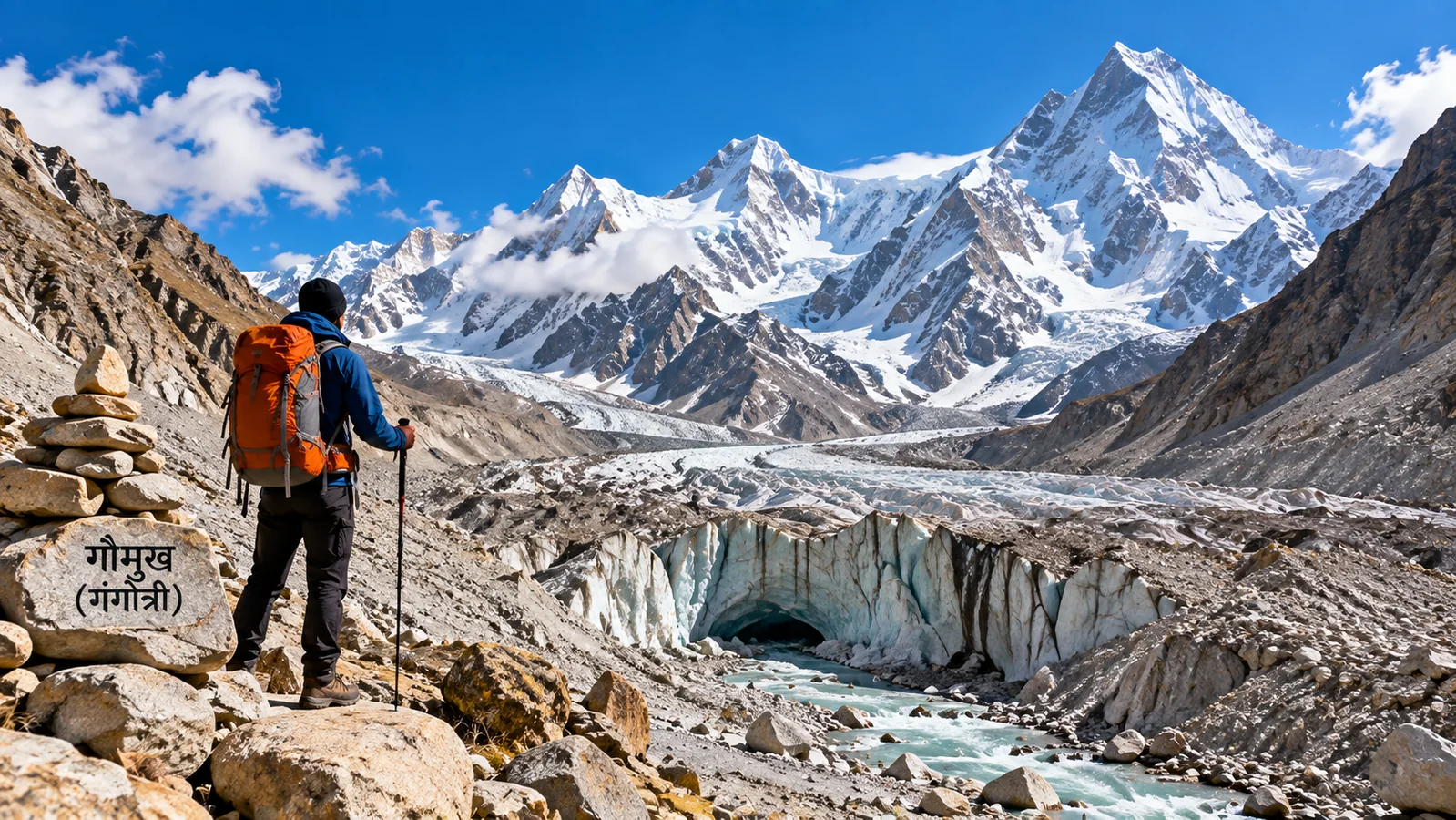
Gaumukh Tapovan Trek
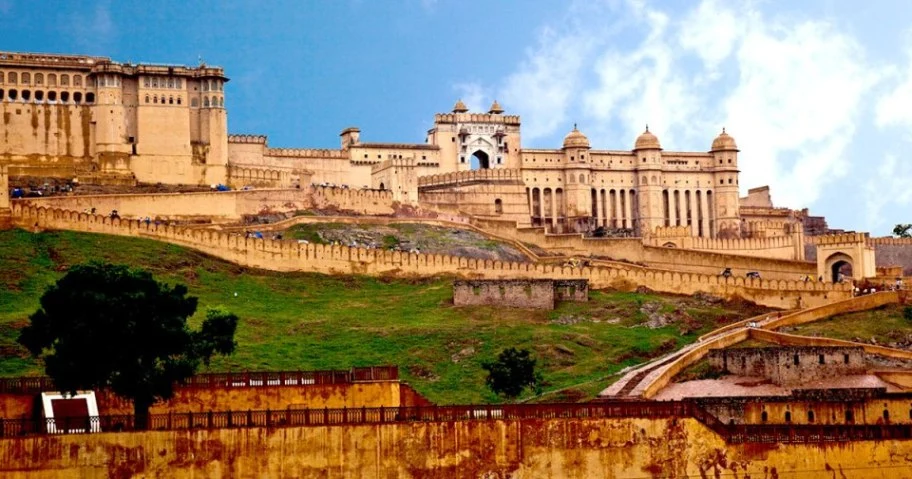
Amber Fort
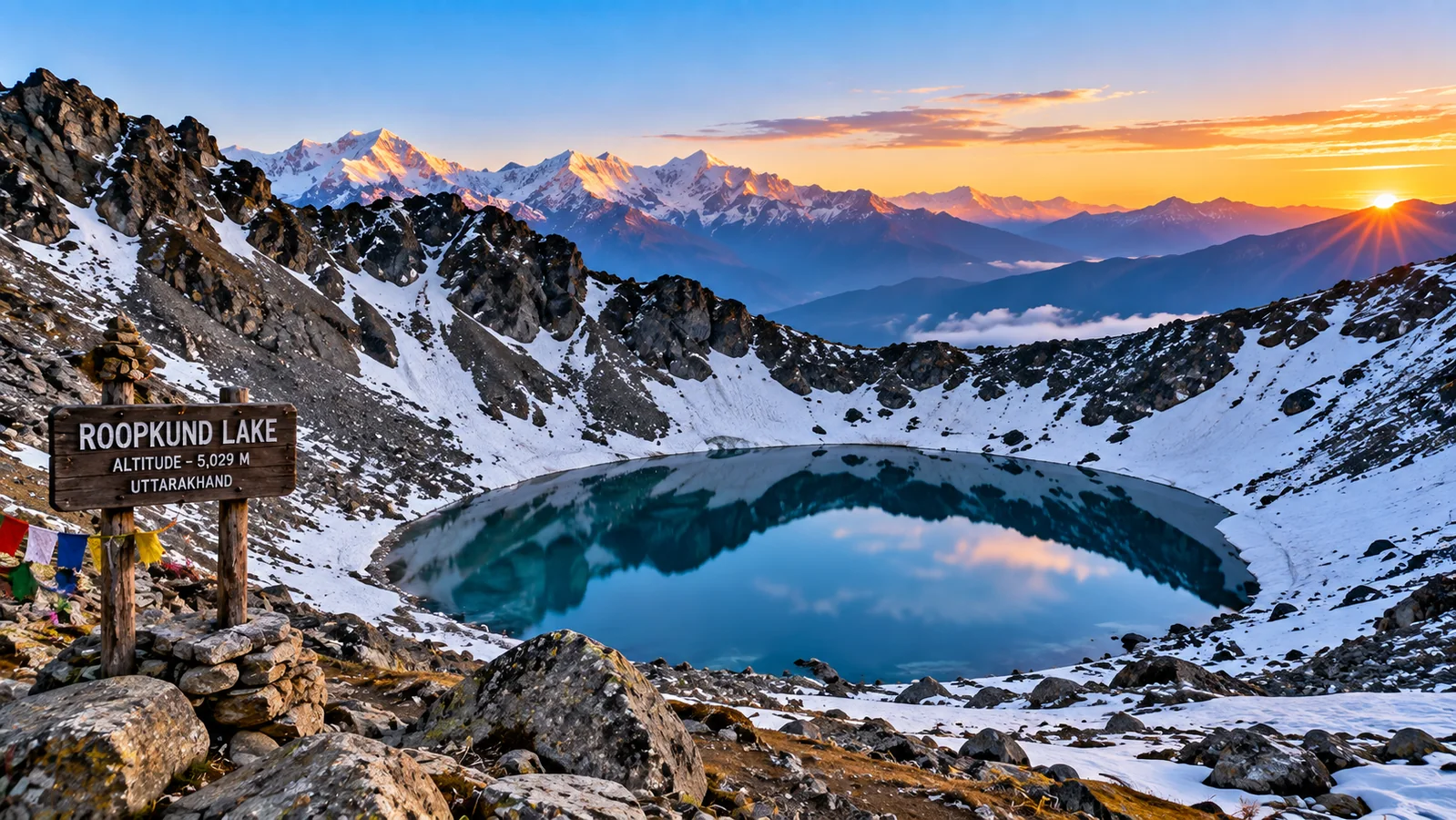
Roopkund Lake Trek
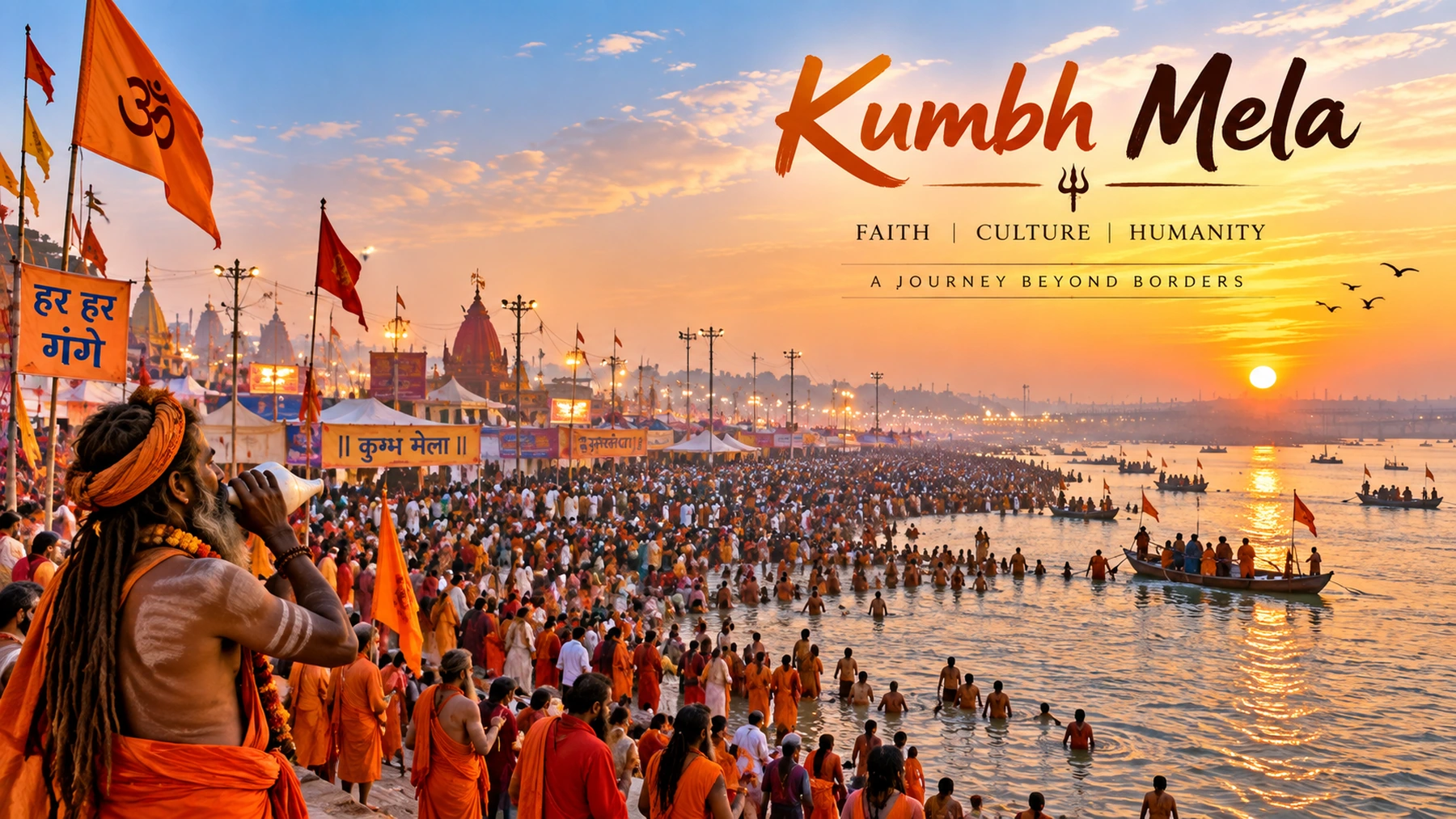
Maha Kumbh 2025
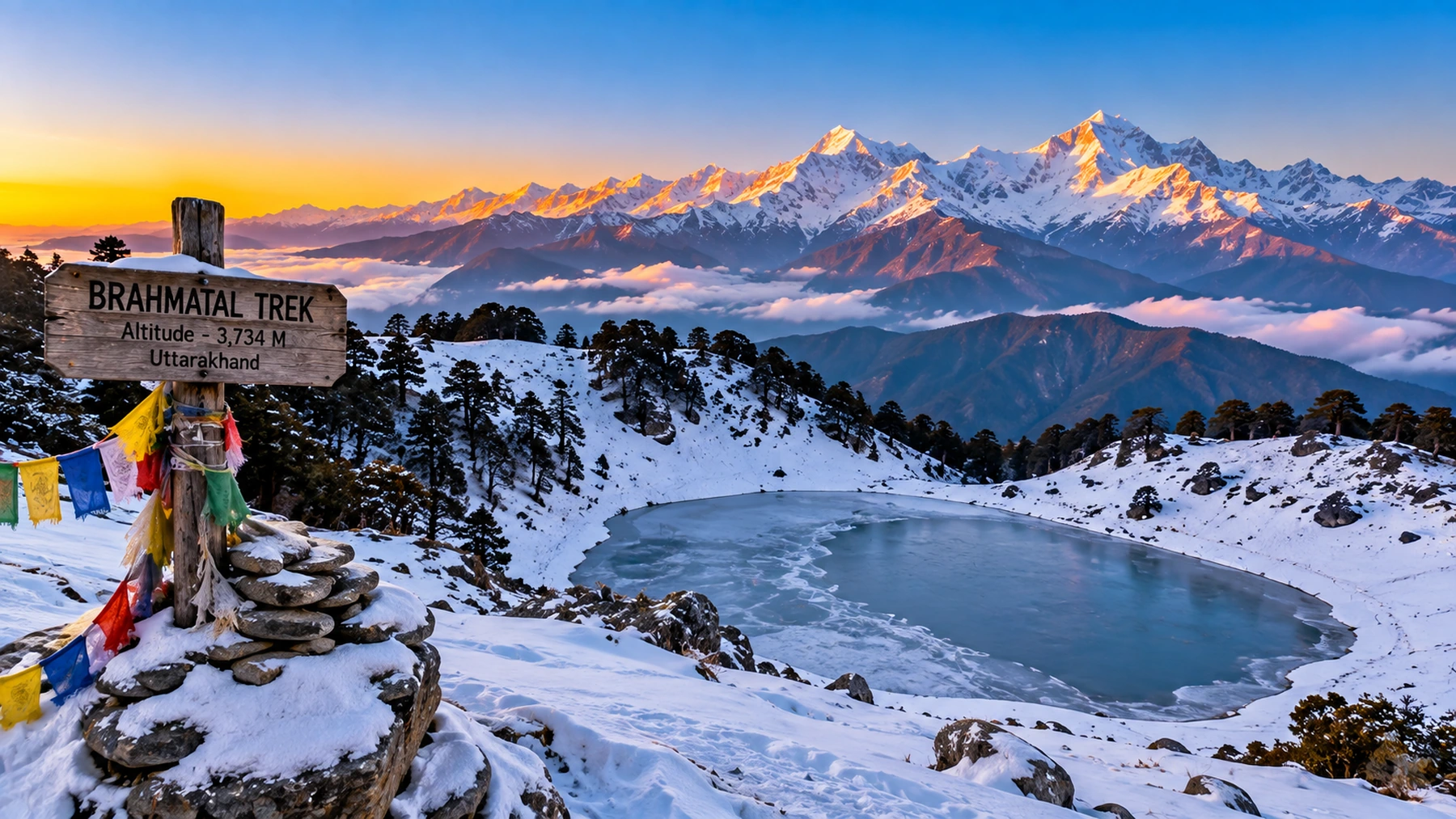
Brahmatal Trek
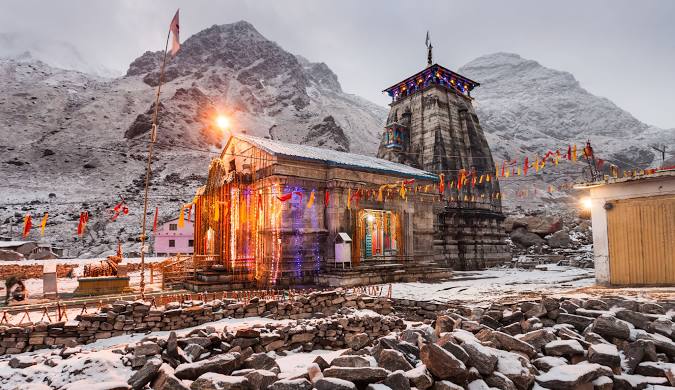
Kedarnath
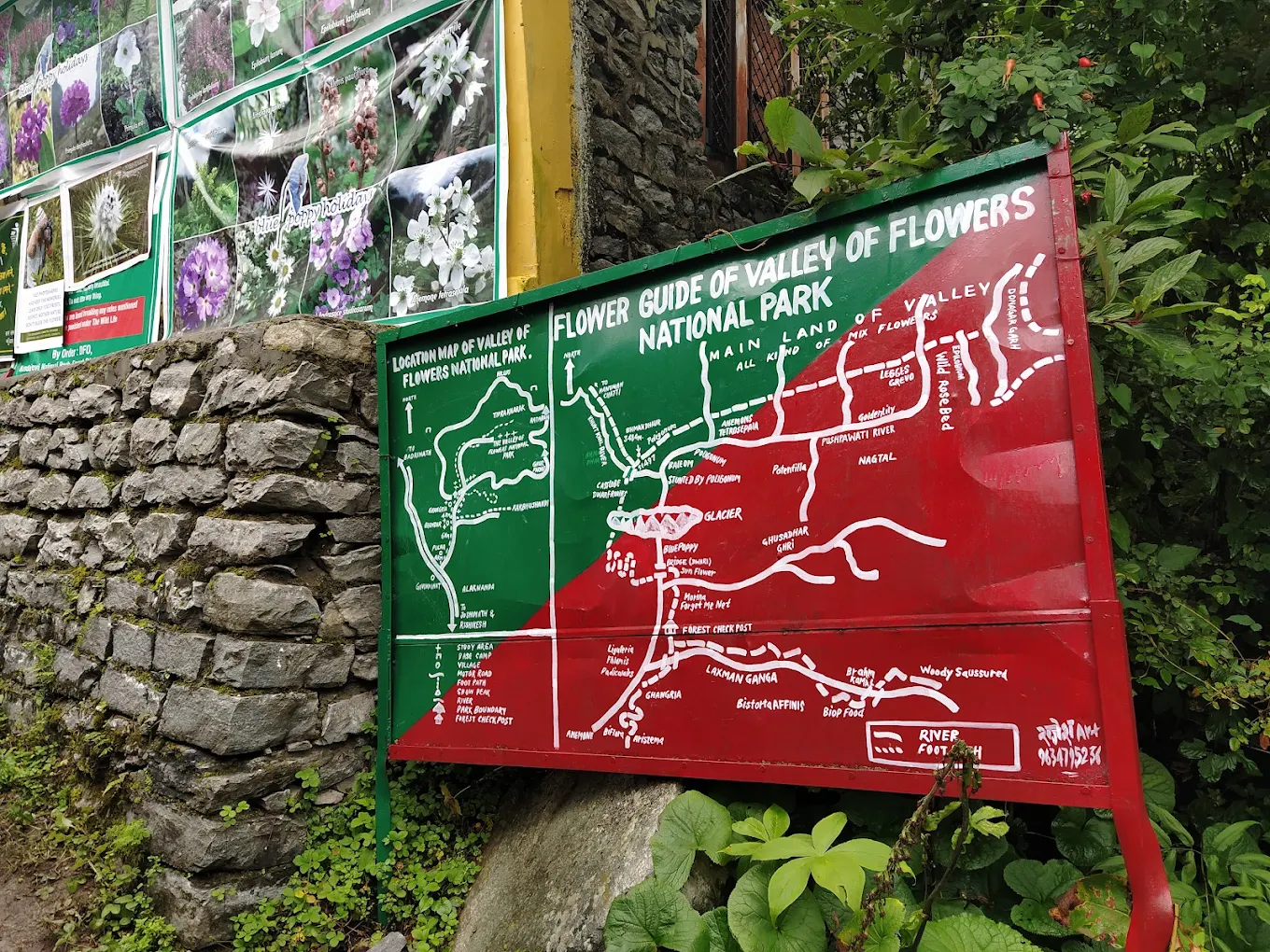
The Valley of Flowers Trek
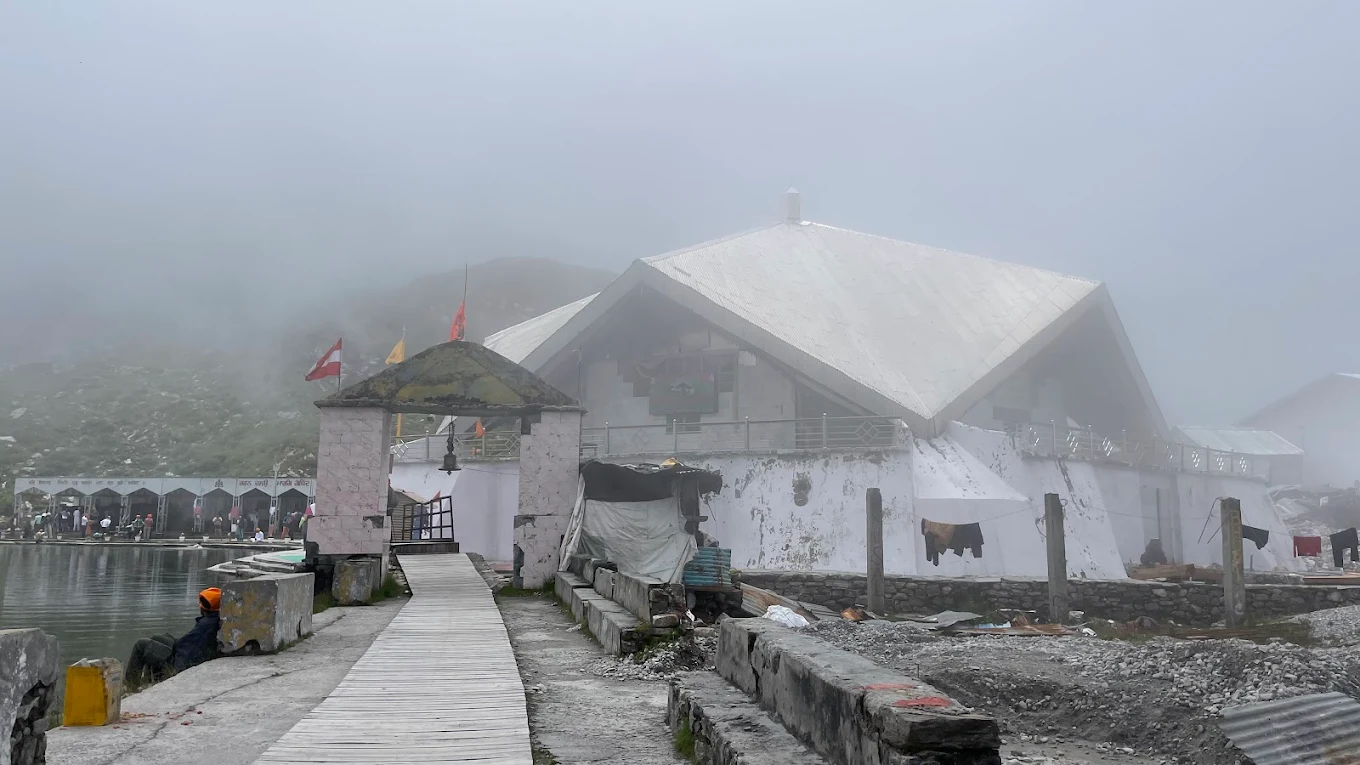
Sri Hemkund Sahib
Kuari Pass Trek
Satopanth Lake Trek
Rudranath
Dayara Bugyal Trek
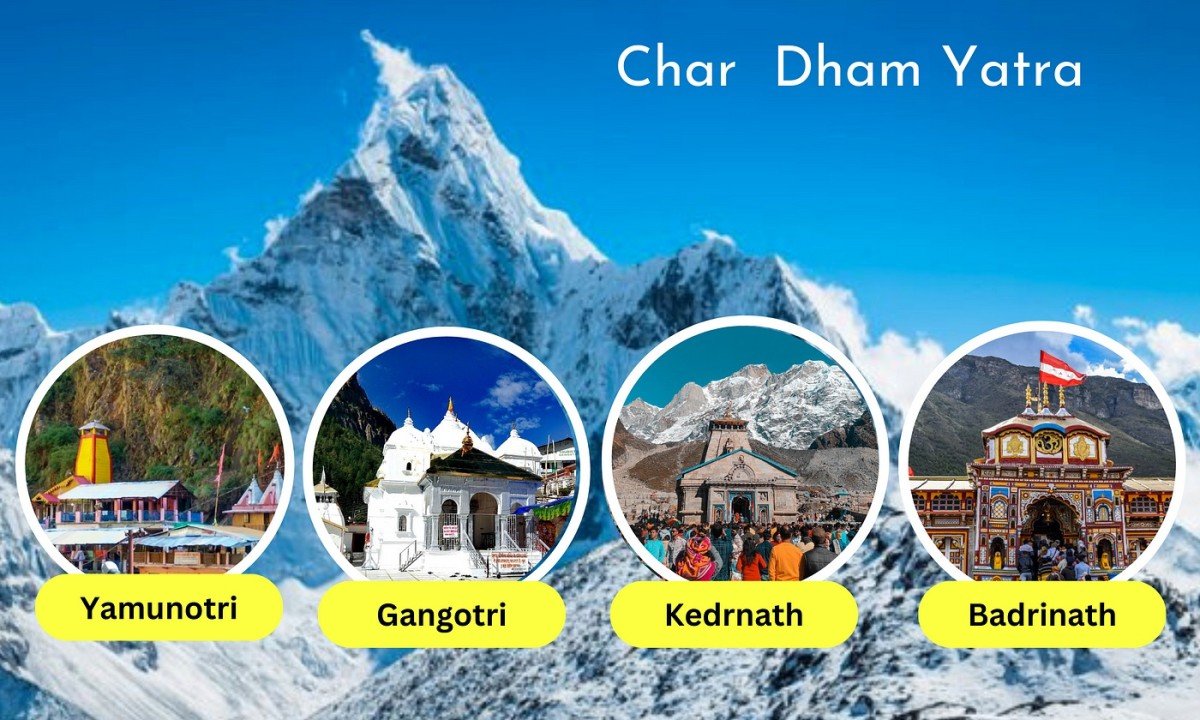
Char Dham Yatra
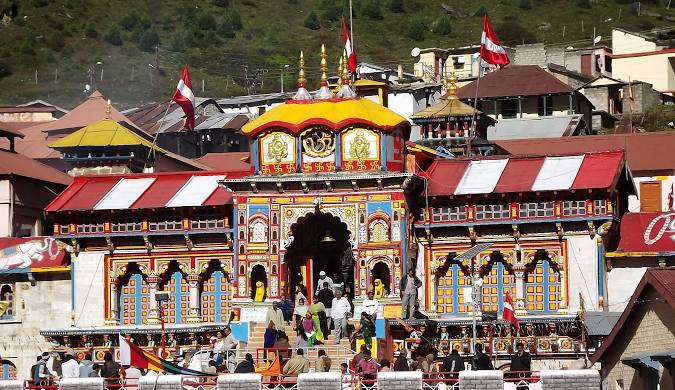
Badrinath
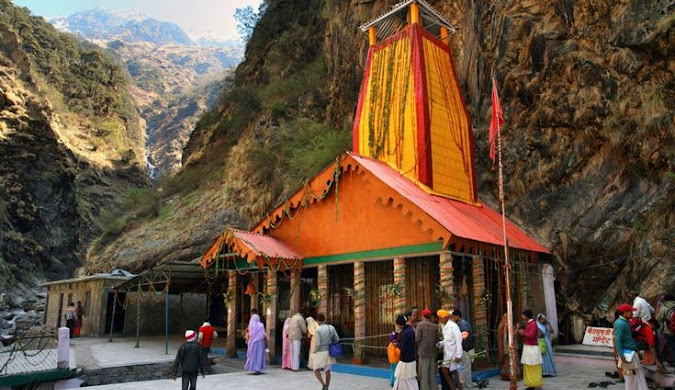
Yamunotri
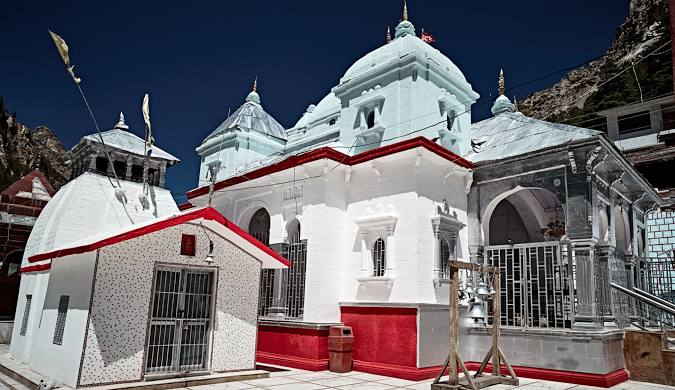
Gangotri
Kalpa
Chitkul
Sangla Valley
Reckong Peo
Kinner Kailash
Nako Village
Kaza
Komic Village
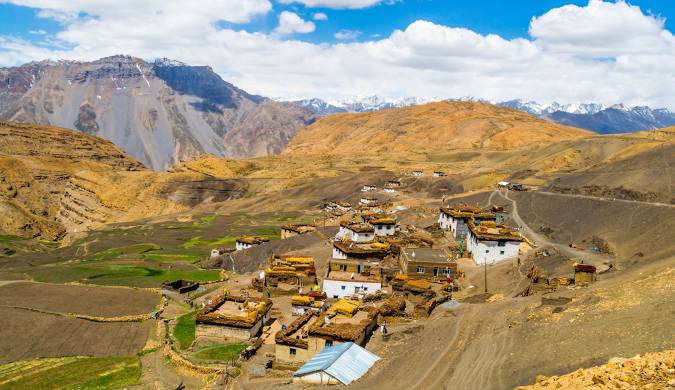
Hikkim Village
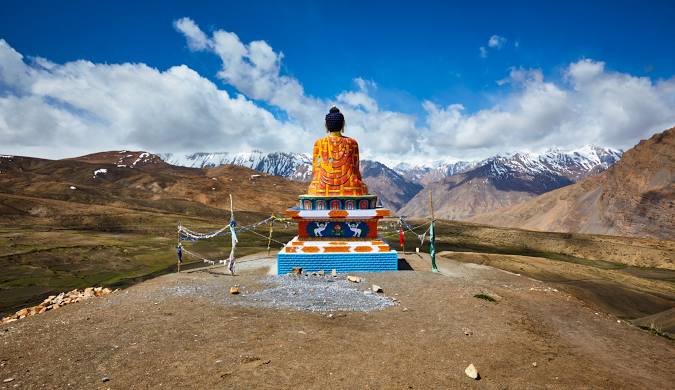
Langza Village
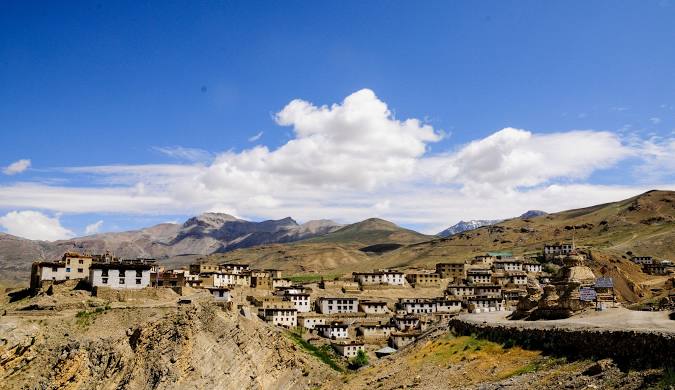
Kibber Village
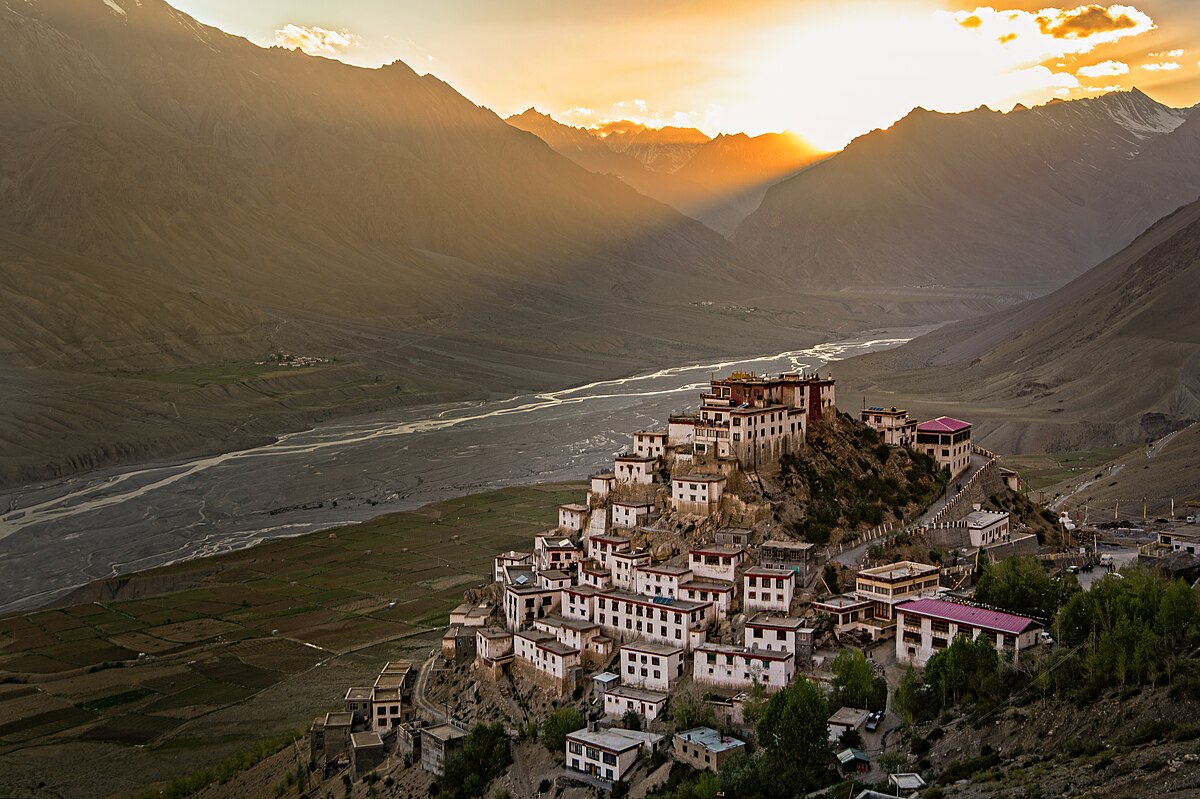
Key Monastery
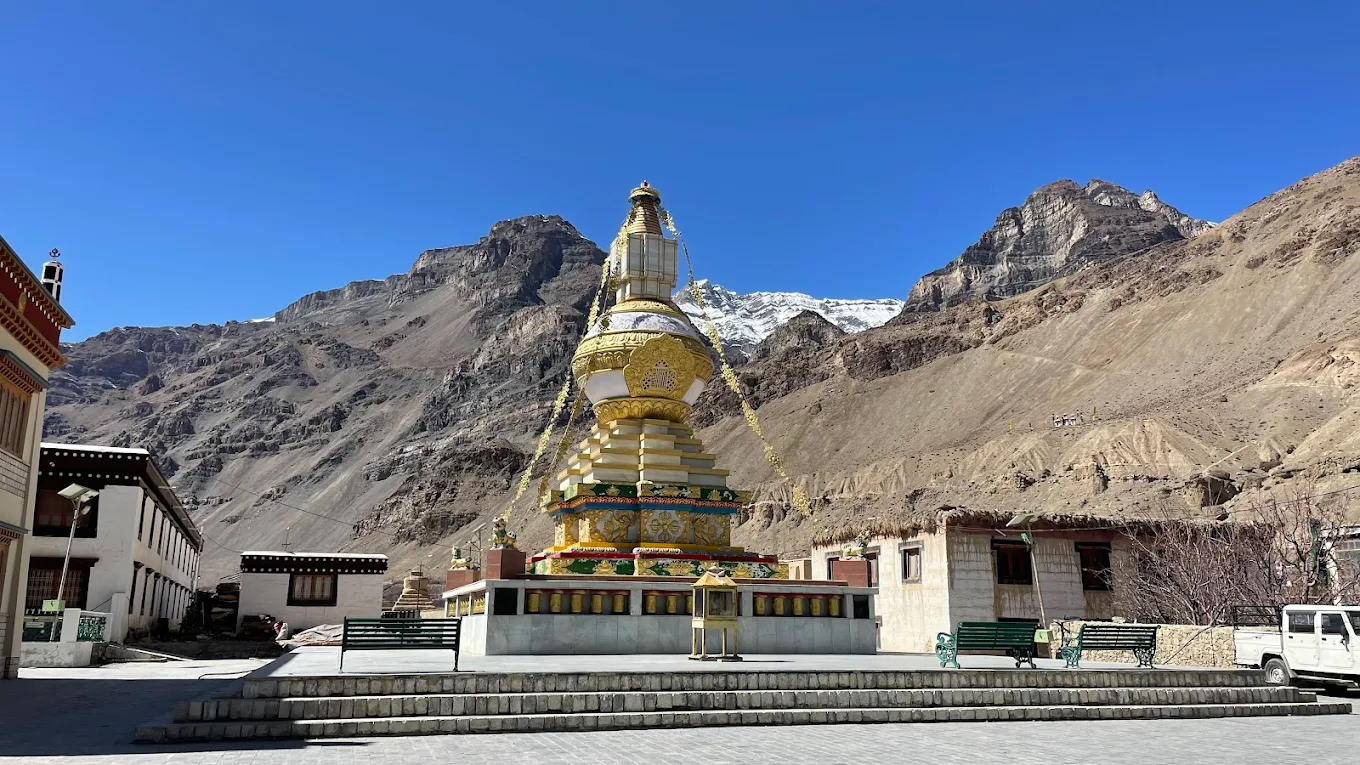
Tabo Monastery
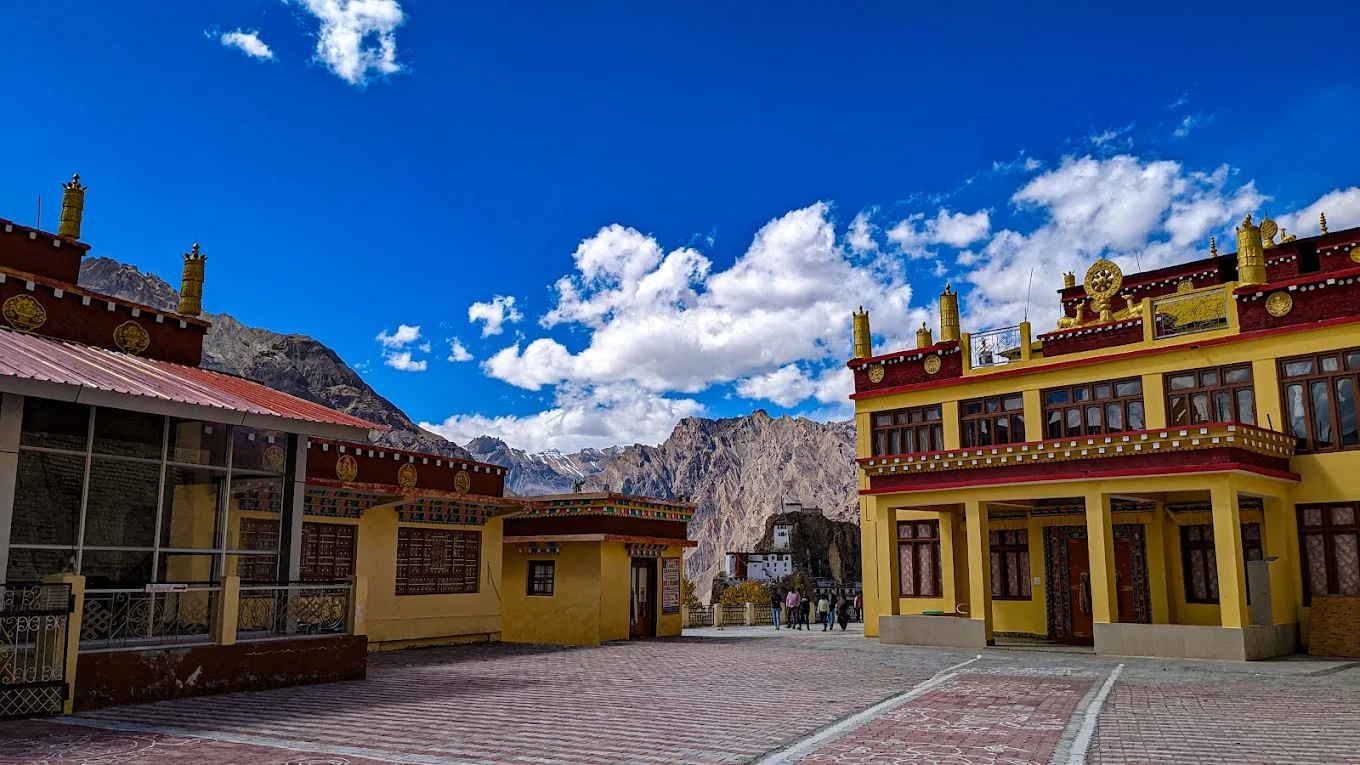
Dhankar Monastery
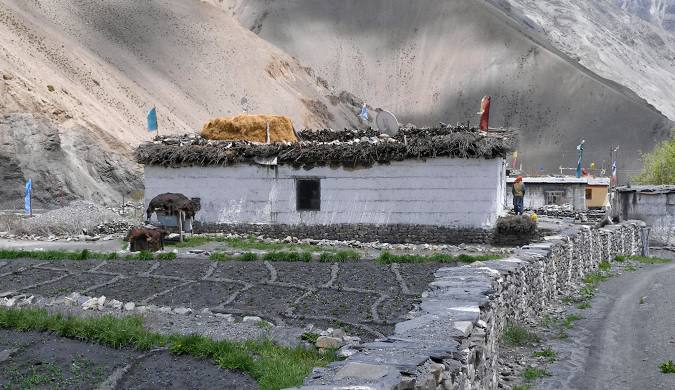
Gue Village
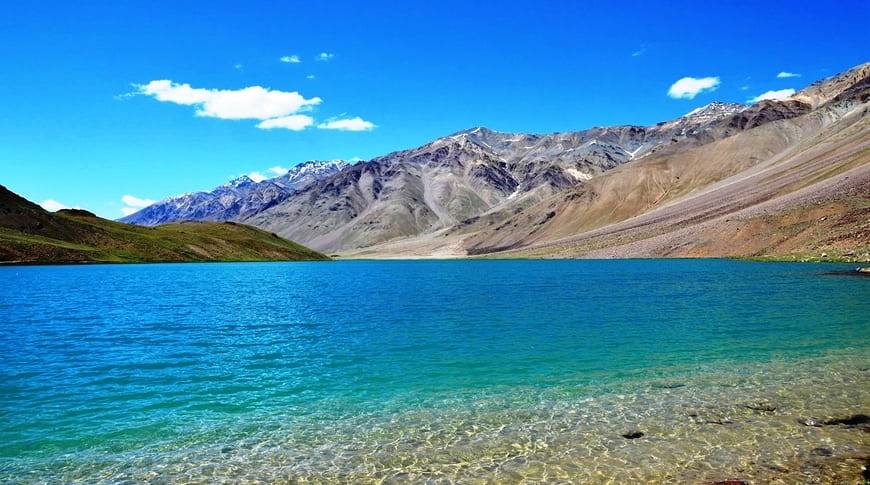
Chandratal Lake
Dalhousie
Shri Krishna Janmabhoomi Temple
Shri Dwarkadhish Temple
Vishram Ghat, Mathura
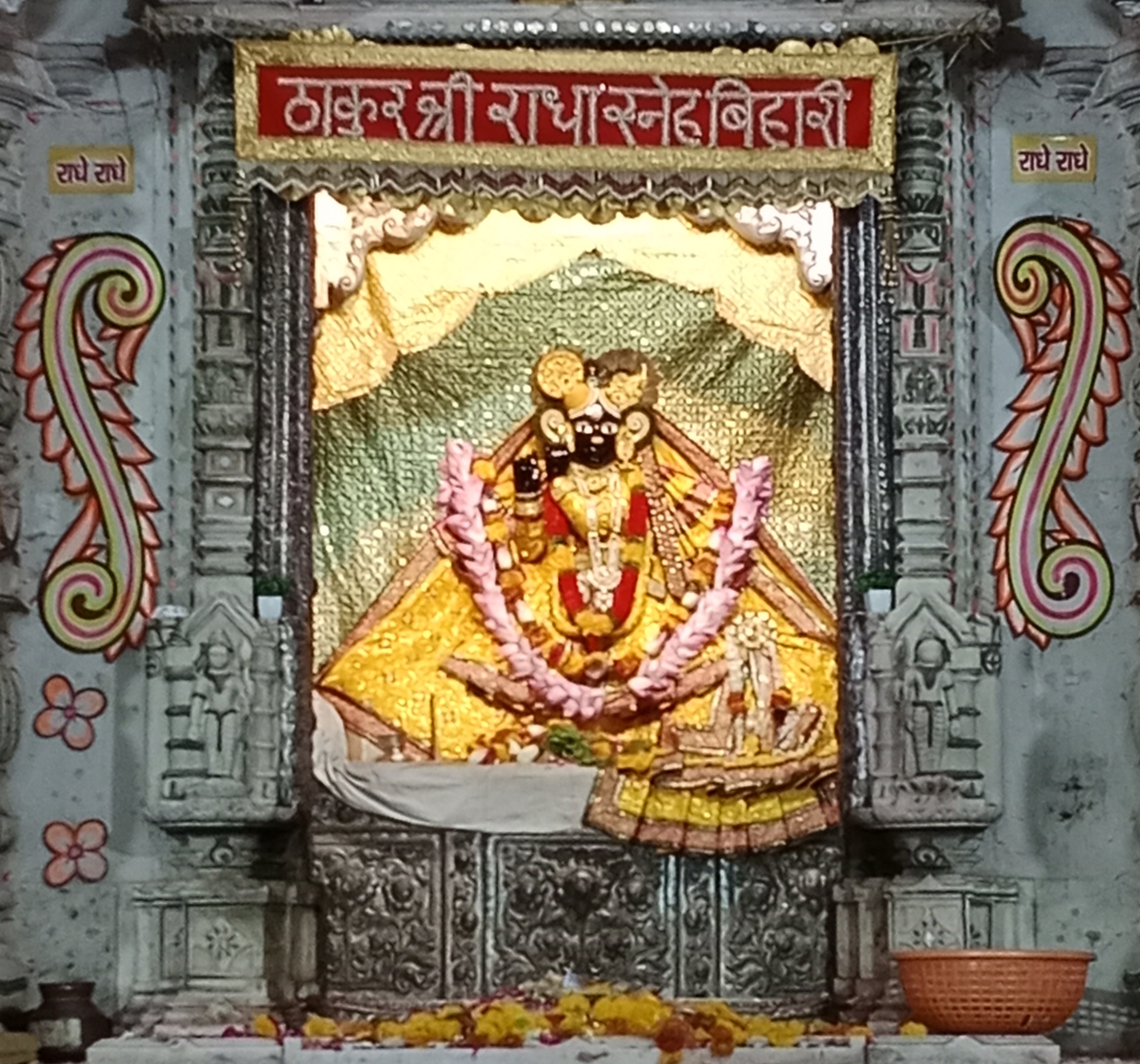
Shri Banke Bihari Temple, Vrindavan
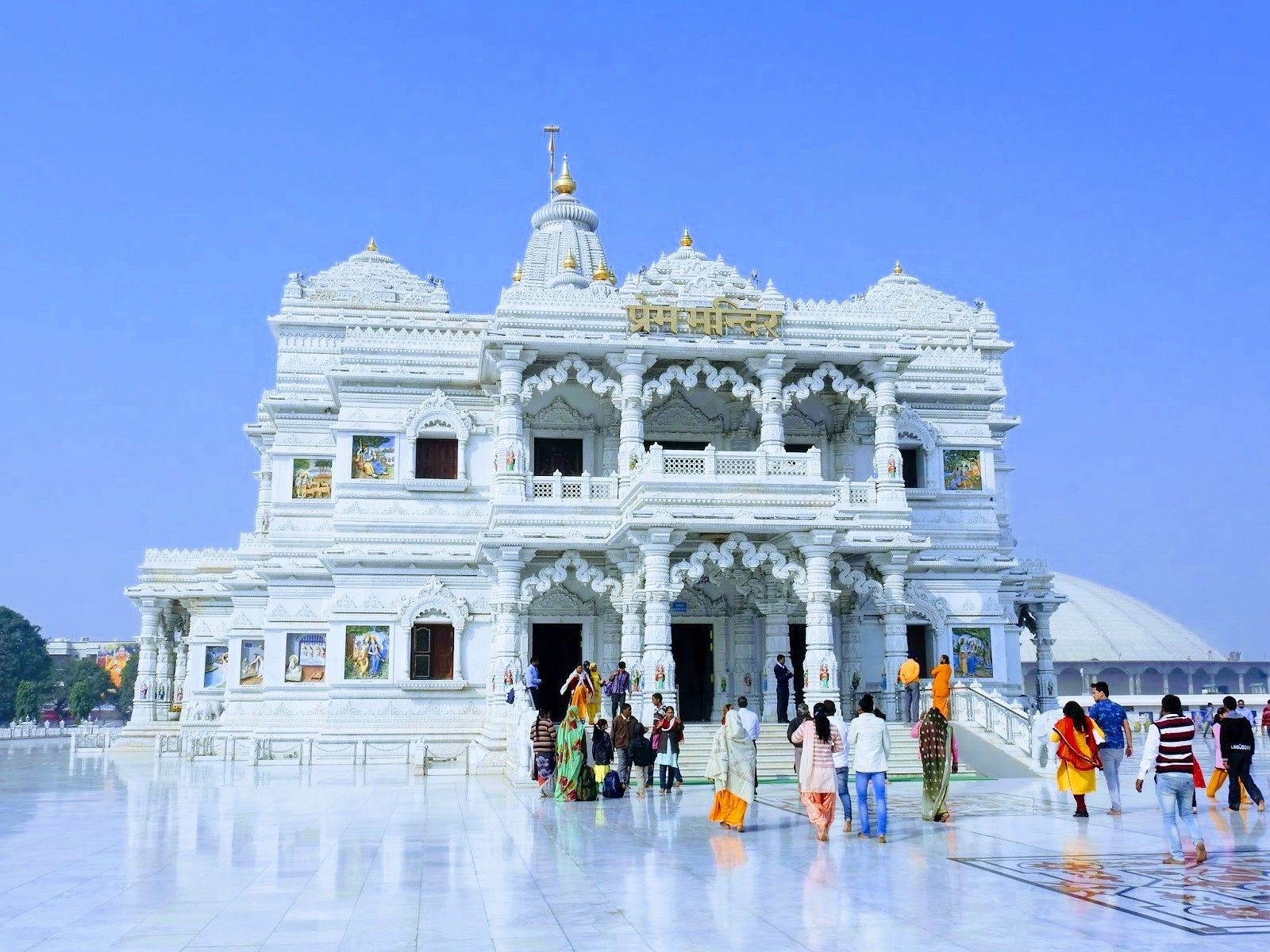
Shri Prem Mandir, Vrindavan
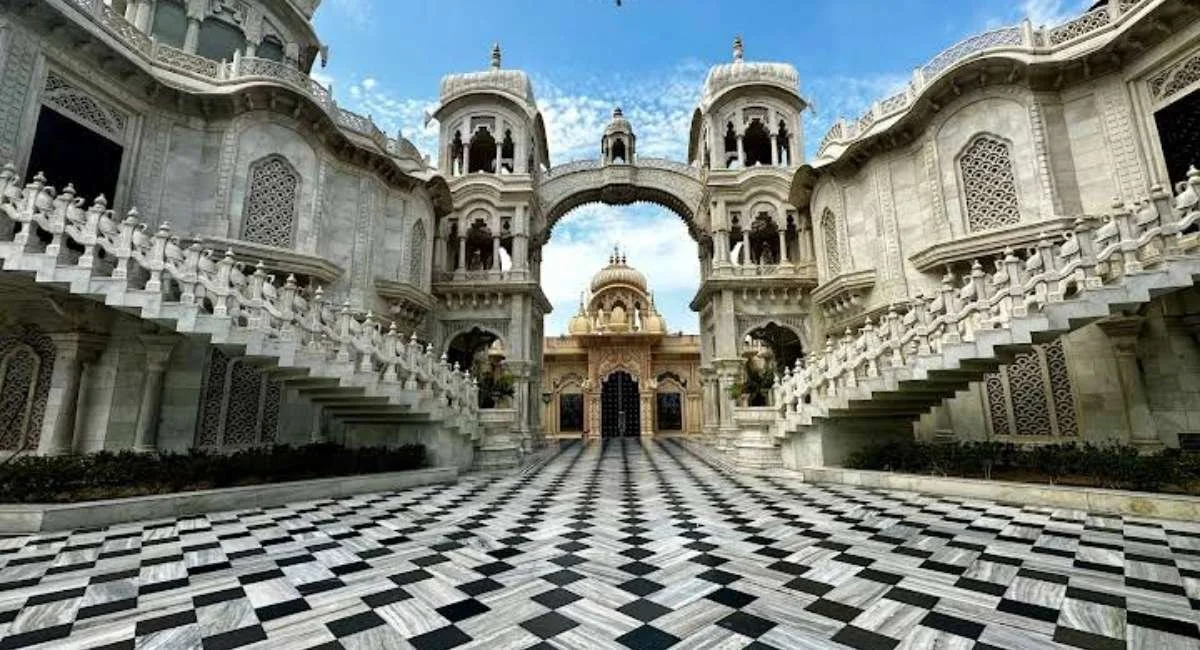
ISKCON Temple, Vrindavan
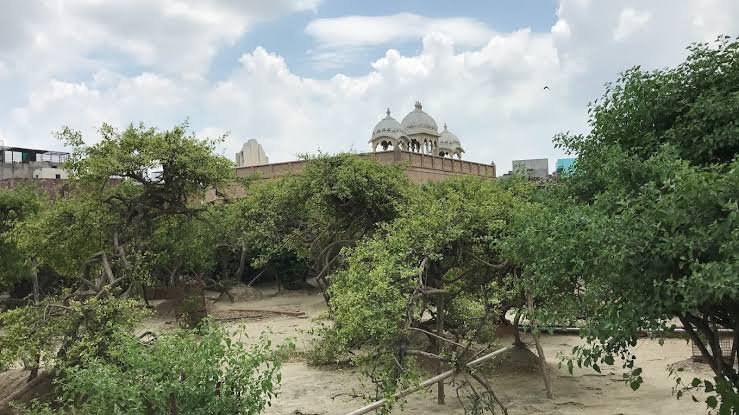
Nidhivan, Vrindavan
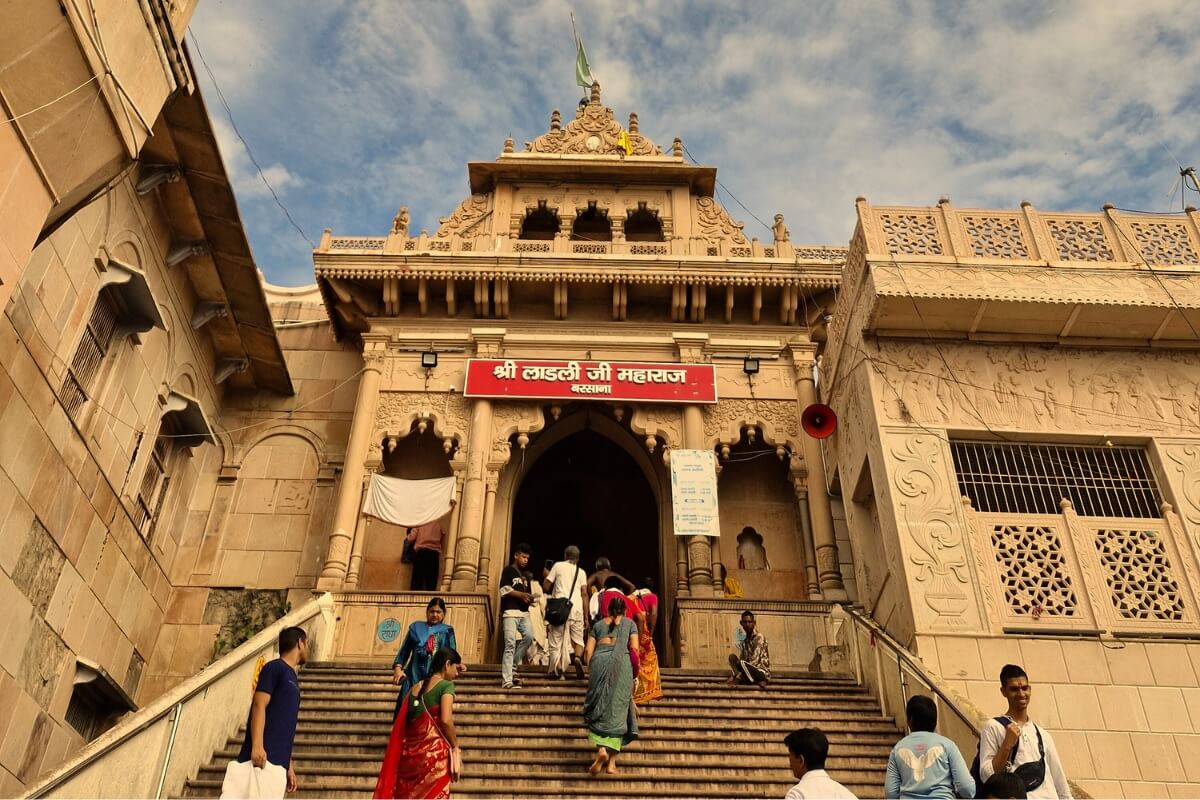
Shri Radha Rani Temple, Barsana
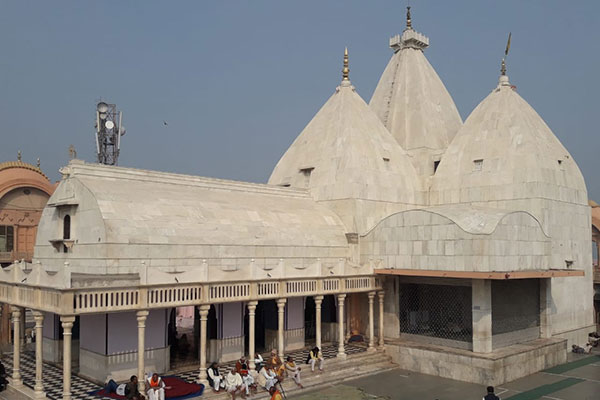
Nand Bhawan Mandir, Nandgaon
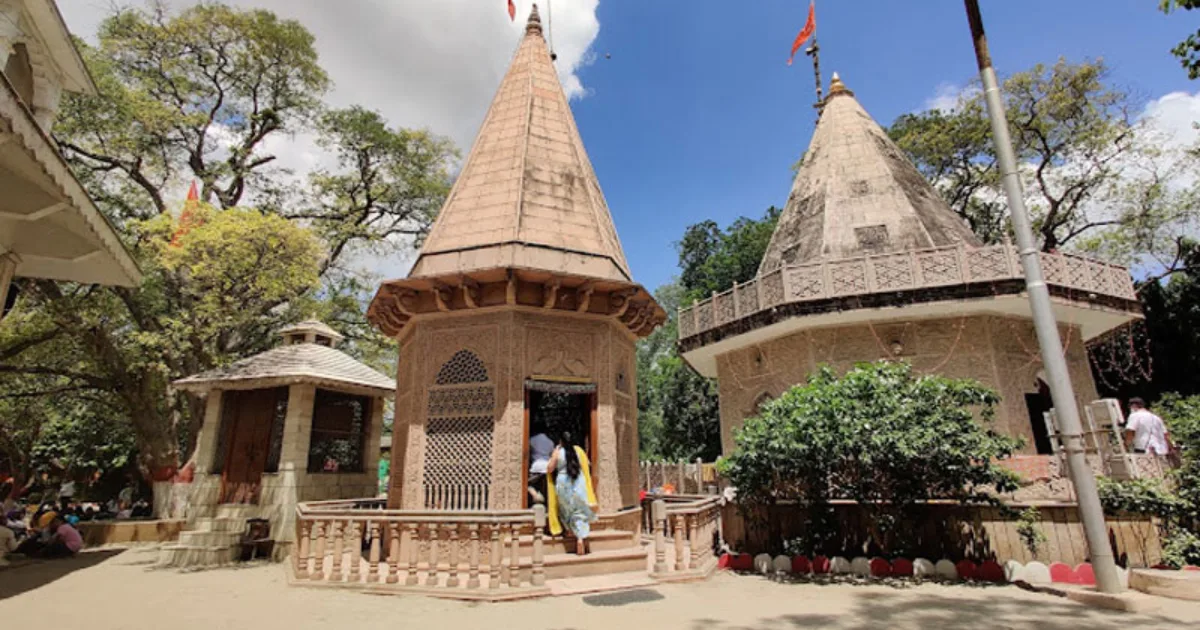
Raman Reti
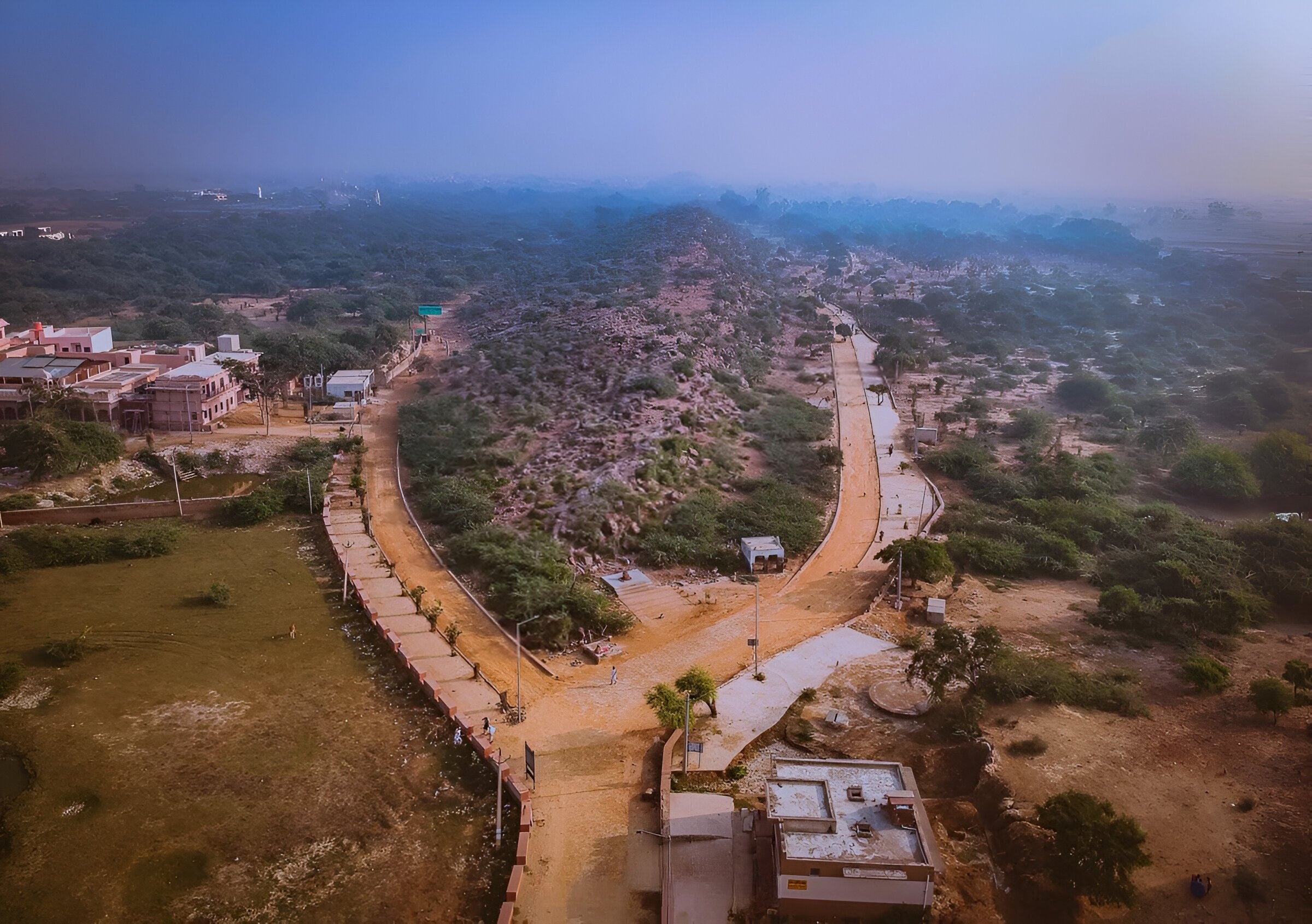
Goverdhan Parikrama
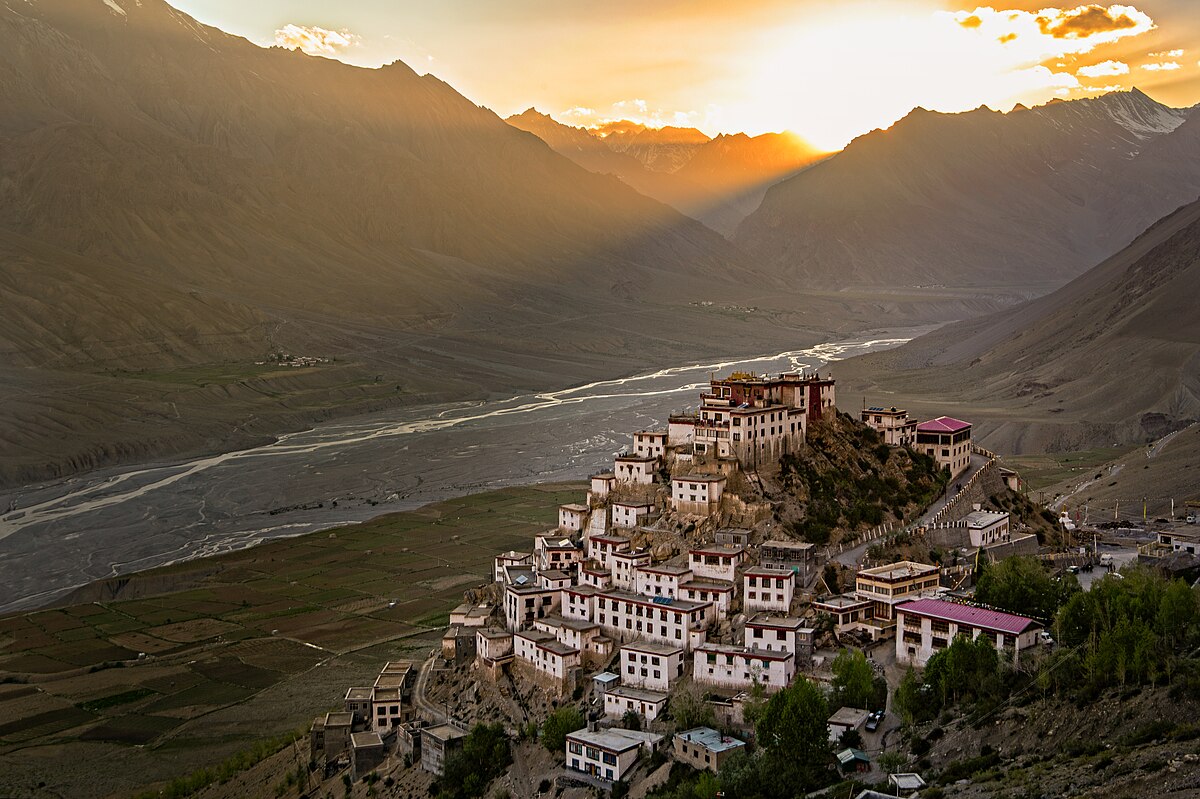
Spiti Valley Expedition
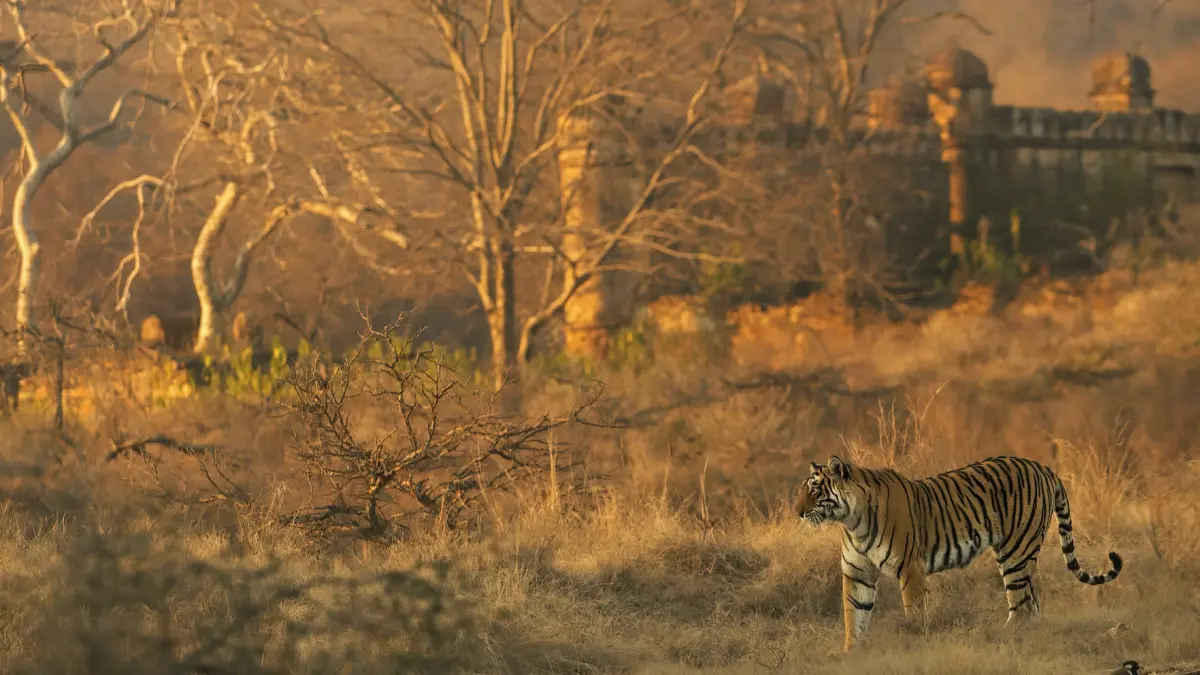
Ranthambhore National Park
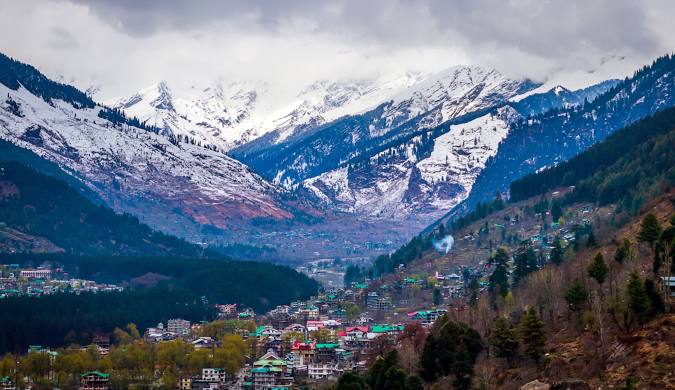
Manali
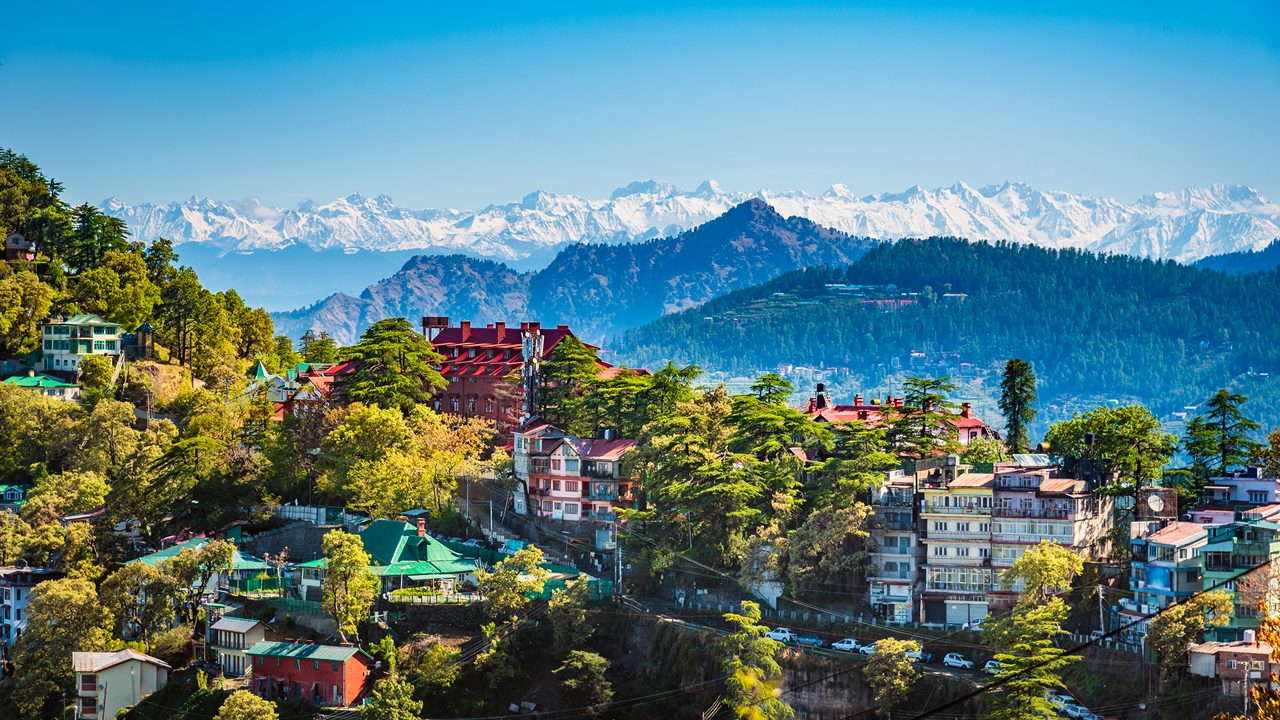
Shimla
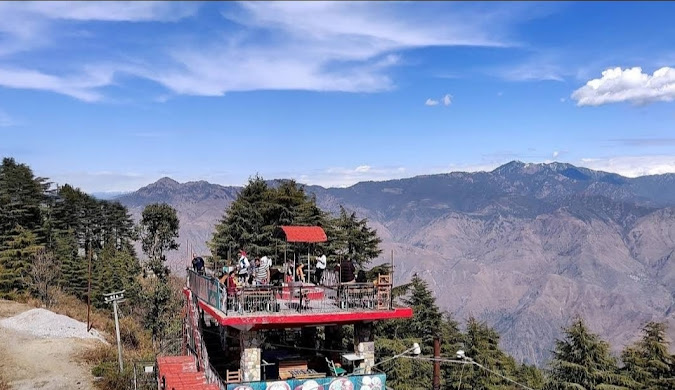
Mussoorie
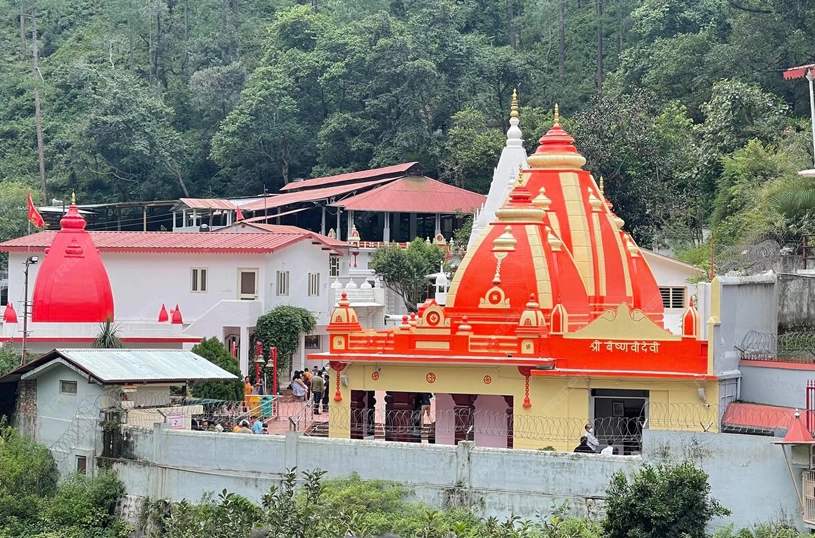
Neem Karoli Baba, Kainchi Dham
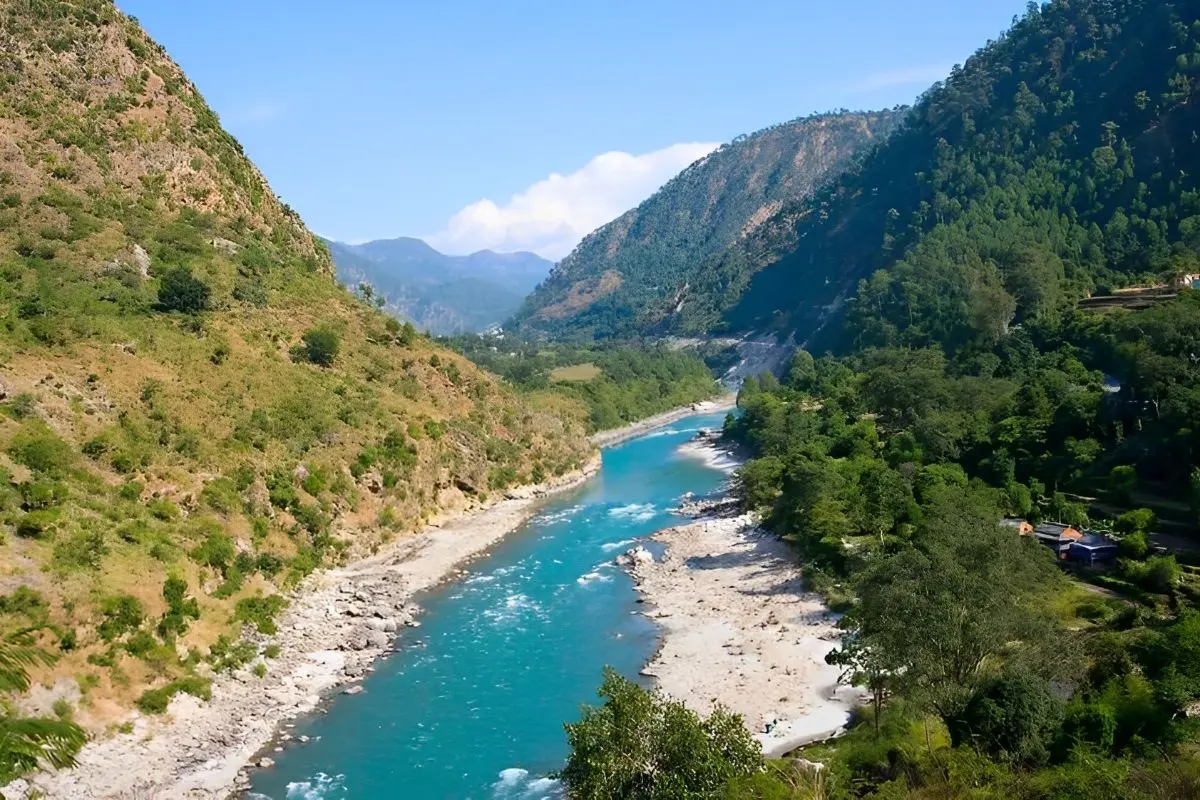
Mukteshwar
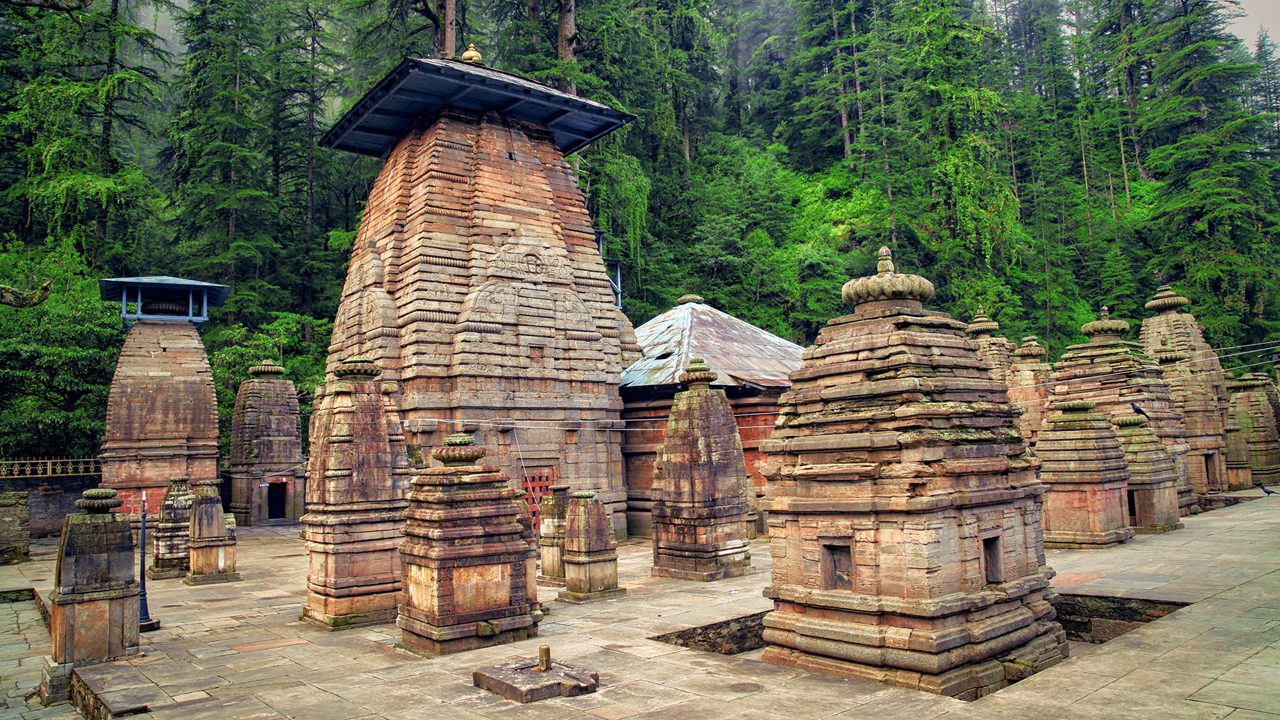
Jageshwar Dham
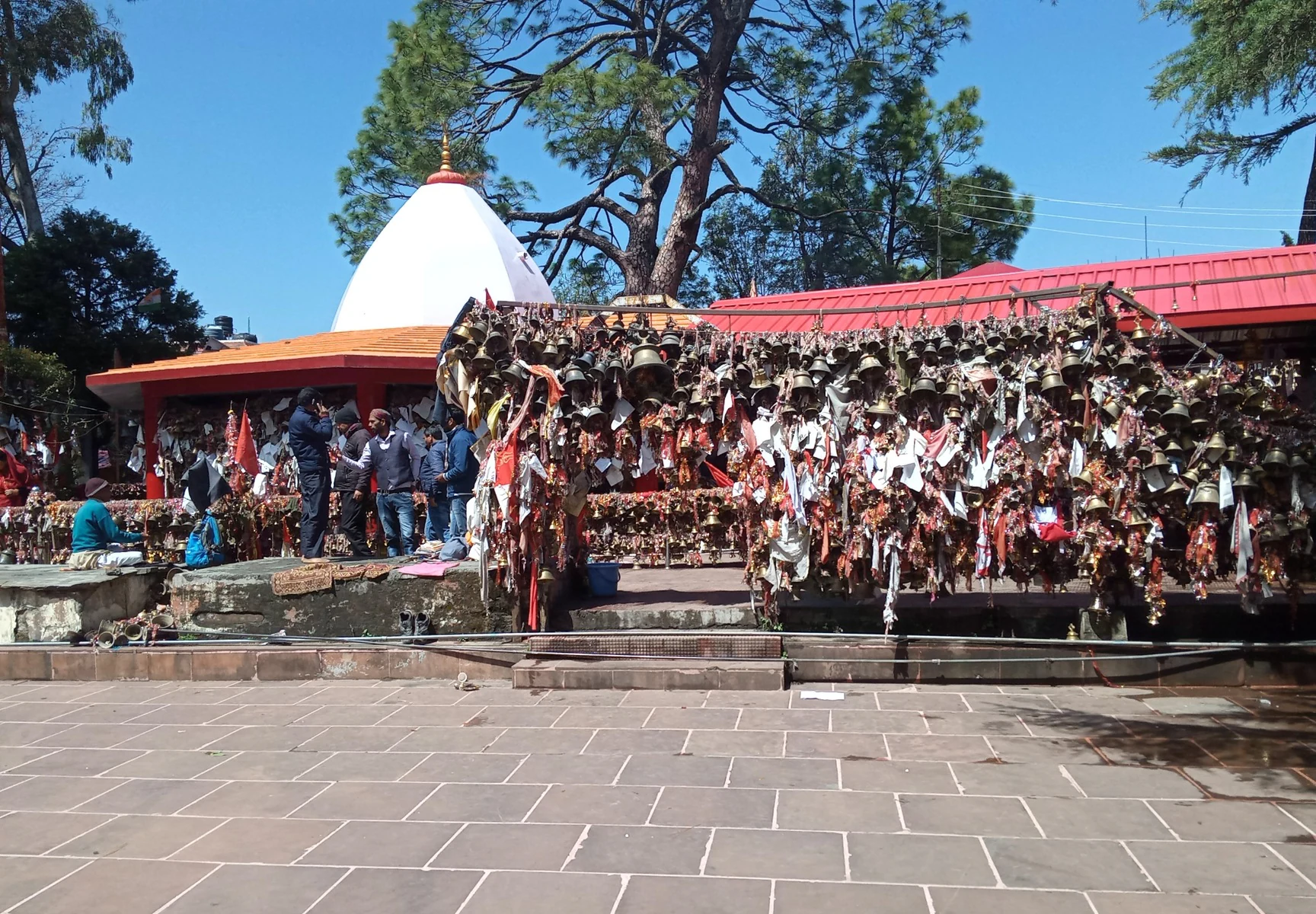
Chitai Golu Devta Temple
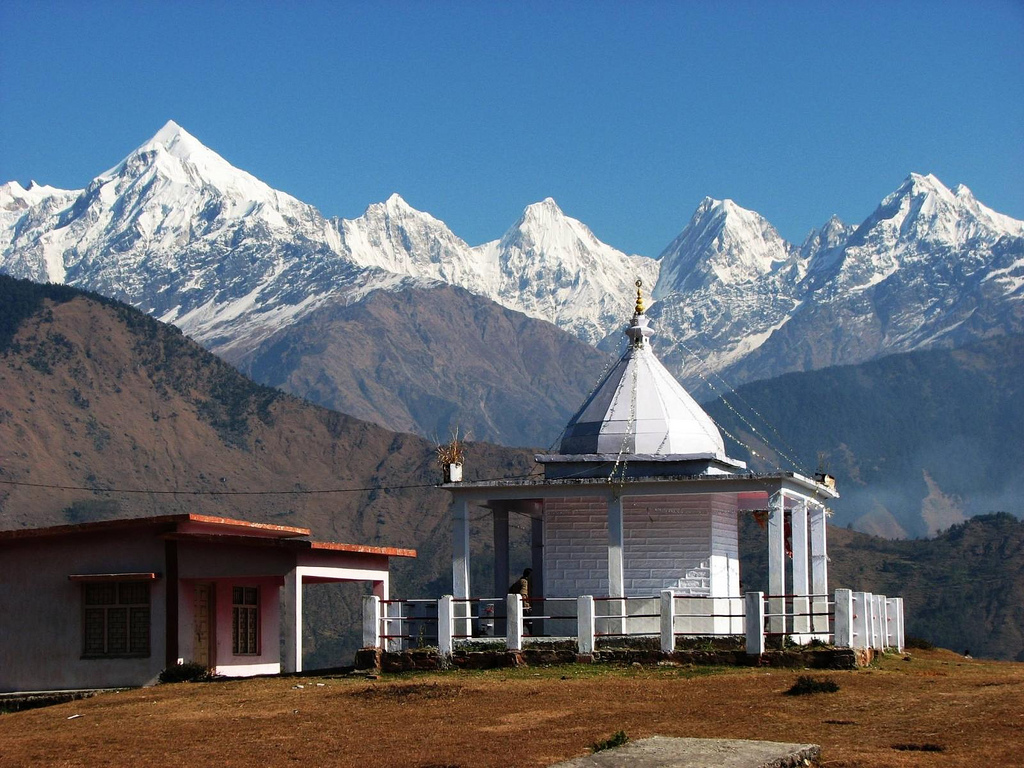
NANDA DEVI TEMPLE
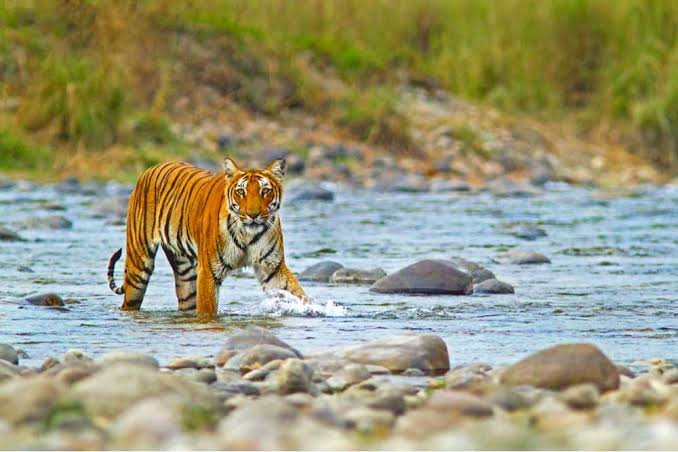
Jim Corbett National Park
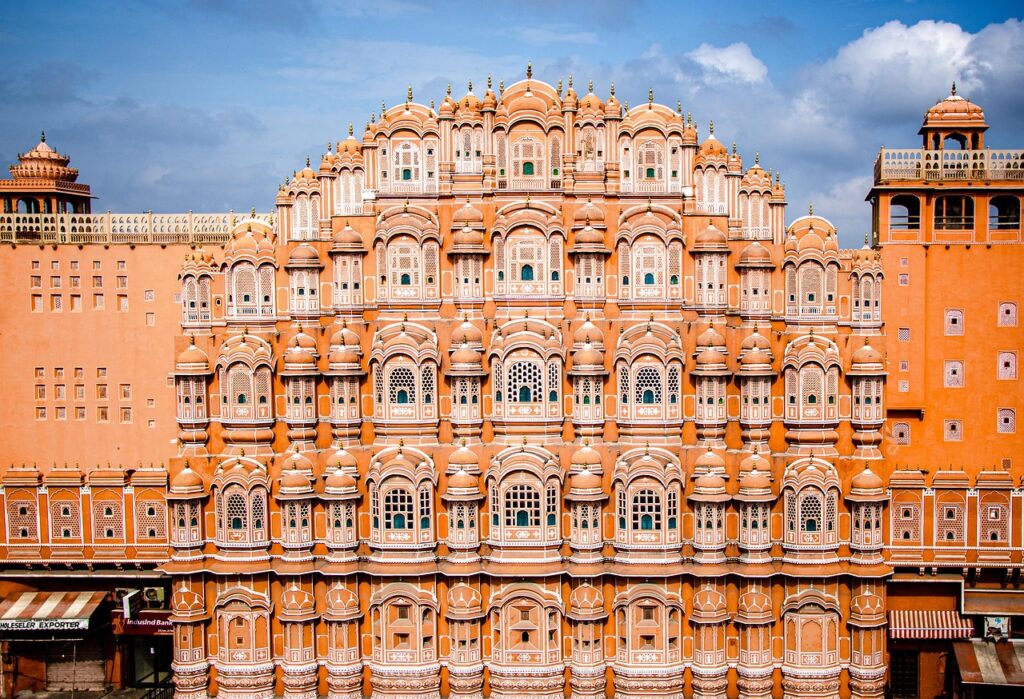
Hawa Mahal
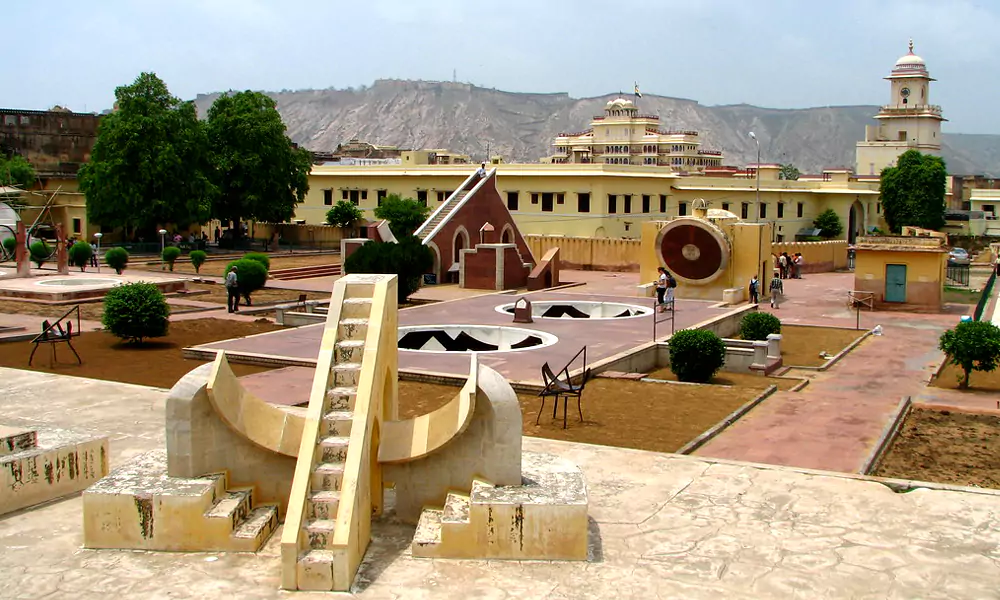
Jantar Mantar, Jaipur
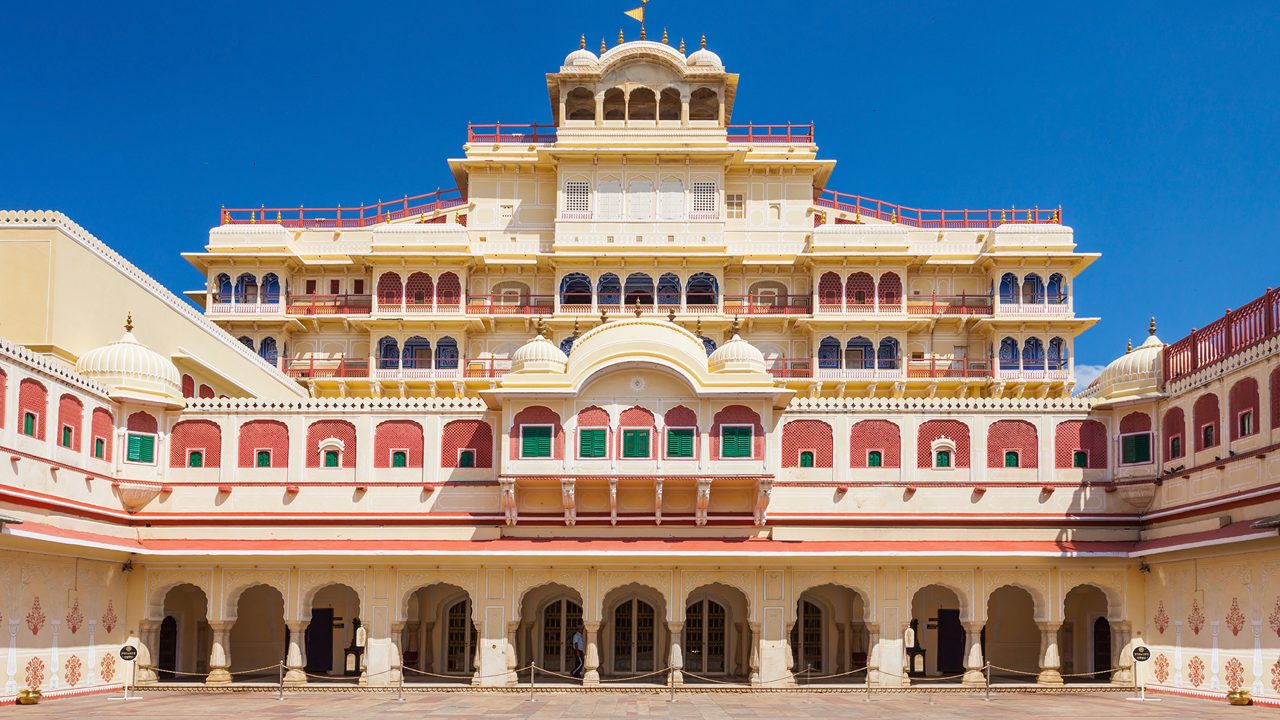
City Palace
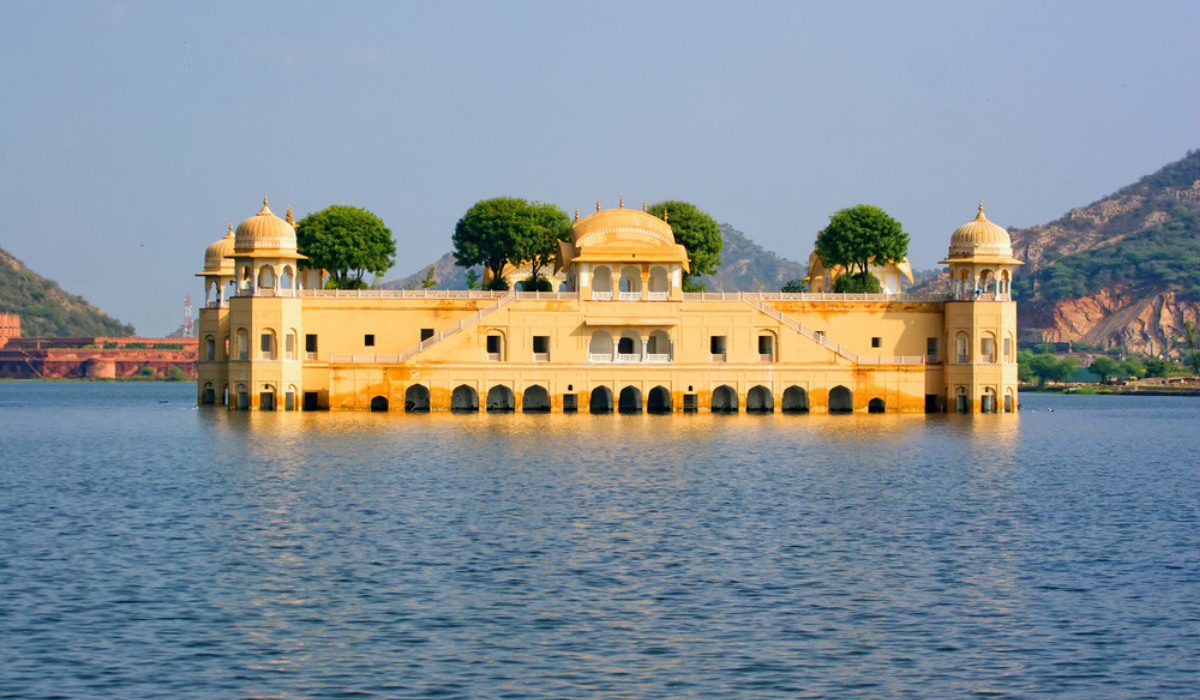
Jal Mahal
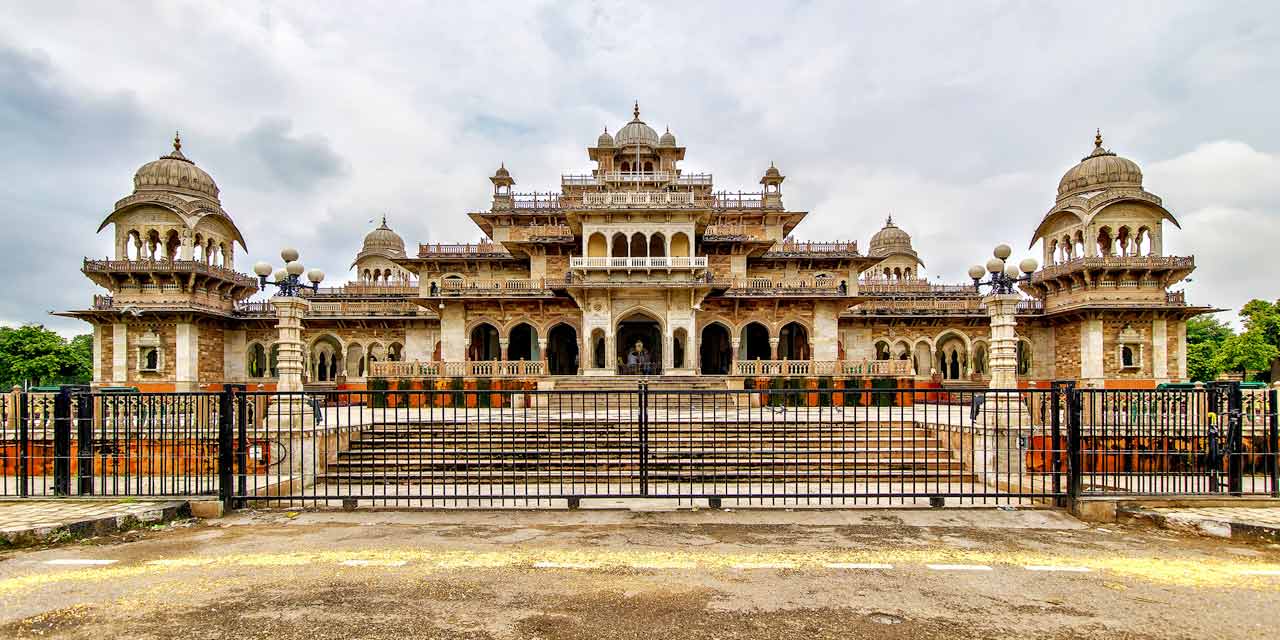
Albert Hall Museum
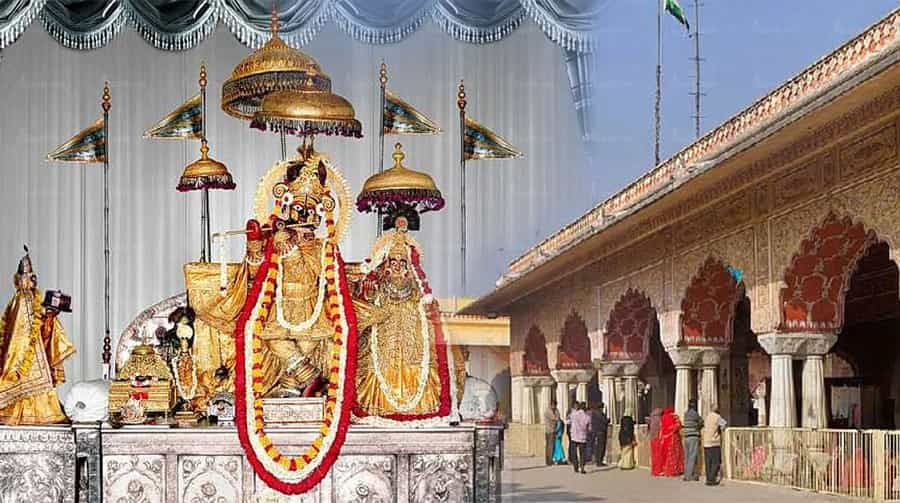
Shri Govind Dev Ji Temple
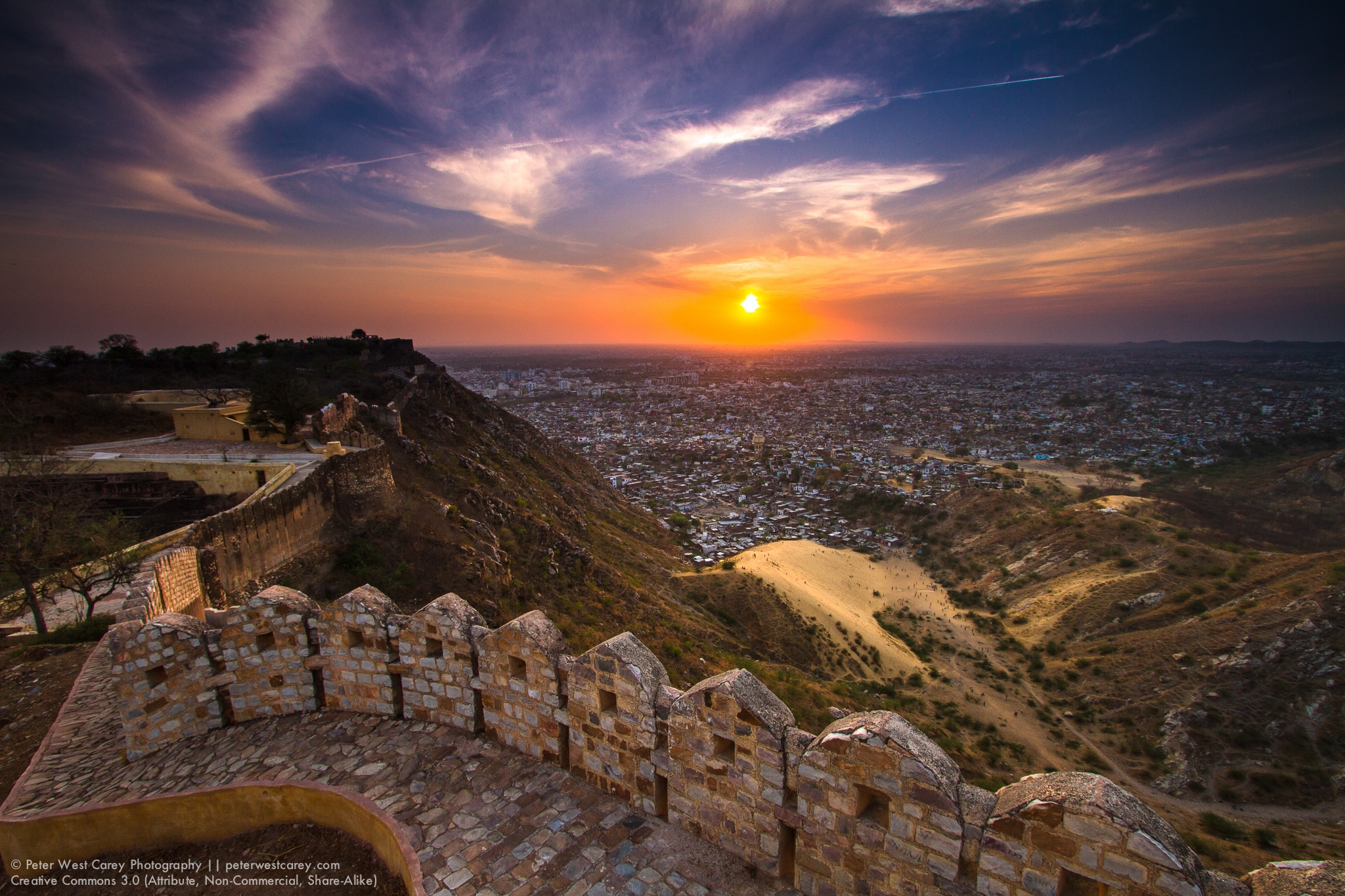
Nahargarh Fort
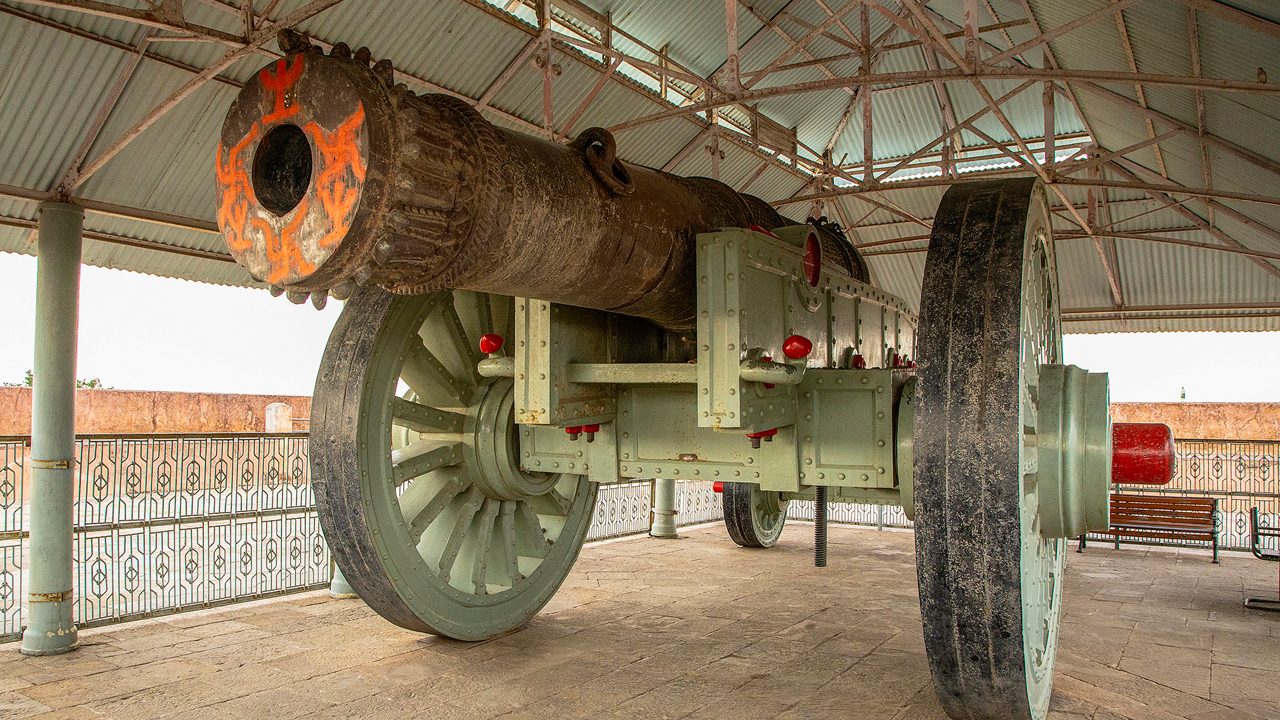
Jaigarh Fort
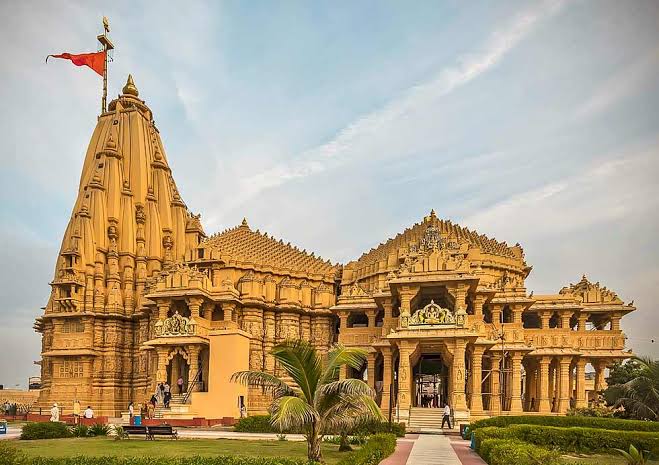
Somnath Temple
Mallikarjuna Temple
Mahakaleshwar Temple
Omkareshwar Temple
Bhimashankar Temple
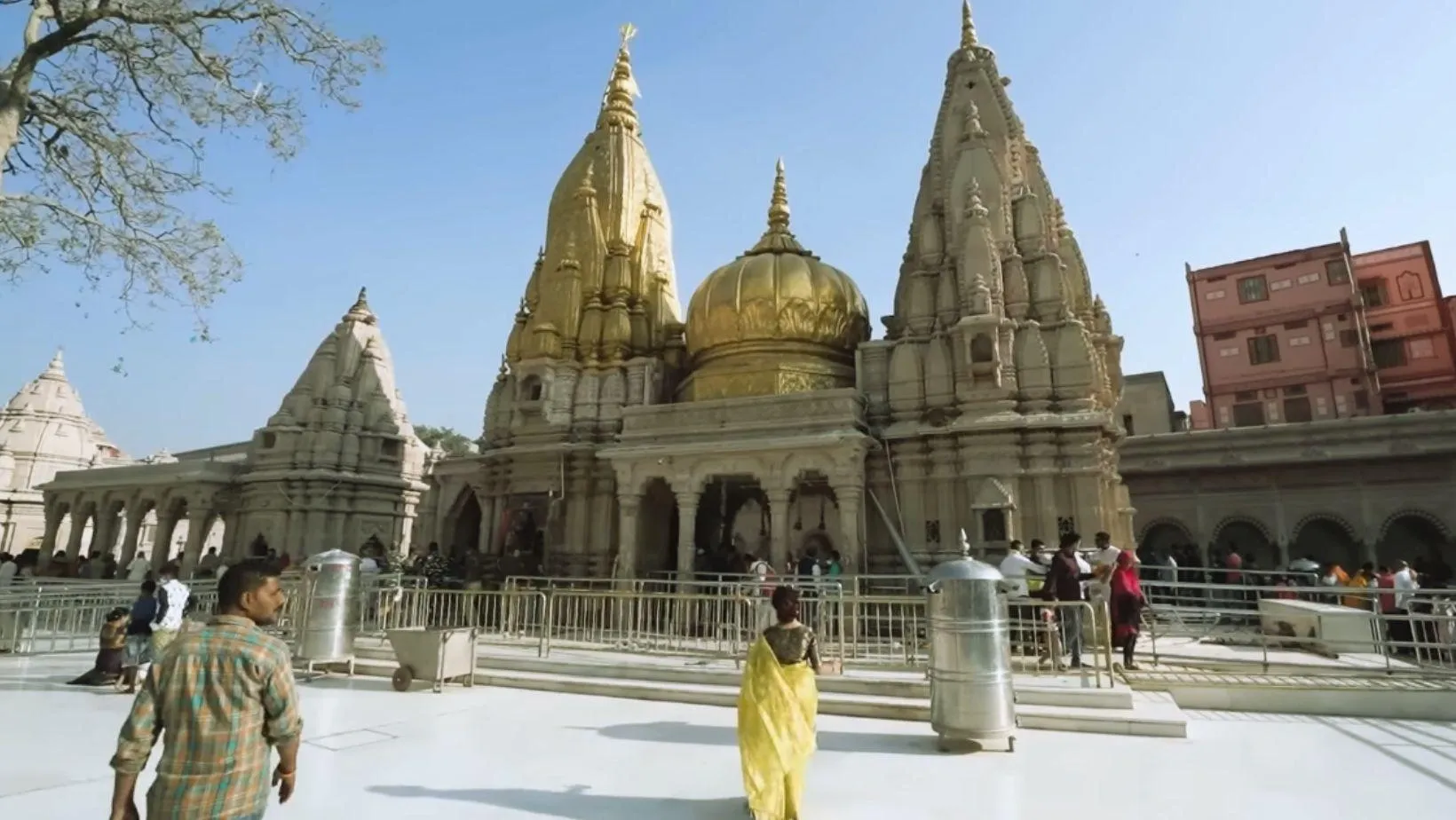
Kashi Vishwanath Temple
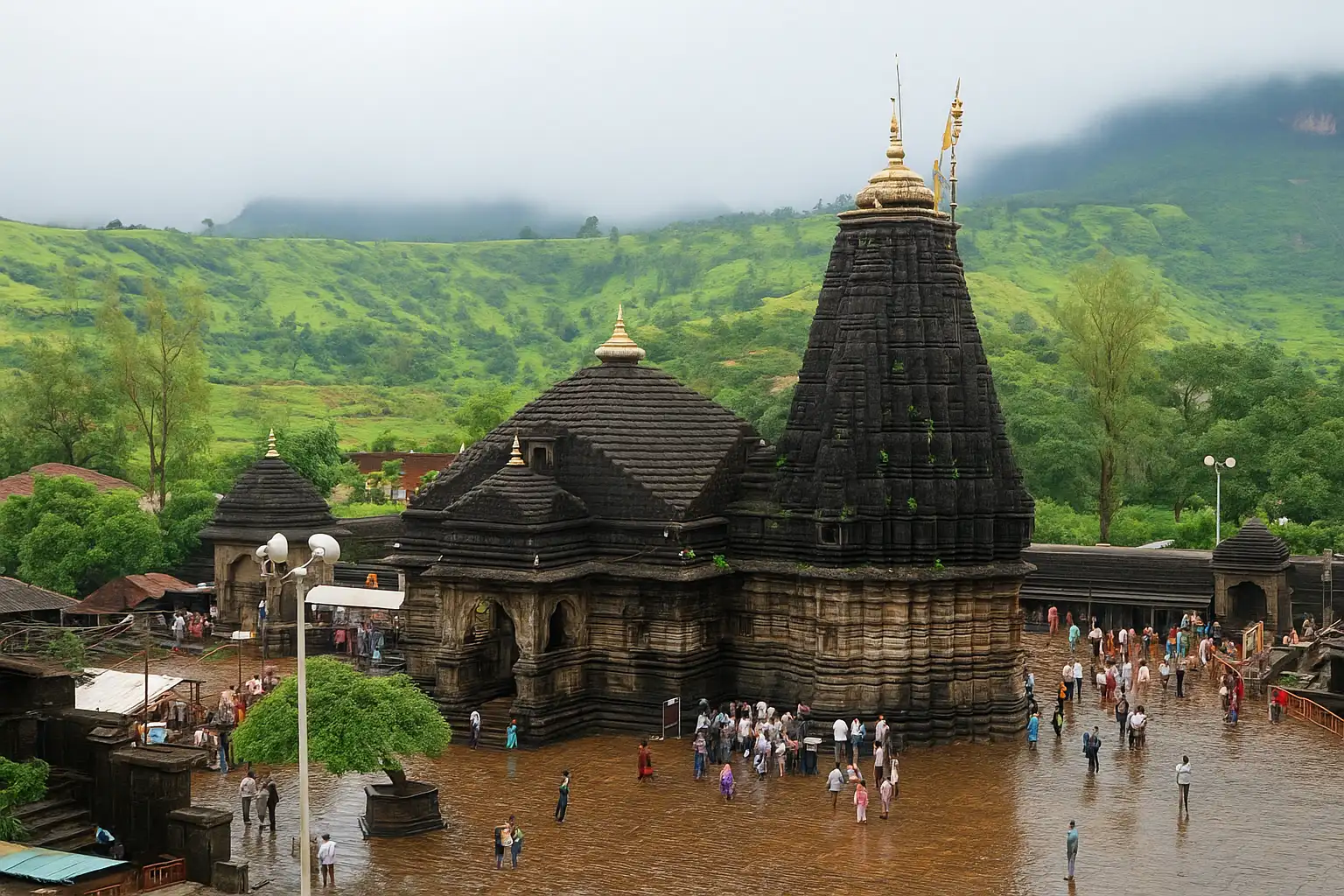
Trimbakeshwar Temple
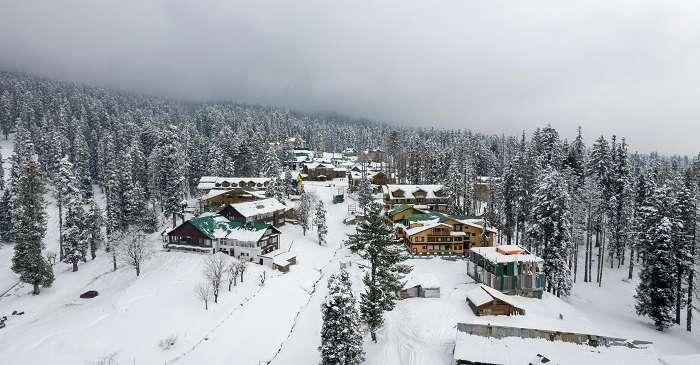
Harshil Valley
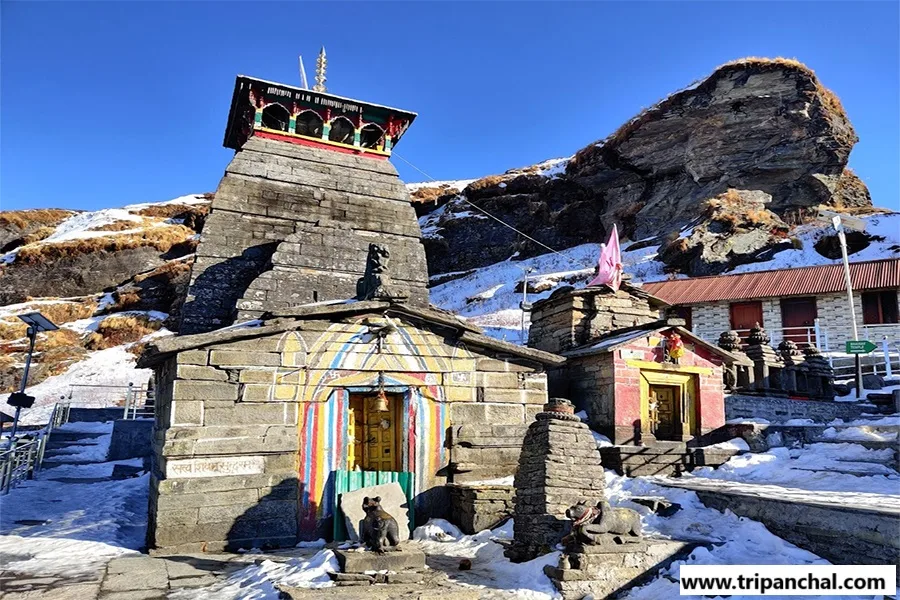
Tungnath Temple
Madhyamaheshwar Temple
Kalpeshwar Mahadev Temple
Amarnath
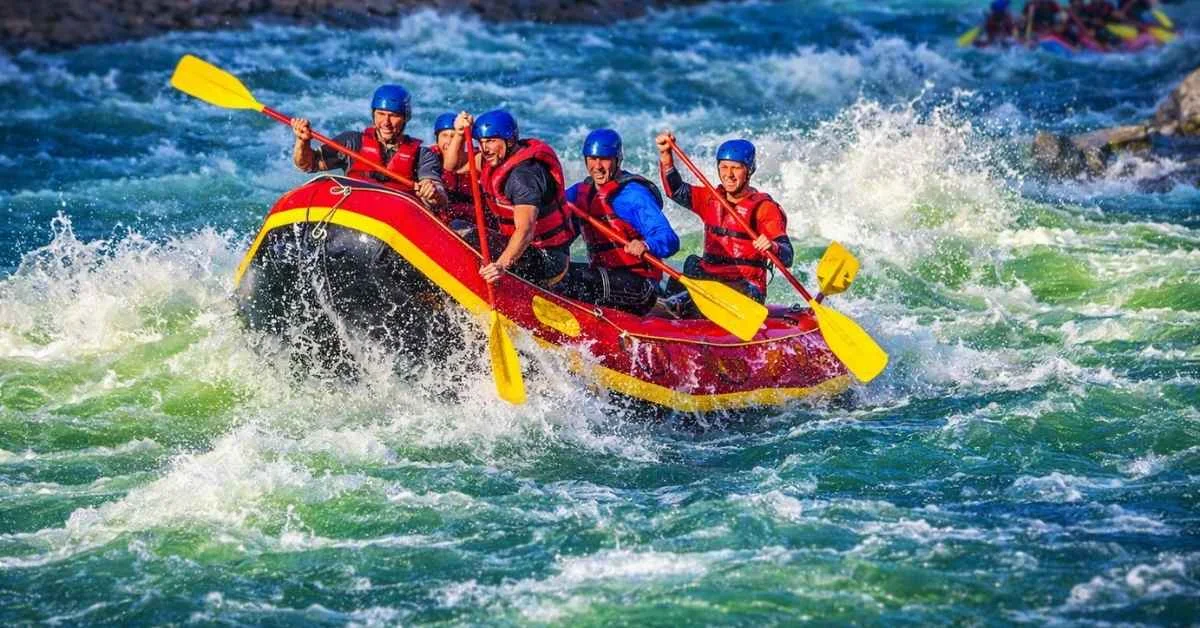
River Rafting in Rishikesh
River Rafting in Manali
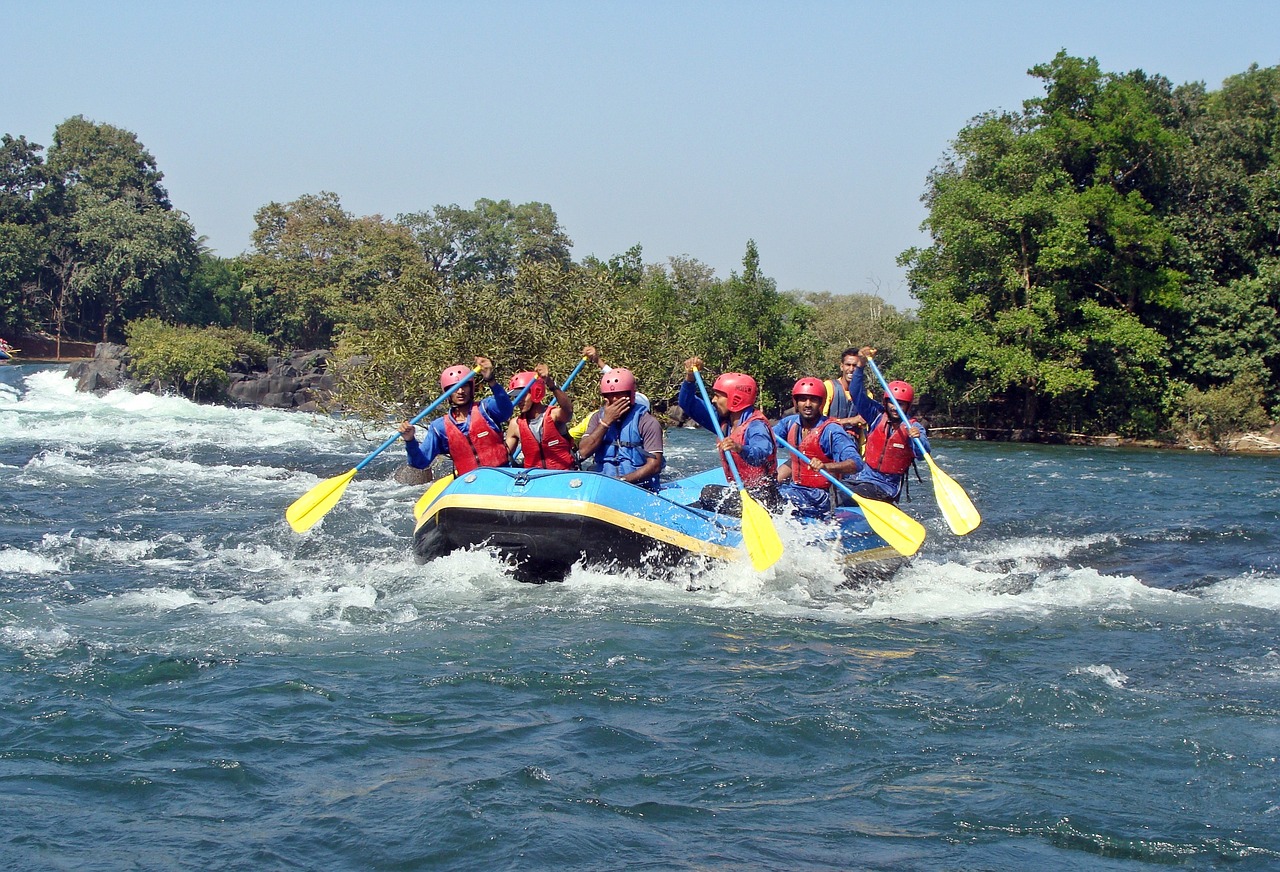
River Rafting in Kolad
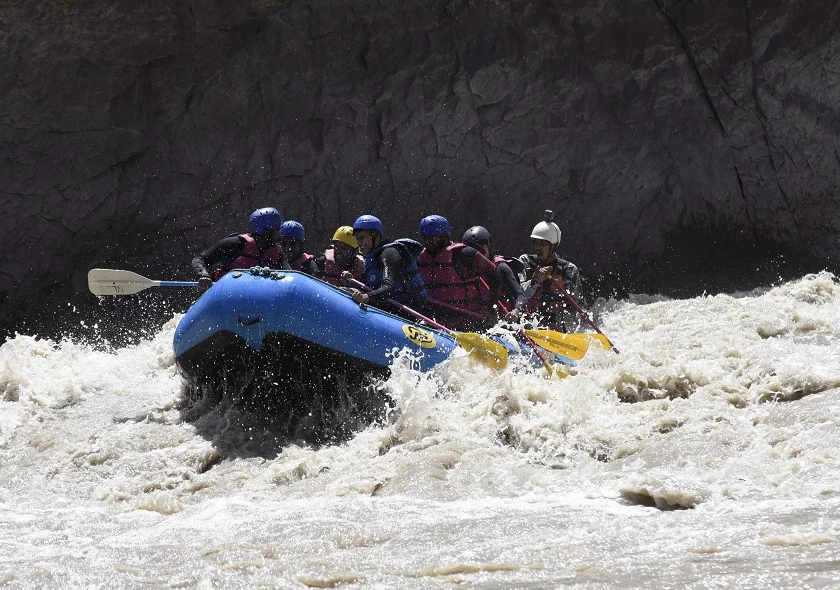
River Rafting in Zanskar

River Rafting in Teesta River

River Rafting in Kameng River
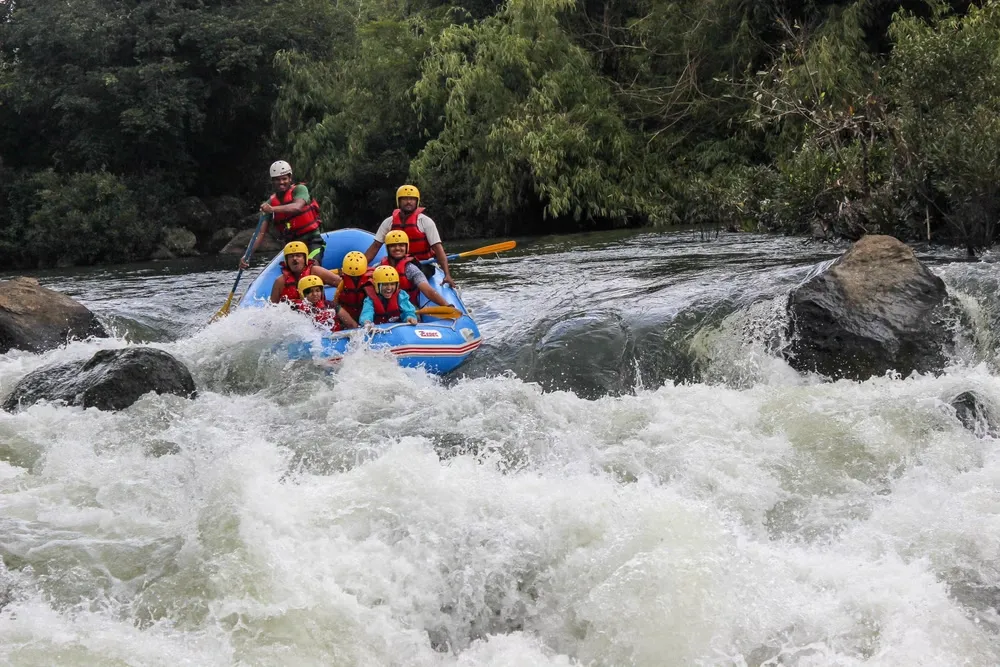
River Rafting in Barapole River
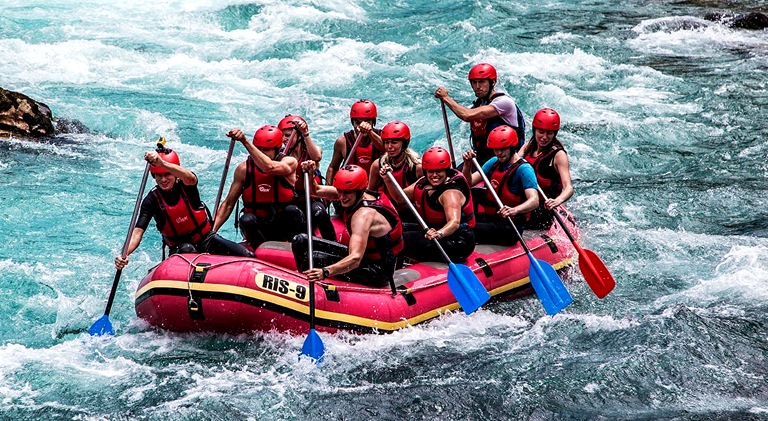
River Rafting in Alaknanda River
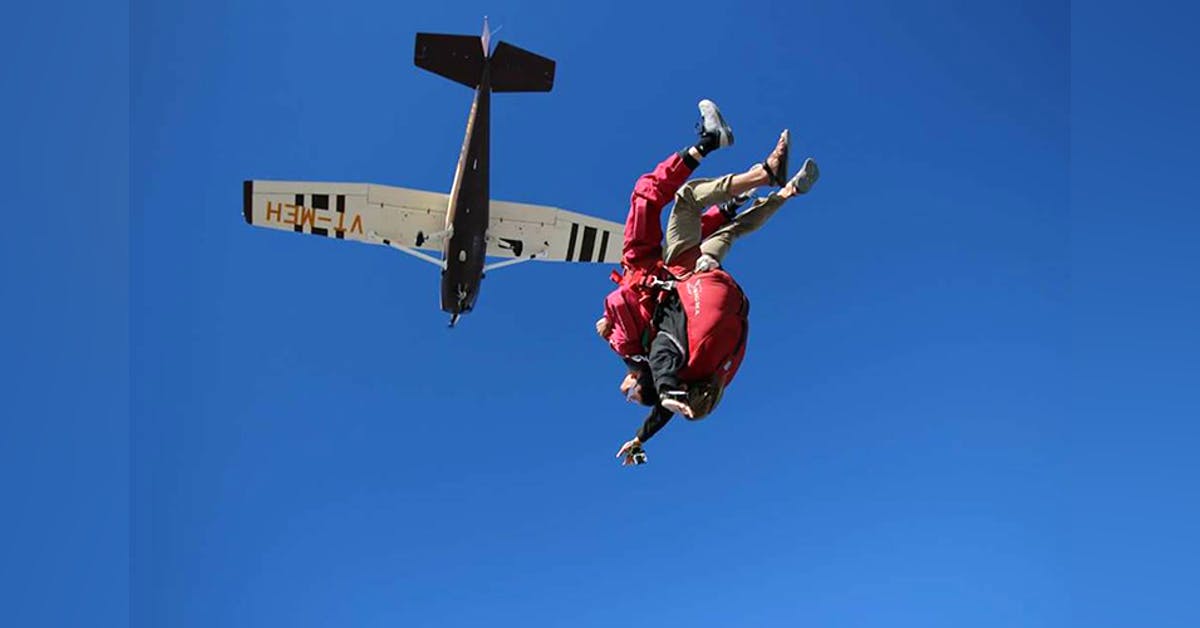
Skydiving in Mysore

Skydiving in Dhana, Madhya Pradesh
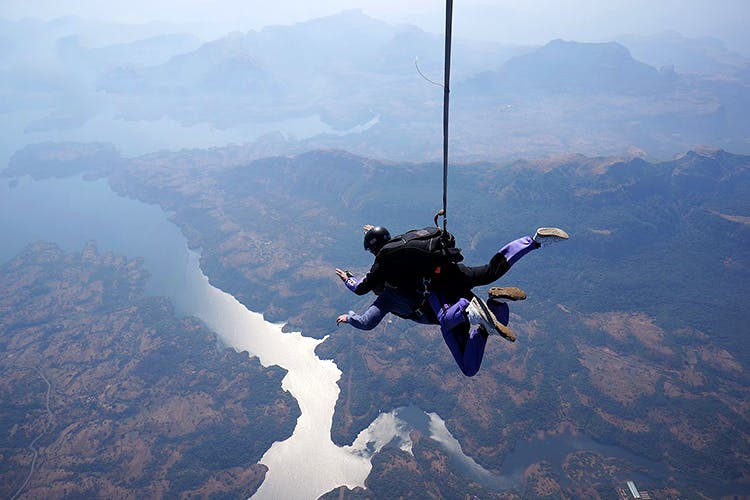
Skydiving in Aamby Valley, Maharashtra

Skydiving in Deesa, Gujarat

Skydiving in Narnaul, Haryana

Skydiving in Pondicherry
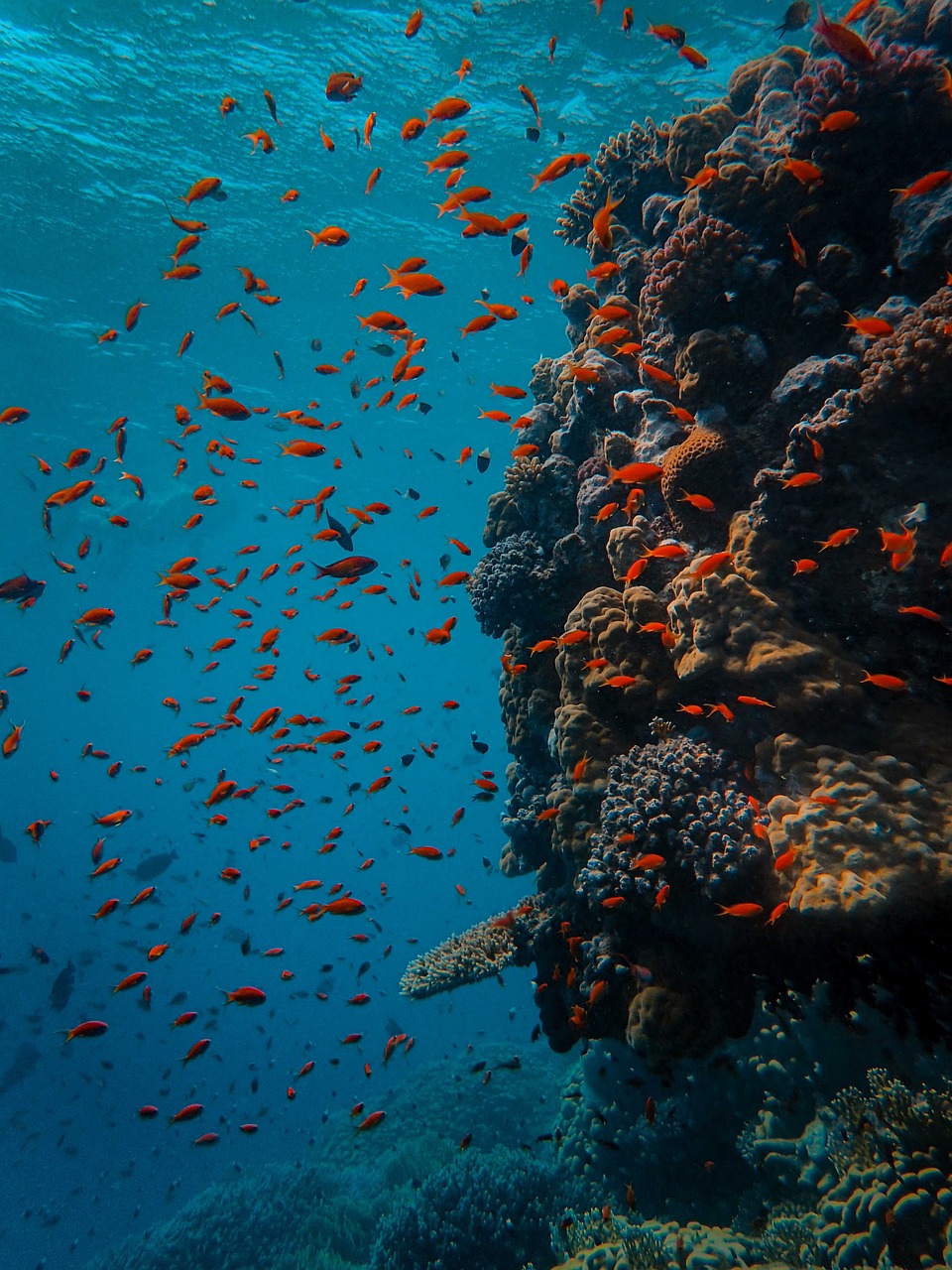
Scuba Diving in Andaman & Nicobar Islands

Scuba Diving in Lakshadweep

Scuba Diving in Goa
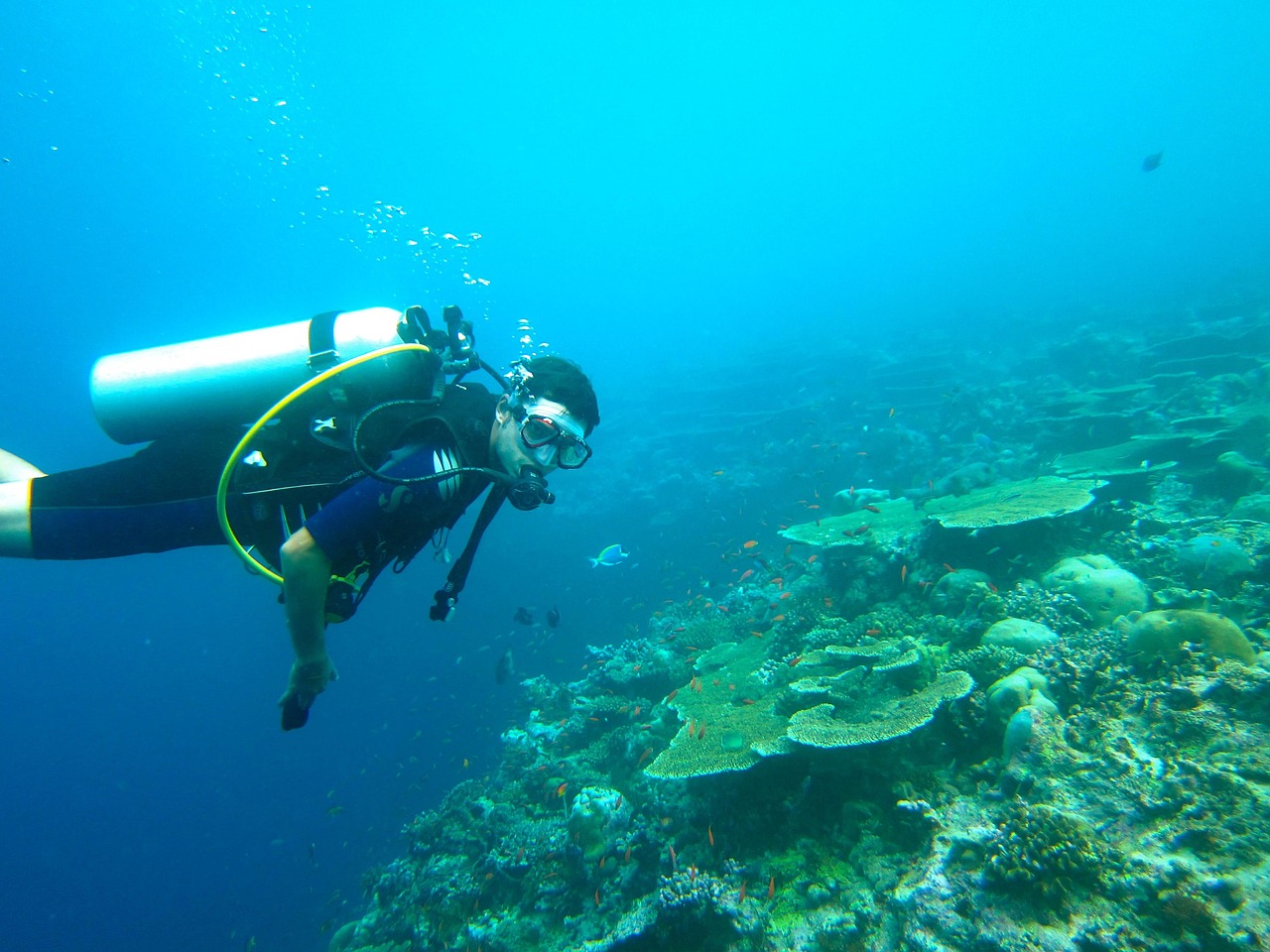
Scuba Diving in Pondicherry
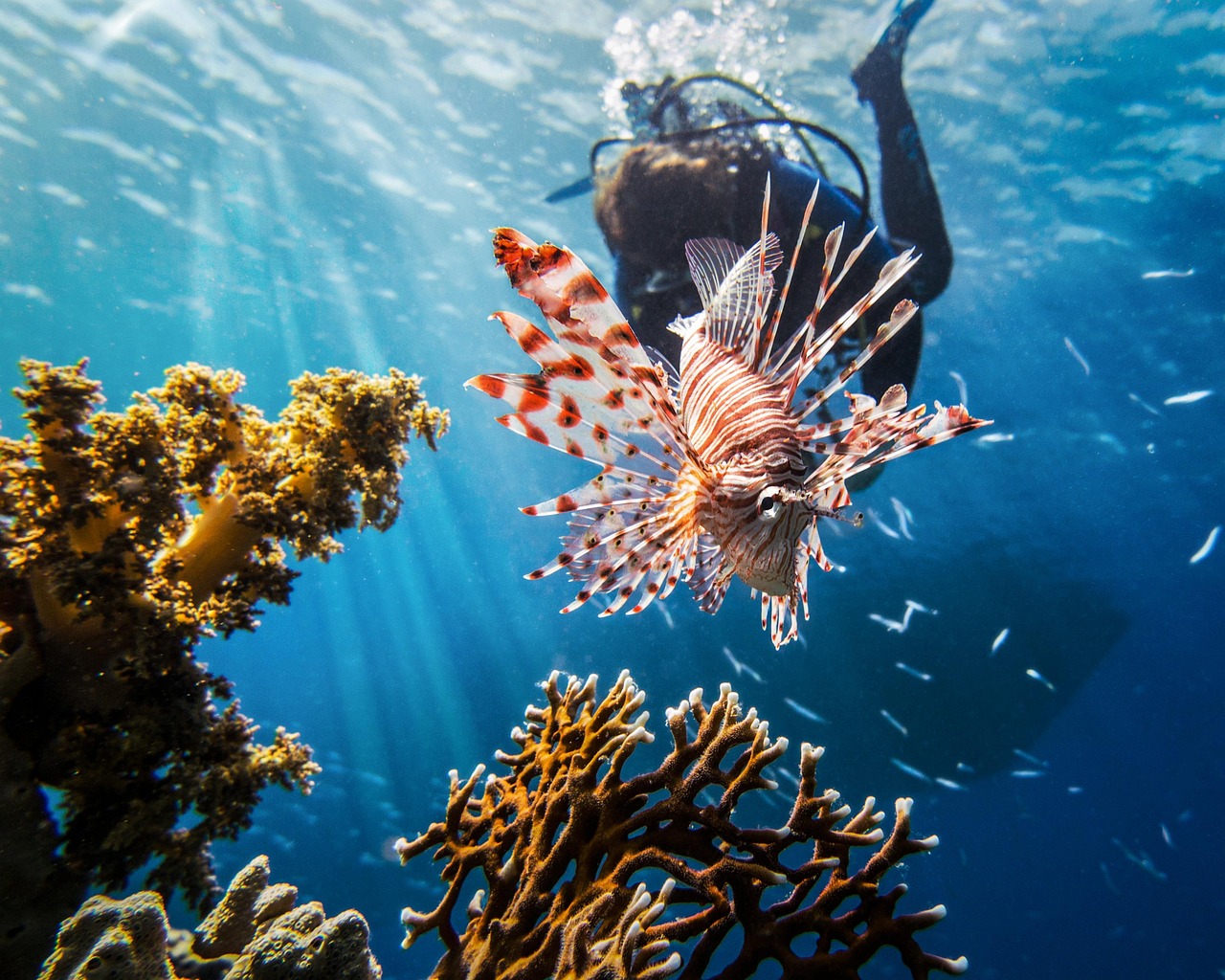
Scuba Diving in Netrani Island (Karnataka)
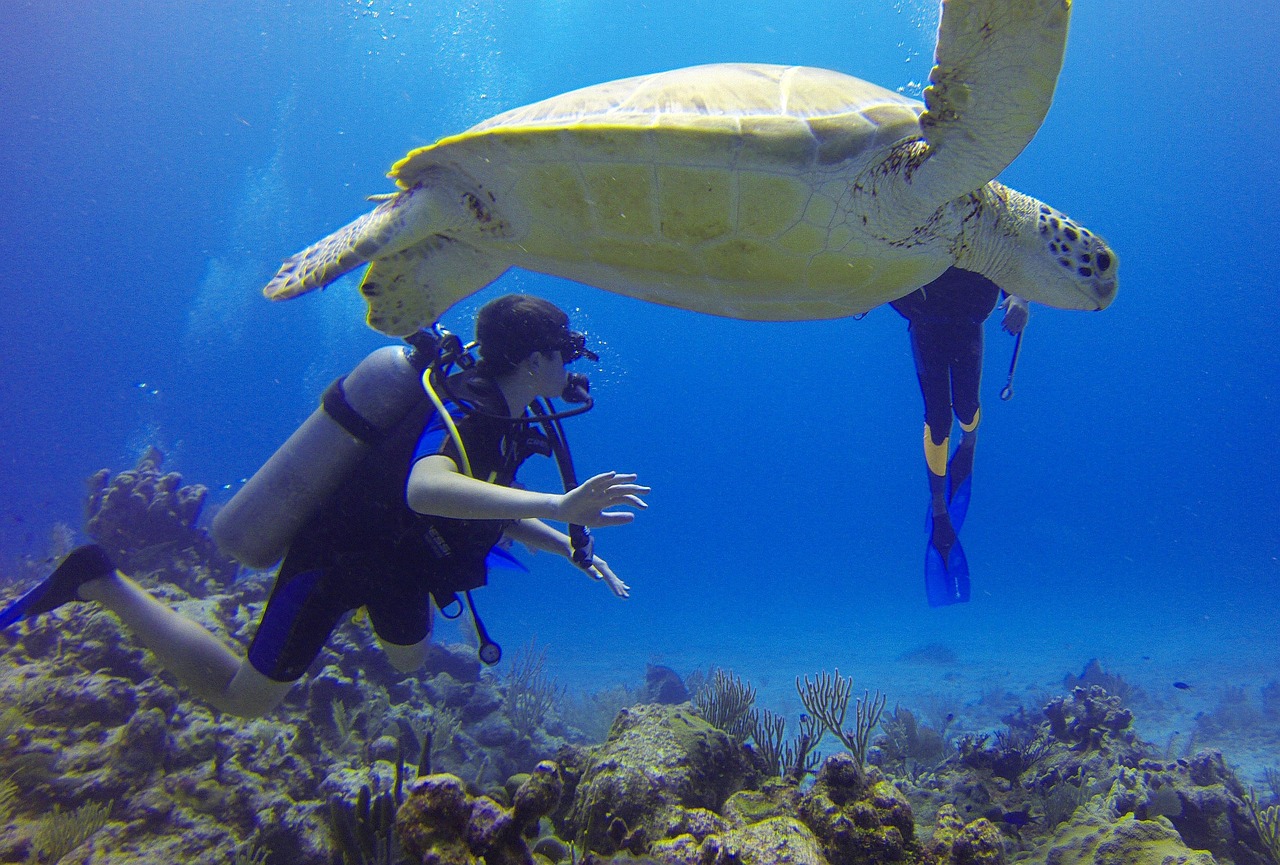
Scuba Diving in Tarkarli (Maharashtra)
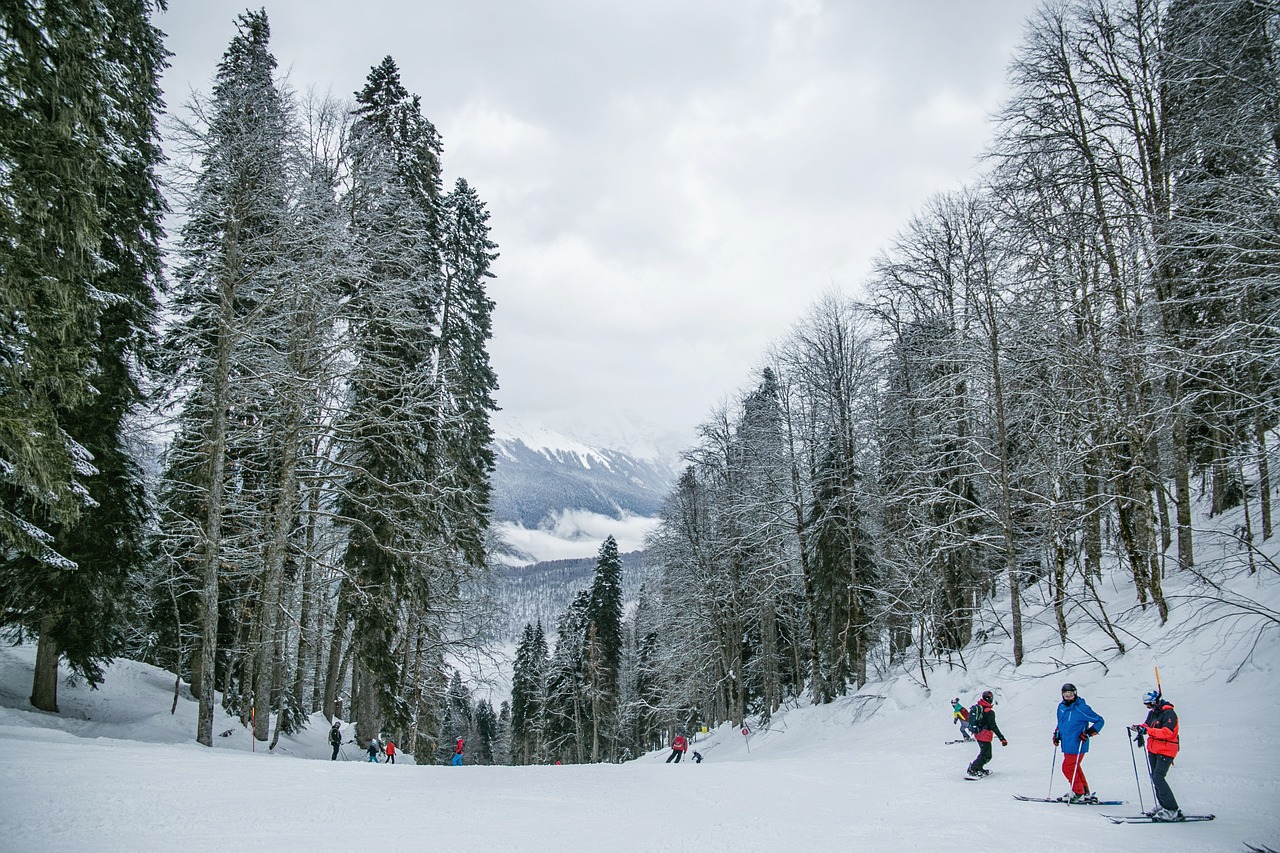
Skiing in Gulmarg

Skiing in Auli

Skiing in Solang
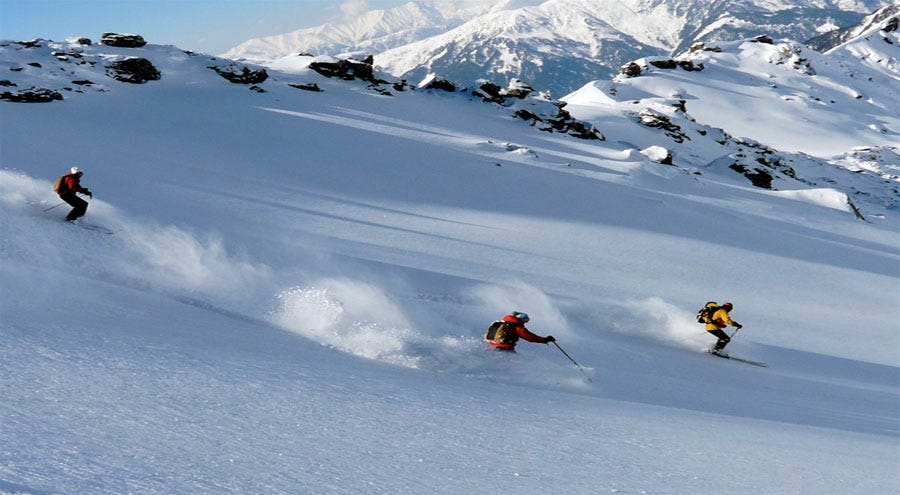
Skiing in Kufri

Skiing in Narkanda
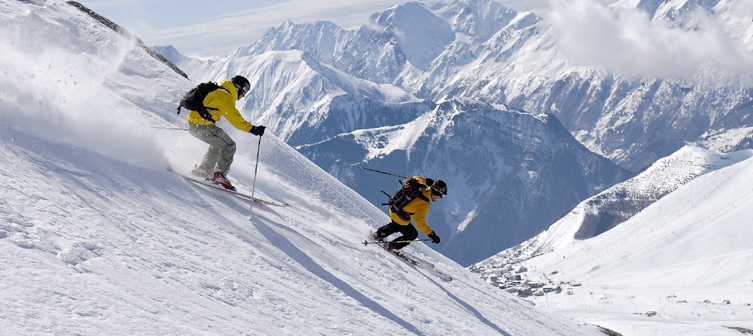
Skiing in Munsiyari
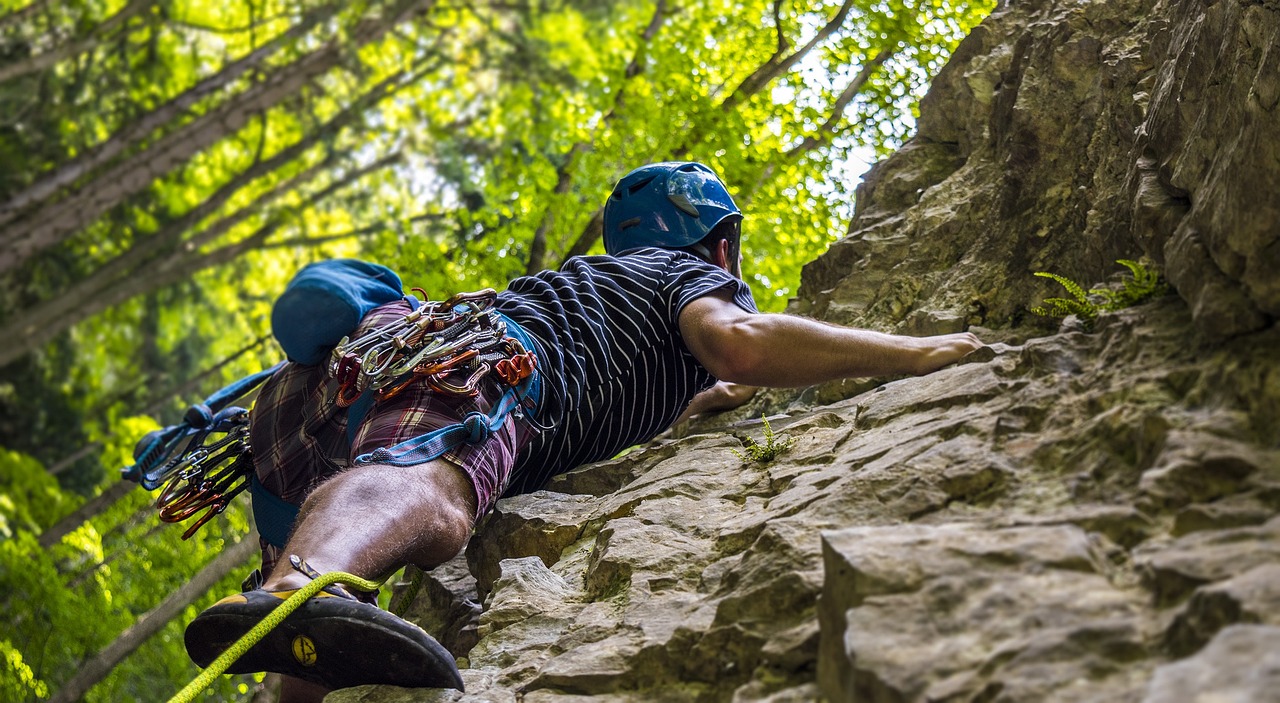
Rock Climbing in Manali
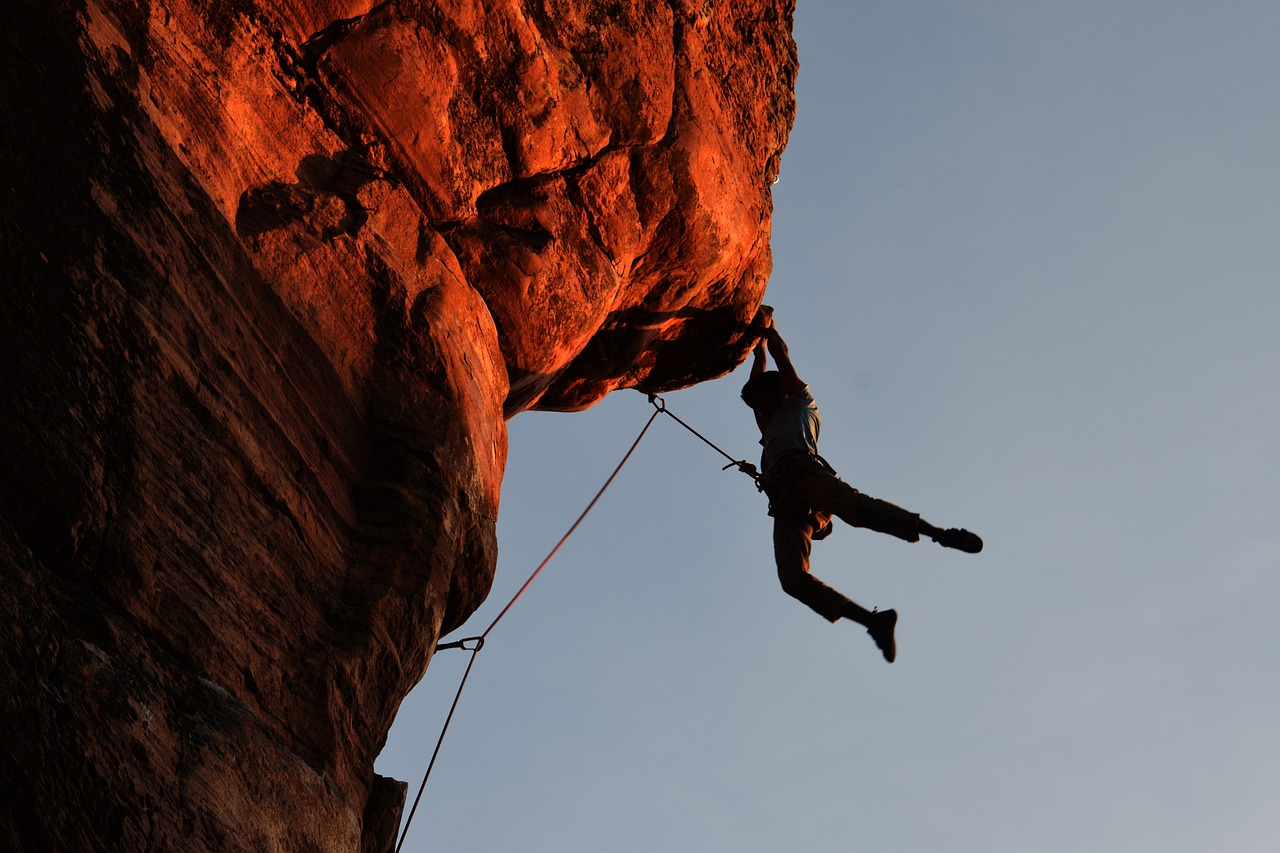
Rock climbing in Badami (Karnataka)
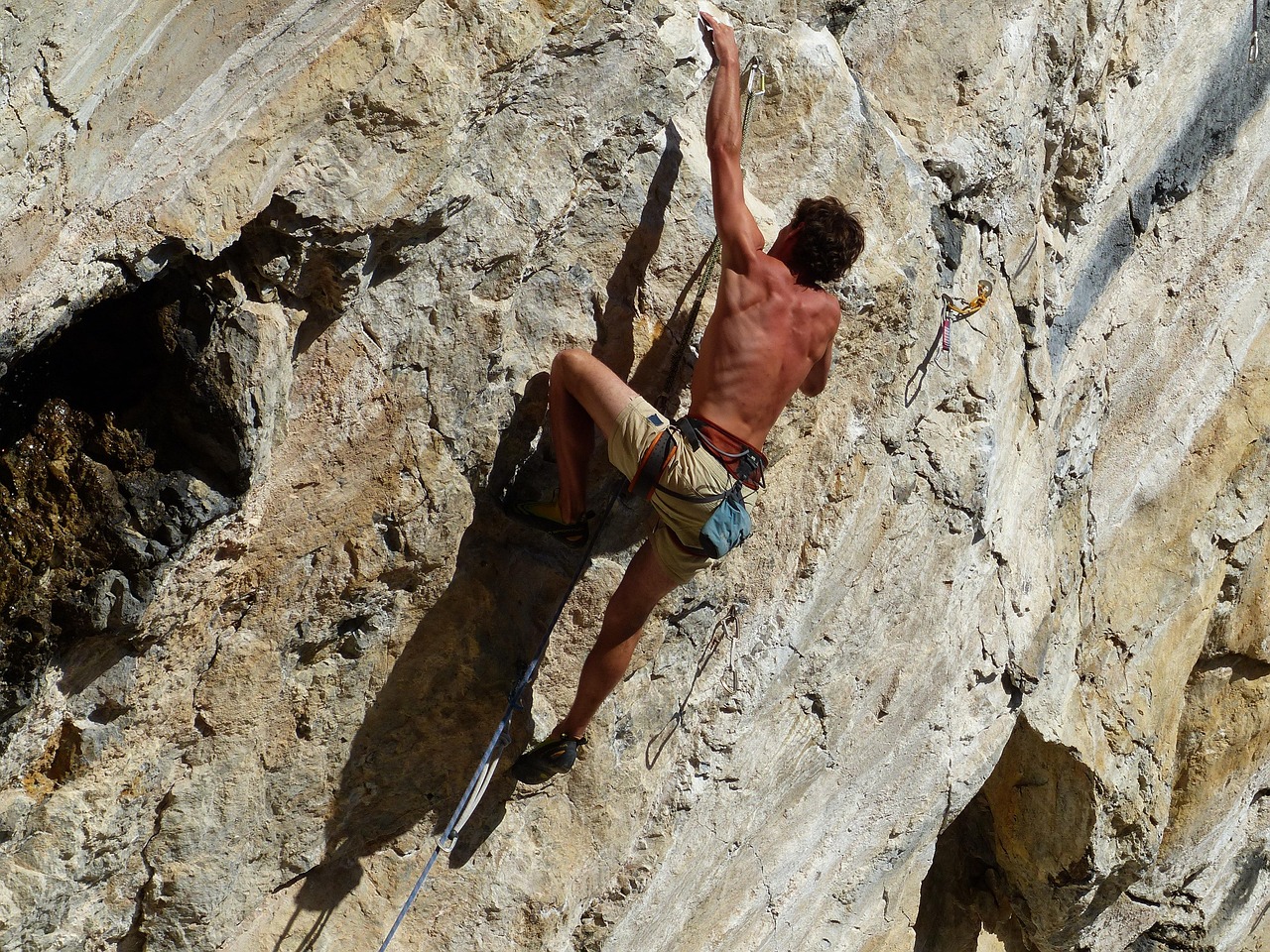
Rock climbing in Vijayapura (Karnataka)
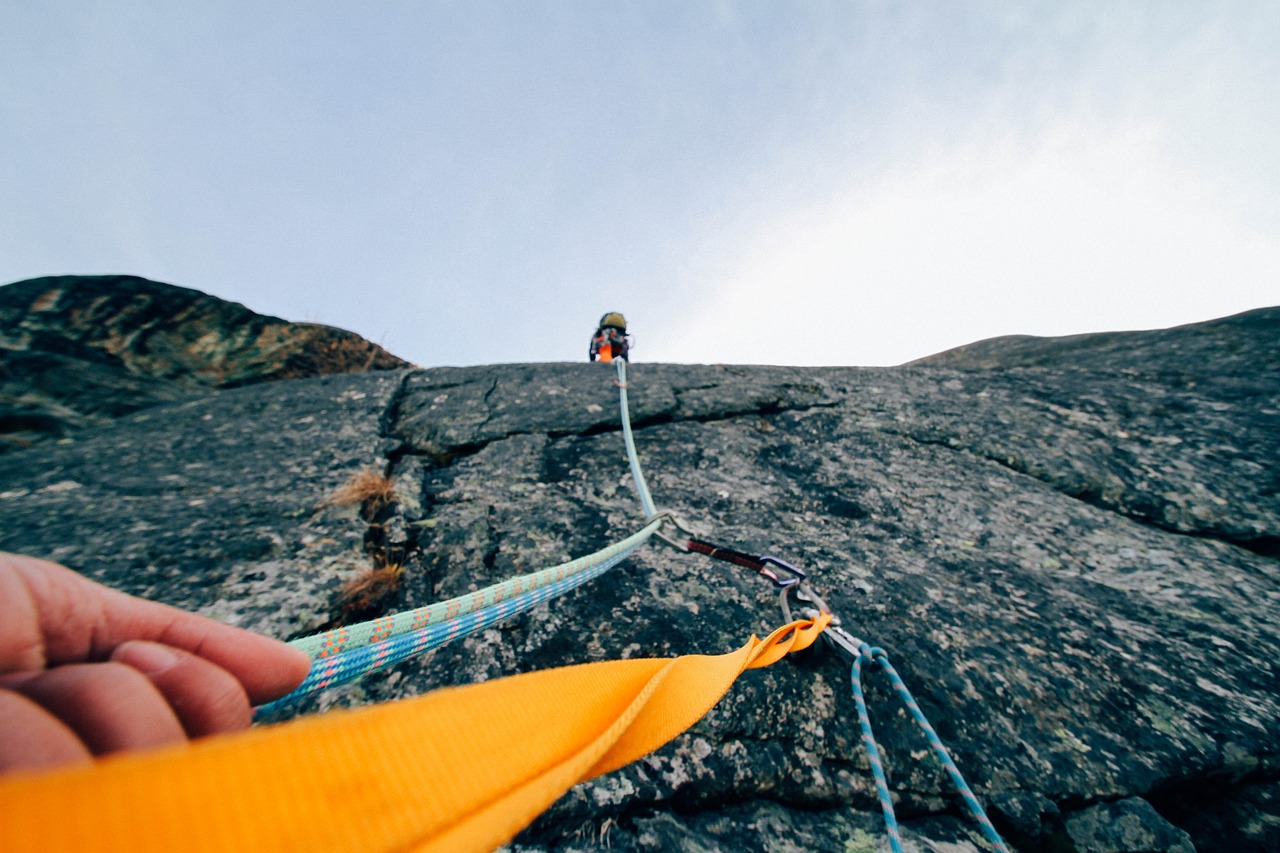
Rock climbing in Boulder Hills (Hyderabad)
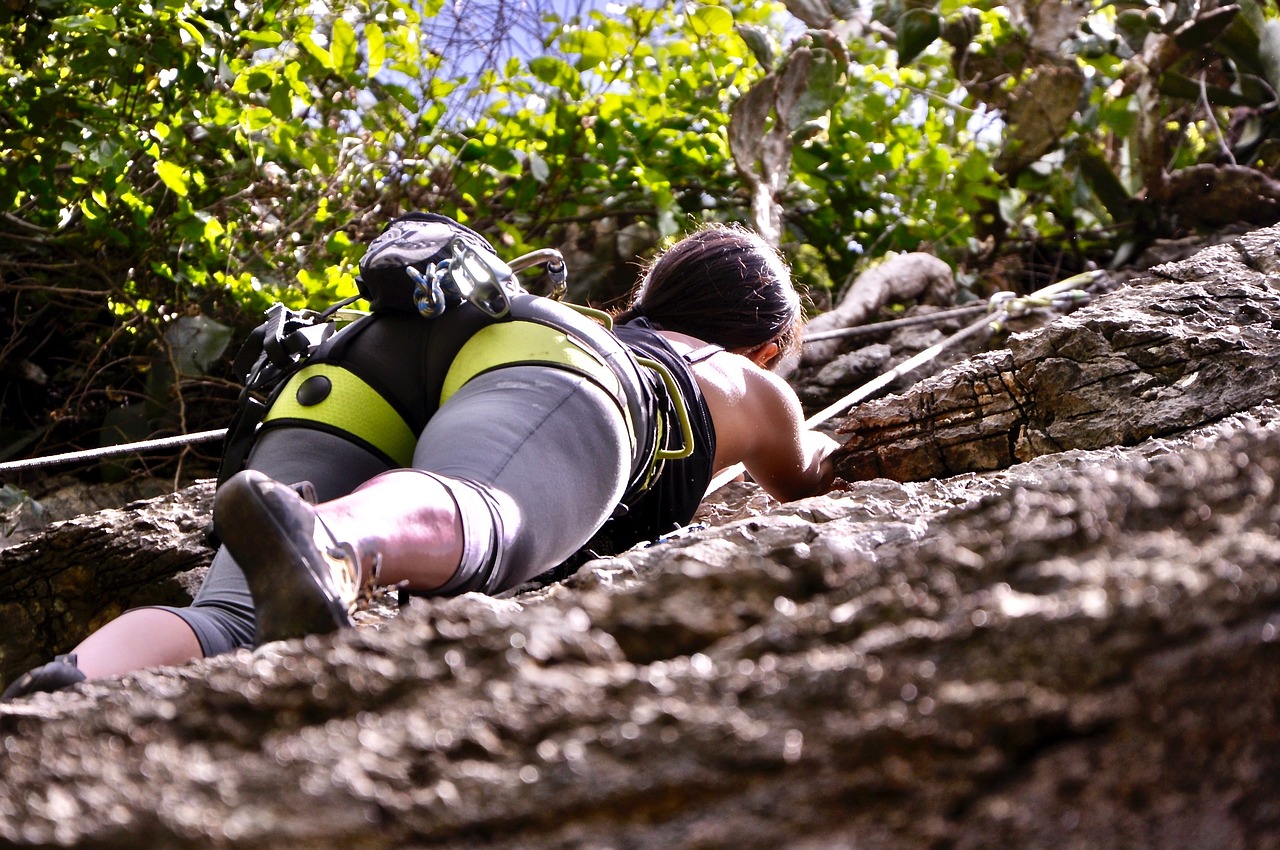
Rock climbing in Nainital
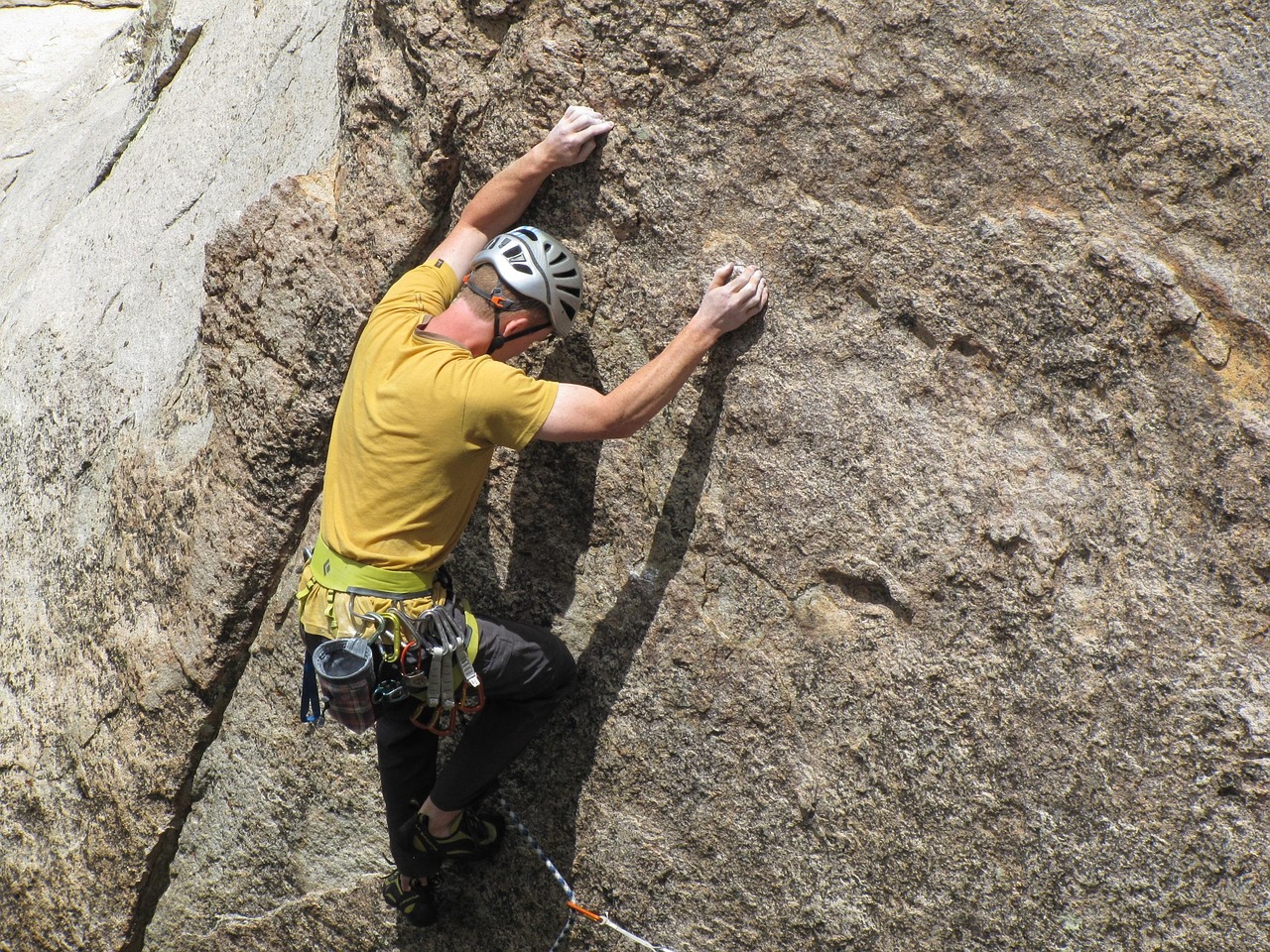
Rock climbing in Hampi (Karnataka)
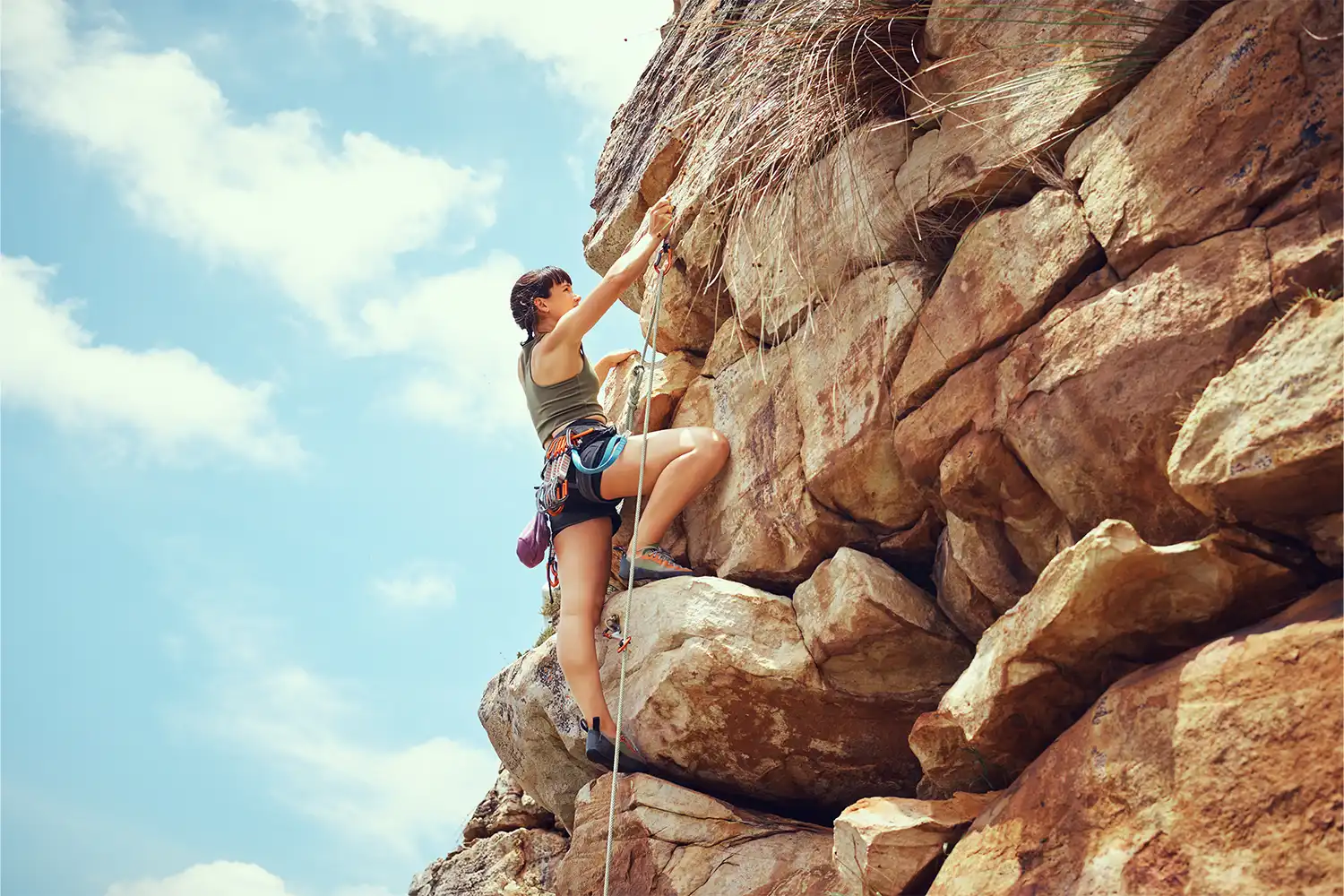
Rock climbing in Aravalli Range (Rajasthan)
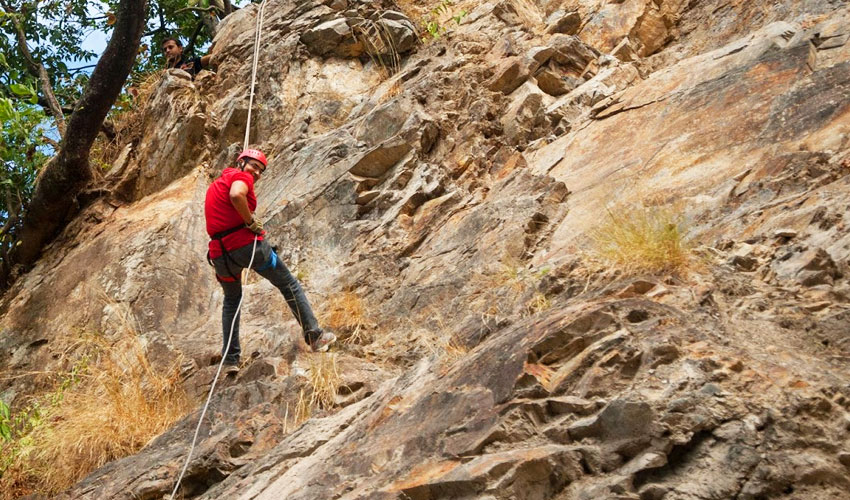
Rock climbing in Rishikesh
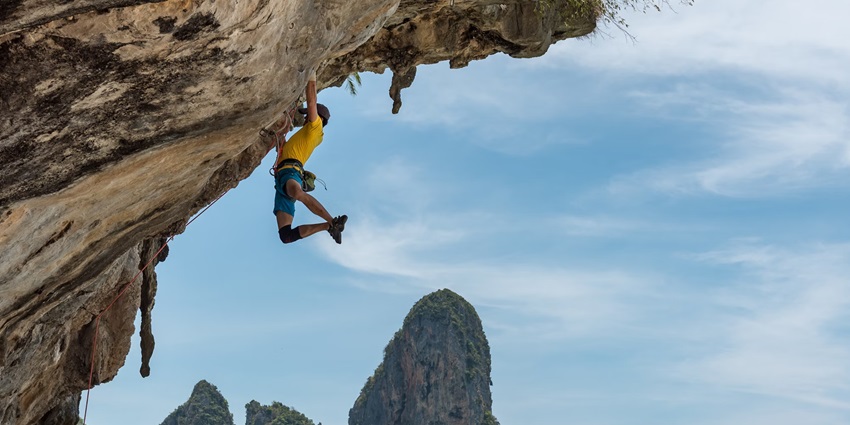
Rock climbing on Shey Rock (Ladakh)
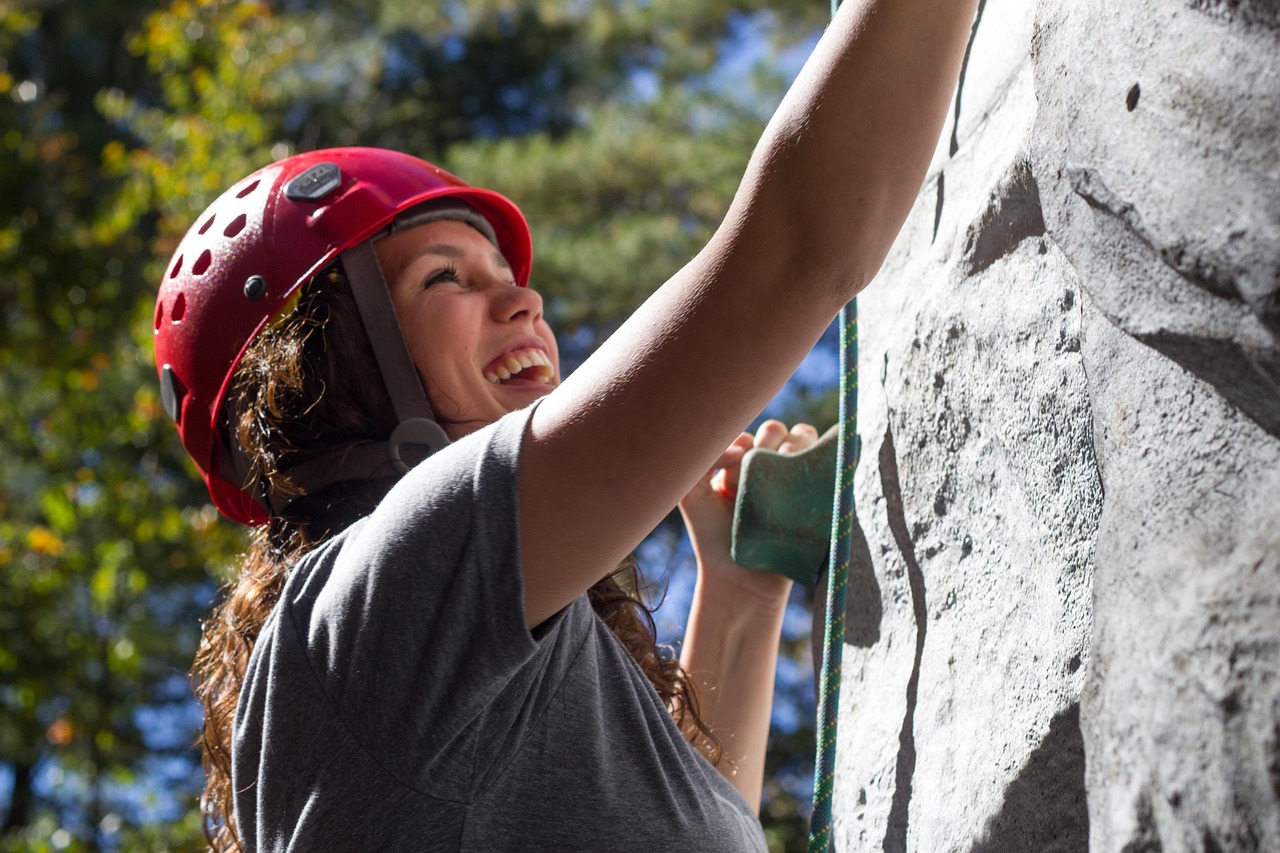
Rock climbing in Pune
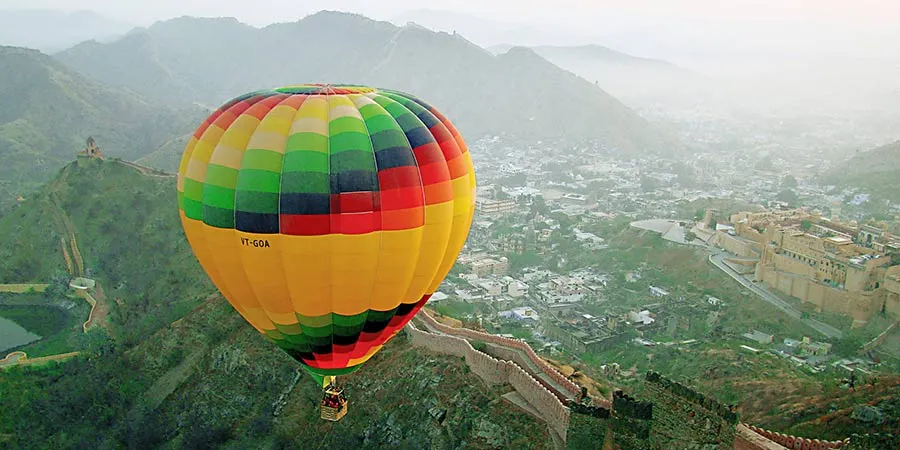
Hot Air Balloon Ride in Jaipur
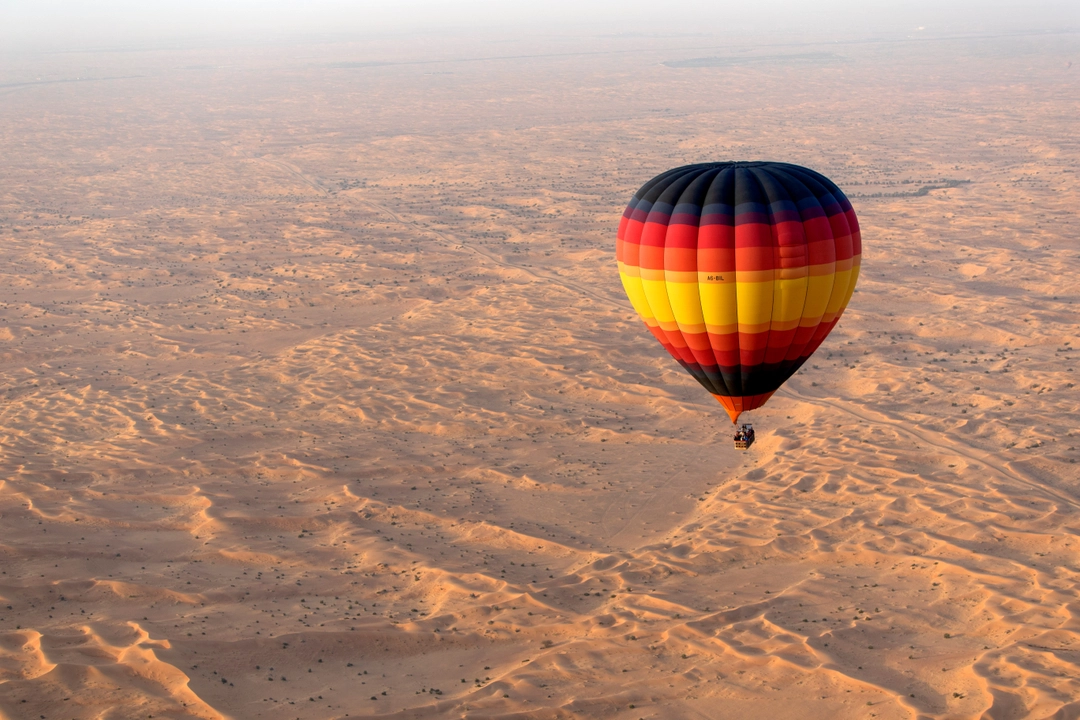
Hot Air Balloon Ride in Pushkar
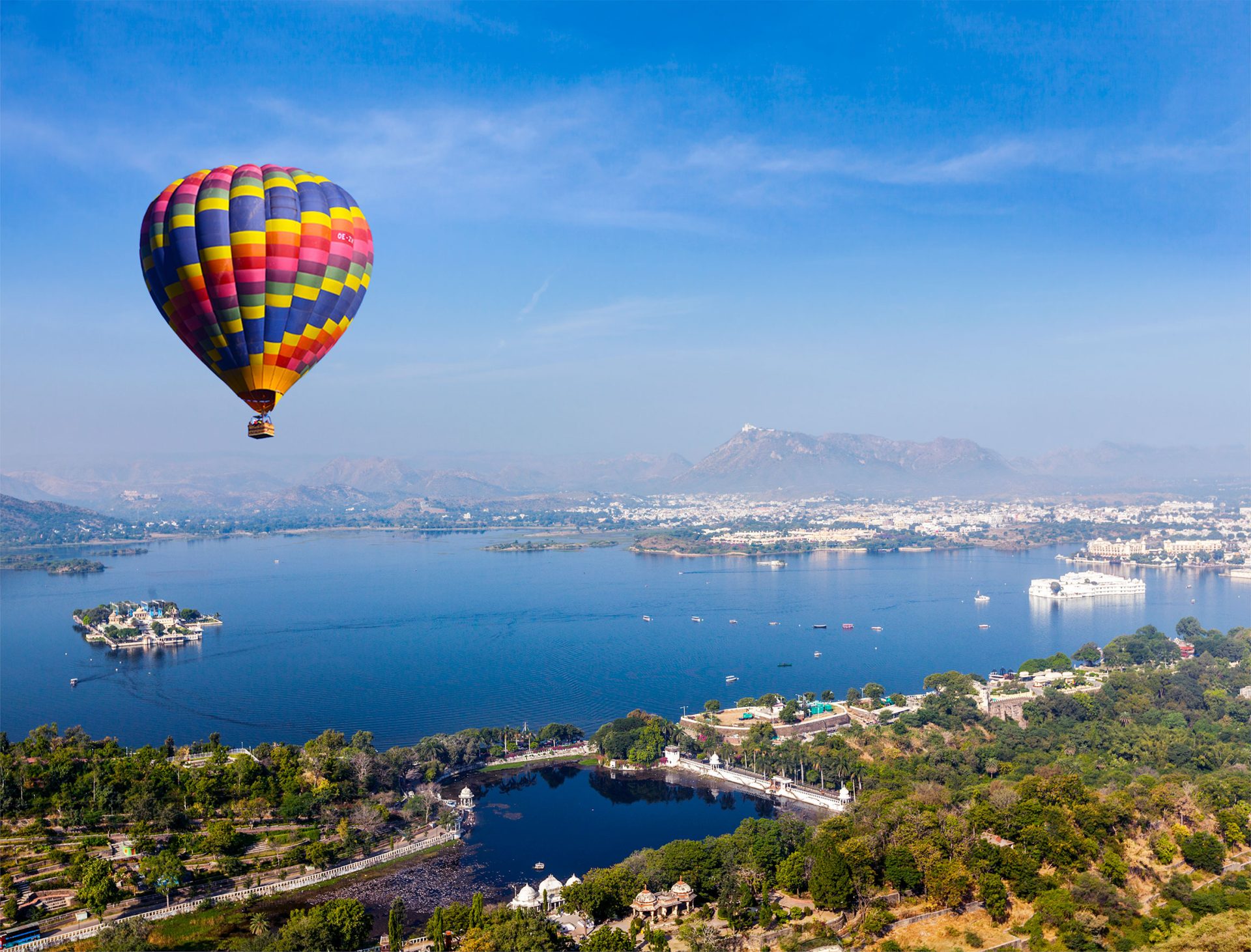
Hot Air Balloon Ride in Udaipur
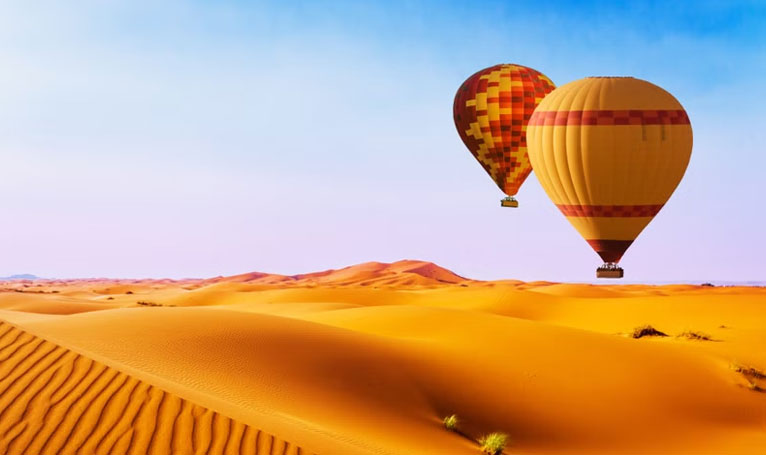
Hot Air Balloon Ride in Jaisalmer
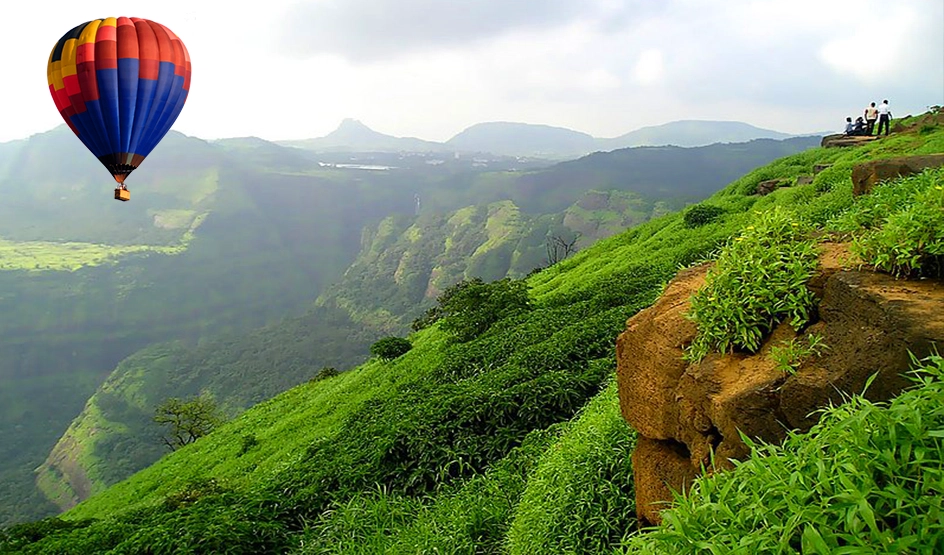
Hot Air Balloon Ride in Lonavala
Hot air balloon ride in Mysore
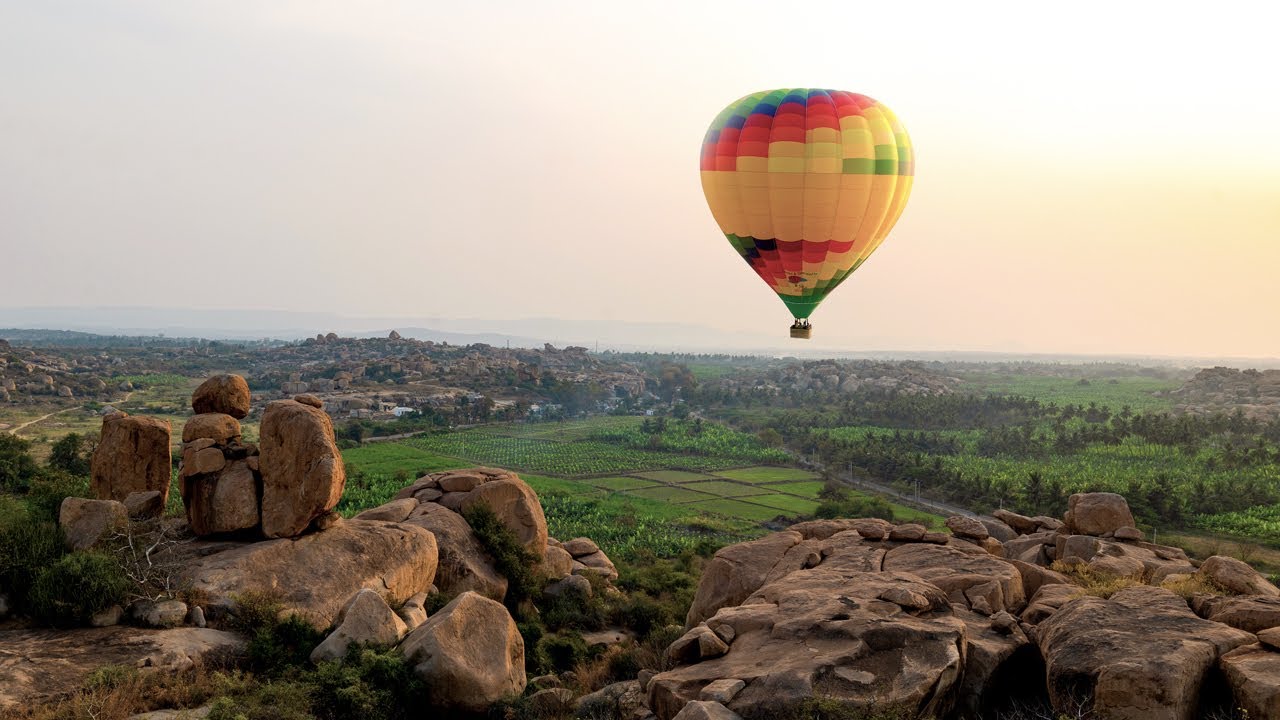
Hot air balloon ride in Hampi
Hot air balloon ride in Nainital
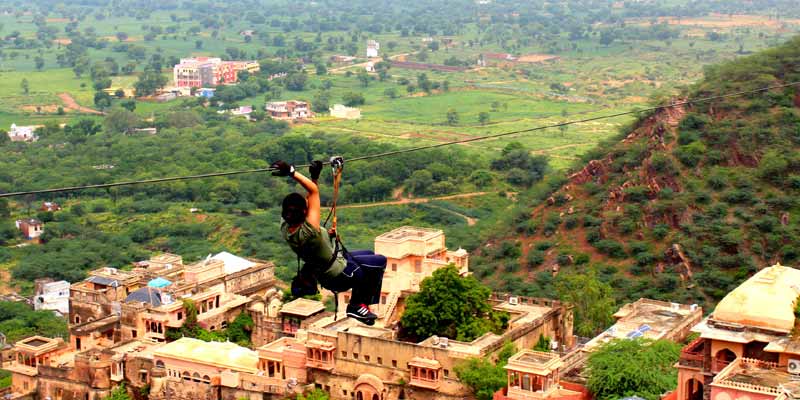
Zip Line ride in Neemrana
Kikar Lodge Zip Line
Zip Line ride in Rishikesh
Zip Line ride in Mussoorie
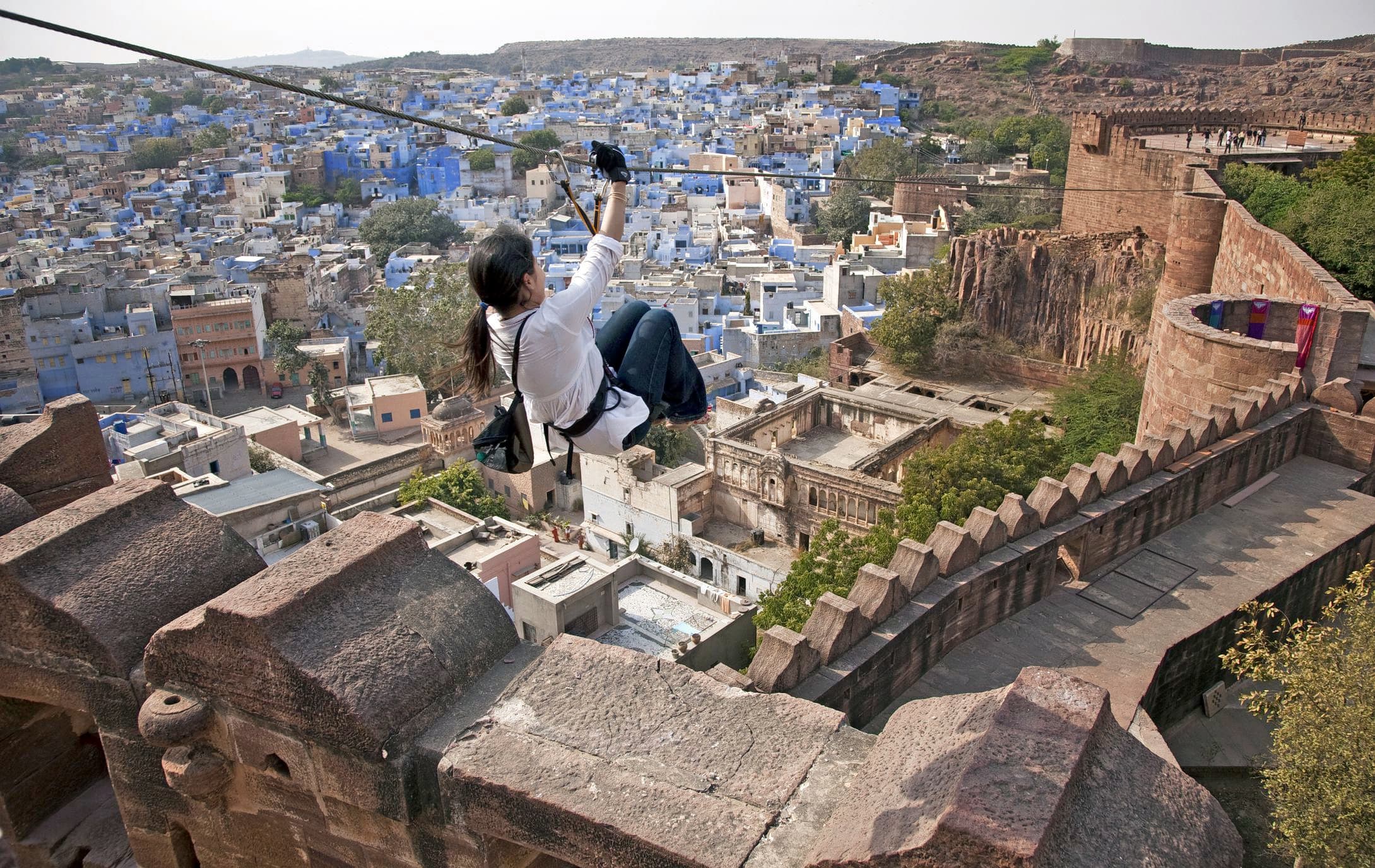
Zip Line ride in Jodhpur
Zip Line ride in Munnar
Zip Line ride in Manali
Zip Line ride in Darjeeling
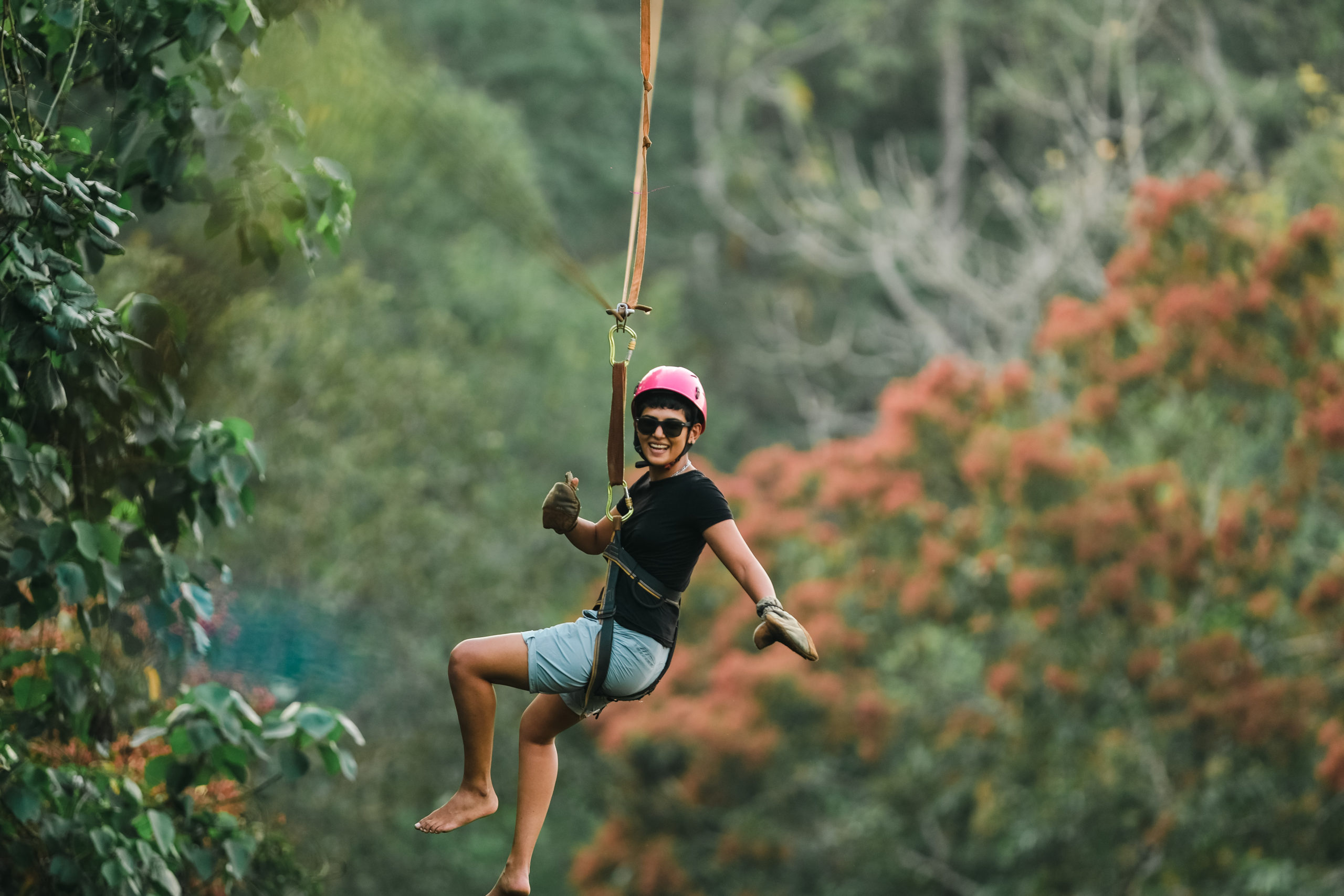
Zip Line ride in Goa
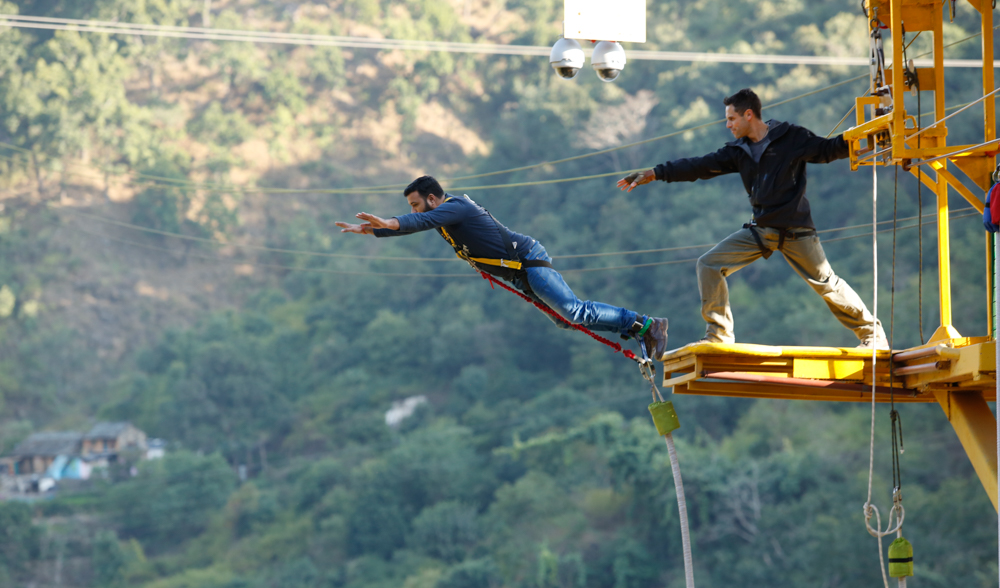
Bungee Jumping in Rishikesh
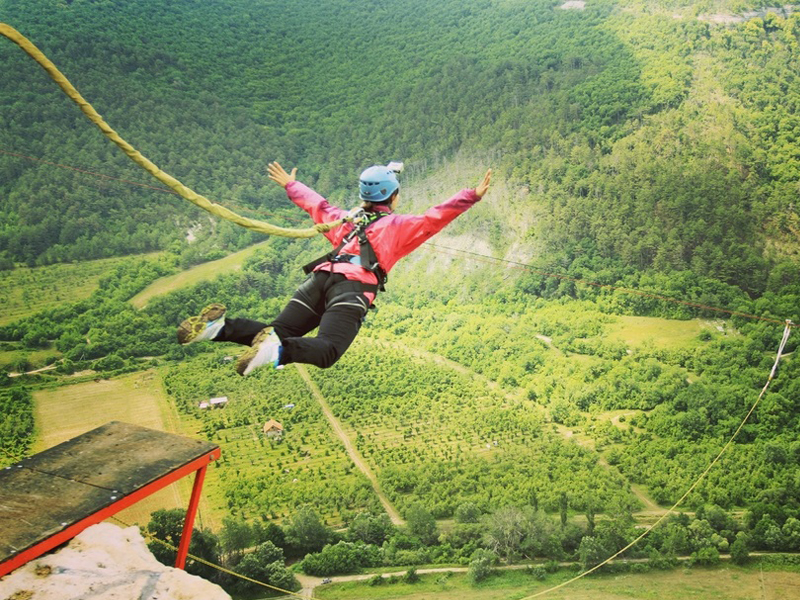
Bungee Jumping in Udaipur
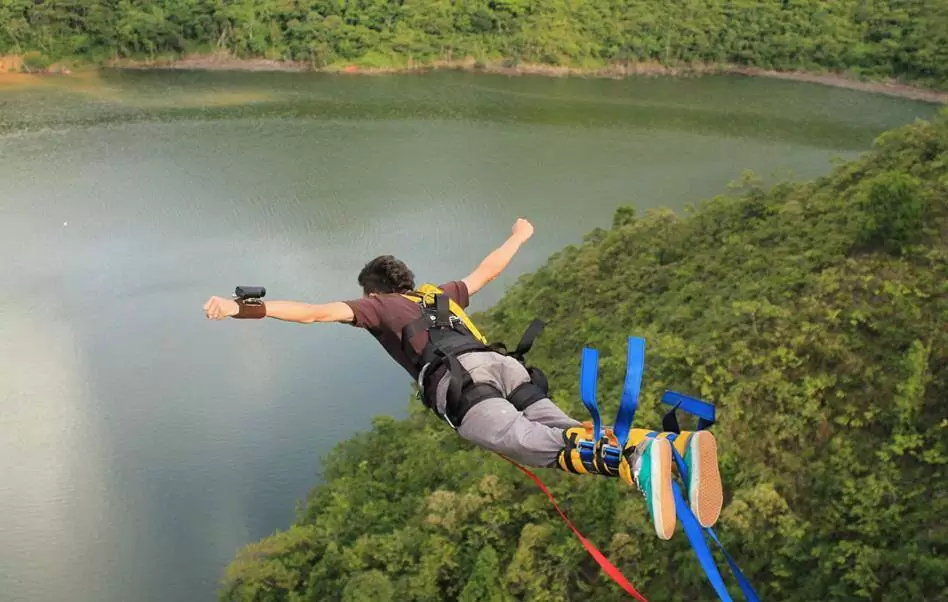
Bungee Jumping in Goa
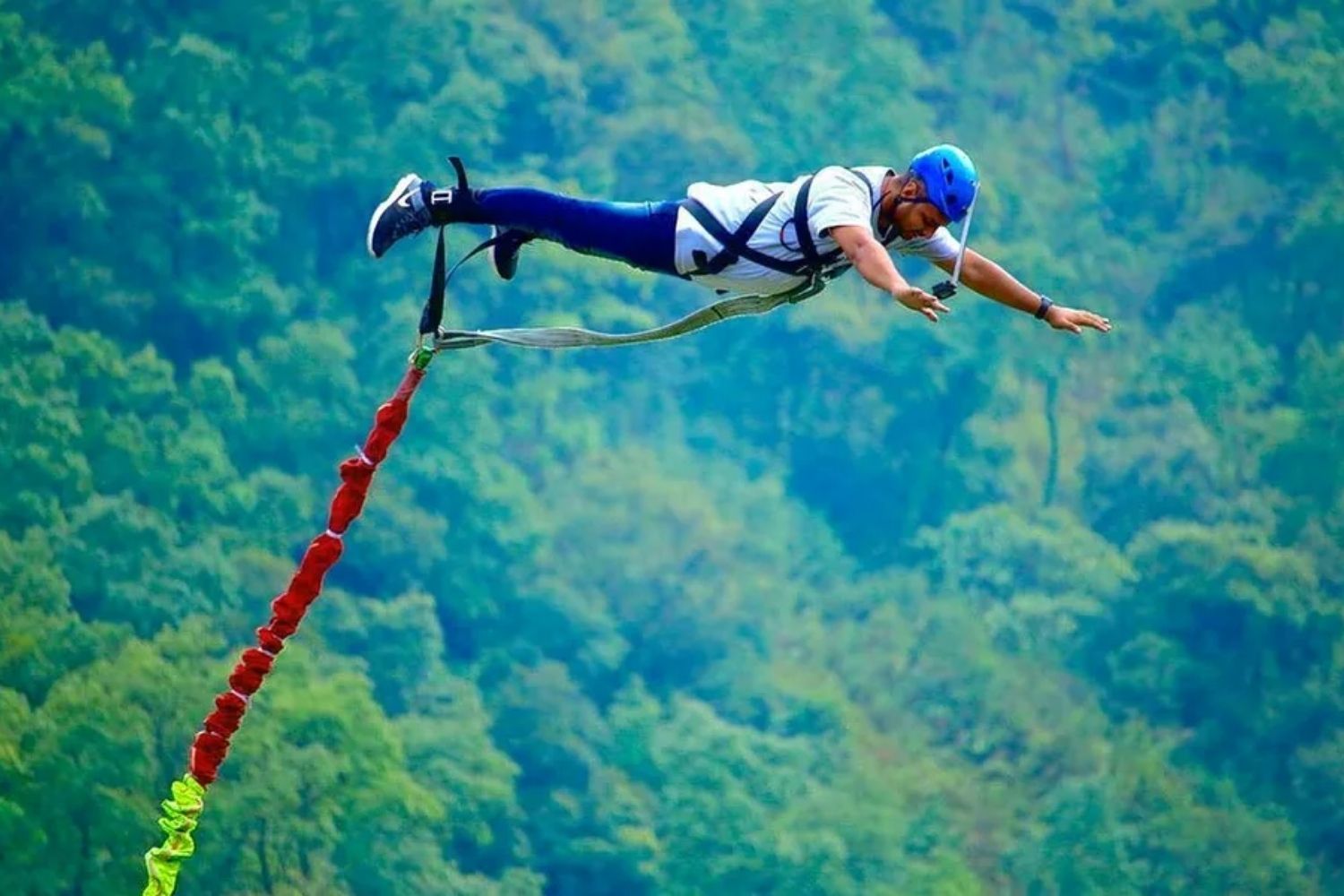
Bungee Jumping in Lonavala
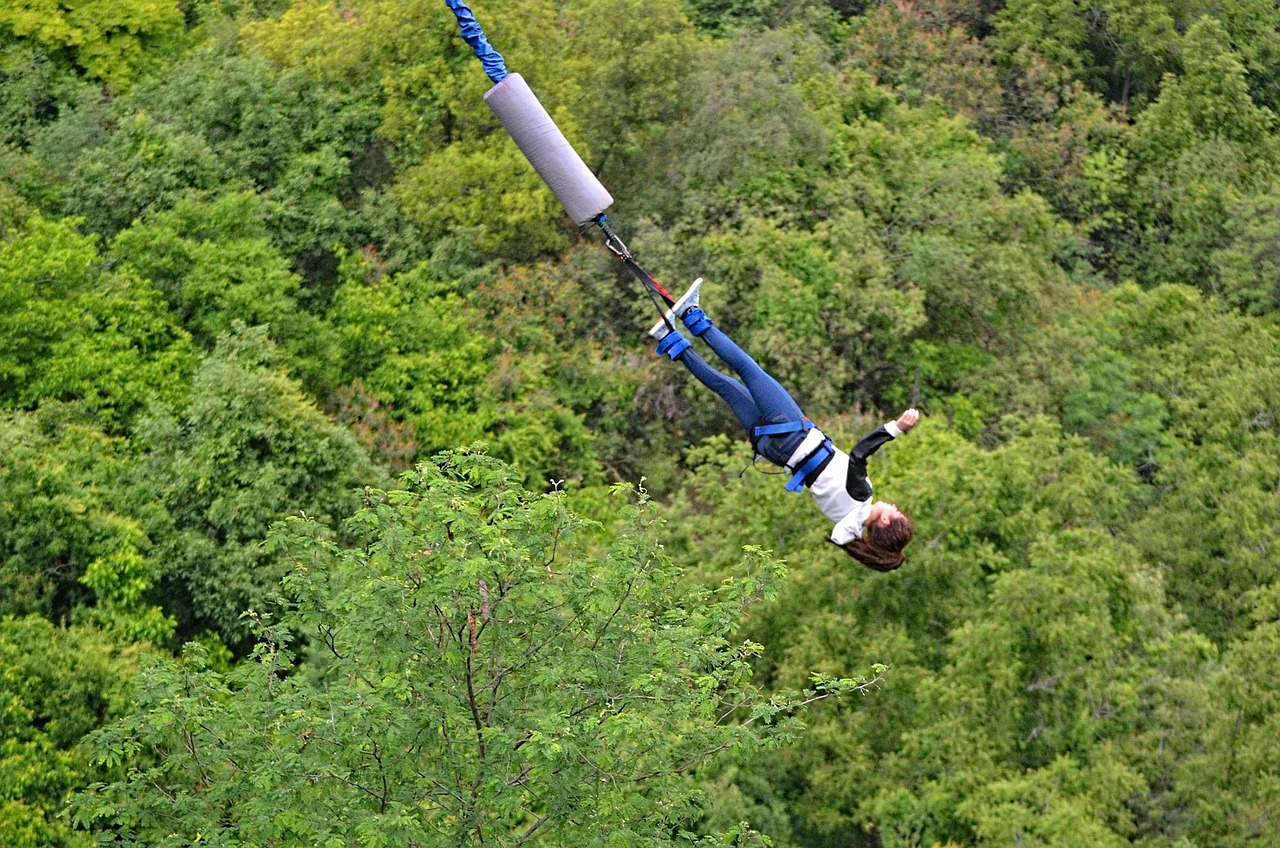
Bungee jumping in Bangalore
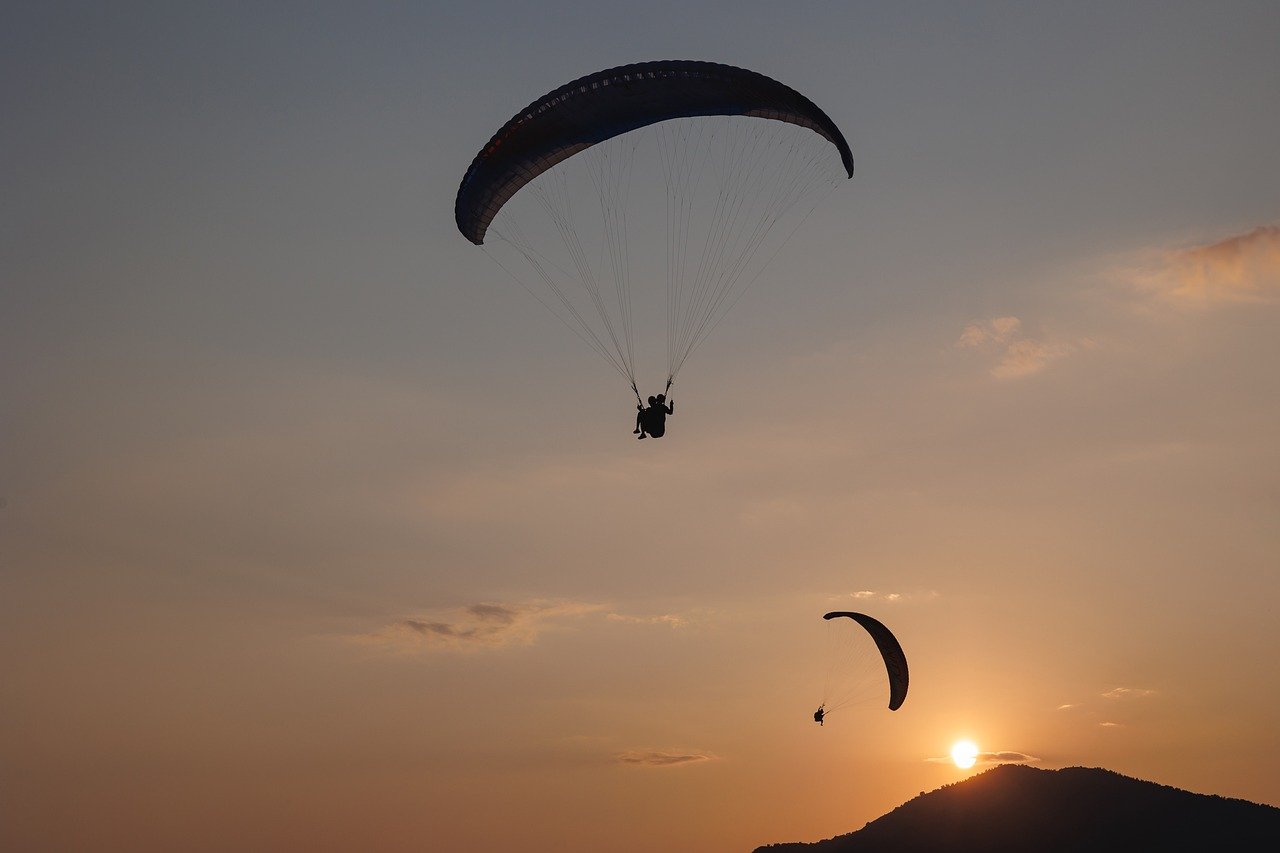
Paragliding in Bir Billing
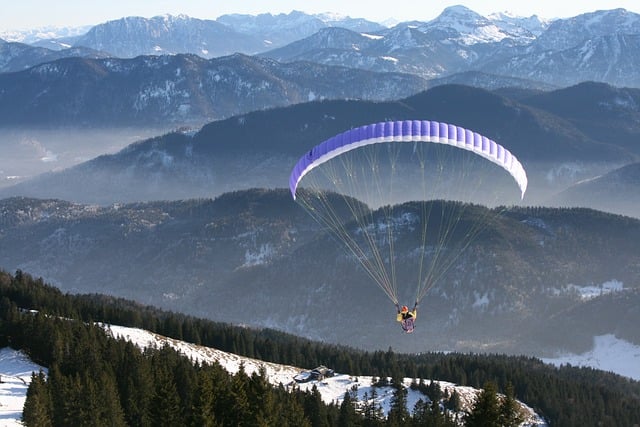
Paragliding in Manali
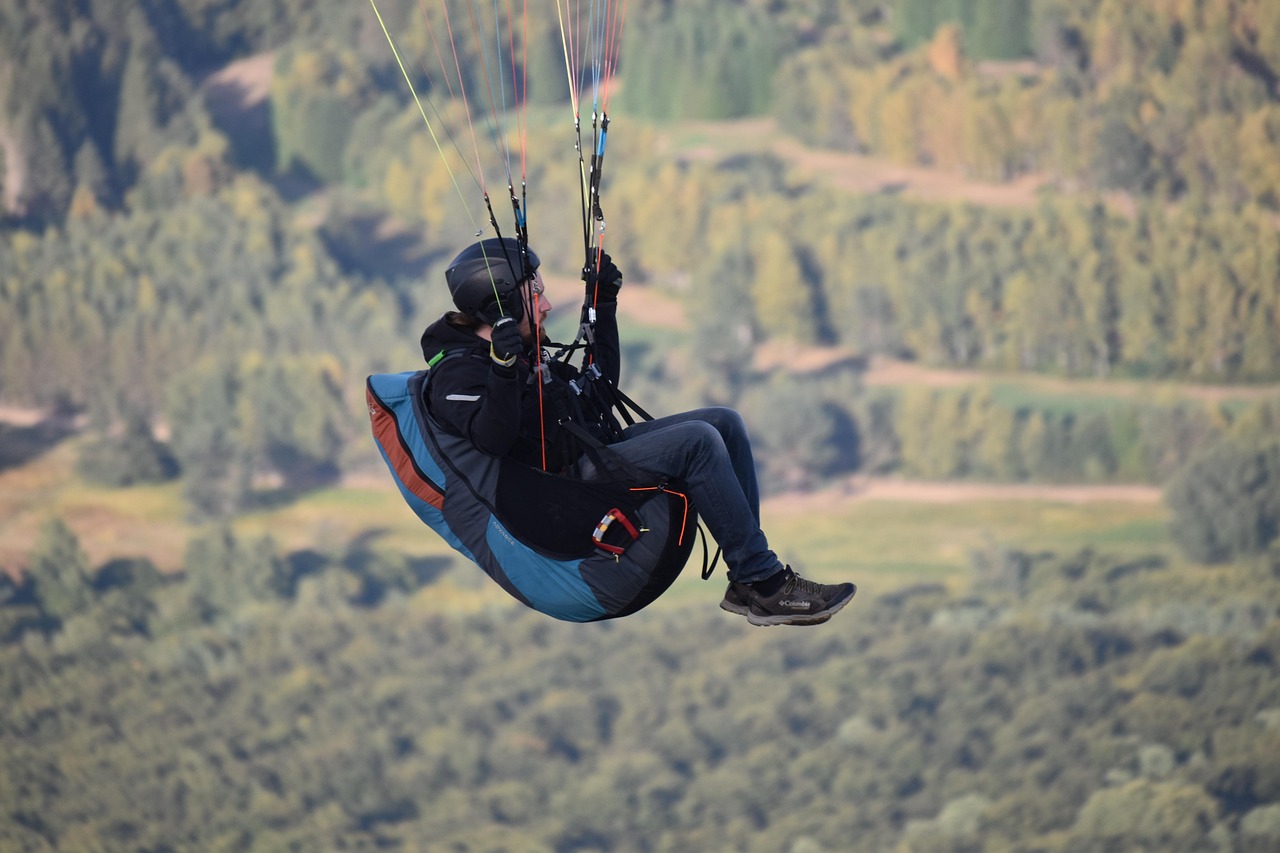
Paragliding in Nainital
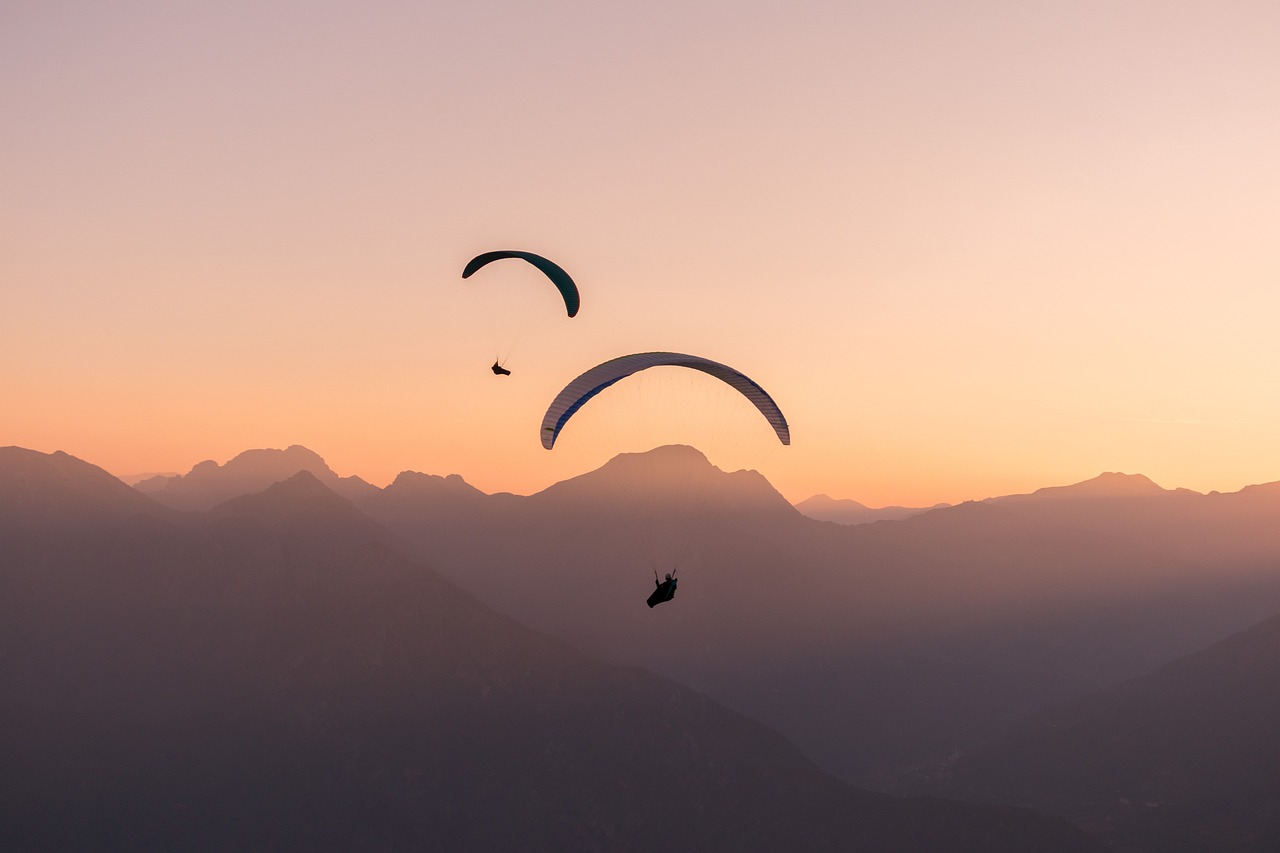
Paragliding in Kamshet
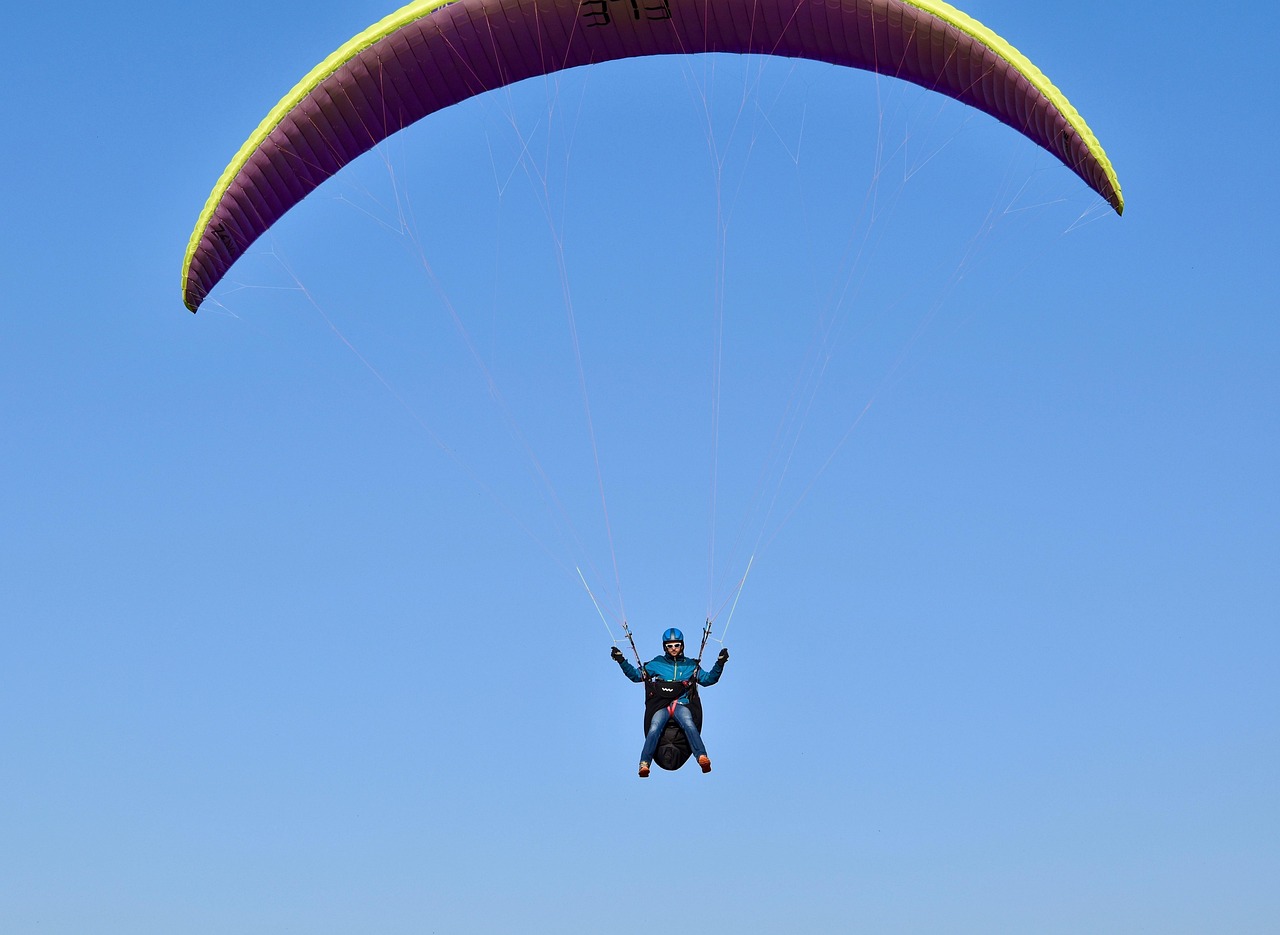
Paragliding in Ranikhet and Mukteshwar
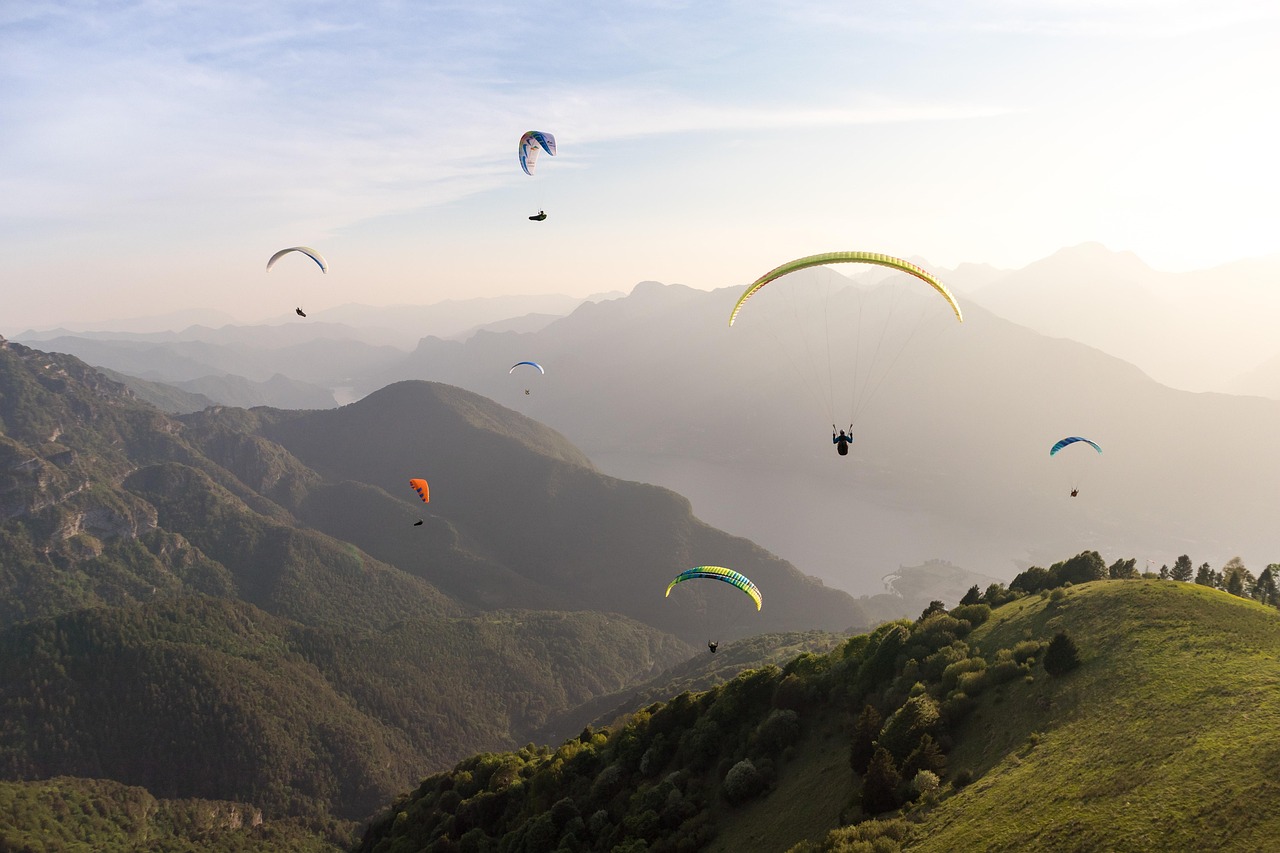
Paragliding in Gangtok
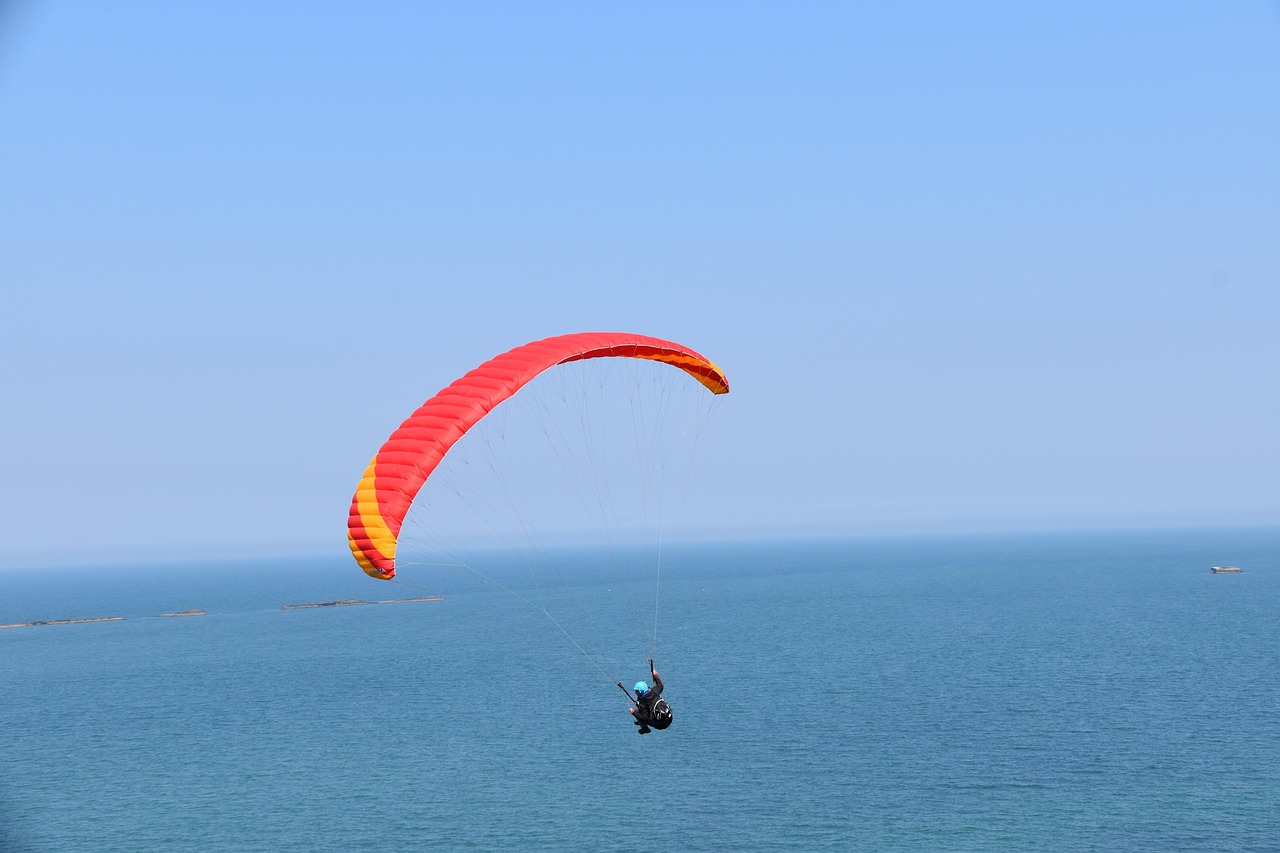
Paragliding in Arambol, Goa
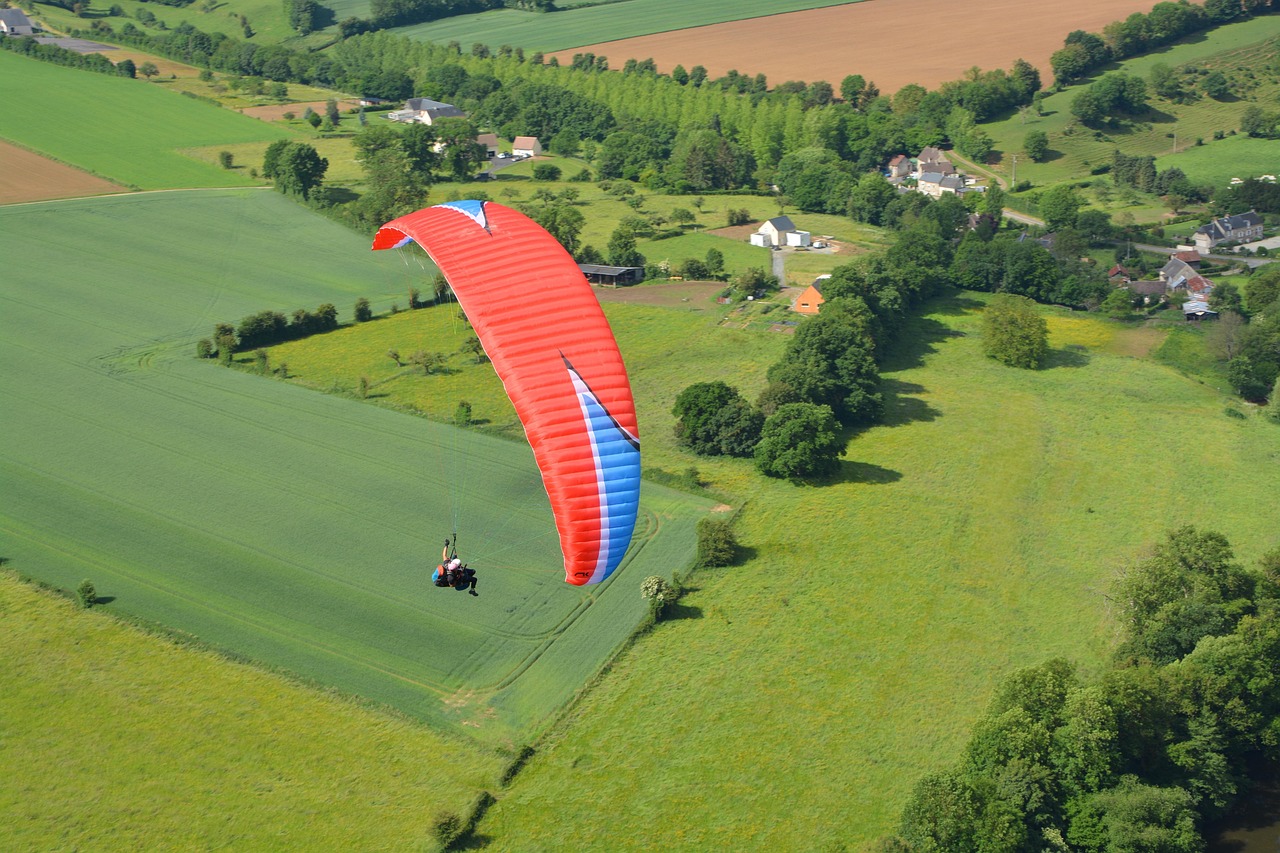
Paragliding in Pavagadh, Gujarat
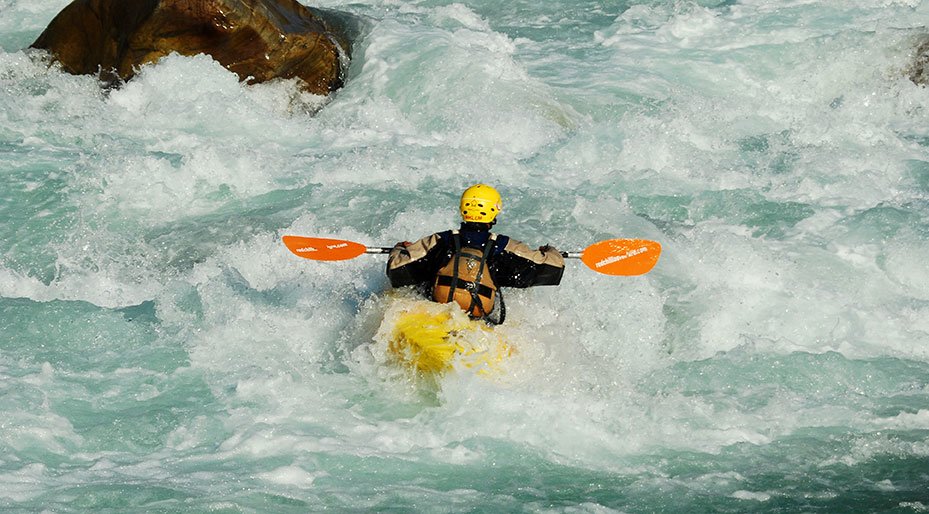
Kayaking in Rishikesh
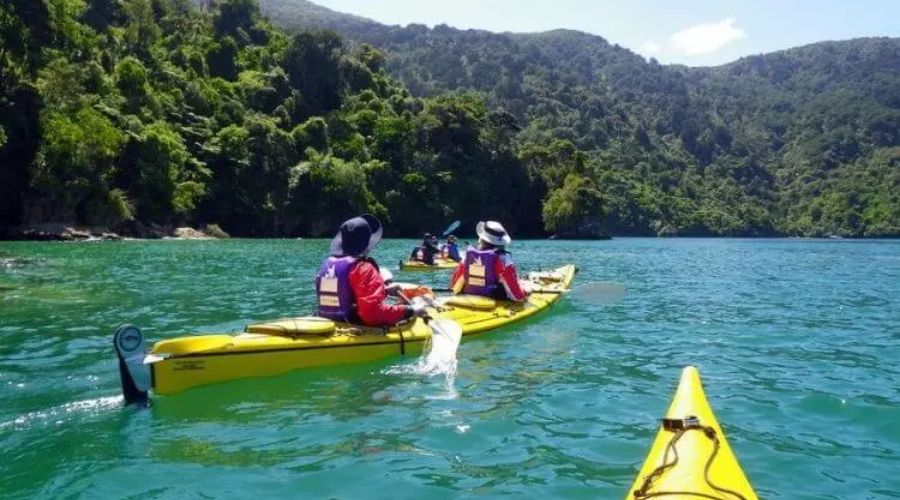
Kayaking in Andaman and Nicobar Islands

Kayaking in Kerala
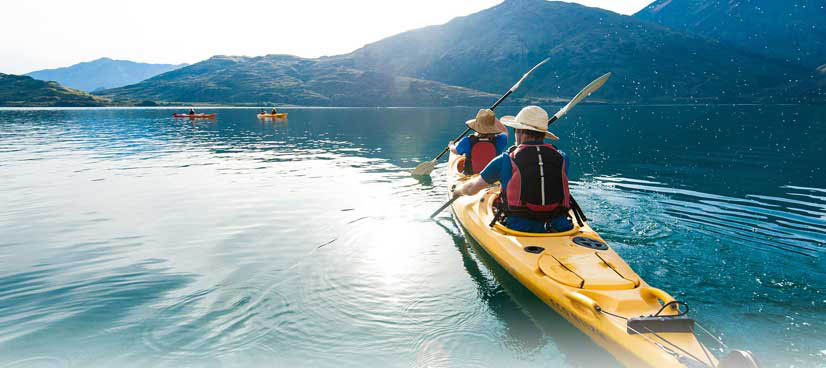
Kayaking in Sikkim
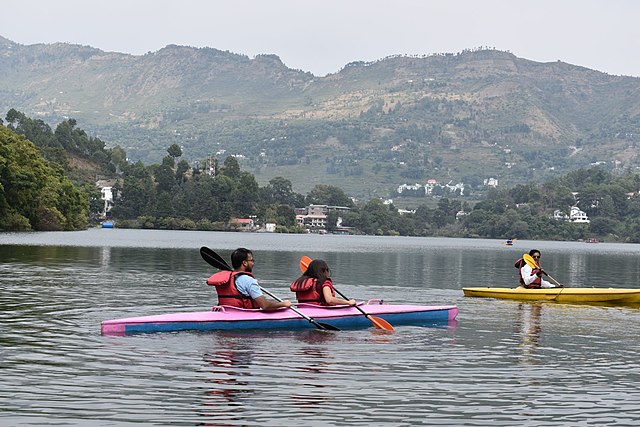
Kayaking in Nainital

Kayaking in Tungabhadra River, Karnataka

Kayaking in Pondicherry

Surfing in Goa

Surfing in Varkala (Kerala)

Surfing in Kovalam (Kerala)

Surfing in Manapad (Tamil Nadu)

Surfing in Udupi (Karnataka)

Surfing in Gokarna (Karnataka)

Surfing in Puducherry

Surfing in Sindhudurg (Maharashtra)
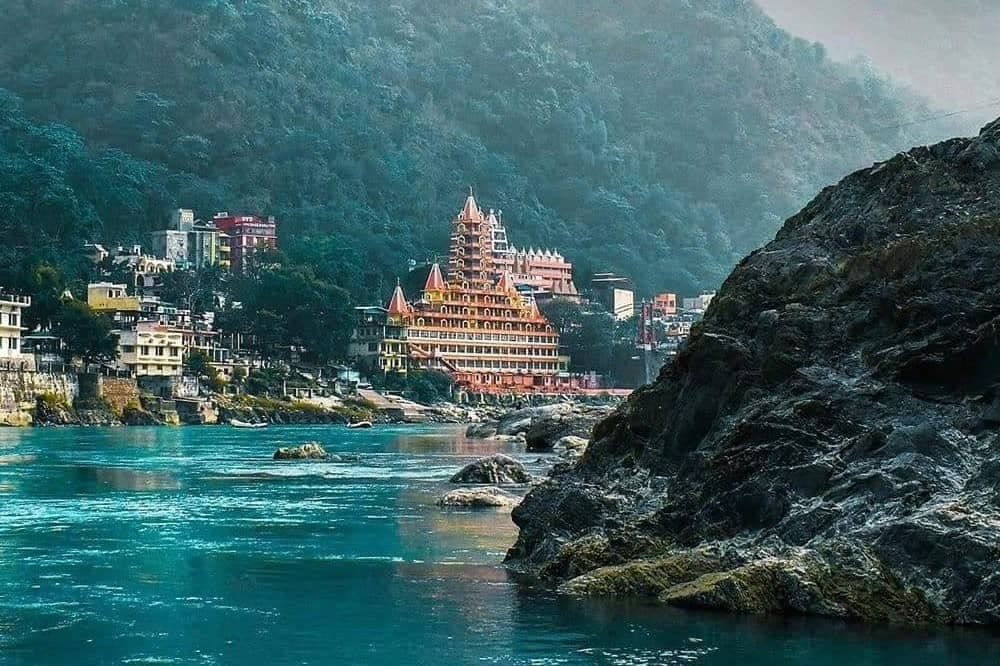
Top 10 Visiting Places in Rishikesh: Your Ultimate Travel Guide
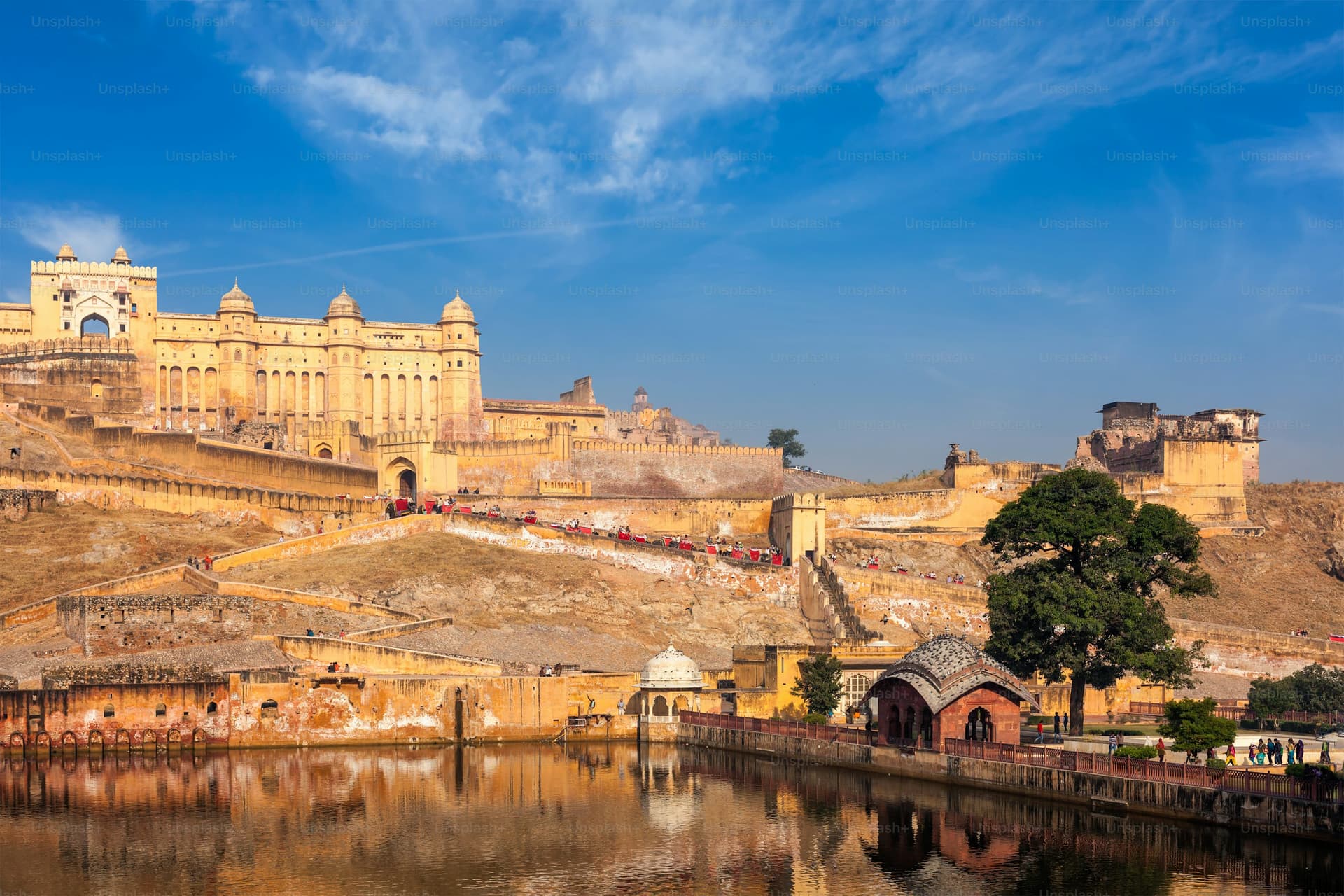
Top 10 Visiting Places in Jaipur: The Pink City’s Must-See Attractions
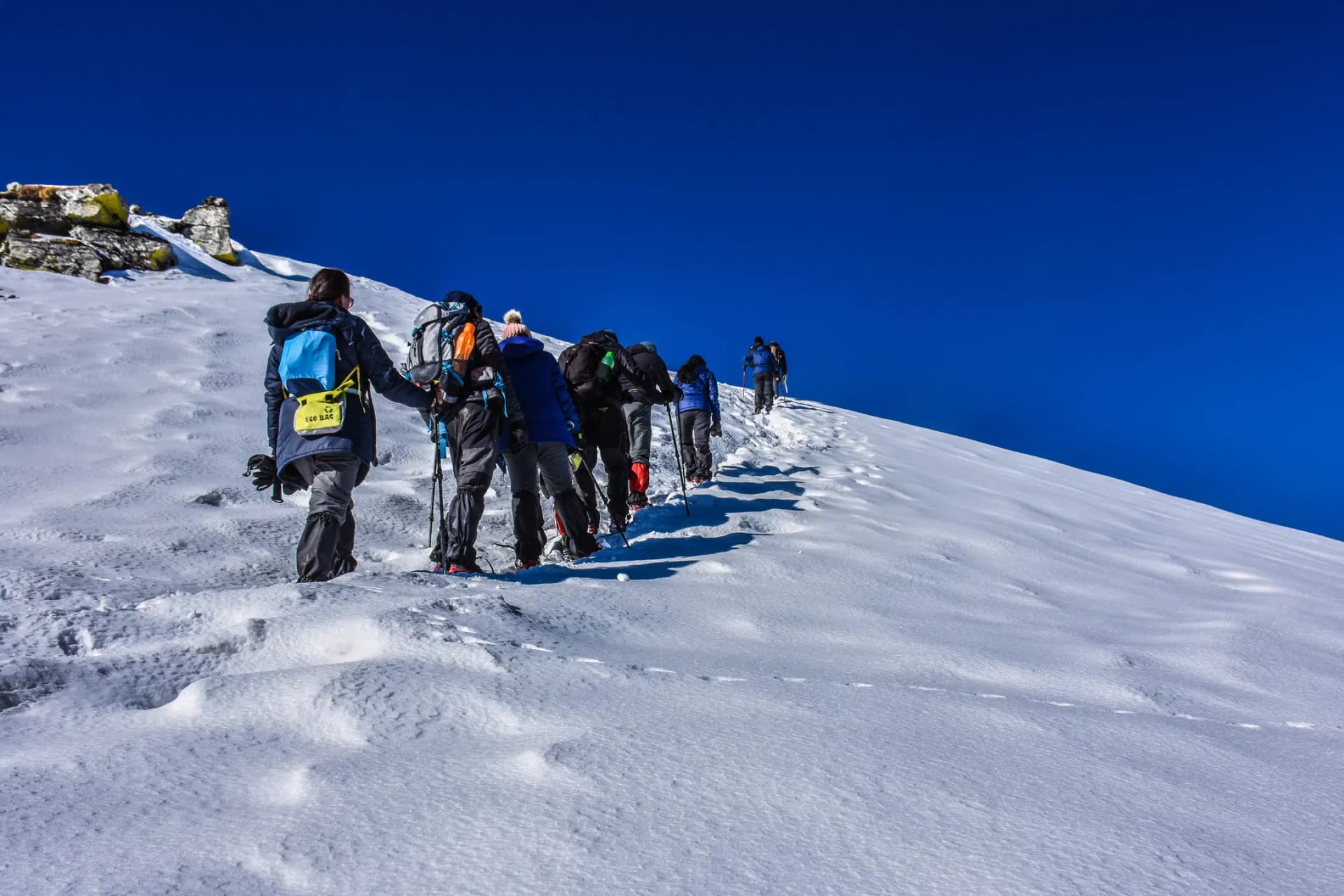
9 Amazing Treks in Uttarkashi: A Perfect Blend of Adventure, Beauty, and Peace
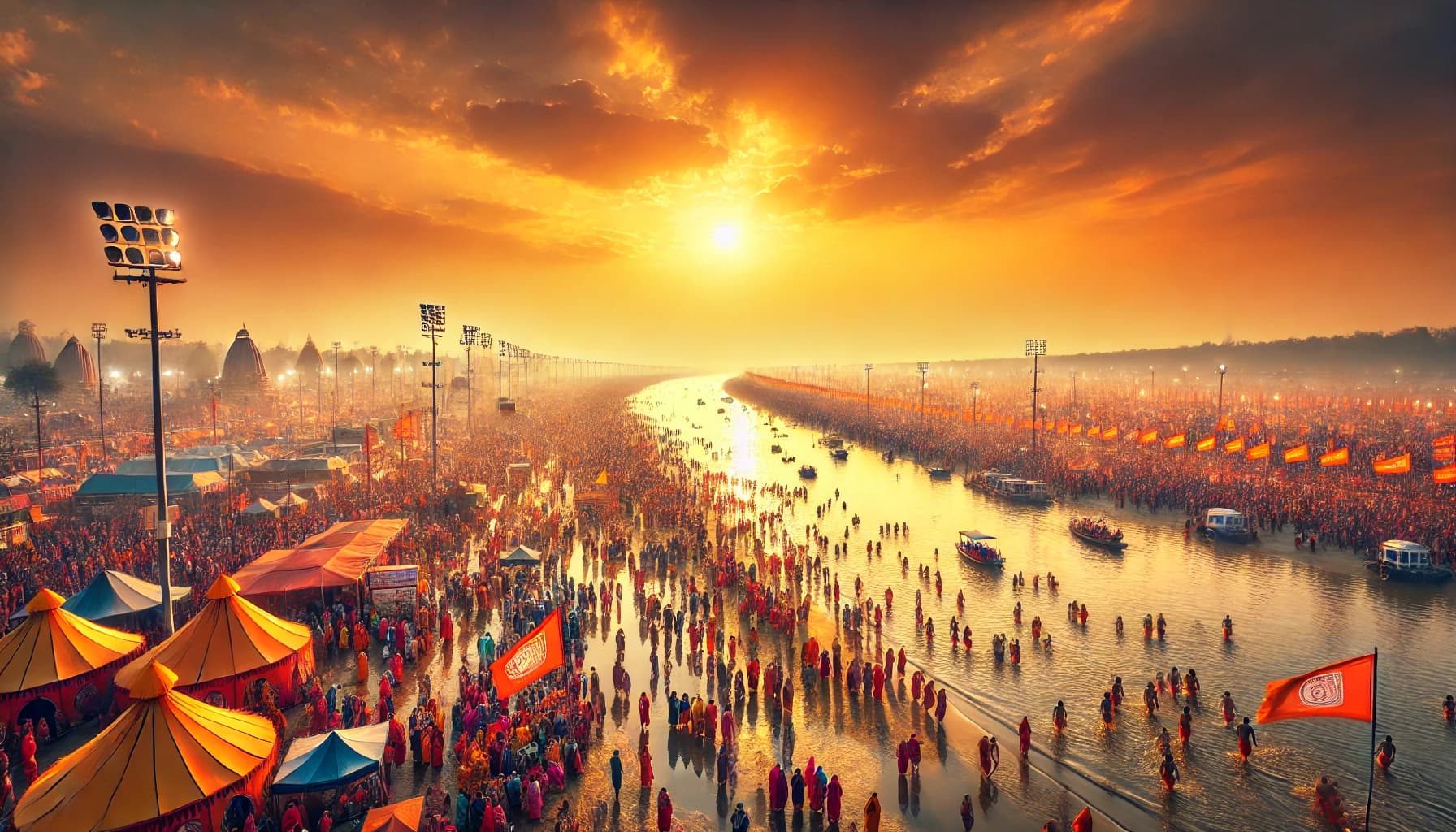
Prayagraj Maha Kumbh Mela 2025: Royal Bath Dates and Their Religious Significance
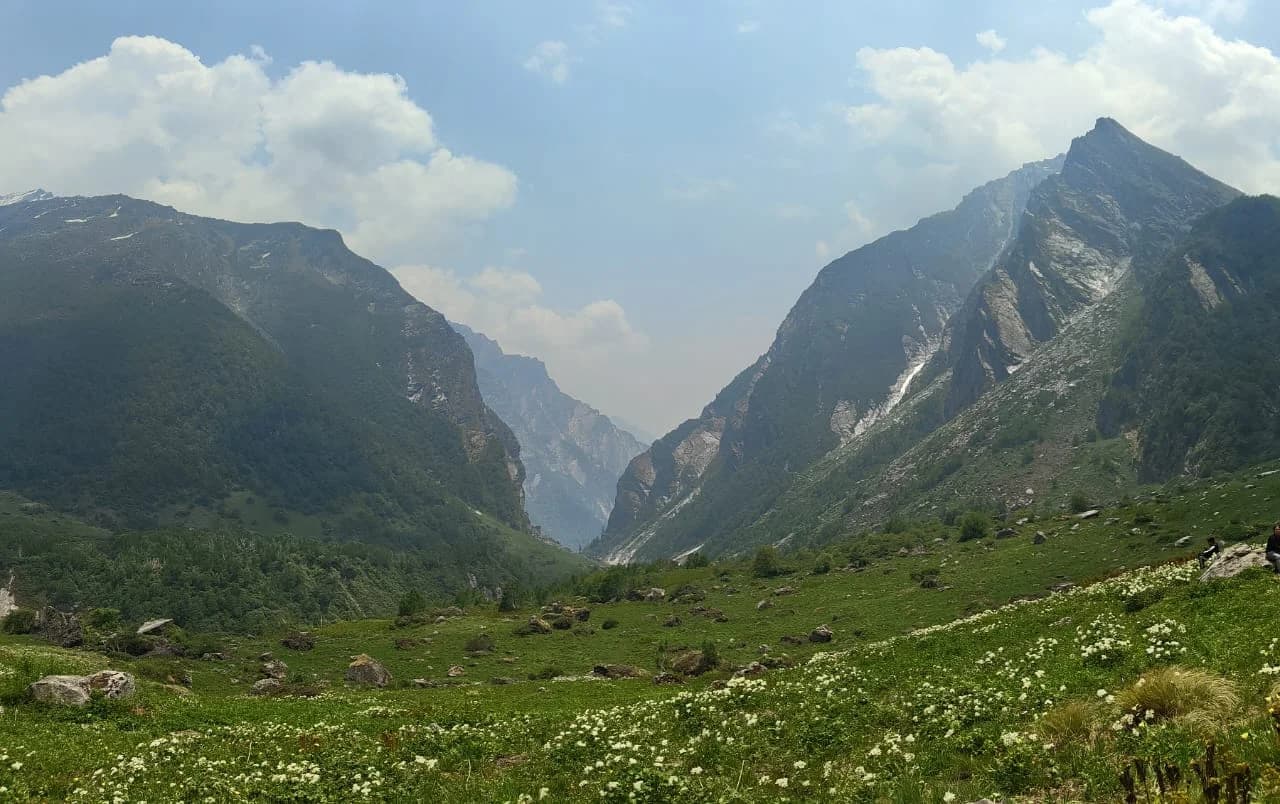
Valley of Flowers: A Himalayan Wonderland of Bloom and Beauty
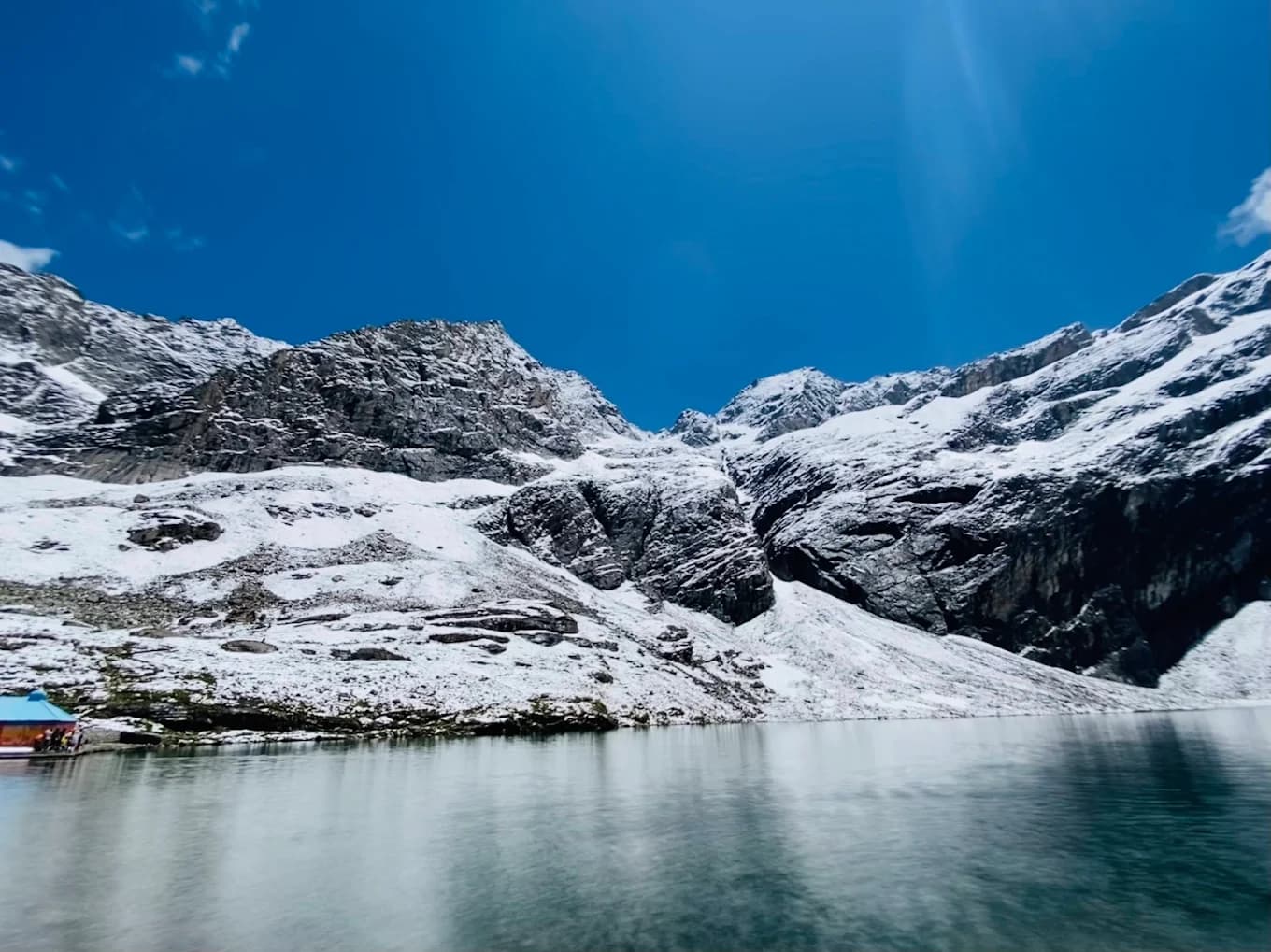
Hemkund Sahib Trek: A Divine Journey to the Sacred Himalayan Pilgrimage
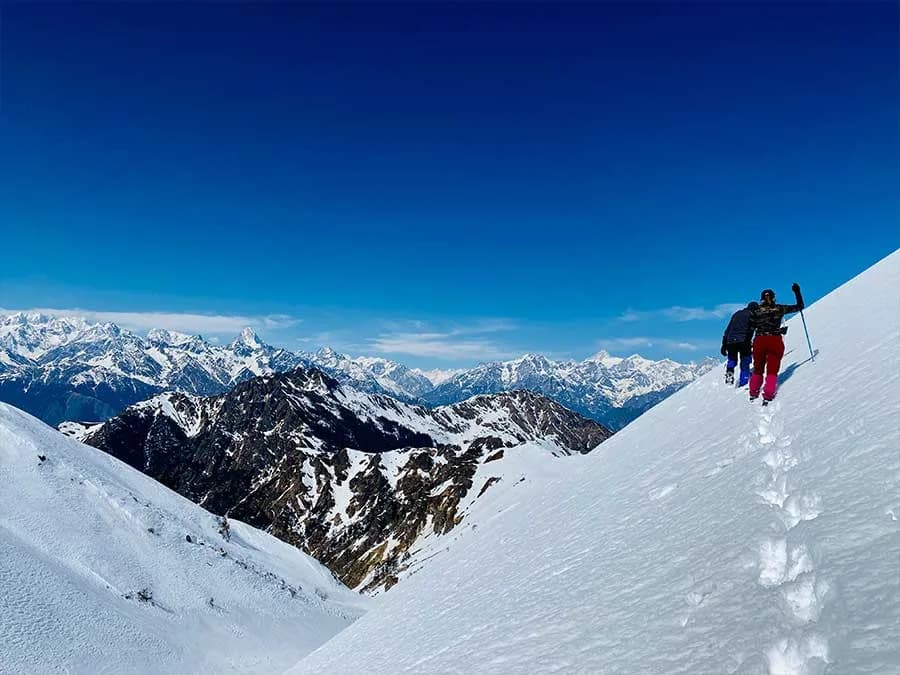
Kuari Pass Trek: A Dreamy Journey Amidst the Himalayas
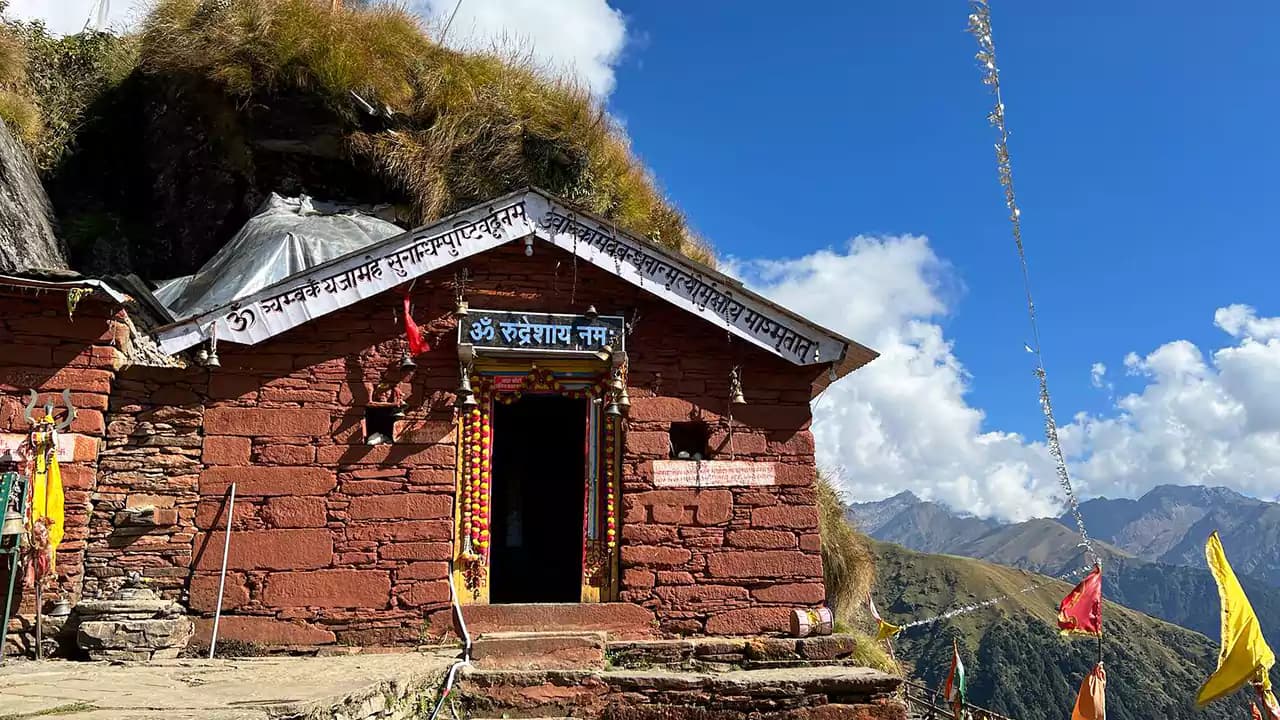
A Unique Spiritual Journey Among the Panch Kedar
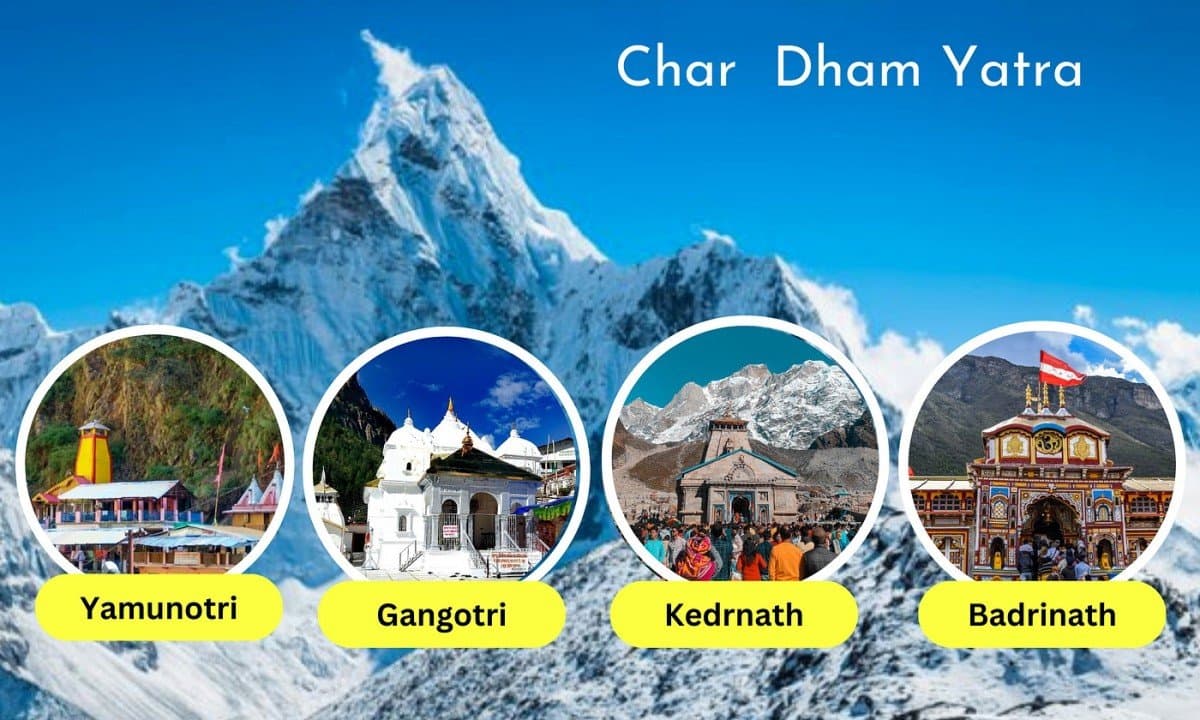
🕉️ Char Dham Yatra: A Life-Changing Spiritual Journey 🏔️🙏
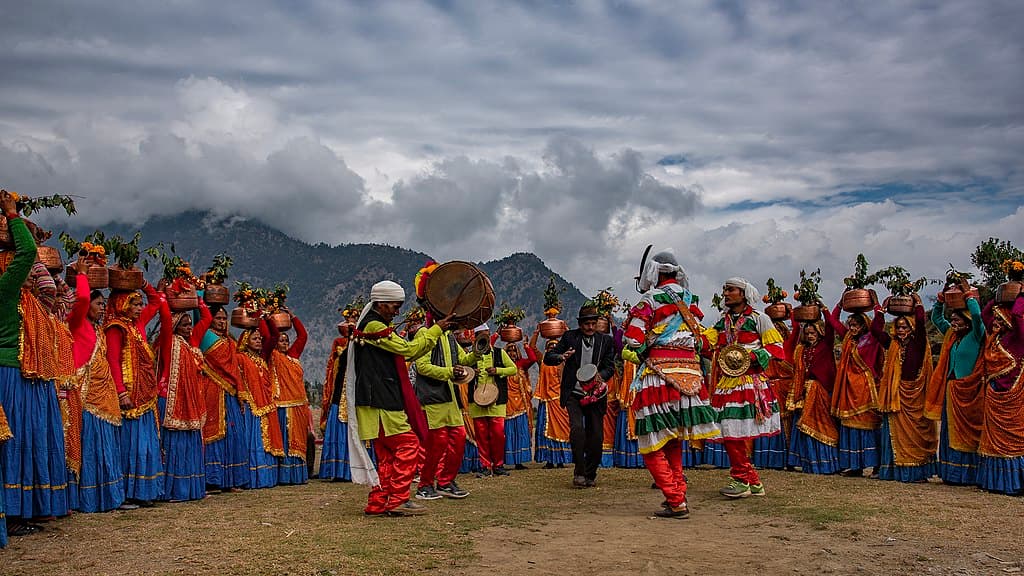
Ganga Dussehra to Nanda Devi Raj Jat: Major Festivals and Culture of Uttarakhand
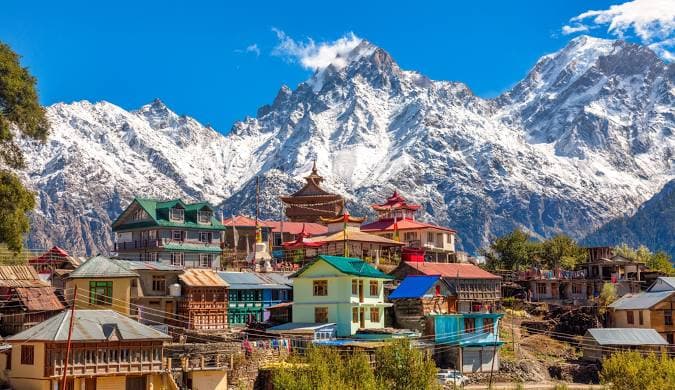
A Paradise in the Lap of the Himalayas: The Complete Travel Story of Himachal Pradesh 🏔️
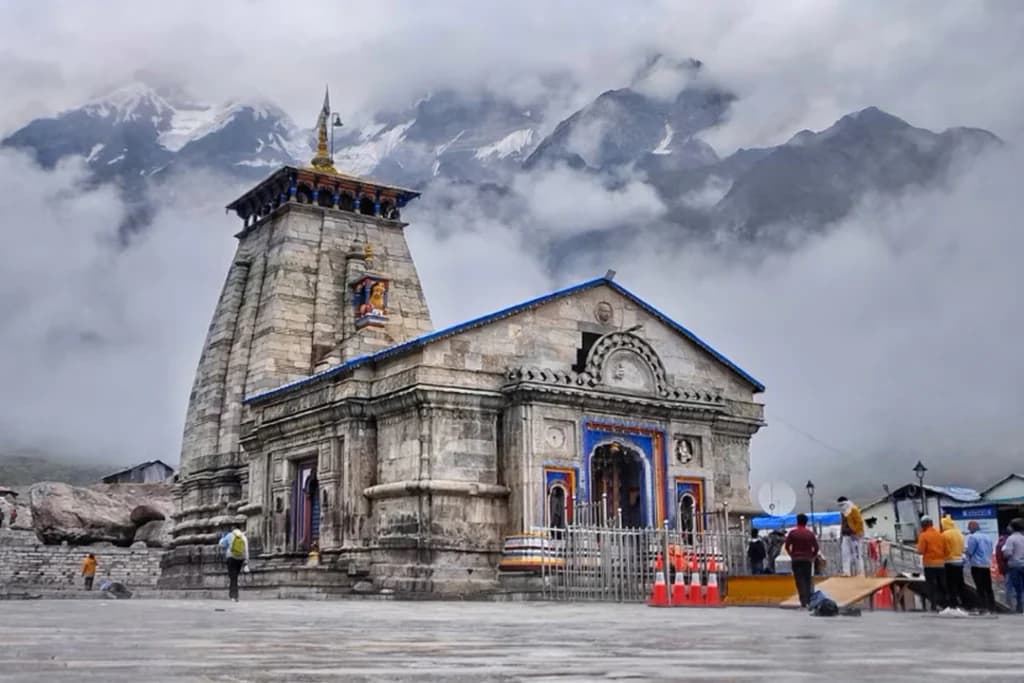
🕉️ The Doors of Baba Kedar Close — The Himalayas Echo with “Har Har Mahadev”

Kedarkantha Trek – The Crown of Winter Treks ❄️
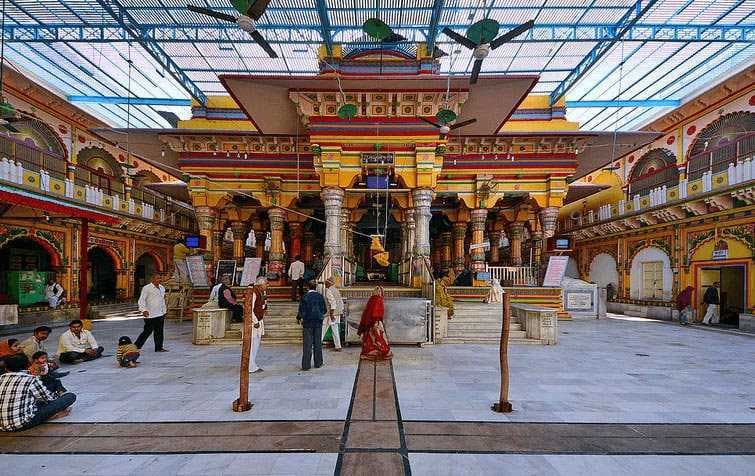
Shri Dwarkadhish Temple, Mathura – The Divine Abode of Lord Krishna
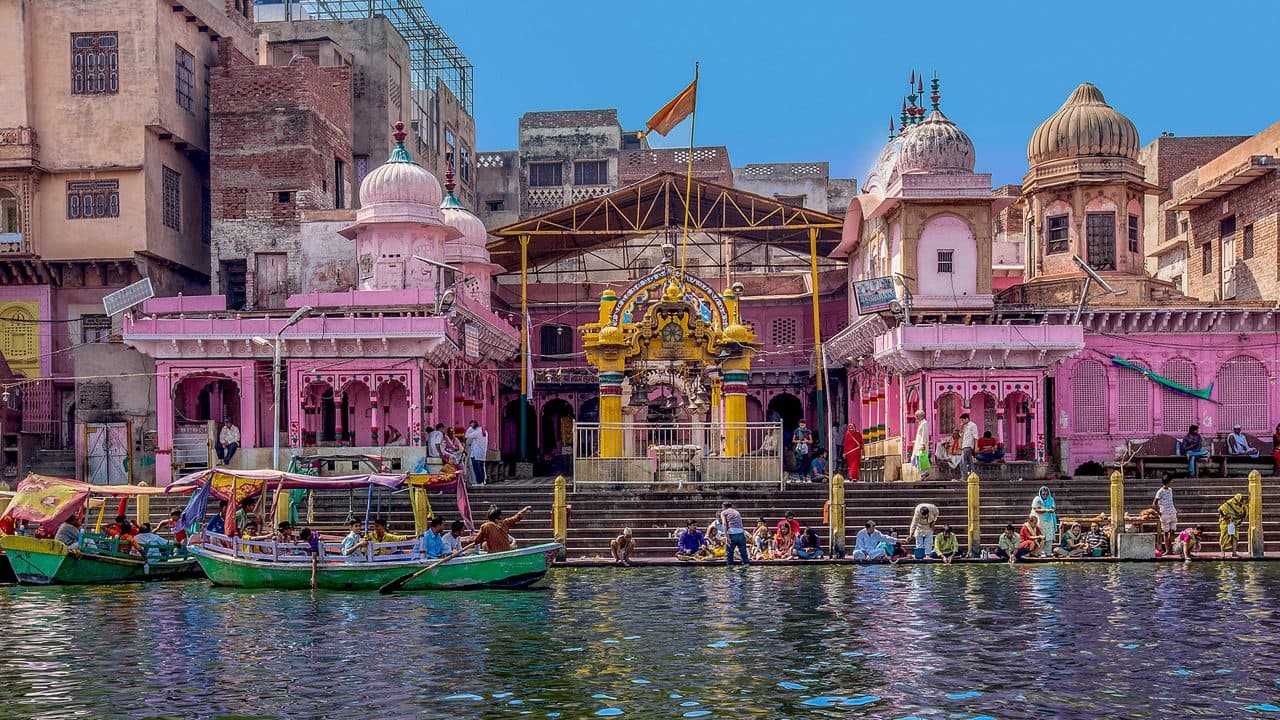
Vishram Ghat: The Sacred Riverside of Mathura
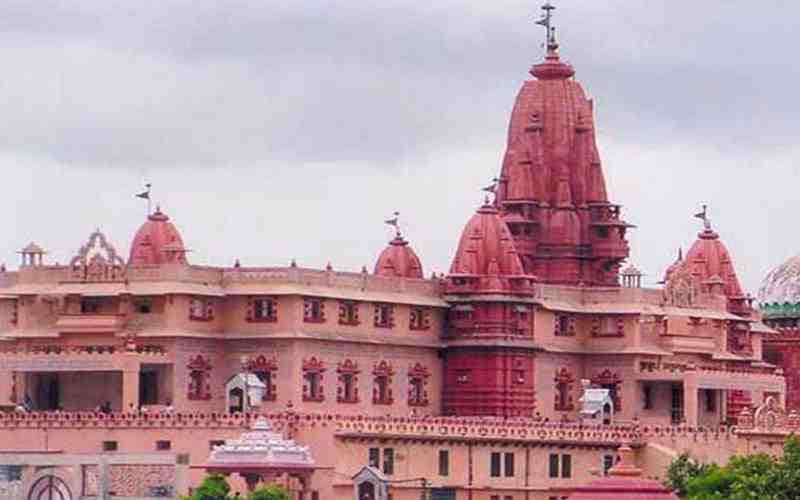
Explore Mathura – Temples, Culture, and Festivals
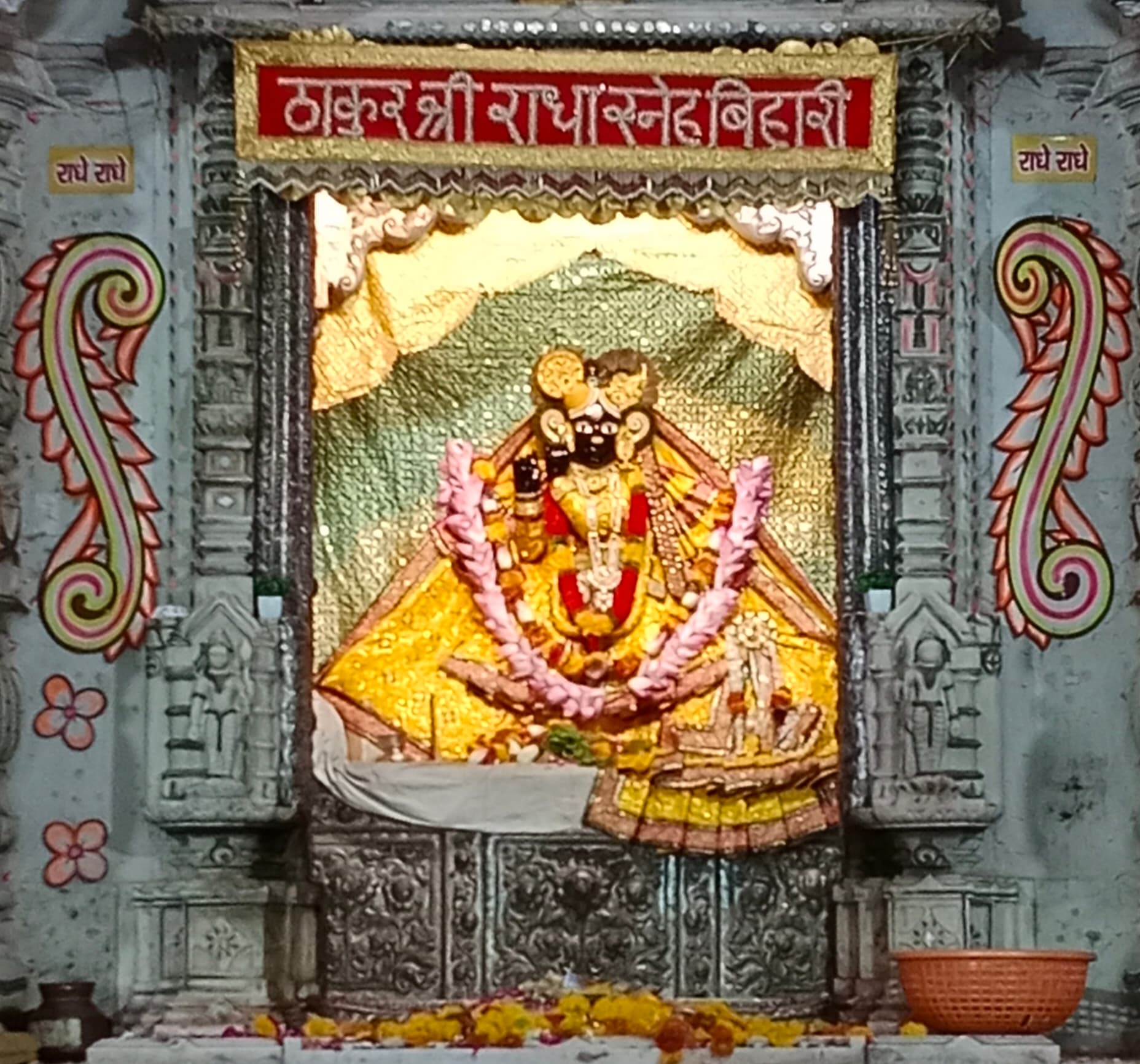
✨ Seek Blessings of Shri Banke Bihari Ji – Experience the Divine Vrindavan! 🙏
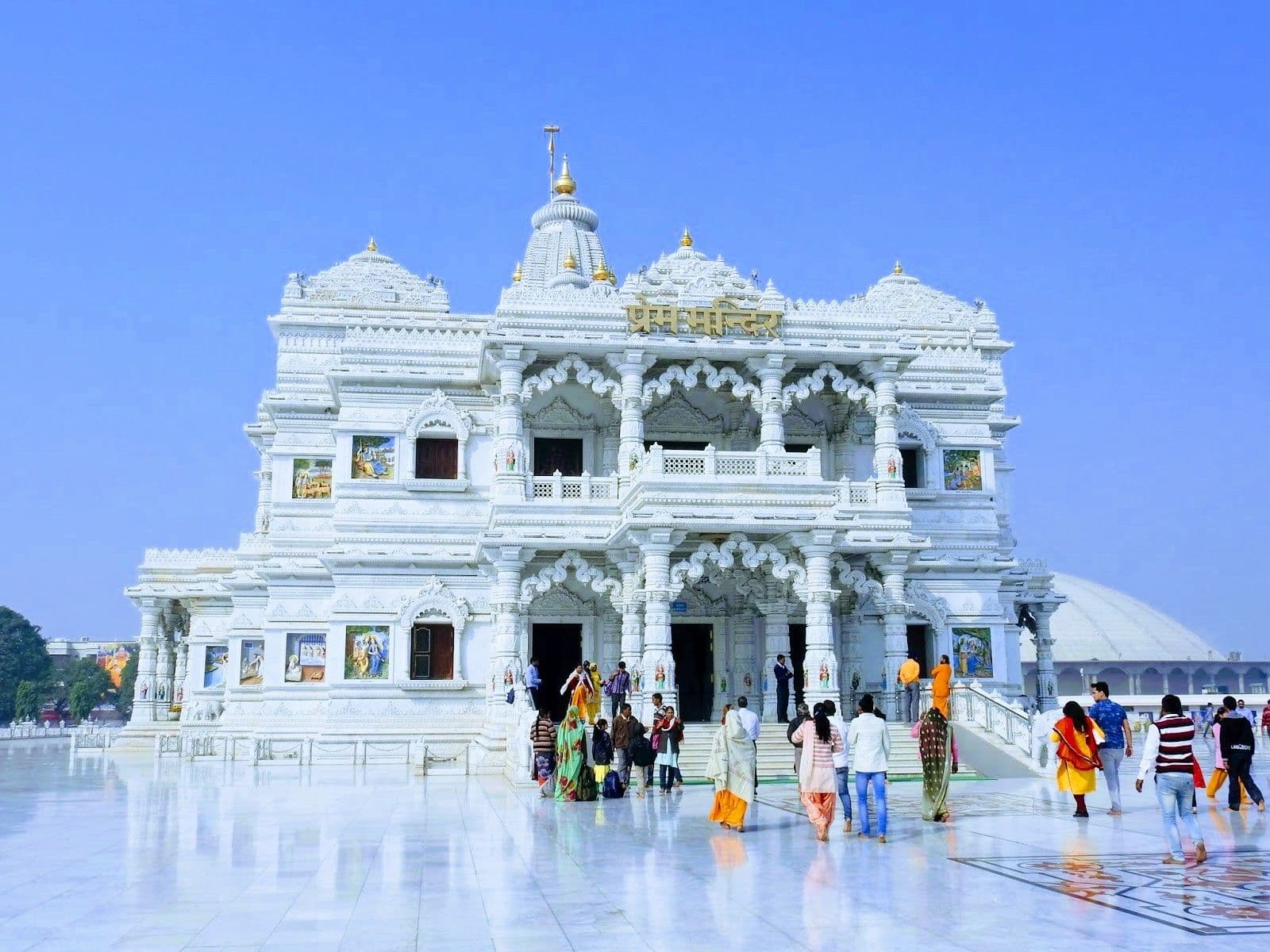
Shri Prem Mandir – Feel the Divine Love in Vrindavan 🙏
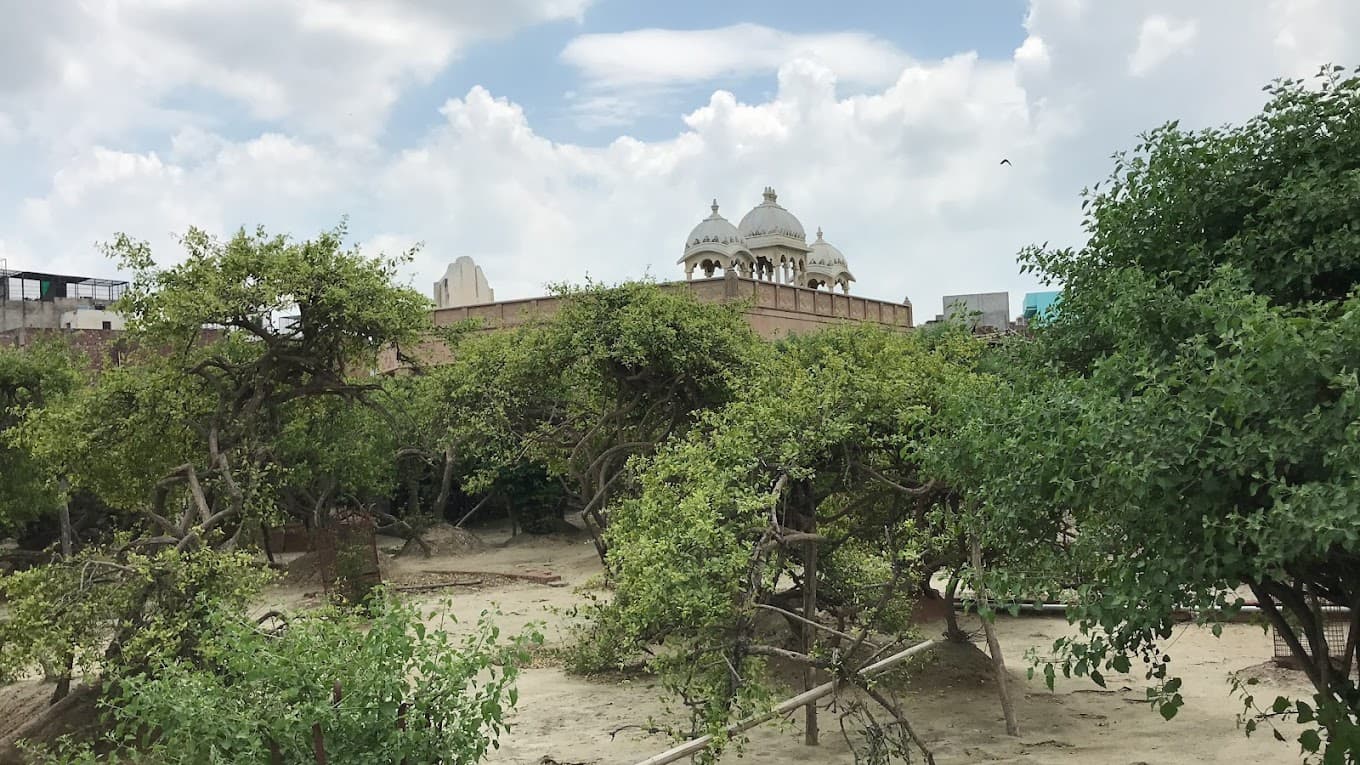
Nidhivan Vrindavan: Where Radha-Krishna Still Perform the Divine Ras Leela
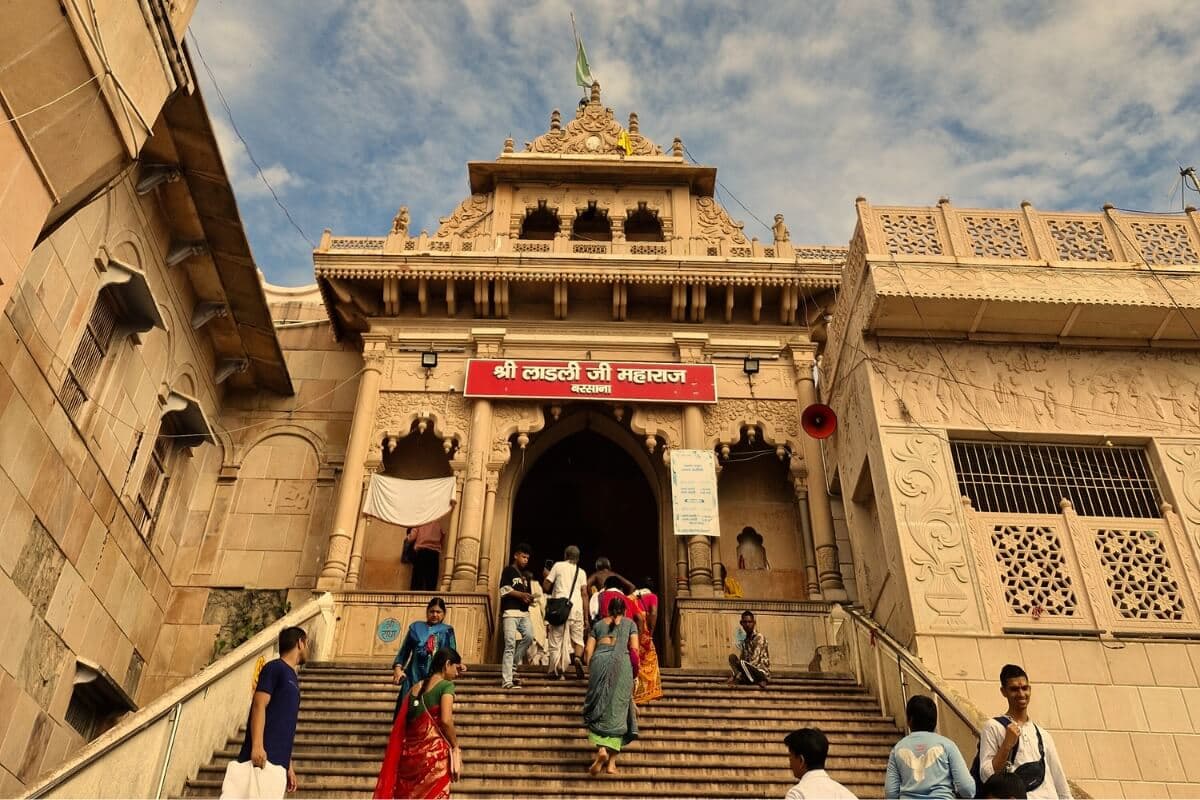
🙏 Have a divine darshan of Shri Radha Rani Temple in Barsana!
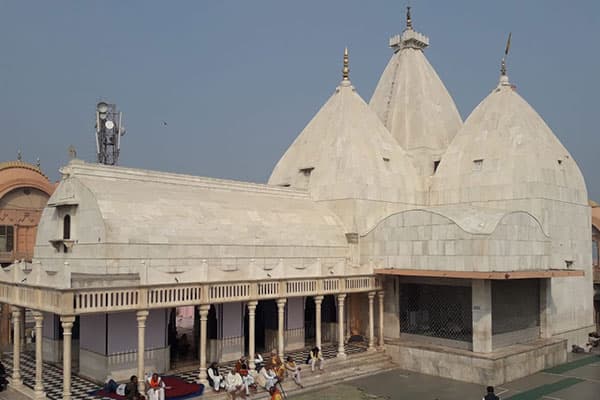
The historic Nanda Bhavan Temple in Gokul – a glimpse into the childhood of Lord Krishna
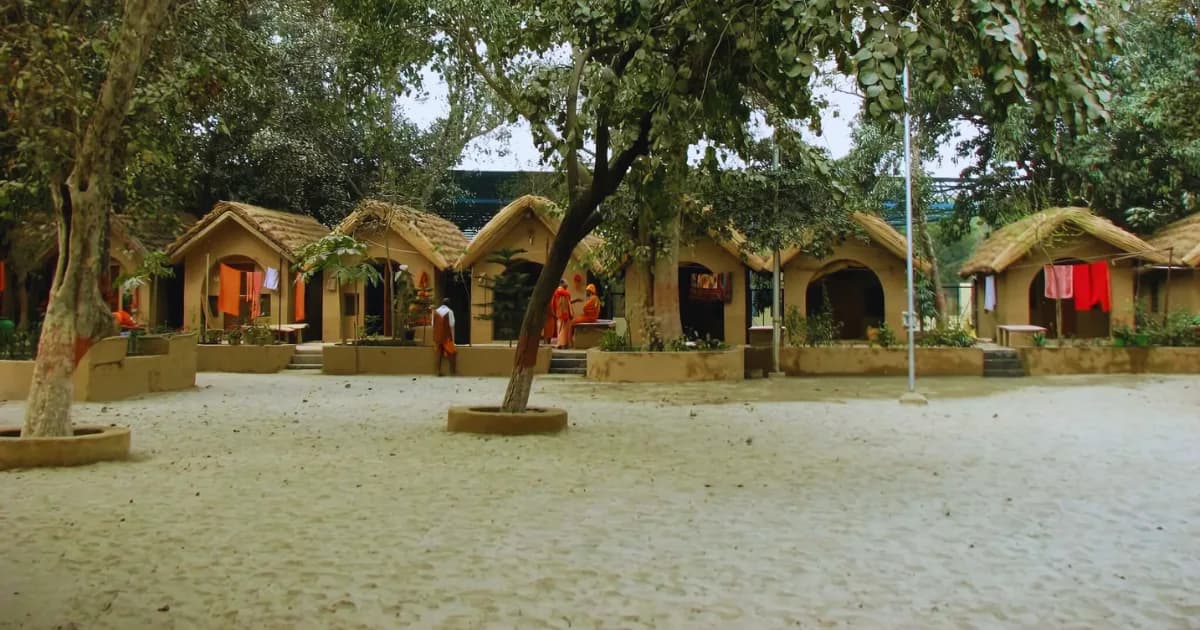
Raman Reti, Mathura: The sacred land of Balkrishna's pastimes
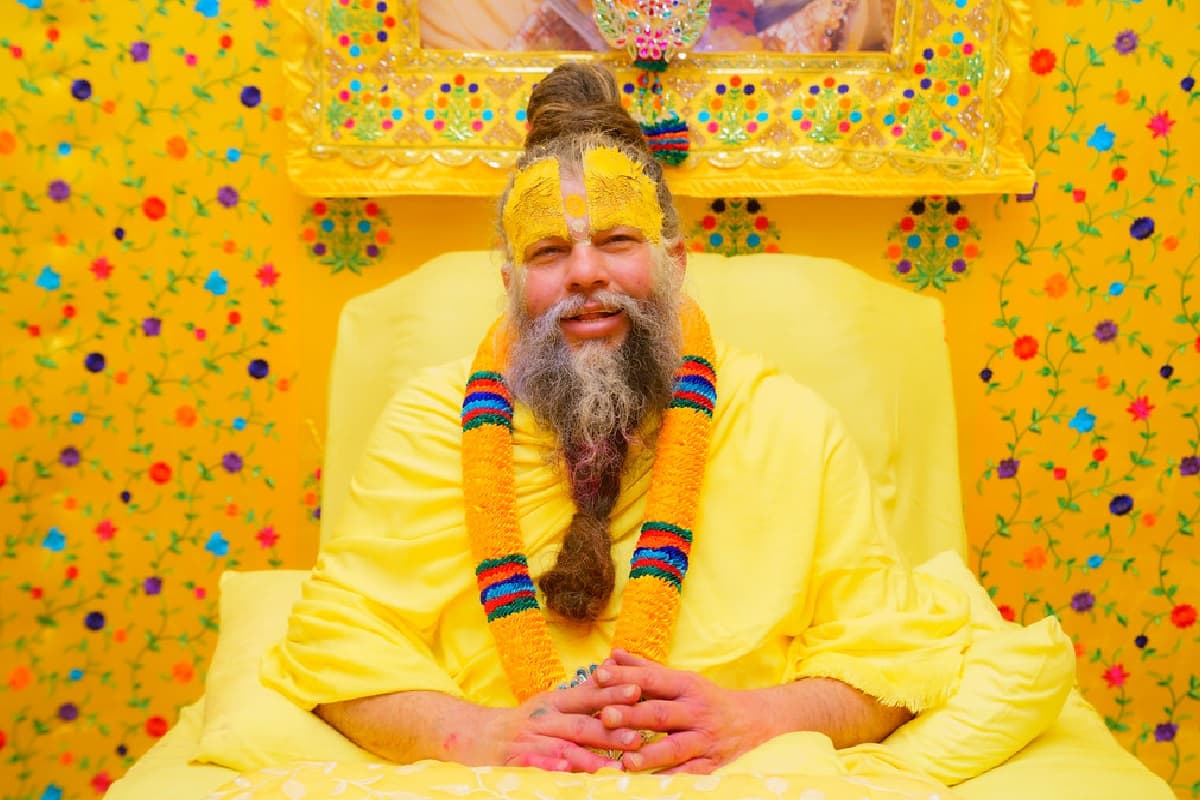
How to Get Darshan of Shri Premanand Ji Maharaj? Understand the Timings, Location & Contact Process.
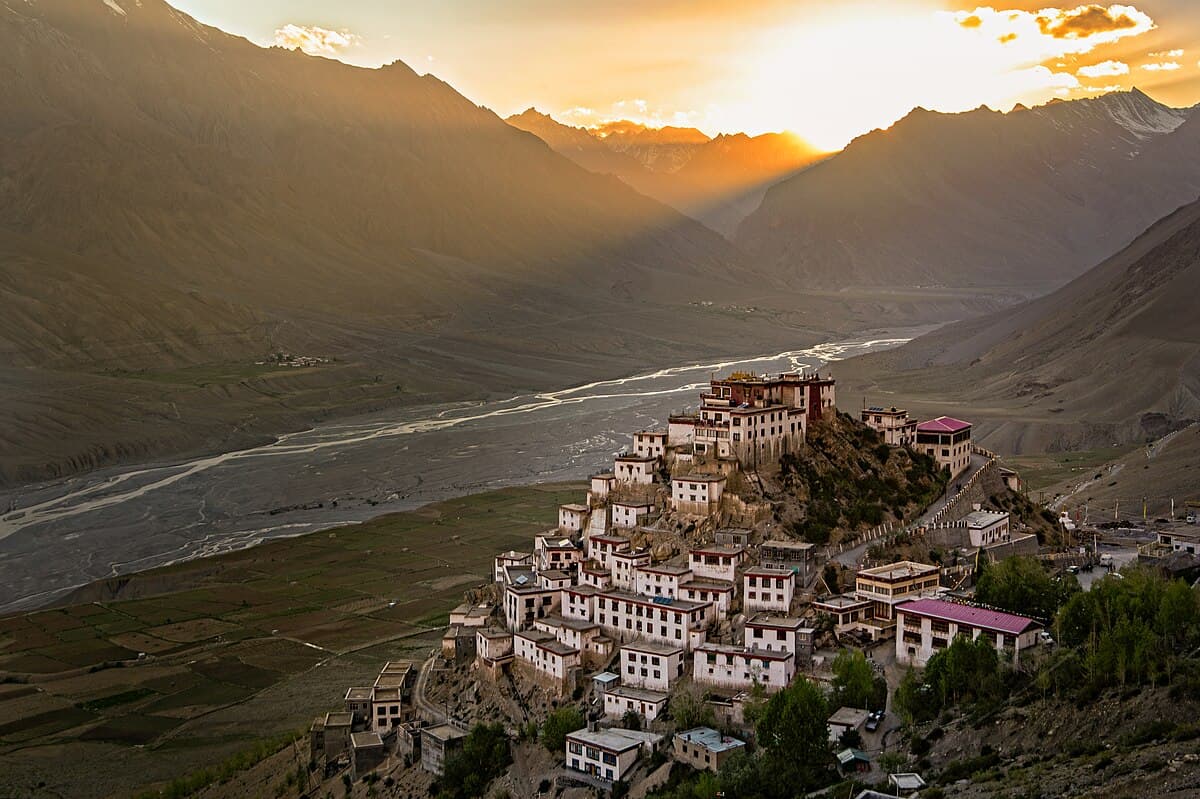
Discover the Magic of Spiti Valley – Villages, Monasteries & Scenic Wonders Await! 🏔️✨
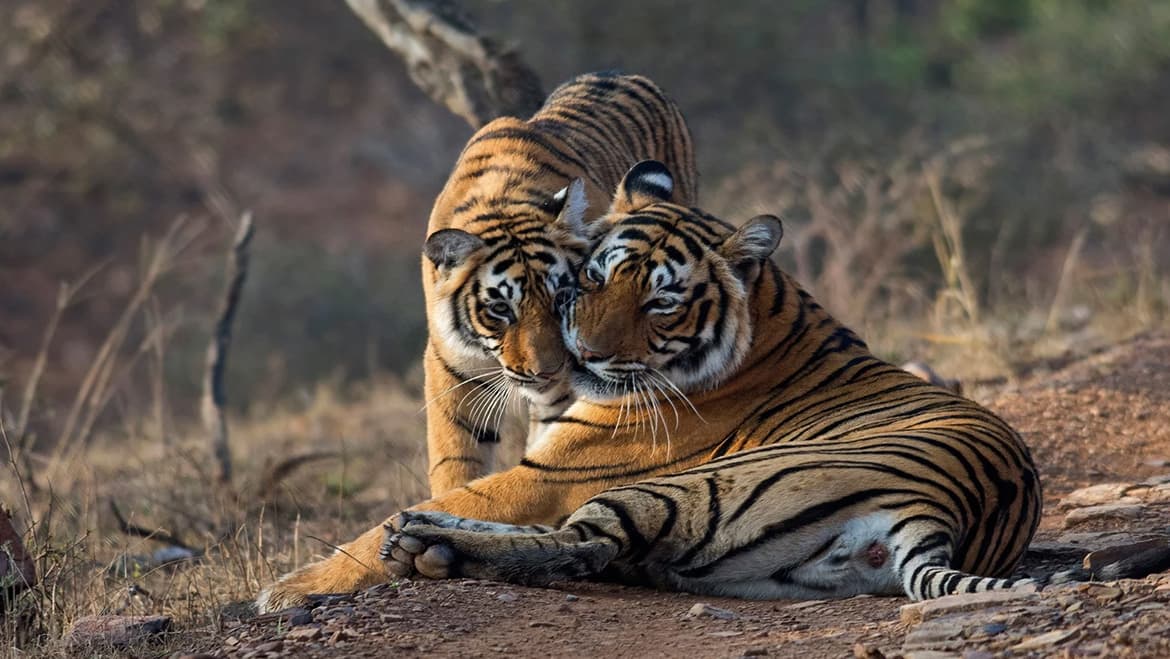
Ranthambhore National Park – Where Royal Tigers, Ancient Forts & Wilderness Come Alive
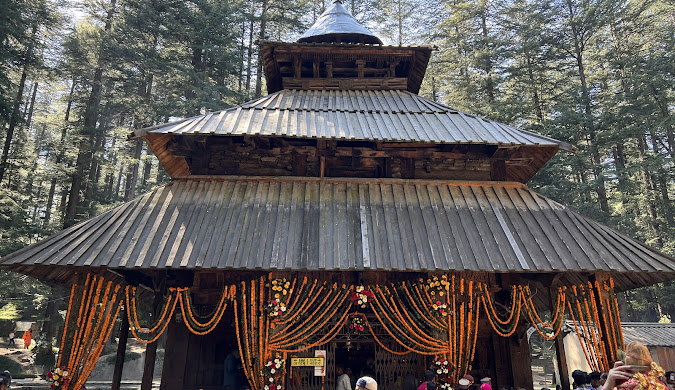
Ultimate Travel Guide to Manali: Attractions, Food, and Safety Tips
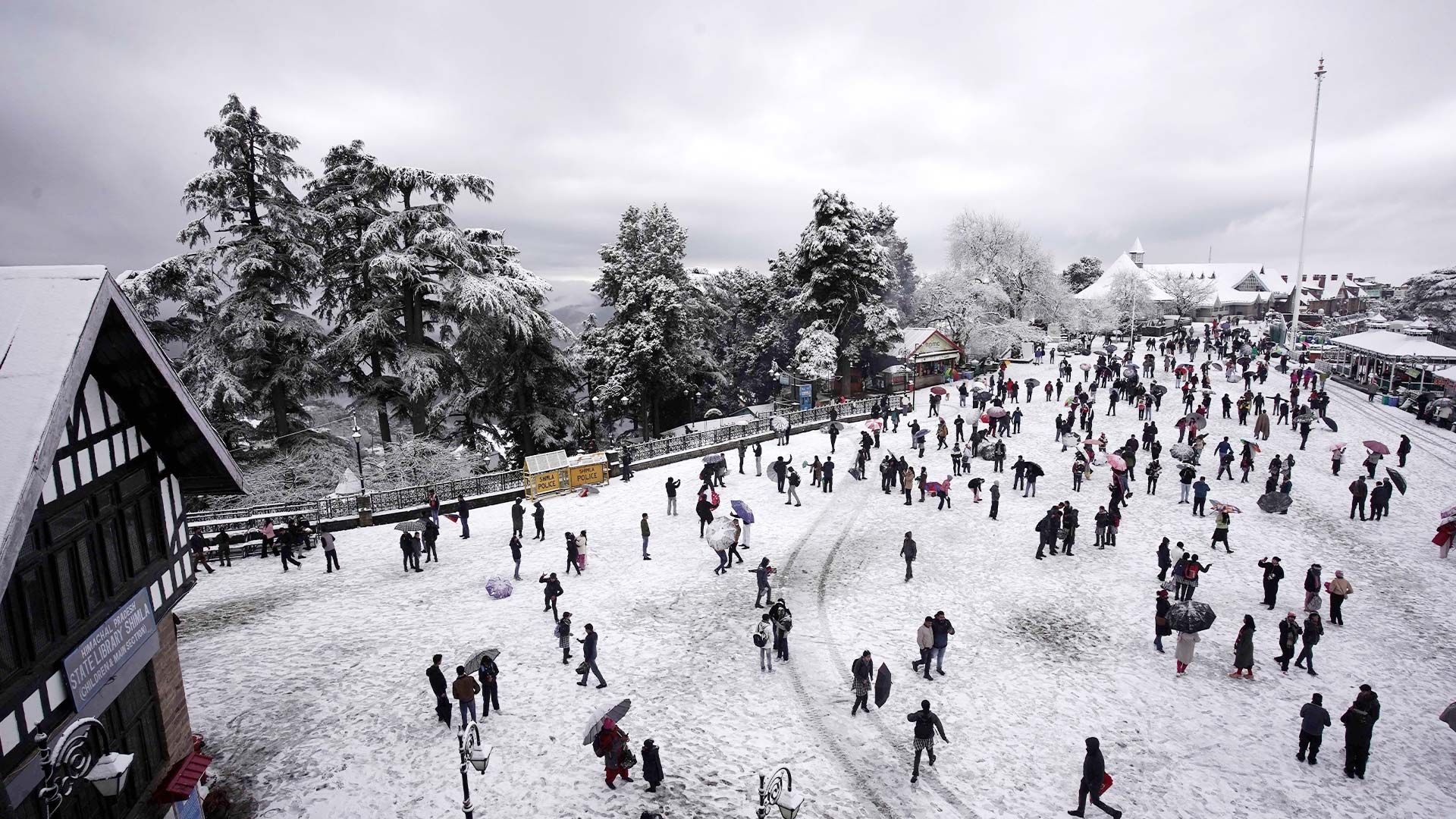
Shimla Travel Guide: Everything You Need to Know Before Visiting the Queen of Hills
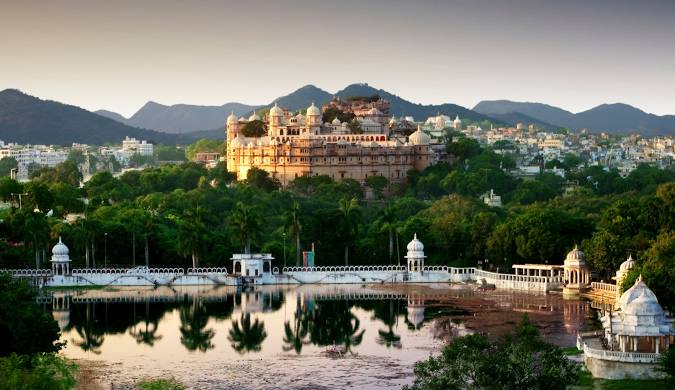
Udaipur – The Venice of the East: A Complete Travel Guide
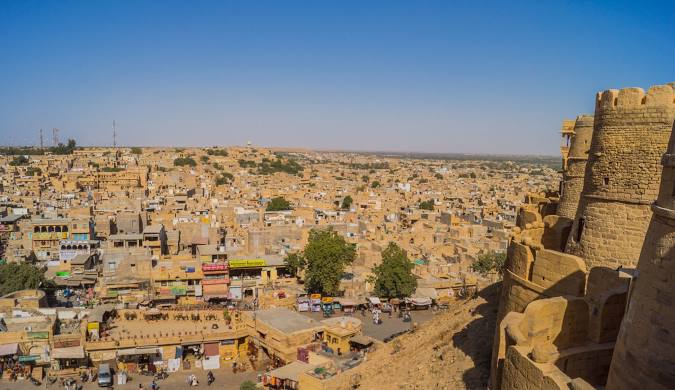
Jaisalmer Travel Guide: History, Forts, Desert Experiences, and Cultural Heritage
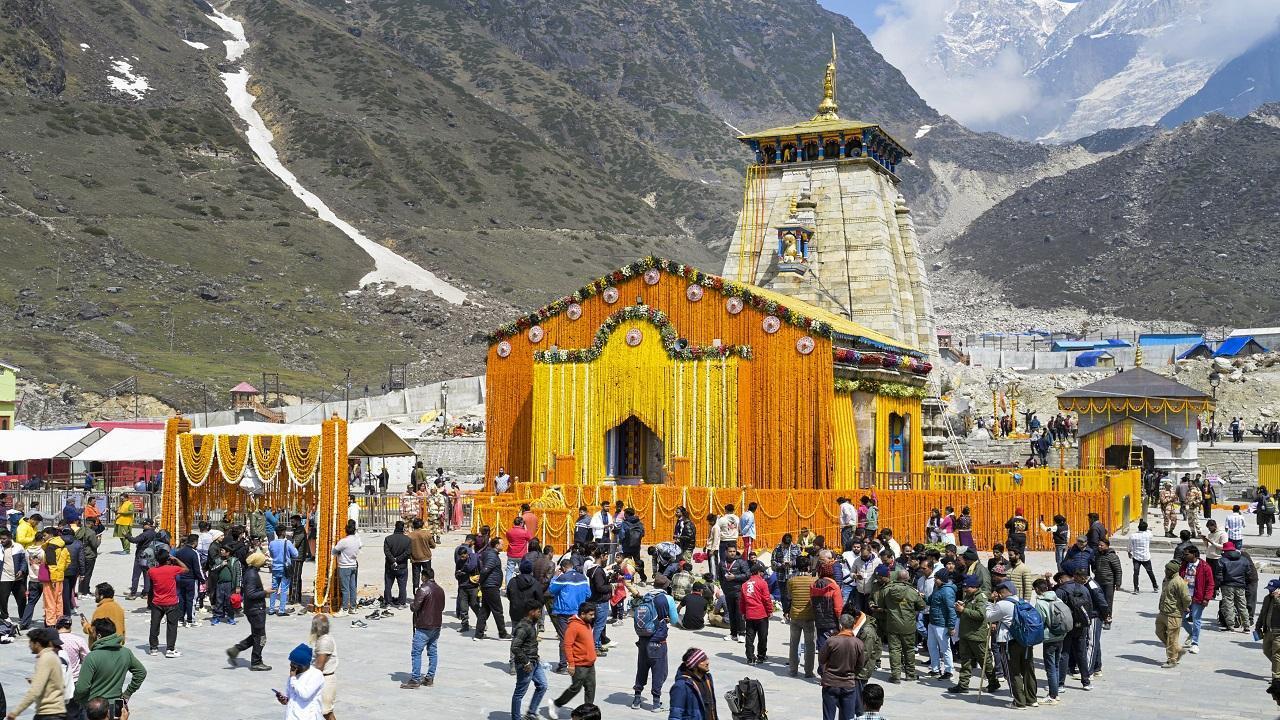
Kedarnath Yatra Registration 2026

Kedarnath Yatra Guide 2026
Kedarnath Helicopter Booking 2026: IRCTC Online Booking, Dates, Price & Complete Guide
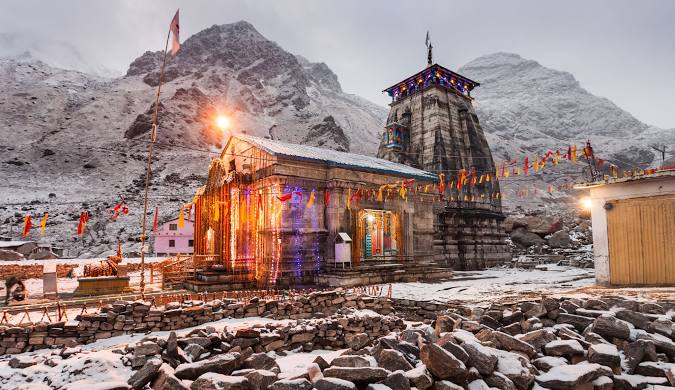
Kedarnath Temple Opens for 2026 Pilgrimage Season on April 22 at 8 AM

Kedarnath Yatra 2026: Ground Reality You Should Know Before Visiting
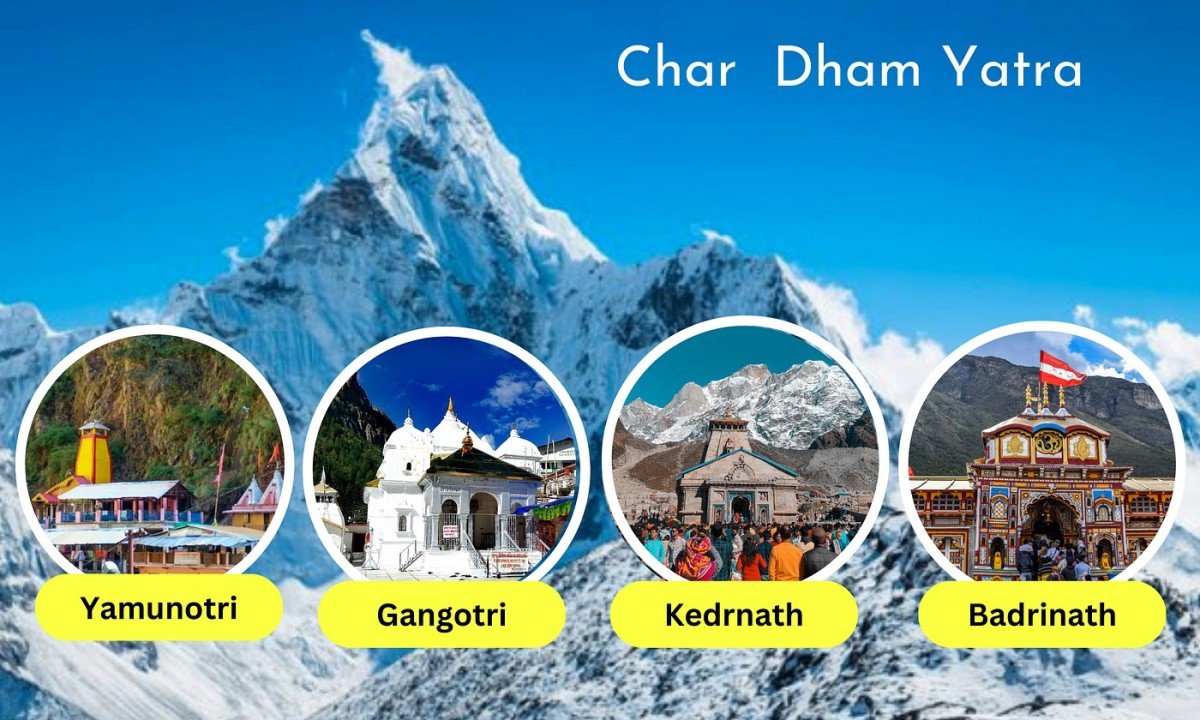
Number of Devotees on Char Dham Yatra Crosses 6.62 Lakh Till 3 May 2026
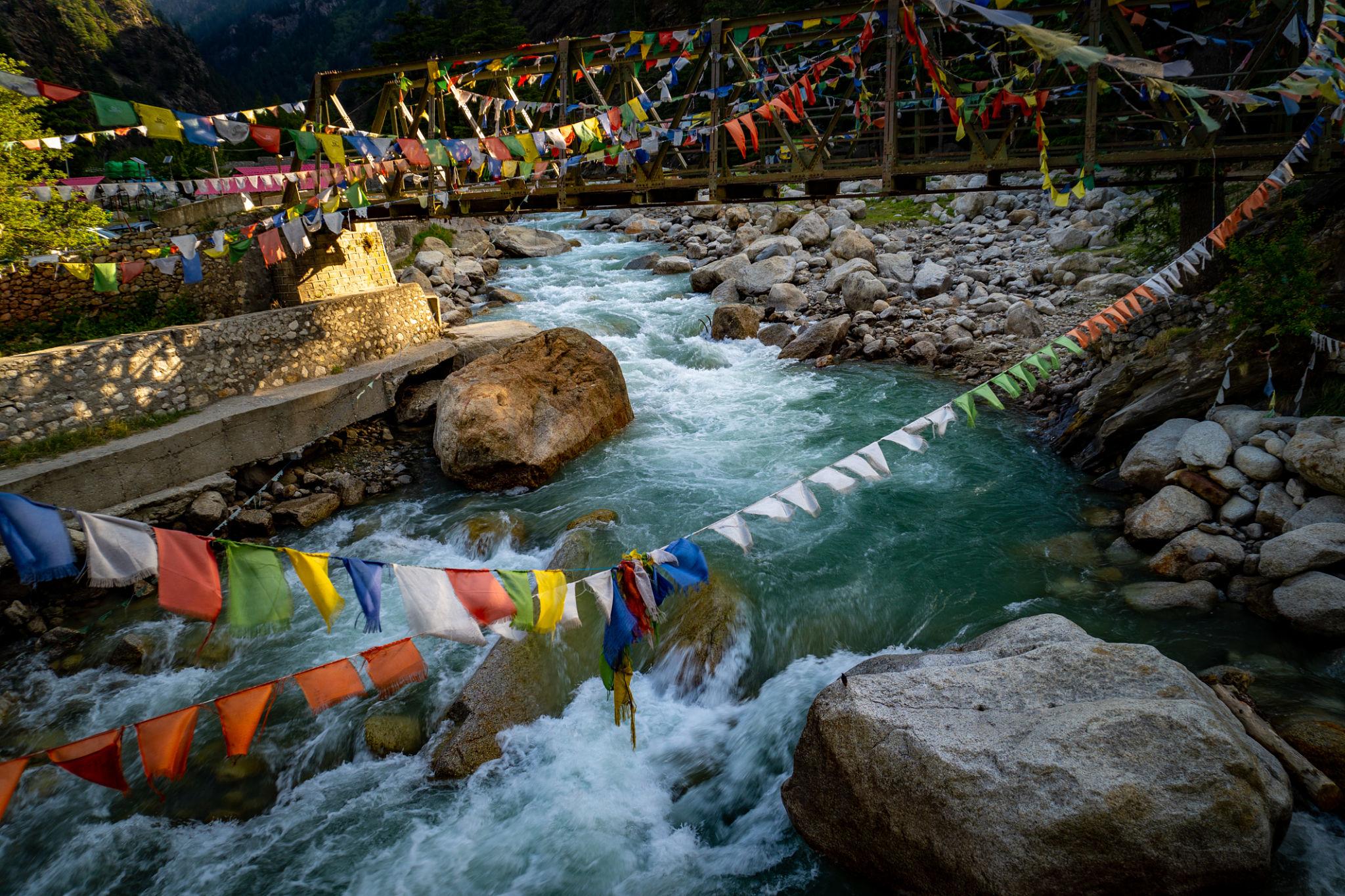
Harshil Valley – Uttarakhand’s Hidden Himalayan Paradise You Must Visit Once
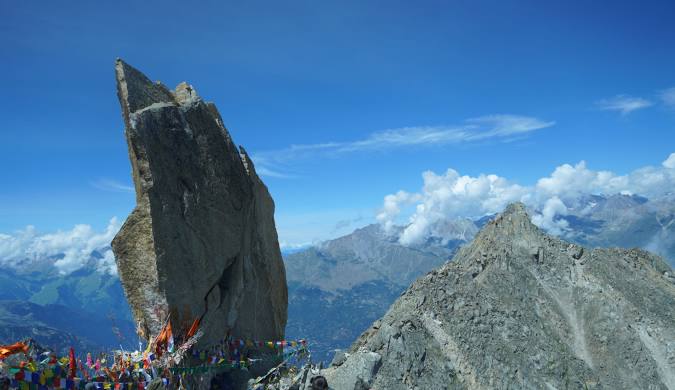
Kinner Kailash – The Mystical Abode of Lord Shiva in the Himalayas
Madhyamaheshwar Temple Travel Guide 2026 – History, Trek, Route, Stay & Complete Travel Information

Delhi to Leh Bus Service 2026: Fare, Route, Timings, Stops & Complete Travel Guide
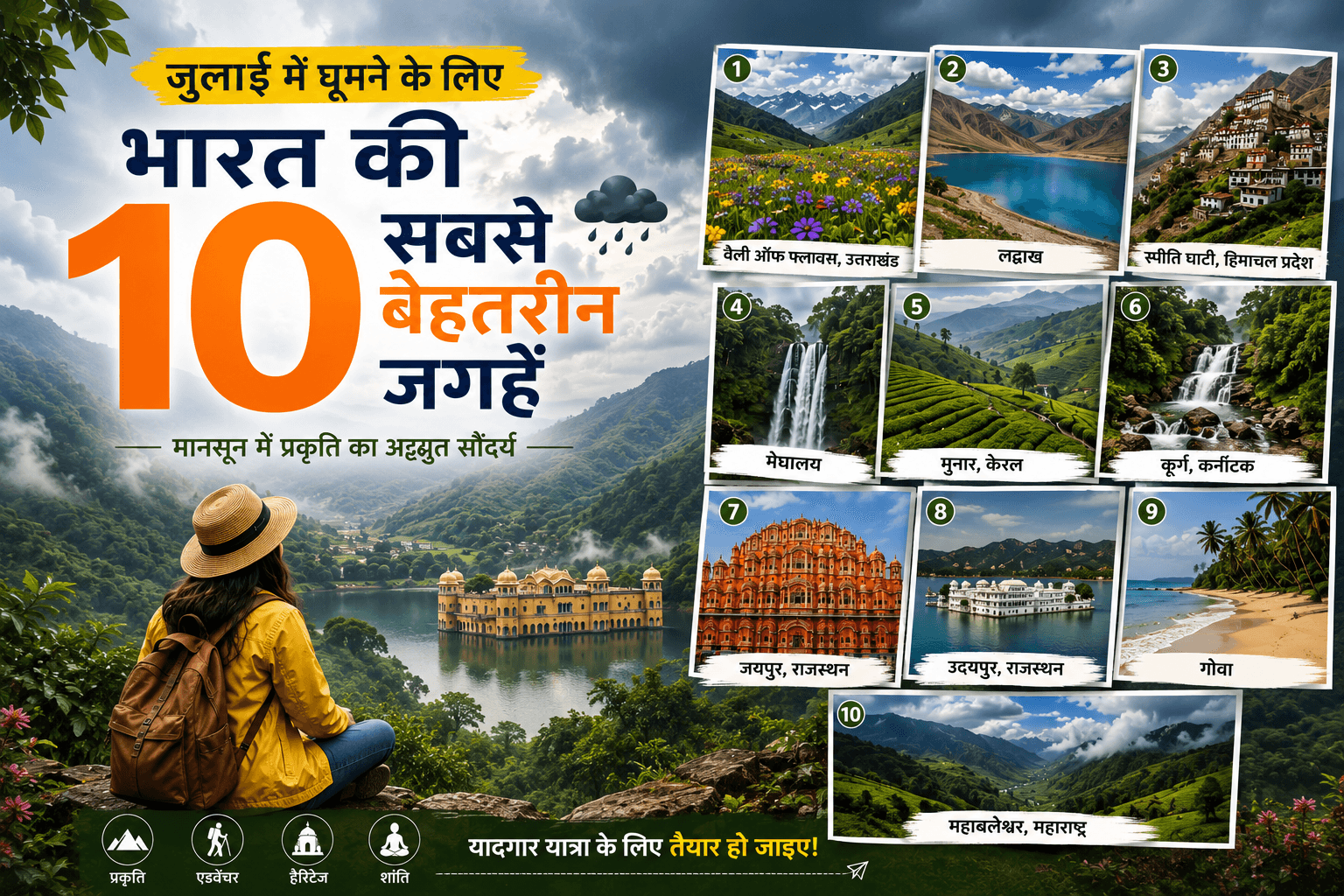
Top 10 Best Places to Visit in July in India (2026) – Monsoon Destinations You Shouldn't Miss
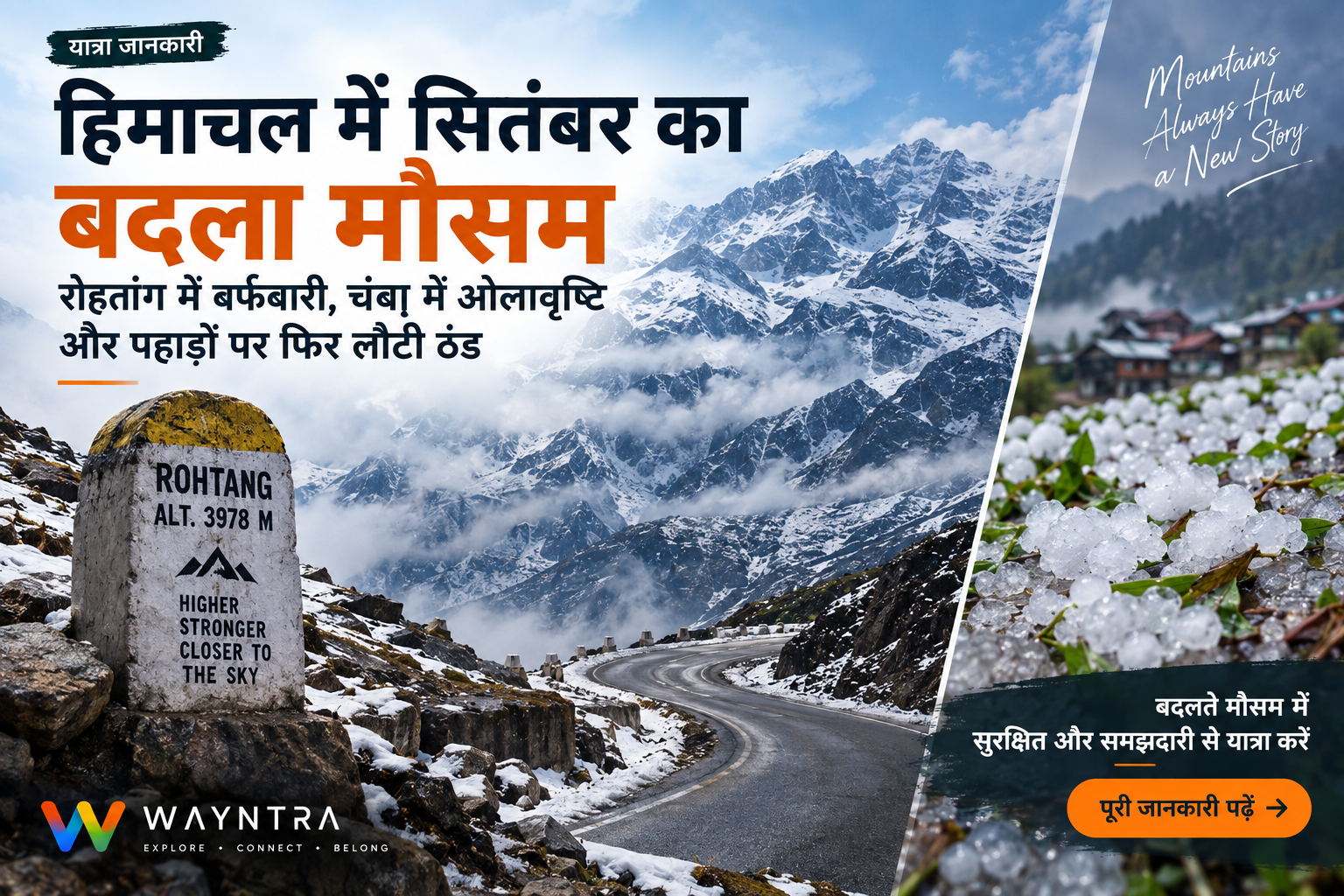
हिमाचल में सितंबर का बदला मौसम: रोहतांग में बर्फबारी, चंबा में ओलावृष्टि और पहाड़ों पर लौटी ठंड
Yamunotri Dham: Safety Concerns Remain Near Ram Mandir on the Yatra Route
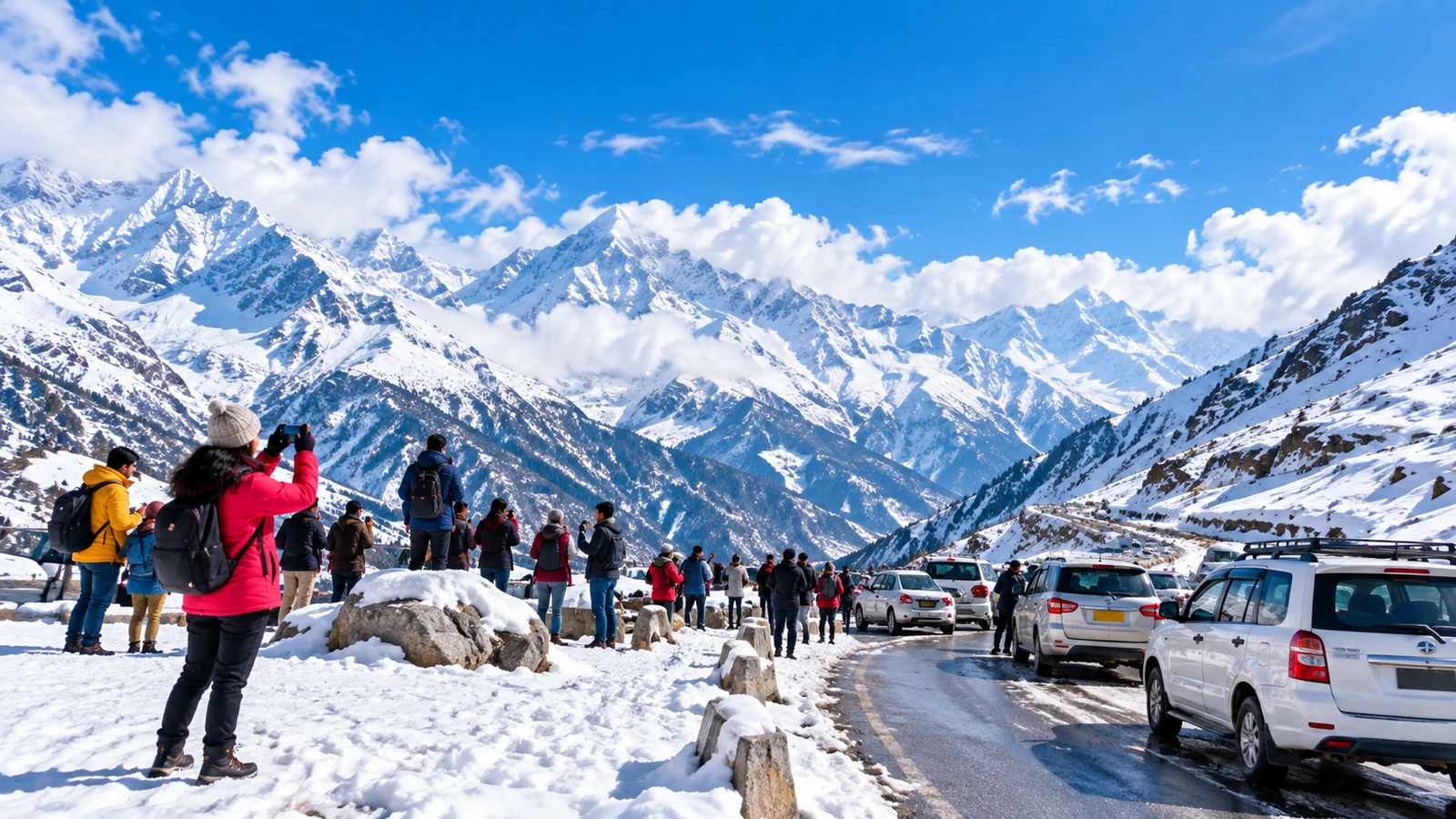
Tourists Flock to Rohtang After Snowfall, Over 600 Vehicles Arrive; Manali Comes Alive
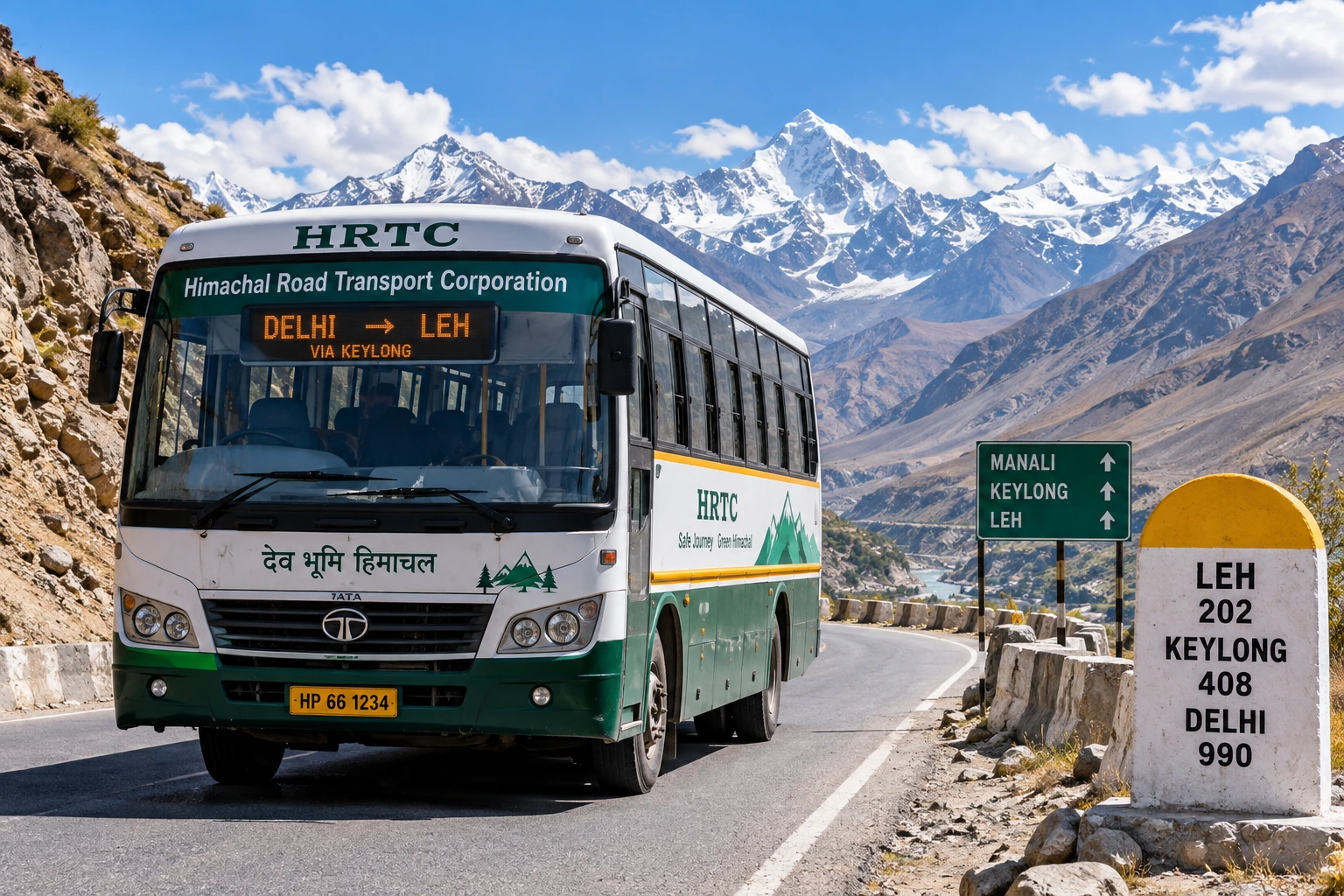
Delhi–Leh HRTC Bus Service Suspended: Service Will Resume Next May, Know All the Details

River Rafting May Resume in Rishikesh from September 23
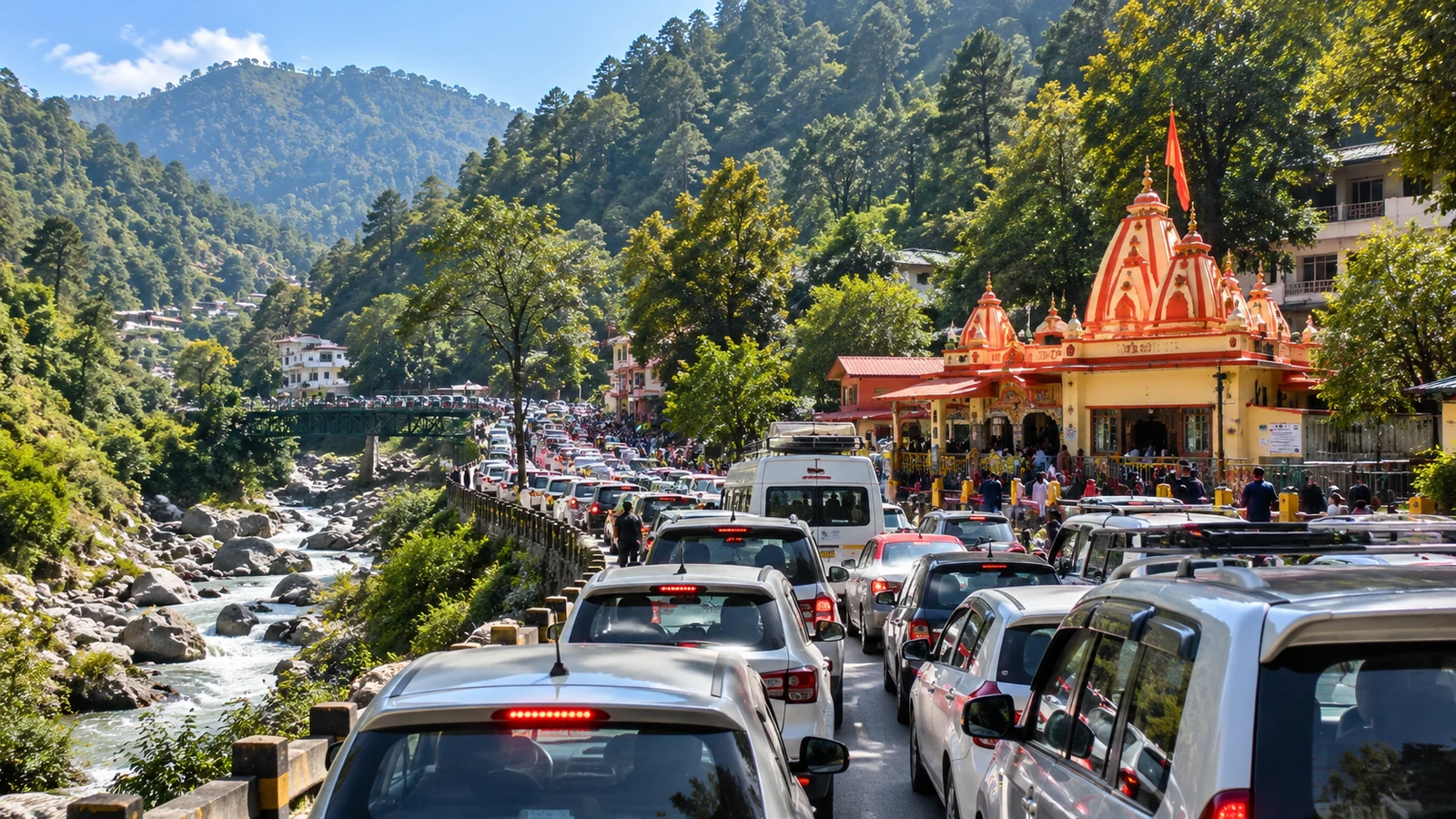
Heavy Crowd of Devotees at Kainchi Dham, 2-Km-Long Traffic Jam Reported
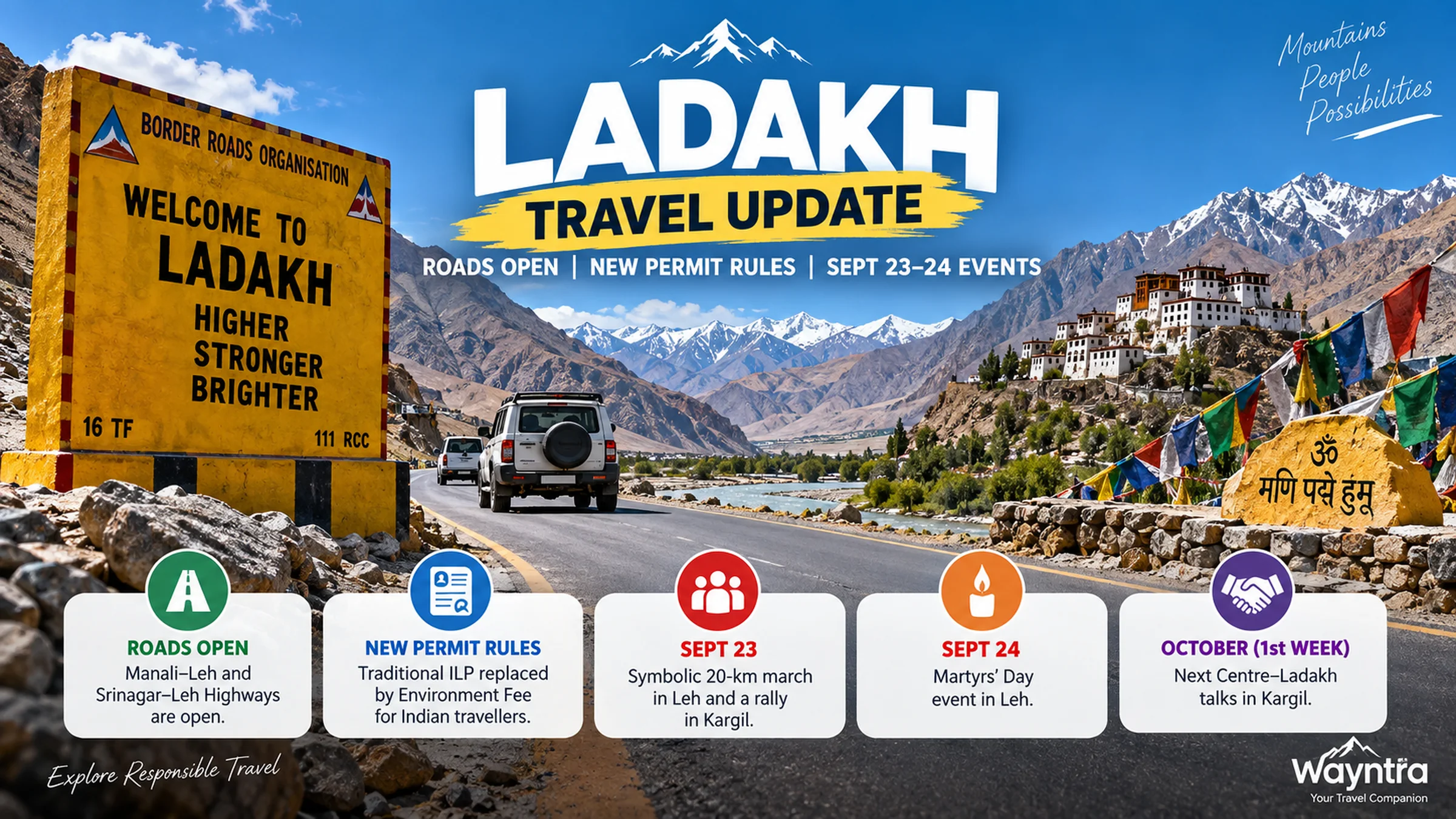
Ladakh Travel Update: Roads Open, New Permit Rules and September 23–24 Events
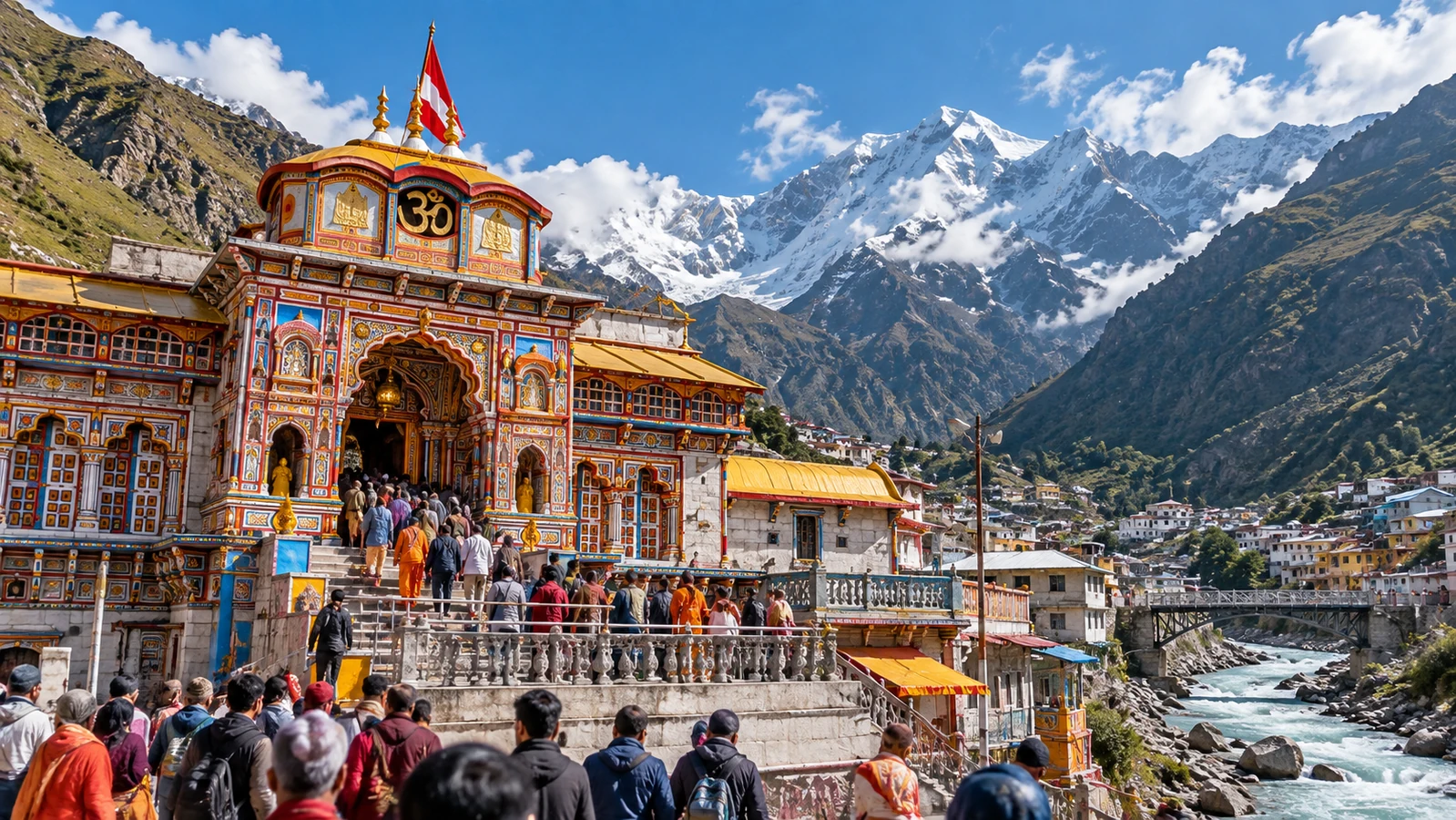
Badrinath Dham: Second Phase of Yatra Picks Up Pace, Thousands of Devotees Arriving for Darshan
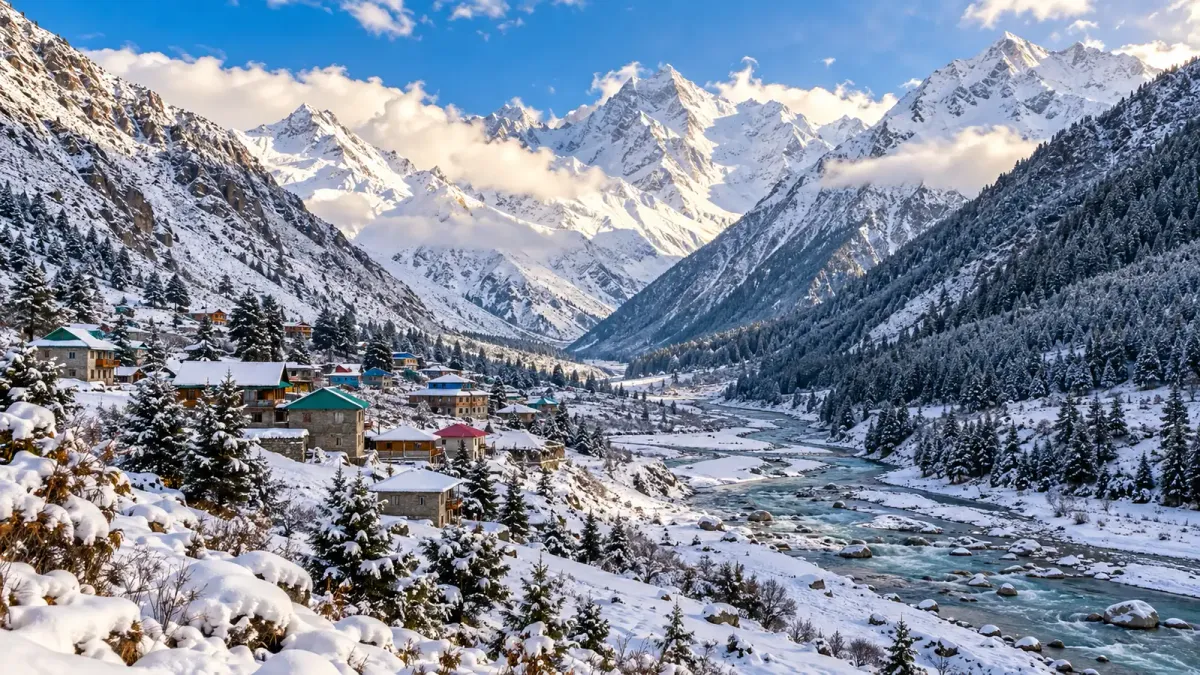
हिमाचल में सितंबर में बर्फबारी ने बदला मौसम का मिजाज, 18 साल बाद रिकॉर्ड ठंड
Other destinations in Uttar Pradesh
Prayagraj — travel FAQs
What is Prayagraj famous for?
When is the Maha Kumbh Mela held in Prayagraj?
What are the must-visit places in Prayagraj?
How can I reach Prayagraj?
What is the best time to visit Prayagraj?
How far is the Triveni Sangam from the city center?
Is boating available at the Triveni Sangam?
Are there any accommodations near Triveni Sangam?
Is there an entry fee for Allahabad Fort?
Can I visit Anand Bhavan?
What is the significance of Khusro Bagh?
Are there any festivals celebrated in Prayagraj?
Is there a dress code for visiting temples in Prayagraj?
Are guides available for tours?
What are some famous local dishes to try?
How safe is Prayagraj for tourists?
What is the nearest airport to Prayagraj?
Is photography allowed at tourist places in Prayagraj?
Can I visit Sangam during the evening?
Are there any adventure activities available in Prayagraj?
Wayntra app
Explore Prayagraj with Wayntra
Discover the best places, local experiences, businesses and travel activities around Prayagraj.