India’s local-first travel ecosystem — book local operators direct, zero commission

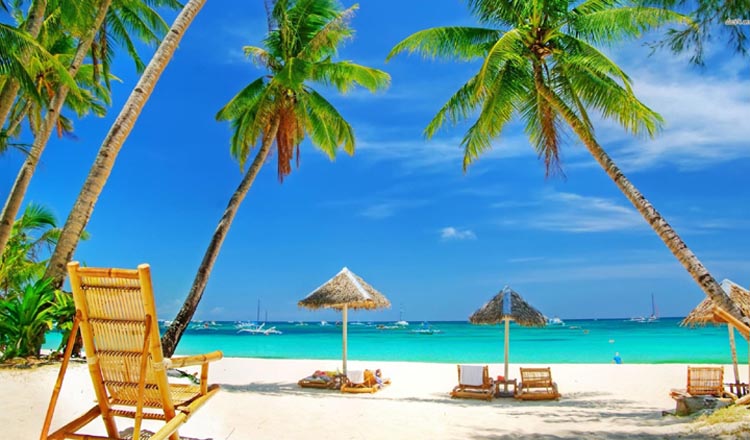
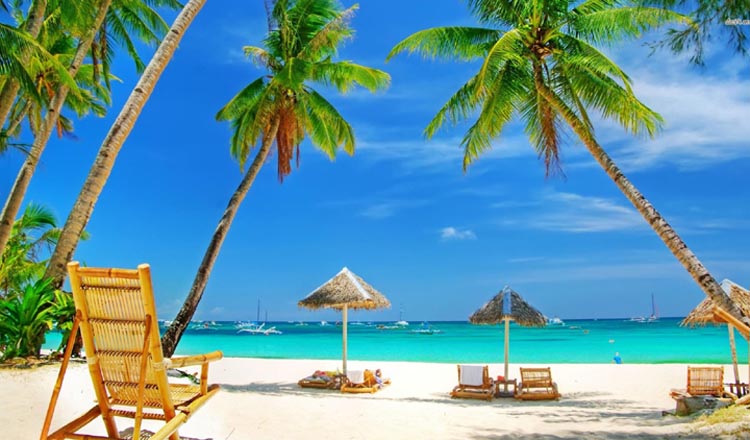
Goa, often referred to as the beach capital of India, is a vibrant and culturally rich state located on the western coast of India. Known for its stunning coastline, laid-back lifestyle, and Portuguese heritage, Goa is one of the most popular tourist destinations in the country. Despite being India’s smallest state by area, it offers a perfect blend of natural beauty, history, culture, and nightlife.
The capital city of Goa is Panaji (Panjim), which is known for its charming streets, colorful houses, and riverside views. Other major areas like North Goa and South Goa offer completely different experiences. North Goa is famous for its lively beaches, parties, and bustling markets, while South Goa is known for its peaceful environment, luxury resorts, and serene beaches.
Goa is best known for its beautiful beaches, each offering a unique vibe. Popular beaches like Baga Beach, Calangute Beach, and Anjuna Beach are known for water sports and nightlife, while Palolem Beach and Colva Beach provide a more relaxed and scenic atmosphere. The mesmerizing sunsets over the Arabian Sea make Goa a paradise for nature lovers and photographers.
Goa’s rich history is deeply influenced by Portuguese rule, which is reflected in its architecture, churches, and culture. The state is home to famous churches like the Basilica of Bom Jesus and Se Cathedral, both of which are UNESCO World Heritage Sites. The narrow lanes of Old Goa and Fontainhas showcase Portuguese-style houses, colorful streets, and artistic heritage.
Apart from beaches and heritage, Goa is also known for its exciting nightlife and party culture. Places like Tito’s Lane and beach shacks come alive at night with music, dance, and vibrant energy. From beach parties to luxury clubs, Goa offers an unforgettable nightlife experience for every type of traveler.
The culture of Goa is a beautiful mix of Indian and Portuguese influences, visible in its festivals, food, and lifestyle. Festivals like Carnival, Christmas, and New Year are celebrated with great enthusiasm, attracting visitors from all over the world.
Goan cuisine is another highlight, offering a variety of seafood dishes, spicy curries, and unique flavors. Popular dishes include fish curry, prawn balchão, vindaloo, and bebinca (a traditional dessert). The use of coconut, spices, and local ingredients gives Goan food its distinct taste.
For nature lovers, Goa offers more than just beaches. Attractions like Dudhsagar Waterfalls, one of the tallest waterfalls in India, and the lush greenery of the Western Ghats provide breathtaking experiences. Wildlife sanctuaries and spice plantations also add to Goa’s natural charm.
Goa is well connected by road, rail, and air, making it easily accessible for travelers. The best time to visit Goa is from November to February, when the weather is pleasant and ideal for beach activities and sightseeing.
The people of Goa are known for their friendly nature and relaxed lifestyle, which makes every visitor feel welcome. The state’s unique combination of beaches, culture, adventure, and nightlife ensures that there is something for everyone.
In conclusion, Goa is a lively and diverse destination that perfectly blends natural beauty, cultural heritage, and modern entertainment. Whether you are looking for relaxation, adventure, or celebration, Goa offers a truly unforgettable travel experience. 🌴✨
Quick view
🏙️ Capital:
Panaji (Panjim) — Known for its Portuguese architecture, colorful streets, and riverside charm. Popular attractions include Fontainhas, Mandovi River cruise, and Latin Quarter.
🗺️ Average Elevation:
Mostly low-lying coastal region ranging from sea level to around 1,020 feet (310 m).
Surrounded by Arabian Sea coastline and Western Ghats hills.
📍 Regions:
North Goa – Baga, Calangute, Anjuna (beaches & nightlife)
South Goa – Palolem, Colva, Benaulim (peaceful & luxury)
Central Goa – Panaji, Old Goa (heritage & churches)
🏞️ Top Tourist Attractions:
Baga Beach – Water sports & nightlife
Calangute Beach – Queen of Beaches
Anjuna Beach – Flea market & sunset
Palolem Beach – Scenic & peaceful
Dudhsagar Waterfalls – One of India’s tallest waterfalls
Basilica of Bom Jesus – UNESCO site
Fort Aguada – Historic fort & sea views
Chapora Fort – Famous sunset point
📅 Formation:
Established on 30th May 1987 as a state of India.
Earlier a Portuguese colony (till 1961).
🏰 Historical Significance:
Strong Portuguese influence for over 450 years
Blend of Indian and European architecture
Famous for churches, forts, and colonial heritage
Liberated during Operation Vijay (1961)
🎭 Culture:
A mix of Indian & Portuguese traditions
Famous for music, dance, and beach lifestyle
Celebrates Carnival, Christmas, New Year, Shigmo
Known for its relaxed and vibrant vibe
🗣️ Language:
Official: Konkani
Widely spoken: Hindi, English, Marathi
🍲 Cuisine:
Known for seafood & bold flavors
Signature dishes: Fish Curry, Prawn Balchão, Vindaloo
Popular desserts: Bebinca, Dodol
Use of coconut, vinegar & spices is common
🌿 Geography & Landscape:
Coastal state with beautiful beaches & rivers
Surrounded by Western Ghats greenery
Major rivers: Mandovi, Zuari
Mix of beaches, forests, and hills
🦁 Wildlife & National Parks:
Bhagwan Mahavir Wildlife Sanctuary – Forest & waterfalls
Mollem National Park – Rich biodiversity
Salim Ali Bird Sanctuary – Bird watching
🎢 Adventure Activities:
Water sports – Parasailing, Jet Ski, Banana ride
Scuba Diving & Snorkeling
Dolphin watching tours
River cruises & kayaking
🕌 Religious & Spiritual Sites:
Basilica of Bom Jesus – Christian pilgrimage
Se Cathedral – Largest church in Asia
Shri Mangeshi Temple – Famous Hindu temple
Shanta Durga Temple – Spiritual site
🛍️ Famous For:
Beachwear & handicrafts
Cashew & Feni (local drink)
Shell jewelry & souvenirs
Spice plantations
📸 Photography Tip:
Capture sunset at beaches, Dudhsagar waterfalls, and colorful streets of Fontainhas. Night shots of beach shacks and forts look amazing.
🧭 Best Time to Visit:
November to February – Best weather & peak season
March to May – Hot but less crowded
June to September – Monsoon beauty & greenery
Key Attraction
🏞️ Major Experiences & Heritage Walks (Tour Routes)
Goa is not just about beaches; it also offers amazing heritage walks and curated travel routes:
Old Goa Heritage Walk: Explore churches, cathedrals, and Portuguese architecture
Fontainhas (Latin Quarter) Walk: Colorful streets and European-style houses
Panaji City Walk: Mandovi riverfront, markets, and cultural spots
Fort Trail (Aguada–Chapora): Historic forts with stunning sea views
Spice Plantation Tour: Experience traditional spice farming and local life
Divar Island Walk: Peaceful island with authentic Goan lifestyle
Church Circuit Tour: Basilica of Bom Jesus and Se Cathedral
Beach Hopping Route: From Baga to Palolem covering multiple beaches
🎢 Adventure Activities
Goa is a paradise for adventure lovers:
Water Sports: Parasailing, jet ski, banana ride
Scuba Diving: Explore marine life underwater
Snorkeling: View coral reefs and fish
Dolphin Watching: Early morning boat tours
Kayaking: Paddle through backwaters and rivers
Bumper Ride: Fun group water activity
Cruise Party: Music and dance on Mandovi River
ATV Rides & Beach Biking: Ride on sandy beaches
🛕 Religious Sites
Goa is home to important spiritual and religious places:
Basilica of Bom Jesus: Famous Christian pilgrimage site
Se Cathedral: One of the largest churches in Asia
Shri Mangeshi Temple: Popular Hindu temple dedicated to Lord Shiva
Shanta Durga Temple: Sacred temple of Goddess Durga
Mahalasa Temple: Traditional Goan temple
Our Lady of Immaculate Conception Church: Iconic church in Panaji
🌄 Natural Beauty & Lakes
Goa offers stunning natural landscapes beyond beaches:
Dudhsagar Waterfalls: One of India’s tallest waterfalls
Arvalem Waterfalls: Peaceful natural retreat
Mayem Lake: Ideal for boating and picnics
Salim Ali Bird Sanctuary: Perfect for bird watching
Chorao Island: Lush greenery and calm surroundings
Backwaters & Rivers: Scenic views of Mandovi and Zuari rivers
🐾 Wildlife & Safari
Goa also provides great wildlife experiences:
Bhagwan Mahavir Wildlife Sanctuary: Forests and trekking trails
Mollem National Park: Rich biodiversity
Cotigao Wildlife Sanctuary: Quiet forest escape
Bondla Wildlife Sanctuary: Small but scenic park
Salim Ali Bird Sanctuary: Home to migratory birds
Crocodile Spotting (Zuari River): Unique wildlife experience
Culture and Festivals
🎉 Festivals & Fairs of Goa
Goa’s culture is a vibrant blend of Indian traditions and Portuguese influence, reflected beautifully in its festivals and celebrations.
🪅 Goa Carnival
One of the most famous festivals celebrated with grand parades, music, dance, and colorful floats.
Held before Lent, it showcases Goa’s lively and joyful spirit.
🎄 Christmas
Celebrated with great enthusiasm across Goa.
Churches are decorated, midnight mass is held, and homes are lit beautifully.
🎆 New Year
Goa becomes one of India’s top party destinations.
Beach parties, fireworks, and nightlife attract tourists from around the world.
🎭 Shigmo Festival
A traditional Hindu spring festival celebrated with folk dances, parades, and cultural performances.
🌸 Sao Joao Festival
Celebrated during monsoon, where people jump into wells and rivers.
Associated with Saint John the Baptist.
🪔 Diwali
Celebrated with lighting diyas and burning of Narakasura effigies.
A unique Goan tradition seen during Diwali.
🛍️ Other Major Festivals & Events
Sunburn Festival (Goa): Asia’s biggest electronic dance music festival
Feast of St. Francis Xavier: Religious celebration at Basilica of Bom Jesus
Bonderam Festival: Traditional festival on Divar Island
🎨 Culture of Goa
🧍♂️ 1.1 Lifestyle and Way of Living
Goa is known for its relaxed and laid-back lifestyle.
People enjoy a balance of modern living and traditional values, with a strong connection to nature and the sea.
🧥 1.2 Traditional Attire
Women traditionally wear sarees or Indo-western outfits.
Men wear shirts, trousers, and sometimes traditional attire during festivals.
Beachwear is common due to the coastal lifestyle.
🎵 1.3 Folk Songs and Music
Music is an essential part of Goan life.
Popular forms include Konkani folk songs, mando, and dulpod.
Western music also has a strong influence.
💃 1.4 Folk Dances
Famous dances include Fugdi, Dekhni, and Corridinho.
These are often performed during festivals and celebrations.
🍛 1.5 Cuisine
Goa is famous for its seafood and unique flavors.
Popular dishes include Fish Curry, Prawn Balchão, Vindaloo, and Xacuti.
Desserts like Bebinca and Dodol are widely loved.
🏠 1.6 Architecture
Goa’s architecture reflects strong Portuguese influence.
Colorful houses, churches, and old villas are key highlights.
Forts and heritage buildings add historical charm.
🗣️ 1.7 Languages and Dialects
Official language: Konkani
Widely spoken: English, Hindi, Marathi
Konkani dialects vary across regions.
🌾 1.8 Folk Traditions and Beliefs
A mix of Hindu and Christian traditions.
Festivals, rituals, and community gatherings are important parts of life.
Strong belief in both local traditions and global culture.
🎓 1.9 Handicrafts and Arts
Goa is known for:
Shell crafts and jewelry
Bamboo and coconut handicrafts
Azulejos (Portuguese tiles art)
Wood carvings and souvenirs
🧘 1.10 Spirituality and Heritage
Goa offers a unique blend of spirituality and heritage.
Churches and temples coexist peacefully.
Places like Old Goa reflect deep historical and religious importance.
Food and Cuisines
🌊 North Goa (Baga, Calangute, Anjuna)
🍛 Goan Fish Curry Rice: Traditional dish made with coconut and spices
🍤 Prawn Balchão: Spicy and tangy prawn preparation
🍗 Chicken Cafreal: Green masala marinated chicken
🍹 Feni: Local drink made from cashew or coconut
🏝️ South Goa (Palolem, Colva, Benaulim)
🐟 Grilled Fish: Fresh seafood grilled with mild spices
🍛 Goan Thali: Combination of rice, fish curry, vegetables, and pickle
🥥 Sol Kadhi: Refreshing coconut and kokum-based drink
🍮 Bebinca: Layered traditional Goan dessert
🏙️ Panaji (Panjim)
🍗 Chicken Xacuti: Rich curry made with coconut and spices
🍛 Pork Vindaloo: Spicy and tangy Portuguese-style curry
🥖 Poi Bread: Traditional Goan bread
🍰 Dodol: Sweet made with coconut and jaggery
🏰 Old Goa
🍛 Sorpotel: Spicy pork dish
🍗 Roast Chicken: Portuguese-style roasted chicken
🍷 Local Wine: Traditional Goan wines
🍮 Serradura: Cream and biscuit-based dessert
🌿 Mapusa & Local Markets
🥟 Choris Pav: Goan sausage served with bread
🍞 Pav with Bhaji: Popular local street food
🍬 Cashew Sweets: Sweets made from cashews
🥤 Sugarcane Juice: Fresh and refreshing drink
🌊 Beach Shacks Special
🍤 Butter Garlic Prawns: Popular beachside seafood dish
🐟 Fish Recheado: Stuffed fish with spicy masala
🍕 Seafood Pizza: Fusion beach food
🍹 Cocktails & Mocktails: Drinks with beach vibes
🍽️ Summary
Goan cuisine is a perfect blend of seafood, coconut, and spices, influenced by both Indian and Portuguese flavors.
From fish curry and prawn dishes to desserts and refreshing drinks, every dish offers a unique taste.
Goa provides a mix of street food, beach shack dining, and fine dining experiences, making it a paradise for food lovers. 🍤✨
History
🕰️ Ancient Period
Goa has a rich history dating back to ancient times.
It was ruled by powerful dynasties like the Mauryas and Satavahanas.
Later, the Kadamba dynasty established a strong presence and developed Goa as a center of trade and culture.
During this period, Goa became an important hub for maritime trade (Spice Trade), connecting with Arab and Roman traders.
🏰 Medieval Period
During the medieval era, Goa came under the control of several kingdoms.
It was first ruled by the Delhi Sultanate, followed by the Vijayanagara Empire.
Later, the Bijapur Sultanate took over the region.
Goa continued to grow as a major port and trading center during this time.
⚔️ Portuguese Rule
In 1510, Portuguese general Afonso de Albuquerque captured Goa.
The Portuguese ruled Goa for nearly 450 years.
This period brought strong influences of Christianity, European culture, and architecture.
Famous churches like the Basilica of Bom Jesus were built during this time.
Goa became a major center of Portuguese activities in Asia.
⚔️ Liberation of Goa
Even after India gained independence in 1947, Goa remained under Portuguese rule.
After years of struggle, the Indian government launched Operation Vijay in 1961, liberating Goa.
Goa officially became part of India after this military action.
📜 Post-Independence Era
After liberation, Goa was made a Union Territory along with Daman and Diu.
The region began to develop rapidly in terms of tourism, trade, and infrastructure.
🏛️ Formation Changes & Statehood
On 30th May 1987, Goa was granted full statehood, while Daman and Diu became a separate Union Territory.
This day is celebrated as Goa Statehood Day every year.
🏞️ Modern Goa
Today, Goa is one of India’s most popular tourist destinations.
It is known for its beaches, nightlife, culture, and heritage.
The state attracts both domestic and international tourists.
Tourism, hospitality, and beach activities form the backbone of Goa’s economy.
Despite rapid development, Goa has successfully preserved its traditional culture, heritage, and natural beauty, making it a unique and vibrant destination.
Geography
🏞️ Location & Area
Country: India
Region: Western India, along the Arabian Sea coast
Coordinates: Between 14°53′N to 15°48′N latitude and 73°40′E to 74°20′E longitude
Total Area: Approx. 3,702 sq. km
Capital: Panaji (Panjim)
🌍 Geographical Boundaries
North: Maharashtra
South & East: Karnataka
West: Arabian Sea
🏔️ Geographical Divisions
Coastal Plains:
Narrow stretch along the Arabian Sea with sandy beaches
Western Ghats (Sahyadri Hills):
Forested hills in the eastern region with rich biodiversity
River Valleys:
Fertile valleys formed by rivers like Mandovi and Zuari
⛰️ Landforms & Terrain
Combination of coastal plains, river basins, and forested hills
Western Ghats provide elevation and greenery
Beaches, cliffs, and estuaries dominate the landscape
🧊 Rivers & Water Resources
Major Rivers:
Mandovi, Zuari, Terekhol, Chapora, Sal
Estuaries & Backwaters:
Important for fishing, tourism, and transport
Rivers play a key role in ecosystem, tourism, and local livelihood
🌳 Forests & Biodiversity
Forest Cover: Around 33% of the state
National Parks & Sanctuaries:
Mollem National Park
Bhagwan Mahavir Wildlife Sanctuary
Cotigao Wildlife Sanctuary
Bondla Wildlife Sanctuary
Flora: Tropical evergreen forests, mangroves
Fauna: Leopards, deer, monkeys, crocodiles, and diverse bird species
🏙️ Major Cities & Towns
Panaji: Capital and administrative center
Margao: Commercial hub of South Goa
Vasco da Gama: Port city
Mapusa: Market town
Ponda: Cultural and temple hub
🌦️ Climate Zones
Tropical Monsoon Climate
Summer (March–May): Warm and humid (25°C–35°C)
Monsoon (June–September): Heavy rainfall and lush greenery
Winter (November–February): Pleasant and ideal for tourism
🧭 Altitude Variation
Lowest Point: Sea level
Highest Point: ~1,026 m (Western Ghats region)
Gradual elevation from coast to hills
🚜 Soil Types
Laterite Soil: Common in upland areas
Alluvial Soil: Found near river valleys
Sandy Soil: Along coastal regions
🌾 Agriculture & Horticulture
Main Crops: Rice, coconut, cashew, sugarcane
Cash Crops: Cashew, coconut
Fruits: Mango, banana, jackfruit, pineapple
Agriculture is supported by monsoon rains and fertile coastal soil
Shopping & Handicrafts
🧵 Traditional Handicrafts of Goa
Goa is known for its unique handicrafts, artistic creativity, and strong Portuguese influence.
The crafts here beautifully reflect coastal life, nature, and cultural heritage.
🎨 Shell Craft
One of the most popular crafts of Goa.
Made using sea shells and conches.
Items: Jewelry, showpieces, lamps, mirror frames
Represents the beauty of the sea and coastal creativity.
🧺 Bamboo & Coconut Craft
Eco-friendly products made from locally available materials.
Items: Baskets, lamps, decorative items, kitchen products
Reflects traditional Goan village life and sustainability.
🎨 Azulejos Tile Art
Portuguese-style painted ceramic tiles.
Items: Name plates, wall tiles, decorative pieces
A signature art form of Goa’s cultural identity.
🪵 Wood Carving
Detailed handcrafted wooden work.
Items: Furniture, decorative boxes, sculptures
Known for floral and traditional designs.
🧵 Crochet & Lace Work
Handmade textile craft with Portuguese influence.
Items: Tablecloths, garments, curtains
Represents traditional craftsmanship and elegance.
🖼️ Hand-painted Art & Murals
Colorful artworks created by local artists.
Items: Canvas paintings, wall décor
Often inspired by beach life, culture, and landscapes.
🛍️ Where to Shop: City-wise Highlights
🏙️ Panaji (Panjim)
Items: Azulejos tiles, handmade art
Famous Markets: Mapusa Market, Panaji local markets
Best For: Decorative items and souvenirs
🌊 Anjuna (Flea Market)
Items: Shell jewelry, clothes, handicrafts
Best For: Trendy and fusion items
🏝️ Mapusa Market
Items: Local products, spices, cashews
Best For: Authentic Goan goods
🌿 Margao
Items: Handicrafts, clothing, home essentials
Best For: Local shopping experience
🎁 Popular Souvenirs
Shell jewelry and décor items
Cashews and Feni (local drink)
Azulejos tiles (name plates)
Bamboo and coconut products
Handmade paintings and artwork
Best Time to Visit
🌤️ Best Time to Visit Goa
Goa can be visited throughout the year, but the experience depends on whether you prefer beaches, nightlife, adventure, or peaceful nature.
🌸 Spring (March to April)
Best for: Beach activities, relaxed trips, fewer crowds
Highlights: Warm weather, calm atmosphere, less tourist rush
Popular places: Palolem, Colva, Baga, Anjuna
☀️ Summer (May to June)
Best for: Budget travel, off-season deals
Highlights: Hot and humid weather, lower hotel prices
Note: Best to explore early mornings and evenings
Popular places: South Goa beaches, resort areas
🌧️ Monsoon (June to September)
Best for: Nature lovers, honeymoon, peaceful vacations
Highlights: Lush greenery, waterfalls like Dudhsagar, fewer tourists
Note: Water sports are mostly closed due to rain
Popular places: Dudhsagar Waterfalls, spice plantations, Western Ghats
🍁 Autumn (October to November)
Best for: Start of tourist season, beach + festivals
Highlights: Pleasant weather, festive vibes
Popular places: North Goa beaches, Panaji, church areas
❄️ Winter (December to February)
Best for: Peak season, nightlife, festivals, full exploration
Highlights: Best weather, Christmas and New Year celebrations
Popular places: Baga, Calangute, Anjuna, Panaji, beach shacks
💡 Travel Tip
November to February is considered the best overall time to visit Goa.
If you prefer budget travel and fewer crowds, choose summer or monsoon.
If you want to enjoy parties, nightlife, and festivals, winter is the best time.
Har Ki Dun trek
Kedarkantha
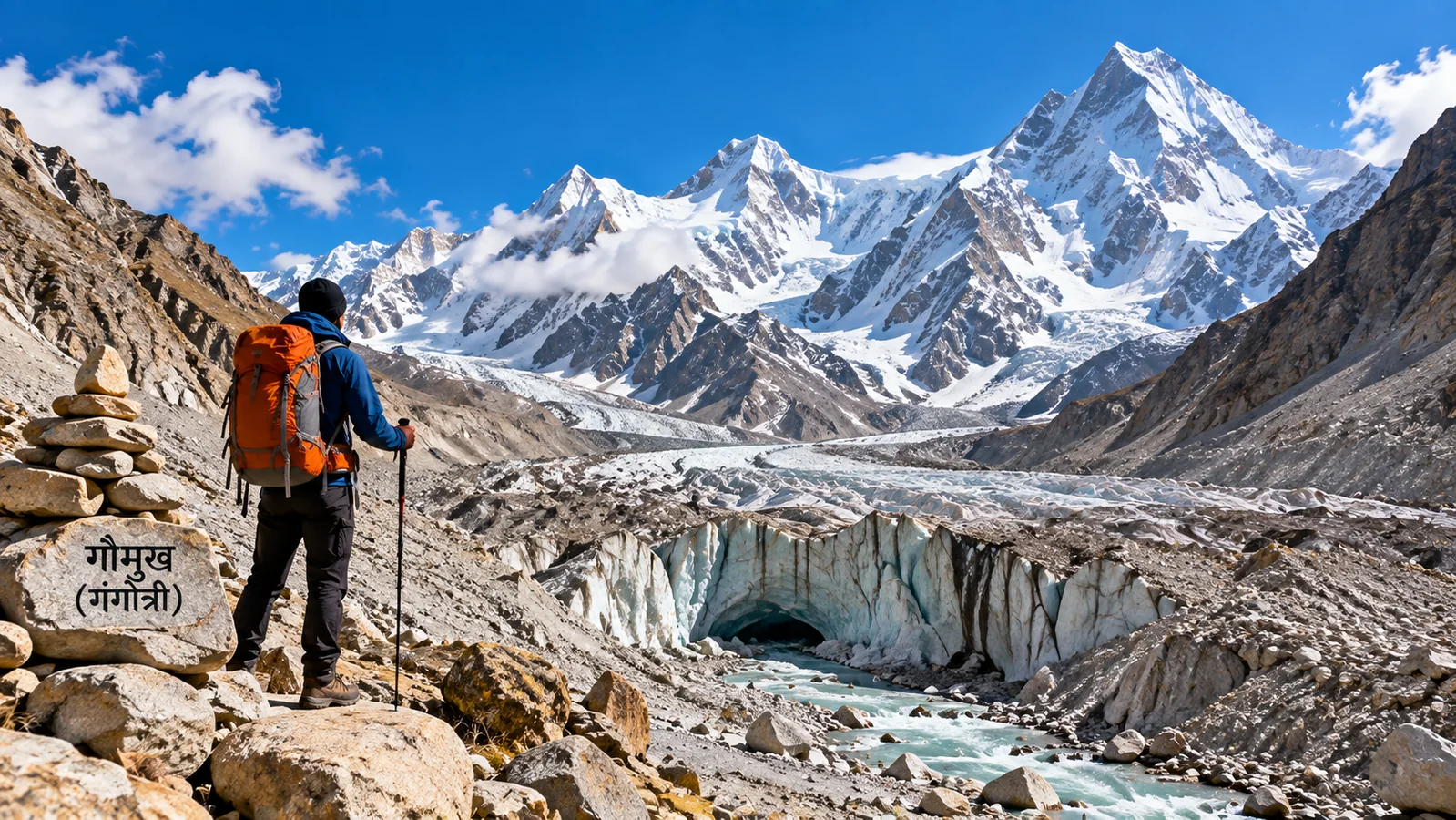
Gaumukh Tapovan Trek
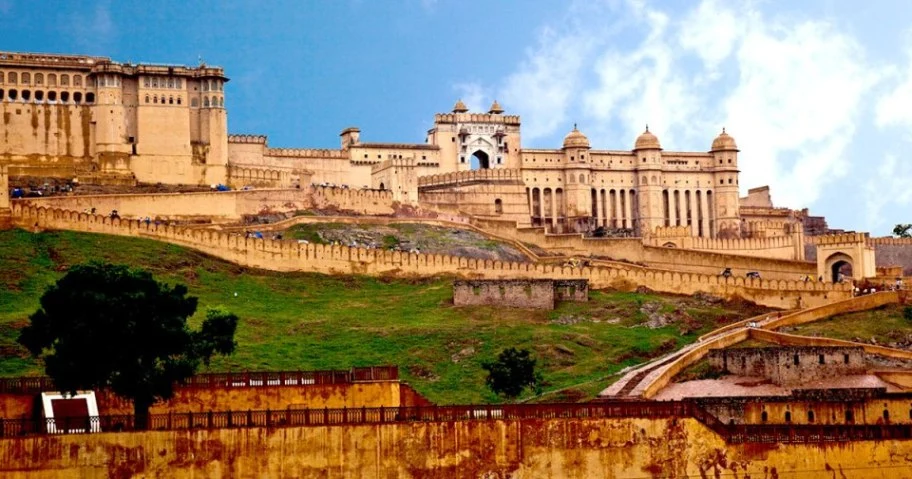
Amber Fort
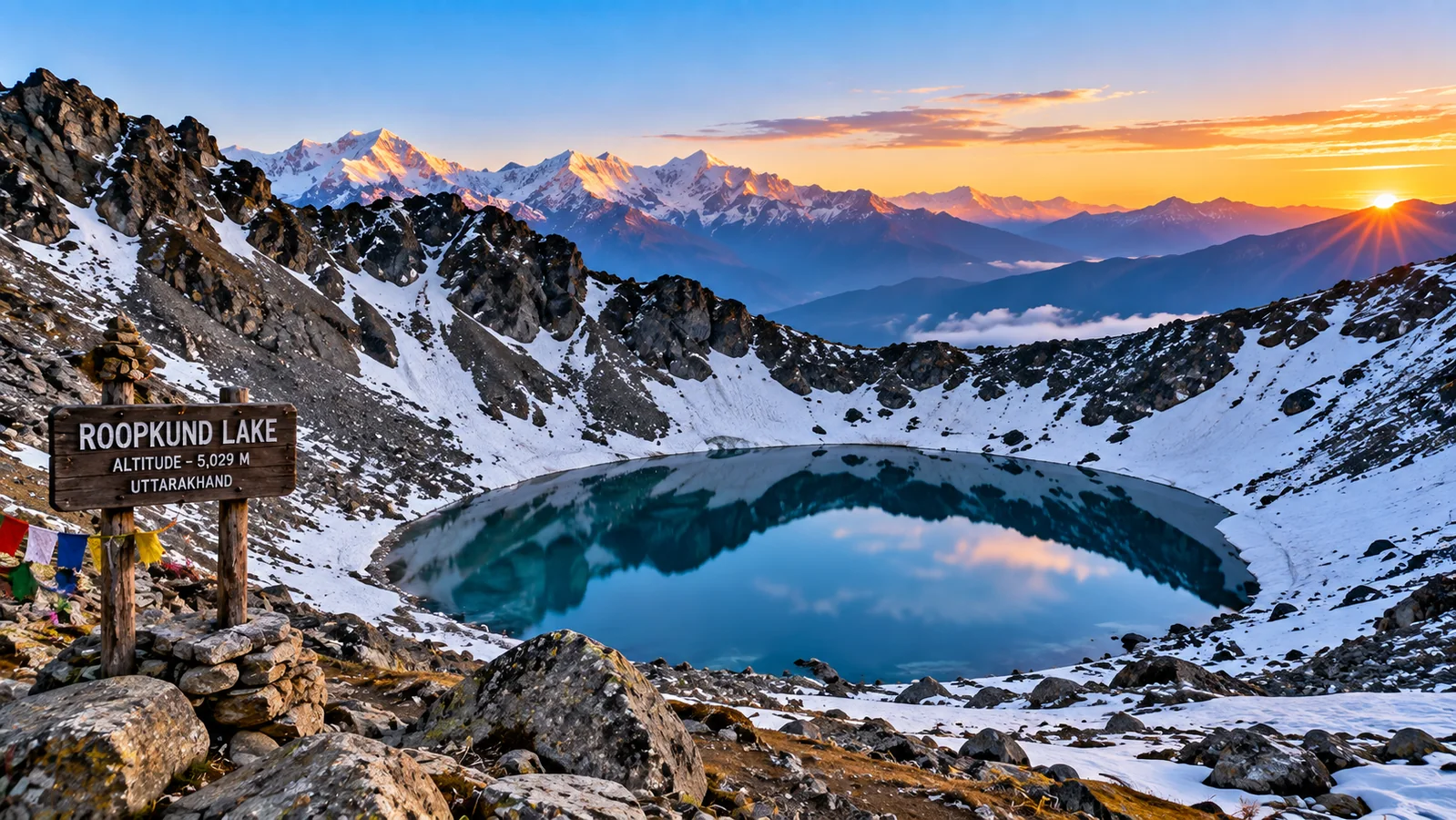
Roopkund Lake Trek
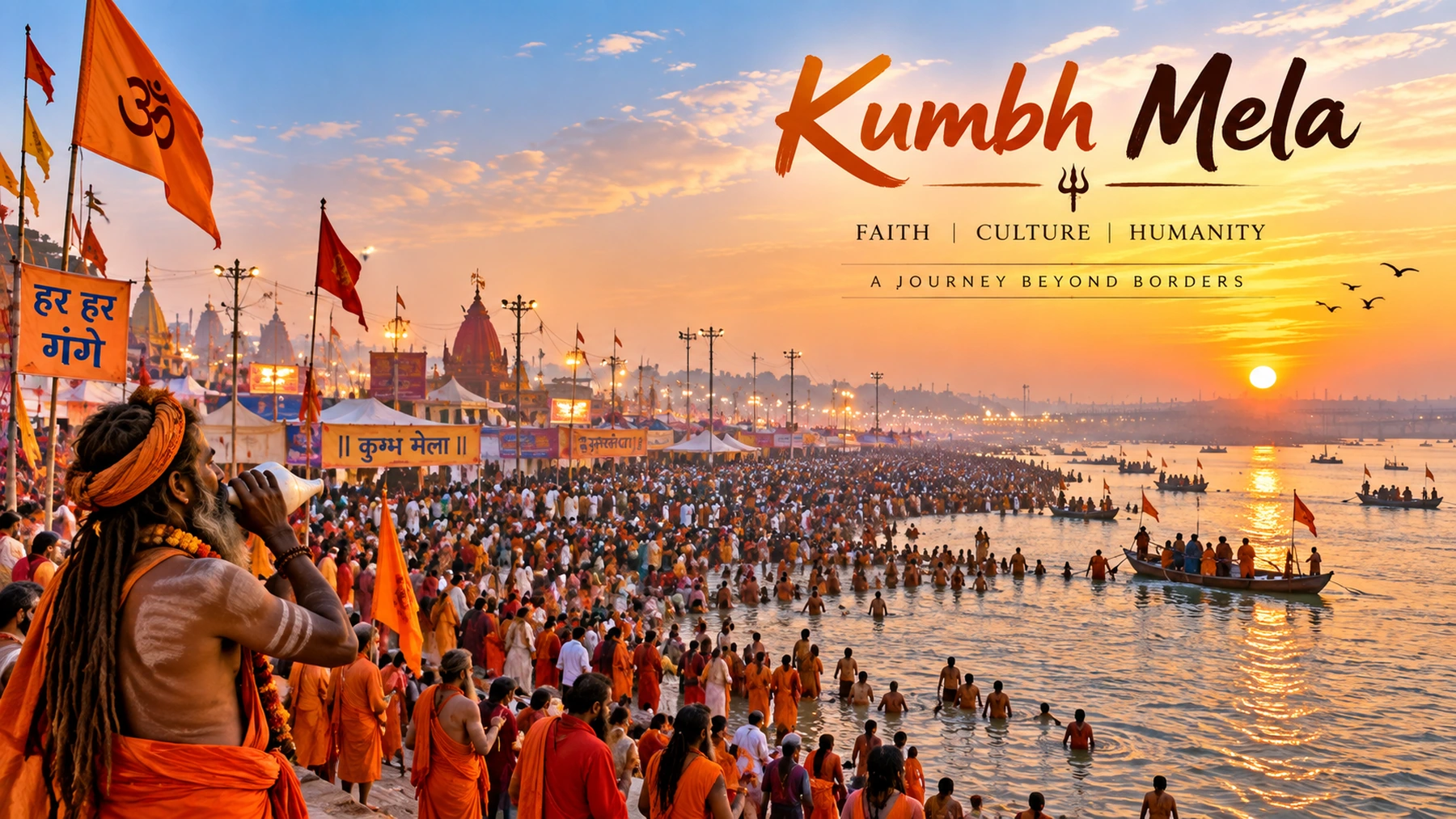
Maha Kumbh 2025
Brahmatal Trek
Kedarnath
The Valley of Flowers Trek
Sri Hemkund Sahib
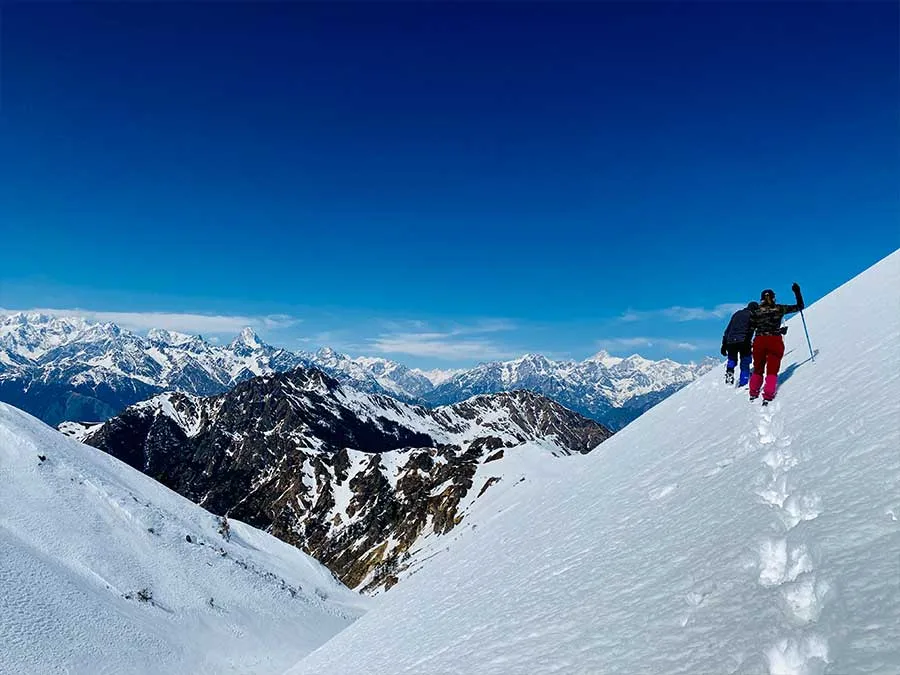
Kuari Pass Trek
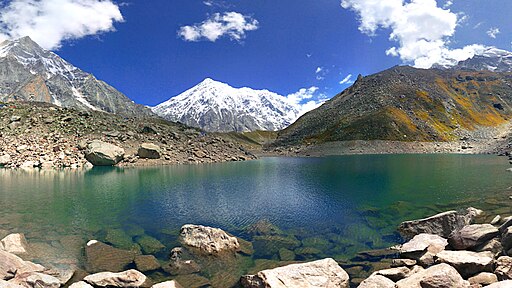
Satopanth Lake Trek
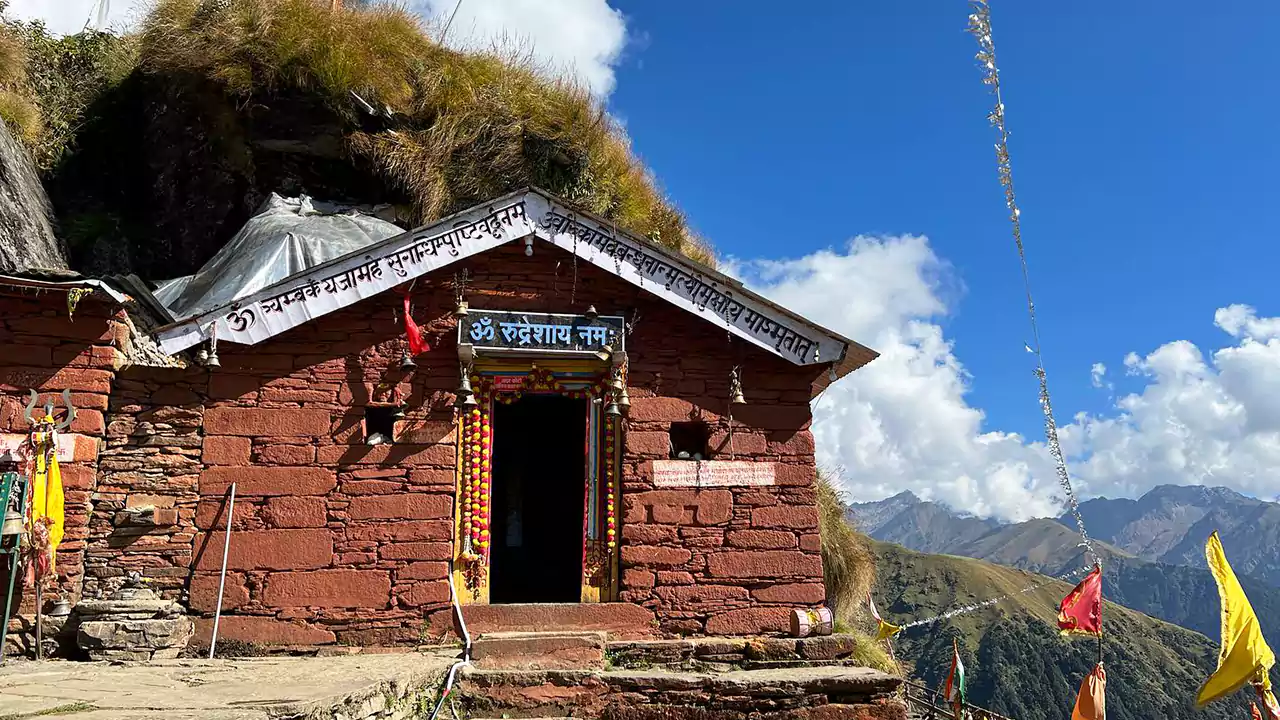
Rudranath
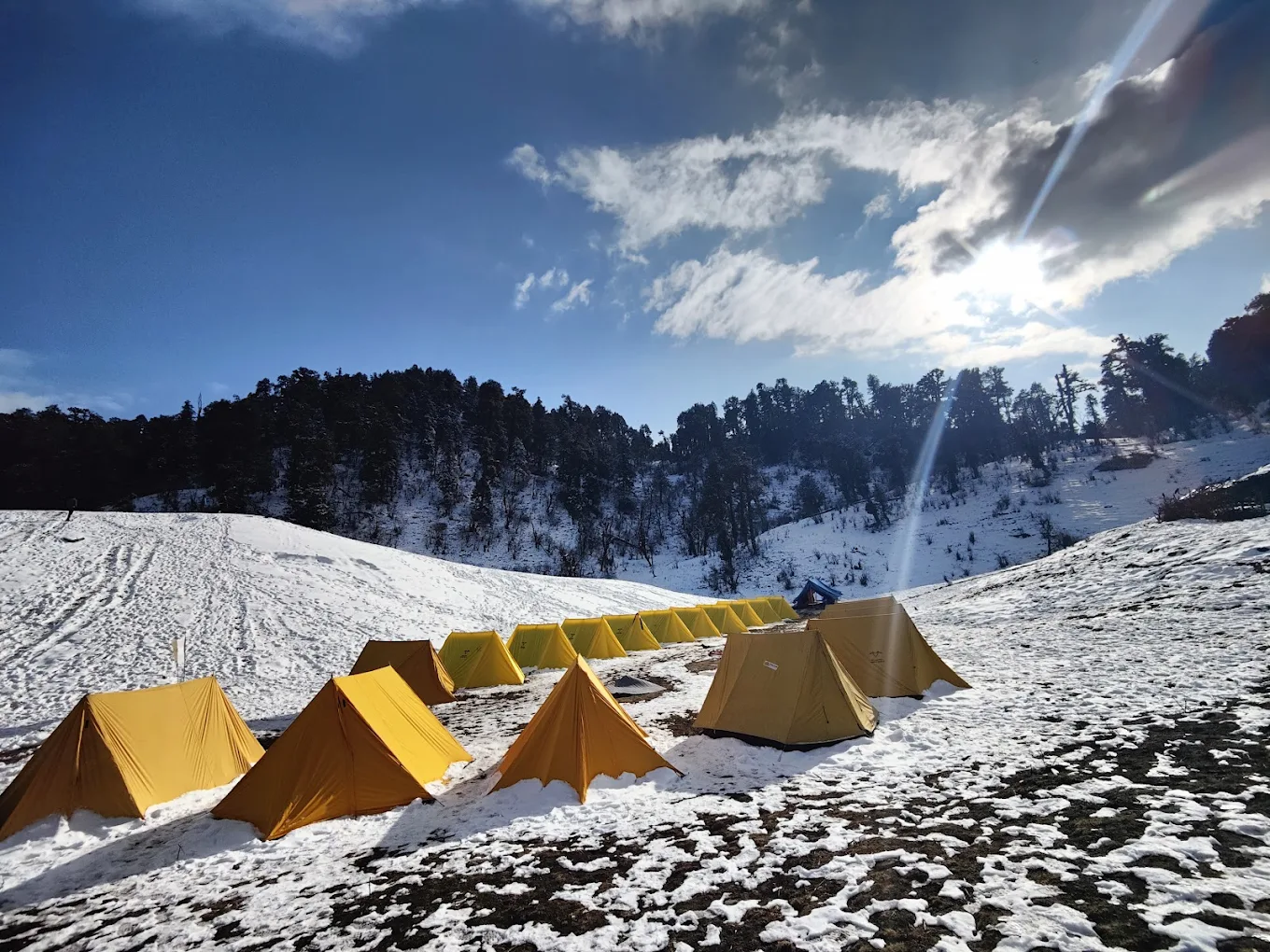
Dayara Bugyal Trek
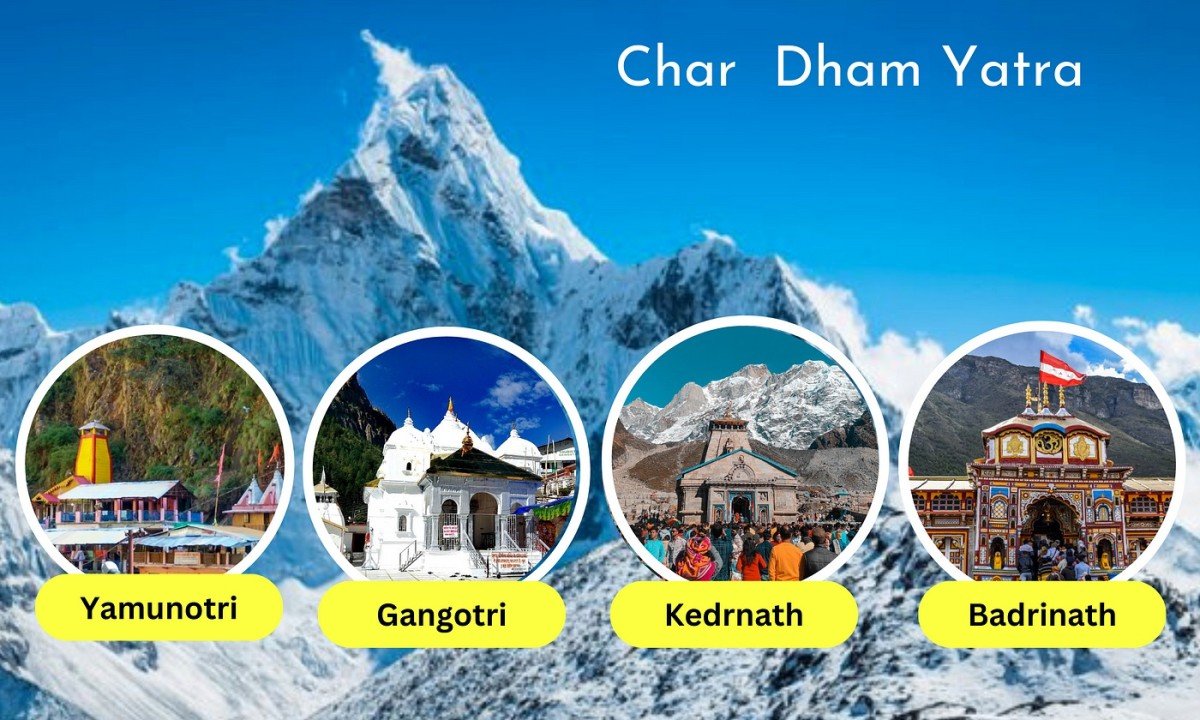
Char Dham Yatra
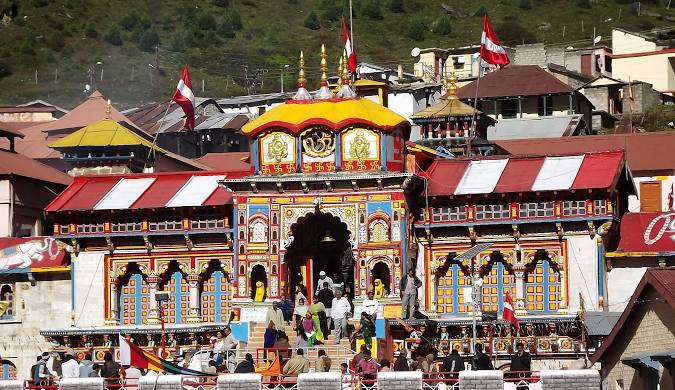
Badrinath
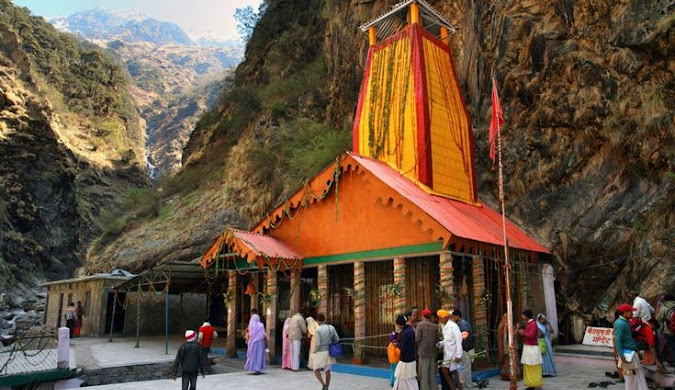
Yamunotri
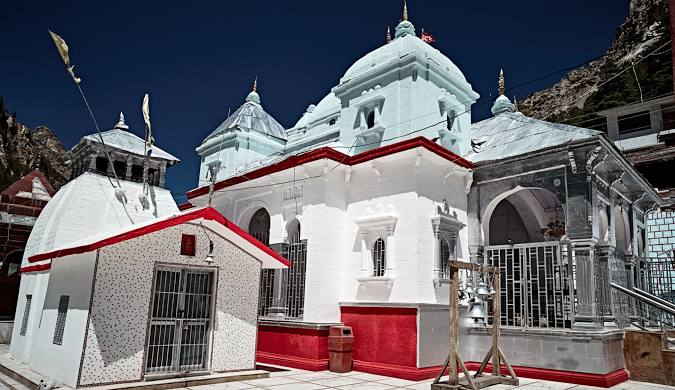
Gangotri
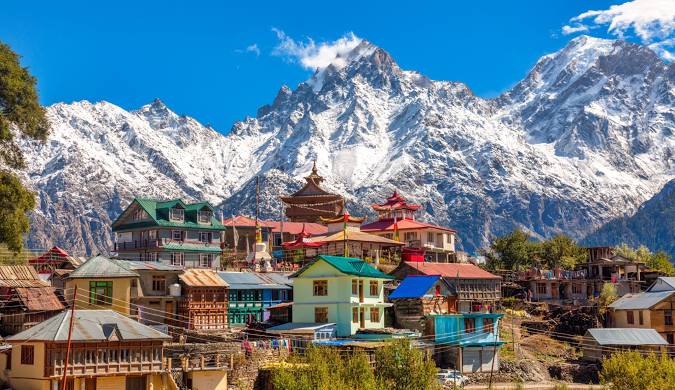
Kalpa
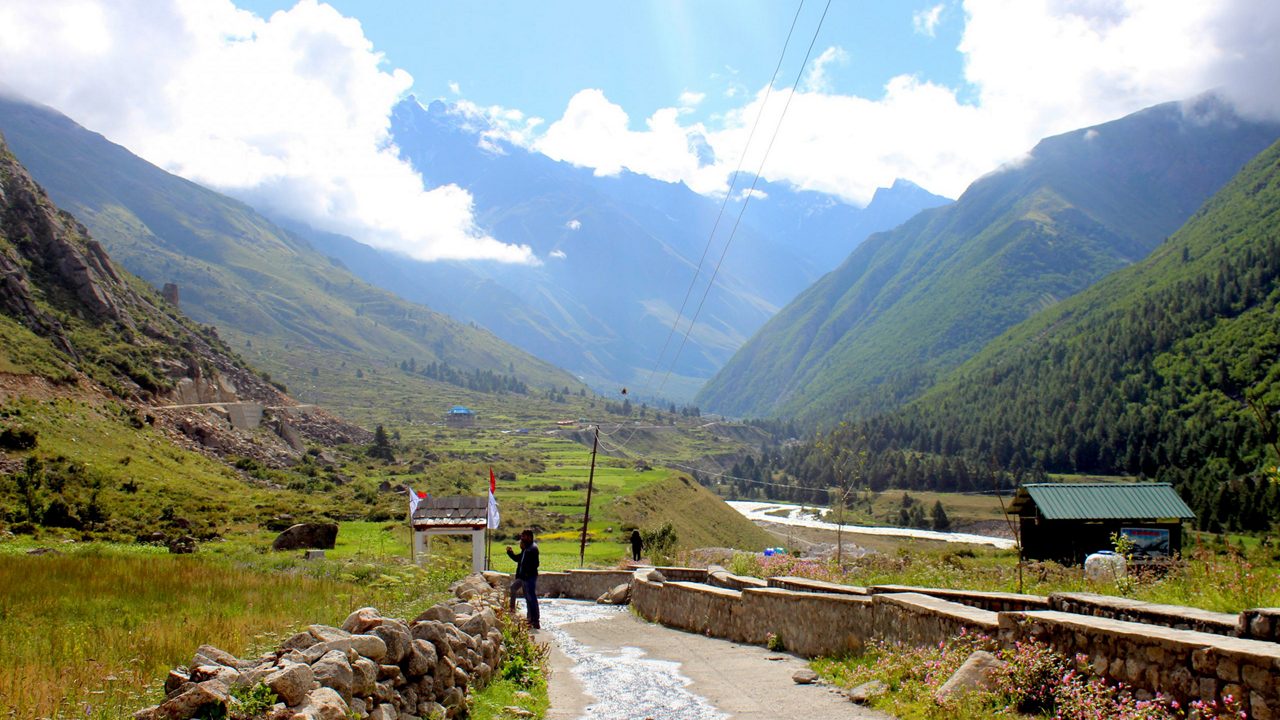
Chitkul
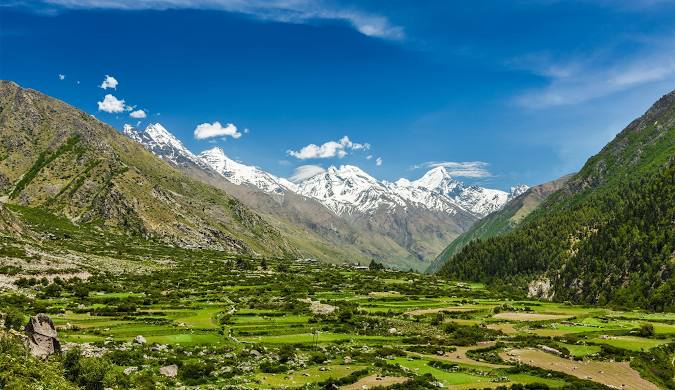
Sangla Valley
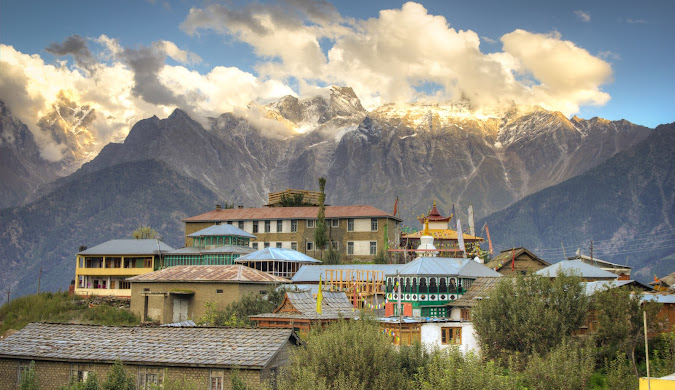
Reckong Peo
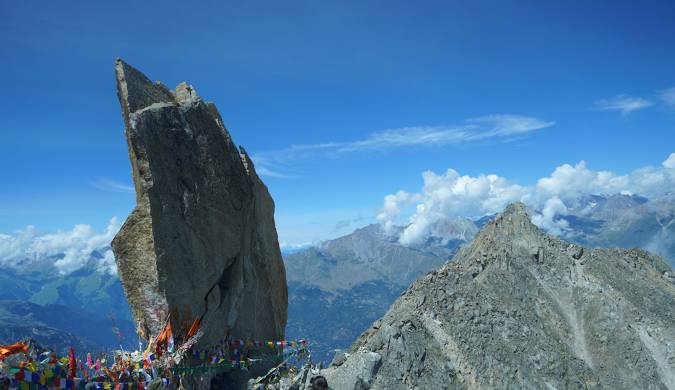
Kinner Kailash
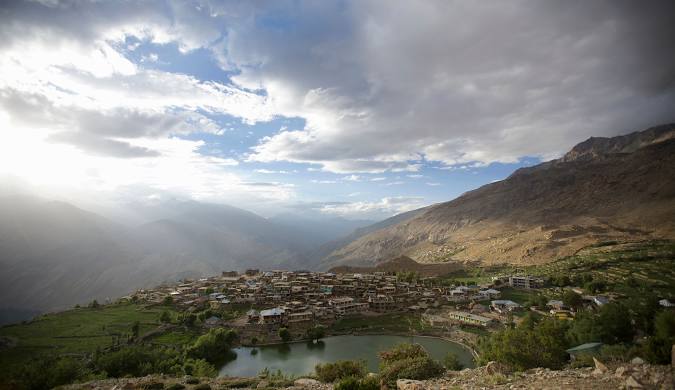
Nako Village
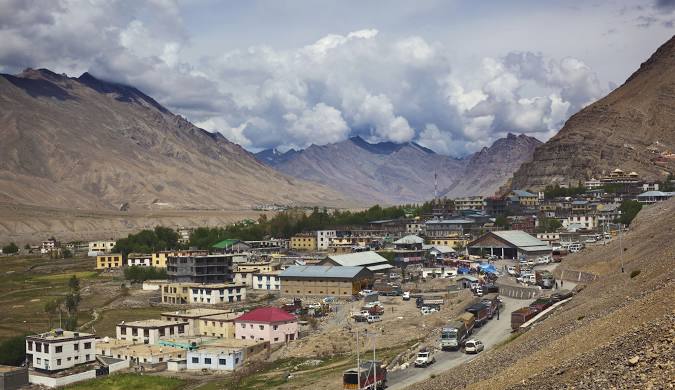
Kaza
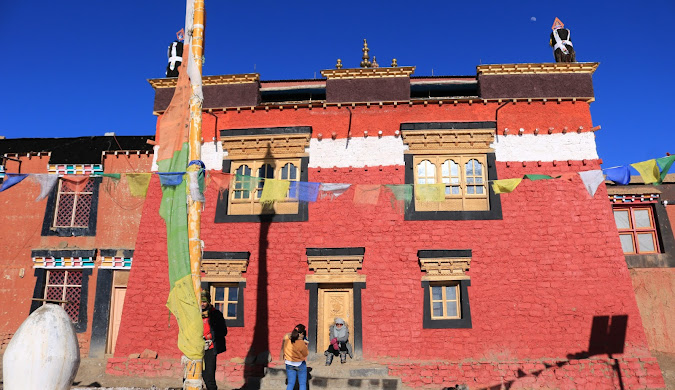
Komic Village
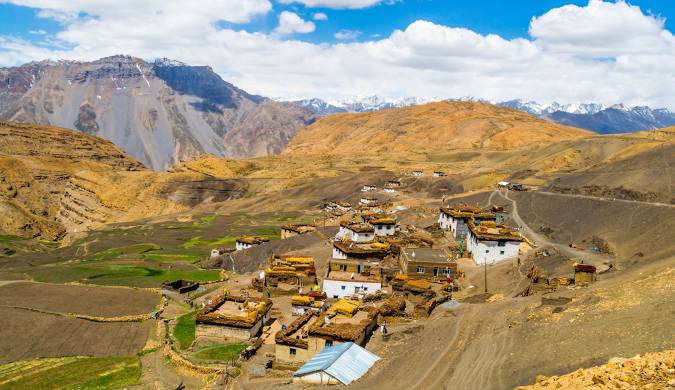
Hikkim Village
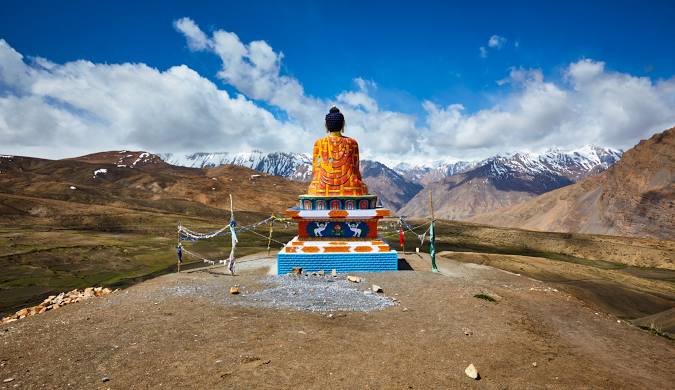
Langza Village
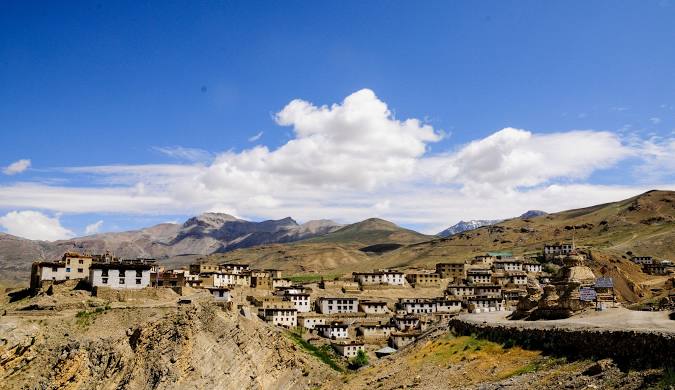
Kibber Village
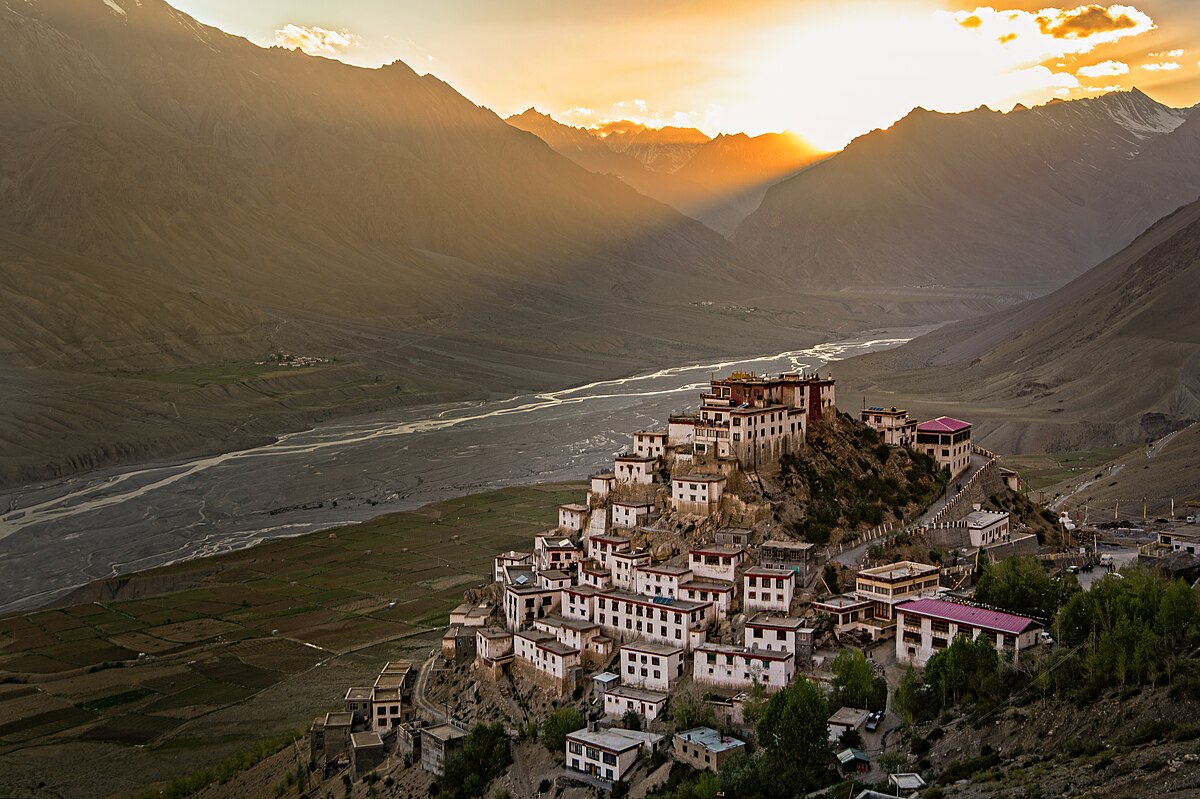
Key Monastery
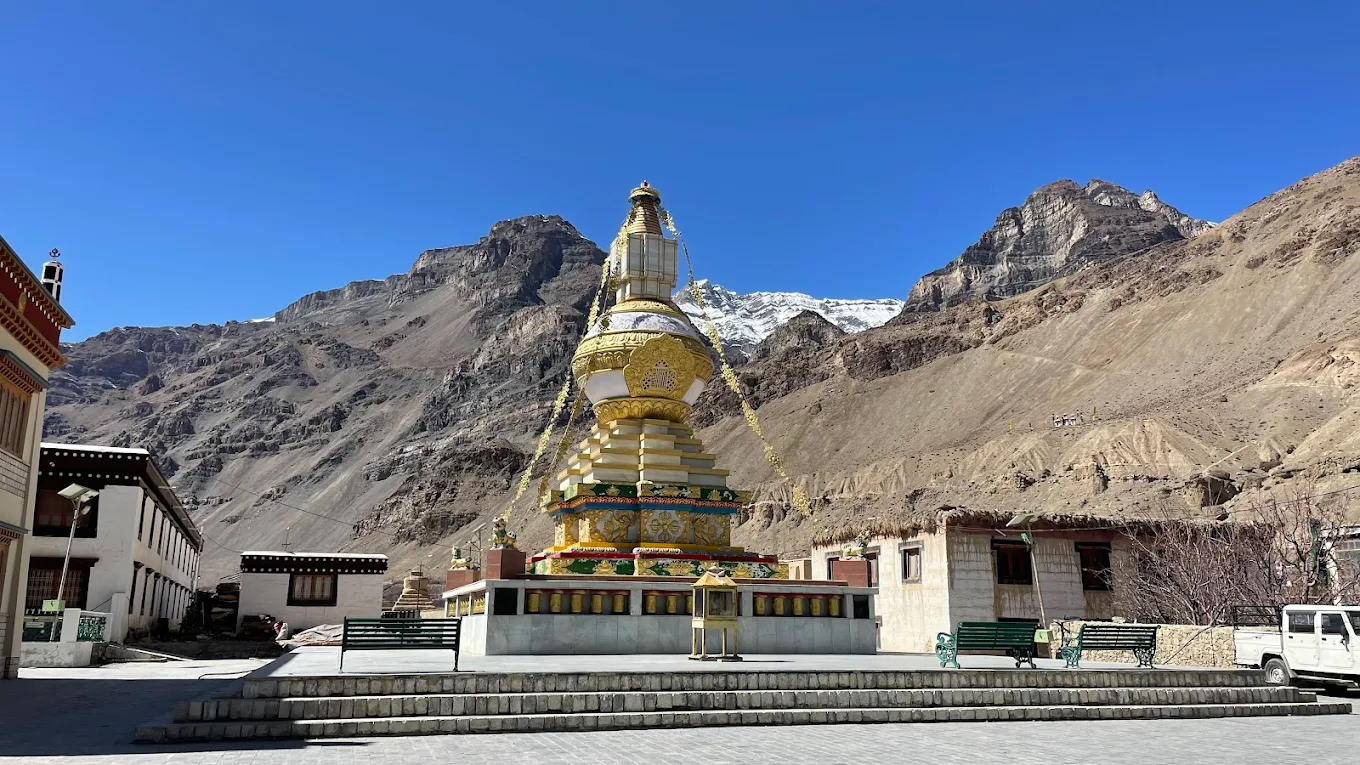
Tabo Monastery
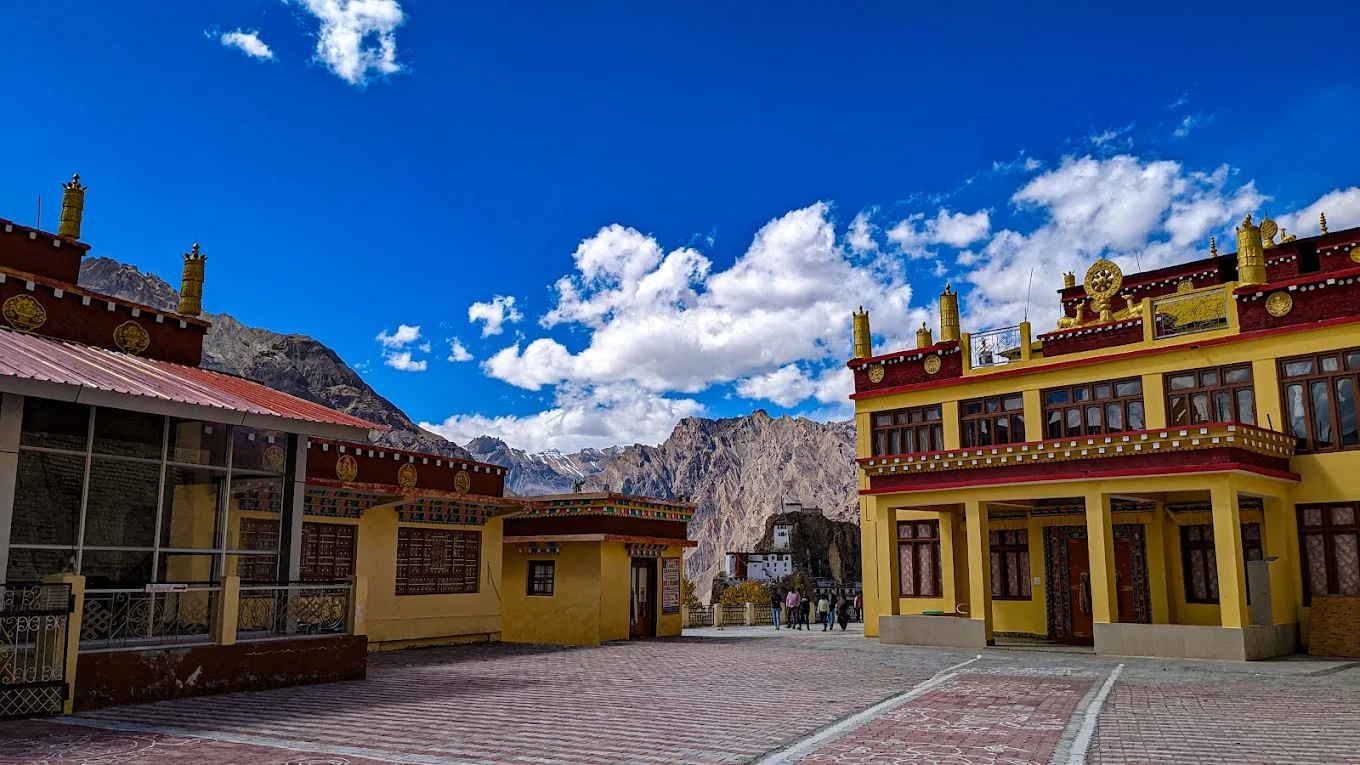
Dhankar Monastery
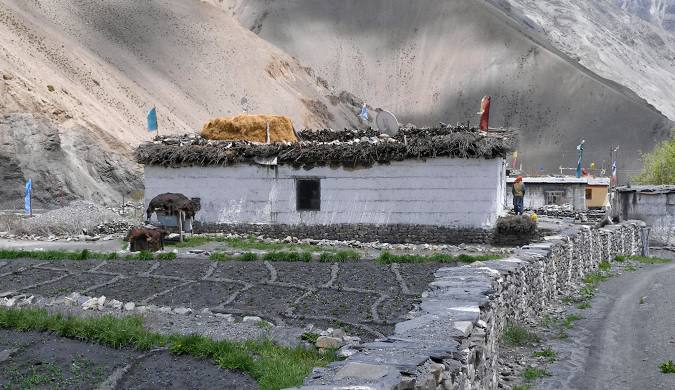
Gue Village
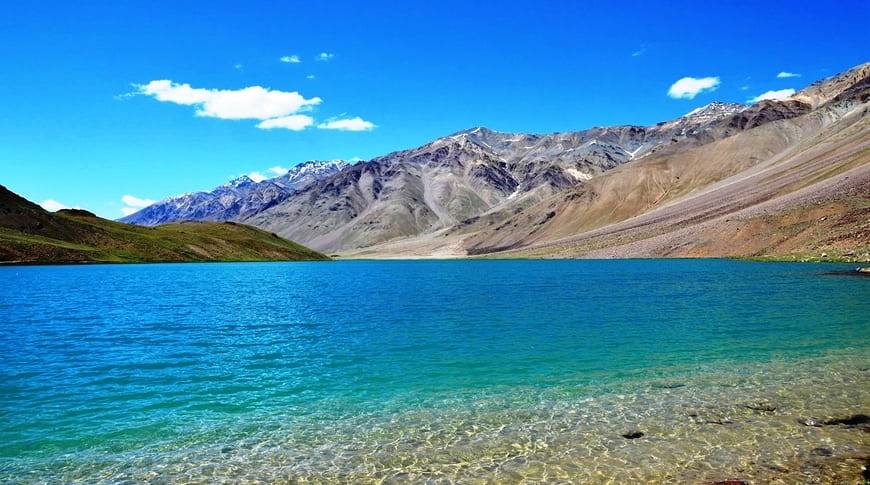
Chandratal Lake
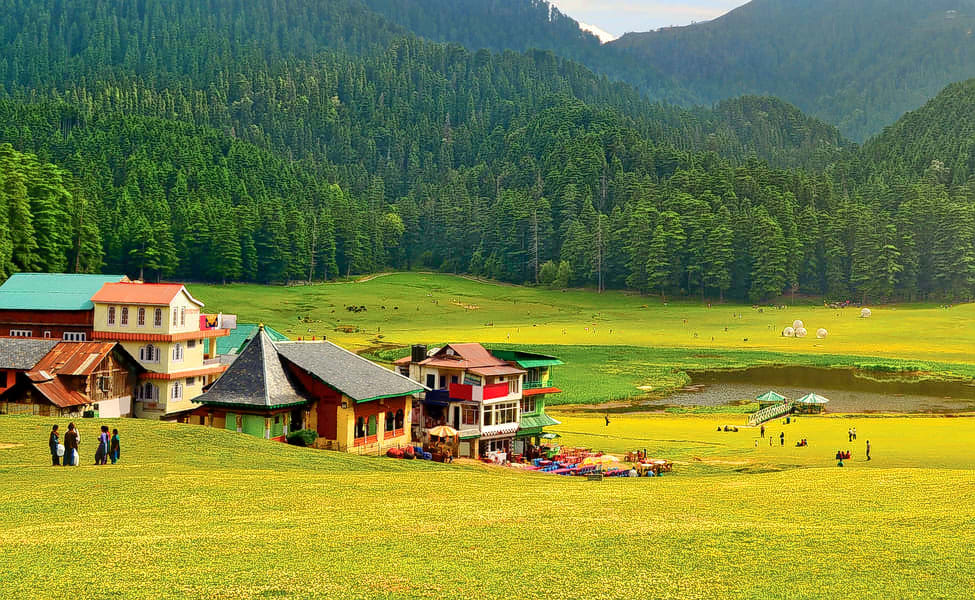
Dalhousie
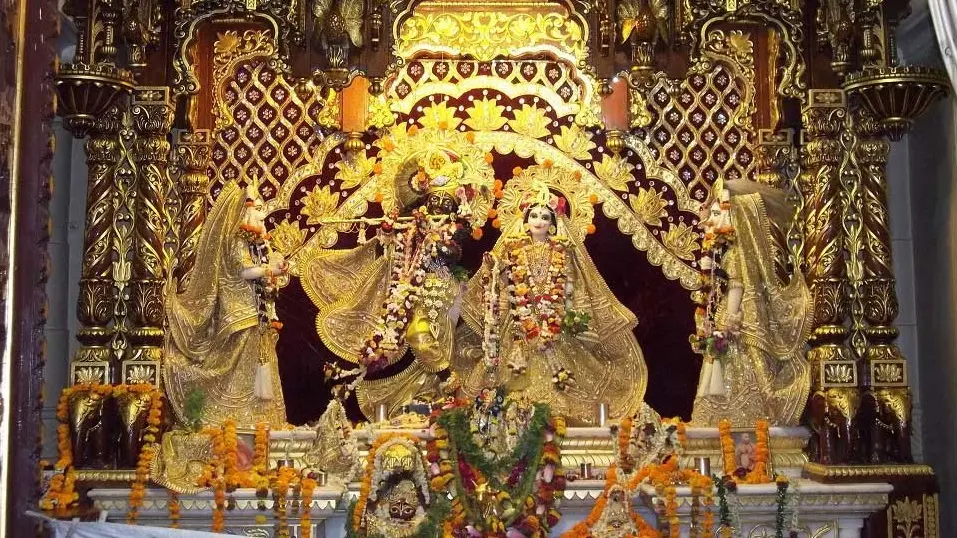
Shri Krishna Janmabhoomi Temple
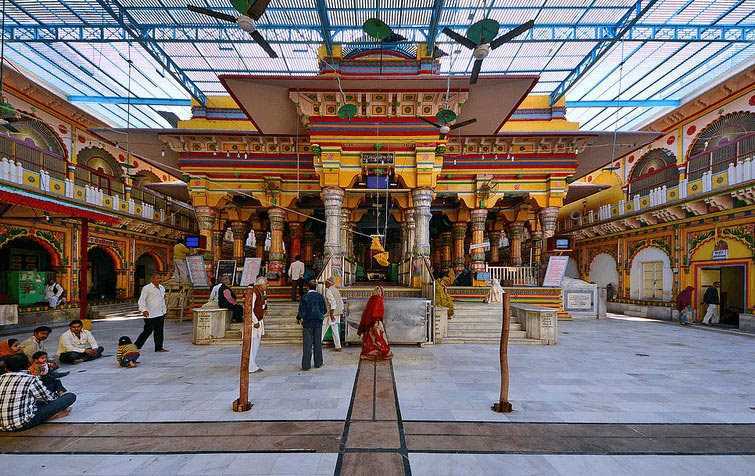
Shri Dwarkadhish Temple
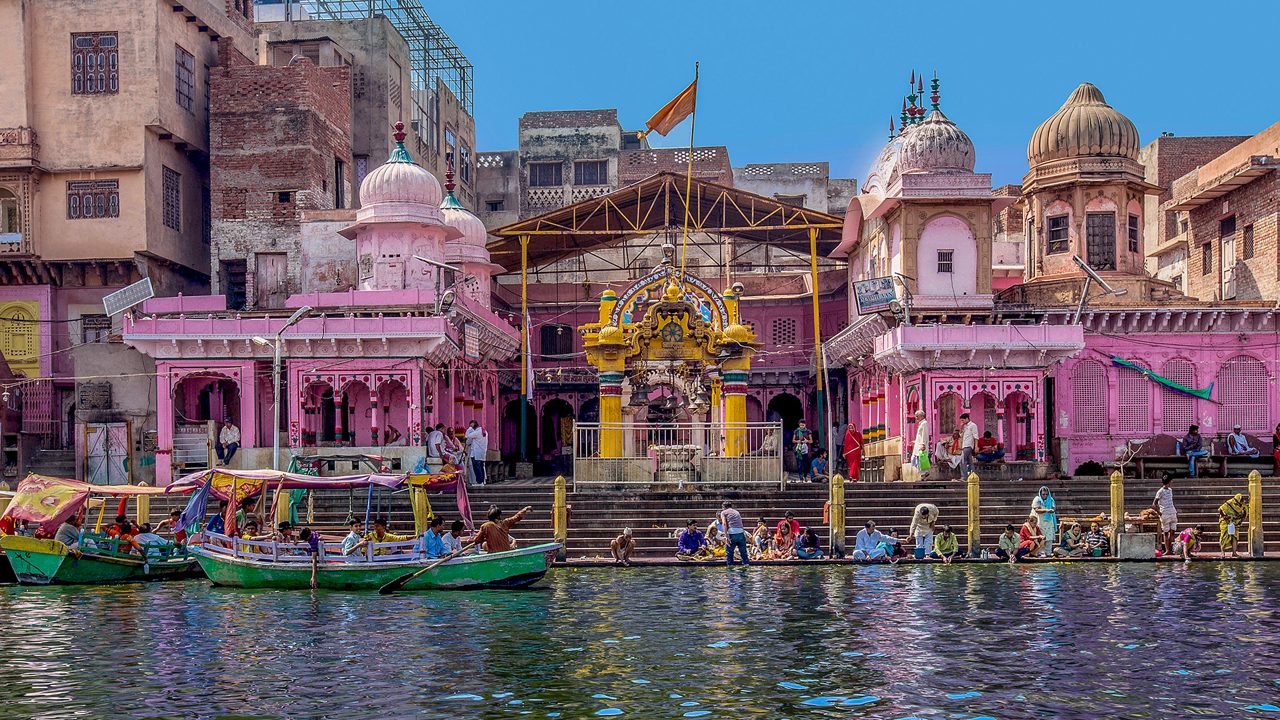
Vishram Ghat, Mathura
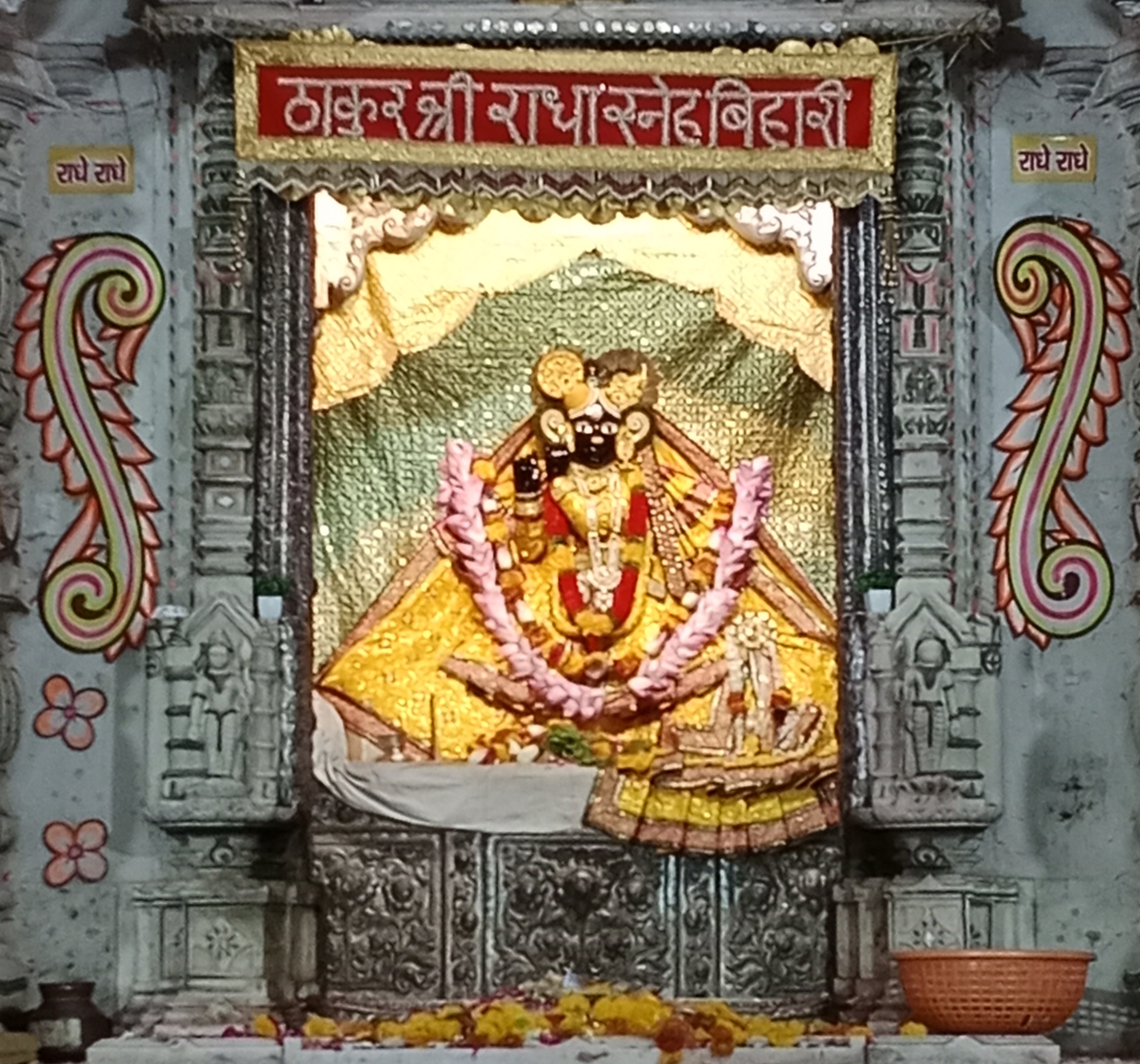
Shri Banke Bihari Temple, Vrindavan
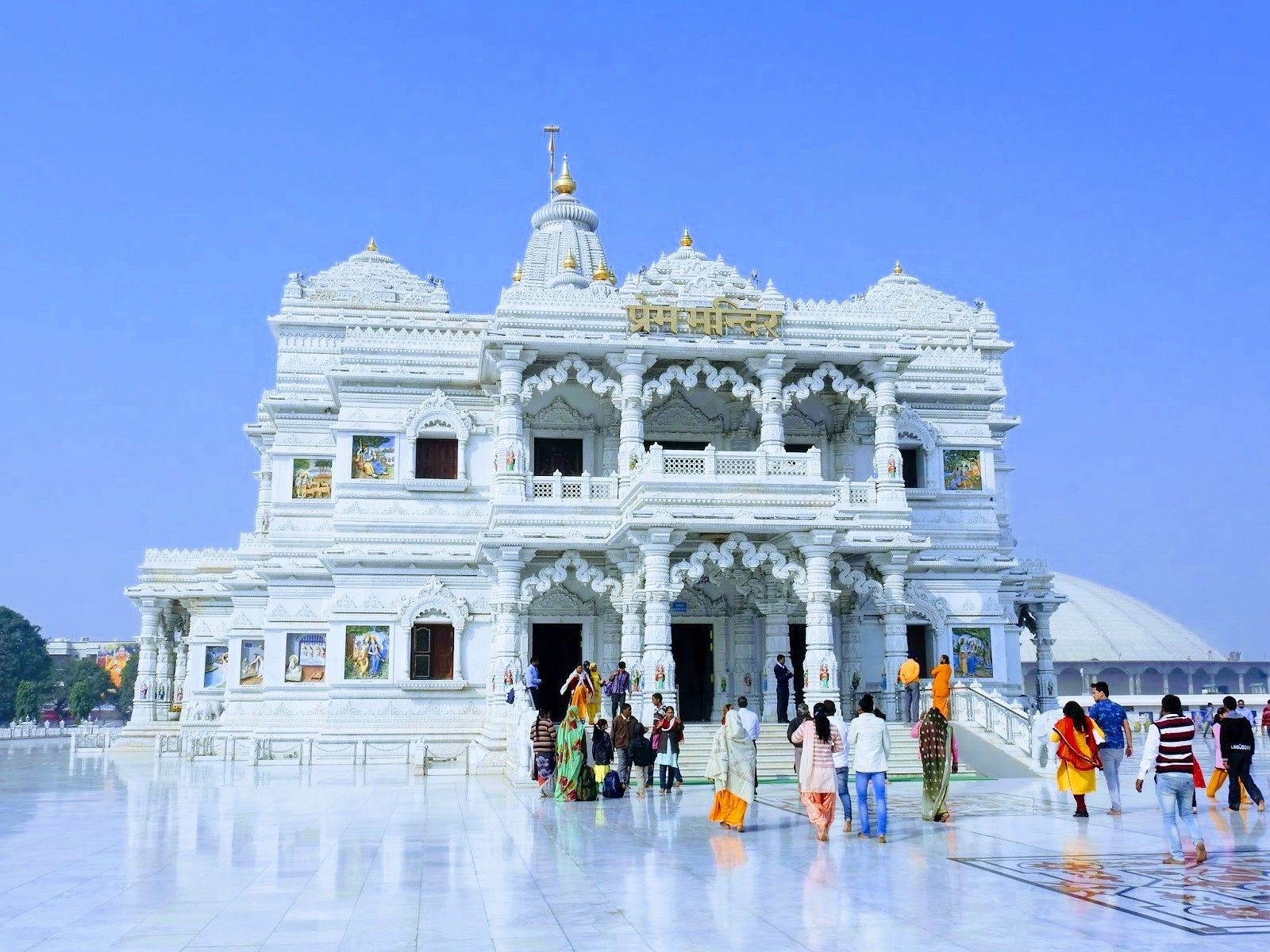
Shri Prem Mandir, Vrindavan
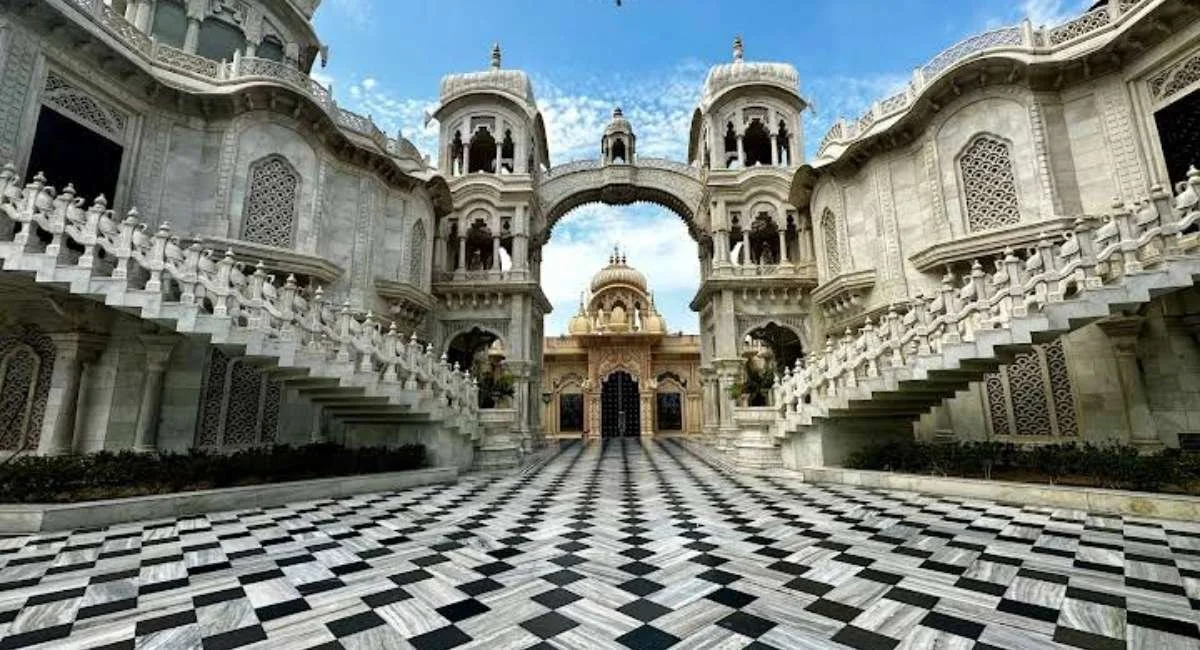
ISKCON Temple, Vrindavan
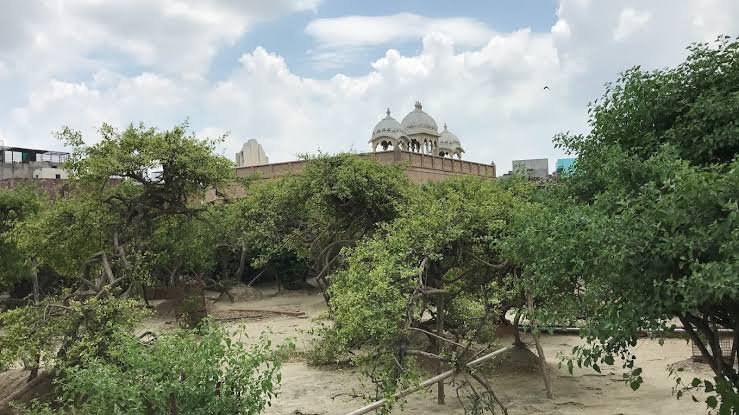
Nidhivan, Vrindavan
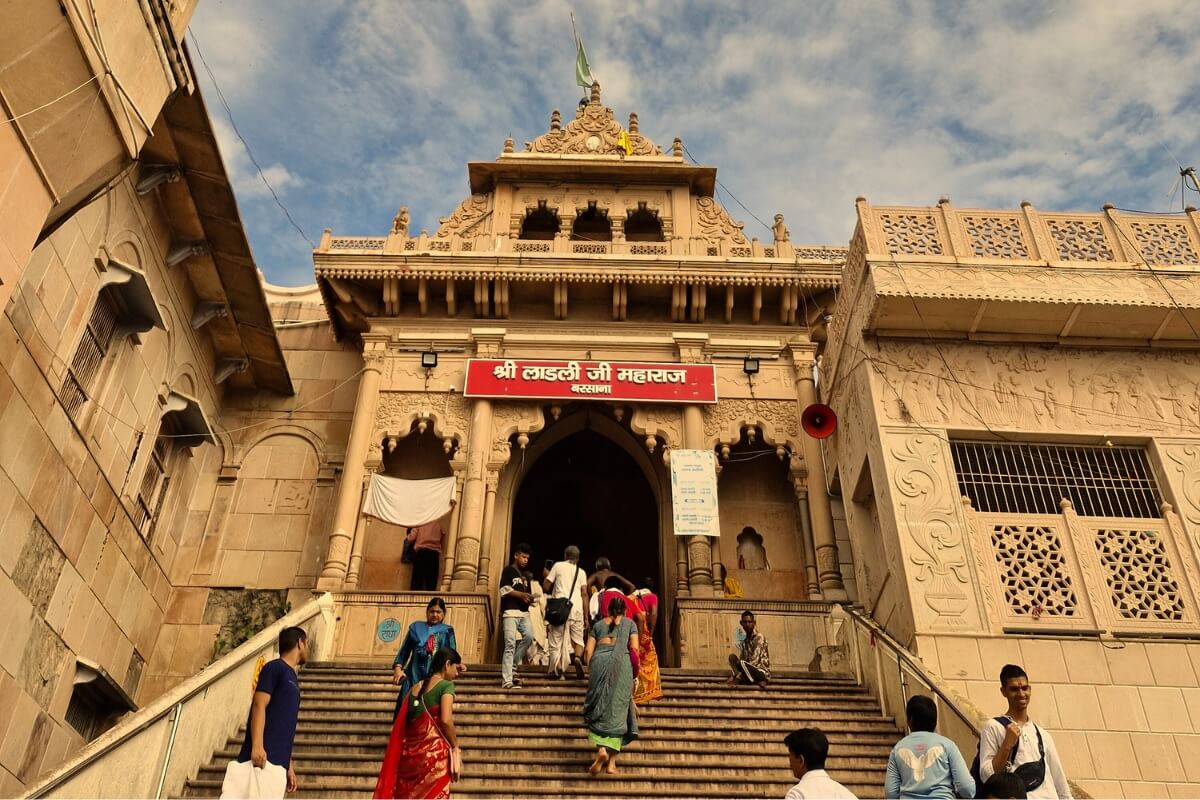
Shri Radha Rani Temple, Barsana
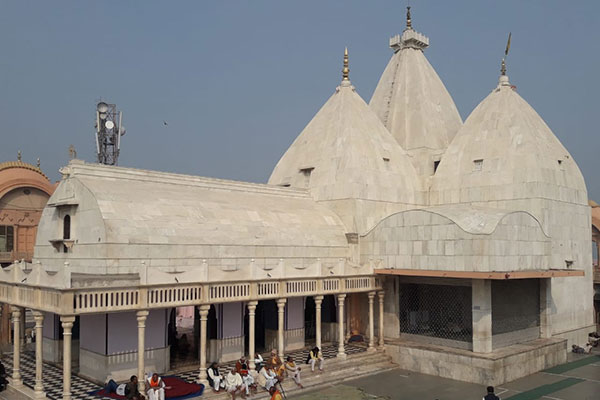
Nand Bhawan Mandir, Nandgaon
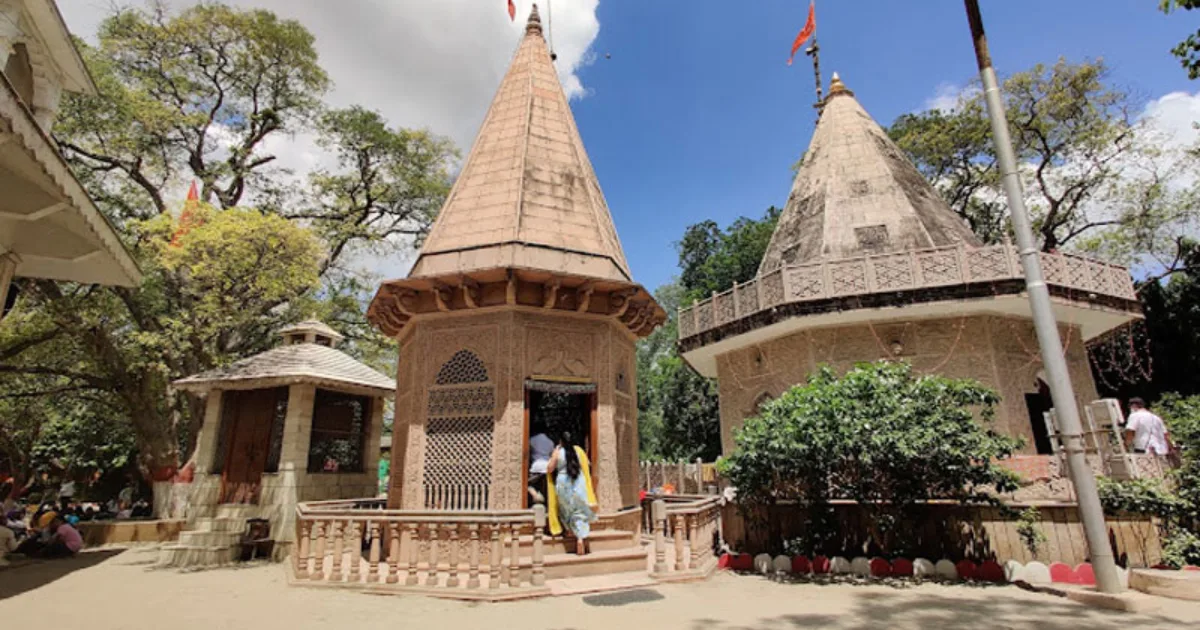
Raman Reti
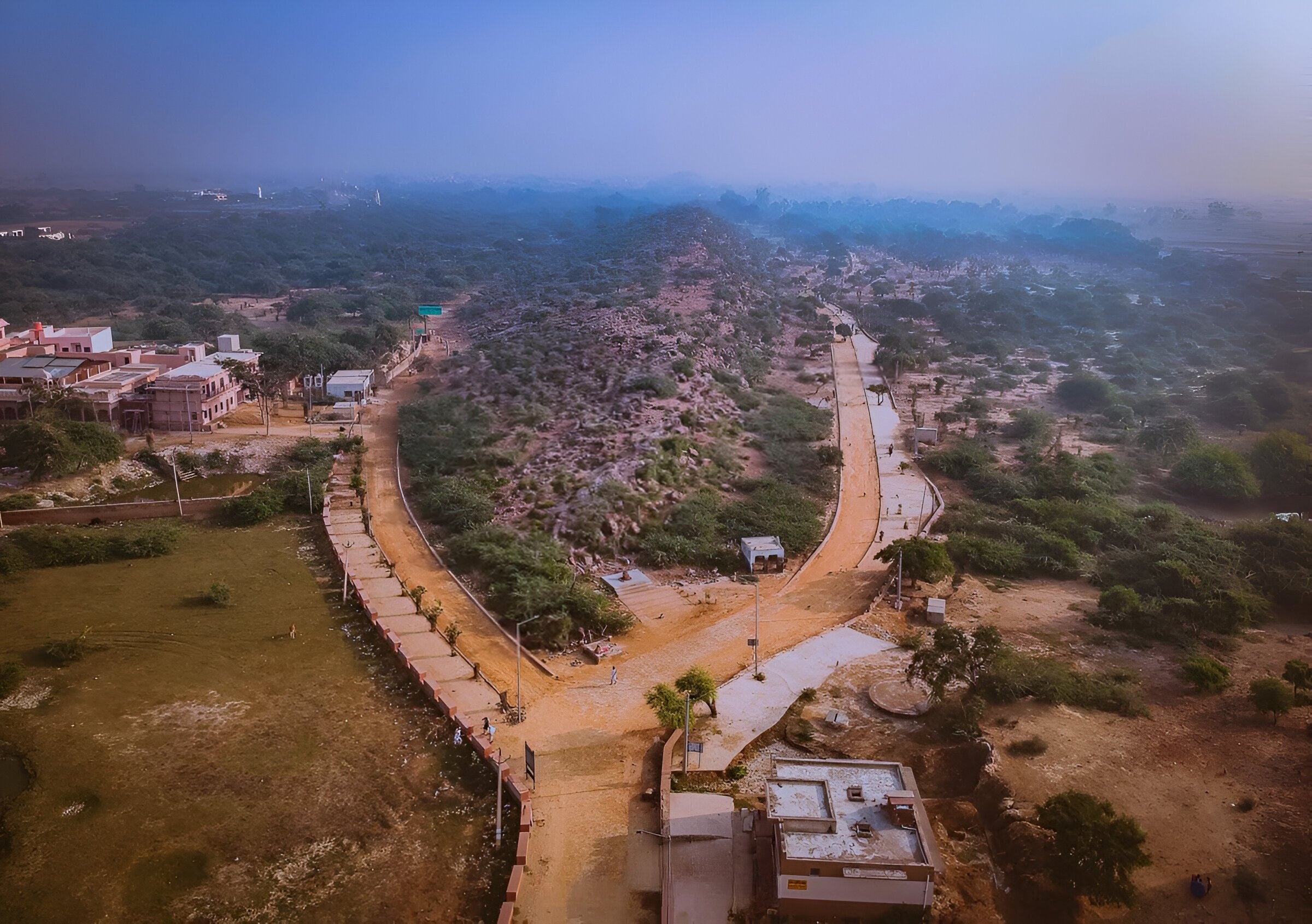
Goverdhan Parikrama
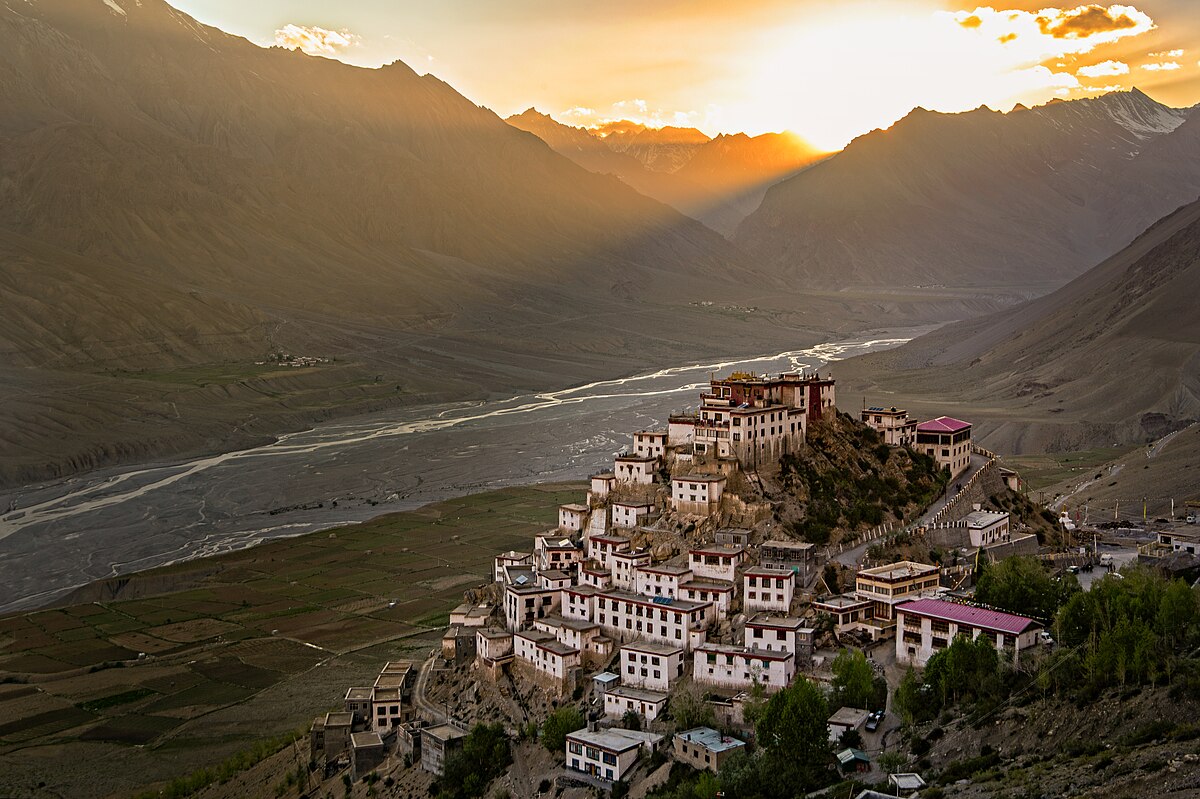
Spiti Valley Expedition
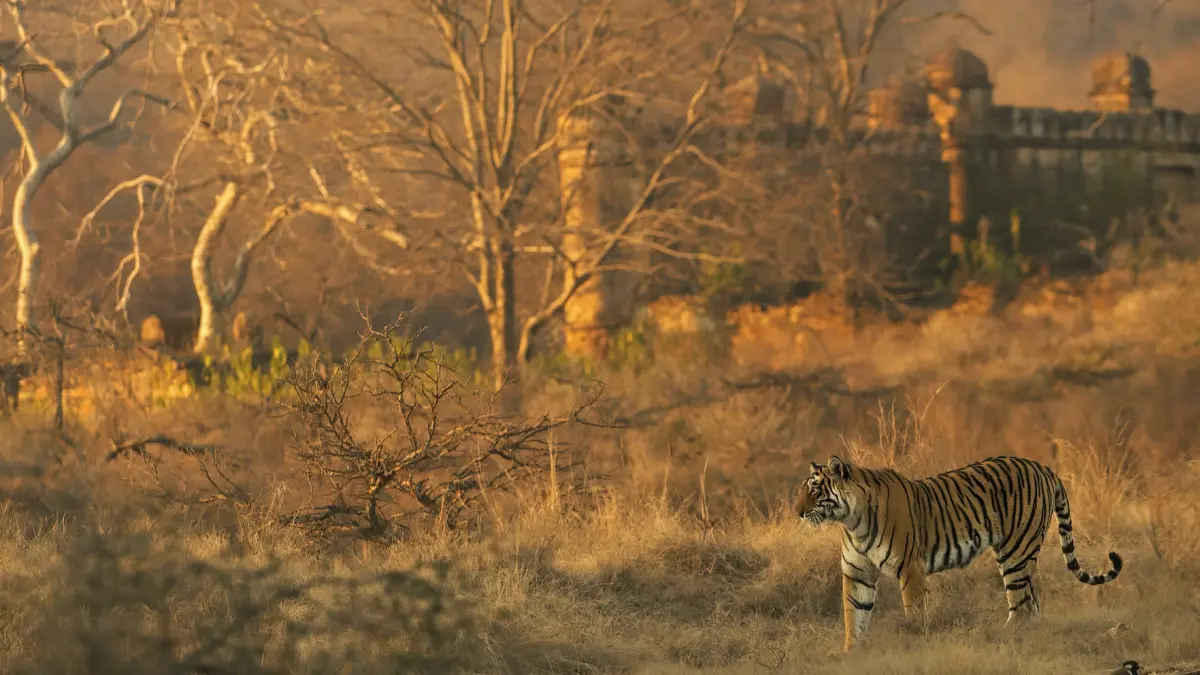
Ranthambhore National Park
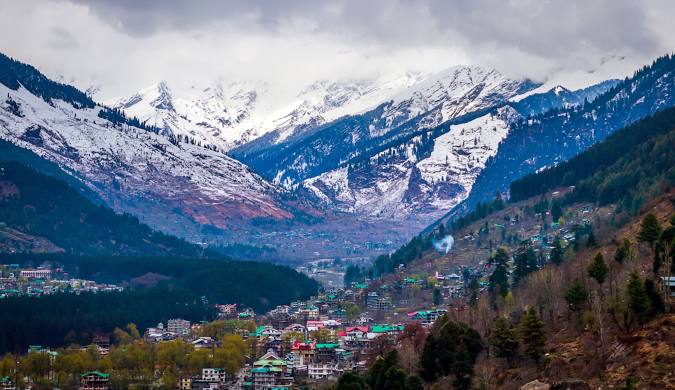
Manali
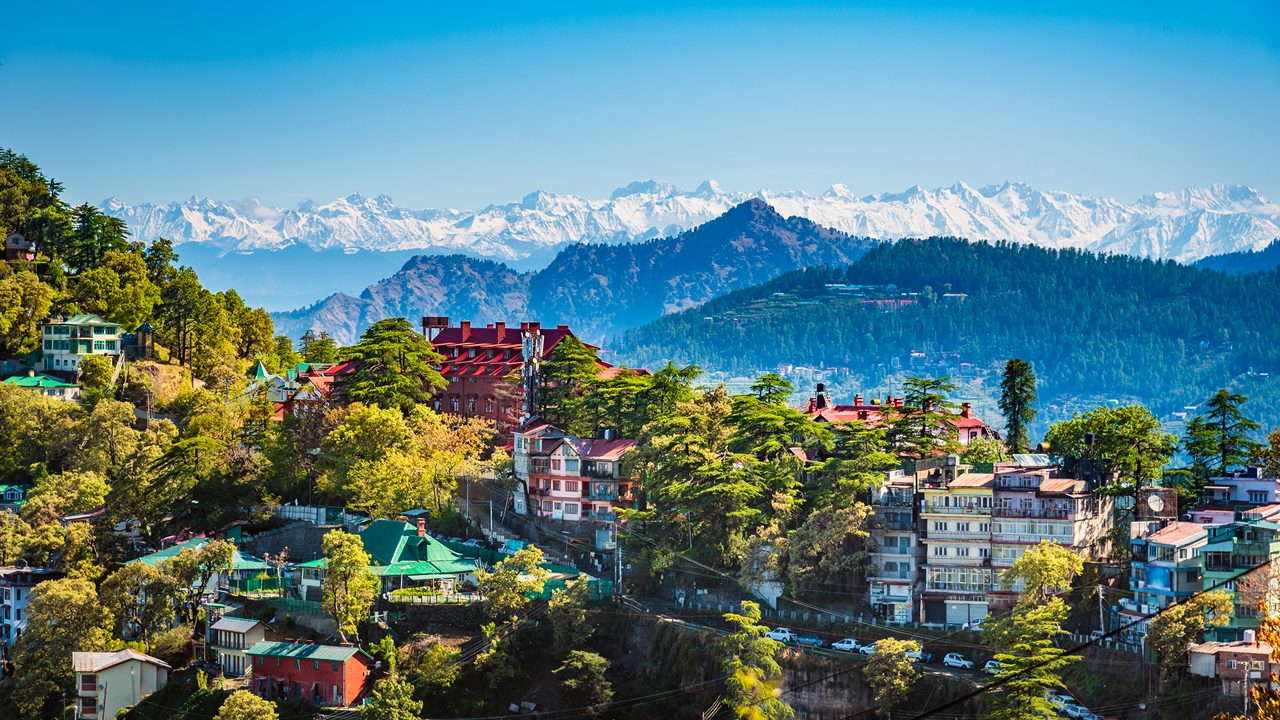
Shimla
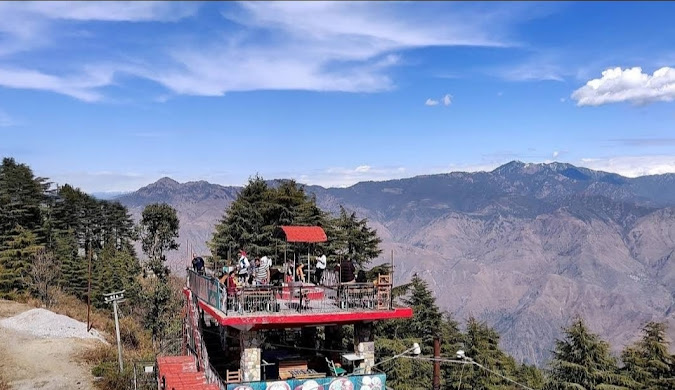
Mussoorie
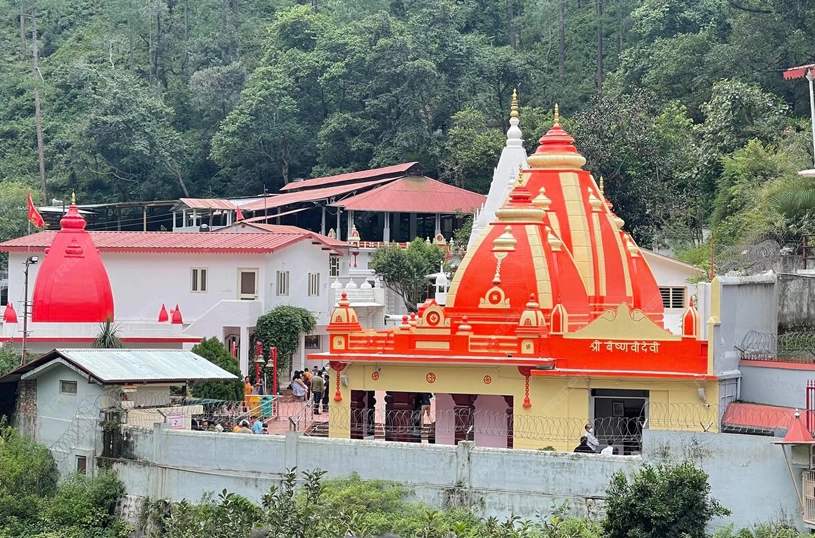
Neem Karoli Baba, Kainchi Dham
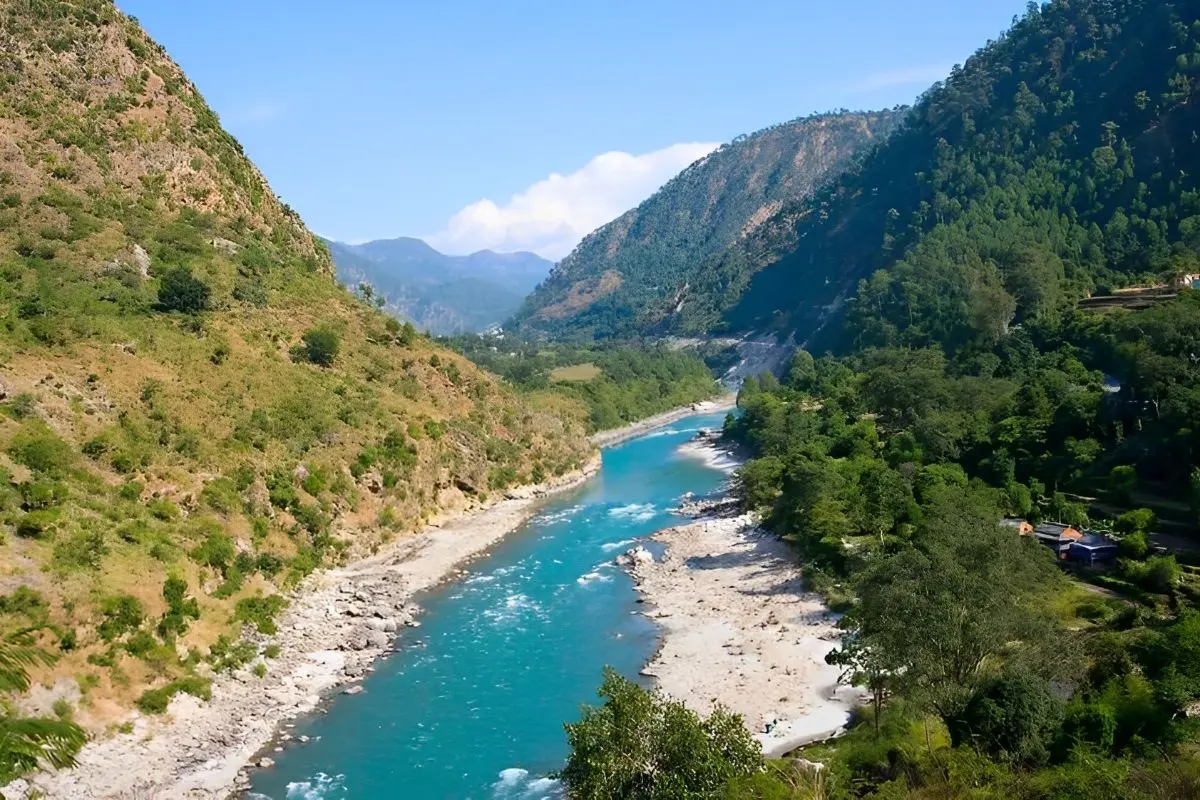
Mukteshwar
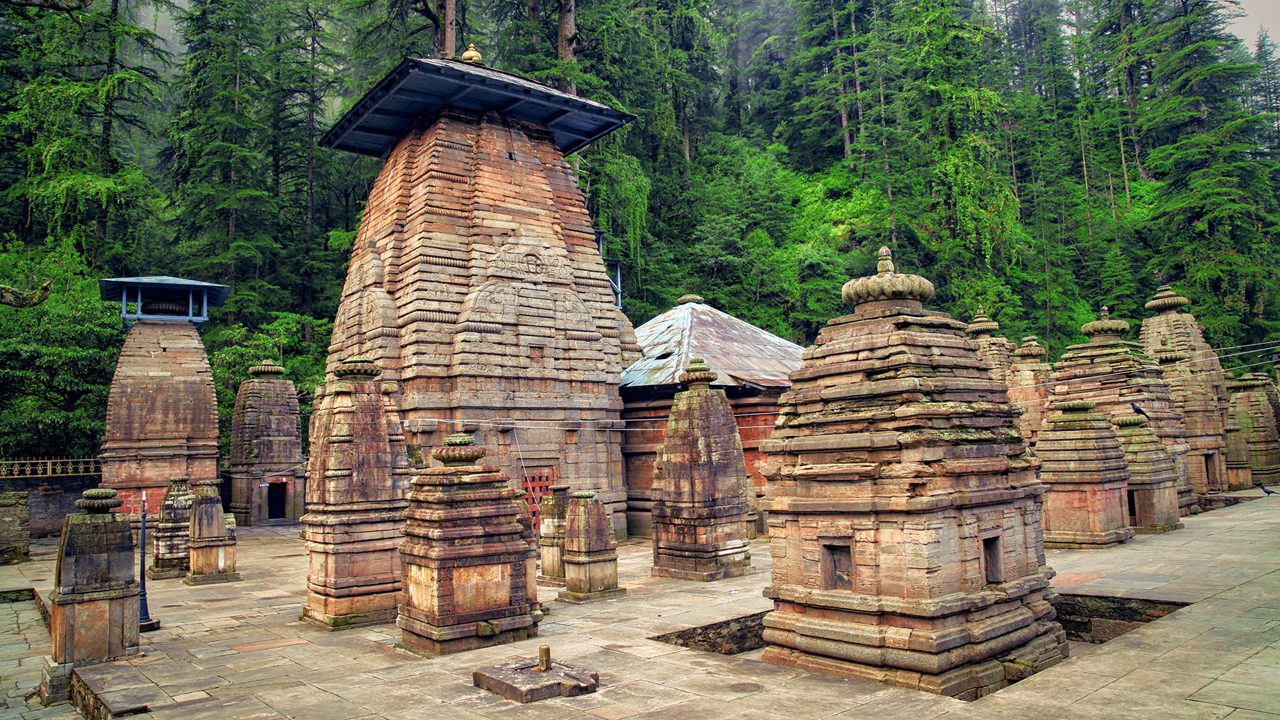
Jageshwar Dham
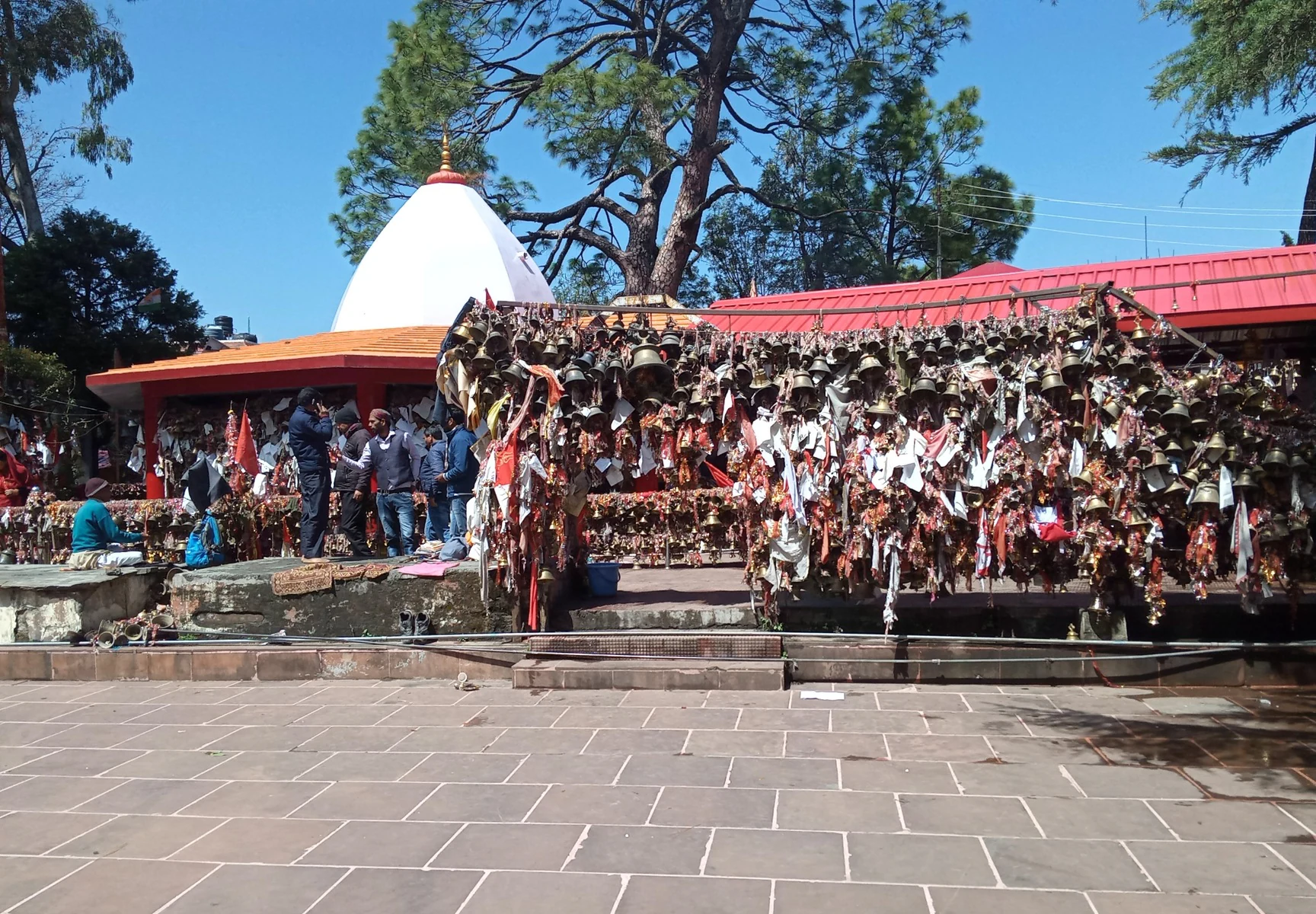
Chitai Golu Devta Temple
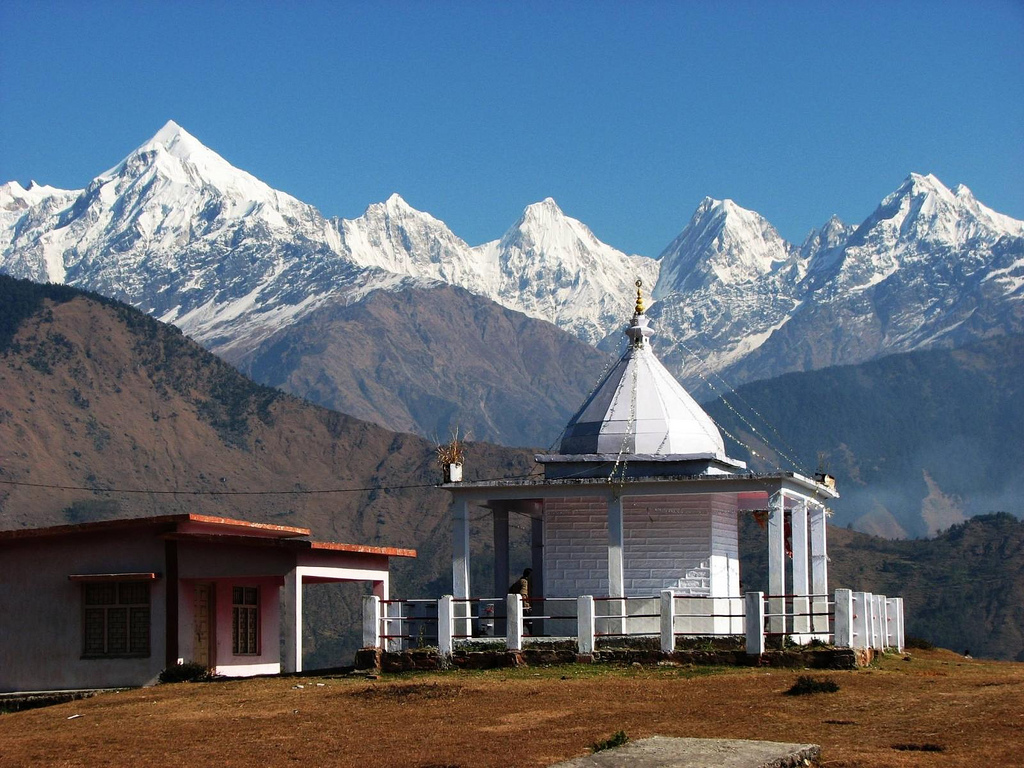
NANDA DEVI TEMPLE
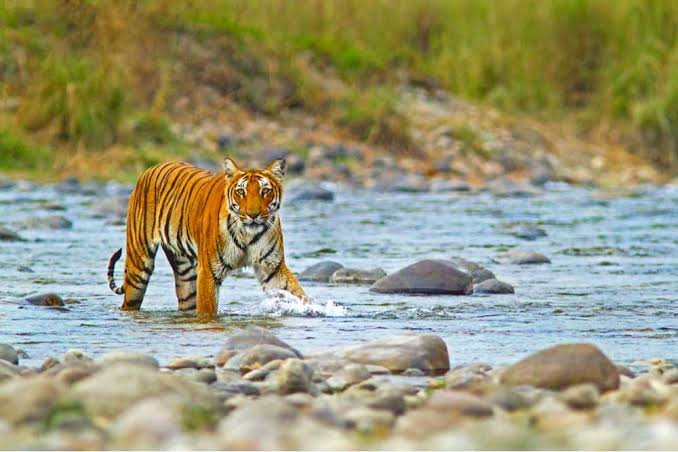
Jim Corbett National Park
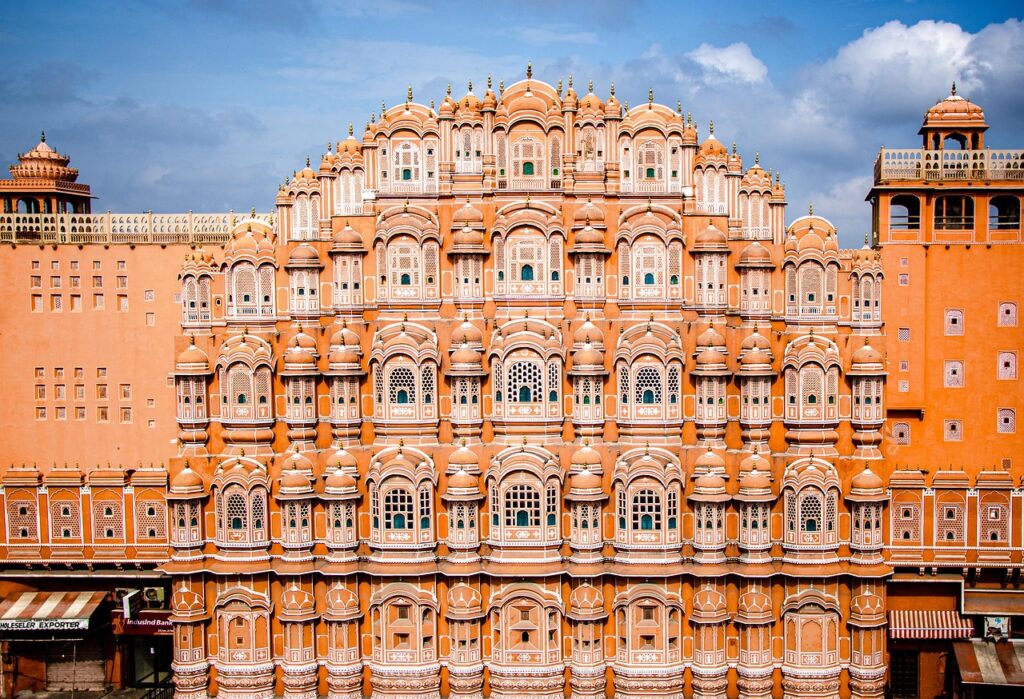
Hawa Mahal
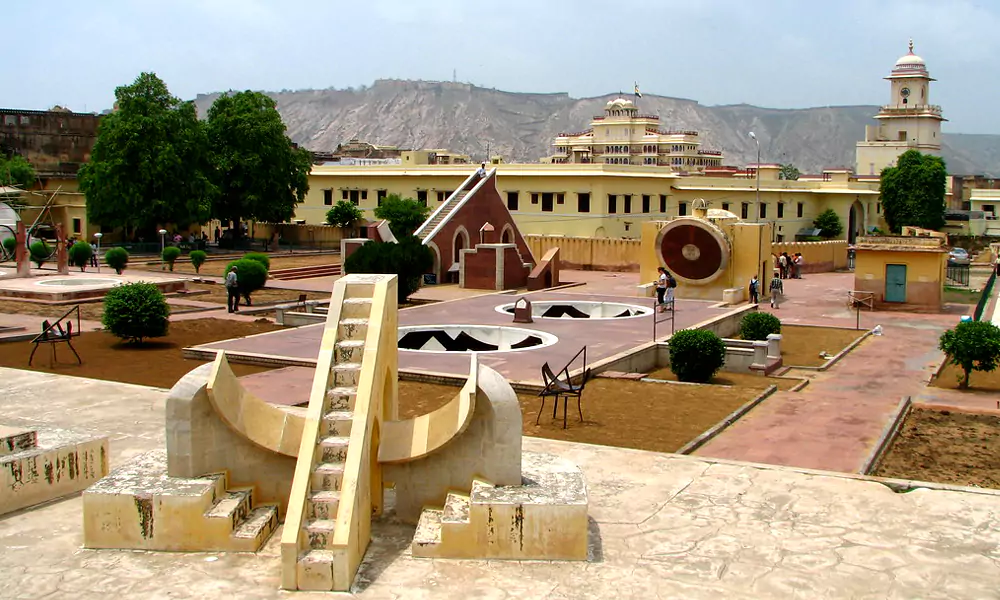
Jantar Mantar, Jaipur
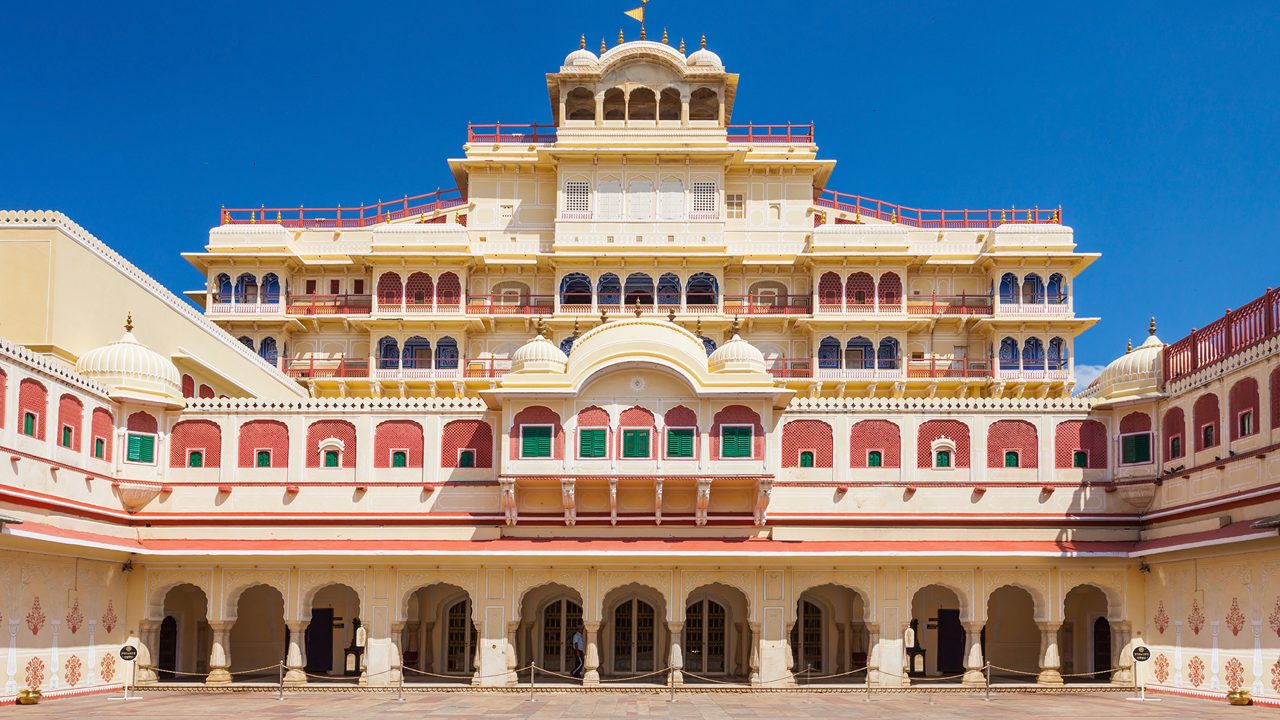
City Palace
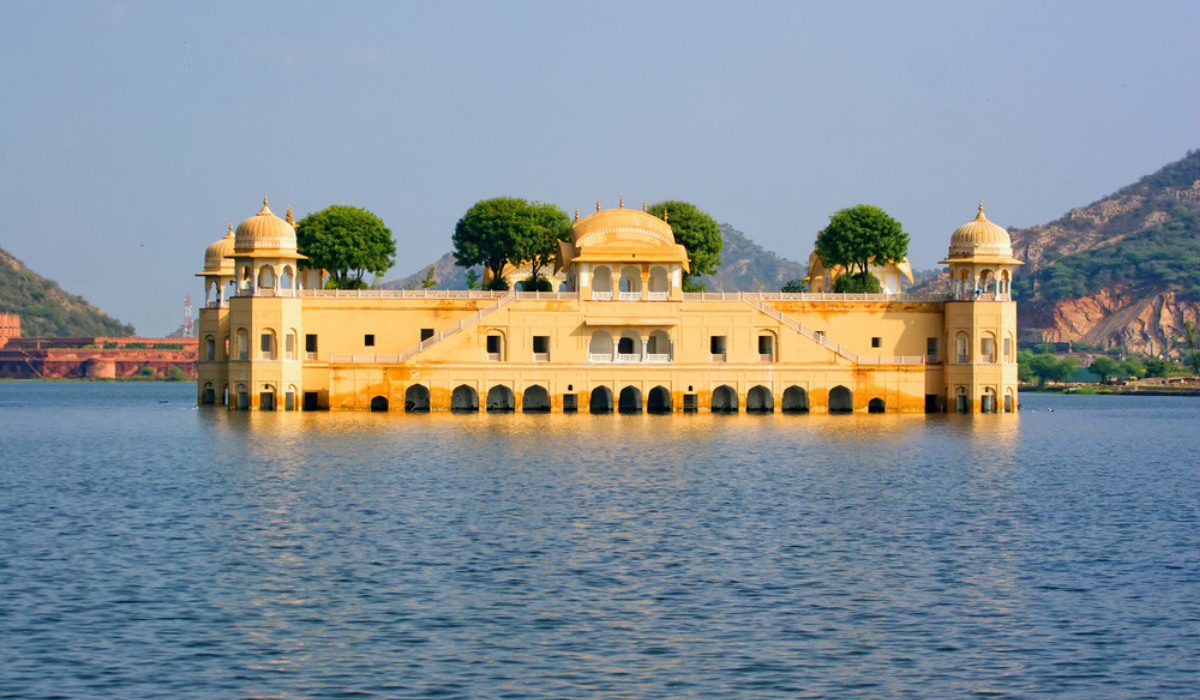
Jal Mahal
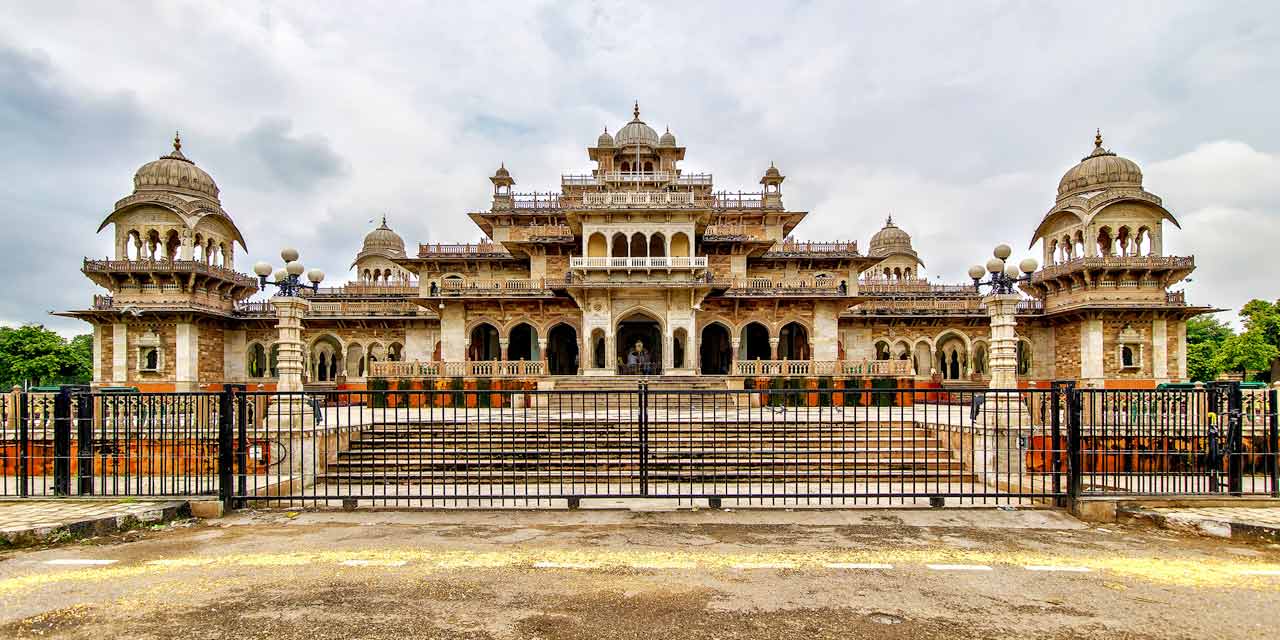
Albert Hall Museum
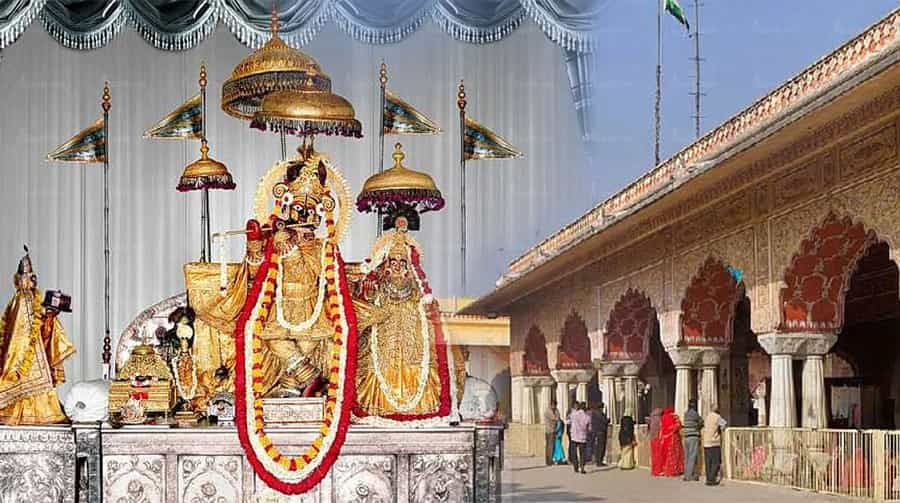
Shri Govind Dev Ji Temple
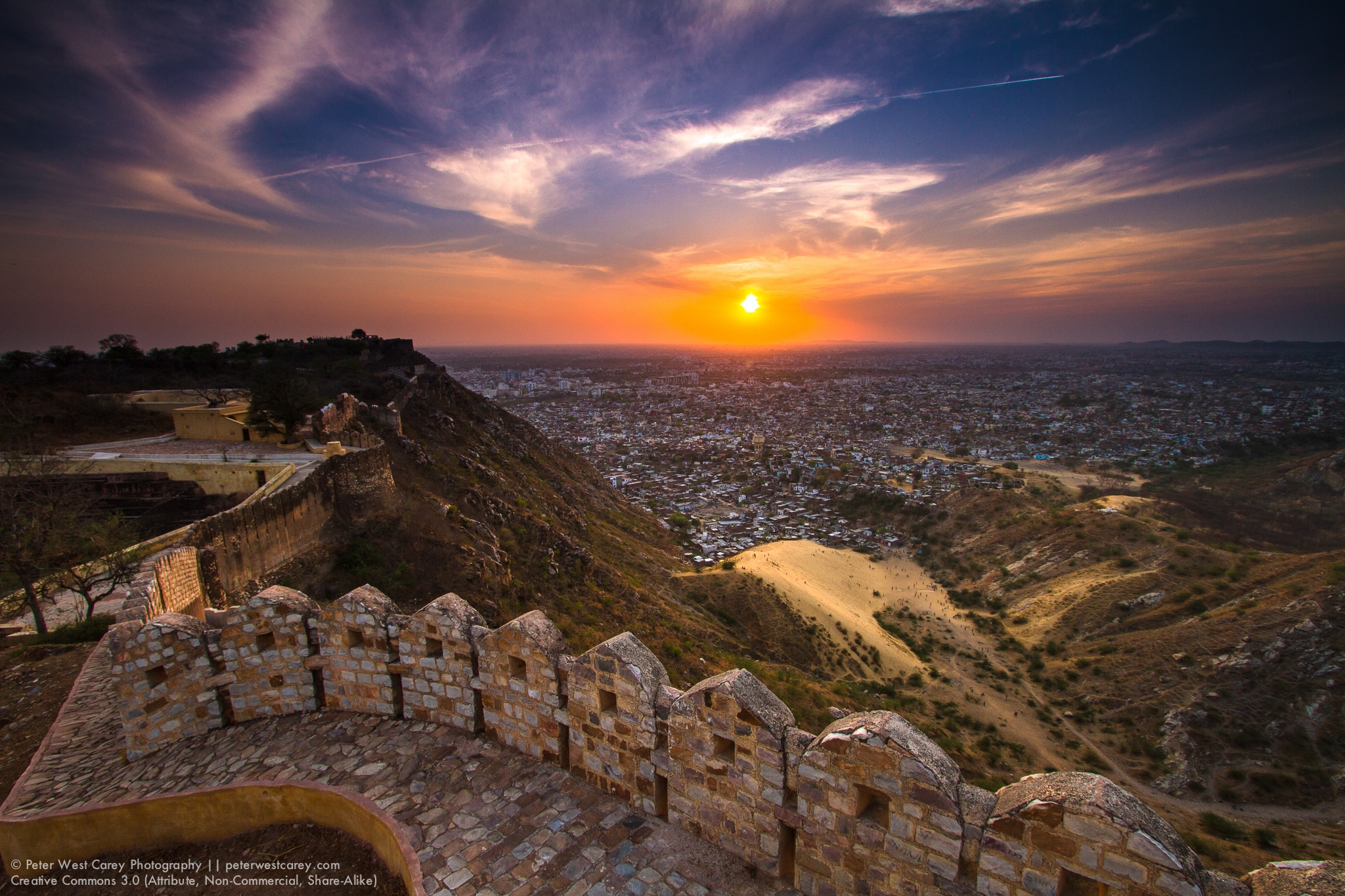
Nahargarh Fort
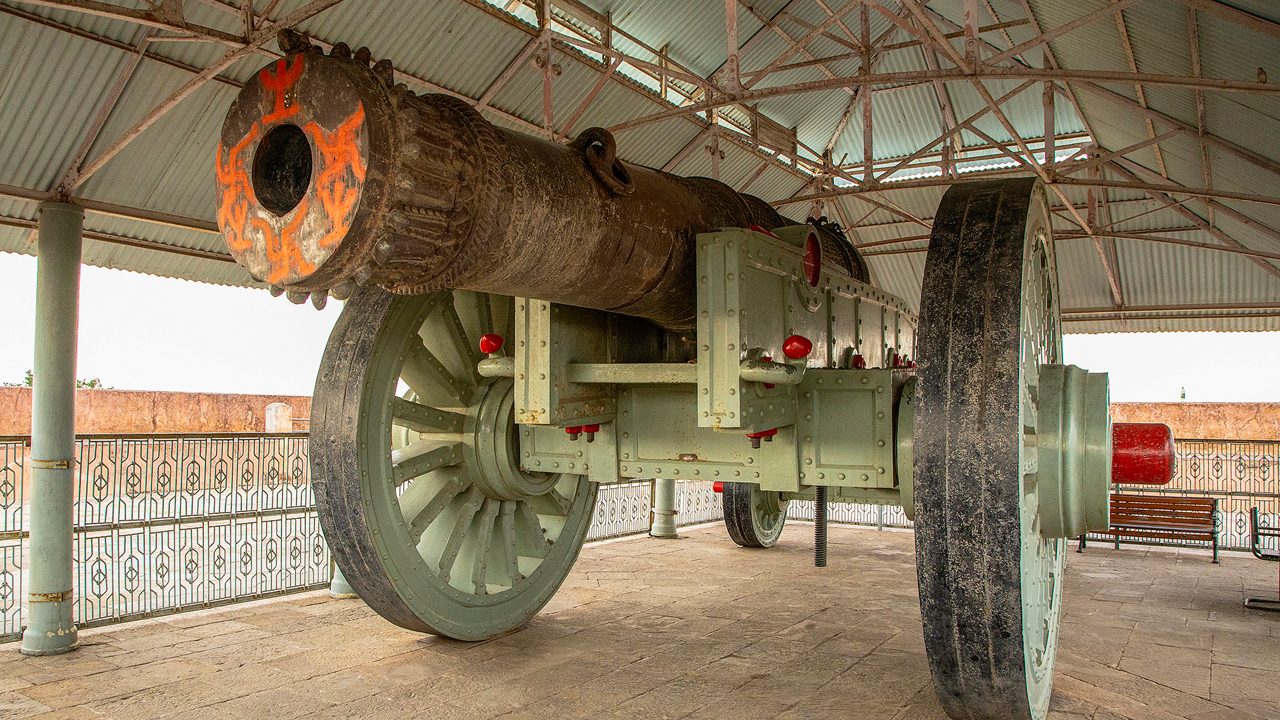
Jaigarh Fort
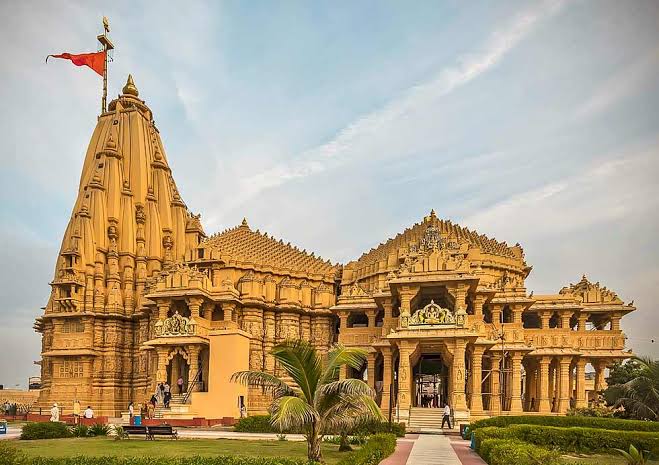
Somnath Temple
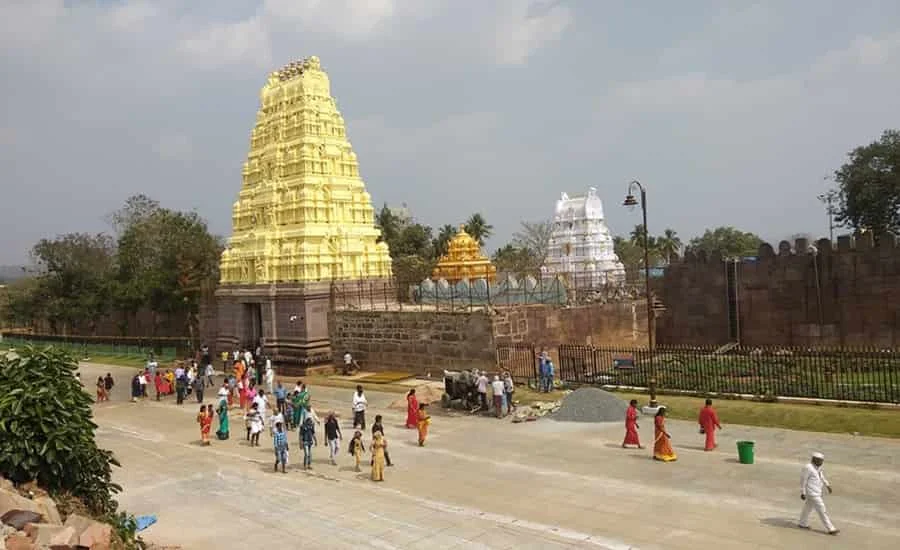
Mallikarjuna Temple
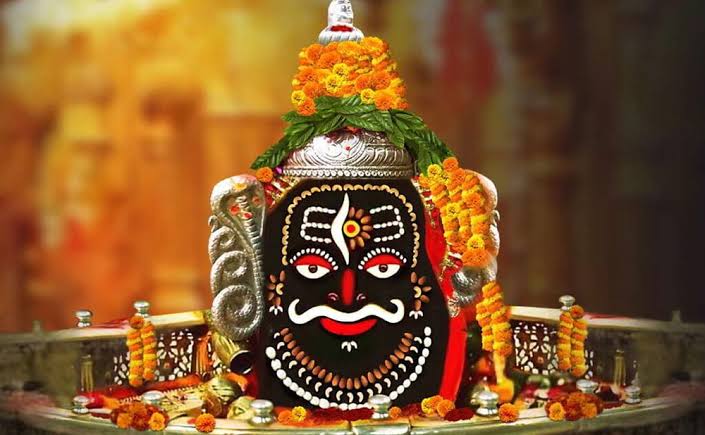
Mahakaleshwar Temple
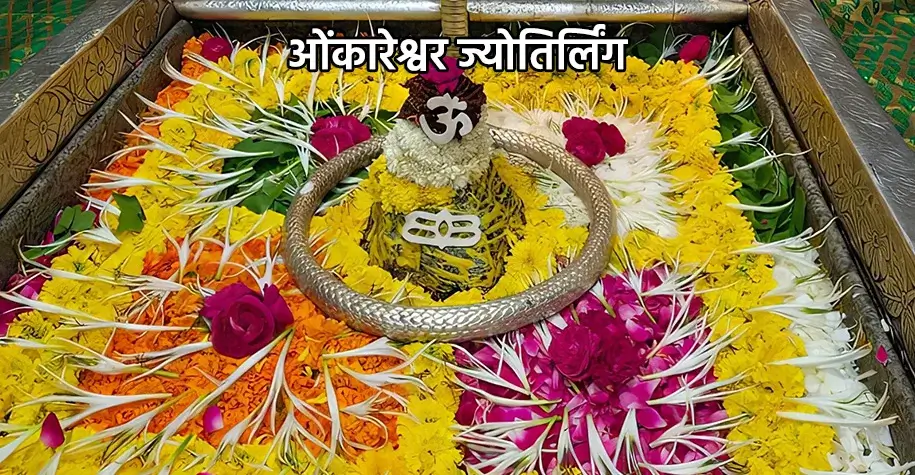
Omkareshwar Temple
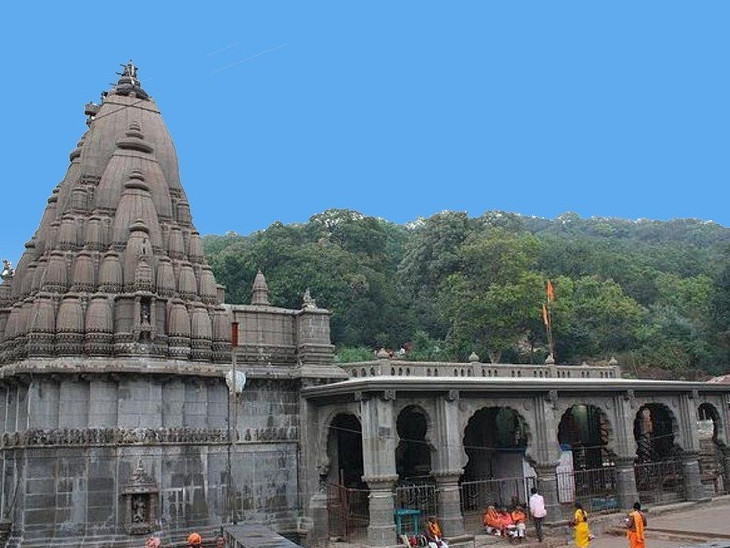
Bhimashankar Temple
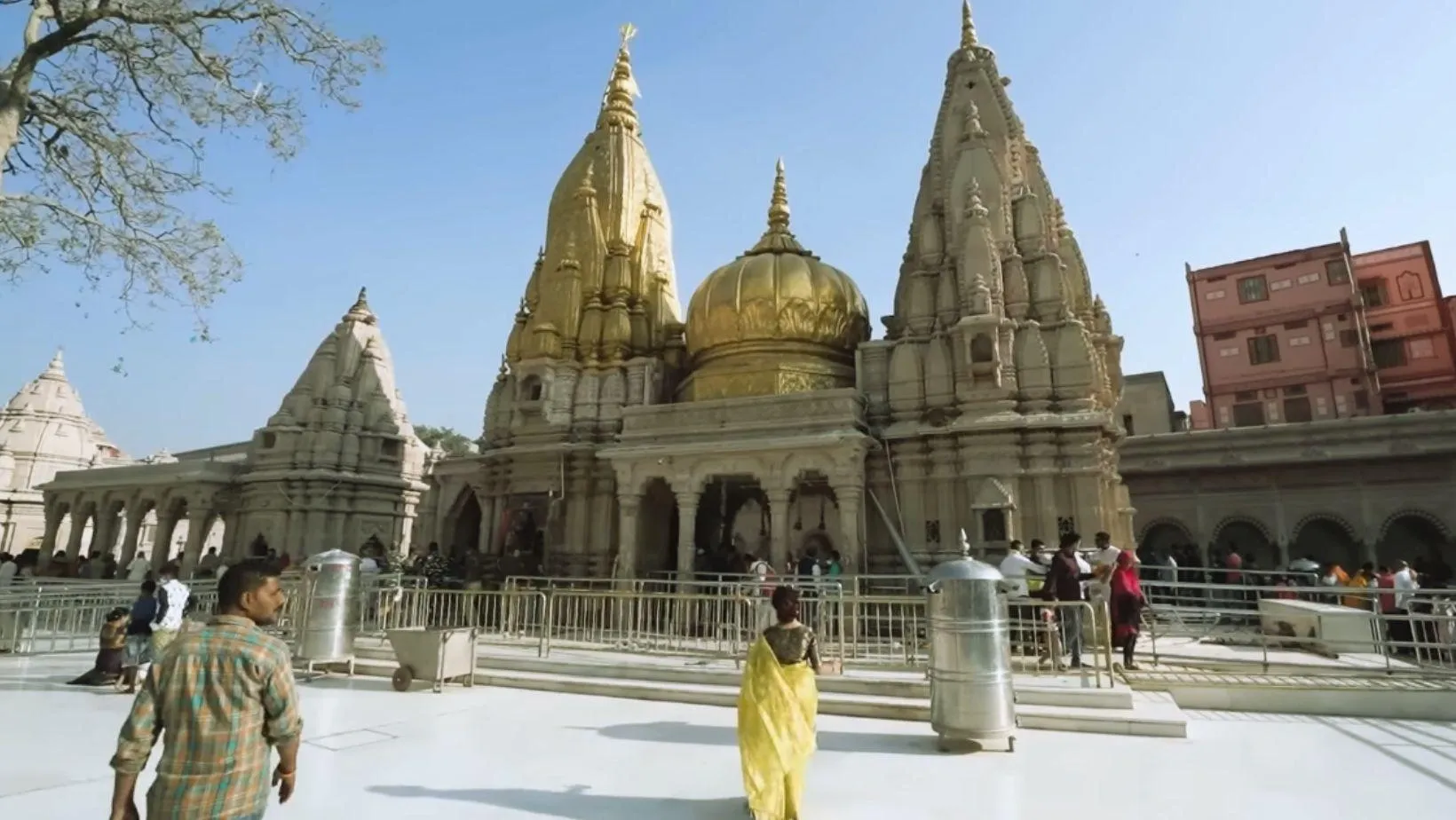
Kashi Vishwanath Temple
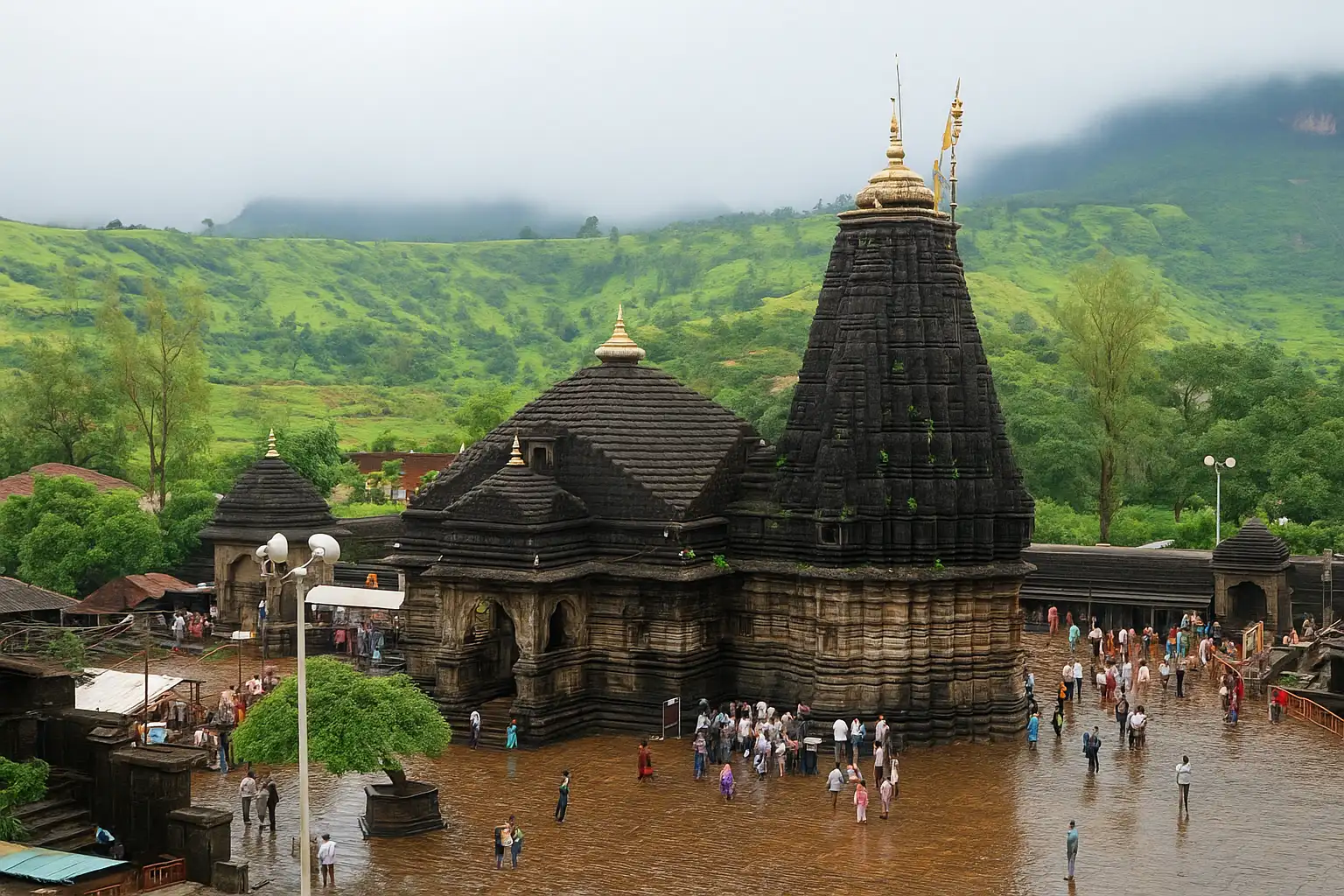
Trimbakeshwar Temple
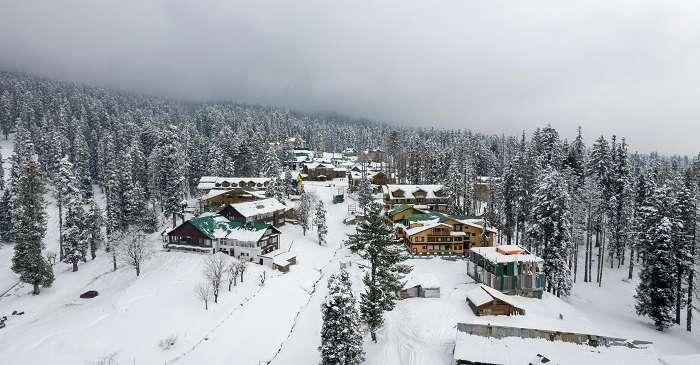
Harshil Valley
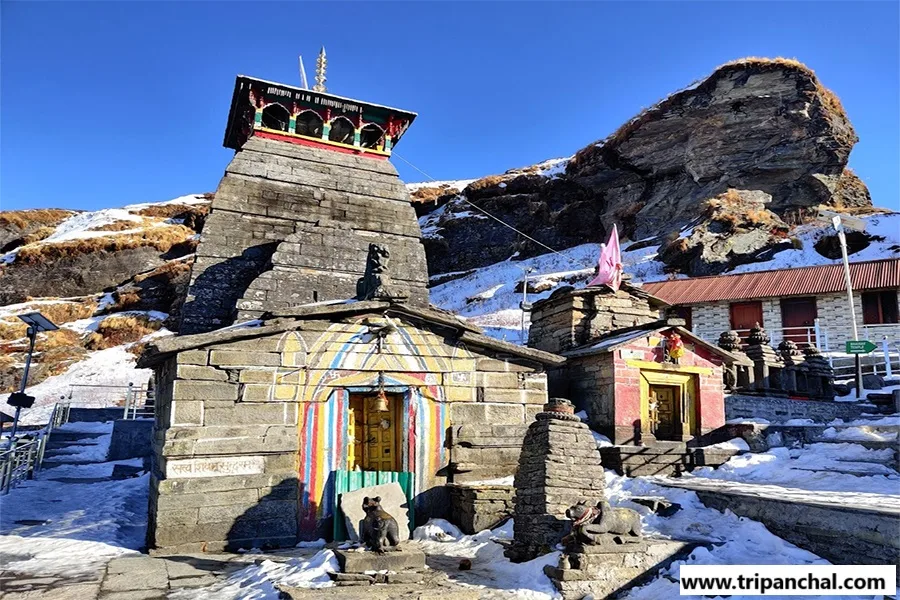
Tungnath Temple
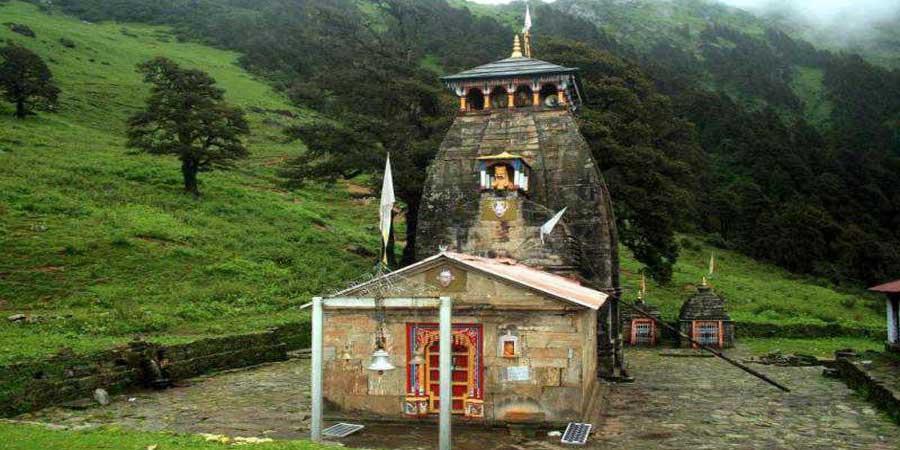
Madhyamaheshwar Temple
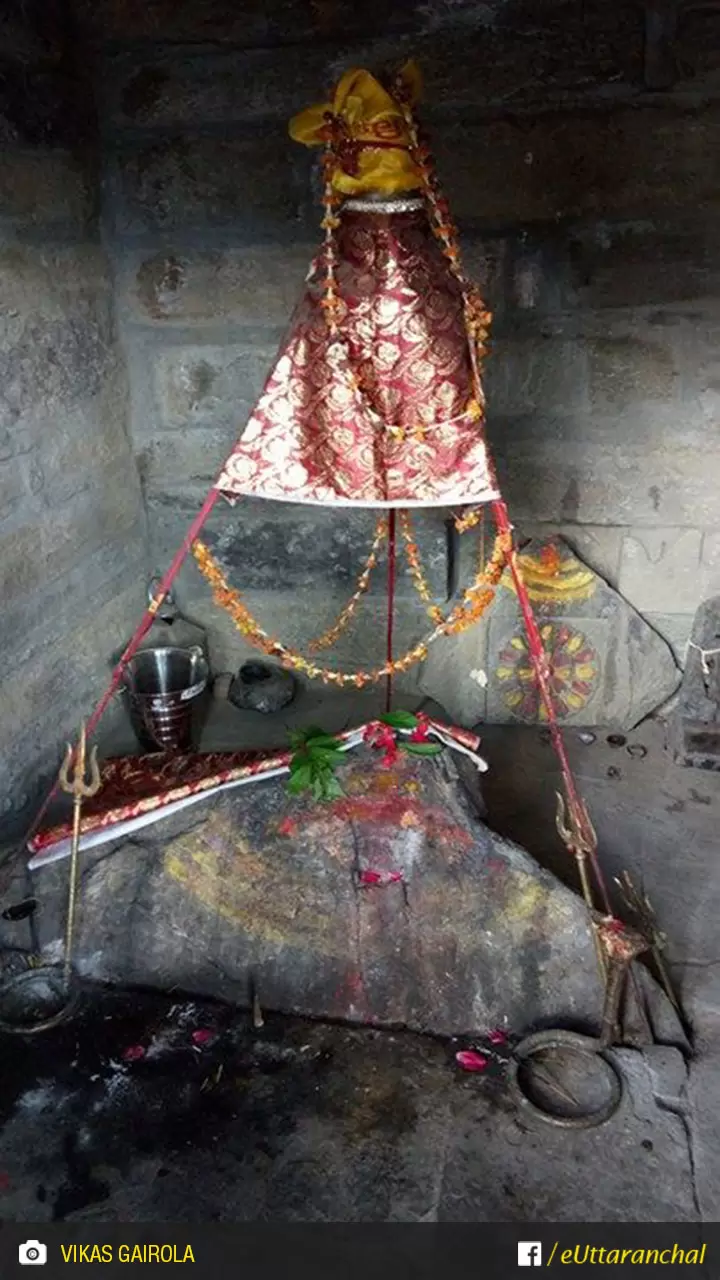
Kalpeshwar Mahadev Temple
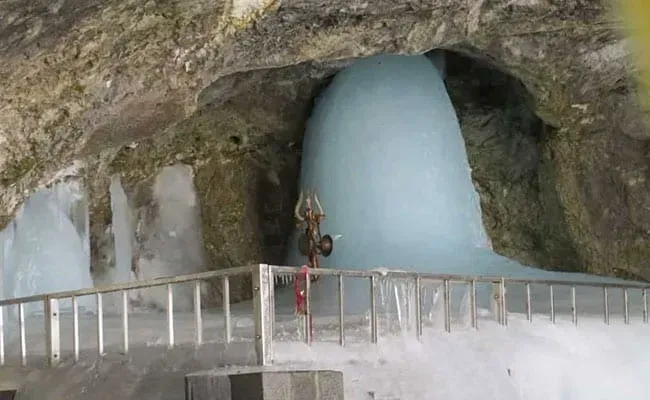
Amarnath
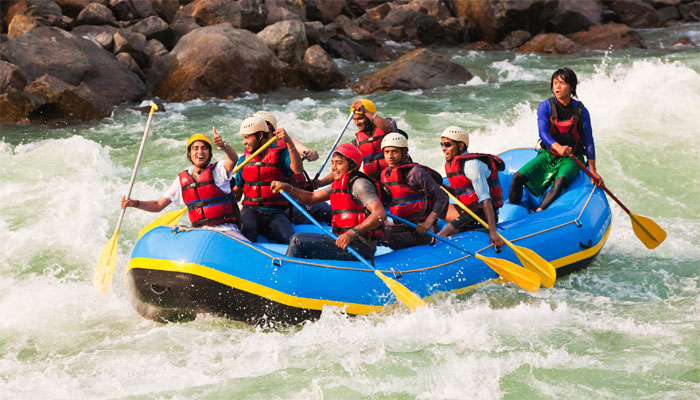
River Rafting in Rishikesh
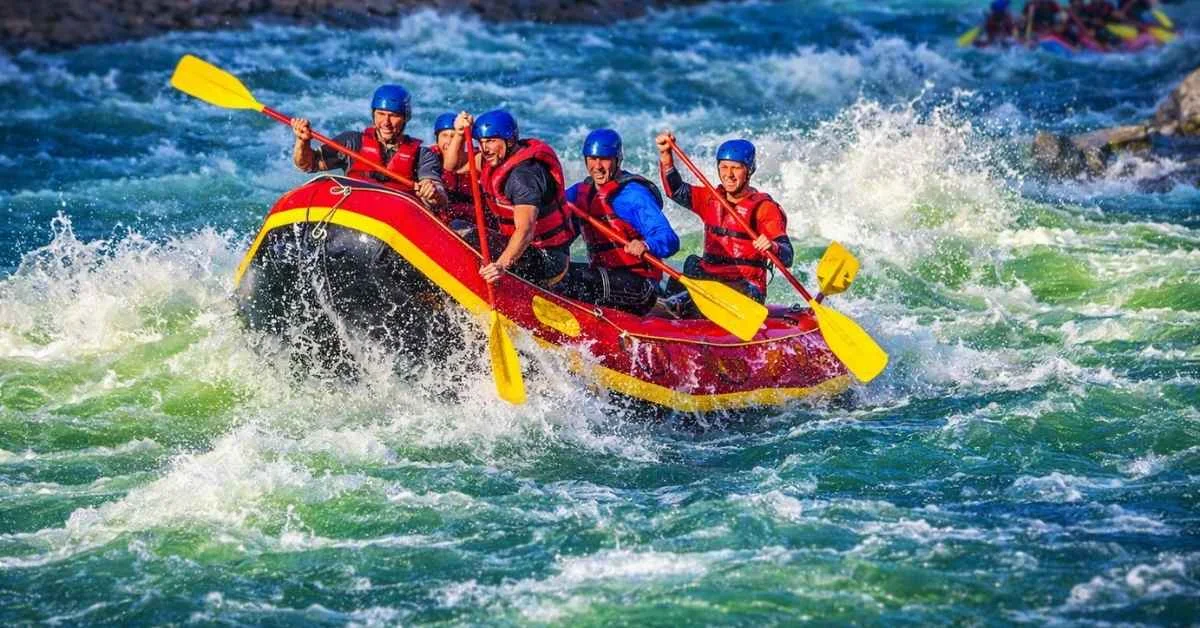
River Rafting in Manali
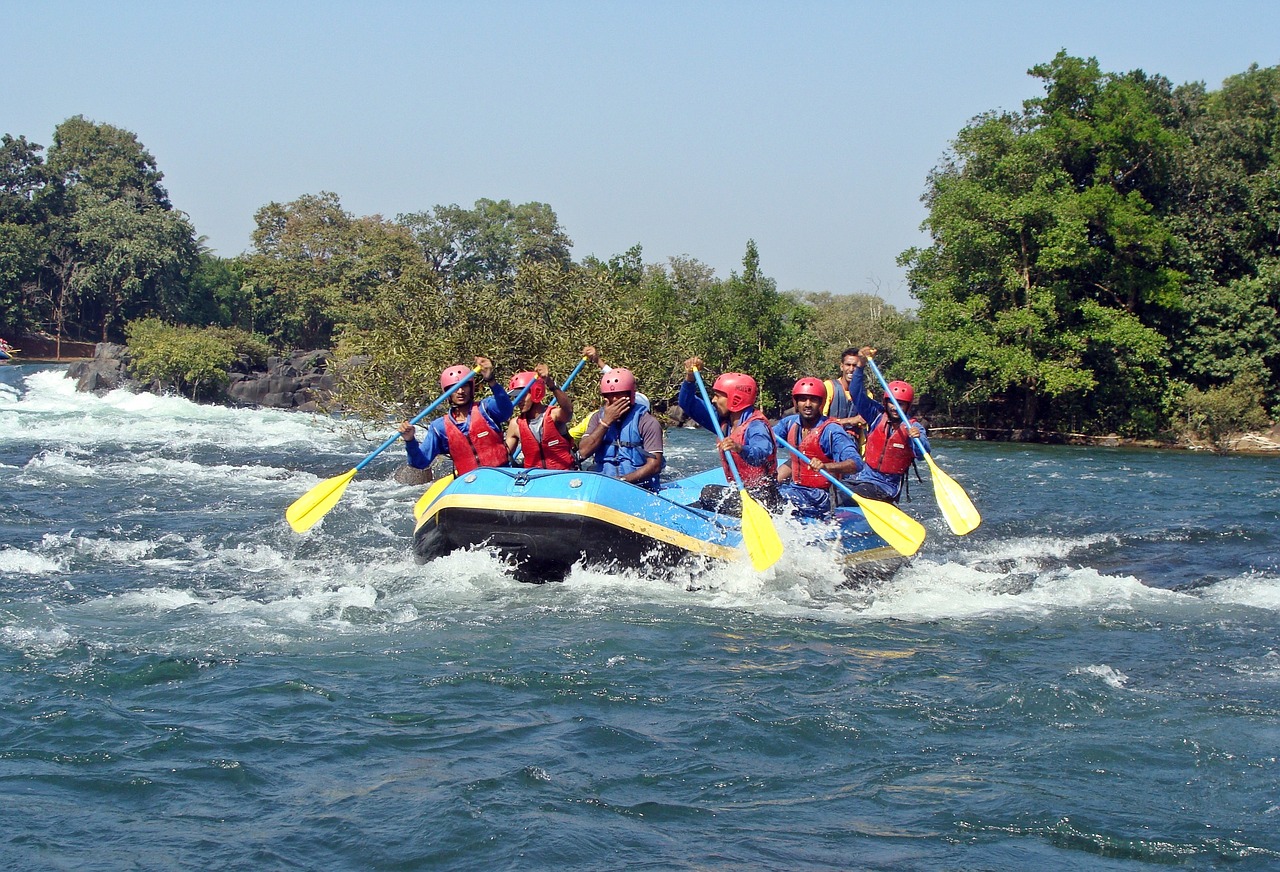
River Rafting in Kolad
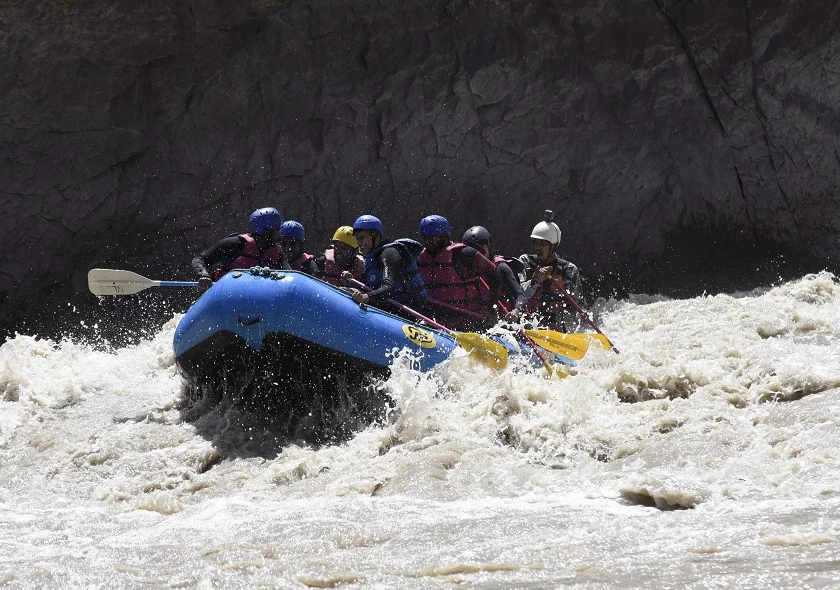
River Rafting in Zanskar
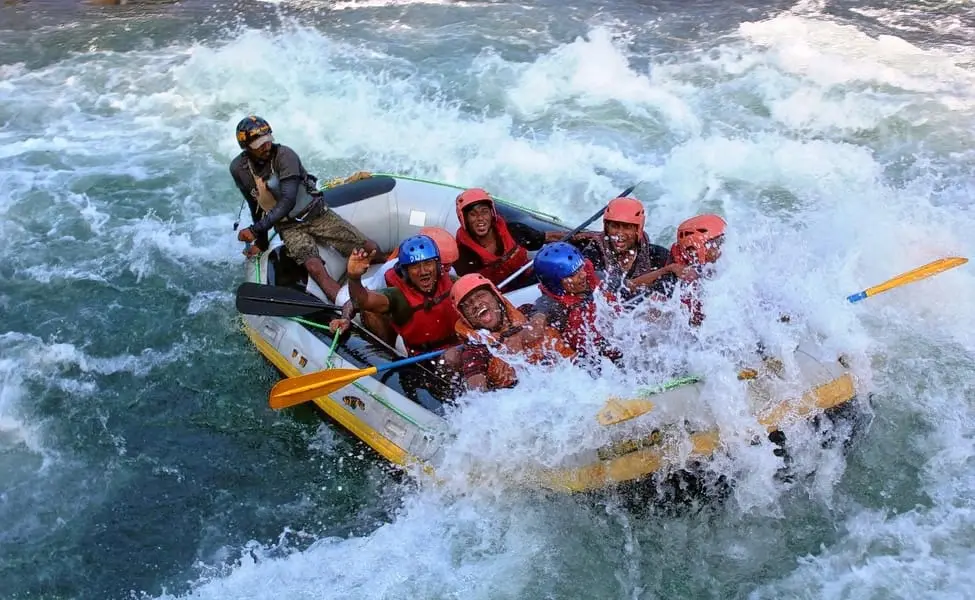
River Rafting in Teesta River
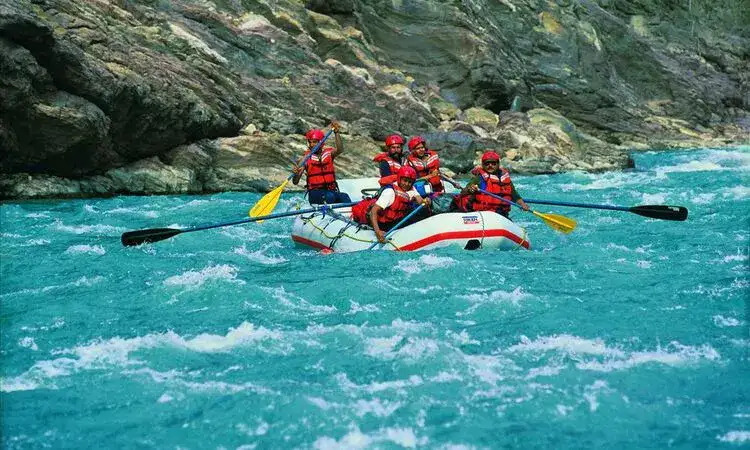
River Rafting in Kameng River
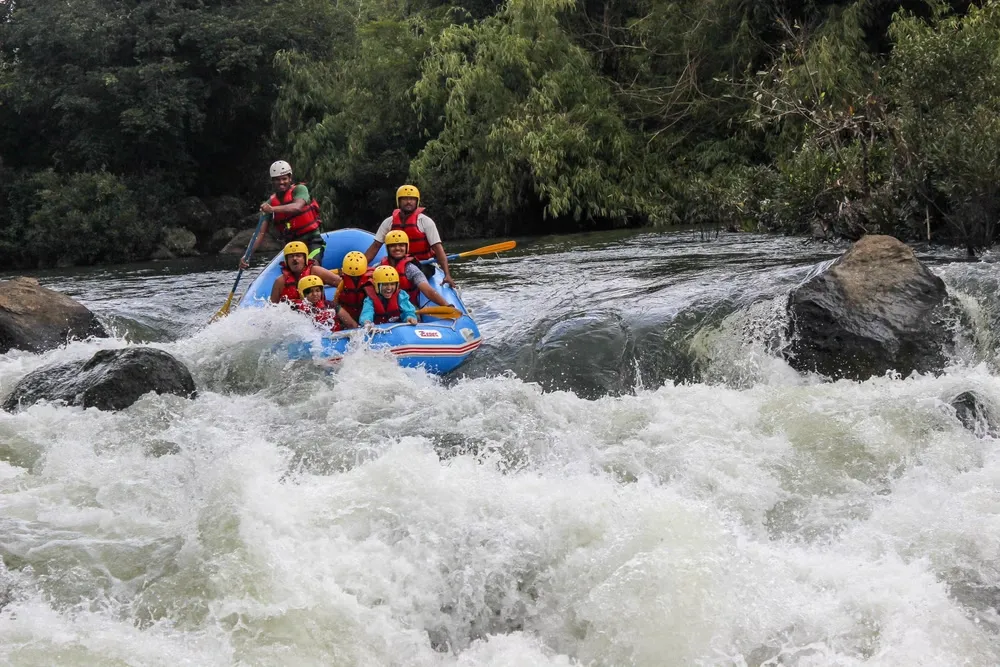
River Rafting in Barapole River
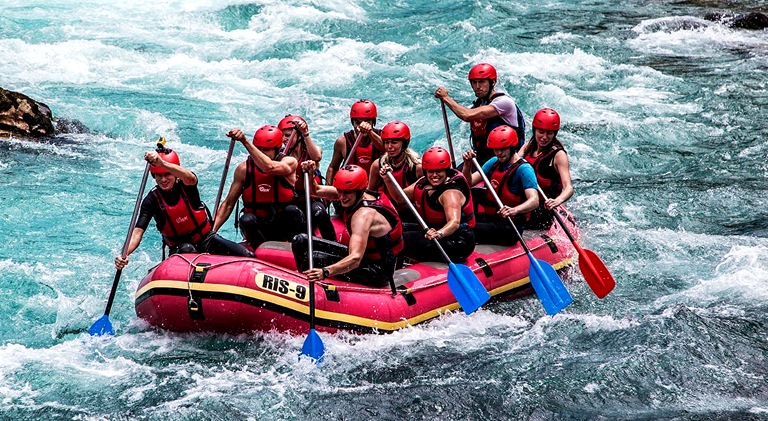
River Rafting in Alaknanda River
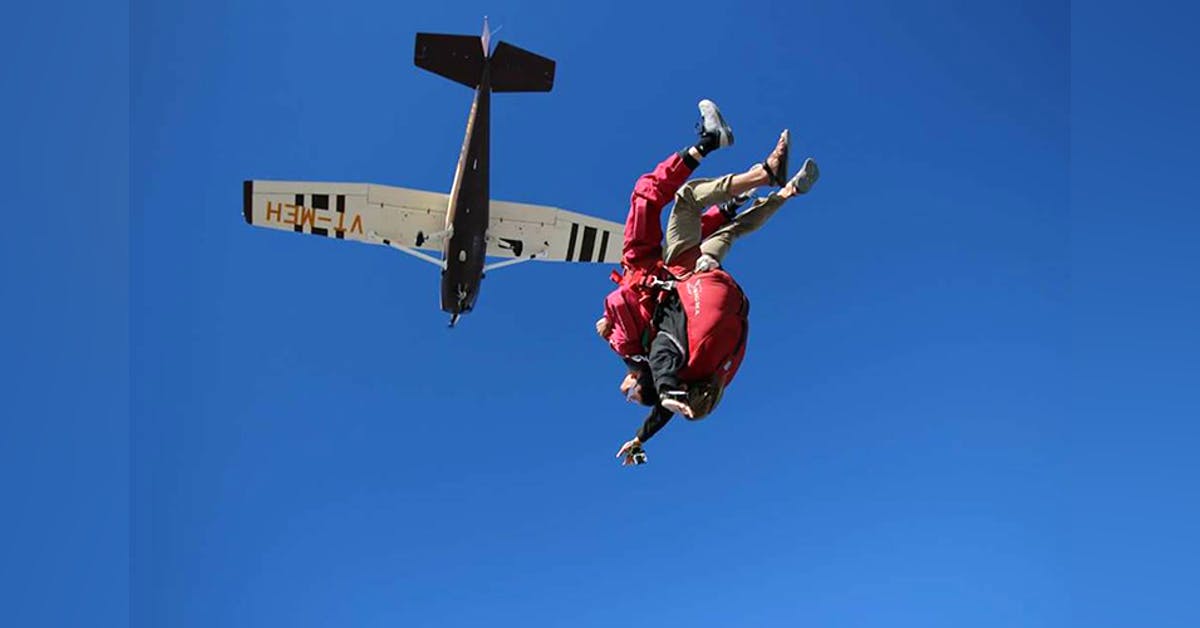
Skydiving in Mysore
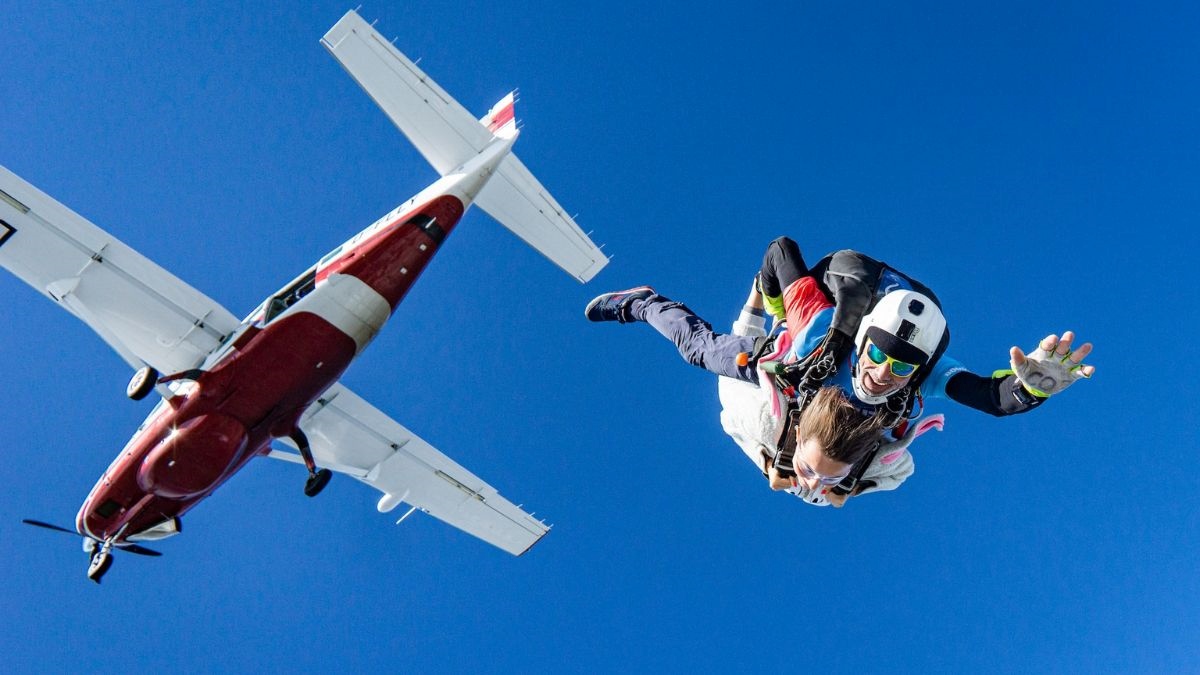
Skydiving in Dhana, Madhya Pradesh
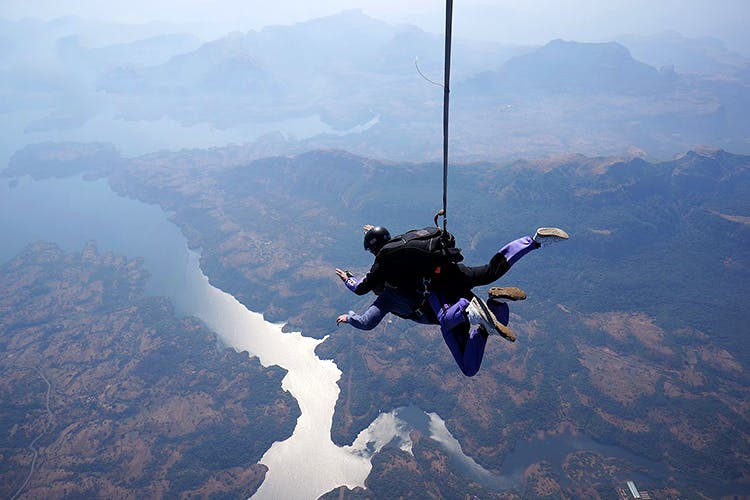
Skydiving in Aamby Valley, Maharashtra
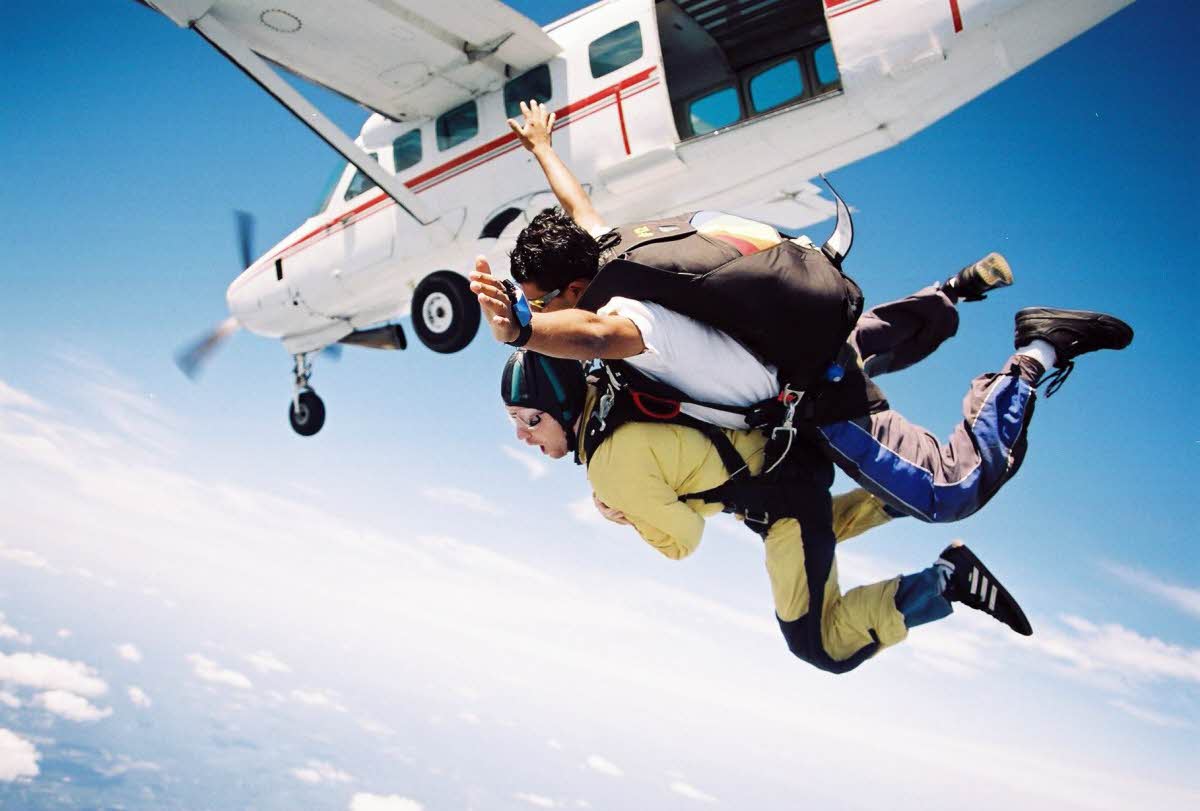
Skydiving in Deesa, Gujarat
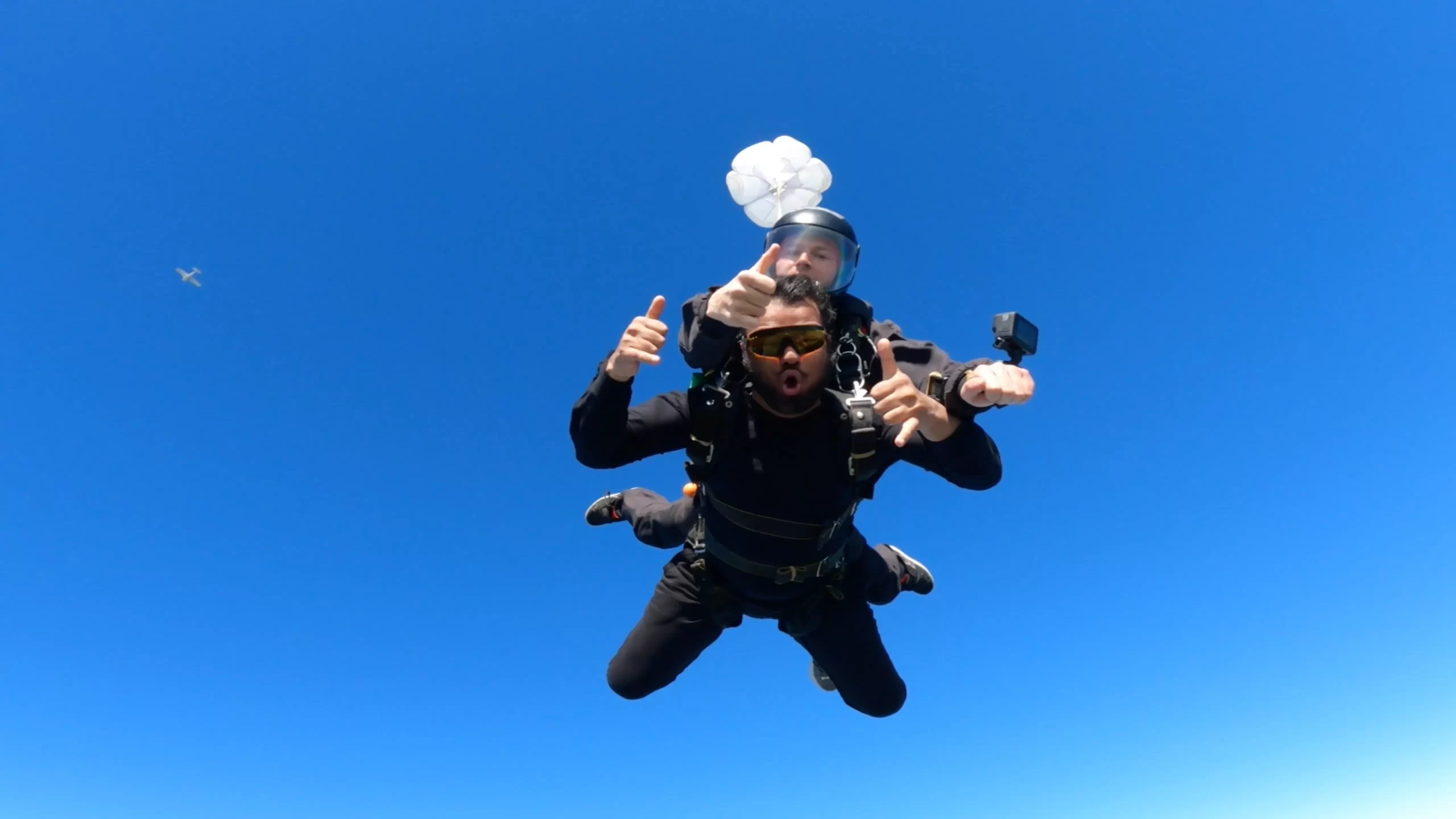
Skydiving in Narnaul, Haryana
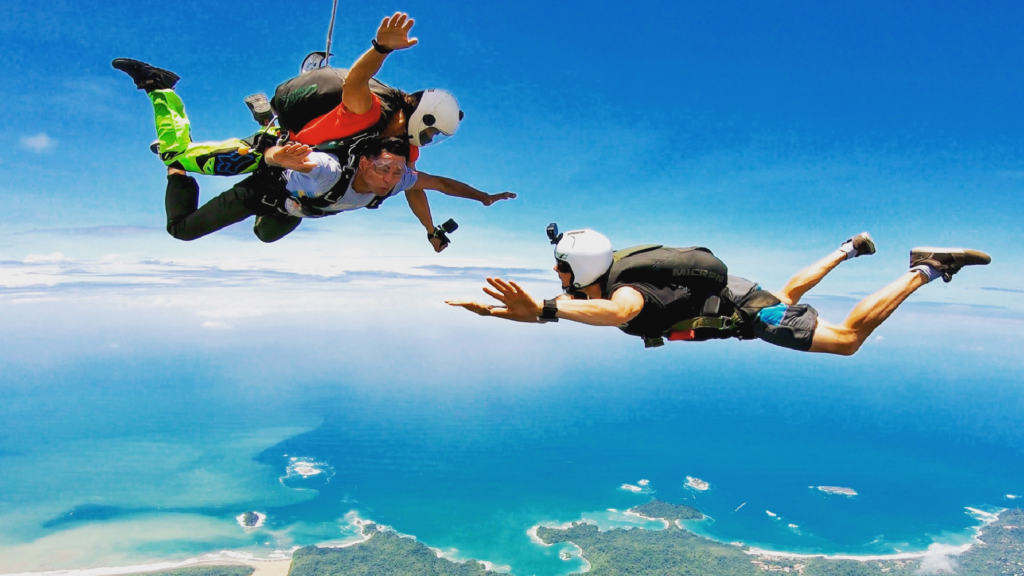
Skydiving in Pondicherry
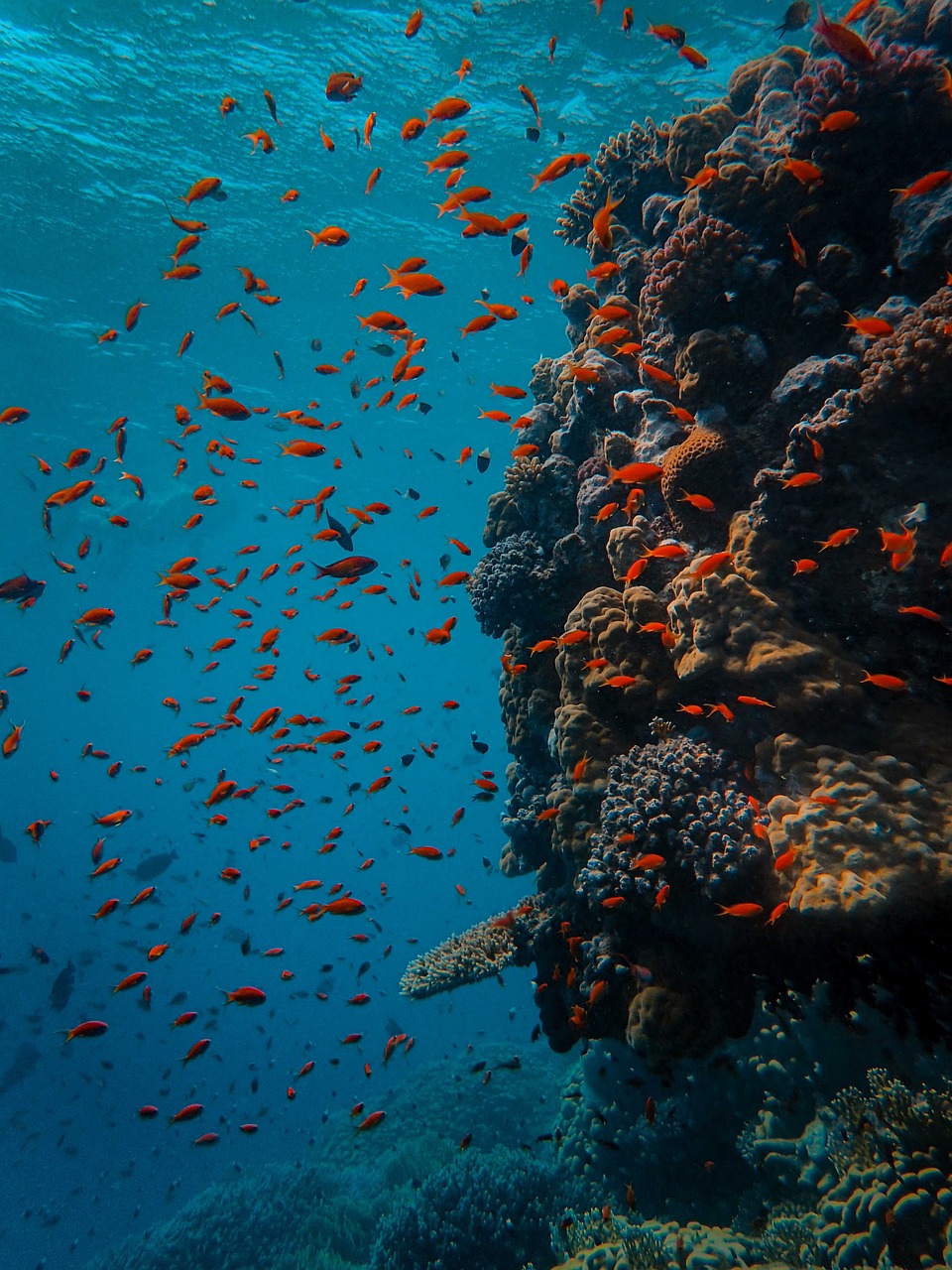
Scuba Diving in Andaman & Nicobar Islands
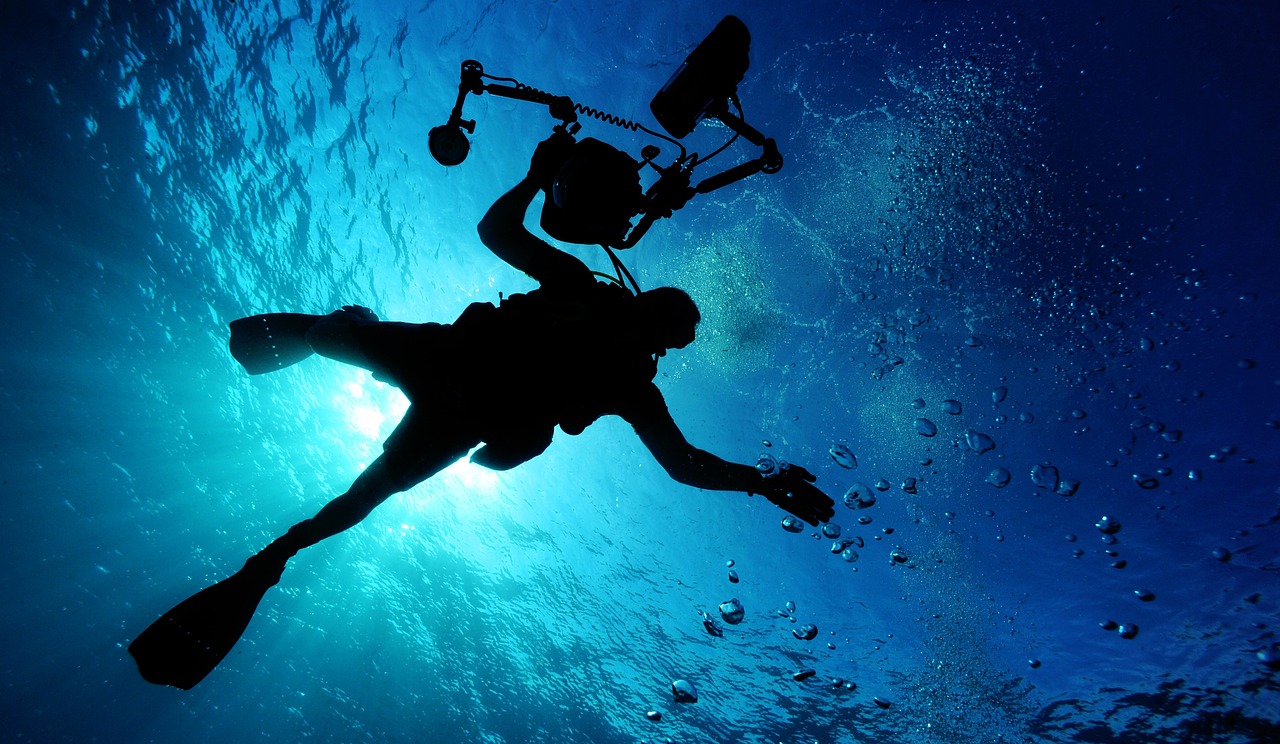
Scuba Diving in Lakshadweep
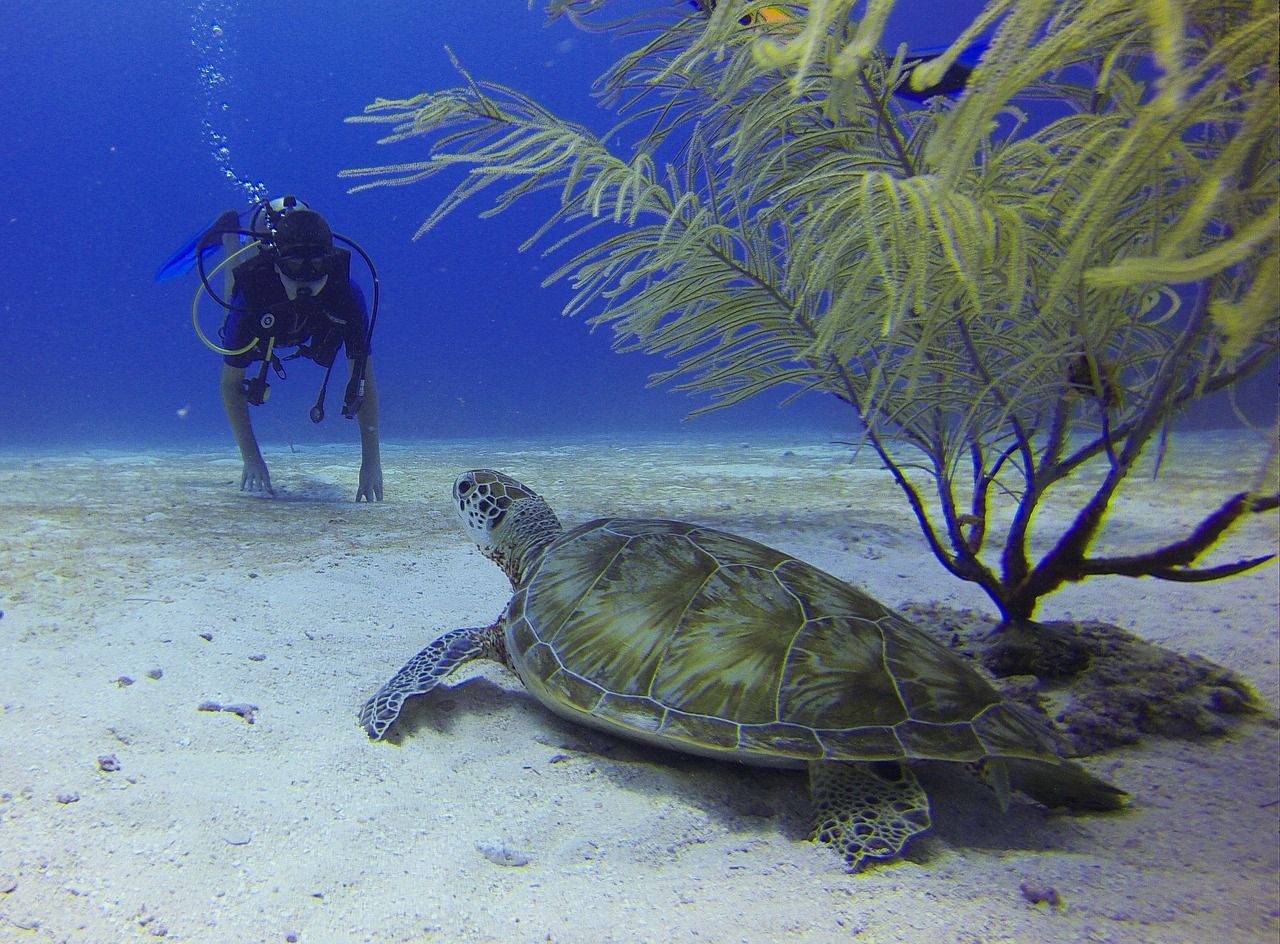
Scuba Diving in Goa
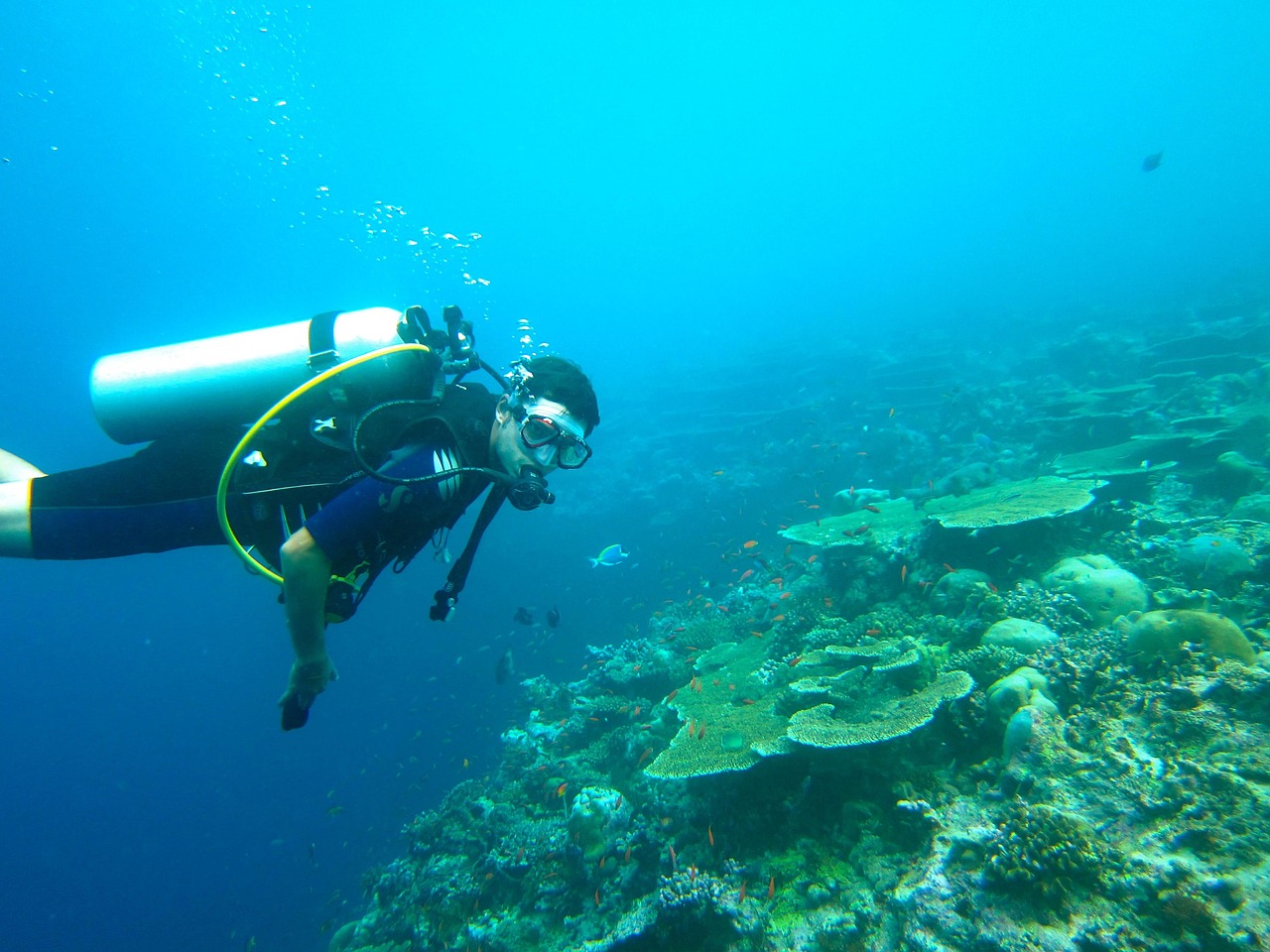
Scuba Diving in Pondicherry
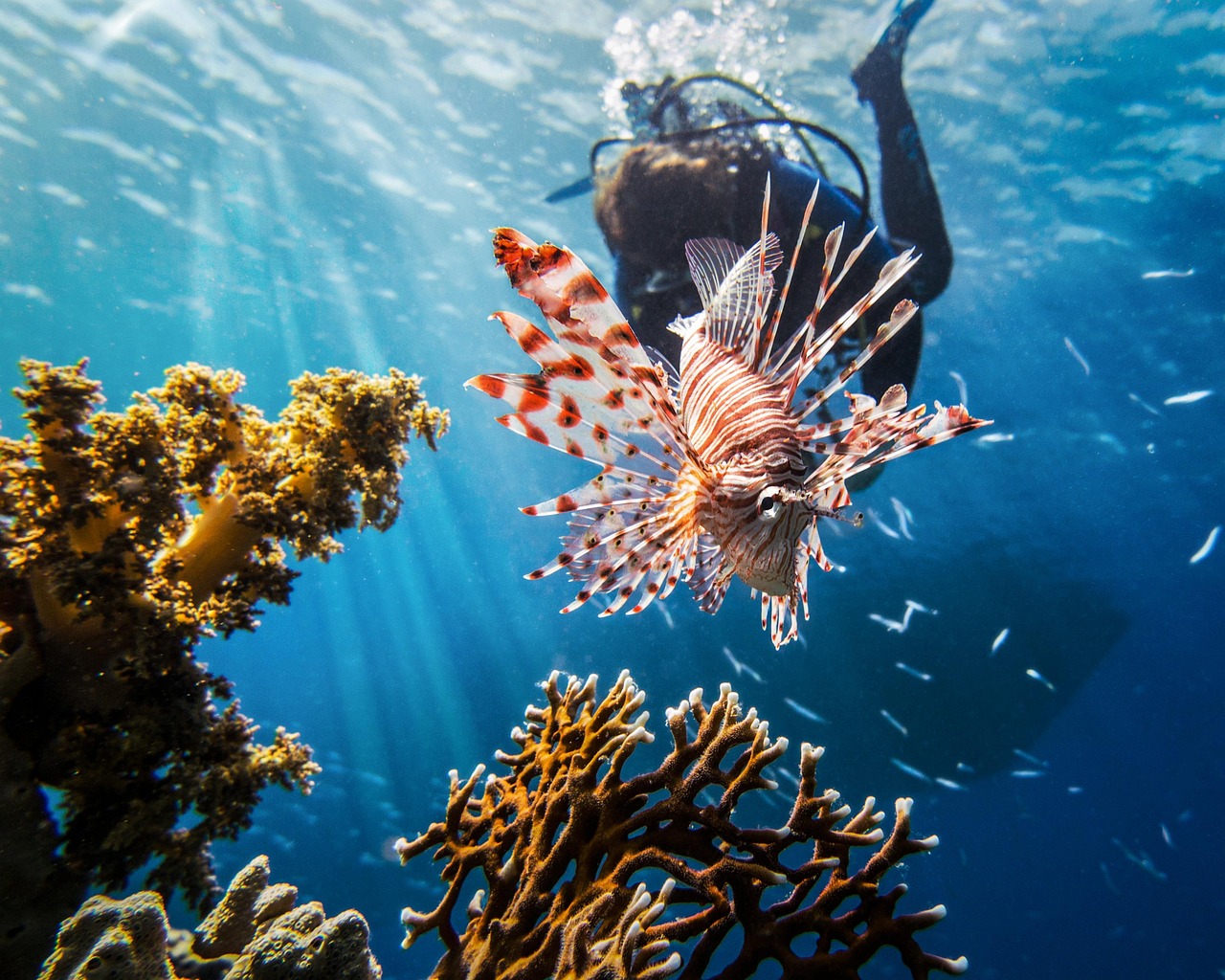
Scuba Diving in Netrani Island (Karnataka)
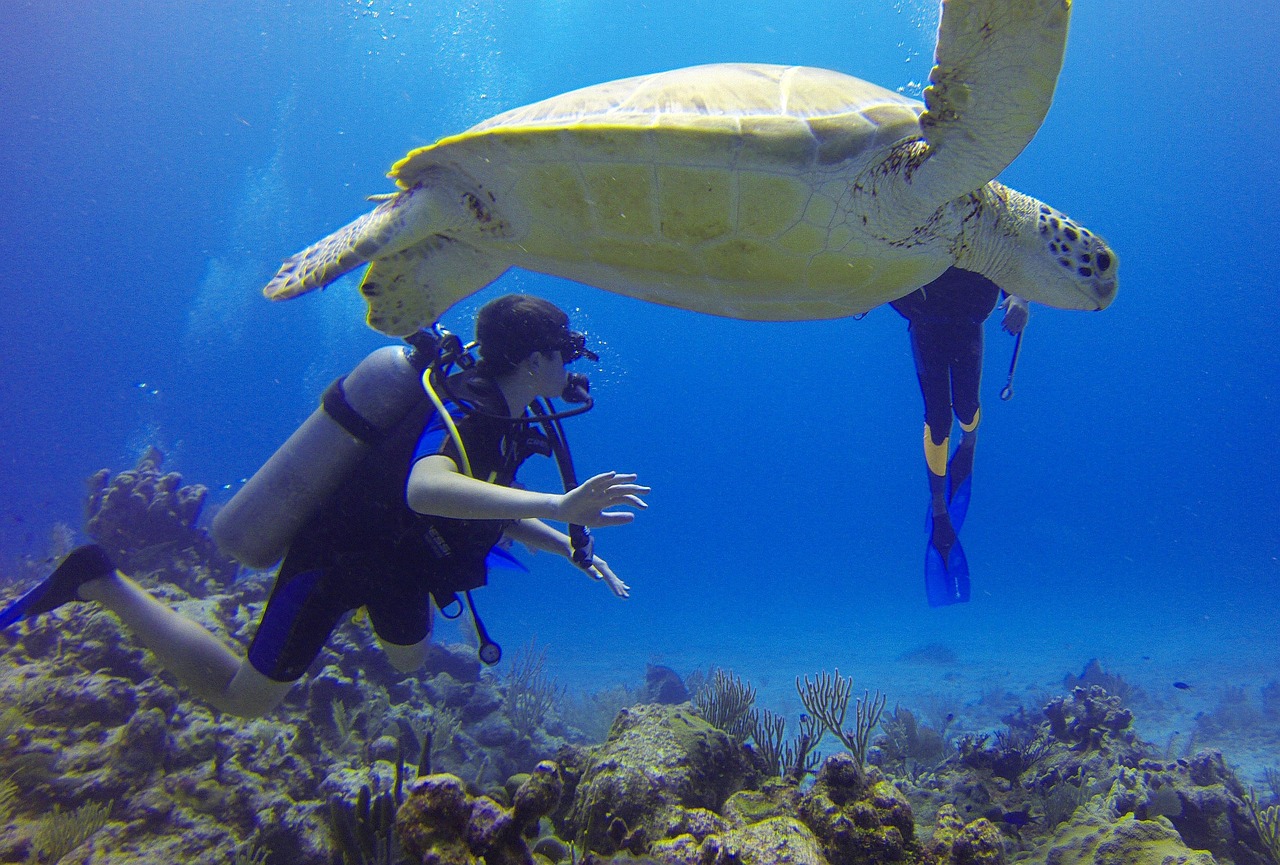
Scuba Diving in Tarkarli (Maharashtra)
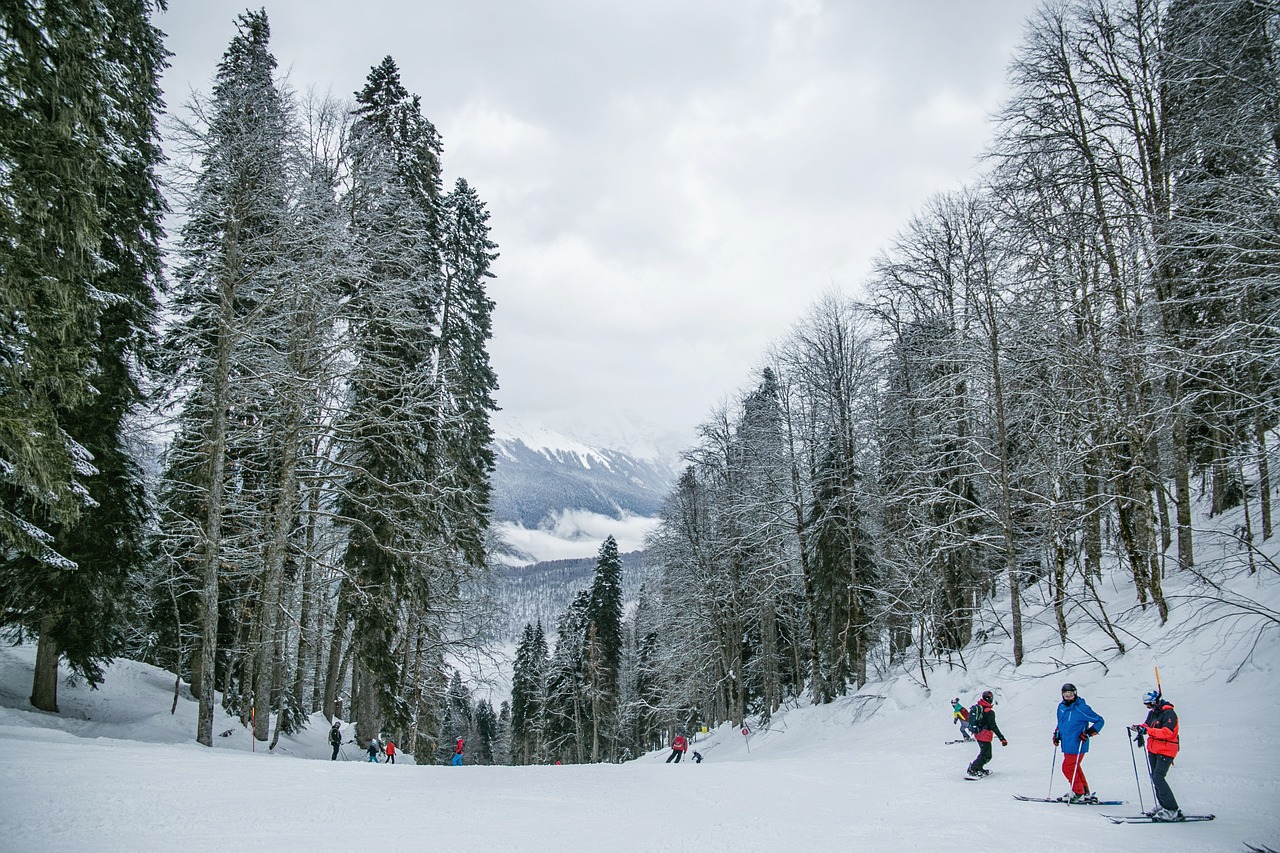
Skiing in Gulmarg
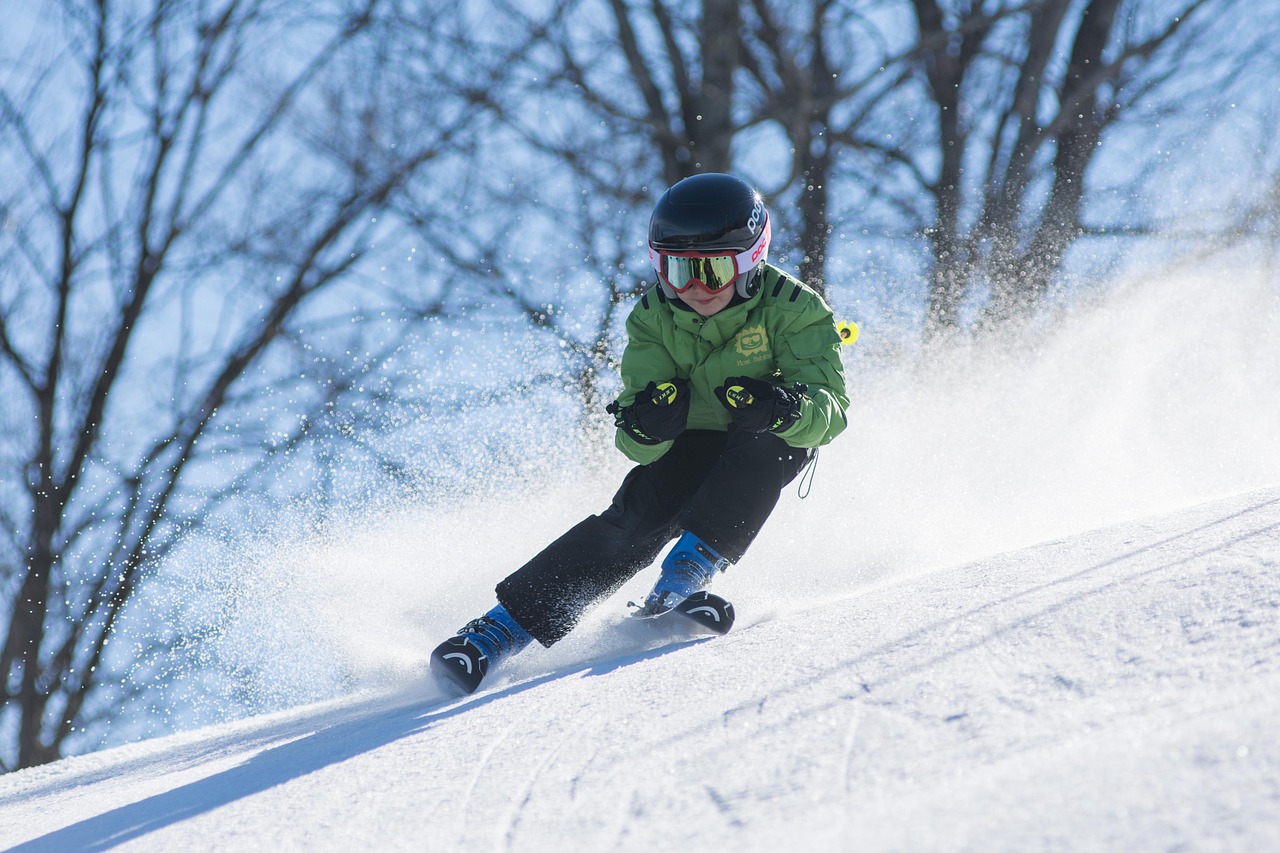
Skiing in Auli
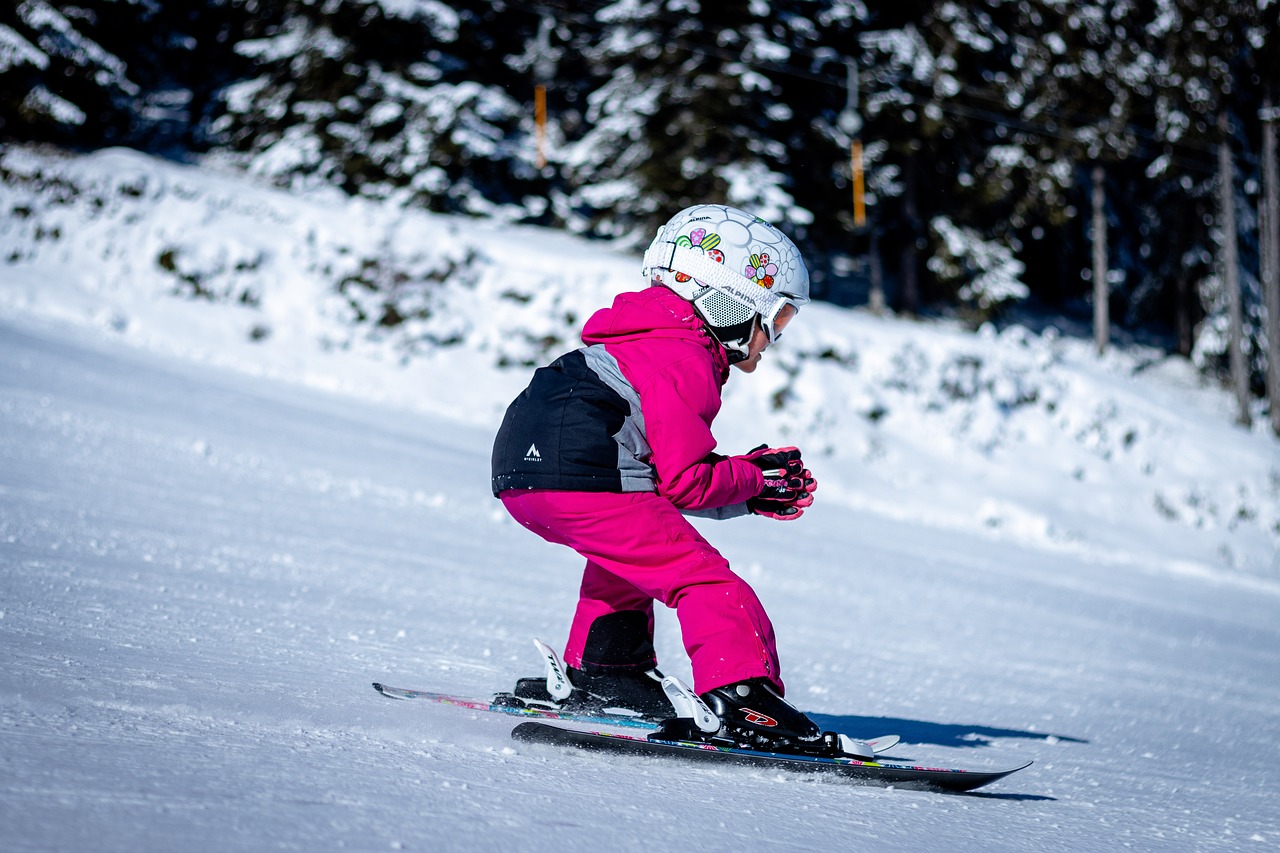
Skiing in Solang
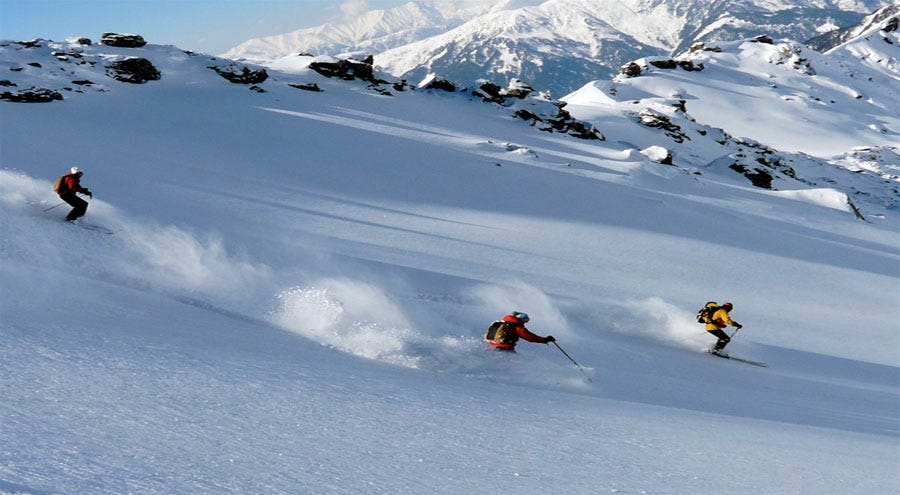
Skiing in Kufri
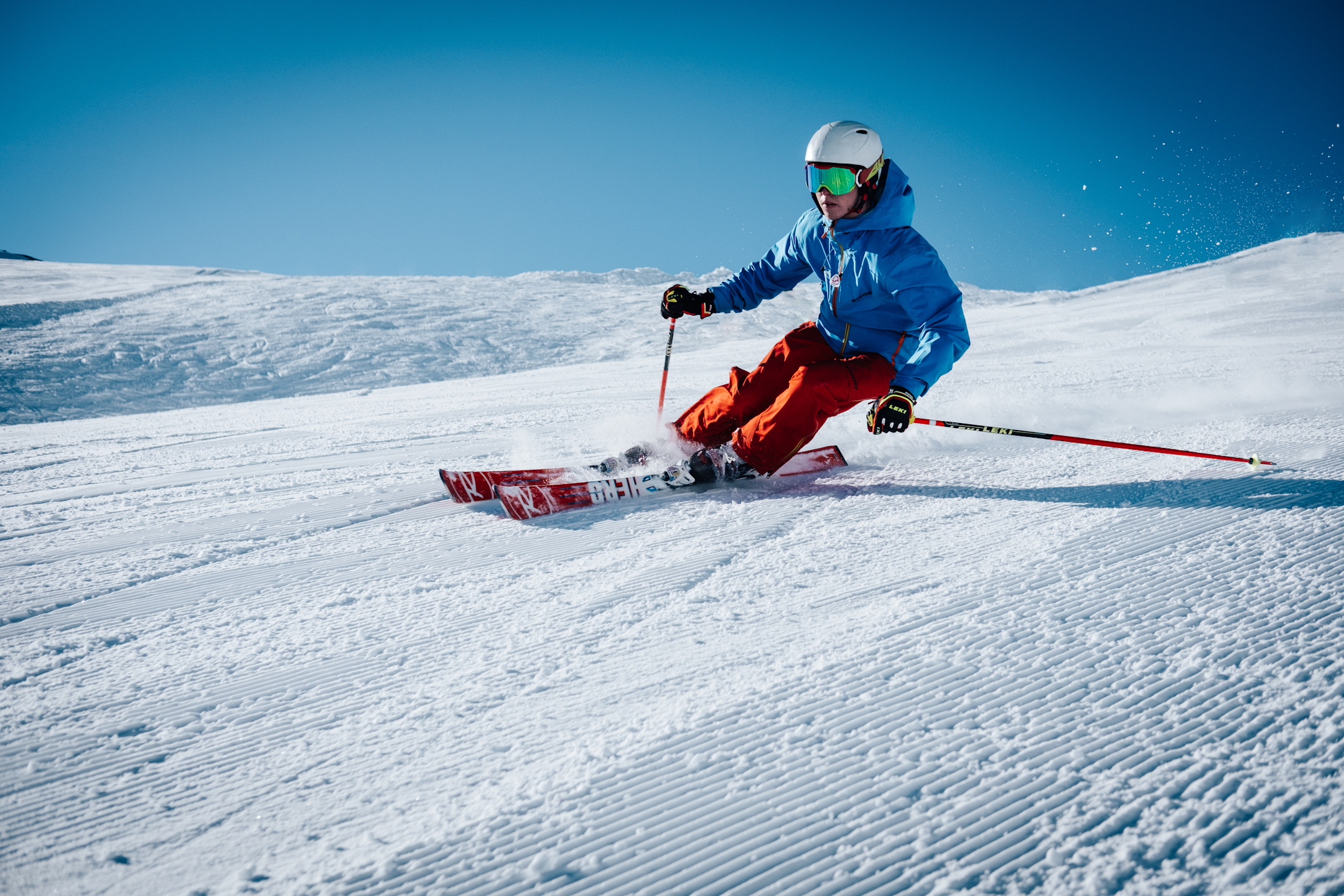
Skiing in Narkanda
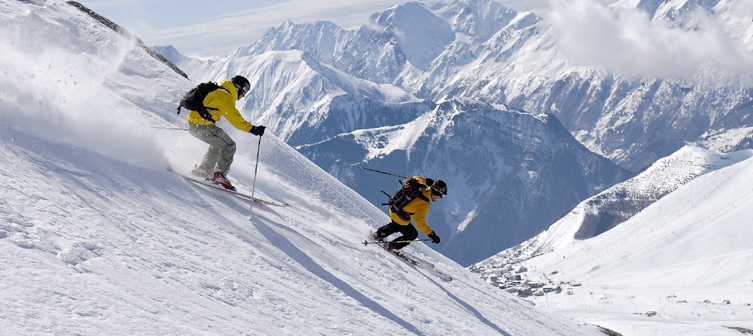
Skiing in Munsiyari
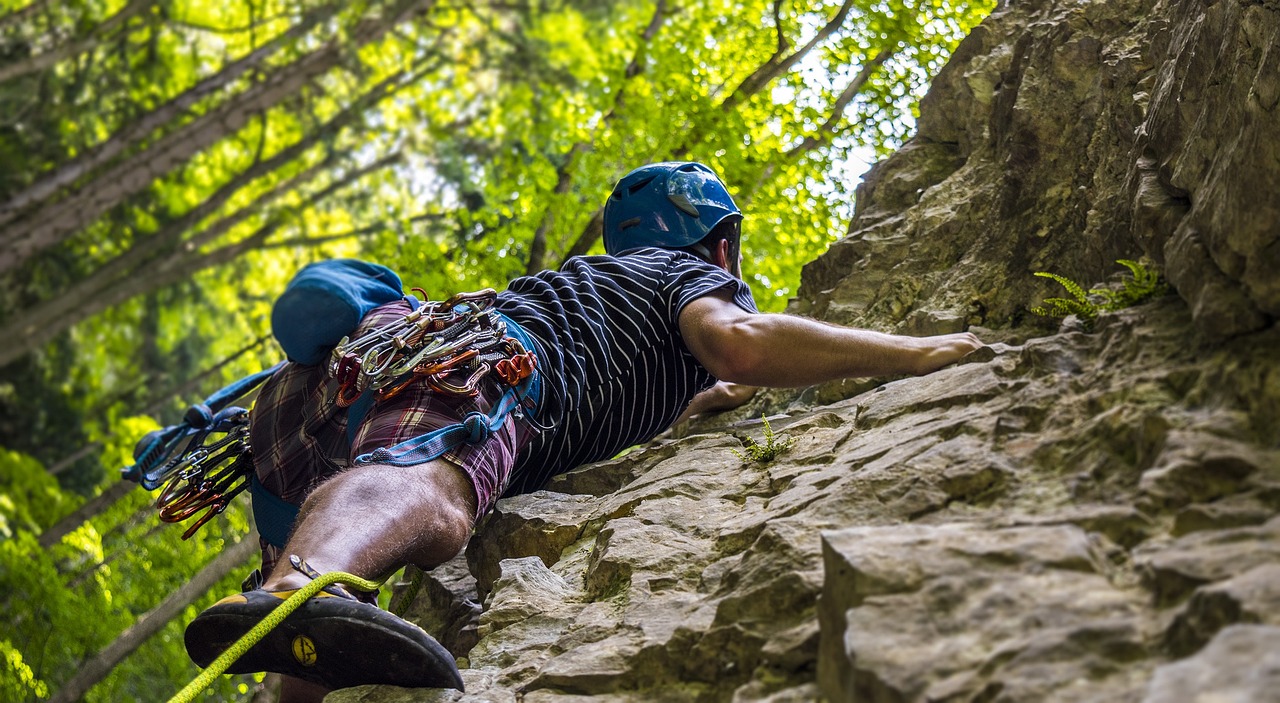
Rock Climbing in Manali
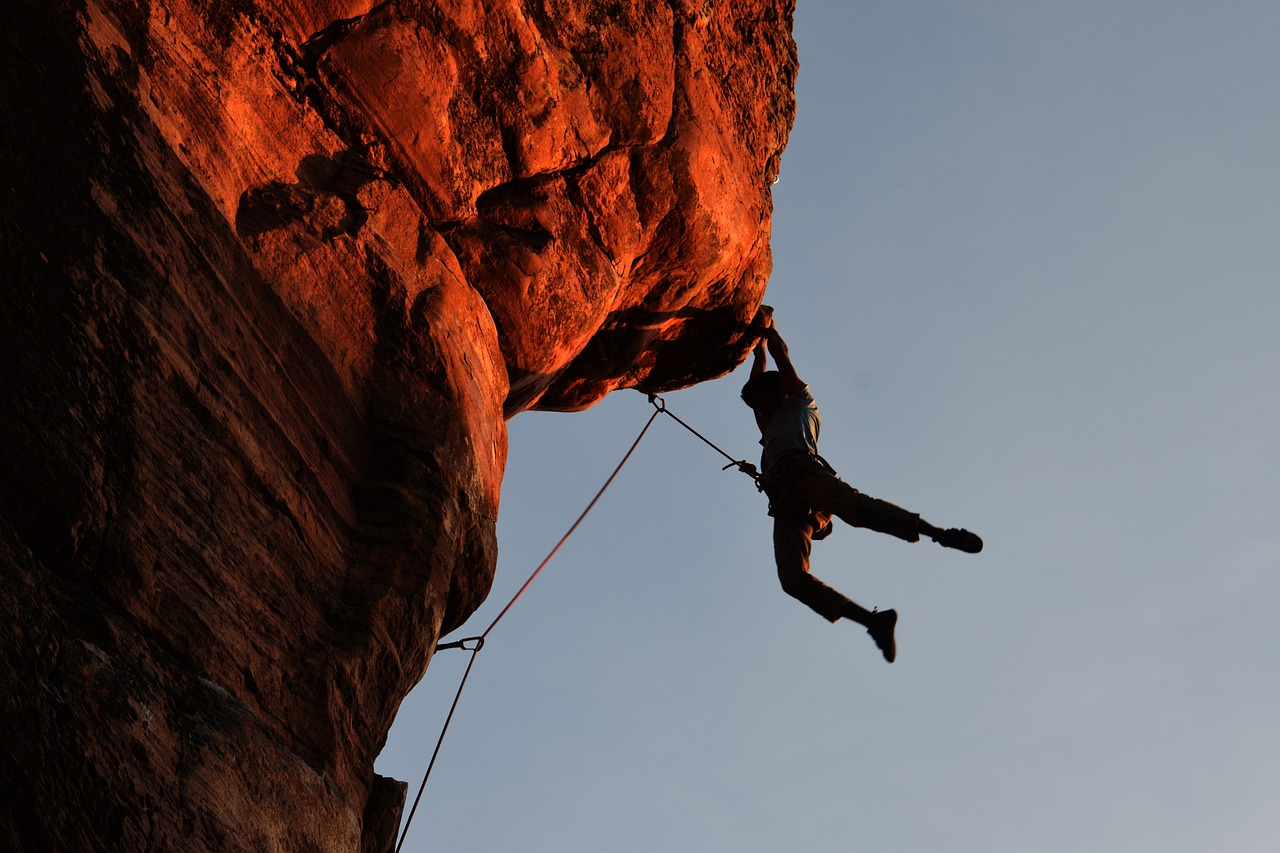
Rock climbing in Badami (Karnataka)
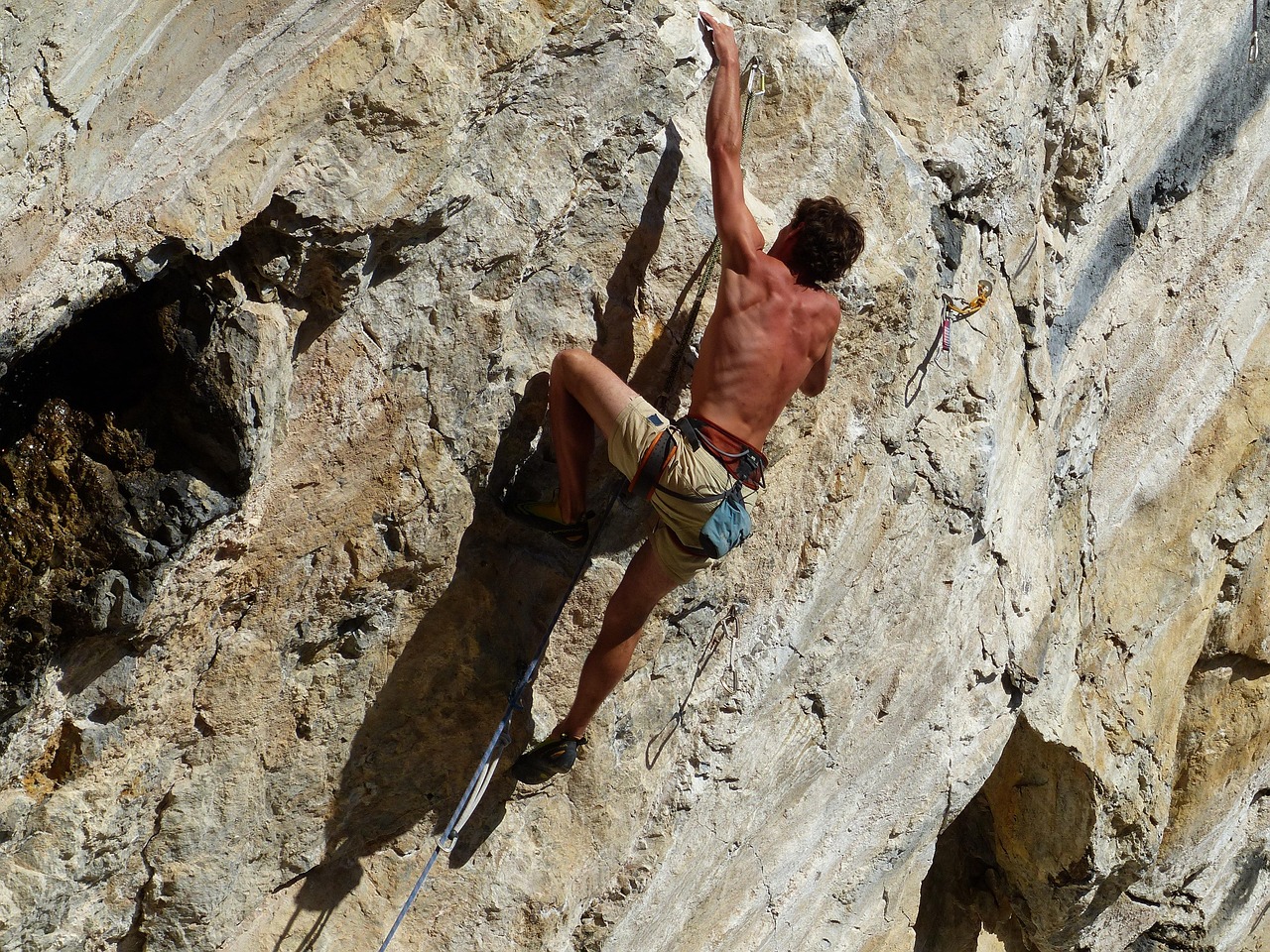
Rock climbing in Vijayapura (Karnataka)
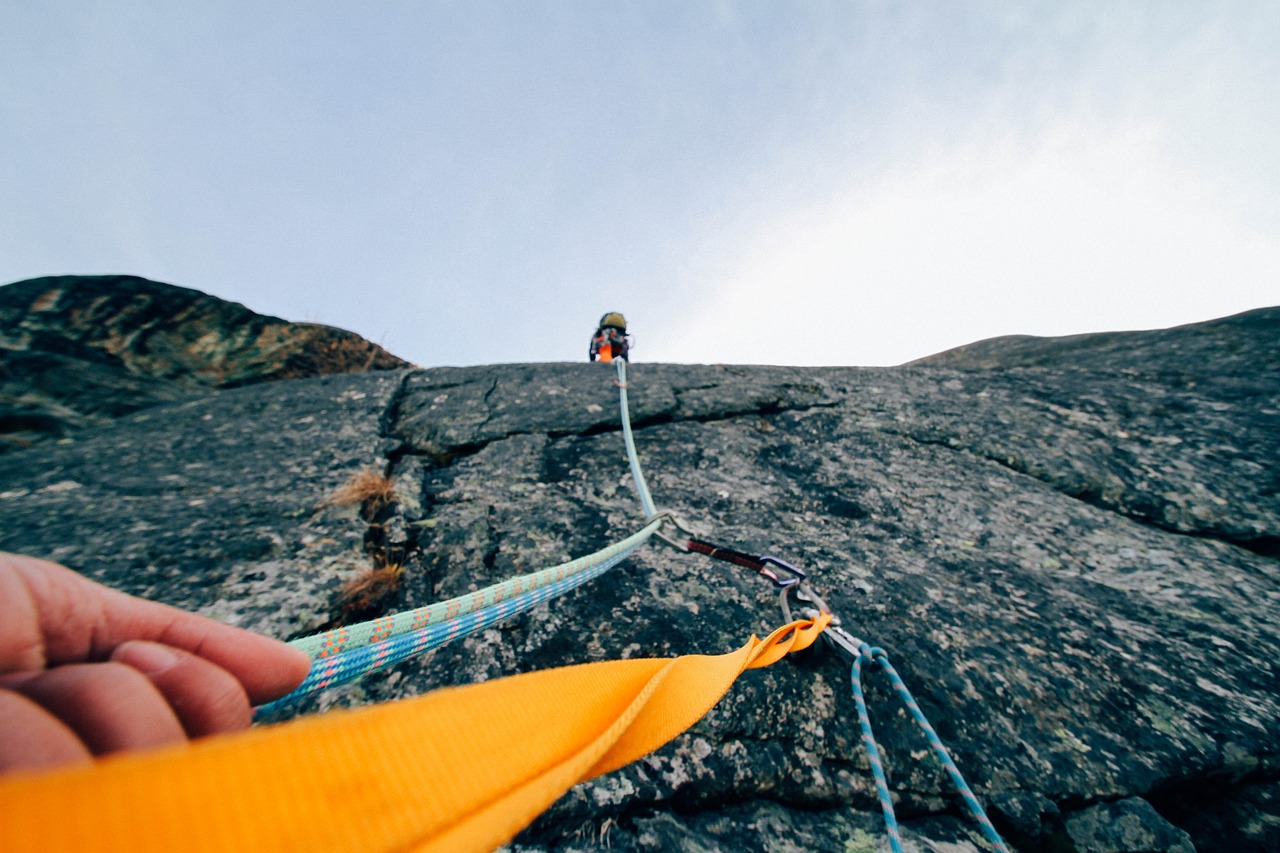
Rock climbing in Boulder Hills (Hyderabad)
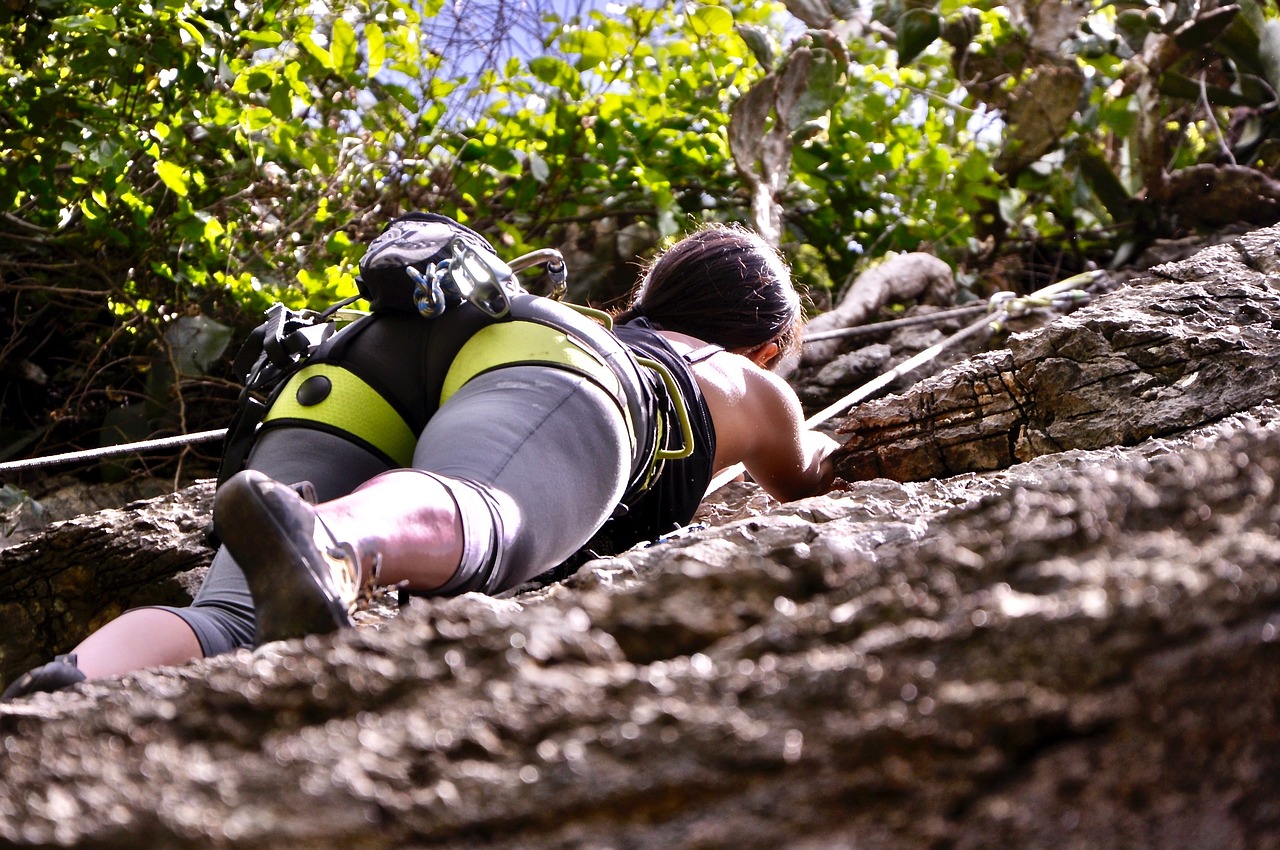
Rock climbing in Nainital
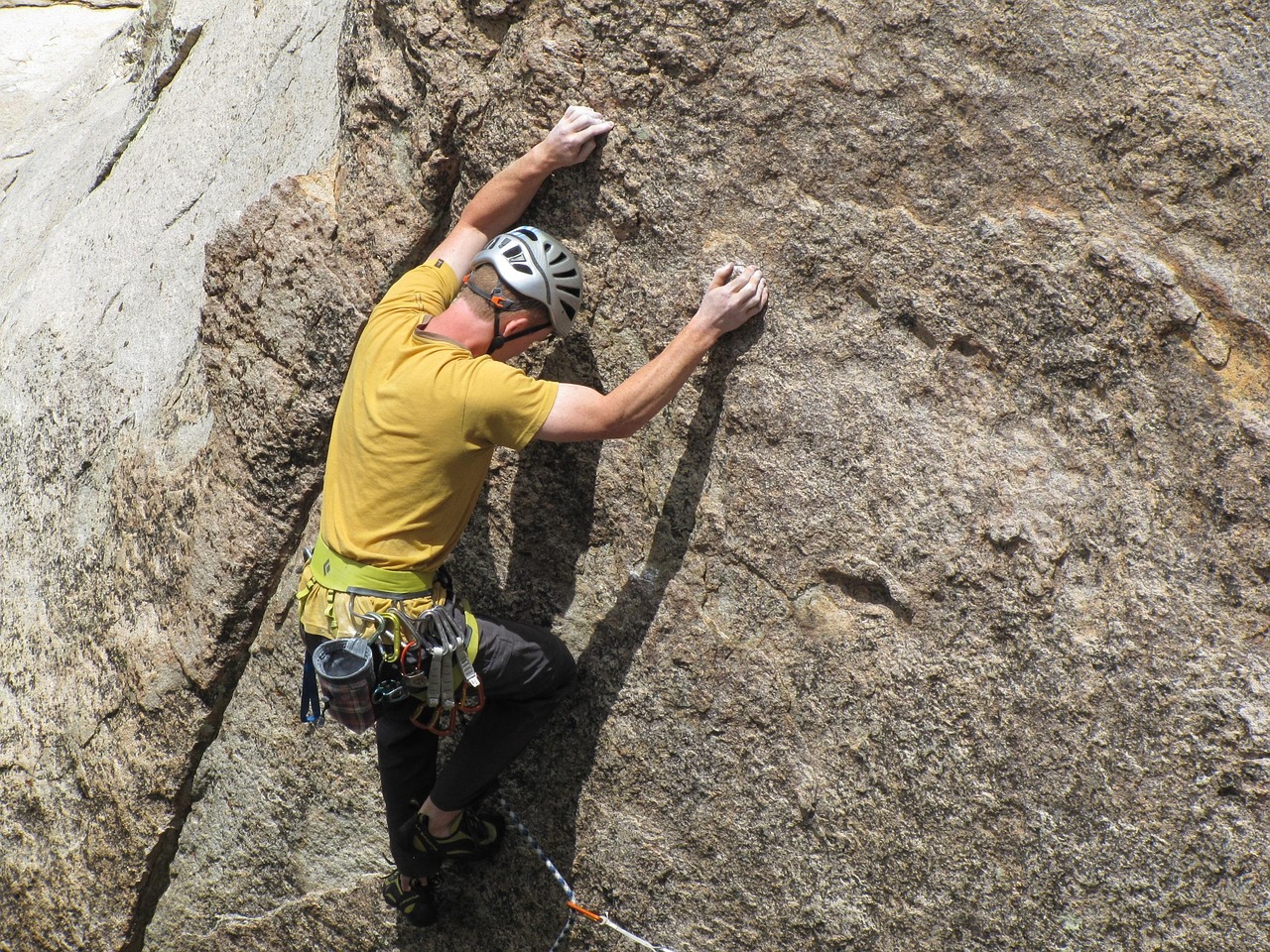
Rock climbing in Hampi (Karnataka)
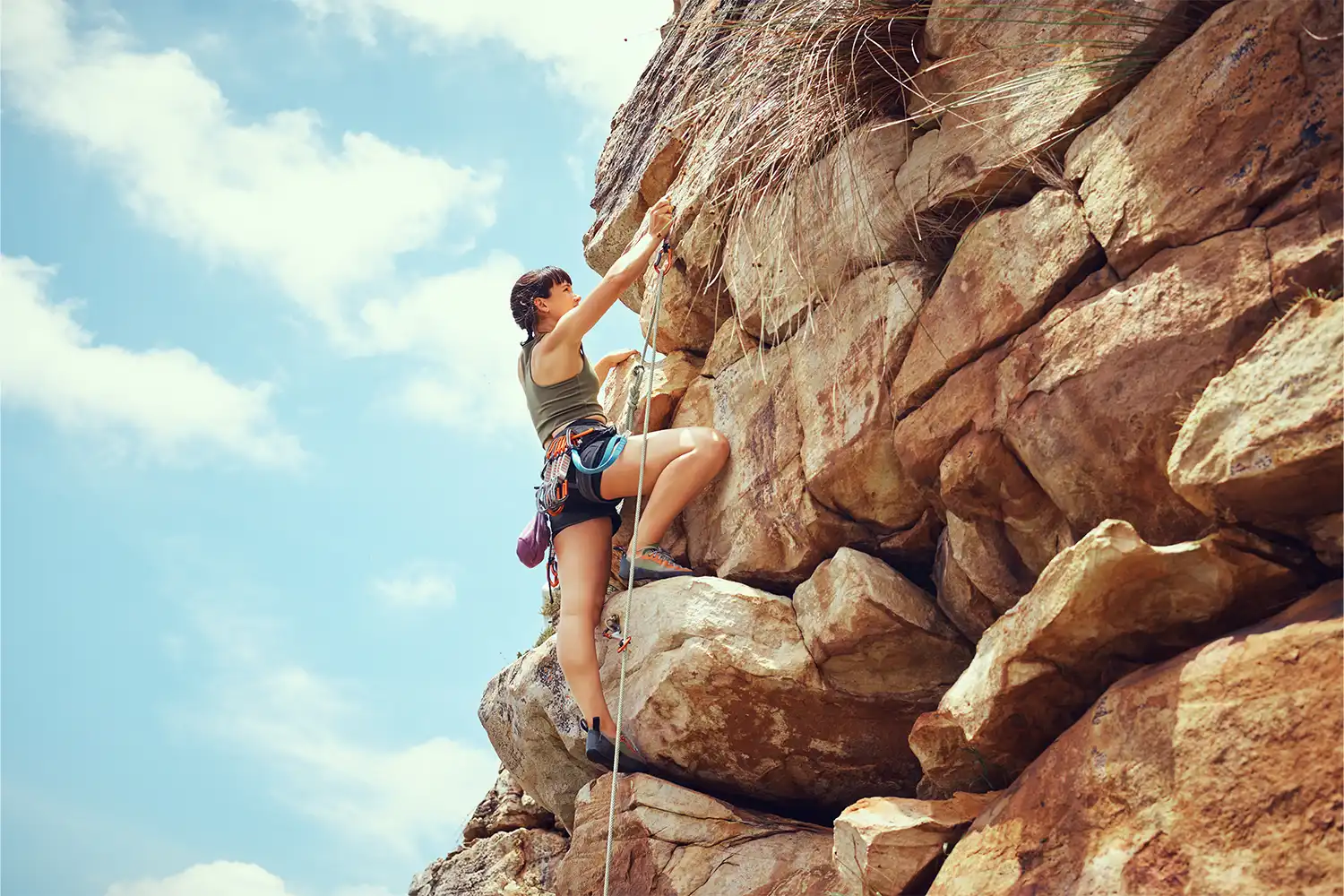
Rock climbing in Aravalli Range (Rajasthan)
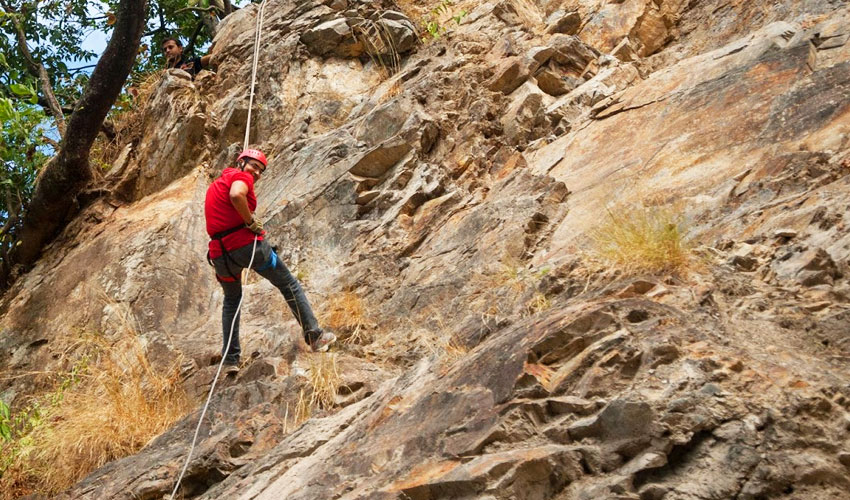
Rock climbing in Rishikesh
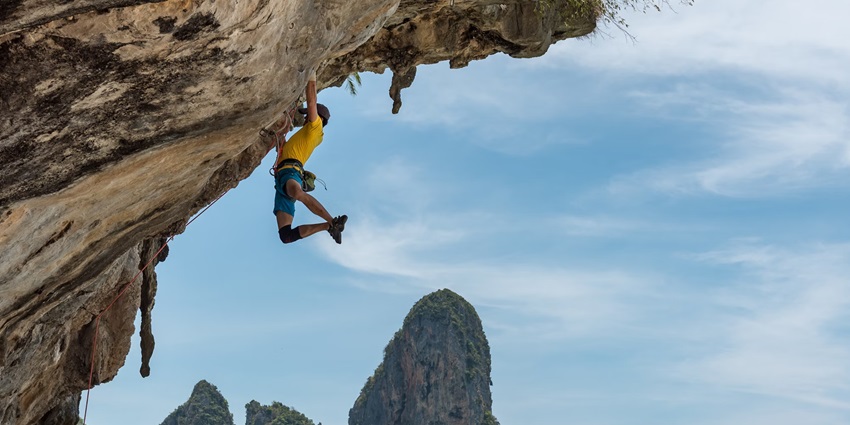
Rock climbing on Shey Rock (Ladakh)
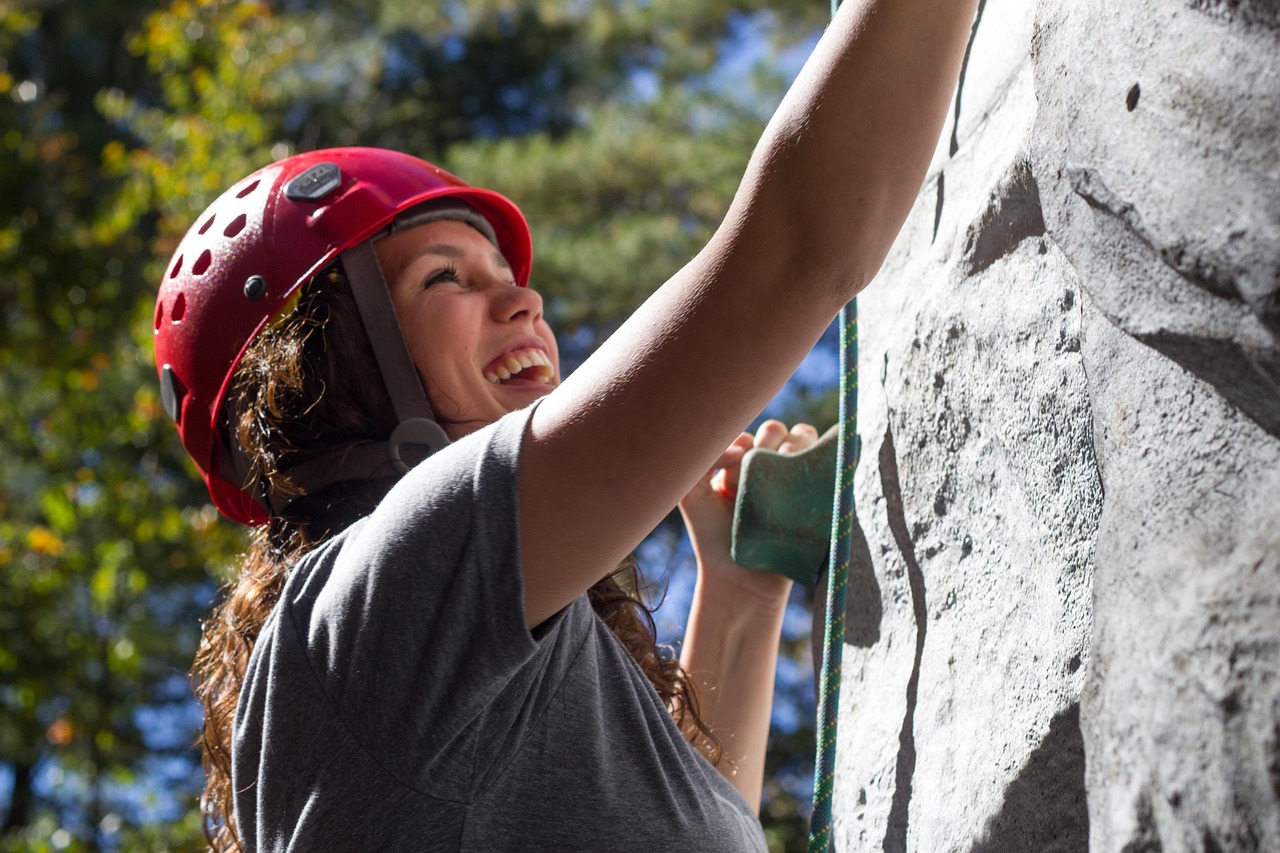
Rock climbing in Pune
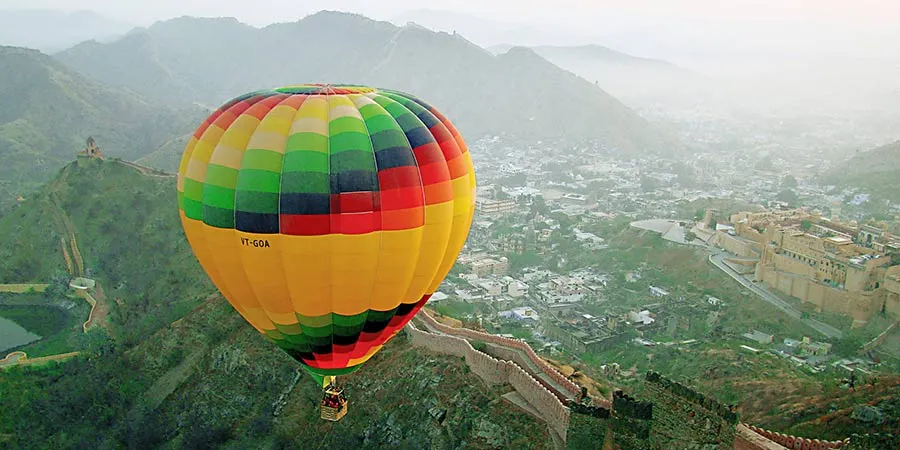
Hot Air Balloon Ride in Jaipur
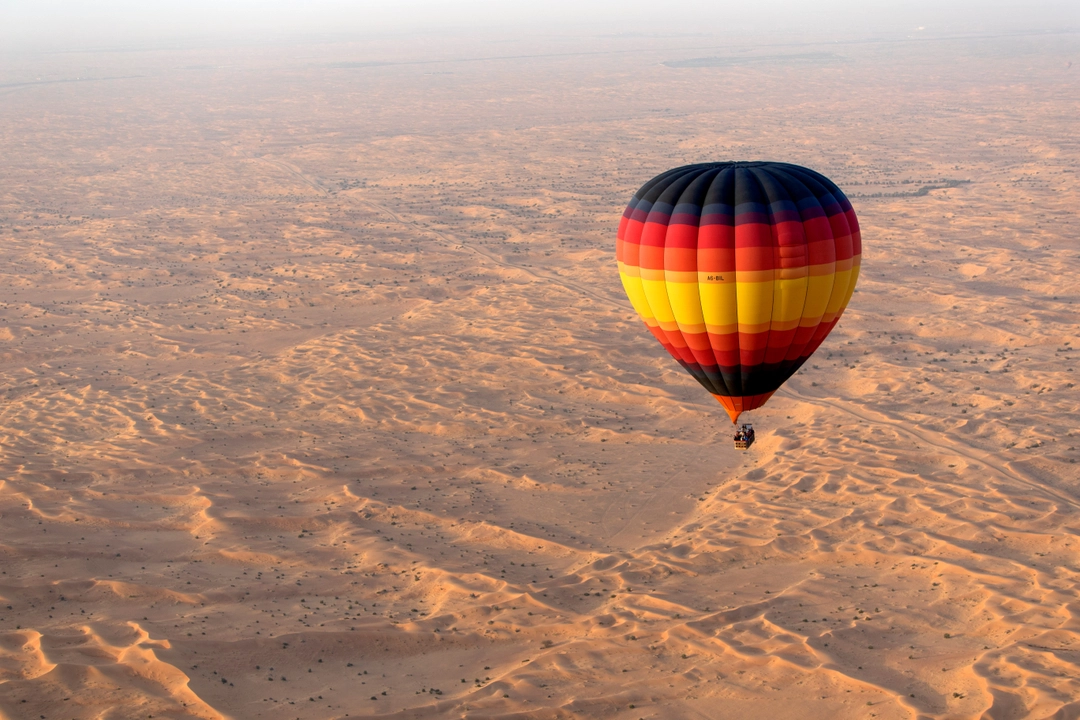
Hot Air Balloon Ride in Pushkar
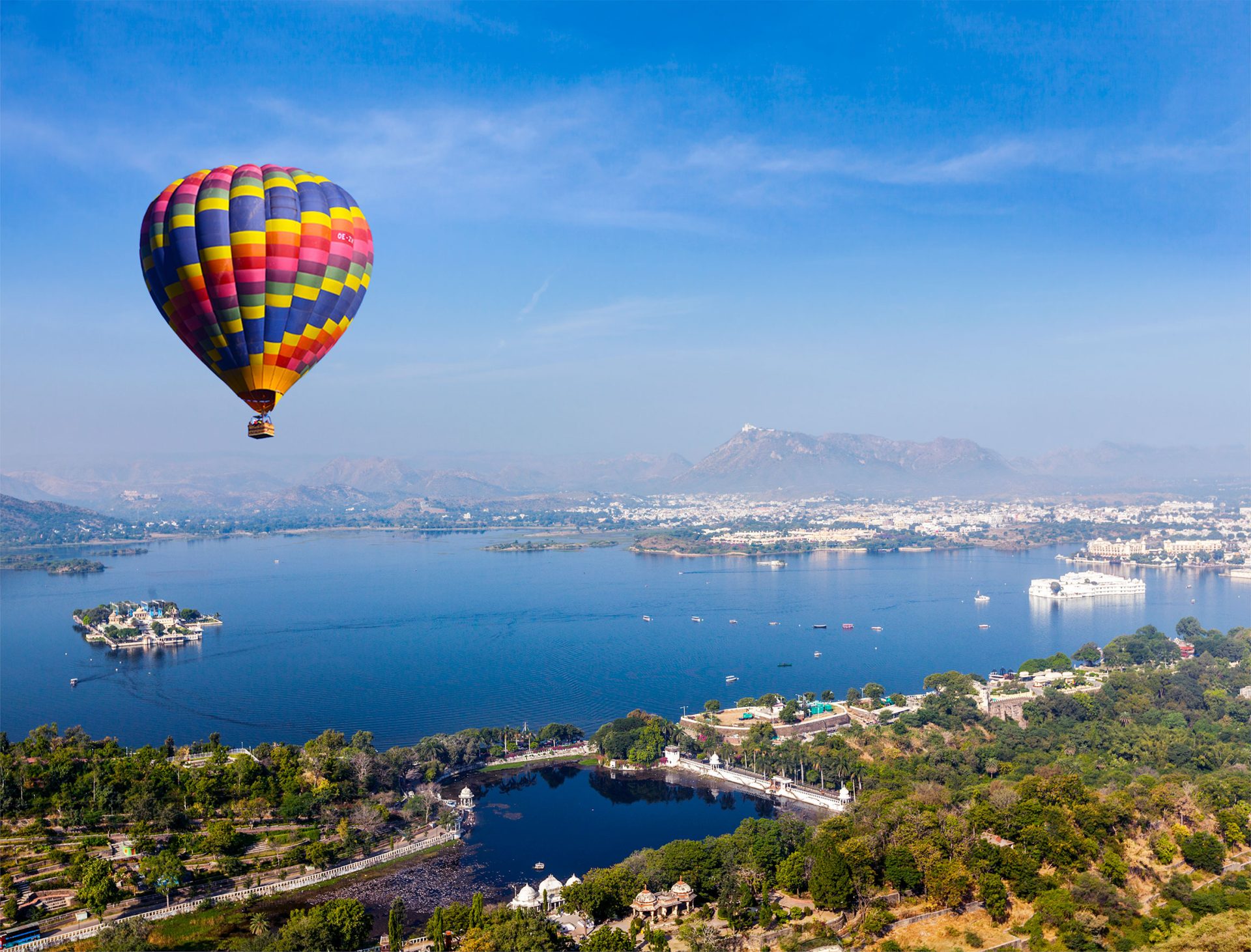
Hot Air Balloon Ride in Udaipur
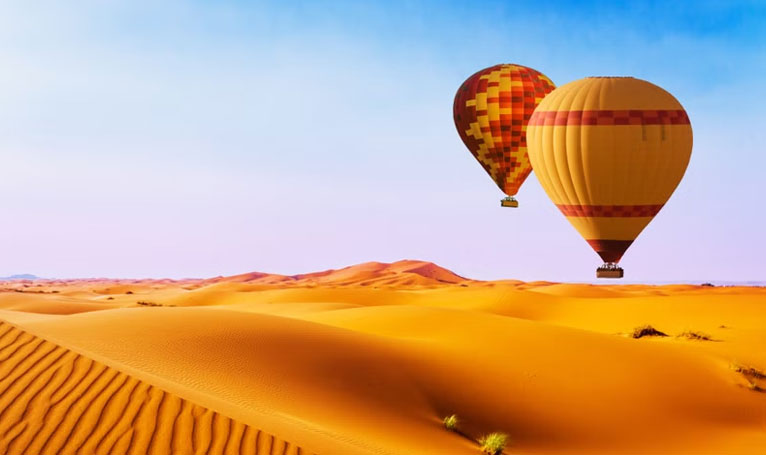
Hot Air Balloon Ride in Jaisalmer
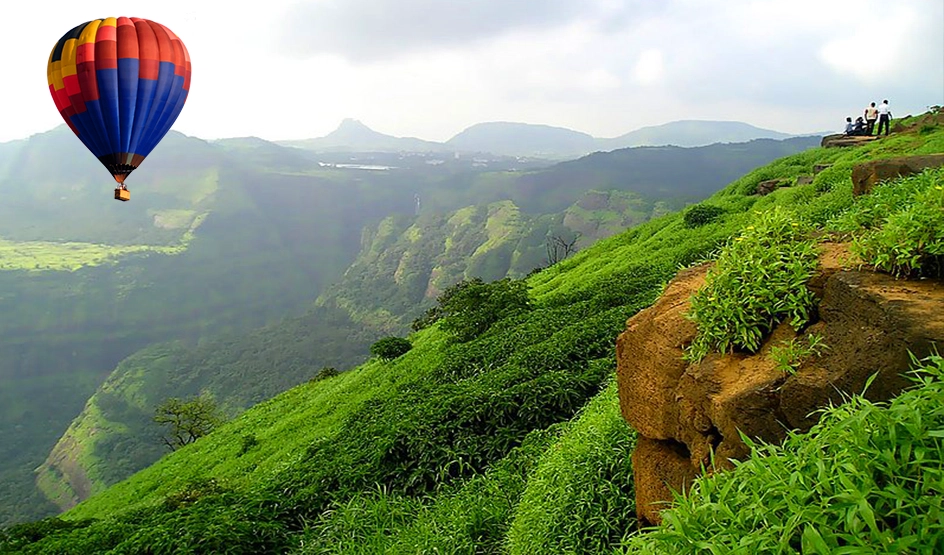
Hot Air Balloon Ride in Lonavala
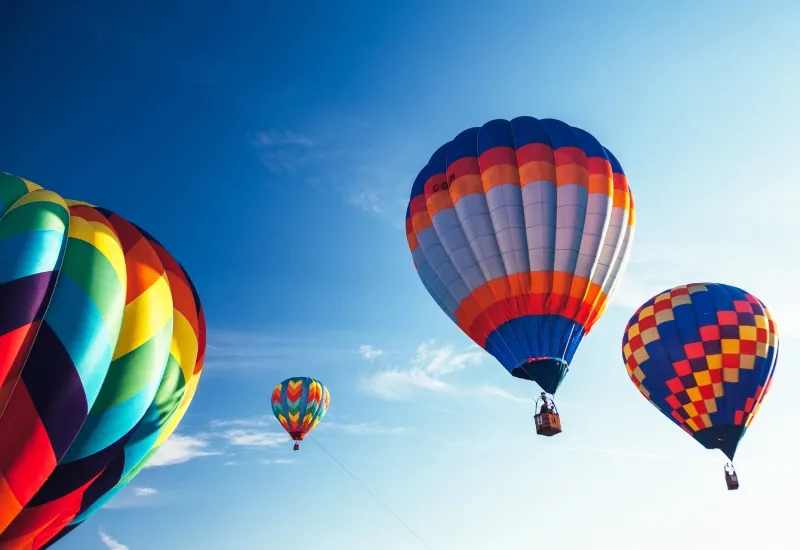
Hot air balloon ride in Mysore
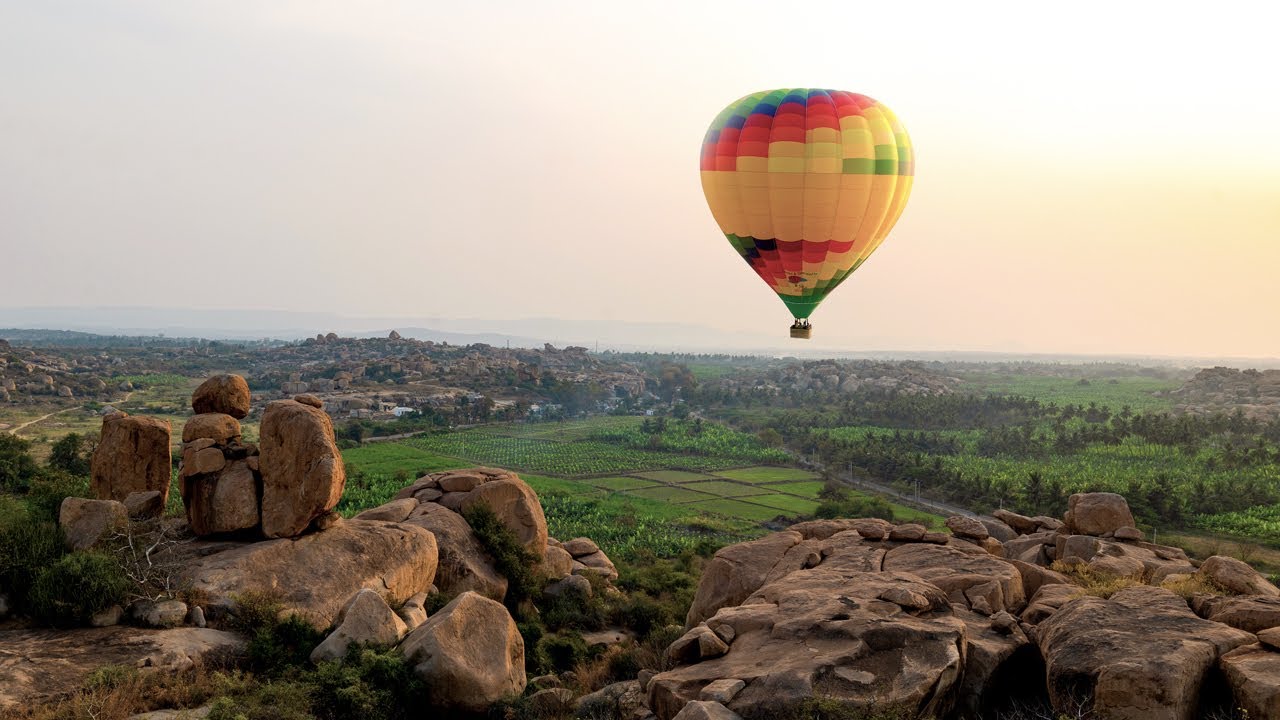
Hot air balloon ride in Hampi
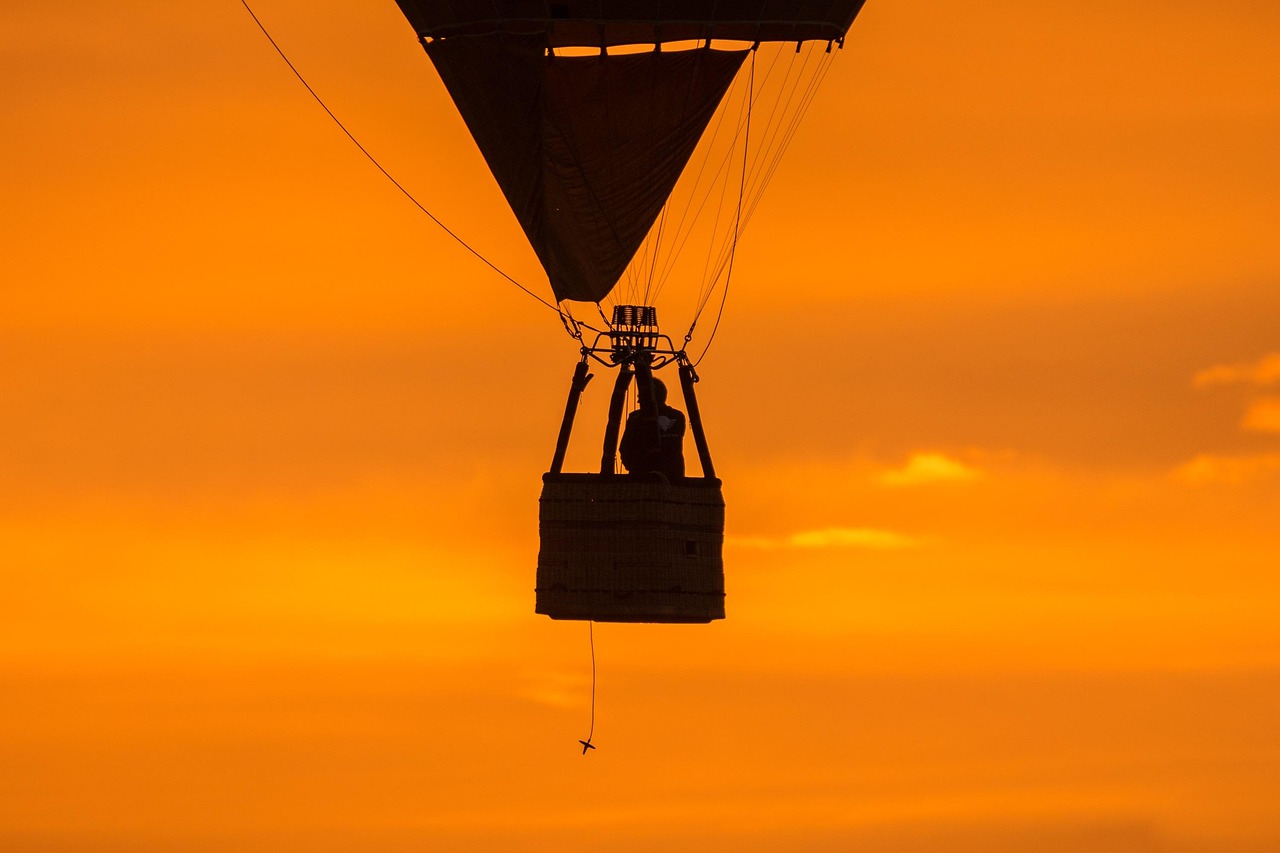
Hot air balloon ride in Nainital
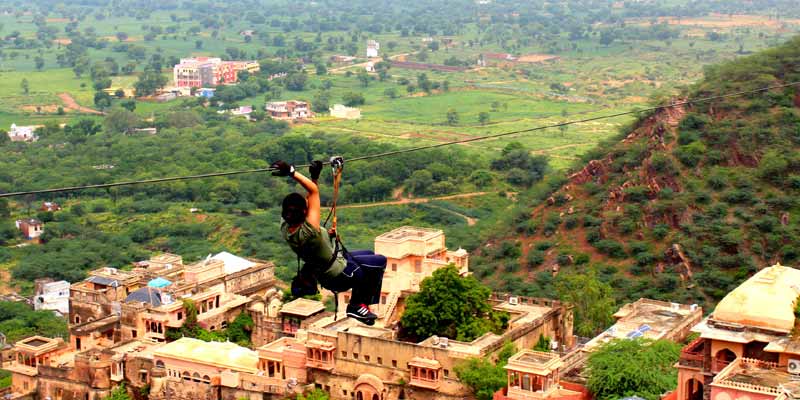
Zip Line ride in Neemrana
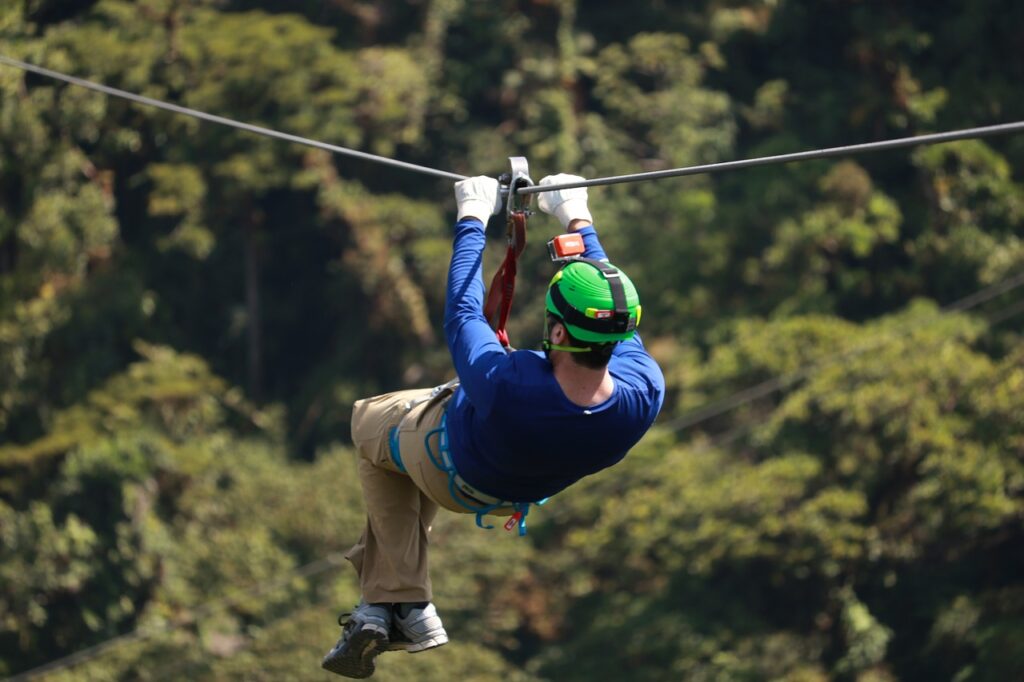
Kikar Lodge Zip Line
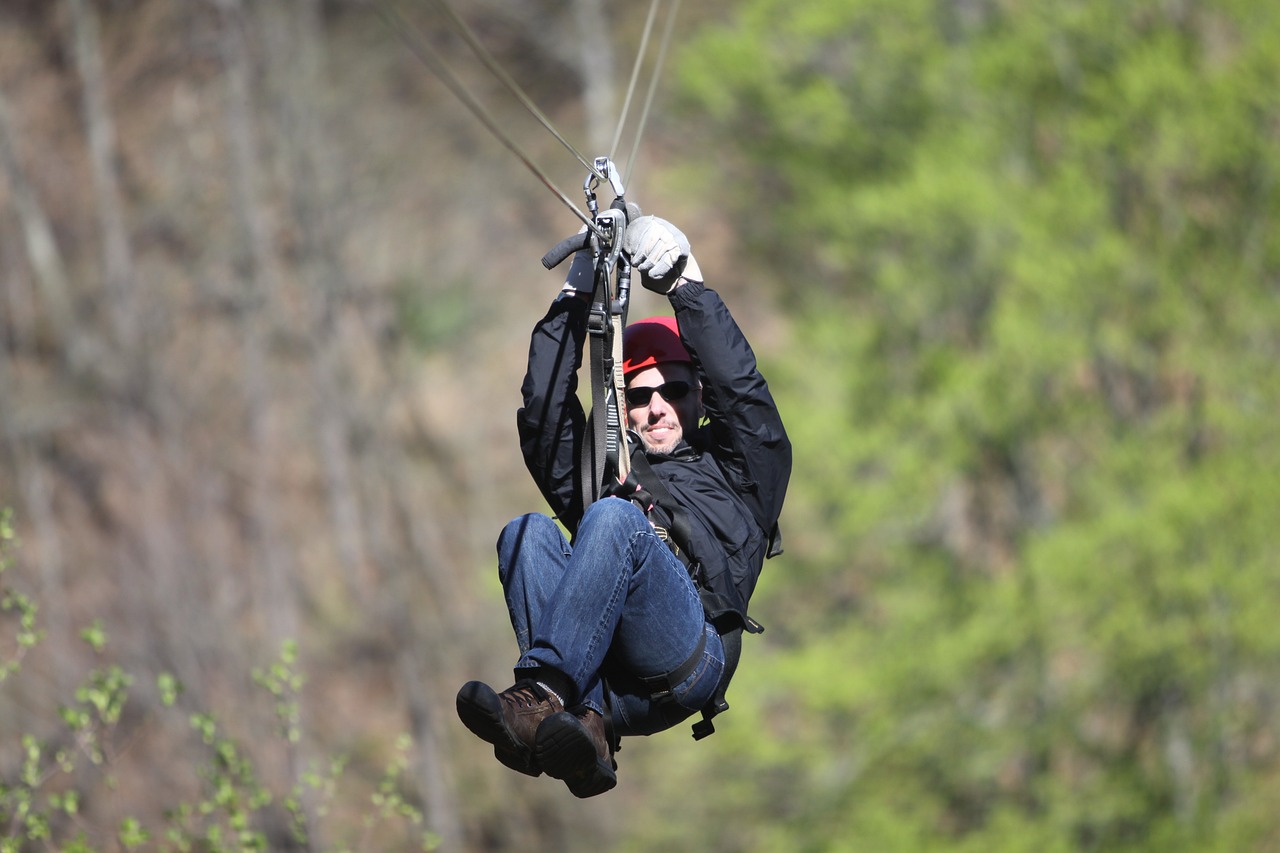
Zip Line ride in Rishikesh
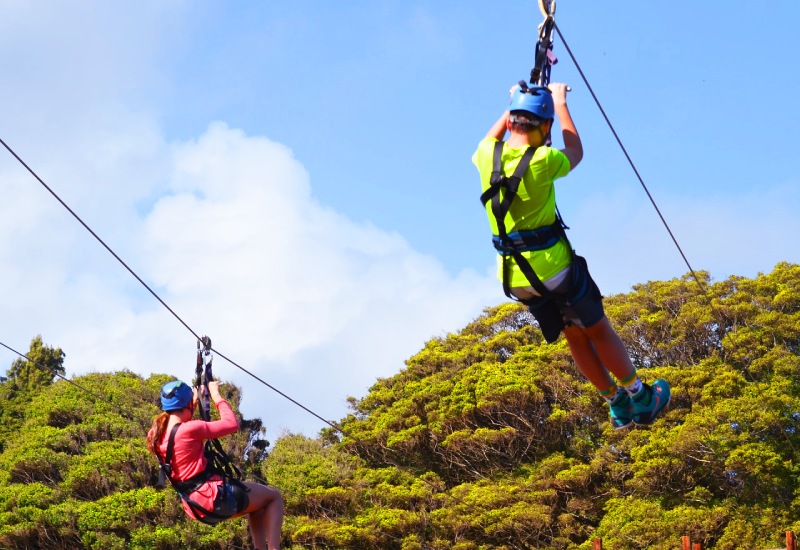
Zip Line ride in Mussoorie
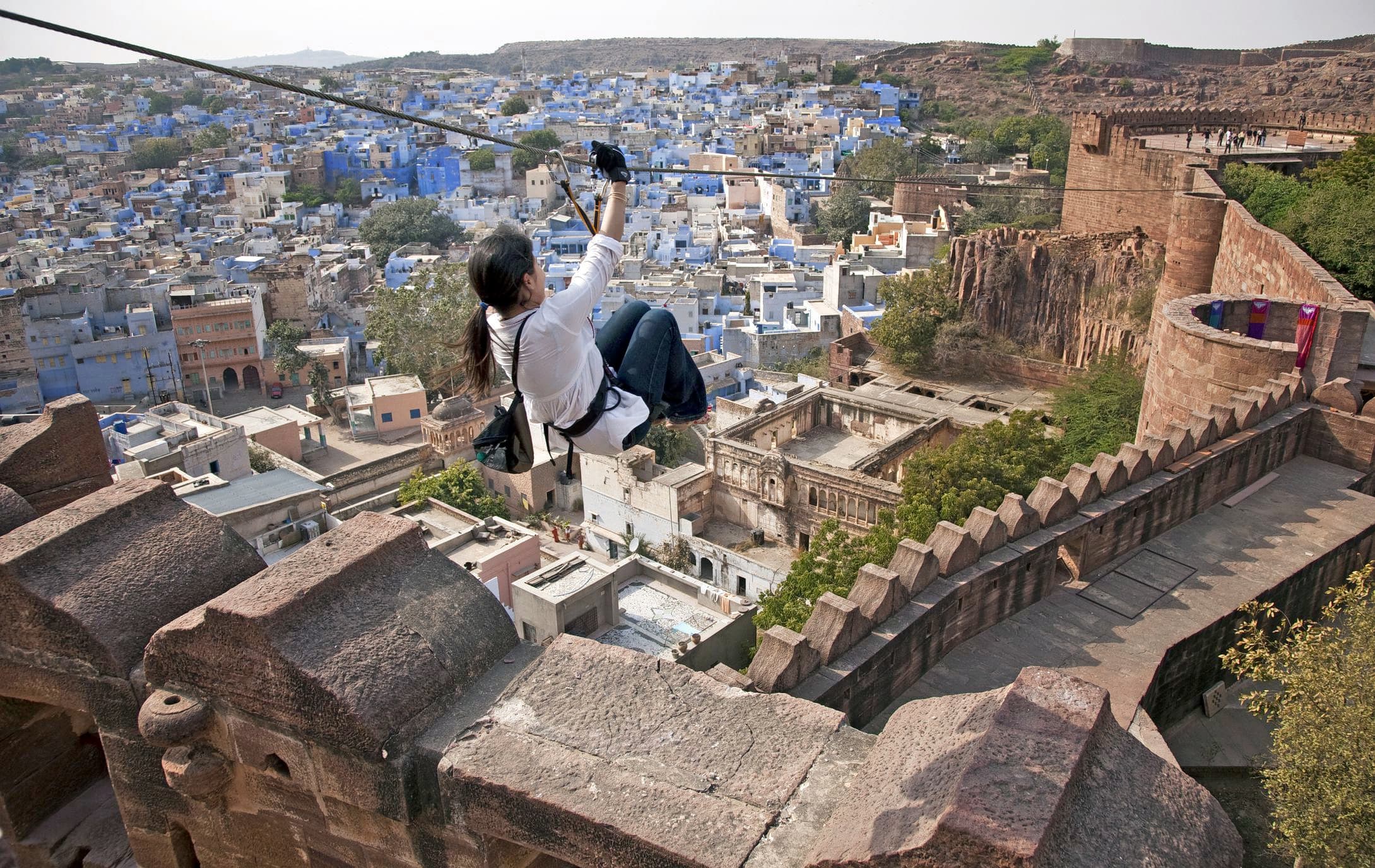
Zip Line ride in Jodhpur
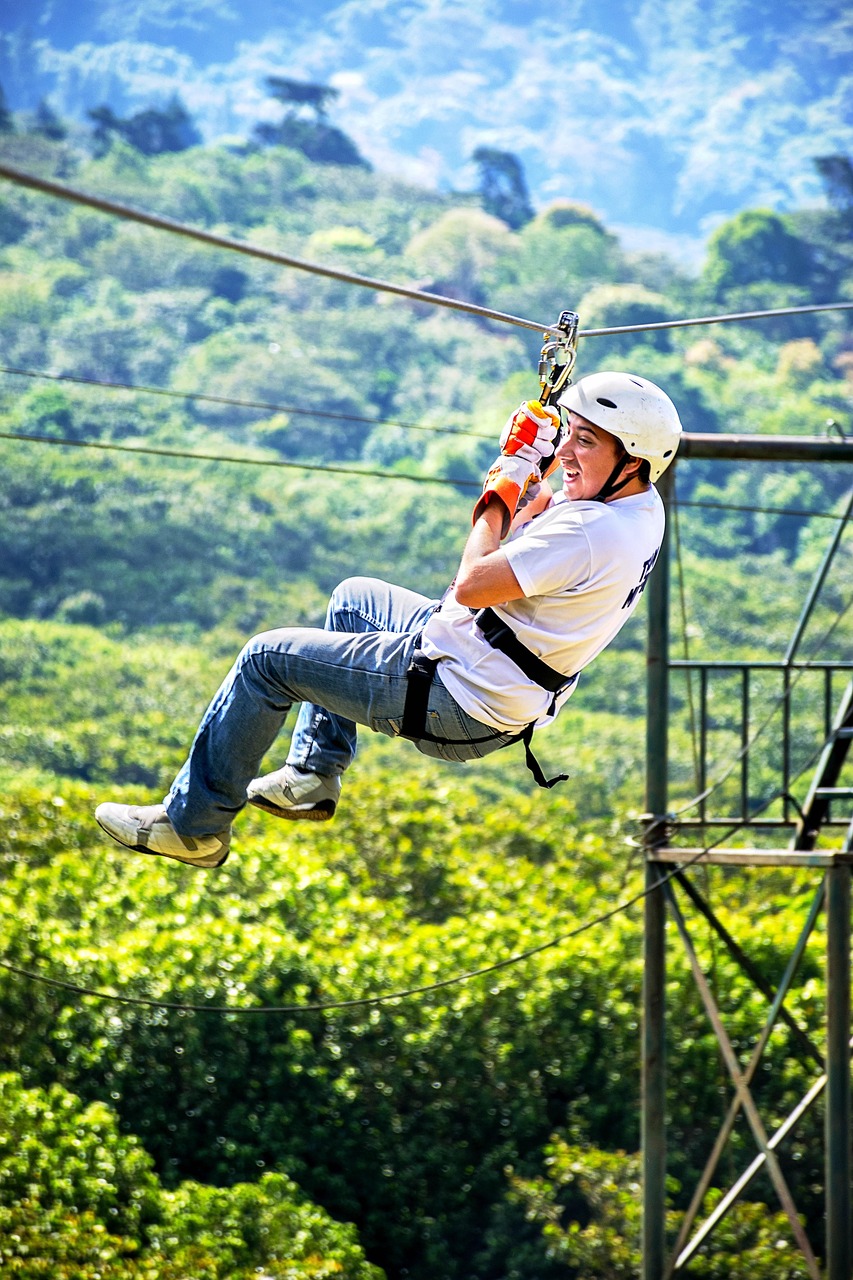
Zip Line ride in Munnar
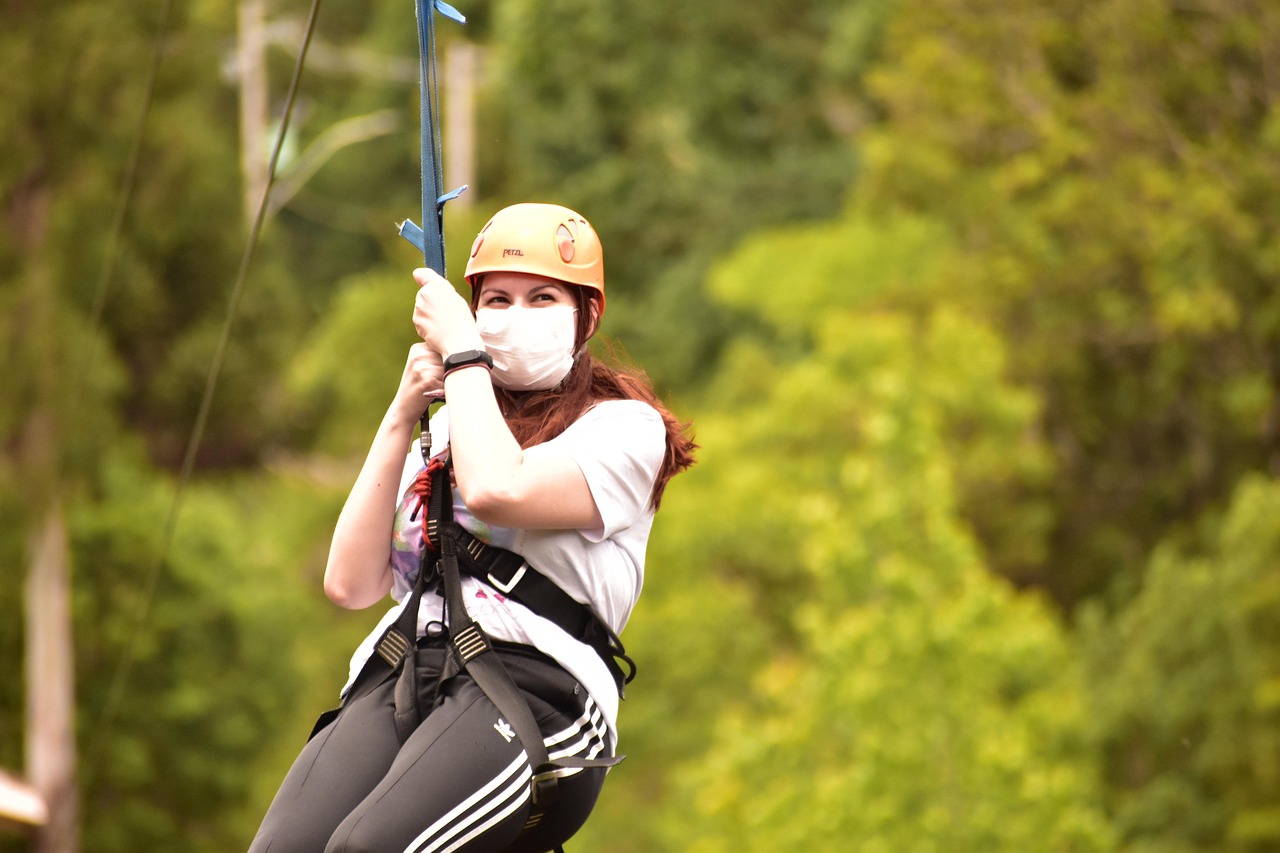
Zip Line ride in Manali
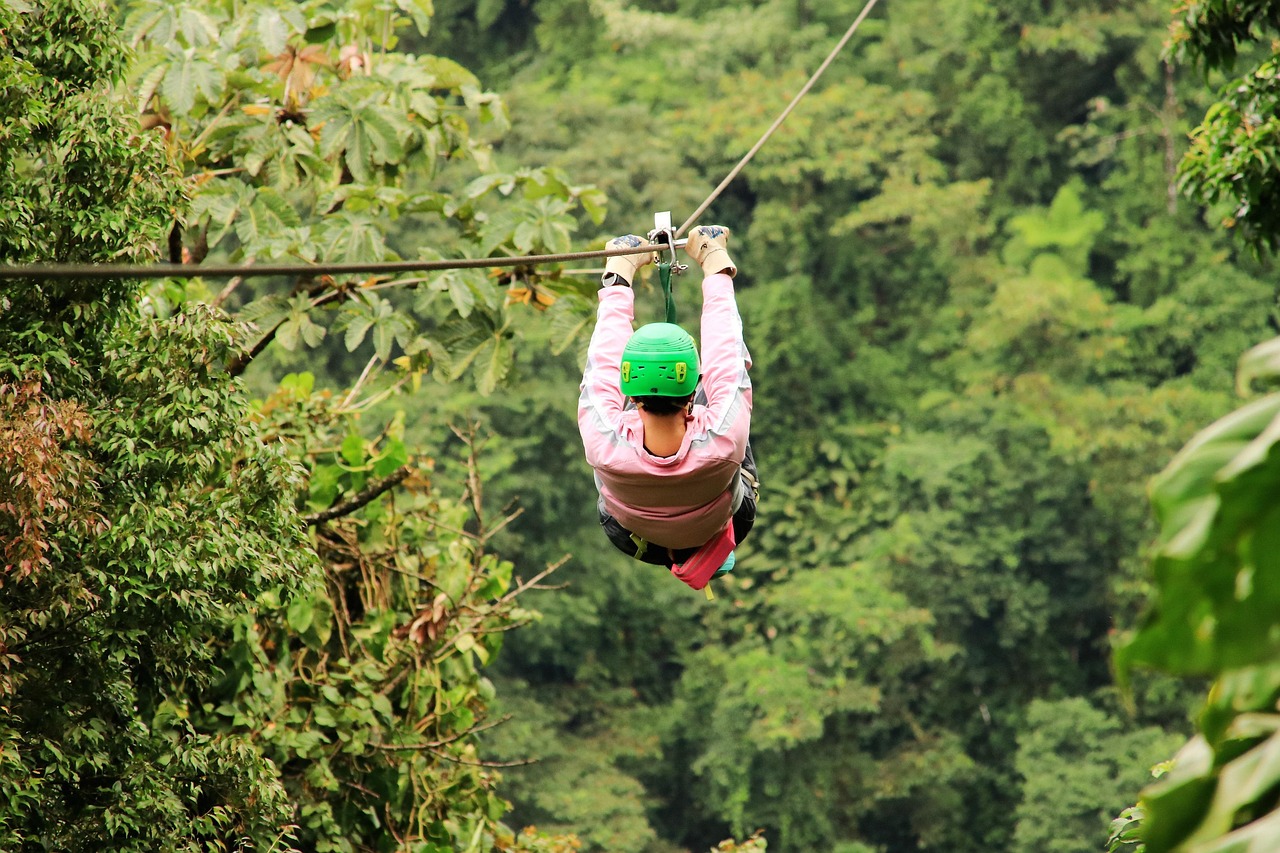
Zip Line ride in Darjeeling
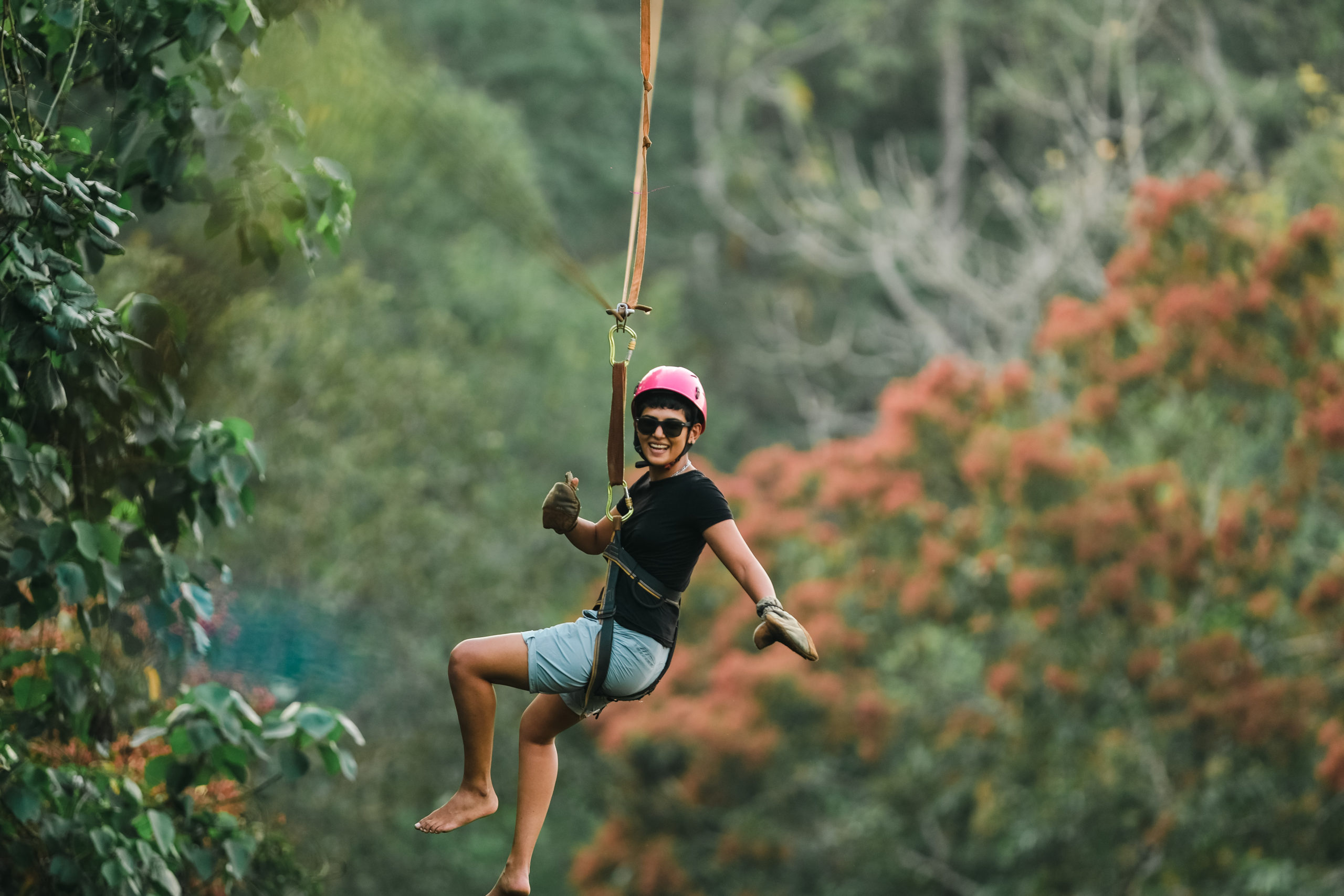
Zip Line ride in Goa
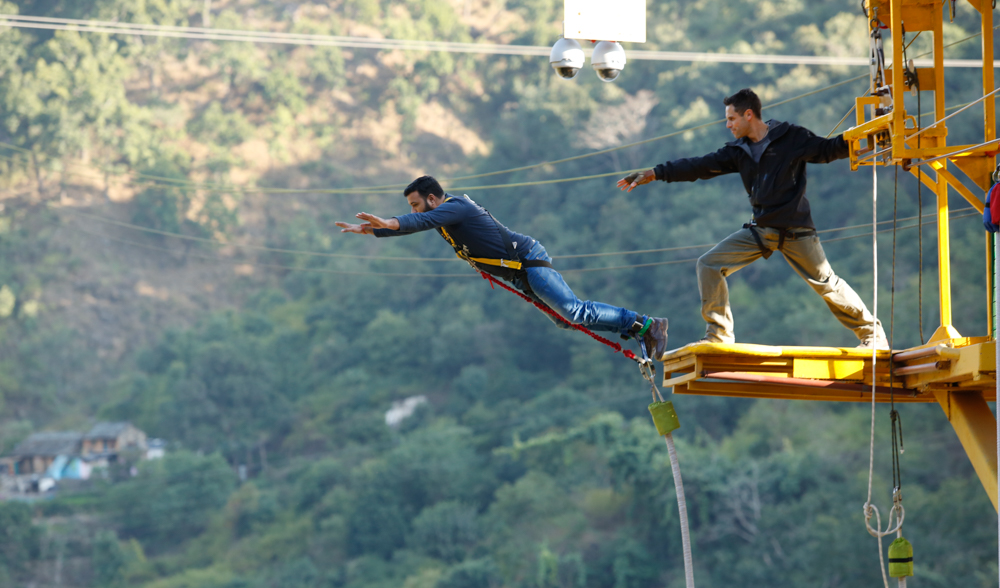
Bungee Jumping in Rishikesh
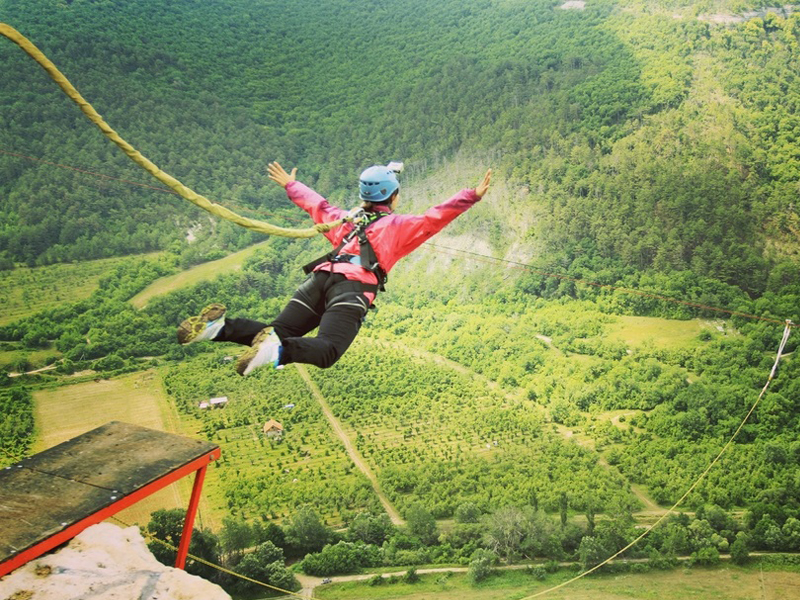
Bungee Jumping in Udaipur
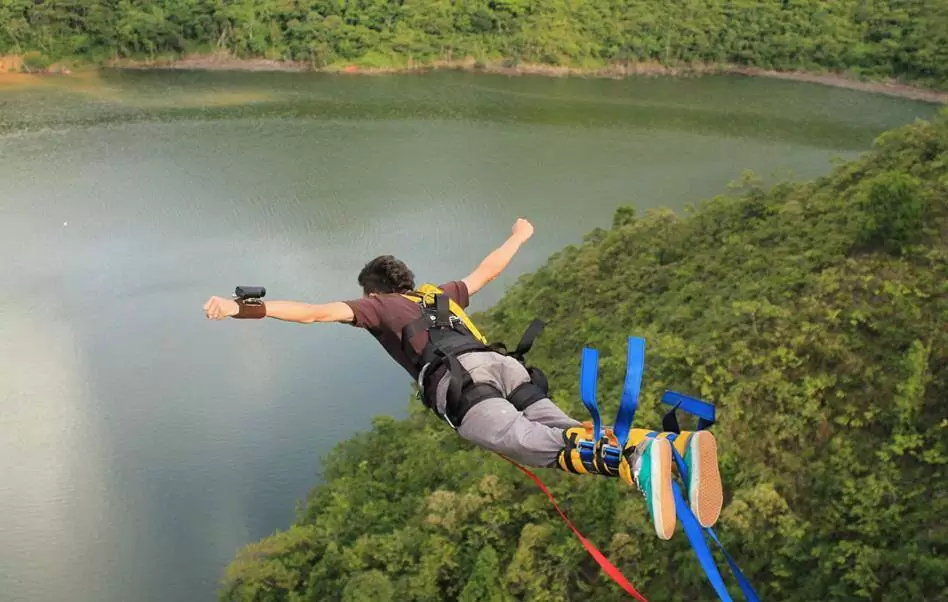
Bungee Jumping in Goa
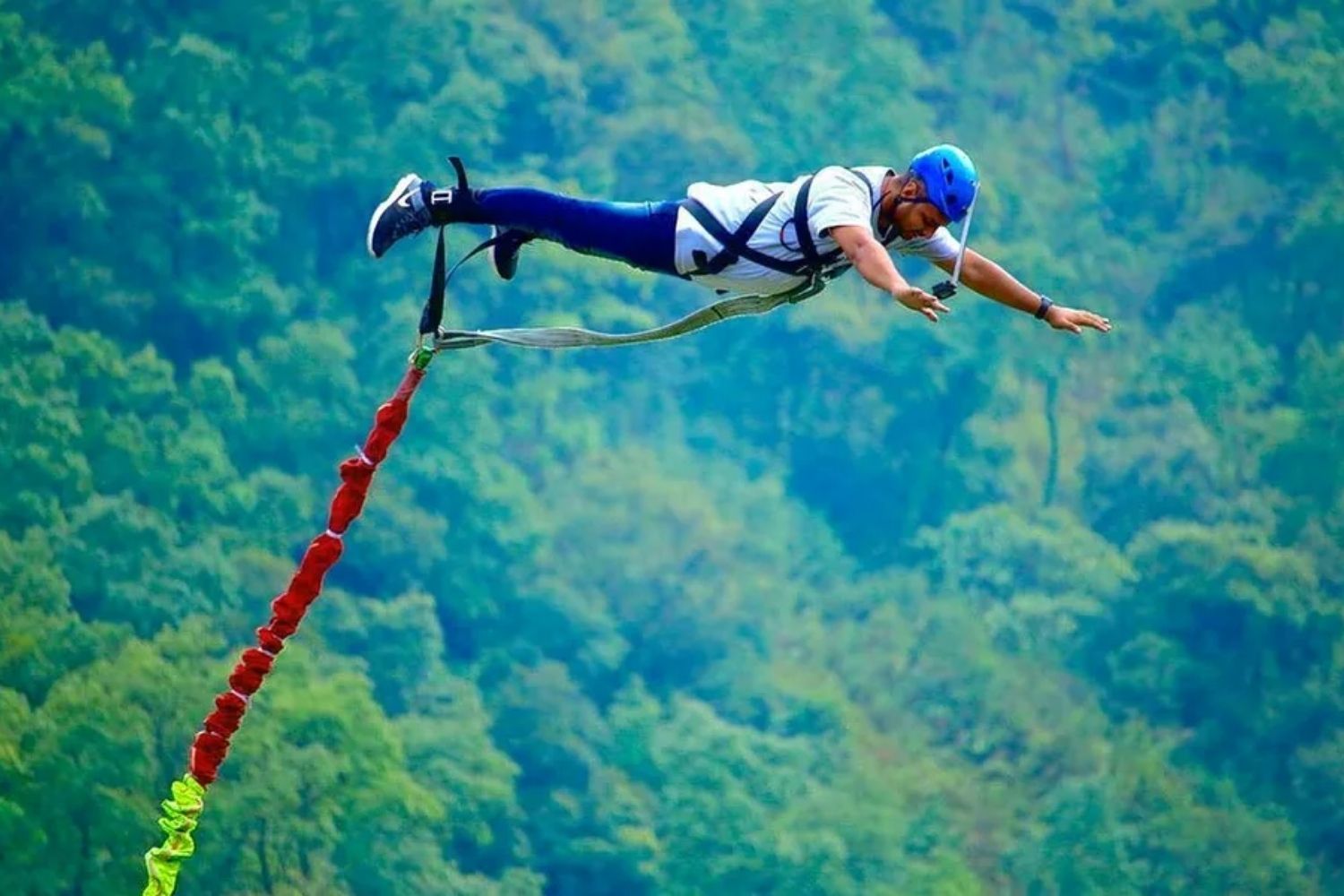
Bungee Jumping in Lonavala
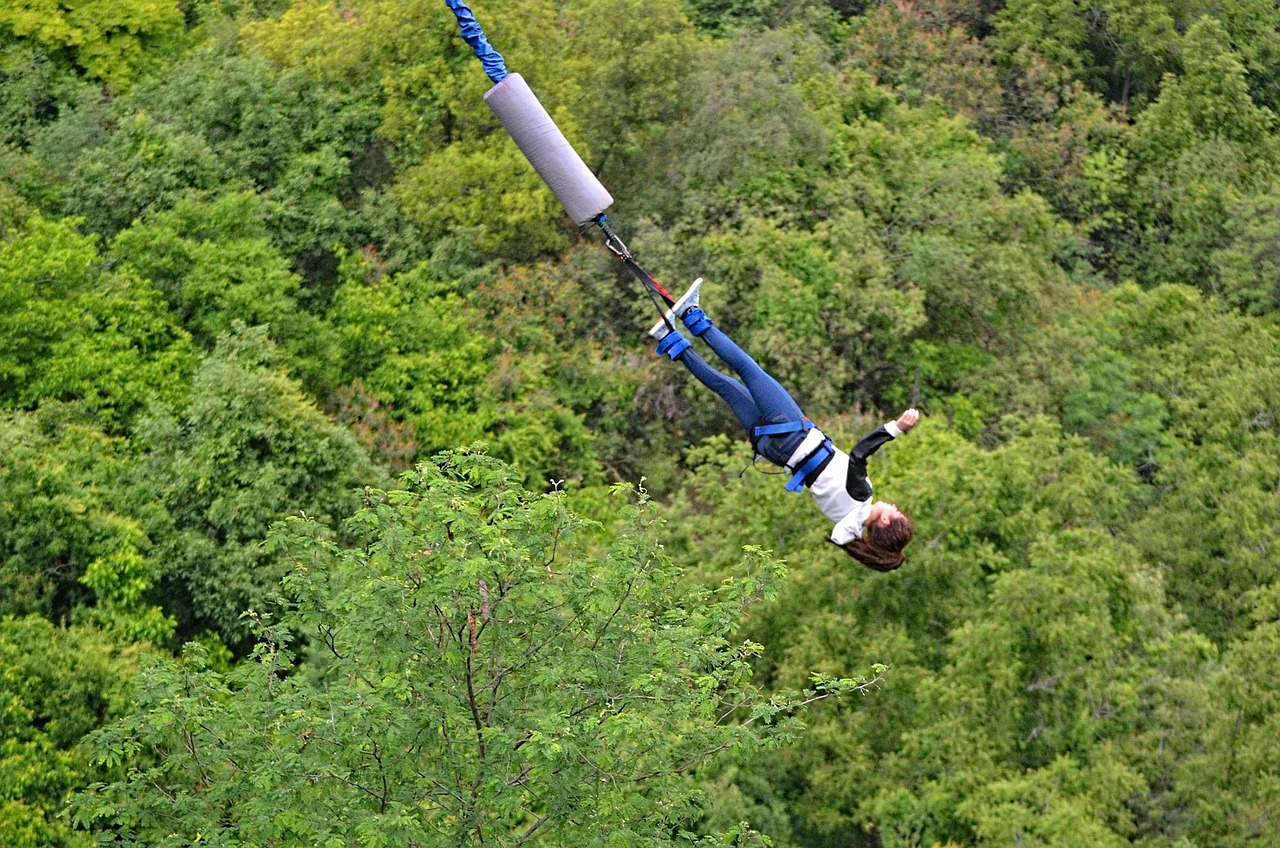
Bungee jumping in Bangalore
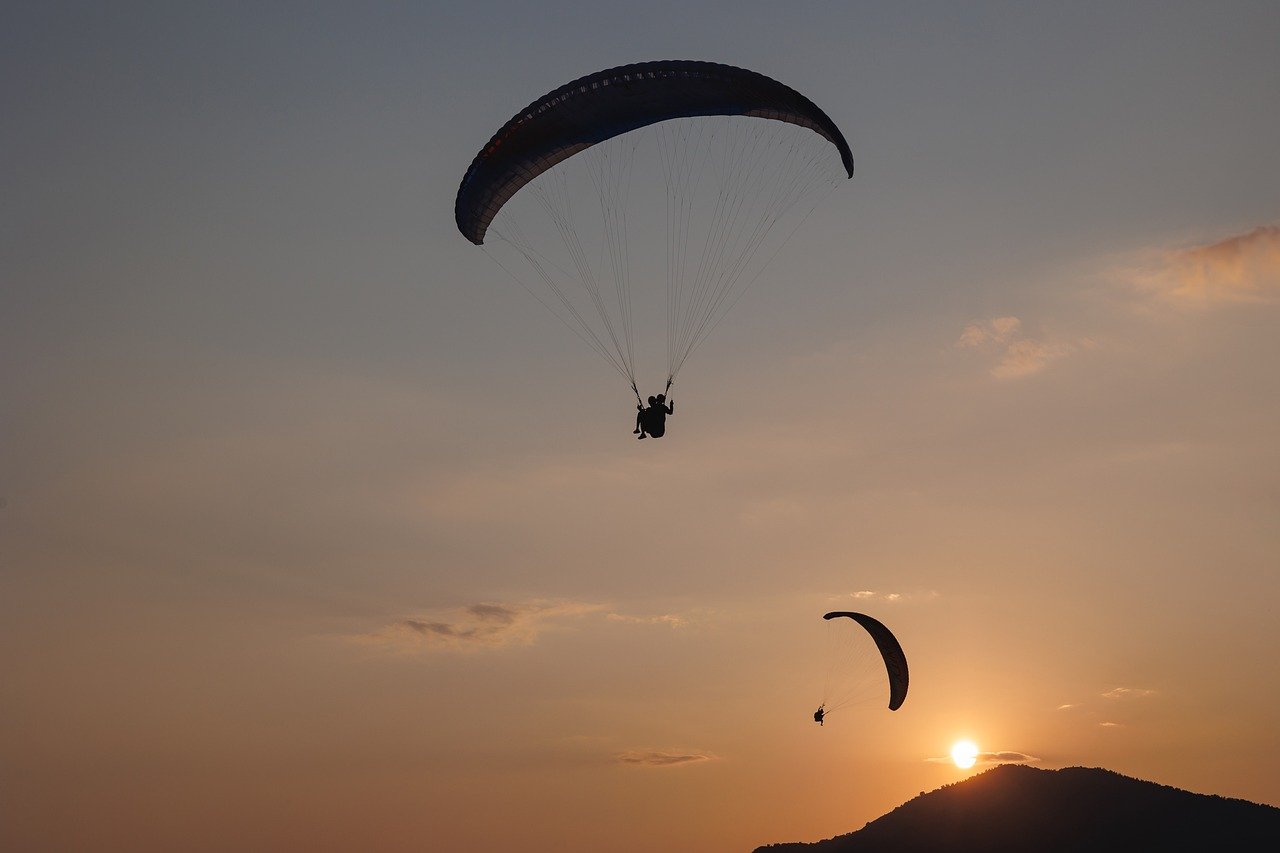
Paragliding in Bir Billing
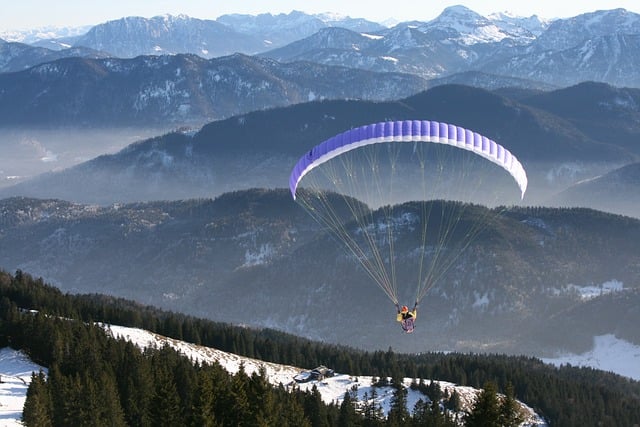
Paragliding in Manali
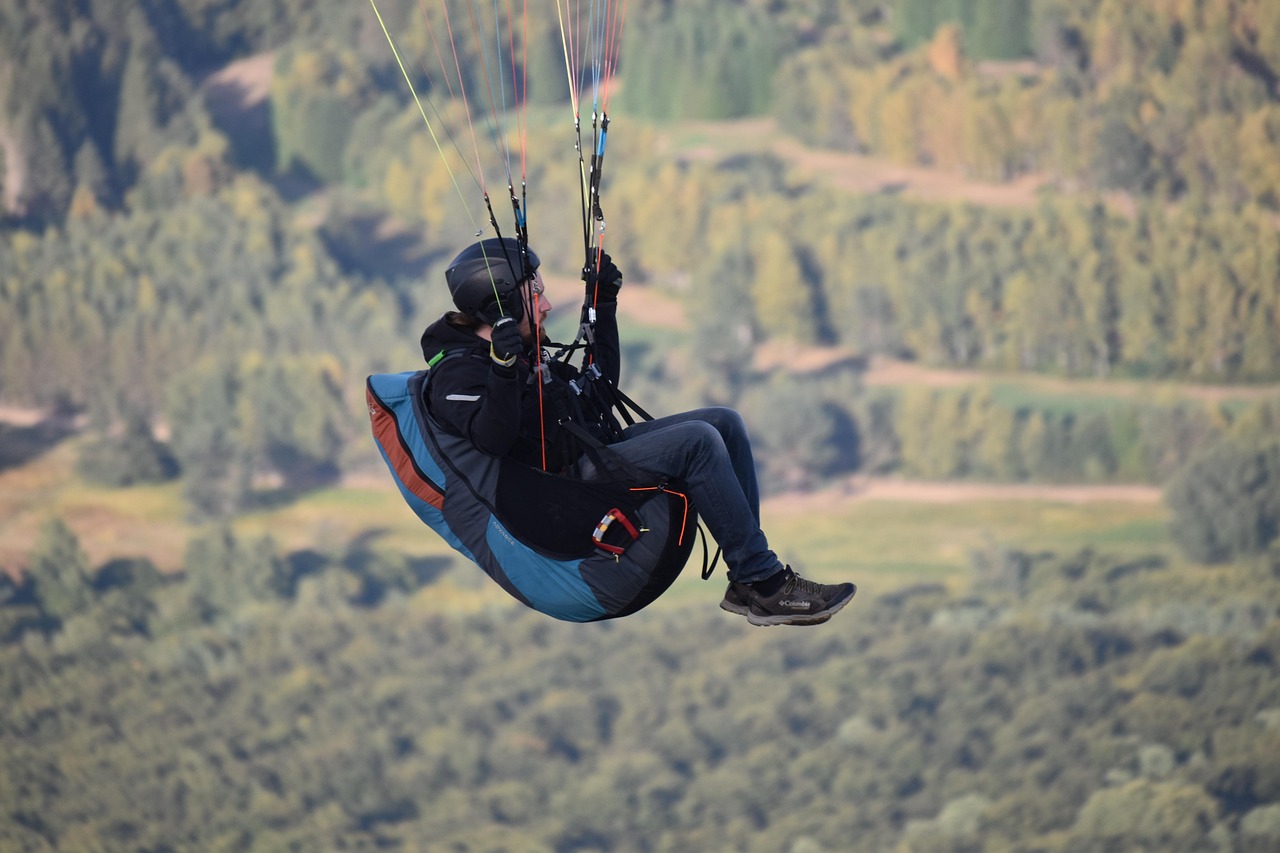
Paragliding in Nainital
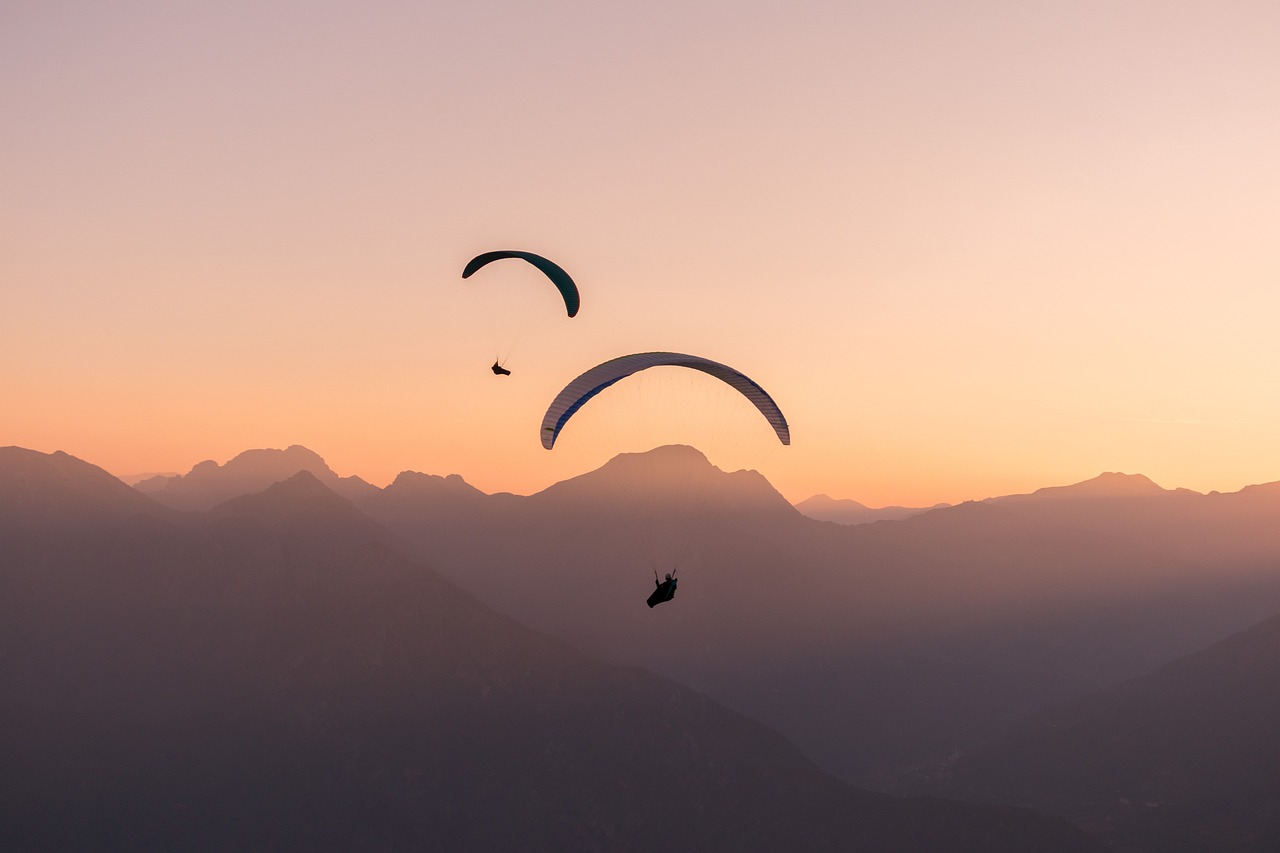
Paragliding in Kamshet
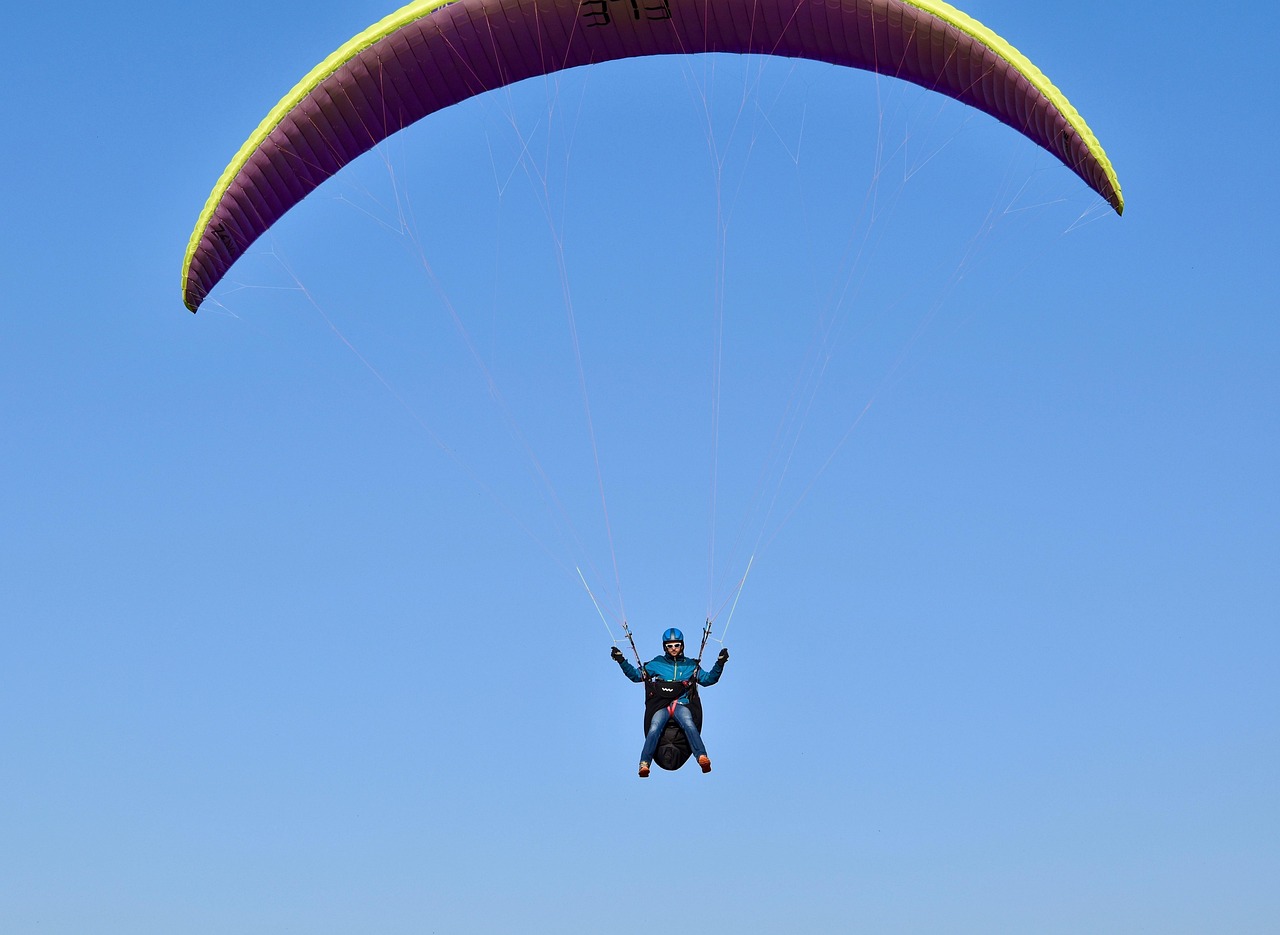
Paragliding in Ranikhet and Mukteshwar
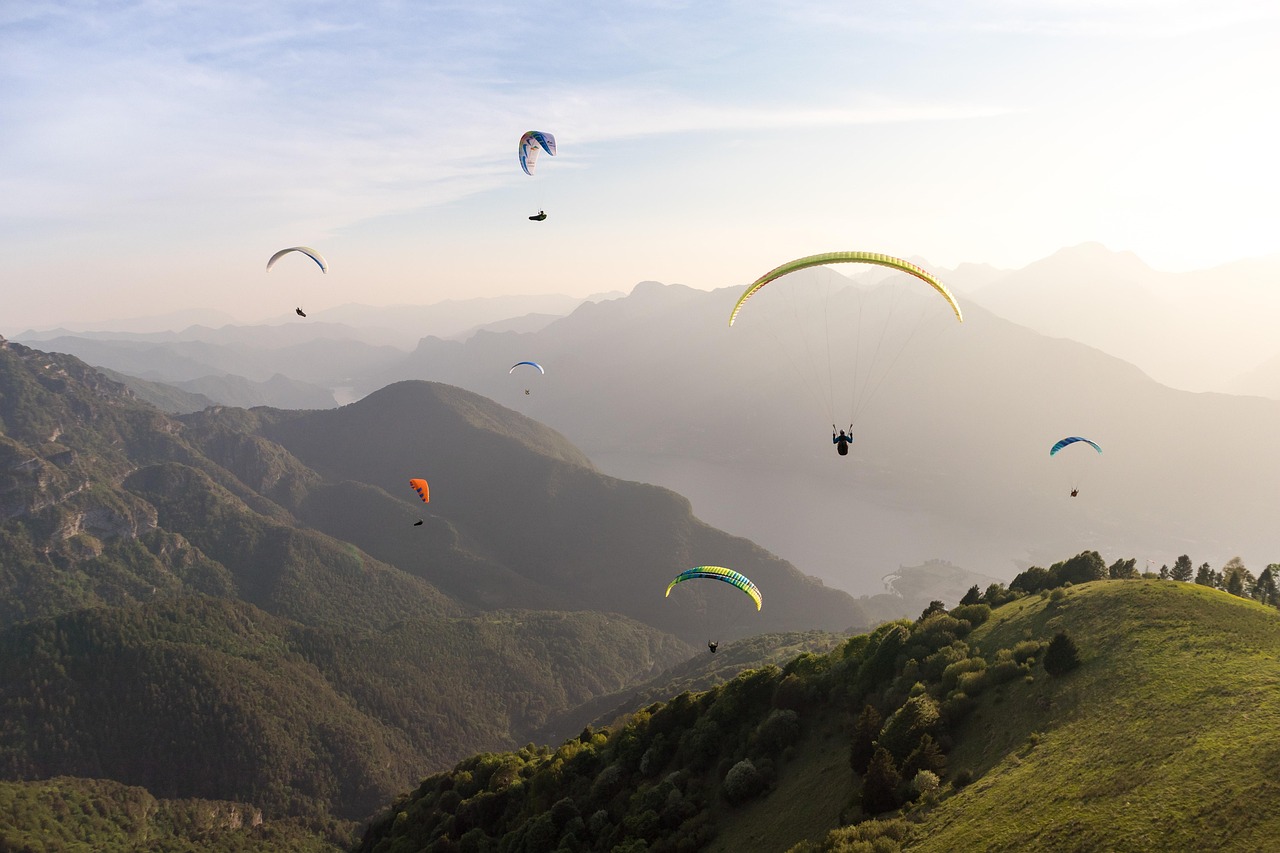
Paragliding in Gangtok
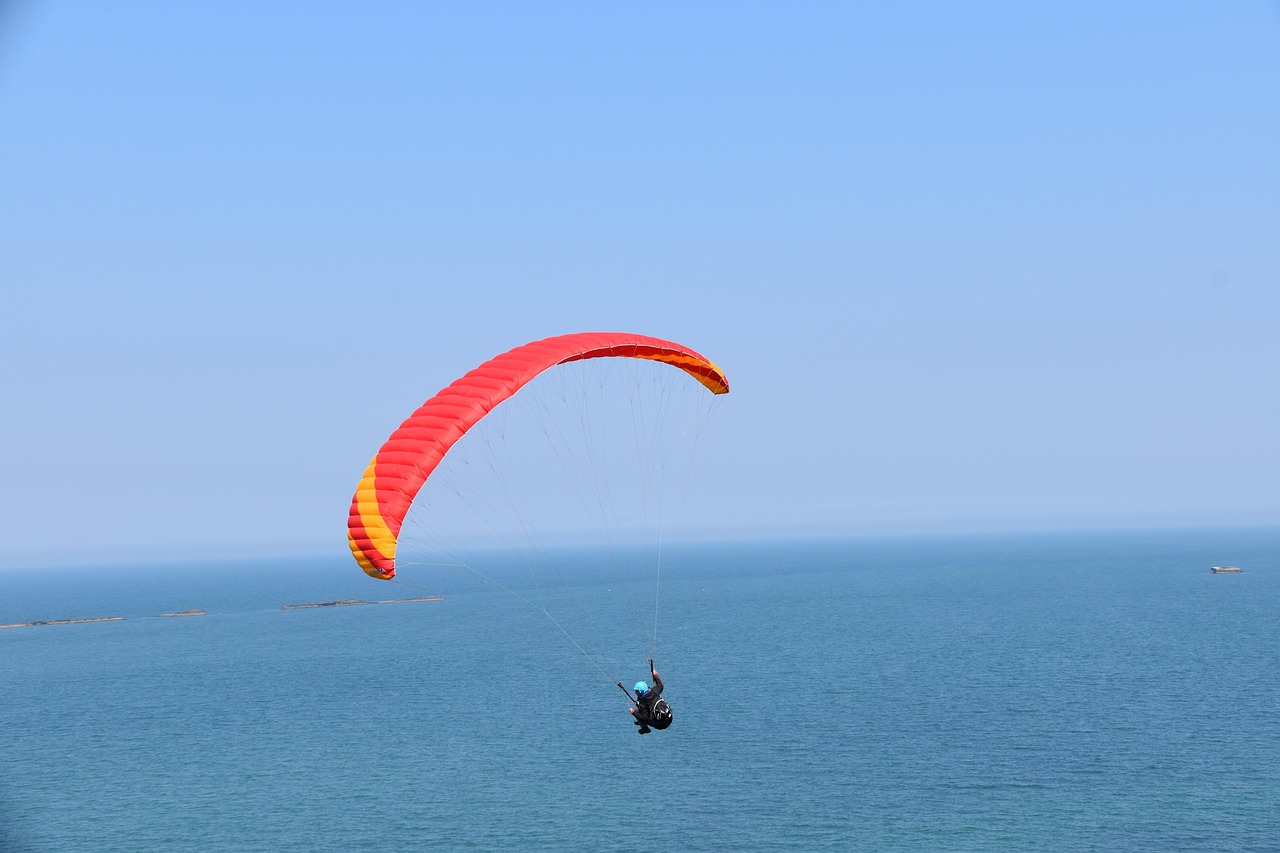
Paragliding in Arambol, Goa
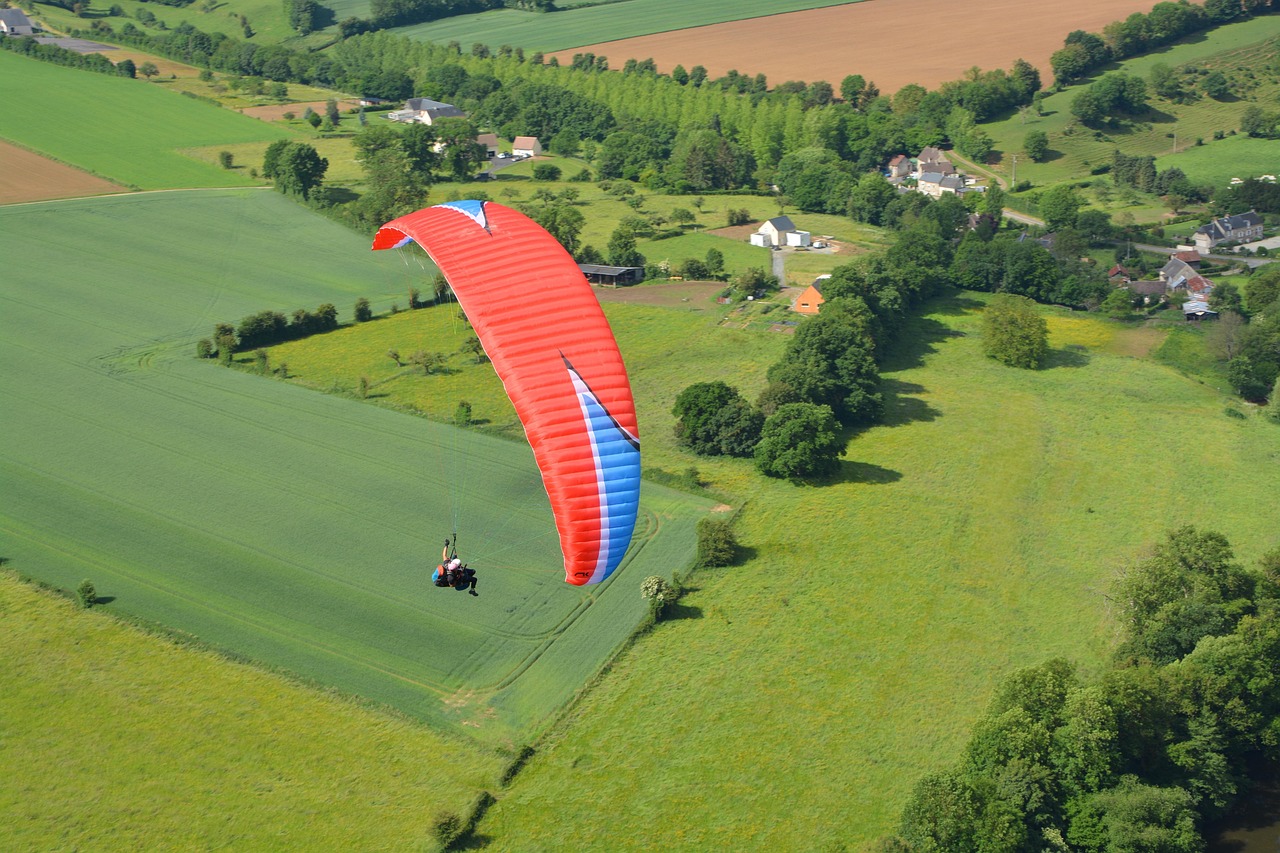
Paragliding in Pavagadh, Gujarat
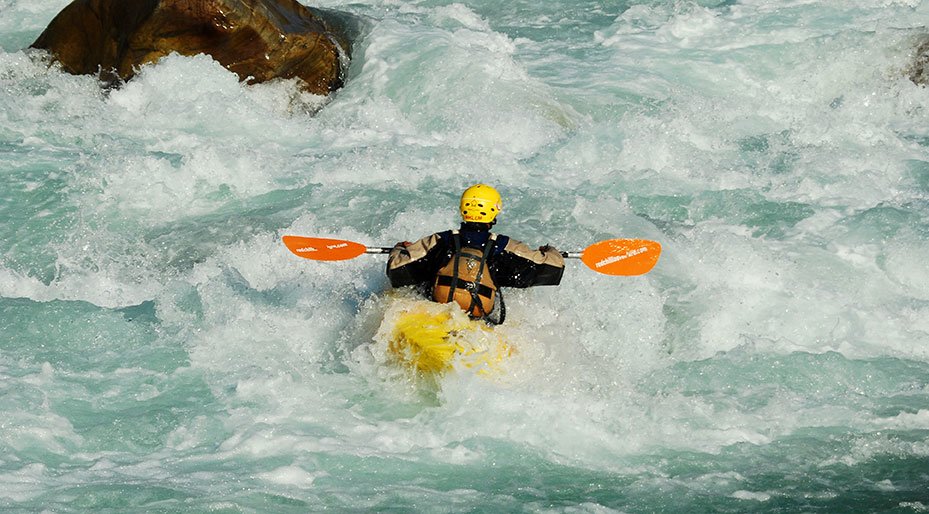
Kayaking in Rishikesh
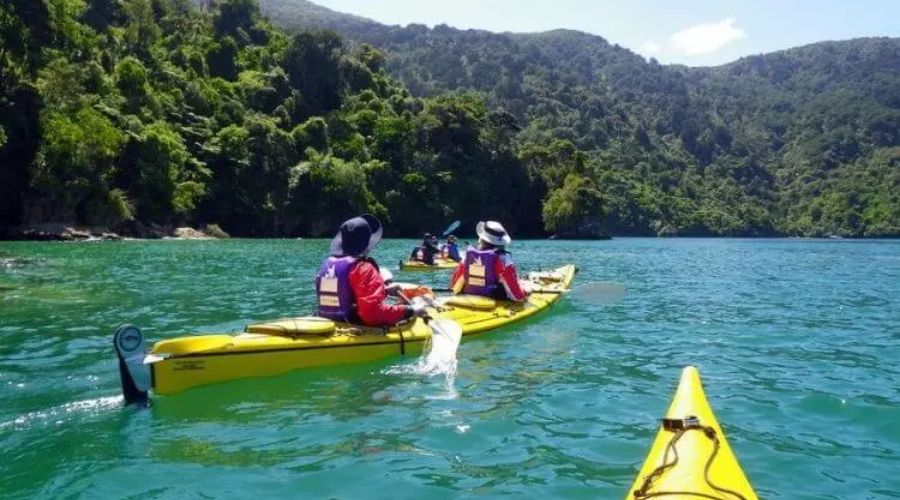
Kayaking in Andaman and Nicobar Islands
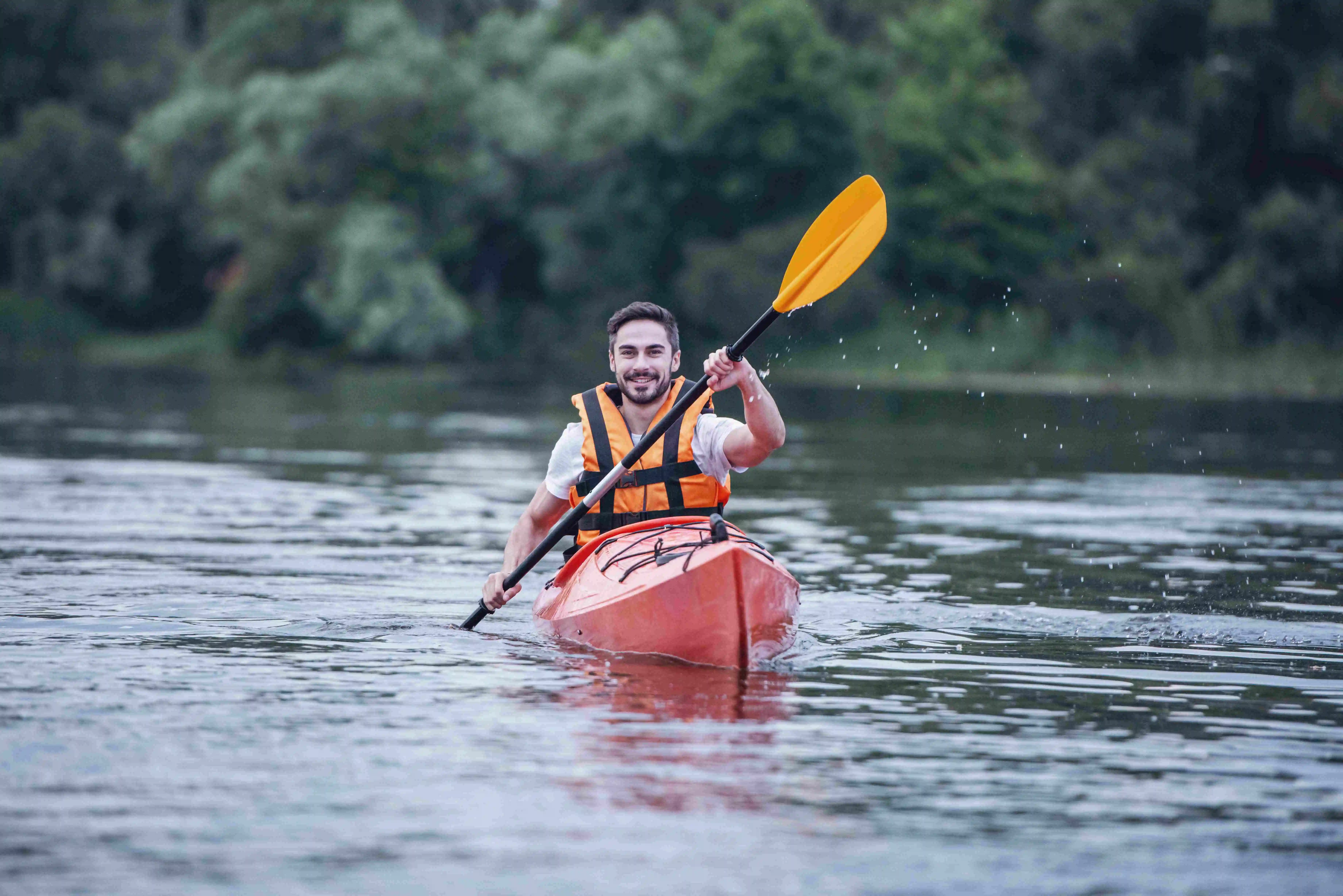
Kayaking in Kerala
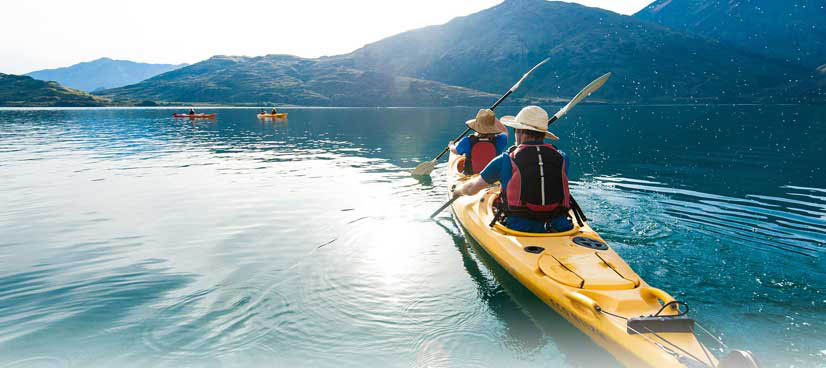
Kayaking in Sikkim
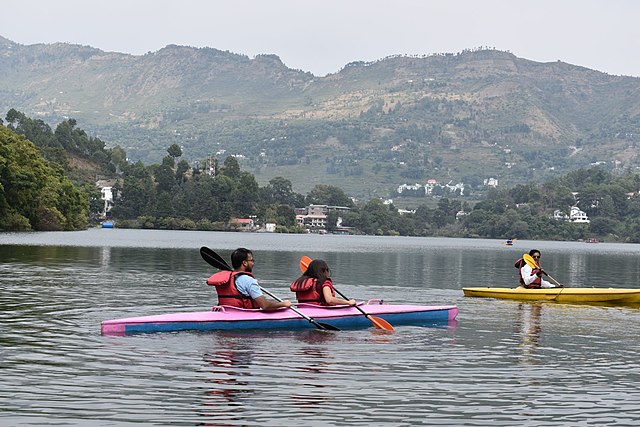
Kayaking in Nainital
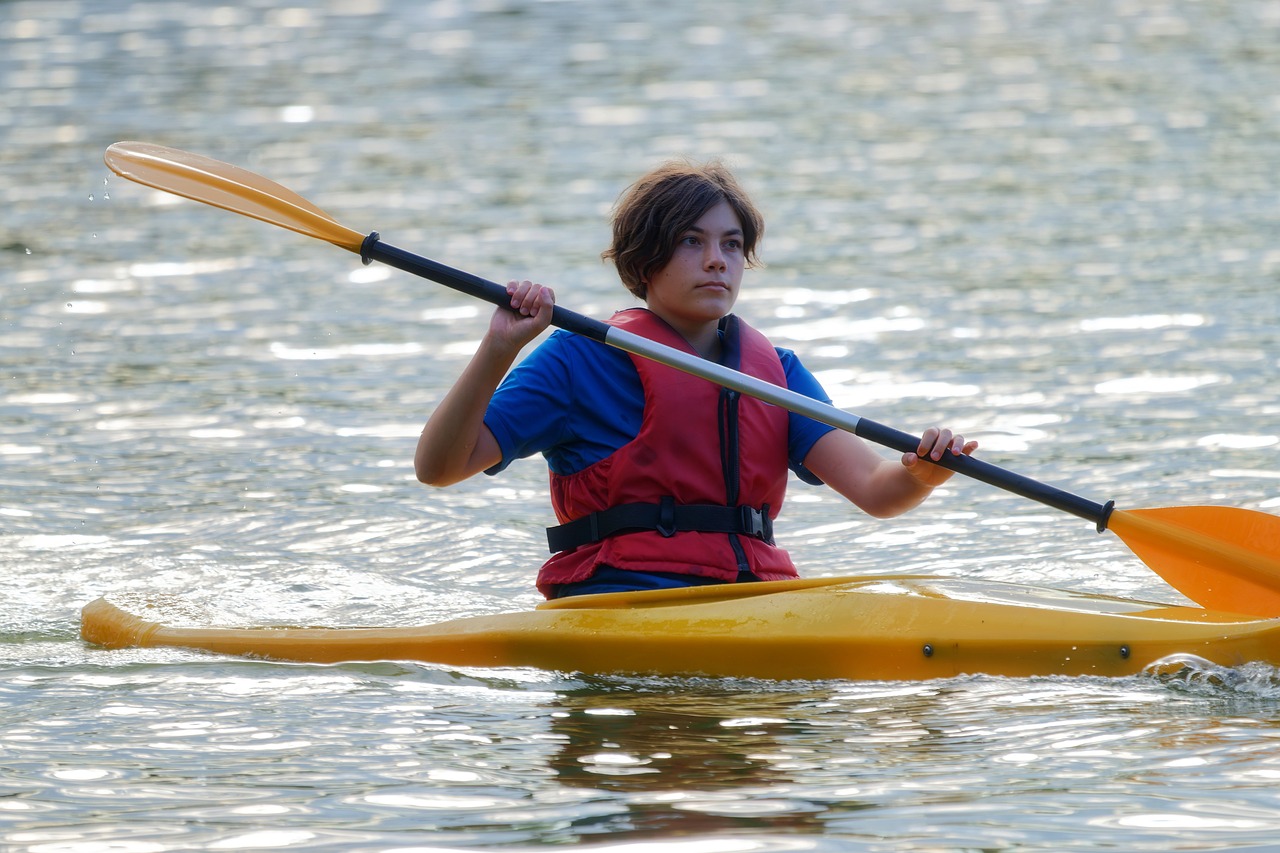
Kayaking in Tungabhadra River, Karnataka
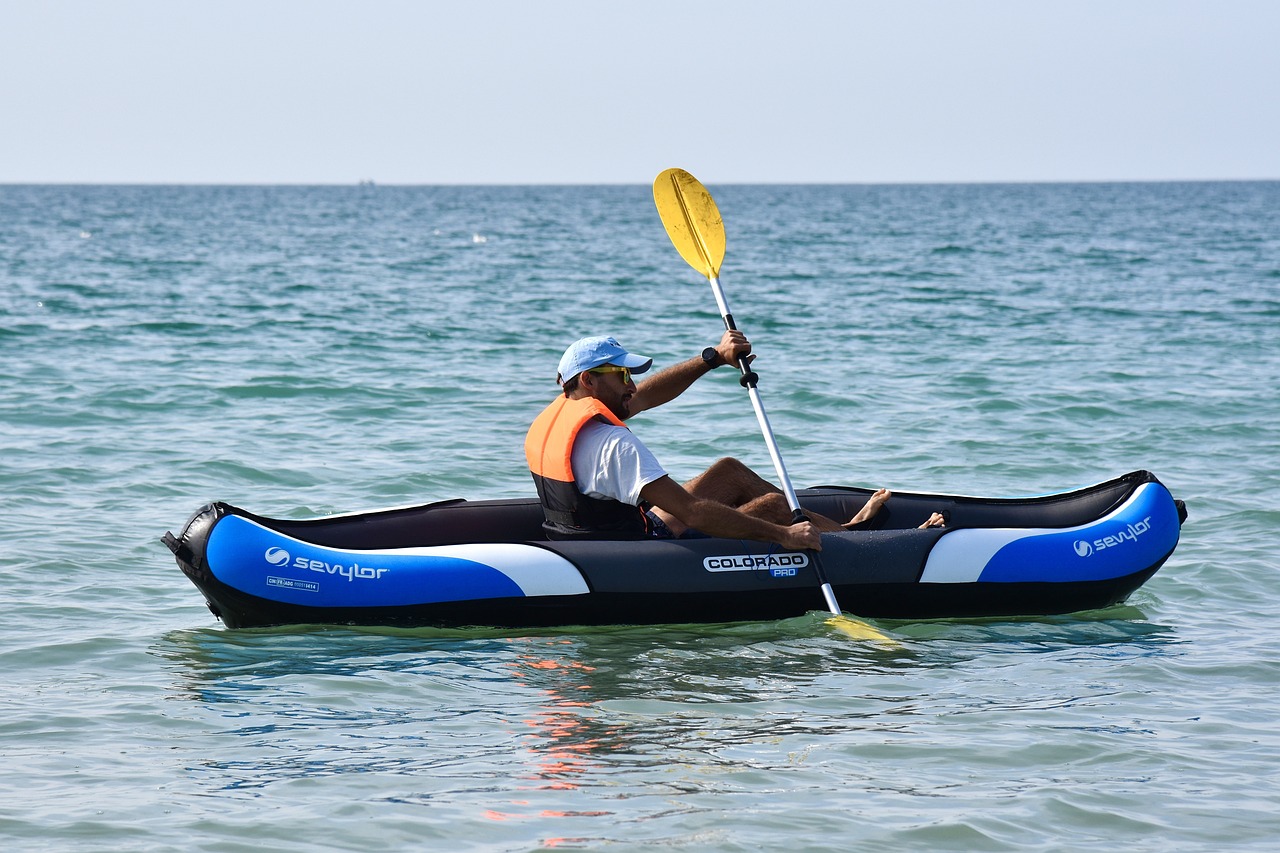
Kayaking in Pondicherry
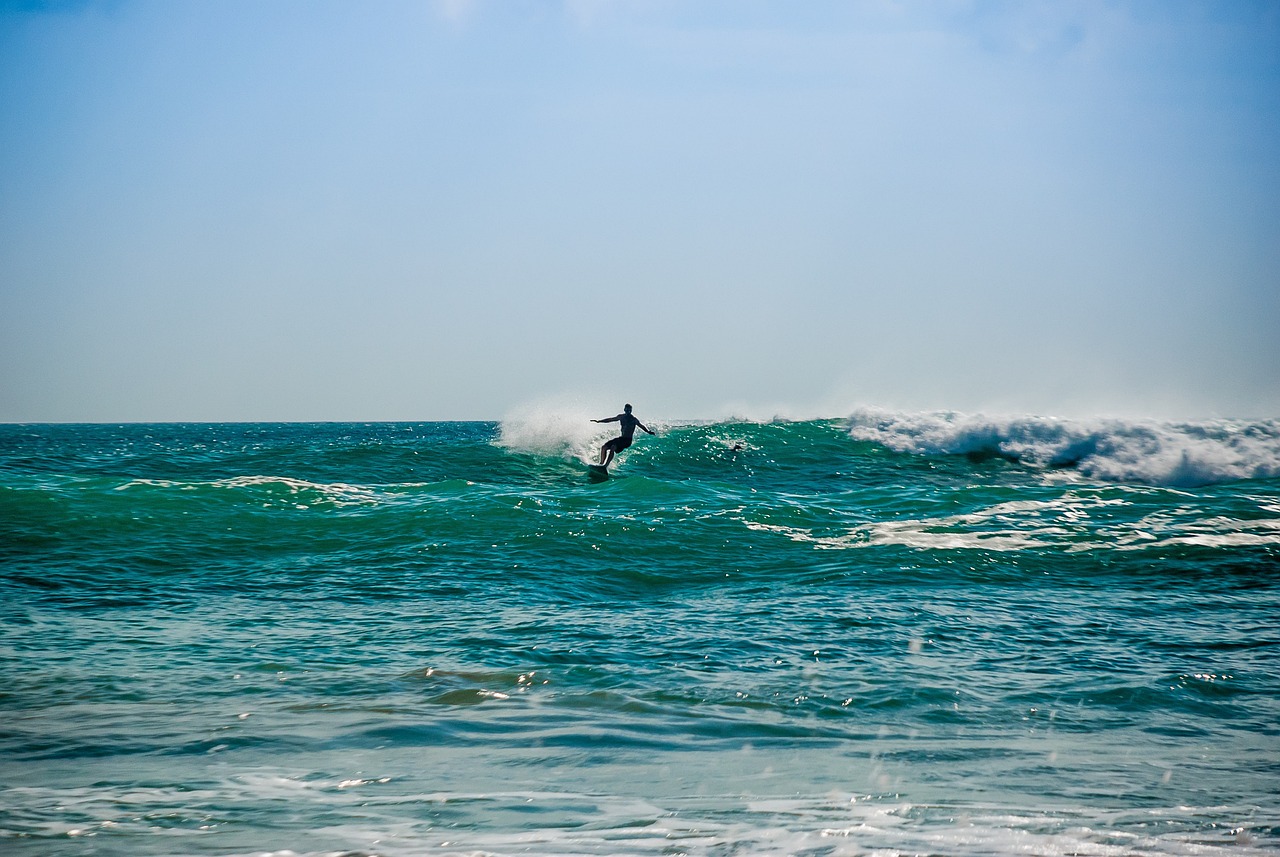
Surfing in Goa
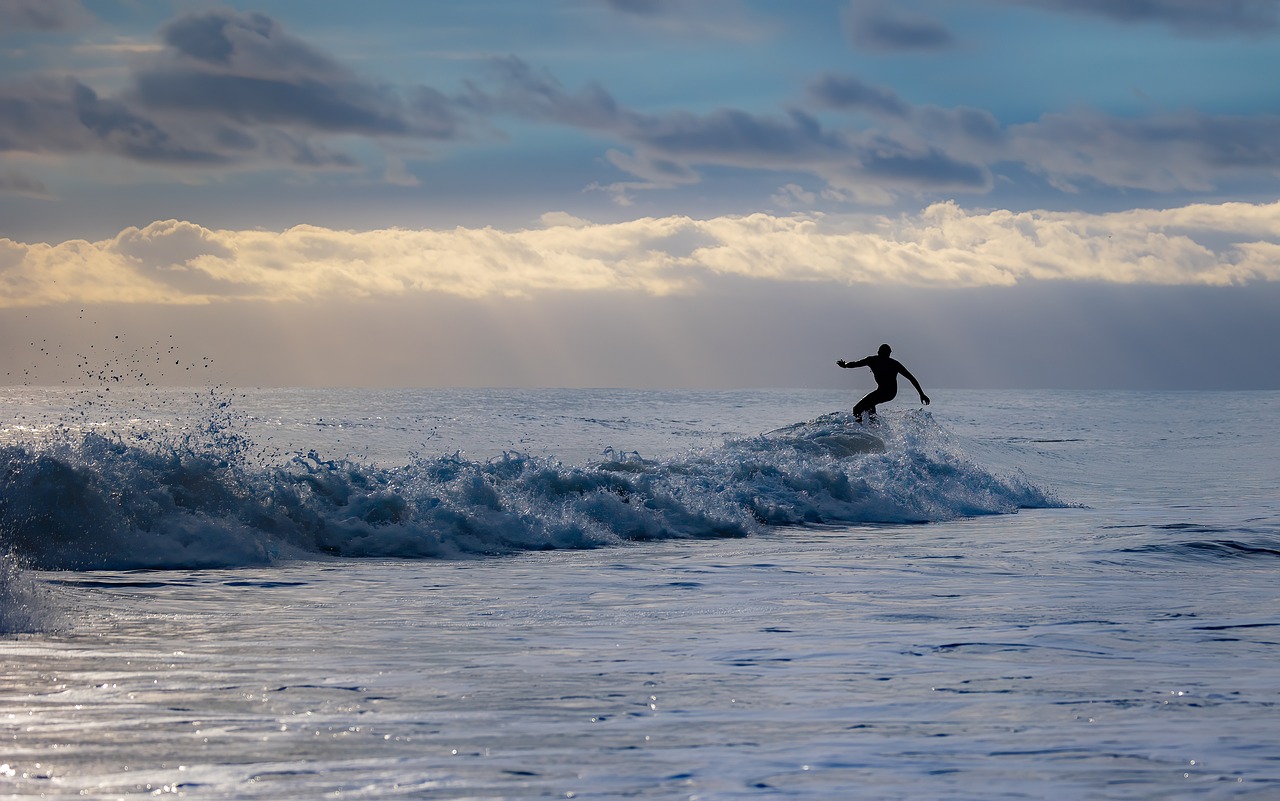
Surfing in Varkala (Kerala)
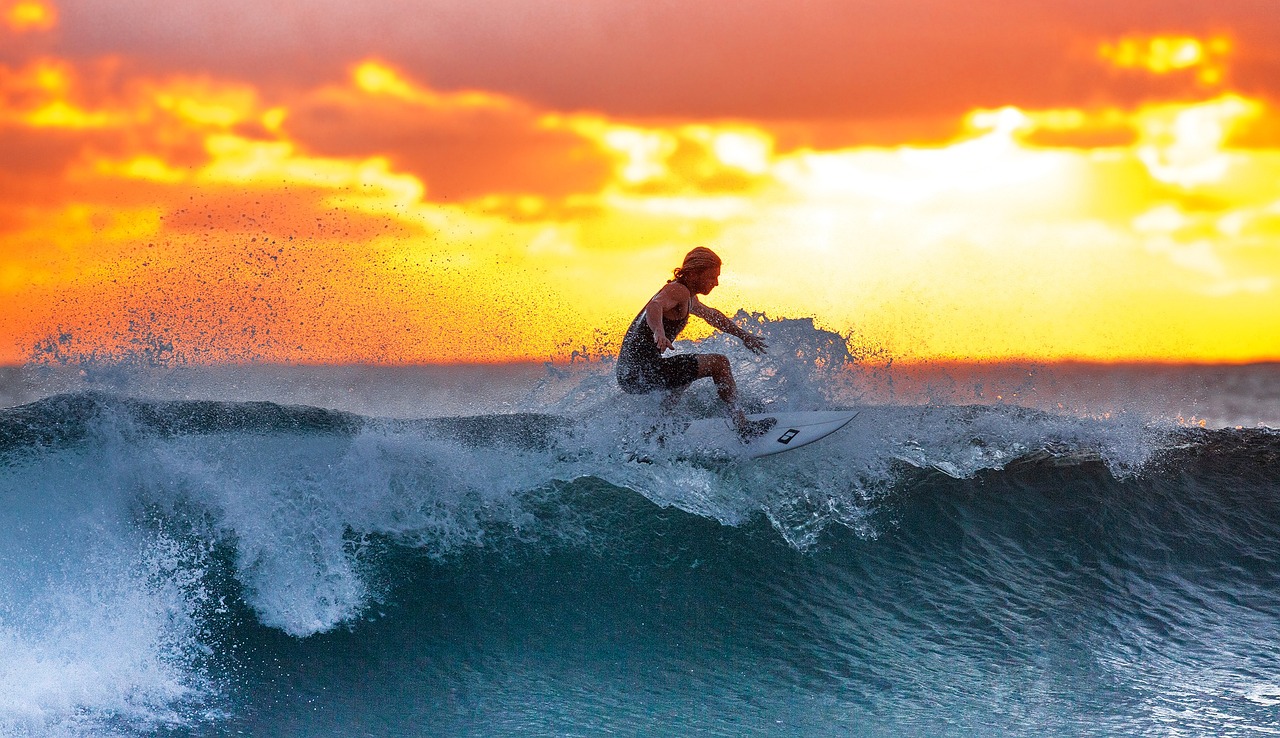
Surfing in Kovalam (Kerala)
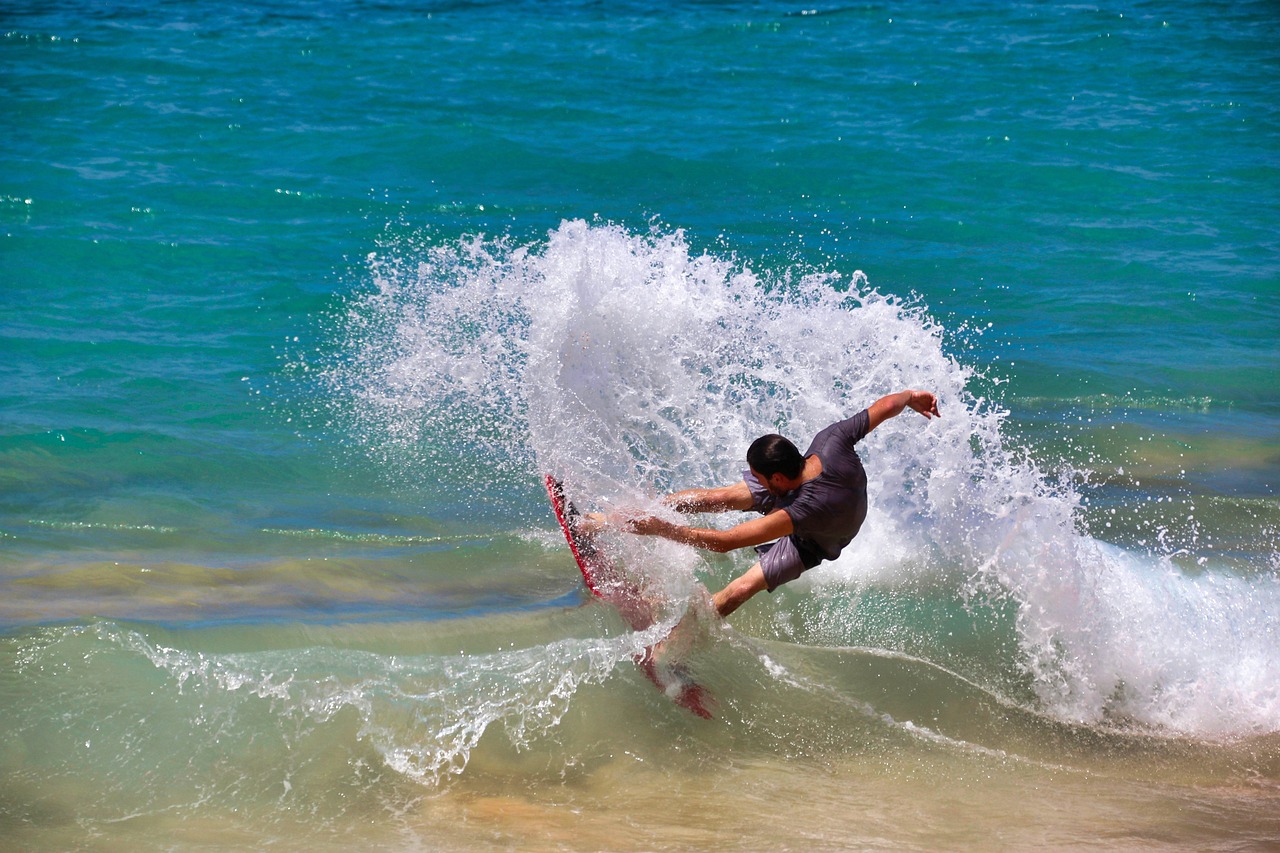
Surfing in Manapad (Tamil Nadu)
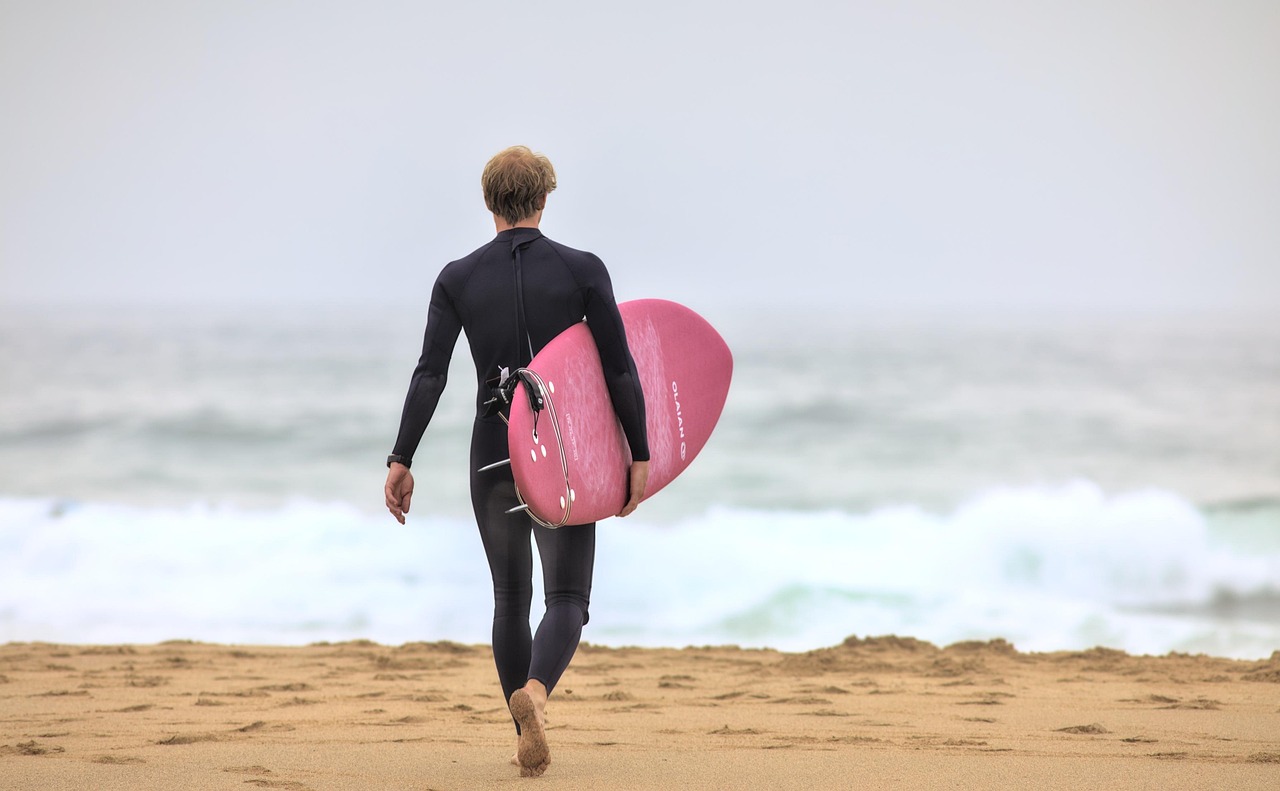
Surfing in Udupi (Karnataka)
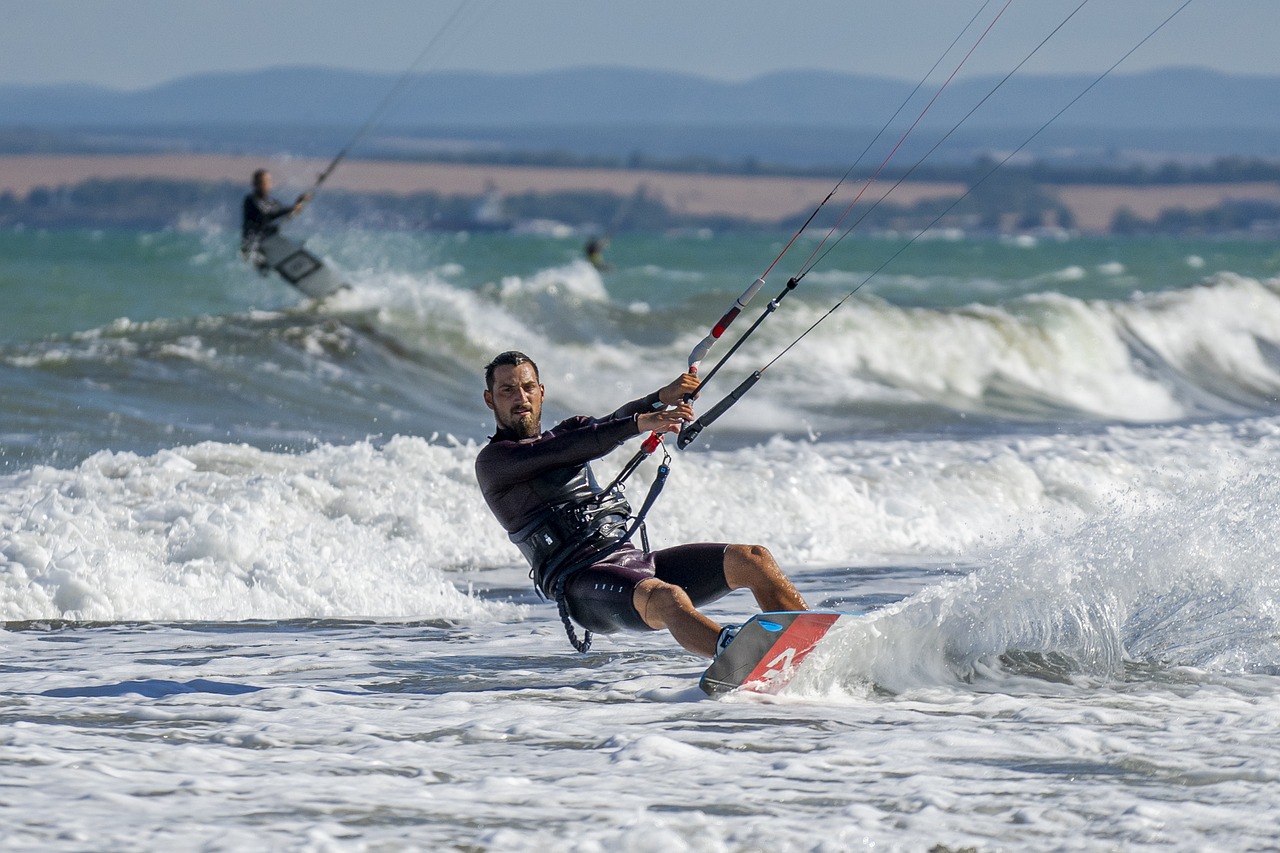
Surfing in Gokarna (Karnataka)
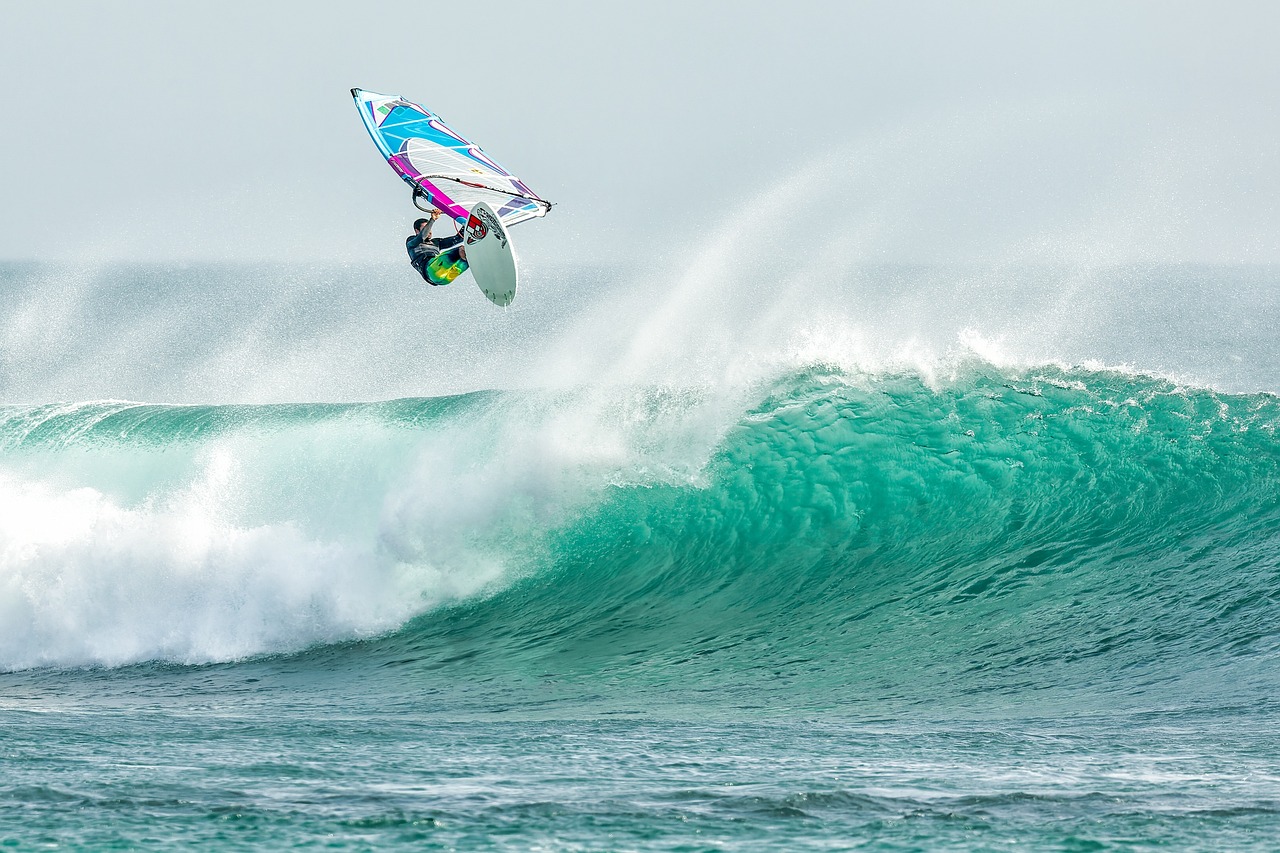
Surfing in Puducherry
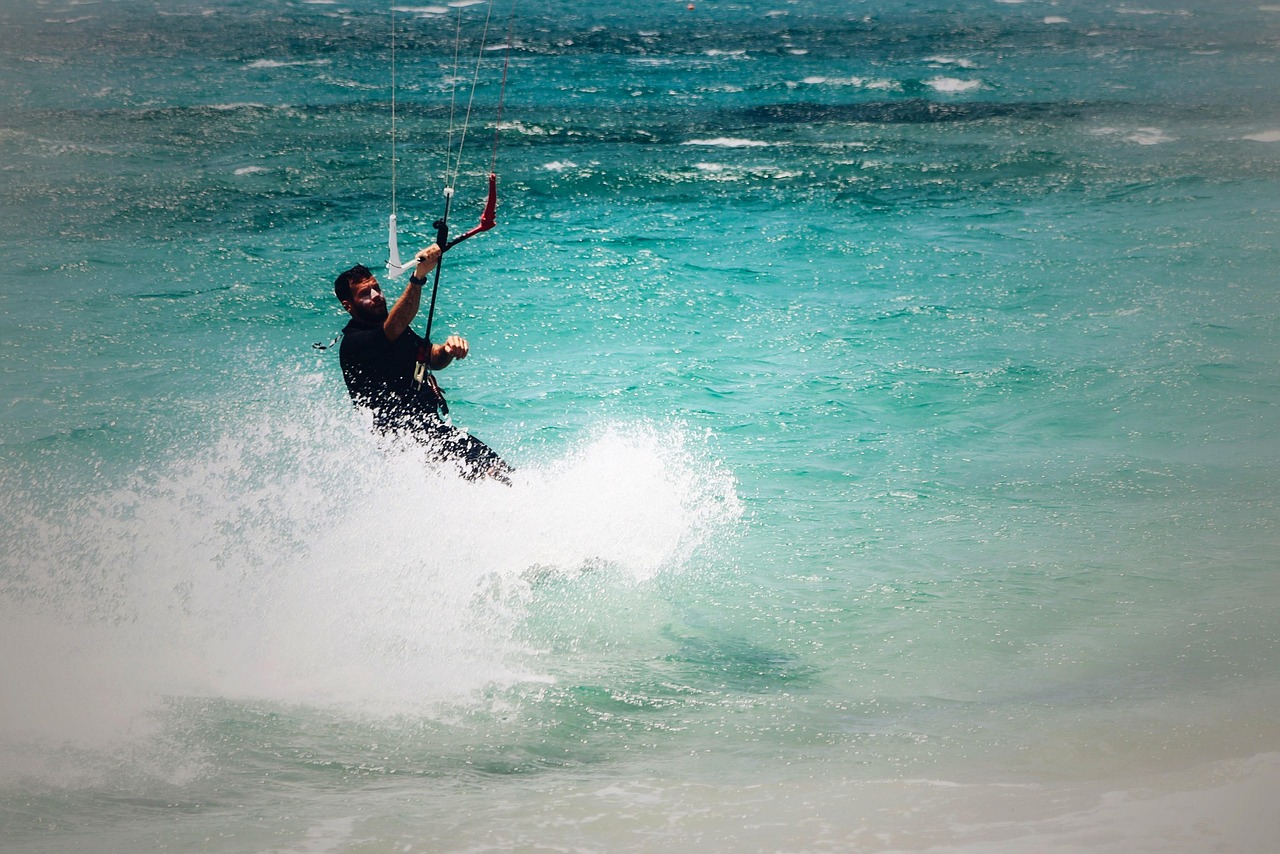
Surfing in Sindhudurg (Maharashtra)
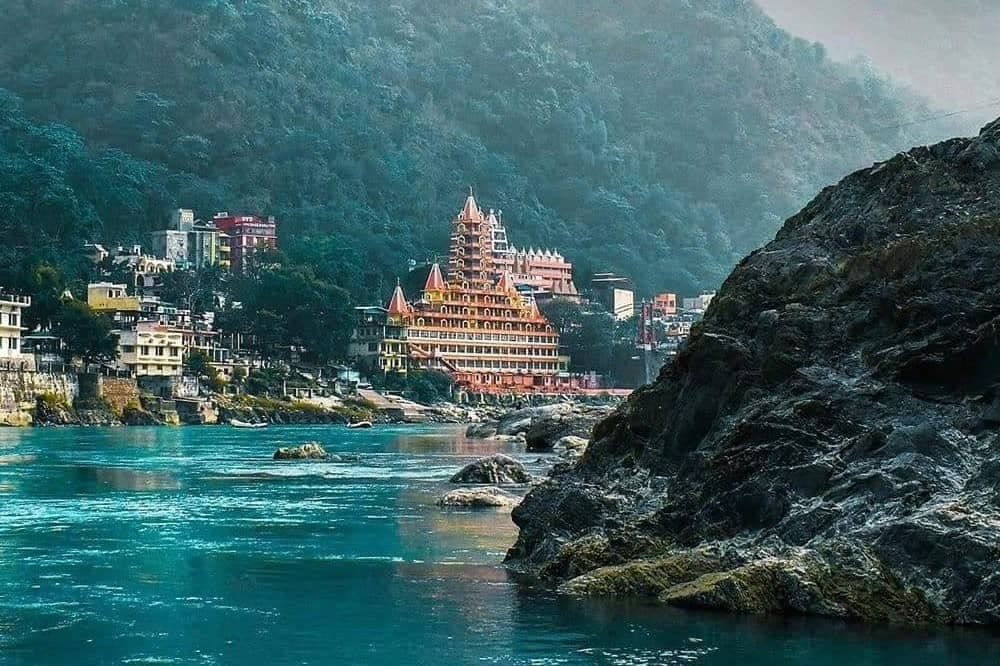
Top 10 Visiting Places in Rishikesh: Your Ultimate Travel Guide
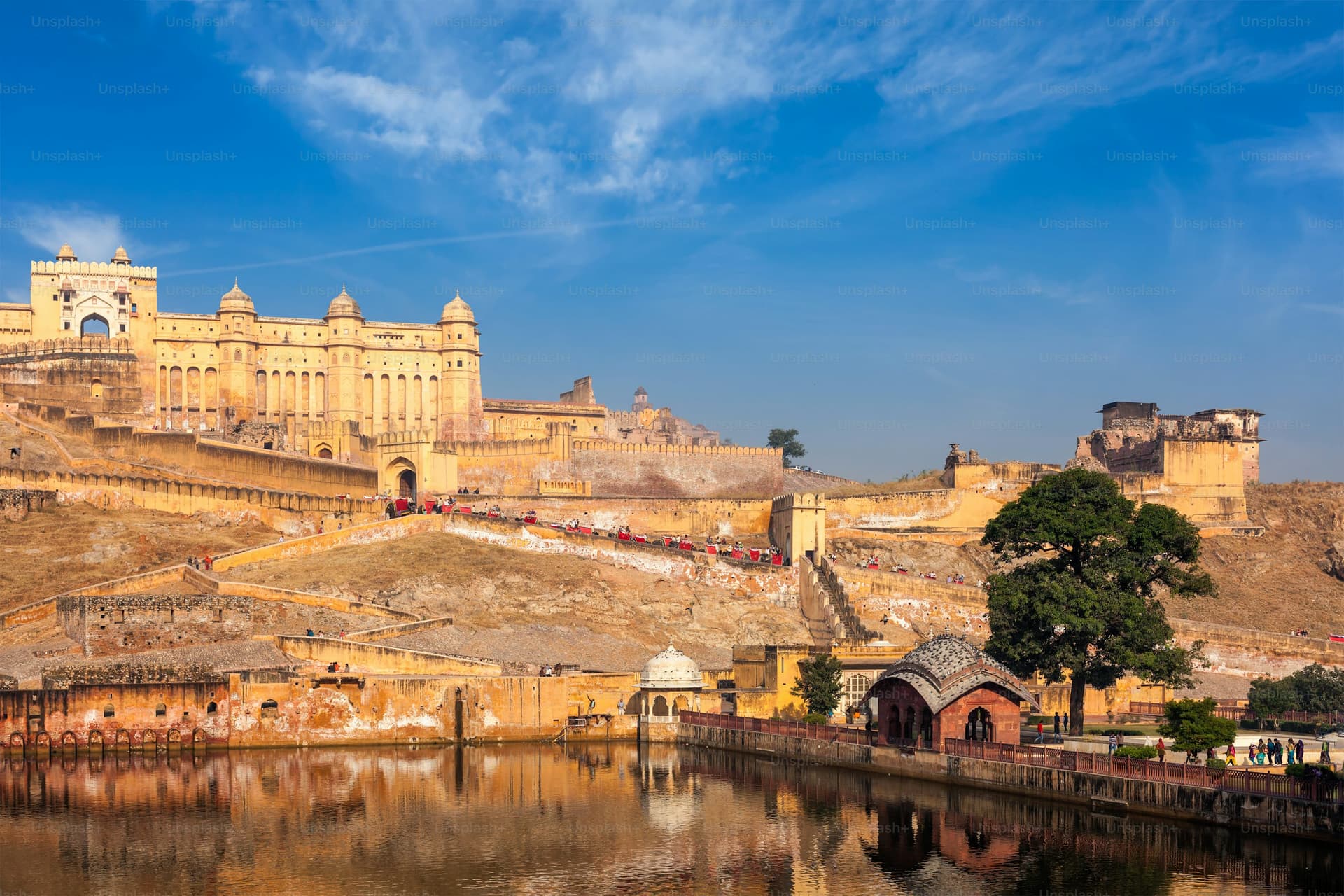
Top 10 Visiting Places in Jaipur: The Pink City’s Must-See Attractions
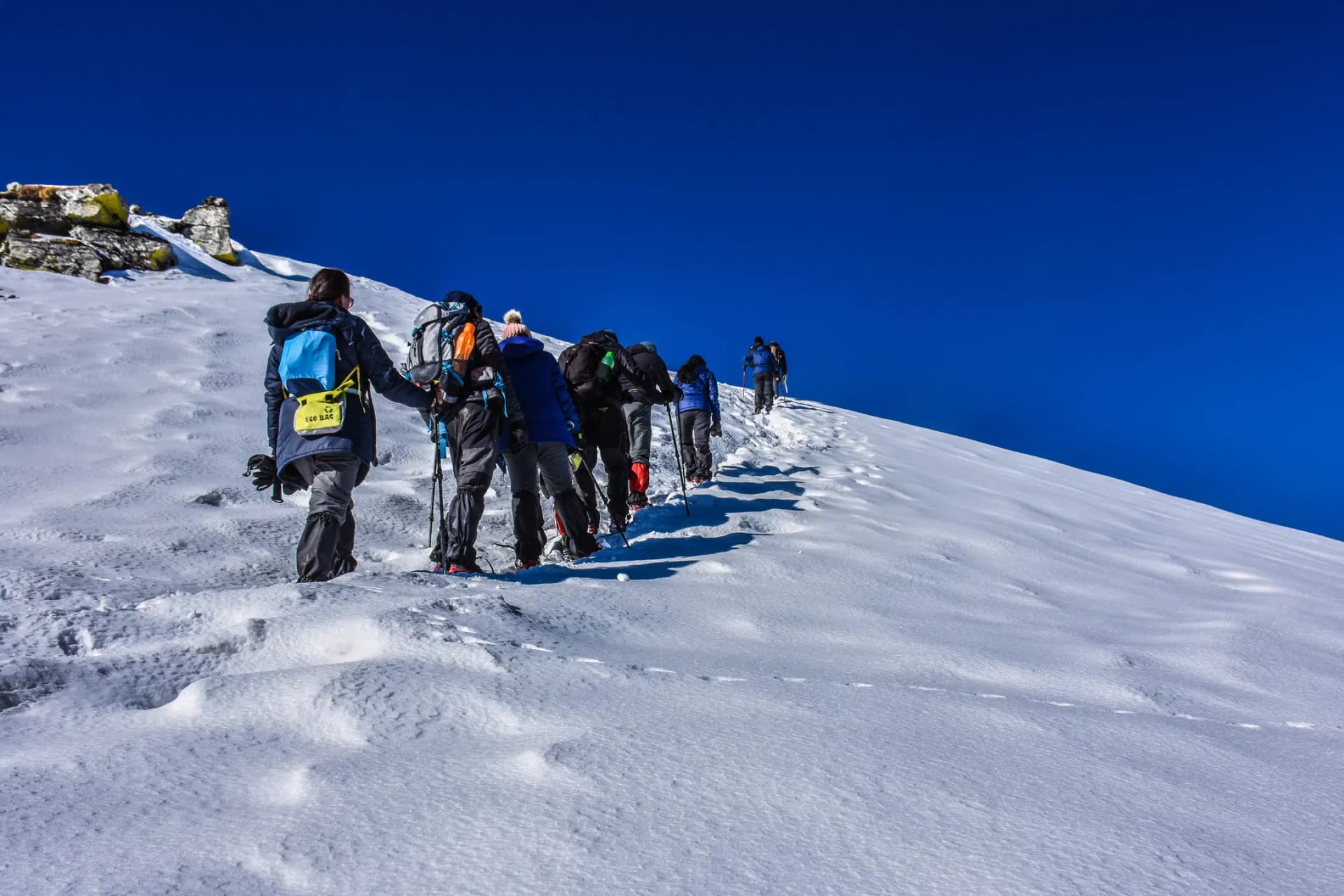
9 Amazing Treks in Uttarkashi: A Perfect Blend of Adventure, Beauty, and Peace
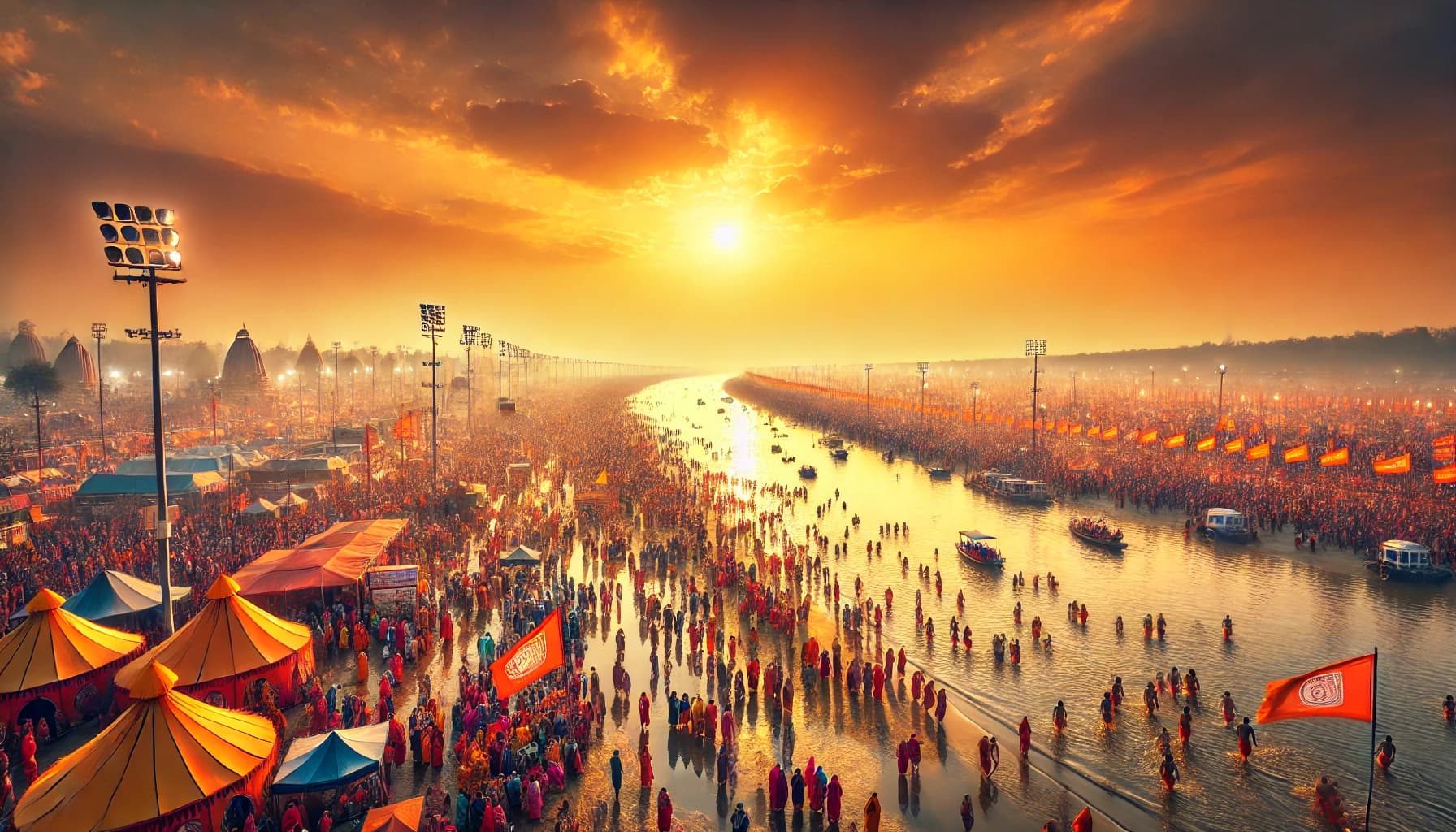
Prayagraj Maha Kumbh Mela 2025: Royal Bath Dates and Their Religious Significance
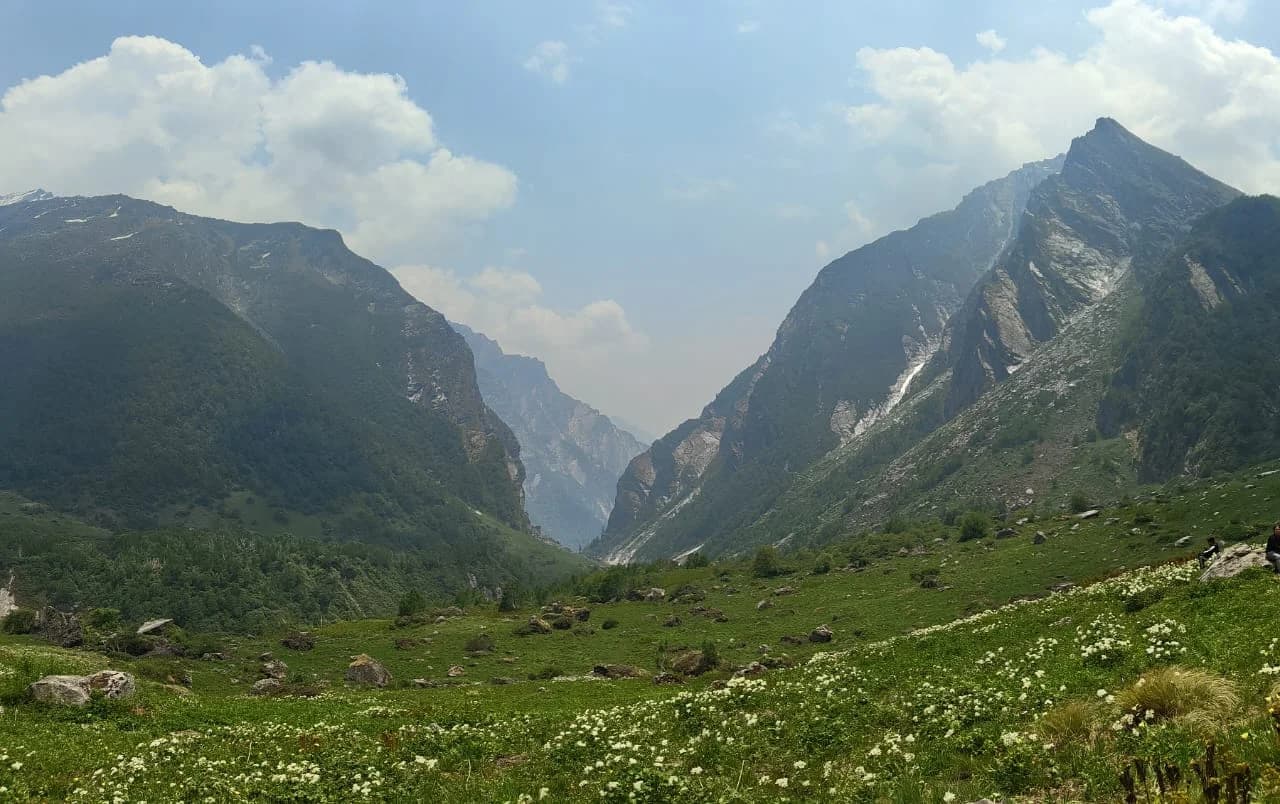
Valley of Flowers: A Himalayan Wonderland of Bloom and Beauty
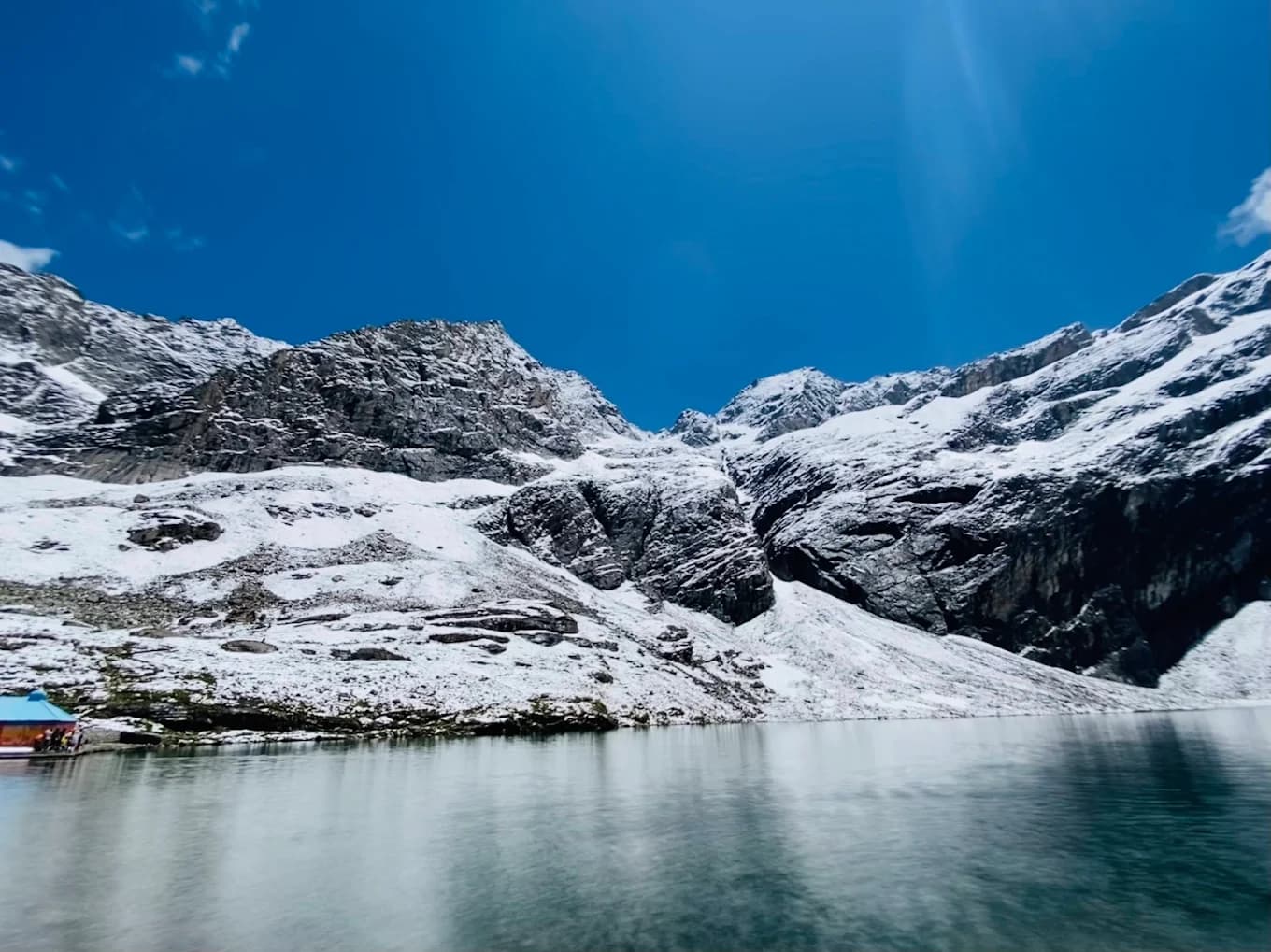
Hemkund Sahib Trek: A Divine Journey to the Sacred Himalayan Pilgrimage
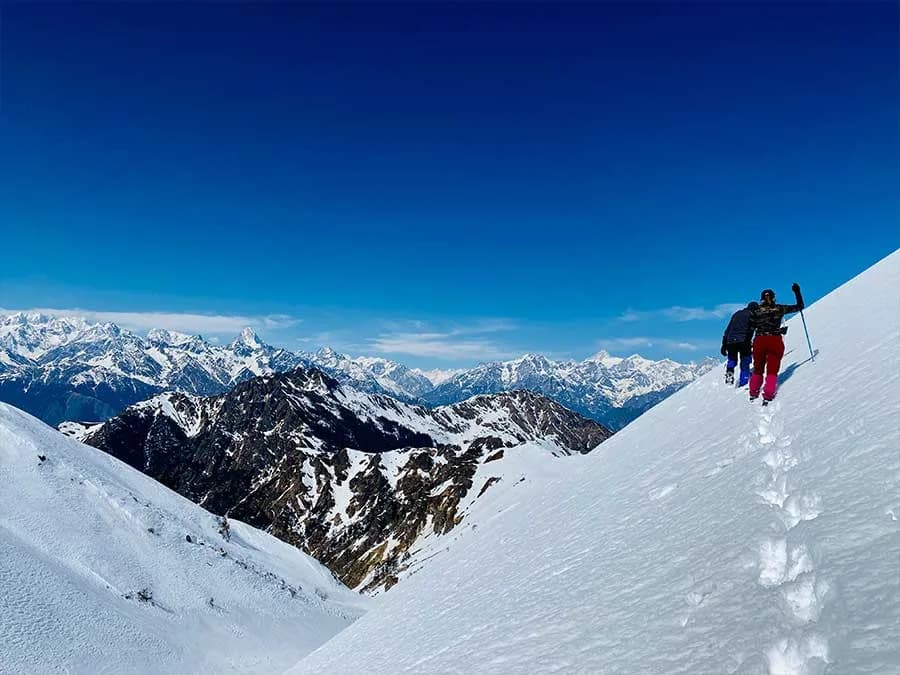
Kuari Pass Trek: A Dreamy Journey Amidst the Himalayas
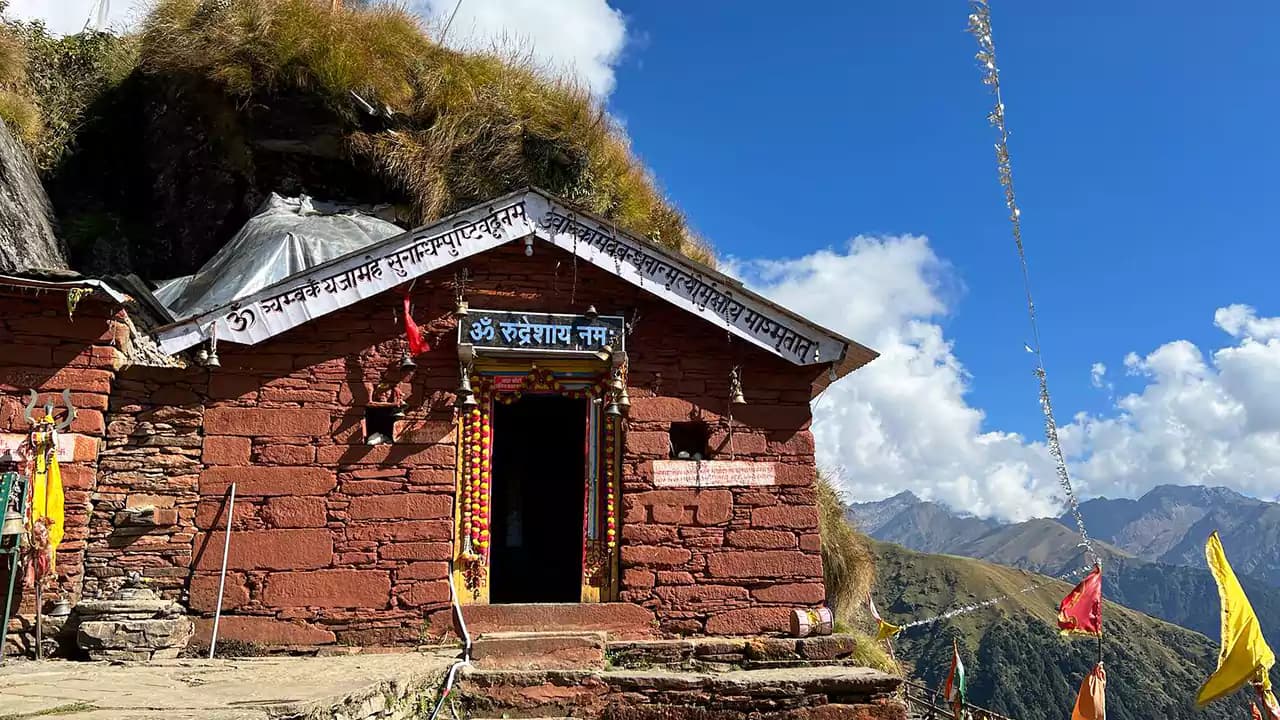
A Unique Spiritual Journey Among the Panch Kedar
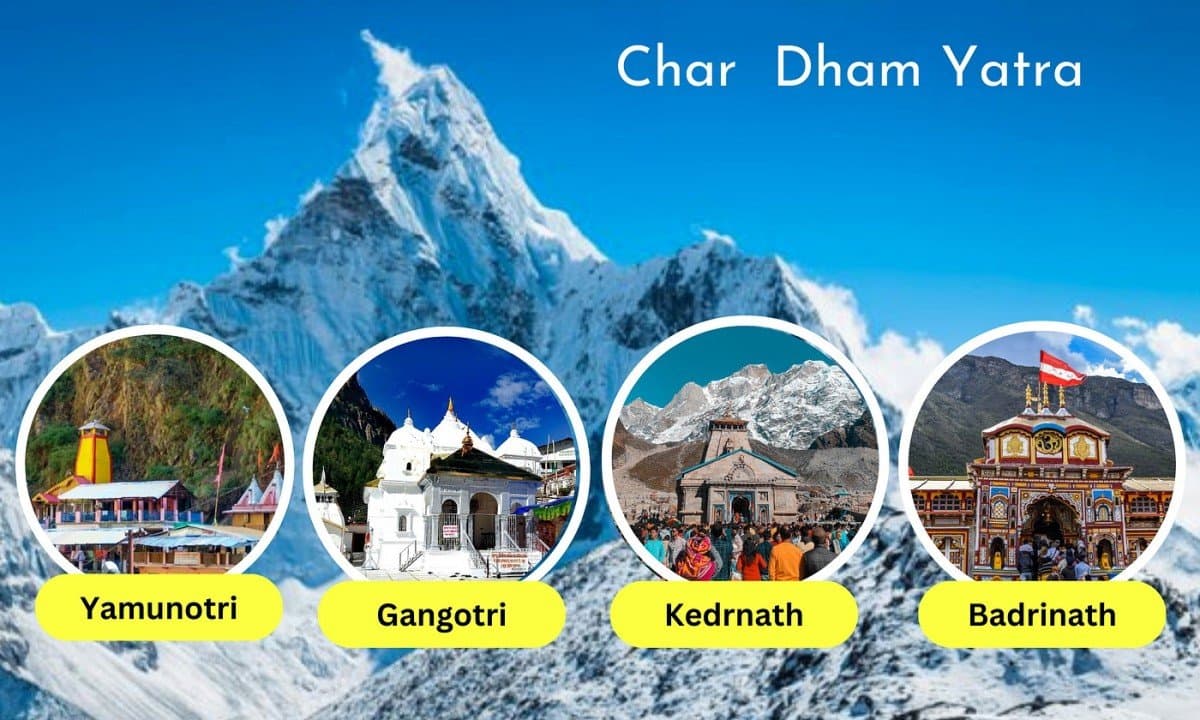
🕉️ Char Dham Yatra: A Life-Changing Spiritual Journey 🏔️🙏
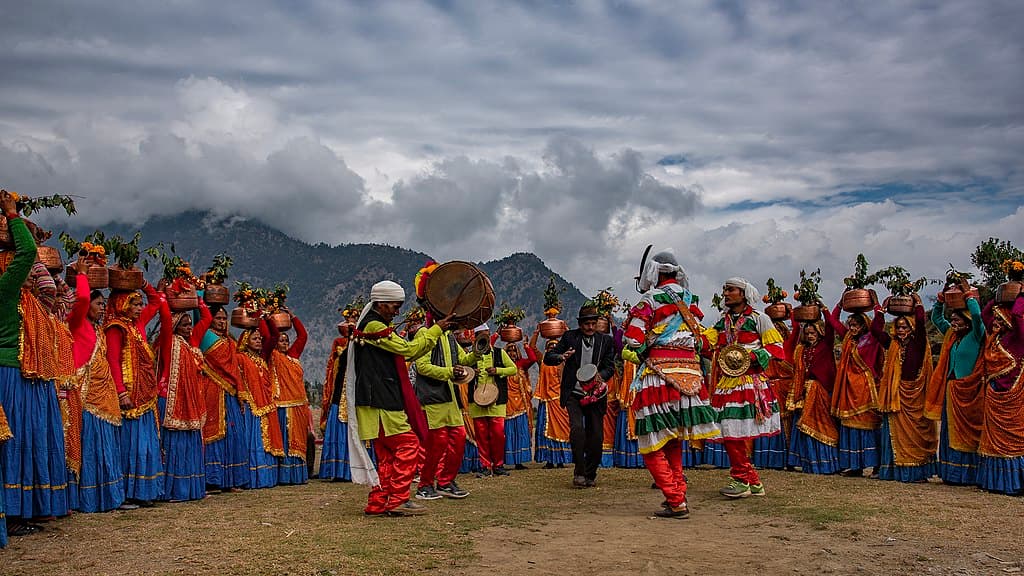
Ganga Dussehra to Nanda Devi Raj Jat: Major Festivals and Culture of Uttarakhand
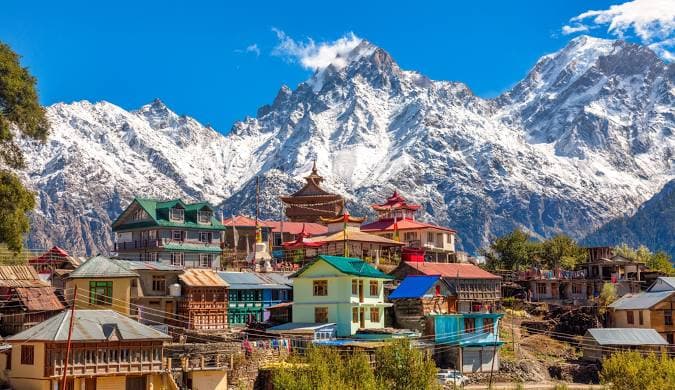
A Paradise in the Lap of the Himalayas: The Complete Travel Story of Himachal Pradesh 🏔️
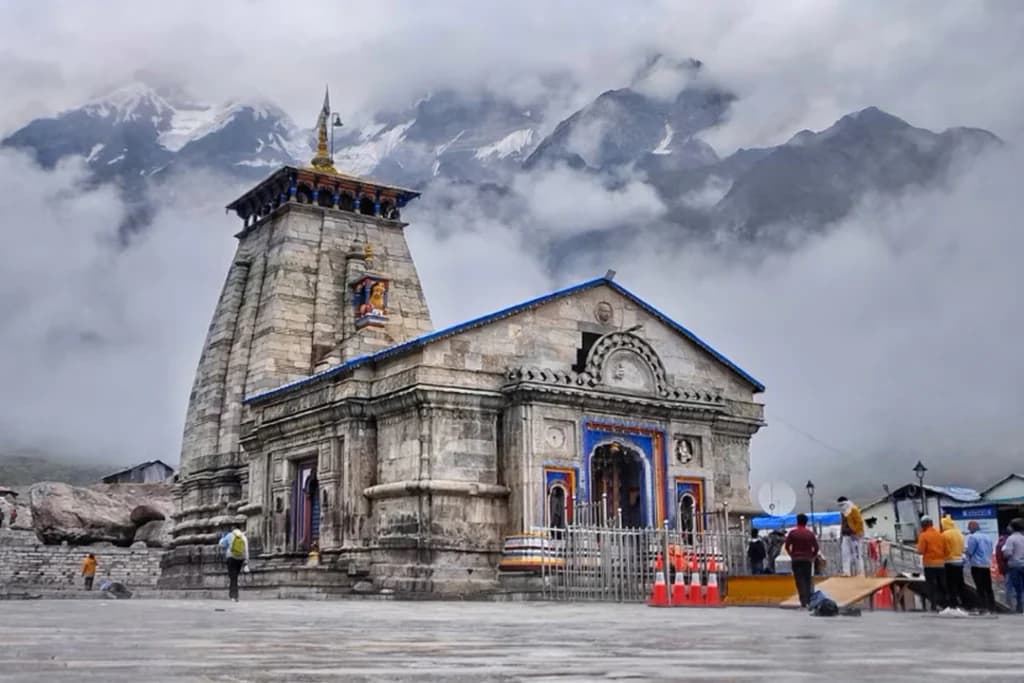
🕉️ The Doors of Baba Kedar Close — The Himalayas Echo with “Har Har Mahadev”

Kedarkantha Trek – The Crown of Winter Treks ❄️
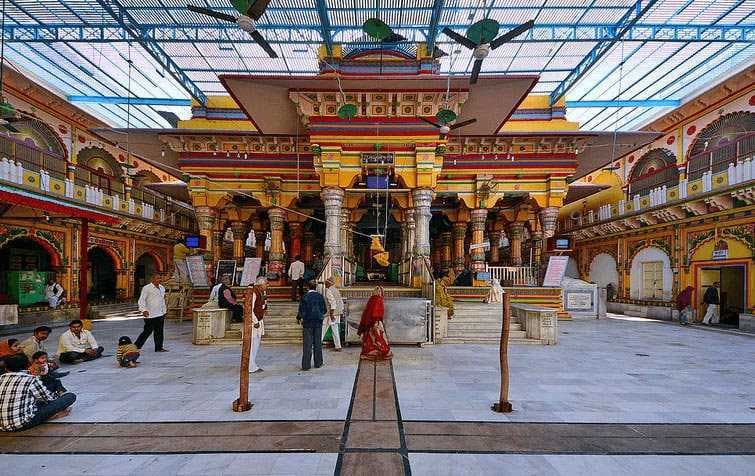
Shri Dwarkadhish Temple, Mathura – The Divine Abode of Lord Krishna
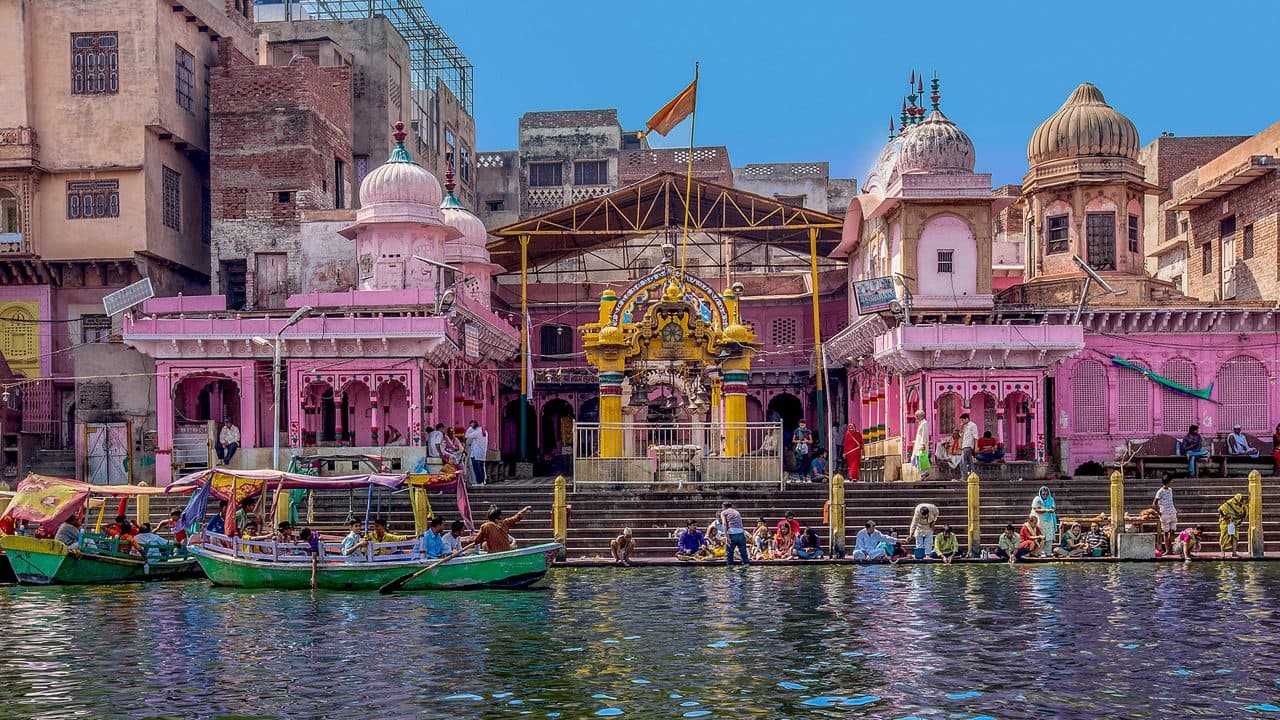
Vishram Ghat: The Sacred Riverside of Mathura
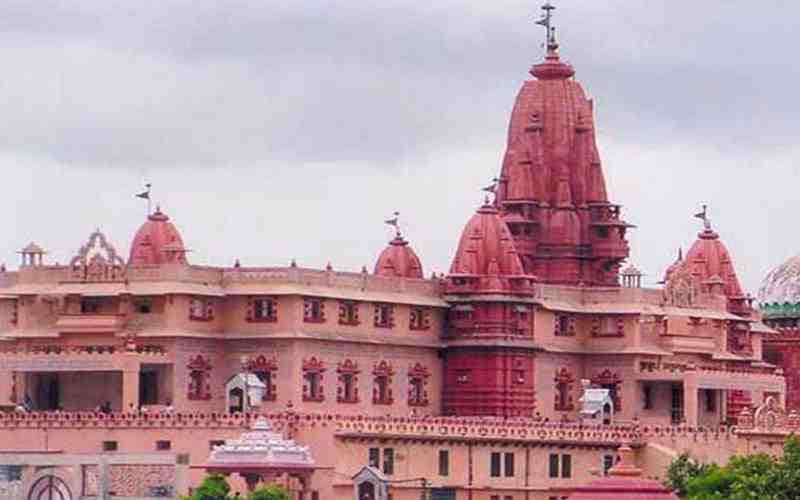
Explore Mathura – Temples, Culture, and Festivals
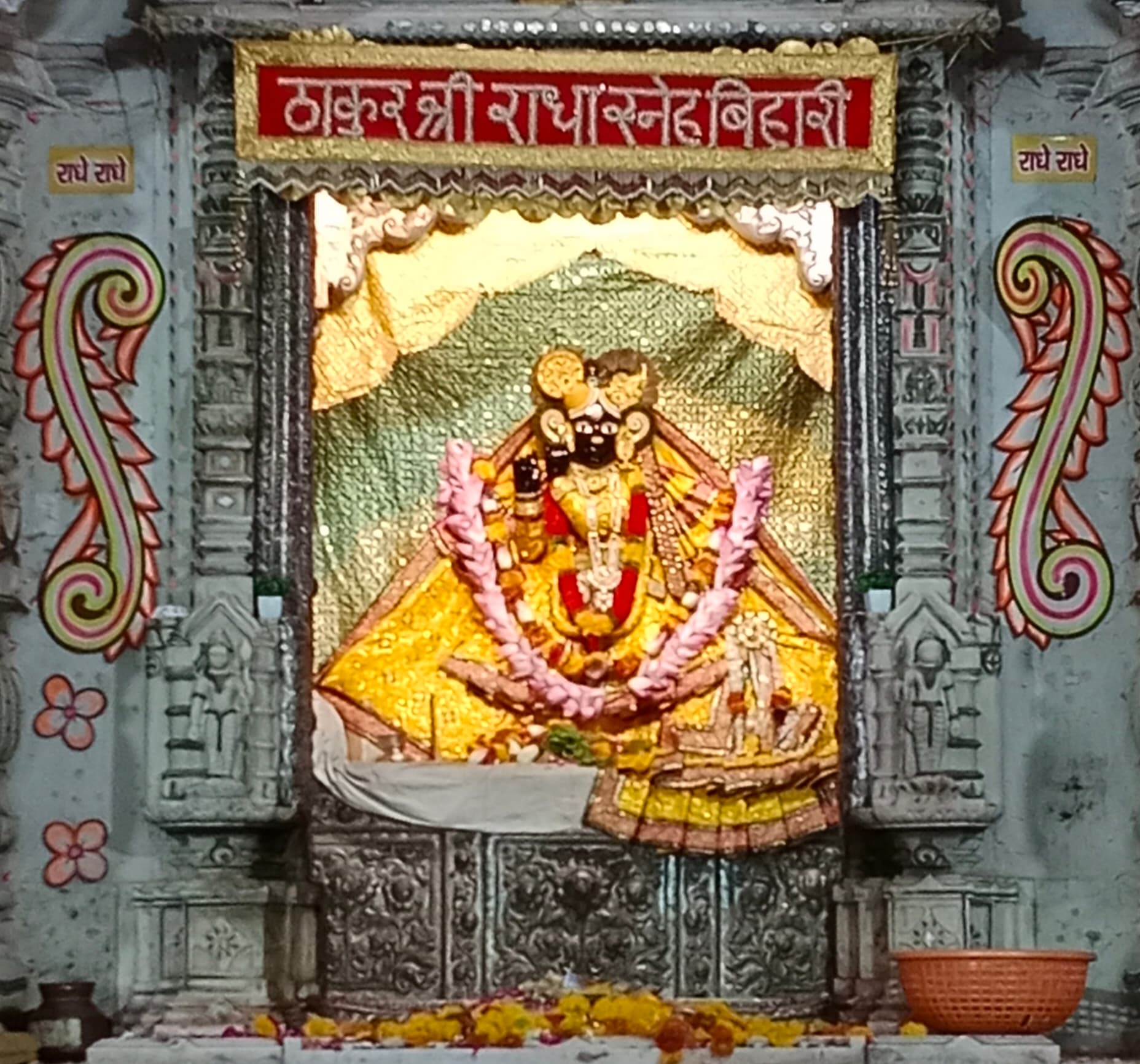
✨ Seek Blessings of Shri Banke Bihari Ji – Experience the Divine Vrindavan! 🙏
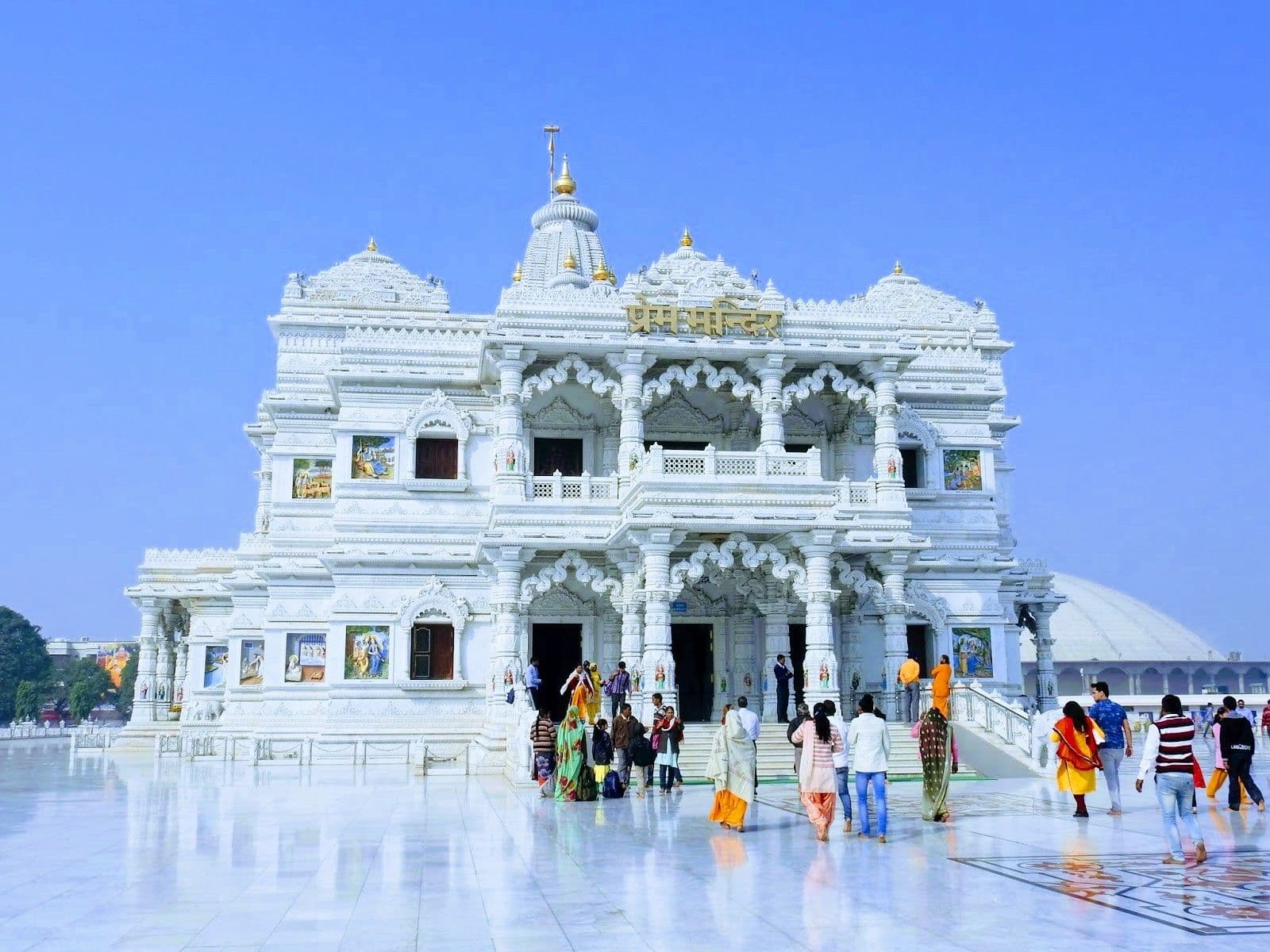
Shri Prem Mandir – Feel the Divine Love in Vrindavan 🙏
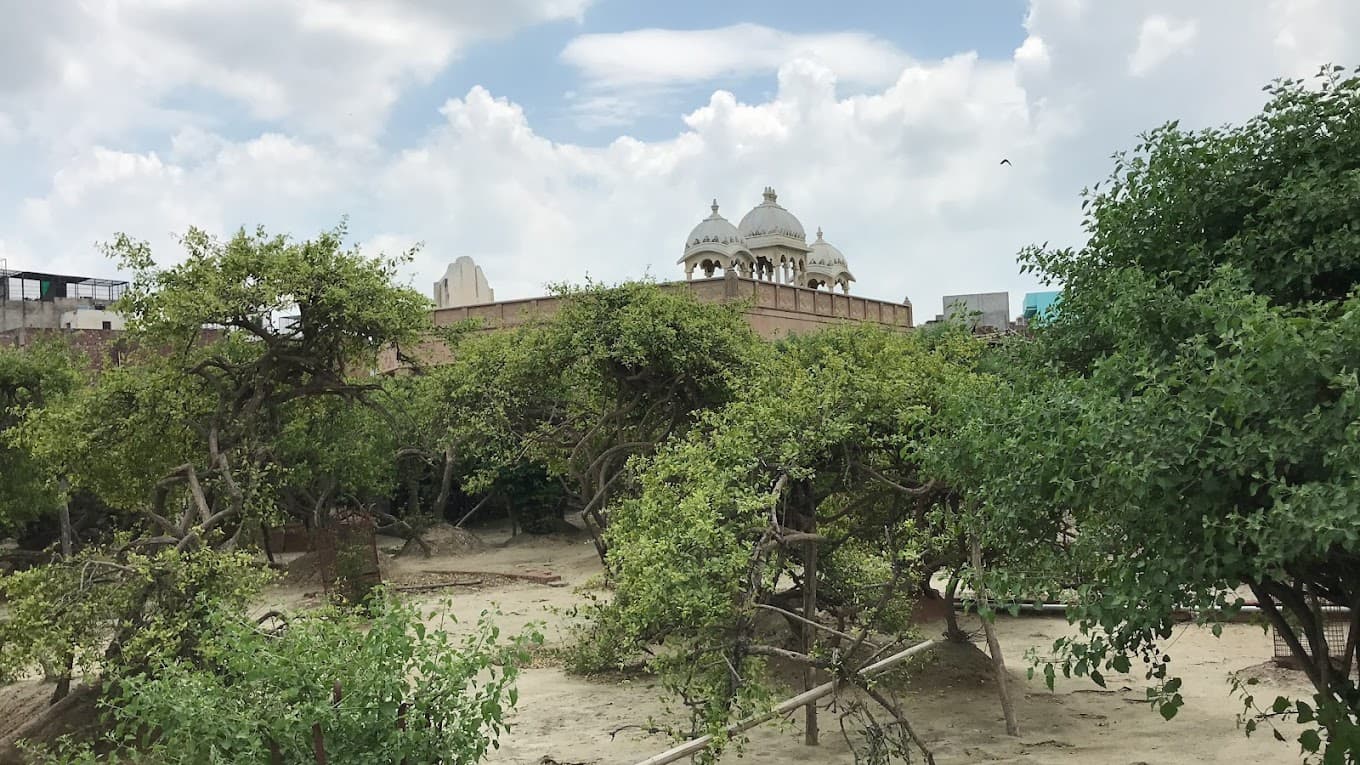
Nidhivan Vrindavan: Where Radha-Krishna Still Perform the Divine Ras Leela
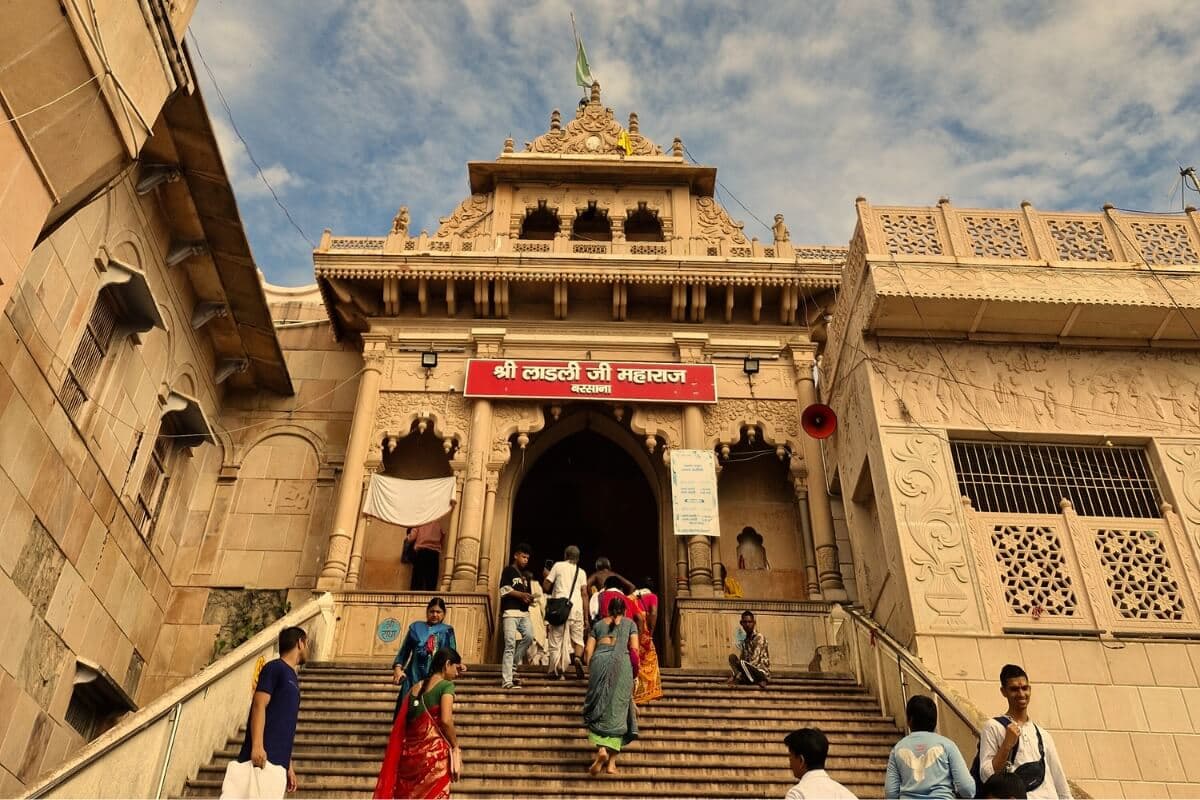
🙏 Have a divine darshan of Shri Radha Rani Temple in Barsana!
The historic Nanda Bhavan Temple in Gokul – a glimpse into the childhood of Lord Krishna
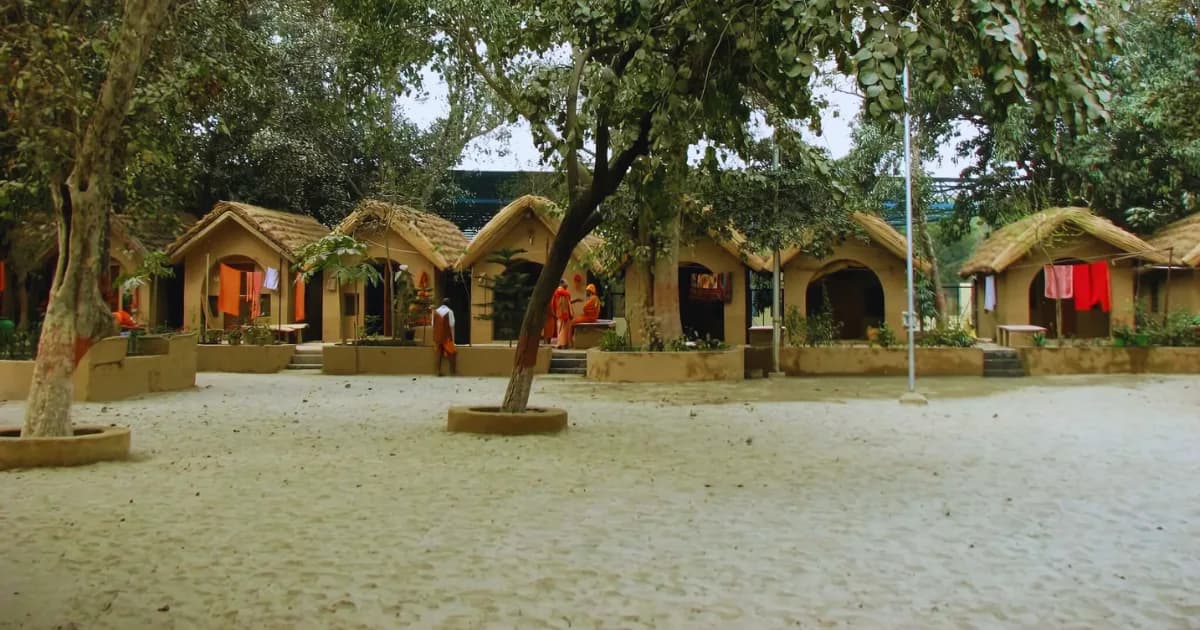
Raman Reti, Mathura: The sacred land of Balkrishna's pastimes
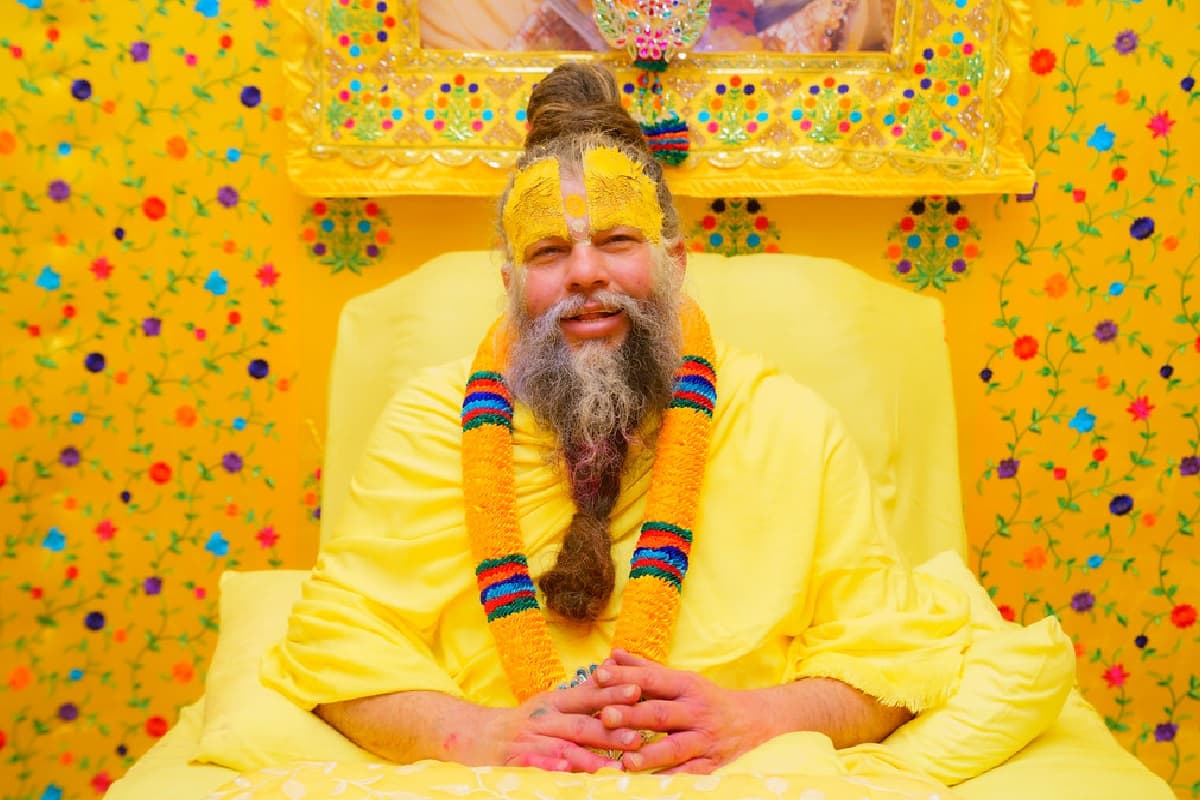
How to Get Darshan of Shri Premanand Ji Maharaj? Understand the Timings, Location & Contact Process.
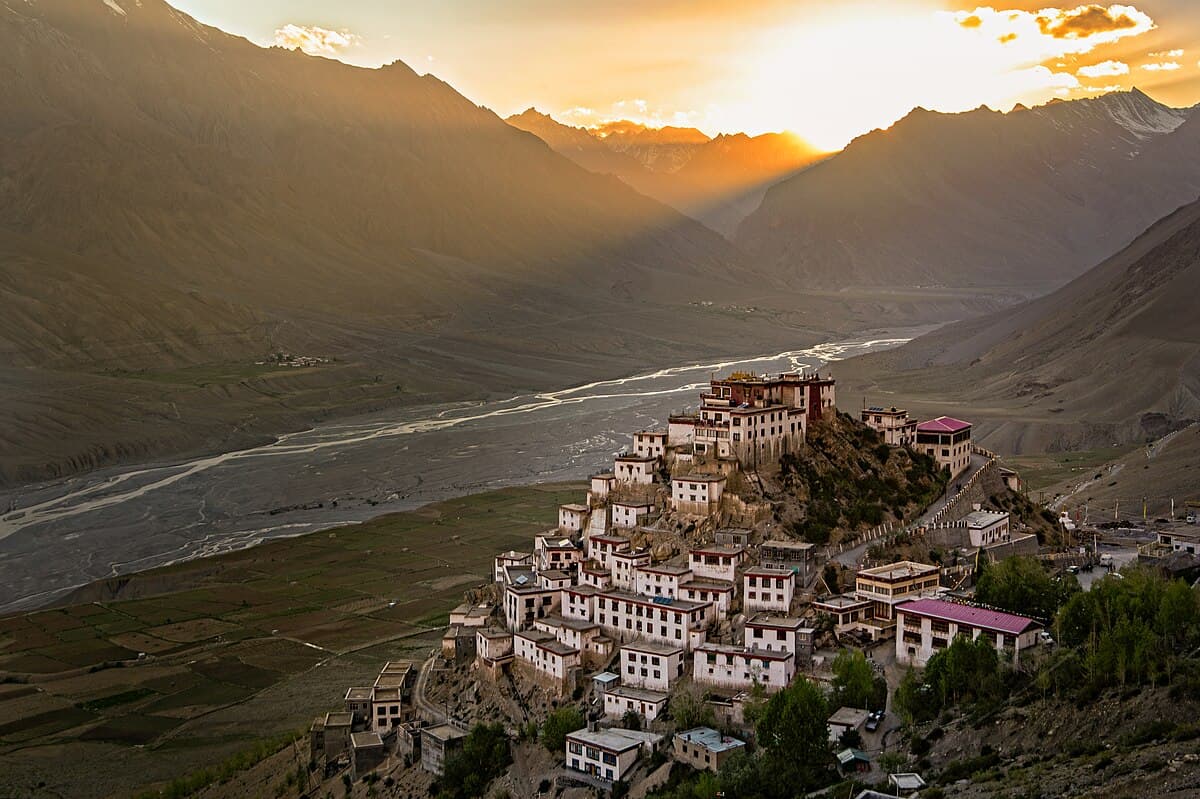
Discover the Magic of Spiti Valley – Villages, Monasteries & Scenic Wonders Await! 🏔️✨
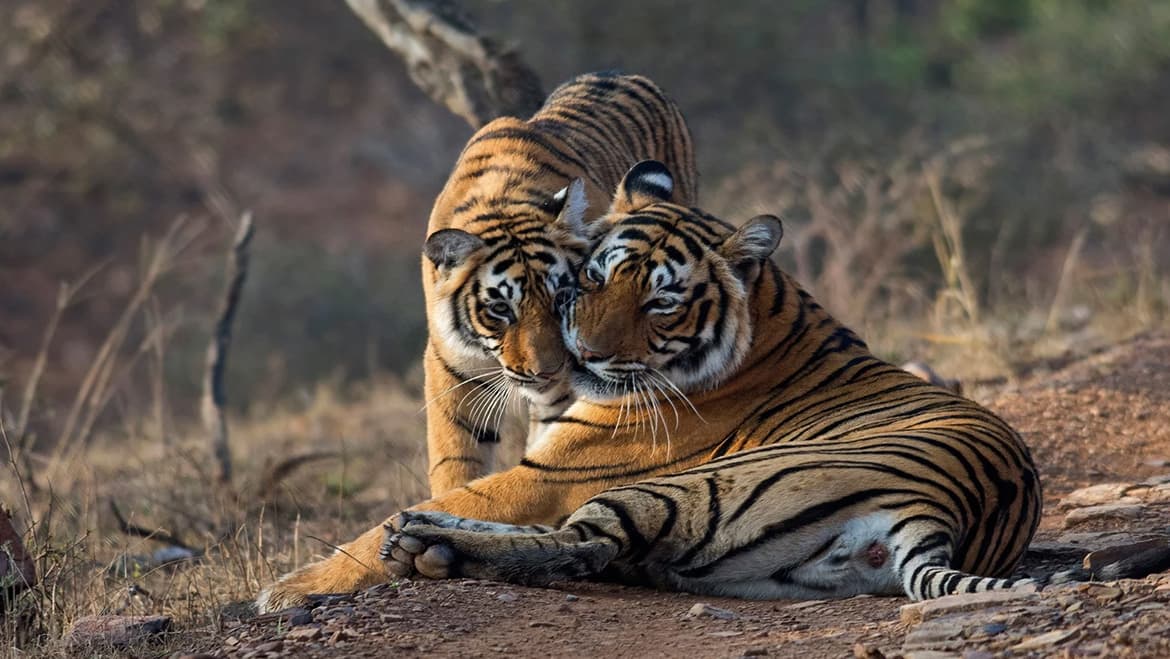
Ranthambhore National Park – Where Royal Tigers, Ancient Forts & Wilderness Come Alive
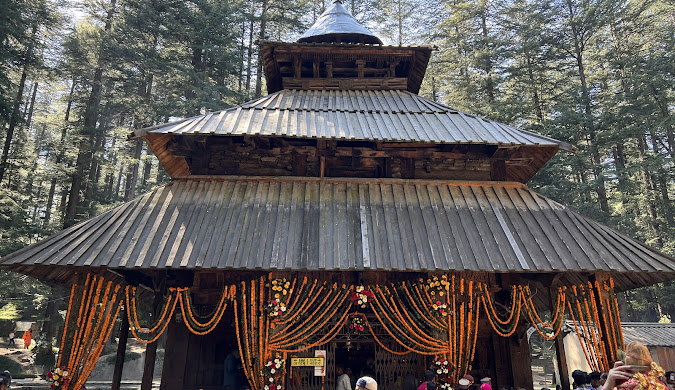
Ultimate Travel Guide to Manali: Attractions, Food, and Safety Tips
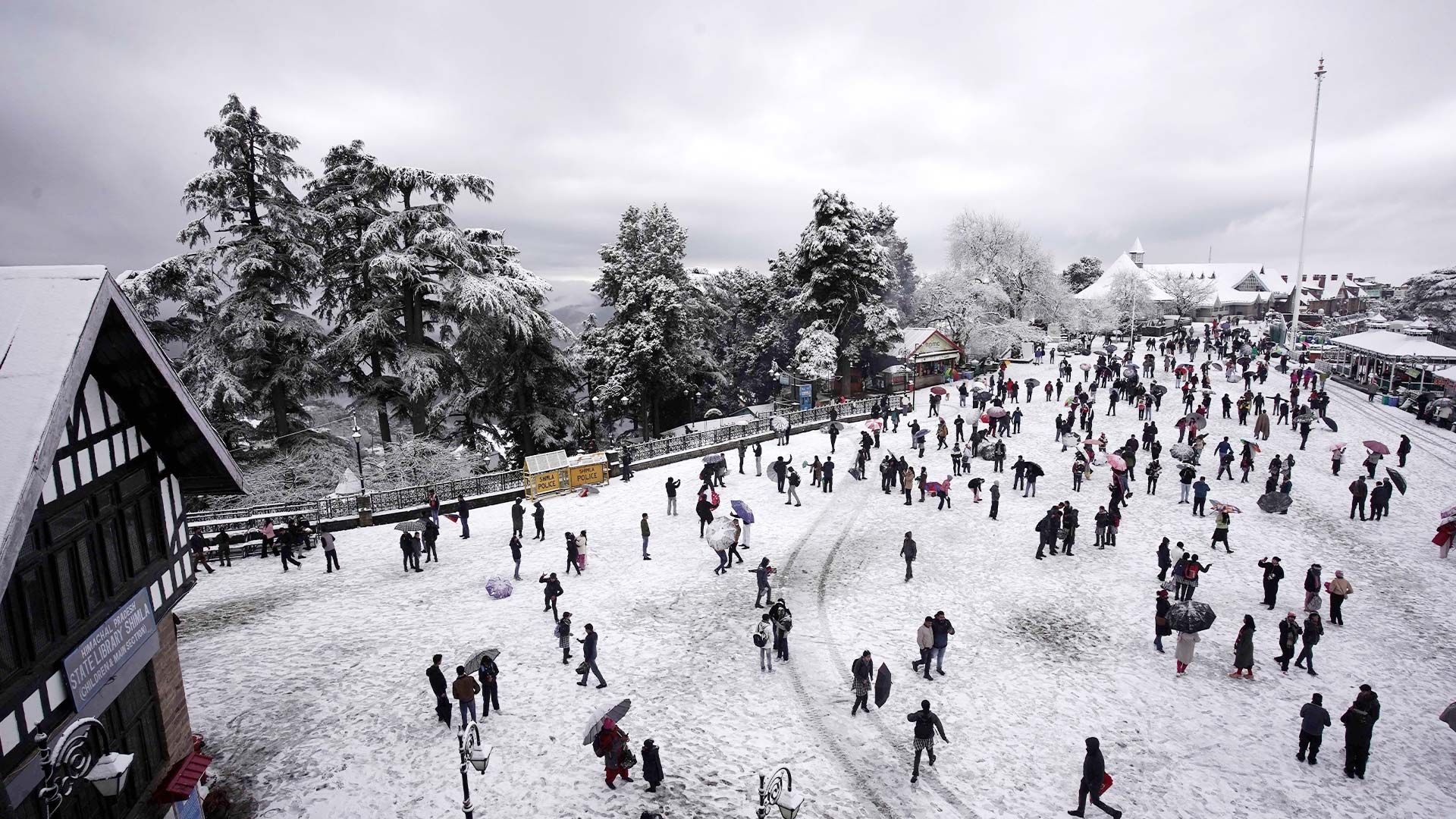
Shimla Travel Guide: Everything You Need to Know Before Visiting the Queen of Hills
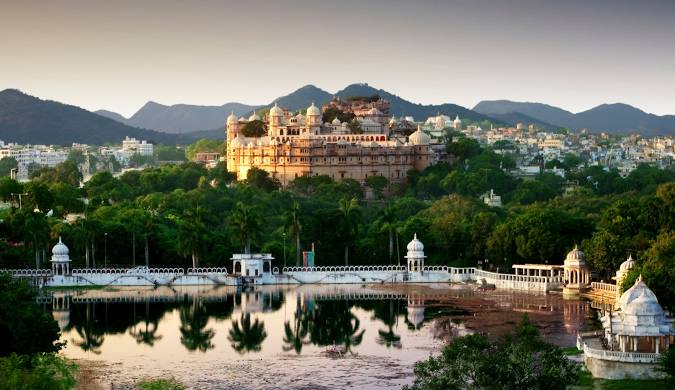
Udaipur – The Venice of the East: A Complete Travel Guide
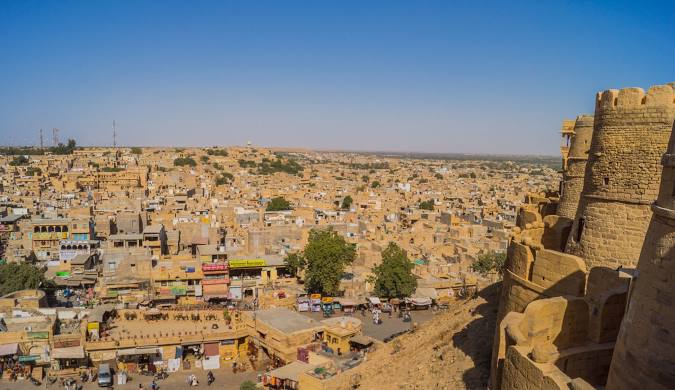
Jaisalmer Travel Guide: History, Forts, Desert Experiences, and Cultural Heritage
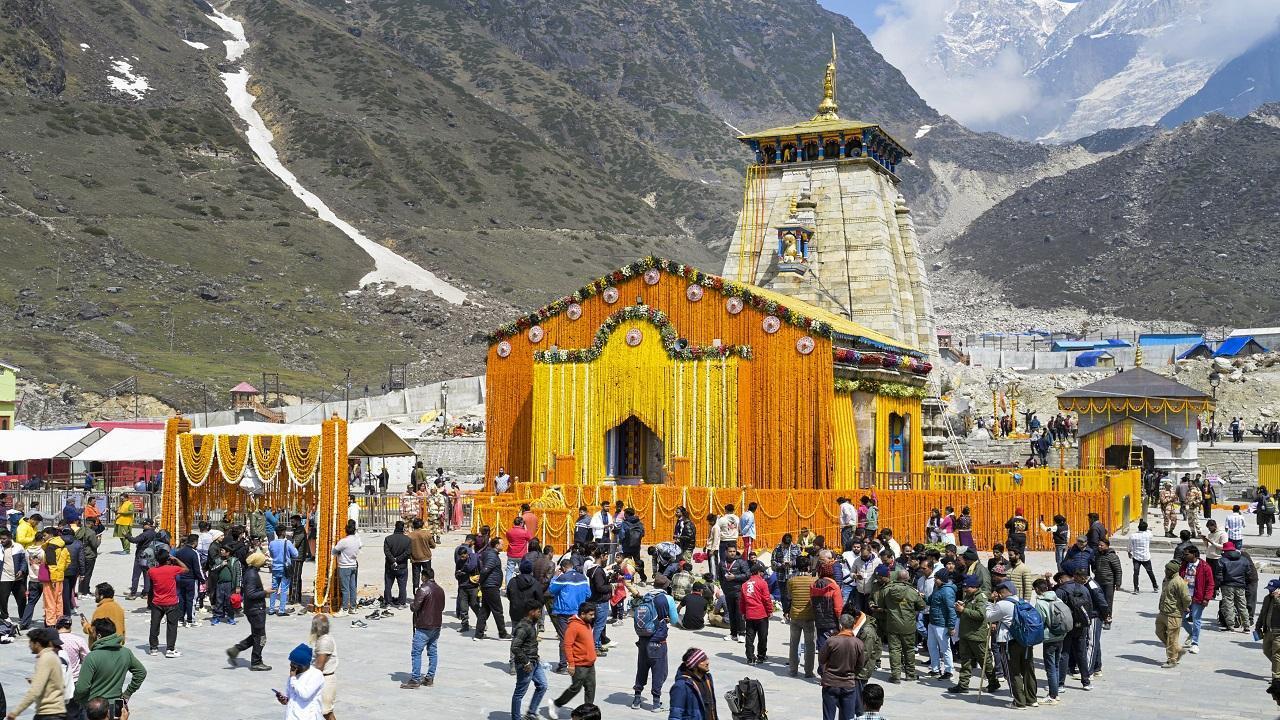
Kedarnath Yatra Registration 2026
Kedarnath Yatra Guide 2026
Kedarnath Helicopter Booking 2026: IRCTC Online Booking, Dates, Price & Complete Guide
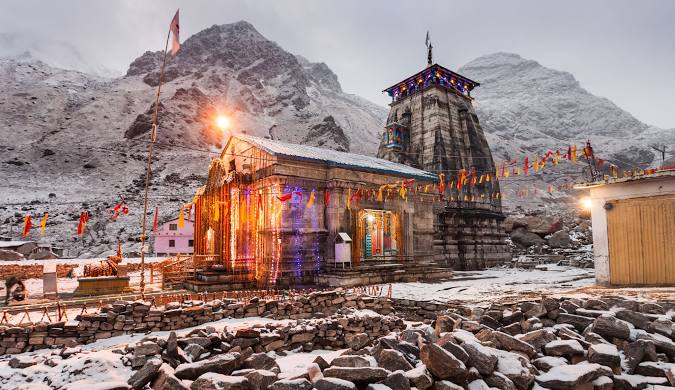
Kedarnath Temple Opens for 2026 Pilgrimage Season on April 22 at 8 AM
Kedarnath Yatra 2026: Ground Reality You Should Know Before Visiting
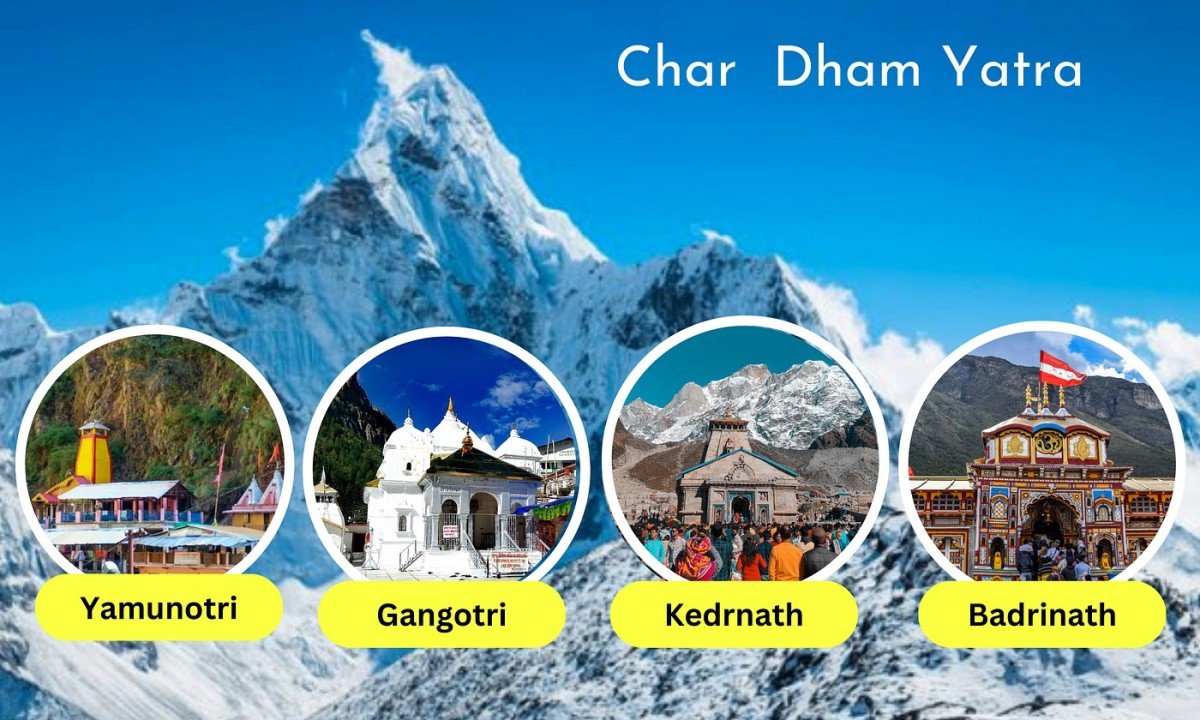
Number of Devotees on Char Dham Yatra Crosses 6.62 Lakh Till 3 May 2026
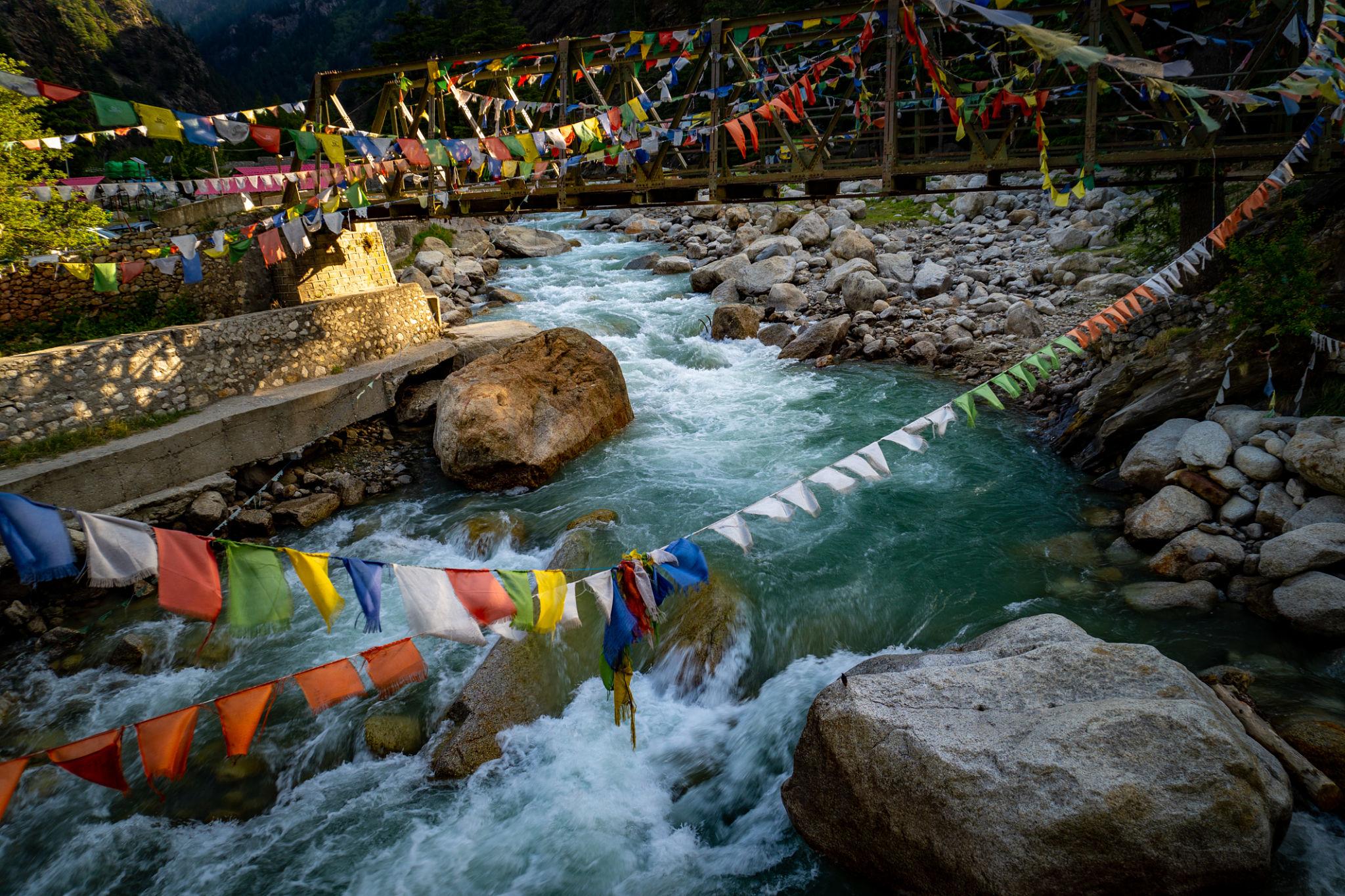
Harshil Valley – Uttarakhand’s Hidden Himalayan Paradise You Must Visit Once
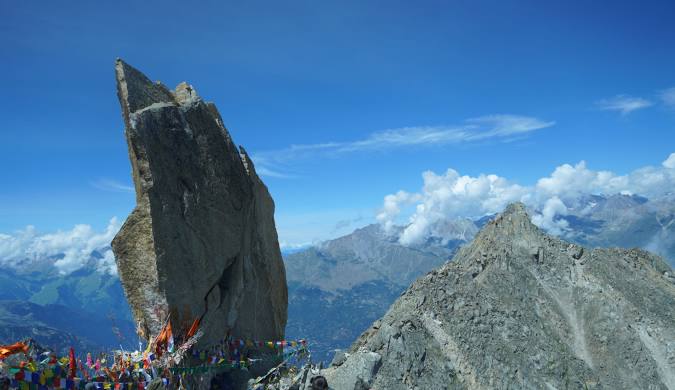
Kinner Kailash – The Mystical Abode of Lord Shiva in the Himalayas
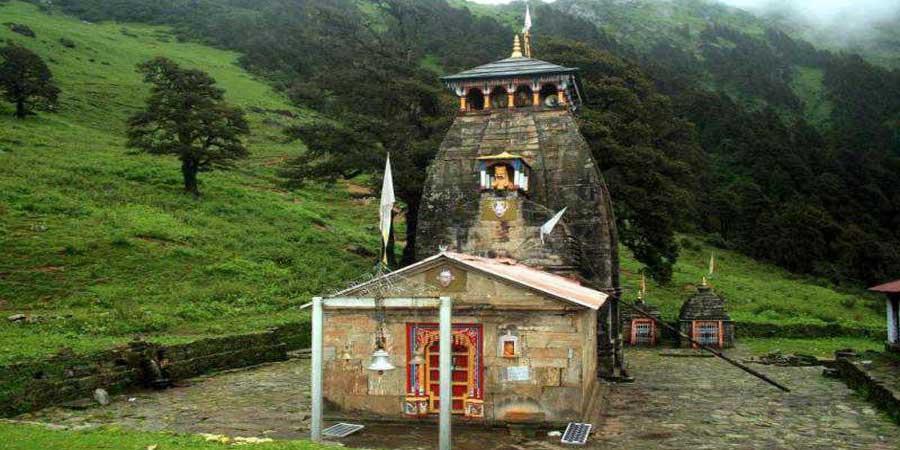
Madhyamaheshwar Temple Travel Guide 2026 – History, Trek, Route, Stay & Complete Travel Information
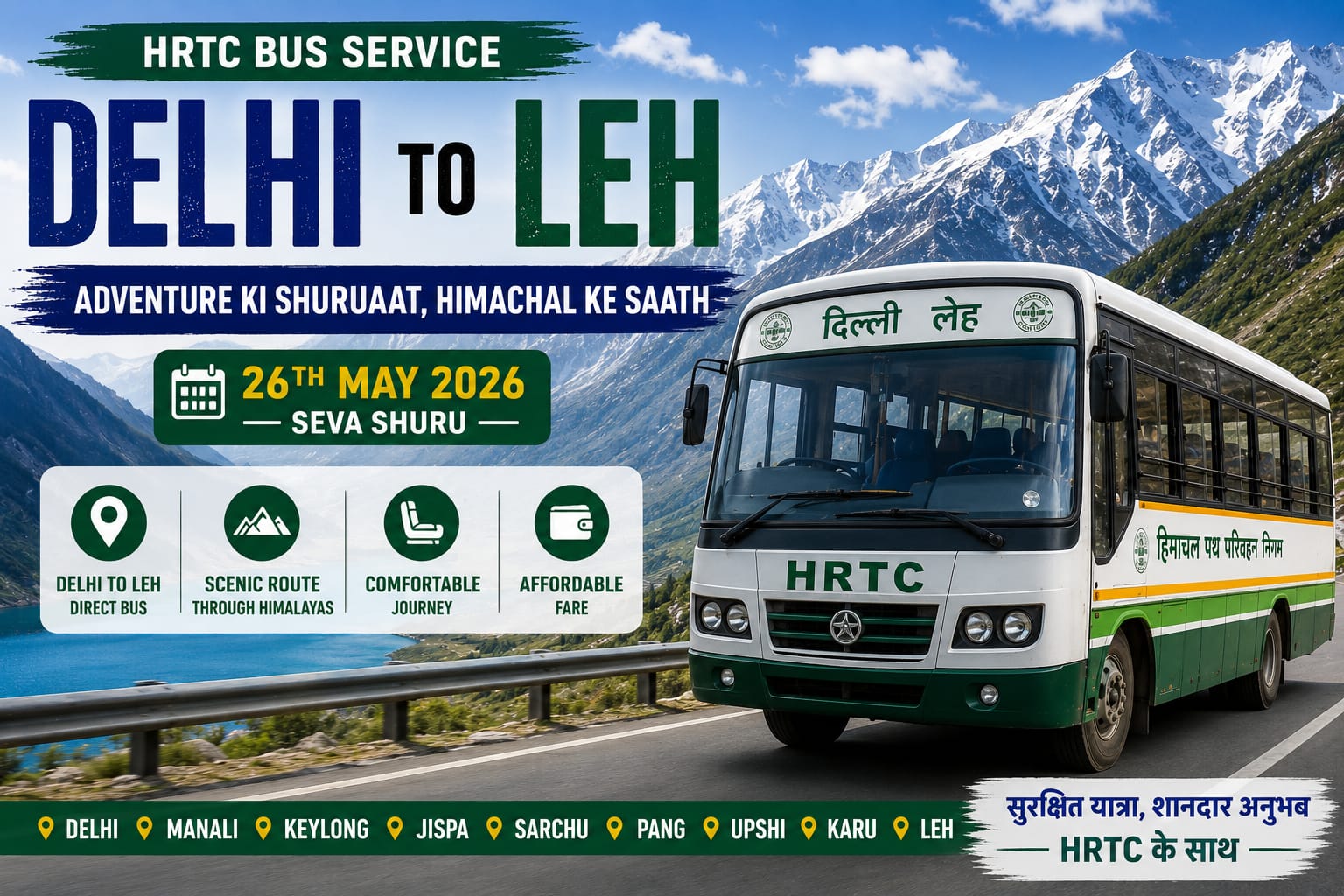
Delhi to Leh Bus Service 2026: Fare, Route, Timings, Stops & Complete Travel Guide
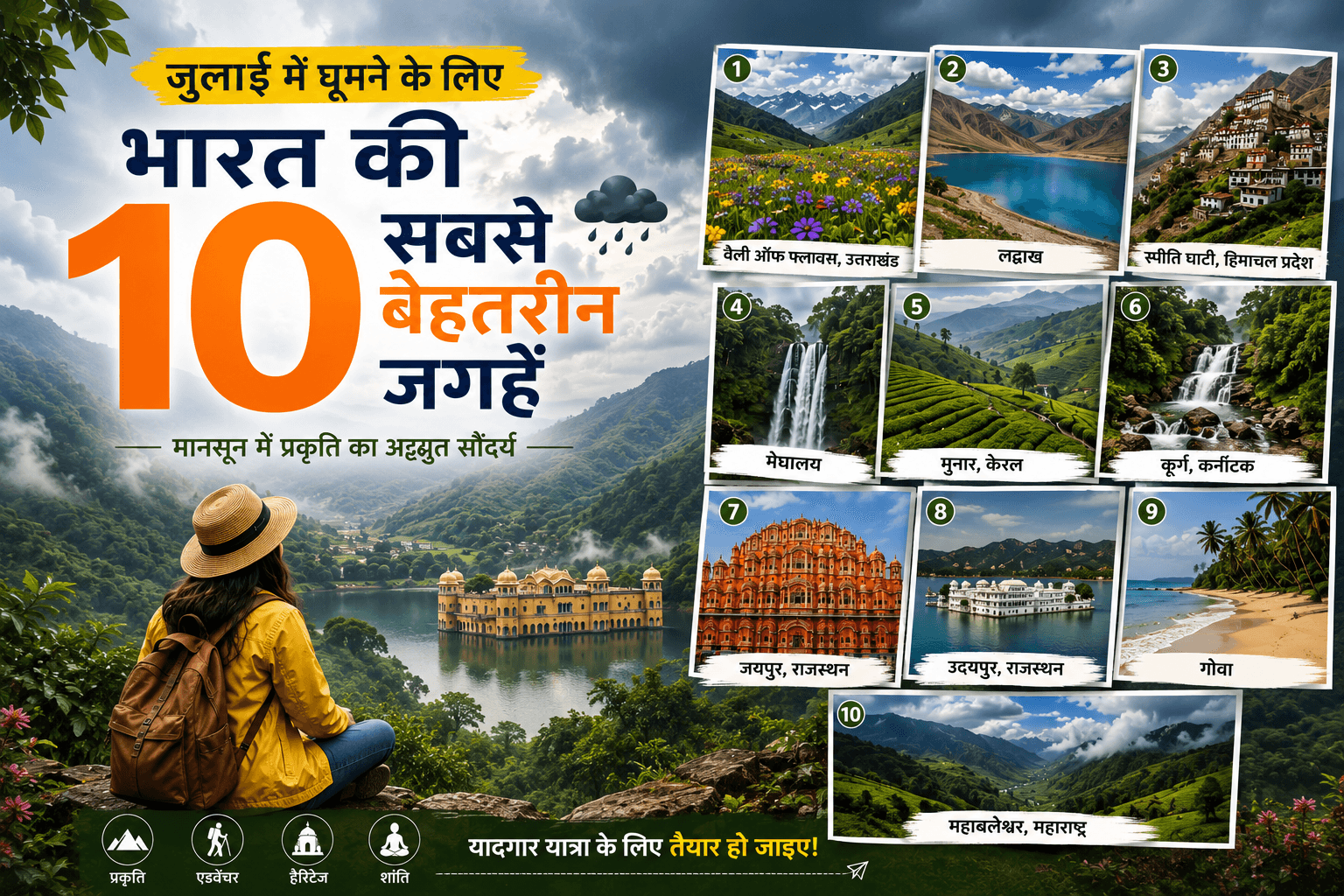
Top 10 Best Places to Visit in July in India (2026) – Monsoon Destinations You Shouldn't Miss
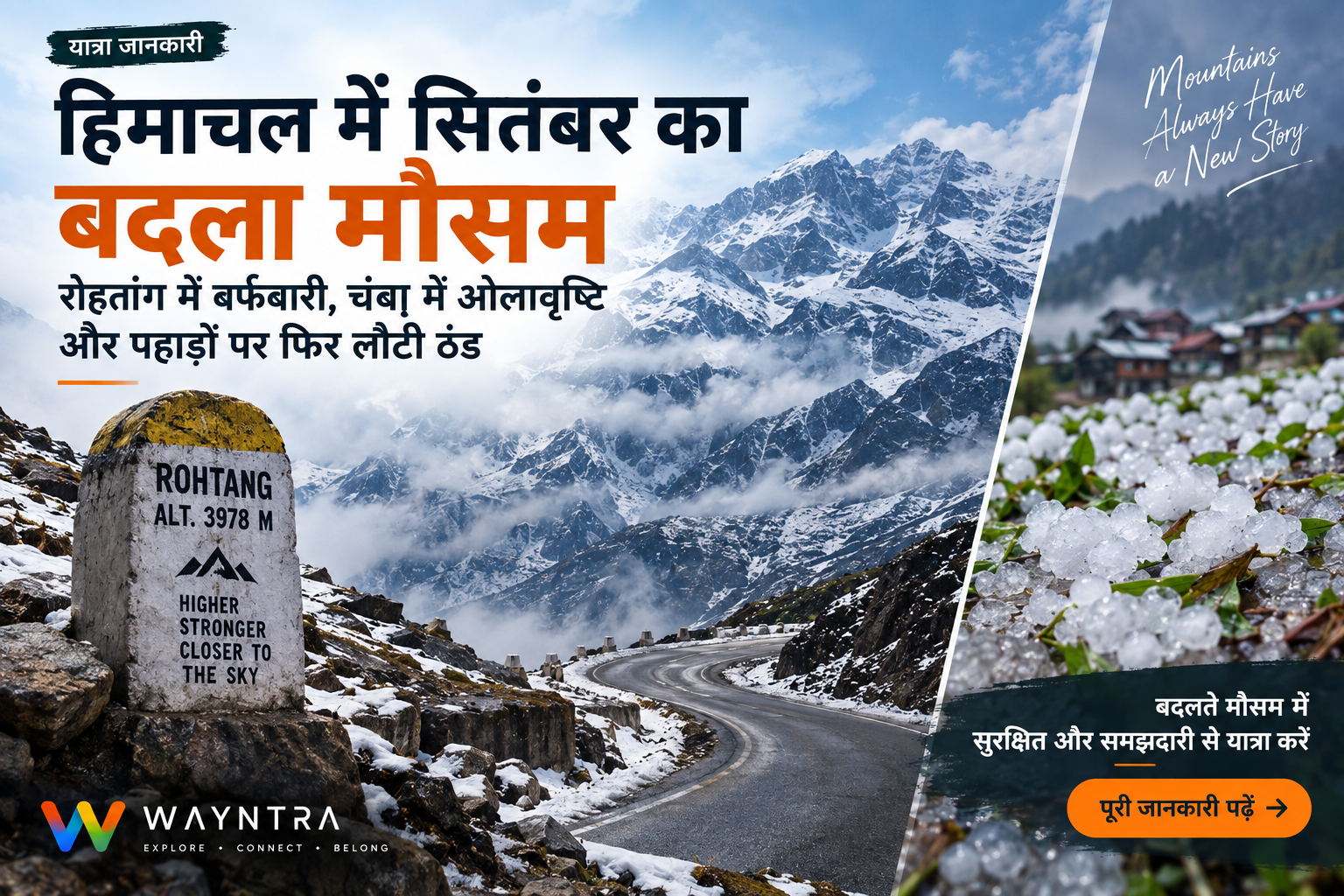
हिमाचल में सितंबर का बदला मौसम: रोहतांग में बर्फबारी, चंबा में ओलावृष्टि और पहाड़ों पर लौटी ठंड
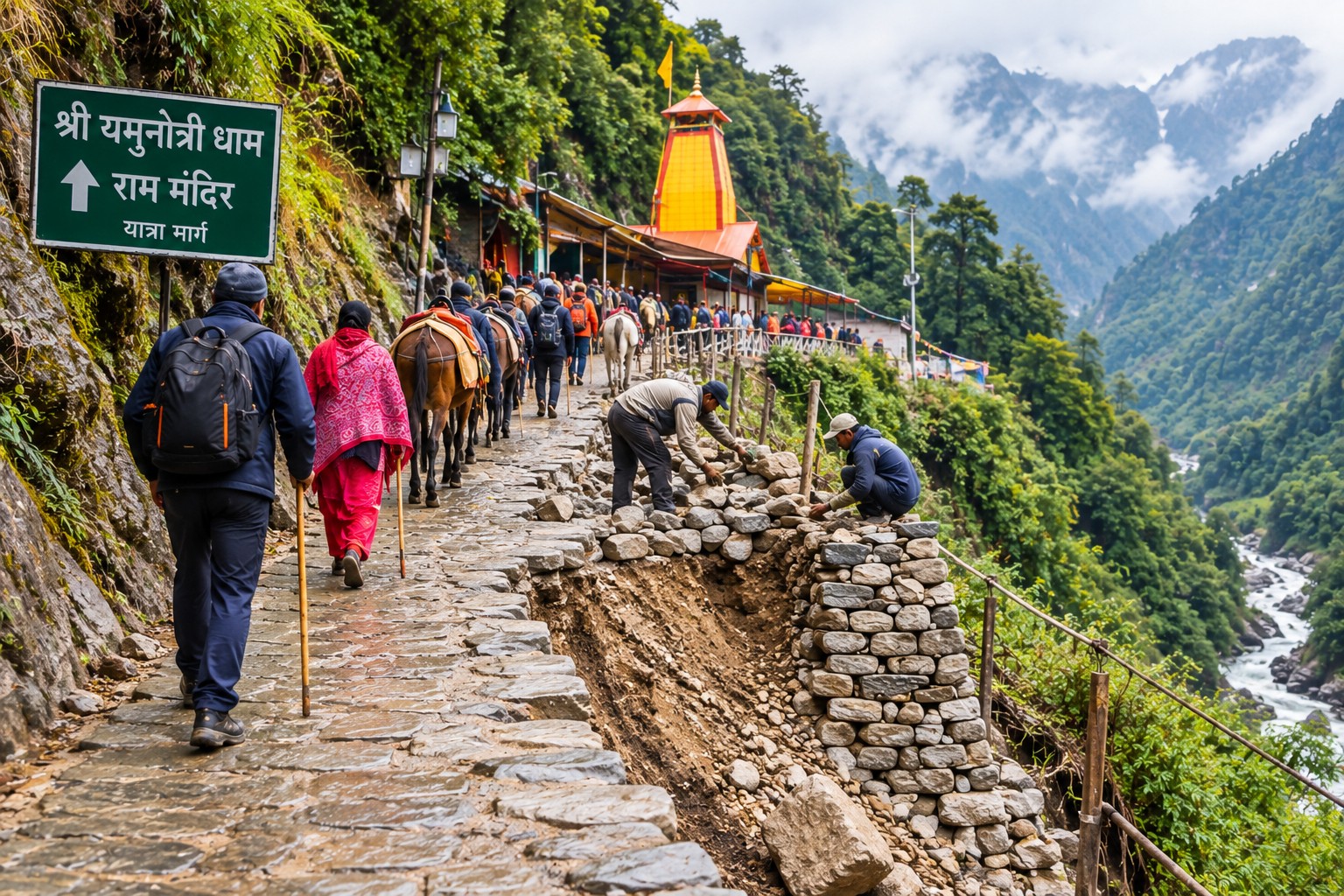
Yamunotri Dham: Safety Concerns Remain Near Ram Mandir on the Yatra Route
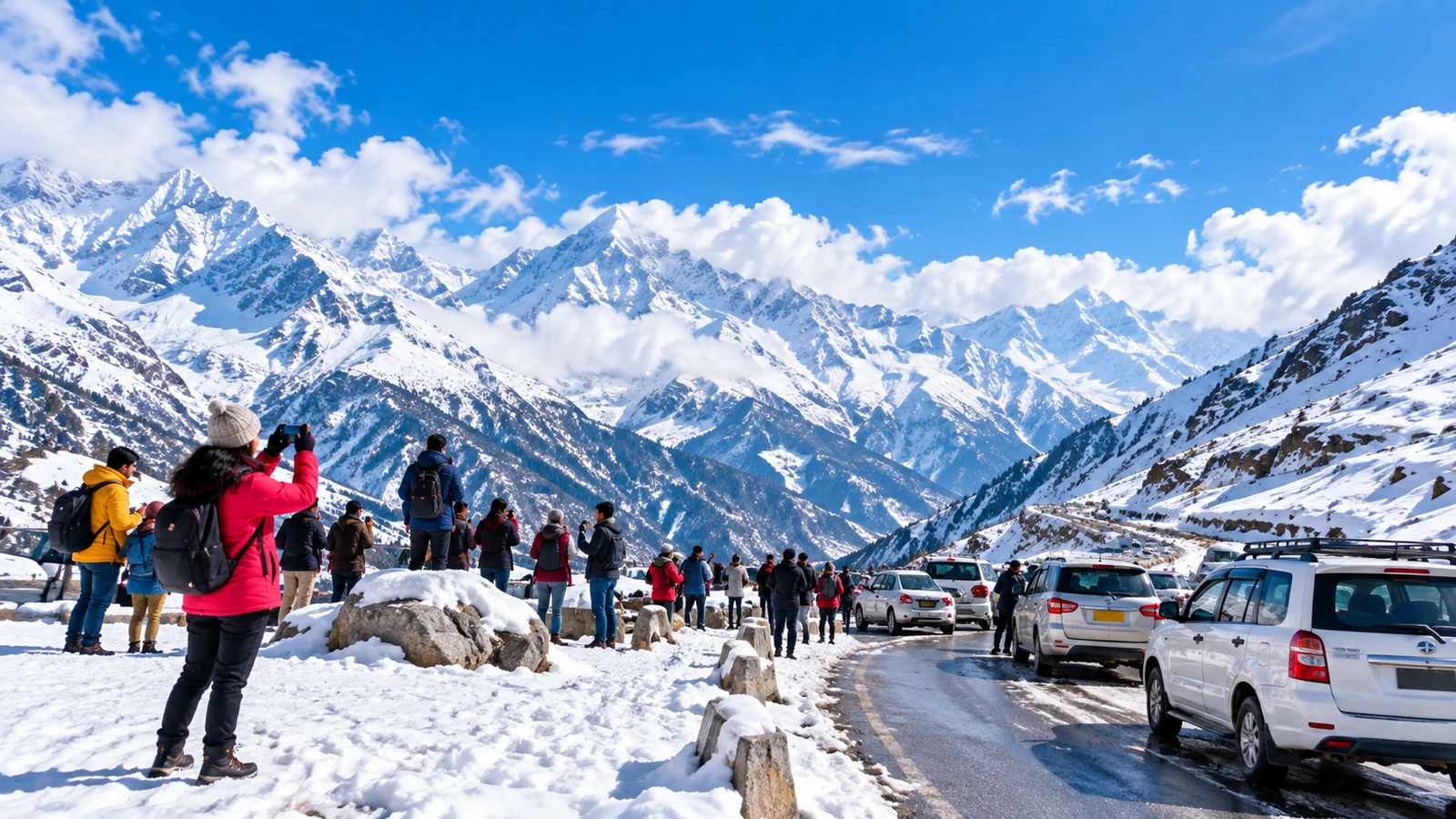
Tourists Flock to Rohtang After Snowfall, Over 600 Vehicles Arrive; Manali Comes Alive
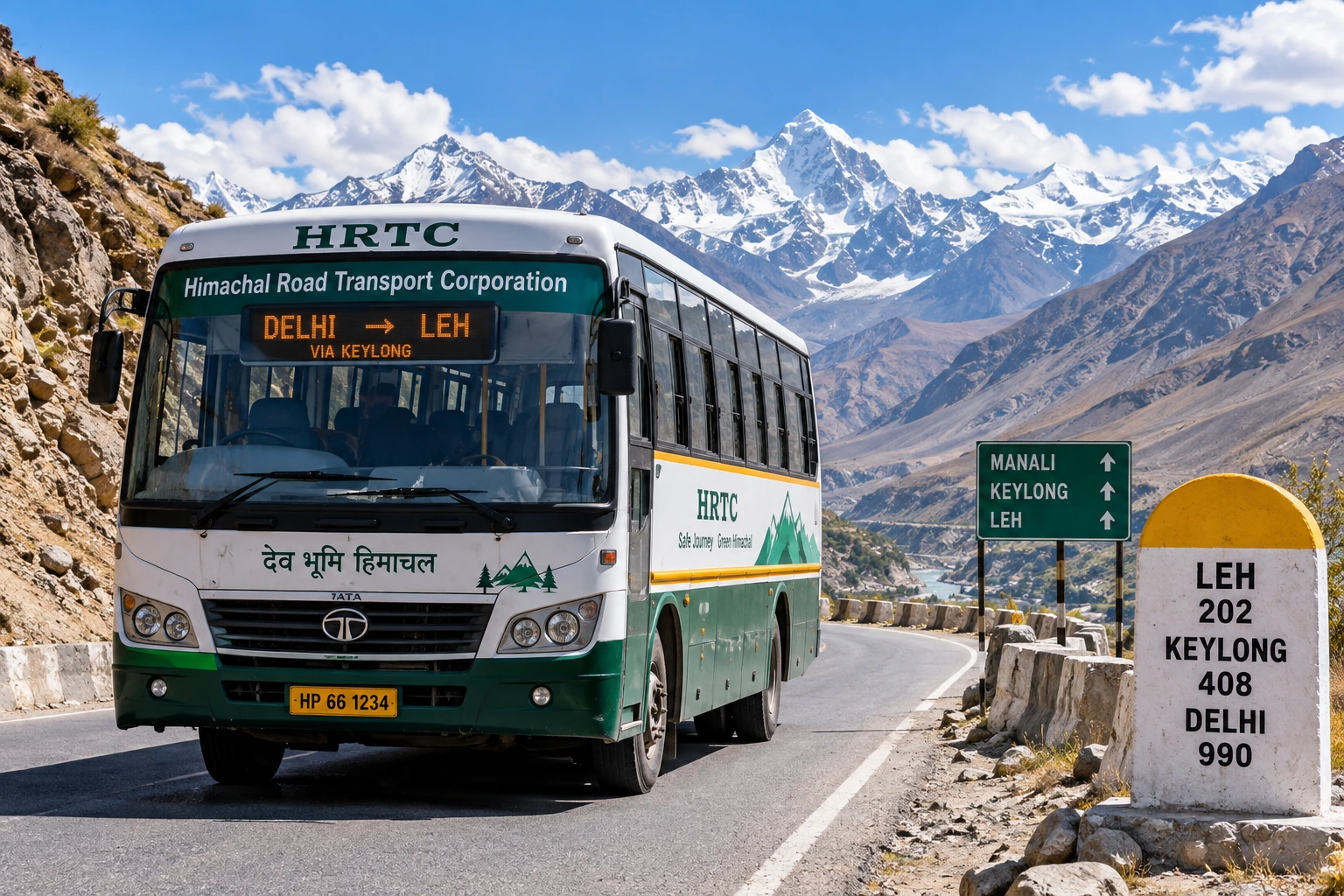
Delhi–Leh HRTC Bus Service Suspended: Service Will Resume Next May, Know All the Details

River Rafting May Resume in Rishikesh from September 23
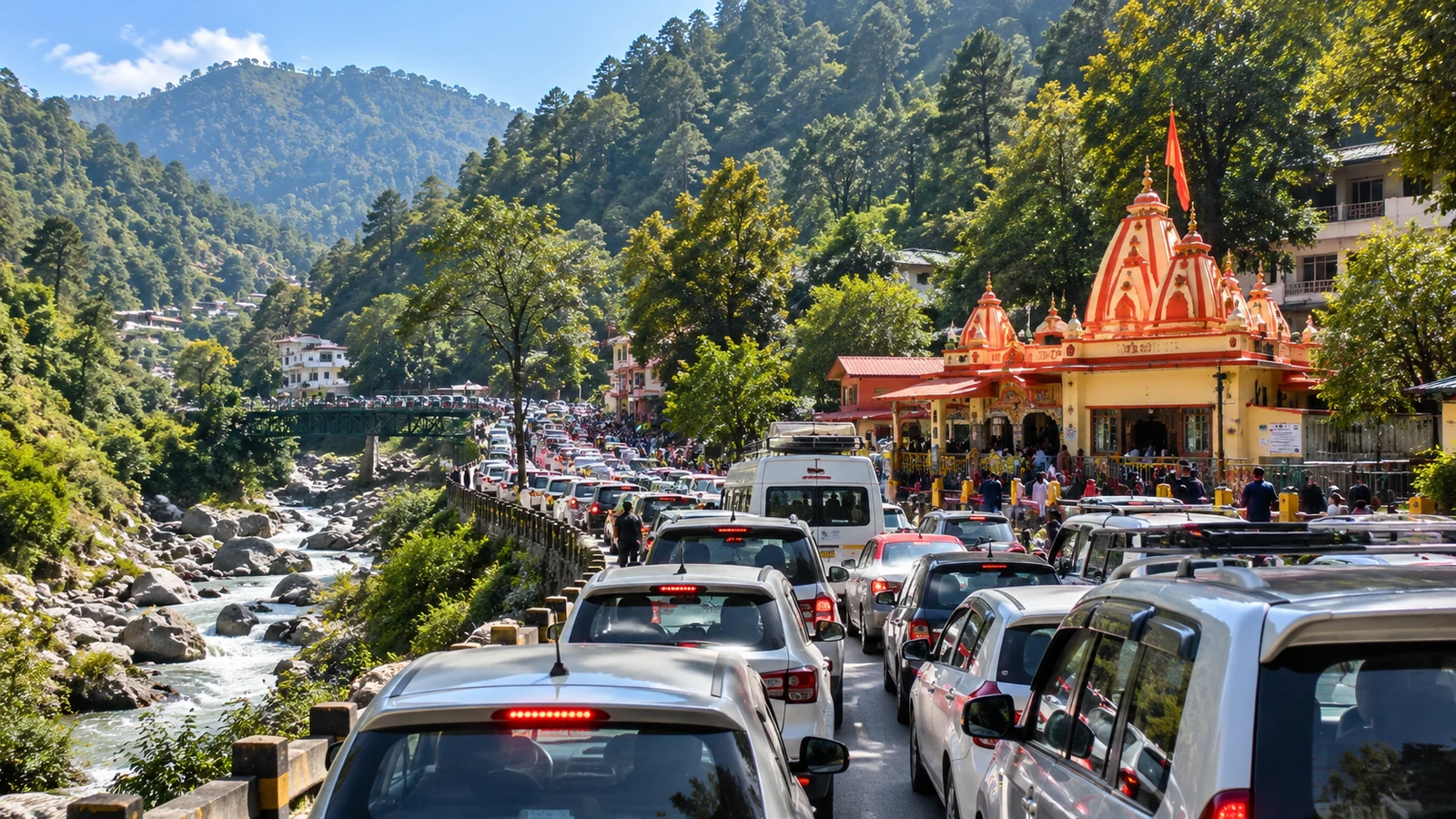
Heavy Crowd of Devotees at Kainchi Dham, 2-Km-Long Traffic Jam Reported
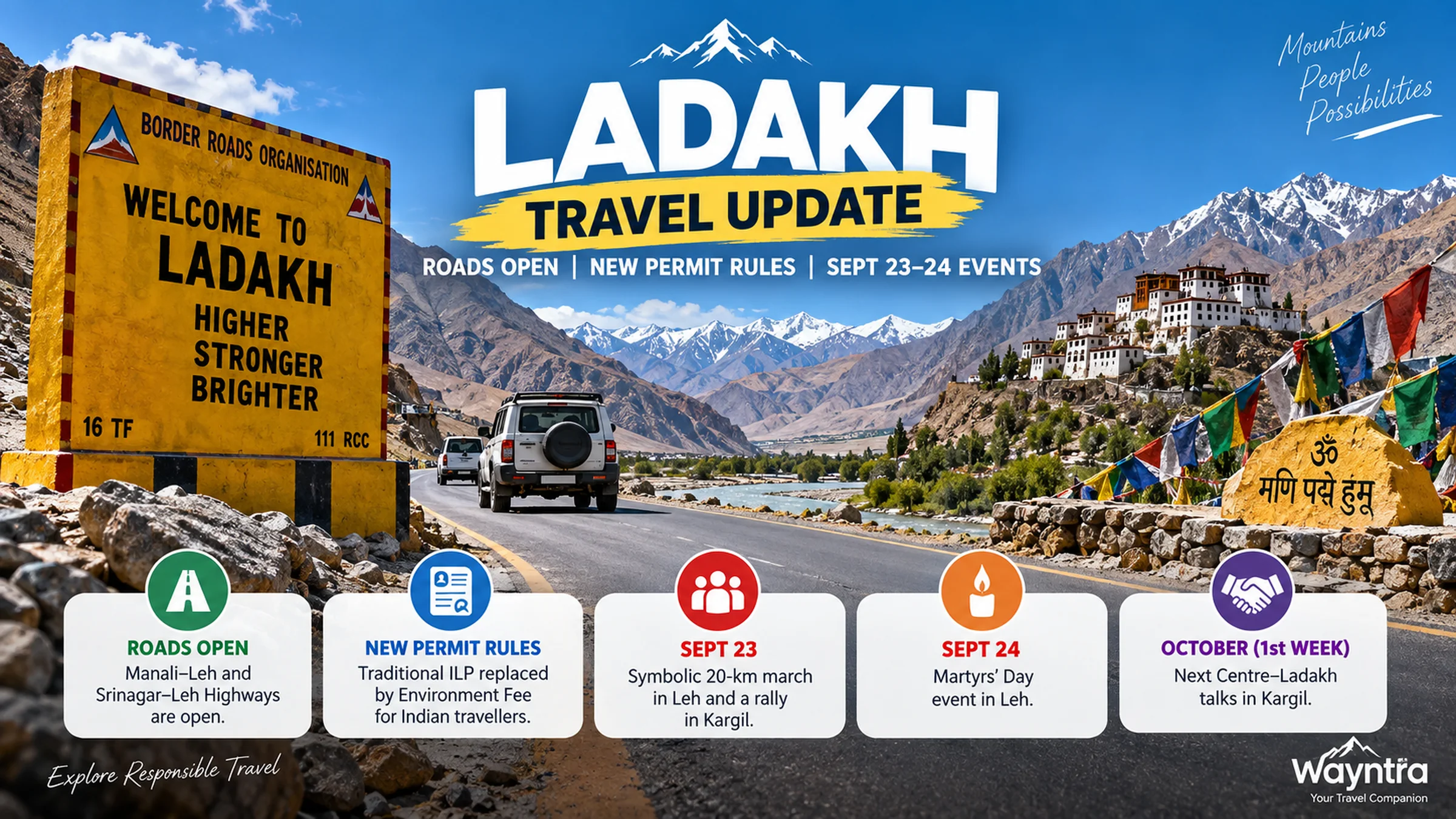
Ladakh Travel Update: Roads Open, New Permit Rules and September 23–24 Events
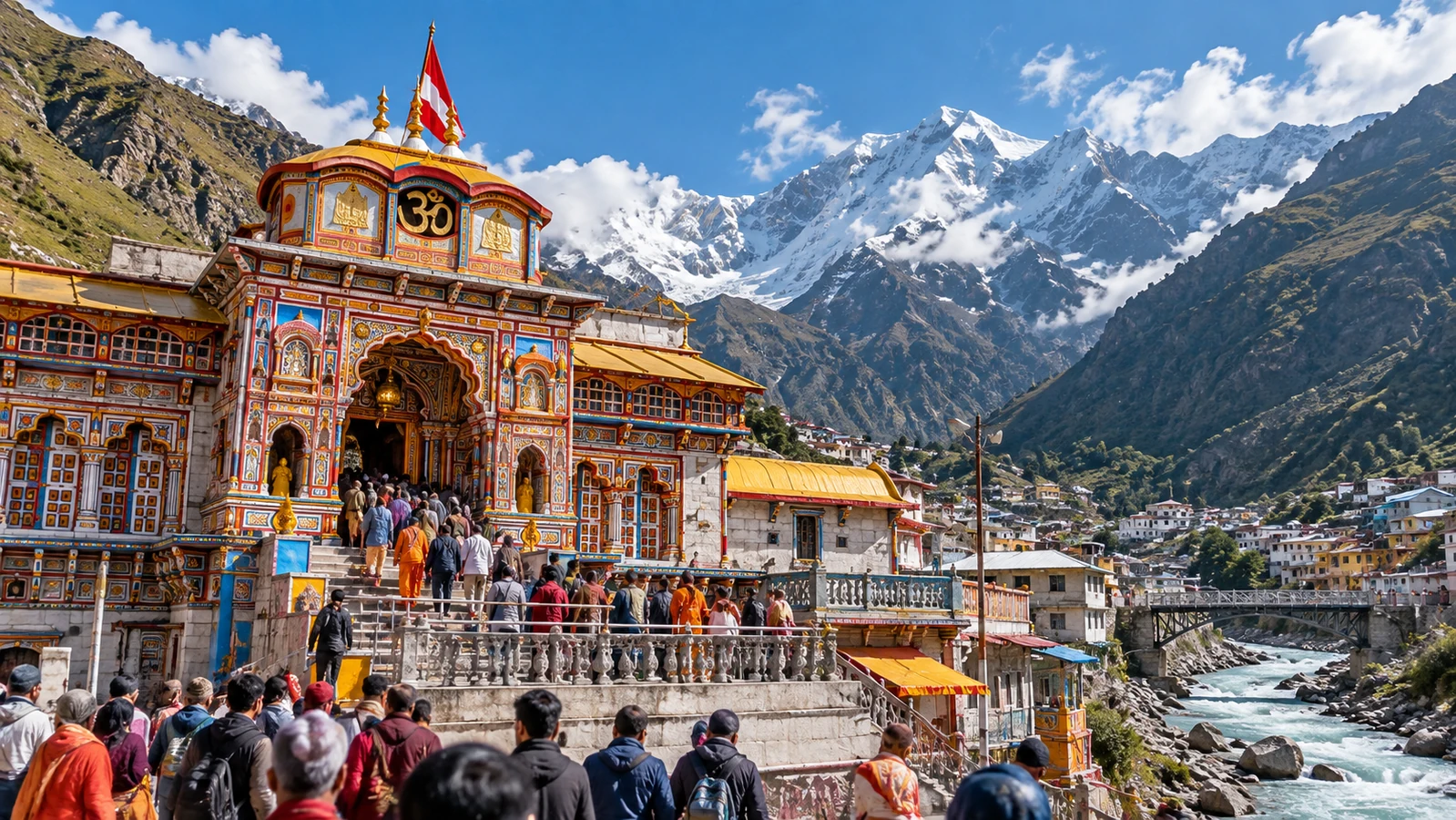
Badrinath Dham: Second Phase of Yatra Picks Up Pace, Thousands of Devotees Arriving for Darshan
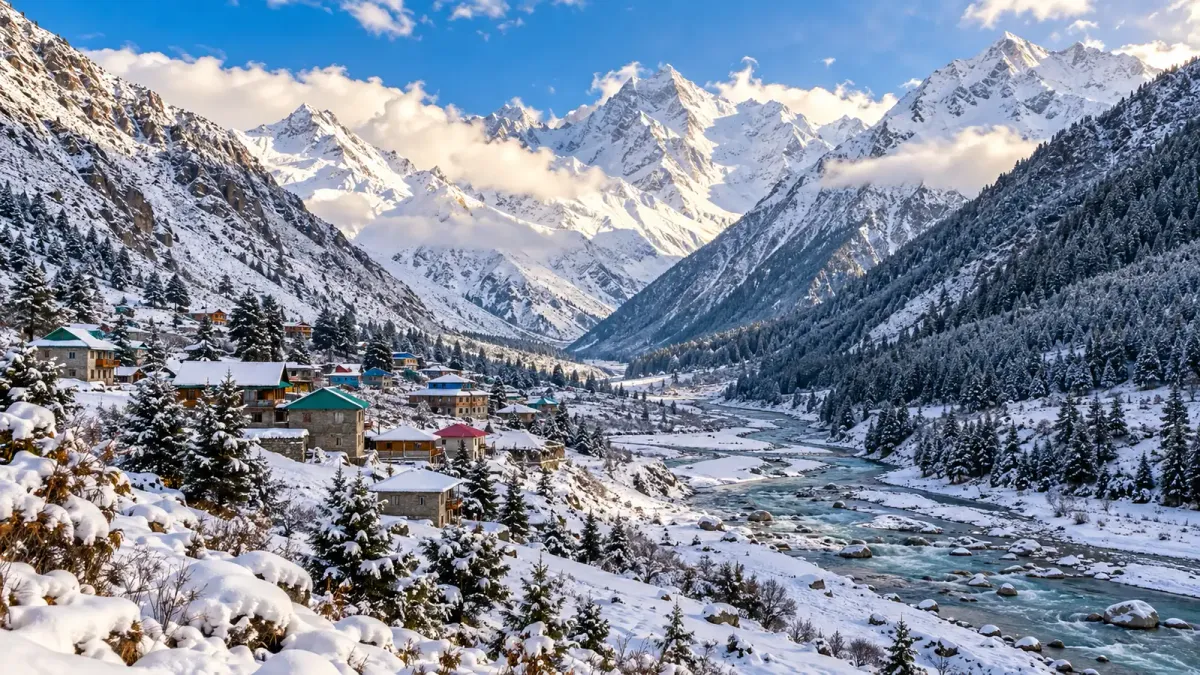
हिमाचल में सितंबर में बर्फबारी ने बदला मौसम का मिजाज, 18 साल बाद रिकॉर्ड ठंड
Goa — travel FAQs
What is the best time to visit Goa?
Which are the most popular beaches in Goa?
What is Goa famous for?
How is the nightlife in Goa?
What are the famous foods of Goa?
How can we reach Goa?
Is Goa good for a family trip?
What activities can we do in Goa?
How many days are enough for a Goa trip?
. Is Goa safe for tourists?
Wayntra app
Explore Goa with Wayntra
Find destinations, adventures, local businesses and experiences across Goa.