India’s local-first travel ecosystem — book local operators direct, zero commission

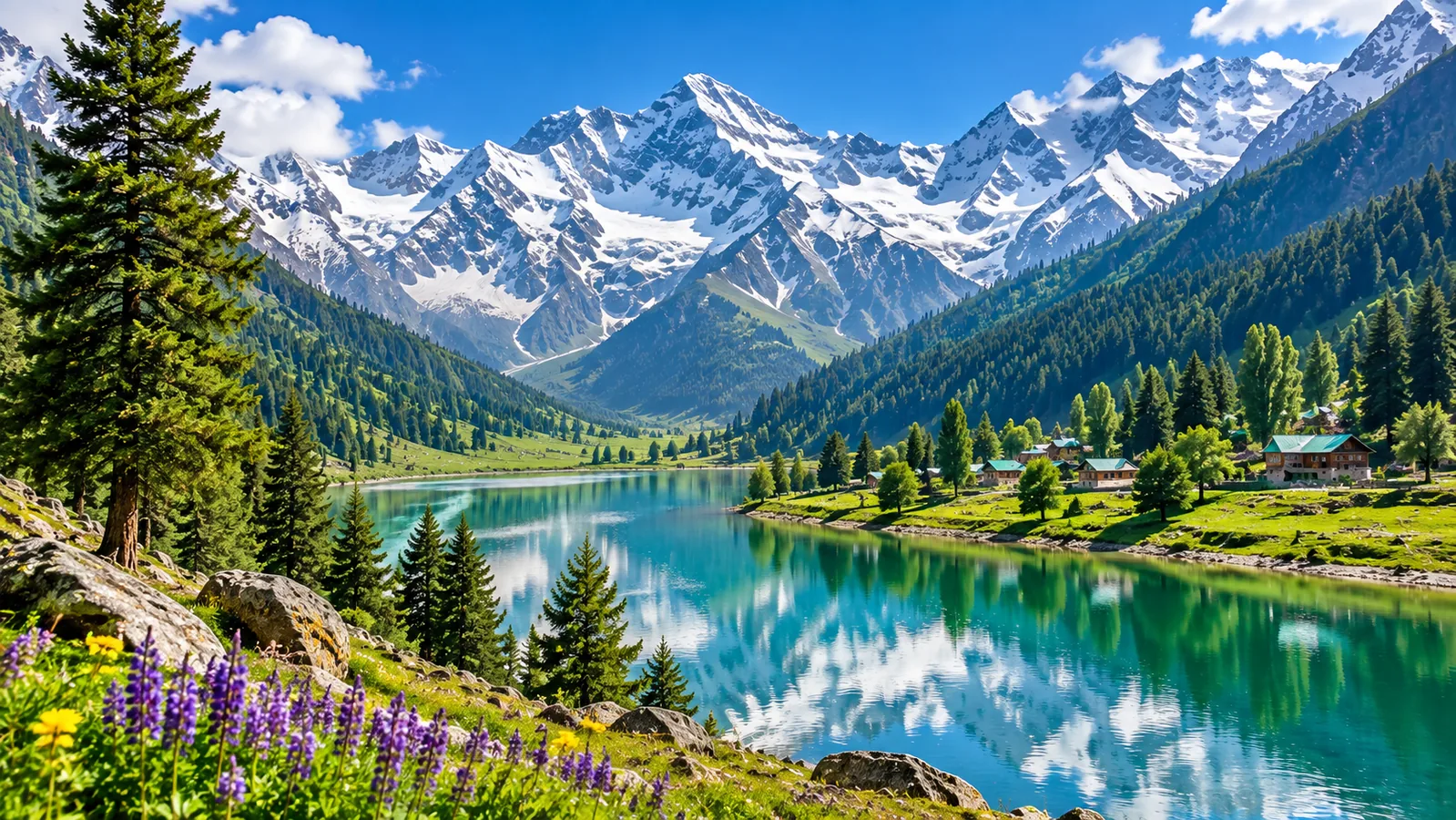
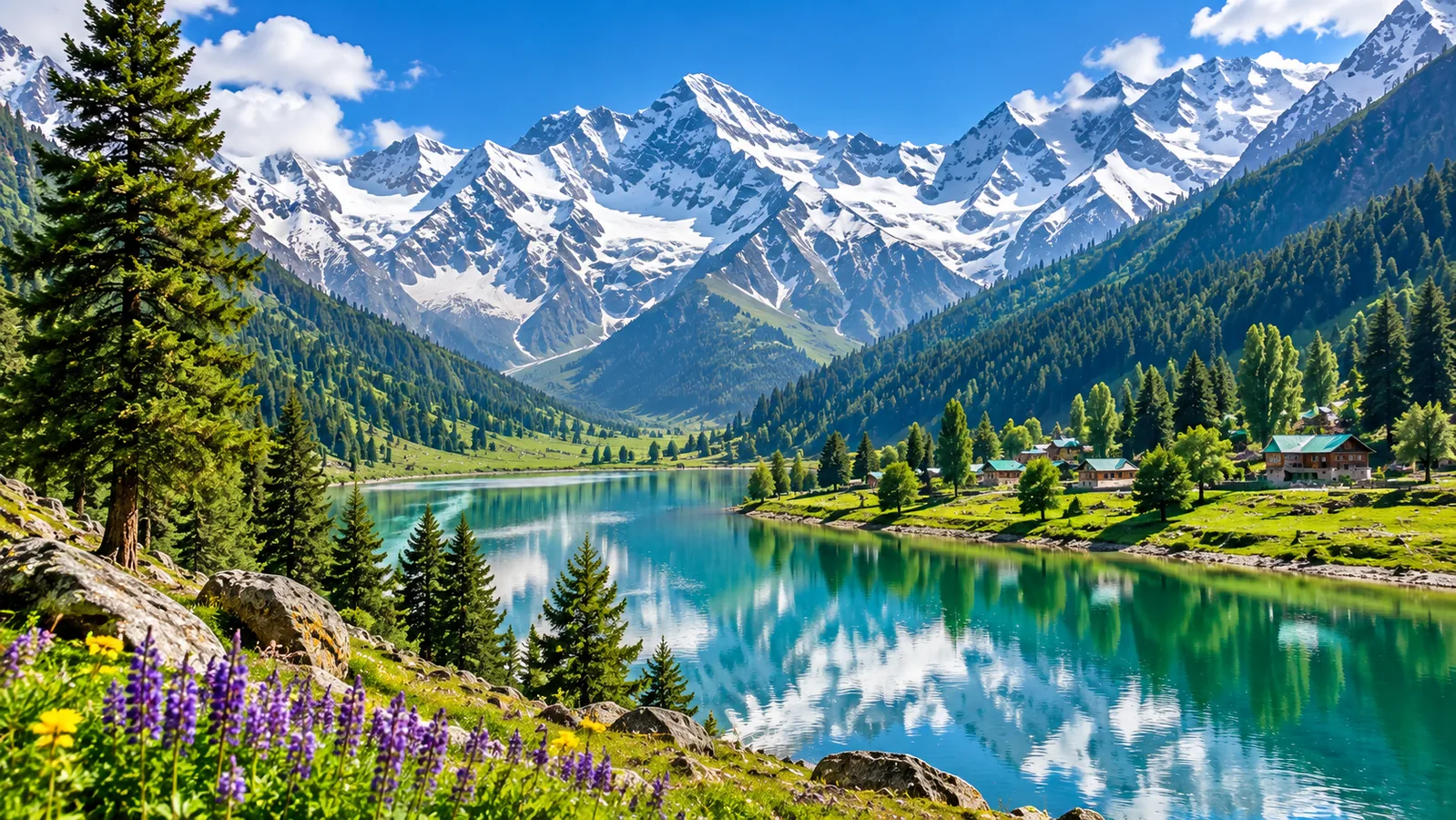
Kashmir, often referred to as "Paradise on Earth," lives up to its name in every way, with its unparalleled beauty, peaceful atmosphere, and otherworldly landscapes. Imagine a place where snow-capped peaks of the majestic Himalayas rise above lush green valleys, and pristine rivers flow through meadows adorned with vibrant flowers. This is Kashmir, a place where nature's beauty seems almost divine, evoking the imagery of paradise described in poetry and ancient texts. The region’s charm lies not only in its stunning vistas but also in its serene atmosphere, creating a sense of peace and tranquility that makes visitors feel as if they’ve stepped into a heavenly realm.
Srinagar, the summer capital of Jammu and Kashmir, is perhaps the best representation of this paradise. At the heart of the city lies the iconic Dal Lake, shimmering like a mirror beneath the open sky. Dal Lake is famous for its houseboats, which float like graceful structures on the water. Staying in one of these houseboats is like experiencing life in a celestial abode. The shikaras, small wooden boats that glide across the lake, offer a unique experience, as they take you through floating gardens, bustling markets, and peaceful, mirror-like waters reflecting the surrounding mountains. The Mughal Gardens, laid out by the Mughal emperors who were captivated by Kashmir's beauty, further enhance the feeling of being in paradise. These meticulously designed gardens, such as Shalimar Bagh, Nishat Bagh, and Chashme Shahi, are filled with lush greenery, terraced lawns, cascading fountains, and vibrant flower beds. Walking through these gardens feels like wandering through a serene Eden, surrounded by the sweet fragrance of blooming flowers and the gentle sound of flowing water.
Beyond Srinagar, the heavenly beauty of Kashmir unfolds in places like Gulmarg, often called the "Meadow of Flowers." This picturesque town is a paradise for nature lovers and adventure seekers alike. In summer, the landscape is a carpet of wildflowers, and in winter, it transforms into a snowy wonderland. The towering peaks around Gulmarg, including Mount Apharwat, remain snow-covered for most of the year, offering an ethereal sight. The Gulmarg Gondola, one of the highest cable cars in the world, takes you high into the mountains, where the view of the surrounding peaks and valleys feels like looking out over the edges of paradise itself. Skiers and snowboarders flock to Gulmarg in winter, where the powdery snow and vast slopes provide an experience akin to gliding through clouds.
Pahalgam, another jewel in Kashmir’s crown, embodies a different kind of paradise, one where nature’s untouched beauty reigns supreme. This peaceful town, set along the banks of the Lidder River, is surrounded by dense forests, alpine meadows, and snow-capped peaks. The flowing river, with its crystal-clear water, adds to the paradise-like quality of the place. Pahalgam serves as the starting point for the Amarnath Yatra, a pilgrimage that brings devotees through breathtaking mountain landscapes, adding a spiritual dimension to the area’s natural beauty. The nearby Aru and Betaab Valleys are stunningly beautiful, with their lush green pastures, dense pine forests, and the ever-present backdrop of snow-capped mountains. These valleys feel like a hidden paradise, untouched by time, where one can connect deeply with nature and experience peace away from the busyness of the world.
Sonamarg, meaning "Meadow of Gold," is yet another part of Kashmir that feels like a slice of paradise. Located at a higher altitude, Sonamarg is a land of endless meadows, towering peaks, and crystal-clear rivers that sparkle in the sunlight. The Thajiwas Glacier is a sight to behold, with its gleaming white snow and ice, offering a glimpse of a celestial landscape. Sonamarg is also a gateway to the Zojila Pass, which leads to the remote region of Ladakh, adding a sense of adventure to this otherwise tranquil paradise. Visitors can enjoy activities like trekking, horse riding, and fishing in the rivers, all while being surrounded by nature’s finest creations.
Kashmir’s allure extends beyond its landscapes to its cultural richness, which adds another layer to the paradisiacal experience. The region is famous for its traditional handicrafts, including the world-renowned Pashmina shawls, handwoven carpets, and intricately carved wooden furniture. These crafts, made with painstaking detail and care, reflect the artistry of Kashmir’s people, who draw inspiration from the natural beauty surrounding them. The bustling bazaars in Srinagar, especially around Lal Chowk, offer a glimpse into the vibrant culture of the region. Shopping for Kashmiri crafts feels like taking a piece of this paradise home with you.
The cuisine of Kashmir is equally divine, with its rich flavors and aromatic spices. Kashmiri Wazwan, a traditional multi-course meal, is a culinary experience unlike any other, featuring dishes like Rogan Josh, Yakhni, and Gushtaba. Each dish is infused with fragrant saffron, grown in the fields of Pampore, adding a golden touch to the food that feels truly luxurious. And no visit to Kashmir would be complete without savoring a cup of Kahwa, a traditional green tea flavored with saffron, almonds, and cardamom. Drinking Kahwa by a warm fire, surrounded by snow-capped mountains, feels like a moment of bliss in paradise.
Kashmir also has a spiritual dimension, with many sacred sites that have drawn pilgrims for centuries. The Shankaracharya Temple, perched on a hilltop above Srinagar, offers panoramic views of the city and Dal Lake, and has an ancient, sacred aura. The Hazratbal Shrine, on the shores of Dal Lake, is one of the holiest Muslim shrines in Kashmir and is known for its peaceful surroundings and spiritual significance. The Jama Masjid in Srinagar is another architectural marvel, with its unique wooden structure and peaceful courtyards, providing a serene atmosphere for prayer and reflection.
Kashmir’s wildlife is yet another testament to the region’s natural bounty, with the Dachigam National Park serving as a sanctuary for endangered species like the Hangul deer. The park, with its diverse landscapes, from alpine meadows to dense forests, feels like a natural paradise where animals roam freely, undisturbed by human activity. Trekking through the park offers a chance to witness Kashmir’s untouched beauty, as well as its rich biodiversity.
For those seeking paradise on Earth, Kashmir offers an experience that goes beyond just scenic beauty. It is a place where the landscape, culture, and people come together to create a sense of otherworldly peace and tranquility. The best time to experience this paradise depends on what one is looking for. In winter, from December to March, Kashmir transforms into a snow-covered wonderland, perfect for skiing and other winter sports. In summer, from May to August, the meadows bloom with flowers, and the lakes shimmer under the bright sun. Spring, from March to May, brings the famous tulip gardens to life in Srinagar, adding a burst of color to the already beautiful landscape.
In every season, Kashmir offers something that feels magical, ethereal, and truly worthy of the title "Paradise on Earth." Whether it’s the breathtaking scenery, the rich cultural experiences, or the sense of peace that pervades the air, a visit to Kashmir leaves an indelible mark on the soul. Kashmir is more than a destination; it is an experience of beauty and serenity that makes one believe that paradise is not just a myth but a place that can be found on Earth.
testttt
testttttt
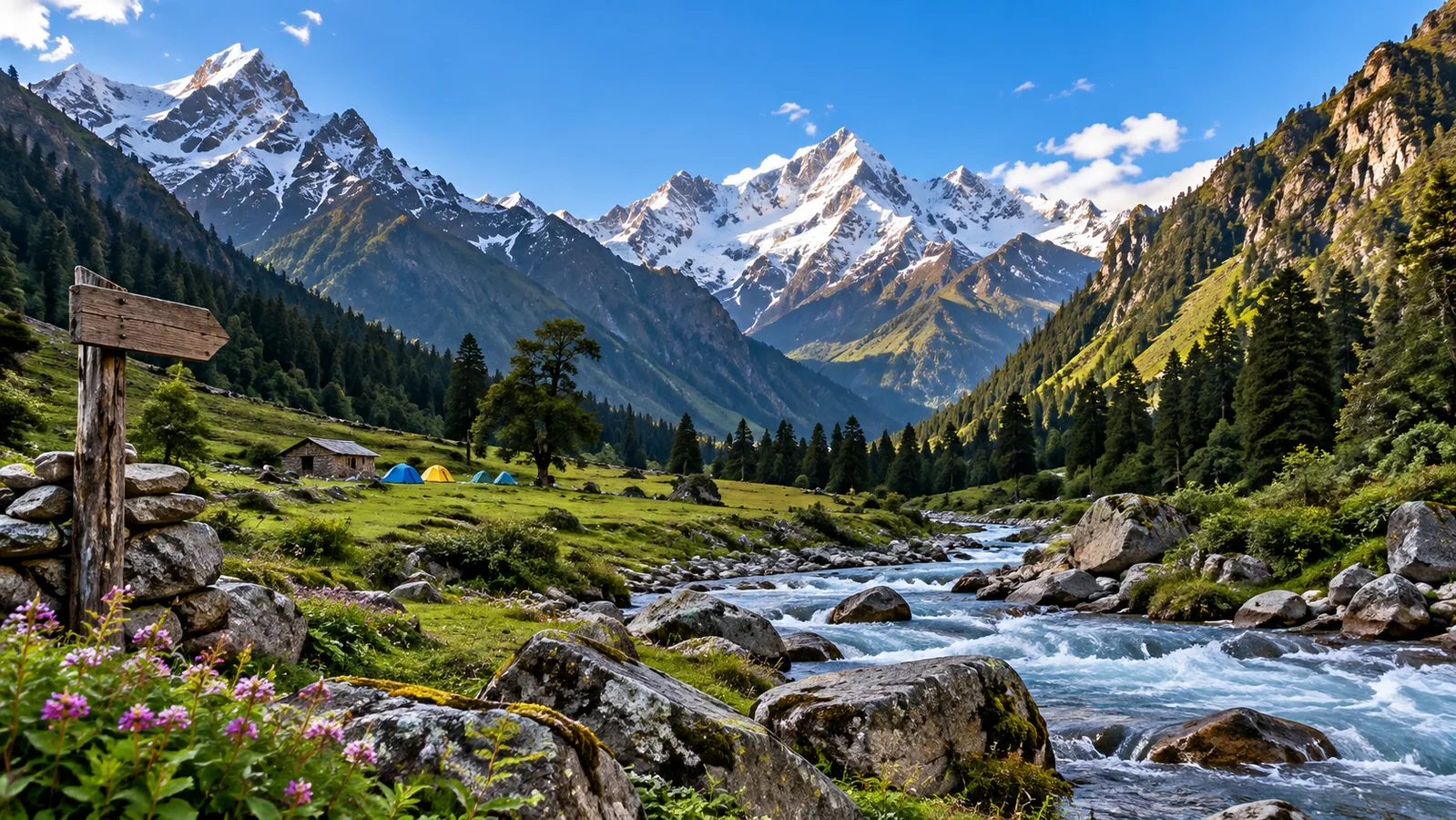
Har Ki Dun trek
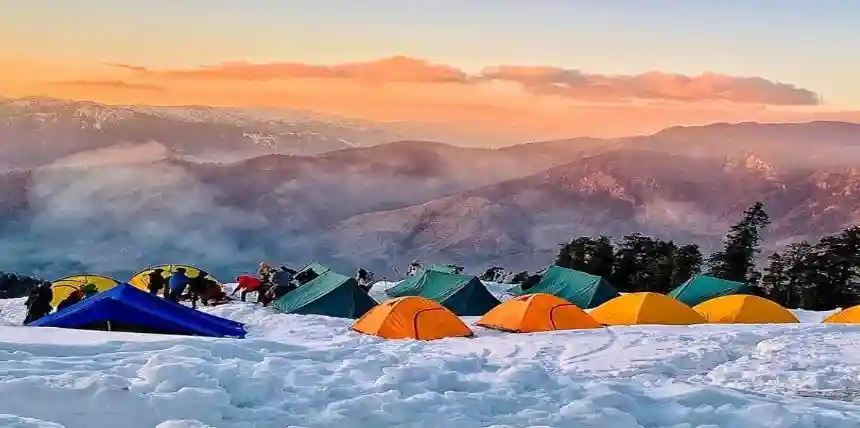
Kedarkantha
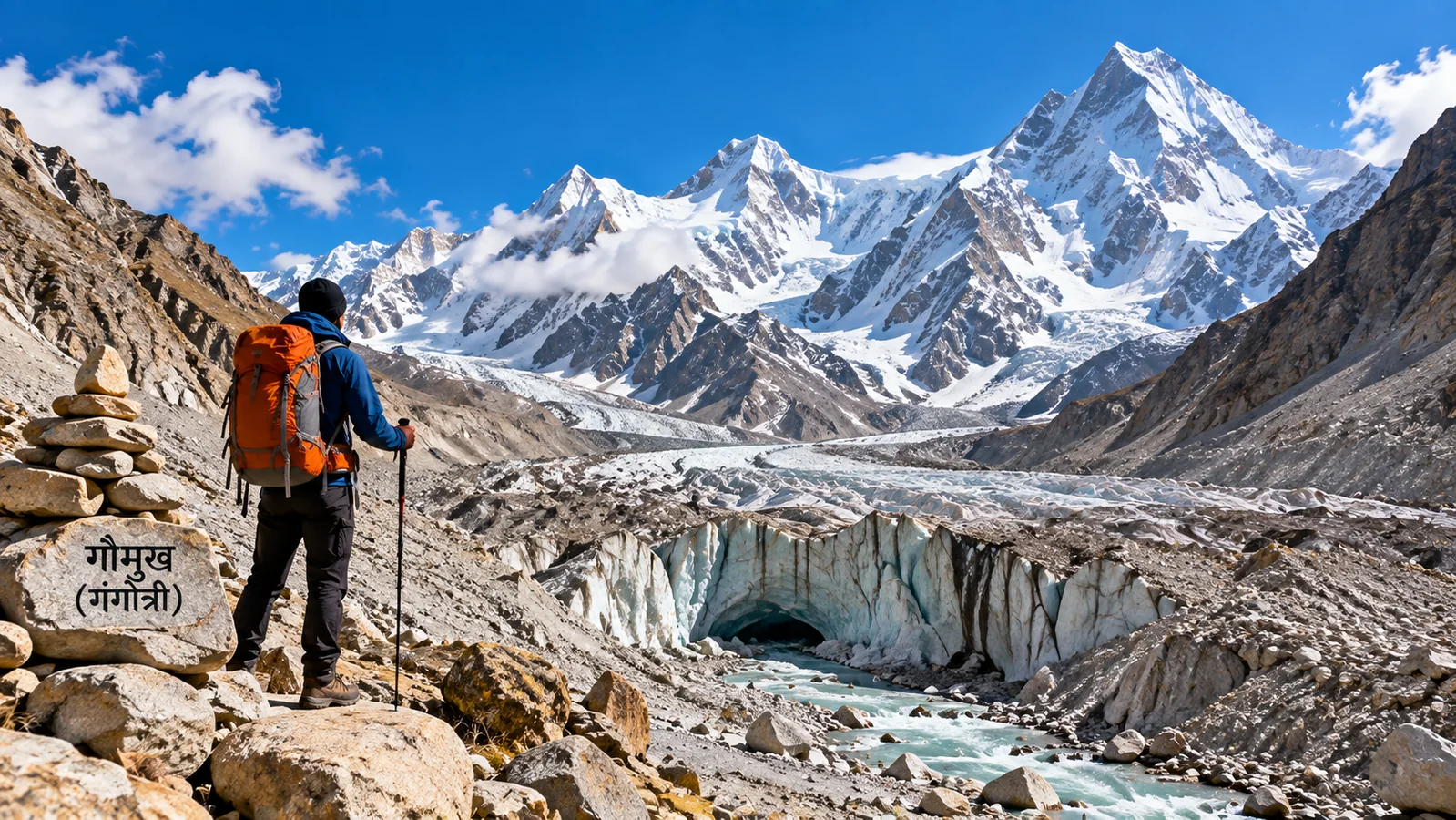
Gaumukh Tapovan Trek
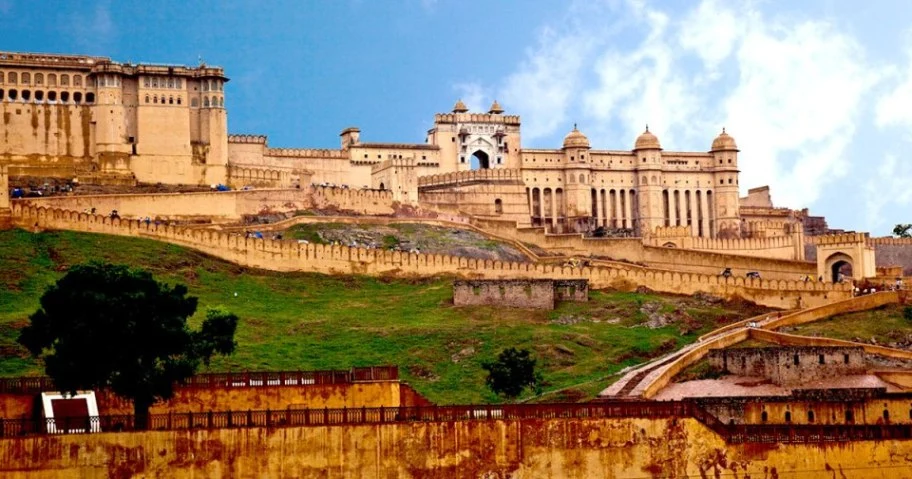
Amber Fort
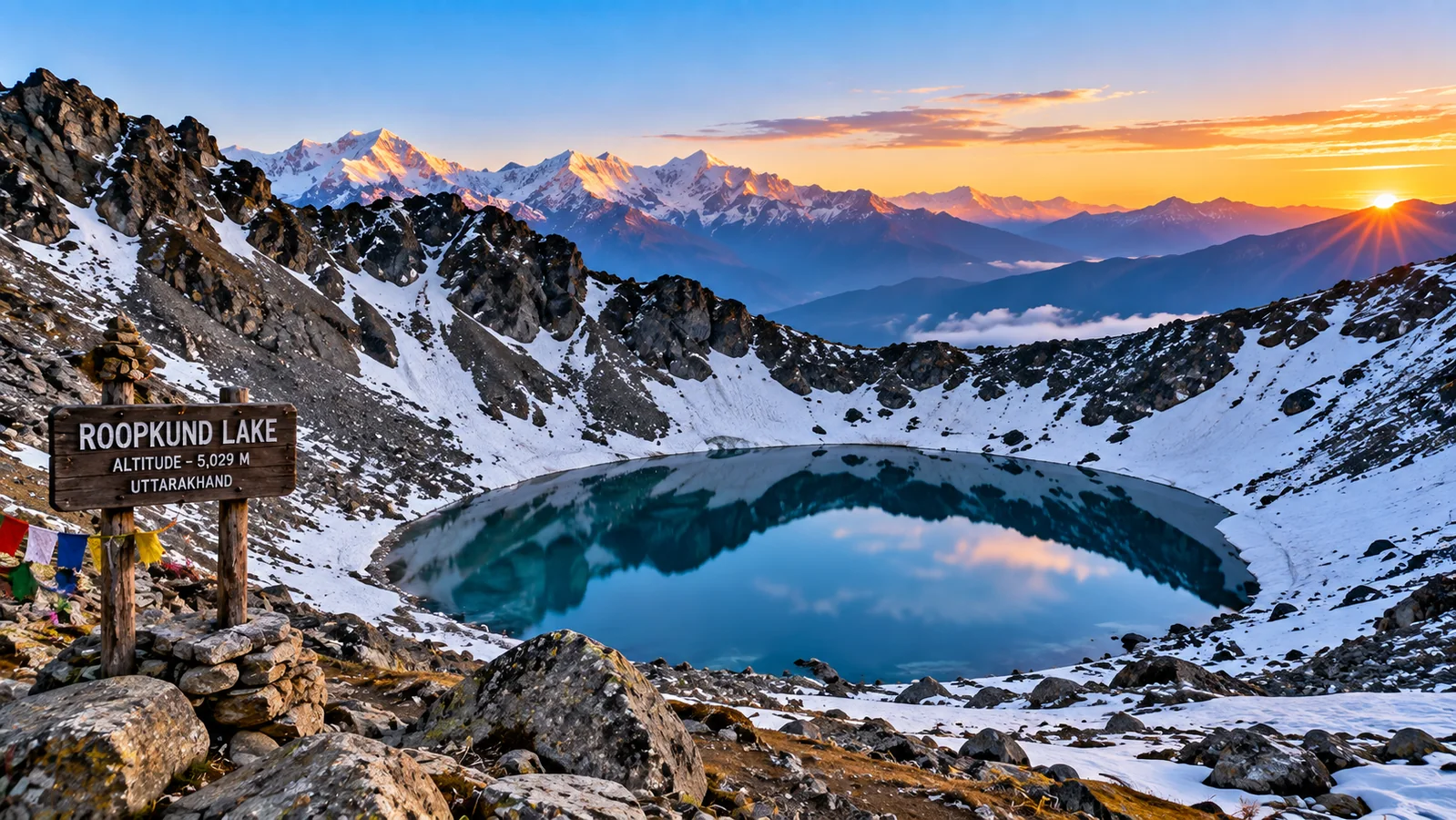
Roopkund Lake Trek
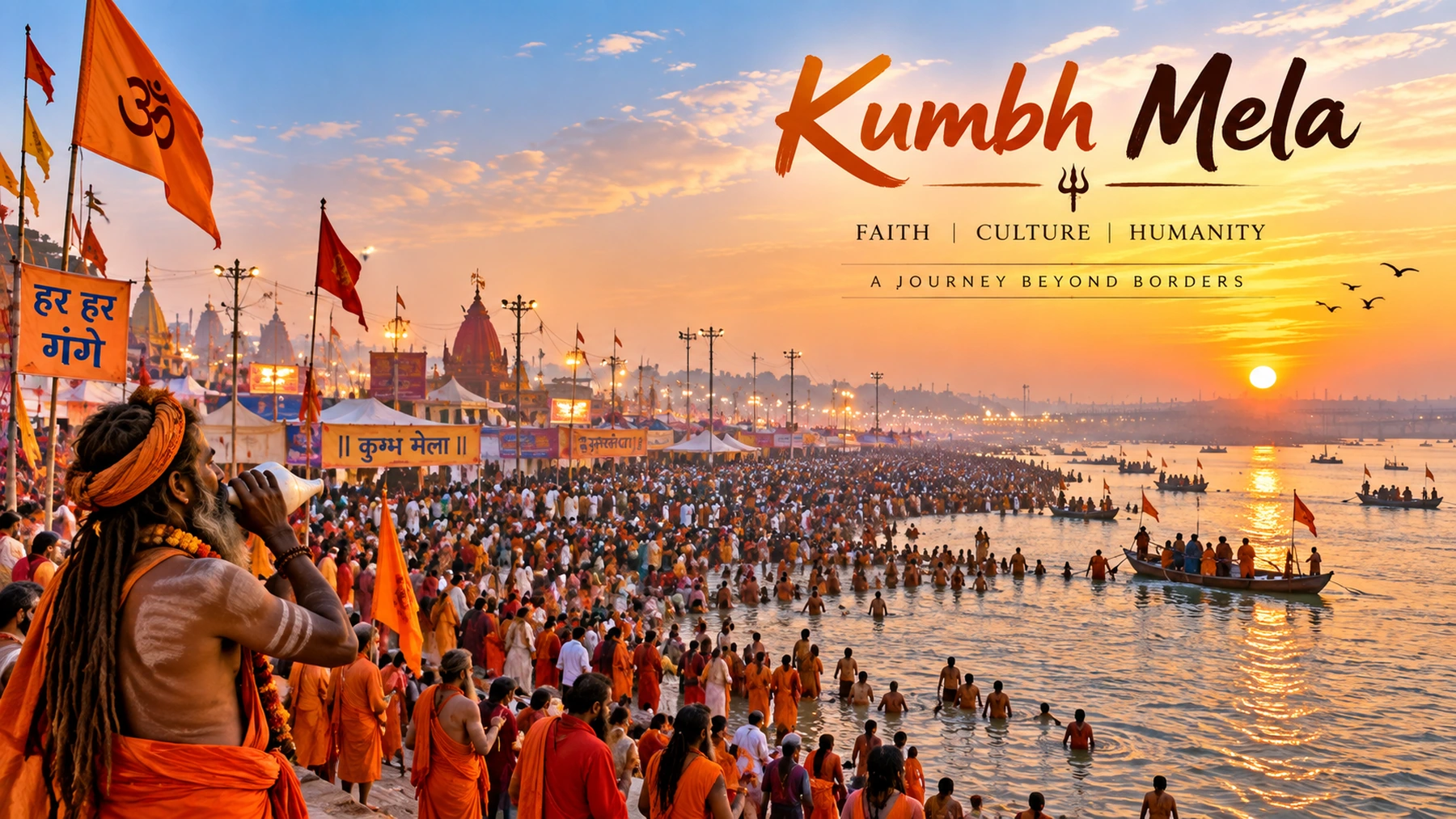
Maha Kumbh 2025
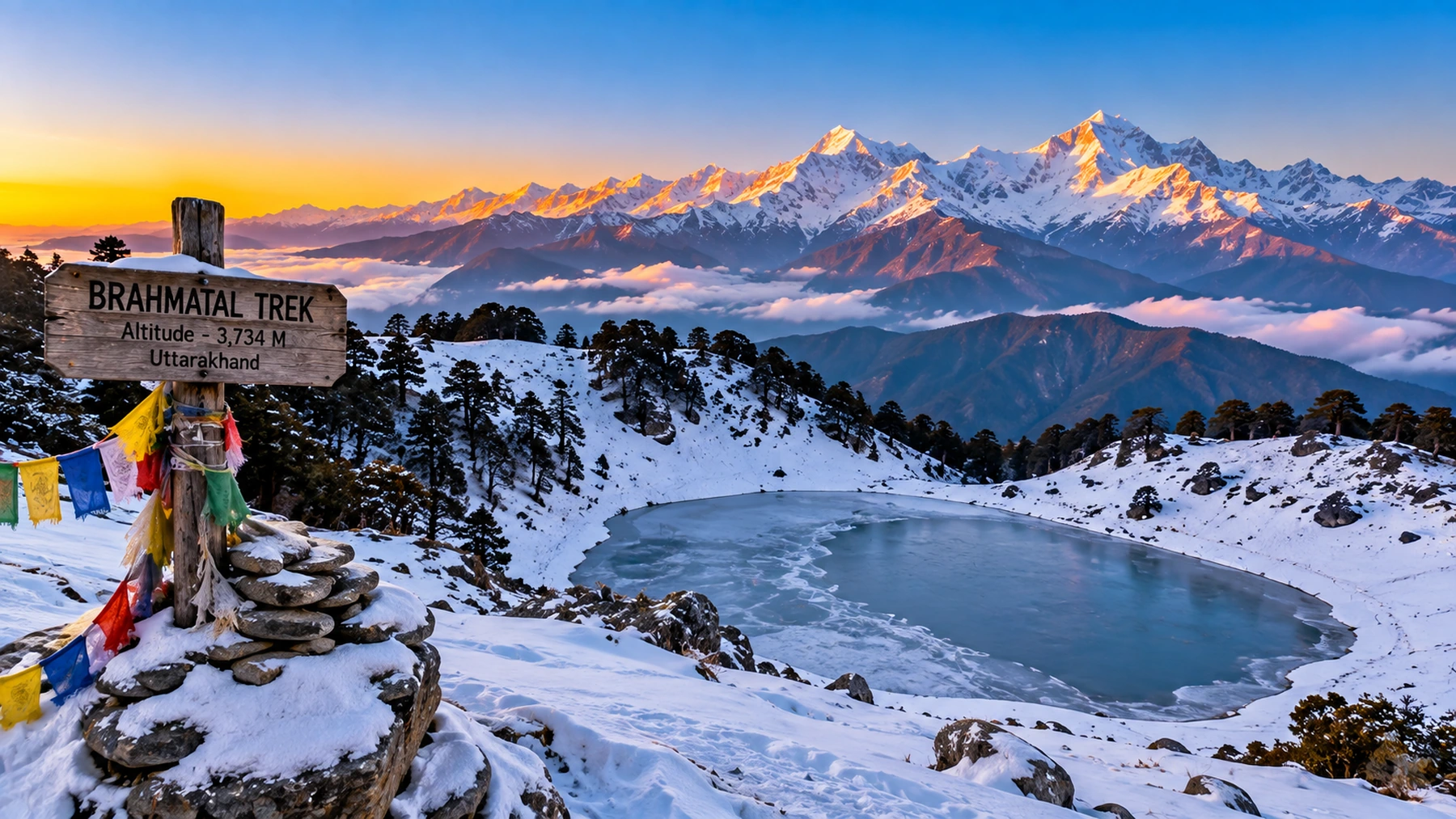
Brahmatal Trek
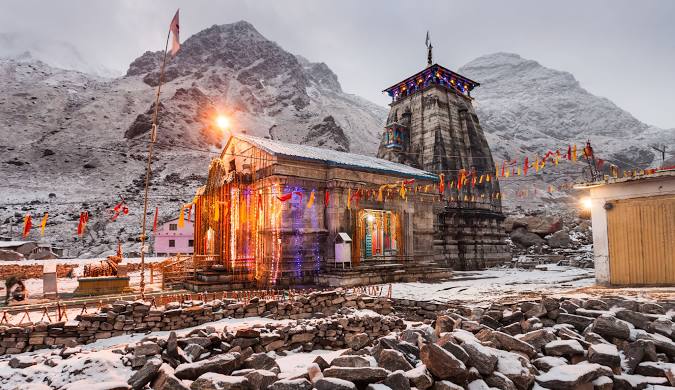
Kedarnath
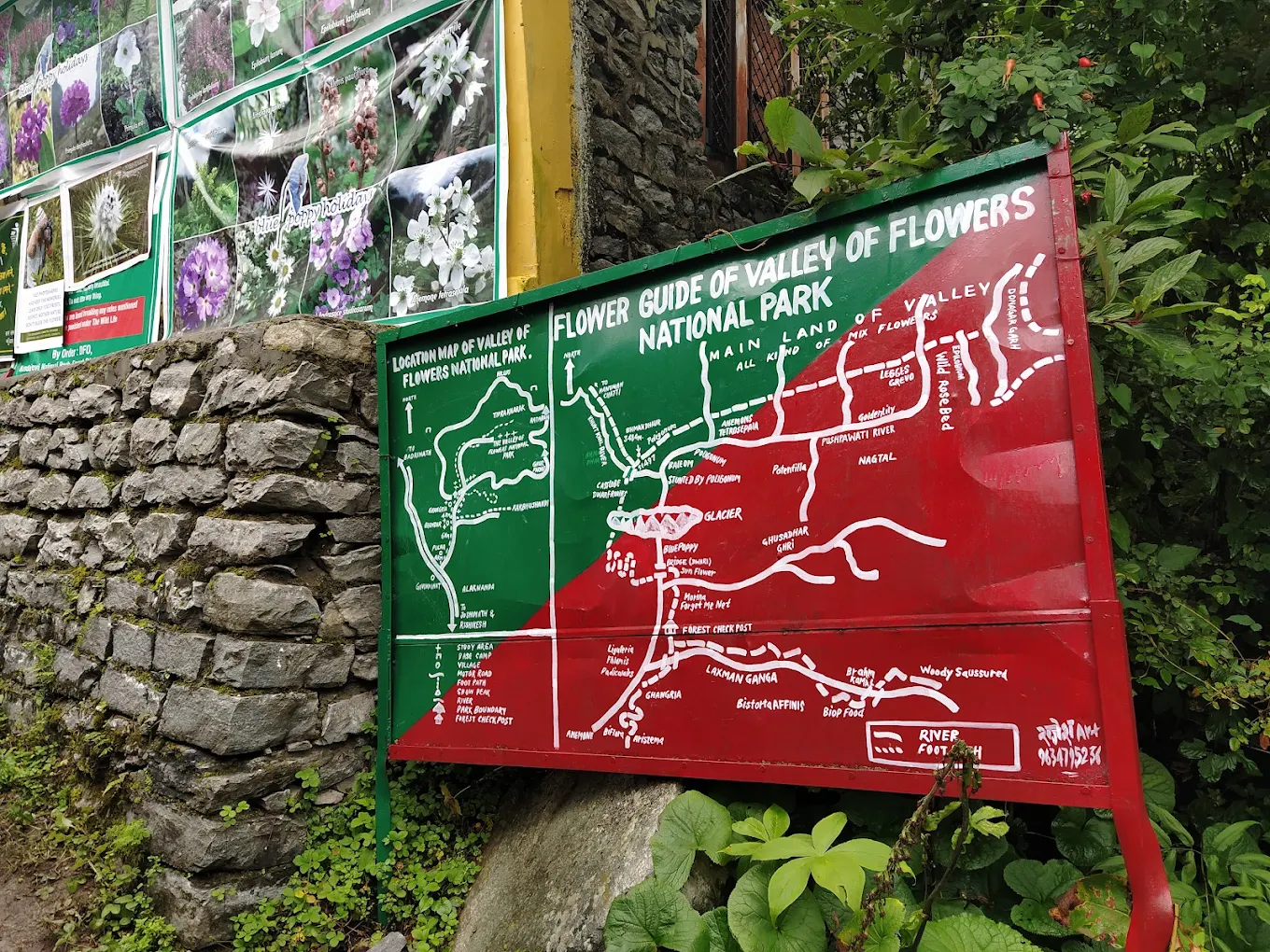
The Valley of Flowers Trek
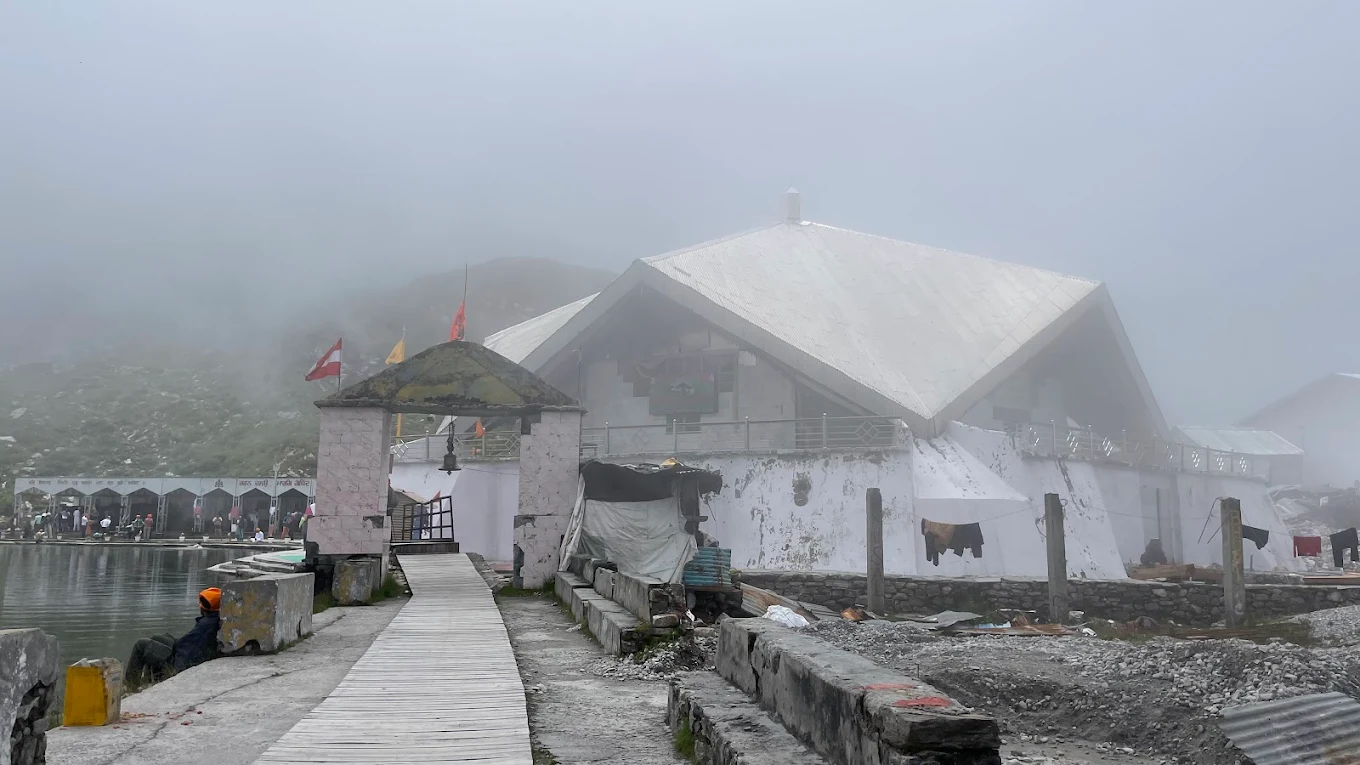
Sri Hemkund Sahib
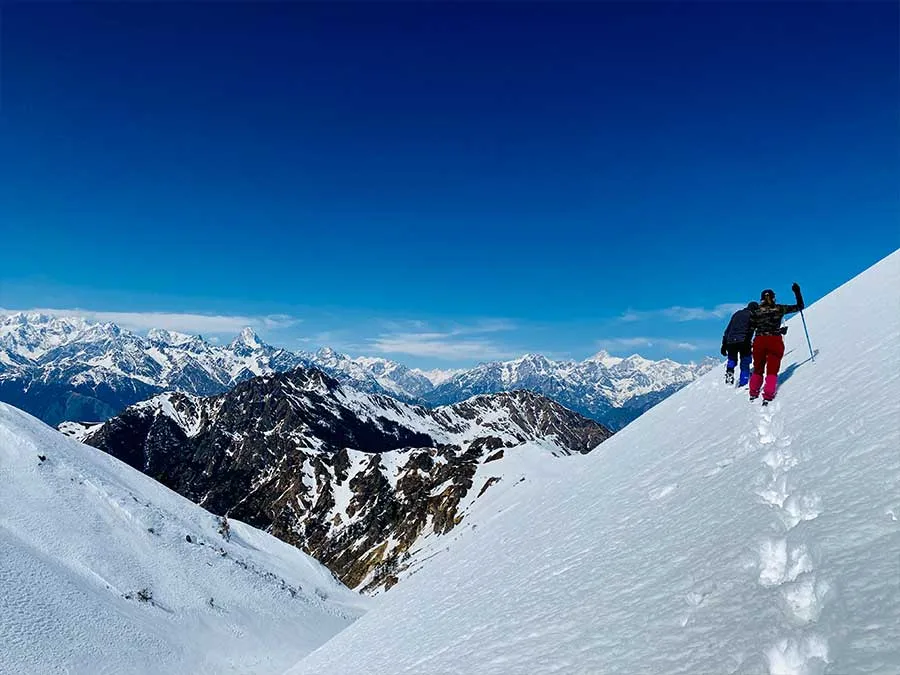
Kuari Pass Trek
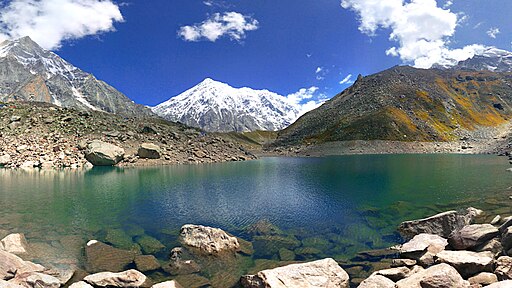
Satopanth Lake Trek
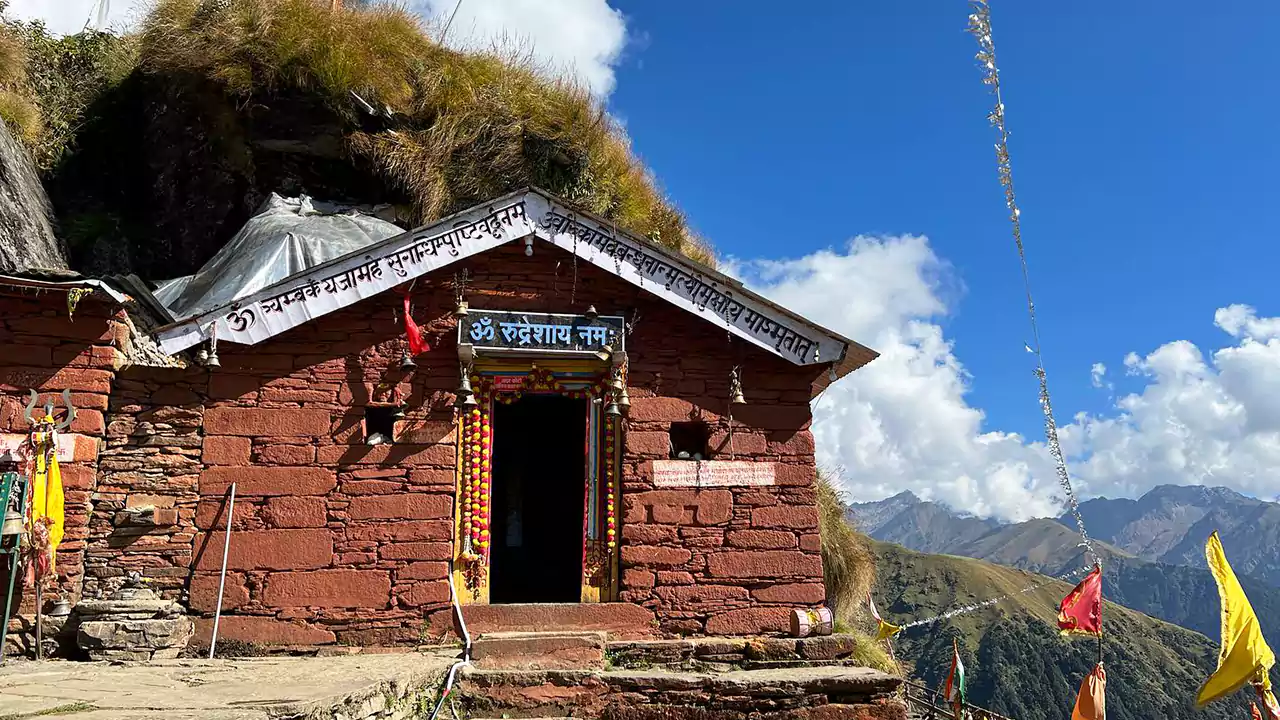
Rudranath
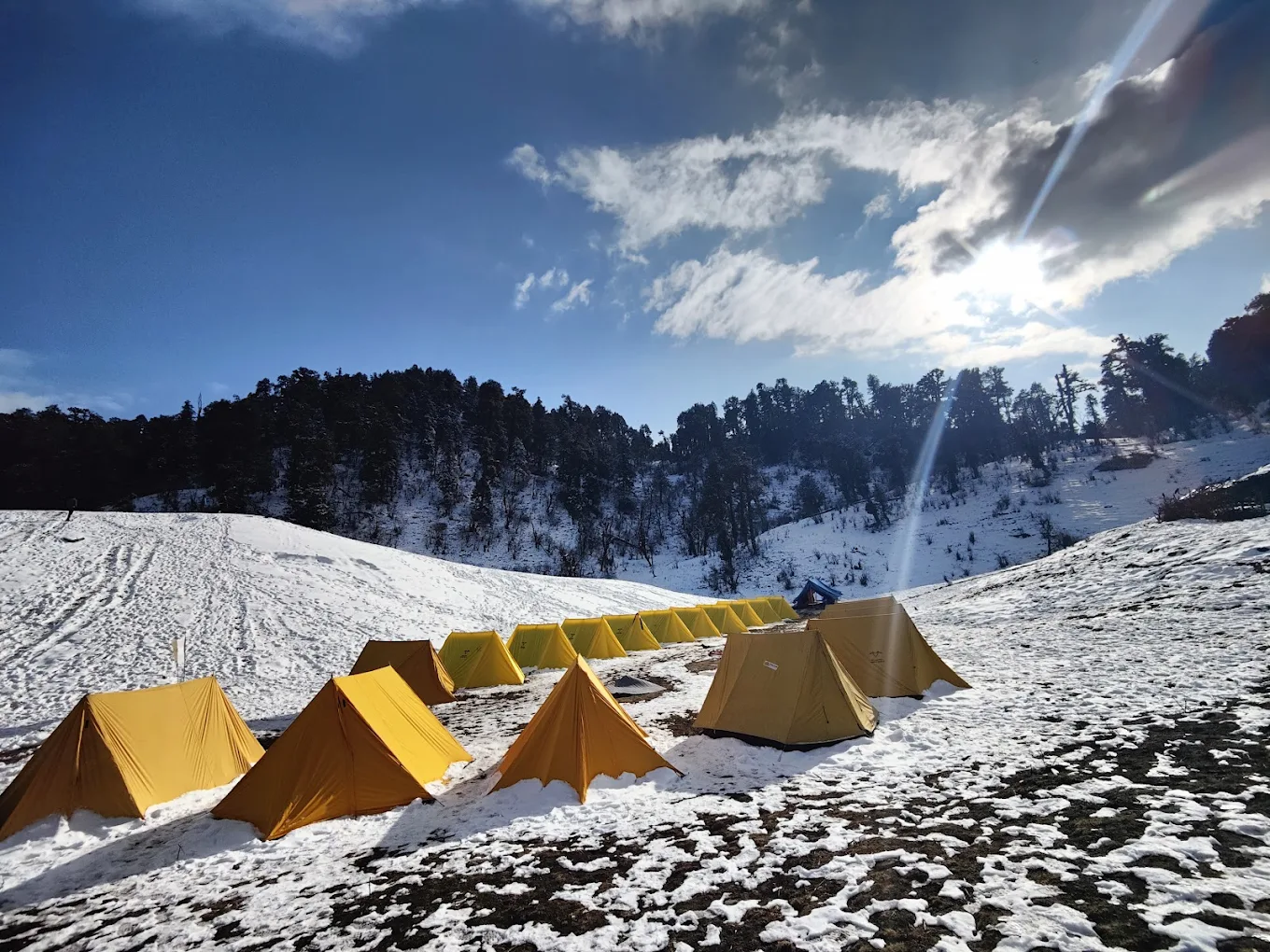
Dayara Bugyal Trek
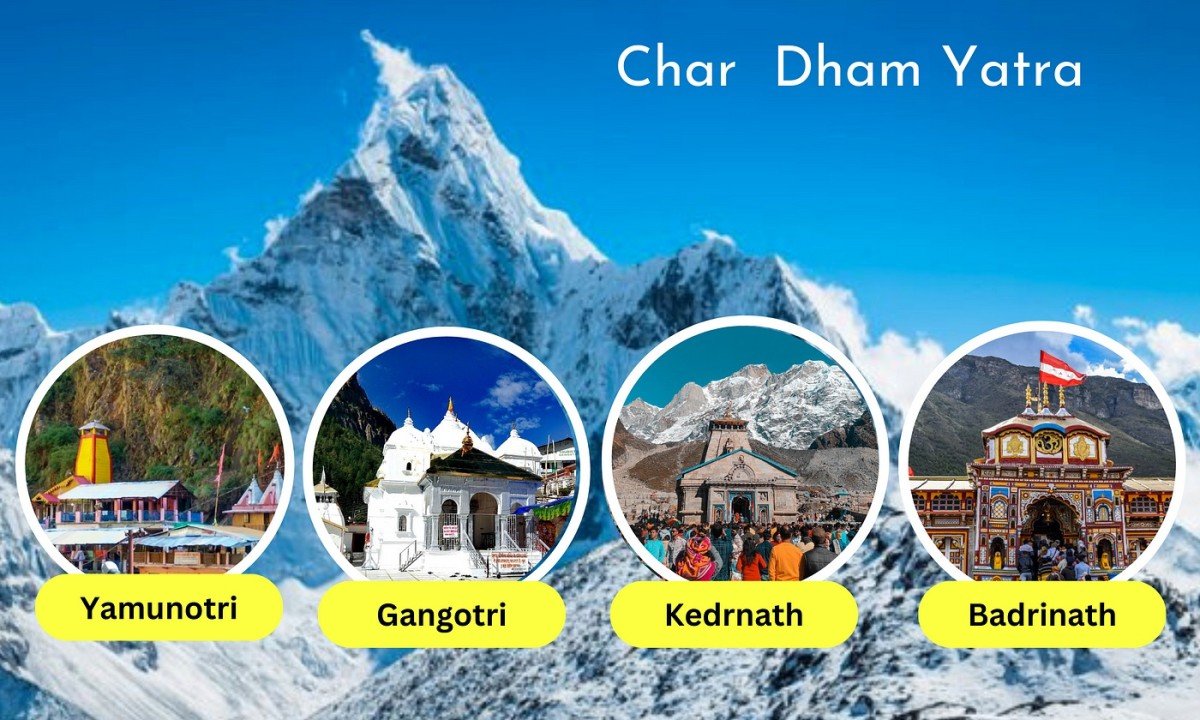
Char Dham Yatra
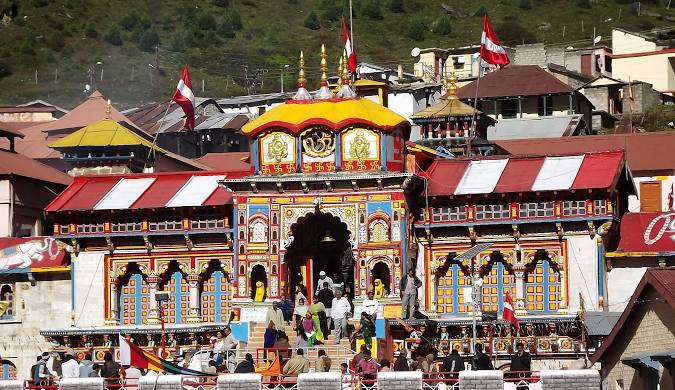
Badrinath
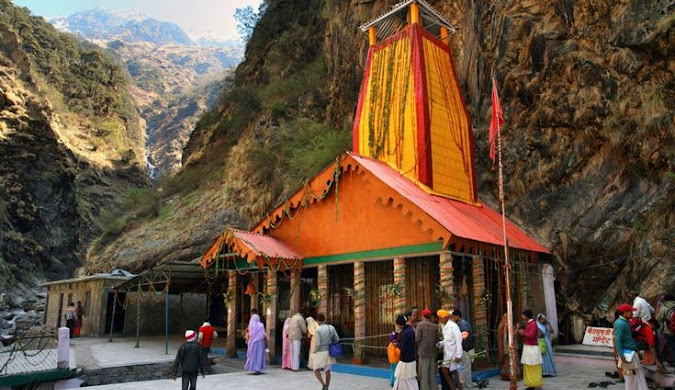
Yamunotri
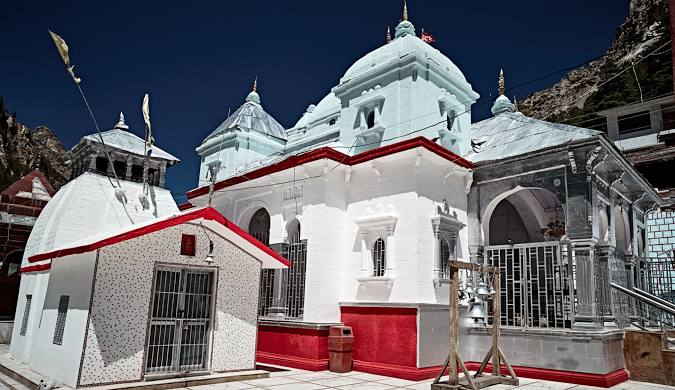
Gangotri
Kalpa
Chitkul
Sangla Valley
Reckong Peo
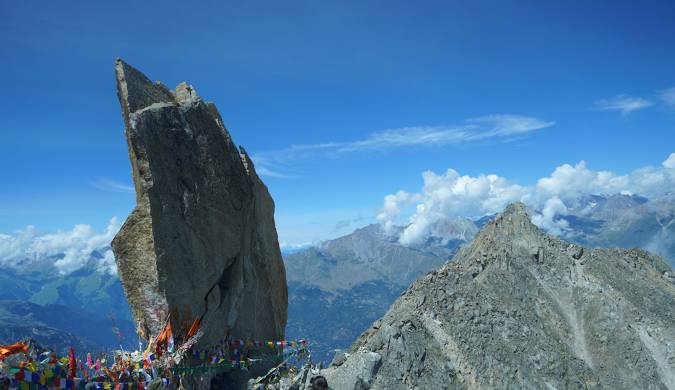
Kinner Kailash
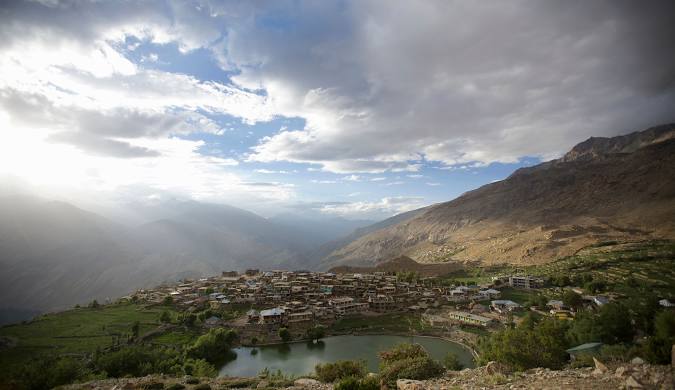
Nako Village
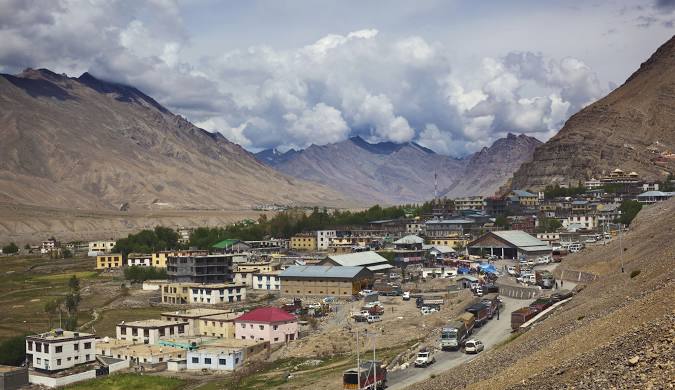
Kaza
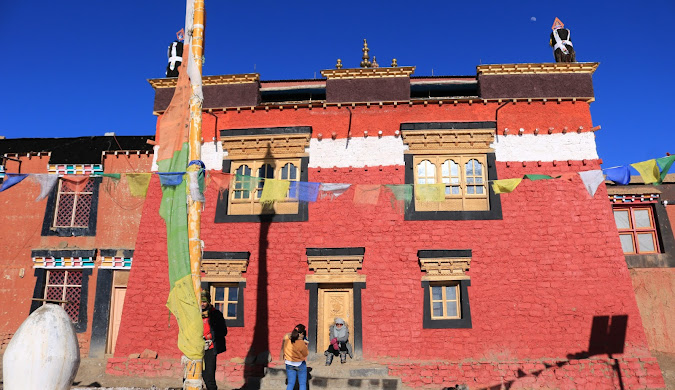
Komic Village
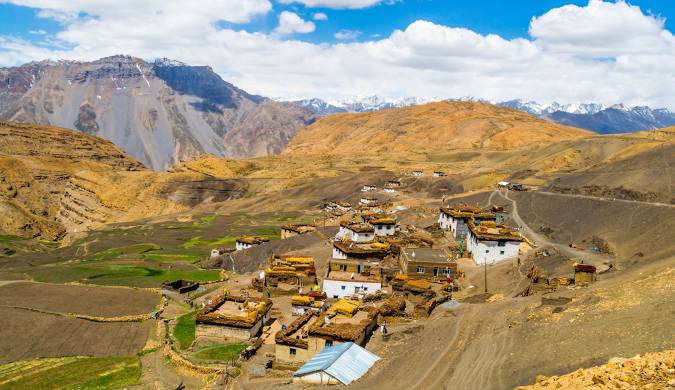
Hikkim Village
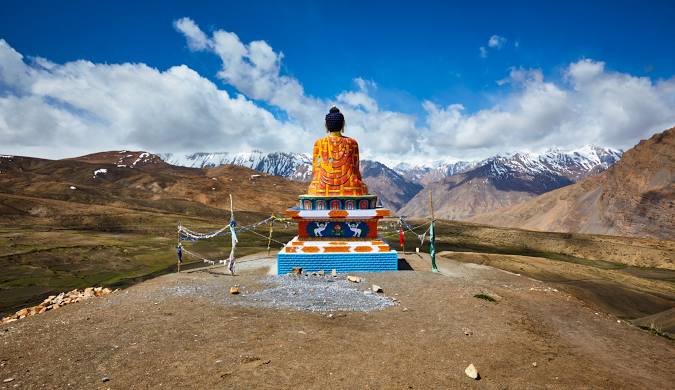
Langza Village
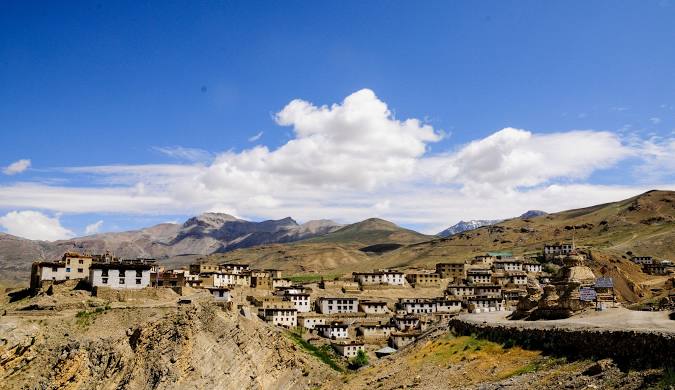
Kibber Village
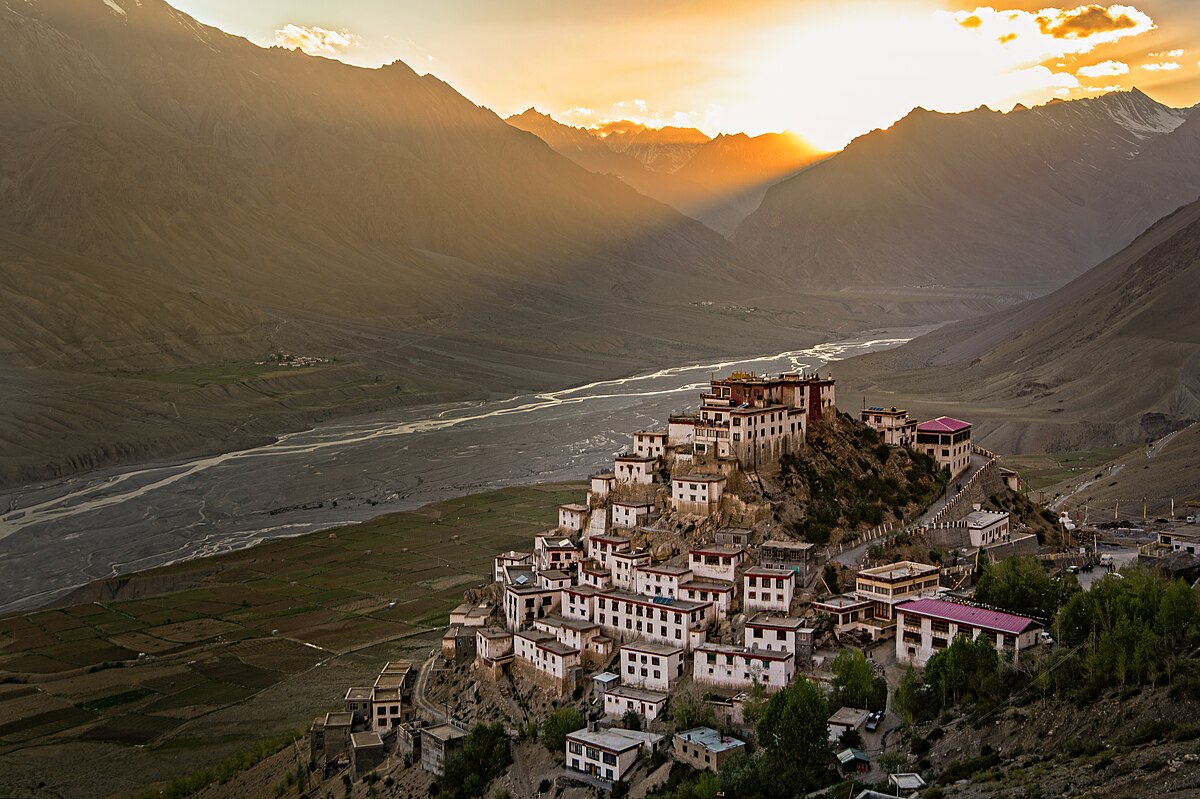
Key Monastery
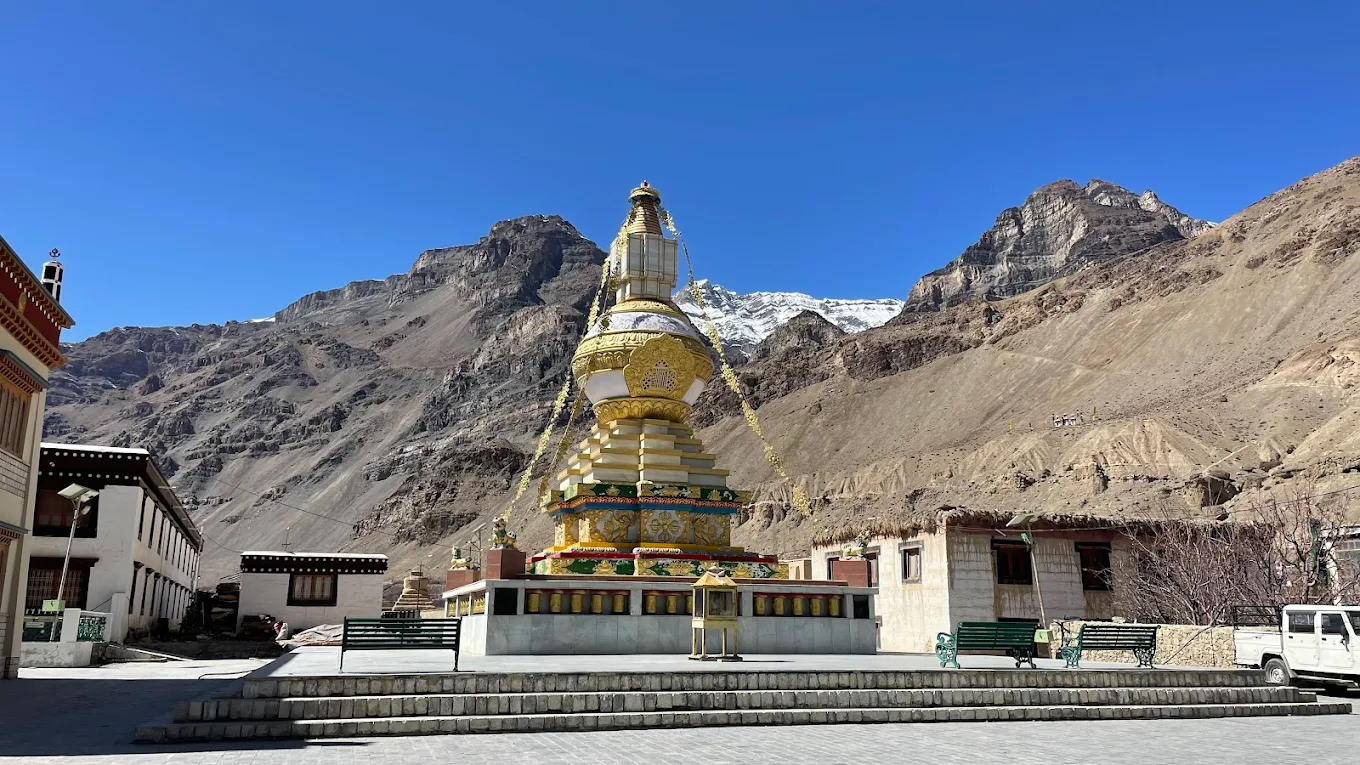
Tabo Monastery
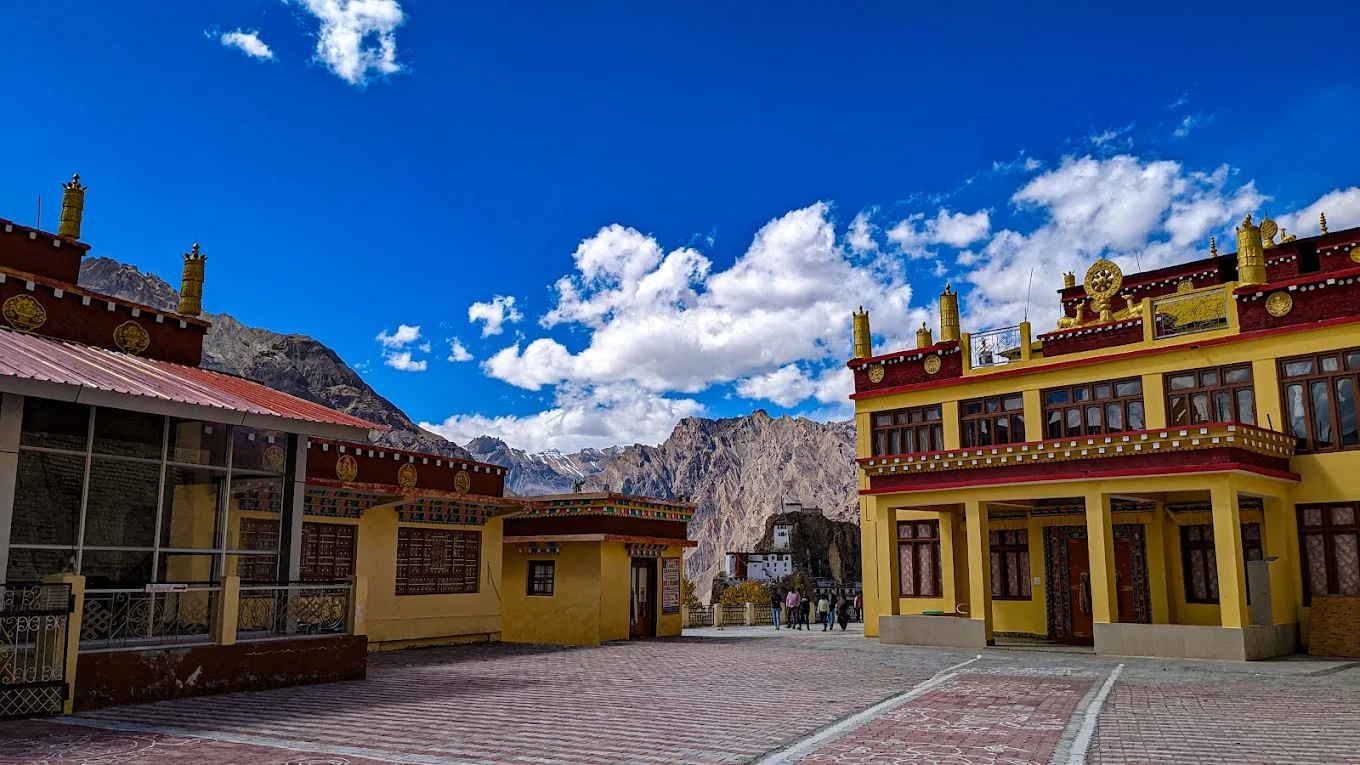
Dhankar Monastery
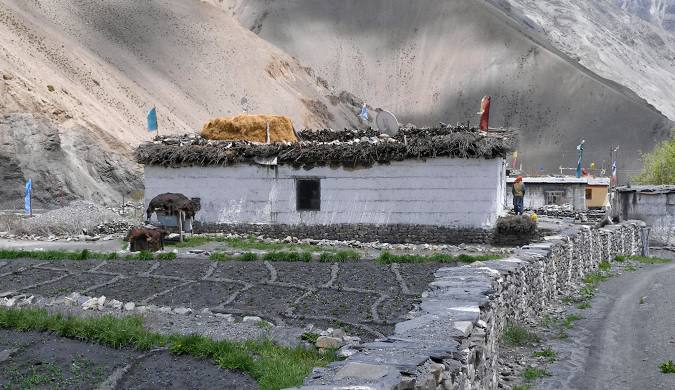
Gue Village
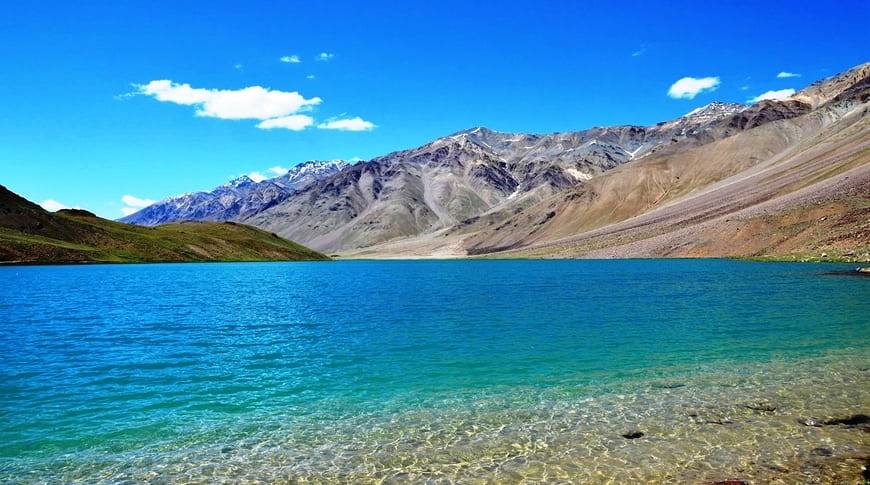
Chandratal Lake
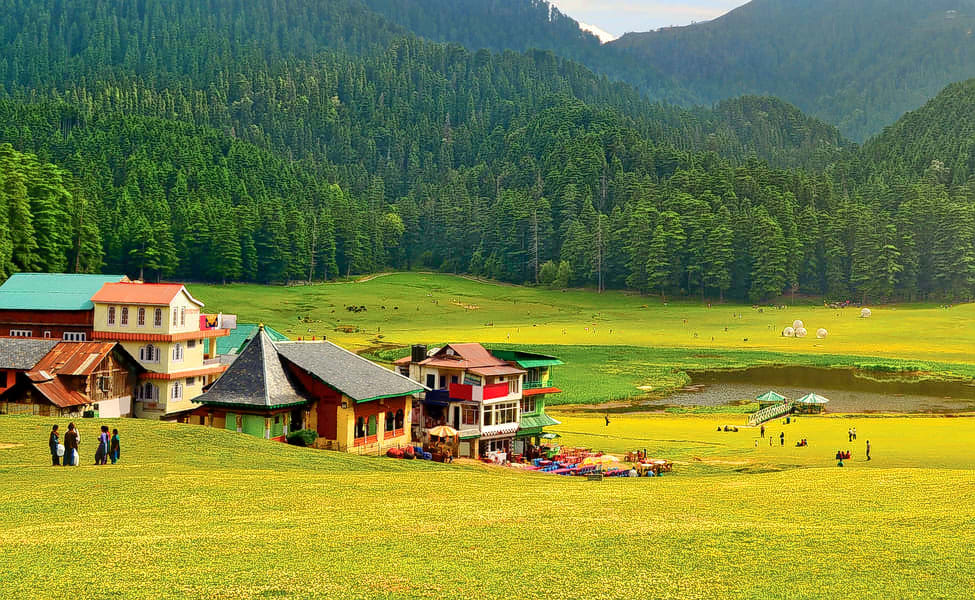
Dalhousie
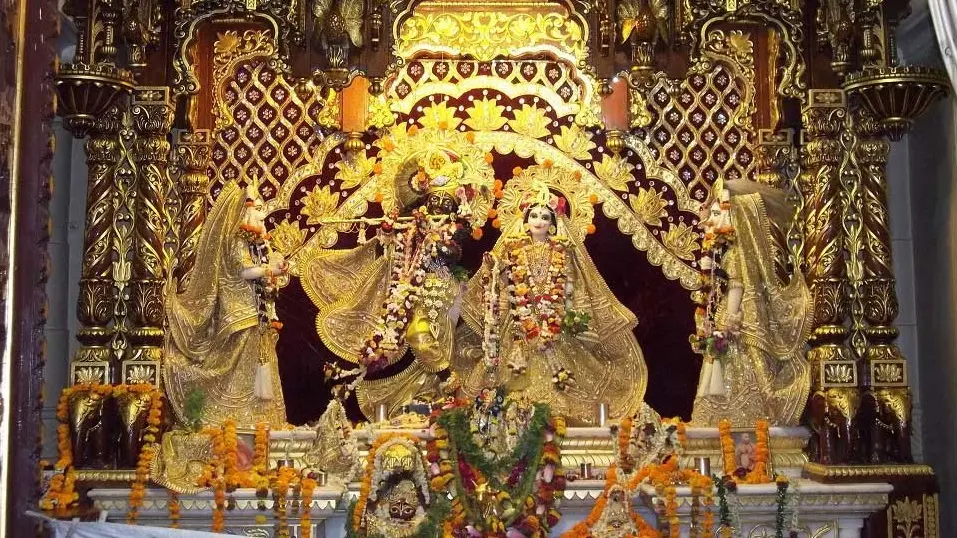
Shri Krishna Janmabhoomi Temple
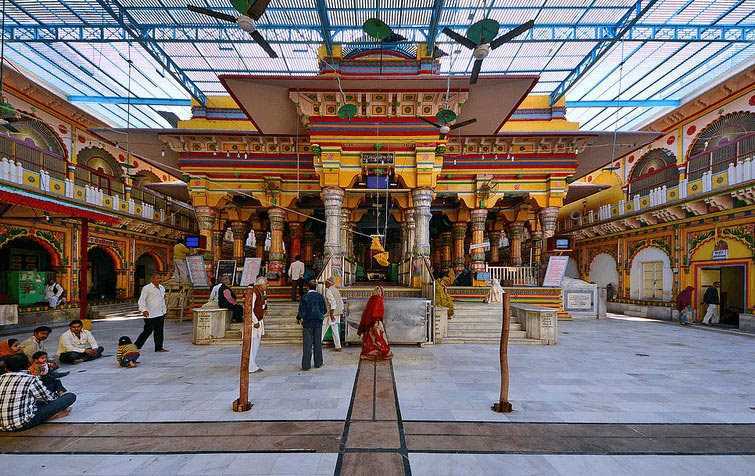
Shri Dwarkadhish Temple
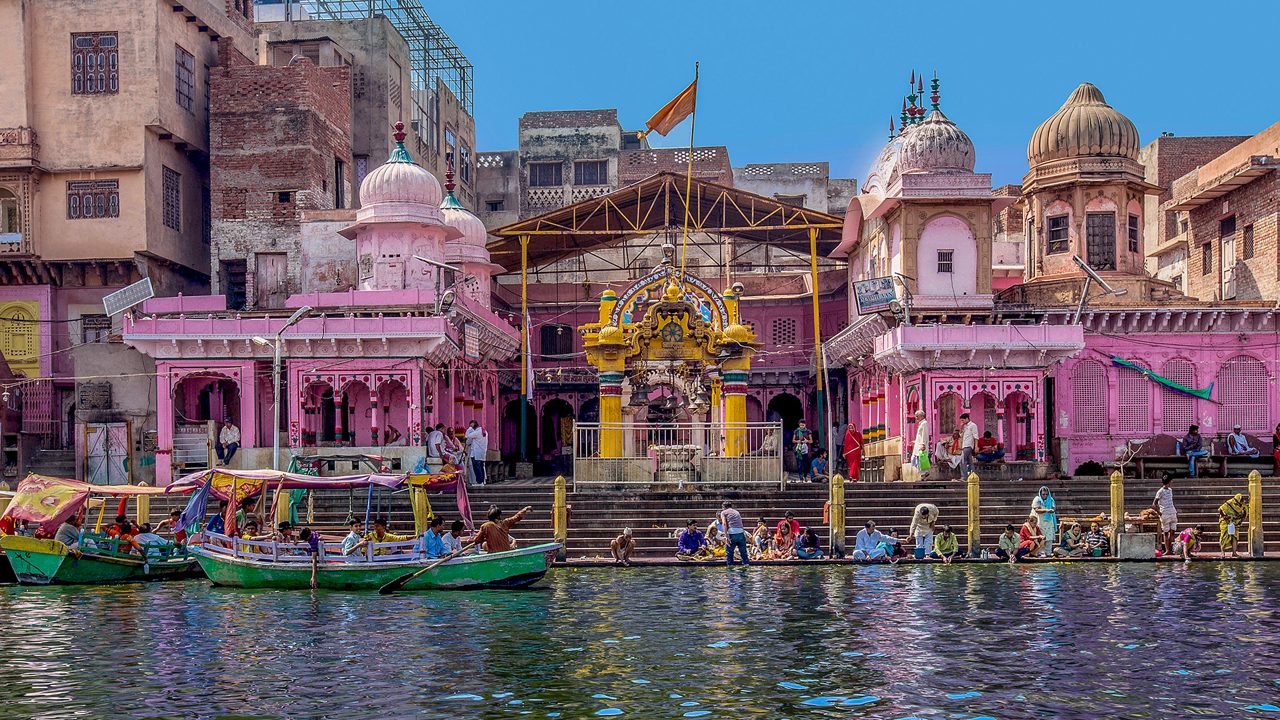
Vishram Ghat, Mathura
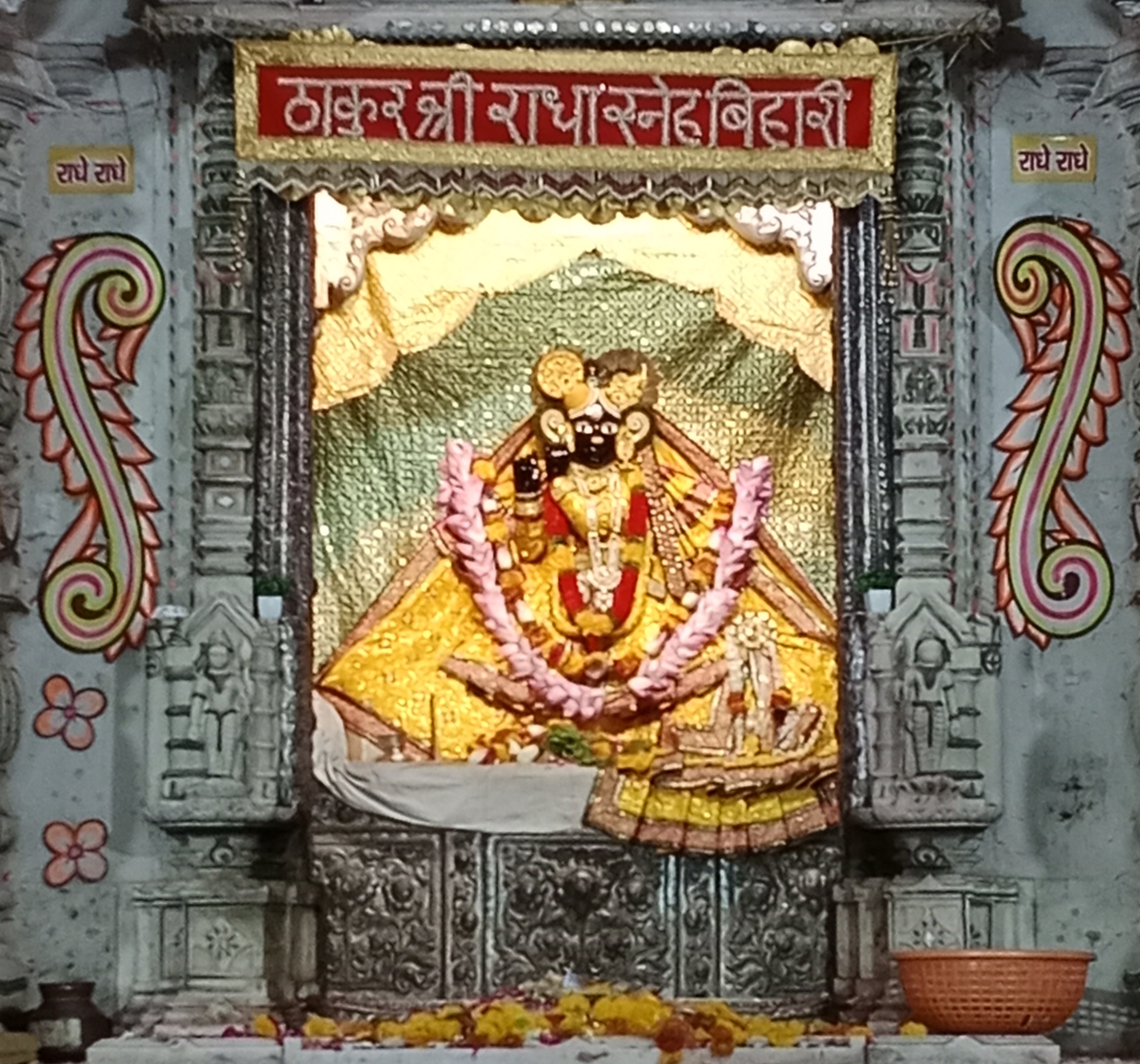
Shri Banke Bihari Temple, Vrindavan
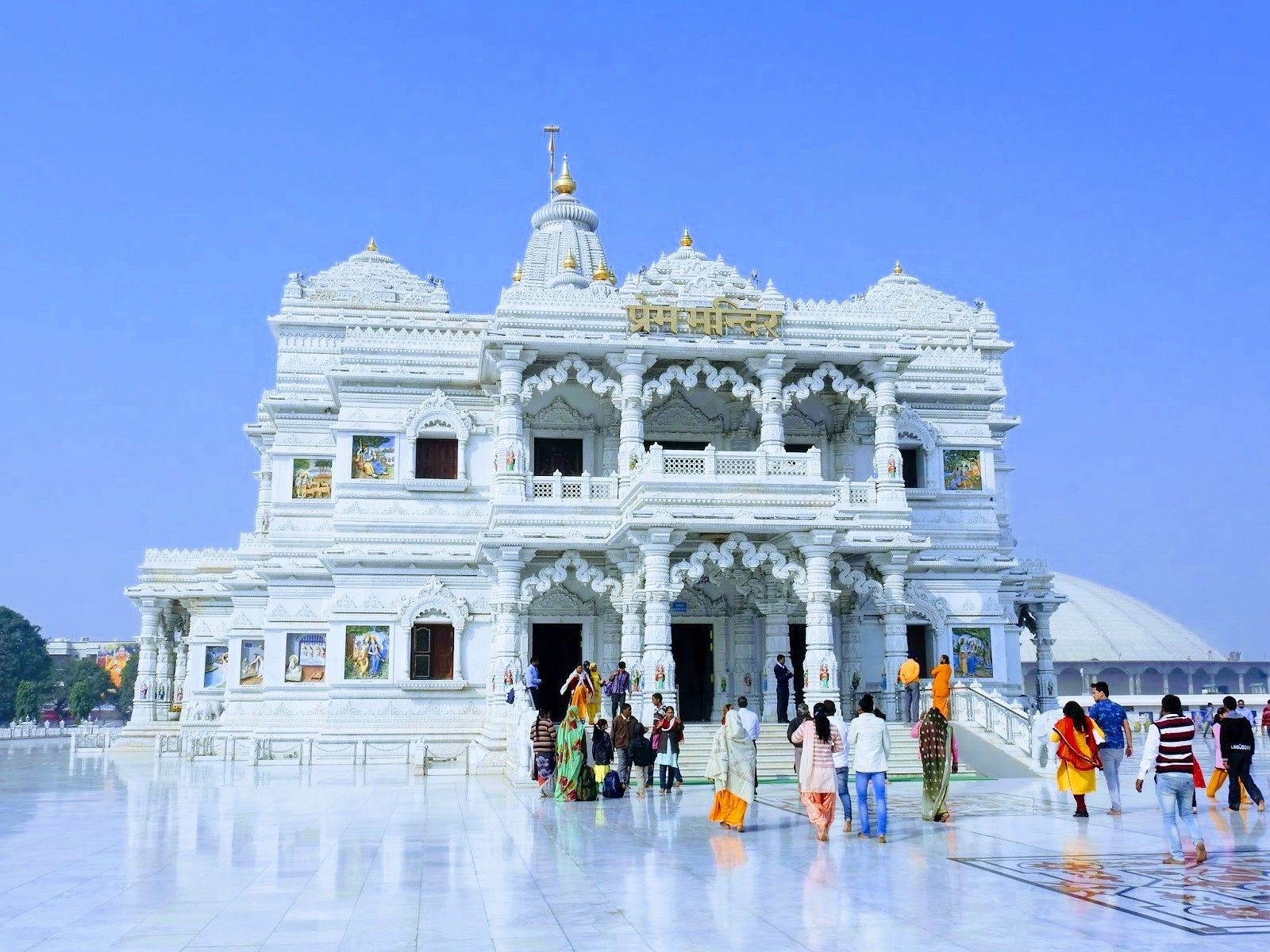
Shri Prem Mandir, Vrindavan
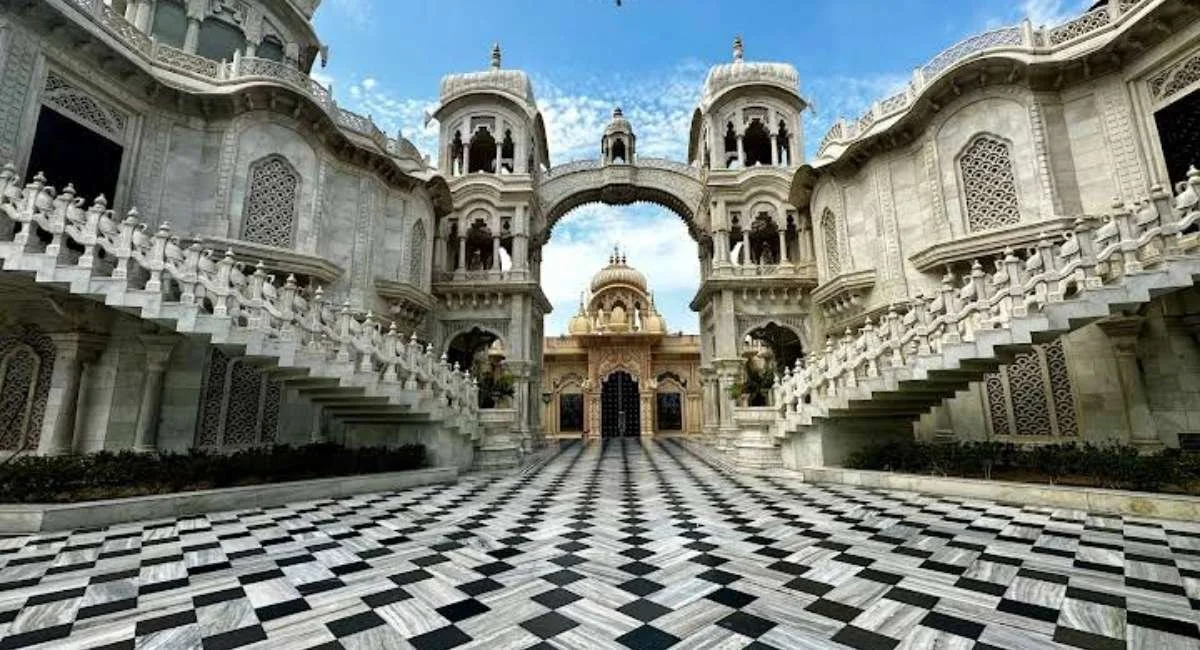
ISKCON Temple, Vrindavan
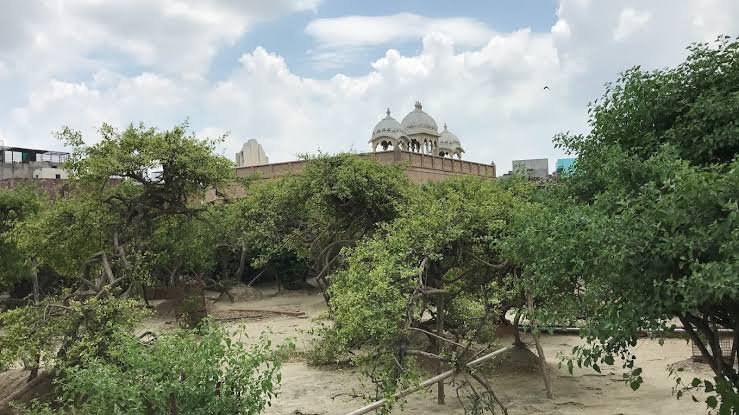
Nidhivan, Vrindavan
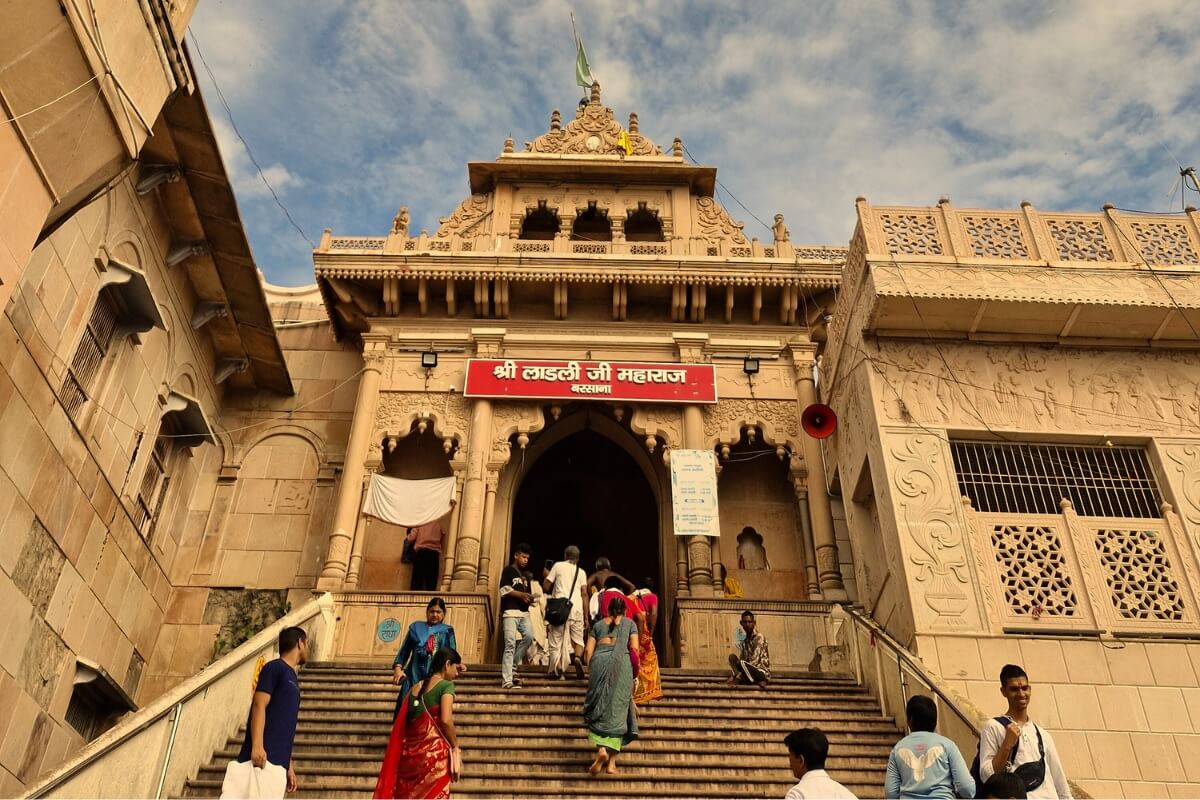
Shri Radha Rani Temple, Barsana
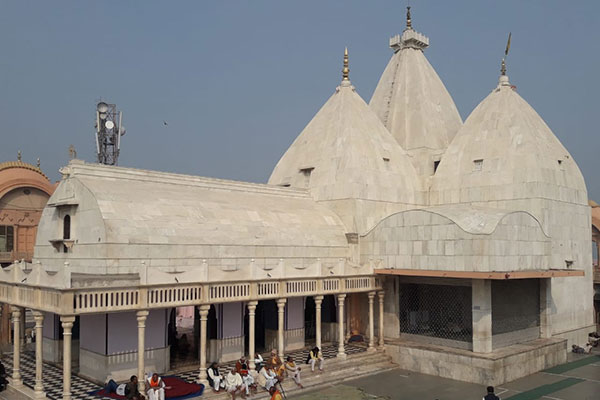
Nand Bhawan Mandir, Nandgaon
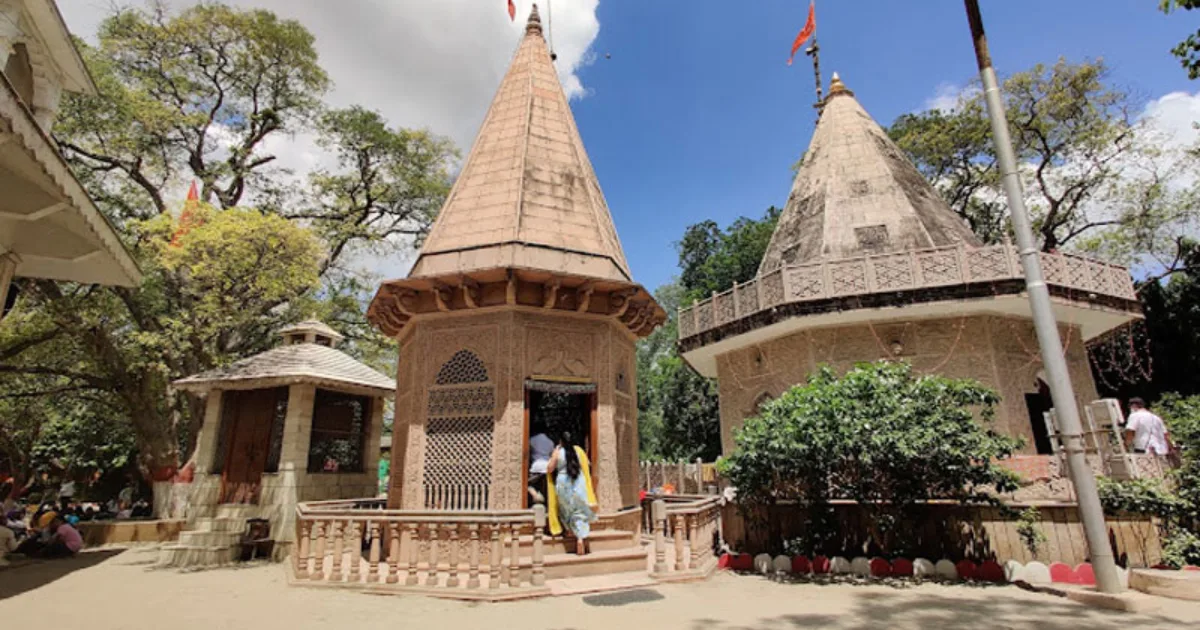
Raman Reti
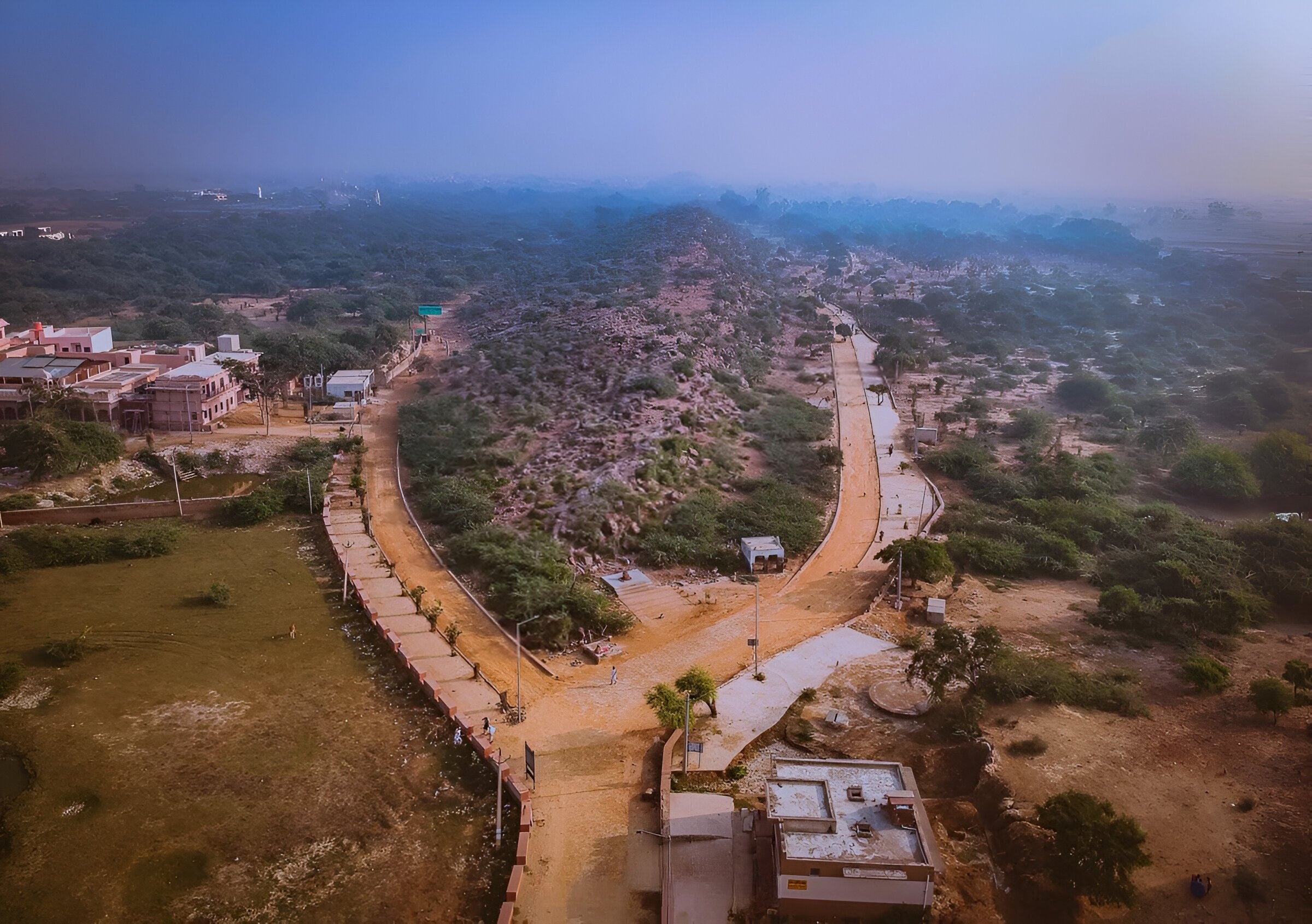
Goverdhan Parikrama
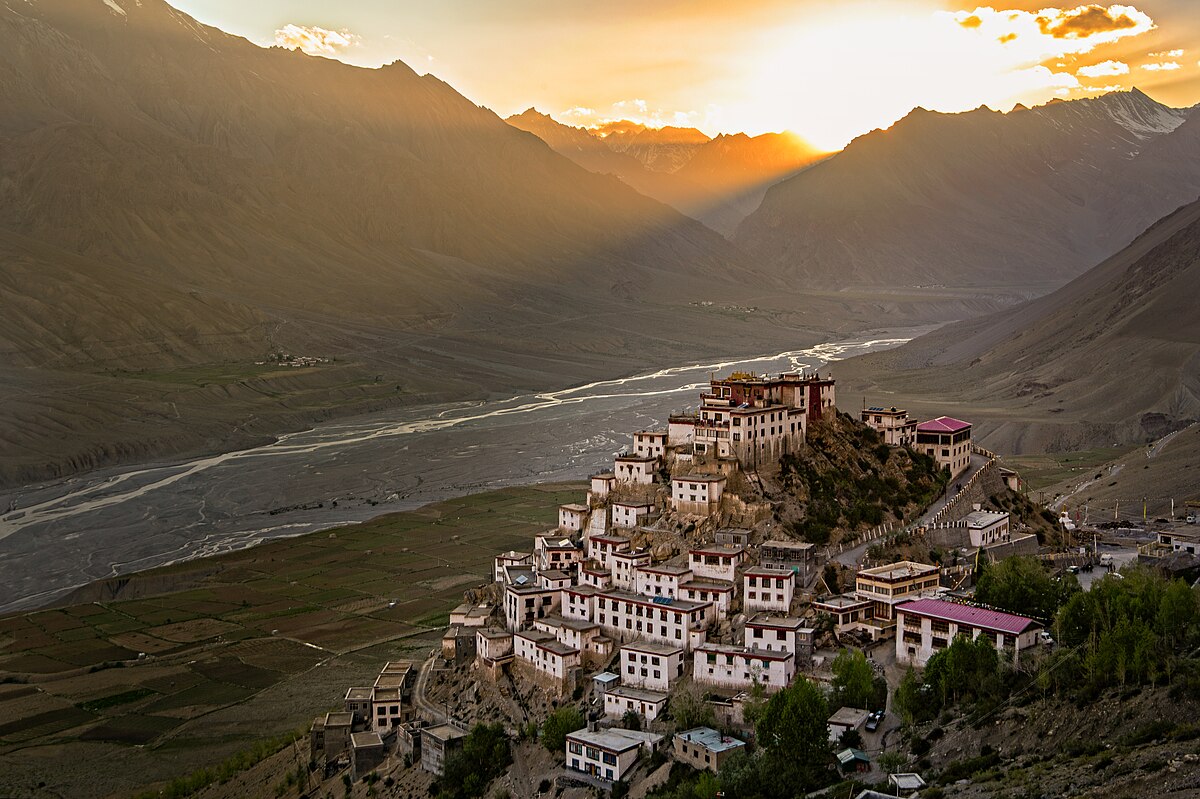
Spiti Valley Expedition
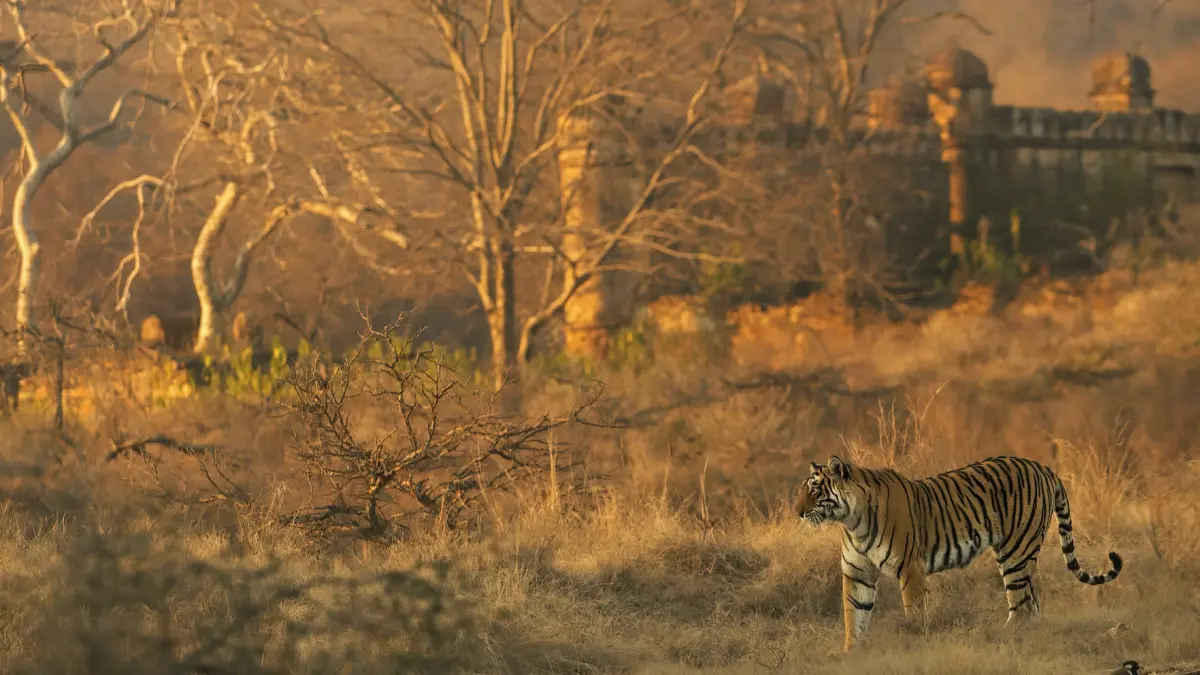
Ranthambhore National Park
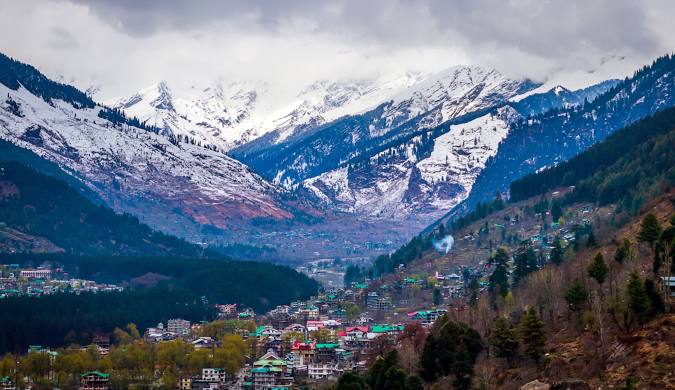
Manali
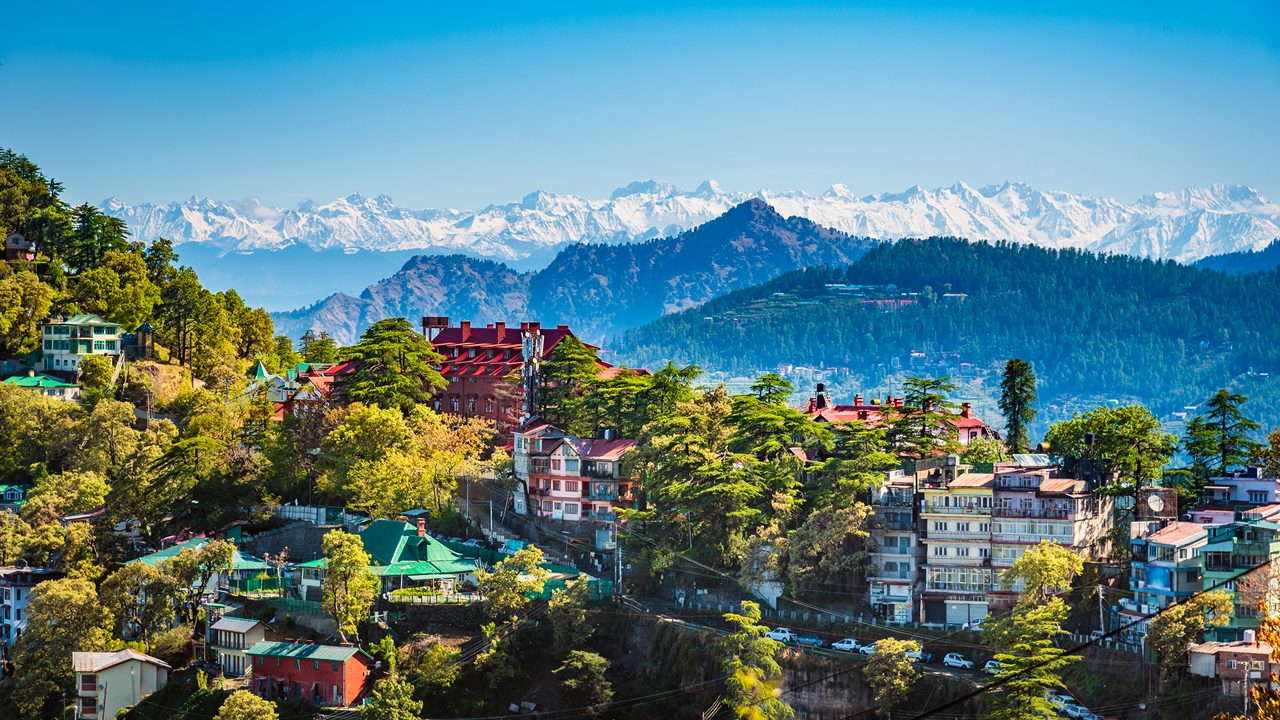
Shimla
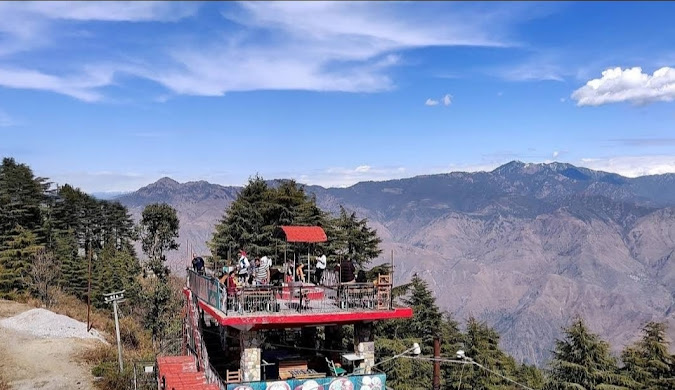
Mussoorie
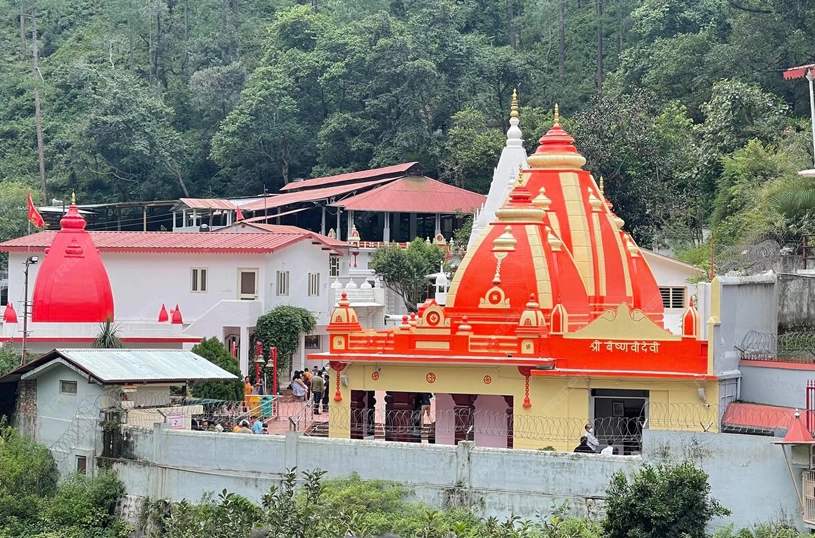
Neem Karoli Baba, Kainchi Dham
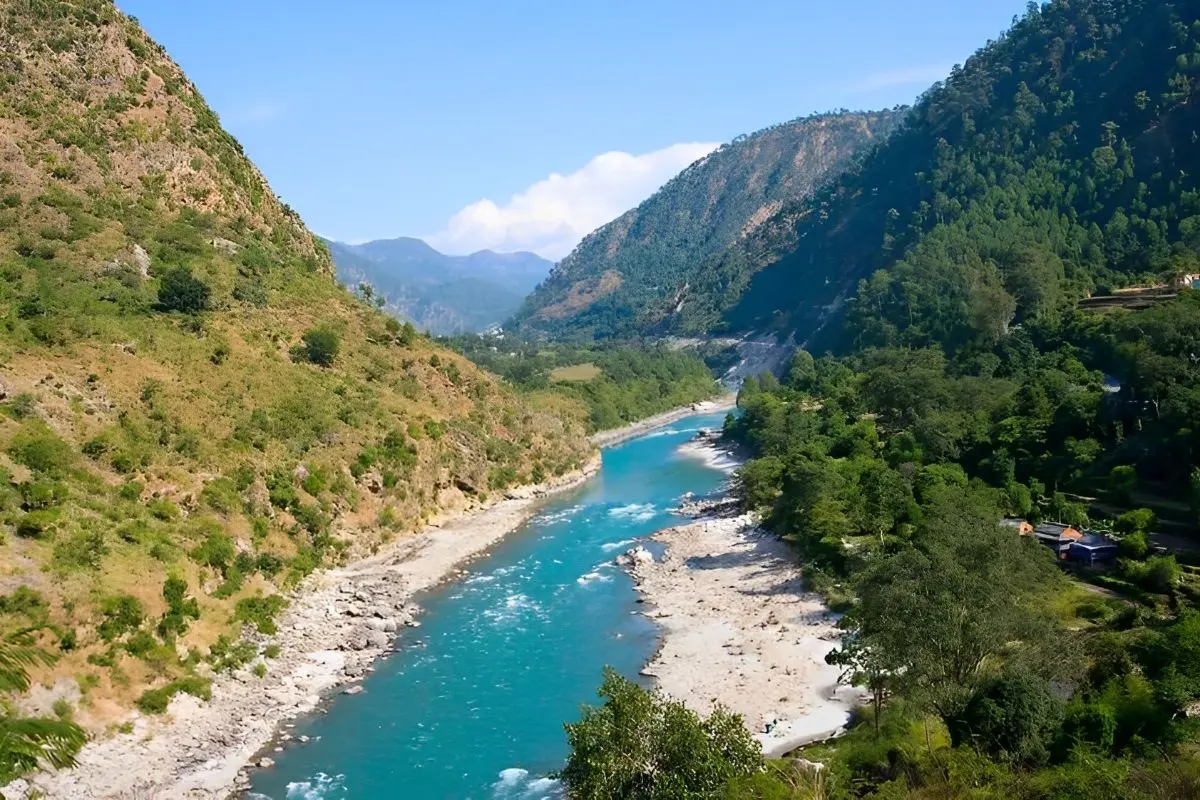
Mukteshwar
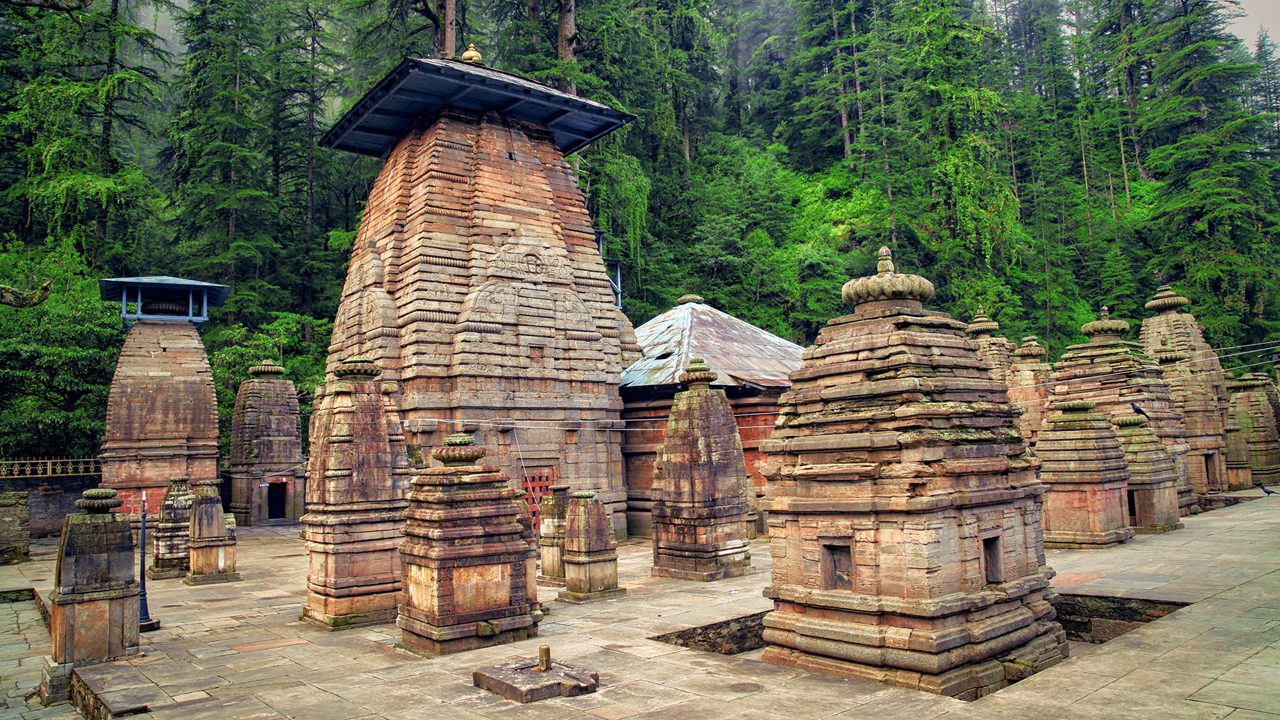
Jageshwar Dham
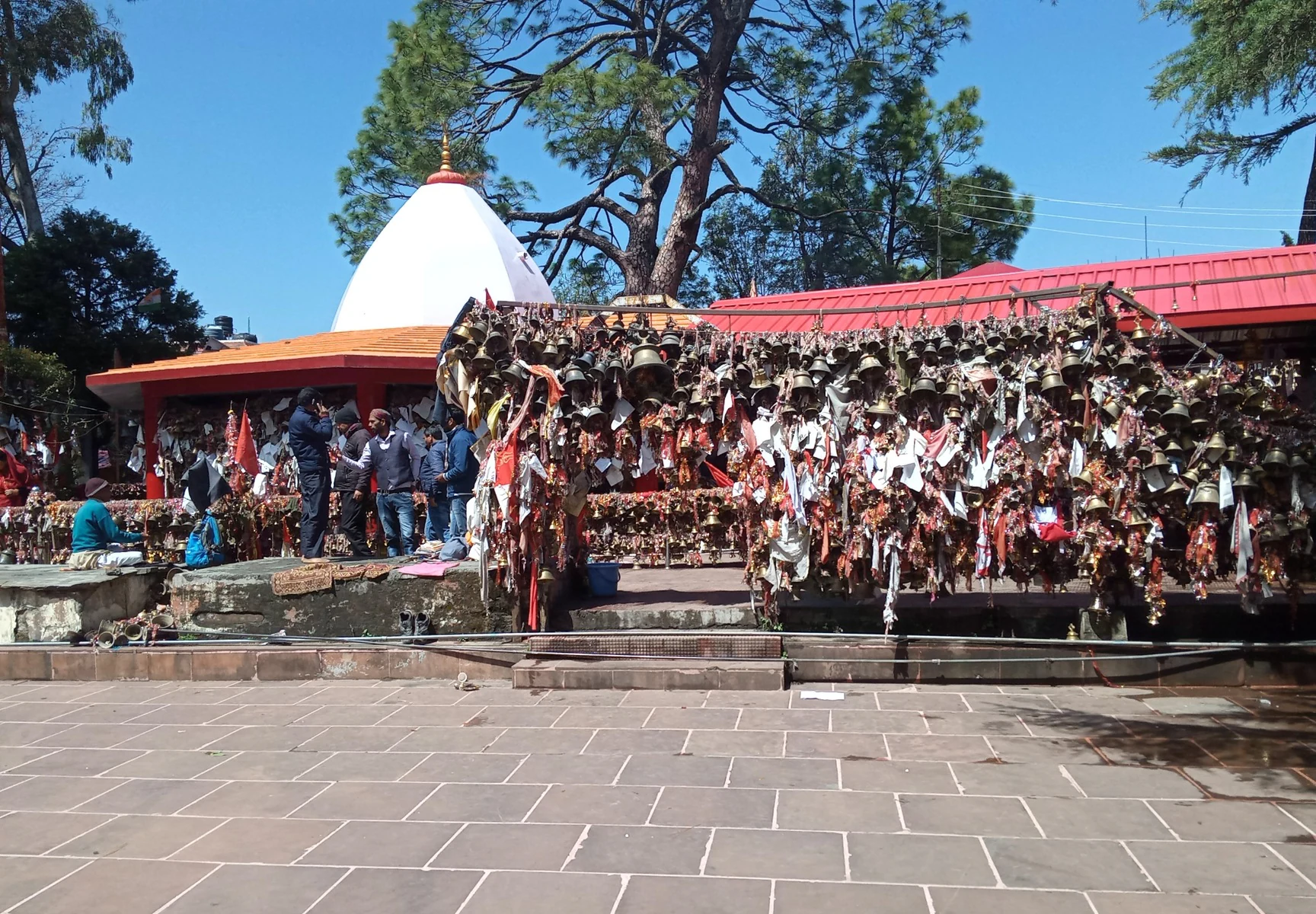
Chitai Golu Devta Temple
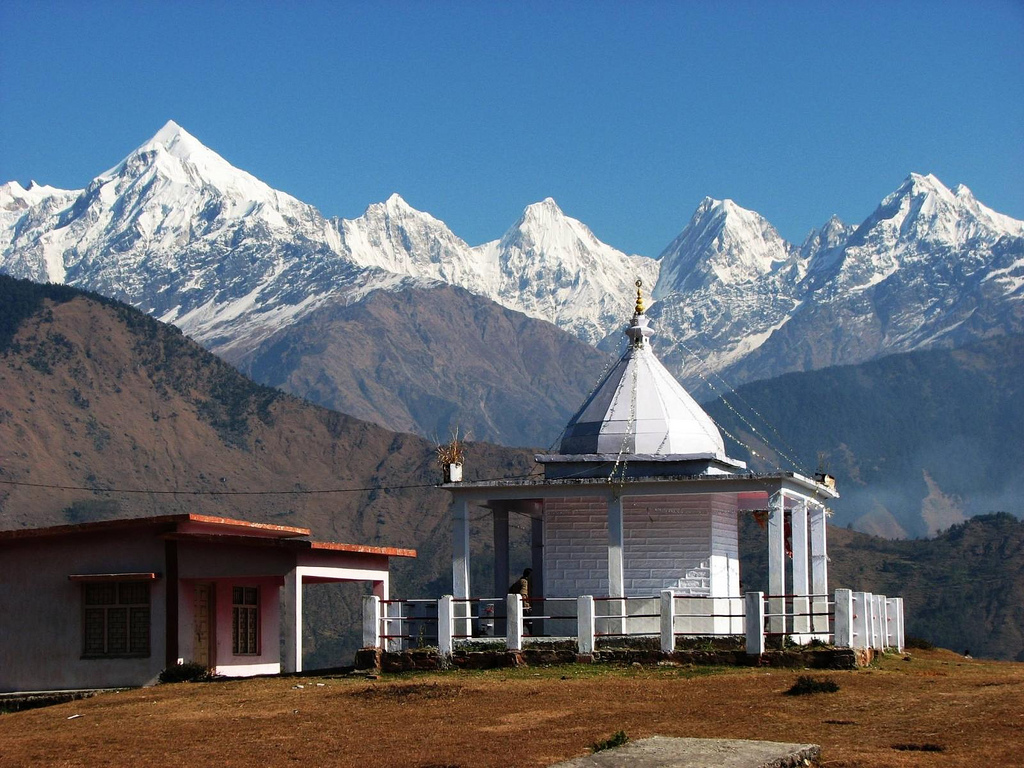
NANDA DEVI TEMPLE
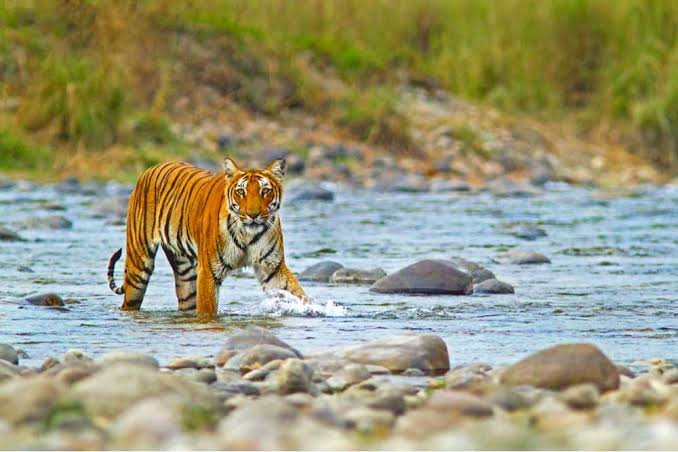
Jim Corbett National Park
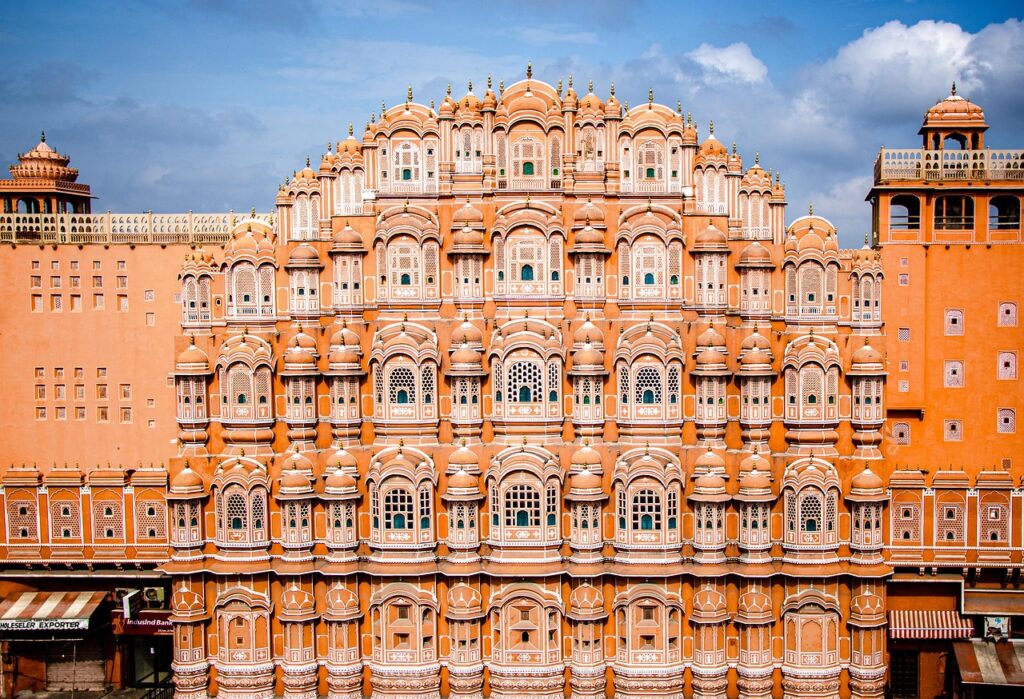
Hawa Mahal
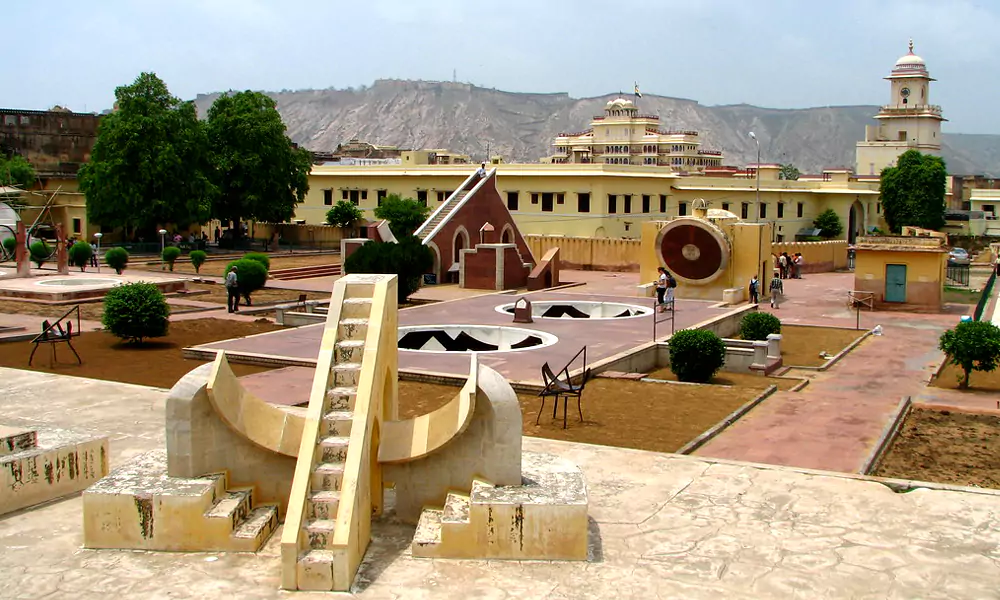
Jantar Mantar, Jaipur
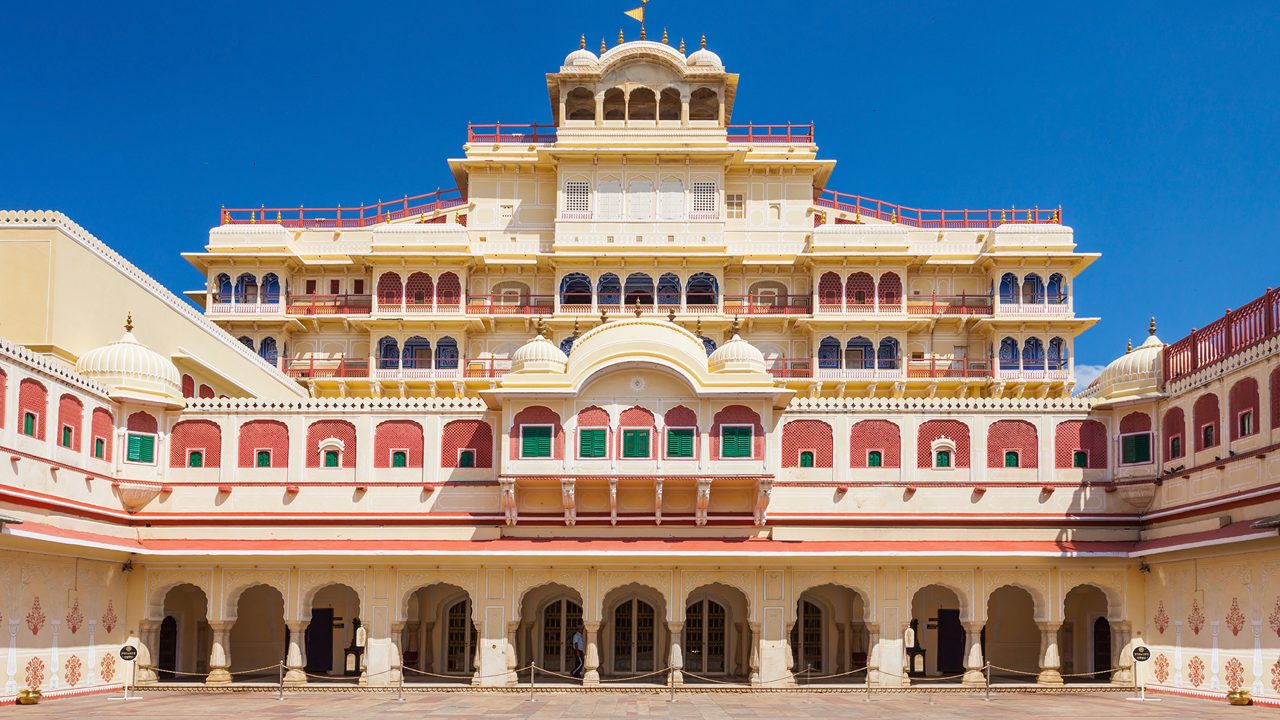
City Palace
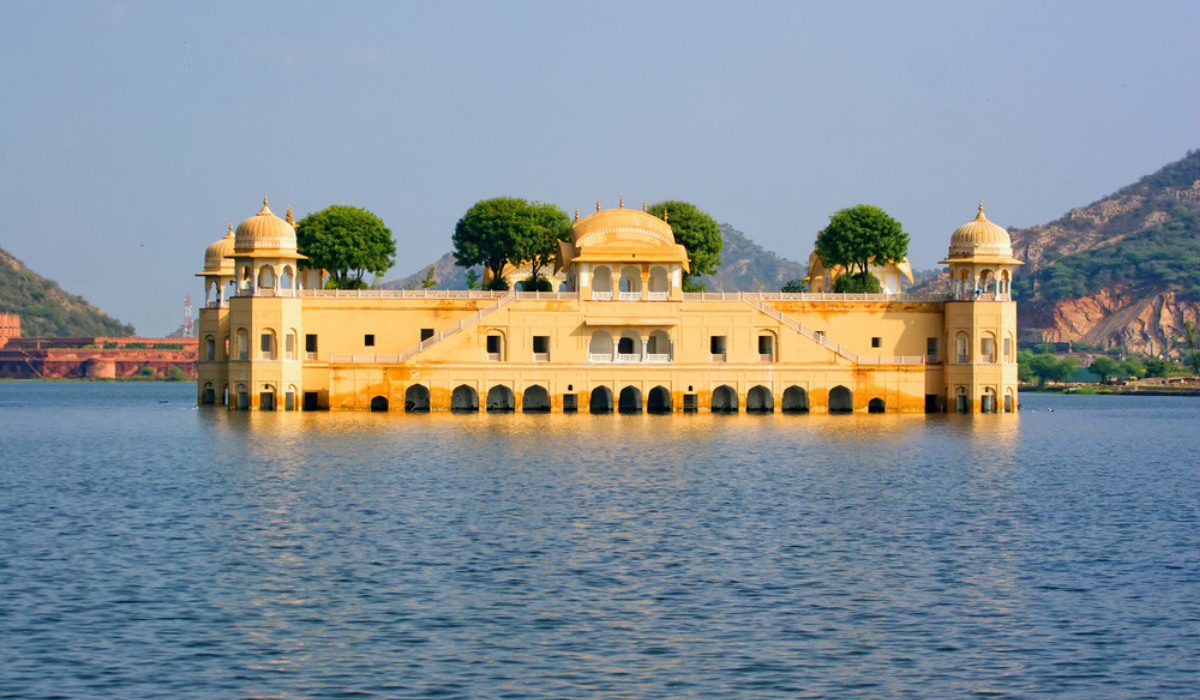
Jal Mahal
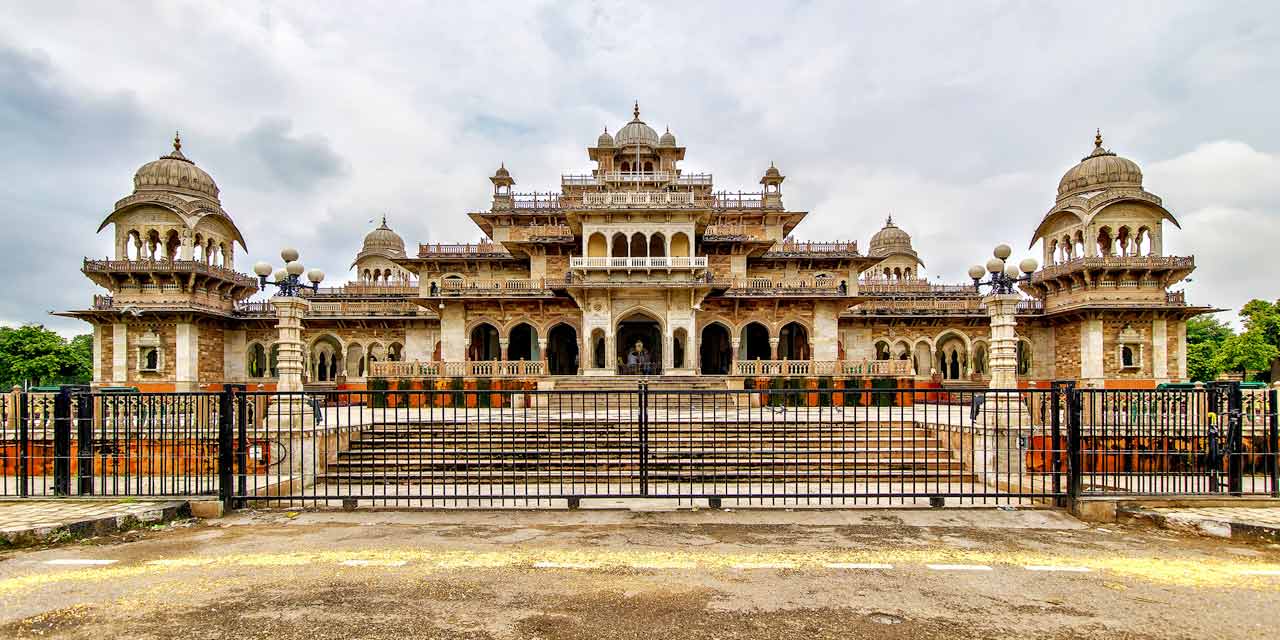
Albert Hall Museum
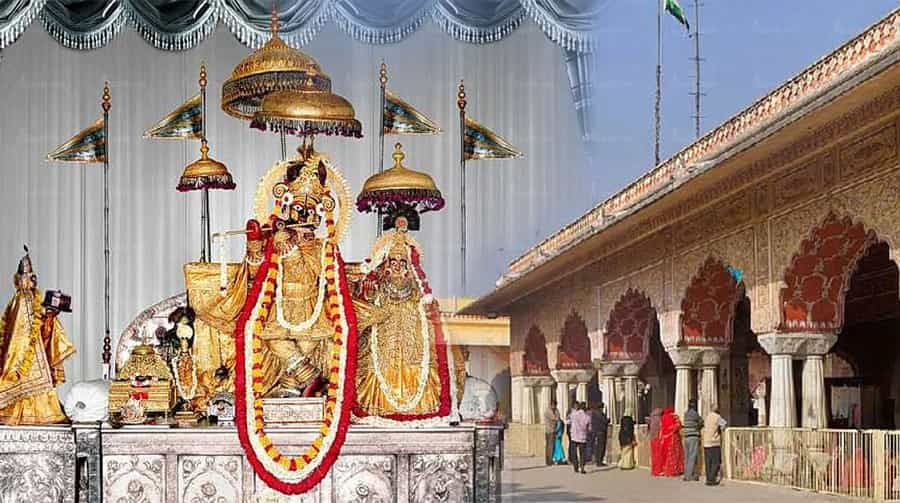
Shri Govind Dev Ji Temple
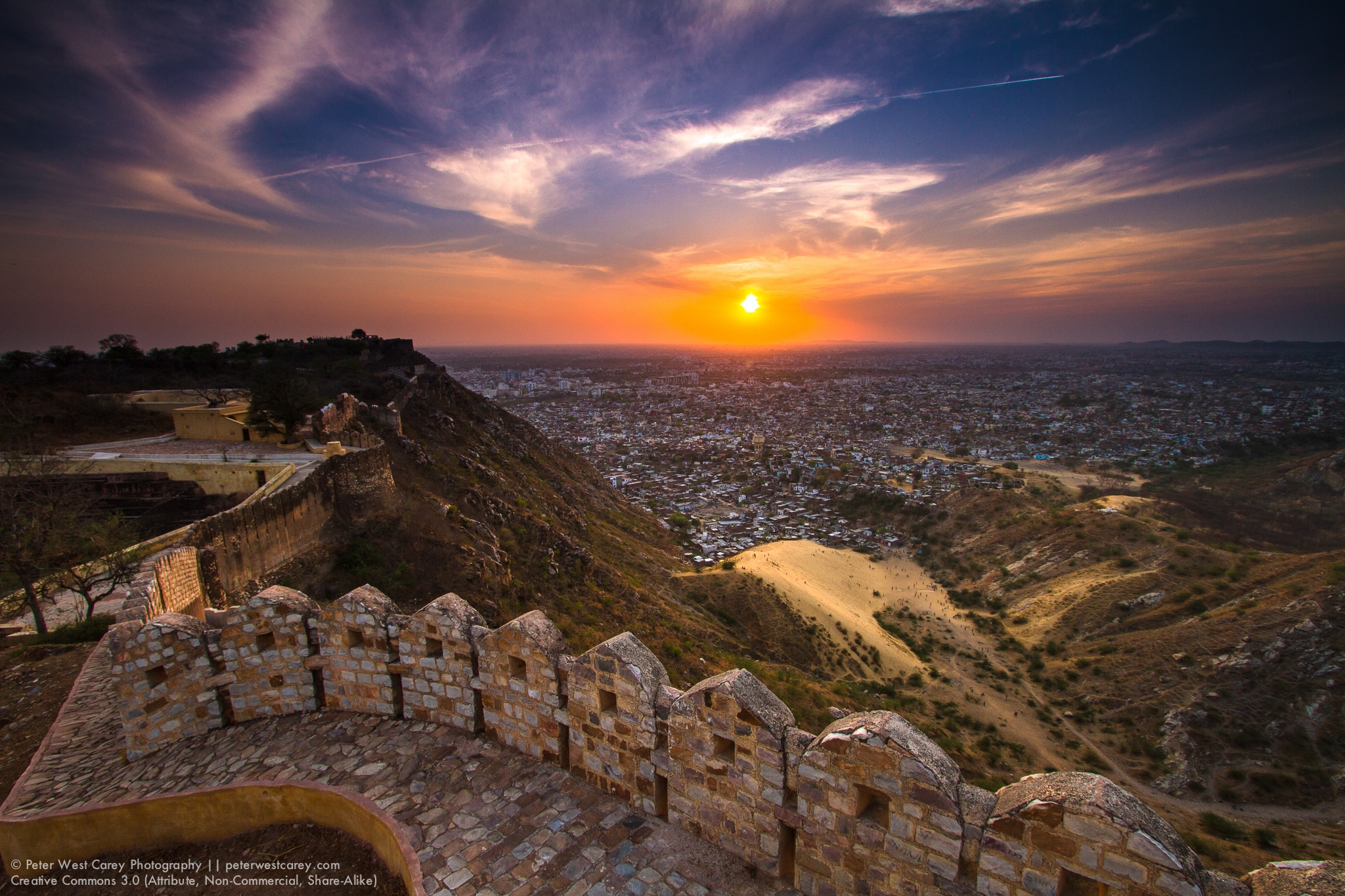
Nahargarh Fort
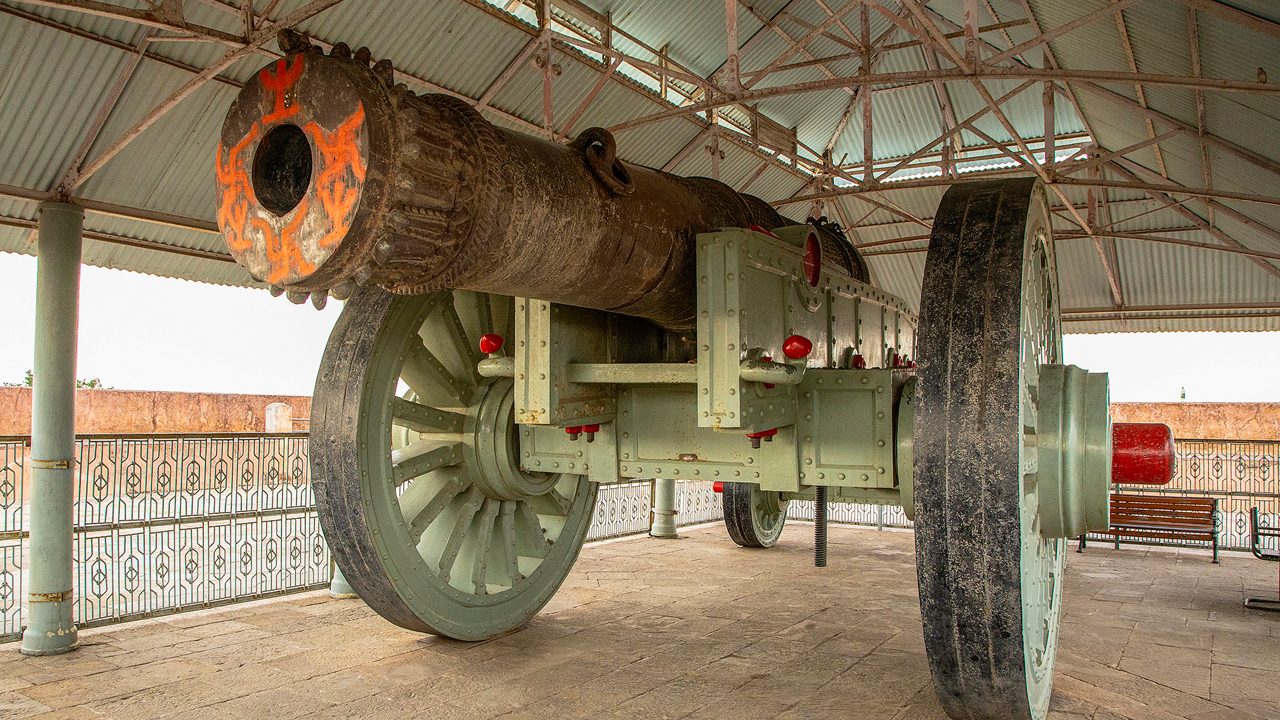
Jaigarh Fort
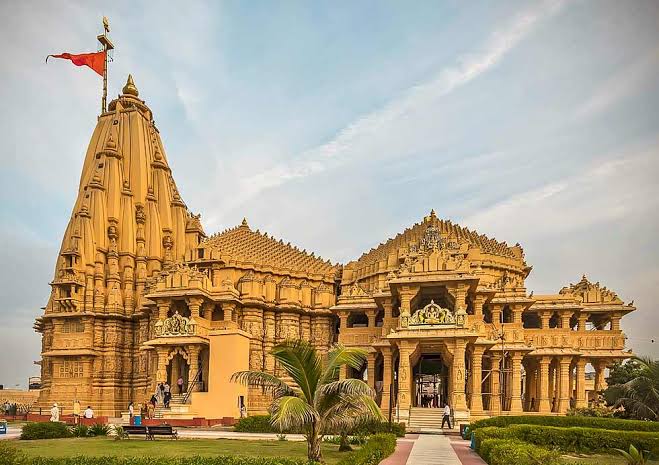
Somnath Temple
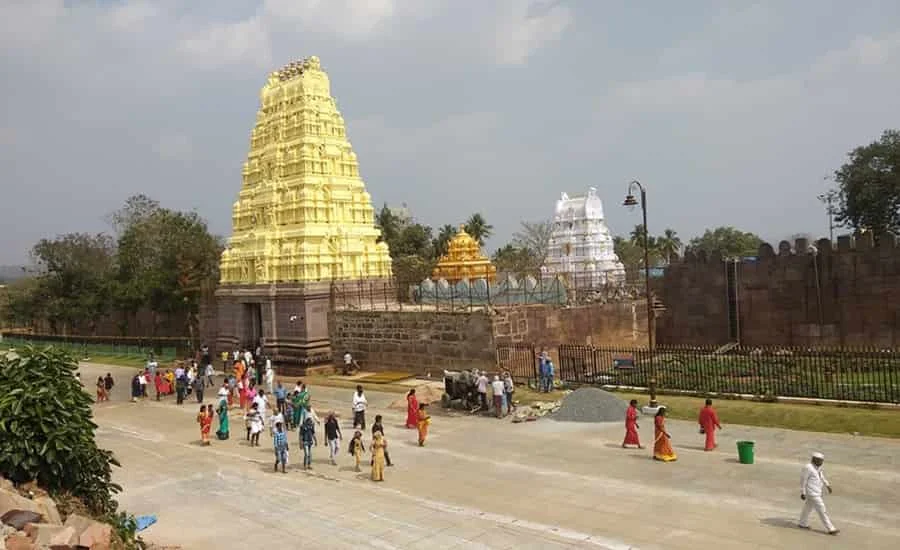
Mallikarjuna Temple
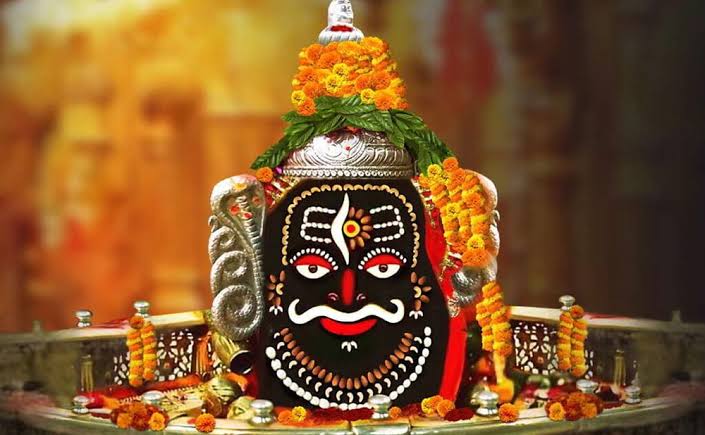
Mahakaleshwar Temple
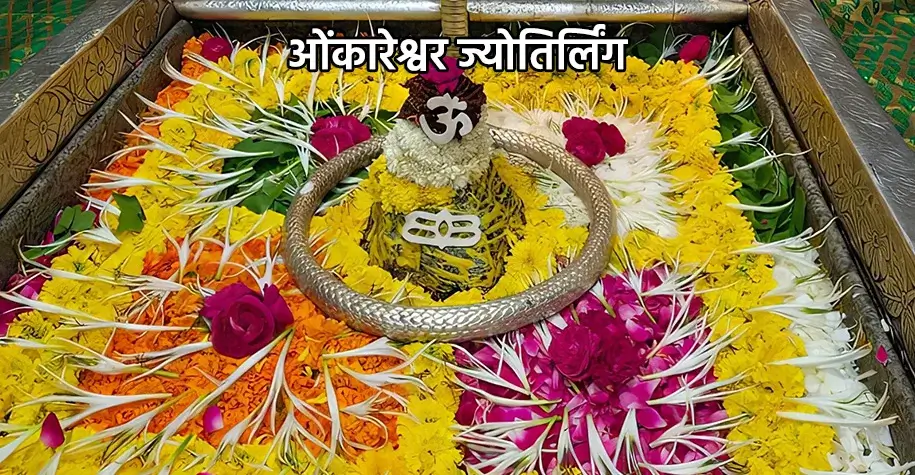
Omkareshwar Temple
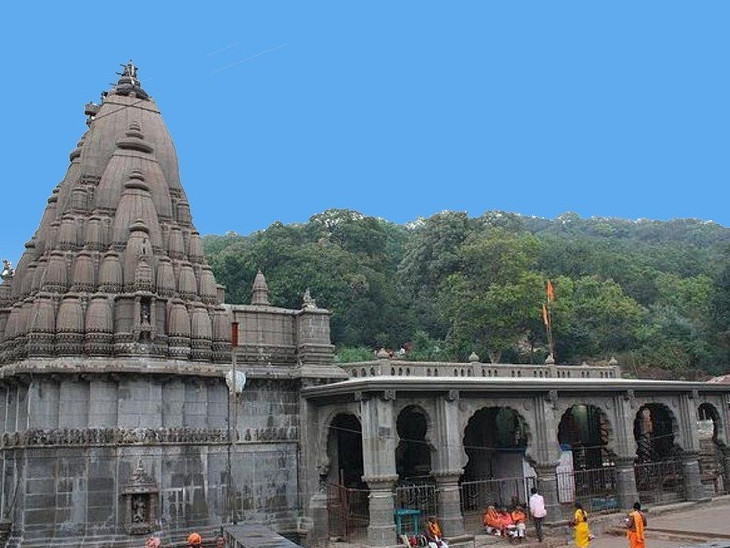
Bhimashankar Temple
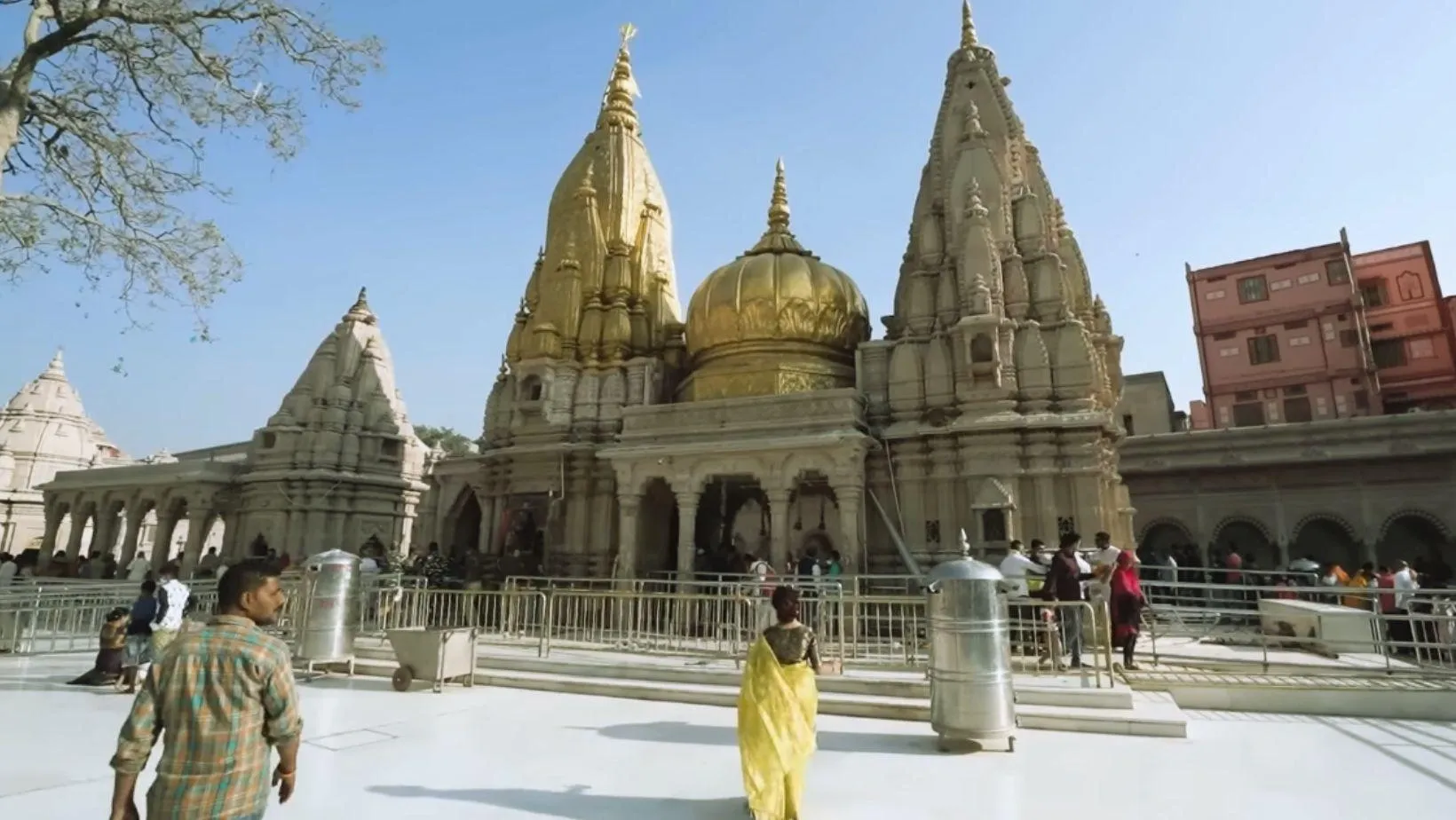
Kashi Vishwanath Temple
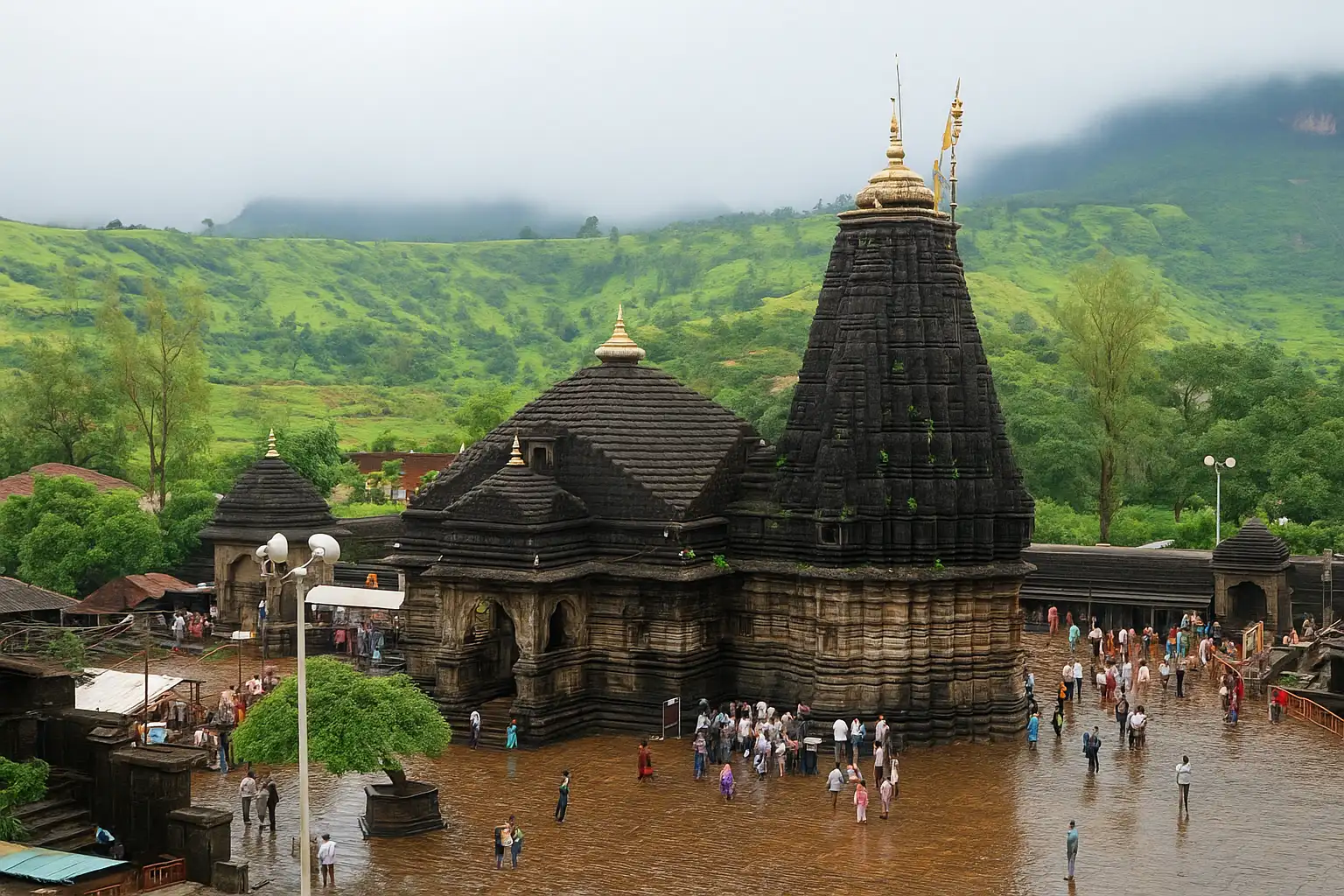
Trimbakeshwar Temple
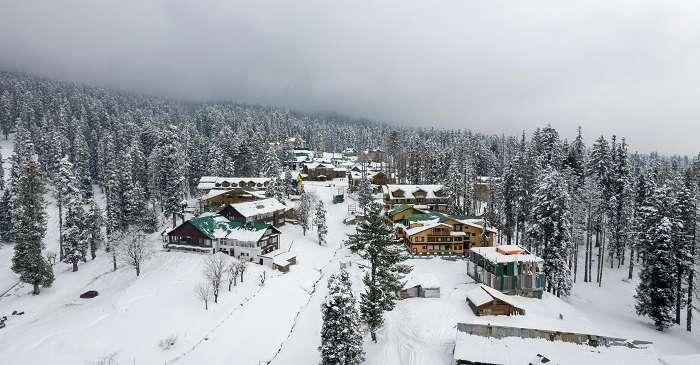
Harshil Valley
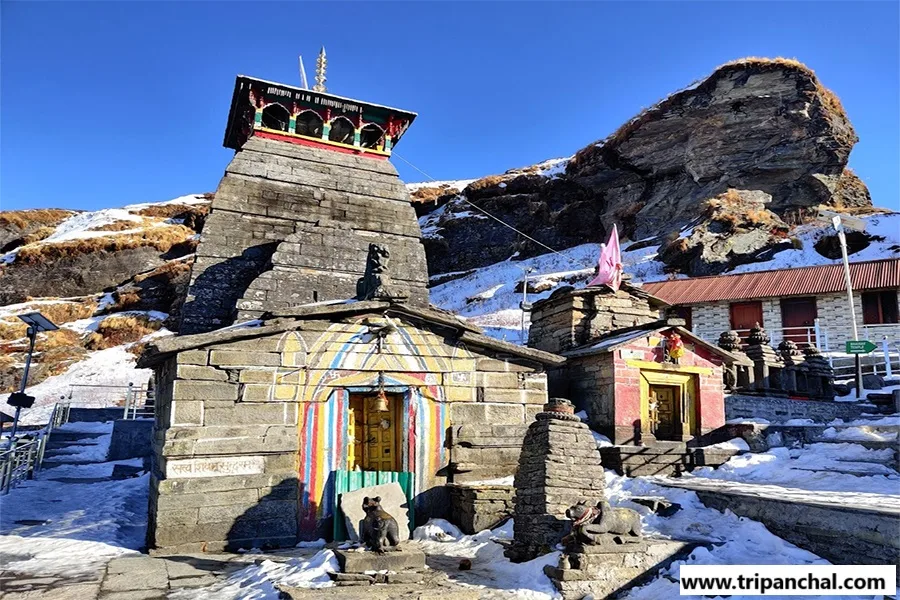
Tungnath Temple
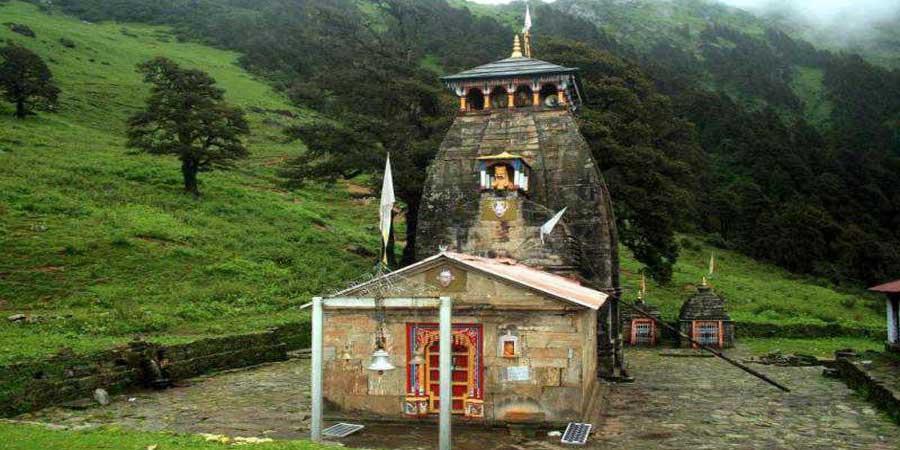
Madhyamaheshwar Temple
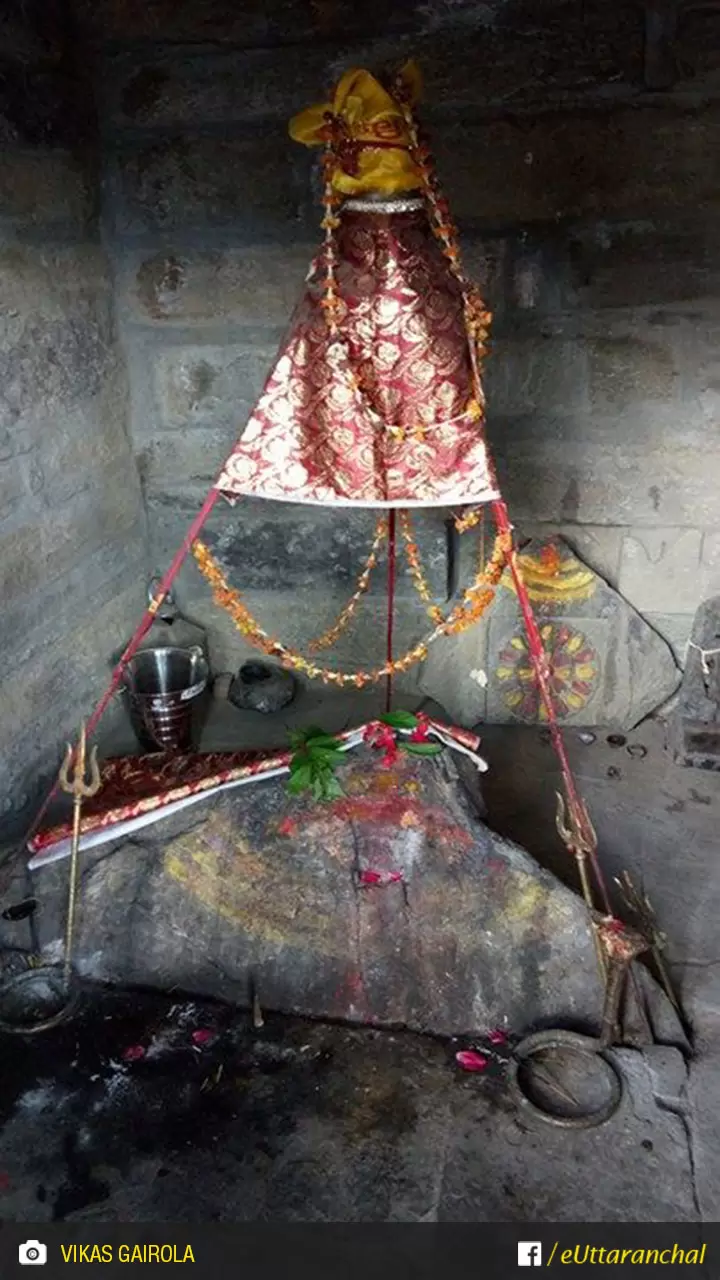
Kalpeshwar Mahadev Temple
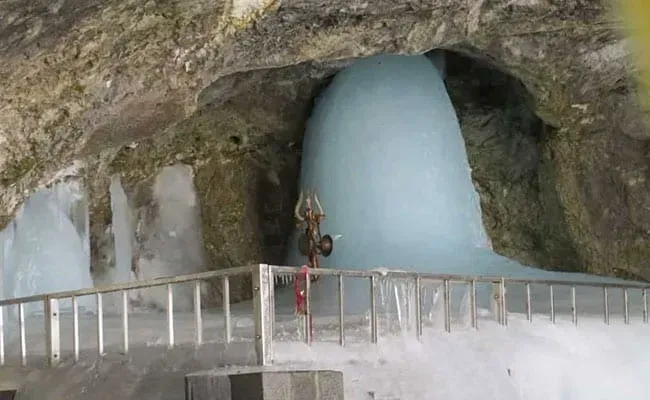
Amarnath
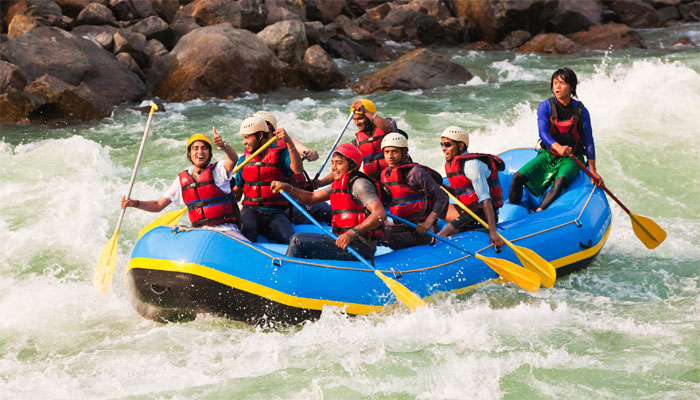
River Rafting in Rishikesh
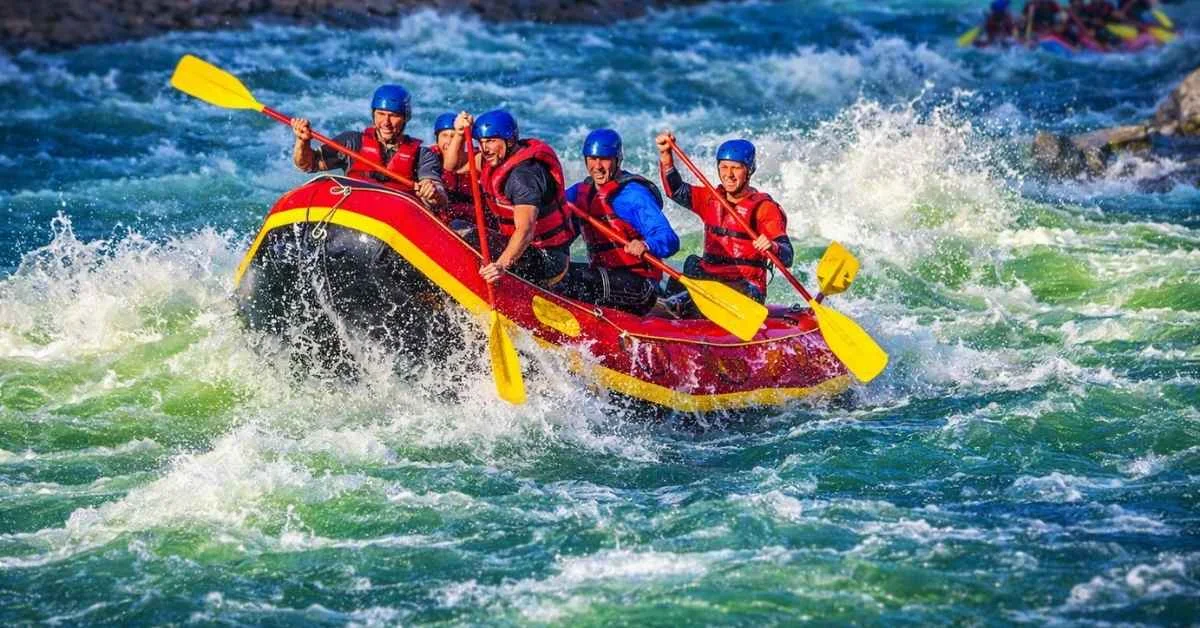
River Rafting in Manali
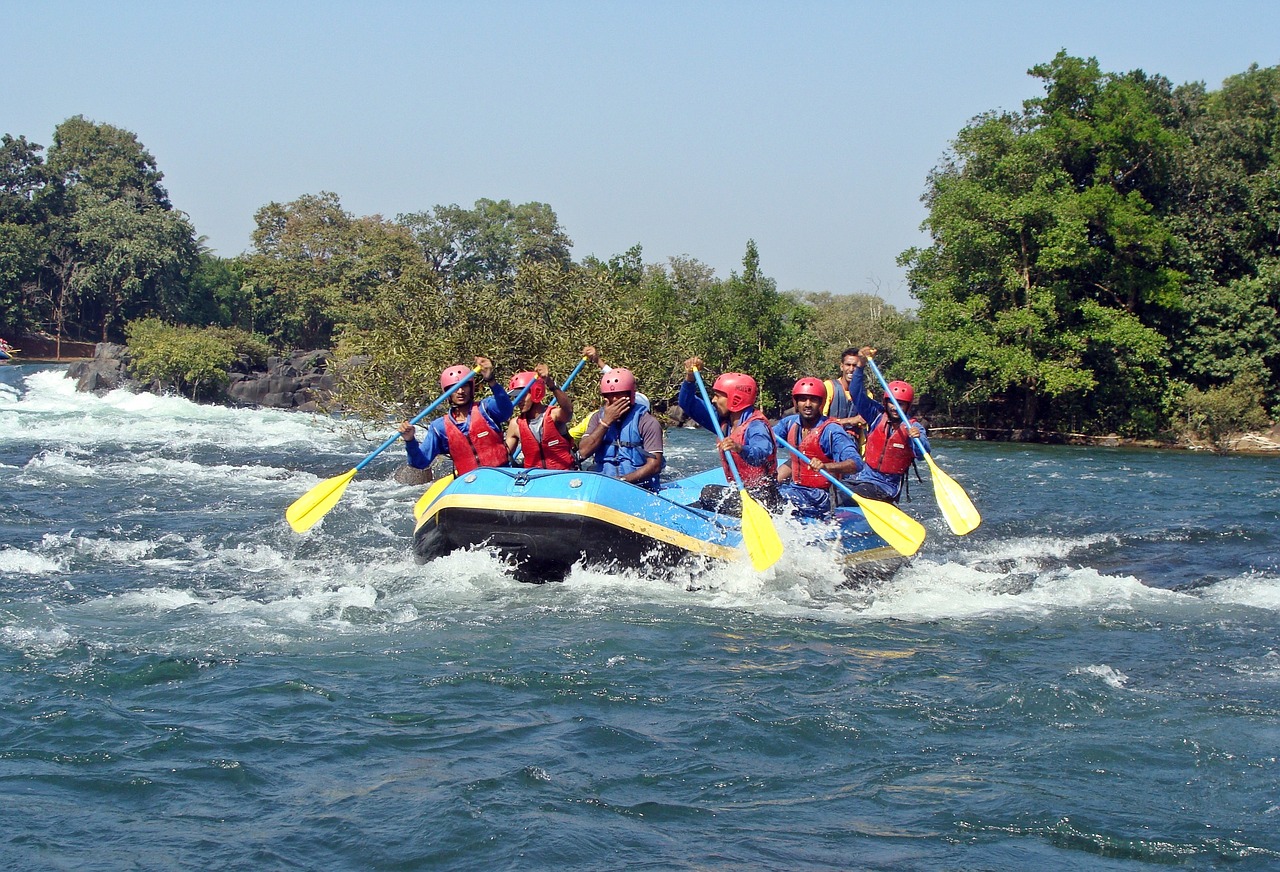
River Rafting in Kolad
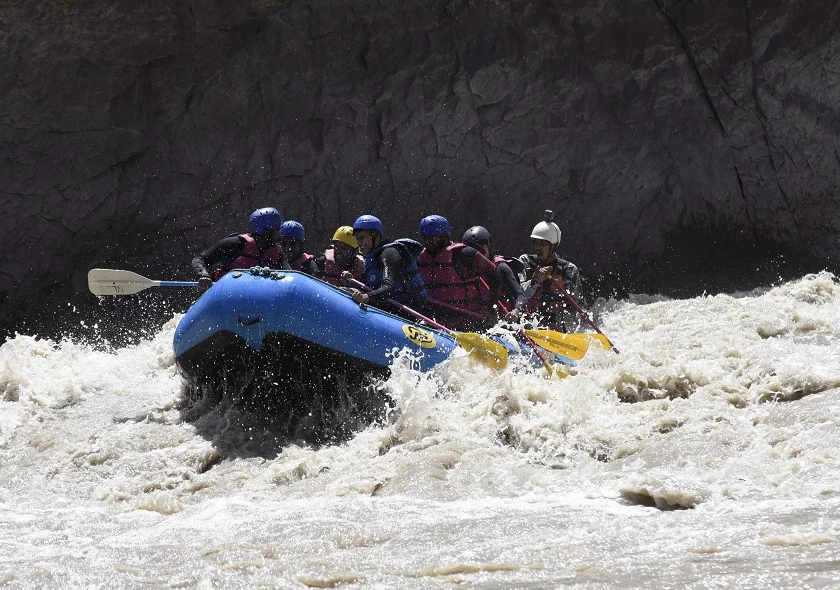
River Rafting in Zanskar
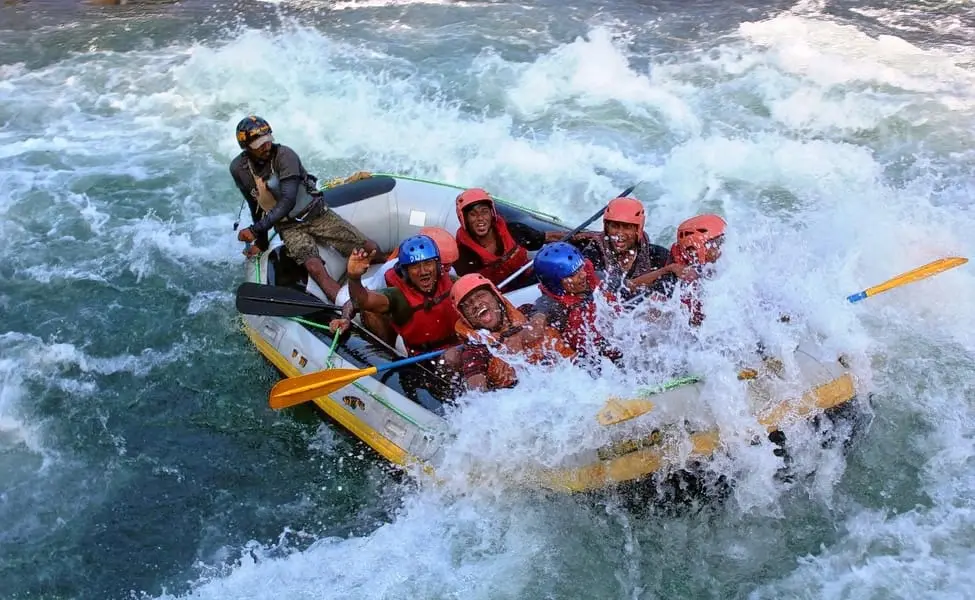
River Rafting in Teesta River
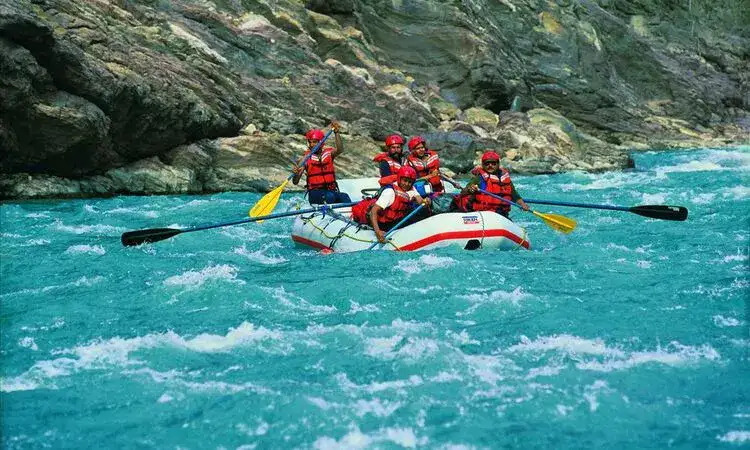
River Rafting in Kameng River
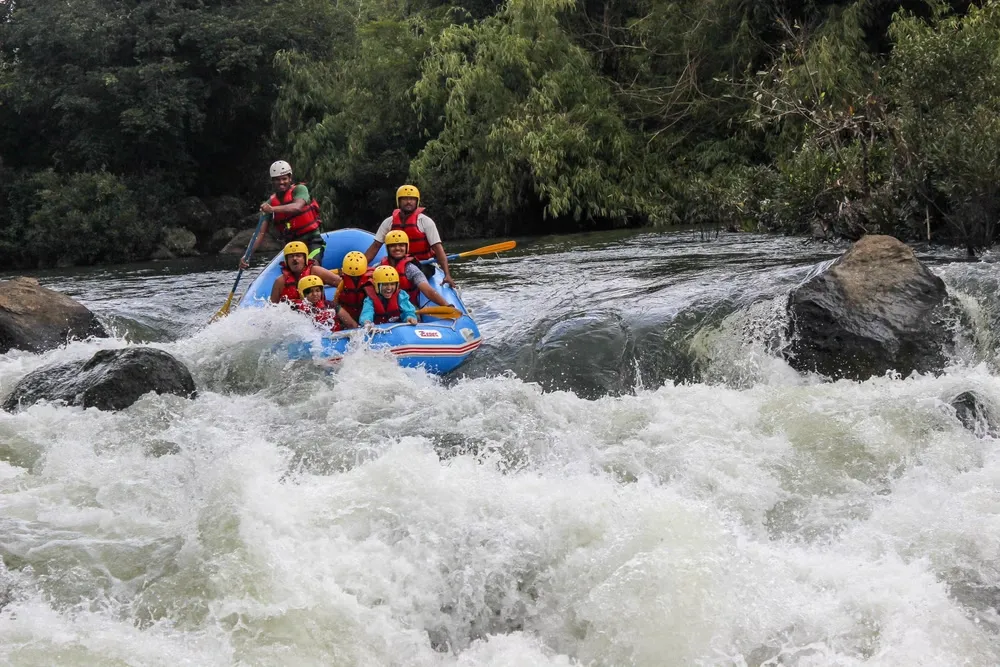
River Rafting in Barapole River
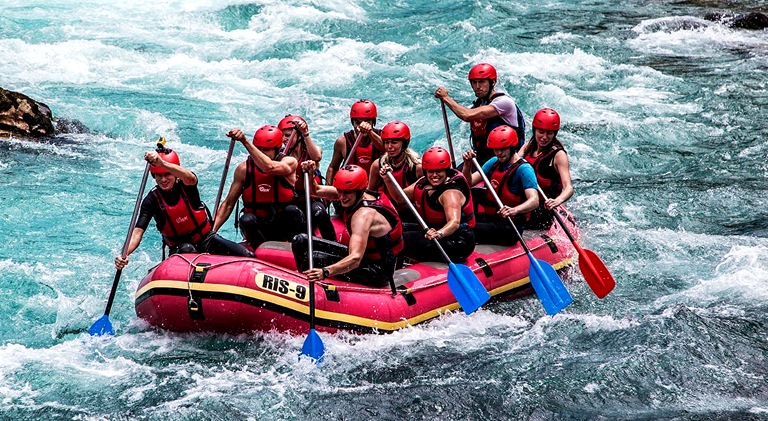
River Rafting in Alaknanda River
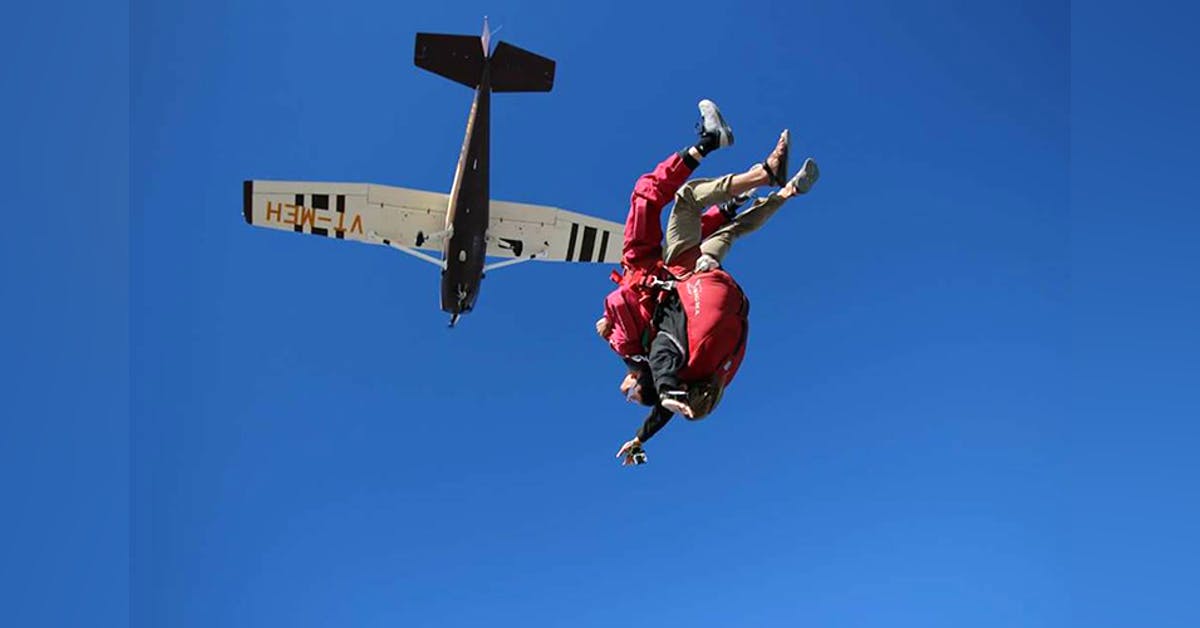
Skydiving in Mysore
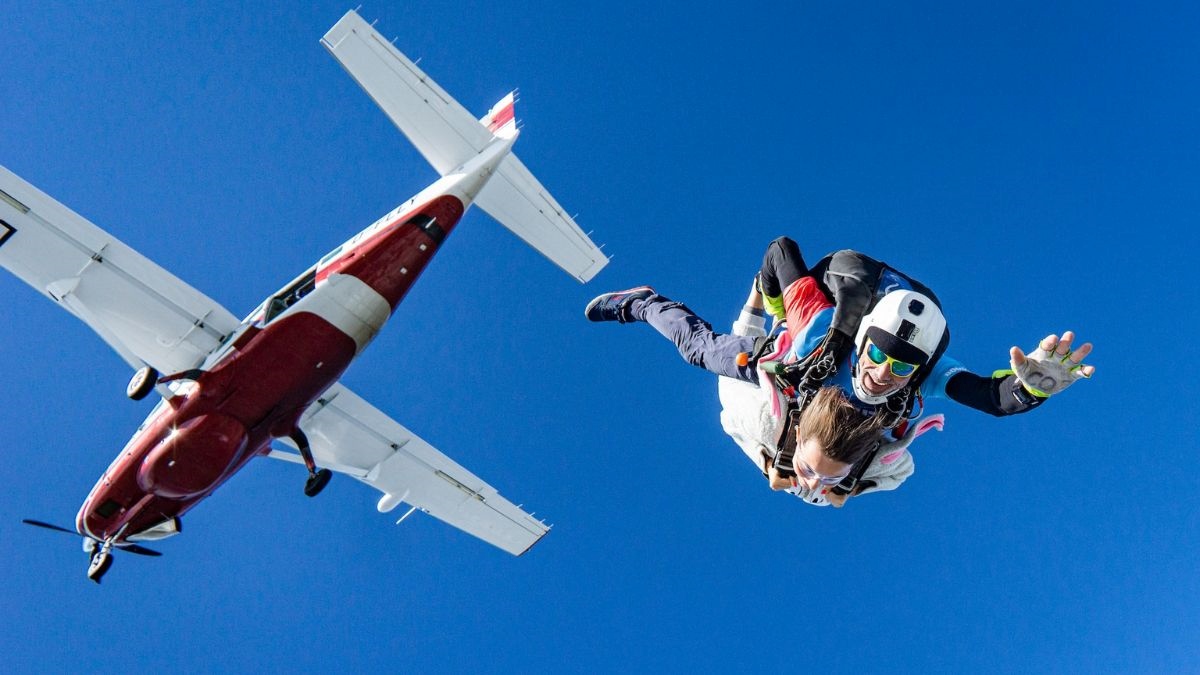
Skydiving in Dhana, Madhya Pradesh
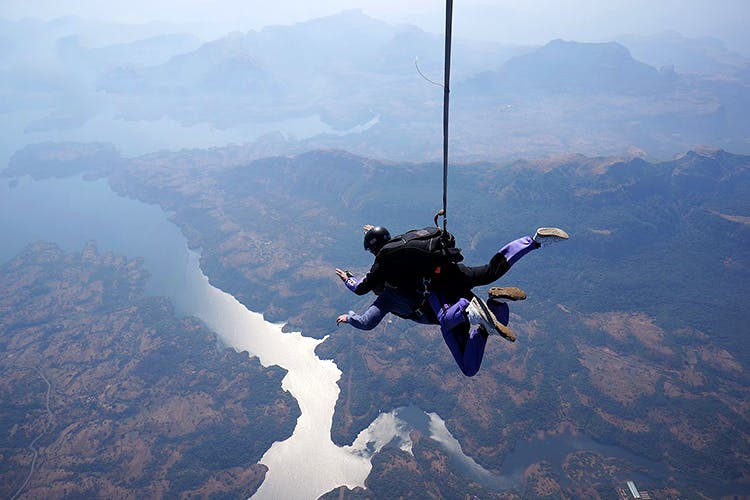
Skydiving in Aamby Valley, Maharashtra
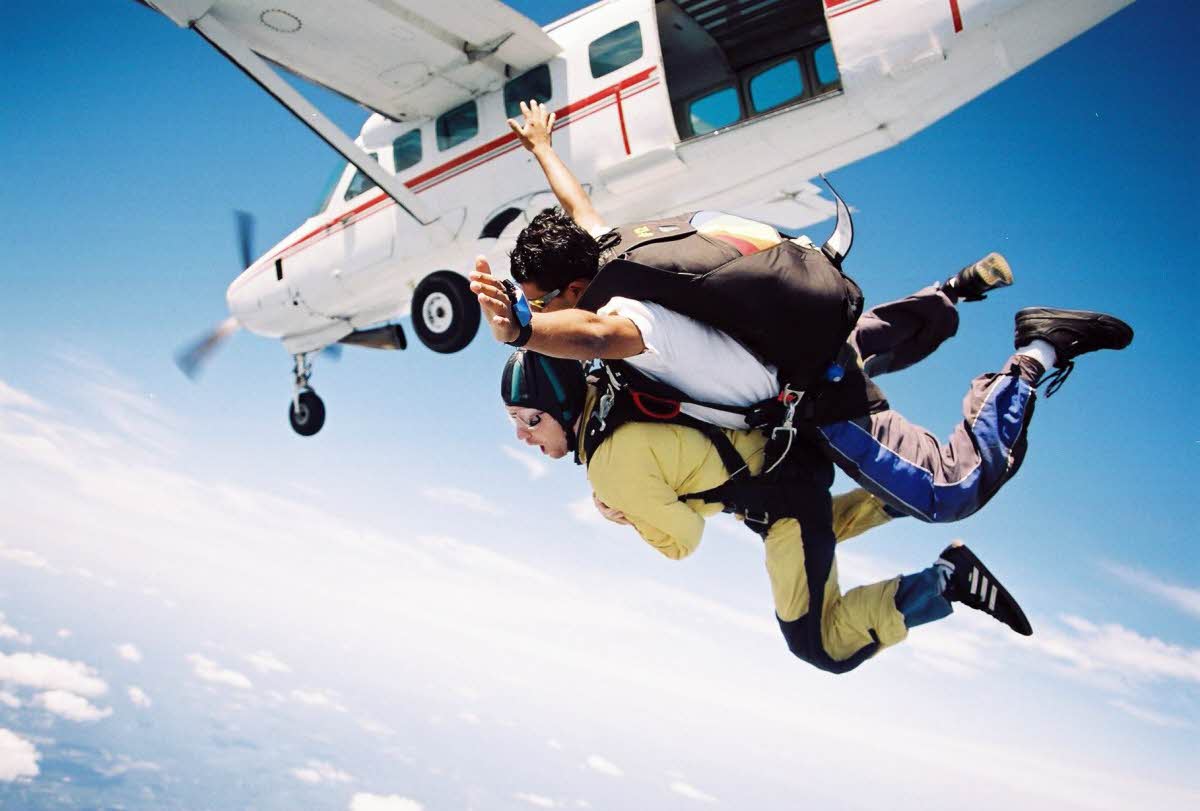
Skydiving in Deesa, Gujarat
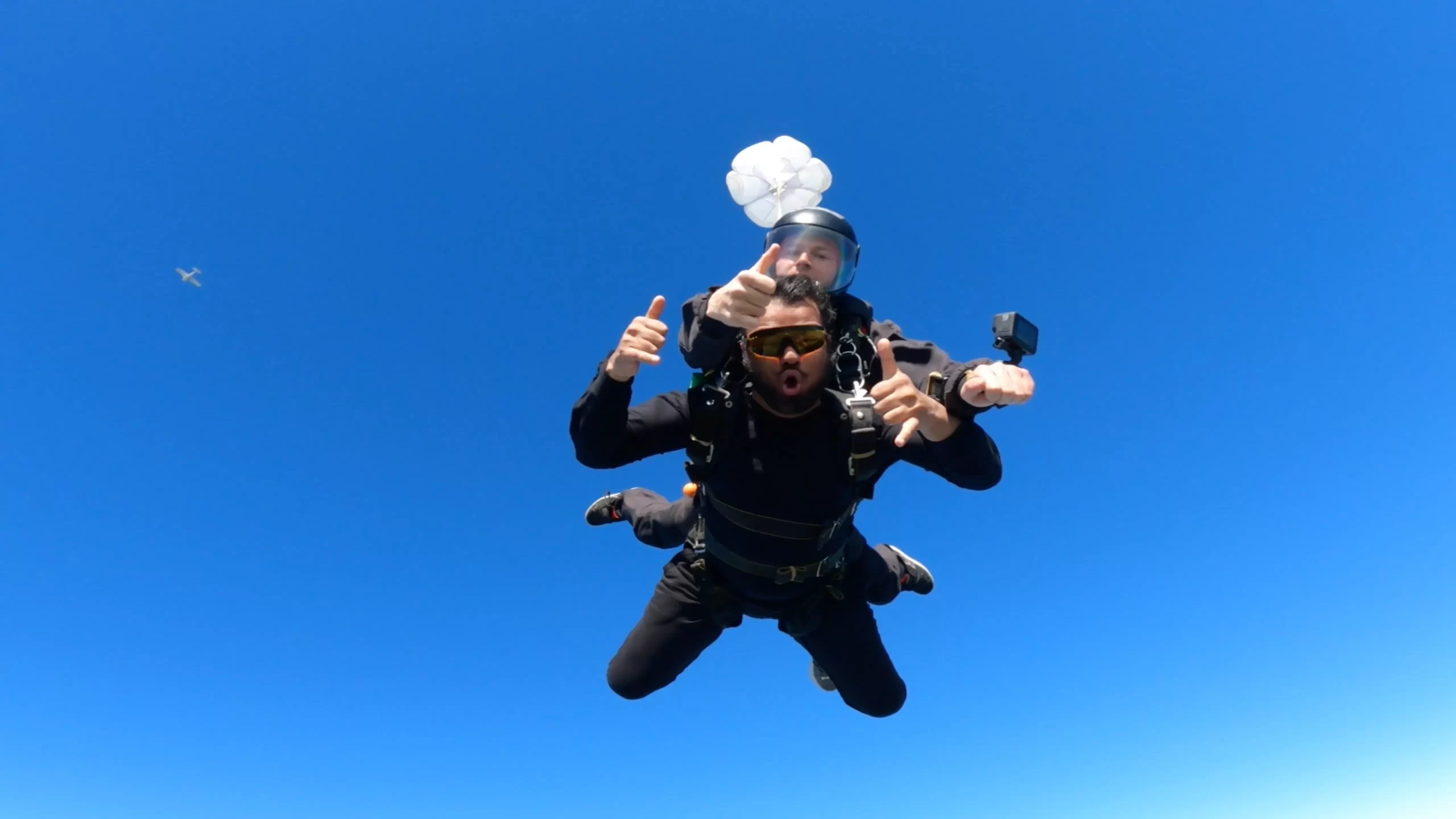
Skydiving in Narnaul, Haryana
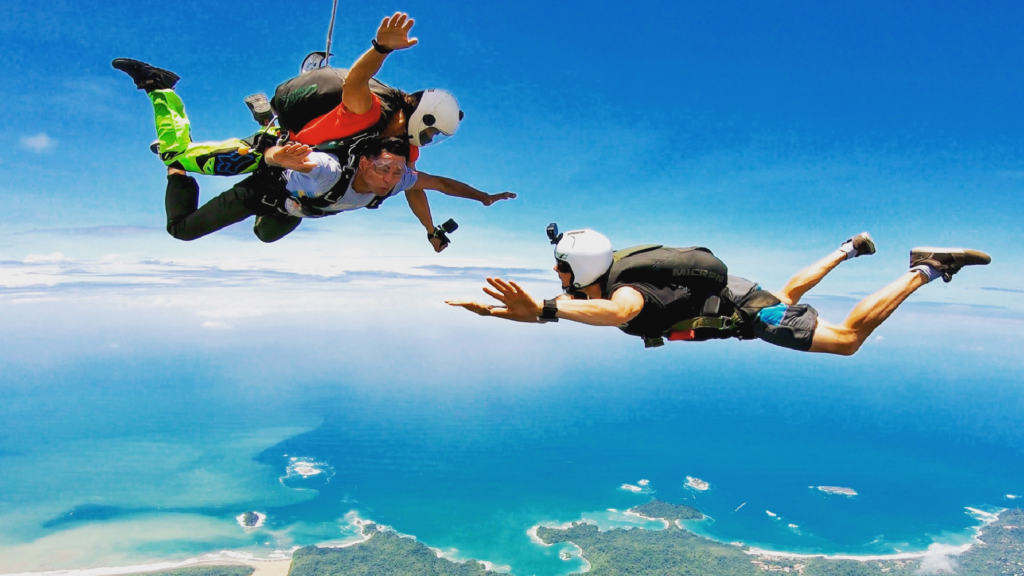
Skydiving in Pondicherry
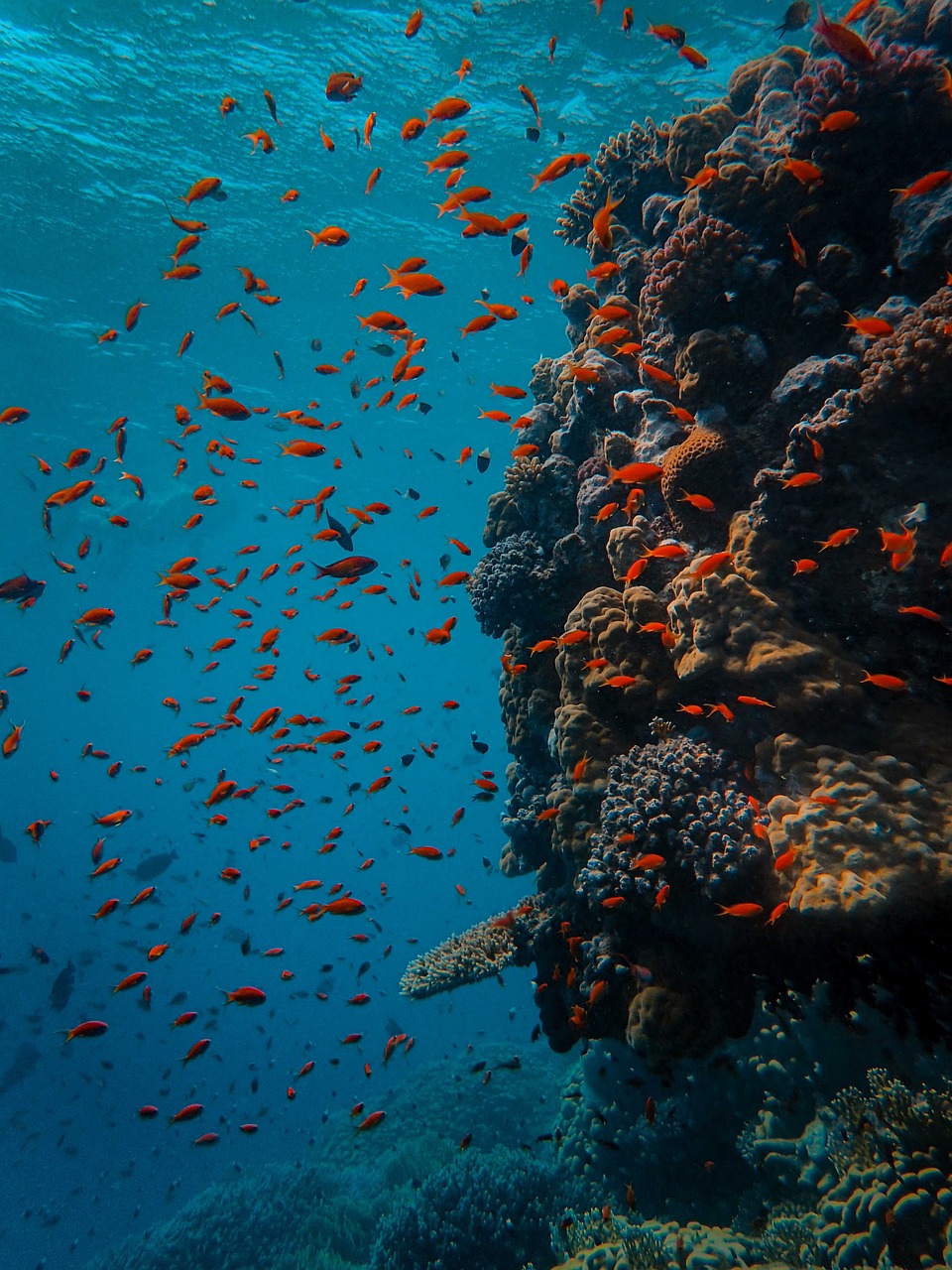
Scuba Diving in Andaman & Nicobar Islands
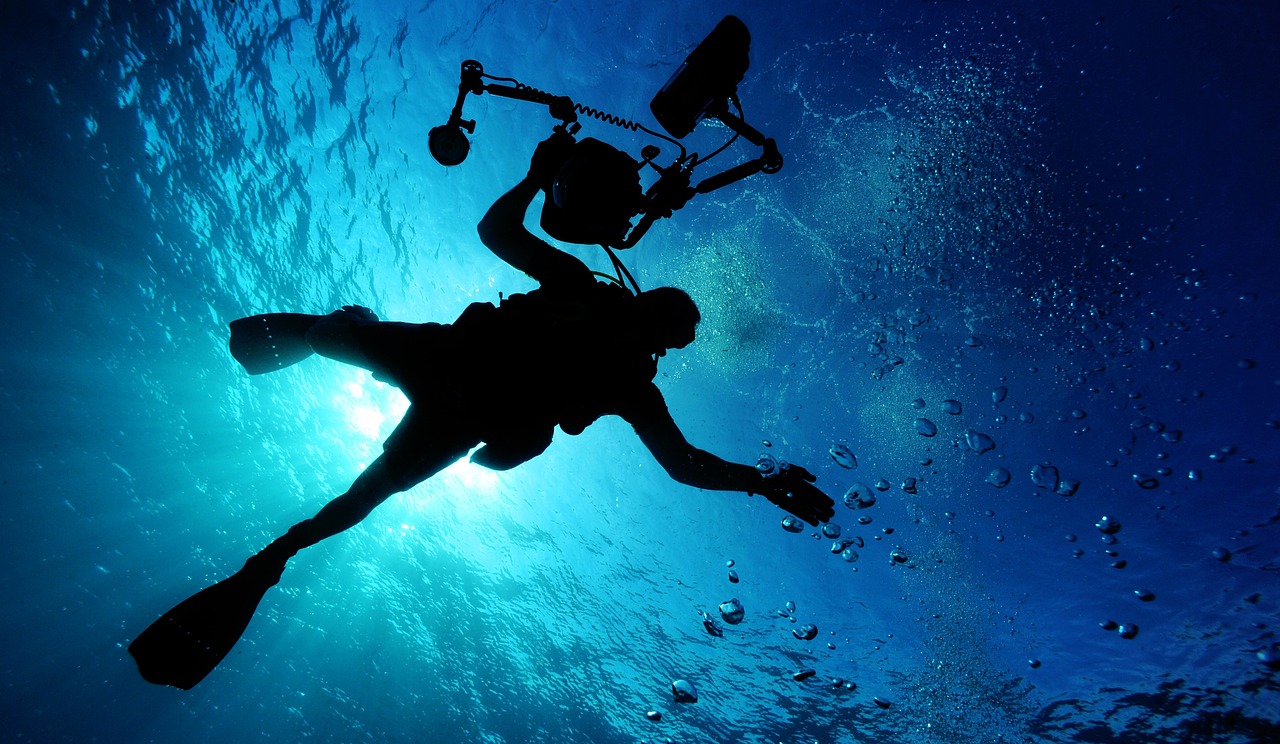
Scuba Diving in Lakshadweep
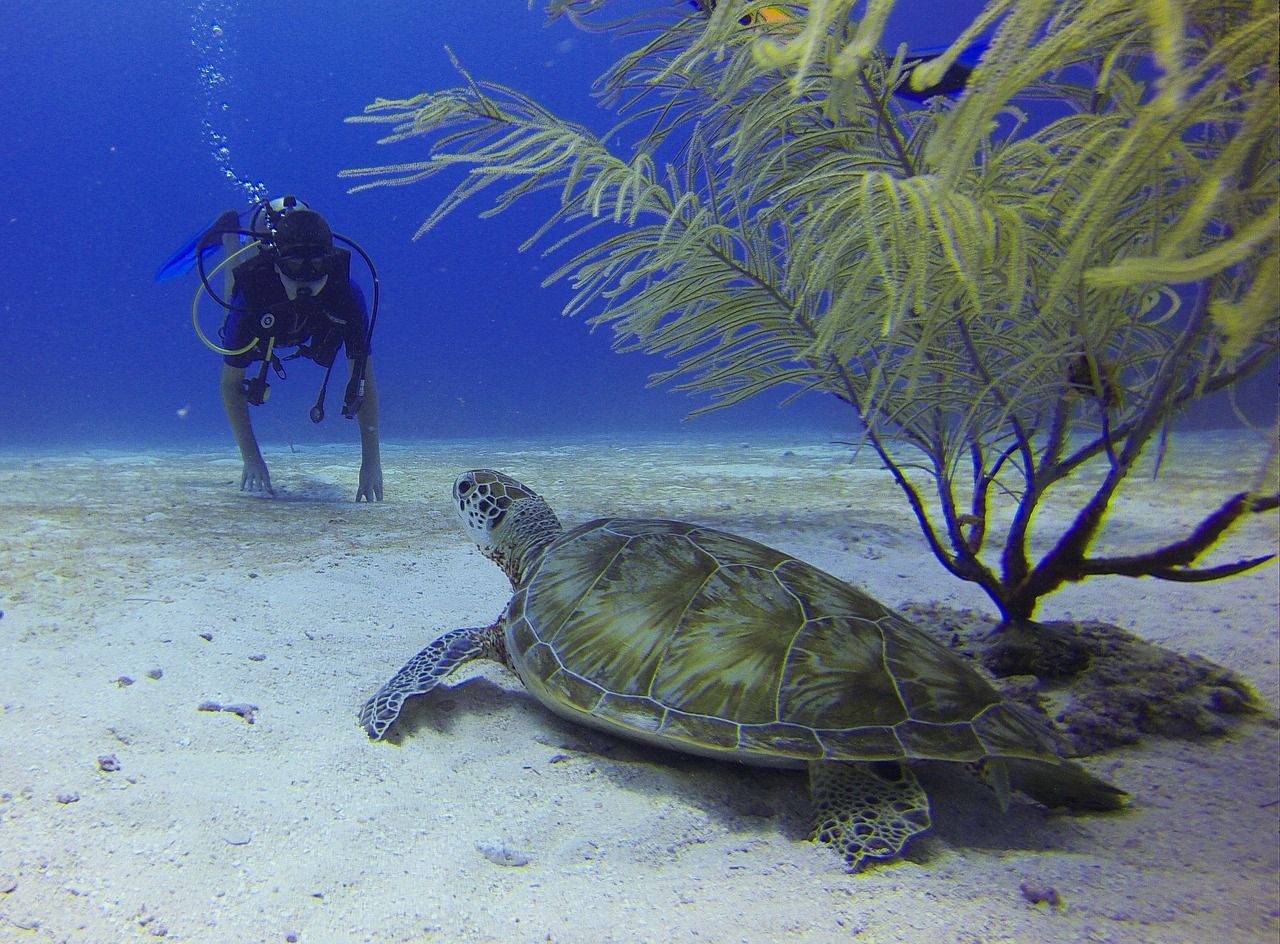
Scuba Diving in Goa
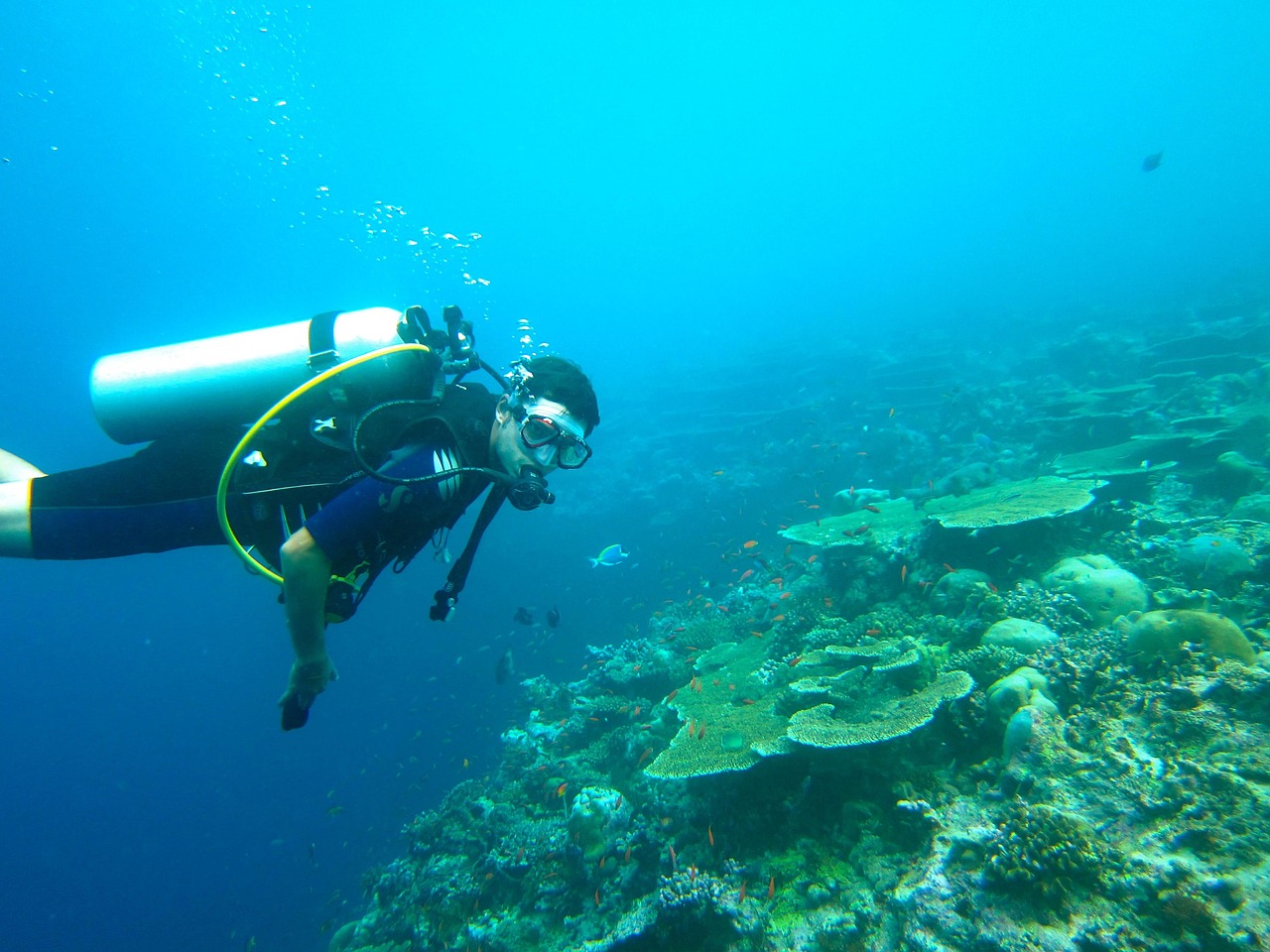
Scuba Diving in Pondicherry
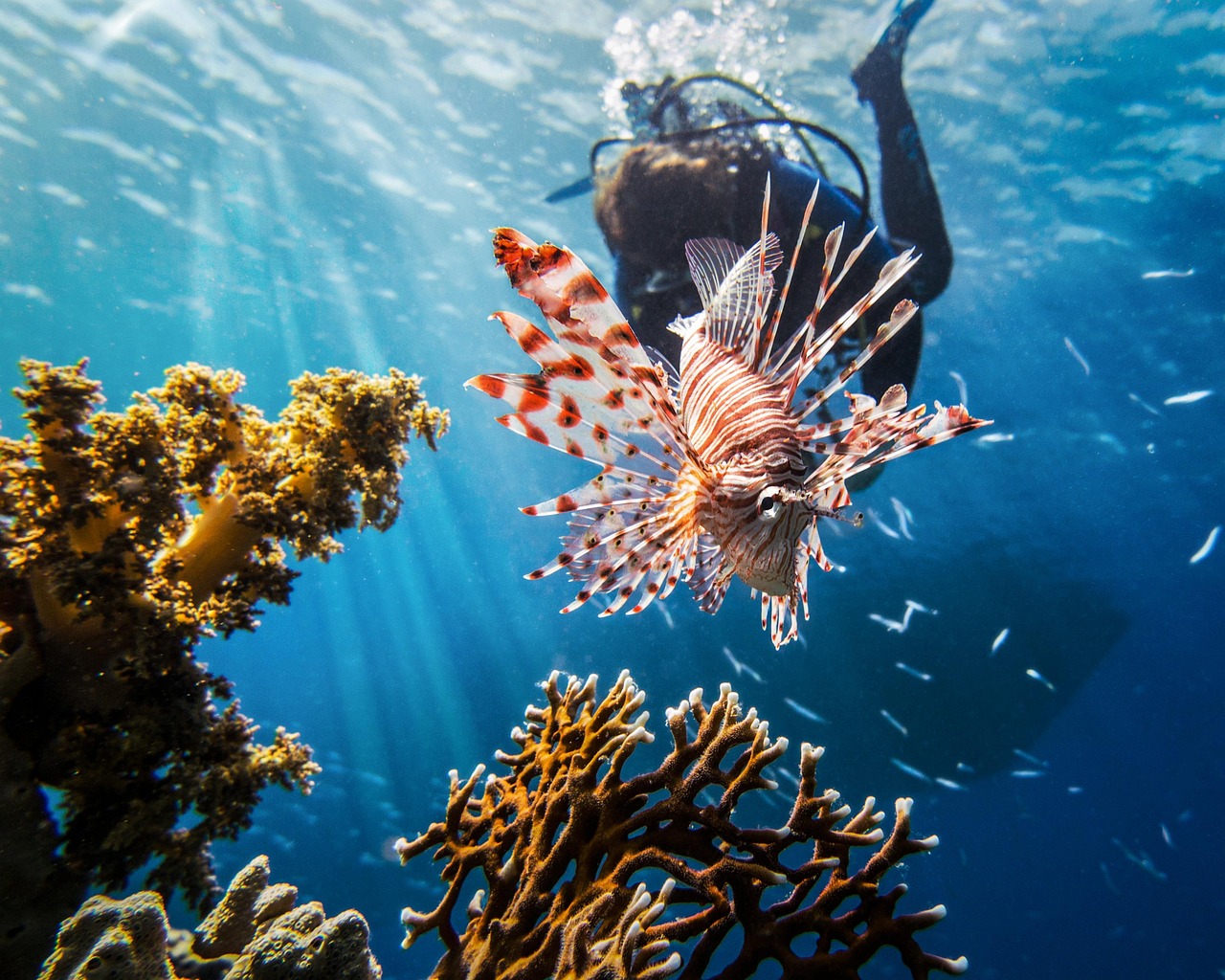
Scuba Diving in Netrani Island (Karnataka)
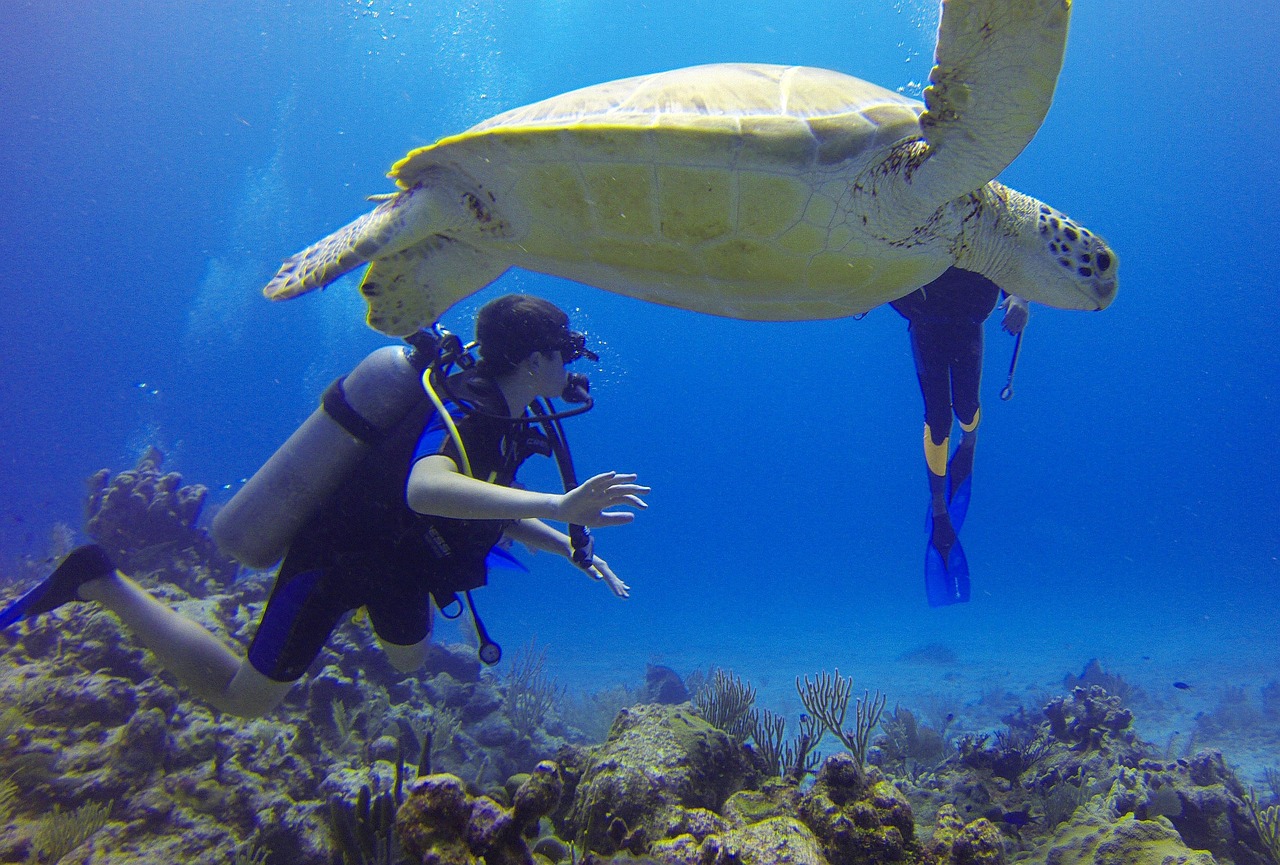
Scuba Diving in Tarkarli (Maharashtra)
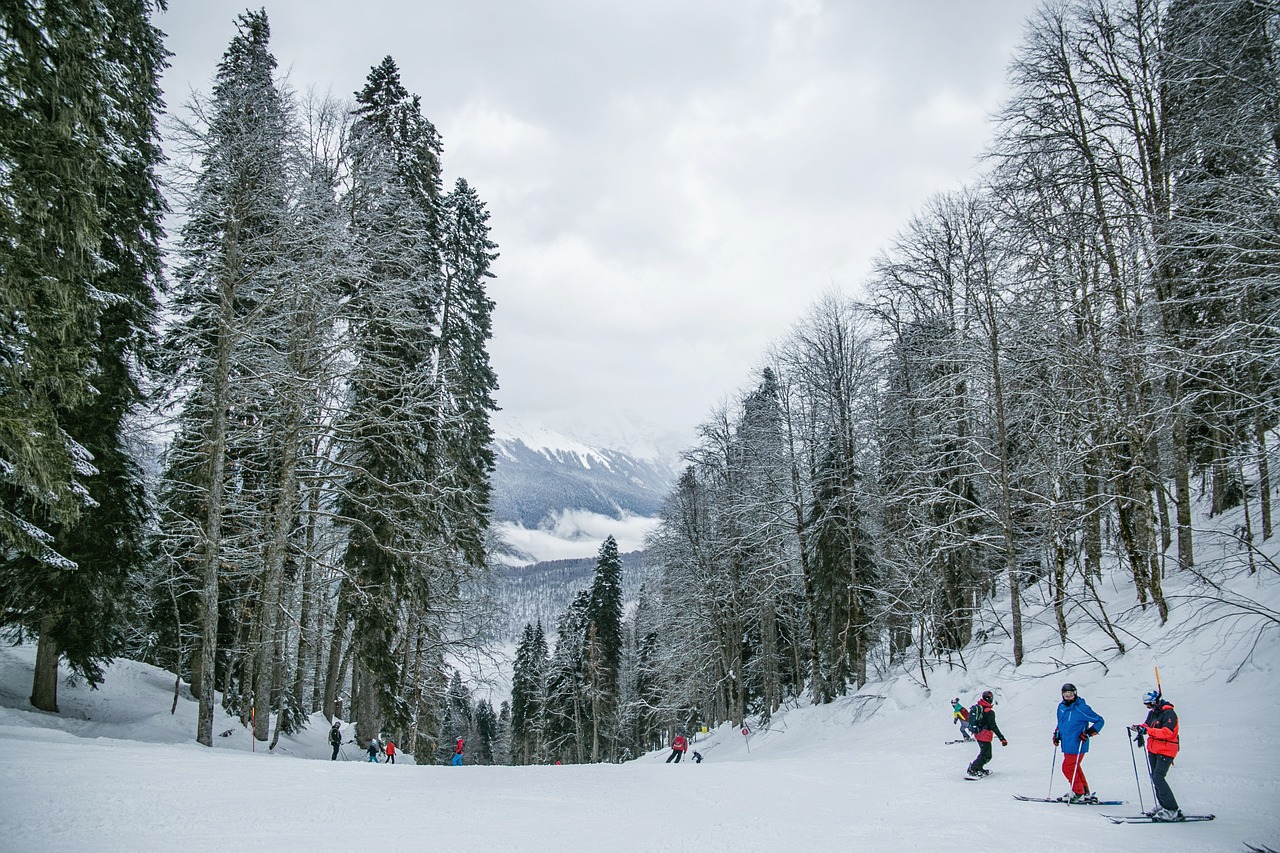
Skiing in Gulmarg
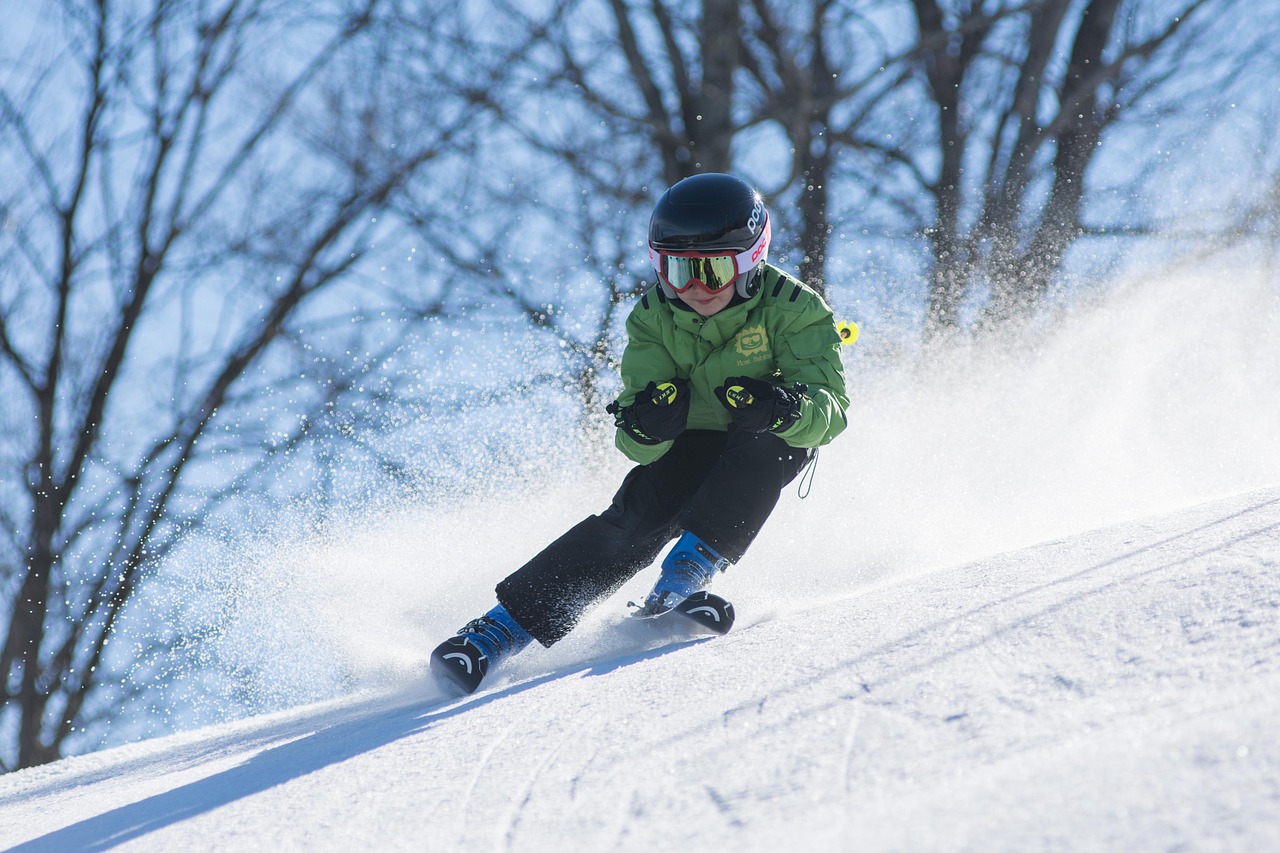
Skiing in Auli
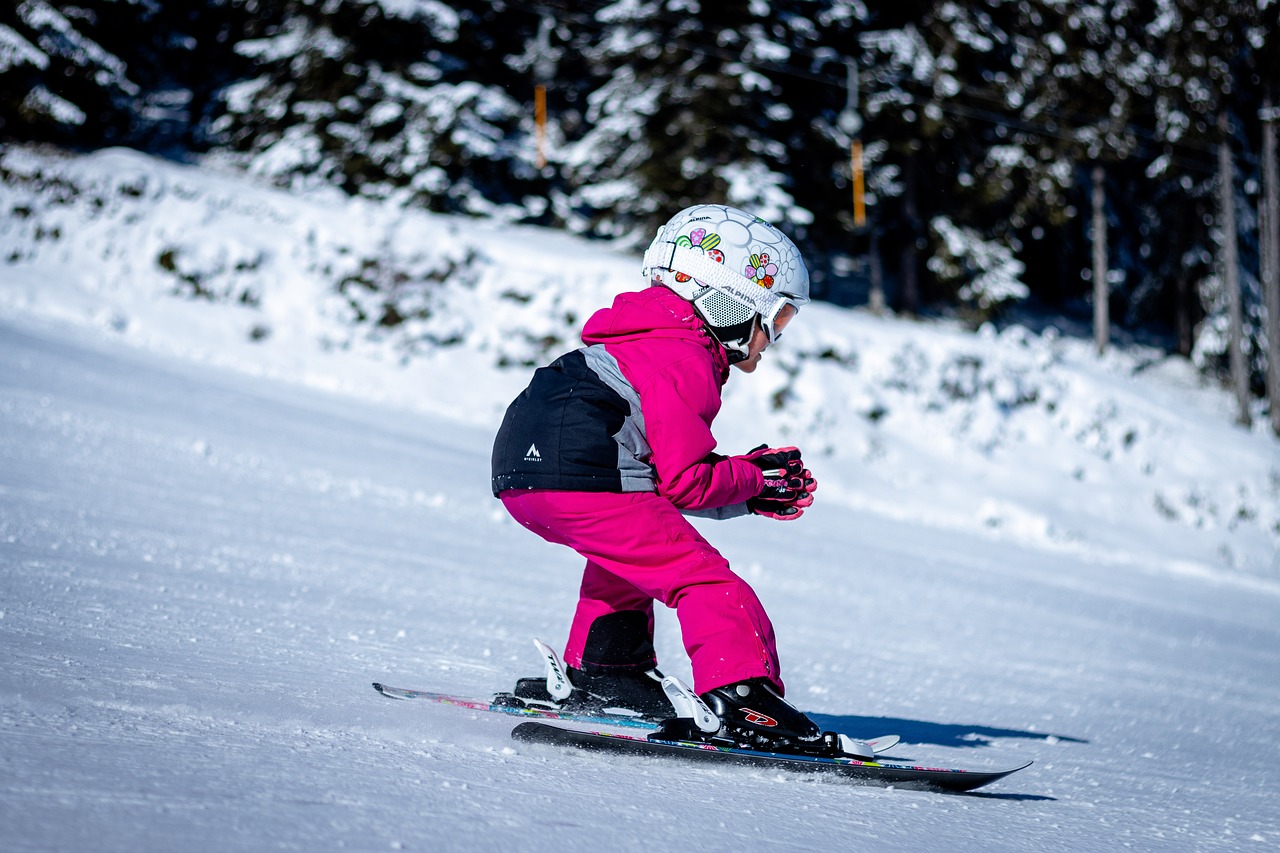
Skiing in Solang
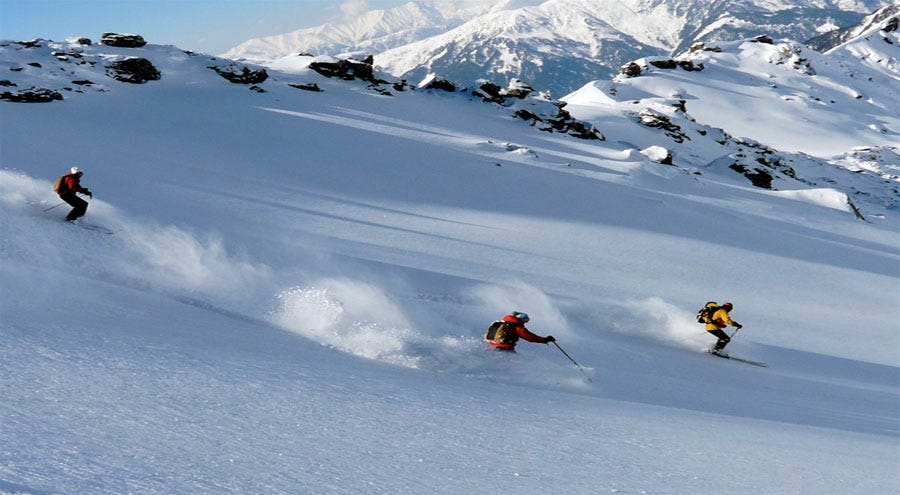
Skiing in Kufri
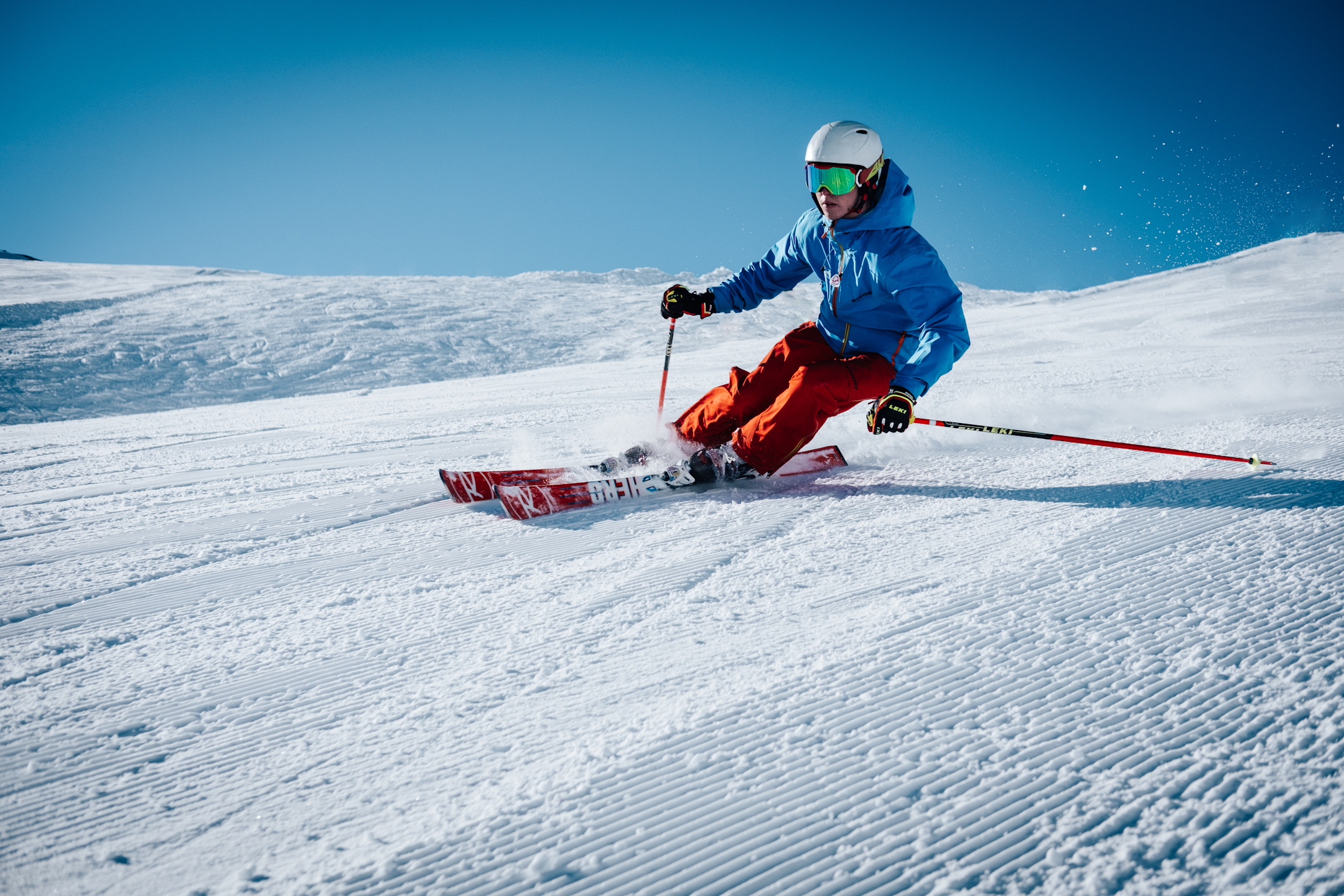
Skiing in Narkanda
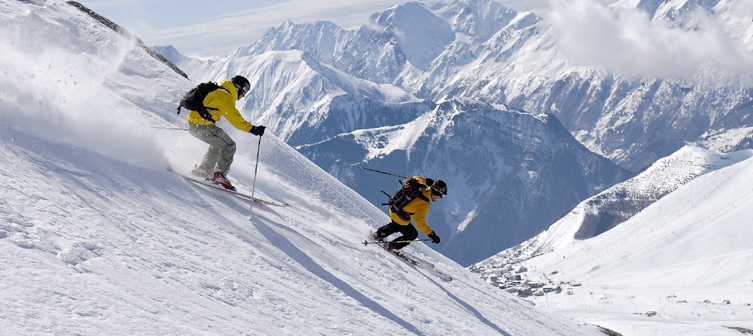
Skiing in Munsiyari
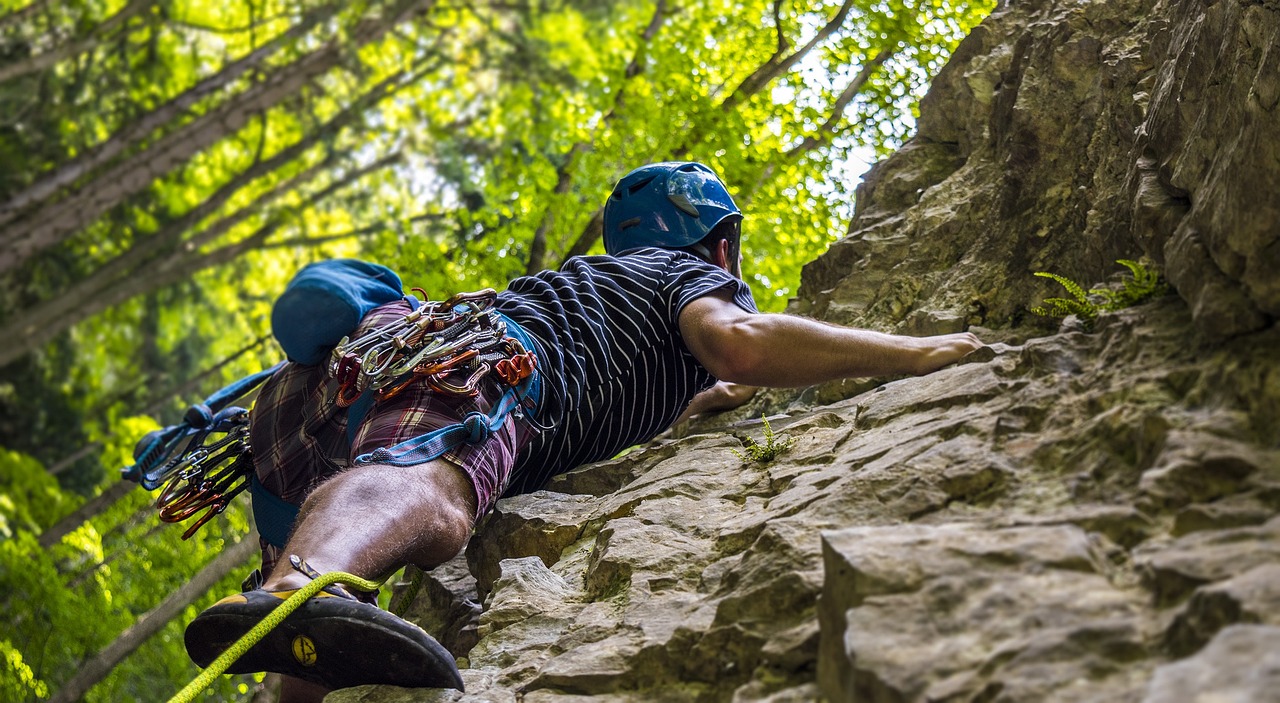
Rock Climbing in Manali
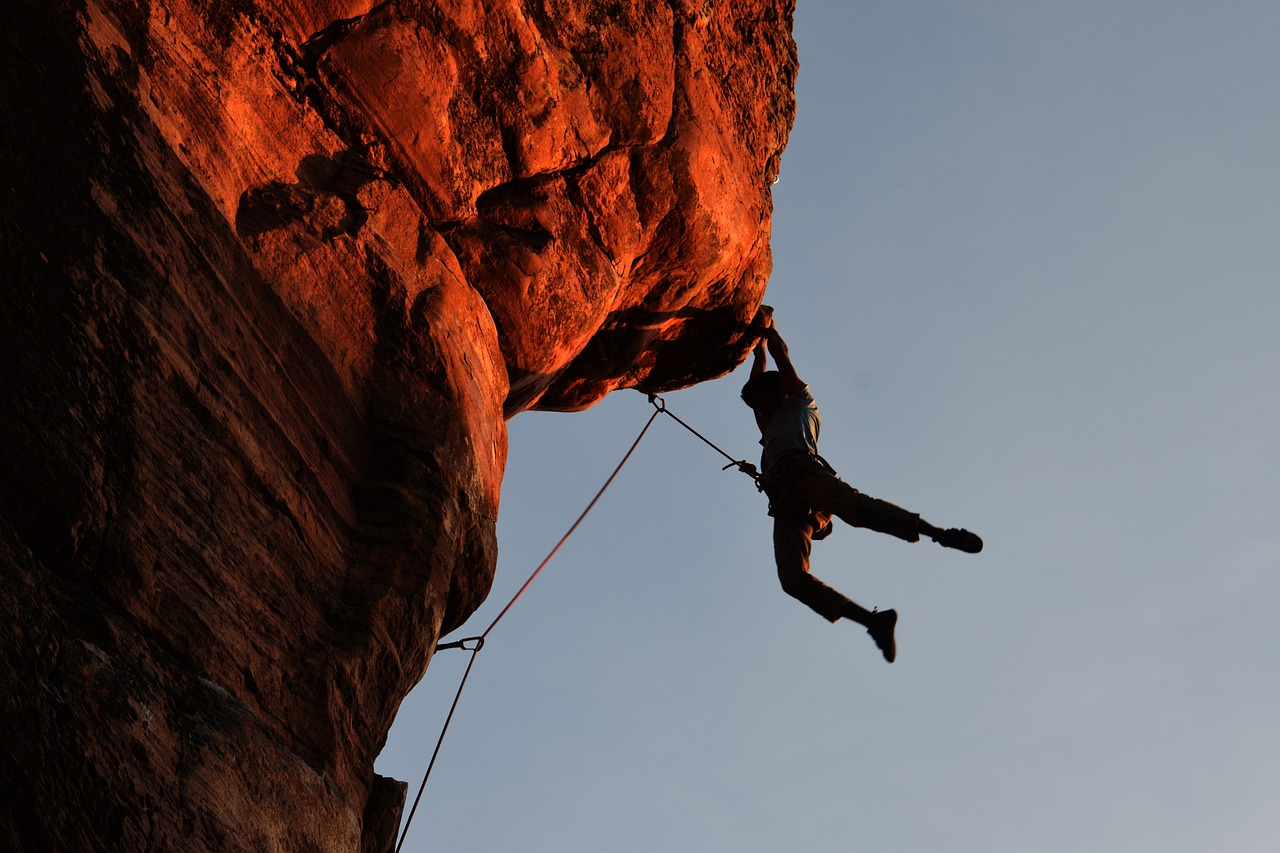
Rock climbing in Badami (Karnataka)
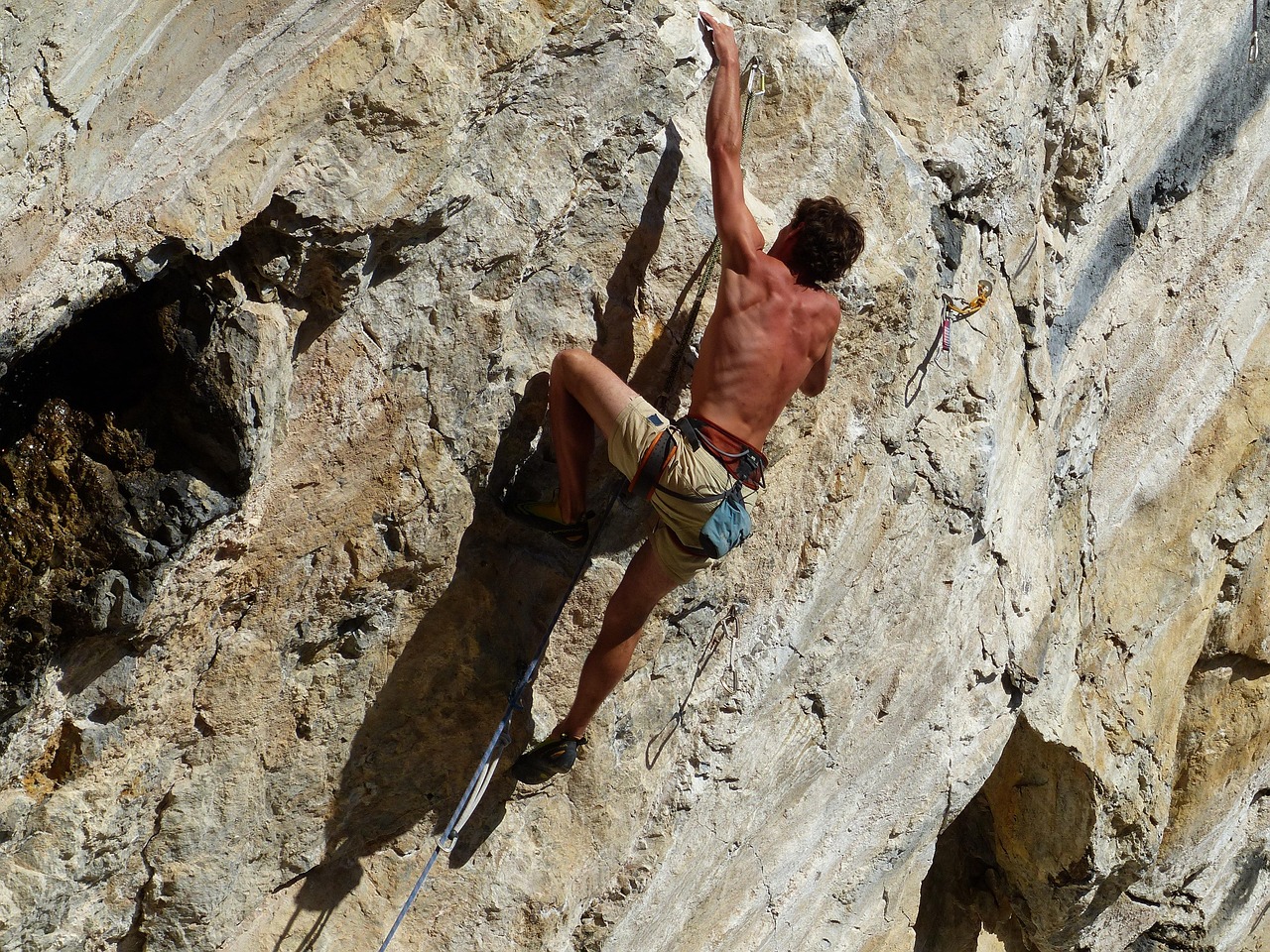
Rock climbing in Vijayapura (Karnataka)
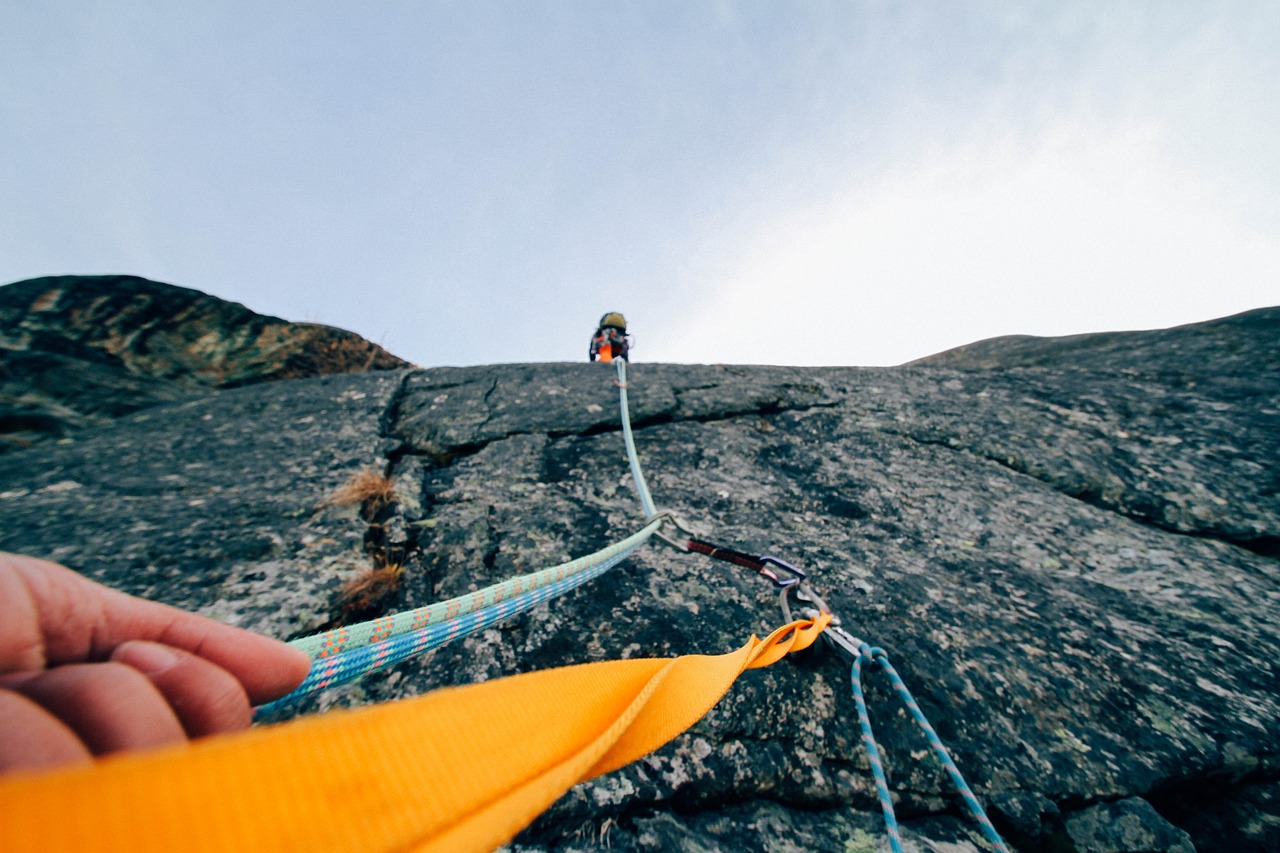
Rock climbing in Boulder Hills (Hyderabad)
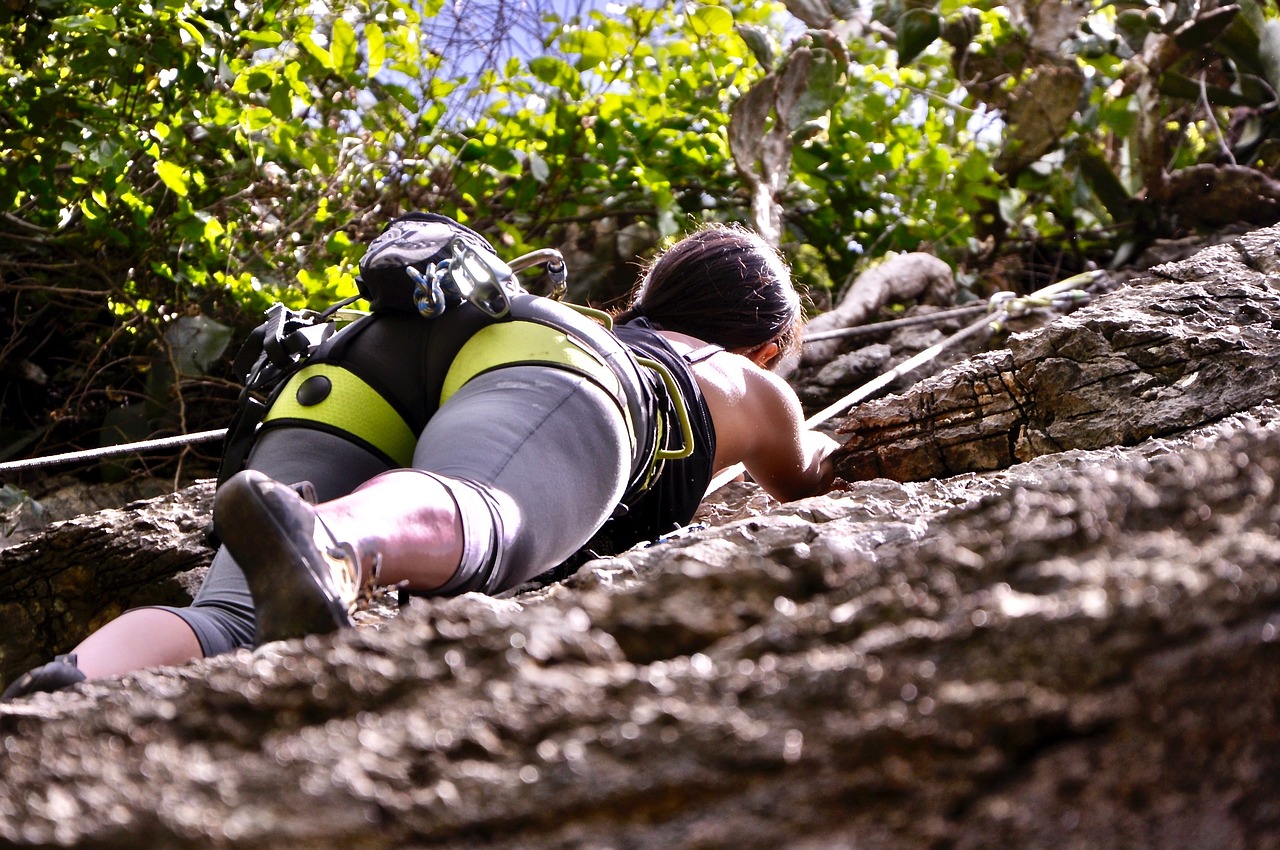
Rock climbing in Nainital
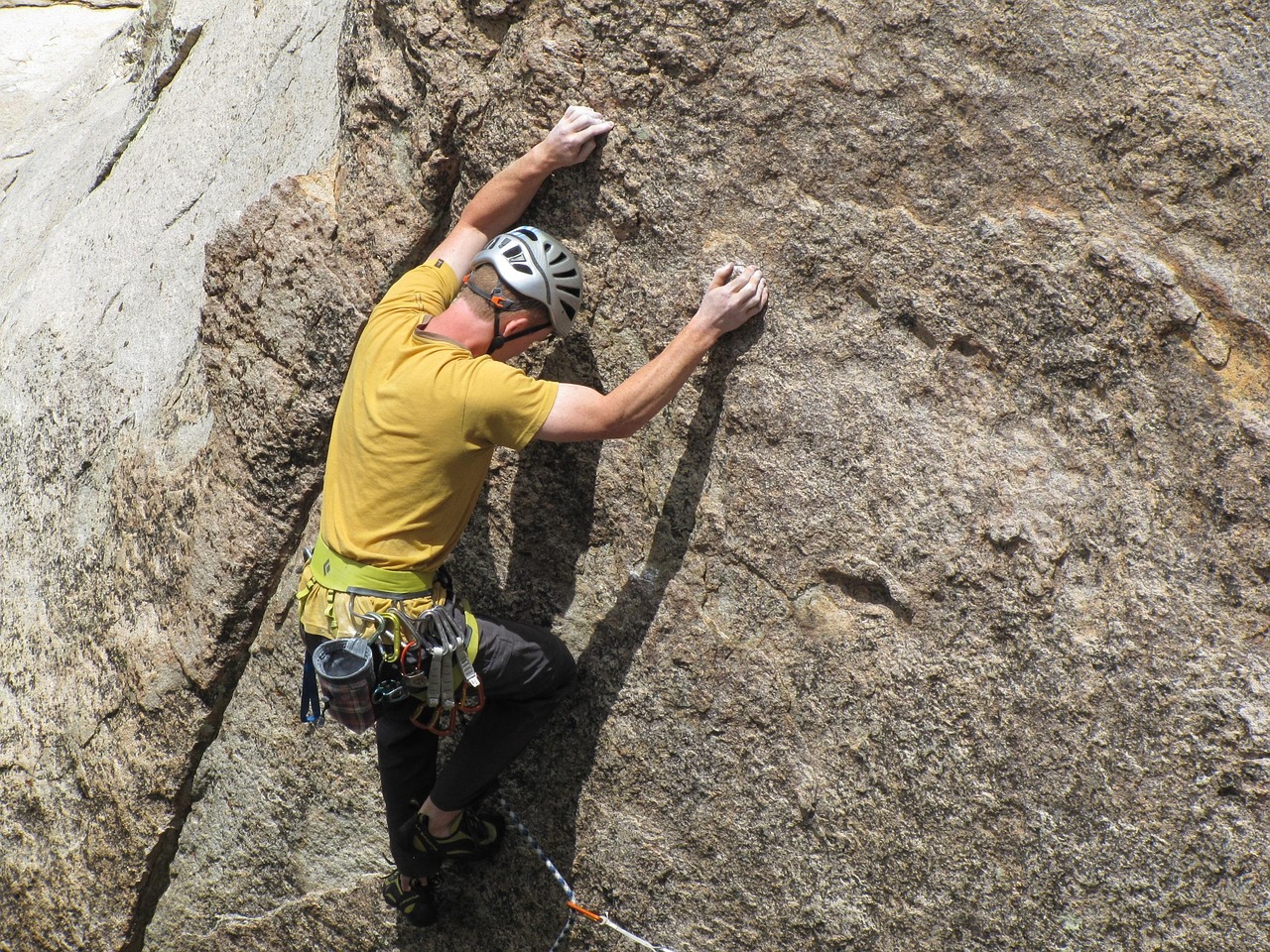
Rock climbing in Hampi (Karnataka)
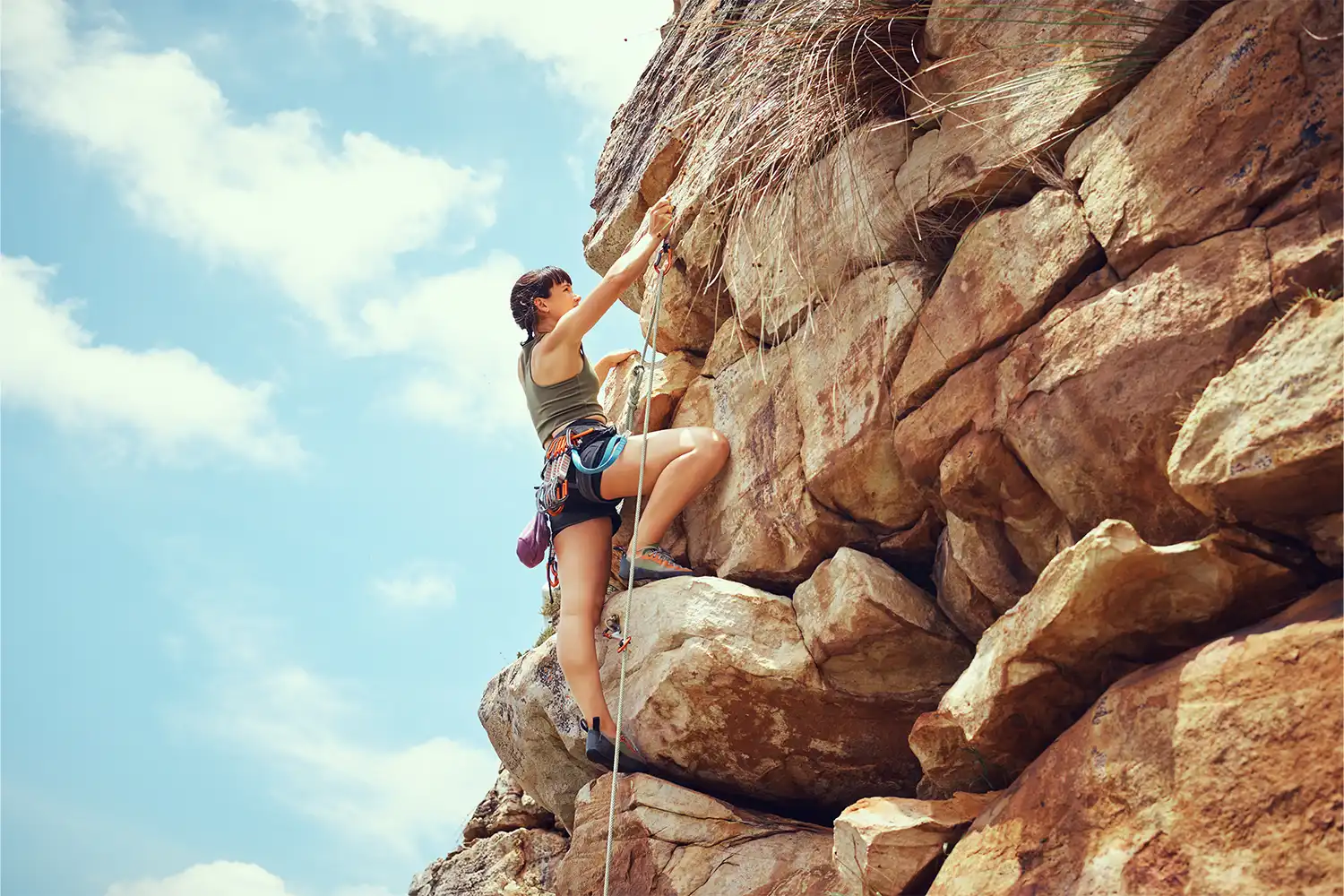
Rock climbing in Aravalli Range (Rajasthan)
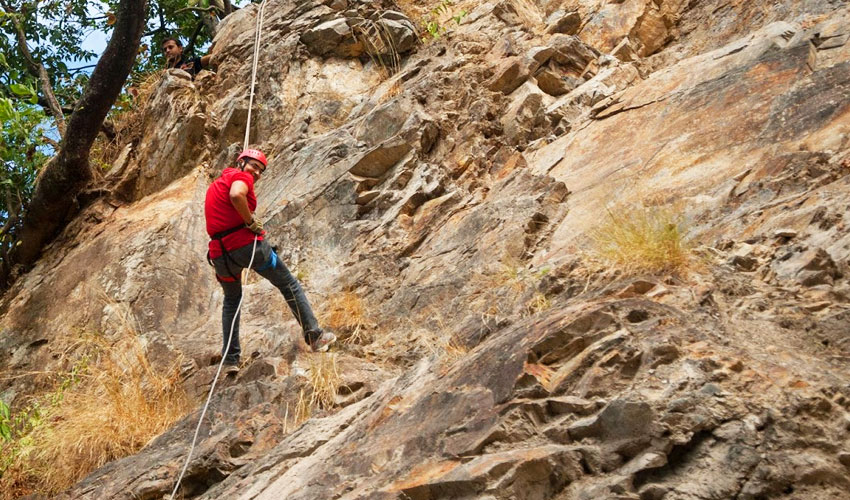
Rock climbing in Rishikesh
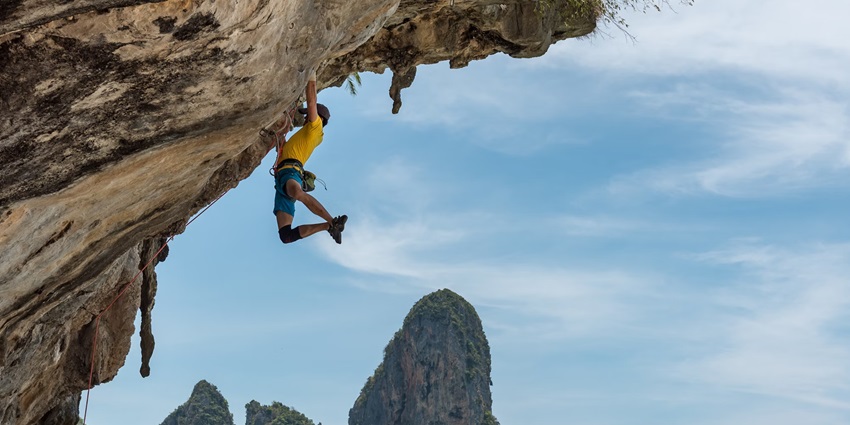
Rock climbing on Shey Rock (Ladakh)
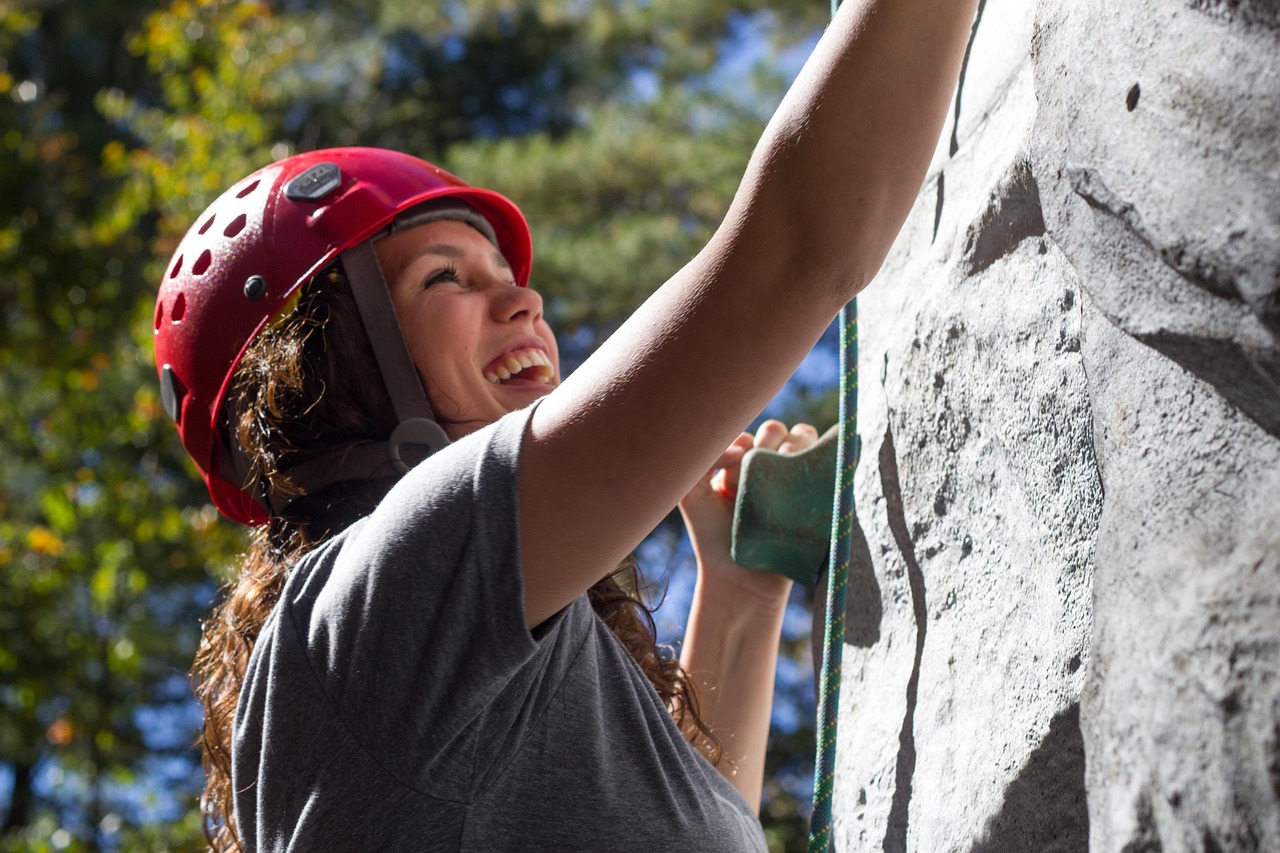
Rock climbing in Pune
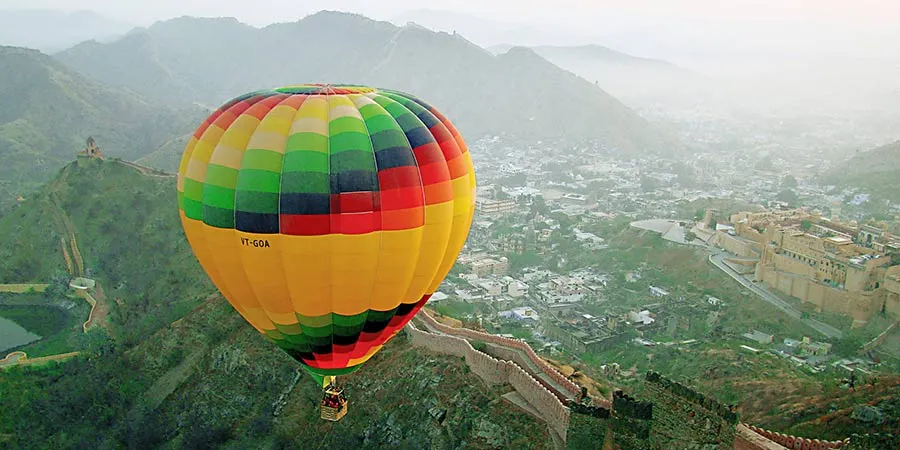
Hot Air Balloon Ride in Jaipur
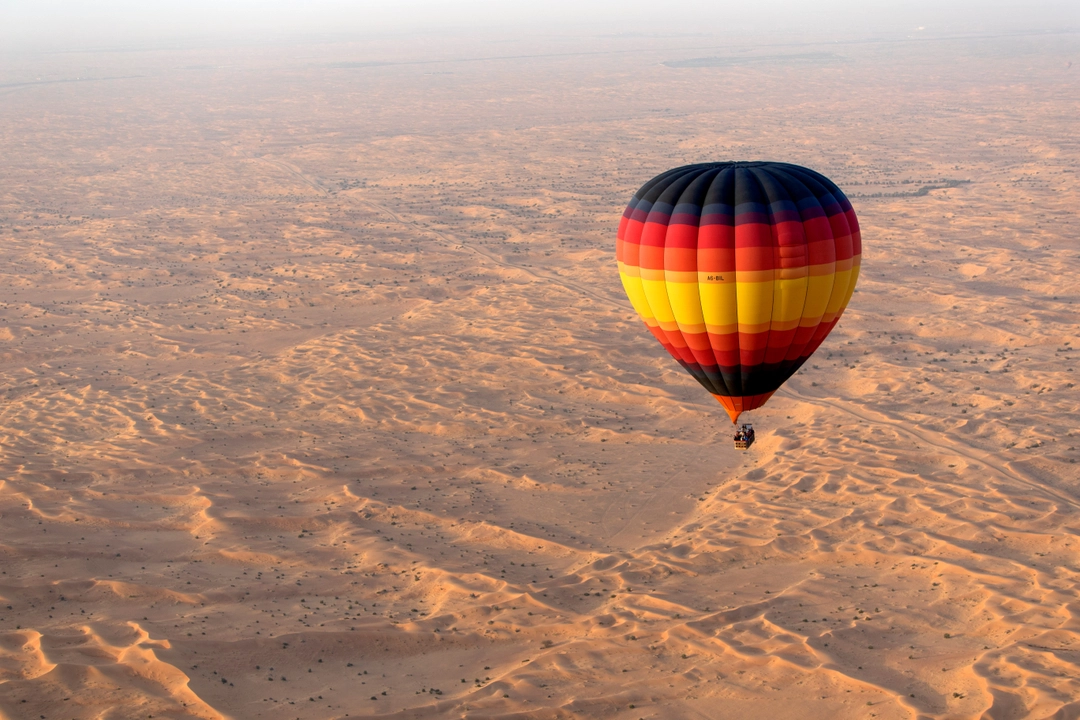
Hot Air Balloon Ride in Pushkar
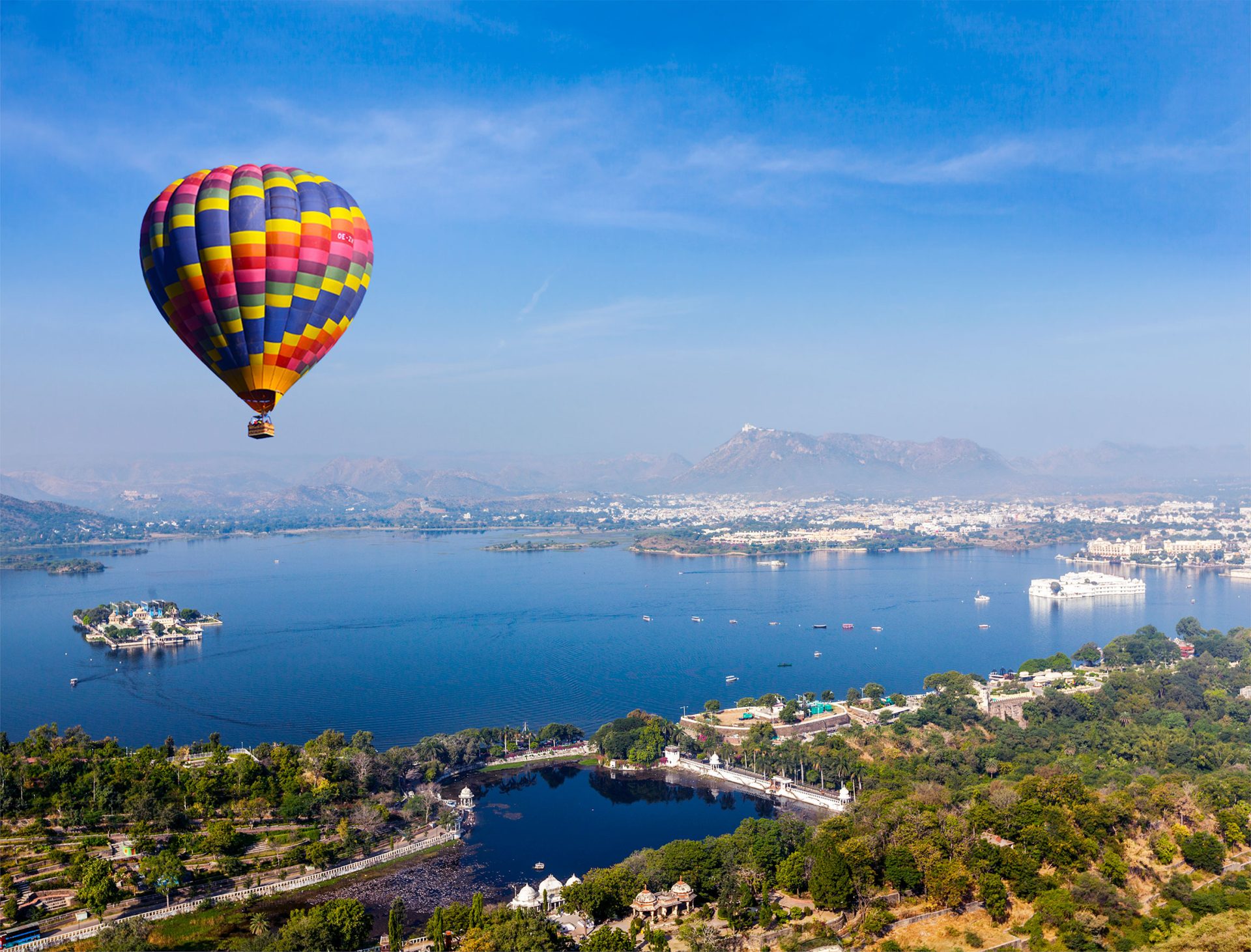
Hot Air Balloon Ride in Udaipur
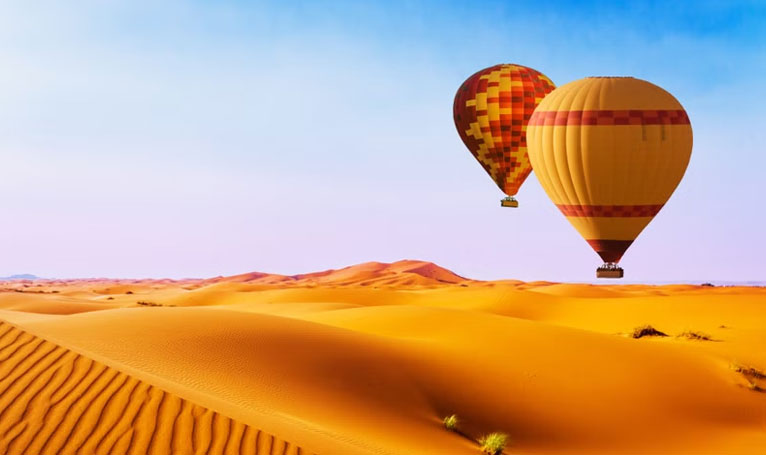
Hot Air Balloon Ride in Jaisalmer
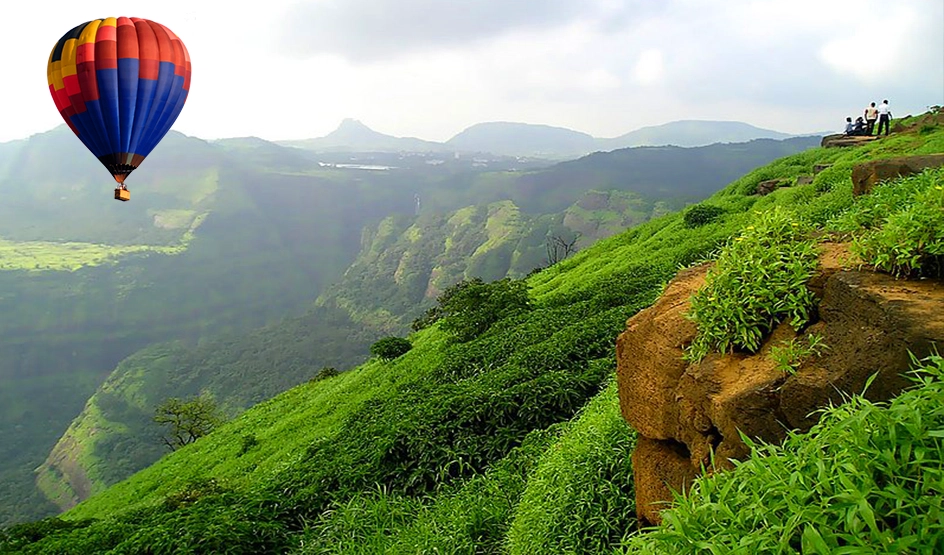
Hot Air Balloon Ride in Lonavala
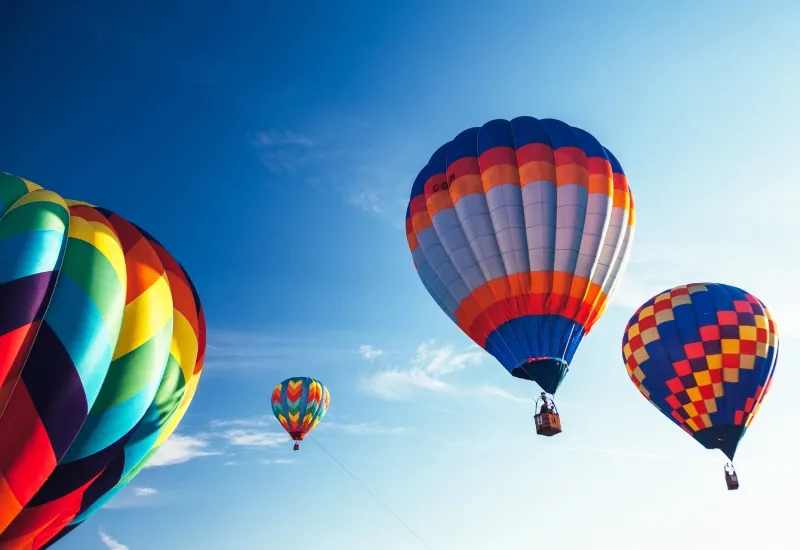
Hot air balloon ride in Mysore
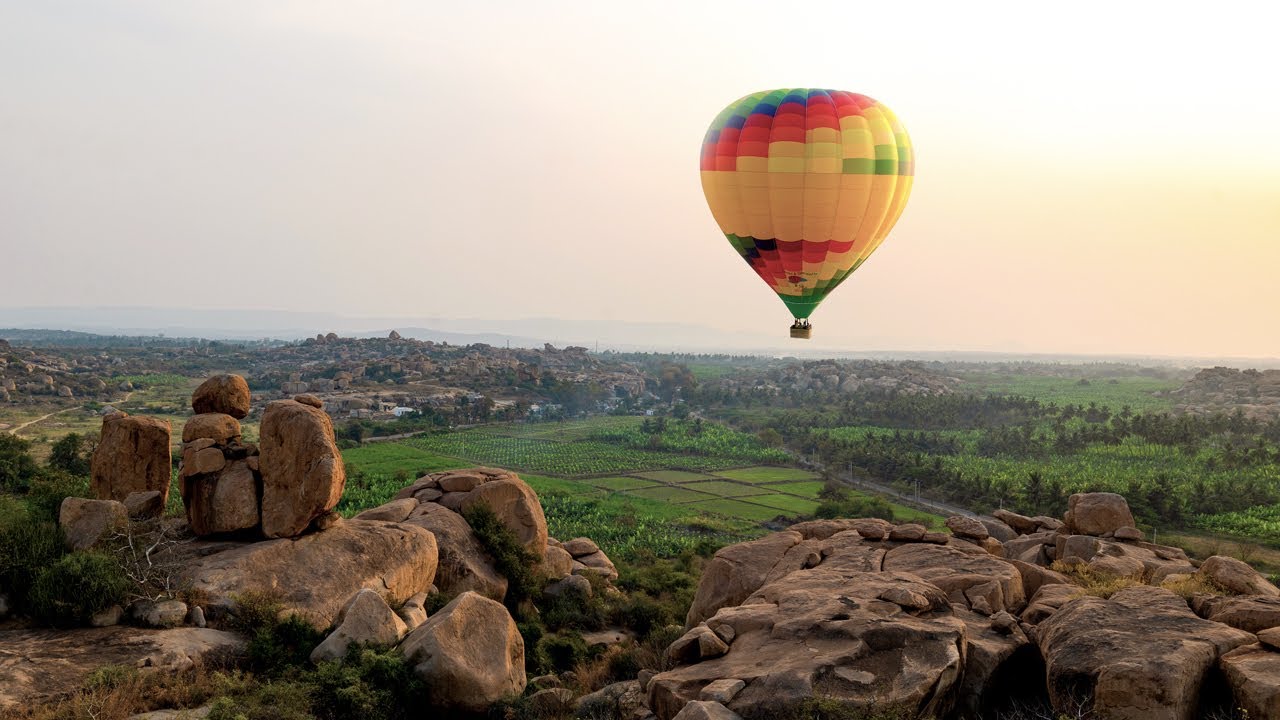
Hot air balloon ride in Hampi
Hot air balloon ride in Nainital
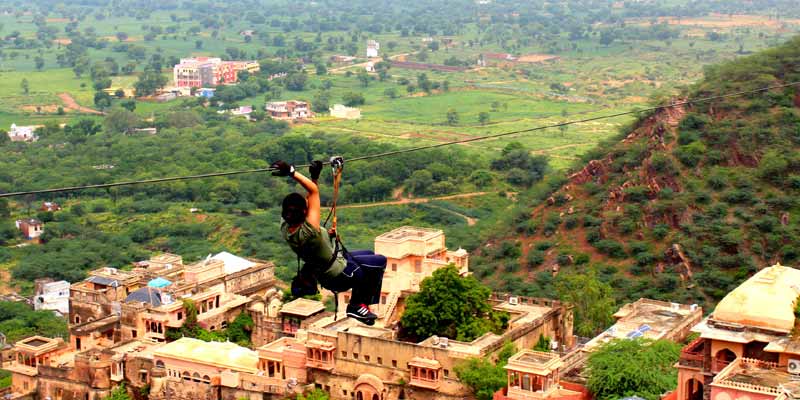
Zip Line ride in Neemrana
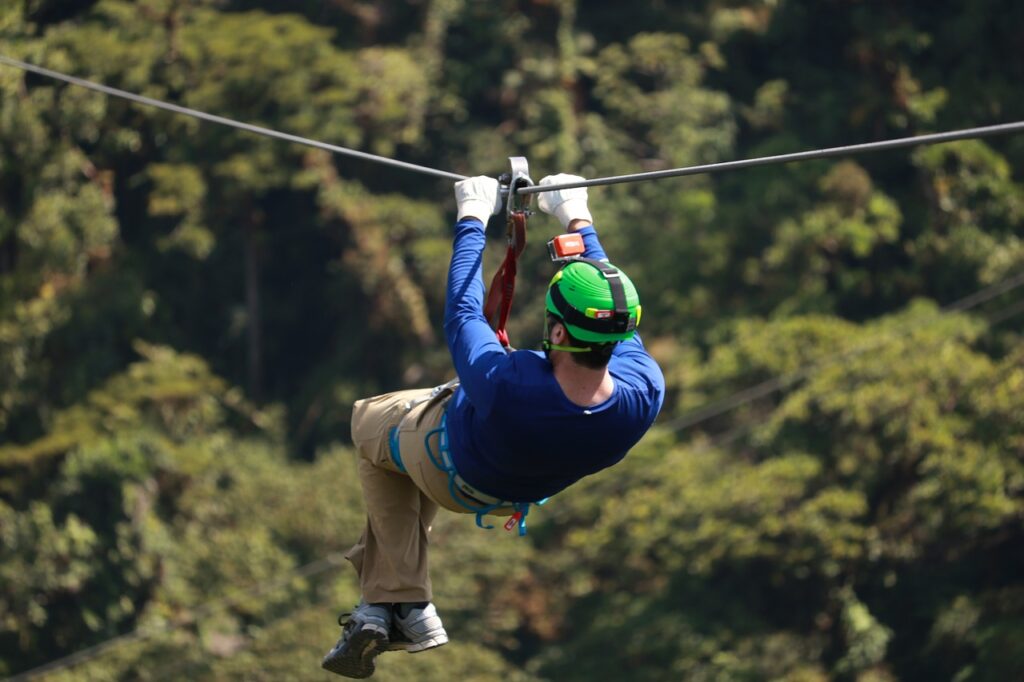
Kikar Lodge Zip Line
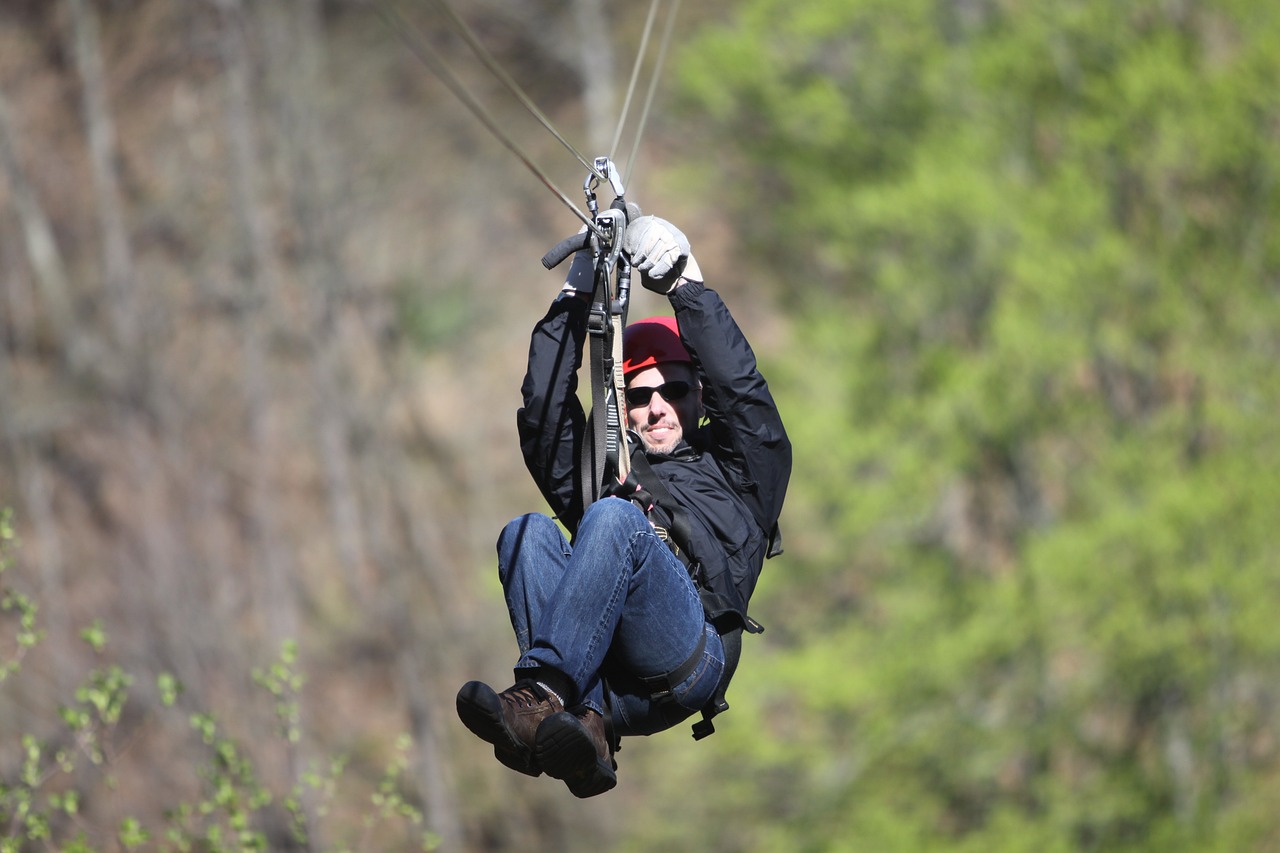
Zip Line ride in Rishikesh
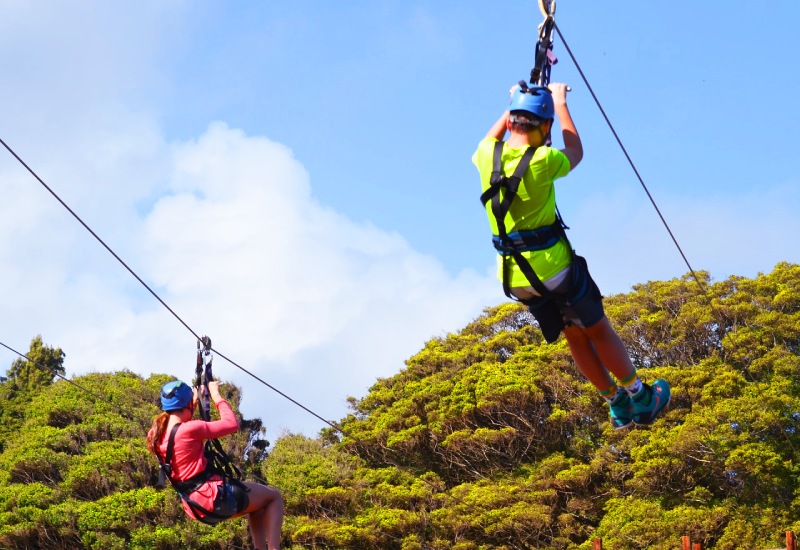
Zip Line ride in Mussoorie
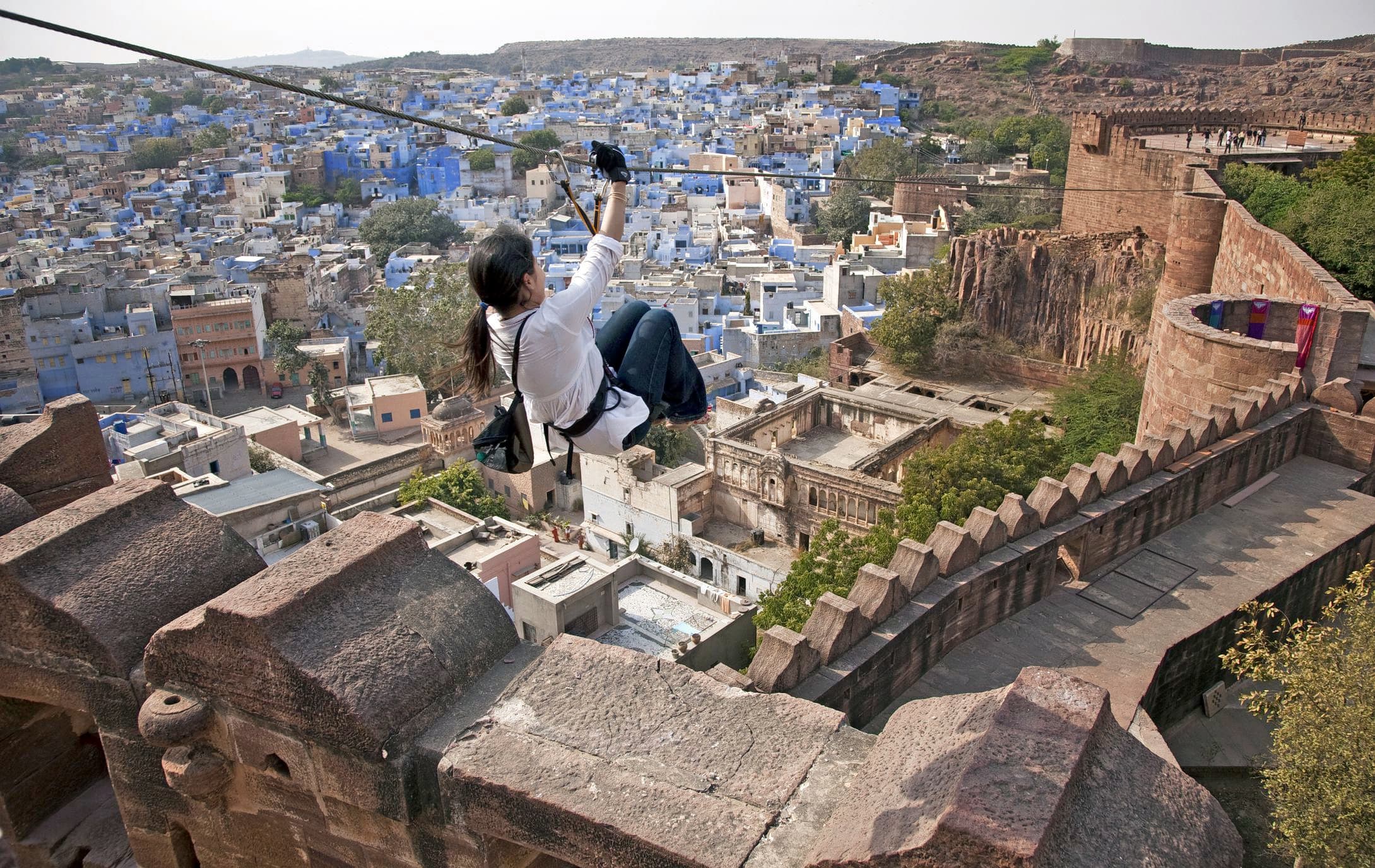
Zip Line ride in Jodhpur
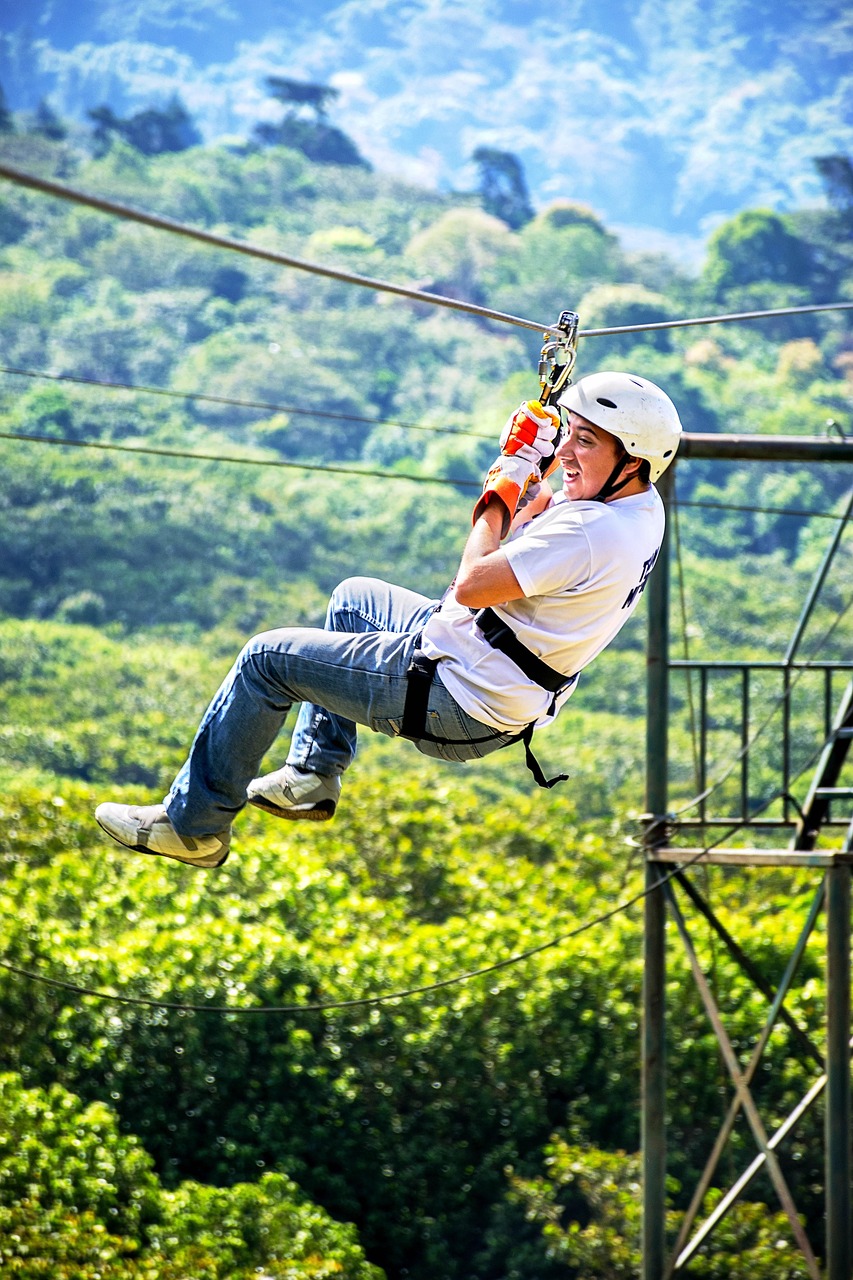
Zip Line ride in Munnar
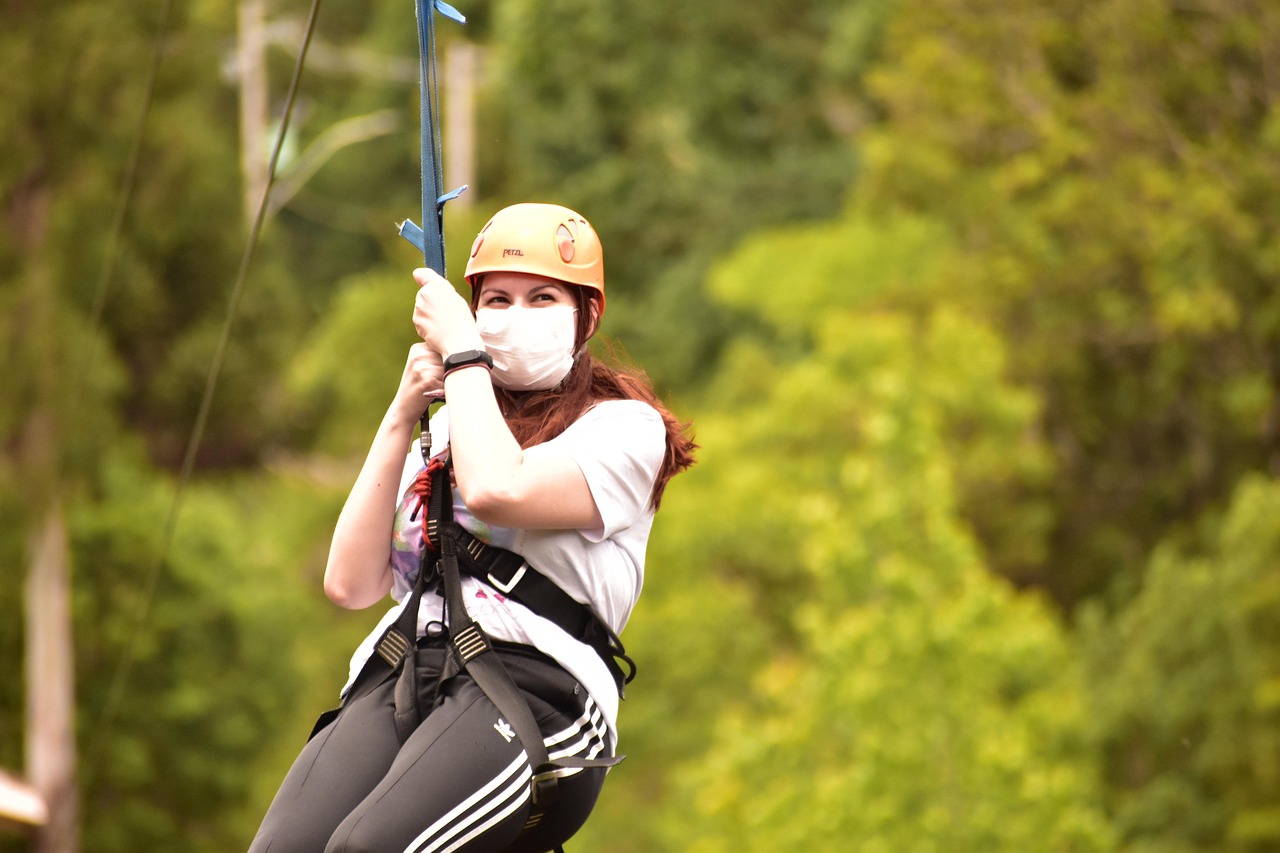
Zip Line ride in Manali
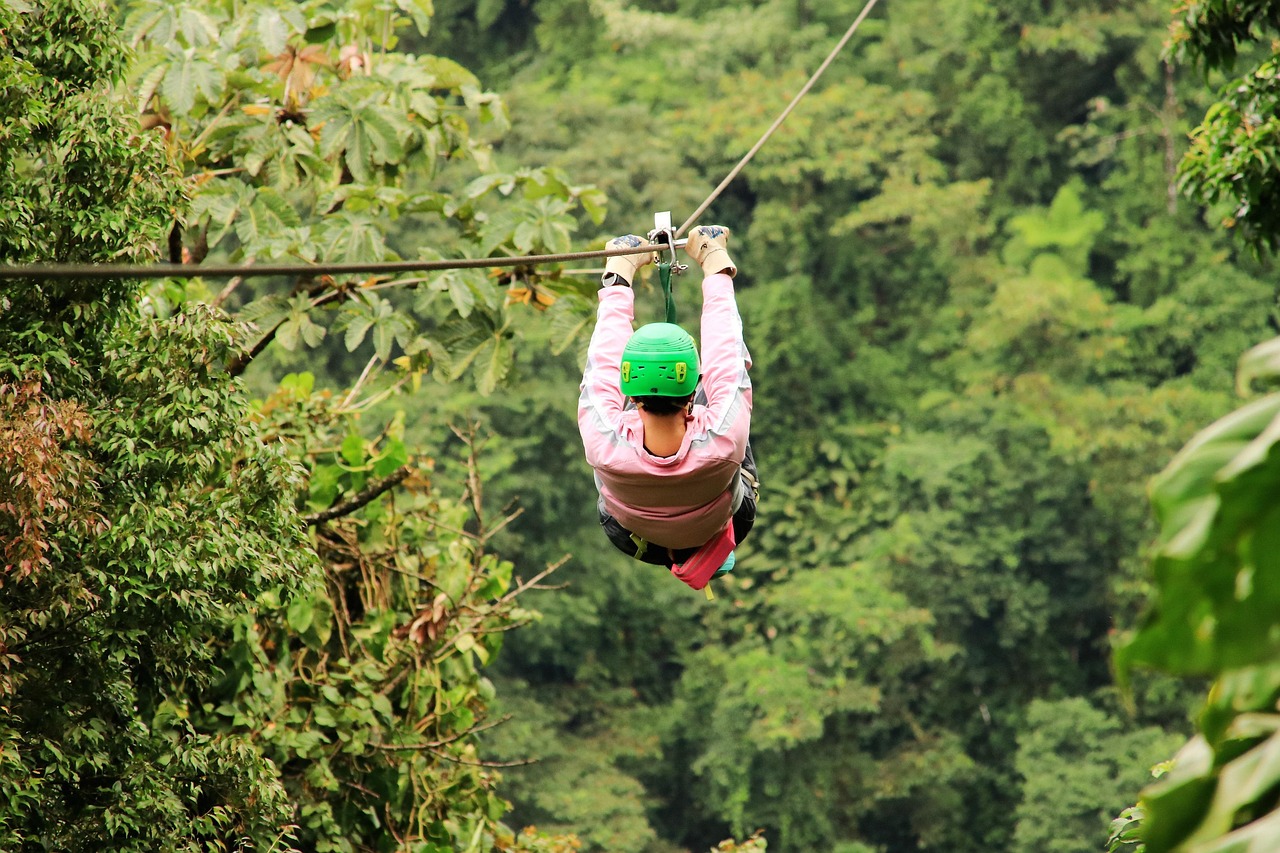
Zip Line ride in Darjeeling
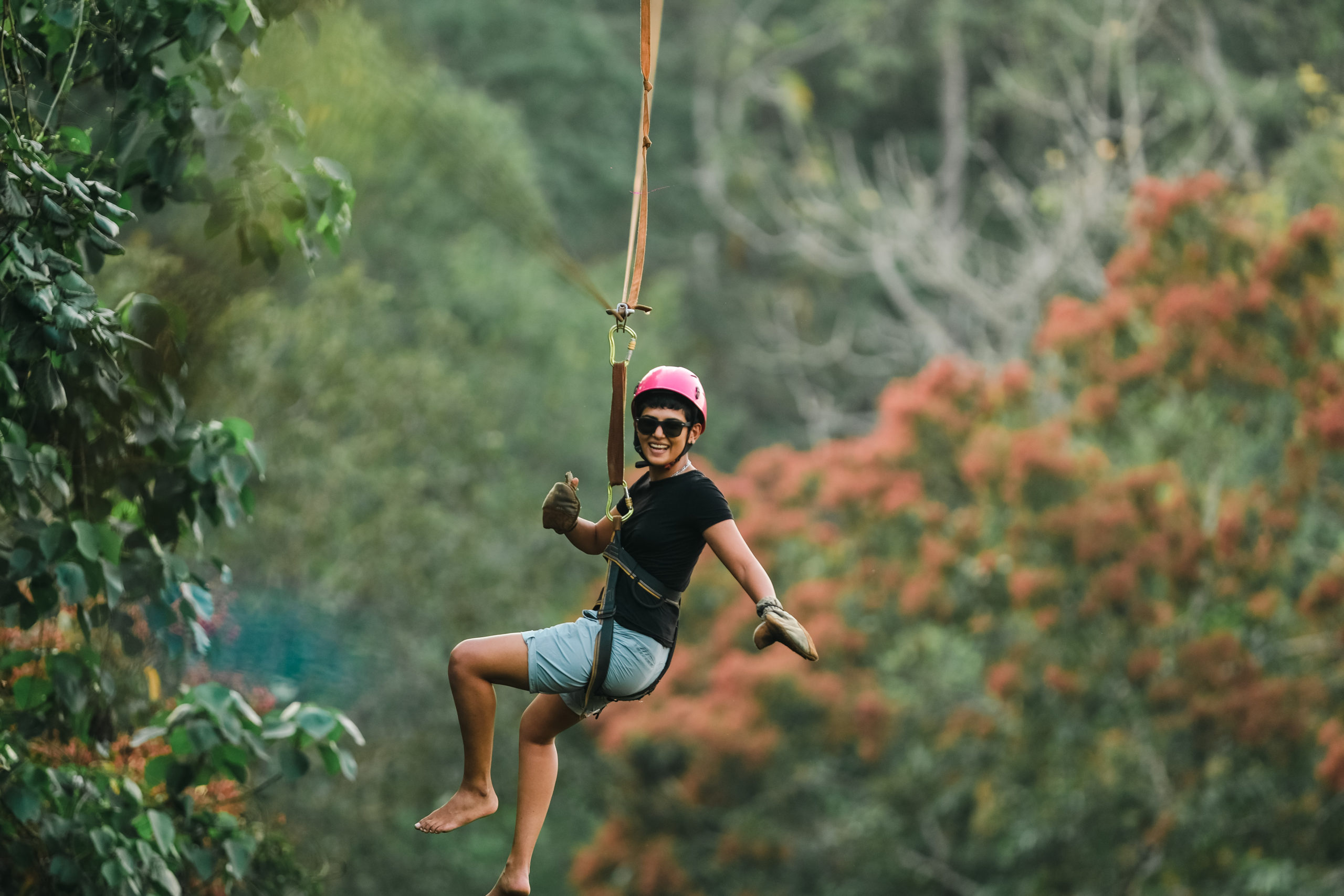
Zip Line ride in Goa
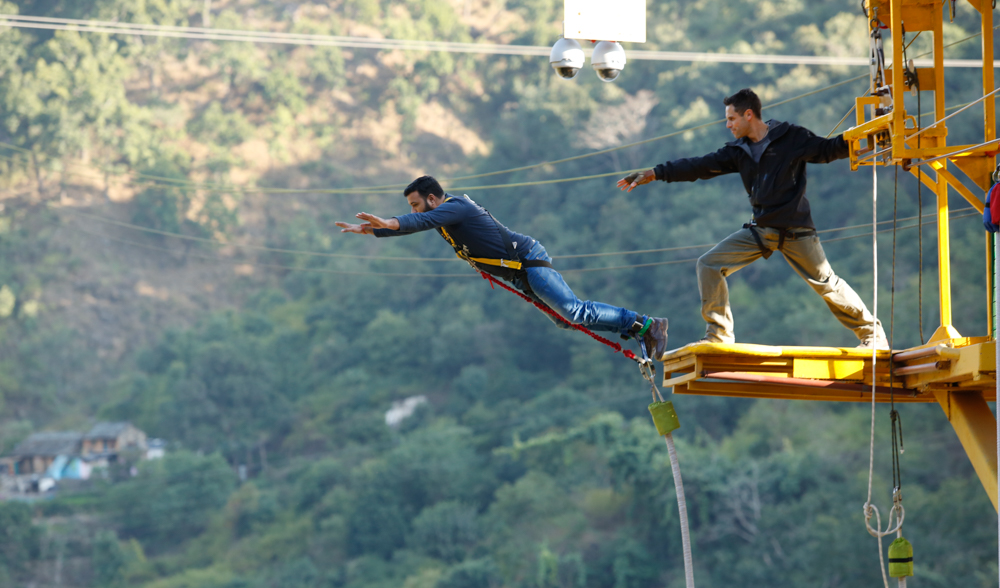
Bungee Jumping in Rishikesh
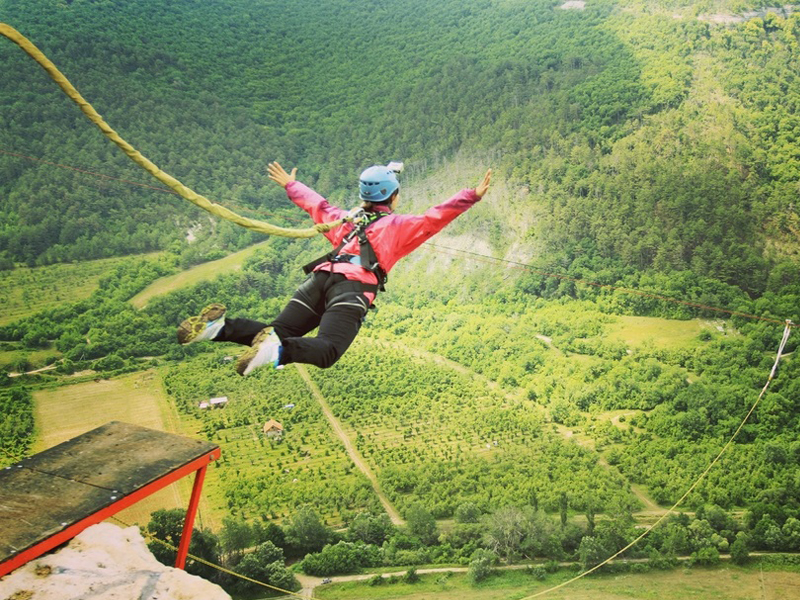
Bungee Jumping in Udaipur
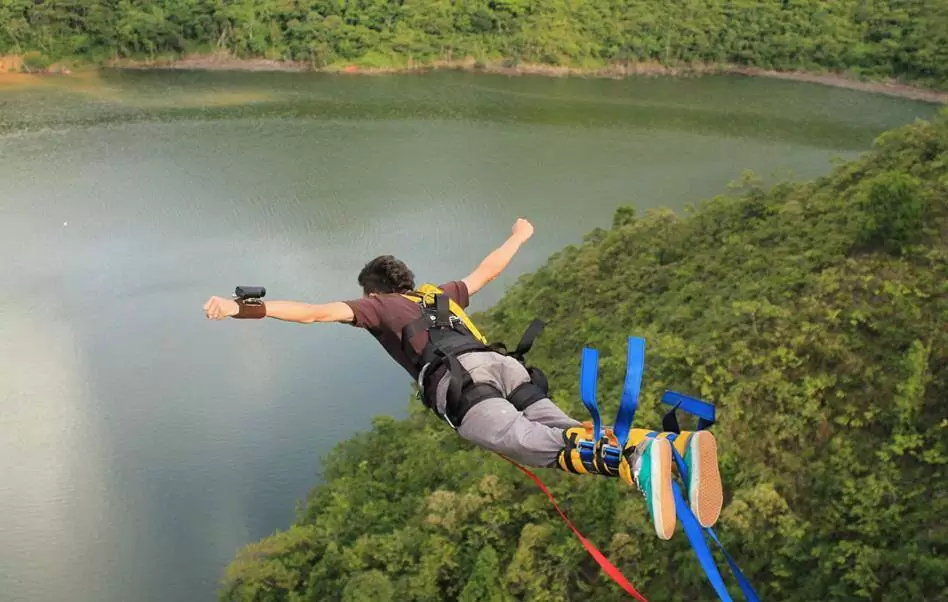
Bungee Jumping in Goa
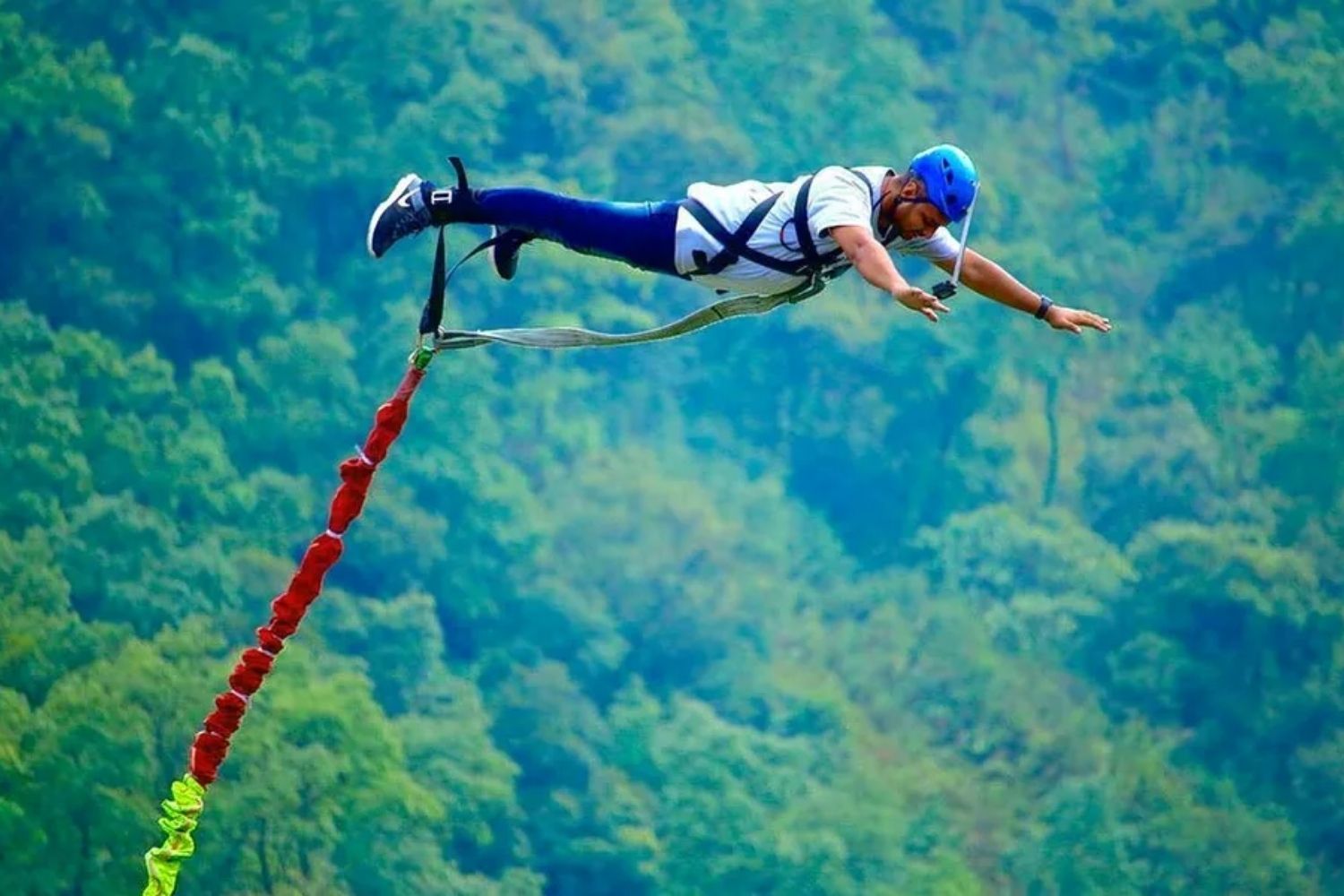
Bungee Jumping in Lonavala
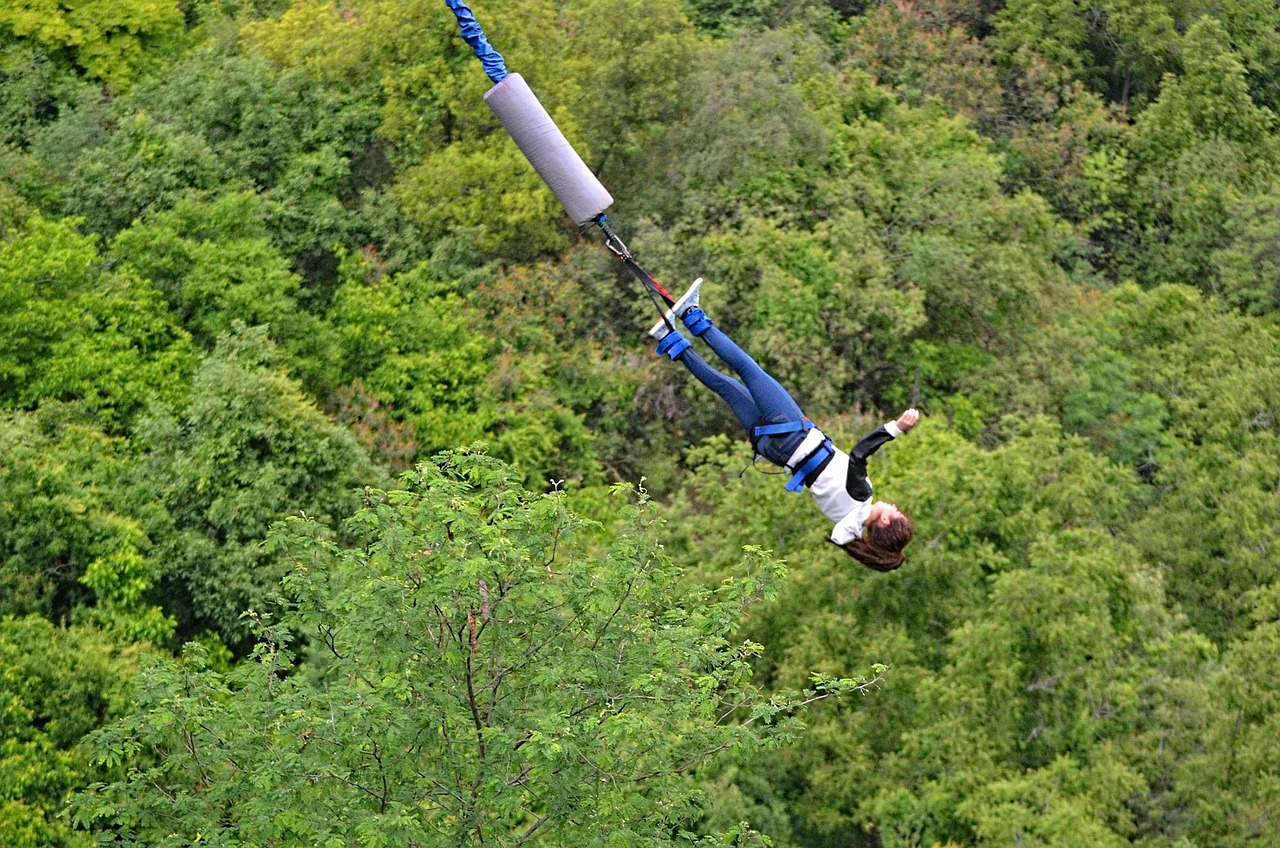
Bungee jumping in Bangalore
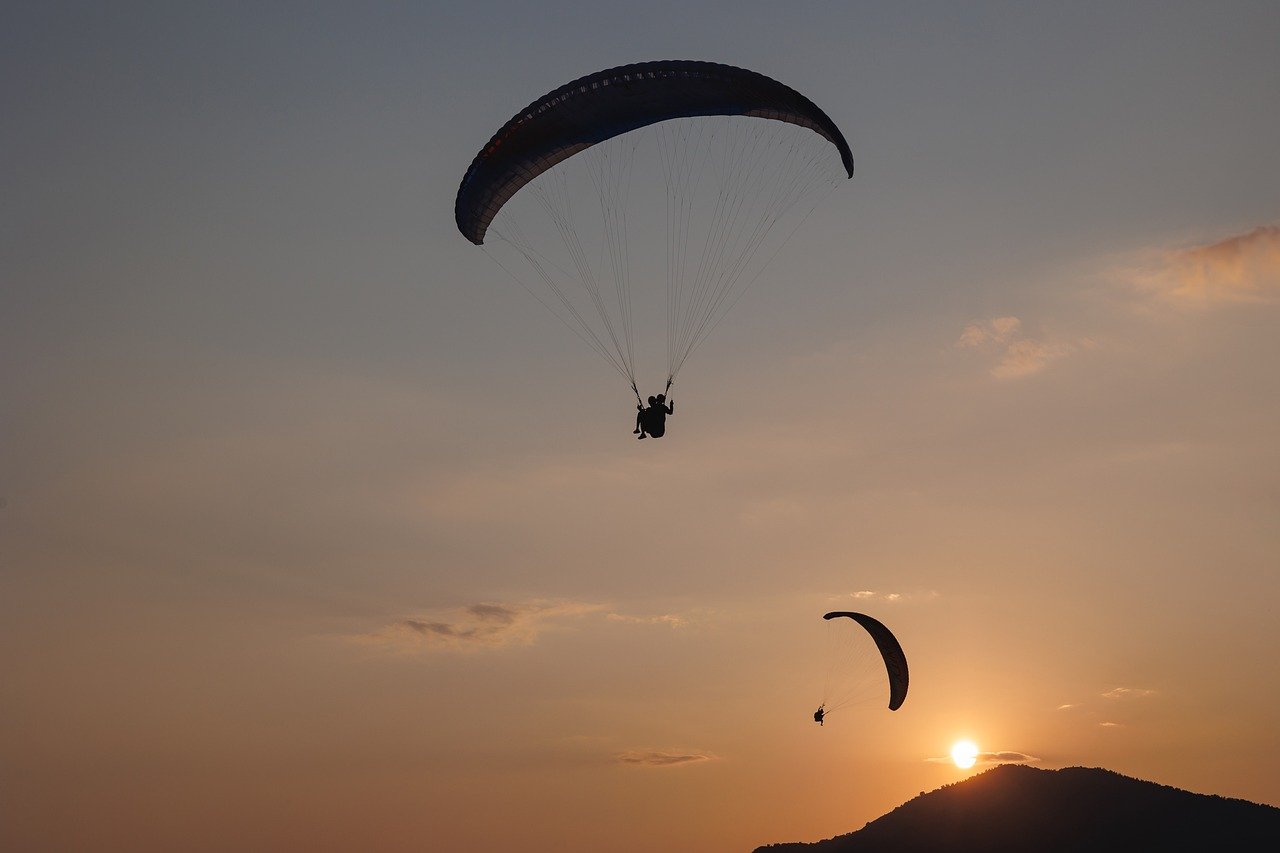
Paragliding in Bir Billing
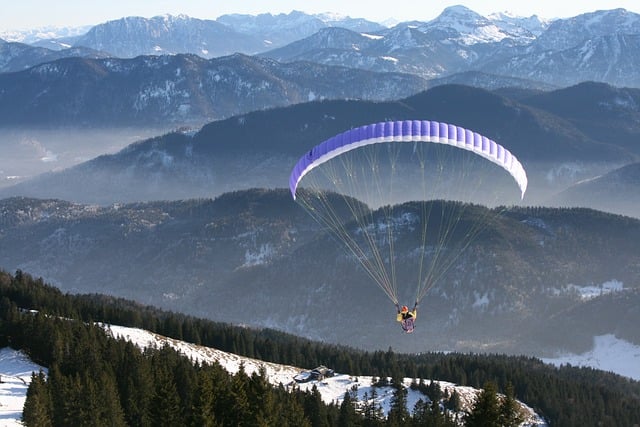
Paragliding in Manali
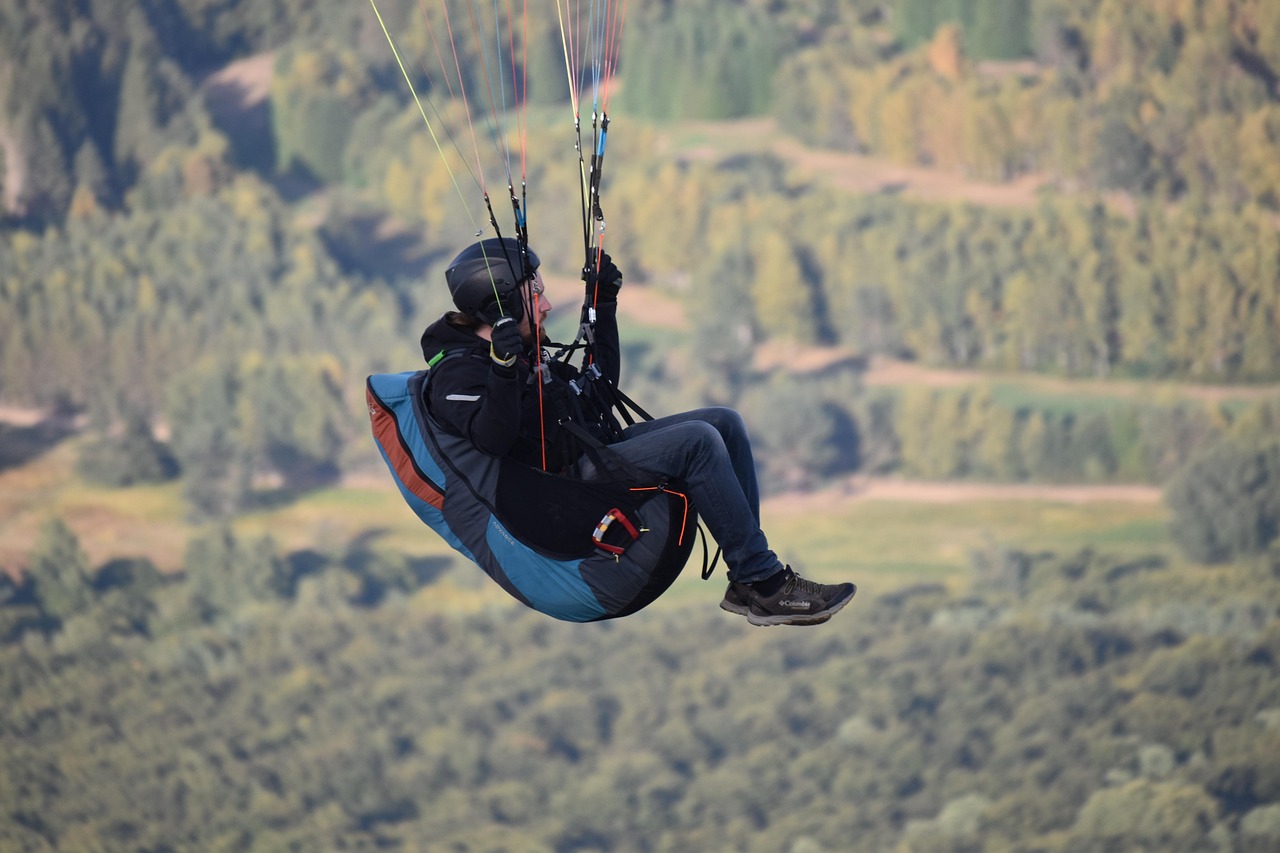
Paragliding in Nainital
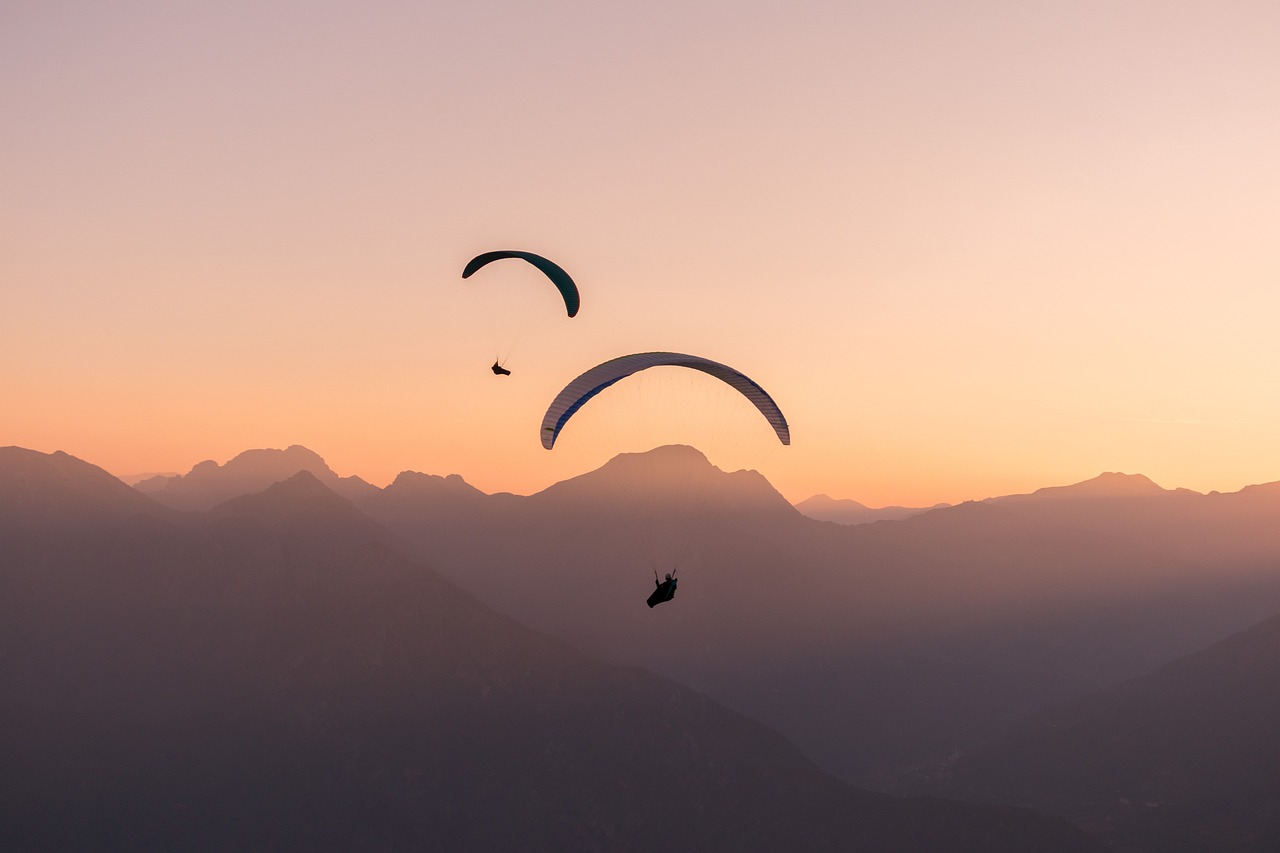
Paragliding in Kamshet
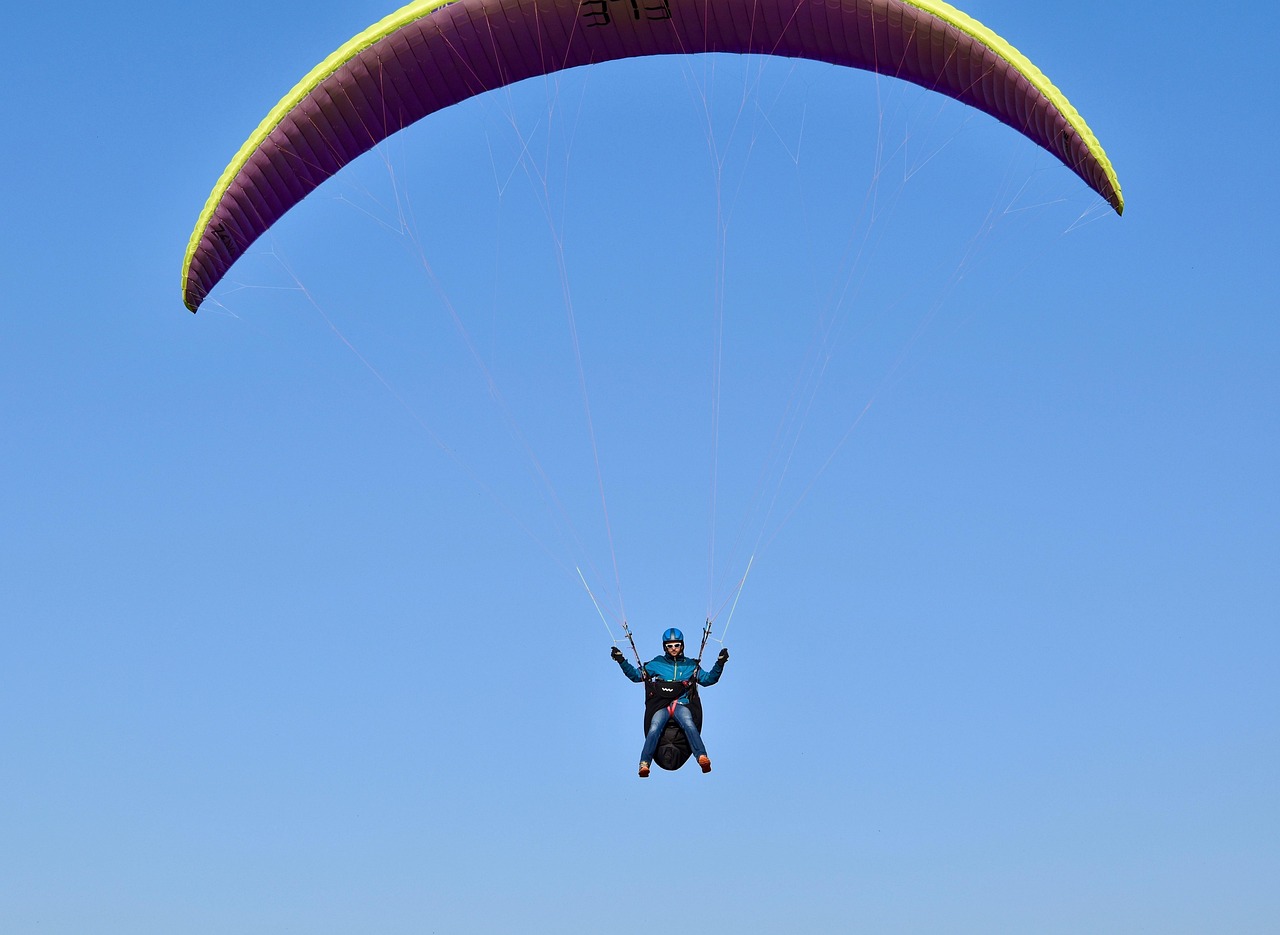
Paragliding in Ranikhet and Mukteshwar
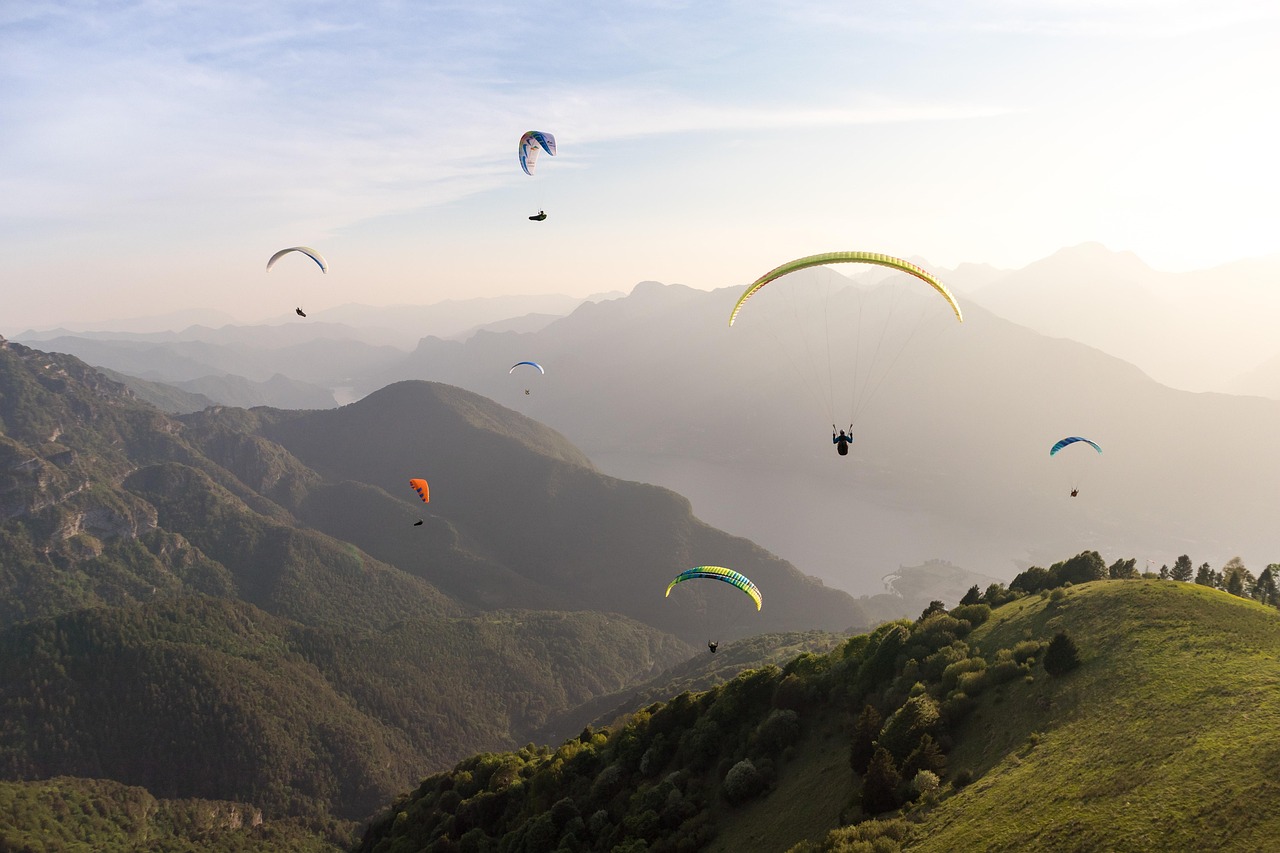
Paragliding in Gangtok
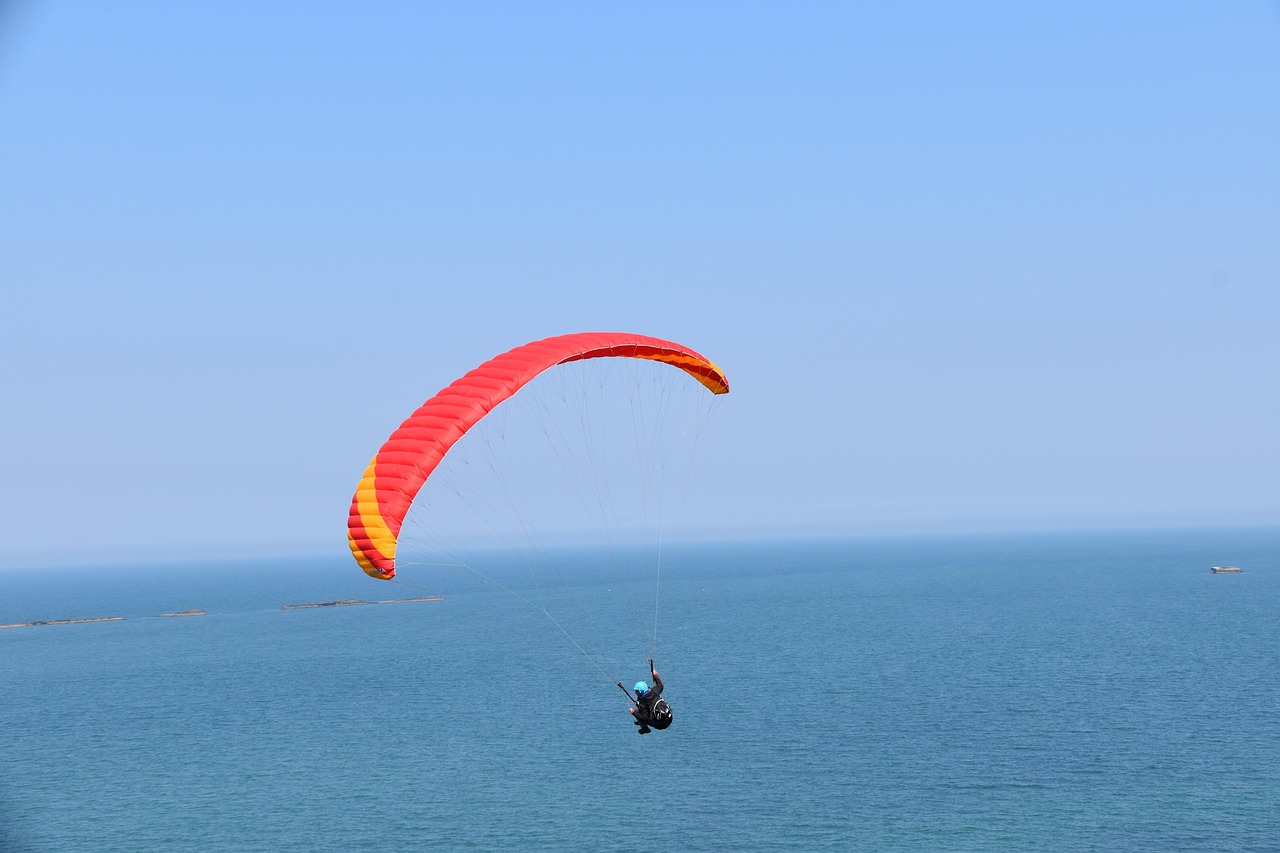
Paragliding in Arambol, Goa
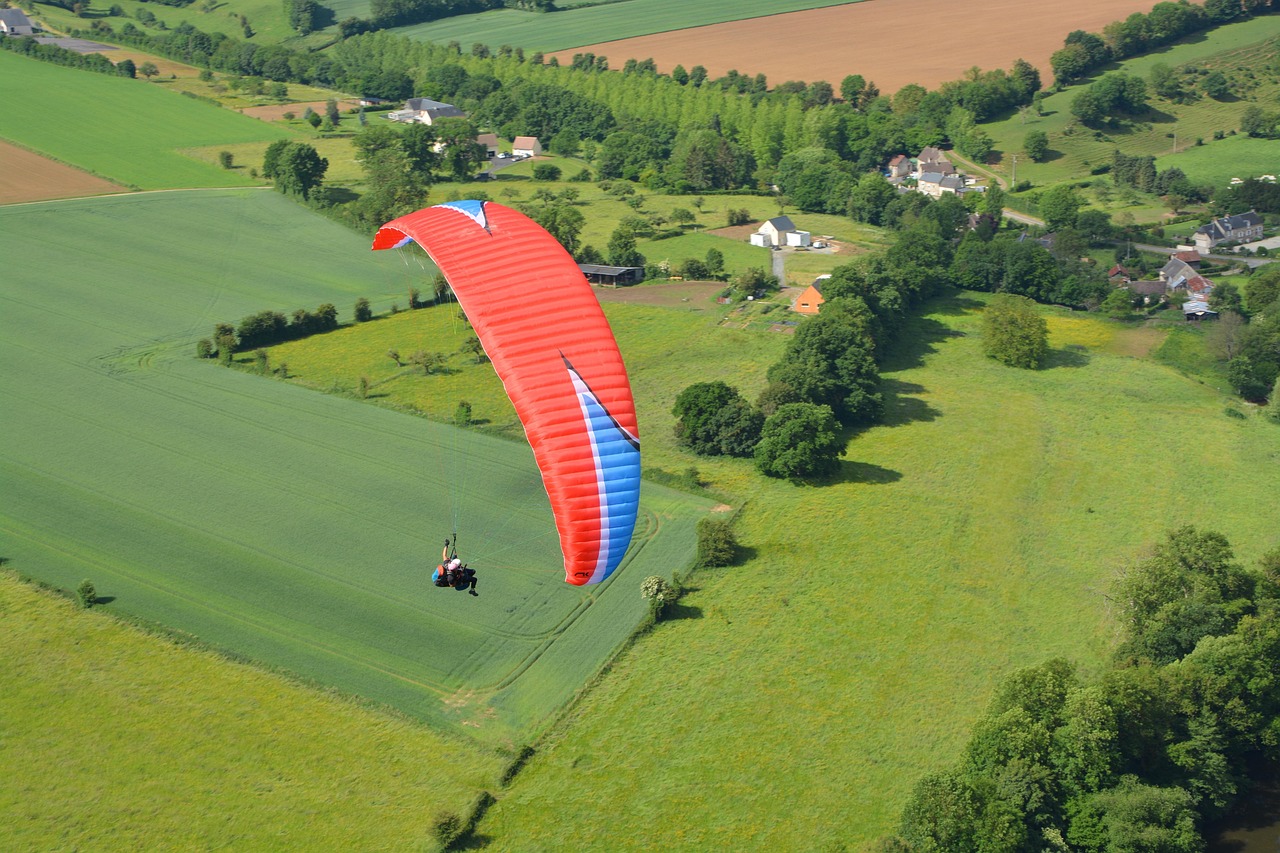
Paragliding in Pavagadh, Gujarat
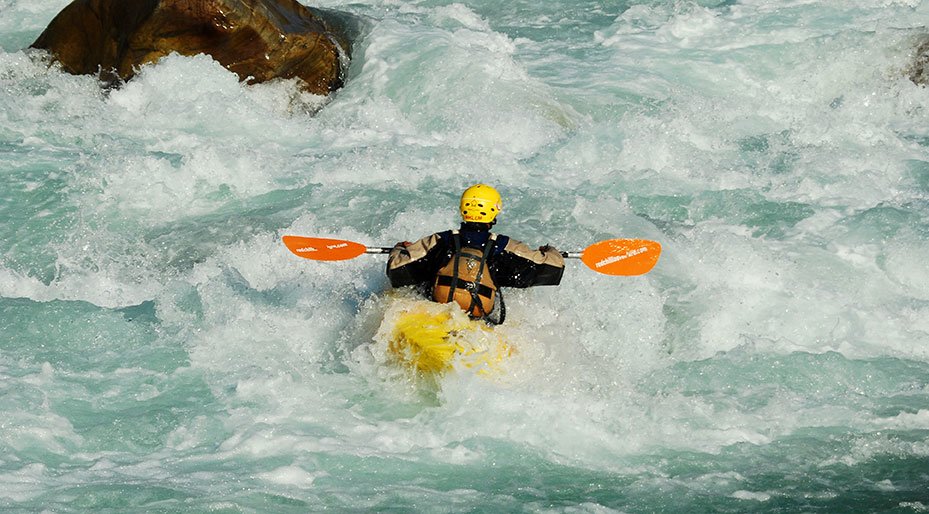
Kayaking in Rishikesh
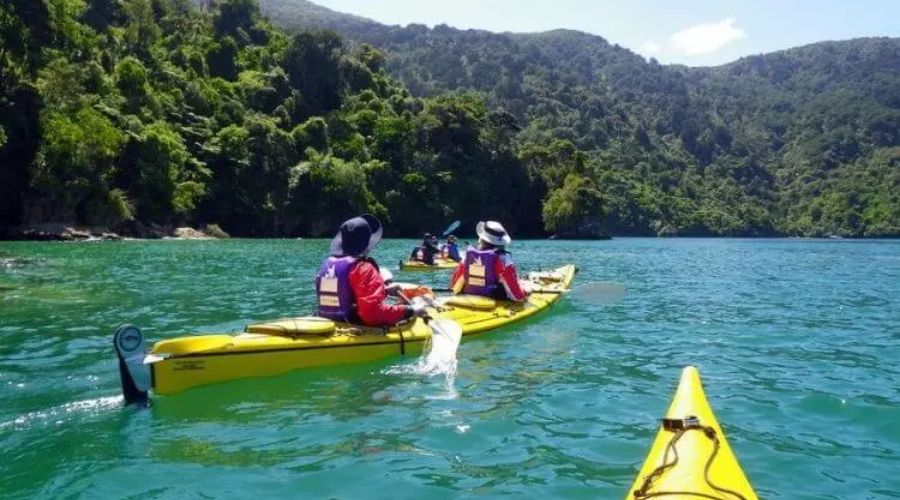
Kayaking in Andaman and Nicobar Islands
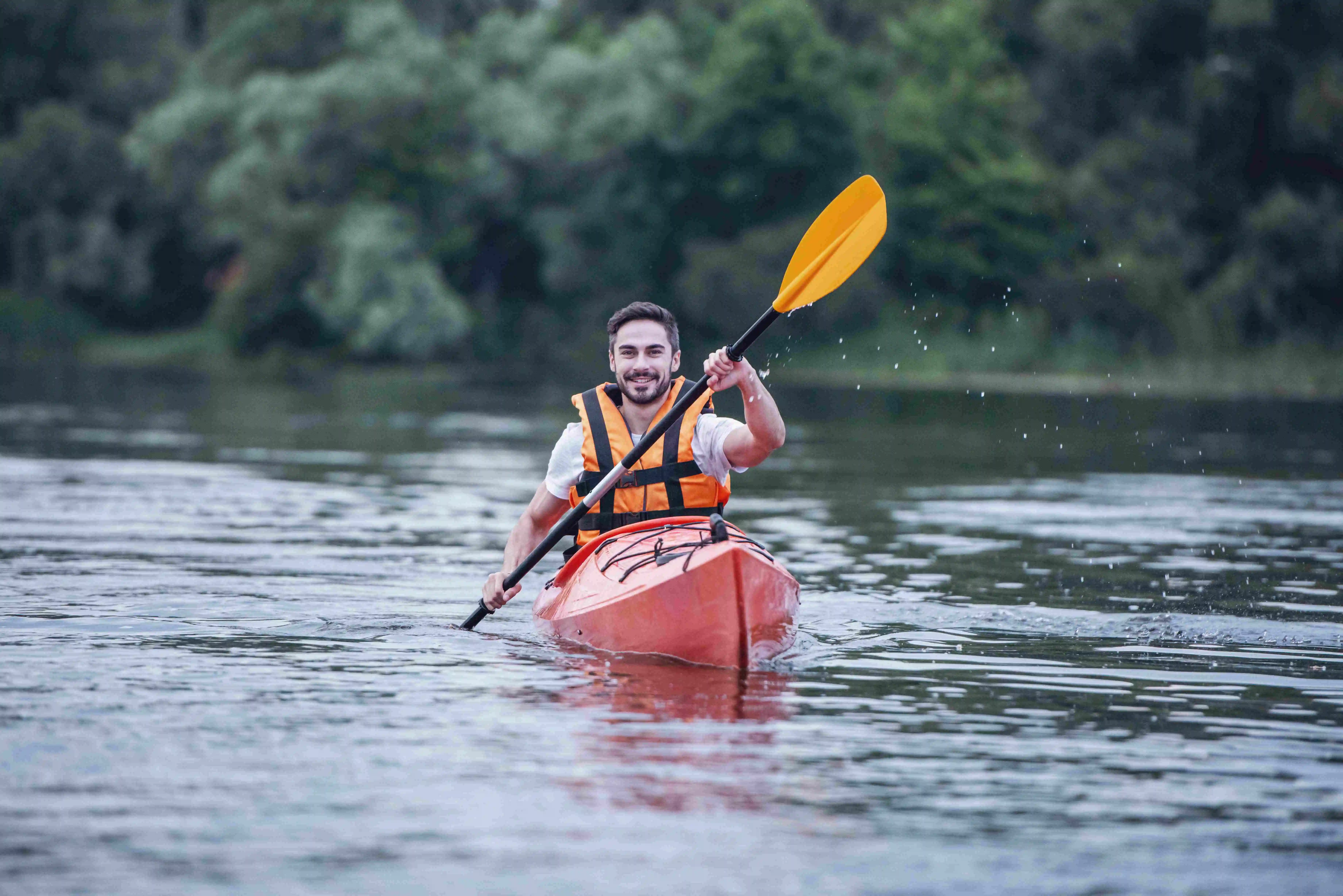
Kayaking in Kerala
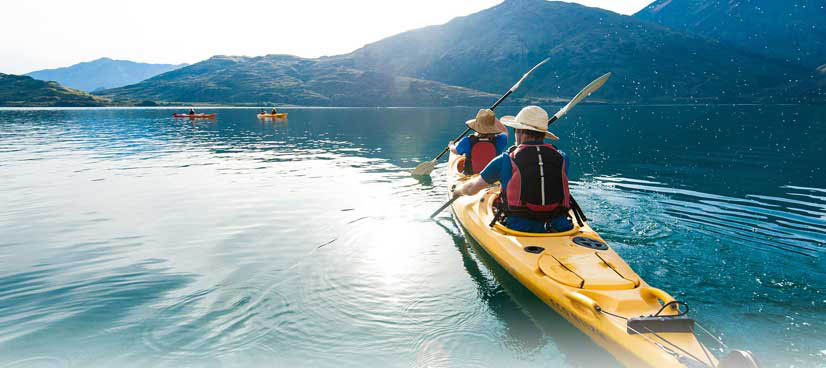
Kayaking in Sikkim
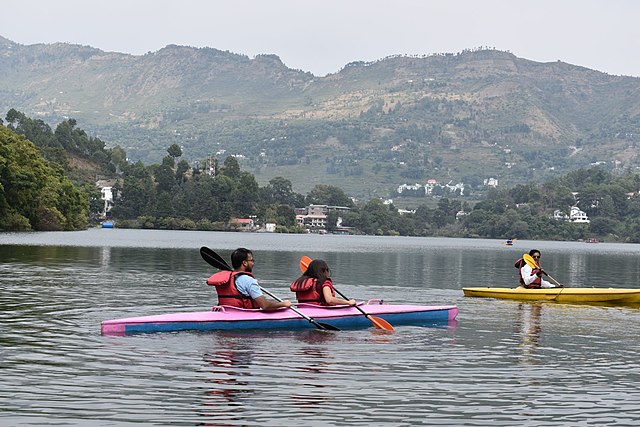
Kayaking in Nainital
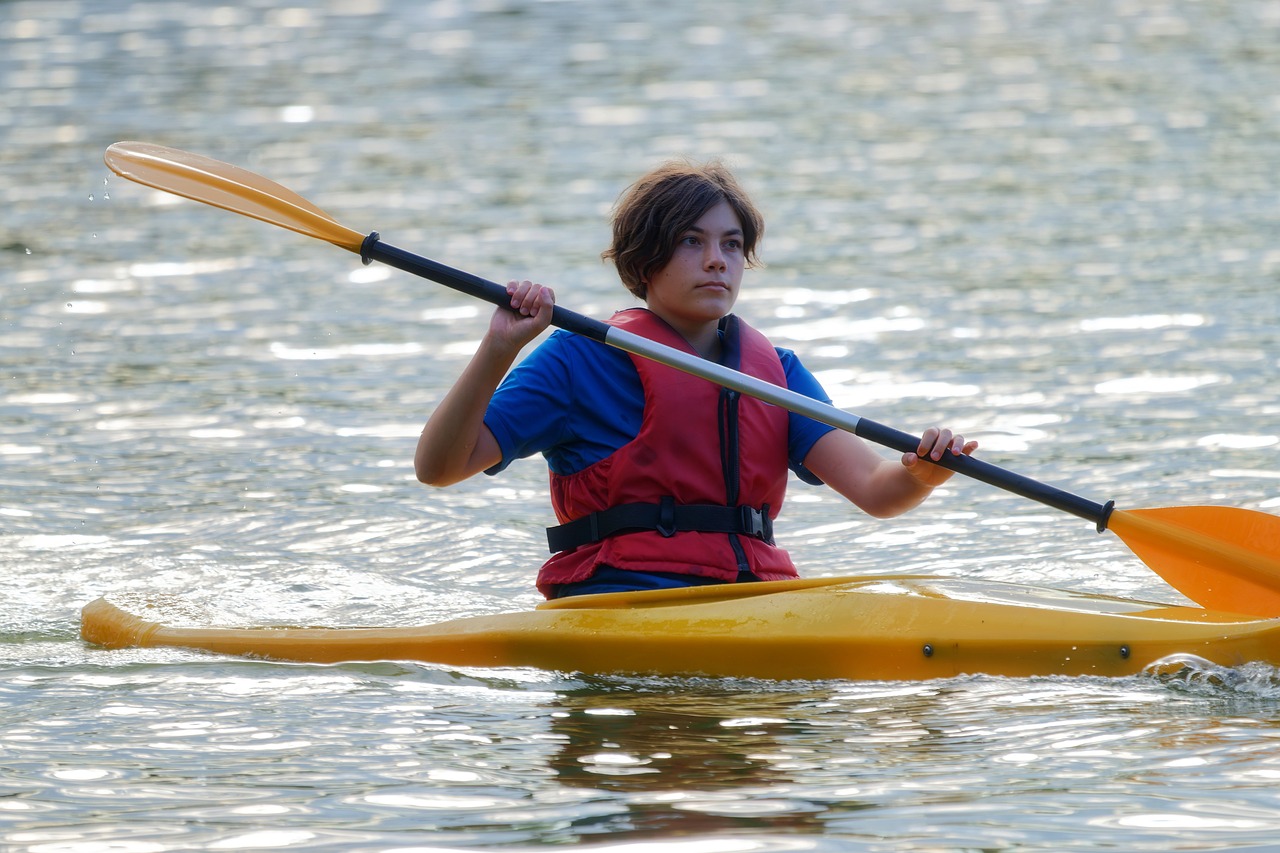
Kayaking in Tungabhadra River, Karnataka
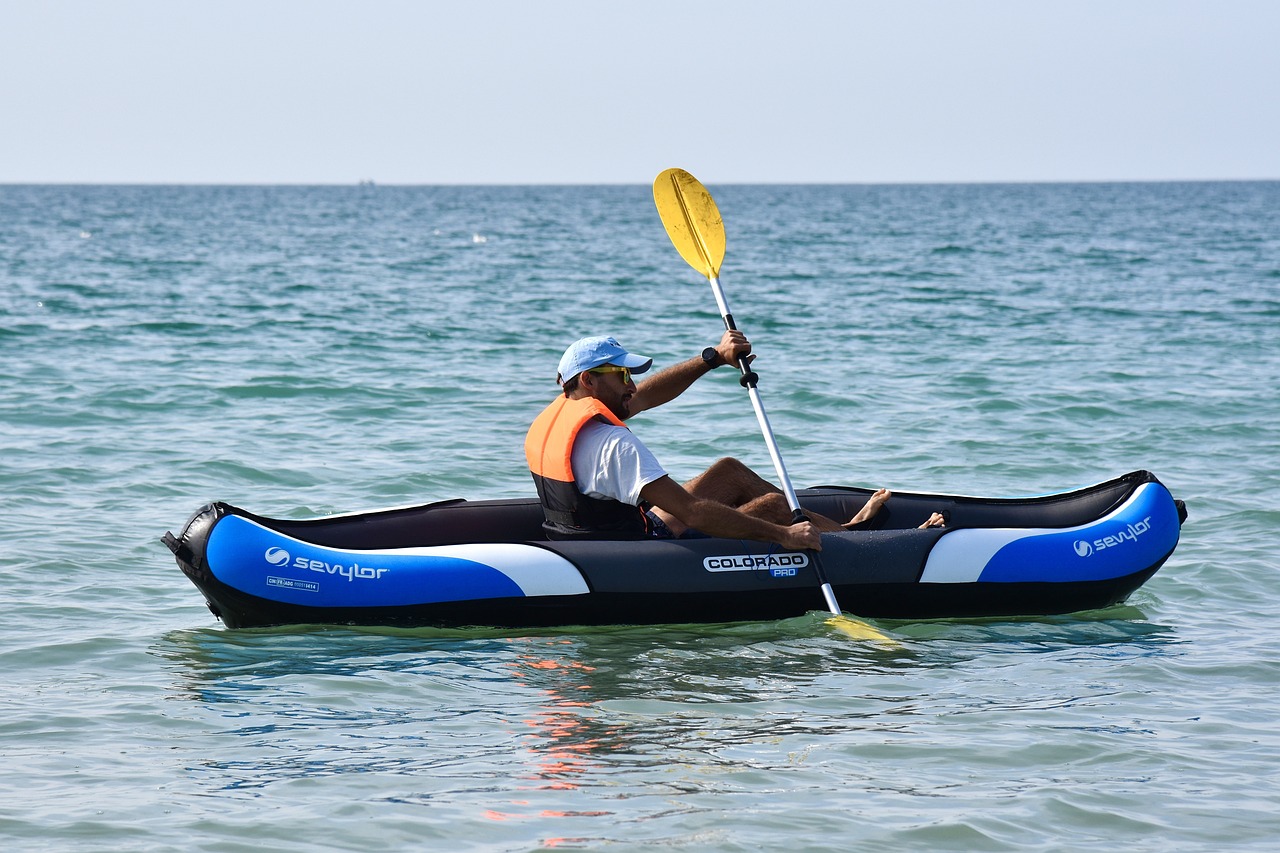
Kayaking in Pondicherry
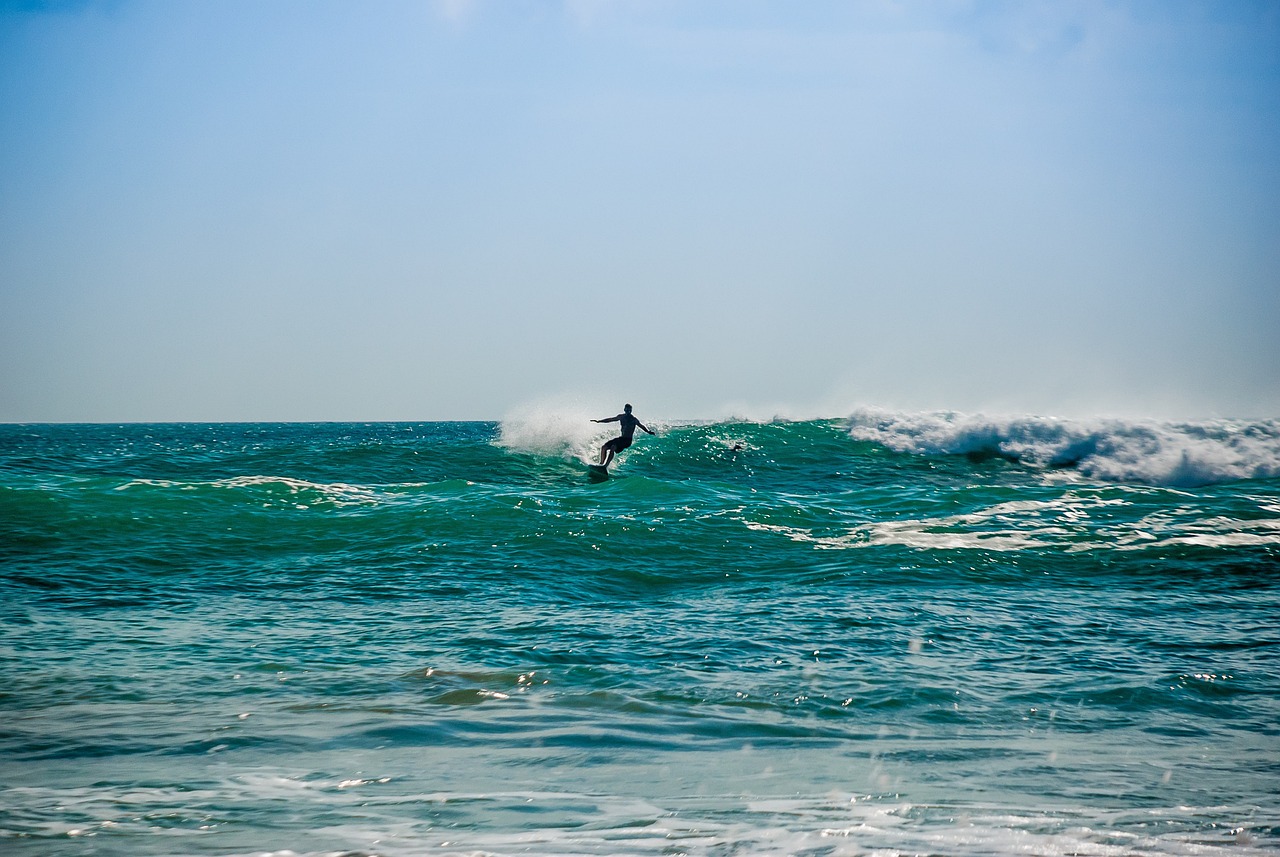
Surfing in Goa
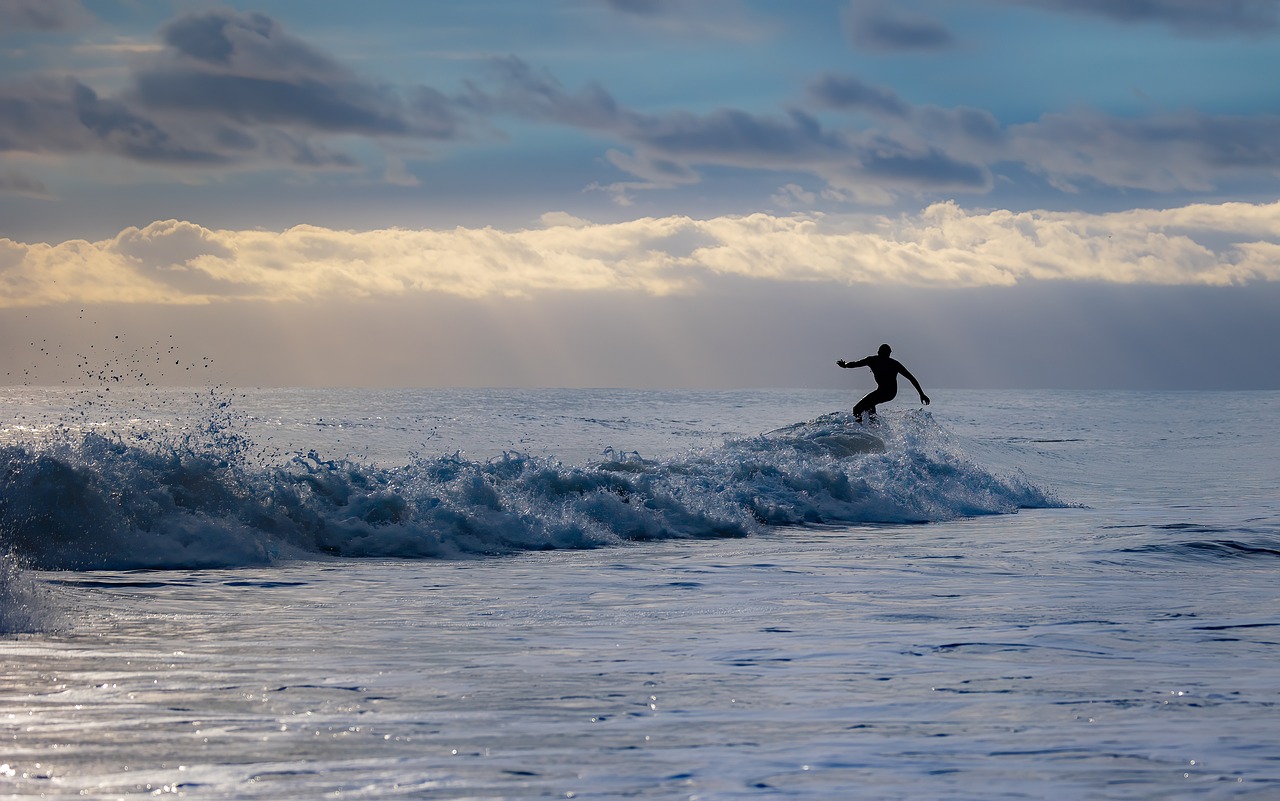
Surfing in Varkala (Kerala)
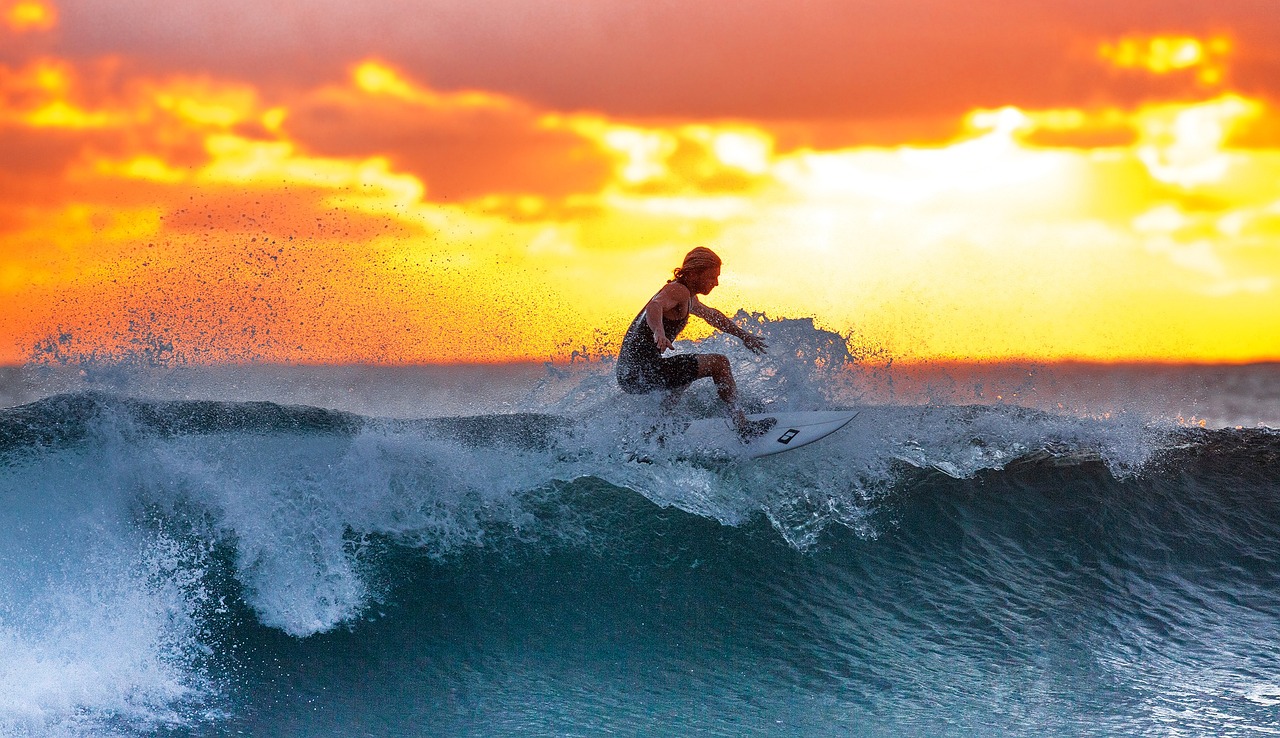
Surfing in Kovalam (Kerala)
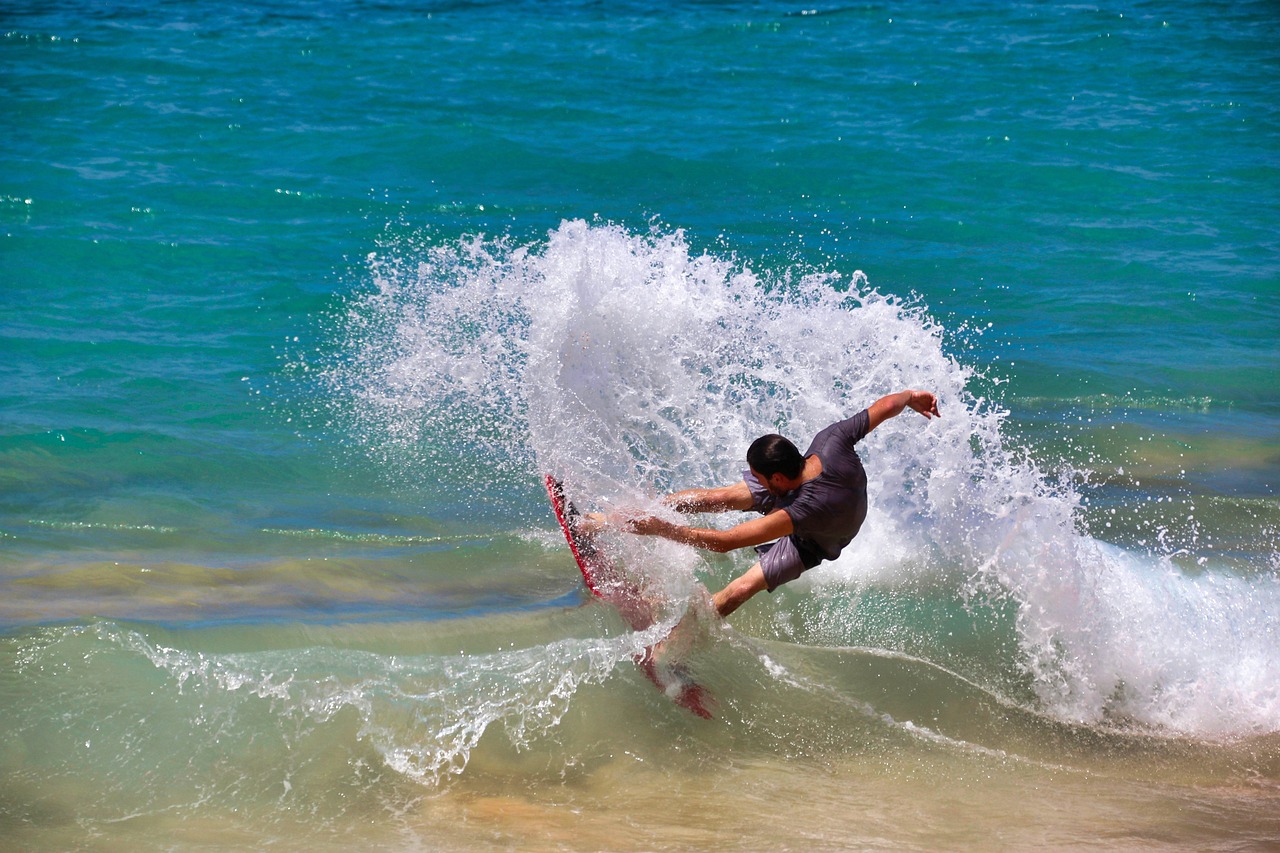
Surfing in Manapad (Tamil Nadu)
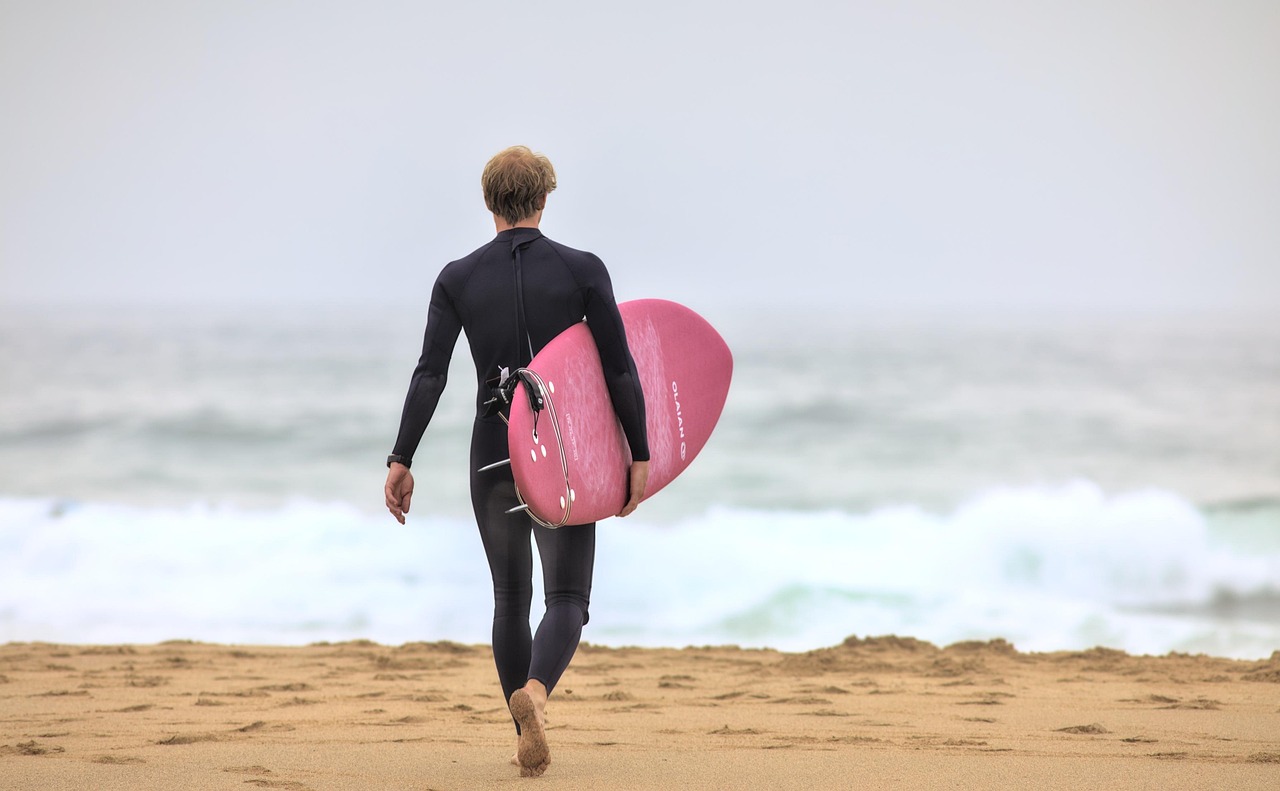
Surfing in Udupi (Karnataka)
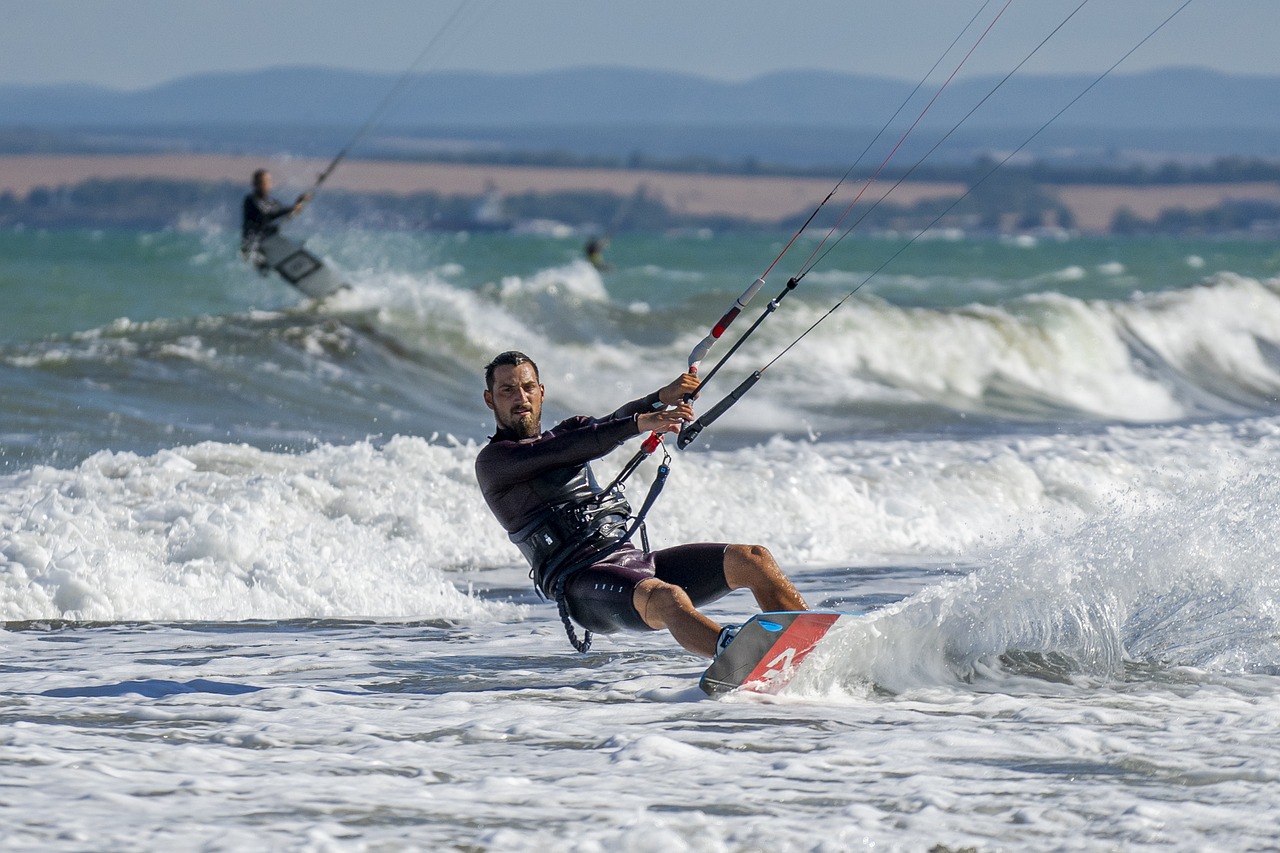
Surfing in Gokarna (Karnataka)
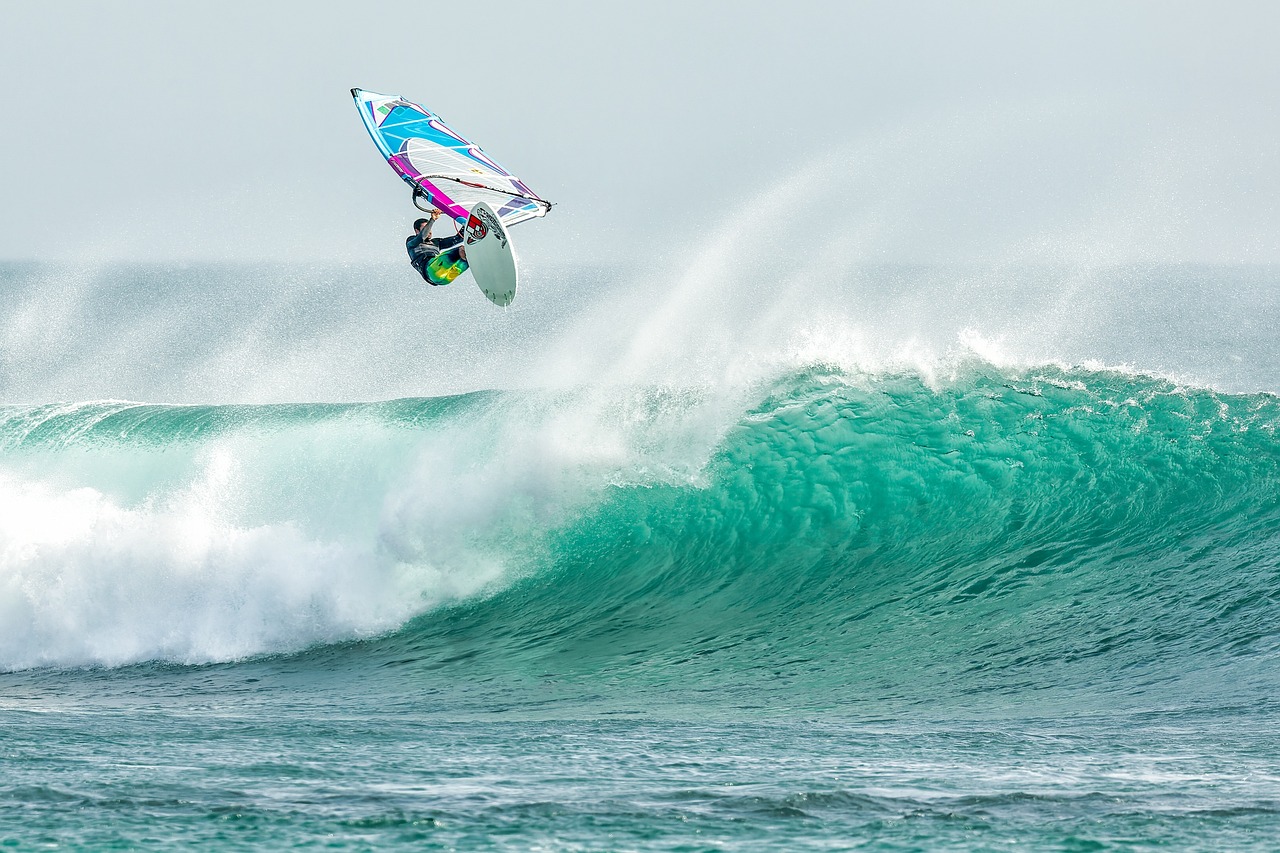
Surfing in Puducherry
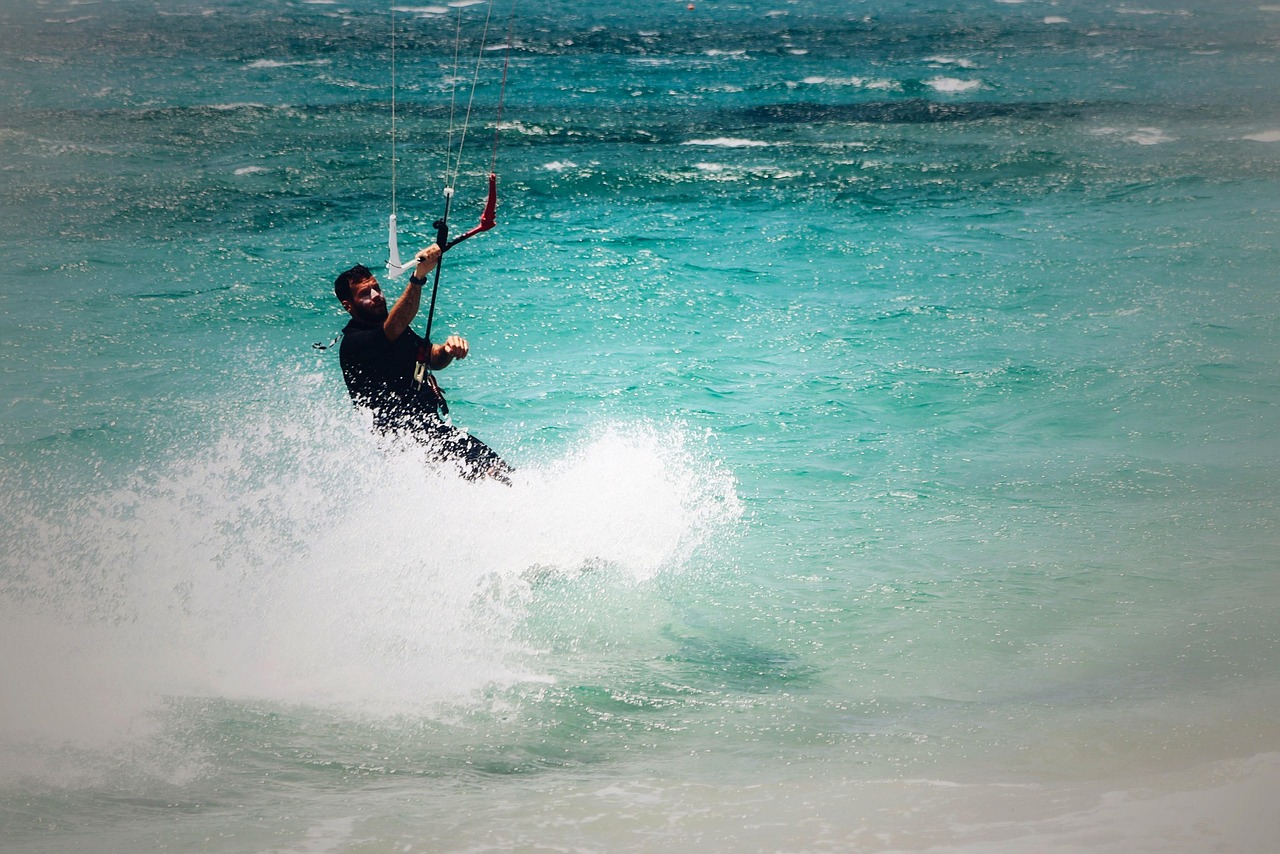
Surfing in Sindhudurg (Maharashtra)
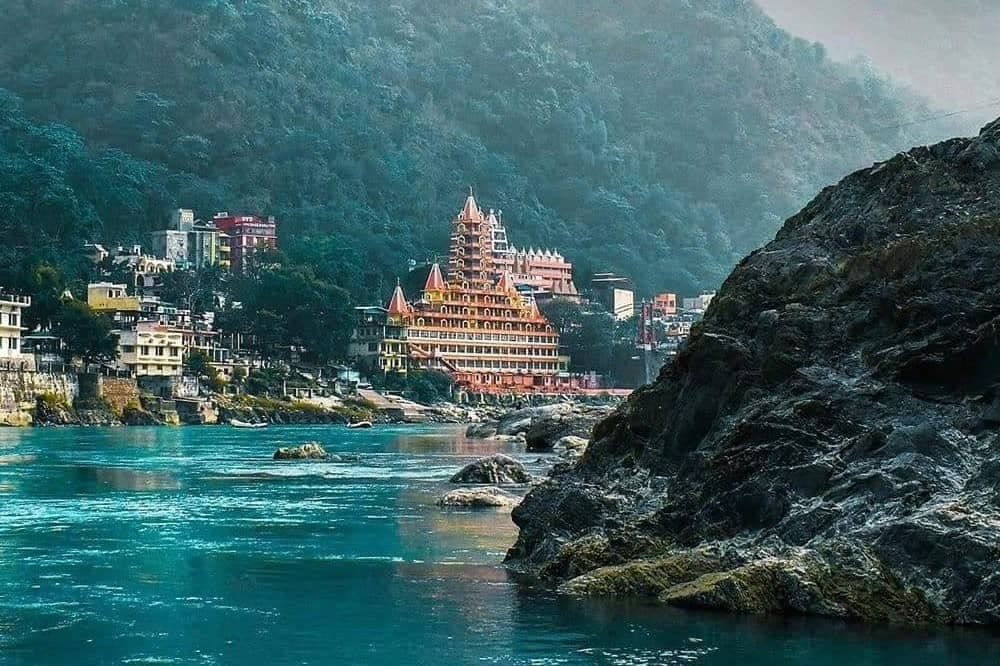
Top 10 Visiting Places in Rishikesh: Your Ultimate Travel Guide
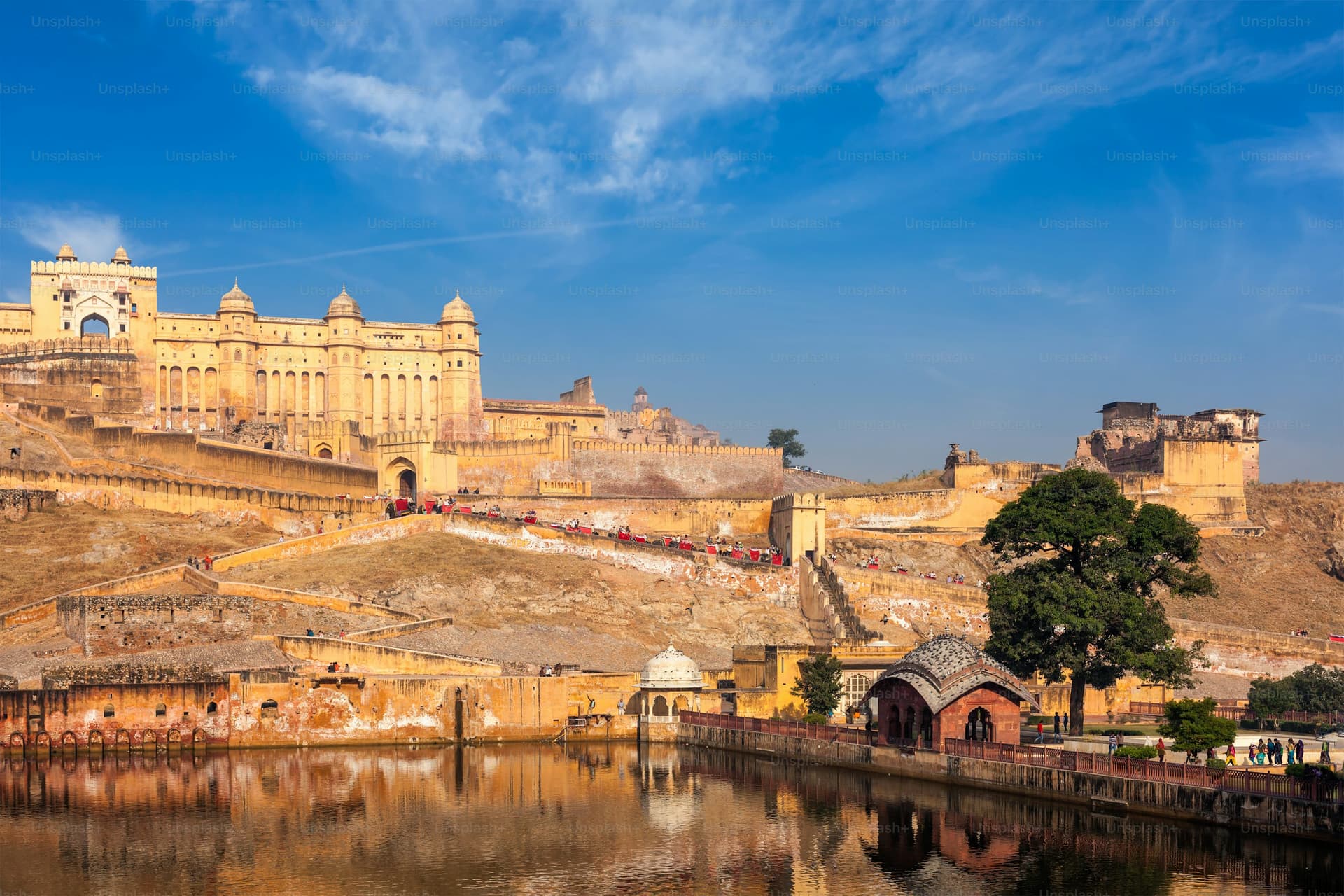
Top 10 Visiting Places in Jaipur: The Pink City’s Must-See Attractions
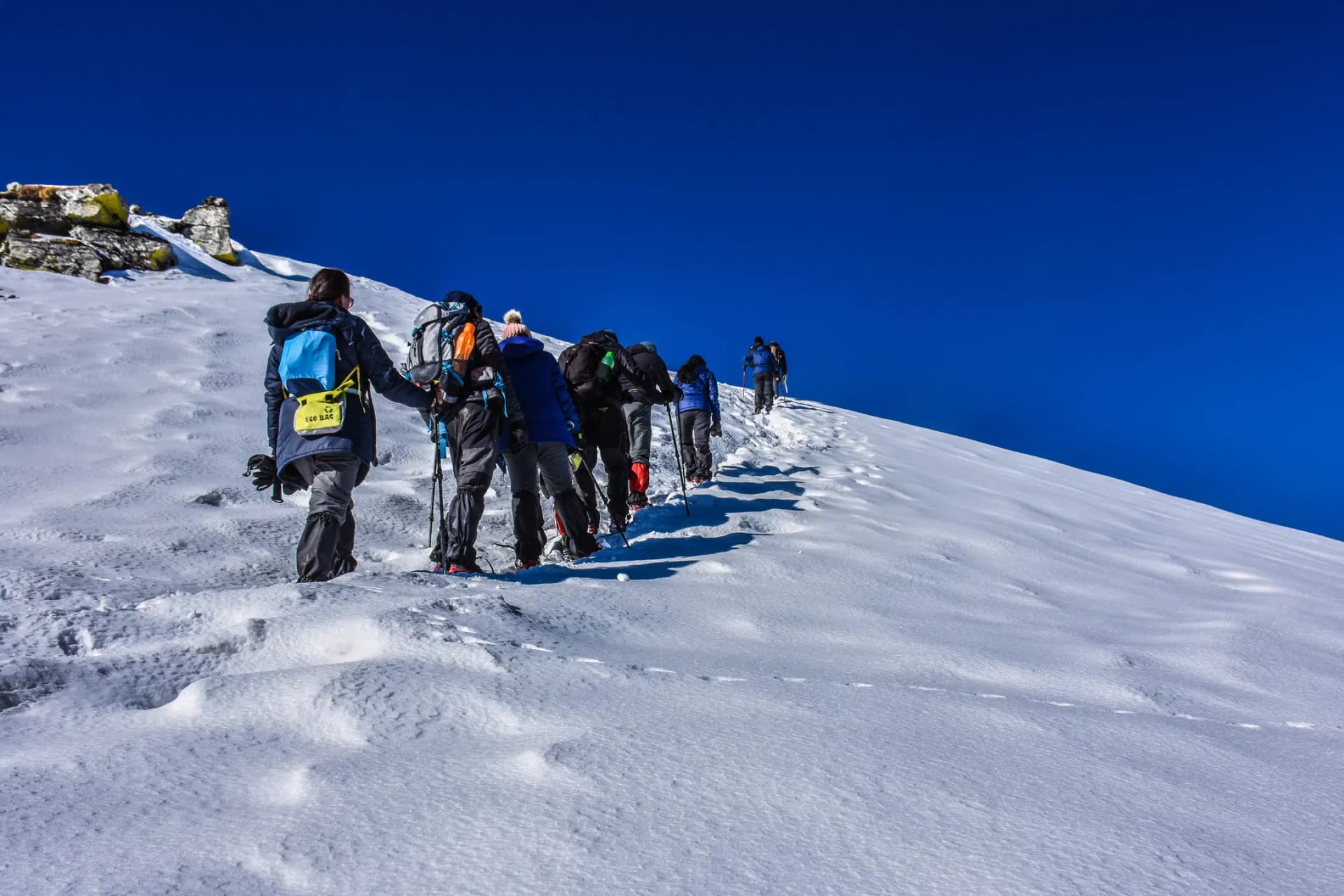
9 Amazing Treks in Uttarkashi: A Perfect Blend of Adventure, Beauty, and Peace
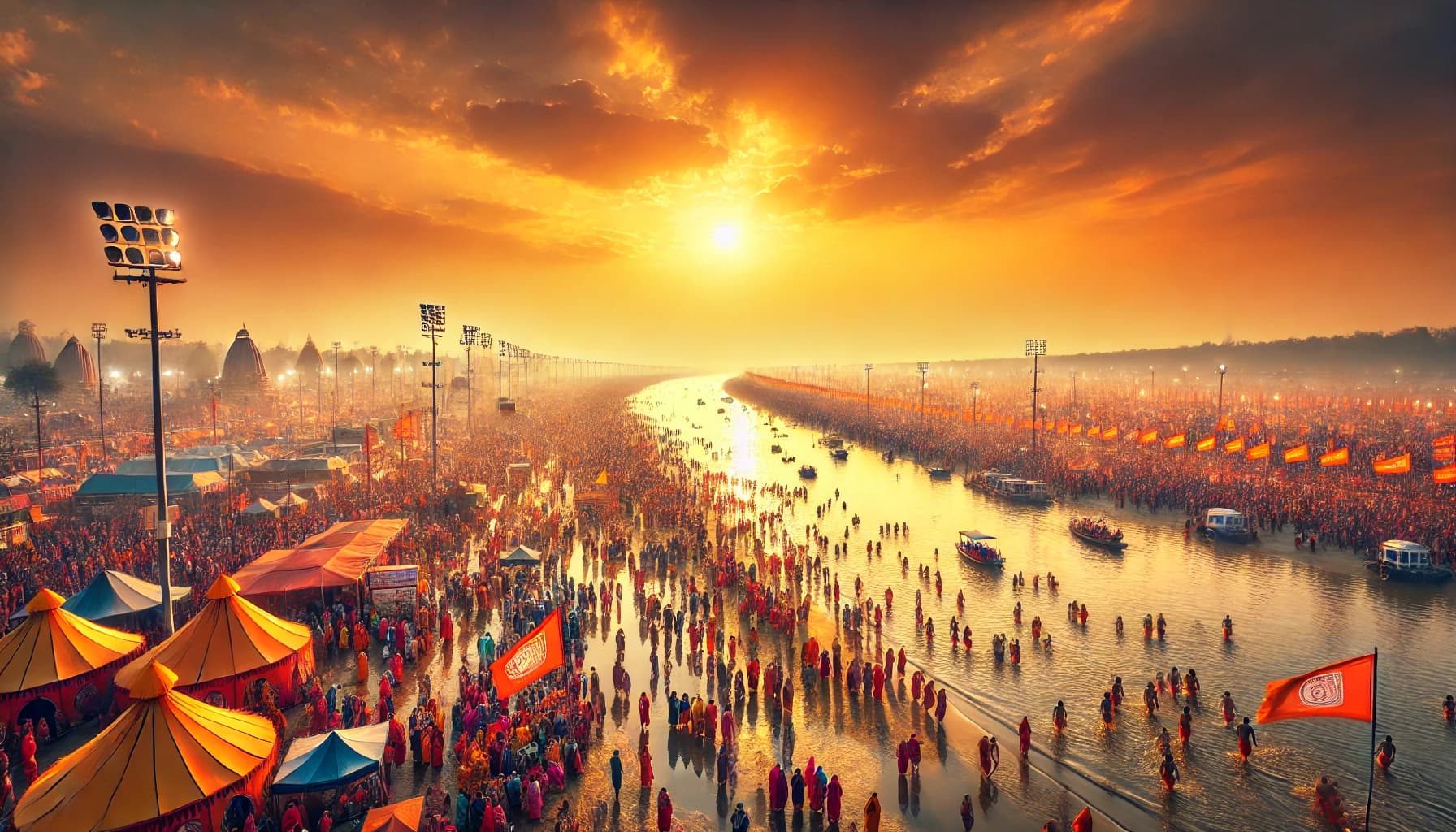
Prayagraj Maha Kumbh Mela 2025: Royal Bath Dates and Their Religious Significance
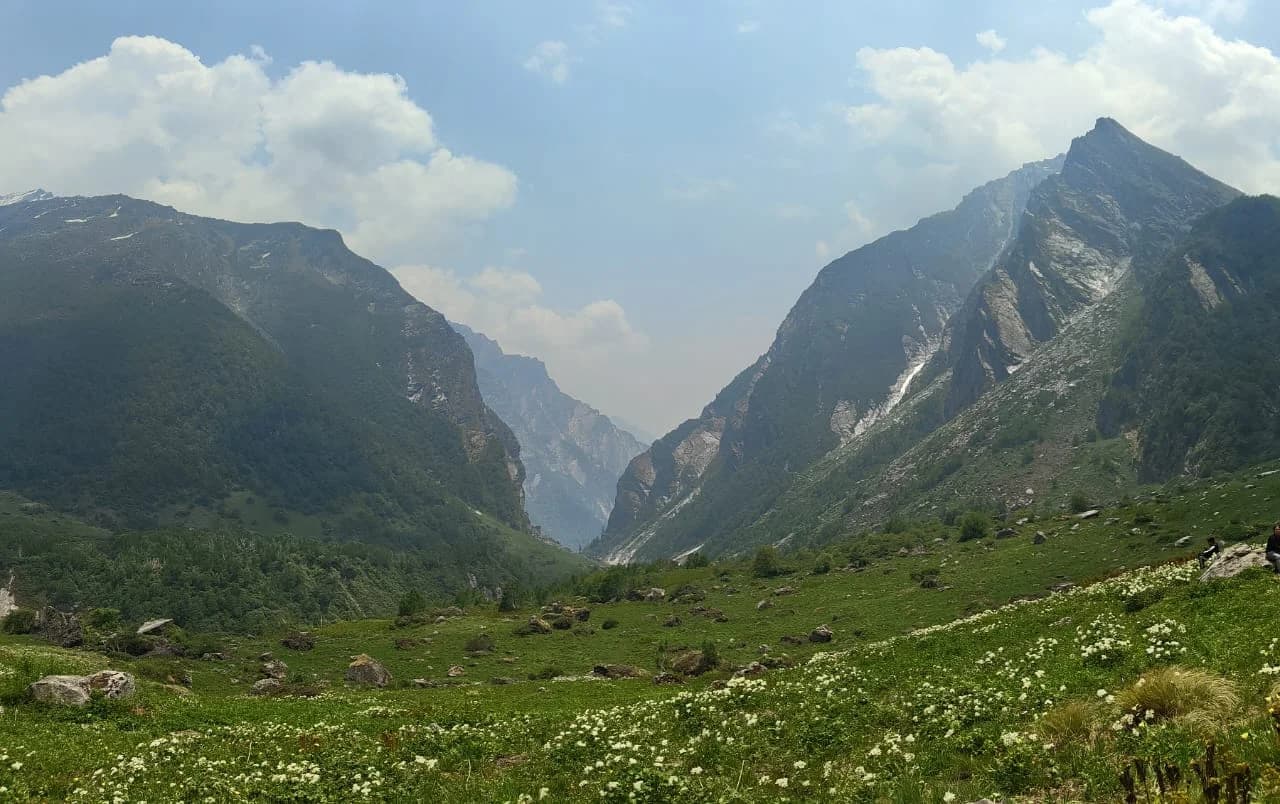
Valley of Flowers: A Himalayan Wonderland of Bloom and Beauty
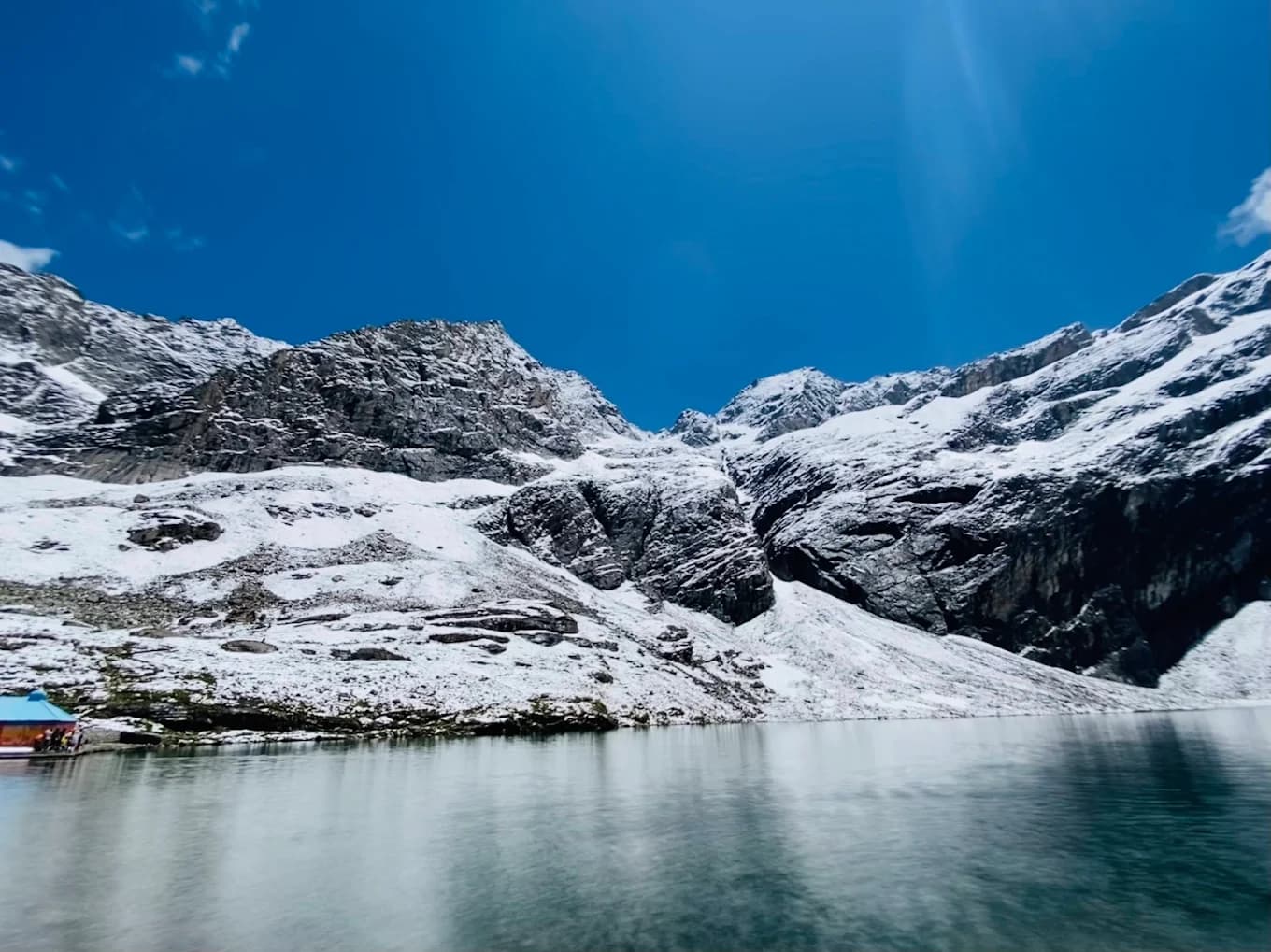
Hemkund Sahib Trek: A Divine Journey to the Sacred Himalayan Pilgrimage
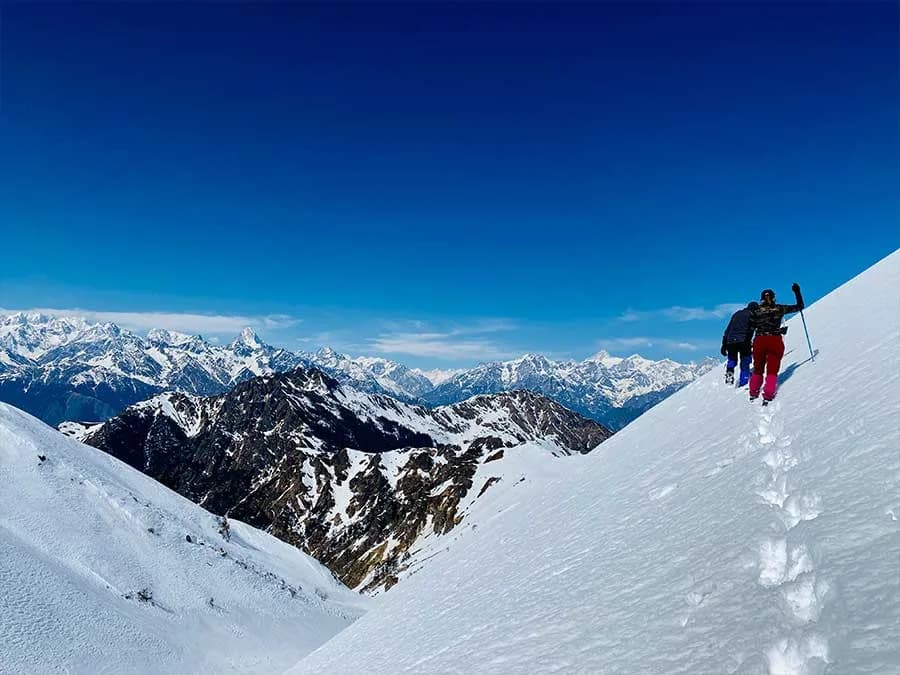
Kuari Pass Trek: A Dreamy Journey Amidst the Himalayas
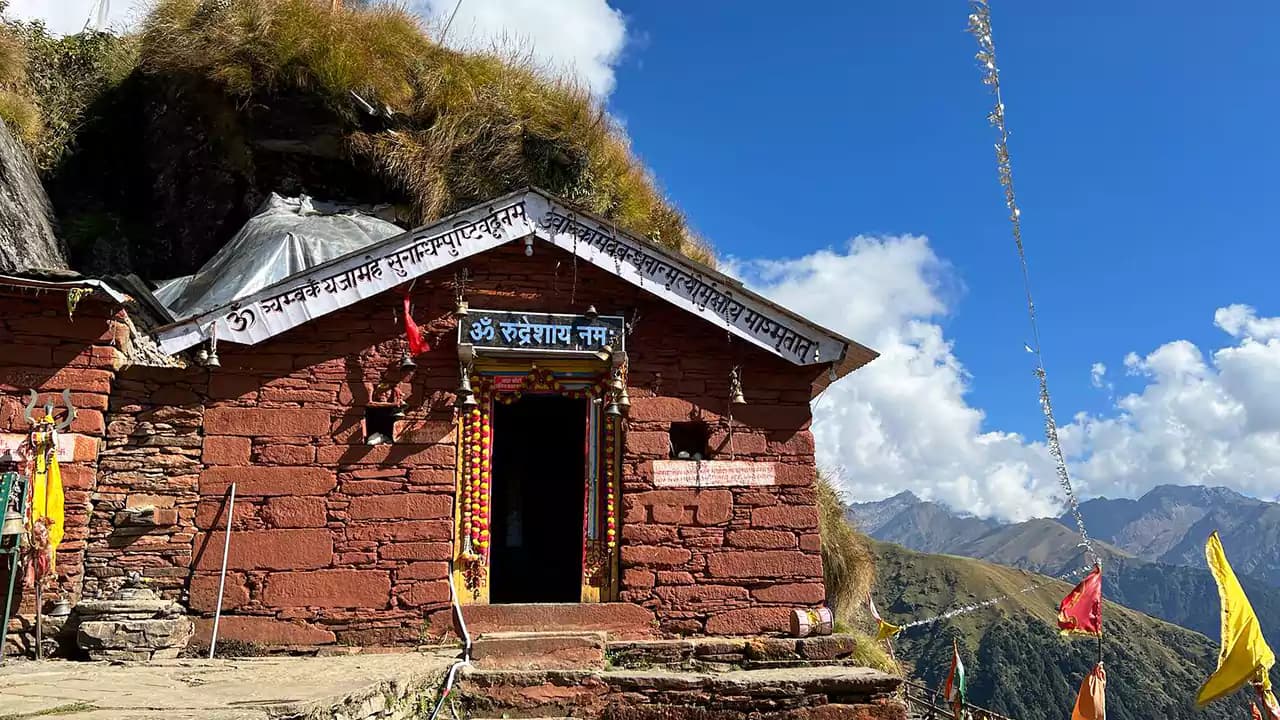
A Unique Spiritual Journey Among the Panch Kedar
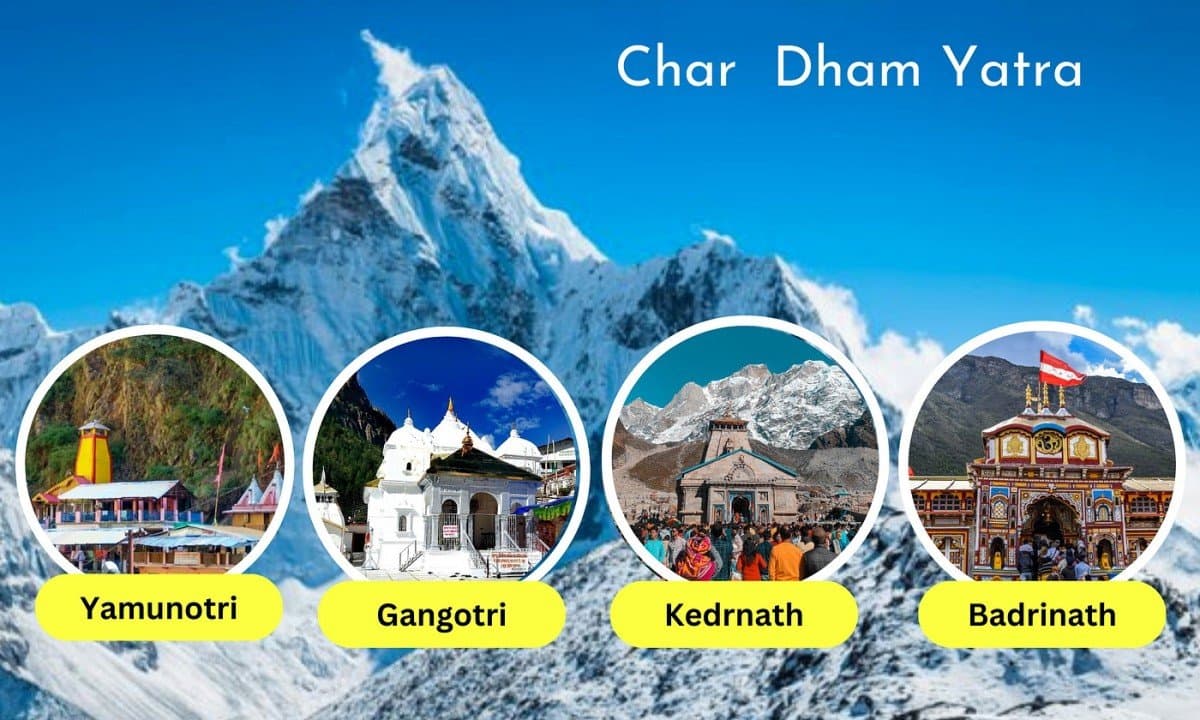
🕉️ Char Dham Yatra: A Life-Changing Spiritual Journey 🏔️🙏
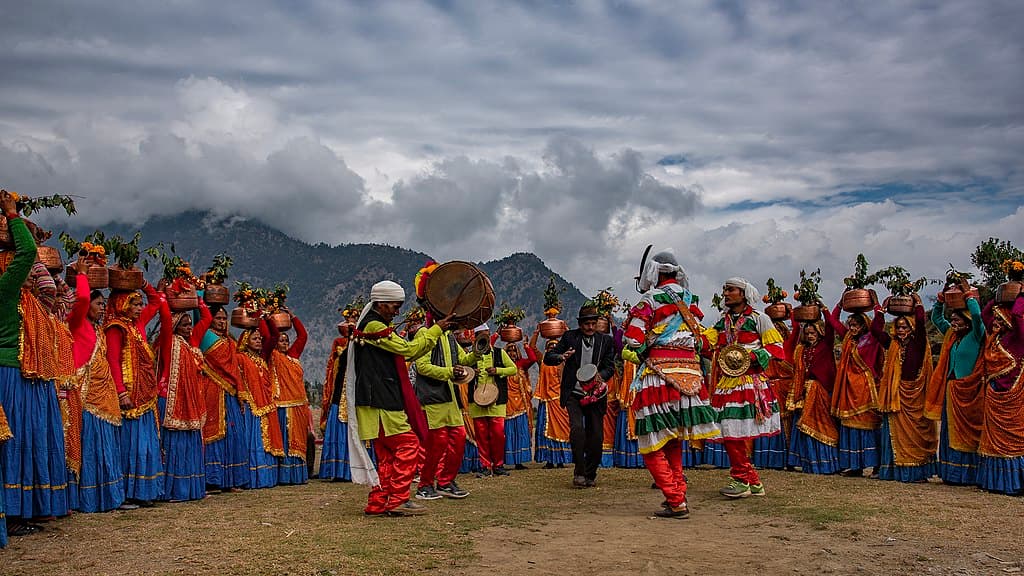
Ganga Dussehra to Nanda Devi Raj Jat: Major Festivals and Culture of Uttarakhand
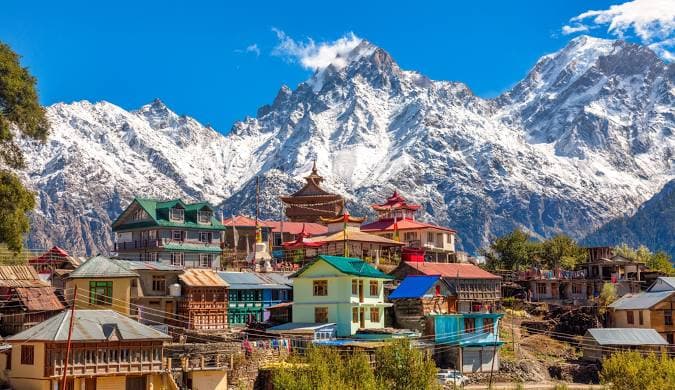
A Paradise in the Lap of the Himalayas: The Complete Travel Story of Himachal Pradesh 🏔️
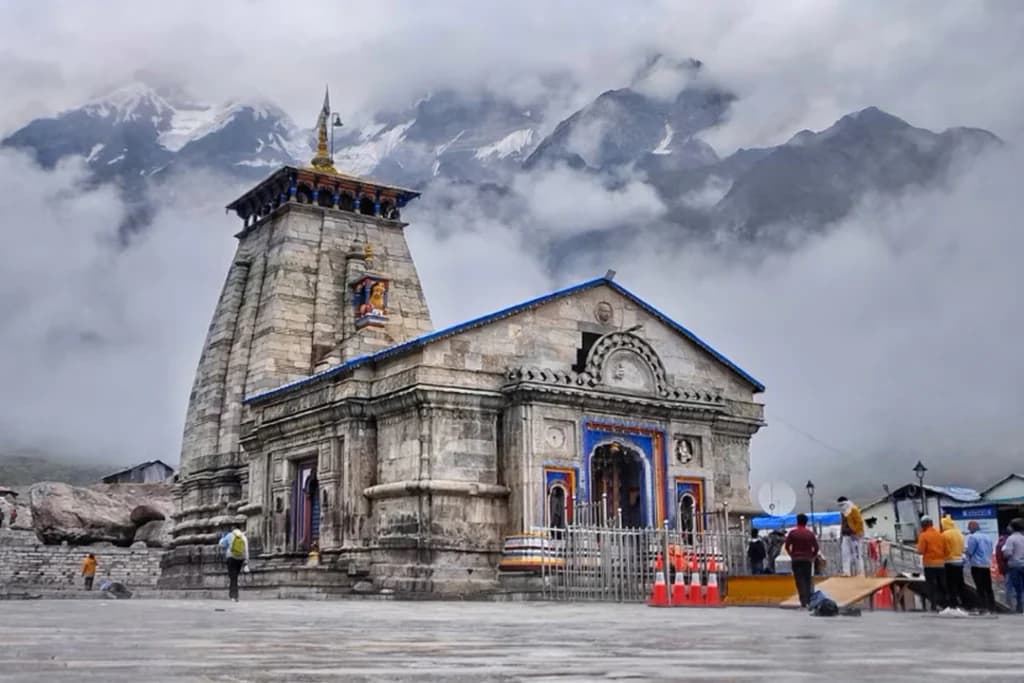
🕉️ The Doors of Baba Kedar Close — The Himalayas Echo with “Har Har Mahadev”

Kedarkantha Trek – The Crown of Winter Treks ❄️
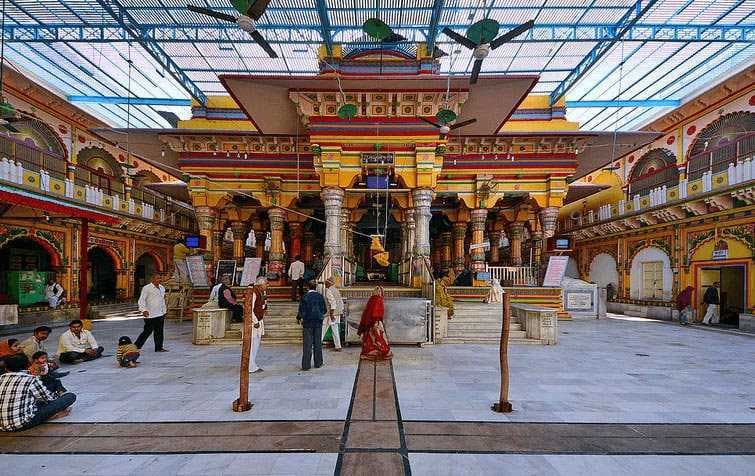
Shri Dwarkadhish Temple, Mathura – The Divine Abode of Lord Krishna
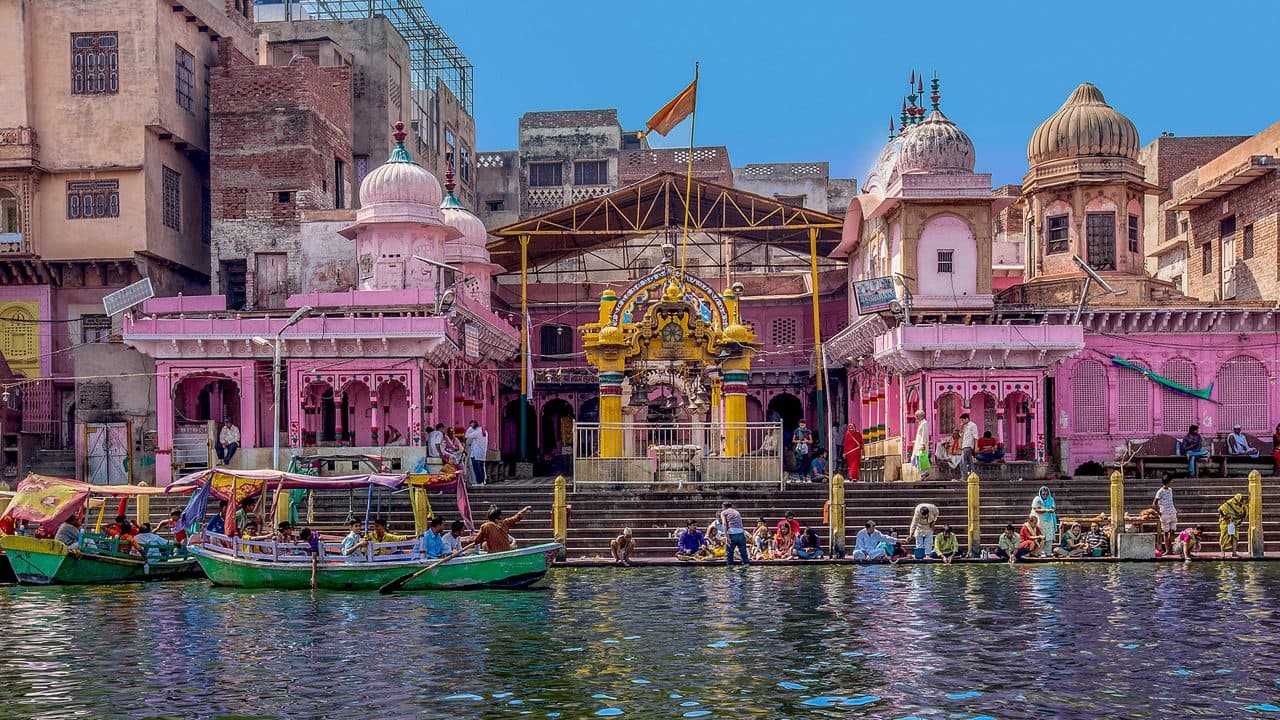
Vishram Ghat: The Sacred Riverside of Mathura
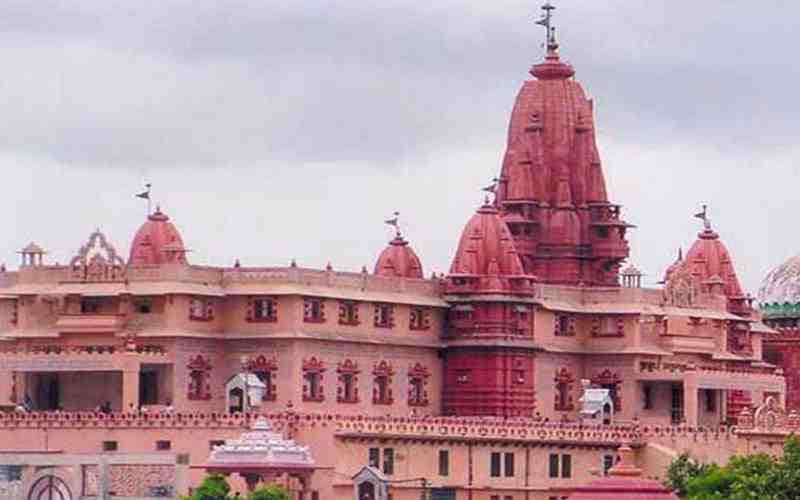
Explore Mathura – Temples, Culture, and Festivals
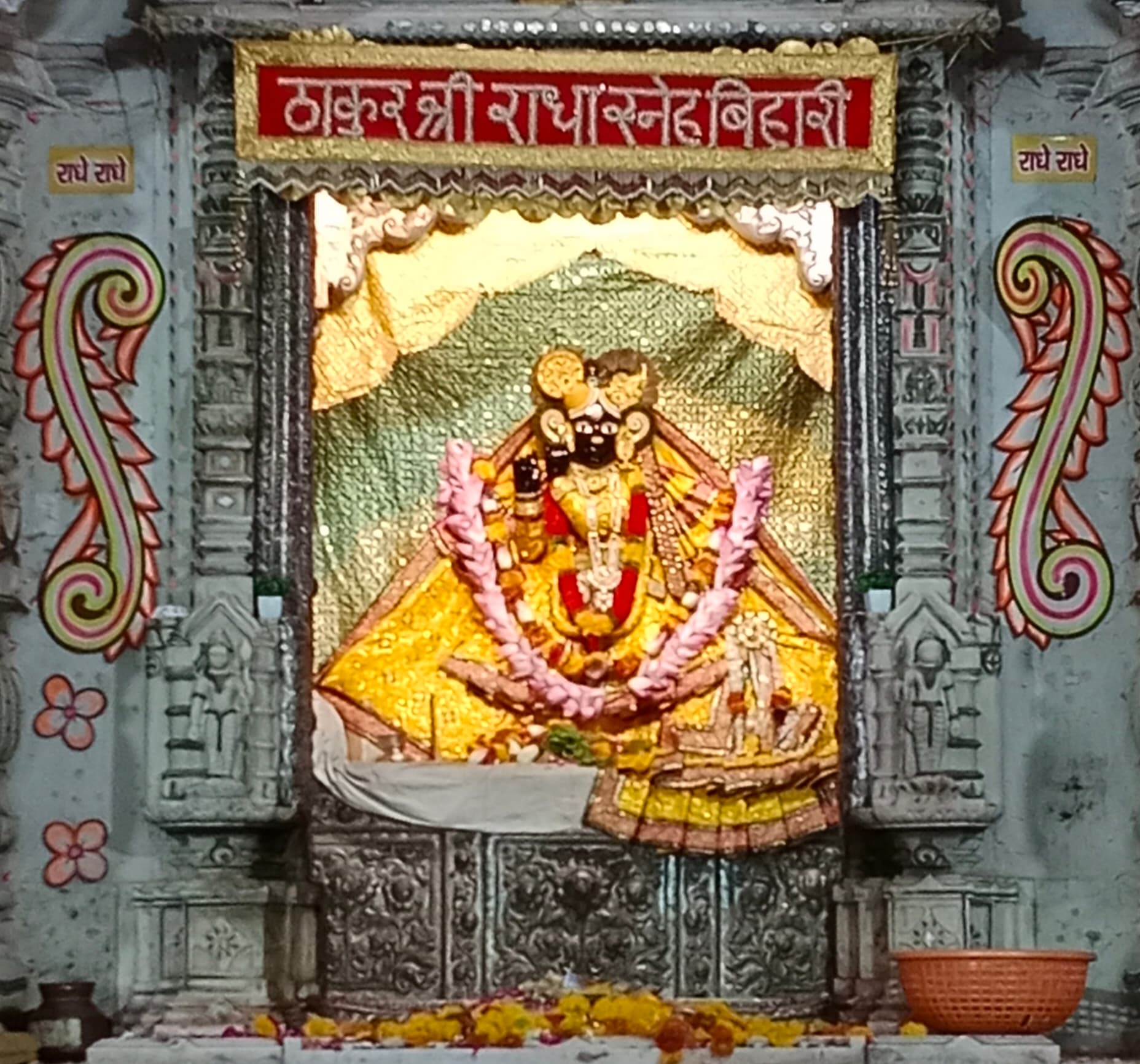
✨ Seek Blessings of Shri Banke Bihari Ji – Experience the Divine Vrindavan! 🙏
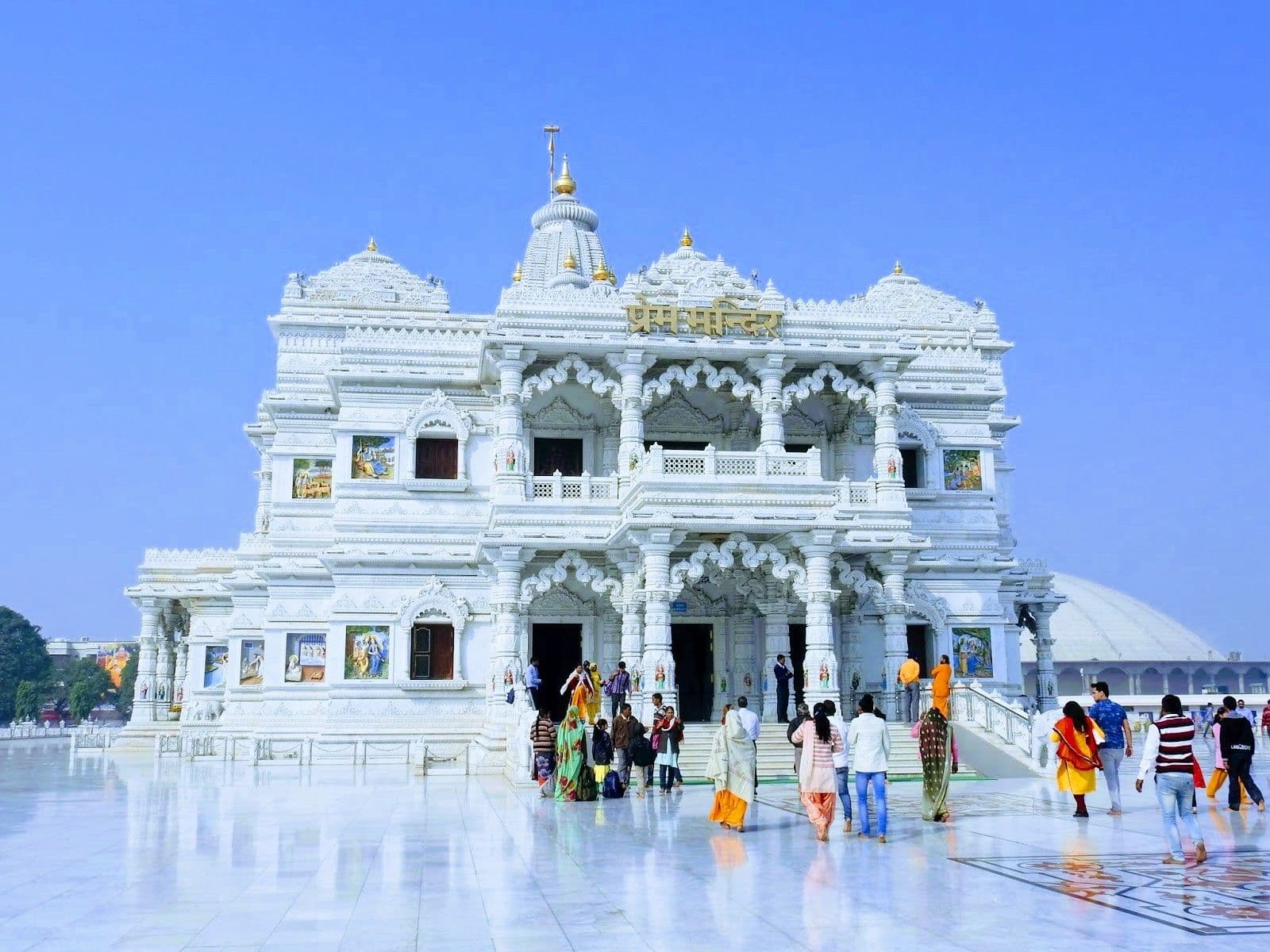
Shri Prem Mandir – Feel the Divine Love in Vrindavan 🙏
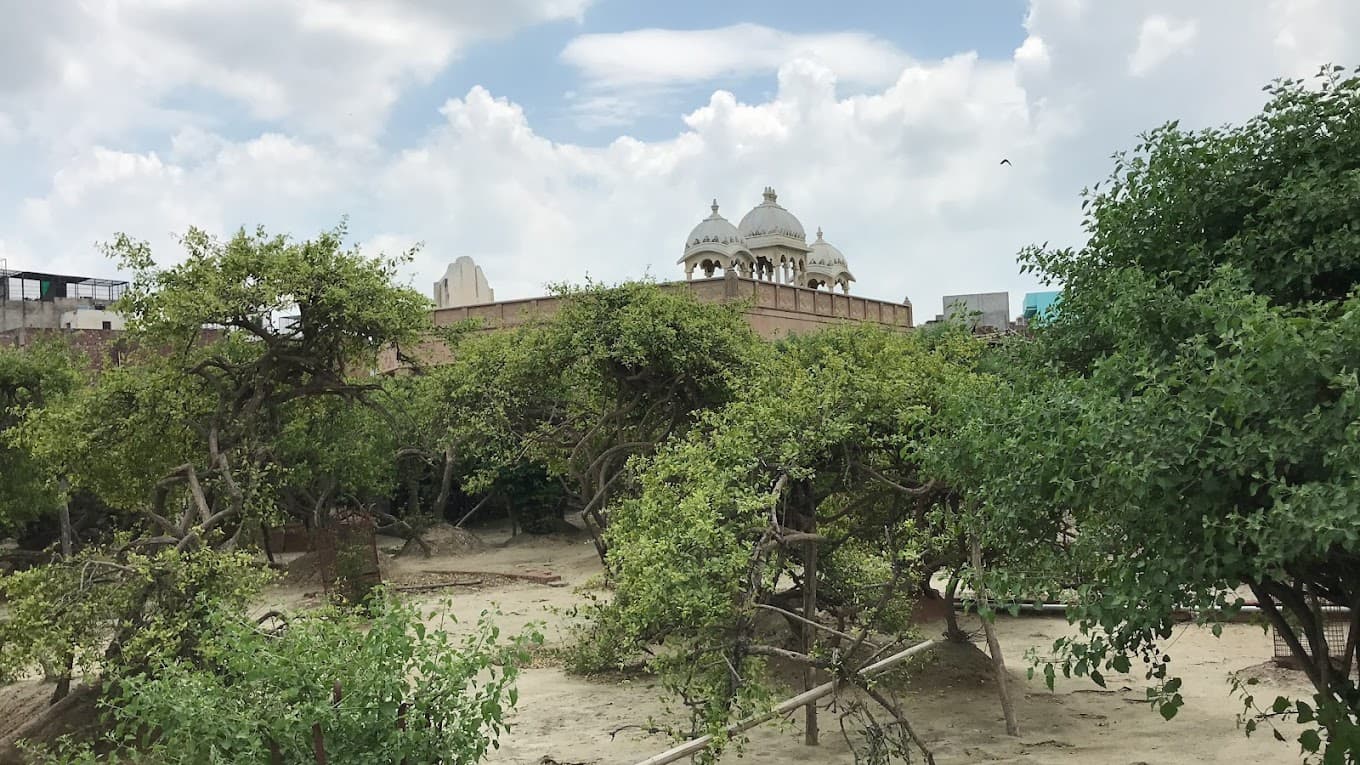
Nidhivan Vrindavan: Where Radha-Krishna Still Perform the Divine Ras Leela
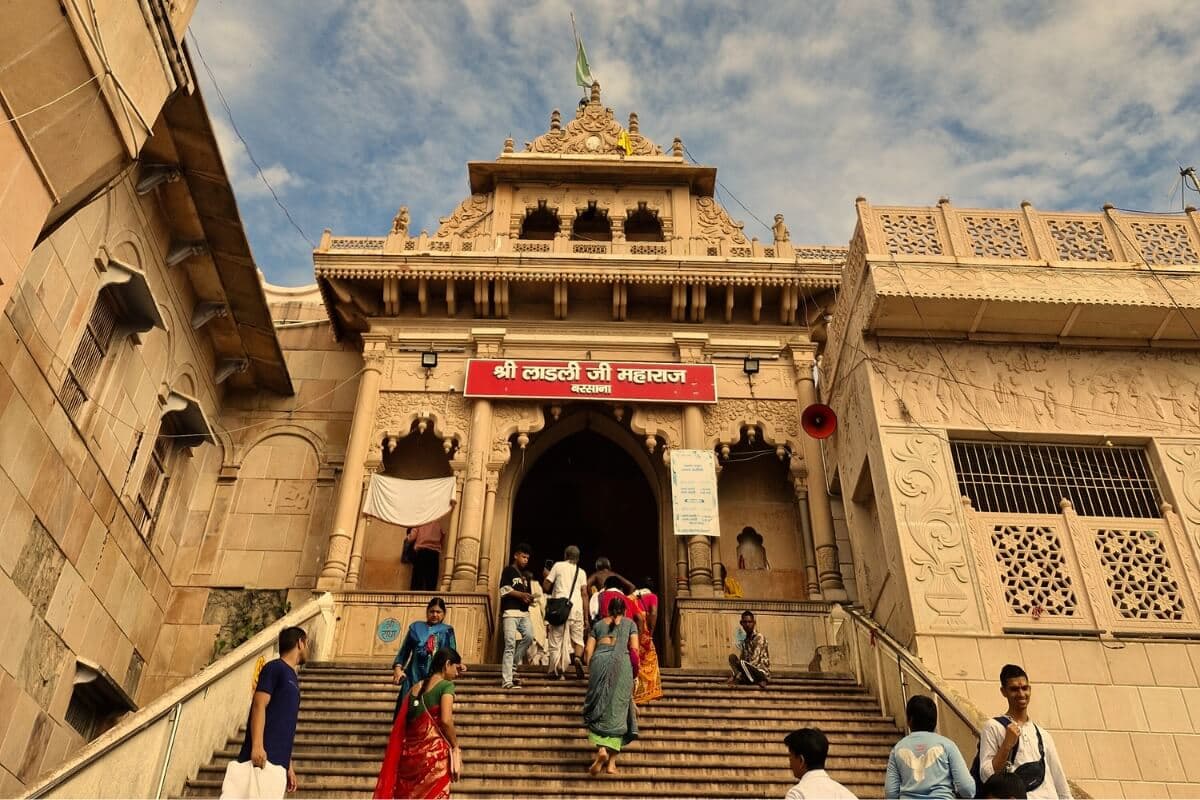
🙏 Have a divine darshan of Shri Radha Rani Temple in Barsana!
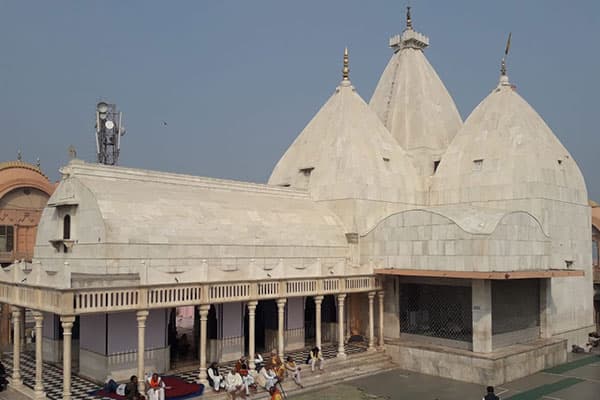
The historic Nanda Bhavan Temple in Gokul – a glimpse into the childhood of Lord Krishna
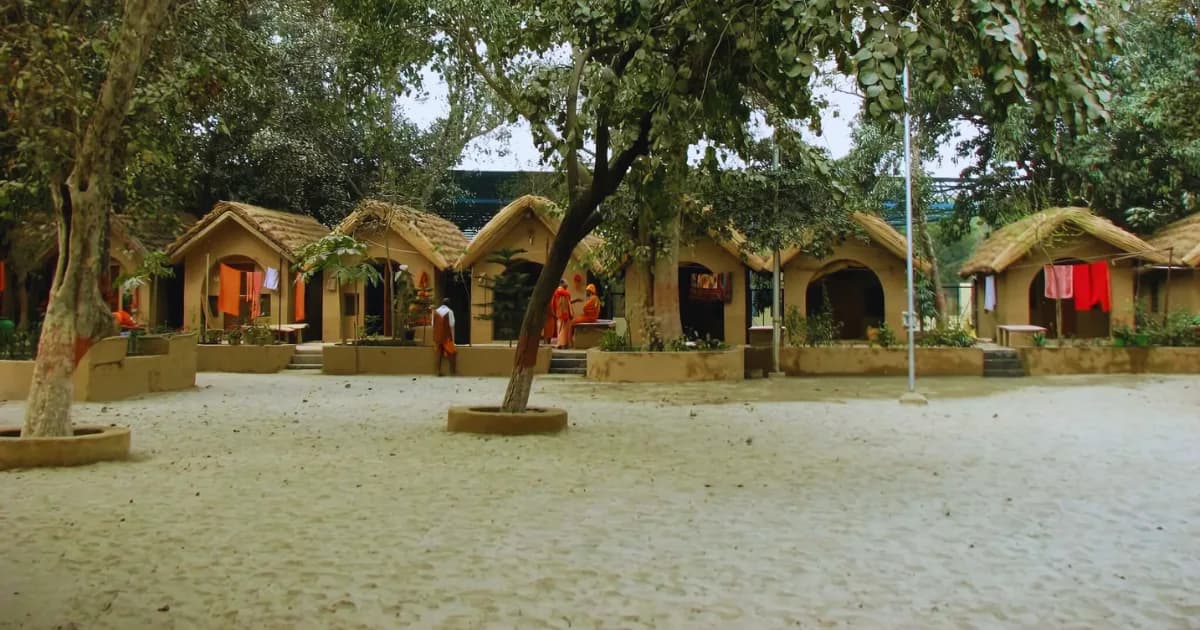
Raman Reti, Mathura: The sacred land of Balkrishna's pastimes
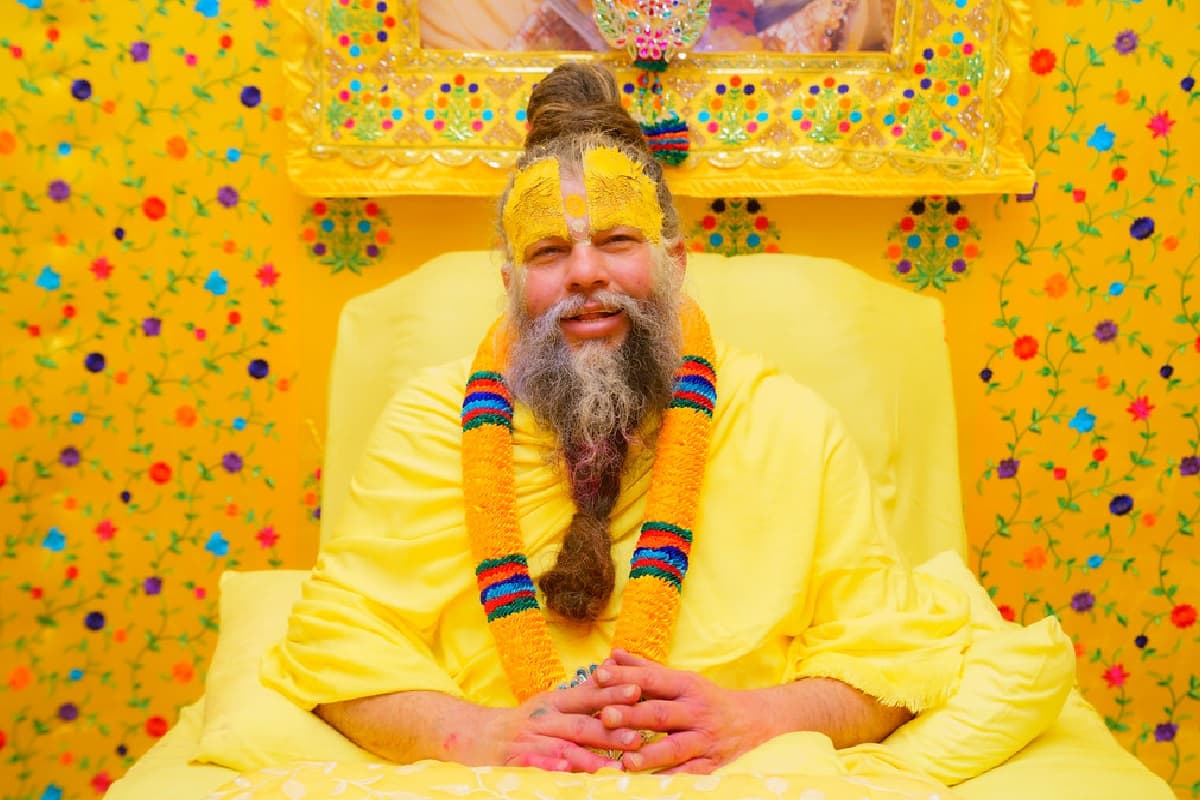
How to Get Darshan of Shri Premanand Ji Maharaj? Understand the Timings, Location & Contact Process.
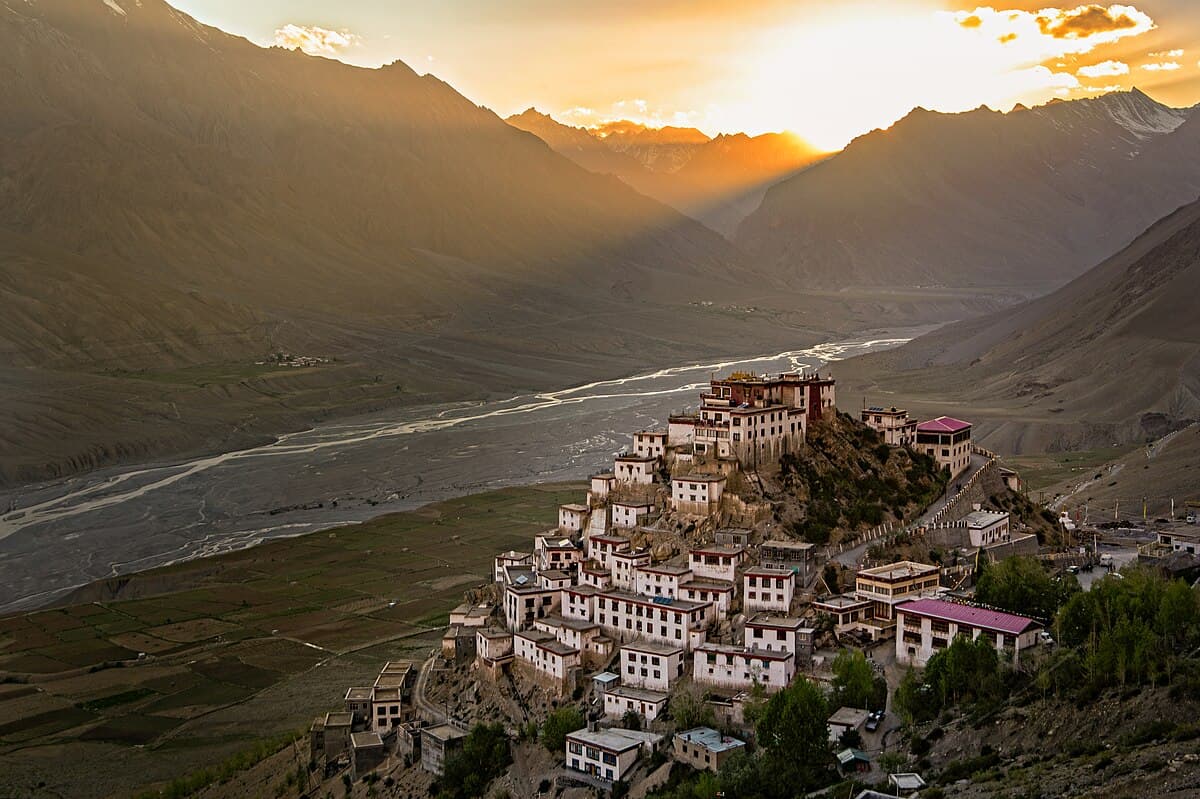
Discover the Magic of Spiti Valley – Villages, Monasteries & Scenic Wonders Await! 🏔️✨
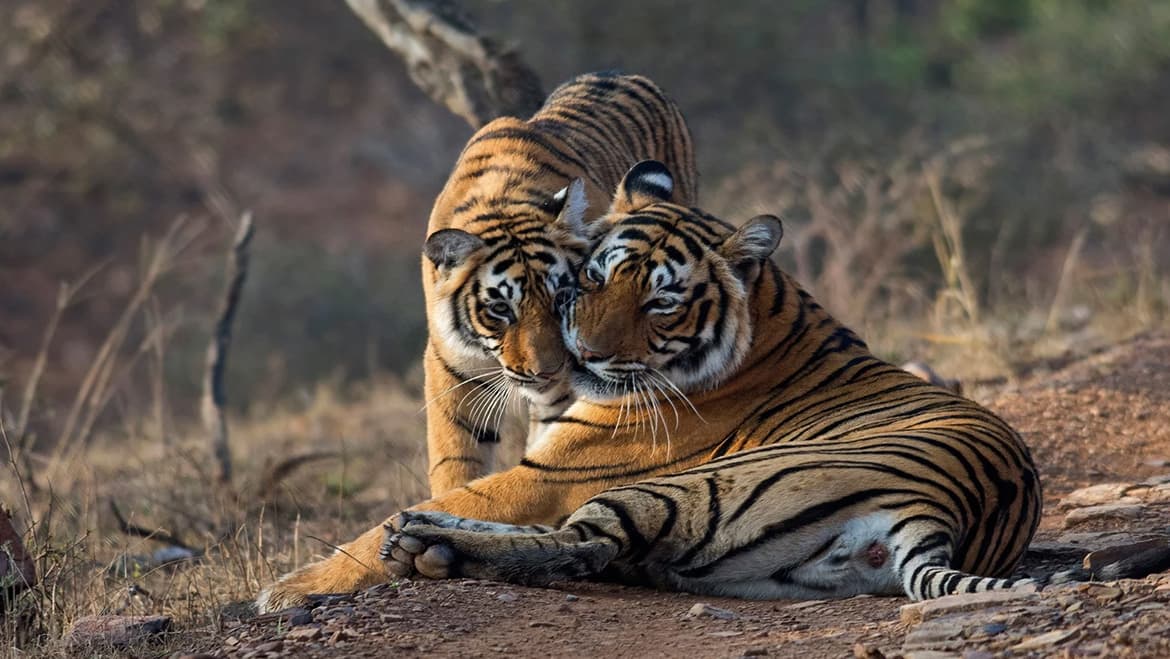
Ranthambhore National Park – Where Royal Tigers, Ancient Forts & Wilderness Come Alive
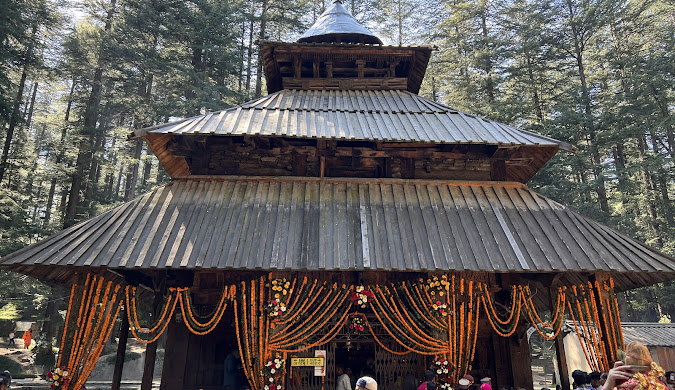
Ultimate Travel Guide to Manali: Attractions, Food, and Safety Tips
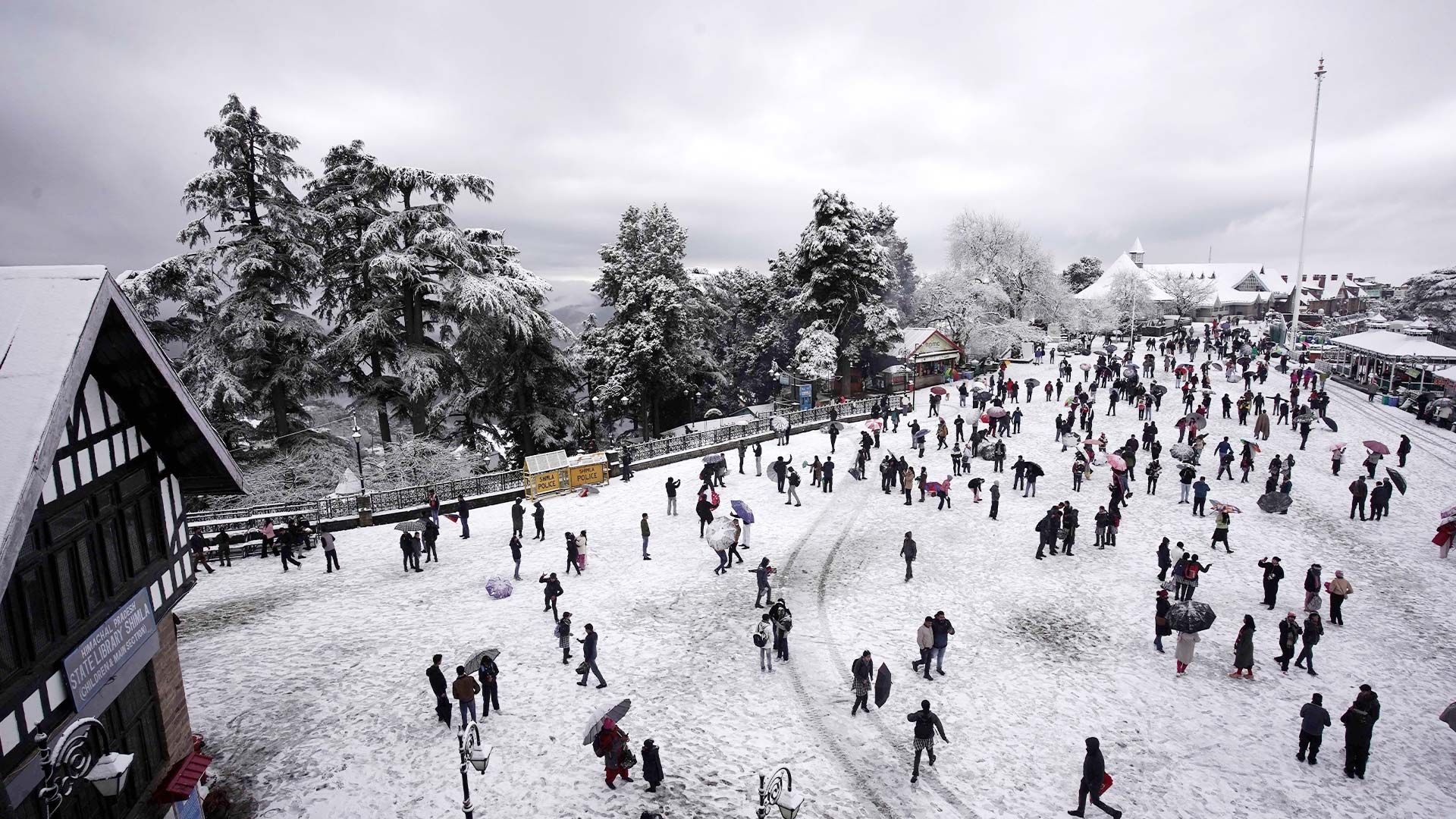
Shimla Travel Guide: Everything You Need to Know Before Visiting the Queen of Hills
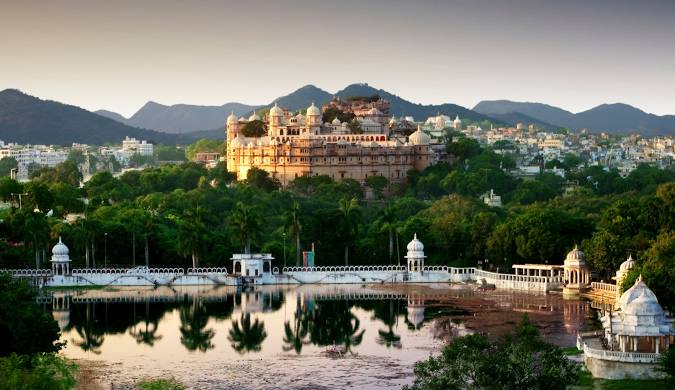
Udaipur – The Venice of the East: A Complete Travel Guide
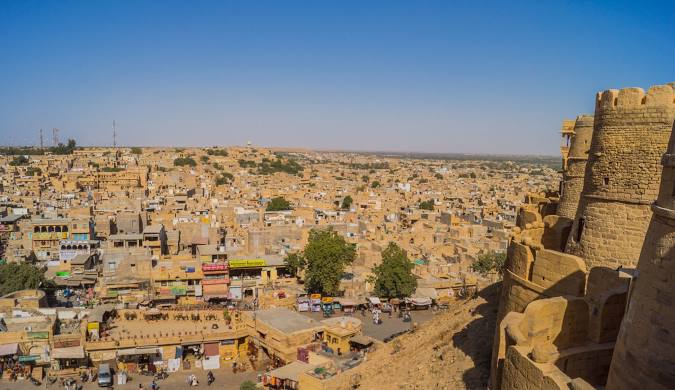
Jaisalmer Travel Guide: History, Forts, Desert Experiences, and Cultural Heritage
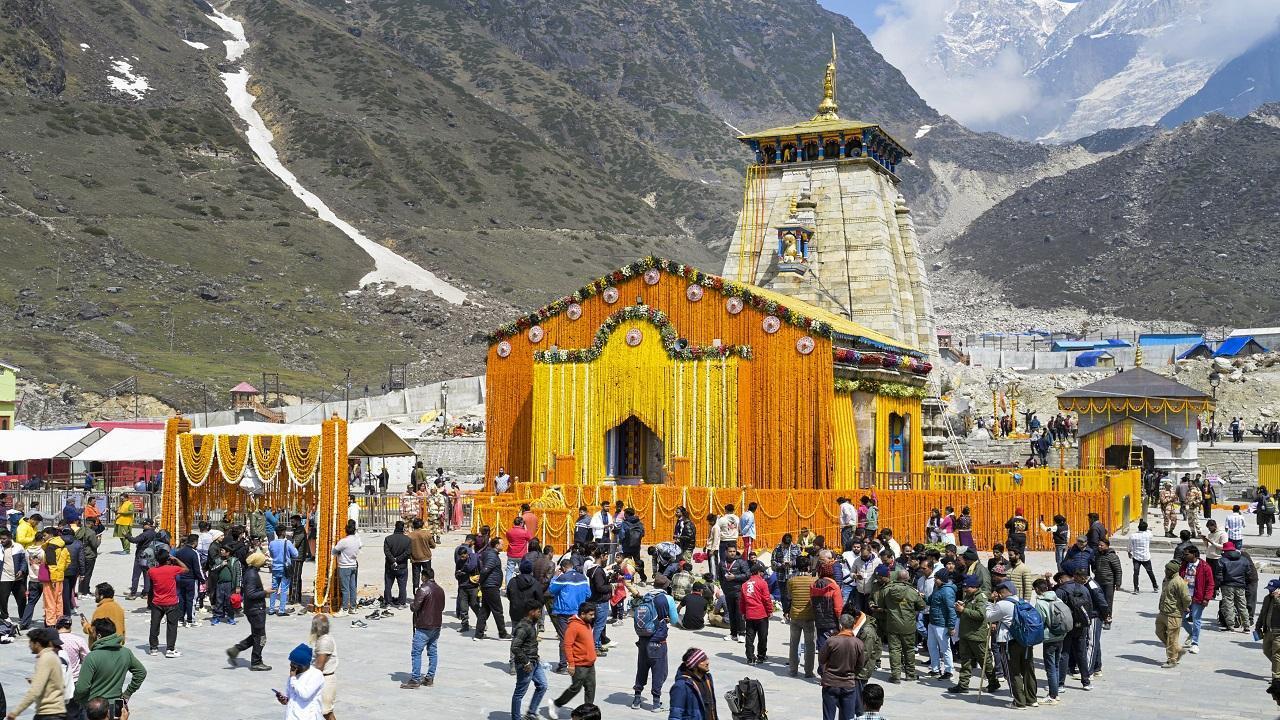
Kedarnath Yatra Registration 2026

Kedarnath Yatra Guide 2026
Kedarnath Helicopter Booking 2026: IRCTC Online Booking, Dates, Price & Complete Guide
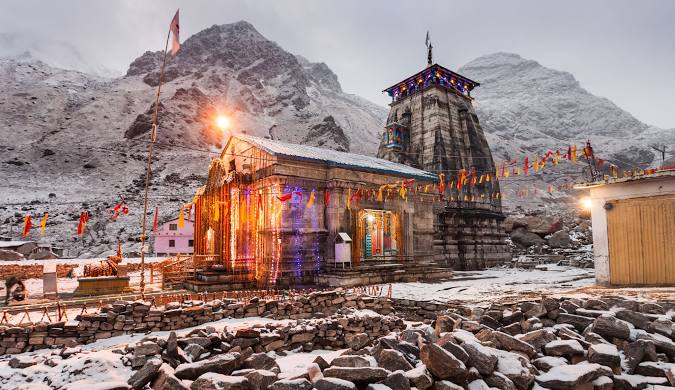
Kedarnath Temple Opens for 2026 Pilgrimage Season on April 22 at 8 AM

Kedarnath Yatra 2026: Ground Reality You Should Know Before Visiting
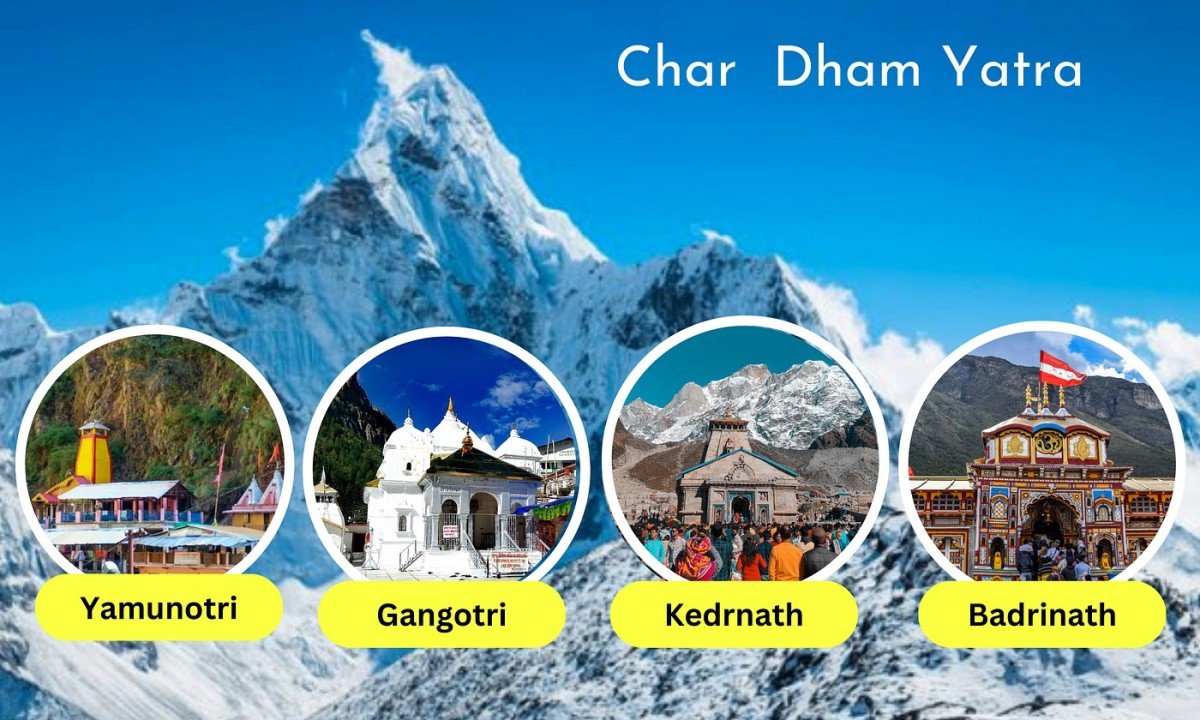
Number of Devotees on Char Dham Yatra Crosses 6.62 Lakh Till 3 May 2026
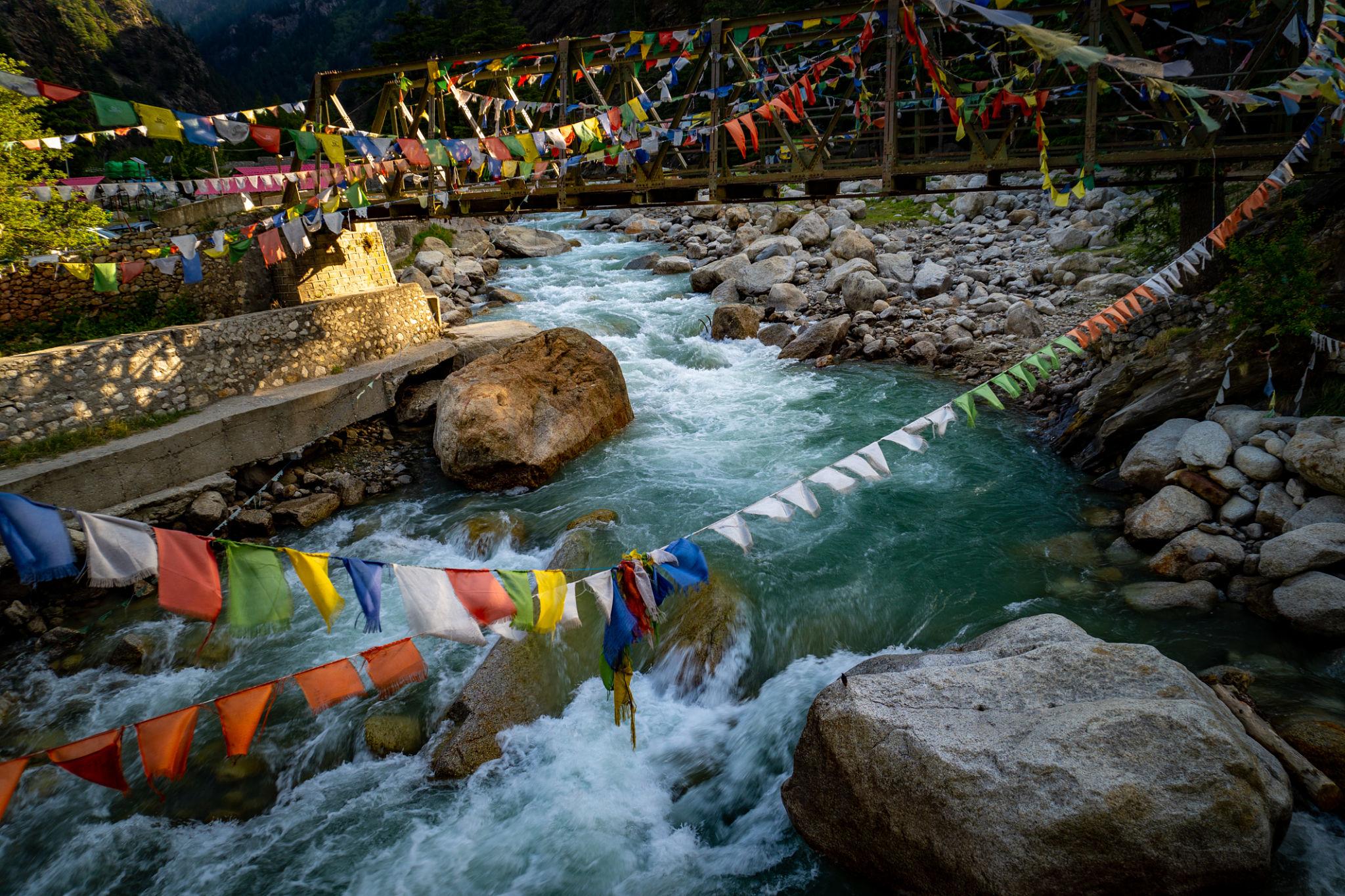
Harshil Valley – Uttarakhand’s Hidden Himalayan Paradise You Must Visit Once
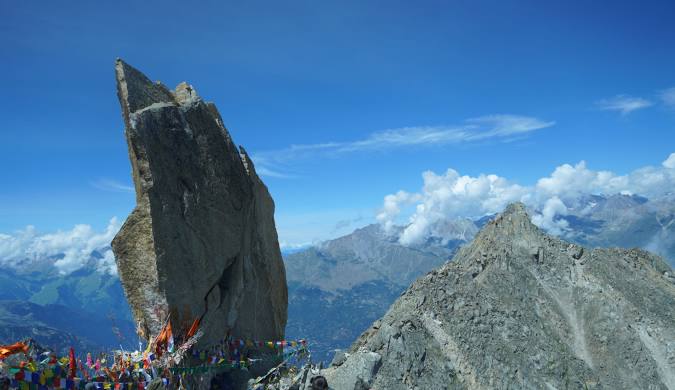
Kinner Kailash – The Mystical Abode of Lord Shiva in the Himalayas
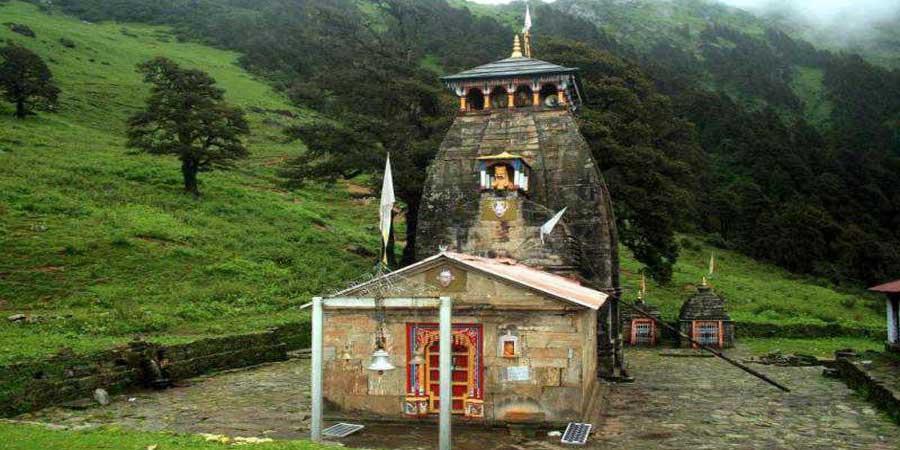
Madhyamaheshwar Temple Travel Guide 2026 – History, Trek, Route, Stay & Complete Travel Information
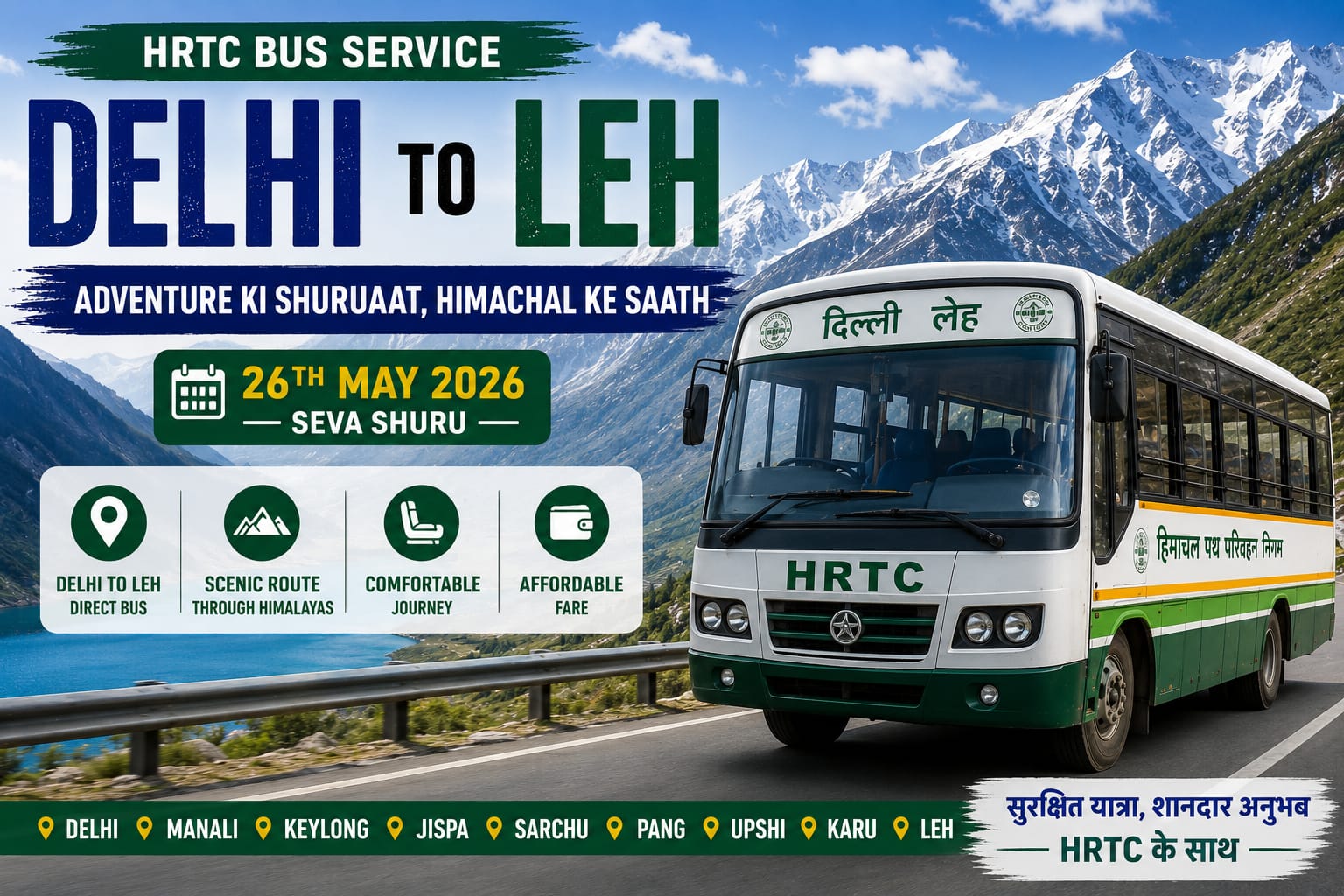
Delhi to Leh Bus Service 2026: Fare, Route, Timings, Stops & Complete Travel Guide
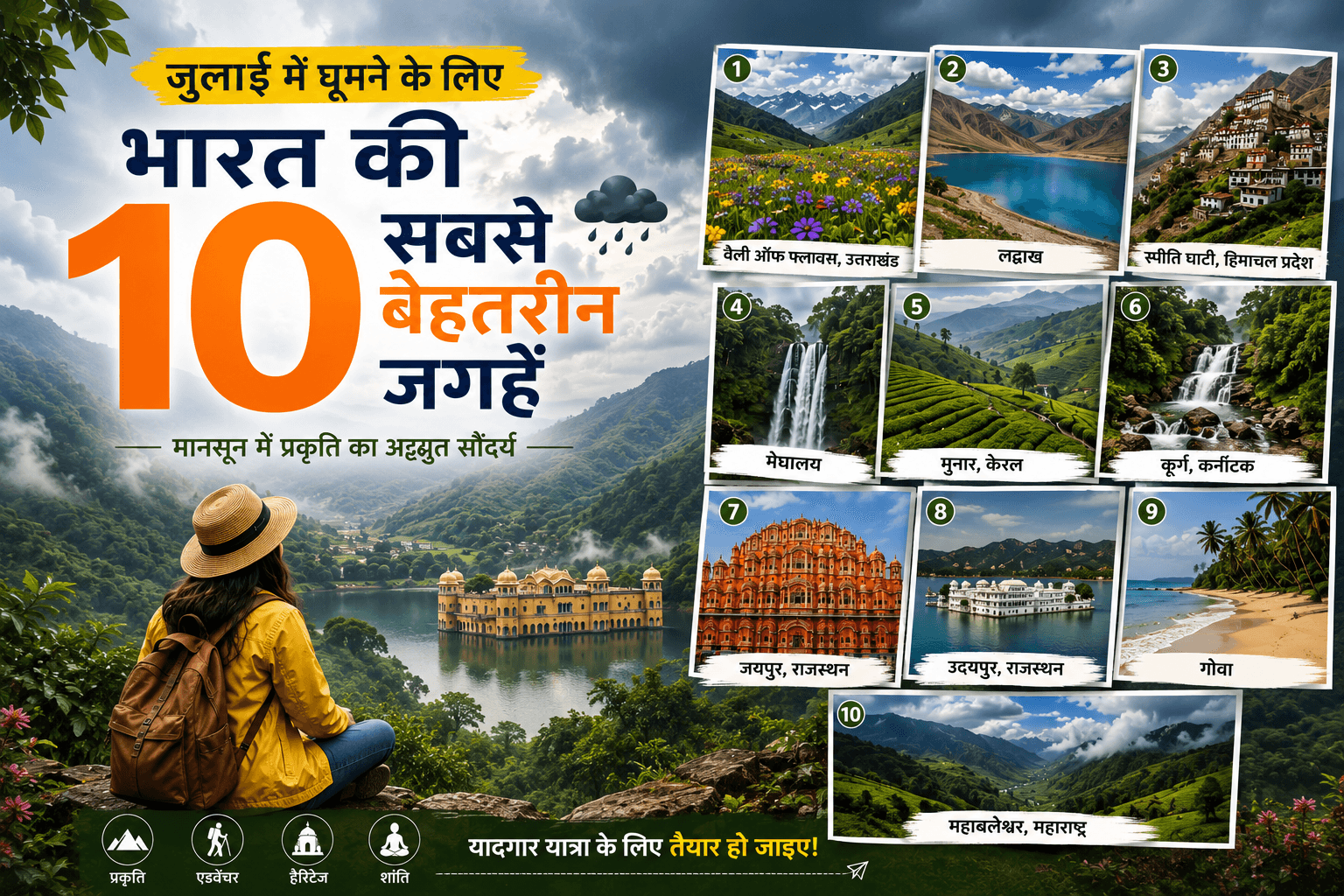
Top 10 Best Places to Visit in July in India (2026) – Monsoon Destinations You Shouldn't Miss
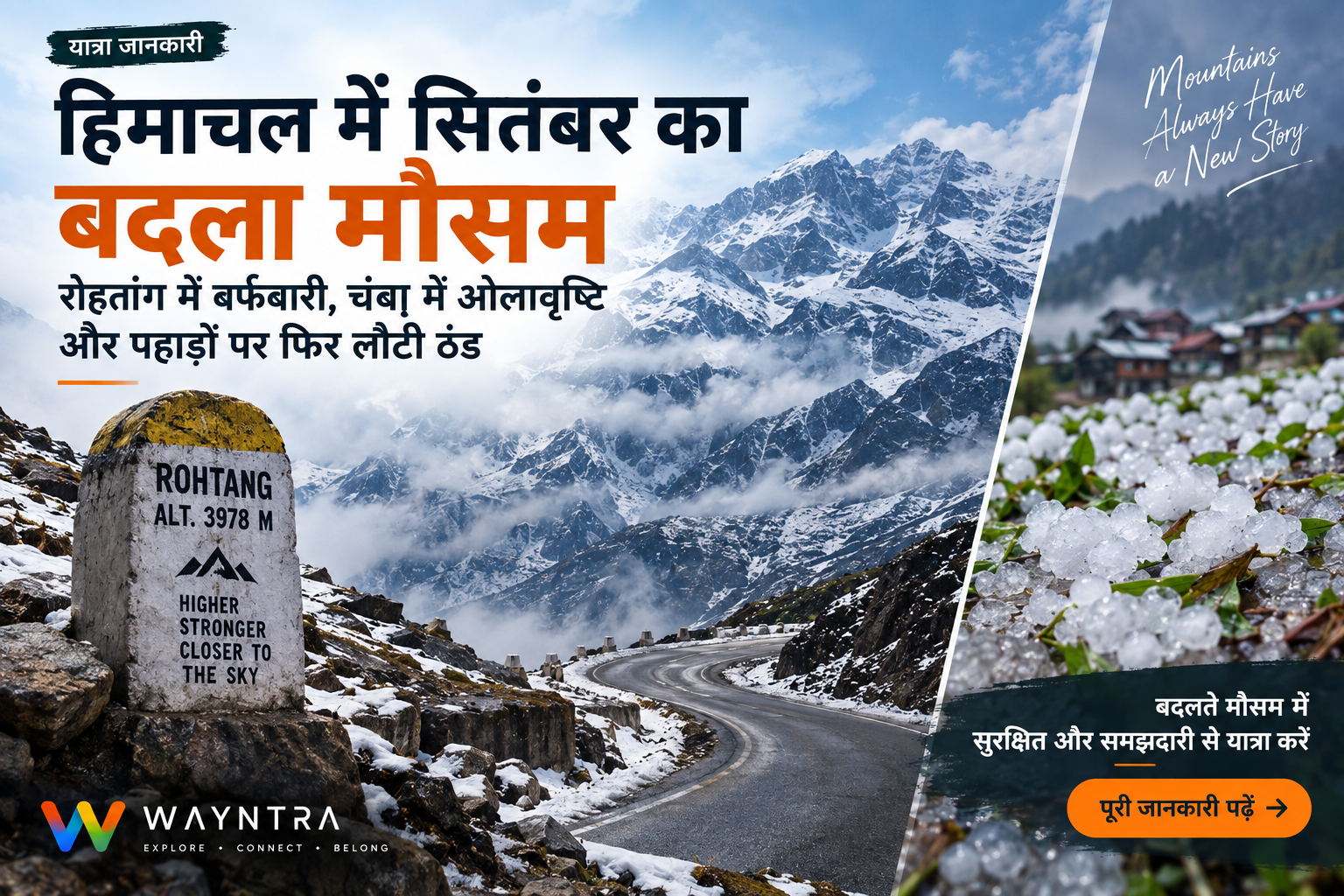
हिमाचल में सितंबर का बदला मौसम: रोहतांग में बर्फबारी, चंबा में ओलावृष्टि और पहाड़ों पर लौटी ठंड
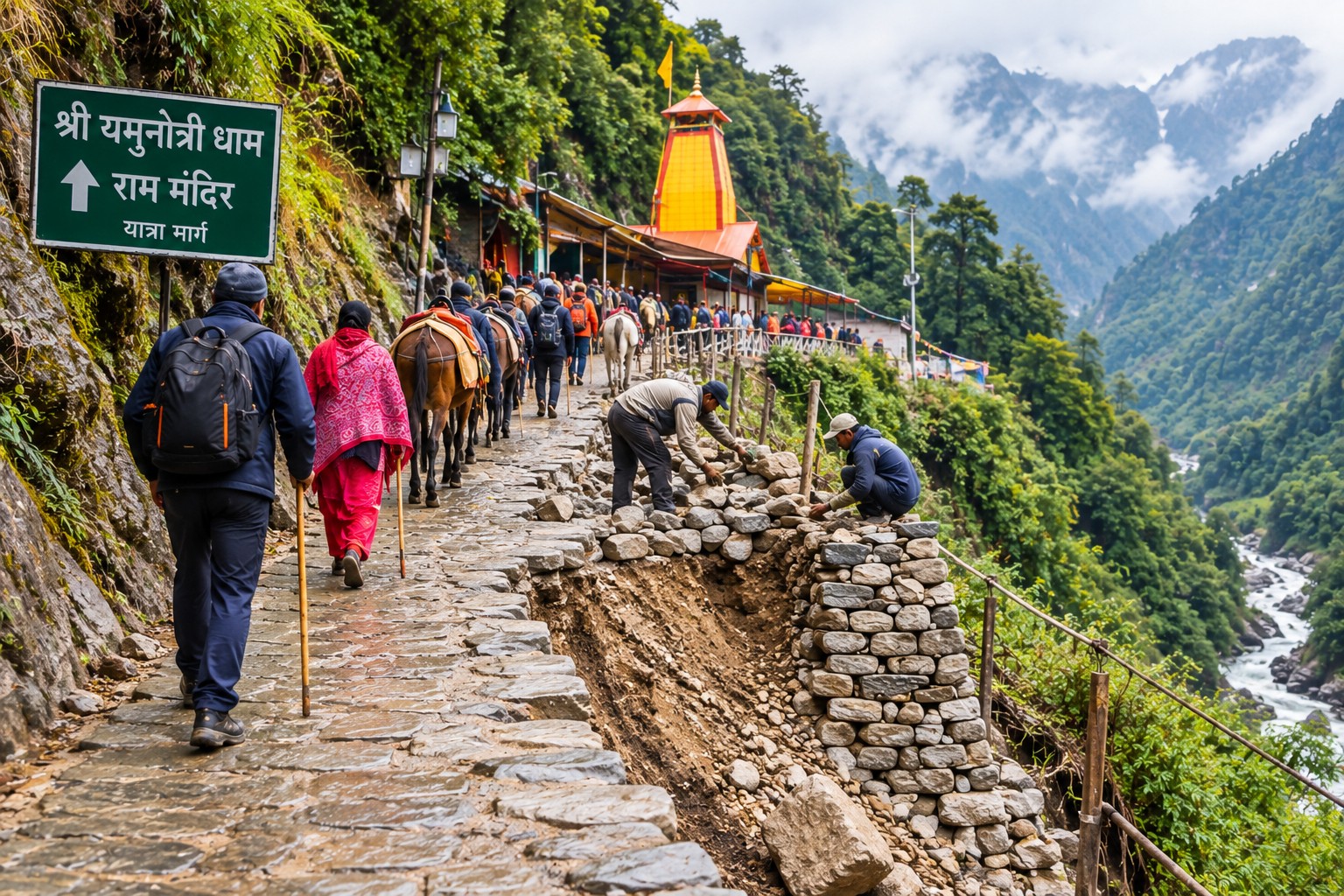
Yamunotri Dham: Safety Concerns Remain Near Ram Mandir on the Yatra Route
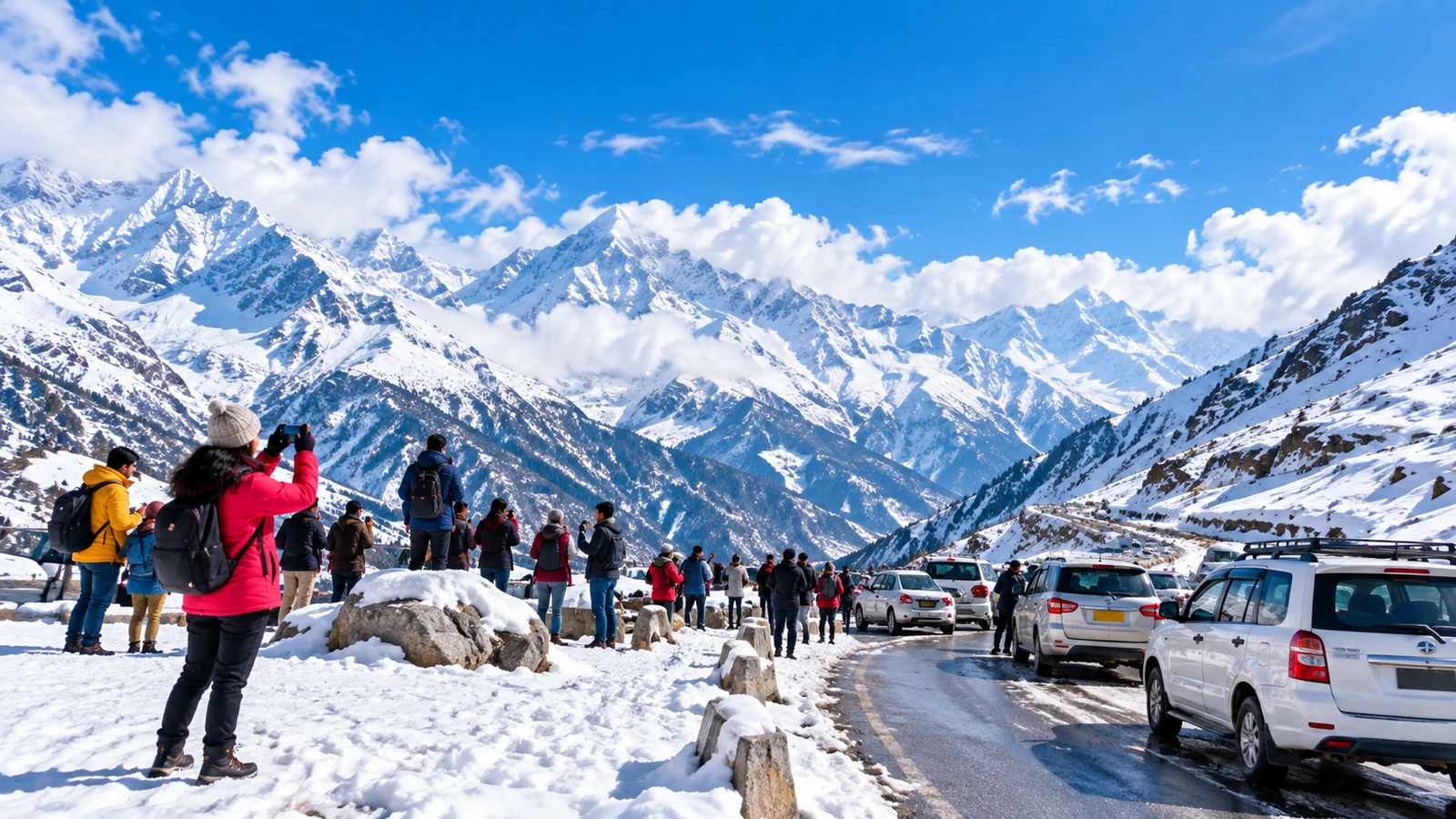
Tourists Flock to Rohtang After Snowfall, Over 600 Vehicles Arrive; Manali Comes Alive
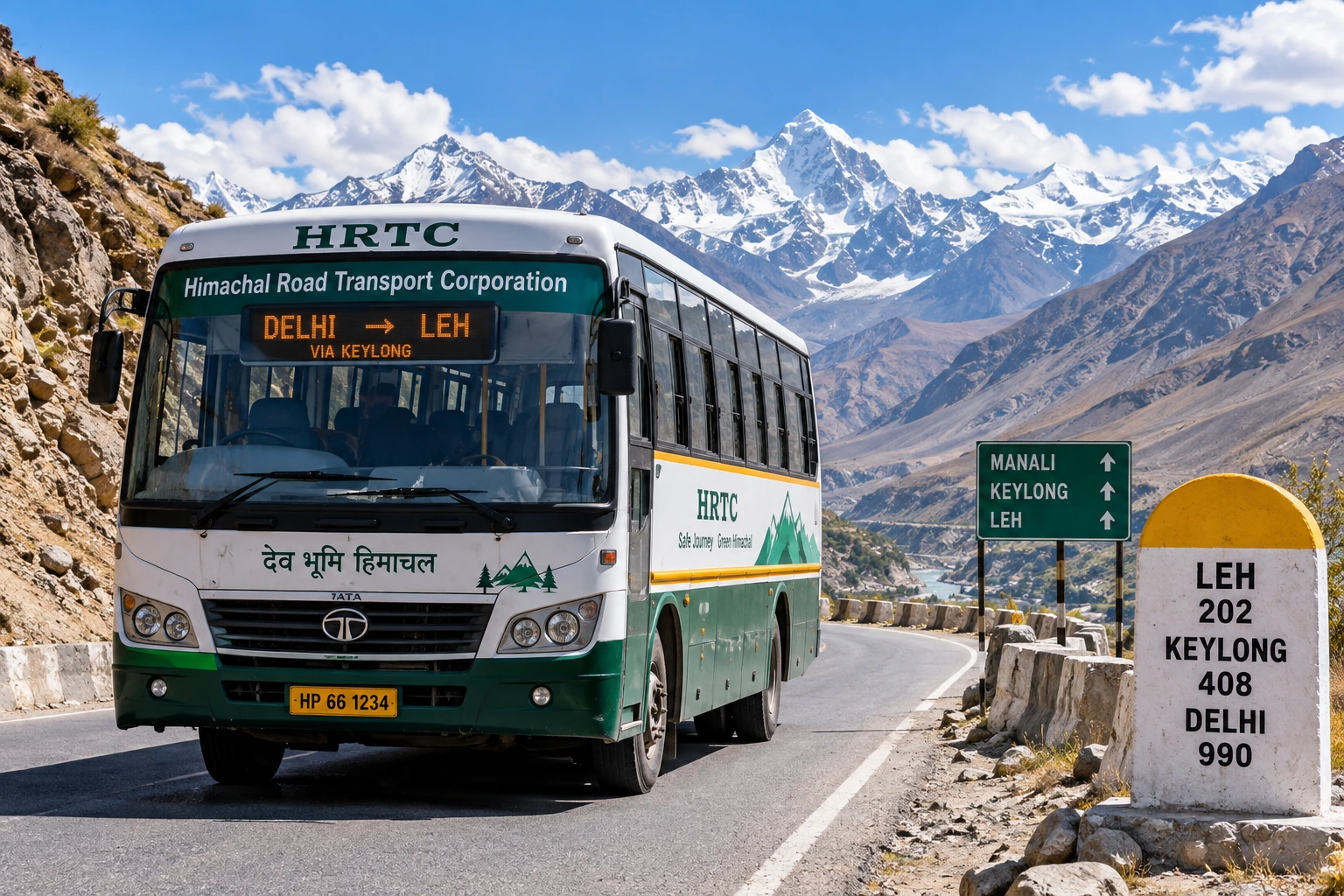
Delhi–Leh HRTC Bus Service Suspended: Service Will Resume Next May, Know All the Details

River Rafting May Resume in Rishikesh from September 23
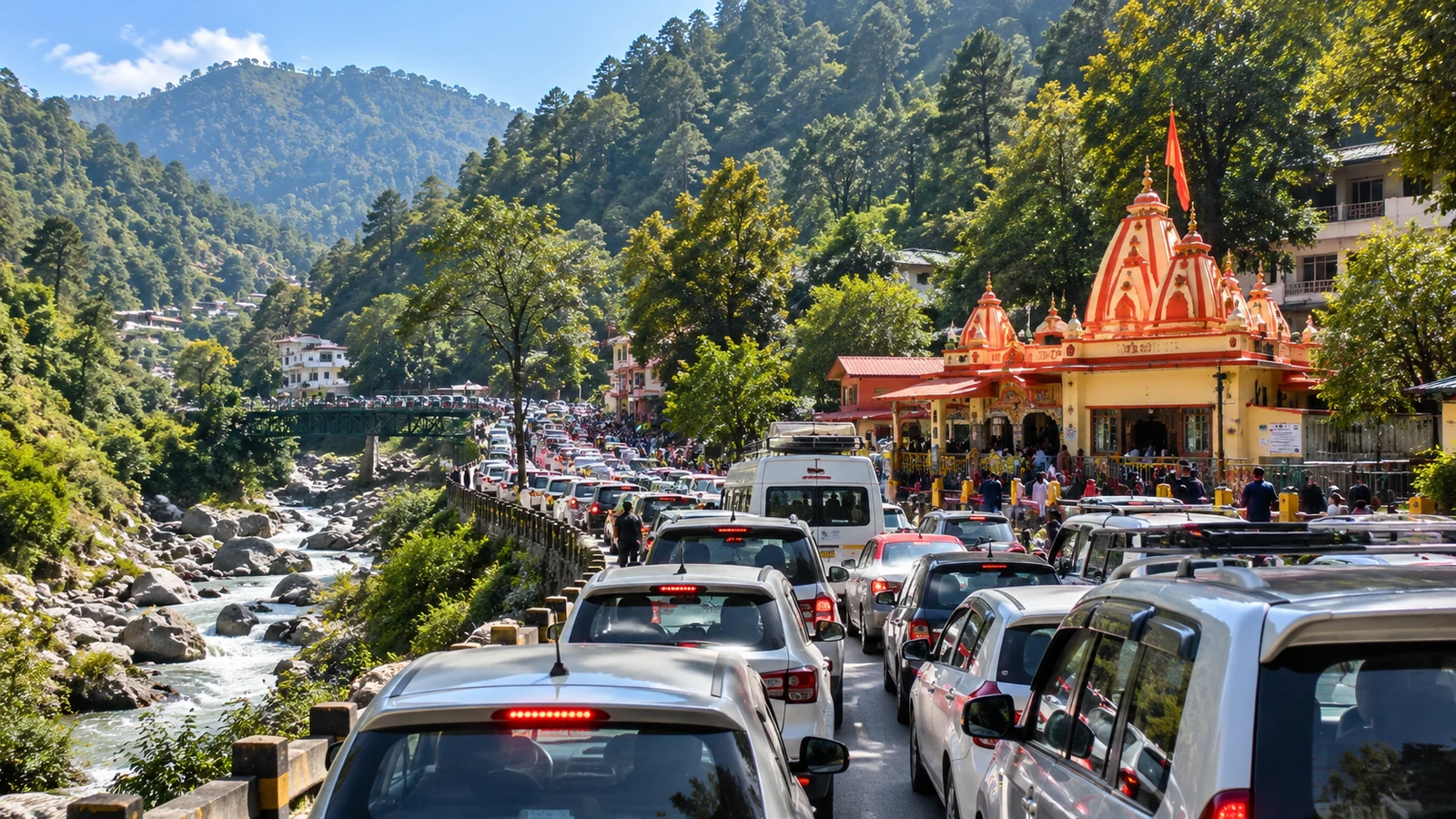
Heavy Crowd of Devotees at Kainchi Dham, 2-Km-Long Traffic Jam Reported
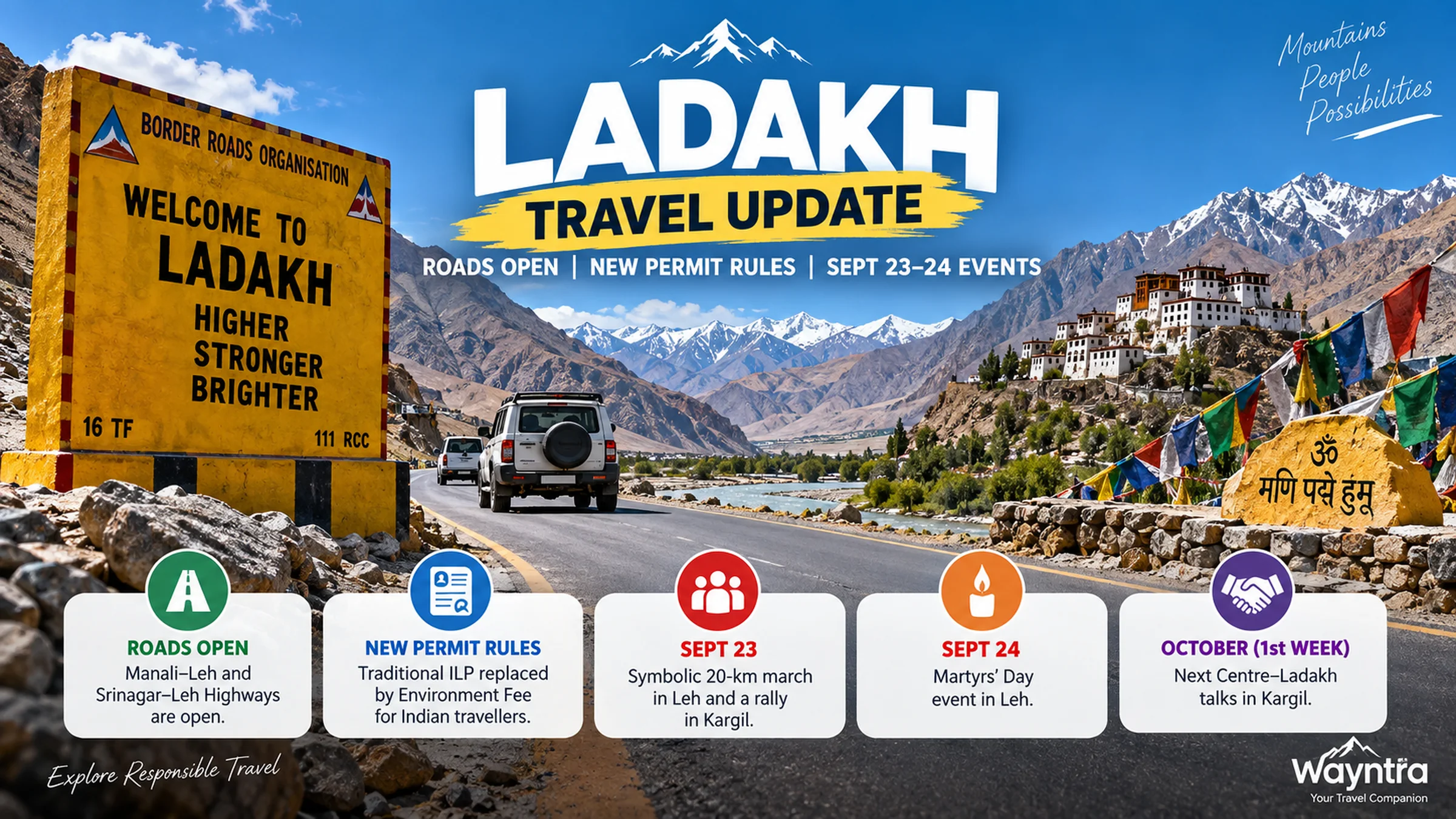
Ladakh Travel Update: Roads Open, New Permit Rules and September 23–24 Events
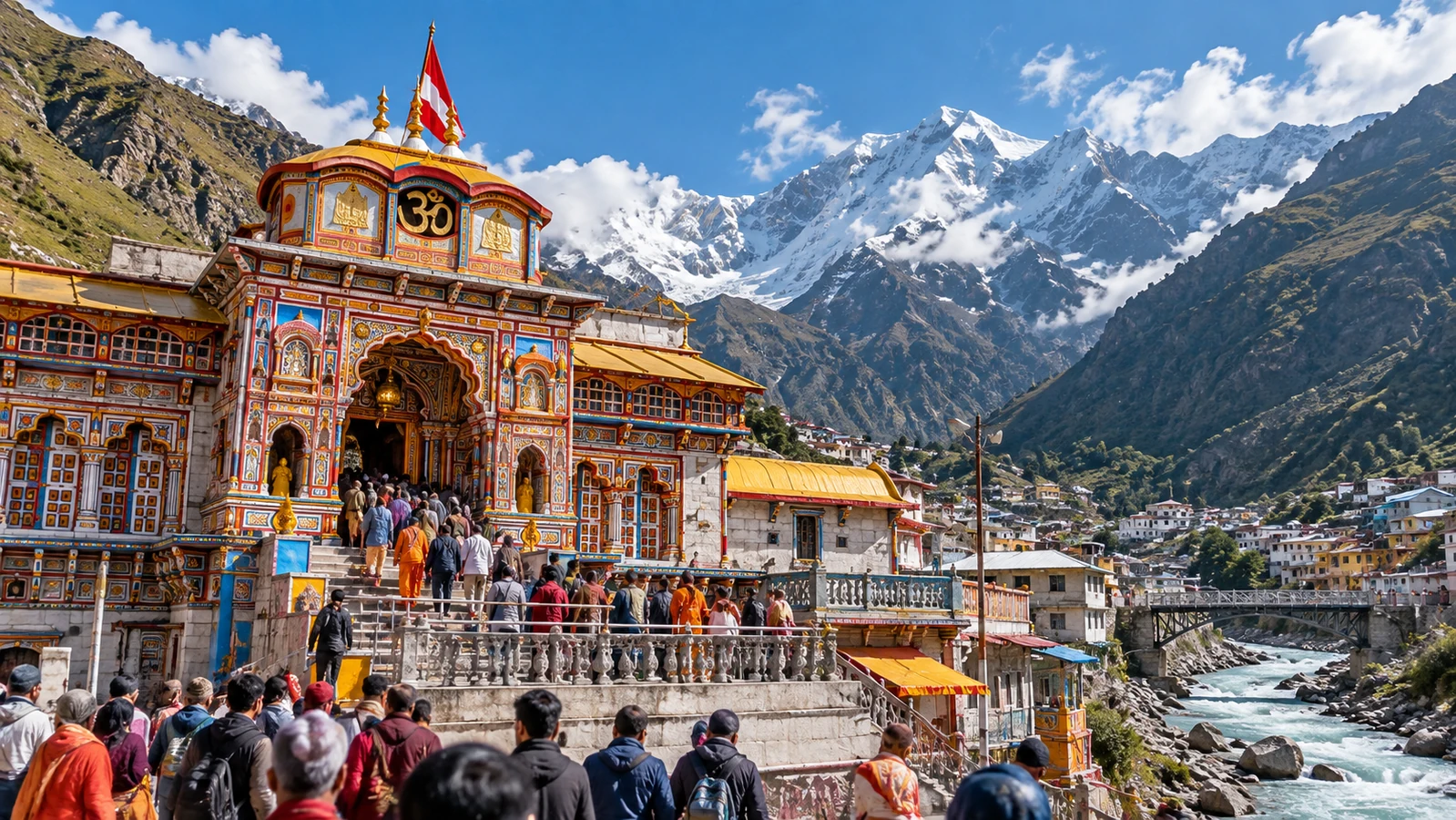
Badrinath Dham: Second Phase of Yatra Picks Up Pace, Thousands of Devotees Arriving for Darshan
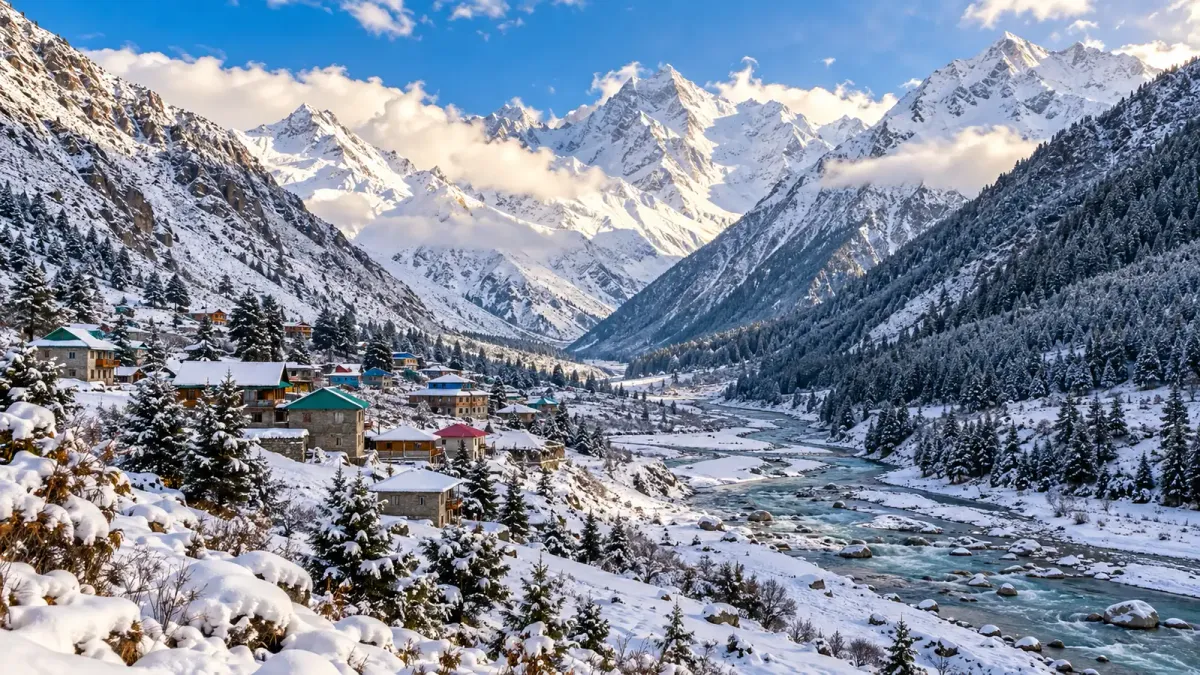
हिमाचल में सितंबर में बर्फबारी ने बदला मौसम का मिजाज, 18 साल बाद रिकॉर्ड ठंड
Jammu and Kashmir — video
Jammu and Kashmir — travel FAQs
What are the best tips for booking cheap flights?
Do I need travel insurance?
What are essential items to pack for international travel?
How can I stay safe while traveling?
What is the best way to avoid jet lag?
How far in advance should I book accommodation?
What is the best way to exchange currency?
How can I avoid extra luggage fees?
Do I need a visa for international travel?
What’s the best way to find local food while traveling
How do I handle language barriers when traveling?
What should I do if I lose my passport?
When is the best time to visit popular tourist destinations?
How do I avoid tourist scams?
Can I travel with medications?
What should I do in case of a medical emergency abroad?
What’s the best way to stay connected while traveling internationally?
How much money should I budget for daily expenses while traveling?
What should I know about tipping while traveling?
How can I stay healthy while traveling?
Wayntra app
Explore Jammu and Kashmir with Wayntra
Find destinations, adventures, local businesses and experiences across Jammu and Kashmir.