India’s local-first travel ecosystem — book local operators direct, zero commission

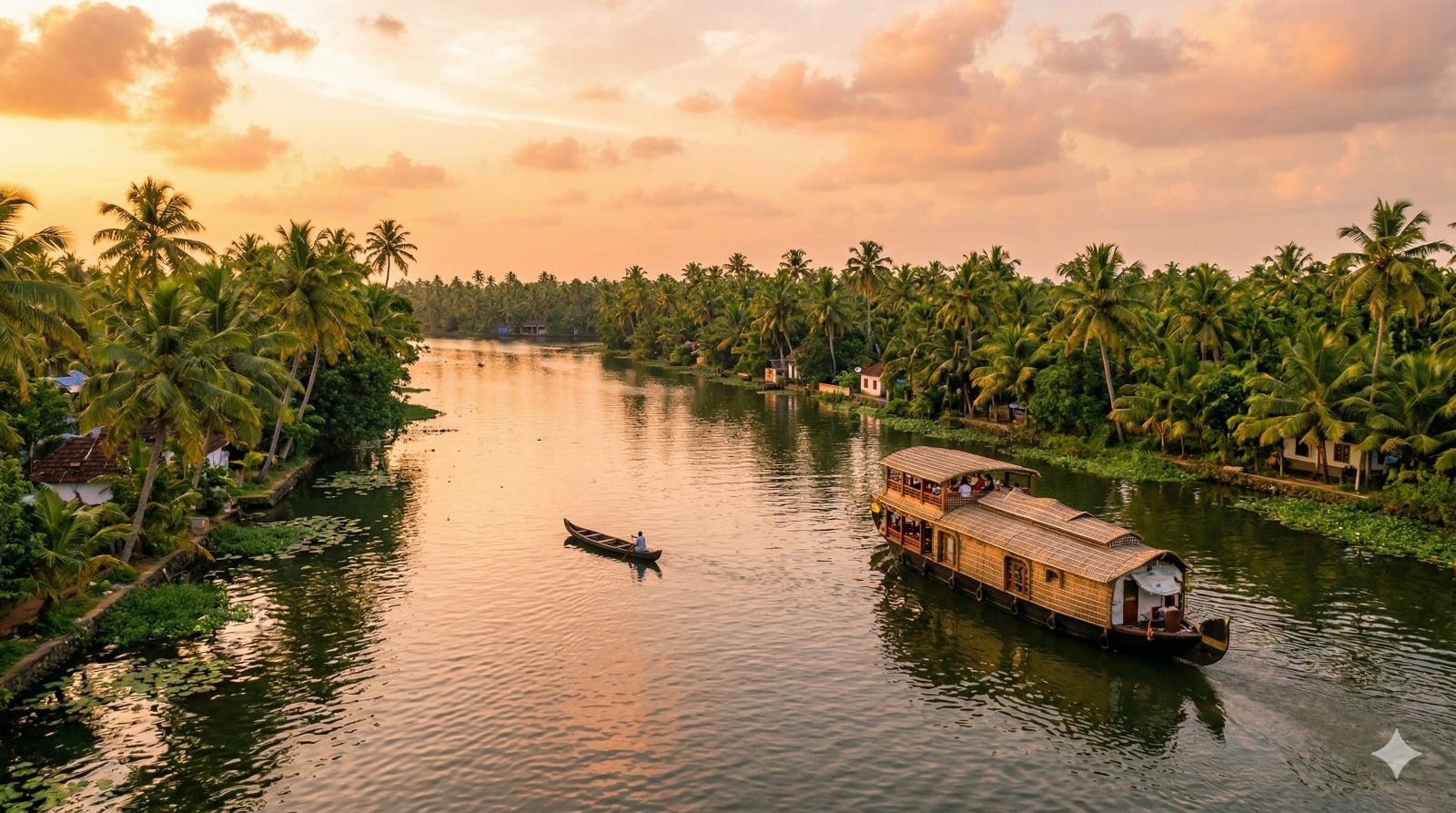
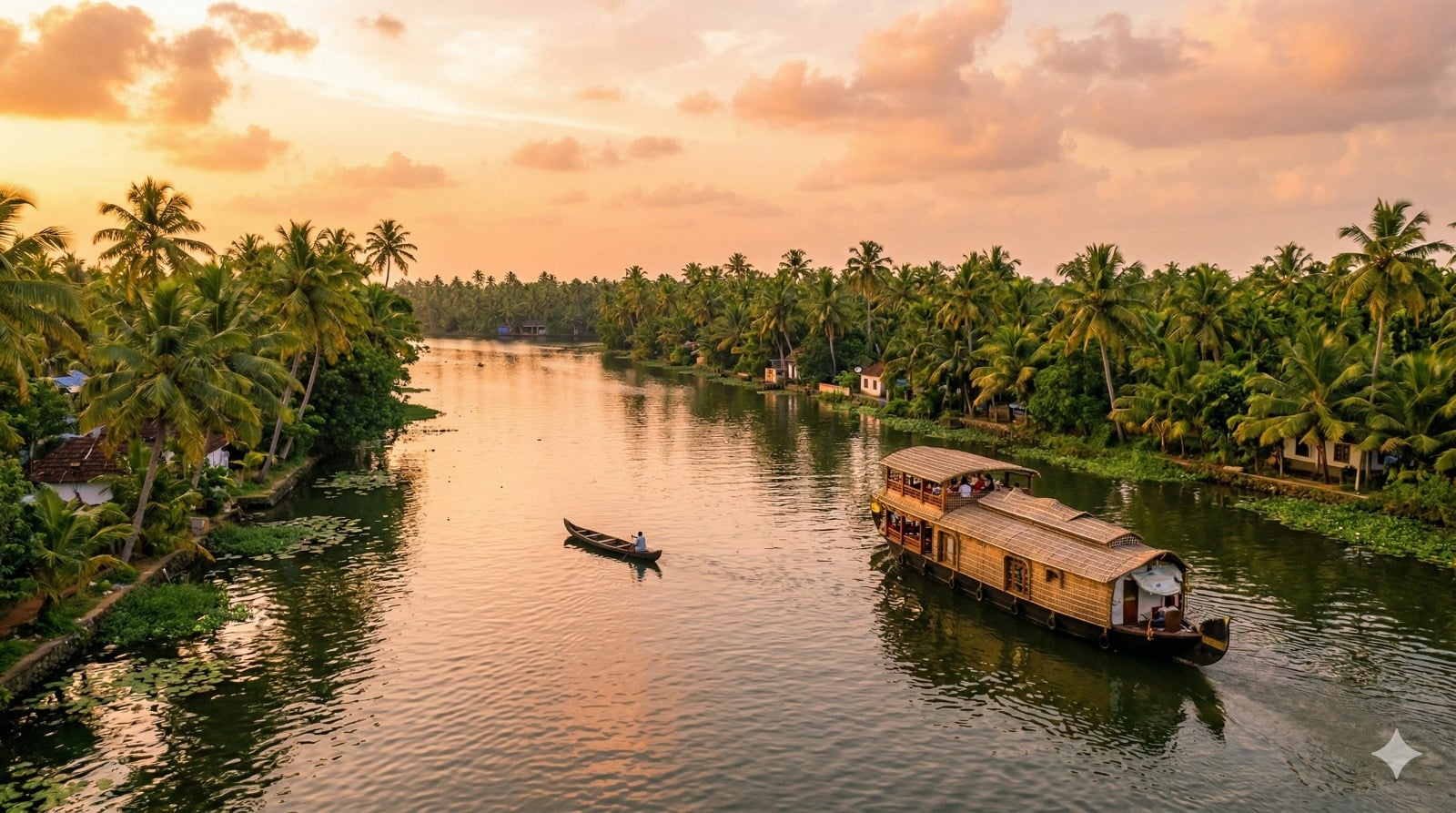
Kerala, often referred to as “God’s Own Country,” is one of the most beautiful and culturally rich states in southern India. Known for its serene backwaters, lush green landscapes, and tranquil beaches, Kerala offers a perfect blend of nature, culture, and relaxation. Located along the Malabar Coast, the state is bordered by the Western Ghats on one side and the Arabian Sea on the other, making it a paradise for travelers.
The capital city of Kerala is Thiruvananthapuram, which is known for its historical landmarks, temples, and beautiful coastline. Major cities like Kochi, Munnar, Alleppey, and Kozhikode offer diverse experiences ranging from modern urban life to scenic hill stations and peaceful backwaters. Kochi is a vibrant port city that reflects a mix of colonial history and modern culture, with attractions like Fort Kochi and Chinese fishing nets.
Munnar is a popular hill station famous for its endless tea plantations, mist-covered hills, and pleasant climate. It is an ideal destination for nature lovers and honeymooners. Alleppey (Alappuzha) is known for its unique backwater experiences, where travelers can stay in traditional houseboats and enjoy the calm beauty of lagoons and canals.
Kerala is also famous for its stunning beaches such as Varkala and Kovalam. Varkala stands out with its unique cliff-side views overlooking the Arabian Sea, while Kovalam is known for its crescent-shaped beaches and lighthouse views. Athirappilly Waterfalls, often called the “Niagara of India,” is another breathtaking natural attraction surrounded by dense forests.
Thekkady, home to the Periyar Wildlife Sanctuary, offers jungle safaris and opportunities to spot elephants and other wildlife. Kerala is also well known for its Ayurvedic treatments and wellness retreats, attracting tourists from around the world seeking relaxation and healing.
The culture of Kerala is deeply rooted in traditions, with classical art forms like Kathakali and Mohiniyattam originating here. Festivals such as Onam and Vishu are celebrated with great enthusiasm and showcase the vibrant cultural heritage of the state.
Kerala’s cuisine is rich and diverse, known for its use of coconut, spices, and fresh ingredients. Popular dishes include appam with stew, Kerala sadya, puttu and kadala curry, and a variety of seafood delicacies. The state is also famous for its spices like cardamom, pepper, and cloves.
Kerala is well connected by road, rail, and air, with major airports in Kochi, Thiruvananthapuram, and Kozhikode. Tourism plays a significant role in the state’s economy, along with agriculture, especially the cultivation of spices, rubber, and coconut.
For nature lovers, Kerala offers a wide range of experiences, from hill stations and wildlife sanctuaries to backwaters and beaches. The best time to visit Kerala is from October to March, when the weather is pleasant and ideal for sightseeing.
The people of Kerala are known for their high literacy rate, friendly nature, and welcoming attitude towards tourists. The lifestyle reflects a harmonious blend of tradition and modernity.
In conclusion, Kerala is a breathtaking destination that perfectly combines natural beauty, cultural richness, and peaceful experiences. Whether you are looking for relaxation, adventure, or cultural exploration, Kerala promises a memorable journey for every traveler.
Quick view
🏙️ Capital:
Thiruvananthapuram — The capital city of Kerala, known for its rich cultural heritage, temples, and beautiful coastline. Popular attractions include Padmanabhaswamy Temple, Kovalam Beach, and Napier Museum.
🗺️ Average Elevation:
Kerala has a diverse terrain ranging from sea level along the coast to around 2,695 meters (8,842 ft) in the Western Ghats.
The state includes coastal plains, midlands, and highland regions.
📍 Regions:
Malabar Region (North Kerala) – Kozhikode, Wayanad, Kannur (nature & beaches)
Central Kerala – Kochi, Thrissur, Palakkad (culture & heritage)
South Kerala – Thiruvananthapuram, Kollam, Alappuzha (backwaters & beaches)
High Range (Hill Areas) – Munnar, Idukki (tea gardens & mountains)
🏞️ Top Tourist Attractions:
Munnar – Tea gardens, Eravikulam National Park, scenic hills
Alleppey (Alappuzha) – Backwaters, houseboat experience
Kochi – Fort Kochi, Chinese fishing nets, colonial architecture
Varkala – Cliff beach, cafes, sunset views
Kovalam – Lighthouse beach, clean shoreline
Thekkady – Periyar Wildlife Sanctuary, jungle safari
Athirappilly Waterfalls – Largest waterfall in Kerala
Wayanad – Waterfalls, caves, wildlife, trekking
📅 Formation:
Kerala was officially formed on 1st November 1956 under the States Reorganisation Act.
It was created by merging Malabar, Travancore, and Cochin regions.
🏰 Historical Significance:
- Rich history influenced by trade with Arabs, Chinese, and Europeans
- Strong presence of Portuguese, Dutch, and British colonial rule
- Known for ancient spice trade routes
- Home to historic temples, churches, and mosques
- Cultural blend of Dravidian and colonial influences
🎭 Culture:
- Deep-rooted traditions and cultural diversity
- Famous classical art forms: Kathakali, Mohiniyattam
- Traditional martial art: Kalaripayattu
- Major festivals: Onam, Vishu, Thrissur Pooram
- Known for its harmonious and literate society
🗣️ Language:
Official Language: Malayalam
Widely Spoken: English, Tamil, Hindi (basic understanding)
🍲 Cuisine:
- Rich in coconut, spices, and seafood
- Signature dishes: Kerala Sadya, Appam with stew, Puttu & Kadala curry
- Popular seafood: Fish curry, prawn fry
- Famous spices: Cardamom, pepper, cloves
🌿 Geography & Landscape:
- Coastal plains, backwaters, and lush green hills
- Western Ghats provide biodiversity and scenic beauty
- Major rivers: Periyar, Bharathapuzha, Pamba
- Agriculture includes coconut, rubber, tea, and spices
🦁 Wildlife & National Parks:
Periyar Wildlife Sanctuary – Elephants, tigers, boating safari
Silent Valley National Park – Rich biodiversity
Eravikulam National Park – Nilgiri Tahr, rolling hills
Wayanad Wildlife Sanctuary – Forests and wildlife
🎢 Adventure Activities:
- Houseboat cruising in backwaters
- Trekking in Munnar and Wayanad
- Wildlife safaris in Thekkady
- Beach activities in Varkala & Kovalam
- Ayurvedic wellness therapies
🕌 Religious & Spiritual Sites:
Sabarimala Temple – Major pilgrimage center
Padmanabhaswamy Temple – One of the richest temples in the world
Guruvayur Temple – Famous Krishna temple
St. Francis Church (Kochi) – Historic church
Cheraman Juma Masjid – One of India’s oldest mosques
🛍️ Famous For:
- Spices (cardamom, pepper, cloves)
- Coir products (coconut fiber crafts)
- Handicrafts and wooden items
- Ayurvedic products and treatments
- Kasavu sarees (traditional attire)
📸 Photography Tip:
Capture sunrise in Munnar tea gardens, sunset at Varkala cliffs, houseboats in Alleppey, and waterfalls during monsoon. Fort Kochi streets also offer great cultural shots.
🧭 Best Time to Visit:
October to March – Best for travel and sightseeing
April to June – Warm but good for hill stations
July to September – Monsoon season, lush greenery & waterfalls
Key Attraction
🏞️ Major Experiences & Heritage Walks (Tour Routes)
Kerala offers a mix of nature, culture, and heritage-based travel experiences:
Fort Kochi Heritage Walk: Explore colonial streets, Chinese fishing nets, churches, and art cafes.
Alleppey Backwater Cruise Route: Experience houseboat journeys through scenic canals and lagoons.
Munnar Tea Plantation Walk: Walk through lush tea gardens and enjoy misty mountain views.
Wayanad Nature Trails: Trek through forests, waterfalls, and caves.
Thekkady Spice Plantation Tour: Discover spice gardens and learn about Kerala’s spice trade.
Varkala Cliff Walk: Enjoy coastal views with cafes and sunset points.
Sabarimala Pilgrimage Route: A sacred spiritual journey through forested hills.
Thrissur Cultural Circuit: Explore temples, festivals, and traditional art forms.
🎢 Adventure Activities
Kerala offers a wide range of adventure and nature-based activities:
Houseboat Stay (Alleppey): Cruise through peaceful backwaters.
Trekking (Munnar & Wayanad): Explore hills, forests, and viewpoints.
Wildlife Safari (Thekkady): Spot elephants, deer, and birds.
Boating (Periyar Lake): Scenic wildlife boat rides.
Beach Activities (Varkala & Kovalam): Swimming, surfing, parasailing.
Bamboo Rafting (Periyar): Unique eco-adventure experience.
Ayurvedic Wellness Retreats: Relaxation and healing therapies.
Cycling Tours (Kochi & Villages): Explore rural and urban life.
🛕 Religious Sites
Kerala is home to diverse and spiritually significant places:
Sabarimala Temple: One of India’s most famous pilgrimage sites.
Padmanabhaswamy Temple (Thiruvananthapuram): Renowned for its wealth and architecture.
Guruvayur Temple: Popular Krishna temple.
St. Francis Church (Kochi): One of the oldest churches in India.
Cheraman Juma Masjid: Among the oldest mosques in India.
Attukal Temple: Known for Attukal Pongala festival.
Chottanikkara Temple: Famous for spiritual healing.
Parassinikkadavu Muthappan Temple: Unique temple rituals and traditions.
🌄 Natural Beauty & Lakes
Kerala is rich in natural beauty with lush greenery and water bodies:
Vembanad Lake: Largest lake in Kerala, famous for backwaters.
Ashtamudi Lake: Scenic lake with houseboat experiences.
Pookode Lake (Wayanad): Surrounded by forests and hills.
Periyar Lake (Thekkady): Known for wildlife sightings.
Athirappilly Waterfalls: Largest waterfall in Kerala.
Meenmutty Waterfalls: Beautiful multi-tier waterfall in Wayanad.
Chembra Peak & Heart Lake: Popular trekking destination.
Silent Valley: Untouched natural ecosystem.
🐾 Wildlife & Safari
Kerala offers rich biodiversity and wildlife experiences:
Periyar Wildlife Sanctuary: Elephants, tigers, and boating safari.
Eravikulam National Park: Home to Nilgiri Tahr.
Wayanad Wildlife Sanctuary: Forest wildlife and bird species.
Silent Valley National Park: Rare flora and fauna.
Parambikulam Tiger Reserve: Dense forests and wildlife.
Chinnar Wildlife Sanctuary: Unique dry forest ecosystem.
Thattekad Bird Sanctuary: Paradise for bird watchers.
Peppara Wildlife Sanctuary: Scenic forests and wildlife.
Culture and Festivals
🎉 Festivals & Fairs of Kerala
Kerala’s culture is deeply rooted in its festivals, traditions, and vibrant celebrations. The state is known for its colorful events, temple festivals, and cultural performances that reflect harmony and heritage.
🪷 Onam
The biggest festival of Kerala, celebrated with great enthusiasm across the state.
It marks the homecoming of King Mahabali.
People create floral designs (Pookalam), enjoy traditional feasts (Onam Sadya), and participate in boat races and cultural performances.
🎆 Vishu
The Malayalam New Year festival.
Celebrated with Vishukkani (auspicious arrangement), fireworks, and family gatherings.
People exchange gifts (Vishu Kaineettam) and start the year with positivity.
🐘 Thrissur Pooram
One of the grandest temple festivals in Kerala.
Famous for decorated elephants, traditional music, and spectacular fireworks.
Held at Vadakkunnathan Temple in Thrissur.
🚣 Nehru Trophy Boat Race (Alleppey)
A famous snake boat race held in the backwaters of Alleppey.
Teams compete in long traditional boats with synchronized rowing.
It is one of Kerala’s most exciting cultural events.
🪔 Attukal Pongala
A unique women-centric festival held in Thiruvananthapuram.
Thousands of women gather to prepare offerings for the goddess.
Recognized as one of the largest gatherings of women in the world.
🌙 Eid
Celebrated by the Muslim community across Kerala.
Mosques are decorated, special prayers are offered, and traditional dishes are prepared.
🎄 Christmas
Celebrated widely due to Kerala’s significant Christian population.
Churches are beautifully decorated, and festivities include prayers, feasts, and celebrations.
🛍️ Other Major Festivals
Theyyam Festival (North Kerala): Traditional ritual dance with vibrant costumes.
Makaravilakku (Sabarimala): Major pilgrimage event.
Aranmula Boat Race: Religious and cultural boat race.
🎨 Culture of Kerala
🧍♂️ 1.1 Lifestyle and Way of Living
Kerala reflects a balanced lifestyle combining modern living with strong traditional roots.
People enjoy a high standard of living with a focus on education, health, and cleanliness.
Rural areas still follow nature-based and community-oriented lifestyles.
🧥 1.2 Traditional Attire
Women traditionally wear Kasavu sarees, especially during festivals.
Men wear Mundu (traditional dhoti) with shirts or kurtas.
Traditional attire is widely seen during cultural events and temple visits.
🎵 1.3 Folk Songs and Music
Kerala has a rich tradition of music linked to temples and rituals.
Popular forms include Sopana Sangeetham and folk devotional songs.
Music plays an important role in festivals and classical performances.
💃 1.4 Folk Dances
Famous dance forms include Kathakali, Mohiniyattam, and Theyyam.
Performances are colorful and often depict mythological stories.
Dance is an integral part of festivals and temple rituals.
🍛 1.5 Cuisine
Kerala cuisine is known for its use of coconut, spices, and fresh ingredients.
Popular dishes include Kerala Sadya, Appam with stew, and Puttu & Kadala curry.
Seafood is widely consumed along the coastal regions.
🏠 1.6 Architecture
Kerala architecture features sloping roofs, wooden structures, and eco-friendly designs.
Temples, churches, and traditional houses (Nalukkettu) reflect unique styles.
Influence of colonial architecture is also visible in cities like Kochi.
🗣️ 1.7 Languages and Dialects
Malayalam is the official language of Kerala.
English is widely spoken, especially in cities and tourist areas.
Tamil and Hindi are also understood to some extent.
🌾 1.8 Folk Traditions and Beliefs
Strong belief in traditions, rituals, and temple practices.
Nature and spirituality are deeply connected in daily life.
Festivals and religious ceremonies are an essential part of the culture.
🎓 1.9 Handicrafts and Arts
Kerala is known for its traditional crafts such as:
Coir products (made from coconut fiber)
Wood carvings and handicrafts
Handloom textiles and Kasavu sarees
Ayurvedic products and herbal items
🧘 1.10 Spirituality and Heritage
Kerala is a spiritually diverse state with temples, churches, and mosques coexisting peacefully.
Pilgrimage sites like Sabarimala and Guruvayur attract millions of devotees.
The state represents harmony, tradition, and cultural richness.
Food and Cuisines
🌊 Kochi (Cochin)
🍛 Kerala Sadya: Traditional vegetarian feast served on a banana leaf.
🐟 Fish Curry: Spicy and tangy curry made with coconut and tamarind.
🍤 Prawn Fry: Crispy fried prawns with spices.
🥤 Tender Coconut Water: Fresh and refreshing local drink.
🌴 Alleppey (Alappuzha)
🍛 Karimeen Pollichathu: Pearl spot fish marinated and cooked in banana leaf.
🍚 Toddy & Local Meals: Traditional village-style meals with rice and curry.
🥥 Coconut-based Curries: Rich and flavorful dishes.
🍤 Backwater Seafood: Fresh fish and prawns cooked in local style.
⛰️ Munnar
🍲 Vegetable Stew: Light coconut-based curry served with appam.
🥞 Appam: Soft rice pancakes with crispy edges.
☕ Tea: Fresh tea from local plantations.
🍯 Homemade Chocolates: Popular among tourists.
🏖️ Varkala
🐟 Grilled Fish: Fresh seafood served near beach cafes.
🥗 Continental & Fusion Food: Cafes offering global cuisines.
🥤 Fresh Juices & Smoothies: Tropical fruit-based drinks.
🍤 Seafood Platters: Variety of fish, prawns, and crabs.
🌊 Kovalam
🍤 Lobster & Crab Dishes: Fresh seafood specialties.
🥥 Coconut Curry: Rich traditional Kerala-style curry.
🍹 Beach Drinks: Refreshing beverages served at beach shacks.
🥗 Multi-cuisine Food: Mix of Indian and international dishes.
🌿 Thekkady
🍛 Kerala Meals: Rice served with multiple curries.
🌶️ Spicy Curries: Flavored with fresh spices from plantations.
🍯 Tribal Cuisine: Authentic local food experiences.
☕ Spice Tea: Tea infused with cardamom, cinnamon, and cloves.
🌄 Wayanad
🍚 Puttu & Kadala Curry: Steamed rice cake with black chickpea curry.
🍛 Bamboo Rice Dishes: Unique tribal cuisine.
🍯 Honey-based Foods: Natural forest honey dishes.
🥥 Local Meals: Simple, organic, and traditional food.
🏙️ Thiruvananthapuram
🥞 Dosa & Idli: South Indian breakfast staples.
🍛 Sadya: Festive traditional meal.
🍮 Payasam: Sweet dessert made with milk, jaggery, and rice.
🥤 Filter Coffee: Strong and aromatic coffee.
🍽️ Summary
Kerala cuisine is rich, flavorful, and deeply influenced by coconut, spices, and coastal traditions.
It offers a perfect mix of vegetarian meals, seafood delicacies, and traditional dishes.
Famous ingredients include coconut, curry leaves, rice, and aromatic spices like cardamom and pepper.
From Sadya and appam to seafood and desserts like payasam, Kerala’s food culture is diverse, healthy, and unforgettable.
History
🕰️ Ancient Period
The region of Kerala has a rich and ancient history, closely connected with trade, culture, and spirituality.
It was known as part of the Chera Kingdom, one of the earliest ruling dynasties in South India.
Kerala is mentioned in ancient Indian texts and was famous for its spice trade, attracting merchants from Arabia, Egypt, and Rome.
According to legend, Kerala was created by Lord Parashurama, who reclaimed land from the sea.
The state was also an early center for the spread of religions like Hinduism, Buddhism, Jainism, Christianity, and Islam.
🏰 Medieval Period
During the medieval period, Kerala became a major hub for international trade and cultural exchange.
Arab traders played a key role in shaping Kerala’s economy and cultural diversity.
Later, European powers like the Portuguese, Dutch, and French arrived for trade and control.
Vasco da Gama landed in Calicut (Kozhikode) in 1498, marking the beginning of European influence in India.
Local rulers like the Zamorin of Calicut were powerful figures during this time.
⚔️ British Rule
In the 18th century, the British gradually gained control over Kerala after defeating other European powers.
The region was divided into princely states like Travancore and Cochin, along with the Malabar region under direct British rule.
Kerala witnessed social reform movements led by leaders like Sree Narayana Guru and Chattampi Swamikal, who worked for equality and social justice.
The state also contributed to India’s freedom movement through protests and resistance against colonial rule.
📜 Post-Independence Era
After India gained independence in 1947, the princely states of Travancore and Cochin were merged.
In 1956, Kerala was officially formed as a state under the States Reorganisation Act, based on linguistic identity (Malayalam-speaking population).
Kerala soon became known for its progress in education, healthcare, and social development.
🏛️ Formation Changes & Reorganization
Kerala was formed by combining Travancore, Cochin, and the Malabar region.
Unlike many other states, Kerala has remained largely unchanged in terms of boundaries since its formation.
The state focused on decentralization, literacy, and social welfare programs, making it unique in India.
🏞️ Modern Kerala
Today, Kerala is one of India’s most developed and literate states.
It is globally known for its backwaters, beaches, hill stations, and Ayurveda tourism.
The state has a strong economy supported by tourism, agriculture (spices, rubber, coconut), and remittances from overseas workers.
Kerala is also recognized for its high human development index (HDI) and quality of life.
Despite modernization, Kerala continues to preserve its cultural heritage, traditions, and natural beauty.
Geography
🏞️ Location & Area
Country: India
Region: Southern India, along the Malabar Coast
Coordinates: Between 8°18′N to 12°48′N latitude and 74°52′E to 77°22′E longitude
Total Area: Approx. 38,863 sq. km
Capital: Thiruvananthapuram
🌍 Geographical Boundaries
North: Karnataka
East: Tamil Nadu
South: Indian Ocean
West: Arabian Sea
🏔️ Geographical Divisions
Coastal Plains:
Narrow strip along the Arabian Sea with beaches, lagoons, and backwaters
Midlands:
Gently rolling hills with rivers, paddy fields, and plantations
Highlands (Western Ghats):
Mountainous region with peaks, forests, and tea plantations (Munnar, Wayanad)
⛰️ Landforms & Terrain
- Diverse landscape including beaches, backwaters, hills, and forests
- Western Ghats dominate the eastern side with high elevations
- Fertile plains and valleys in central regions
- Numerous rivers and lagoons shape the terrain
🧊 Rivers & Water Resources
Major Rivers:
Periyar, Bharathapuzha, Pamba, Chaliyar, Kallada
Backwaters & Lakes:
Vembanad Lake, Ashtamudi Lake
- Rivers are mostly west-flowing and originate from the Western Ghats
- Water resources are crucial for agriculture, transport, and tourism
- 🌳 Forests & Biodiversity
Forest Cover: Around 50% of the state
National Parks & Reserves:
Periyar Wildlife Sanctuary
Silent Valley National Park
Eravikulam National Park
Wayanad Wildlife Sanctuary
Flora: Tropical evergreen forests, deciduous forests, plantations
Fauna: Elephants, Bengal Tigers, Nilgiri Tahr, Lion-tailed macaque
🏙️ Major Cities & Towns
Thiruvananthapuram: Capital city and administrative center
Kochi: Commercial hub and port city
Kozhikode (Calicut): Historic trade center
Thrissur: Cultural capital of Kerala
Alappuzha: Backwater tourism hub
Munnar: Popular hill station
🌦️ Climate Zones
Tropical Monsoon Climate
Summer (March–May): Warm and humid (up to 35°C)
Monsoon (June–September): Heavy rainfall (Southwest monsoon)
Post-Monsoon (October–November): Moderate rainfall
Winter (December–February): Pleasant and cool
🧭 Altitude Variation
Lowest Point: Sea level (coastal areas)
Highest Point: Anamudi Peak (~2,695 m)
Wide variation from coastal plains to high mountains
🚜 Soil Types
Alluvial Soil: Found in coastal plains
Laterite Soil: Common in midland regions
Forest Soil: Found in hilly and forest areas
Red Soil: Found in some upland regions
🌾 Agriculture & Horticulture
Main Crops: Rice, coconut, rubber
Cash Crops: Tea, coffee, spices (cardamom, pepper, cloves)
Fruits: Banana, jackfruit, pineapple
Kerala is one of India’s leading producers of spices and coconut, and agriculture plays a vital role in its economy.
Shopping & Handicrafts
🧵 Traditional Handicrafts of Kerala
Kerala is known for its rich cultural heritage and traditional craftsmanship, deeply influenced by nature, spirituality, and local resources. The handicrafts of Kerala reflect simplicity, elegance, and eco-friendly techniques.
🎨 Coir Products (Alappuzha)
One of the most famous handicrafts of Kerala.
Made from coconut husk fiber.
Items: Mats, carpets, ropes, bags, and home décor items.
Known for durability and eco-friendliness.
🪵 Wooden Carving (Kochi & Thrissur)
Kerala is famous for intricate wood carvings.
Inspired by temple architecture and traditional art.
Items: Furniture, panels, idols, and decorative items.
🧺 Bamboo & Cane Crafts (Wayanad)
Traditional eco-friendly handicrafts made by tribal communities.
Items: Baskets, furniture, mats, and utility items.
Lightweight and sustainable products.
🧶 Handloom & Kasavu Sarees (Kerala)
Traditional weaving style known for its simplicity and elegance.
Kasavu sarees are white/cream with golden borders.
Items: Sarees, dhotis (mundu), and fabrics.
🪞 Aranmula Mirror (Pathanamthitta)
Unique metal mirror made using a special alloy.
Unlike glass mirrors, it gives a perfect reflection.
Considered a symbol of Kerala’s craftsmanship.
🪔 Bell Metal & Brass Items (Mannarkkad & Thrissur)
Traditional metal crafts used in temples and homes.
Items: Lamps (Nilavilakku), utensils, idols, and décor items.
Known for religious and decorative significance.
🎭 Kathakali Masks & Artifacts
Handcrafted masks and costumes used in Kathakali dance.
Bright colors and detailed designs.
Items: Masks, wall décor, and cultural souvenirs.
🧵 Nettur Petti (Traditional Jewelry Box)
A traditional handcrafted wooden jewelry box.
Inspired by royal designs of Kerala.
Used for storing ornaments and valuables.
🛍️ Where to Shop: City-wise Highlights
🏙️ Kochi
Items: Wooden crafts, Kathakali masks, spices
Famous Markets: Jew Town, Broadway Market
Best For: Souvenirs, antiques, and handicrafts
🌴 Alappuzha
Items: Coir products and mats
Best For: Eco-friendly home décor
🌿 Wayanad
Items: Bamboo and tribal handicrafts
Best For: Natural and handmade products
🏛️ Thiruvananthapuram
Items: Kasavu sarees, handicrafts, traditional items
Famous Markets: Chalai Market
Best For: Authentic Kerala products
🪞 Aranmula
Items: Aranmula mirrors
Best For: Unique cultural souvenirs
🛠️ Thrissur
Items: Brass and bell metal crafts
Best For: Temple-style décor and traditional items
🎁 Popular Souvenirs
- Kasavu sarees and traditional textiles
- Coir mats and eco-friendly products
- Aranmula metal mirrors
- Wooden carvings and décor items
- Kathakali masks and artwork
- Brass lamps (Nilavilakku)
- Spices like cardamom, pepper, and cloves
Best Time to Visit
🌤️ Best Time to Visit Kerala
Kerala can be visited throughout the year, but the best time depends on your travel preferences—whether you’re looking for beaches, backwaters, hill stations, or Ayurvedic experiences.
🌸 Winter (October to February)
Best for: Sightseeing, beaches, backwaters, honeymoon trips
Highlights: Pleasant weather, low humidity, ideal for outdoor activities
Popular places: Munnar, Alleppey, Kochi, Varkala, Kovalam
☀️ Summer (March to May)
Best for: Hill stations, budget travel, fewer crowds
Highlights: Warm and humid in coastal areas, but cool and pleasant in hill regions
Popular places: Munnar, Wayanad, Thekkady
🌧️ Monsoon (June to September)
Best for: Nature lovers, Ayurveda treatments, photography
Highlights: Heavy rainfall, lush greenery, waterfalls at their best
Note: Not ideal for beach activities due to strong waves
Popular places: Athirappilly Waterfalls, Wayanad, Thekkady
🍁 Post-Monsoon (September to October)
Best for: Fresh greenery, peaceful travel, scenic views
Highlights: Clean landscapes, fewer tourists, ideal for photography
Popular places: Alleppey backwaters, Munnar, Kumarakom
💡 Travel Tip
October to March is considered the best overall time to visit Kerala.
Plan your trip during monsoon season for Ayurveda treatments and during winter for full sightseeing and beach experiences.
Har Ki Dun trek
Kedarkantha
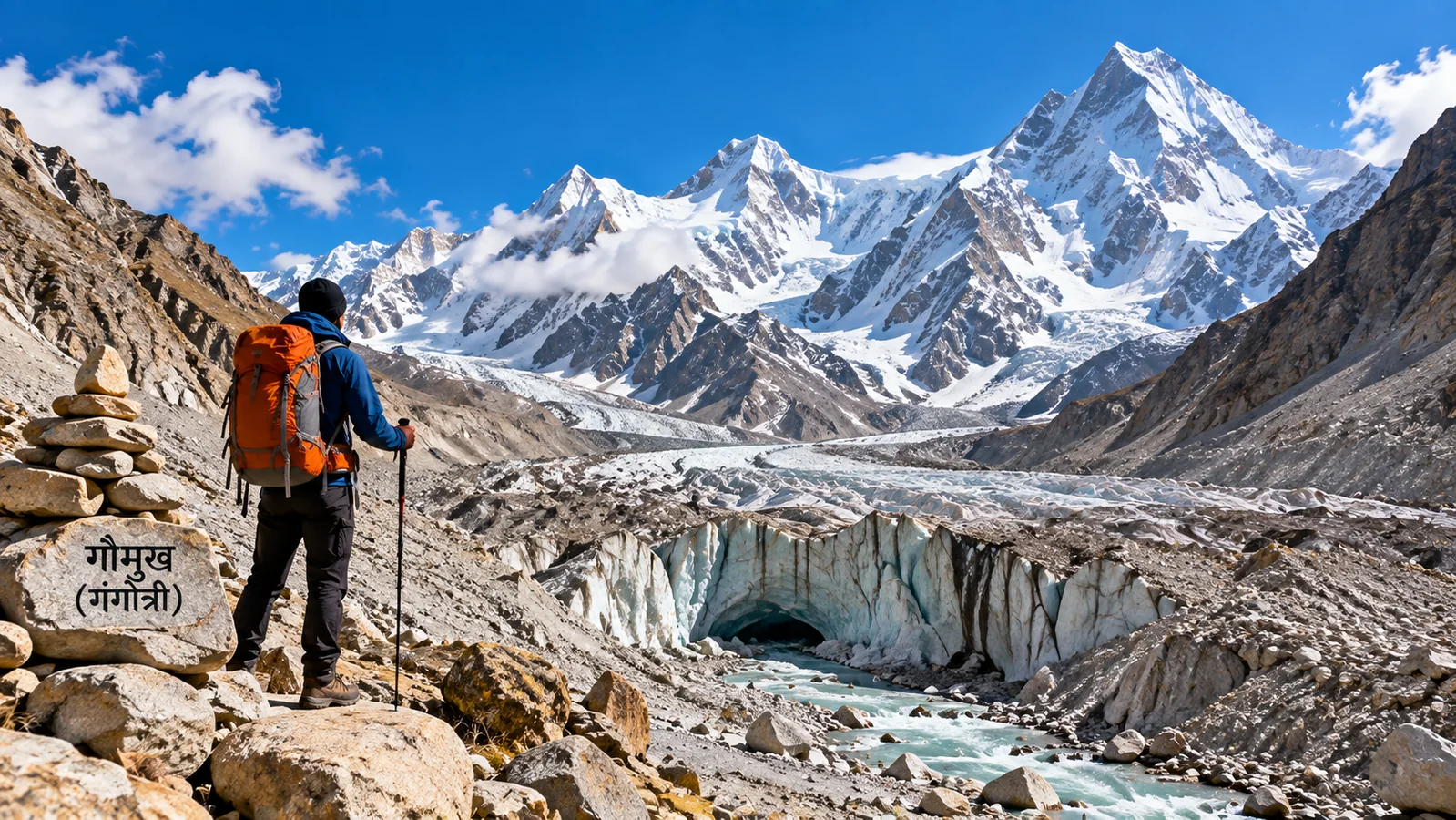
Gaumukh Tapovan Trek
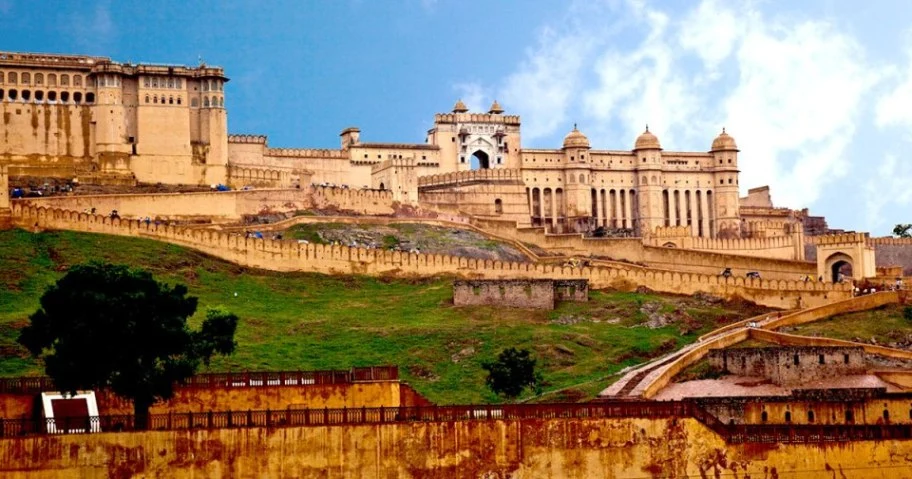
Amber Fort
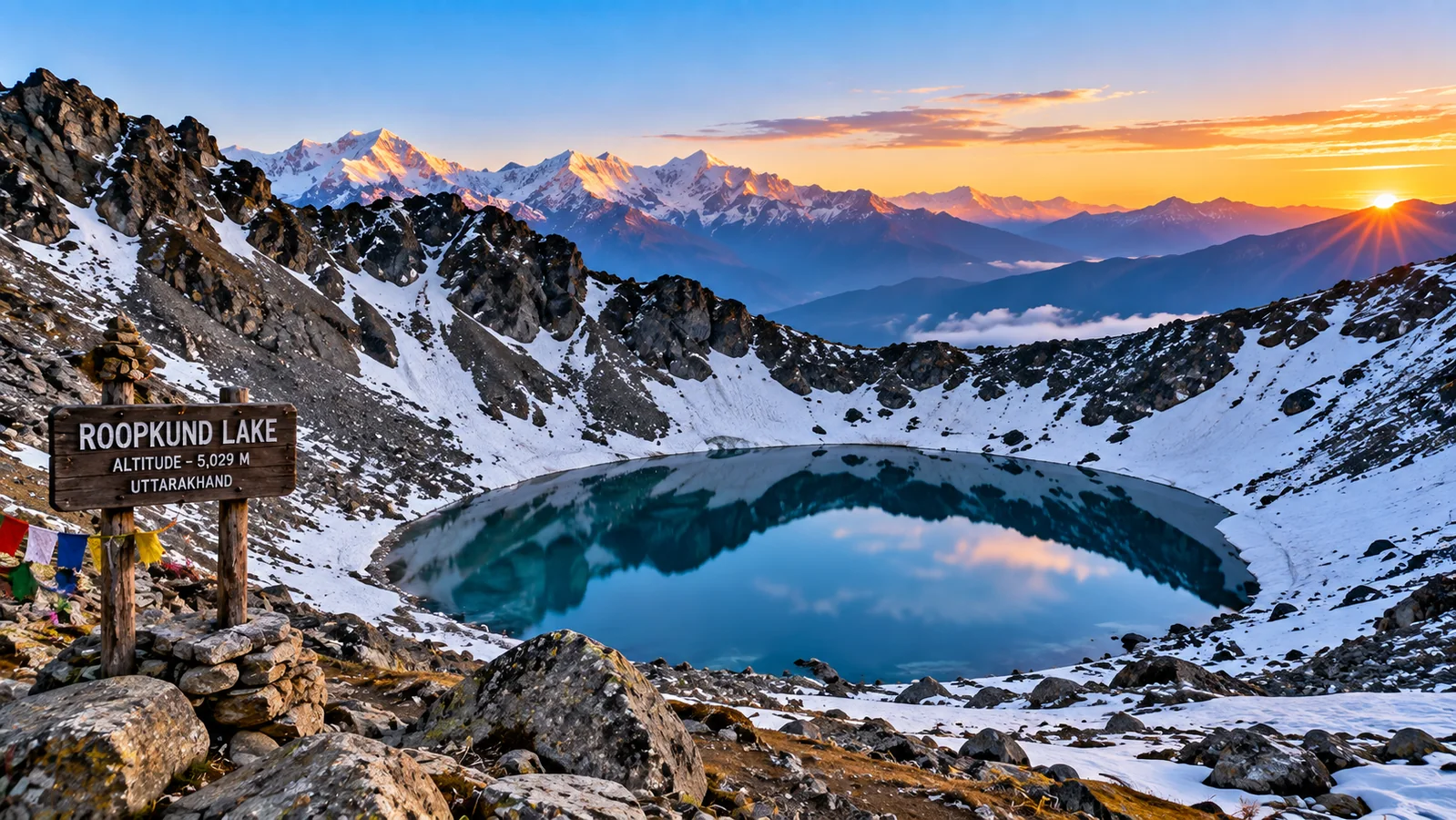
Roopkund Lake Trek
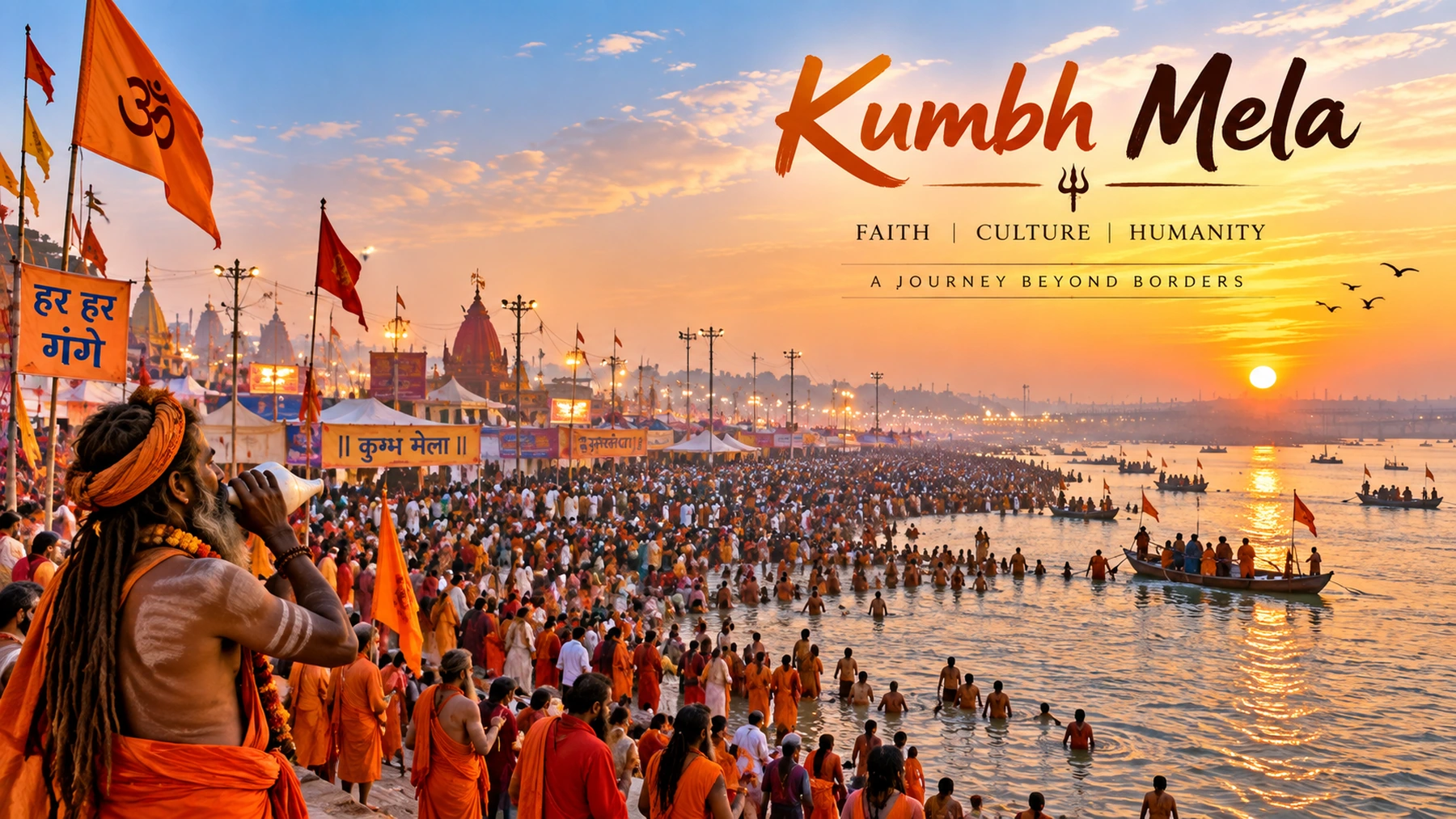
Maha Kumbh 2025
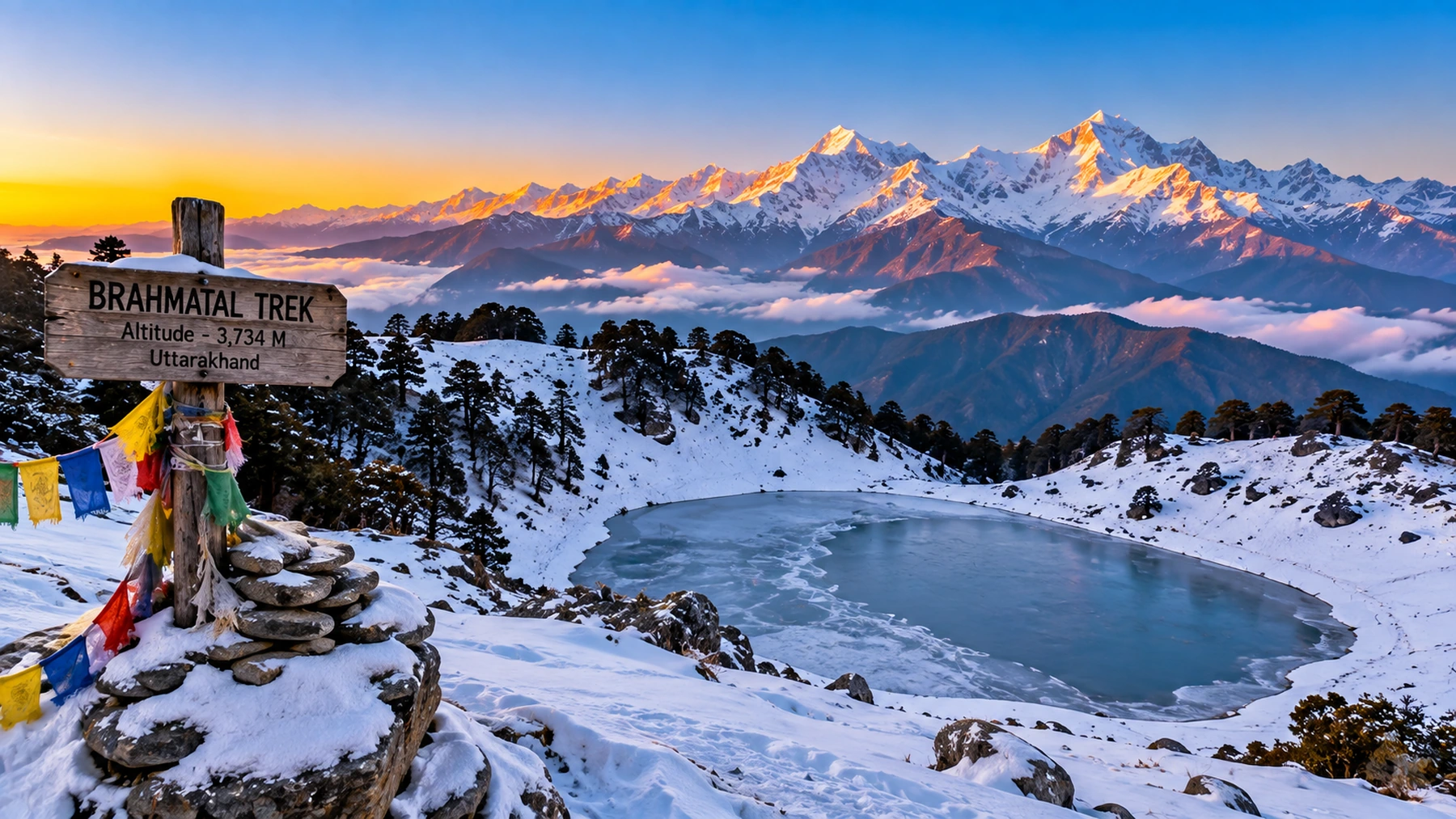
Brahmatal Trek
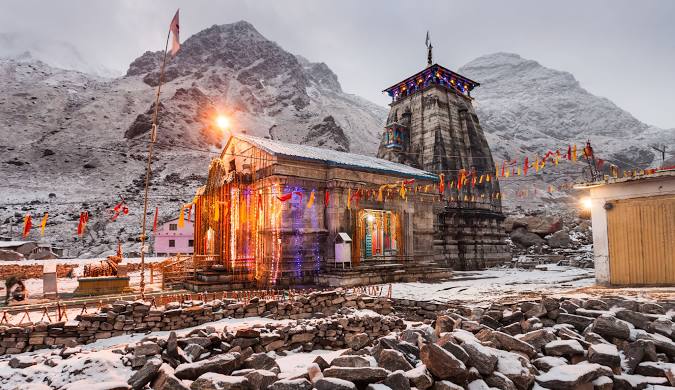
Kedarnath
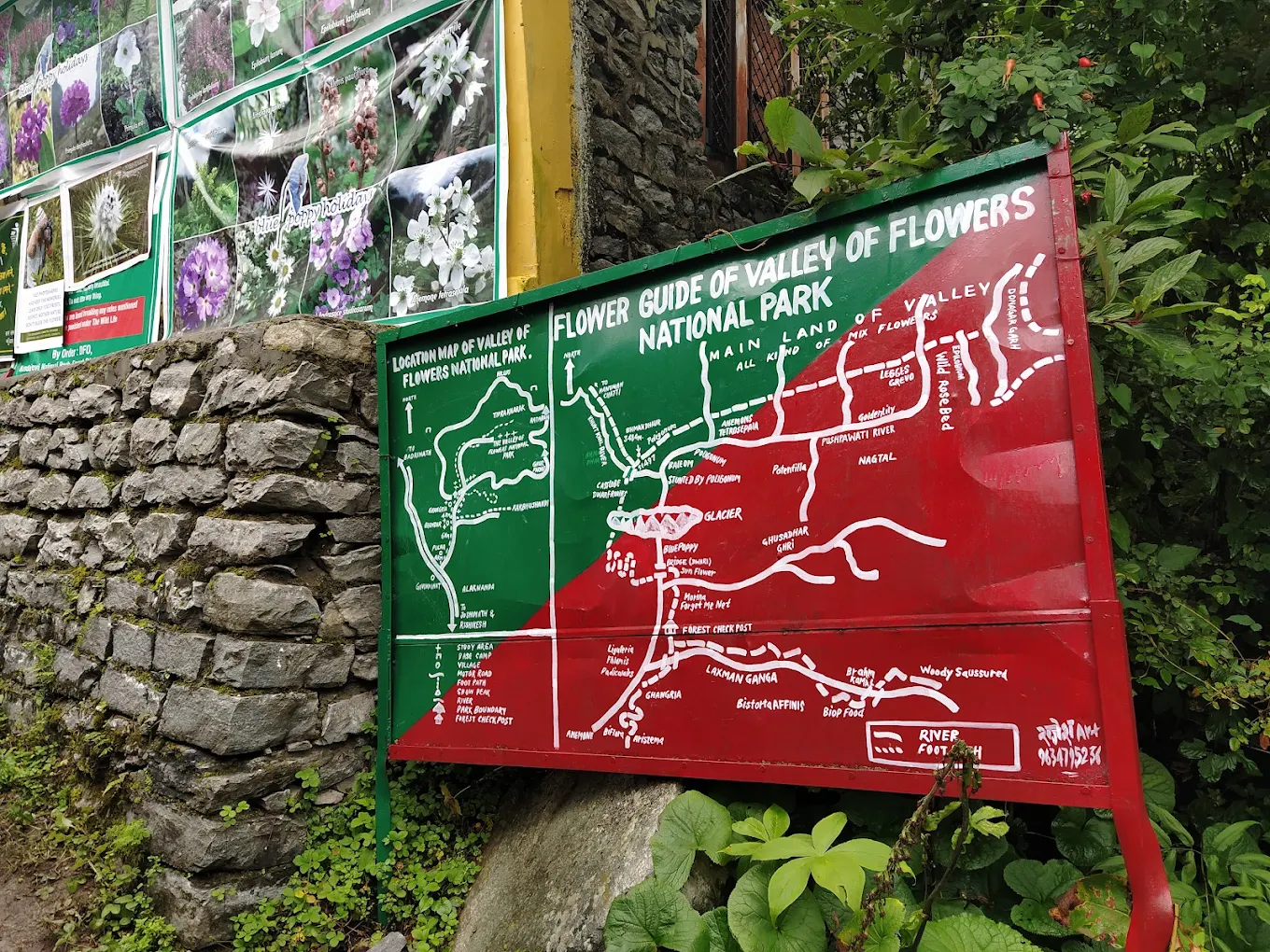
The Valley of Flowers Trek
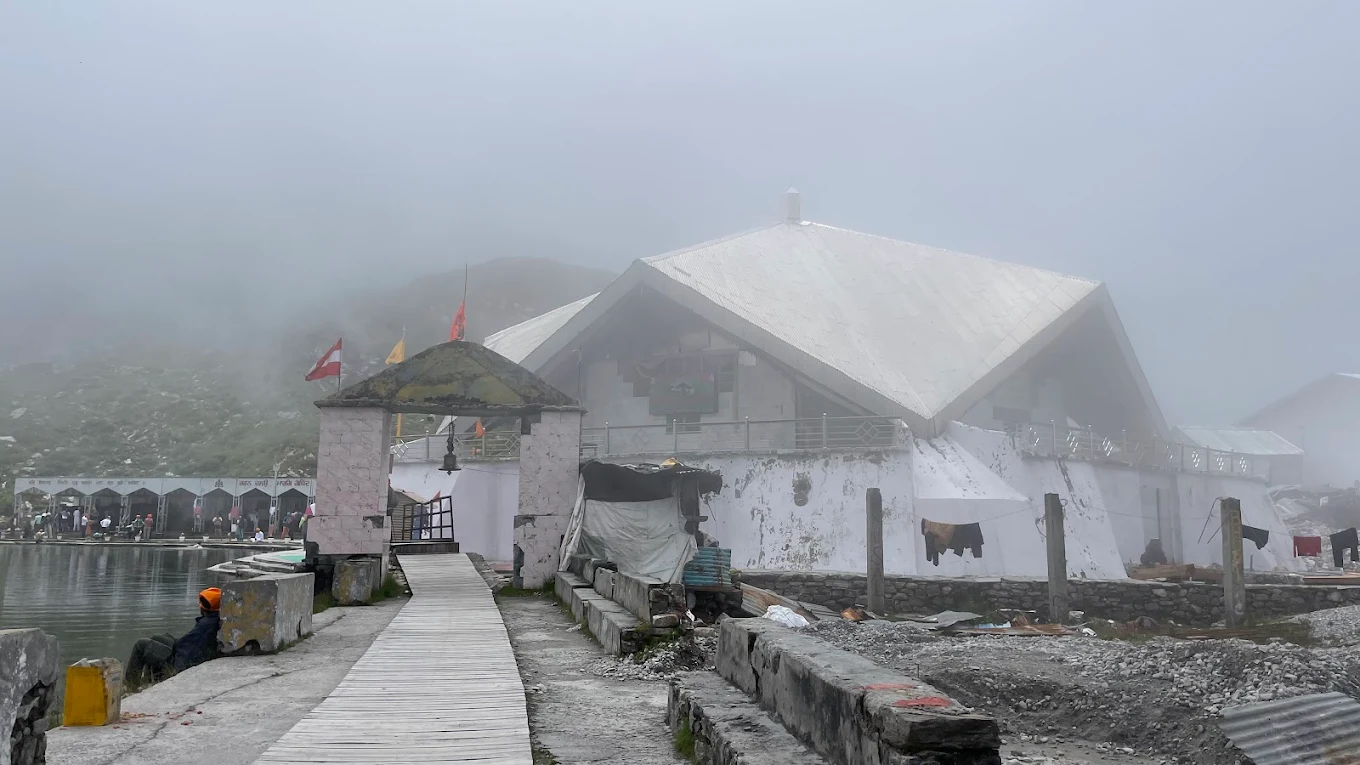
Sri Hemkund Sahib
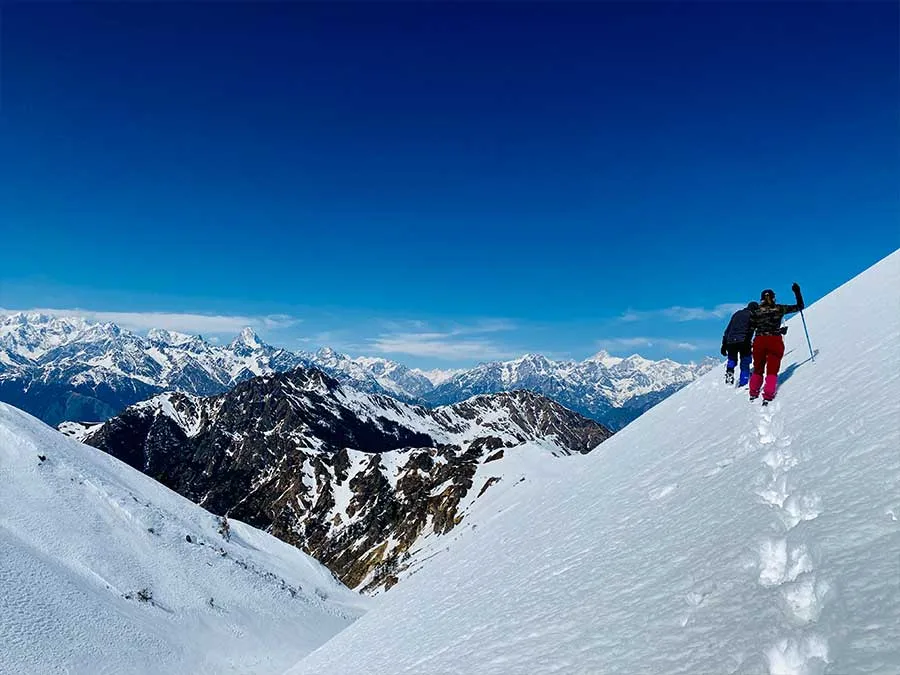
Kuari Pass Trek
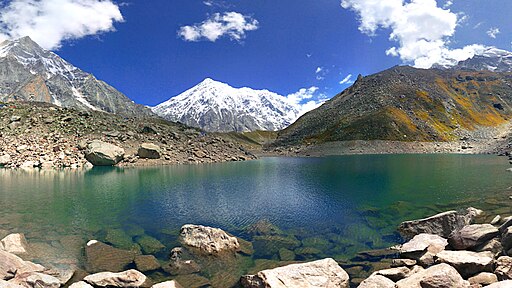
Satopanth Lake Trek
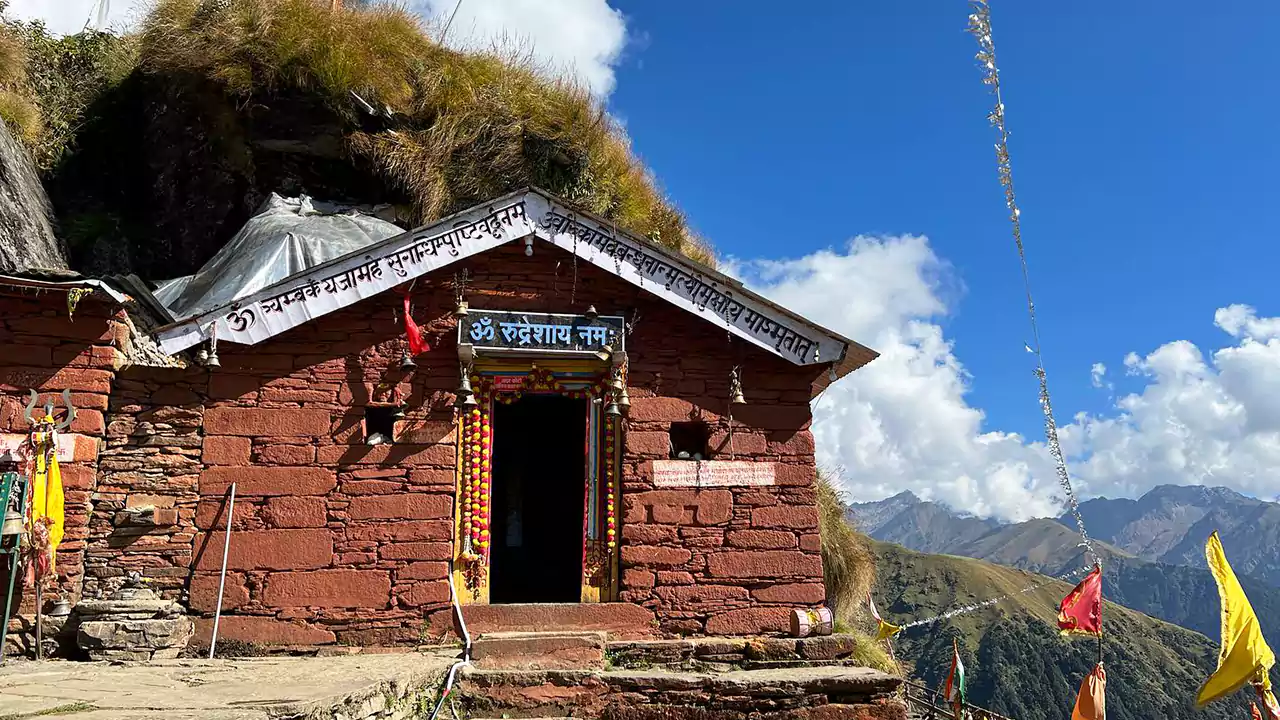
Rudranath
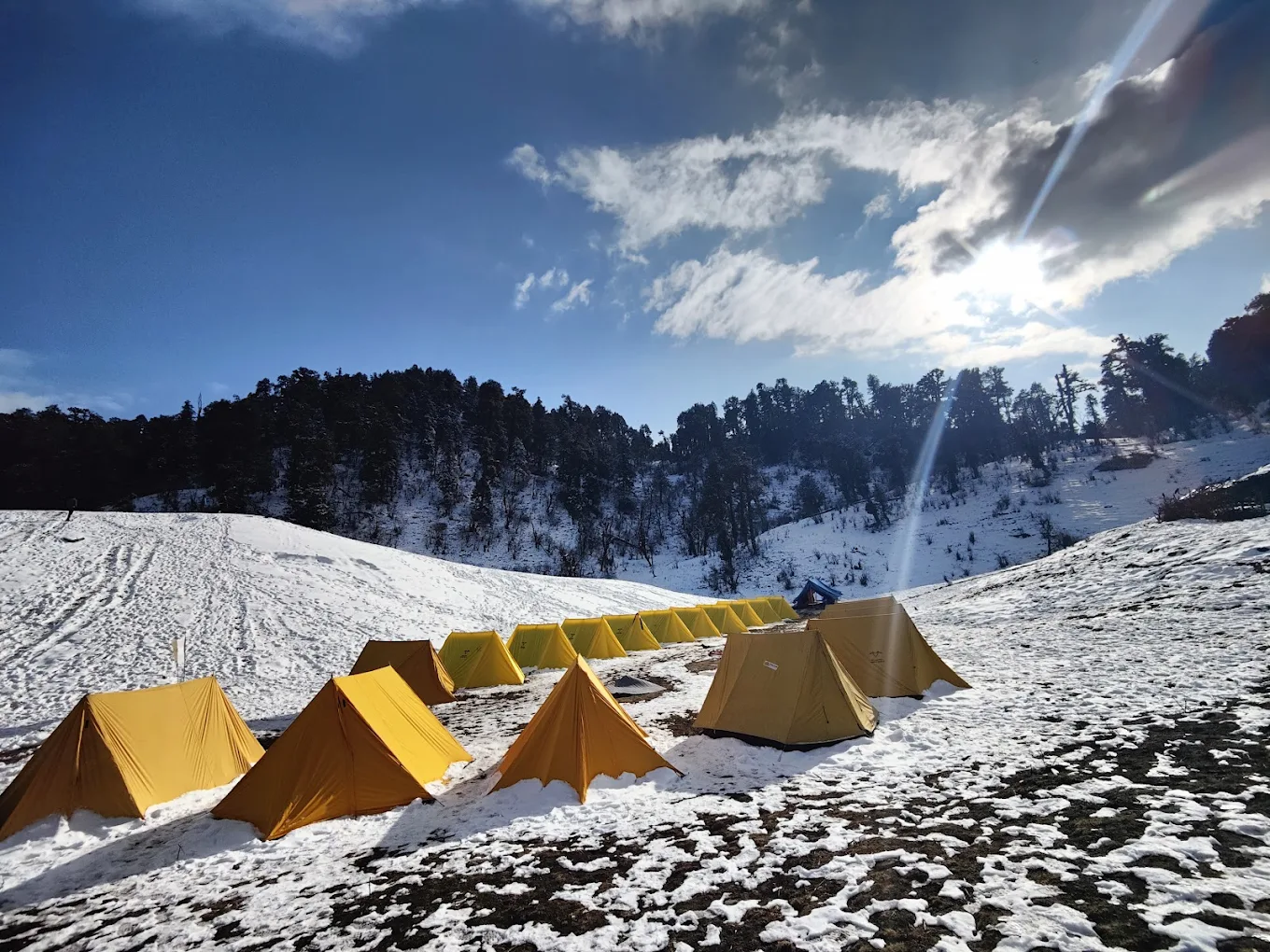
Dayara Bugyal Trek
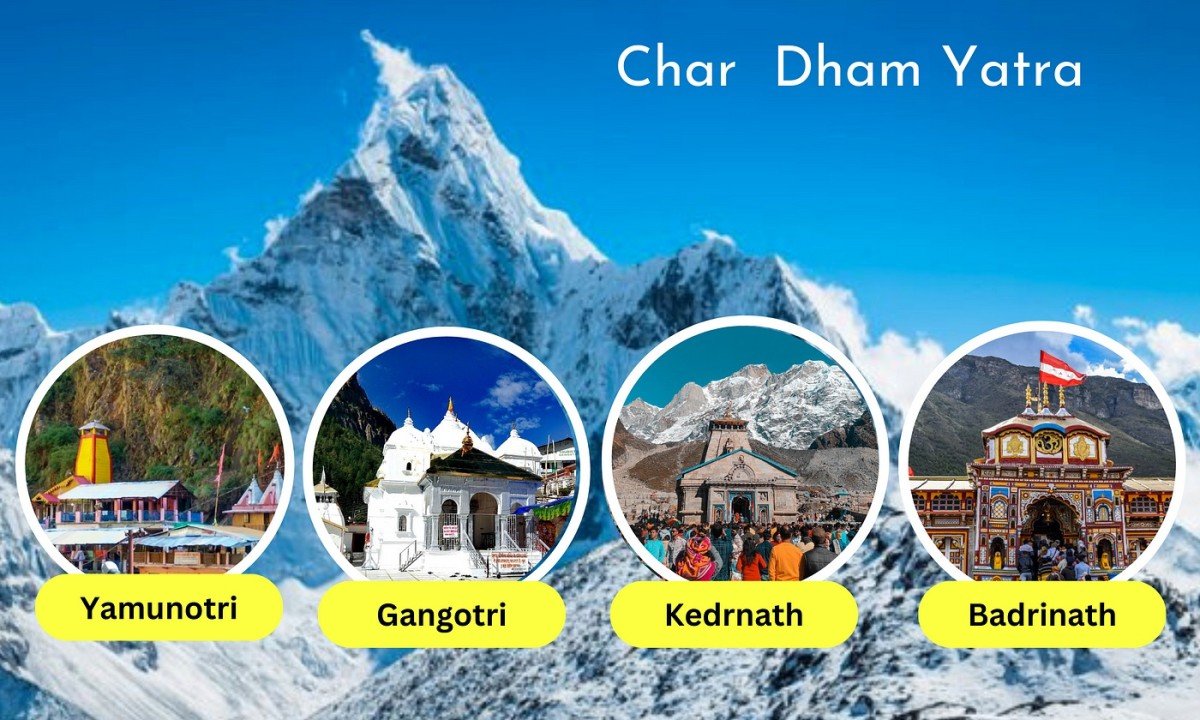
Char Dham Yatra
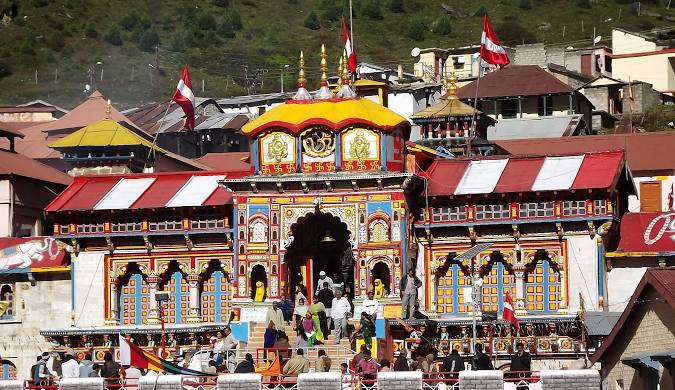
Badrinath
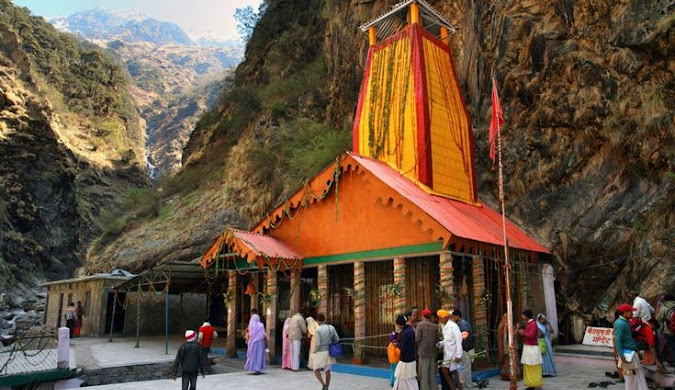
Yamunotri
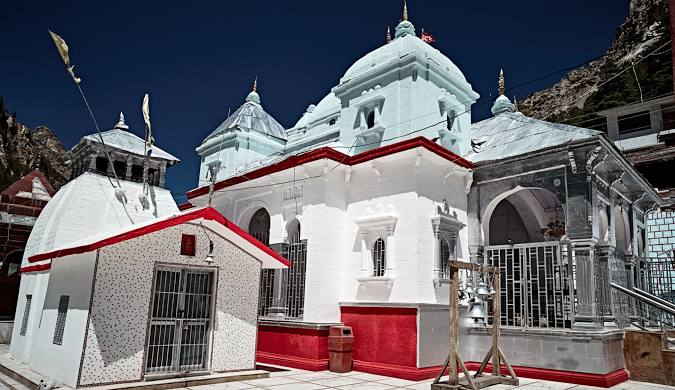
Gangotri
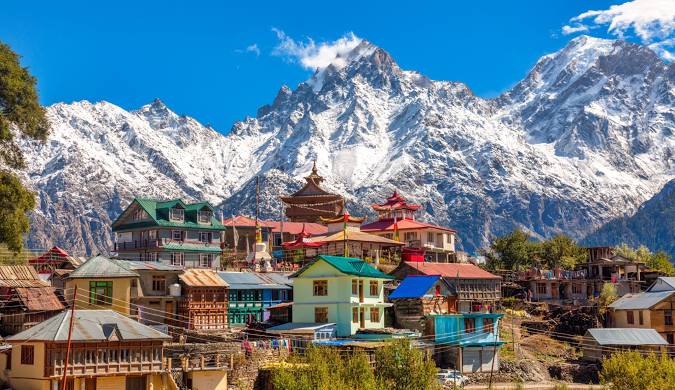
Kalpa
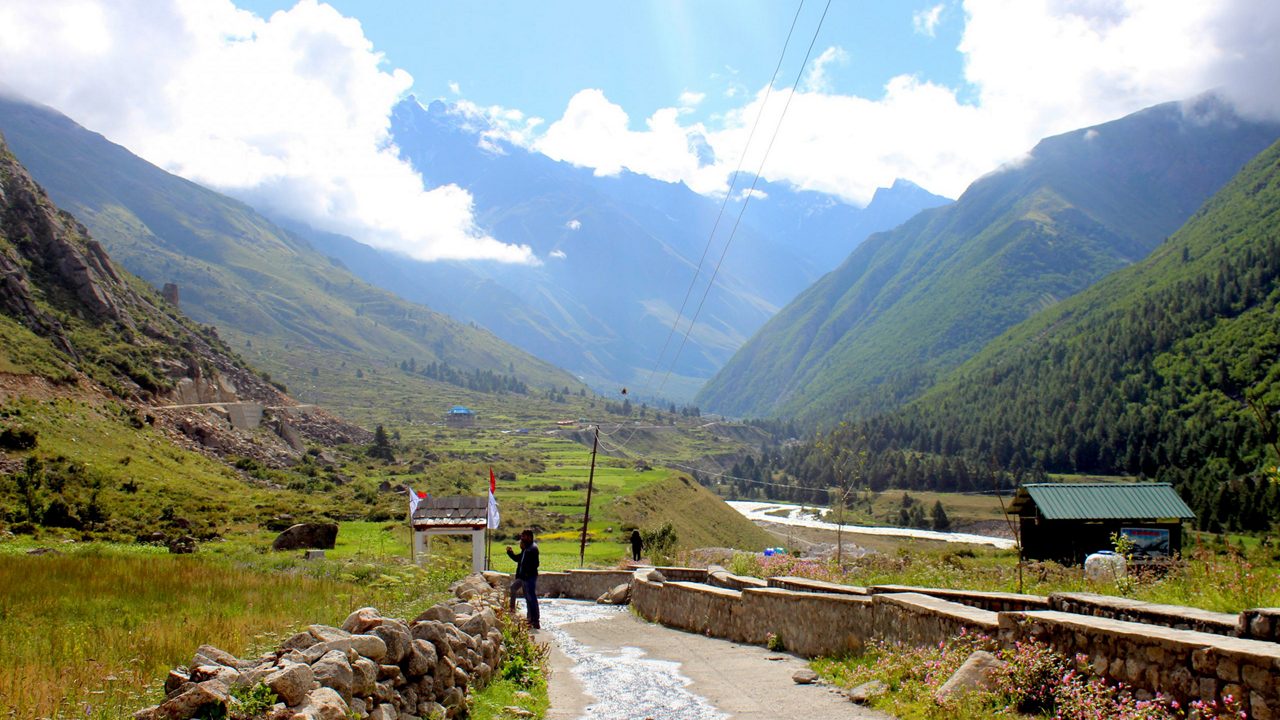
Chitkul
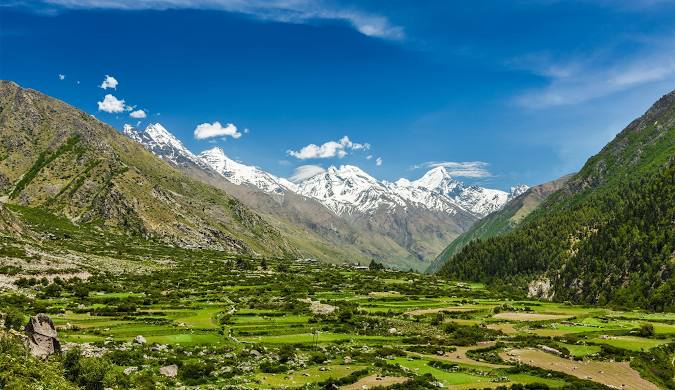
Sangla Valley
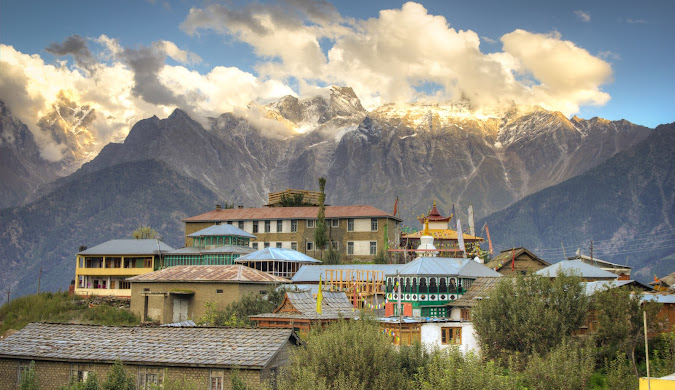
Reckong Peo
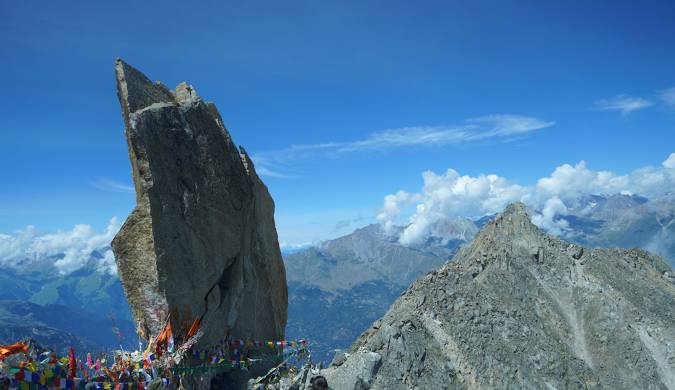
Kinner Kailash
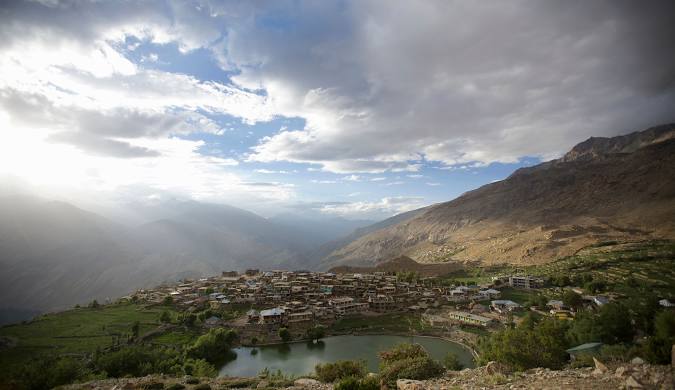
Nako Village
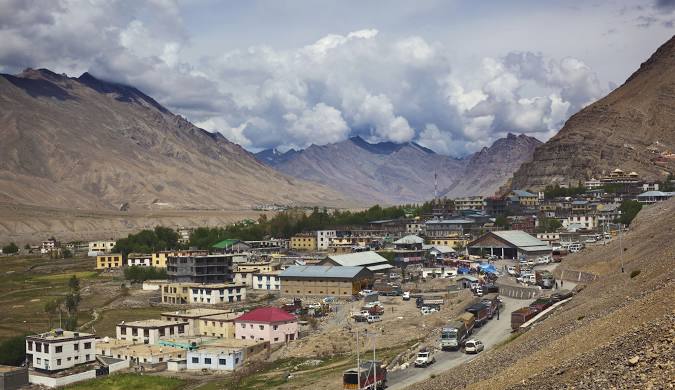
Kaza
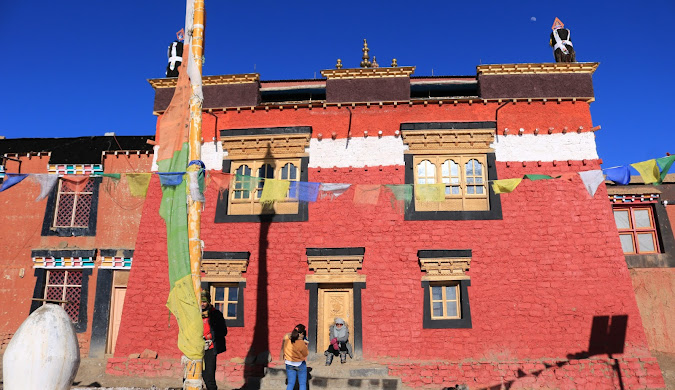
Komic Village
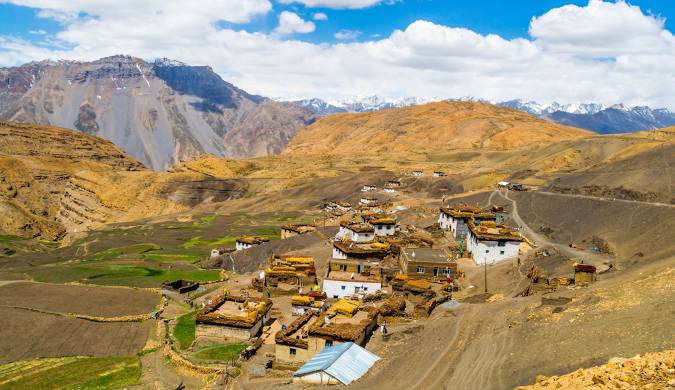
Hikkim Village
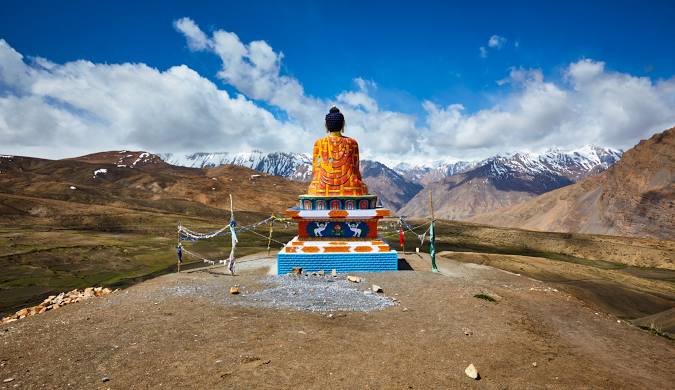
Langza Village
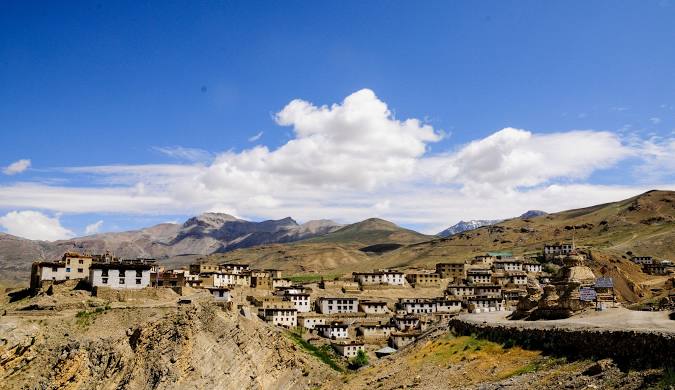
Kibber Village
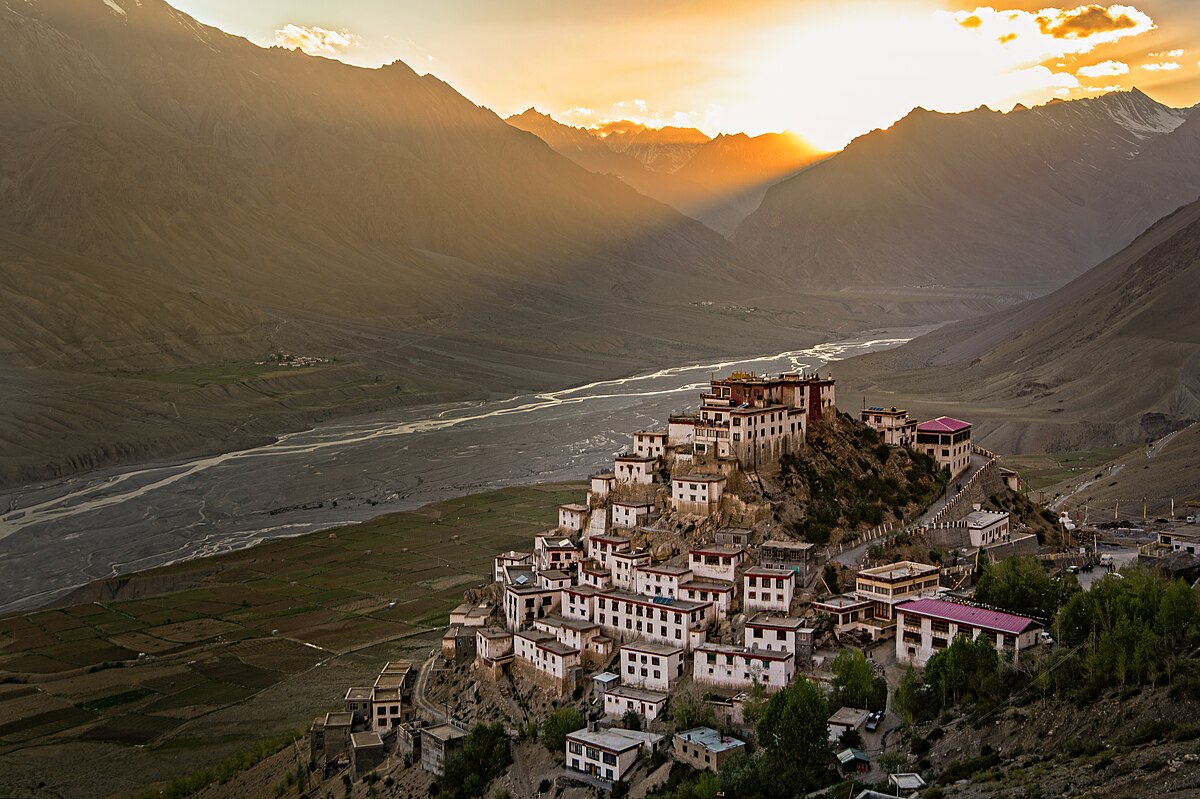
Key Monastery
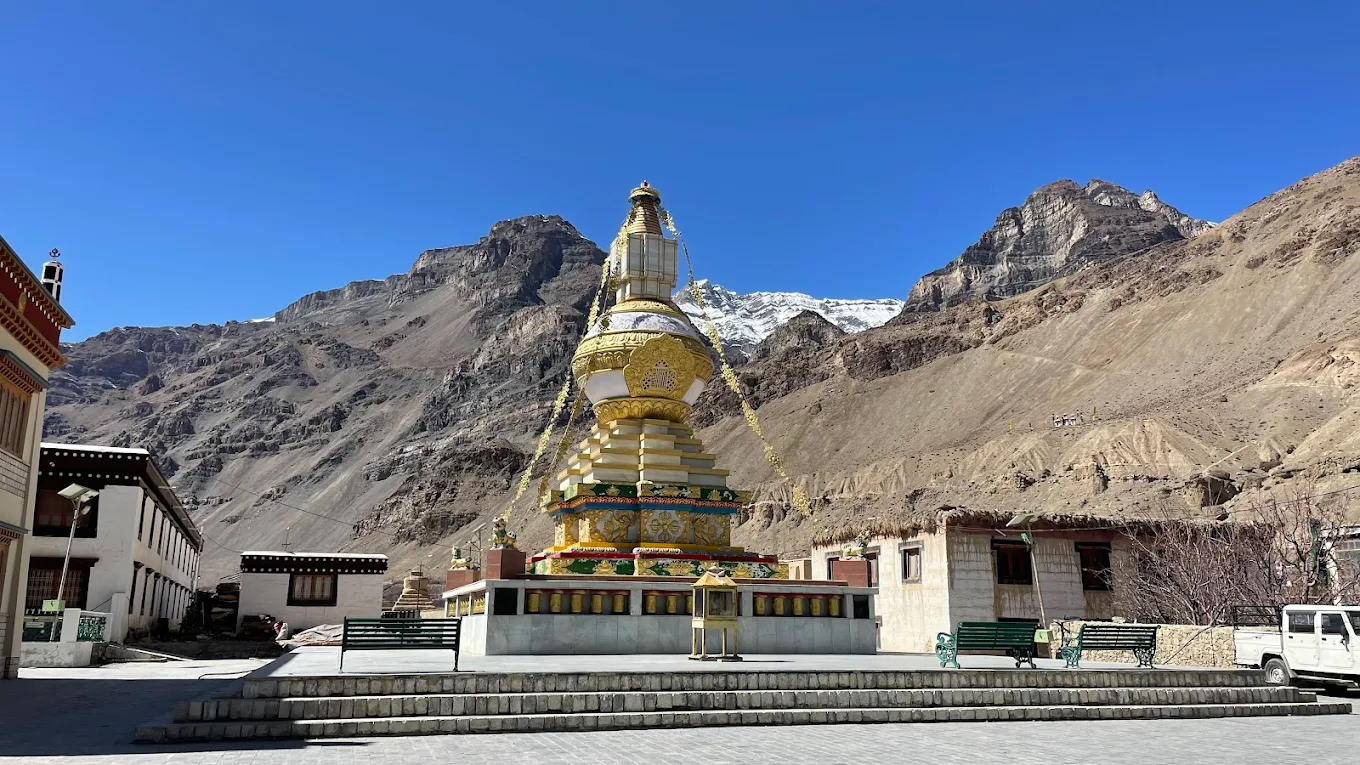
Tabo Monastery
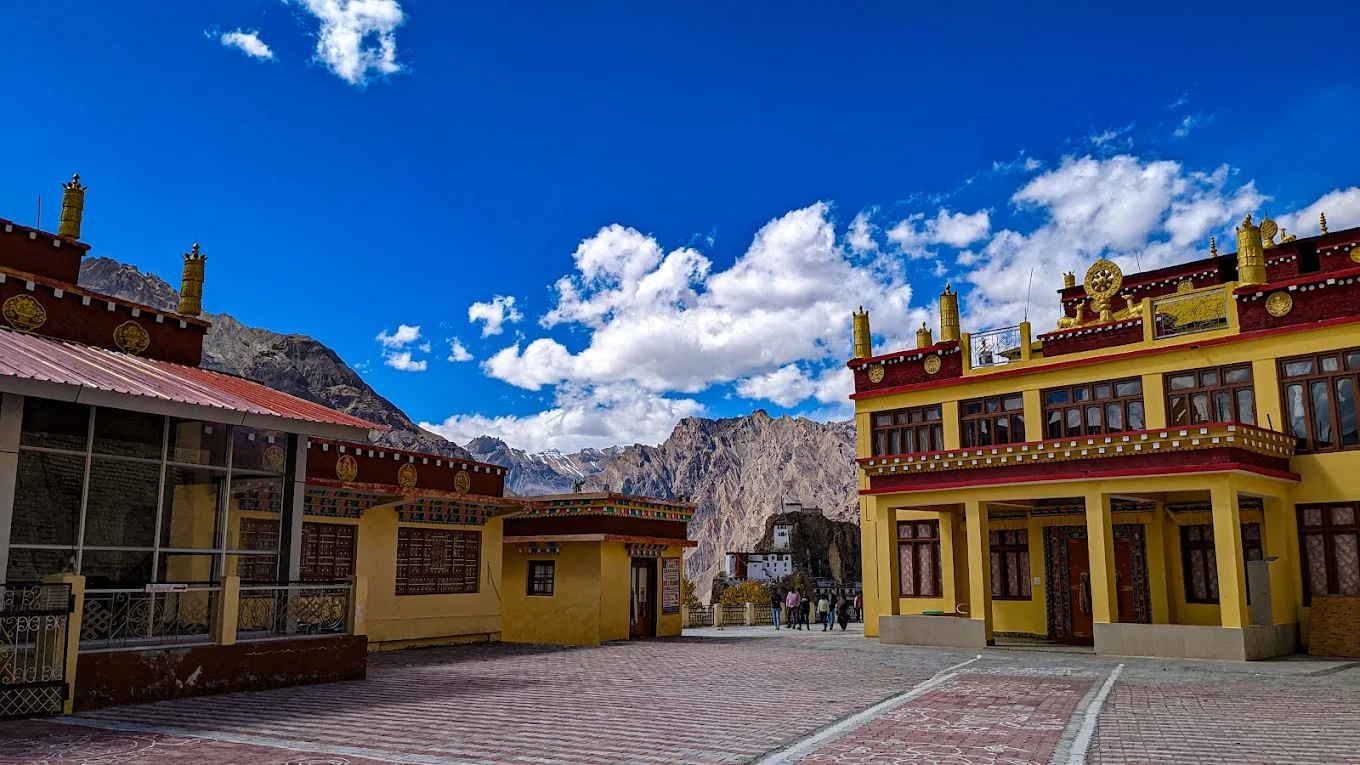
Dhankar Monastery
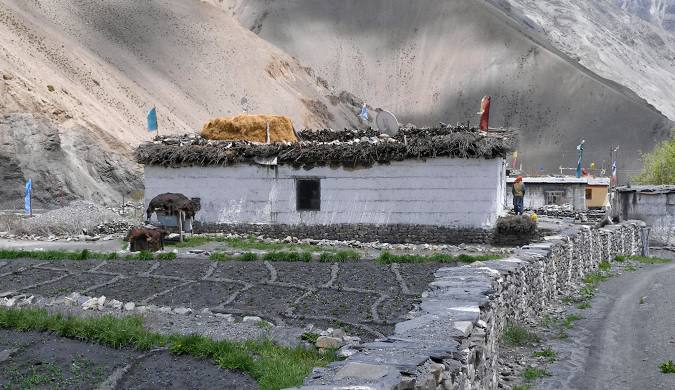
Gue Village
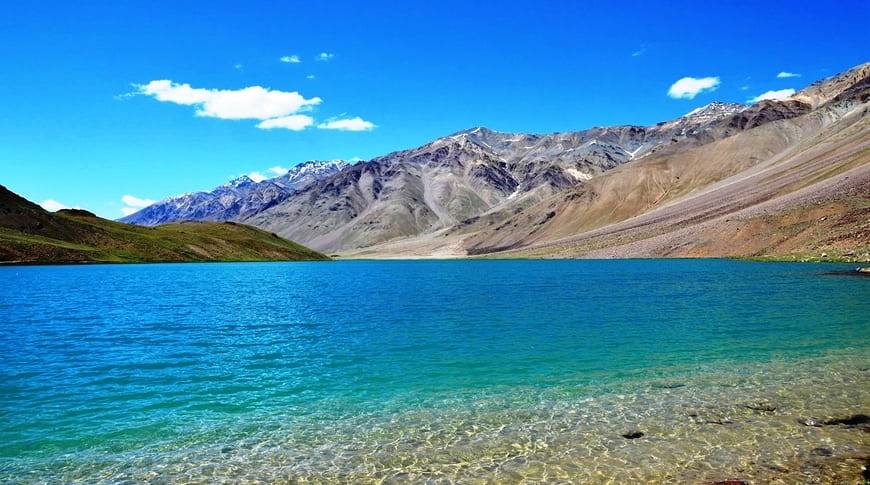
Chandratal Lake
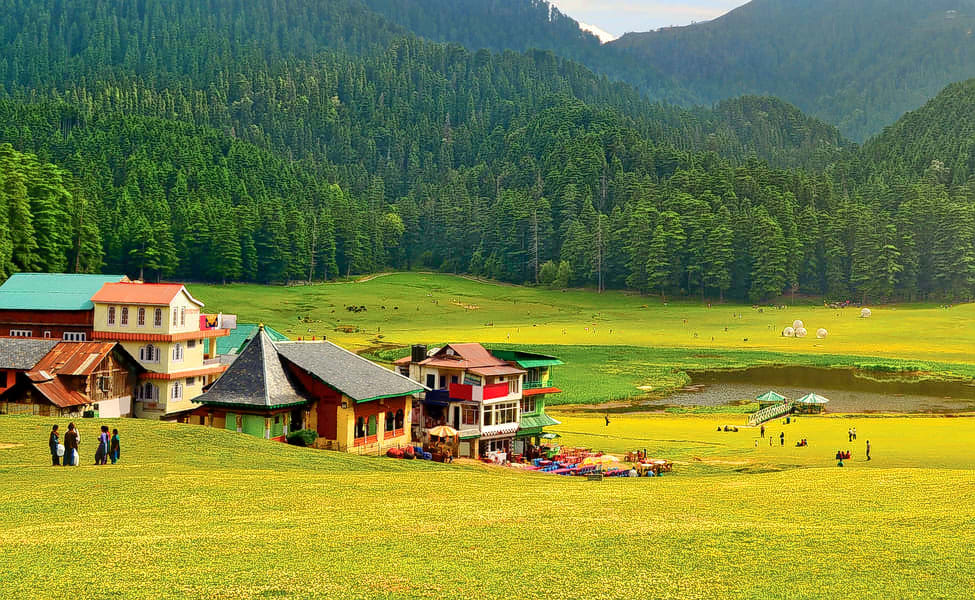
Dalhousie
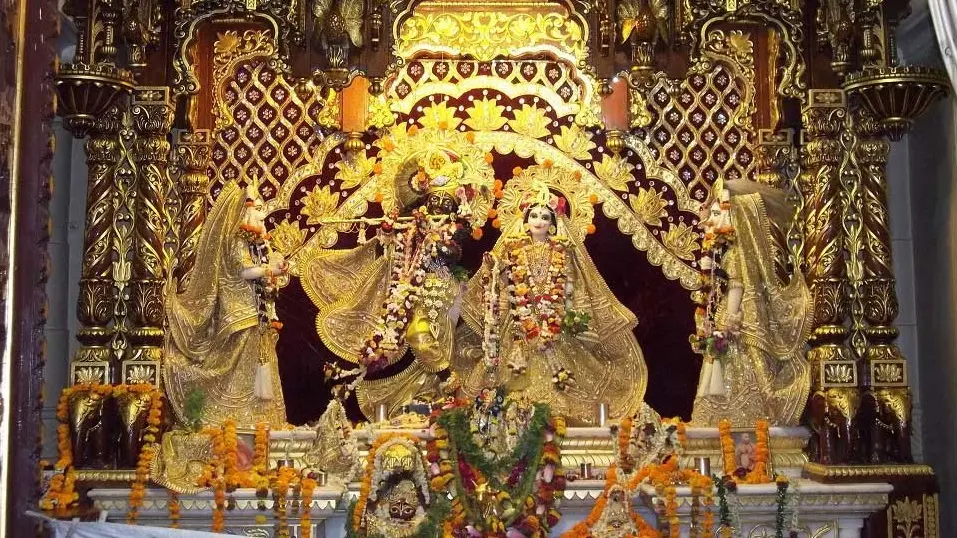
Shri Krishna Janmabhoomi Temple
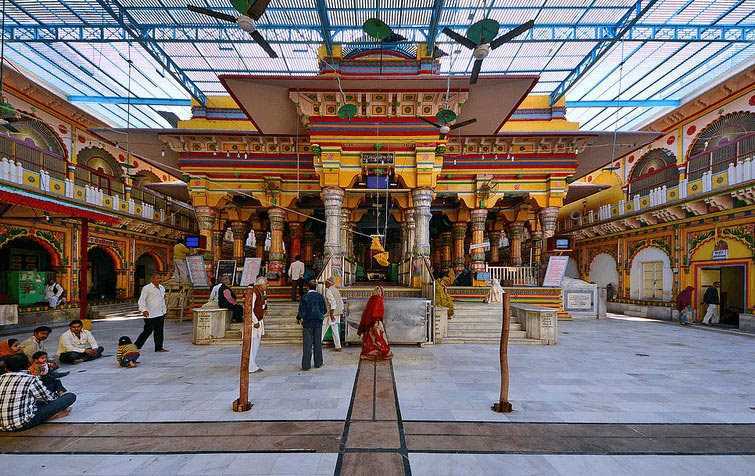
Shri Dwarkadhish Temple
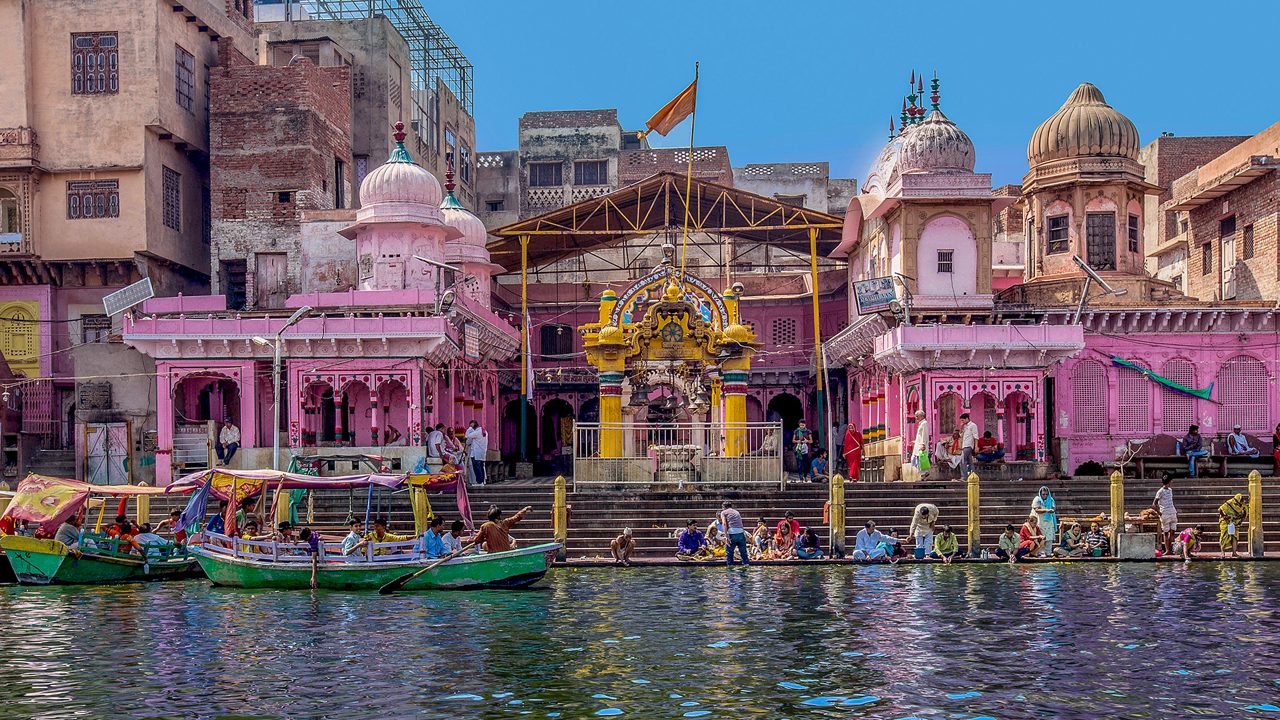
Vishram Ghat, Mathura
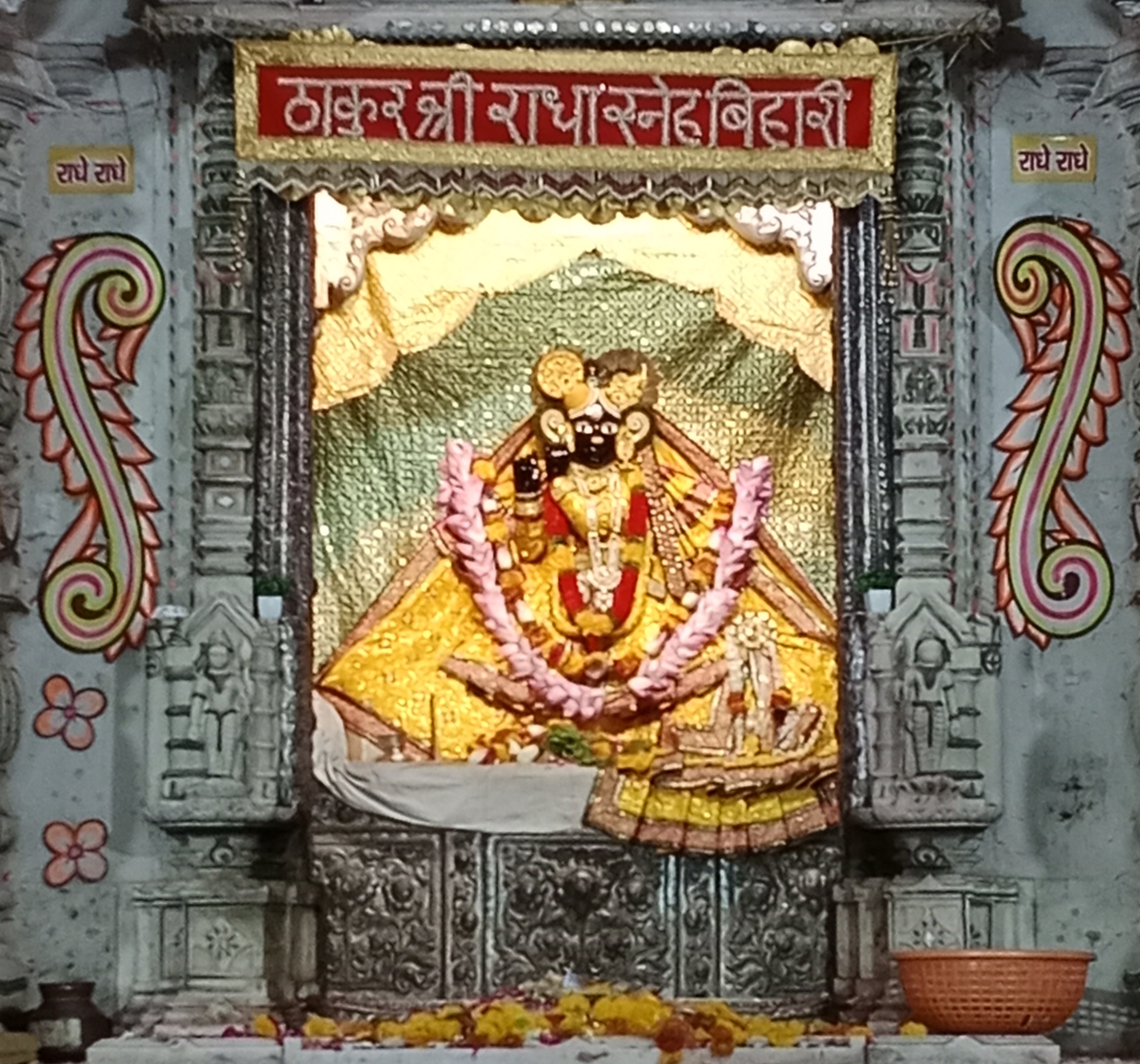
Shri Banke Bihari Temple, Vrindavan
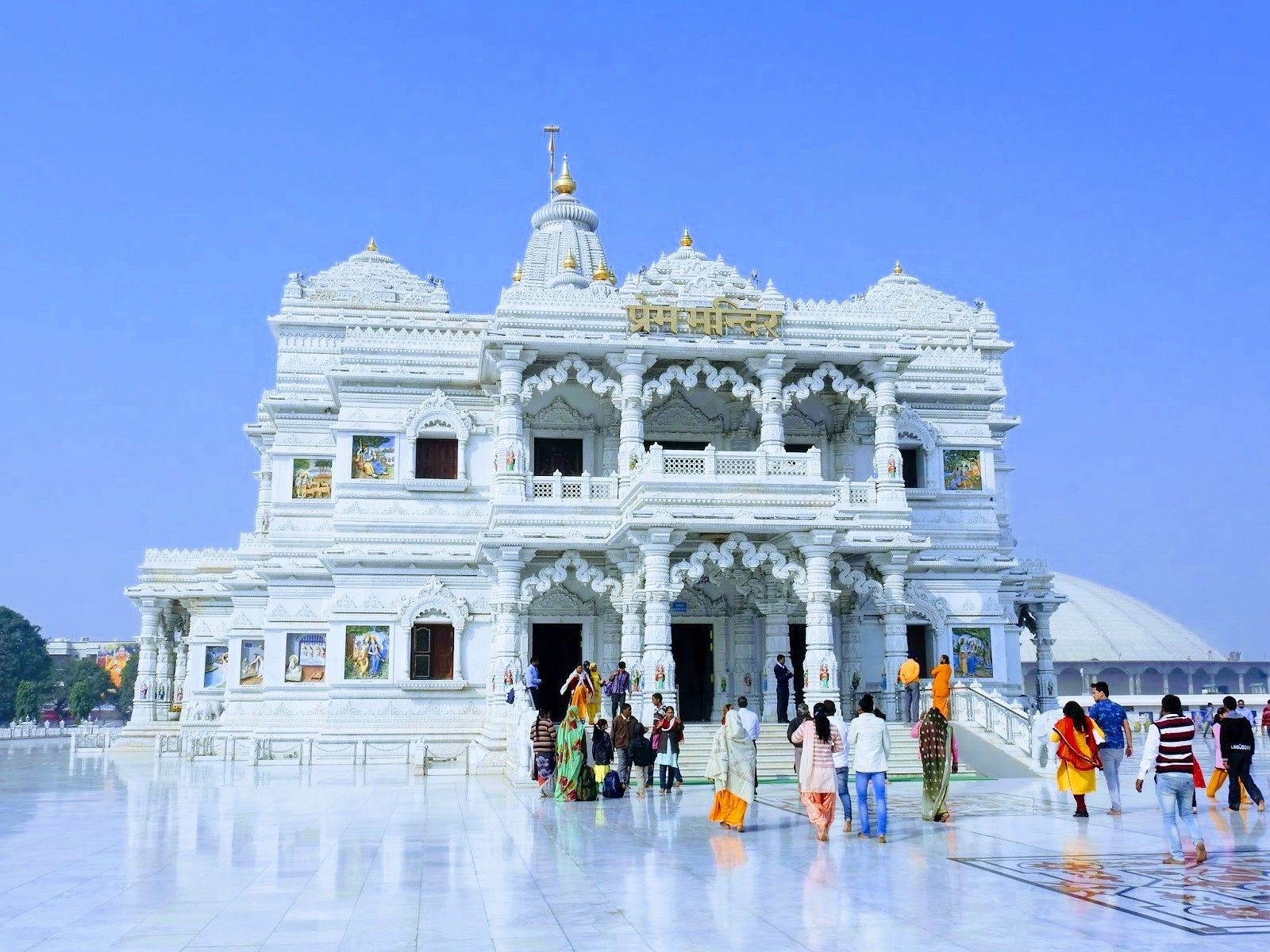
Shri Prem Mandir, Vrindavan
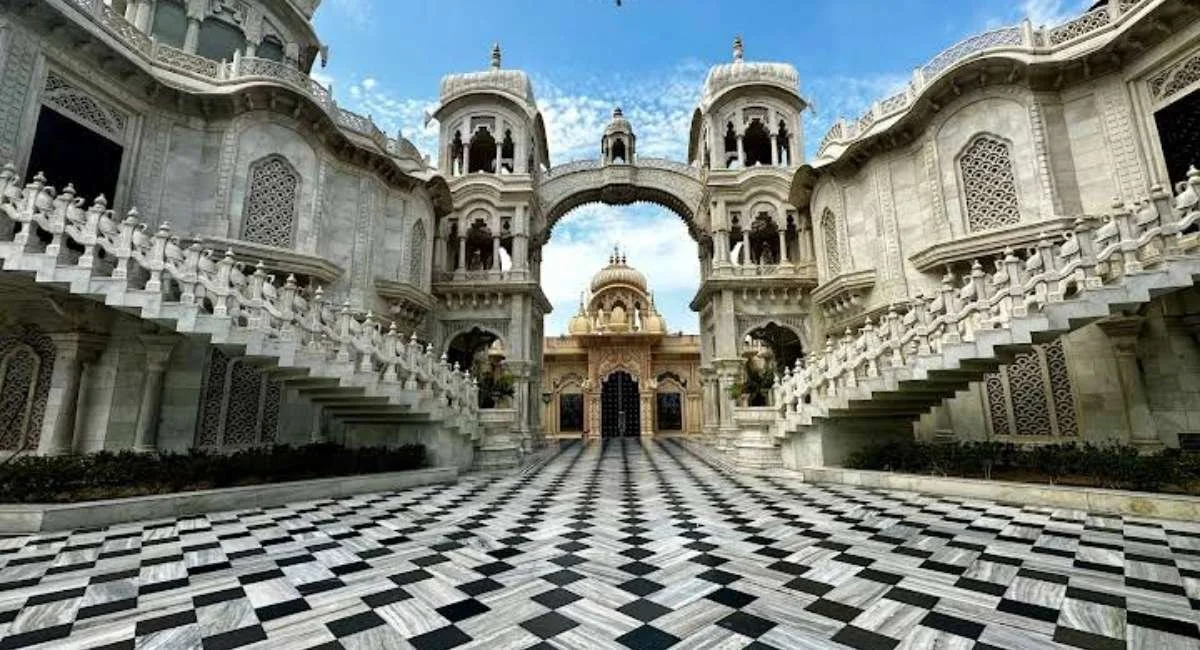
ISKCON Temple, Vrindavan
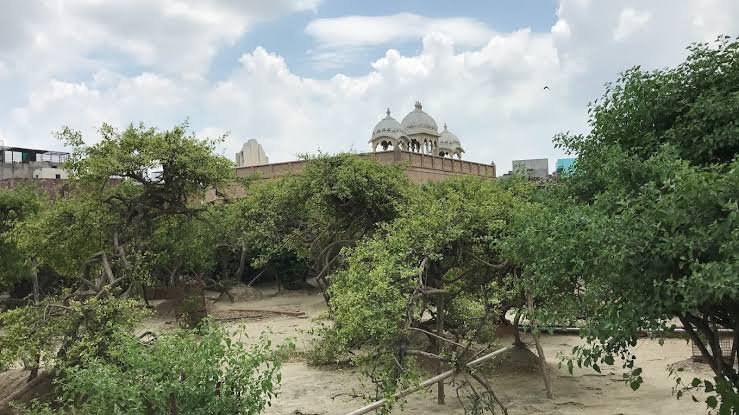
Nidhivan, Vrindavan
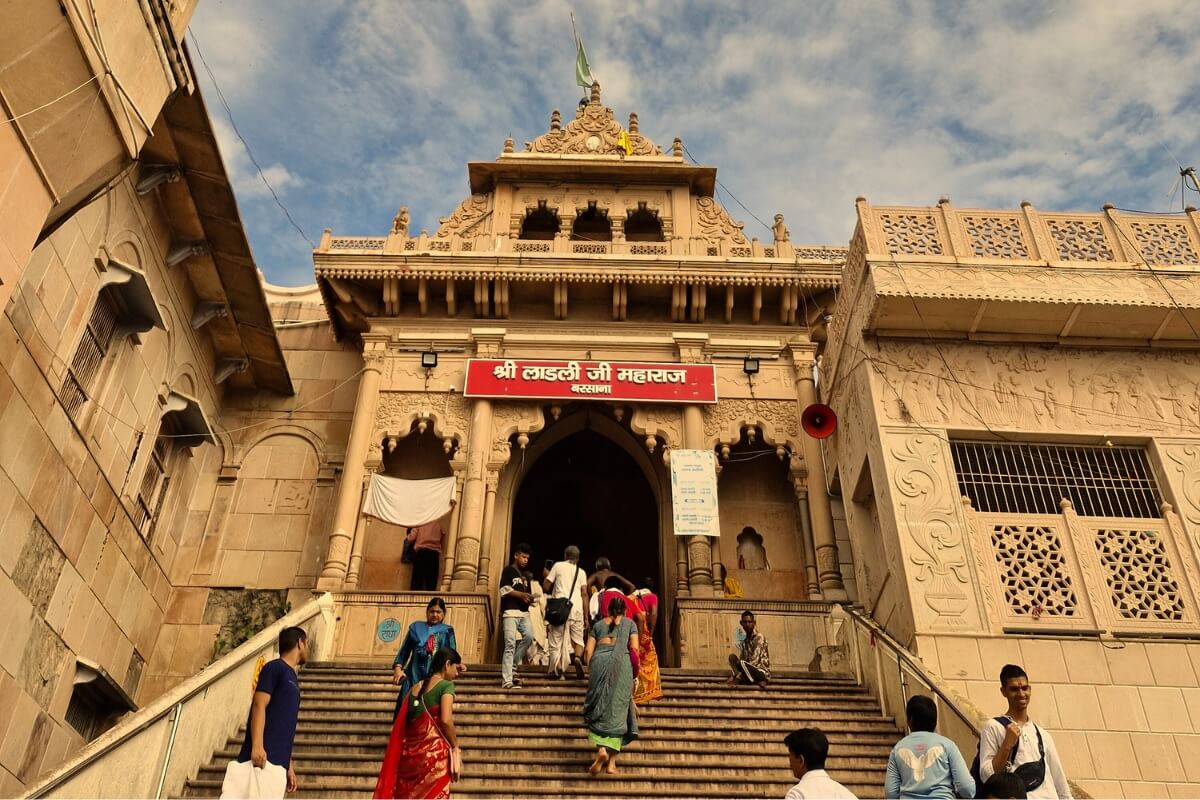
Shri Radha Rani Temple, Barsana
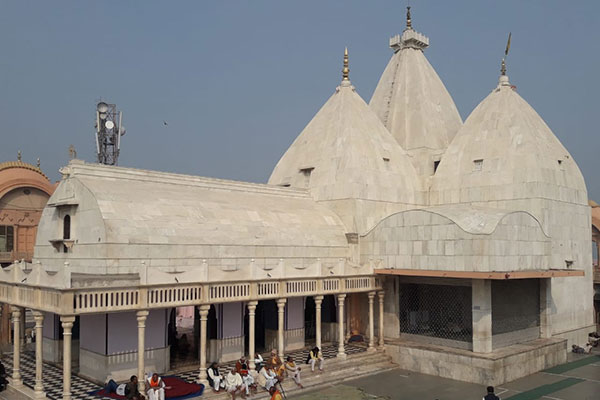
Nand Bhawan Mandir, Nandgaon
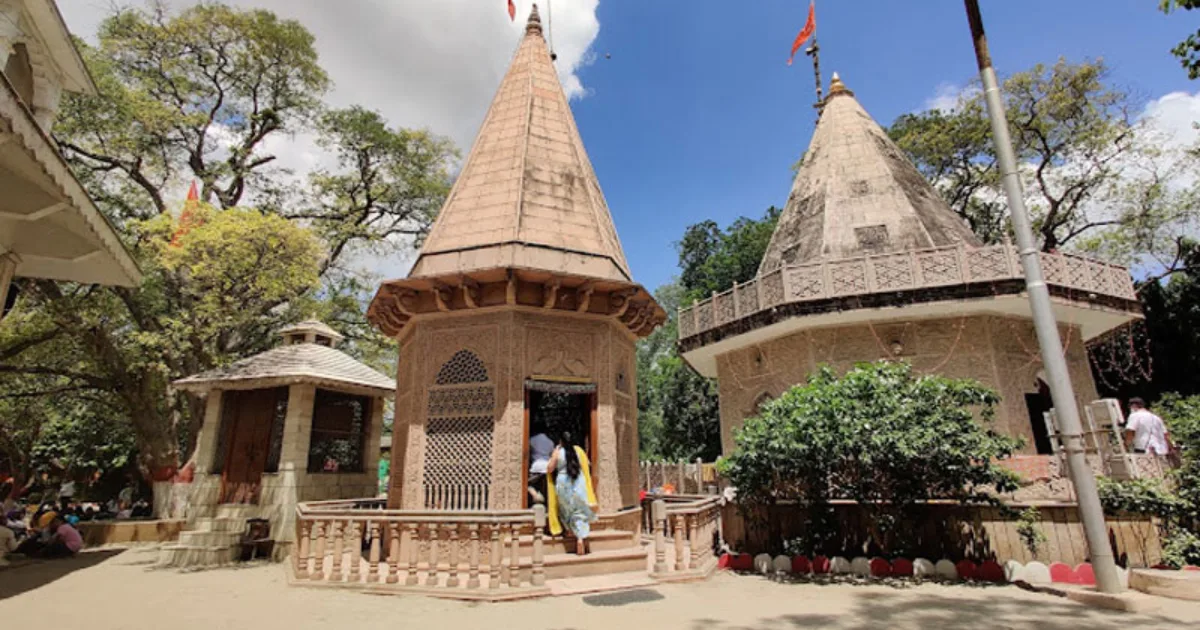
Raman Reti
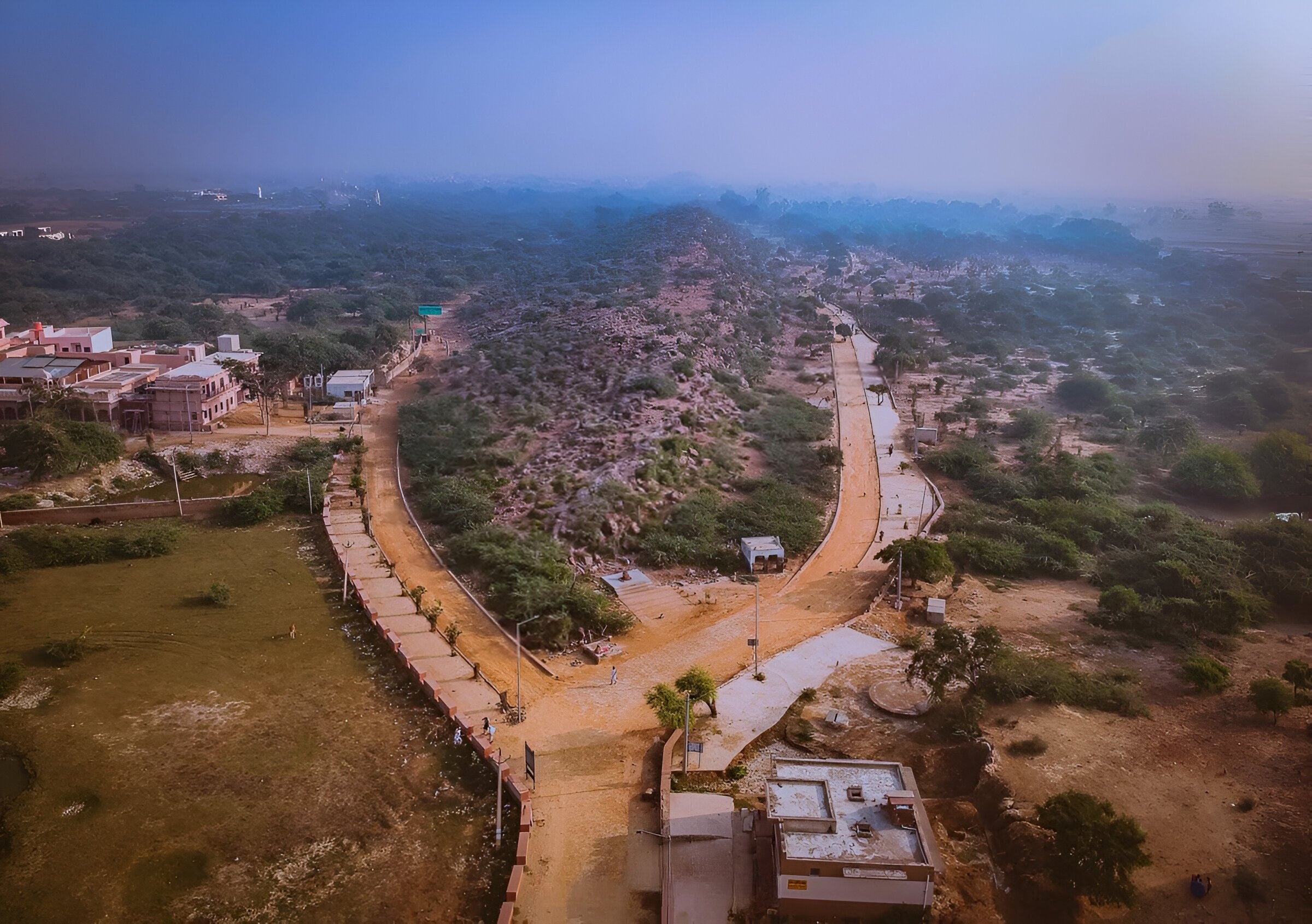
Goverdhan Parikrama
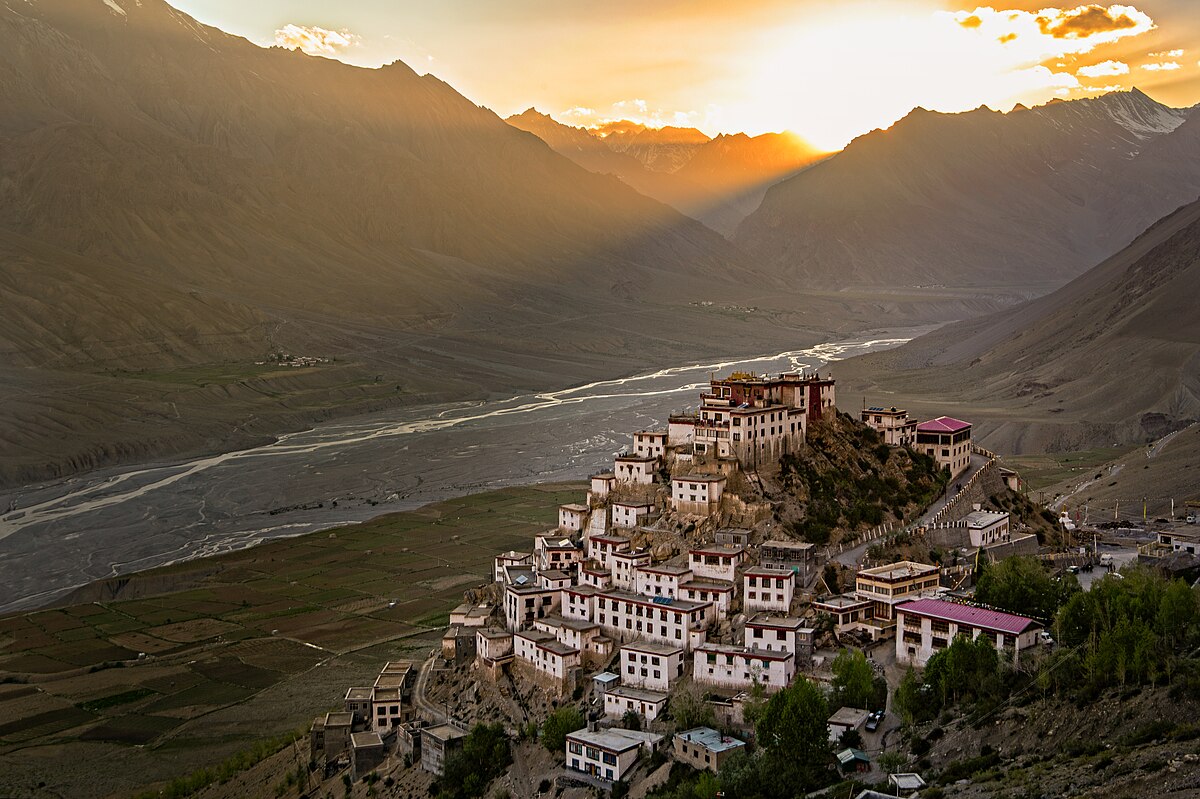
Spiti Valley Expedition
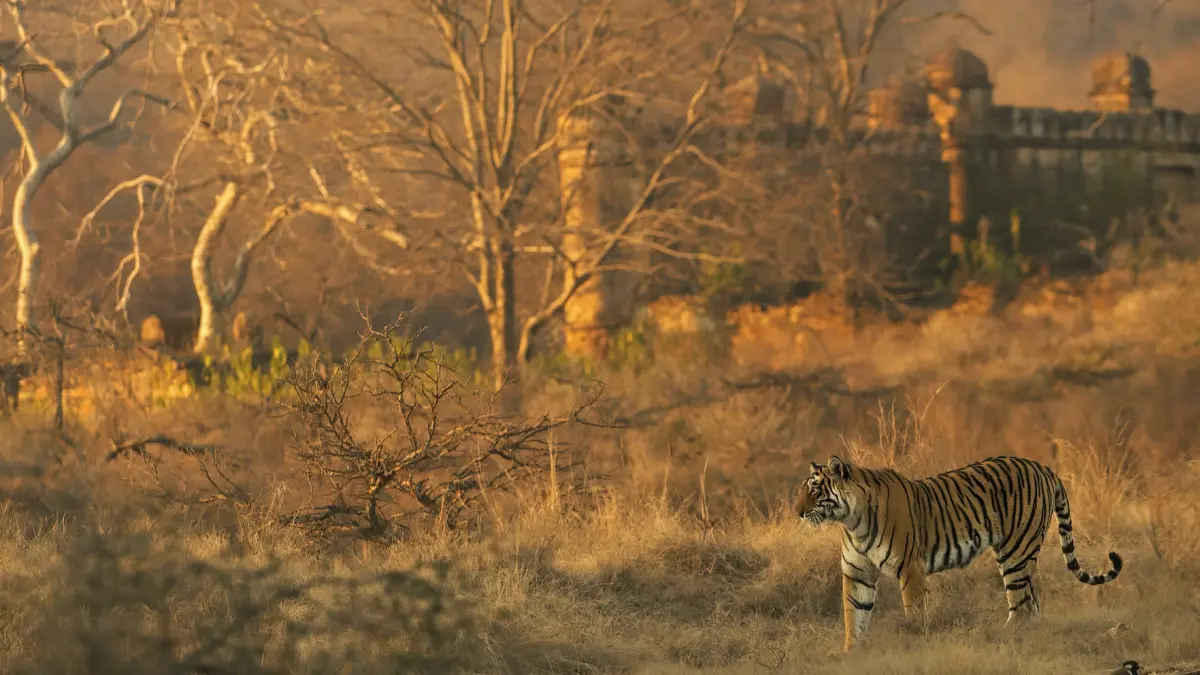
Ranthambhore National Park
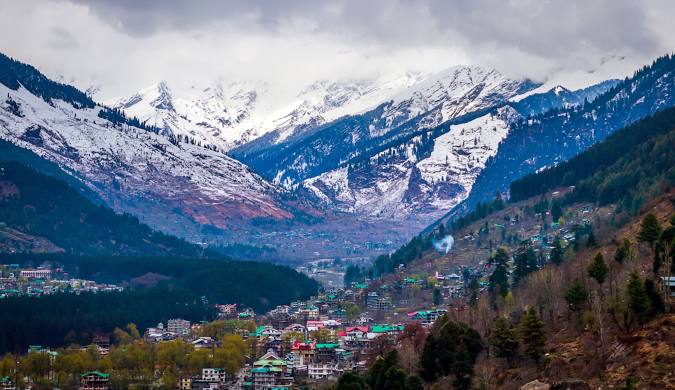
Manali
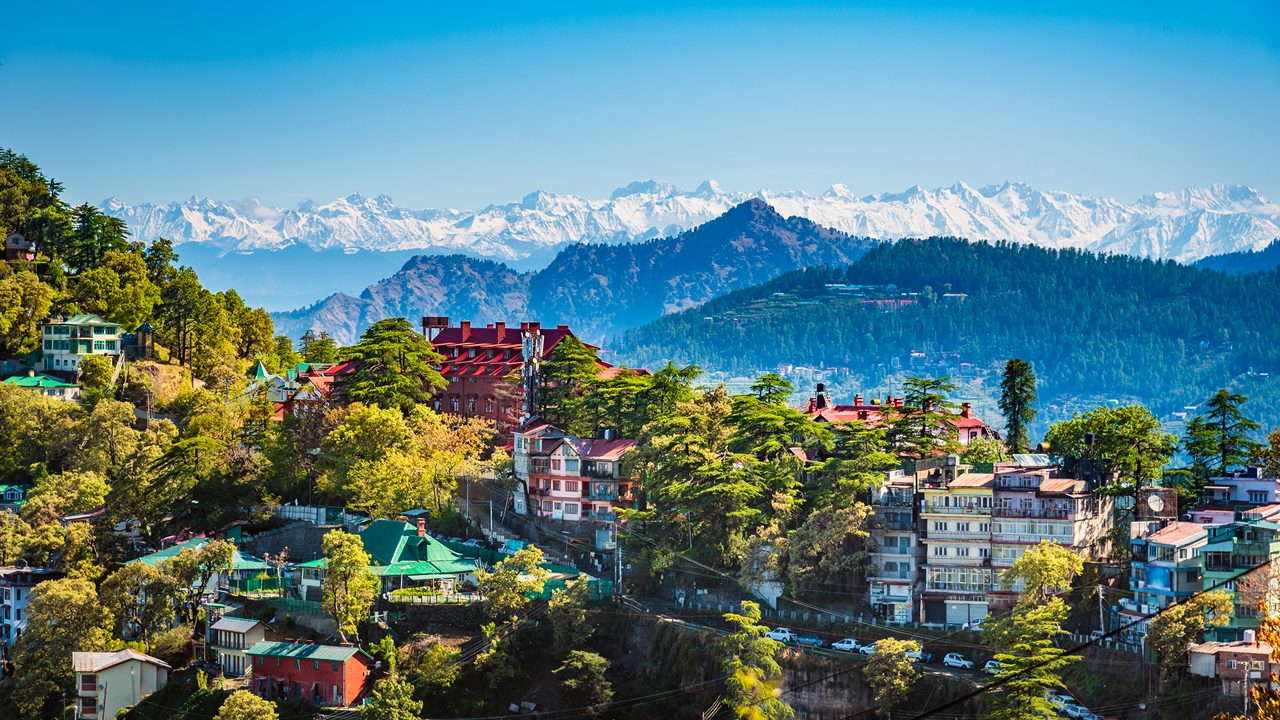
Shimla
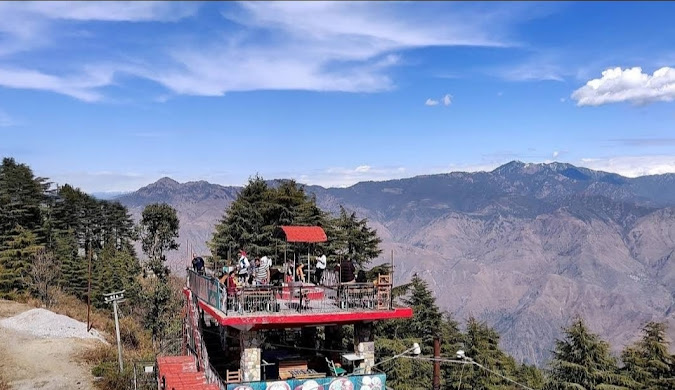
Mussoorie
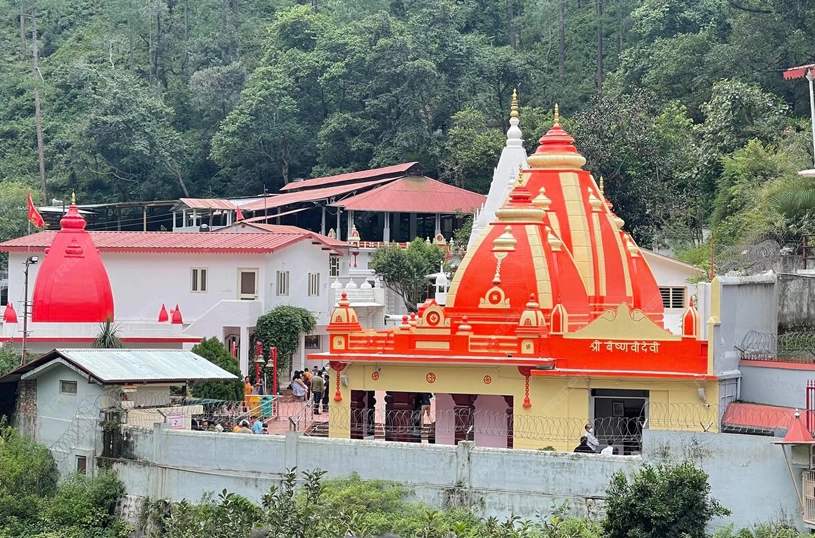
Neem Karoli Baba, Kainchi Dham
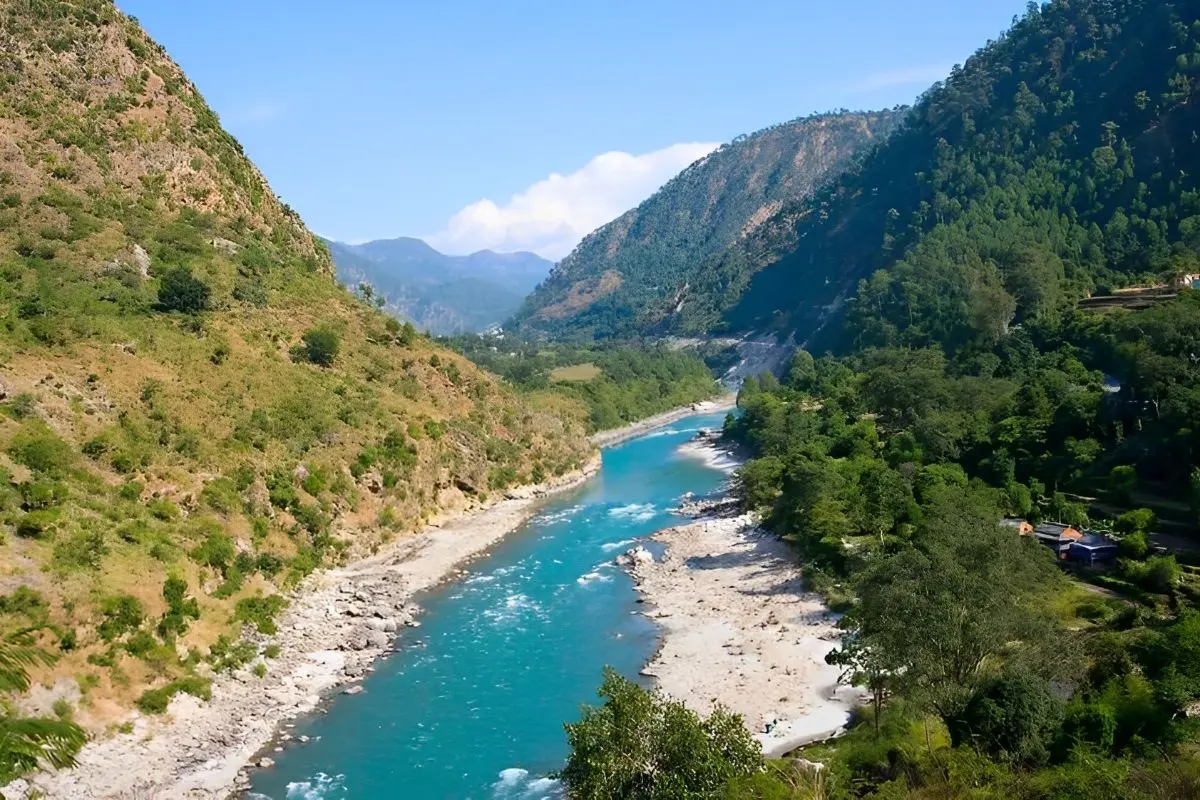
Mukteshwar
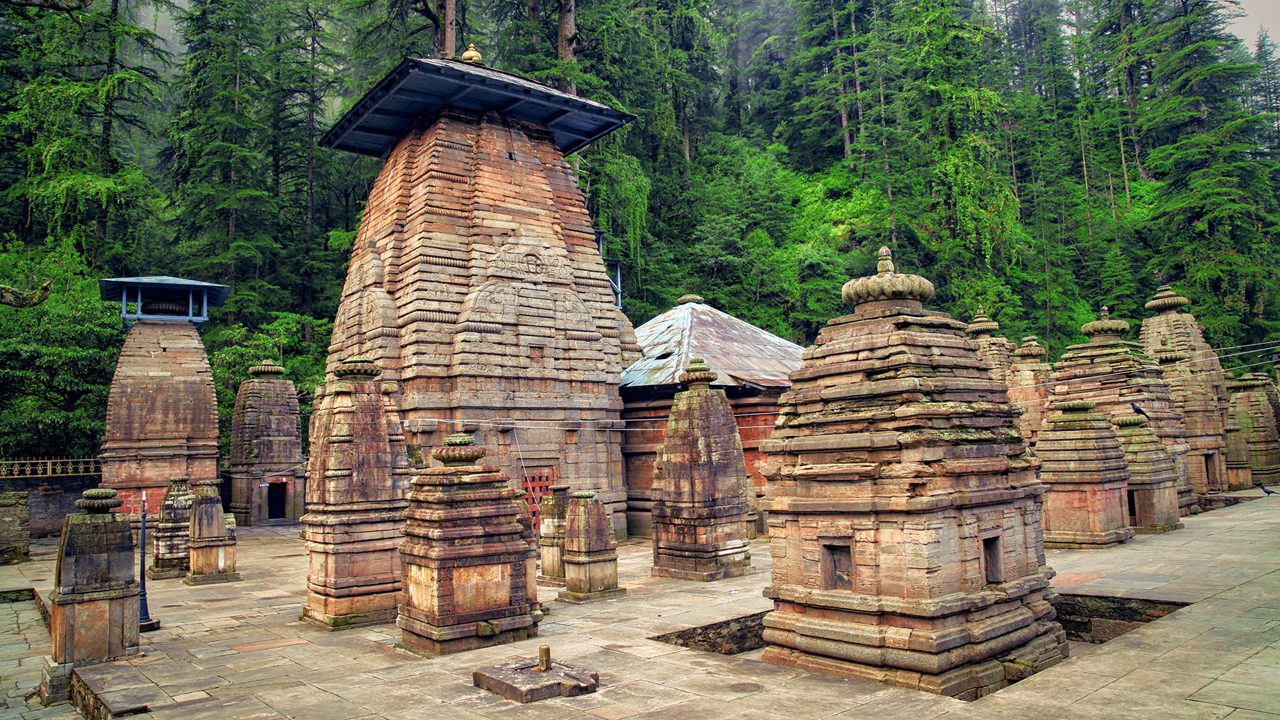
Jageshwar Dham
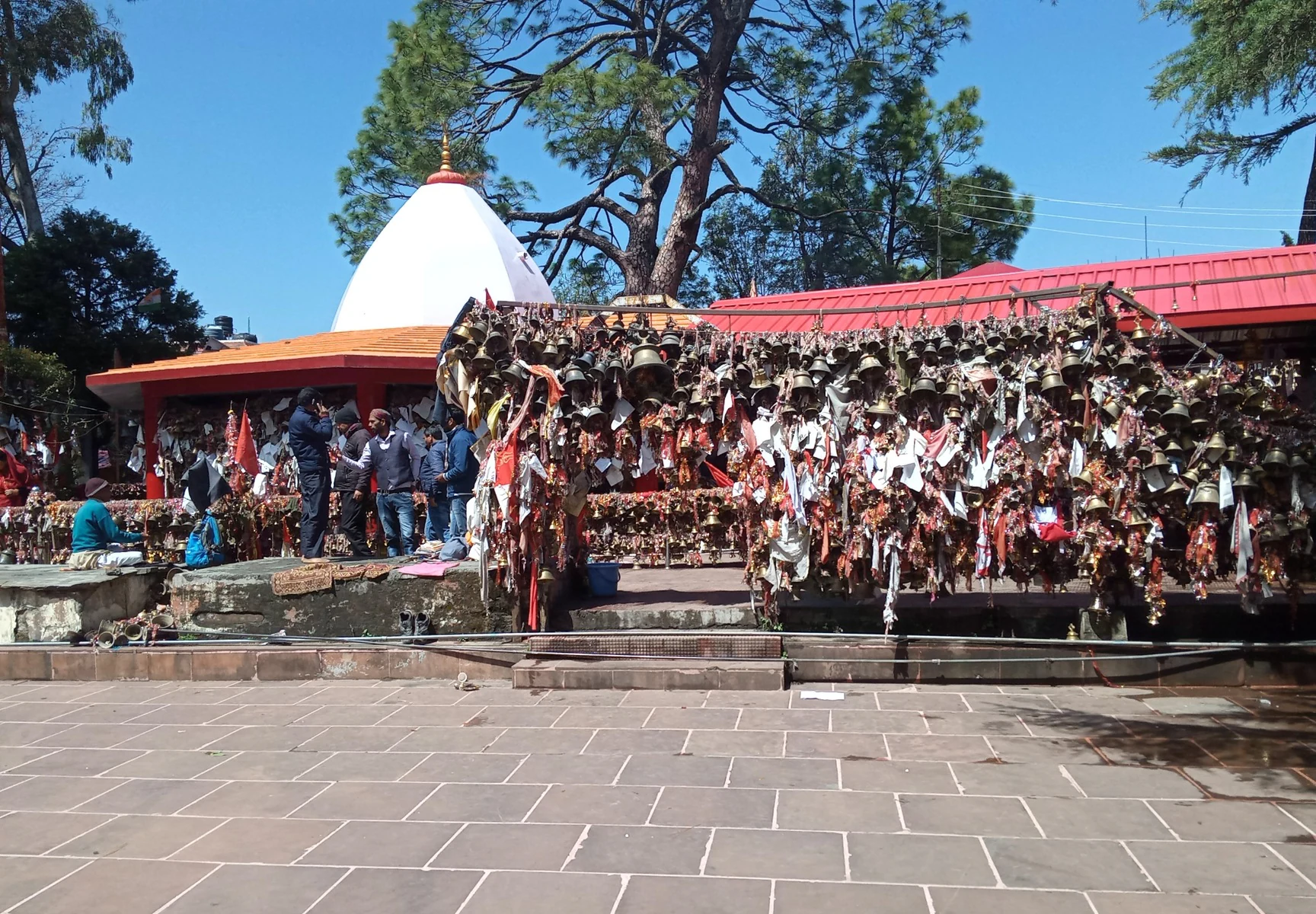
Chitai Golu Devta Temple
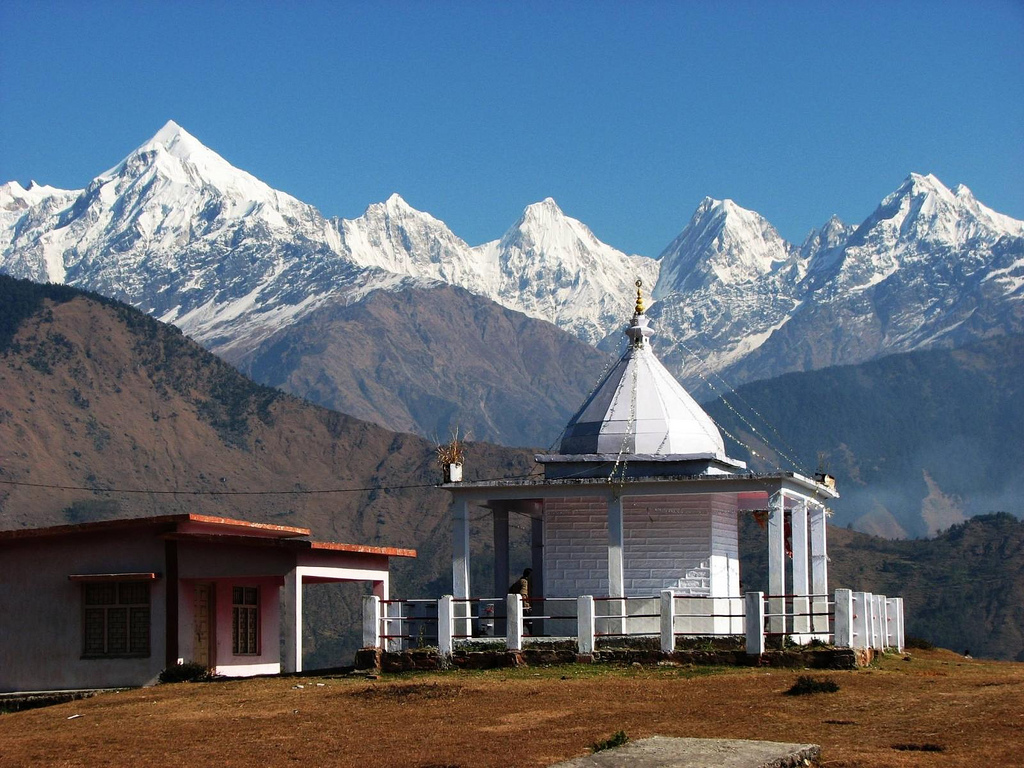
NANDA DEVI TEMPLE
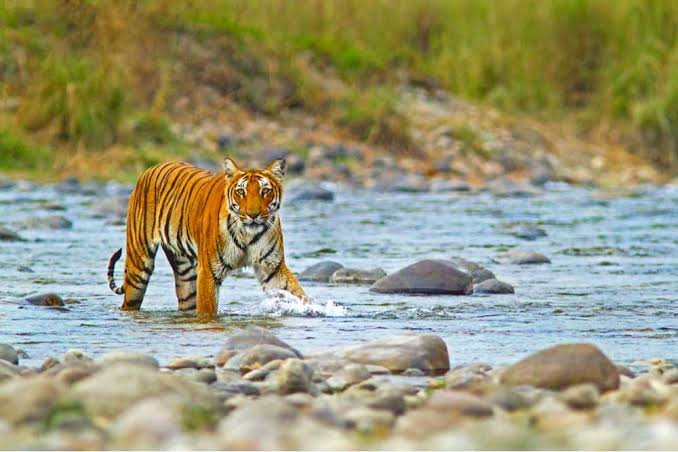
Jim Corbett National Park
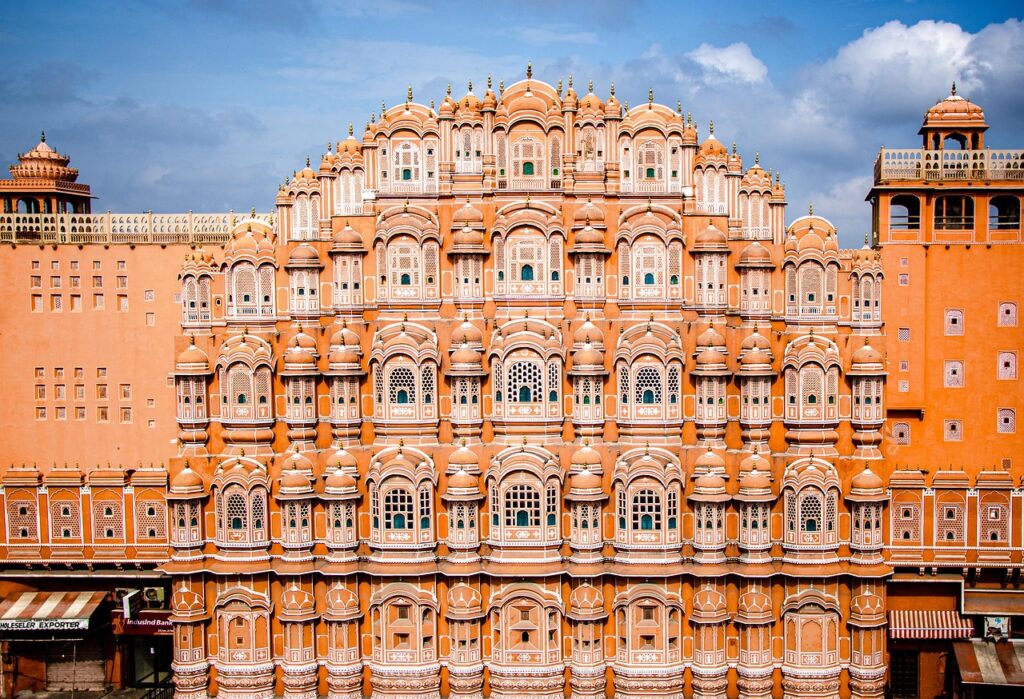
Hawa Mahal
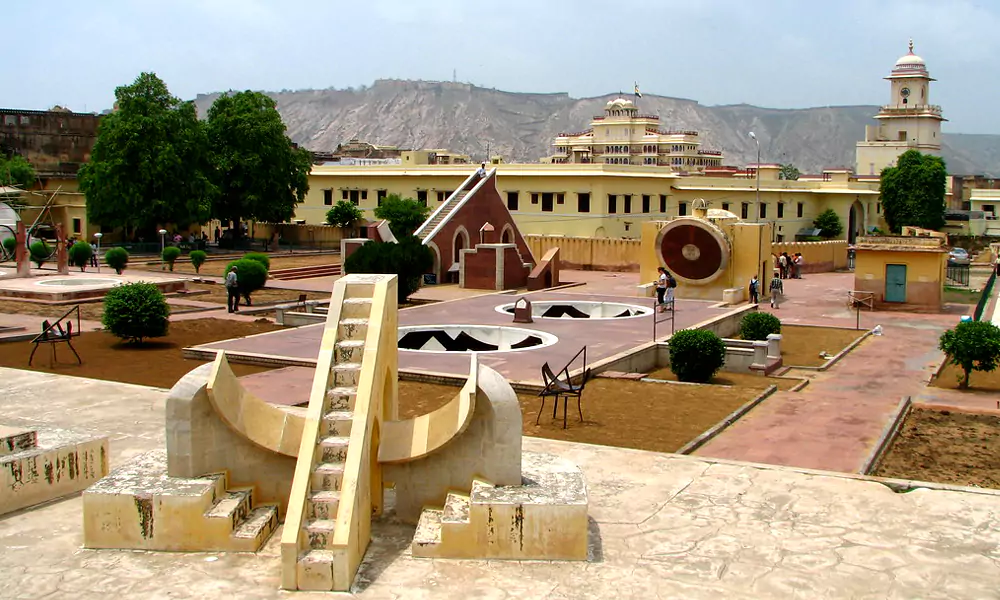
Jantar Mantar, Jaipur
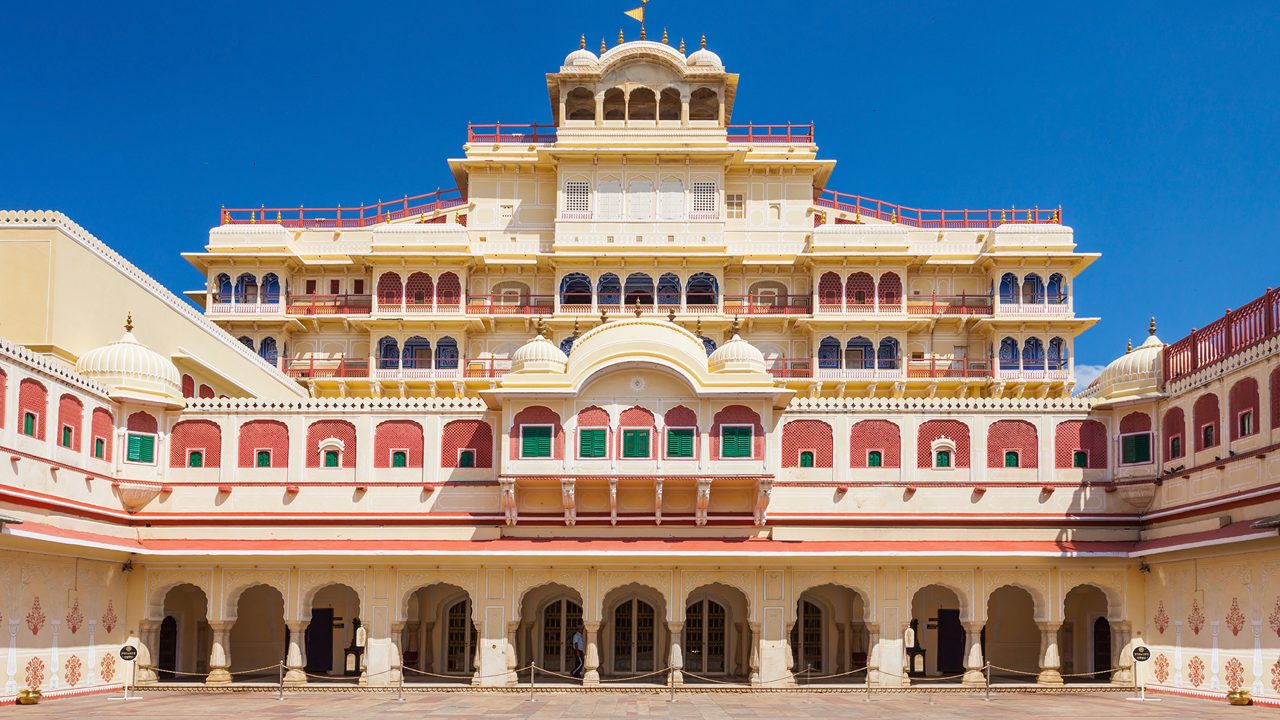
City Palace
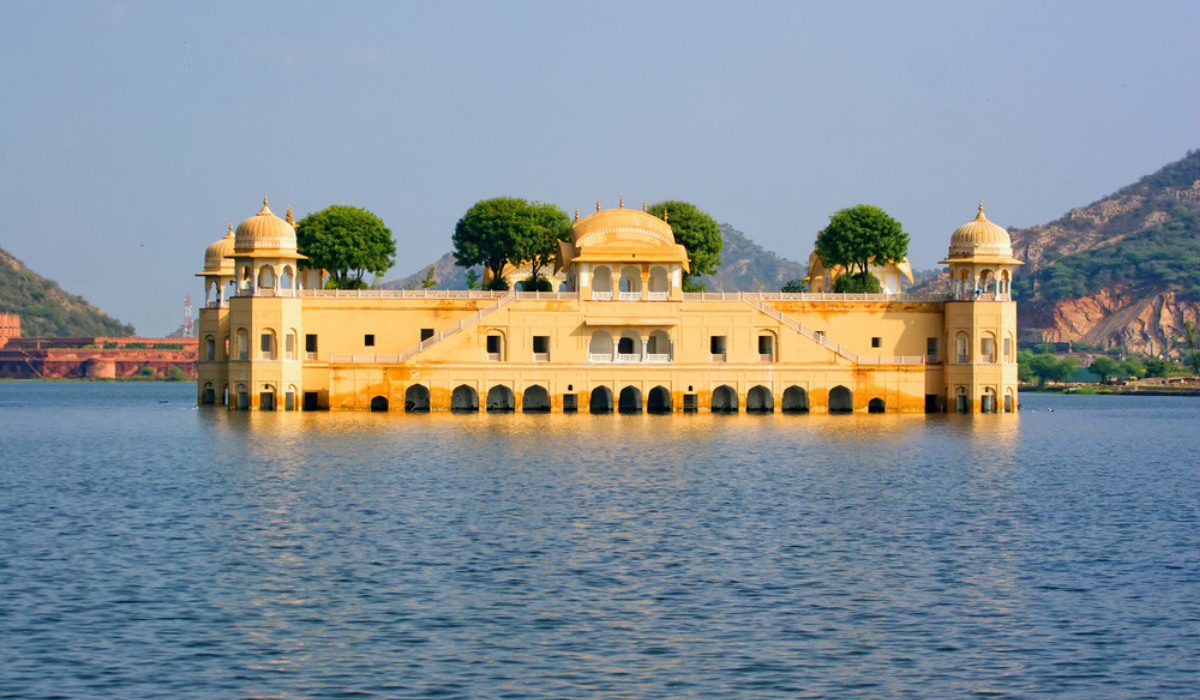
Jal Mahal
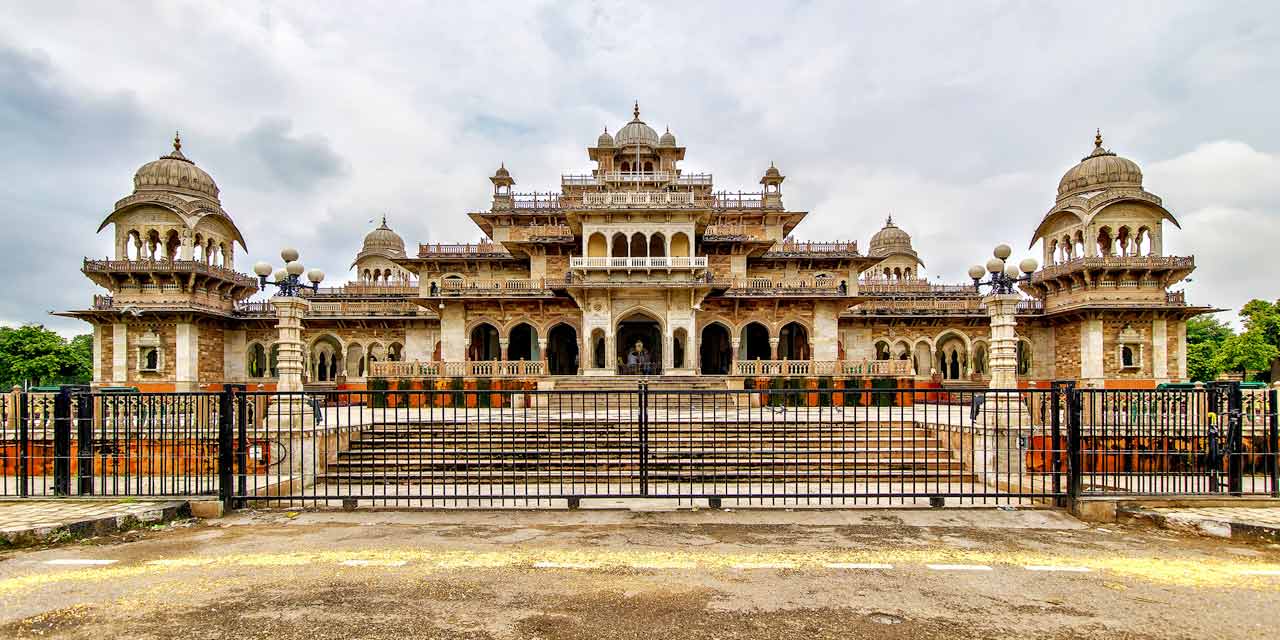
Albert Hall Museum
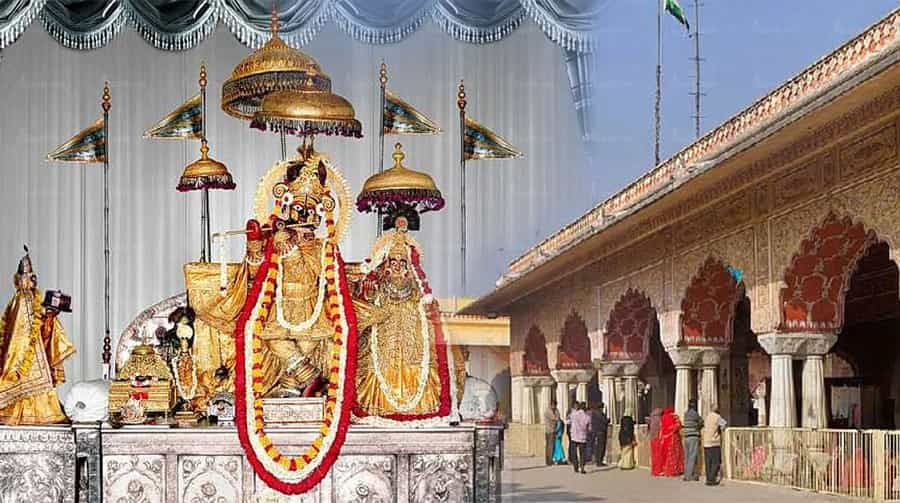
Shri Govind Dev Ji Temple
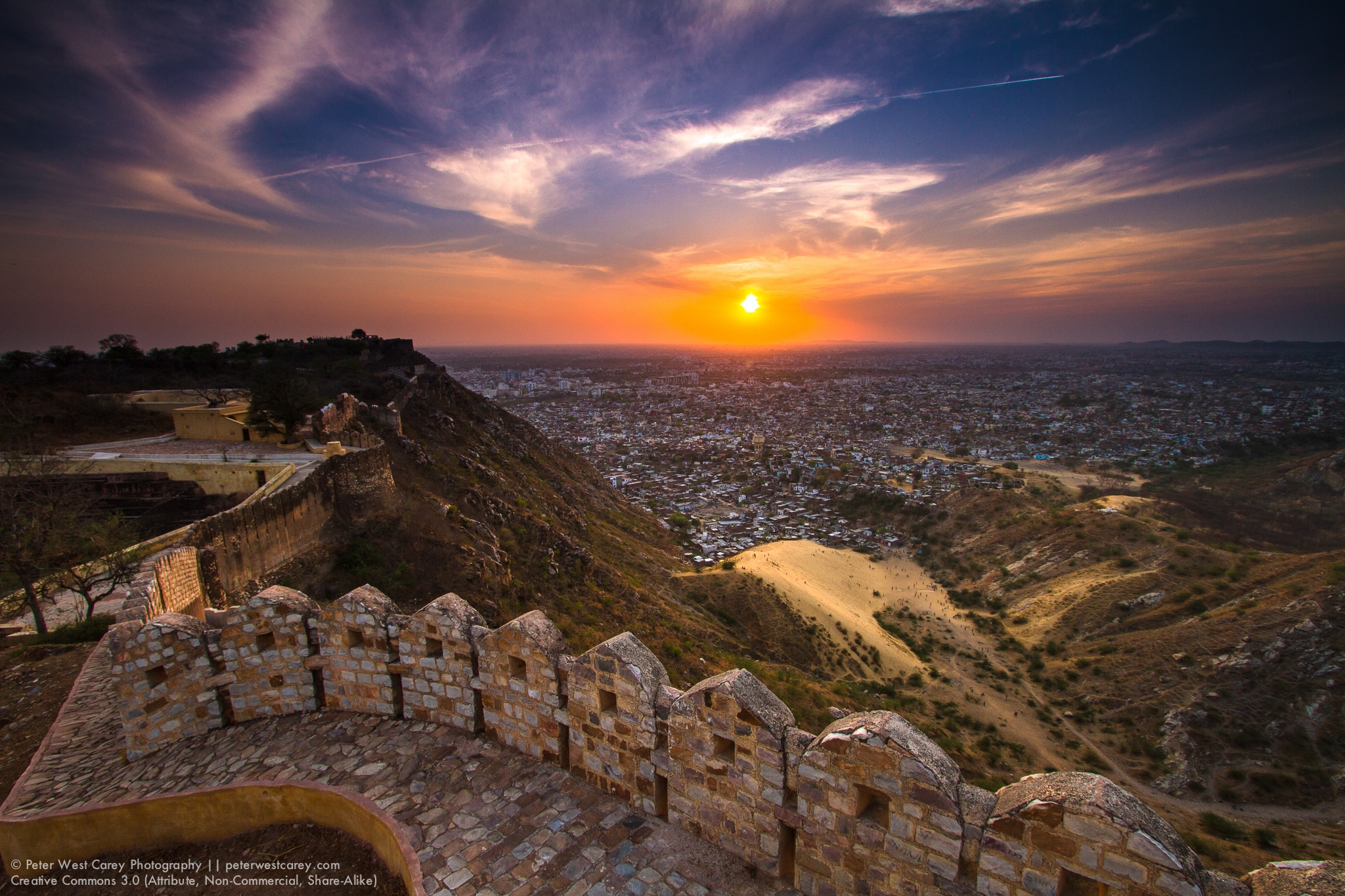
Nahargarh Fort
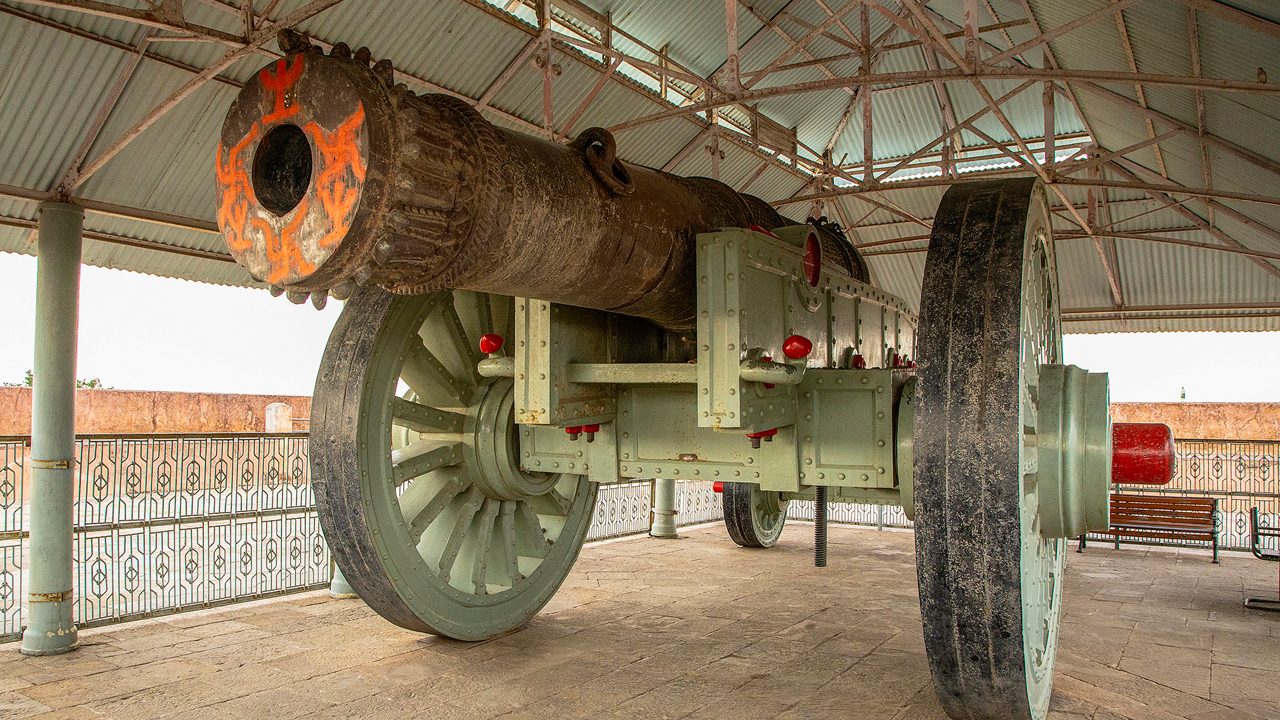
Jaigarh Fort
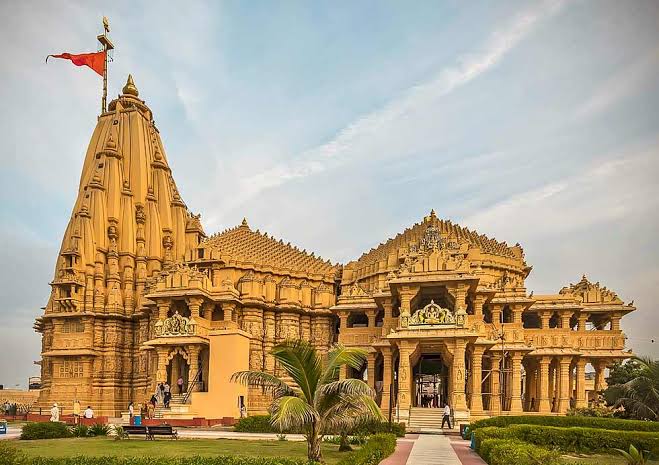
Somnath Temple
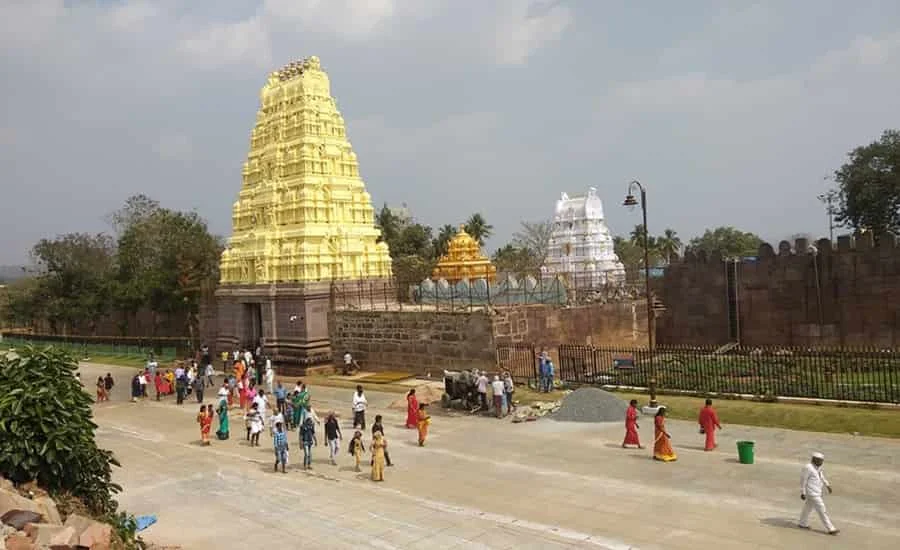
Mallikarjuna Temple
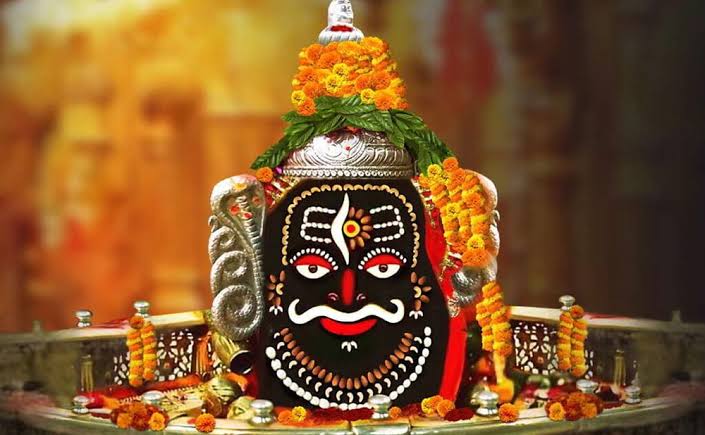
Mahakaleshwar Temple
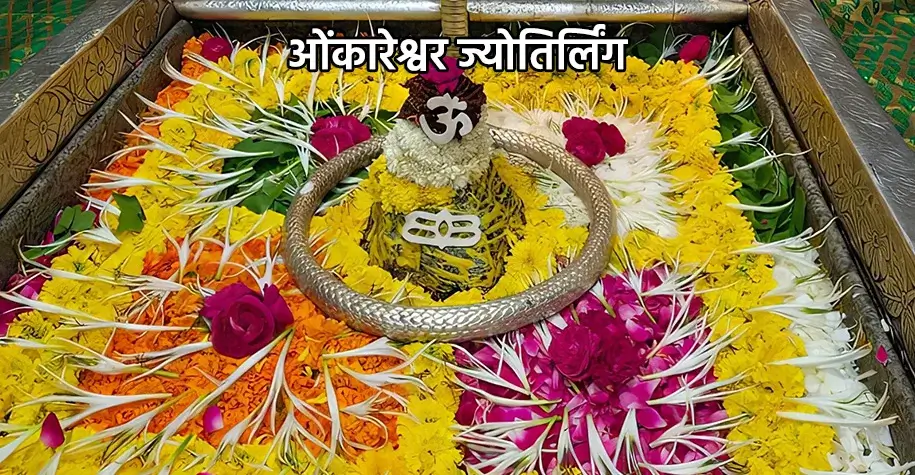
Omkareshwar Temple
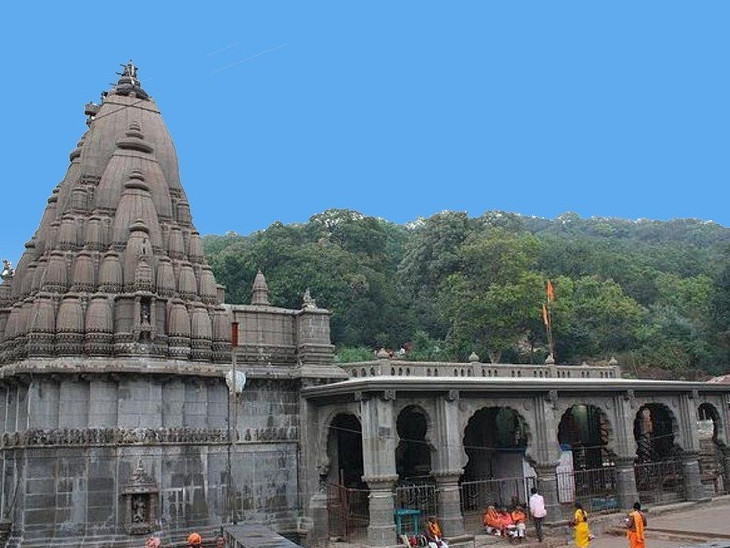
Bhimashankar Temple
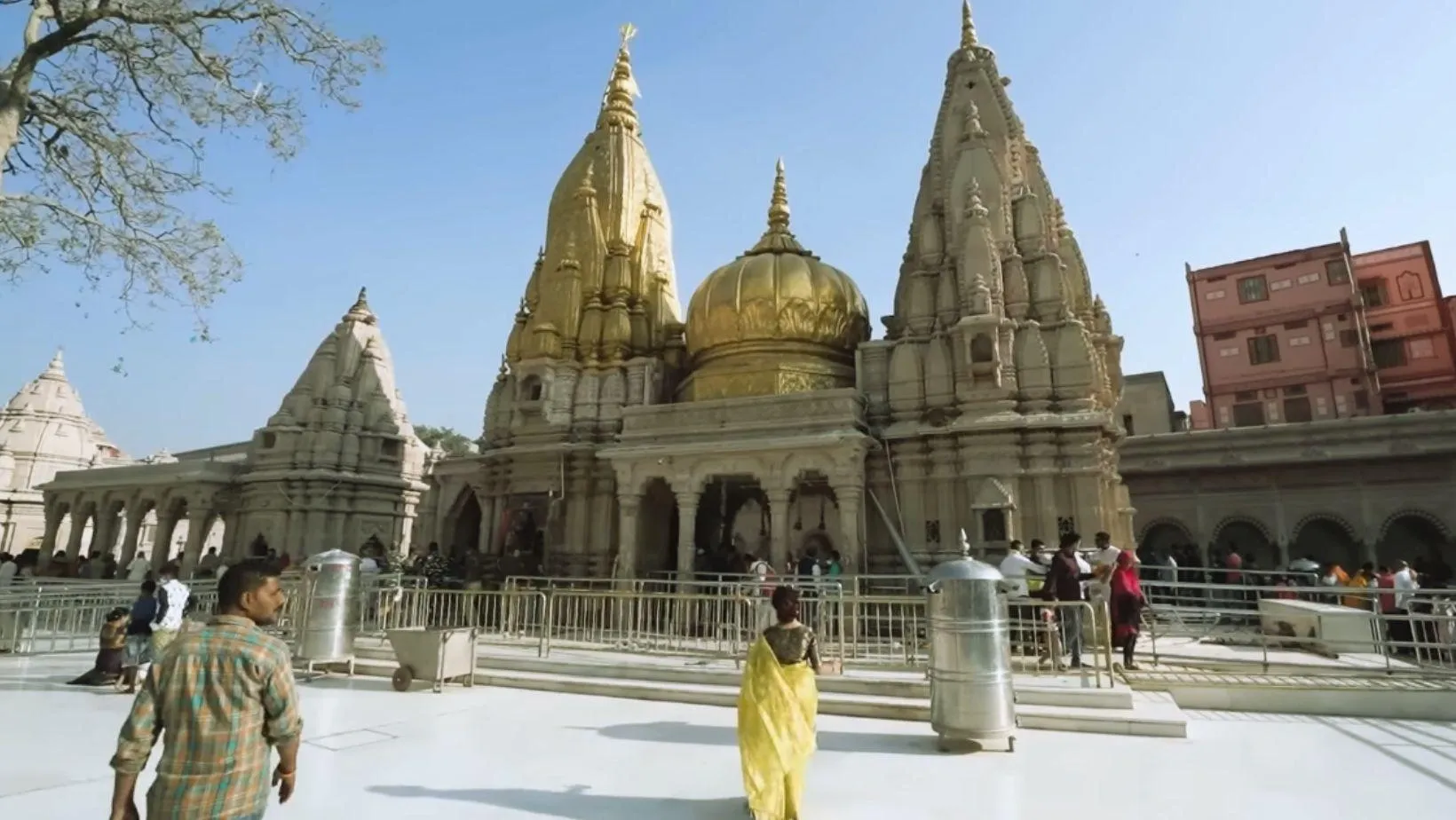
Kashi Vishwanath Temple
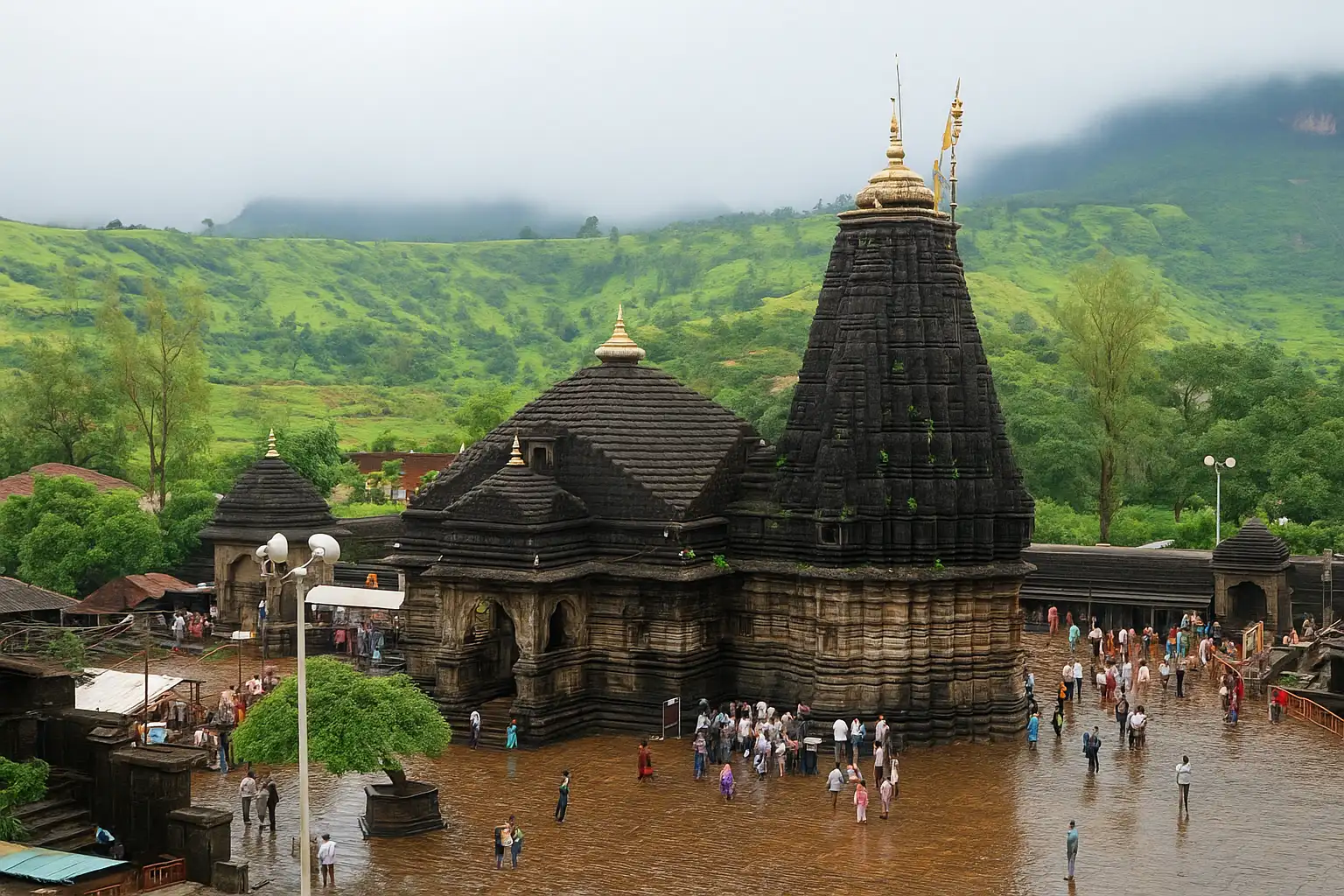
Trimbakeshwar Temple
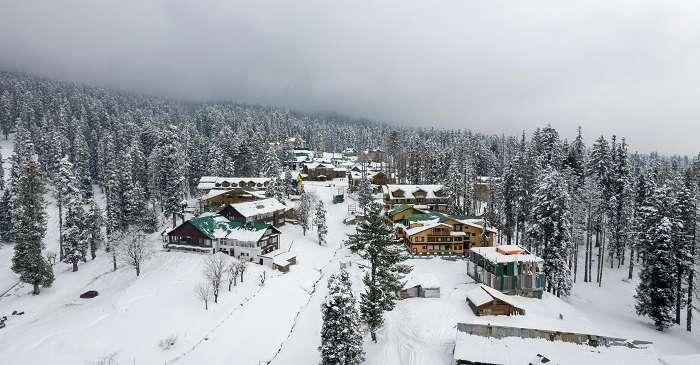
Harshil Valley
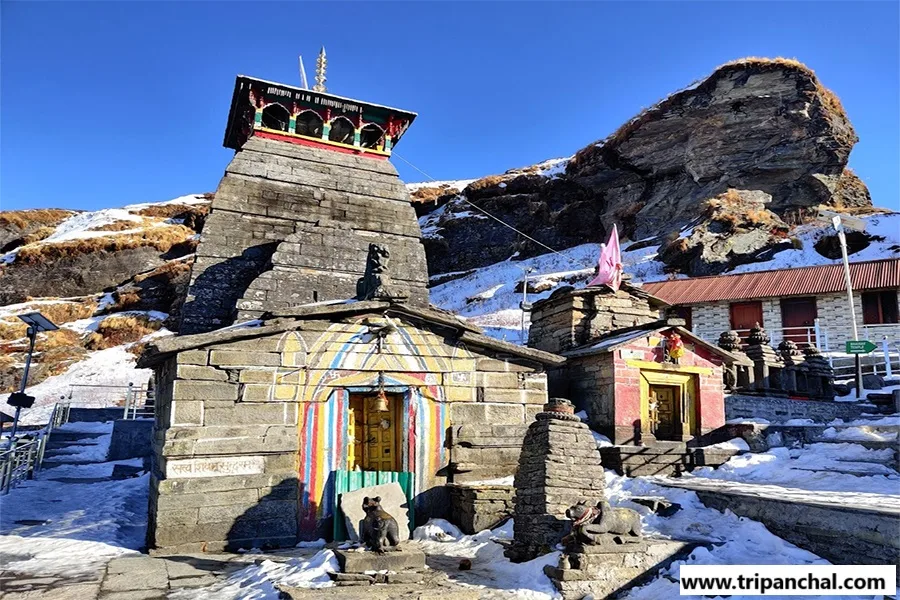
Tungnath Temple
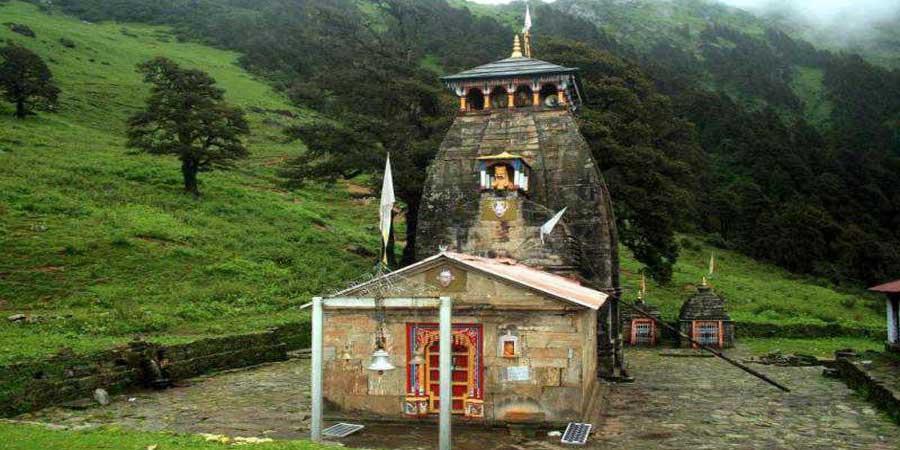
Madhyamaheshwar Temple
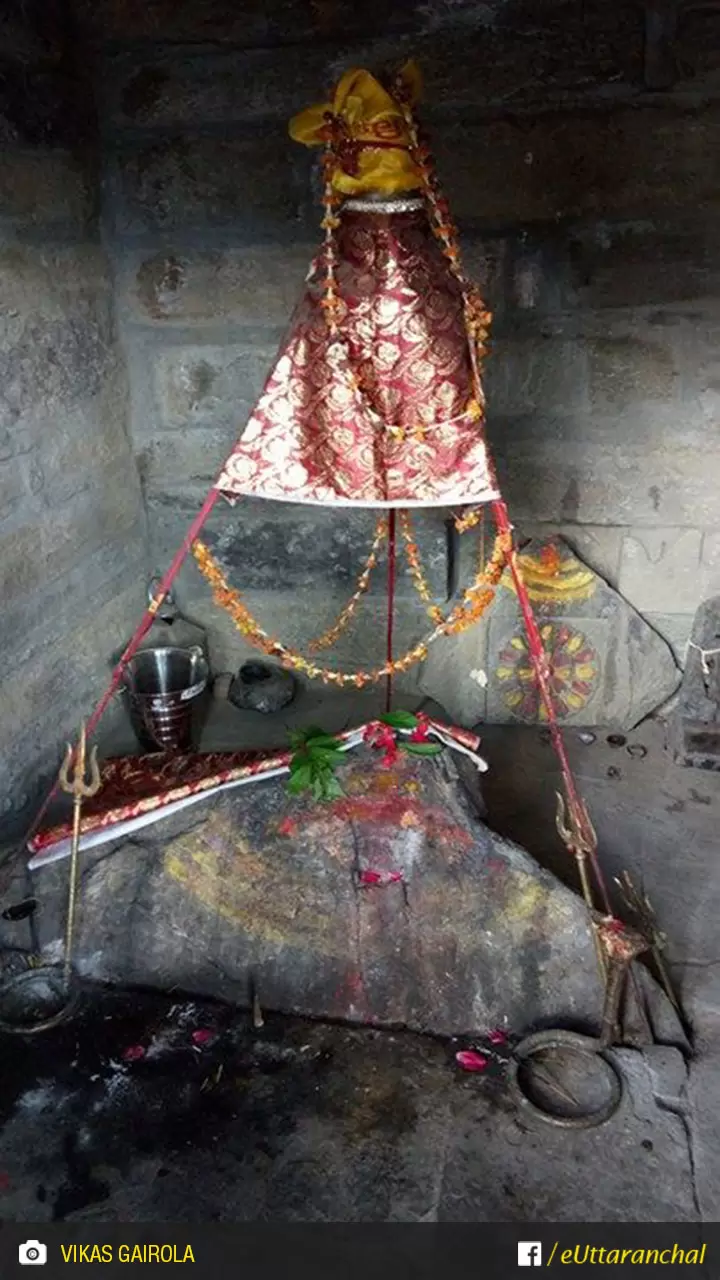
Kalpeshwar Mahadev Temple
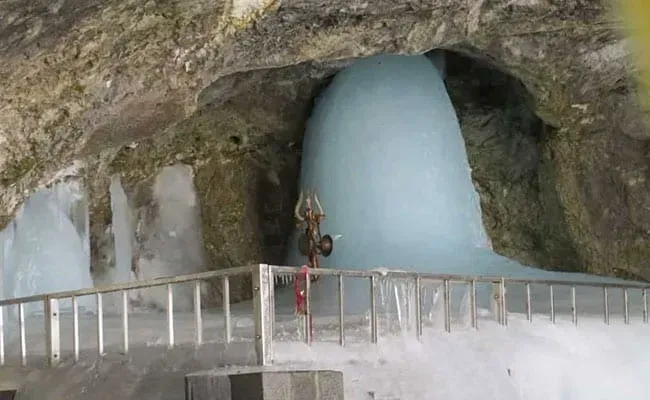
Amarnath
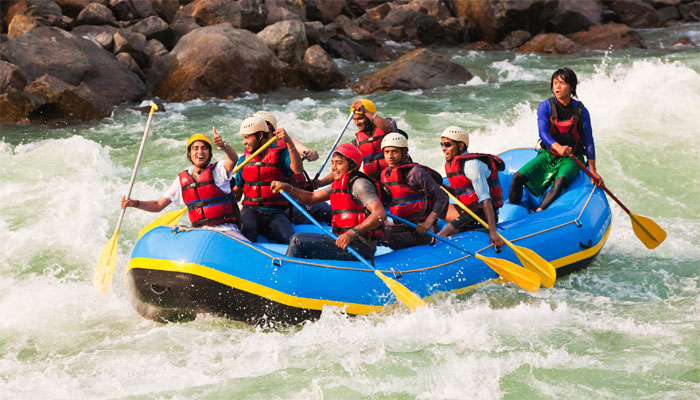
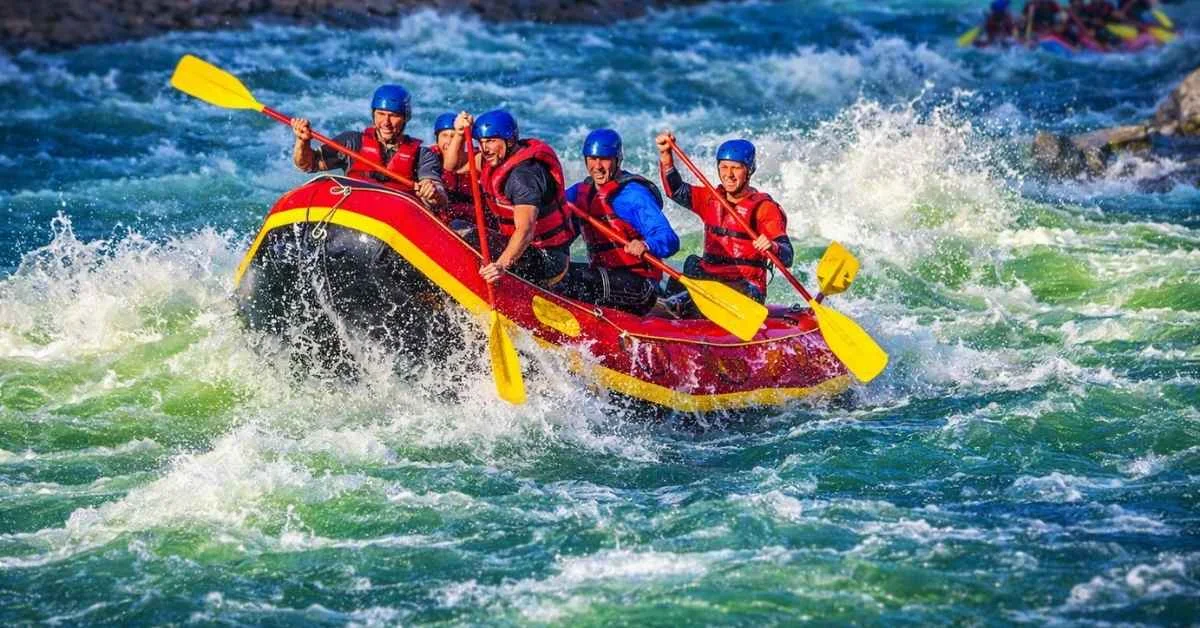
River Rafting in Rishikesh
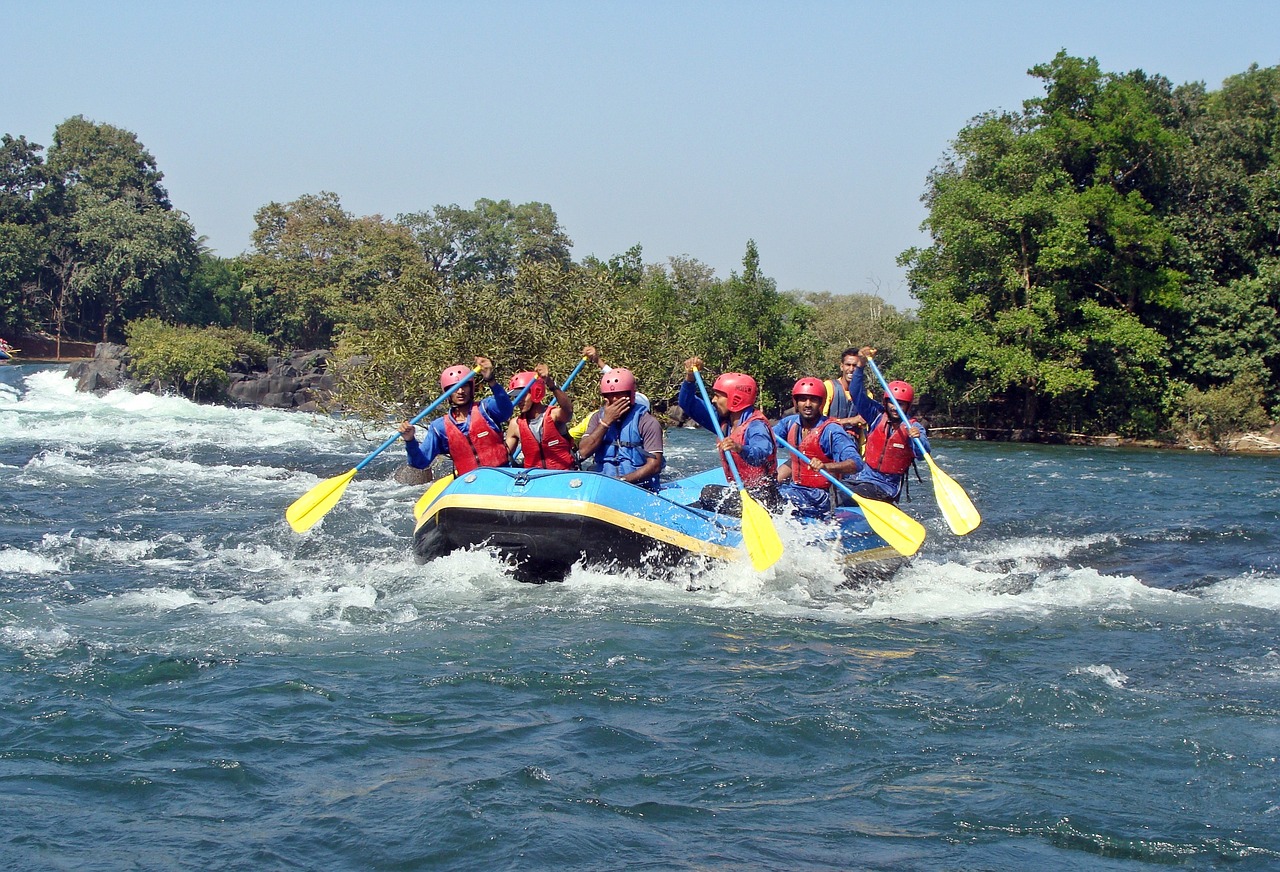
River Rafting in Manali
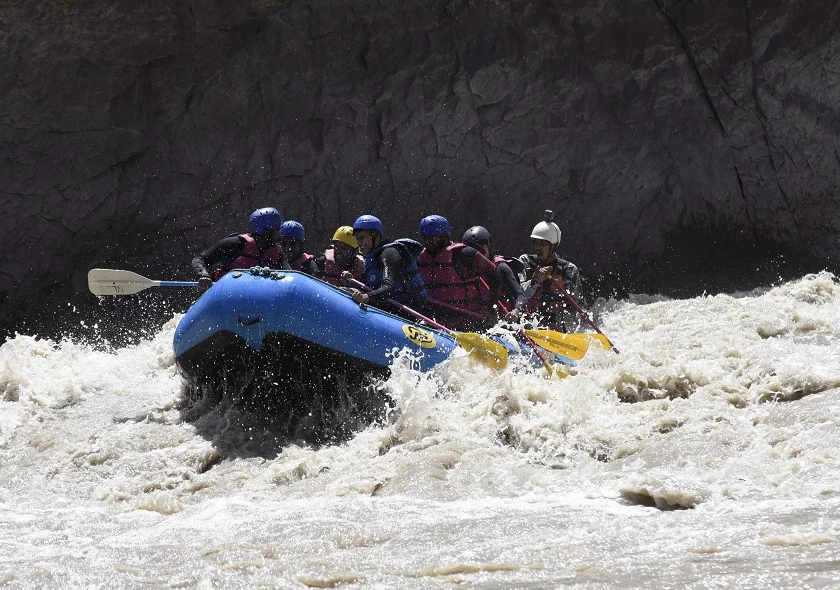
River Rafting in Kolad
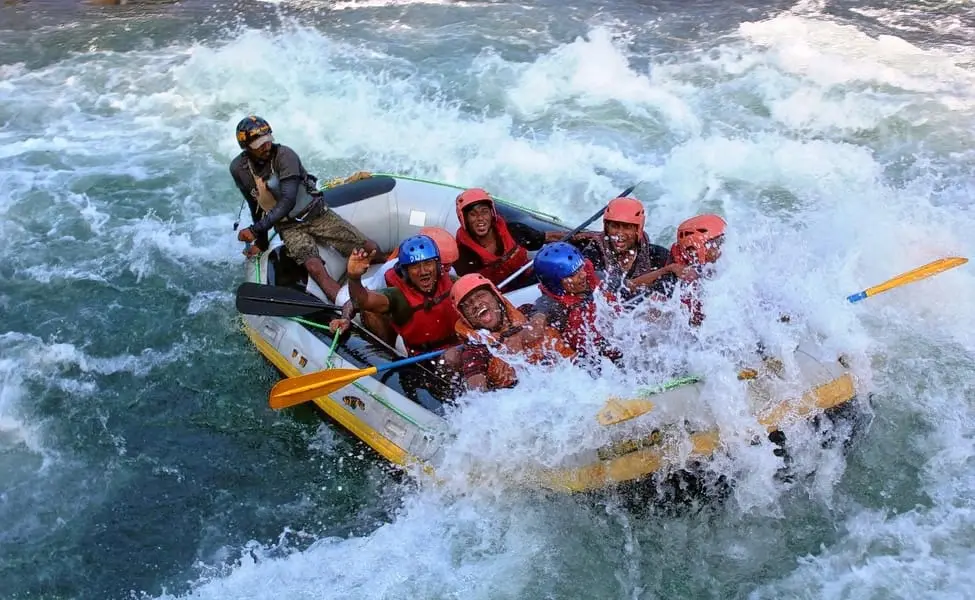
River Rafting in Zanskar
River Rafting in Teesta River
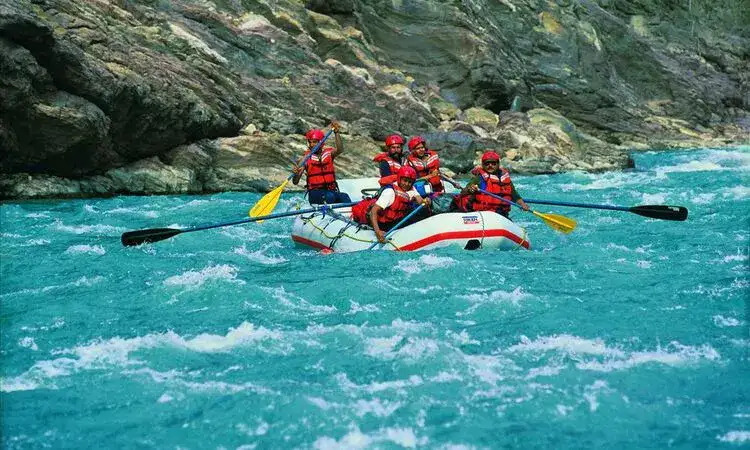
River Rafting in Kameng River
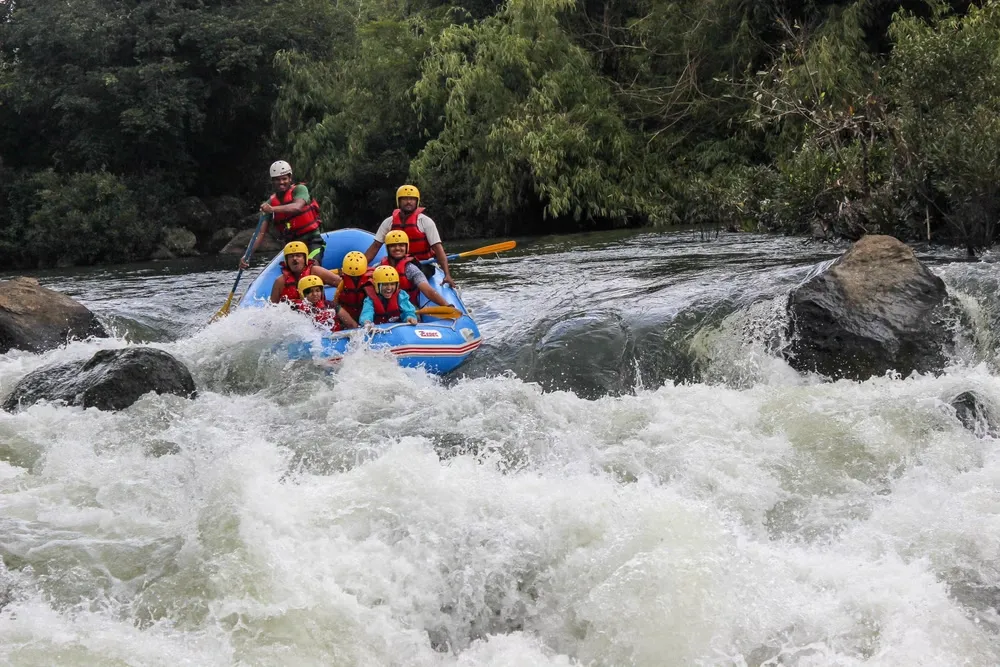
River Rafting in Barapole River
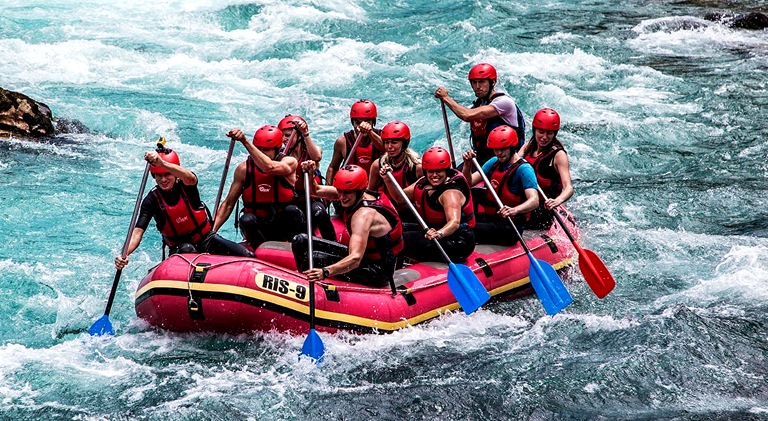
River Rafting in Alaknanda River
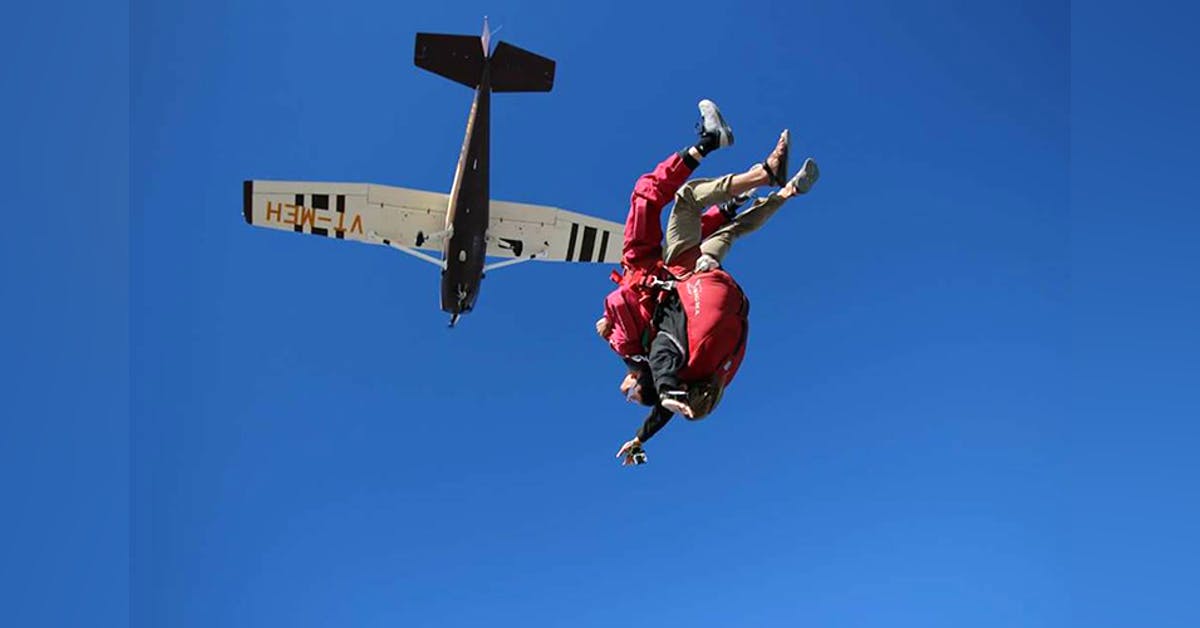
Skydiving in Mysore
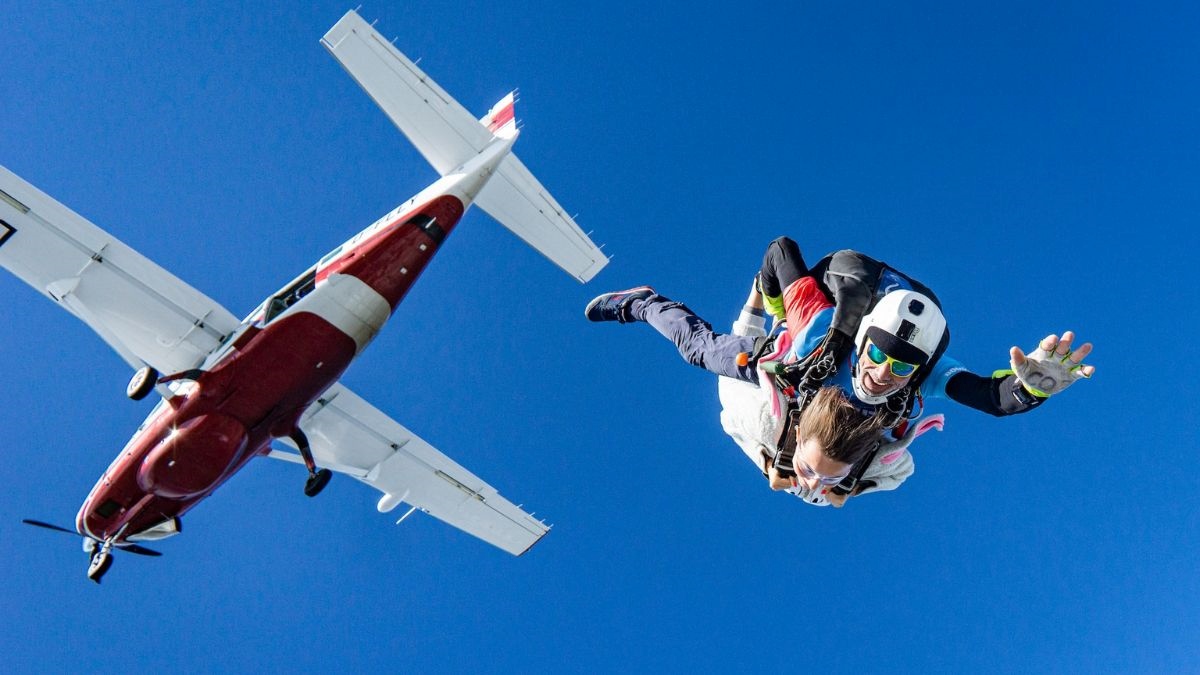
Skydiving in Dhana, Madhya Pradesh
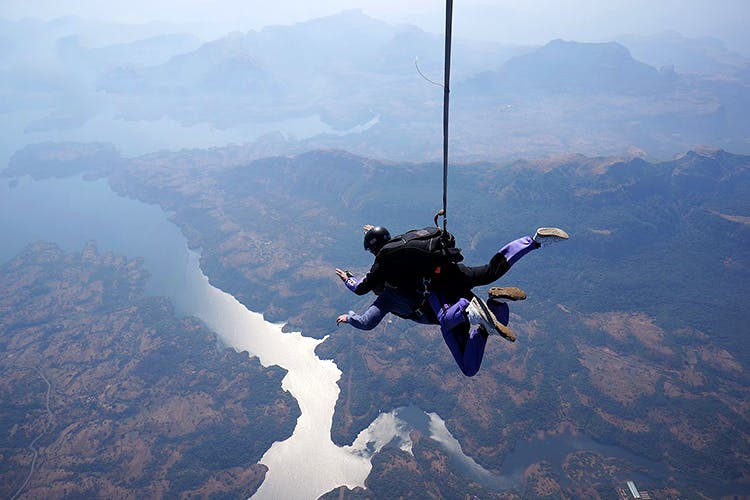
Skydiving in Aamby Valley, Maharashtra
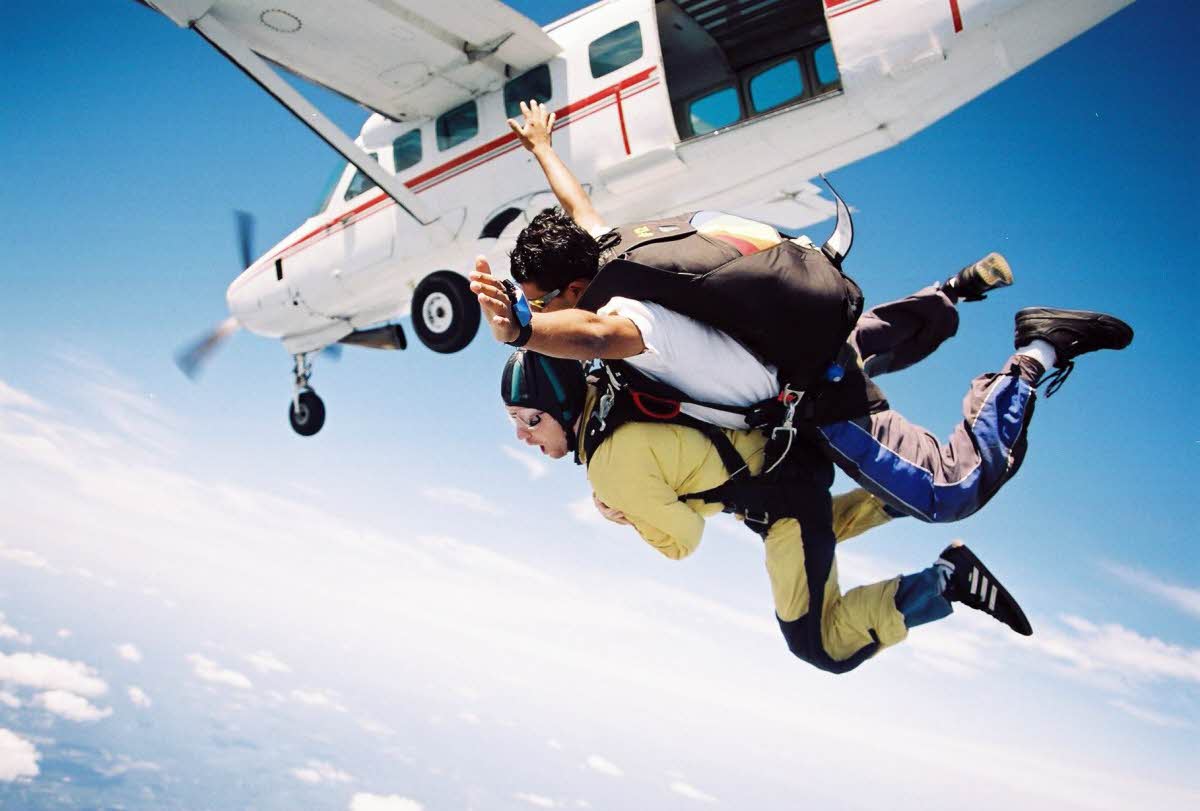
Skydiving in Deesa, Gujarat
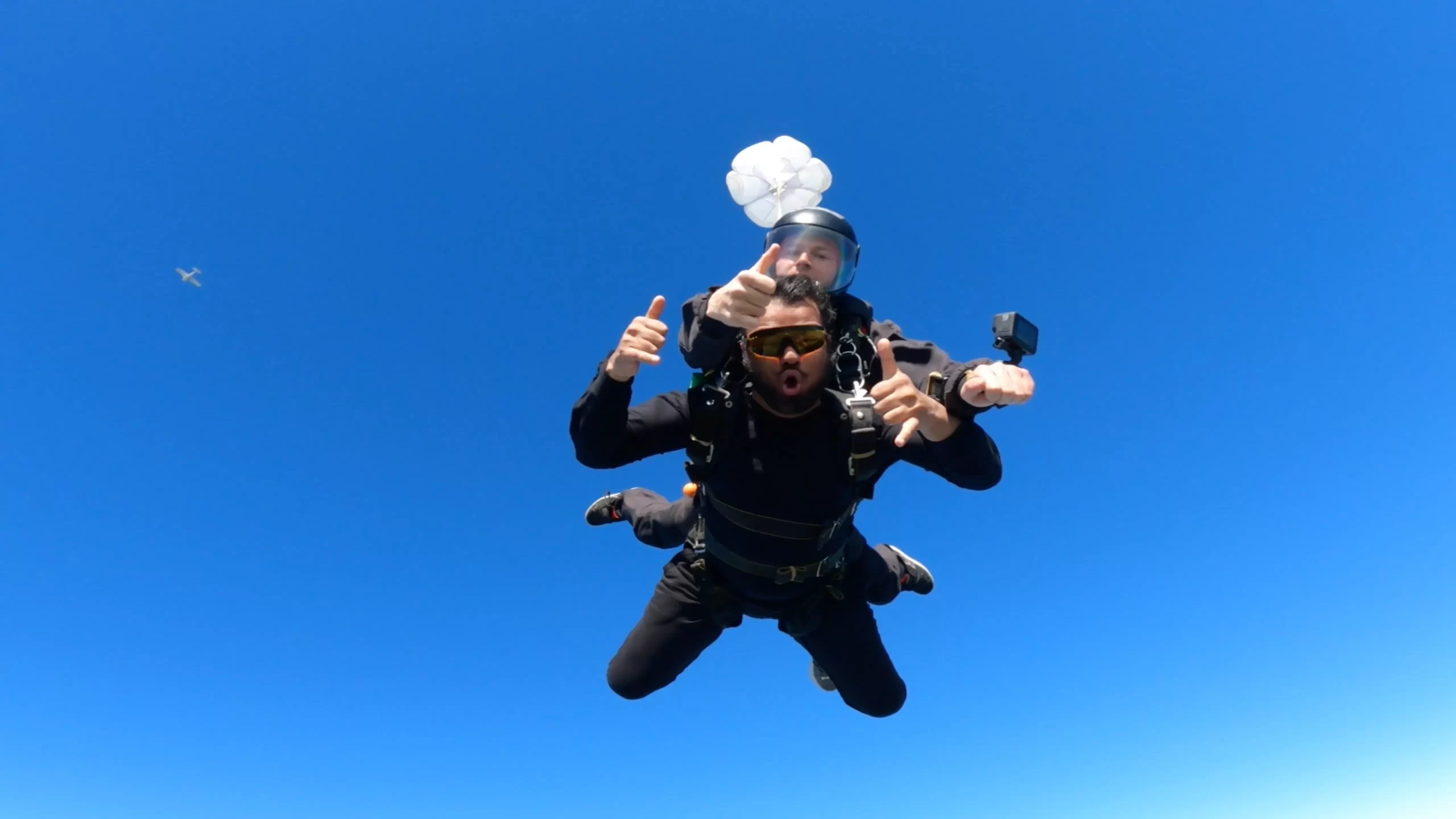
Skydiving in Narnaul, Haryana
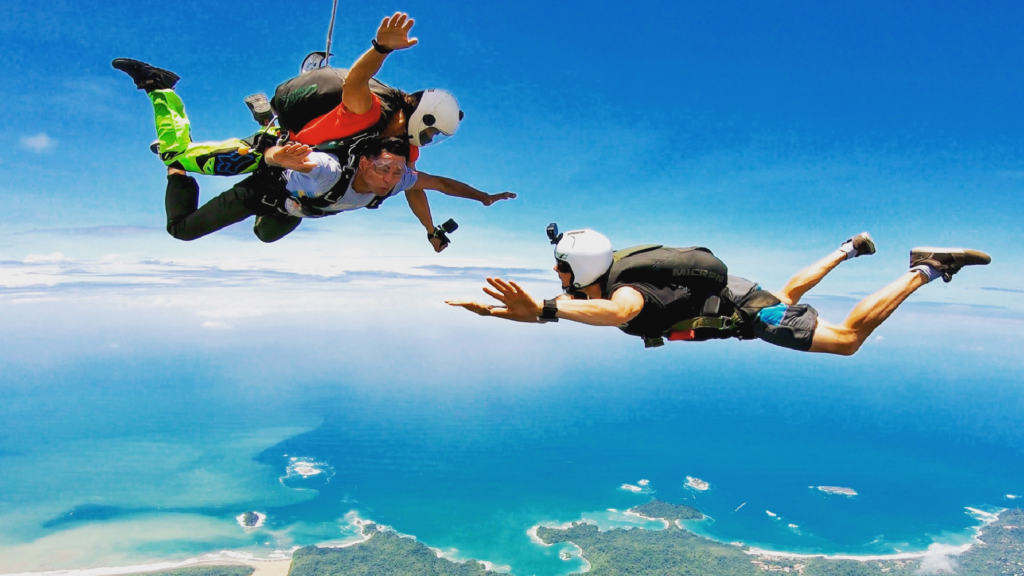
Skydiving in Pondicherry
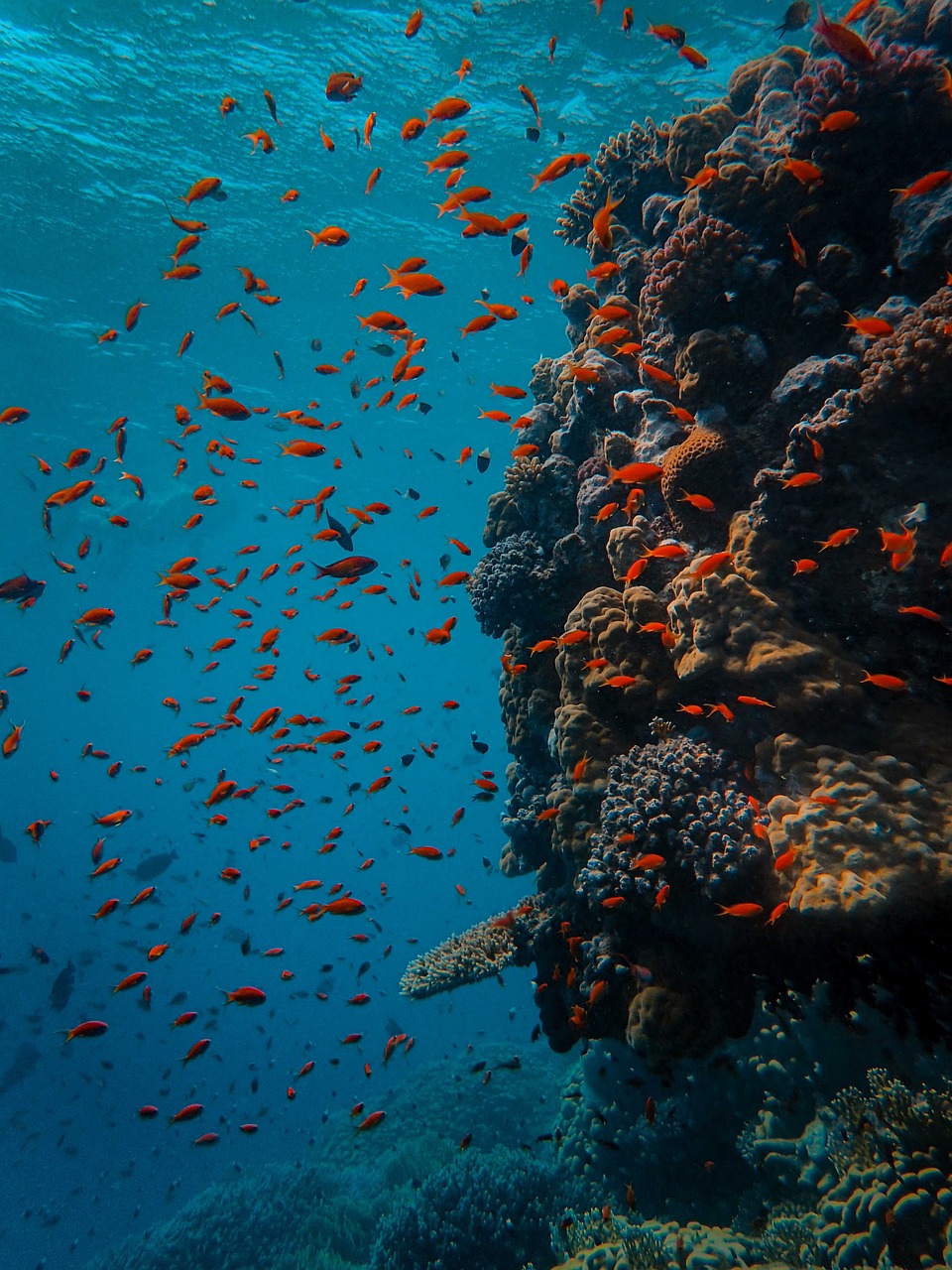
Scuba Diving in Andaman & Nicobar Islands
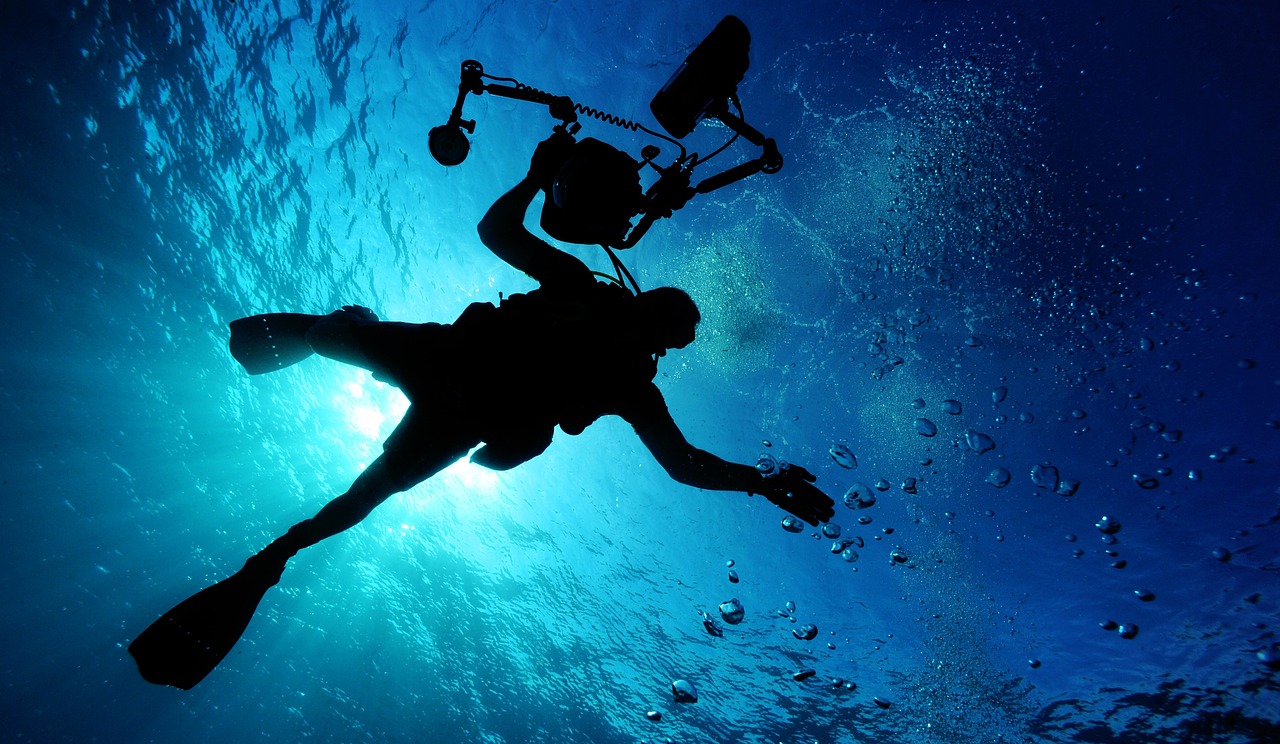
Scuba Diving in Lakshadweep
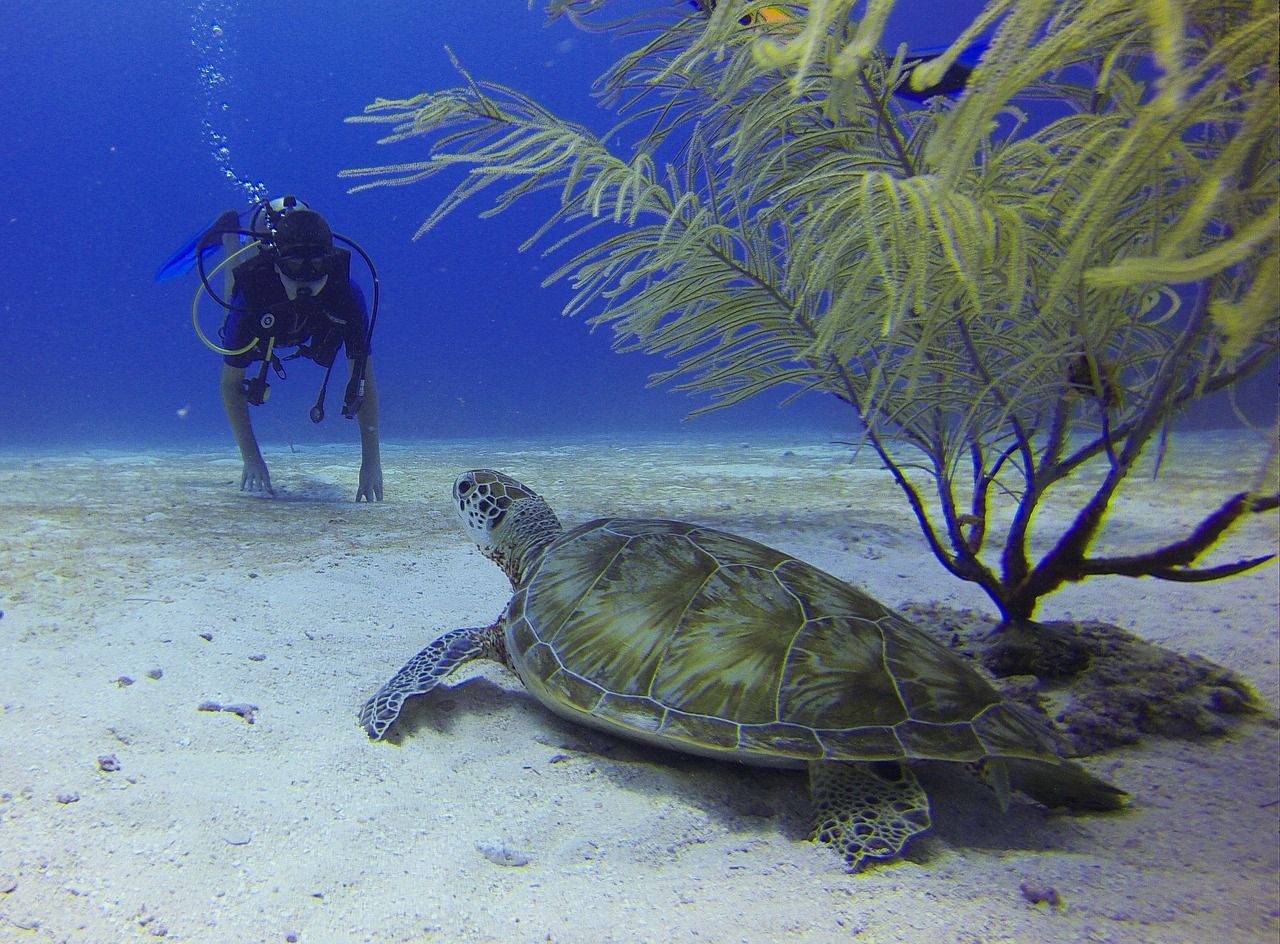
Scuba Diving in Goa
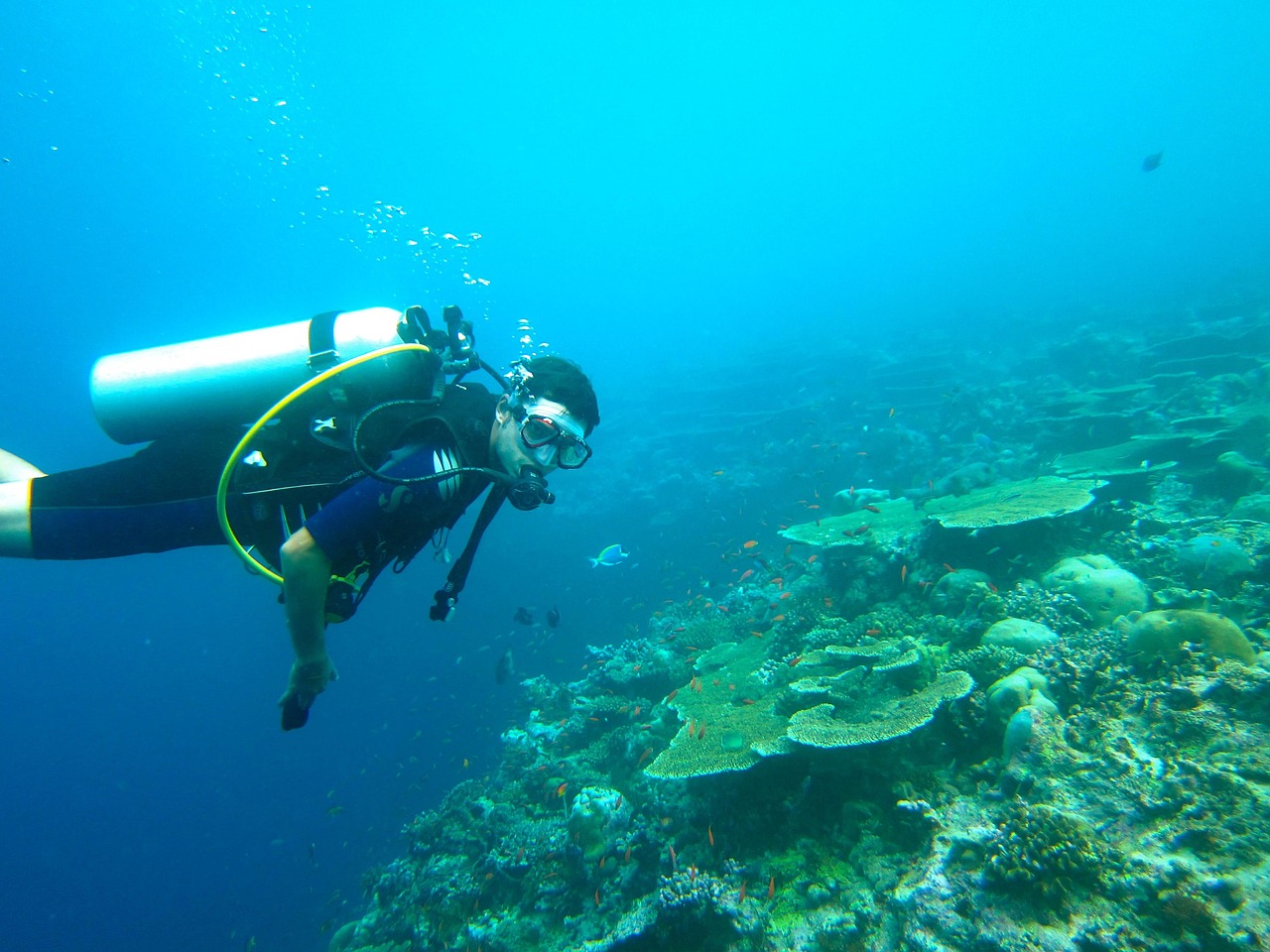
Scuba Diving in Pondicherry
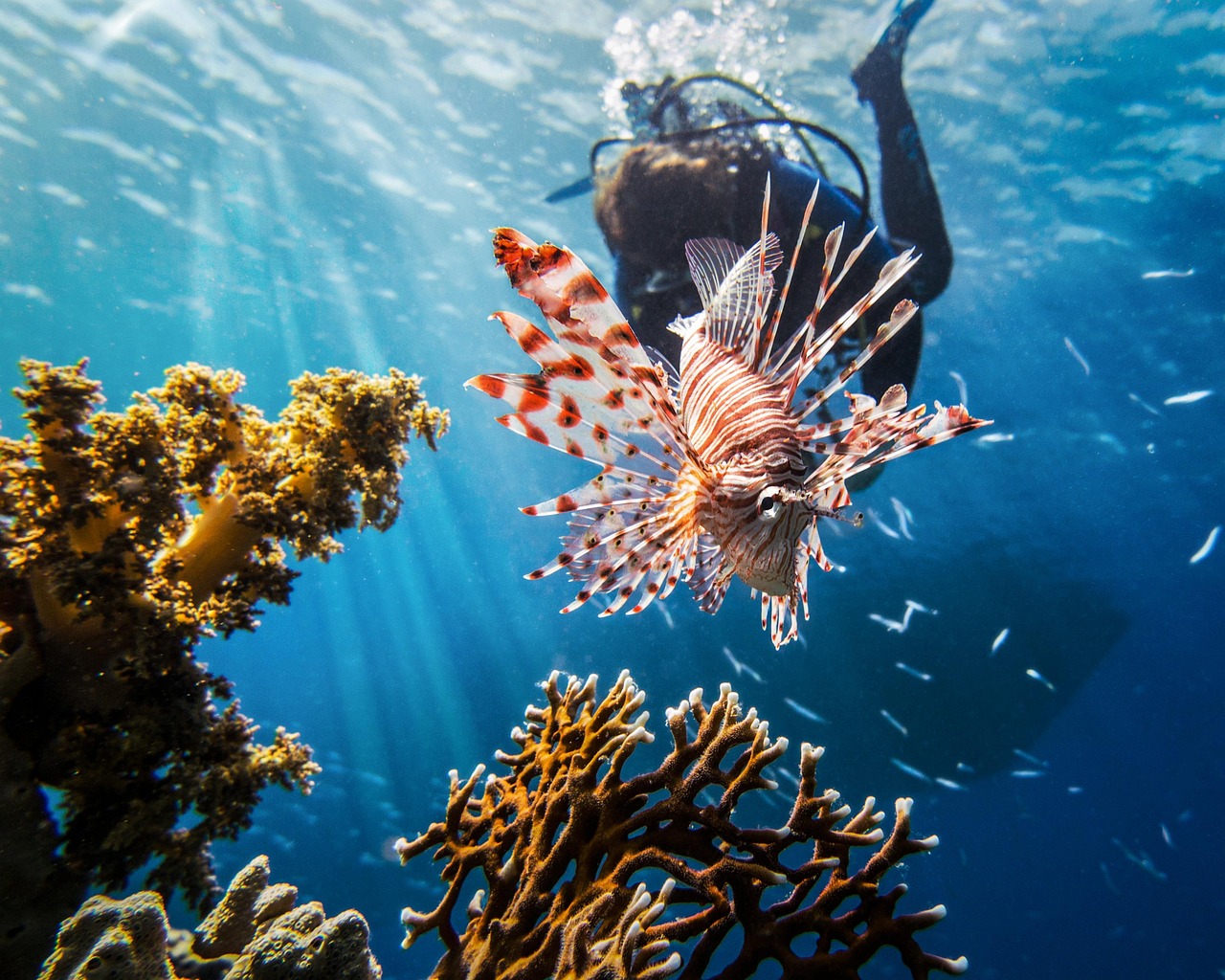
Scuba Diving in Netrani Island (Karnataka)
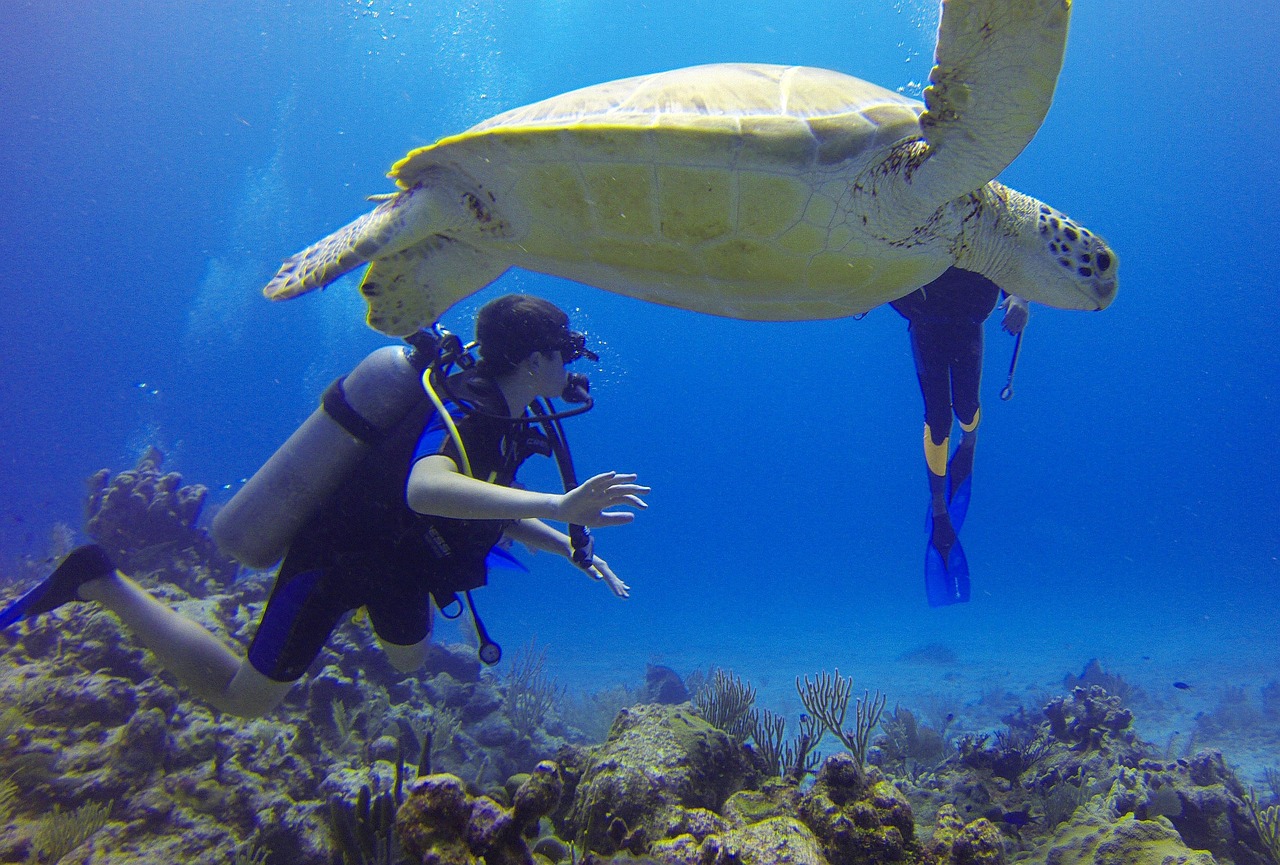
Scuba Diving in Tarkarli (Maharashtra)
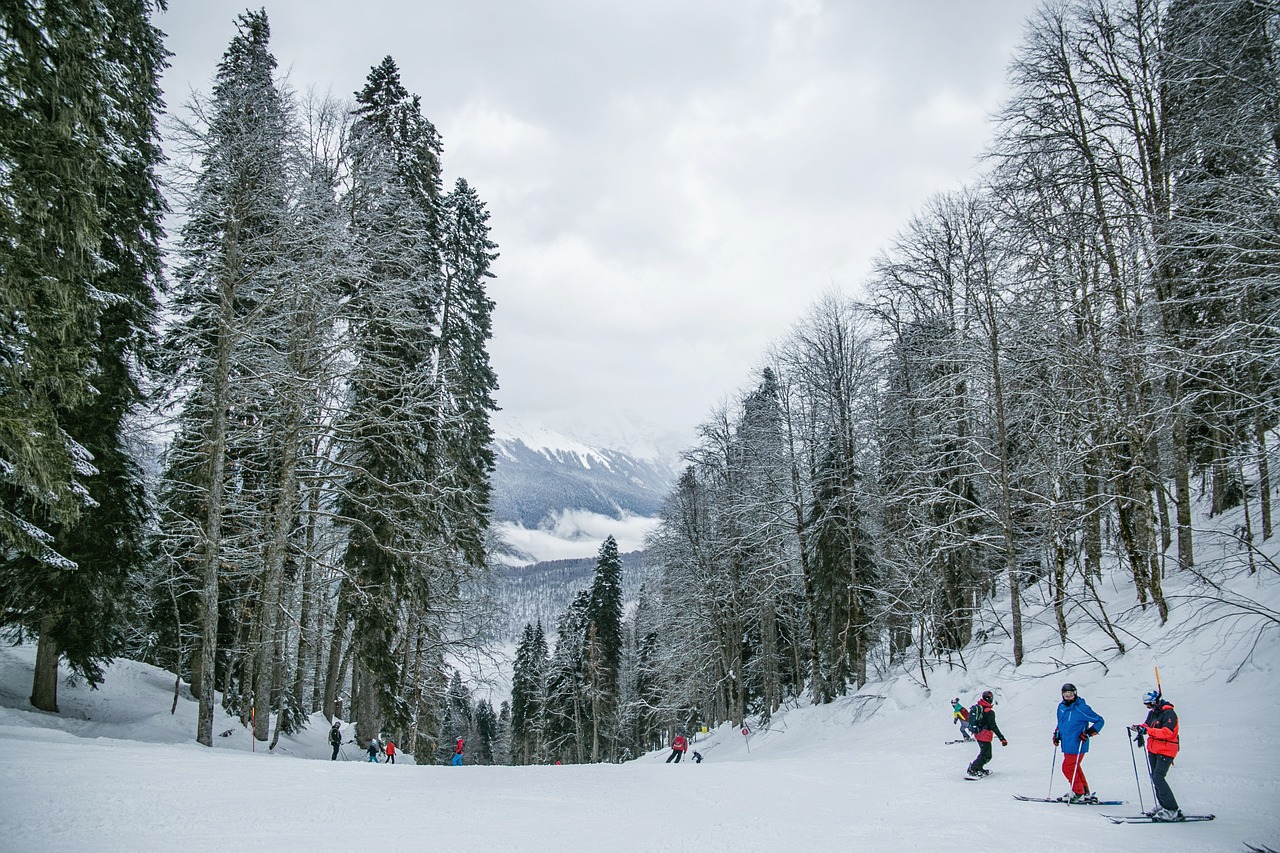
Skiing in Gulmarg
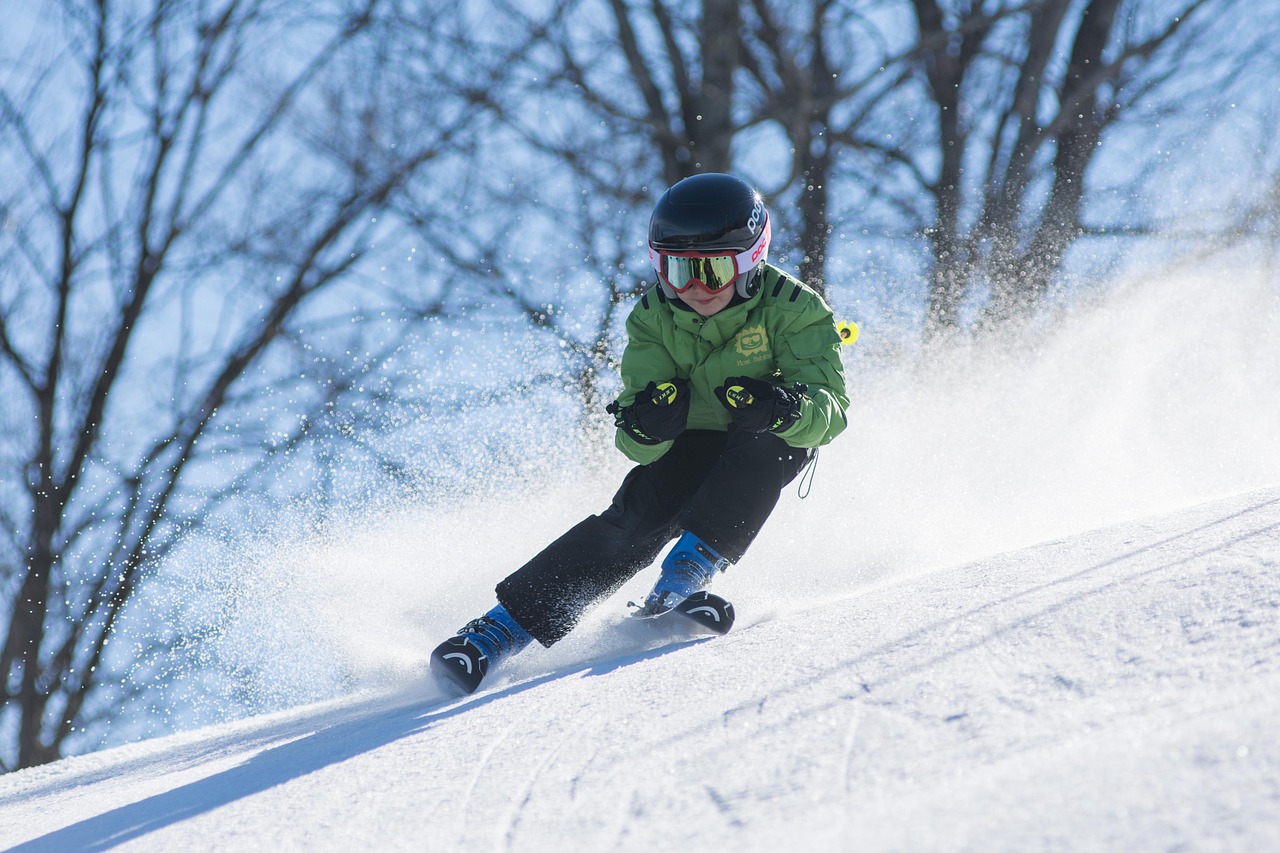
Skiing in Auli
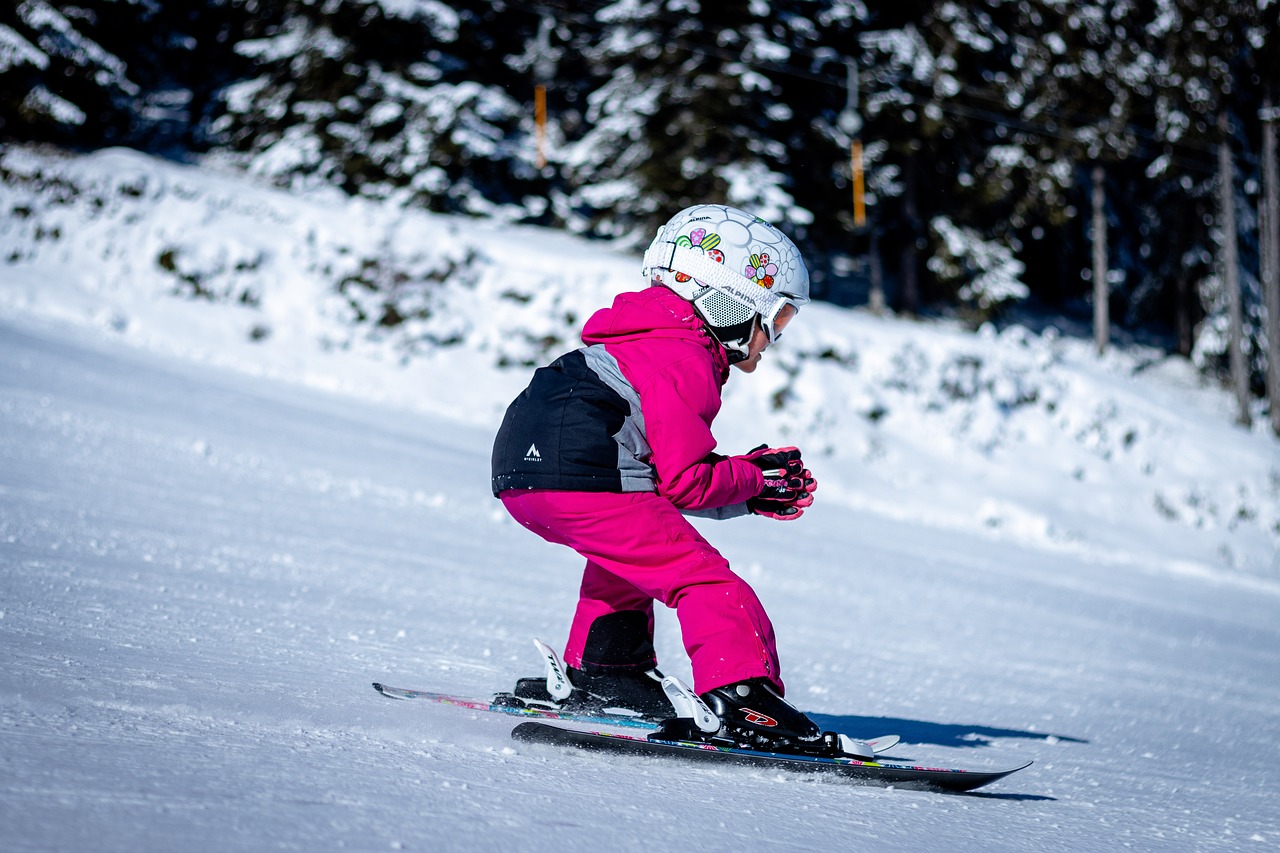
Skiing in Solang
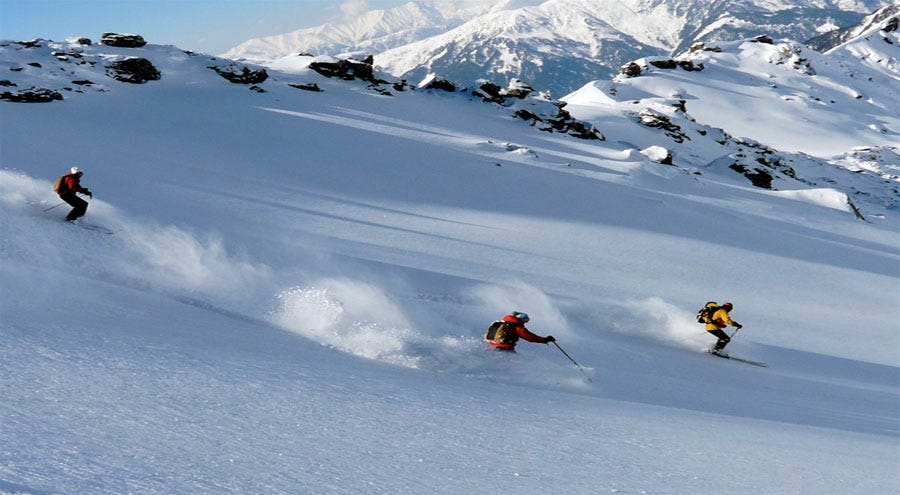
Skiing in Kufri
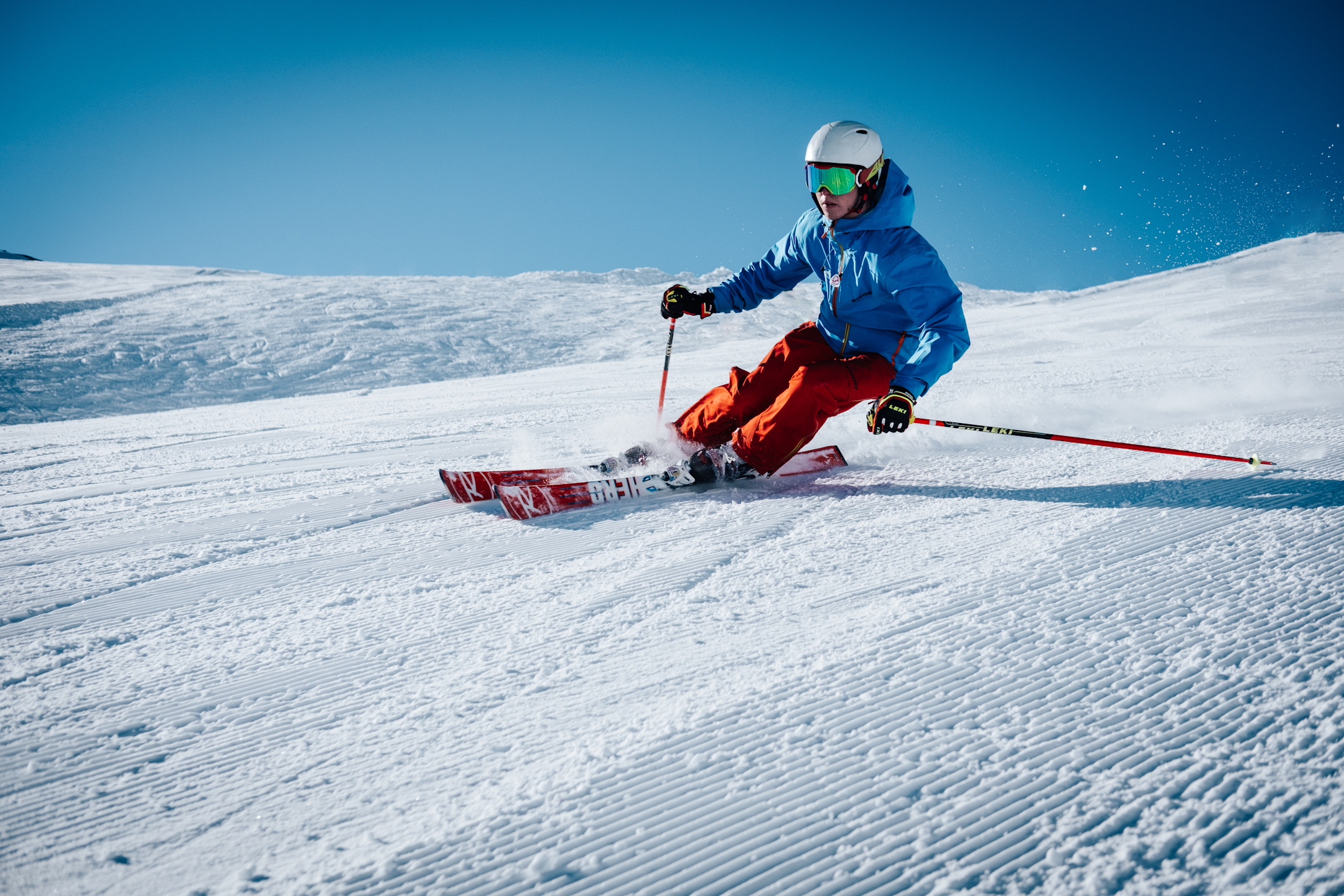
Skiing in Narkanda
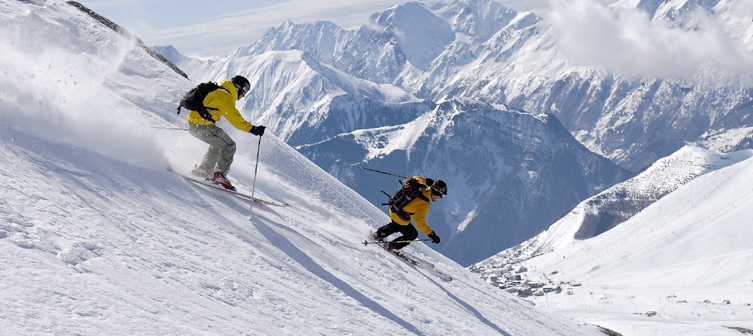
Skiing in Munsiyari
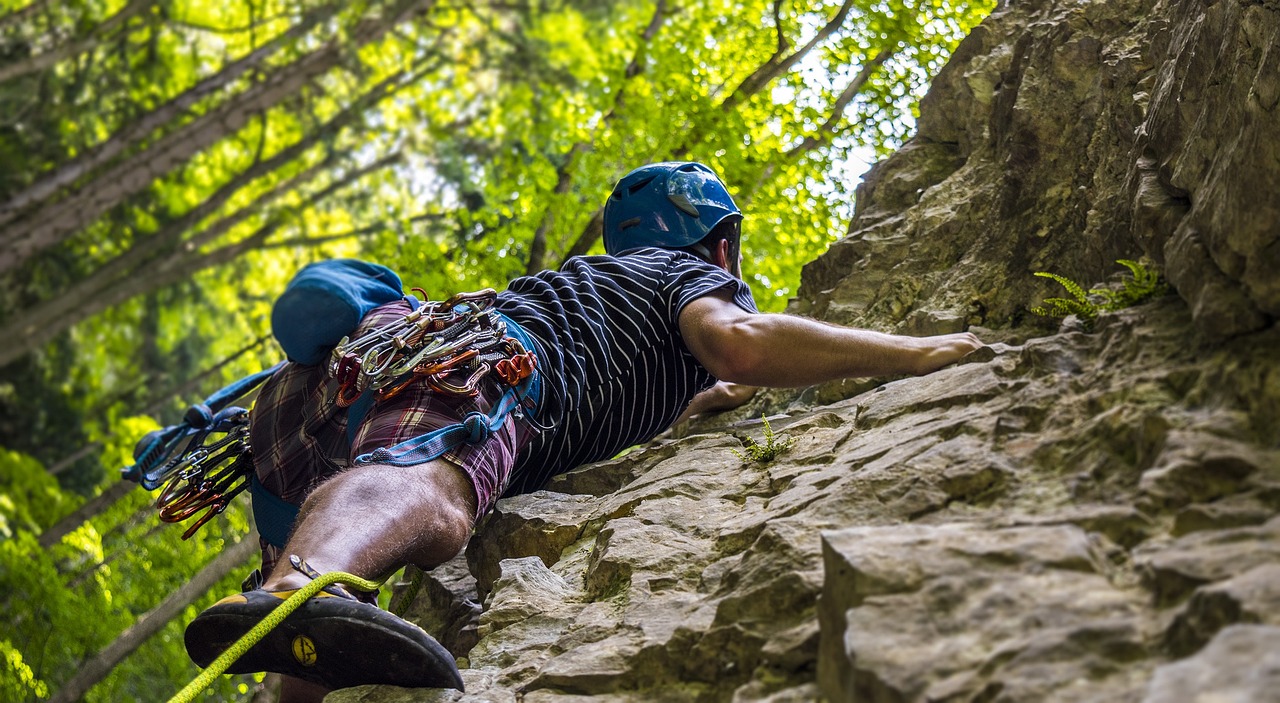
Rock Climbing in Manali
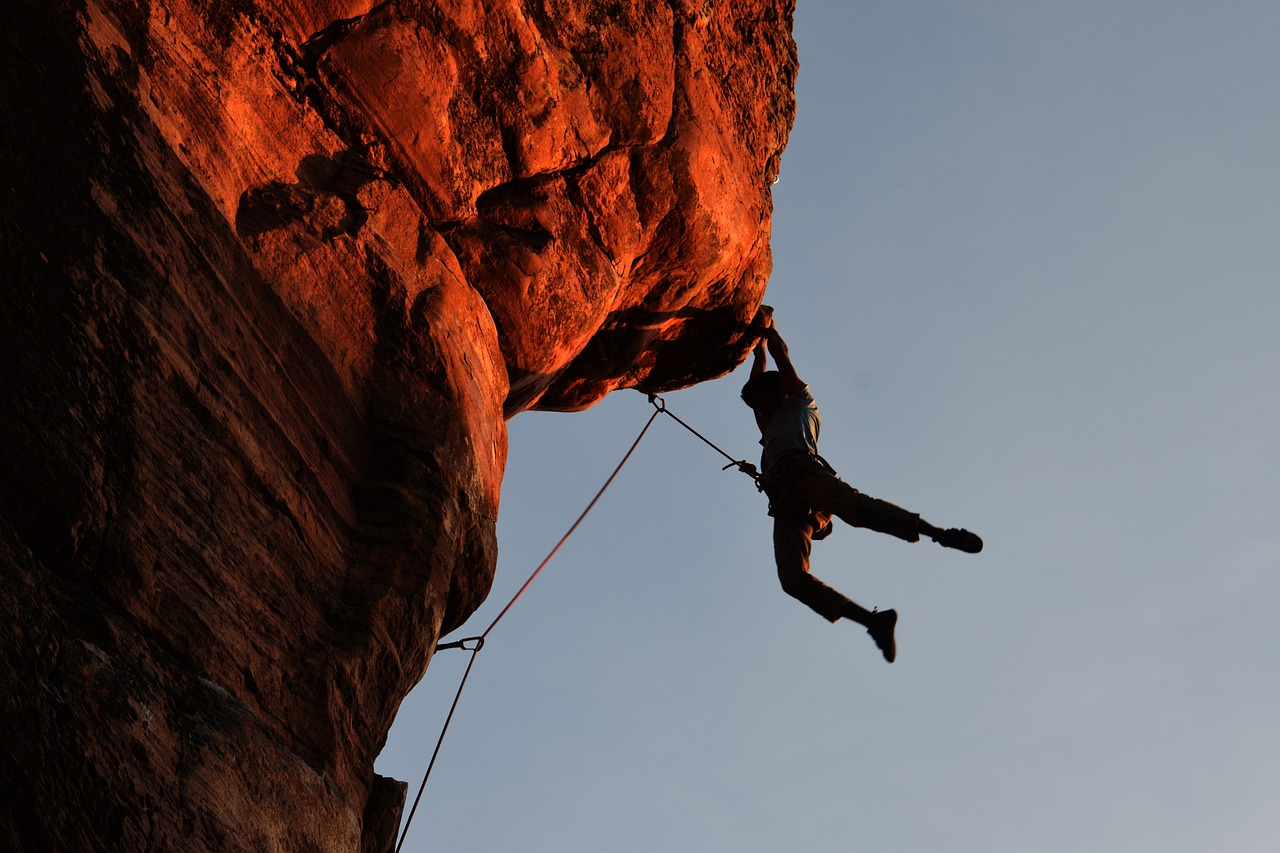
Rock climbing in Badami (Karnataka)
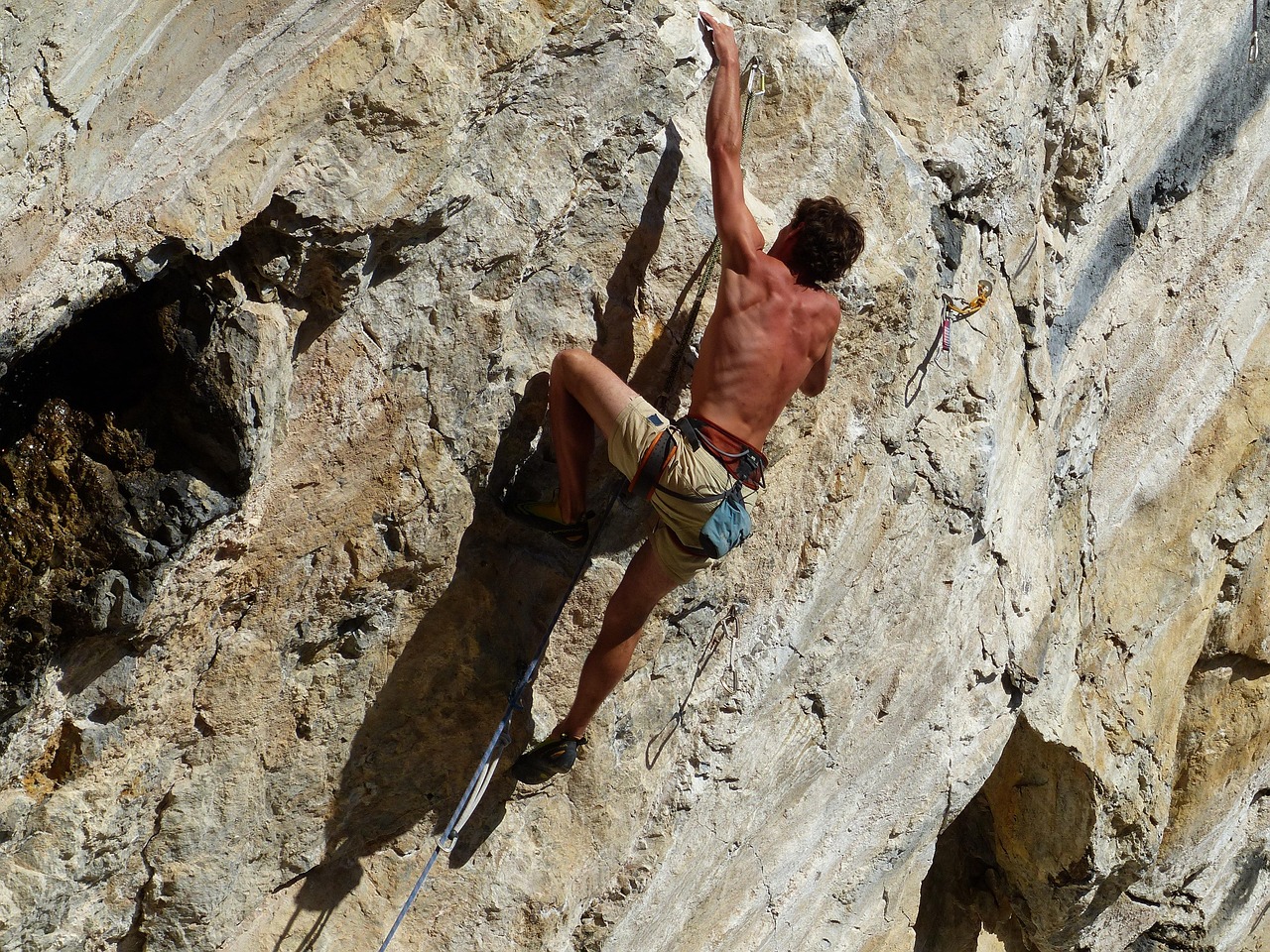
Rock climbing in Vijayapura (Karnataka)
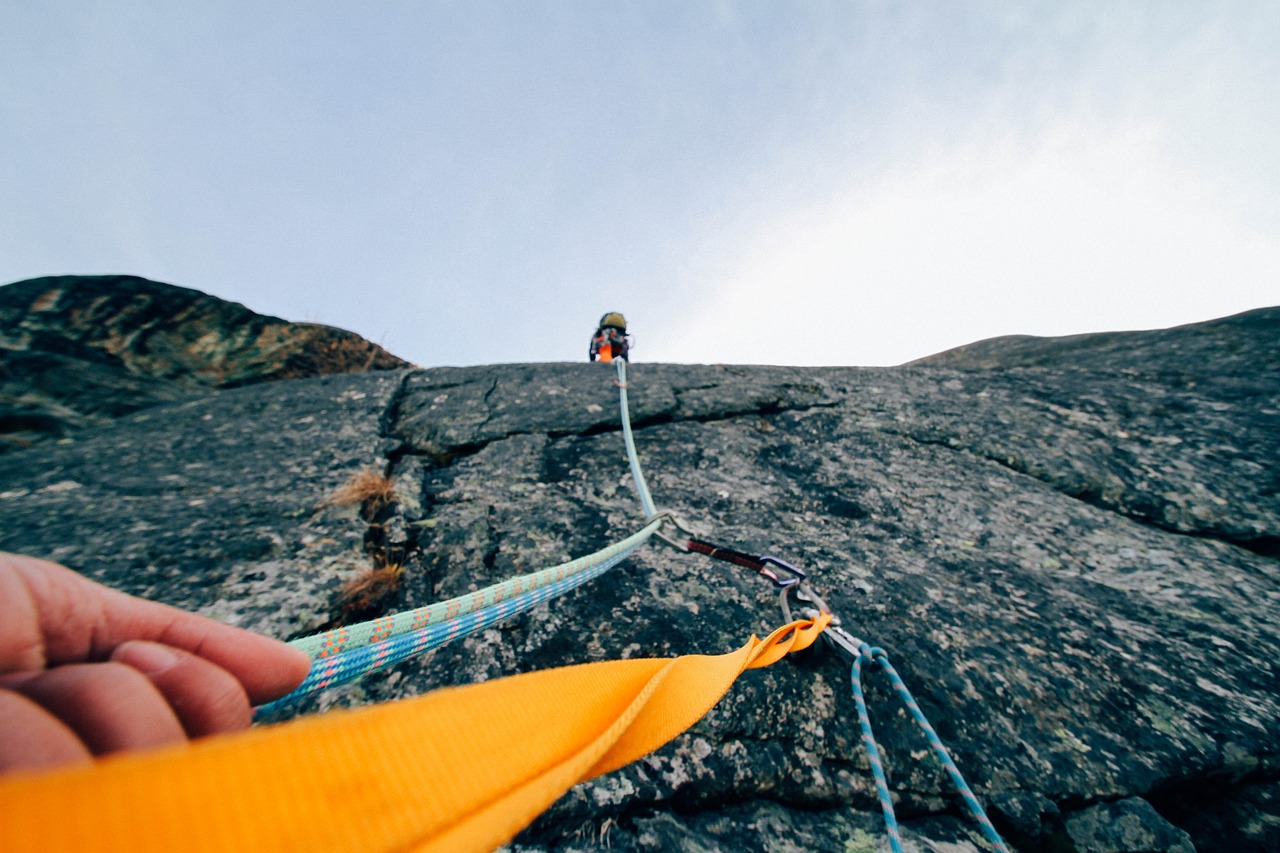
Rock climbing in Boulder Hills (Hyderabad)
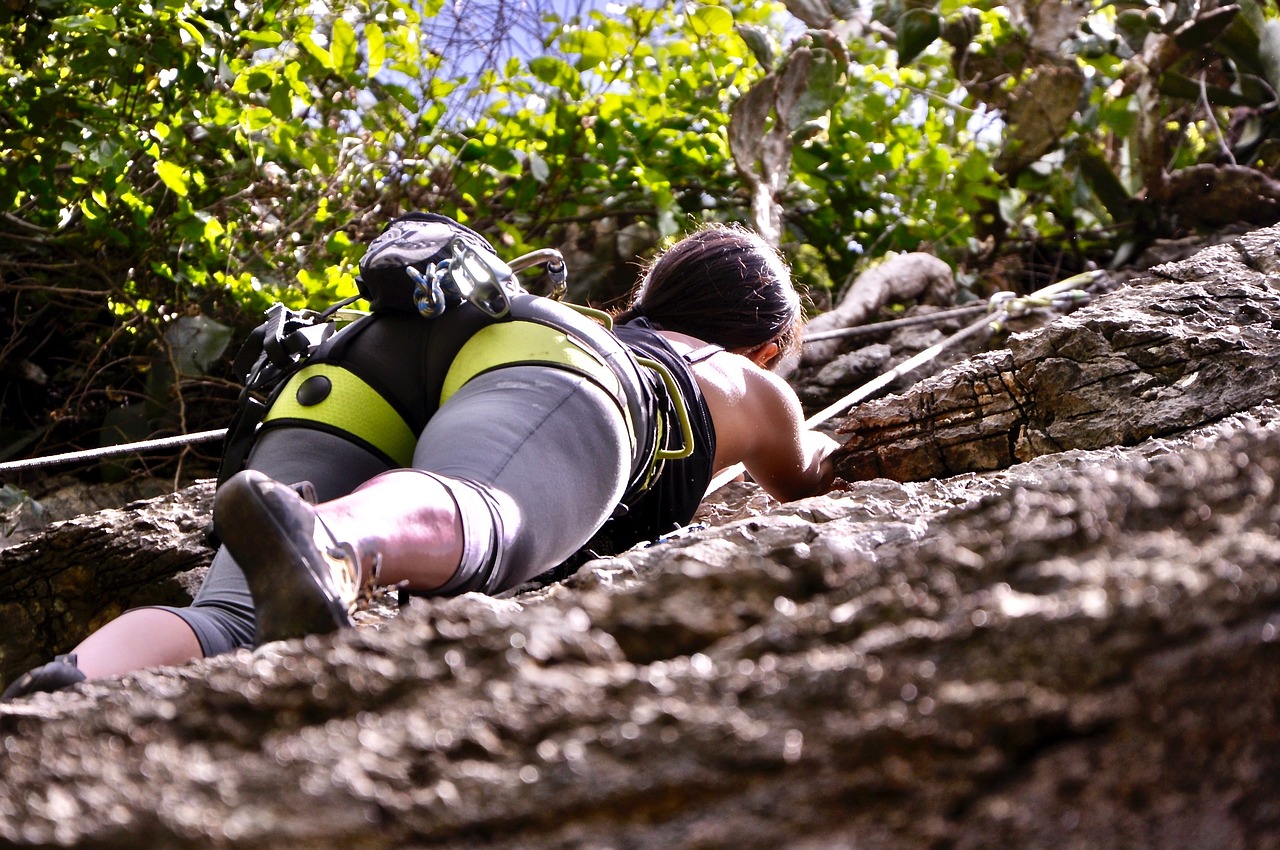
Rock climbing in Nainital
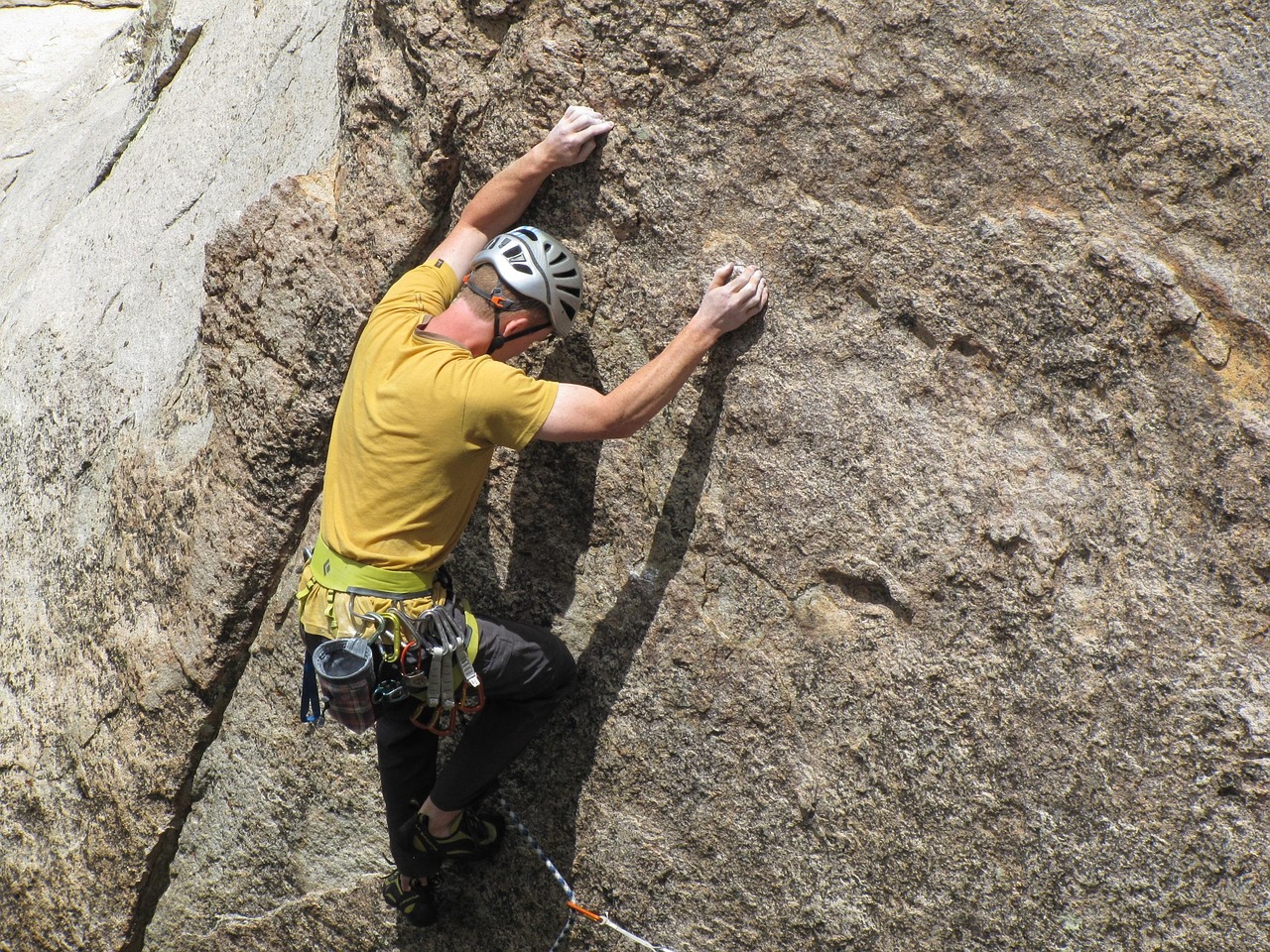
Rock climbing in Hampi (Karnataka)
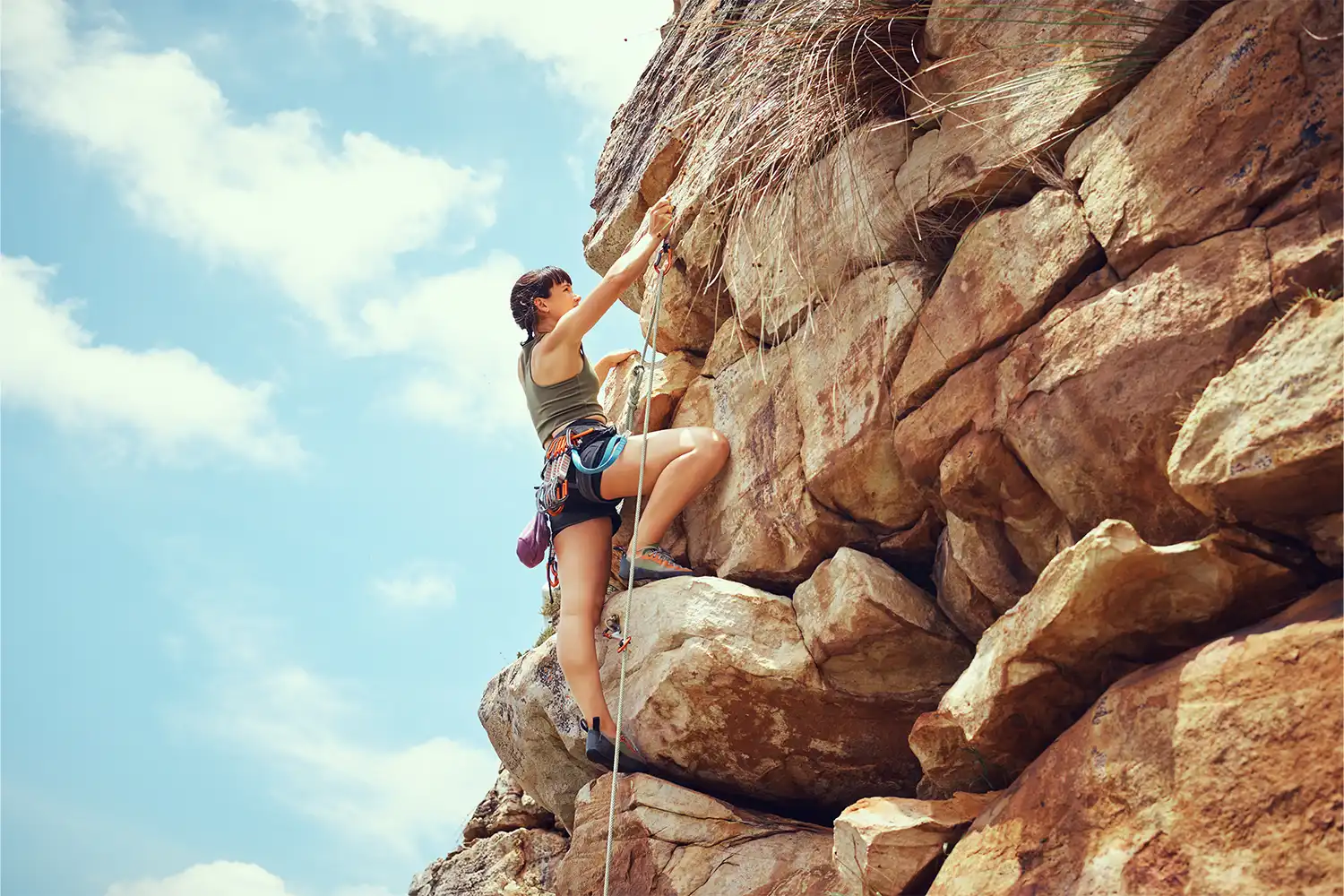
Rock climbing in Aravalli Range (Rajasthan)
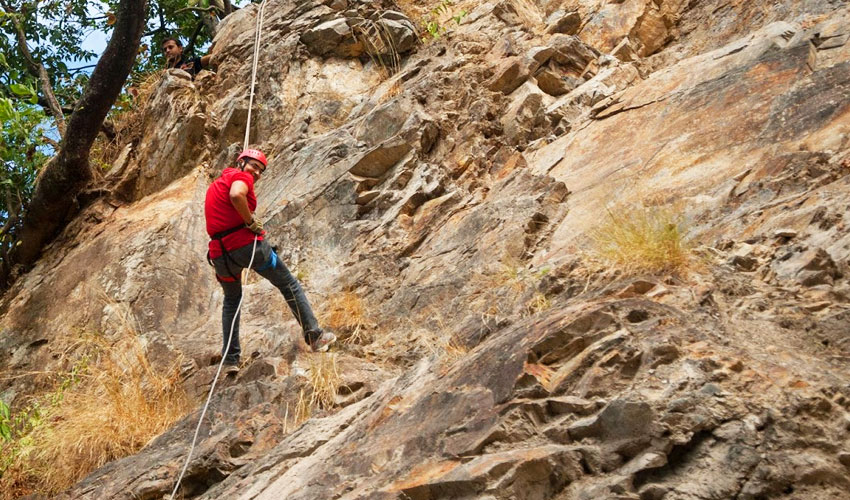
Rock climbing in Rishikesh
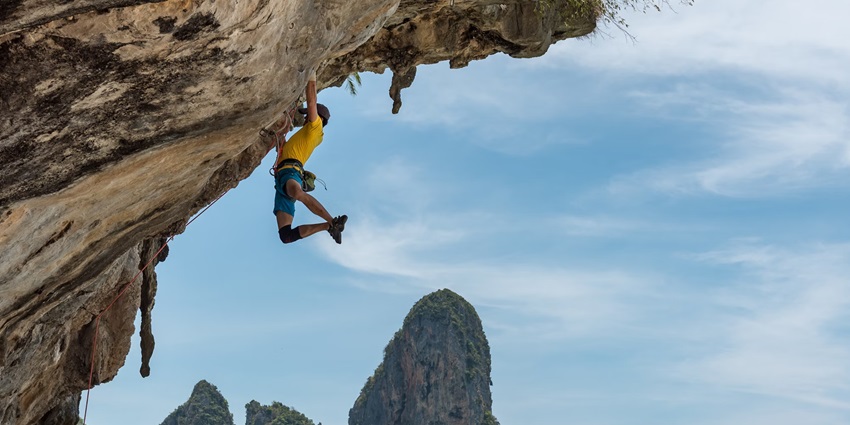
Rock climbing on Shey Rock (Ladakh)
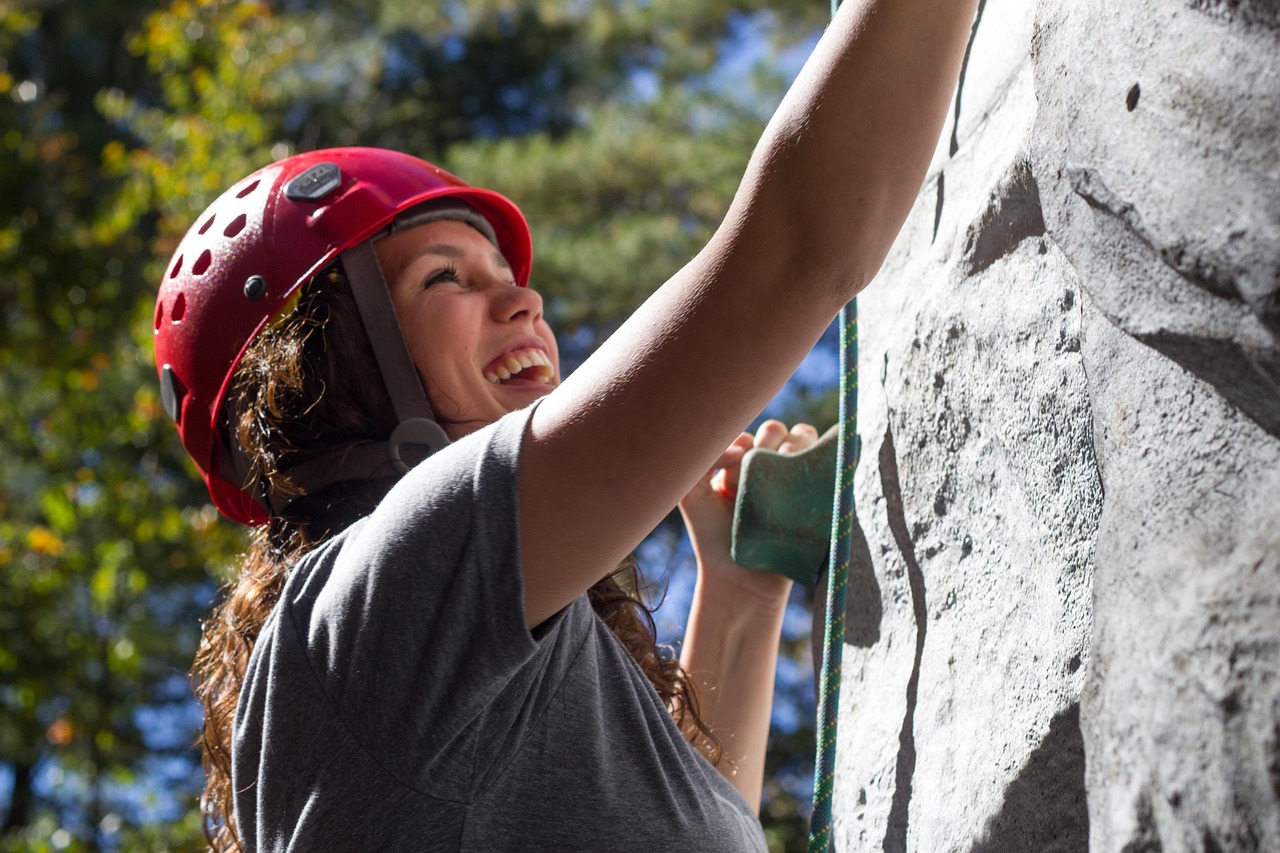
Rock climbing in Pune
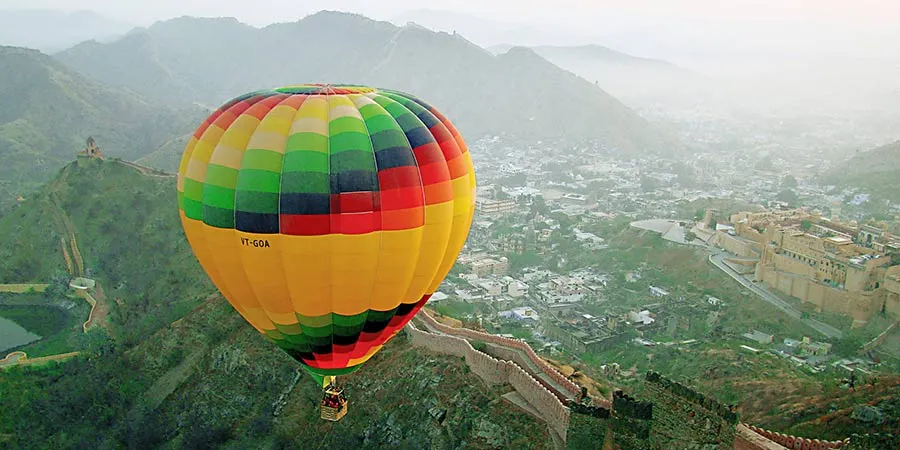
Hot Air Balloon Ride in Jaipur
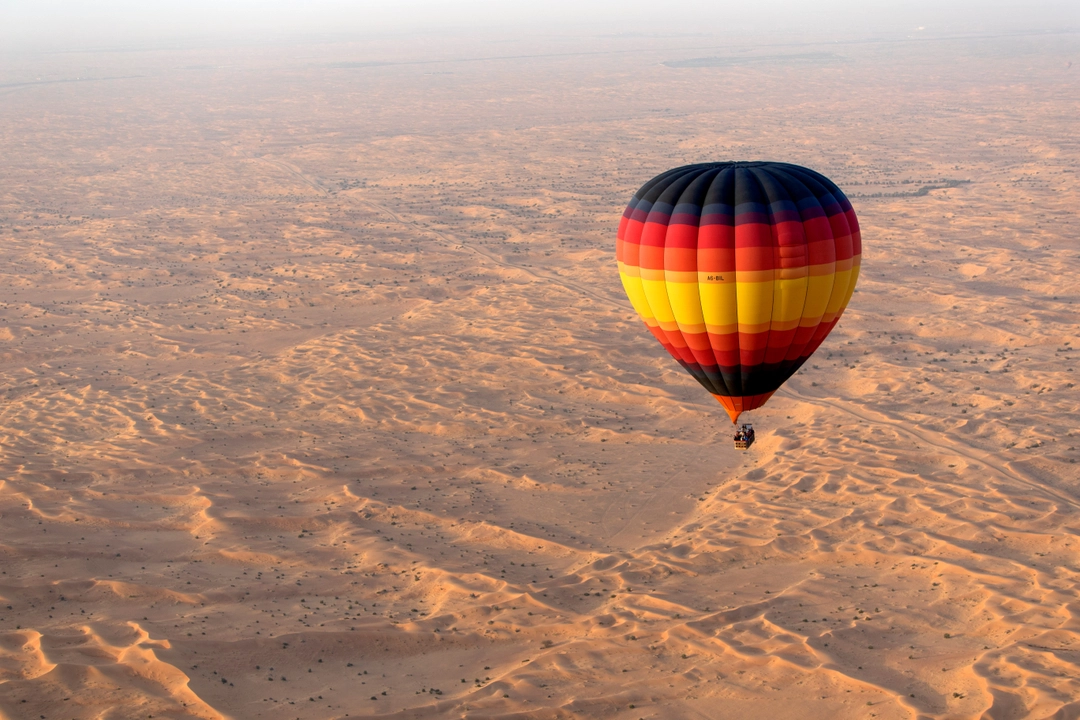
Hot Air Balloon Ride in Pushkar
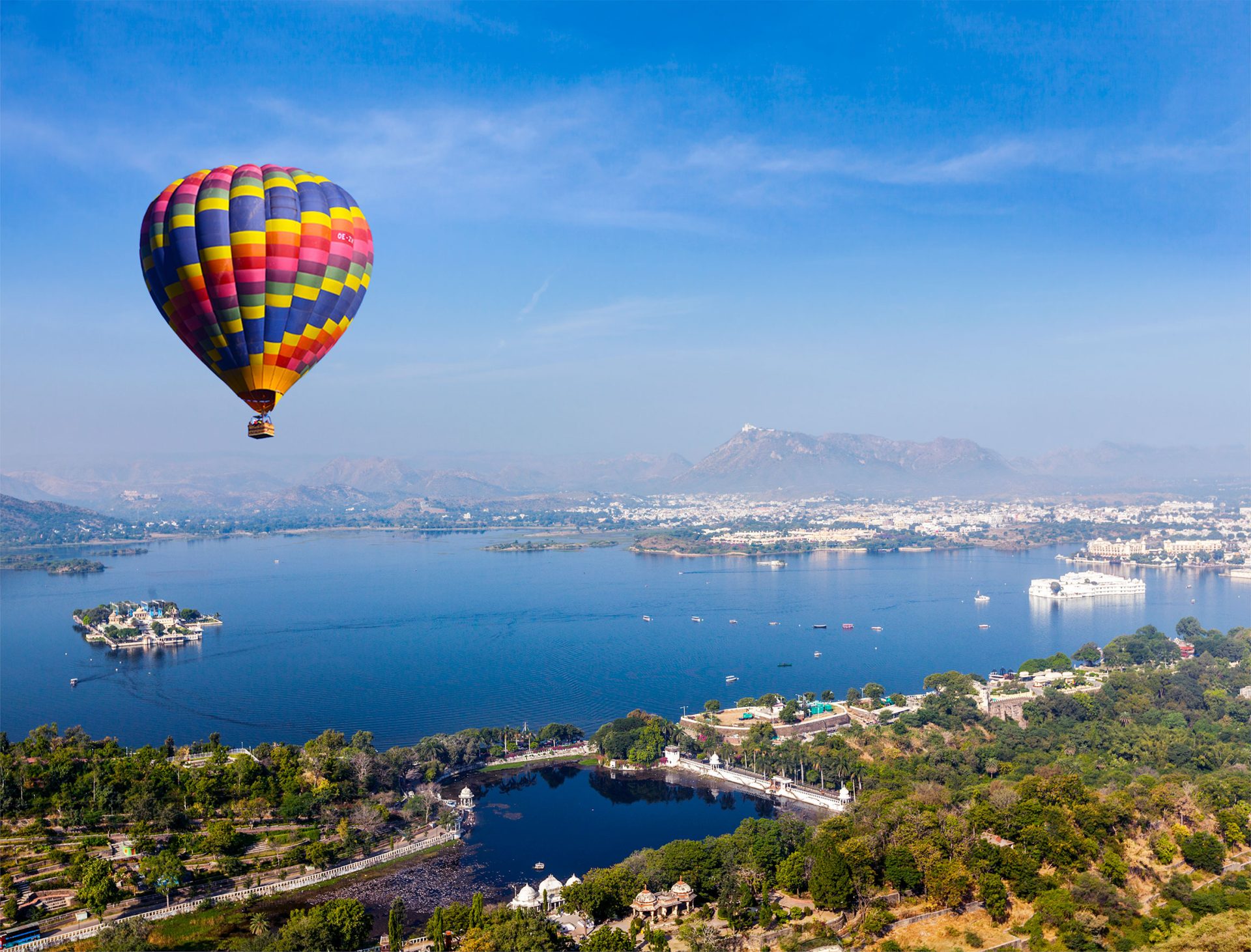
Hot Air Balloon Ride in Udaipur
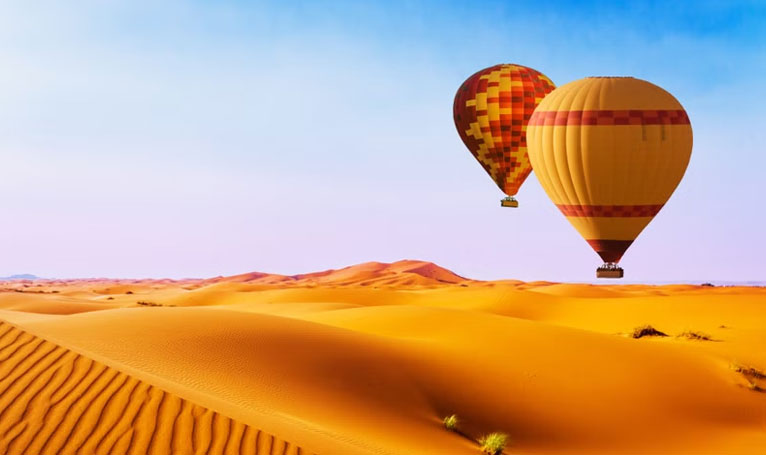
Hot Air Balloon Ride in Jaisalmer
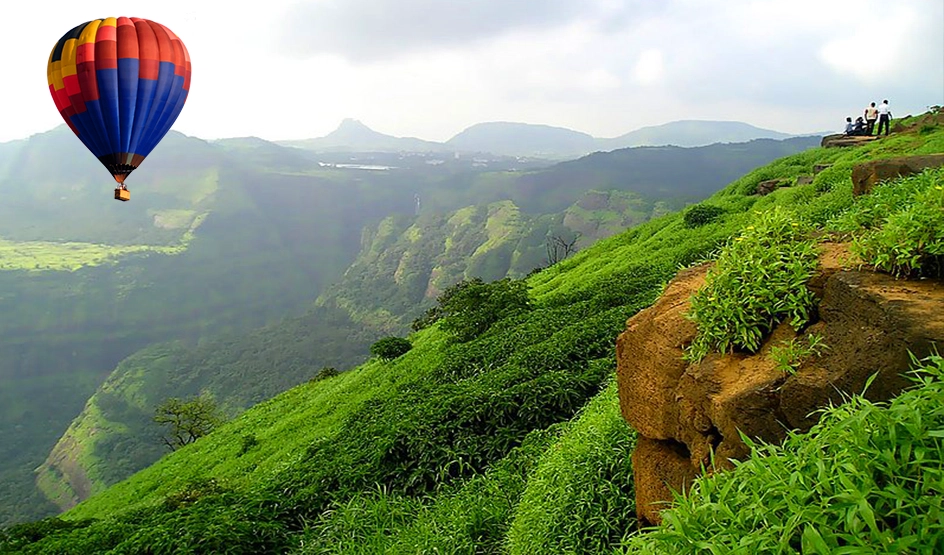
Hot Air Balloon Ride in Lonavala
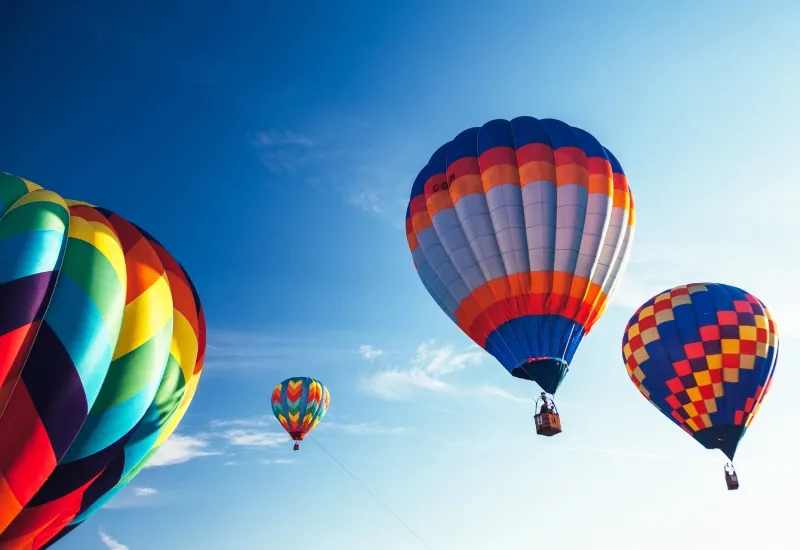
Hot air balloon ride in Mysore
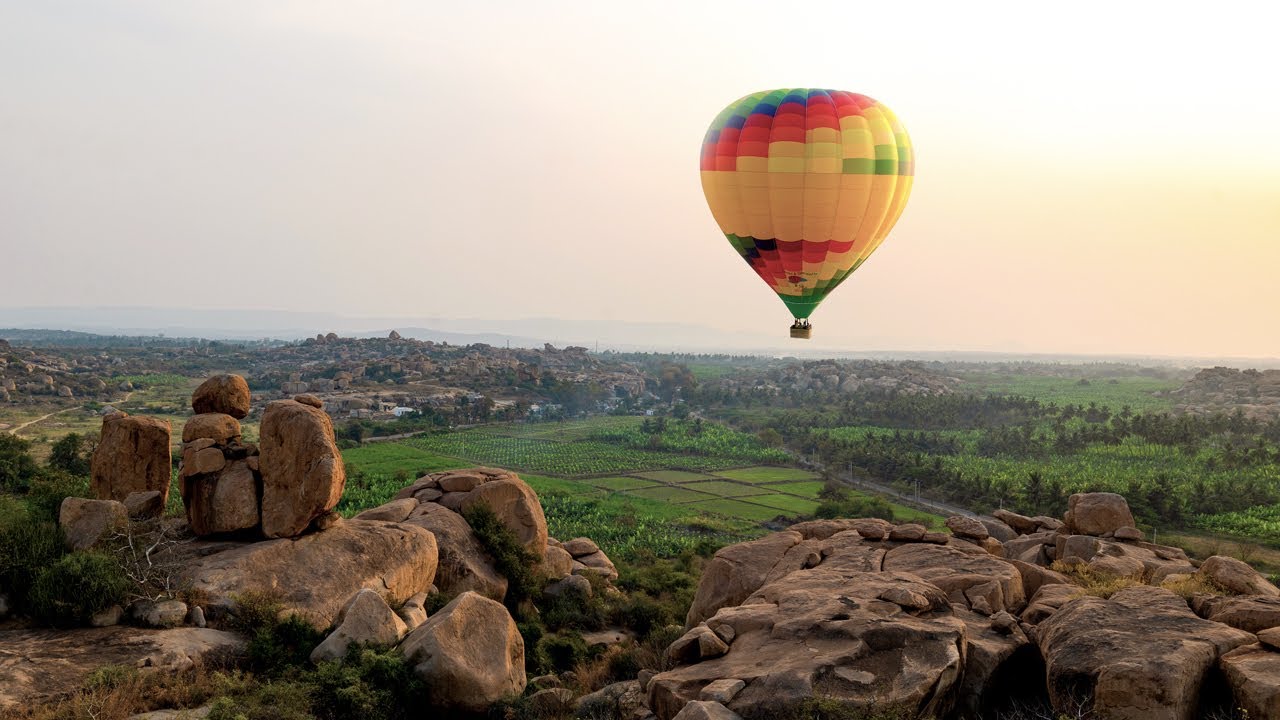
Hot air balloon ride in Hampi
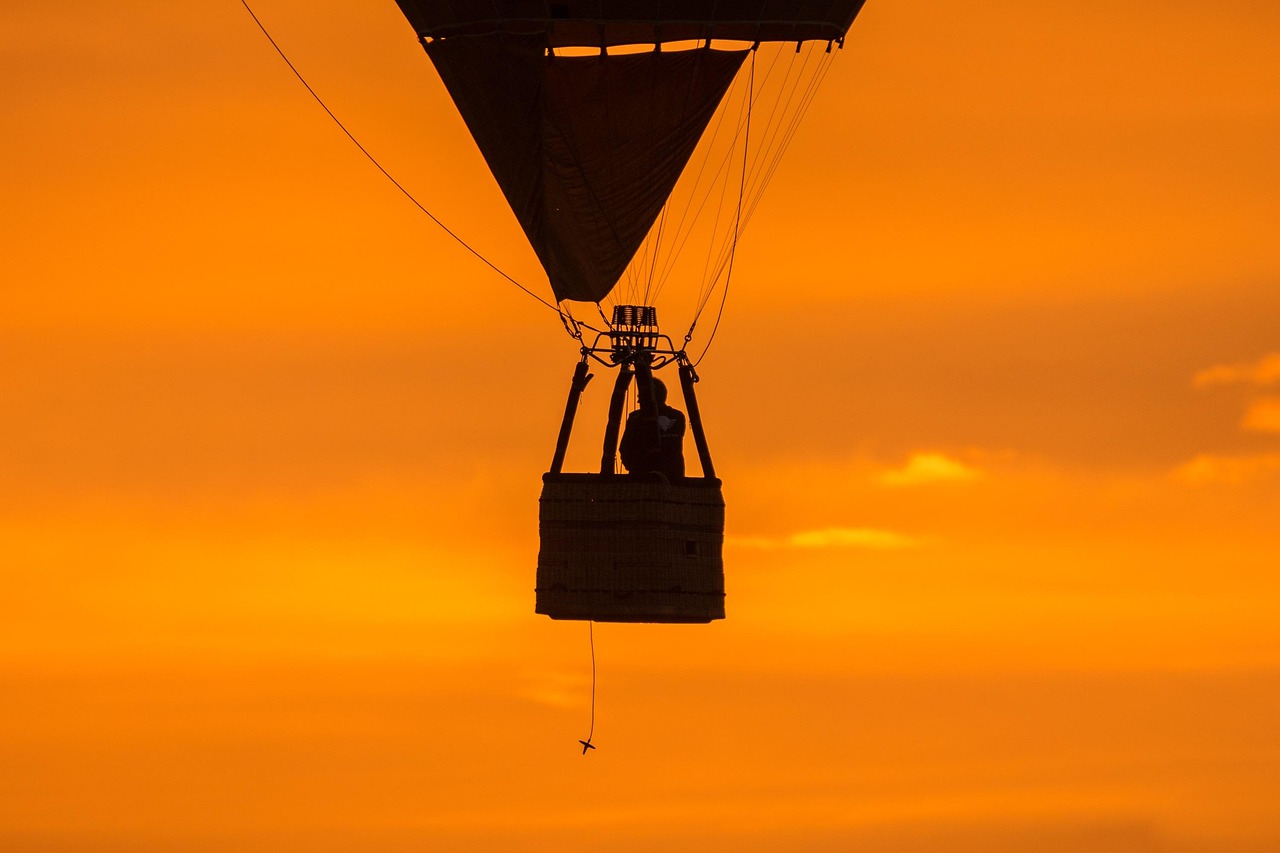
Hot air balloon ride in Nainital
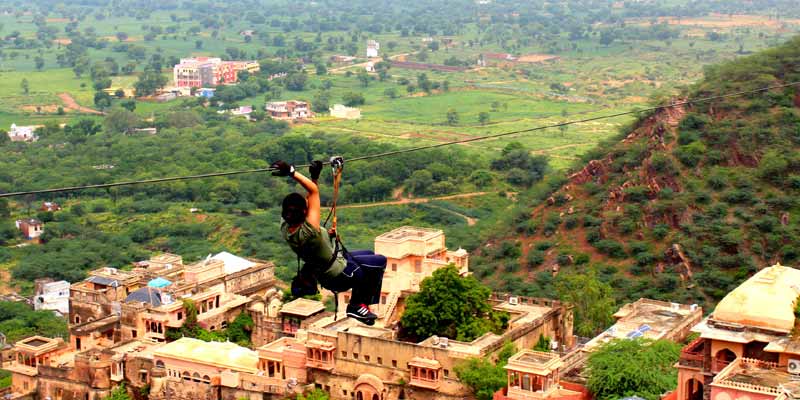
Zip Line ride in Neemrana
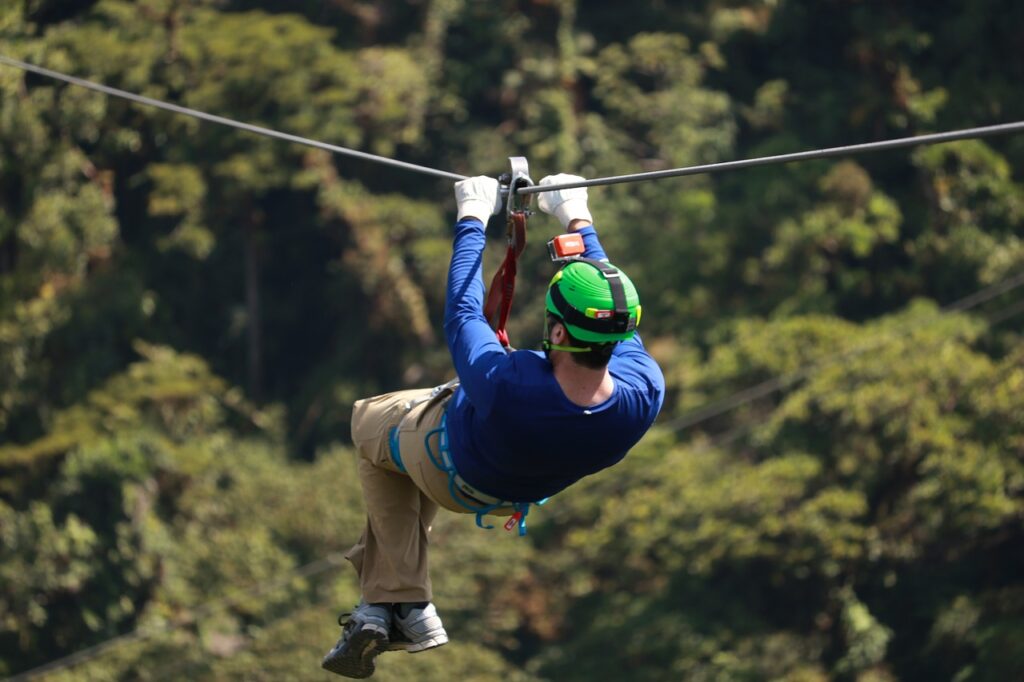
Kikar Lodge Zip Line
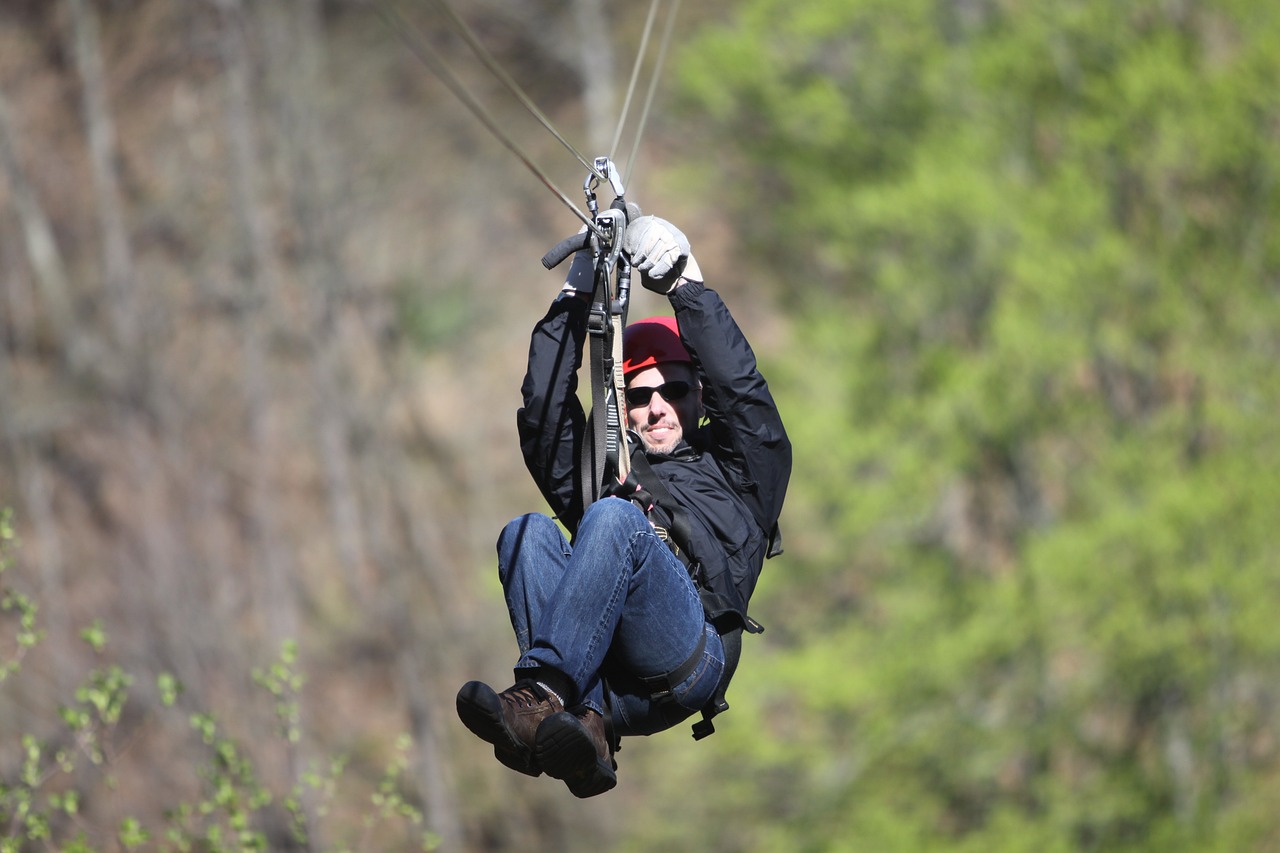
Zip Line ride in Rishikesh
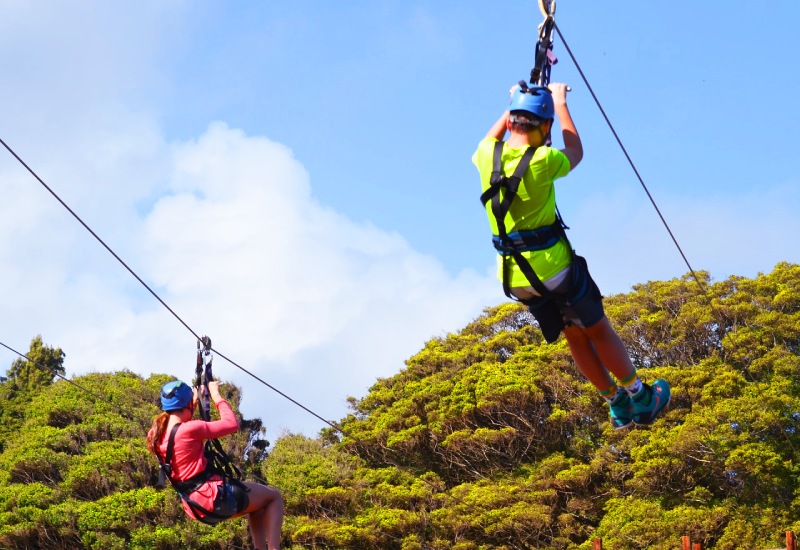
Zip Line ride in Mussoorie
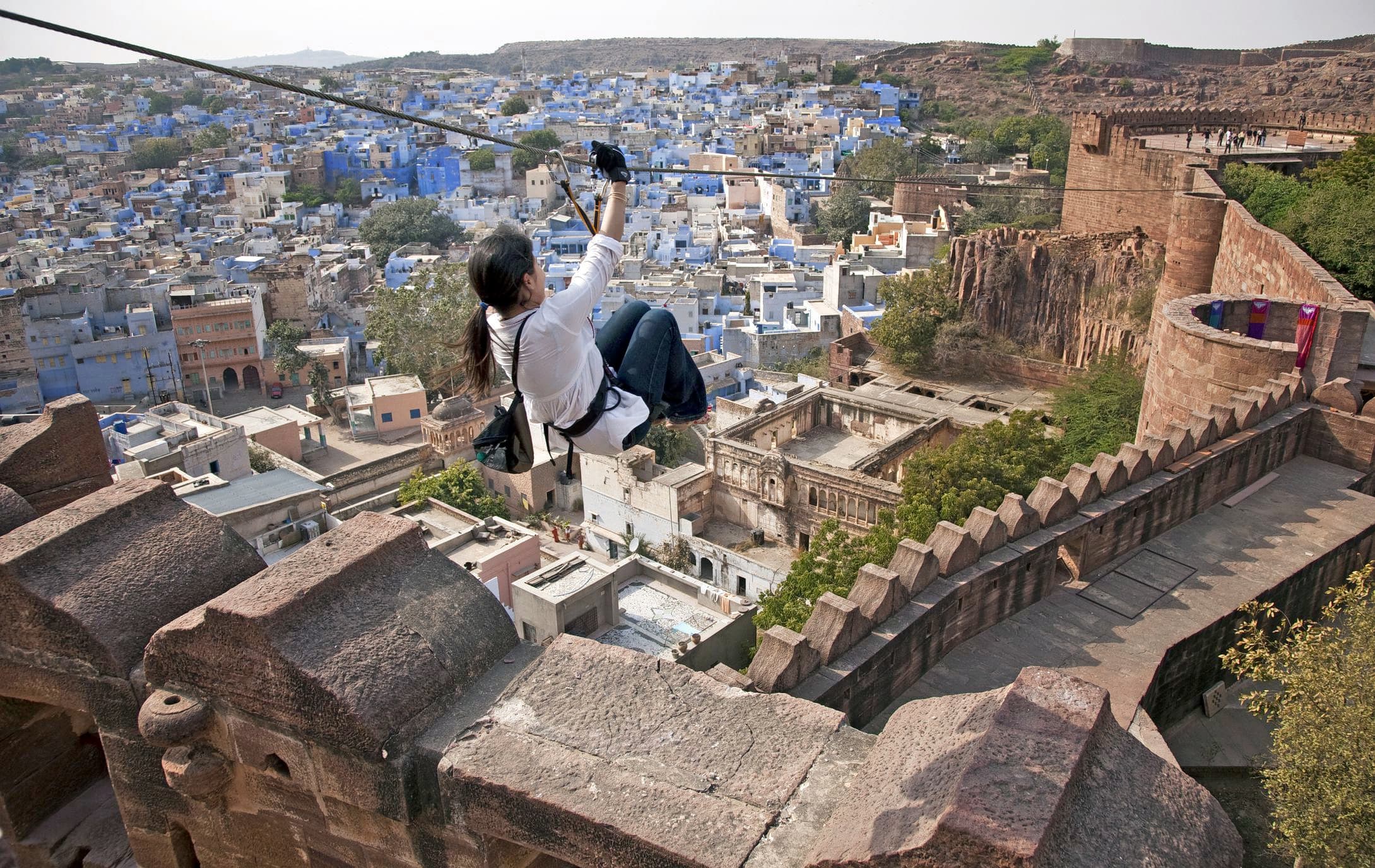
Zip Line ride in Jodhpur
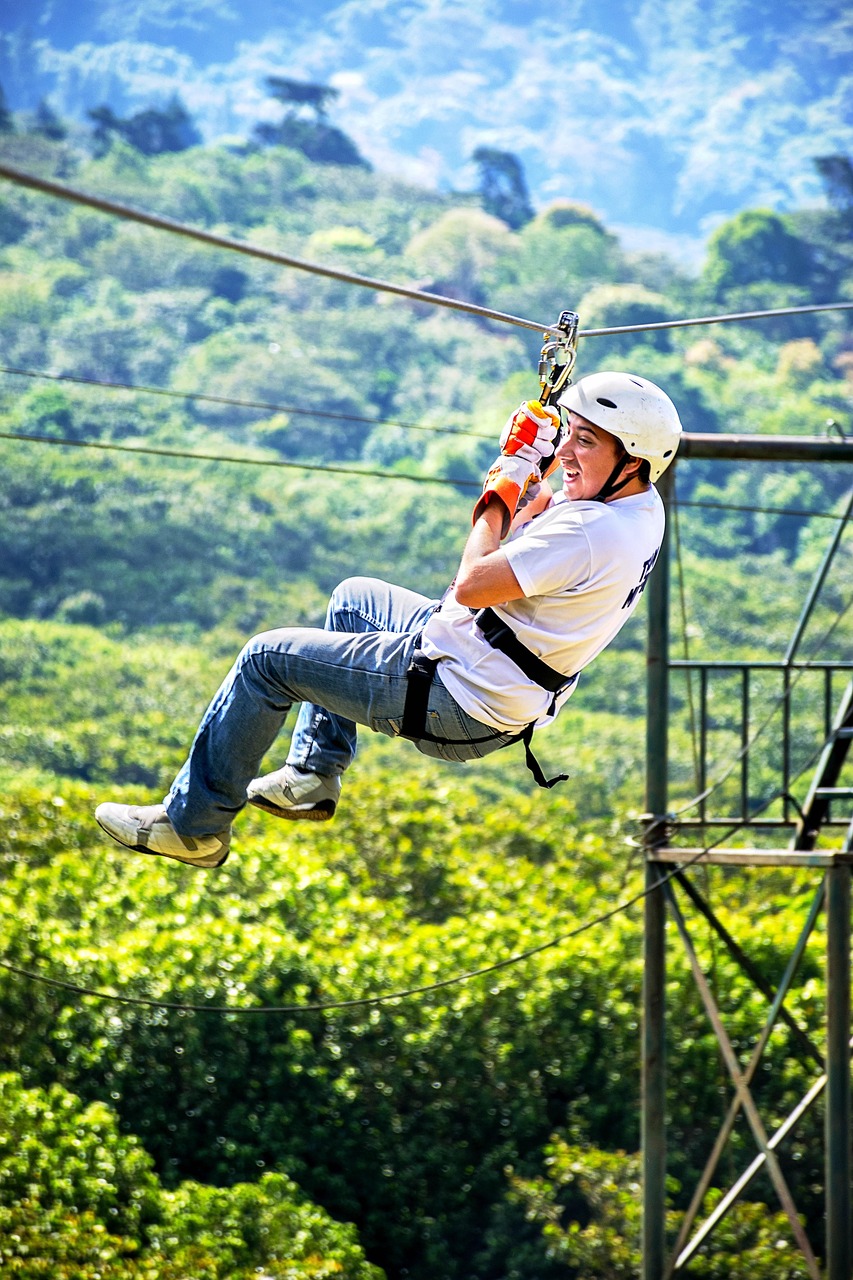
Zip Line ride in Munnar
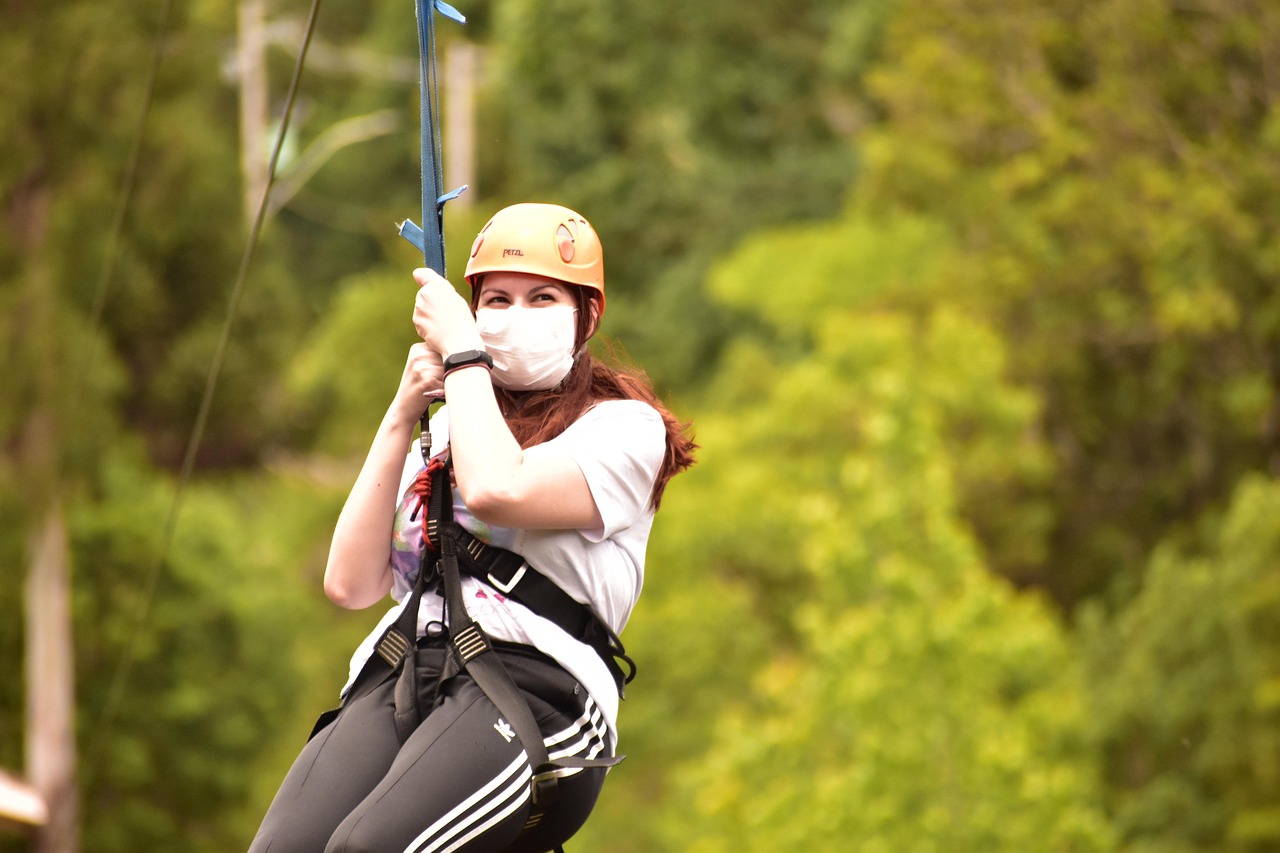
Zip Line ride in Manali
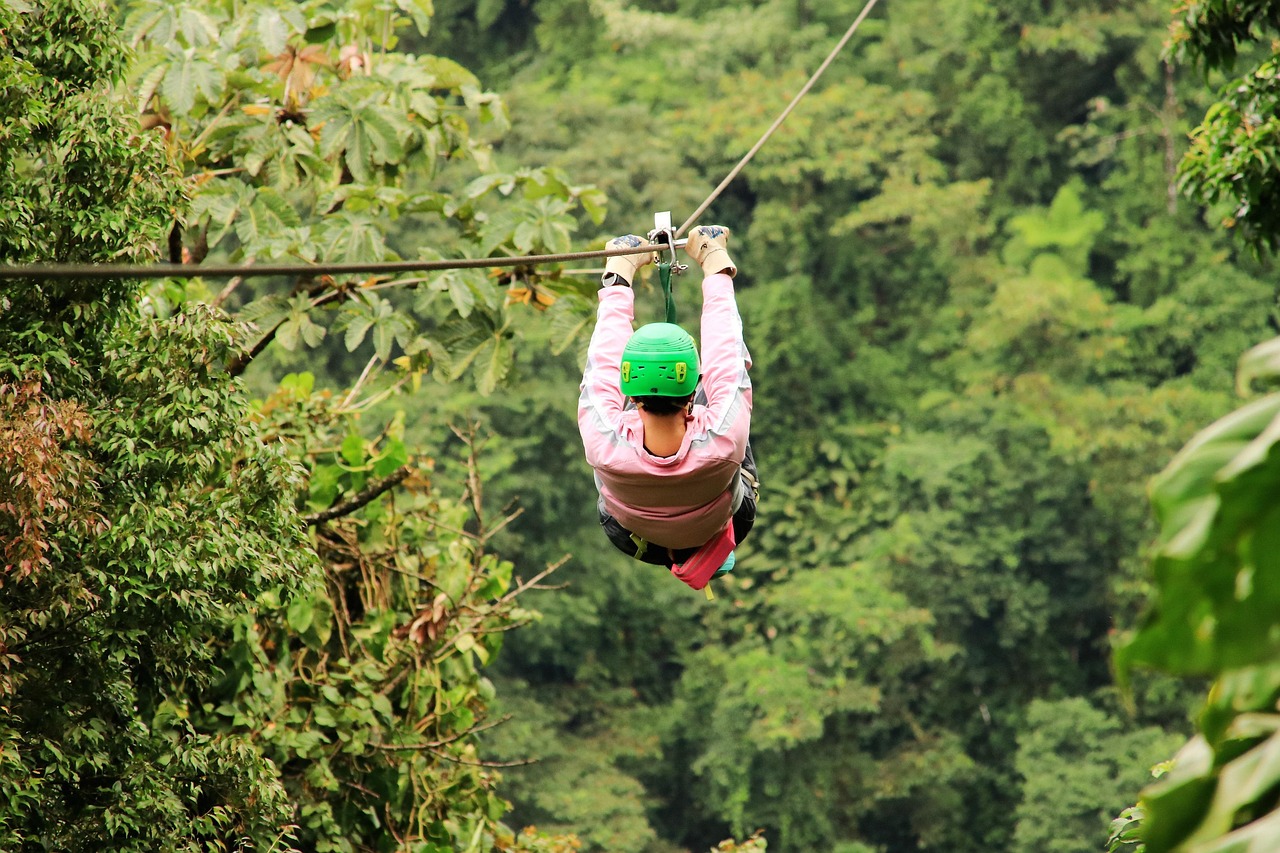
Zip Line ride in Darjeeling
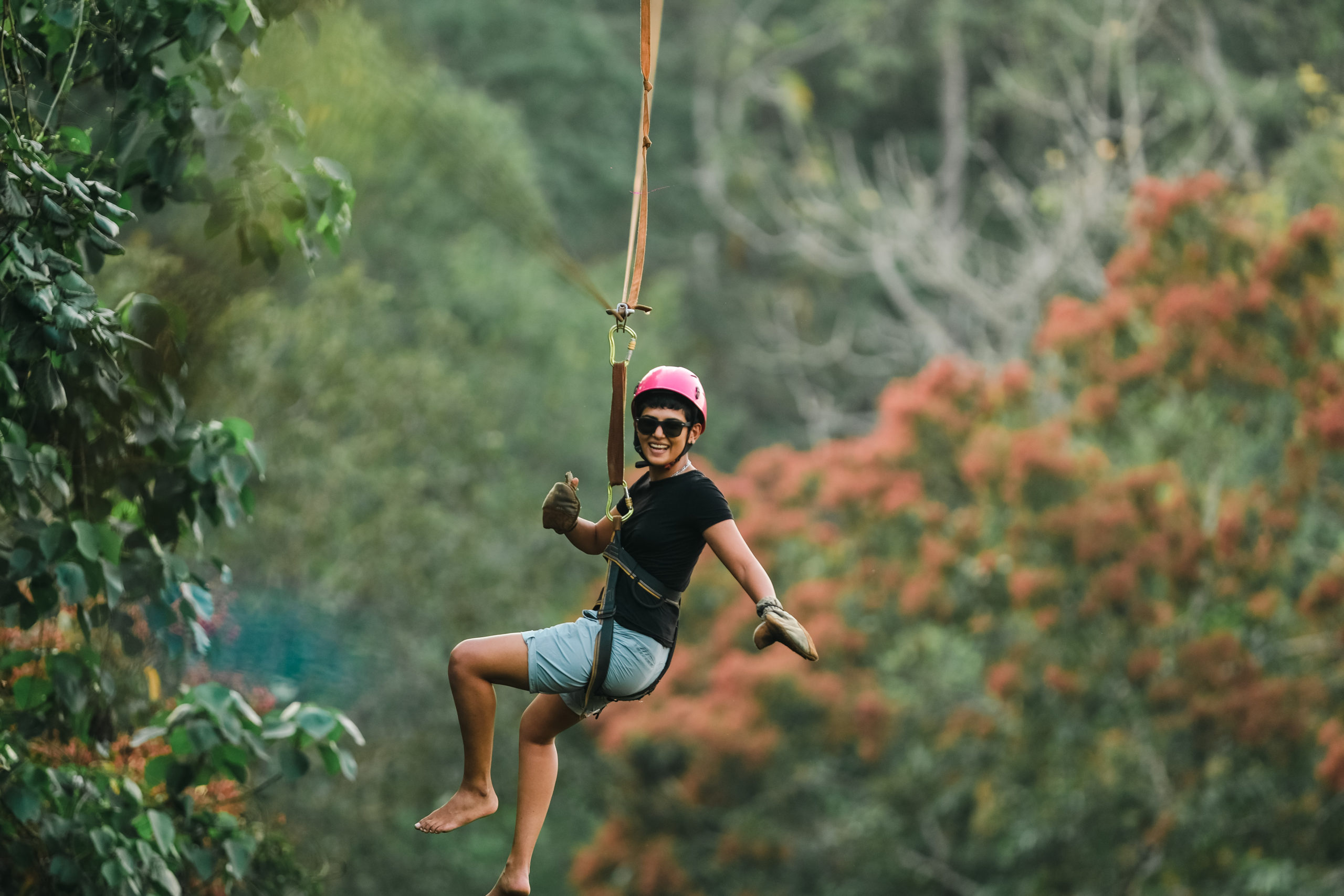
Zip Line ride in Goa
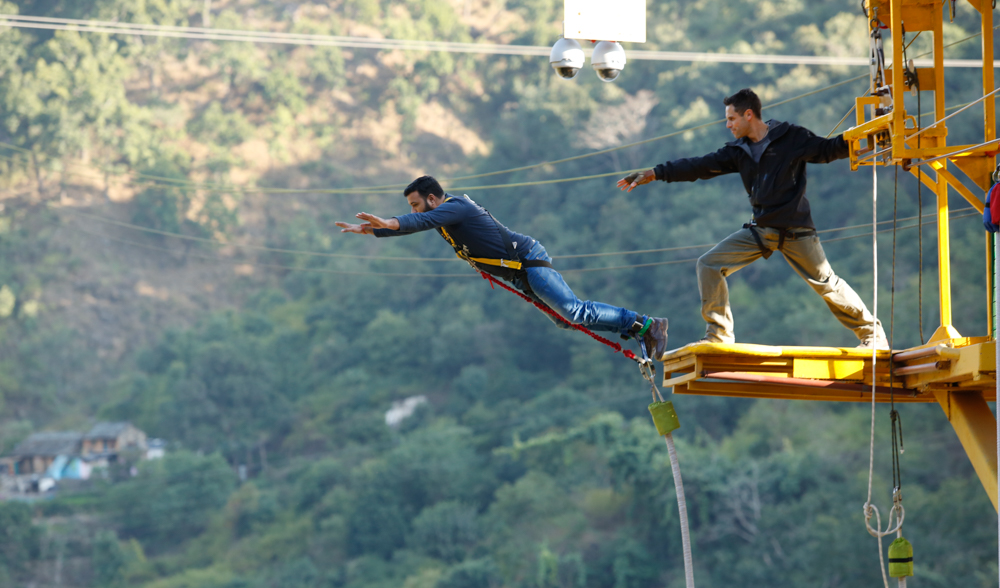
Bungee Jumping in Rishikesh
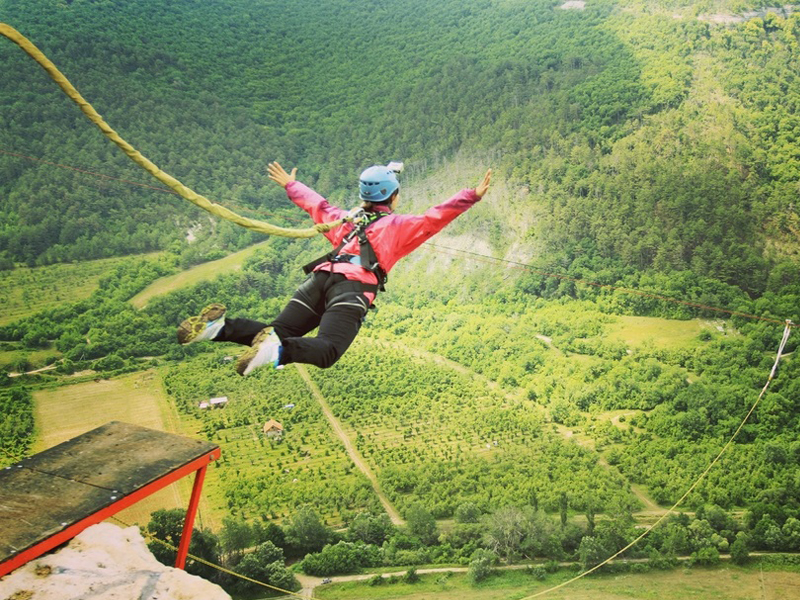
Bungee Jumping in Udaipur
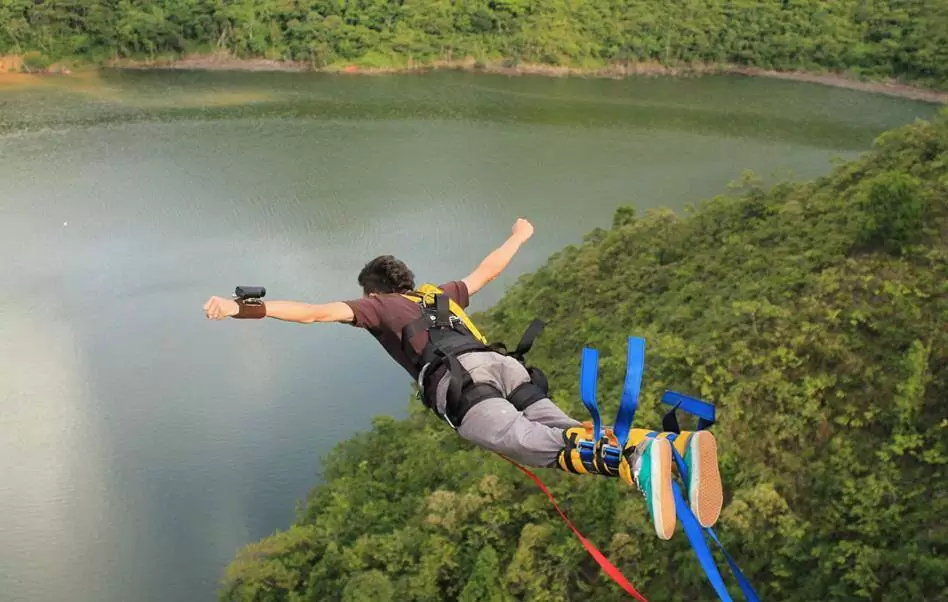
Bungee Jumping in Goa
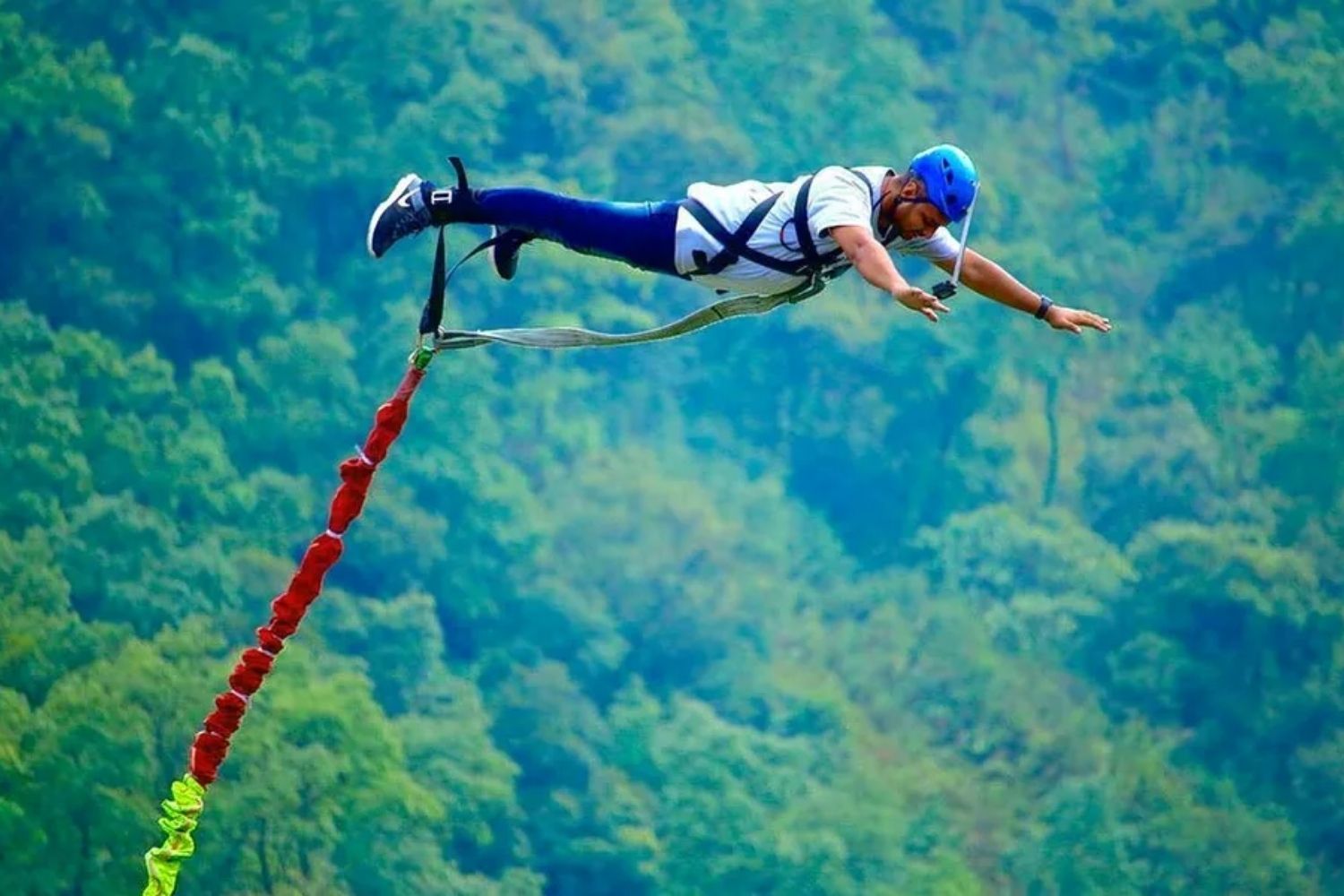
Bungee Jumping in Lonavala
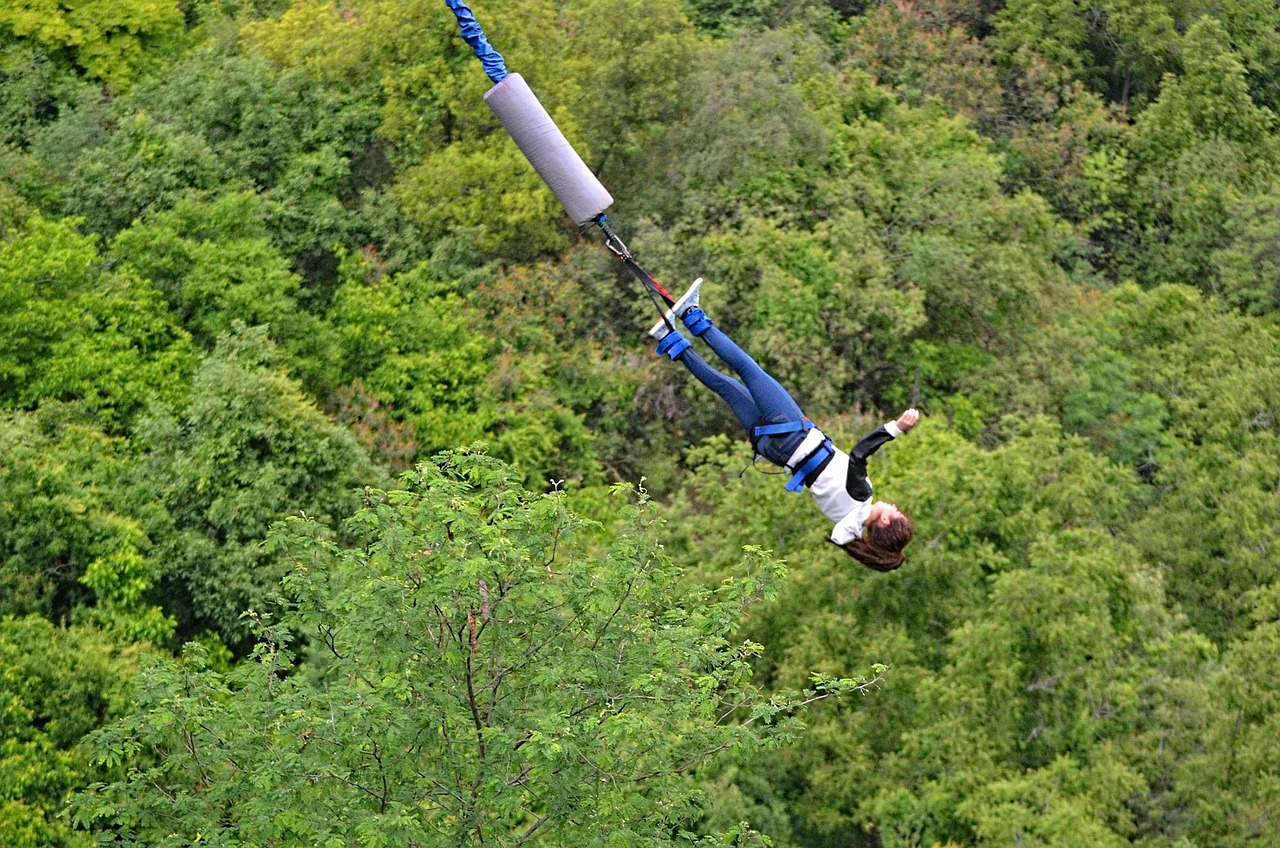
Bungee jumping in Bangalore
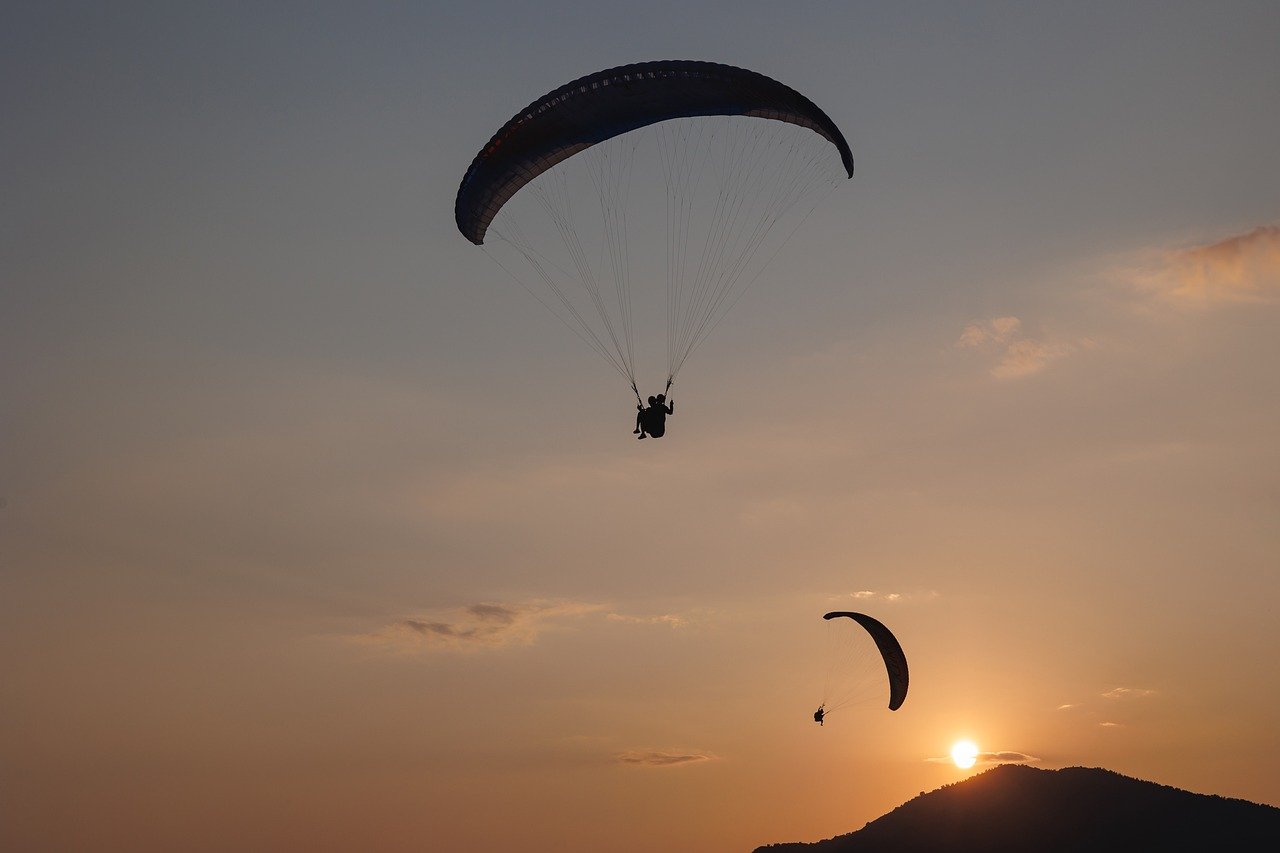
Paragliding in Bir Billing
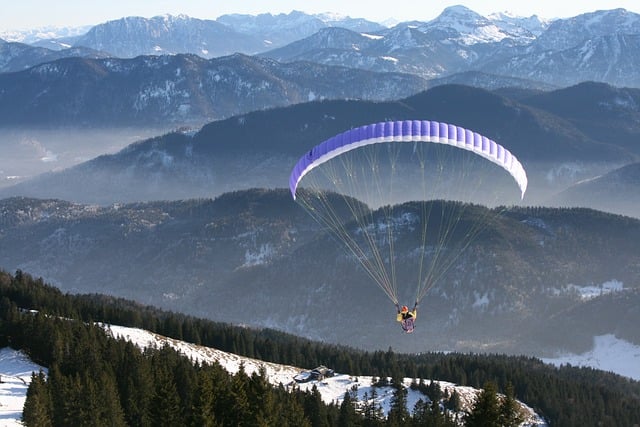
Paragliding in Manali
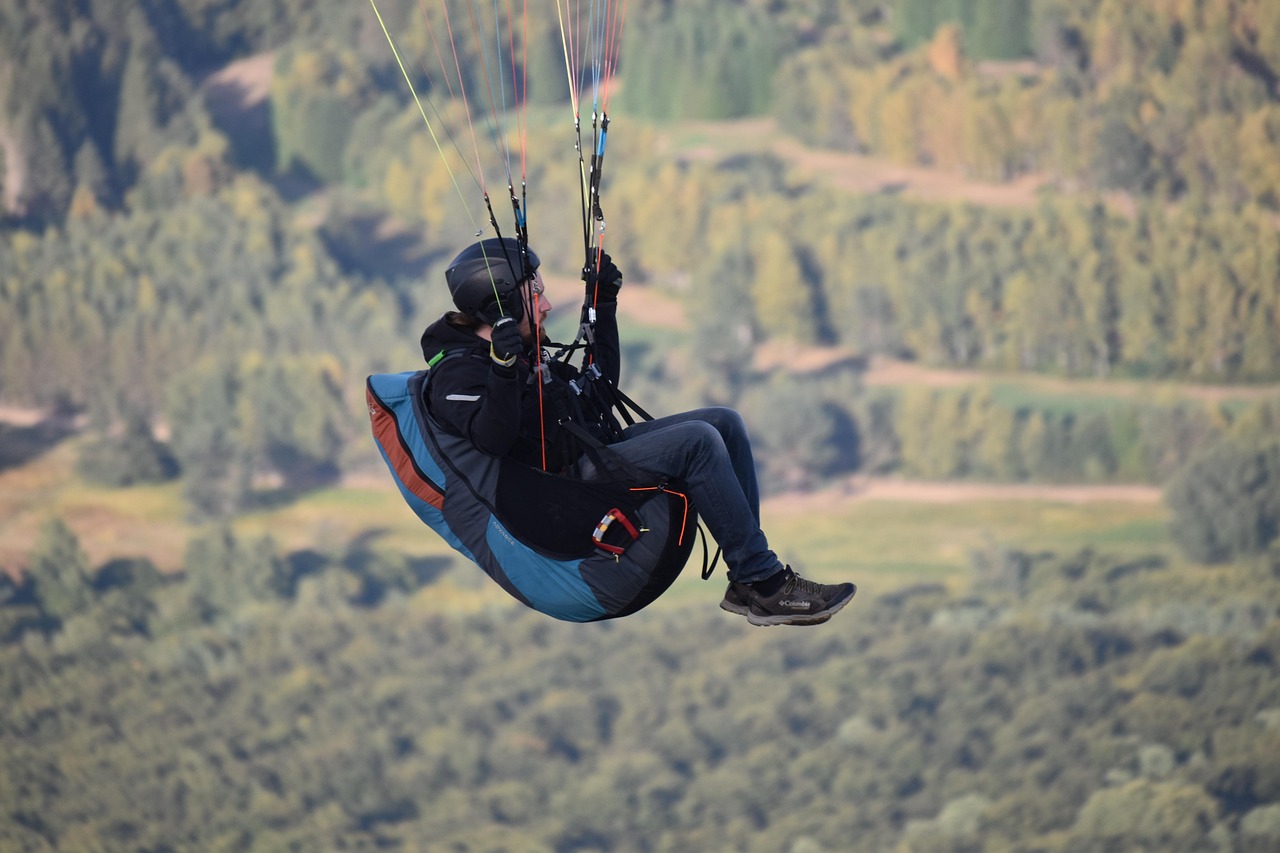
Paragliding in Nainital
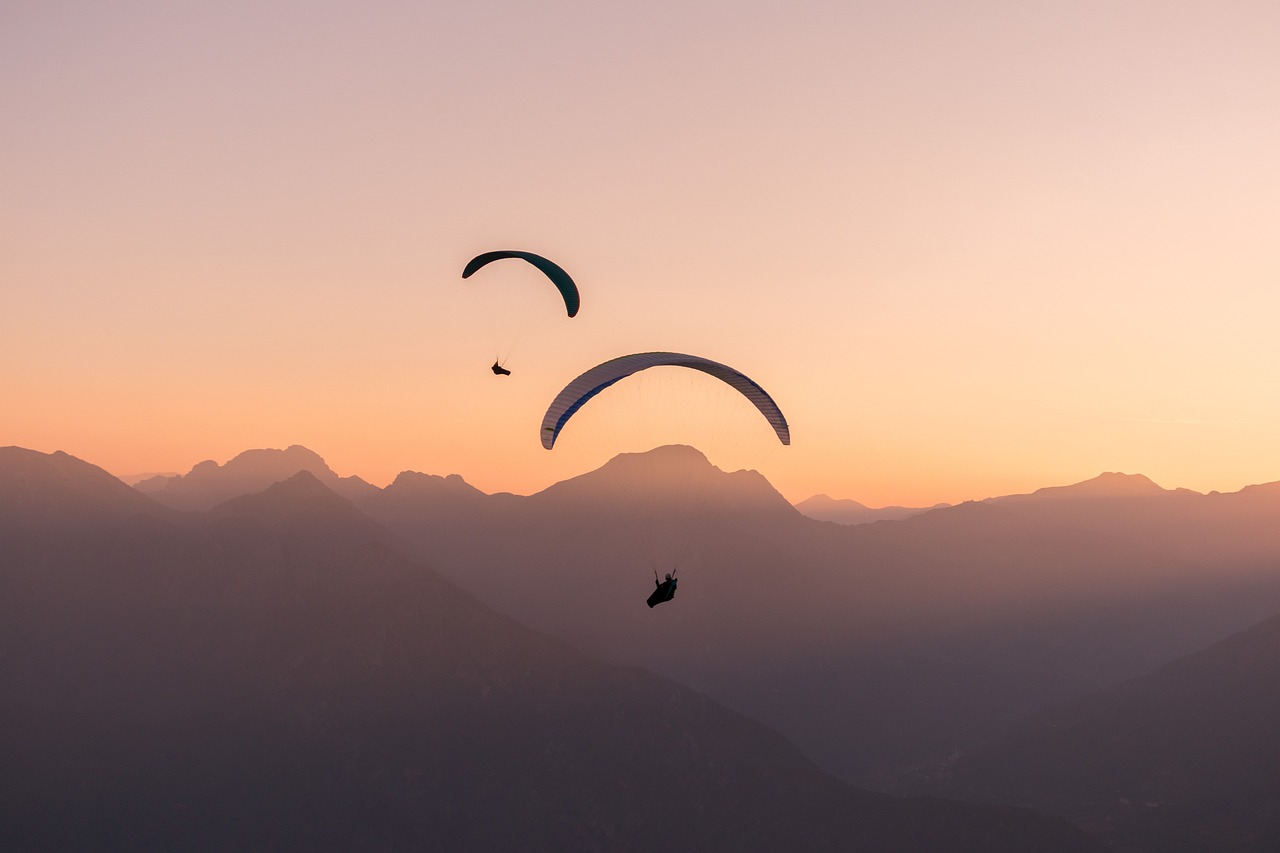
Paragliding in Kamshet
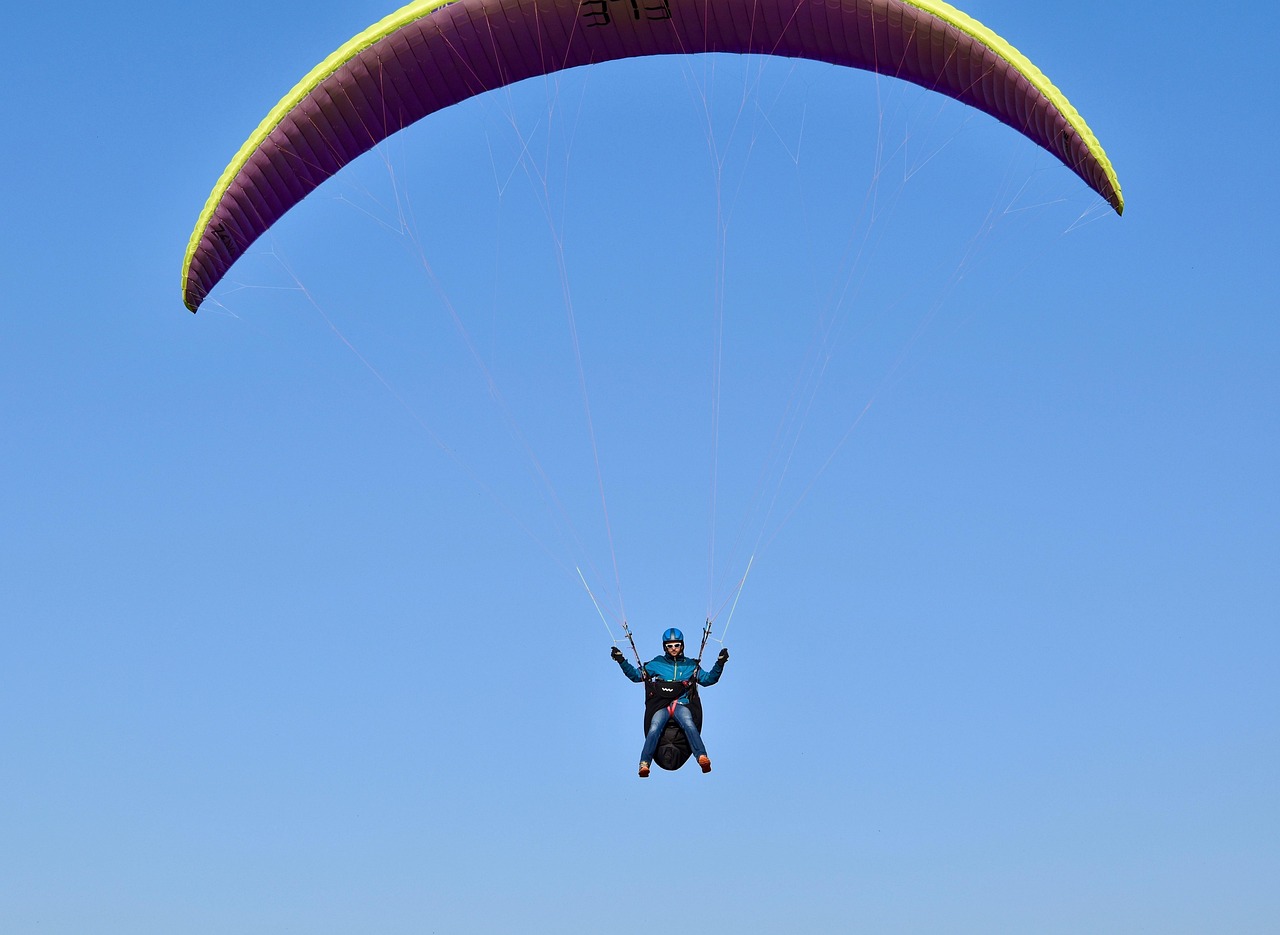
Paragliding in Ranikhet and Mukteshwar
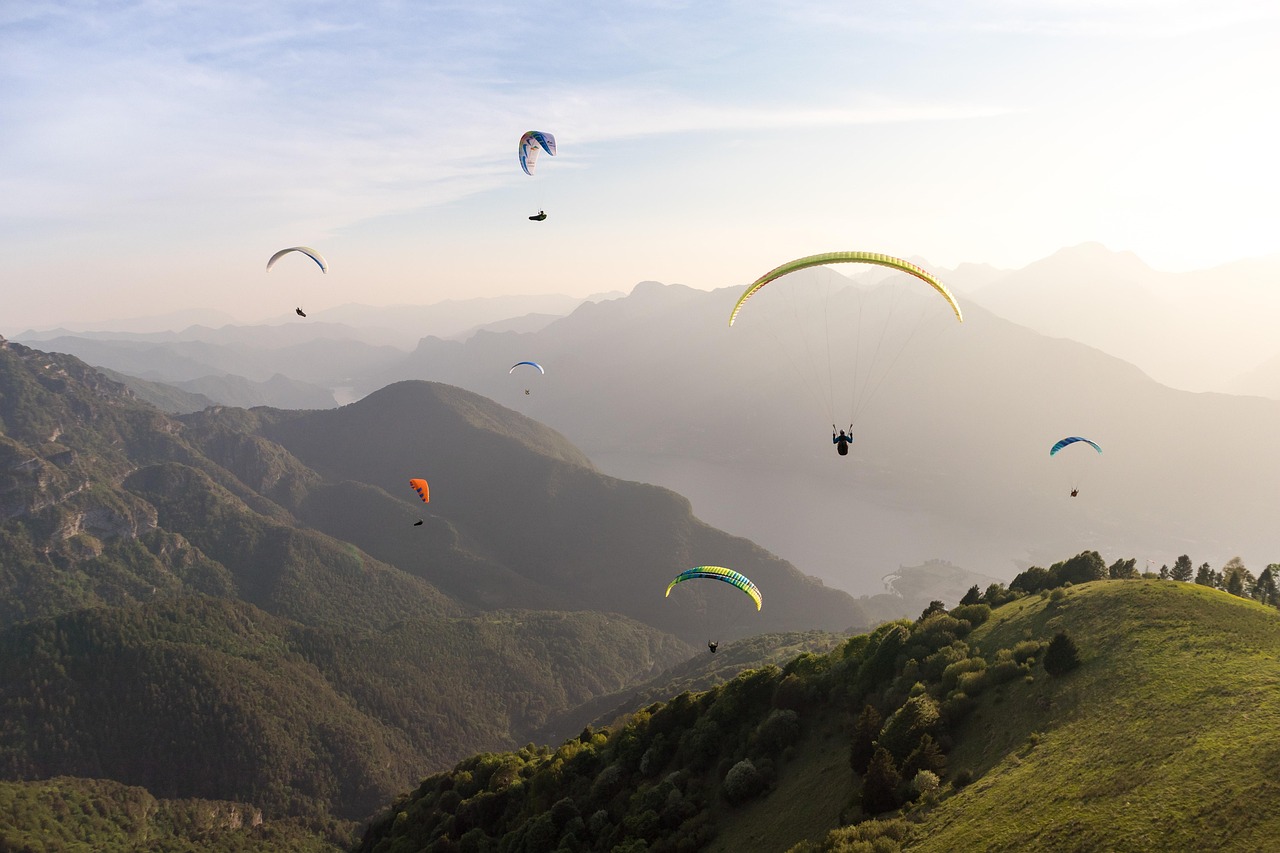
Paragliding in Gangtok
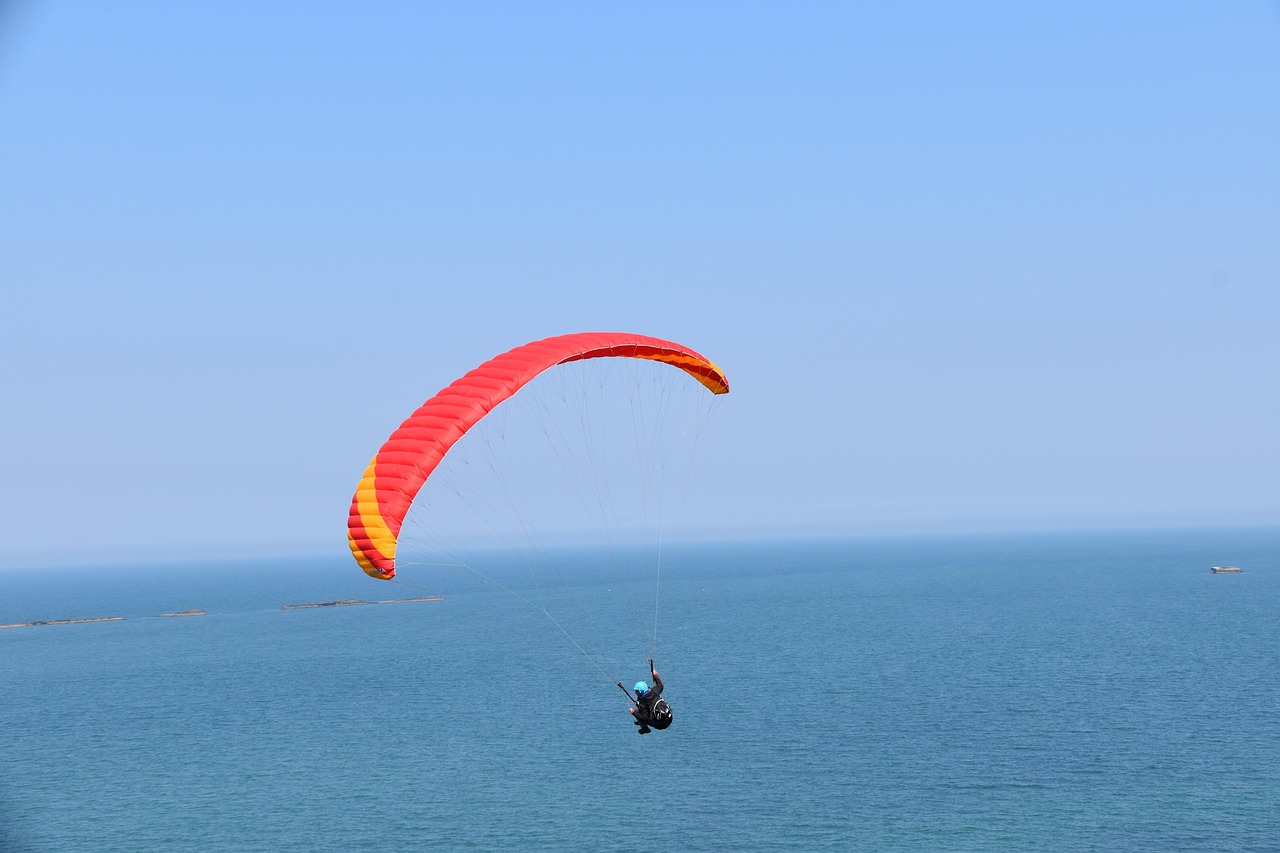
Paragliding in Arambol, Goa
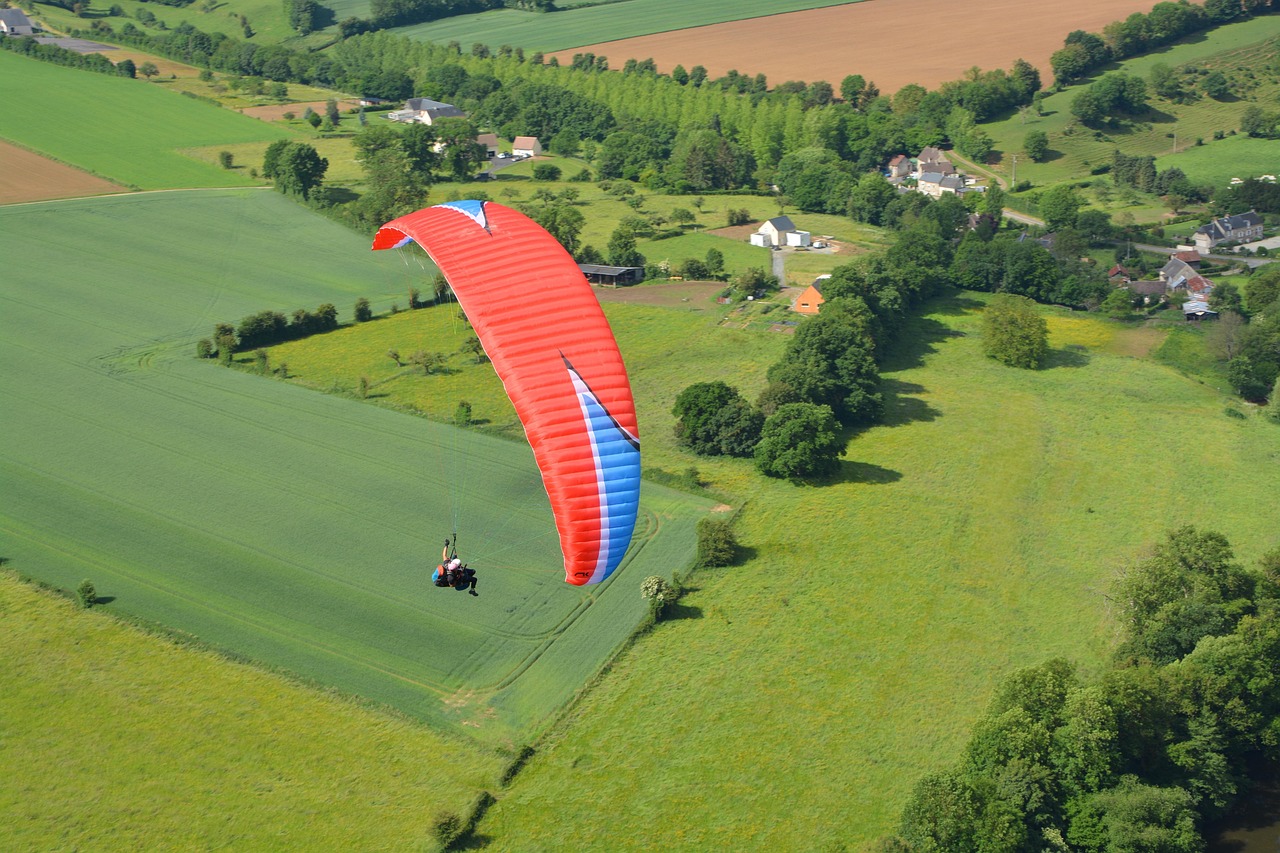
Paragliding in Pavagadh, Gujarat
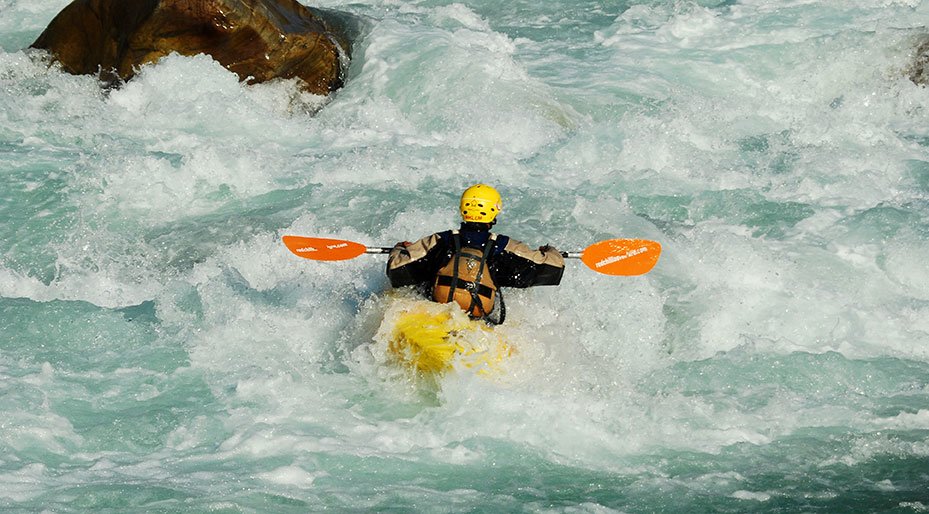
Kayaking in Rishikesh
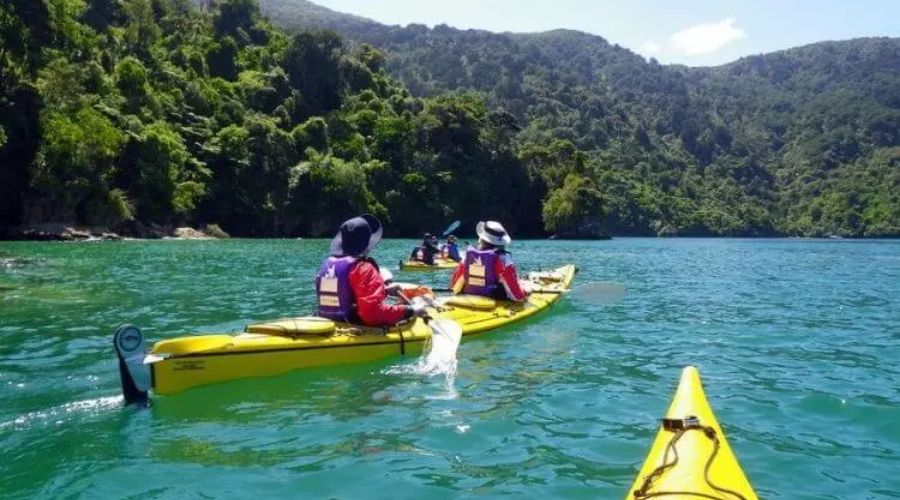
Kayaking in Andaman and Nicobar Islands
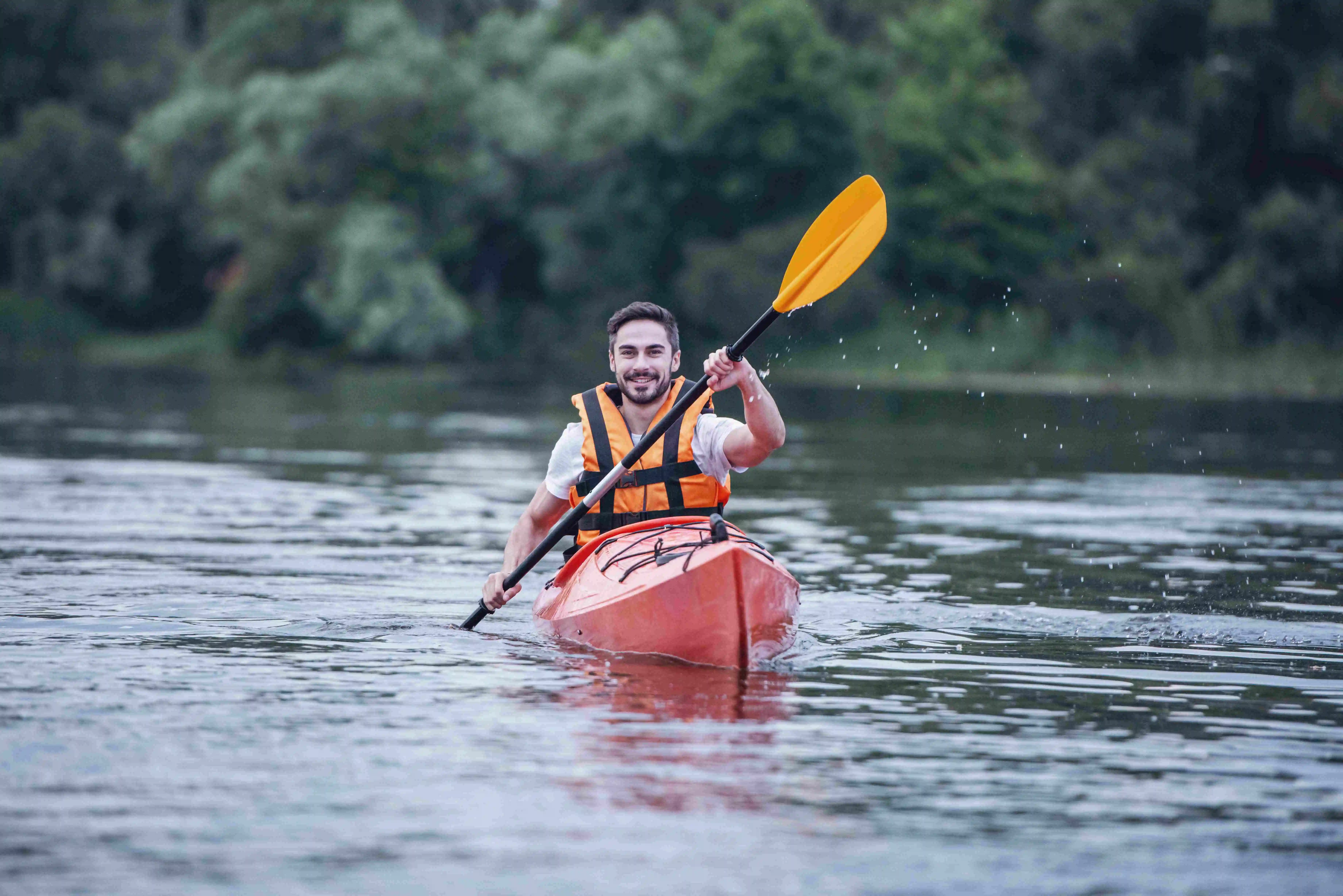
Kayaking in Kerala
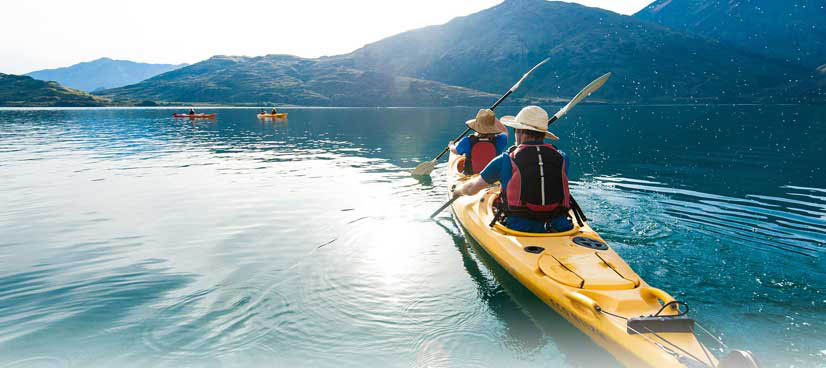
Kayaking in Sikkim
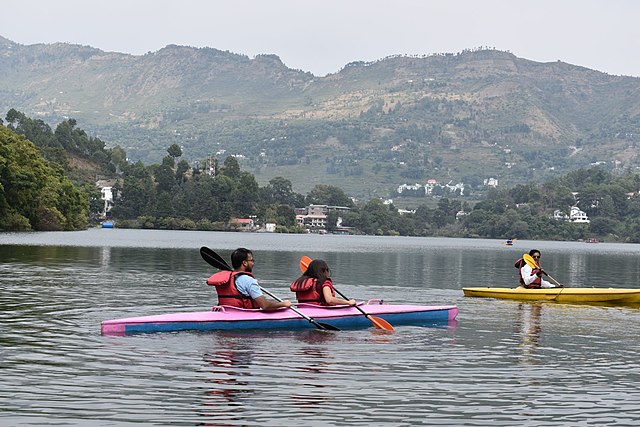
Kayaking in Nainital
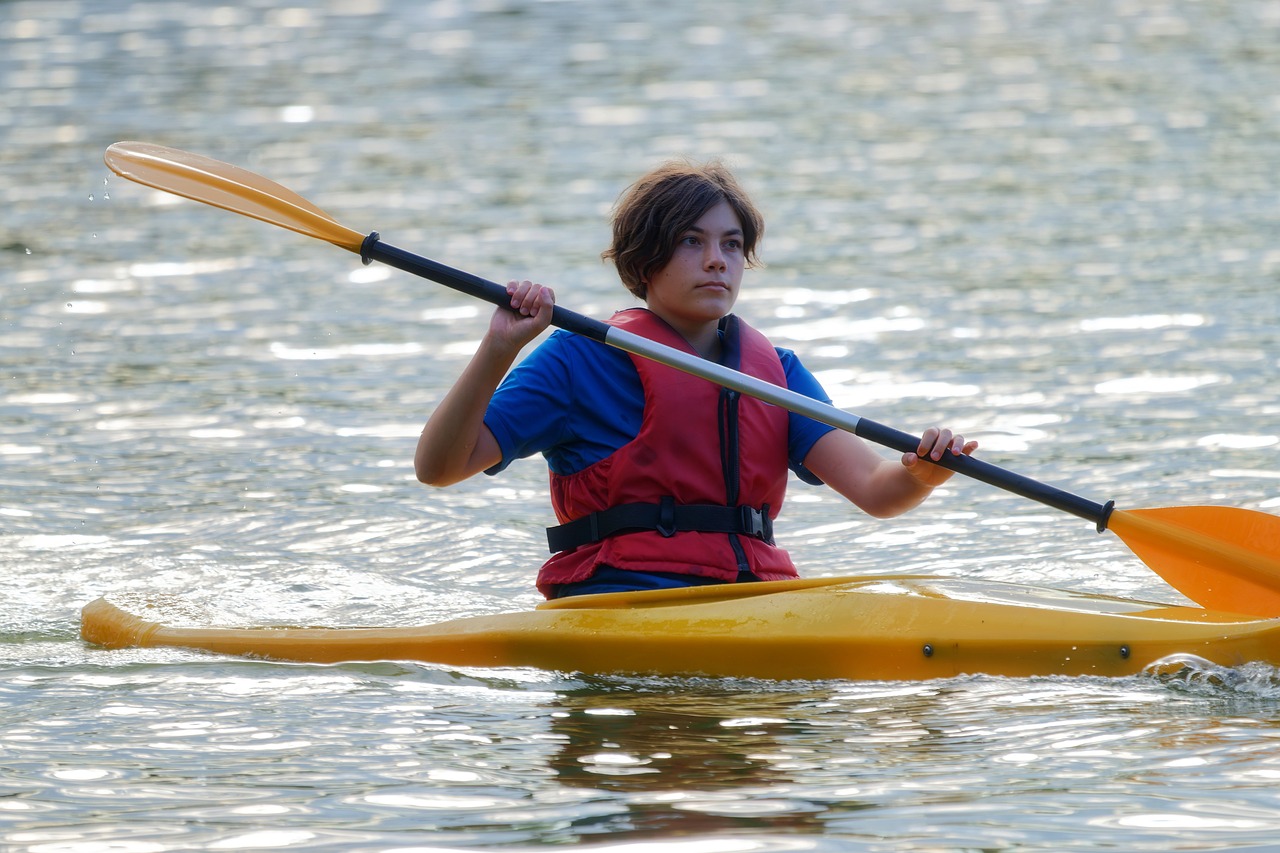
Kayaking in Tungabhadra River, Karnataka
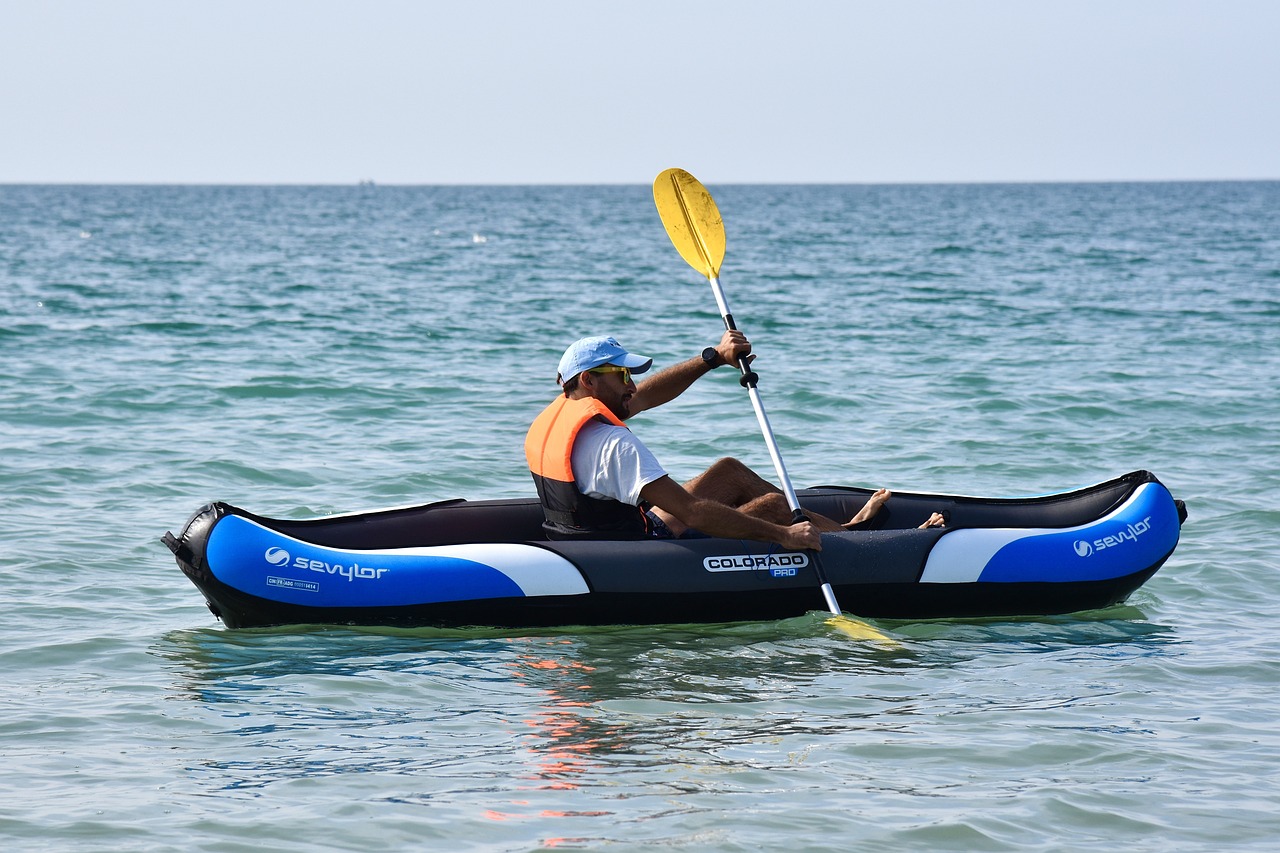
Kayaking in Pondicherry
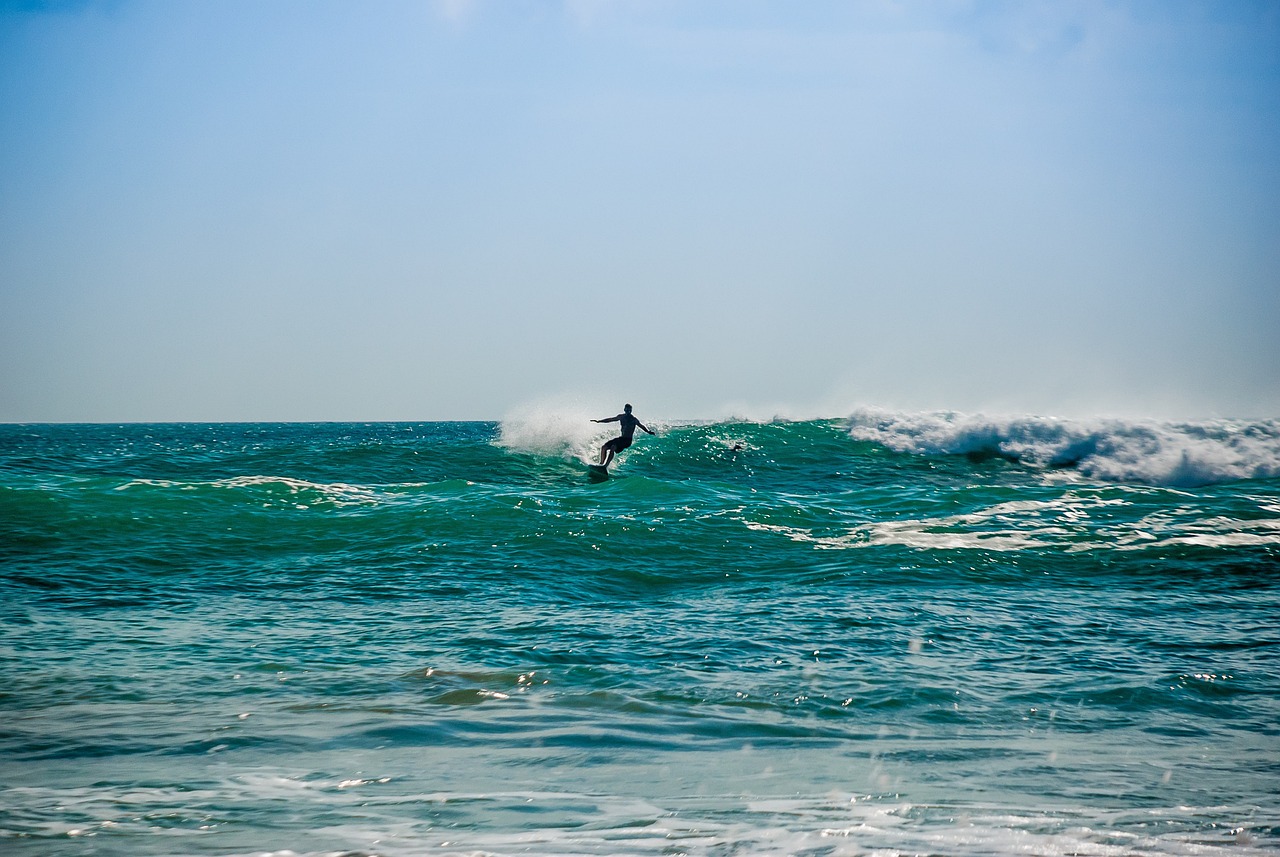
Surfing in Goa
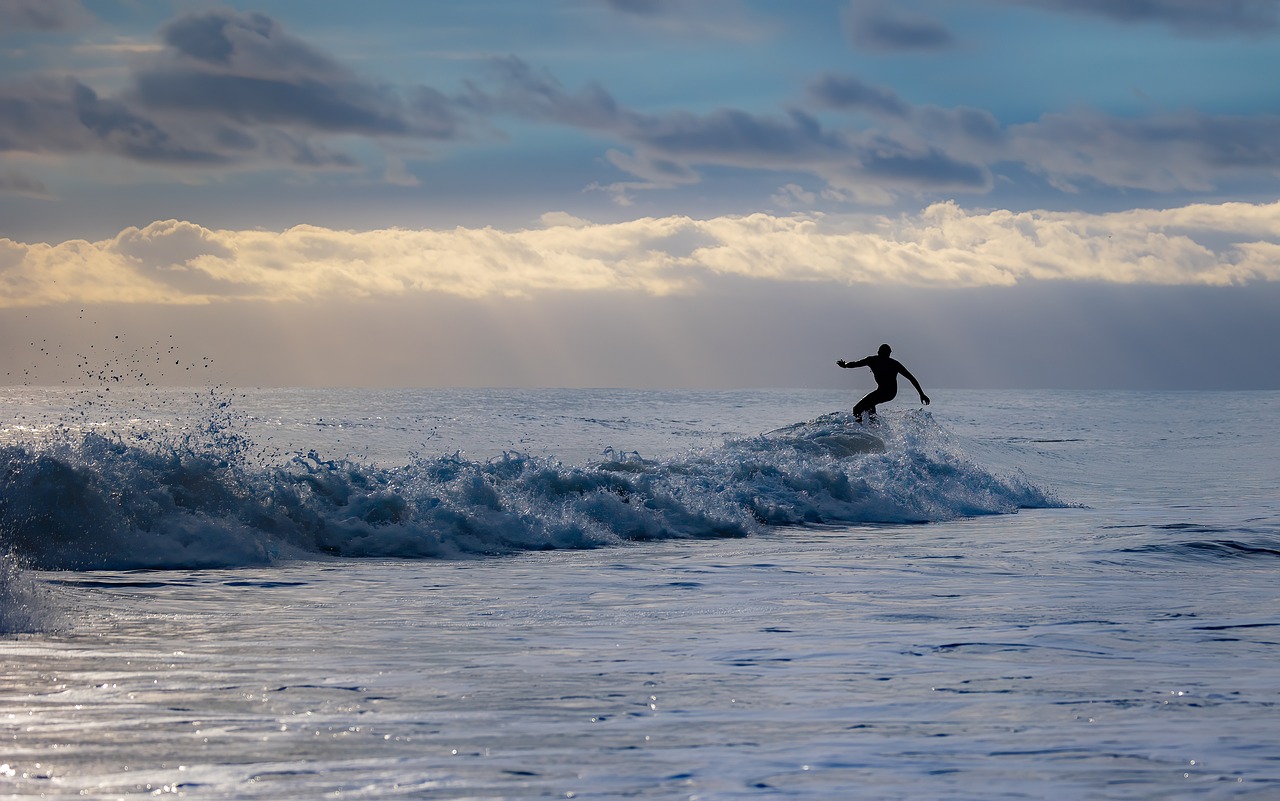
Surfing in Varkala (Kerala)
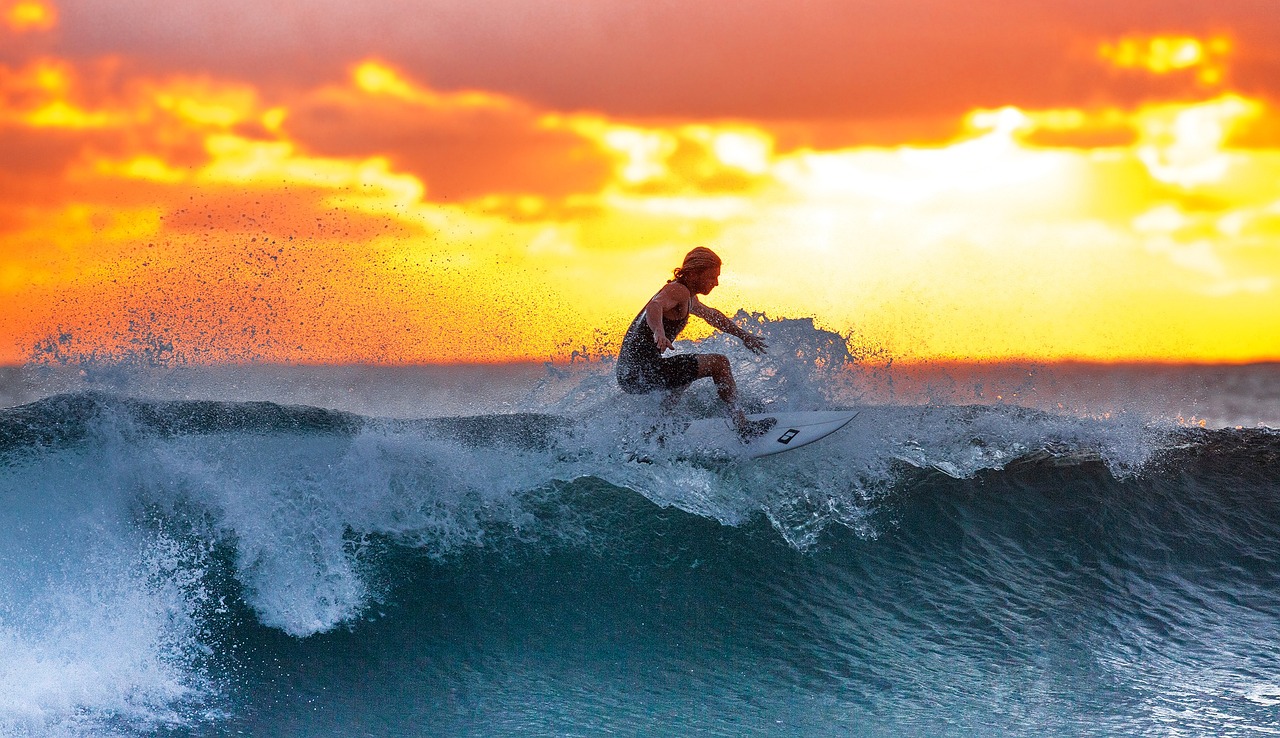
Surfing in Kovalam (Kerala)
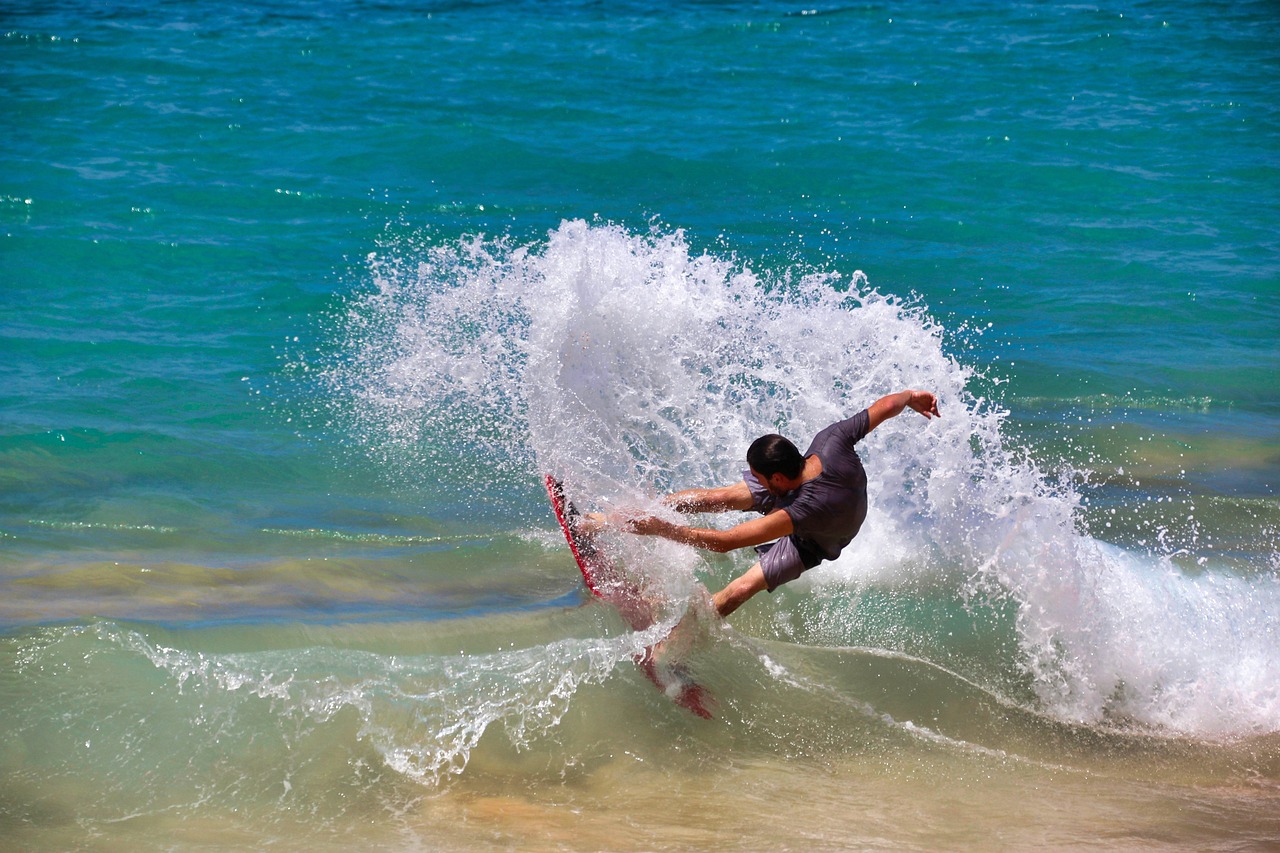
Surfing in Manapad (Tamil Nadu)
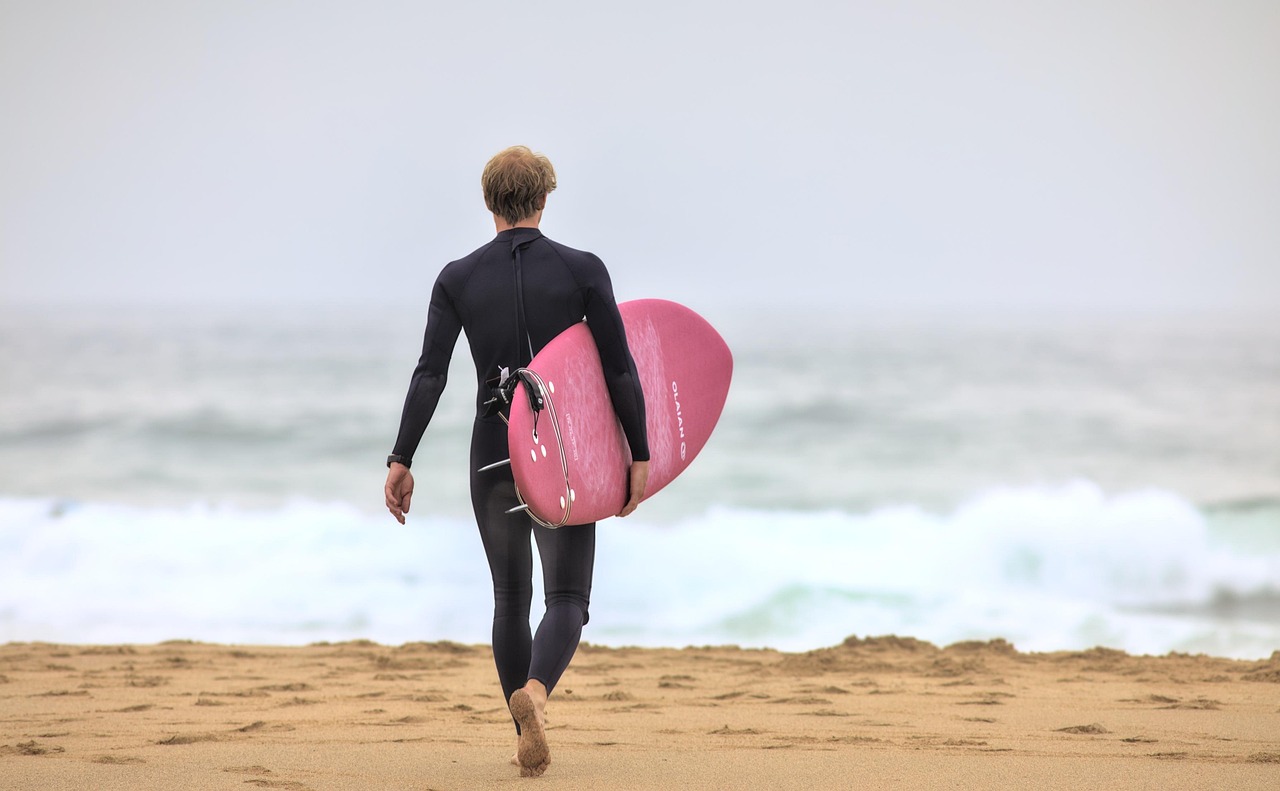
Surfing in Udupi (Karnataka)
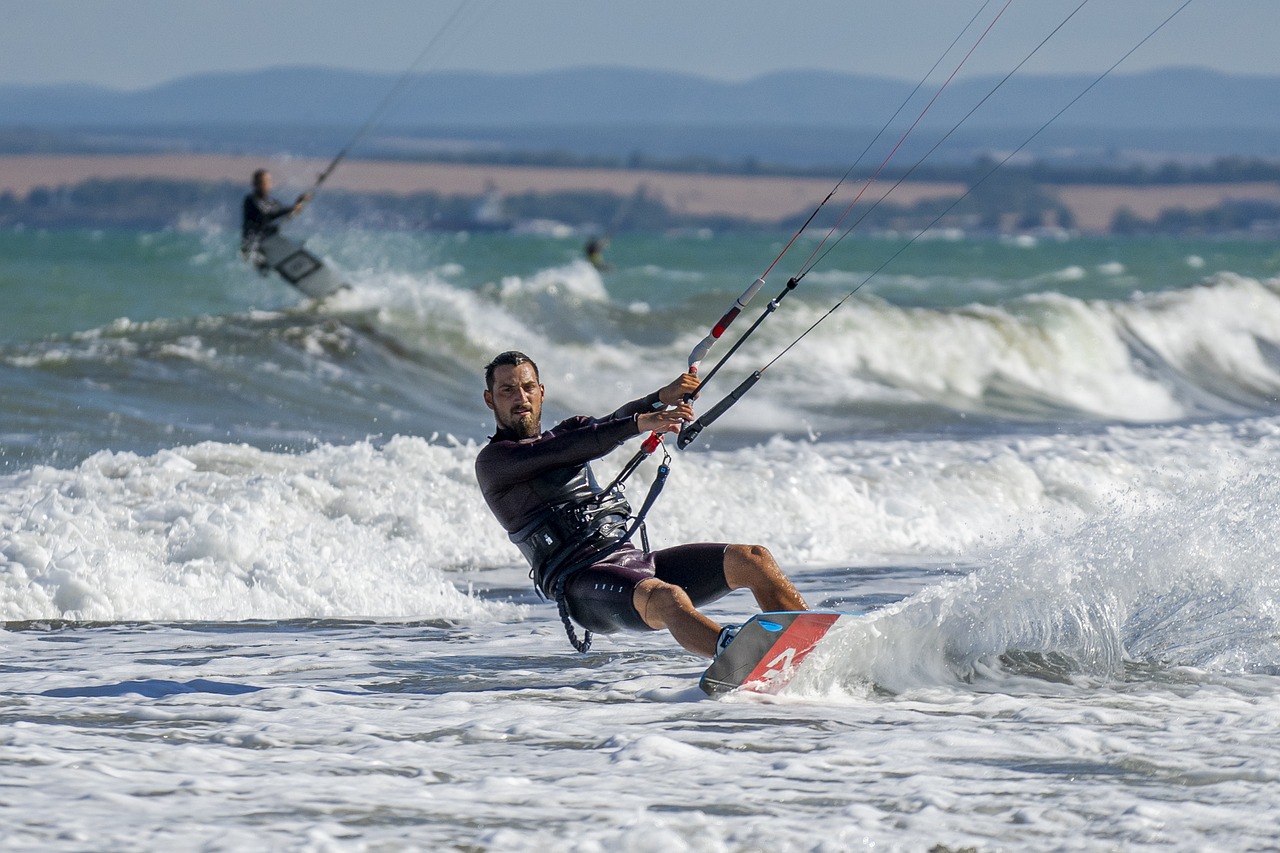
Surfing in Gokarna (Karnataka)
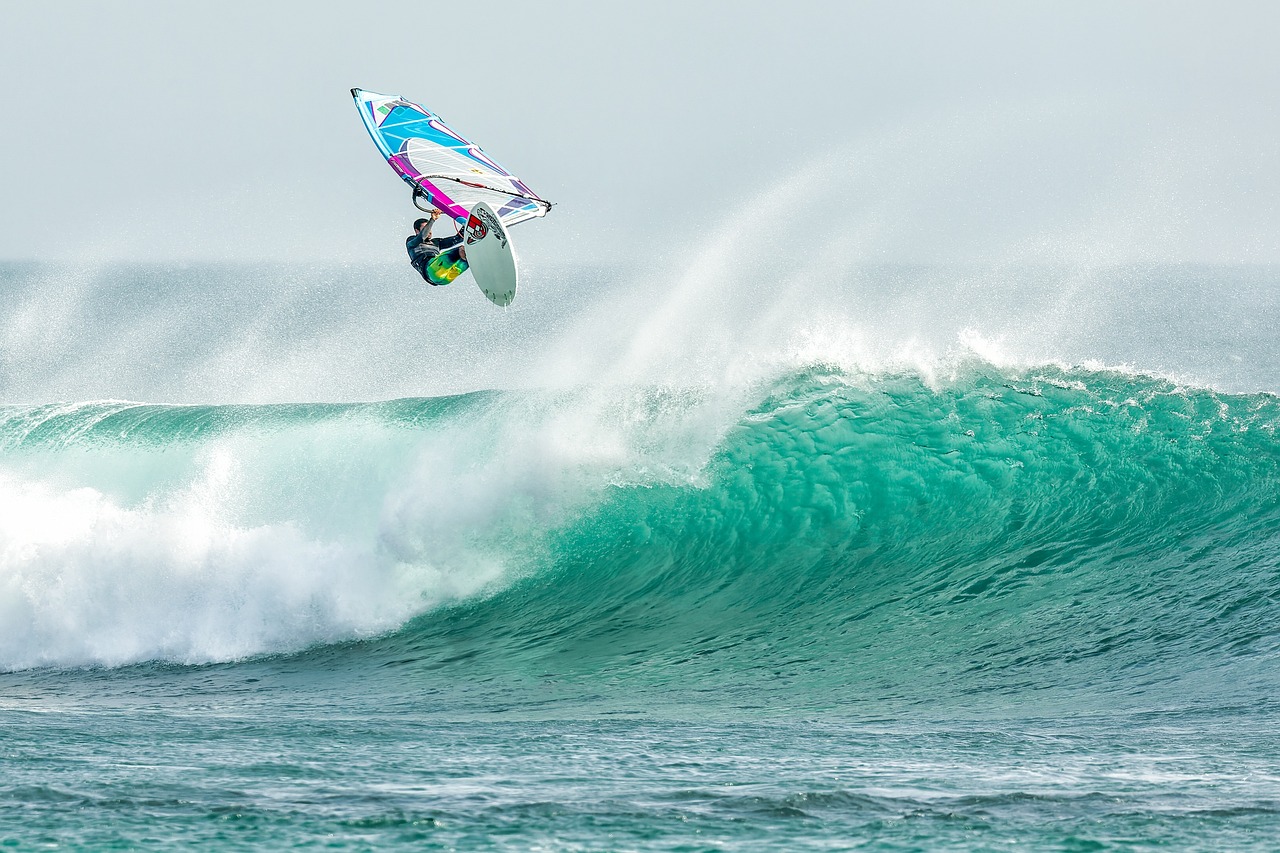
Surfing in Puducherry
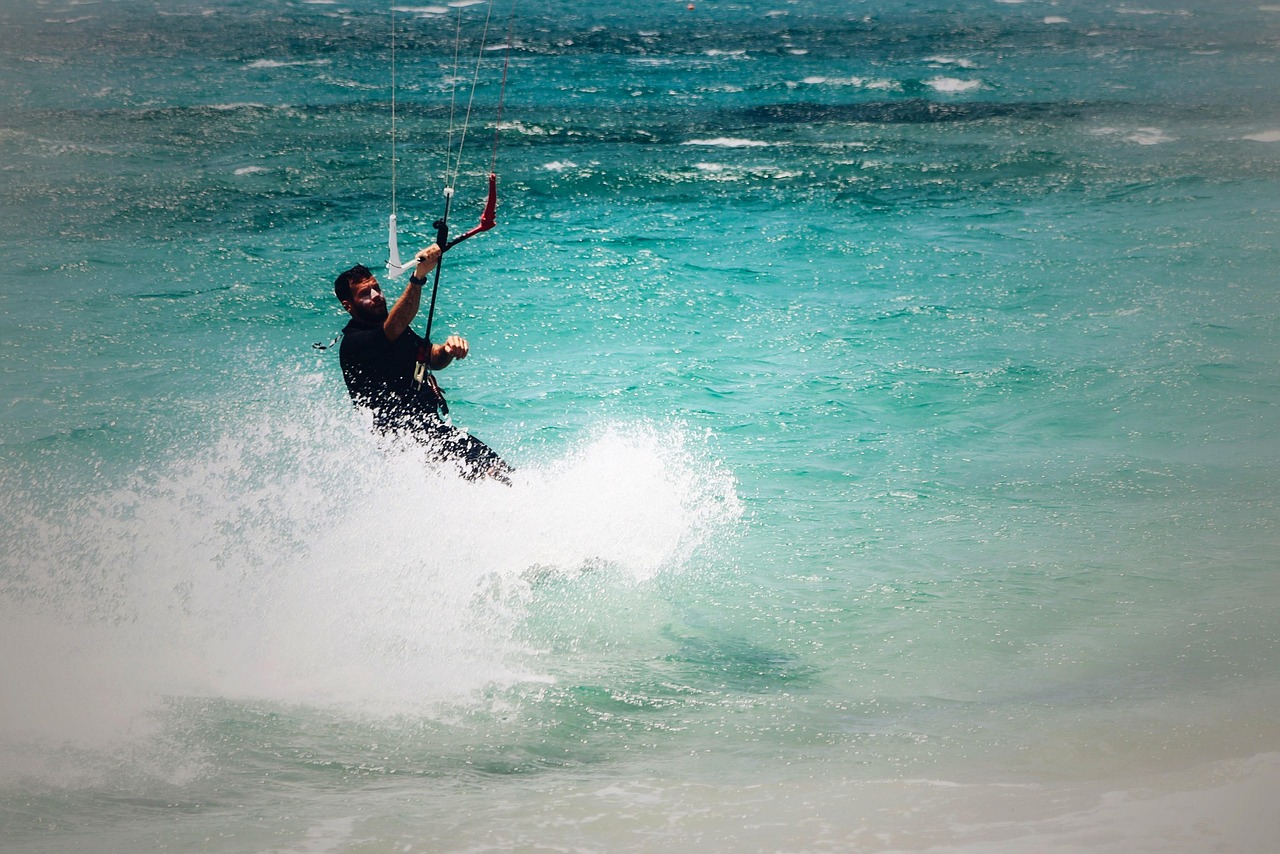
Surfing in Sindhudurg (Maharashtra)
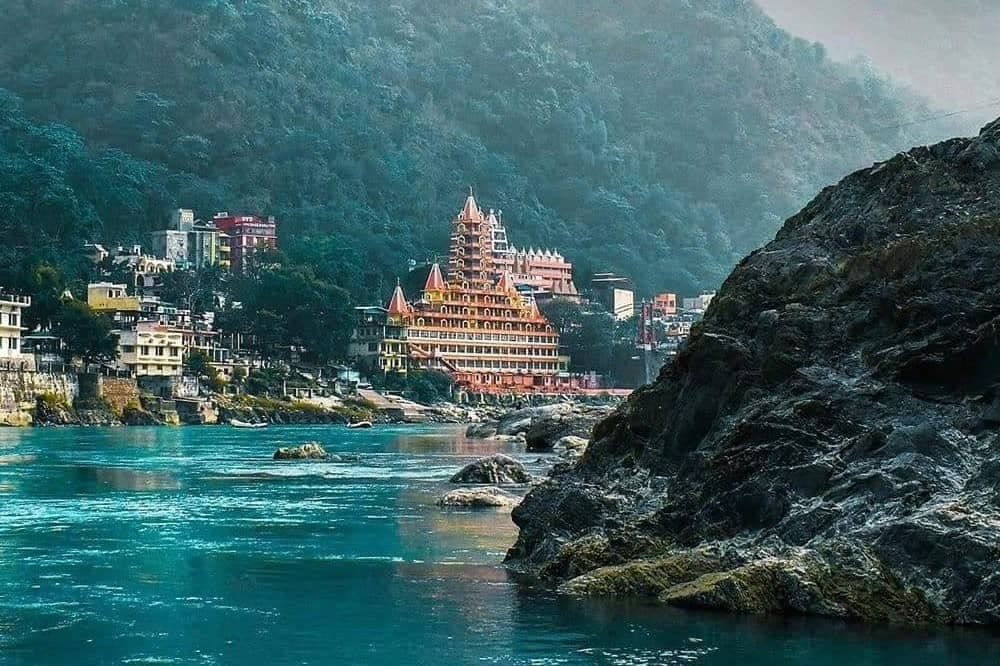
Top 10 Visiting Places in Rishikesh: Your Ultimate Travel Guide
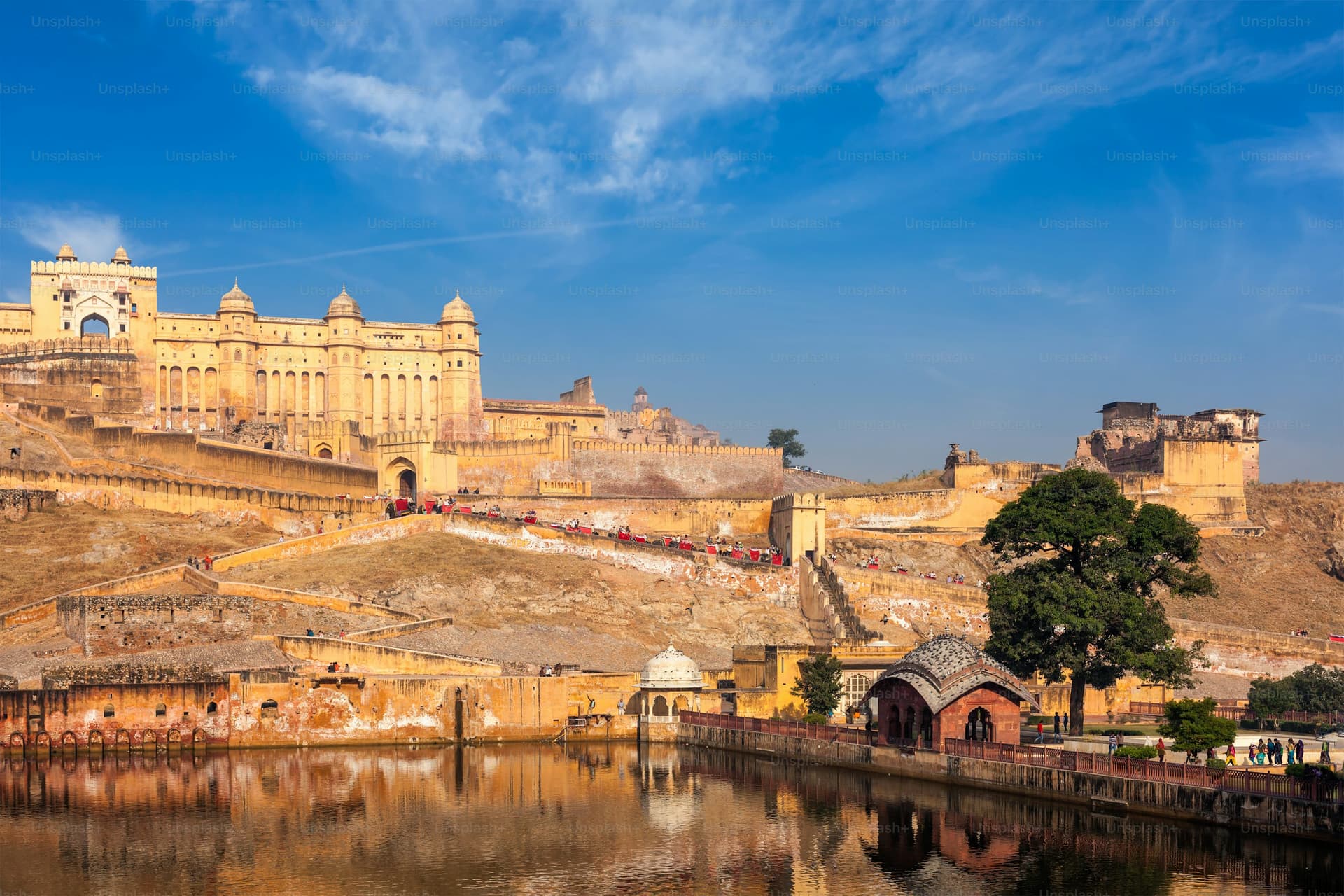
Top 10 Visiting Places in Jaipur: The Pink City’s Must-See Attractions
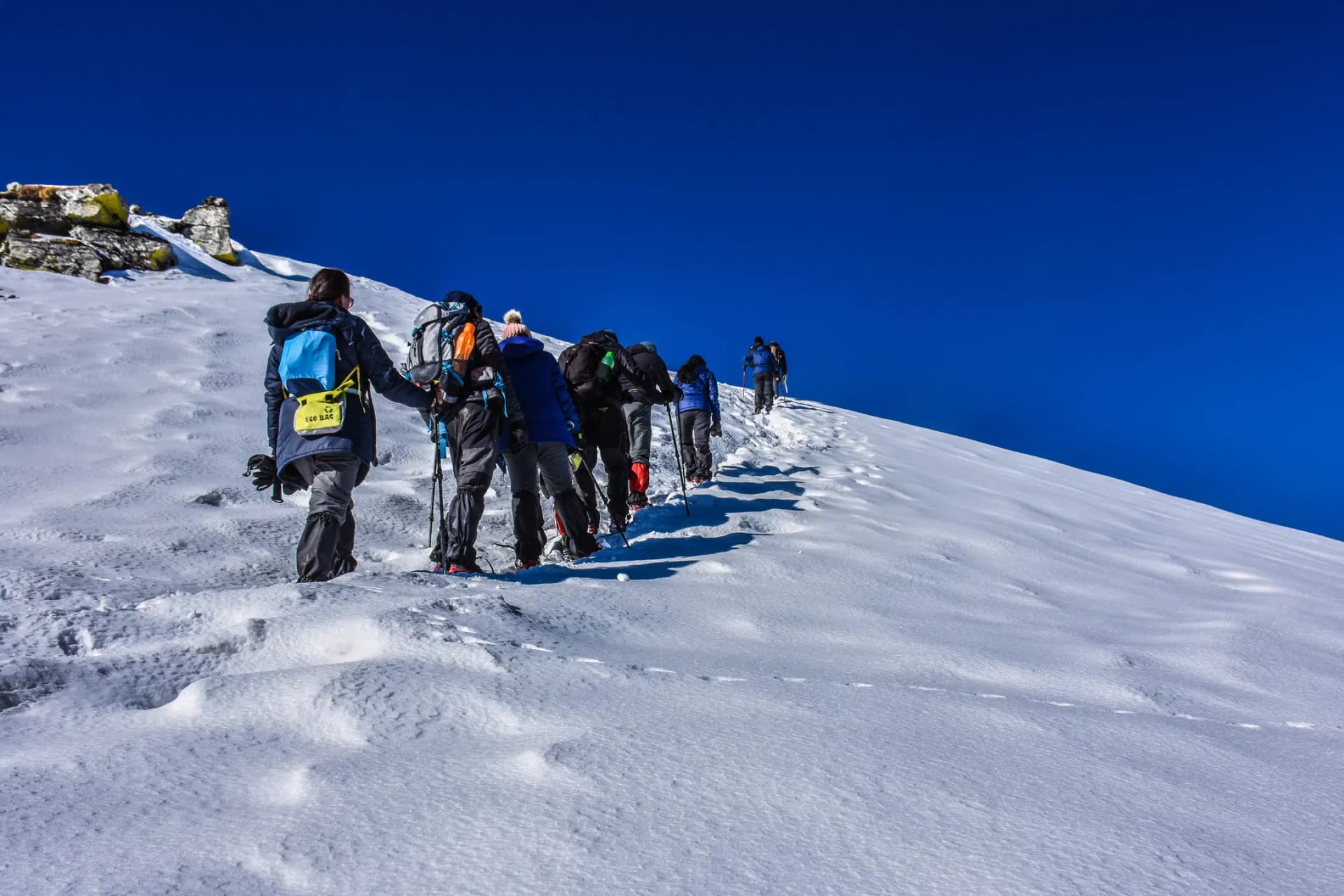
9 Amazing Treks in Uttarkashi: A Perfect Blend of Adventure, Beauty, and Peace
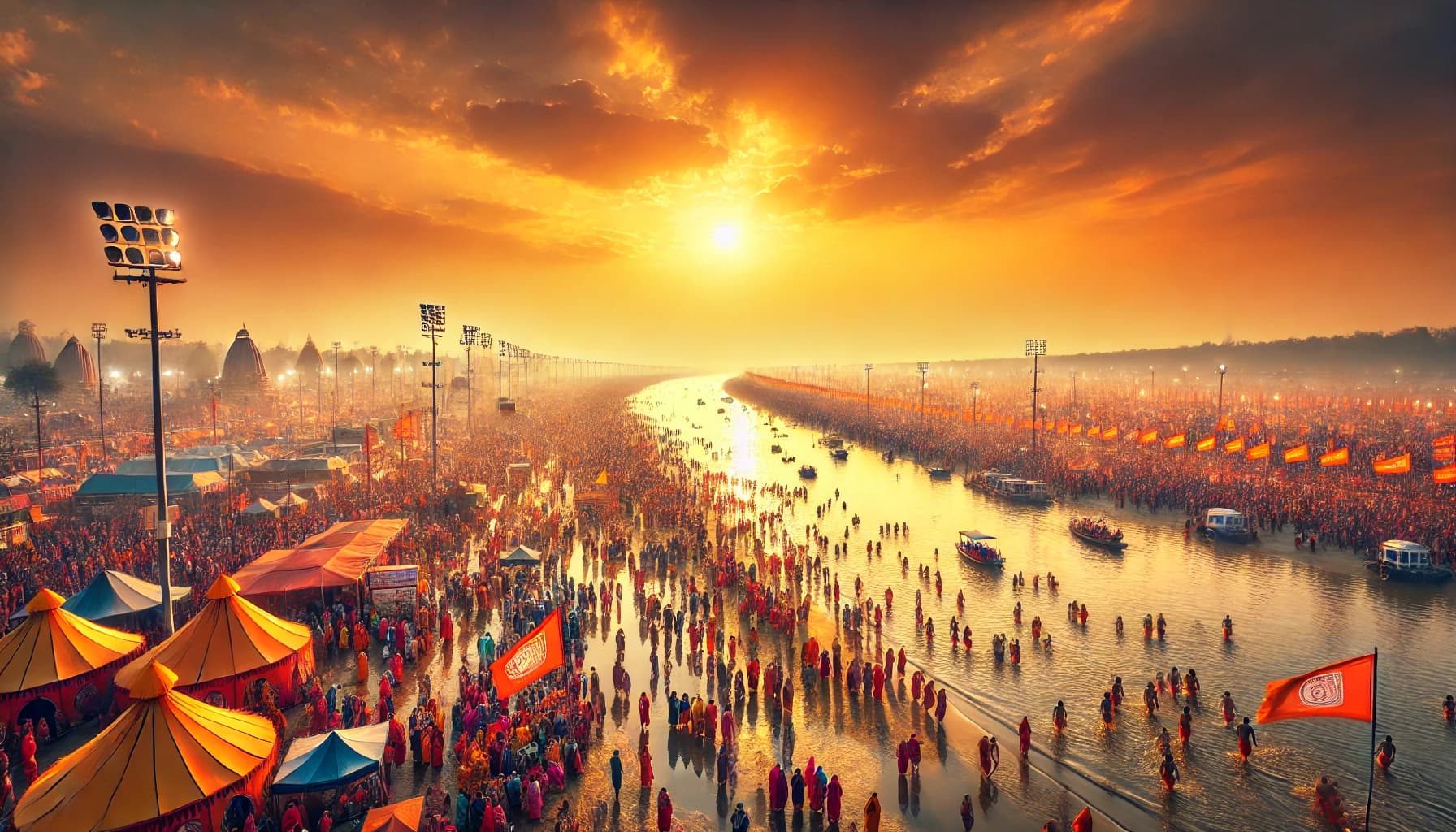
Prayagraj Maha Kumbh Mela 2025: Royal Bath Dates and Their Religious Significance
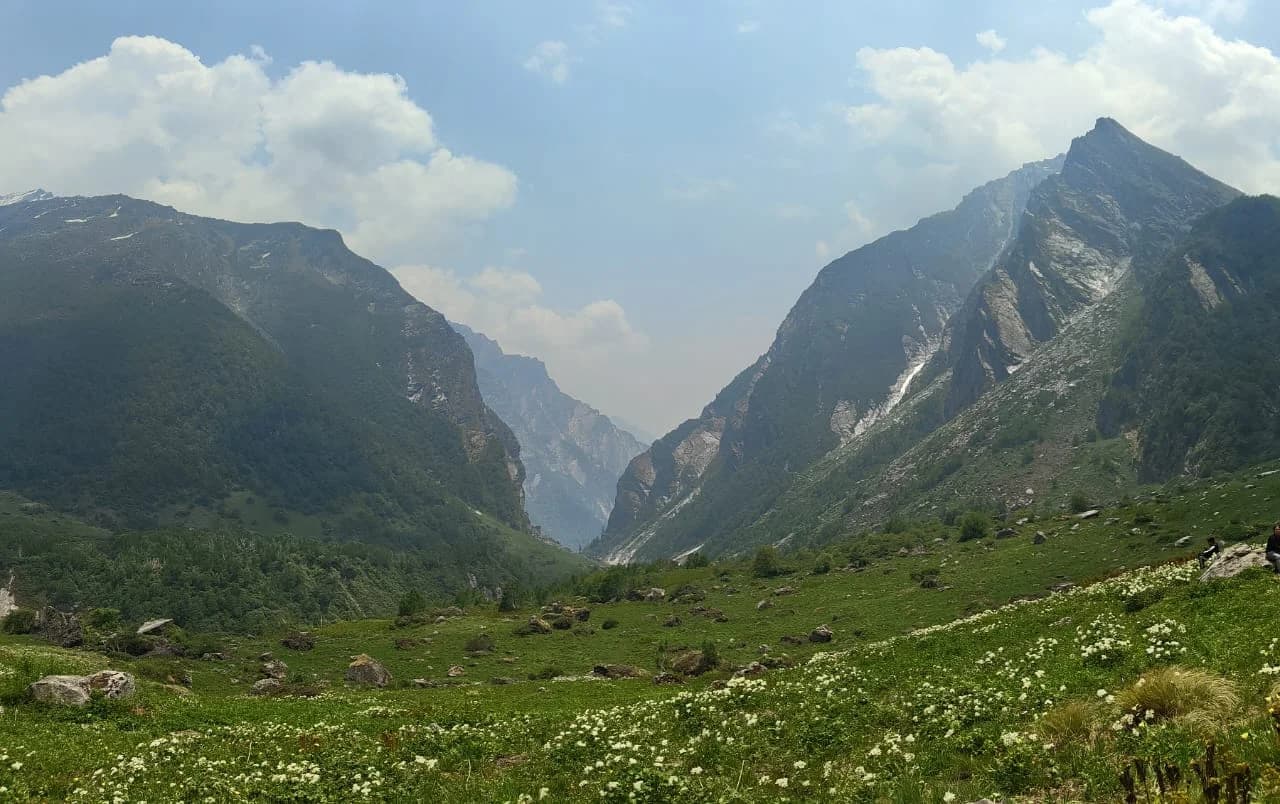
Valley of Flowers: A Himalayan Wonderland of Bloom and Beauty
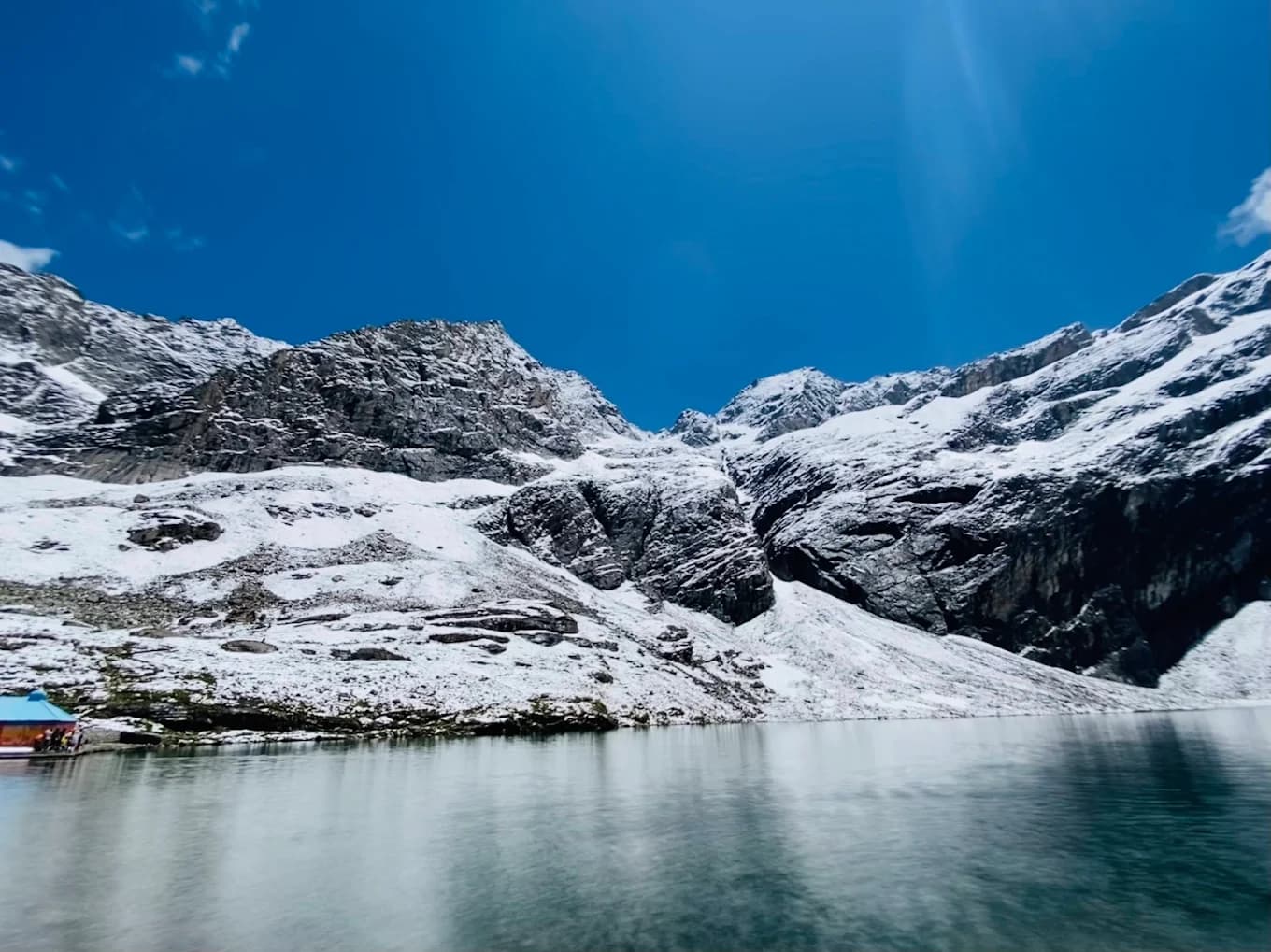
Hemkund Sahib Trek: A Divine Journey to the Sacred Himalayan Pilgrimage
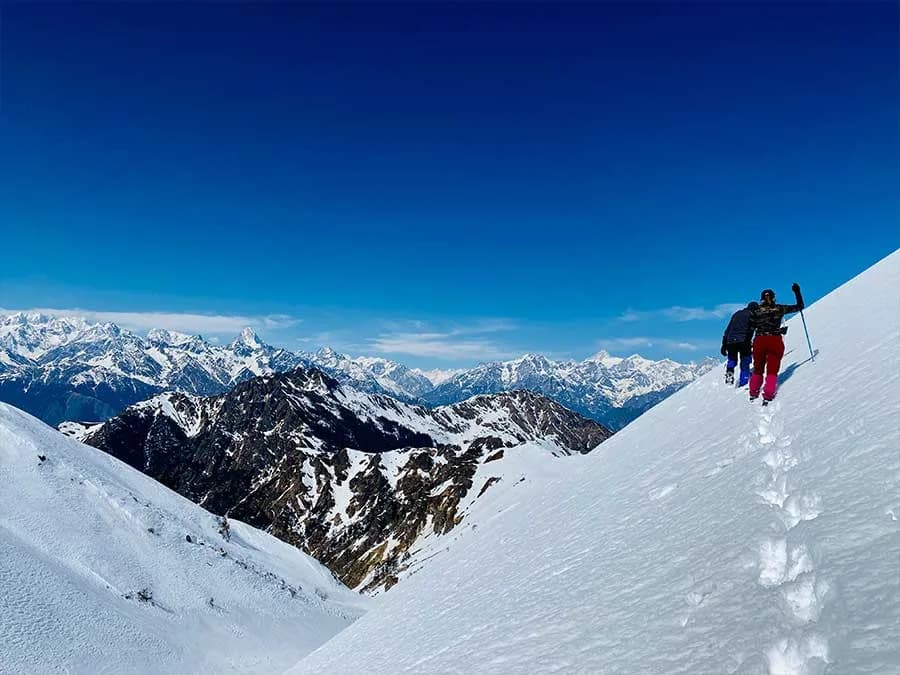
Kuari Pass Trek: A Dreamy Journey Amidst the Himalayas
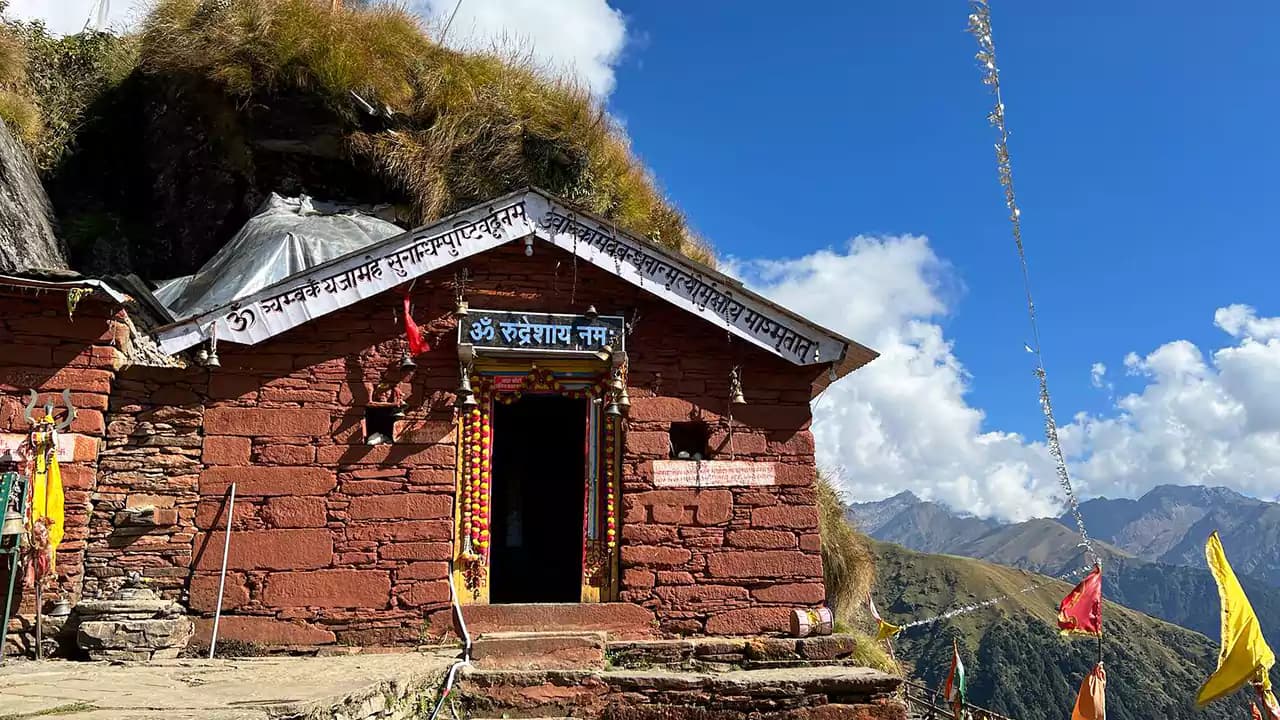
A Unique Spiritual Journey Among the Panch Kedar
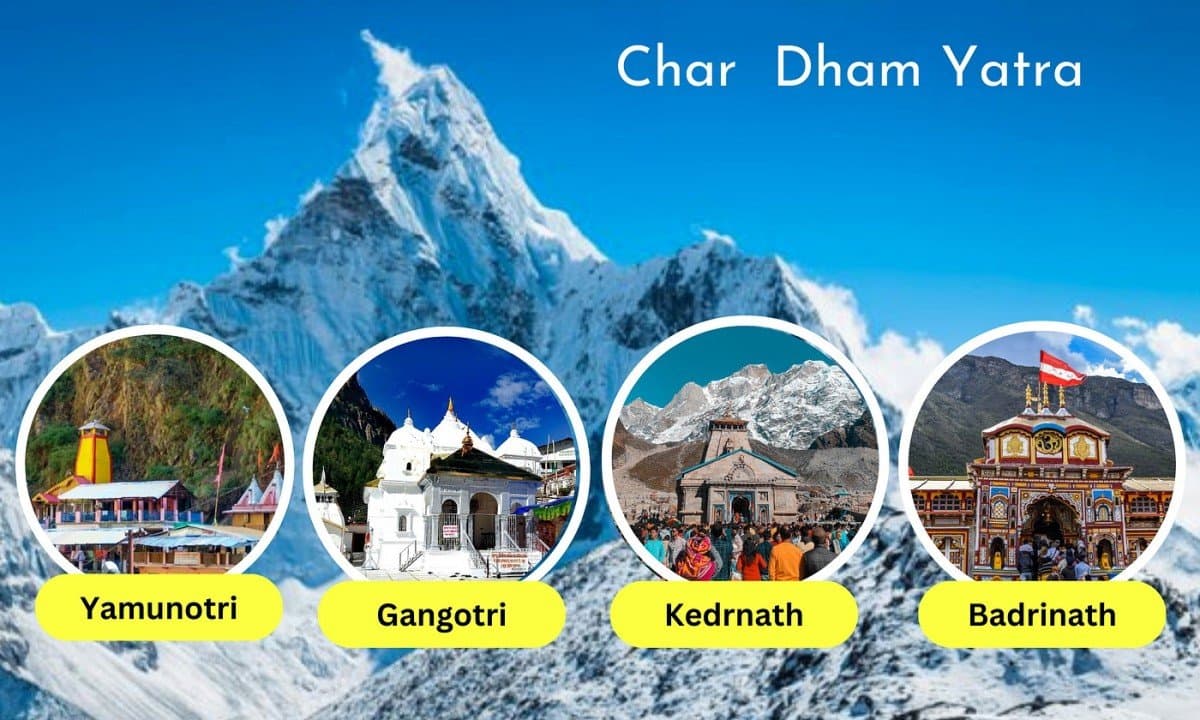
🕉️ Char Dham Yatra: A Life-Changing Spiritual Journey 🏔️🙏
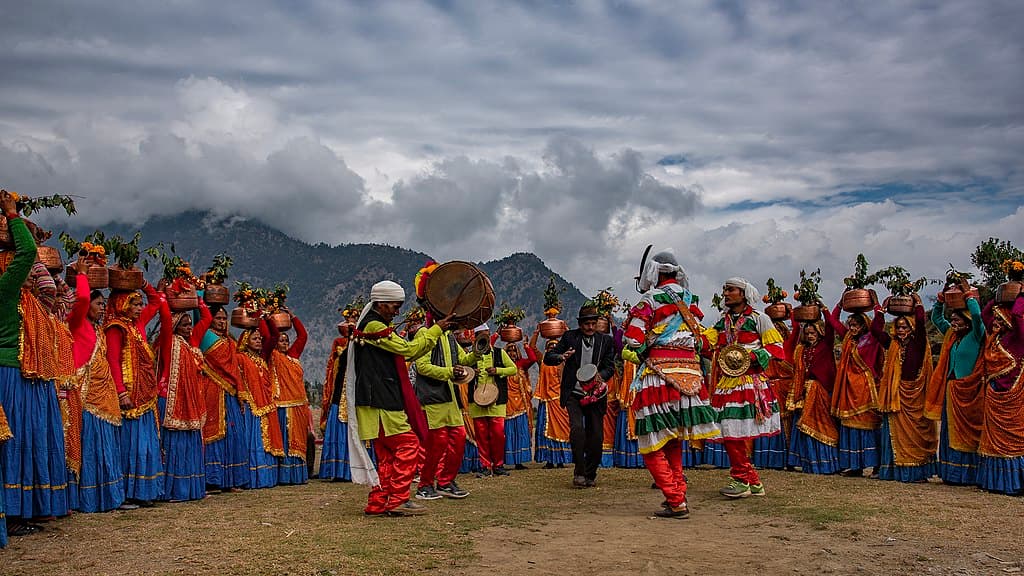
Ganga Dussehra to Nanda Devi Raj Jat: Major Festivals and Culture of Uttarakhand
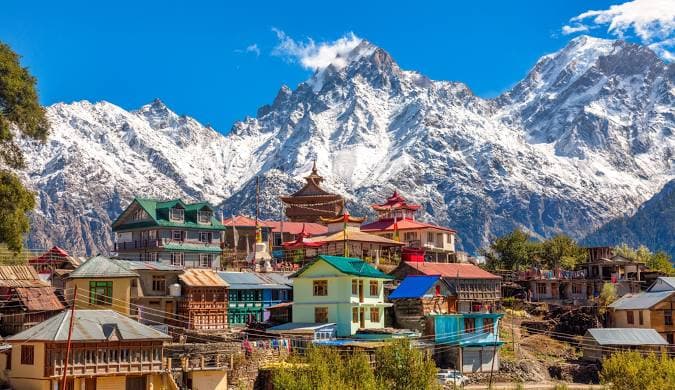
A Paradise in the Lap of the Himalayas: The Complete Travel Story of Himachal Pradesh 🏔️
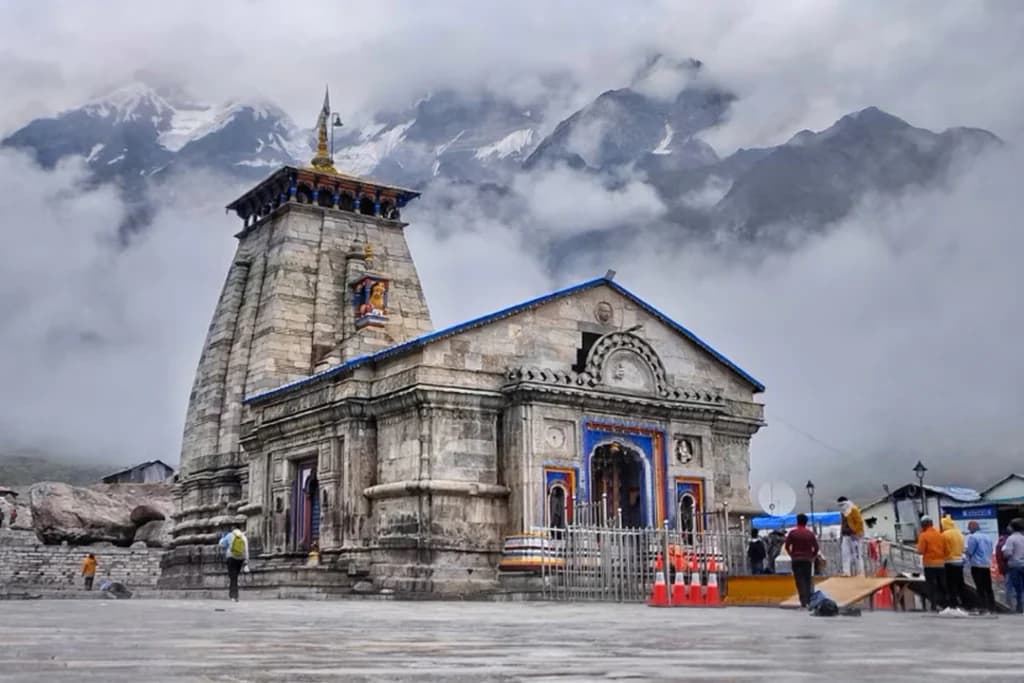
🕉️ The Doors of Baba Kedar Close — The Himalayas Echo with “Har Har Mahadev”
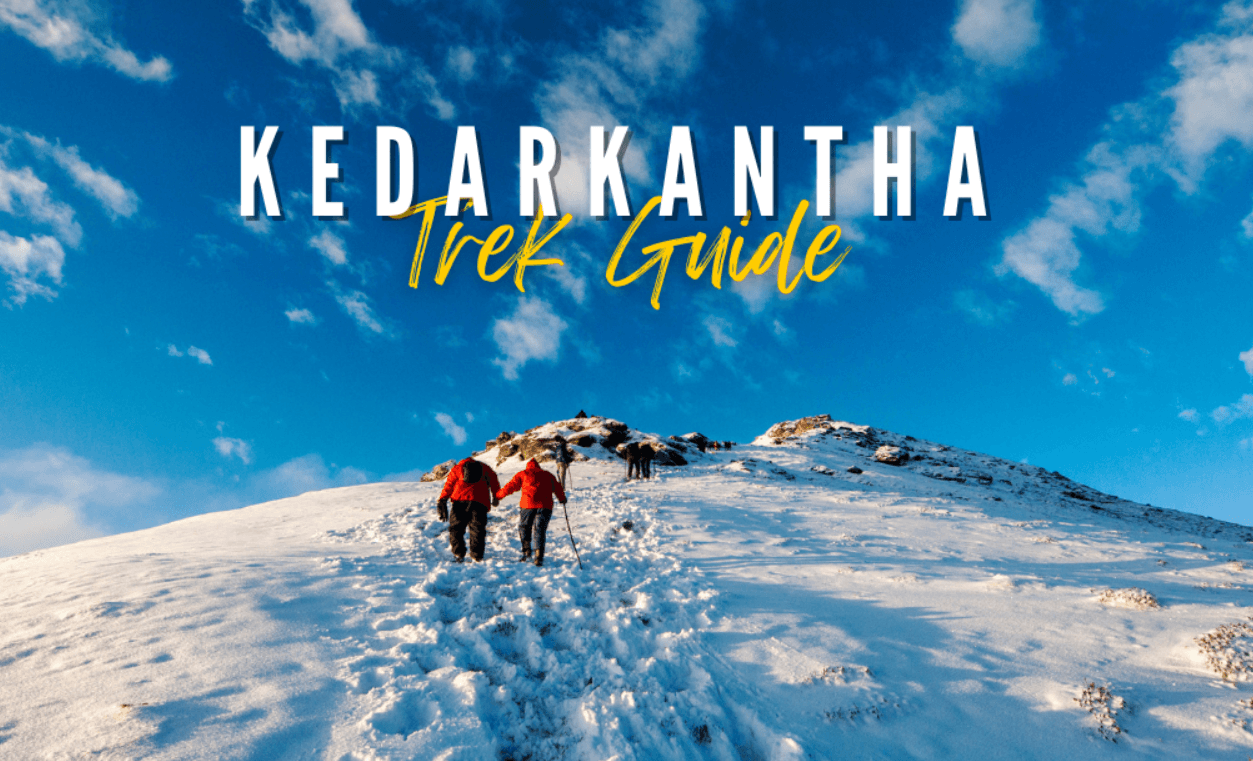
Kedarkantha Trek – The Crown of Winter Treks ❄️
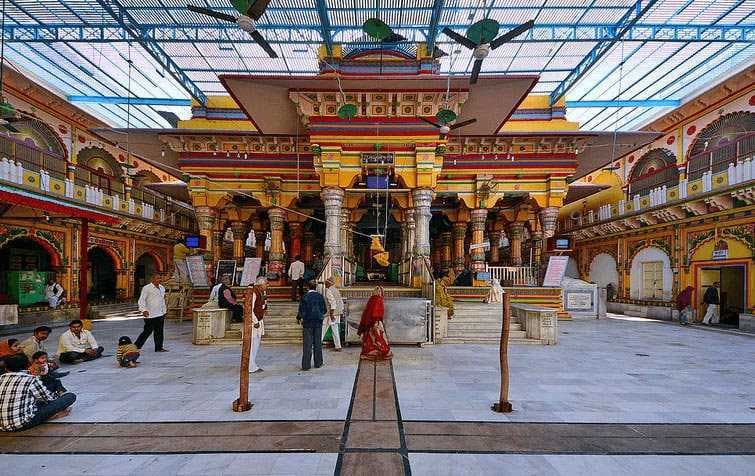
Shri Dwarkadhish Temple, Mathura – The Divine Abode of Lord Krishna
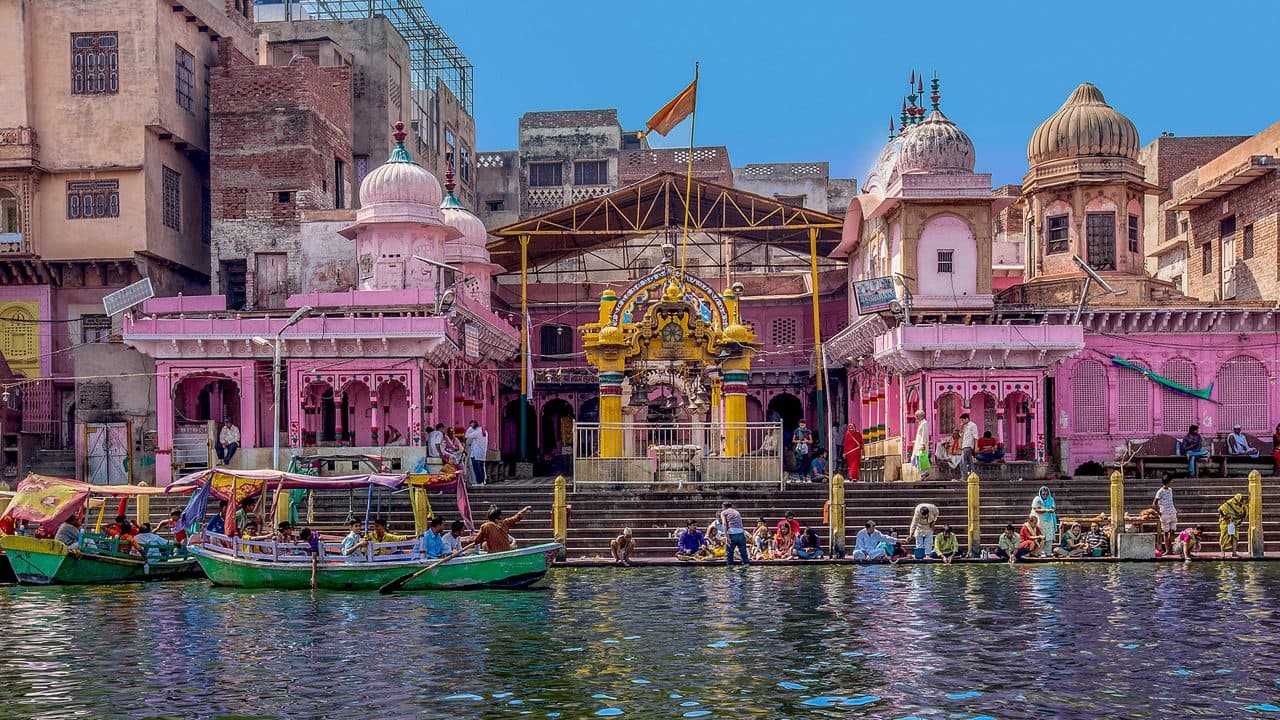
Vishram Ghat: The Sacred Riverside of Mathura
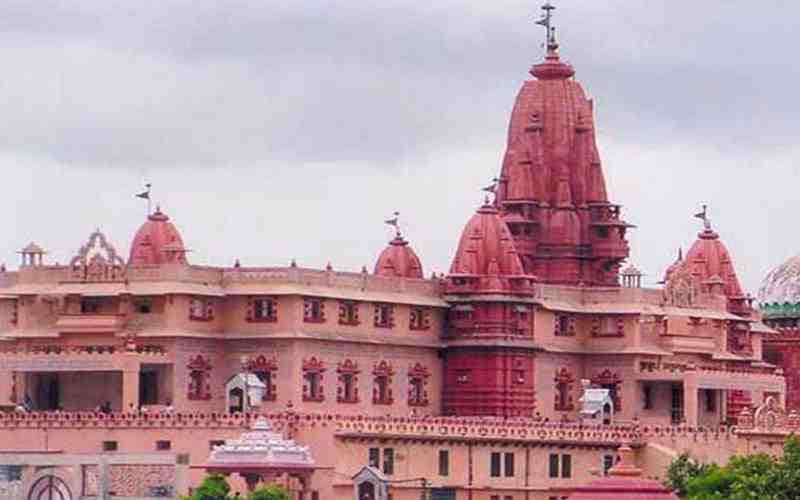
Explore Mathura – Temples, Culture, and Festivals
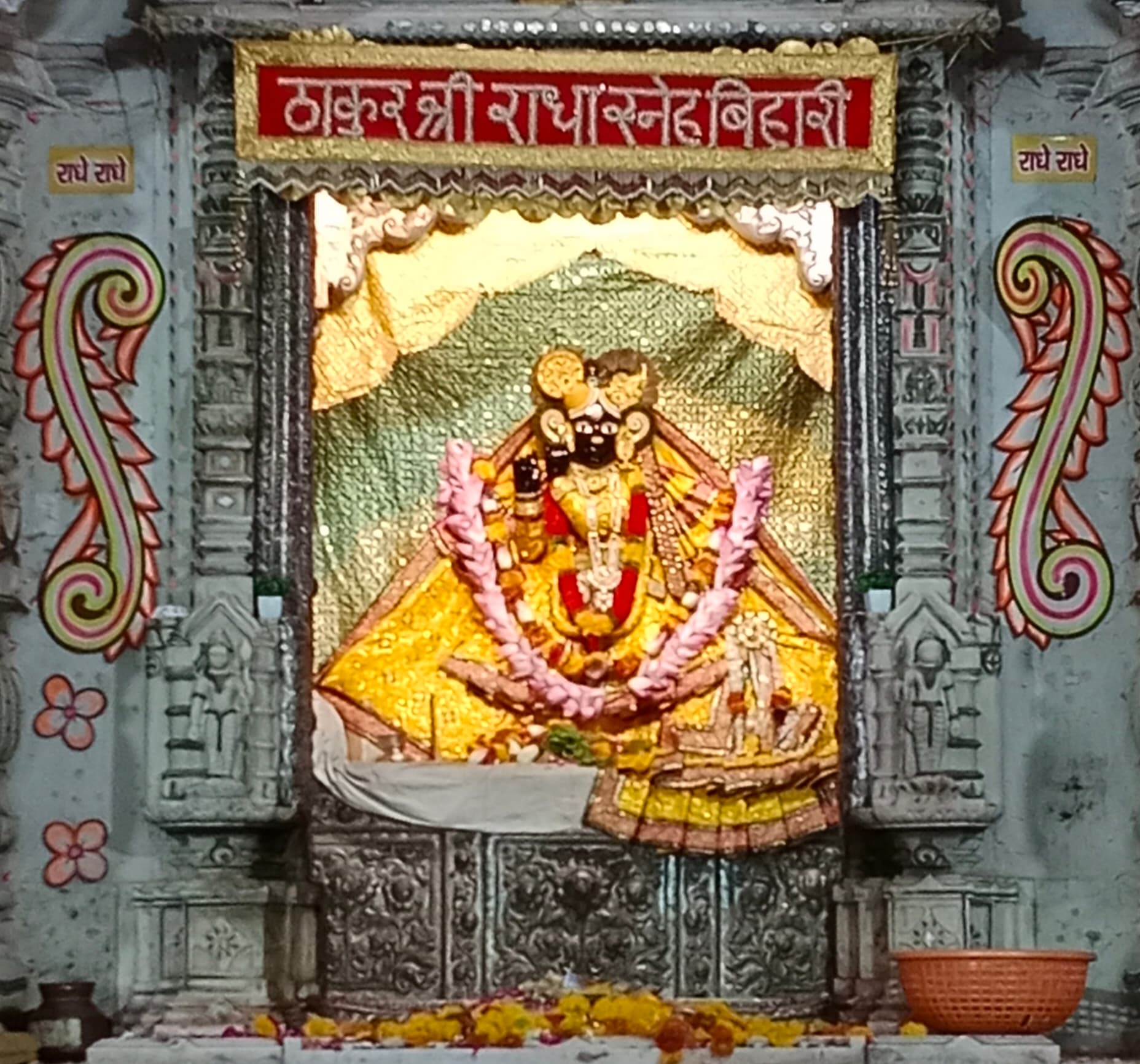
✨ Seek Blessings of Shri Banke Bihari Ji – Experience the Divine Vrindavan! 🙏
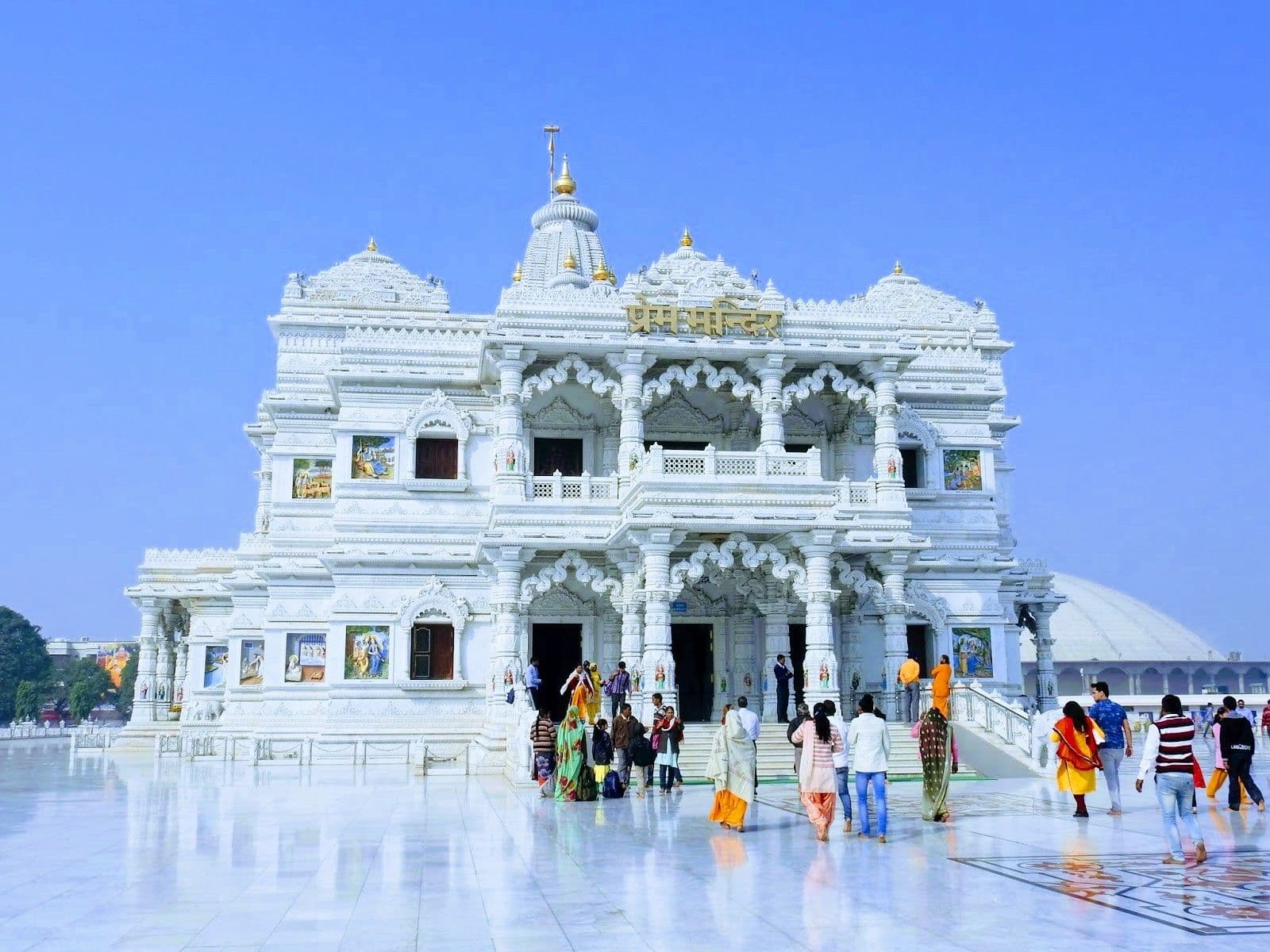
Shri Prem Mandir – Feel the Divine Love in Vrindavan 🙏
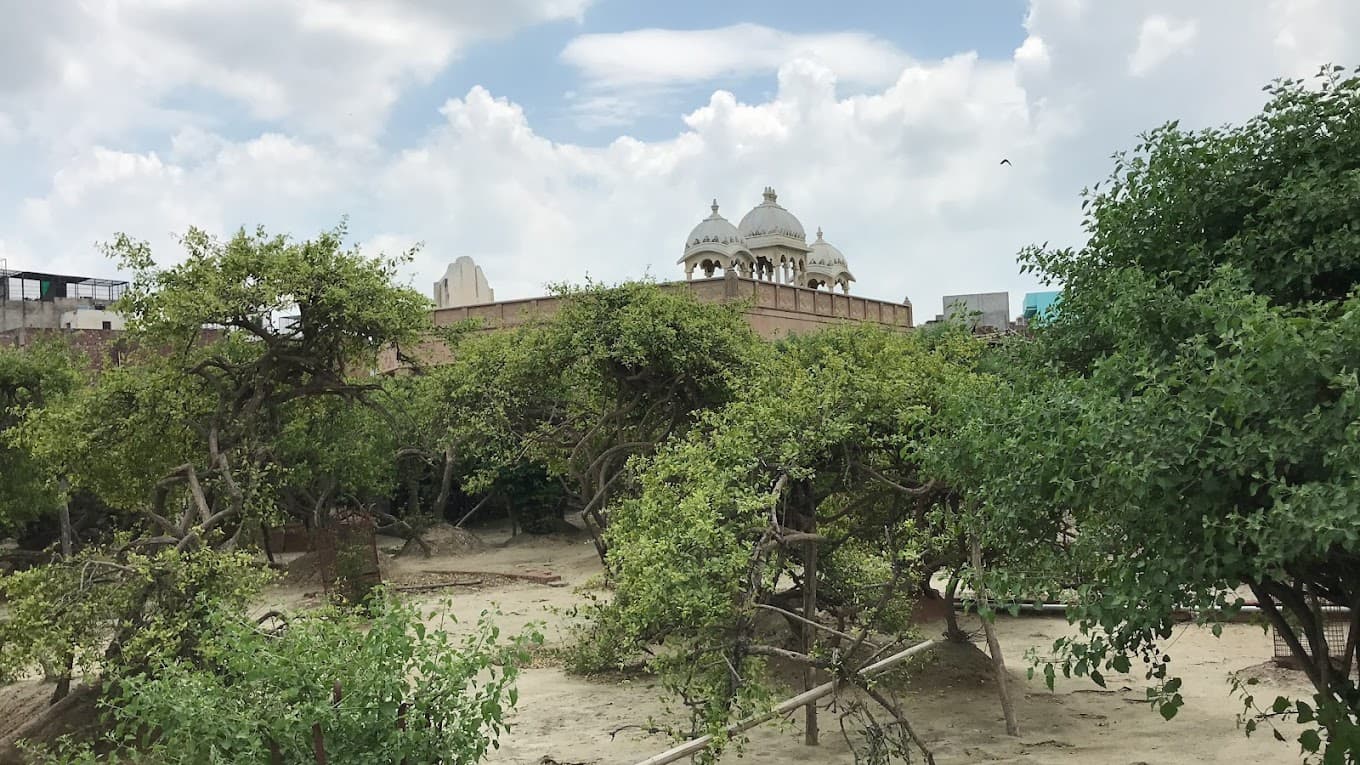
Nidhivan Vrindavan: Where Radha-Krishna Still Perform the Divine Ras Leela
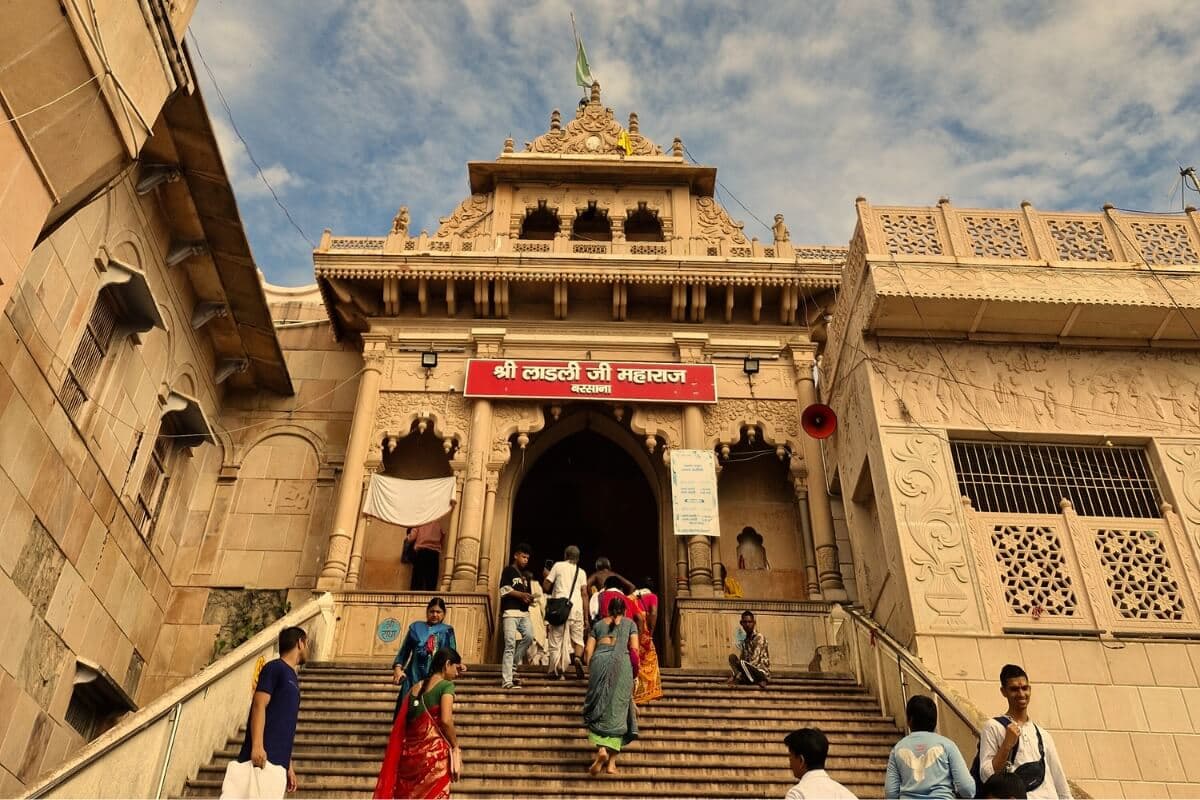
🙏 Have a divine darshan of Shri Radha Rani Temple in Barsana!
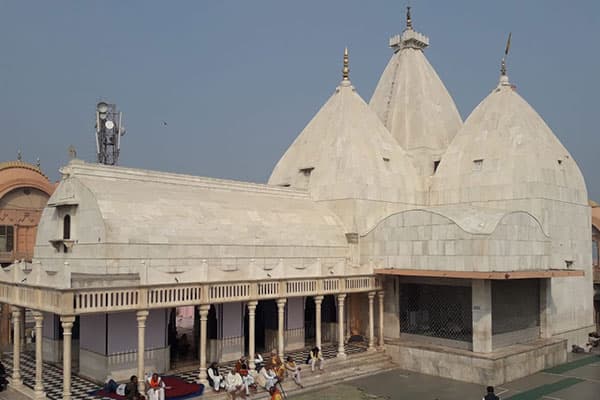
The historic Nanda Bhavan Temple in Gokul – a glimpse into the childhood of Lord Krishna
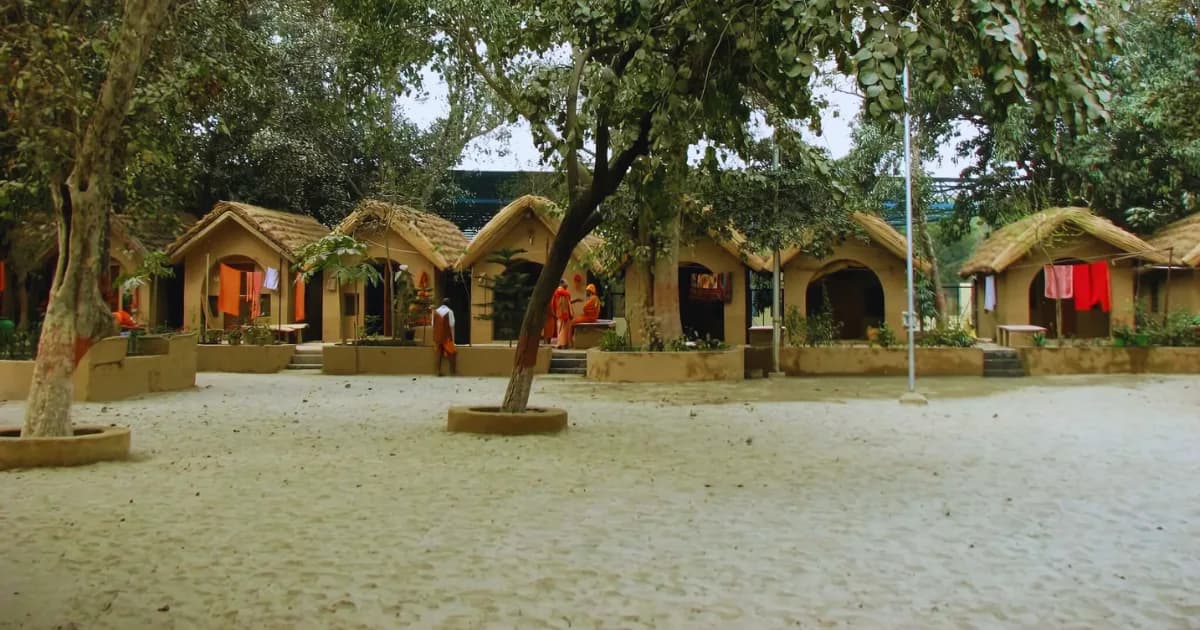
Raman Reti, Mathura: The sacred land of Balkrishna's pastimes
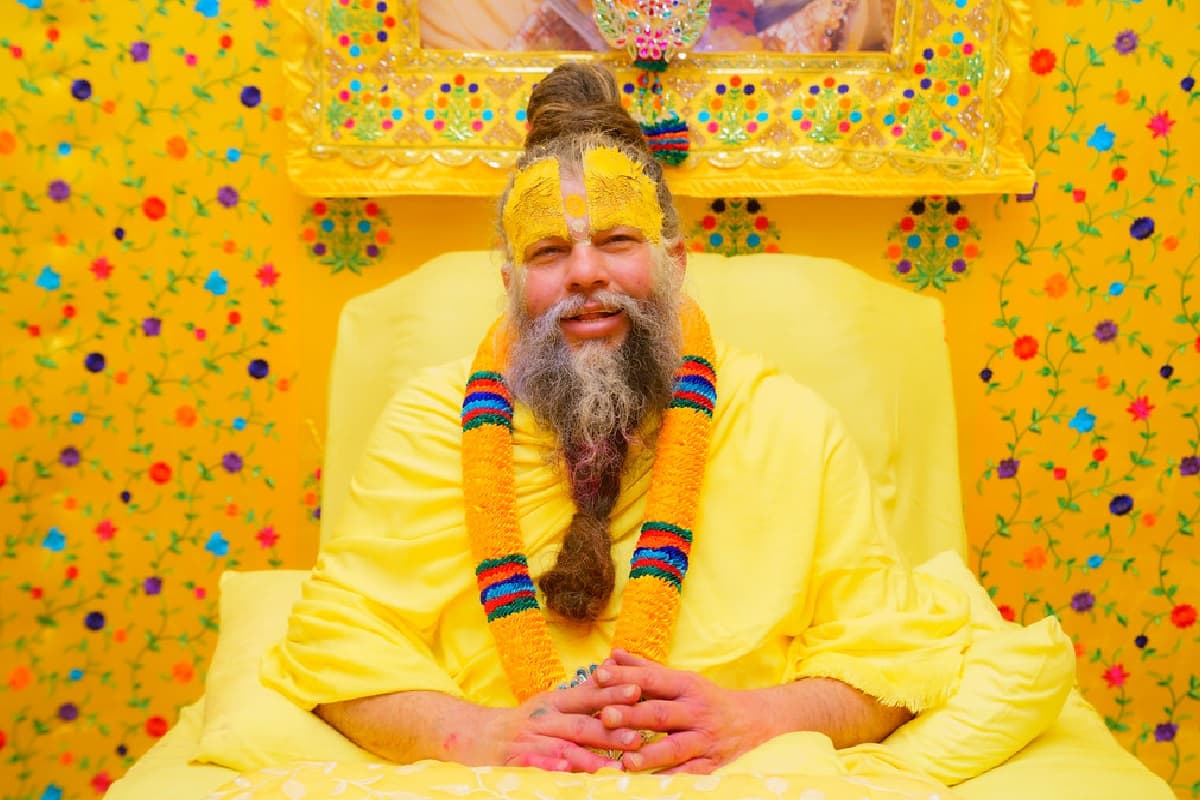
How to Get Darshan of Shri Premanand Ji Maharaj? Understand the Timings, Location & Contact Process.
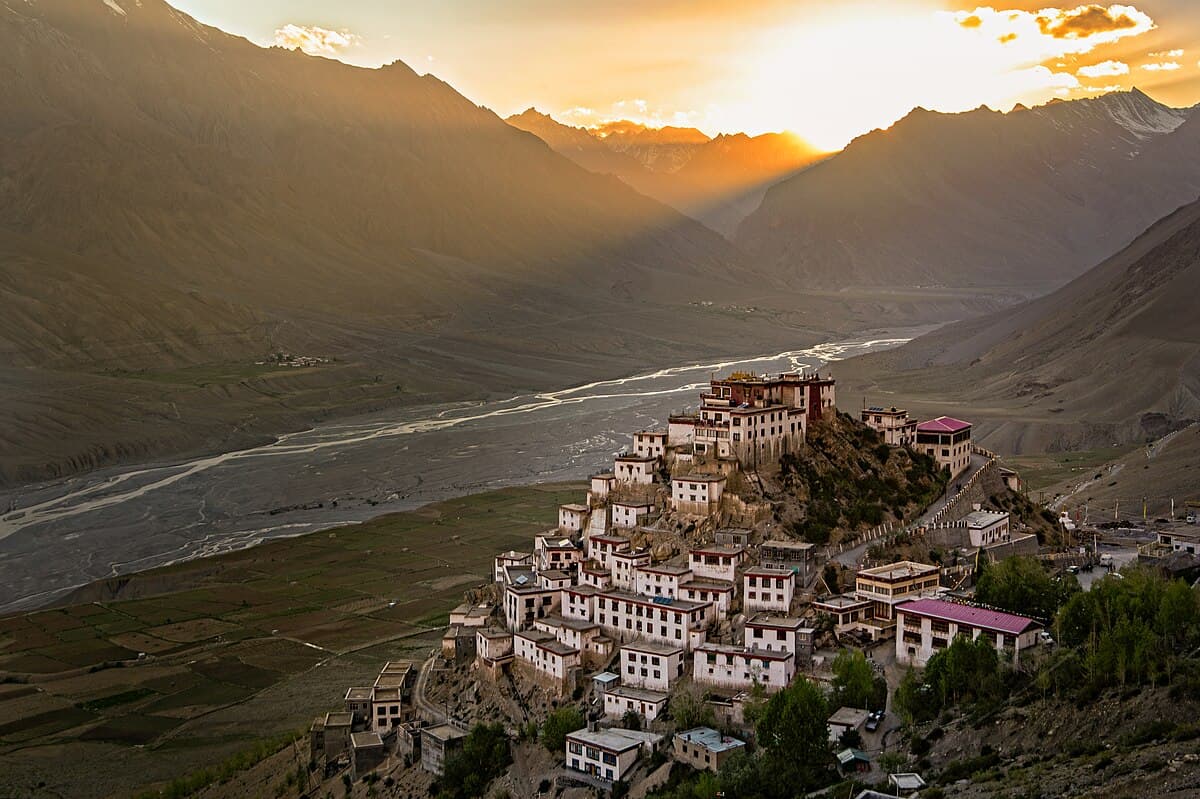
Discover the Magic of Spiti Valley – Villages, Monasteries & Scenic Wonders Await! 🏔️✨
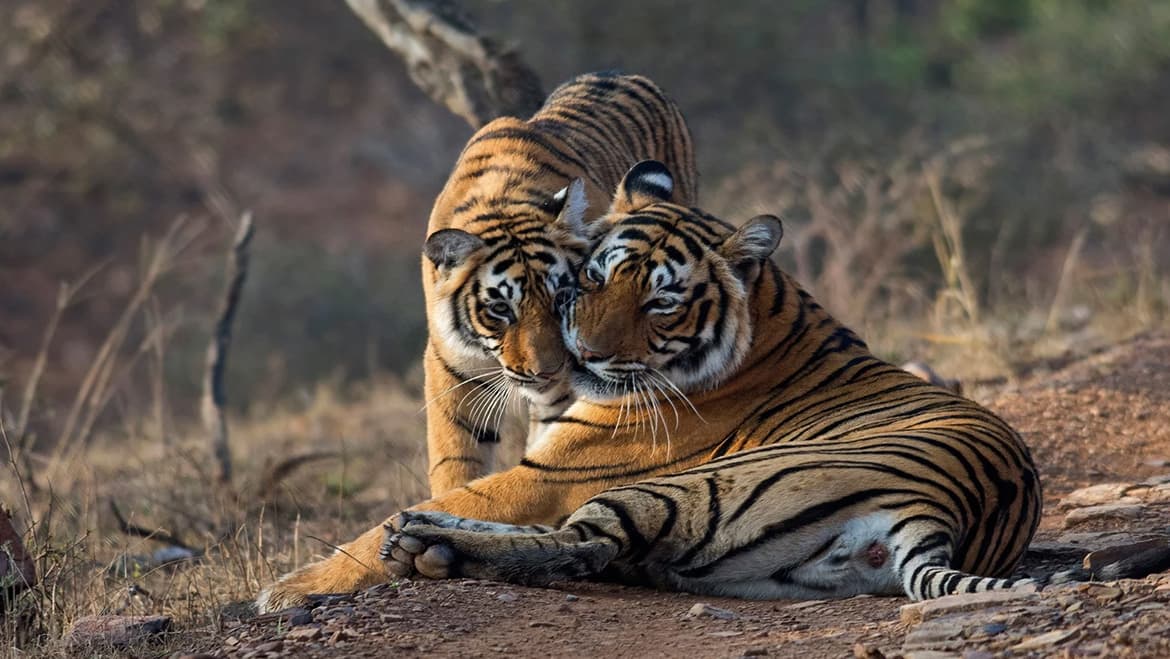
Ranthambhore National Park – Where Royal Tigers, Ancient Forts & Wilderness Come Alive
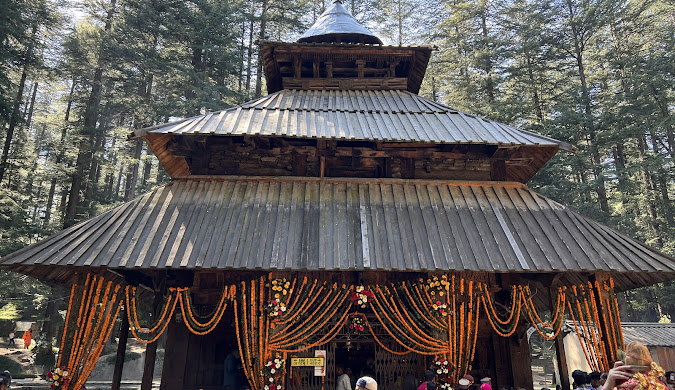
Ultimate Travel Guide to Manali: Attractions, Food, and Safety Tips
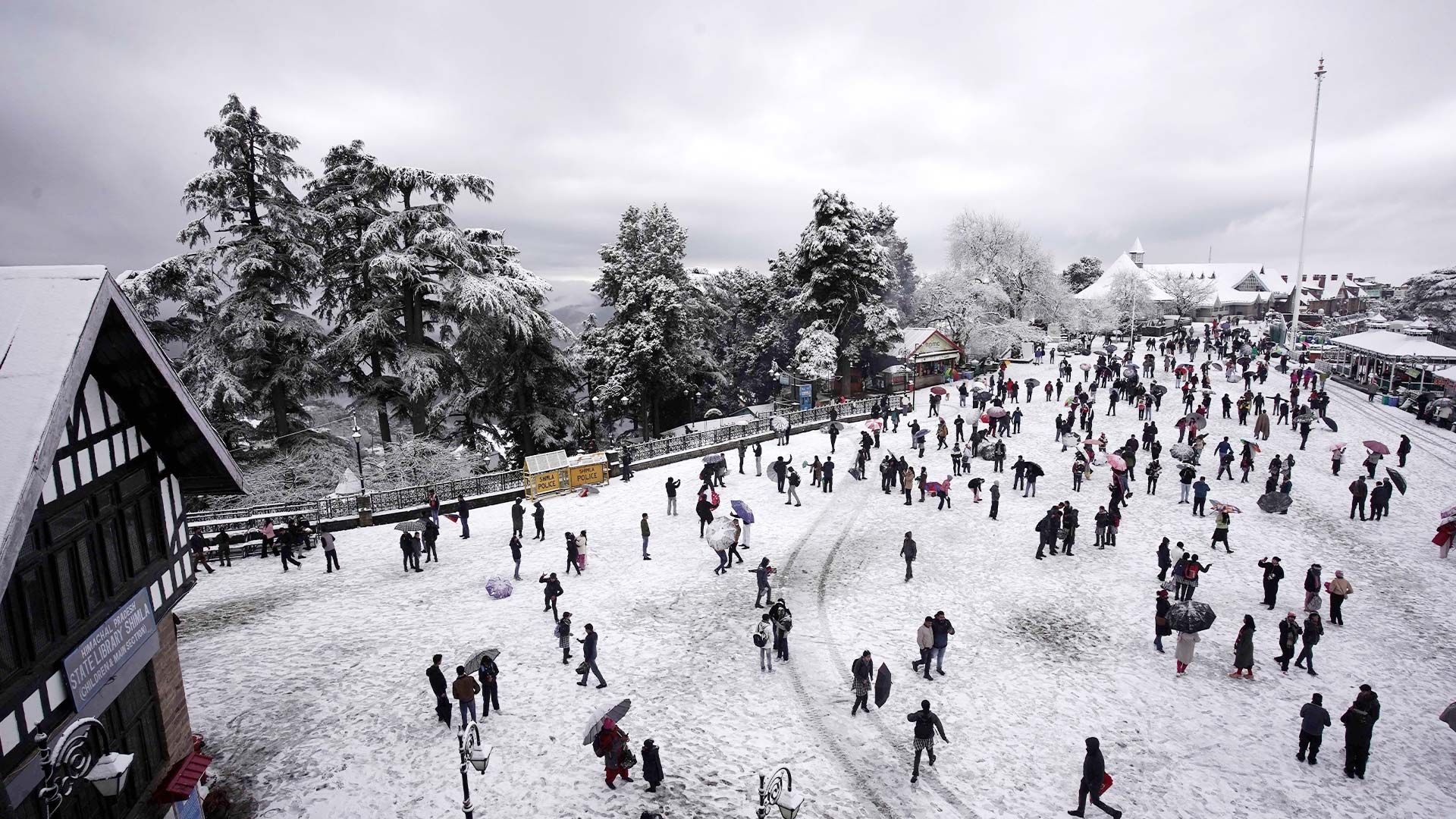
Shimla Travel Guide: Everything You Need to Know Before Visiting the Queen of Hills
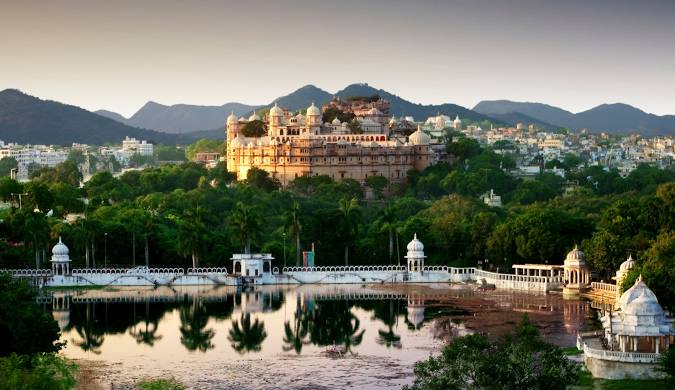
Udaipur – The Venice of the East: A Complete Travel Guide
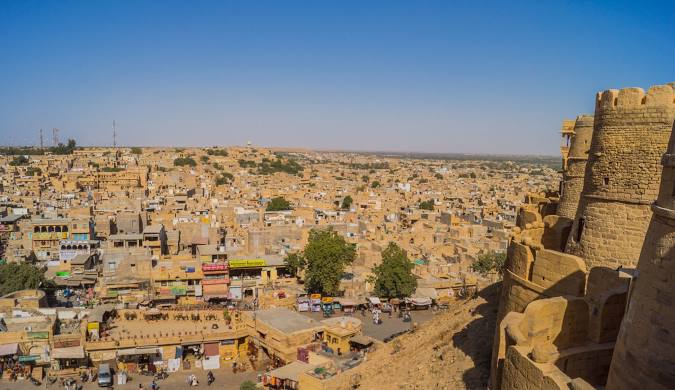
Jaisalmer Travel Guide: History, Forts, Desert Experiences, and Cultural Heritage
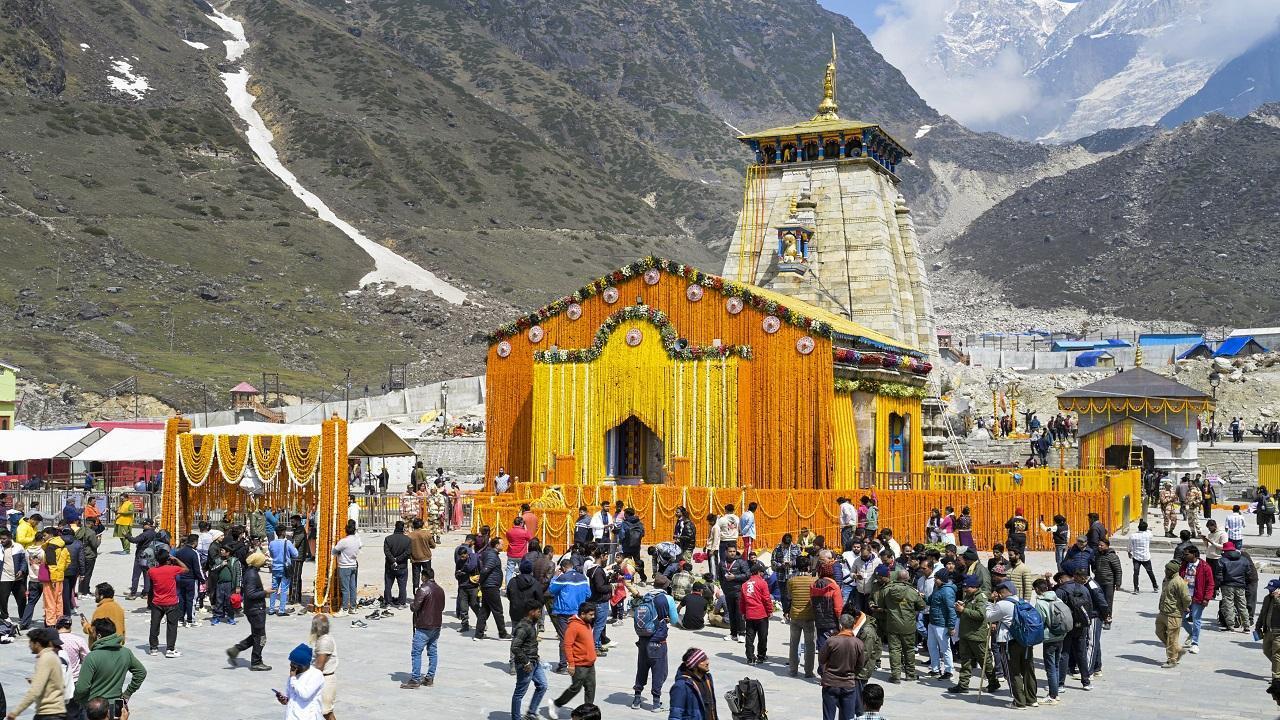
Kedarnath Yatra Registration 2026
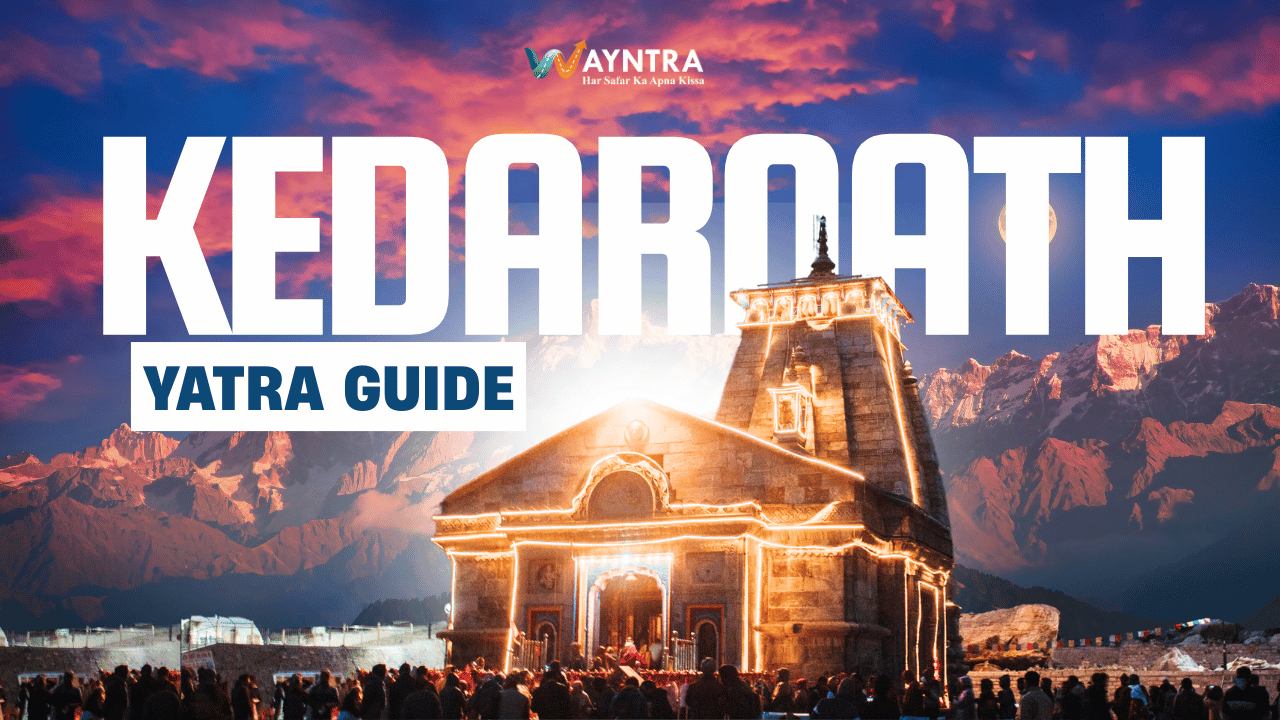
Kedarnath Yatra Guide 2026
Kedarnath Helicopter Booking 2026: IRCTC Online Booking, Dates, Price & Complete Guide
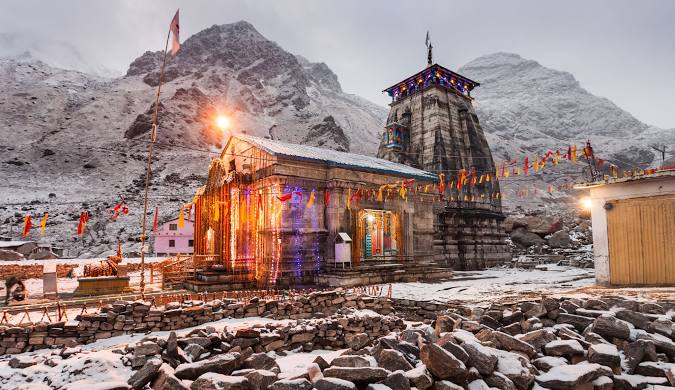
Kedarnath Temple Opens for 2026 Pilgrimage Season on April 22 at 8 AM
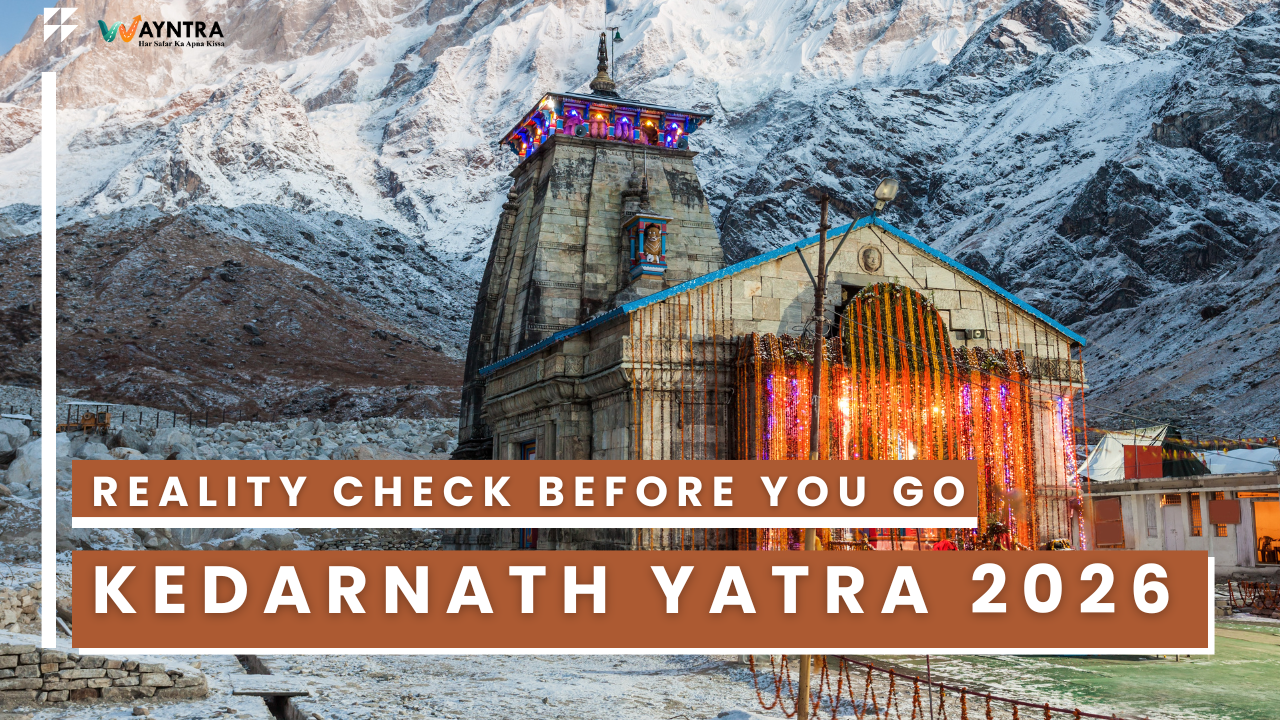
Kedarnath Yatra 2026: Ground Reality You Should Know Before Visiting
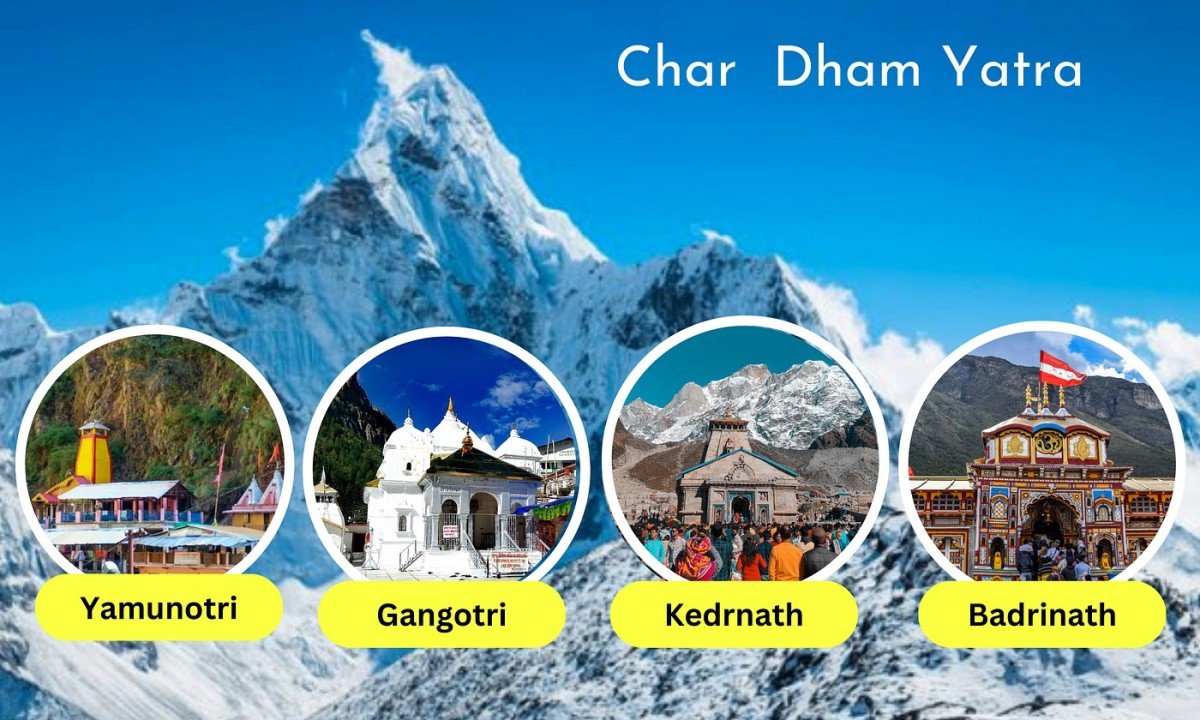
Number of Devotees on Char Dham Yatra Crosses 6.62 Lakh Till 3 May 2026
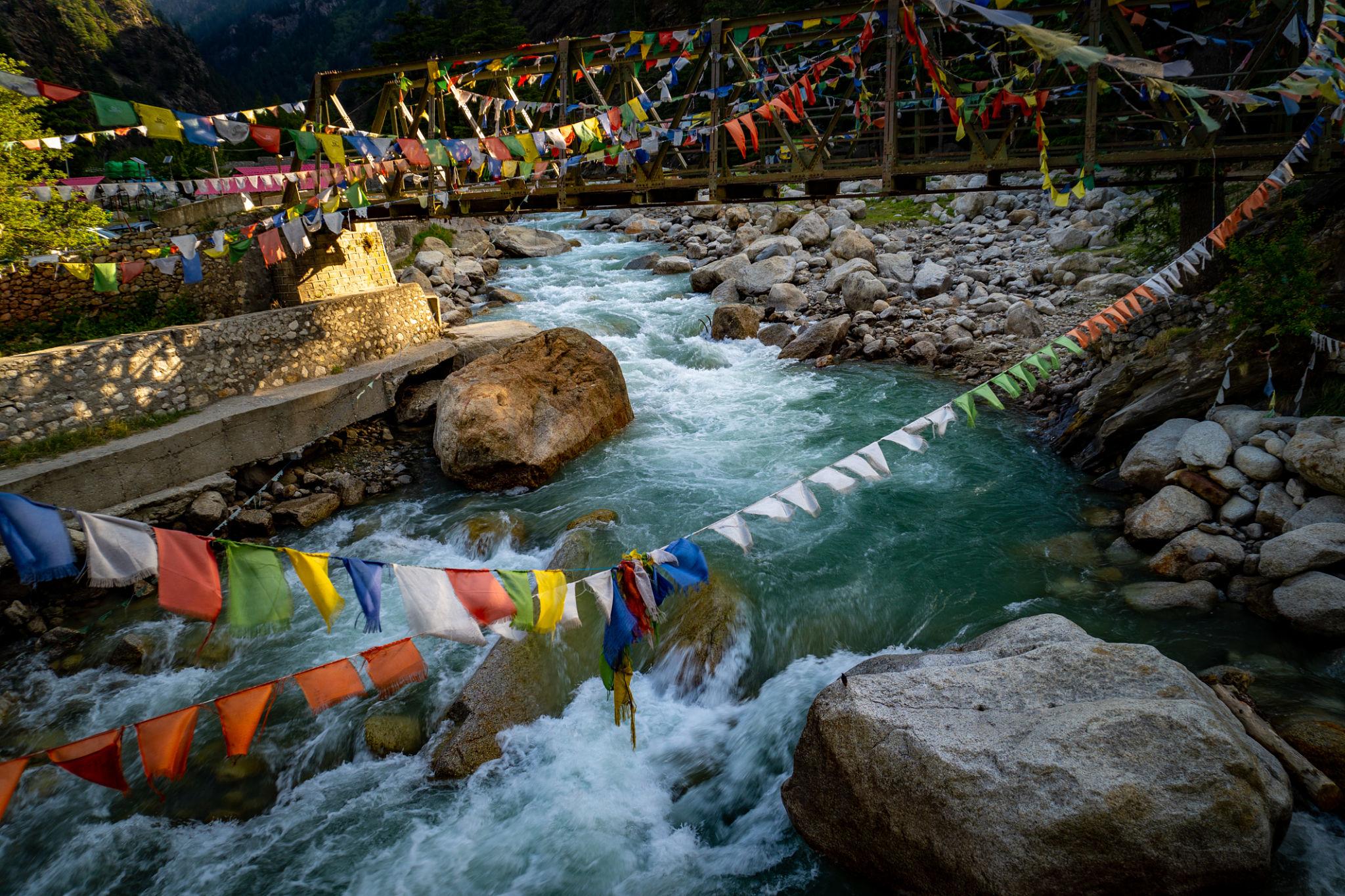
Harshil Valley – Uttarakhand’s Hidden Himalayan Paradise You Must Visit Once
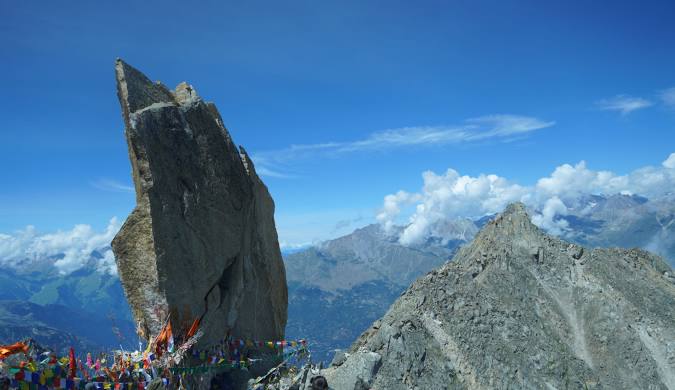
Kinner Kailash – The Mystical Abode of Lord Shiva in the Himalayas
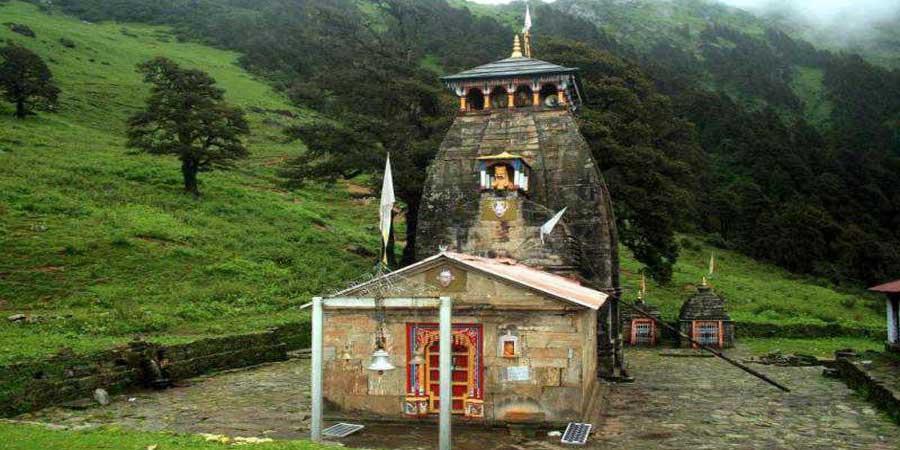
Madhyamaheshwar Temple Travel Guide 2026 – History, Trek, Route, Stay & Complete Travel Information
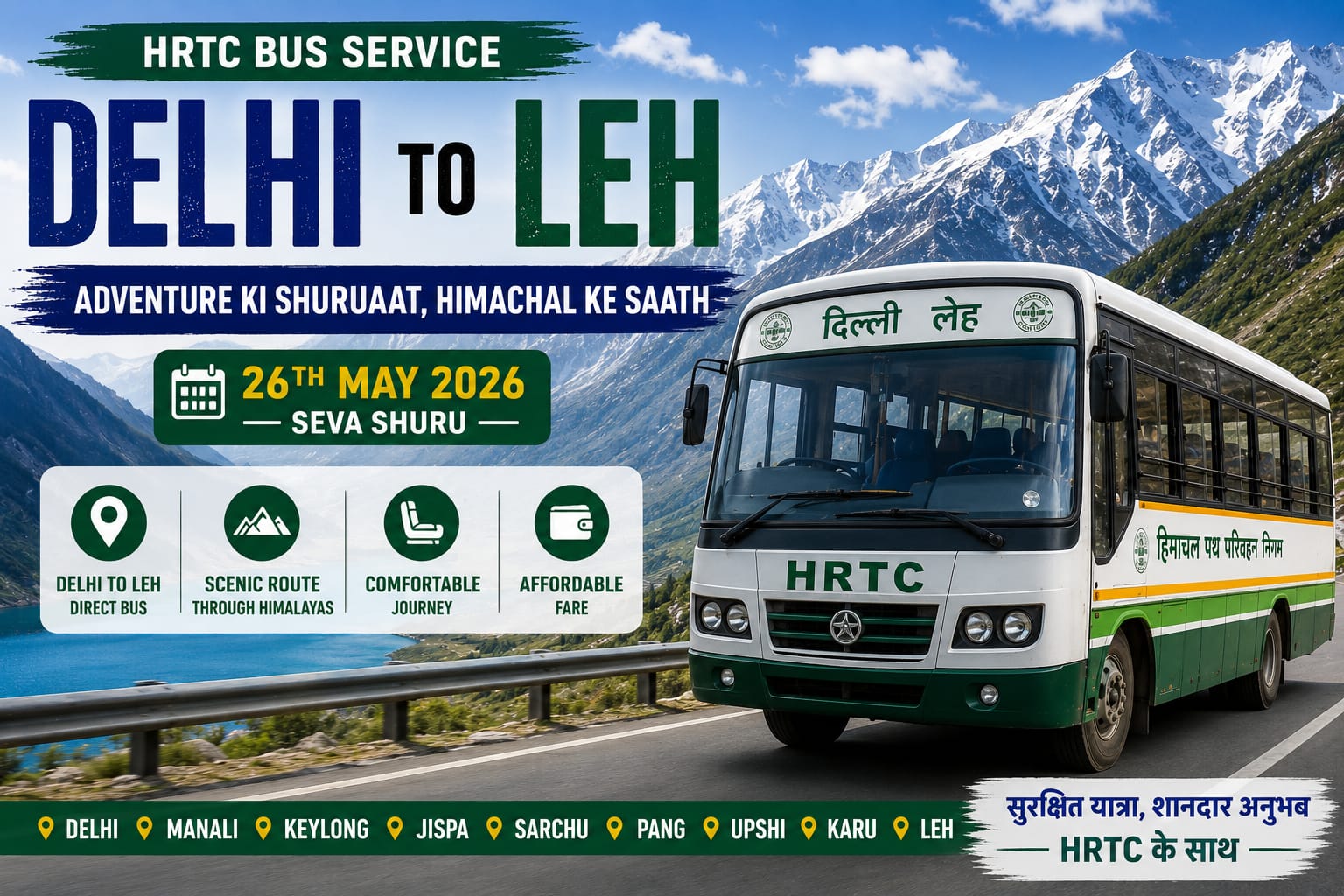
Delhi to Leh Bus Service 2026: Fare, Route, Timings, Stops & Complete Travel Guide
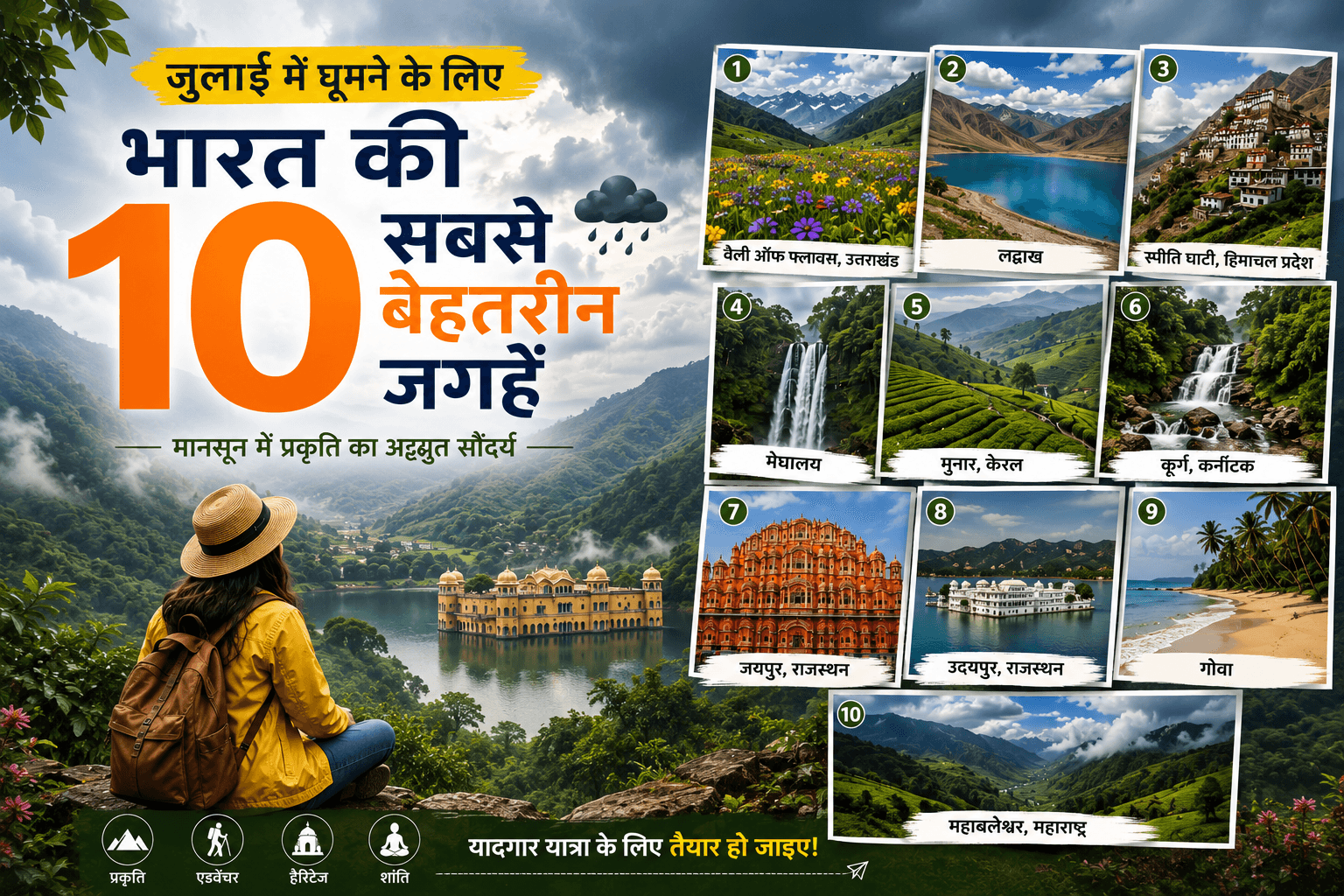
Top 10 Best Places to Visit in July in India (2026) – Monsoon Destinations You Shouldn't Miss
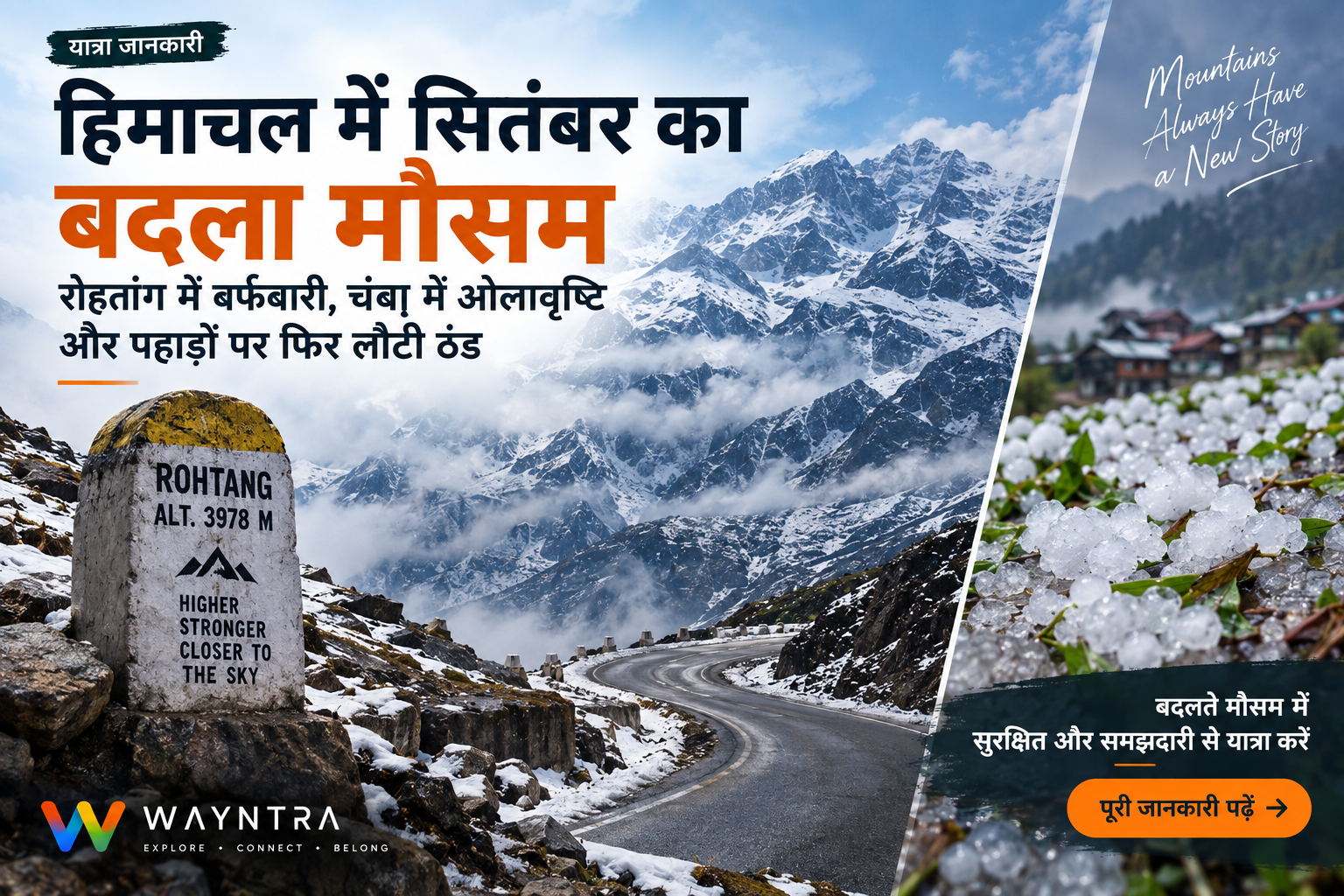
हिमाचल में सितंबर का बदला मौसम: रोहतांग में बर्फबारी, चंबा में ओलावृष्टि और पहाड़ों पर लौटी ठंड
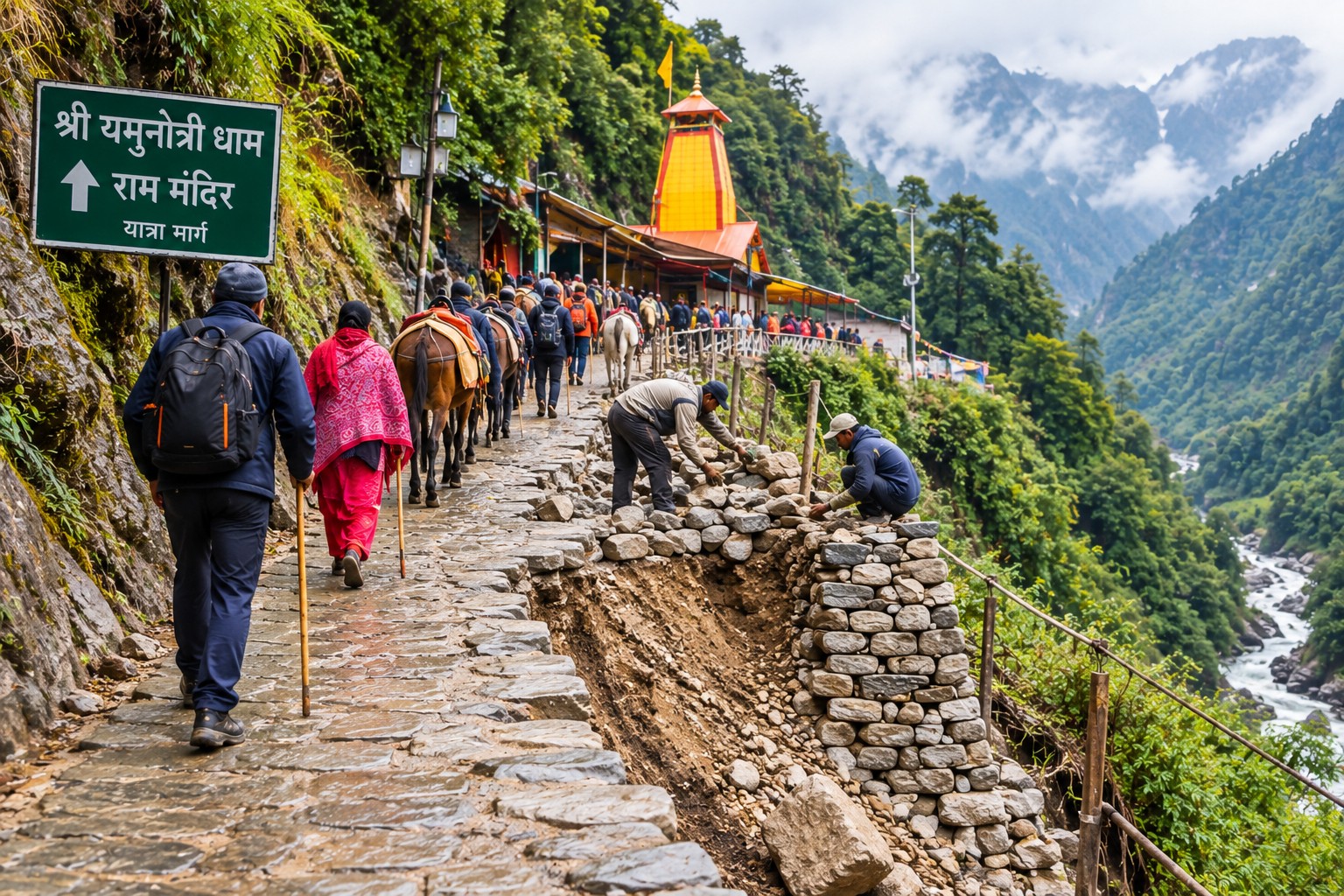
Yamunotri Dham: Safety Concerns Remain Near Ram Mandir on the Yatra Route
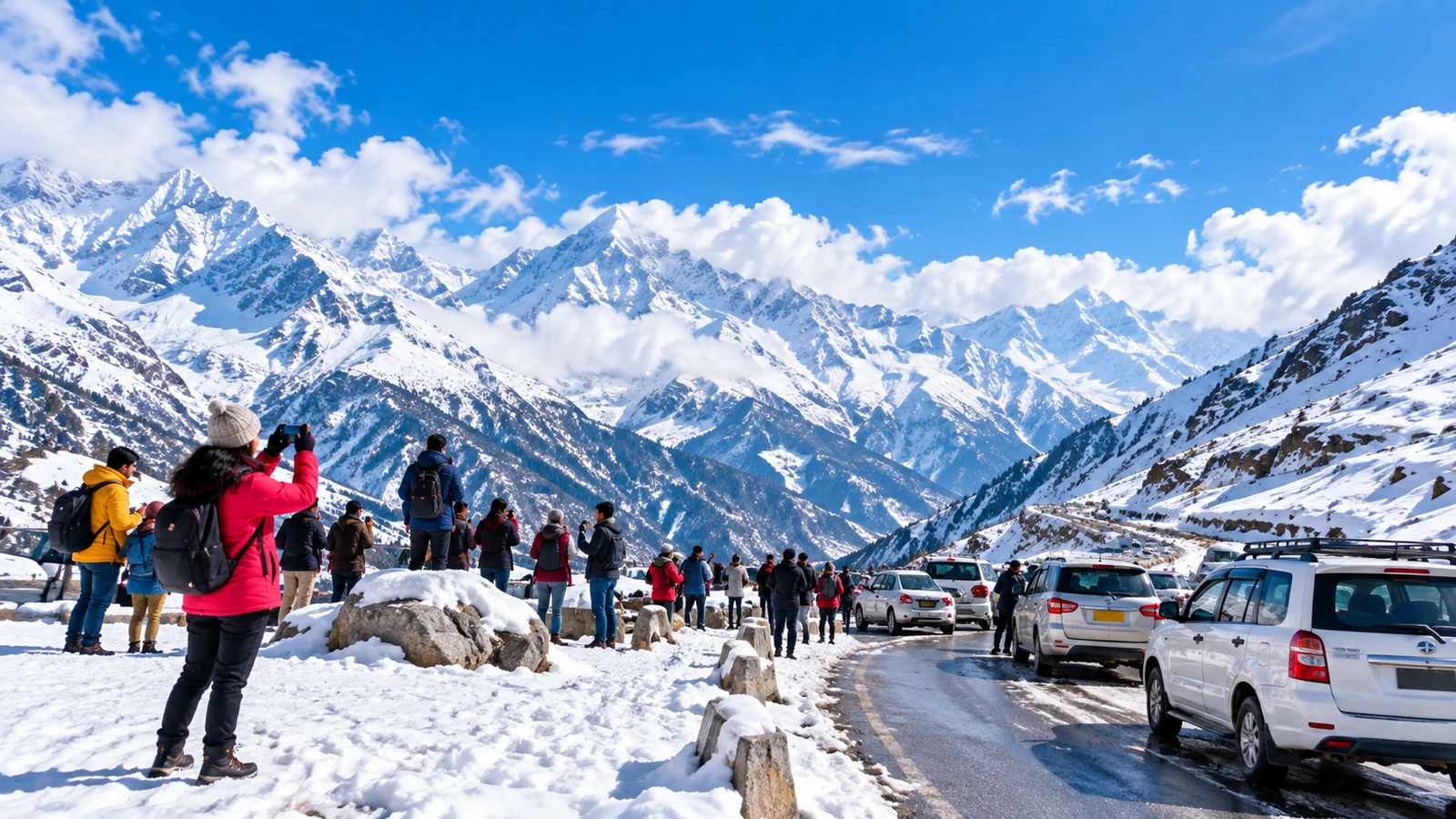
Tourists Flock to Rohtang After Snowfall, Over 600 Vehicles Arrive; Manali Comes Alive
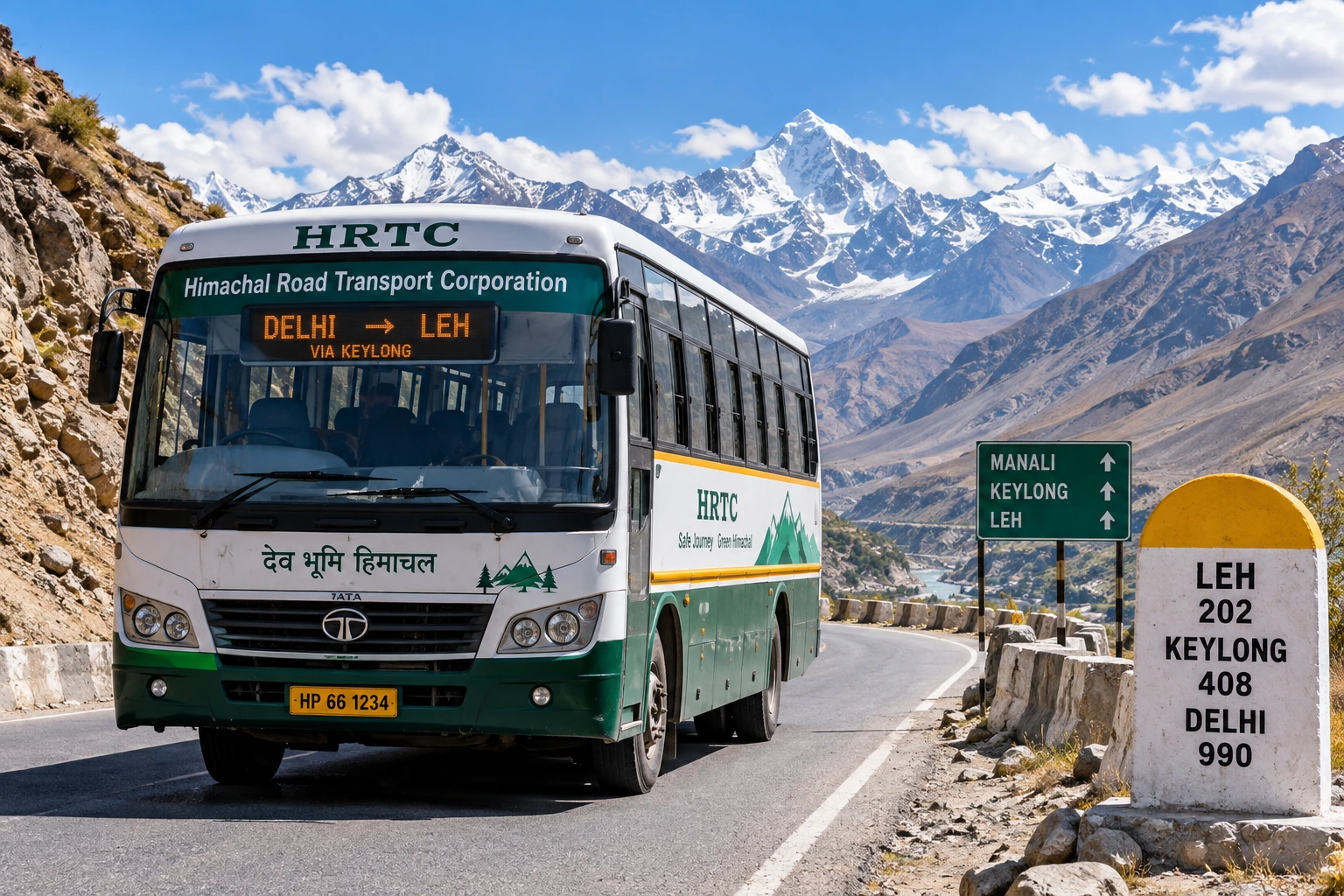
Delhi–Leh HRTC Bus Service Suspended: Service Will Resume Next May, Know All the Details

River Rafting May Resume in Rishikesh from September 23
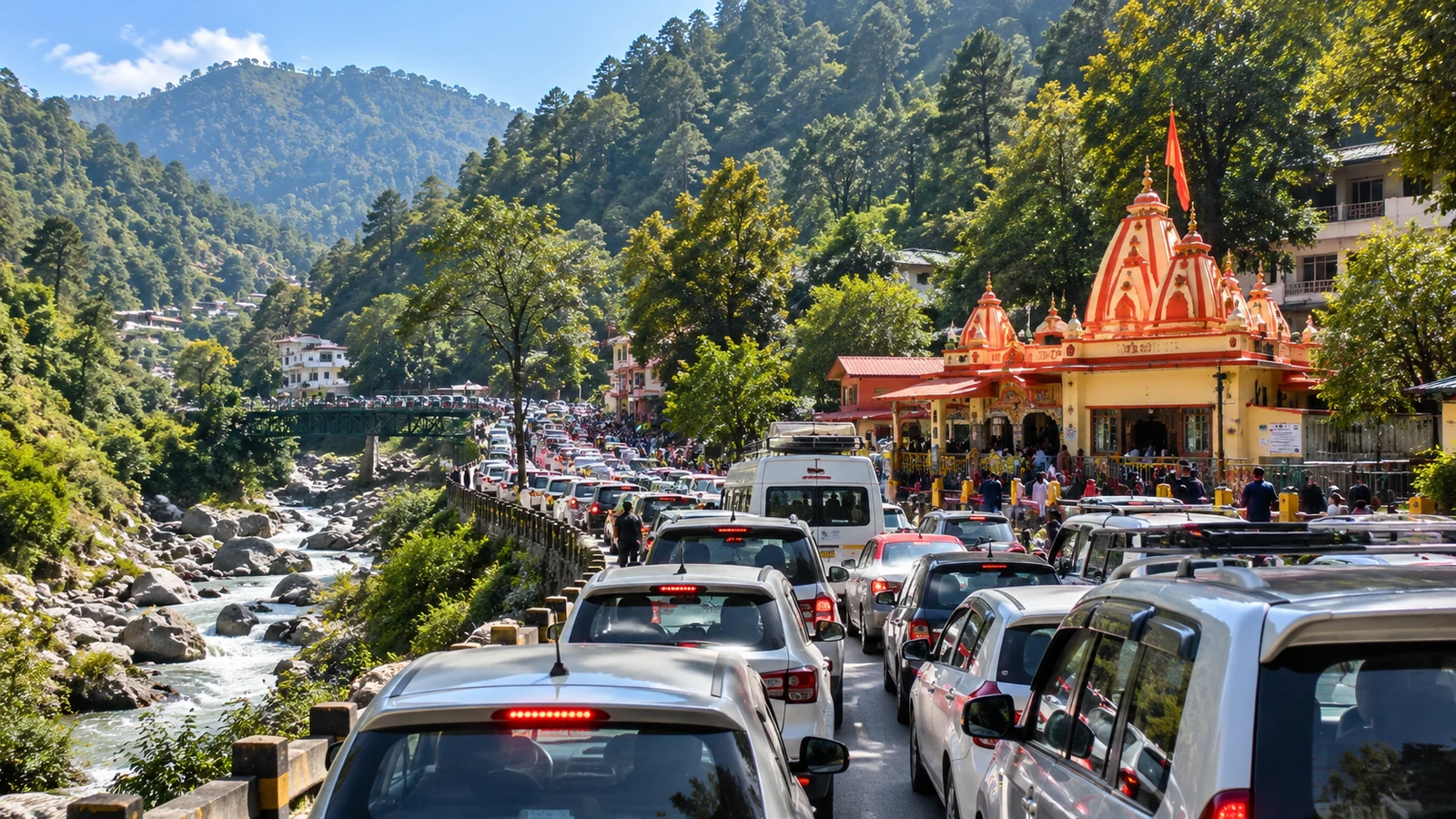
Heavy Crowd of Devotees at Kainchi Dham, 2-Km-Long Traffic Jam Reported
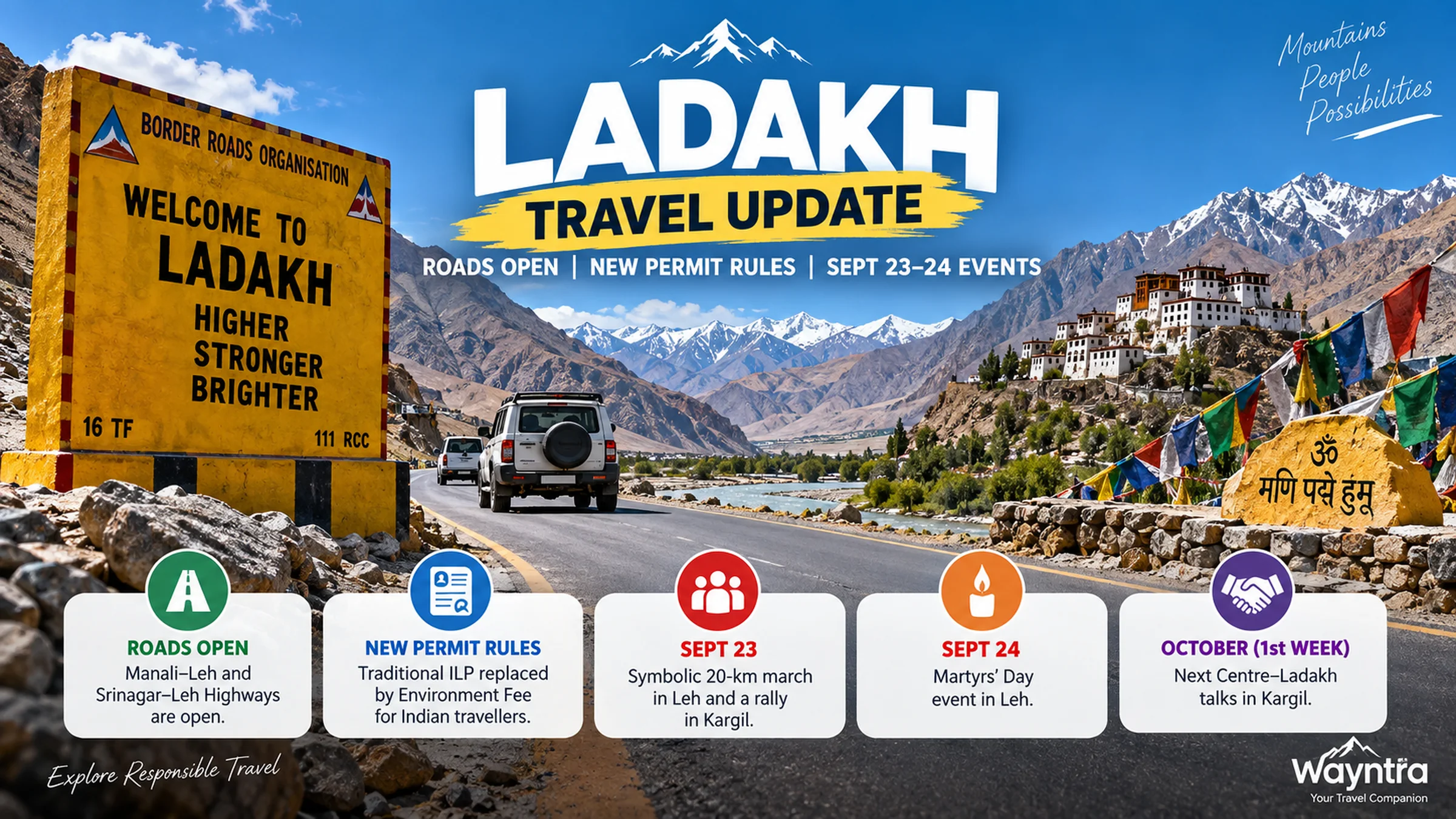
Ladakh Travel Update: Roads Open, New Permit Rules and September 23–24 Events
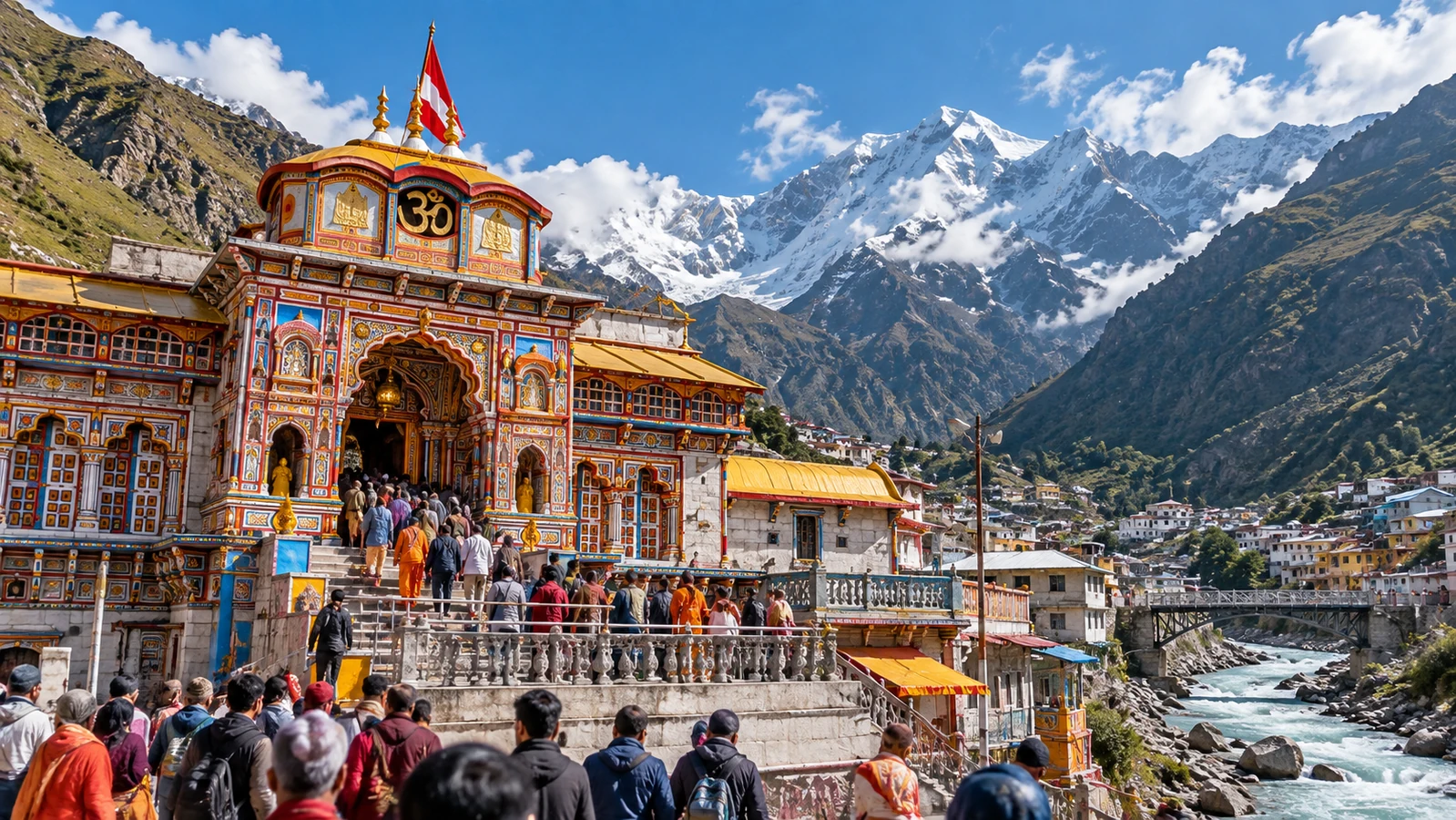
Badrinath Dham: Second Phase of Yatra Picks Up Pace, Thousands of Devotees Arriving for Darshan
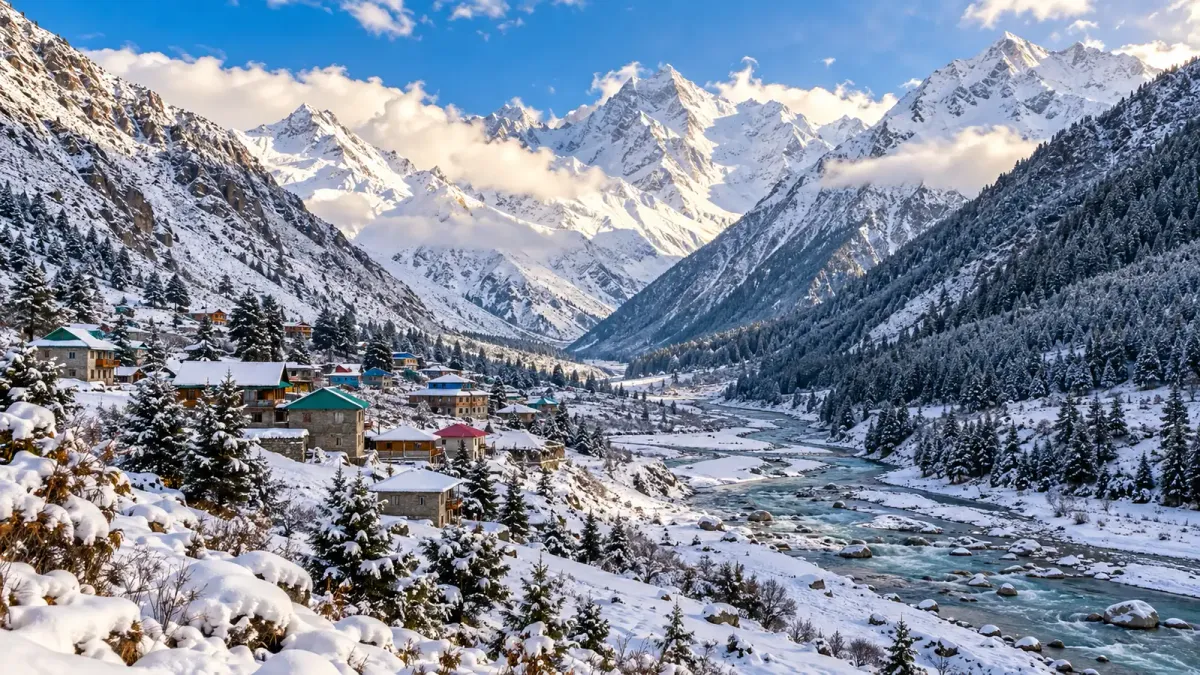
हिमाचल में सितंबर में बर्फबारी ने बदला मौसम का मिजाज, 18 साल बाद रिकॉर्ड ठंड
Kerala — travel FAQs
Where is Kerala located?
What is the best time to visit Kerala?
What is Kerala famous for?
What is the capital of Kerala?
Which places are famous in Kerala?
What is the houseboat experience in Kerala?
How is the food in Kerala?
Which language is spoken in Kerala?
How to travel in Kerala?
Is Kerala safe for tourists?
What activities can you do in Kerala?
Is Kerala good for honeymoon?
Wayntra app
Explore Kerala with Wayntra
Find destinations, adventures, local businesses and experiences across Kerala.