India’s local-first travel ecosystem — book local operators direct, zero commission

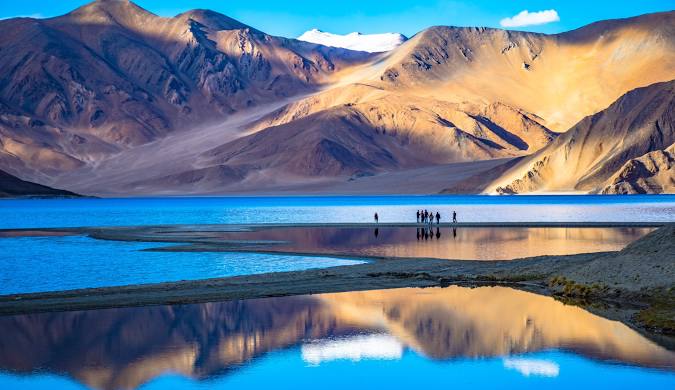
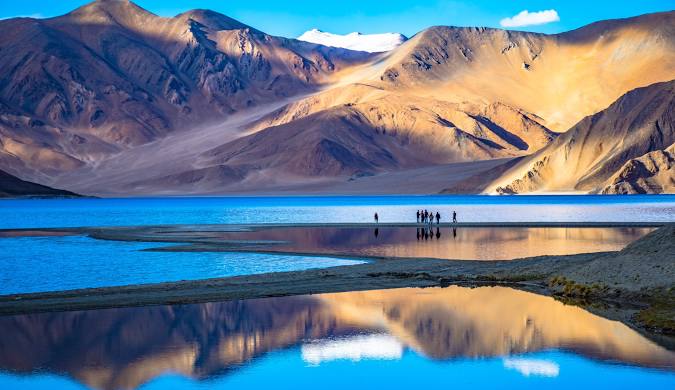
Ladakh, often referred to as "The Land of High Passes" and the "Moonland of India," is one of India’s most fascinating and breathtaking destinations. Now a Union Territory, carved out from Jammu & Kashmir in 2019, Ladakh sits nestled between the towering Himalayas and the Karakoram ranges, bordering Tibet and Pakistan-occupied Gilgit-Baltistan. Geographically and culturally distinct, it’s divided into two main districts – Leh, dominated by Buddhist culture, and Kargil, which has a majority Muslim population.
The geography of Ladakh is extreme and dramatic. High-altitude deserts, rugged mountains, snow-covered peaks, crystal-clear rivers, and vast barren valleys characterize the landscape. The region lies at an average altitude of about 9,800 feet, with some areas exceeding 18,000 feet. The Indus, Zanskar, and Shyok rivers meander through the rocky terrain, adding to the stark beauty. The climate is cold and arid, with long, harsh winters and short summers, making Ladakh one of the most remote and least populated regions in India.
Culturally, Ladakh is heavily influenced by Tibetan Buddhism. The region is home to numerous ancient monasteries such as Hemis, Thiksey, Alchi, Diskit, and Likir. These monasteries are not just religious centers but cultural hubs that preserve ancient art, scriptures, and traditions. Monastic festivals like the Hemis Festival, celebrated with colorful masked dances and traditional music, attract tourists and devotees from across the globe.
Adventure seekers find Ladakh to be a paradise. From trekking across dramatic landscapes to biking through the world’s highest motorable passes, the options are endless. Famous treks include the Chadar Trek on the frozen Zanskar River, Markha Valley Trek, and Stok Kangri Climb. Bikers dream of conquering Khardung La Pass, one of the highest motorable roads in the world, while river rafting on the Zanskar or Indus rivers offers a unique adrenaline rush.
Ladakh is also home to some of the most mesmerizing lakes in the world. Pangong Tso, with its ever-changing hues of blue, gained global fame through the movie 3 Idiots. Tso Moriri and Tso Kar are equally enchanting, offering pristine beauty and rich birdlife. In winter, these lakes freeze completely, creating surreal landscapes.
The food of Ladakh is a beautiful blend of Tibetan and local Himalayan flavors. Popular dishes include Thukpa (noodle soup), Momos, Skyu (a pasta-like dish with vegetables), and the famous Butter Tea (Gur Gur Chai) made with yak butter and salt. The cuisine is simple yet hearty, designed to provide warmth and sustenance in the cold climate.
The people of Ladakh are warm, humble, and resilient. Despite the challenges of living in a high-altitude desert, the Ladakhi lifestyle is rooted in sustainability, community living, and harmony with nature. Traditional homes made of mud and stone offer insulation against the cold, and solar energy is commonly used. Agriculture is limited but efficient, and local crafts like Pashmina weaving and woolen products thrive.
Historically, Ladakh was a key stop on the ancient Silk Route, facilitating trade between India, China, and Central Asia. The influence of various civilizations can still be seen in its art, architecture, and customs. Ladakh has also seen its share of conflict, especially during the Kargil War in 1999, which underlined its strategic importance.
Since becoming a Union Territory in 2019, Ladakh has witnessed renewed focus on development and infrastructure. Roads are being widened, tourism facilities improved, and digital connectivity enhanced. However, there is also a growing emphasis on eco-tourism and sustainable practices to preserve the fragile ecosystem.
Ladakh remains open to tourists for around five to six months a year, typically from May to September. During this time, travelers from across the world flock here to experience its raw beauty, spiritual tranquility, and unique adventure opportunities. In winter, most roads are blocked due to heavy snowfall, but Ladakh remains a dream destination for hardcore explorers.
Popular places to visit in Ladakh include Leh Palace, Shanti Stupa, Magnetic Hill, Nubra Valley, Turtuk Village, Lamayuru, Zanskar Valley, and the Kargil War Memorial. Each of these destinations offers a different shade of Ladakh — from spirituality to history, and from desert landscapes to lush green valleys.
Night skies in Ladakh are nothing short of magical. With almost zero pollution, stargazing becomes a surreal experience, and the Milky Way is often visible to the naked eye. Photographers and astronomers alike consider Ladakh a dream location.
Today, Ladakh is leading the way as a model of responsible tourism. Ban on plastic, promotion of homestays, solar energy, and water conservation are being actively encouraged. Locals and NGOs are working together to ensure that while Ladakh welcomes the world, it doesn’t lose its essence.
Ladakh is not just a place—it’s a profound experience. It teaches resilience, minimalism, harmony, and spiritual depth. Whether you’re seeking adventure, peace, culture, or nature, Ladakh will offer you something transformative. A journey to Ladakh is not just a travel itinerary; it’s a journey to the soul.
Quick view
🏙️ Capital:
Leh – Administrative capital and cultural heart of Ladakh. Famous for Leh Palace, Shanti Stupa, bustling Tibetan markets, and gateway to Nubra, Pangong, and other high-altitude wonders.
🗻 Average Elevation:
Mostly high-altitude cold desert with elevation ranging from 9,800 ft (3,000 m) to over 22,000 ft (6,700+ m).
Highest peak: Saltoro Kangri (25,400 ft / 7,742 m) — one of the tallest in the Karakoram Range.
Key passes: Khardung La (18,380 ft), Chang La (17,590 ft)
📍 Regions:
- Leh District – Tourism and cultural capital: Leh town, Pangong Lake, Nubra Valley
- Kargil District – Historically significant: Kargil War memorial, Suru Valley, Dras (second coldest inhabited place)
- Zanskar Region – Isolated beauty: Frozen Zanskar river trek (Chadar), Buddhist monasteries, thrilling treks
- Changthang Plateau – Home to nomads, high-altitude lakes like Tso Moriri and Tso Kar
🏞️ Top Tourist Attractions:
- Pangong Tso – Breathtaking blue lake stretching into China
- Nubra Valley – Sand dunes at Hunder, double-humped camels, Diskit Monastery
- Magnetic Hill – Optical illusion defying gravity
- Tso Moriri – Remote high-altitude lake, birdwatching paradise
- Khardung La – Among the highest motorable passes in the world
- Zanskar Valley – Frozen river trek (Chadar), stunning canyons
- Leh Palace & Shanti Stupa – Tibetan architecture and panoramic views
- Lamayuru Monastery – One of the oldest monasteries in Ladakh
- Kargil War Memorial – Tribute to Indian soldiers near Dras
- Moonland (Lamayuru) – Unique lunar-like landscapes
📅 Formation:
Ladakh became a Union Territory on 31st October 2019, carved out from the state of Jammu and Kashmir.
It is directly governed by the central government of India.
🏰 Historical Significance:
- Ancient trade route on the Silk Road
- Strong influence of Buddhist and Tibetan culture
- Historically part of the Kingdom of Ladakh
- Strategic location bordering China and Pakistan
- Important in Kargil War (1999) history
🎭 Culture:
- Deeply spiritual with Tibetan Buddhist roots
- Monastic festivals like Hemis, Spituk, and Dosmoche
- Colorful masks, ritual dances (Cham dance)
- Traditional dress includes Goncha (woolen robe), Perak (turquoise-studded headgear)
- Nomadic Changpa tribe in Changthang region
🗣️ Language:
- Official Languages: Hindi & English
- Widely Spoken: Ladakhi (closely related to Tibetan), Balti, Purgi
- Script often written in Tibetan or Urdu styles
🍲 Cuisine:
- Signature dishes:
- Thukpa (noodle soup)
- Skyu (pasta stew)
- Mokthuk (momos + thukpa combo)
- Chhutagi (bowtie-shaped pasta curry)
- Tingmo (steamed bread)
- Khambir (local Ladakhi bread)
- Beverages: Butter tea (Gur Gur Chai), Chang (local barley beer)
- Yak cheese, dried apricots, and roasted barley (tsampa) are staples
🌿 Geography & Landscape:
- Cold desert terrain, stark barren mountains, high passes
- Crystal-clear glacial rivers and turquoise lakes
- Sparse vegetation, but dramatic natural beauty
- Major rivers: Indus, Zanskar, Shyok
- Famous lakes: Pangong Tso, Tso Moriri, Tso Kar
🦁 Wildlife & National Parks:
- Hemis National Park – Largest in South Asia; home to Snow Leopards, Tibetan wolf, blue sheep
- Changthang Wildlife Sanctuary – Wild yaks, black-necked cranes
- Rare species: Himalayan marmots, ibex, bharal, and Ladakhi urial
🎢 Adventure Activities:
- Trekking: Chadar Trek, Markha Valley, Lamayuru to Alchi
- Motorbiking: Leh–Manali Highway, Leh–Srinagar Highway, Khardung La rides
- River Rafting: Zanskar and Indus Rivers
- Camping: Pangong, Nubra, Tso Moriri
- Rock climbing, mountain biking, snow-leopard spotting in Hemis
- Stargazing: Some of the clearest skies in India (Hanle, Turtuk, Pangong)
🕌 Religious & Spiritual Sites:
- Thiksey Monastery – Mini version of Potala Palace (Lhasa)
- Hemis Monastery – Largest and richest in Ladakh
- Diskit Monastery – Giant Buddha statue overlooking Nubra
- Alchi Monastery – 11th-century artwork
- Spituk, Stakna, and Phugtal Monasteries – Architecturally unique and spiritual
- Muslim shrines: Imambaras in Kargil
- Sikh site: Gurudwara Pathar Sahib
- Christian: Moravian Church in Leh
🛍️ Famous For:
- Pashmina shawls, yak wool products
- Tibetan prayer flags, Thangka paintings
- Handcrafted jewelry, turquoise stones
- Apricot jams, dried fruits
- Buddhist artifacts like prayer wheels, singing bowls
- Handmade paper, woolen carpets, copper utensils
📸 Photography Tip:
- Golden hour at Pangong — surreal reflections
- Snow leopard in Hemis — if lucky!
- Milky Way in Hanle or Tso Moriri
- Portraits of monks, old Ladakhi faces, and Himalayan landscapes
- Use wide-angle lenses for lakes and monasteries
- Drone shots (permitted only in few zones)
🧭 Best Time to Visit:
- May to September – Ideal for sightseeing, lakes, bike trips
- January to February – For Chadar Trek and winter Ladakh (extreme cold but serene)
- October – Fall colors, fewer tourists
- Avoid December (harshest cold) and April (some roads still snow-blocked)
Key Attraction
1. Leh and Surrounding Areas
- Leh Palace — Historic royal palace offering panoramic views of the town
- Shanti Stupa — Iconic white-domed Buddhist stupa, perfect for sunrise views
- Jokhang Temple — Ancient and sacred Buddhist temple
- Leh Market — Bustling market with local handicrafts, spices, and souvenirs
- Moravian Church — Historic Christian church in Leh
- Sakhi Gompa — Peaceful monastery in the heart of Leh
- Sodha and Dora Villages — Traditional Ladakhi village life experience
- Nubra Valley route via Khardung La Pass — Gateway to the scenic Nubra Valley
2. Nubra Valley
- Diskit Monastery — Largest and oldest monastery with giant Buddha statue
- Hunder — Famous for double-humped Bactrian camel safaris
- Sumur Village — Quiet village known for its scenic beauty and monasteries
- Tshangsang Village — Remote village with pristine natural surroundings
- Kalika Mata Temple — Religious shrine
- Handicraft Markets — Local markets for traditional woolen crafts
- Entry point to Pangong Lake route
3. Pangong Tso Lake
- Pangong Lake — Stunning blue lake extending into Tibet, popular filming location
- Mertak Tso — Small lake near Pangong Tso
- Kungm Village — Lakeside village with picturesque views
- Camping and photography spots along the lake shores
4. Kargil Region
- Kargil War Memorial — Tribute to martyrs of 1999 Kargil conflict
- Suru Valley — Green valley with rich flora and fauna
- Fyunthsoling Fort — Historical fort ruins
- Mulkhola — Important village with traditional Ladakhi culture
- Pulwama Village — Local cultural hub
5. Zanskar Valley
- Chadar Trek — Thrilling winter trek on frozen Zanskar River
- Padum Village — Administrative center of Zanskar
- Karpo Monastery — Important Buddhist monastery
- Fugtal Monastery — Remote and stunning cliffside monastery
- Zanskar River — Ideal for rafting and adventure activities
6. Changthang Plateau
- Tso Moriri Lake — Serene high-altitude lake known for bird watching
- Tso Kar Lake — Salt lake famous for unique landscape and flamingos
- Lungda Village — Nomadic settlement famous for yak herding
- Changthang Wildlife Sanctuary — Habitat for rare species like Tibetan antelope
7. Hanle and Nearby Areas
- Hanle Monastery — High-altitude Buddhist monastery with rich culture
- Indian Astronomical Observatory — One of the world’s highest observatories
- Hanle Village — Remote village known for stargazing and tranquil surroundings
- Milky Way and night sky photography hotspot
8. Khardung La Pass
- One of the highest motorable passes in the world
- Bikers and adventure lovers’ favorite destination
- Stunning panoramic mountain views
9. Other Attractions Near Leh
- Lamayuru Monastery — Known as the “Moonland” due to its unique landscape
- Phugtal Monastery — Ancient monastery built into a cliff
- Panamik Hot Springs — Natural hot springs near Nubra Valley
- Saspung Village — Traditional cultural experience
10. Natural Beauty & Adventure Spots
- Moonland Viewpoint — Unique lunar-like landscape near Lamayuru
- Stargazing spots — Hanle, Turtuk, and other remote areas
- River Rafting — On Indus and Zanskar rivers
- Trekking routes — Markha Valley Trek, Shey Phoksundo Trek, Shingo La Trek
- Camping — At Pangong, Tso Moriri, and Nubra Valley
- Rock climbing, mountain biking, and other adventure activities
Culture and Festivals
🎭 Unique Culture of Ladakh
- Tibetan-Buddhist Influence: Ladakh's culture is deeply influenced by Tibetan Buddhism, seen in its art, architecture, and daily life.
- Traditional Attire: Men wear Gonchas while women wear Peraks, adorned with turquoise and coral stones.
- Hospitality: Locals are known for their warmth and traditional greeting, “Jullay”, which means hello, thank you, and goodbye!
- Language: Ladakhi (a Tibetan dialect) is widely spoken, along with Hindi and English.
- Cuisine: Butter tea (Gur Gur Chai), Thukpa, Momos, Skyu (pasta stew), and Chhang (fermented barley drink) are staples.
- Arts & Crafts: Handmade carpets, Thangka paintings, and wood carvings are integral to their artistic expression.
🎉 Major Festivals Celebrated
- Hemis Festival (June-July) 🕺
Held at Hemis Monastery, this is Ladakh’s biggest religious festival featuring masked dances (Cham), music, and vibrant colors. - Losar Festival (December-January) 🎇
Tibetan New Year celebrated with religious rituals, dance, music, and family feasts. - Sindhu Darshan Festival (June) 🌊
A celebration of the Indus River symbolizing national integration, featuring cultural performances from various Indian states. - Ladakh Festival (September) 💃
Organized by the Tourism Department, this festival showcases the region's traditional dances, music, sports, and local attire in Leh. - Yuru Kabgyat (July) ⛩️
Celebrated at Lamayuru Monastery, this festival involves sacred mask dances and ritualistic dramas. - Phyang Tsedup (July-August) 🎭
Colorful masked dances performed by monks at Phyang Monastery, celebrating victory of good over evil. - Thiksey Gustor (October-November) ☸️
Held at Thiksey Monastery, this spiritual celebration includes Cham dances symbolizing the destruction of evil forces. - Dosmoche Festival (February) 🔮
A winter festival meant to ward off evil spirits, celebrated in Leh and Likir monasteries with ritual masks and oracles. - Matho Nagrang (March) 👁️
Celebrated at Matho Monastery, it includes the famous oracle monks who predict the future.
Food and Cuisines
🍜 Traditional Ladakhi Cuisine
Ladakhi cuisine is heavily influenced by Tibetan and Central Asian flavors due to its geography and culture. The food here is hearty, warm, and ideal for cold mountain conditions. Staples include barley, wheat, dairy products, and meat (especially yak and mutton).
🥟 Leh City – Culinary Hub of Ladakh
- Must-Try Dishes:
- Thukpa (noodle soup with vegetables/meat)
- Momos (steamed dumplings)
- Tingmo (steamed Tibetan bread)
- Butter Tea (Gur Gur Chai) – salty and made with yak butter
- Skyu – a traditional pasta stew with vegetables or meat
- Best Places to Eat:
- The Tibetan Kitchen – Authentic Tibetan and Ladakhi food
- Gesmo Restaurant – Famous for breakfast, momos, and yak cheese pizza
- Lamayuru Restaurant – Great for thukpa and traditional dishes
- Bon Appetit – Known for a mix of continental and local cuisine with views
🍲 Nubra Valley – Organic and Homely Delights
- Specialties:
- Skyu and Chhutagi – vegetable-based pasta dishes
- Locally brewed Chang (barley beer)
- Apricot-based desserts and jams
- Where to Try:
- Homestays in Hunder and Turtuk – fresh organic meals from local gardens
- Yarab Tso Hotel Kitchen (Sumur) – serves homemade Ladakhi meals
🍖 Kargil – Rich Non-Veg Cuisine with Kashmiri Influence
- Specialties:
- Mutton Yakhni, Rogan Josh (Kashmiri style)
- Khameeri Roti with meat curry
- Dried apricot dishes like Qaraq halwa
- Where to Try:
- Hotel Zojila Residency Restaurant
- Barista Café, Kargil Market – for both local and North Indian meals
- Local dhabas on the Kargil-Leh highway
🫖 Zanskar Region – Minimal Yet Authentic
- Specialties:
- Tsampa (roasted barley flour) – eaten with butter tea
- Butter Tea & Yak Milk Yogurt
- Dry cheese (Chhurpi) – made from yak or dzomo milk
- Where to Try:
- Monastery kitchens in Padum
- Local homes and village stays – especially during treks
🍯 Turtuk – Sweet Surprises and Balti Cuisine
- Specialties:
- Apricot-based meals and desserts
- Balti bread, dried fruit snacks
- Tandoori lamb and spicy chutneys
- Where to Try:
- Local homes in Turtuk Village
- Balti Kitchen & Café – offers traditional recipes from Balti culture
🧀 Drass – Warming Meals for Cold Climates
- Specialties:
- Spicy meat stews
- Lamb soups
- Strong teas and high-fat dairy
- Where to Try:
- Local eateries near the Drass War Memorial
- Drass market roadside dhabas
🥘 Pangong & Changthang Region – Simple Nomadic Meals
- Specialties:
- Porridge made from barley
- Yak milk tea & cheese
- Tsampa balls and dried meat
- Where to Try:
- Tents and homestays near Spangmik, Merak & Hanle
- Local Changpa nomadic communities
🍹 Beverages & Snacks Across Ladakh
- Butter Tea (Gur Gur Chai) – salty, creamy, energy-boosting
- Chang – local barley-based fermented drink
- Apricot Juice & Jam – a Ladakhi favorite
- Yak Cheese – often paired with Tingmo
- Dried fruits & nuts – common snacks due to cold storage ease
Shopping & Handicrafts
🛍️ Traditional Handicrafts of Ladakh
Ladakh is rich in handmade products reflecting Tibetan, Buddhist, and local tribal cultures. From colorful textiles to intricately carved wooden artifacts and precious jewelry, shopping in Ladakh is an experience in itself.
🧣 Leh City – The Ultimate Shopping Destination
- What to Buy:
- Pashmina shawls, woolen mufflers
- Tibetan prayer wheels, flags, and Buddhist artifacts
- Copper and silver jewelry with turquoise
- Thangka paintings (Buddhist scrolls)
- Ladakhi salt and apricot-based products
- Where to Shop:
- Leh Main Bazaar – Best for local handicrafts and clothing
- Tibetan Market – Antique pieces, souvenirs, and quirky decor
- Women’s Alliance of Ladakh – Handmade organic and traditional items by local women
- Ladakh Art Palace – High-quality thangka paintings and jewelry
🧵 Nubra Valley – Organic and Tribal Touch
- What to Buy:
- Handwoven wool items
- Tribal jewelry and apricot oils
- Traditional Balti caps and scarves
- Where to Shop:
- Diskit and Hunder local markets – Unique rural creations
- Women-run co-operatives – Organic soaps, natural oils, hand-stitched items
💍 Kargil – Blend of Kashmiri and Ladakhi Craft
- What to Buy:
- Carpets and Namda rugs
- Wool shawls with Kashmiri patterns
- Hand-carved utensils, wooden trays
- Where to Shop:
- Kargil Main Bazaar
- Local Kashmiri-run shops for rugs and warm clothing
🎨 Zanskar – Art Inspired by Solitude
- What to Buy:
- Miniature Buddha statues
- Handmade candles, herbal balms
- Tibetan-style woolen wall hangings
- Where to Shop:
- Padum Monastery stalls
- Small local art huts during trekking routes
🪡 Turtuk – Balti Cultural Touch
- What to Buy:
- Hand-stitched woolen clothes
- Apricot kernel oil and jams
- Beaded necklaces and Balti hats
- Where to Shop:
- Homestay souvenir corners
- Local women’s groups in Turtuk village
🧤 Drass – Winter Wear Special
- What to Buy:
- Pure wool gloves and socks
- Woolen coats and caps
- Locally woven carpets
- Where to Shop:
- Drass Market Street – Budget-friendly warm wear
- Small Tibetan stalls on the highway
🧶 Changthang Region (Pangong, Hanle) – Yak & Wool Products
- What to Buy:
- Yak wool scarves and sweaters
- Handmade blankets
- Pashmina wool collected from Changthangi goats
- Where to Shop:
- Spangmik and Hanle village stalls
- Local shepherd communities sell directly during season
🧵 Special Mentions
- Lena Ladakh Pashmina Factory (Leh) – Authentic pashmina
- Ladakh Apricot Store – Apricot oils, scrubs, jams
- Ladags Organic Store – Handcrafted eco-friendly goods
Best Time to Visit
Ladakh is a destination that changes its color and charm with each season. While summer brings accessibility and adventure, winter unveils a raw and surreal beauty. Here’s a breakdown of the best times to visit based on weather, activities, and crowd preferences:
🌸 March to Mid-May – Early Spring Awakening
- Why Visit: Snow begins to melt, landscapes turn vibrant, and temperature becomes tolerable.
- What to Expect:
- Fewer tourists
- Accessible lower-altitude areas like Leh and Sham Valley
- Ideal for photographers and peace seekers
☀️ Mid-May to July – Peak Tourist Season
- Why Visit: Most roads are open including access to Nubra Valley, Pangong Lake, and Tso Moriri.
- What to Expect:
- Pleasant weather (10°C to 25°C)
- Best for bike trips, sightseeing, camping
- Famous festivals like Hemis Festival
- Ideal time for families and first-time visitors
⛰️ August to Mid-September – Monsoon Shadows
- Why Visit: Lesser crowds and peaceful atmosphere
- What to Expect:
- Ladakh receives very little rainfall, unlike other Himalayan regions
- Green valleys and dramatic cloudscapes
- Great for offbeat travel and stargazing
🍁 Mid-September to October – Autumn Charm
- Why Visit: Fall colors paint the landscape golden
- What to Expect:
- Crisp blue skies, perfect for photography
- Harvest festivals and cultural vibrancy
- Lower tourist flow, cheaper stays
- Cold nights begin (0°C to 10°C)
❄️ November to February – Winter Wonderland (For Adventurers Only)
- Why Visit: Experience the frozen side of Ladakh with snow everywhere
- What to Expect:
- Chadar Trek on frozen Zanskar River (Jan–Feb)
- Frozen lakes (Pangong, Tso Moriri)
- Extreme temperatures (-10°C to -25°C)
- Limited accommodations and closed passes
- Ideal for thrill-seekers and offbeat travelers
✅ Summary – Best by Purpose
- Sightseeing & Road Trips: May to September
- Cultural Festivals: June to September
- Adventure Treks:
- Chadar Trek: January–February
- Markha Valley Trek: June–September
- Photography & Autumn Colors: Late September to October
- Snow Lovers & Isolation: December–February
History
🏰 History of Ladakh
Ladakh’s history is a fascinating blend of Tibetan, Indian, and Central Asian influences, shaped by its strategic location on ancient trade routes and its unique Himalayan culture.
🗿 Ancient Times
- Early Inhabitants: Archaeological evidence suggests that Ladakh was inhabited as early as the Neolithic age. Petroglyphs found across the region depict hunting scenes, animals, and humans.
- Zanskar & Indus Valley: These areas were among the earliest settled, thriving on farming and herding.
🕉️ Spread of Buddhism (1st Century AD onwards)
- Buddhism Arrival: Around 2nd century AD, Buddhism entered Ladakh via Kashmir and Central Asia.
- Kushan Empire: Under the Kushans, Buddhism flourished and Ladakh became an important center for Buddhist learning and art.
- Monasteries: Some of the earliest gompas (monasteries) like Alchi and Lamayuru were established, many of which still stand.
🏯 The Namgyal Dynasty (15th–19th Century)
- Foundation: Founded by Lhachen Palgyigon, the Namgyal dynasty ruled Ladakh for several centuries.
- Sengge Namgyal (17th century): The most famous ruler, known as the "Lion King." He built Leh Palace, renovated monasteries, and expanded the kingdom.
- Architectural Marvels: Leh Palace, Shey Palace, and many monasteries owe their existence to this era.
- Conflicts: The dynasty often clashed with the Mughals, Baltistan, and Tibetans.
⚔️ Invasions and Decline
- 17th–18th Century: Invasion by Baltistan and Tibet weakened the Namgyals.
- 1680s: The Tibetan-Mughal war resulted in parts of Ladakh coming under both powers.
- 19th Century: Ladakh was annexed by Zorawar Singh, a general of the Dogra King Gulab Singh of Jammu in 1834, and became part of the princely state of Jammu & Kashmir.
🇮🇳 Post-Independence Era
- 1947–48: After India’s independence and the partition, Ladakh remained with India.
- 1962 Sino-Indian War: Parts of Aksai Chin (eastern Ladakh) were occupied by China, leading to geopolitical tensions.
- Kargil War (1999): Ladakh was a major battleground during the India-Pakistan conflict.
🗳️ Union Territory Status
- August 5, 2019: Ladakh was carved out of Jammu & Kashmir and declared a separate Union Territory of India.
- No Legislature: Ladakh has a Lieutenant Governor and is administered directly by the Central Government.
- Historic Shift: This move was aimed at improving governance and infrastructure in the region.
📜 Historical Significance
- Trade Route: Ladakh was a key stop on the ancient Silk Route, linking Tibet with India and Central Asia.
- Cultural Fusion: Its history reflects a mix of Tibetan, Indian, Central Asian, and even Persian influences.
Geography
🗺️ Geography of Ladakh
Ladakh is a high-altitude mountainous region located in the northernmost part of India, nestled between the mighty Himalayas and the Karakoram mountain ranges. Its geography is diverse, rugged, and spectacular, making it a unique and fascinating destination.
🏔️ Mountainous Terrain and Elevation
- The average elevation of Ladakh ranges from about 3,000 meters (9,800 feet) to over 7,000 meters (23,000 feet).
- It lies between two major mountain ranges — the Himalayas to the south and the Karakoram to the north.
- The region is home to some of the world’s highest peaks and glaciers, including the famous Siachen Glacier and peaks around the Nubra Valley.
🌄 Major Valleys and Plains
- Nubra Valley: Situated near the Karakoram range, known for its cold desert landscapes, sand dunes, and Buddhist monasteries.
- Zanskar Valley: Surrounded by towering Himalayan peaks, famous for adventurous trekking routes.
- Leh Valley: The administrative and cultural hub of Ladakh, where most of the population resides.
- Other significant plains and plateaus include areas around Dras, Kargil, and the vast high-altitude cold desert.
💧 Water Sources and Rivers
- Rivers and lakes are vital in this dry, arid region.
- The Indus River is the lifeline of Ladakh, providing water for agriculture and settlements.
- Beautiful high-altitude lakes such as Pangong Tso, Tso Moriri, and Namtso Lake add to the stunning geography.
🏜️ Climate and Environment
- Ladakh experiences a cold desert climate — warm and pleasant during the day in summers but freezing cold at night.
- Winters are harsh with temperatures dropping below -30°C (-22°F), and heavy snowfall isolates many parts.
- Rainfall is scarce, with most precipitation occurring as snow.
🪨 Geology and Terrain Features
- The region’s geology consists mostly of sedimentary rocks, sandstone, and mineral-rich formations.
- Glaciers, rivers, and wind erosion shape the landscape continuously.
- Ladakh’s terrain features barren mountains, rocky deserts, and alpine meadows in some valleys.
🌿 Flora and Fauna
- Vegetation is sparse due to harsh climatic conditions but includes alpine shrubs, wildflowers, and medicinal herbs.
- Wildlife includes rare and endangered species such as the snow leopard, Tibetan antelope (chiru), Himalayan blue sheep (bharal), and various birds like the black-necked crane.
- The region has protected areas and wildlife sanctuaries dedicated to preserving its unique biodiversity.
🧭 Geopolitical Importance
- Ladakh holds strategic significance as it borders both China and Pakistan.
- Its high mountain passes, valleys, and glaciers are crucial for defense and water resources.
- The geography plays a vital role in the region’s cultural isolation as well as its connection to Central Asia.
Permits and Registrations
📝 Permits and Registrations in Ladakh
Ladakh is a sensitive border region, and traveling here requires specific permits and registrations. Below is detailed information about the permits needed for visiting Ladakh:
🚩 Inner Line Permit (ILP)
- What is it?
The Inner Line Permit is an official travel document required for Indian citizens to enter certain protected areas in Ladakh. - Where is it needed?
- Most parts of Ladakh such as Nubra Valley, Pangong Lake, Tso Moriri, and areas near the borders.
- How to obtain?
- You can apply online on the Jammu & Kashmir government website or get it from permit offices in Leh, Manali, or Srinagar.
- The permit is usually issued for 7, 14, or 30 days and can be extended in some cases.
- Cost: ₹200 to ₹500 depending on the duration.
- Address & Contact:
- Permit Office, Leh:
Civil Secretariat, Leh, Ladakh – 194101
Phone: +91-1982-252222 - Permit Office, Srinagar:
Office of Deputy Commissioner, Srinagar, Jammu & Kashmir – 190001
Phone: +91-194-2452421 - Online application:
https://jkpermit.gov.in
🚩 Protected Area Permit (PAP) for Foreign Tourists
- Foreign tourists must obtain a Protected Area Permit to travel in Ladakh.
- Issued by the Ministry of Home Affairs, it can be arranged through government offices or authorized travel agents.
- PAP is required for most parts of Ladakh except the Leh town area.
- Application requires submitting a copy of passport and visa.
- Processing takes about 7-15 days, so apply well in advance.
- Group travel is preferred; solo travelers may face restrictions.
- Address & Contact:
- District Magistrate Office, Leh:
Civil Secretariat, Leh, Ladakh – 194101
Phone: +91-1982-252222 - Travel Agents: Local agents assist with PAP processing.
- Online info: https://ladakh.nic.in
🚩 Special Permits for Restricted Areas
- Additional military or government permissions are required for sensitive border areas such as Demchok, Chumur, and Daulat Beg Oldie.
- These areas have very limited civilian access.
- Such permits are only issued by local authorities.
📋 Arrival Registration
- Tourists must register with local police or tourism department upon arrival in Leh or other towns.
- This is for security reasons and to keep track of visitors.
- Address:
- Tourism Department Office, Leh
Leh, Ladakh – 194101
Phone: +91-1982-252300
🚗 Vehicle Permits
- Vehicle permits are required to drive on certain high-altitude mountain roads.
- Foreign tourists are not allowed to drive in many areas and must hire local registered drivers.
- Vehicle permits are issued by local administration.
⏳ Validity and Extensions
- Permits are usually valid for a fixed duration and can be extended at local government offices if you wish to stay longer.
💡 Tips for Travelers
- Always carry a printed copy of your permits.
- Avoid entering restricted areas without proper permits.
- Use only authorized travel agents for permit processing.
- Check official sources regularly as rules and requirements may change.
Safety Tips & Additional Information
🛡️ Safety Tips
- Acclimatize Properly:
Ladakh is at a very high altitude (average around 11,500 ft / 3,500 m). Spend at least 1-2 days in Leh before venturing to higher altitude places like Nubra Valley or Pangong Lake to avoid Acute Mountain Sickness (AMS). - Stay Hydrated:
Drink plenty of water to help your body adjust to the altitude. Avoid alcohol and smoking as they can worsen altitude sickness. - Dress in Layers:
Weather in Ladakh can be unpredictable, with hot days and freezing nights. Carry warm clothes, windproof jackets, and sun protection (hat, sunglasses, sunscreen). - Be Careful on Roads:
Mountain roads can be narrow, winding, and prone to landslides. Drive cautiously or hire experienced local drivers. Avoid night travel where possible. - Respect Local Culture & Traditions:
Ladakh has a rich Buddhist and Muslim cultural heritage. Dress modestly, ask permission before taking photos of people or monasteries, and follow local customs. - Emergency Contacts:
Keep local emergency numbers handy:
- Police: 100
- Ambulance: 102
- Leh Hospital: +91-1982-252285
- Avoid Drinking Tap Water:
Use bottled or purified water to prevent water-borne illnesses. - Carry a First Aid Kit:
Include medicines for altitude sickness, common cold, stomach issues, and basic wound care. - Travel Insurance:
Have travel insurance that covers high-altitude trekking, emergency evacuation, and medical treatment. - Weather Awareness:
Avoid travel during heavy snowfall or monsoon season (July-August) when landslides and roadblocks are common.
ℹ️ Additional Information
- Connectivity:
Mobile network is limited outside Leh and major towns. BSNL and Jio have relatively better coverage. Internet speed may be slow or unavailable in remote areas. - Cash & ATMs:
ATMs are available in Leh and some major towns, but carry sufficient cash for remote regions as digital payments are not widely accepted. - Local SIM Cards:
BSNL SIM cards work best in Ladakh and can be bought in Leh. - Food & Water:
Food options are limited in remote areas. Carry snacks and water bottles when going to far-flung places. - Accommodation:
Book accommodations in advance, especially during peak season (June-September). - Respect Wildlife & Environment:
Ladakh’s fragile ecosystem requires responsible tourism. Avoid littering, use eco-friendly products, and respect wildlife habitats. - Language:
Ladakhi and Urdu are widely spoken. English and Hindi are understood in towns. - Power Supply:
Power outages are common; carry power banks and chargers.
Backpack
Backpacking in Ladakh is a thrilling and adventurous experience that attracts travelers from all over the world. The region’s rugged terrain, high-altitude mountain passes, pristine valleys, and unique culture make it a perfect destination for backpackers seeking offbeat paths and authentic encounters with nature and local life.
Why Backpack in Ladakh?
- Breathtaking Scenery: From the turquoise waters of Pangong Lake to the vast cold desert of the Nubra Valley, Ladakh offers stunning landscapes that are unlike anywhere else on Earth.
- Adventure Opportunities: Trekking, camping under the stars, mountain biking, and river rafting provide plenty of adrenaline-filled activities.
- Cultural Richness: Explore ancient Buddhist monasteries, local villages, and vibrant festivals that reveal Ladakh’s rich heritage.
- Remote and Offbeat: Many places in Ladakh are only accessible by foot or bike, offering solitude away from commercial tourism.
Essential Tips for Backpacking in Ladakh
- Pack Light but Smart:
Weather can be unpredictable. Carry layered clothing, waterproof gear, a good pair of trekking boots, sun protection, and a basic first-aid kit. - Acclimatize Properly:
Spend at least 1-2 days in Leh to adjust to the high altitude before venturing into higher regions like Nubra Valley or Tso Moriri. - Stay Hydrated:
The dry mountain air can cause dehydration. Drink plenty of water, avoid alcohol initially, and eat light meals. - Respect Local Culture:
Always ask permission before photographing locals or monasteries. Dress modestly and follow local customs. - Plan Your Route:
Popular backpacking routes include the Markha Valley trek, Stok Kangri Base Camp, and Sham Valley. Choose routes according to your fitness and experience level. - Connectivity and Safety:
Mobile coverage is patchy. Carry offline maps and inform someone of your travel plans. Be cautious on mountain roads and unpredictable weather. - Permits:
Obtain Inner Line Permits (ILP) for restricted areas like Nubra Valley, Pangong Lake, and Tso Moriri. These can be acquired in Leh.
Must-Have Backpacking Gear
- Backpack (40-60 liters)
- Warm clothes and waterproof jacket
- Trekking shoes and sandals
- Sleeping bag (for camping)
- Headlamp or flashlight
- Water bottle with filter
- Basic cooking utensils (optional)
- Power bank and chargers
- Personal medication and first aid kit
Popular Backpacking Routes and Destinations
- Markha Valley Trek: A classic trek through villages, monasteries, and stunning landscapes.
- Chadar Trek: Winter trek over the frozen Zanskar River (requires expert preparation).
- Nubra Valley: Known for sand dunes, Bactrian camels, and remote monasteries.
- Pangong Lake: Famous for its changing colors and serene beauty.
- Tso Moriri Lake: High-altitude lake with bird watching and solitude.
- Stok Kangri Base Camp: For experienced trekkers aiming for high-altitude summits.
Backpacking in Ladakh is not just a journey through majestic landscapes but also an immersion into a culture that has thrived in one of the world’s harshest environments. With proper preparation and respect for nature and people, it promises an unforgettable adventure.
Har Ki Dun trek
Kedarkantha
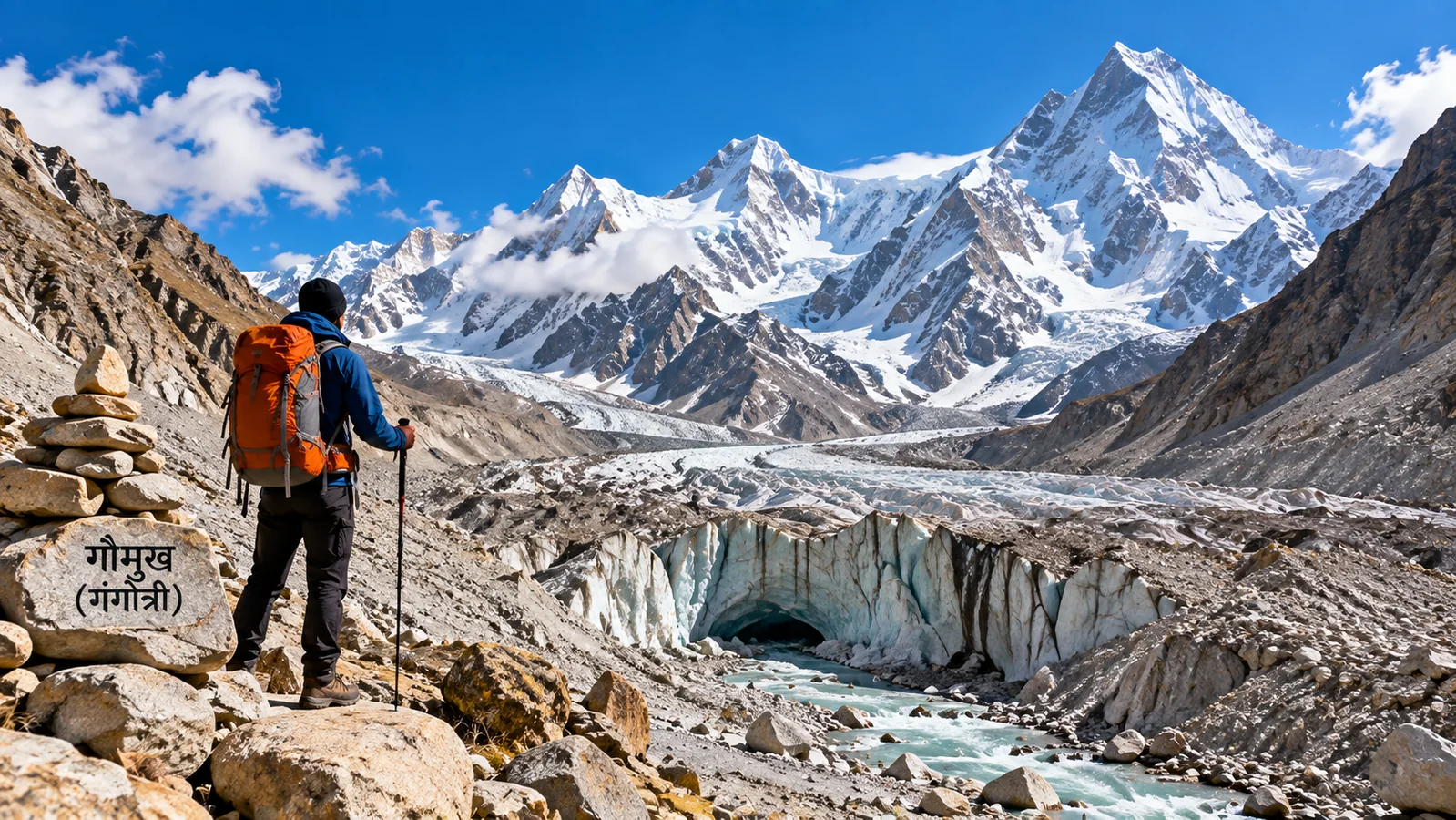
Gaumukh Tapovan Trek
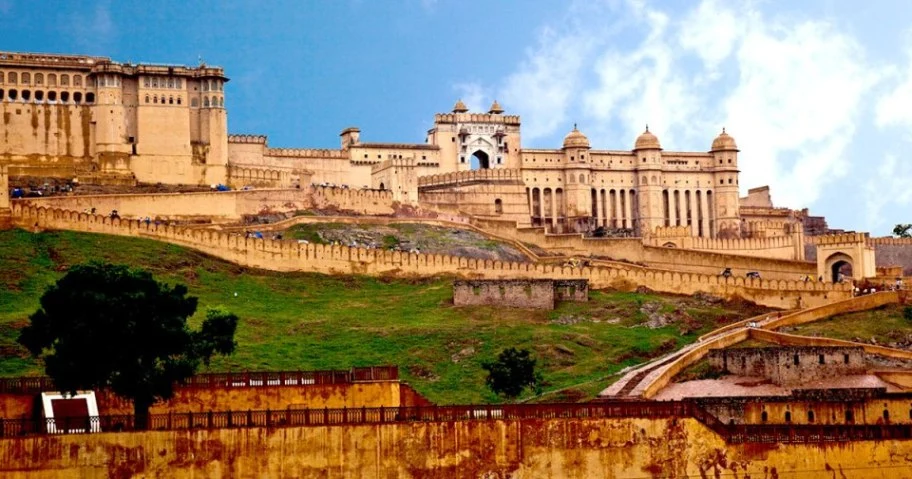
Amber Fort
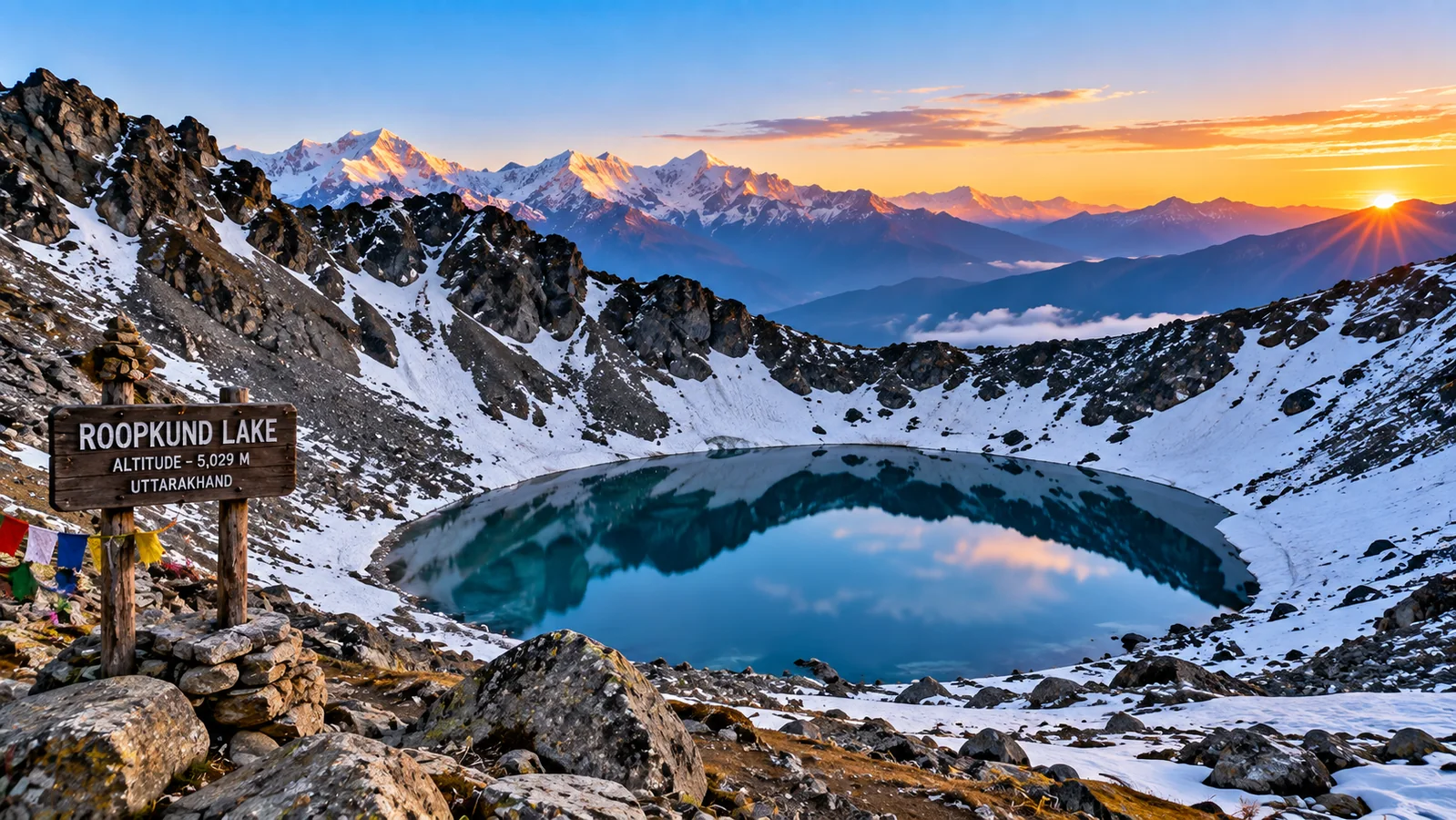
Roopkund Lake Trek
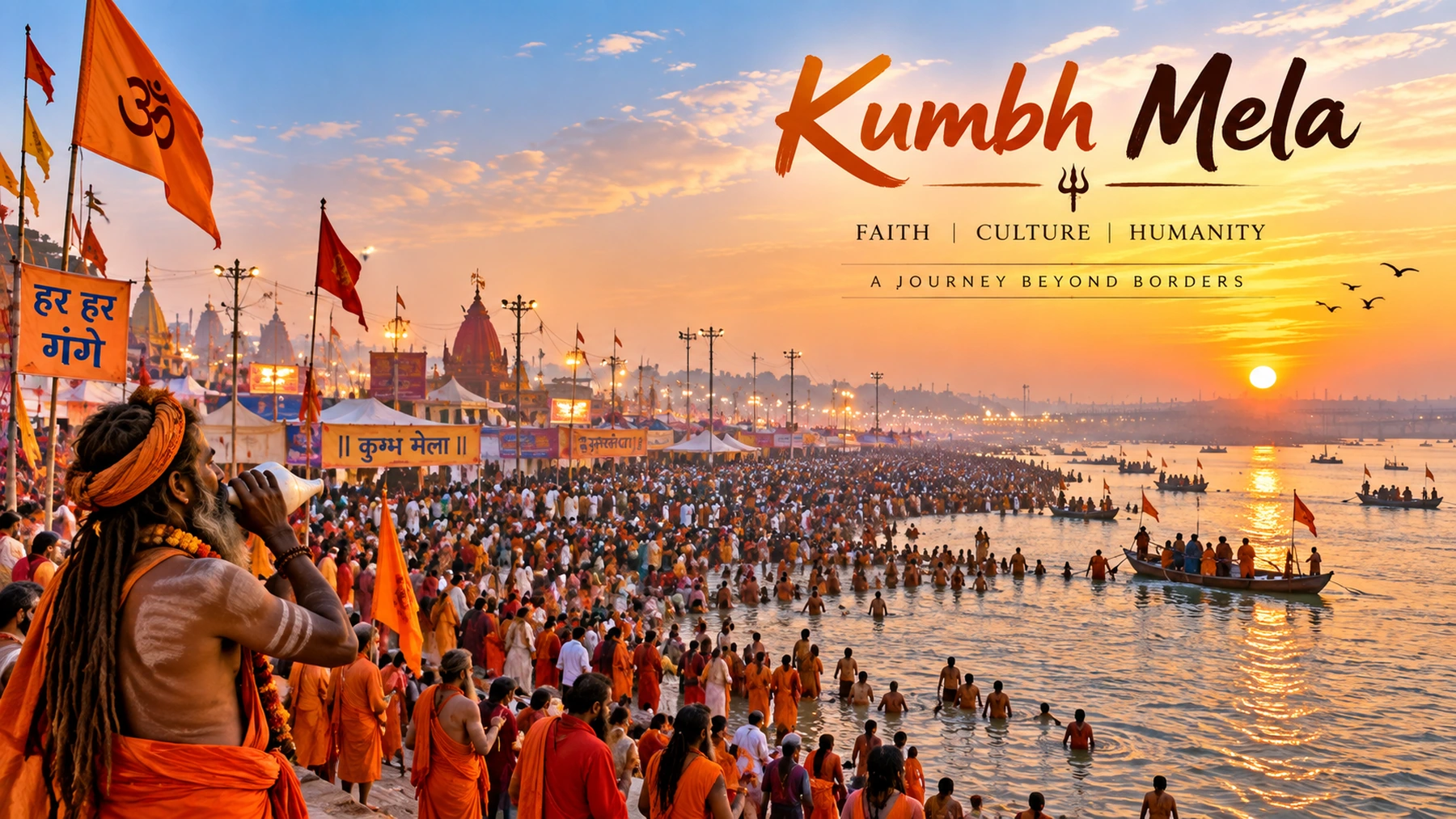
Maha Kumbh 2025
Brahmatal Trek
Kedarnath
The Valley of Flowers Trek
Sri Hemkund Sahib
Kuari Pass Trek
Satopanth Lake Trek
Rudranath
Dayara Bugyal Trek
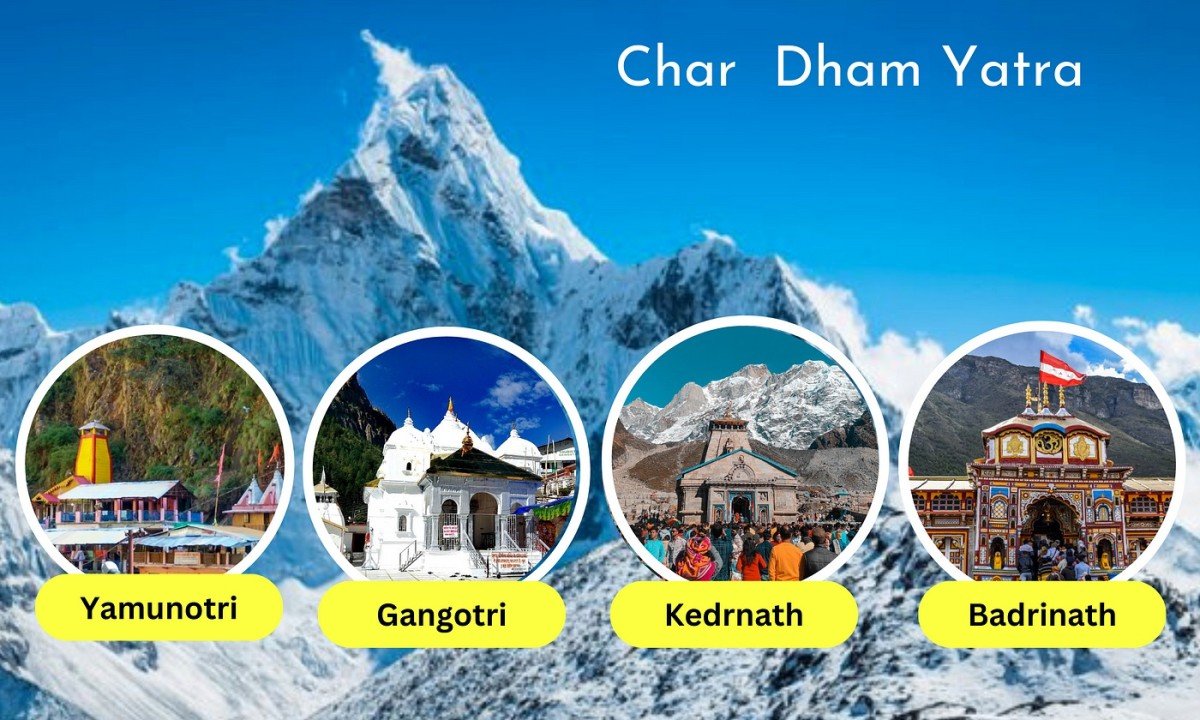
Char Dham Yatra
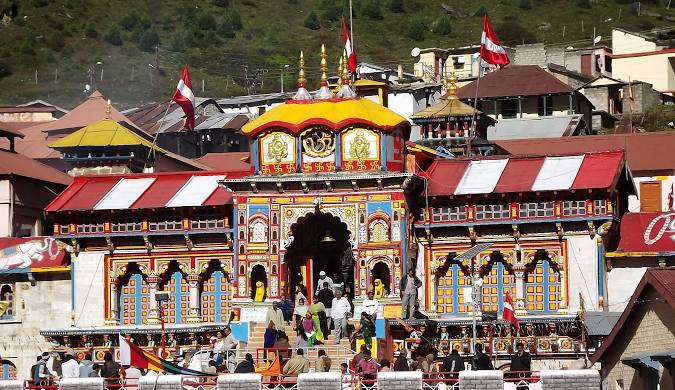
Badrinath
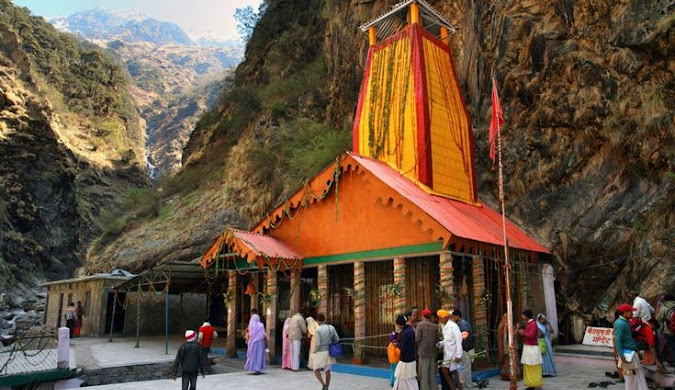
Yamunotri
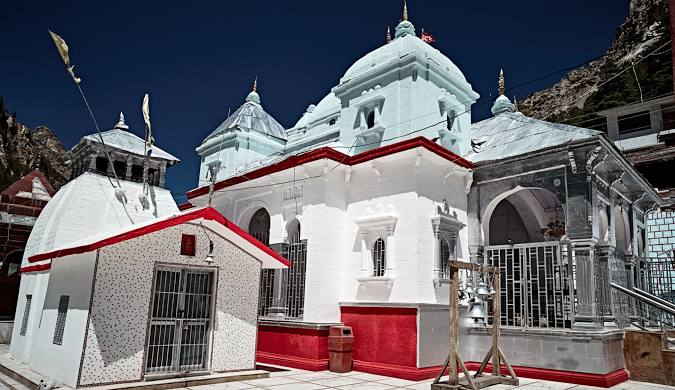
Gangotri
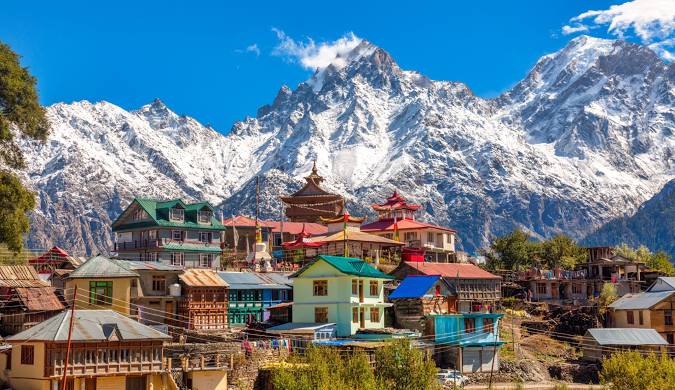
Kalpa
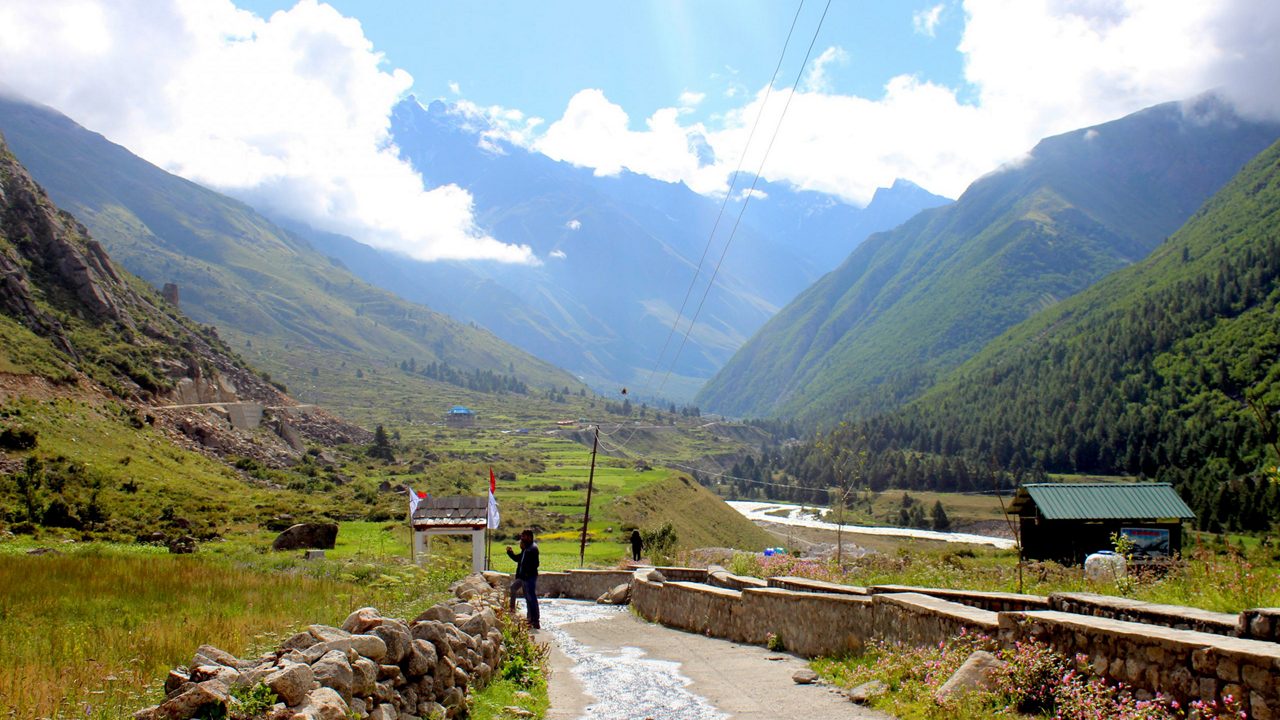
Chitkul
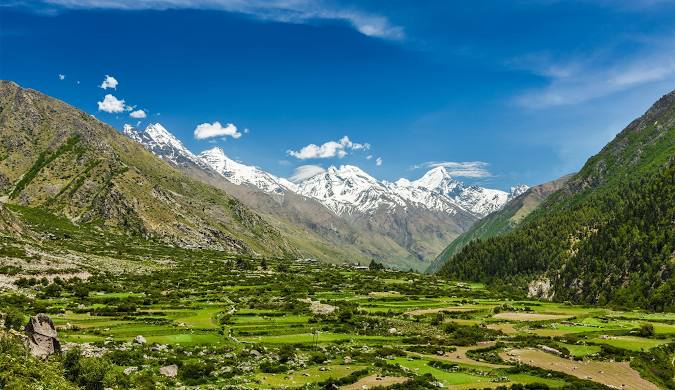
Sangla Valley
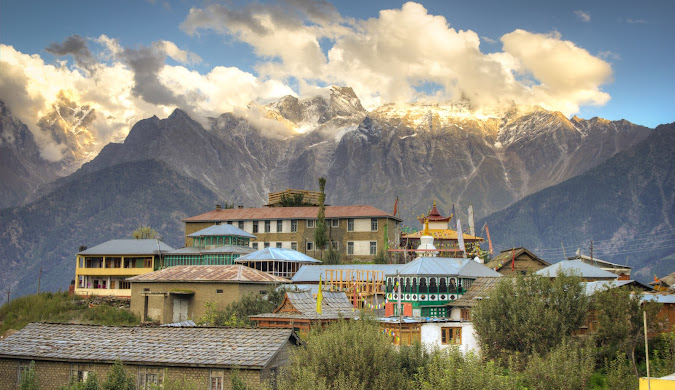
Reckong Peo
Kinner Kailash
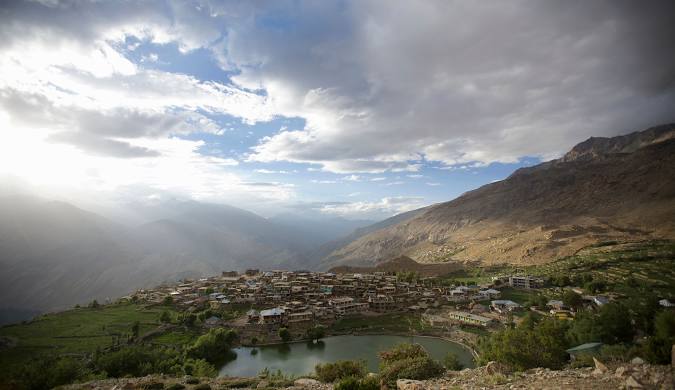
Nako Village
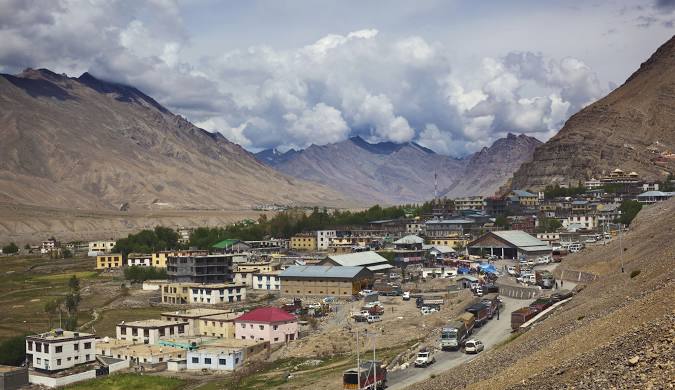
Kaza
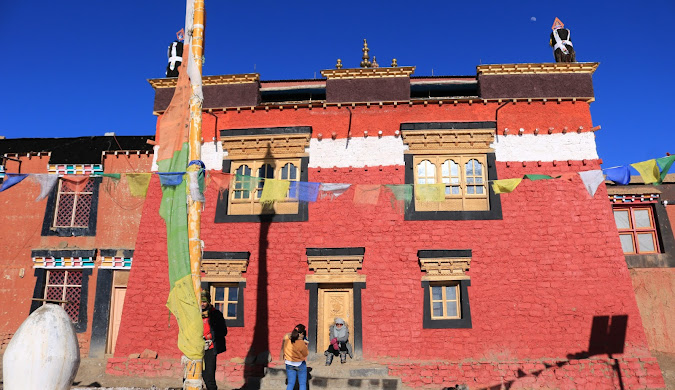
Komic Village
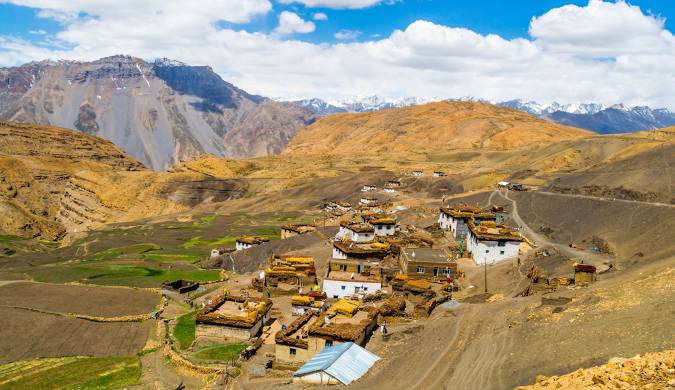
Hikkim Village
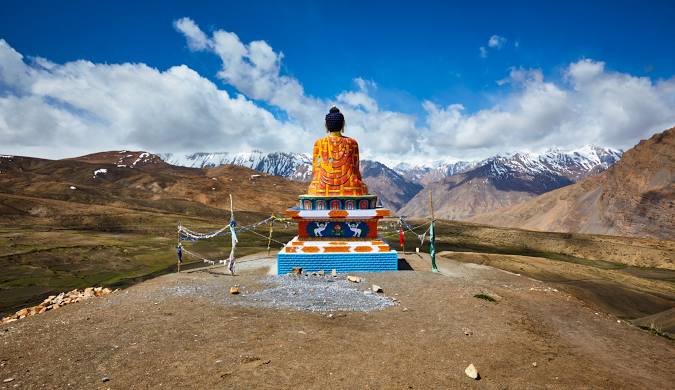
Langza Village
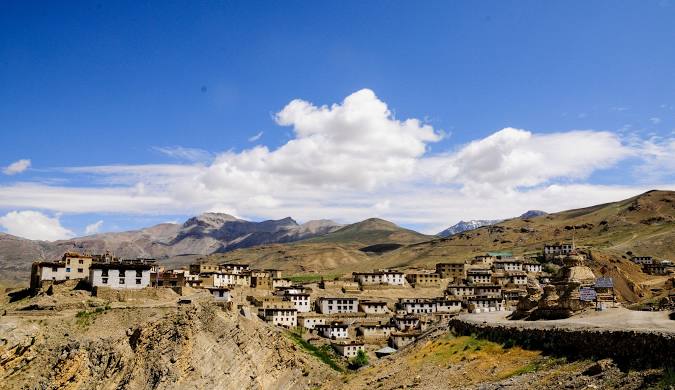
Kibber Village
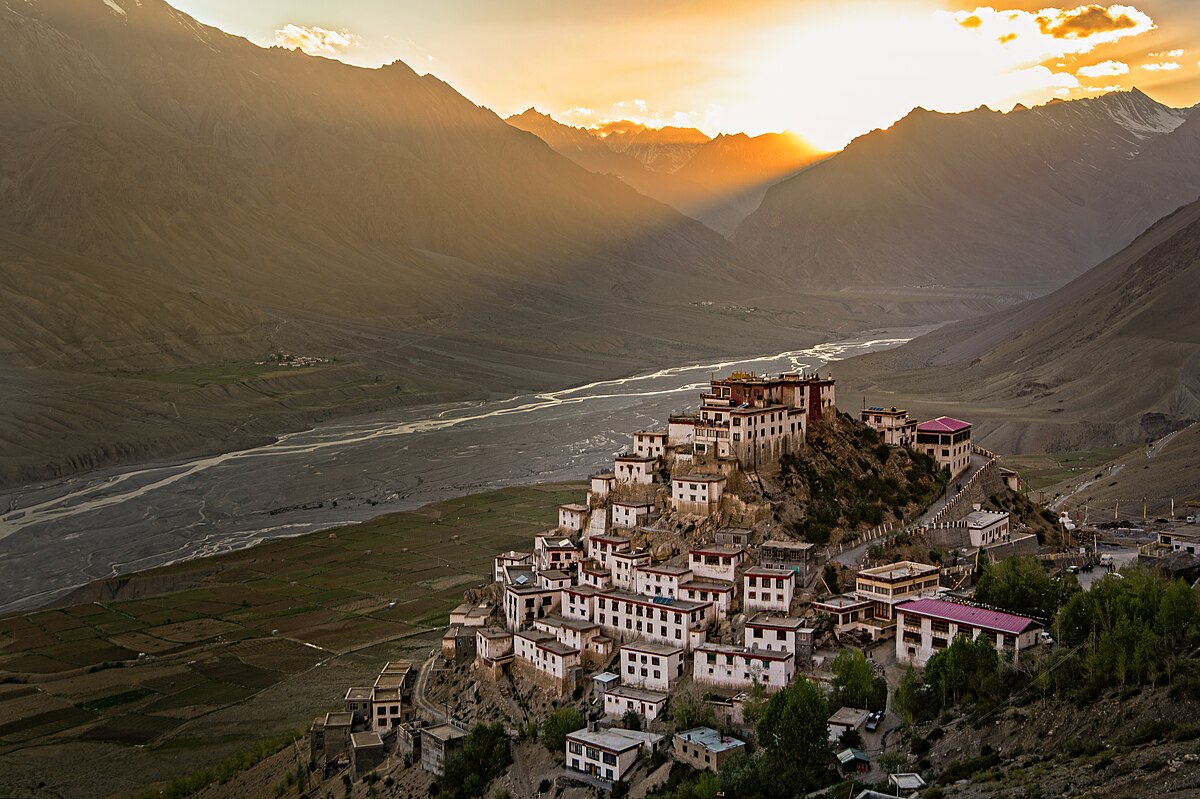
Key Monastery
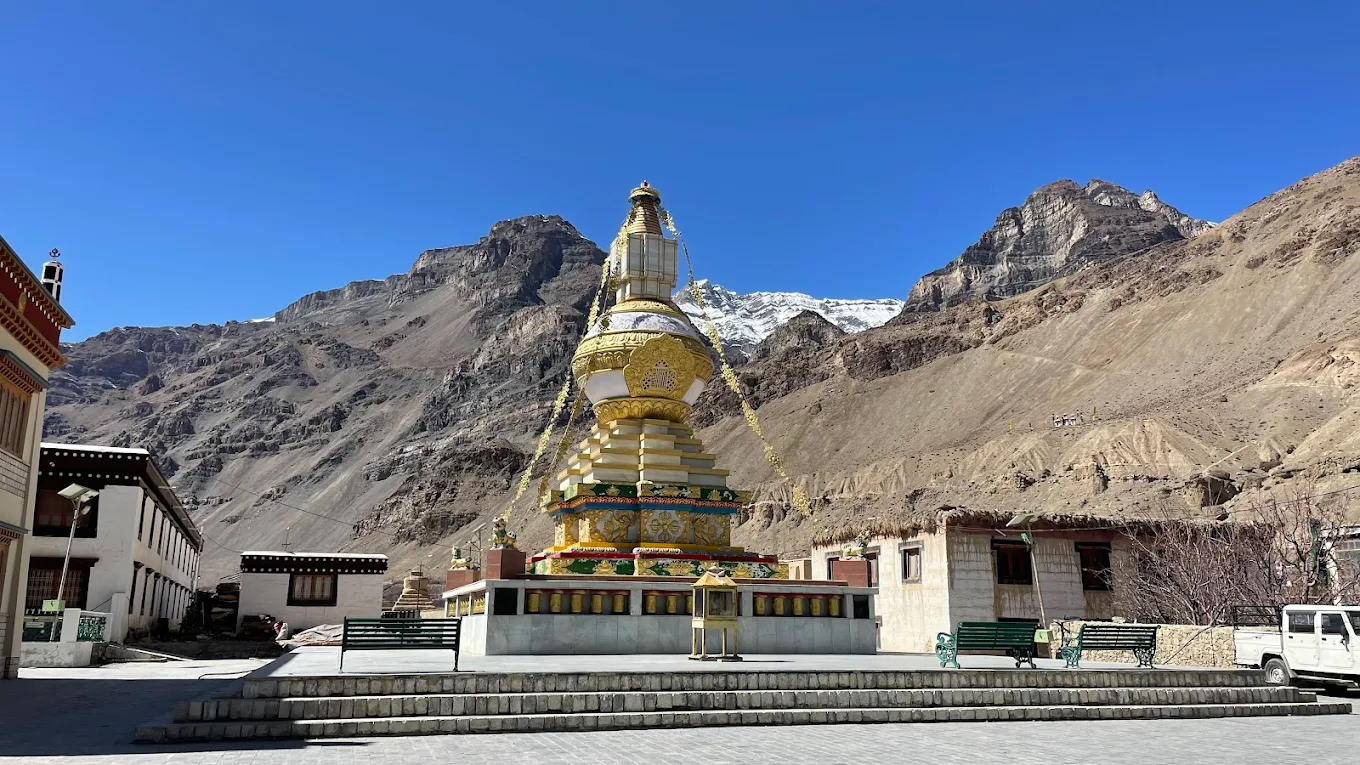
Tabo Monastery
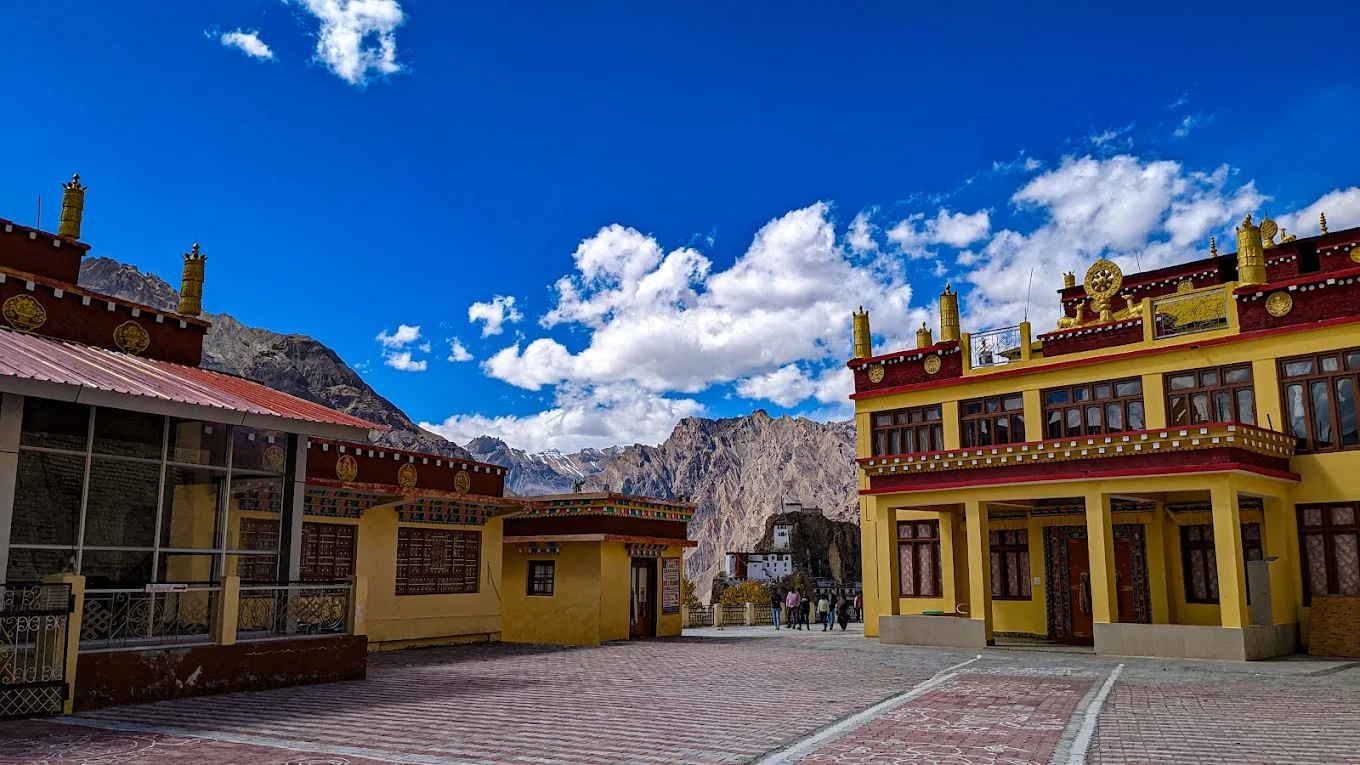
Dhankar Monastery
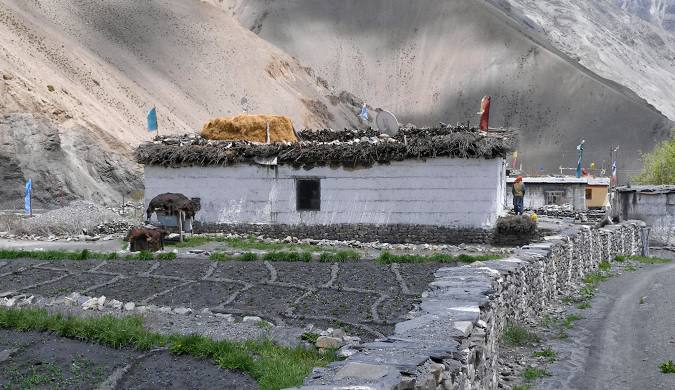
Gue Village
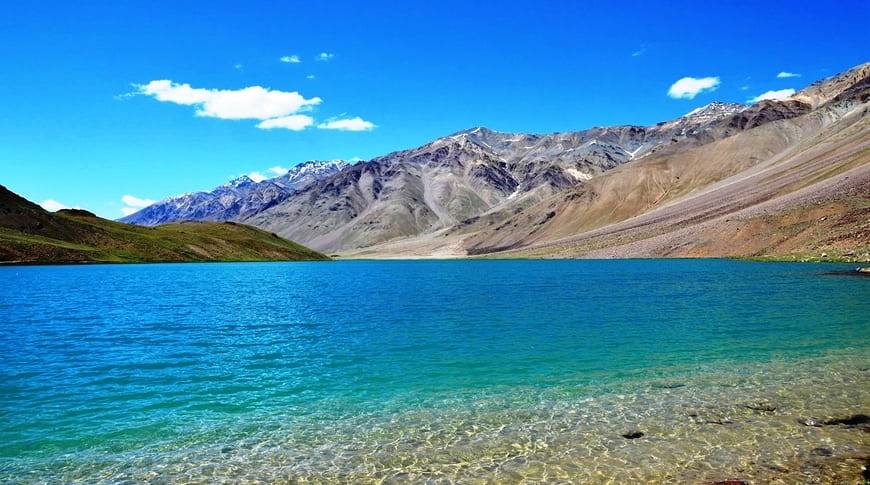
Chandratal Lake
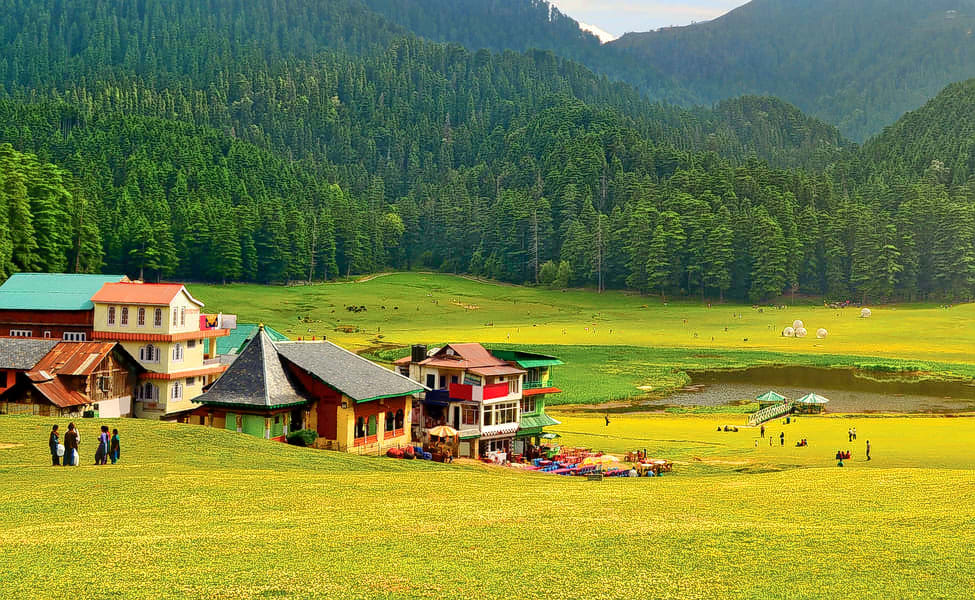
Dalhousie
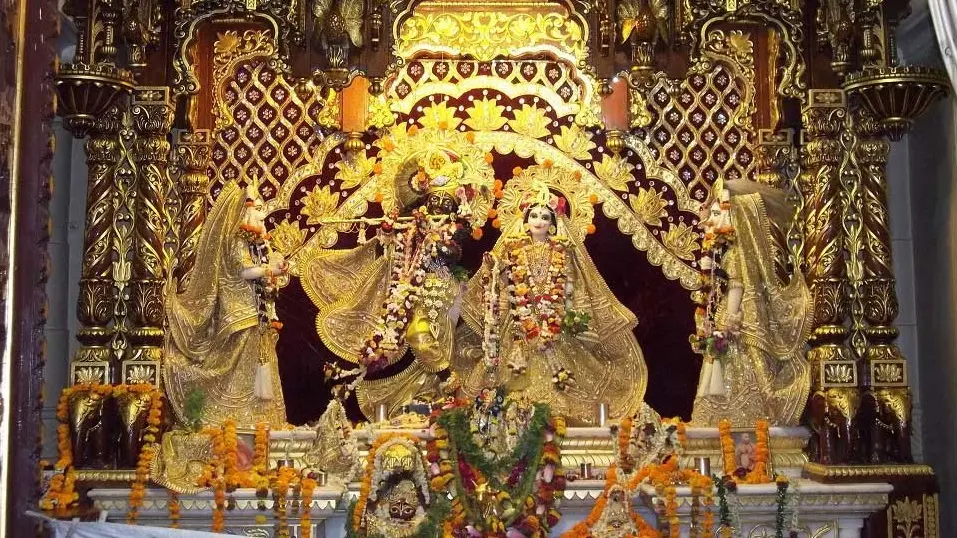
Shri Krishna Janmabhoomi Temple
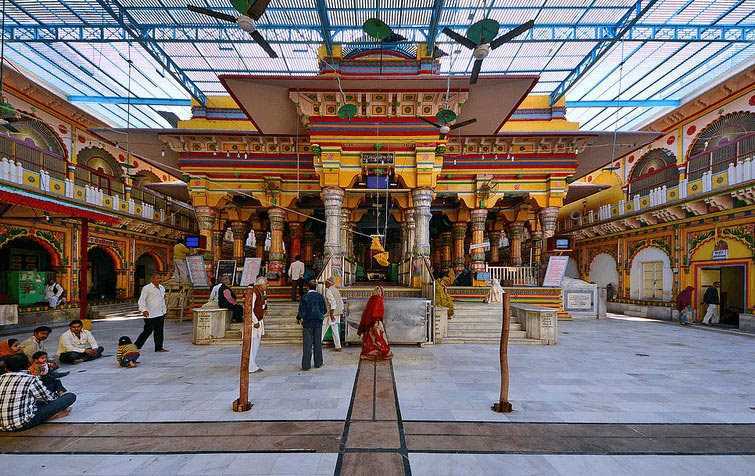
Shri Dwarkadhish Temple
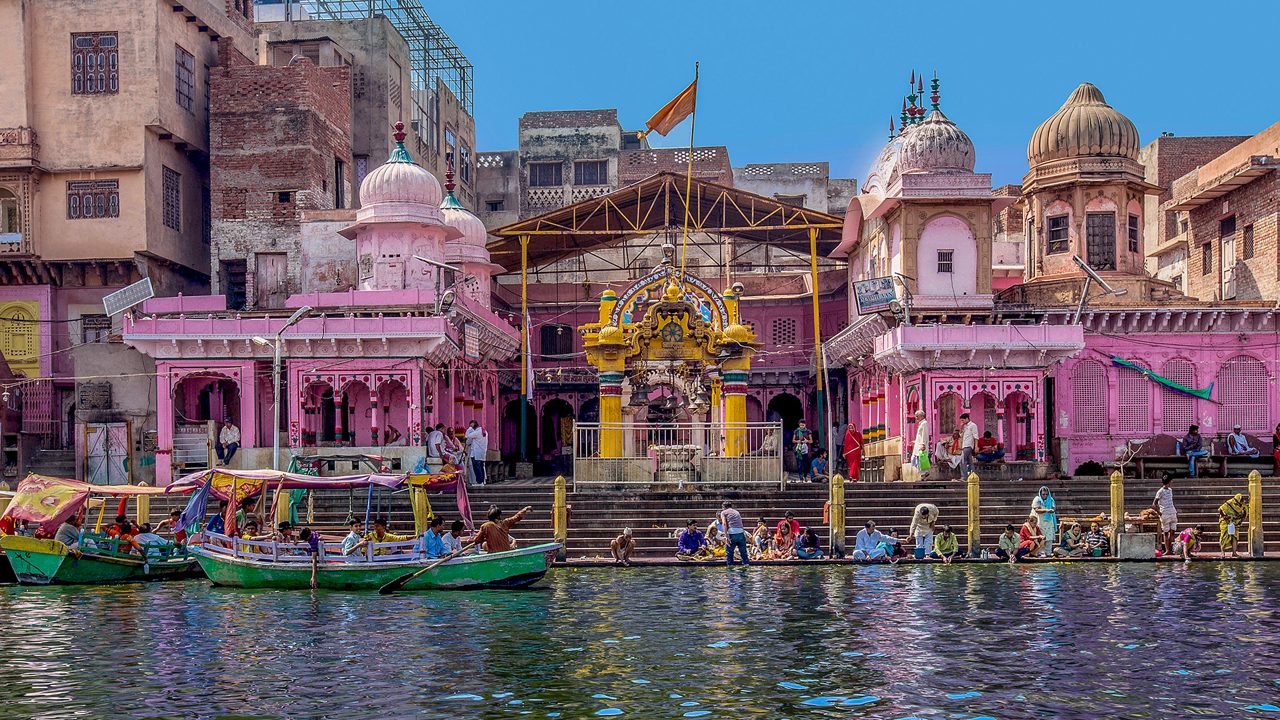
Vishram Ghat, Mathura
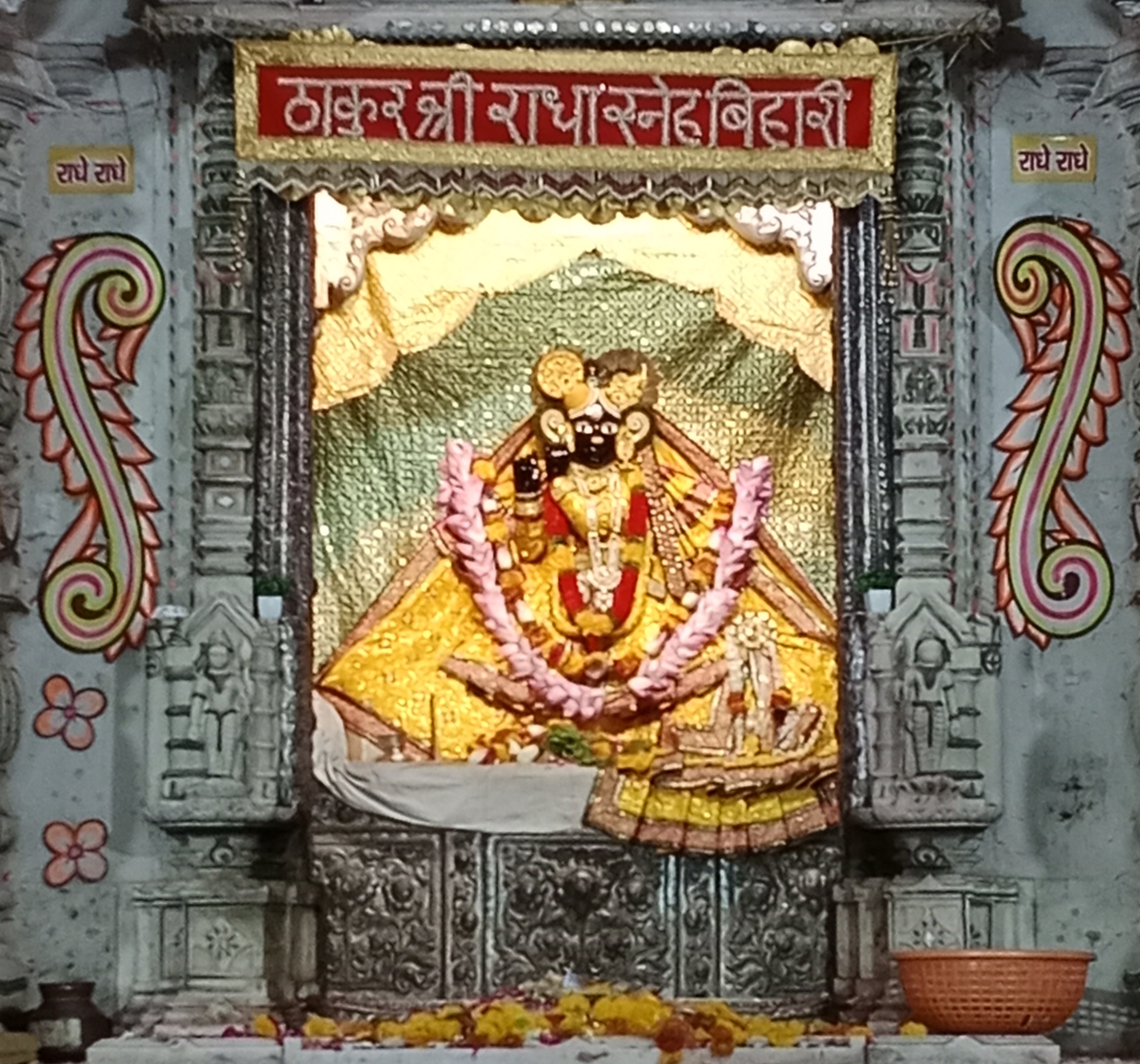
Shri Banke Bihari Temple, Vrindavan
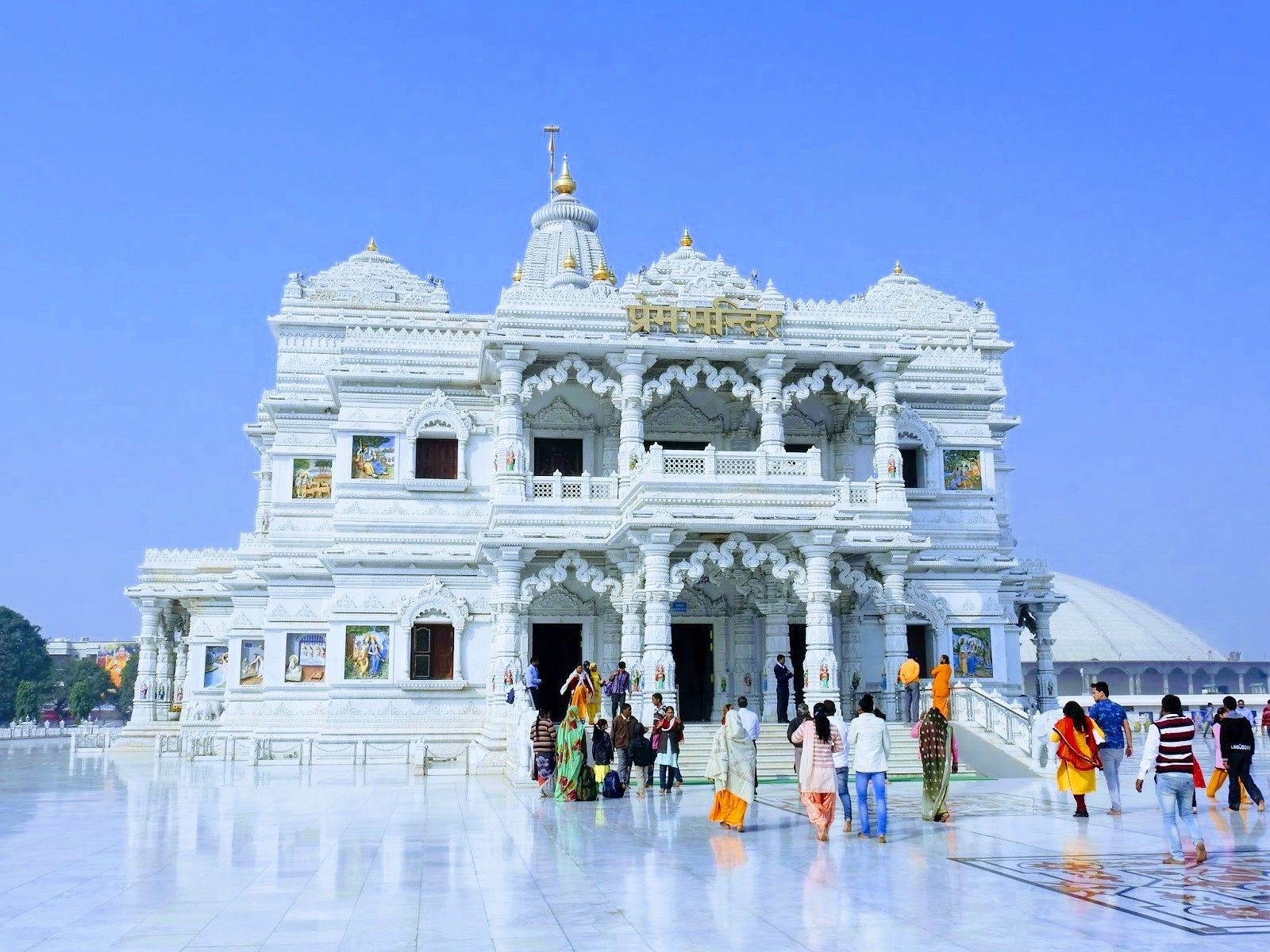
Shri Prem Mandir, Vrindavan
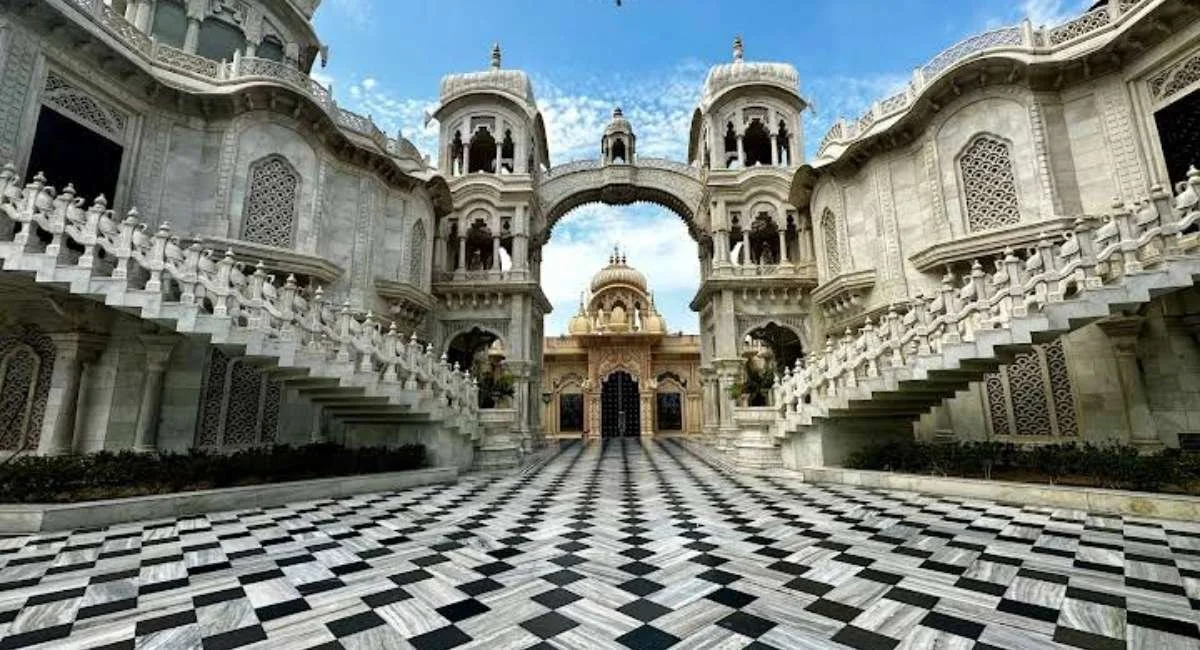
ISKCON Temple, Vrindavan
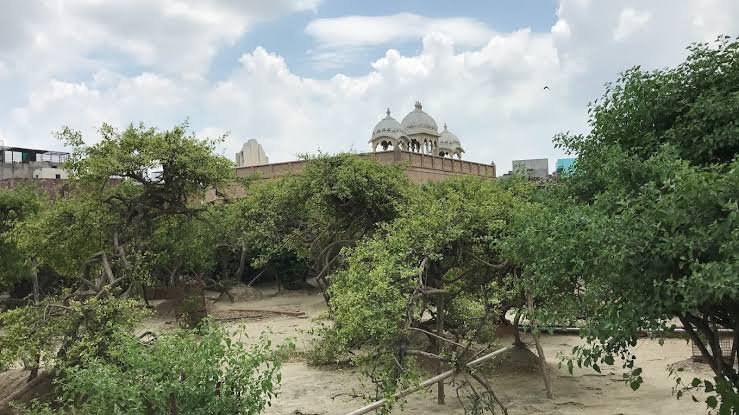
Nidhivan, Vrindavan
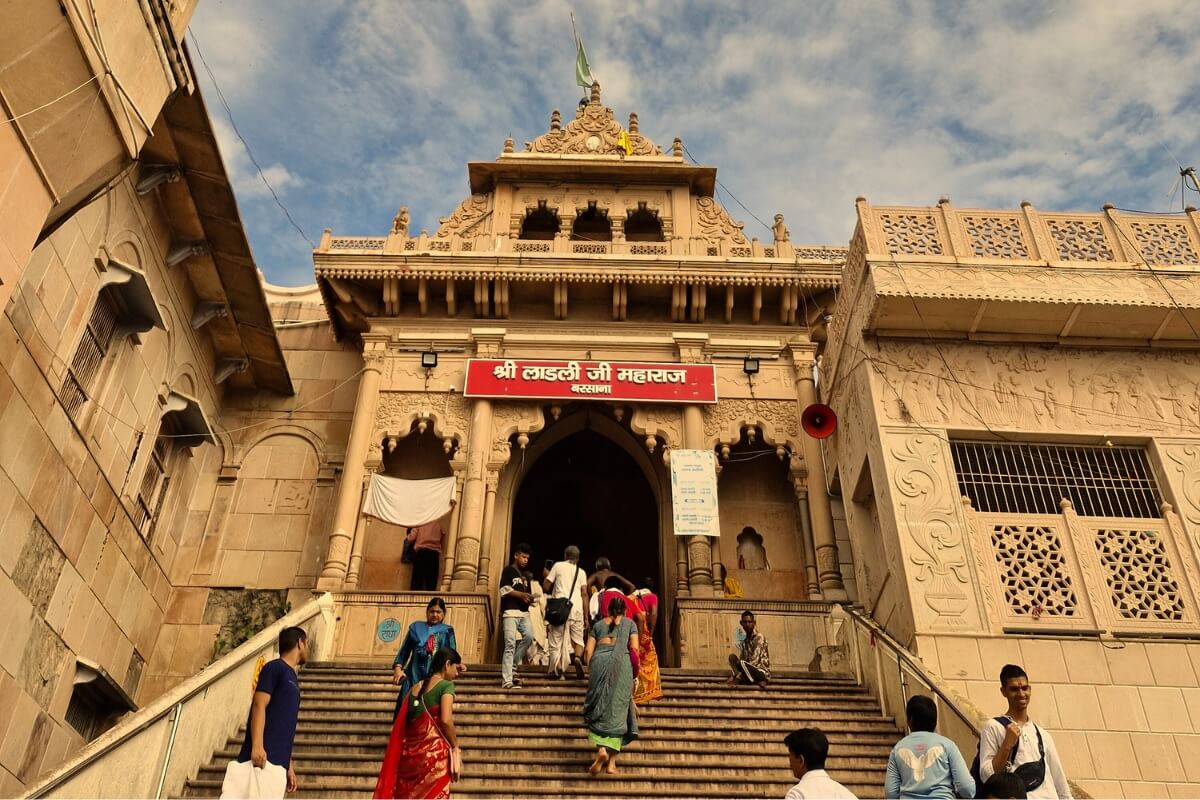
Shri Radha Rani Temple, Barsana
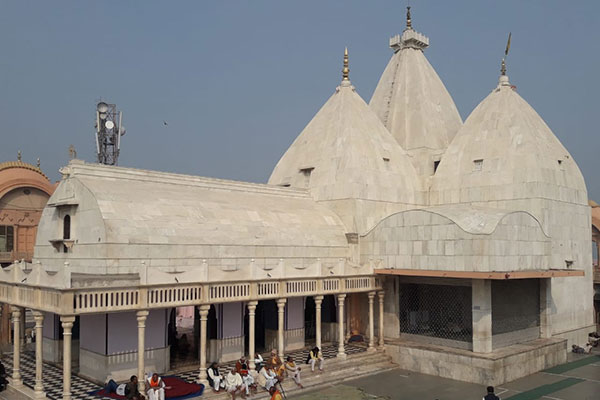
Nand Bhawan Mandir, Nandgaon
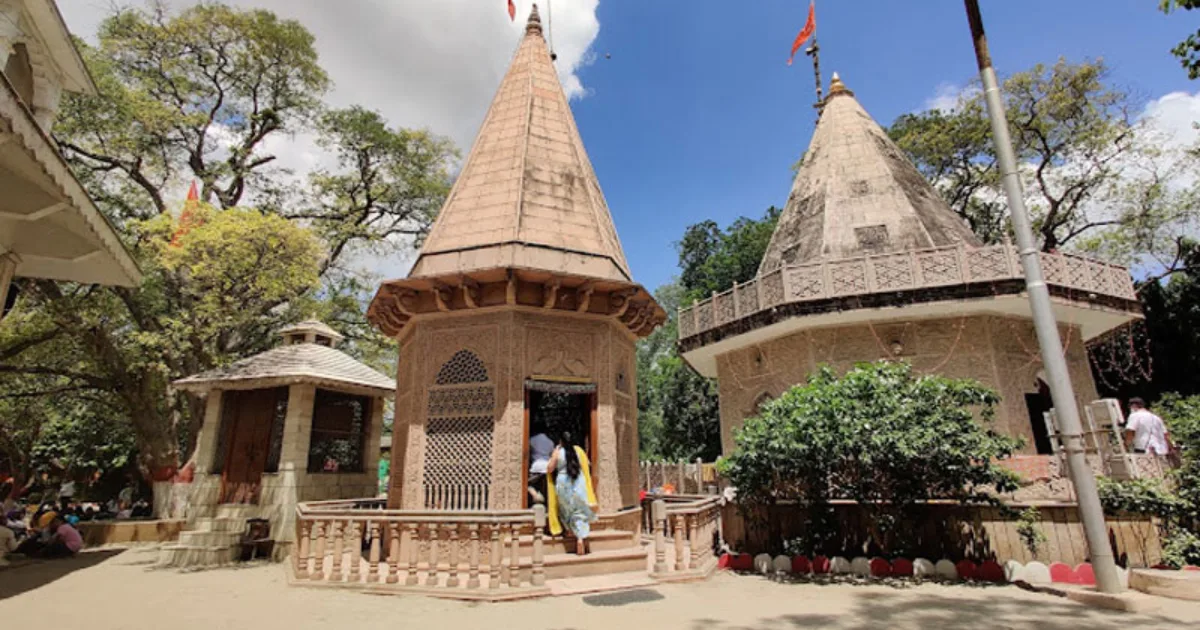
Raman Reti
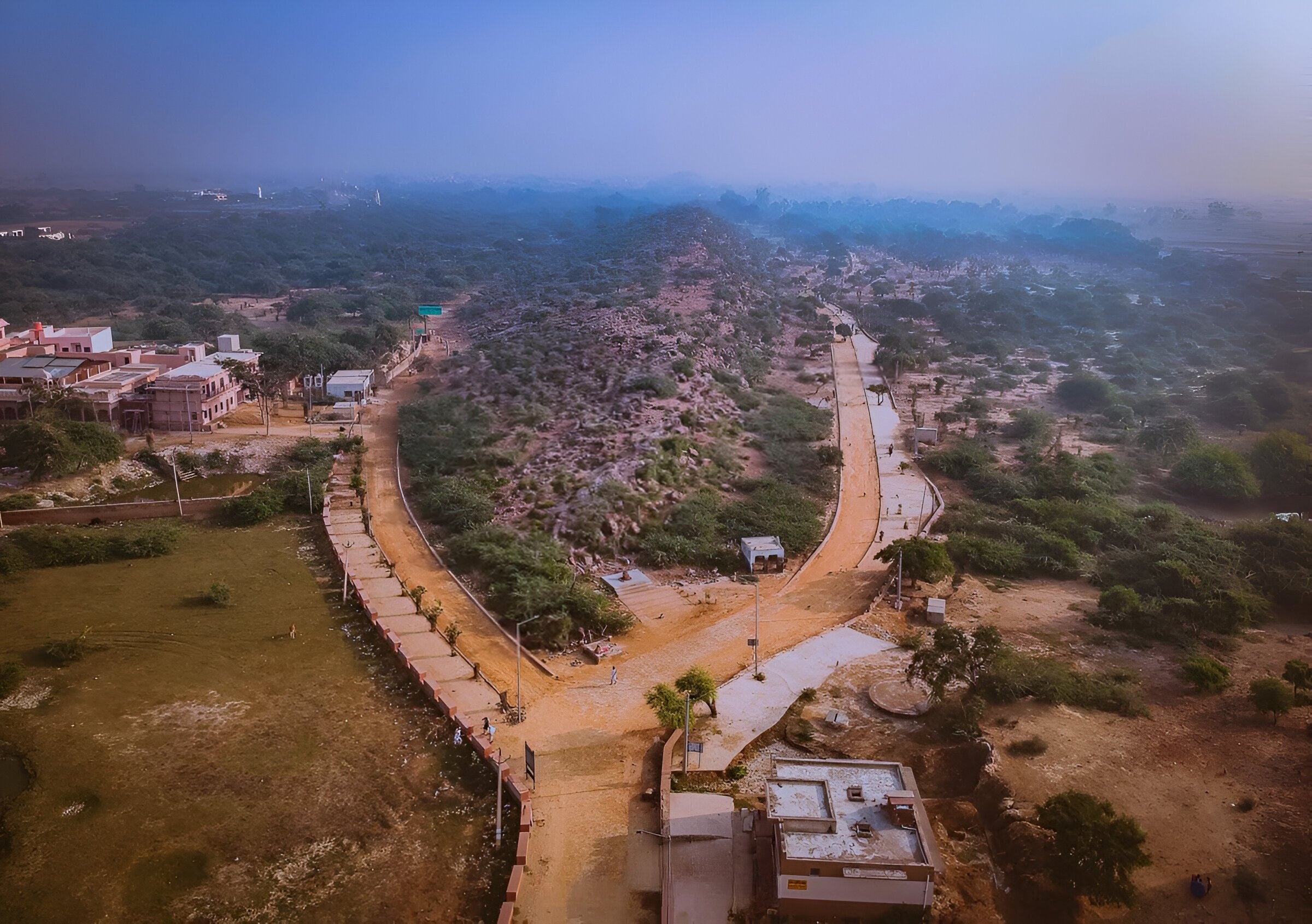
Goverdhan Parikrama
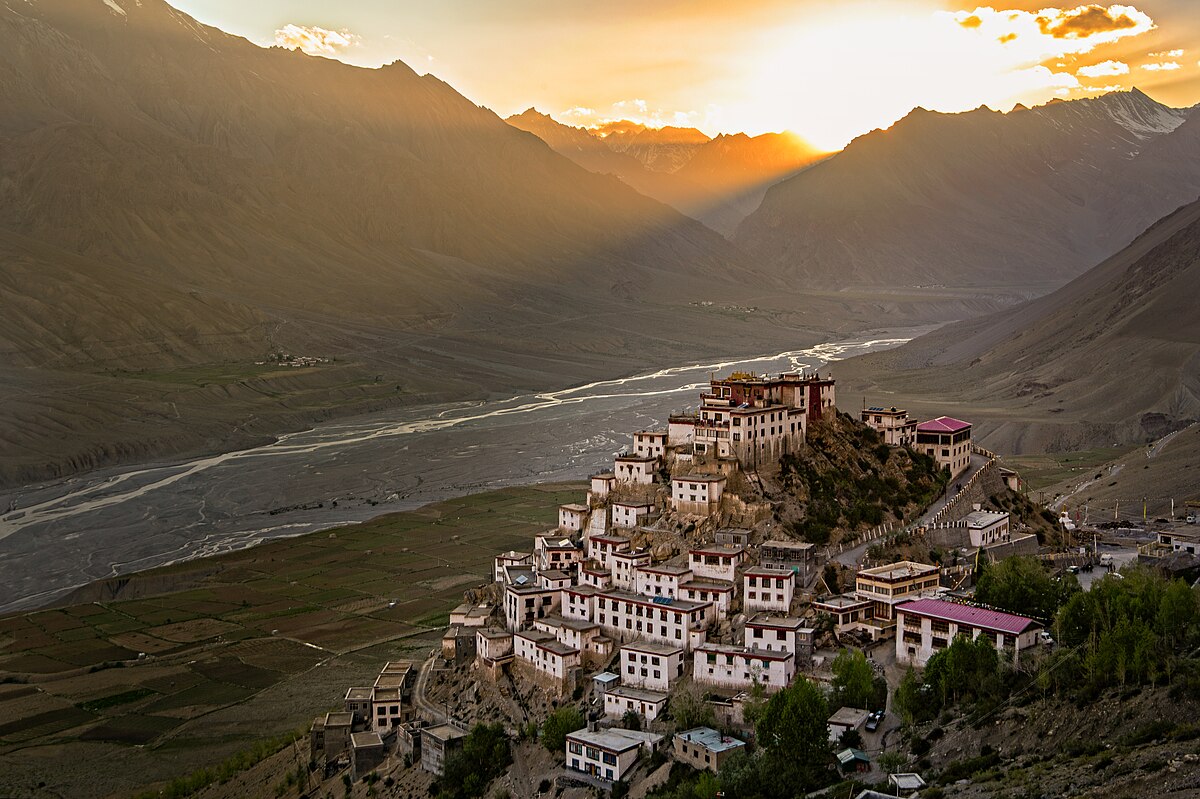
Spiti Valley Expedition
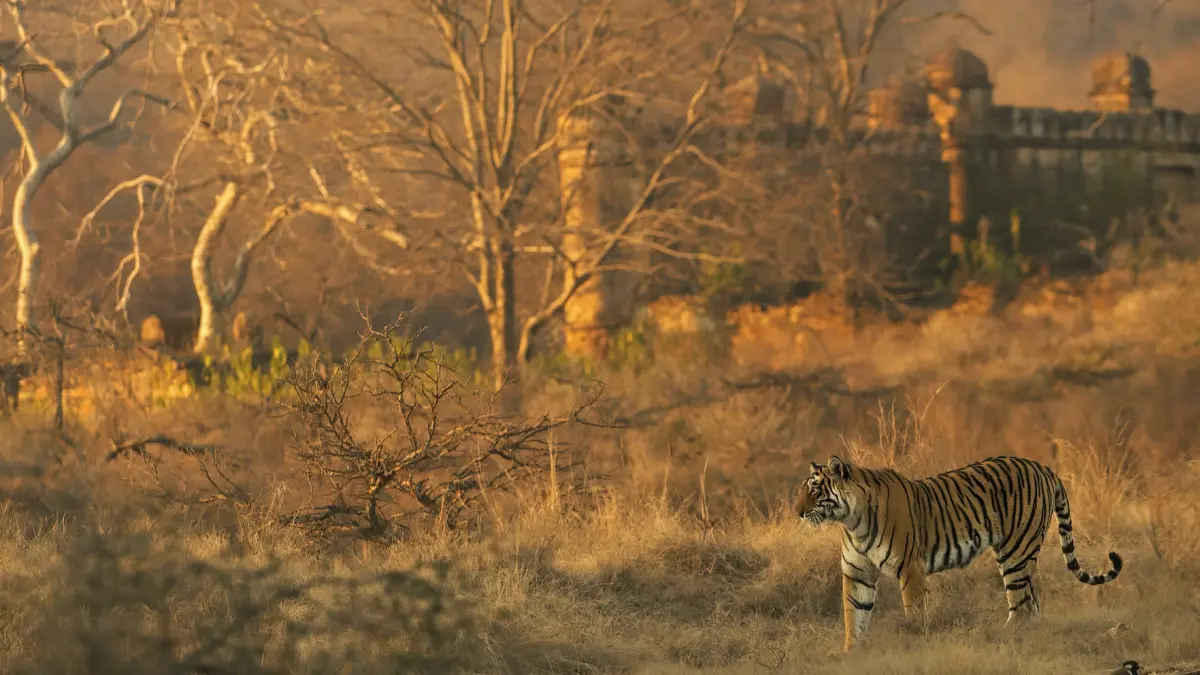
Ranthambhore National Park
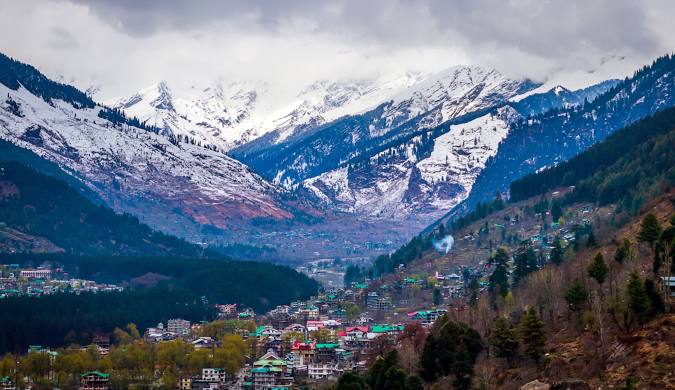
Manali
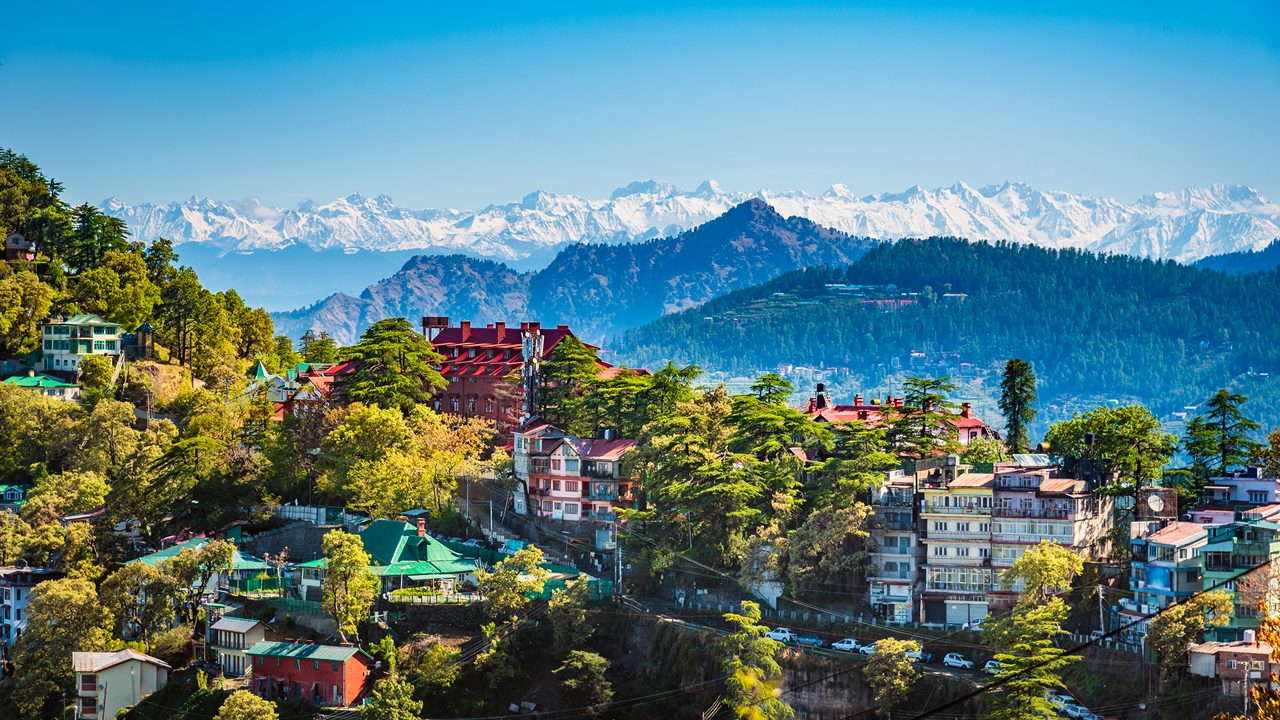
Shimla
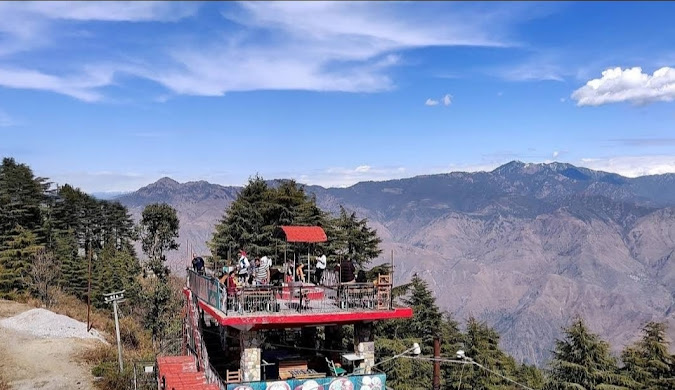
Mussoorie
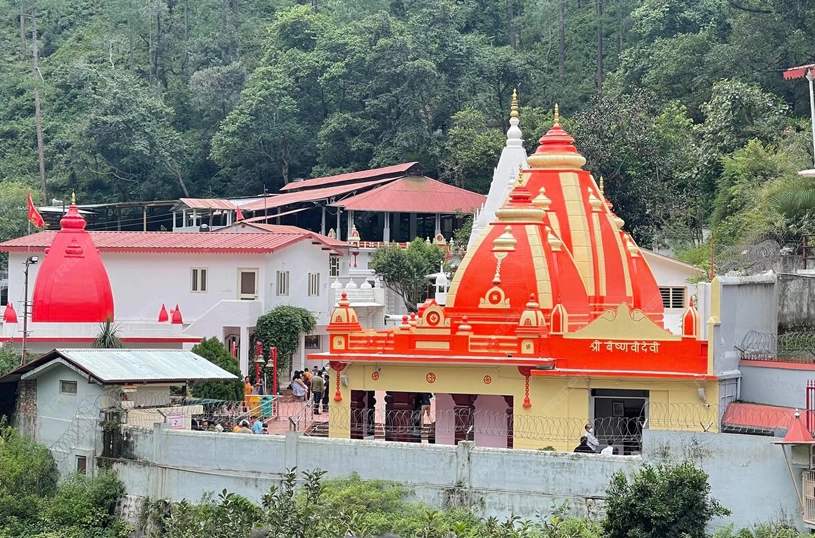
Neem Karoli Baba, Kainchi Dham
Mukteshwar
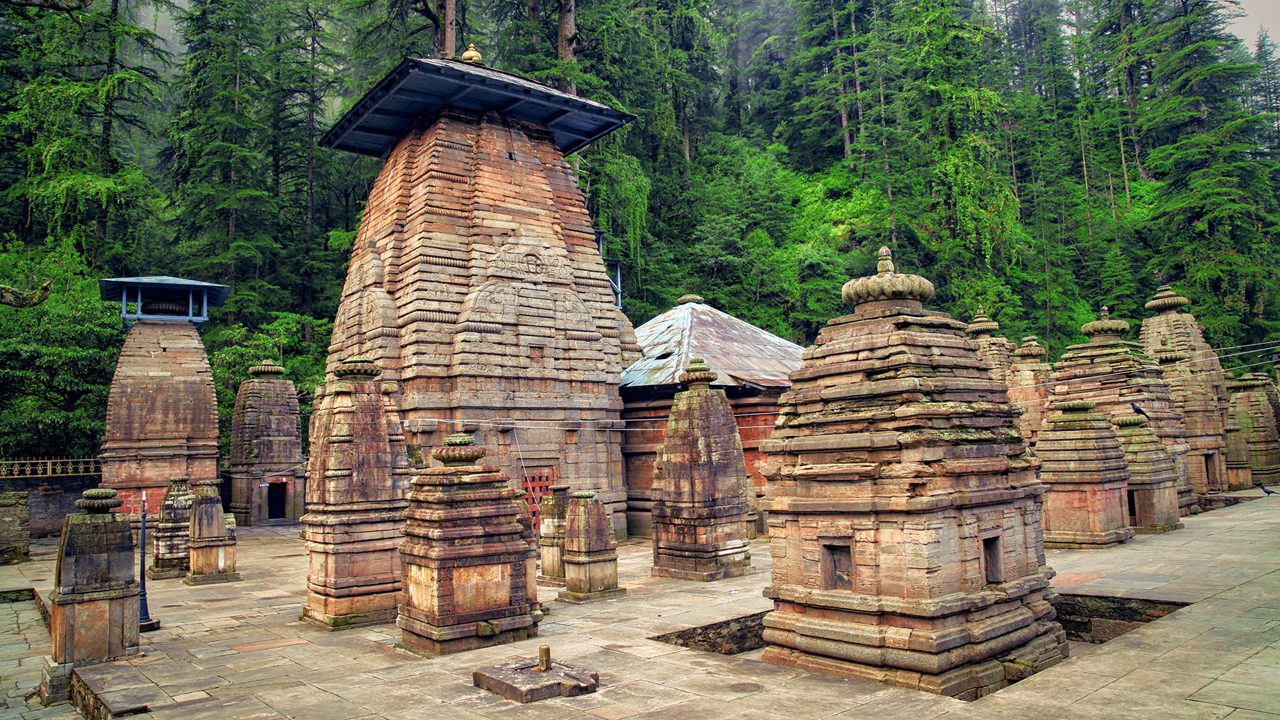
Jageshwar Dham
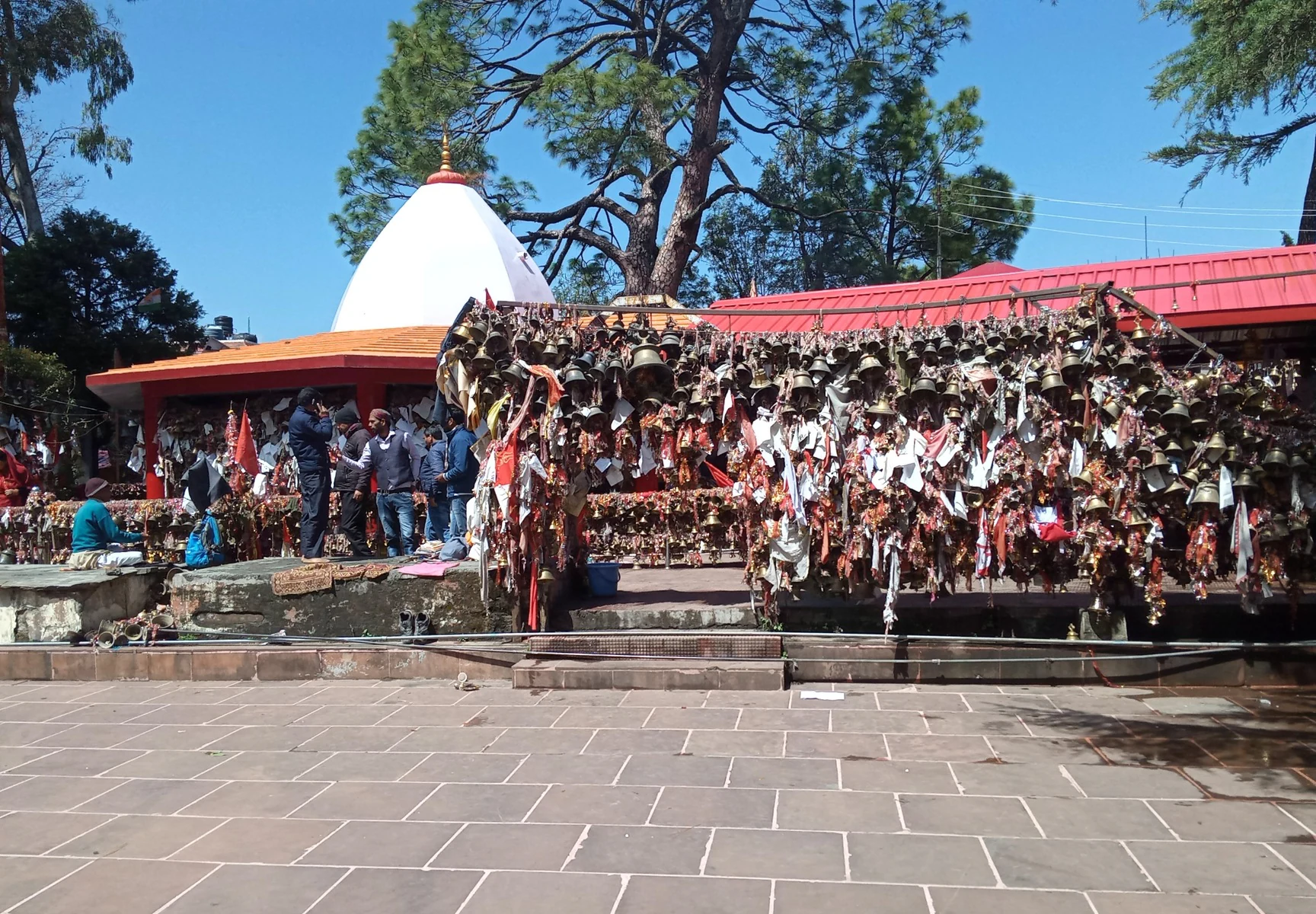
Chitai Golu Devta Temple
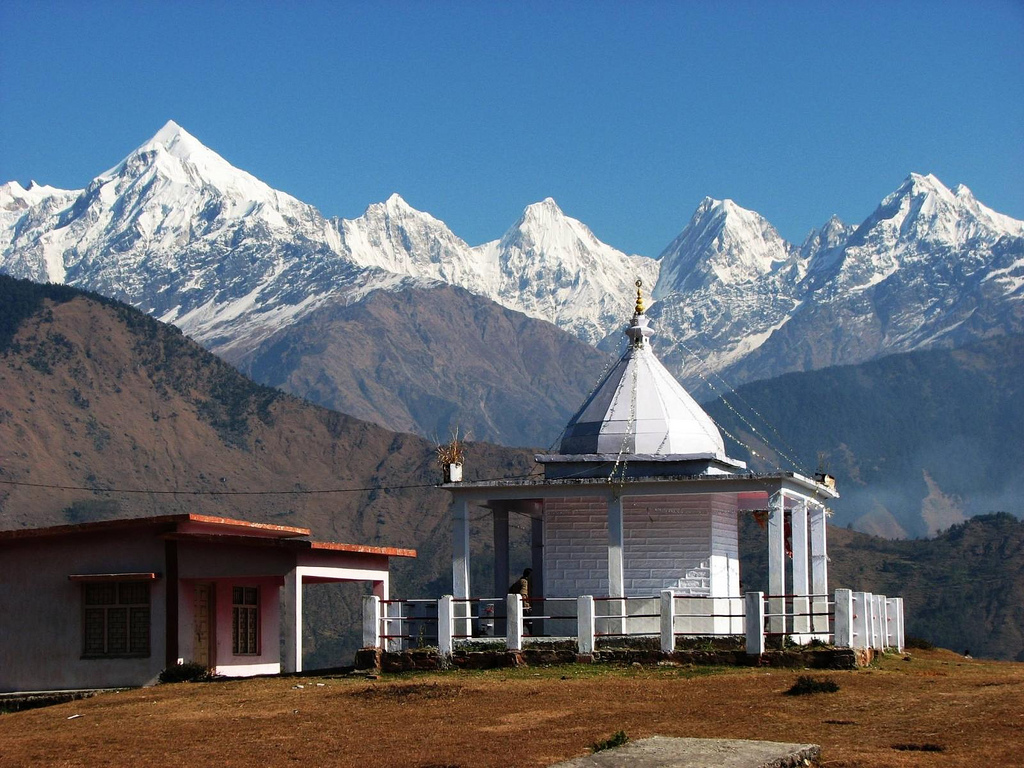
NANDA DEVI TEMPLE
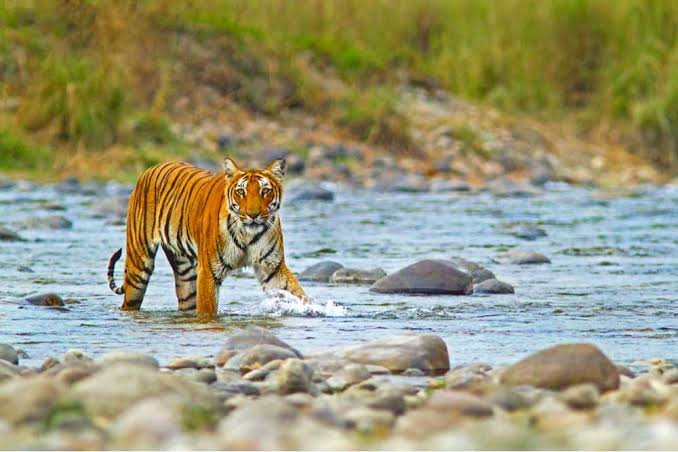
Jim Corbett National Park
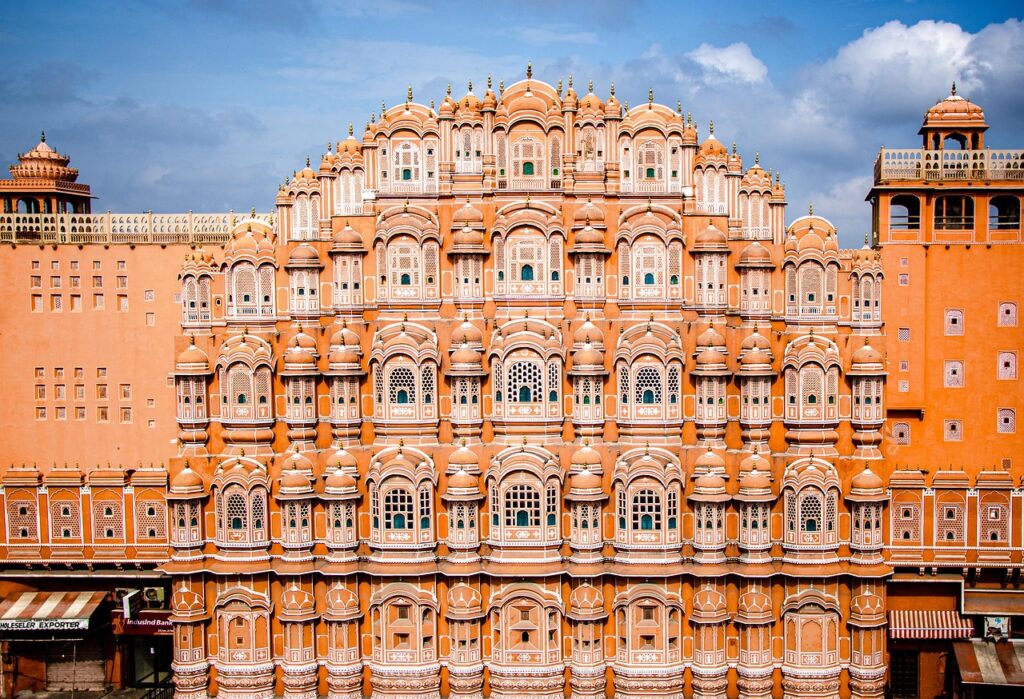
Hawa Mahal
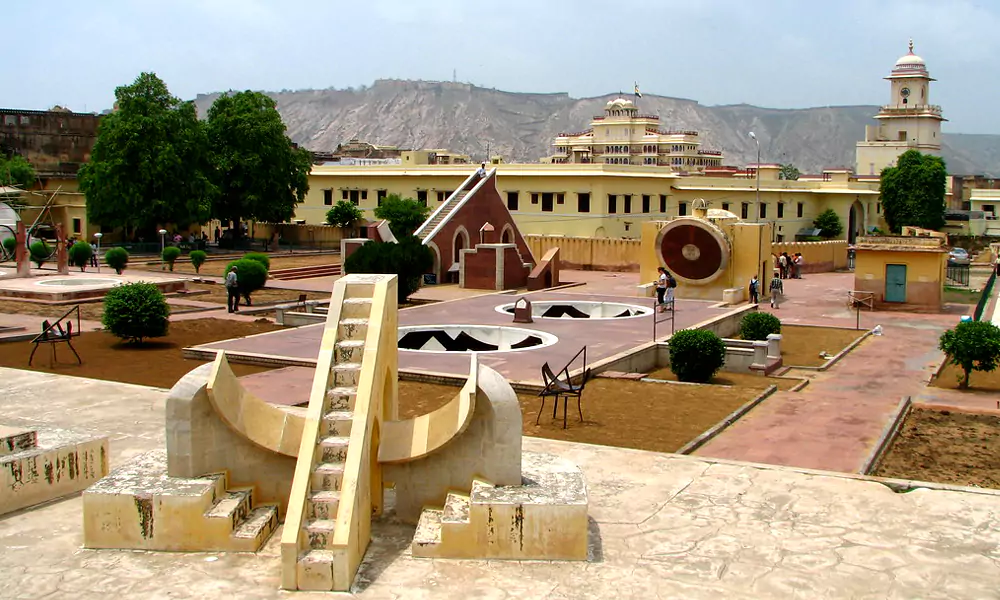
Jantar Mantar, Jaipur
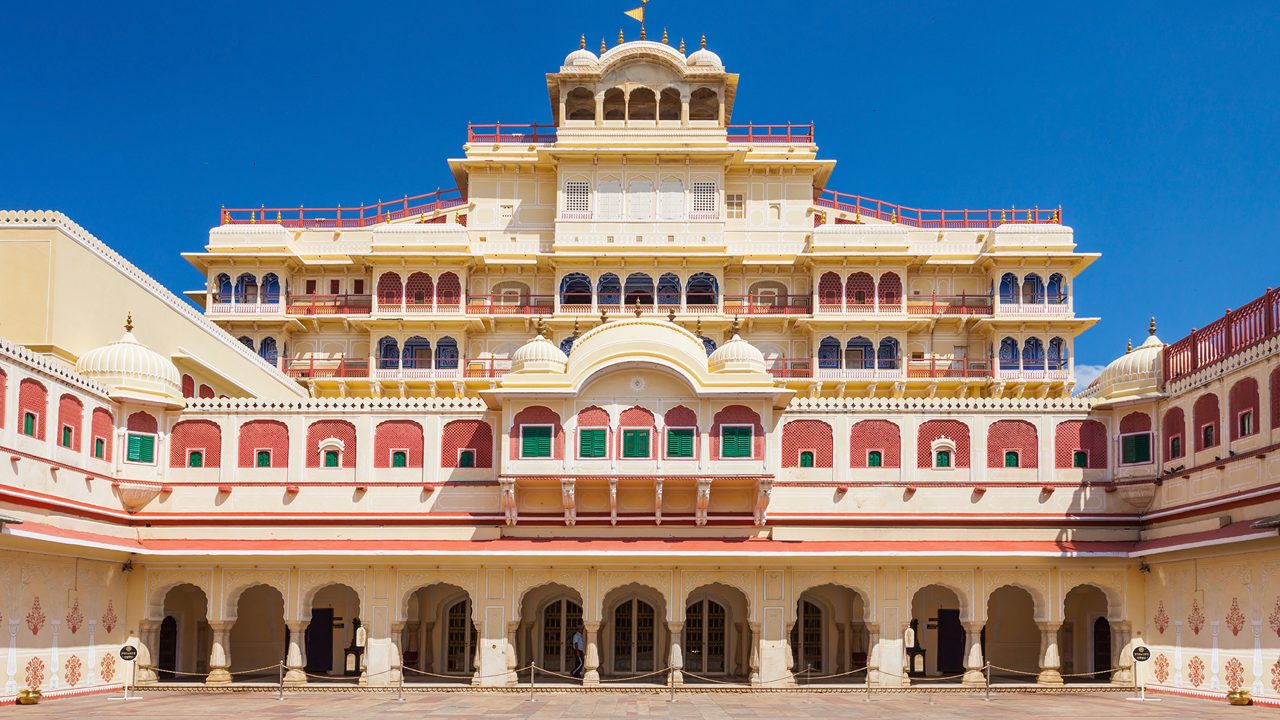
City Palace
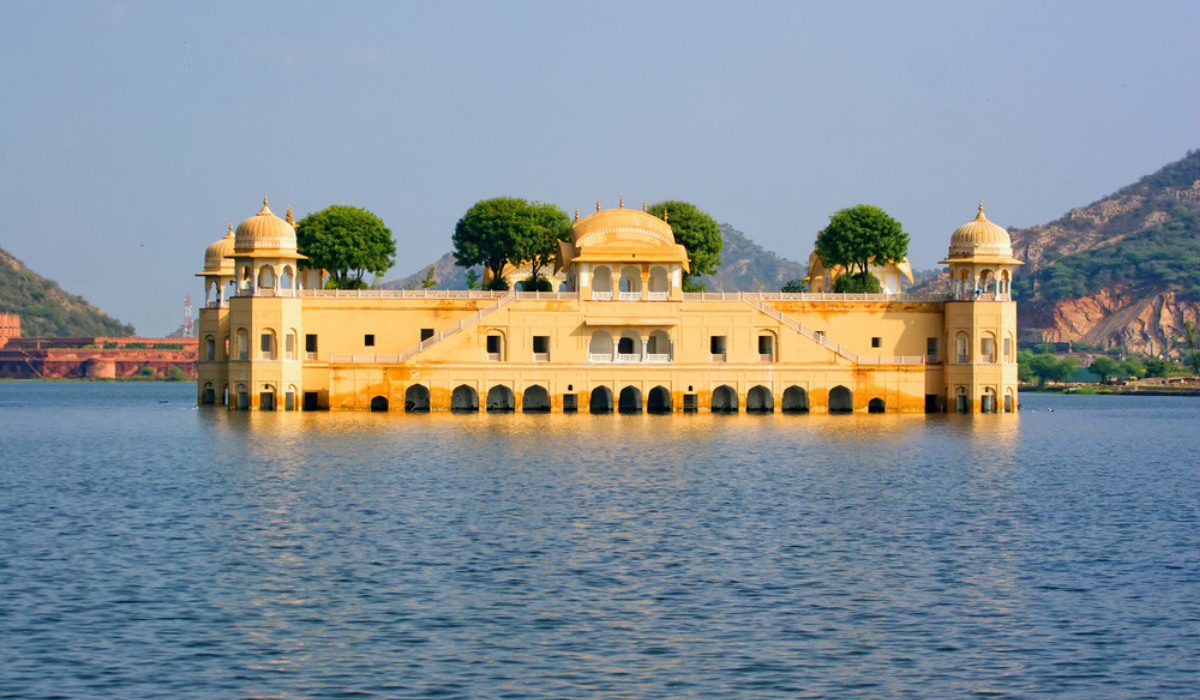
Jal Mahal
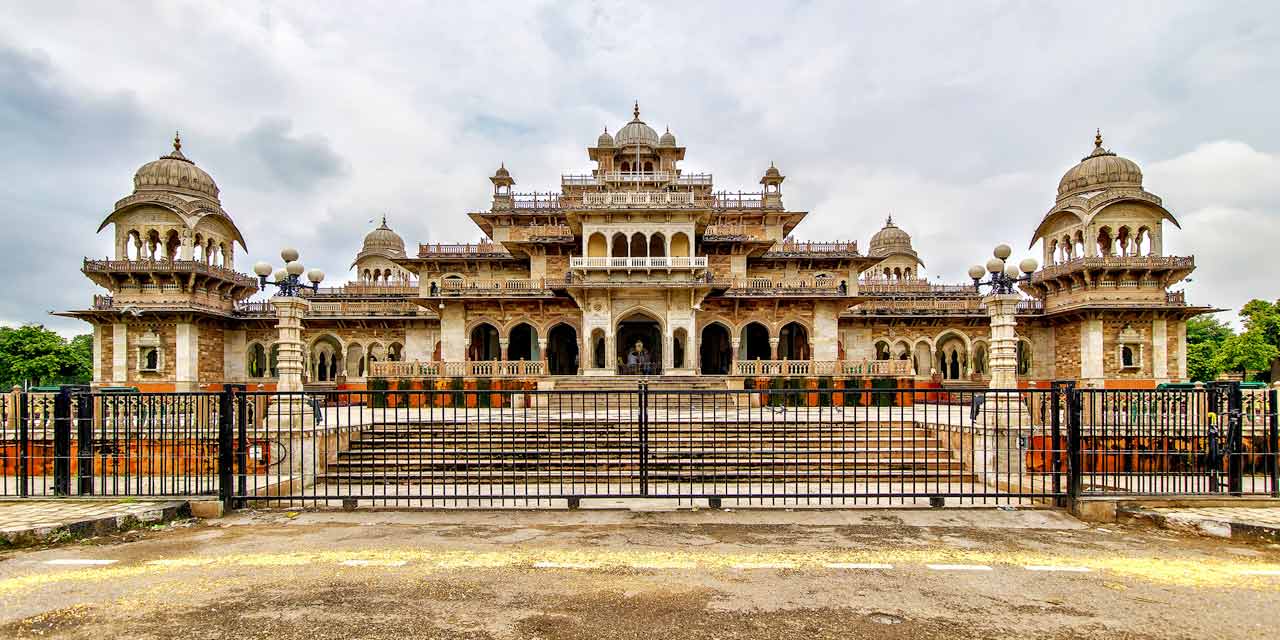
Albert Hall Museum
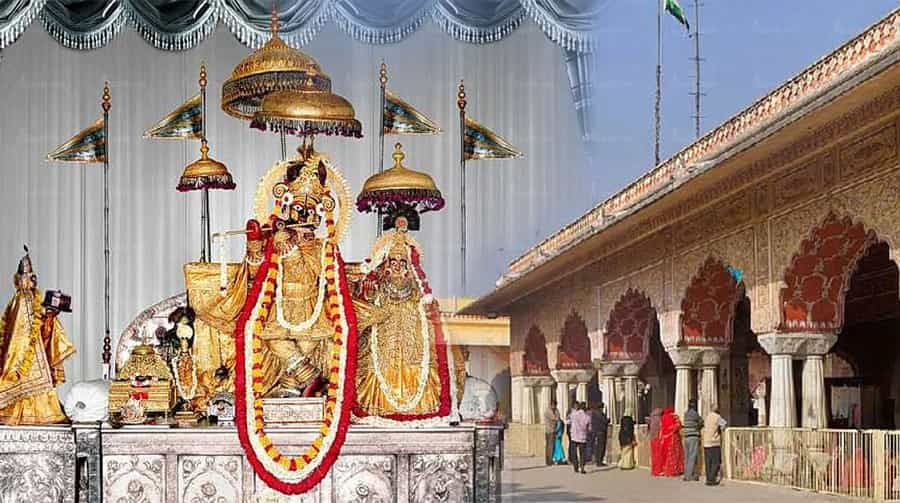
Shri Govind Dev Ji Temple
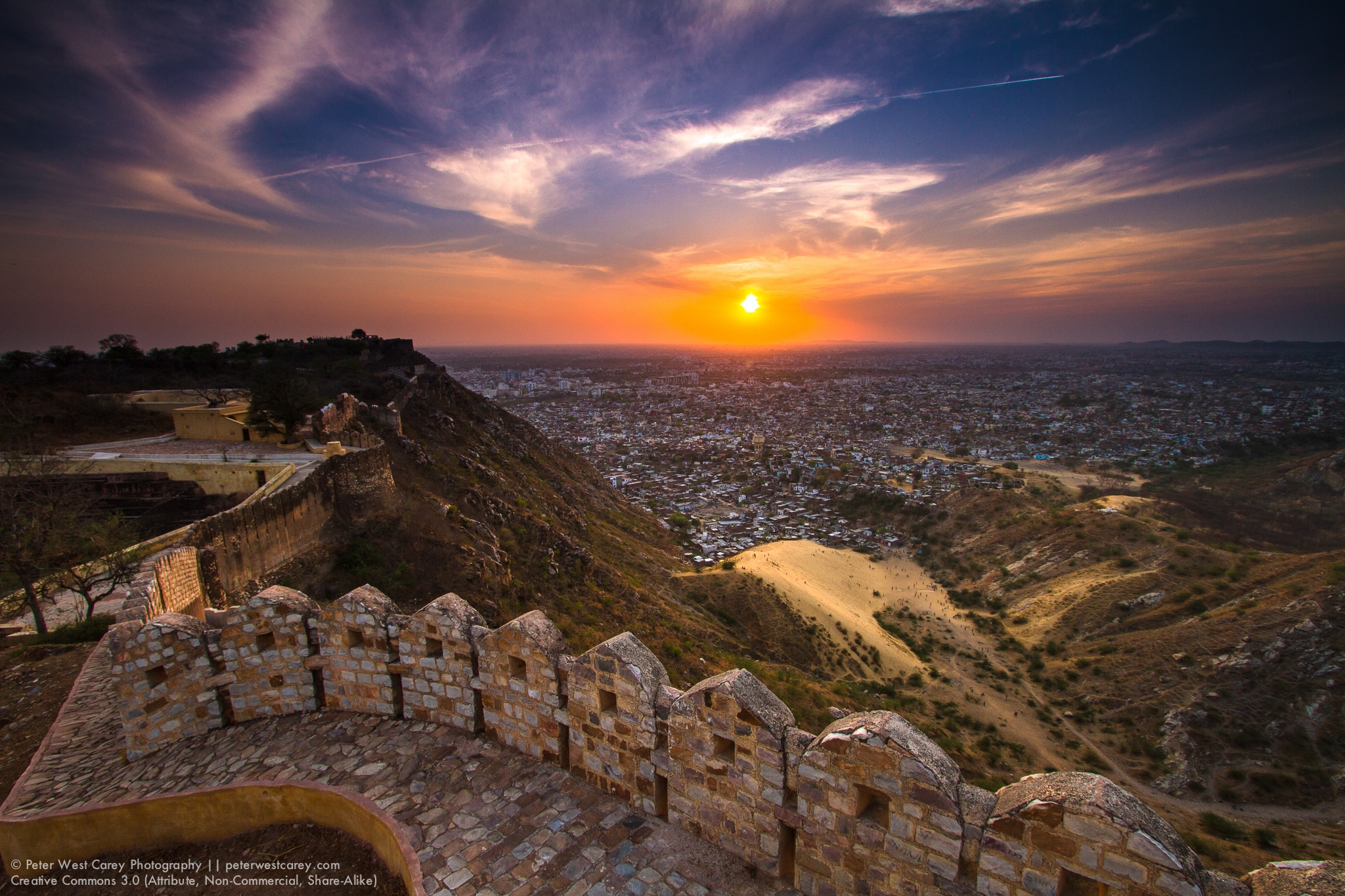
Nahargarh Fort
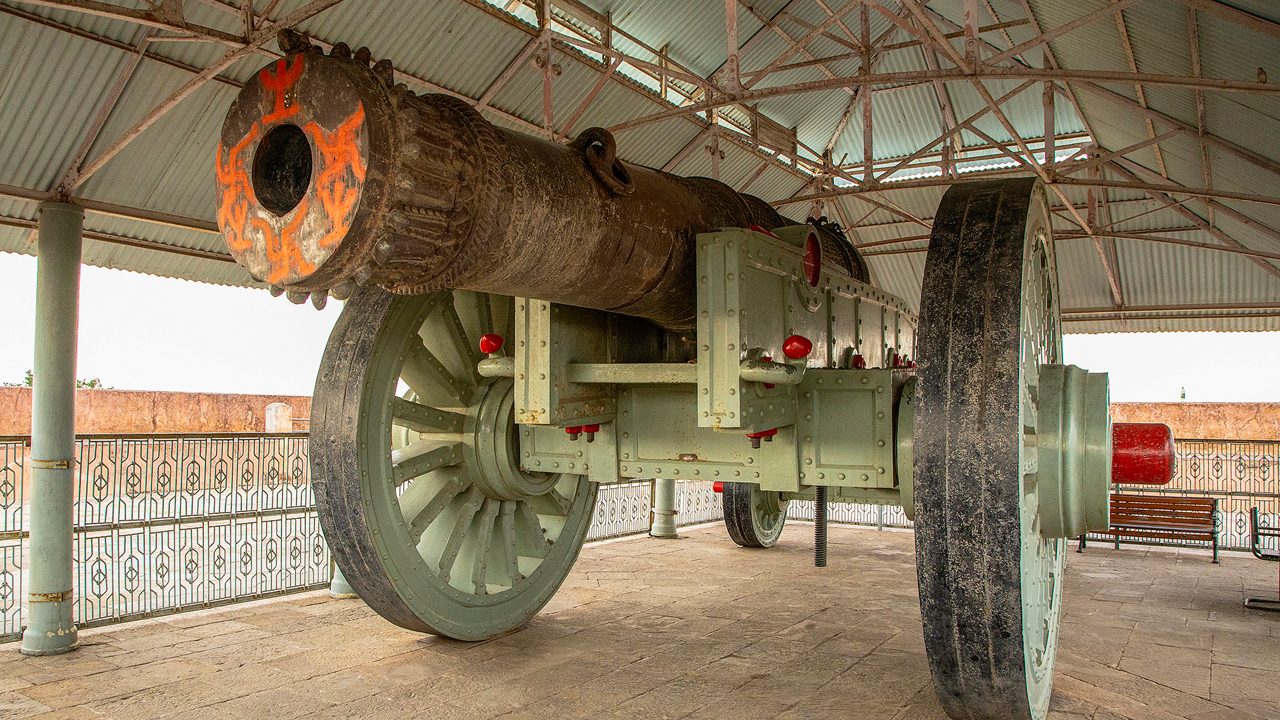
Jaigarh Fort
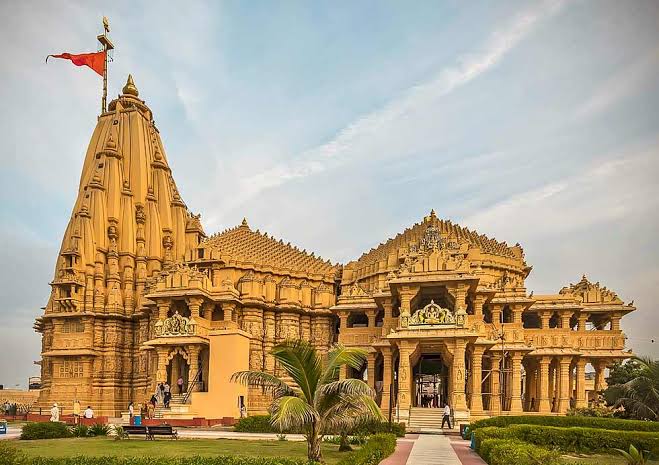
Somnath Temple
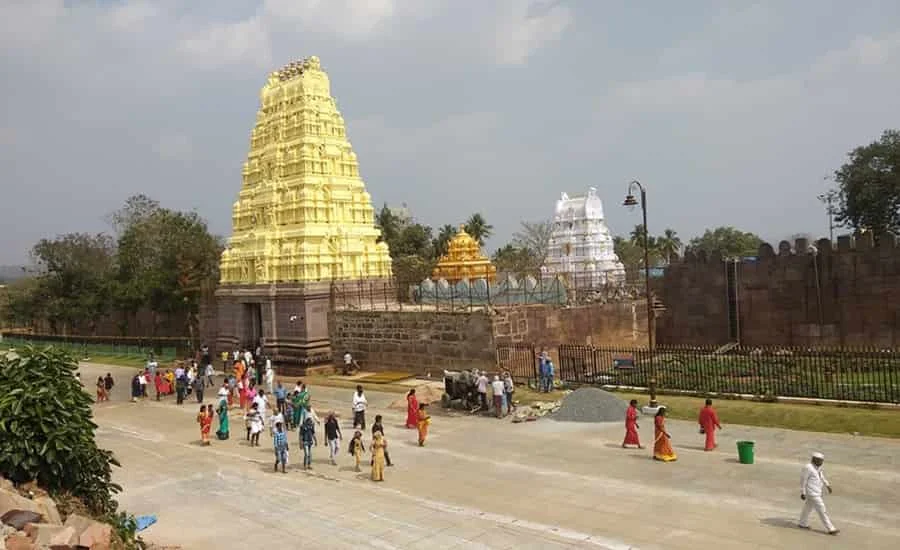
Mallikarjuna Temple
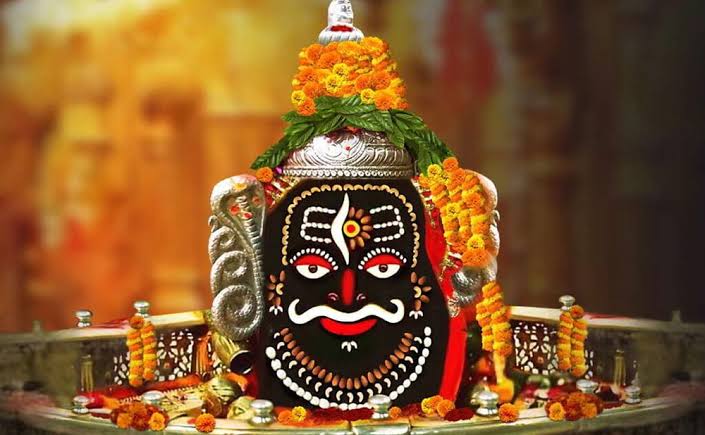
Mahakaleshwar Temple
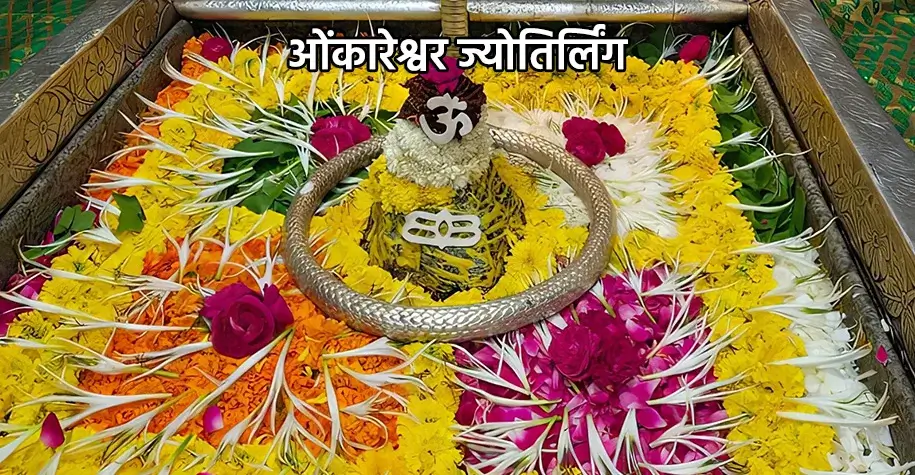
Omkareshwar Temple
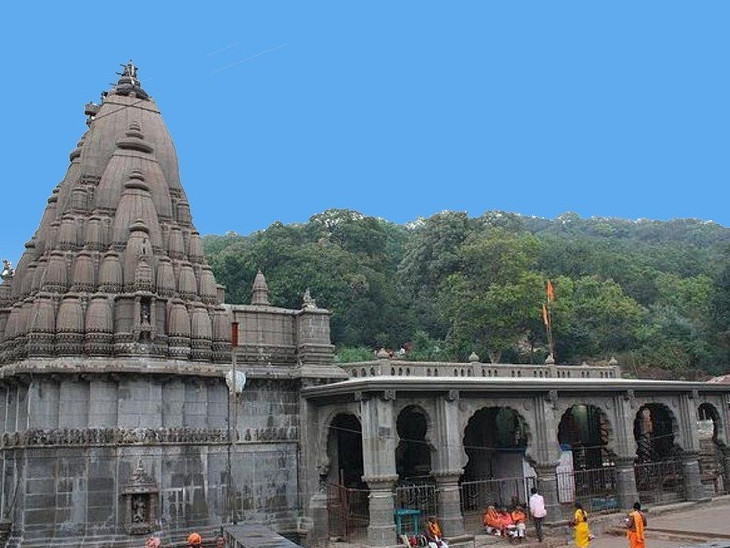
Bhimashankar Temple
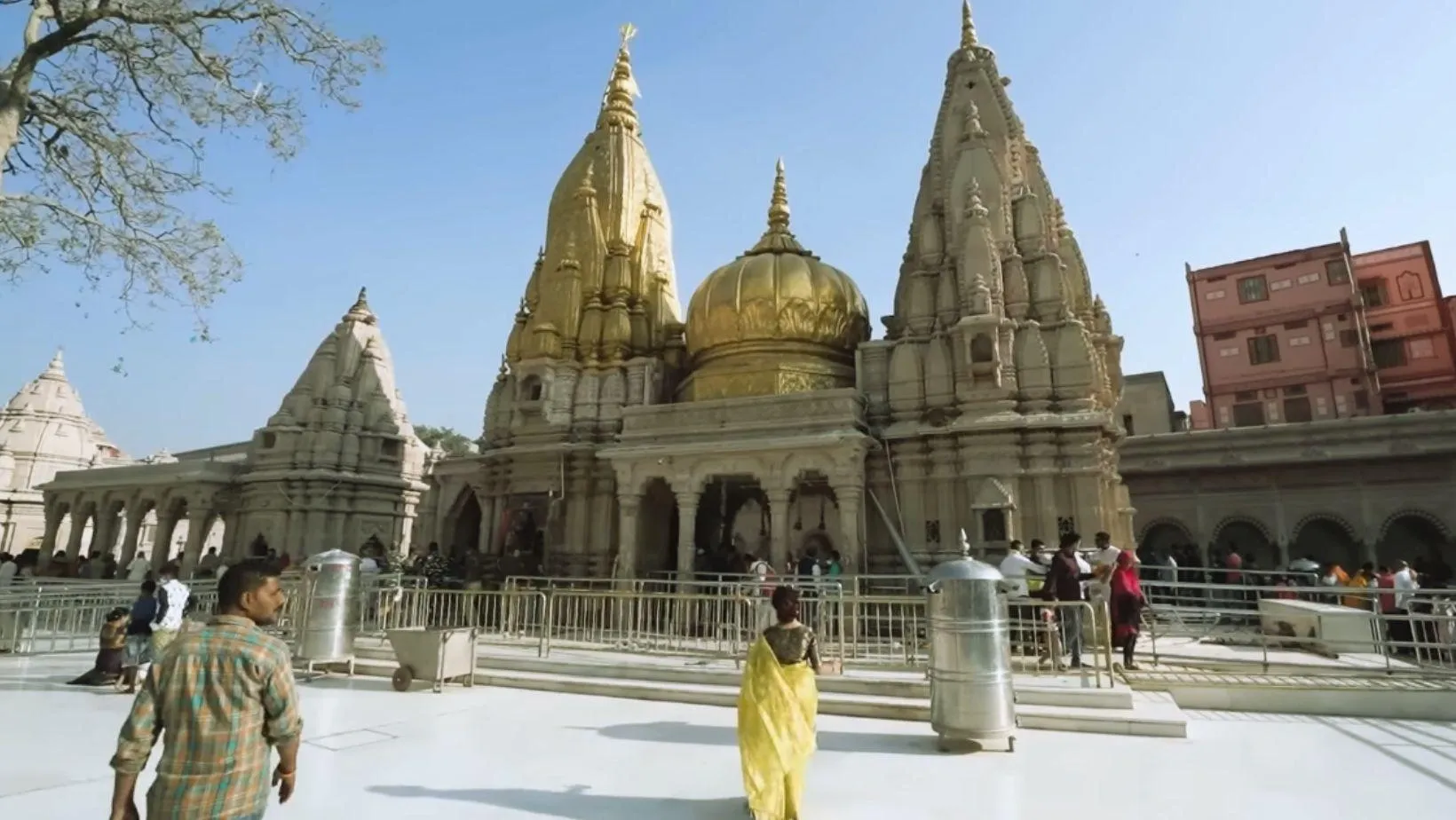
Kashi Vishwanath Temple
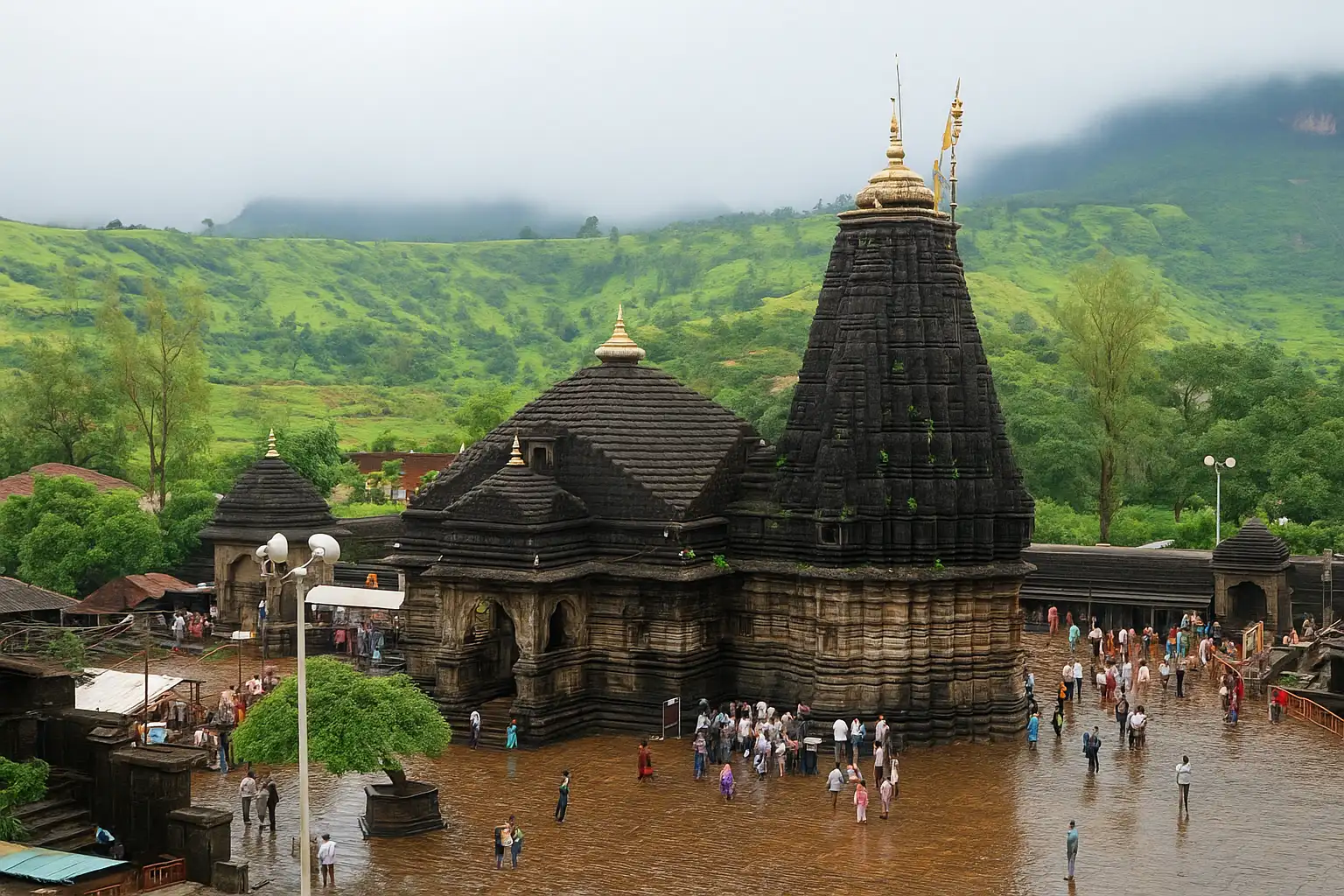
Trimbakeshwar Temple
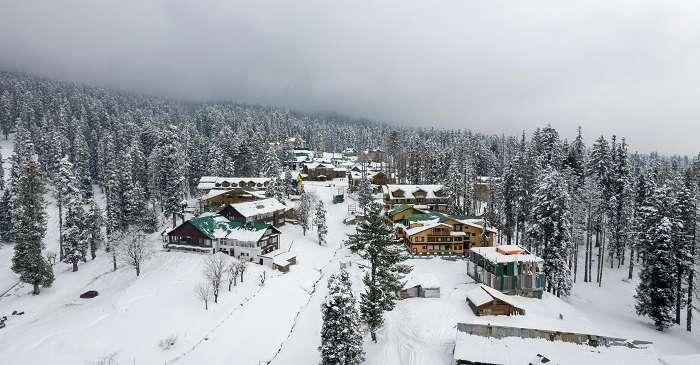
Harshil Valley
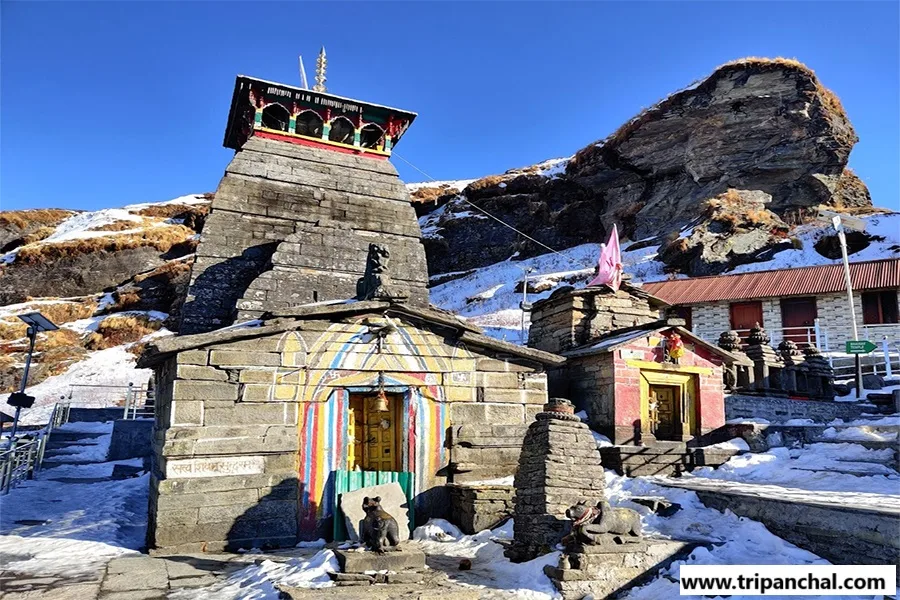
Tungnath Temple
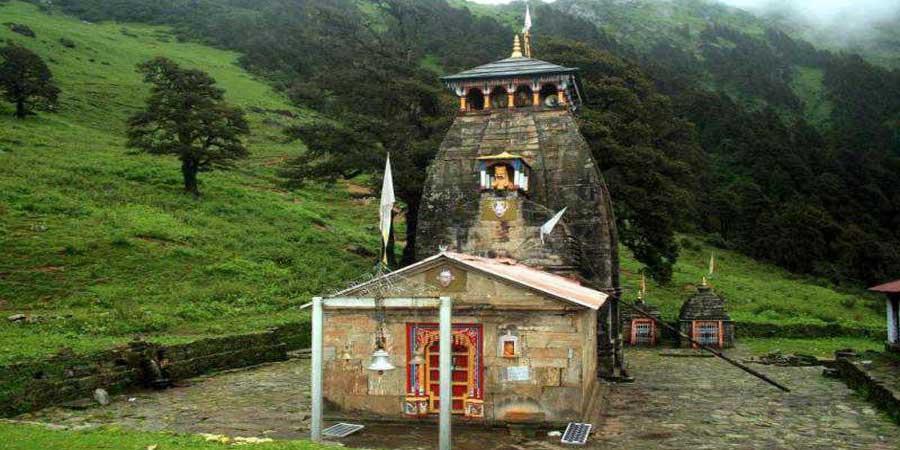
Madhyamaheshwar Temple
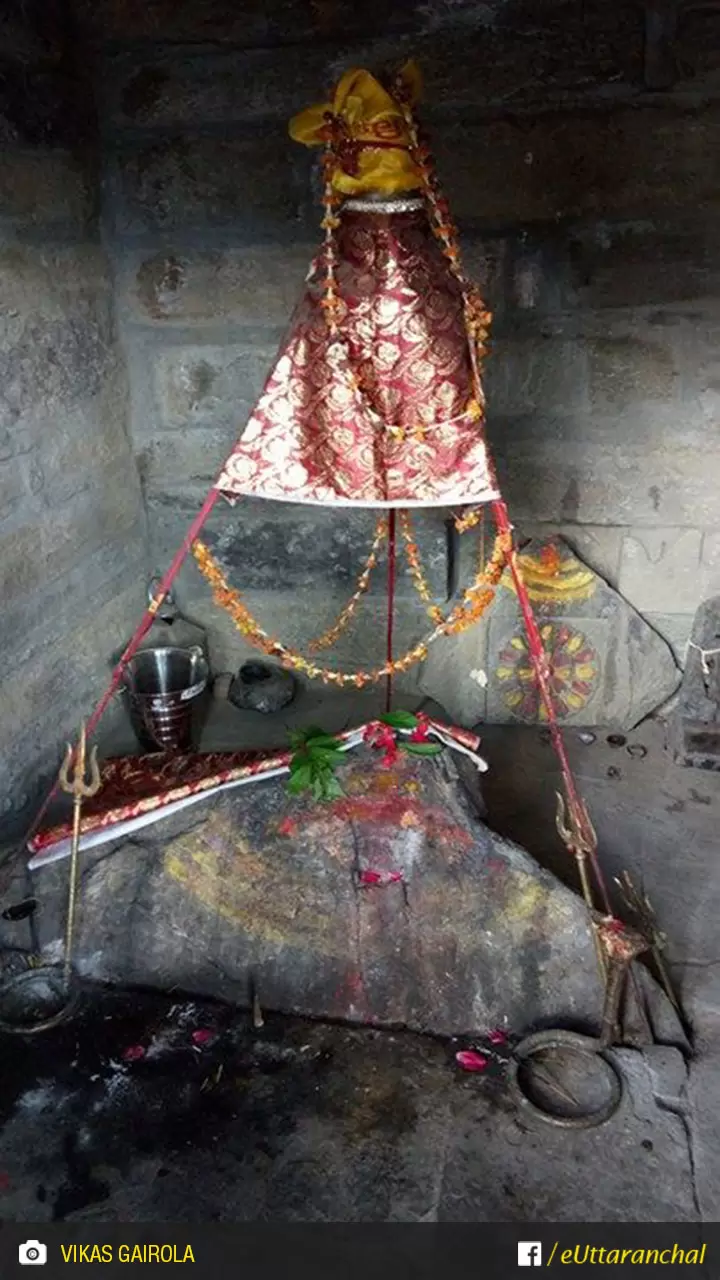
Kalpeshwar Mahadev Temple
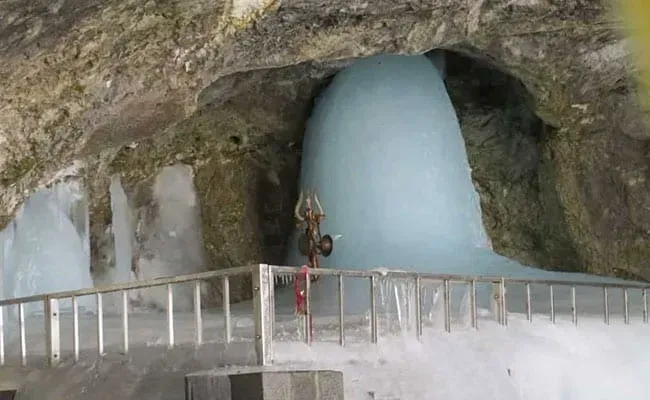
Amarnath
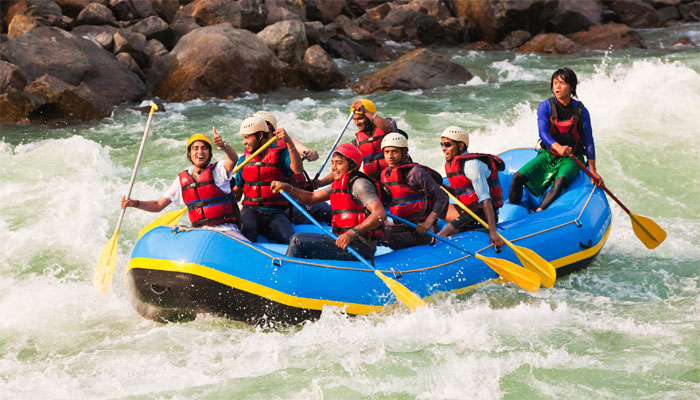
River Rafting in Rishikesh
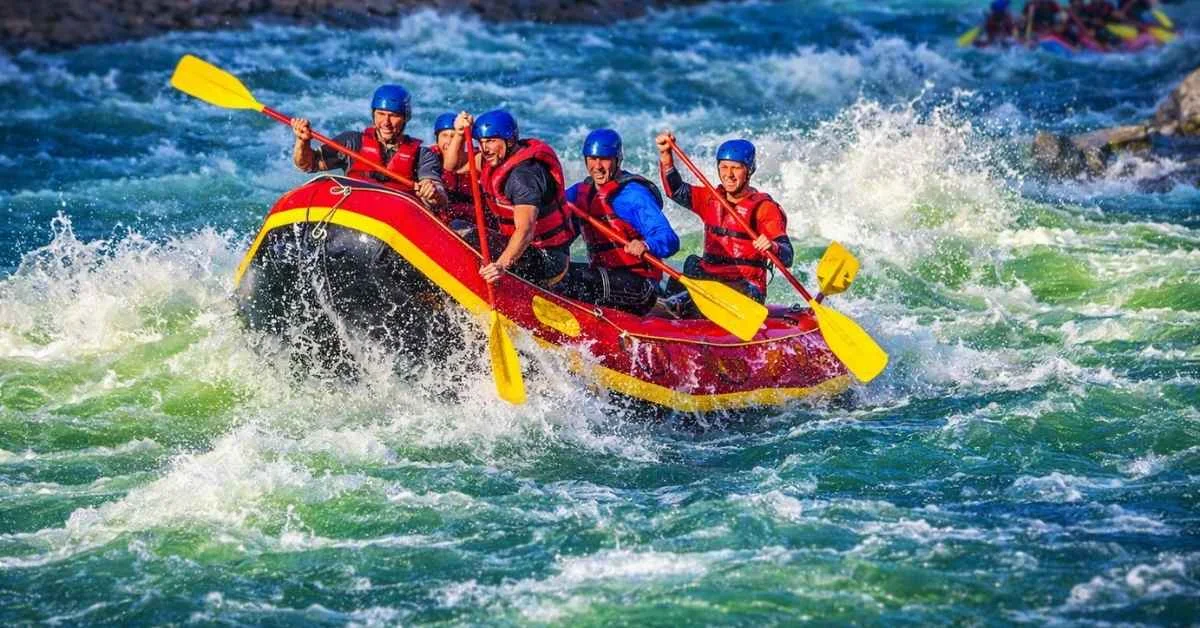
River Rafting in Manali
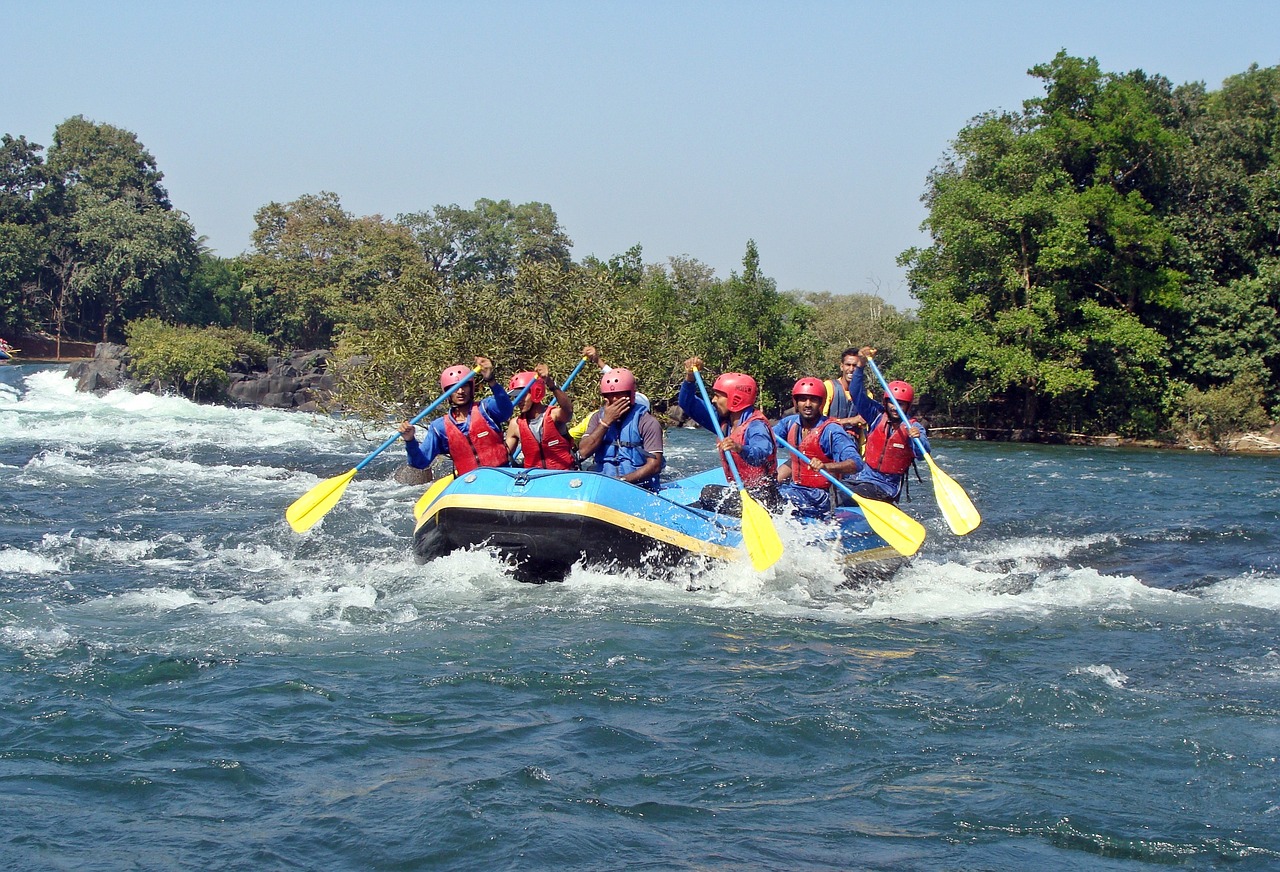
River Rafting in Kolad
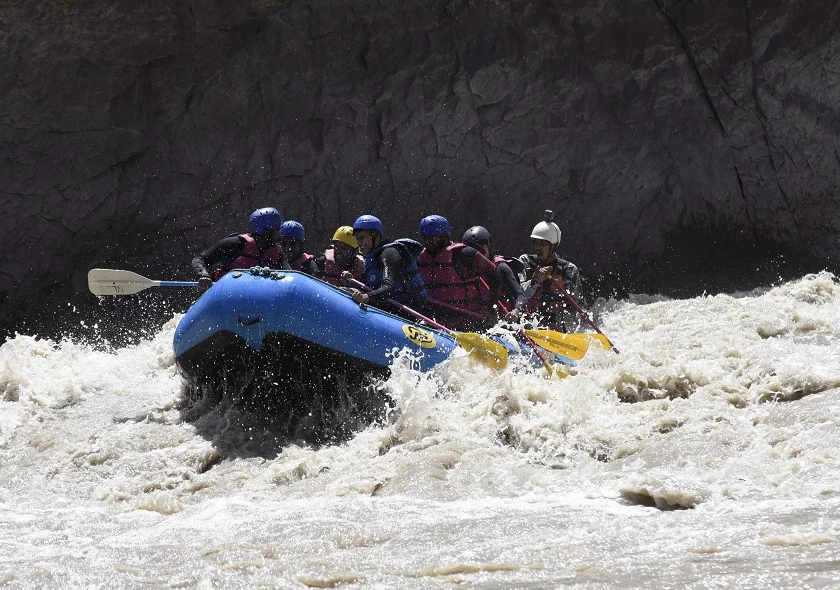
River Rafting in Zanskar
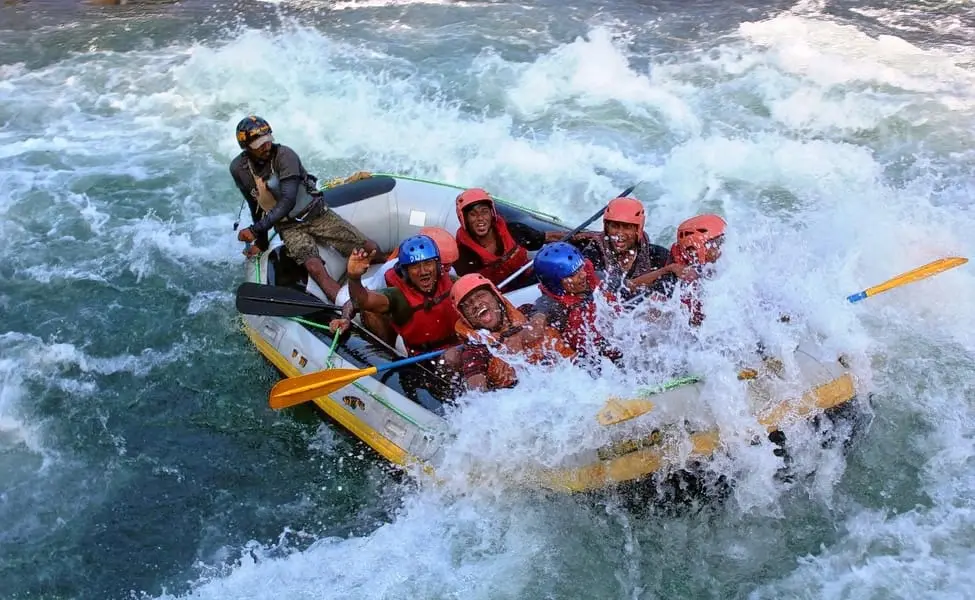
River Rafting in Teesta River
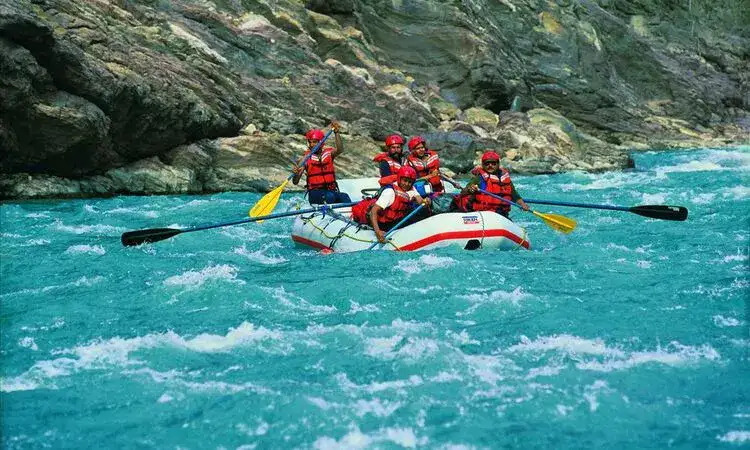
River Rafting in Kameng River
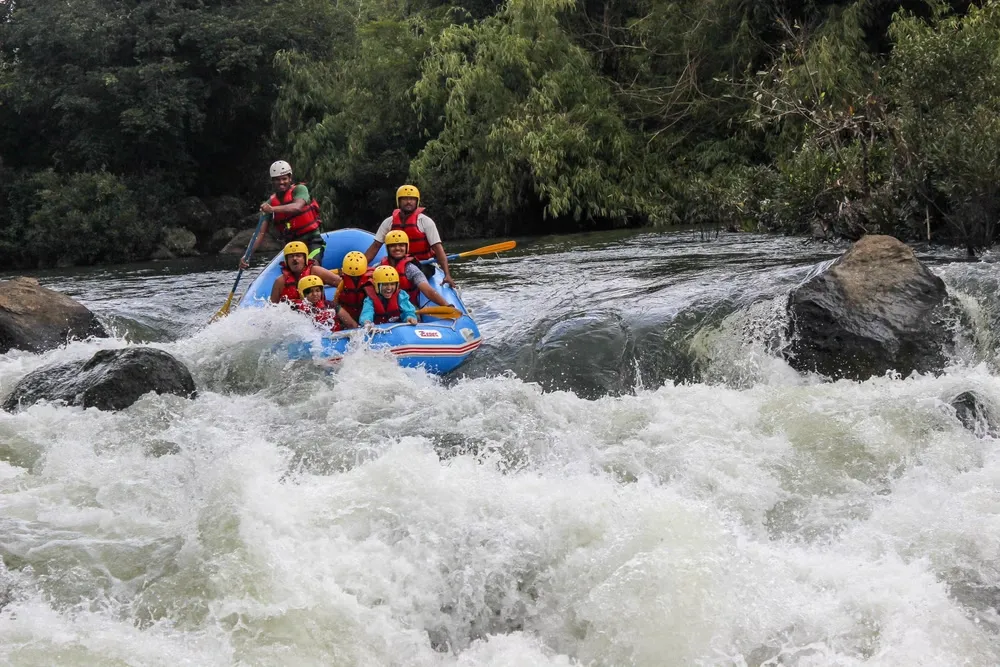
River Rafting in Barapole River
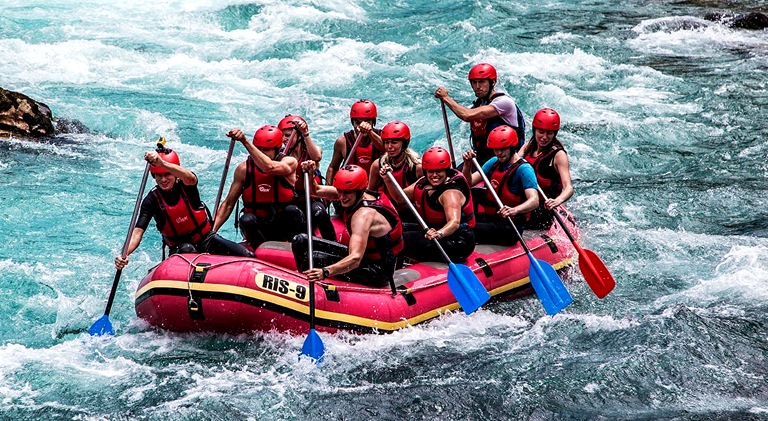
River Rafting in Alaknanda River
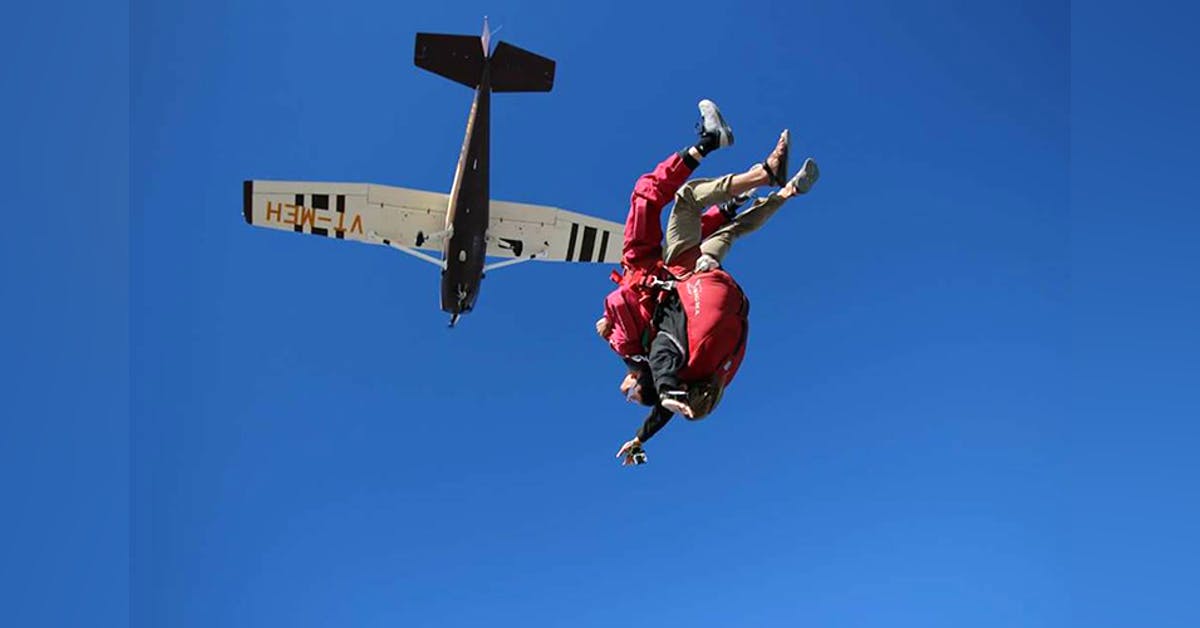
Skydiving in Mysore
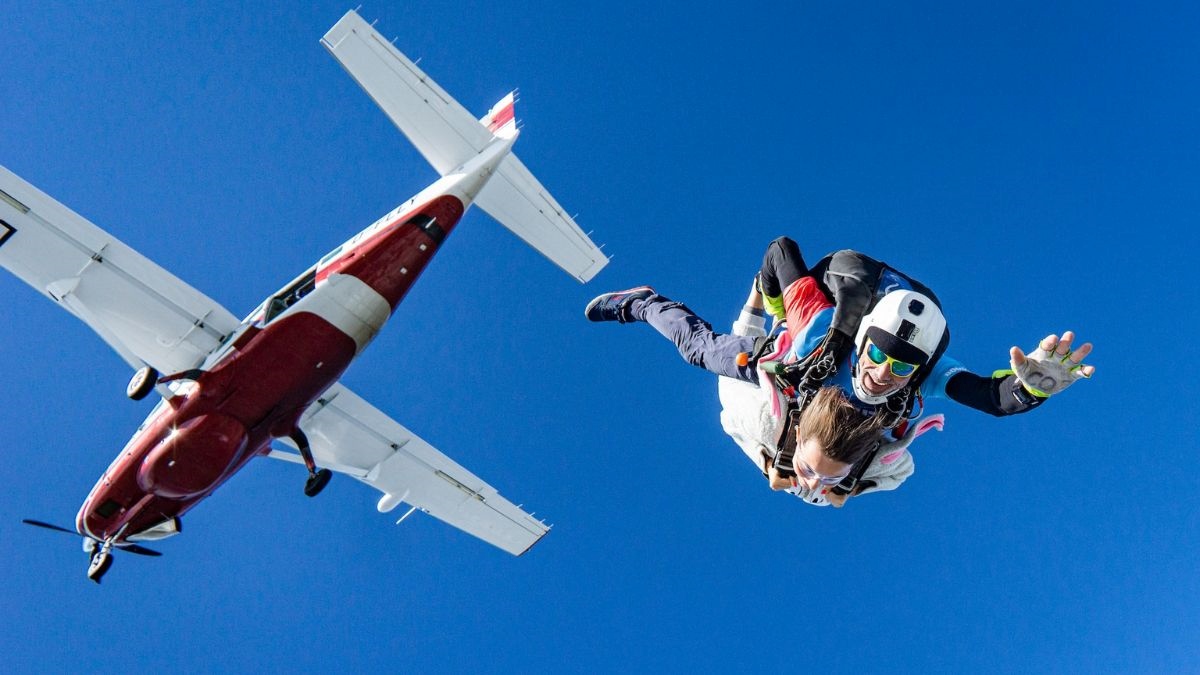
Skydiving in Dhana, Madhya Pradesh
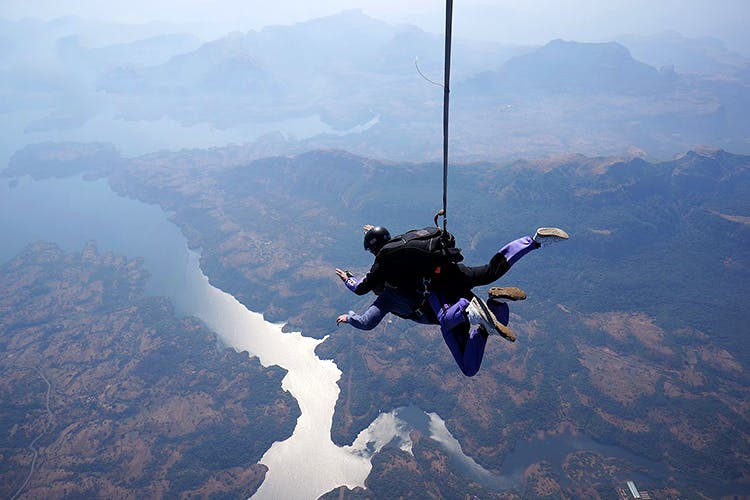
Skydiving in Aamby Valley, Maharashtra
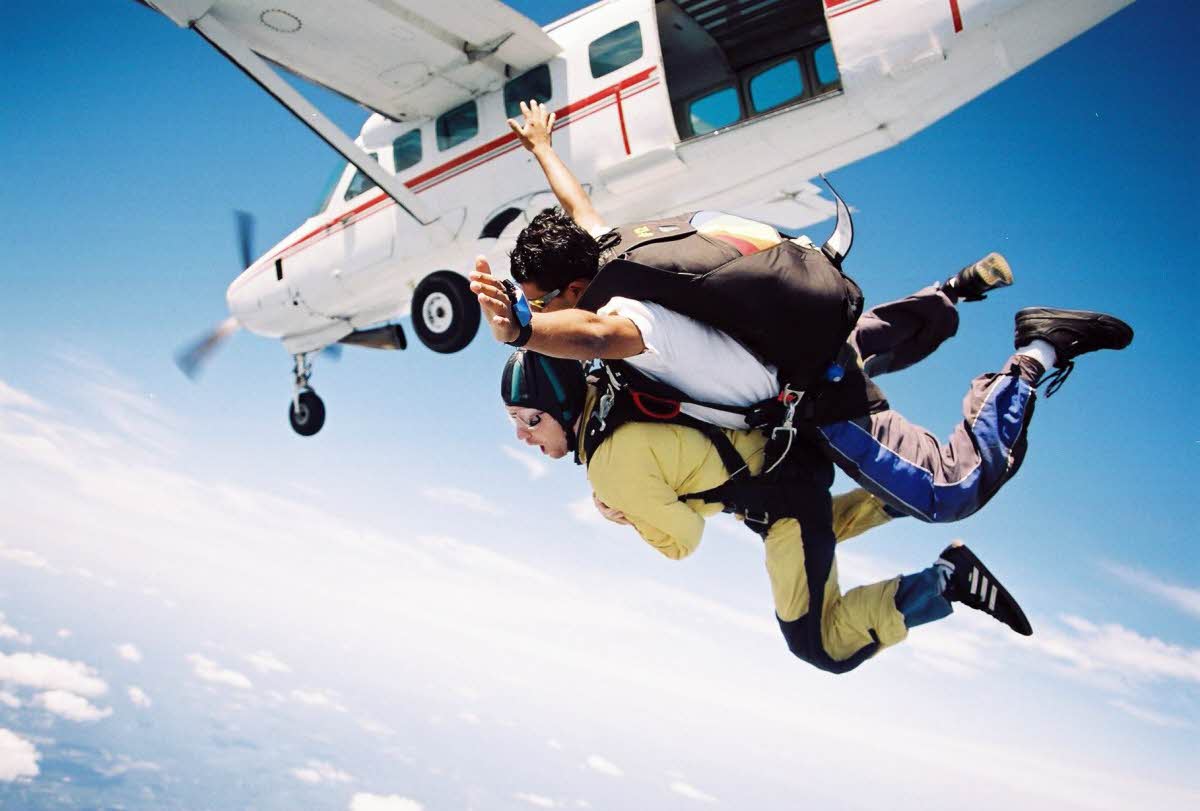
Skydiving in Deesa, Gujarat
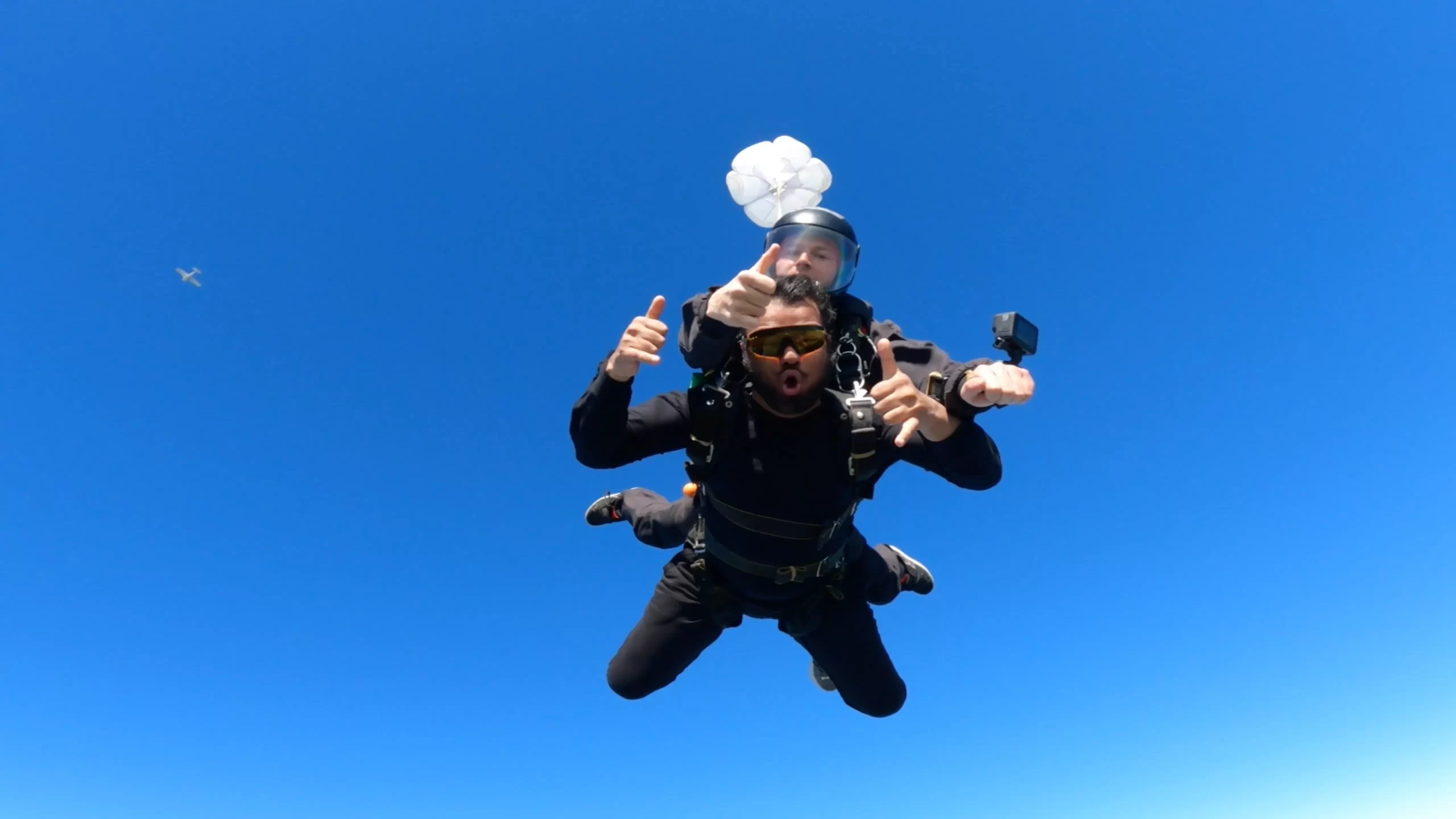
Skydiving in Narnaul, Haryana
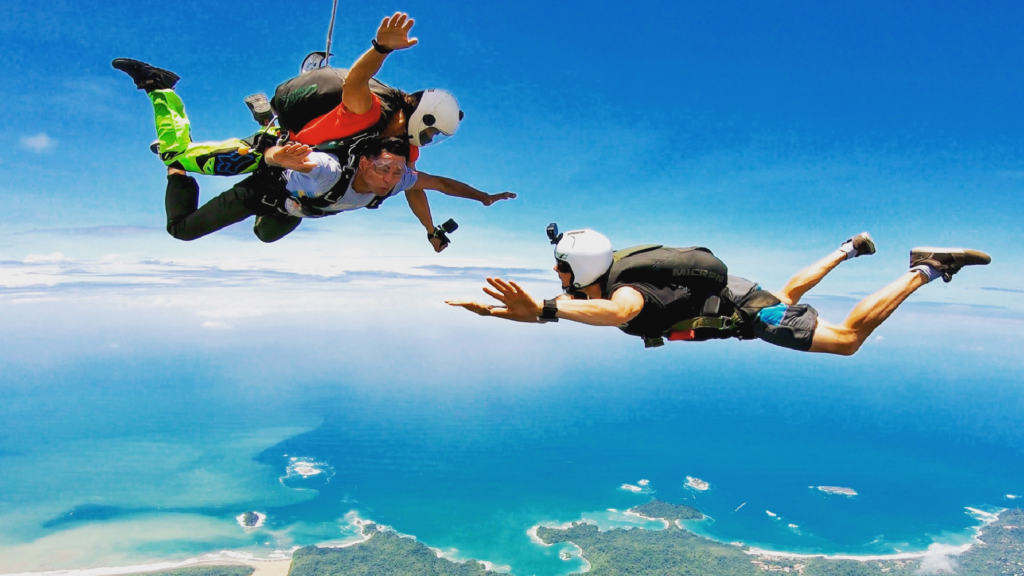
Skydiving in Pondicherry
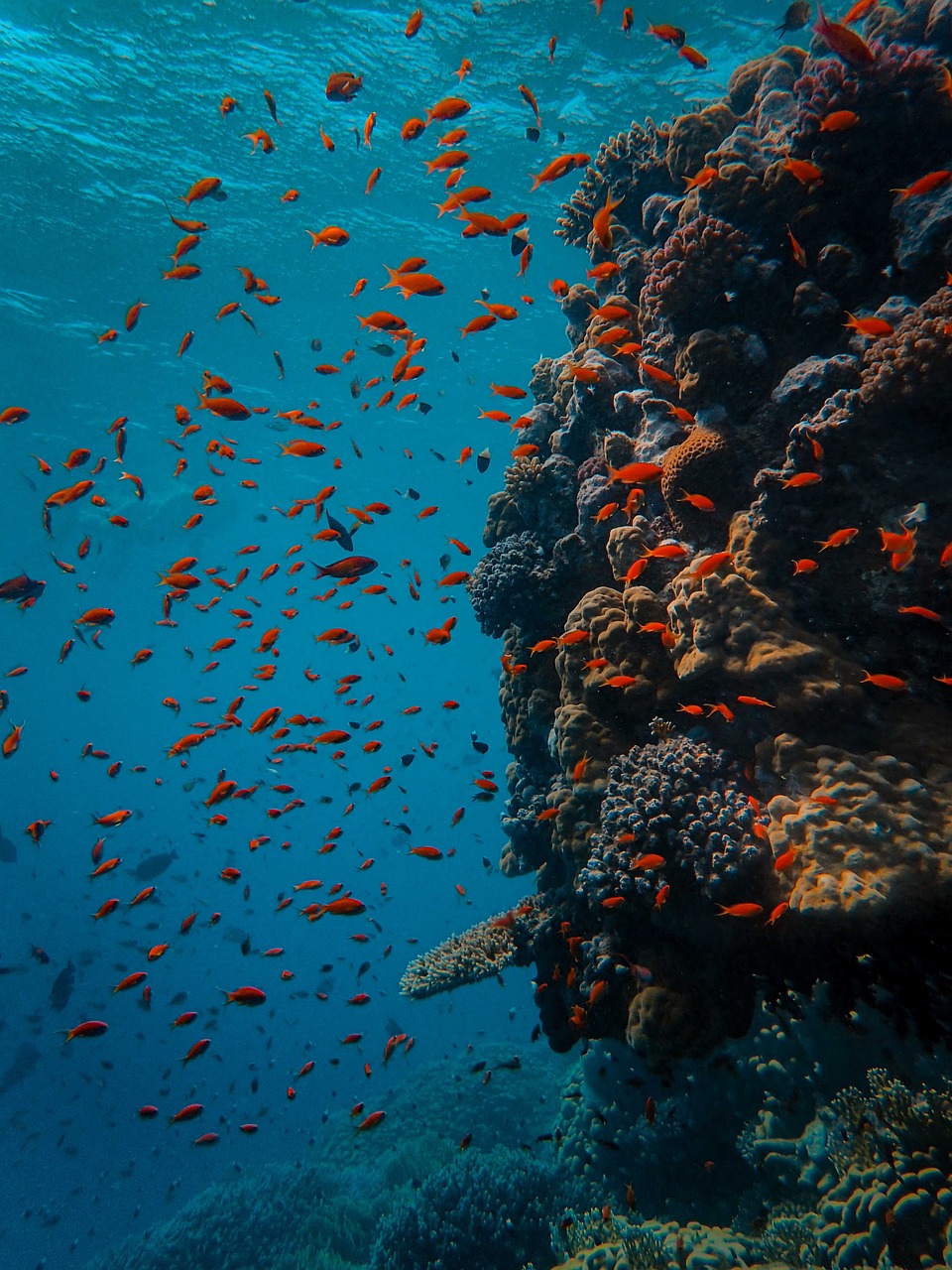
Scuba Diving in Andaman & Nicobar Islands
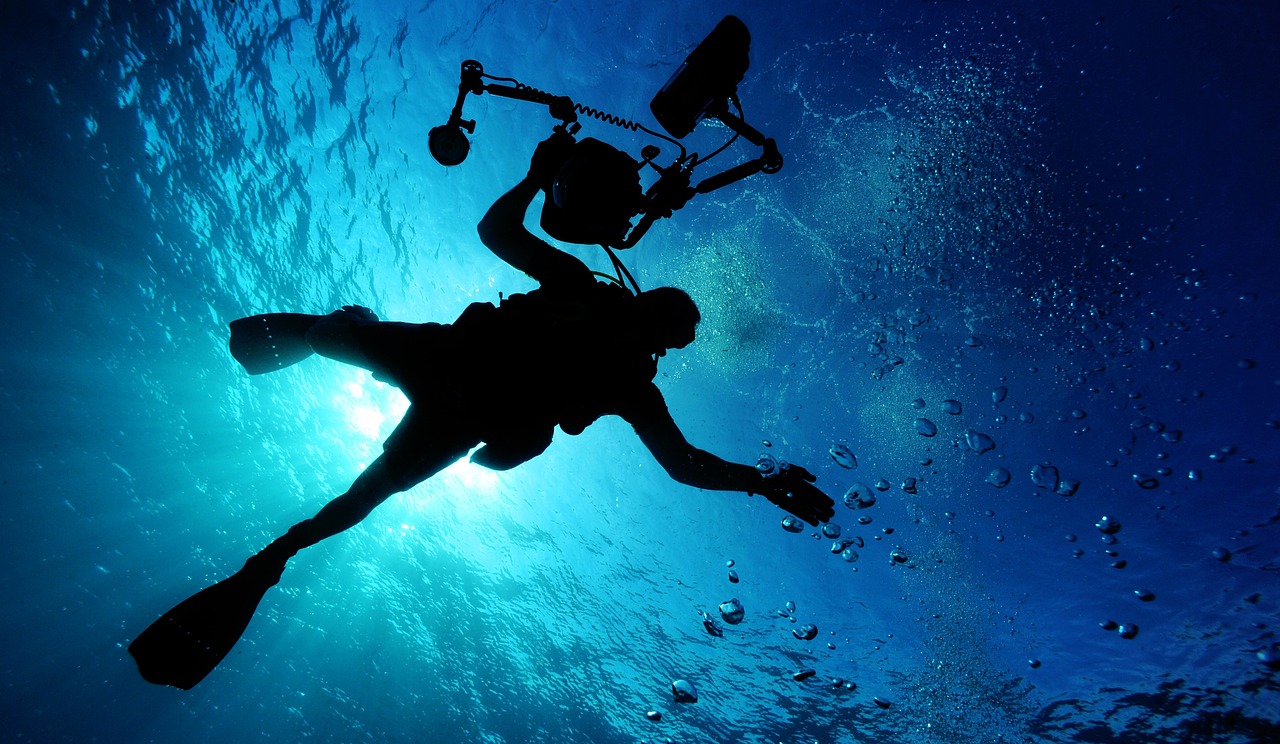
Scuba Diving in Lakshadweep
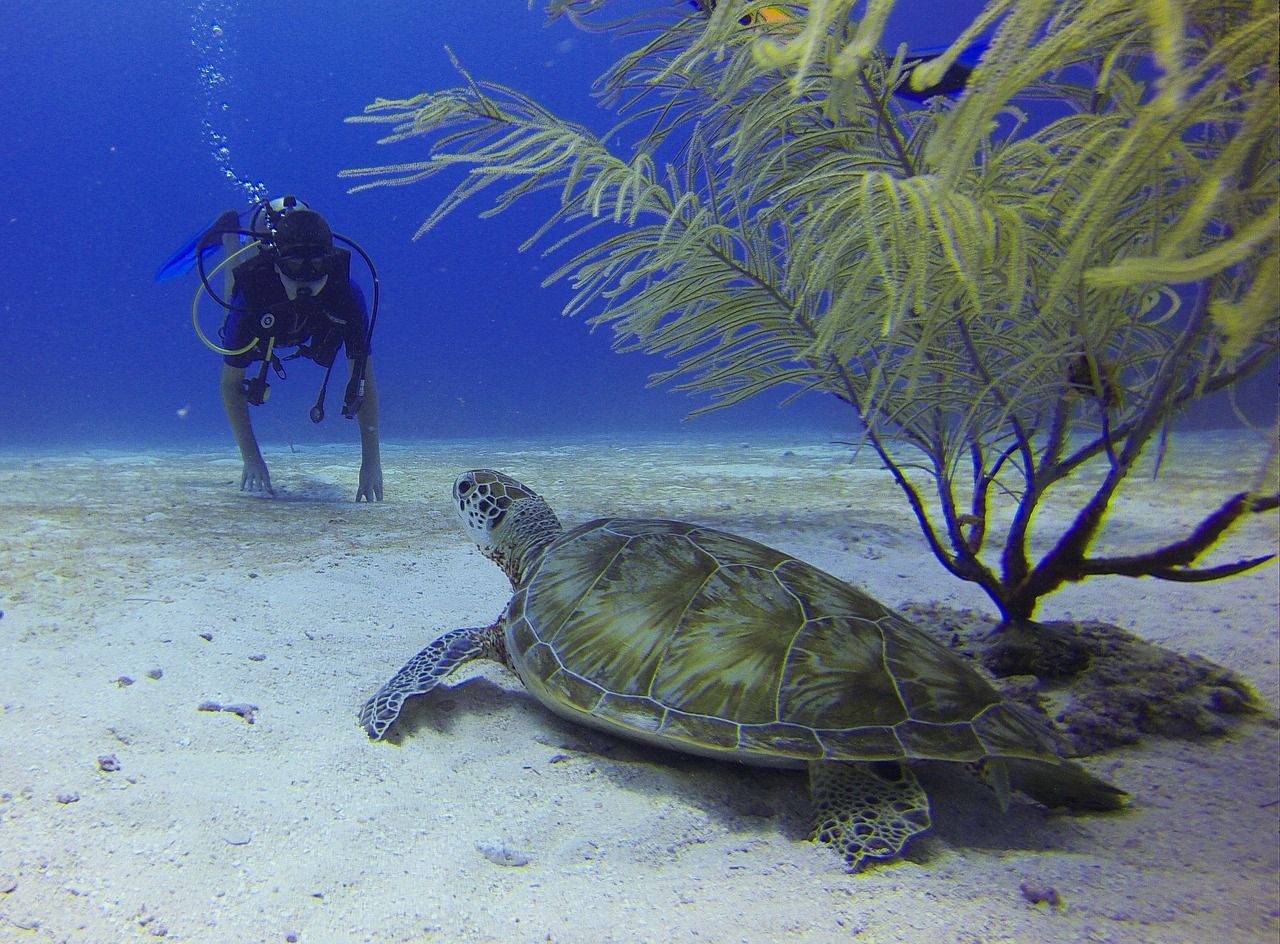
Scuba Diving in Goa
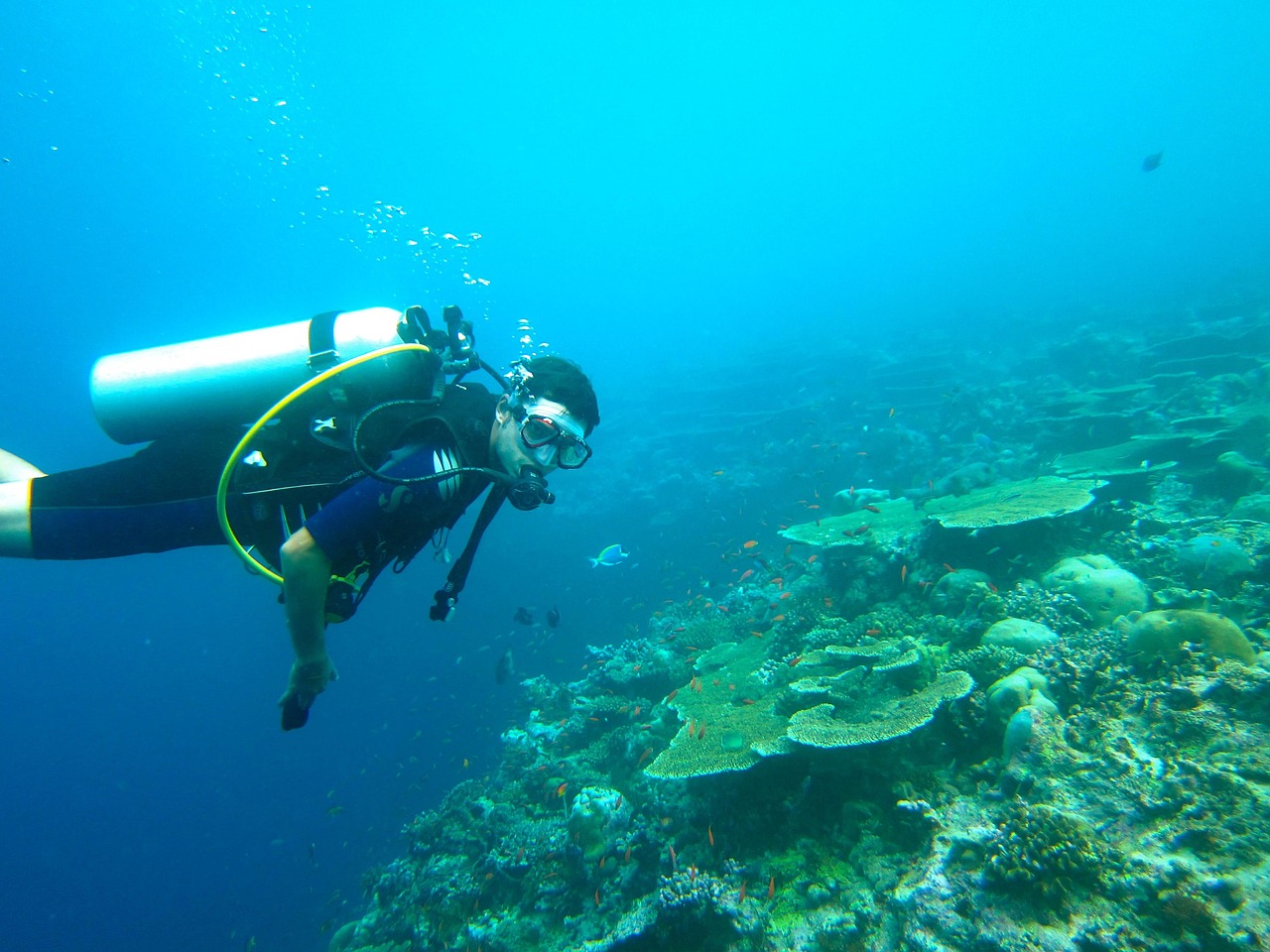
Scuba Diving in Pondicherry
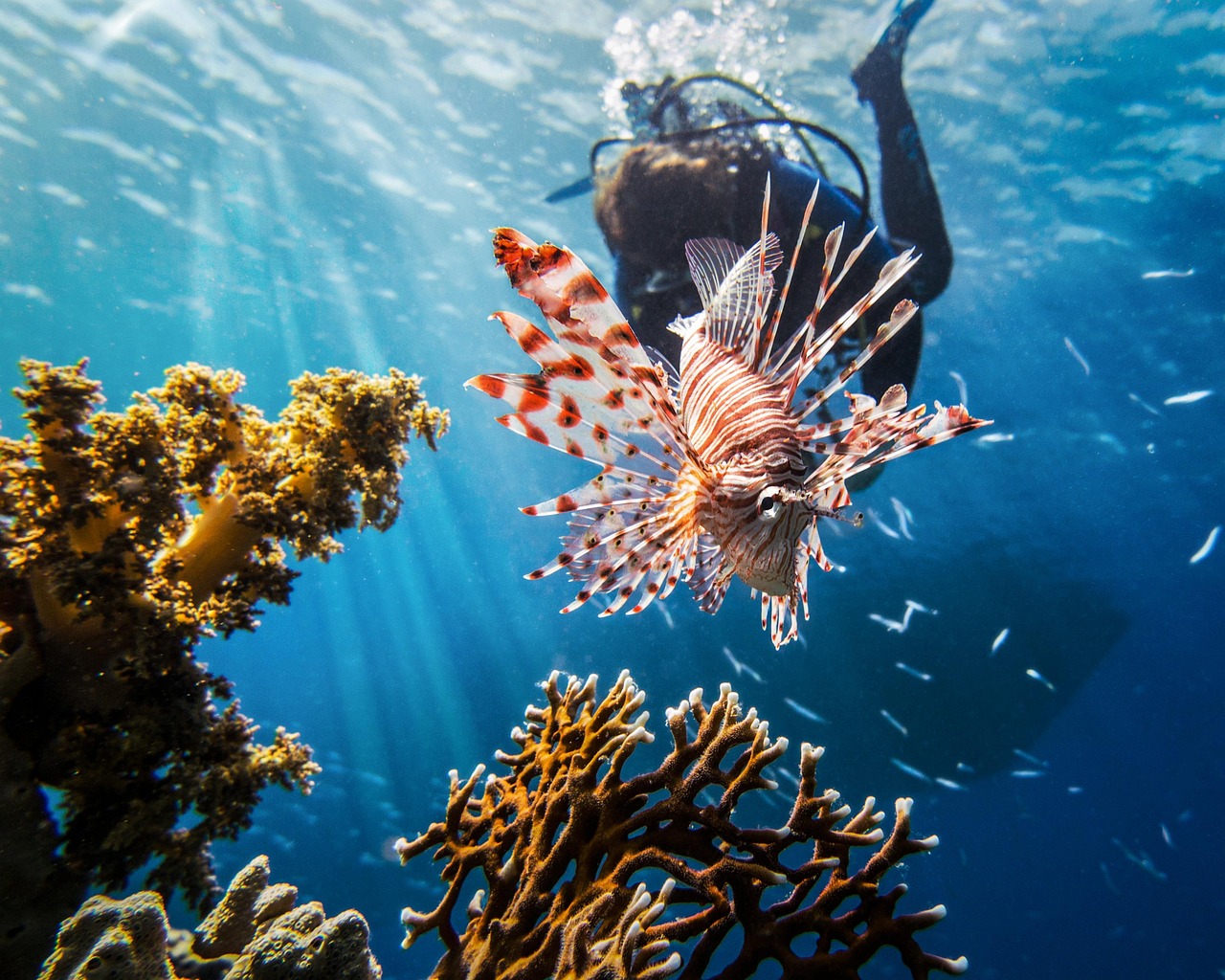
Scuba Diving in Netrani Island (Karnataka)
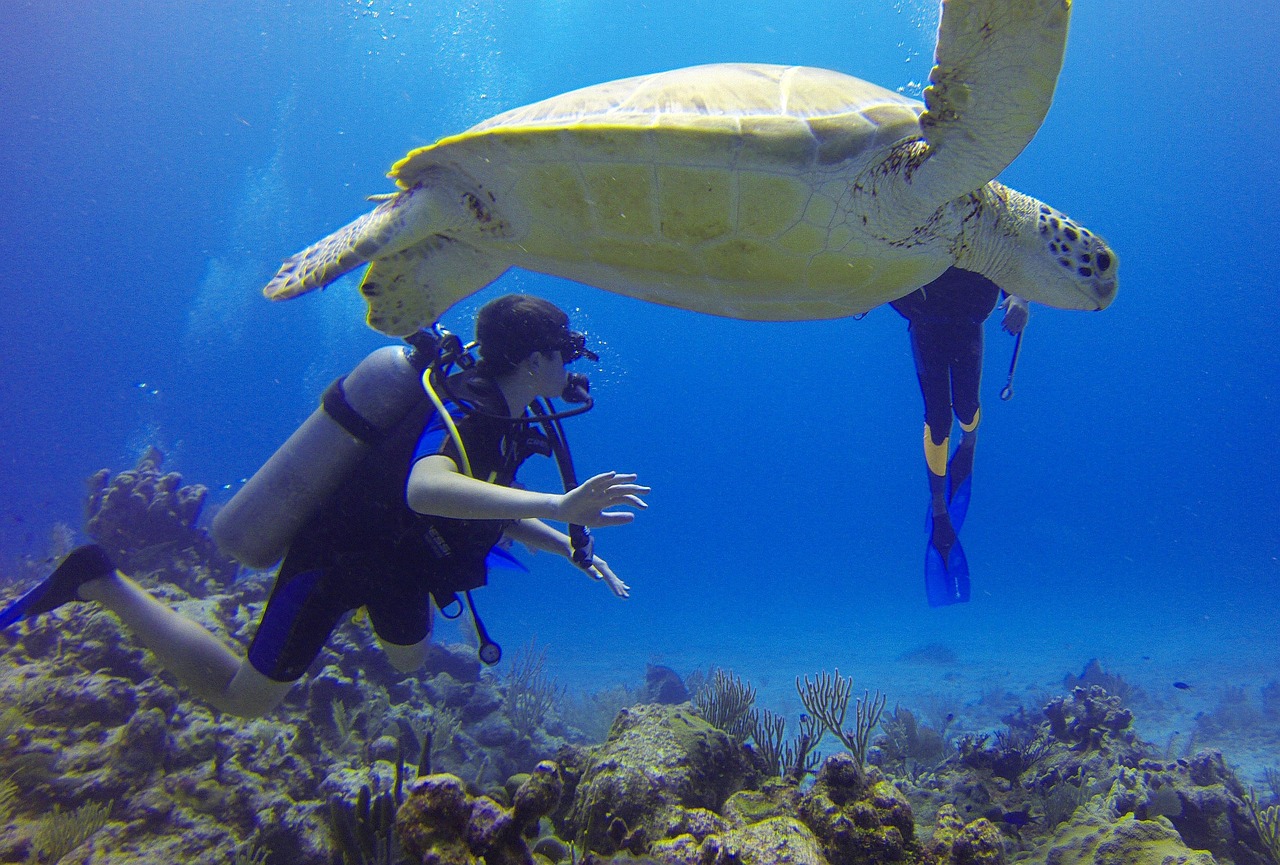
Scuba Diving in Tarkarli (Maharashtra)
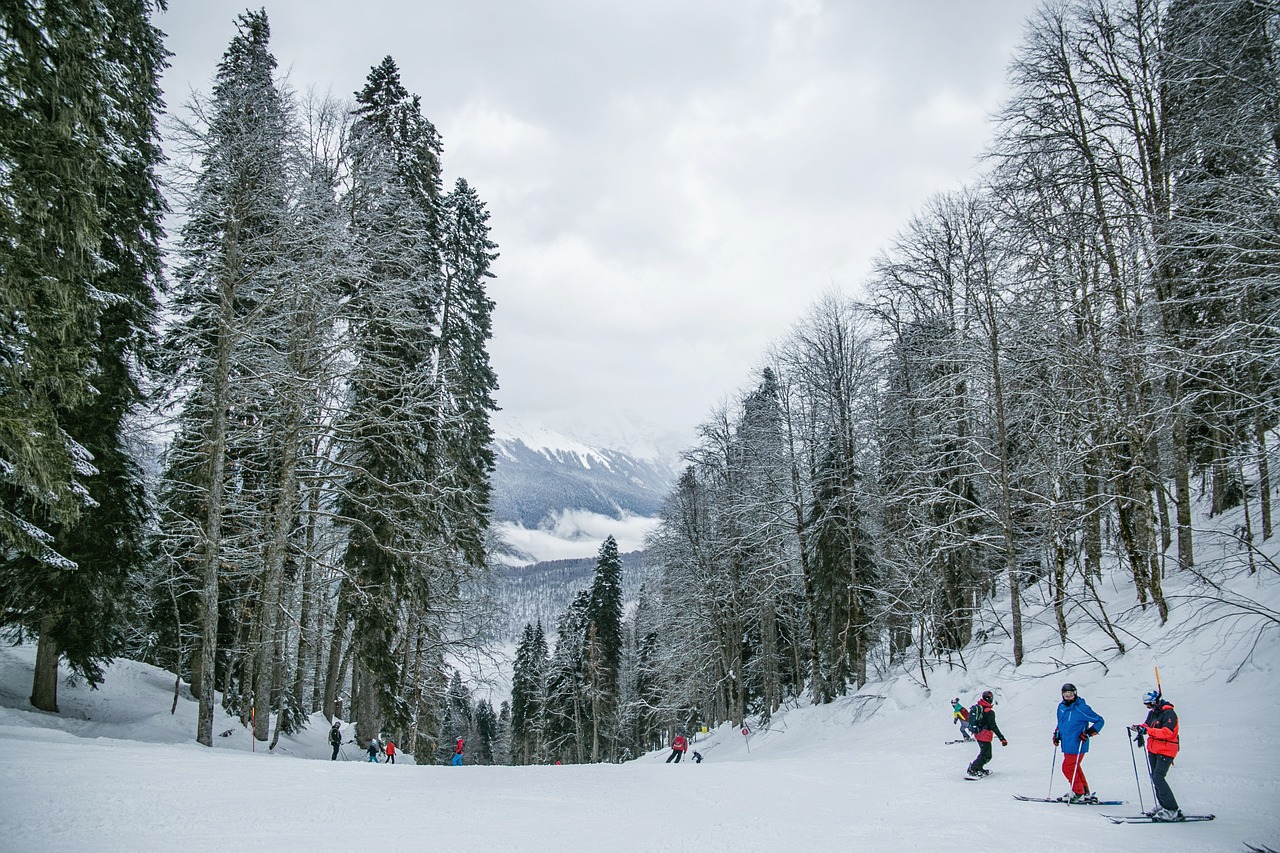
Skiing in Gulmarg
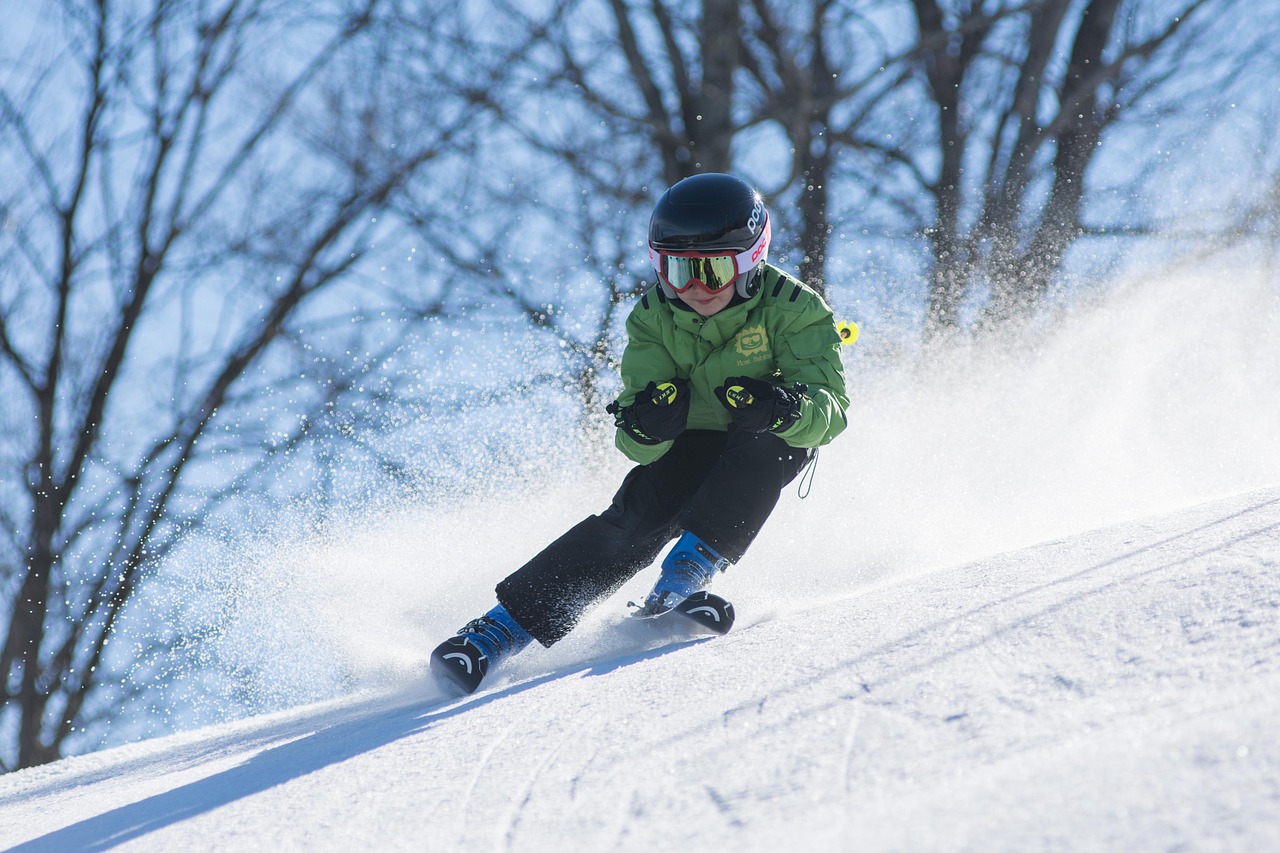
Skiing in Auli
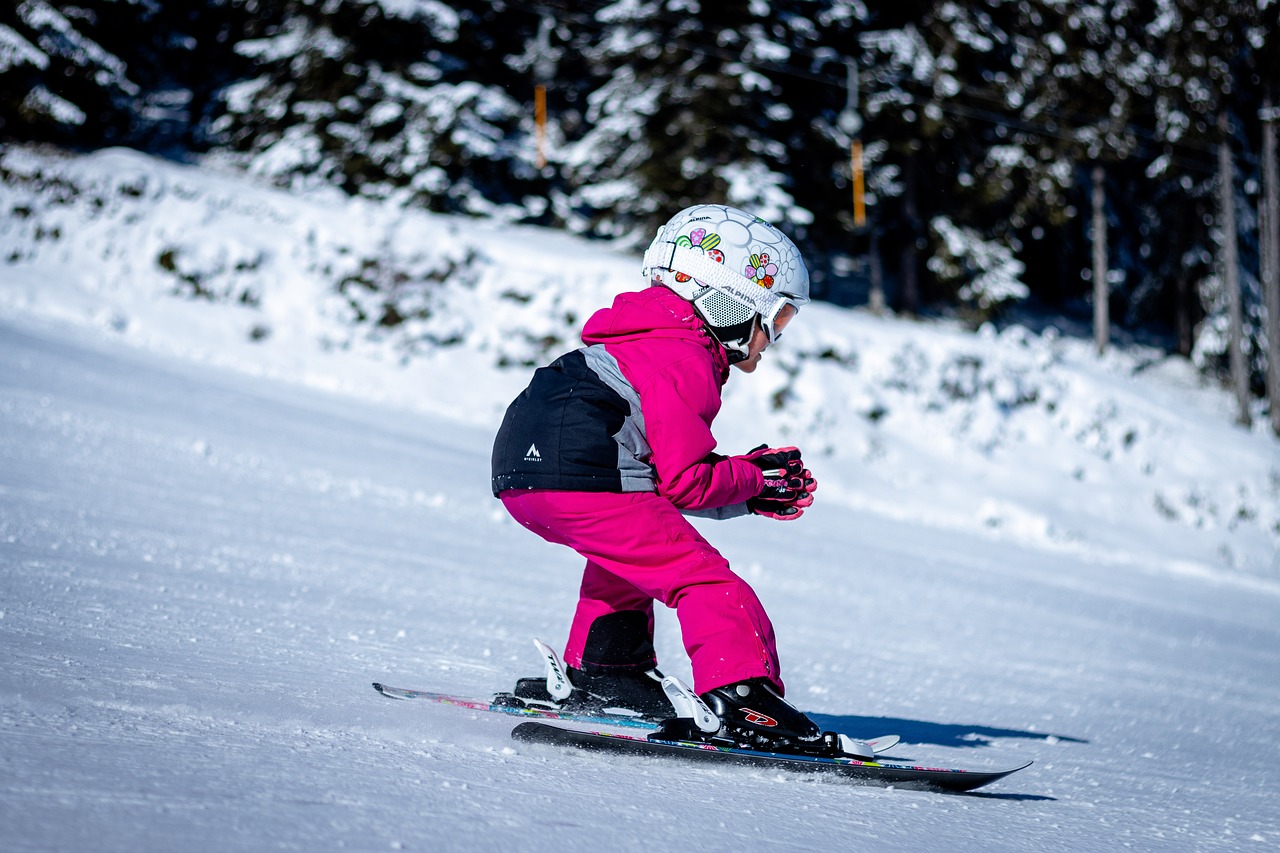
Skiing in Solang
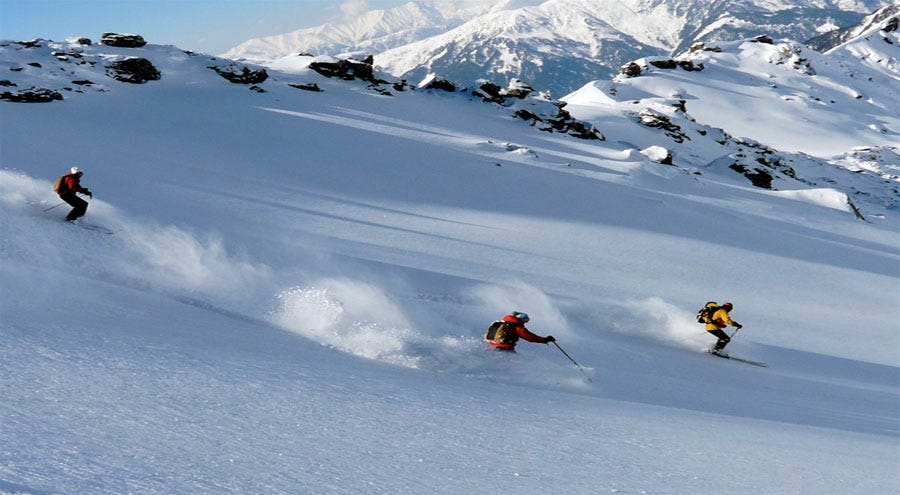
Skiing in Kufri
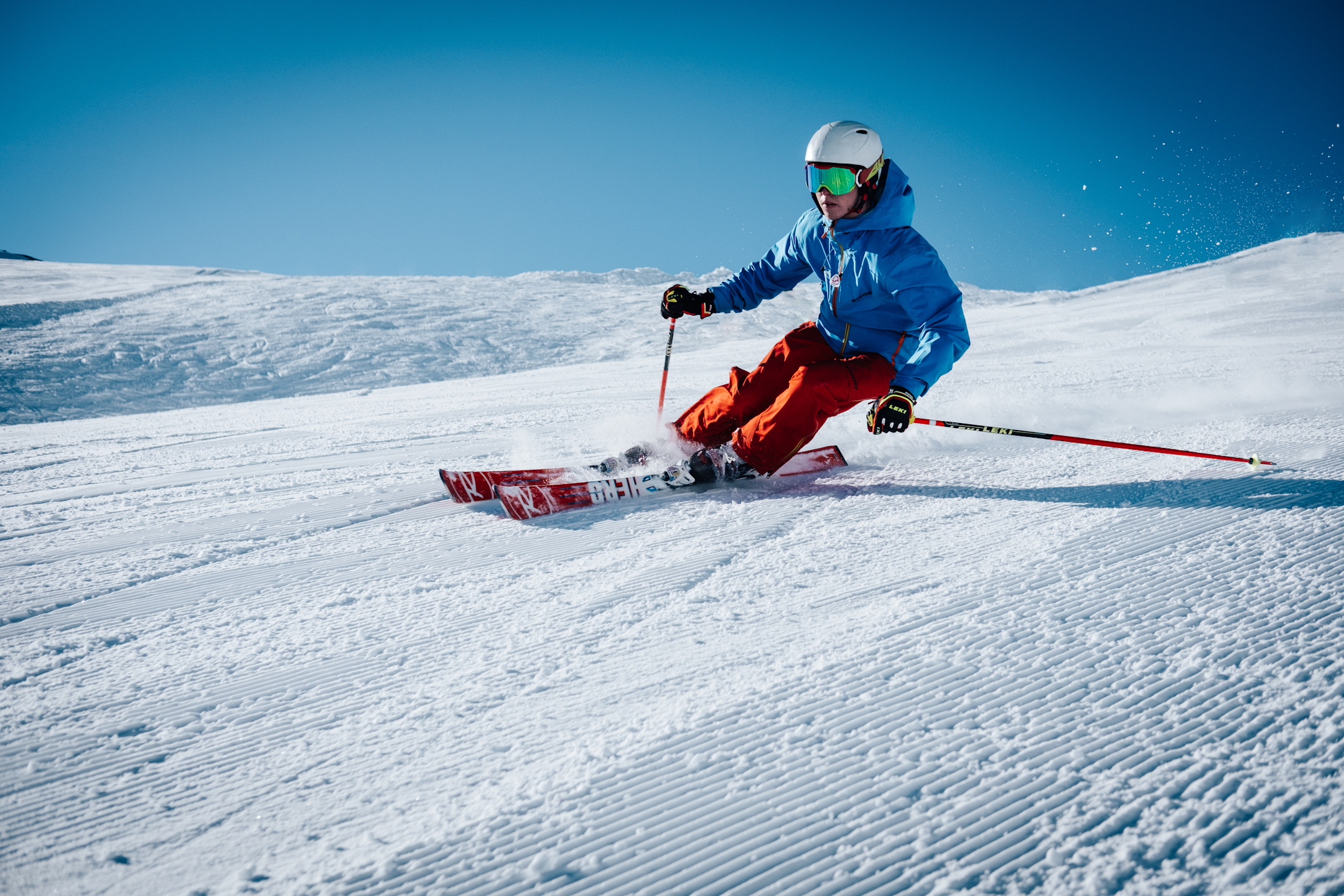
Skiing in Narkanda
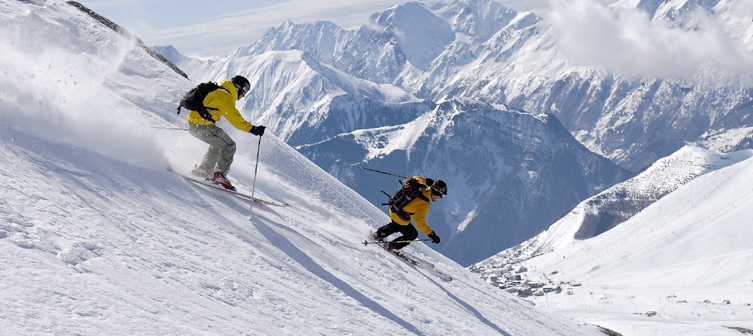
Skiing in Munsiyari
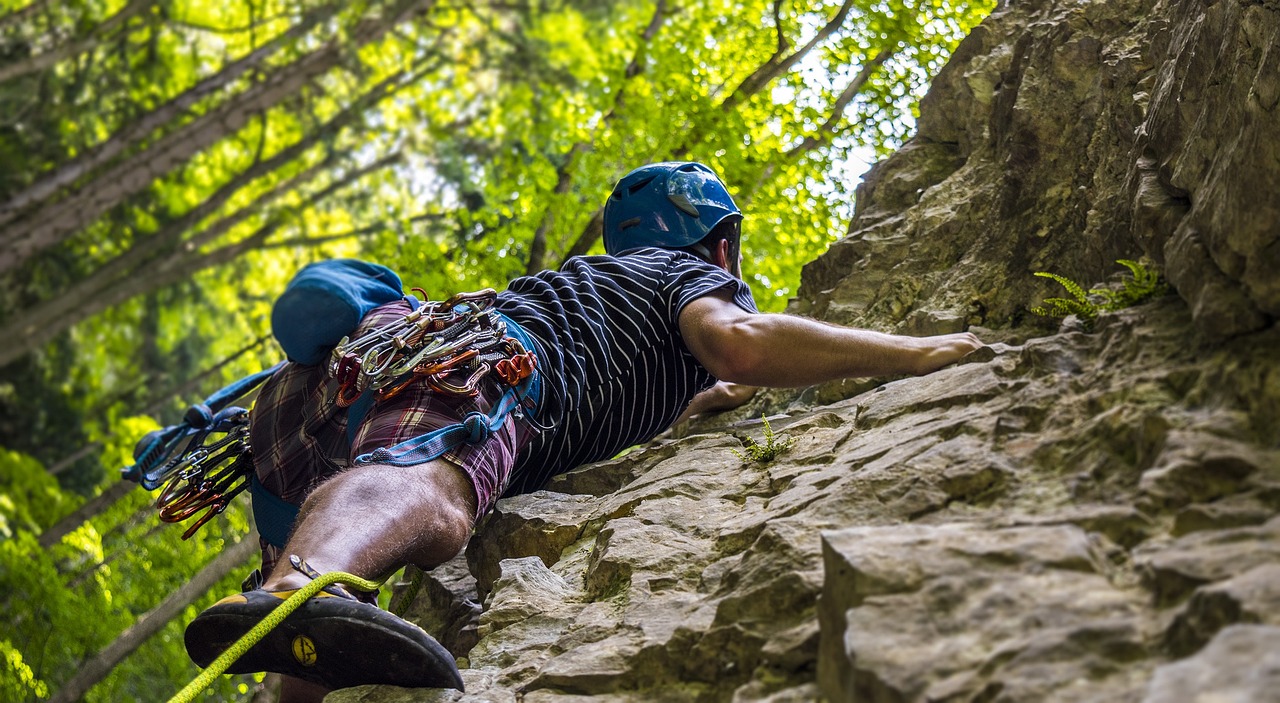
Rock Climbing in Manali
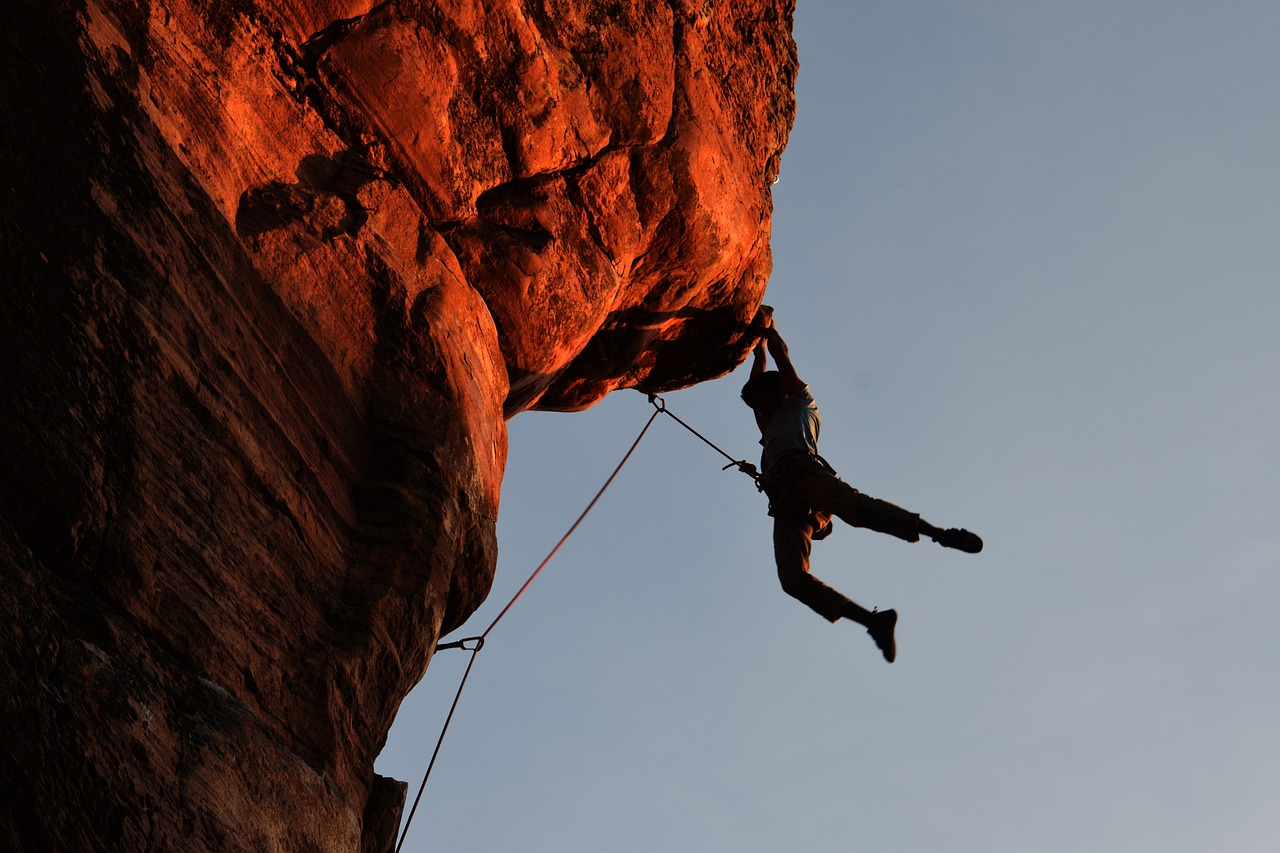
Rock climbing in Badami (Karnataka)
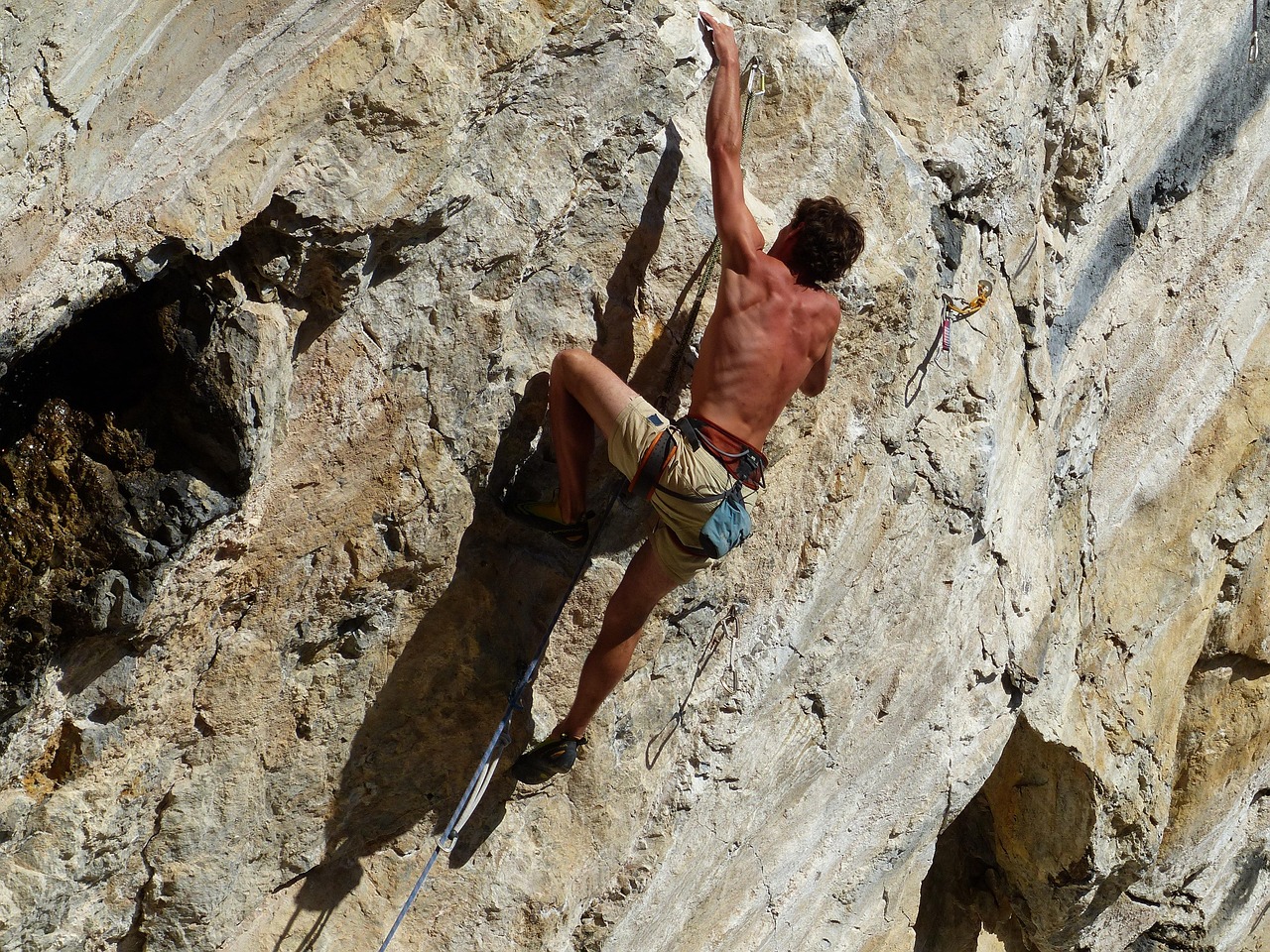
Rock climbing in Vijayapura (Karnataka)
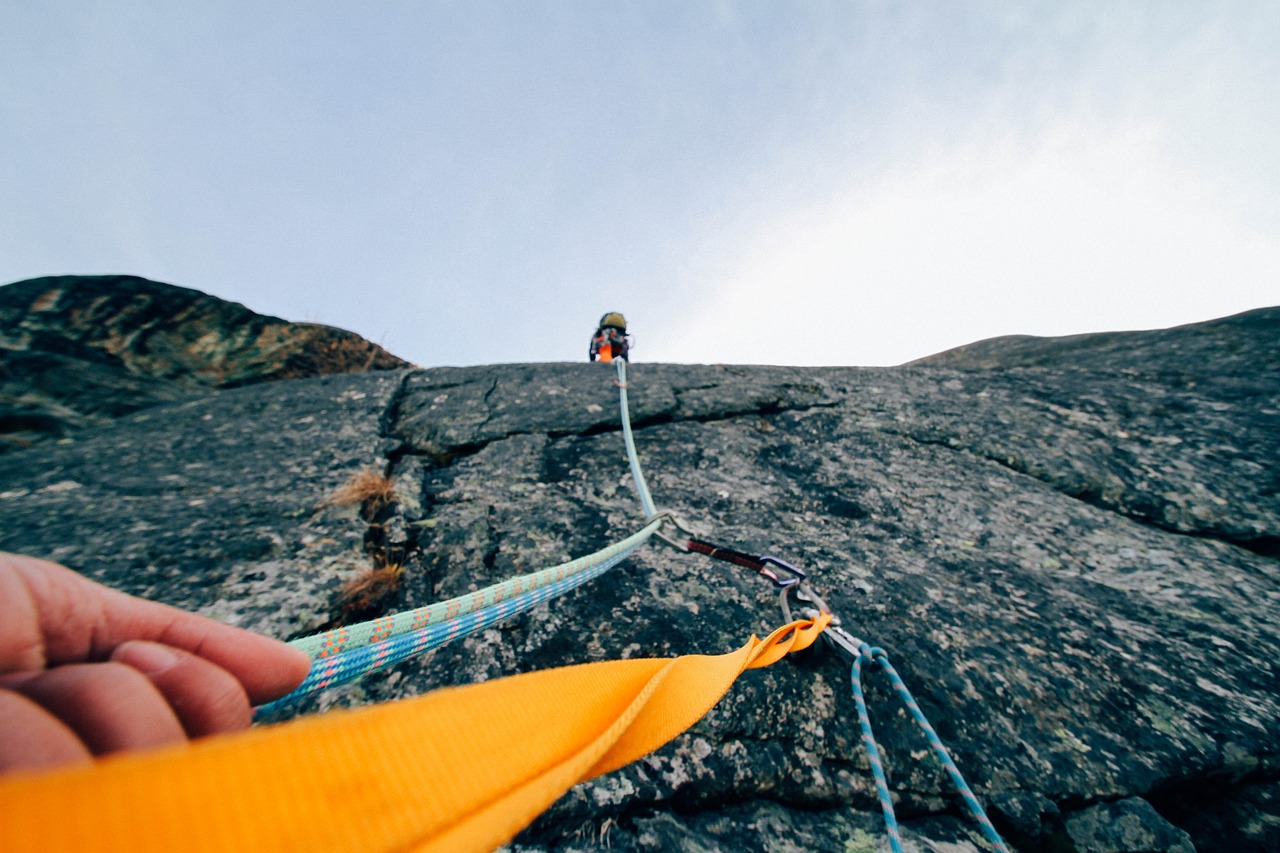
Rock climbing in Boulder Hills (Hyderabad)
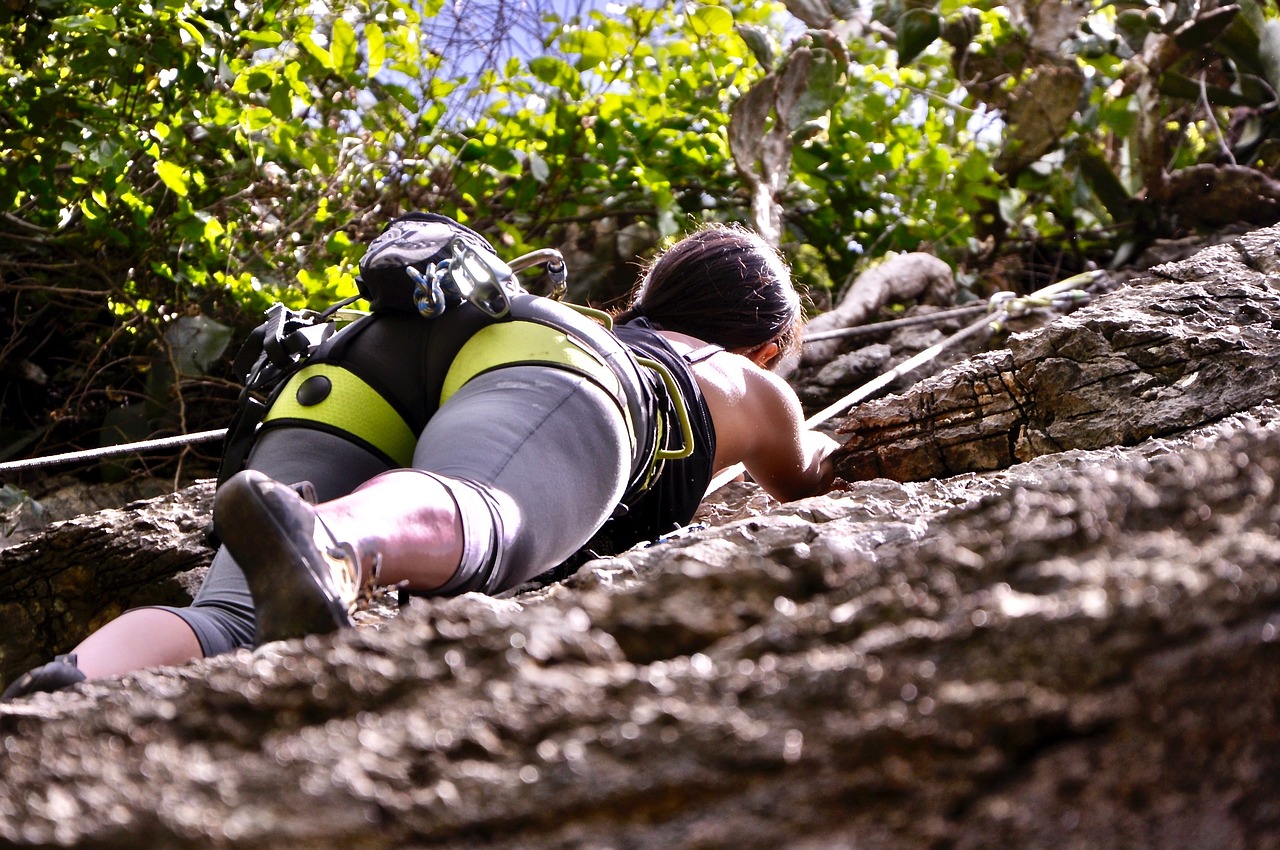
Rock climbing in Nainital
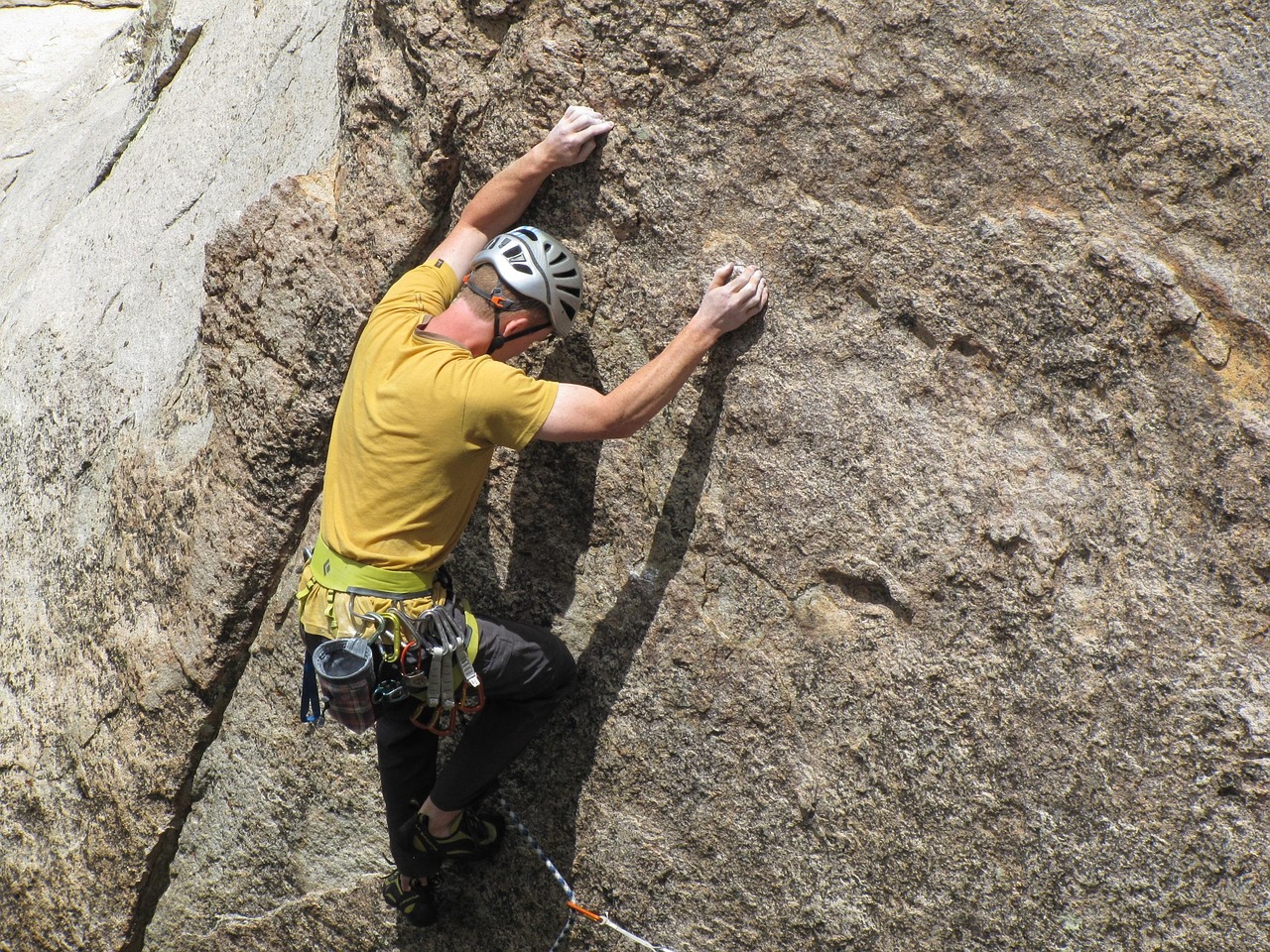
Rock climbing in Hampi (Karnataka)
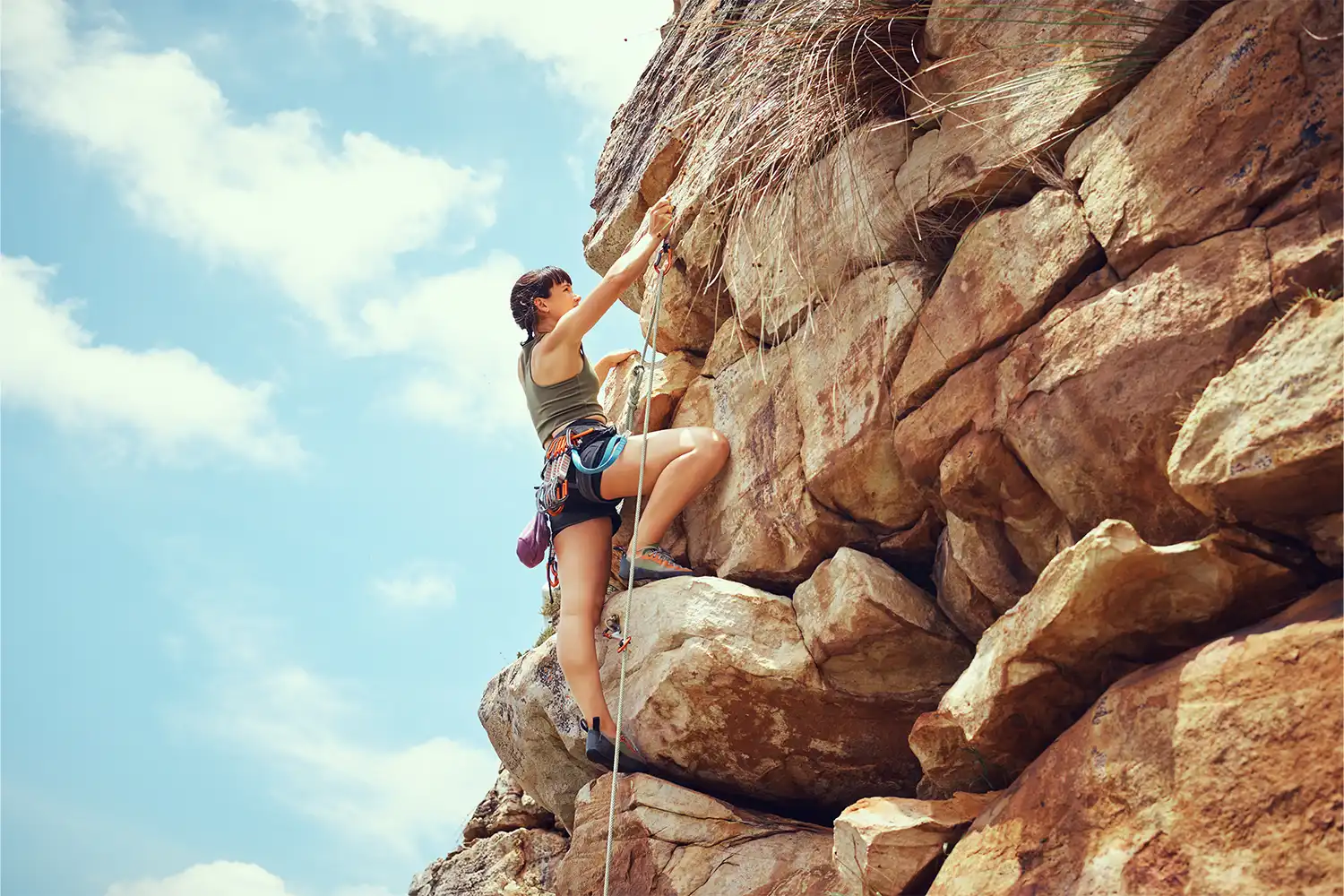
Rock climbing in Aravalli Range (Rajasthan)
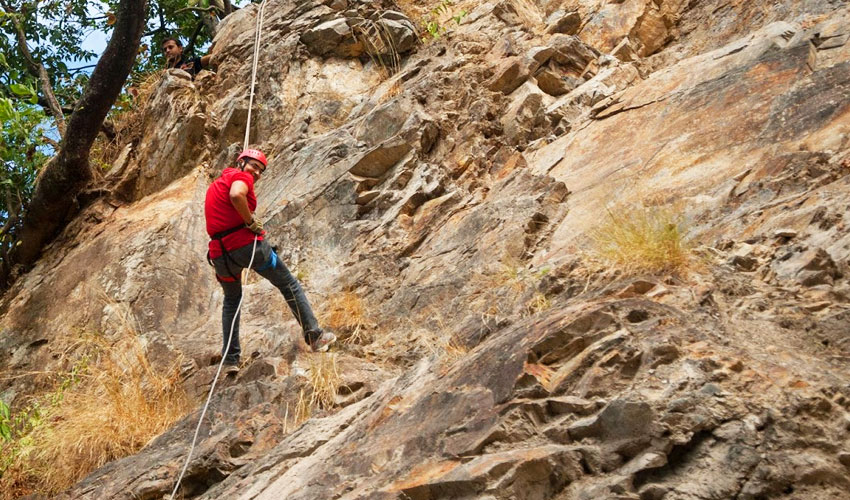
Rock climbing in Rishikesh
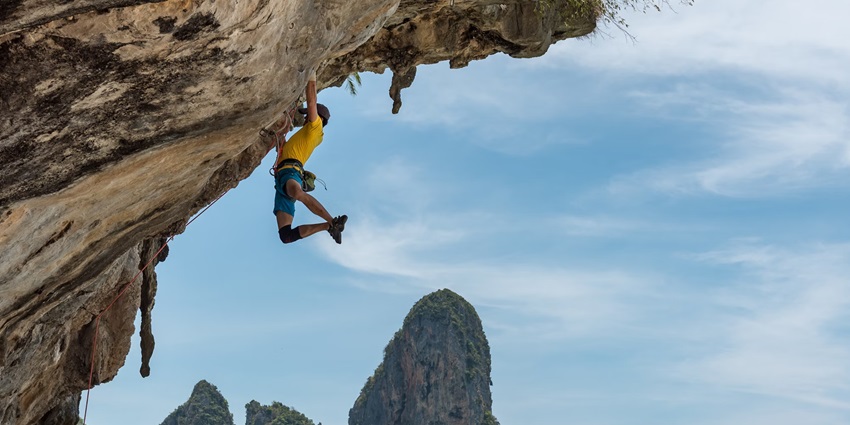
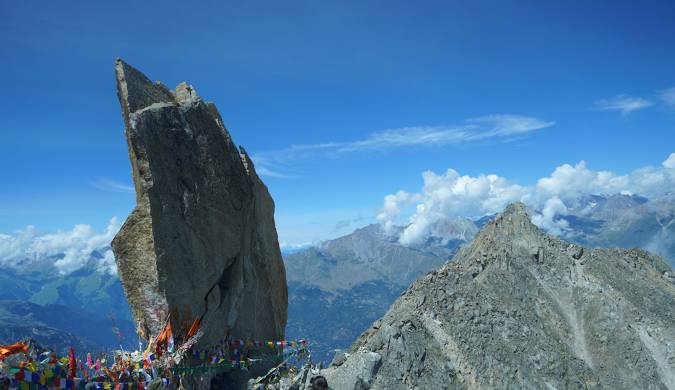
Rock climbing on Shey Rock (Ladakh)
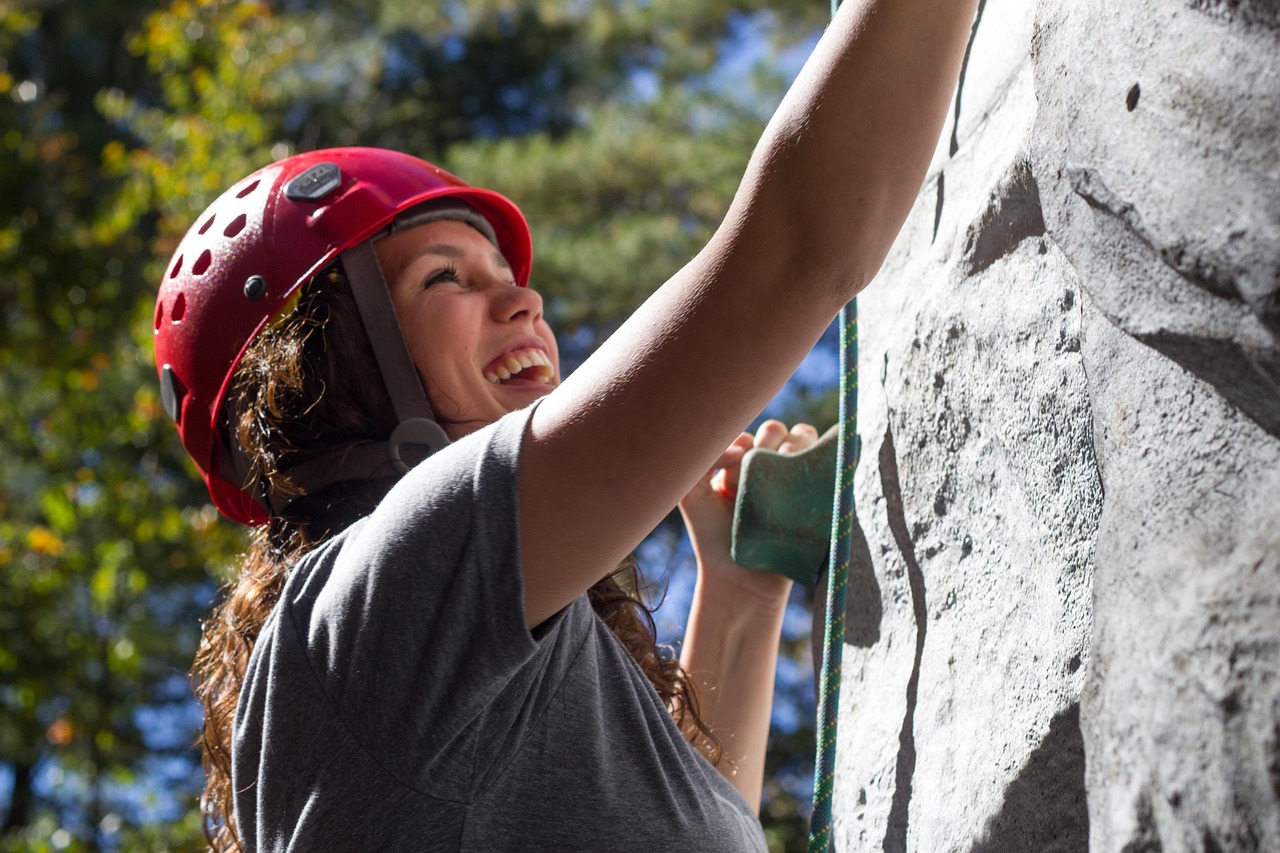
Rock climbing in Pune
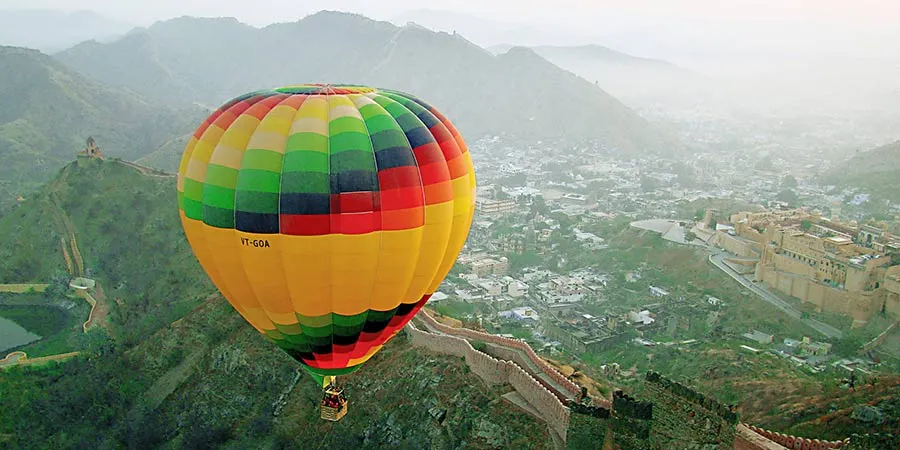
Hot Air Balloon Ride in Jaipur
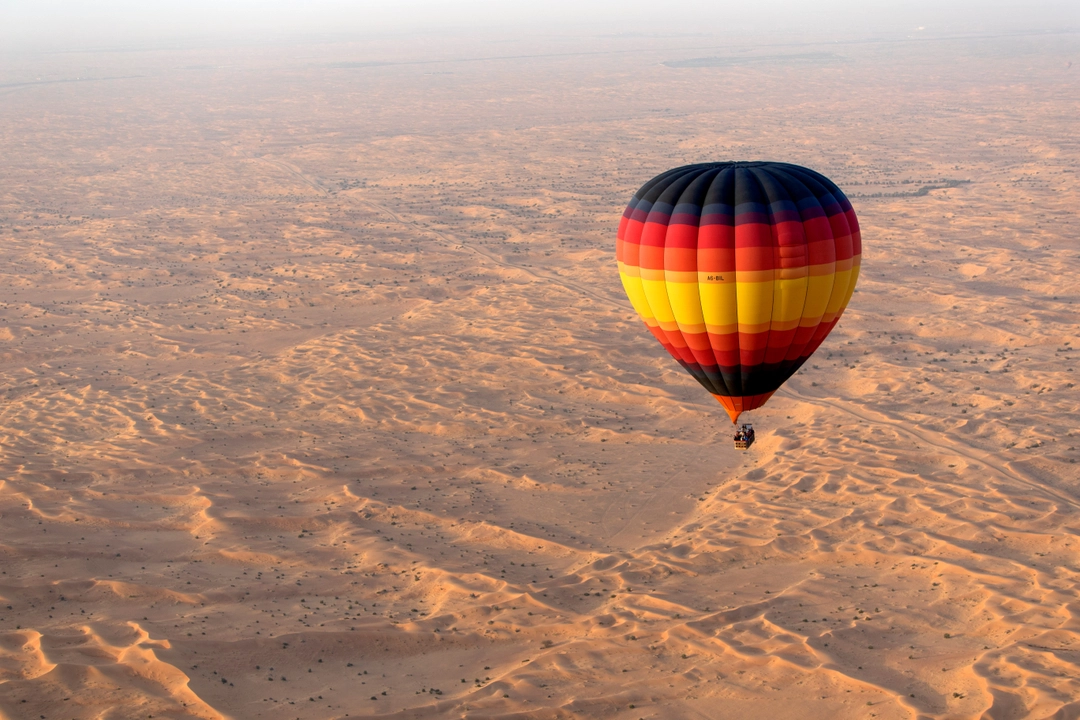
Hot Air Balloon Ride in Pushkar
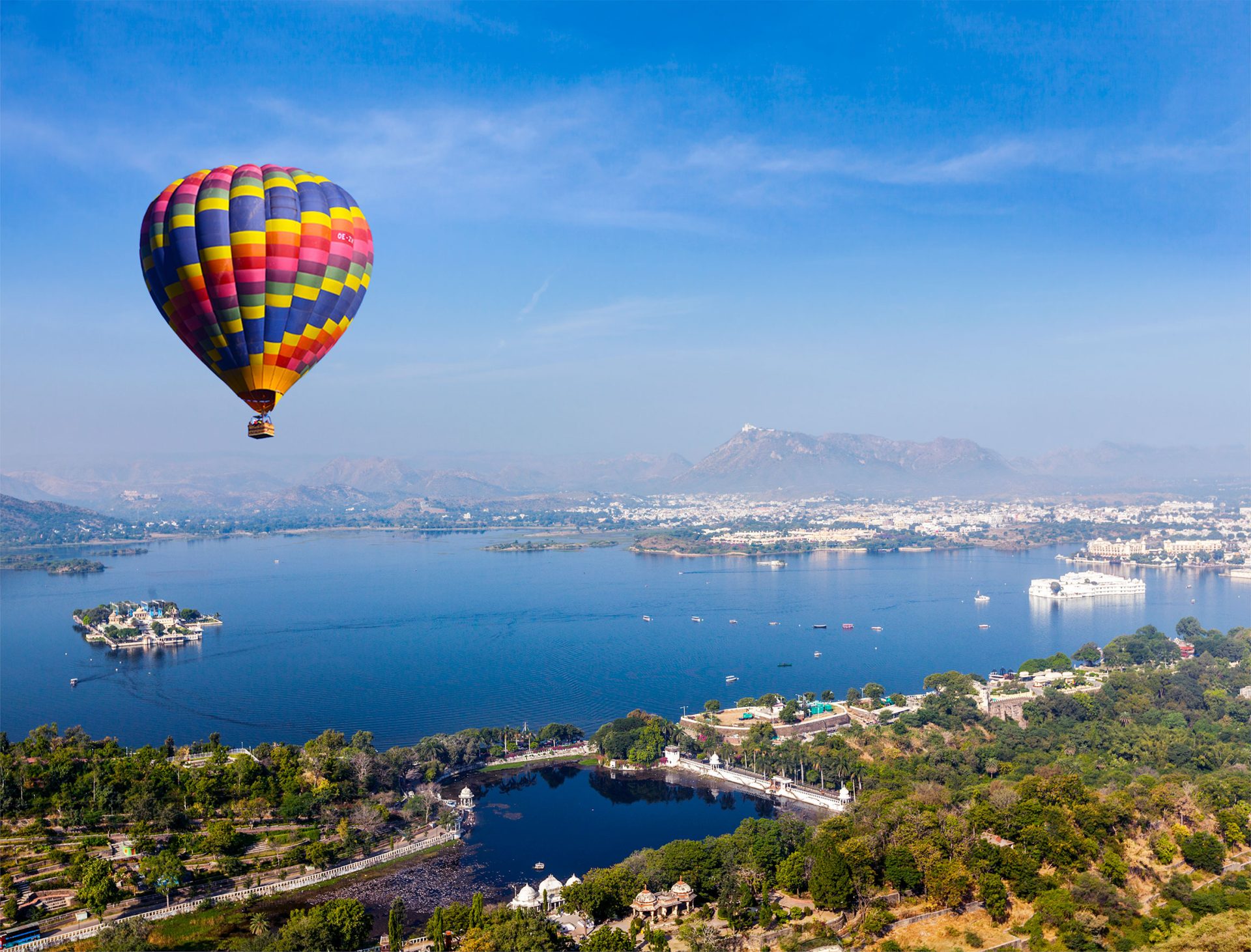
Hot Air Balloon Ride in Udaipur
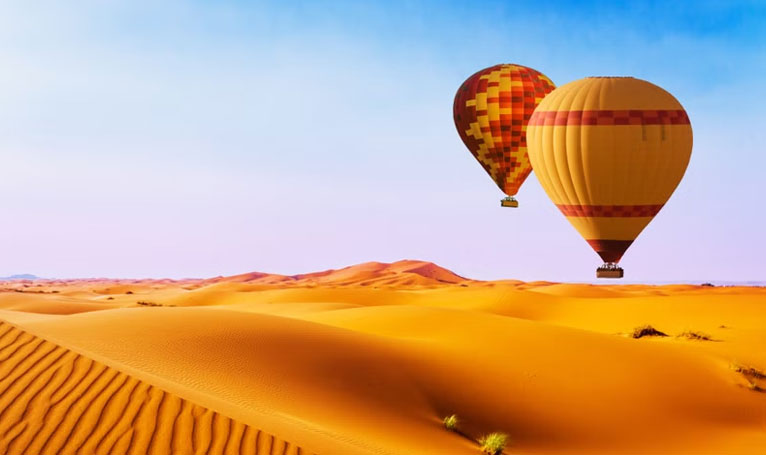
Hot Air Balloon Ride in Jaisalmer
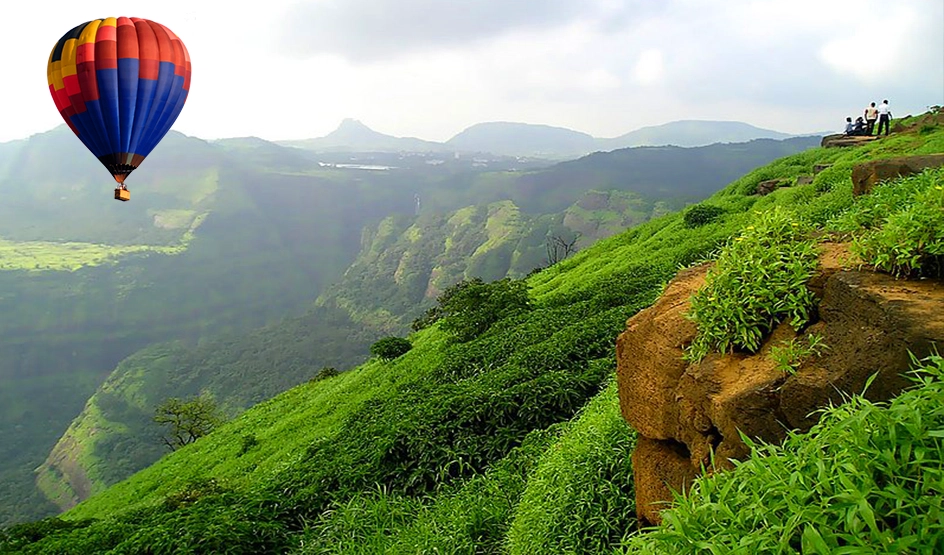
Hot Air Balloon Ride in Lonavala
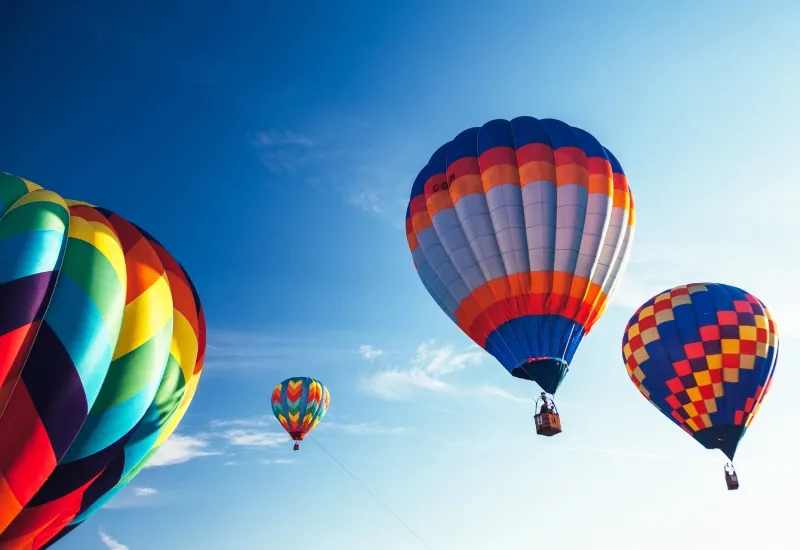
Hot air balloon ride in Mysore
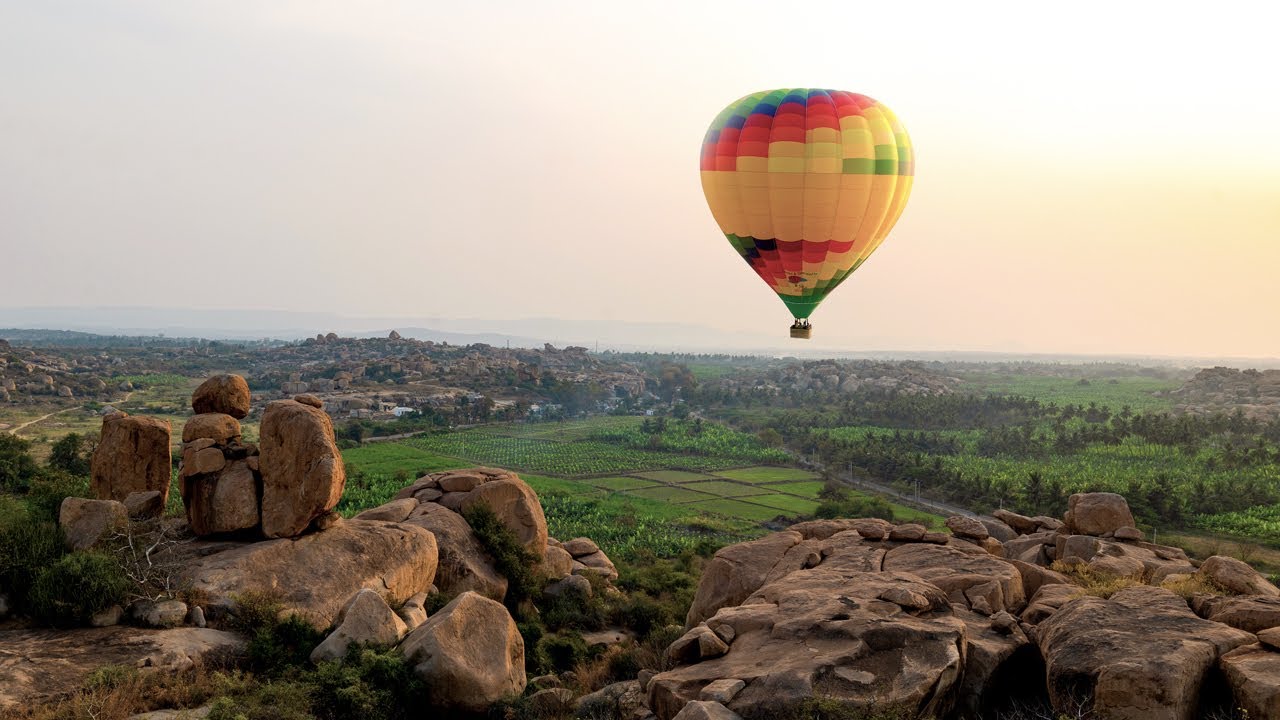
Hot air balloon ride in Hampi
Hot air balloon ride in Nainital
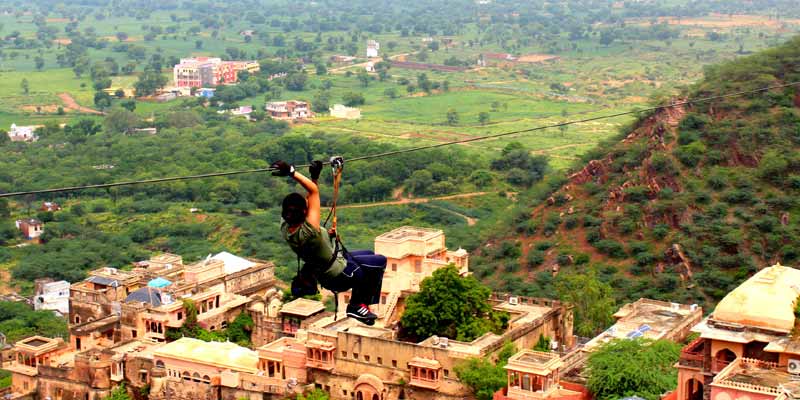
Zip Line ride in Neemrana
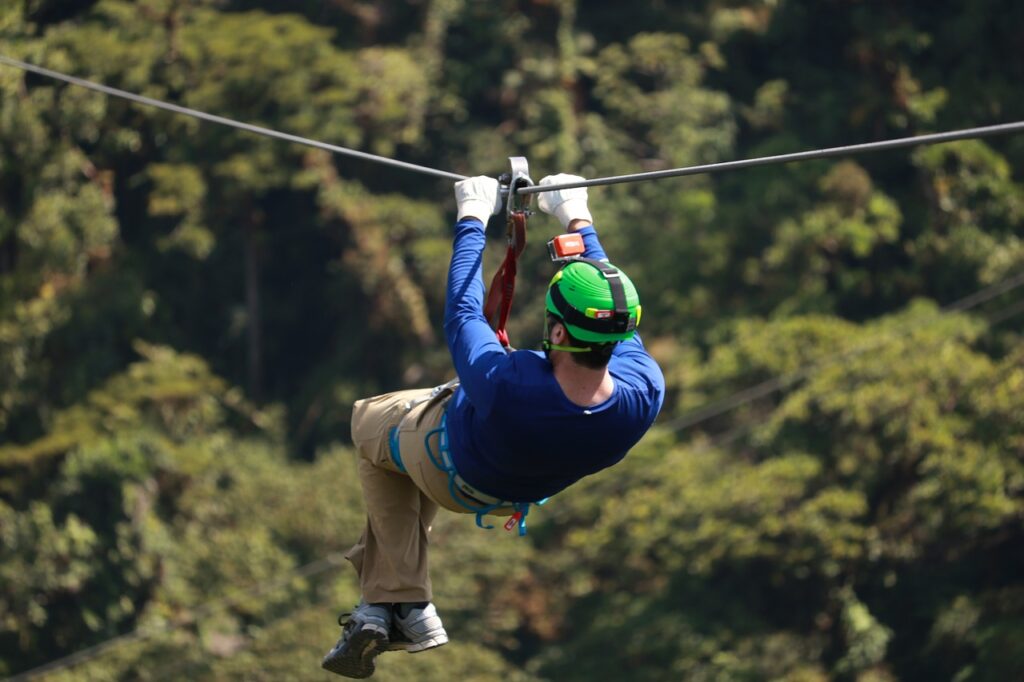
Kikar Lodge Zip Line
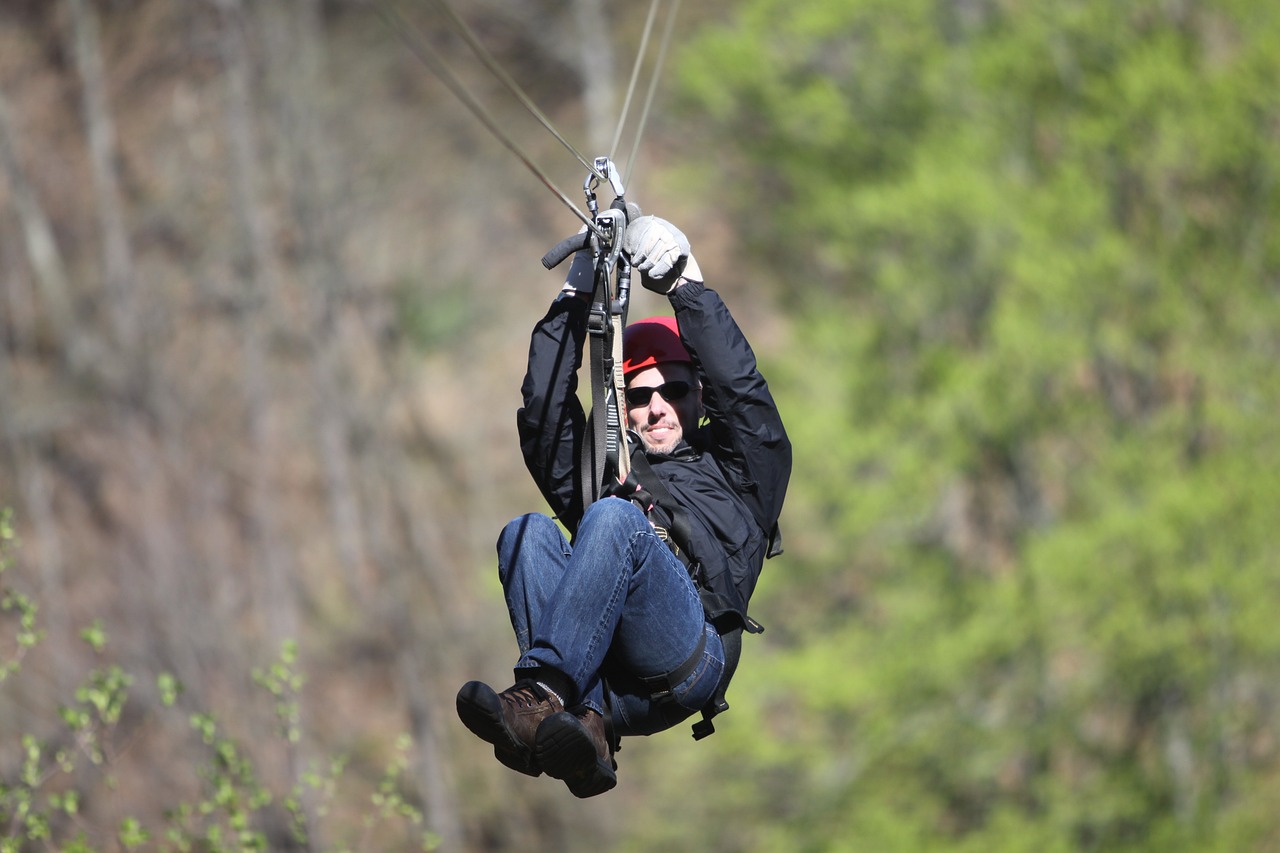
Zip Line ride in Rishikesh
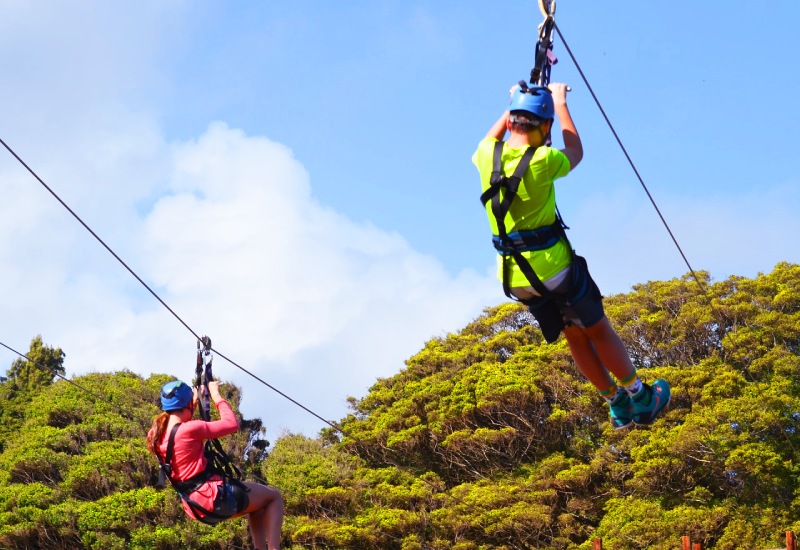
Zip Line ride in Mussoorie
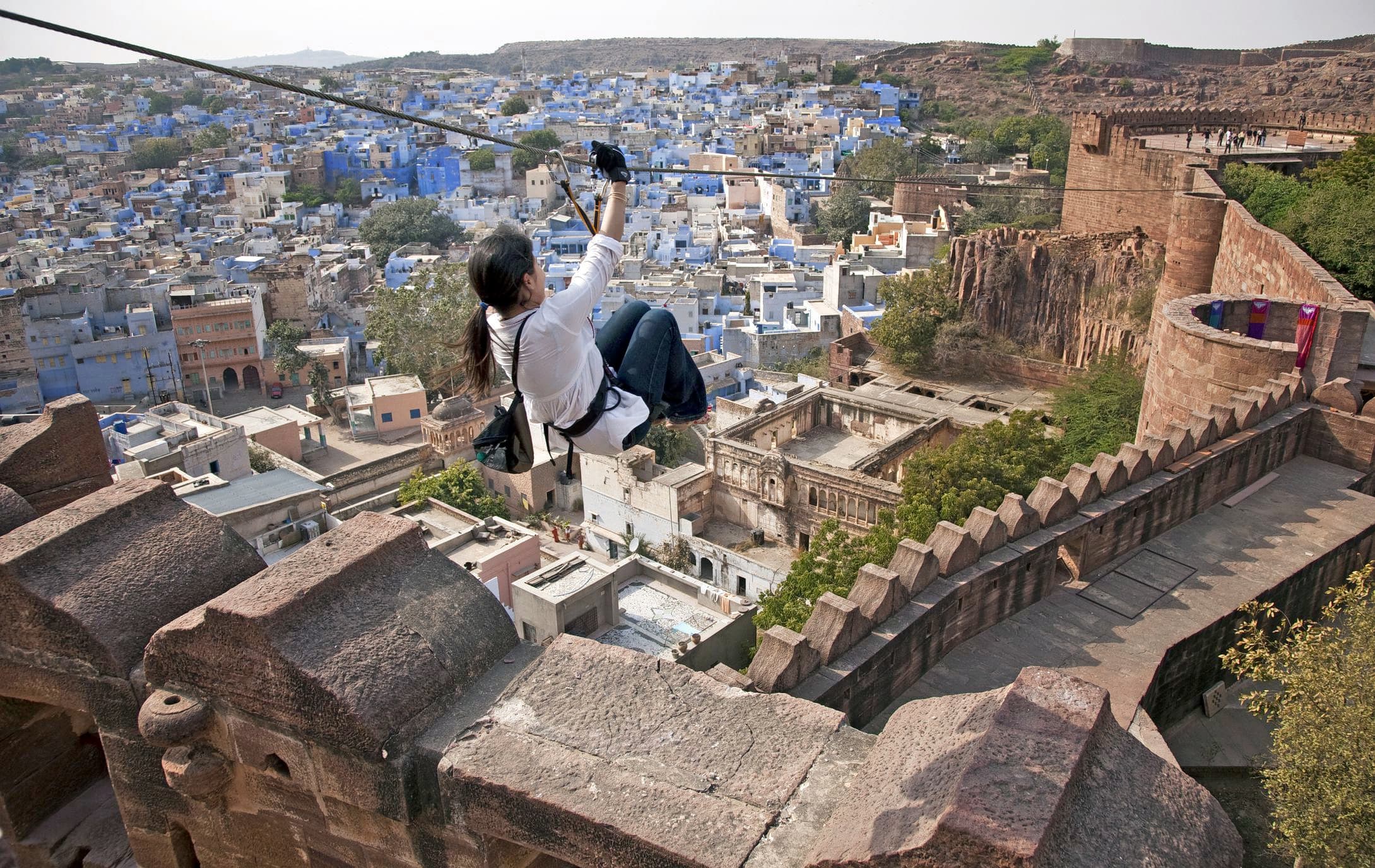
Zip Line ride in Jodhpur
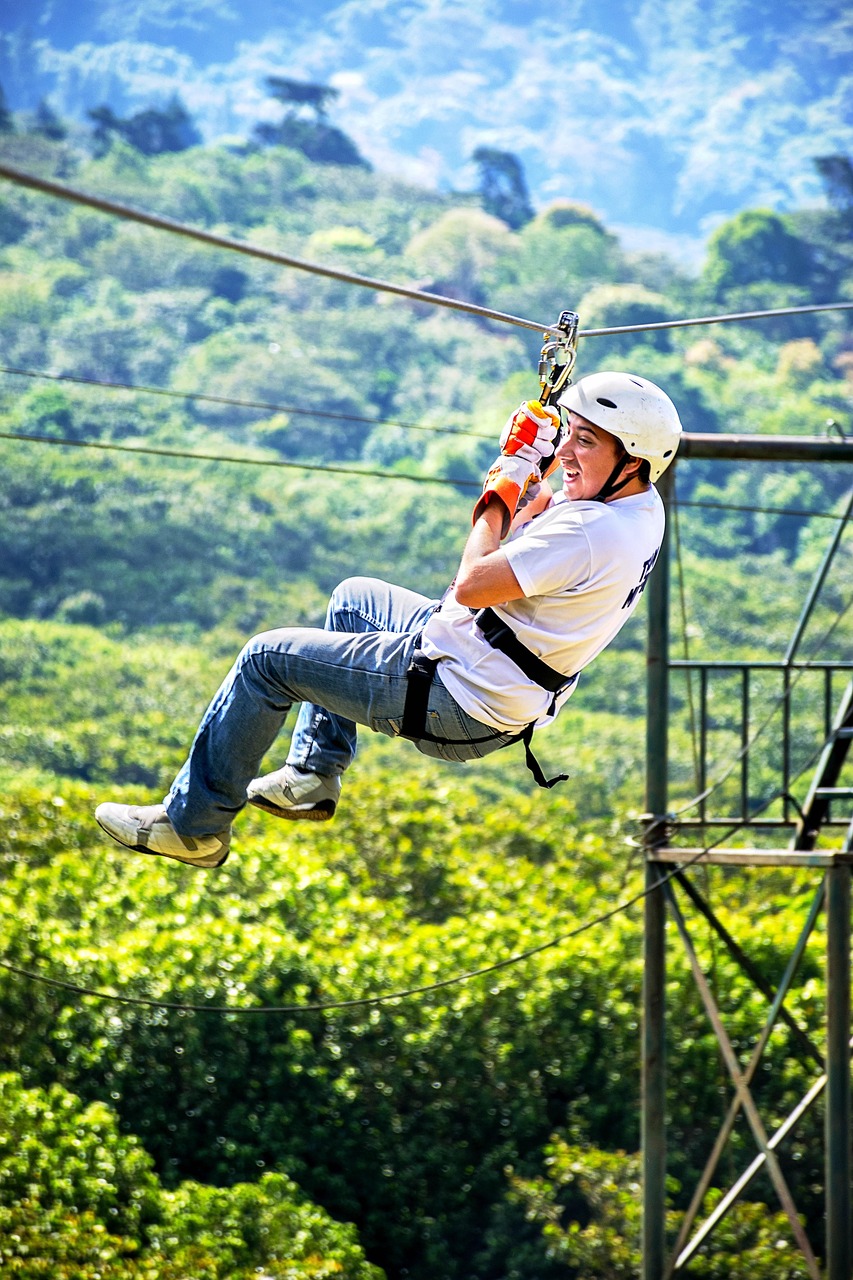
Zip Line ride in Munnar
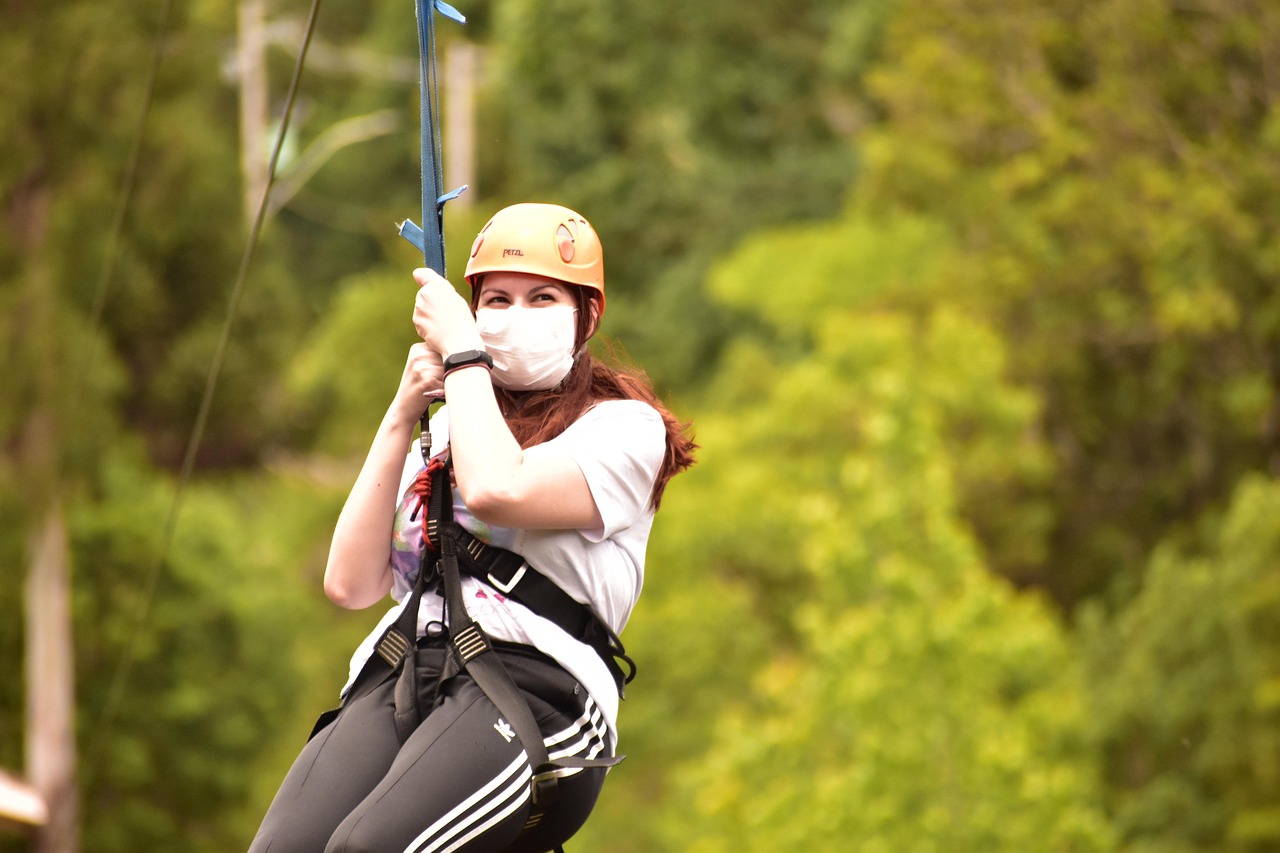
Zip Line ride in Manali
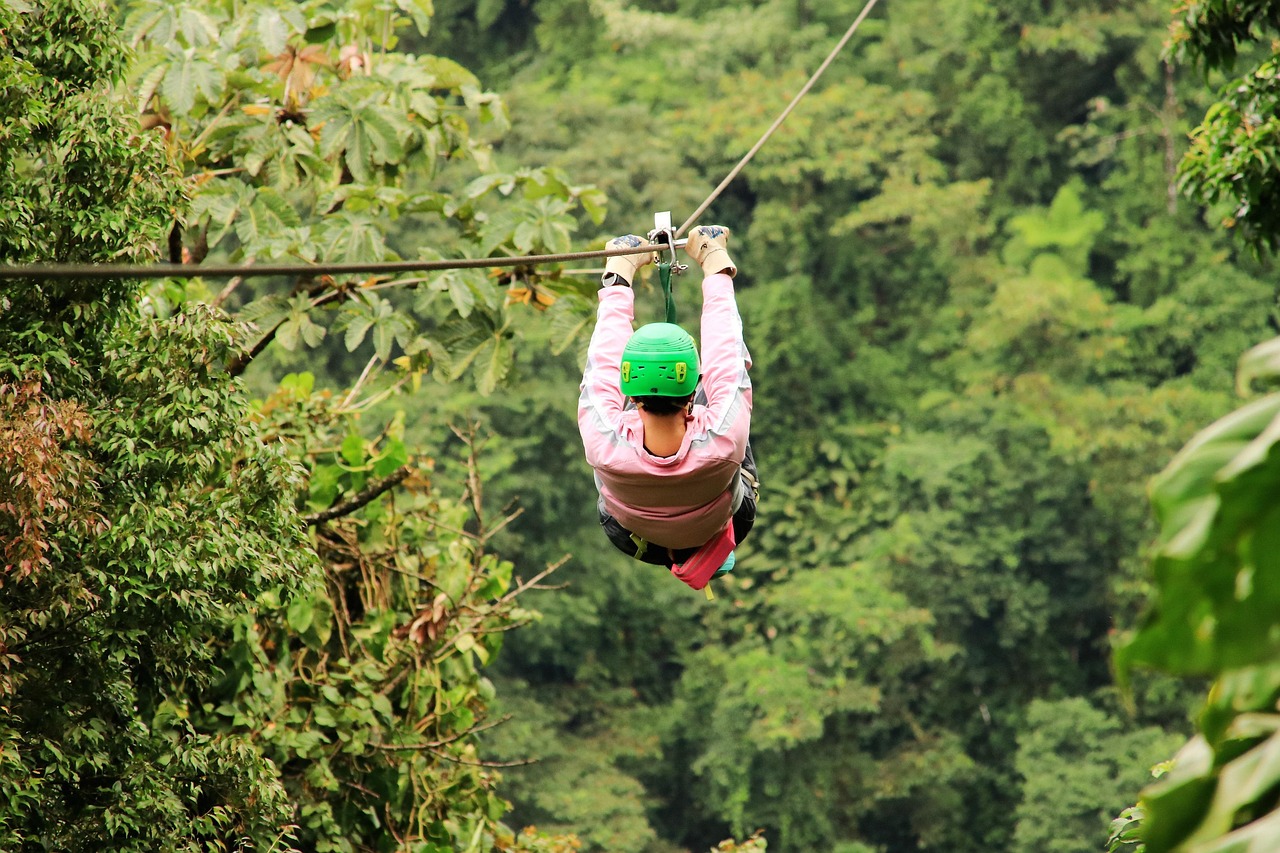
Zip Line ride in Darjeeling
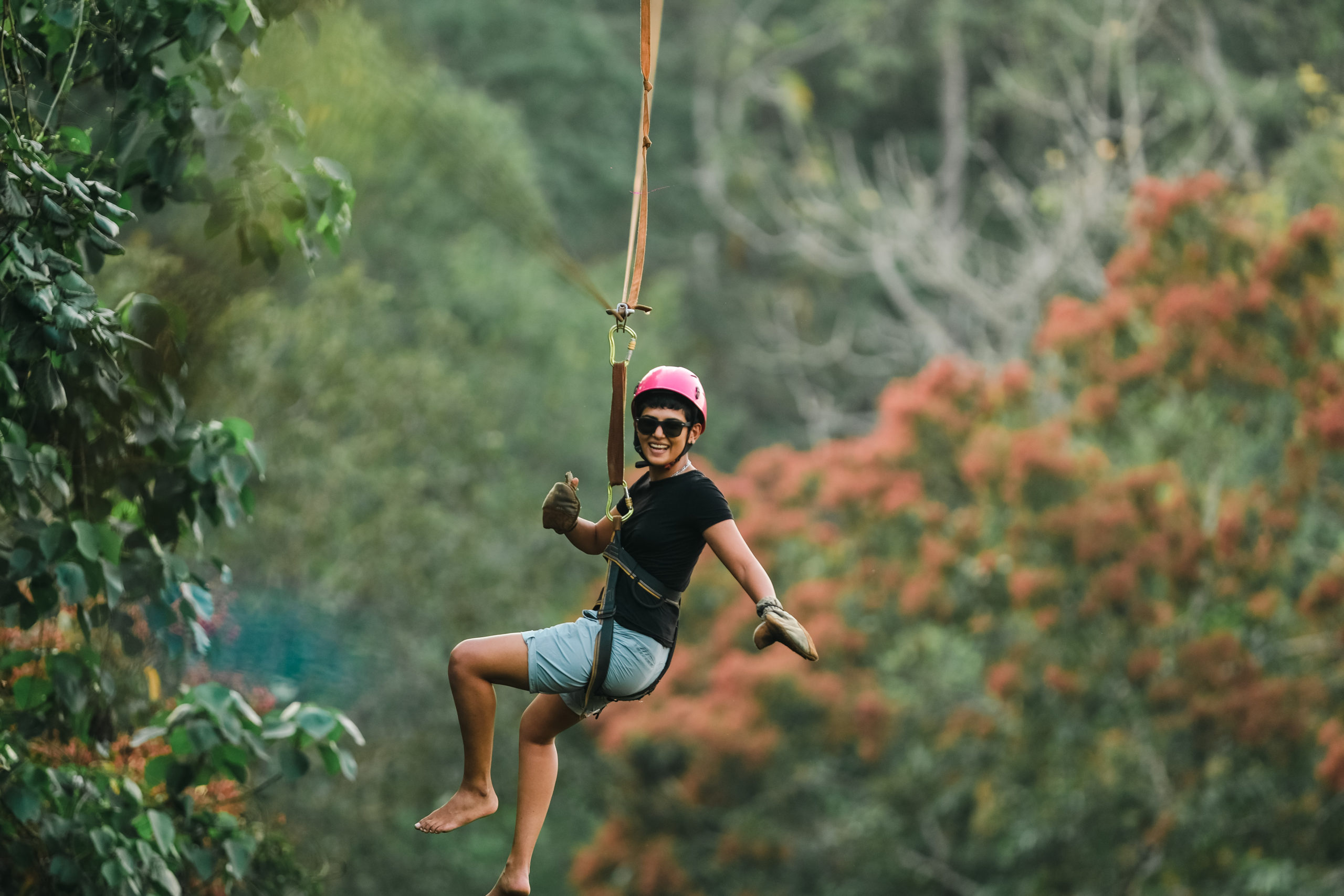
Zip Line ride in Goa
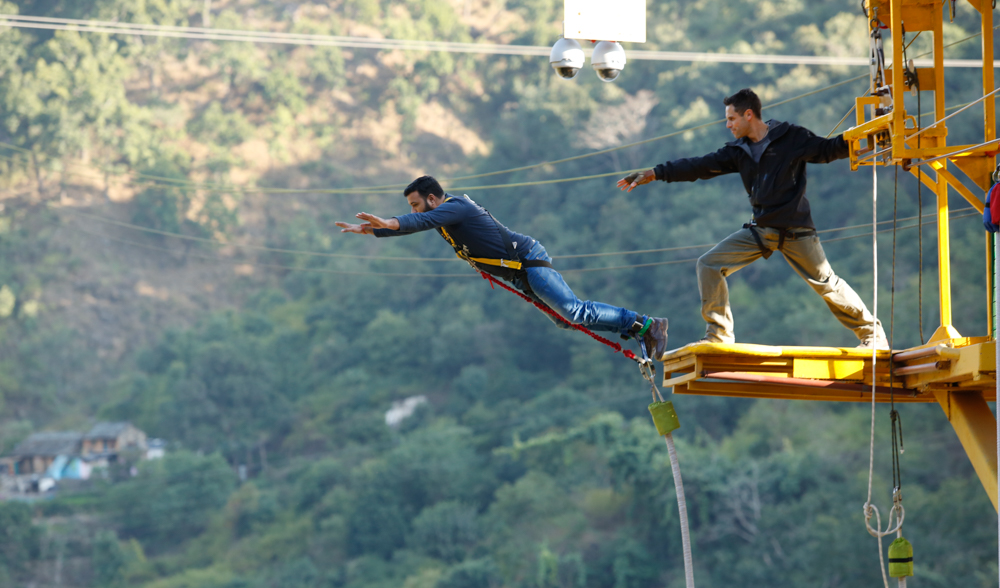
Bungee Jumping in Rishikesh
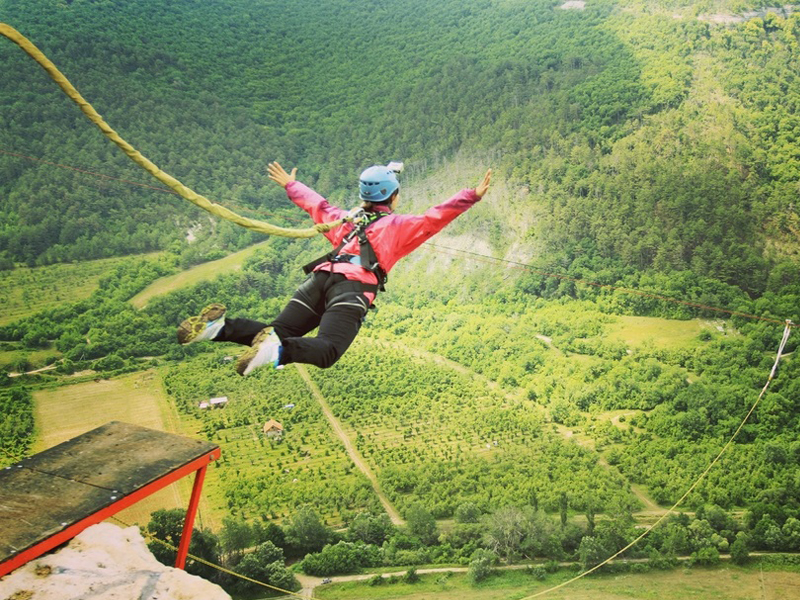
Bungee Jumping in Udaipur
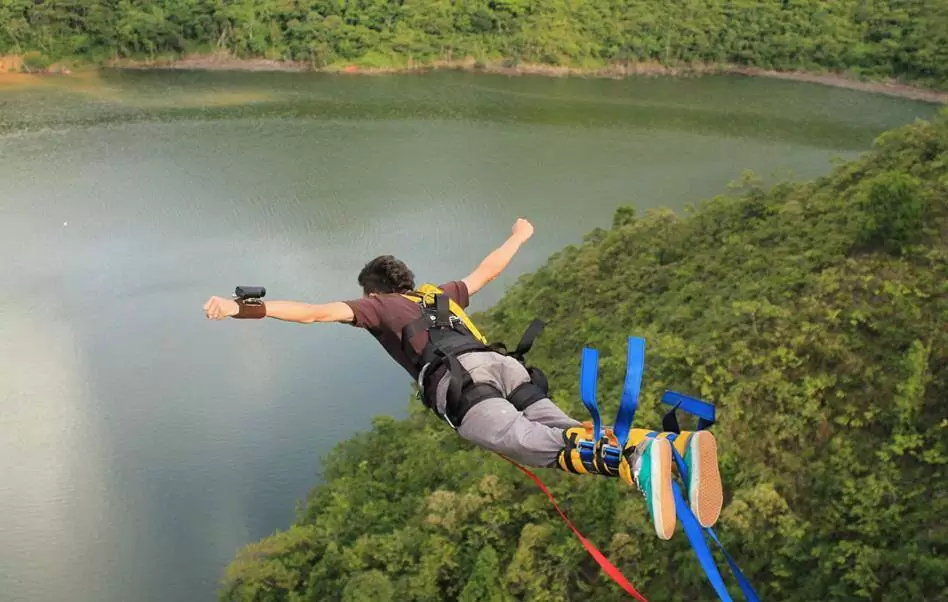
Bungee Jumping in Goa
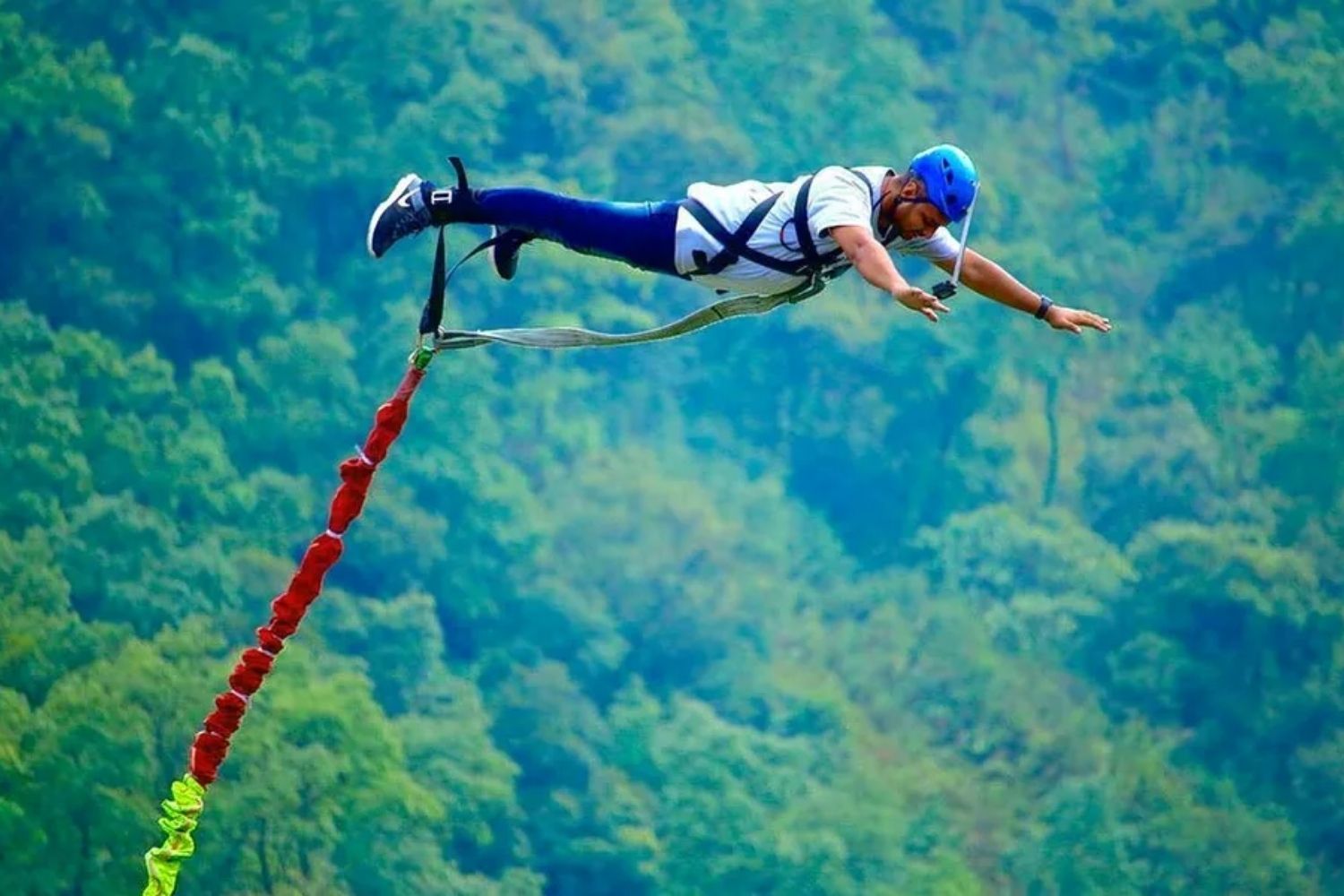
Bungee Jumping in Lonavala
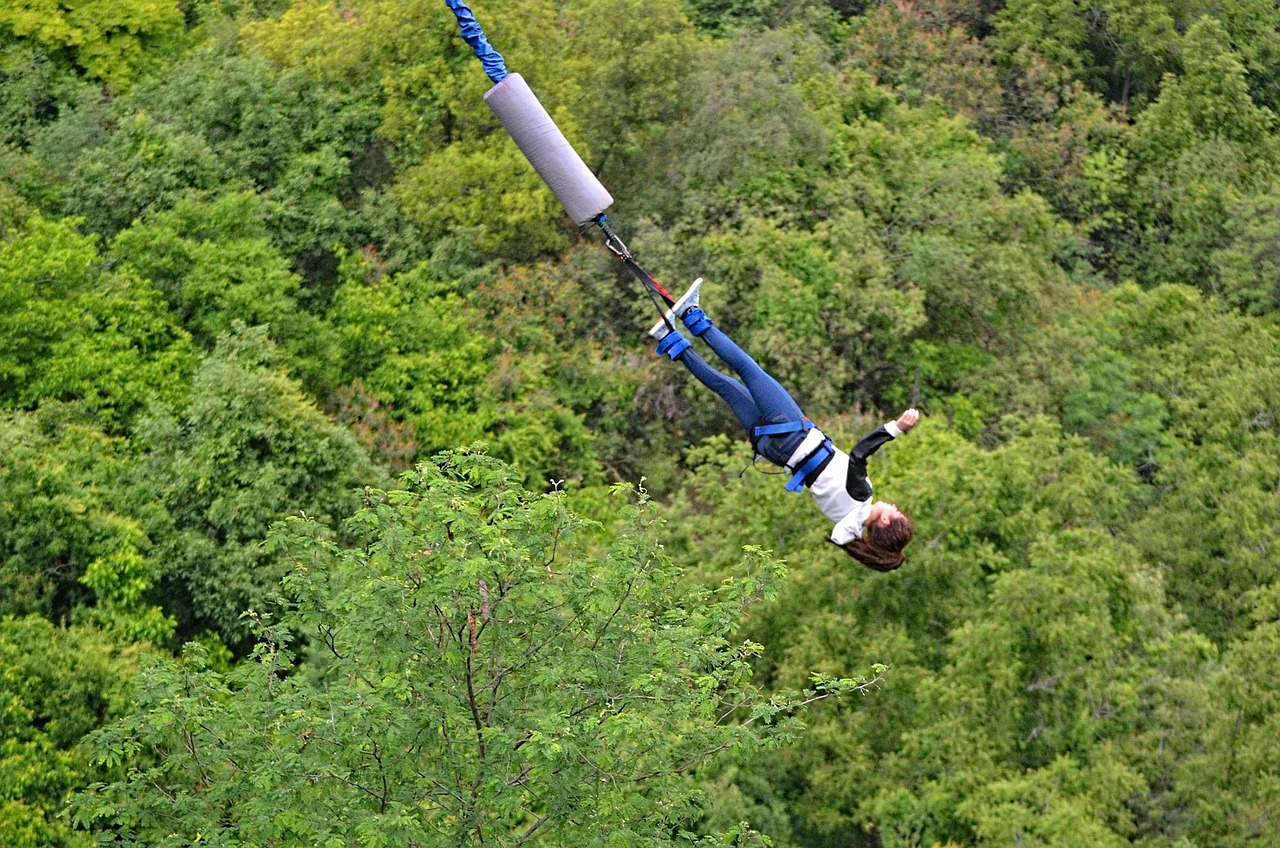
Bungee jumping in Bangalore
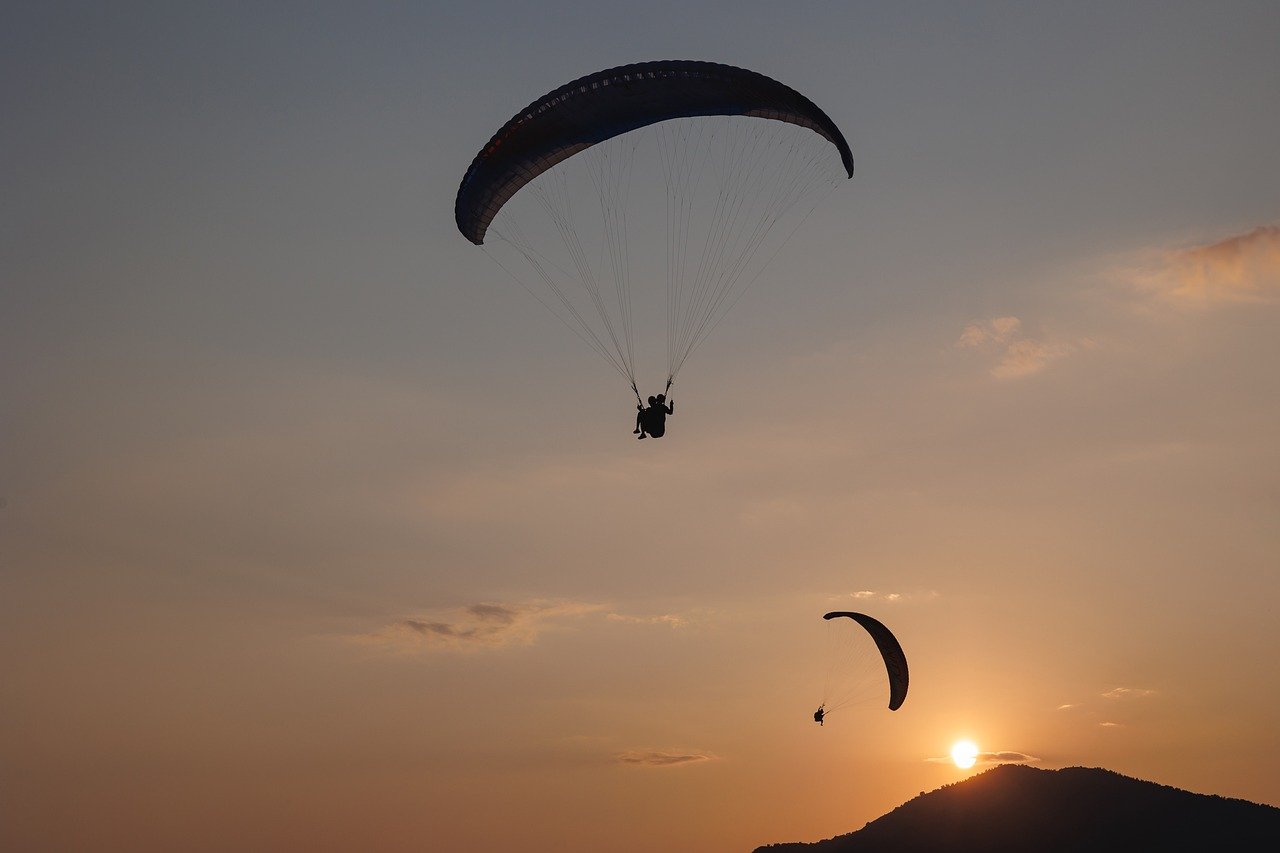
Paragliding in Bir Billing
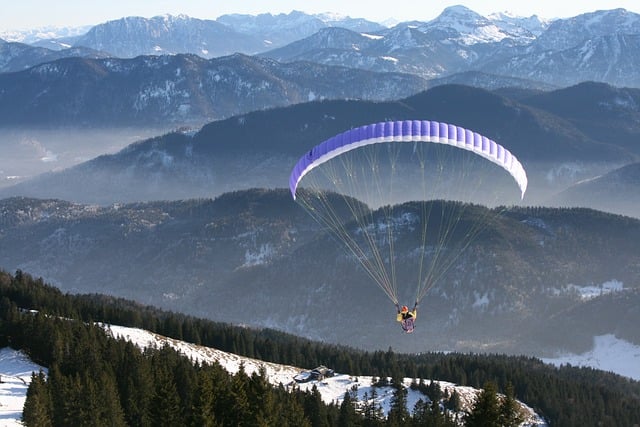
Paragliding in Manali
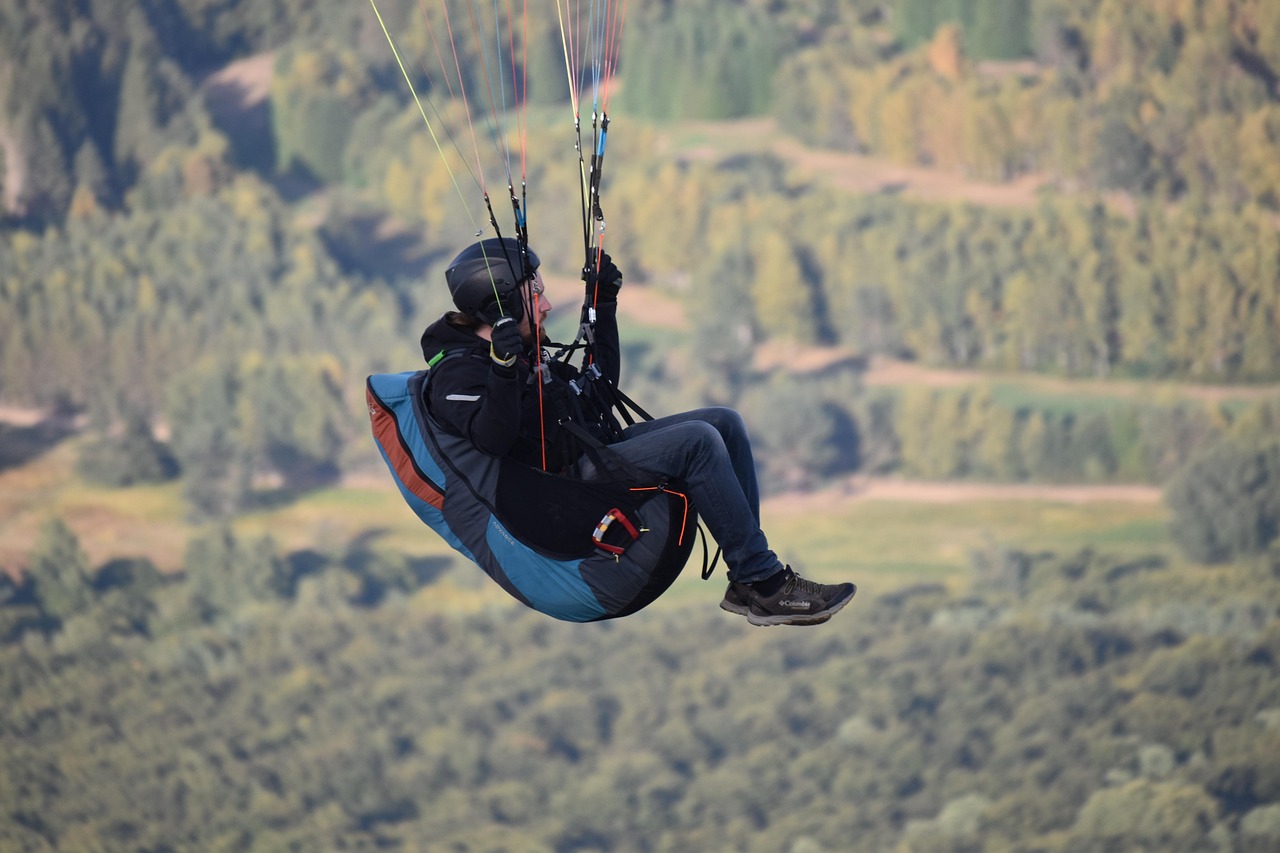
Paragliding in Nainital
Paragliding in Kamshet
Paragliding in Ranikhet and Mukteshwar
Paragliding in Gangtok
Paragliding in Arambol, Goa
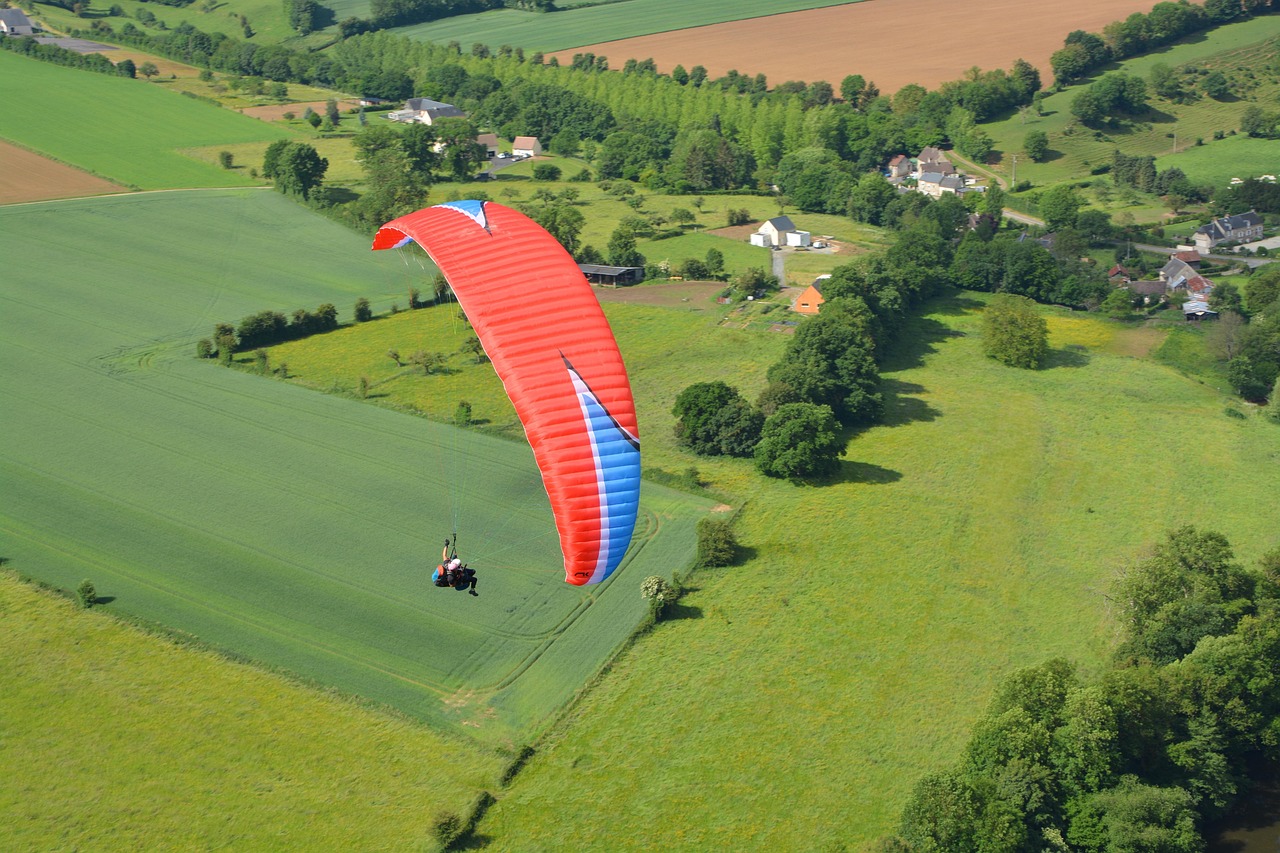
Paragliding in Pavagadh, Gujarat
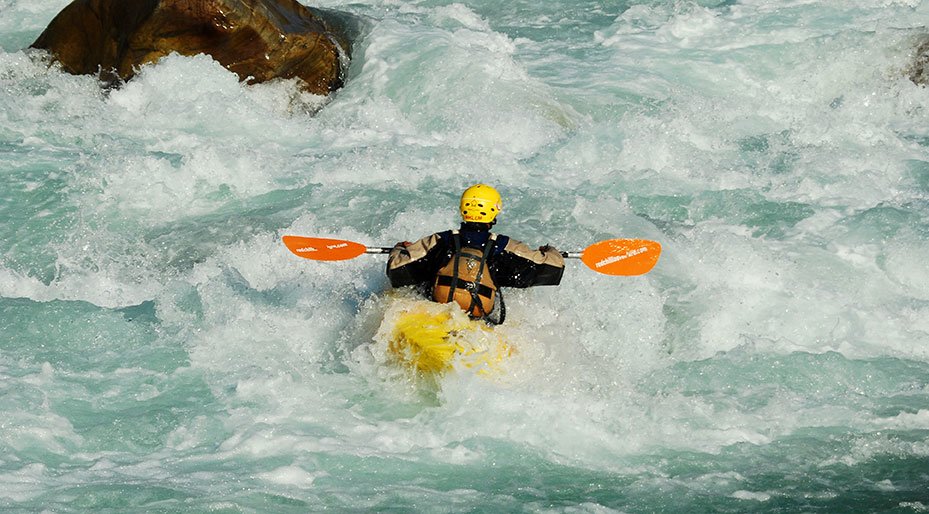
Kayaking in Rishikesh
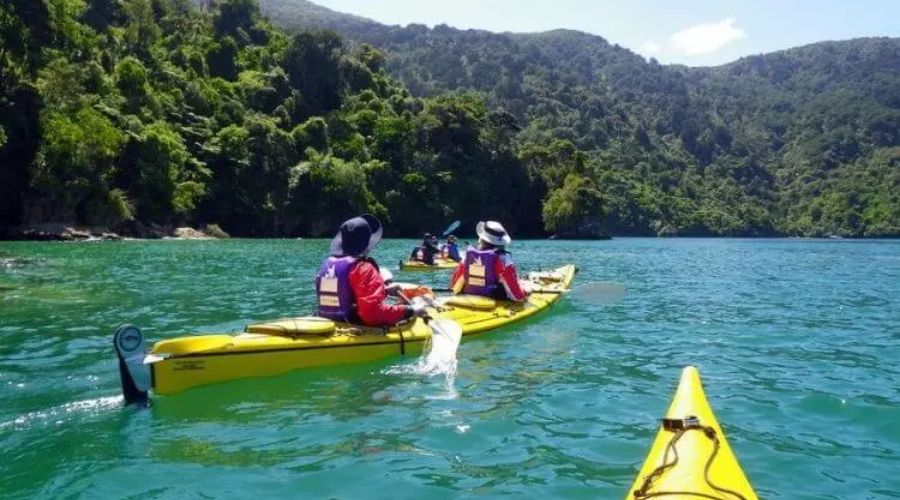
Kayaking in Andaman and Nicobar Islands
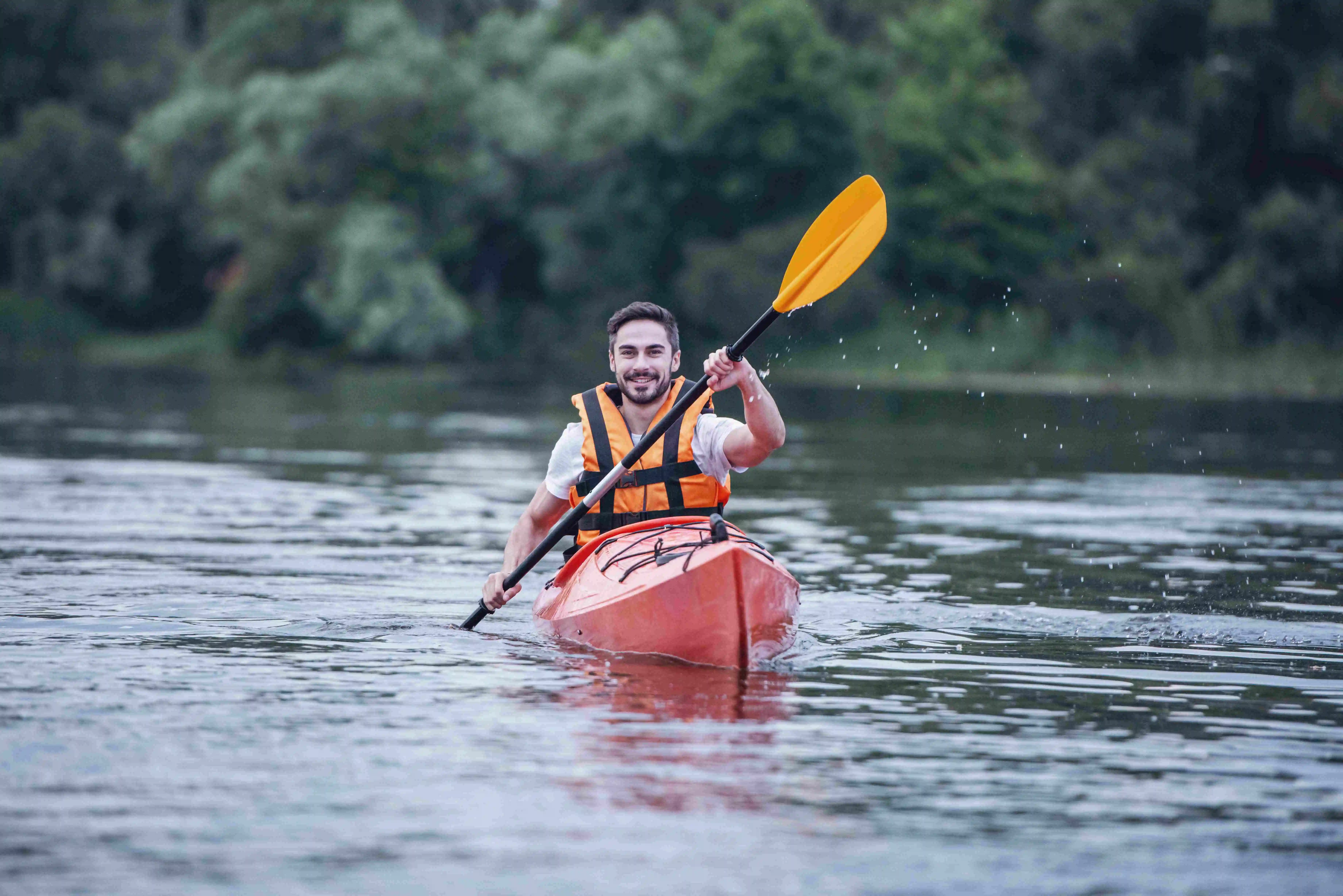
Kayaking in Kerala
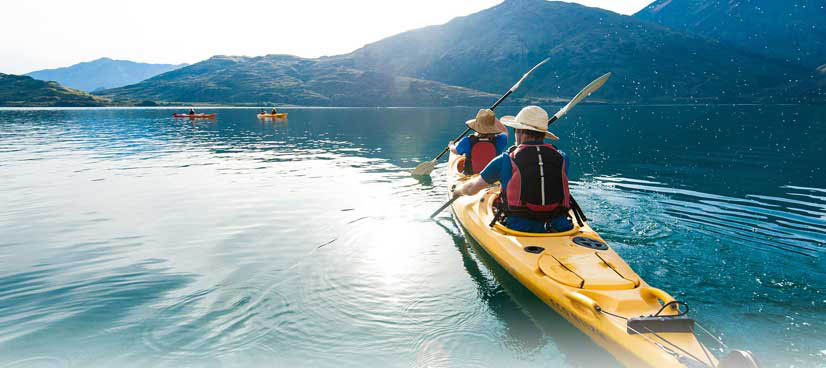
Kayaking in Sikkim
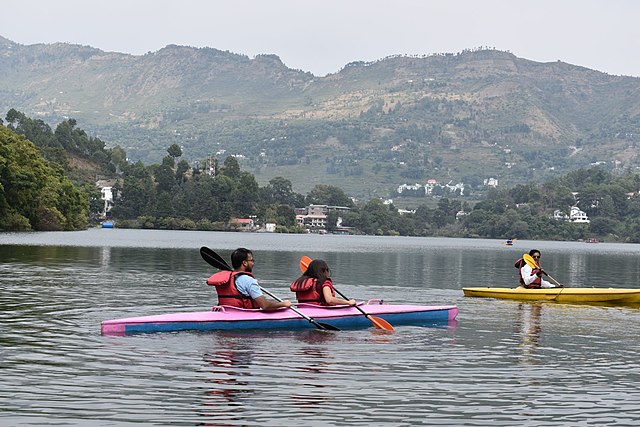
Kayaking in Nainital
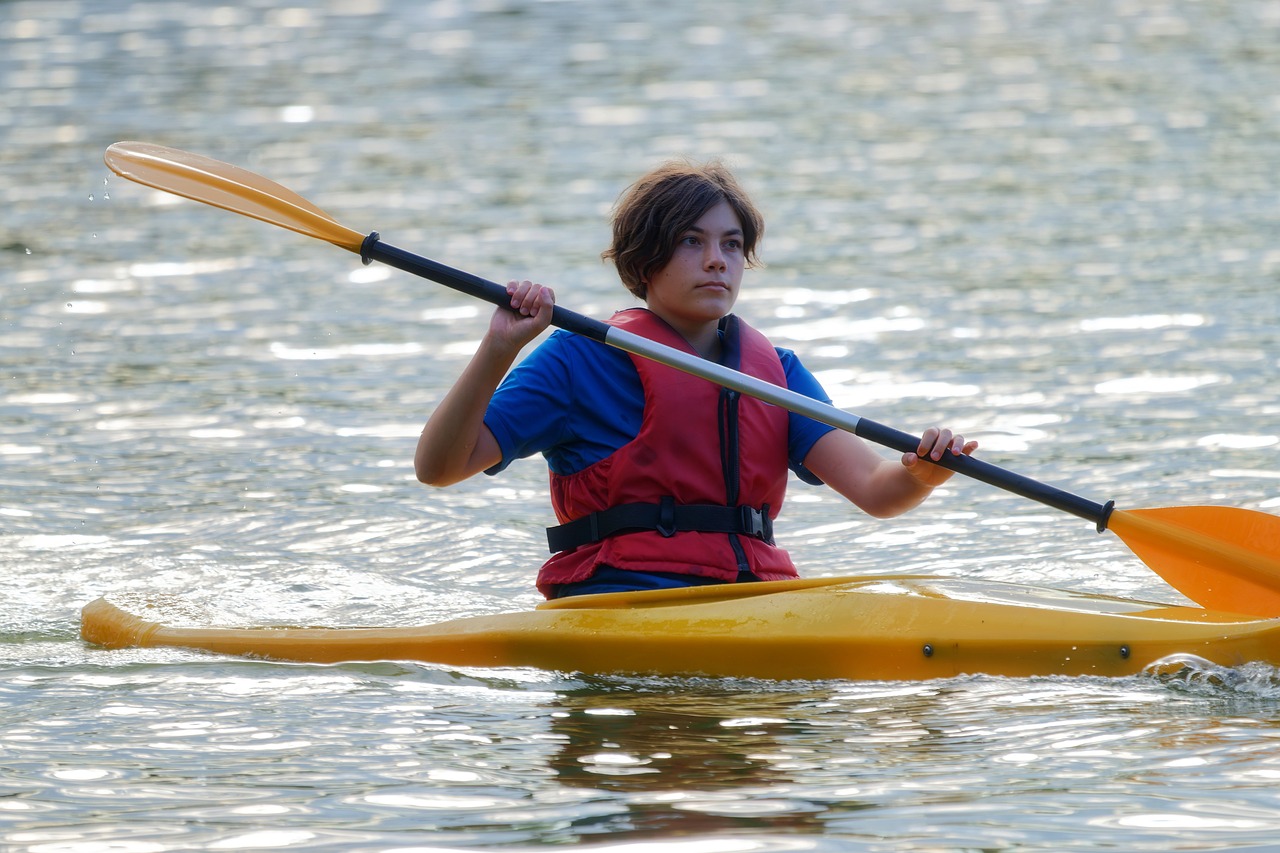
Kayaking in Tungabhadra River, Karnataka
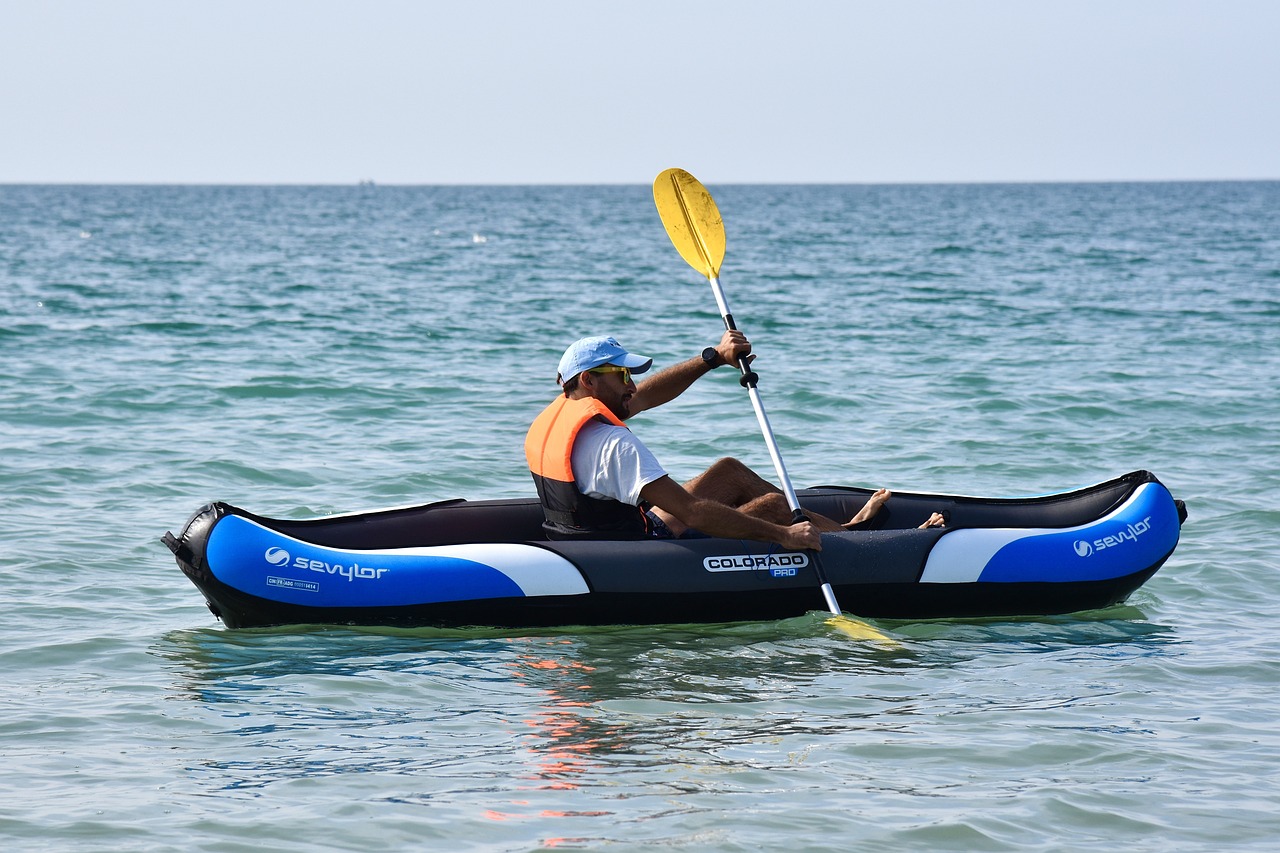
Kayaking in Pondicherry
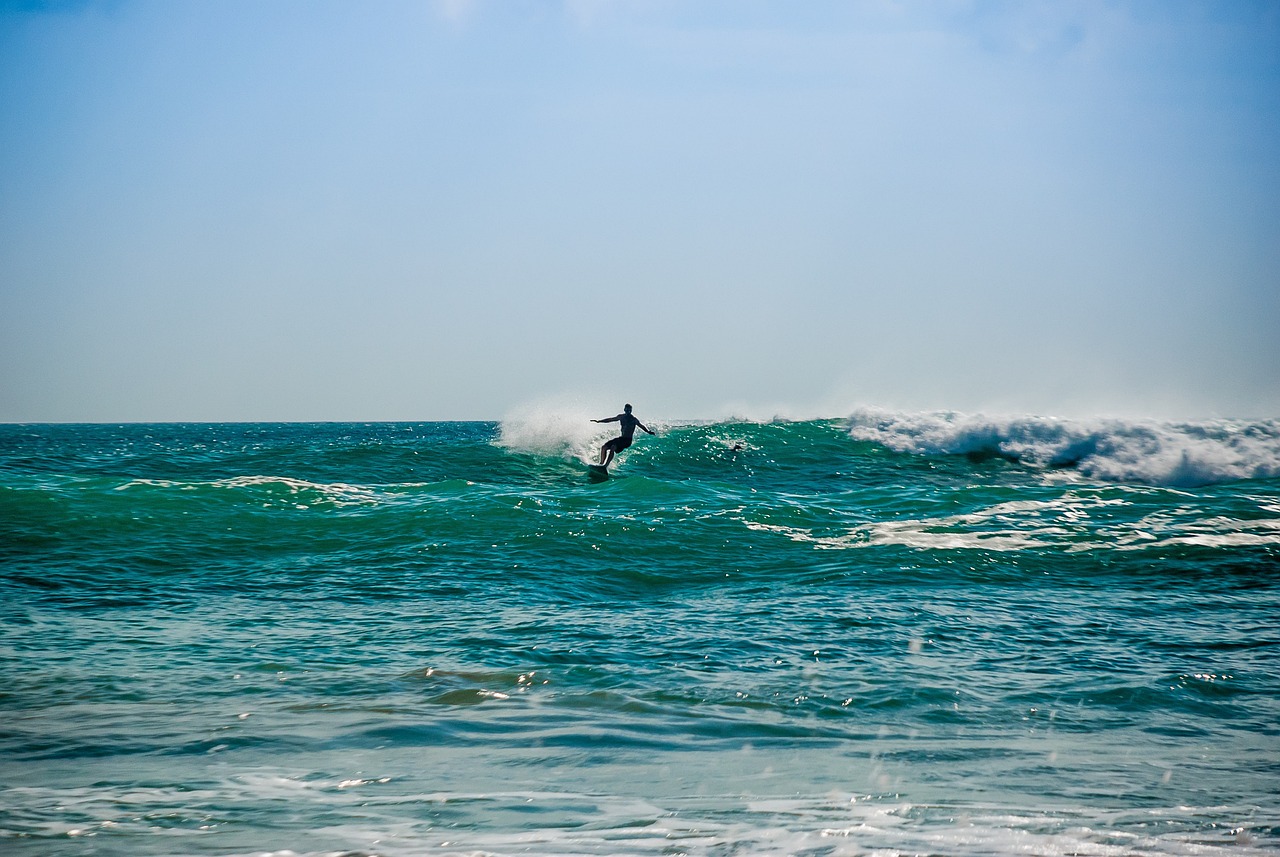
Surfing in Goa
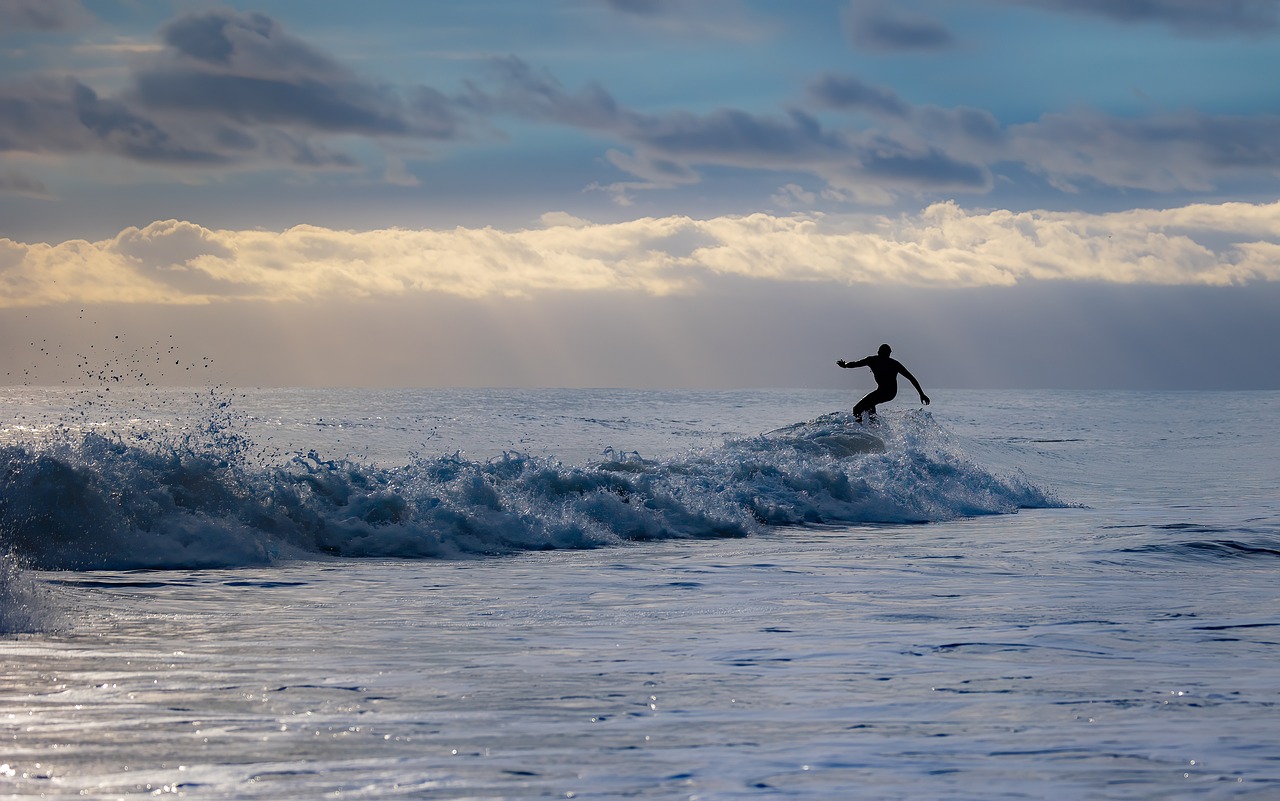
Surfing in Varkala (Kerala)
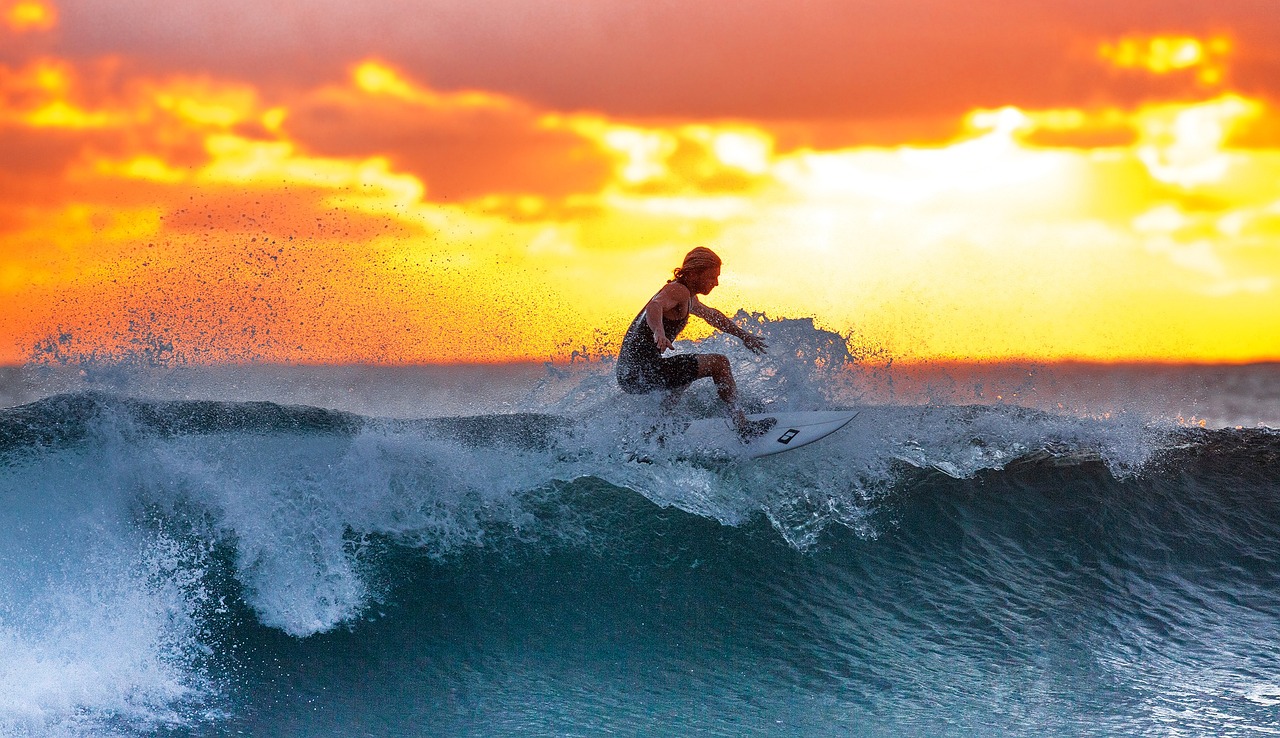
Surfing in Kovalam (Kerala)
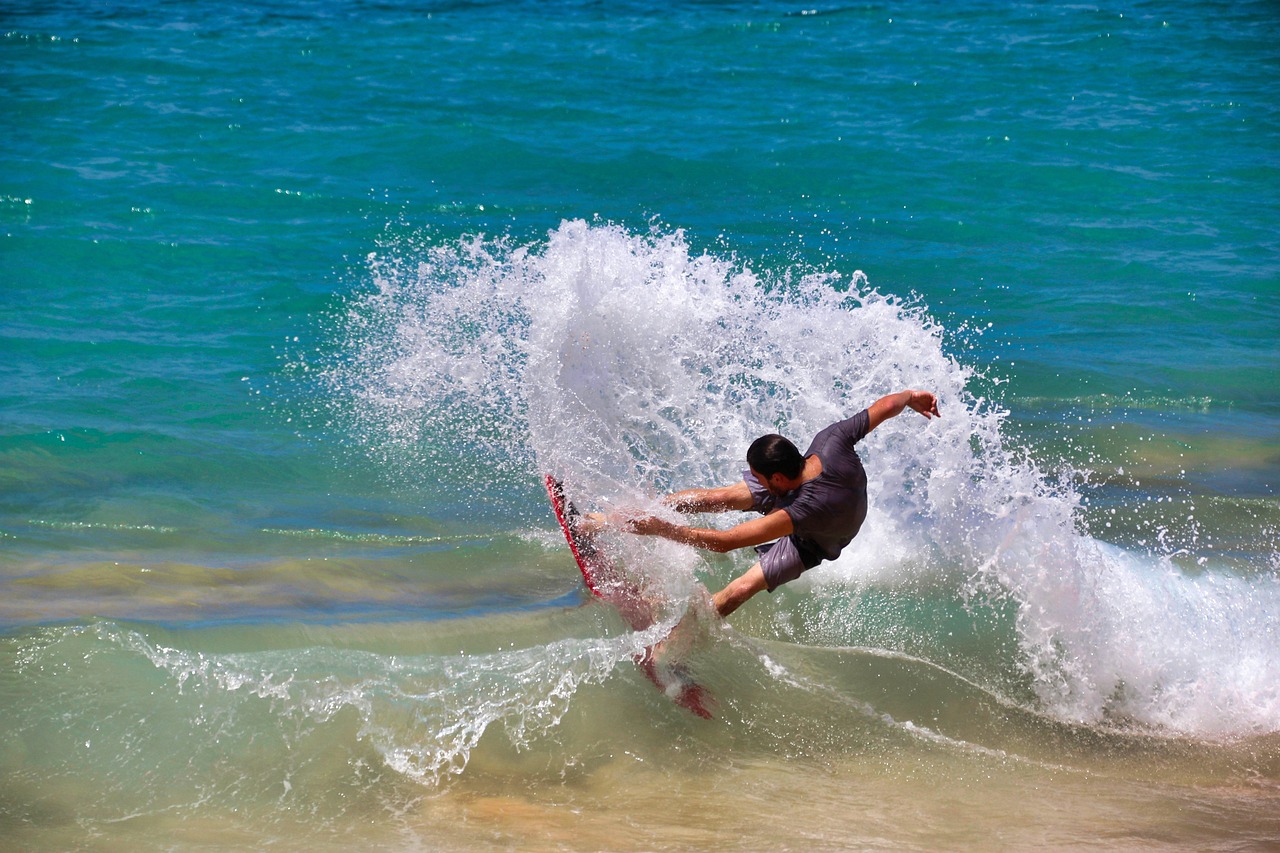
Surfing in Manapad (Tamil Nadu)

Surfing in Udupi (Karnataka)
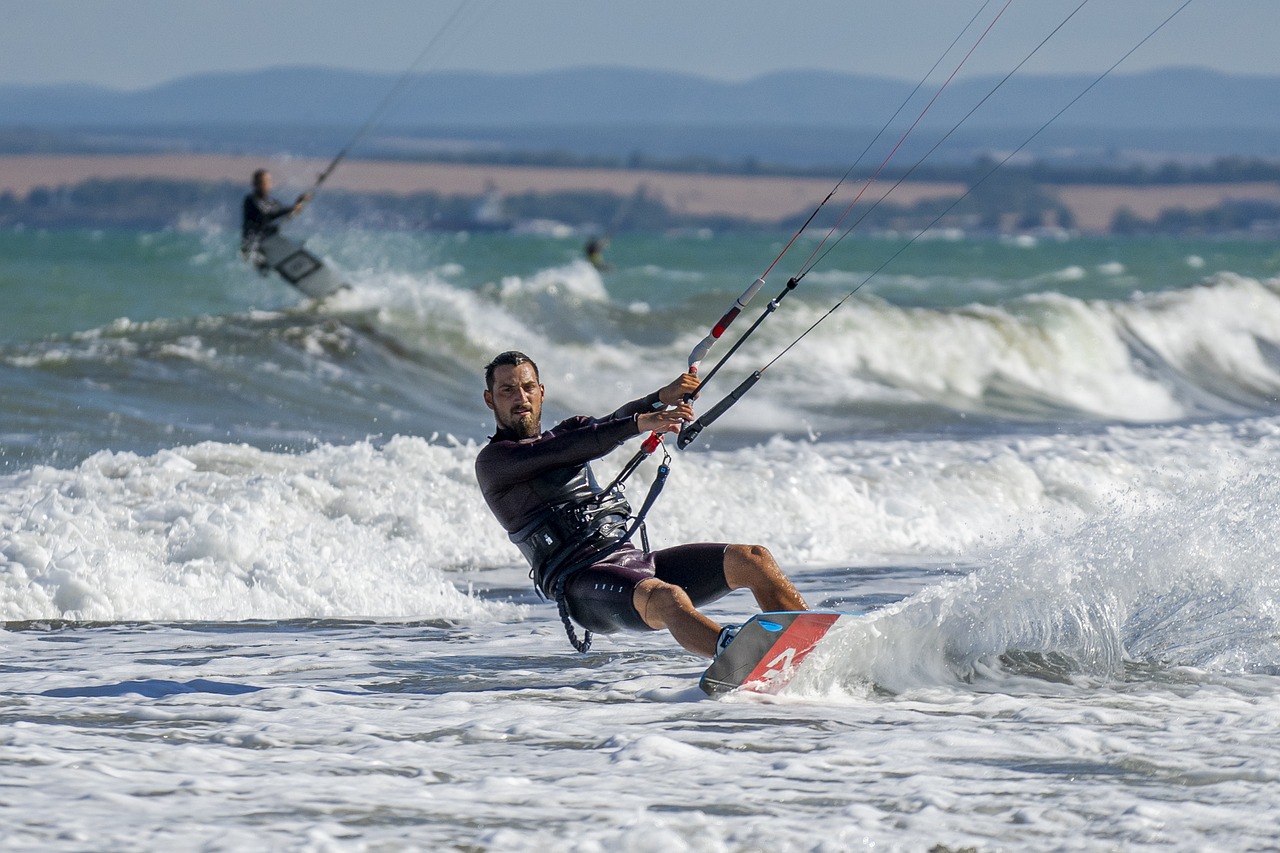
Surfing in Gokarna (Karnataka)
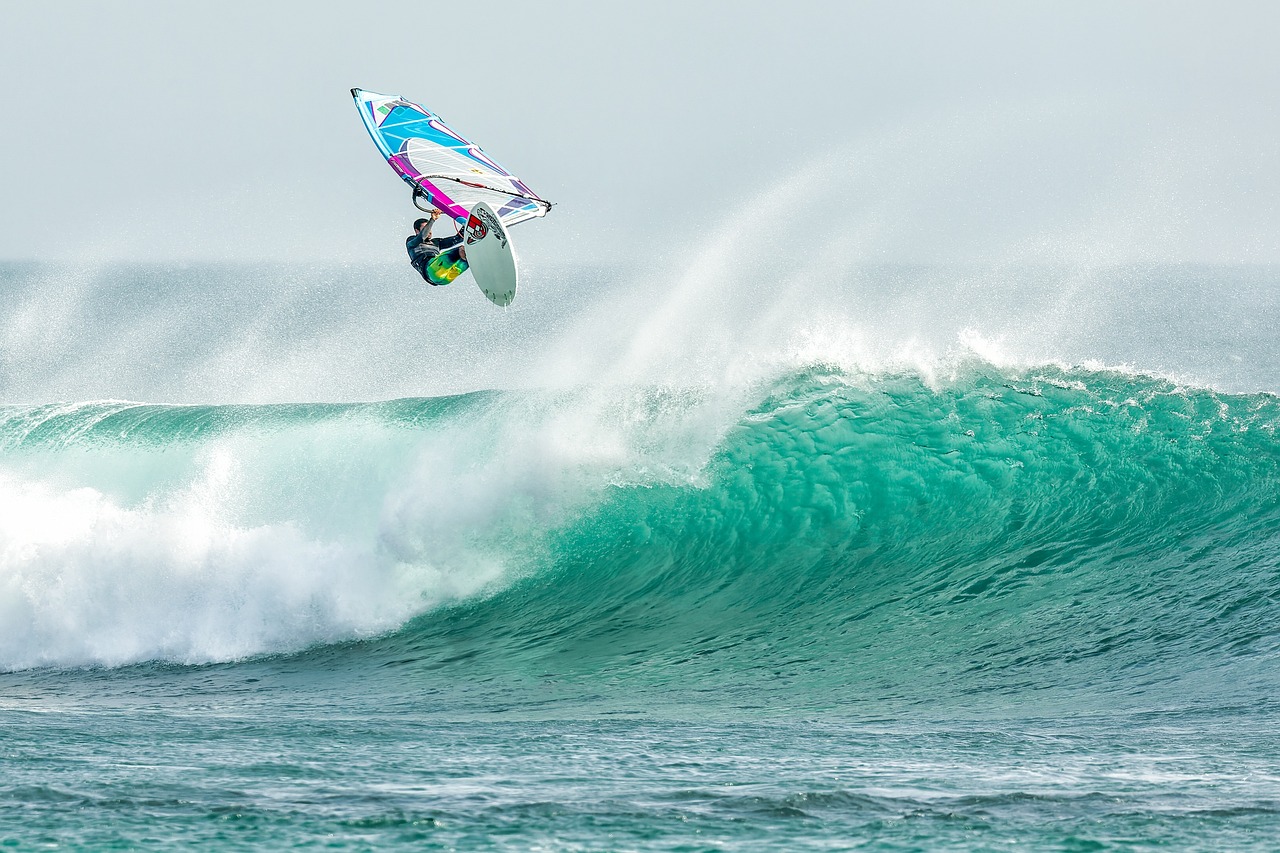
Surfing in Puducherry
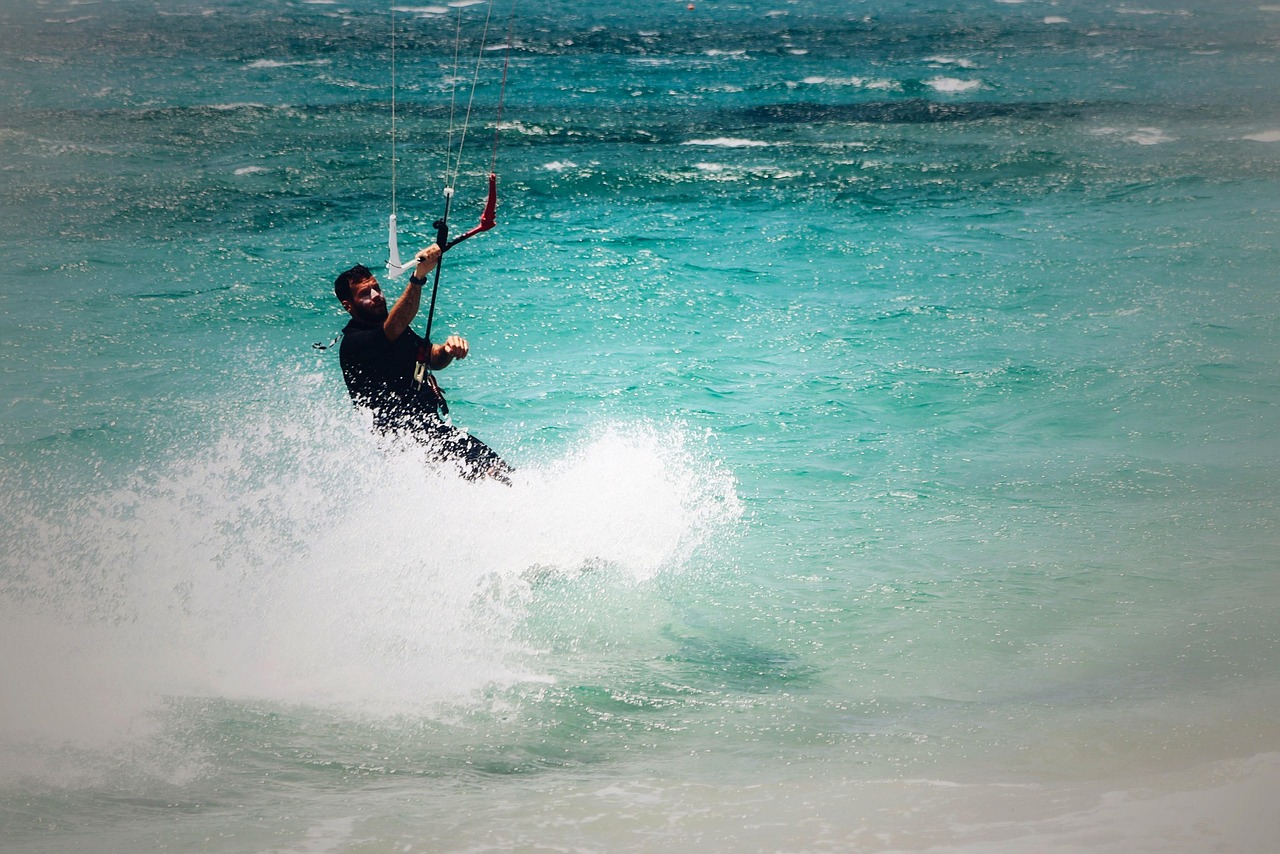
Surfing in Sindhudurg (Maharashtra)
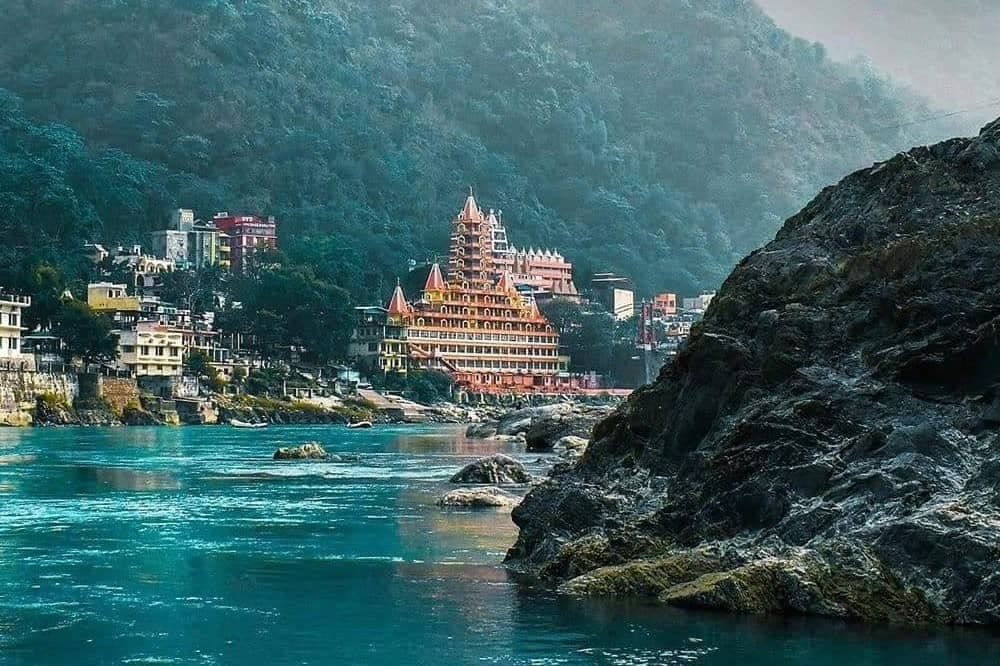
Top 10 Visiting Places in Rishikesh: Your Ultimate Travel Guide
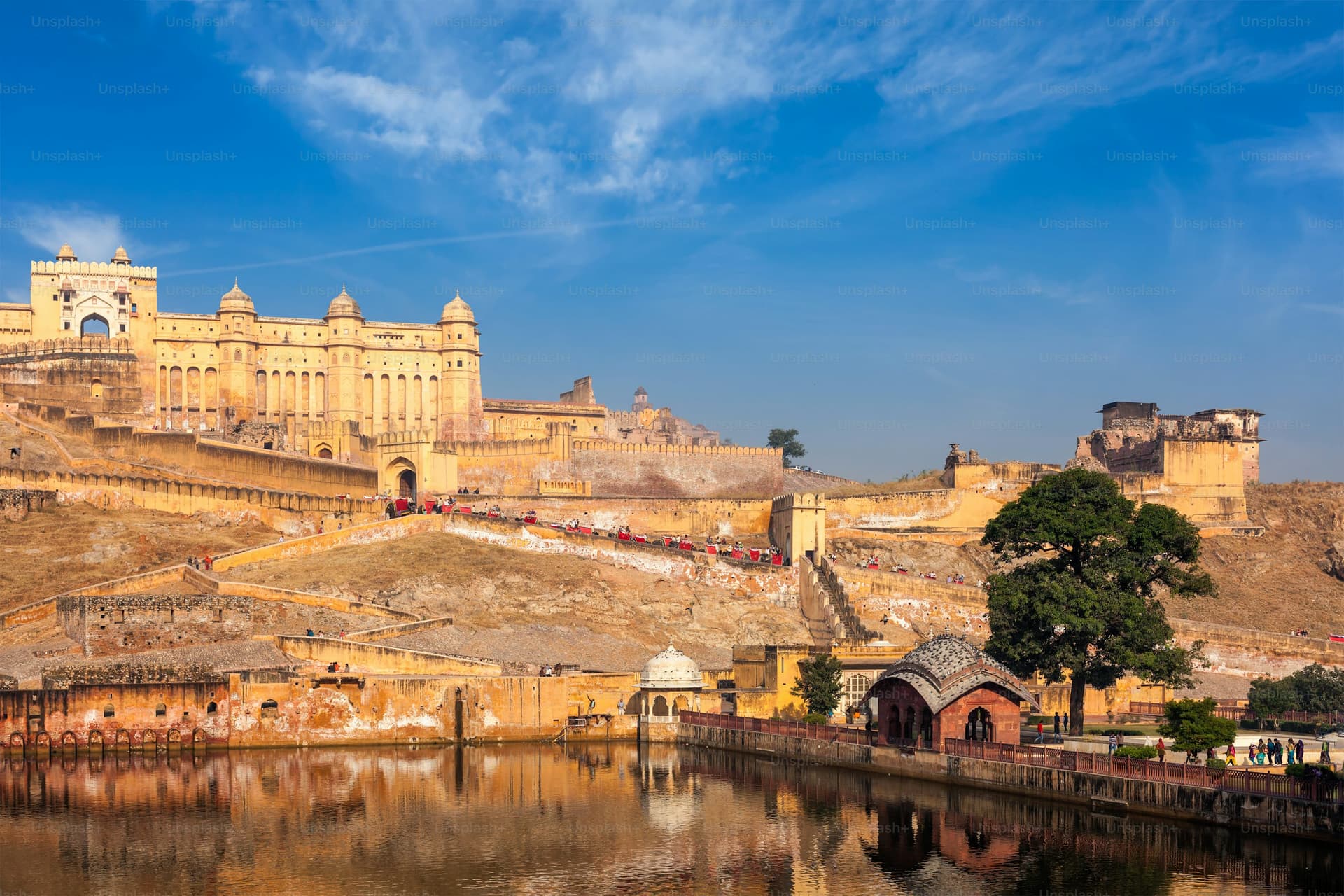
Top 10 Visiting Places in Jaipur: The Pink City’s Must-See Attractions
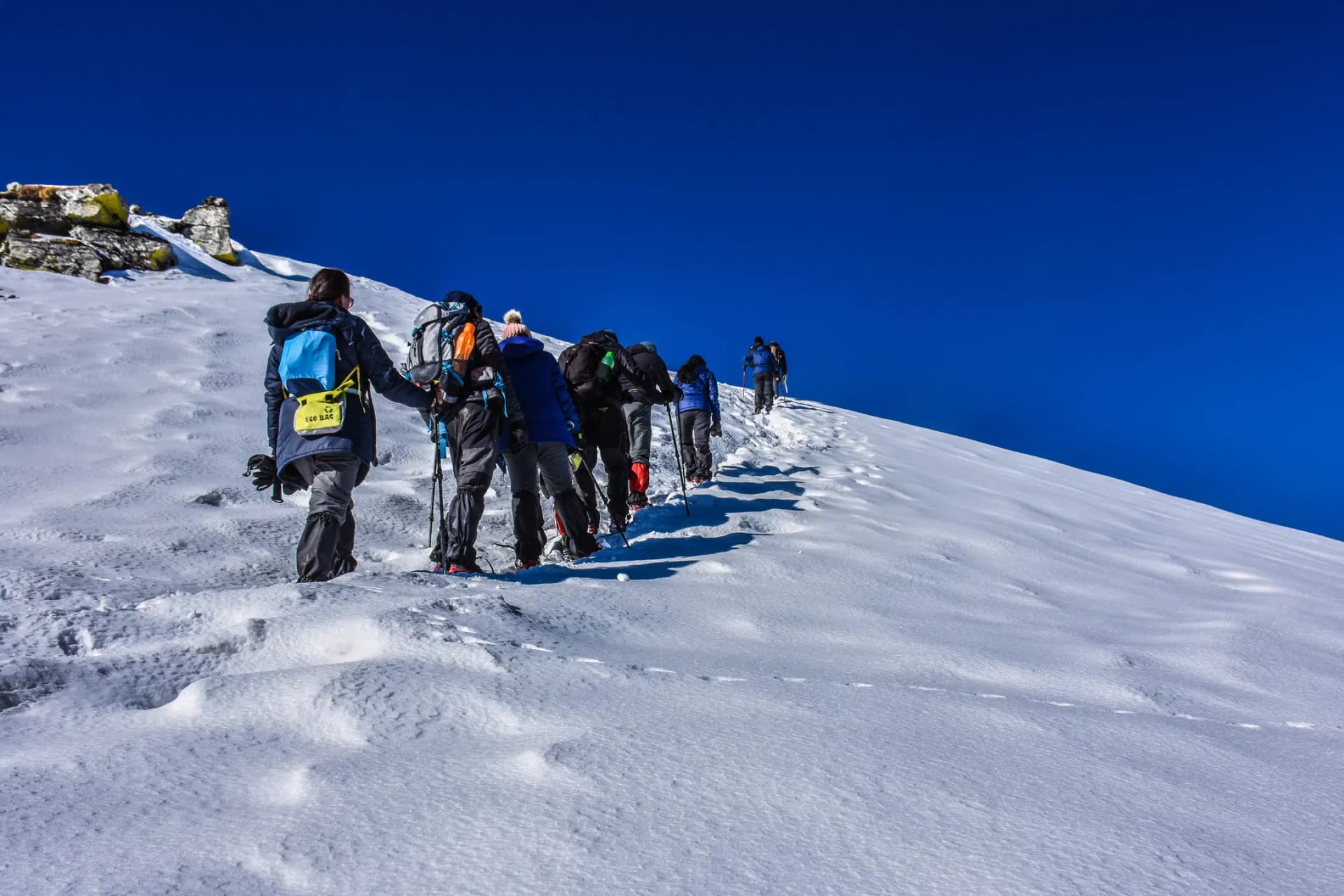
9 Amazing Treks in Uttarkashi: A Perfect Blend of Adventure, Beauty, and Peace
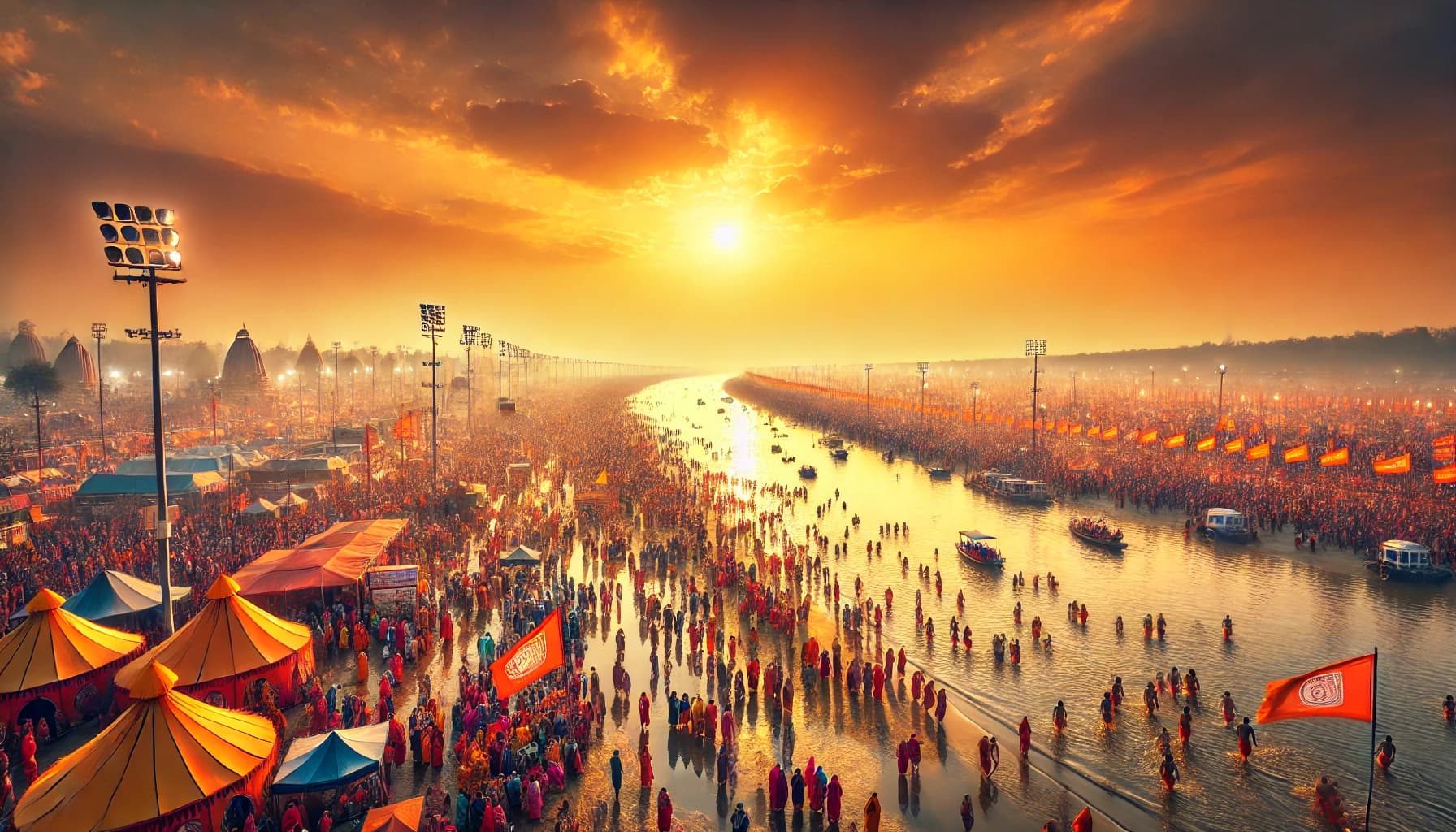
Prayagraj Maha Kumbh Mela 2025: Royal Bath Dates and Their Religious Significance
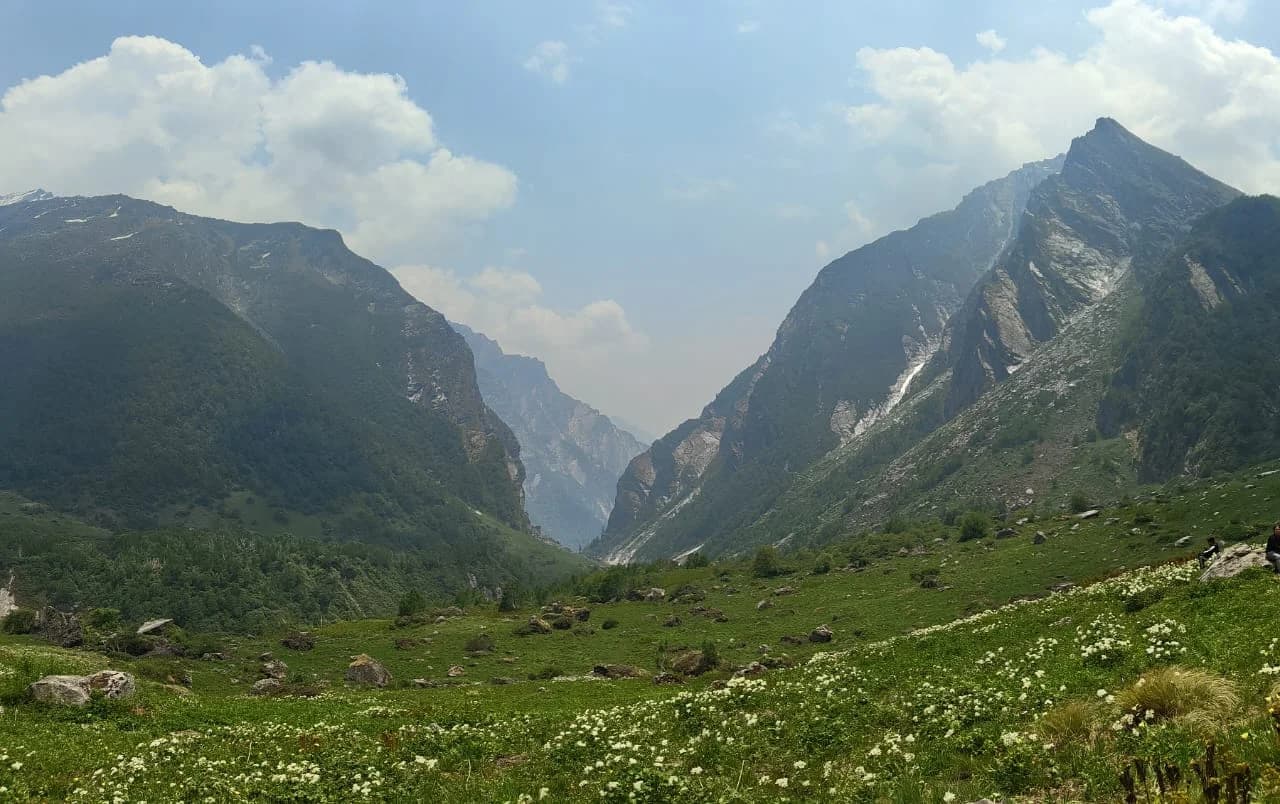
Valley of Flowers: A Himalayan Wonderland of Bloom and Beauty
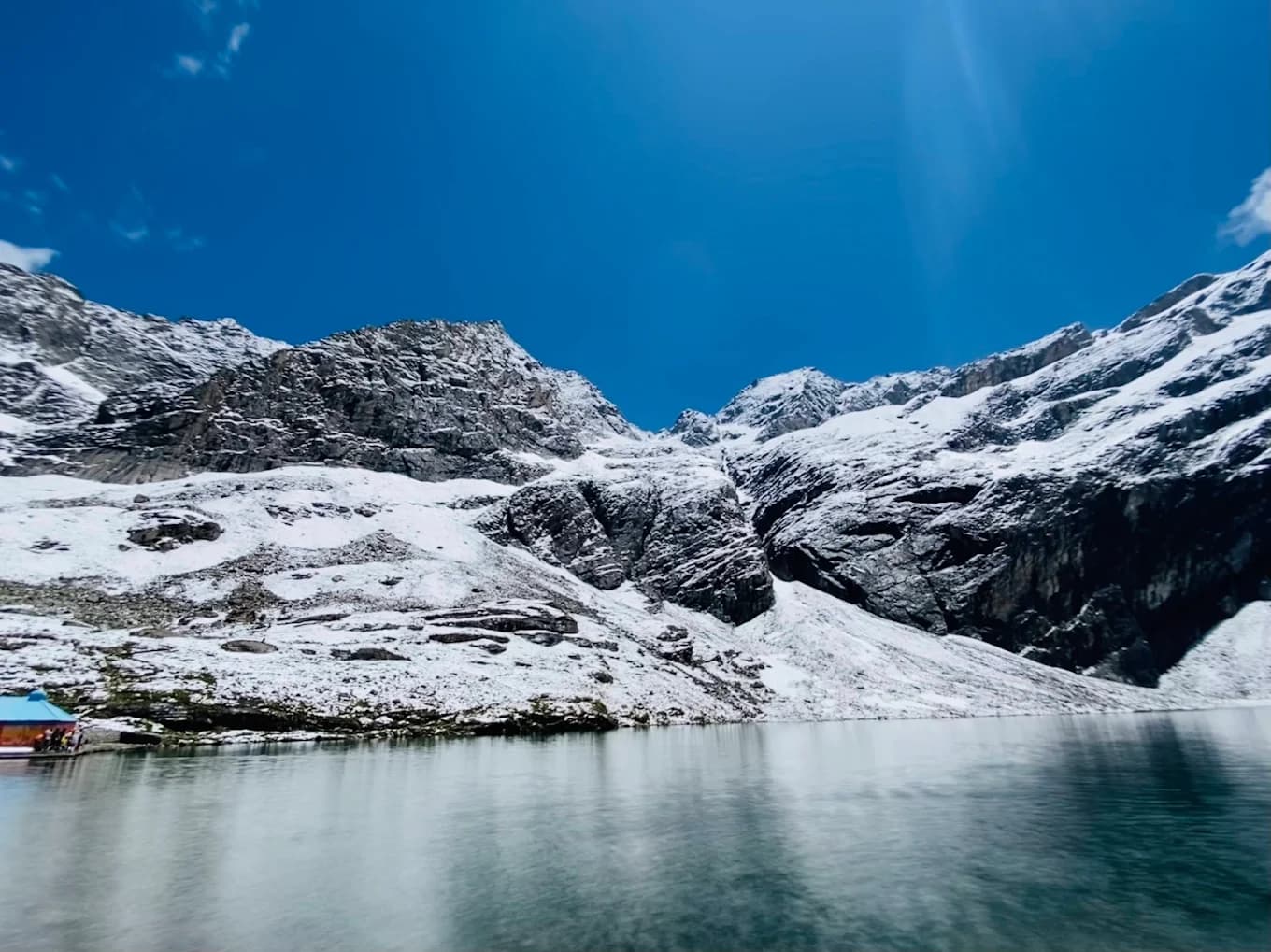
Hemkund Sahib Trek: A Divine Journey to the Sacred Himalayan Pilgrimage
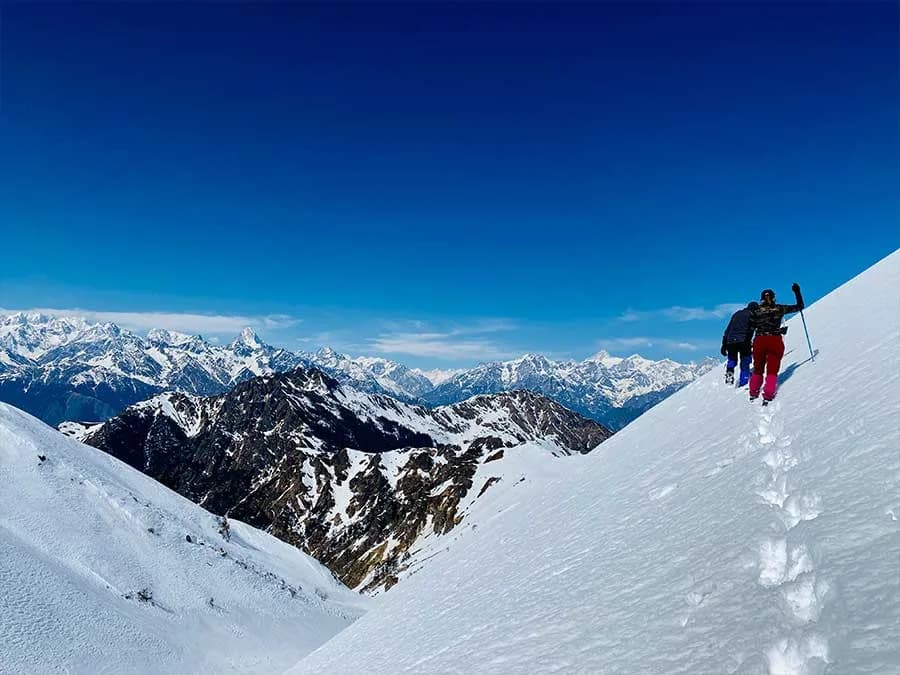
Kuari Pass Trek: A Dreamy Journey Amidst the Himalayas
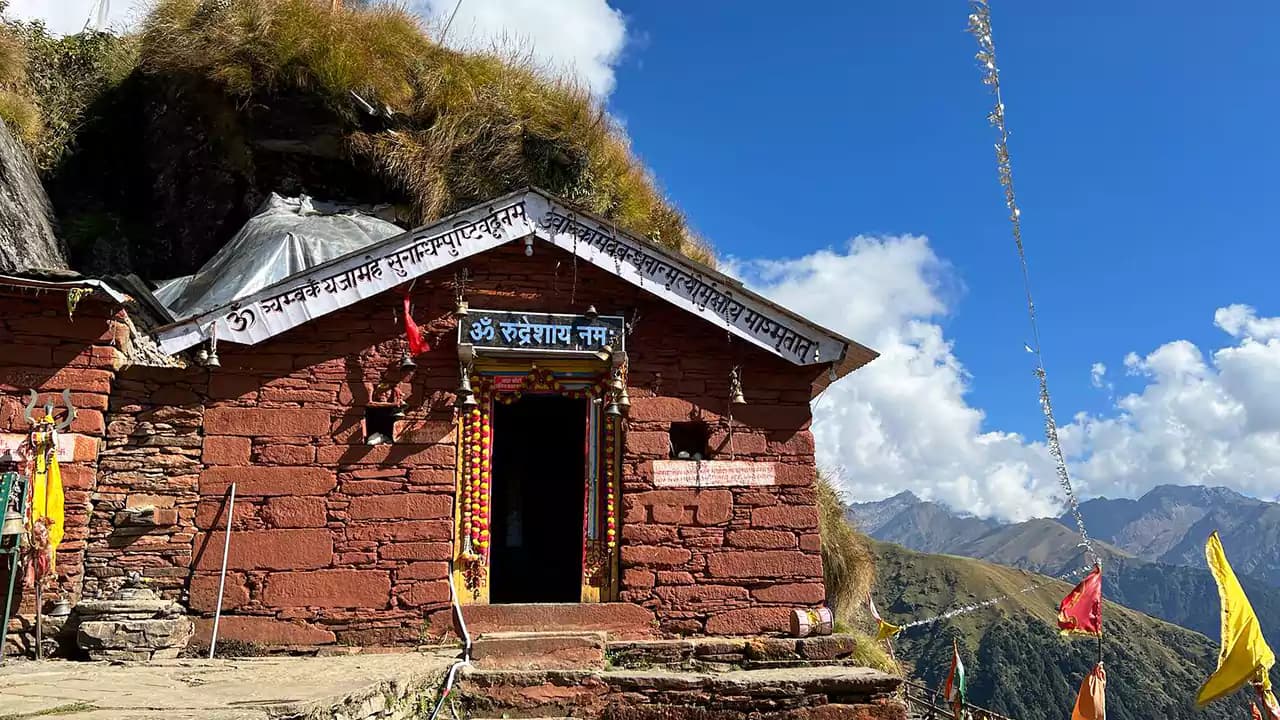
A Unique Spiritual Journey Among the Panch Kedar
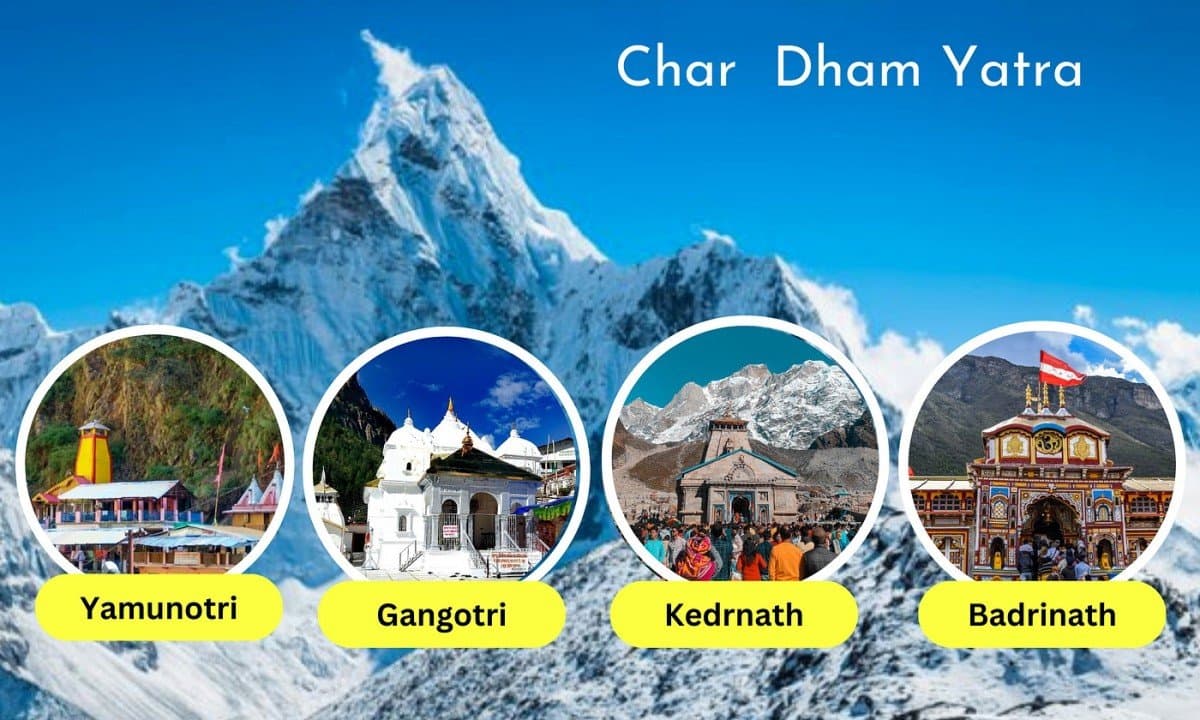
🕉️ Char Dham Yatra: A Life-Changing Spiritual Journey 🏔️🙏
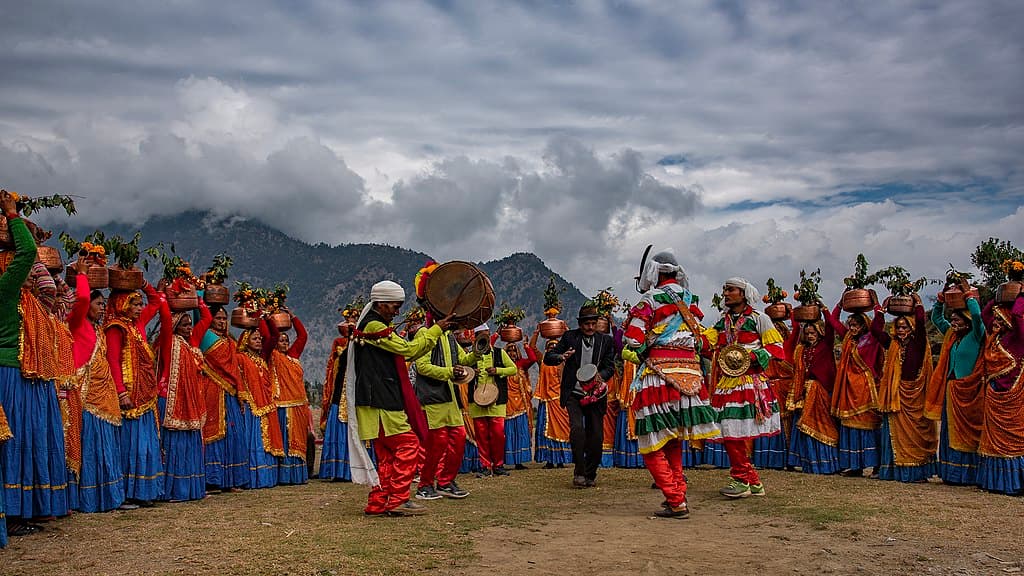
Ganga Dussehra to Nanda Devi Raj Jat: Major Festivals and Culture of Uttarakhand
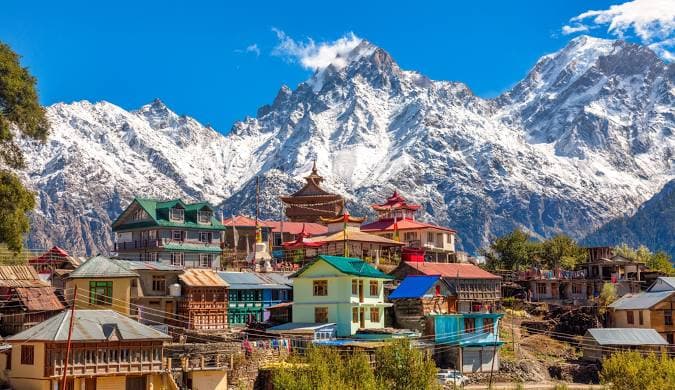
A Paradise in the Lap of the Himalayas: The Complete Travel Story of Himachal Pradesh 🏔️
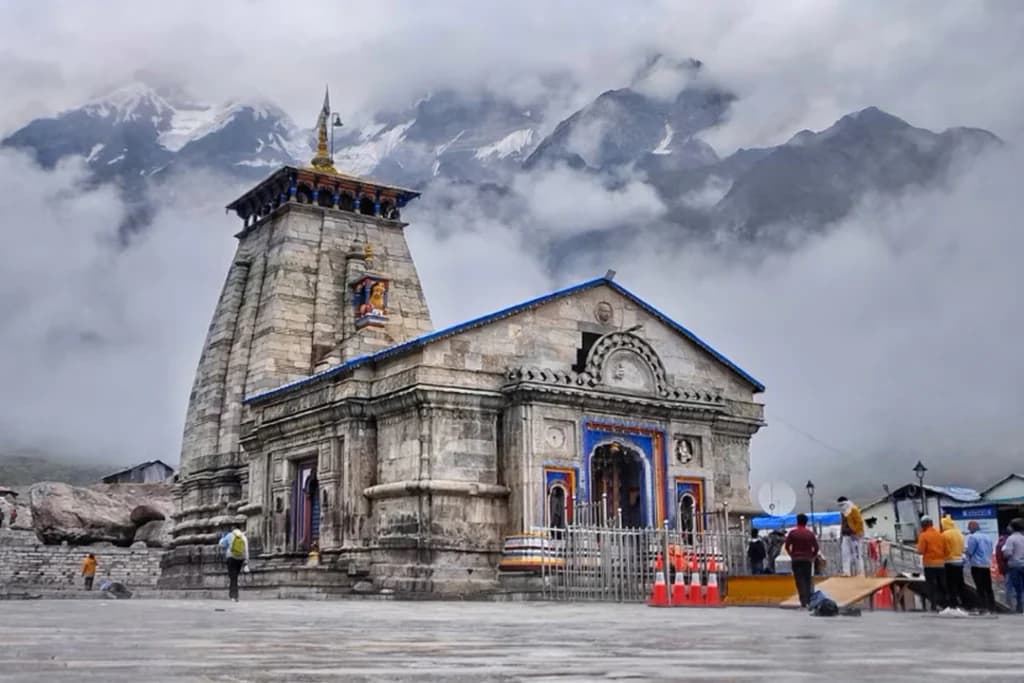
🕉️ The Doors of Baba Kedar Close — The Himalayas Echo with “Har Har Mahadev”
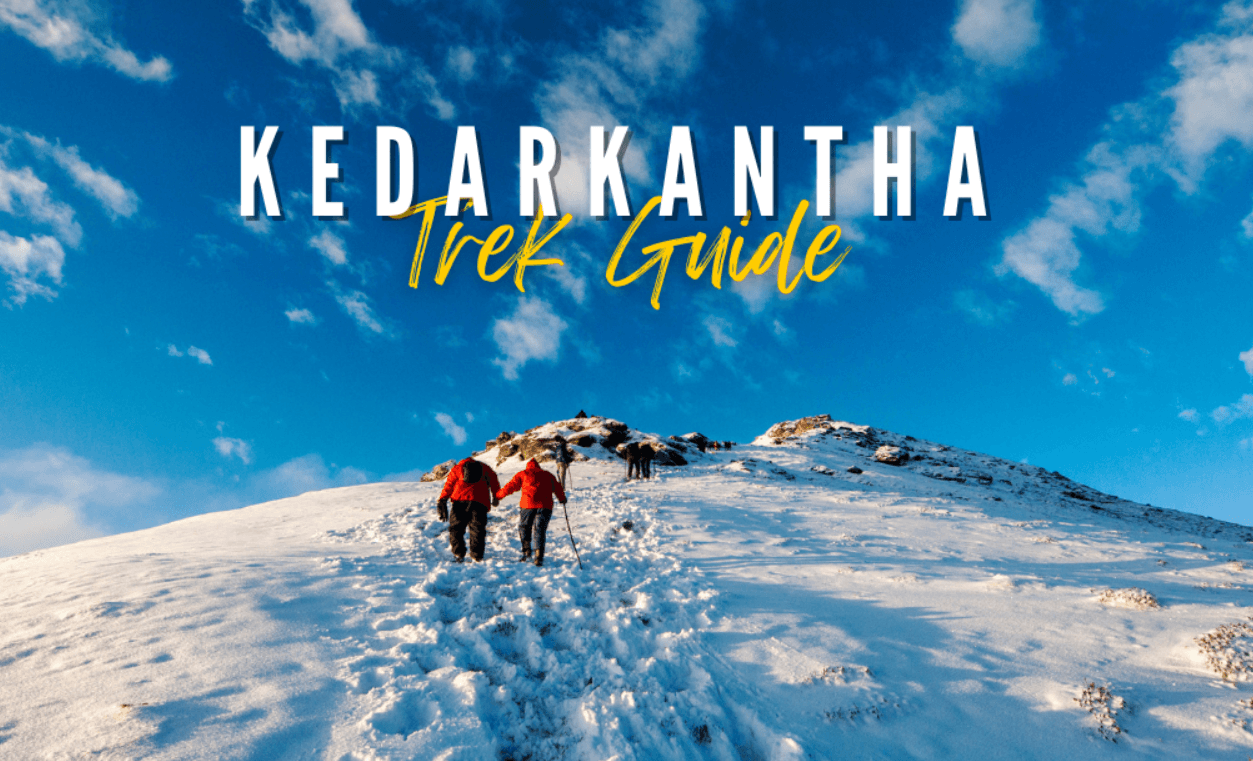
Kedarkantha Trek – The Crown of Winter Treks ❄️
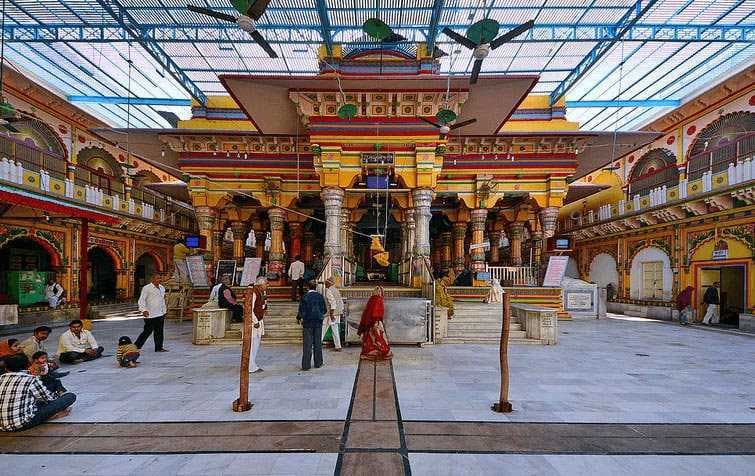
Shri Dwarkadhish Temple, Mathura – The Divine Abode of Lord Krishna
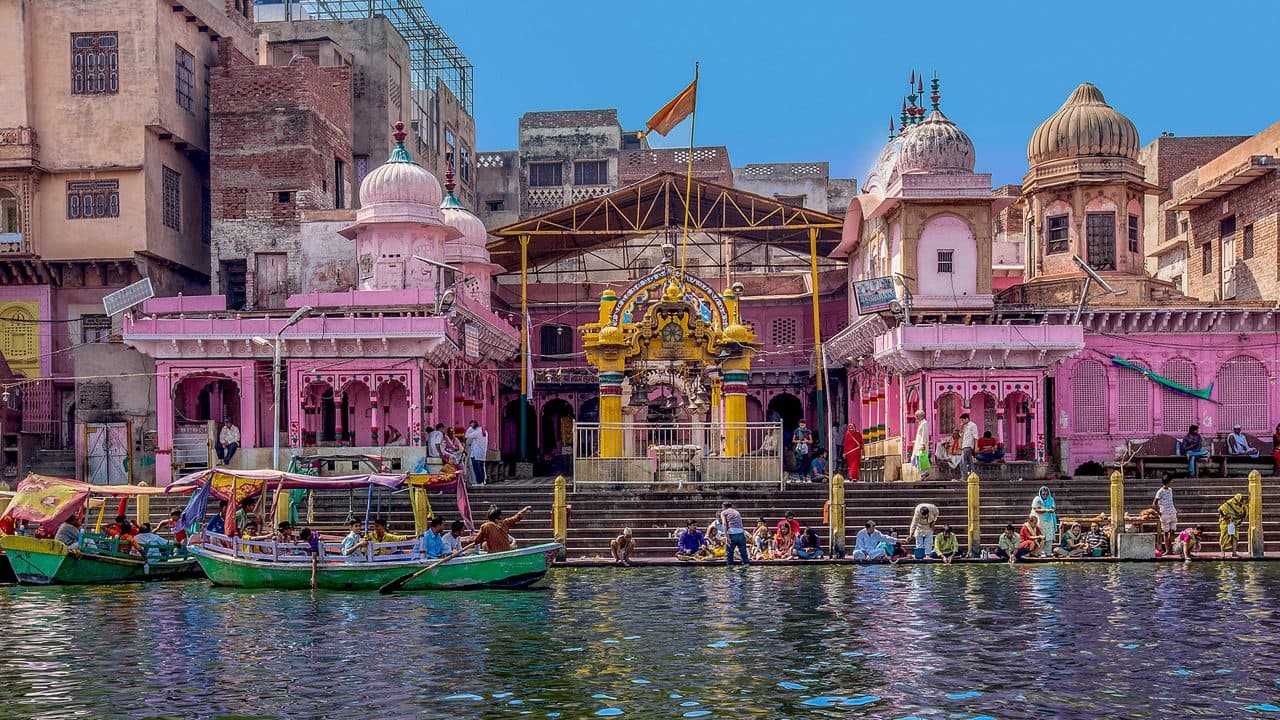
Vishram Ghat: The Sacred Riverside of Mathura
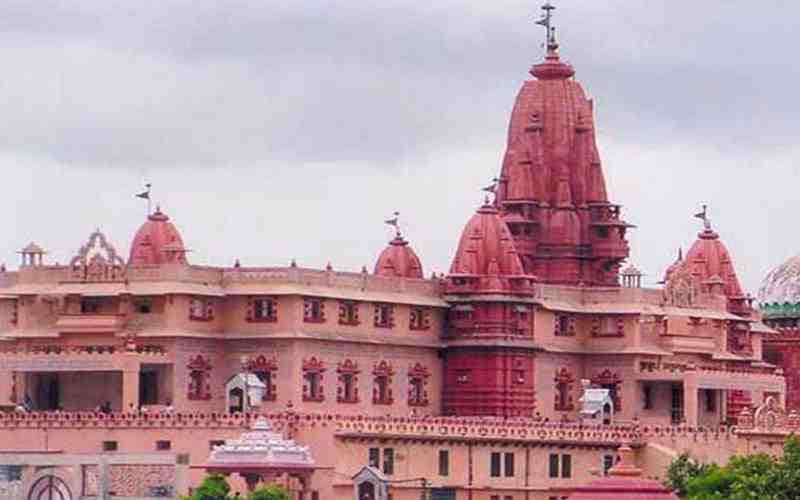
Explore Mathura – Temples, Culture, and Festivals
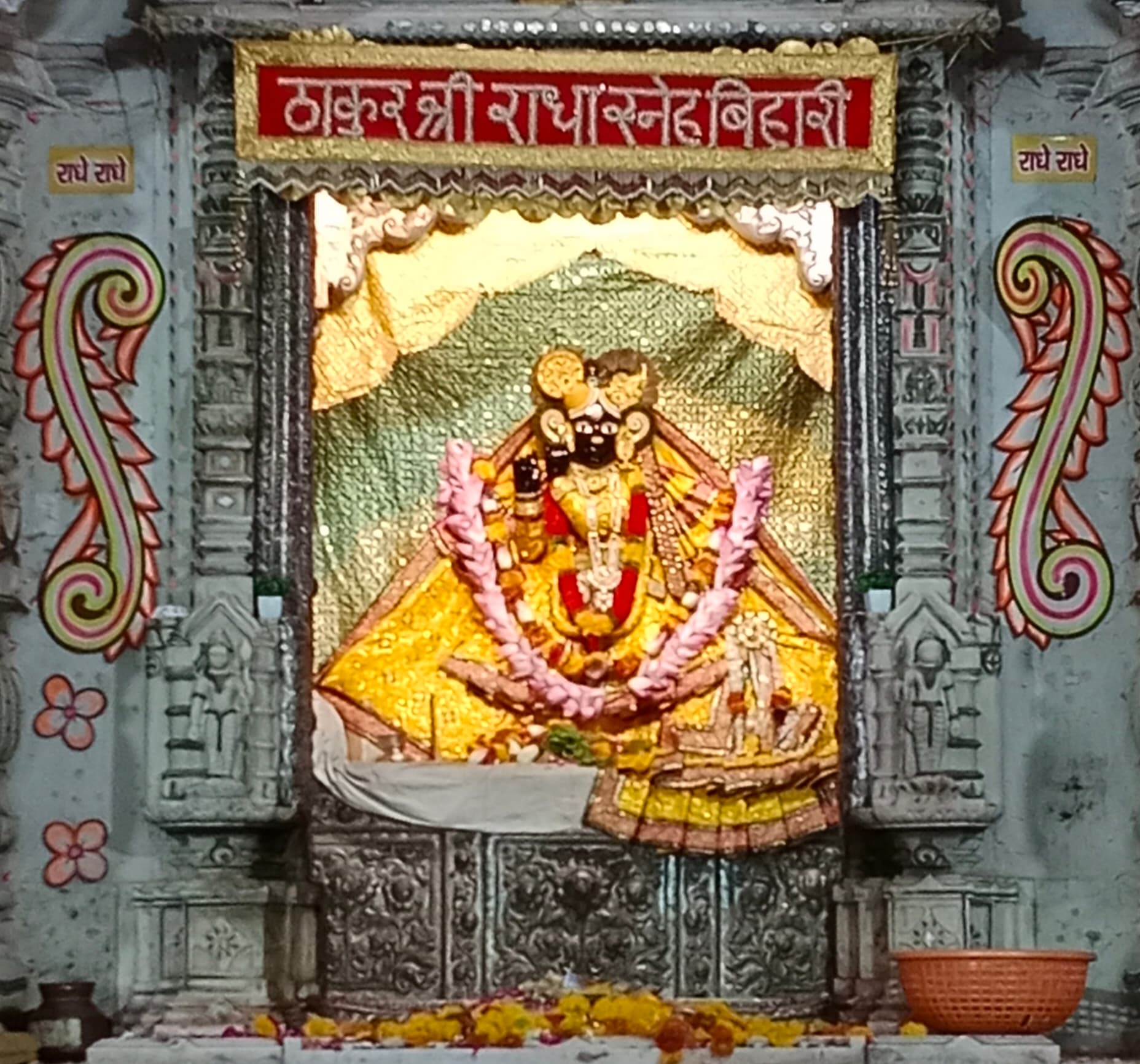
✨ Seek Blessings of Shri Banke Bihari Ji – Experience the Divine Vrindavan! 🙏
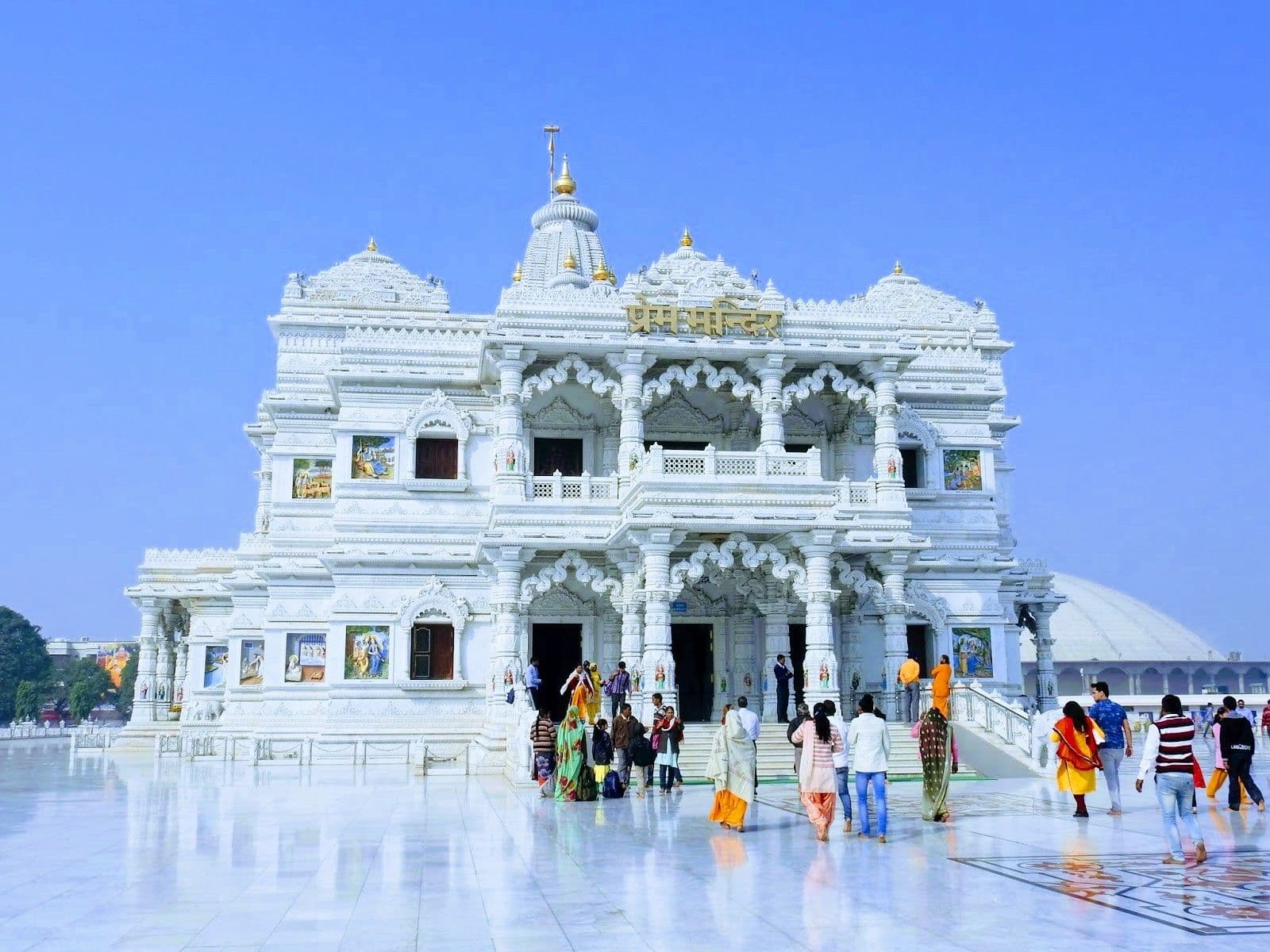
Shri Prem Mandir – Feel the Divine Love in Vrindavan 🙏
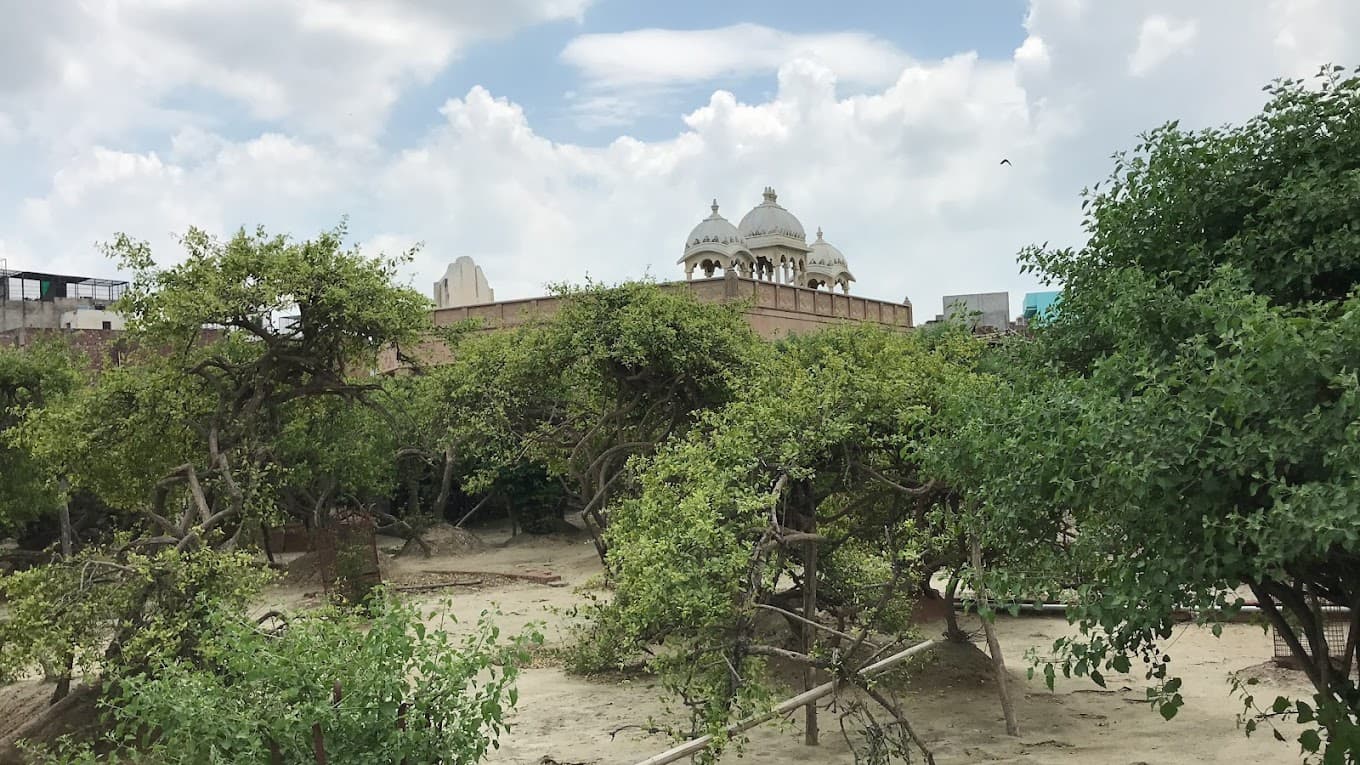
Nidhivan Vrindavan: Where Radha-Krishna Still Perform the Divine Ras Leela
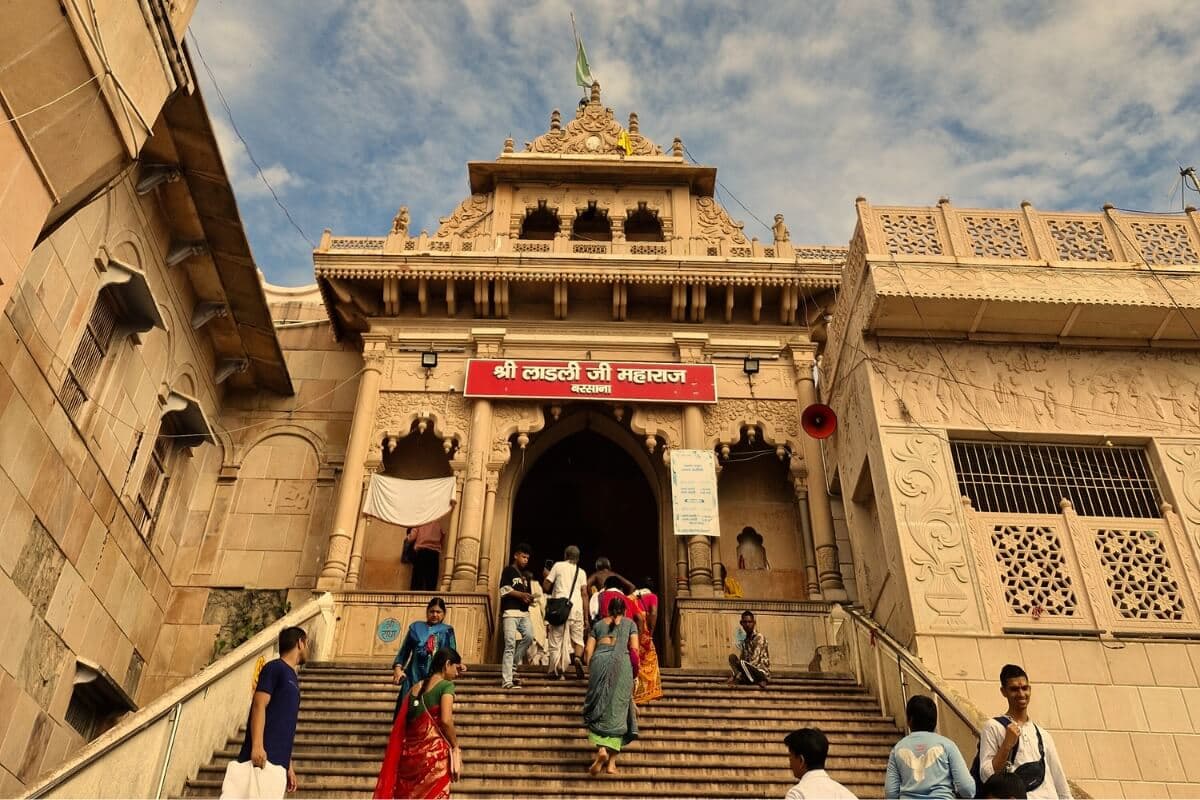
🙏 Have a divine darshan of Shri Radha Rani Temple in Barsana!
The historic Nanda Bhavan Temple in Gokul – a glimpse into the childhood of Lord Krishna
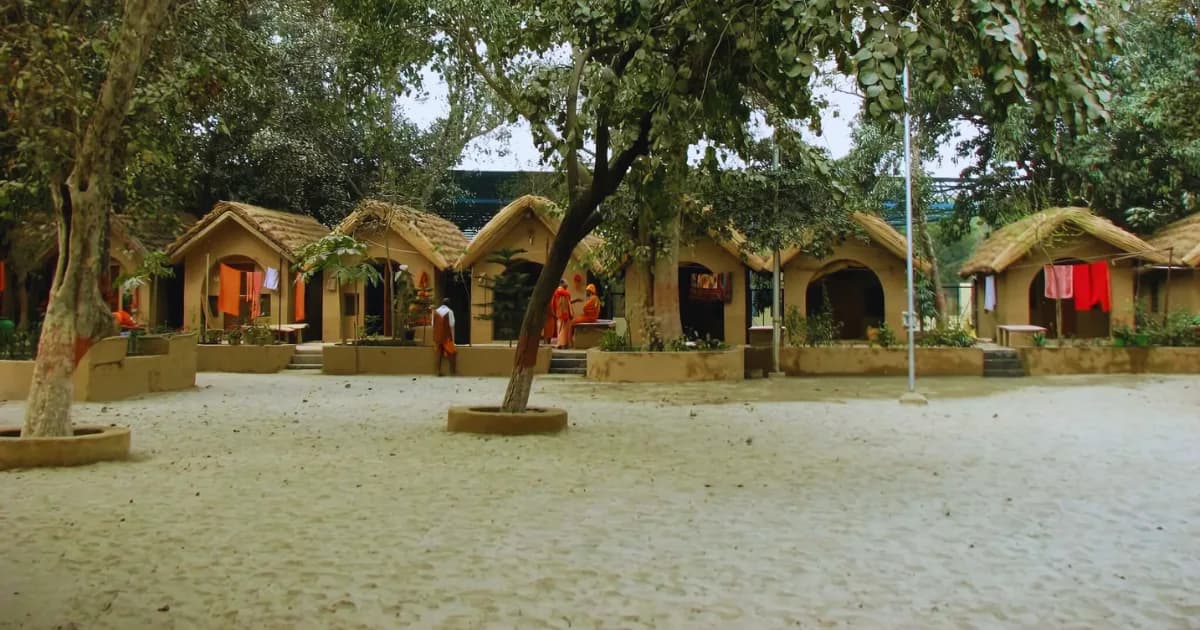
Raman Reti, Mathura: The sacred land of Balkrishna's pastimes
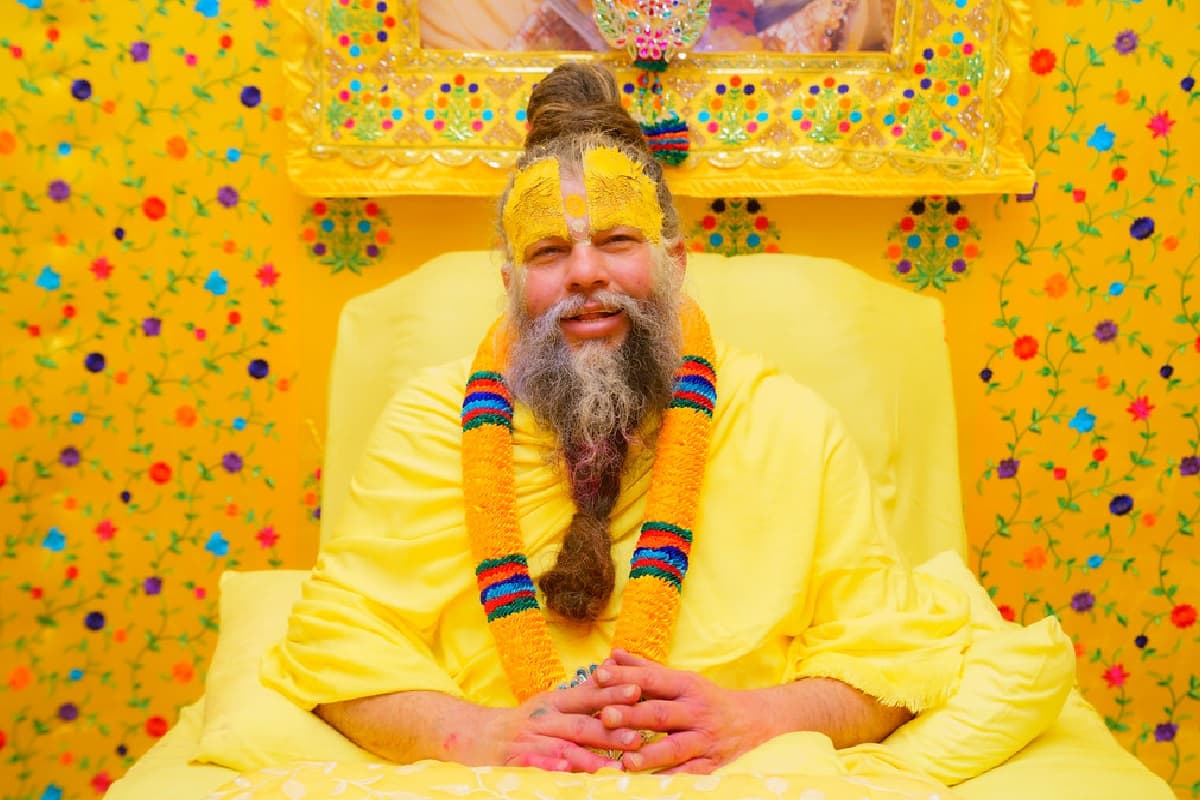
How to Get Darshan of Shri Premanand Ji Maharaj? Understand the Timings, Location & Contact Process.
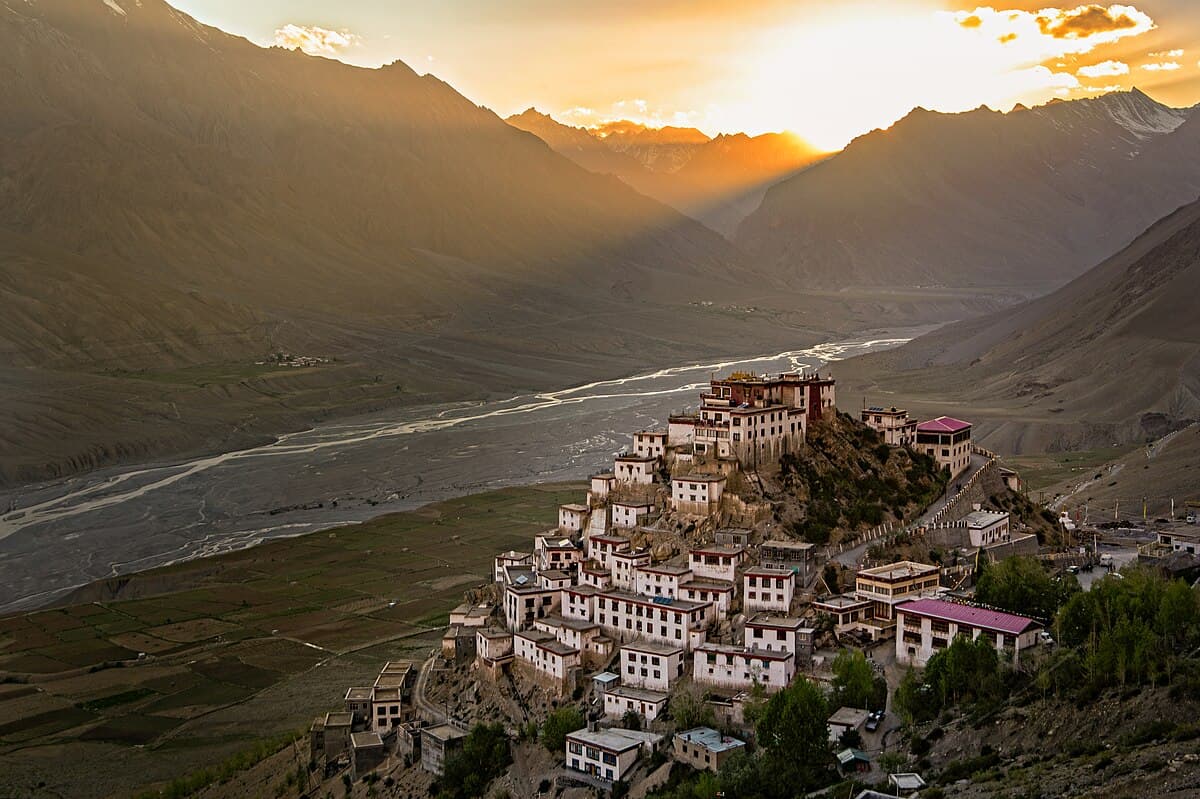
Discover the Magic of Spiti Valley – Villages, Monasteries & Scenic Wonders Await! 🏔️✨
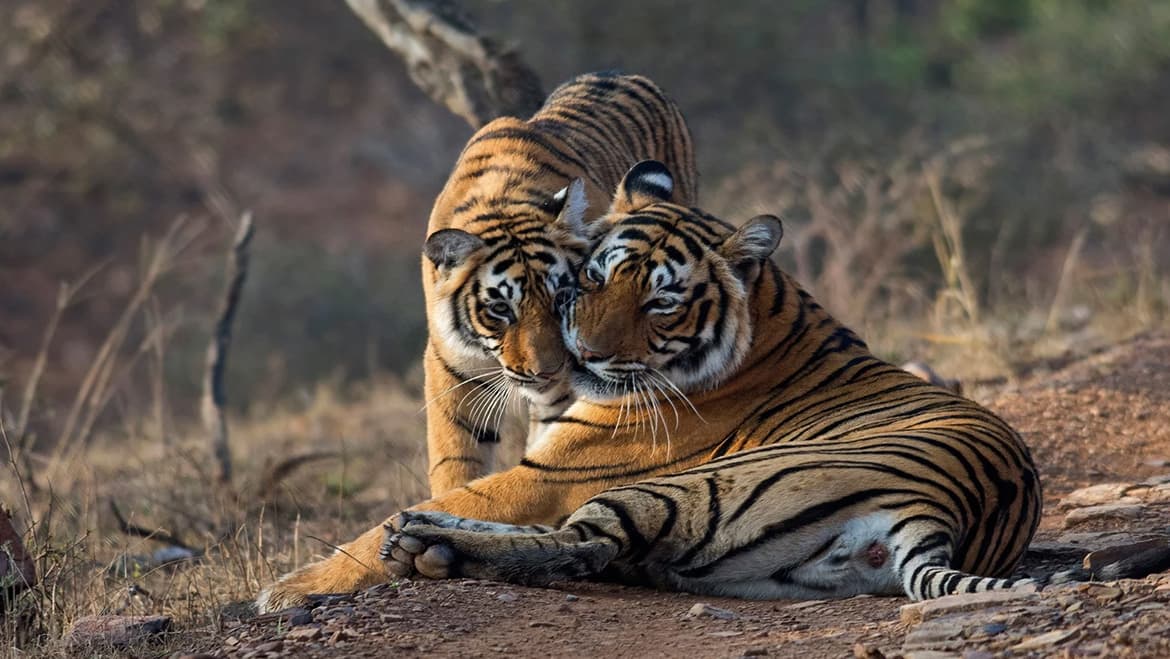
Ranthambhore National Park – Where Royal Tigers, Ancient Forts & Wilderness Come Alive
Ultimate Travel Guide to Manali: Attractions, Food, and Safety Tips
Shimla Travel Guide: Everything You Need to Know Before Visiting the Queen of Hills
Udaipur – The Venice of the East: A Complete Travel Guide
Jaisalmer Travel Guide: History, Forts, Desert Experiences, and Cultural Heritage
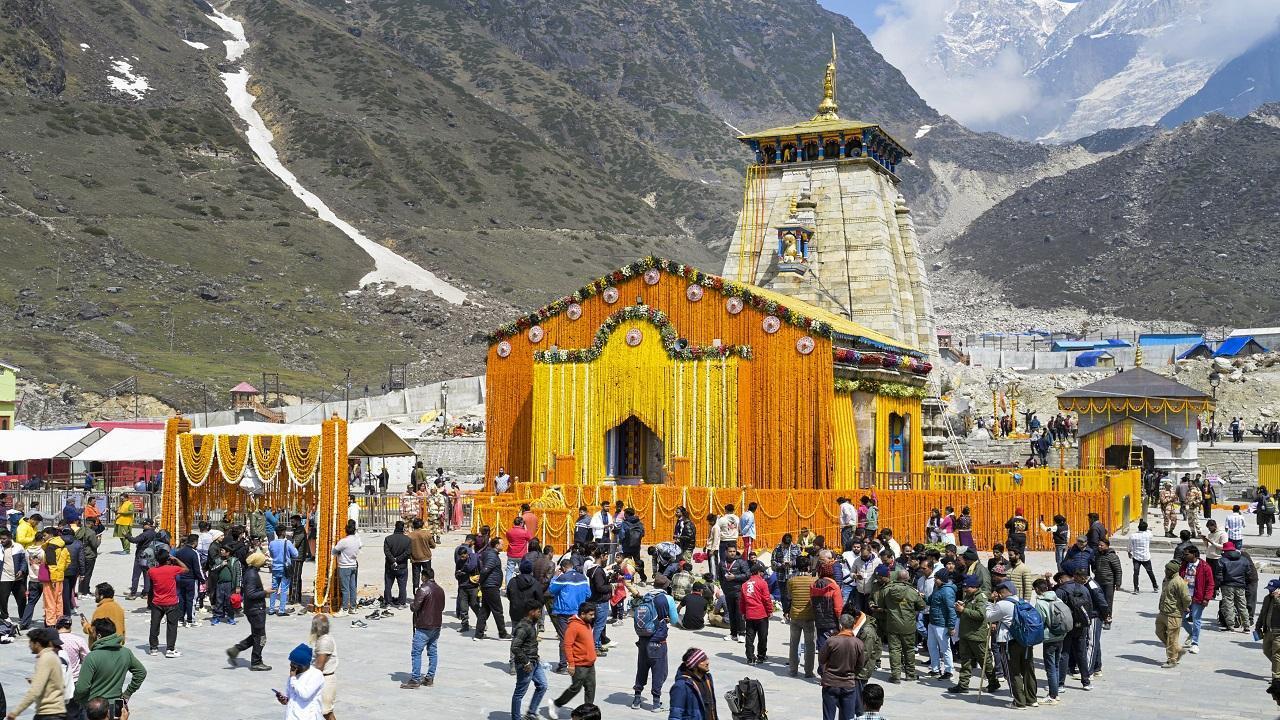
Kedarnath Yatra Registration 2026
Kedarnath Yatra Guide 2026
Kedarnath Helicopter Booking 2026: IRCTC Online Booking, Dates, Price & Complete Guide
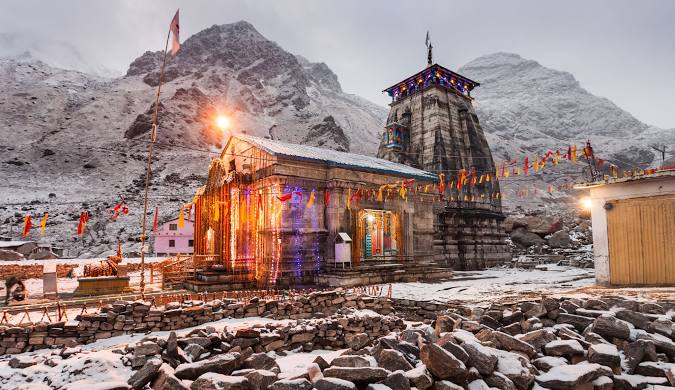
Kedarnath Temple Opens for 2026 Pilgrimage Season on April 22 at 8 AM
Kedarnath Yatra 2026: Ground Reality You Should Know Before Visiting
Number of Devotees on Char Dham Yatra Crosses 6.62 Lakh Till 3 May 2026
Harshil Valley – Uttarakhand’s Hidden Himalayan Paradise You Must Visit Once
Kinner Kailash – The Mystical Abode of Lord Shiva in the Himalayas
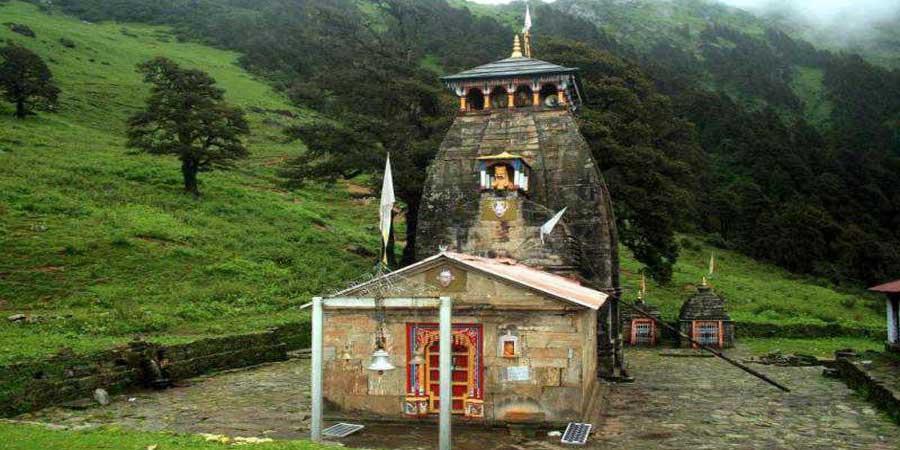
Madhyamaheshwar Temple Travel Guide 2026 – History, Trek, Route, Stay & Complete Travel Information
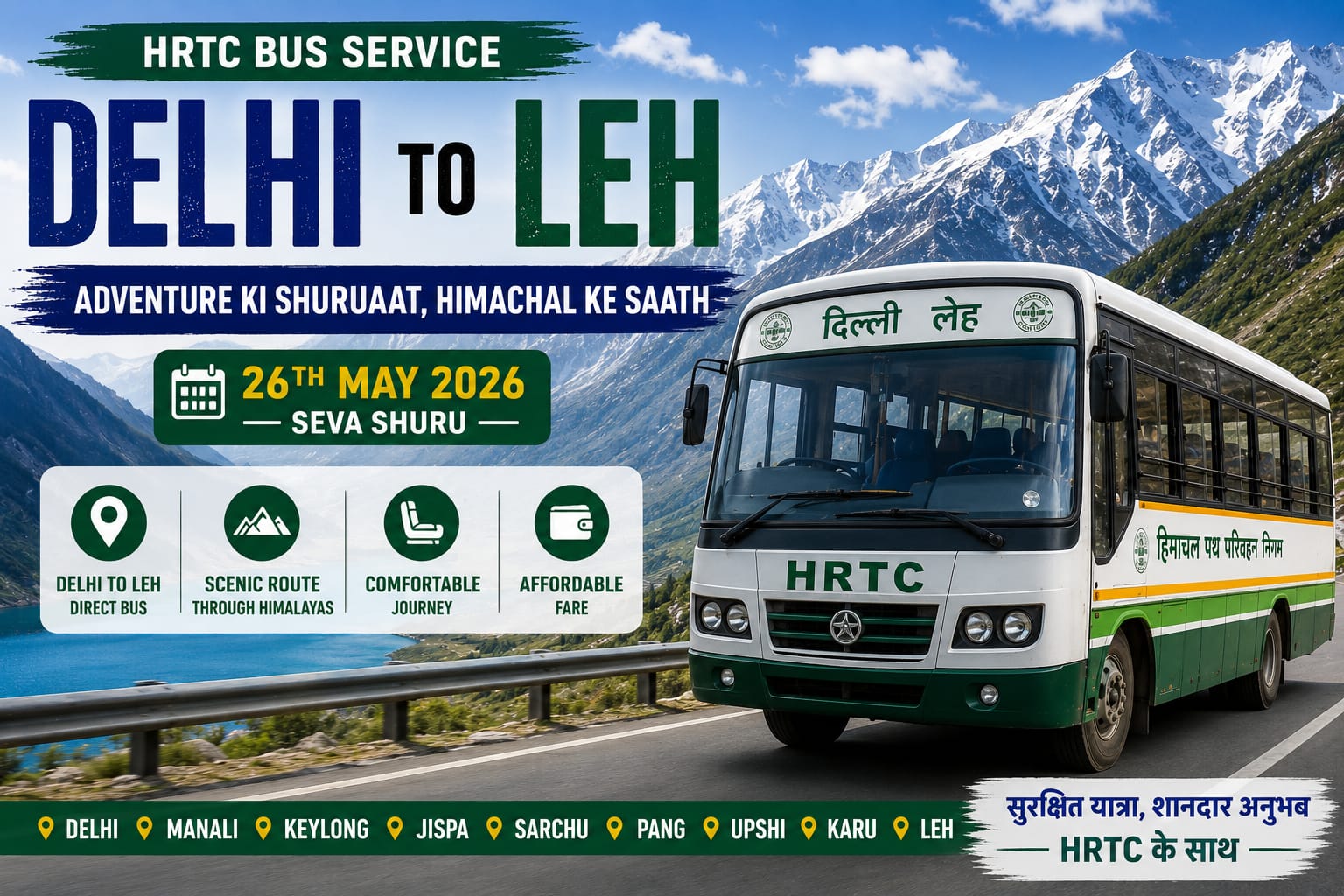
Delhi to Leh Bus Service 2026: Fare, Route, Timings, Stops & Complete Travel Guide
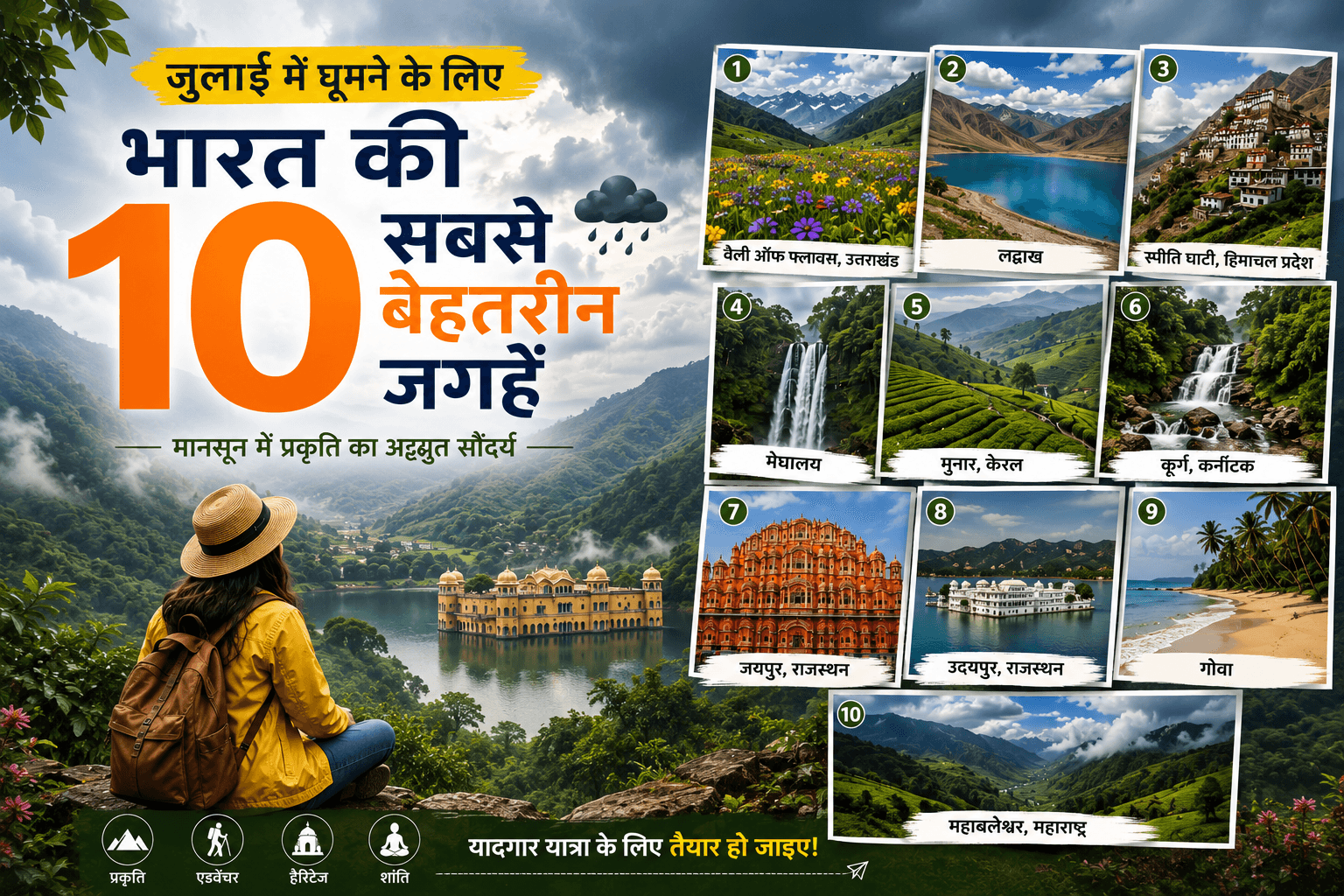
Top 10 Best Places to Visit in July in India (2026) – Monsoon Destinations You Shouldn't Miss
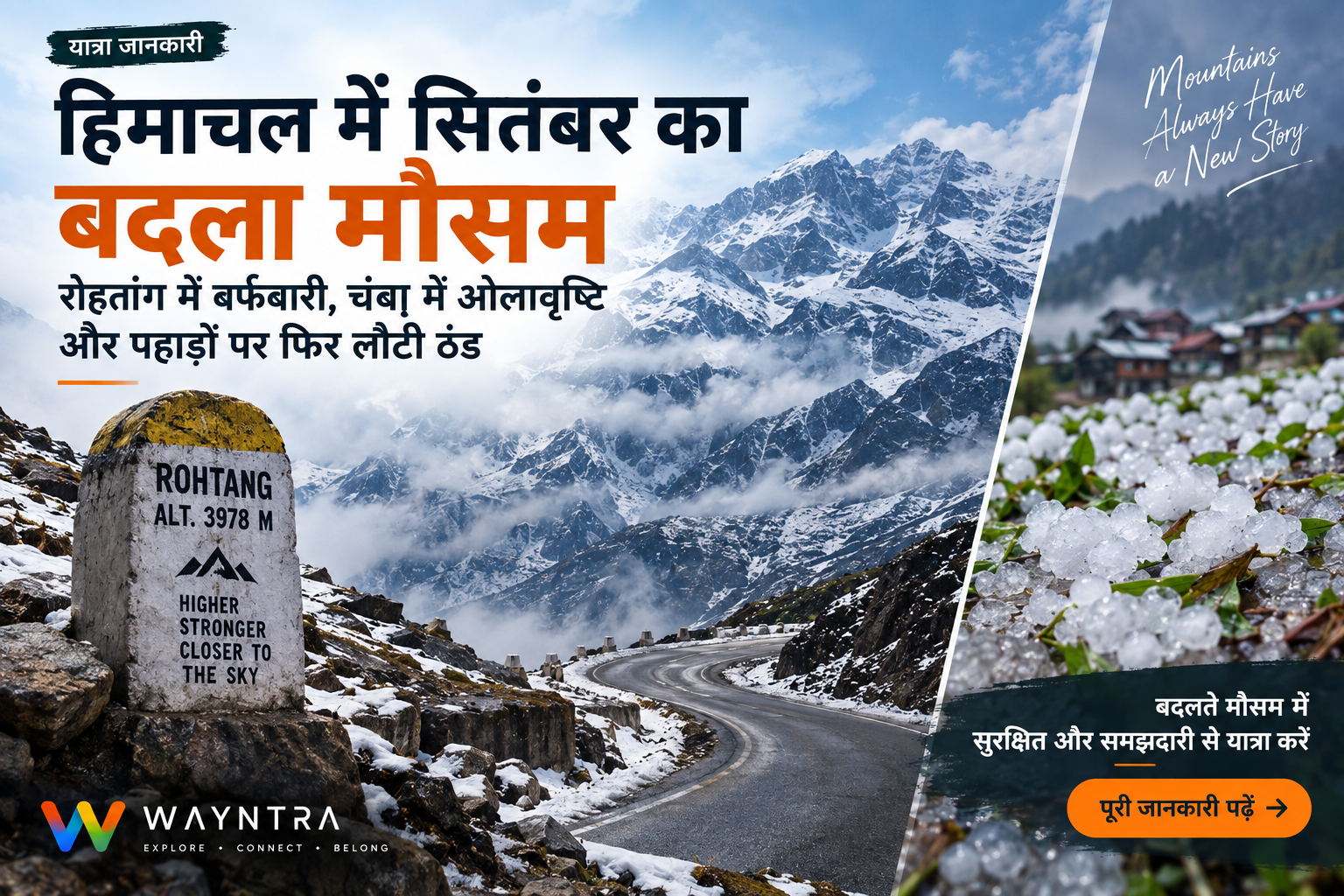
हिमाचल में सितंबर का बदला मौसम: रोहतांग में बर्फबारी, चंबा में ओलावृष्टि और पहाड़ों पर लौटी ठंड
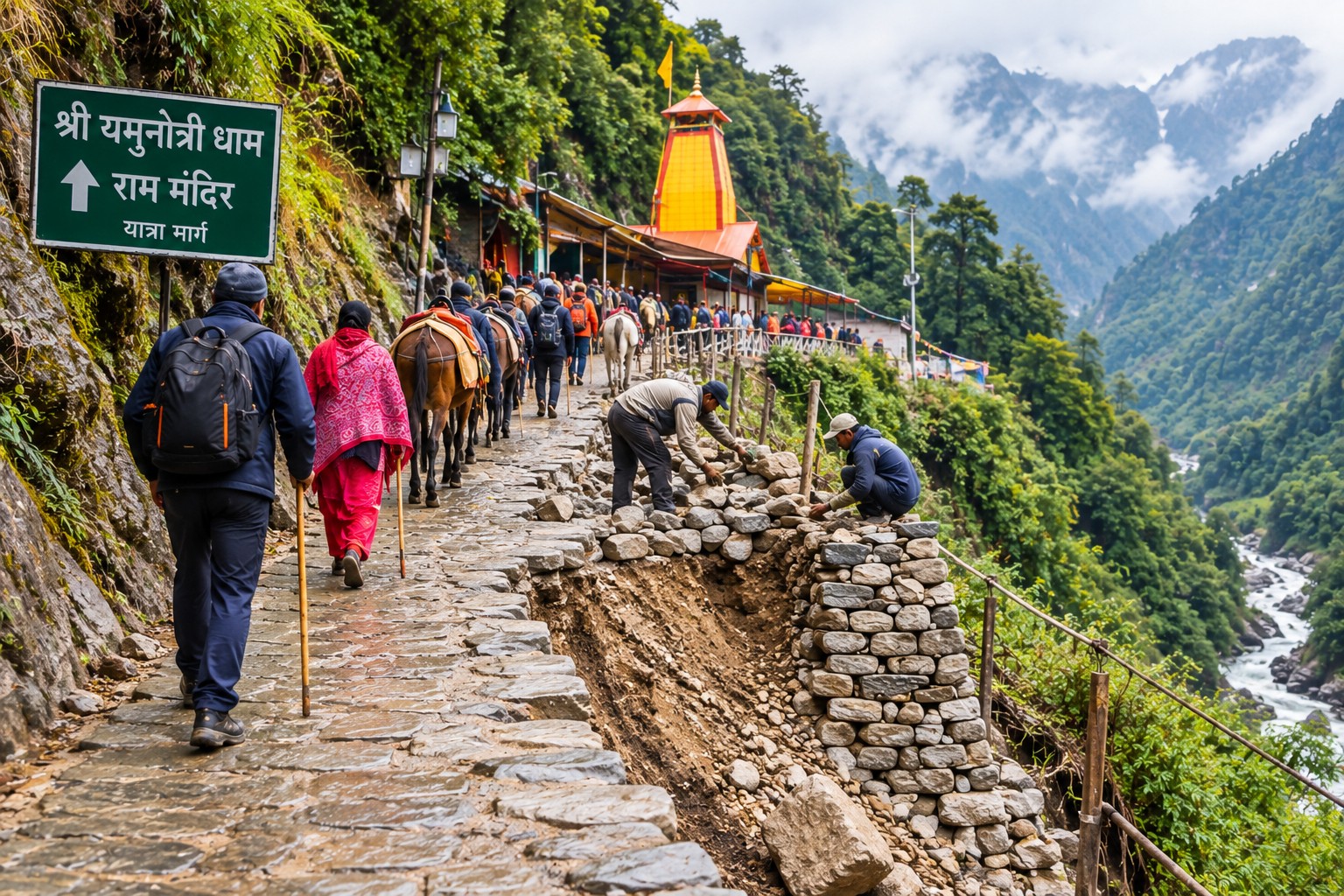
Yamunotri Dham: Safety Concerns Remain Near Ram Mandir on the Yatra Route
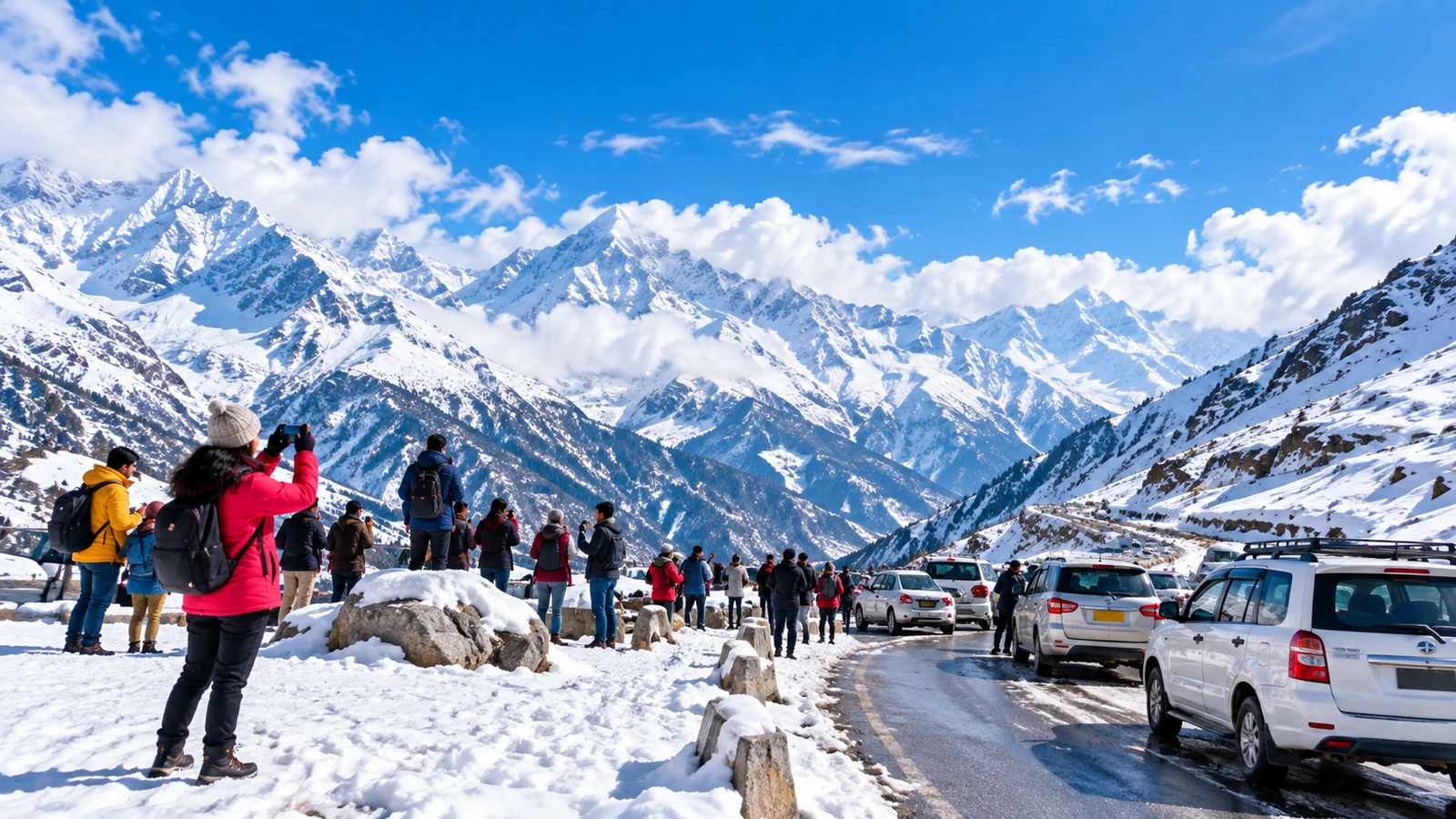
Tourists Flock to Rohtang After Snowfall, Over 600 Vehicles Arrive; Manali Comes Alive
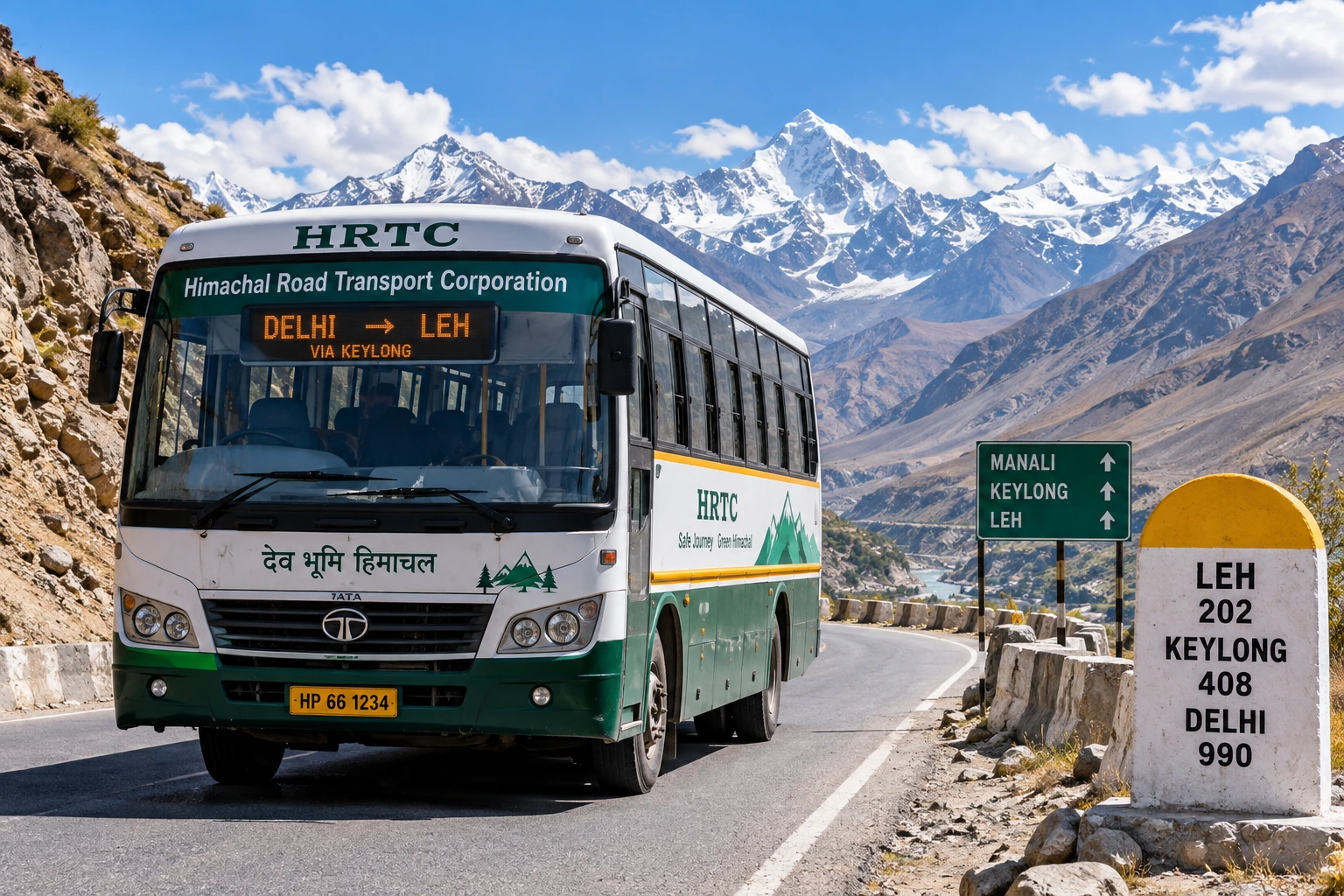
Delhi–Leh HRTC Bus Service Suspended: Service Will Resume Next May, Know All the Details
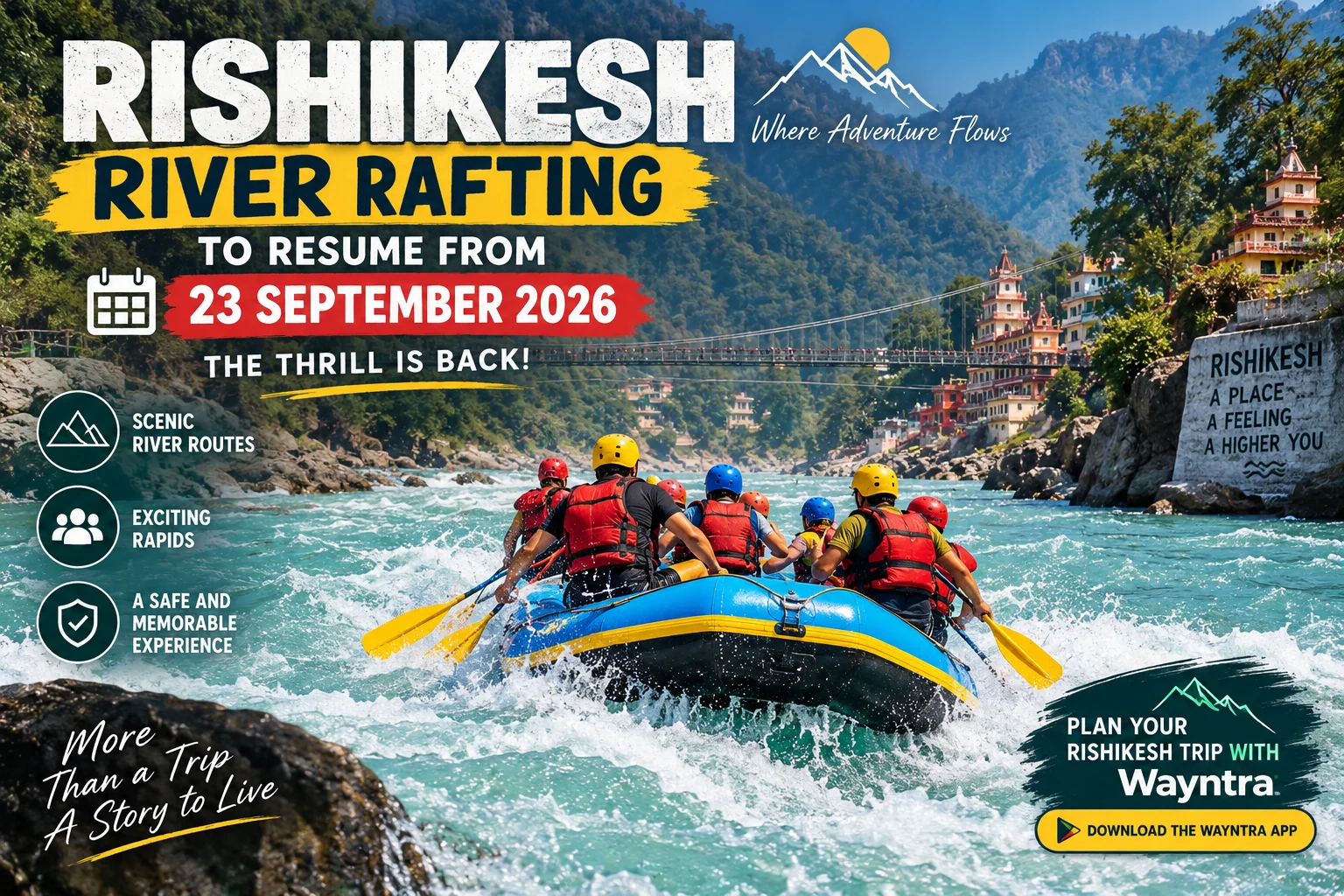
River Rafting May Resume in Rishikesh from September 23
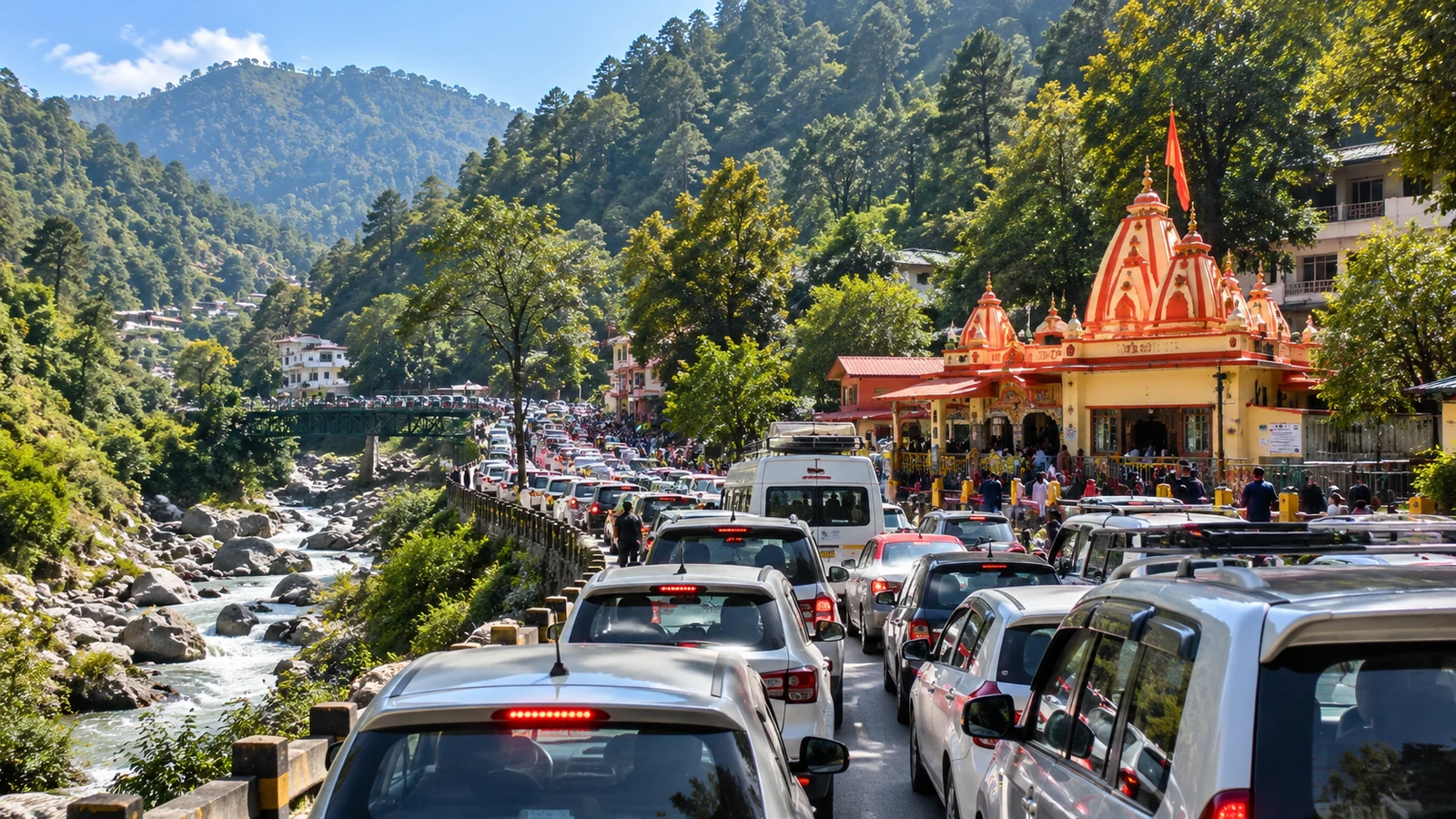
Heavy Crowd of Devotees at Kainchi Dham, 2-Km-Long Traffic Jam Reported
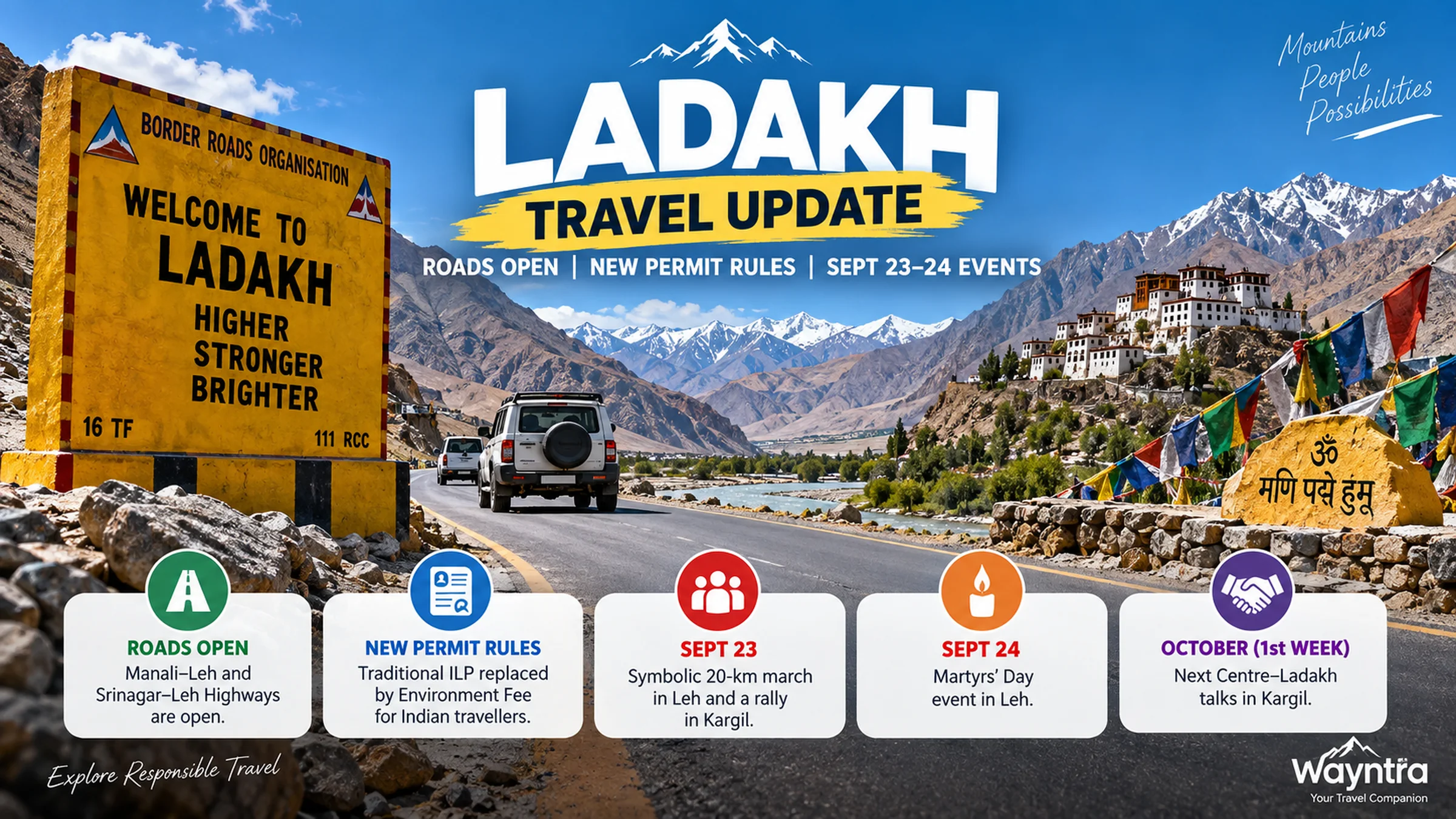
Ladakh Travel Update: Roads Open, New Permit Rules and September 23–24 Events
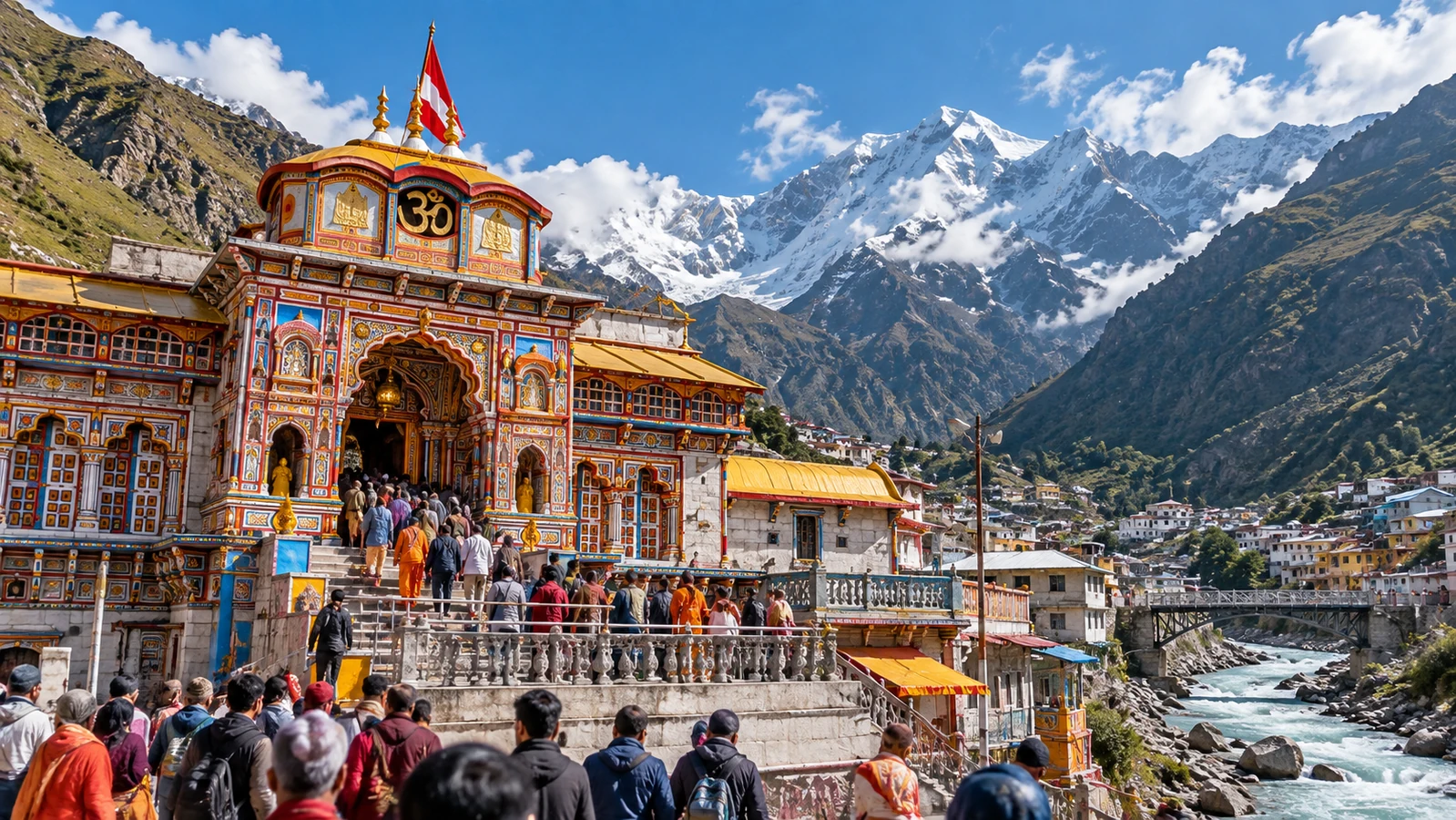
Badrinath Dham: Second Phase of Yatra Picks Up Pace, Thousands of Devotees Arriving for Darshan
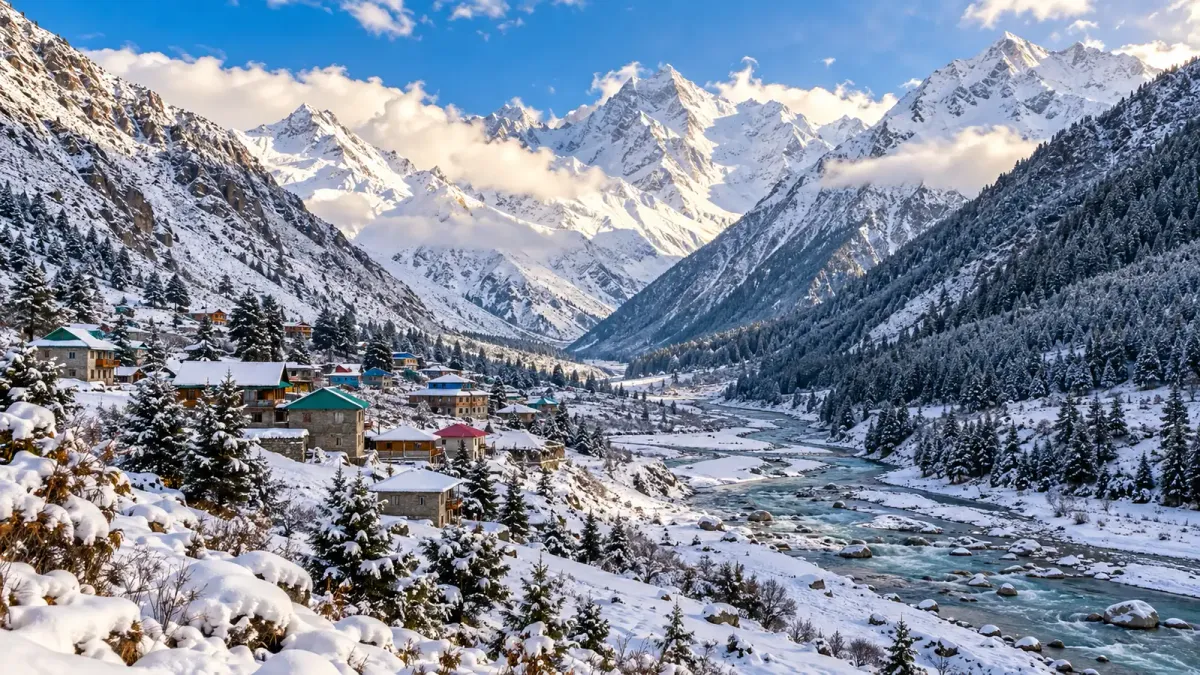
हिमाचल में सितंबर में बर्फबारी ने बदला मौसम का मिजाज, 18 साल बाद रिकॉर्ड ठंड
Wayntra app
Explore Ladakh with Wayntra
Find destinations, adventures, local businesses and experiences across Ladakh.