India’s local-first travel ecosystem — book local operators direct, zero commission

Introduction to Meghalaya
Meghalaya is one of the most beautiful and naturally blessed states in Northeast India. The name "Meghalaya" literally means "The Abode of Clouds," and it perfectly reflects the state's mist-covered hills, lush green valleys, and breathtaking landscapes. Formed on 21 January 1972, Meghalaya is known for its rich tribal culture, stunning waterfalls, dense forests, living root bridges, and some of the highest rainfall records in the world. The capital city of Shillong is often called the "Scotland of the East" because of its rolling hills and pleasant climate.
Located in the northeastern region of India, Meghalaya shares its borders with Bangladesh to the south and west. The state is primarily inhabited by three major tribal communities—the Khasi, Jaintia, and Garo people. These communities have preserved their unique traditions, languages, music, dances, and customs for generations. Meghalaya is also known for its matrilineal society, where family lineage and inheritance are passed down through women, making it one of the few places in the world where such a system is widely practiced.
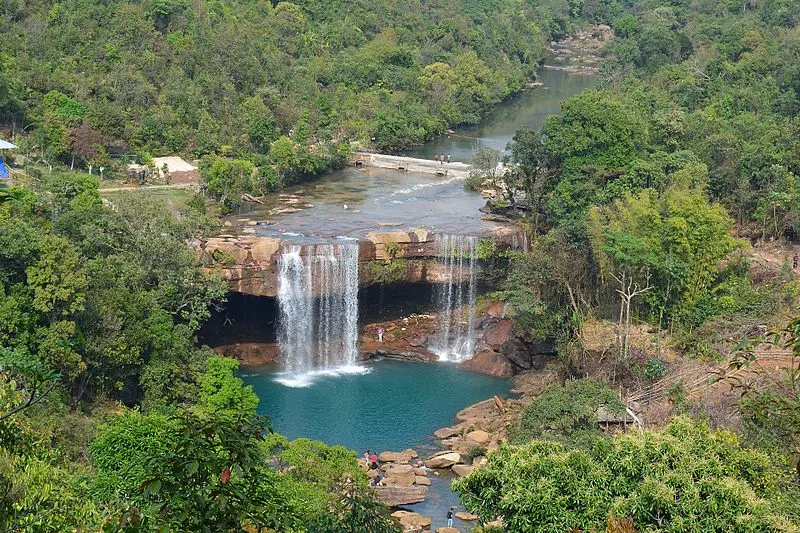
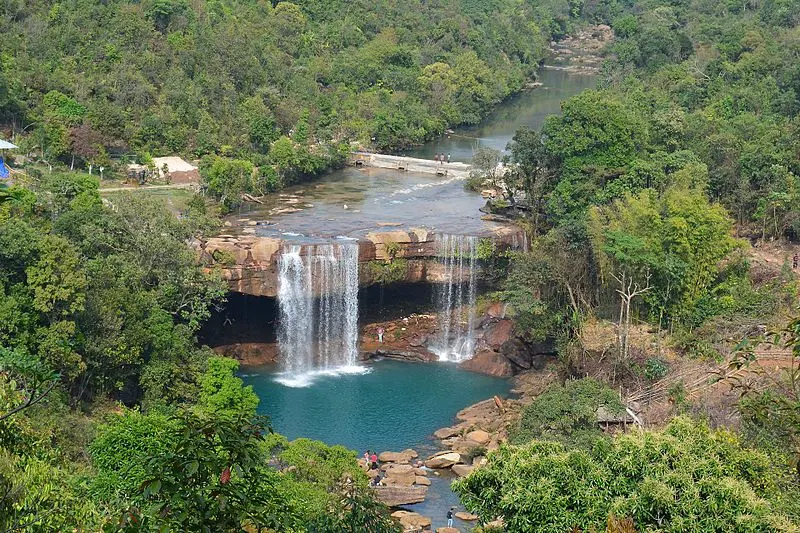
Nature is the biggest attraction of Meghalaya. The state is filled with majestic mountains, crystal-clear rivers, deep valleys, caves, and spectacular waterfalls. Some of the most famous waterfalls include Nohkalikai Falls, one of the tallest plunge waterfalls in India, as well as Seven Sisters Falls, Elephant Falls, and Wei Sawdong Falls. During the monsoon season, these waterfalls become even more powerful and create breathtaking scenery.
Meghalaya is internationally famous for receiving some of the highest rainfall on Earth. The village of Mawsynram holds the distinction of being one of the wettest places in the world, while Cherrapunji has long been renowned for its record-breaking rainfall. The combination of heavy rains, green landscapes, and dramatic cloud formations makes Meghalaya a paradise for nature lovers and photographers.
One of Meghalaya's most unique attractions is its Living Root Bridges. These extraordinary bridges are created by guiding the aerial roots of rubber trees across rivers and streams over several decades. The most famous among them is the Double Decker Living Root Bridge, which attracts thousands of trekkers and visitors every year. These bridges are a remarkable example of sustainable engineering and the harmonious relationship between local communities and nature.
Adventure tourism is another major highlight of Meghalaya. Visitors can enjoy trekking, camping, rock climbing, caving, kayaking, and river exploration. The state is home to some of India's longest and most fascinating cave systems, including Mawsmai Cave, Siju Cave, and Krem Liat Prah. These caves feature stunning limestone formations and offer exciting experiences for adventure enthusiasts.
Shillong, the capital city, serves as the cultural and tourism hub of Meghalaya. Popular attractions in and around the city include Umiam Lake, Shillong Peak, and Ward's Lake. Shillong is also known as the music capital of Northeast India, with a vibrant music scene that has produced many talented artists and bands.
Agriculture, horticulture, and tourism play a vital role in Meghalaya's economy. The state produces a variety of crops such as pineapples, oranges, ginger, turmeric, and black pepper. Meghalaya is also famous for its organic farming practices and high-quality agricultural products. Tourism has become an important source of income, attracting travelers from across India and around the world.
Wildlife and biodiversity add another dimension to Meghalaya's natural charm. Protected areas such as Balpakram National Park and Nokrek National Park are home to rare species of animals, birds, butterflies, and orchids. These national parks showcase the rich ecological diversity of the region and offer excellent opportunities for wildlife observation.
Today, Meghalaya stands as one of India's most captivating travel destinations. Whether visitors seek breathtaking landscapes, cultural experiences, adventure activities, or peaceful retreats in nature, the state offers something for everyone. Its combination of scenic beauty, tribal heritage, unique traditions, and warm hospitality makes Meghalaya a truly unforgettable destination and one of the jewels of Northeast India.
Quick view
🏙️ Capital:
Shillong – The charming capital and cultural heart of Meghalaya. Known as the "Scotland of the East," Shillong is famous for its colonial-era charm, music scene, picturesque hills, waterfalls, vibrant markets, and pleasant climate throughout the year.
🌄 Average Elevation:
Most of Meghalaya lies between 3,000 ft (900 m) and 6,500 ft (2,000 m) above sea level.
Highest peak: Shillong Peak (6,449 ft / 1,966 m) – offering panoramic views of Shillong city and surrounding hills.
📍 Regions:
East Khasi Hills – Shillong, Cherrapunji, Living Root Bridges, waterfalls
West Khasi Hills – Scenic valleys, caves, and tribal villages
Jaintia Hills – Rich cultural heritage, caves, and monoliths
Garo Hills – Dense forests, wildlife sanctuaries, and tribal traditions
South West Khasi Hills – Hidden waterfalls, offbeat villages, and nature tourism
🏞️ Top Tourist Attractions:
• Cherrapunji – Land of waterfalls and dramatic landscapes
• Mawsynram – One of the wettest places on Earth
• Double Decker Living Root Bridge – Natural engineering marvel
• Nohkalikai Falls – India's tallest plunge waterfall
• Dawki – Crystal-clear Umngot River
• Mawlynnong – One of Asia's cleanest villages
• Umiam Lake – Popular for boating and scenic views
• Elephant Falls – Famous three-tier waterfall
• Mawsmai Cave – Limestone cave with fascinating formations
• Wei Sawdong Falls – Multi-tier turquoise waterfall
📅 Formation:
Meghalaya became a full-fledged state of India on 21 January 1972. Before statehood, it was part of Assam and was created to preserve the unique identity and culture of its indigenous tribes.
🏰 Historical Significance:
• Home to the Khasi, Jaintia, and Garo kingdoms
• Strong tribal traditions and customs dating back centuries
• Important center of missionary education during the British era
• Rich heritage of indigenous governance systems
• Known for preserving unique matrilineal traditions
🎭 Culture:
• Predominantly Khasi, Jaintia, and Garo tribal cultures
• One of the few matrilineal societies in the world
• Traditional dances, folk songs, and colorful festivals
• Important festivals include Wangala, Shad Suk Mynsiem, and Behdienkhlam
• Strong emphasis on community living and cultural preservation
🗣️ Language:
Official Language: English
Widely Spoken: Khasi, Garo, Pnar (Jaintia), Hindi, and Bengali
English is commonly used in administration, education, and tourism.
🍲 Cuisine:
Signature dishes:
• Jadoh (rice cooked with meat and spices)
• Dohneiiong (pork with black sesame)
• Tungrymbai (fermented soybean dish)
• Nakham Bitchi (traditional Garo soup)
• Pumaloi (steamed rice delicacy)
• Bamboo shoot preparations
• Smoked and dried meat specialties
Popular beverages:
• Red tea
• Rice-based local drinks
• Fresh pineapple and orange juices
🌿 Geography & Landscape:
• Rolling hills covered with dense forests
• Deep valleys, caves, and waterfalls
• High rainfall throughout the year
• Numerous rivers and streams
• Limestone formations and underground cave systems
Major rivers:
• Umngot River
• Simsang River
• Myntdu River
• Kynshi River
🦁 Wildlife & National Parks:
Nokrek National Park – UNESCO Biosphere Reserve famous for biodiversity
Balpakram National Park – Known as the "Land of Spirits" and rich wildlife habitat
Wildlife includes:
• Clouded Leopard
• Asian Elephant
• Hoolock Gibbon
• Himalayan Black Bear
• Hornbills and rare bird species
🎢 Adventure Activities:
• Trekking to Living Root Bridges
• Caving in Mawsmai and other cave systems
• Camping in Cherrapunji and Dawki
• Kayaking and boating on Umngot River
• Rock climbing and rappelling
• Waterfall exploration
• Nature photography and birdwatching
🕌 Religious & Spiritual Sites:
• Nartiang Monoliths – Ancient megalithic heritage site
• Cathedral of Mary Help of Christians – One of Northeast India's most beautiful churches
• Don Bosco Museum – Cultural and heritage center
• Traditional sacred groves maintained by tribal communities
🛍️ Famous For:
• Living Root Bridges
• Organic honey and spices
• Handwoven bamboo and cane products
• Tribal handicrafts
• Traditional jewelry
• Handmade textiles
• Pineapples, oranges, and black pepper
• Herbal and organic products
📸 Photography Tips:
• Sunrise at Shillong Peak for panoramic views
• Golden hour at Dawki's Umngot River for crystal-clear reflections
• Monsoon waterfalls in Cherrapunji for dramatic shots
• Living Root Bridges for unique nature photography
• Mawlynnong village for culture and lifestyle photography
• Wide-angle lenses work best for waterfalls and landscapes
🧭 Best Time to Visit:
October to April – Ideal weather for sightseeing, trekking, and outdoor activities.
June to September – Perfect for experiencing lush greenery and powerful waterfalls during the monsoon.
December to February – Cool temperatures and clear skies for photography and exploration.
Avoid: Peak monsoon travel only if you prefer less rain, as Meghalaya receives some of the heaviest rainfall in the world.
Key Attraction
1. Shillong and Nearby Areas
Shillong — The capital of Meghalaya, often called the "Scotland of the East" for its pleasant climate, rolling hills, and vibrant culture.
Shillong Peak — Offers breathtaking panoramic views of Shillong city and surrounding landscapes.
Elephant Falls — A beautiful three-tiered waterfall and one of Shillong's most famous attractions.
Ward's Lake — Popular for boating, leisurely walks, and scenic beauty.
Don Bosco Museum — Showcases the rich cultural heritage of Northeast India.
Cathedral of Mary Help of Christians — One of the most beautiful churches in Northeast India.
Police Bazaar — Shillong's main shopping, dining, and entertainment hub.
Laitlum Canyon — Famous for dramatic cliffs, valleys, and breathtaking viewpoints.
2. Cherrapunji (Sohra)
Cherrapunji — One of the wettest places on Earth, known for spectacular landscapes and waterfalls.
Nohkalikai Falls — India's tallest plunge waterfall.
Seven Sisters Falls — A magnificent multi-stream waterfall.
Mawsmai Cave — A fascinating limestone cave with natural formations.
Wei Sawdong Falls — A stunning multi-tier turquoise waterfall.
Dainthlen Falls — A picturesque waterfall associated with local Khasi legends.
Eco Park — Offers panoramic views of Bangladesh plains and surrounding valleys.
3. Living Root Bridge Region
Double Decker Living Root Bridge — Meghalaya's most iconic attraction and a remarkable example of natural engineering.
Nongriat Village — A scenic trekking destination famous for root bridges and waterfalls.
Rainbow Falls — A beautiful waterfall accessible through a rewarding trek.
Single Living Root Bridges — Traditional Khasi bio-engineering marvels.
Natural Swimming Pools — Crystal-clear pools ideal for relaxation and photography.
4. Dawki and Umngot River
Dawki — A picturesque border town near Bangladesh.
Umngot River — Known for its crystal-clear water where boats appear to float on glass.
Boating Point — One of Meghalaya's most popular boating experiences.
Dawki Suspension Bridge — A historic British-era suspension bridge.
Shnongpdeng Village — Famous for camping, kayaking, snorkeling, and adventure activities.
5. Mawlynnong Region
Mawlynnong — Known as one of the cleanest villages in Asia.
Sky View Tower — Bamboo observation tower offering views of Bangladesh.
Balancing Rock — A naturally balanced rock formation.
Riwai Living Root Bridge — Easily accessible and popular among visitors.
Traditional Khasi Villages — Perfect for experiencing local culture and village life.
6. Mawsynram Region
Mawsynram — One of the wettest inhabited places on Earth.
Mawjymbuin Cave — Famous for its giant natural stalagmite formations.
Mawsynram Viewpoints — Stunning views of clouds, hills, and valleys.
Rainfall Experience Areas — Witness Meghalaya's world-famous rainfall firsthand.
7. Garo Hills
Tura — The largest town and gateway to Garo Hills.
Nokrek National Park — A UNESCO Biosphere Reserve rich in biodiversity.
Siju Cave — One of India's longest cave systems.
Simsang River — Popular for river activities and scenic landscapes.
Pelga Falls — A beautiful waterfall and picnic destination.
Tura Peak — Excellent for trekking and wildlife viewing.
8. Jaintia Hills
Jowai — Cultural center of the Jaintia community.
Krang Suri Falls — Famous for its turquoise-blue waters and natural beauty.
Nartiang Monoliths — One of the largest collections of monoliths in India.
Thadlaskein Lake — A serene and historically significant lake.
Tyrshi Falls — A beautiful tiered waterfall surrounded by greenery.
9. Lakes and Scenic Nature Spots
Umiam Lake — Meghalaya's most famous lake and a major tourist attraction.
Ward's Lake — A charming man-made lake in central Shillong.
Thadlaskein Lake — Known for its peaceful atmosphere and natural beauty.
Laitlum Canyon — One of Meghalaya's most spectacular viewpoints.
Mawkdok Dympep Valley Viewpoint — A stunning stop on the route to Cherrapunji.
10. Natural Beauty & Adventure Attractions
Living Root Bridge Trek — Meghalaya's most famous trekking experience.
Caving Adventures — Explore Mawsmai Cave, Siju Cave, and numerous underground cave systems.
Kayaking & Boating — Popular activities on the Umngot River and Umiam Lake.
Camping — Enjoy lakeside and riverside camping in Dawki, Shnongpdeng, Cherrapunji, and Umiam.
Waterfall Exploration — Visit Nohkalikai Falls, Krang Suri Falls, Wei Sawdong Falls, and Seven Sisters Falls.
Bird Watching — Excellent opportunities in Garo Hills and protected forest areas.
Photography Tours — Capture cloud-covered valleys, waterfalls, root bridges, tribal culture, and stunning landscapes.
Rock Climbing & Rappelling — Popular adventure activities in Cherrapunji and surrounding regions.
Nature Walks & Eco-Tourism — Discover Meghalaya's forests, sacred groves, rivers, and hidden villages.
Meghalaya Itinerary
🗓️ 9 Nights / 10 Days Meghalaya Explorer Itinerary
Pickup & Drop: Guwahati → Guwahati
Day 1: Guwahati → Shillong
🚗 Guwahati Airport/Railway Station se pickup aur Shillong ke liye drive.
🌊 Route me famous Umiam Lake par photo stop aur boating ka anand lein.
🛍️ Shillong pahunchkar Police Bazaar explore karein.
🌆 Evening me local cafes aur markets visit karein.
🛌 Overnight stay in Shillong.
Day 2: Shillong Sightseeing
🏔️ Shillong Peak se panoramic city views enjoy karein.
🌊 Elephant Falls visit karein.
🏛️ Don Bosco Museum explore karein.
⛪ Cathedral of Mary Help of Christians visit karein.
🌄 Evening free for leisure and shopping.
🛌 Overnight stay in Shillong.
Day 3: Shillong → Cherrapunji
🚗 Scenic drive towards Cherrapunji.
📸 Mawkdok Dympep Valley Viewpoint par photo stop.
🌊 Nohkalikai Falls visit karein.
🌊 Seven Sisters Falls explore karein.
🕳️ Mawsmai Cave visit karein.
🛌 Overnight stay in Cherrapunji.
Day 4: Double Decker Root Bridge Trek
🥾 Early morning trek towards Double Decker Living Root Bridge.
🏘️ Nongriat Village explore karein.
🌈 Rainbow Falls tak optional trek.
🏊 Natural pools me relax karein.
🚗 Evening me Cherrapunji wapas aayen.
🛌 Overnight stay in Cherrapunji.
Day 5: Cherrapunji → Dawki → Shnongpdeng
🚗 Dawki ke liye drive.
🌊 Crystal-clear Umngot River me boating ka anand lein.
🌉 Dawki Suspension Bridge visit karein.
🏕️ Shnongpdeng me camping aur riverside activities enjoy karein.
🌌 Night camping aur bonfire experience.
🛌 Overnight stay in Shnongpdeng/Dawki.
Day 6: Dawki → Mawlynnong → Shillong
🏘️ Mawlynnong visit karein – Asia ke sabse saaf gaonon me se ek.
🌳 Riwai Living Root Bridge explore karein.
🗼 Sky View Tower se Bangladesh ke views dekhein.
🚗 Evening me Shillong wapas aayen.
🛌 Overnight stay in Shillong.
Day 7: Shillong → Mawsynram
🚗 Drive towards Mawsynram.
🌧️ Duniya ke sabse adhik varsha wale sthanon me se ek ka anubhav karein.
🕳️ Mawjymbuin Cave explore karein.
📸 Scenic viewpoints aur cloud-covered valleys dekhein.
🛌 Overnight stay in Mawsynram/Shillong.
Day 8: Shillong → Jowai
🚗 Jaintia Hills region ke liye drive.
🌊 Krang Suri Falls visit karein.
🗿 Nartiang Monoliths explore karein.
🏞️ Thadlaskein Lake par leisure time spend karein.
📸 Tyrshi Falls visit karein.
🛌 Overnight stay in Jowai.
Day 9: Jowai → Garo Hills / Tura
🚗 Scenic drive towards Tura.
🌳 Nokrek National Park visit karein.
🕳️ Siju Cave explore karein.
🌊 Pelga Falls aur Simsang River ke views enjoy karein.
📸 Nature photography aur wildlife spotting ka anand lein.
🛌 Overnight stay in Tura.
Day 10: Tura → Guwahati
🍳 Breakfast ke baad Guwahati ke liye drive.
🛍️ Time permit kare to local shopping karein.
🚗 Airport/Railway Station transfer aur Meghalaya trip ka samapan.
✨ Trip Highlights: Shillong • Cherrapunji • Double Decker Living Root Bridge • Dawki • Umngot River • Mawlynnong • Mawsynram • Krang Suri Falls • Jowai • Nokrek National Park • Siju Cave • Garo Hills.
Culture and Festivals
🎭 Unique Culture of Meghalaya
Tribal Heritage: Meghalaya is home to three major indigenous communities – the Khasi, Jaintia, and Garo tribes. Each tribe has its own language, traditions, customs, and cultural identity.
Matrilineal Society: Meghalaya is one of the few places in the world where a matrilineal system is practiced. Family lineage and inheritance are traditionally passed down through the female members of the family.
Traditional Attire: Khasi women wear the elegant Jainsem and Dhara, while Garo and Jaintia communities have their own distinctive traditional clothing, often adorned with colorful ornaments and jewelry.
Hospitality: The people of Meghalaya are known for their warmth, friendliness, and welcoming nature, making visitors feel at home.
Language: Khasi, Garo, and Pnar (Jaintia) are the major local languages. English is the official language, while Hindi is also widely understood in tourist areas.
Cuisine: Traditional dishes such as Jadoh (rice and meat), Dohneiiong (pork with black sesame), Tungrymbai (fermented soybean dish), Pumaloi, Nakham Bitchi, bamboo shoot delicacies, and smoked meats are popular across the state.
Arts & Crafts: Meghalaya is famous for its bamboo and cane handicrafts, handwoven textiles, traditional jewelry, woodwork, and indigenous art forms that reflect tribal heritage.
🎉 Major Festivals Celebrated in Meghalaya
🌸 Shad Suk Mynsiem (April)
One of the most important festivals of the Khasi community, often called the "Dance of Joyful Hearts." Men and women dressed in traditional attire perform graceful folk dances accompanied by traditional music.
🌾 Behdienkhlam Festival (July)
The most significant festival of the Jaintia community, celebrated to seek blessings for a good harvest, prosperity, and protection from evil spirits. The festival features colorful processions and cultural performances.
🥁 Wangala Festival (November)
The biggest festival of the Garo tribe, also known as the "100 Drums Festival." It is celebrated to honor the Sun God and mark the end of the harvest season with traditional dances and drum performances.
💃 Nongkrem Dance Festival (November)
A major religious and cultural festival of the Khasi tribe. Traditional dances, rituals, and ceremonies are performed to thank the Almighty for peace, prosperity, and a good harvest.
🌿 Chad Sukra (April)
A traditional Jaintia festival celebrated before the sowing season. The festival is marked by folk songs, dances, and community gatherings.
🎭 Laho Dance Festival
A popular cultural celebration of the Jaintia people where men and women perform the traditional Laho dance together, accompanied by folk music.
🎶 Autumn Festival (October)
Organized to showcase Meghalaya's rich culture, local cuisine, handicrafts, music, and traditional performances. It attracts both domestic and international tourists.
🌸 Shillong Cherry Blossom Festival (November)
Held in Shillong, this internationally recognized festival celebrates the blooming of cherry blossoms with live music, cultural events, food festivals, and art exhibitions.
🎵 Meghalaya Age of Harmony Festival
A modern cultural festival that promotes music, creativity, and cultural exchange by bringing together local and national artists.
❄️ Winter Festival (December)
A vibrant celebration featuring local food, music, traditional sports, cultural performances, and festive activities during the winter season.
✨ Meghalaya's culture is a fascinating blend of tribal traditions, music, dance, nature, and community life. Its unique matrilineal society, colorful festivals, rich heritage, and warm hospitality make Meghalaya one of the most culturally vibrant destinations in India.
Food and Cuisines
🍜 Traditional Meghalaya Cuisine
Meghalaya's cuisine is deeply rooted in the traditions of the Khasi, Jaintia, and Garo tribes. The food is simple, flavorful, and often prepared using locally sourced ingredients such as rice, meat, fish, bamboo shoots, black sesame, fermented soybeans, and fresh vegetables. Unlike many Indian cuisines, Meghalaya's traditional dishes use fewer spices, allowing the natural flavors of the ingredients to shine.
🏙️ Shillong – Culinary Hub of Meghalaya
🍛 Must-Try Dishes:
• Jadoh – Meghalaya's signature rice dish cooked with pork and traditional spices.
• Dohneiiong – Pork cooked in a rich black sesame seed gravy.
• Tungrymbai – Fermented soybean dish popular among the Khasi community.
• Pumaloi – Steamed rice prepared traditionally for festivals and special occasions.
• Dohkhlieh – Traditional Khasi pork salad with onions and spices.
• Momos & Thukpa – Popular Tibetan-influenced dishes widely available in Shillong.
🍽️ Best Places to Eat:
• Trattoria – Famous for authentic Khasi cuisine.
• City Hut Family Dhaba – Popular for local and North Indian food.
• Cafe Shillong – Known for local flavors and cozy ambiance.
• Dylan's Cafe – Great food inspired by Shillong's music culture.
🌧️ Cherrapunji (Sohra) – Traditional Khasi Flavors
🍲 Specialties:
• Smoked pork with bamboo shoots.
• Jadoh with locally sourced ingredients.
• Fresh river fish preparations.
• Traditional rice cakes and snacks.
• Organic honey and local herbal products.
🍽️ Where to Try:
• Local homestays in Cherrapunji.
• Family-run restaurants serving authentic Khasi meals.
• Village cafés around Sohra and Nongriat.
🌊 Dawki & Shnongpdeng – Fresh River Cuisine
🍤 Specialties:
• Fresh river fish cooked in Khasi style.
• Grilled fish and smoked meat dishes.
• Bamboo shoot curries.
• Organic vegetables grown in nearby villages.
🍽️ Where to Try:
• Riverside camps and homestays in Shnongpdeng.
• Local eateries near Umngot River.
• Traditional village kitchens in Dawki.
🏡 Mawlynnong – Organic Village Delights
🍃 Specialties:
• Farm-fresh vegetables.
• Organic rice preparations.
• Bamboo shoot dishes.
• Homemade pickles and chutneys.
• Seasonal fruits such as oranges, pineapples, and bananas.
🍽️ Where to Try:
• Village homestays.
• Family-run cafés and community kitchens.
• Traditional Khasi households offering local meals.
🥩 Garo Hills – Rich Tribal Cuisine
🍲 Specialties:
• Nakham Bitchi – Traditional Garo soup made with dried fish and spices.
• Smoked meat dishes.
• Bamboo shoot curries.
• Rice-based tribal delicacies.
• Wild herbs and locally sourced vegetables.
🍽️ Where to Try:
• Local restaurants in Tura.
• Traditional Garo homestays.
• Community-run village eateries.
🌿 Jaintia Hills – Authentic Local Flavors
🍛 Specialties:
• Putharo (traditional rice bread).
• Dohkhlieh (pork salad).
• Bamboo shoot delicacies.
• Freshwater fish curries.
• Seasonal vegetable dishes.
🍽️ Where to Try:
• Local restaurants in Jowai.
• Village homestays around Jaintia Hills.
• Traditional family kitchens.
🍍 Fruits & Local Produce Across Meghalaya
🌱 Famous Produce:
• Pineapple – Considered among the sweetest in India.
• Khasi Mandarin Oranges.
• Jackfruit and Bananas.
• Black Pepper and Turmeric.
• Organic Honey.
• Wild Forest Mushrooms.
🍹 Beverages & Snacks Across Meghalaya
🫖 Popular Drinks:
• Red Tea (without milk).
• Local rice-based beverages.
• Fresh pineapple juice.
• Orange juice from Khasi hills.
• Herbal teas made from local plants.
🥜 Popular Snacks:
• Roasted corn.
• Smoked meat snacks.
• Bamboo shoot pickles.
• Dried fruits.
• Traditional rice cakes.
✨ Meghalaya's cuisine reflects the simplicity, freshness, and rich tribal heritage of the Khasi, Jaintia, and Garo communities. From the famous Jadoh and Dohneiiong to organic village meals, smoked meats, bamboo shoot delicacies, and fresh tropical fruits, the state offers a unique culinary experience that perfectly complements its stunning natural beauty.
Shopping & Handicrafts
🛍️ Traditional Handicrafts of Meghalaya
Meghalaya is renowned for its rich tribal craftsmanship, eco-friendly bamboo and cane products, handwoven textiles, and traditional jewelry. The Khasi, Jaintia, and Garo tribes have preserved their artistic heritage for generations, creating unique handmade products that reflect the state's culture and way of life. Shopping in Meghalaya is not just about buying souvenirs—it's about taking home a piece of its vibrant tribal heritage.
🧺 Shillong – The Ultimate Shopping Destination
🛍️ What to Buy:
• Bamboo and cane handicrafts
• Handwoven baskets and decorative items
• Traditional Khasi and Garo jewelry
• Handmade shawls, stoles, and scarves
• Organic honey, black pepper, and spices
• Traditional musical instruments
• Wooden carvings and decorative artifacts
🏬 Where to Shop:
• Police Bazaar – Shillong's most popular shopping and entertainment district
• Iewduh (Bara Bazaar) – One of the largest traditional markets in Meghalaya
• Khadi Gramodyog Bhavan – Traditional textiles and handcrafted products
• Meghalaya Handloom & Handicrafts Emporium – Authentic local handicrafts and souvenirs
🌧️ Cherrapunji (Sohra) – Nature-Inspired Crafts
🛍️ What to Buy:
• Bamboo and cane handicrafts
• Organic honey and herbal products
• Local spices and condiments
• Handmade decorative items
• Traditional tribal crafts
🏬 Where to Shop:
• Local handicraft centers in Sohra
• Souvenir shops near major attractions
• Family-run stores and homestays selling local products
🌊 Dawki & Shnongpdeng – Rural Artisan Creations
🛍️ What to Buy:
• Handmade bamboo household products
• Traditional baskets and storage items
• Organic spices and honey
• Locally crafted souvenirs
🏬 Where to Shop:
• Dawki local markets
• Village craft stalls
• Women-run self-help groups and community shops
🏡 Mawlynnong – Eco-Friendly Village Crafts
🛍️ What to Buy:
• Eco-friendly bamboo products
• Handmade decorative crafts
• Sustainable household items
• Homemade jams, pickles, and local preserves
🏬 Where to Shop:
• Village markets
• Family-run handicraft shops
• Community craft centers
🧵 Garo Hills – Tribal Art & Textiles
🛍️ What to Buy:
• Traditional Garo garments
• Handwoven bags and fabrics
• Tribal jewelry and accessories
• Bamboo and wooden handicrafts
• Indigenous musical instruments
🏬 Where to Shop:
• Tura Market
• Local handicraft centers
• Women's cooperative stores
🎨 Jaintia Hills – Traditional Handcrafted Treasures
🛍️ What to Buy:
• Handwoven baskets
• Bamboo furniture and decorative items
• Traditional Jaintia jewelry
• Handmade textiles and fabrics
🏬 Where to Shop:
• Jowai Market
• Local handicraft exhibitions and fairs
• Traditional artisan workshops
🌿 Famous Local Products of Meghalaya
🛍️ Must-Buy Items:
• Khasi Mandarin Oranges
• Organic Honey
• Black Pepper and Turmeric
• Bamboo Pickles and Bamboo Products
• Pineapple-based Products
• Herbal and Organic Products
• Handmade Flutes and Traditional Musical Instruments
🏆 Special Shopping Destinations
🧺 Meghalaya Handloom & Handicrafts Development Corporation
One of the best places to purchase authentic tribal handicrafts, textiles, and handmade souvenirs.
🌿 Meghalaya Rural Tourism & Craft Centres
Perfect for buying eco-friendly products directly from local artisans and rural communities.
🎁 Iewduh (Bara Bazaar), Shillong
The largest traditional market in Meghalaya, offering an authentic glimpse into local life, culture, and commerce.
✨ Meghalaya offers a unique shopping experience filled with tribal artistry, eco-friendly craftsmanship, and locally made products. From bamboo handicrafts and traditional jewelry to organic honey, spices, textiles, and handmade souvenirs, the state's markets provide the perfect opportunity to take home a memorable piece of Meghalaya's rich cultural heritage.
Best Time to Visit
🌤️ Meghalaya Visit Karne Ka Best Time
Meghalaya har season mein apni alag khoobsurti dikhata hai. Monsoon mein yeh state waterfalls aur greenery se bhar jaata hai, jabki winter aur spring sightseeing aur outdoor activities ke liye perfect hote hain. Yahan har mausam nature lovers aur travelers ke liye kuch na kuch khaas lekar aata hai.
🌸 March to April – Spring Season
Kyun Visit Karein:
Mausam suhana hota hai, phool khilne lagte hain aur hills hariyali se bhar jaati hain.
Kya Expect Karein:
• Pleasant weather (15°C to 25°C)
• Sightseeing aur nature walks ke liye ideal conditions
• Kam bheed-bhaad aur shaant vatavaran
• Shillong, Dawki aur Cherrapunji explore karne ka behtareen samay
☀️
May to June – Summer Escape
Kyun Visit Karein:
Meghalaya garmiyon mein bhi thanda aur comfortable rehta hai, isliye yeh plains ki garmi se bachne ke liye perfect destination hai.
Kya Expect Karein:
• Temperature lagbhag 18°C se 28°C ke beech
• Waterfalls aur lakes apni poori khoobsurti mein dikhte hain
• Family vacations aur road trips ke liye ideal season
• Dawki, Mawlynnong aur Shillong mein outdoor activities ka anand
🌧️ July to September – Monsoon Magic
Kyun Visit Karein:
Yeh Meghalaya ka sabse iconic season hai. Isi samay state apne asli roop mein nazar aata hai.
Kya Expect Karein:
• Lush green landscapes aur cloud-covered valleys
• Powerful waterfalls aur flowing rivers
• Cherrapunji aur Mawsynram mein record rainfall
• Nature photography aur monsoon lovers ke liye swarg
Note:
Heavy rainfall ke kaaran landslides aur travel delays ho sakte hain.
🍁 October to November – Post-Monsoon Beauty
Kyun Visit Karein:
Barish ke baad Meghalaya sabse zyada fresh aur khoobsurat dikhai deta hai.
Kya Expect Karein:
• Crystal-clear views aur blue skies
• Waterfalls abhi bhi full flow mein hote hain
• Comfortable weather (12°C to 22°C)
• Trekking aur sightseeing ke liye perfect conditions
• Shillong Cherry Blossom Festival ka anand
❄️ December to February – Winter Serenity
Kyun Visit Karein:
Thanda aur shaant mausam Meghalaya ko ek alag hi charm deta hai.
Kya Expect Karein:
• Temperature 4°C se 18°C tak
• Clear skies aur excellent visibility
• Dawki ki crystal-clear Umngot River sabse sundar nazar aati hai
• Trekking, camping aur photography ke liye behtareen samay
• Kam tourists aur peaceful travel experience
✅ Purpose Ke Hisaab Se Best Time
🚗 Sightseeing & Road Trips
October to April
🌊 Waterfalls Dekhne Ke Liye
June to September
🥾 Trekking & Adventure Activities
October to March
📸 Photography
October to November aur March to April
🌧️ Monsoon Lovers
July to September
🌸 Pleasant Weather & Family Vacations
March to June
🎉 Cultural Festivals
November (Wangala Festival, Nongkrem Dance Festival, Cherry Blossom Festival)
✨ Overall Best Time to Visit Meghalaya:
October to April ko Meghalaya ghoomne ka sabse achha samay maana jaata hai. Is dauraan mausam suhana rehta hai, roads achhi condition mein hote hain aur aap Shillong, Cherrapunji, Dawki, Mawlynnong aur Living Root Bridges ko aaraam se explore kar sakte hain. Agar aap Meghalaya ki asli "Abode of Clouds" wali khoobsurti dekhna chahte hain, to Monsoon Season (July–September) ka anubhav zarur karein.
History
🏰 History of Meghalaya
Meghalaya's history is a fascinating blend of tribal traditions, ancient kingdoms, colonial influences, and cultural diversity. The state has been home to the Khasi, Jaintia, and Garo tribes for centuries, each contributing to its unique identity, governance systems, and cultural heritage. Surrounded by lush hills and rich natural resources, Meghalaya has played an important role in the history of Northeast India.
🗿 Ancient Times
Early Inhabitants
Archaeological evidence and oral traditions suggest that Meghalaya has been inhabited for thousands of years. The Khasi, Jaintia, and Garo tribes are considered the indigenous communities of the region and have preserved their traditions through generations.
Megalithic Culture
Meghalaya is famous for its ancient megalithic traditions. Large stone monuments, memorial stones, and monoliths can still be found across the state, reflecting a rich cultural heritage that dates back centuries.
Tribal Governance
Before the arrival of external powers, the region was governed by various tribal chiefs and local rulers. These communities followed their own customary laws and traditional administrative systems.
👑 Khasi, Jaintia, and Garo Kingdoms
Khasi States
The Khasi Hills were divided into several independent chiefdoms ruled by local kings and traditional leaders known as Syiems. These states maintained autonomy and governed their territories through indigenous institutions.
Jaintia Kingdom
The Jaintia Kingdom was one of the most powerful kingdoms in the region. Its influence extended across parts of present-day Meghalaya and Assam, and it played a significant role in trade and regional politics.
Garo Hills
The Garo Hills were governed by tribal chiefs and clan-based systems. The Garo people developed a strong community-oriented society with unique customs and traditions.
🏛️ British Colonial Era
Arrival of the British
During the early 19th century, the British East India Company expanded its influence into Northeast India, including the hill regions of present-day Meghalaya.
Anglo-Khasi Resistance
Between 1829 and 1833, the Khasi people fiercely resisted British expansion. The legendary Khasi leader U Tirot Sing led a courageous struggle against British rule and is remembered today as one of Meghalaya's greatest freedom fighters.
Missionaries and Education
Christian missionaries played a major role in introducing modern education, healthcare, and social reforms. Many educational institutions established during this period contributed significantly to the region's development.
📚 Towards Modern Administration
Part of Assam
Before and after India's independence, Meghalaya was administered as part of the state of Assam. However, the distinct cultural identity of its tribal communities led to growing demands for greater autonomy.
Autonomous State Status
In 1969, Meghalaya was granted autonomous state status within Assam, providing greater administrative powers and self-governance to the region.
🗳️ Formation of Meghalaya
21 January 1972
Meghalaya officially became a full-fledged state of India on 21 January 1972 under the North-Eastern Areas (Reorganisation) Act.
Capital City
Shillong was designated as the capital and continues to serve as the state's administrative, educational, and cultural center.
Purpose of Statehood
The creation of Meghalaya aimed to protect and preserve the unique languages, traditions, customs, and identities of the Khasi, Jaintia, and Garo communities.
🇮🇳 Meghalaya After Independence
Development and Growth
Since becoming a state, Meghalaya has witnessed significant progress in infrastructure, education, healthcare, and tourism.
Cultural Preservation
The state has successfully balanced modernization with the preservation of its tribal heritage, languages, and traditional institutions.
Tourism Destination
Today, Meghalaya is one of India's most popular travel destinations, known for its waterfalls, caves, living root bridges, forests, and vibrant tribal culture.
📜 Historical Significance
Megalithic Heritage
Meghalaya is home to some of India's most remarkable megalithic monuments, offering valuable insights into the region's ancient history and traditions.
Matrilineal Society
The state is globally recognized for its matrilineal social system, where family lineage and inheritance are traditionally passed through women.
Cultural Crossroads
Meghalaya's history reflects a unique blend of indigenous traditions, colonial influences, modern democratic governance, and deep respect for nature.
✨ The history of Meghalaya is not merely the story of kingdoms and political developments; it is a story of resilient tribal communities, cultural preservation, freedom struggles, and harmonious coexistence with nature. This rich historical legacy continues to shape Meghalaya into one of the most unique and culturally vibrant states in India.
Geography
🗺️ Geography of Meghalaya
Meghalaya is a beautiful hill state located in the northeastern part of India. Known as the "Abode of Clouds," the state is characterized by rolling hills, deep valleys, dense forests, spectacular waterfalls, caves, and some of the highest rainfall areas in the world. Its unique geography makes it one of the most scenic and ecologically rich regions of India.
🏔️ Mountainous Terrain and Elevation
The average elevation of Meghalaya ranges between 900 meters (3,000 feet) and 2,000 meters (6,500 feet) above sea level.
The state is divided into three major hill regions:
• Khasi Hills – Home to Shillong, Cherrapunji, and Mawsynram.
• Jaintia Hills – Known for caves, waterfalls, and rich cultural heritage.
• Garo Hills – Famous for forests, wildlife, and tribal culture.
The highest point in Meghalaya is Shillong Peak, which stands at approximately 1,966 meters (6,449 feet) above sea level.
🌄 Major Hills, Valleys, and Plateaus
Khasi Hills
The most visited region of Meghalaya, featuring lush green landscapes, waterfalls, and popular destinations like Shillong and Cherrapunji.
Jaintia Hills
Known for limestone caves, monoliths, rivers, and scenic countryside.
Garo Hills
Characterized by dense forests, rolling hills, and wildlife-rich habitats.
Valleys and Plateaus
Meghalaya consists of elevated plateaus dissected by numerous rivers and valleys, creating dramatic landscapes and breathtaking viewpoints such as Laitlum Canyon and Mawkdok Valley.
💧 Rivers, Lakes, and Water Resources
Water is one of Meghalaya's greatest natural assets.
Major Rivers
• Umngot River
• Simsang River
• Myntdu River
• Kynshi River
• Ganol River
Important Lakes
• Umiam Lake – The largest and most famous lake in Meghalaya.
• Ward's Lake – A popular man-made lake in Shillong.
• Thadlaskein Lake – A historically significant lake in Jaintia Hills.
The state's rivers and lakes support agriculture, tourism, fishing, and local livelihoods.
🌧️ Climate and Environment
Meghalaya has a subtropical highland climate with abundant rainfall.
Summer (March–June)
• Pleasant temperatures ranging from 15°C to 28°C.
• Ideal for sightseeing and outdoor activities.
Monsoon (June–September)
• Heavy rainfall transforms the state into a lush green paradise.
• Mawsynram and Cherrapunji are among the wettest places on Earth.
Winter (December–February)
• Cool and comfortable weather with temperatures ranging from 4°C to 18°C.
• Clear skies and excellent visibility for travelers.
🪨 Geology and Landforms
Meghalaya's geology consists primarily of limestone, sandstone, granite, and coal-bearing rock formations.
Notable Geological Features
• Extensive limestone cave systems.
• Deep gorges and river valleys.
• Karst landscapes formed by water erosion.
• Unique rock formations and monoliths.
The state is home to some of India's longest cave systems, including the famous Mawsmai Cave and other cave networks in the Jaintia Hills.
🌿 Flora and Fauna
Meghalaya is one of India's biodiversity hotspots.
Flora
• Tropical and subtropical forests.
• Bamboo and cane species.
• Orchids and rare flowering plants.
• Medicinal herbs and wild fruits.
Fauna
• Clouded Leopard
• Asian Elephant
• Hoolock Gibbon
• Himalayan Black Bear
• Barking Deer
• Hornbills and other rare bird species
Protected areas such as Nokrek National Park and Balpakram National Park help conserve the state's rich biodiversity.
🧭 Geographic Importance
Meghalaya shares an international border with Bangladesh, making it strategically important for trade, tourism, and cultural exchange.
Its geography plays a vital role in:
• Water resource generation for Northeast India.
• Biodiversity conservation.
• Eco-tourism and adventure tourism.
• Agriculture and horticulture.
• Cross-border trade and connectivity.
✨ Meghalaya's geography is a remarkable combination of mist-covered hills, deep valleys, crystal-clear rivers, dramatic waterfalls, vast cave systems, and dense forests. Its unique landscapes, abundant rainfall, and rich biodiversity make it one of India's most spectacular natural destinations and a true paradise for nature lovers, adventurers, and photographers.
Permits and Registrations
📝 Permits and Registrations in Meghalaya
Meghalaya is one of the most tourist-friendly states in India. Unlike some other Northeastern states, most travelers do not require special permits to visit popular destinations in Meghalaya. However, carrying valid identification and following local regulations is important for a smooth journey.
🚩 Permit Requirements for Indian Tourists
Is a Permit Required?
✅ No.
Indian citizens can freely travel to most tourist destinations in Meghalaya without obtaining any special permit.
Popular Places That Do Not Require Permits
• Shillong
• Cherrapunji
• Dawki
• Mawlynnong
• Mawsynram
• Double Decker Living Root Bridge
• Nokrek National Park
• Balpakram National Park
Documents to Carry
• Aadhaar Card
• Voter ID Card
• Driving License
• Passport (if available)
Hotels, checkpoints, and certain attractions may require valid identification for verification purposes.
🌍 Permit Requirements for Foreign Tourists
Is a Permit Required?
✅ No special permit is generally required for foreign visitors traveling to Meghalaya.
However, foreign tourists should carry:
• Valid Passport
• Valid Indian Visa
• Hotel Booking Details
• Travel Documents and Identification
Authorities may request identification in border areas or at security checkpoints.
🚧 Border Areas Near Bangladesh
Meghalaya shares an international border with Bangladesh.
Important Guidelines
• Crossing into Bangladesh requires a valid passport and visa.
• Use only authorized border crossing points.
• Follow instructions issued by security personnel.
• Special permissions may be required for professional filming or drone operations in sensitive areas.
🌳 National Parks and Protected Areas
Certain wildlife reserves and protected forests charge entry fees and may have additional regulations.
Major Protected Areas
• Nokrek National Park
• Balpakram National Park
Requirements
• Entry Ticket
• Valid Identification
• Local Guide (mandatory in some areas)
Visitors are encouraged to follow environmental and conservation guidelines while exploring these regions.
🎥 Photography and Drone Permissions
Drone Usage
Drone operations may be restricted in:
• Border areas
• National parks and wildlife sanctuaries
• Government or security-sensitive locations
Always seek permission from the relevant authorities before flying a drone.
Commercial Filming
Professional photography, documentary filming, and commercial shoots may require prior approval from local authorities or the concerned department.
🚗 Vehicle Regulations
Self-Drive Travel
Indian tourists can travel throughout Meghalaya using private vehicles.
Required Documents
• Valid Driving License
• Vehicle Registration Certificate (RC)
• Valid Insurance
• Pollution Under Control (PUC) Certificate
Rental Vehicles
Taxis and self-drive vehicles are widely available in Shillong, Guwahati, and other major tourist hubs.
📋 Hotel and Tourist Registration
Hotel Check-In
All hotels, resorts, guesthouses, and homestays require guests to provide valid identification during check-in.
Foreign Nationals
Foreign tourists may have their details recorded by accommodation providers as part of standard security procedures.
⏳ Important Travel Guidelines
Always Carry
• Government-issued Photo ID
• Hotel Booking Confirmation
• Vehicle Documents (if self-driving)
• Travel Insurance (recommended)
Travel Tips
• Check road conditions during the monsoon season.
• Respect local customs and traditions.
• Follow environmental regulations in protected areas.
• Adhere to security guidelines near border regions.
💡 Traveler Tips
✔️ Most tourist destinations in Meghalaya do not require special permits.
✔️ Carry a valid photo ID at all times.
✔️ Verify entry requirements for national parks and protected areas before visiting.
✔️ Follow security regulations in border zones.
✔️ Check the latest travel advisories and tourism guidelines before your trip.
✨ Meghalaya is one of the easiest states in Northeast India to explore, with minimal permit requirements and excellent accessibility. With proper identification and basic travel documents, visitors can comfortably enjoy its waterfalls, caves, living root bridges, scenic valleys, wildlife reserves, and vibrant tribal culture.
Safety Tips & Additional Information
🛡️ Safety Tips for Traveling in Meghalaya
🌧️ Be Prepared for Frequent Rainfall
Meghalaya is one of the wettest places on Earth, especially in areas like Cherrapunji and Mawsynram. Always carry a raincoat, umbrella, waterproof bags, and extra clothing while traveling.
💧 Stay Hydrated and Eat Properly
Long treks and sightseeing can be tiring. Drink plenty of water and carry light snacks, especially when visiting remote locations such as Living Root Bridges, caves, and waterfalls.
👕 Dress Comfortably
Weather in Meghalaya can change quickly. Carry light woolens, comfortable trekking shoes, a waterproof jacket, and warm clothing during winter months.
🚗 Be Careful on Mountain Roads
Roads in Meghalaya pass through hills, forests, and deep valleys. During monsoon season, fog, landslides, and slippery roads are common. Drive carefully or hire experienced local drivers. Avoid unnecessary night travel.
🥾 Exercise Caution During Trekking
Popular trekking destinations such as the Double Decker Living Root Bridge, Rainbow Falls, and various caves involve steep steps and uneven terrain. Wear proper footwear and follow local guides when required.
🙏 Respect Local Culture and Traditions
Meghalaya has a rich tribal heritage. Dress modestly, respect local customs, seek permission before photographing people, and avoid disturbing religious or cultural sites.
🚨 Emergency Contacts
Keep important emergency numbers handy:
Police: 100
Ambulance: 108
Fire Service: 101
Tourist Helpline: 1363
🚰 Drink Safe Water
Use bottled, filtered, or purified drinking water. Avoid consuming untreated water from rivers, streams, or unknown sources.
🩹 Carry a First Aid Kit
Include medicines for fever, stomach issues, allergies, motion sickness, insect bites, and basic wound care supplies.
🌦️ Monitor Weather Conditions
Heavy rainfall can occasionally cause roadblocks and landslides. Check weather forecasts before traveling to remote areas, especially during the monsoon season.
ℹ️ Additional Information
📶 Connectivity
Mobile connectivity is generally good in major destinations such as Shillong, Cherrapunji, Dawki, and Jowai. However, network coverage may be weak or unavailable in remote villages, caves, and forested areas.
💳 Cash & ATMs
ATMs are available in Shillong and major towns, but may be limited in remote areas. Carry sufficient cash when traveling to villages such as Mawlynnong, Nongriat, or remote parts of Garo Hills.
📱 Mobile Networks
Jio, Airtel, and BSNL generally provide the best coverage in Meghalaya, though network strength varies by location.
🍲 Food & Water
Restaurants and cafés are widely available in tourist destinations. However, food options may be limited in remote villages, so carrying snacks and water is recommended.
🏨 Accommodation
Book hotels, resorts, camps, and homestays in advance during peak tourist seasons, especially from October to April and during major festivals.
🌿 Respect Nature and Wildlife
Meghalaya is known for its rich biodiversity and fragile ecosystems. Avoid littering, stay on designated trails, do not disturb wildlife, and use eco-friendly products whenever possible.
🗣️ Language
English is the official language of Meghalaya. Khasi, Garo, and Pnar are widely spoken, while Hindi is commonly understood in most tourist areas.
🔋 Power Supply
Electricity is available throughout the state, but occasional power outages can occur in remote areas. Carry power banks and keep devices charged before heading out for long excursions.
✨ Meghalaya is generally a safe and welcoming destination for travelers. By following basic safety precautions, respecting local traditions, and staying aware of weather conditions, visitors can enjoy a memorable journey through its waterfalls, caves, living root bridges, forests, and vibrant tribal culture.
Backpack
🎒 Backpacking in Meghalaya
Backpacking in Meghalaya is an unforgettable experience for travelers who love nature, adventure, culture, and offbeat destinations. With its misty hills, crystal-clear rivers, living root bridges, waterfalls, caves, and charming tribal villages, Meghalaya offers countless opportunities for backpackers seeking authentic experiences and scenic landscapes.
🌟 Why Backpack in Meghalaya?
🌿 Breathtaking Natural Beauty
From the crystal-clear waters of the Umngot River in Dawki to the majestic waterfalls of Cherrapunji and the rolling hills of Shillong, Meghalaya offers some of the most stunning landscapes in India.
🥾 Adventure Opportunities
The state is a paradise for adventure lovers, offering trekking, camping, caving, kayaking, boating, waterfall exploration, and nature walks.
🎭 Rich Tribal Culture
Experience the unique traditions of the Khasi, Jaintia, and Garo tribes through local festivals, traditional cuisine, village stays, and cultural interactions.
🌉 Unique Attractions
Meghalaya is home to the world-famous Living Root Bridges, natural caves, pristine rivers, and some of the wettest places on Earth.
🏕️ Budget-Friendly Travel
With numerous homestays, hostels, guesthouses, and local transport options, Meghalaya is ideal for backpackers traveling on a budget.
🎒 Essential Tips for Backpacking in Meghalaya
🎒 Pack Light but Smart
Carry lightweight clothing, comfortable trekking shoes, rain gear, a waterproof backpack cover, a flashlight, and a basic first-aid kit.
🌧️ Be Ready for Rain
Weather in Meghalaya can change quickly, especially during the monsoon season. Always carry a raincoat, umbrella, and waterproof bags for electronics.
🥾 Wear Proper Footwear
Many attractions involve trekking through forests, hills, waterfalls, and villages. Good trekking shoes are essential.
💧 Stay Hydrated
Carry a reusable water bottle and keep yourself hydrated during long hikes and sightseeing trips.
🙏 Respect Local Culture
Ask for permission before photographing locals, respect tribal customs, and dress modestly when visiting villages and religious sites.
📶 Download Offline Maps
Mobile network coverage may be weak in remote villages, forests, and trekking routes. Offline maps can be extremely helpful.
🌿 Travel Responsibly
Avoid littering, use reusable bottles, respect wildlife, and support local businesses whenever possible.
🎒 Must-Have Backpacking Gear
🎒 Essentials
• Backpack (40–60 Liters)
• Waterproof backpack cover
• Comfortable trekking shoes
• Light woolens and rain jacket
• Quick-dry clothing
• Water bottle
• Flashlight or headlamp
• Power bank and charging cables
• First-aid kit and personal medicines
• Insect repellent
• Identity proof and photocopies
🗺️ Popular Backpacking Routes & Destinations
🌆 Shillong
The gateway to Meghalaya, famous for vibrant cafés, viewpoints, waterfalls, and local culture.
🌧️ Cherrapunji (Sohra)
Known for dramatic cliffs, waterfalls, caves, and lush green landscapes.
🌉 Double Decker Living Root Bridge Trek
One of India's most iconic backpacking experiences through forests, villages, and suspension bridges.
🌈 Rainbow Falls
A rewarding trek beyond Nongriat offering crystal-clear pools and spectacular scenery.
🌊 Dawki & Umngot River
Famous for transparent waters, boating, camping, and riverside backpacking experiences.
🏡 Mawlynnong
Known as one of Asia's cleanest villages and perfect for cultural immersion.
🌧️ Mawsynram
Experience one of the wettest inhabited places on Earth.
🌊 Krang Suri Falls
A hidden gem with turquoise waters and a less-crowded atmosphere.
🌳 Garo Hills
Ideal for wildlife enthusiasts, trekkers, and travelers looking for offbeat experiences.
🕳️ Cave Exploration
Explore famous cave systems such as Mawsmai Cave and numerous limestone caves across Jaintia Hills.
🏕️ Best Places for Backpacker Stays
🏠 Homestays
Local homestays in Nongriat, Mawlynnong, Dawki, Cherrapunji, and Garo Hills provide authentic cultural experiences at affordable prices.
🎒 Hostels
Shillong and Cherrapunji offer several budget-friendly hostels popular among solo travelers and backpackers.
⛺ Camping
Popular camping locations include Dawki, Shnongpdeng, Cherrapunji, and areas around Umiam Lake.
💰 Budget Backpacking Tips
• Use shared taxis whenever possible.
• Stay in local homestays instead of hotels.
• Eat at local cafés and community-run eateries.
• Travel during shoulder seasons for better prices.
• Book accommodations in advance during peak tourist months.
✨ Backpacking Experience in Meghalaya
Backpacking in Meghalaya is more than just visiting beautiful places—it's about walking through cloud-covered hills, crossing living root bridges, camping beside crystal-clear rivers, exploring hidden caves, and connecting with welcoming tribal communities. Whether you're a solo traveler, photographer, trekker, or nature enthusiast, Meghalaya offers an adventure filled with unforgettable memories and authentic experiences. 🌿🏕️🌧️🌉📸
Har Ki Dun trek
Kedarkantha
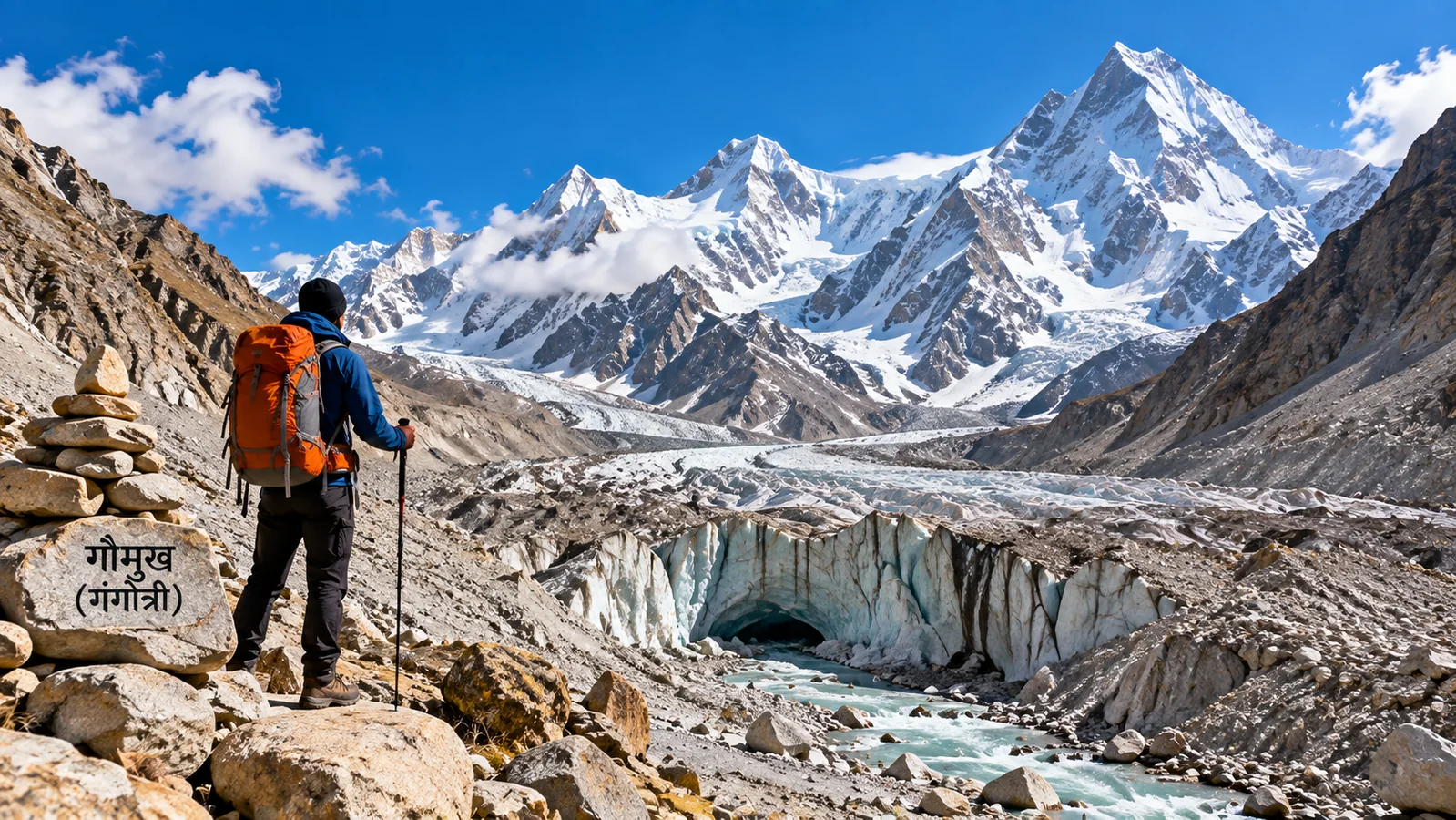
Gaumukh Tapovan Trek
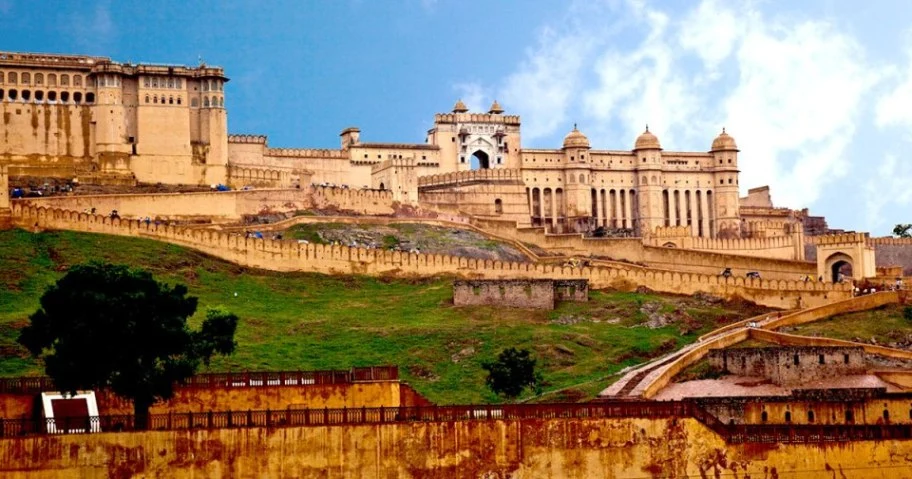
Amber Fort
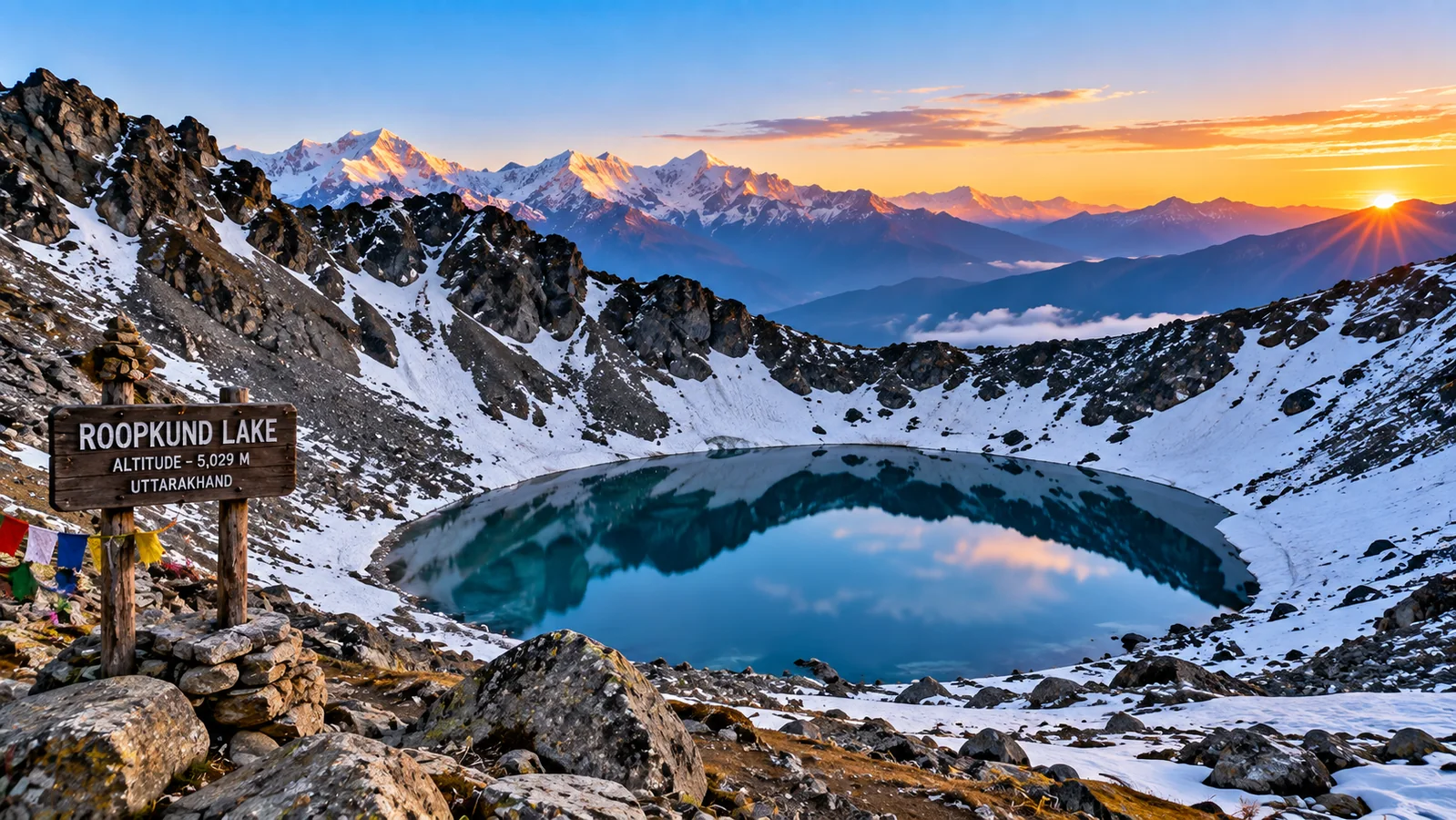
Roopkund Lake Trek
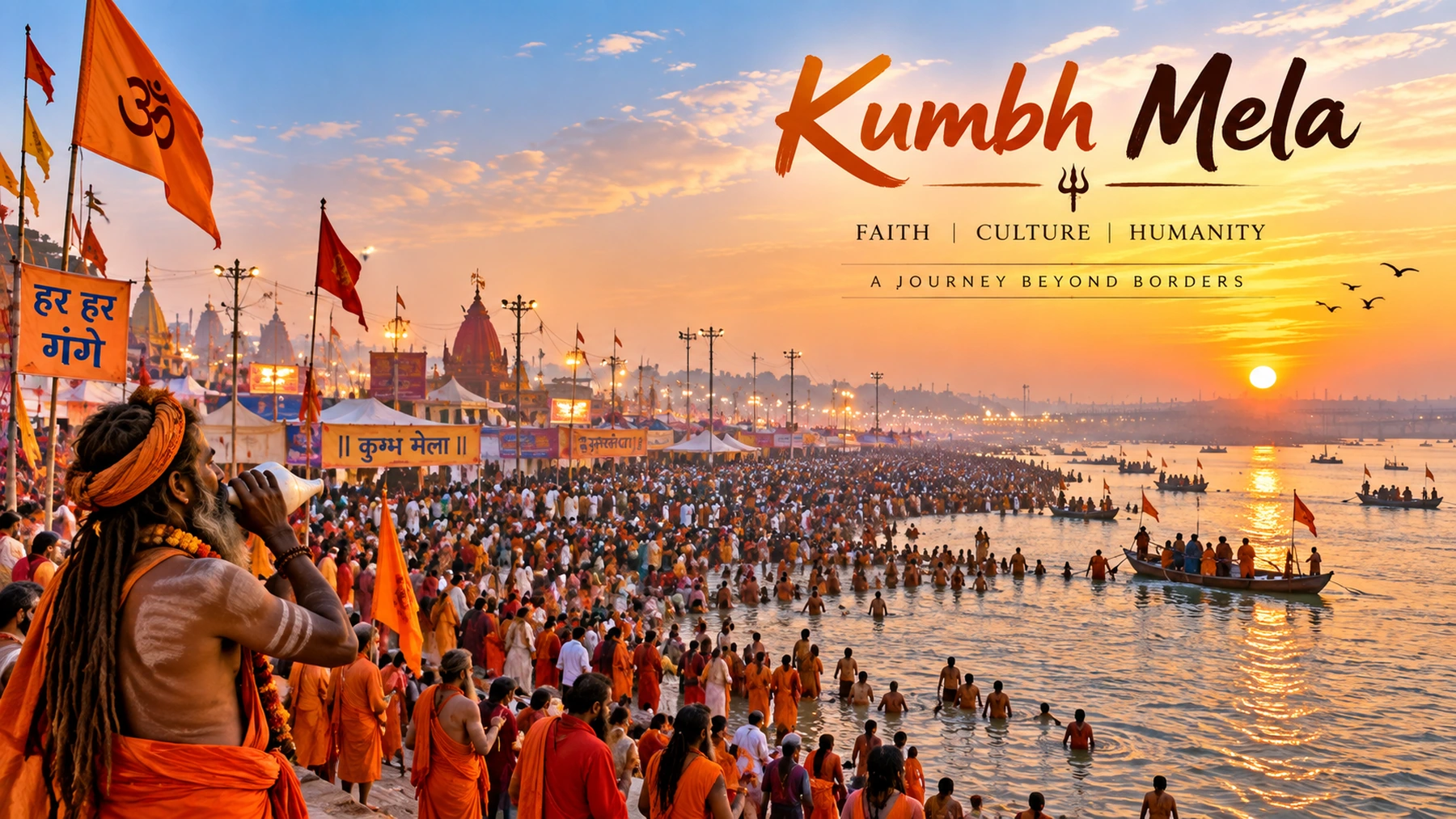
Maha Kumbh 2025
Brahmatal Trek
Kedarnath
The Valley of Flowers Trek
Sri Hemkund Sahib
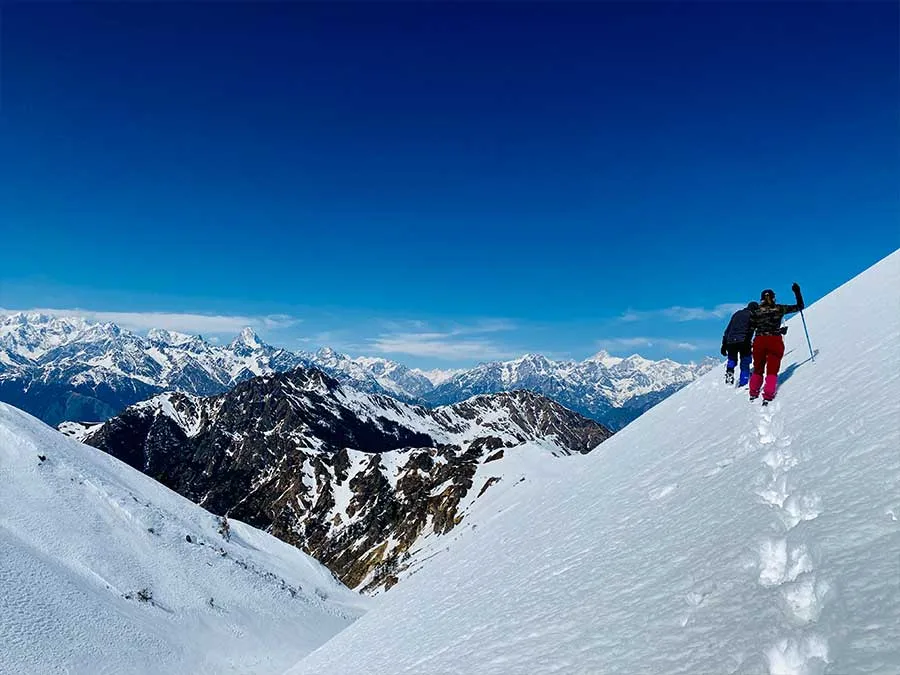
Kuari Pass Trek
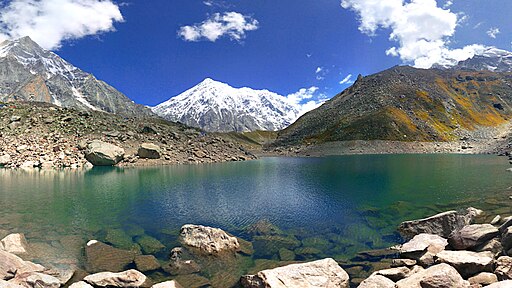
Satopanth Lake Trek
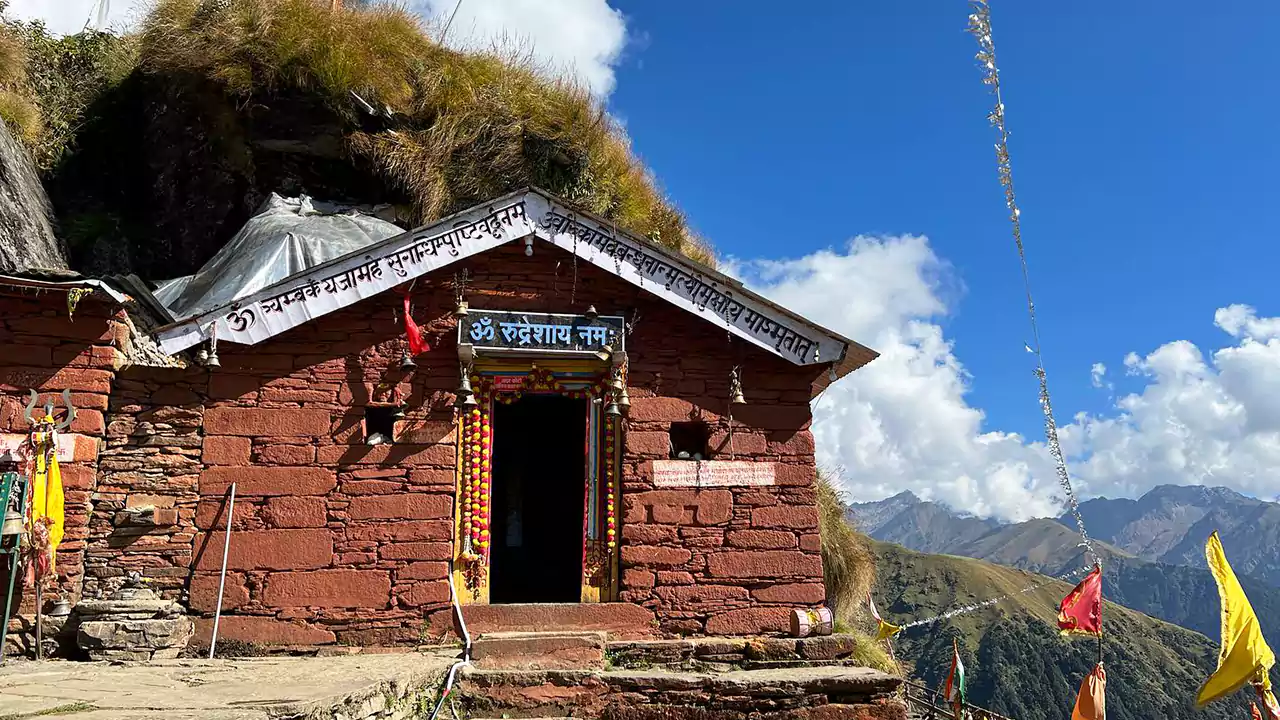
Rudranath
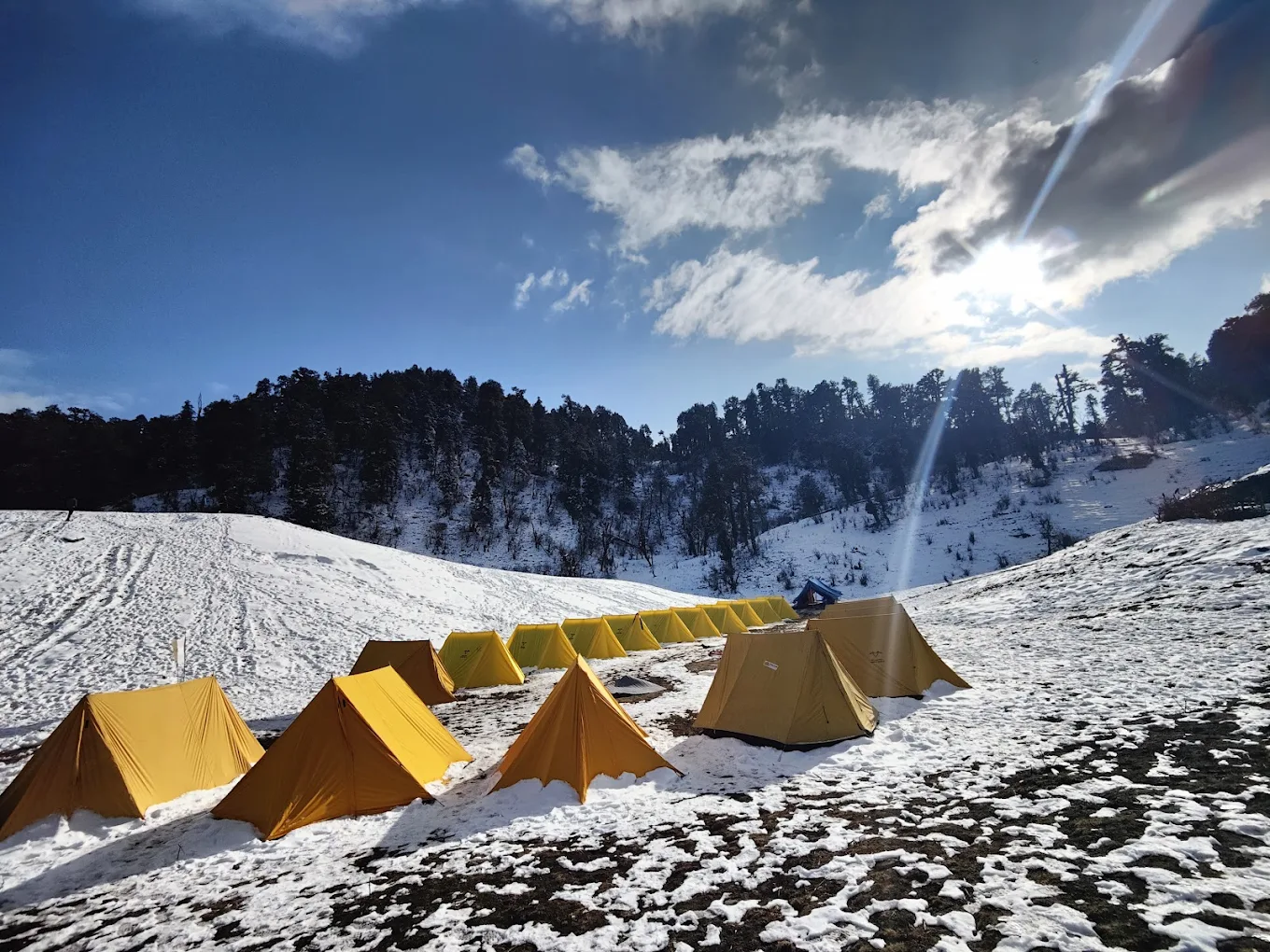
Dayara Bugyal Trek
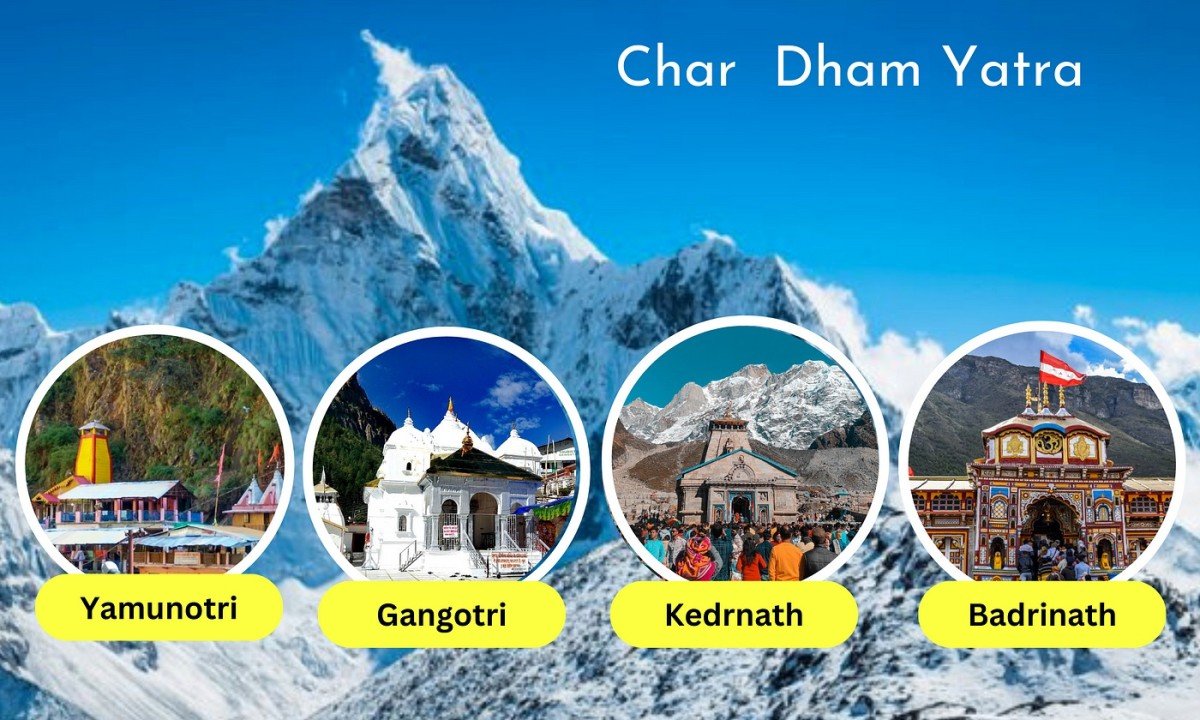
Char Dham Yatra
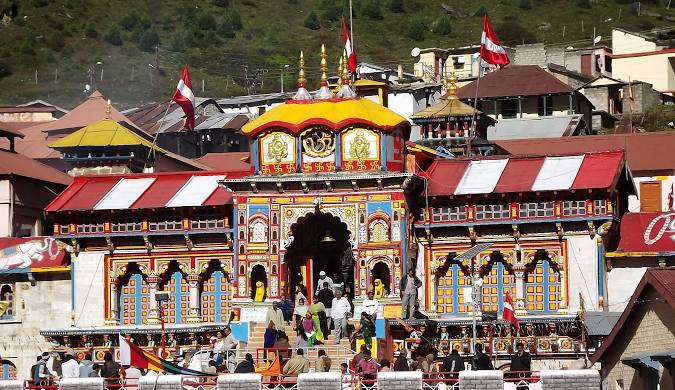
Badrinath
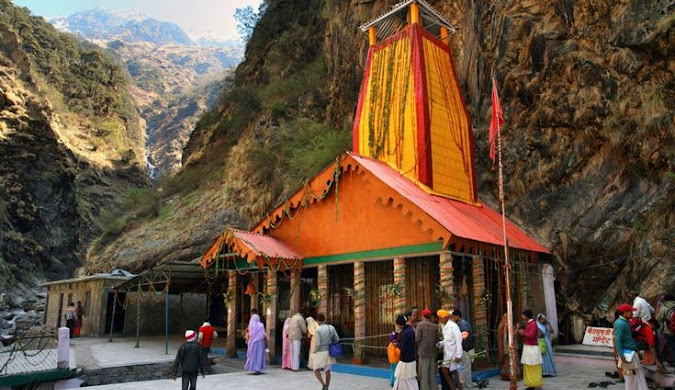
Yamunotri
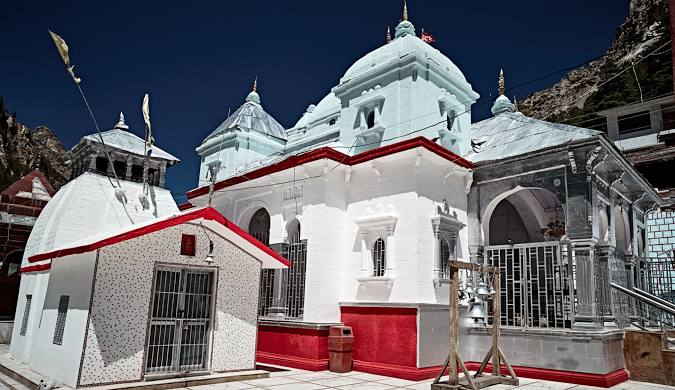
Gangotri
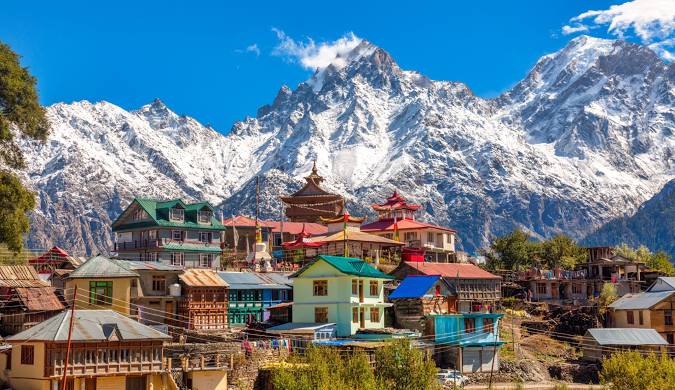
Kalpa
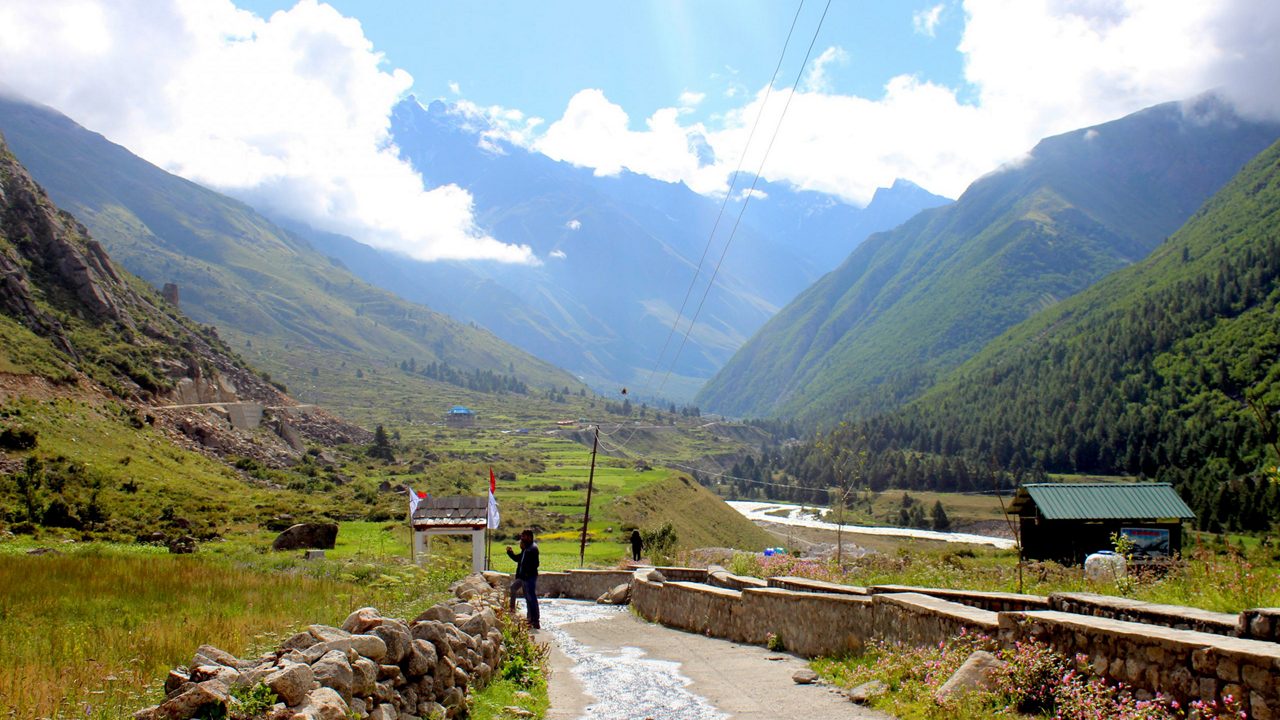
Chitkul
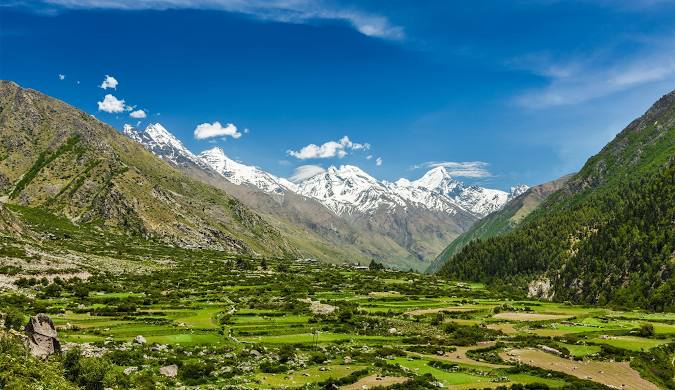
Sangla Valley
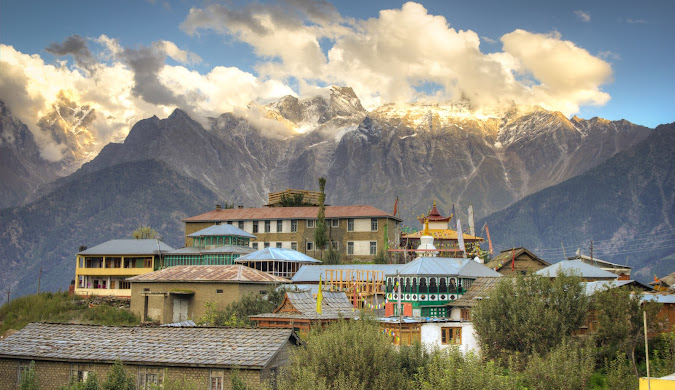
Reckong Peo
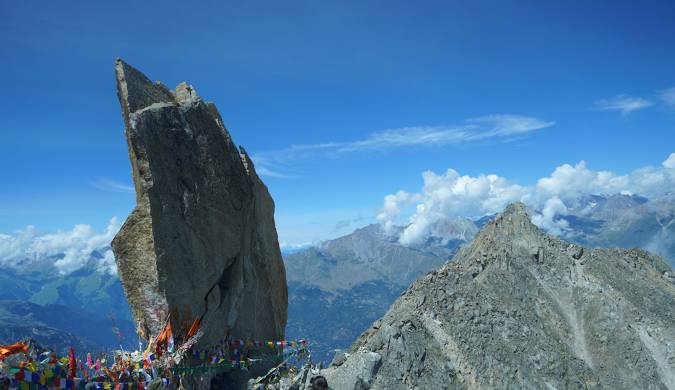
Kinner Kailash
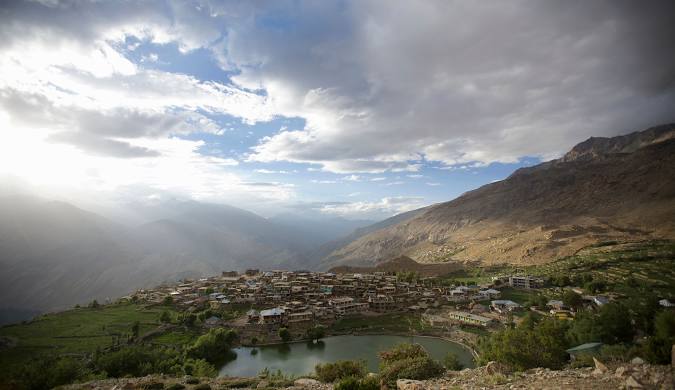
Nako Village
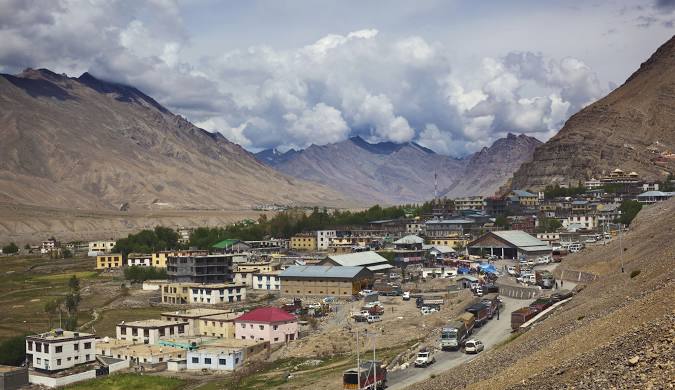
Kaza
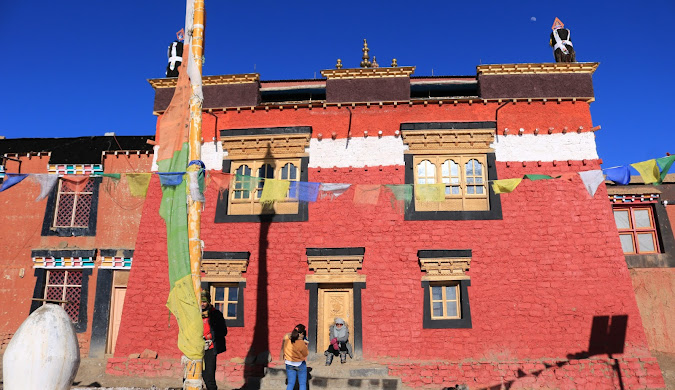
Komic Village
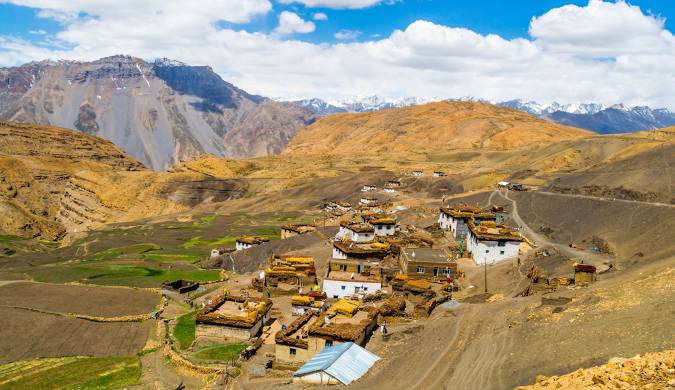
Hikkim Village
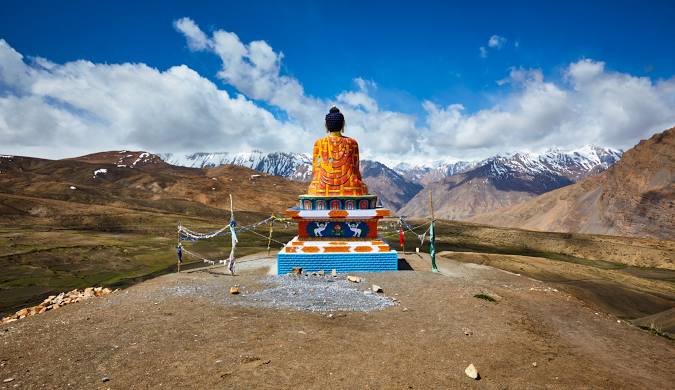
Langza Village
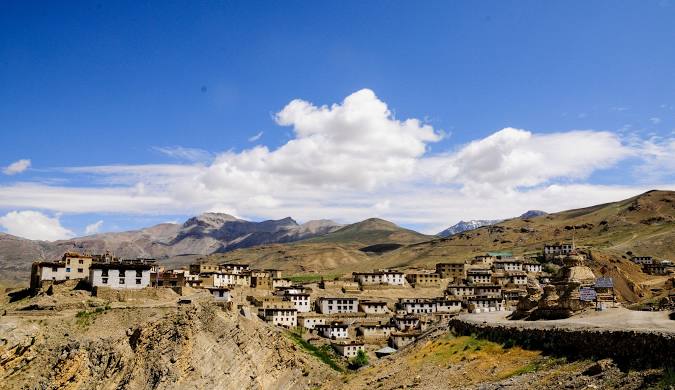
Kibber Village
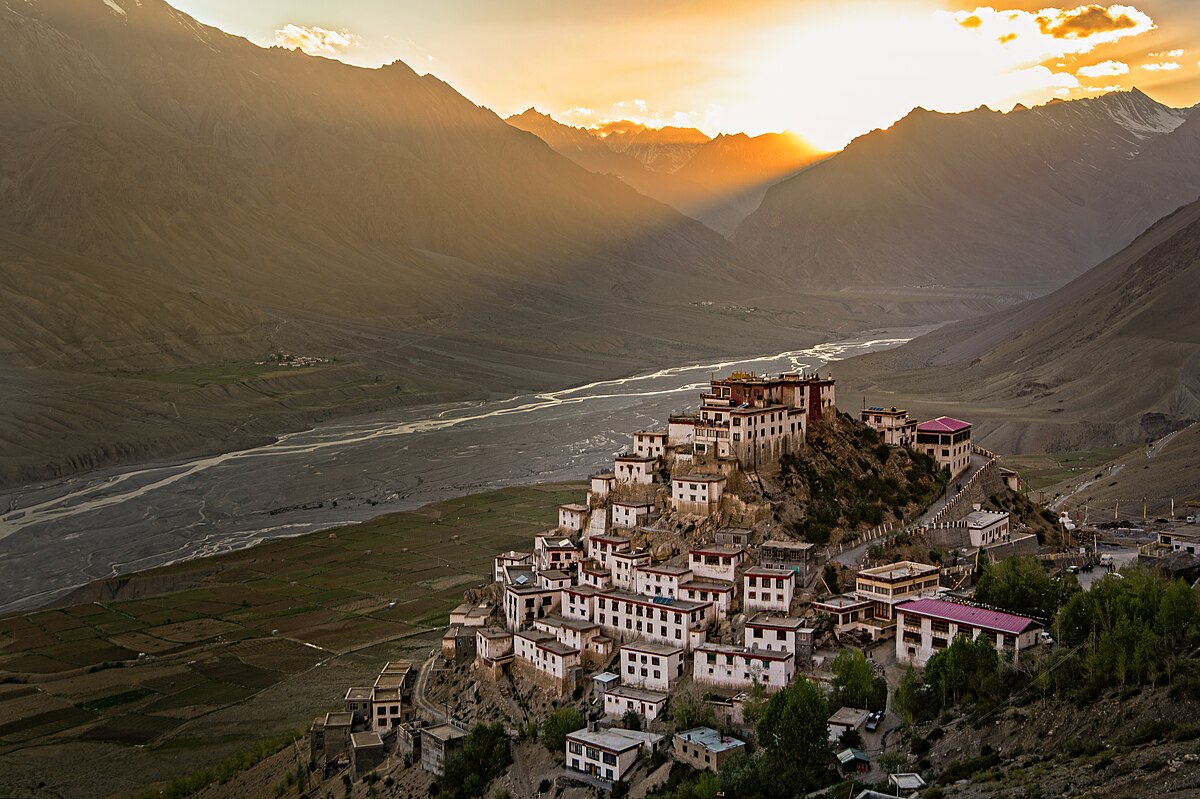
Key Monastery
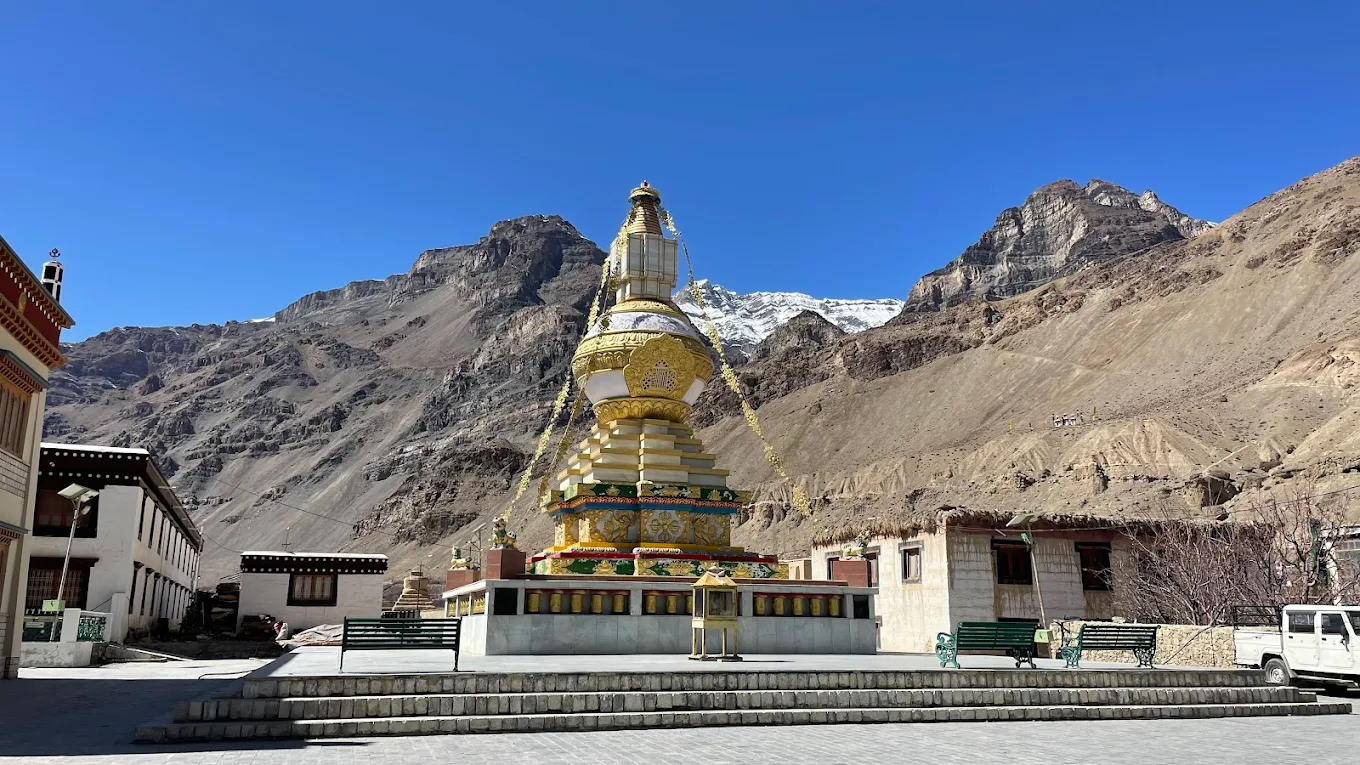
Tabo Monastery
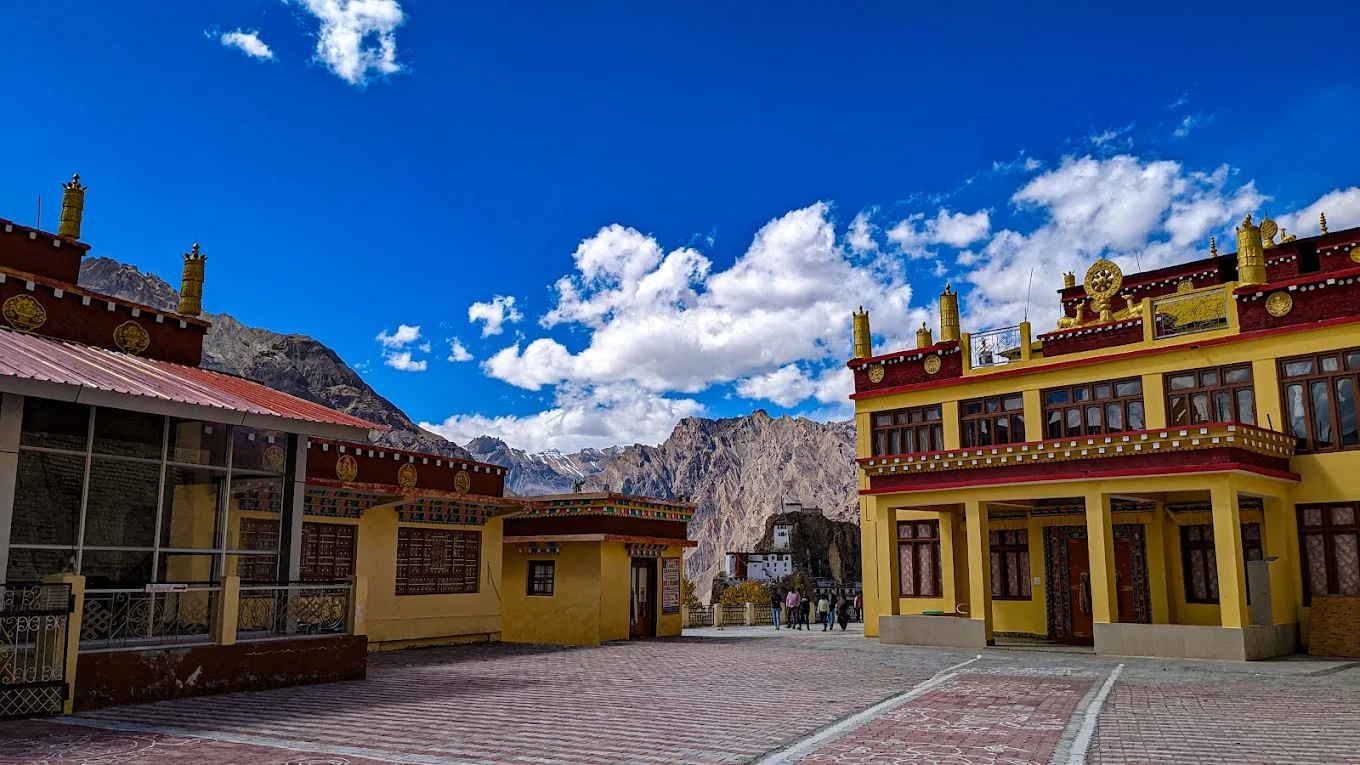
Dhankar Monastery
Gue Village
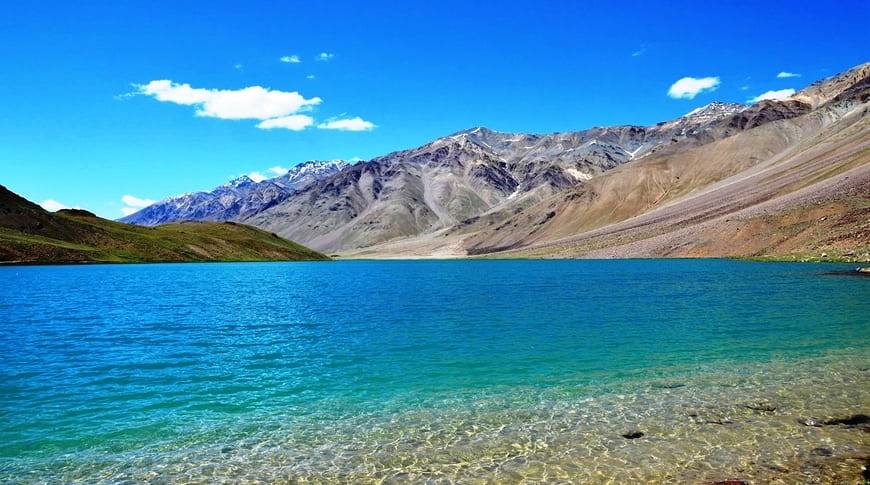
Chandratal Lake
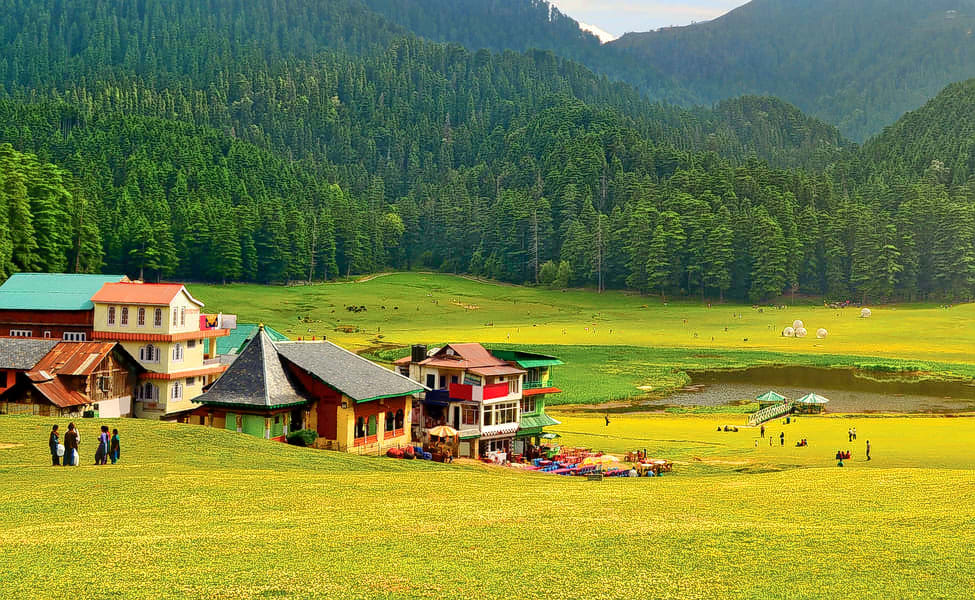
Dalhousie
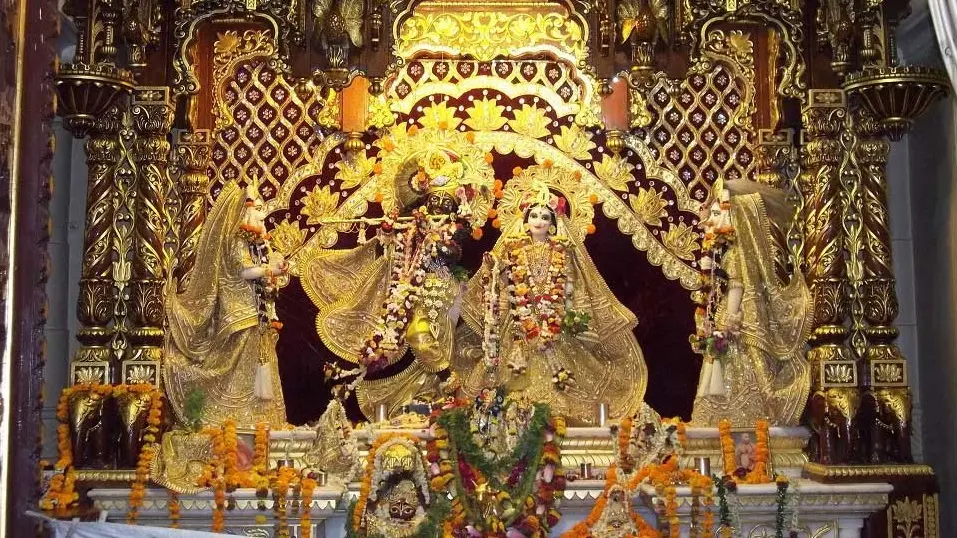
Shri Krishna Janmabhoomi Temple
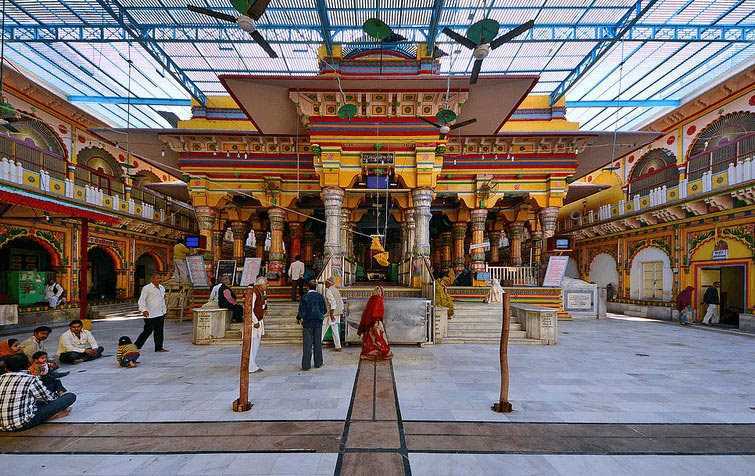
Shri Dwarkadhish Temple
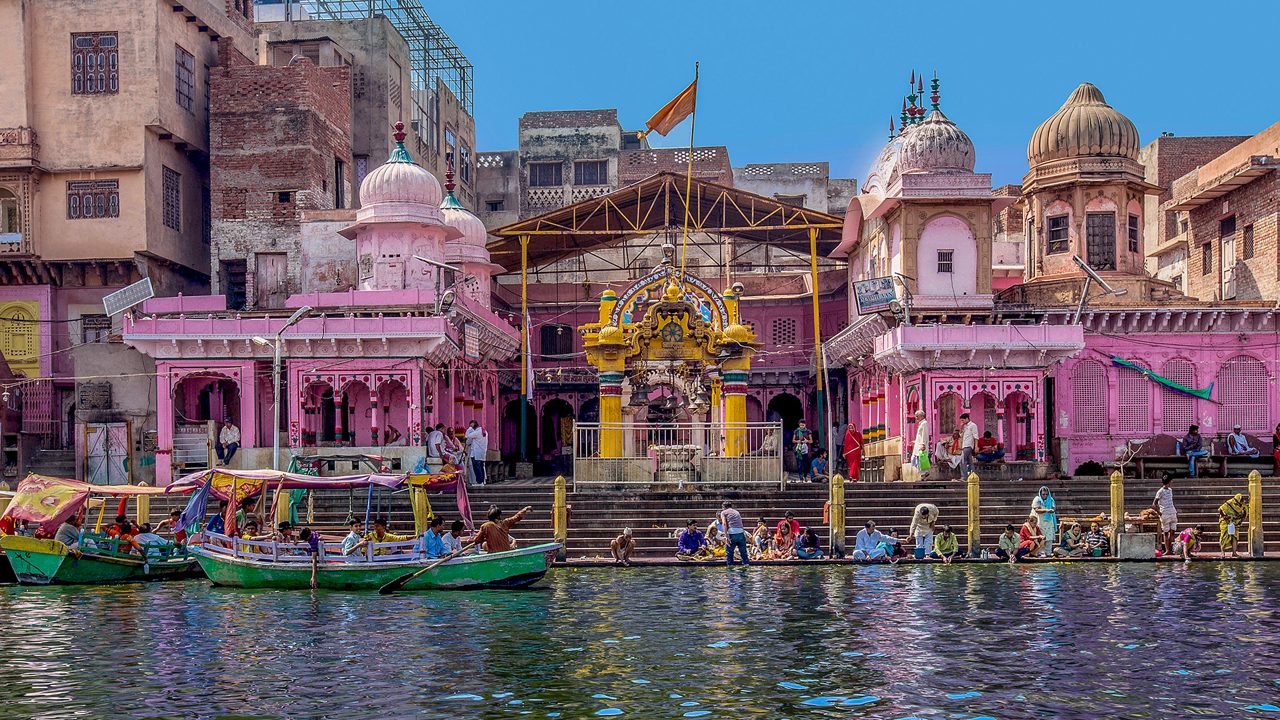
Vishram Ghat, Mathura
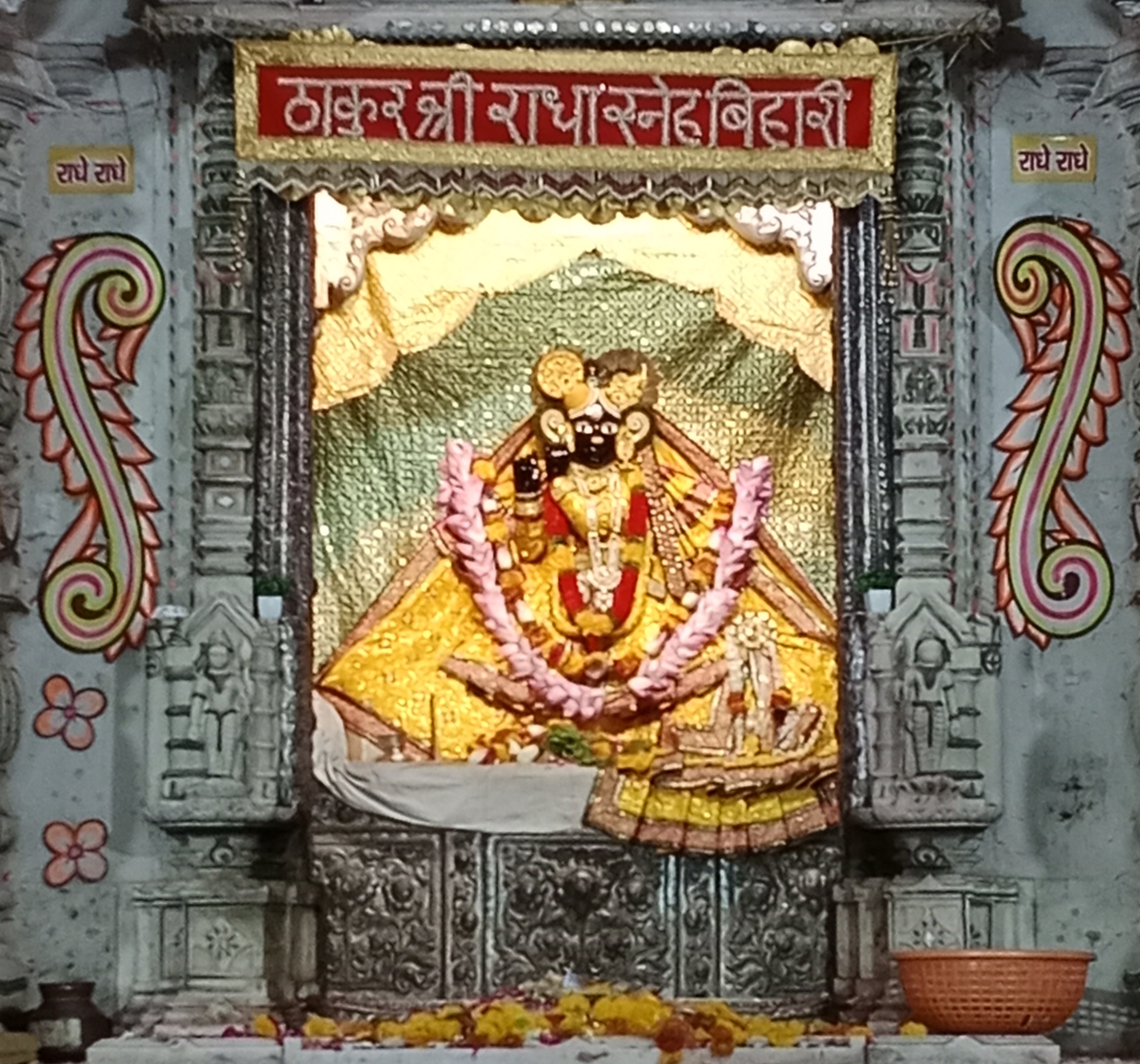
Shri Banke Bihari Temple, Vrindavan
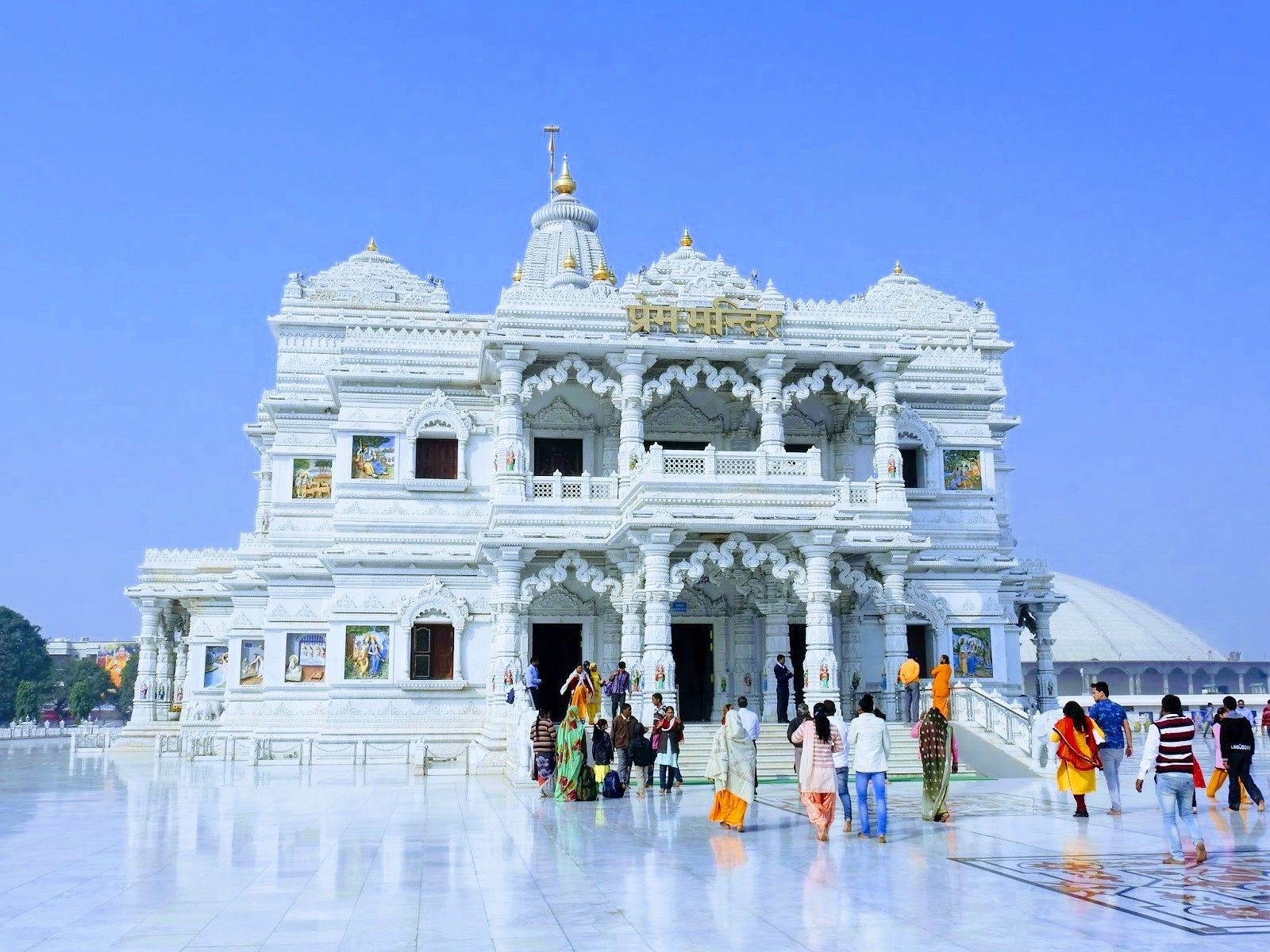
Shri Prem Mandir, Vrindavan
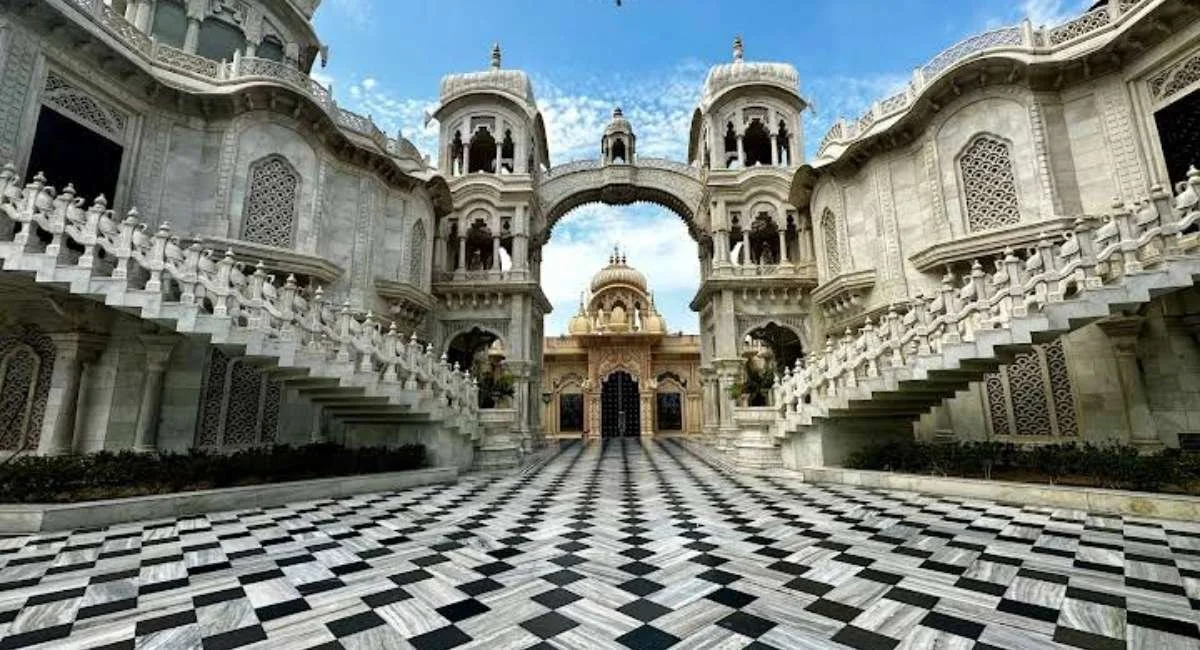
ISKCON Temple, Vrindavan
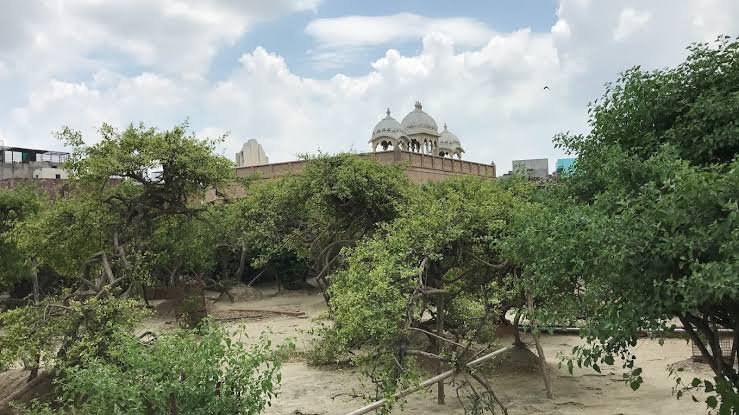
Nidhivan, Vrindavan
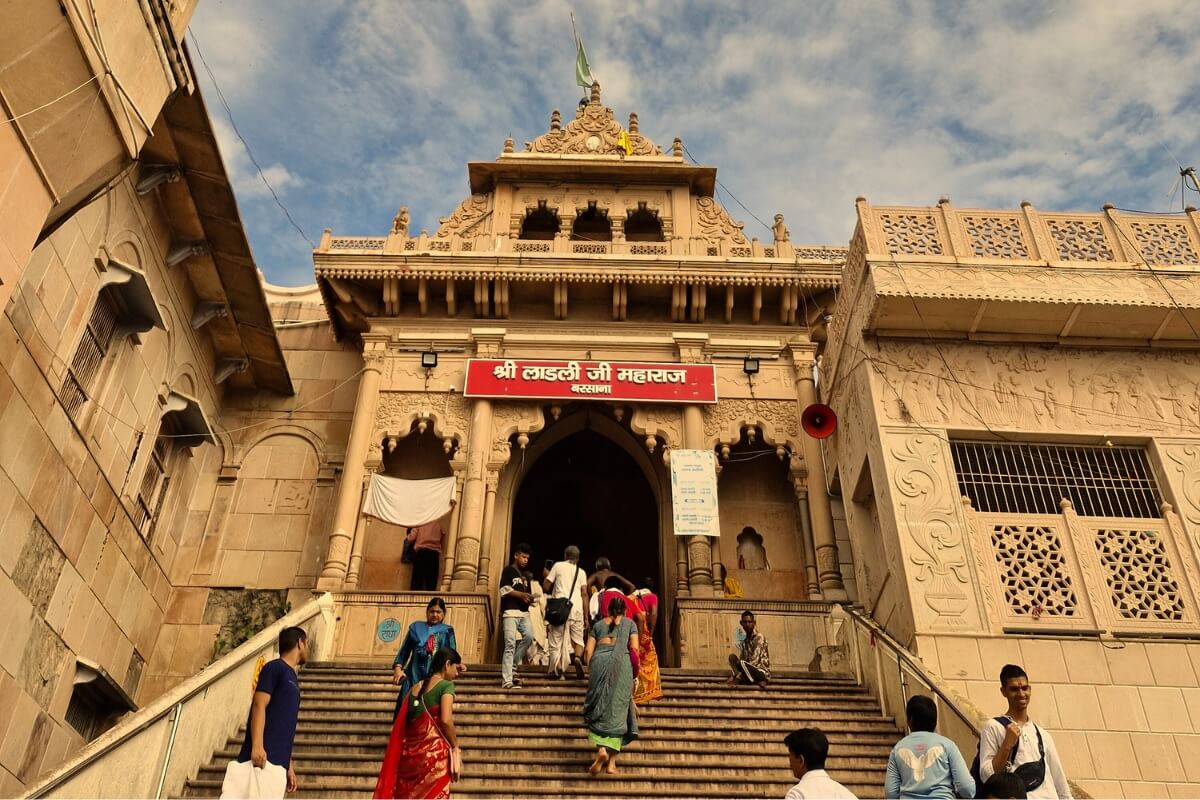
Shri Radha Rani Temple, Barsana
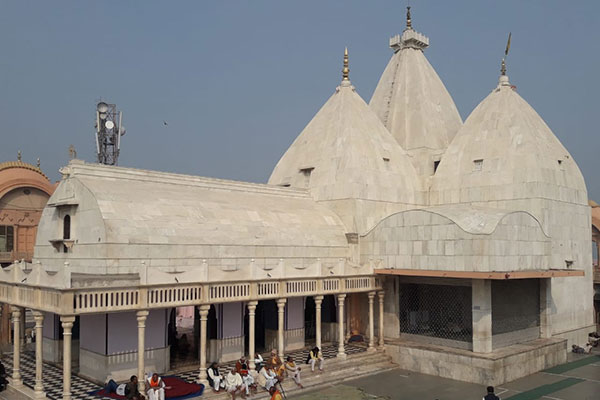
Nand Bhawan Mandir, Nandgaon
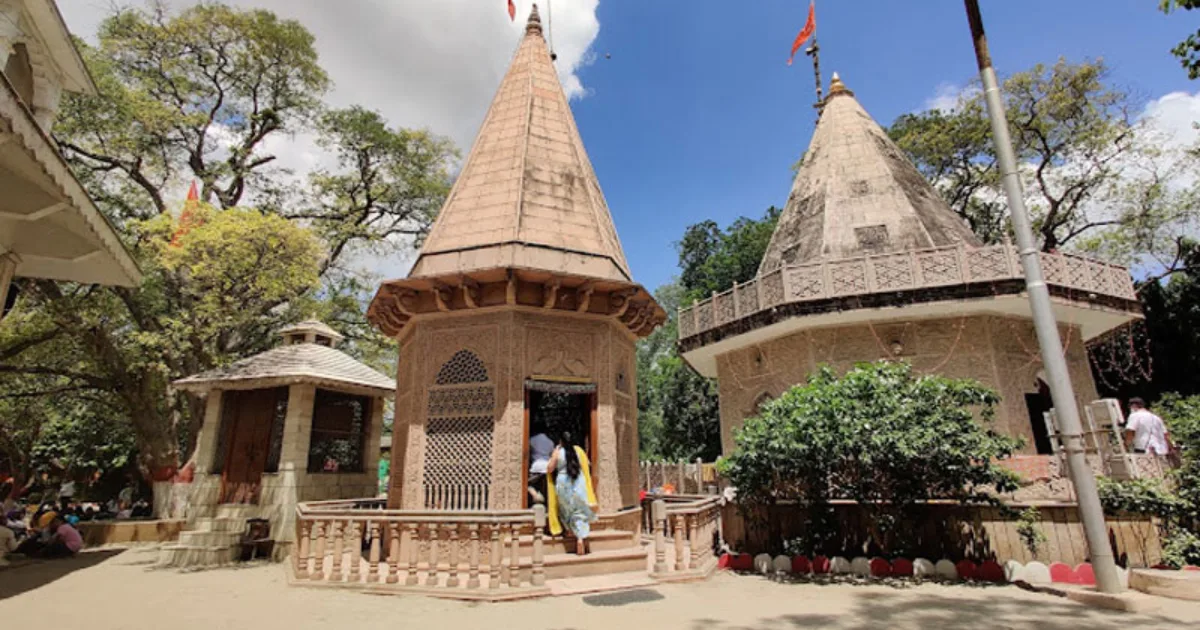
Raman Reti
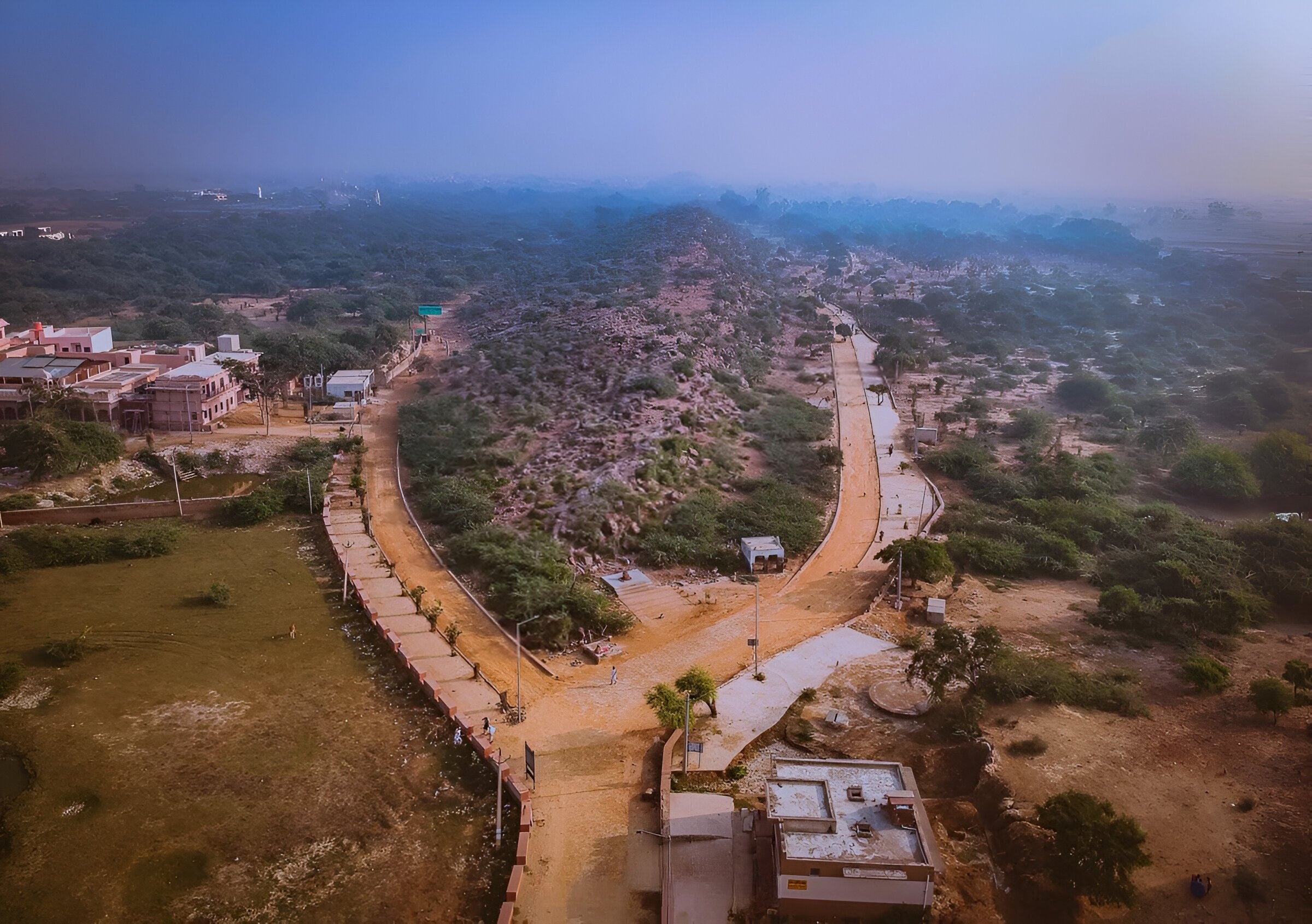
Goverdhan Parikrama
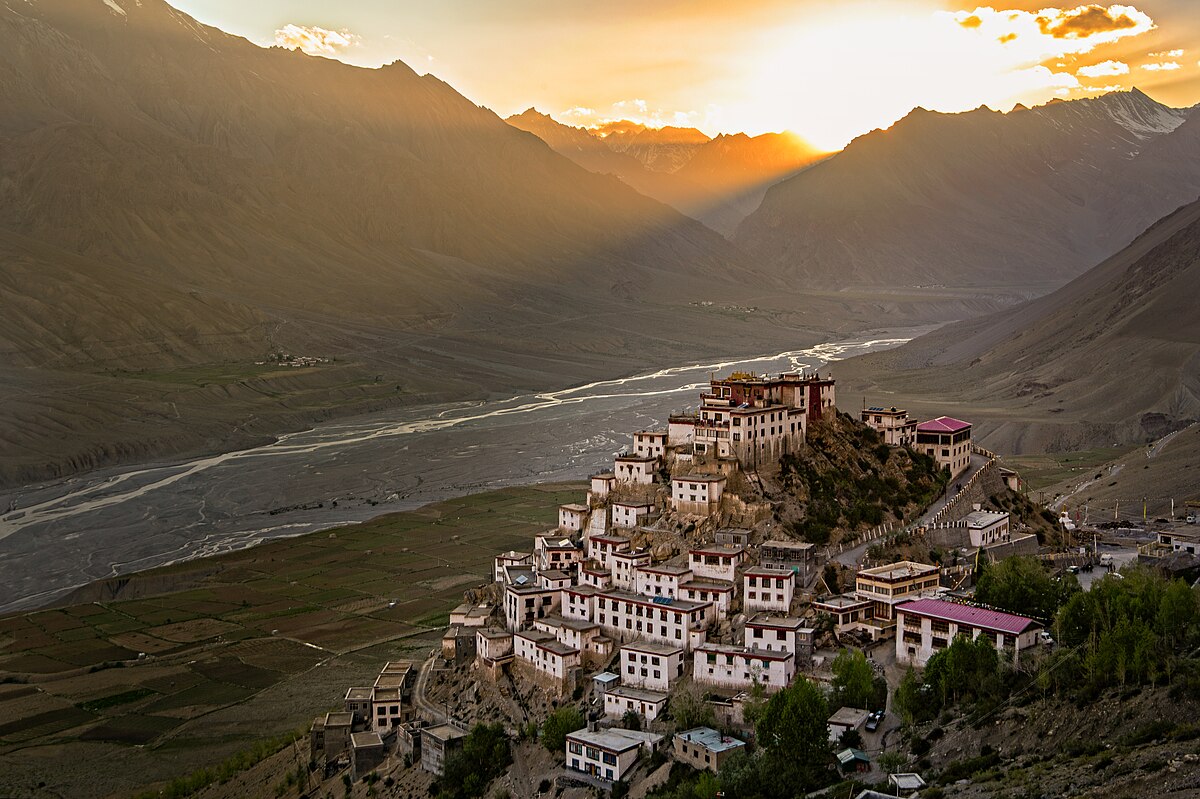
Spiti Valley Expedition
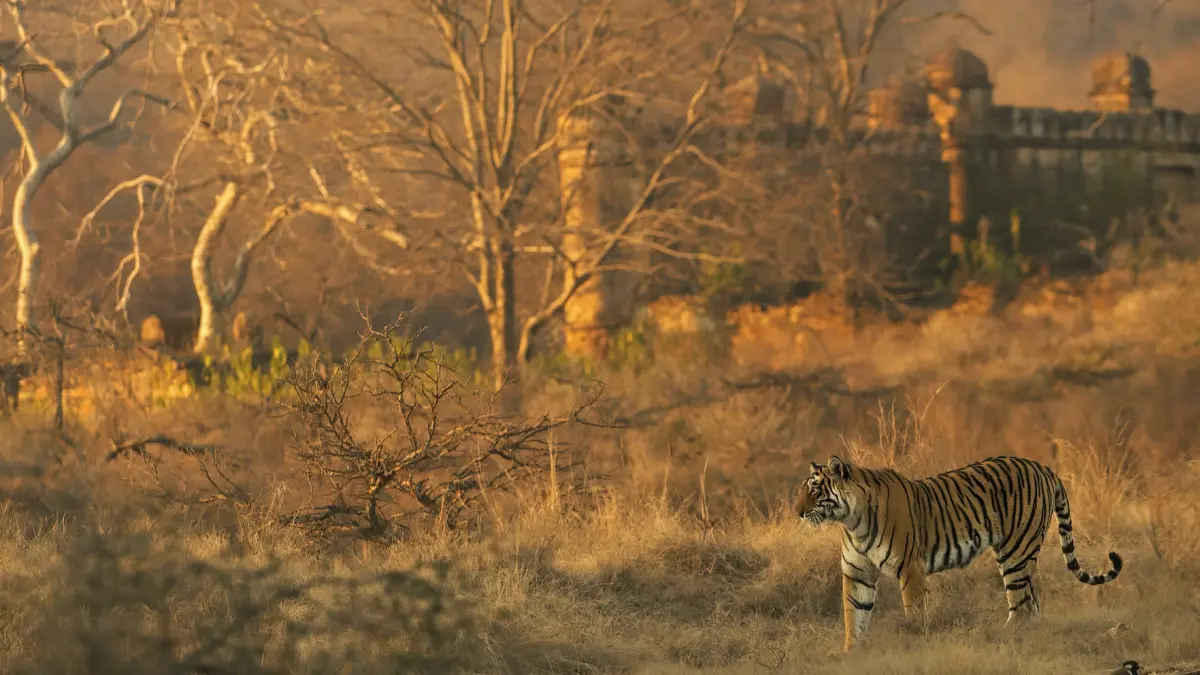
Ranthambhore National Park
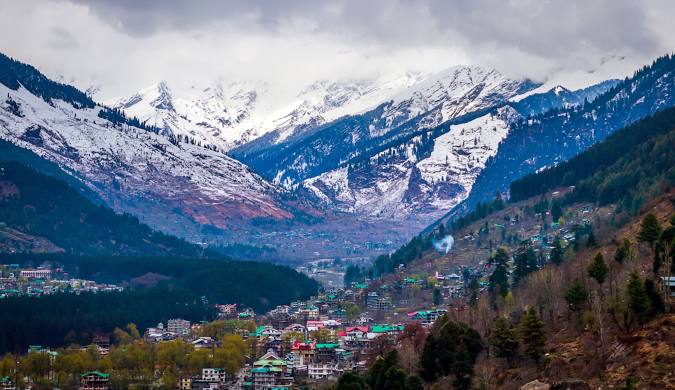
Manali
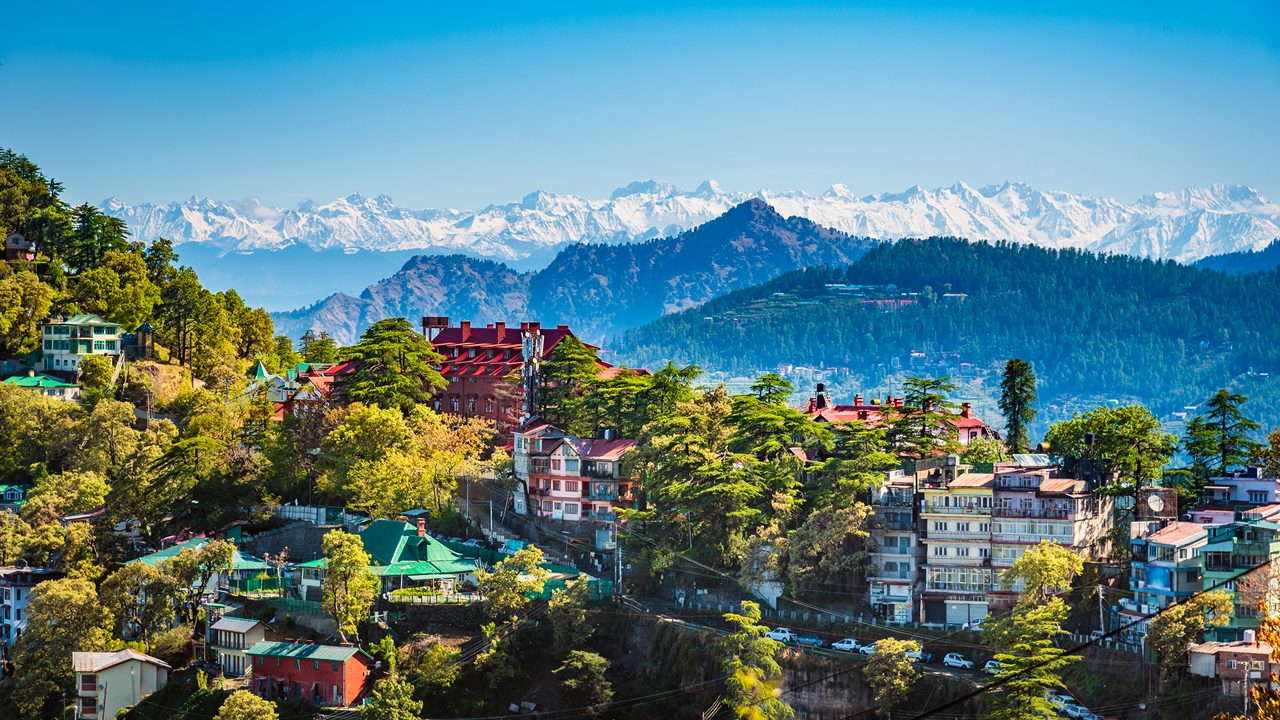
Shimla
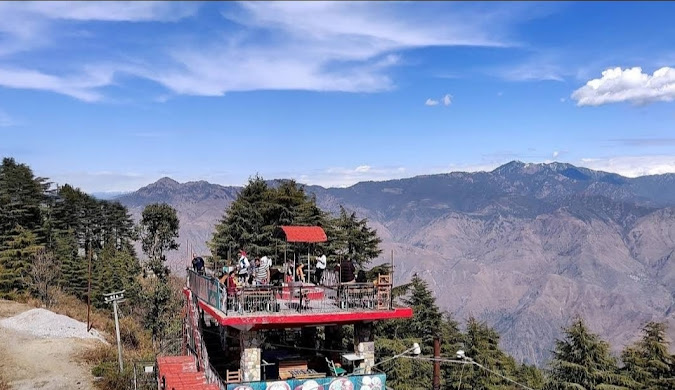
Mussoorie
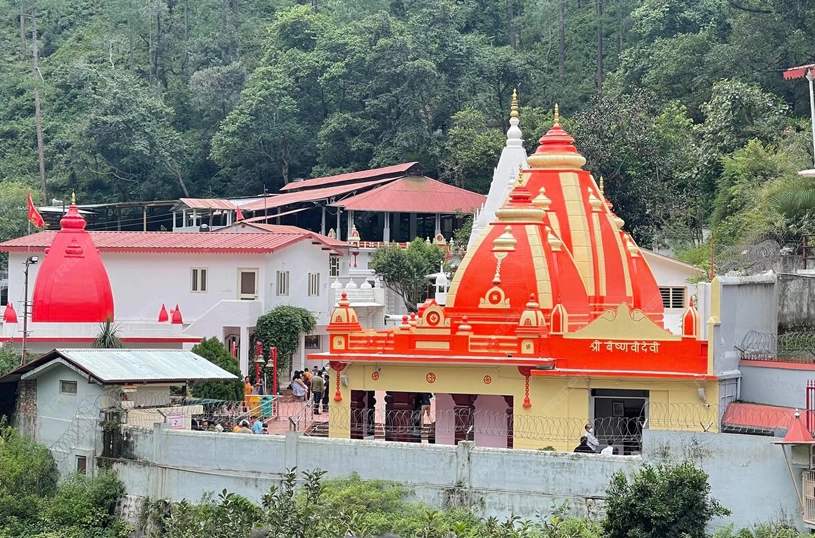
Neem Karoli Baba, Kainchi Dham
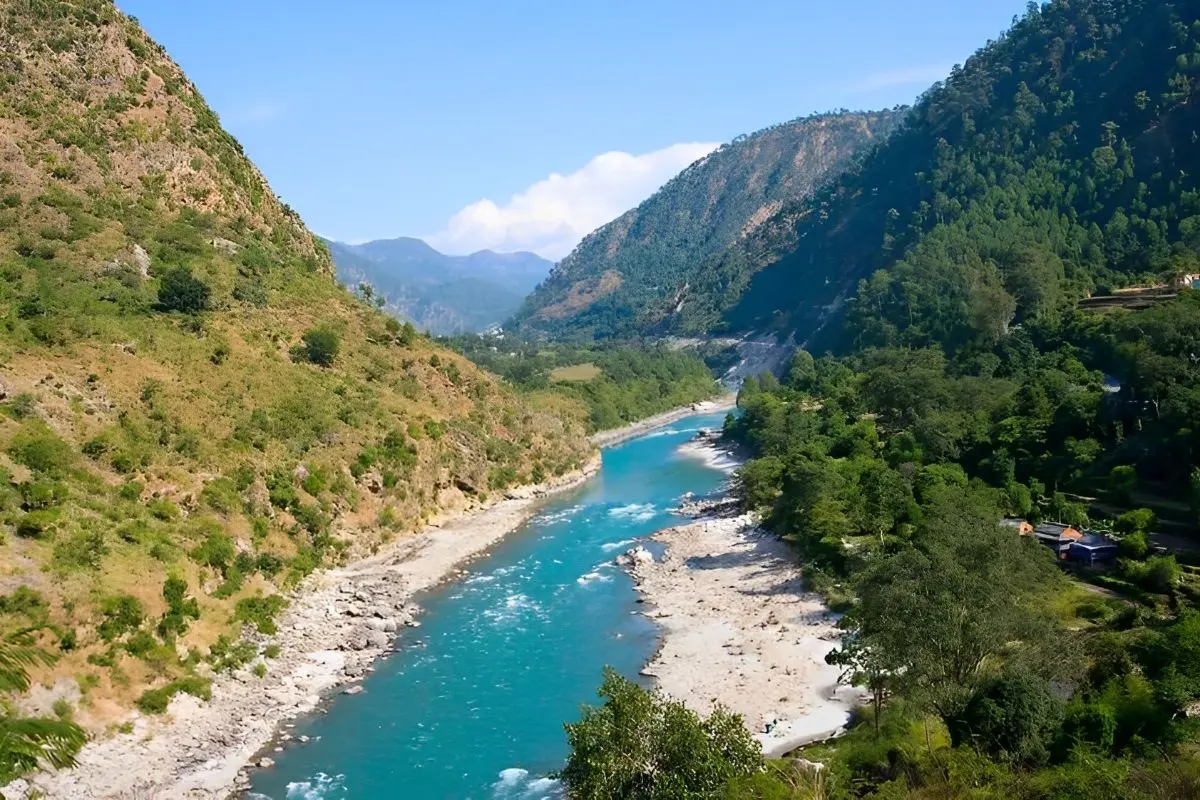
Mukteshwar
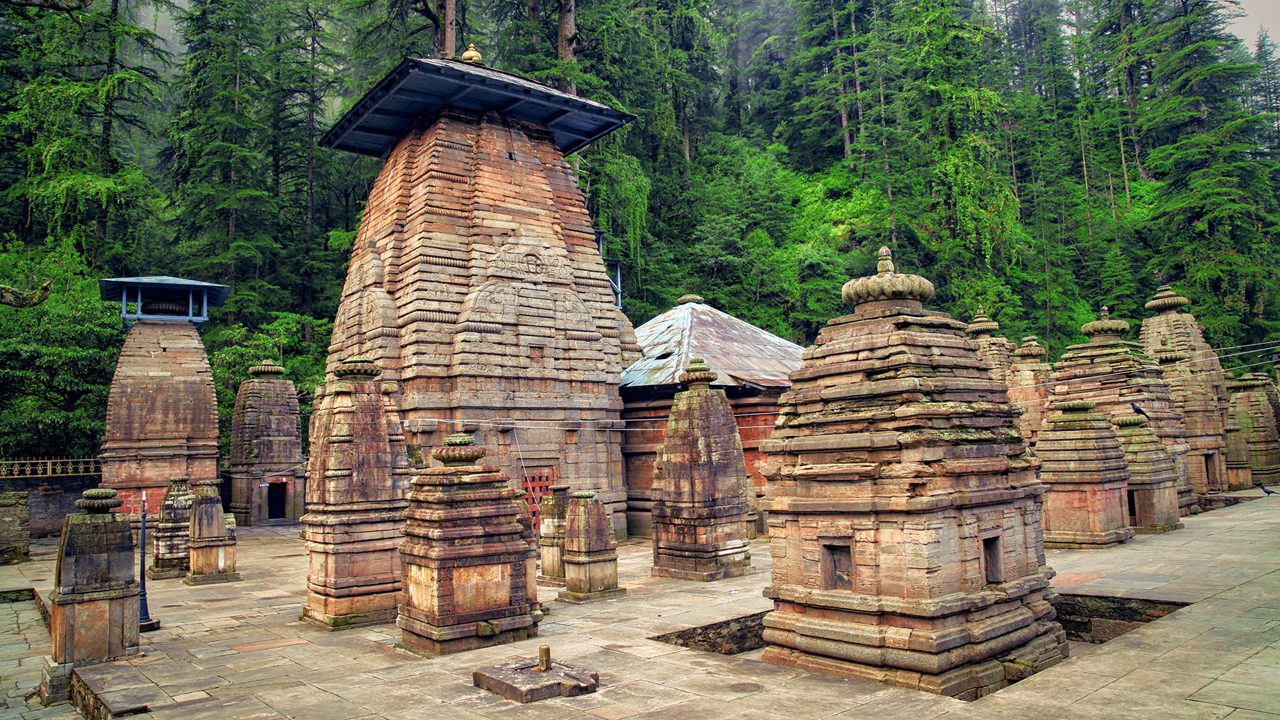
Jageshwar Dham
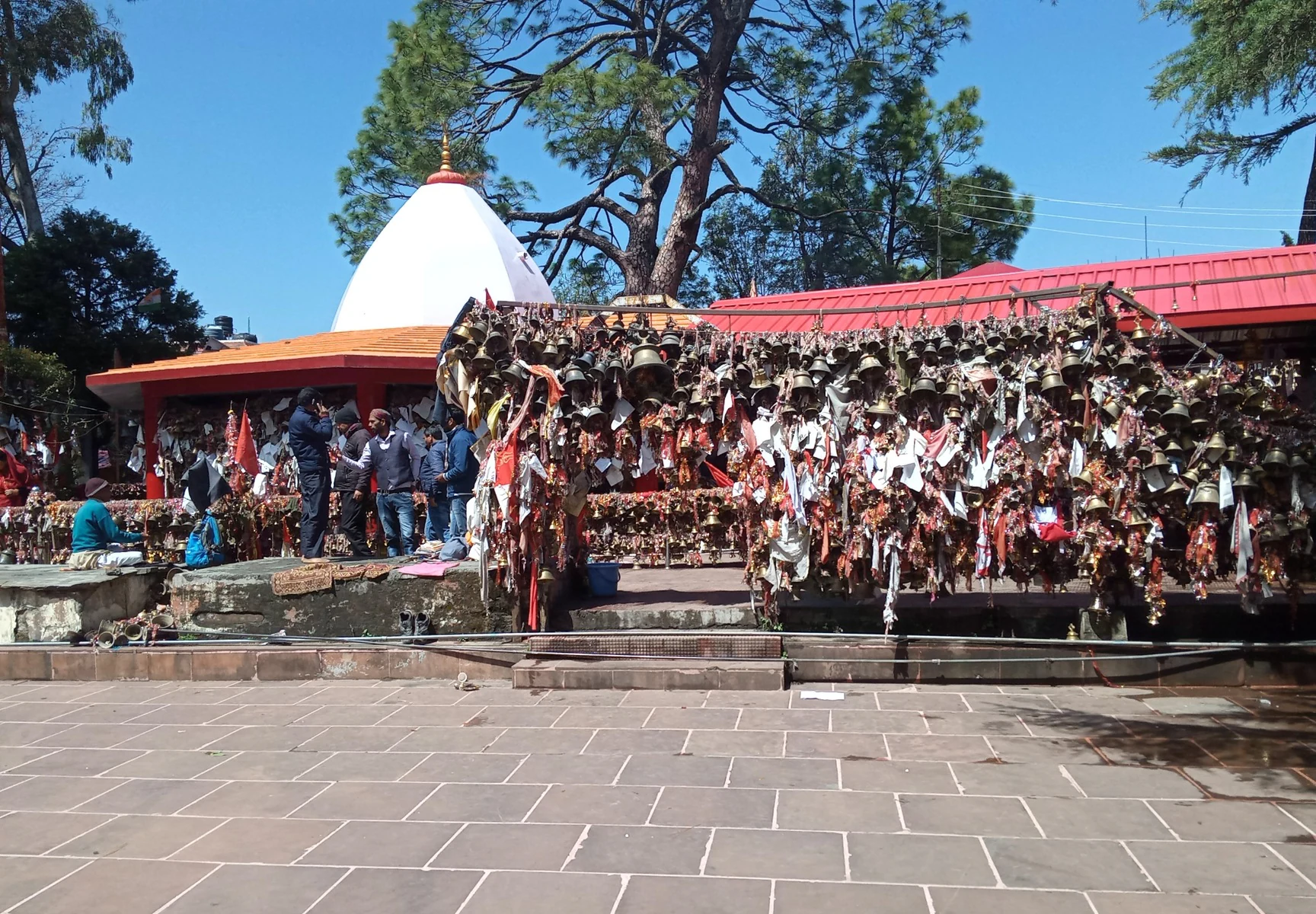
Chitai Golu Devta Temple
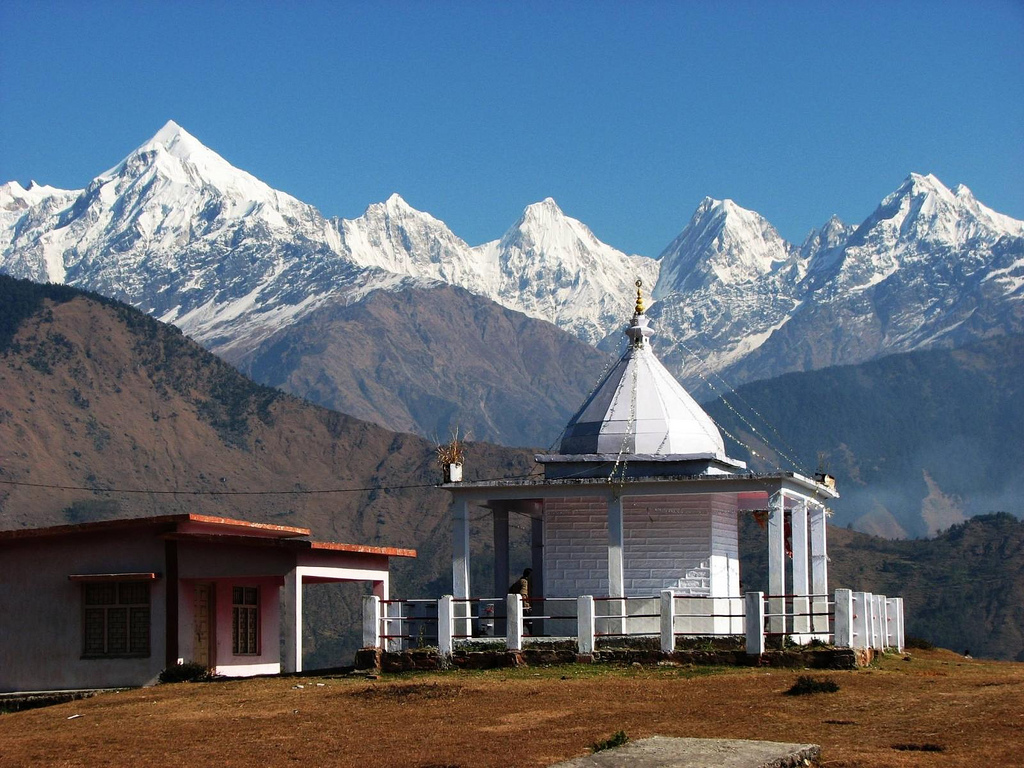
NANDA DEVI TEMPLE
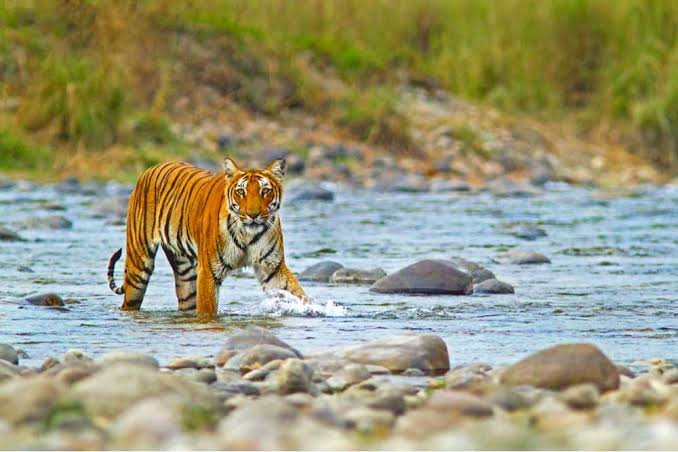
Jim Corbett National Park
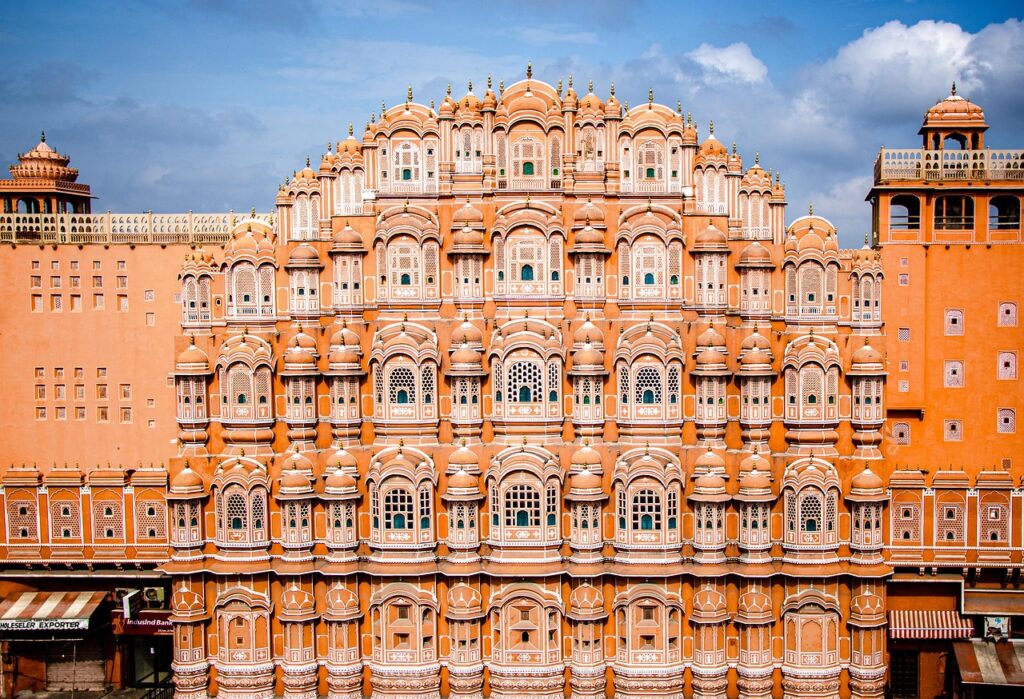
Hawa Mahal
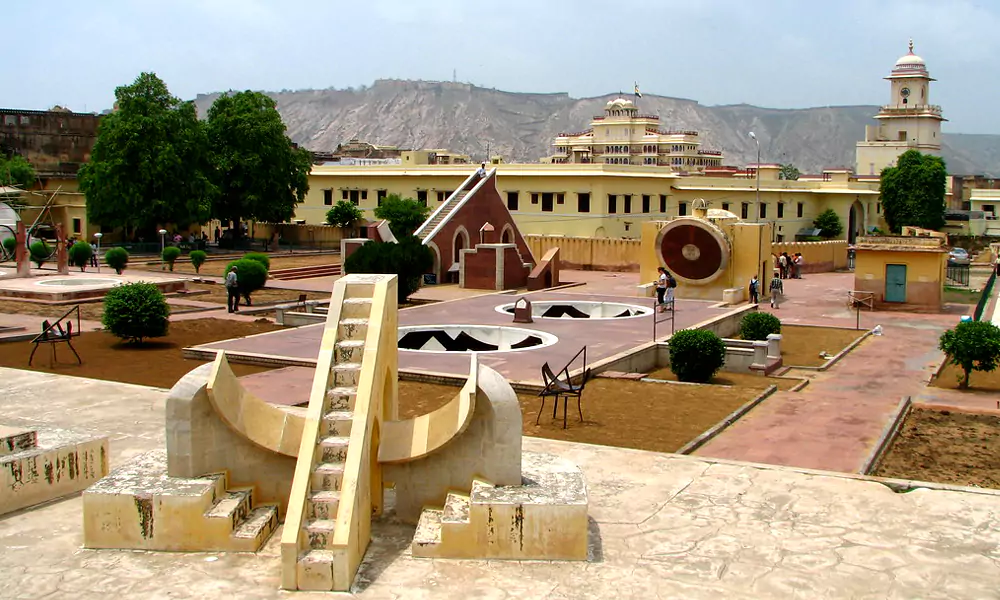
Jantar Mantar, Jaipur
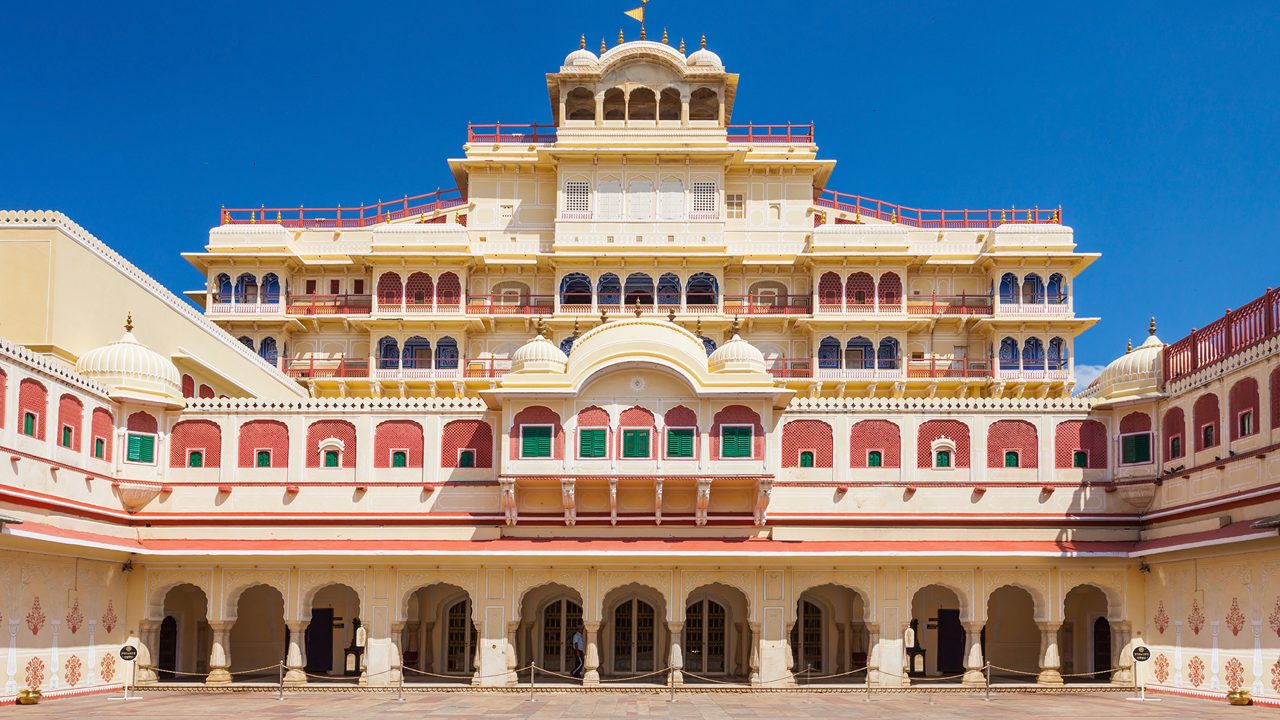
City Palace
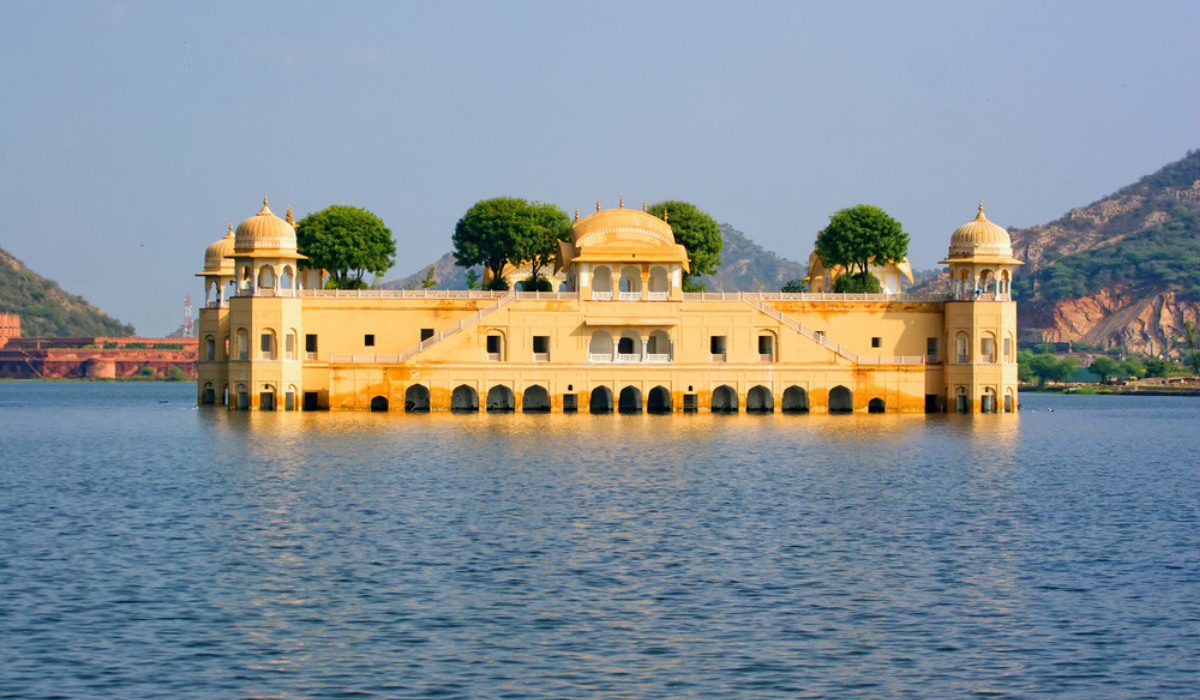
Jal Mahal
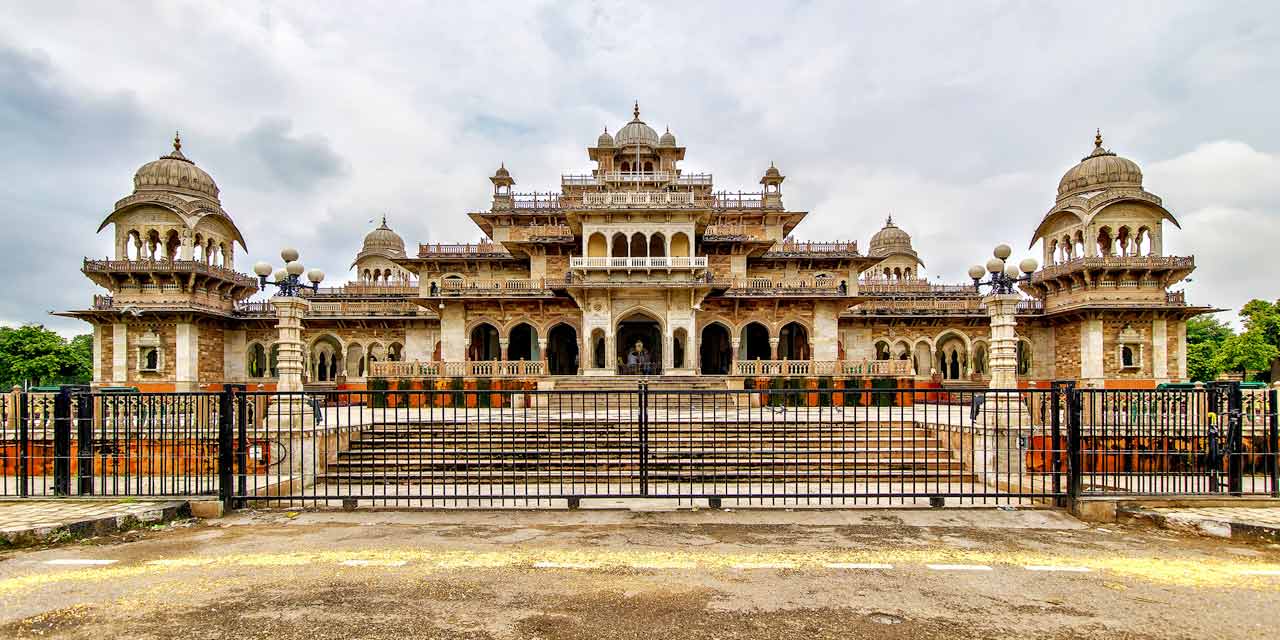
Albert Hall Museum
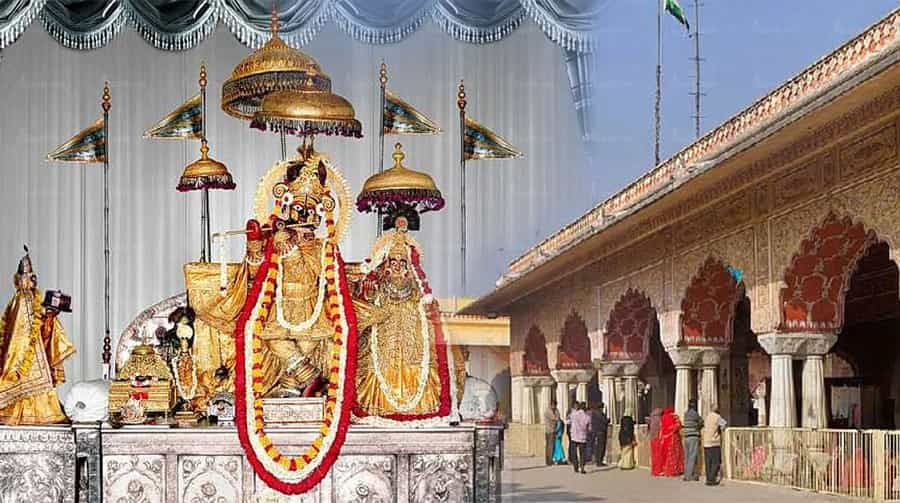
Shri Govind Dev Ji Temple
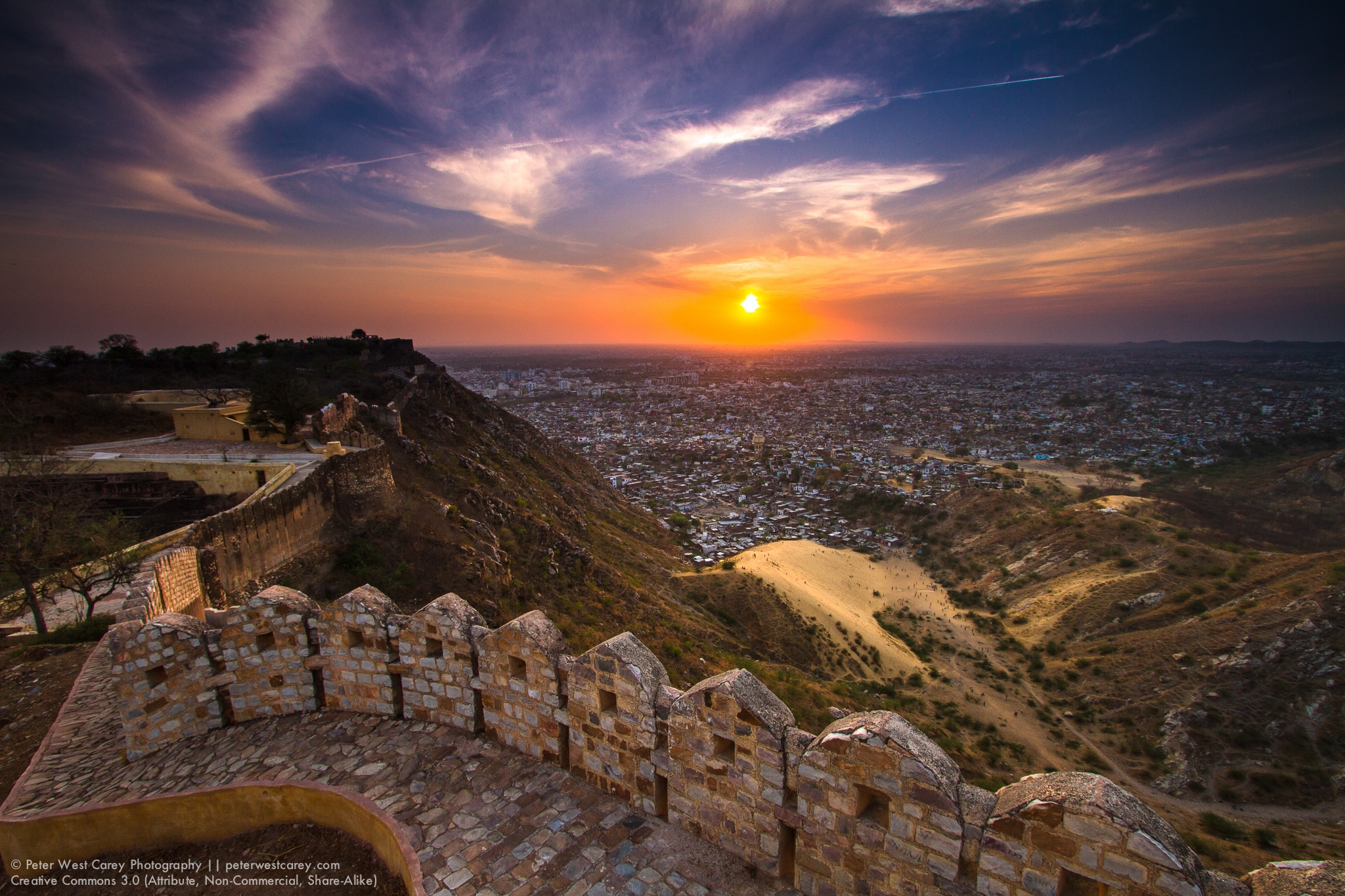
Nahargarh Fort
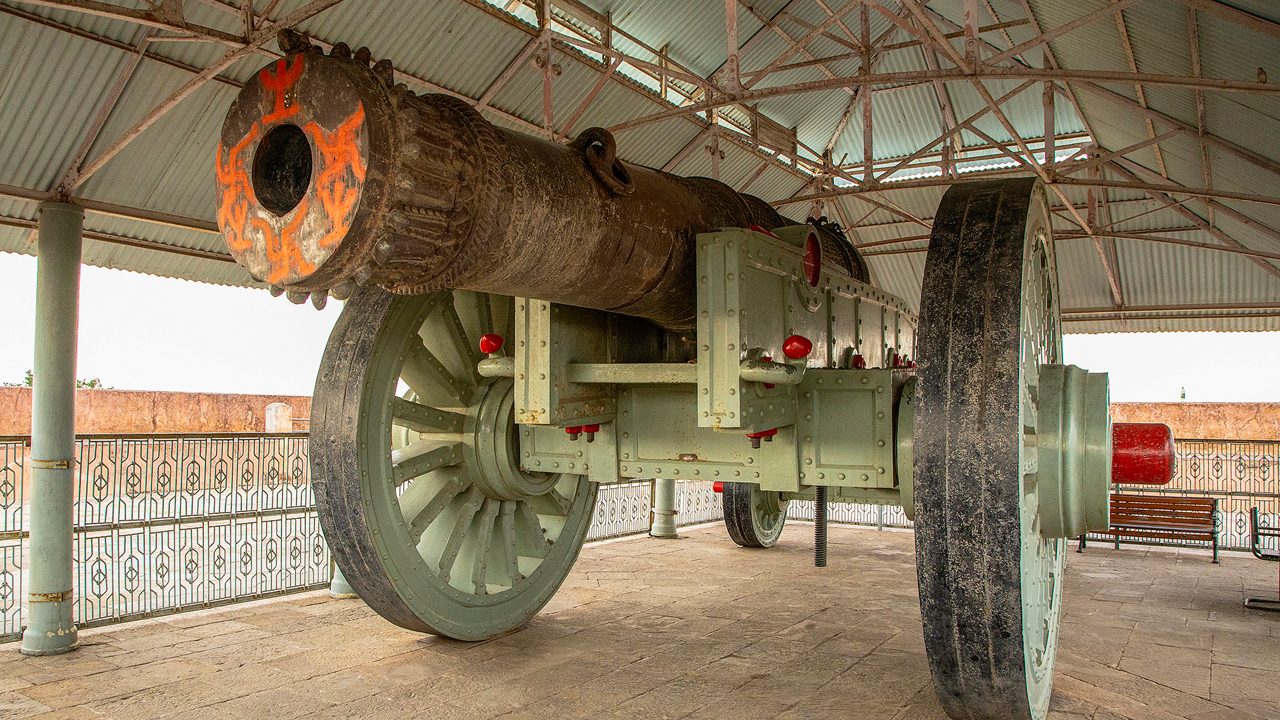
Jaigarh Fort
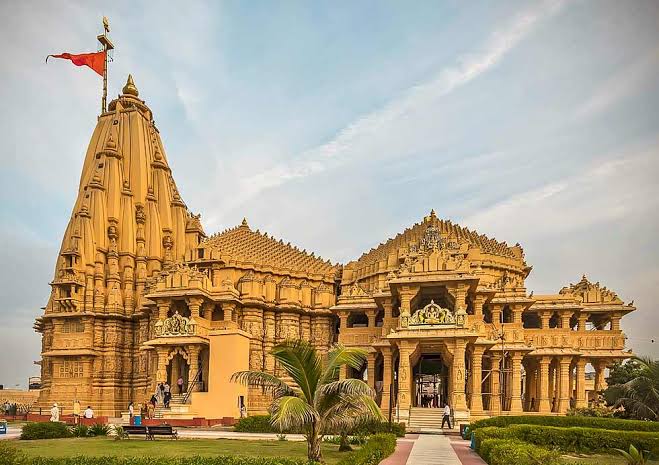
Somnath Temple
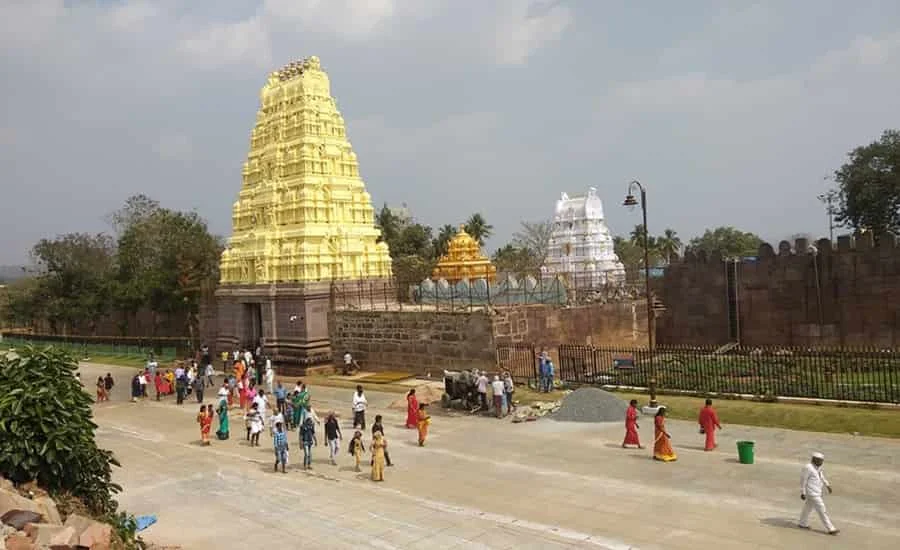
Mallikarjuna Temple
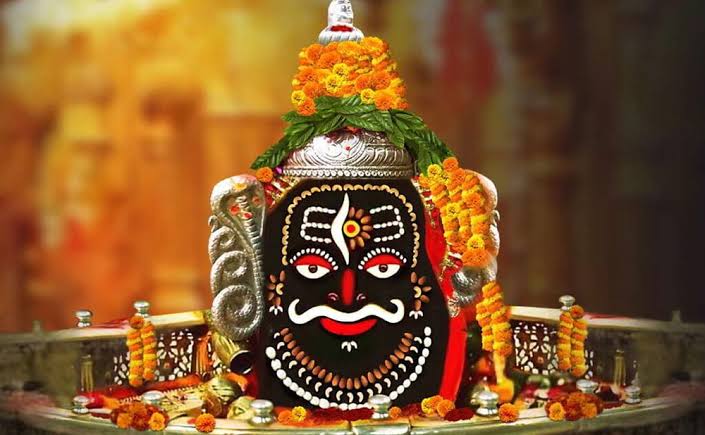
Mahakaleshwar Temple
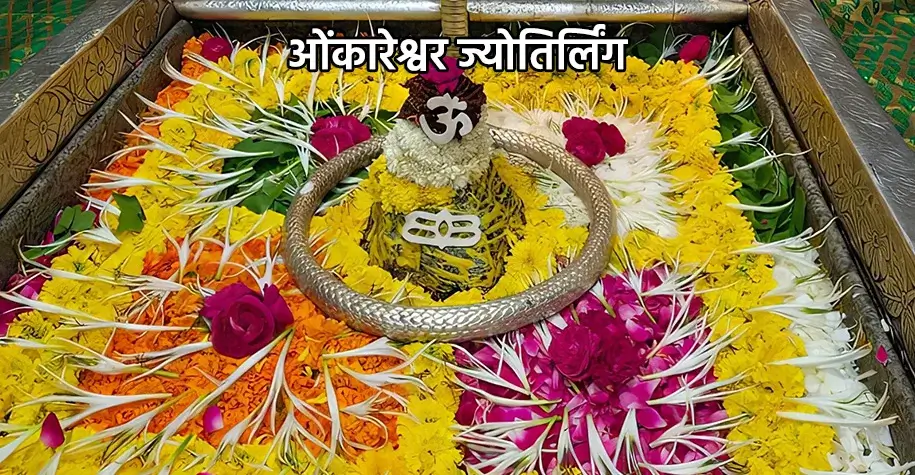
Omkareshwar Temple
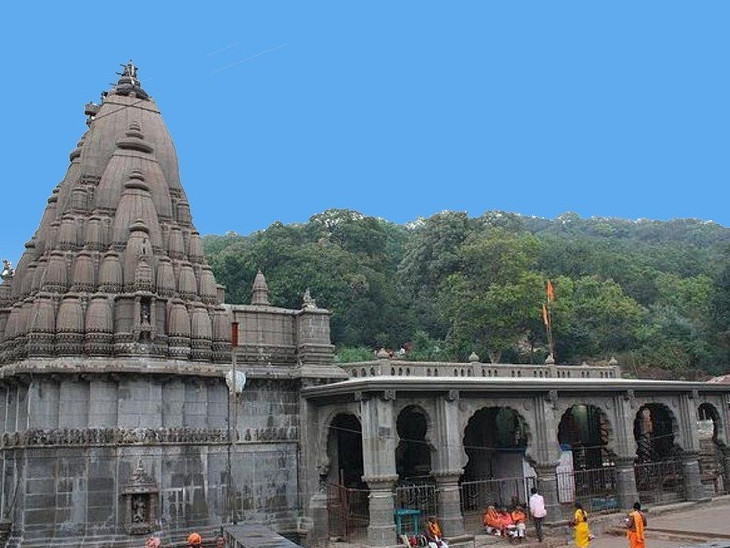
Bhimashankar Temple
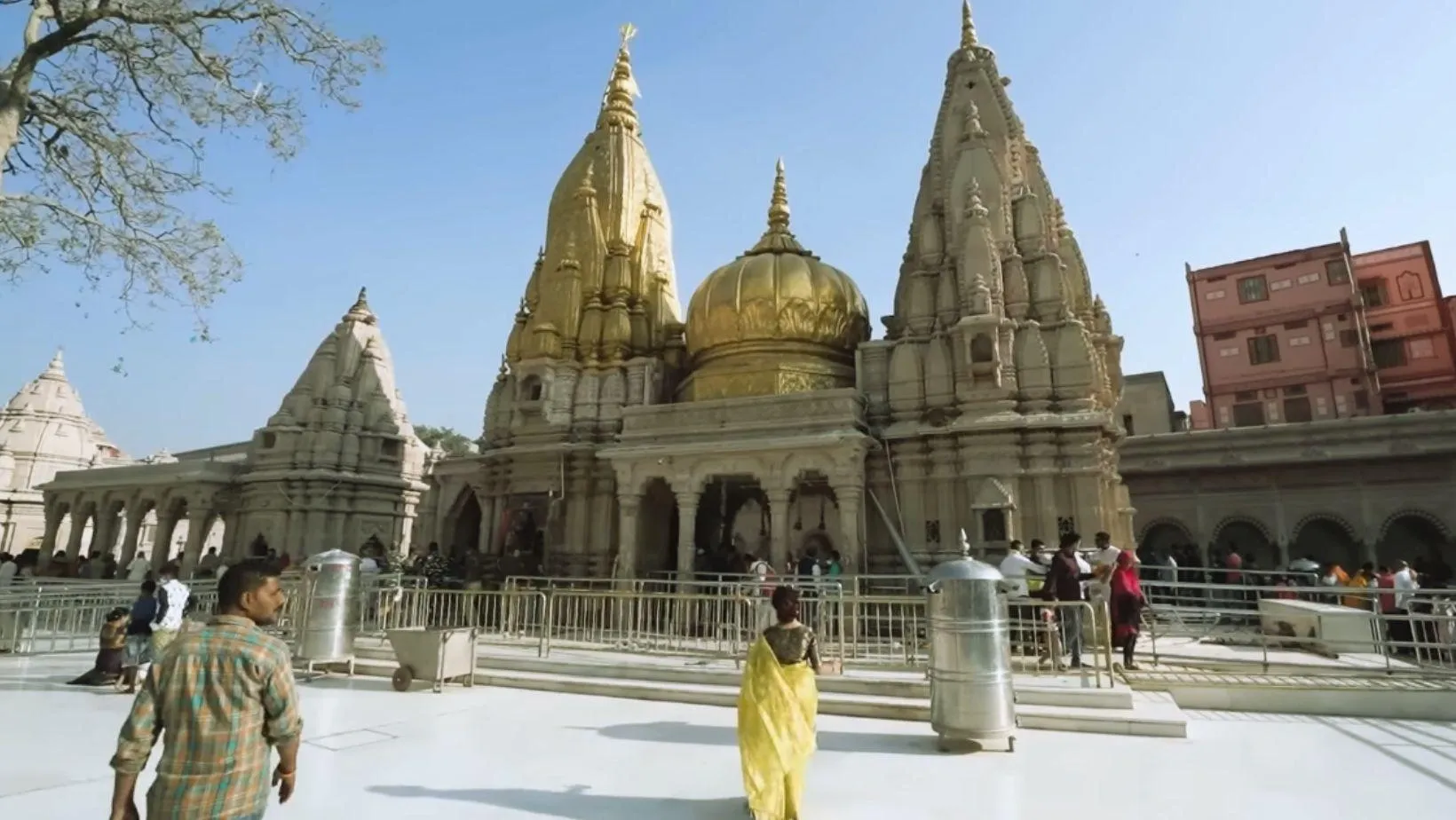
Kashi Vishwanath Temple
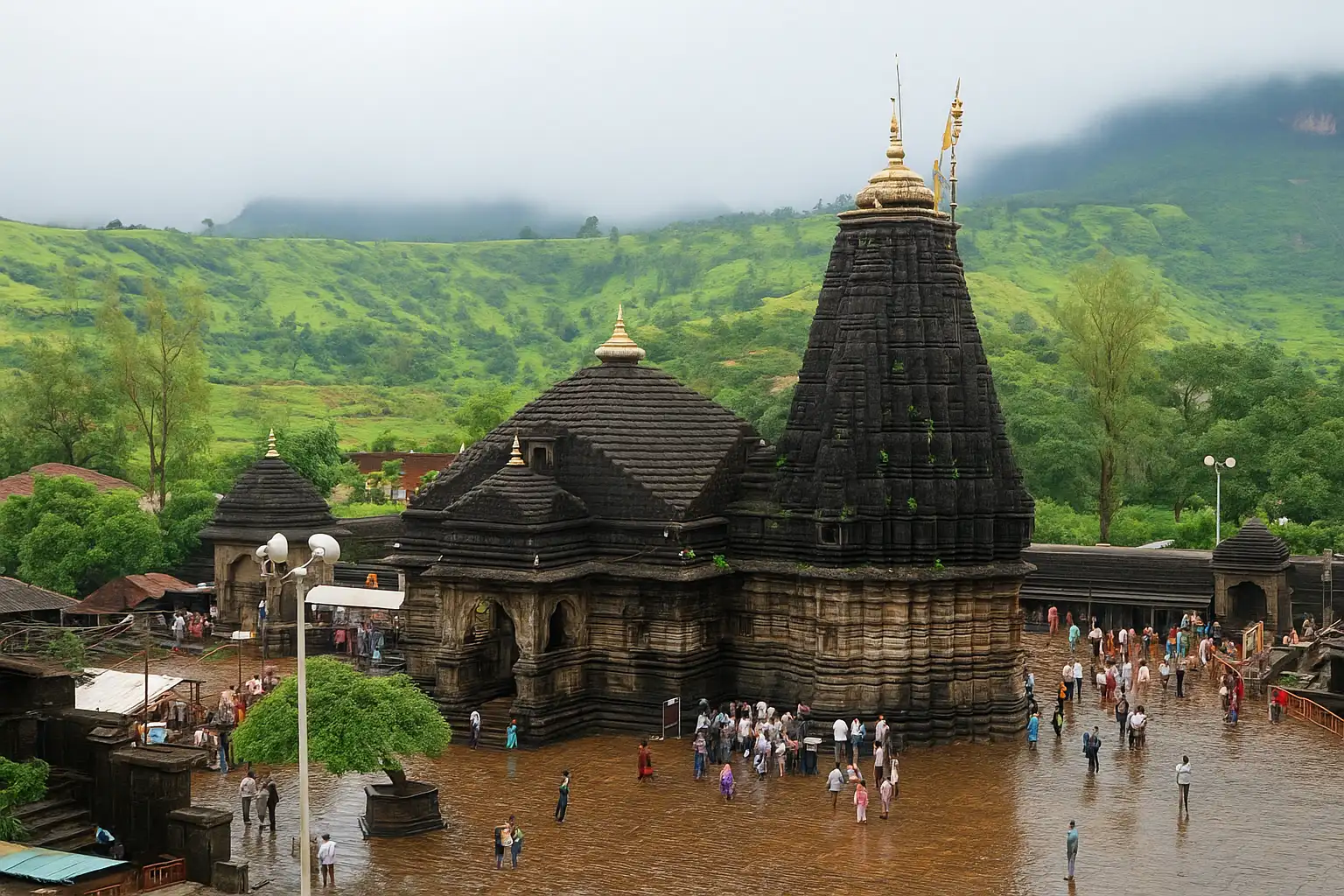
Trimbakeshwar Temple
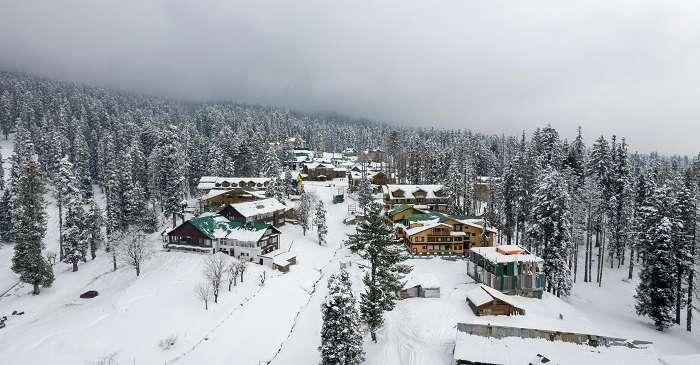
Harshil Valley
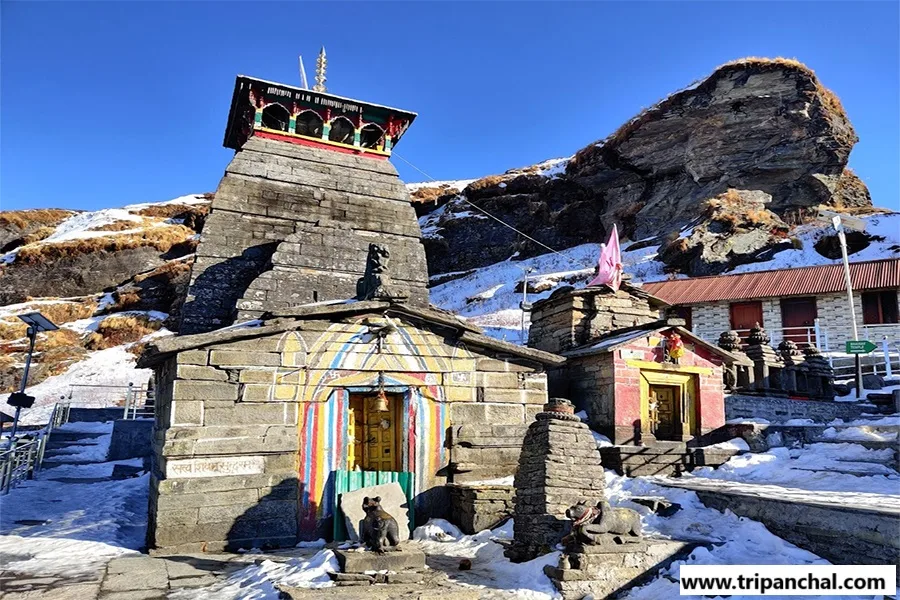
Tungnath Temple
Madhyamaheshwar Temple
Kalpeshwar Mahadev Temple
Amarnath
River Rafting in Rishikesh
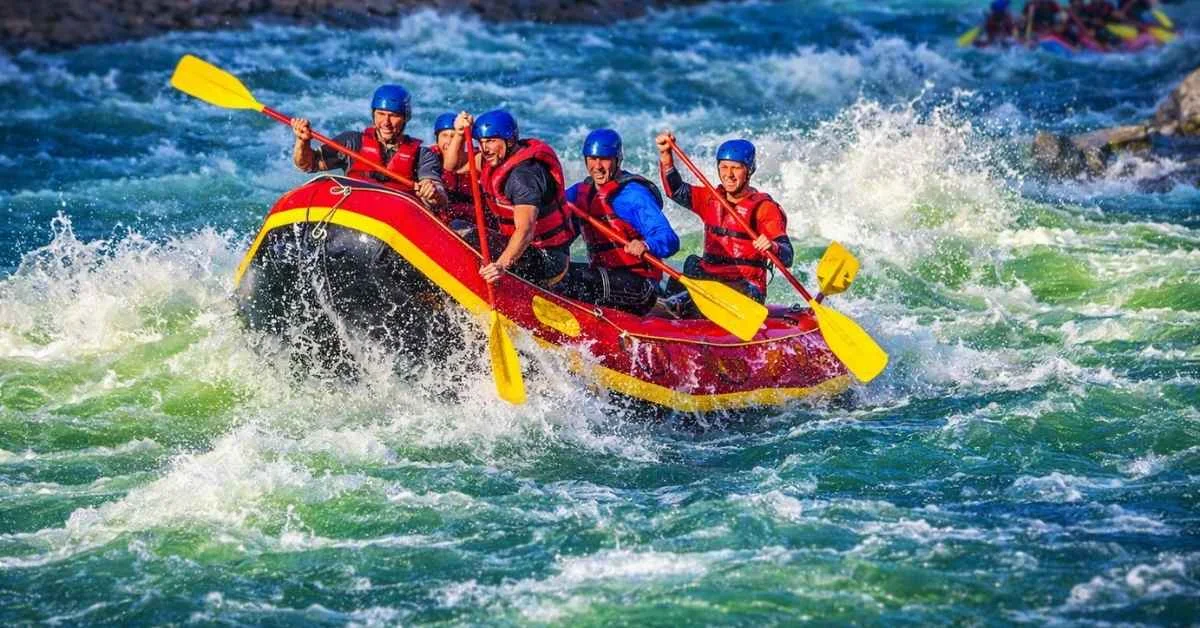
River Rafting in Manali
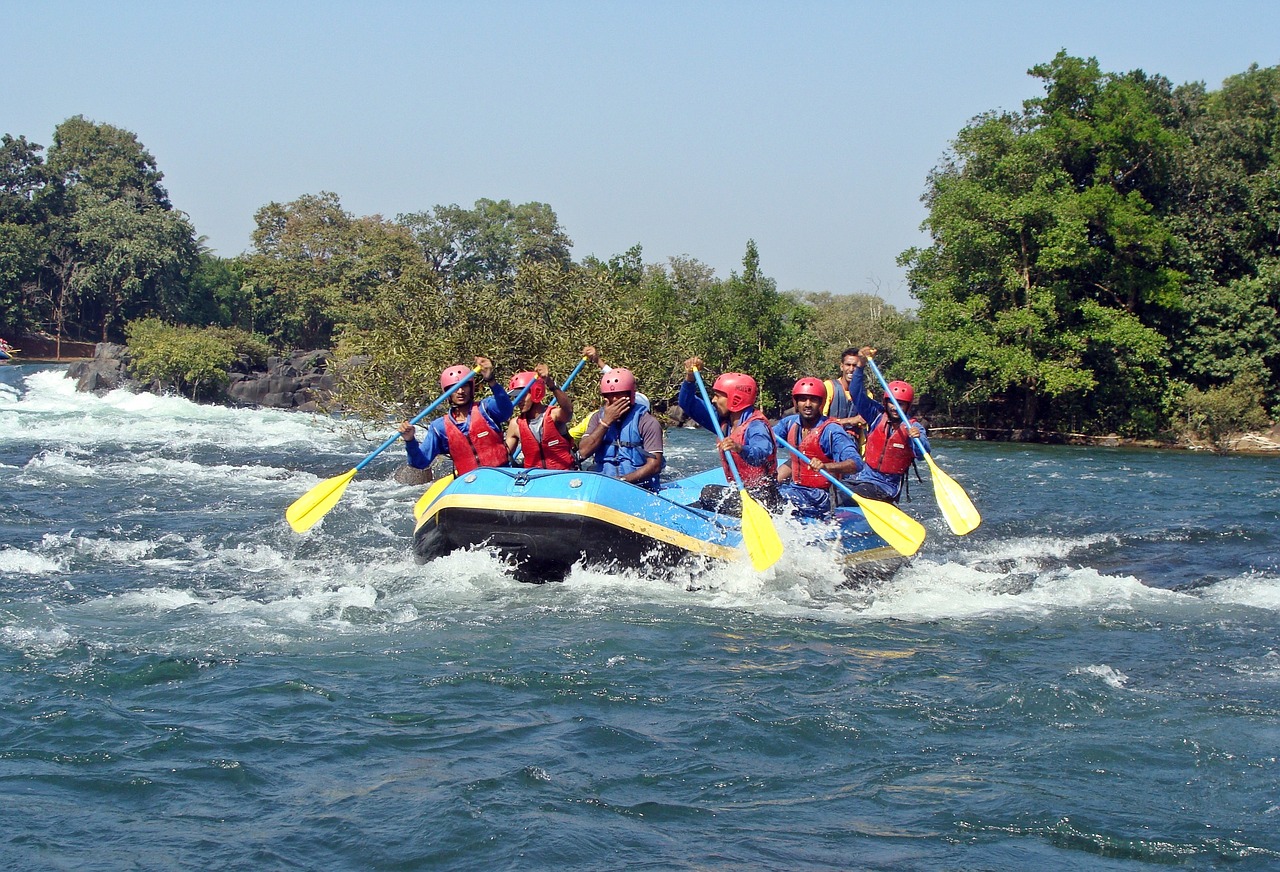
River Rafting in Kolad
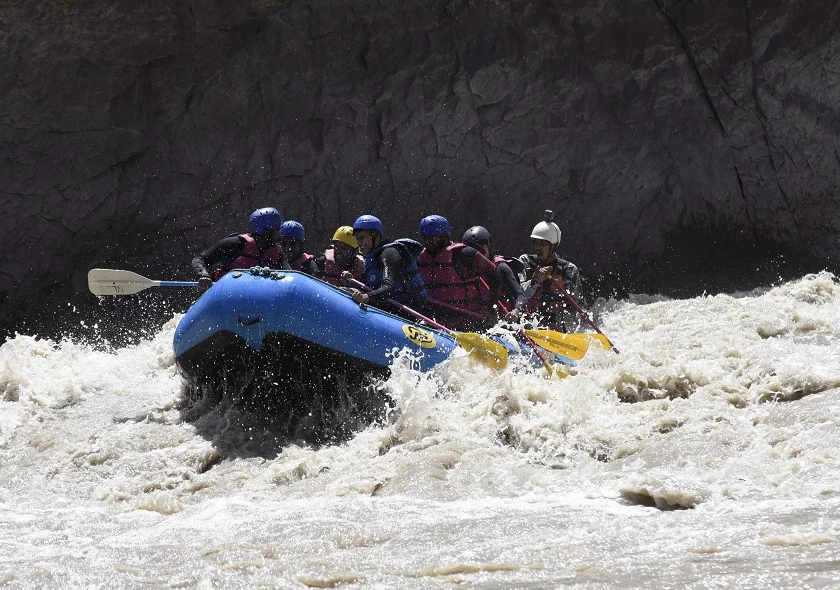
River Rafting in Zanskar
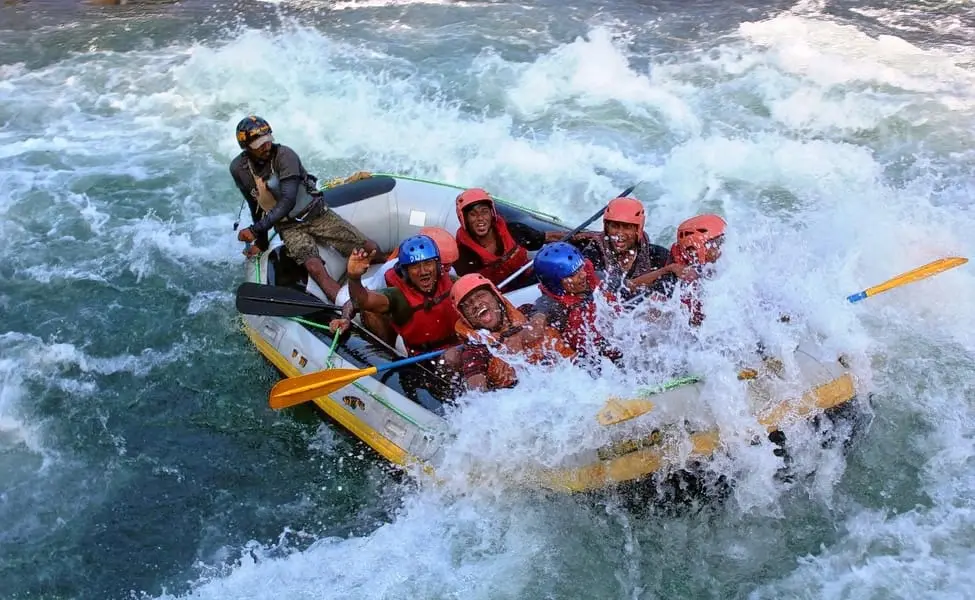
River Rafting in Teesta River
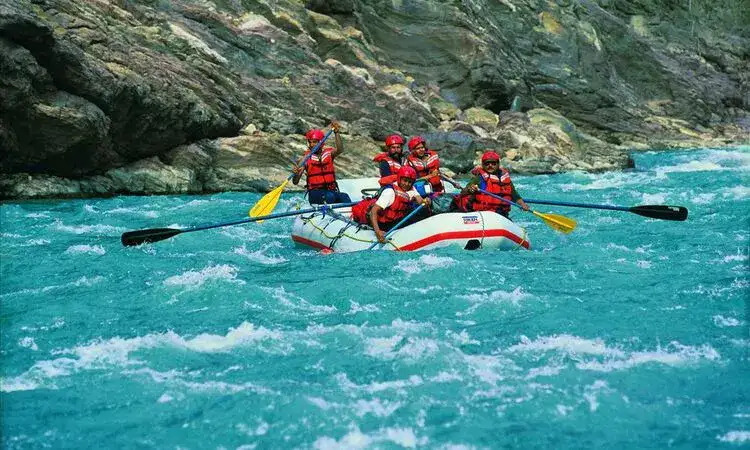
River Rafting in Kameng River
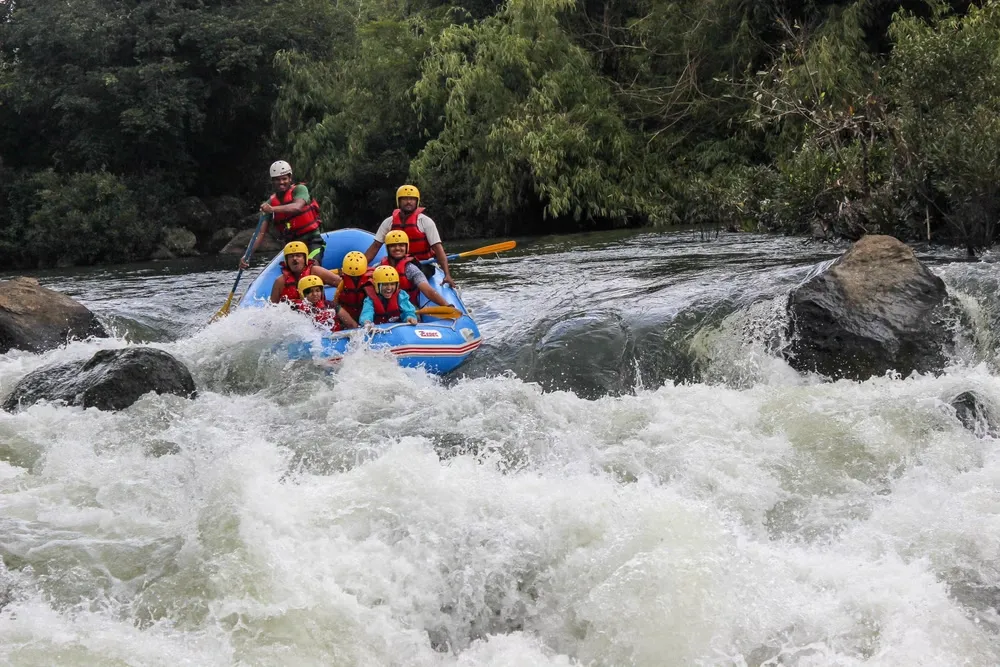
River Rafting in Barapole River
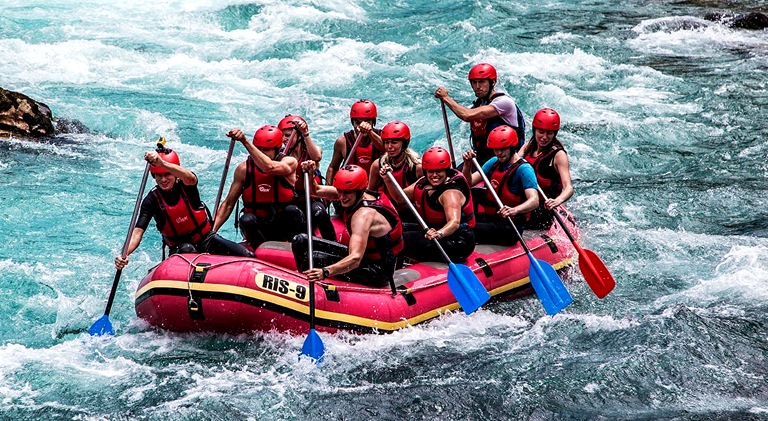
River Rafting in Alaknanda River
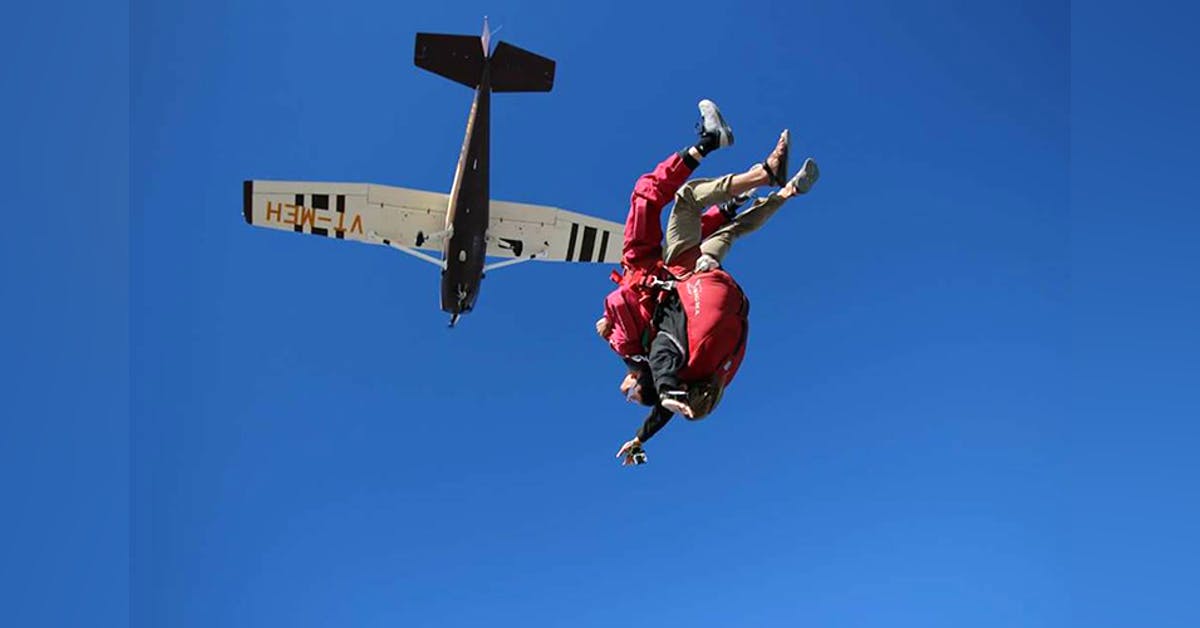
Skydiving in Mysore
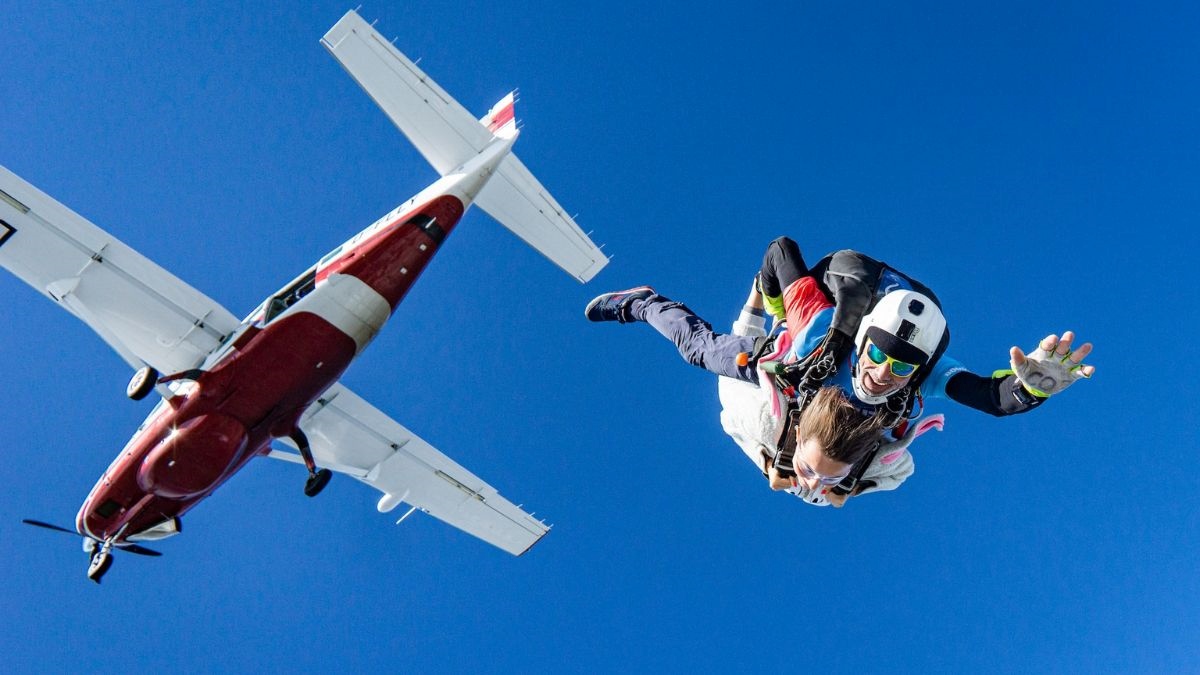
Skydiving in Dhana, Madhya Pradesh
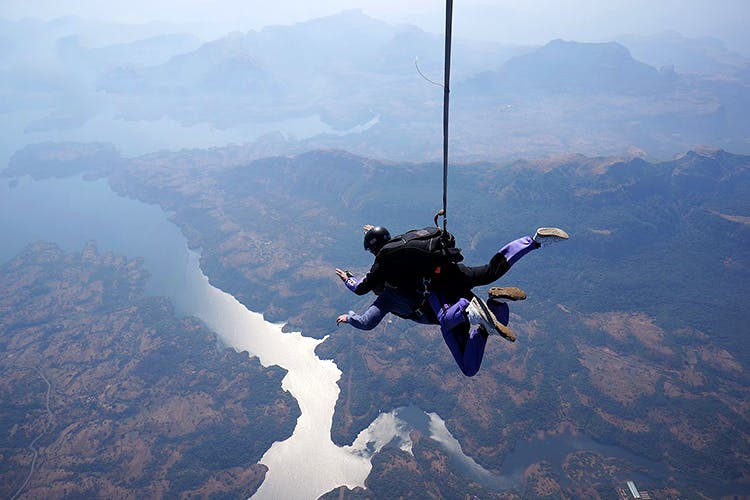
Skydiving in Aamby Valley, Maharashtra
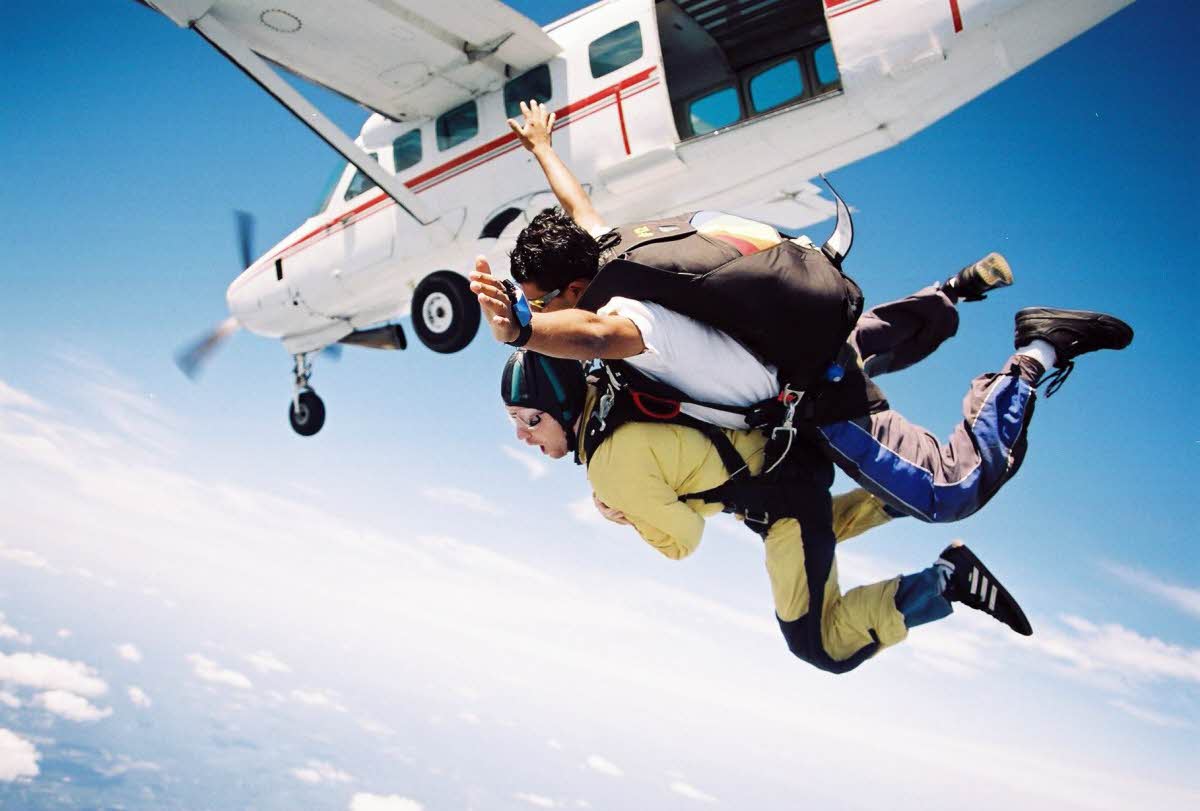
Skydiving in Deesa, Gujarat

Skydiving in Narnaul, Haryana
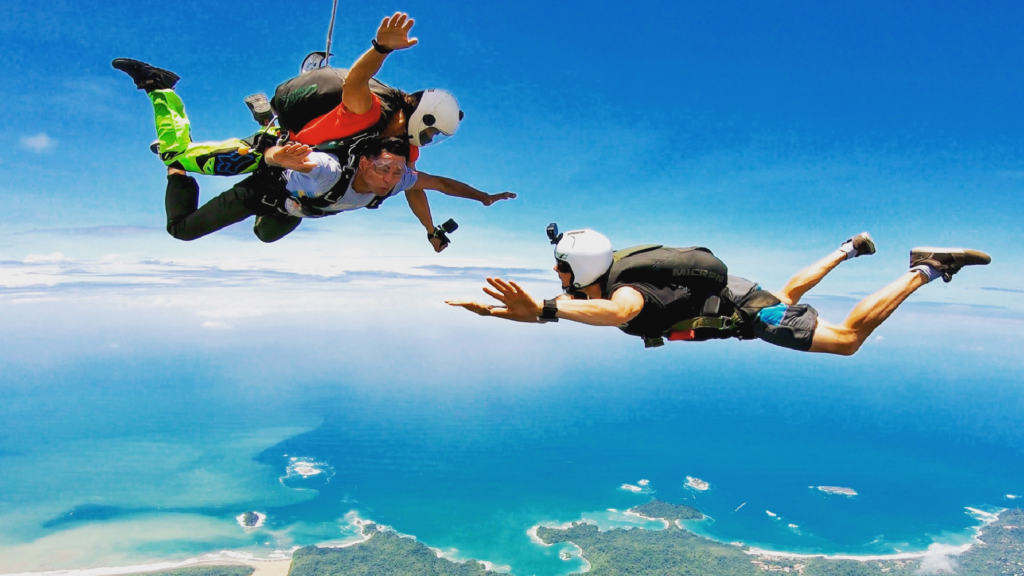
Skydiving in Pondicherry
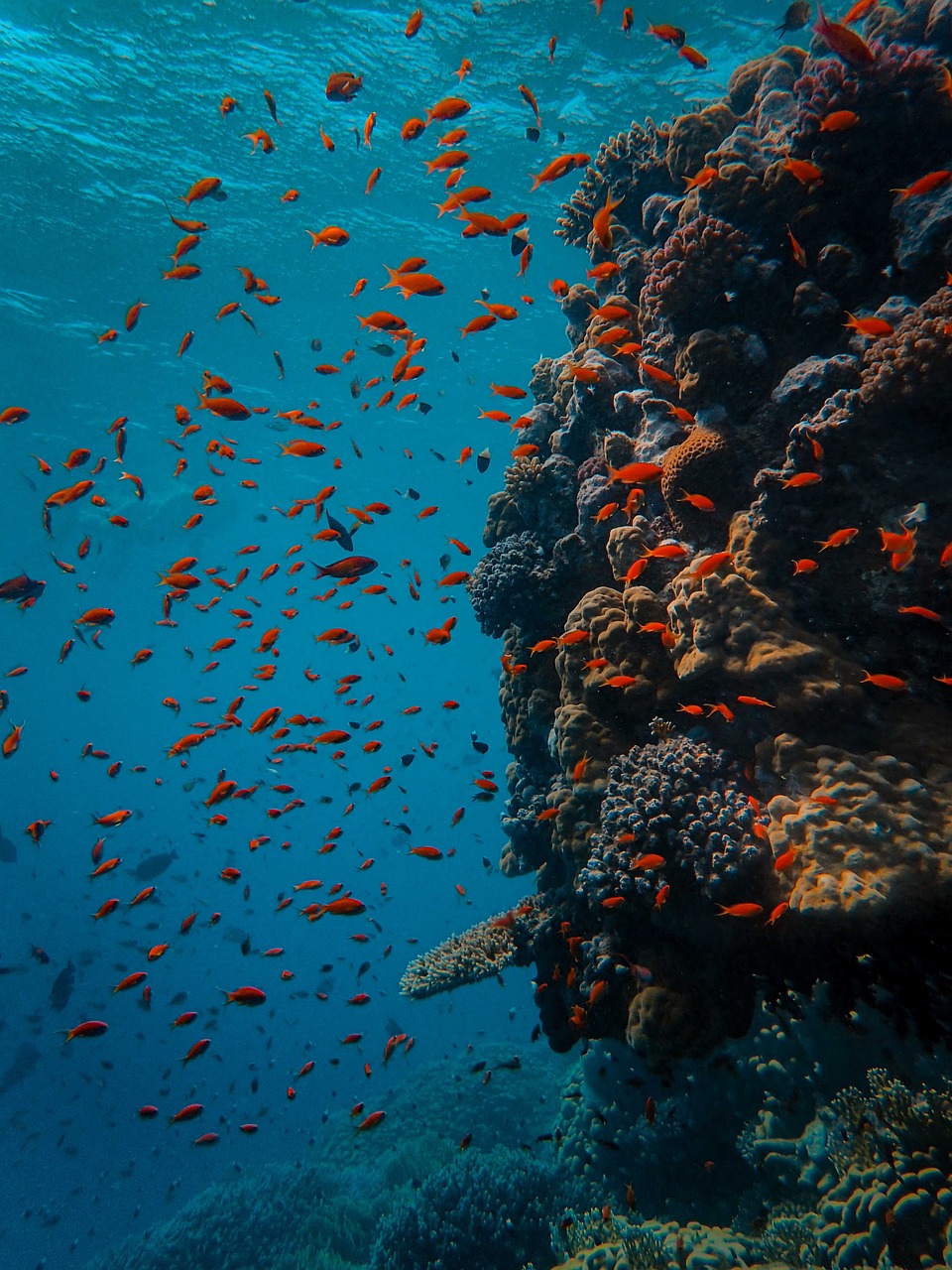
Scuba Diving in Andaman & Nicobar Islands
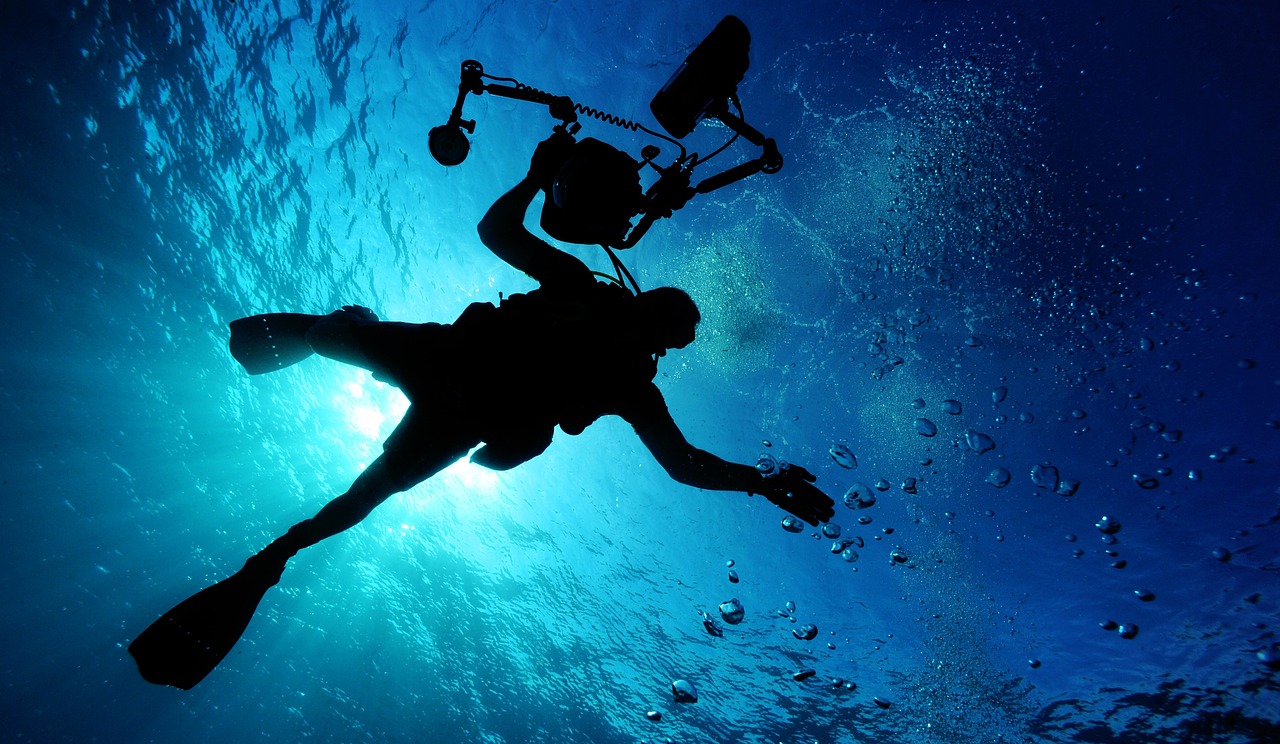
Scuba Diving in Lakshadweep

Scuba Diving in Goa
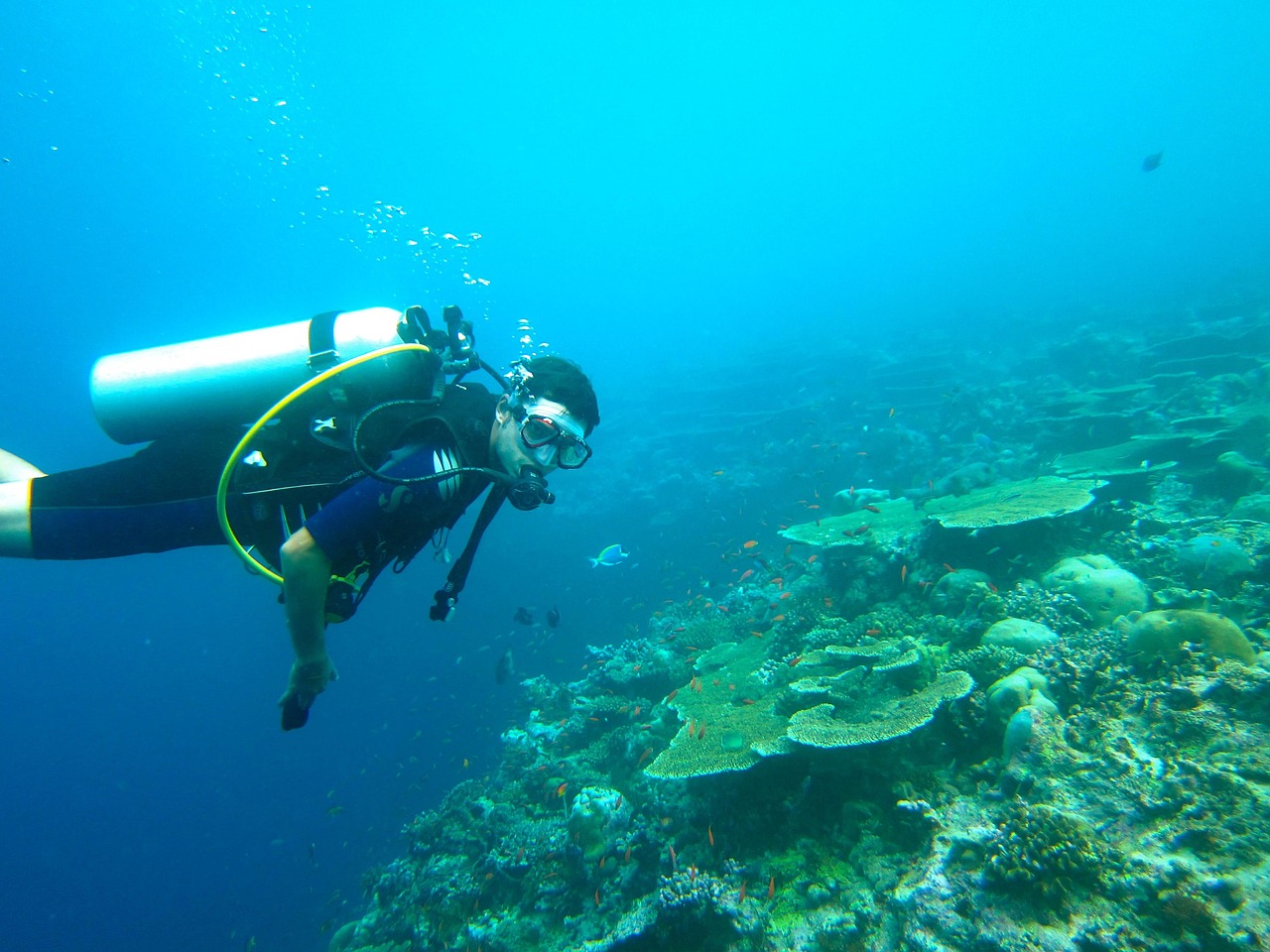
Scuba Diving in Pondicherry
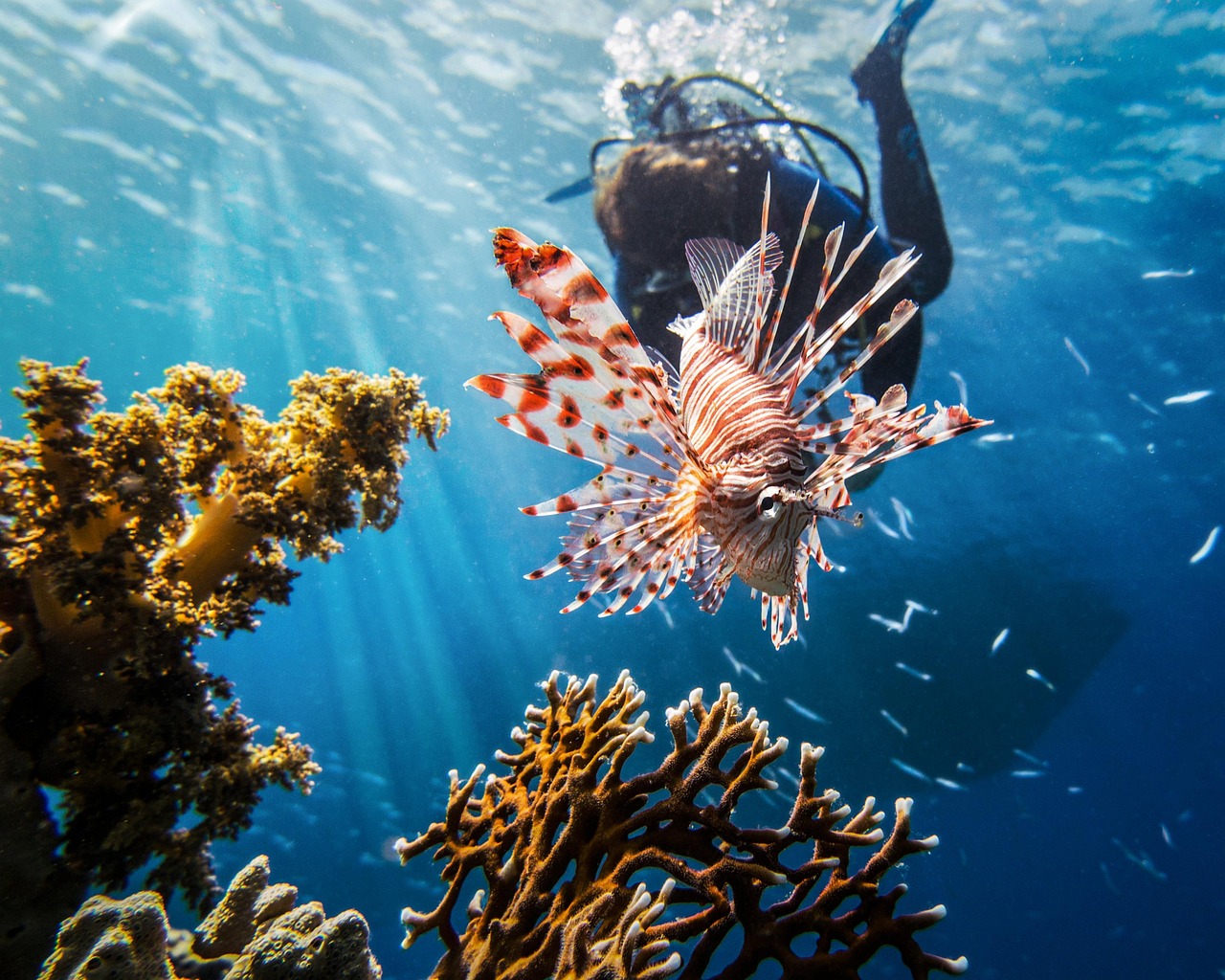
Scuba Diving in Netrani Island (Karnataka)
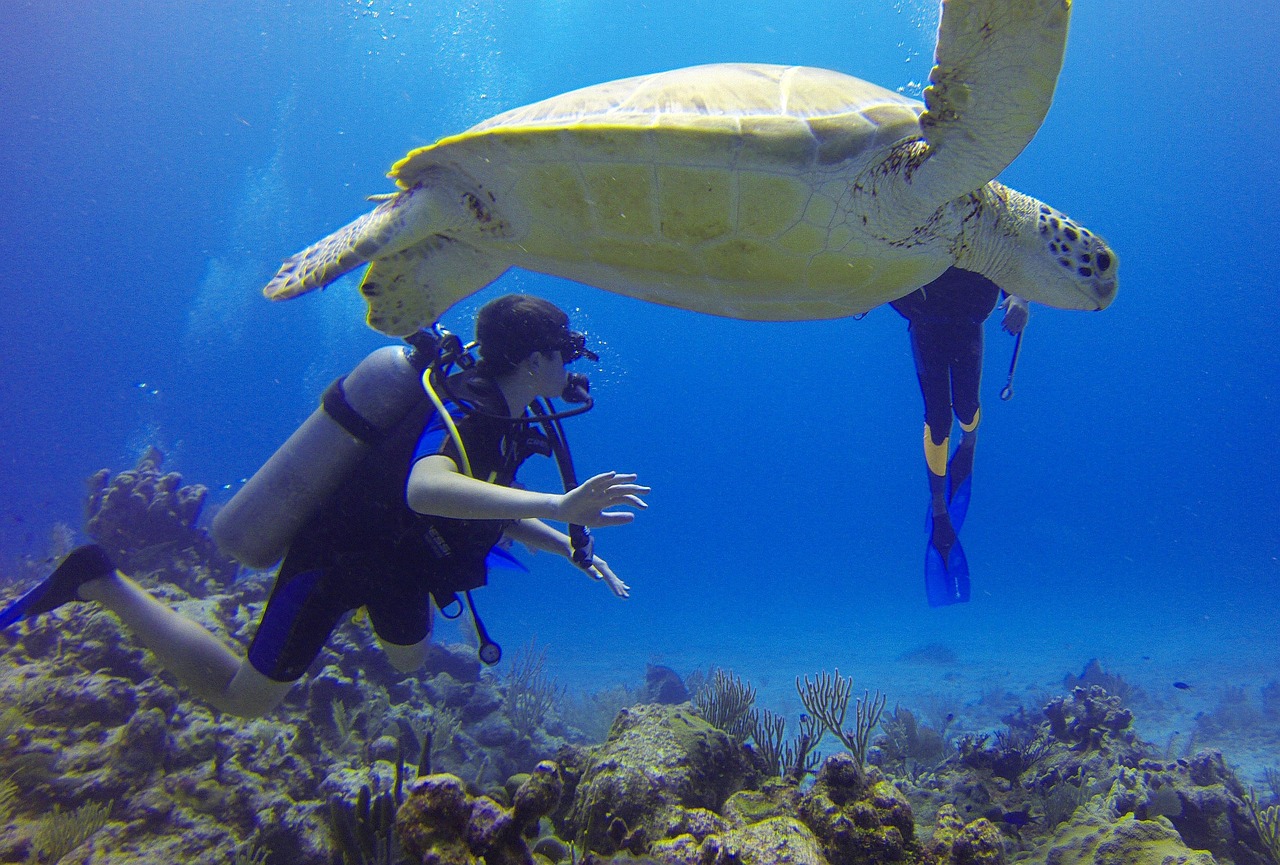
Scuba Diving in Tarkarli (Maharashtra)
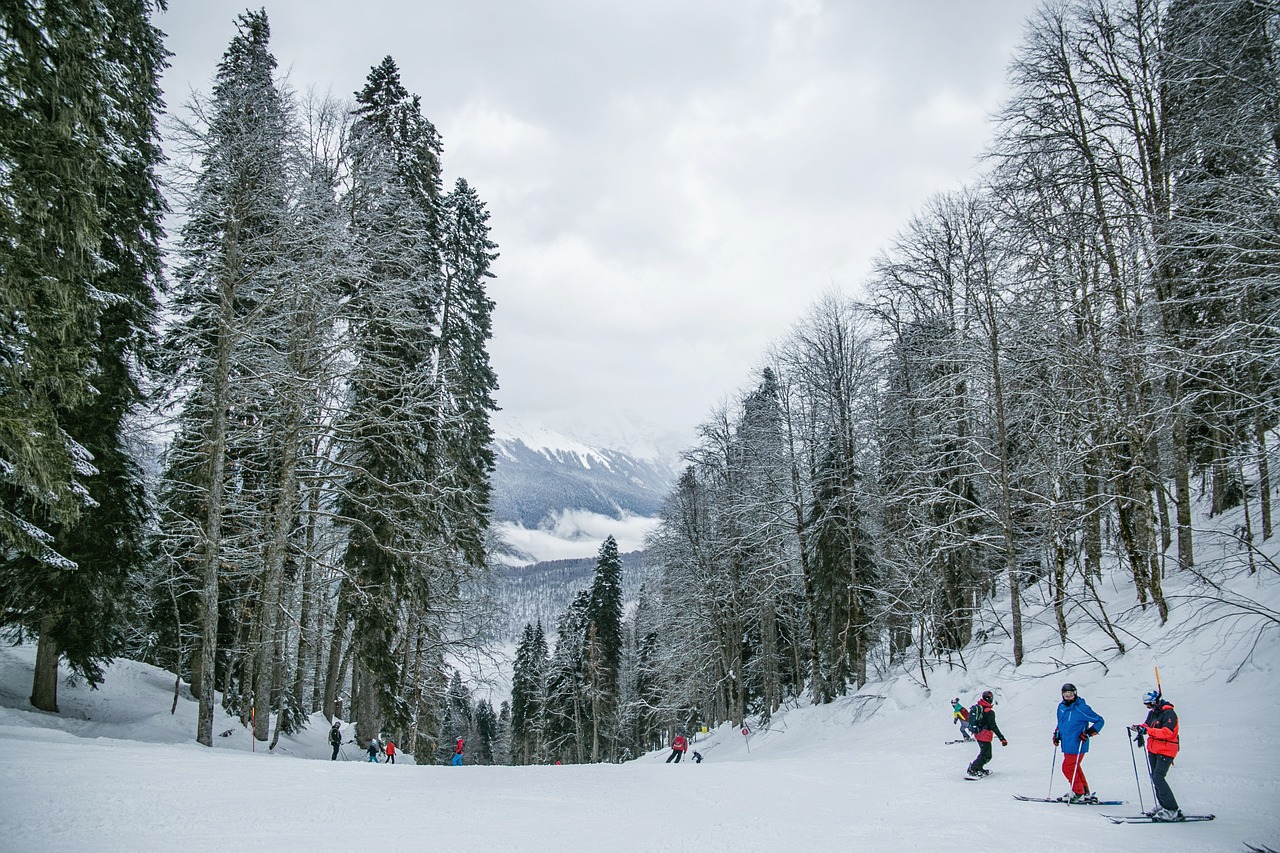
Skiing in Gulmarg
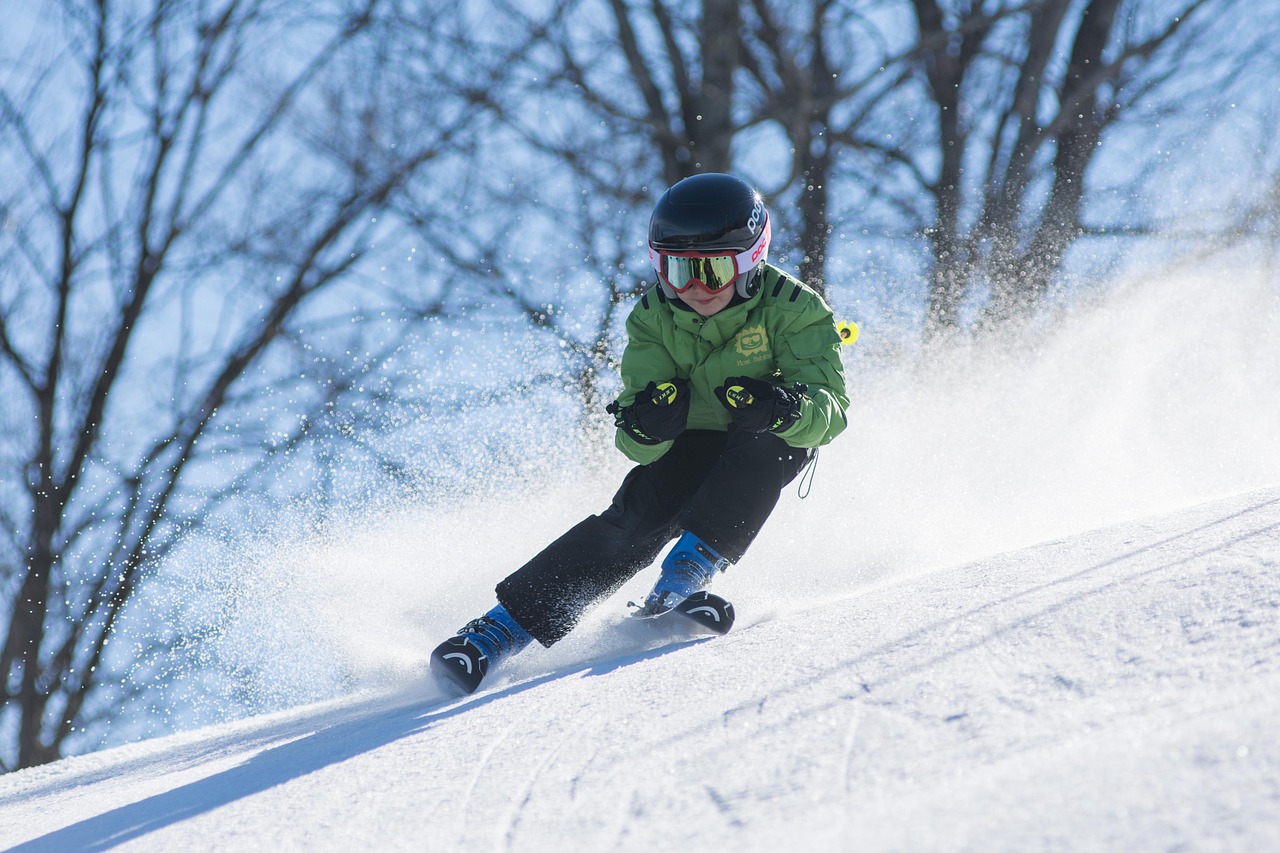
Skiing in Auli
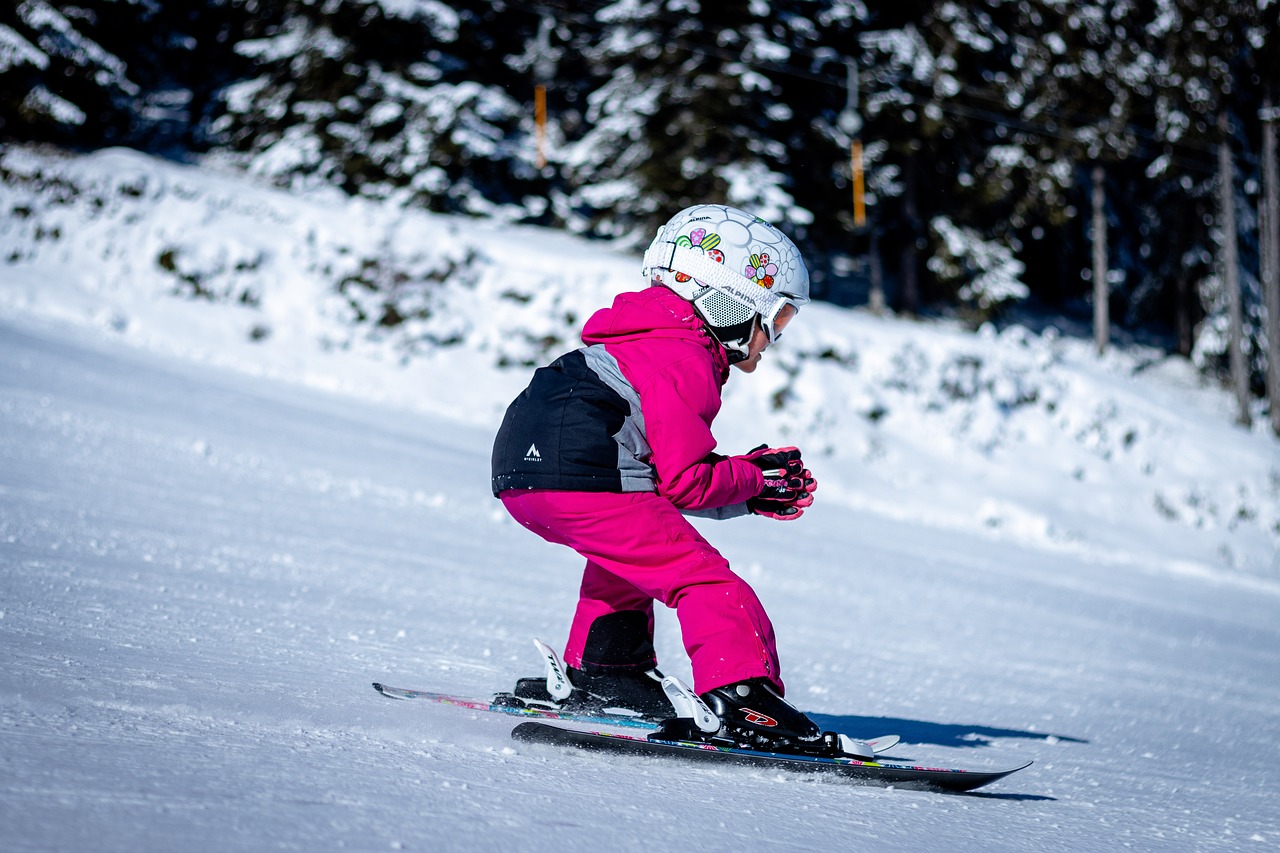
Skiing in Solang
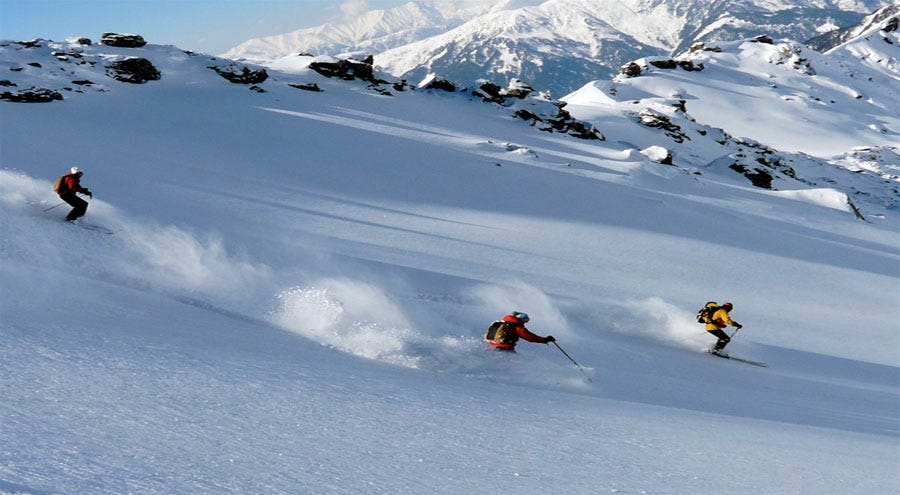
Skiing in Kufri
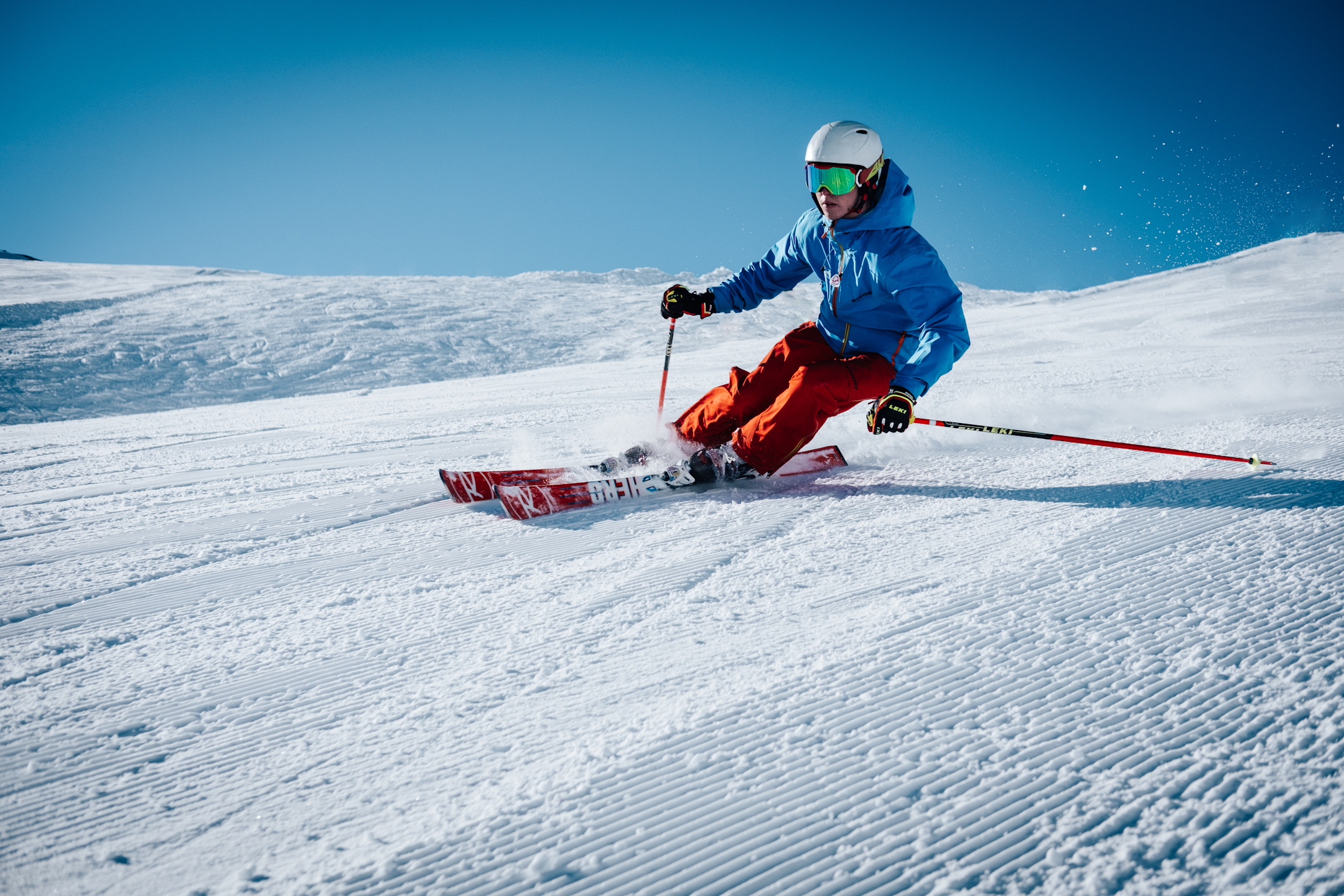
Skiing in Narkanda
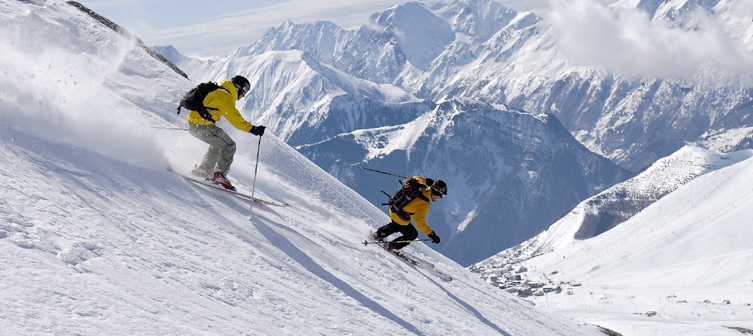
Skiing in Munsiyari
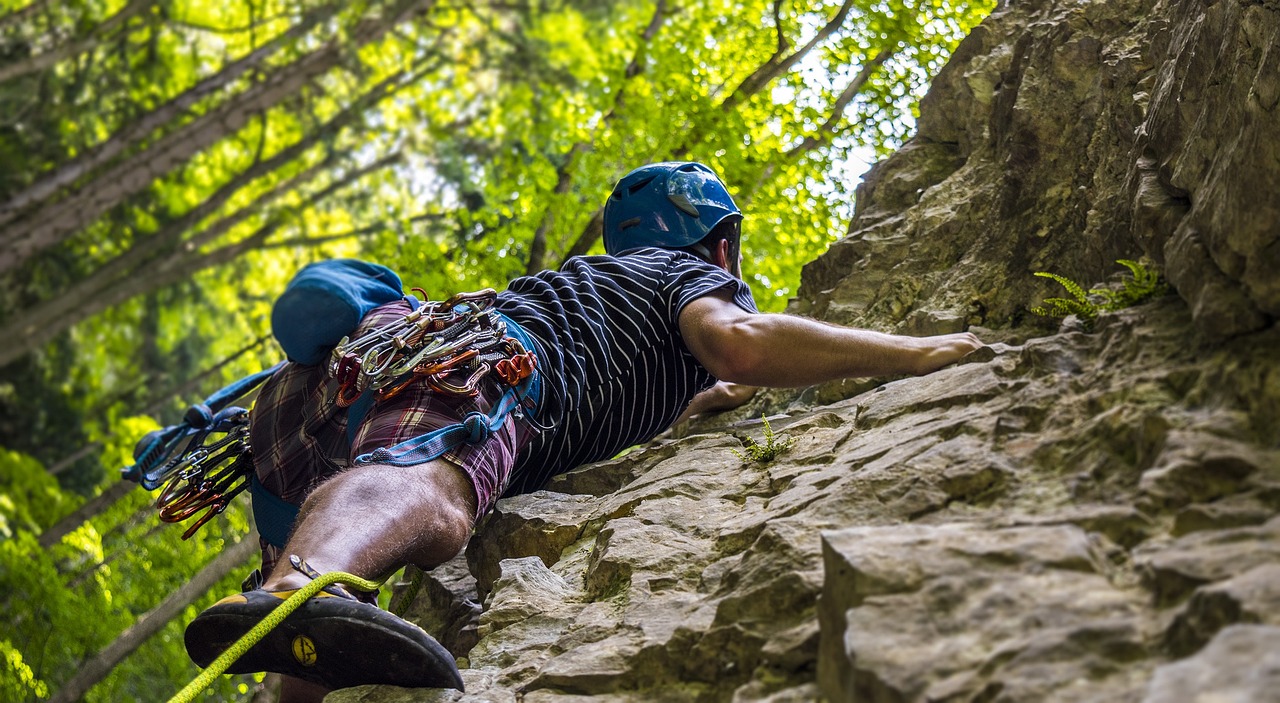
Rock Climbing in Manali
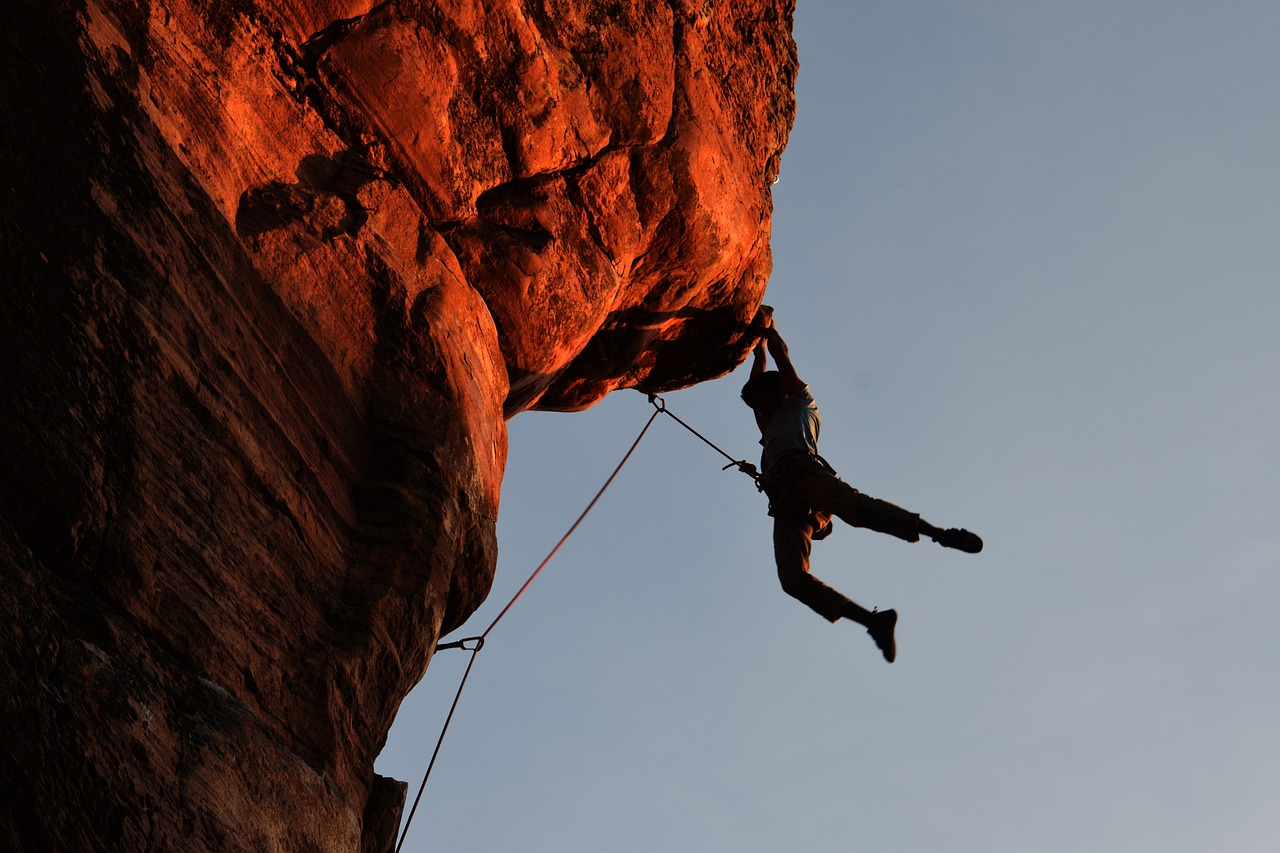
Rock climbing in Badami (Karnataka)
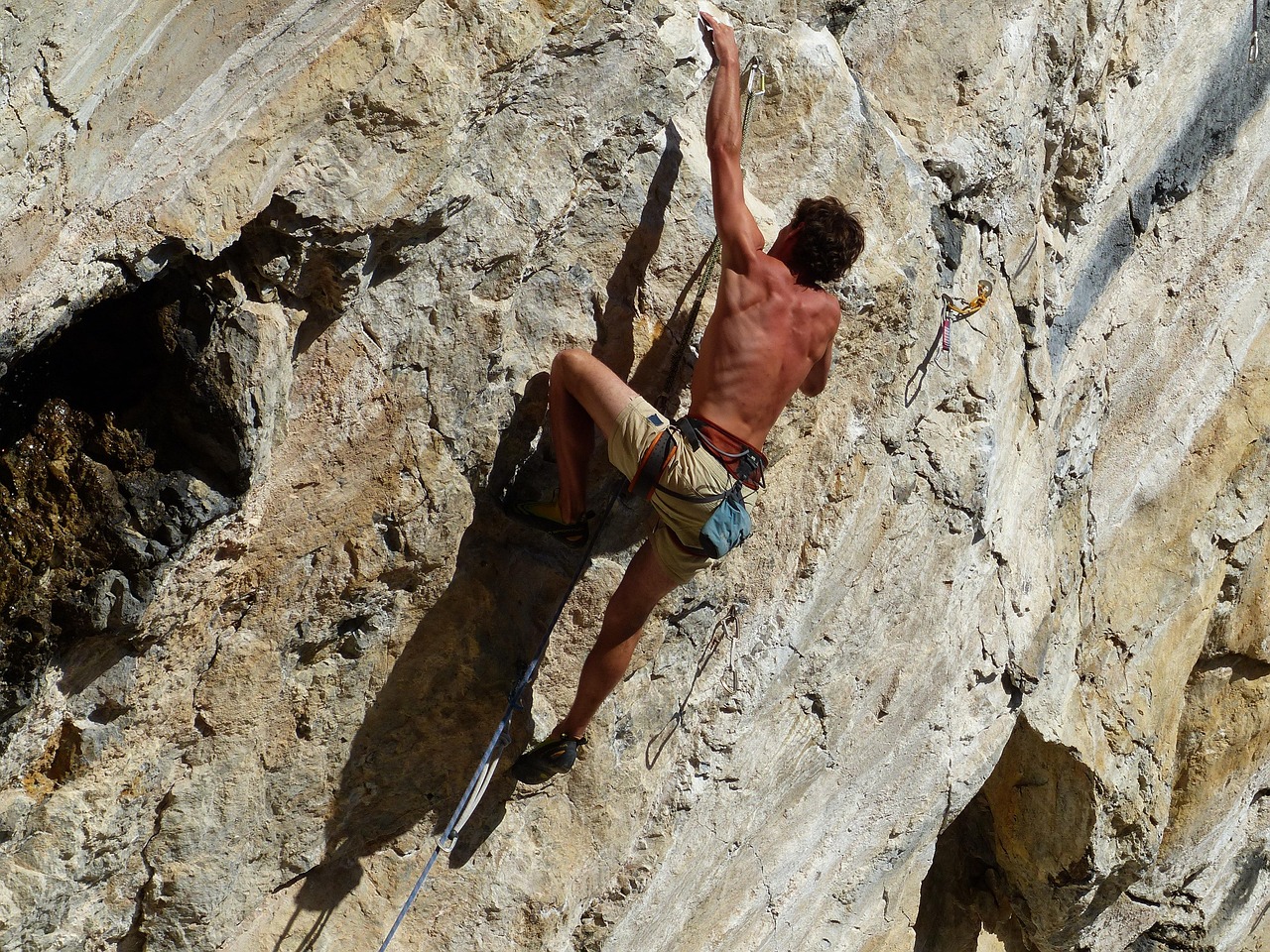
Rock climbing in Vijayapura (Karnataka)
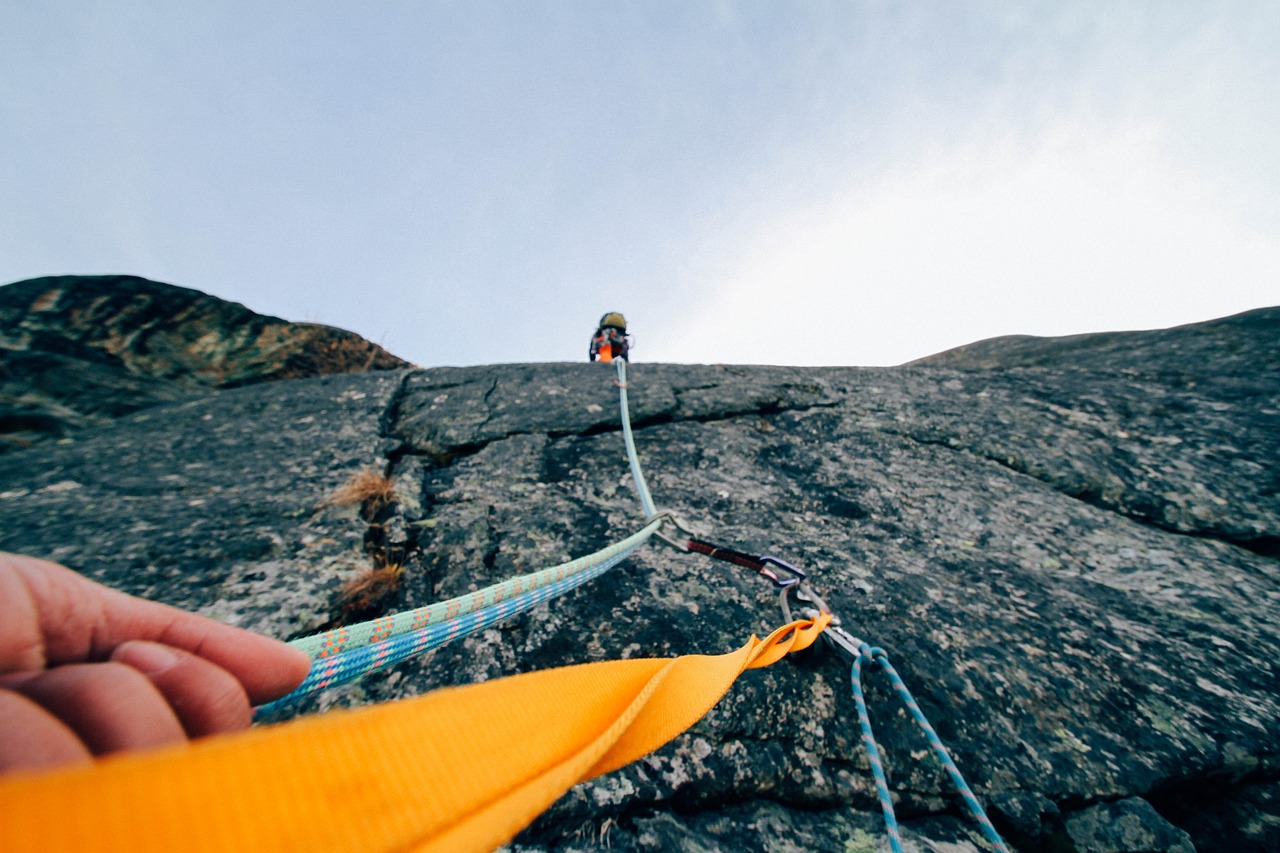
Rock climbing in Boulder Hills (Hyderabad)
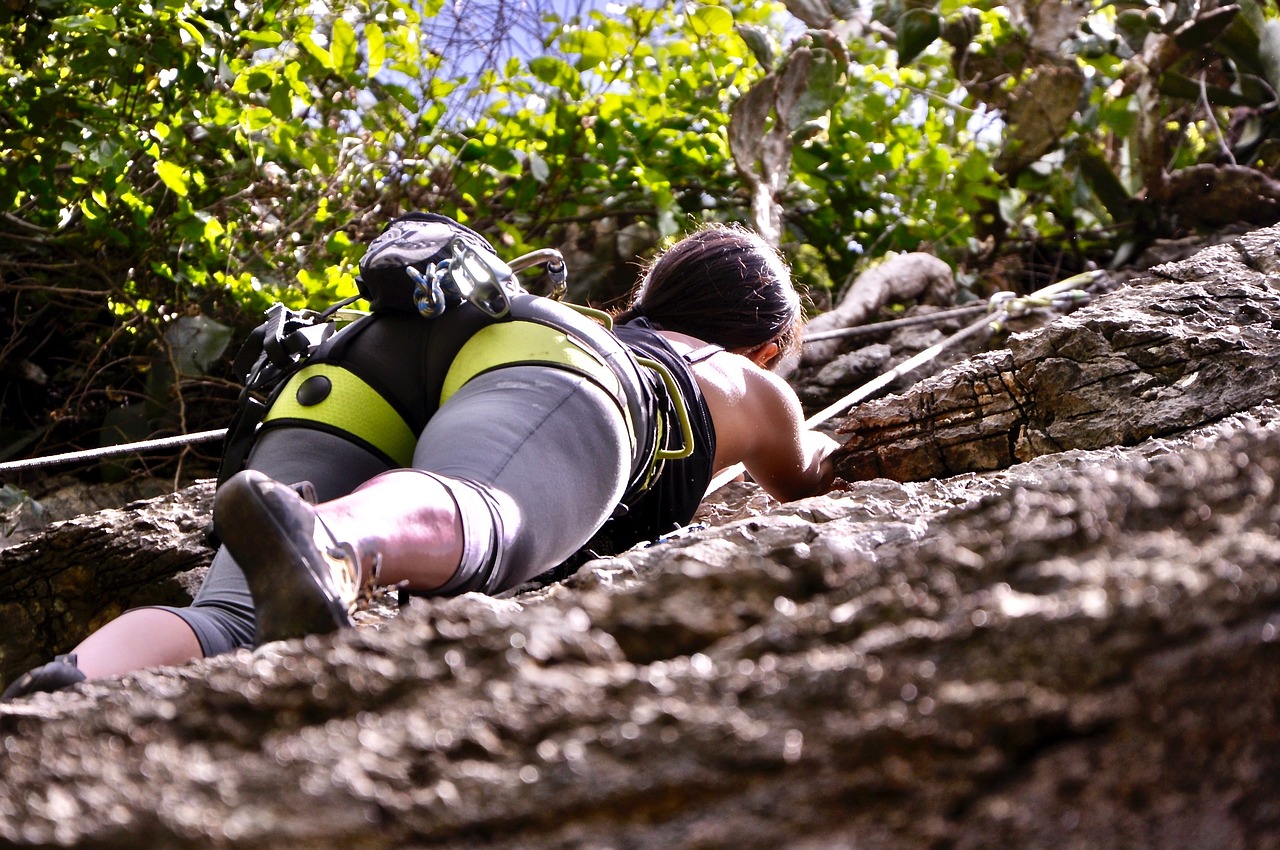
Rock climbing in Nainital
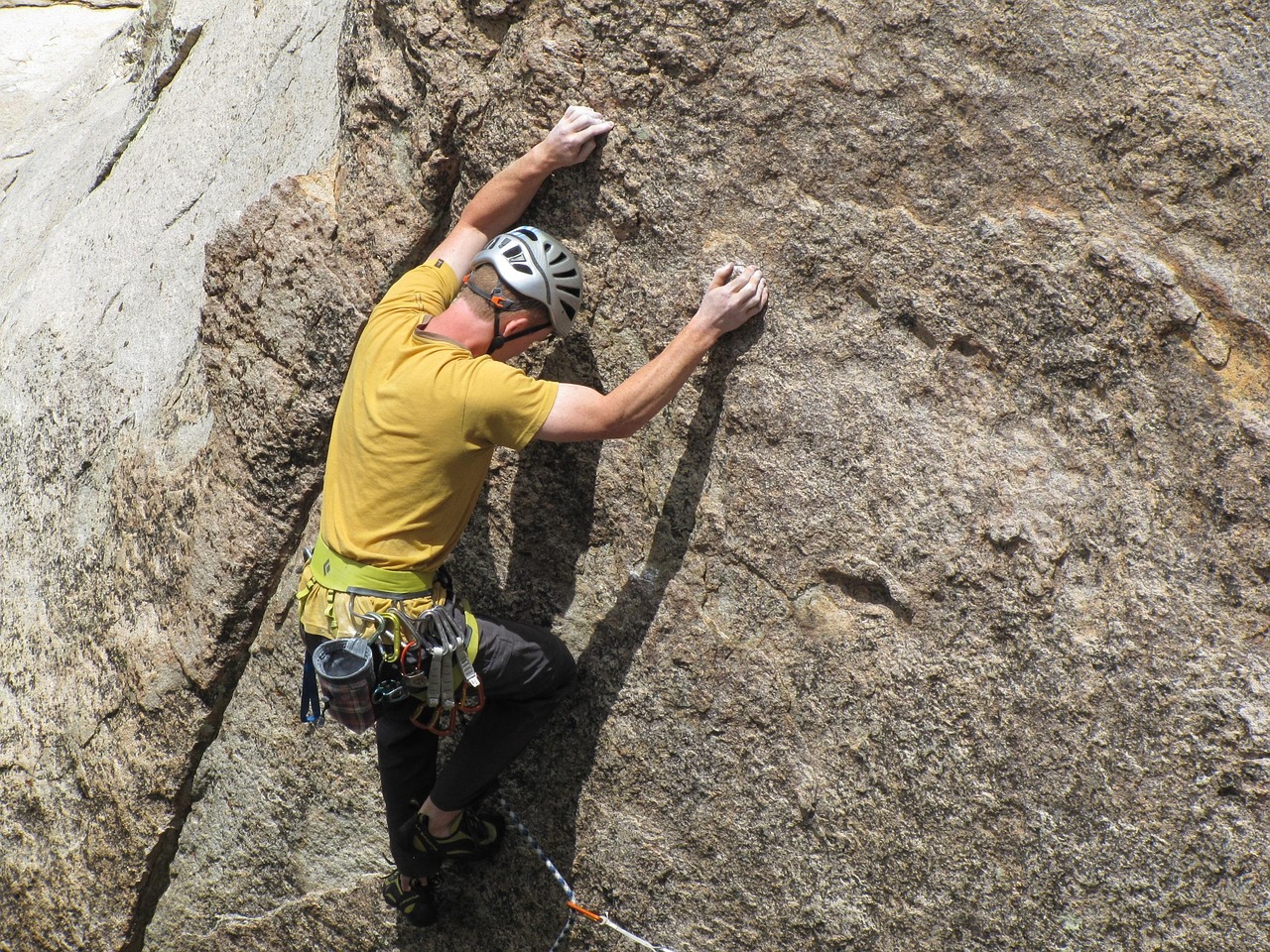
Rock climbing in Hampi (Karnataka)
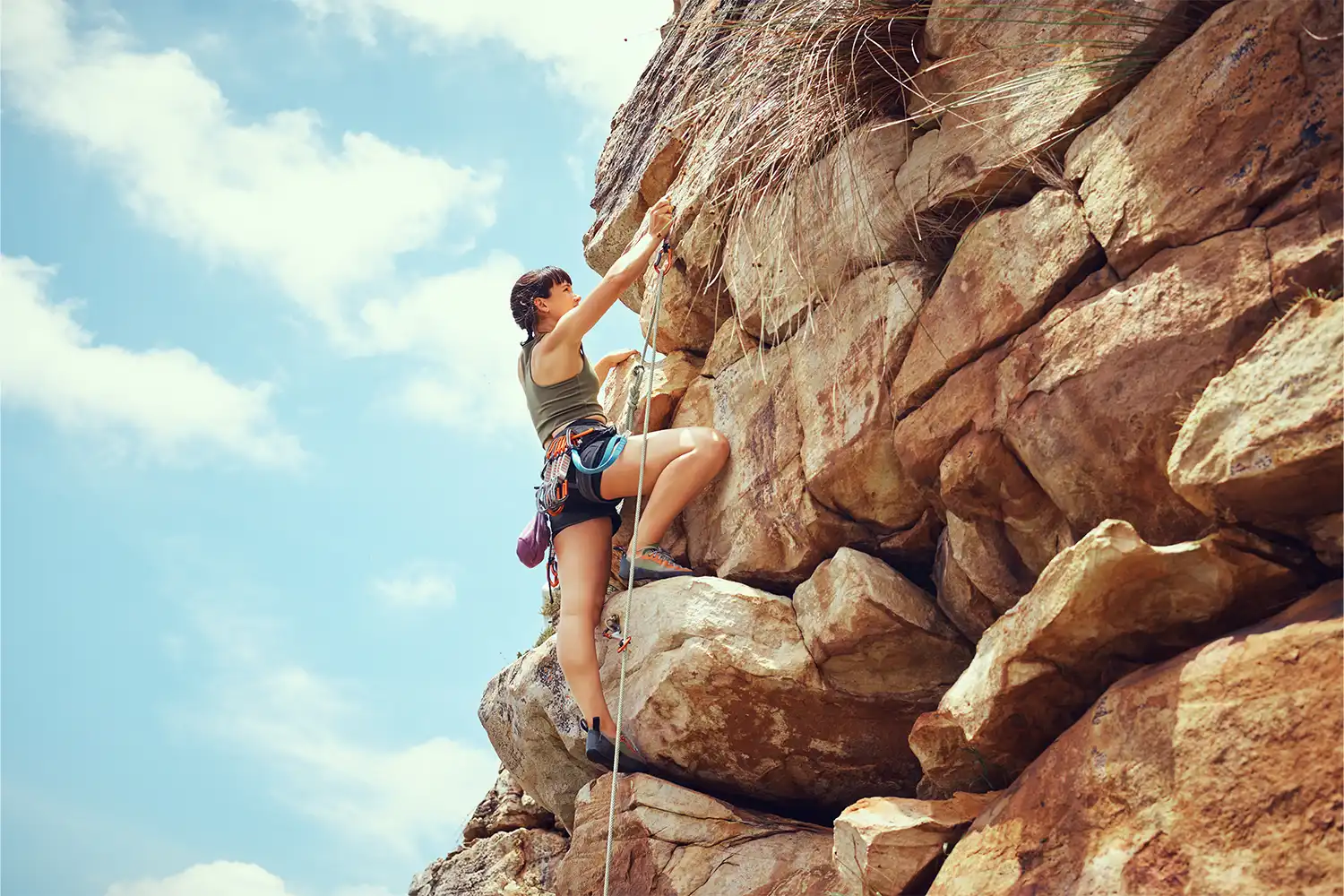
Rock climbing in Aravalli Range (Rajasthan)
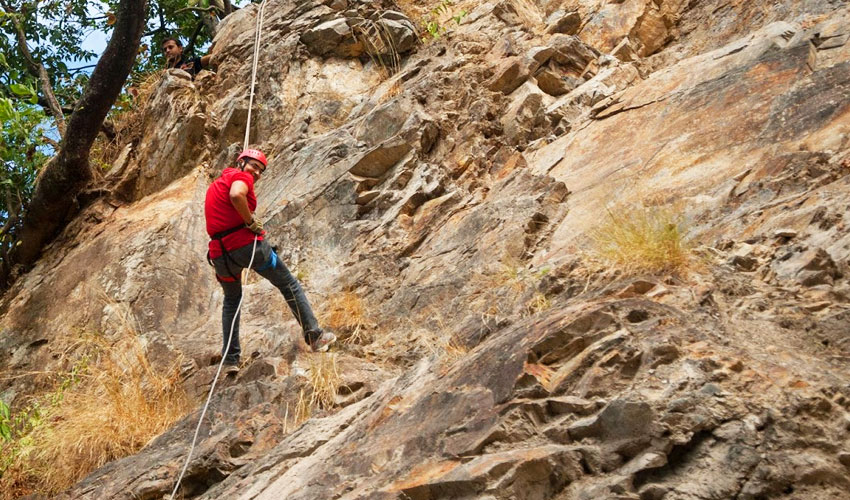
Rock climbing in Rishikesh
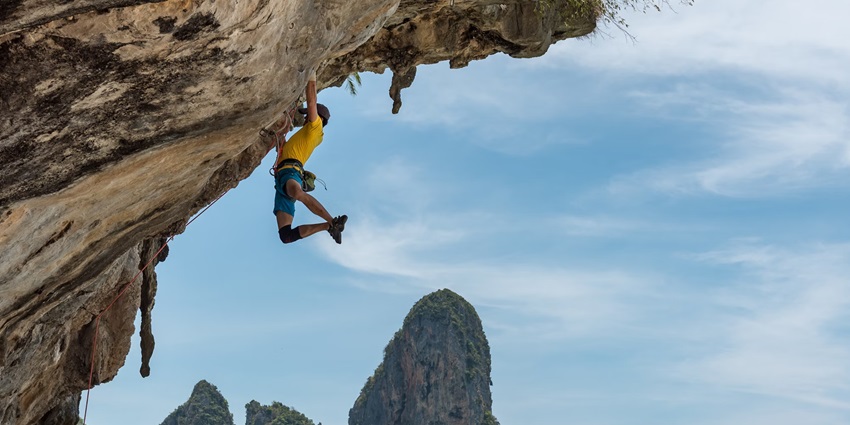
Rock climbing on Shey Rock (Ladakh)
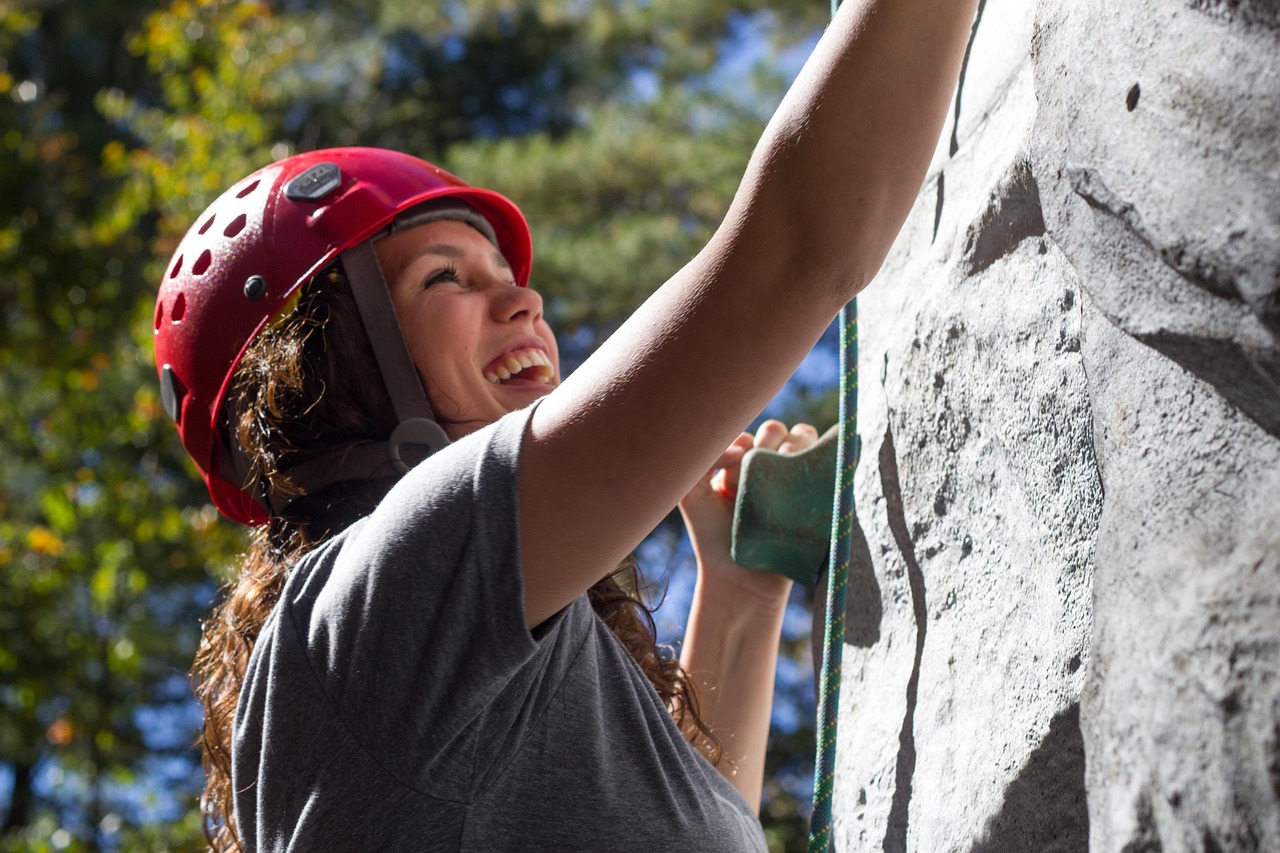
Rock climbing in Pune
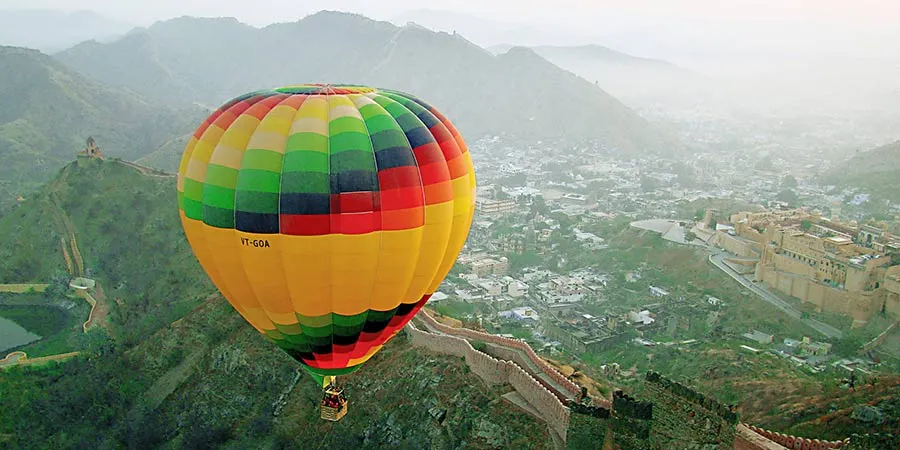
Hot Air Balloon Ride in Jaipur
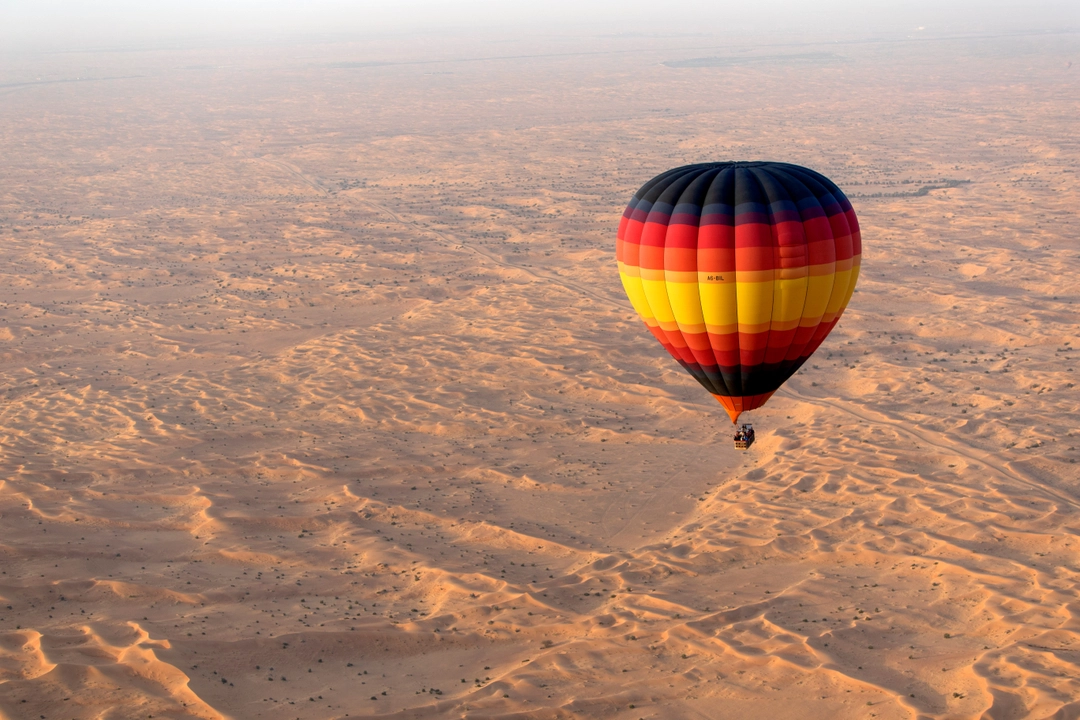
Hot Air Balloon Ride in Pushkar
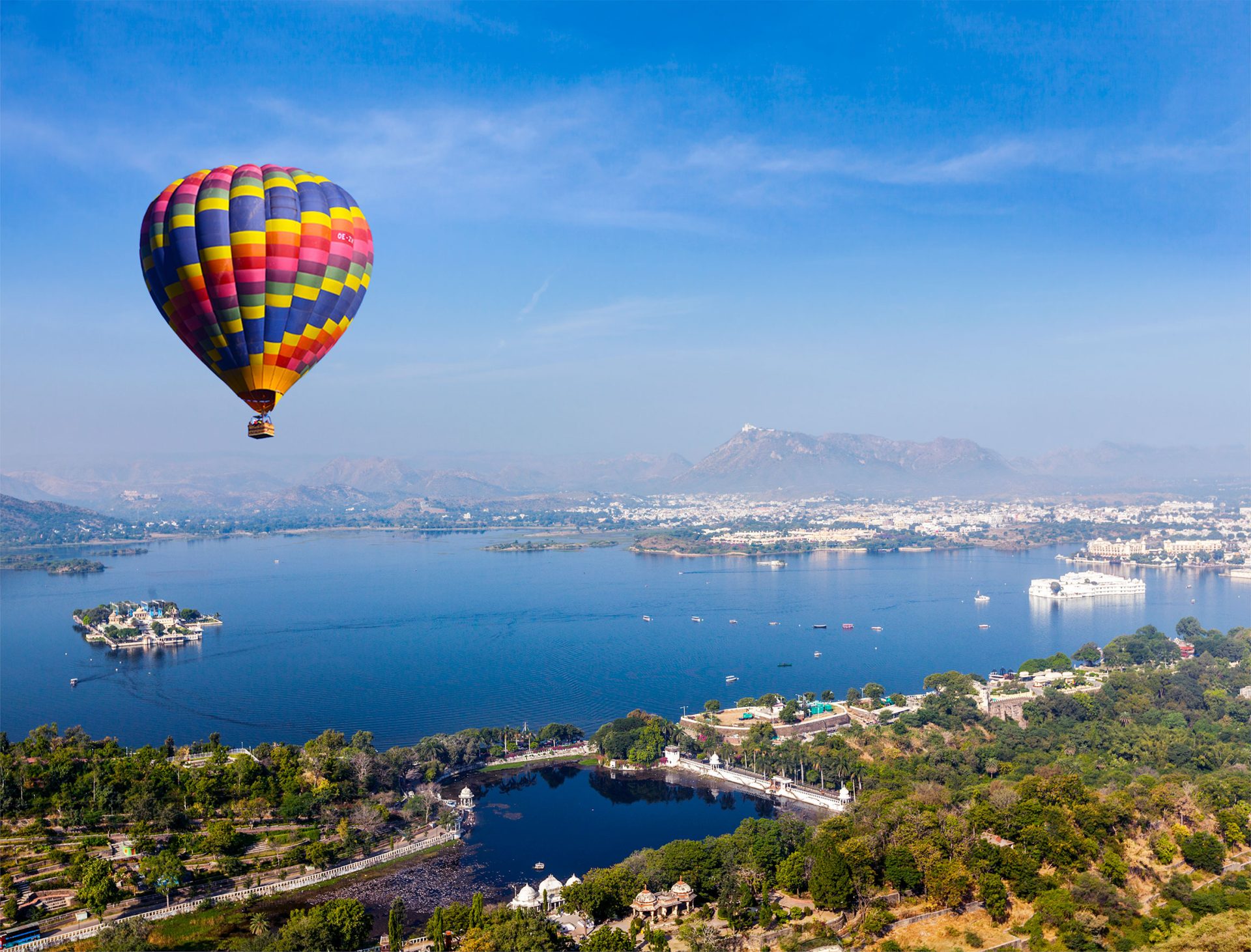
Hot Air Balloon Ride in Udaipur
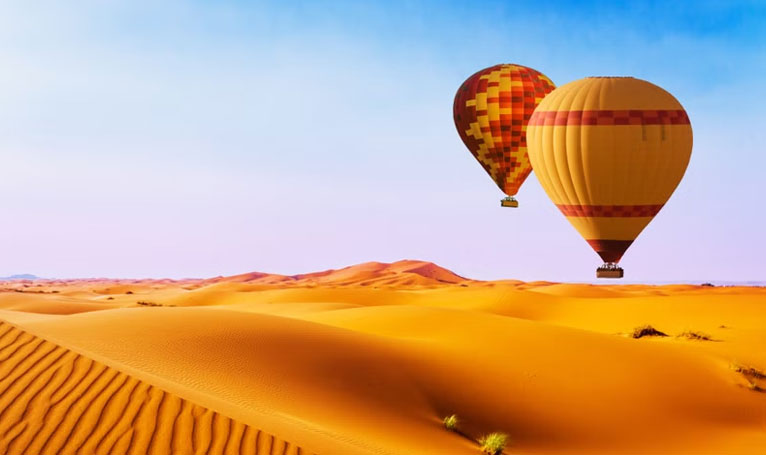
Hot Air Balloon Ride in Jaisalmer
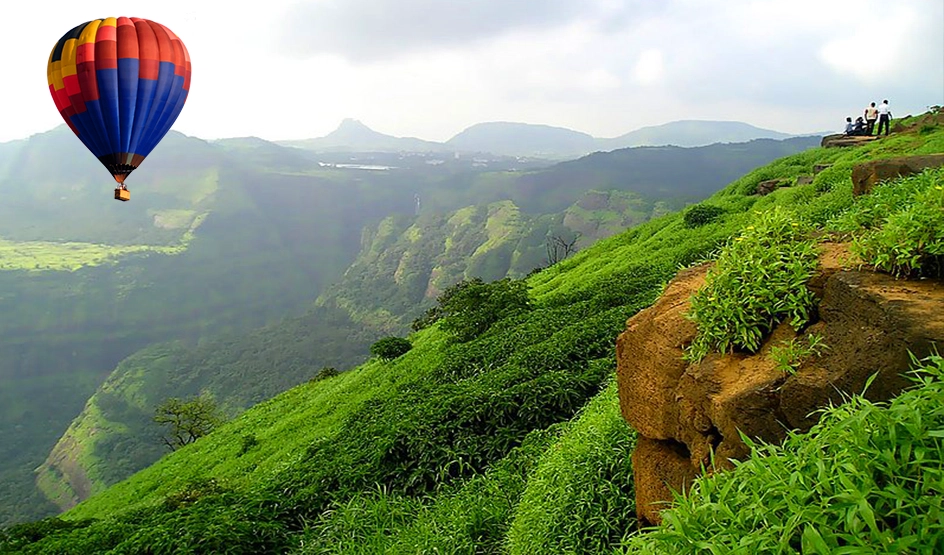
Hot Air Balloon Ride in Lonavala
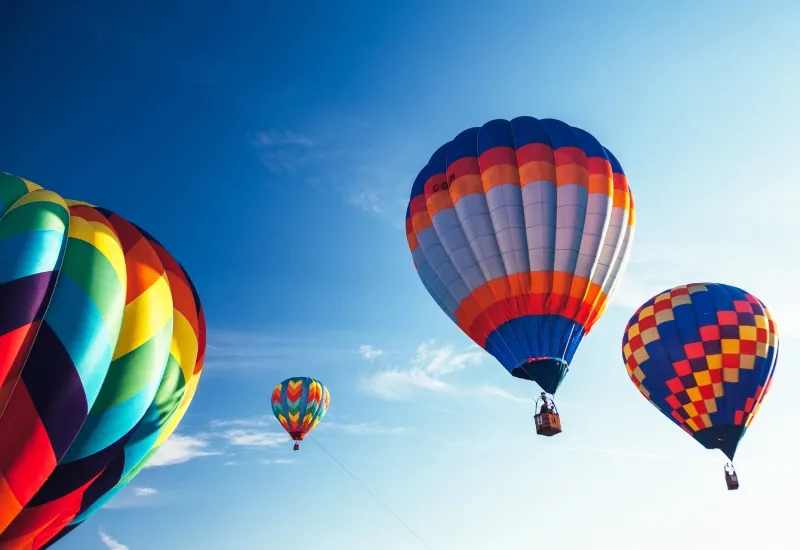
Hot air balloon ride in Mysore
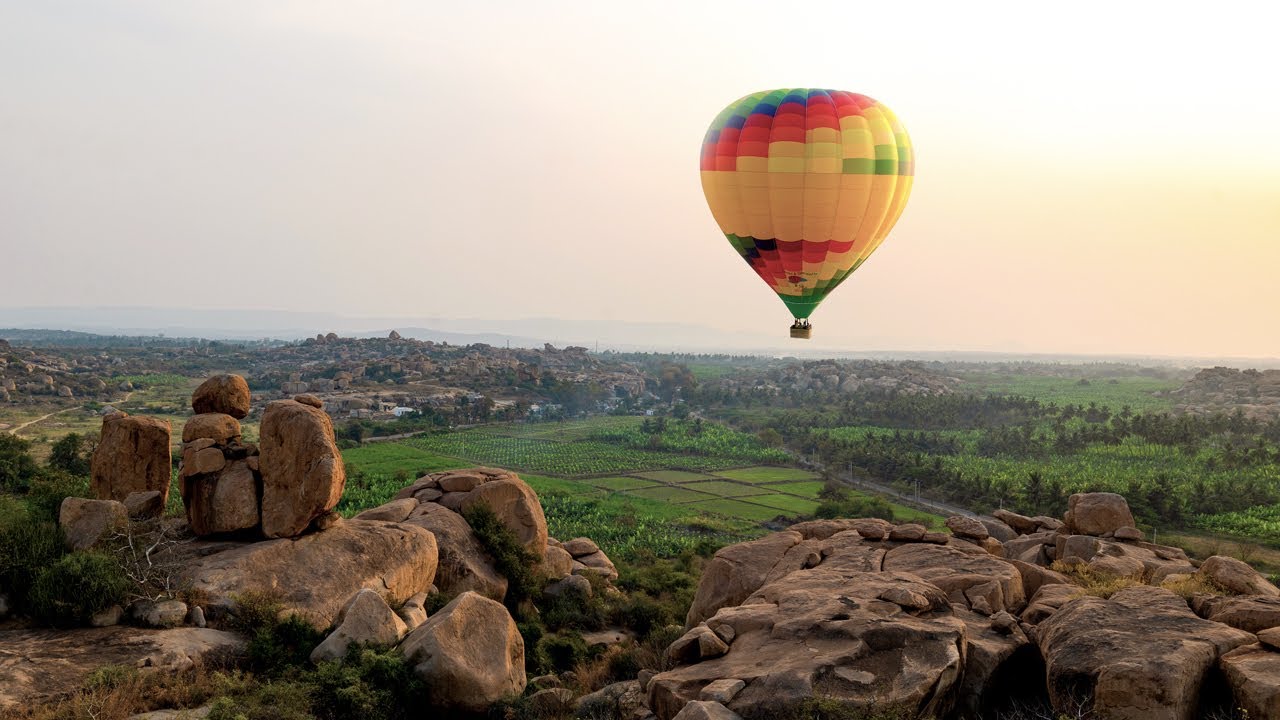
Hot air balloon ride in Hampi
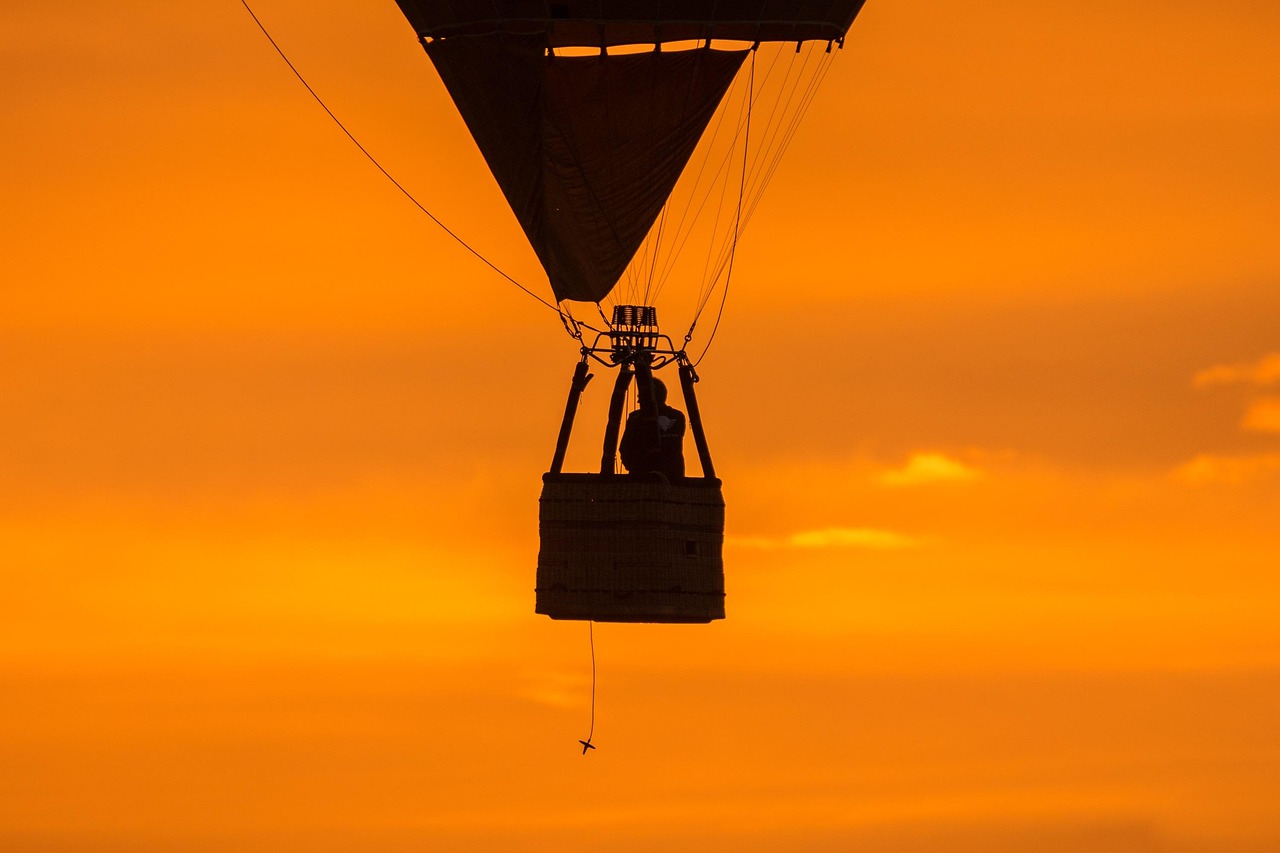
Hot air balloon ride in Nainital
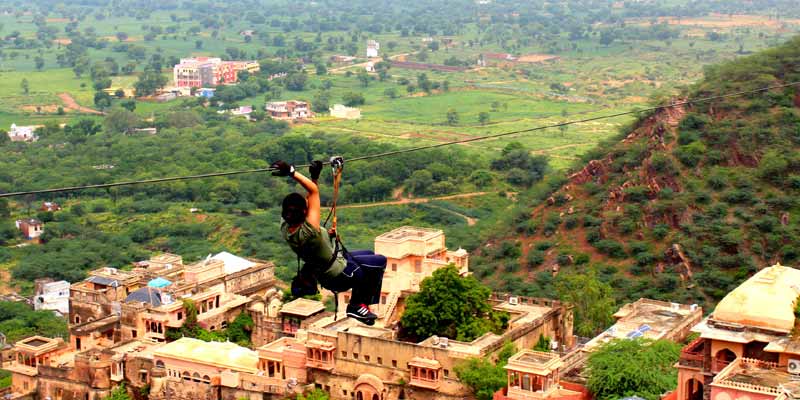
Zip Line ride in Neemrana
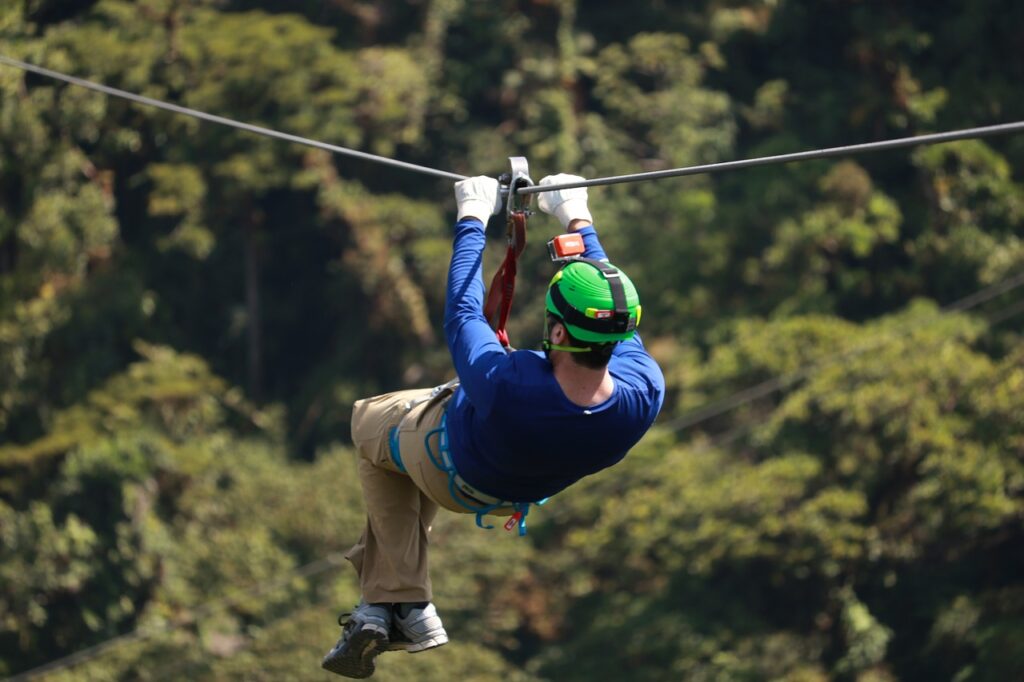
Kikar Lodge Zip Line
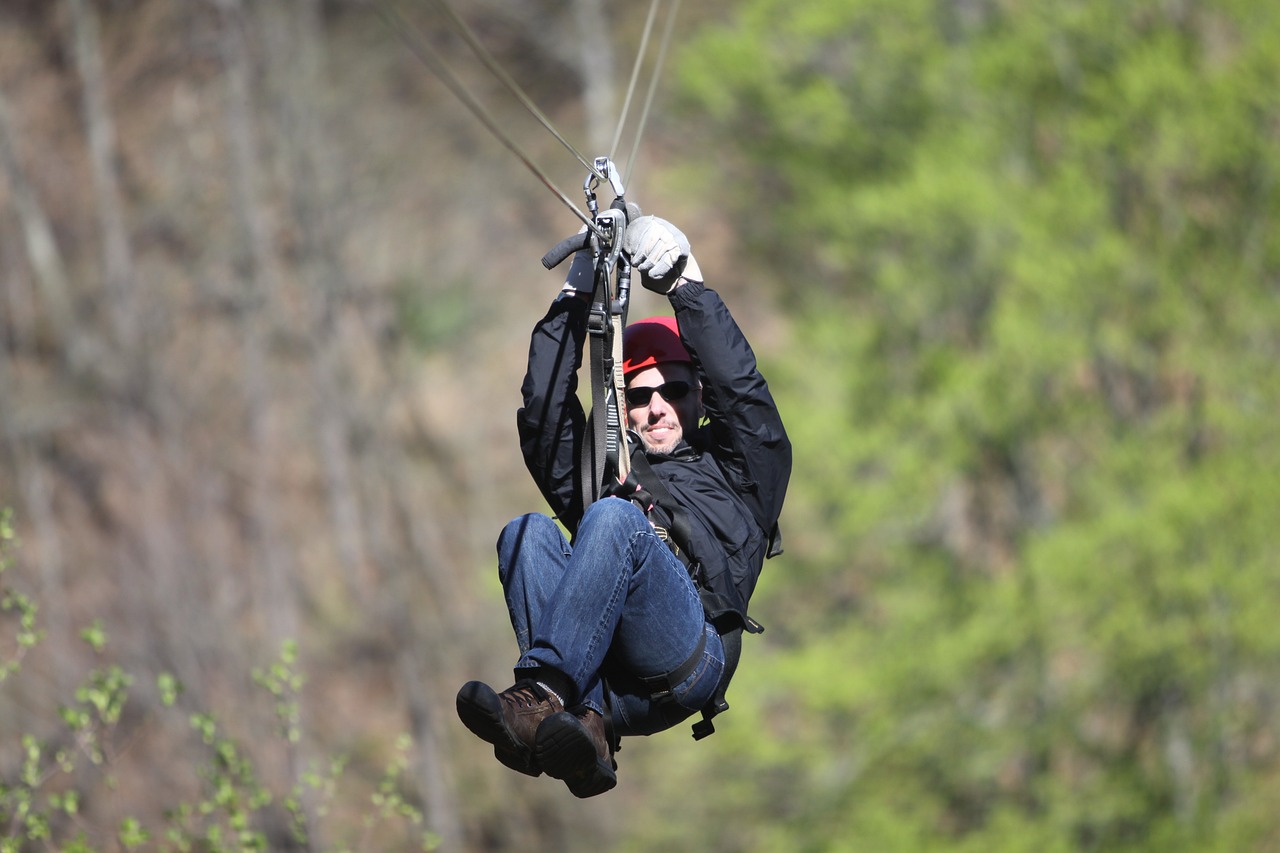
Zip Line ride in Rishikesh
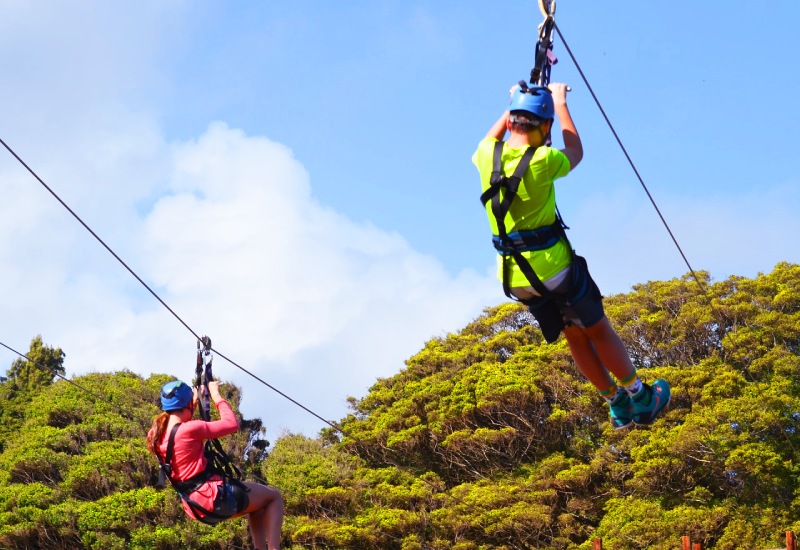
Zip Line ride in Mussoorie
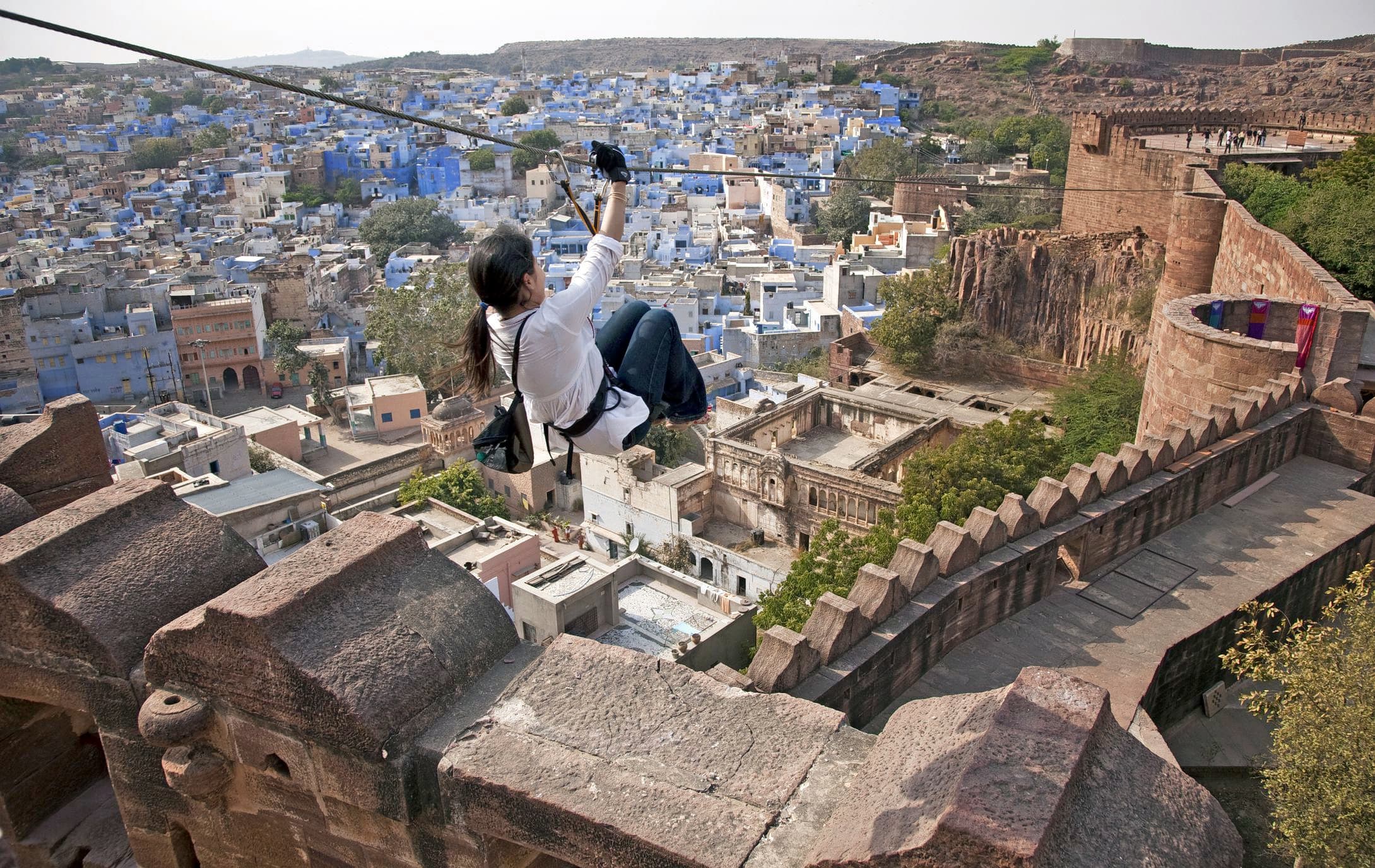
Zip Line ride in Jodhpur
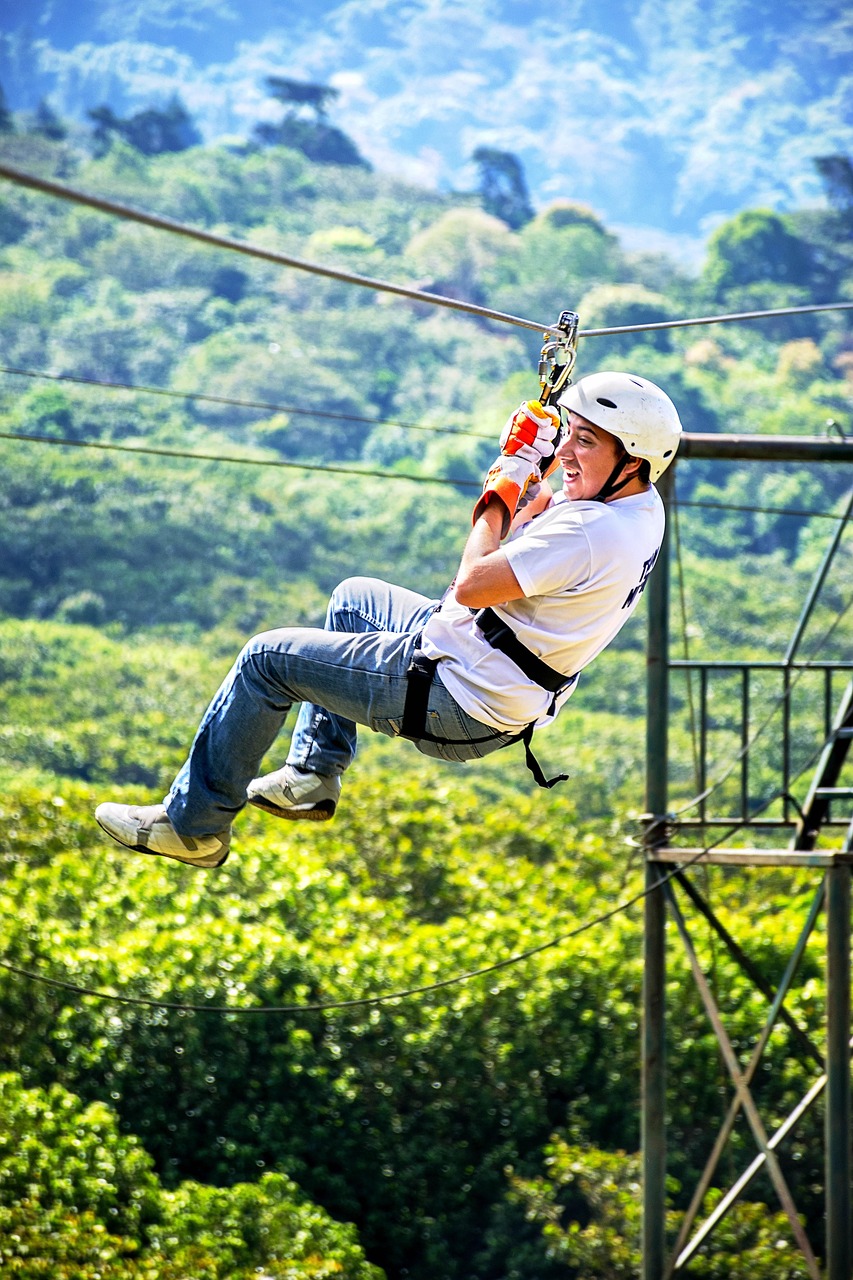
Zip Line ride in Munnar
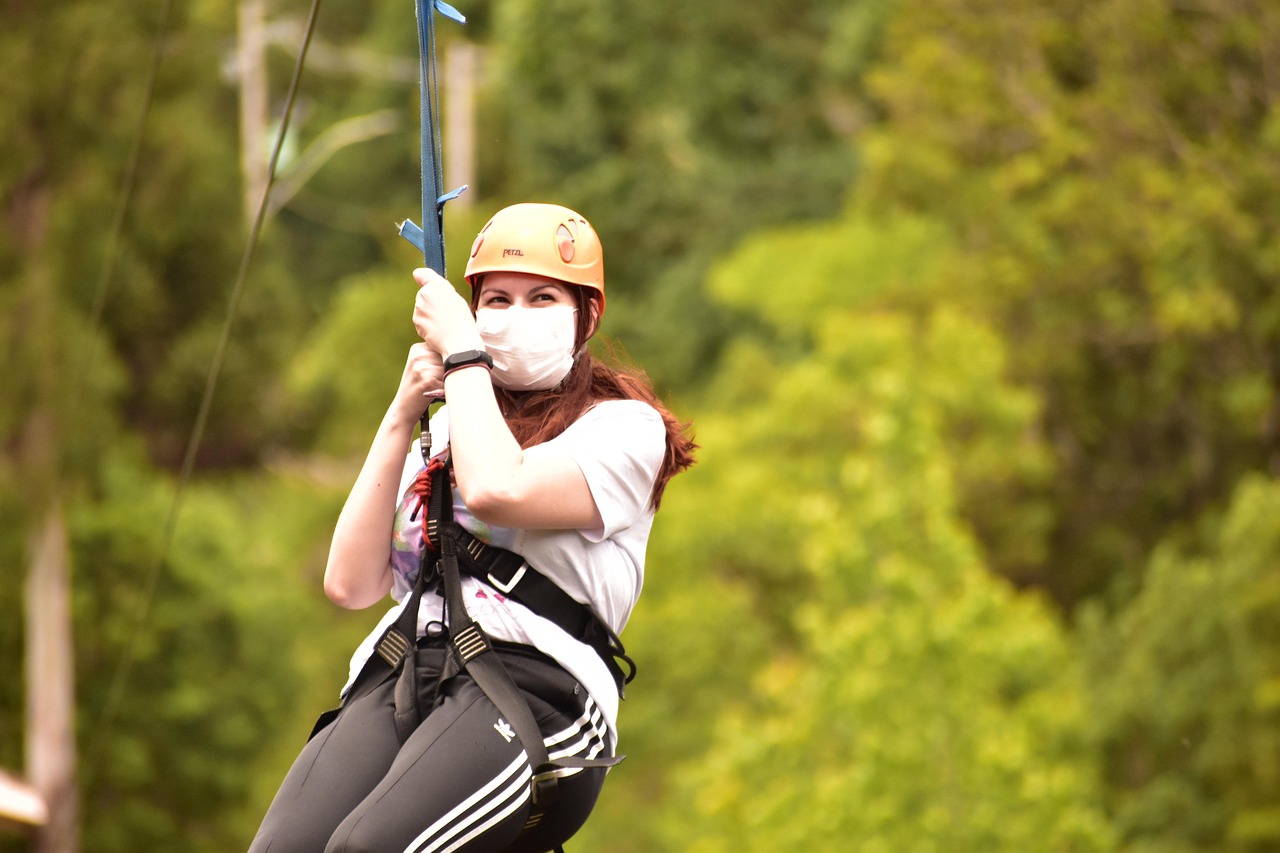
Zip Line ride in Manali
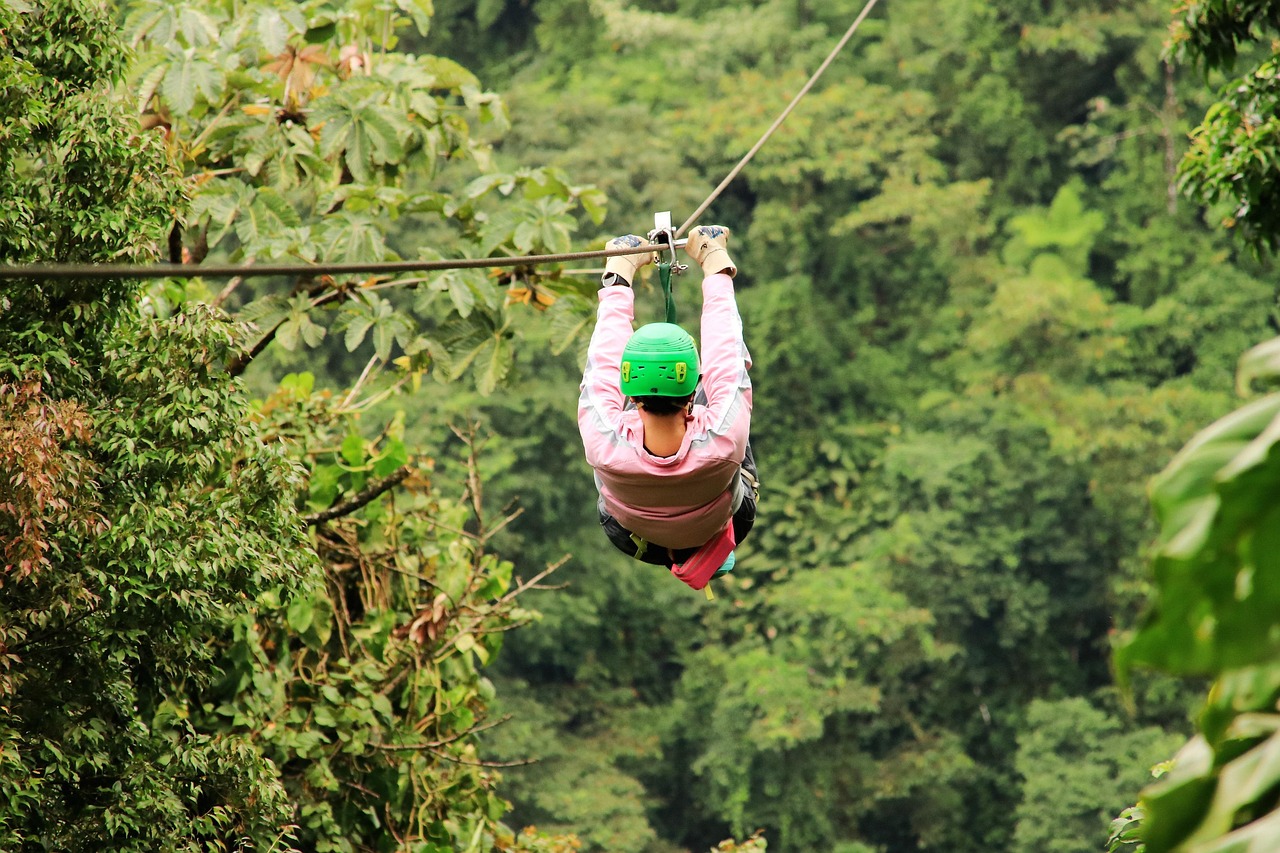
Zip Line ride in Darjeeling
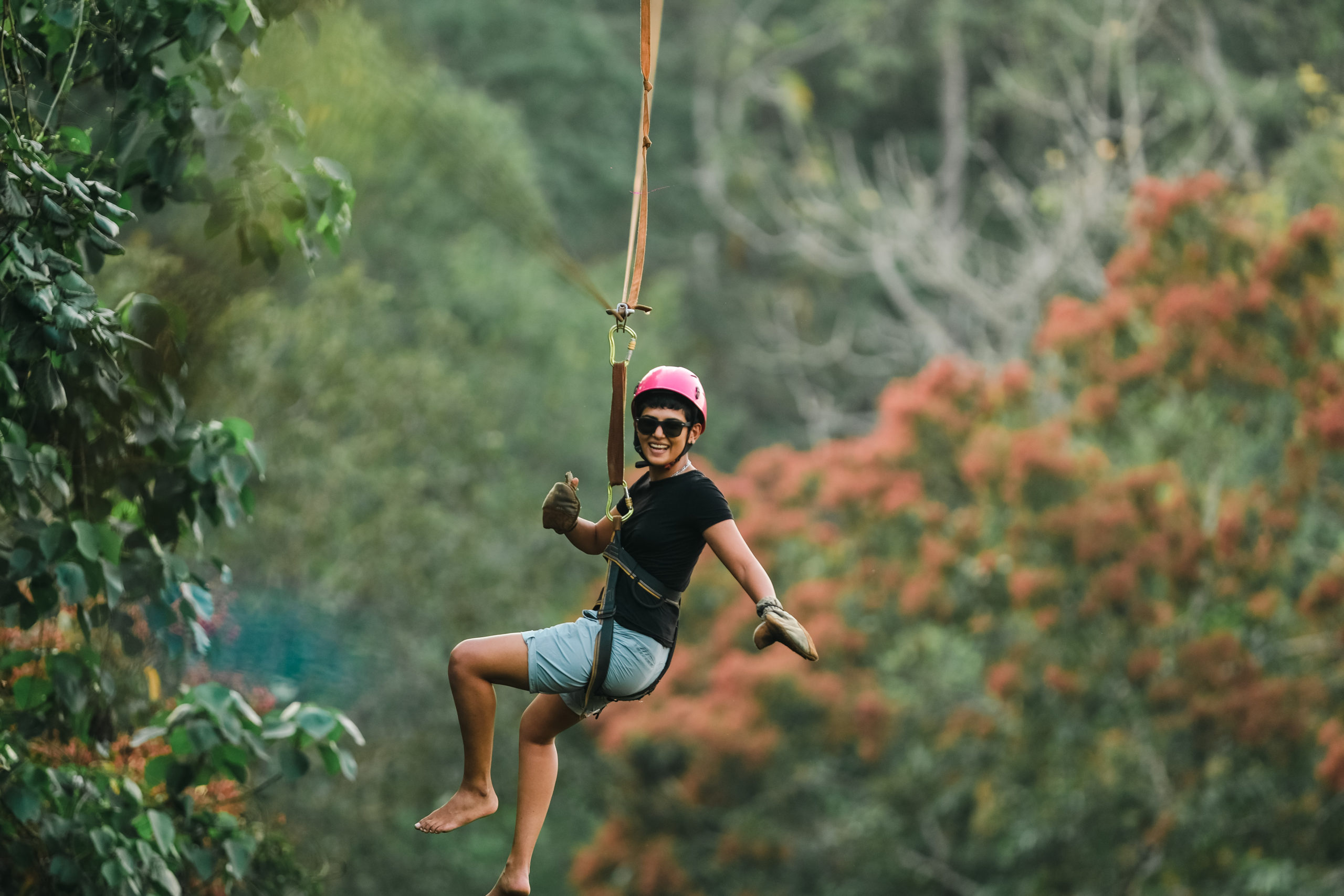
Zip Line ride in Goa
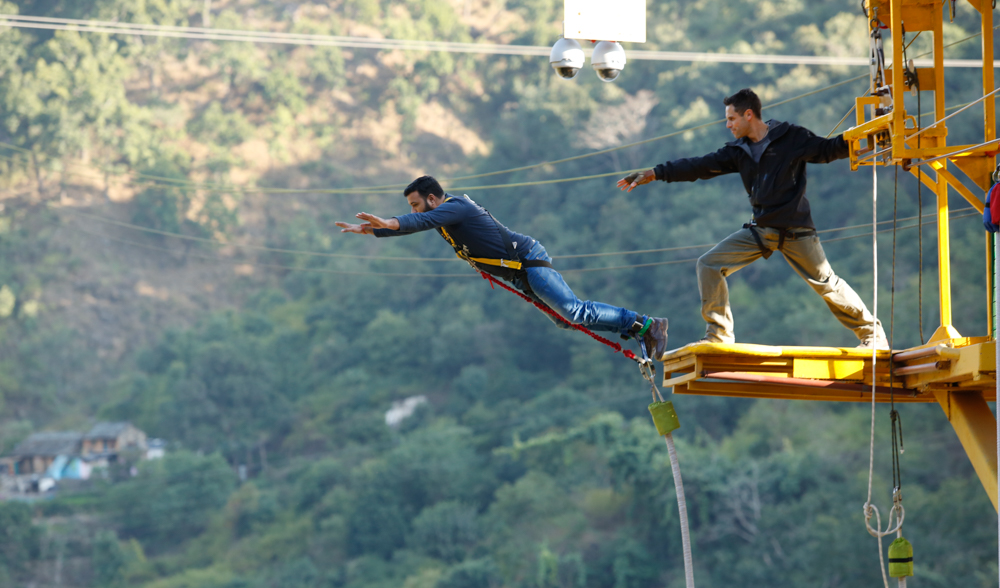
Bungee Jumping in Rishikesh
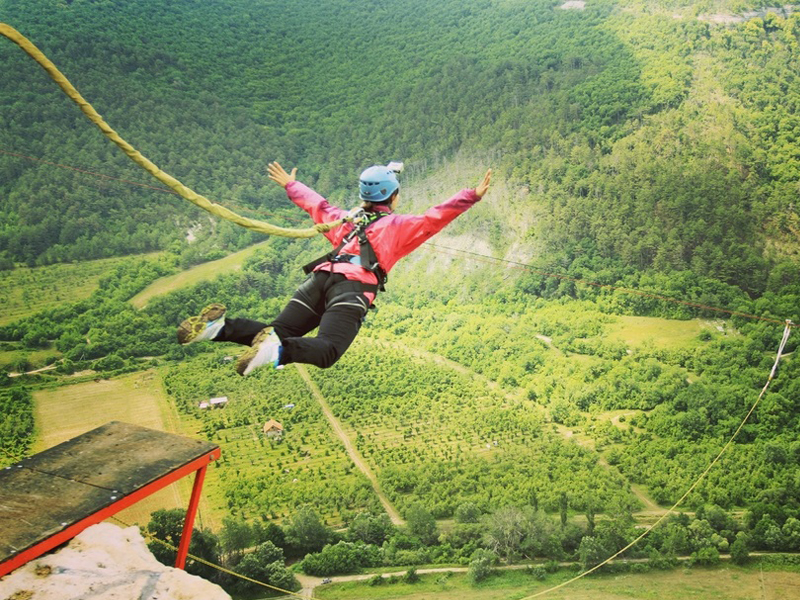
Bungee Jumping in Udaipur
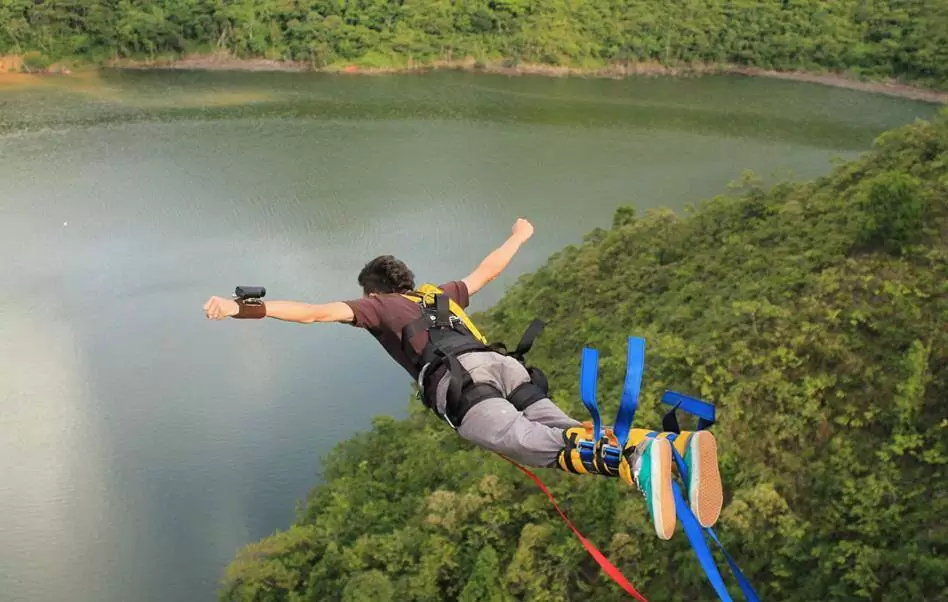
Bungee Jumping in Goa
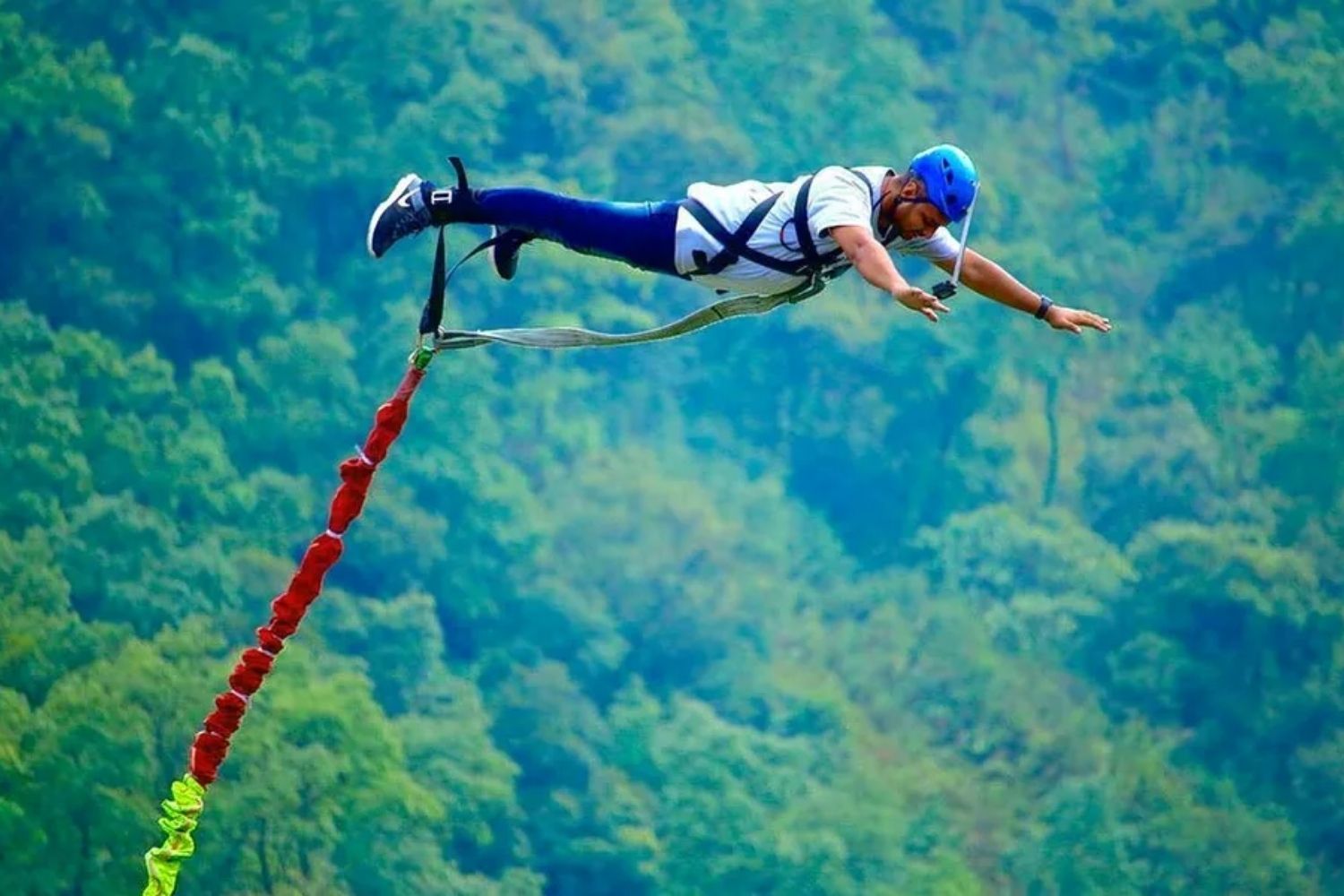
Bungee Jumping in Lonavala
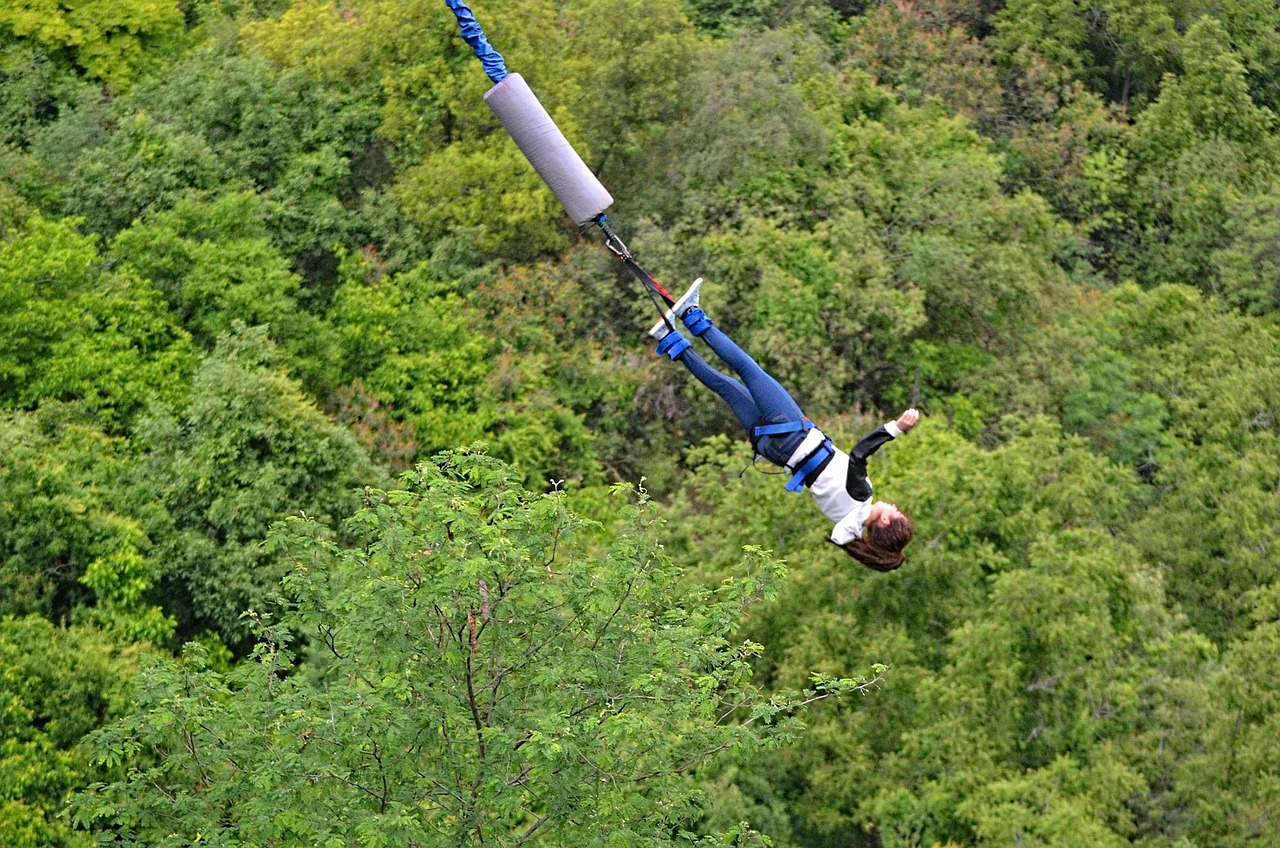
Bungee jumping in Bangalore
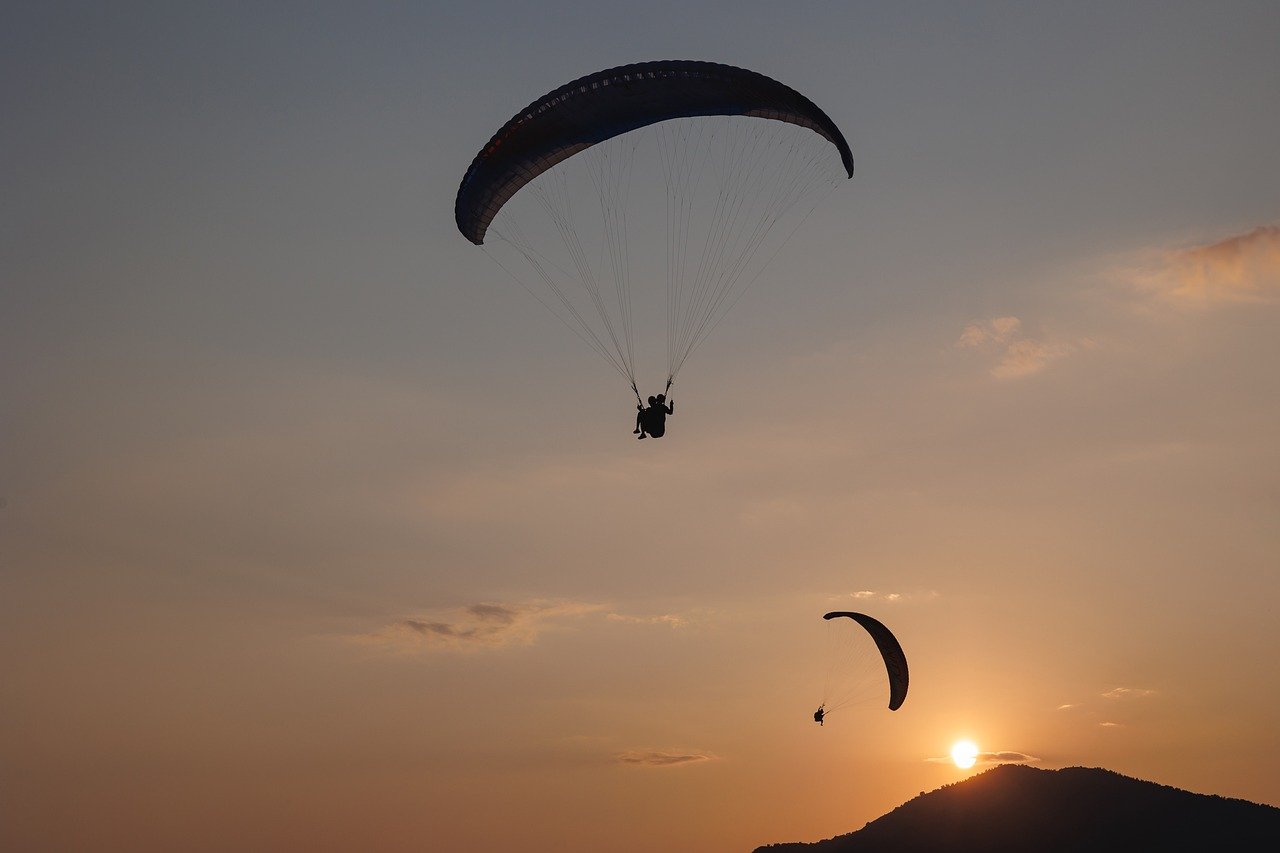
Paragliding in Bir Billing
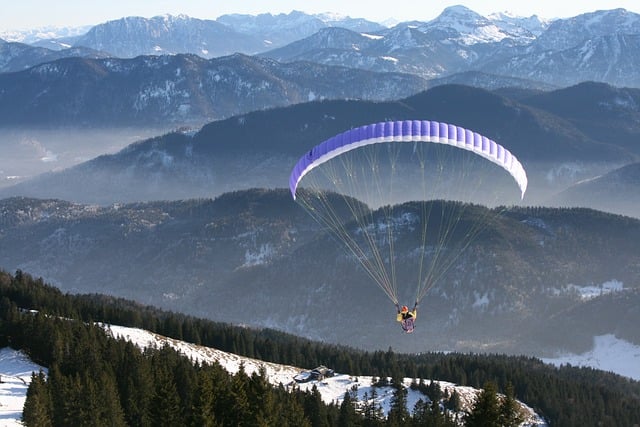
Paragliding in Manali
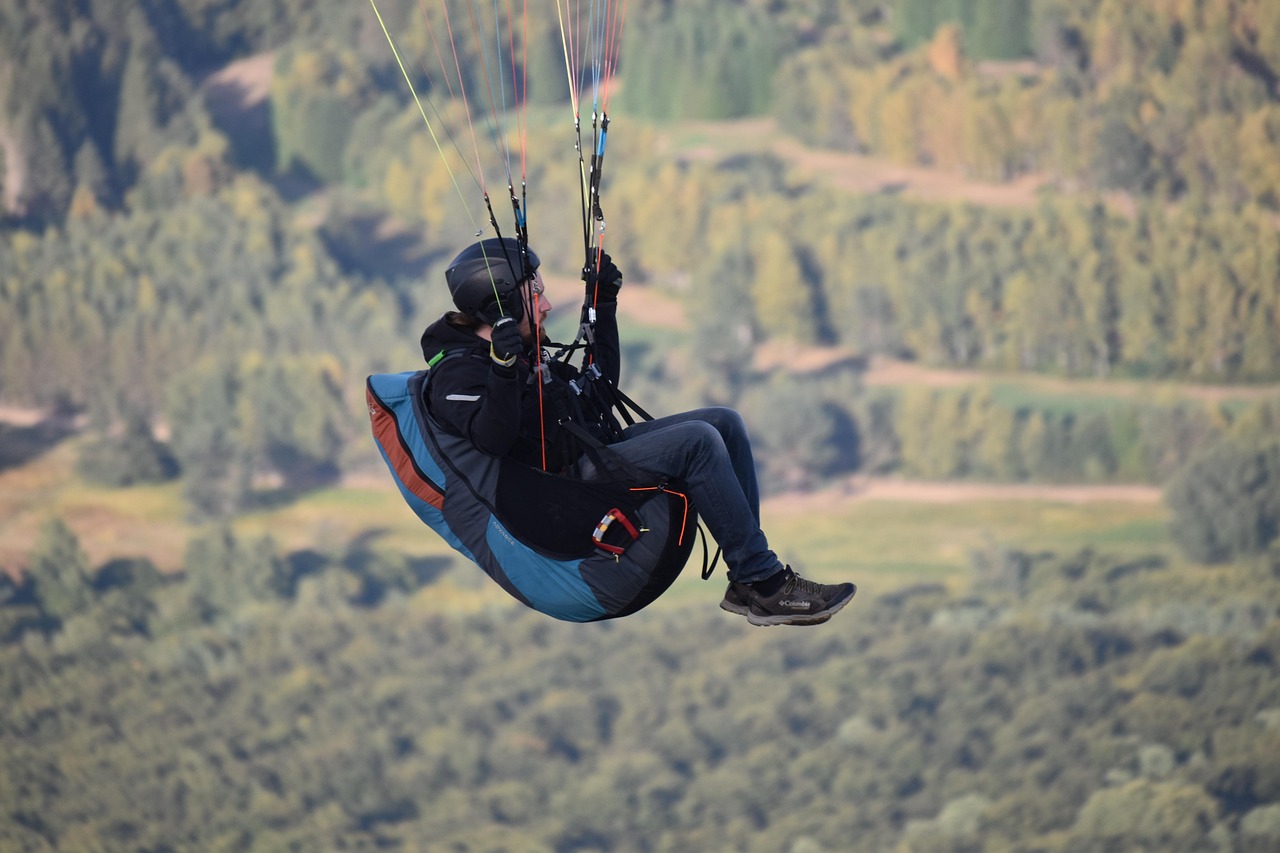
Paragliding in Nainital
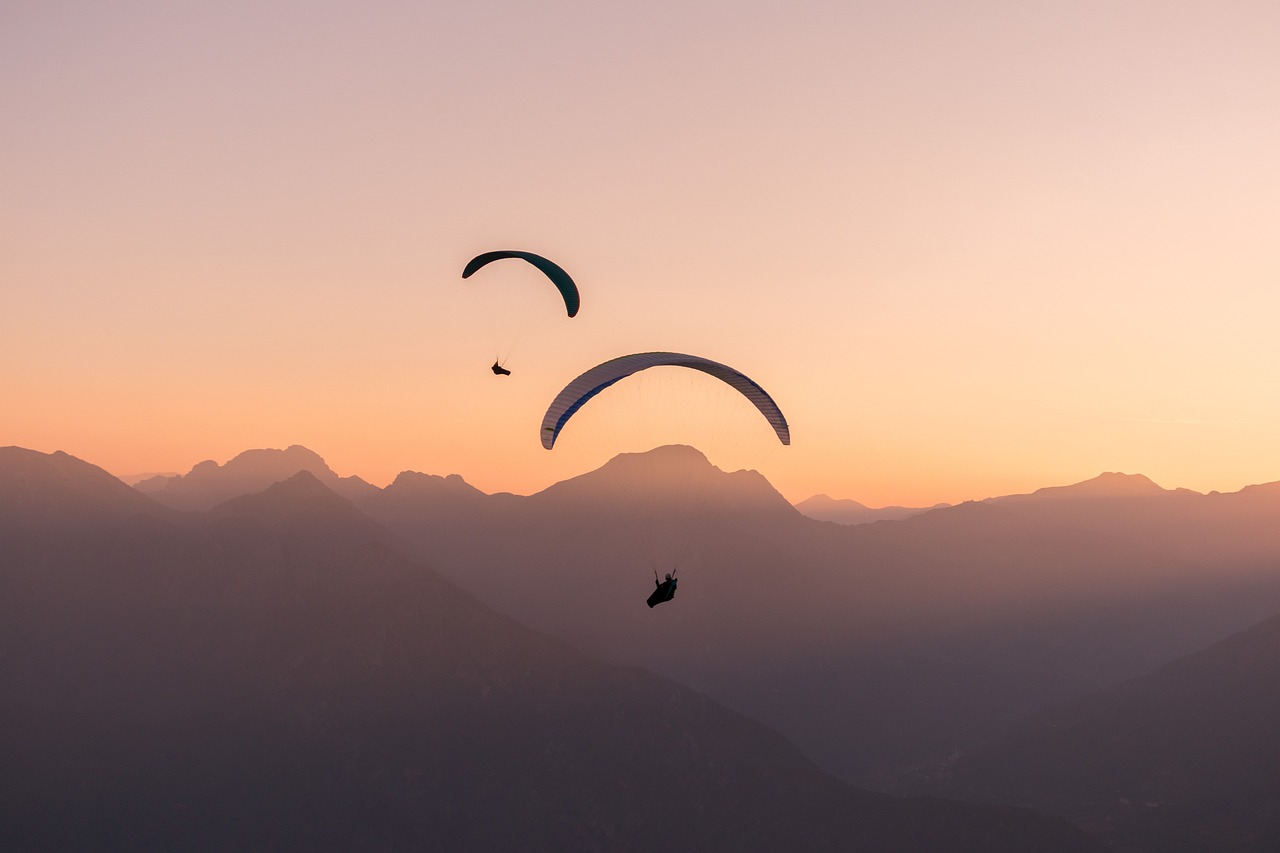
Paragliding in Kamshet
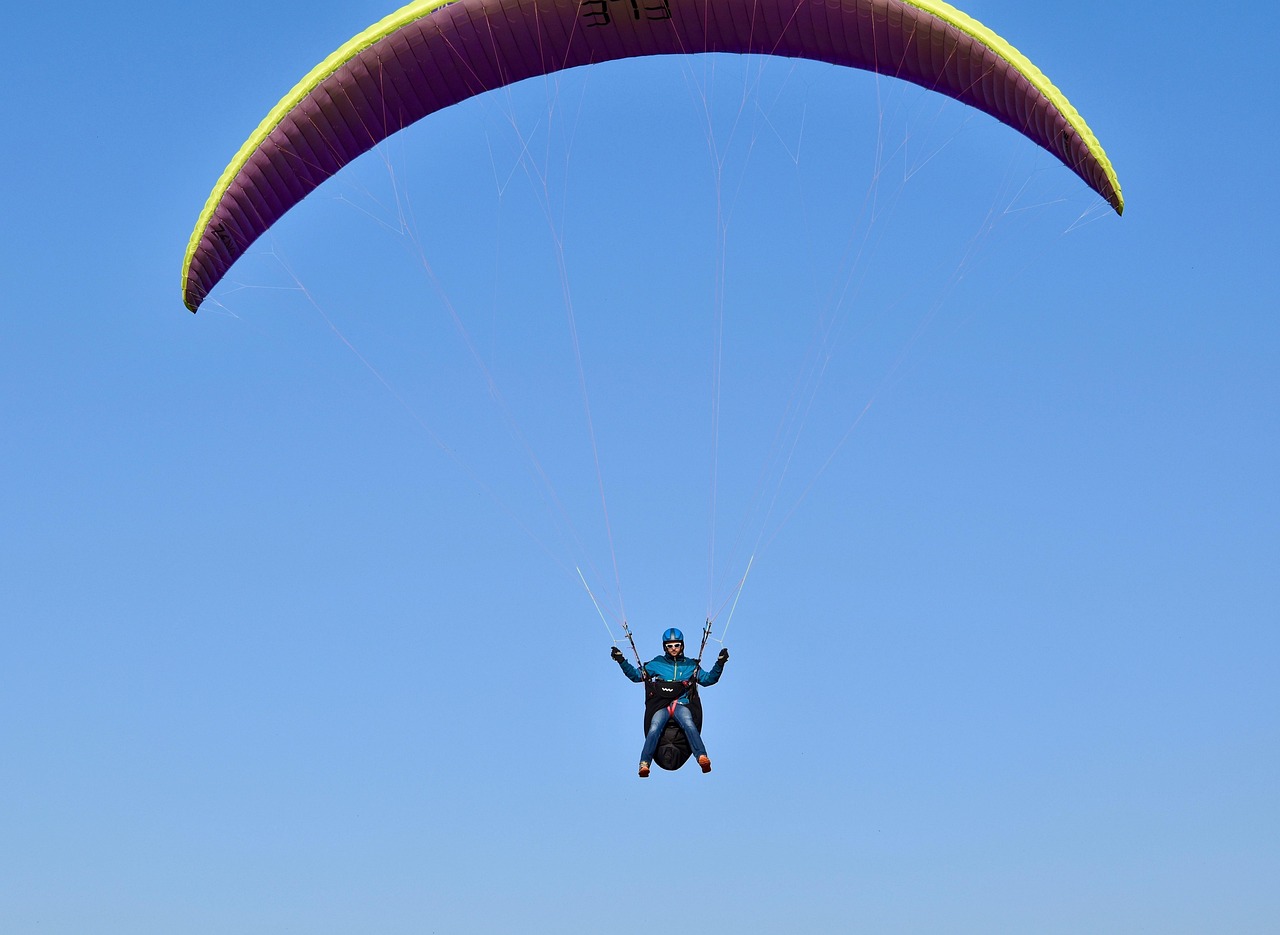
Paragliding in Ranikhet and Mukteshwar
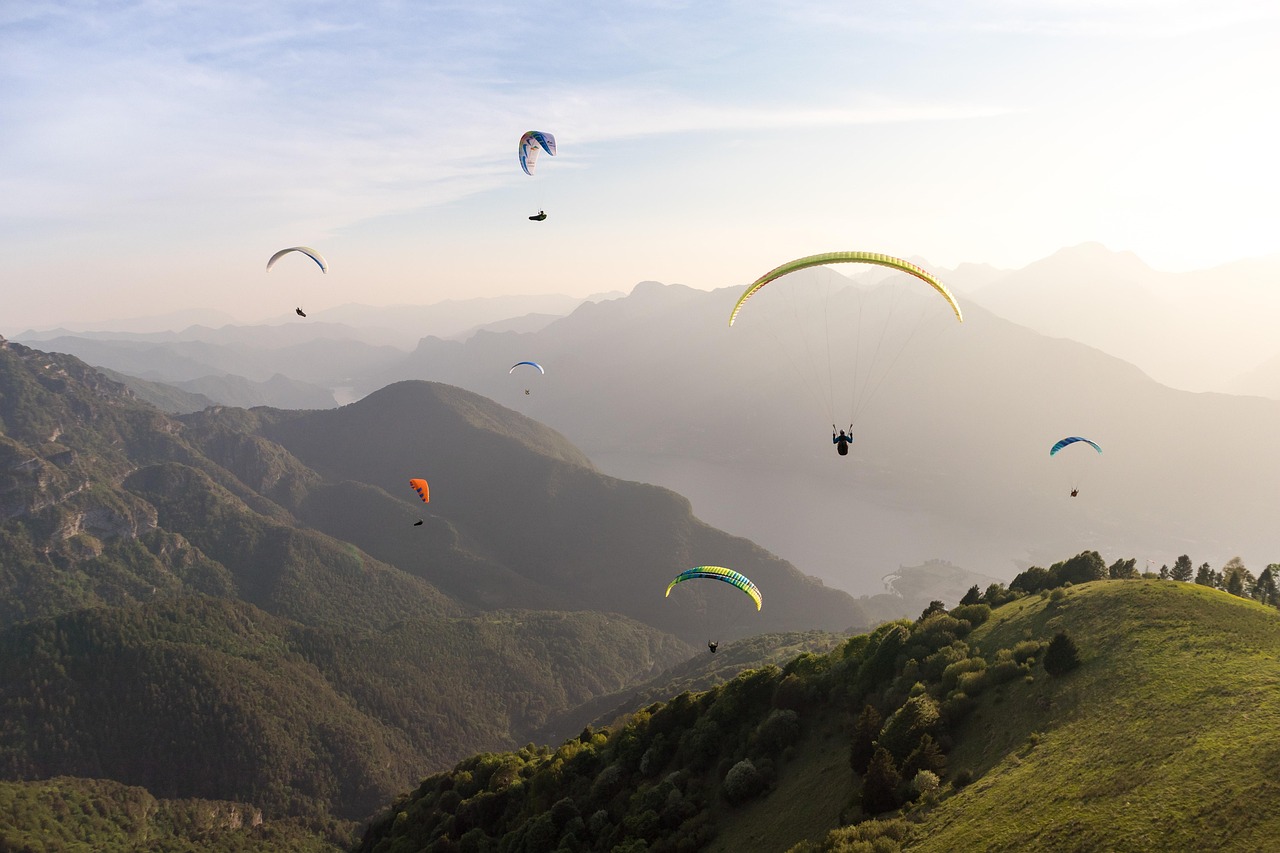
Paragliding in Gangtok
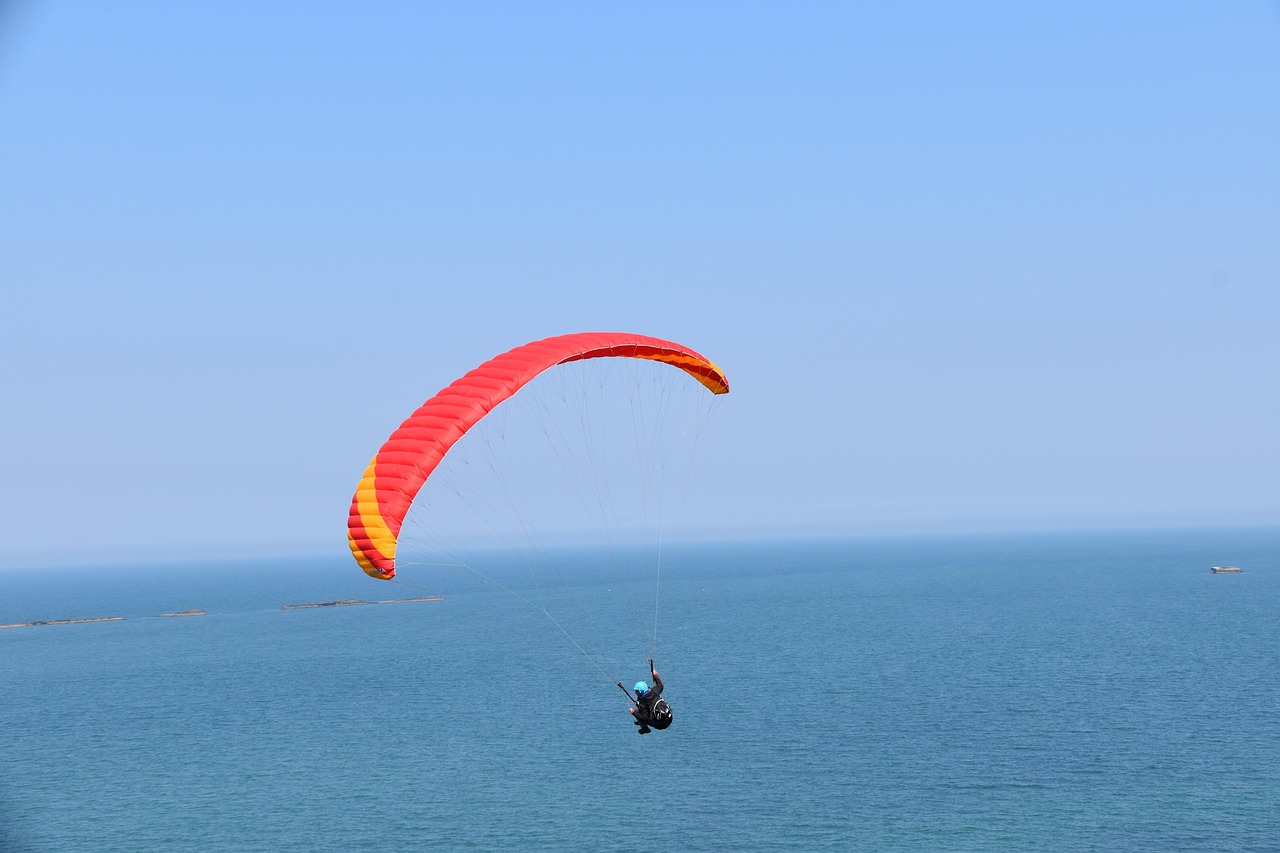
Paragliding in Arambol, Goa
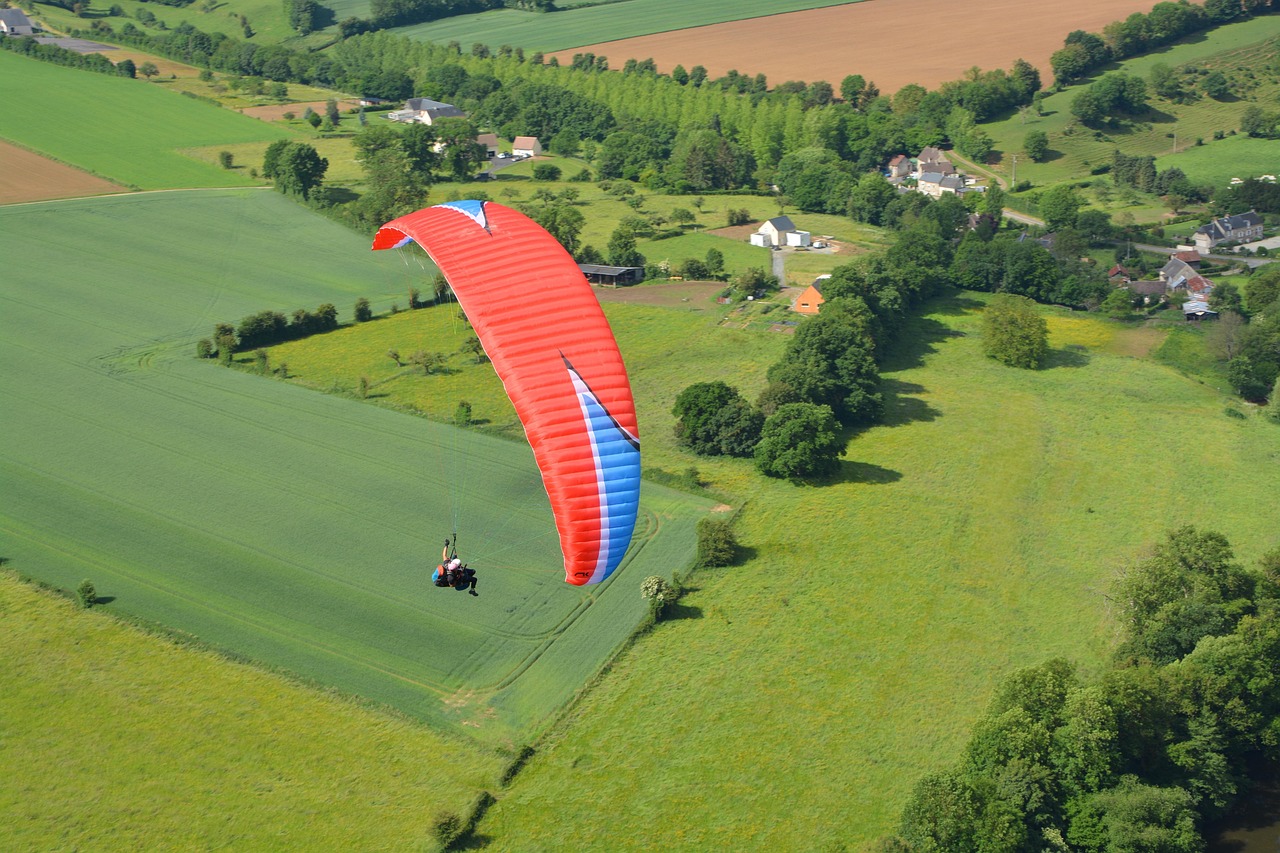
Paragliding in Pavagadh, Gujarat
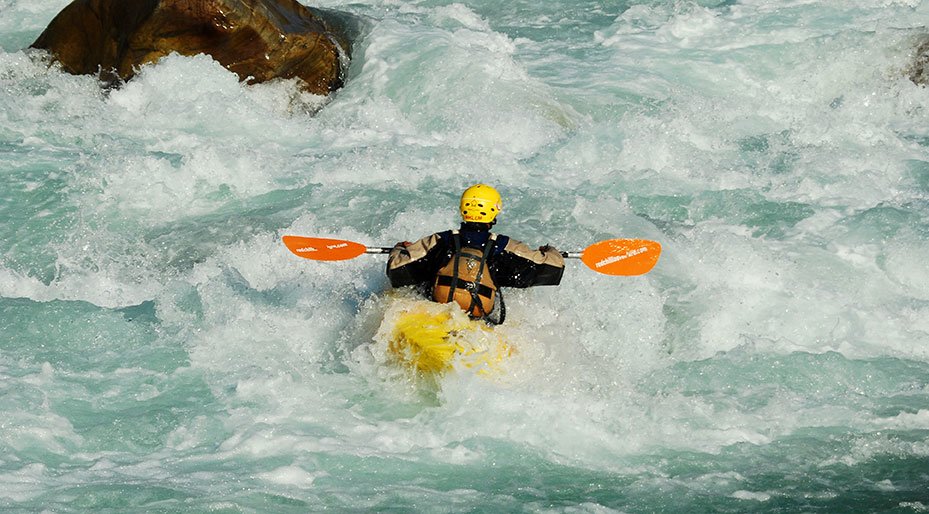
Kayaking in Rishikesh
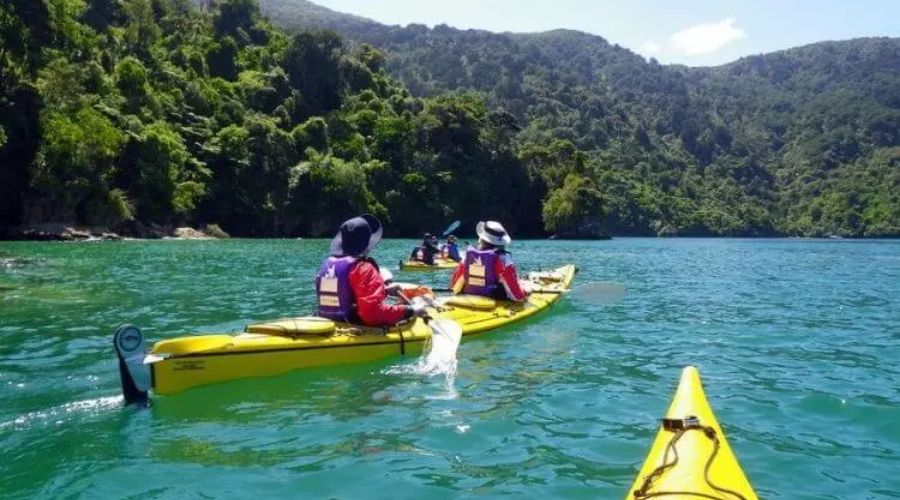
Kayaking in Andaman and Nicobar Islands
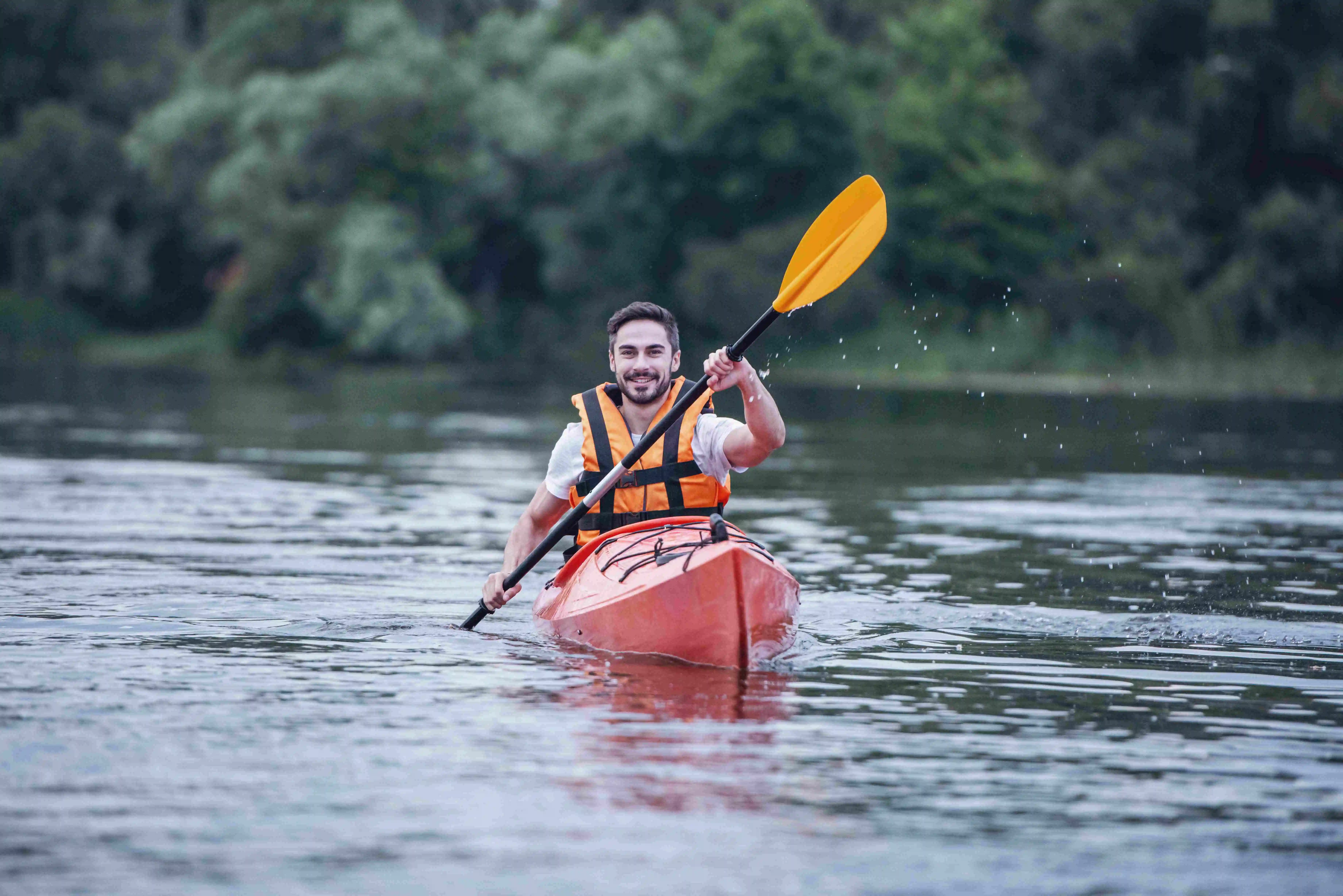
Kayaking in Kerala
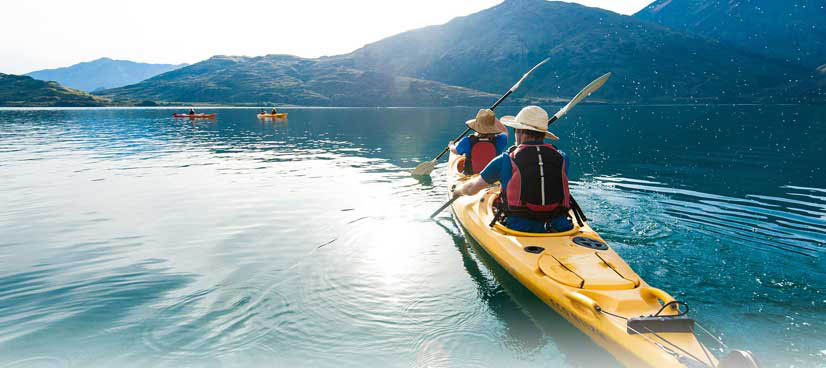
Kayaking in Sikkim
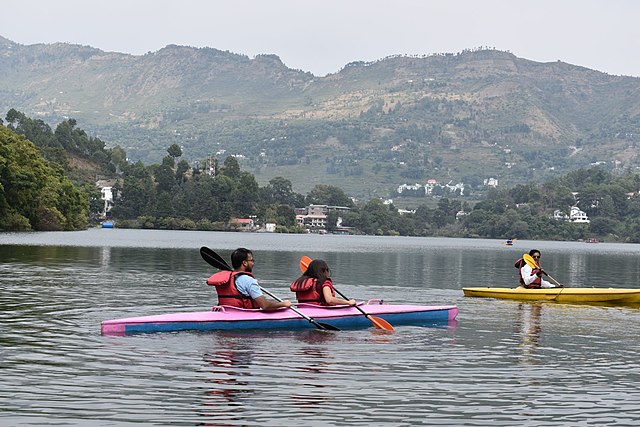
Kayaking in Nainital
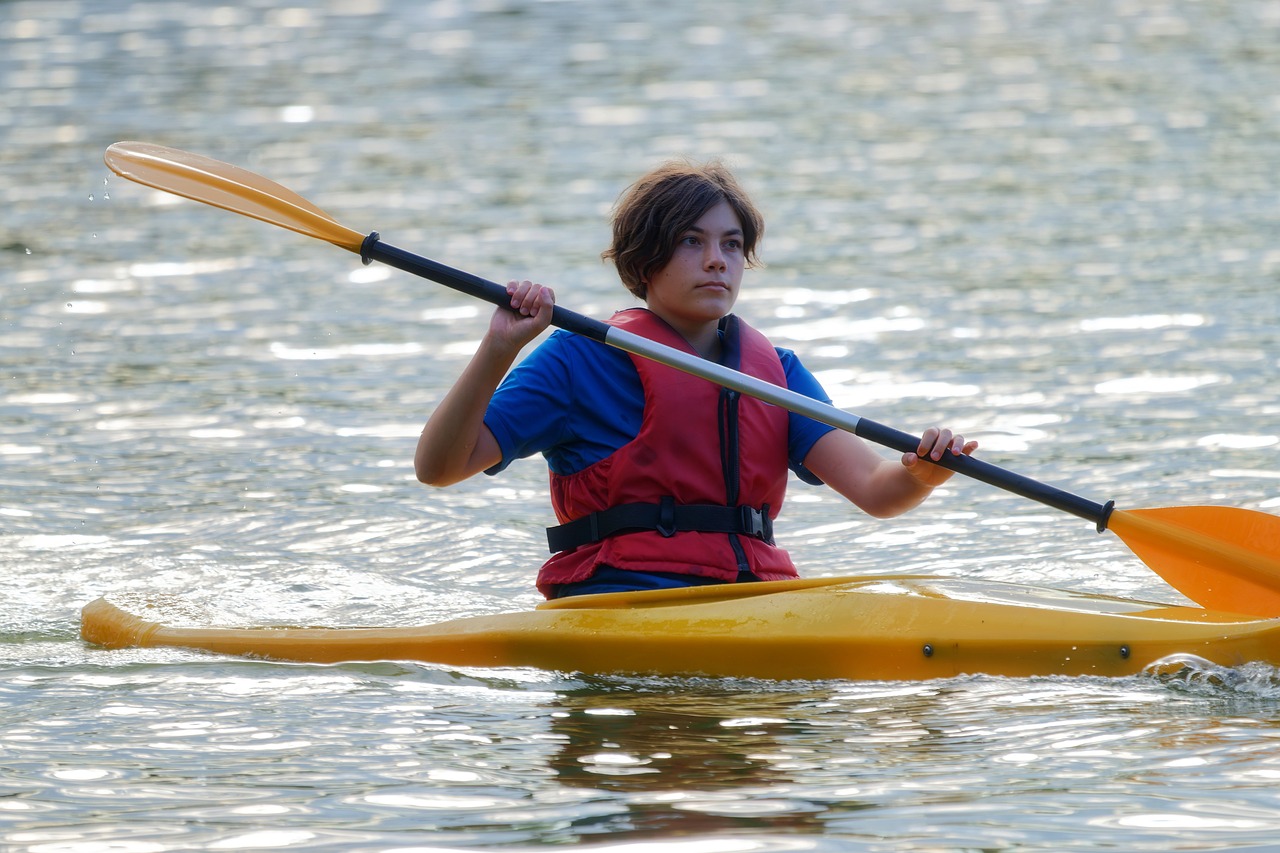
Kayaking in Tungabhadra River, Karnataka
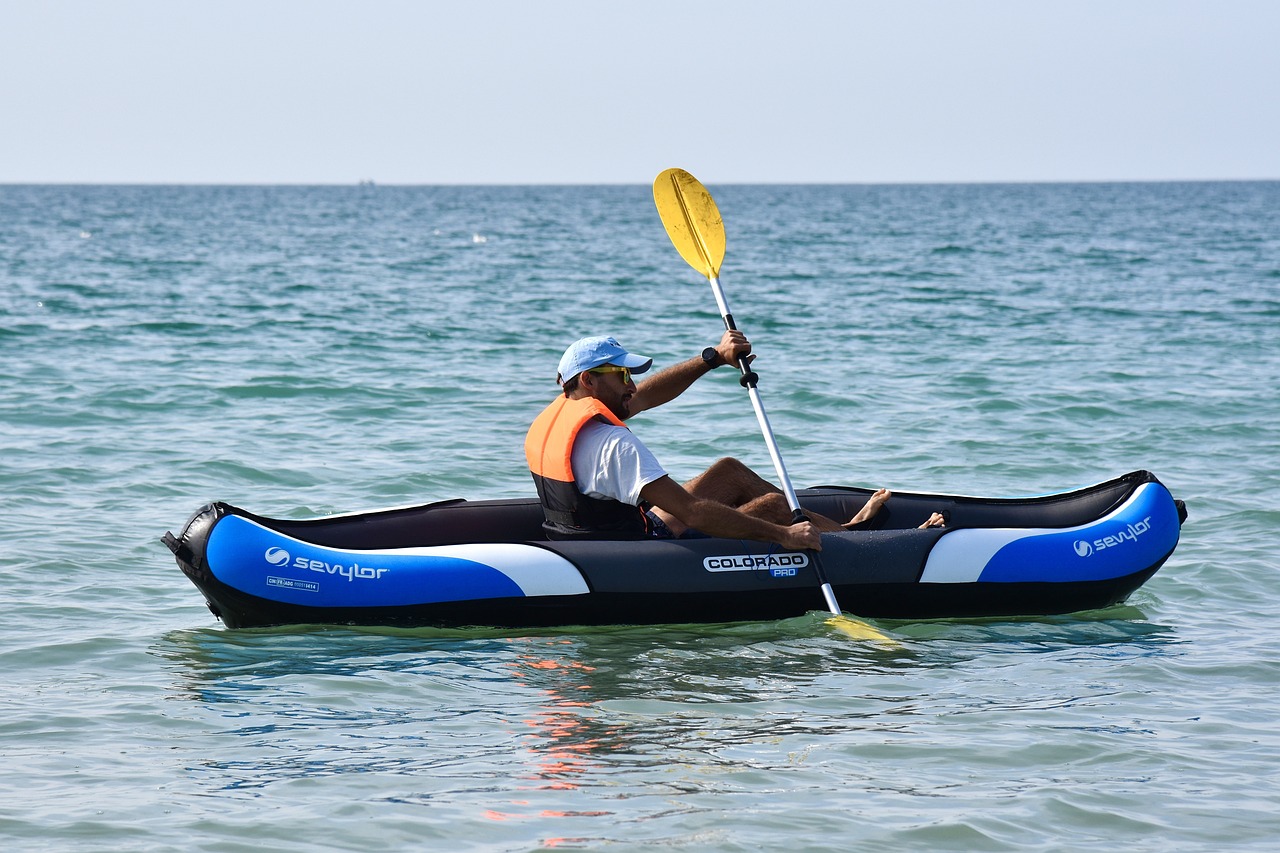
Kayaking in Pondicherry
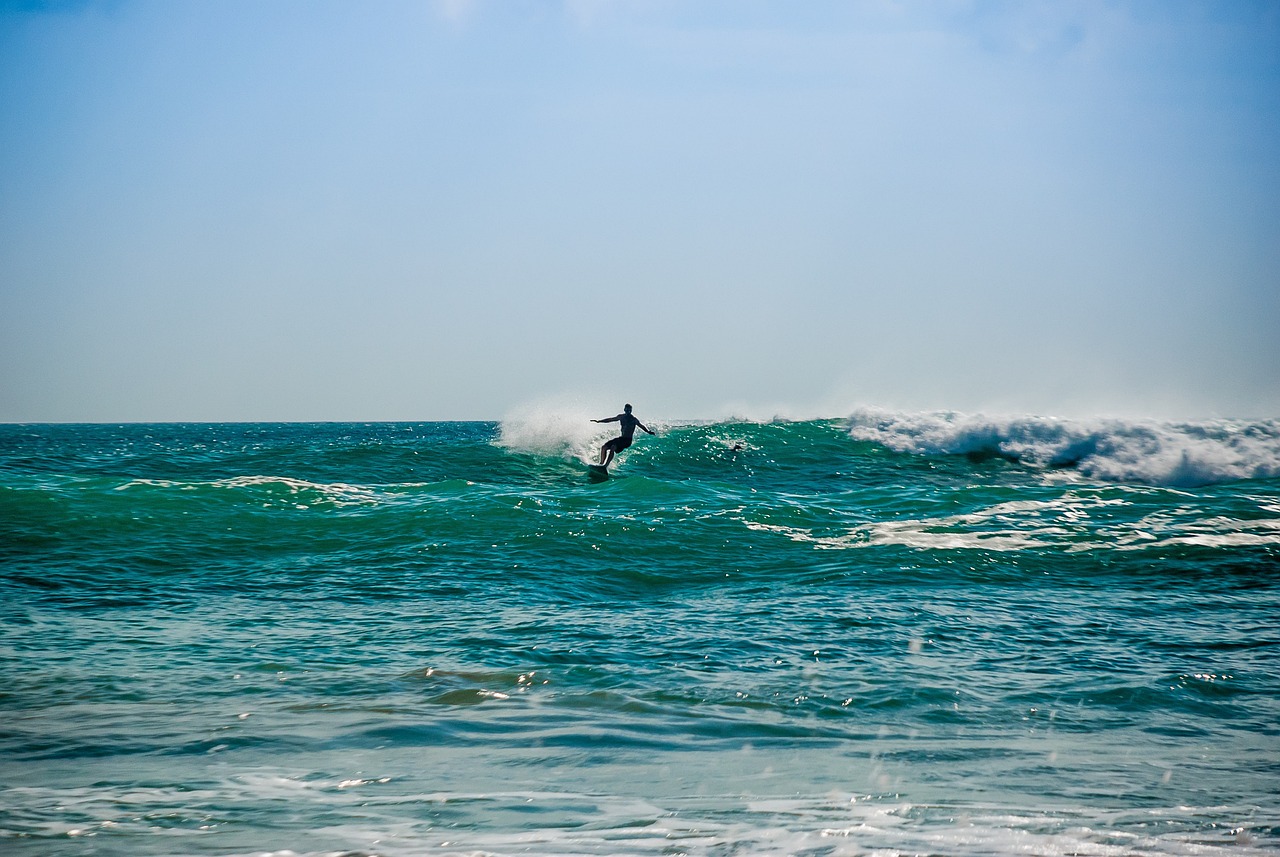
Surfing in Goa
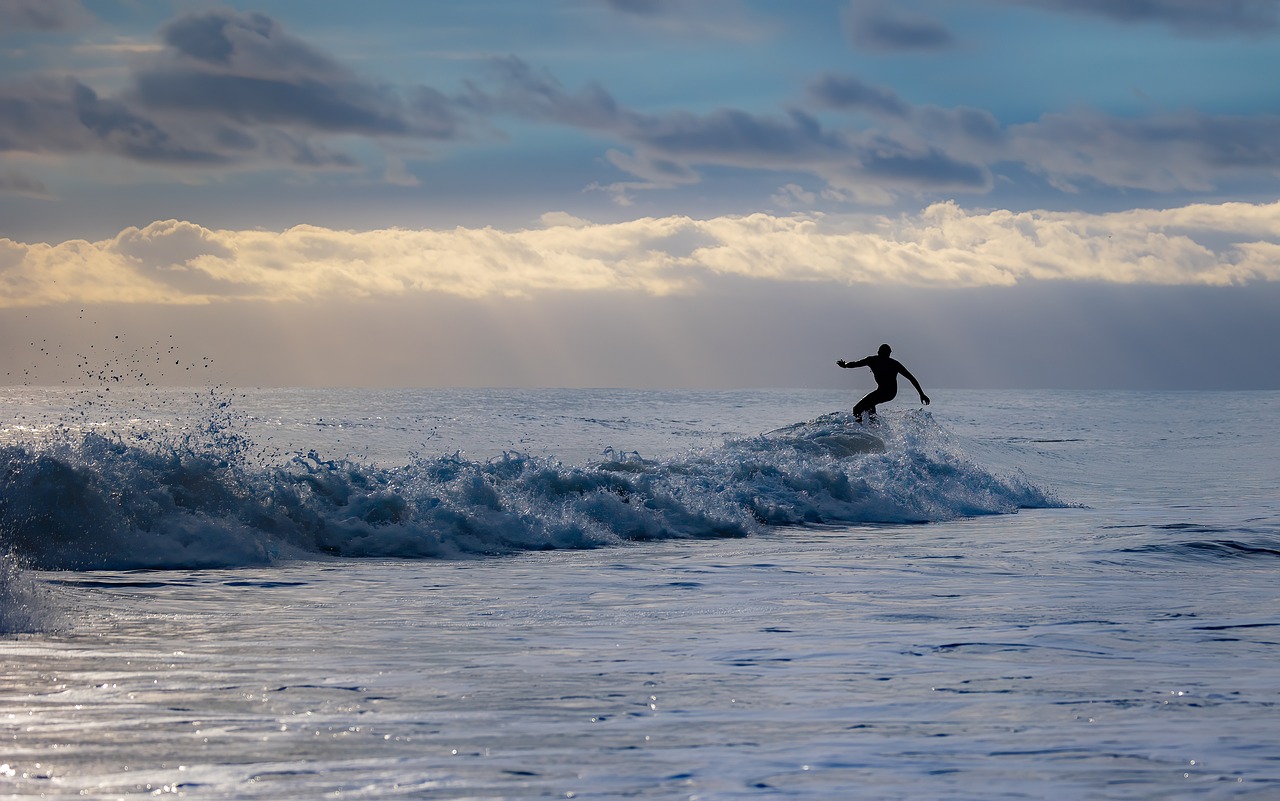
Surfing in Varkala (Kerala)
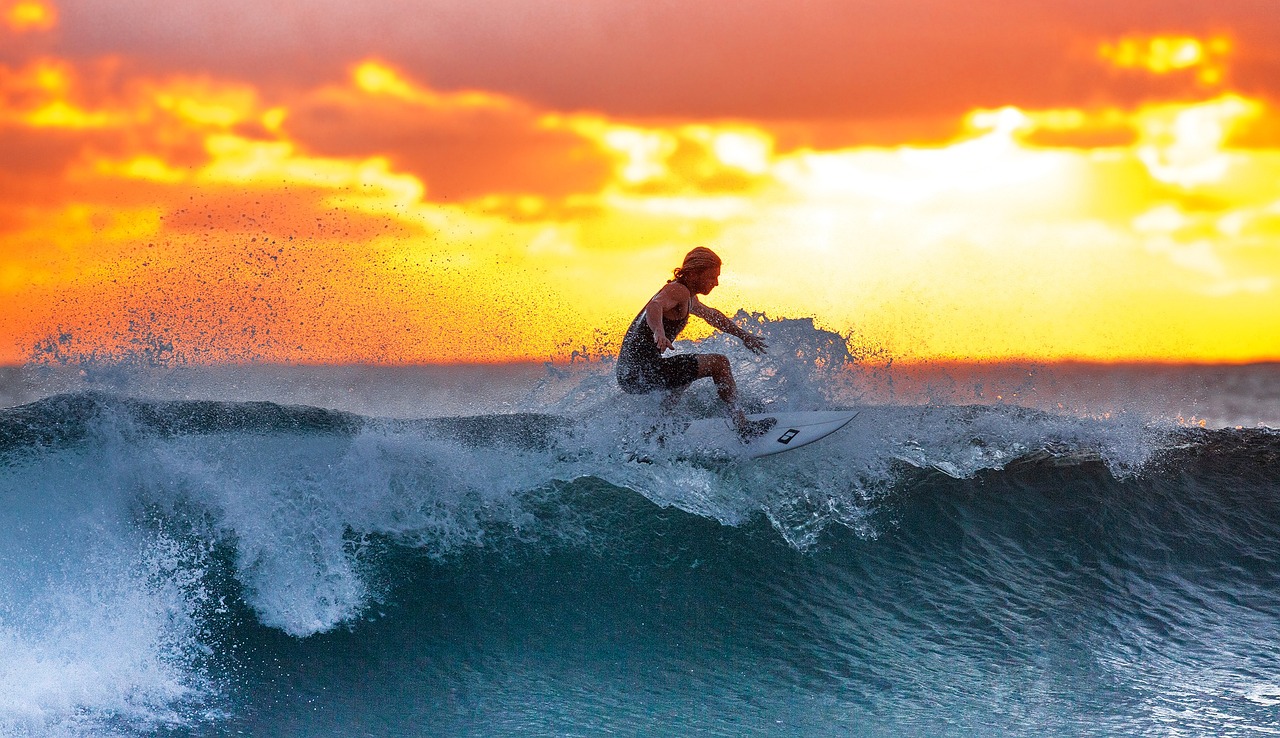
Surfing in Kovalam (Kerala)

Surfing in Manapad (Tamil Nadu)

Surfing in Udupi (Karnataka)

Surfing in Gokarna (Karnataka)
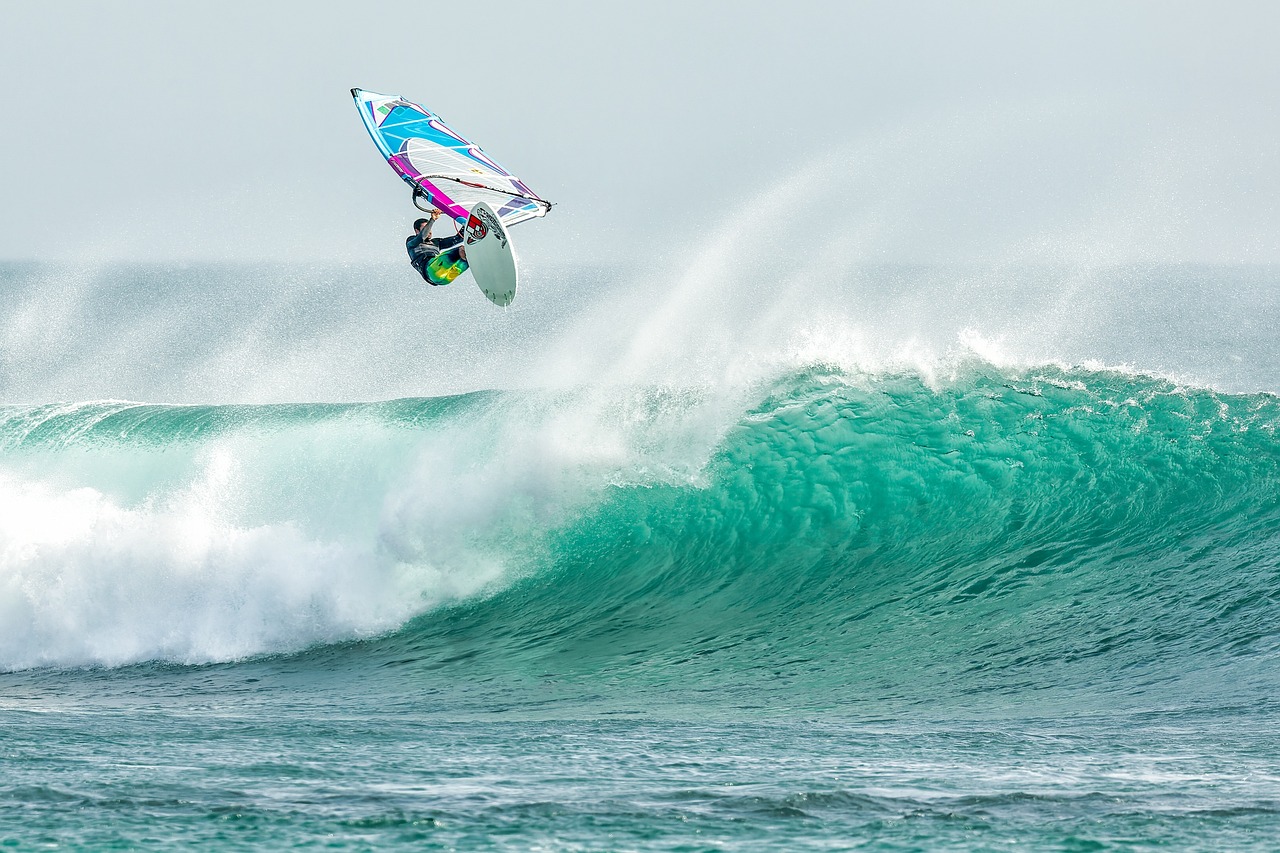
Surfing in Puducherry
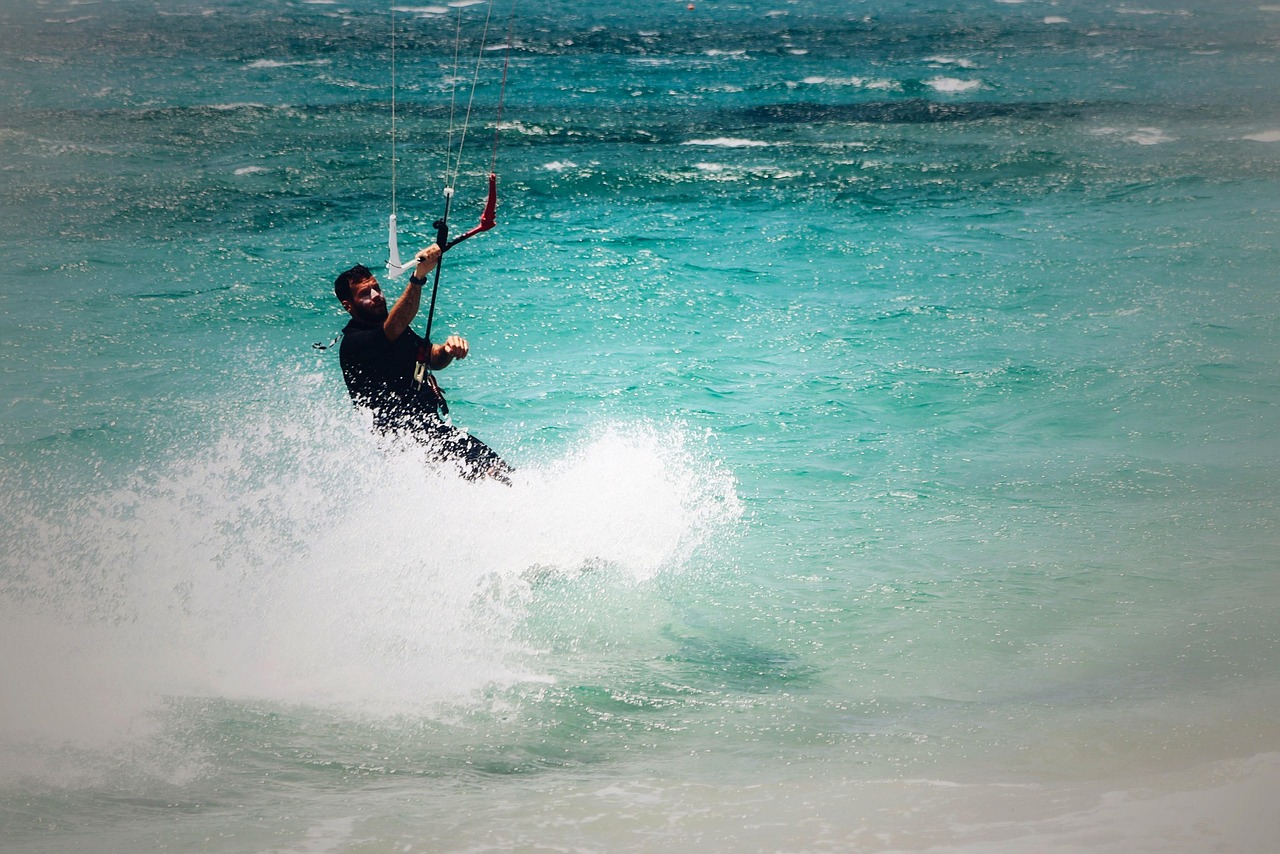
Surfing in Sindhudurg (Maharashtra)
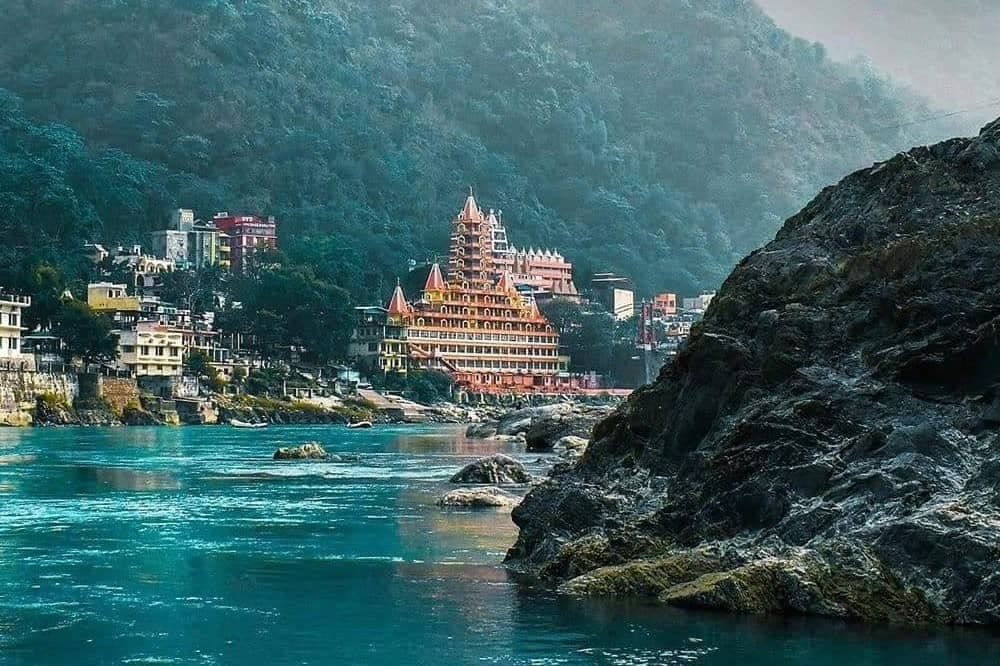
Top 10 Visiting Places in Rishikesh: Your Ultimate Travel Guide
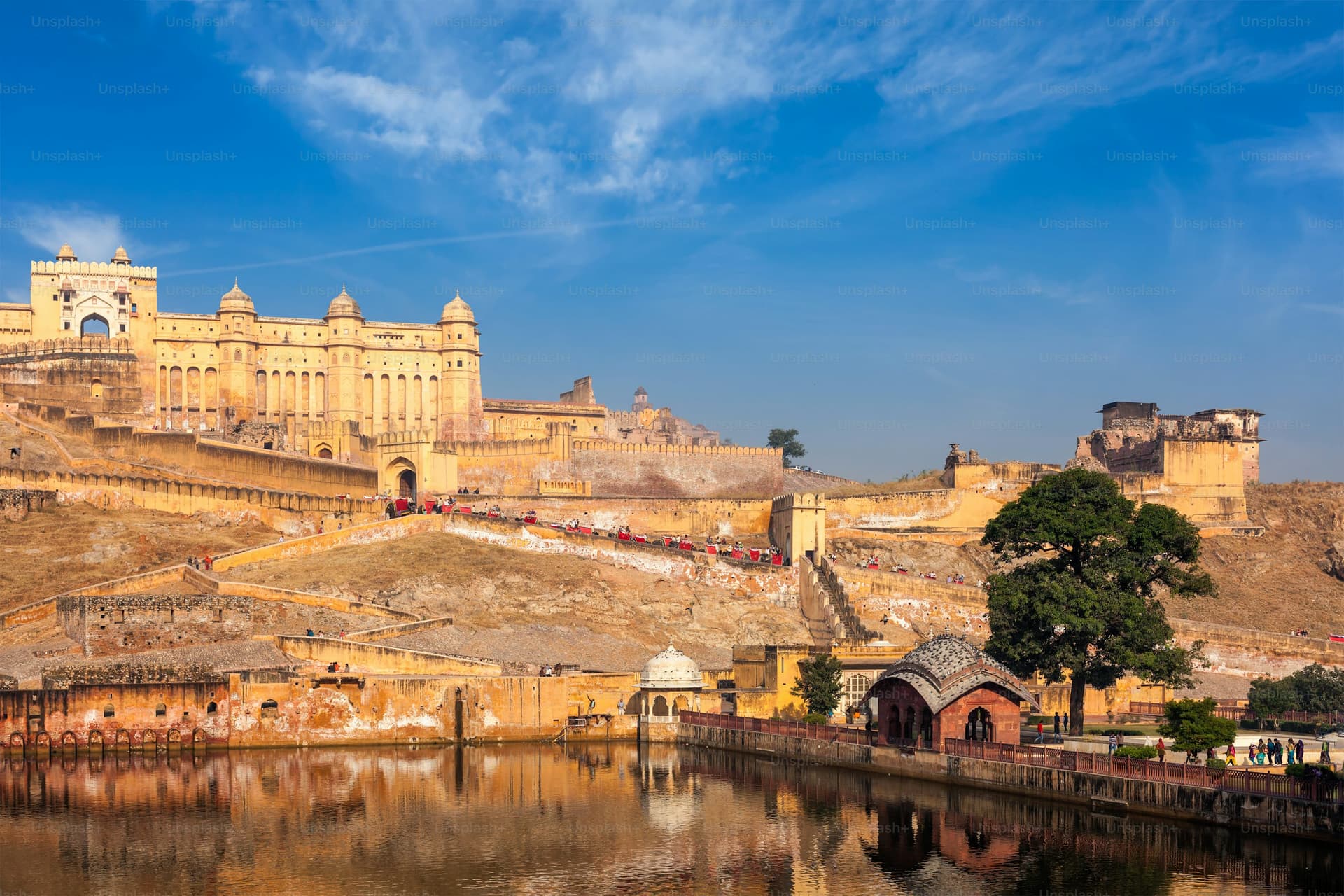
Top 10 Visiting Places in Jaipur: The Pink City’s Must-See Attractions
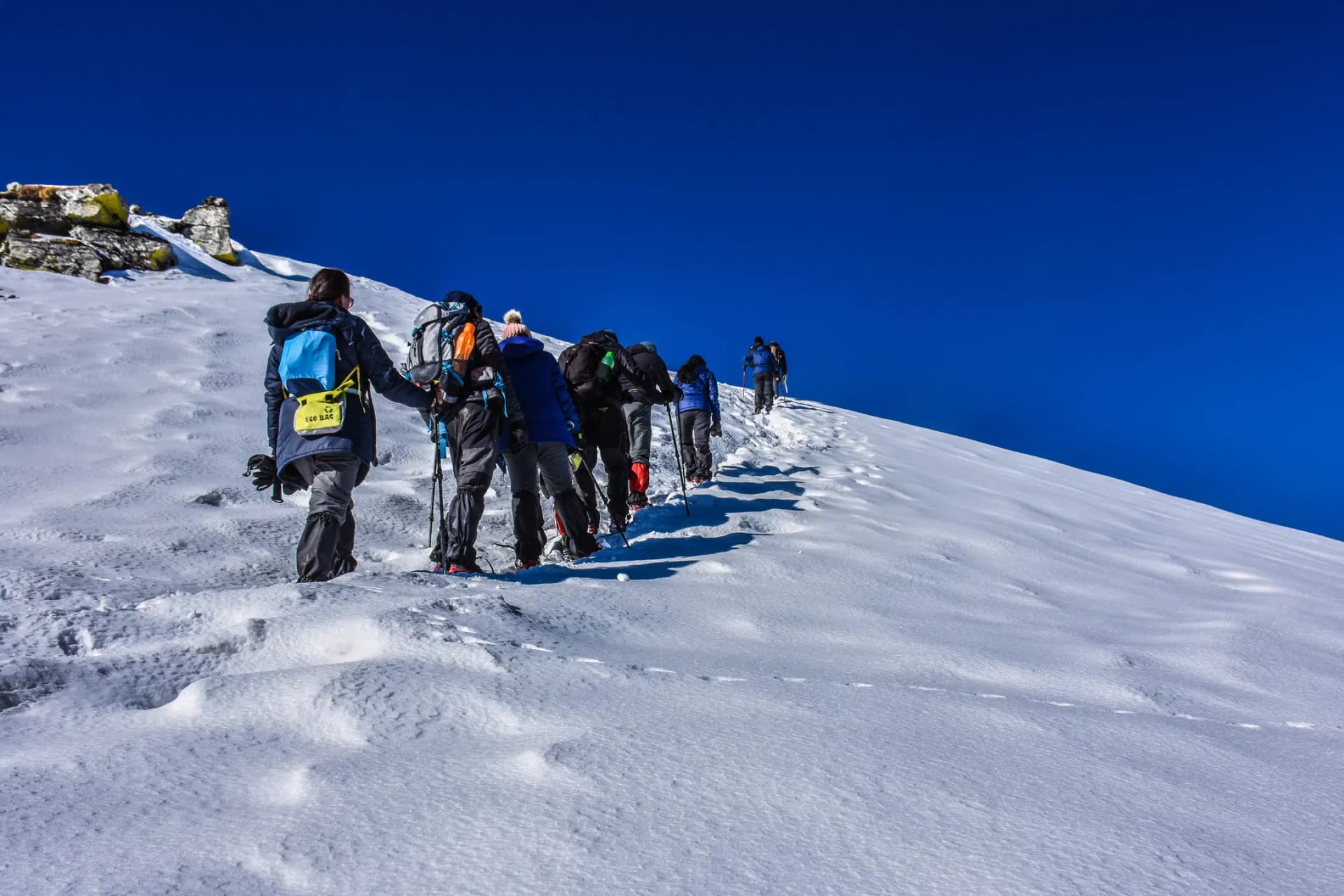
9 Amazing Treks in Uttarkashi: A Perfect Blend of Adventure, Beauty, and Peace
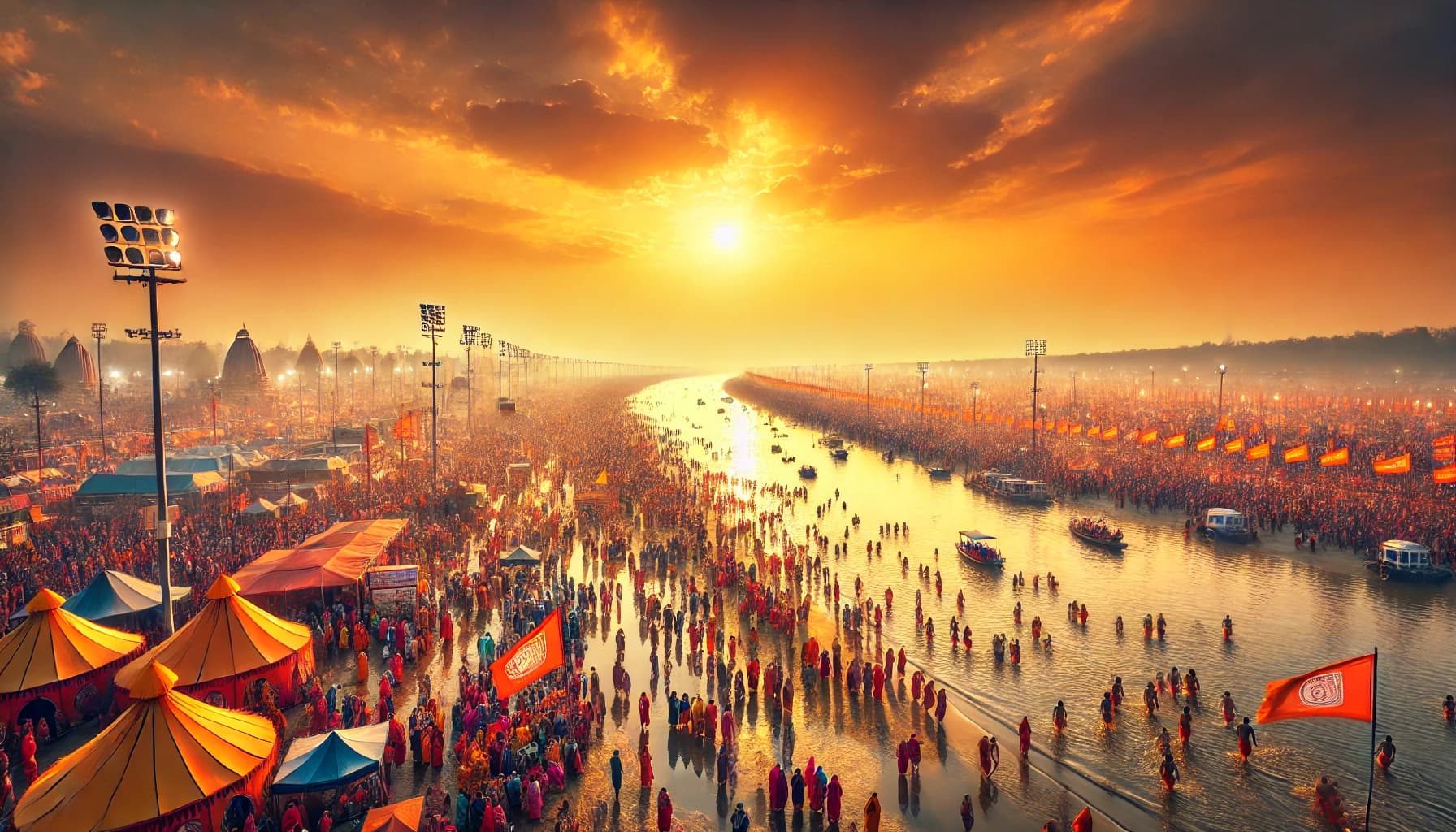
Prayagraj Maha Kumbh Mela 2025: Royal Bath Dates and Their Religious Significance
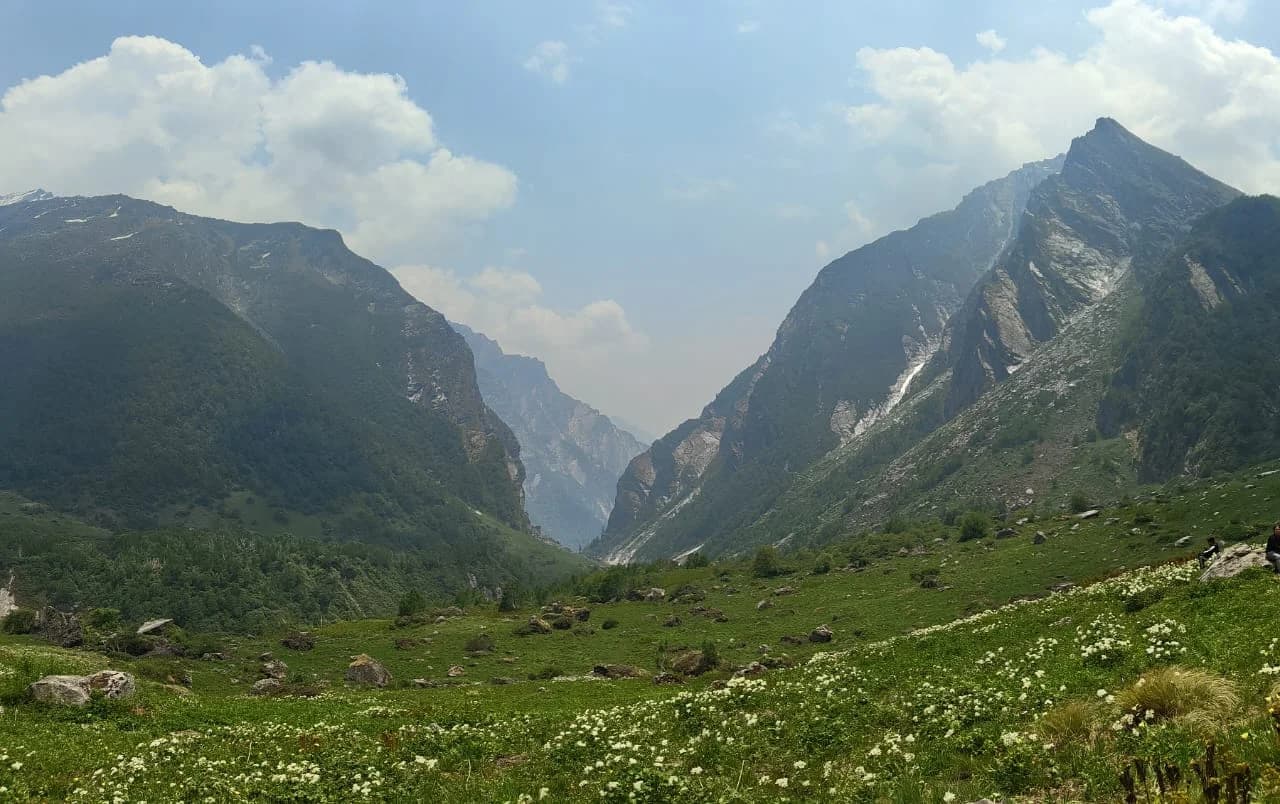
Valley of Flowers: A Himalayan Wonderland of Bloom and Beauty
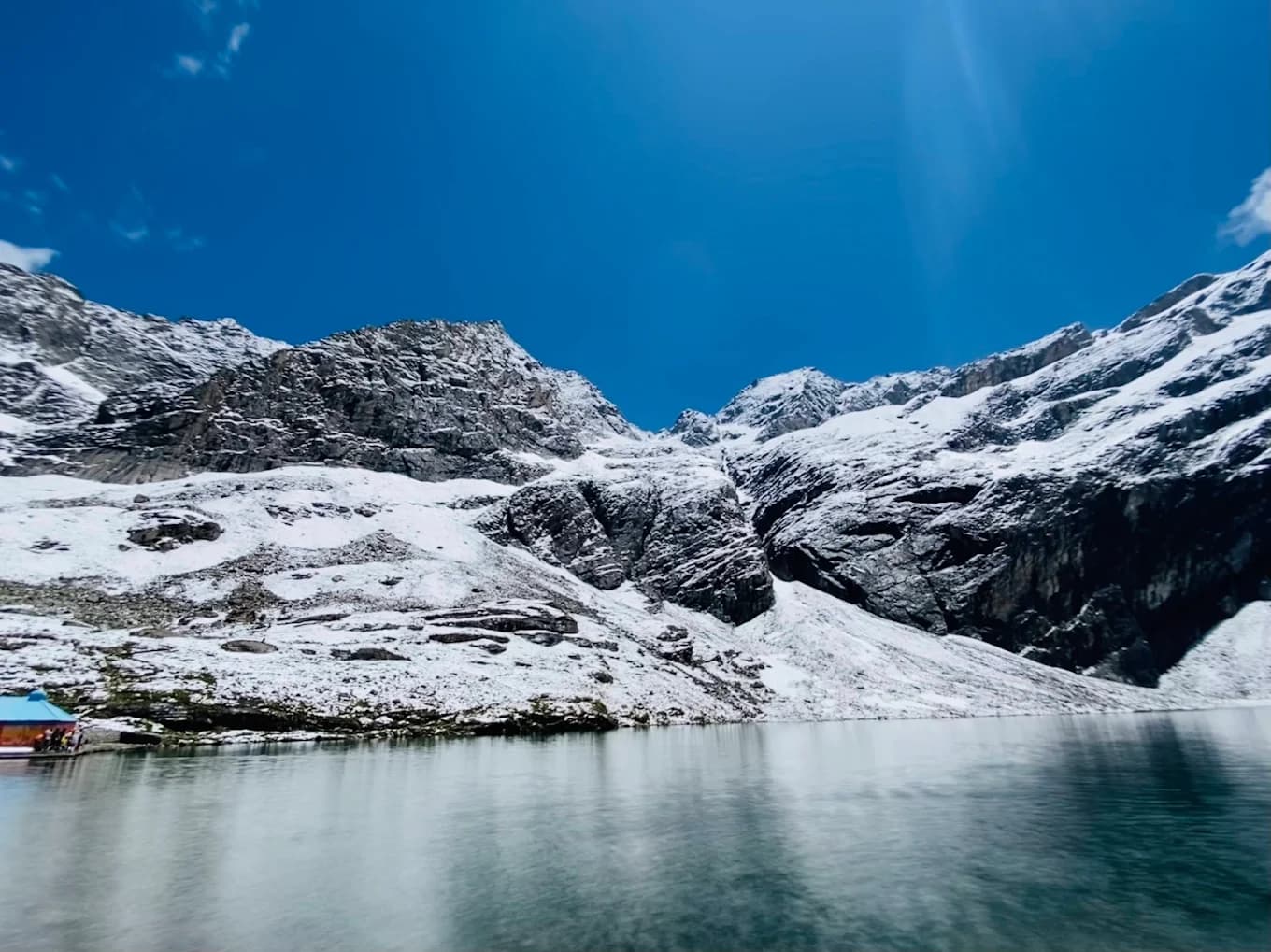
Hemkund Sahib Trek: A Divine Journey to the Sacred Himalayan Pilgrimage
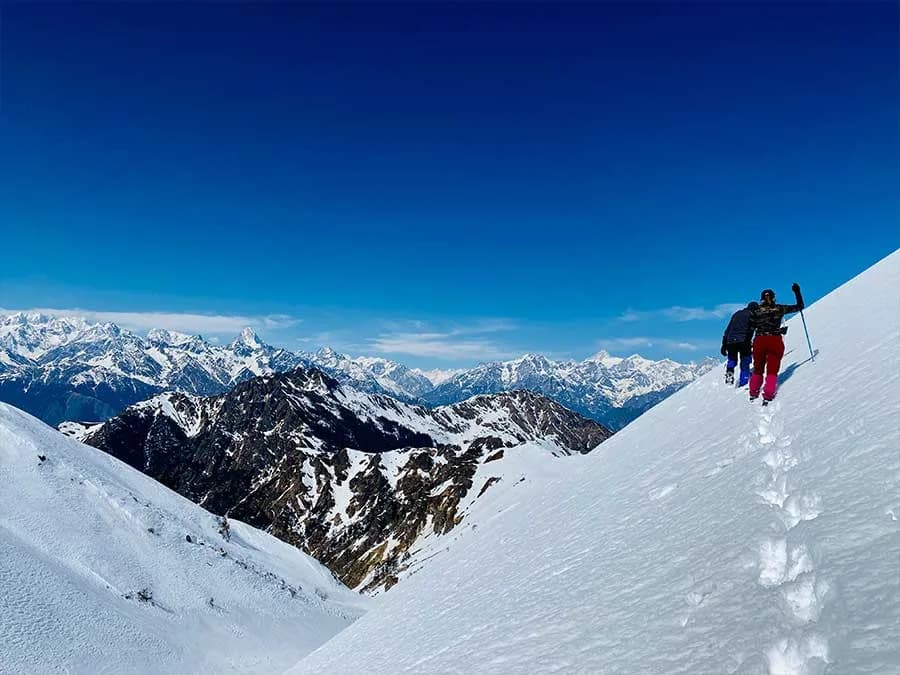
Kuari Pass Trek: A Dreamy Journey Amidst the Himalayas
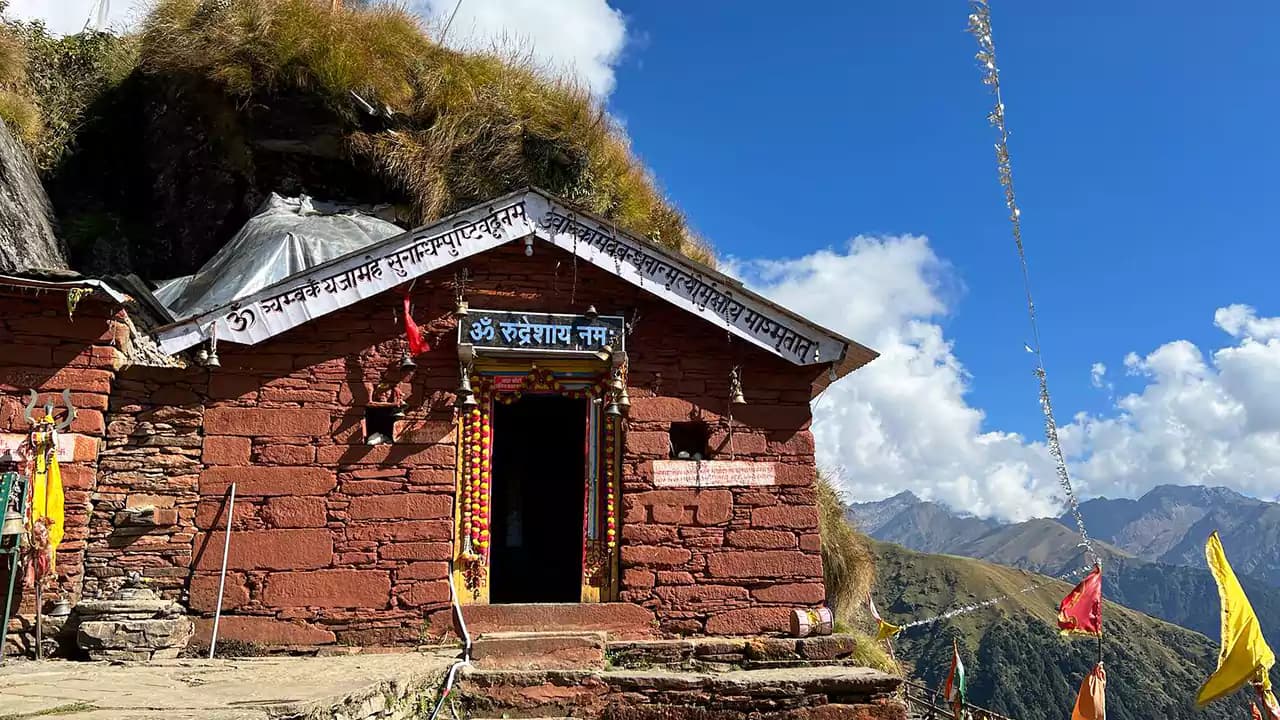
A Unique Spiritual Journey Among the Panch Kedar
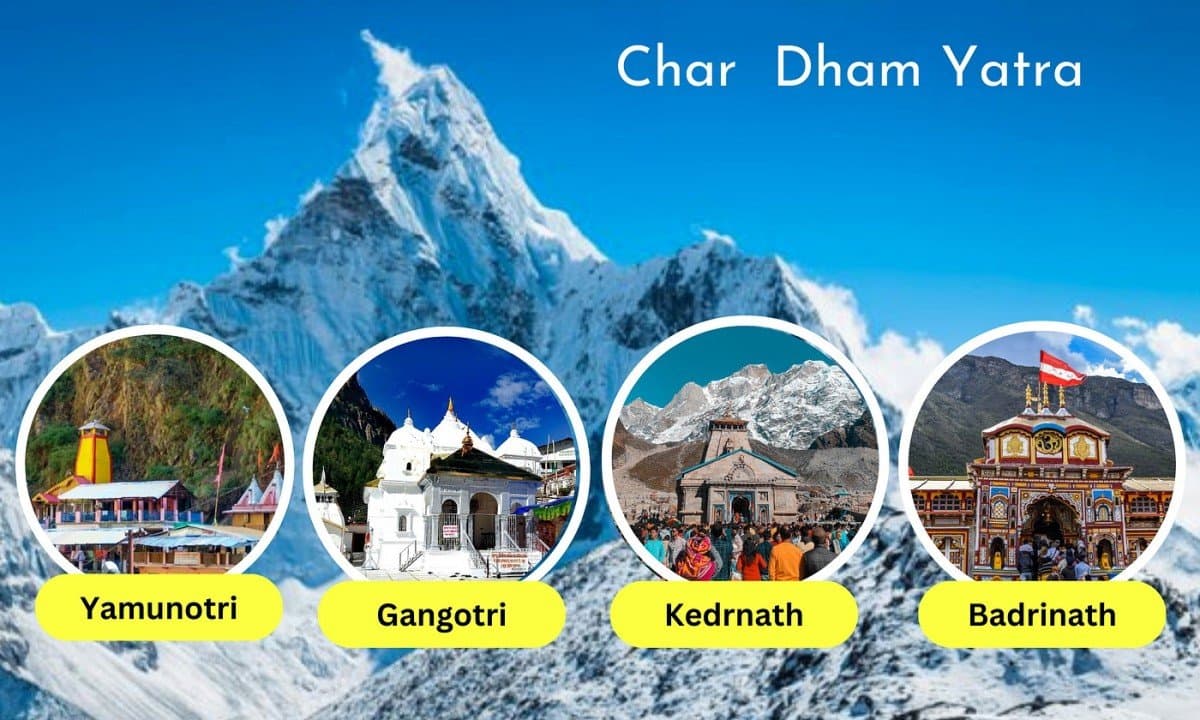
🕉️ Char Dham Yatra: A Life-Changing Spiritual Journey 🏔️🙏
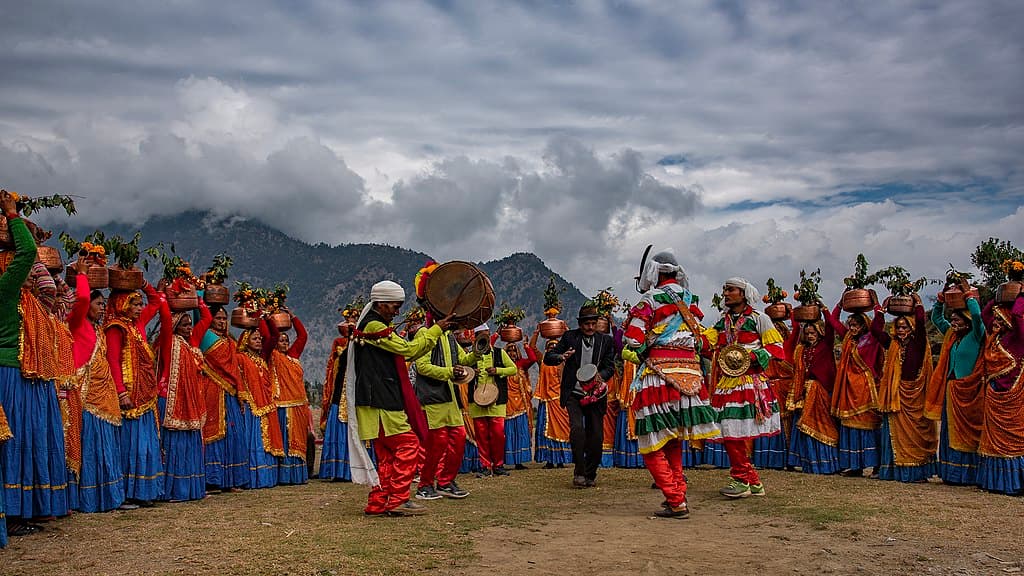
Ganga Dussehra to Nanda Devi Raj Jat: Major Festivals and Culture of Uttarakhand
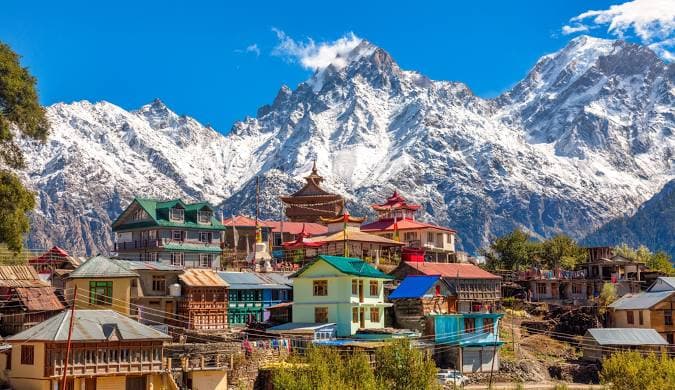
A Paradise in the Lap of the Himalayas: The Complete Travel Story of Himachal Pradesh 🏔️
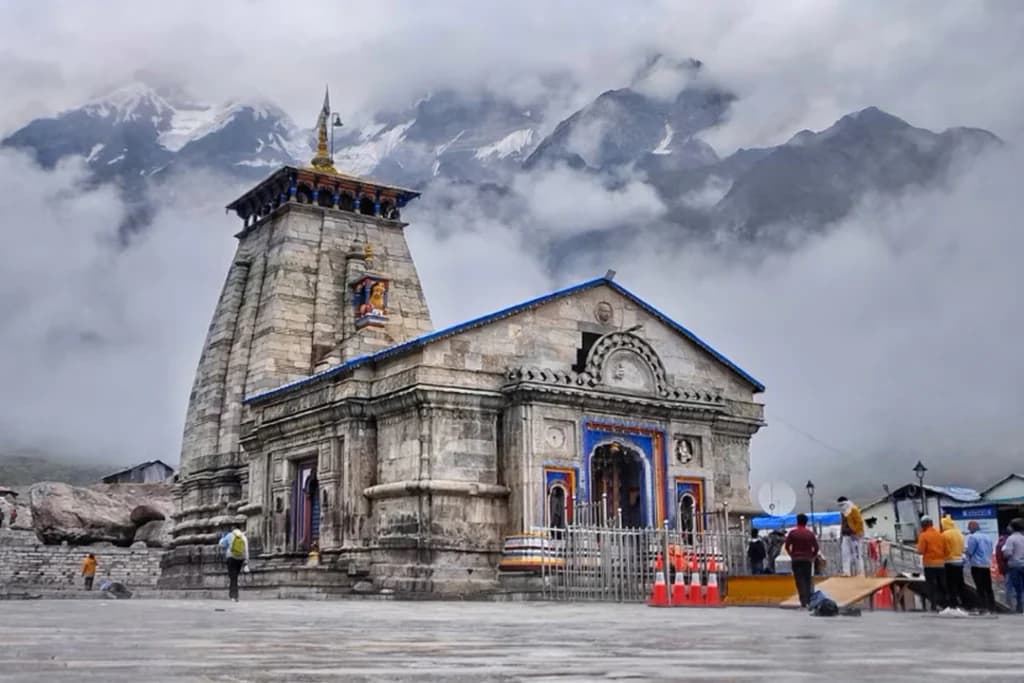
🕉️ The Doors of Baba Kedar Close — The Himalayas Echo with “Har Har Mahadev”

Kedarkantha Trek – The Crown of Winter Treks ❄️
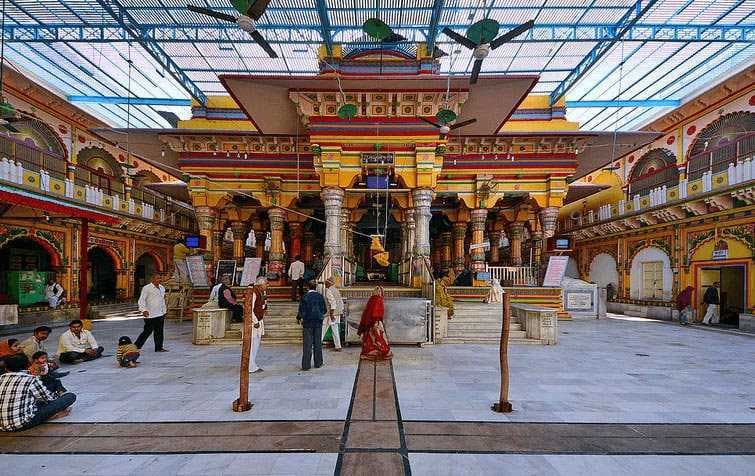
Shri Dwarkadhish Temple, Mathura – The Divine Abode of Lord Krishna
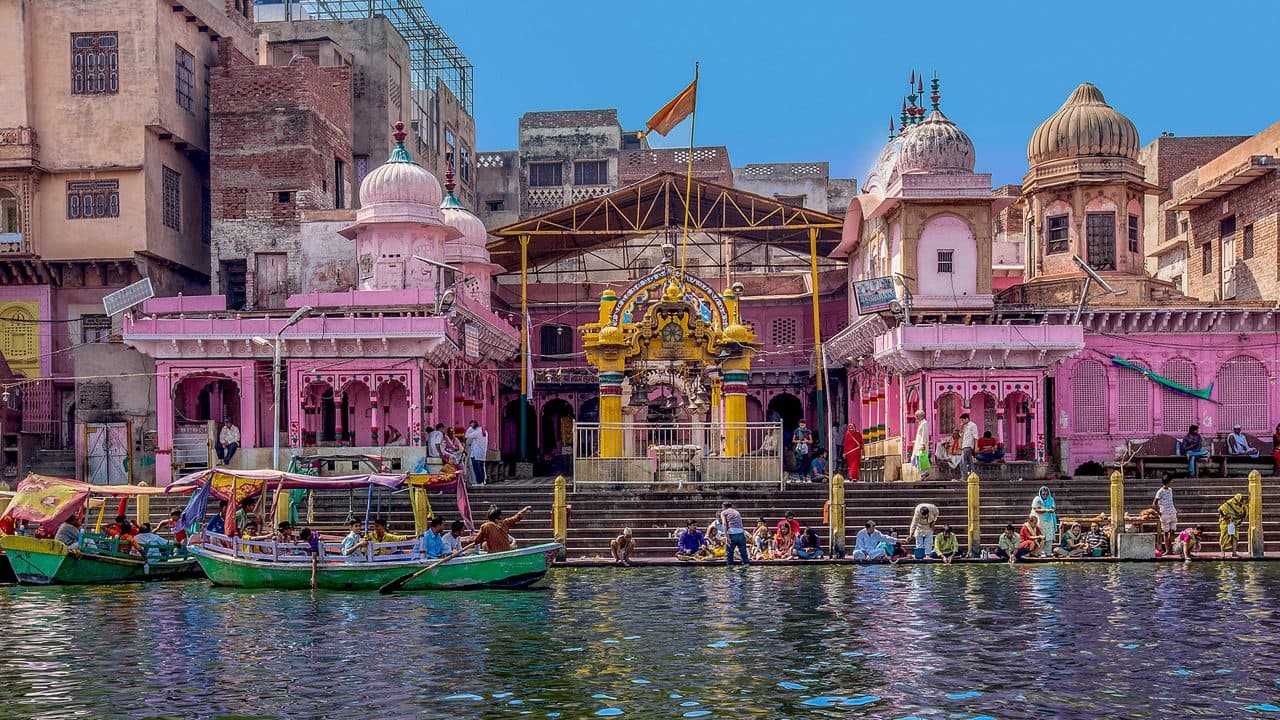
Vishram Ghat: The Sacred Riverside of Mathura
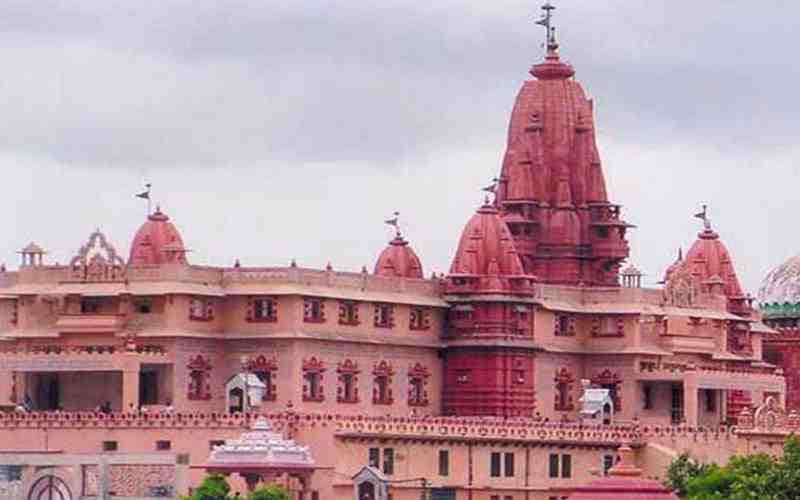
Explore Mathura – Temples, Culture, and Festivals
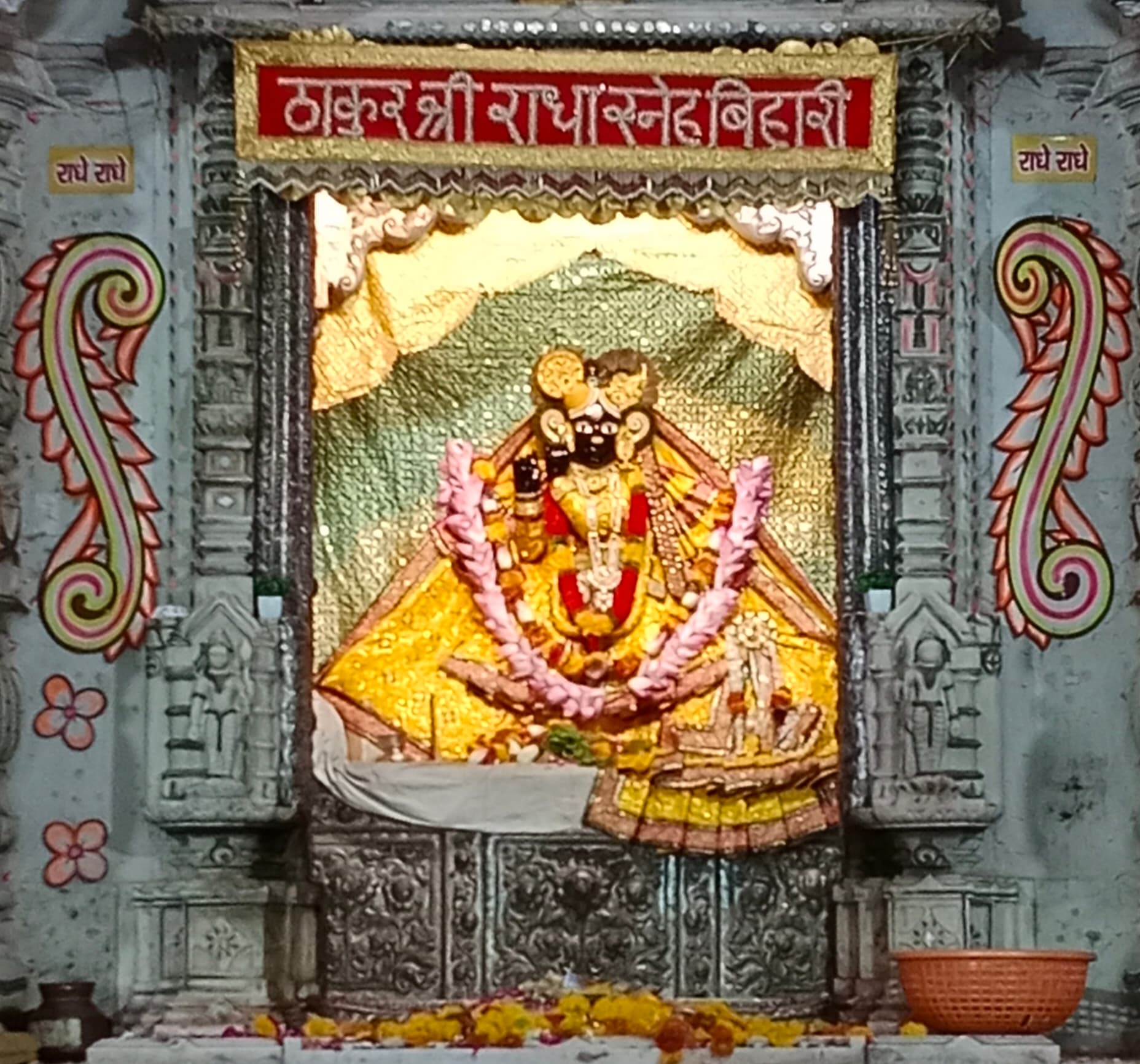
✨ Seek Blessings of Shri Banke Bihari Ji – Experience the Divine Vrindavan! 🙏
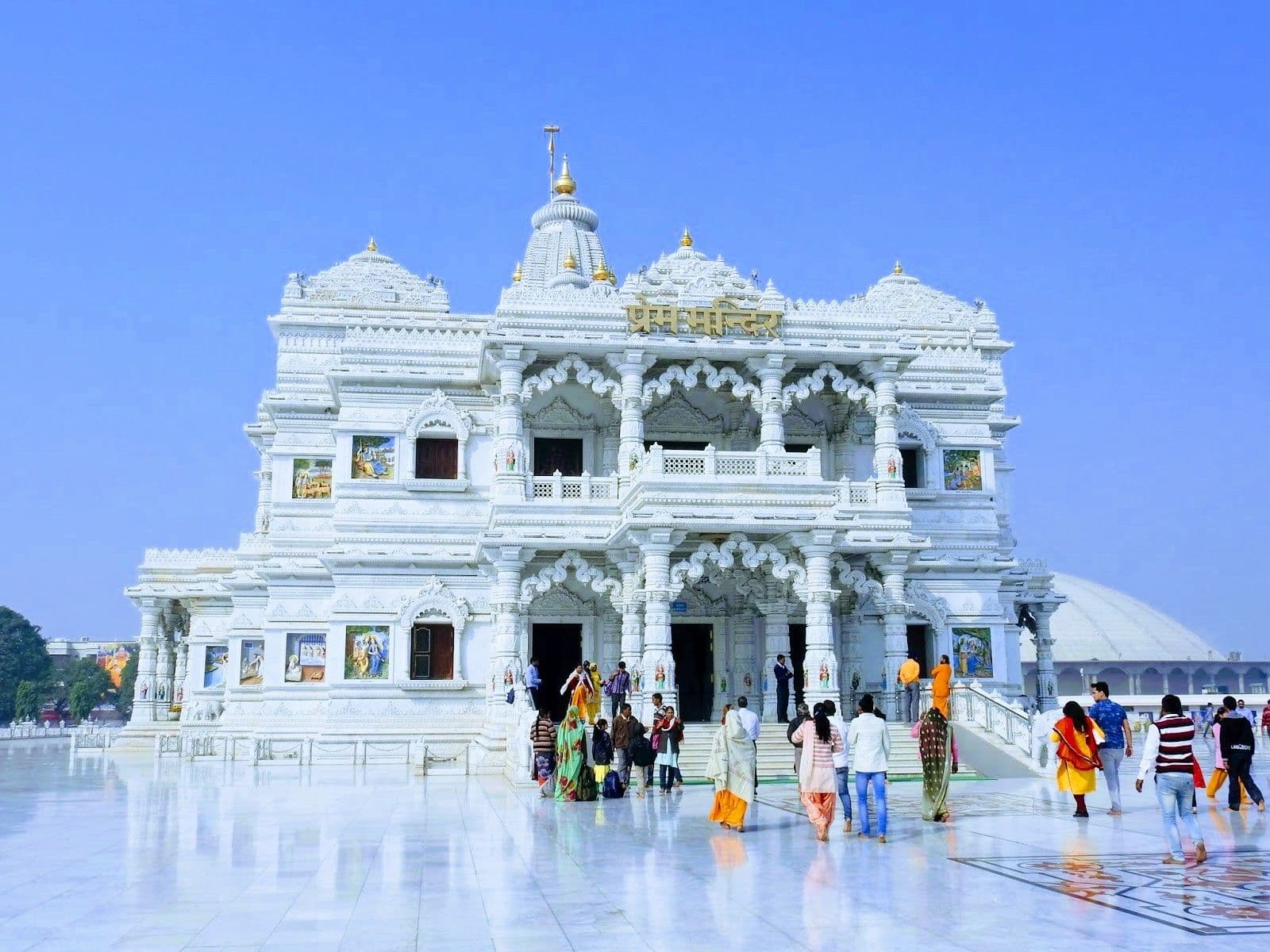
Shri Prem Mandir – Feel the Divine Love in Vrindavan 🙏
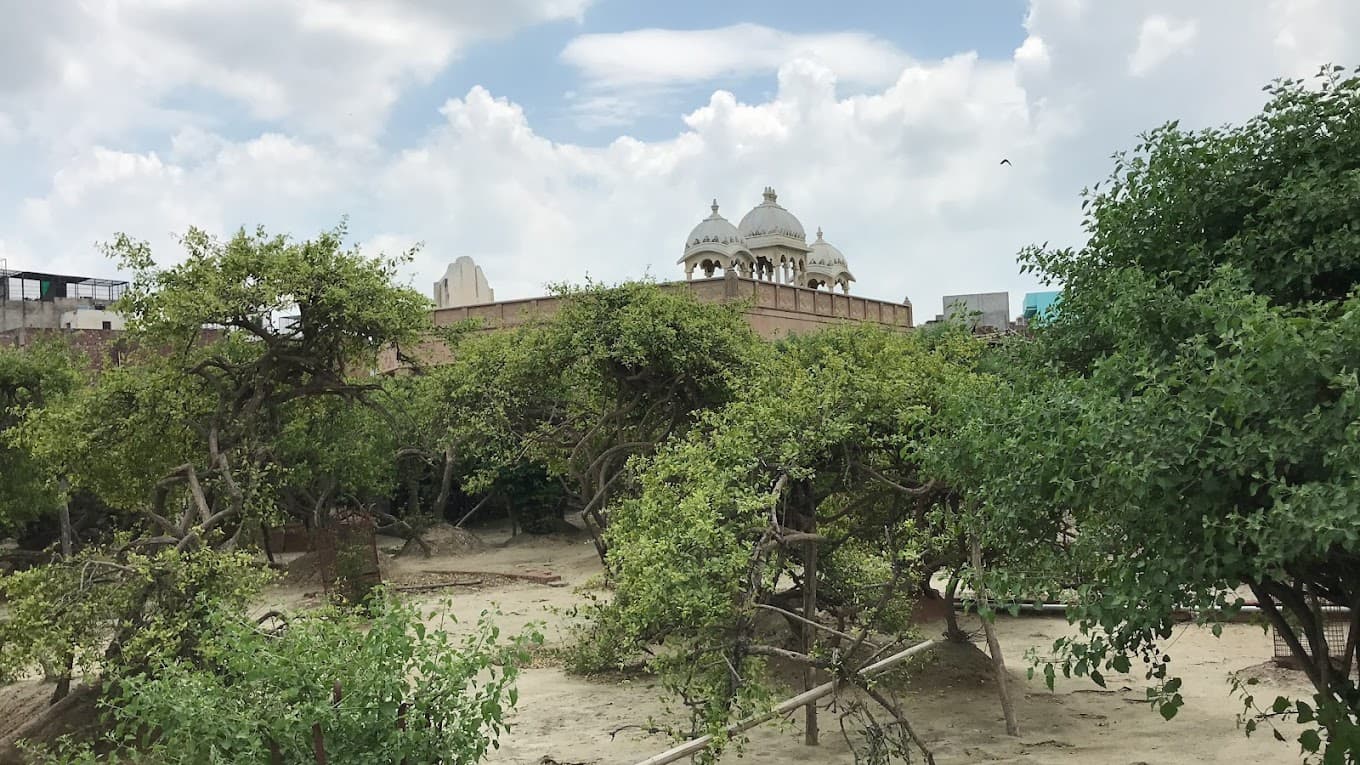
Nidhivan Vrindavan: Where Radha-Krishna Still Perform the Divine Ras Leela
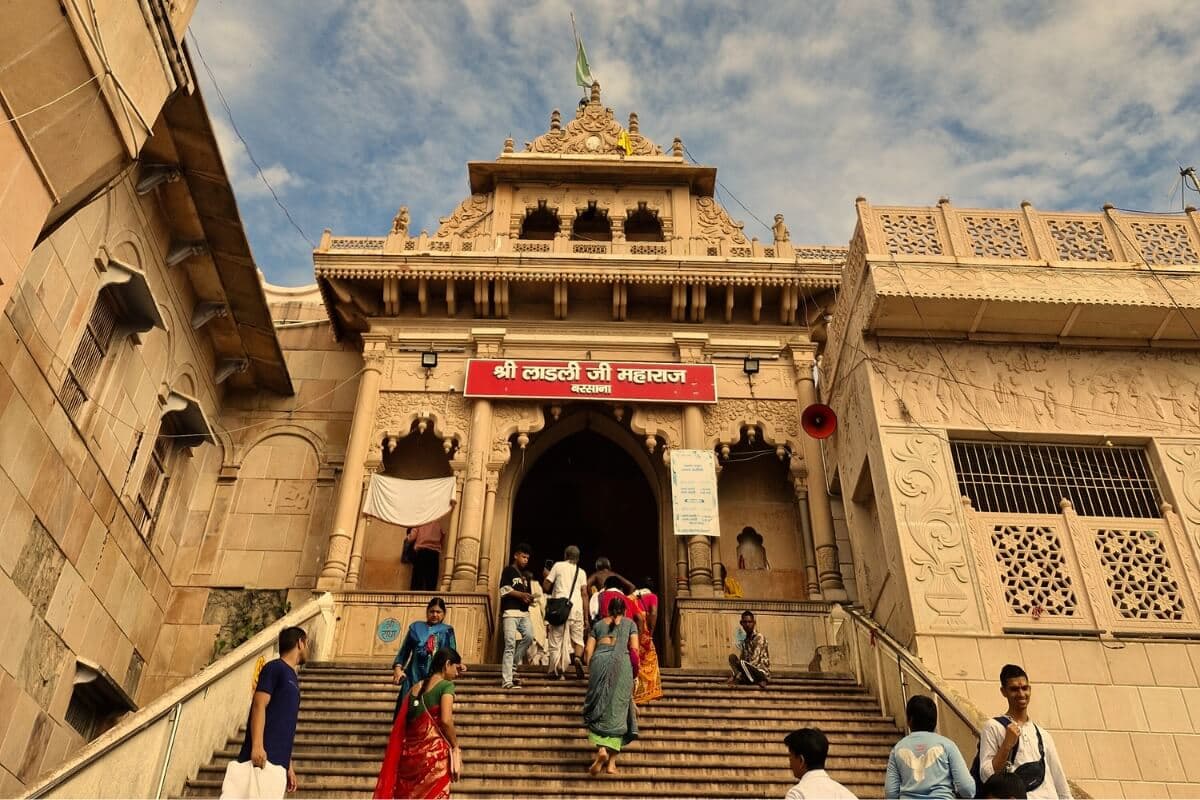
🙏 Have a divine darshan of Shri Radha Rani Temple in Barsana!
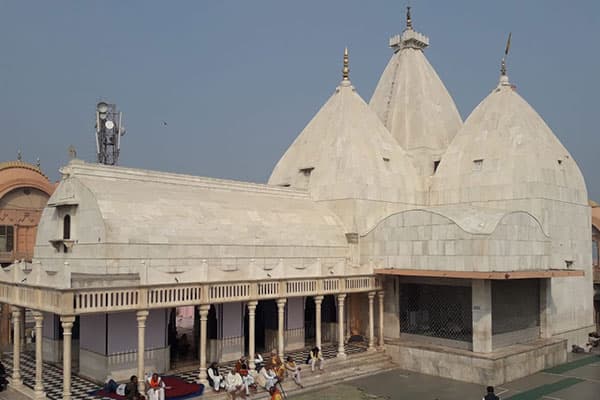
The historic Nanda Bhavan Temple in Gokul – a glimpse into the childhood of Lord Krishna
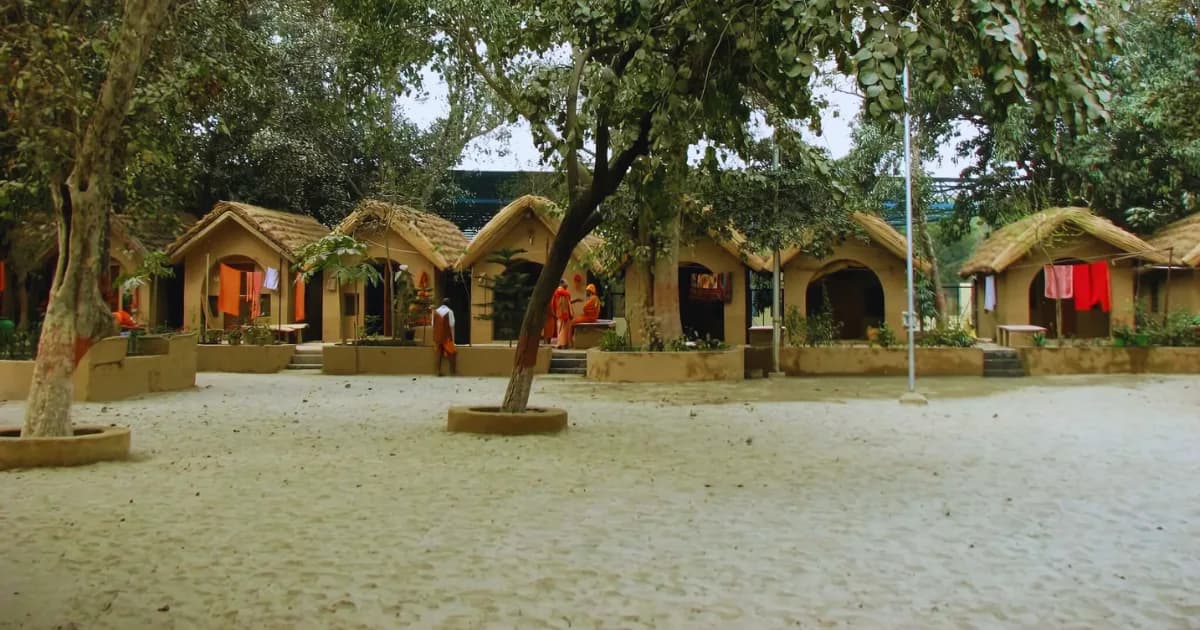
Raman Reti, Mathura: The sacred land of Balkrishna's pastimes
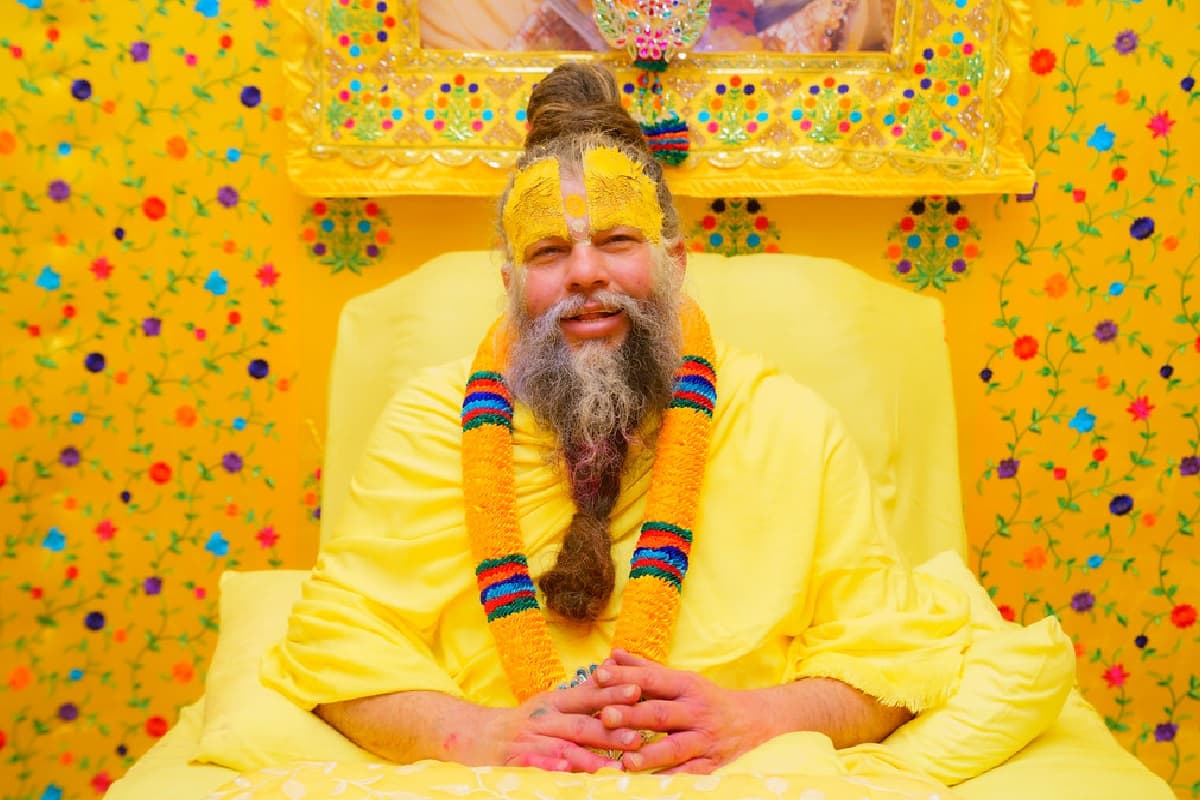
How to Get Darshan of Shri Premanand Ji Maharaj? Understand the Timings, Location & Contact Process.
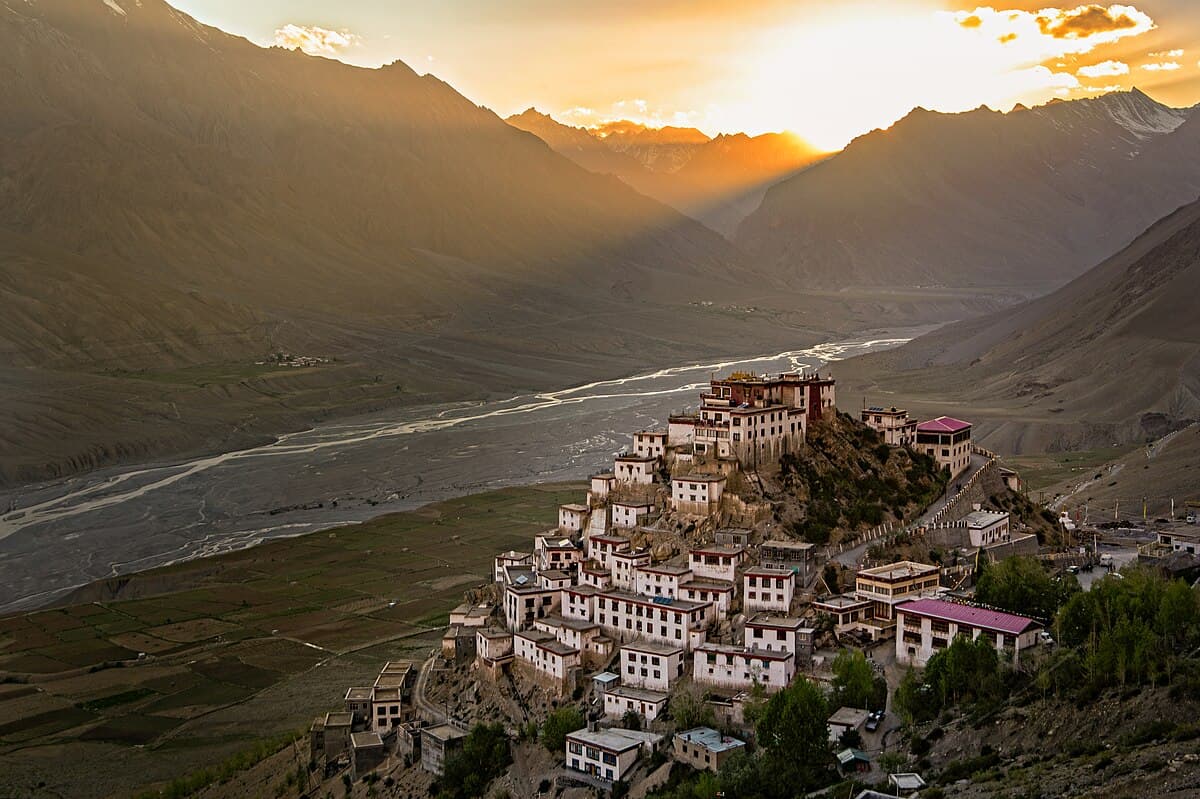
Discover the Magic of Spiti Valley – Villages, Monasteries & Scenic Wonders Await! 🏔️✨
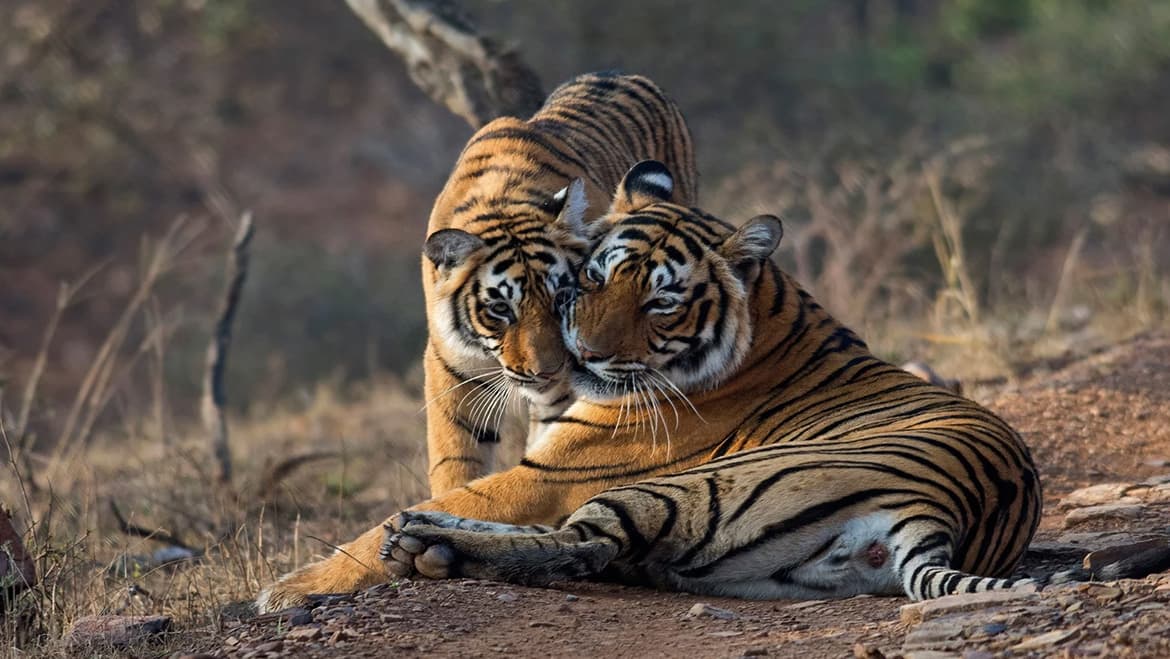
Ranthambhore National Park – Where Royal Tigers, Ancient Forts & Wilderness Come Alive
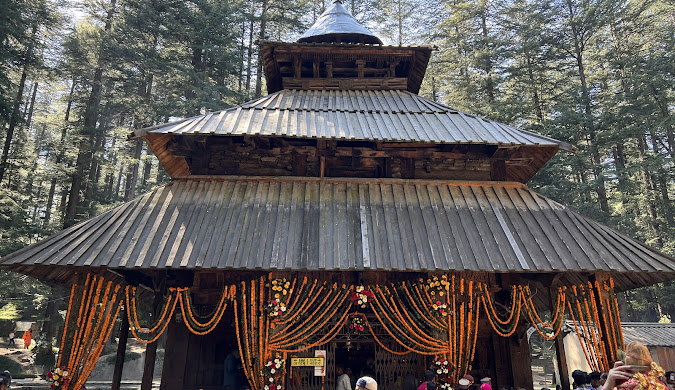
Ultimate Travel Guide to Manali: Attractions, Food, and Safety Tips
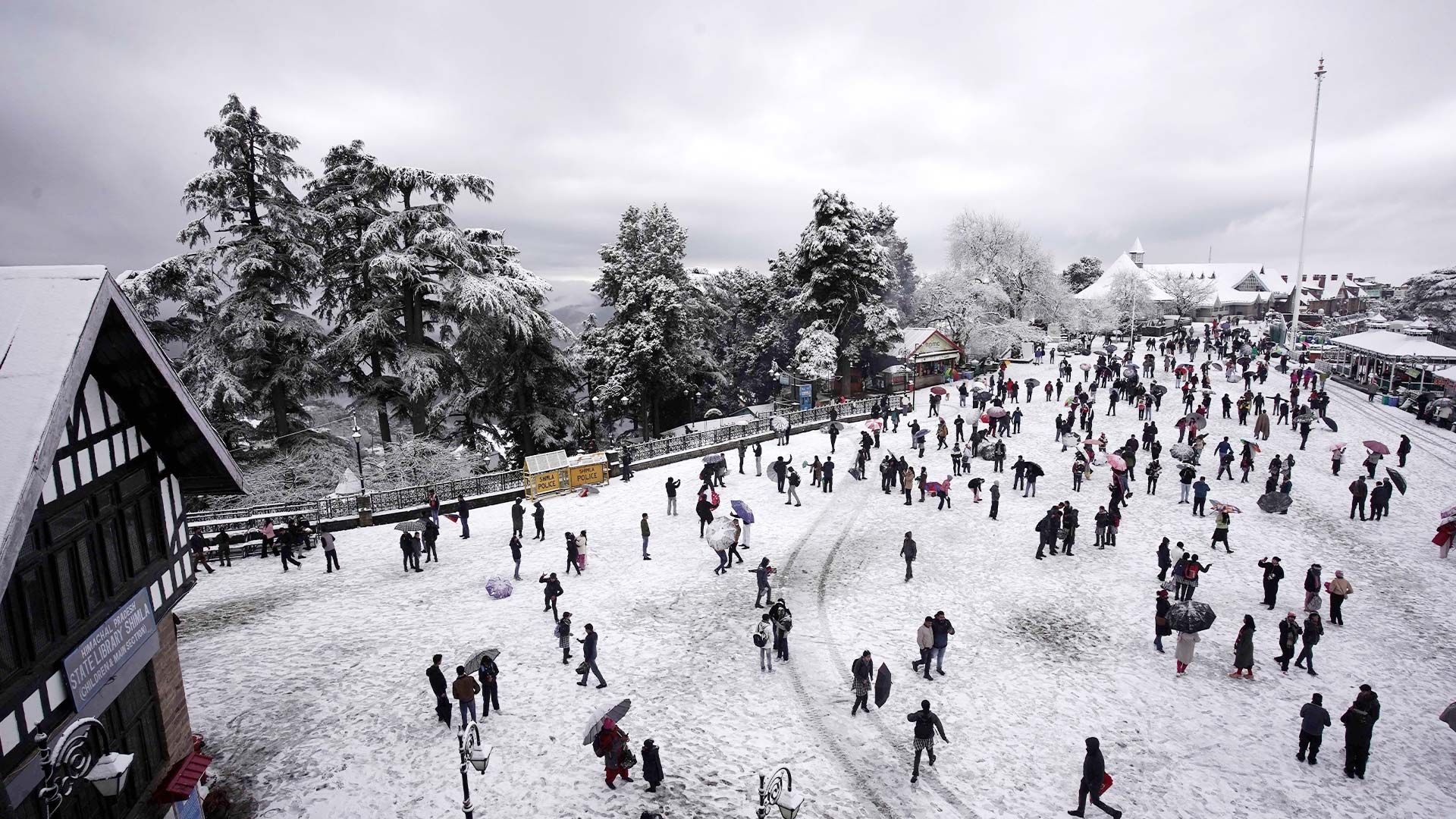
Shimla Travel Guide: Everything You Need to Know Before Visiting the Queen of Hills
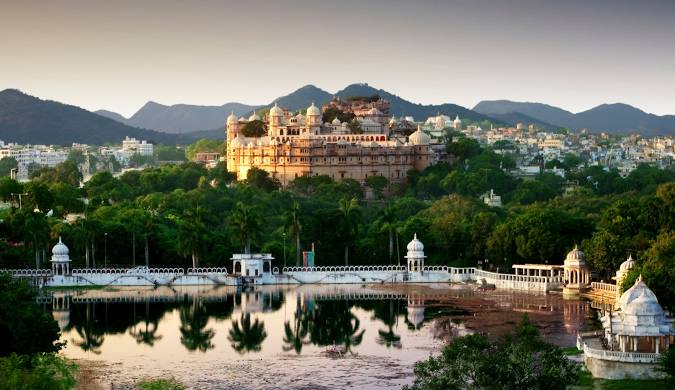
Udaipur – The Venice of the East: A Complete Travel Guide
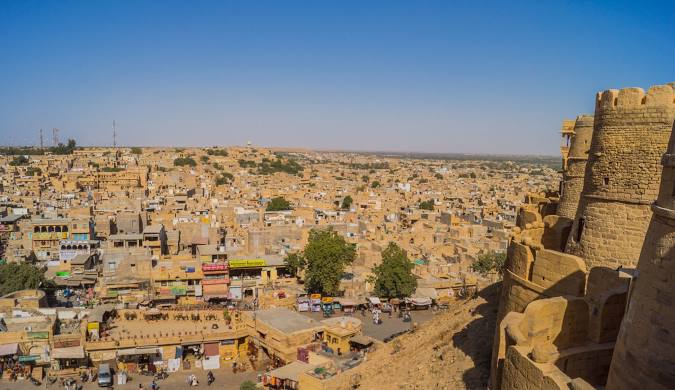
Jaisalmer Travel Guide: History, Forts, Desert Experiences, and Cultural Heritage
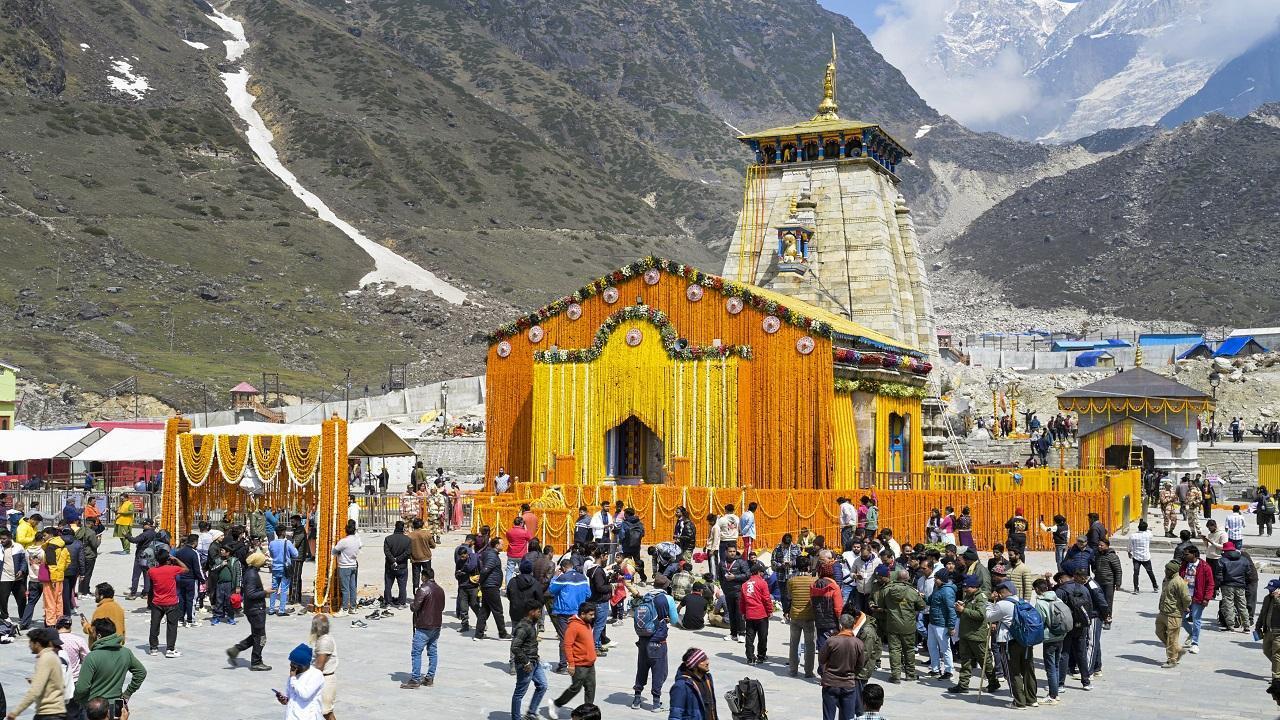
Kedarnath Yatra Registration 2026

Kedarnath Yatra Guide 2026
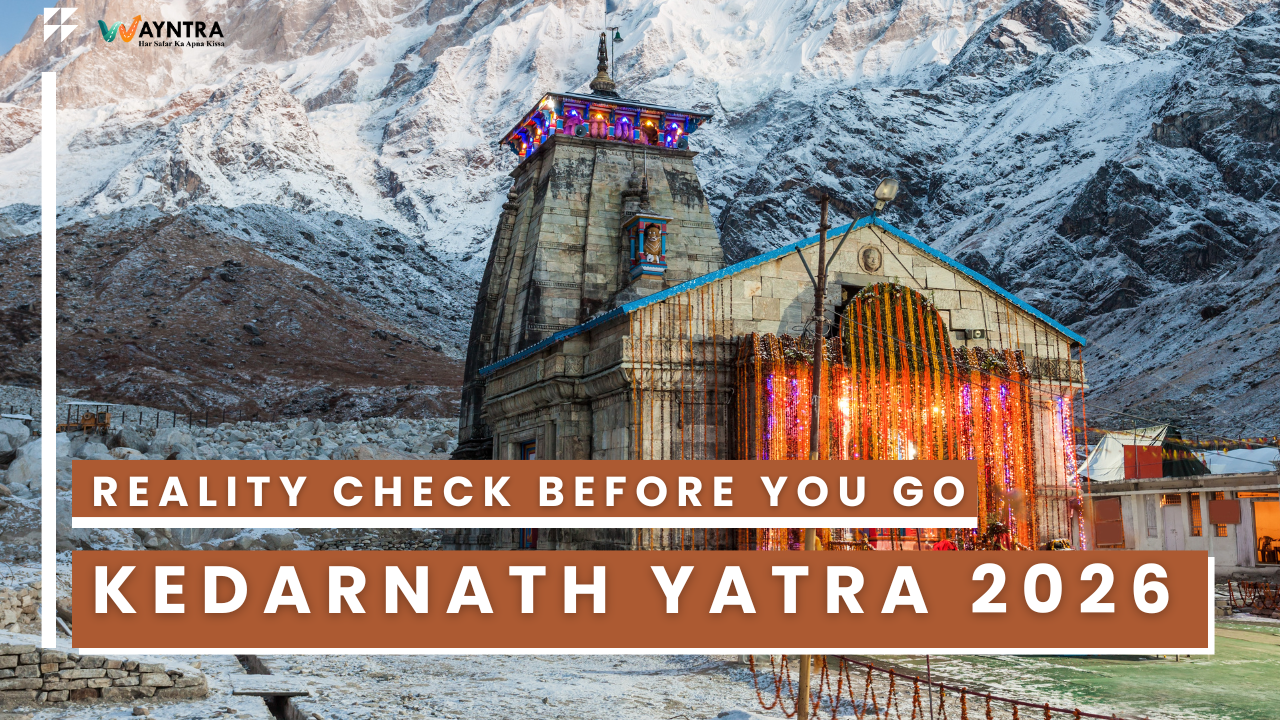
Kedarnath Helicopter Booking 2026: IRCTC Online Booking, Dates, Price & Complete Guide
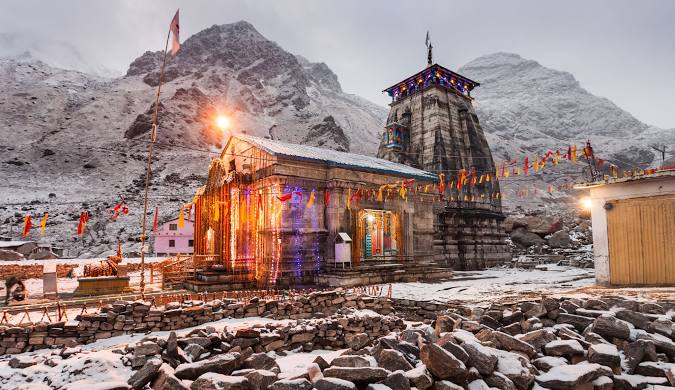
Kedarnath Temple Opens for 2026 Pilgrimage Season on April 22 at 8 AM

Kedarnath Yatra 2026: Ground Reality You Should Know Before Visiting
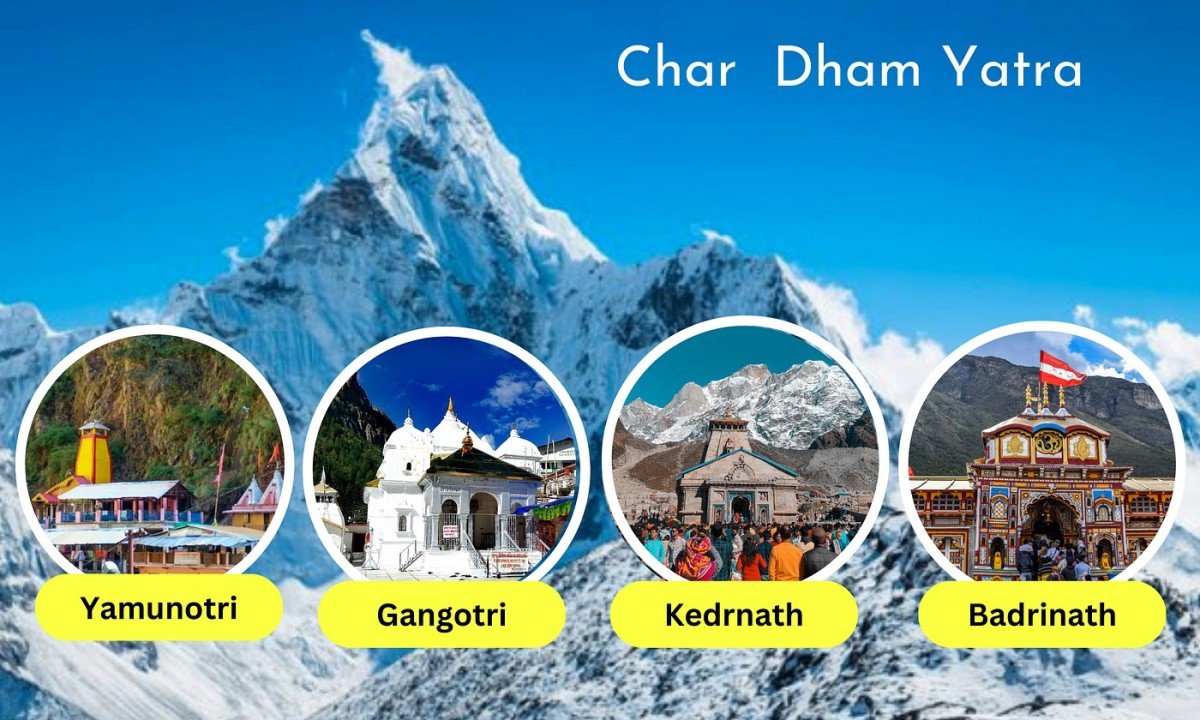
Number of Devotees on Char Dham Yatra Crosses 6.62 Lakh Till 3 May 2026
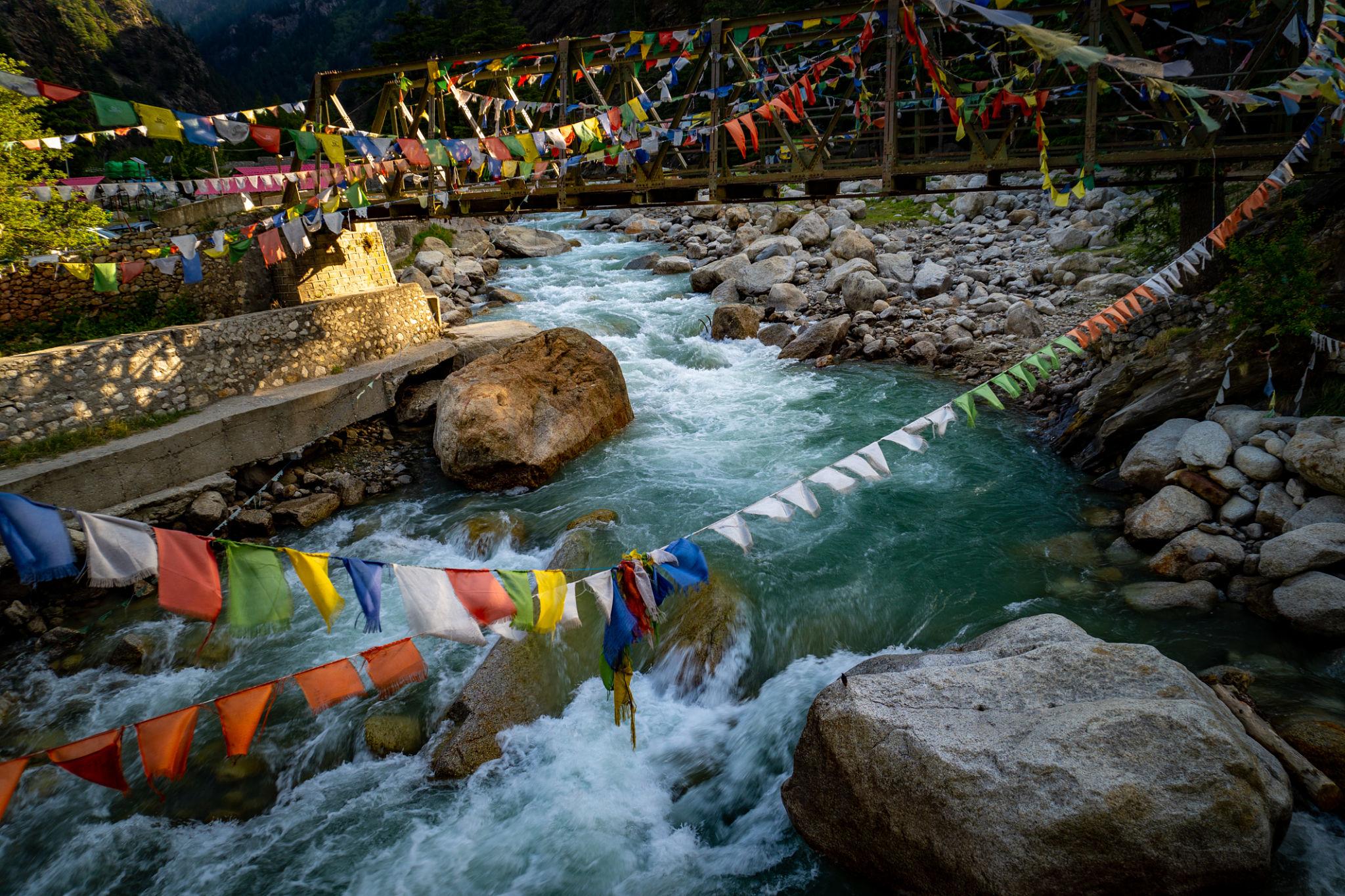
Harshil Valley – Uttarakhand’s Hidden Himalayan Paradise You Must Visit Once
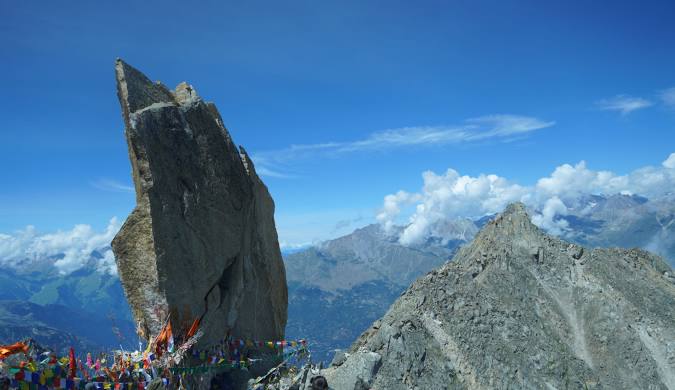
Kinner Kailash – The Mystical Abode of Lord Shiva in the Himalayas
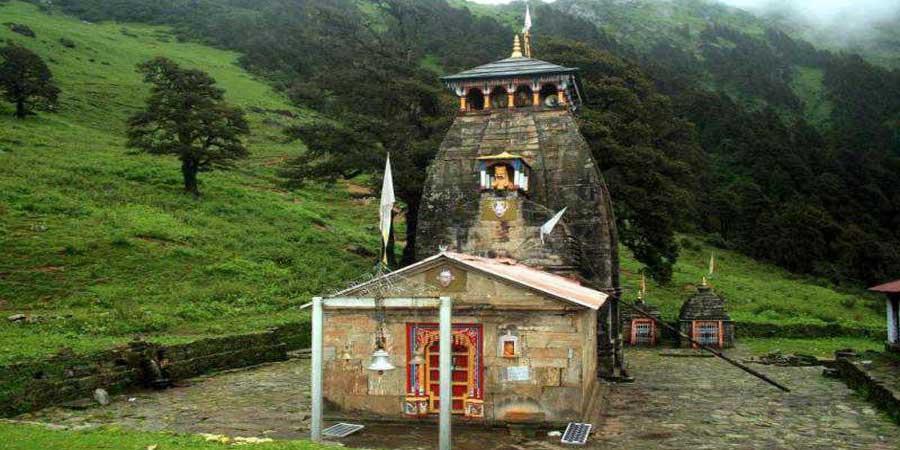
Madhyamaheshwar Temple Travel Guide 2026 – History, Trek, Route, Stay & Complete Travel Information
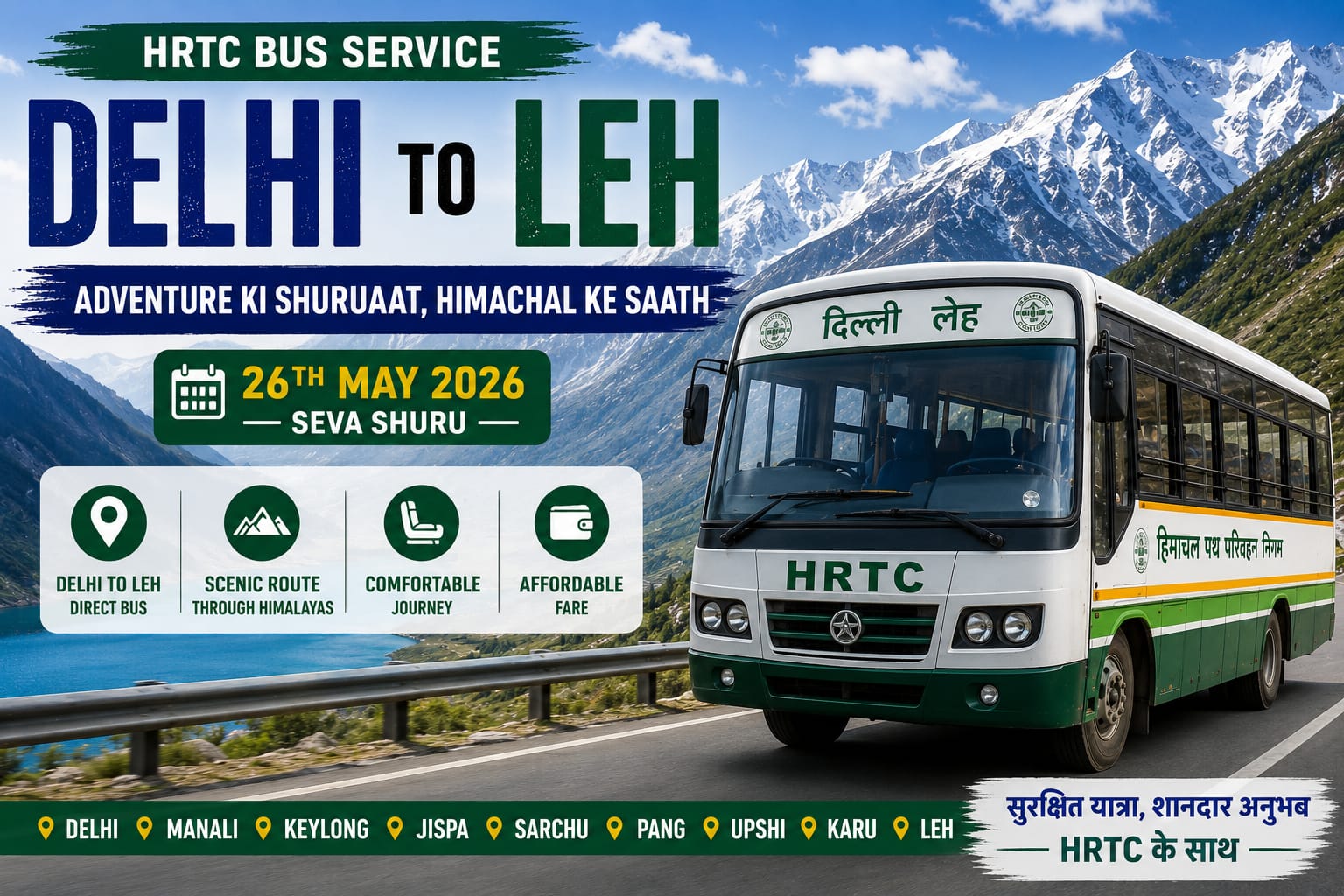
Delhi to Leh Bus Service 2026: Fare, Route, Timings, Stops & Complete Travel Guide
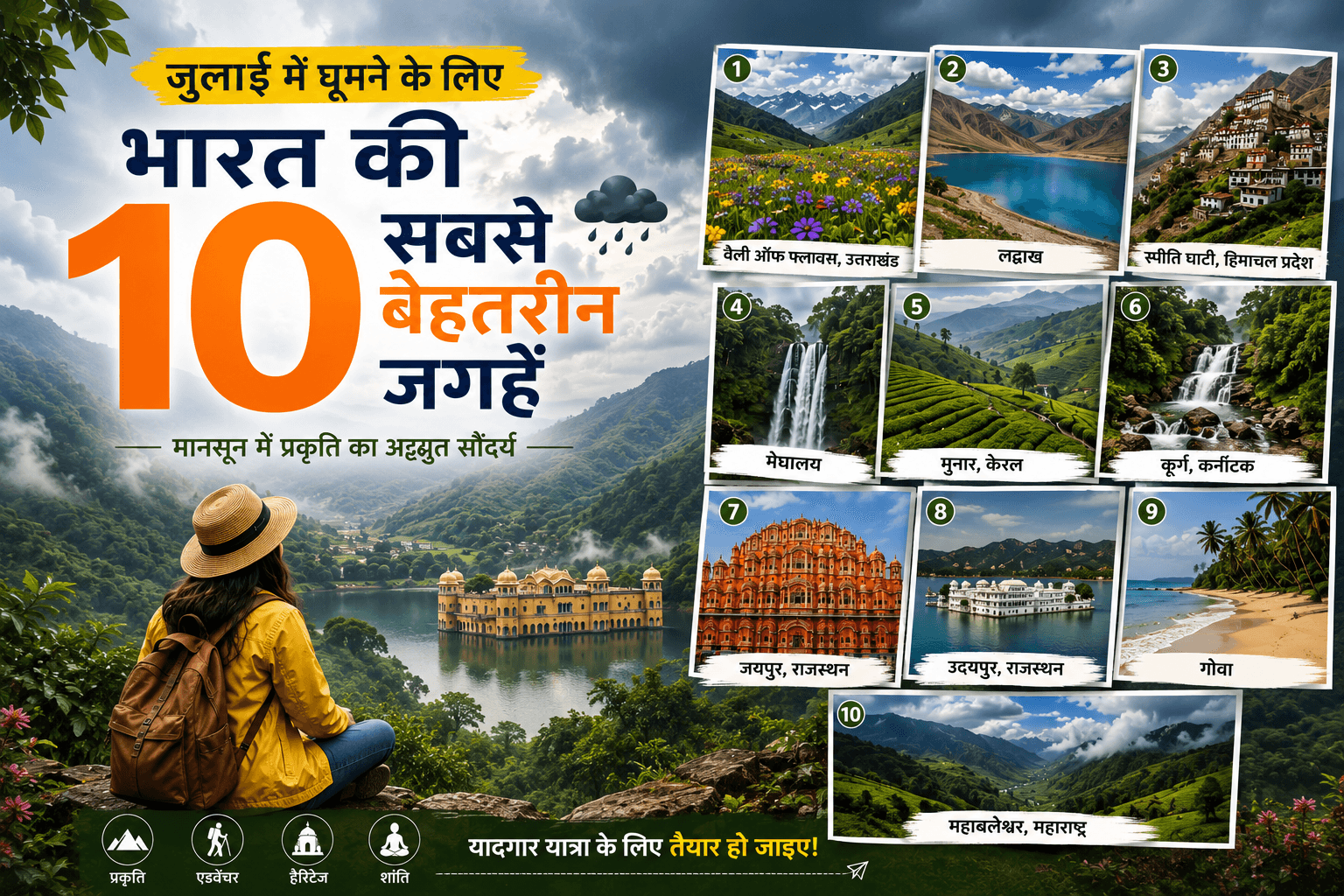
Top 10 Best Places to Visit in July in India (2026) – Monsoon Destinations You Shouldn't Miss
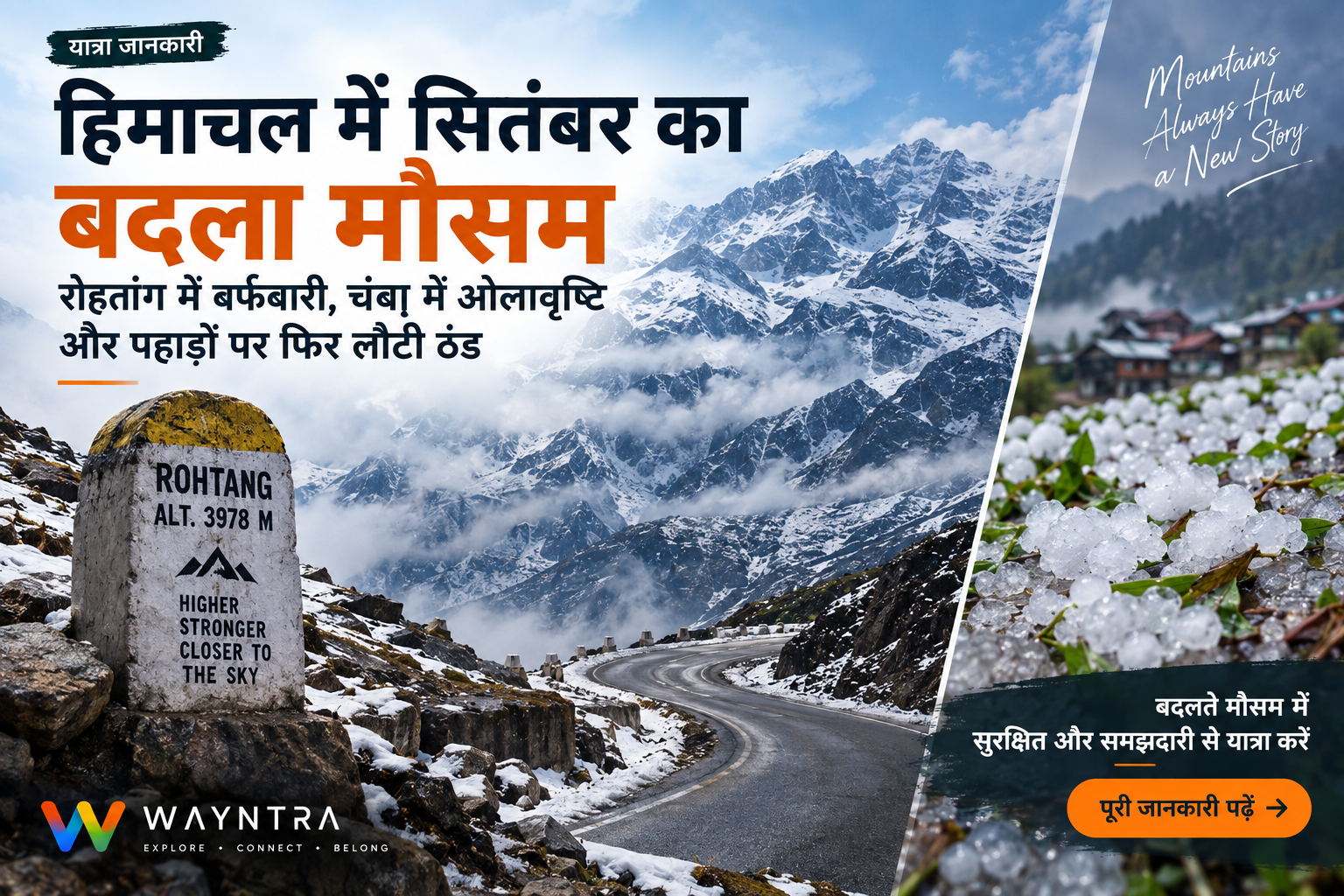
हिमाचल में सितंबर का बदला मौसम: रोहतांग में बर्फबारी, चंबा में ओलावृष्टि और पहाड़ों पर लौटी ठंड
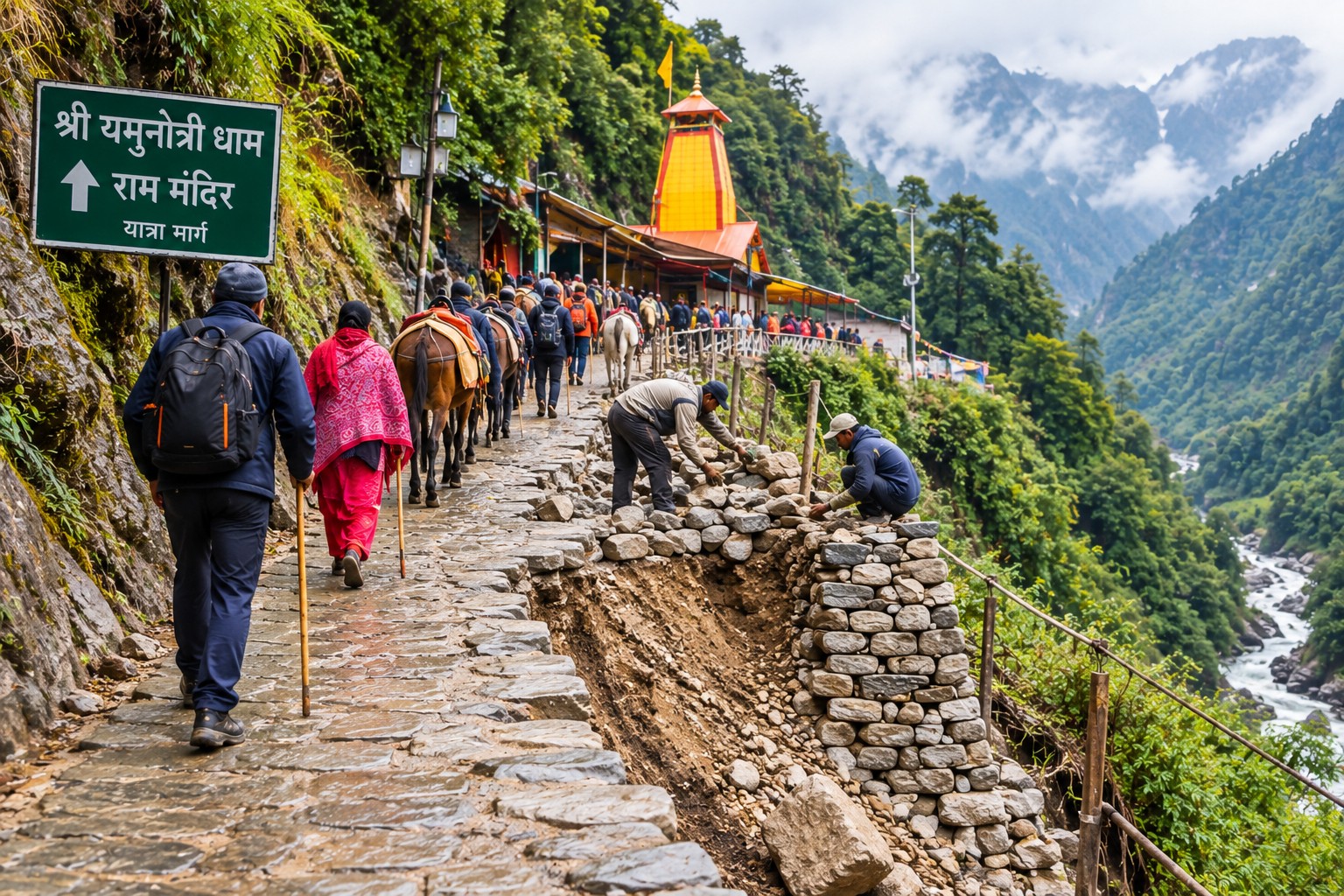
Yamunotri Dham: Safety Concerns Remain Near Ram Mandir on the Yatra Route
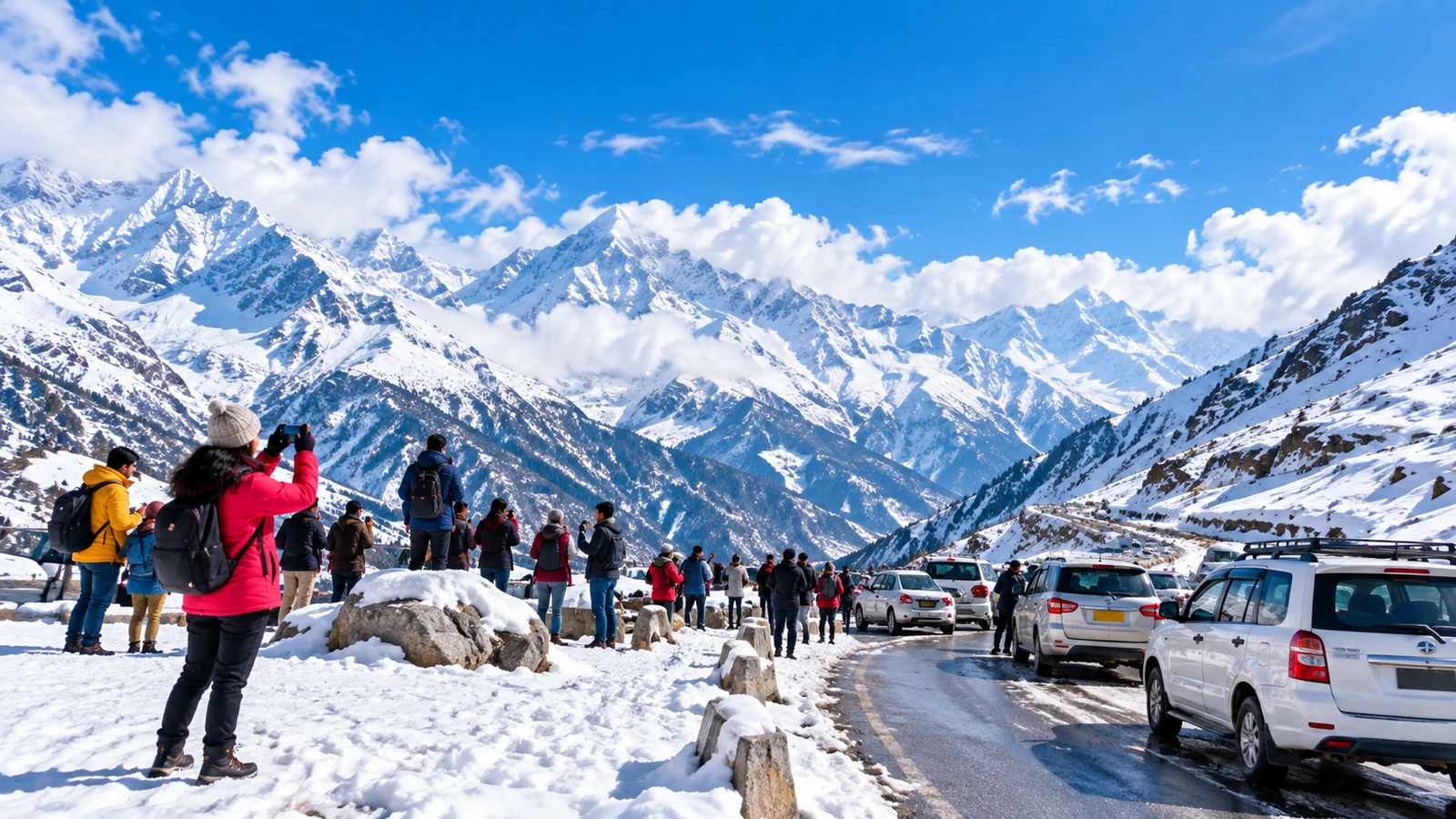
Tourists Flock to Rohtang After Snowfall, Over 600 Vehicles Arrive; Manali Comes Alive
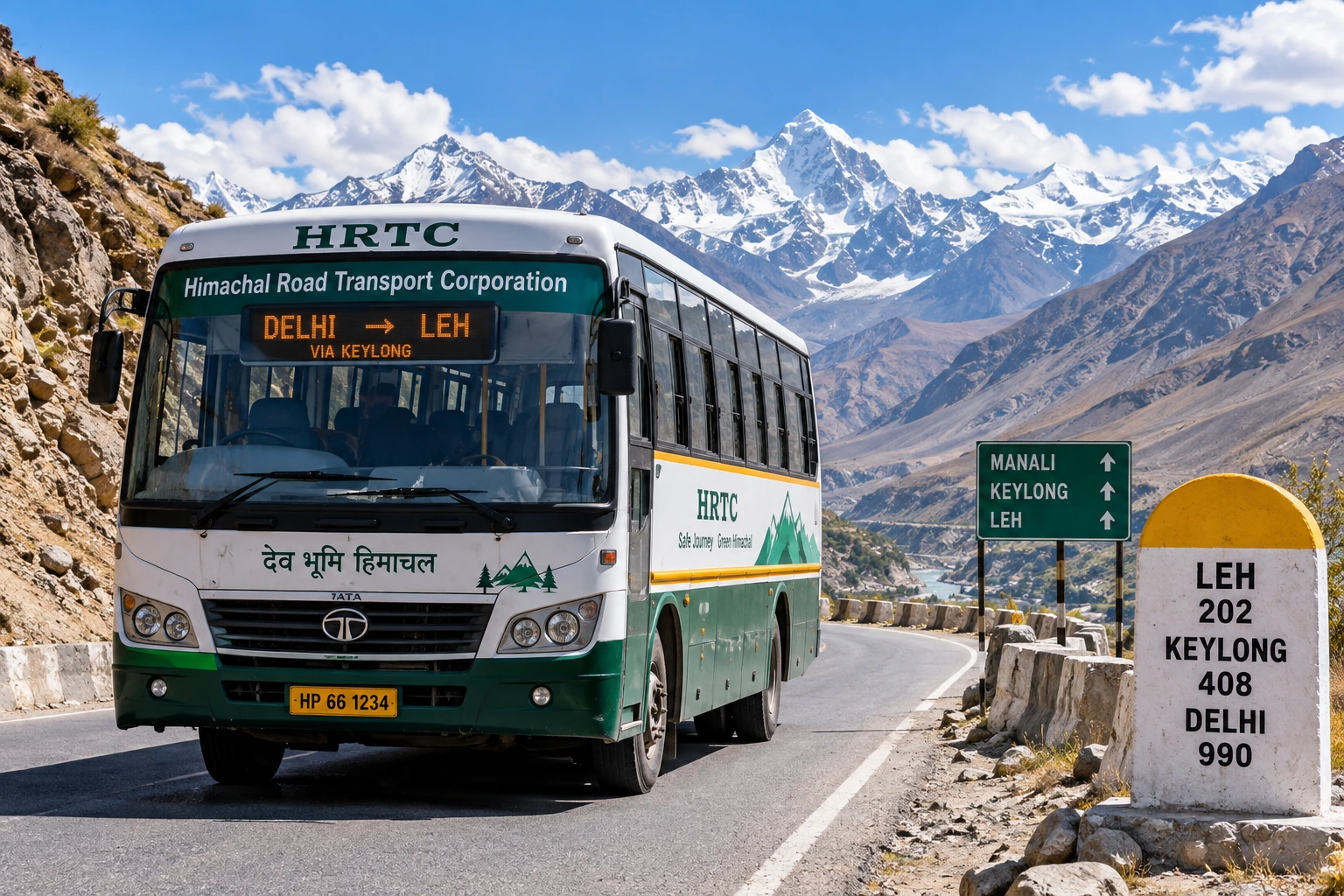
Delhi–Leh HRTC Bus Service Suspended: Service Will Resume Next May, Know All the Details

River Rafting May Resume in Rishikesh from September 23
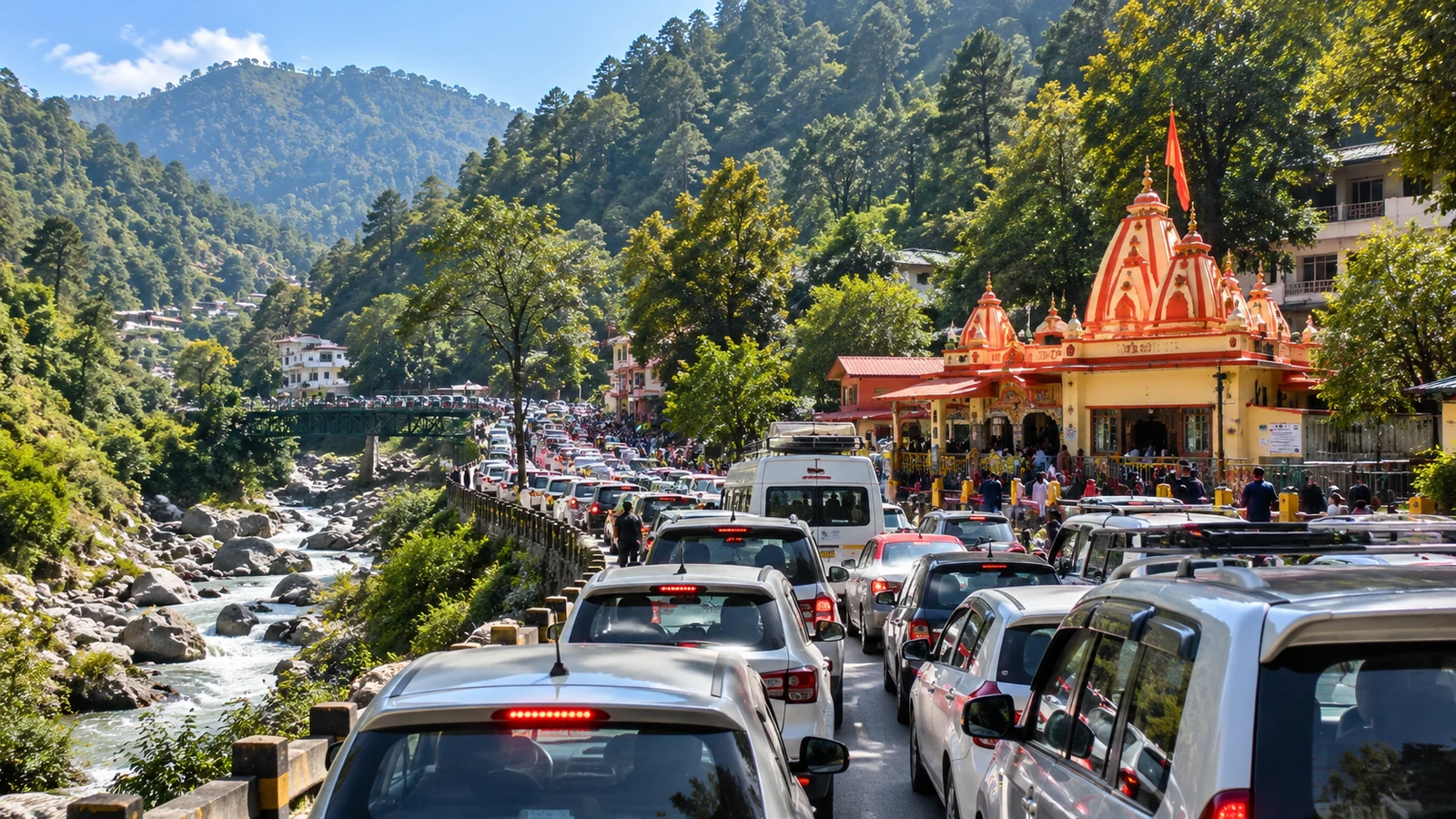
Heavy Crowd of Devotees at Kainchi Dham, 2-Km-Long Traffic Jam Reported
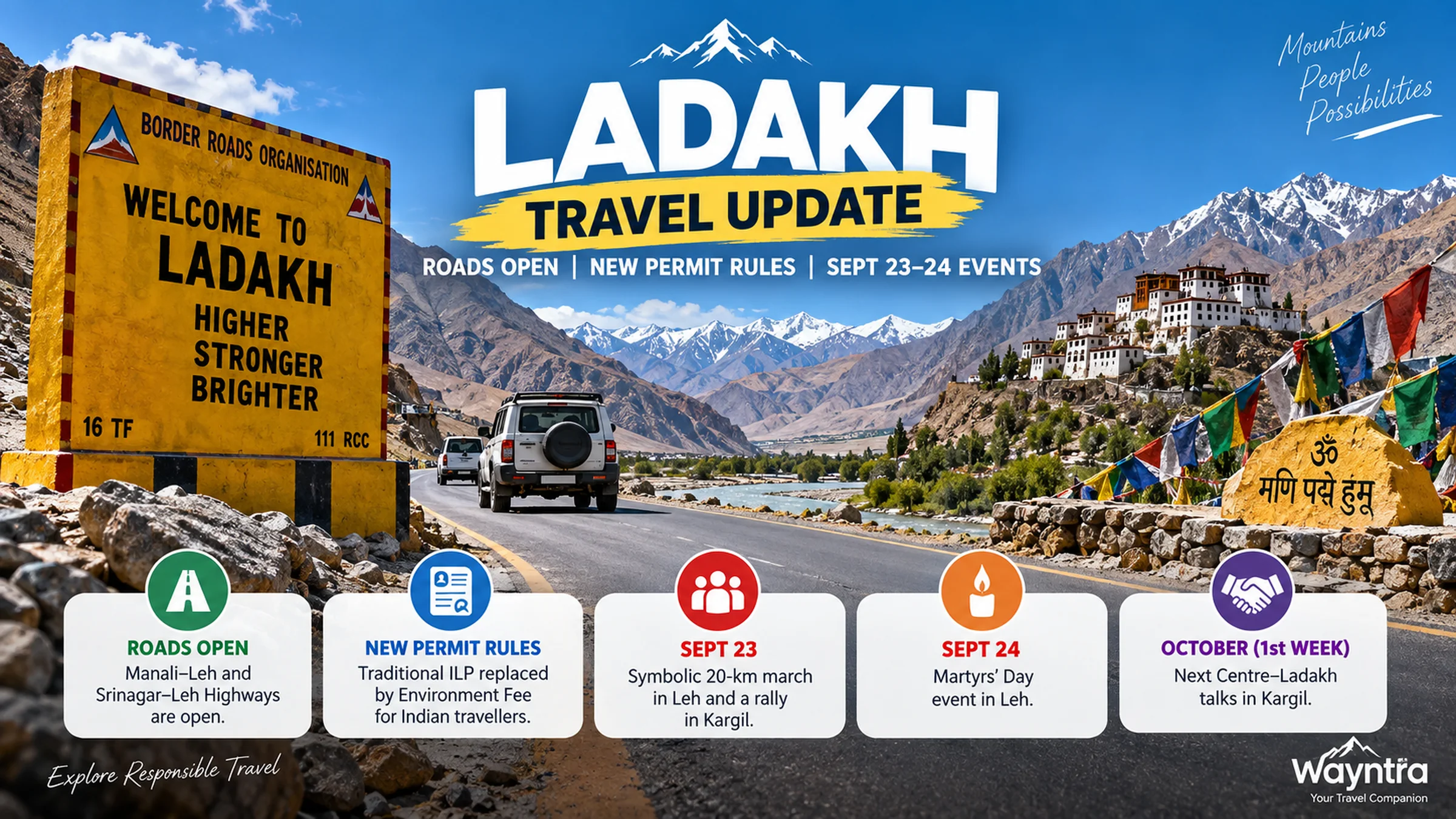
Ladakh Travel Update: Roads Open, New Permit Rules and September 23–24 Events
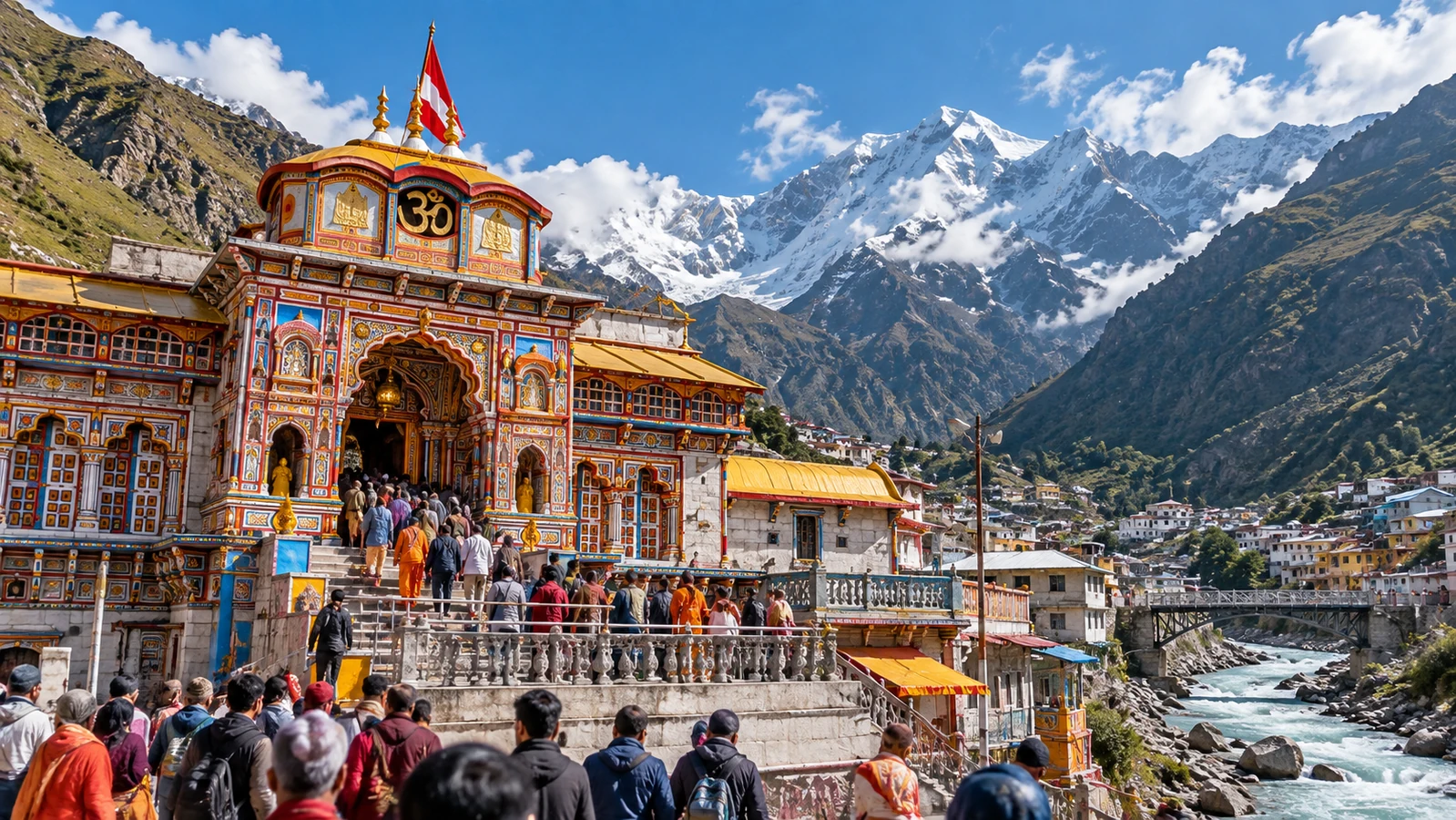
Badrinath Dham: Second Phase of Yatra Picks Up Pace, Thousands of Devotees Arriving for Darshan
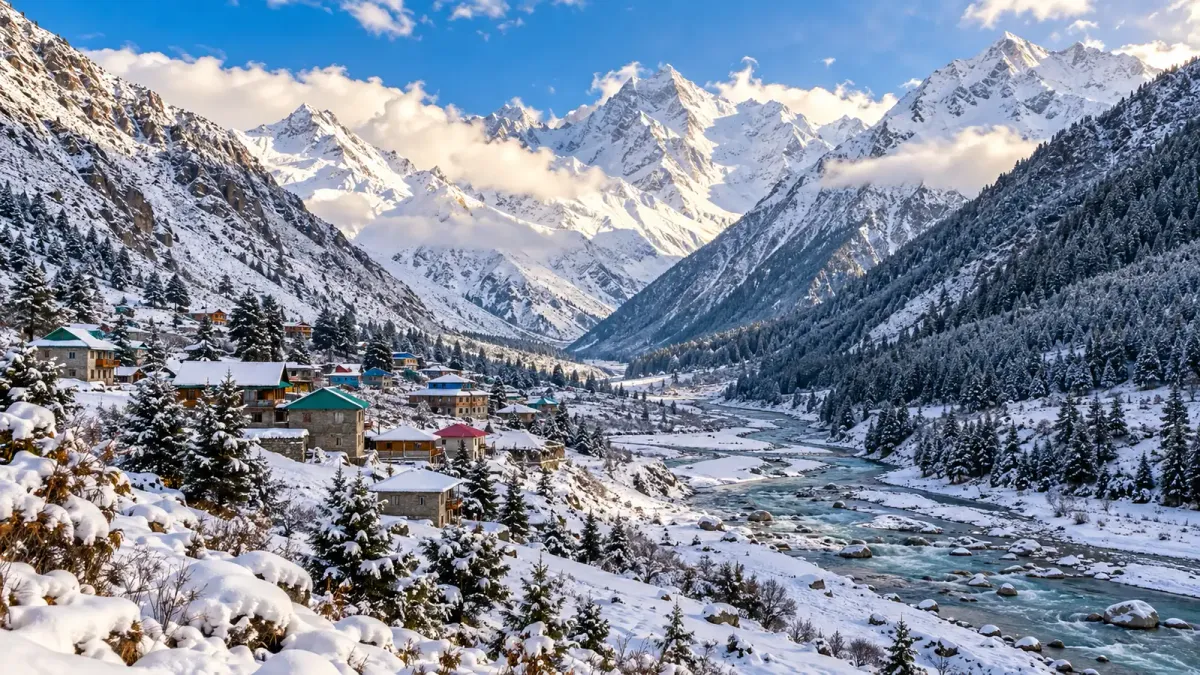
हिमाचल में सितंबर में बर्फबारी ने बदला मौसम का मिजाज, 18 साल बाद रिकॉर्ड ठंड
Meghalaya — travel FAQs
Where is Meghalaya located?
What is Meghalaya famous for?
What is the capital of Meghalaya?
Which is the best time to visit Meghalaya?
. Is Meghalaya safe for tourists?
Why is Meghalaya called the "Abode of Clouds"?
Which are the most popular tourist places in Meghalaya?
What are Living Root Bridges?
Which is the wettest place in Meghalaya?
What adventure activities can be enjoyed in Meghalaya?
Wayntra app
Explore Meghalaya with Wayntra
Find destinations, adventures, local businesses and experiences across Meghalaya.