India’s local-first travel ecosystem — book local operators direct, zero commission

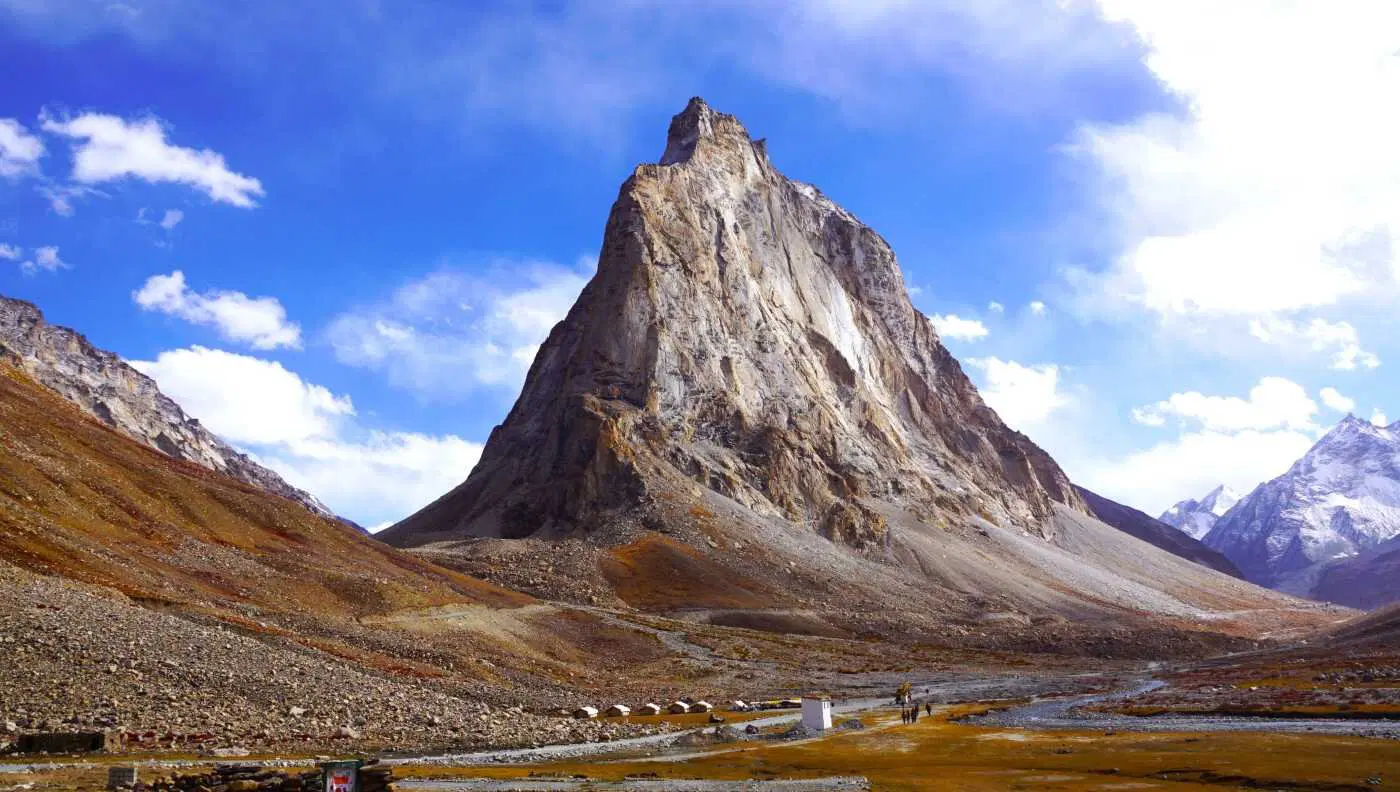
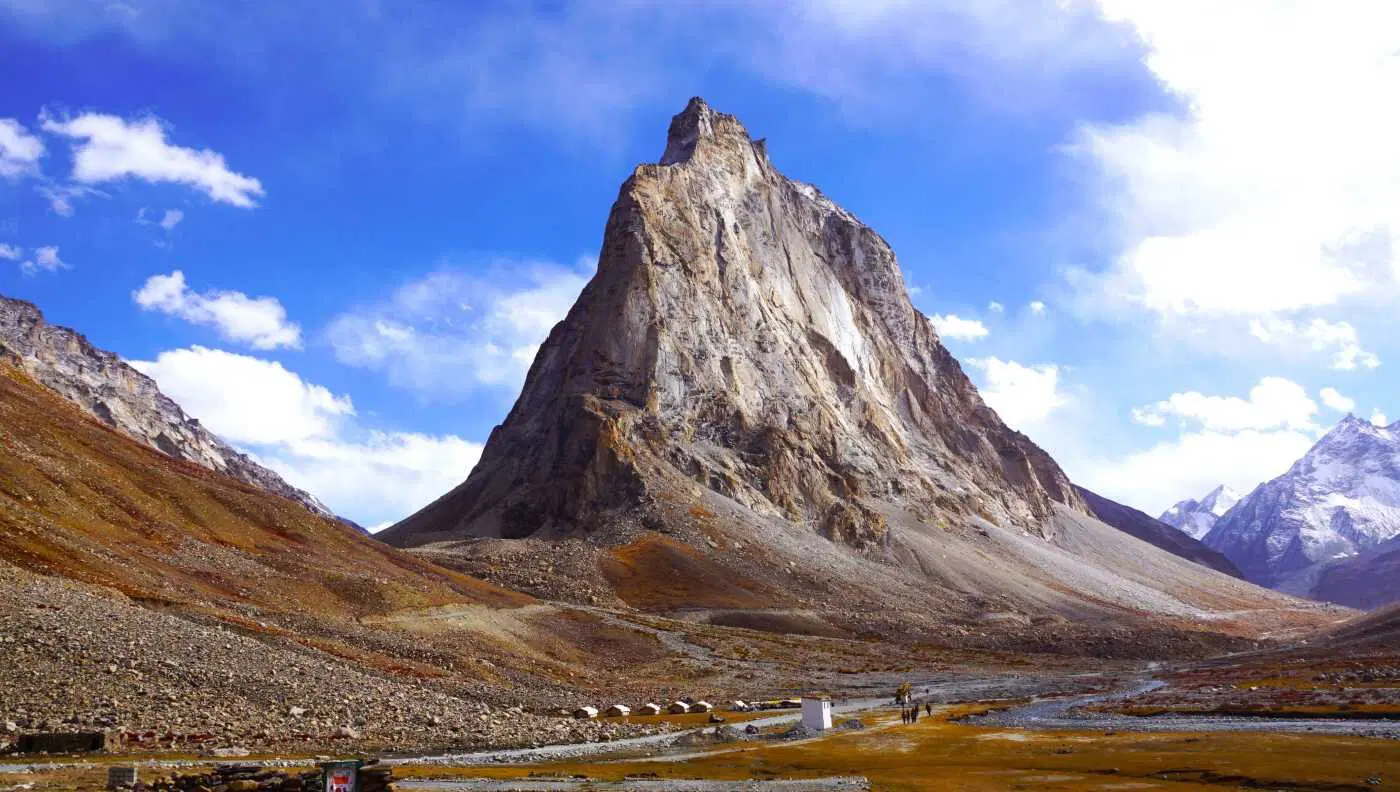
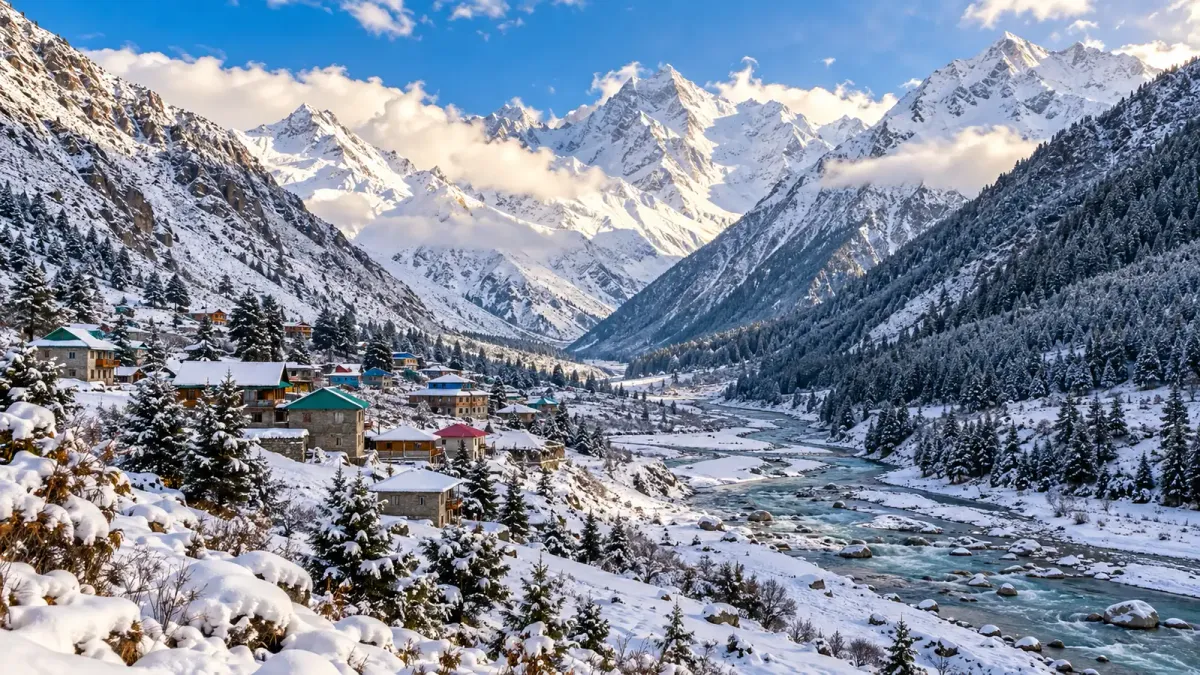
Zanskar is one of the most beautiful and remote regions of Ladakh, a Union Territory of India. It is famous for its breathtaking mountains, deep valleys, ancient Buddhist monasteries, and peaceful environment. Surrounded by the mighty Himalayas, Zanskar is located at an altitude of about 3,500 to 7,000 meters above sea level. Because of its high altitude and rugged terrain, the region remained isolated for many years. Today, improved roads have made it more accessible, attracting tourists from around the world.
The climate of Zanskar is extremely cold and dry. During winter, temperatures often fall below –30°C, and heavy snowfall covers the entire region. In summer, the weather becomes pleasant, making it the best time to visit. The Zanskar River is the lifeline of the region. During winter, the river freezes completely, creating the famous Chadar Trek. This trek is one of the world's most challenging and exciting winter adventures, where trekkers walk on the frozen river for several days.
Zanskar has a rich history and a strong connection with Tibetan Buddhism. In ancient times, it was an independent Buddhist kingdom. The region is home to several famous monasteries, including Karsha Monastery, Phugtal Monastery, Stongde Monastery, and Sani Monastery. These monasteries are known for their ancient architecture, beautiful murals, and valuable Buddhist scriptures. Phugtal Monastery is especially unique because it is built inside a natural cave on a cliff.
The people of Zanskar lead a simple and hardworking life. Most of the population follows Buddhism, while a smaller number follows Islam. Agriculture, animal husbandry, and tourism are the main sources of income. Farmers grow barley, peas, and potatoes, while yaks, sheep, and goats are raised for milk, wool, and transportation. Despite the harsh climate, the people maintain a strong sense of community and preserve their traditional way of life.
The culture of Zanskar is colorful and deeply rooted in Tibetan traditions. People wear traditional clothes and celebrate many religious festivals with great enthusiasm. Festivals such as Gustor feature masked dances, prayers, music, and cultural performances. These celebrations help preserve the region's rich heritage and attract visitors interested in local traditions.
Zanskar is also rich in wildlife and natural beauty. Rare animals such as the snow leopard, Himalayan ibex, blue sheep, and red fox can be found in the region. Many species of birds also live in its mountains and valleys. The untouched landscapes and unique biodiversity make Zanskar a paradise for nature lovers, photographers, and wildlife enthusiasts.
Tourism has become an important part of the local economy. Visitors come to enjoy trekking, river rafting, camping, mountain climbing, and sightseeing. The peaceful surroundings, fresh mountain air, and stunning scenery provide a memorable experience. Many travelers also visit Zanskar to learn about Buddhist culture and experience life in a remote Himalayan region.
In recent years, the development of roads and communication facilities has improved the lives of local people and increased tourism. However, protecting the fragile environment of Zanskar remains very important. Responsible tourism, cleanliness, and conservation efforts are necessary to preserve its natural beauty for future generations.
In conclusion, Zanskar is a remarkable destination that combines natural beauty, adventure, history, culture, and spirituality. Its snow-covered mountains, frozen rivers, ancient monasteries, and warm-hearted people make it one of the most fascinating places in India. Often called the "Hidden Paradise of the Himalayas," Zanskar is truly a treasure that offers unforgettable experiences to every visitor.
Quick view
🏔️ Zanskar Travel Guide
Location
- Located in Kargil District, Ladakh, India
- Elevation: ~3,500–7,000 meters above sea level
- Situated along the Zanskar River, a tributary of the Indus River
How to Reach
- By Road: Via Leh–Kargil–Padum Road or Manali–Shinku La–Padum (seasonal)
- By Train: Nearest major railway station – Jammu Tawi (around 700 km)
- By Air: Kushok Bakula Rimpochee Airport, Leh (about 230 km from Padum)
- Local Transport: Shared taxis, private cabs, and local vehicles are available in Padum
Estimated Budget
- Backpackers: ₹1,500–₹2,500/day
- Mid-range travellers: ₹3,000–₹6,000/day
- Luxury travellers: ₹7,000+/day
- Trekking and adventure activities cost extra.
Popular Stay Areas
- Padum (main town, hotels & guesthouses)
- Karsha Village (near famous monastery)
- Purne (best for Phugtal Monastery trek)
- Zangla (peaceful village stays)
Top Attractions
- Phugtal Monastery
- Karsha Monastery
- Stongde Monastery
- Zanskar River
- Drang Drung Glacier
- Pensi La Pass
- Zangla Palace
- Sani Monastery
- Nun Kun Peaks
- Padum Town
Snow Points
- Pensi La Pass
- Drang Drung Glacier
- Chadar Trek Route (Winter)
- High mountain passes around Zanskar
Offbeat Spots
- Lingshed Village
- Zangla Valley
- Sham Valley
- Purne Village
- Remote Himalayan trekking routes
Food & Cafés
- Popular cuisines: Ladakhi, Tibetan, Indian
- Try Thukpa, Momos, Skyu, Butter Tea, and Tsampa
- Small cafés and local restaurants are mainly available in Padum.
ATMs & Banking
- Limited ATM facilities in Padum
- Carry sufficient cash for remote villages.
- Mobile payment may not work in many areas.
Local Transport
- Shared taxis between villages
- Private cabs available in Padum
- Motorbike trips are popular during summer
Parking Availability
- Parking available near hotels and major monasteries
- Free parking in most villages
- Limited parking during peak tourist season
Weather Overview
- Summer (May–September): Pleasant and best for travel
- Autumn (October): Cold with clear skies
- Winter (November–March): Heavy snowfall and extreme cold
- Spring (April): Snow starts melting and roads gradually open
Shopping
- Traditional Ladakhi handicrafts
- Woollen shawls and pashmina products
- Prayer flags and Buddhist souvenirs
- Handmade wooden and metal crafts
Safety Tips
- Carry warm clothing throughout the year.
- Acclimatize properly to avoid altitude sickness.
- Check road and weather conditions before travelling.
- Keep cash, medicines, and a power bank.
- Travel with a local guide for remote treks.
Emergency & Helpline Numbers
- Police: 112 / 100
- Ambulance: 108 / 102
- Fire: 101
- Tourist Helpline: 1363
What to Pack
- Thermal wear and warm jackets
- Trekking shoes and gloves
- Sunglasses and sunscreen
- Personal medicines
- Water bottle and power bank
- Valid ID proof
Must-Know Traveller Insights
- Chadar Trek is available only in winter (January–February).
- Roads remain closed due to heavy snowfall for several months.
- Mobile network is limited outside Padum.
- Book hotels and transport in advance during peak season.
- Respect local Buddhist traditions and keep the environment clean.
Major Attractions
1. Phugtal Monastery
The most iconic monastery in Zanskar, built inside a natural cave on a cliff. It is famous for its peaceful atmosphere, unique architecture, and breathtaking surroundings.
2. Karsha Monastery
The largest and most important Buddhist monastery in Zanskar. It offers spectacular views of the valley and is a major center of Tibetan Buddhist culture.
3. Zanskar River
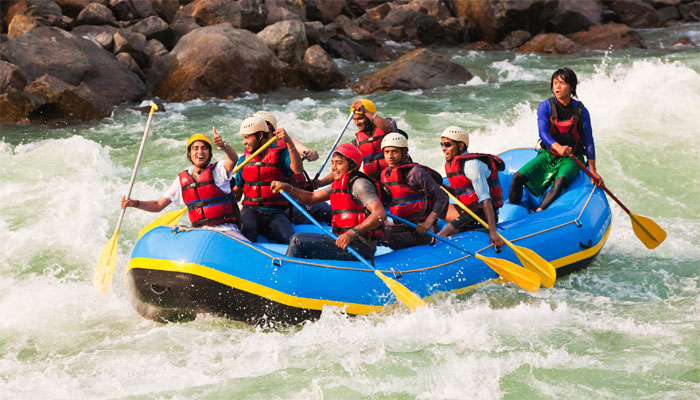
The lifeline of the region and a paradise for adventure lovers. It is famous for river rafting in summer and the legendary Chadar Trek during winter.
4. Chadar Trek
One of the world's most thrilling winter treks. Trekkers walk on the frozen Zanskar River, enjoying an unforgettable Himalayan adventure.
5. Drang-Drung Glacier
One of the largest glaciers in Ladakh, offering magnificent views of snow-covered mountains. It is a perfect destination for nature lovers and photographers.
6. Pensi La Pass
Known as the gateway to Zanskar, this high-altitude mountain pass provides breathtaking views of the Drang-Drung Glacier and the surrounding Himalayan peaks.
7. Zangla Palace
A historic palace that once served as the residence of Zanskar's royal family. It is known for its heritage, scenic beauty, and panoramic valley views.
8. Sani Monastery
One of the oldest Buddhist monasteries in Ladakh, famous for its ancient architecture, sacred relics, and colorful religious festivals.
9. Padum
The main town and administrative center of Zanskar. It is the best place for accommodation, restaurants, local markets, and starting expeditions.
10. Lingshed Village
A remote Himalayan village known for its traditional lifestyle, peaceful atmosphere, beautiful monastery, and trekking routes.
11. Nun-Kun Peaks
The highest mountain peaks in the Zanskar region, attracting mountaineers, trekkers, and adventure enthusiasts from around the world.
12. Zanskar Valley
A spectacular Himalayan valley featuring snow-capped mountains, crystal-clear rivers, ancient monasteries, and untouched natural beauty, making it one of Ladakh's most stunning destinations.
Budget
Zanskar Trip Cost Guide
A well-planned Zanskar trip can fit different budgets depending on your travel style, accommodation, and activities. Below is a realistic cost estimate for an average traveler.
1. Travel Cost (Leh → Padum → Leh)
Travel to Zanskar is mainly by road during the summer season.
- Shared Taxi: ₹2,000–₹3,500 per person (one way)
- Private Taxi (SUV): ₹18,000–₹30,000 (one way)
- Motorbike Ride: ₹1,500–₹3,000/day (excluding fuel)
- Bus (Seasonal): ₹800–₹1,500 one way
2. Local Transport
Shared Taxi: ₹300–₹1,000 (depending on distance)
Private Cab: ₹3,000–₹7,000 per day
Bike Rental (Leh): ₹1,200–₹2,000 per day
Walking & Trekking: Free at many attractions
🏨 3. Accommodation Cost
Zanskar offers guesthouses, homestays, and hotels.
Homestays: ₹800–₹1,500 per night
Budget Hotels: ₹1,200–₹2,500
Mid-range Hotels: ₹2,500–₹5,000
Luxury Camps/Hotels: ₹6,000–₹12,000+ per night
🍲 4. Meal Cost
Food is simple, fresh, and affordable.
Breakfast: ₹100–₹250
Lunch/Dinner: ₹200–₹500
Local Ladakhi Meals: ₹250–₹500
Tea/Coffee: ₹30–₹100
🏔️ 5. Sightseeing & Entry Fees
Most attractions are free to visit.
Phugtal Monastery: Free
Karsha Monastery: Free/Donation
Sani Monastery: Free/Donation
Zangla Palace: Free
Photography Fees (if applicable): ₹50–₹200
🥾 6. Adventure Activities Cost
Zanskar is famous for trekking and rafting.
Chadar Trek: ₹25,000–₹45,000
River Rafting: ₹2,000–₹4,500
Camping: ₹1,500–₹3,500 per night
Guided Trek: ₹2,000–₹5,000 per day
🛍️ 7. Shopping Budget
Popular items include local handicrafts and woollen products.
Pashmina & Woollens: ₹500–₹5,000+
Prayer Flags & Souvenirs: ₹100–₹500
Handmade Crafts: ₹300–₹2,000
Local Dry Fruits: ₹200–₹600
💵 8. Hidden / Miscellaneous Costs
Guide Charges: ₹1,000–₹3,000 per day
Parking: ₹50–₹200
Tips & Donations: ₹100–₹500
Travel Insurance (Optional): ₹500–₹2,000
💸 9. Total Estimated Budget (Per Person)
Backpacker Trip: ₹10,000–₹18,000
Standard Trip: ₹20,000–₹35,000
Comfort Trip: ₹35,000–₹50,000
Luxury Trip: ₹60,000+
How to Reach
🛣️ How to Reach Zanskar
Zanskar is one of the most remote and breathtaking regions of Ladakh, India. The best way to reach Zanskar is by road during the summer months (June–September). In winter, heavy snowfall closes many mountain passes, making access limited.
✈️ 1. By Air (Fastest Option)
Nearest Airport: Kushok Bakula Rimpochee Airport, Leh (IXL)
Distance from Padum (Zanskar): Approximately 230 km
Flights Available From: Delhi, Srinagar, Chandigarh, and other major Indian cities (seasonal schedules may vary)
Travel Tip: Spend at least 24–48 hours in Leh to acclimatize before travelling to Zanskar due to the high altitude.
From Leh Airport to Zanskar:
🚖 Private Taxi
🚕 Shared Taxi
🚌 Seasonal Bus Service
🏍️ Self-drive or Bike Ride
🚗 2. By Road (Most Popular & Scenic Option)
A road trip to Zanskar is one of the most spectacular Himalayan journeys.
📍 Leh → Padum
Distance: Approximately 230–240 km
Travel Time: 7–9 hours
Route: Leh → Kargil → Pensi La Pass → Padum
📍 Manali → Padum (Seasonal)
Distance: Approximately 450–500 km
Travel Time: 12–15 hours
Route: Manali → Jispa → Shinku La Pass → Padum
Travel Options:
🚌 Government/Local Bus (Seasonal)
🚖 Shared Taxi
🚙 Private SUV Taxi
🏍️ Motorcycle Trip
🚆 3. By Train
Zanskar does not have a railway station.
Nearest Major Railway Stations:
🚉 Jammu Tawi Railway Station – Around 700 km
🚉 Chandigarh Railway Station – Around 750 km
From these stations, travellers can continue their journey by road to Leh or directly towards Zanskar (season permitting).
🏍️ 4. By Bike / Self-Drive (Adventure Lovers)
Zanskar is one of India's most iconic road-trip destinations for bikers and off-road enthusiasts.
Popular Routes:
🛣️ Leh → Kargil → Pensi La Pass → Padum
🛣️ Manali → Jispa → Shinku La Pass → Padum (Open during summer)
Travel Tips:
Check weather and road conditions before departure.
Carry extra fuel, warm clothing, medicines, and emergency supplies.
Drive carefully on high-altitude mountain roads.
🗺️ 5. Best Route Map
Leh → Kargil → Pensi La Pass → Drang-Drung Glacier → Padum
This is the most popular and scenic route to reach Zanskar, offering stunning mountain landscapes and glacier views.
🚖 6. Local Transport After Reaching Zanskar
🚖 Shared Taxis
🚙 Private Cabs
🏍️ Motorcycle Rentals (Limited Availability)
🚶 Walking and trekking are the best ways to explore monasteries, villages, and nearby attractions.
Nearby Attractions
🏔️ Top Tourist Attractions in Zanskar
1. Phugtal Monastery 🛕🏔️
Distance: About 90 km from Padum (followed by a short trek)
Activities: Trekking 🥾, monastery visit 🙏, photography 📸
Why Visit: A spectacular Buddhist monastery built inside a natural cave on a cliff.
Tip: Visit between June and September for the best trekking conditions.
2. Karsha Monastery 🏯🌄
Distance: 10 km from Padum
Activities: Monastery tour, cultural exploration, photography 📷
Why Visit: The largest and most important monastery in Zanskar with stunning valley views.
Tip: Visit during local Buddhist festivals for a unique cultural experience.
3. Zanskar River 🏞️🚣
Distance: Flows through the Zanskar Valley
Activities: River rafting 🚣, sightseeing, photography 📸
Why Visit: Famous for thrilling rafting in summer and the frozen Chadar Trek in winter.
Tip: Rafting is best from July to September.
4. Chadar Trek ❄️🥾
Distance: Starts from the Zanskar River (Winter Route)
Activities: Ice trekking, camping 🏕️, adventure photography
Why Visit: One of the world's most famous winter treks on a frozen river.
Tip: Available only during January and February.
5. Drang-Drung Glacier 🧊🏔️
Distance: Near Pensi La Pass
Activities: Glacier sightseeing, photography 📸
Why Visit: One of Ladakh's largest glaciers with breathtaking Himalayan scenery.
Tip: Carry warm clothing even during summer.
6. Pensi La Pass 🛣️❄️
Distance: Around 80 km from Padum
Activities: Scenic drive 🚗, photography, sightseeing
Why Visit: The gateway to Zanskar with panoramic views of the mountains and glaciers.
Tip: Roads are generally open from June to October.
7. Zangla Palace 🏰🌿
Distance: About 35 km from Padum
Activities: Heritage walk 🚶, photography, sightseeing
Why Visit: A historic royal palace overlooking the beautiful Zanskar Valley.
Tip: Combine your visit with nearby villages for a richer experience.
8. Sani Monastery 🛕✨
Distance: 8 km from Padum
Activities: Temple visit, cultural exploration, meditation
Why Visit: One of the oldest Buddhist monasteries in Ladakh, known for its ancient relics.
Tip: Visit during the Naro Nasjal Festival if your trip coincides.
9. Padum 🏘️🌄
Distance: Main town of Zanskar
Activities: Local shopping 🛍️, cafés ☕, sightseeing
Why Visit: The cultural and administrative center of Zanskar and the perfect base for exploring the region.
Tip: Book your accommodation in advance during the tourist season.
10. Lingshed Village 🏡🥾
Distance: Accessible by trekking from Padum
Activities: Village walks, trekking, monastery visit
Why Visit: Experience authentic Himalayan village life, traditional culture, and peaceful surroundings.
Tip: Travel with a local guide if visiting for the first time.
Best Places to Shop
🛍️ Best Shopping Places in Zanskar
1. Padum Market 🏪🛍️
Why Visit: The main shopping hub of Zanskar, offering local stores, cafés, and essential travel items.
What to Buy: Pashmina shawls, woollen clothes, Ladakhi handicrafts, prayer flags, and souvenirs.
Tips: Visit in the morning or evening for a relaxed shopping experience and compare prices before purchasing.
2. Local Handicraft Shops 🎨🧶
Why Visit: These shops showcase authentic handmade products crafted by local artisans.
What to Buy: Handwoven carpets, woollen caps, gloves, scarves, and traditional decorative items.
Tips: Buy directly from local artisans to get genuine products and support the local community.
3. Buddhist Souvenir Shops 🛕📿
Why Visit: Perfect for purchasing traditional Buddhist cultural and religious items.
What to Buy: Prayer wheels, prayer flags, Buddha statues, malas (prayer beads), and spiritual souvenirs.
Tips: Check the quality and authenticity before buying valuable items.
4. Village Markets & Homestay Shops 🏡🌿
Why Visit: Small village shops offer locally made organic products and traditional goods.
What to Buy: Dried apricots, organic food products, local herbal items, and woollen garments.
Tips: Carry cash, as digital payments may not be accepted in remote villages.
5. Seasonal Craft Fairs & Local Stalls 🎪✨
Why Visit: Local festivals and seasonal markets feature unique handmade crafts and traditional artwork.
What to Buy: Handmade souvenirs, local jewellery, eco-friendly products, and artisan crafts.
Tips: Purchase unique items when you find them, as many are available only in limited quantities.
🛍️ Shopping Tips
💰 Compare prices and bargain politely where appropriate.
🧥 Check the quality of Pashmina and woollen products before purchasing.
💵 Carry sufficient cash for remote areas.
🎁 Buying directly from local artisans helps support the local economy.
🌿 Choose handmade and eco-friendly products whenever possible.
📌 Summary
Padum Market is the main shopping destination in Zanskar. Local handicraft shops, Buddhist souvenir stores, village markets, and seasonal craft fairs offer authentic Ladakhi products, making them the best places to buy unique souvenirs and traditional handicrafts.
Best Places to Eat
🍽️ Best Cafés & Food Places in Zanskar
1. Padum Restaurant 🍛☕
Location: Padum Town
Why Visit: One of the most popular local restaurants serving authentic Ladakhi and Indian cuisine.
What to Try: Thukpa 🍜, Momos 🥟, Butter Tea ☕
Tip: Visit during lunch for freshly prepared local meals.
2. Zanskar Food Corner 🍲🥟
Location: Padum Market
Why Visit: A budget-friendly restaurant loved by travellers for its simple and delicious food.
What to Try: Veg Thukpa 🍜, Fried Momos 🥟, Chowmein 🍝
Tip: Perfect for backpackers looking for affordable meals.
3. Local Homestay Kitchen 🏡🍽️
Location: Villages around Padum
Why Visit: Enjoy homemade Ladakhi food prepared by local families.
What to Try: Skyu 🥣, Tsampa 🌾, Butter Tea ☕
Tip: Inform your host in advance if you have dietary preferences.
4. Karsha Village Café ☕🌄
Location: Karsha Village
Why Visit: A peaceful café with beautiful views of the monastery and surrounding mountains.
What to Try: Coffee ☕, Maggi 🍜, Sandwiches 🥪
Tip: Visit after exploring Karsha Monastery.
5. Purne Village Tea House 🍵🏔️
Location: Purne Village
Why Visit: A popular stop for trekkers on the way to Phugtal Monastery.
What to Try: Tea ☕, Noodles 🍜, Biscuits 🍪
Tip: Carry cash, as digital payment facilities may not be available.
6. Hotel Ibex Restaurant 🍛🍚
Location: Padum
Why Visit: A well-known restaurant offering Indian, Tibetan, and Ladakhi dishes.
What to Try: Rice Meals 🍚, Momos 🥟, Thukpa 🍜
Tip: Ideal for dinner after a day of sightseeing.
7. Local Bakery & Tea Shops 🥐☕
Location: Padum Market
Why Visit: Perfect for quick snacks and hot beverages.
What to Try: Fresh Bread 🍞, Cookies 🍪, Tea ☕, Coffee ☕
Tip: Great place for breakfast before starting your journey.
🍲 Food Tips for Zanskar Travellers
🥟 Must-Try Local Dishes: Thukpa, Momos, Skyu, Tsampa, Butter Tea, and Apricot Jam.
☕ Hot Drinks: Butter Tea and traditional herbal tea are perfect for the cold climate.
💰 Budget: ₹200–₹500 per meal at most restaurants.
🌄 Best Time to Eat: Lunch and dinner in Padum; enjoy tea and snacks while trekking through nearby villages.
Safety Tips
⚠️ Safety Tips for Travelling to Zanskar
1. Check Weather and Road Conditions 🌦️🛣️
Weather in Zanskar can change rapidly, especially at high altitudes.
Always check the latest weather forecast and road conditions before your trip.
Avoid travelling during heavy snowfall, landslides, or road closures.
2. Follow Local Rules and Permit Requirements 📝
Some trekking routes and restricted areas may require permits.
Follow all instructions issued by the local authorities and security forces.
Obtain permission before flying drones in restricted zones.
3. Drive Safely on Mountain Roads 🚗❄️
Avoid driving at night on steep mountain roads.
Hire experienced drivers if you are unfamiliar with Himalayan terrain.
Ensure your vehicle's brakes, tyres, lights, and engine are in good condition before starting your journey.
4. Be Aware of High Altitude 🏔️💊
Zanskar is located at a high altitude, so Altitude Sickness (AMS) is a common concern.
Stay hydrated and allow your body enough time to acclimatize.
Carry warm clothing, thermal wear, and essential medicines throughout the trip.
5. Stay Safe During Adventure Activities 🥾🧗
Choose only licensed guides and authorized adventure operators.
Wear proper safety equipment during trekking, rafting, or camping.
Avoid trekking alone in remote mountain areas.
6. Carry Cash and Backup Payment Options 💵📱
ATMs and mobile networks are limited in many parts of Zanskar.
Carry sufficient cash for accommodation, food, and transportation.
Do not rely entirely on digital payment methods.
7. Protect Your Belongings 🎒👀
Keep your valuables, travel documents, and cash secure at all times.
Be extra careful in busy markets and tourist areas.
Store important documents in a waterproof pouch.
8. Emergency Helpline Numbers ⛑️📞
Police: 112 / 100
Ambulance: 108 / 102
Fire: 101
Tourist Helpline: 1363
Keep your hotel and local emergency contact numbers saved before travelling.
9. Respect Nature and Wildlife 🌲🌿
Do not litter in villages, trekking trails, or natural areas.
Maintain a safe distance from wildlife.
Avoid lighting fires or smoking in forest and grassland areas.
10. Pack Smart and Be Prepared 🎒🧤
Carry warm jackets, thermals, gloves, woollen caps, and waterproof trekking shoes.
Pack a power bank, sunscreen, sunglasses, reusable water bottle, and personal medicines.
Inform your family or friends about your travel plans before visiting remote areas.
Backpack
What to Pack for a Zanskar Trip
1. Summer (June – September)
- Light full-sleeve T-shirts
- Comfortable trekking pants
- Light fleece jacket
- Windproof jacket
- Sunglasses
- Sunscreen (SPF 50+)
- Trekking shoes
- Sun cap or hat
- Reusable water bottle
2. Autumn (September – October)
- Warm jacket
- Full-sleeve shirts
- Woollen sweater
- Comfortable trekking pants
- Hiking shoes
- Woollen cap
- Power bank
3. Winter (November – March)
- Thermal innerwear
- Heavy down jacket
- Woollen sweaters
- Waterproof gloves
- Woollen cap and scarf
- Snow boots or waterproof trekking shoes
- Thick woollen socks
- Sunglasses for snow glare
- Lip balm and moisturizer
- Hand warmers (optional)
4. Trekking Essentials
- Trekking backpack
- Trekking poles
- Headlamp or flashlight
- Energy bars and dry fruits
- Personal water bottle
- Rain cover for backpack
- Multi-tool or pocket knife
Health & Safety Essentials
- Personal medicines
- First-aid kit
- Altitude sickness medicine
- Hand sanitizer
- Wet wipes
- Insect repellent
Travel Essentials
- Government ID proof
- Mobile phone & charger
- Power bank
- Camera
- Cash (ATMs are limited)
- Offline maps
General Packing Tips
- Dress in layers to adjust to changing temperatures.
- Carry waterproof clothing during uncertain weather.
- Pack light but include warm clothing, even in summer.
- Keep important documents in a waterproof pouch.
- Carry enough cash, as digital payments may not work in remote villages.
- Stay hydrated and carry reusable water bottles throughout your trip.
Har Ki Dun trek
Kedarkantha
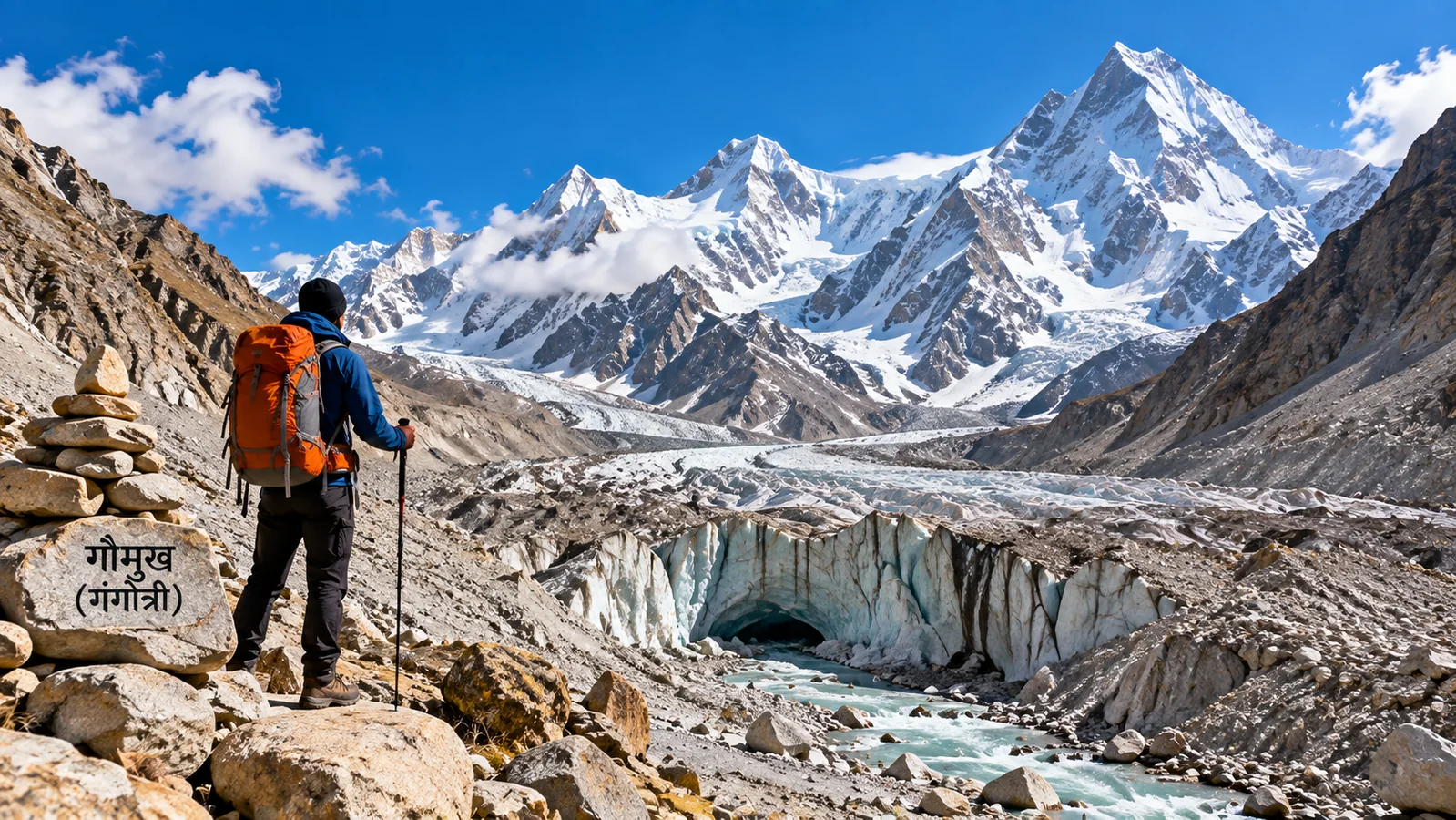
Gaumukh Tapovan Trek
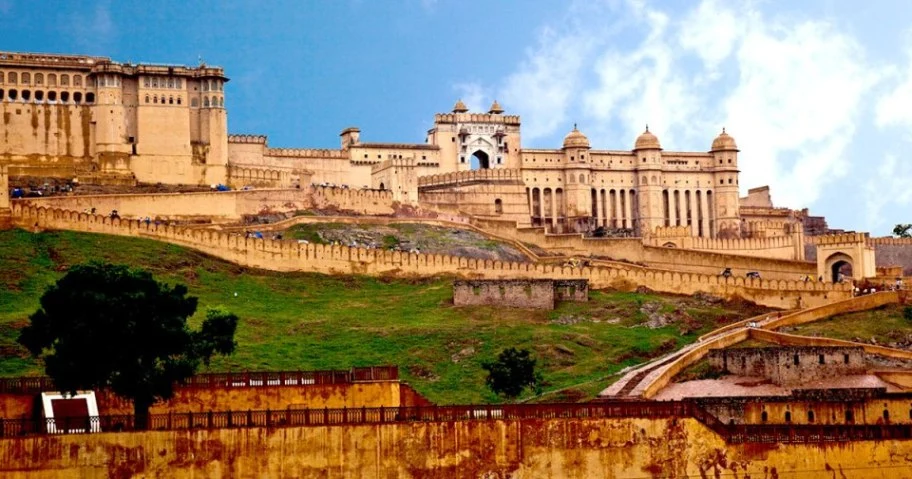
Amber Fort
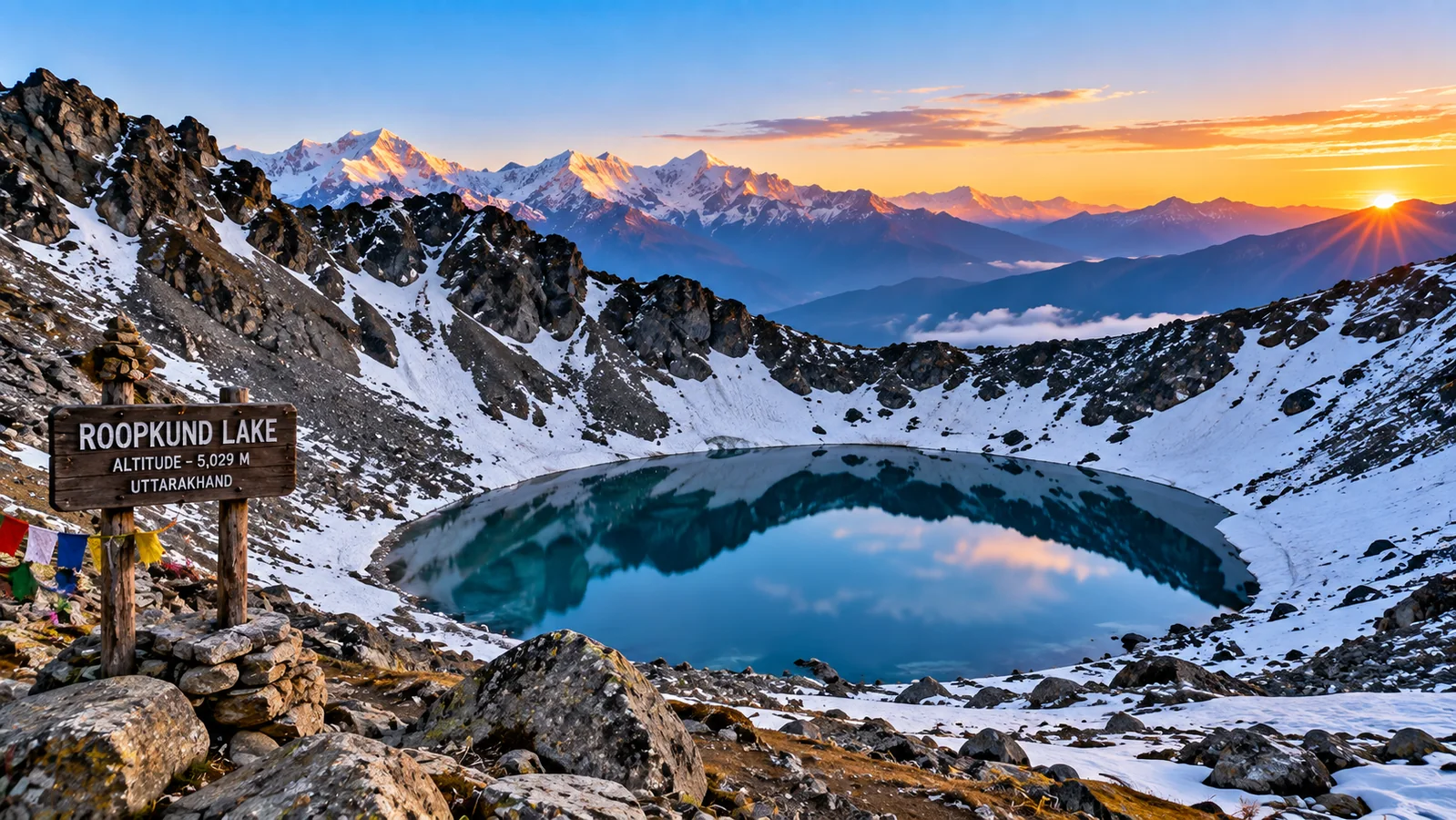
Roopkund Lake Trek
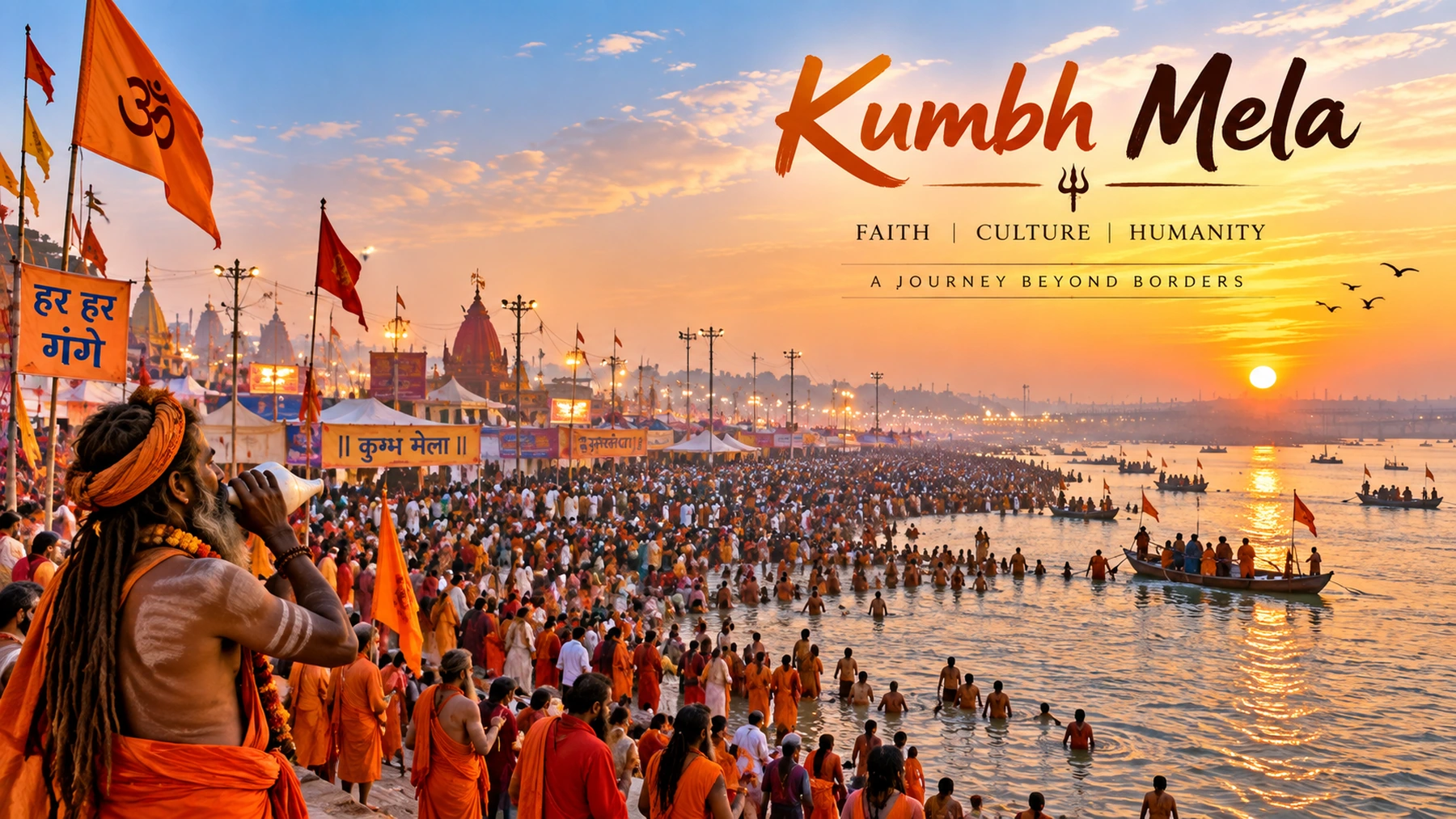
Maha Kumbh 2025
Brahmatal Trek
Kedarnath
The Valley of Flowers Trek
Sri Hemkund Sahib
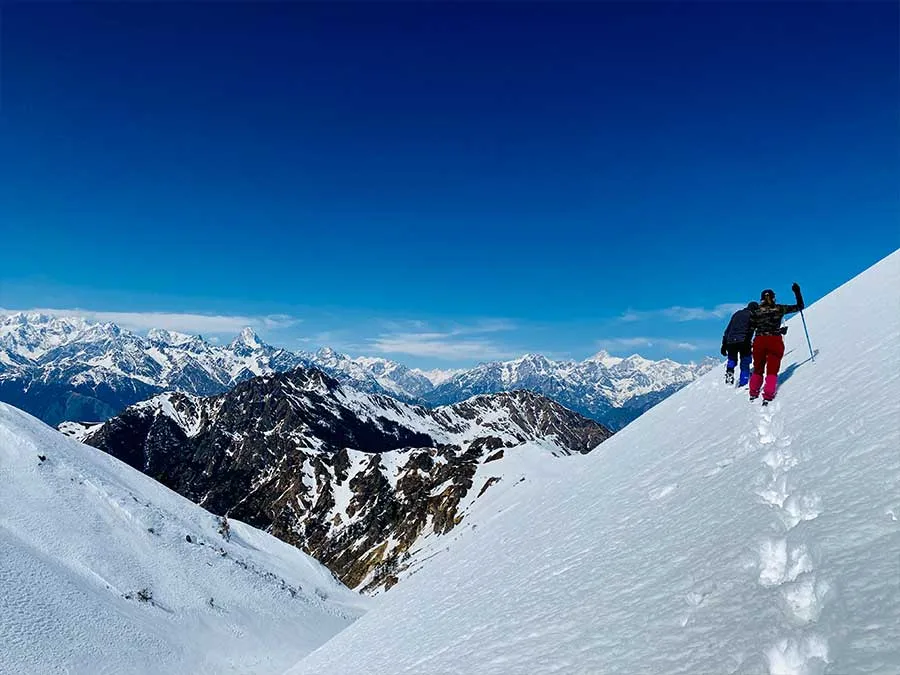
Kuari Pass Trek
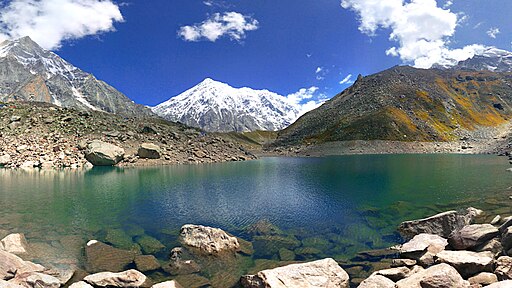
Satopanth Lake Trek
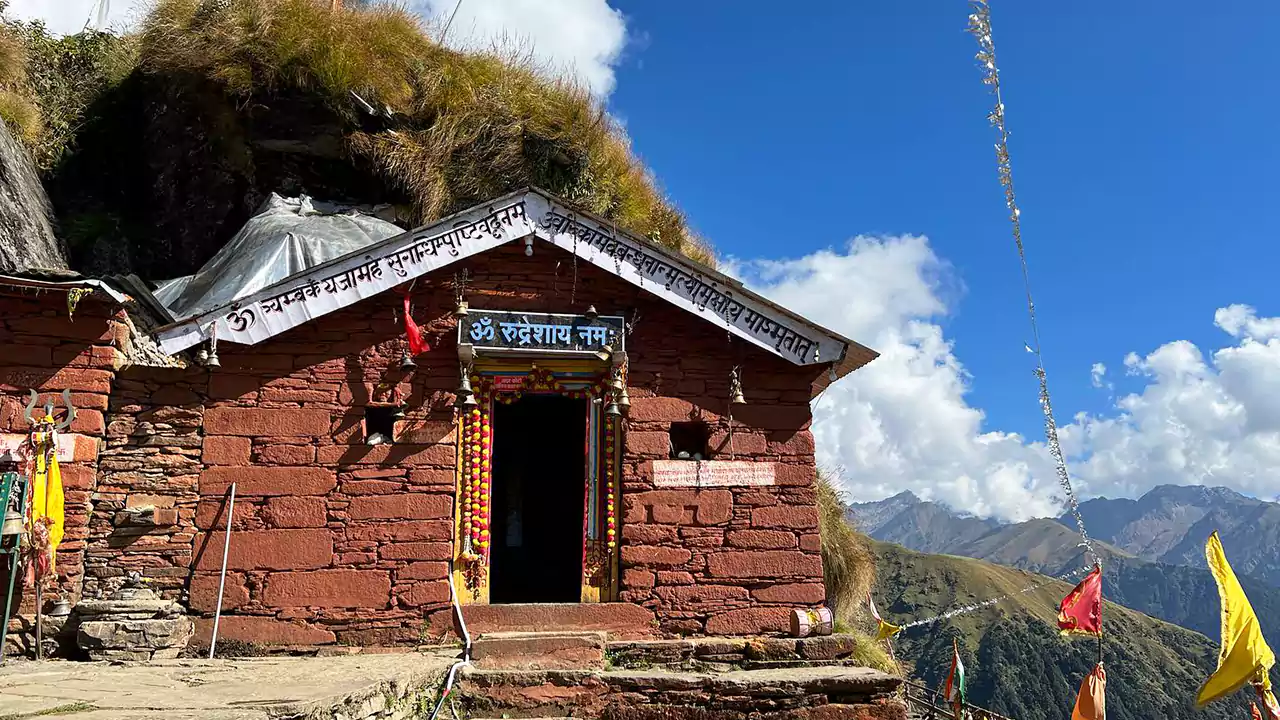
Rudranath
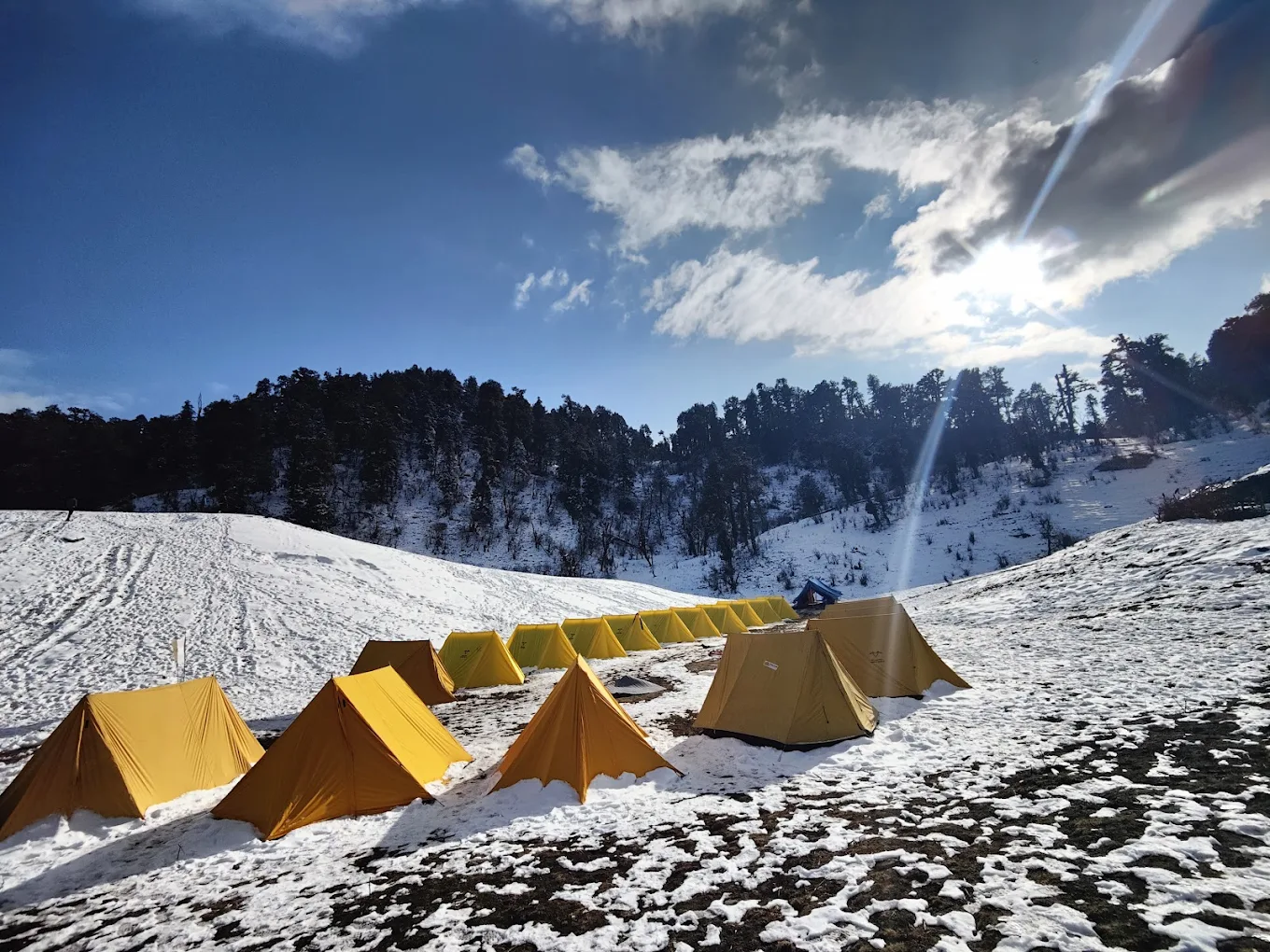
Dayara Bugyal Trek
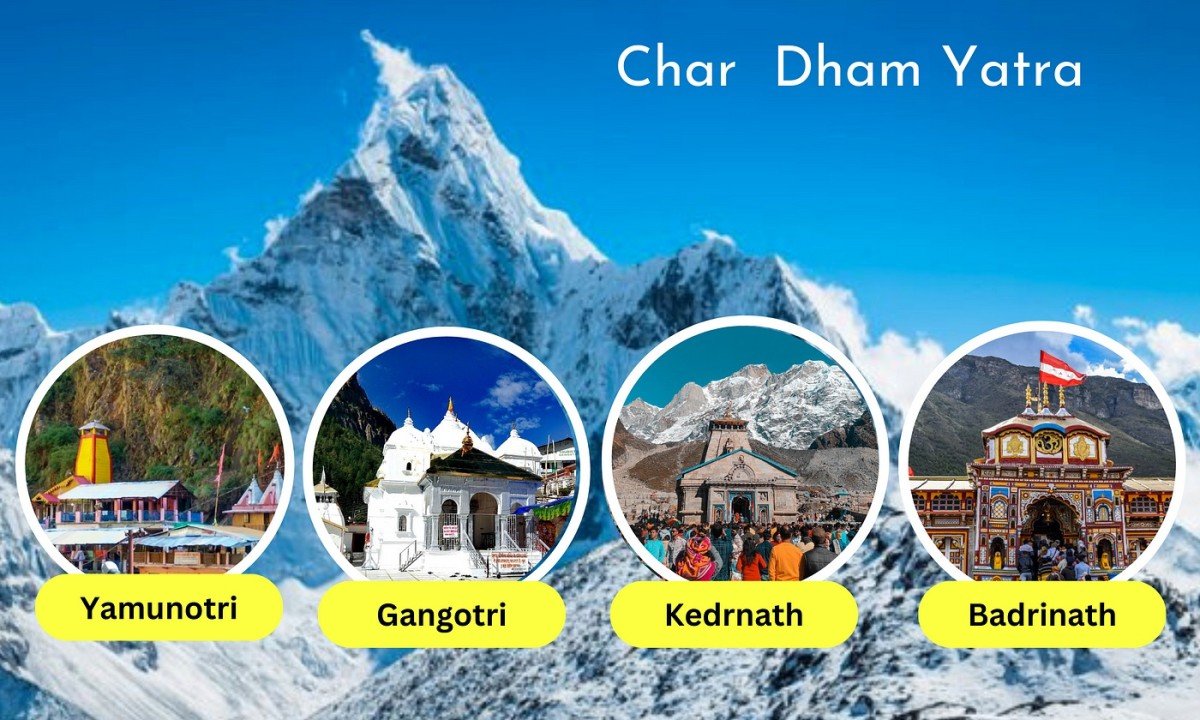
Char Dham Yatra
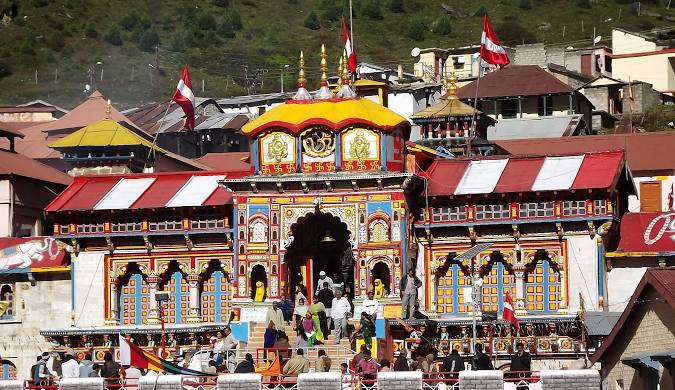
Badrinath
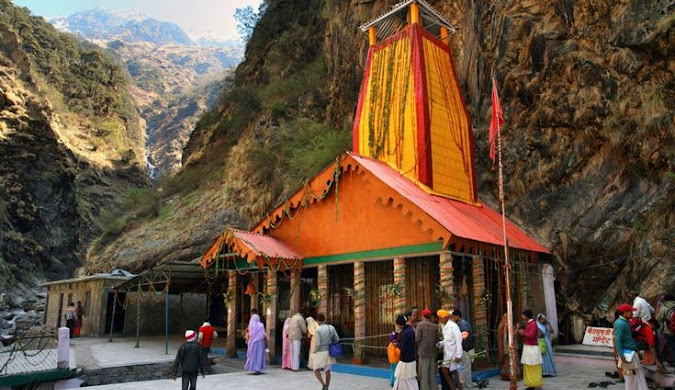
Yamunotri
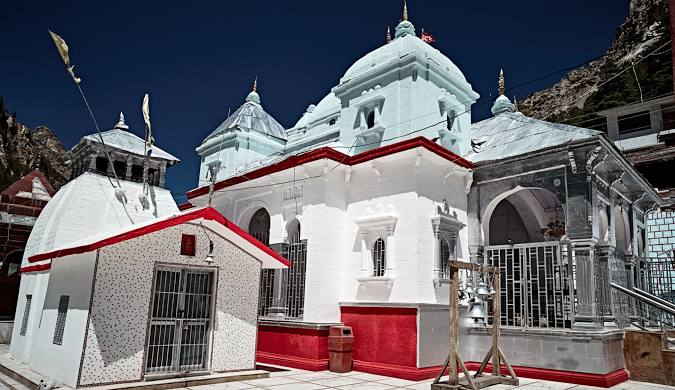
Gangotri
Kalpa
Chitkul
Sangla Valley
Reckong Peo
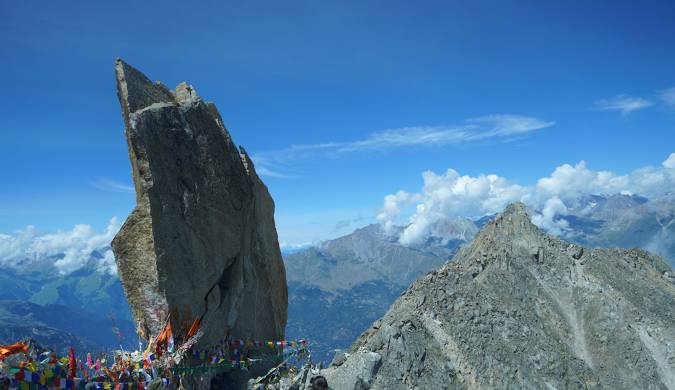
Kinner Kailash
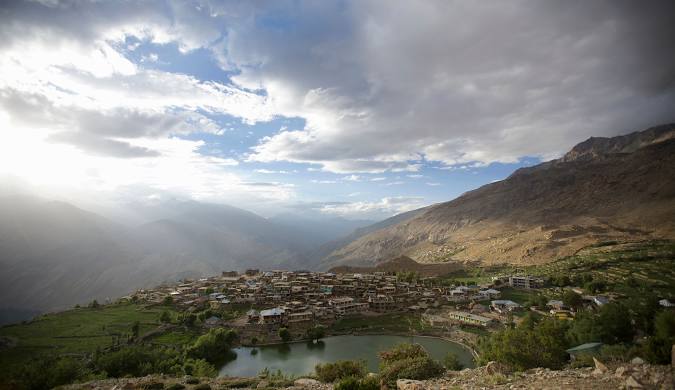
Nako Village
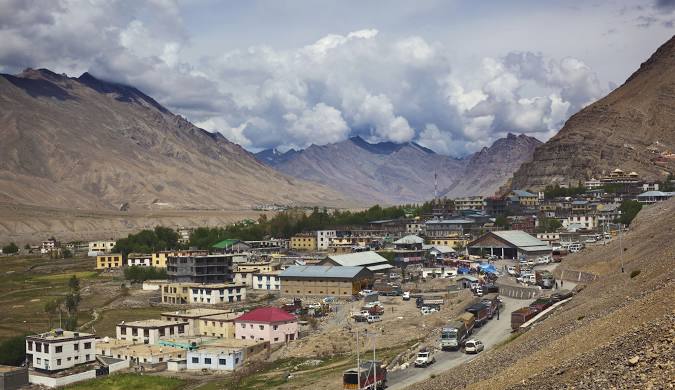
Kaza
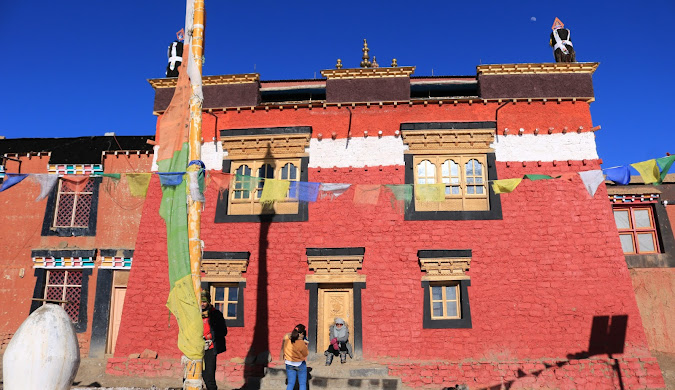
Komic Village
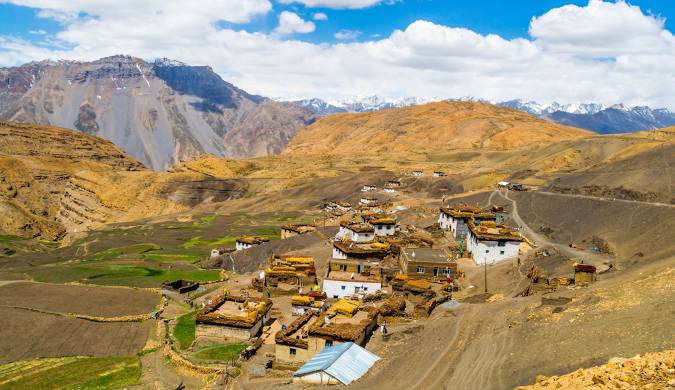
Hikkim Village
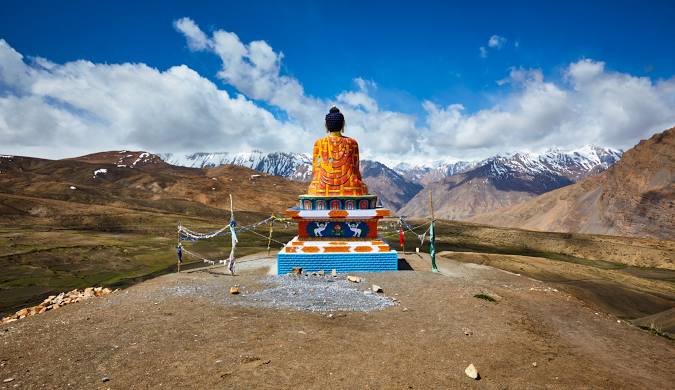
Langza Village
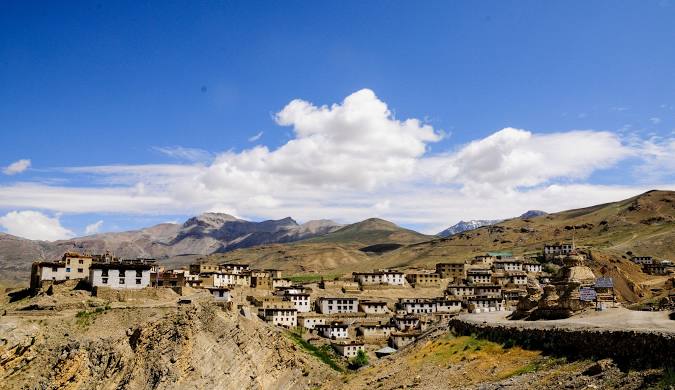
Kibber Village
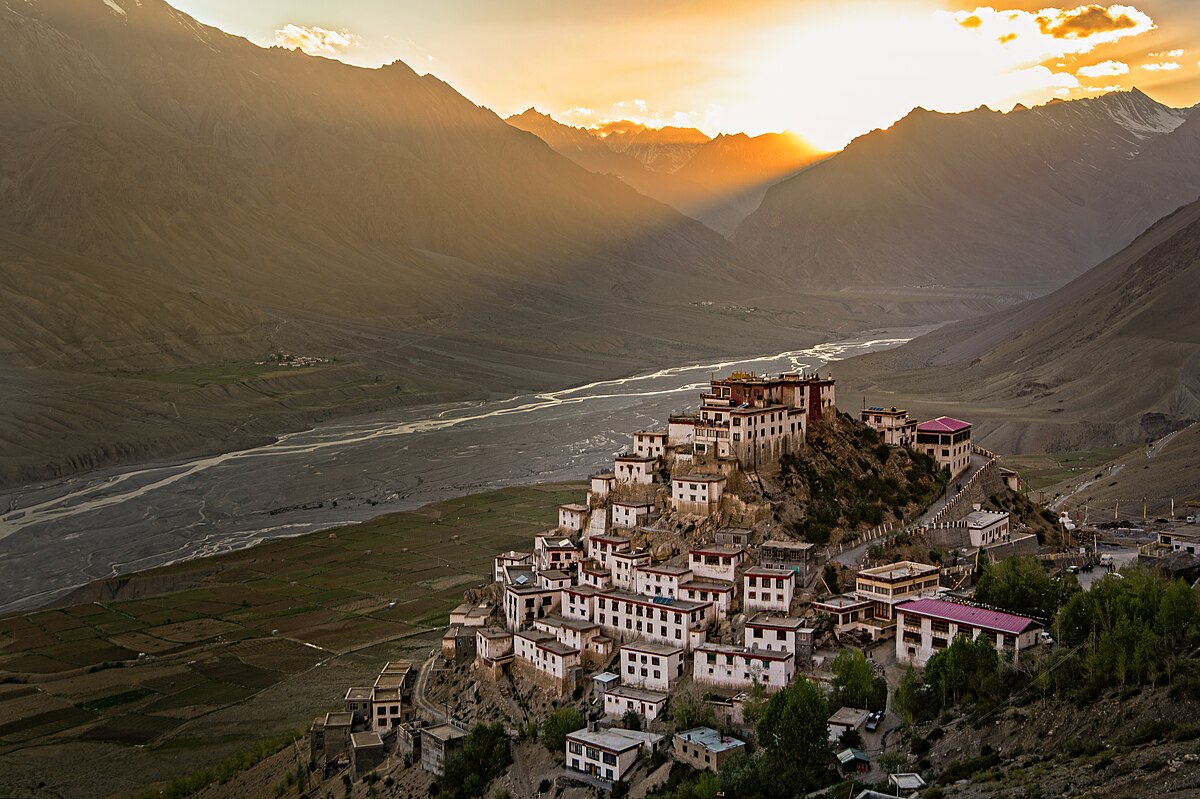
Key Monastery
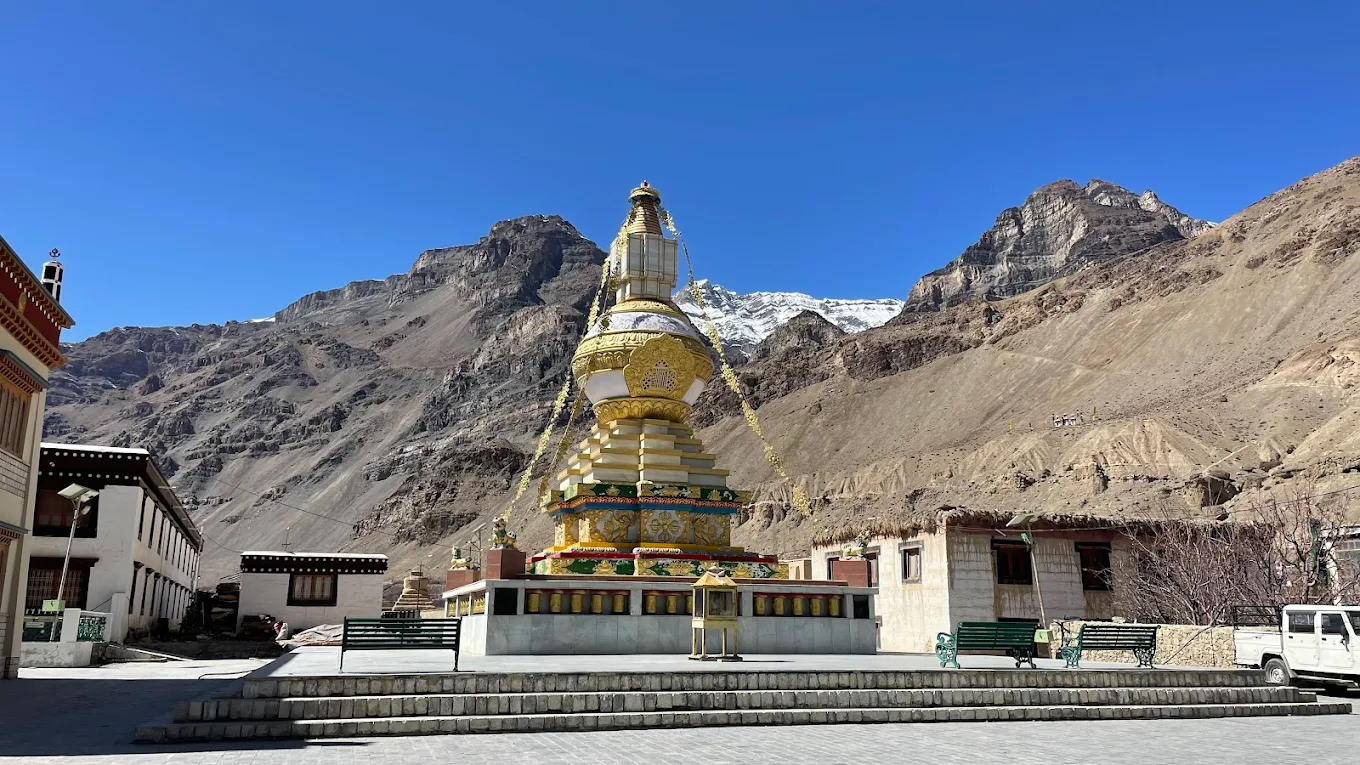
Tabo Monastery
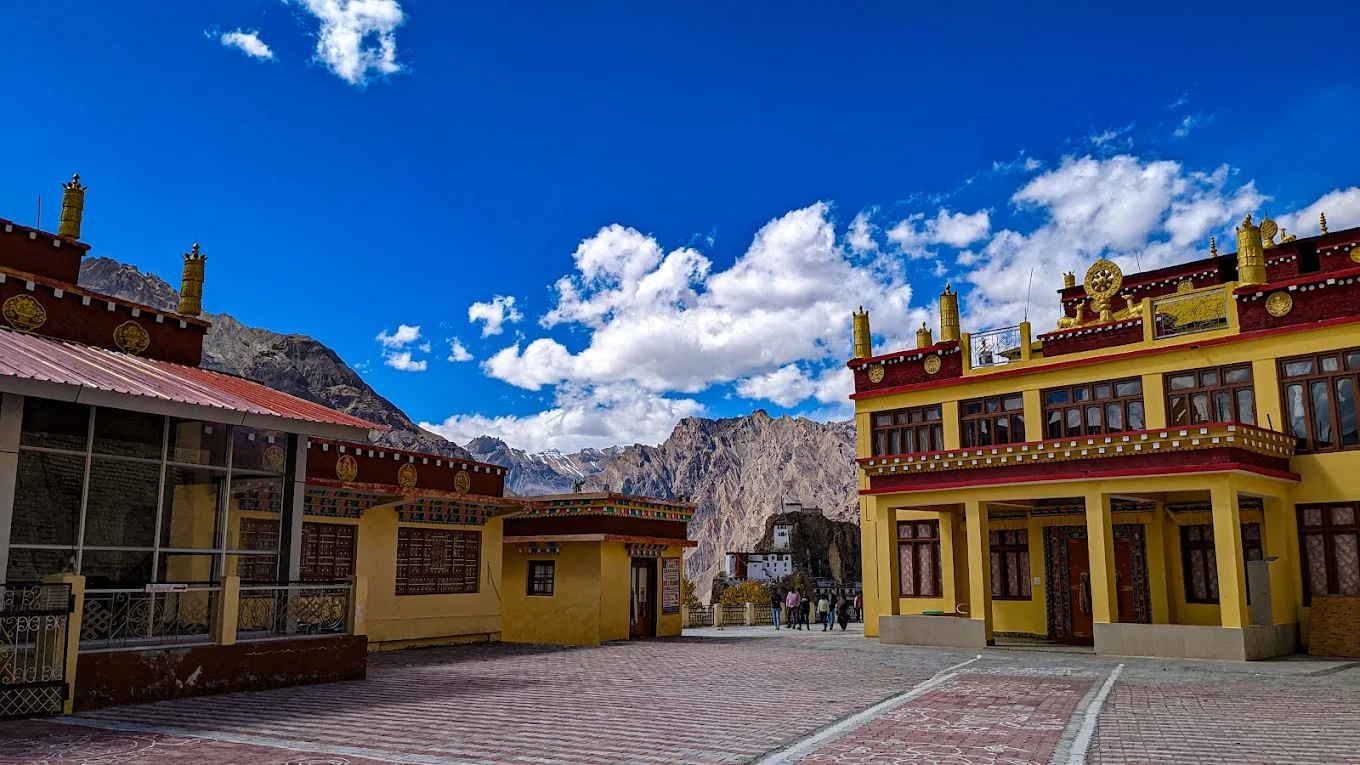
Dhankar Monastery
Gue Village
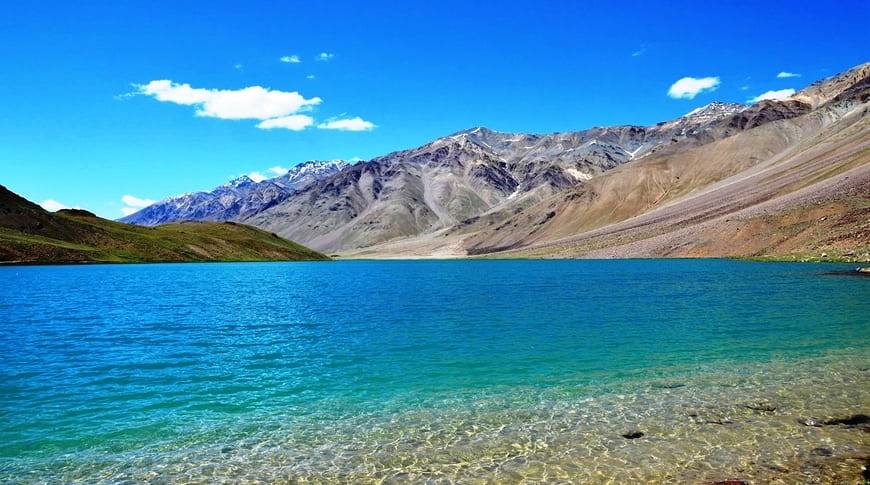
Chandratal Lake
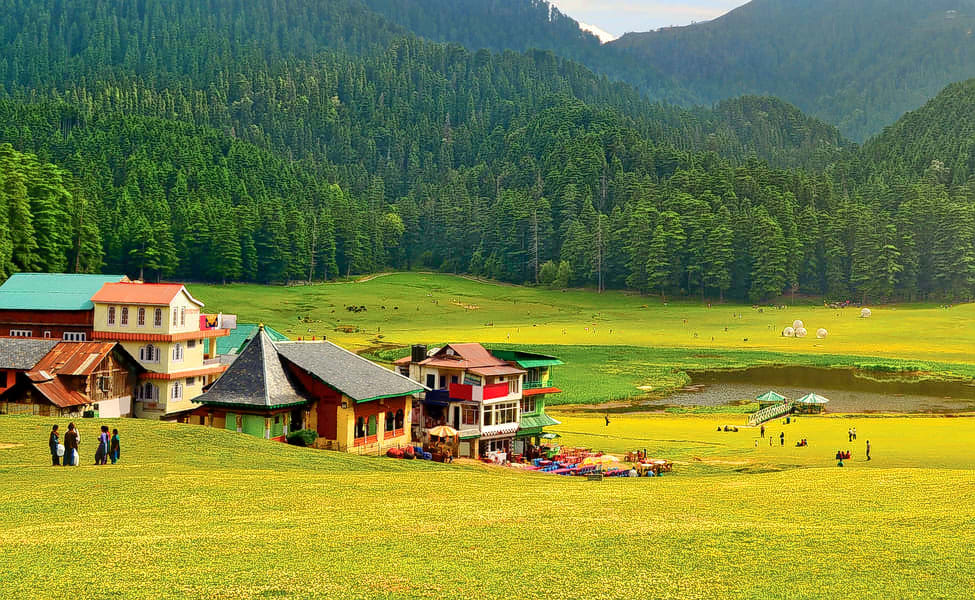
Dalhousie
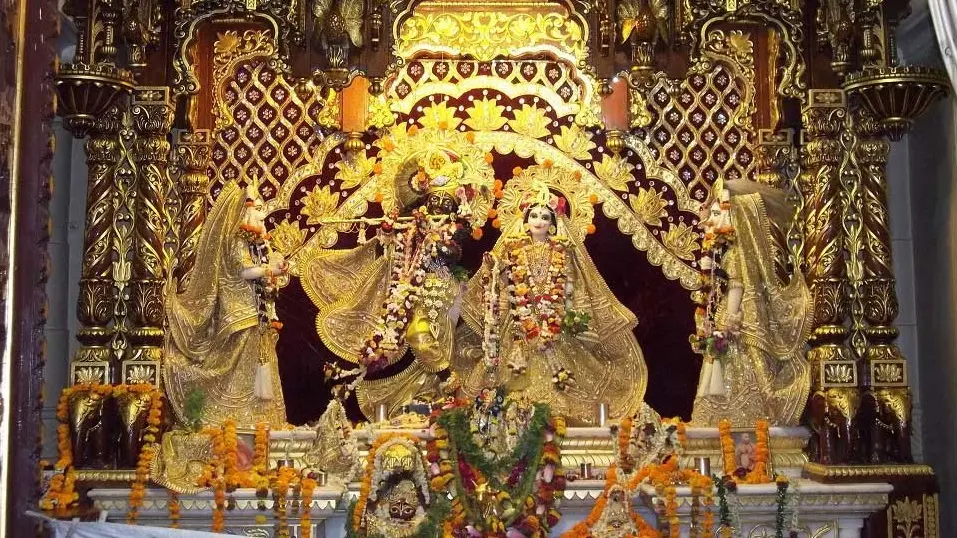
Shri Krishna Janmabhoomi Temple
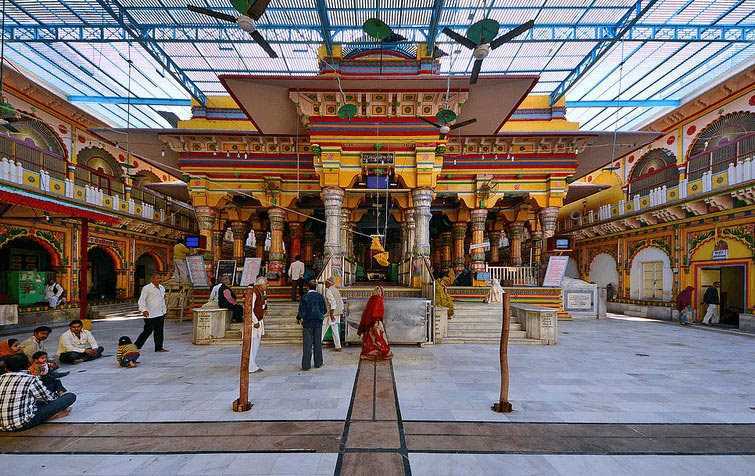
Shri Dwarkadhish Temple
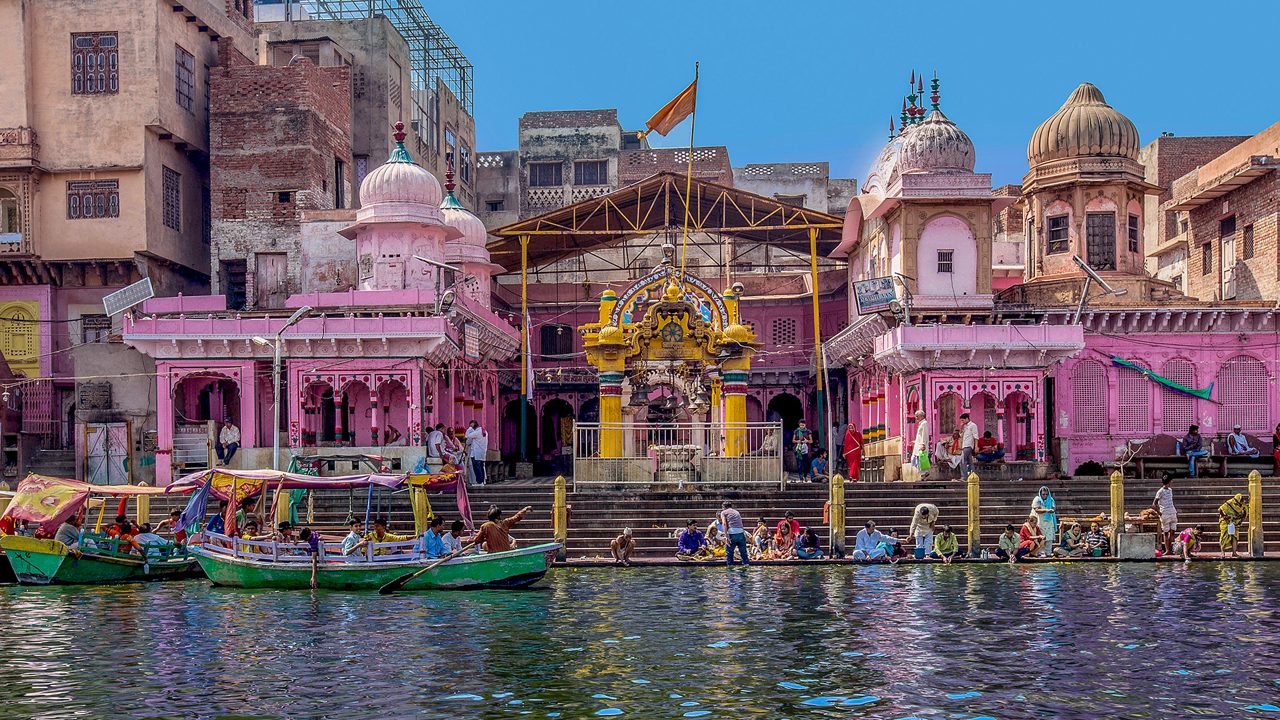
Vishram Ghat, Mathura
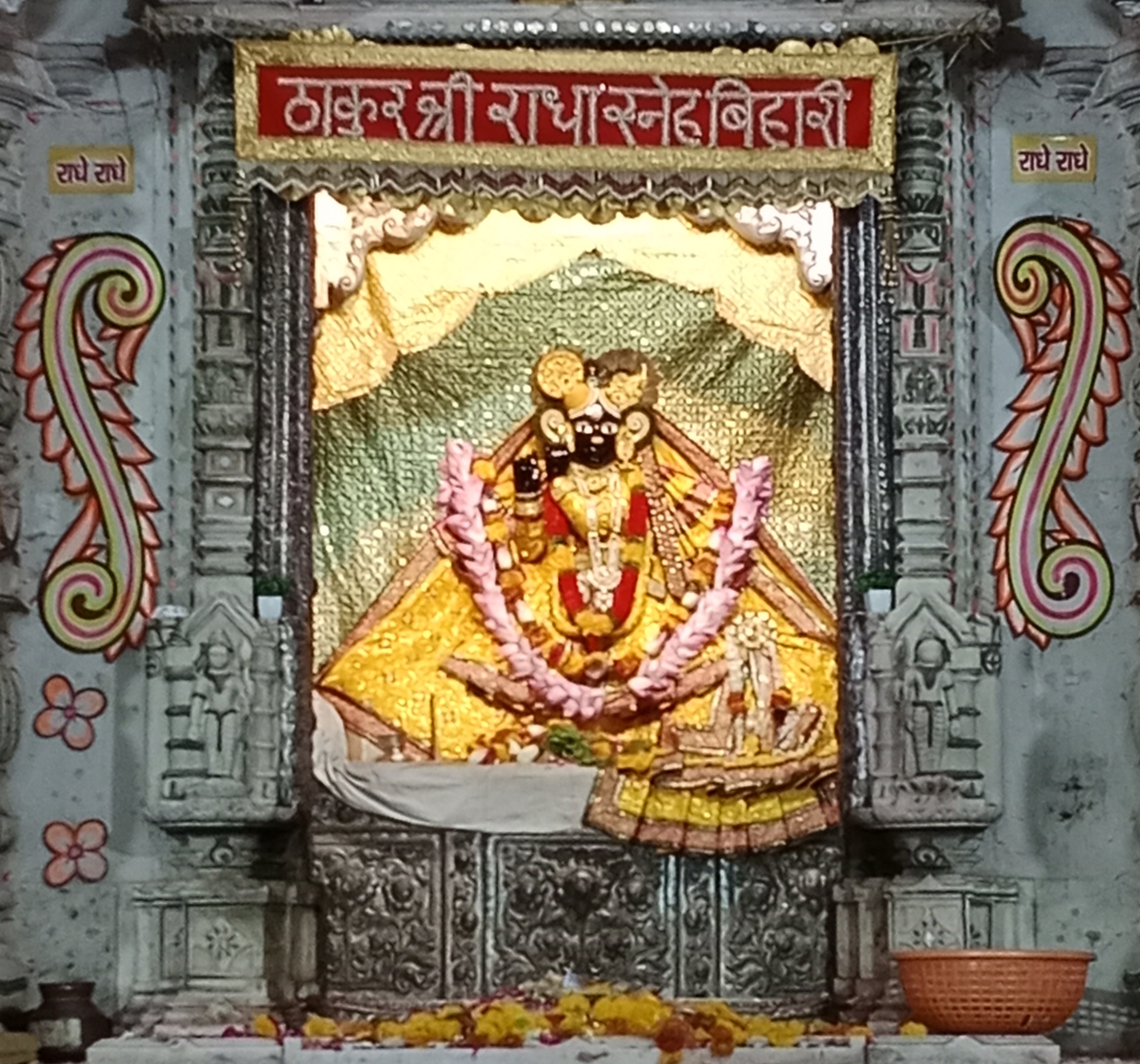
Shri Banke Bihari Temple, Vrindavan
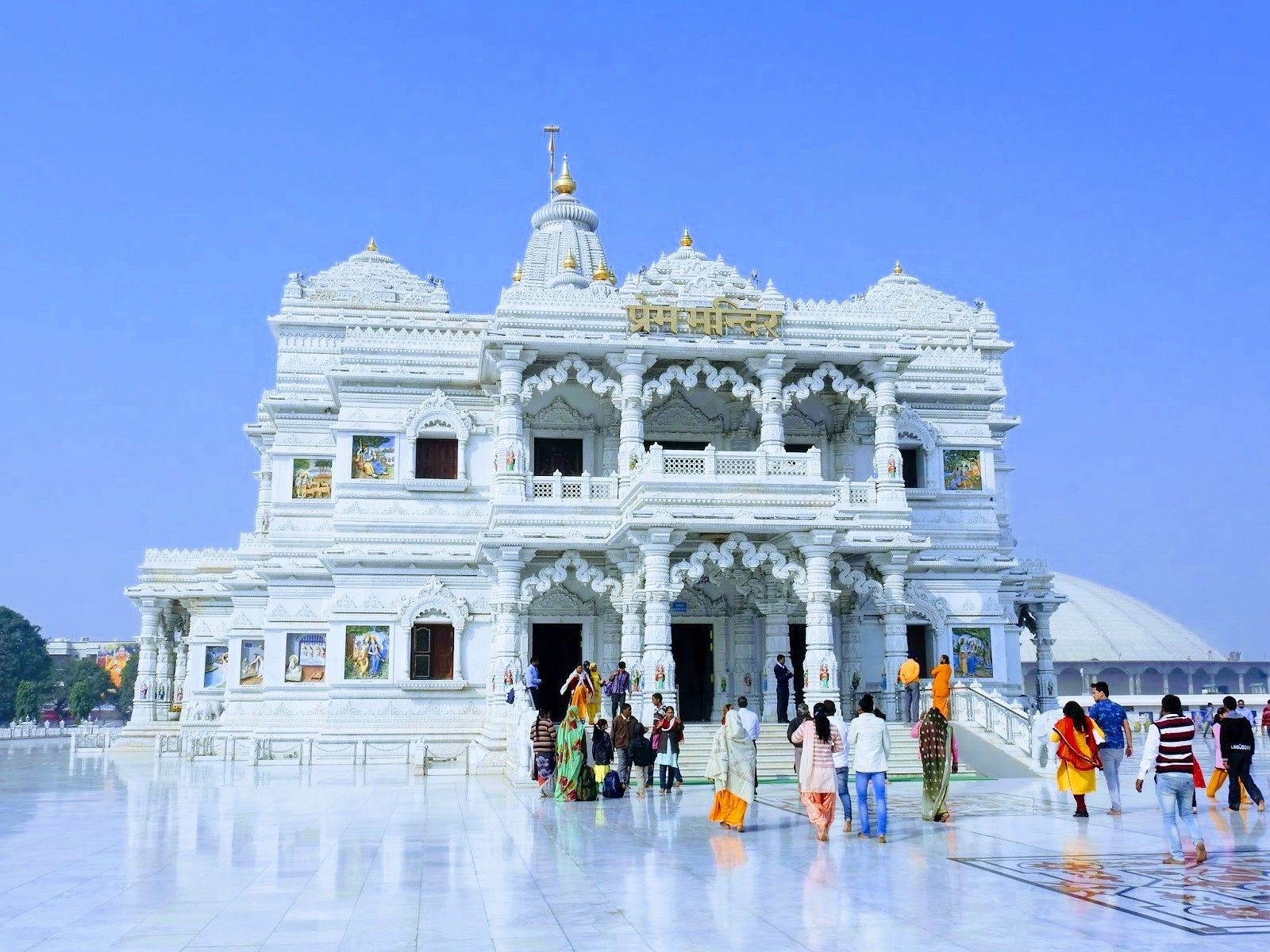
Shri Prem Mandir, Vrindavan
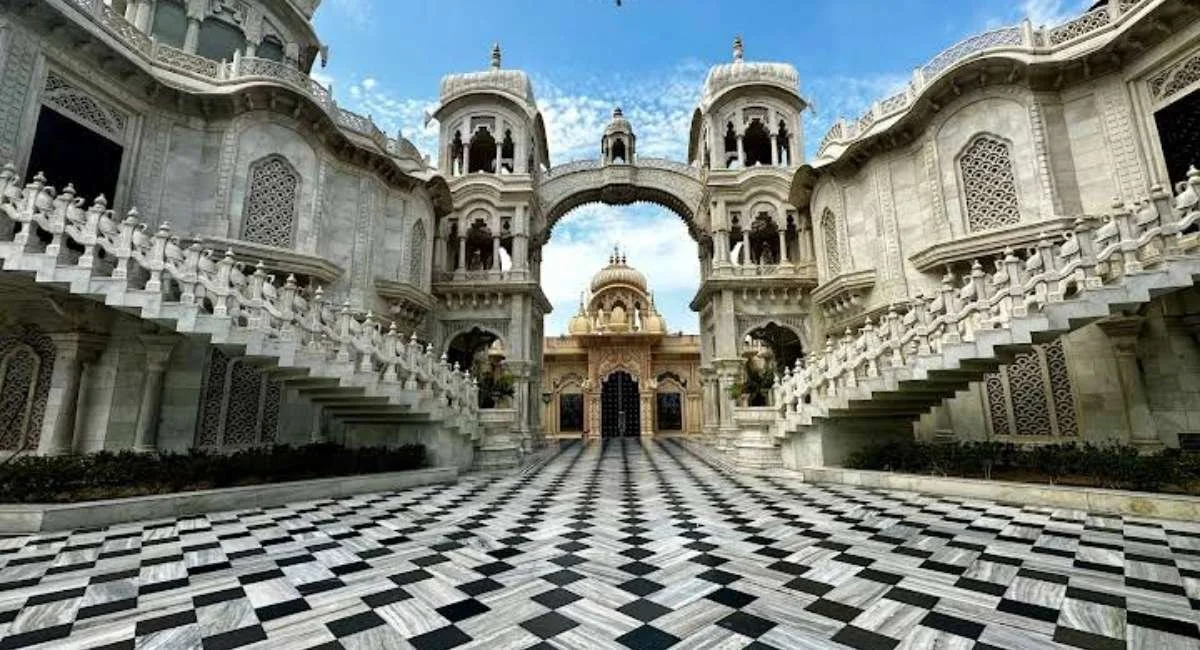
ISKCON Temple, Vrindavan
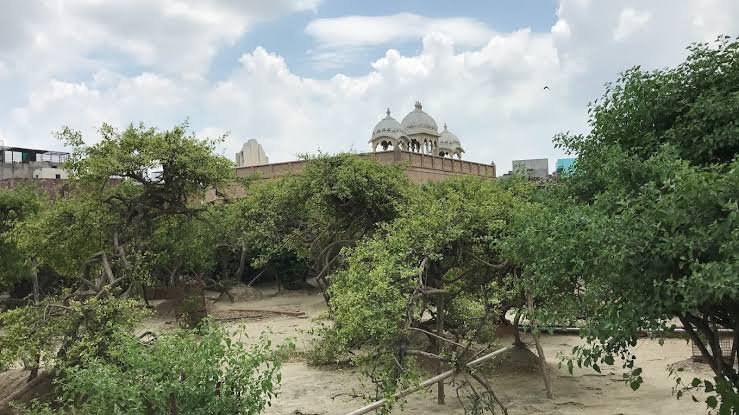
Nidhivan, Vrindavan
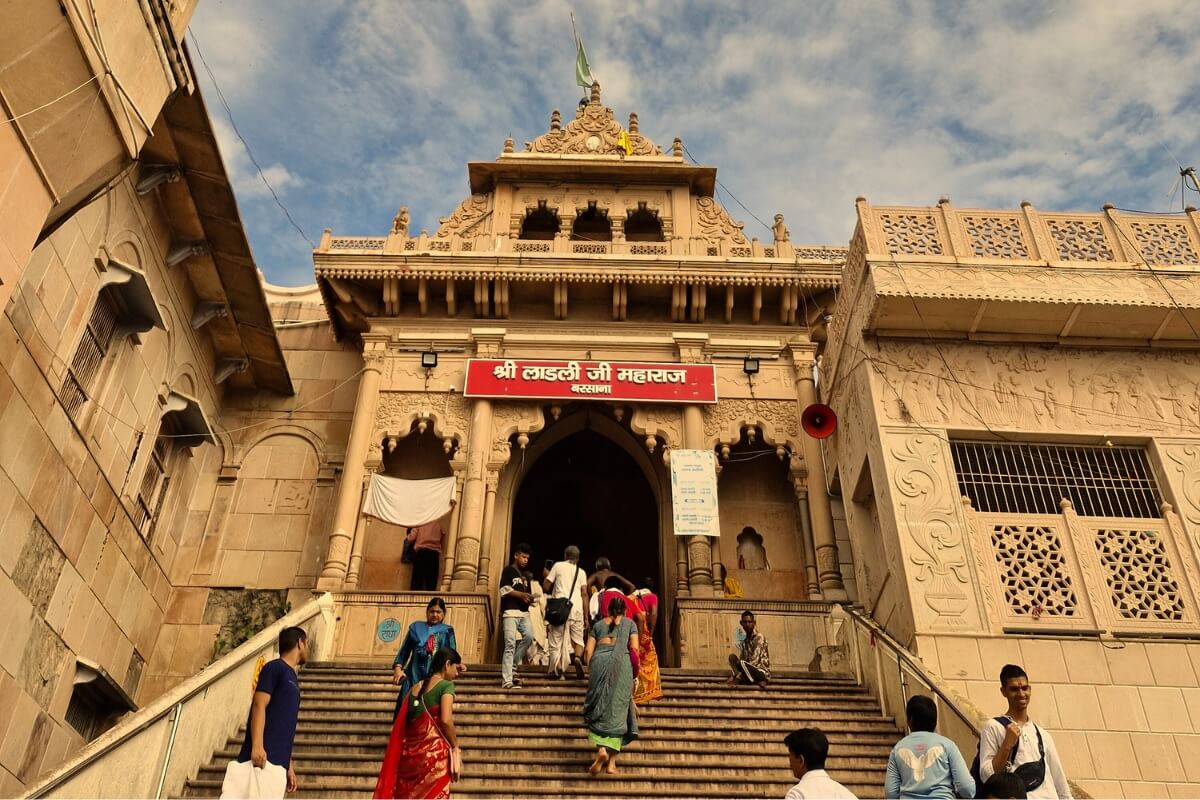
Shri Radha Rani Temple, Barsana
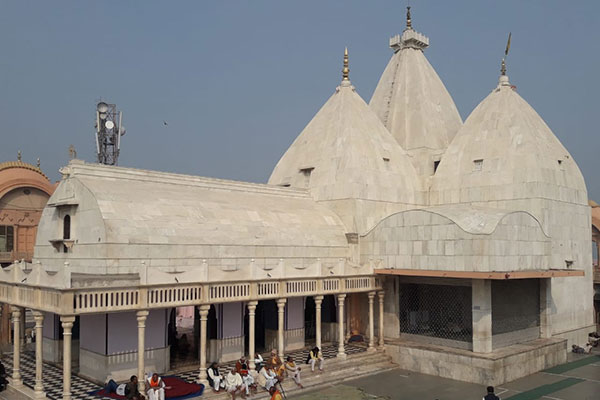
Nand Bhawan Mandir, Nandgaon
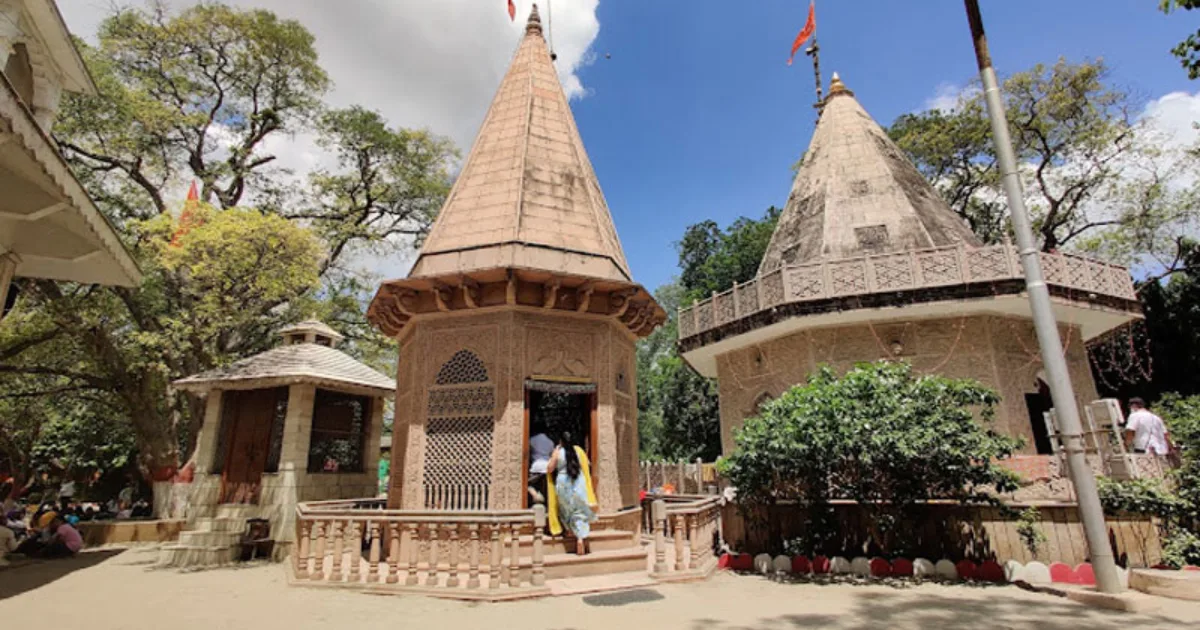
Raman Reti
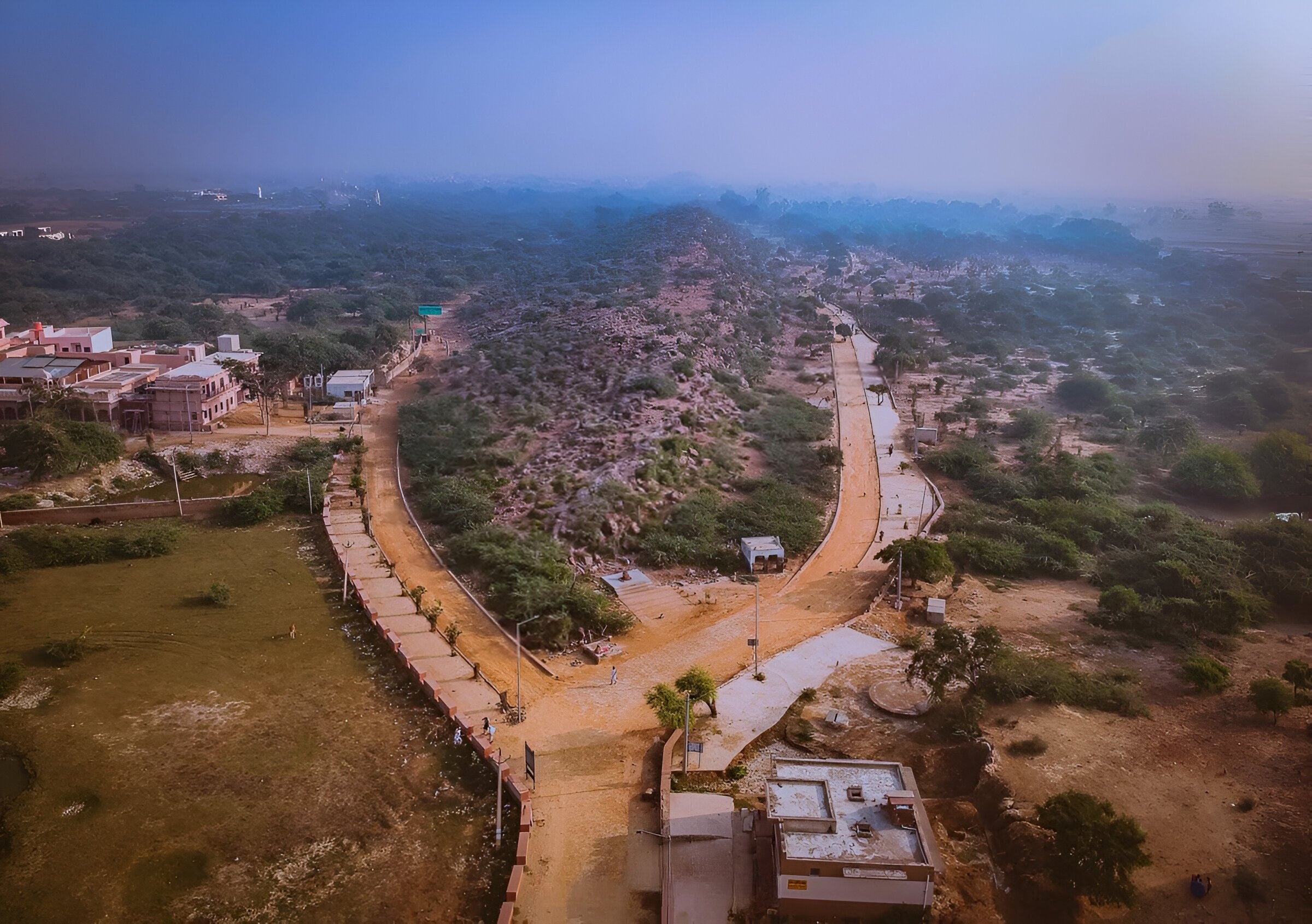
Goverdhan Parikrama
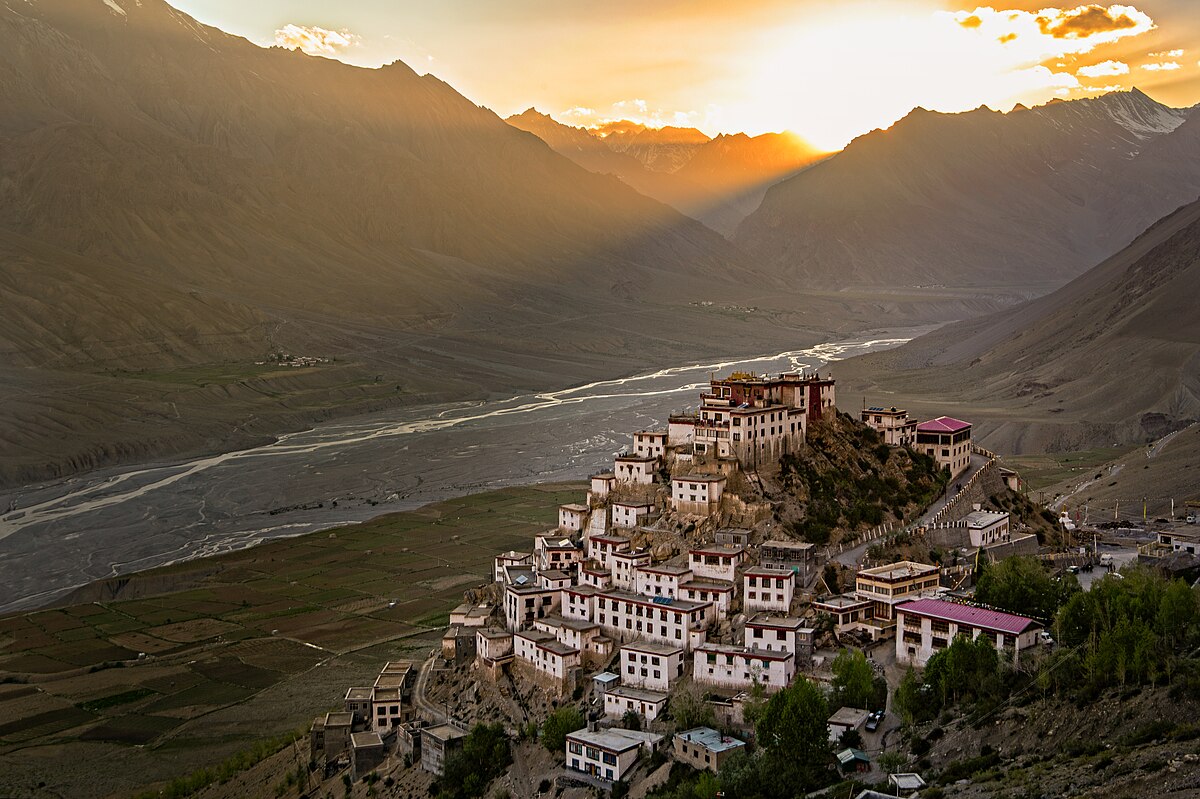
Spiti Valley Expedition
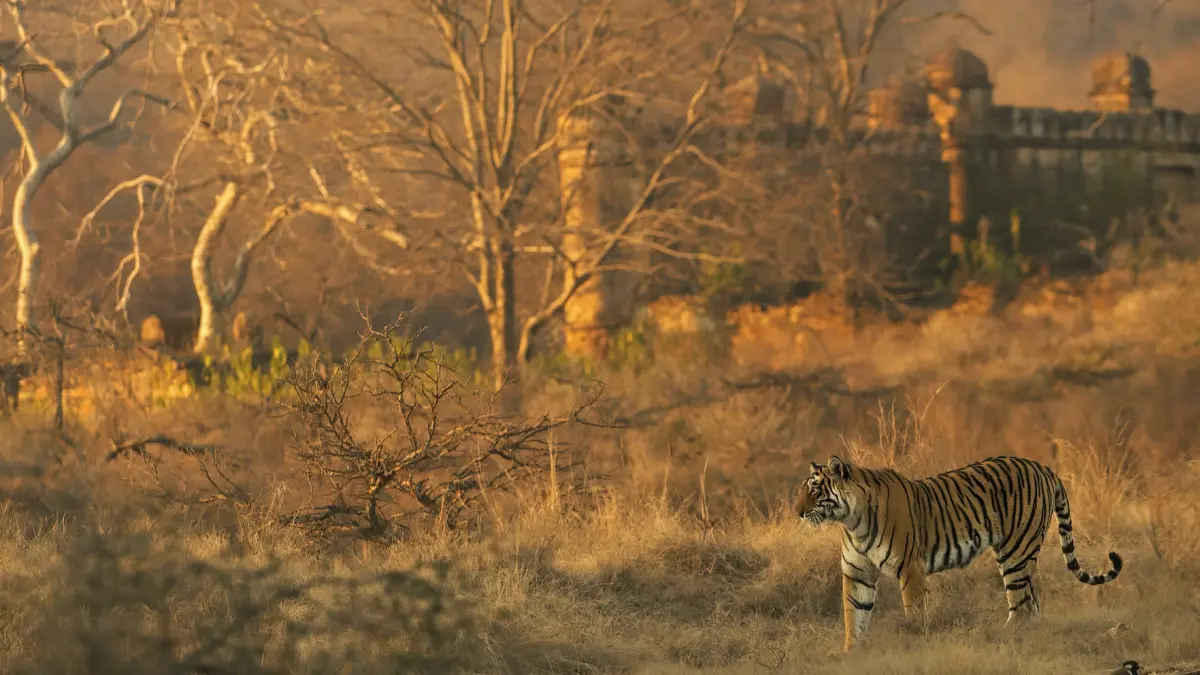
Ranthambhore National Park
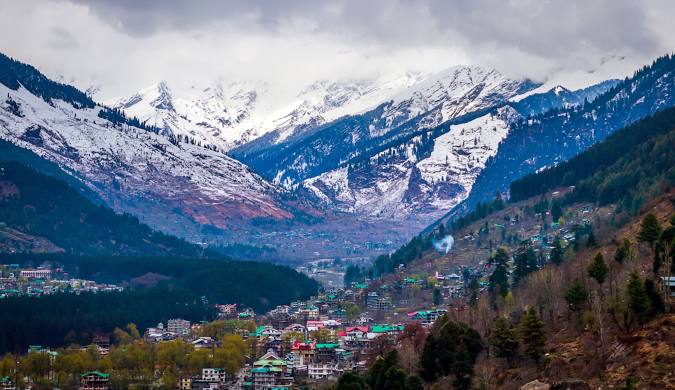
Manali
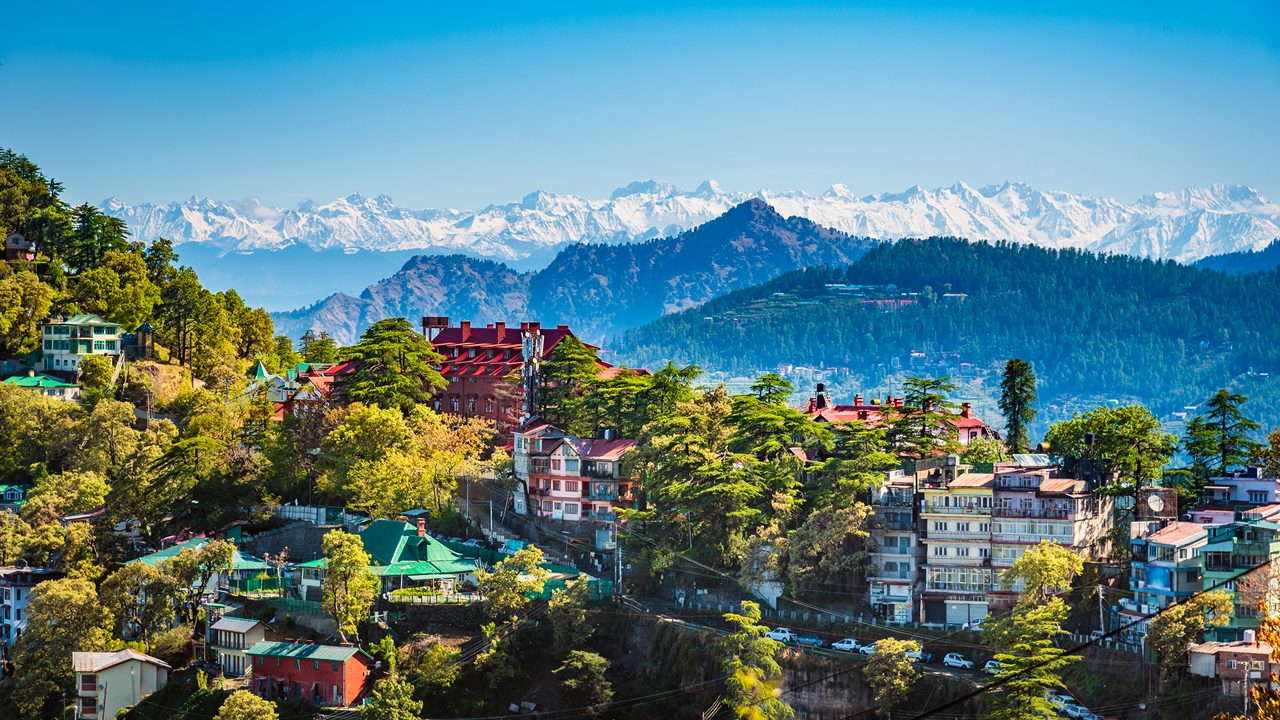
Shimla
Mussoorie
Neem Karoli Baba, Kainchi Dham
Mukteshwar
Jageshwar Dham
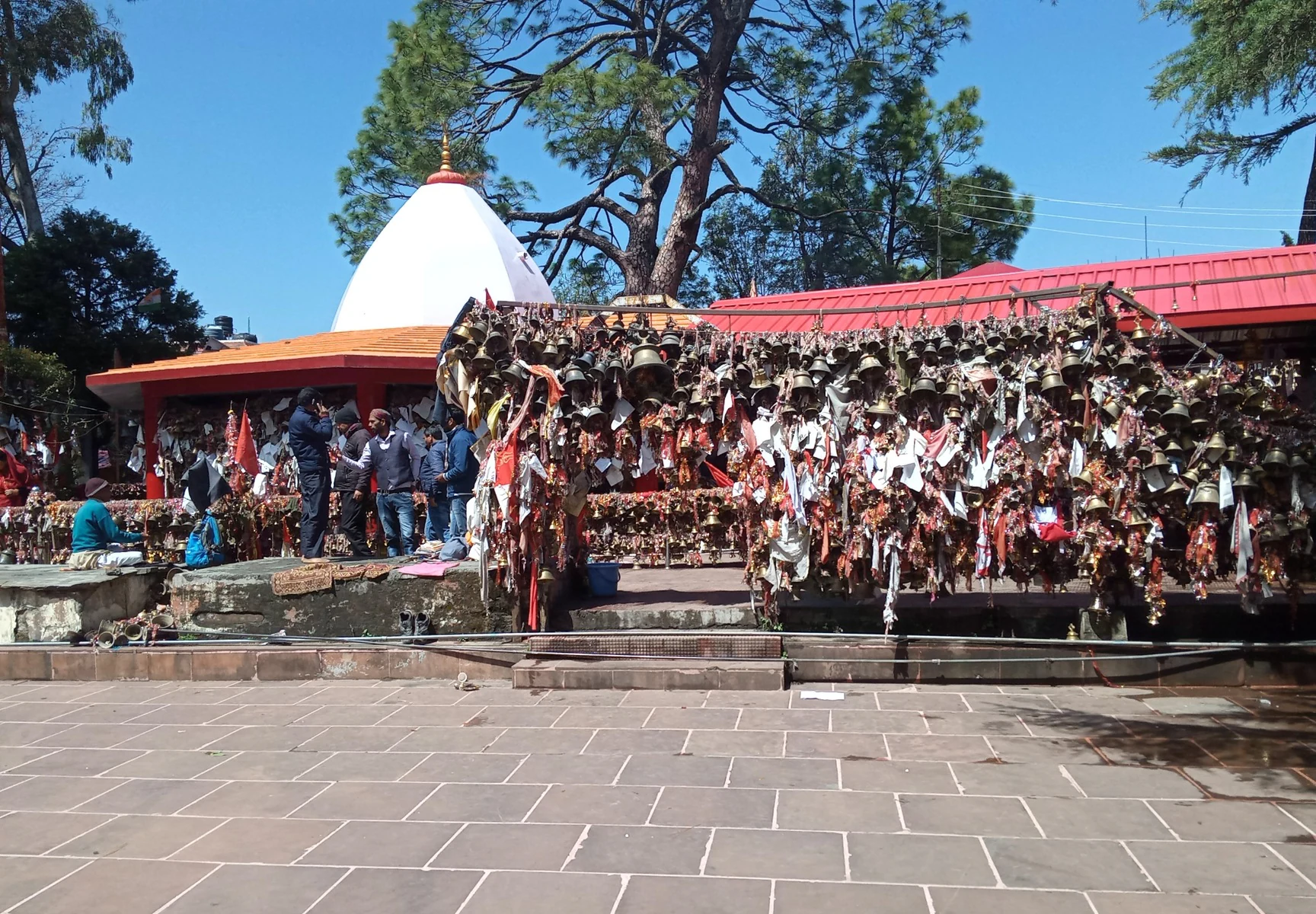
Chitai Golu Devta Temple
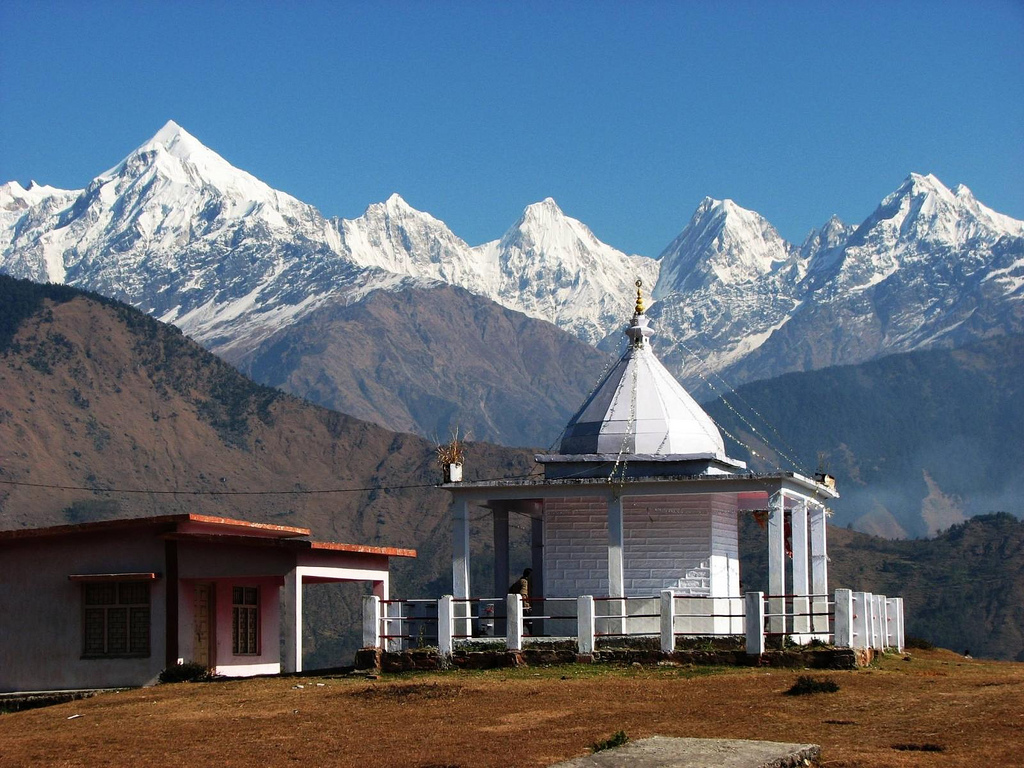
NANDA DEVI TEMPLE
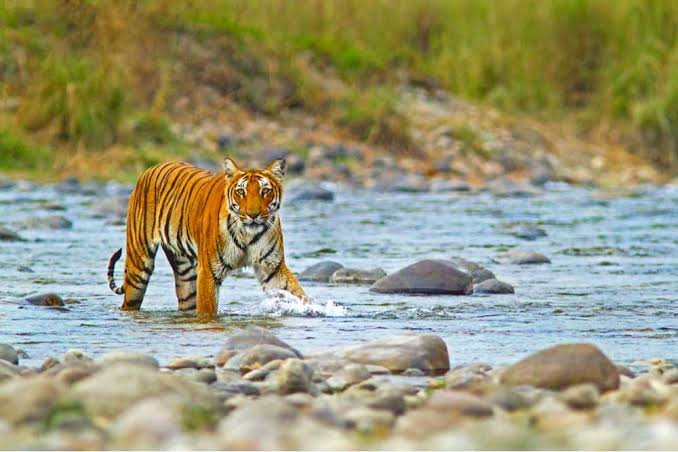
Jim Corbett National Park
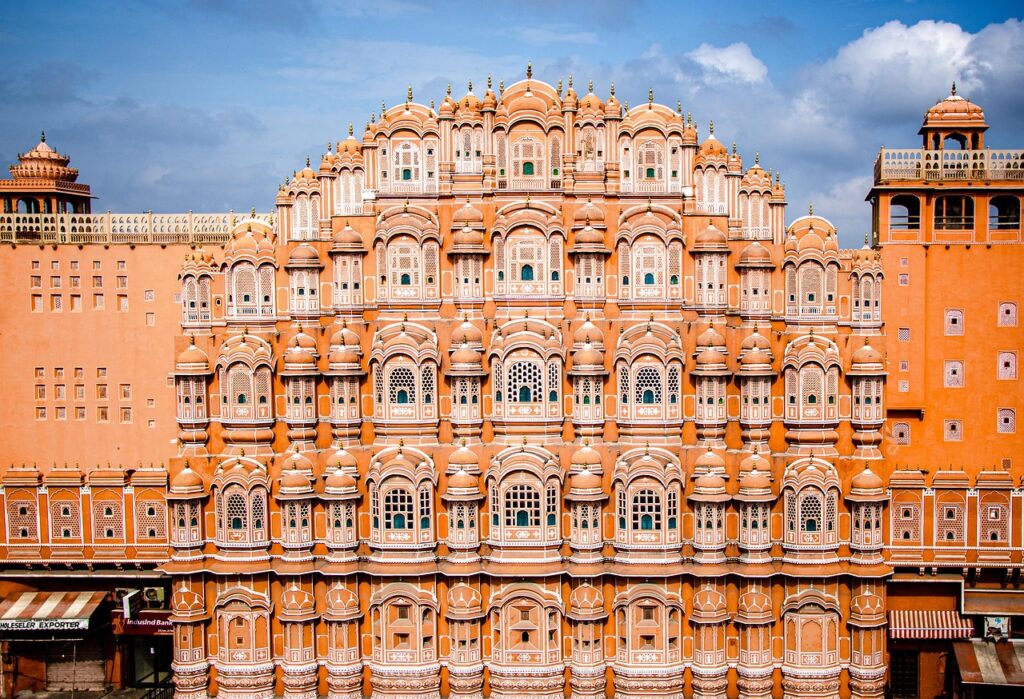
Hawa Mahal
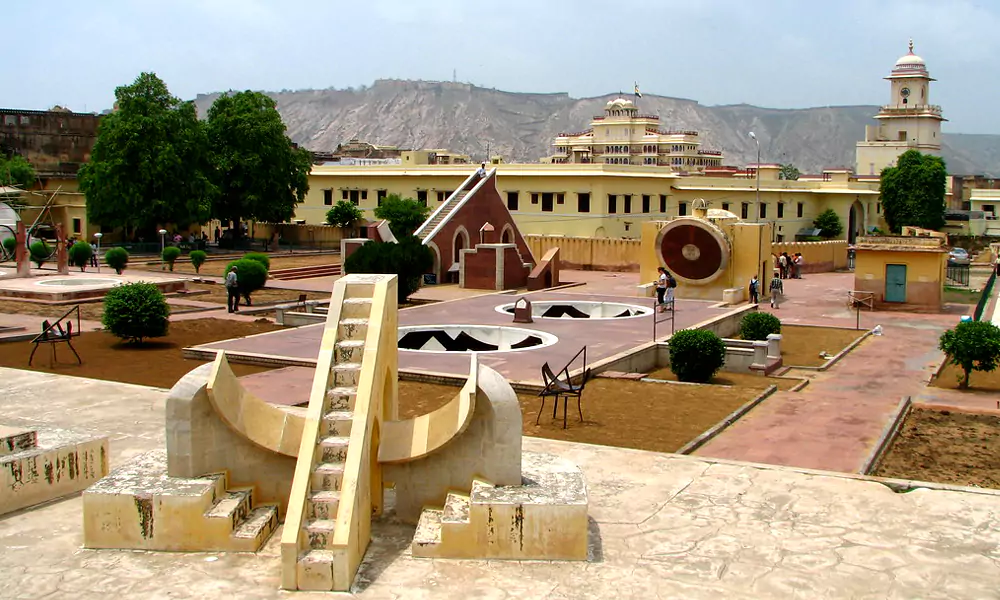
Jantar Mantar, Jaipur
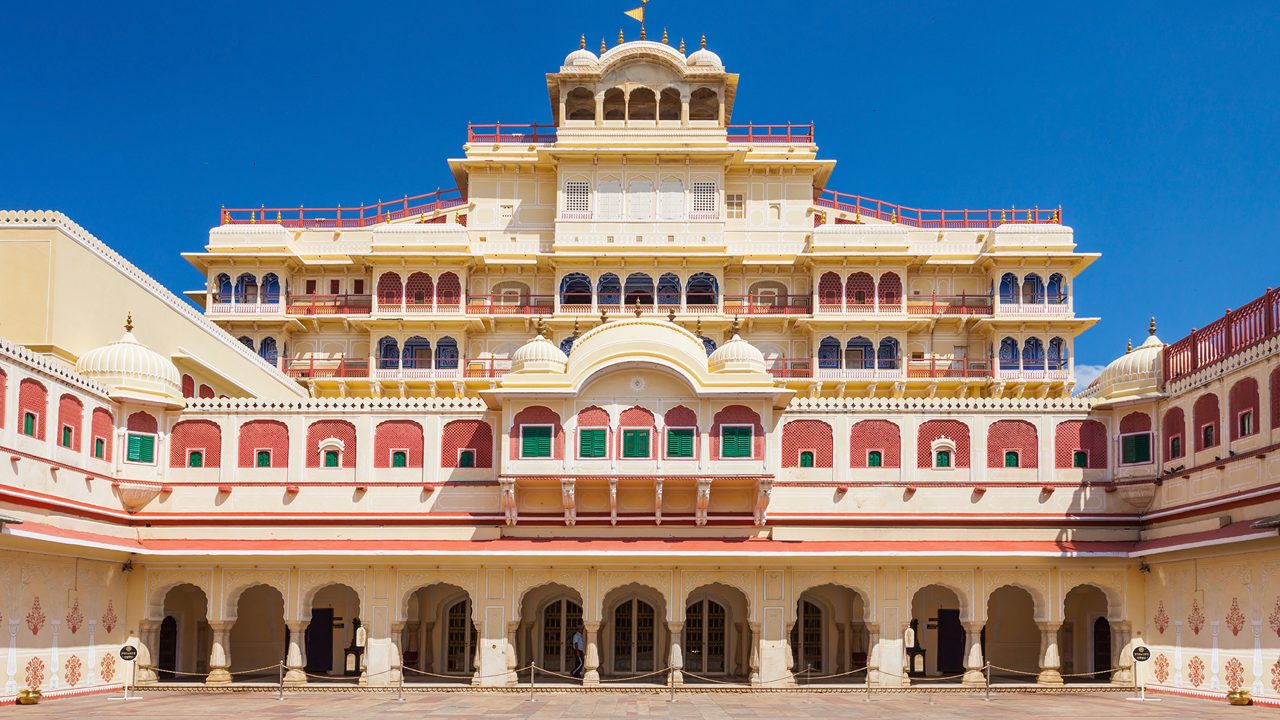
City Palace
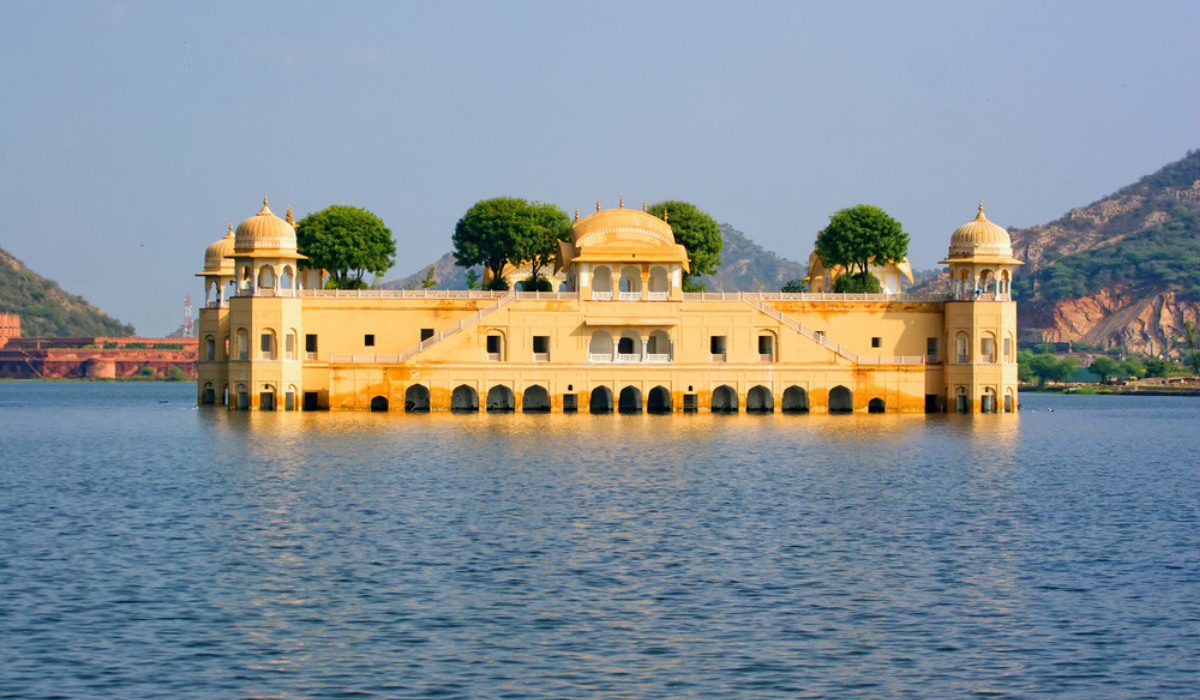
Jal Mahal
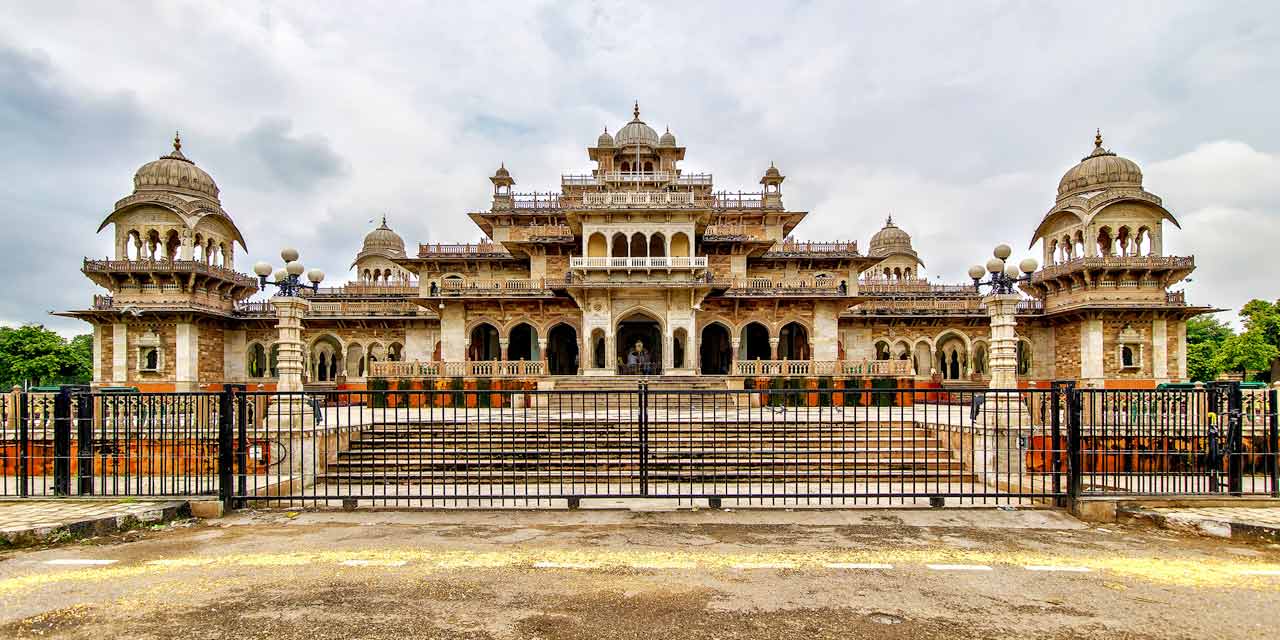
Albert Hall Museum
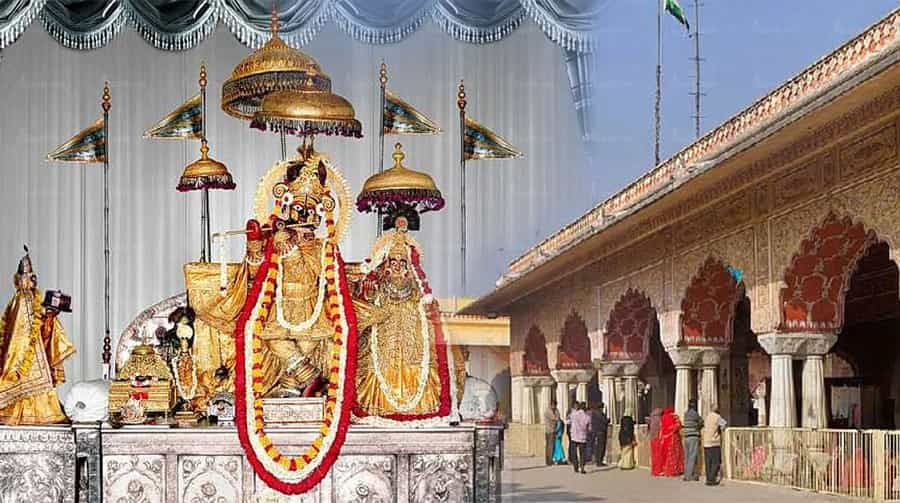
Shri Govind Dev Ji Temple
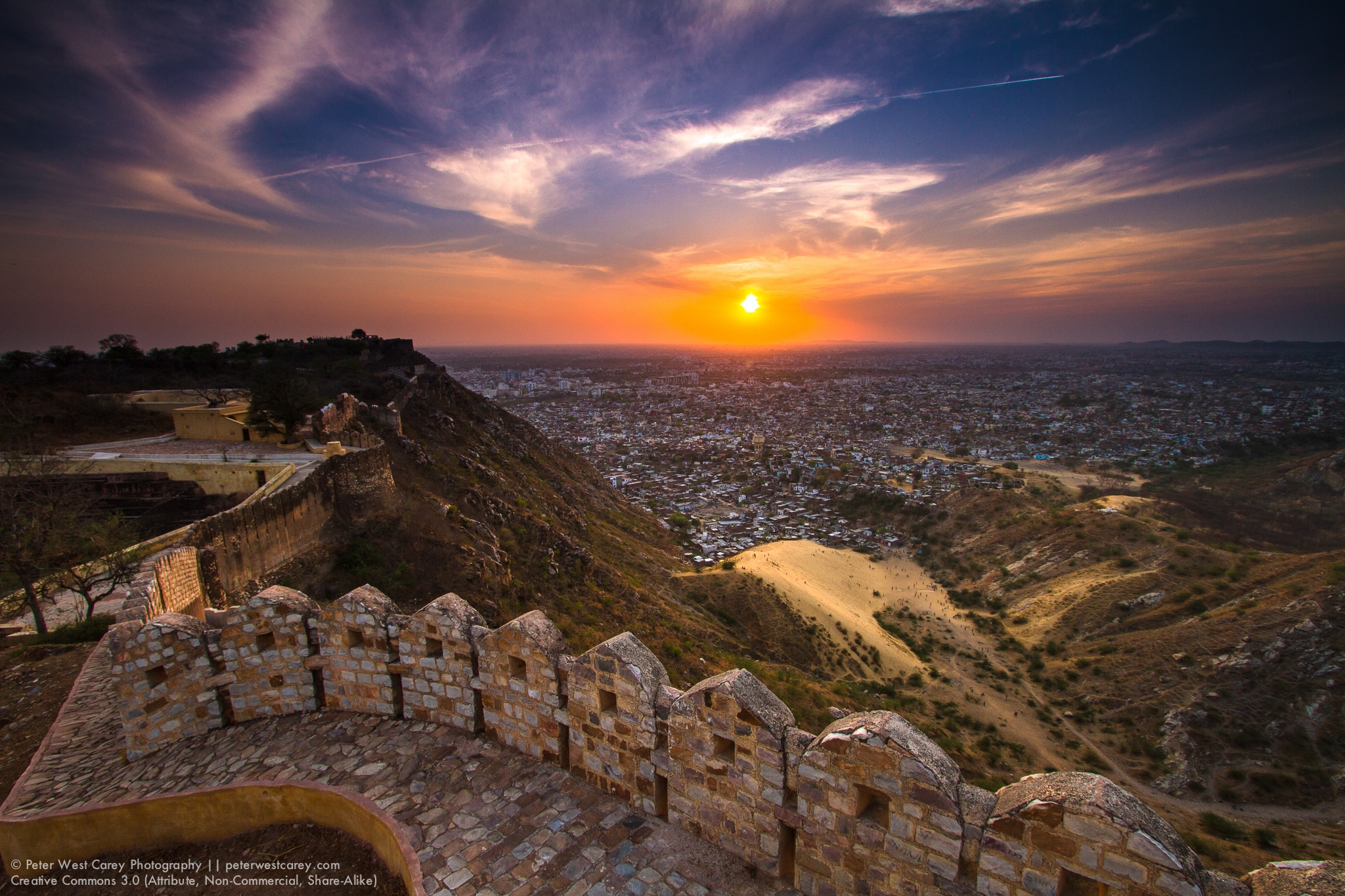
Nahargarh Fort
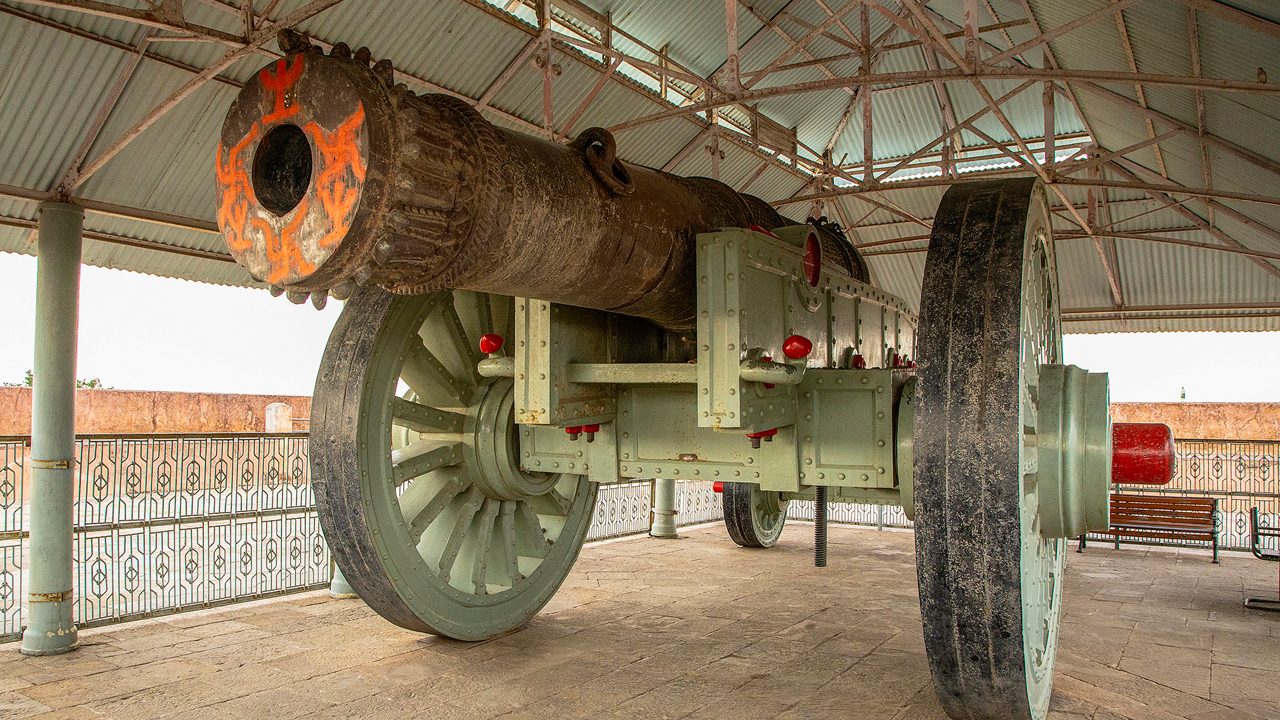
Jaigarh Fort
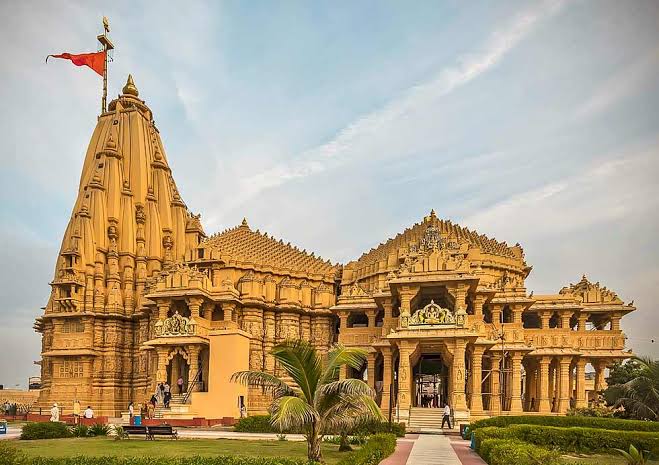
Somnath Temple
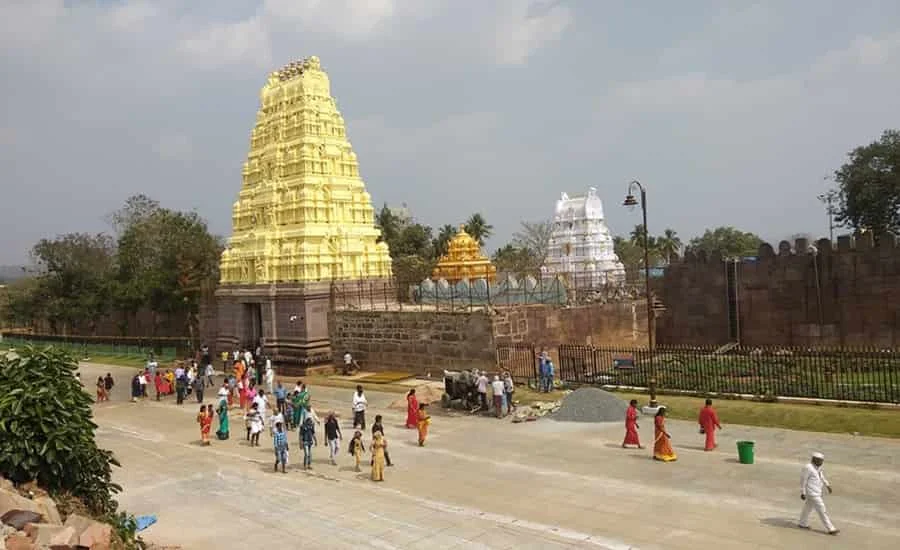
Mallikarjuna Temple
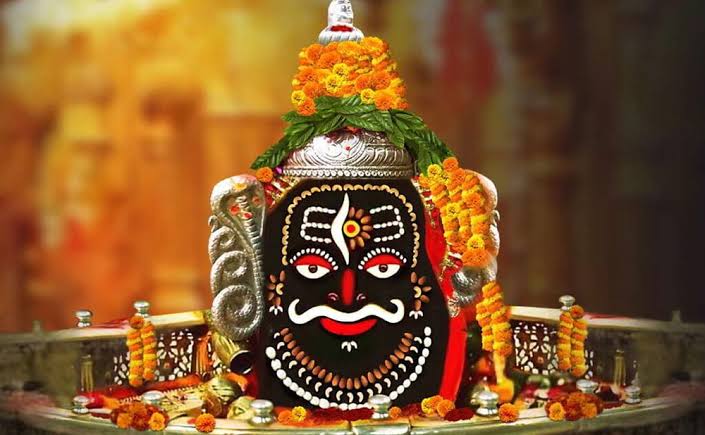
Mahakaleshwar Temple
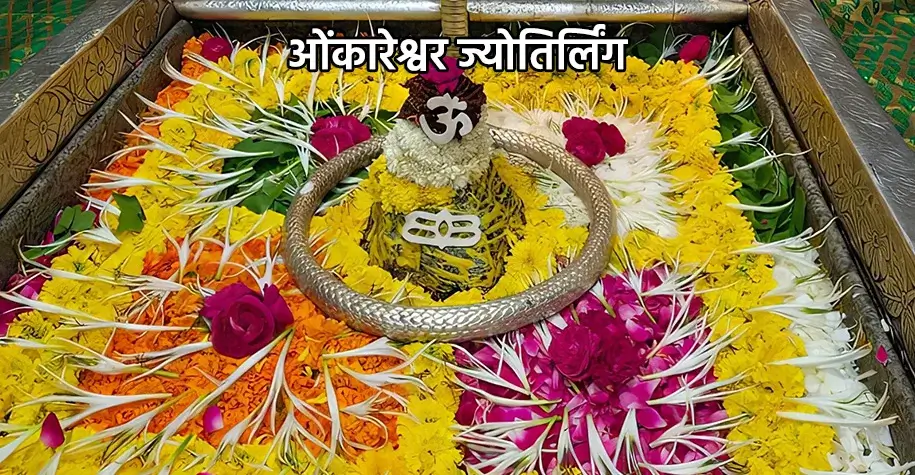
Omkareshwar Temple
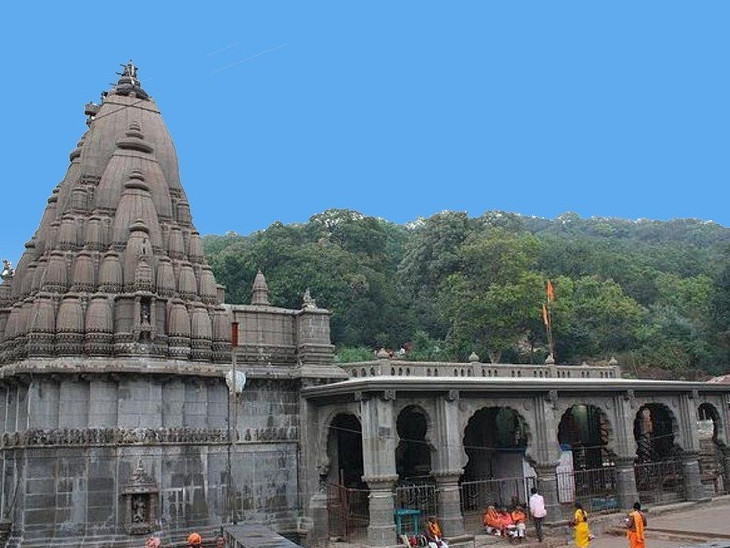
Bhimashankar Temple
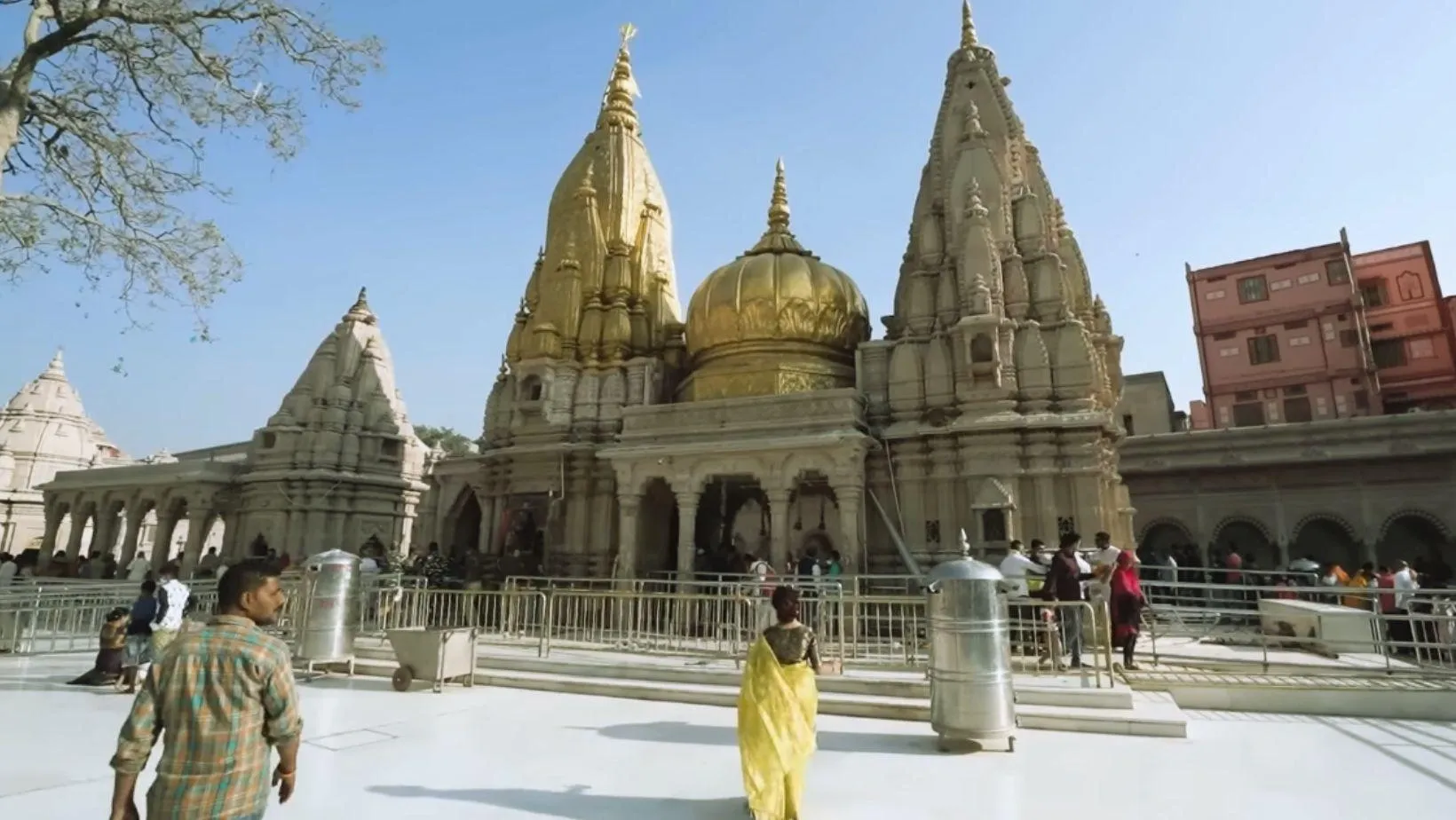
Kashi Vishwanath Temple
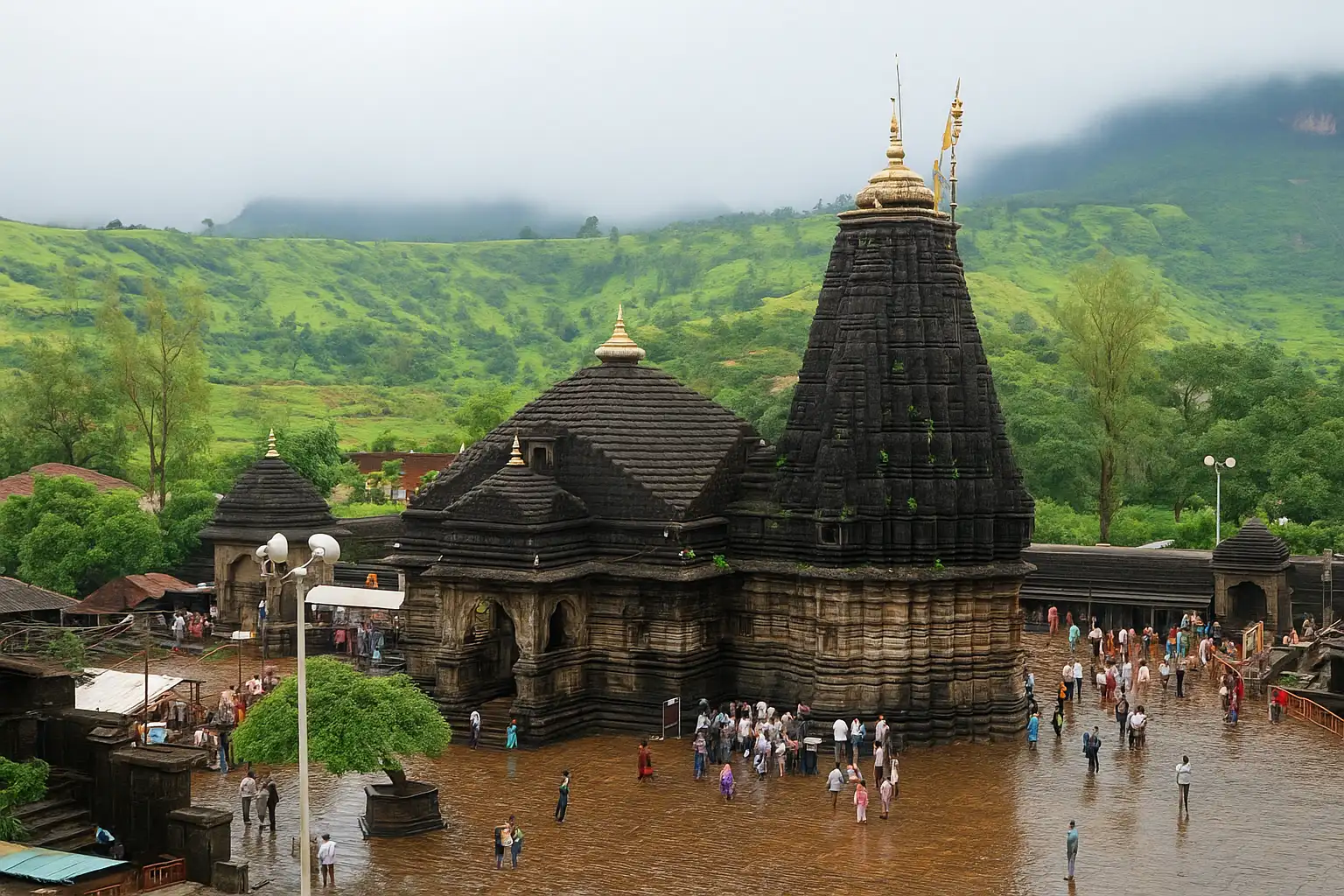
Trimbakeshwar Temple
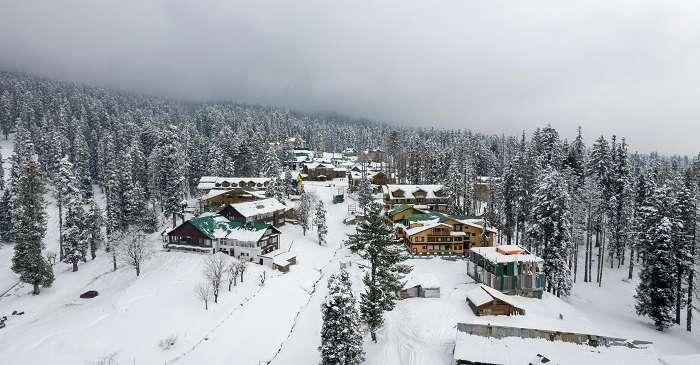
Harshil Valley
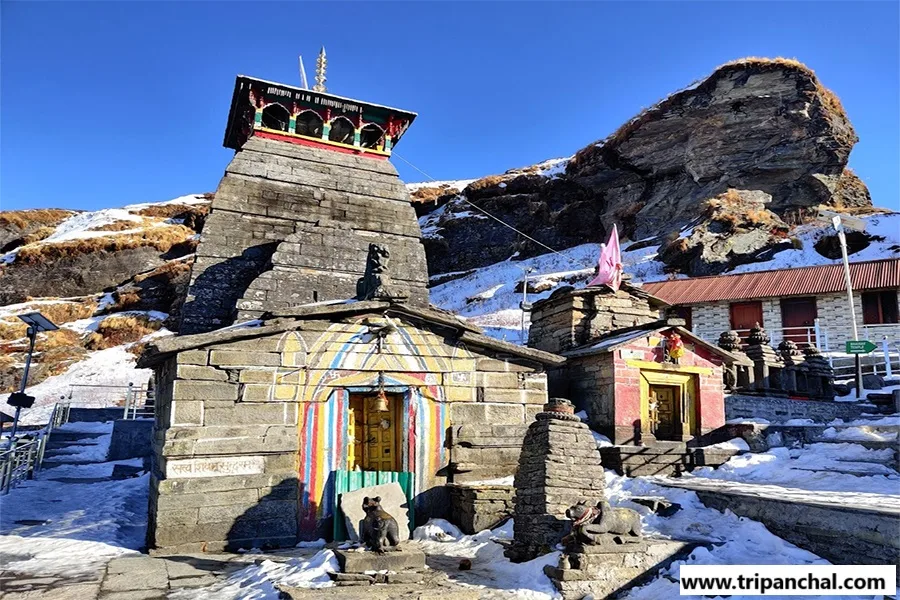
Tungnath Temple
Madhyamaheshwar Temple
Kalpeshwar Mahadev Temple
Amarnath
River Rafting in Rishikesh
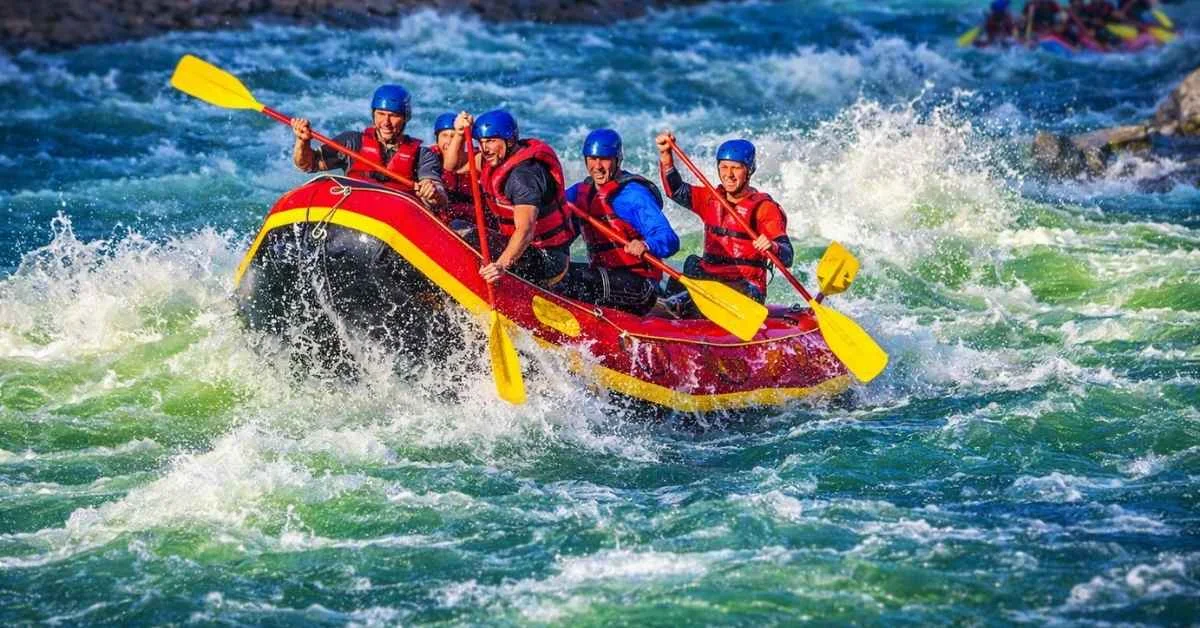
River Rafting in Manali
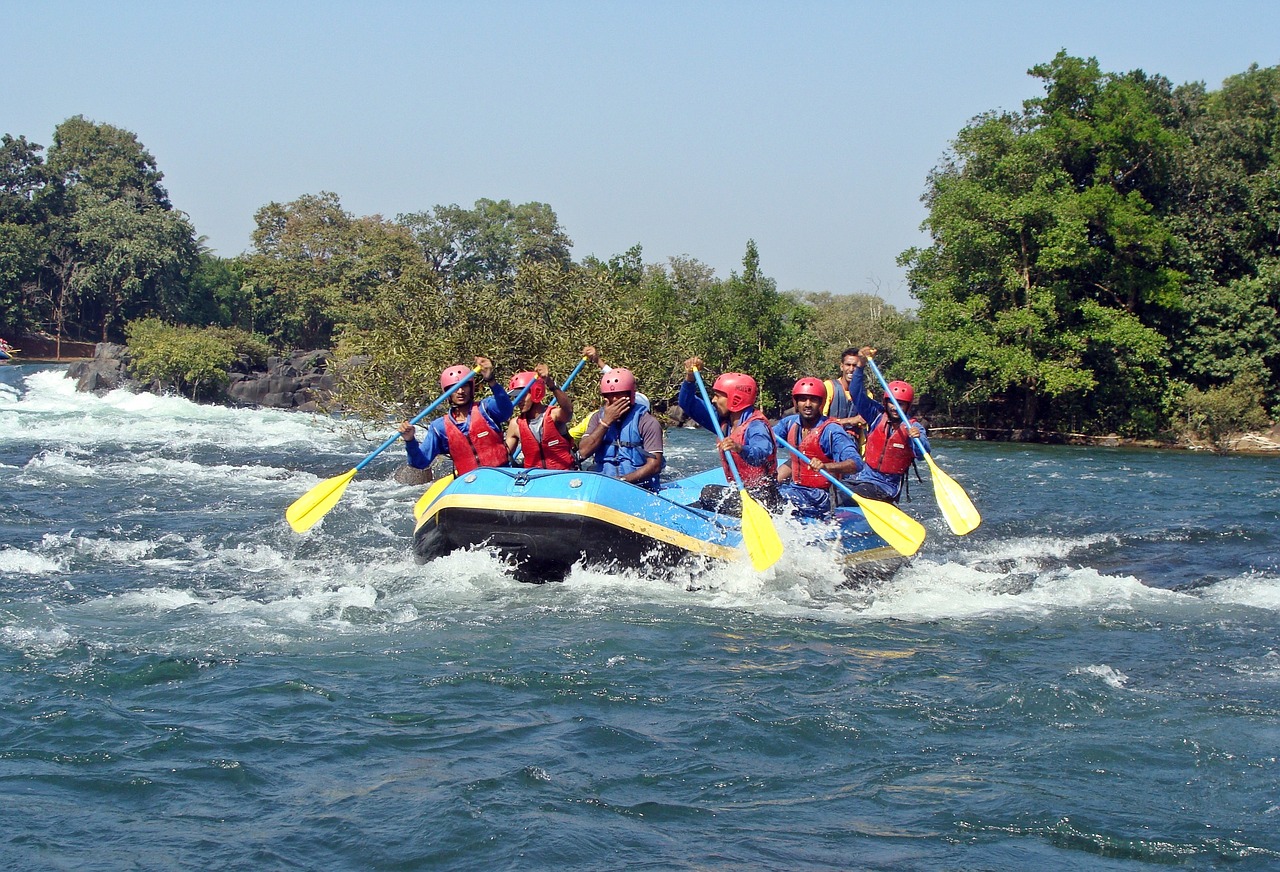
River Rafting in Kolad
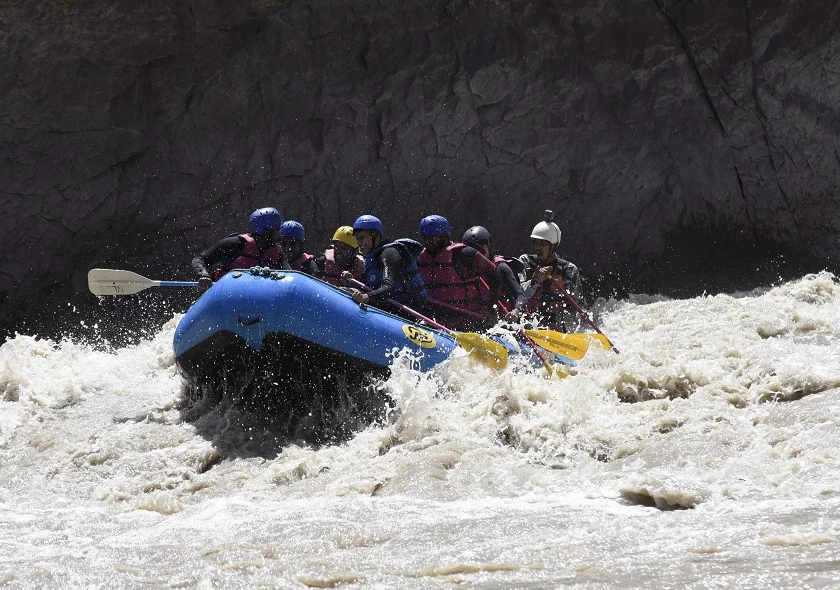
River Rafting in Zanskar
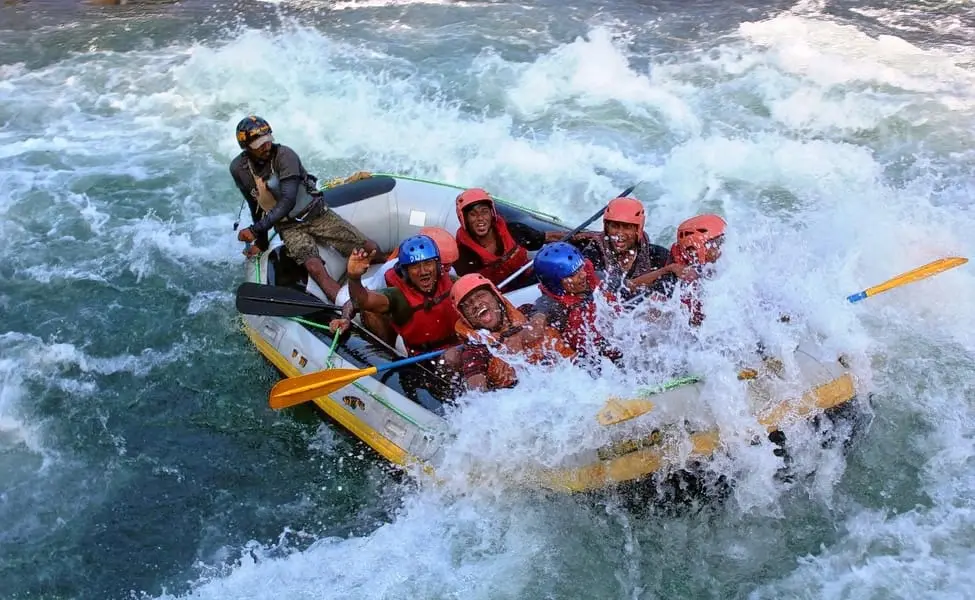
River Rafting in Teesta River
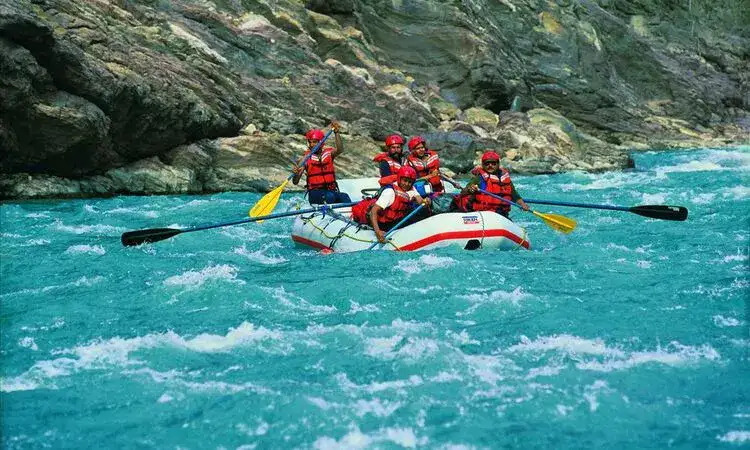
River Rafting in Kameng River
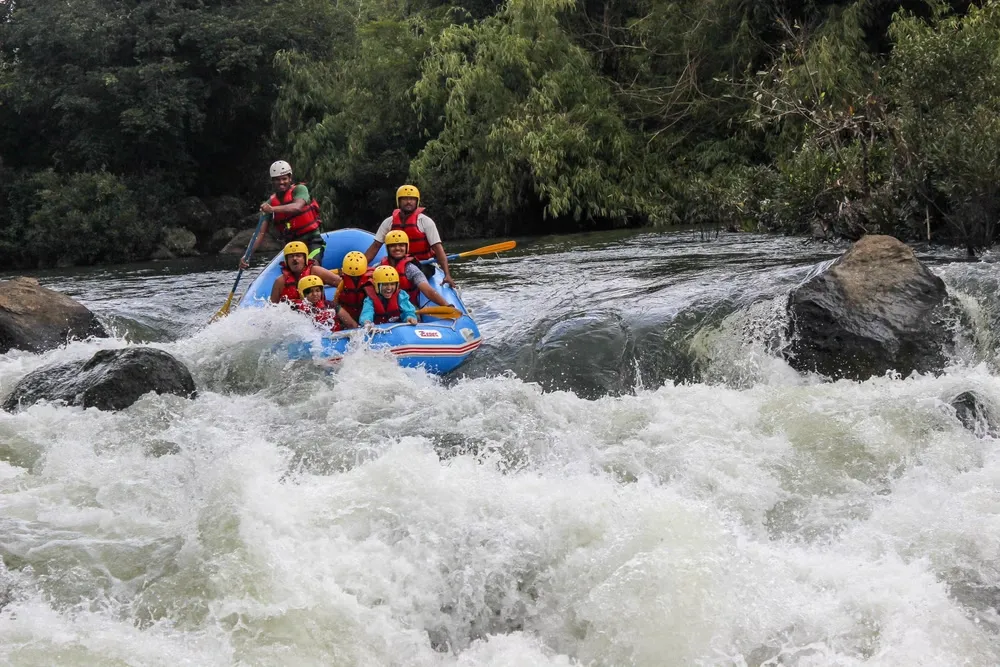
River Rafting in Barapole River
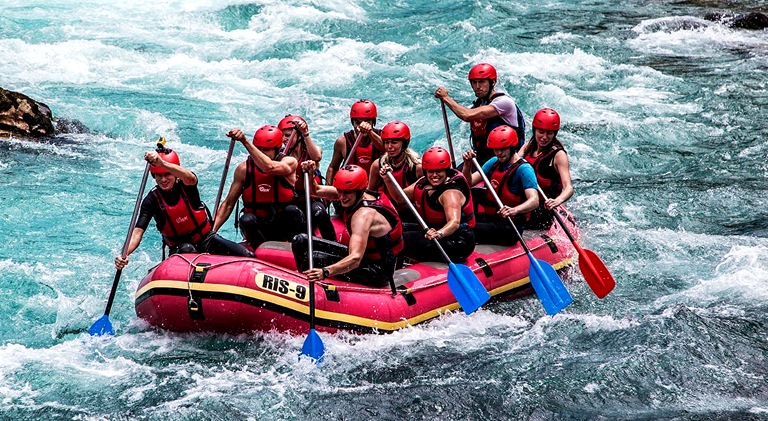
River Rafting in Alaknanda River
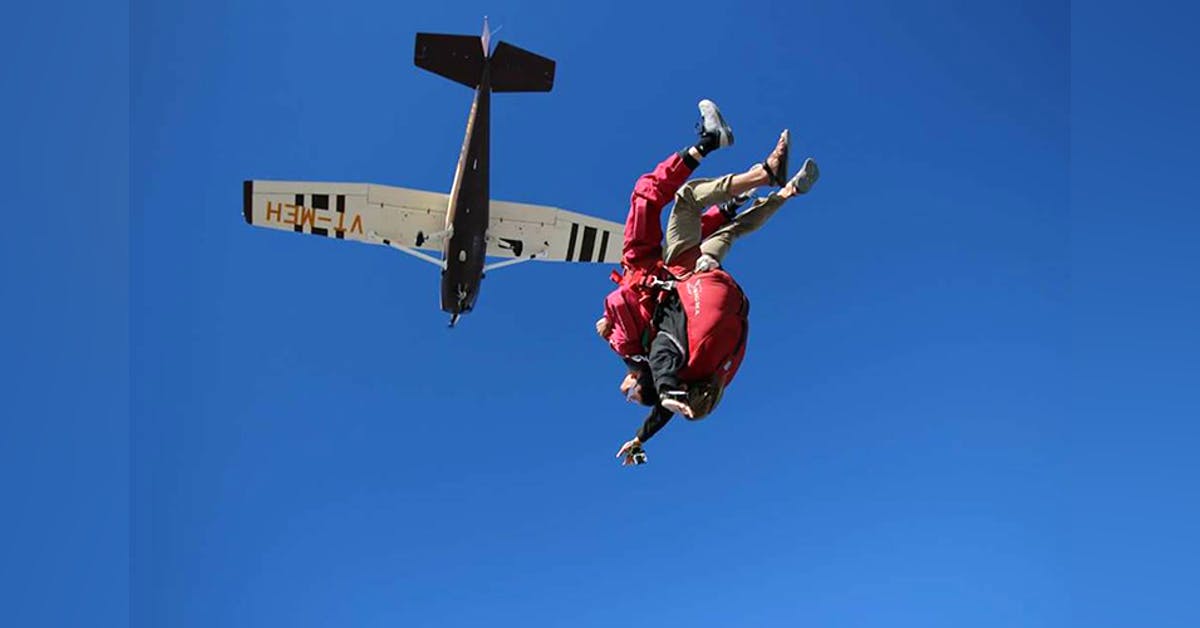
Skydiving in Mysore
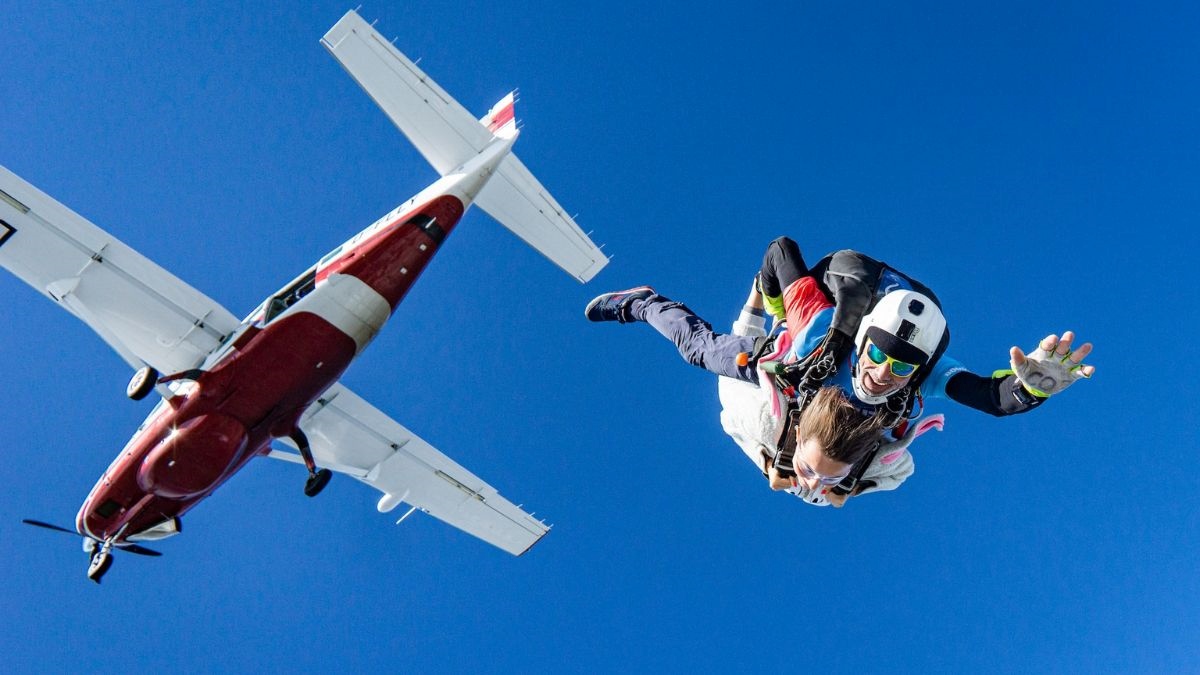
Skydiving in Dhana, Madhya Pradesh
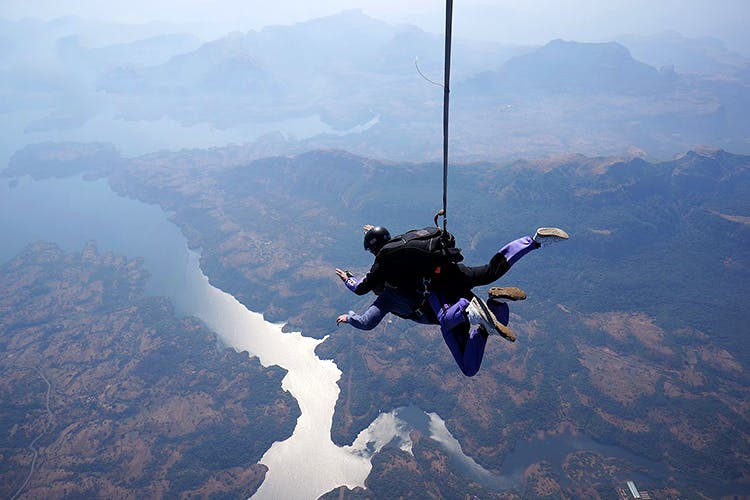
Skydiving in Aamby Valley, Maharashtra
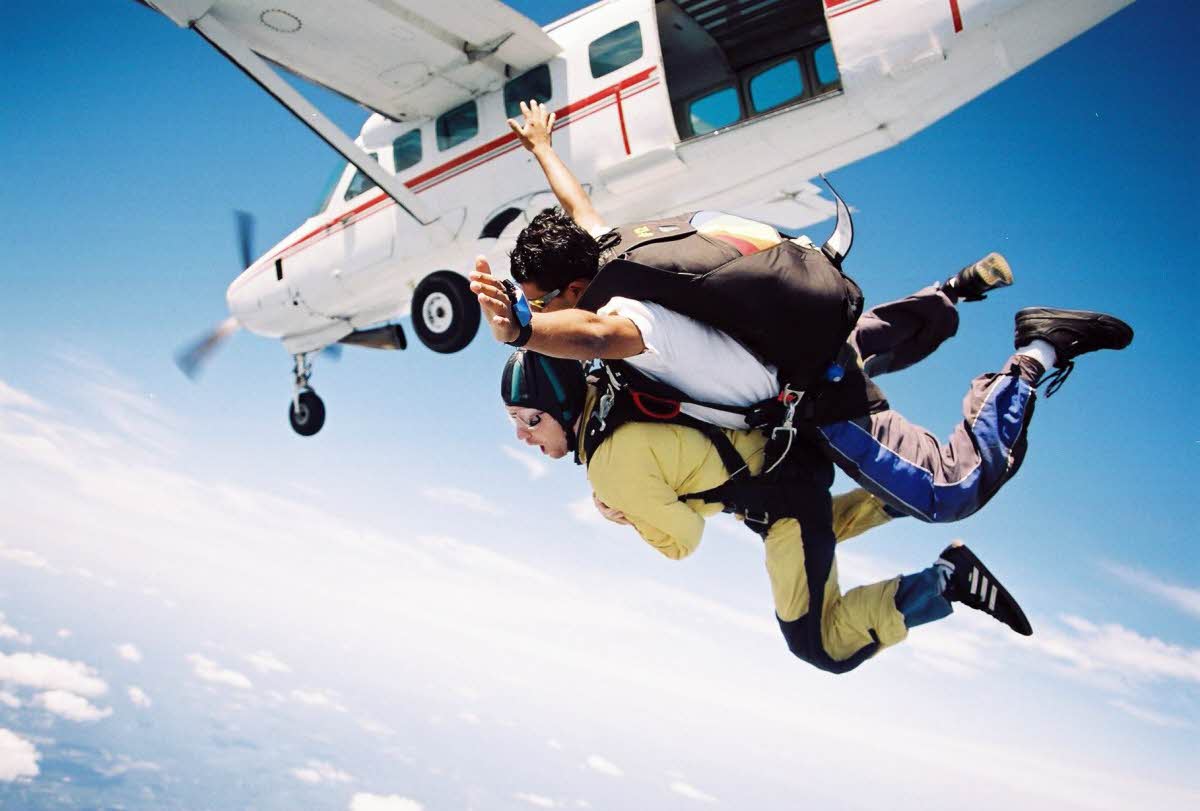
Skydiving in Deesa, Gujarat
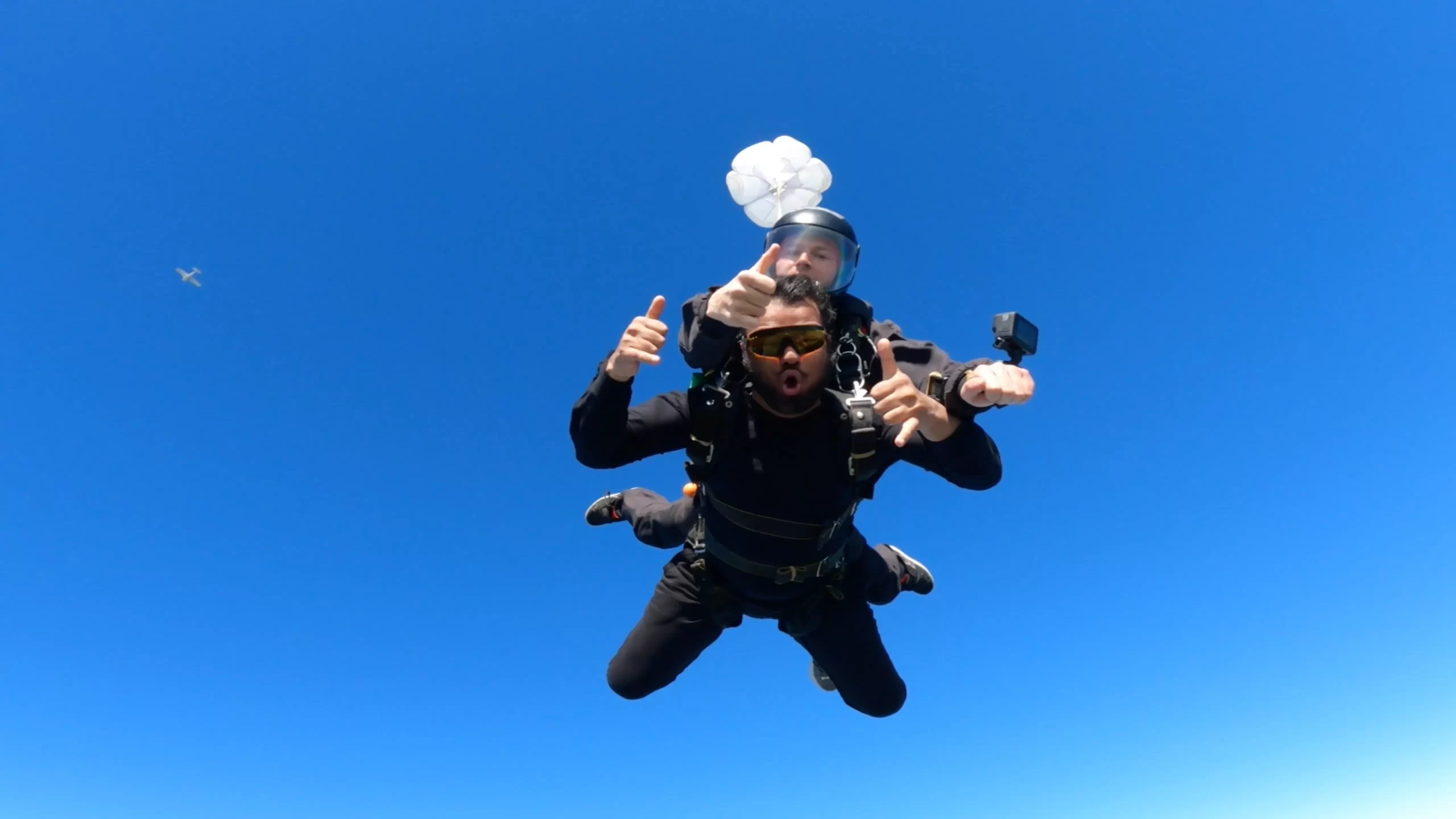
Skydiving in Narnaul, Haryana
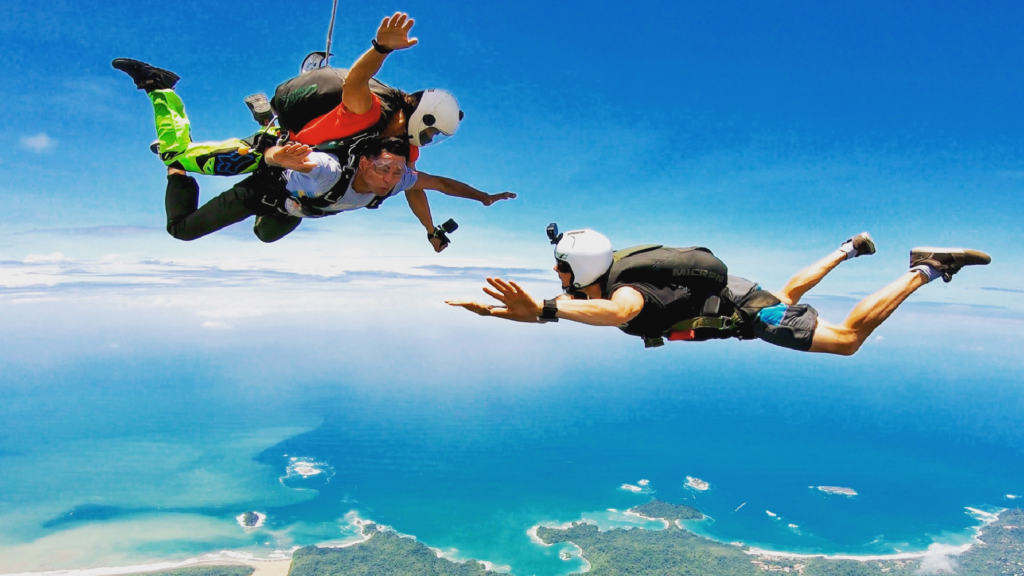
Skydiving in Pondicherry
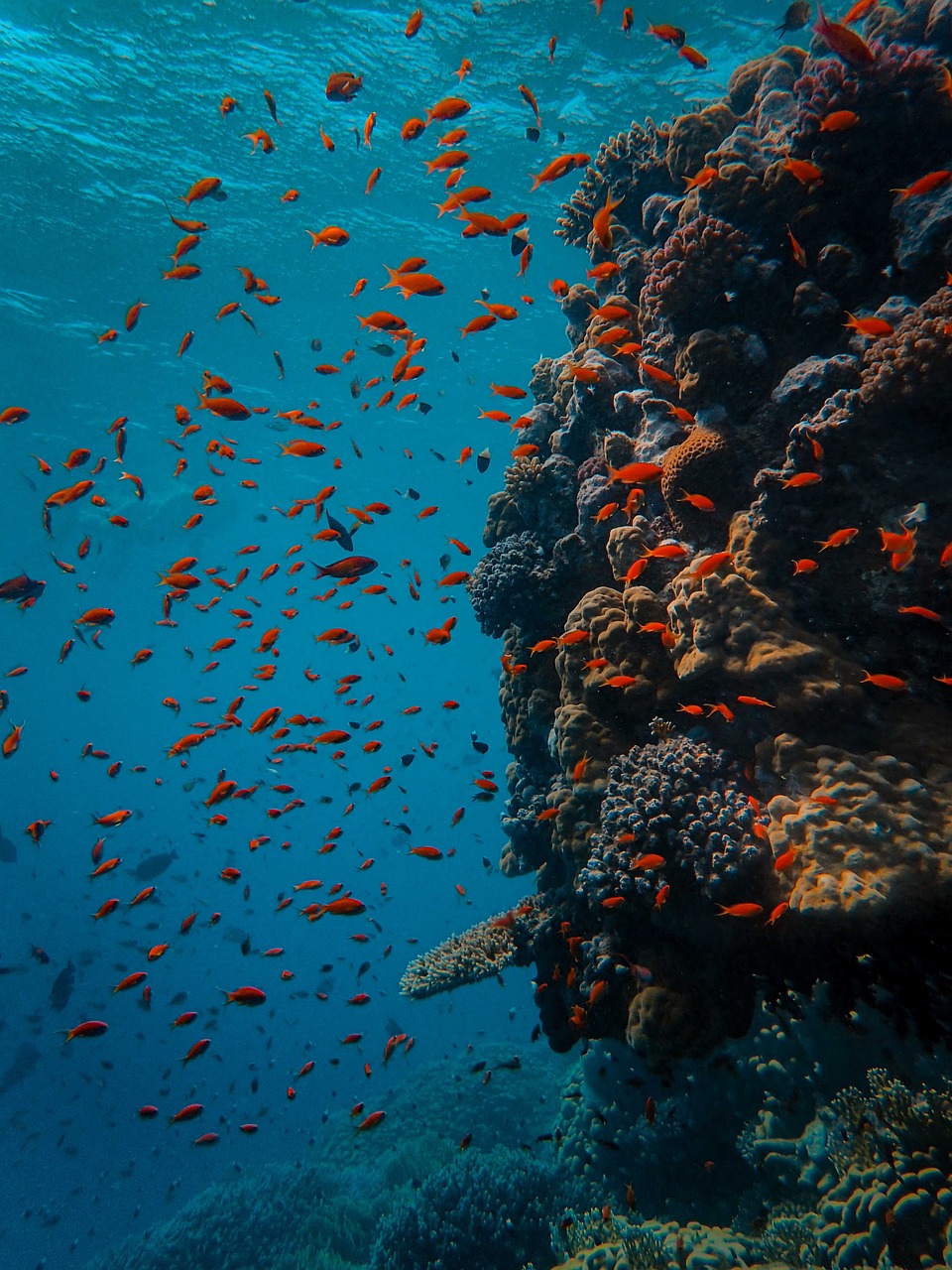
Scuba Diving in Andaman & Nicobar Islands
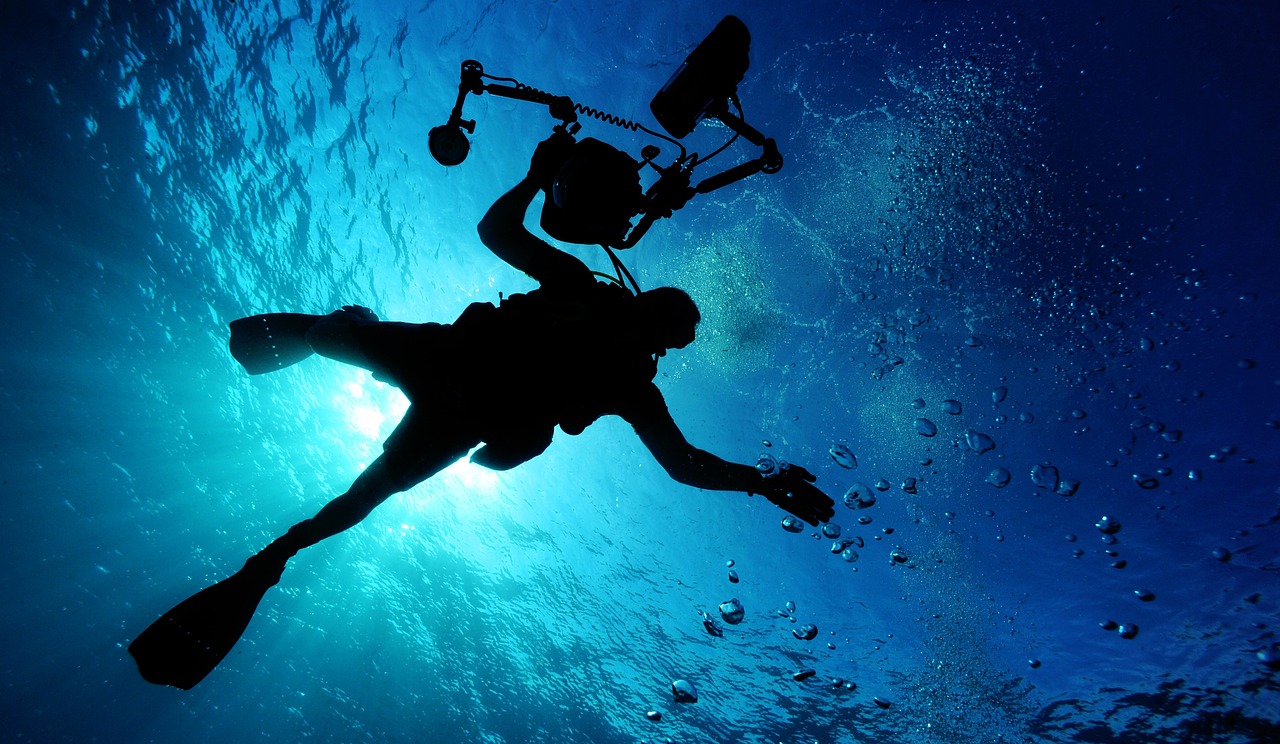
Scuba Diving in Lakshadweep
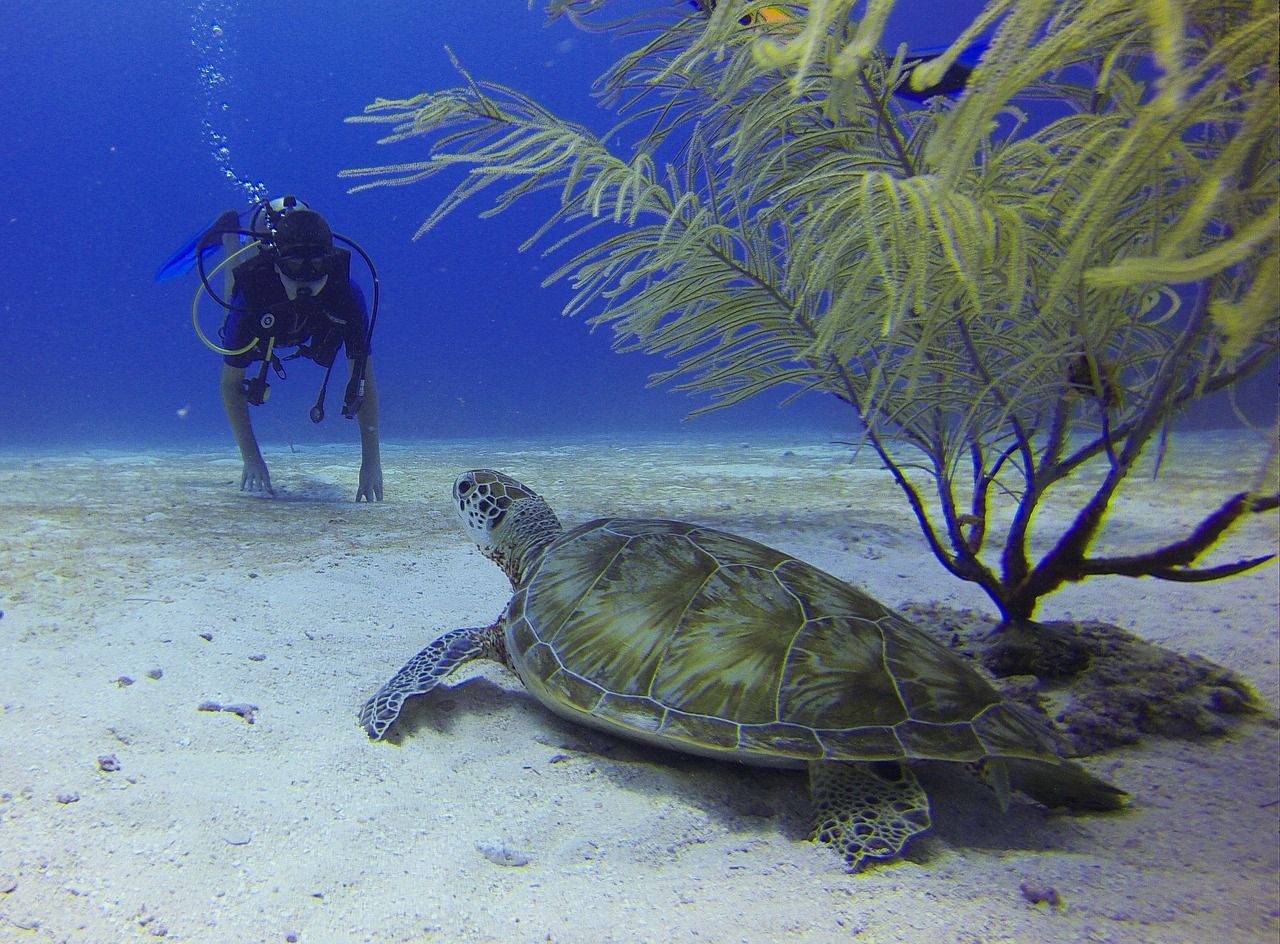
Scuba Diving in Goa
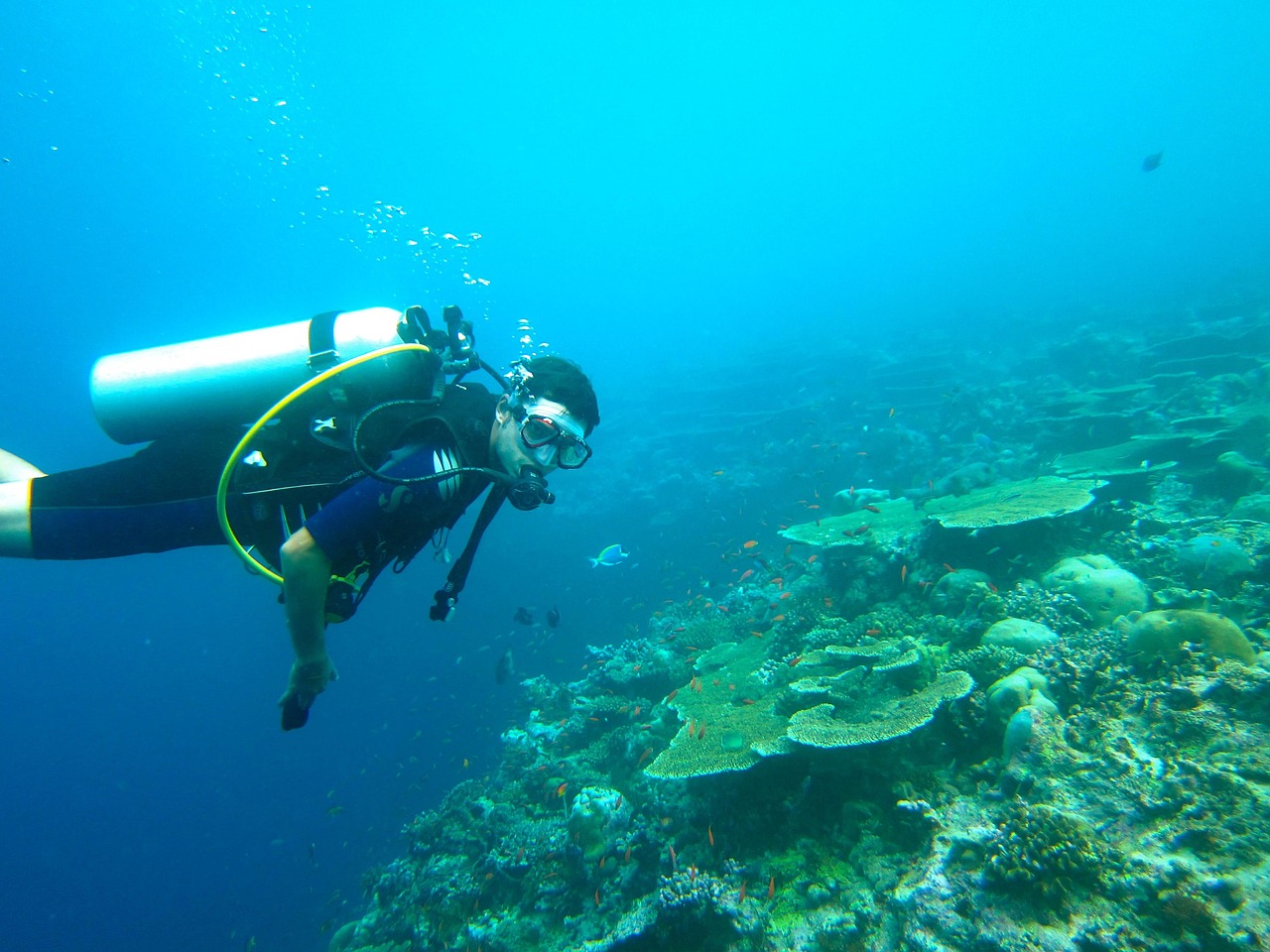
Scuba Diving in Pondicherry
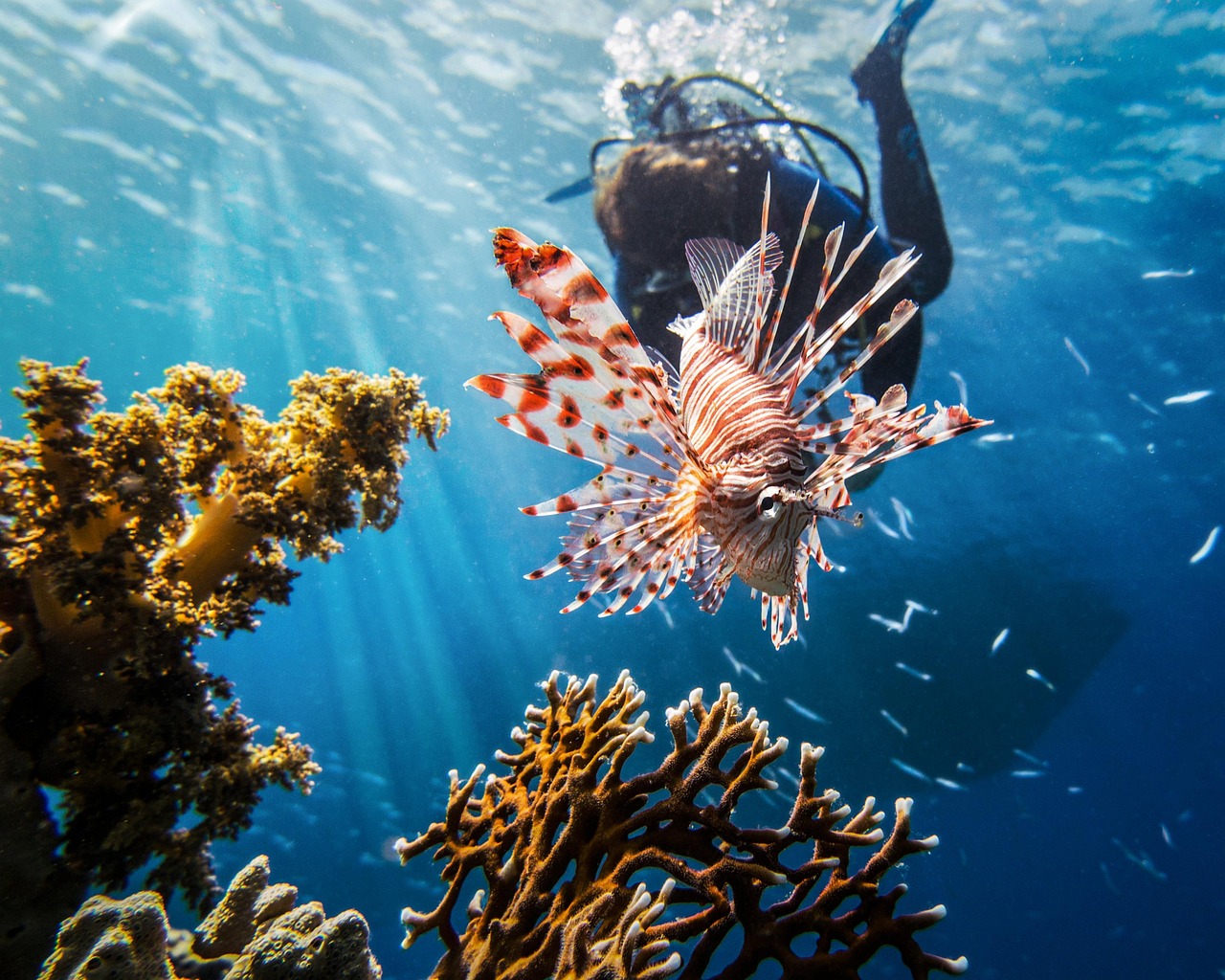
Scuba Diving in Netrani Island (Karnataka)
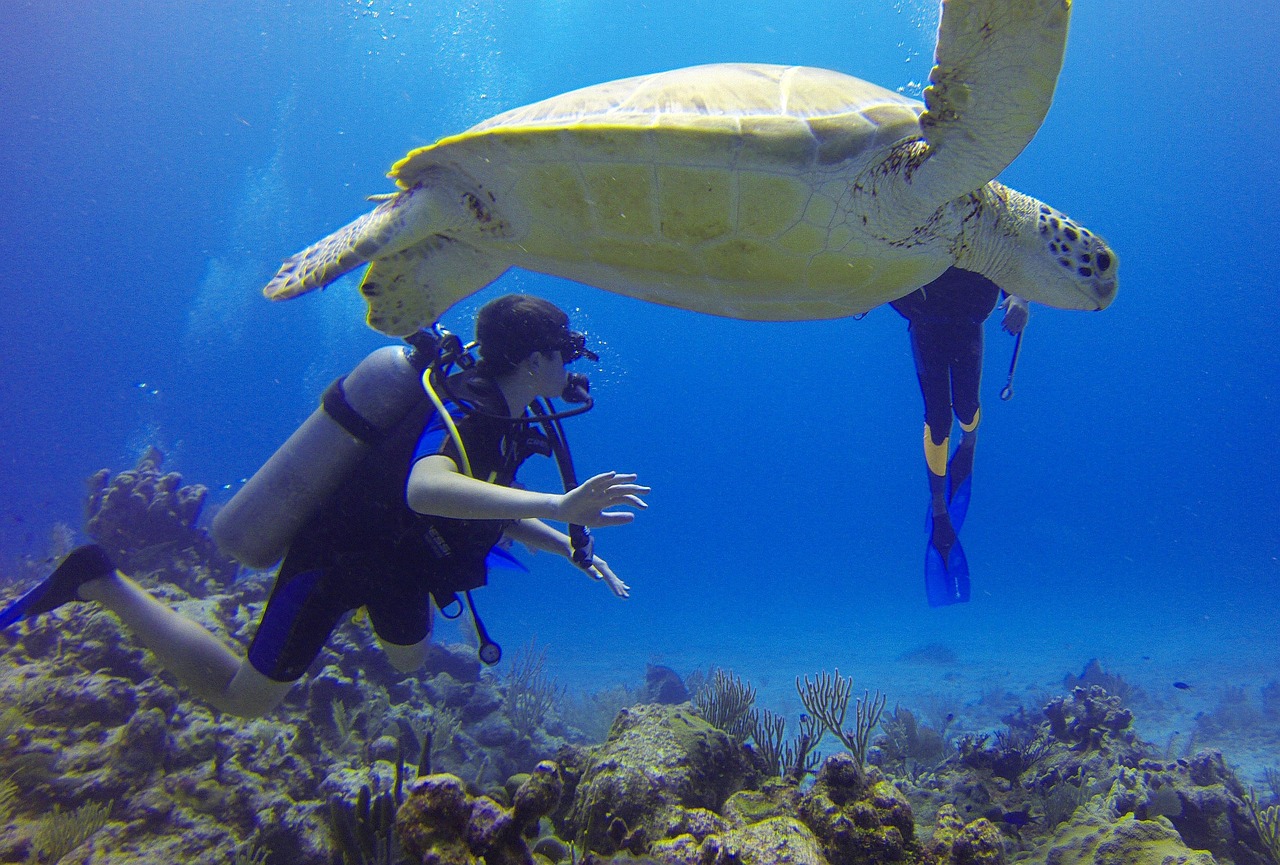
Scuba Diving in Tarkarli (Maharashtra)
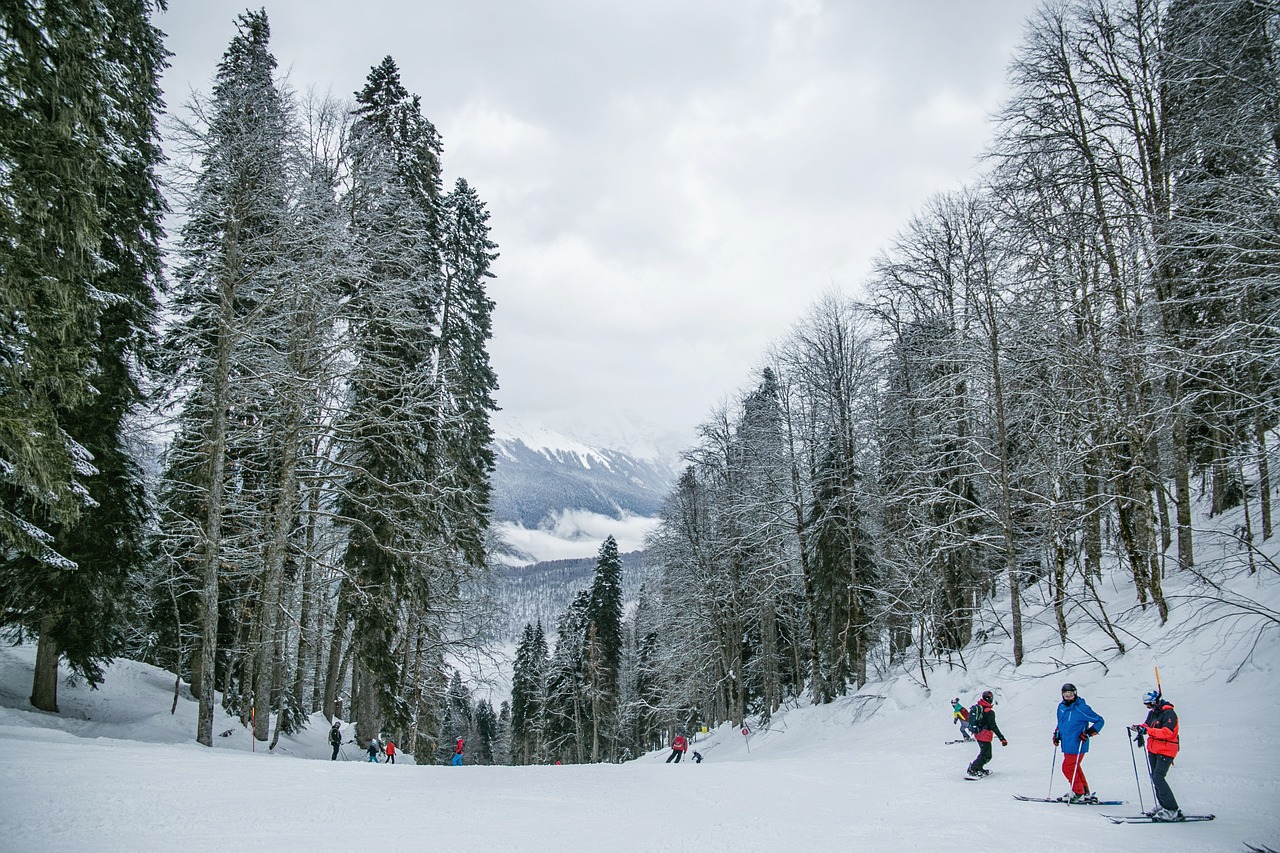
Skiing in Gulmarg
Skiing in Auli
Skiing in Solang
Skiing in Kufri
Skiing in Narkanda
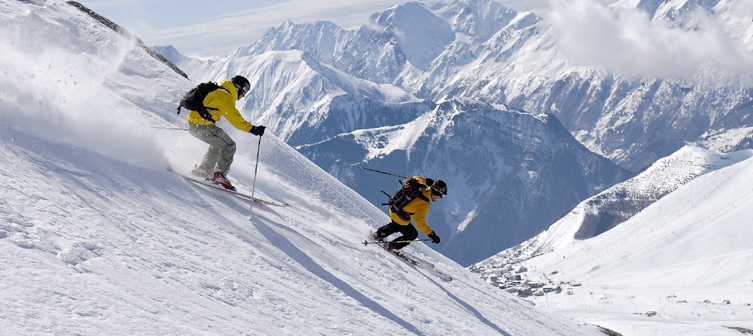
Skiing in Munsiyari
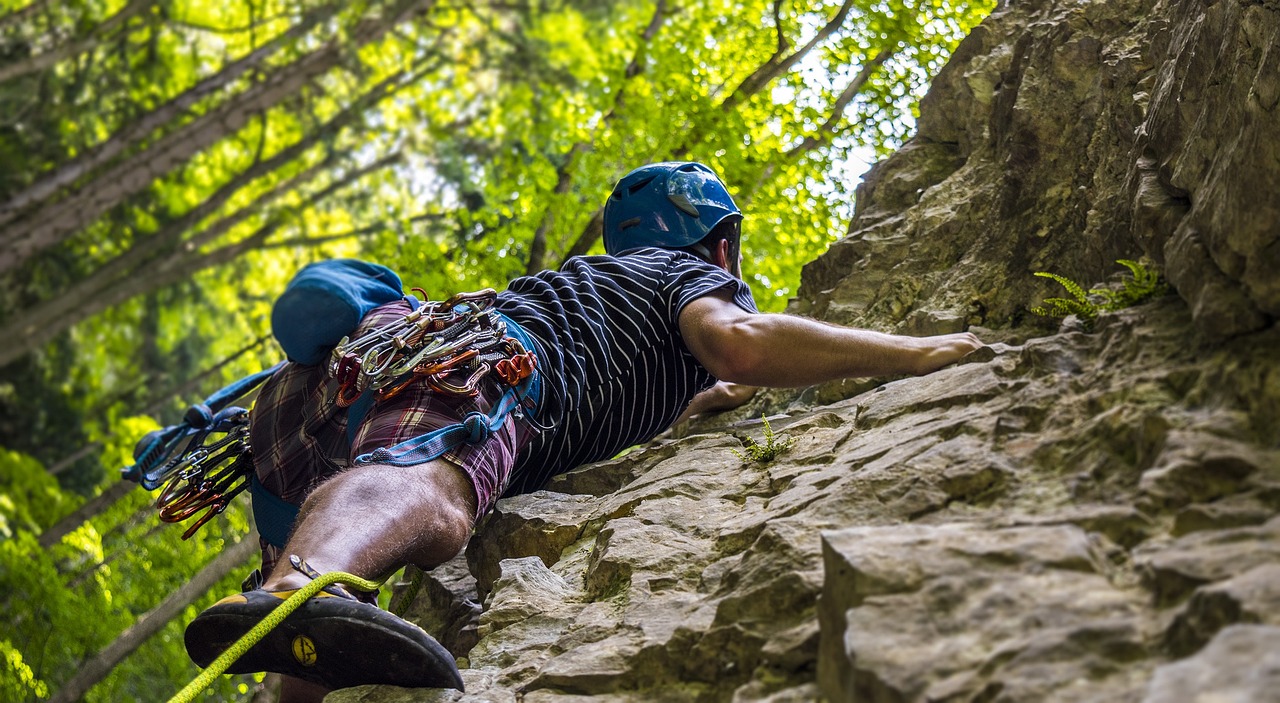
Rock Climbing in Manali
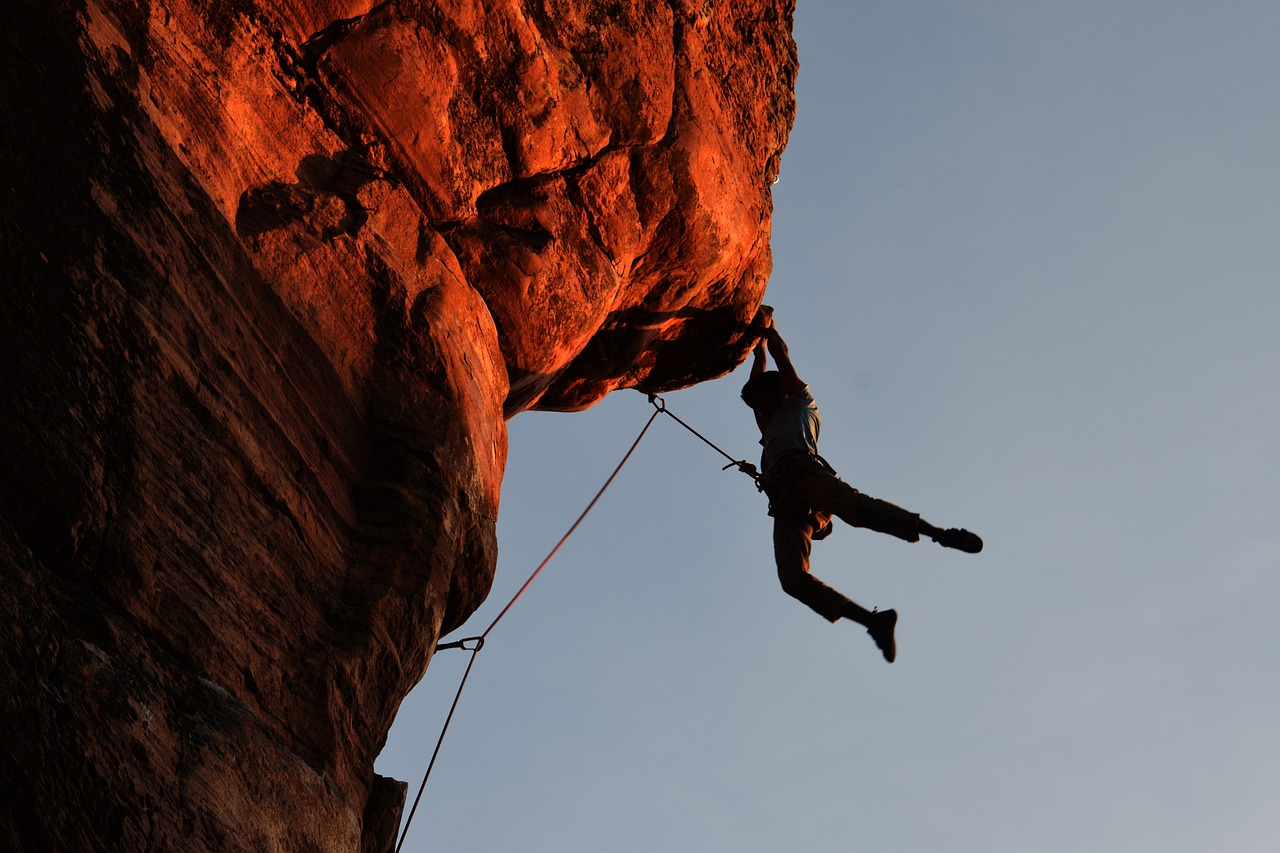
Rock climbing in Badami (Karnataka)
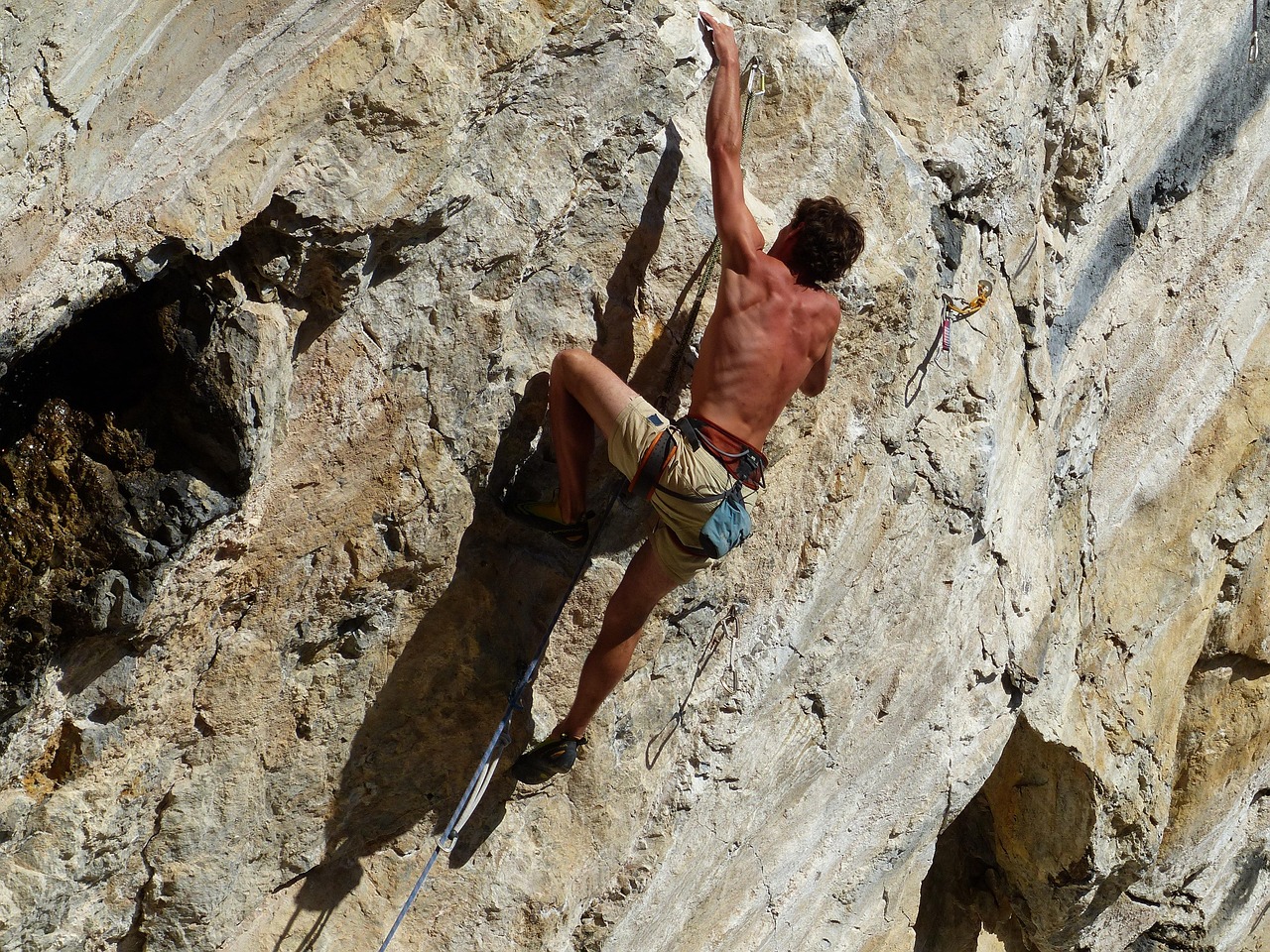
Rock climbing in Vijayapura (Karnataka)
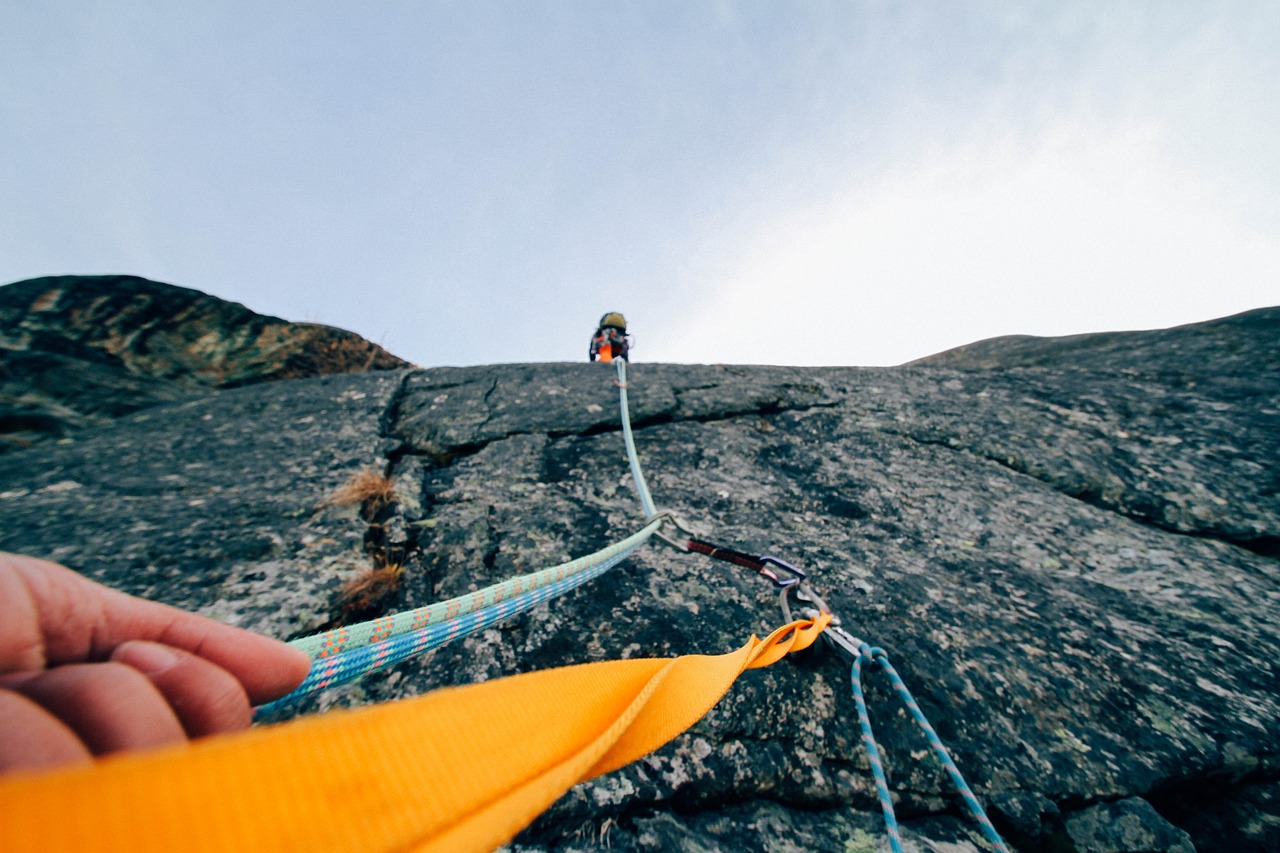
Rock climbing in Boulder Hills (Hyderabad)
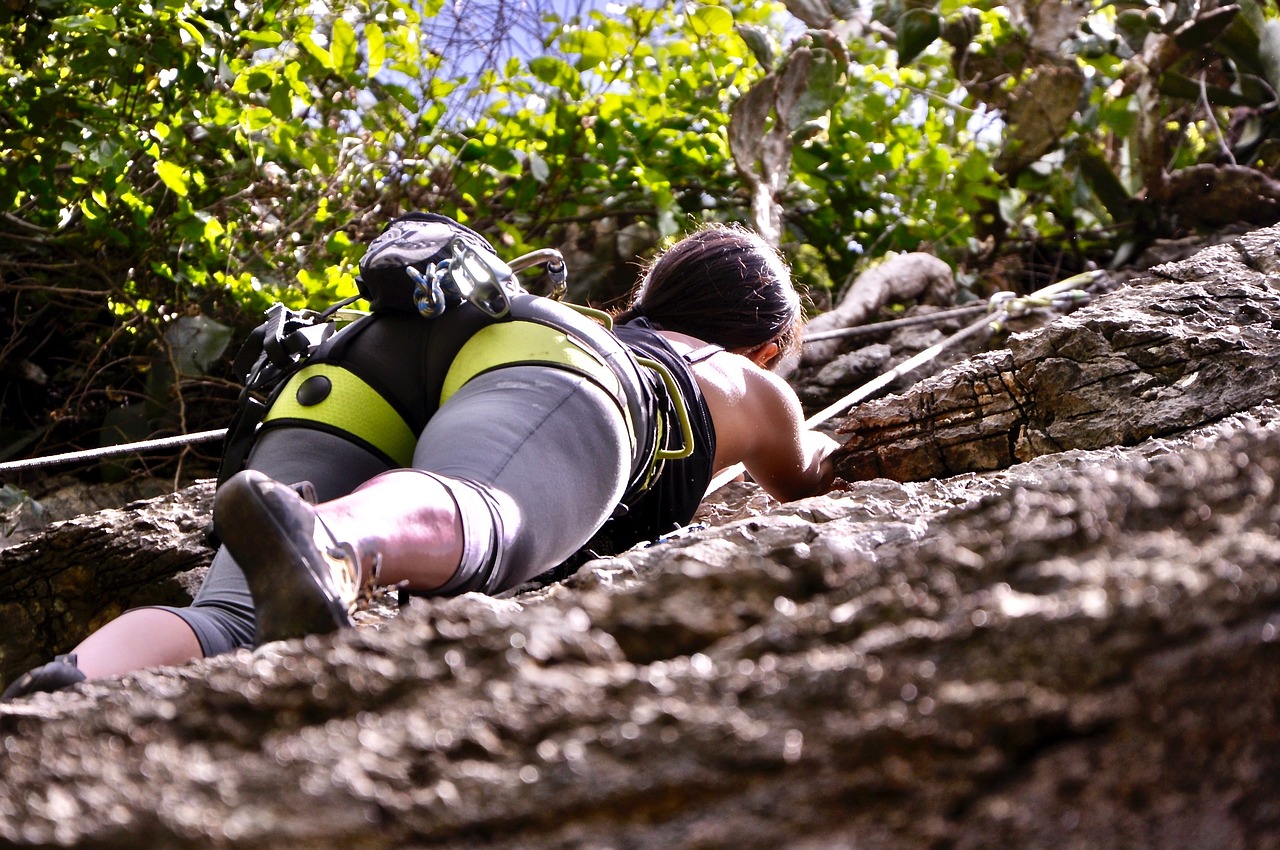
Rock climbing in Nainital
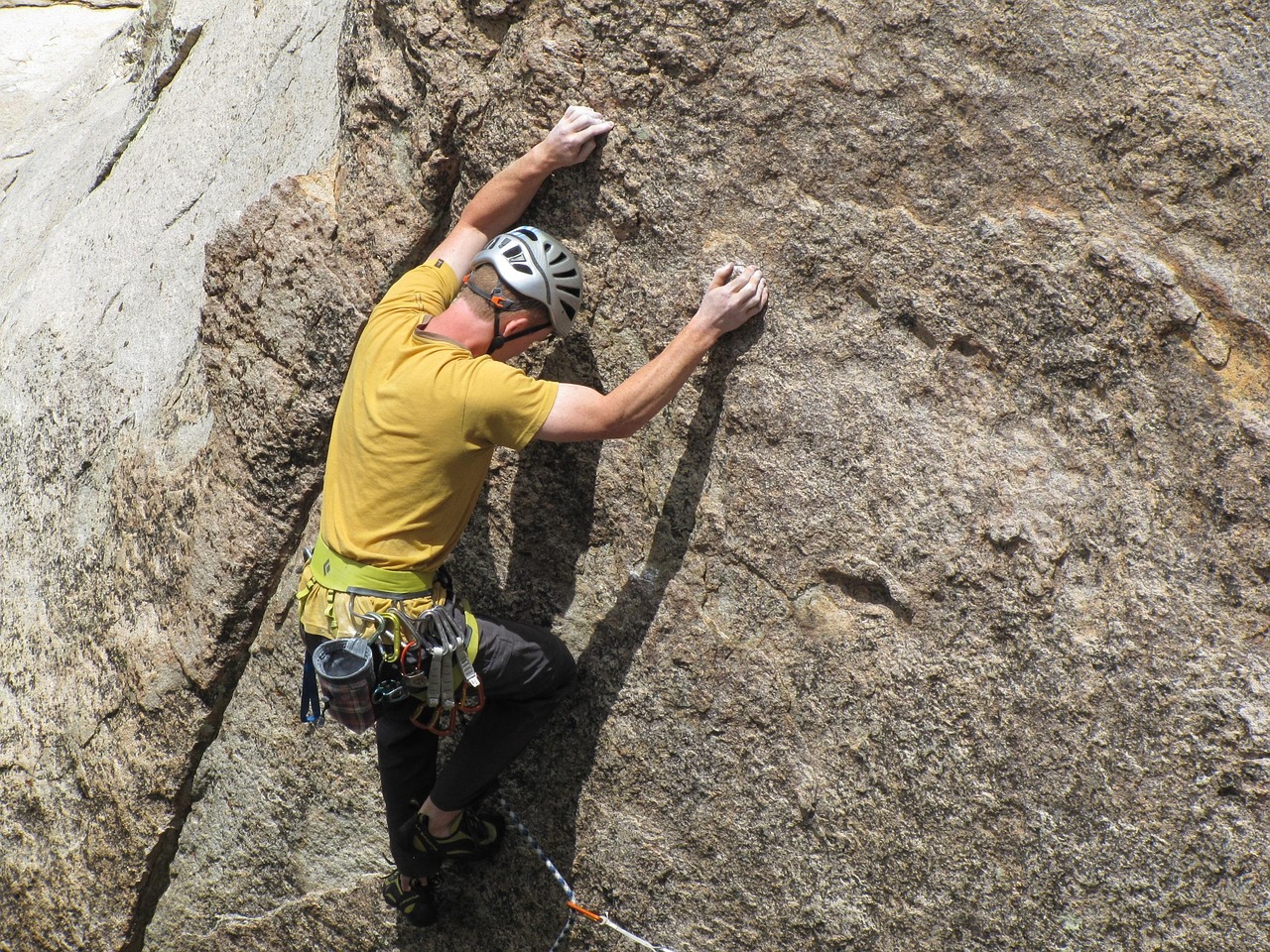
Rock climbing in Hampi (Karnataka)
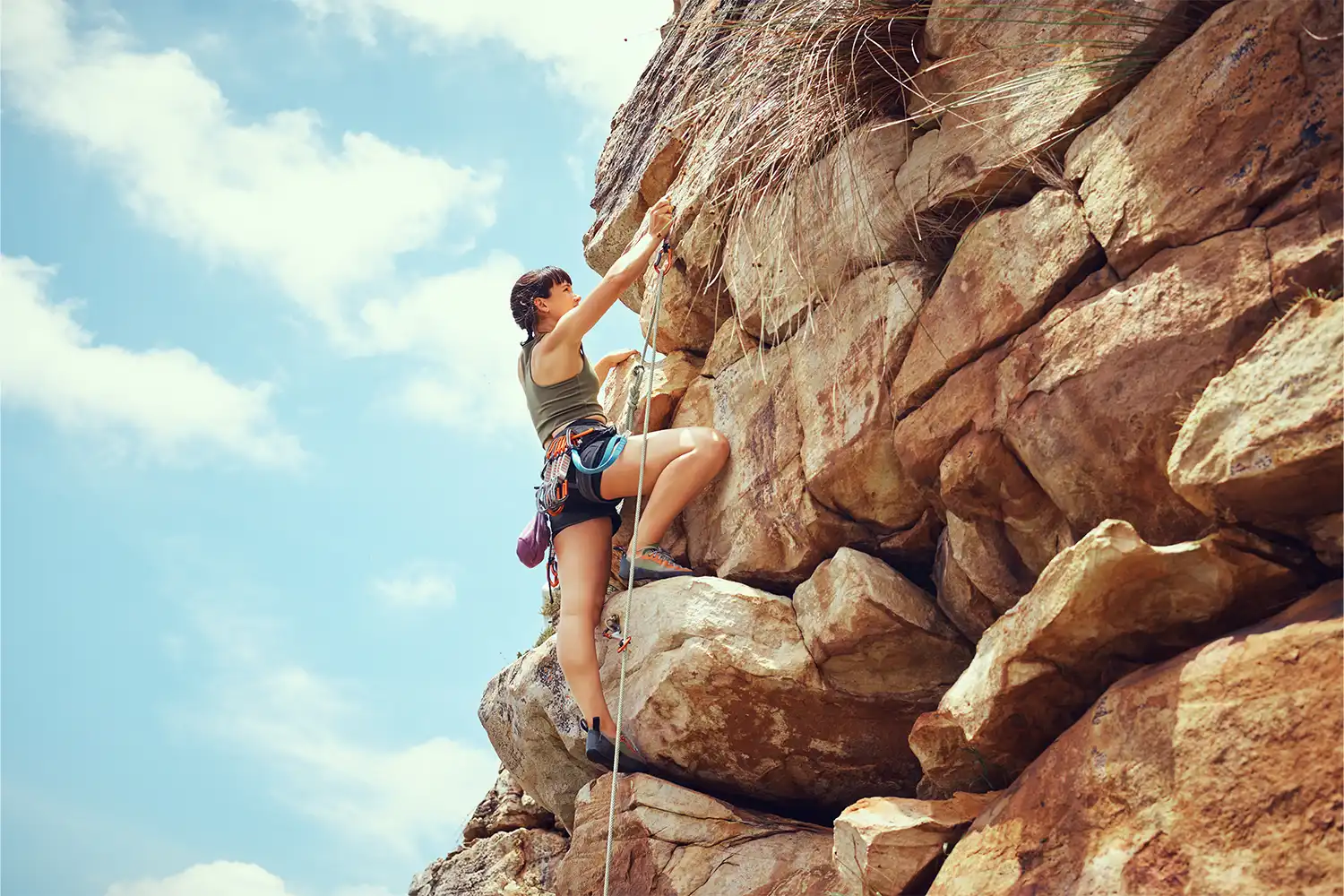
Rock climbing in Aravalli Range (Rajasthan)
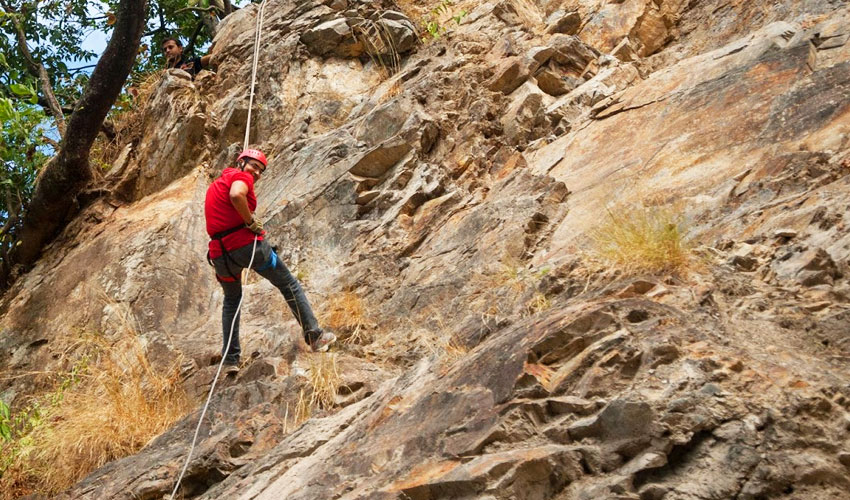
Rock climbing in Rishikesh
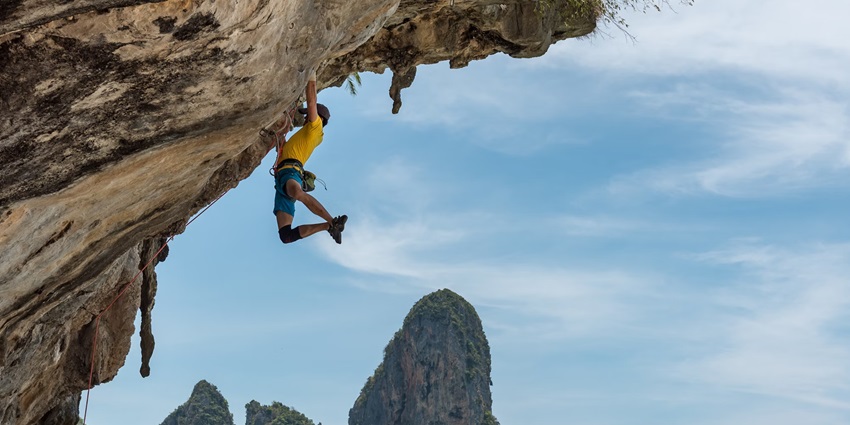
Rock climbing on Shey Rock (Ladakh)
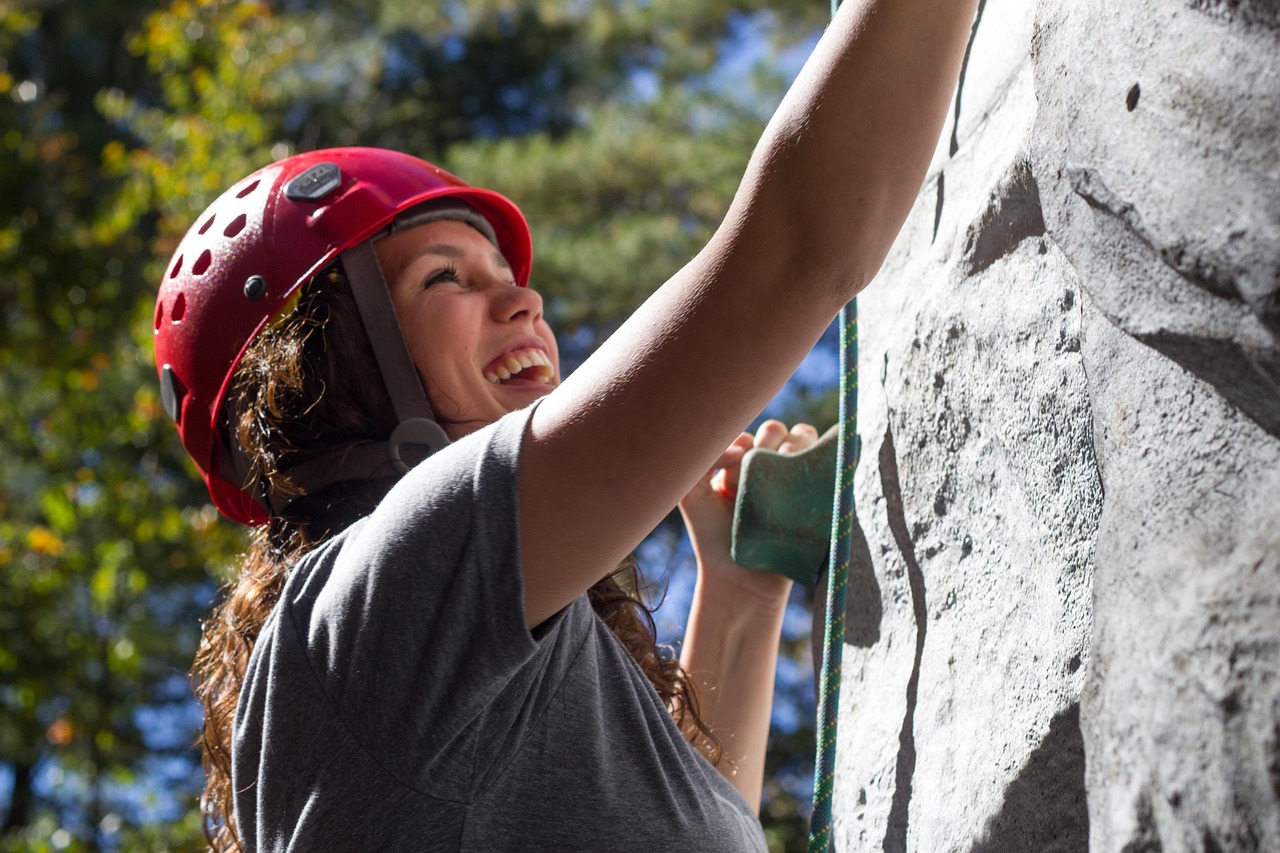
Rock climbing in Pune
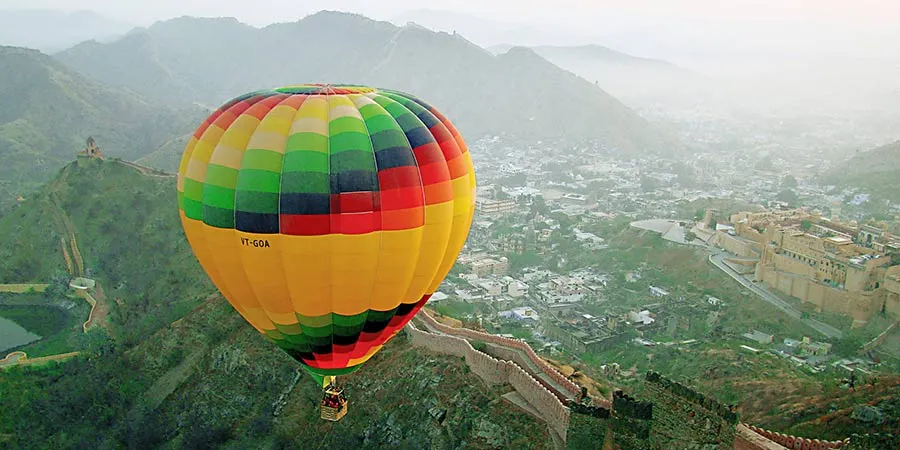
Hot Air Balloon Ride in Jaipur
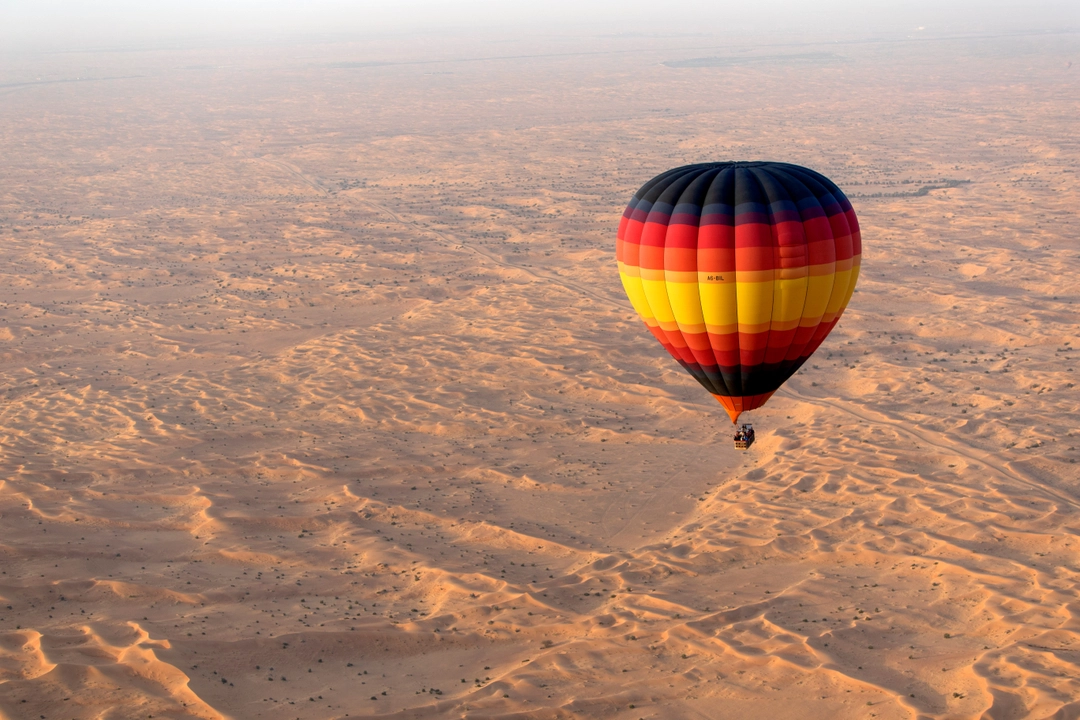
Hot Air Balloon Ride in Pushkar
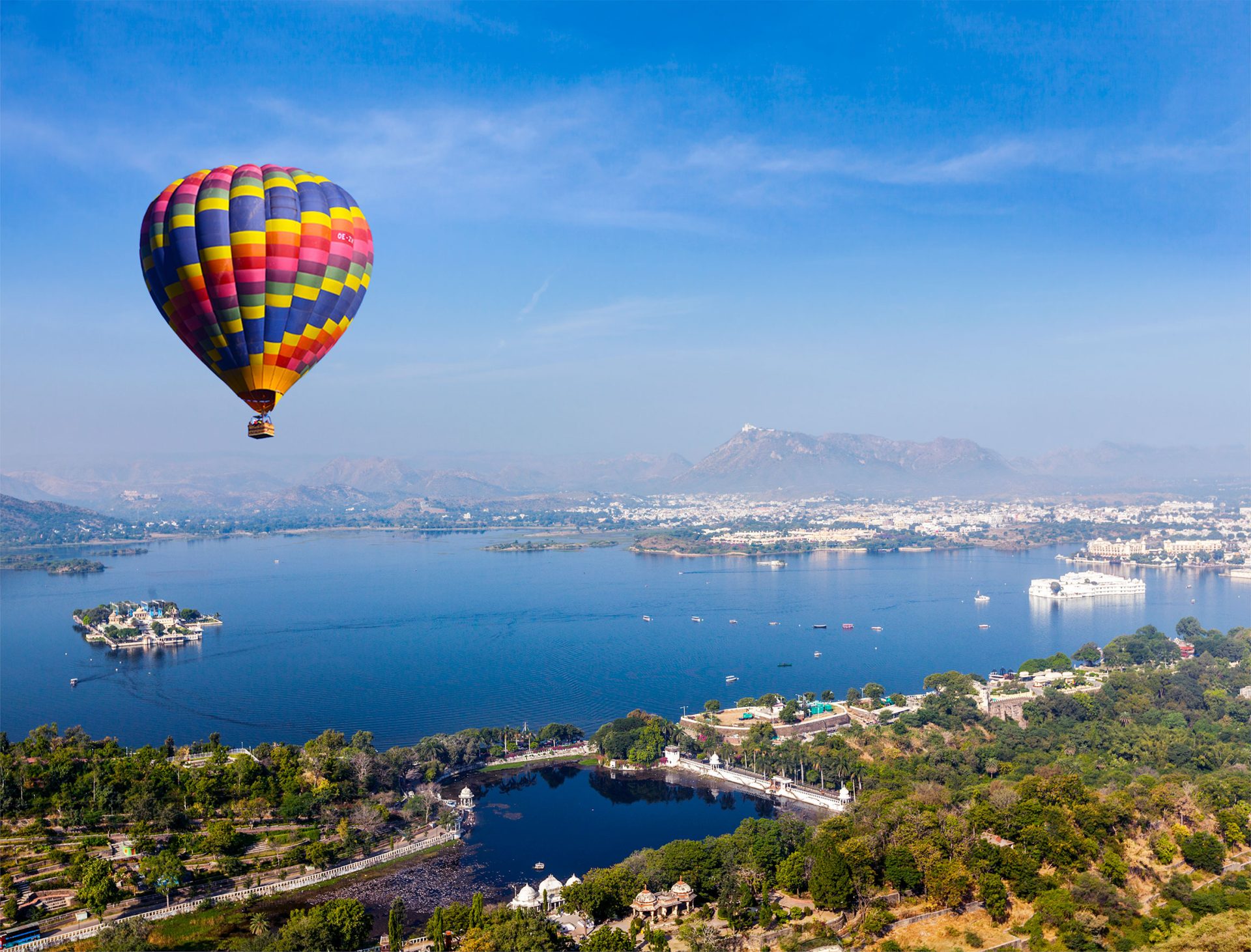
Hot Air Balloon Ride in Udaipur
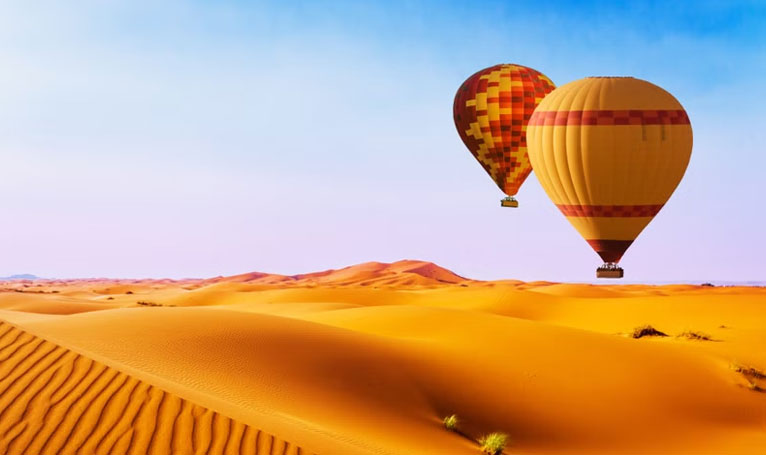
Hot Air Balloon Ride in Jaisalmer
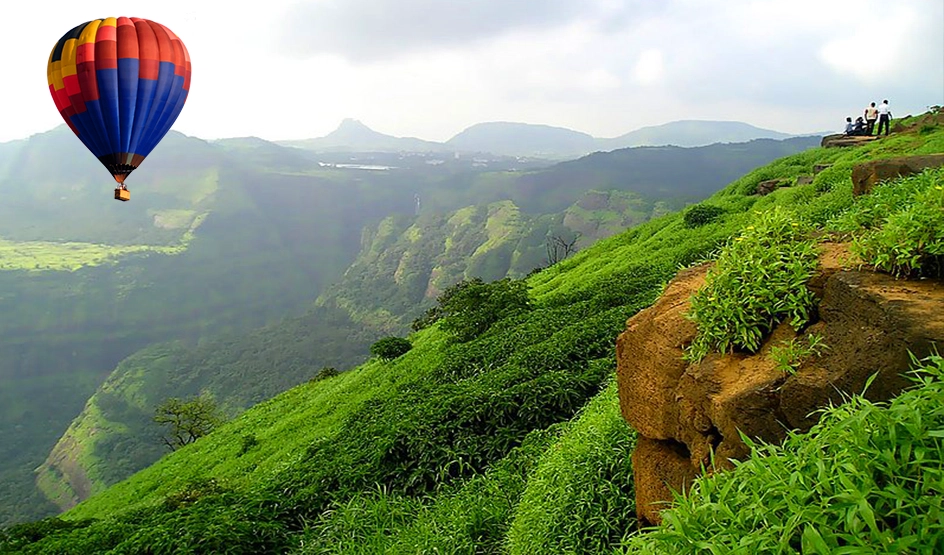
Hot Air Balloon Ride in Lonavala
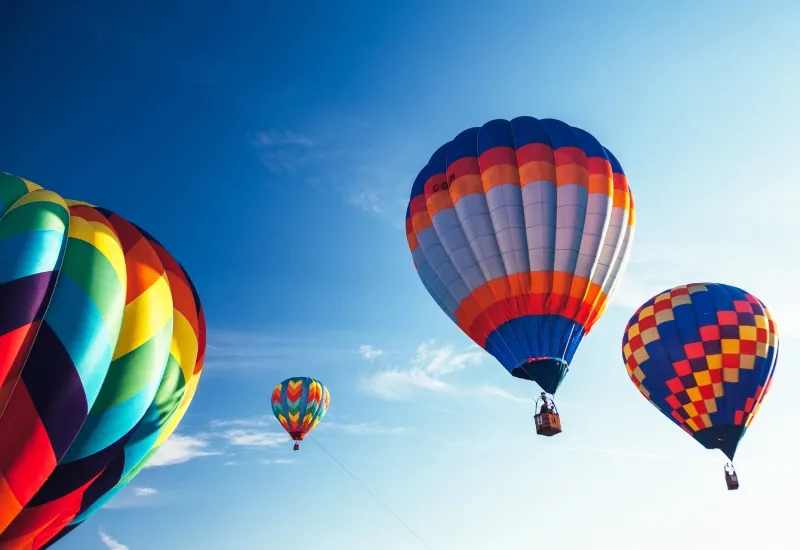
Hot air balloon ride in Mysore
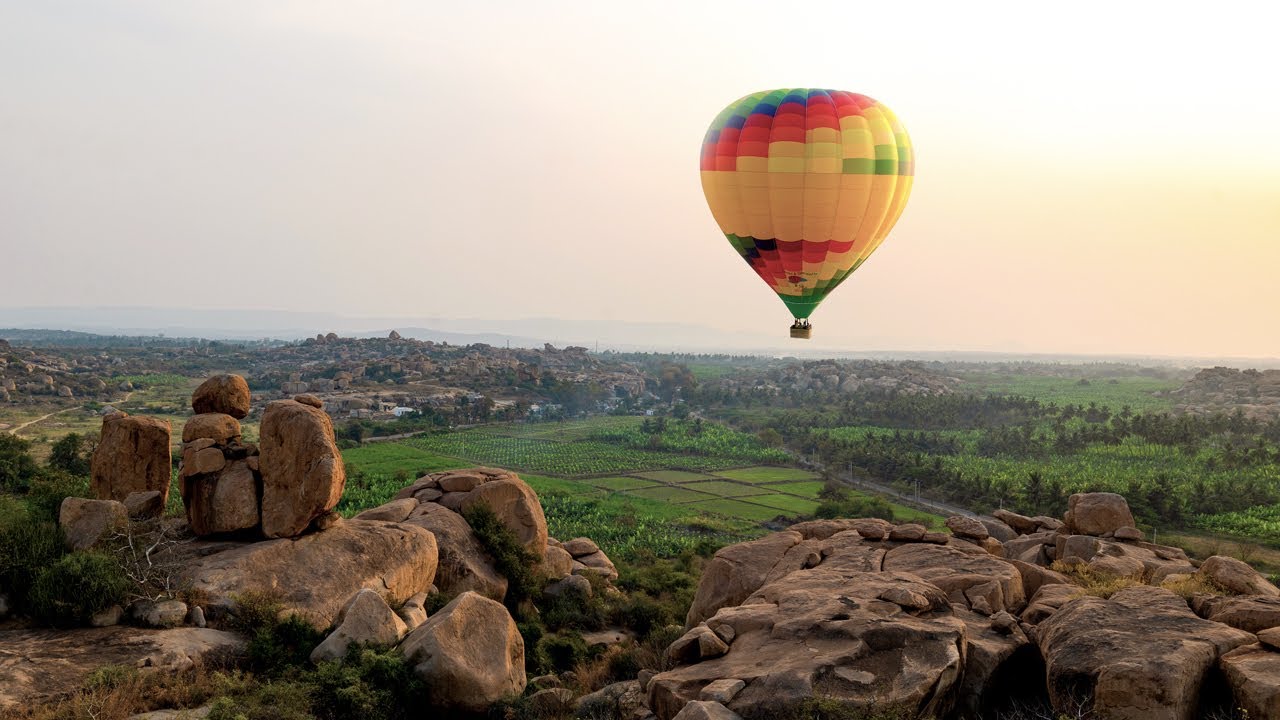
Hot air balloon ride in Hampi
Hot air balloon ride in Nainital
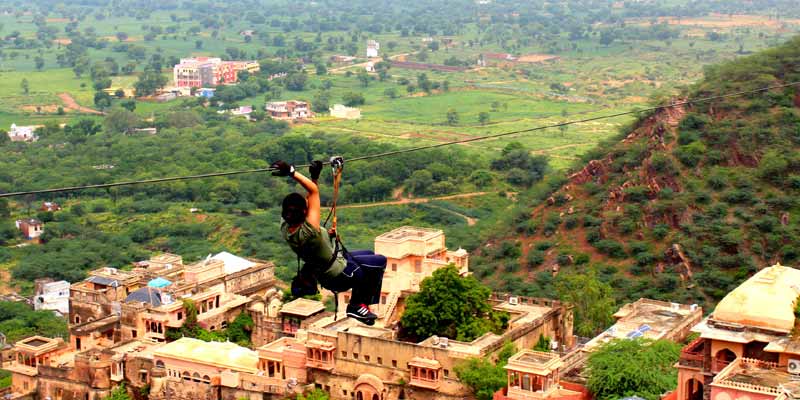
Zip Line ride in Neemrana
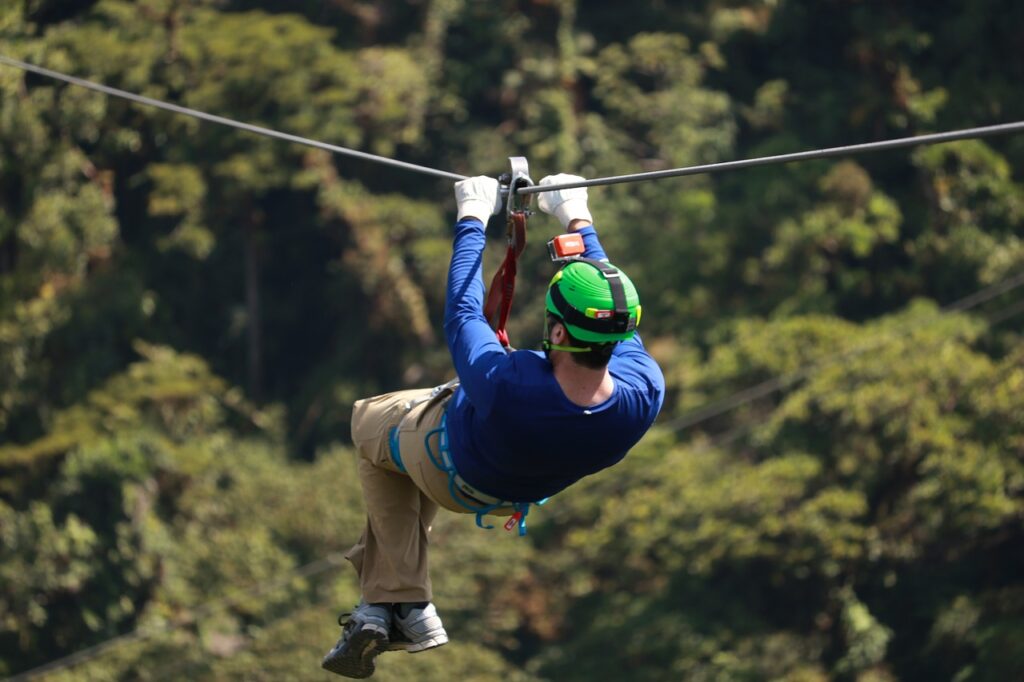
Kikar Lodge Zip Line
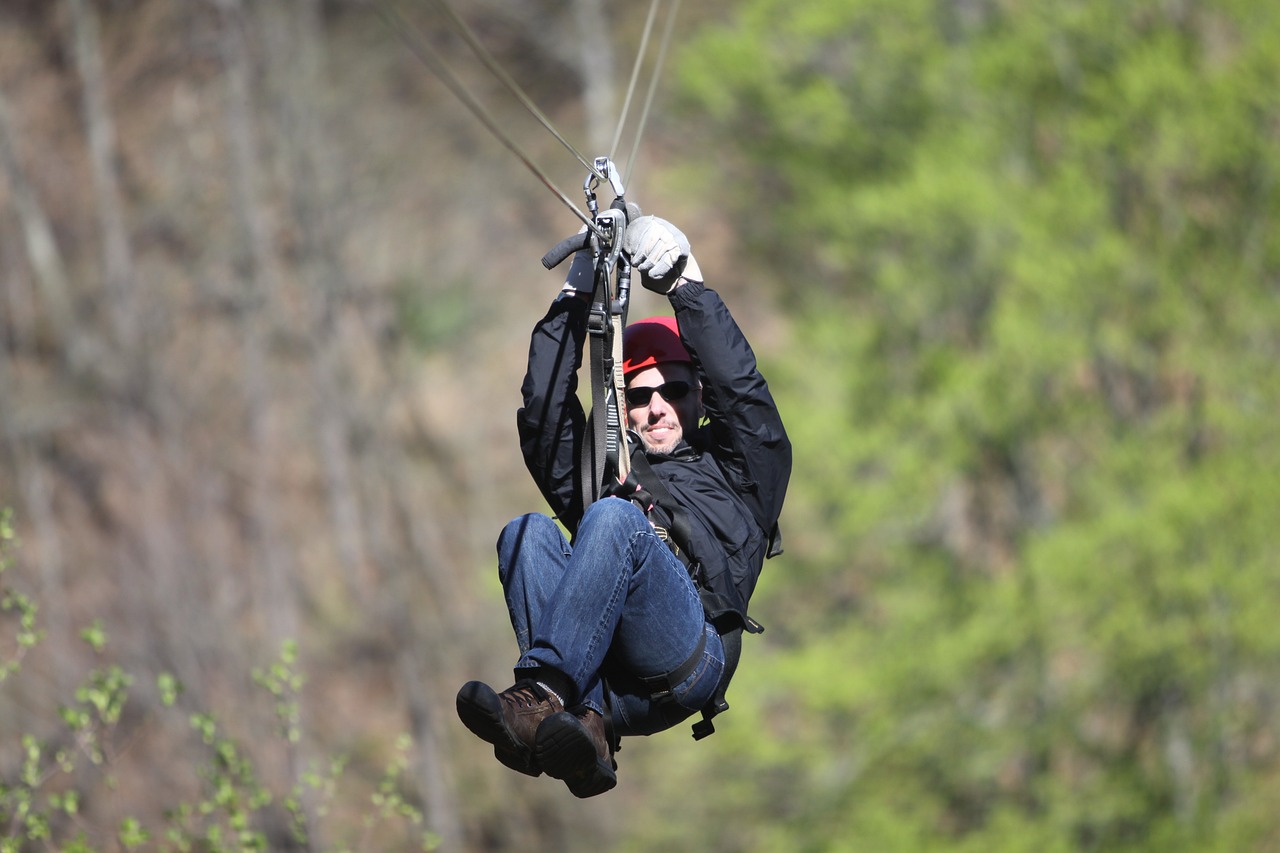
Zip Line ride in Rishikesh
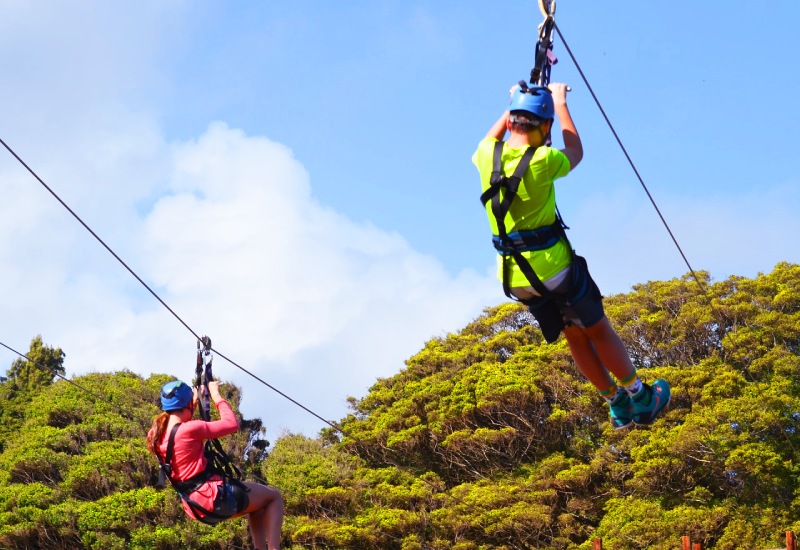
Zip Line ride in Mussoorie
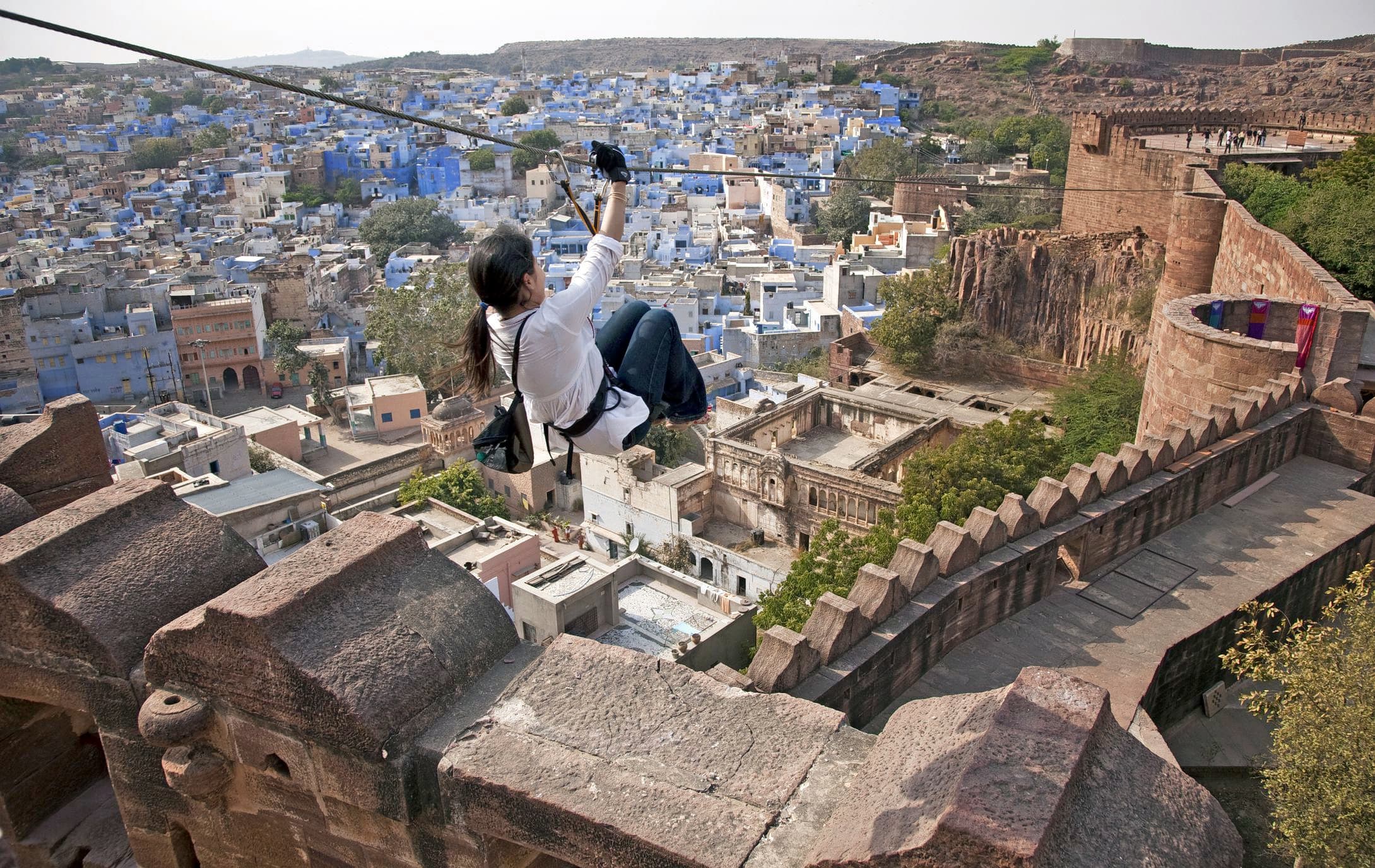
Zip Line ride in Jodhpur
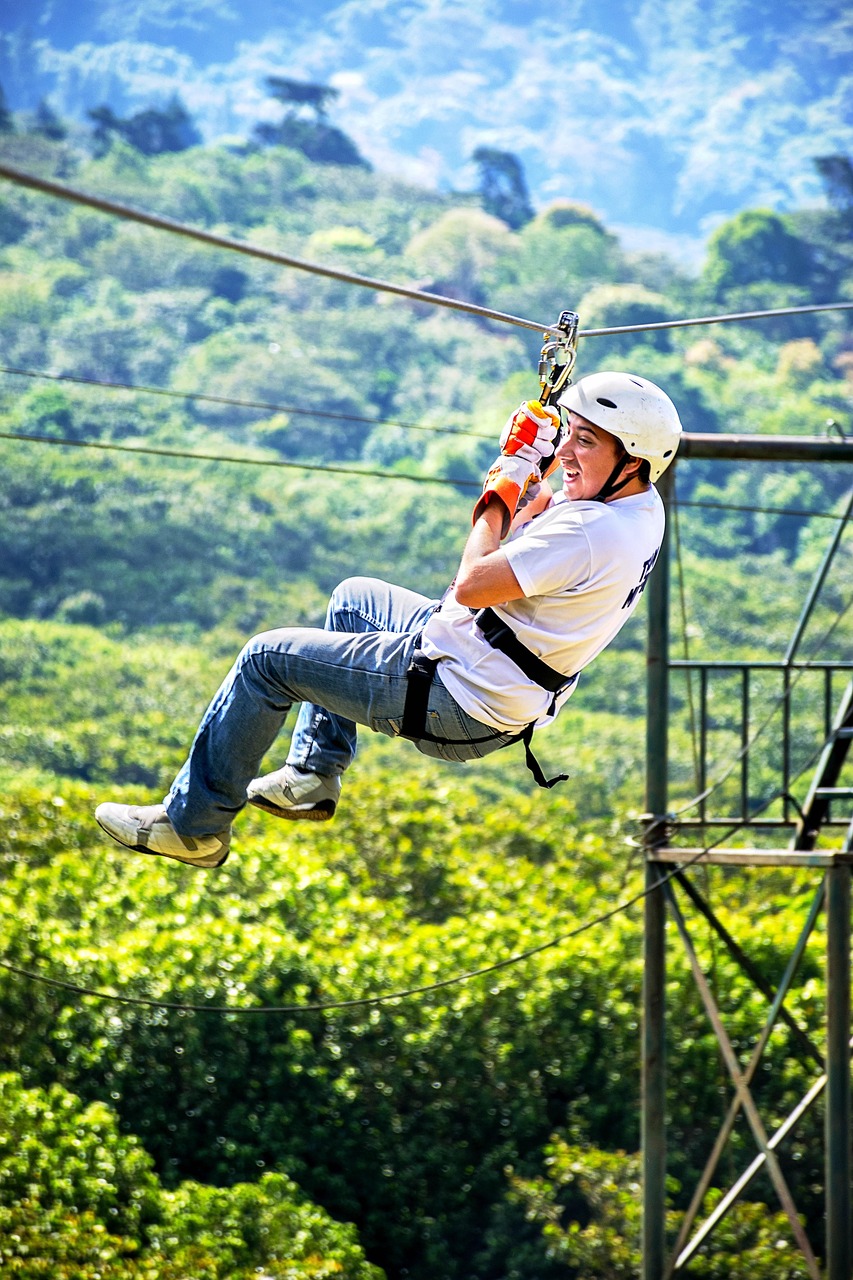
Zip Line ride in Munnar
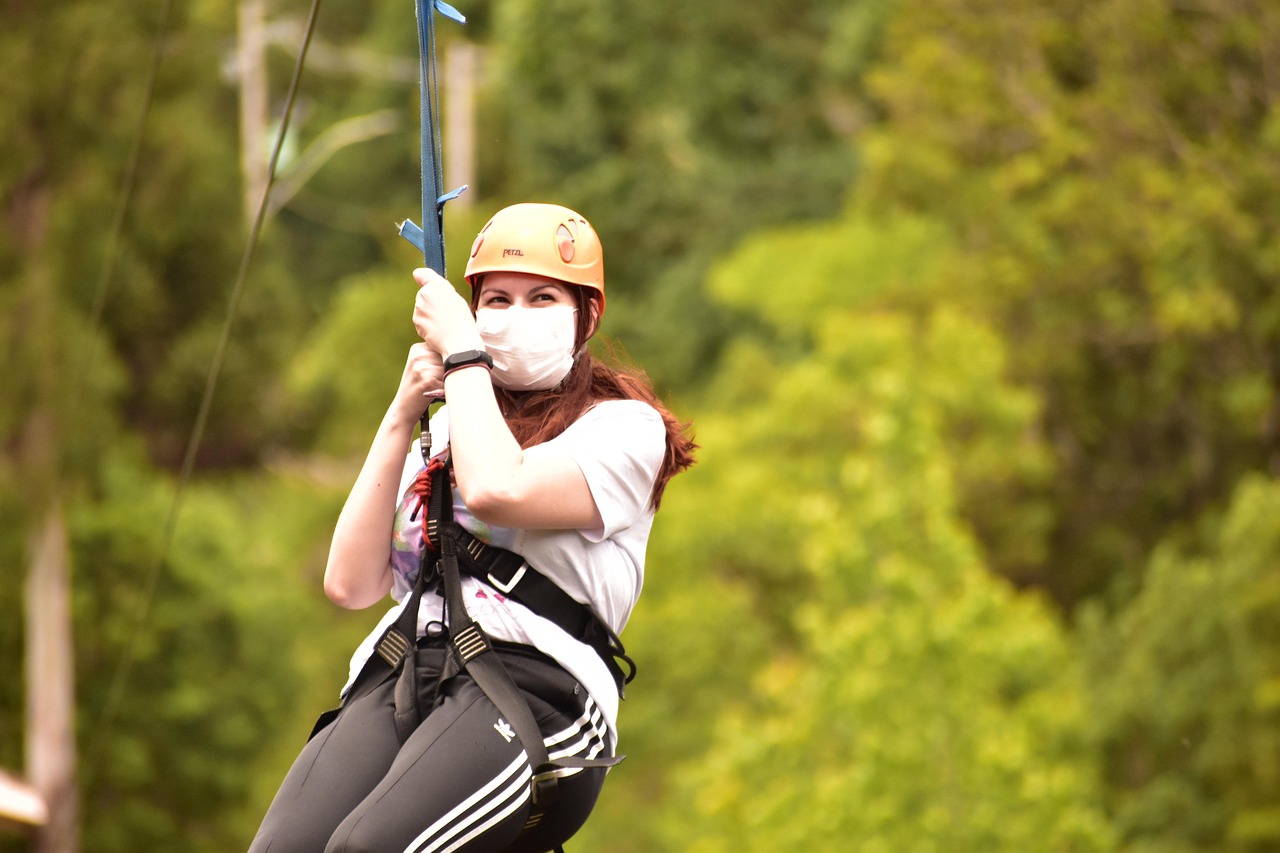
Zip Line ride in Manali
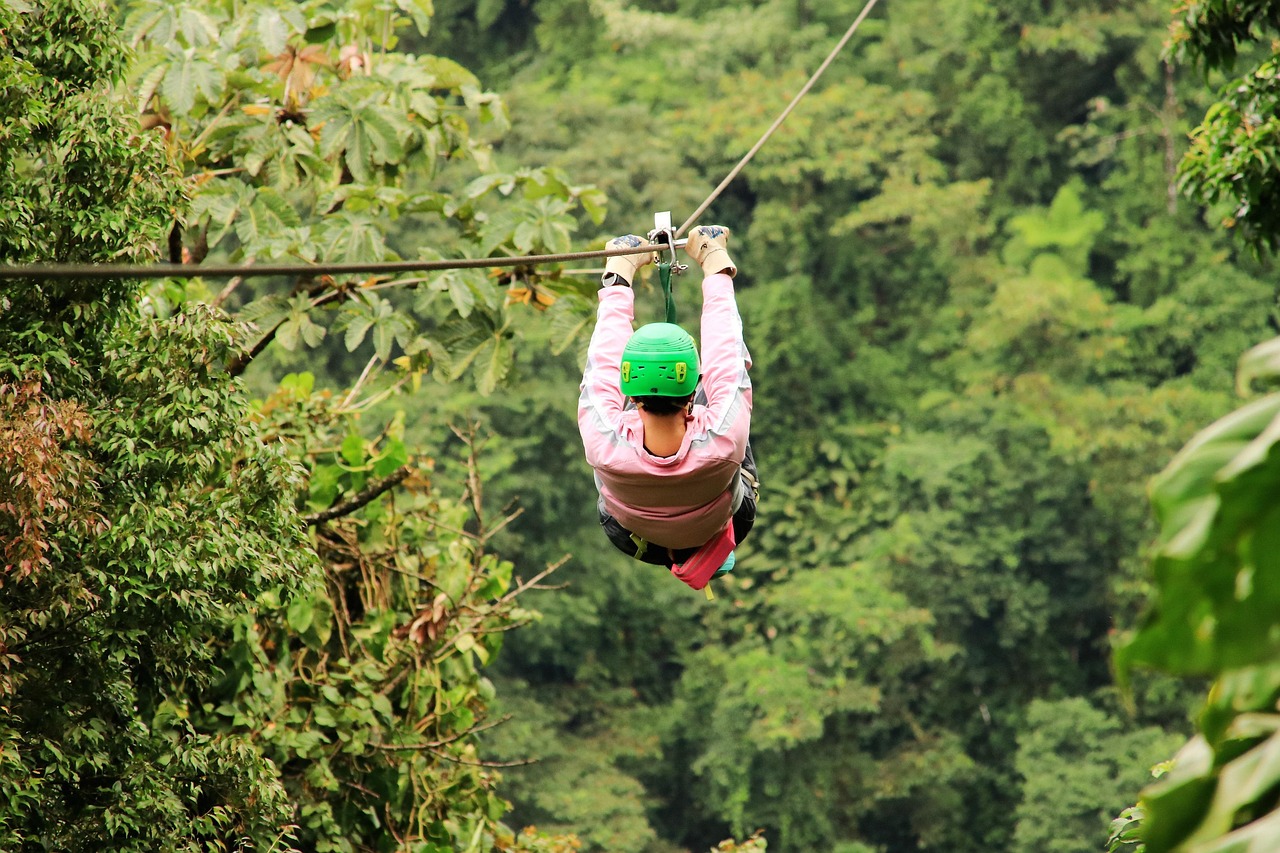
Zip Line ride in Darjeeling
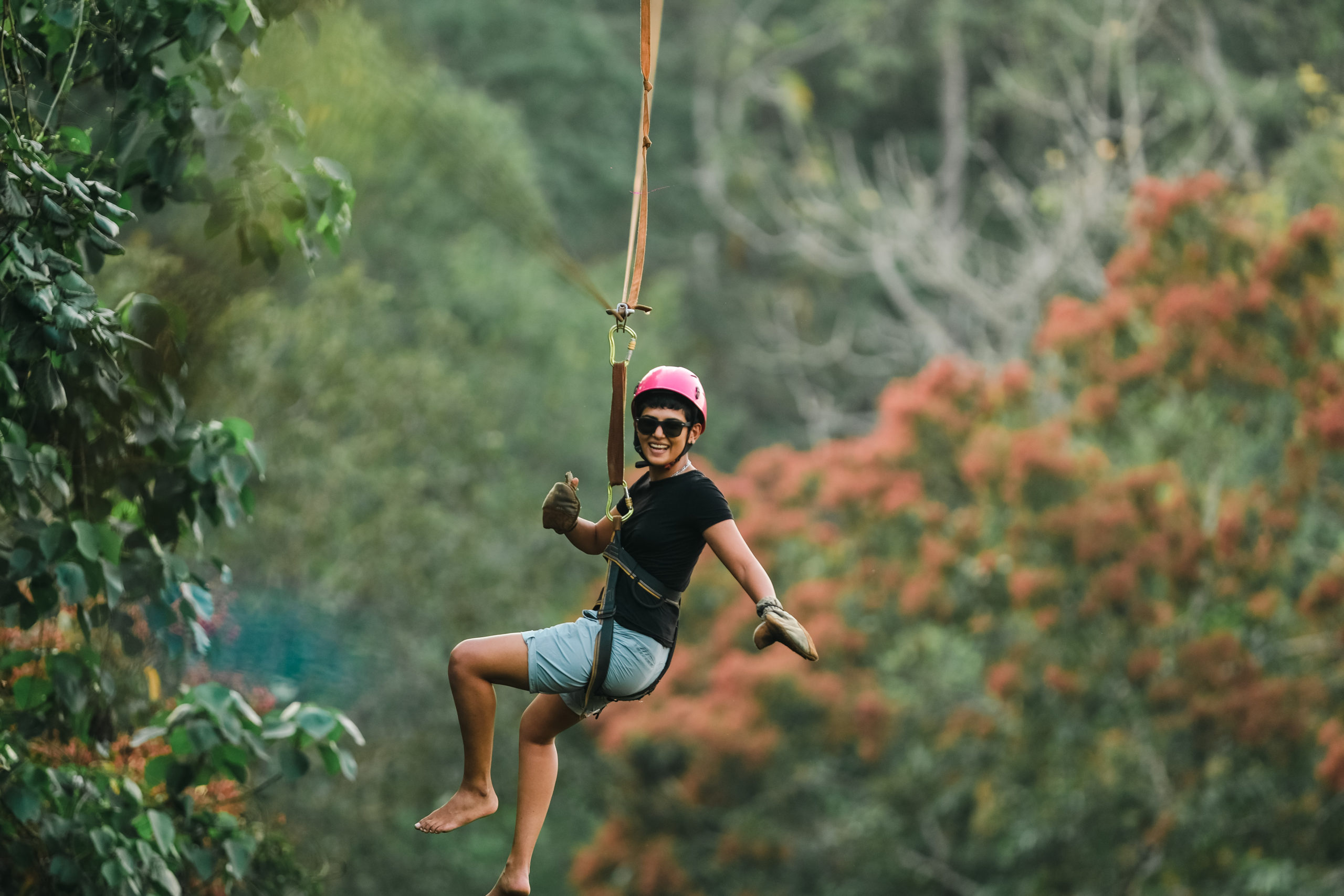
Zip Line ride in Goa
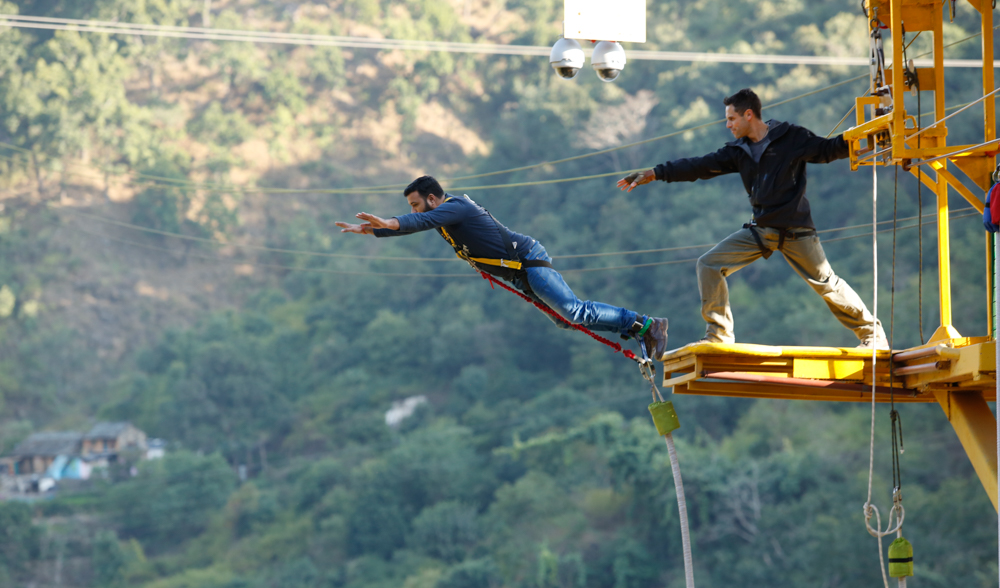
Bungee Jumping in Rishikesh
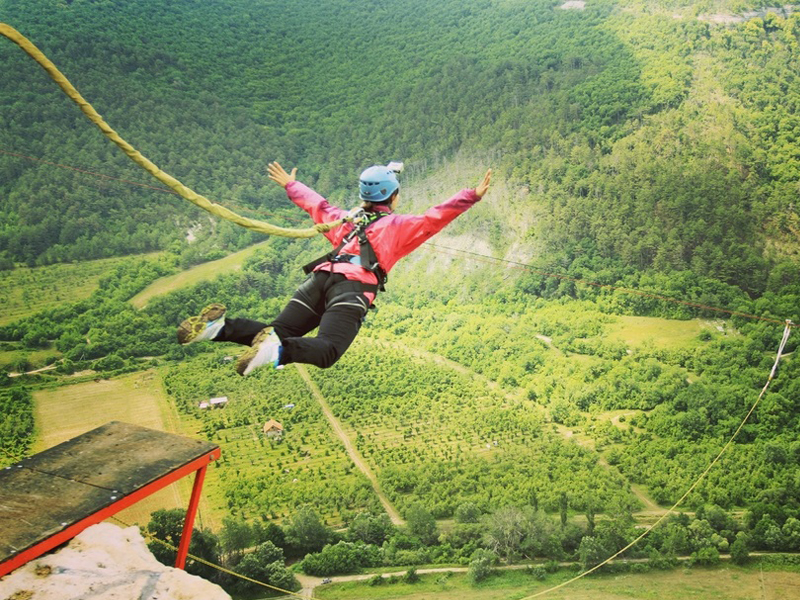
Bungee Jumping in Udaipur
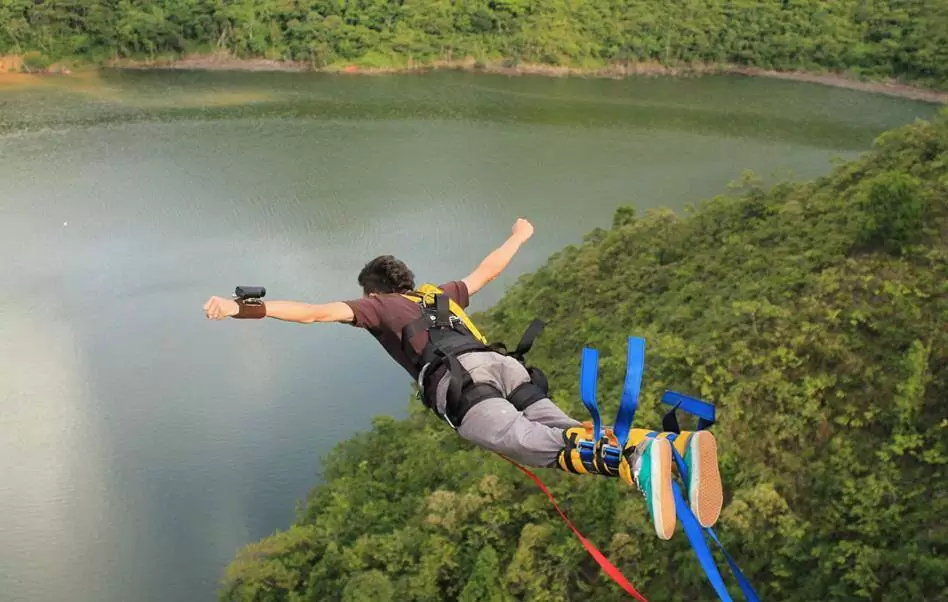
Bungee Jumping in Goa
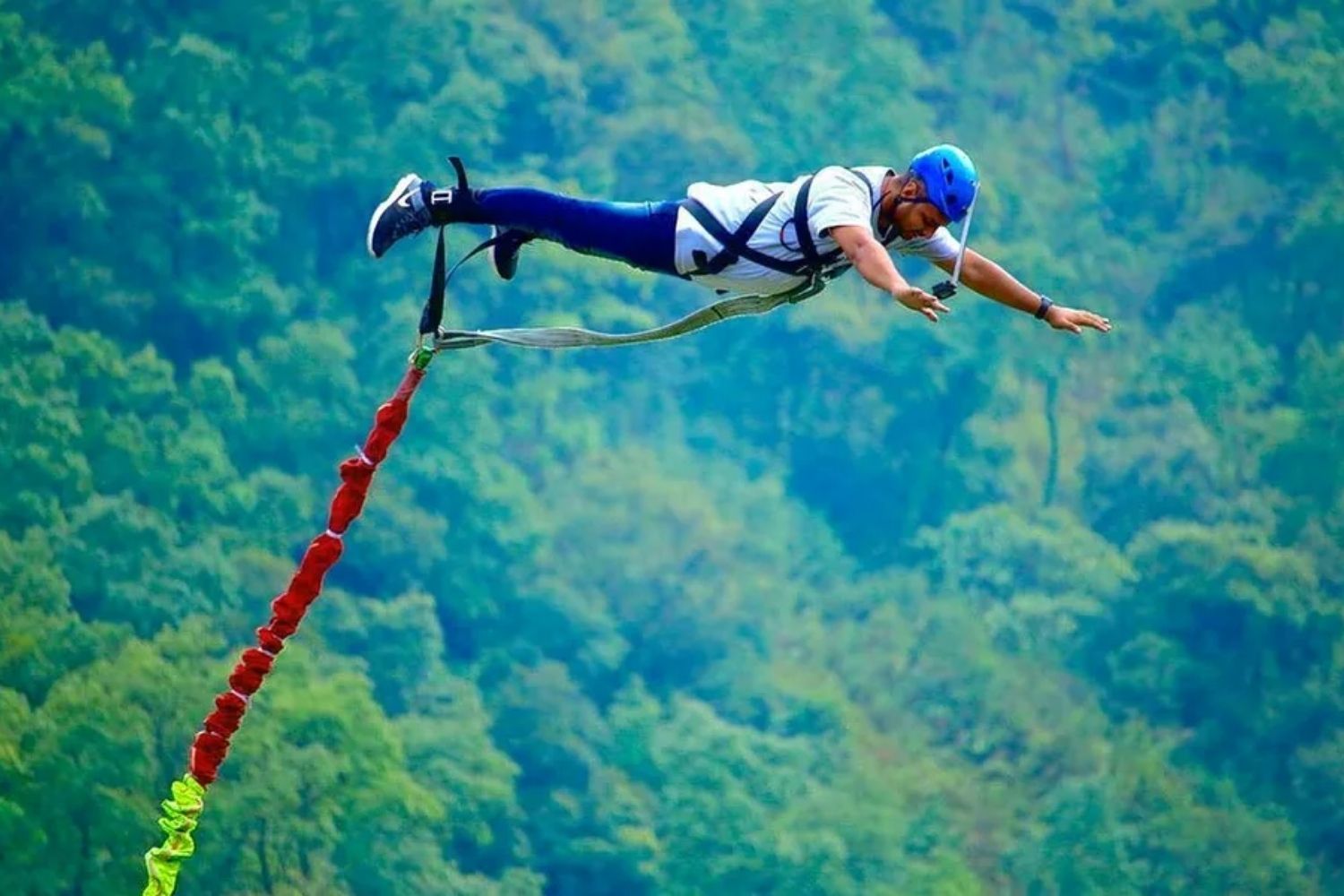
Bungee Jumping in Lonavala
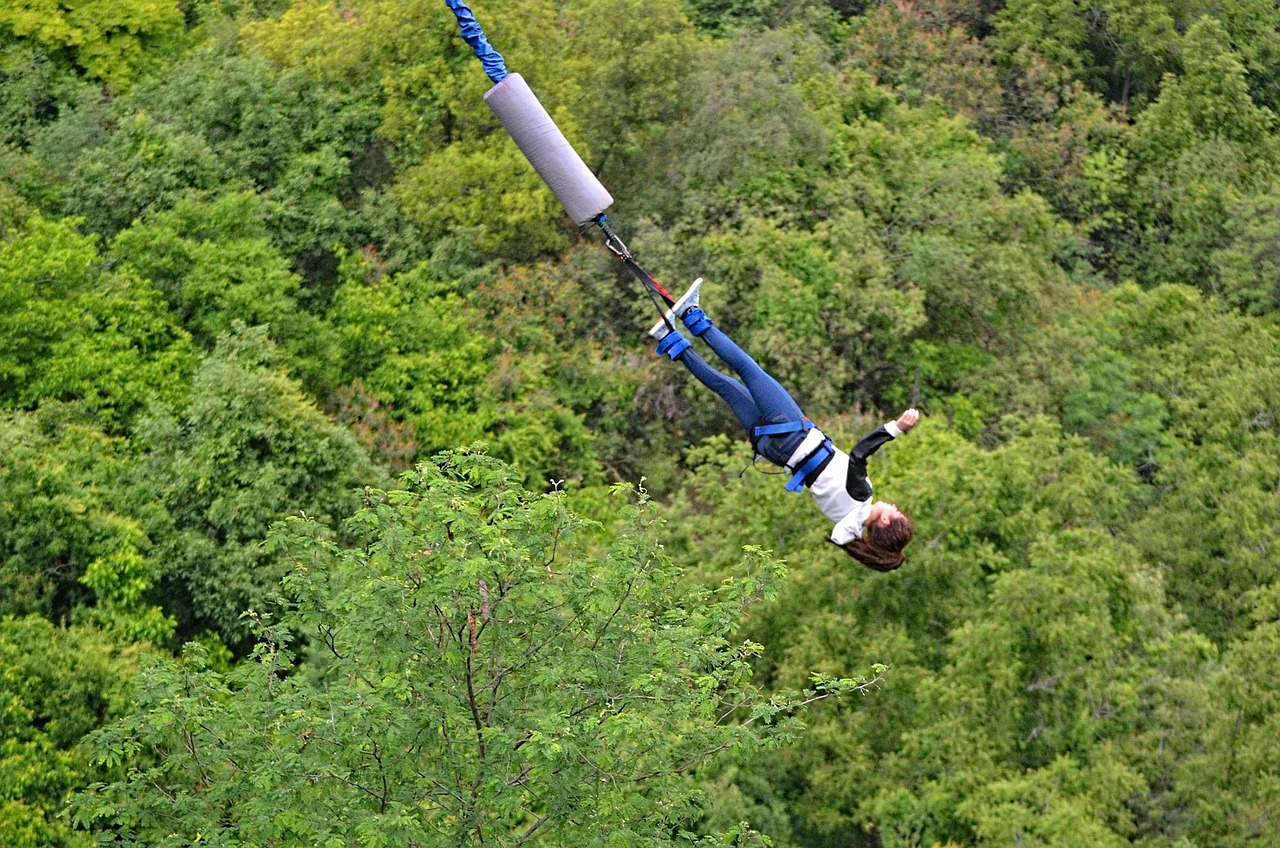
Bungee jumping in Bangalore
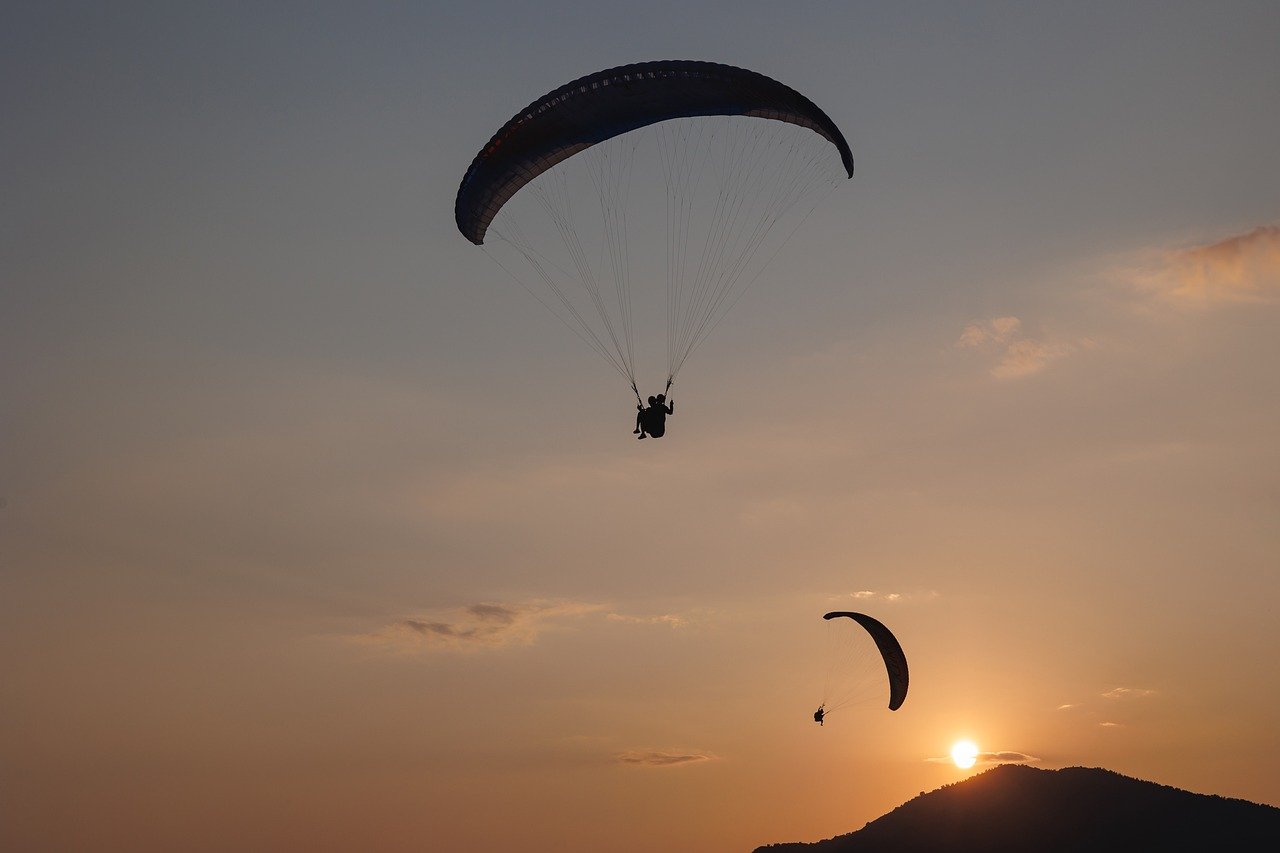
Paragliding in Bir Billing
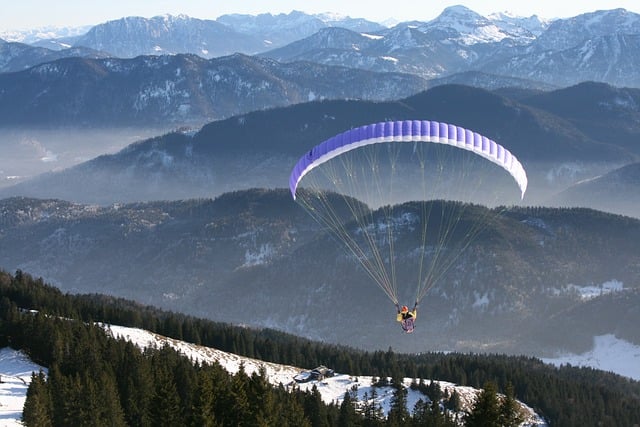
Paragliding in Manali
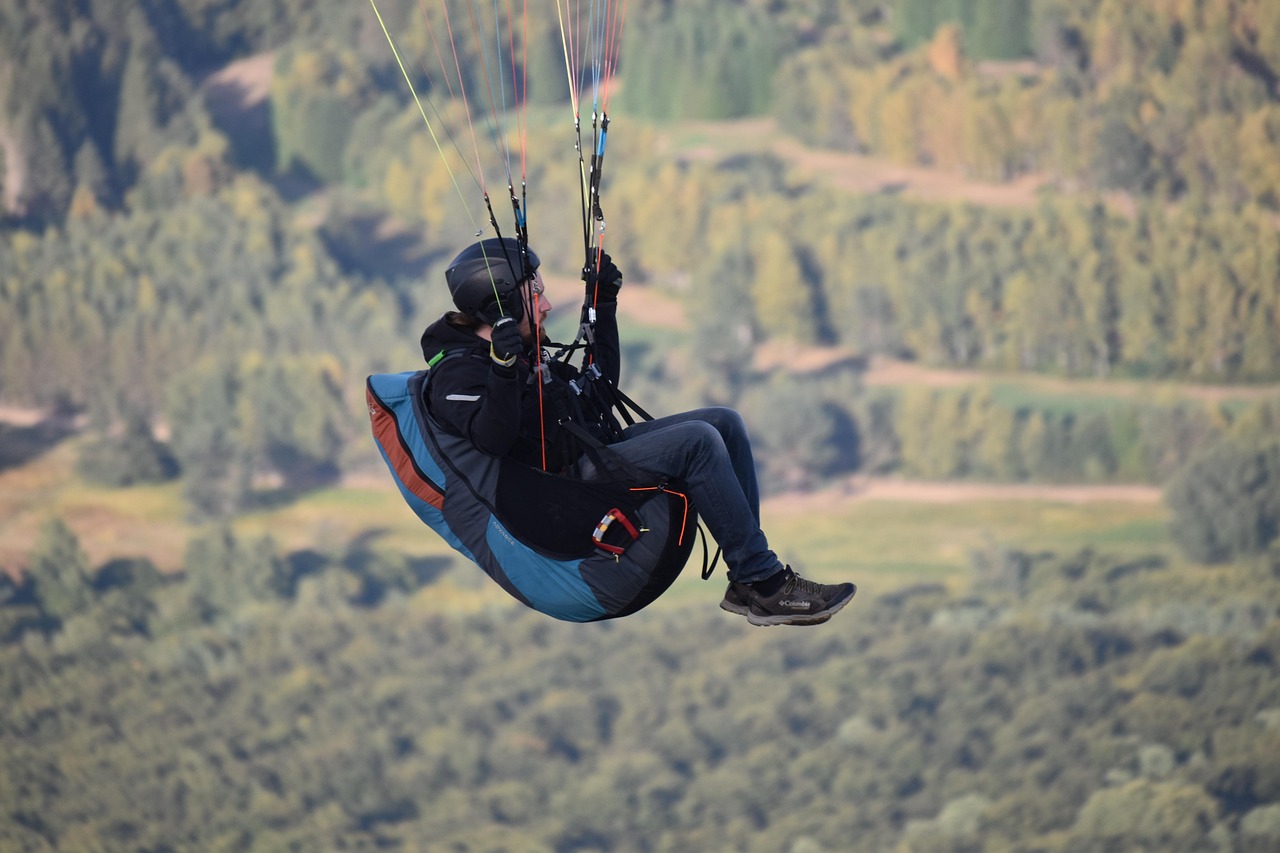
Paragliding in Nainital
Paragliding in Kamshet
Paragliding in Ranikhet and Mukteshwar
Paragliding in Gangtok
Paragliding in Arambol, Goa
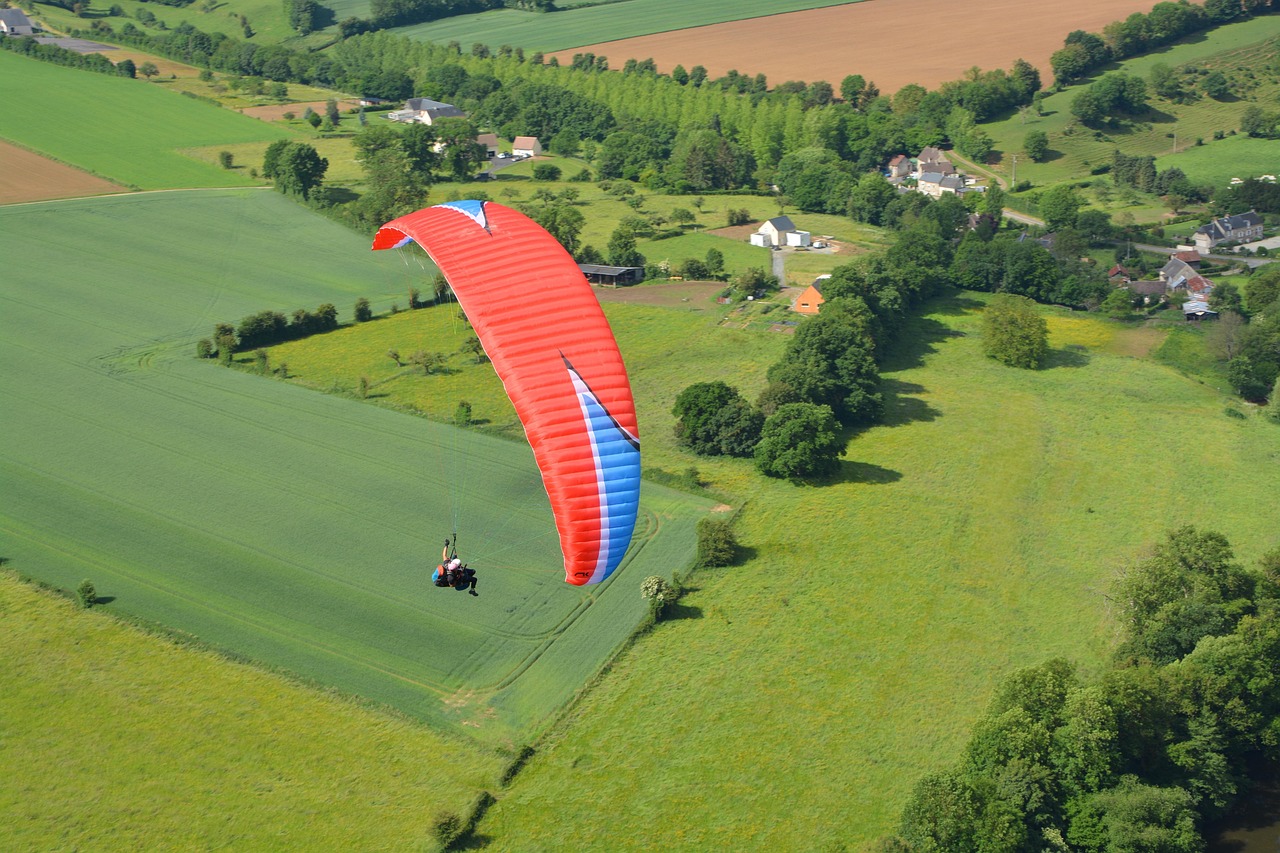
Paragliding in Pavagadh, Gujarat
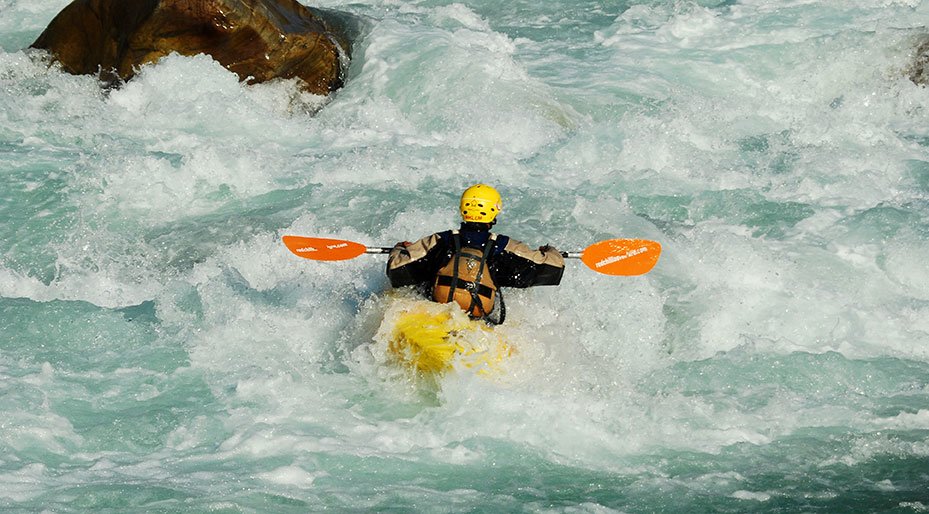
Kayaking in Rishikesh
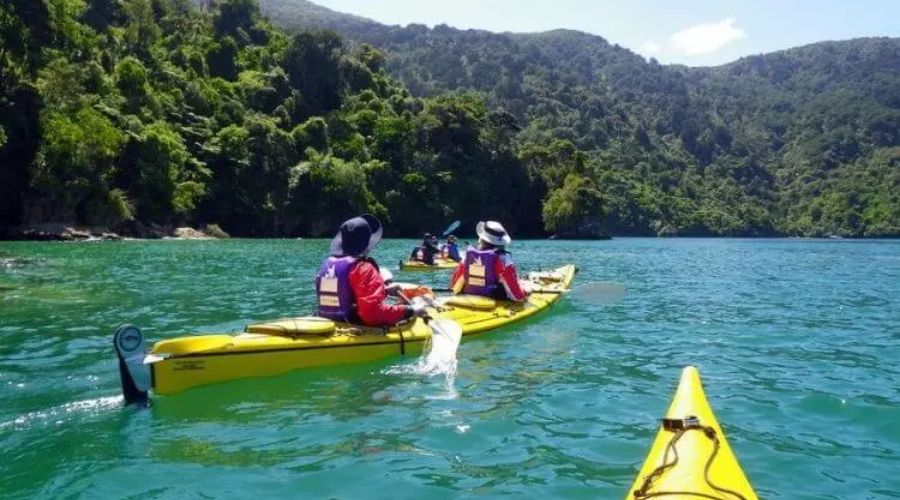
Kayaking in Andaman and Nicobar Islands
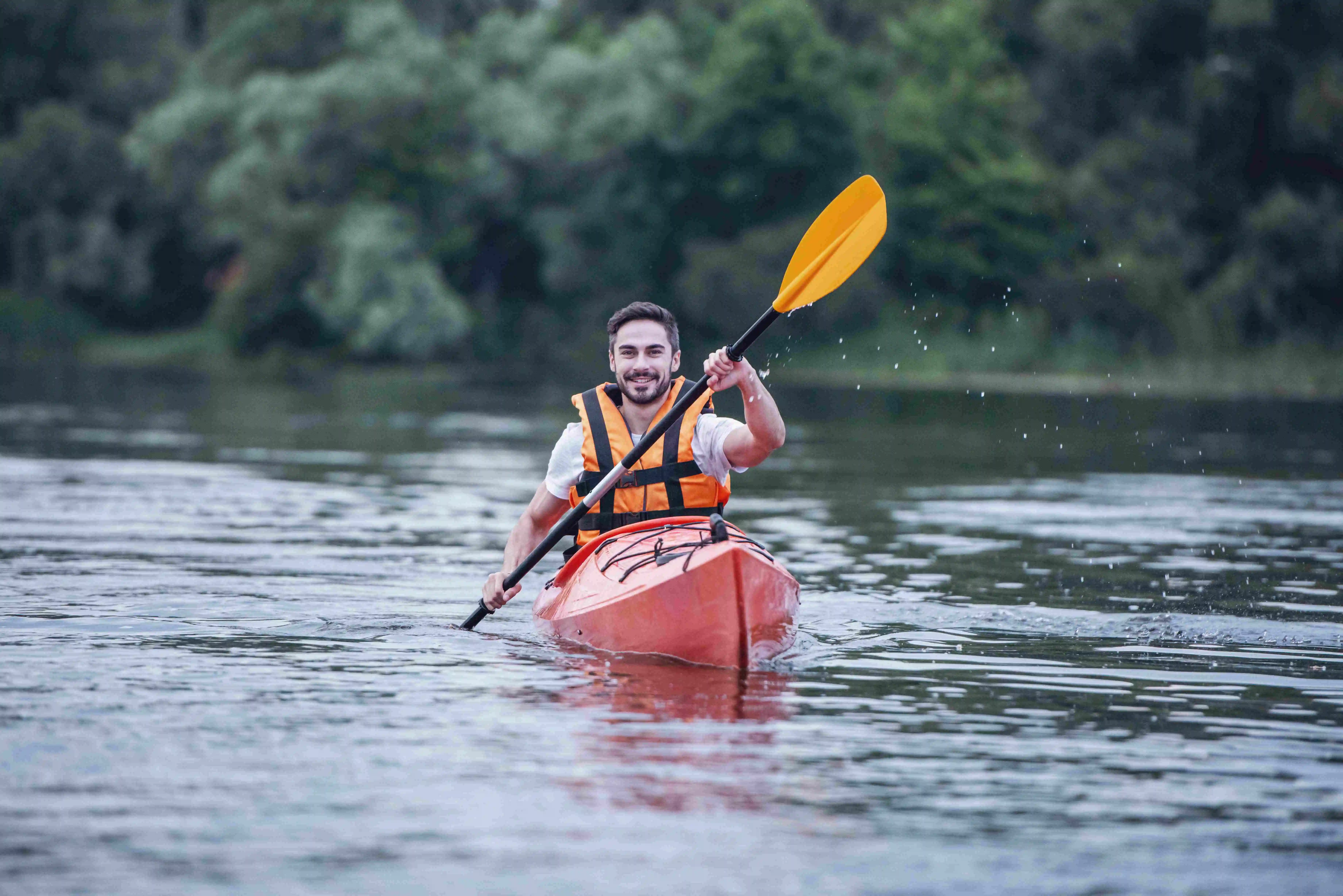
Kayaking in Kerala
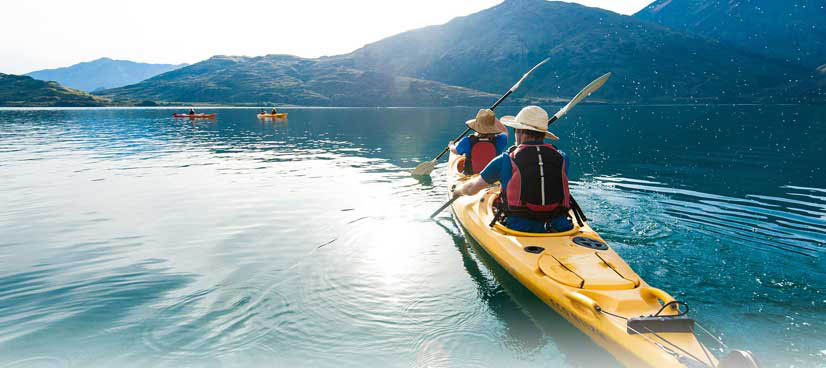
Kayaking in Sikkim
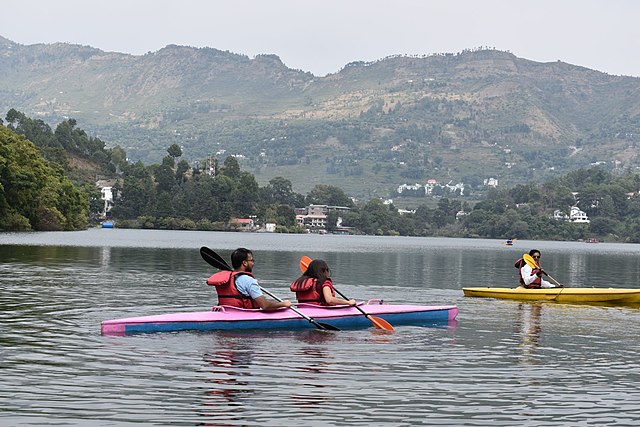
Kayaking in Nainital
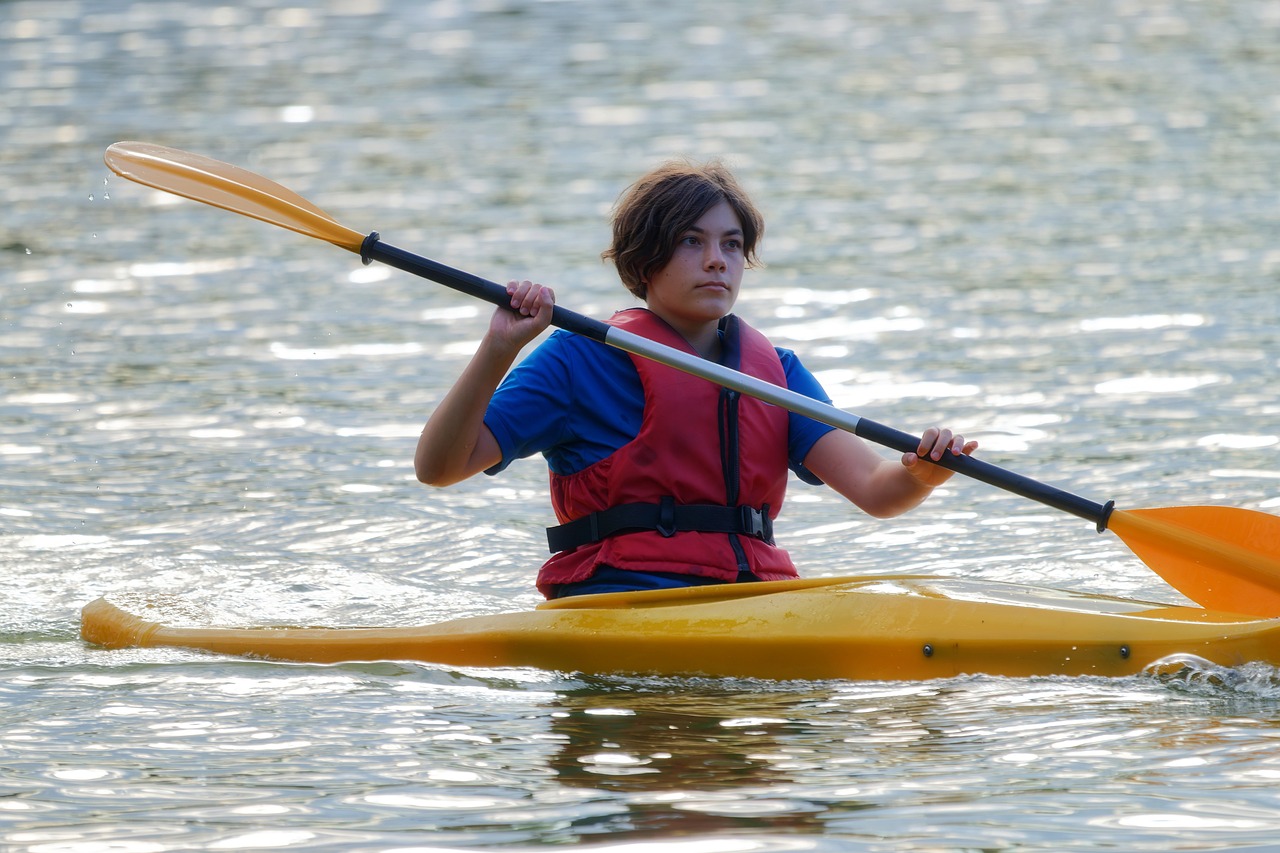
Kayaking in Tungabhadra River, Karnataka
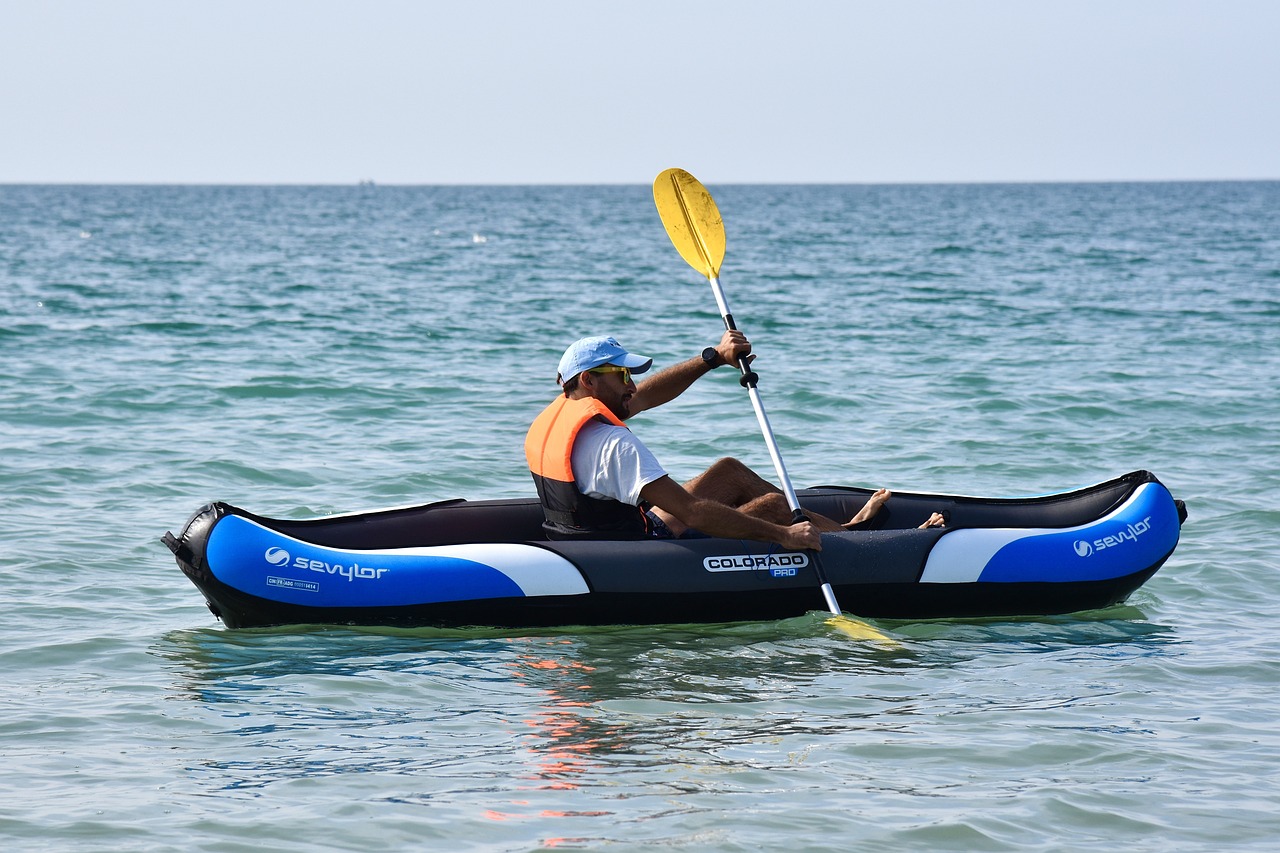
Kayaking in Pondicherry
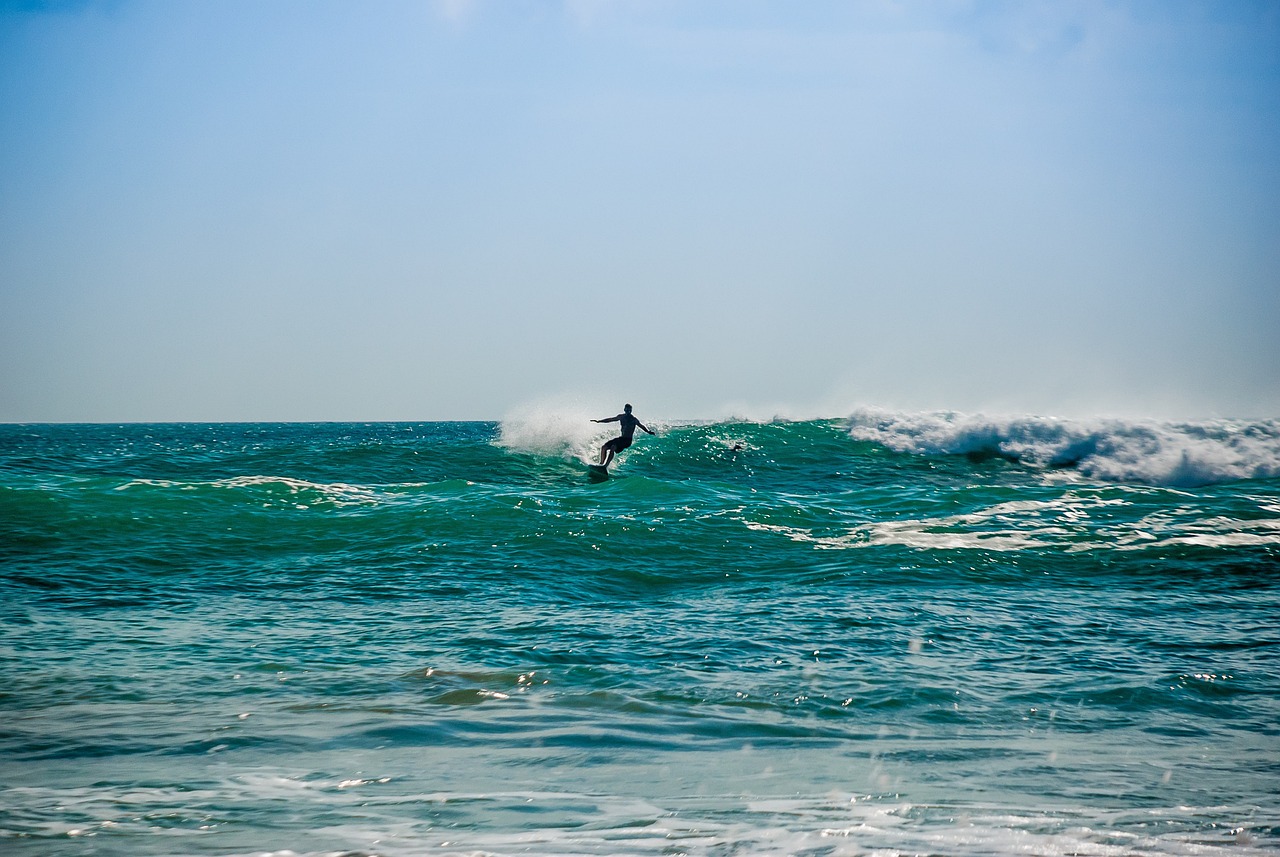
Surfing in Goa
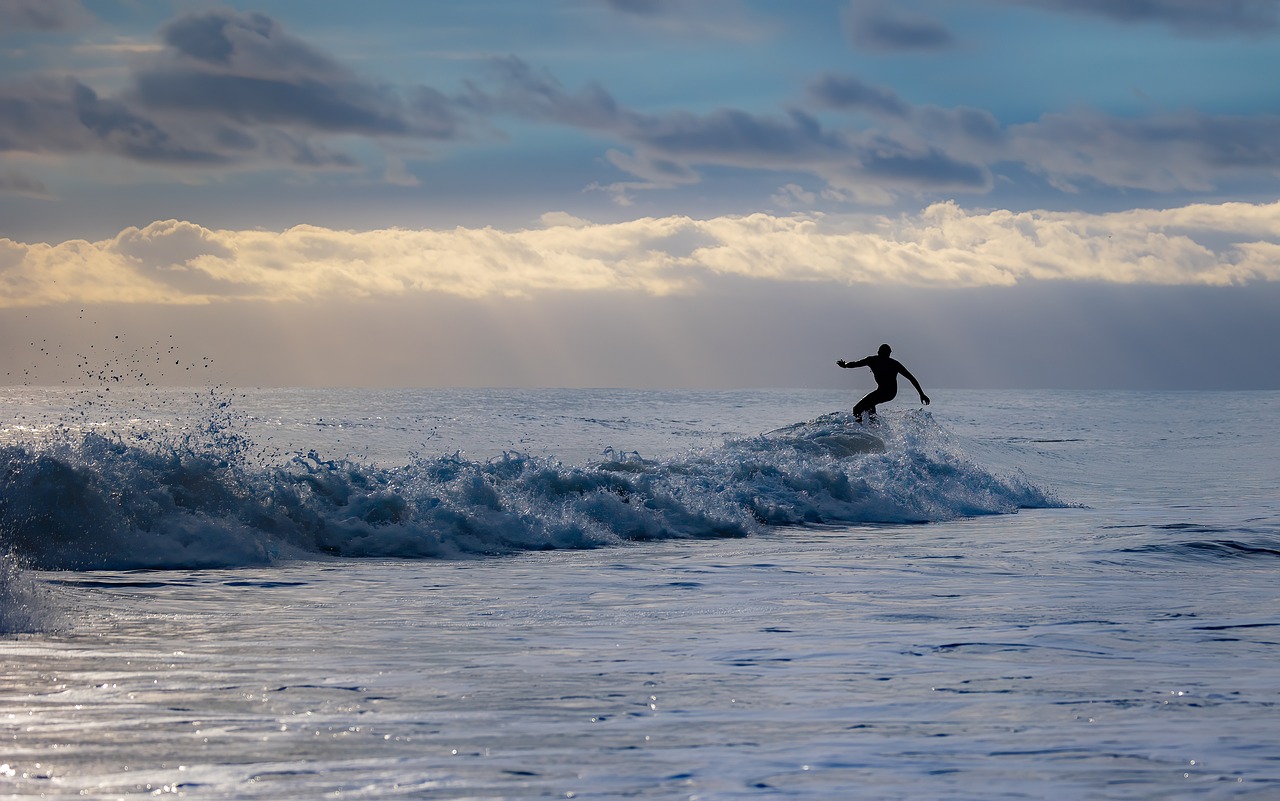
Surfing in Varkala (Kerala)
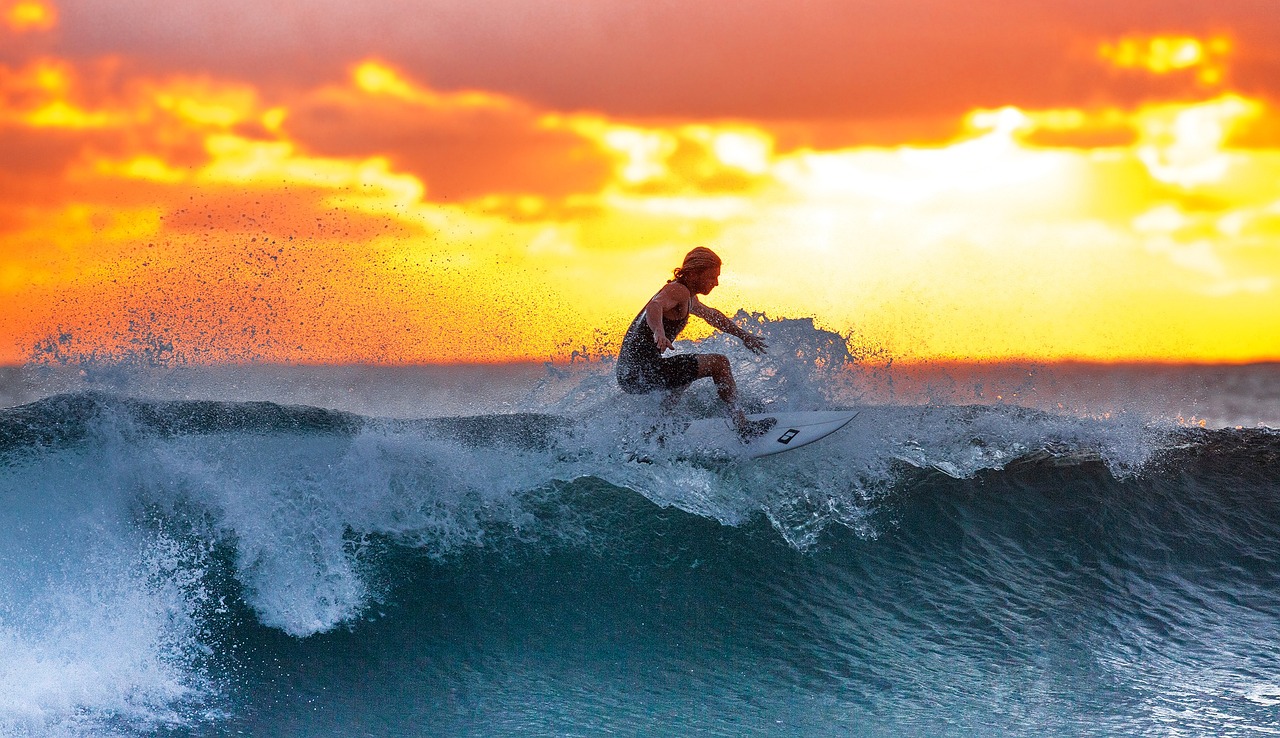
Surfing in Kovalam (Kerala)
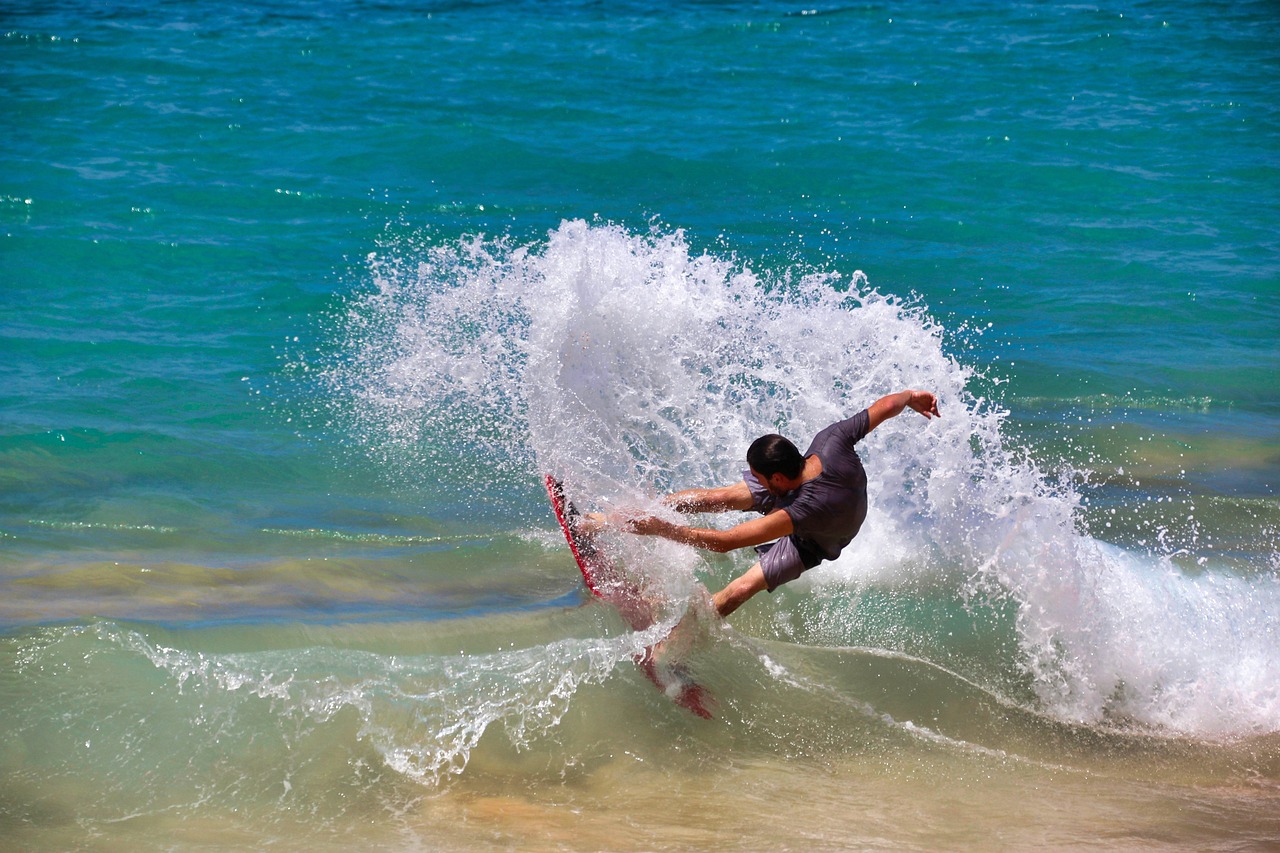
Surfing in Manapad (Tamil Nadu)
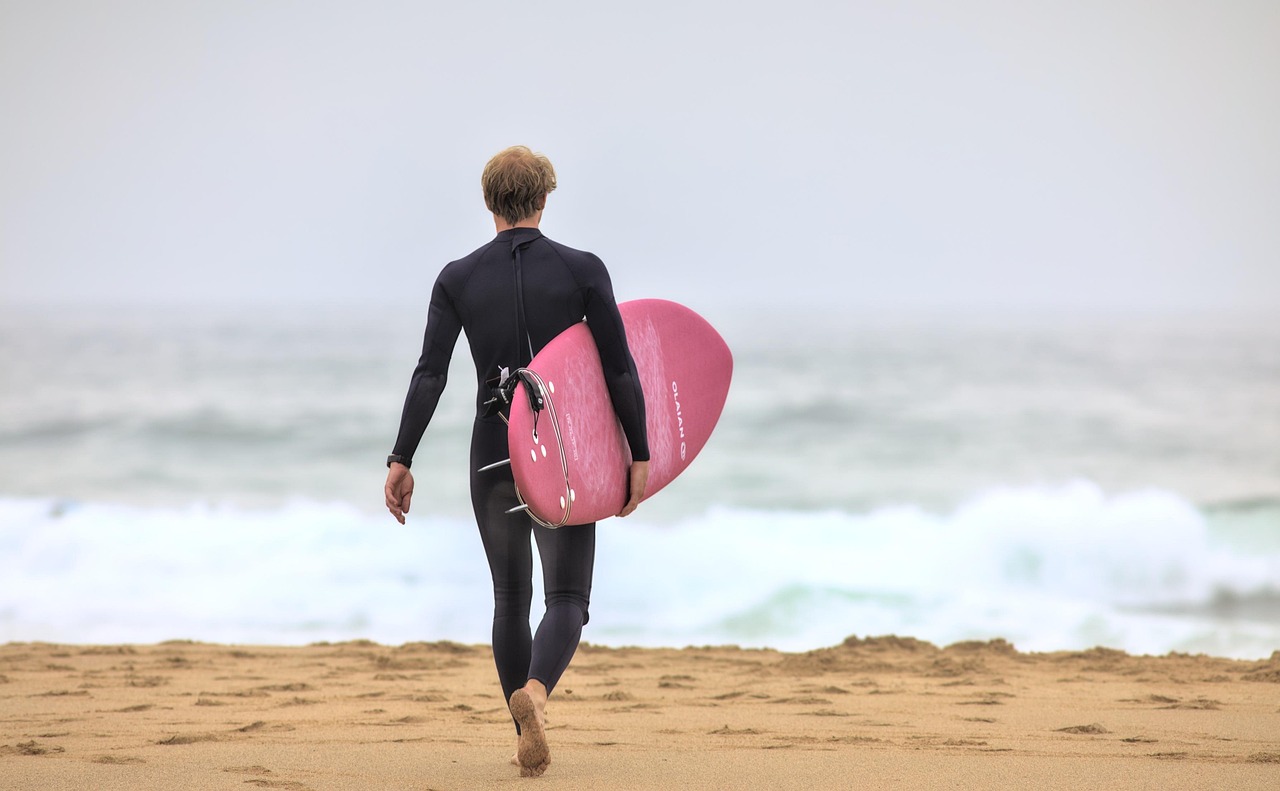
Surfing in Udupi (Karnataka)
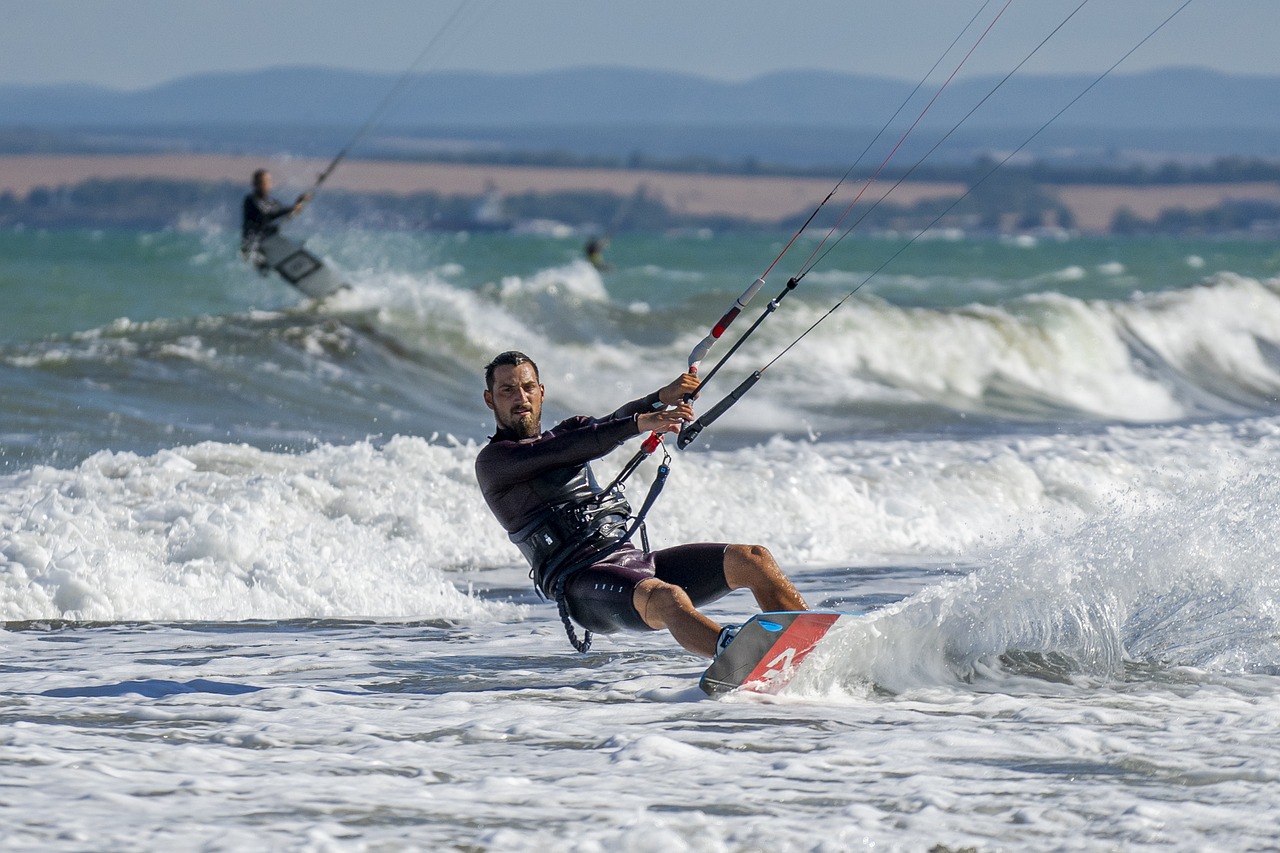
Surfing in Gokarna (Karnataka)
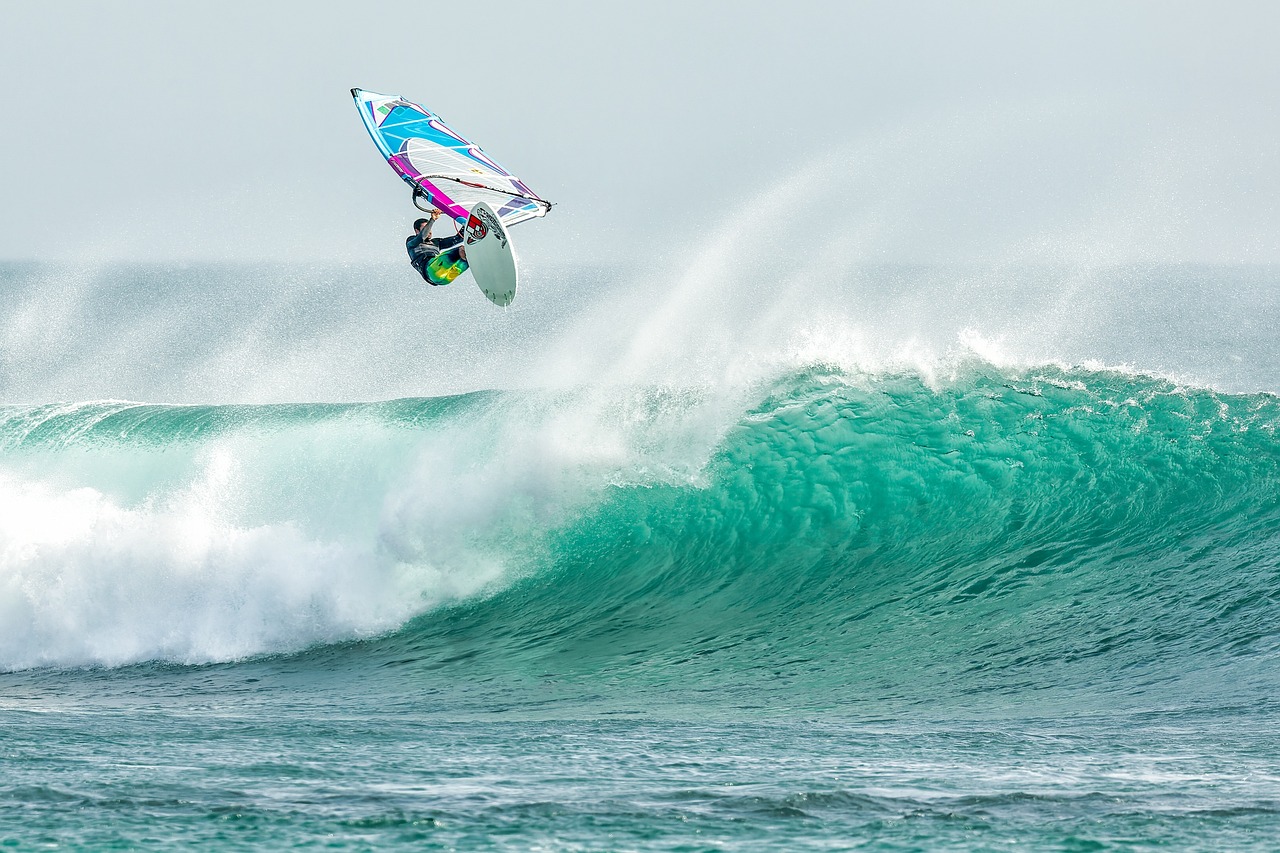
Surfing in Puducherry
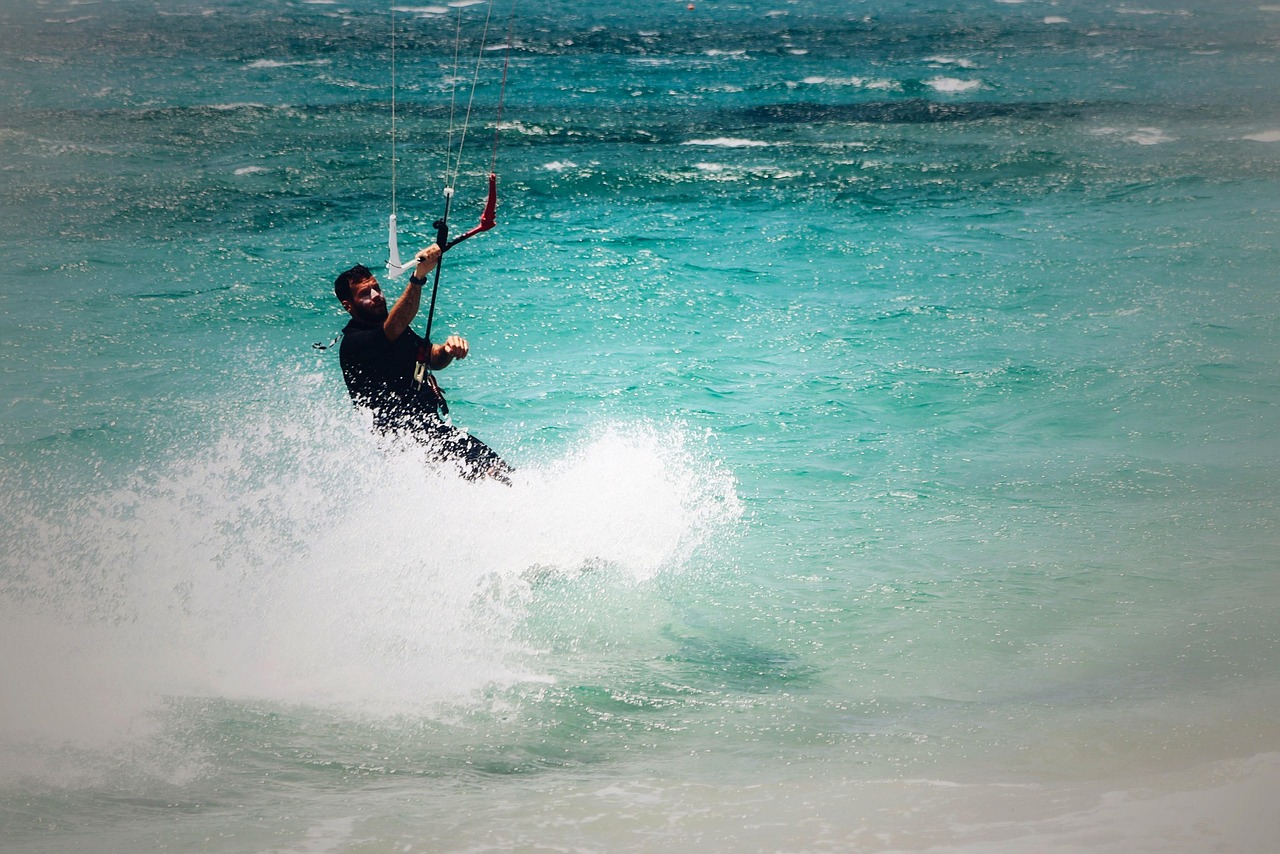
Surfing in Sindhudurg (Maharashtra)
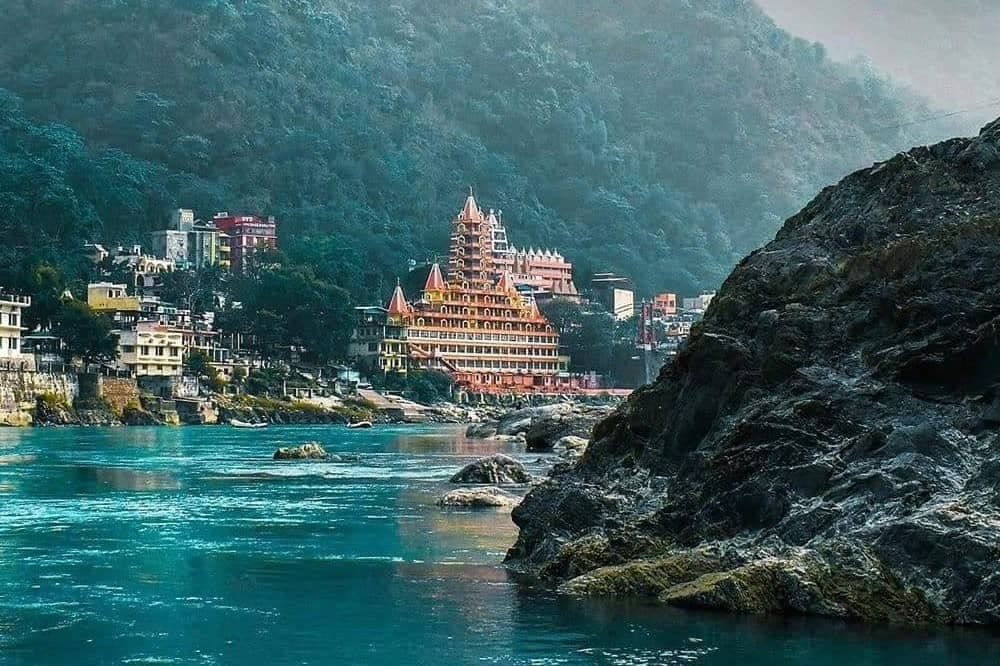
Top 10 Visiting Places in Rishikesh: Your Ultimate Travel Guide
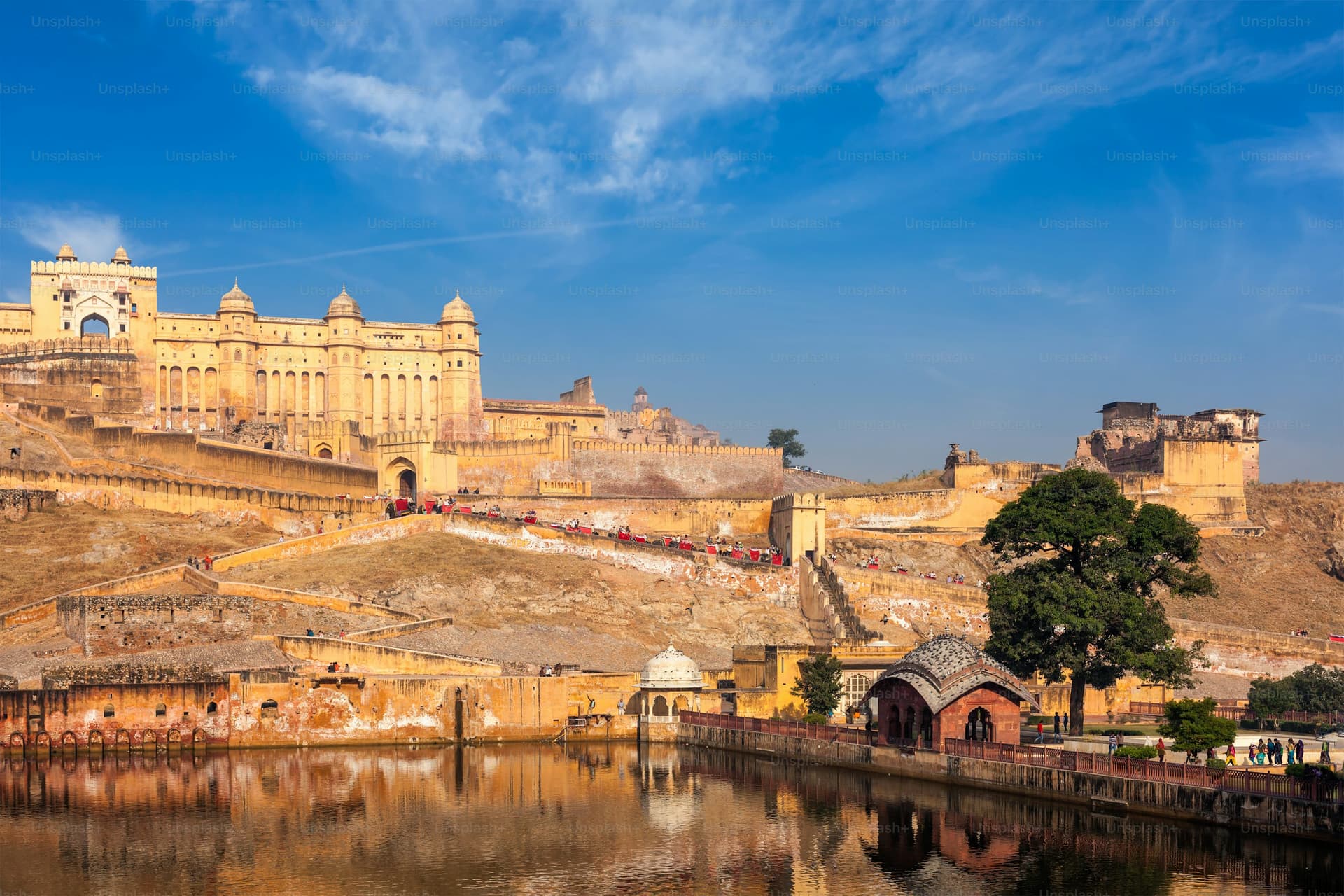
Top 10 Visiting Places in Jaipur: The Pink City’s Must-See Attractions
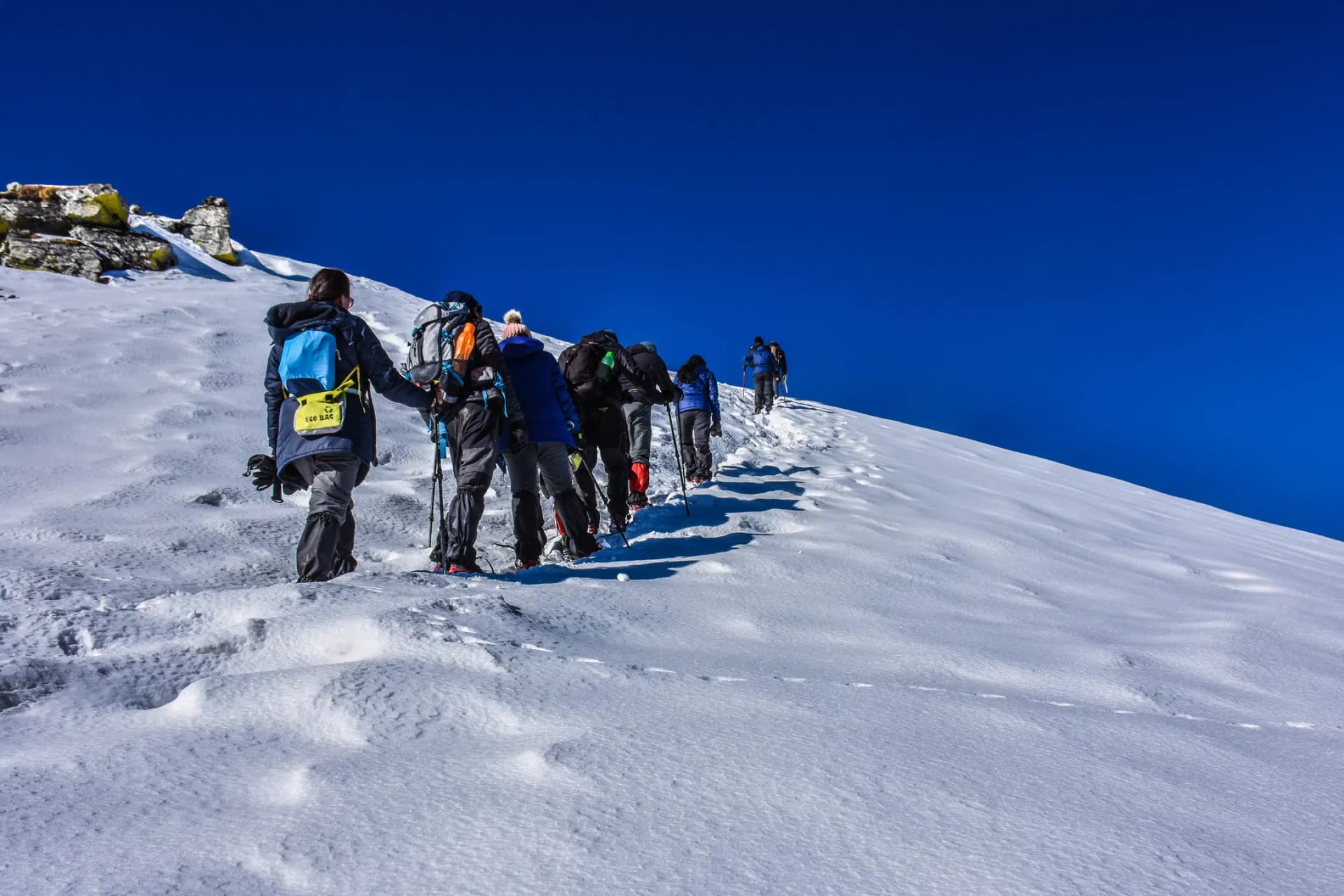
9 Amazing Treks in Uttarkashi: A Perfect Blend of Adventure, Beauty, and Peace
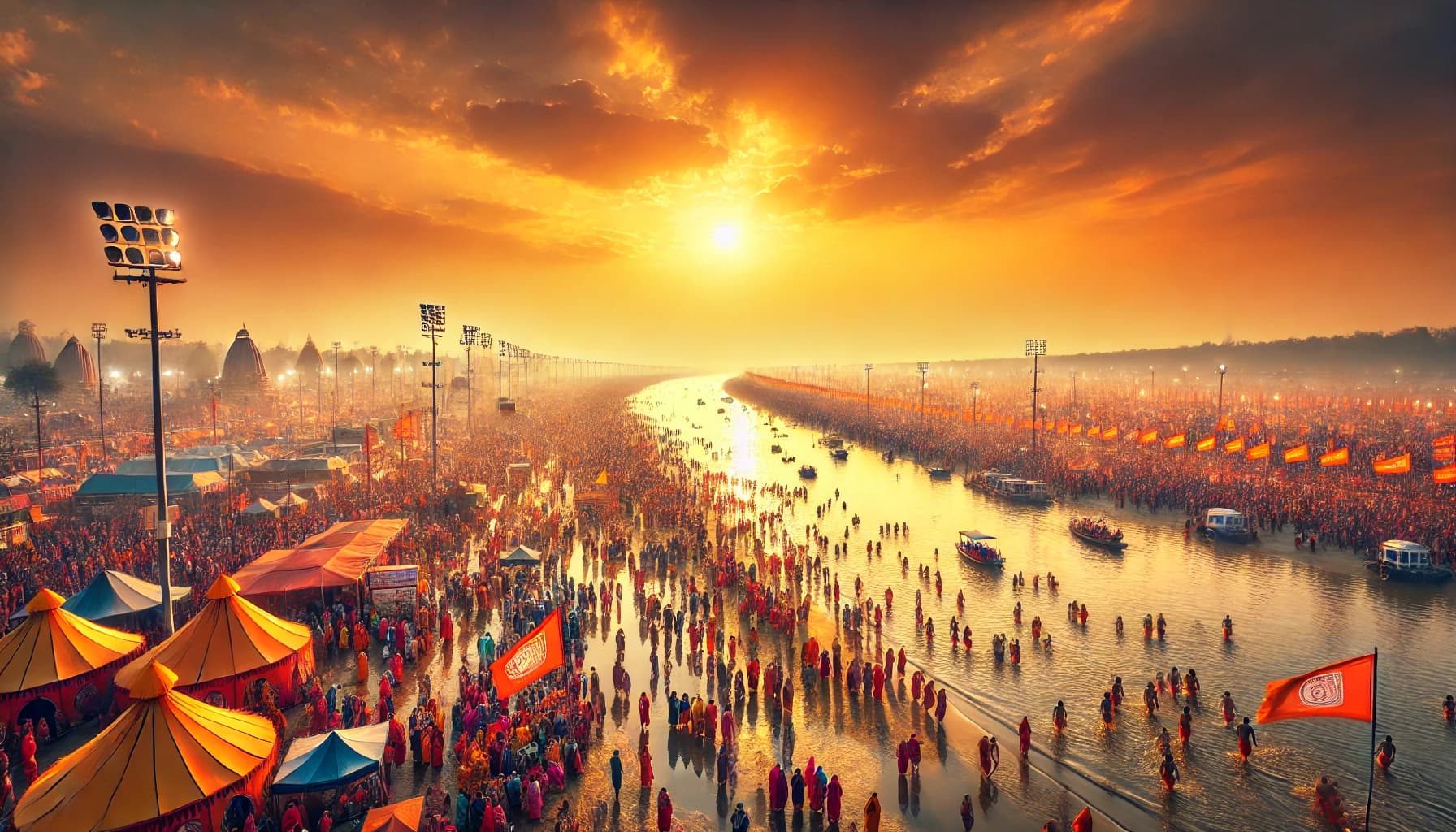
Prayagraj Maha Kumbh Mela 2025: Royal Bath Dates and Their Religious Significance
Valley of Flowers: A Himalayan Wonderland of Bloom and Beauty
Hemkund Sahib Trek: A Divine Journey to the Sacred Himalayan Pilgrimage
Kuari Pass Trek: A Dreamy Journey Amidst the Himalayas
A Unique Spiritual Journey Among the Panch Kedar
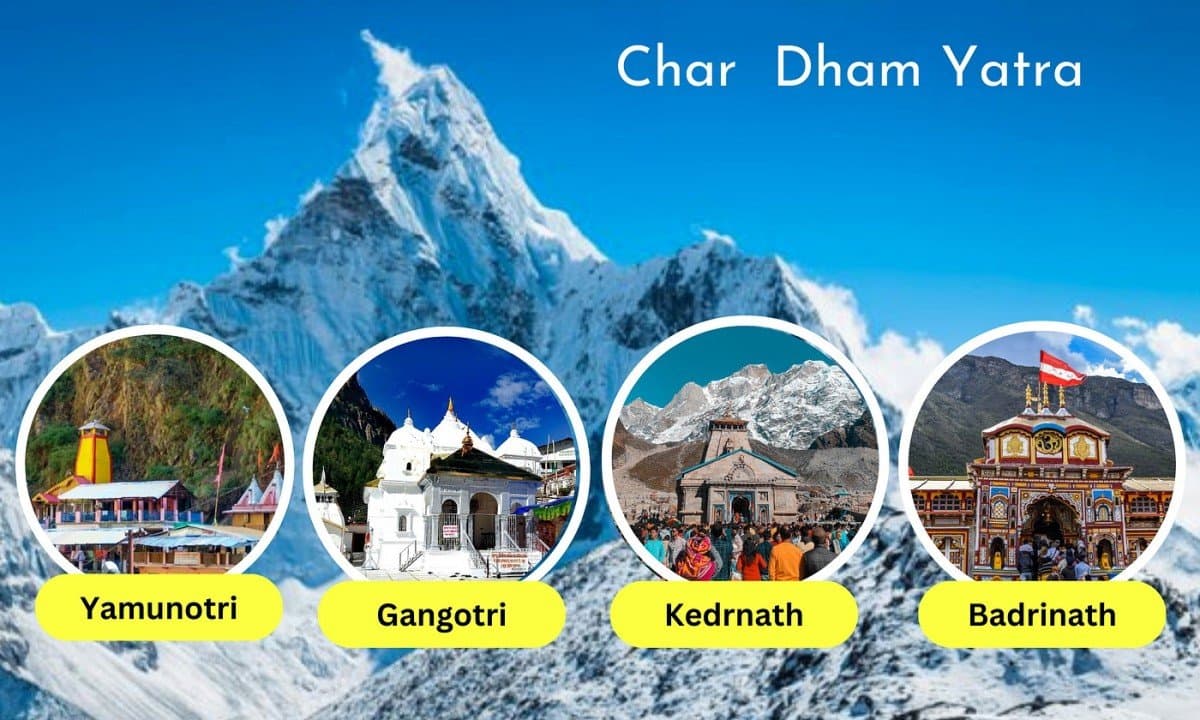
🕉️ Char Dham Yatra: A Life-Changing Spiritual Journey 🏔️🙏
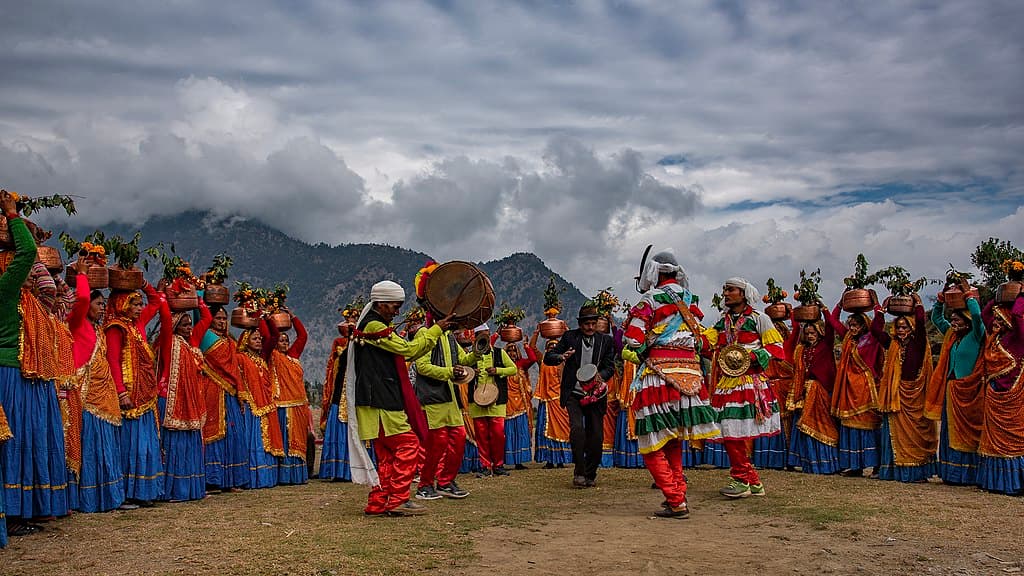
Ganga Dussehra to Nanda Devi Raj Jat: Major Festivals and Culture of Uttarakhand
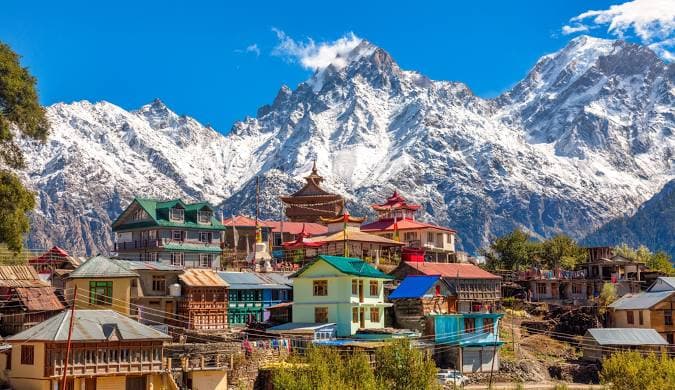
A Paradise in the Lap of the Himalayas: The Complete Travel Story of Himachal Pradesh 🏔️
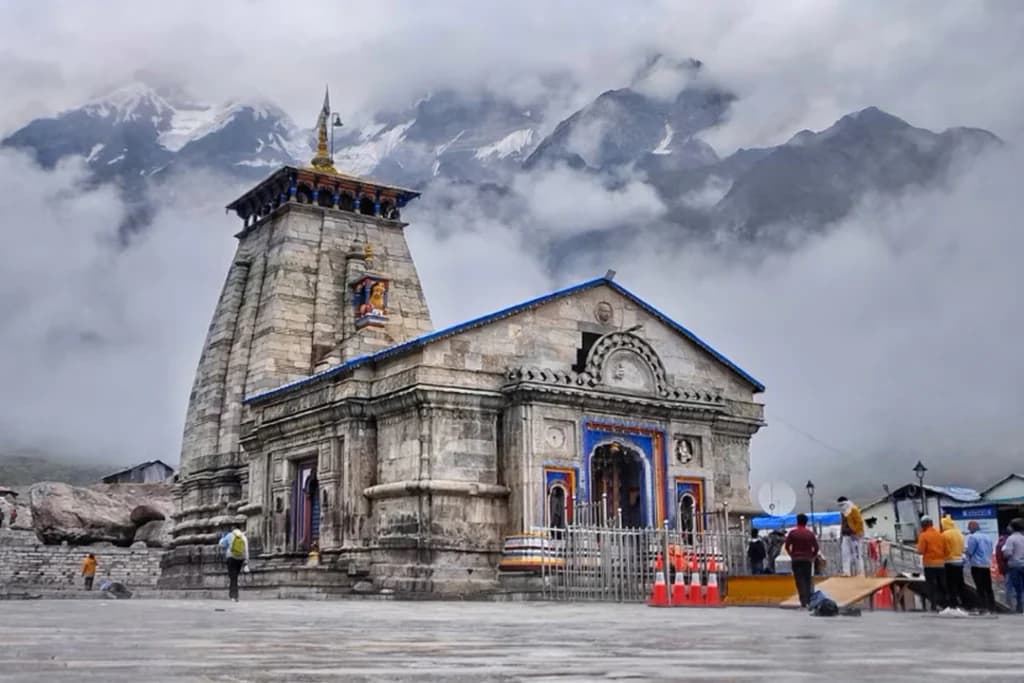
🕉️ The Doors of Baba Kedar Close — The Himalayas Echo with “Har Har Mahadev”
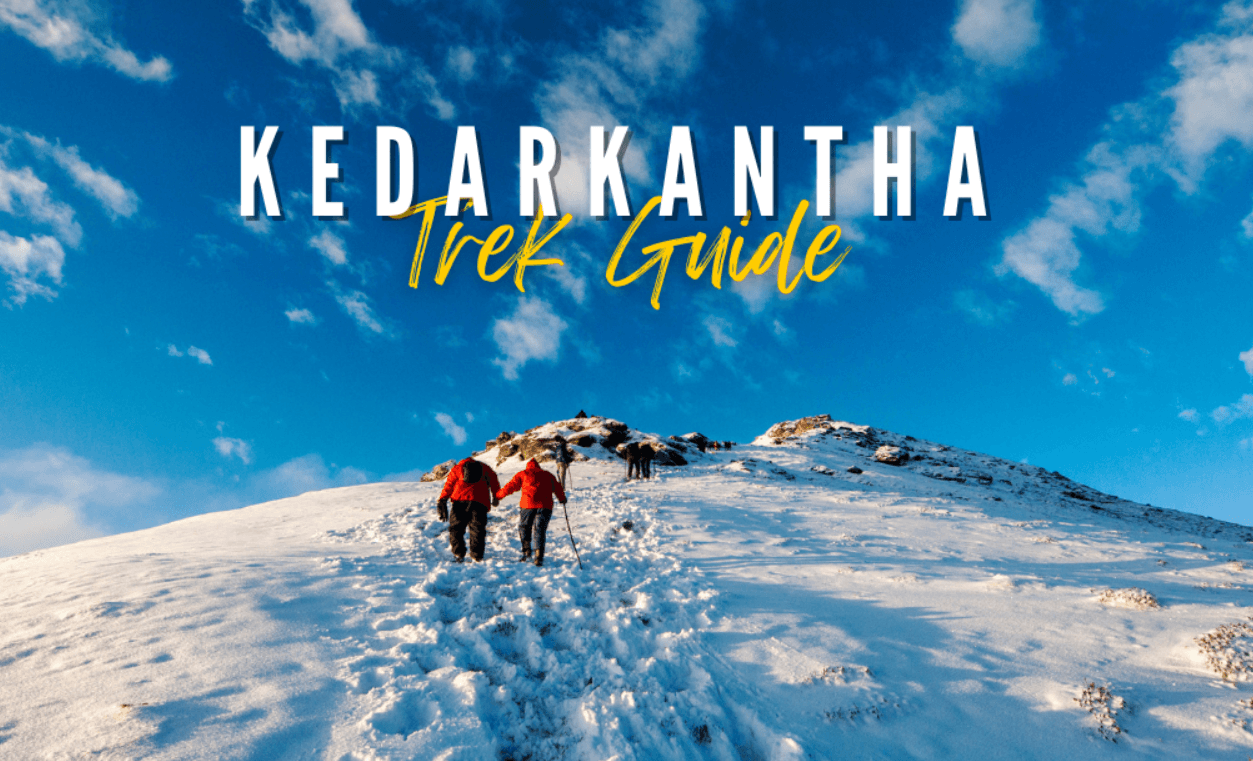
Kedarkantha Trek – The Crown of Winter Treks ❄️
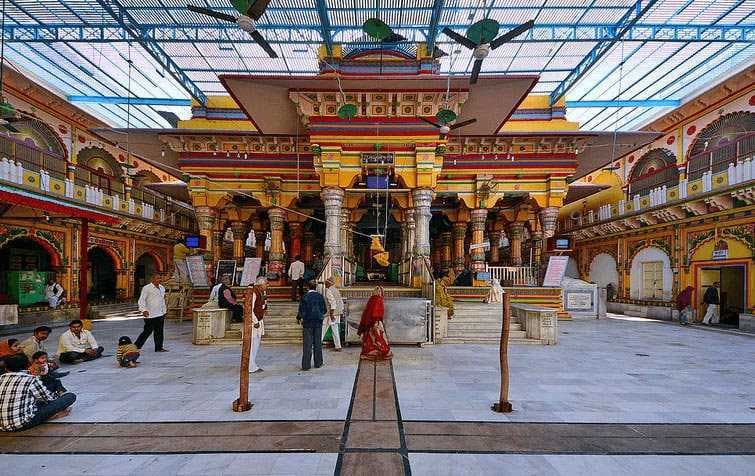
Shri Dwarkadhish Temple, Mathura – The Divine Abode of Lord Krishna
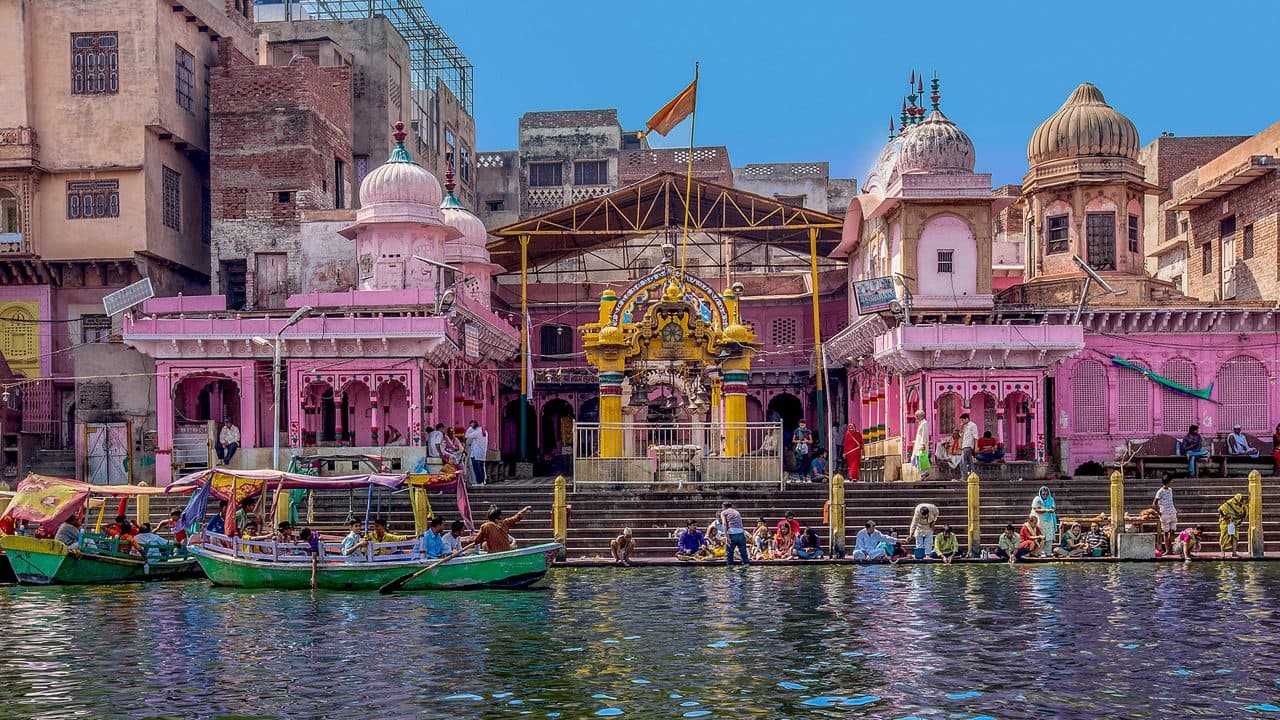
Vishram Ghat: The Sacred Riverside of Mathura
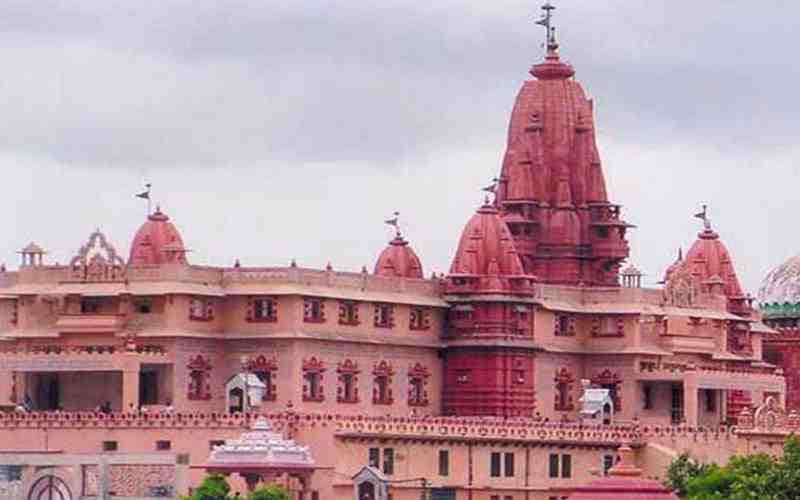
Explore Mathura – Temples, Culture, and Festivals
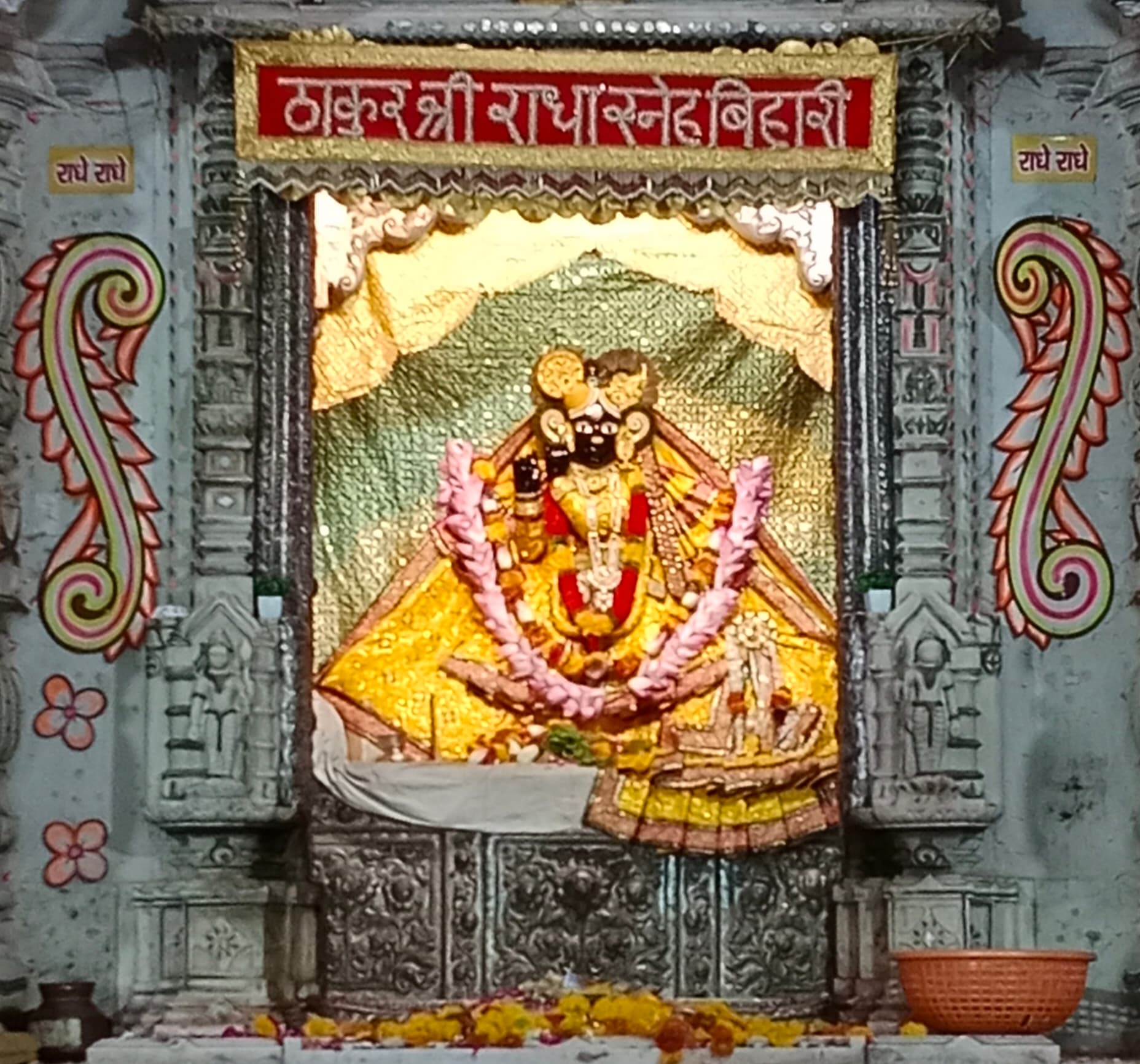
✨ Seek Blessings of Shri Banke Bihari Ji – Experience the Divine Vrindavan! 🙏
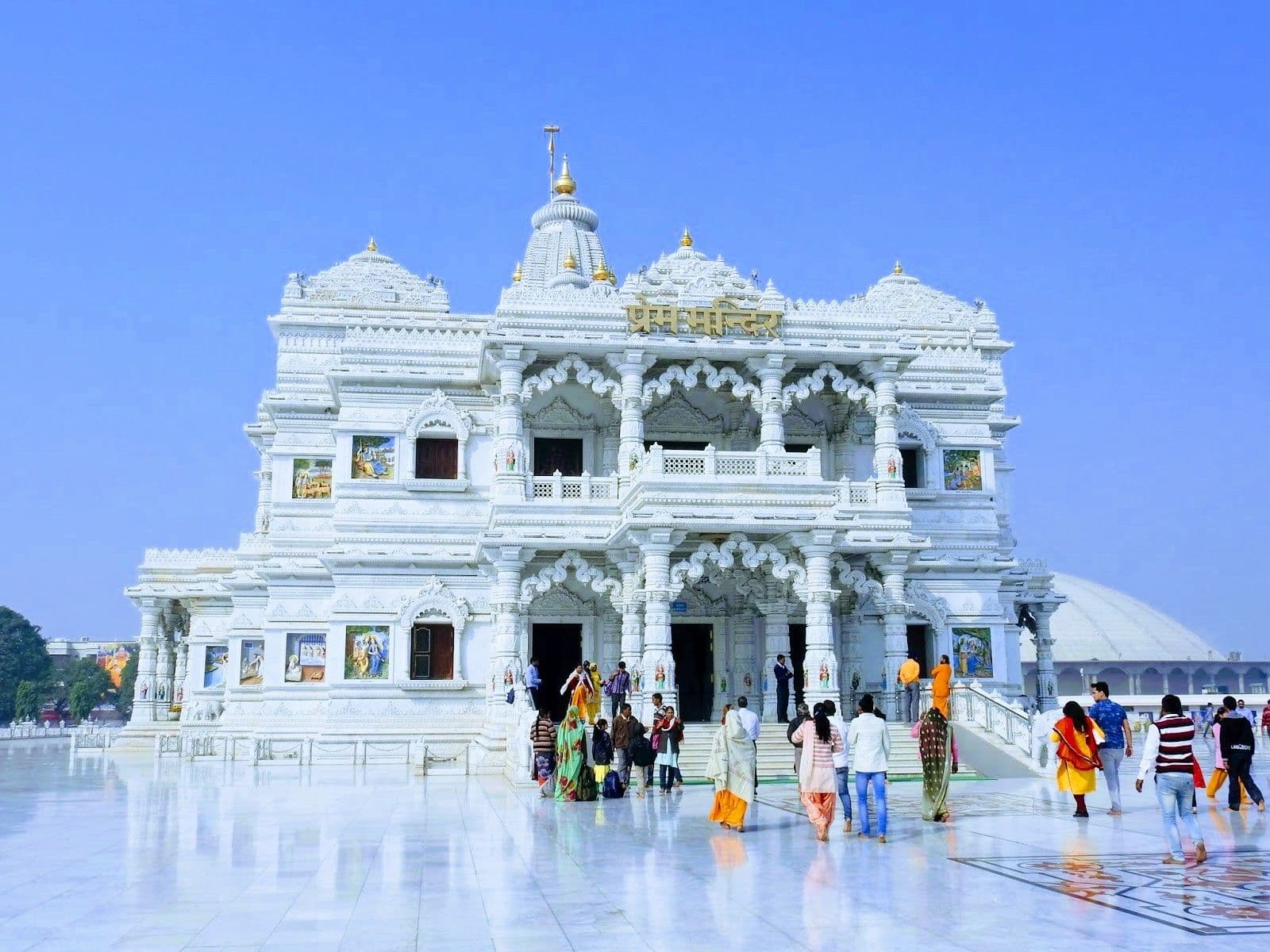
Shri Prem Mandir – Feel the Divine Love in Vrindavan 🙏
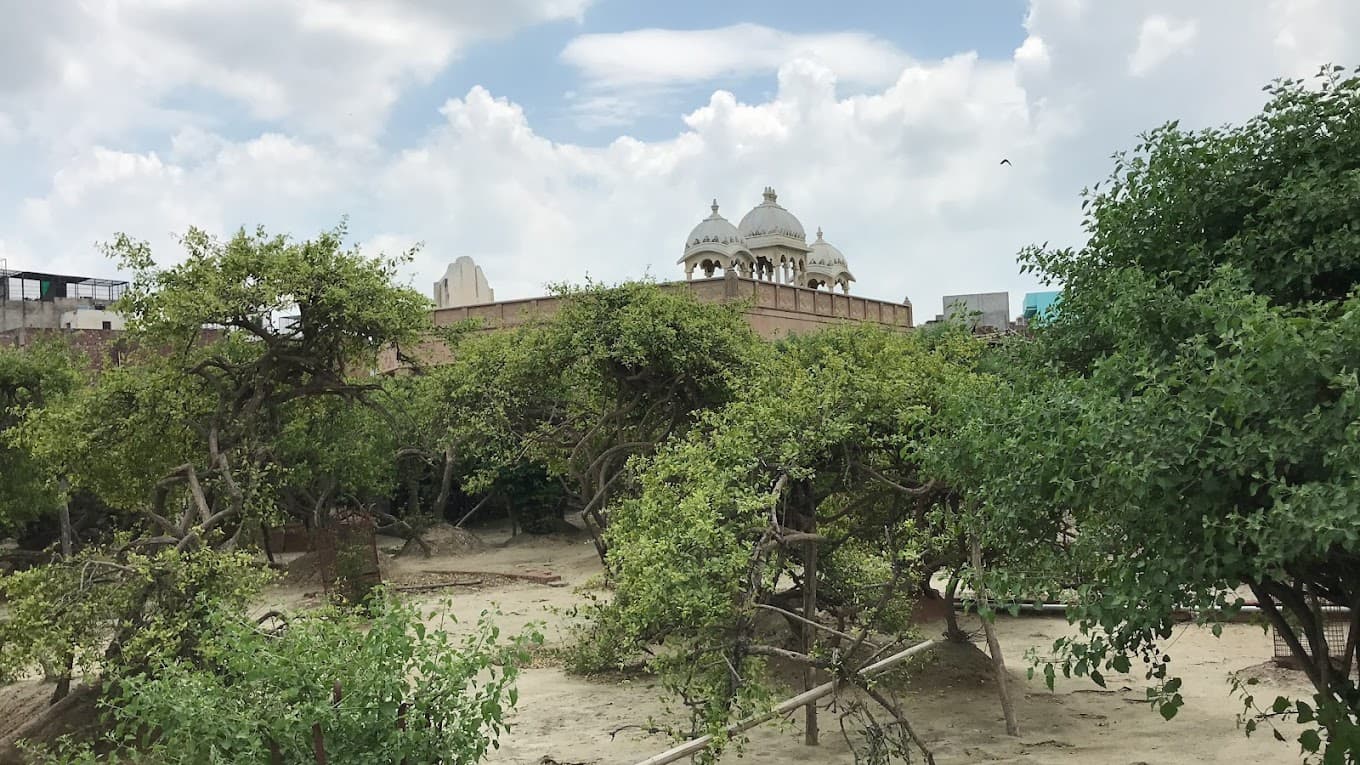
Nidhivan Vrindavan: Where Radha-Krishna Still Perform the Divine Ras Leela
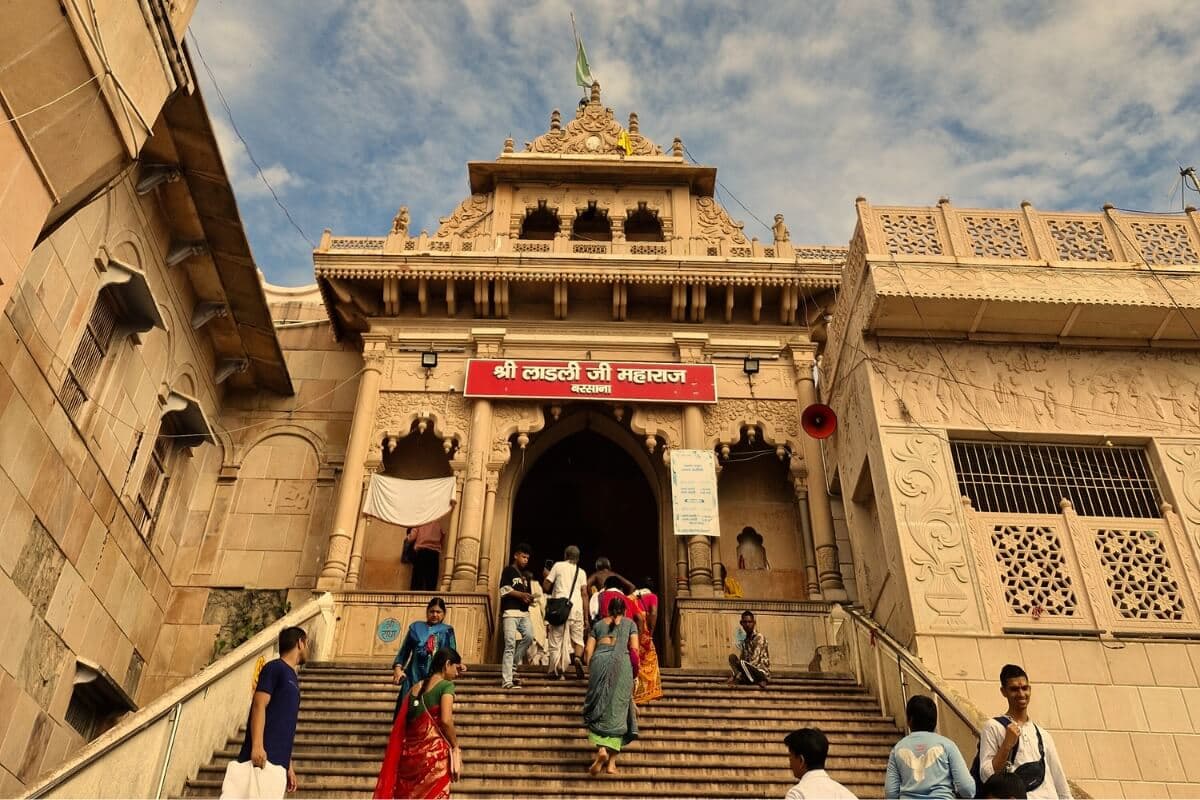
🙏 Have a divine darshan of Shri Radha Rani Temple in Barsana!
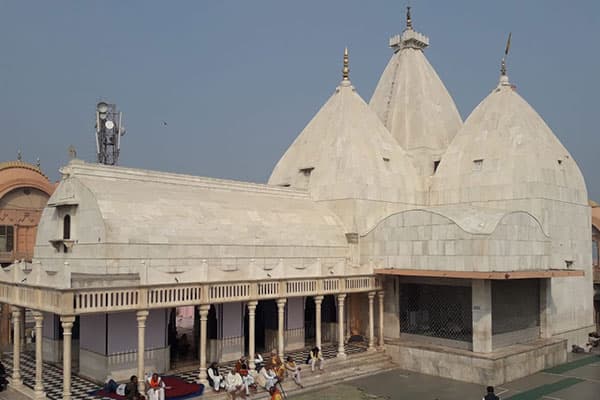
The historic Nanda Bhavan Temple in Gokul – a glimpse into the childhood of Lord Krishna
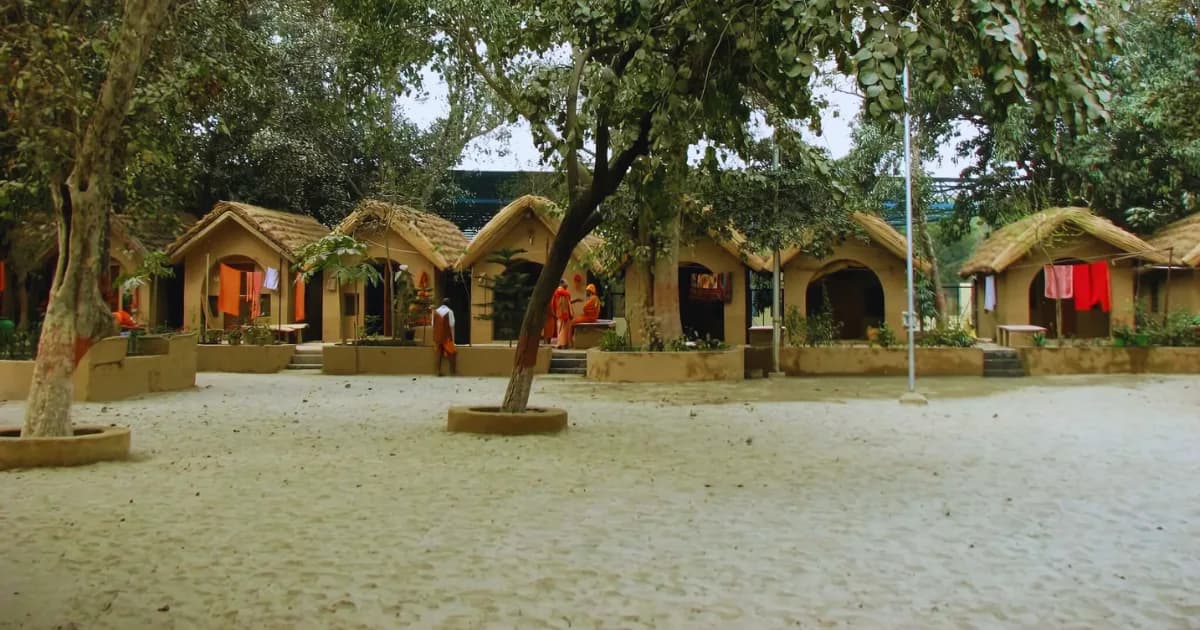
Raman Reti, Mathura: The sacred land of Balkrishna's pastimes
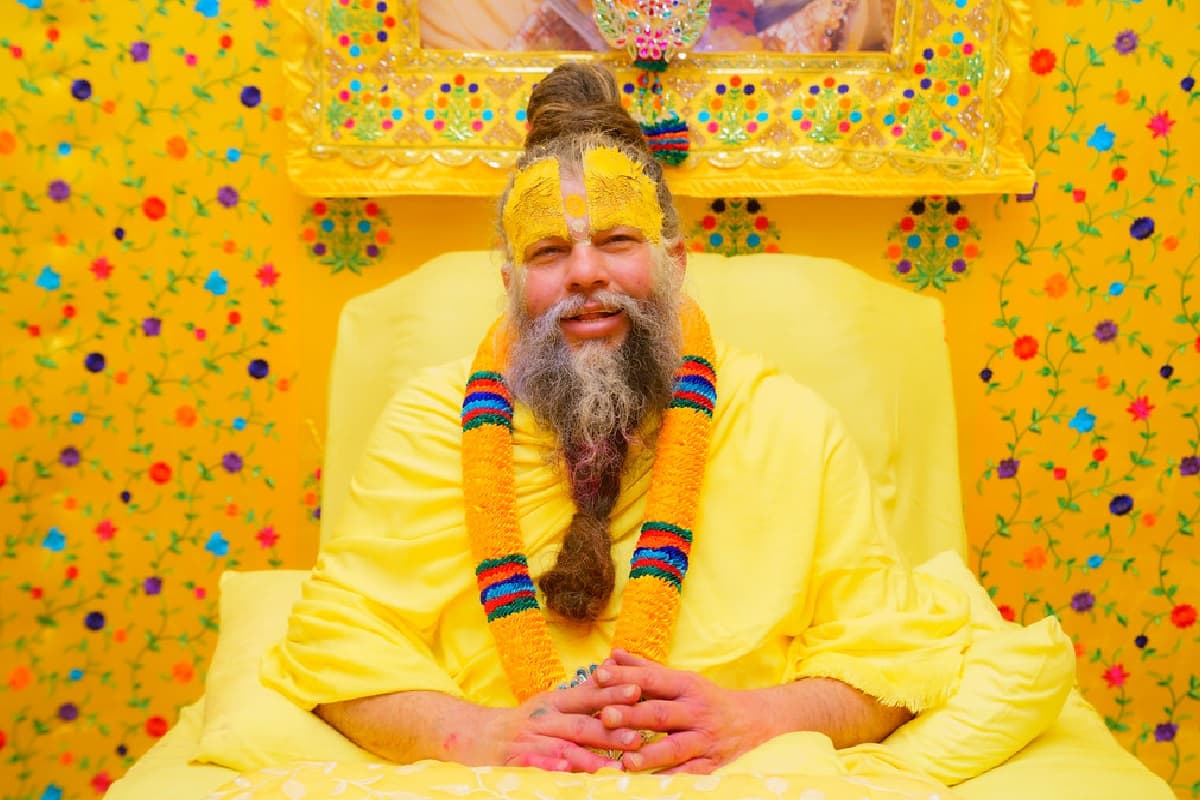
How to Get Darshan of Shri Premanand Ji Maharaj? Understand the Timings, Location & Contact Process.
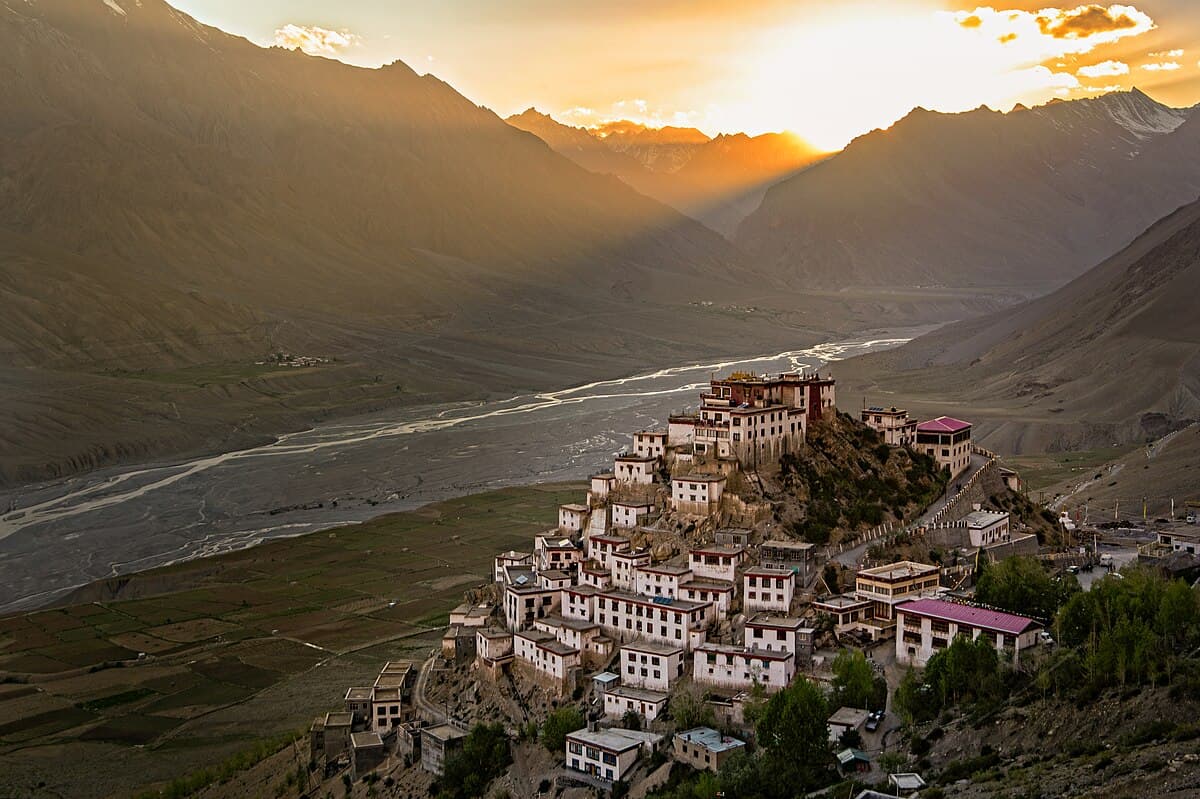
Discover the Magic of Spiti Valley – Villages, Monasteries & Scenic Wonders Await! 🏔️✨
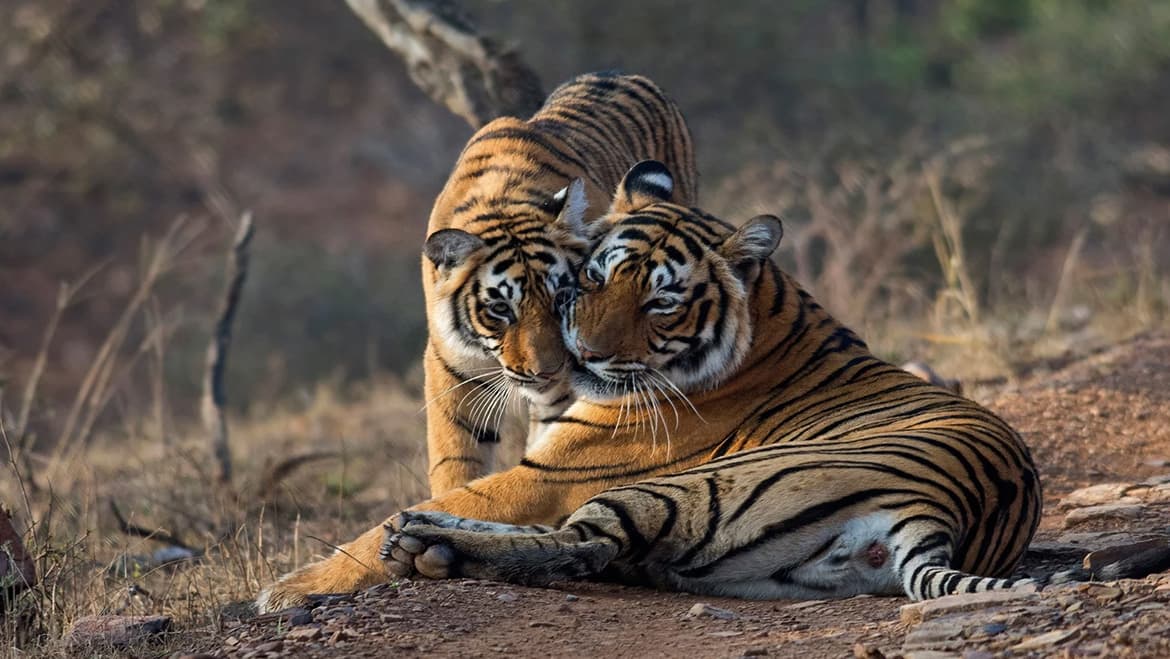
Ranthambhore National Park – Where Royal Tigers, Ancient Forts & Wilderness Come Alive
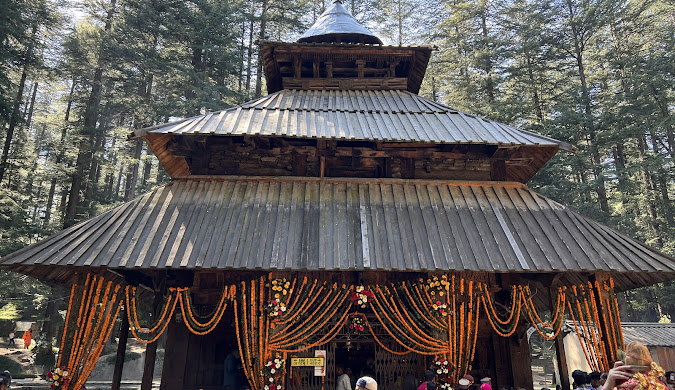
Ultimate Travel Guide to Manali: Attractions, Food, and Safety Tips
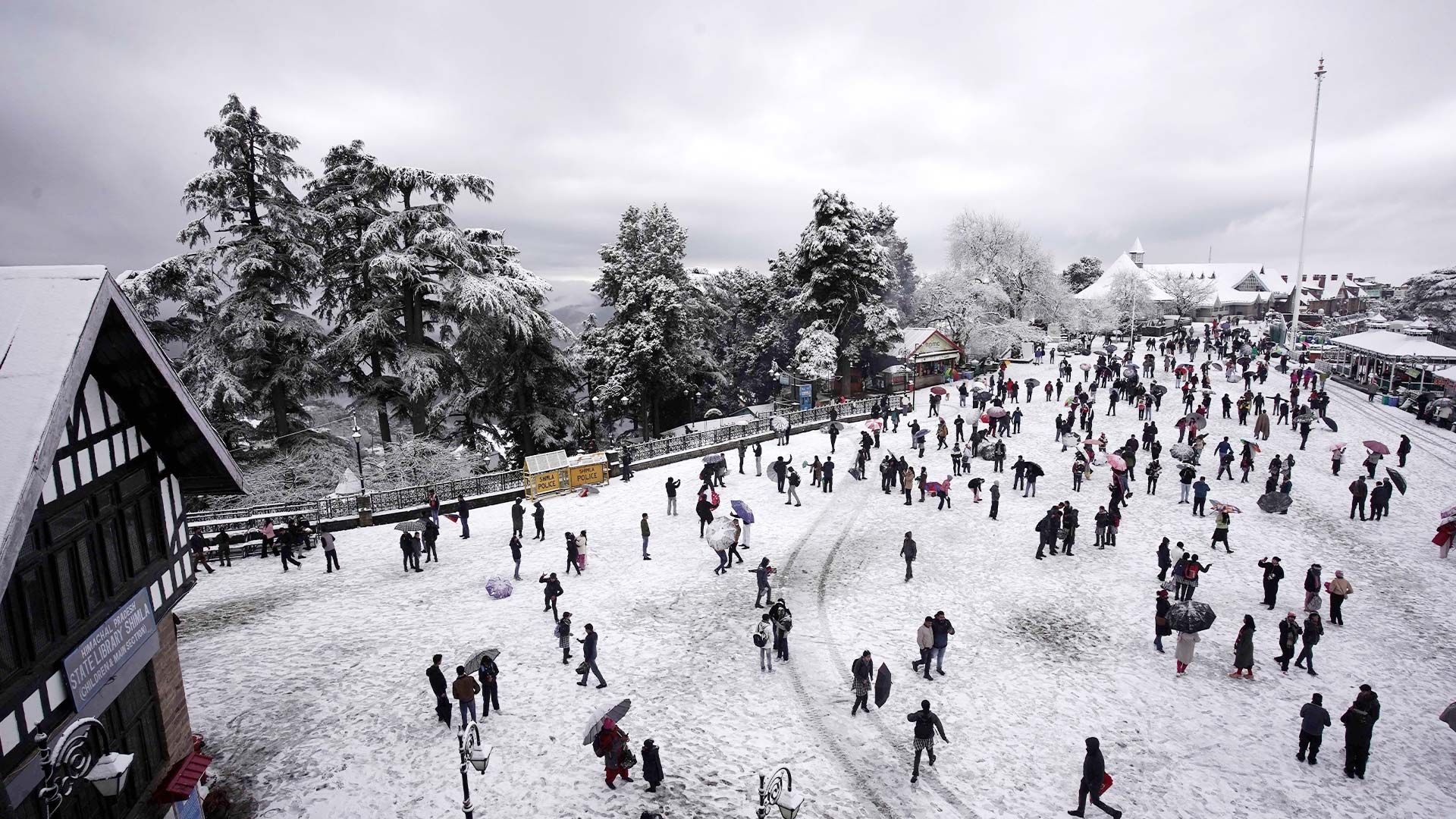
Shimla Travel Guide: Everything You Need to Know Before Visiting the Queen of Hills
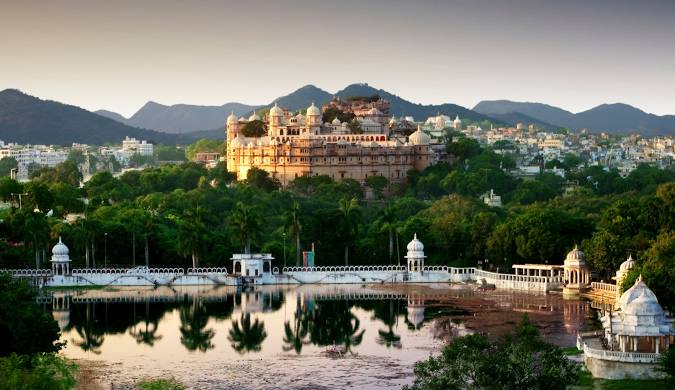
Udaipur – The Venice of the East: A Complete Travel Guide
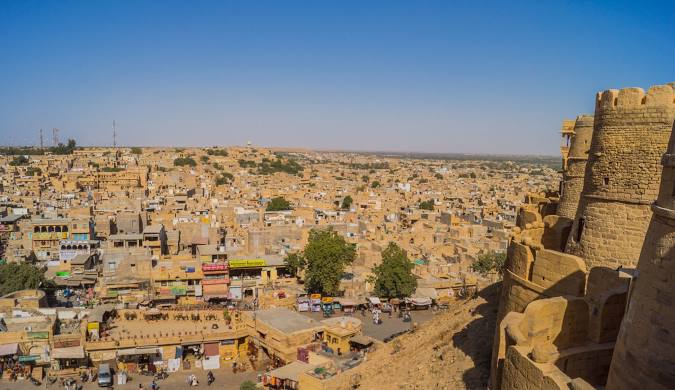
Jaisalmer Travel Guide: History, Forts, Desert Experiences, and Cultural Heritage
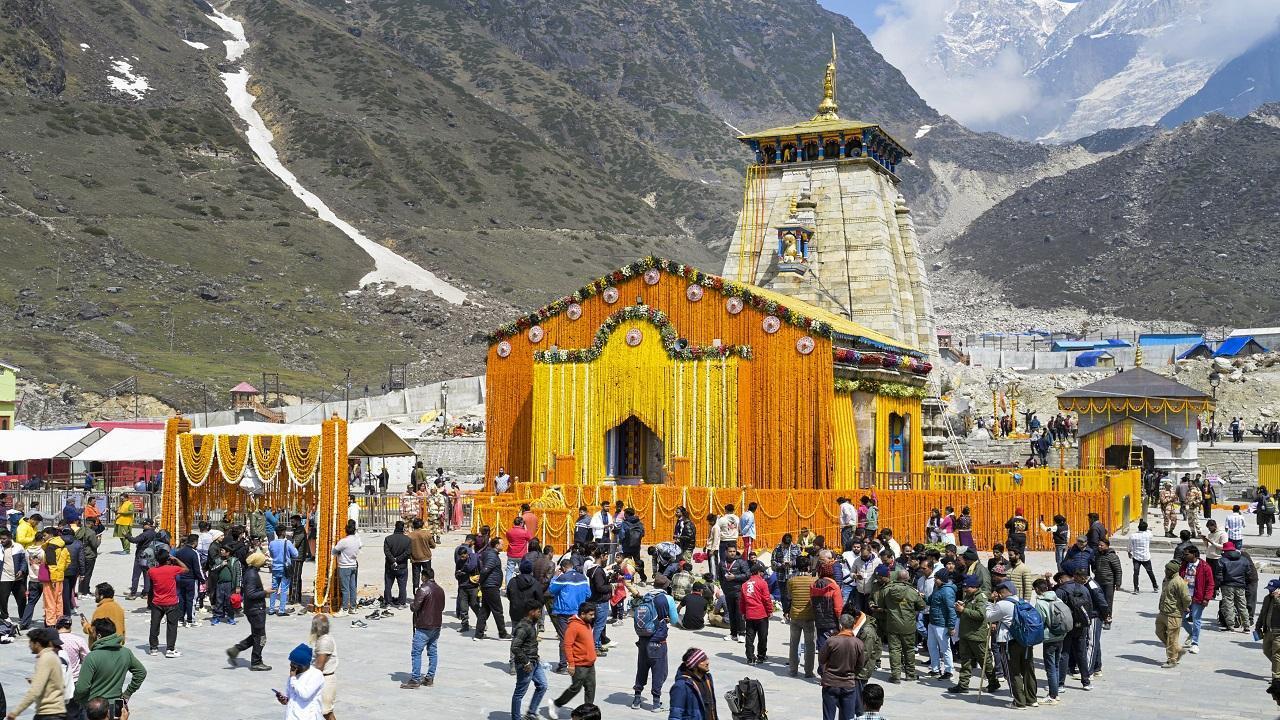
Kedarnath Yatra Registration 2026
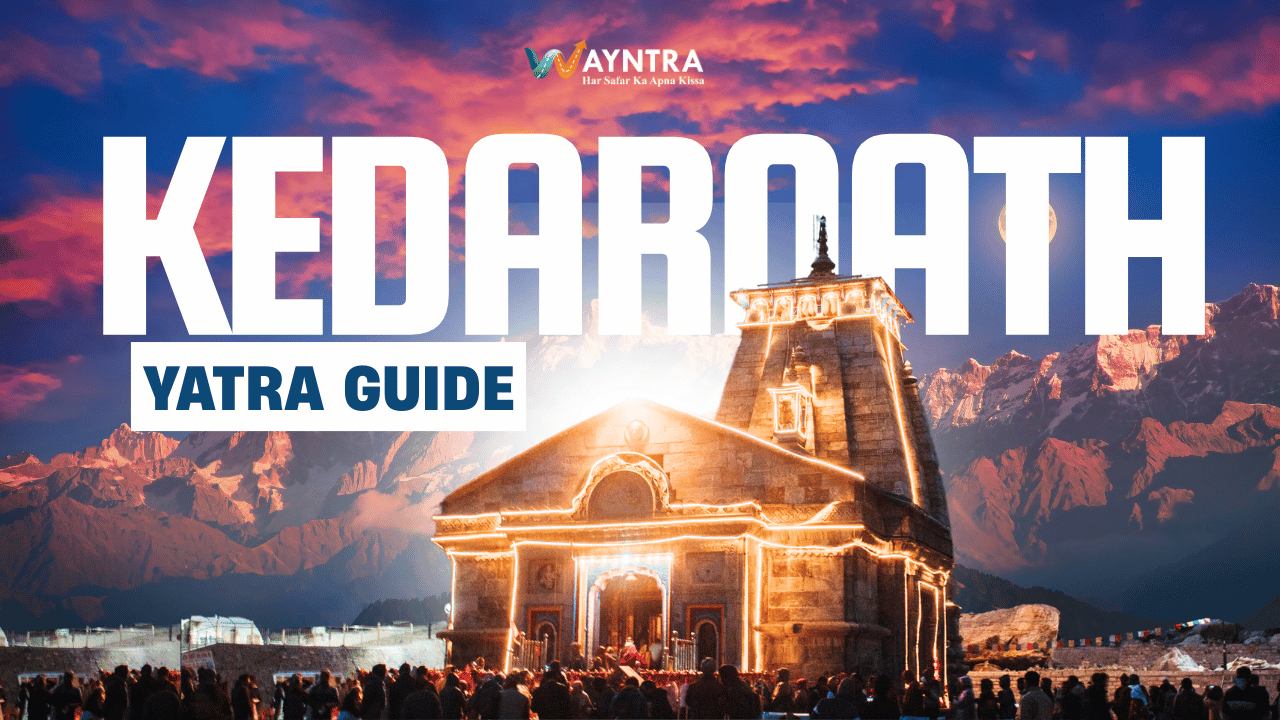
Kedarnath Yatra Guide 2026
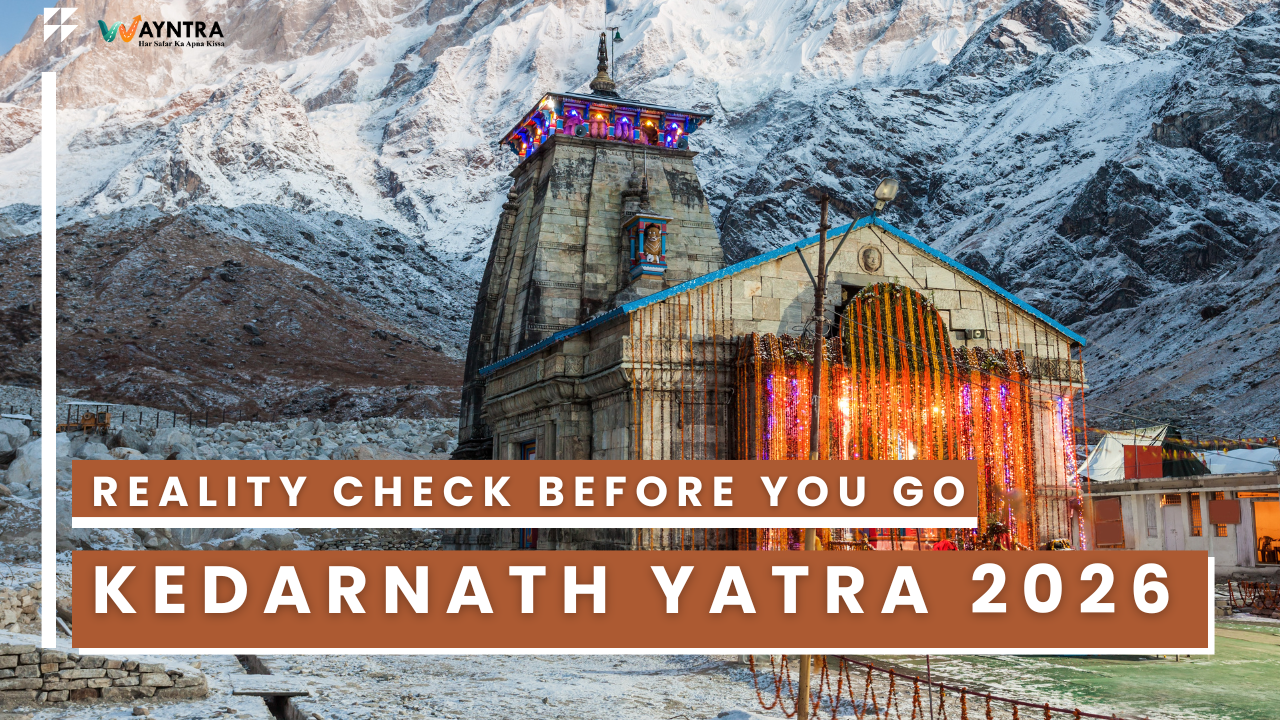
Kedarnath Helicopter Booking 2026: IRCTC Online Booking, Dates, Price & Complete Guide
Kedarnath Temple Opens for 2026 Pilgrimage Season on April 22 at 8 AM
Kedarnath Yatra 2026: Ground Reality You Should Know Before Visiting
Number of Devotees on Char Dham Yatra Crosses 6.62 Lakh Till 3 May 2026
Harshil Valley – Uttarakhand’s Hidden Himalayan Paradise You Must Visit Once
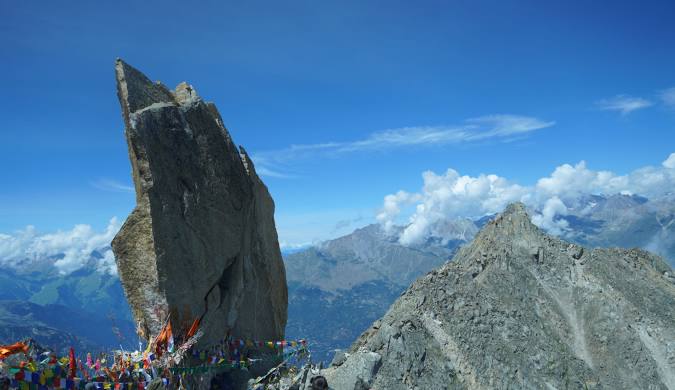
Kinner Kailash – The Mystical Abode of Lord Shiva in the Himalayas
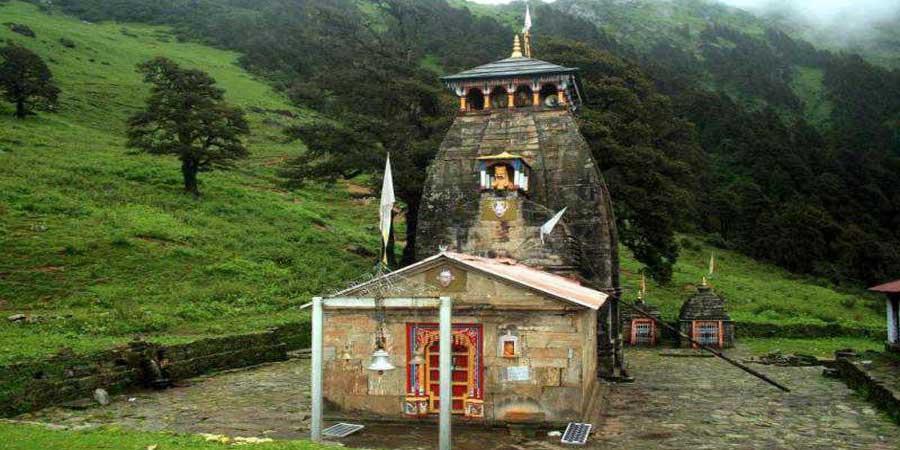
Madhyamaheshwar Temple Travel Guide 2026 – History, Trek, Route, Stay & Complete Travel Information
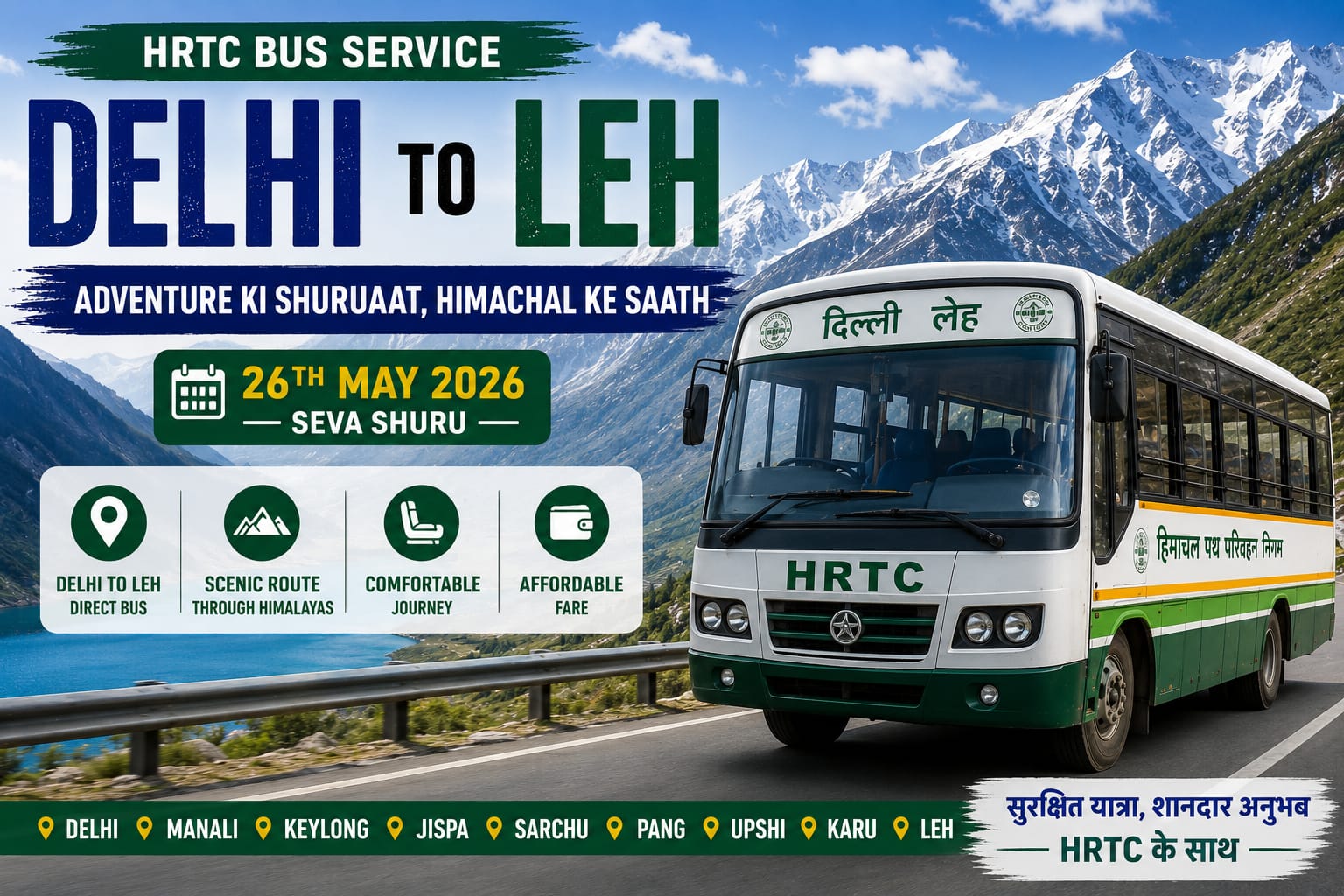
Delhi to Leh Bus Service 2026: Fare, Route, Timings, Stops & Complete Travel Guide
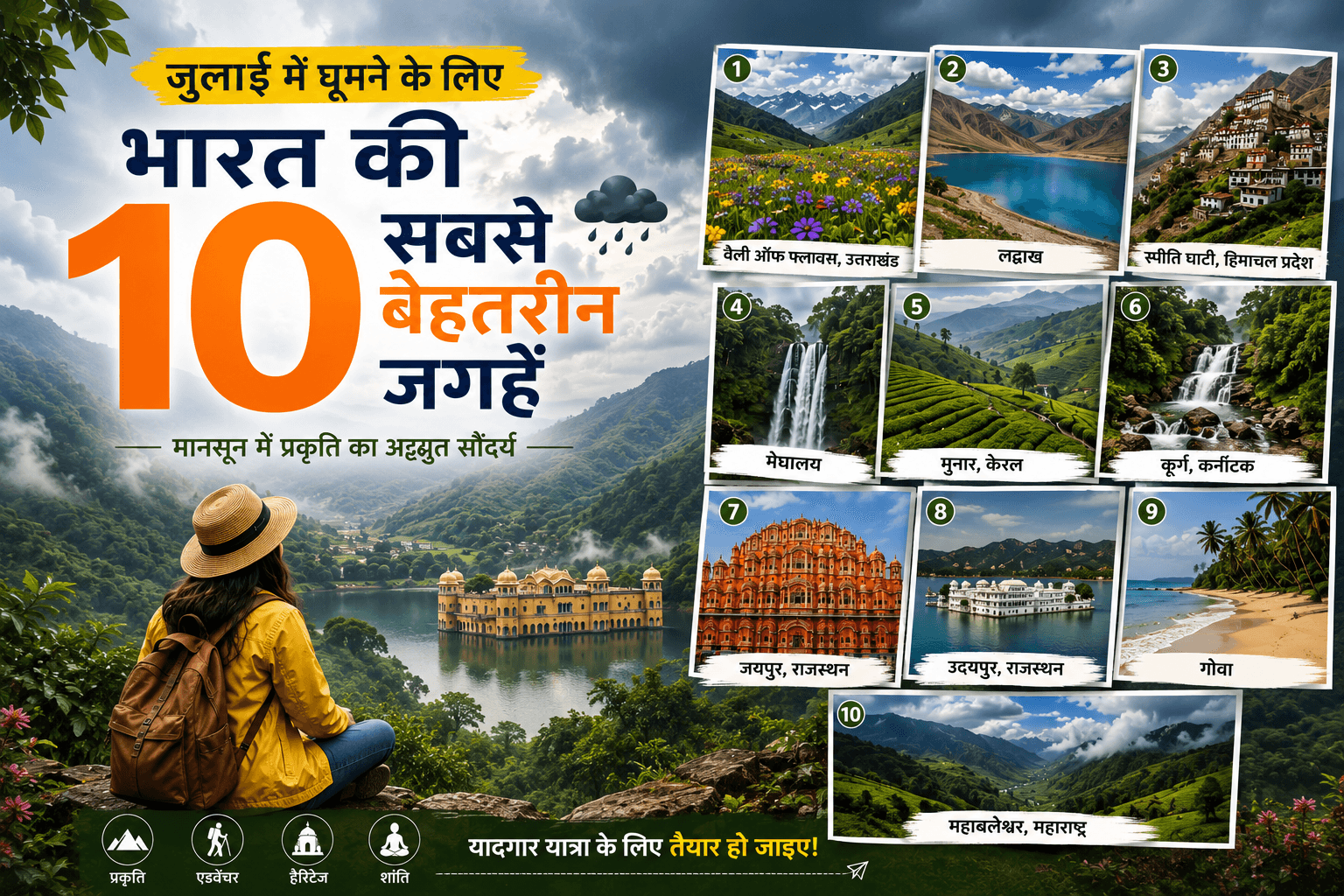
Top 10 Best Places to Visit in July in India (2026) – Monsoon Destinations You Shouldn't Miss
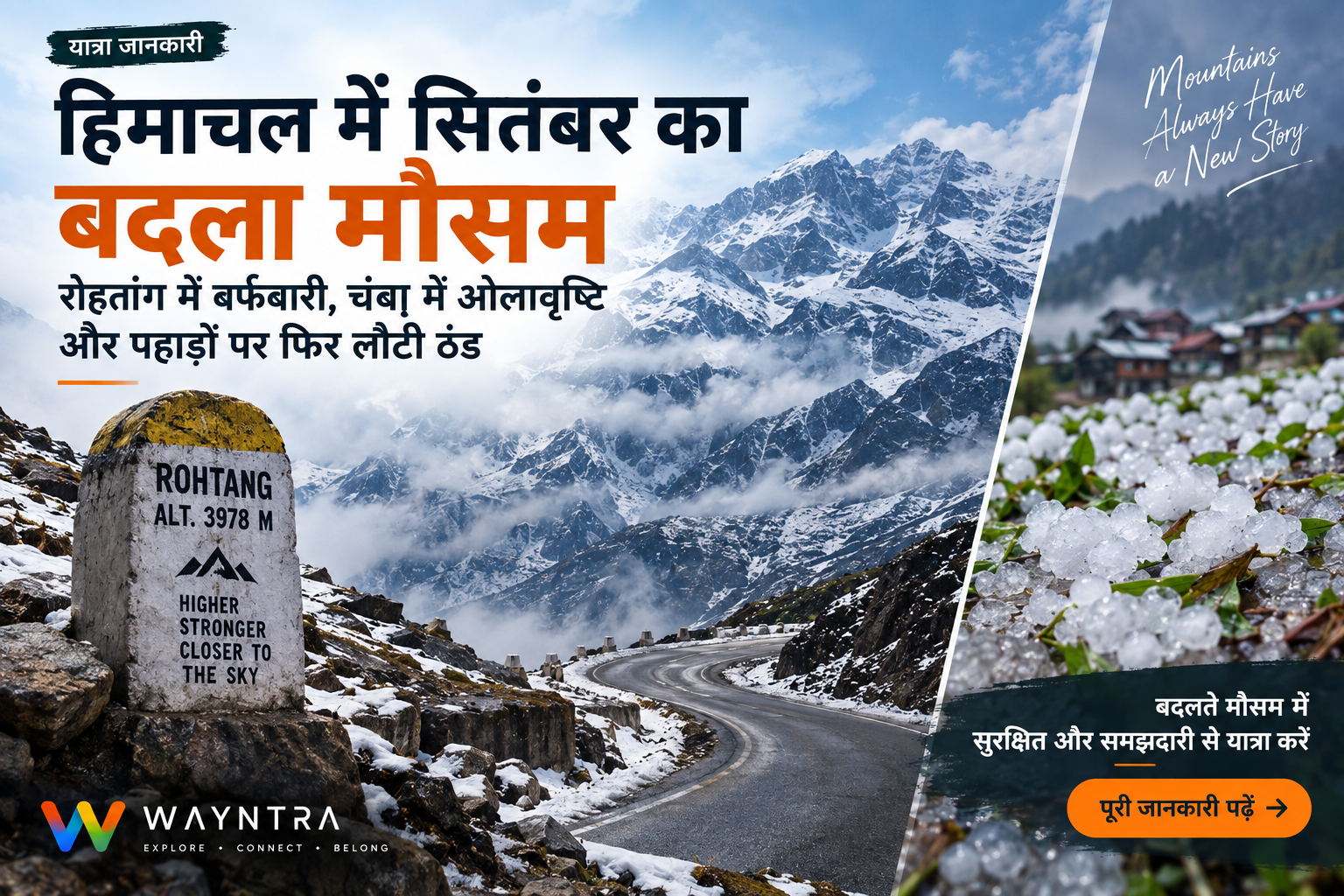
हिमाचल में सितंबर का बदला मौसम: रोहतांग में बर्फबारी, चंबा में ओलावृष्टि और पहाड़ों पर लौटी ठंड
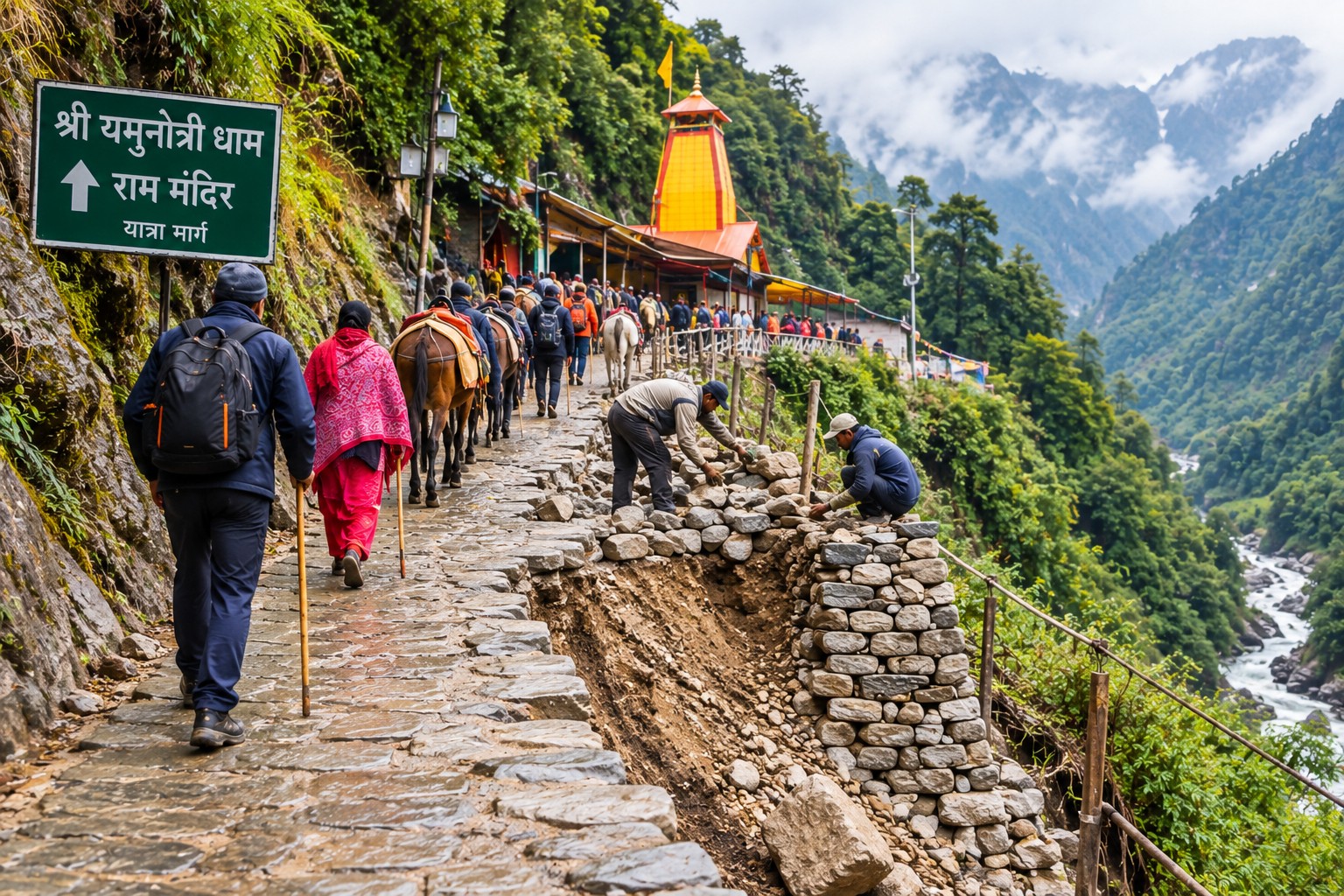
Yamunotri Dham: Safety Concerns Remain Near Ram Mandir on the Yatra Route
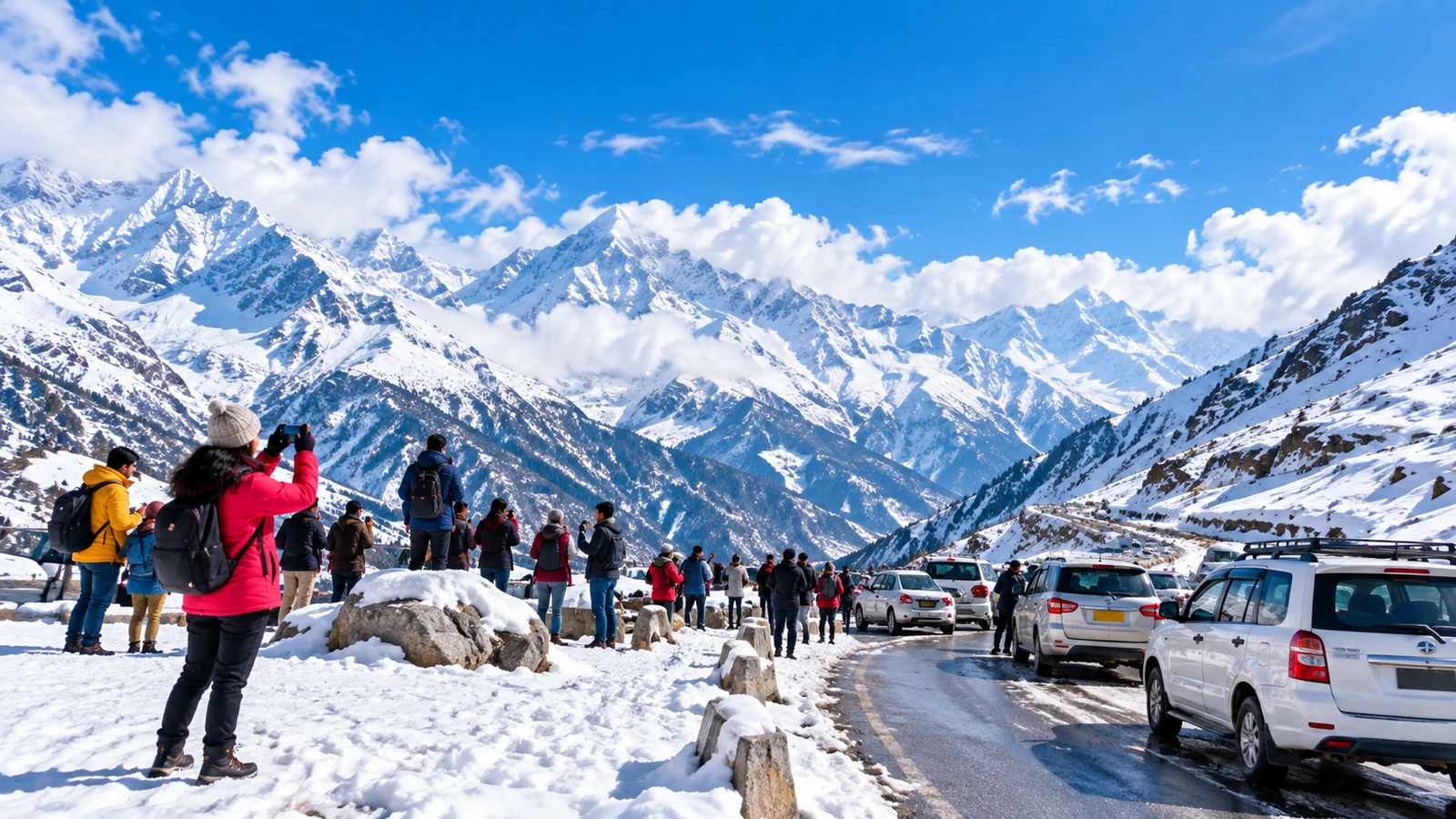
Tourists Flock to Rohtang After Snowfall, Over 600 Vehicles Arrive; Manali Comes Alive
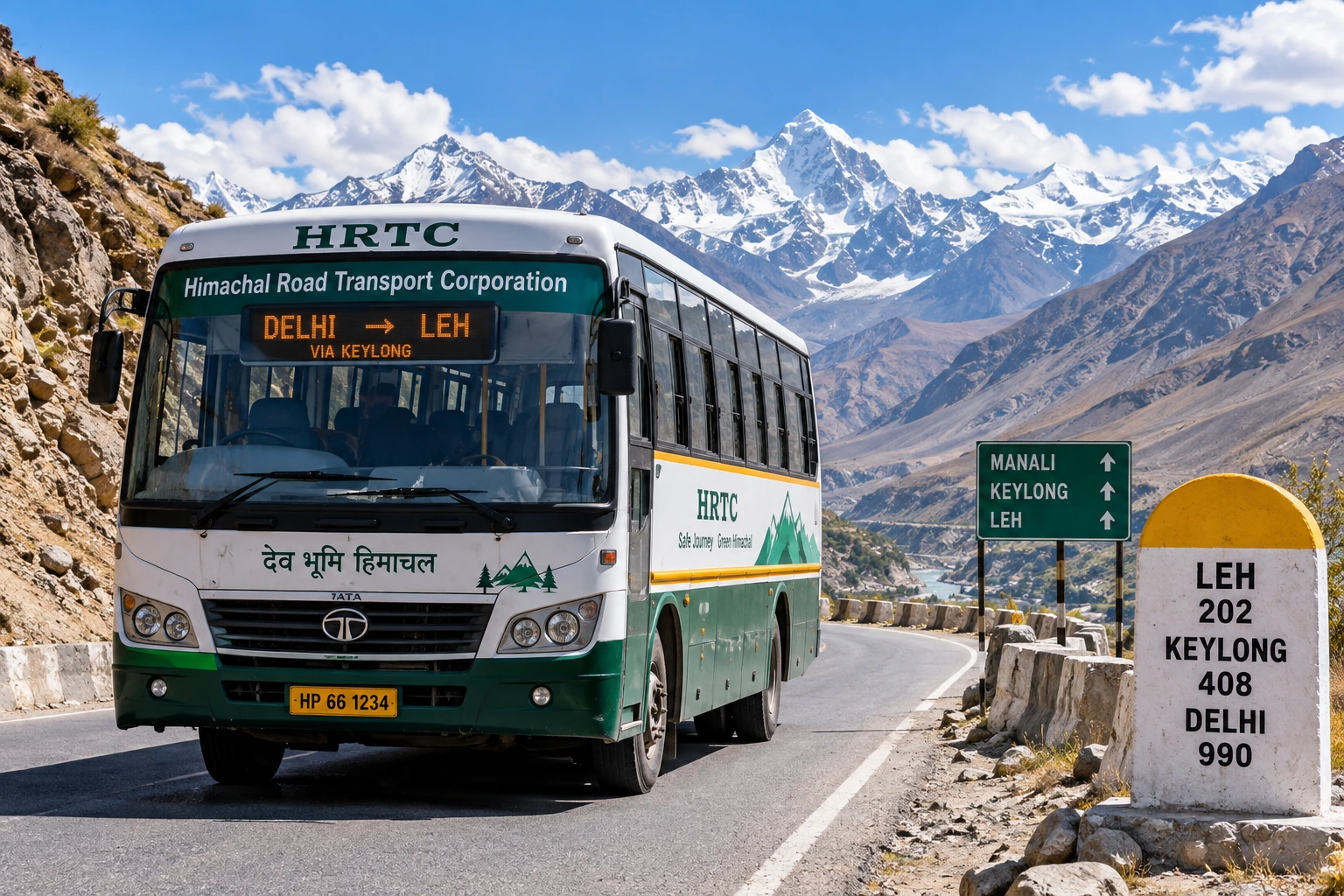
Delhi–Leh HRTC Bus Service Suspended: Service Will Resume Next May, Know All the Details
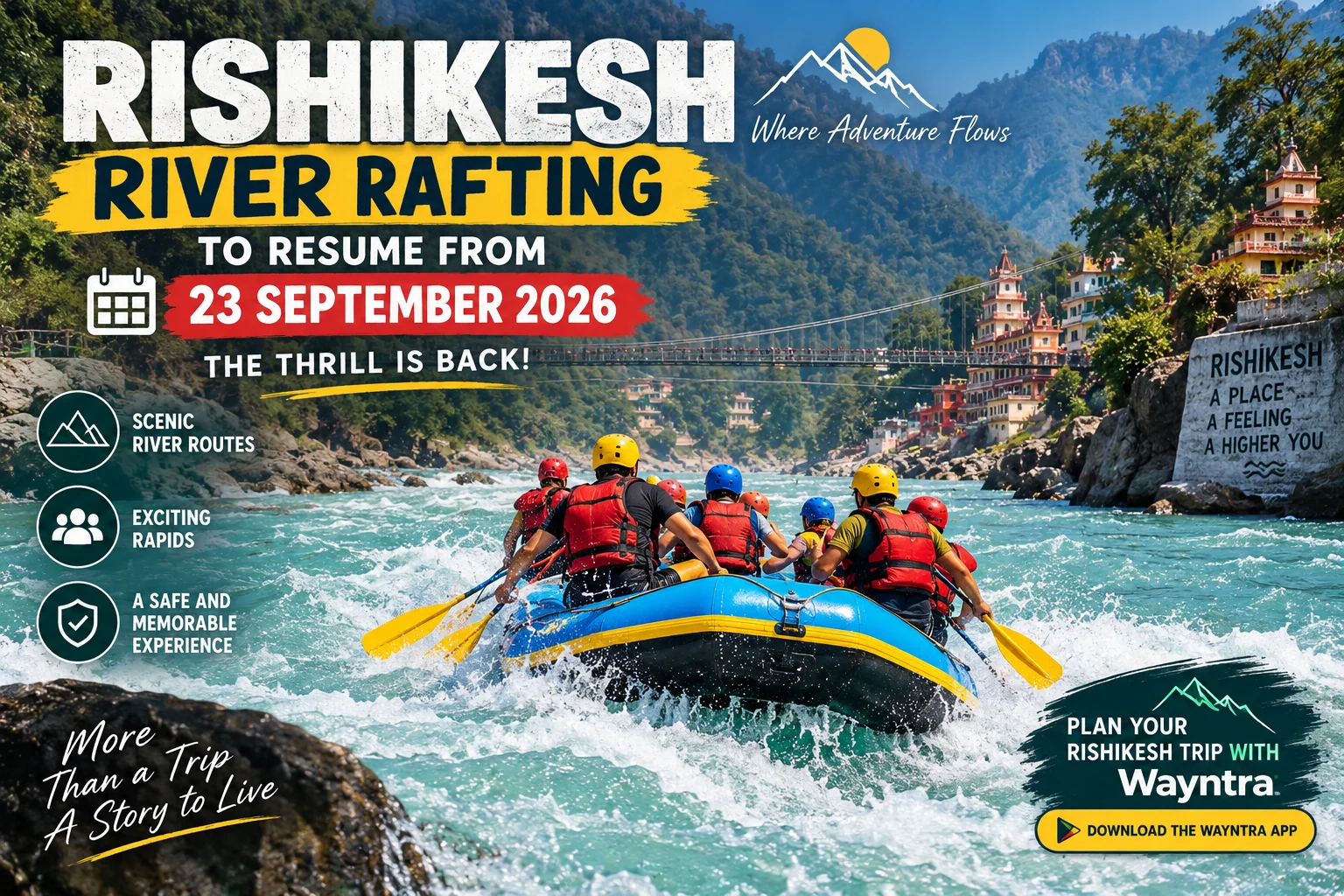
River Rafting May Resume in Rishikesh from September 23
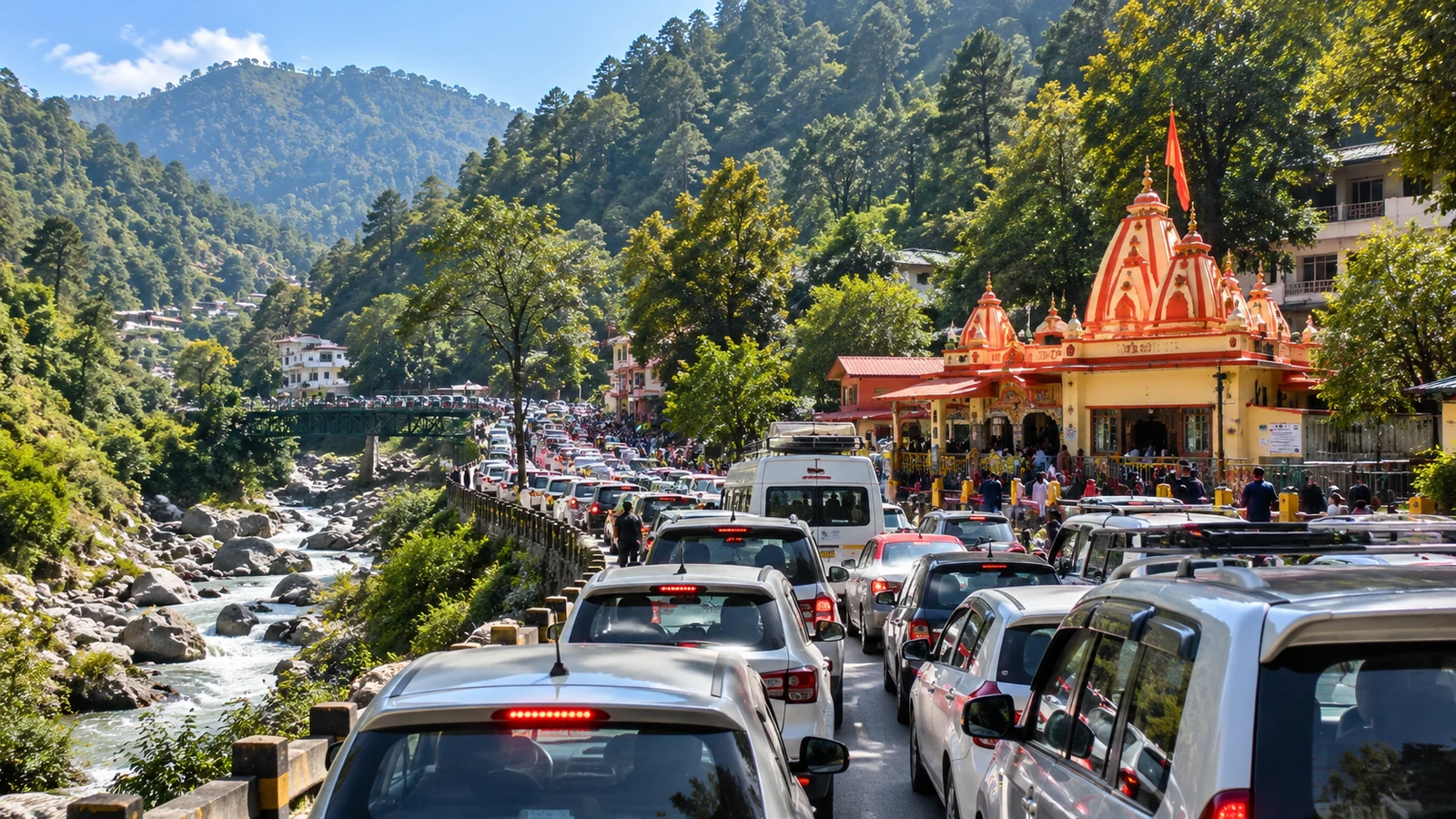
Heavy Crowd of Devotees at Kainchi Dham, 2-Km-Long Traffic Jam Reported
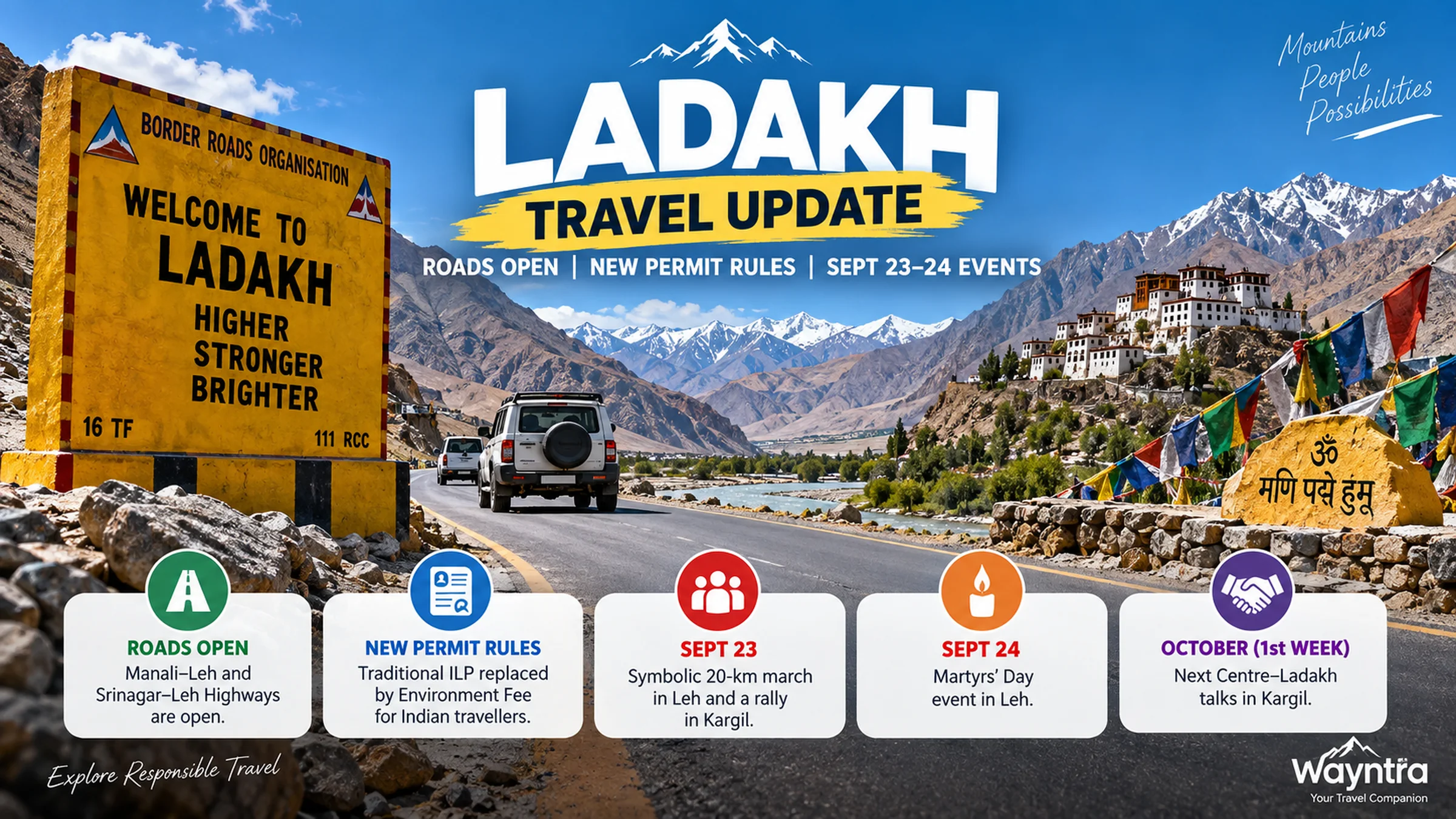
Ladakh Travel Update: Roads Open, New Permit Rules and September 23–24 Events
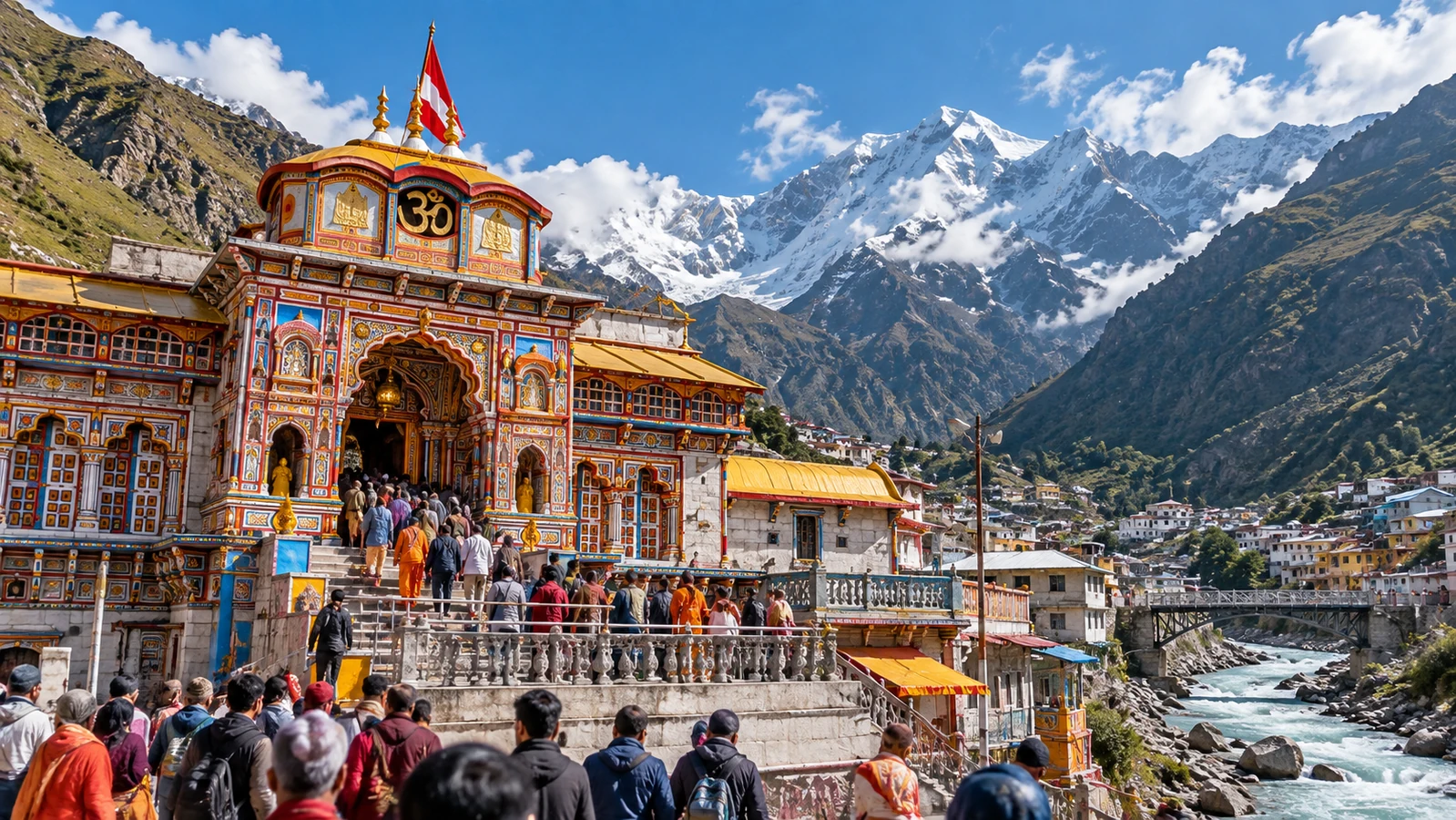
Badrinath Dham: Second Phase of Yatra Picks Up Pace, Thousands of Devotees Arriving for Darshan
हिमाचल में सितंबर में बर्फबारी ने बदला मौसम का मिजाज, 18 साल बाद रिकॉर्ड ठंड
Other destinations in Ladakh
Zanskar — travel FAQs
What is Zanskar?
Where is Zanskar located?
Why is Zanskar famous?
Which is the main river of Zanskar?
What is the best time to visit Zanskar?
Which religion is mainly followed in Zanskar?
What is the capital or main town of Zanskar?
What adventure activity is most popular in Zanskar?
Name one famous monastery in Zanskar.
Why should people visit Zanskar?
Wayntra app
Explore Zanskar with Wayntra
Discover the best places, local experiences, businesses and travel activities around Zanskar.