India’s local-first travel ecosystem — book local operators direct, zero commission

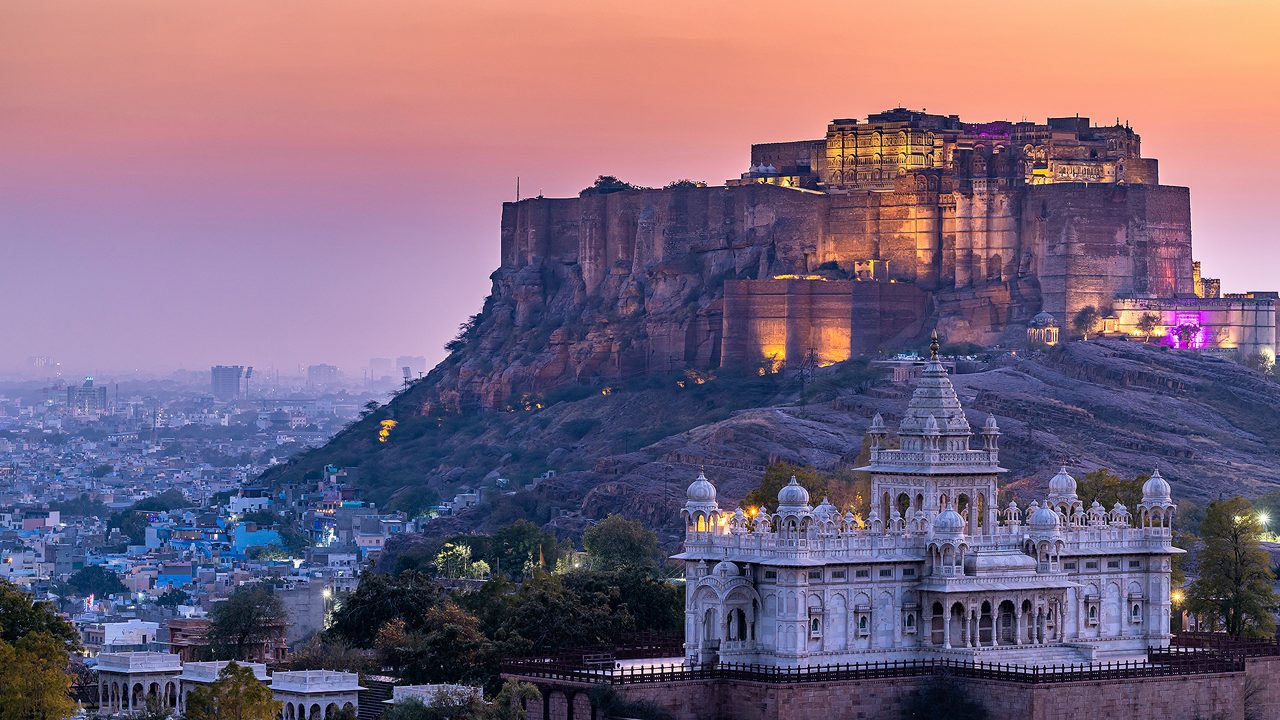
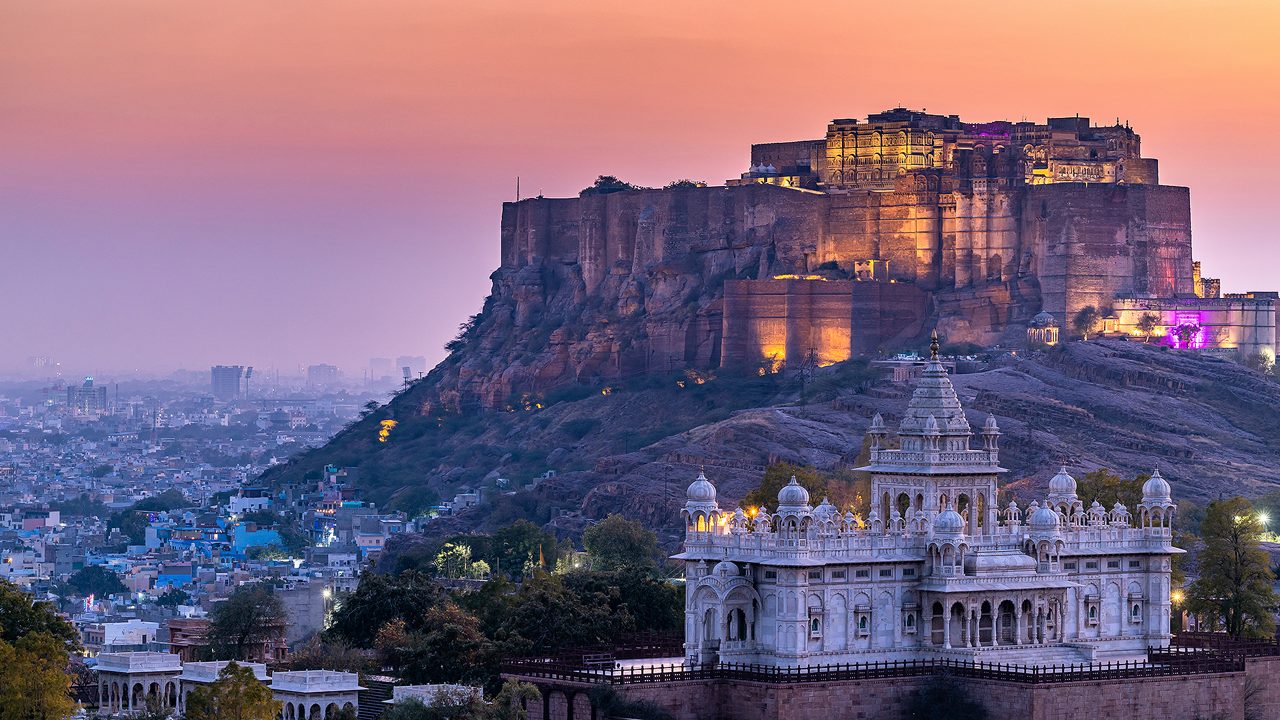
Jodhpur, famously known as the "Blue City," is a captivating destination located in the northwestern state of Rajasthan, India. Renowned for its stunning architecture, rich cultural heritage, and vibrant history, Jodhpur draws tourists from around the globe who are eager to experience its unique charm.
The city is dominated by the magnificent Mehrangarh Fort, which stands proudly on a hill overlooking Jodhpur. This imposing fortress, one of the largest in India, is a testament to the grandeur of the Rajput era. Built in the 15th century by Rao Jodha, the fort is adorned with intricately carved palaces, expansive courtyards, and stunning views of the surrounding landscape. Inside the fort, visitors can explore a museum that showcases artifacts, paintings, and weapons from the royal collection, offering a glimpse into the rich history of the region.
As you wander through the narrow streets of Jodhpur, you’ll be captivated by the striking blue-painted houses that give the city its nickname. This vibrant hue, often associated with the Brahmin community, creates a stunning visual contrast against the backdrop of the arid desert. The blue walls reflect the heat and provide a cool environment for the inhabitants. Strolling through the streets, tourists can discover local markets, such as the bustling Sardar Market, where colorful textiles, handicrafts, spices, and traditional Rajasthani sweets abound. The lively atmosphere, filled with the sounds of bargaining and laughter, provides a glimpse into the daily lives of the locals.
Jodhpur is also home to several other historical landmarks that reflect its royal past. The Umaid Bhawan Palace, a magnificent architectural marvel, now serves as a luxury hotel and museum. Constructed in the early 20th century, the palace showcases a blend of Indo-Saracenic architecture and is surrounded by lush gardens. Visitors can explore the museum, which exhibits vintage cars, artifacts, and photographs from the royal family’s collection, offering insights into the opulent lifestyle of the erstwhile maharajas.
The city’s cultural vibrancy comes alive through its festivals and events. The Jodhpur International Desert Kite Festival, held annually in January, attracts kite enthusiasts and spectators who gather to witness a colorful display of kites soaring in the sky. The lively atmosphere, combined with traditional music and dance performances, makes this event a memorable experience for visitors.
For those seeking a taste of local cuisine, Jodhpur offers a delightful array of dishes that reflect the flavors of Rajasthan. The city is famous for its mouthwatering street food, including mirchi vada (spicy chili fritters), pyaaz kachori (onion-filled pastries), and sweets like gulab jamun and jalebi. Traditional restaurants serve authentic Rajasthani thalis, featuring an assortment of curries, dal baati churma, and delectable sweets, allowing visitors to savor the rich culinary heritage of the region.
Adventure seekers can also find plenty to do in Jodhpur. The nearby Osian village, known for its ancient temples and desert landscape, offers opportunities for camel safaris and dune bashing. The Thar Desert, with its golden sands and enchanting sunsets, provides a perfect backdrop for an unforgettable desert experience. Visitors can spend a night in a desert camp, enjoying traditional music, dance performances, and delicious Rajasthani cuisine under a starlit sky.
Jodhpur’s unique blend of history, culture, and adventure makes it a must-visit destination for travelers. The city’s hospitality is warm and welcoming, with numerous hotels and heritage properties that allow visitors to experience the grandeur of Rajasthani royalty. Whether exploring the majestic forts, indulging in local cuisine, or immersing oneself in the vibrant culture, Jodhpur offers a rich tapestry of experiences that leave an indelible mark on every traveler’s heart.
As the sun sets over the city, painting the sky in hues of orange and pink, Jodhpur transforms into a magical wonderland. The illuminated forts and palaces, along with the lively markets and street performers, create a mesmerizing ambiance that enchants visitors long after they have left the city. Jodhpur is truly a gem of Rajasthan, inviting all who visit to discover its beauty and embrace its rich heritage.
Highlights
- Mehrangarh Fort: One of the largest forts in India, known for its stunning architecture and breathtaking views of the "Blue City."
- Umaid Bhawan Palace: A royal palace and museum, showcasing art, culture, and luxury.
- The Blue City: Old Jodhpur's houses painted in shades of blue, creating a unique and picturesque landscape.
- Jaswant Thada: A serene marble cenotaph with intricate carvings and a peaceful setting.
- Mandore Gardens: Ancient gardens with temples, memorials, and a rich historical aura.
- Rao Jodha Desert Rock Park: A conservation park perfect for exploring desert flora and geology.
- Local Markets: Bustling bazaars like Sardar Market, known for handicrafts, spices, and Rajasthani textiles.
- Traditional Cuisine: Famous for dishes like Dal Baati Churma, Mirchi Vada, and Makhaniya Lassi.
- Sunset Points: Kaylana Lake and Mehrangarh Fort offer stunning views during sunset.
- Cultural Heritage: Known for folk music, dance, and traditional Rajasthani hospitality.
Jodhpur is a perfect blend of royal history, cultural vibrancy, and natural beauty
History
Jodhpur, known as the "Blue City" and "Sun City," is a city of historical significance and architectural marvels in Rajasthan, India. Its history is deeply rooted in Rajput valor, culture, and strategic importance in the Marwar region.
1. Foundation and Establishment
Jodhpur was founded in 1459 CE by Rao Jodha, the ruler of the Rathore dynasty. The city was named after him and served as the capital of the Marwar kingdom. The Rathores, originally rulers of Kannauj, migrated to Marwar after being displaced by the Delhi Sultanate. Rao Jodha established Jodhpur after capturing the strategic hill where the magnificent Mehrangarh Fort was built, which later became the heart of the kingdom.
2. The Rathore Dynasty
The Rathores were brave and ambitious rulers who expanded their kingdom significantly. They formed alliances with other Rajput states and often engaged in battles to maintain their sovereignty. Jodhpur became a center of Rajput culture and administration under their rule.
3. Mehrangarh Fort: A Symbol of Power
The construction of Mehrangarh Fort was a significant milestone in Jodhpur's history. This imposing fort, situated on a rocky hill called Bhakurcheeria (Mountain of Birds), symbolizes the strength and resilience of the Rathores. The fort played a crucial role in defending the city from invasions and remains one of the largest forts in India.
4. Mughal Relations
During the 16th and 17th centuries, Jodhpur came under the influence of the Mughal Empire. The Rathore rulers, including Maharaja Jaswant Singh, established matrimonial alliances with the Mughals to maintain peace and secure their kingdom. Despite these alliances, the rulers of Jodhpur often revolted to assert their independence.
5. British Period
In the 19th century, Jodhpur became a princely state under British rule. The British recognized the strategic importance of Jodhpur and allowed the Rathore kings to retain their autonomy in internal matters. The rulers of Jodhpur, especially Maharaja Umaid Singh, contributed to modernizing the city by building landmarks like the Umaid Bhawan Palace.
6. Post-Independence
After India gained independence in 1947, Jodhpur became part of the Indian Union. The last ruling Maharaja, Hanwant Singh, agreed to merge the princely state with the Republic of India. Today, Jodhpur is a thriving city known for its historical significance, culture, and tourism.
7. Cultural Significance
Jodhpur’s historical legacy is not limited to its rulers and battles. It is also a hub of Rajasthani culture, folk music, and art. The blue-painted houses of the old city reflect the traditional practices of the Brahmins and have become an iconic feature of the city.
8. Key Historical Events
- Battle of Dharmat (1658): Jodhpur played a pivotal role during the Mughal war of succession.
- Treaty with the British (1818): Ensured Jodhpur's protection in exchange for military support.
- Accession to India (1949): Marked the integration of Jodhpur into modern India.
Jodhpur's rich history is a testament to the city's resilience, cultural vibrancy, and architectural grandeur. It stands as a symbol of Rajasthan’s glorious past and continues to attract historians and travelers from around the world.
Culture
Jodhpur, often referred to as the "Cultural Capital of Marwar," is a vibrant blend of tradition, art, music, and heritage. The city’s culture reflects the rich legacy of the Rathore dynasty, the traditions of Rajasthan, and the influence of its desert landscape. Here's an in-depth look into the cultural essence of Jodhpur:
1. Folk Music and Dance
- Jodhpur is known for its lively folk music, including styles like Maand, which narrates heroic tales of Rajput warriors.
- Instruments like the sarangi, dholak, and khartal accompany these melodies.
- Folk dances such as Ghoomar and Kalbeliya are integral to celebrations, showcasing the region's energy and grace.
2. Festivals and Celebrations
- Marwar Festival: Celebrated in memory of Rajasthan's heroes, featuring folk music, camel rides, and cultural events.
- Gangaur: Dedicated to Goddess Parvati, marked by processions and traditional rituals.
- Diwali and Holi: Celebrated with a unique Rajasthani touch, including local sweets and cultural performances.
- Nagaur Fair: Famous for cattle trading, folk art, and traditional sports.
3. Architecture and Heritage
- The blue-painted houses of the old city symbolize its heritage and make Jodhpur unique.
- Palaces like Umaid Bhawan and cenotaphs like Jaswant Thada highlight the architectural brilliance of the region.
- Traditional haveli-style homes and intricate carvings reflect Marwari craftsmanship.
4. Cuisine
- Jodhpur’s cuisine is a reflection of its culture, with dishes like Dal Baati Churma, Mirchi Vada, and Makhaniya Lassi.
- Sweets like Mawa Kachori and Ghewar are loved by locals and visitors alike.
- Traditional meals served on silver or brass thalis showcase Marwari hospitality.
5. Art and Handicrafts
- Renowned for bandhani (tie-dye) and leheriya fabrics, showcasing colorful patterns.
- Traditional Mojris (footwear) and handcrafted jewelry are highly sought after.
- Woodwork and iron crafts from Jodhpur are appreciated globally for their intricate designs.
6. Language and Attire
- The primary language spoken is Marwari, with Hindi and English also widely used.
- Traditional attire includes colorful ghagras (skirts) and odhnis (scarves) for women, and angrakhas (robes) with safas (turbans) for men.
7. Religious and Spiritual Life
- Home to ancient temples like Chamunda Mata Temple and Maha Mandir, which hold religious significance.
- The city’s festivals and rituals often include communal prayers, processions, and offerings to deities.
8. Community and Lifestyle
- Jodhpurites are known for their warm hospitality and respect for traditions.
- The city thrives on its joint family culture, where generations live together under one roof.
9. Folk Stories and Legends
- The city’s folklore is rich with tales of bravery, romance, and devotion, especially those centered around Rao Jodha and the Rathore kings.
- Legends of local deities like Baba Ramdev and Pabuji are revered and celebrated through songs and plays.
10. Modern Influence on Culture
- While deeply rooted in tradition, Jodhpur has embraced modernity through its contemporary art galleries, cafes, and global festivals like the World Sufi Spirit Festival.
- The city has also become a hub for destination weddings and luxury tourism, blending old-world charm with modern lifestyles.
Summary
Jodhpur’s culture is a mosaic of tradition, creativity, and resilience shaped by its historical past and desert surroundings. The city continues to preserve its rich heritage while adapting to modern influences, making it a living testament to Rajasthan's glory. Whether it’s through its music, dance, festivals, food, or architecture, Jodhpur offers a vibrant cultural experience that leaves a lasting impression.
Safaris
1. Camel Safari
- Experience: Traditional desert exploration with a camel ride, offering a serene and authentic experience of the Thar Desert.
- Popular Locations: Osian Sand Dunes, Khichan Village.
- Duration: Half-day or full-day options; overnight stays are also available.
- Price:
- ₹1,500–₹2,500 per person (half-day).
- ₹3,000–₹5,000 per person (full-day with cultural program and meals).
- ₹6,000–₹8,000 per person (overnight stay with tent accommodation).
2. Jeep Safari
- Experience: Adventurous off-road journey through villages, wildlife zones, and rugged terrains.
- Popular Locations: Bishnoi Village, Osian Desert, and rural areas around Jodhpur.
- Duration: 3 to 6 hours.
- Price:
- ₹2,000–₹3,000 per person (half-day, shared jeep).
- ₹4,000–₹6,000 per person (private jeep, full-day).
- Add-ons like meals, cultural shows, or wildlife spotting may increase costs.
3. Horse Safari
- Experience: Explore rural Jodhpur on Marwari horses, known for their unique curved ears and stamina.
- Popular Locations: Rural trails around Salawas, Mandore, and Osian.
- Duration: 2 to 4 hours or longer.
- Price:
- ₹3,500–₹5,000 per person (half-day).
- ₹7,000–₹10,000 per person (full-day, including meals).
4. Desert Camping Safari (Camel + Jeep)
- Experience: A combined adventure that includes camel rides, jeep safaris, and luxury tent stays.
- Highlights: Cultural performances, Rajasthani meals, and stargazing.
- Price:
- ₹6,000–₹10,000 per person (overnight, luxury tents).
- ₹3,000–₹5,000 per person (basic camping options).
5. Wildlife Safari (Jeep)
- Experience: Focused on wildlife spotting in desert ecosystems. Includes visits to Bishnoi areas and wildlife sanctuaries.
- Popular Animals: Blackbucks, chinkaras, desert foxes, and peacocks.
- Price:
- ₹2,500–₹3,500 per person (3–4 hours).
- Private tours may cost more depending on group size.
Tips for Booking
- Prices vary depending on group size, inclusions (like meals and cultural programs), and the operator.
- Always confirm the exact cost, itinerary, and services included with the provider.
- Book through trusted operators or hotels to ensure a safe and enjoyable experience.
Popular Safari Operators
- Local travel agencies in Jodhpur.
- Hotel-organized safaris (premium options).
- Online platforms like TripAdvisor or dedicated Rajasthan tour operators.
Har Ki Dun trek
Kedarkantha
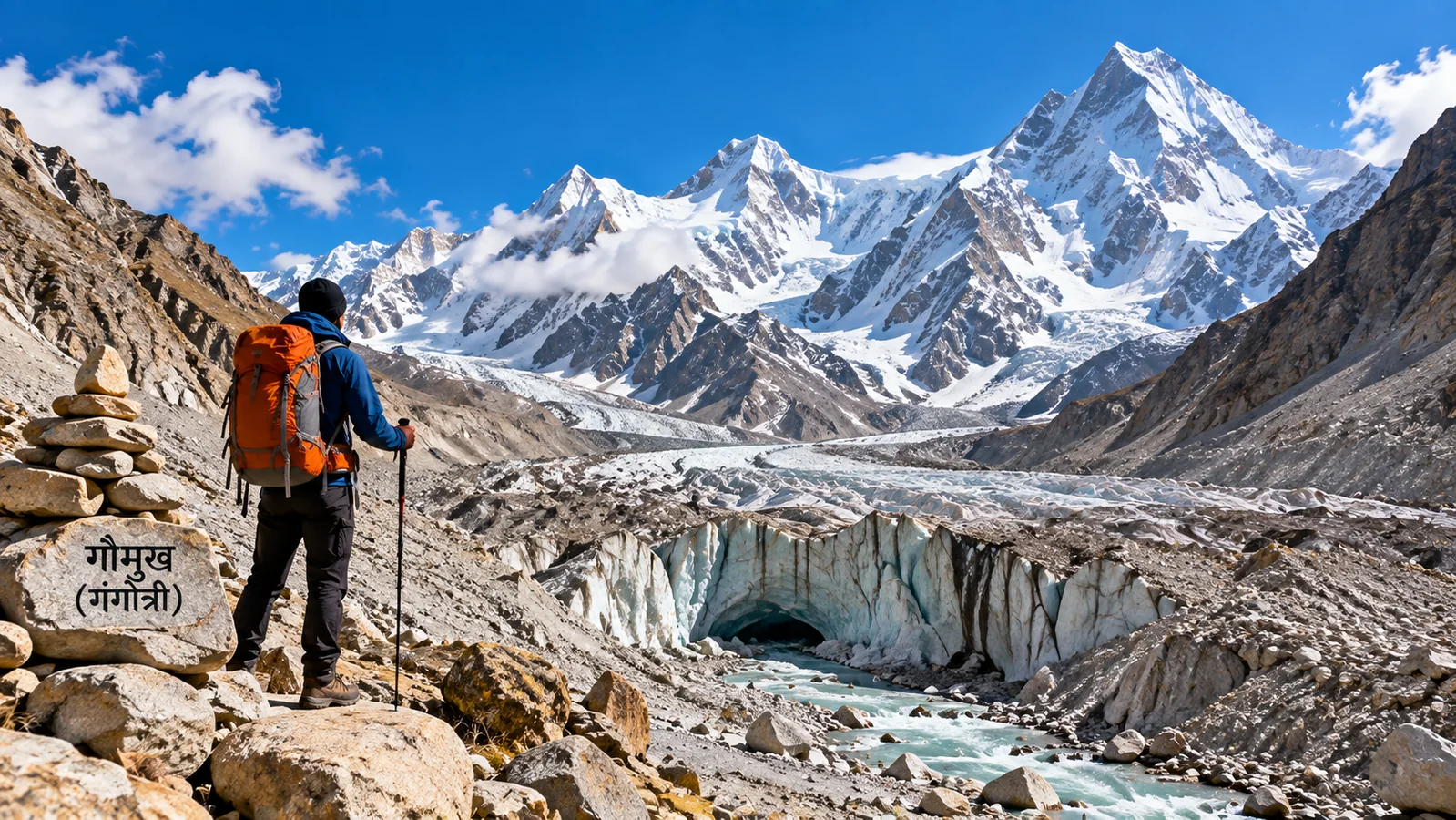
Gaumukh Tapovan Trek
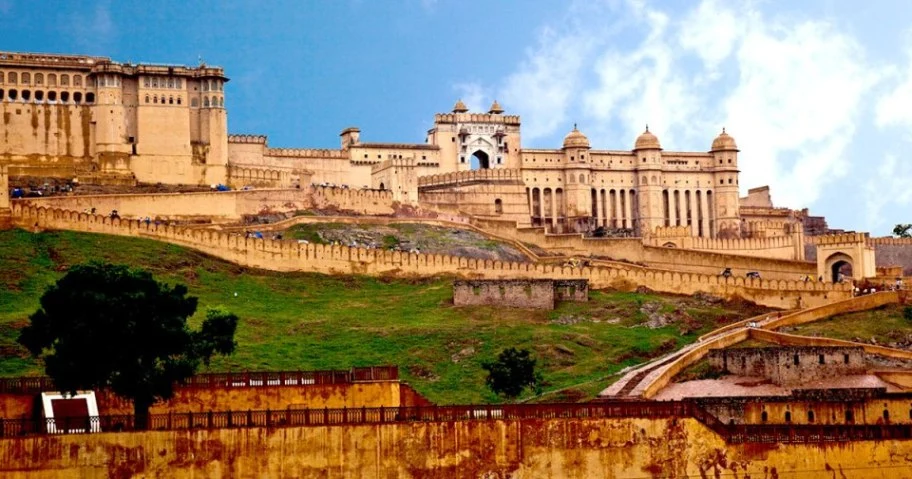
Amber Fort
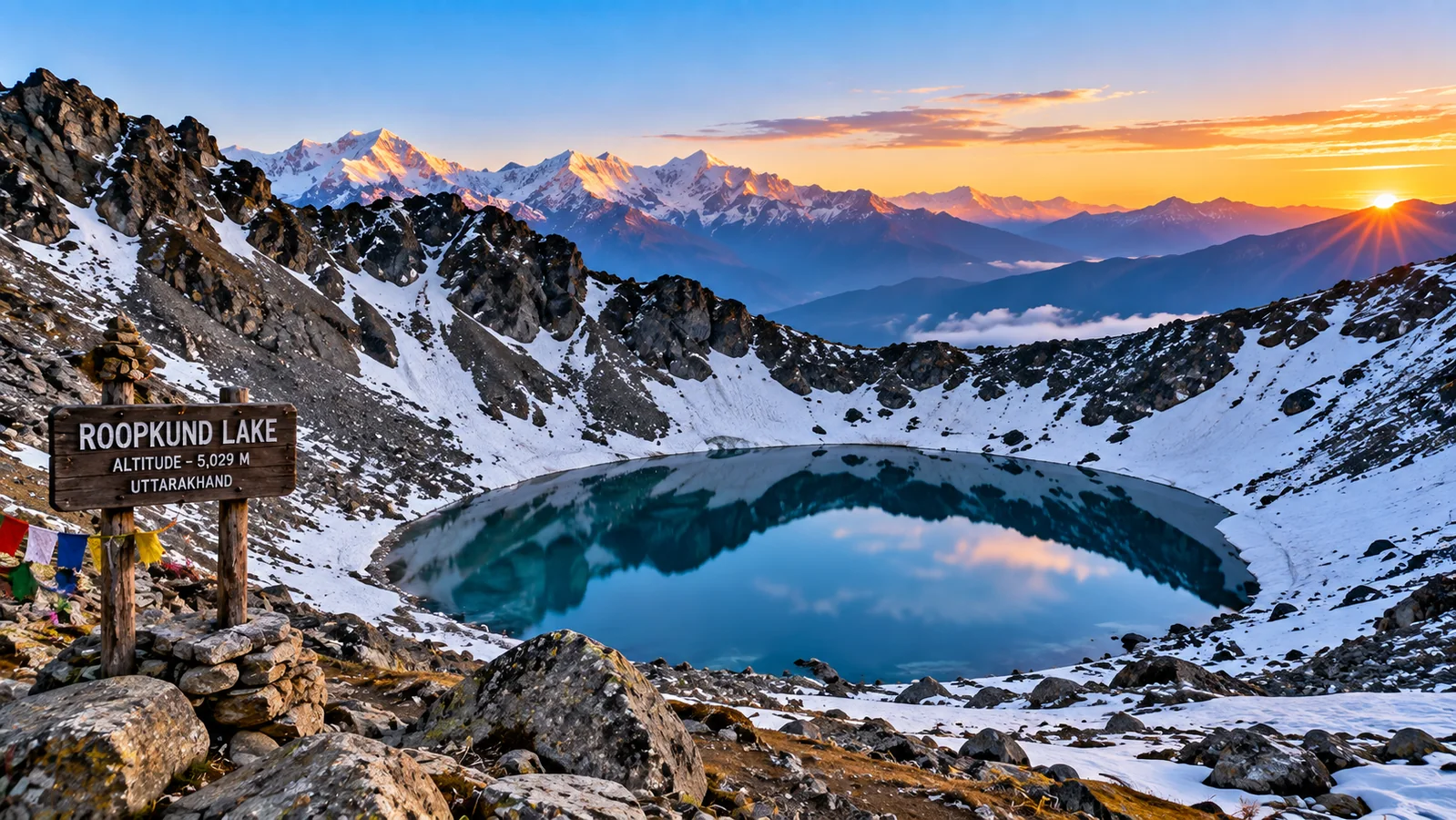
Roopkund Lake Trek
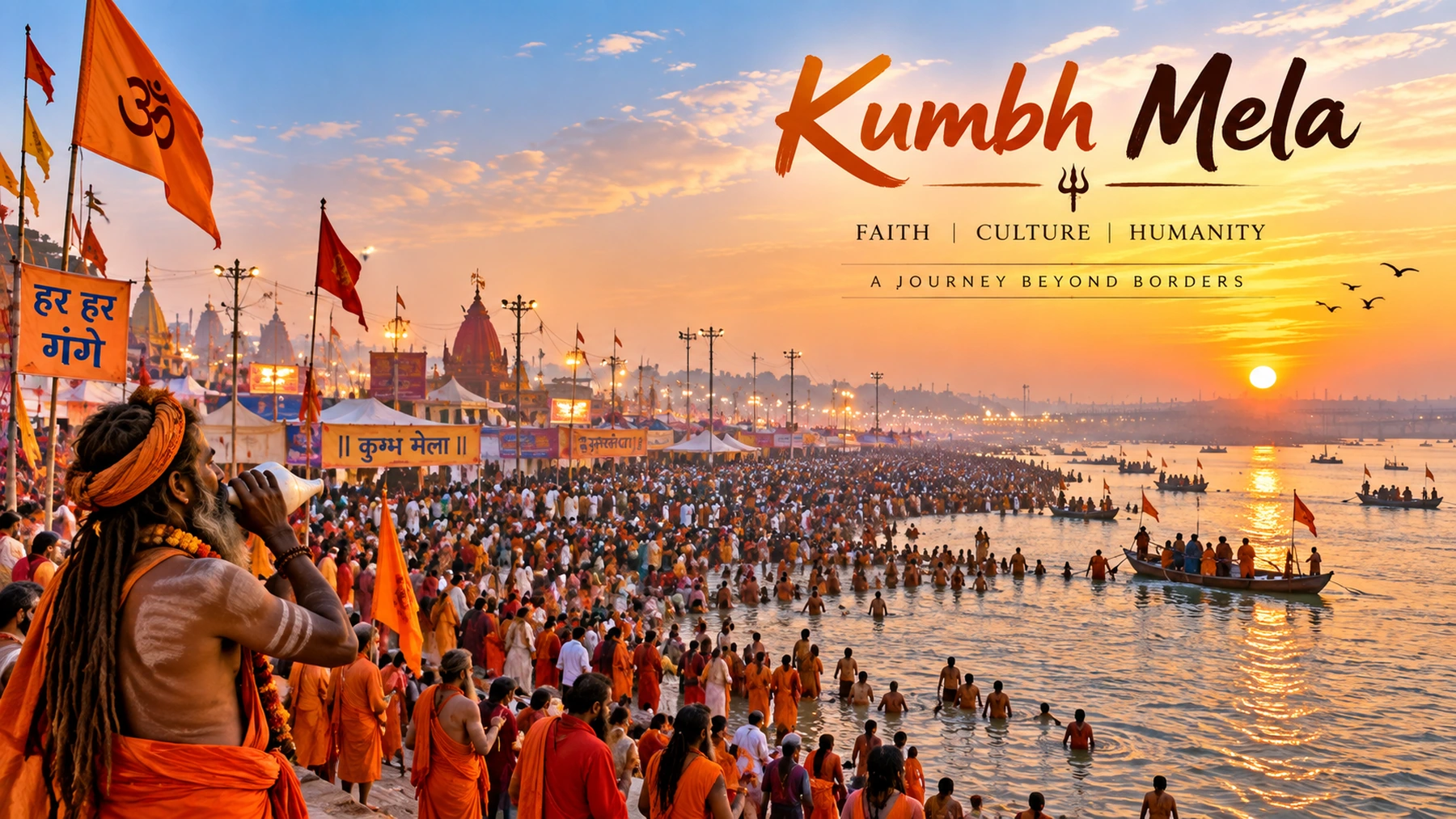
Maha Kumbh 2025
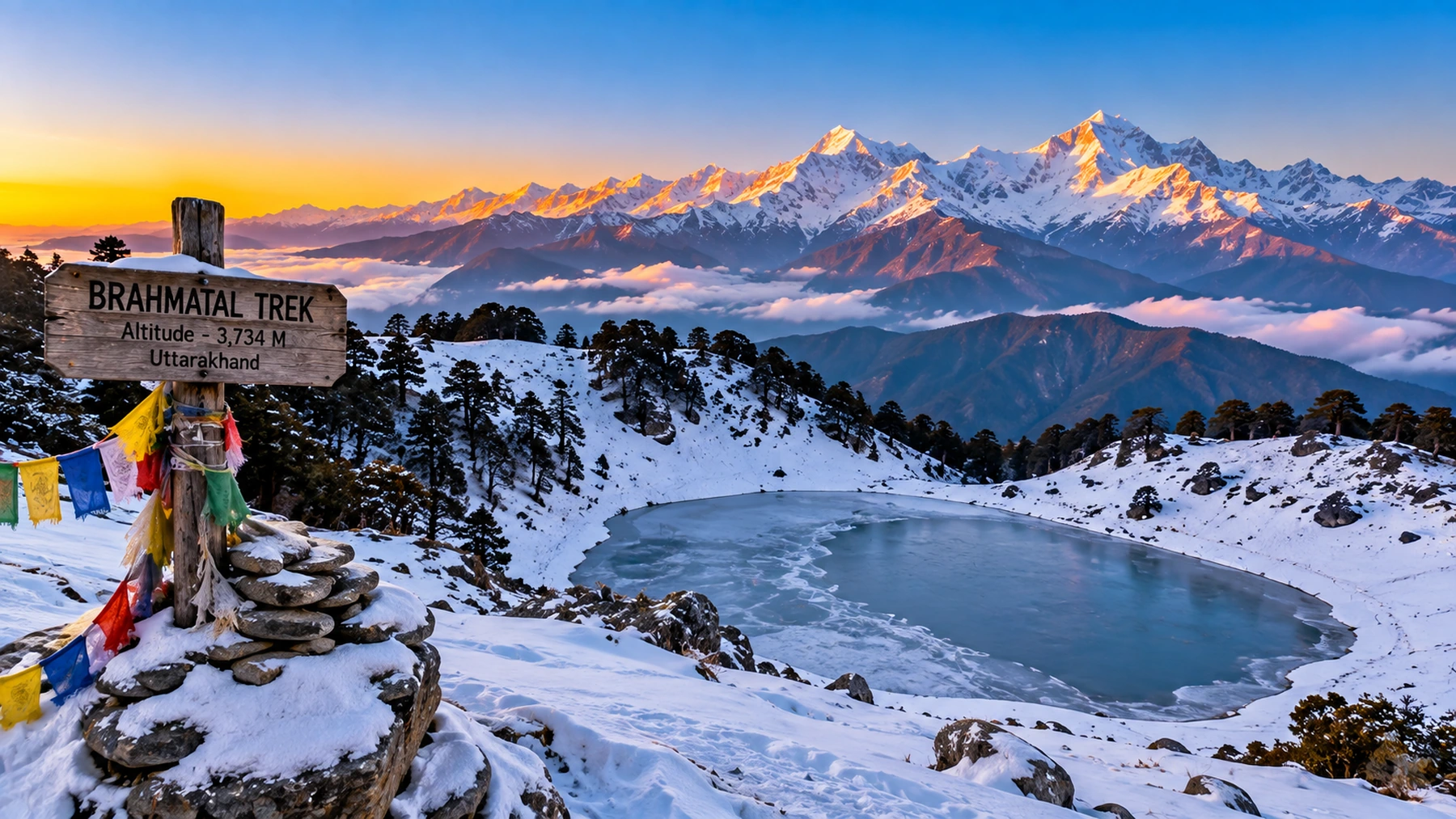
Brahmatal Trek
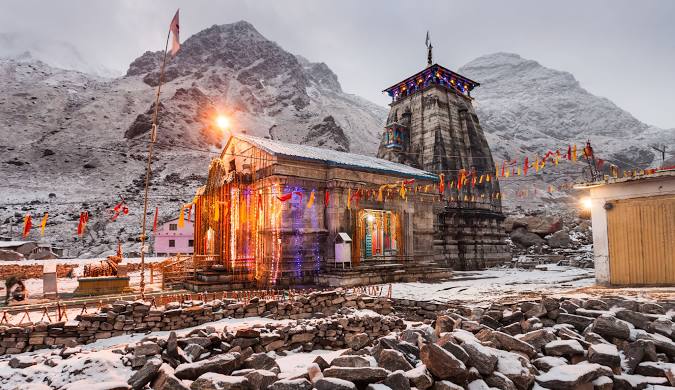
Kedarnath
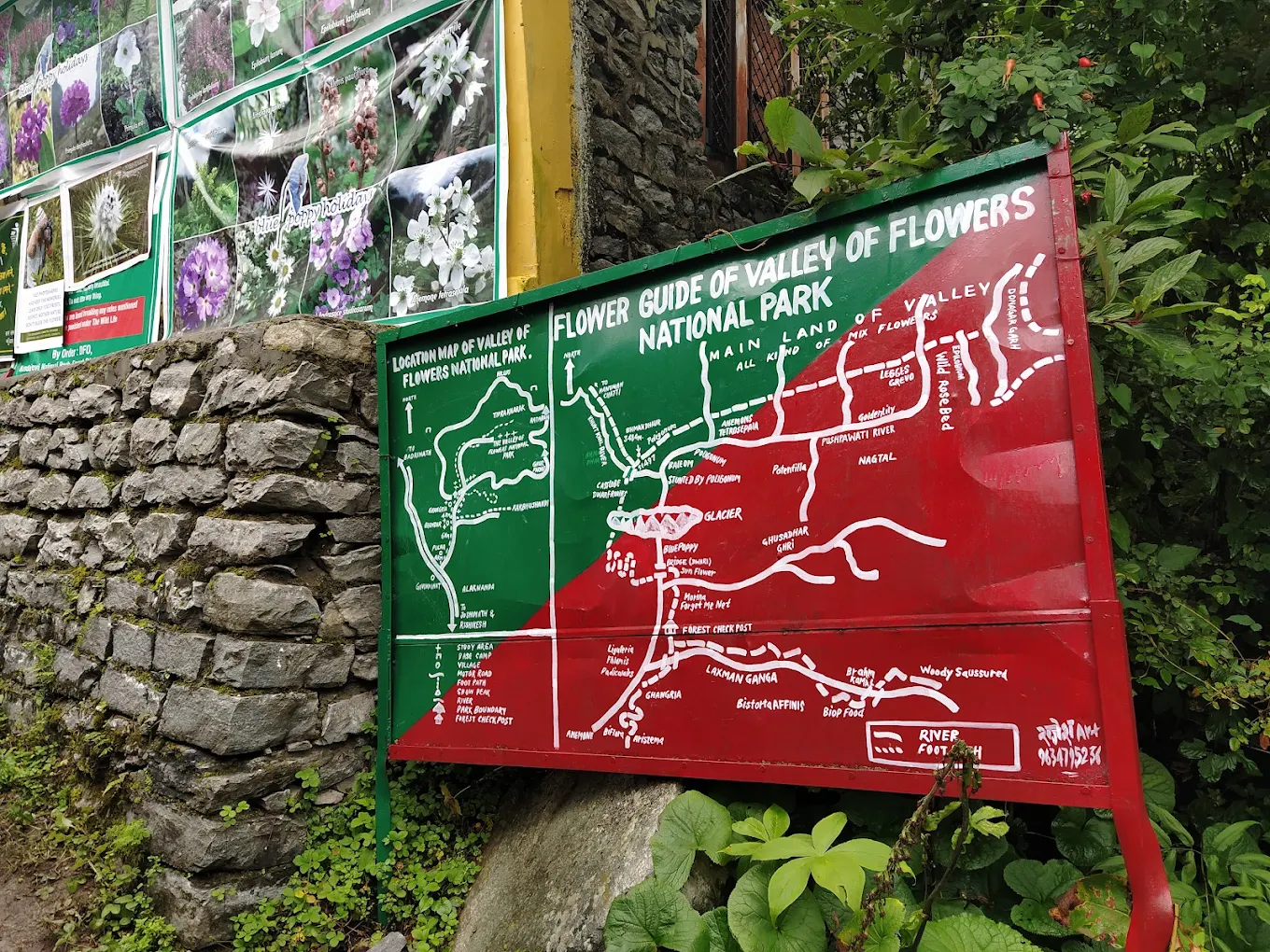
The Valley of Flowers Trek
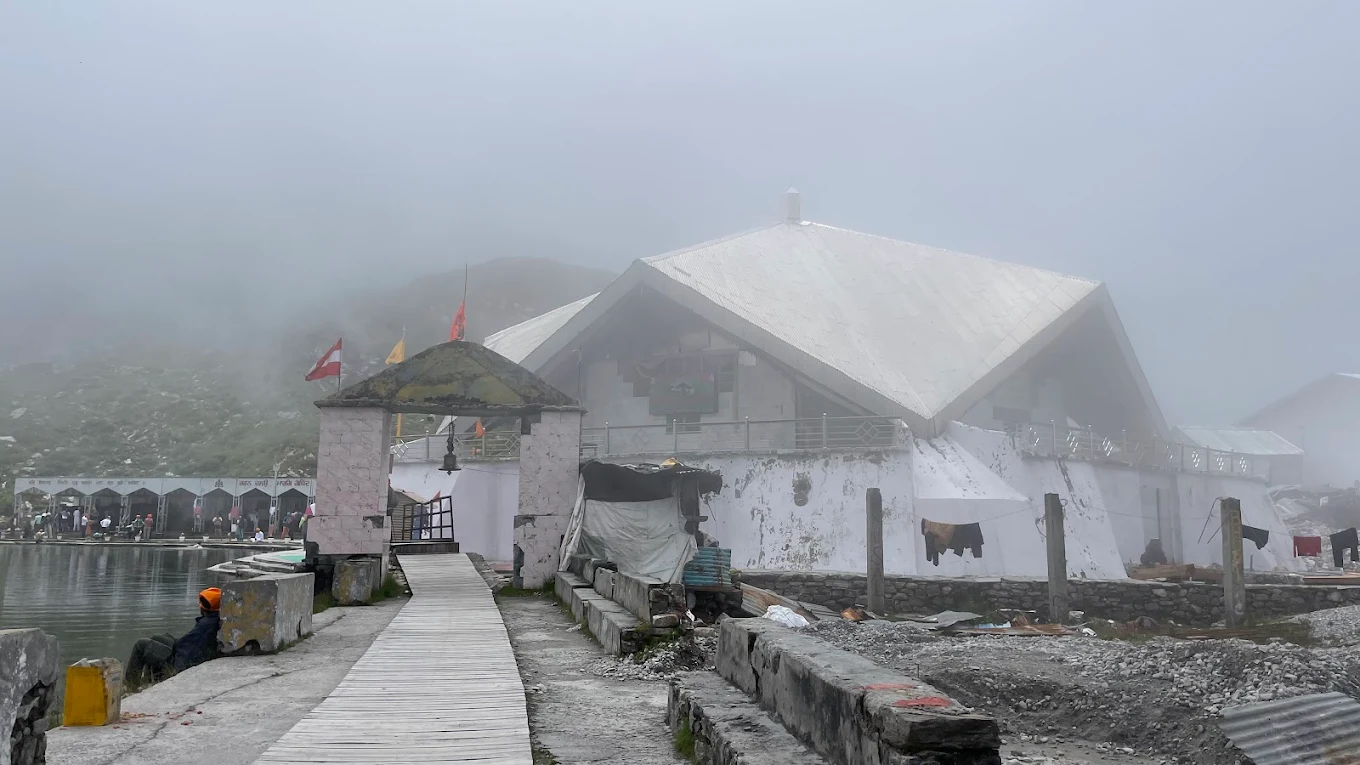
Sri Hemkund Sahib
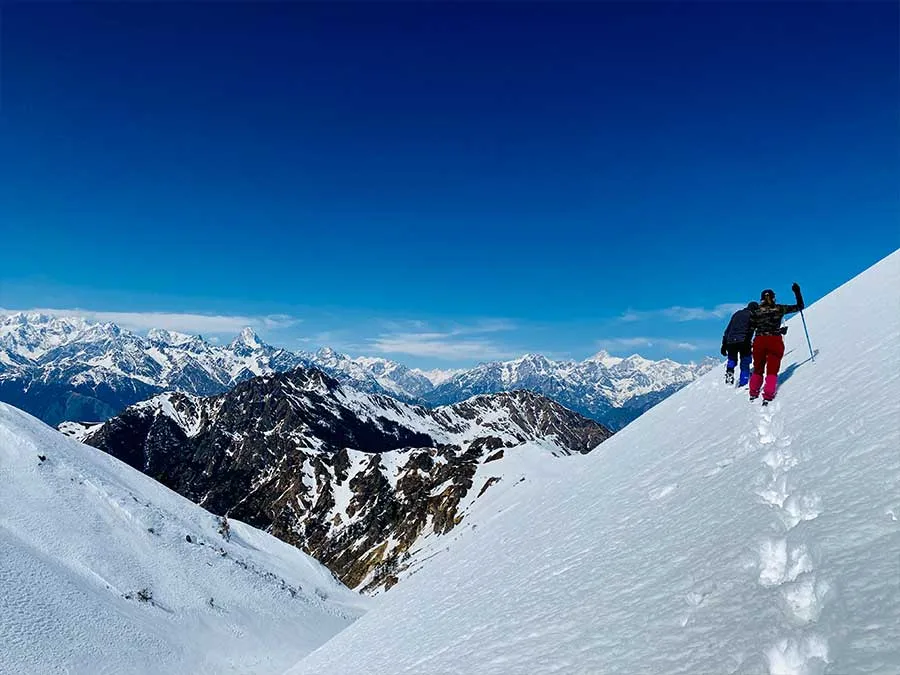
Kuari Pass Trek
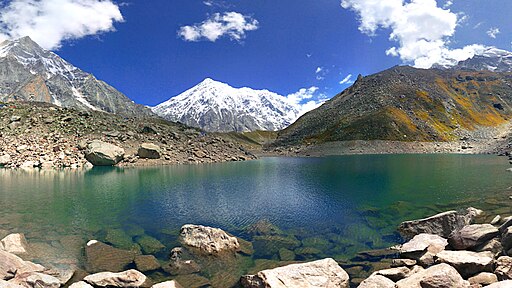
Satopanth Lake Trek
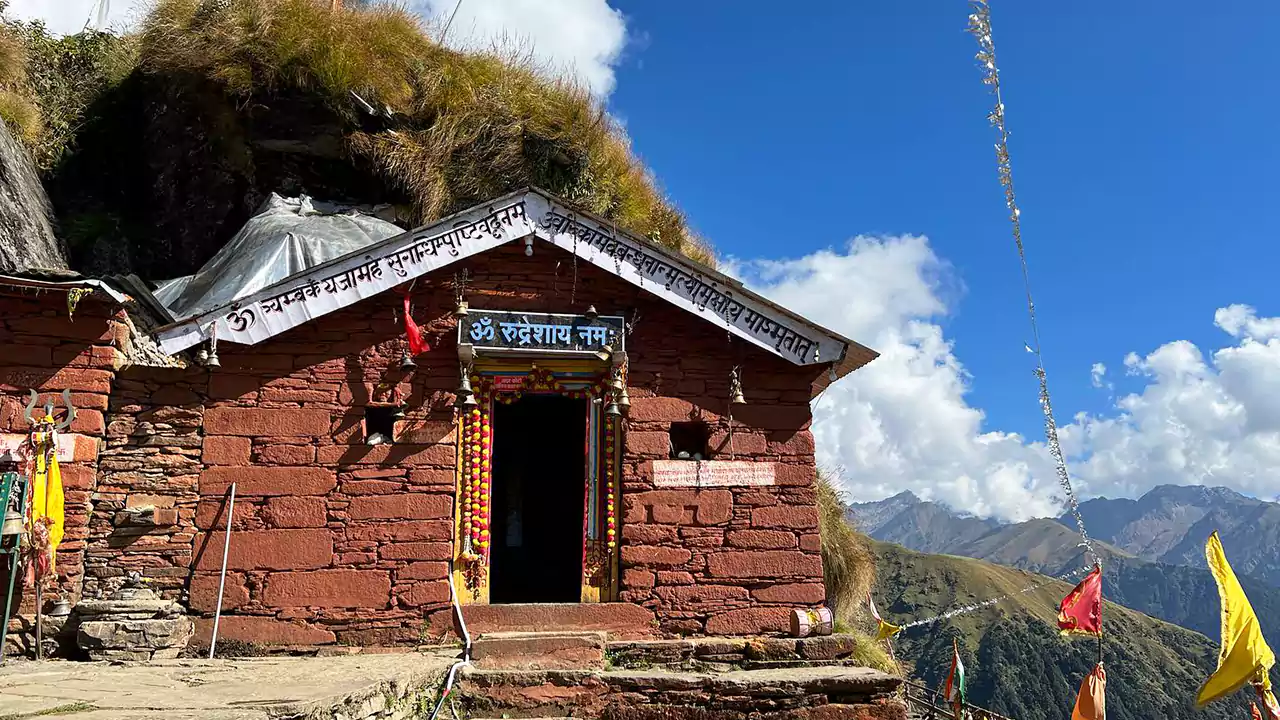
Rudranath
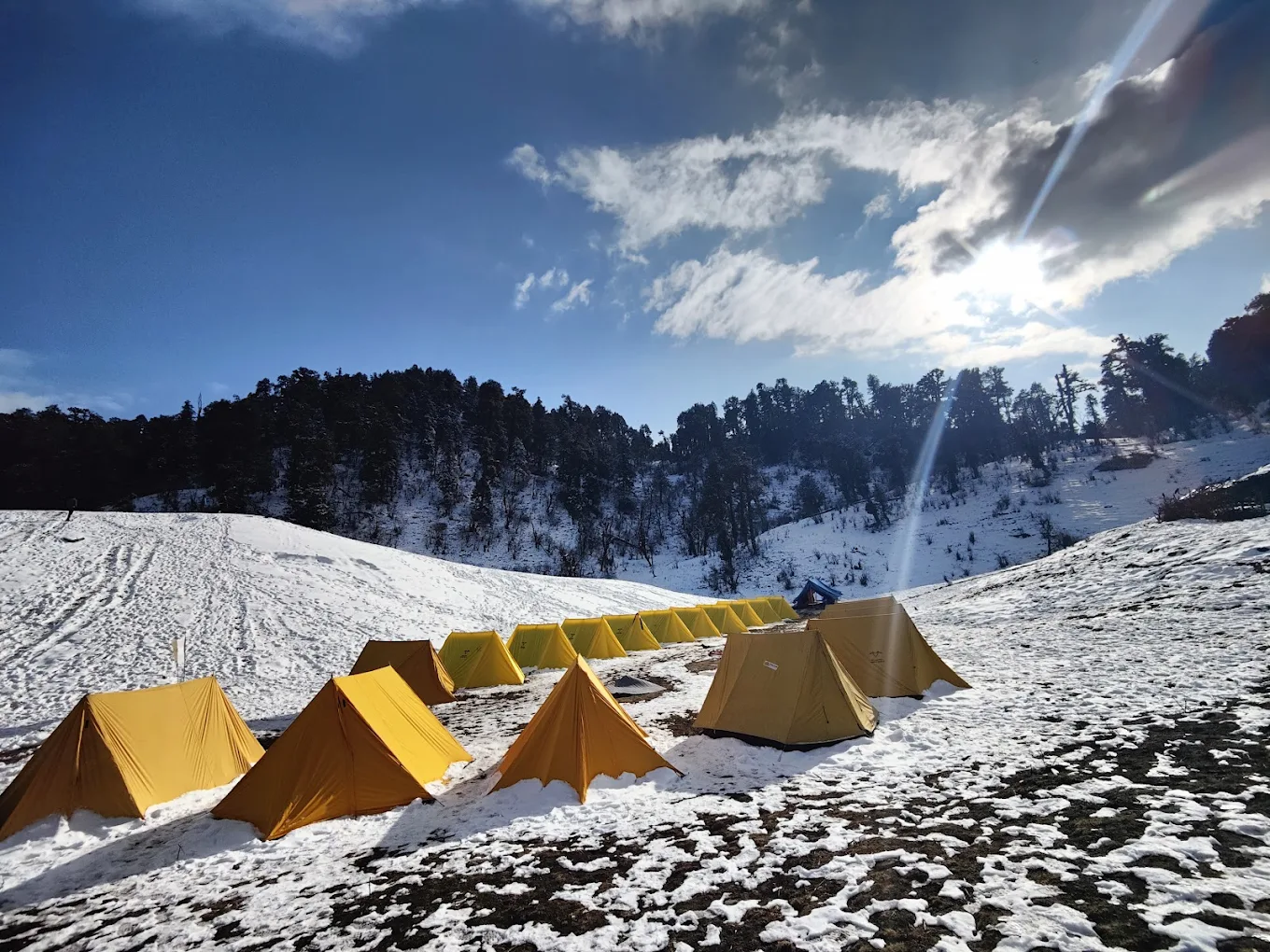
Dayara Bugyal Trek
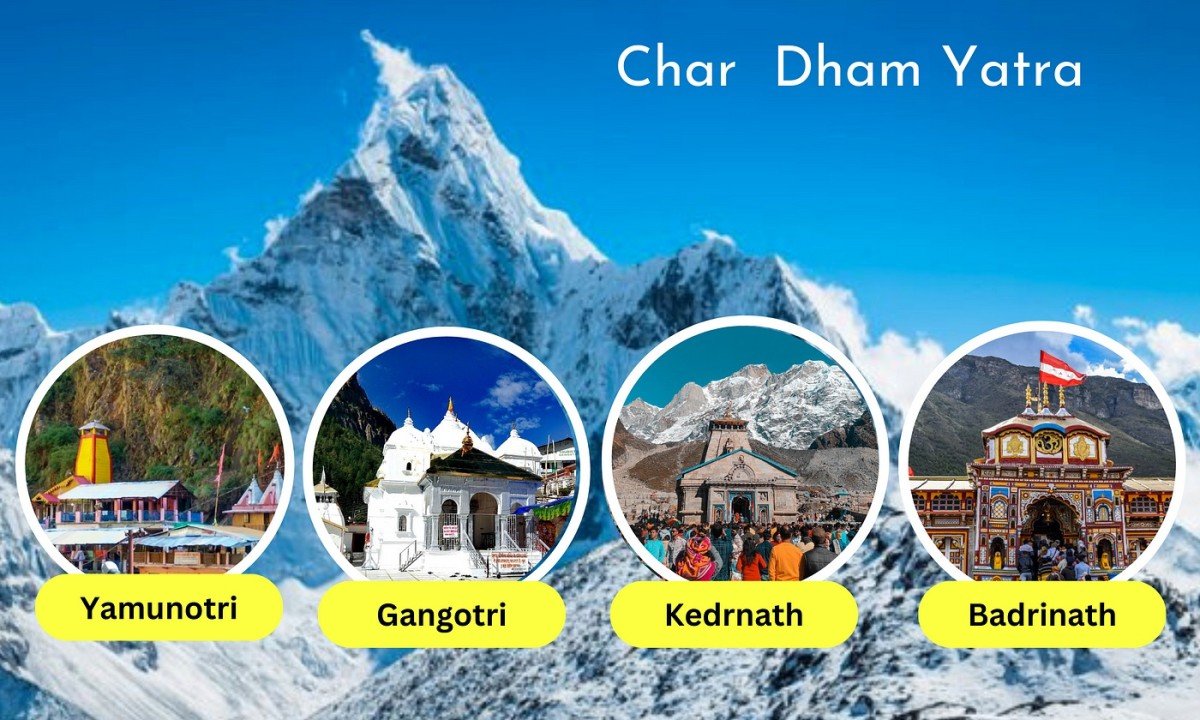
Char Dham Yatra
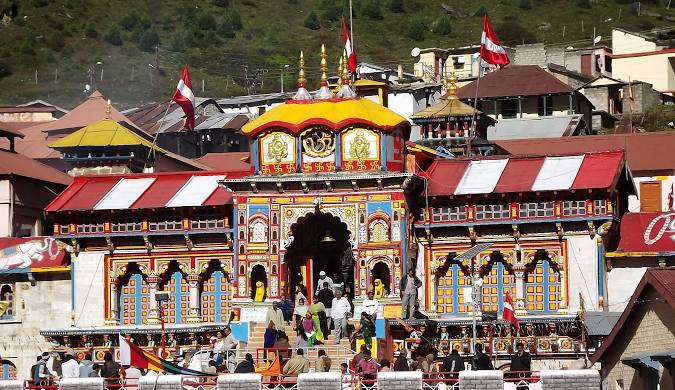
Badrinath
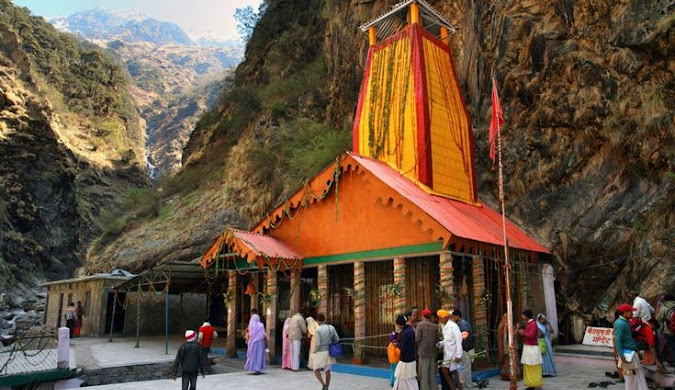
Yamunotri
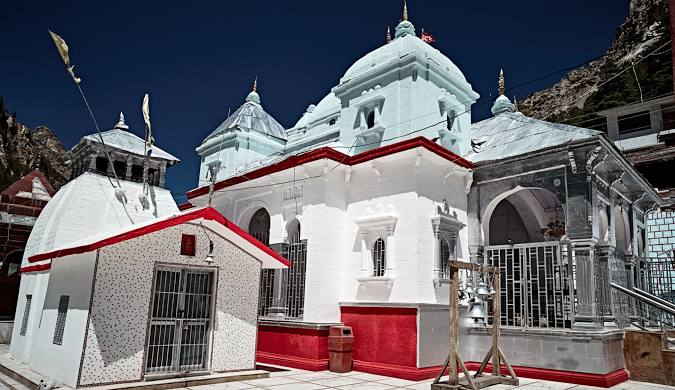
Gangotri
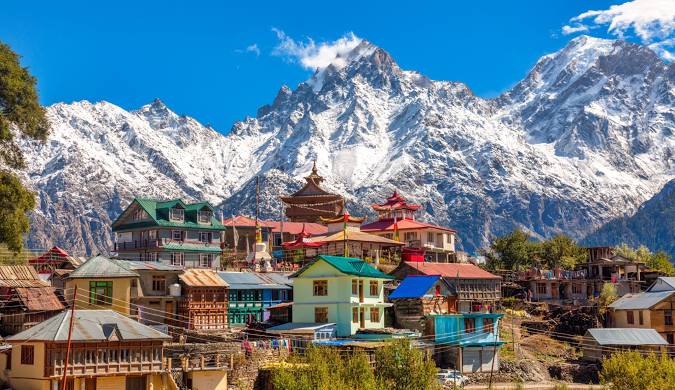
Kalpa
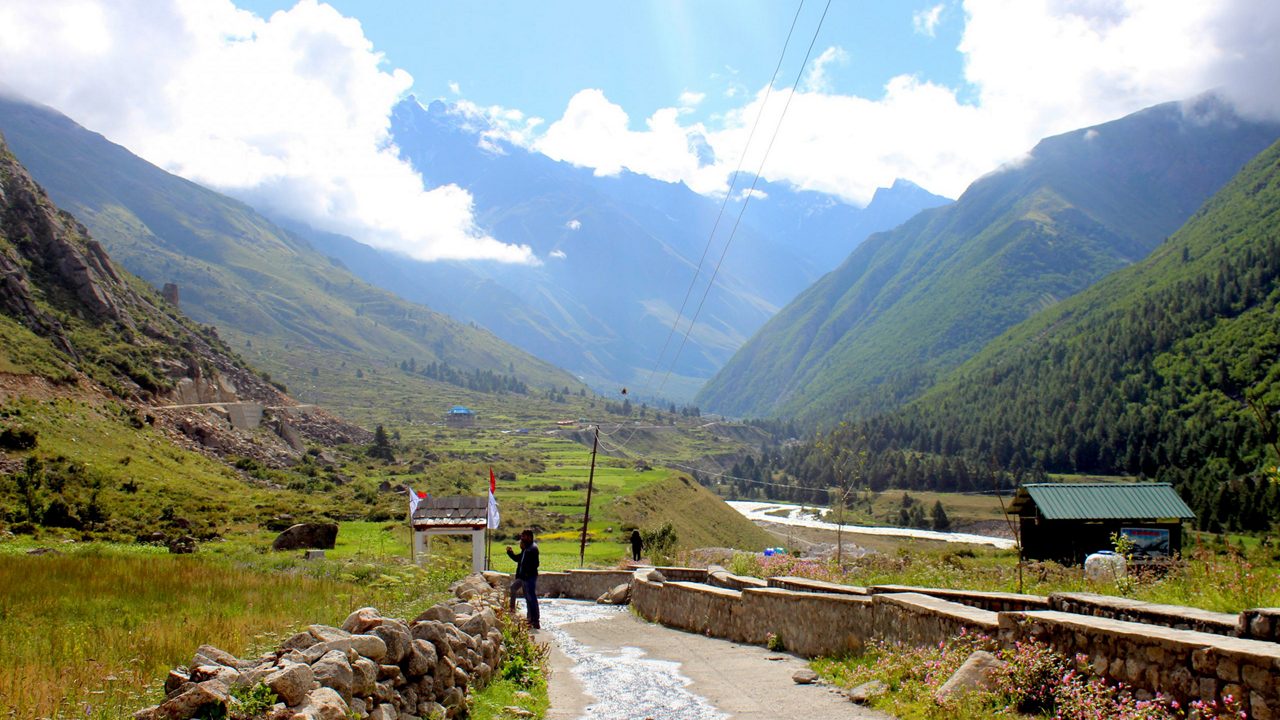
Chitkul
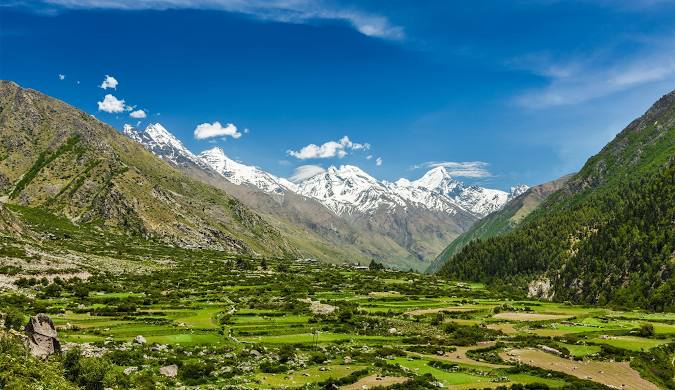
Sangla Valley
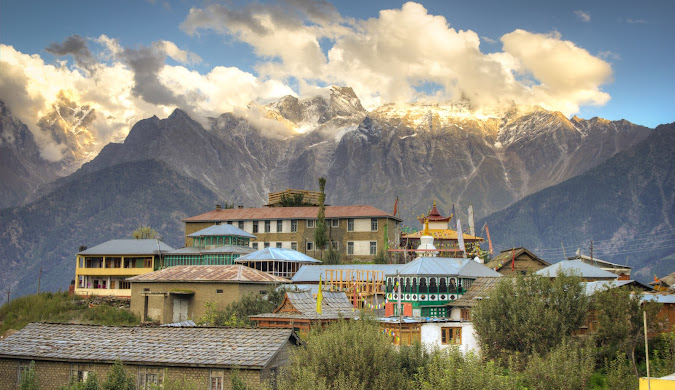
Reckong Peo
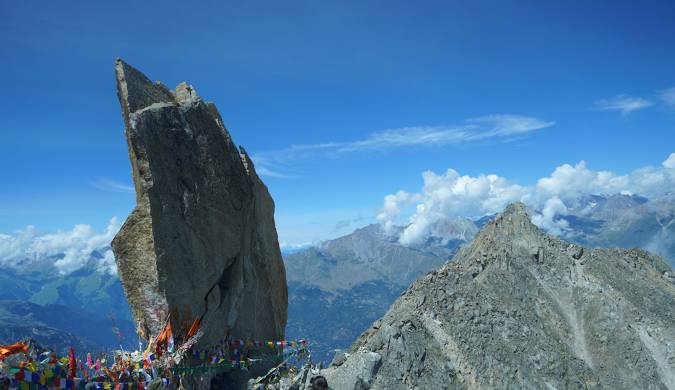
Kinner Kailash
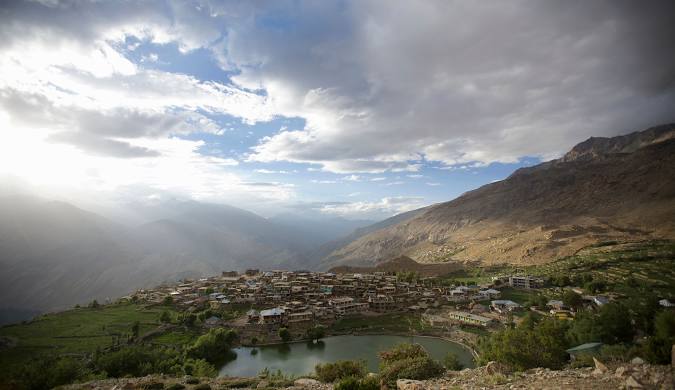
Nako Village
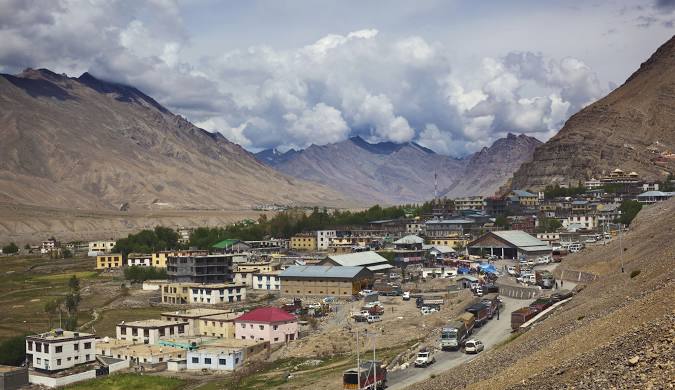
Kaza
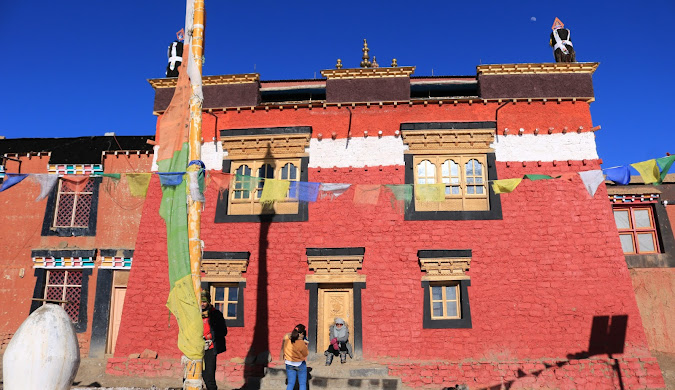
Komic Village
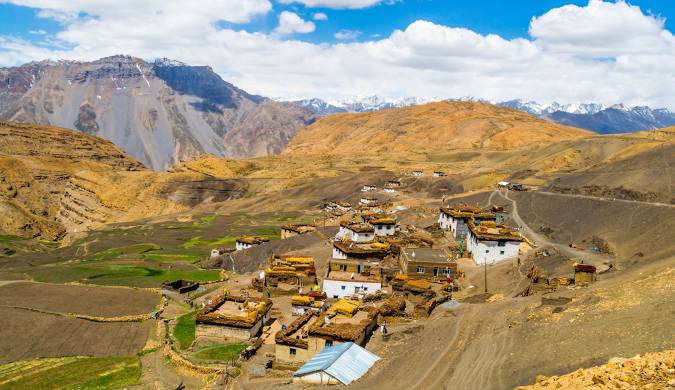
Hikkim Village
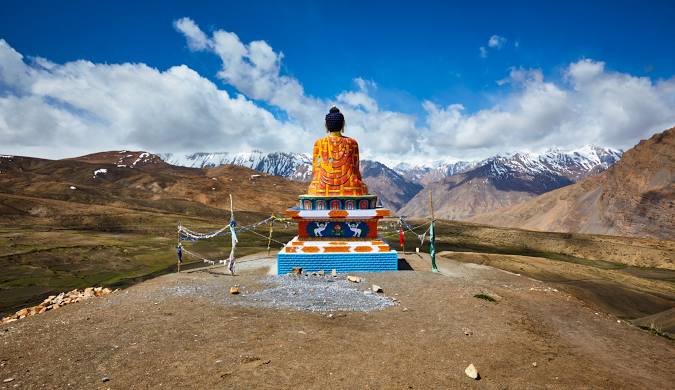
Langza Village
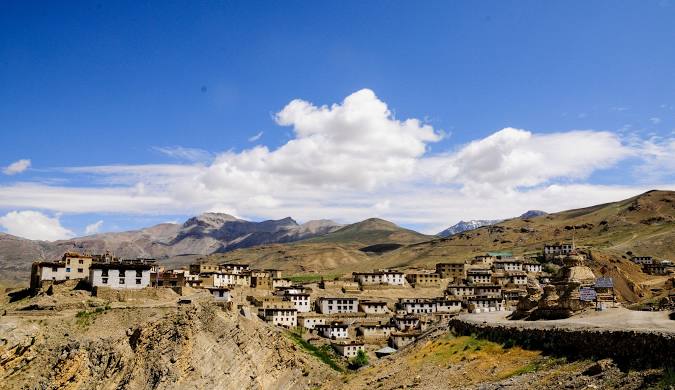
Kibber Village
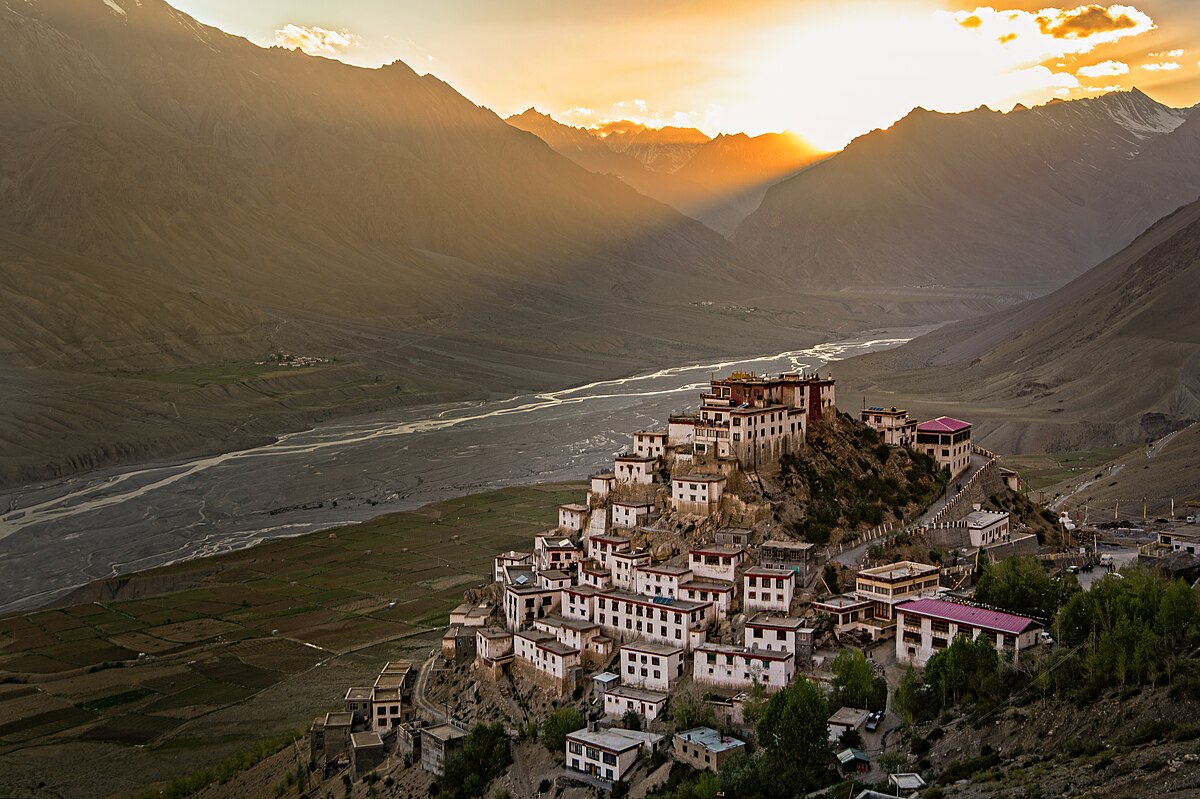
Key Monastery
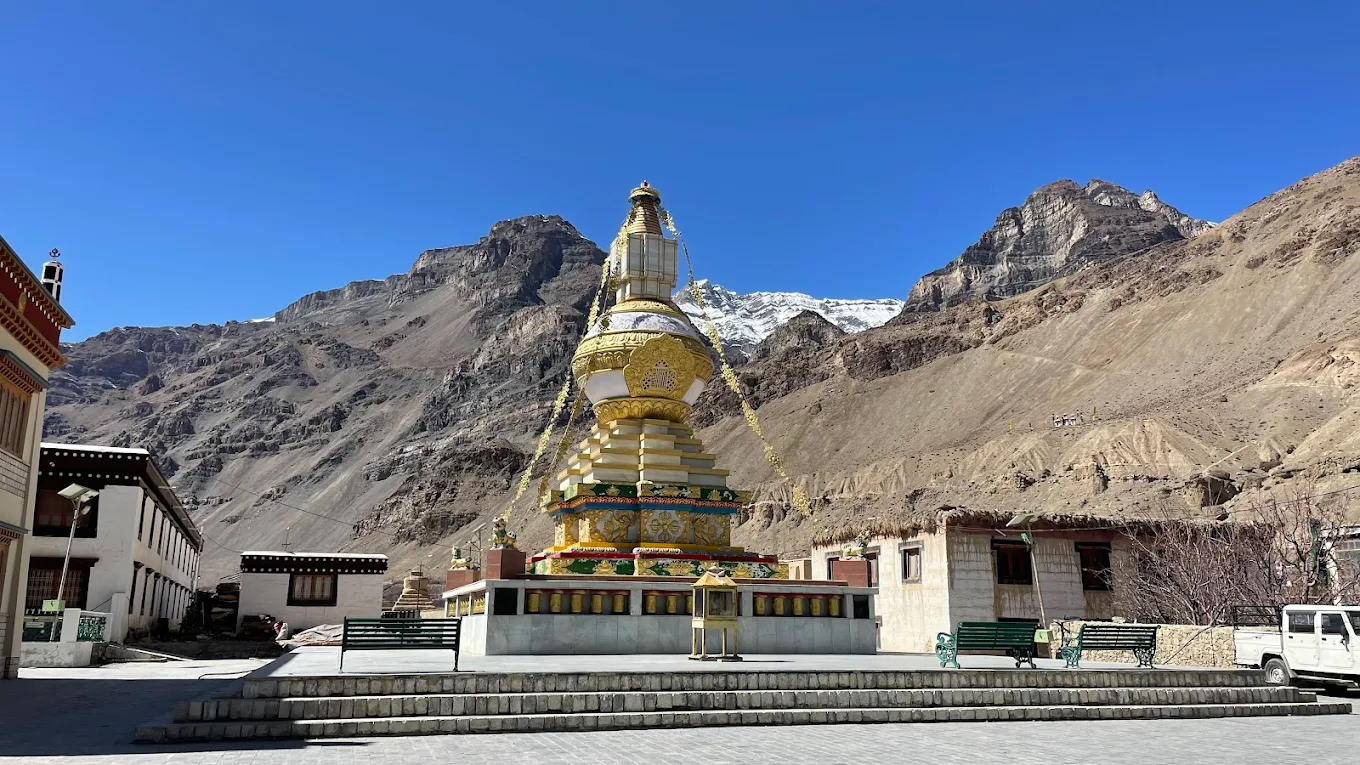
Tabo Monastery
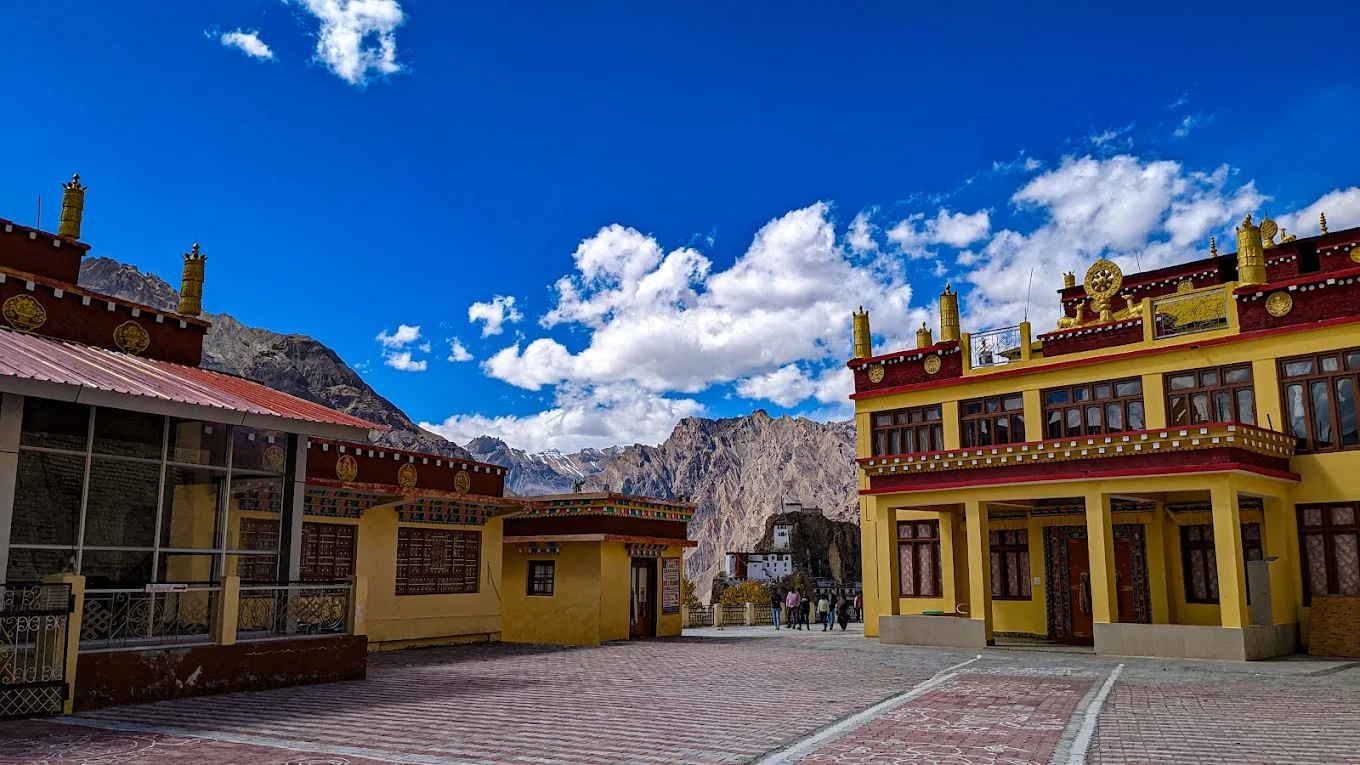
Dhankar Monastery
Gue Village
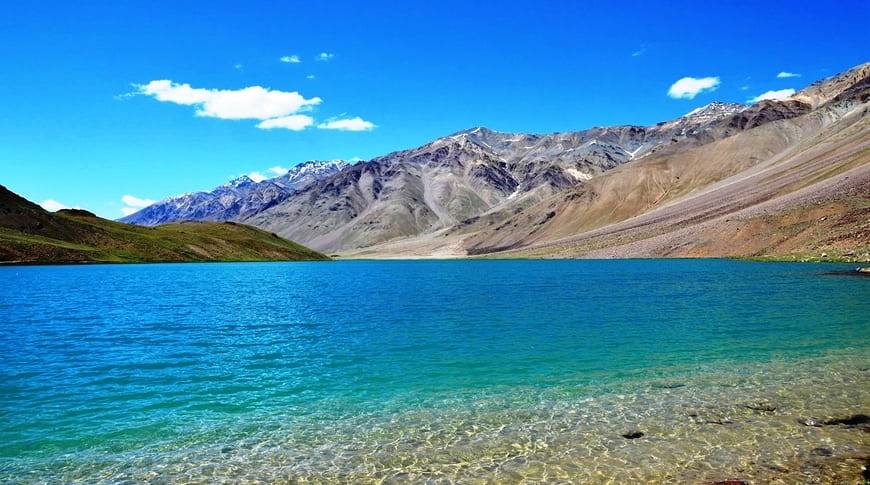
Chandratal Lake
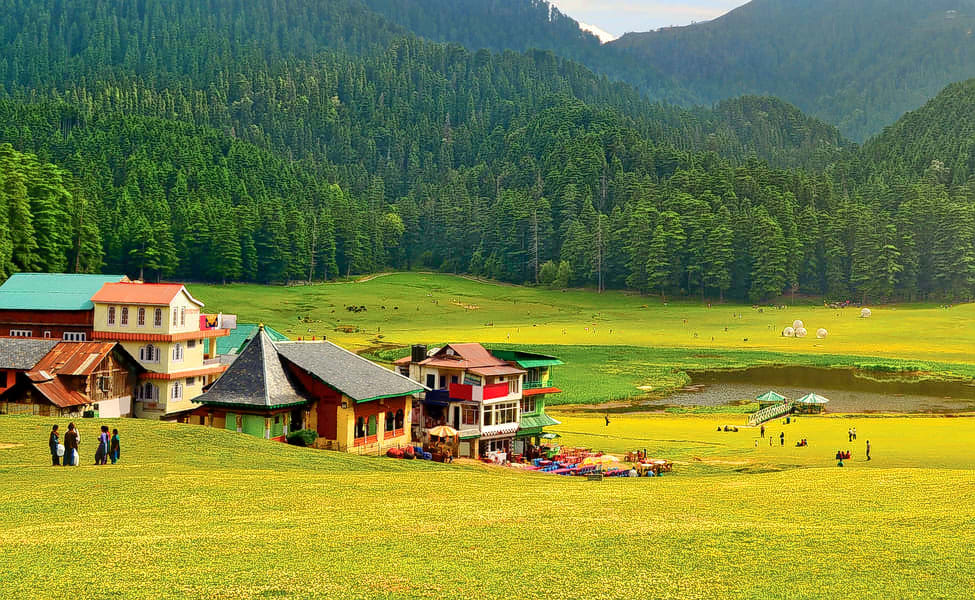
Dalhousie
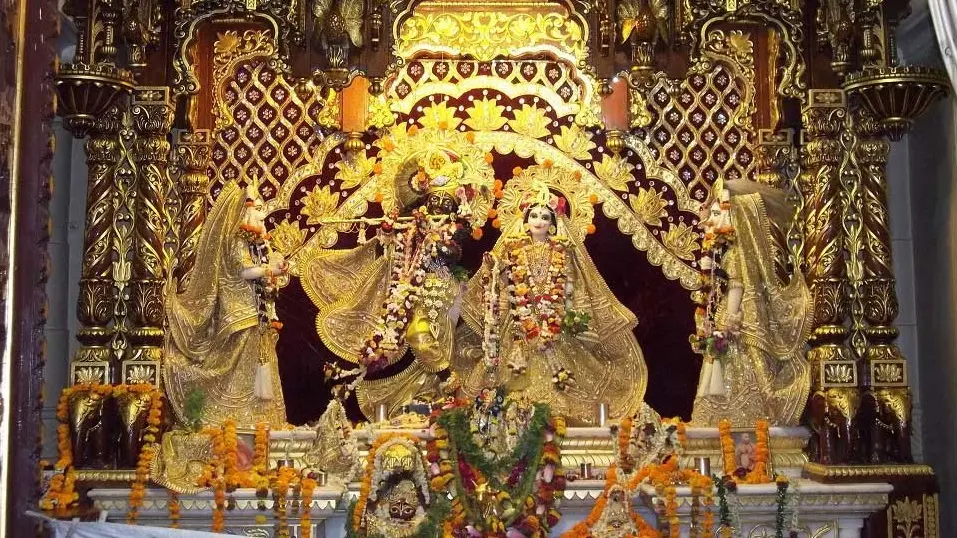
Shri Krishna Janmabhoomi Temple
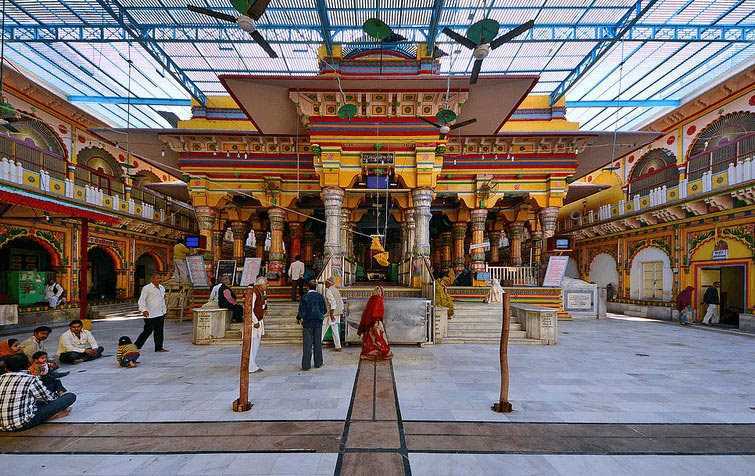
Shri Dwarkadhish Temple
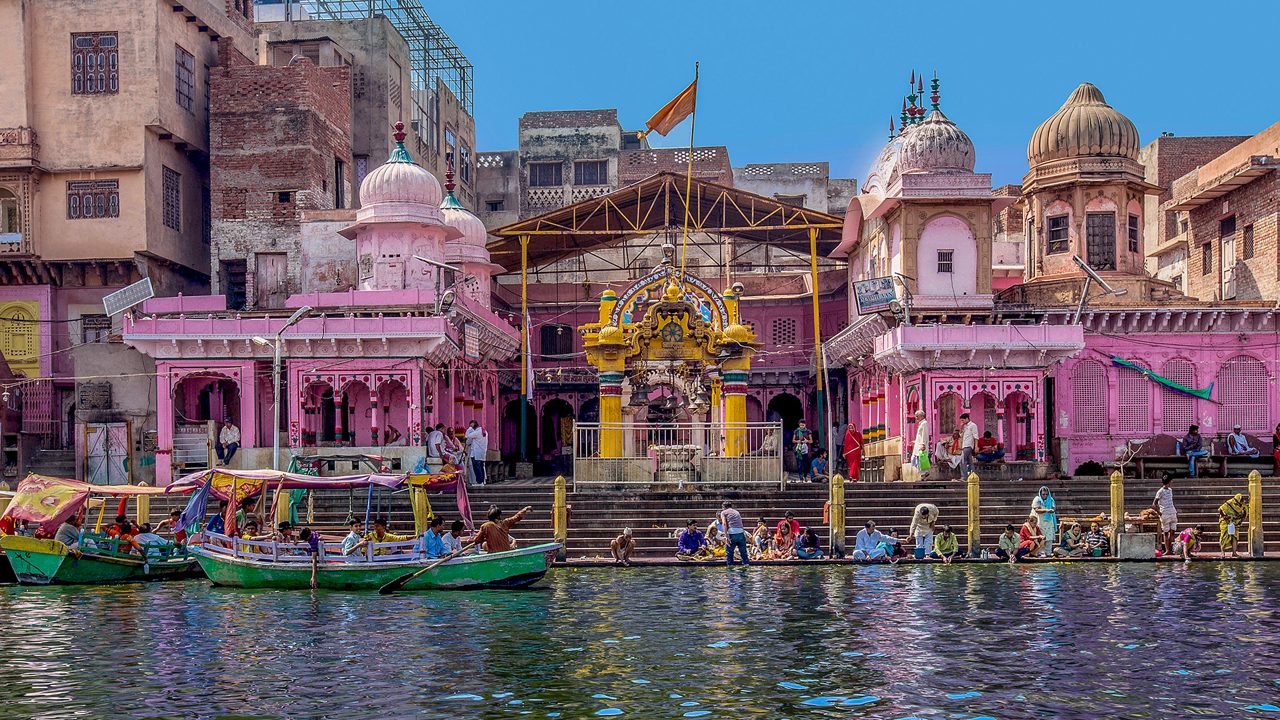
Vishram Ghat, Mathura
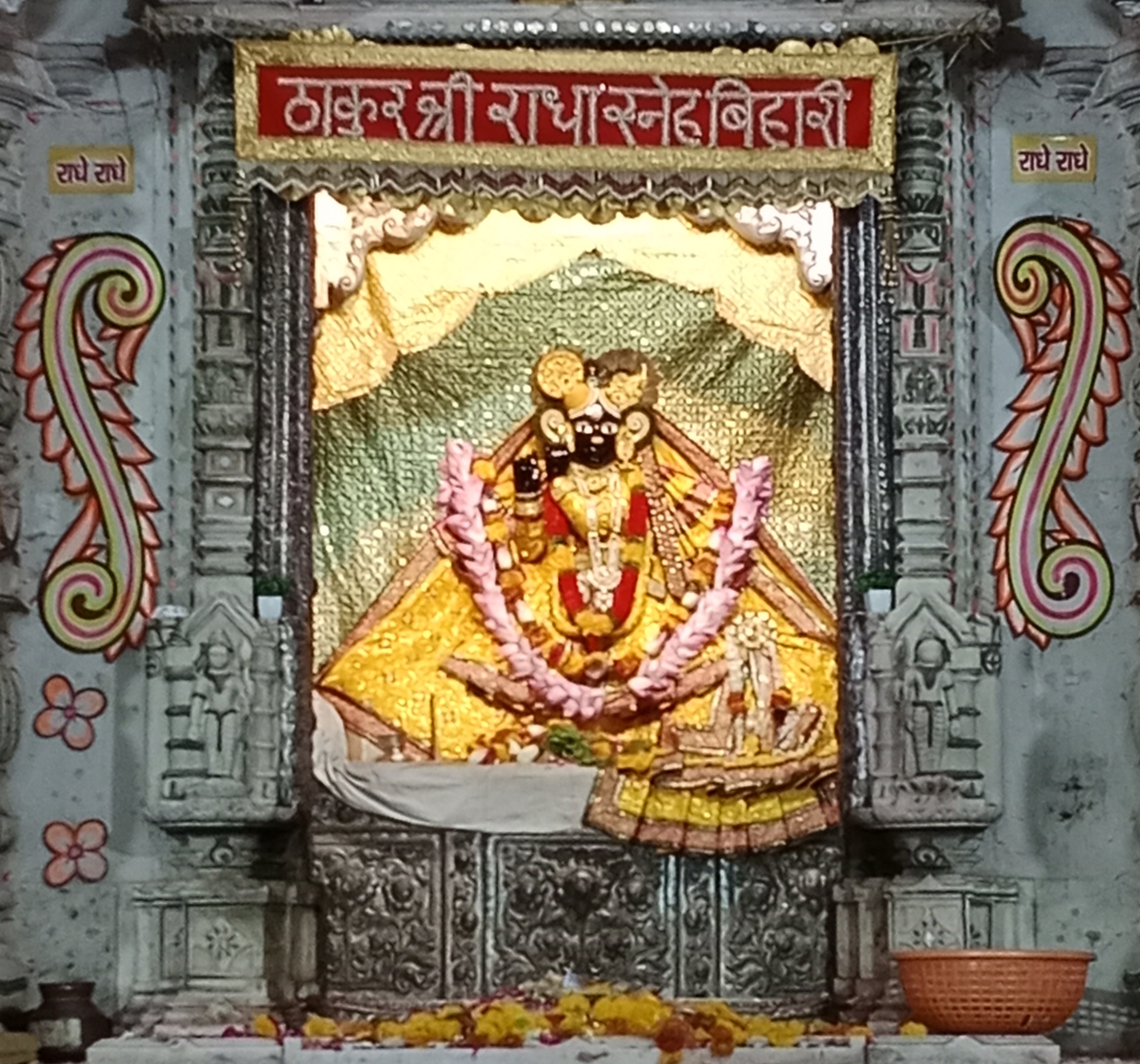
Shri Banke Bihari Temple, Vrindavan
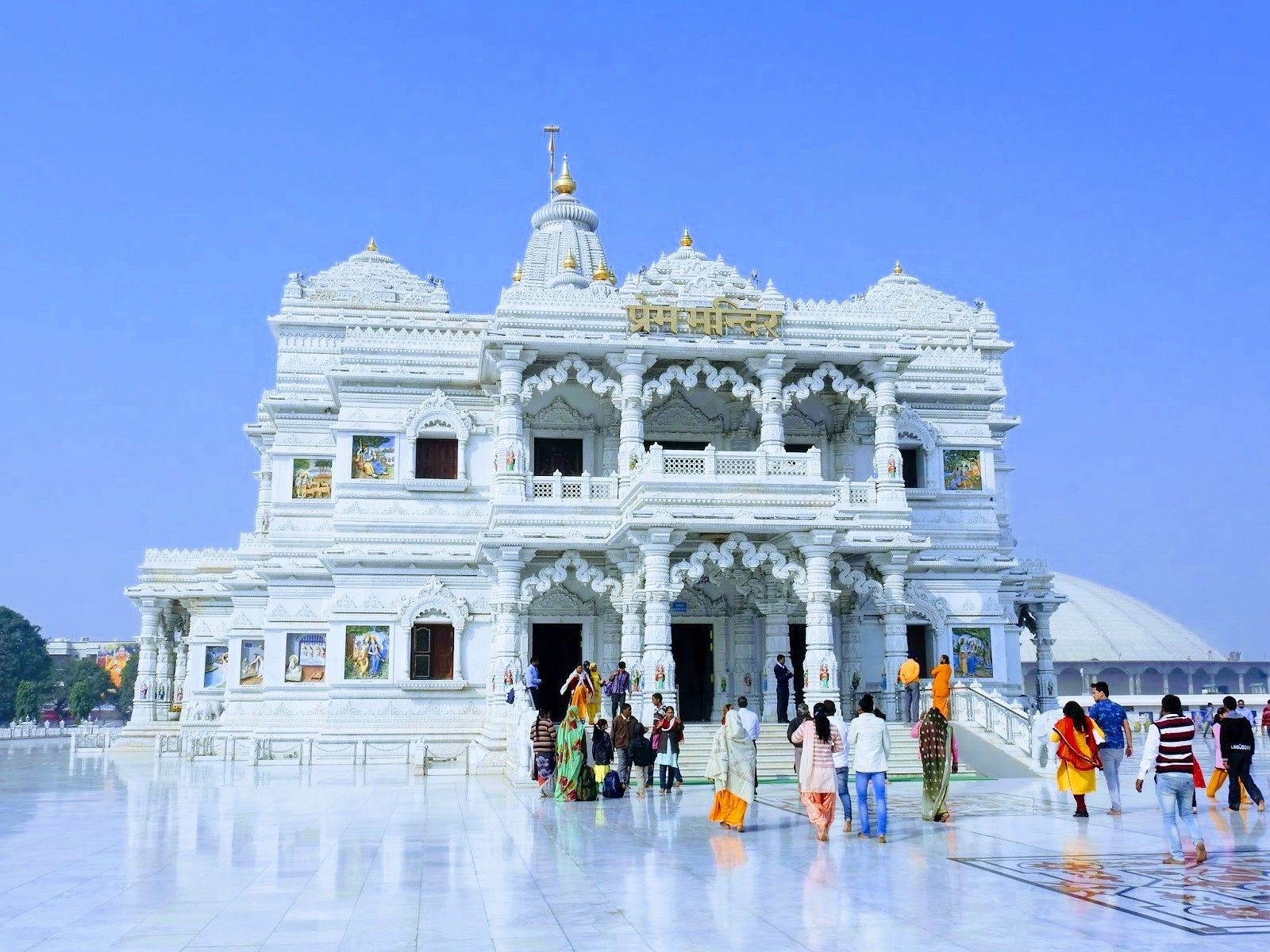
Shri Prem Mandir, Vrindavan
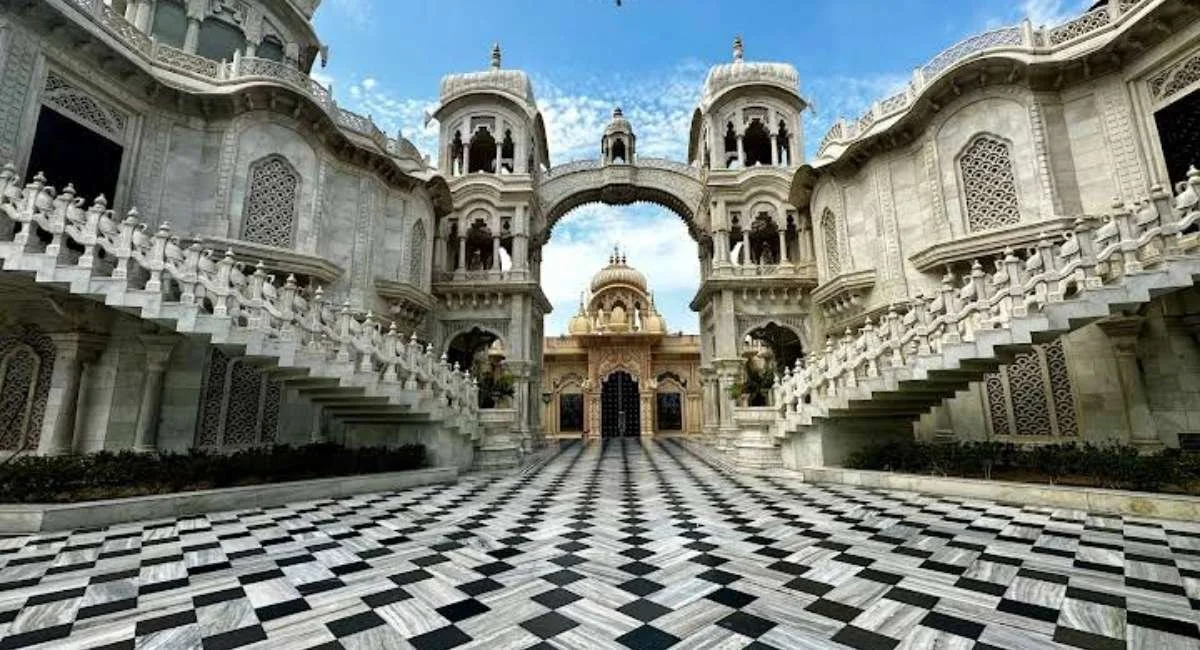
ISKCON Temple, Vrindavan
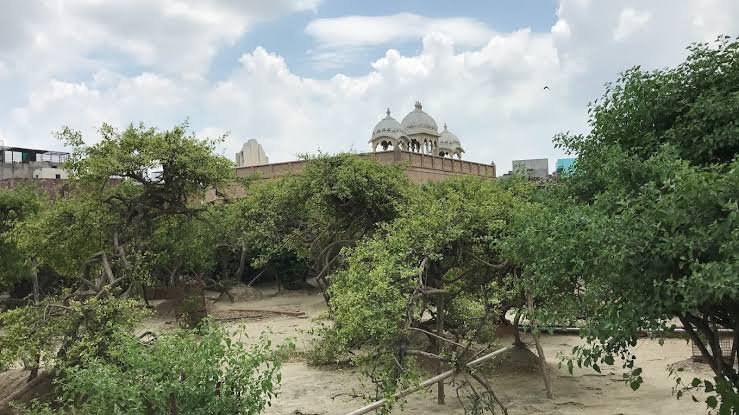
Nidhivan, Vrindavan
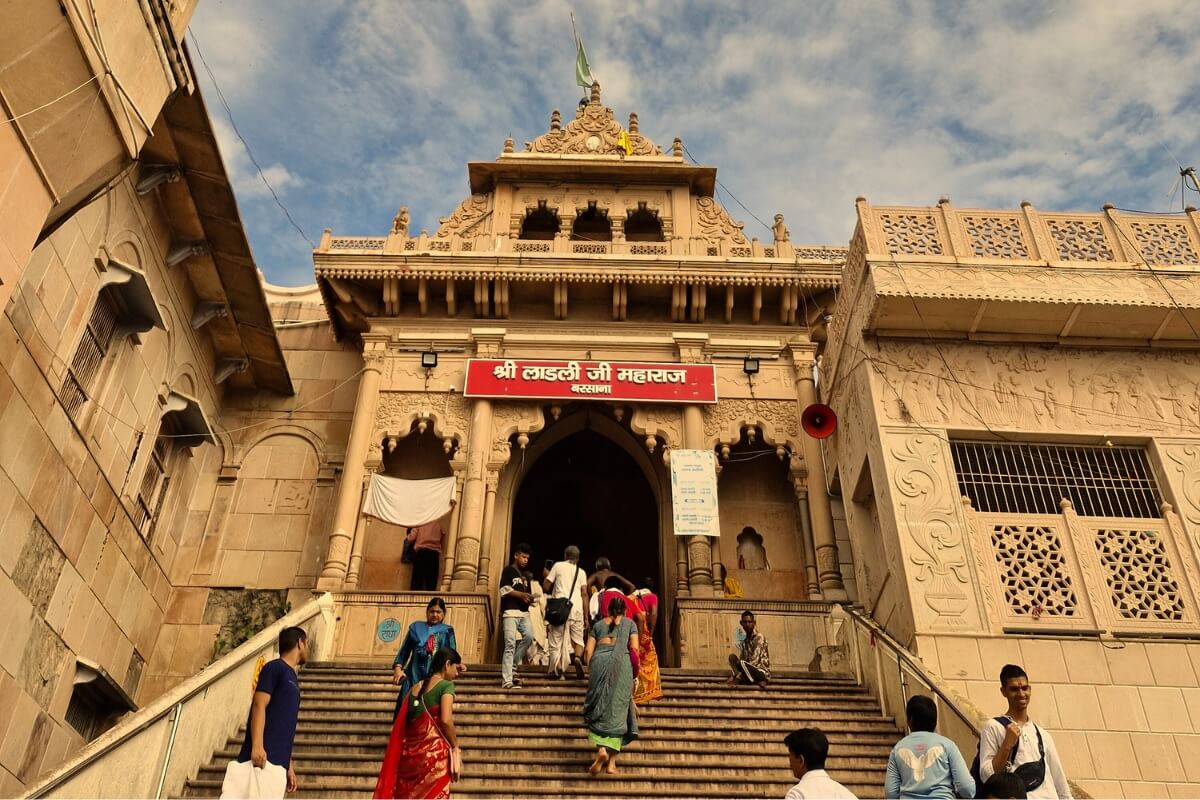
Shri Radha Rani Temple, Barsana
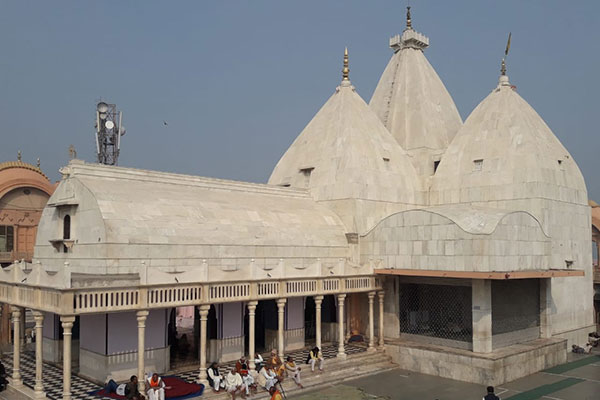
Nand Bhawan Mandir, Nandgaon
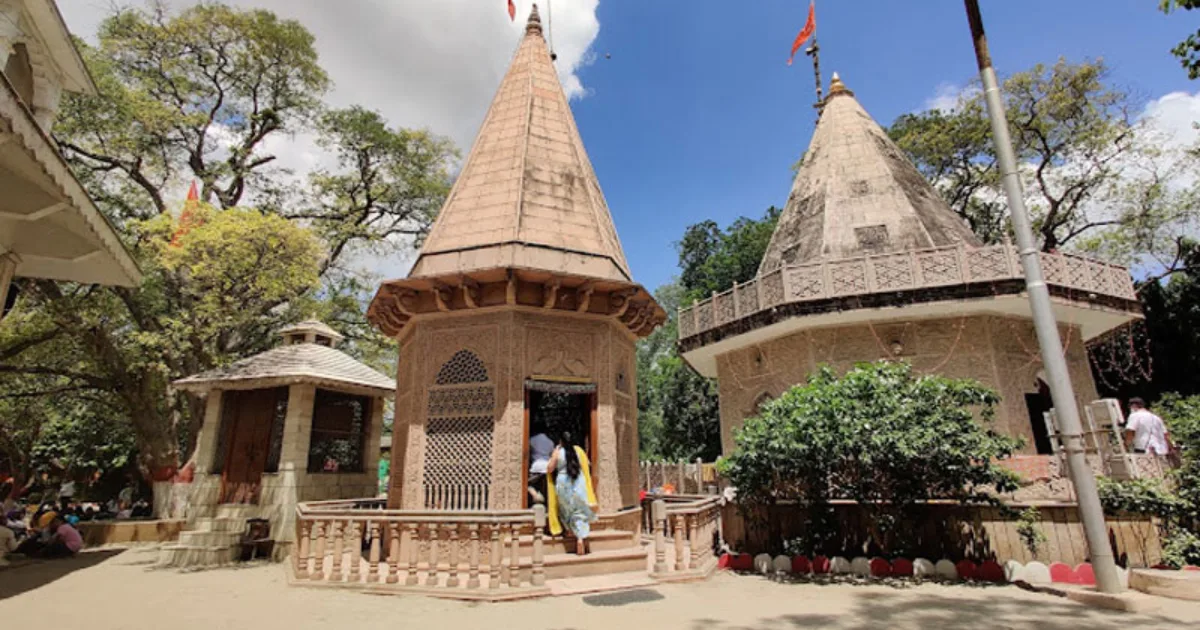
Raman Reti
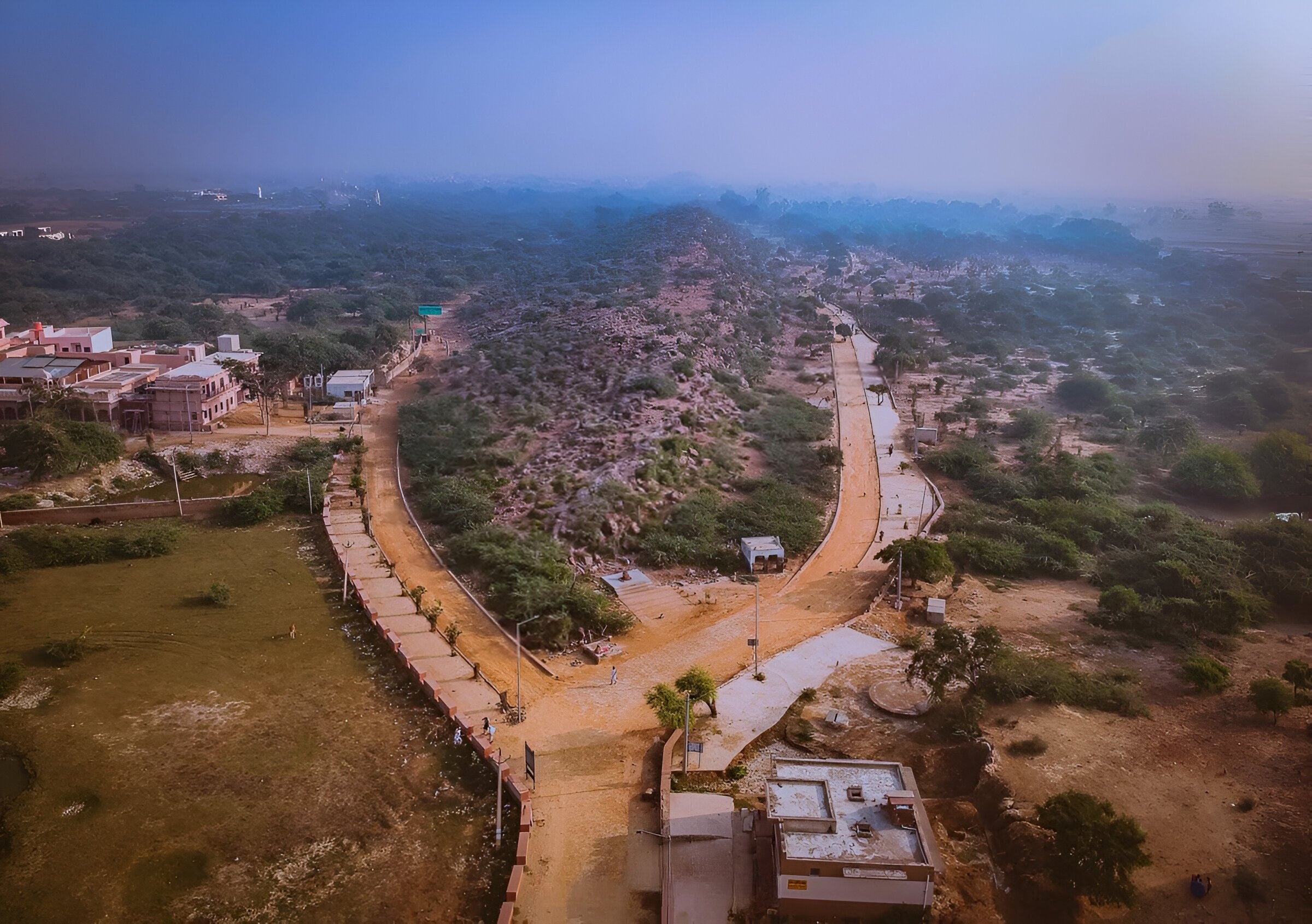
Goverdhan Parikrama
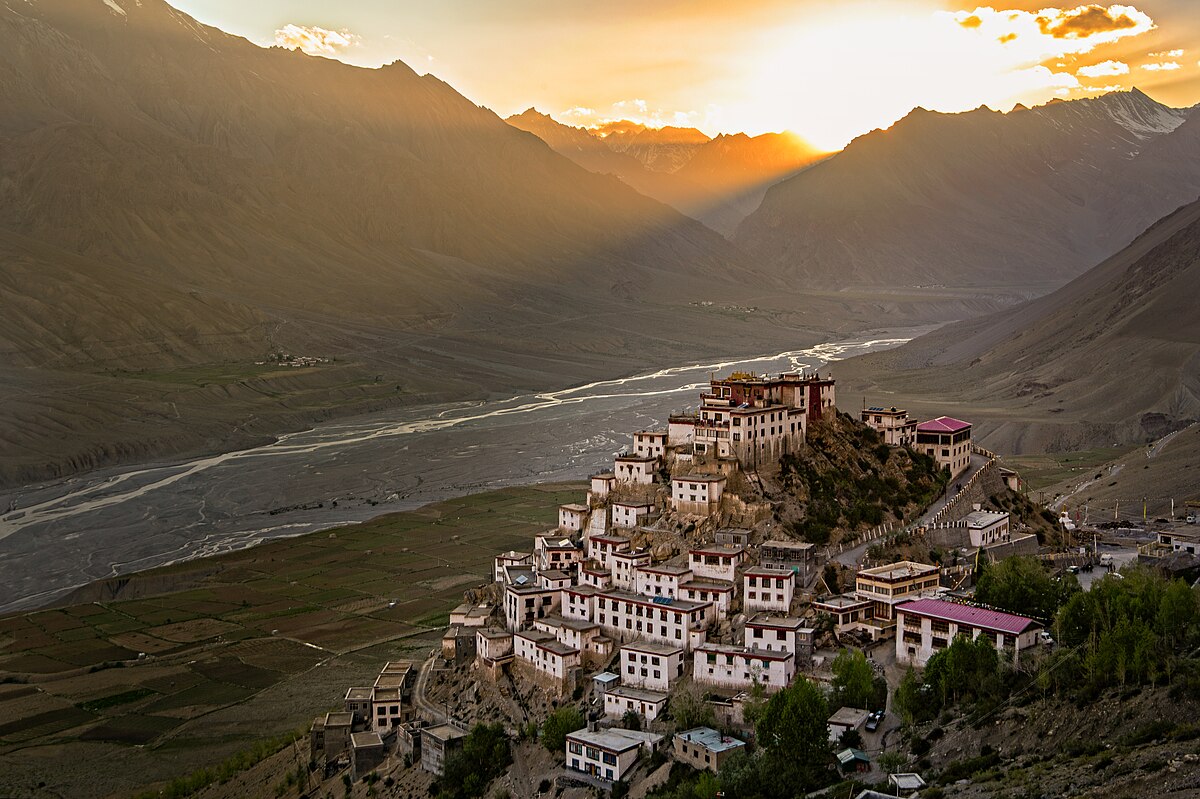
Spiti Valley Expedition
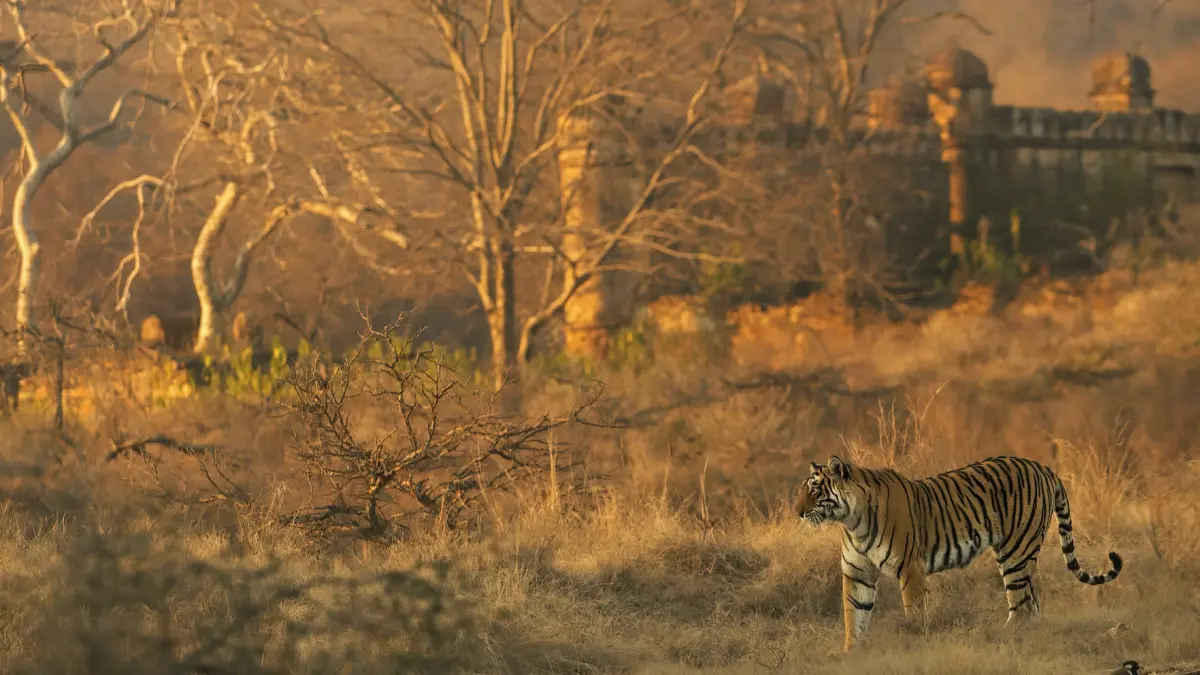
Ranthambhore National Park
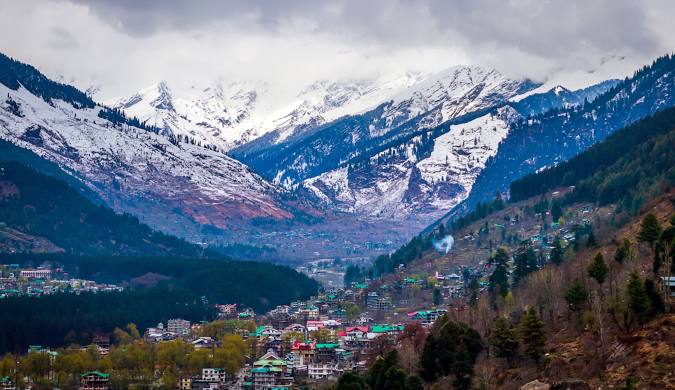
Manali
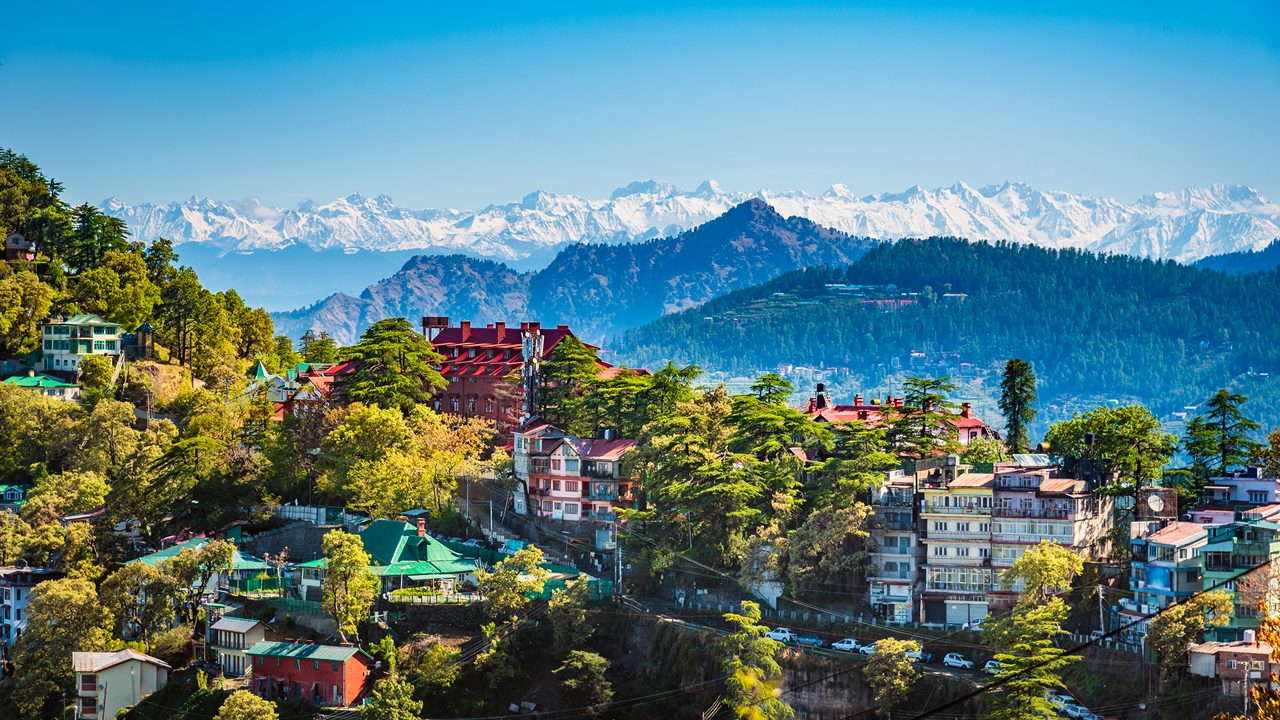
Shimla
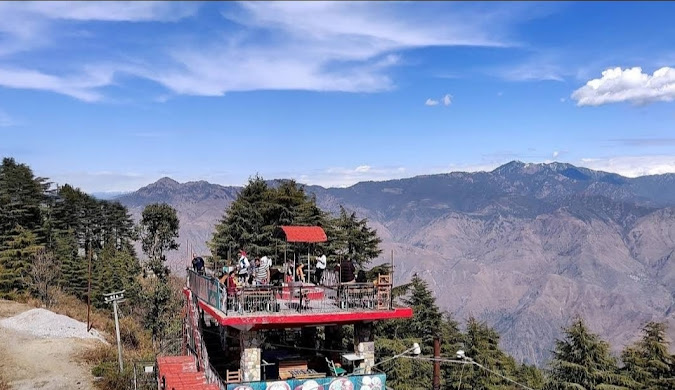
Mussoorie
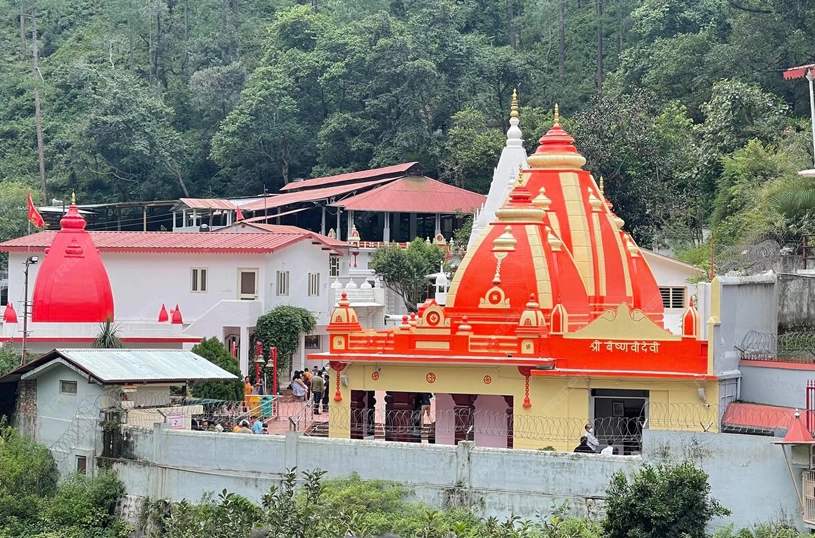
Neem Karoli Baba, Kainchi Dham
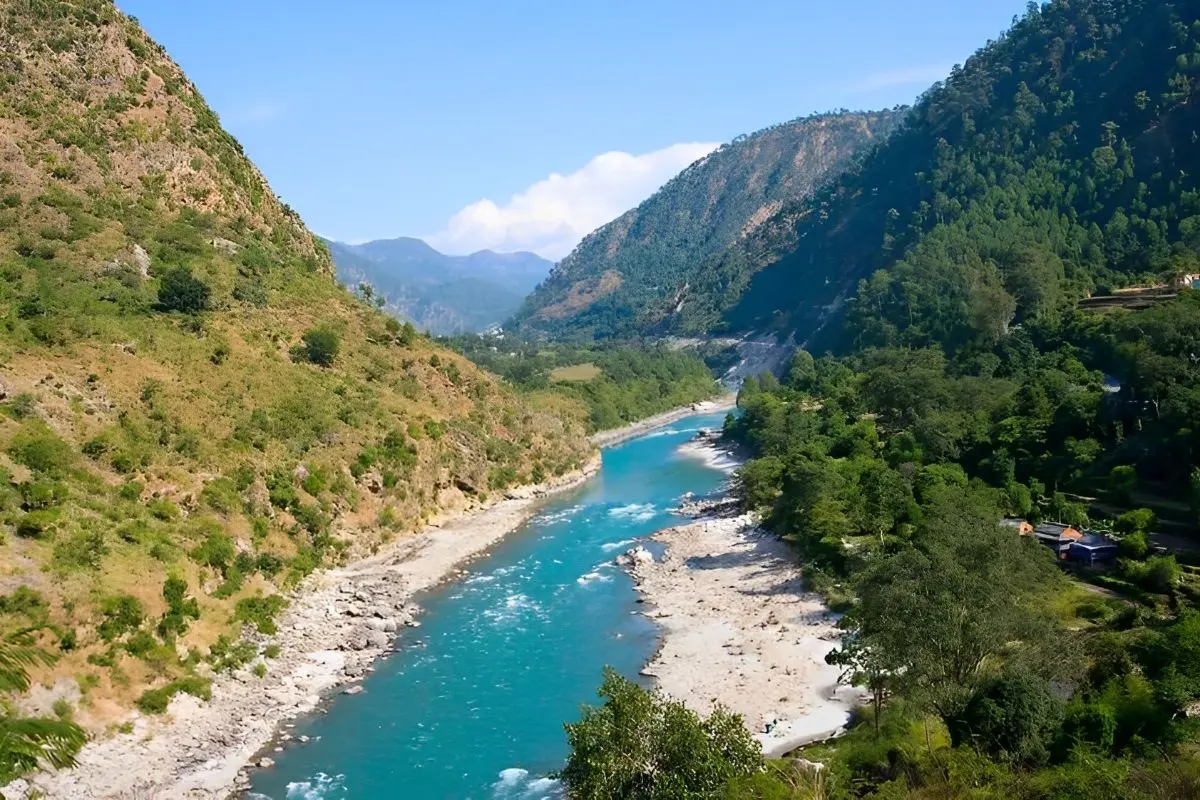
Mukteshwar
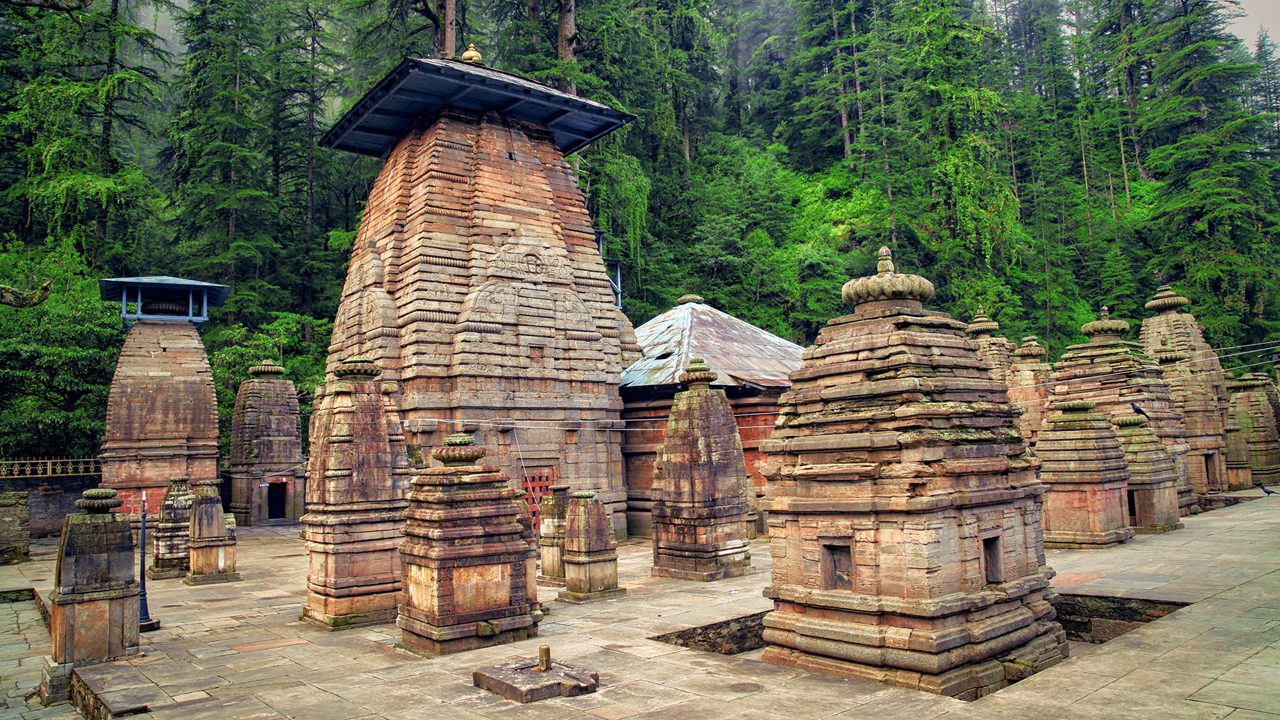
Jageshwar Dham
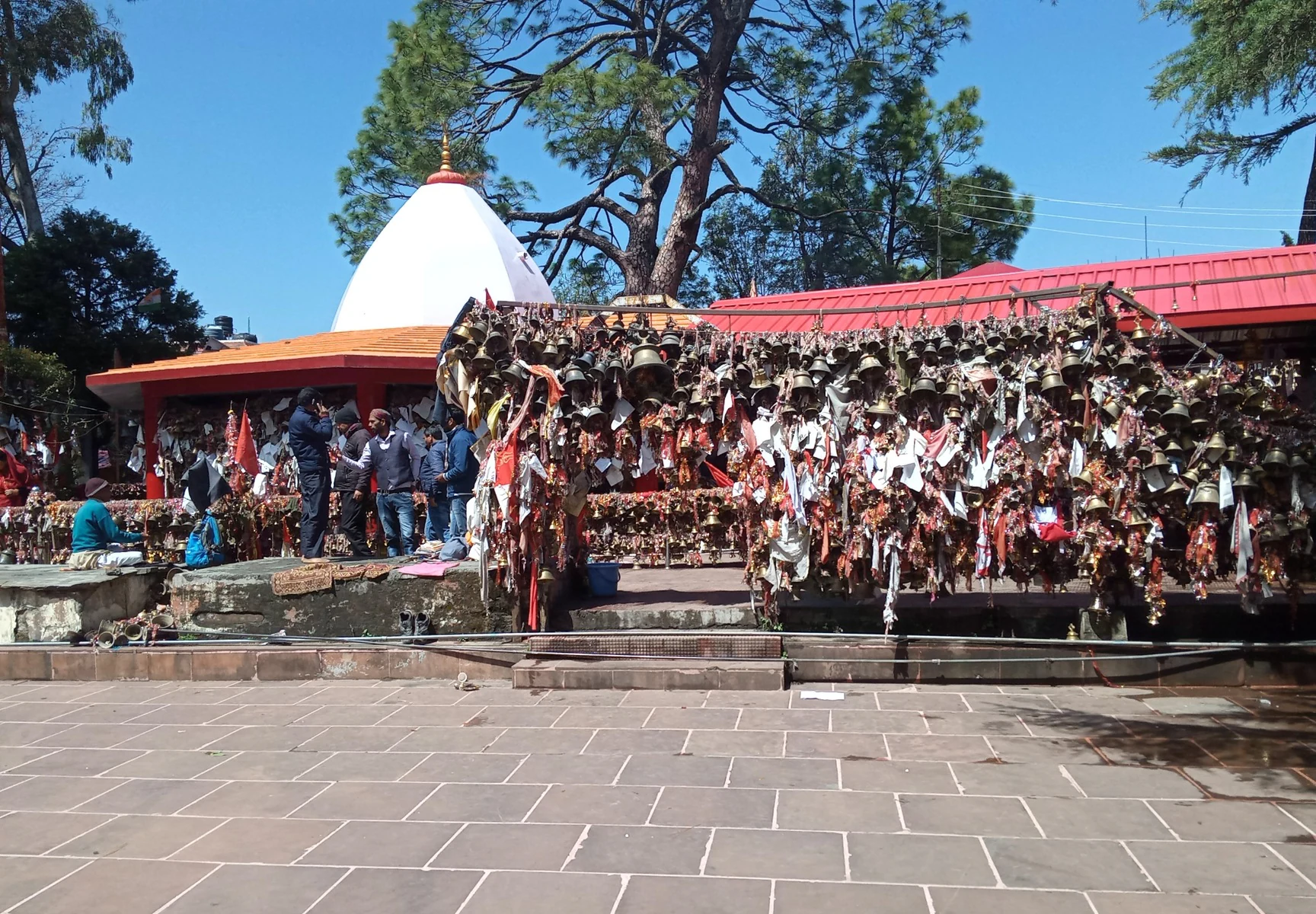
Chitai Golu Devta Temple
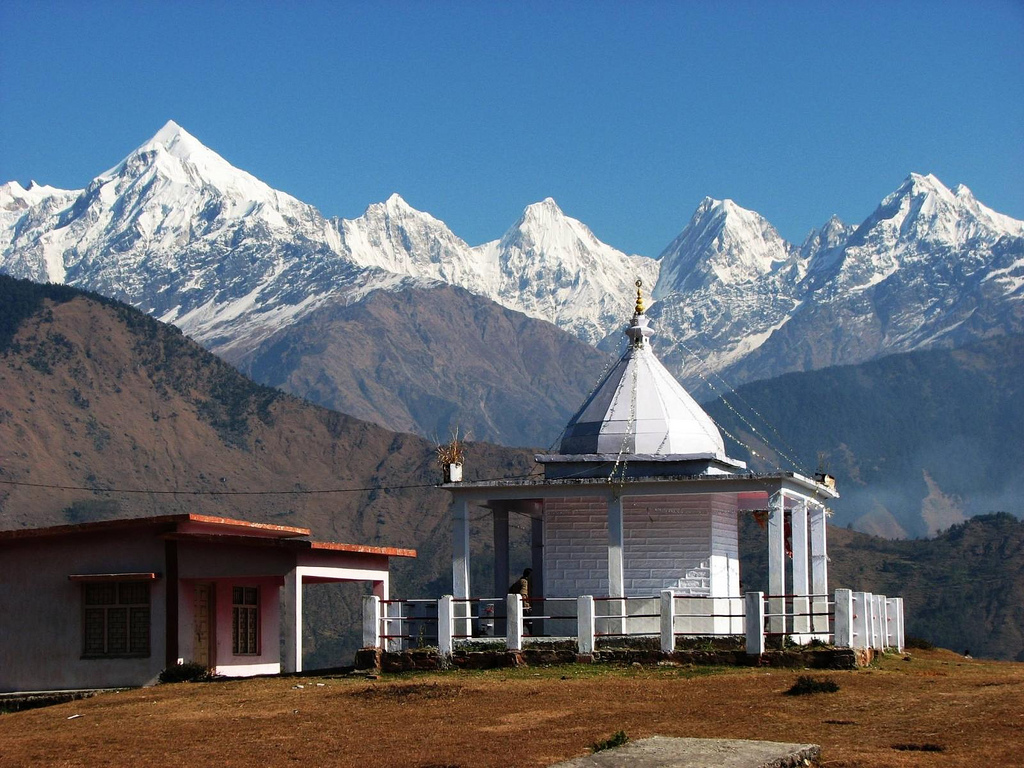
NANDA DEVI TEMPLE
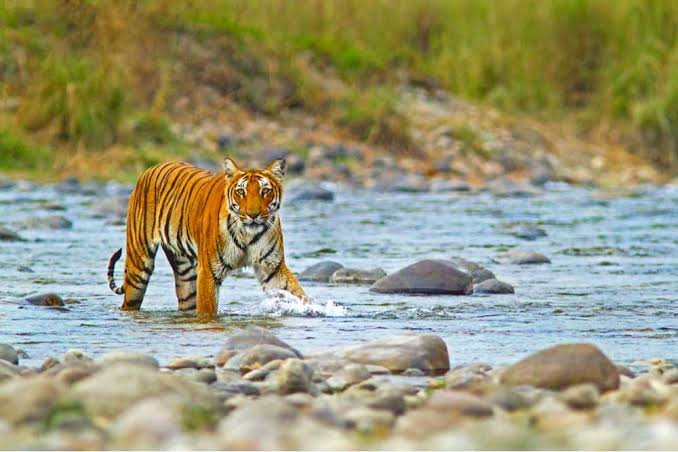
Jim Corbett National Park
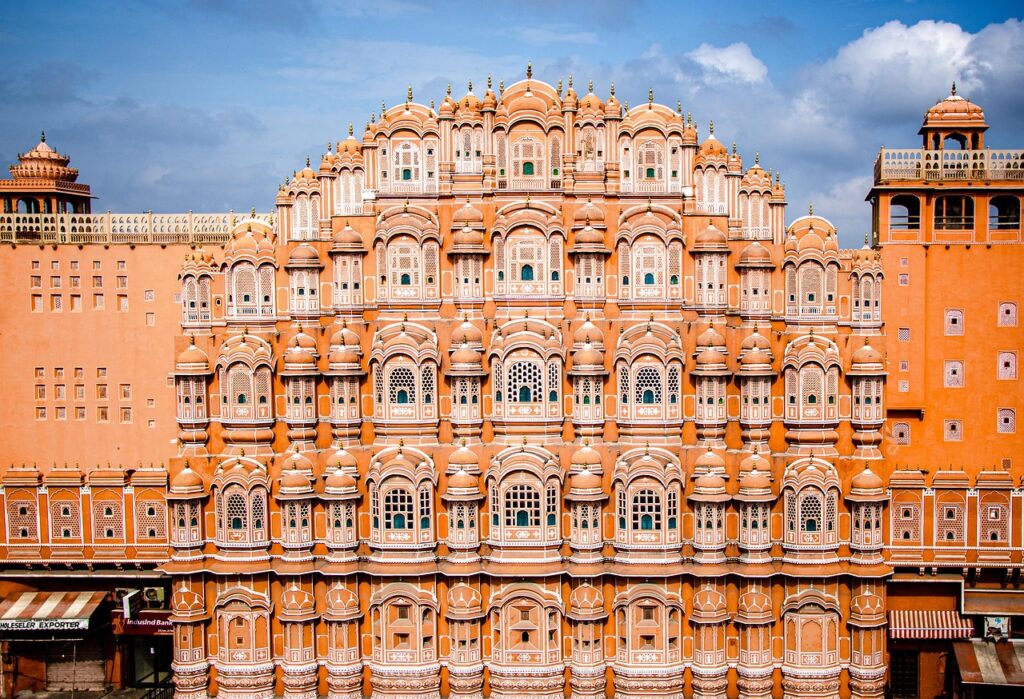
Hawa Mahal
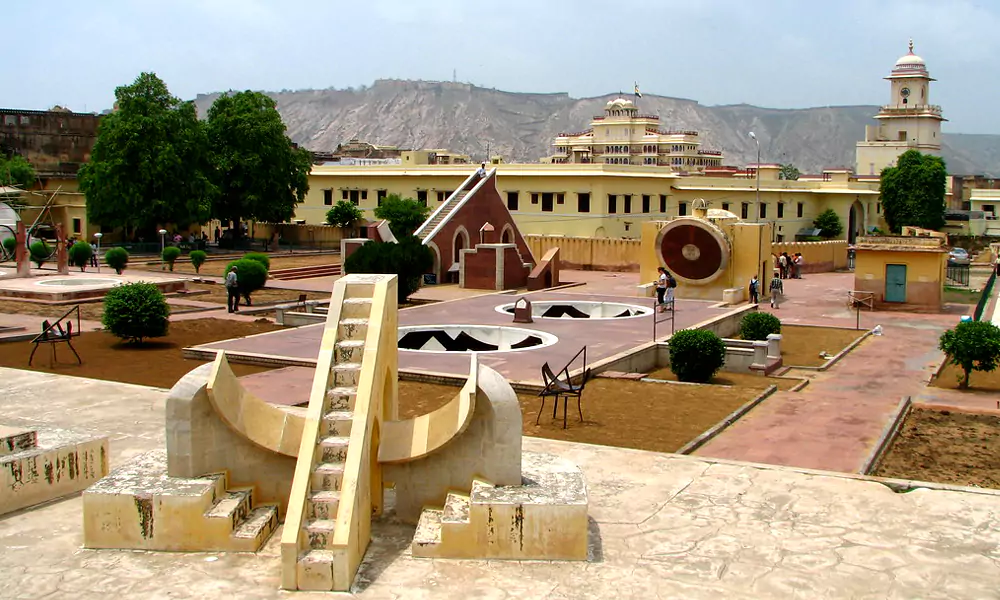
Jantar Mantar, Jaipur
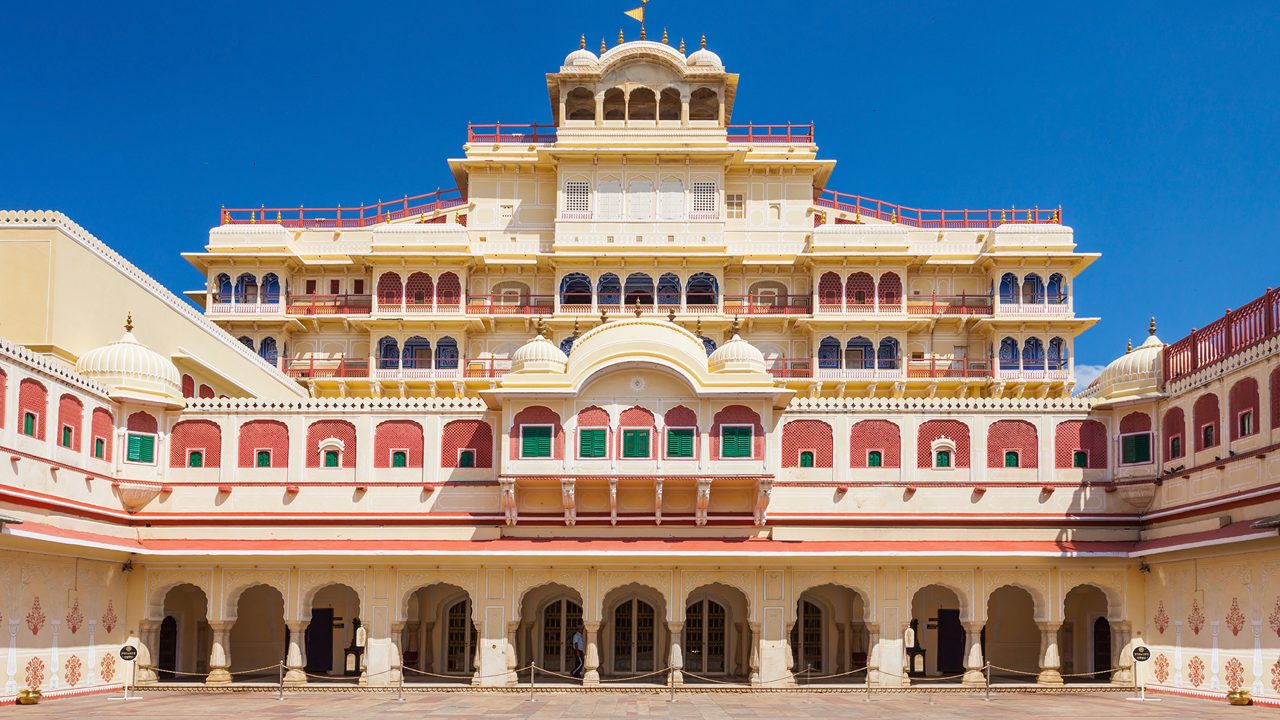
City Palace
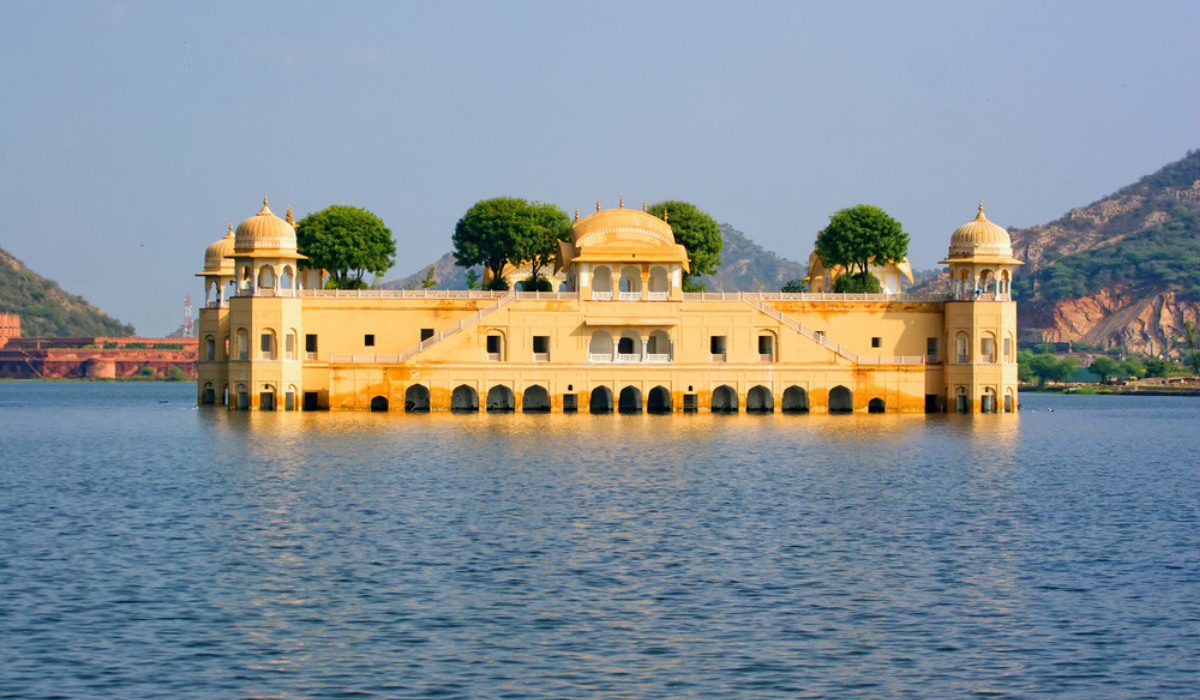
Jal Mahal
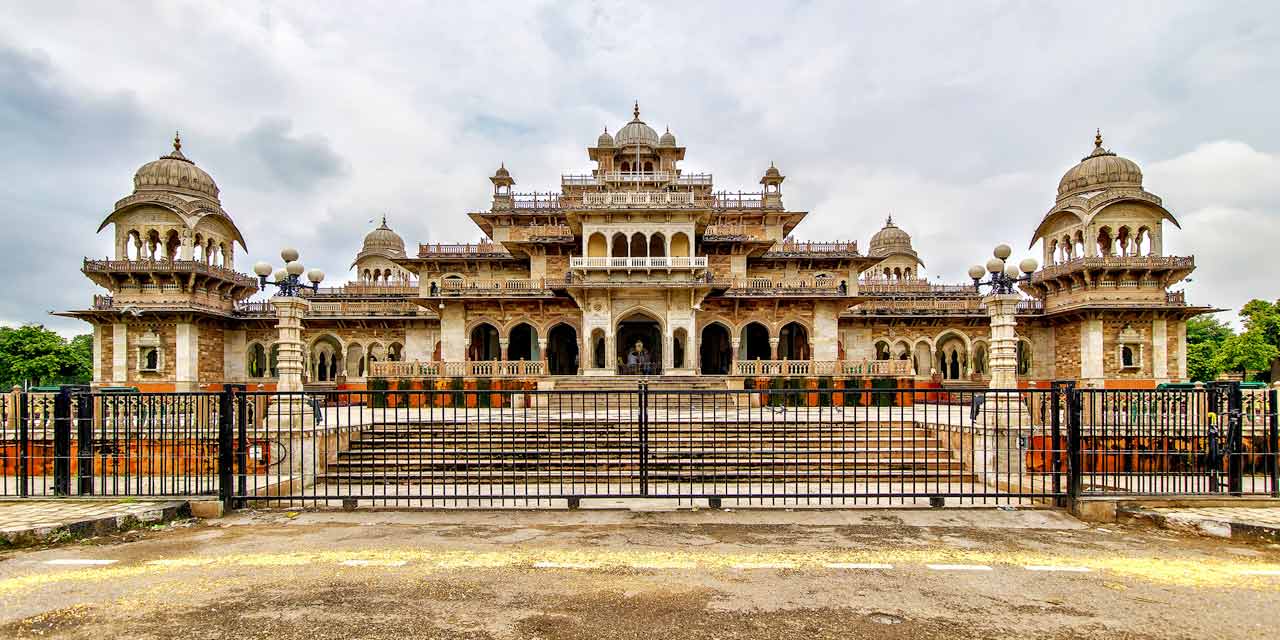
Albert Hall Museum
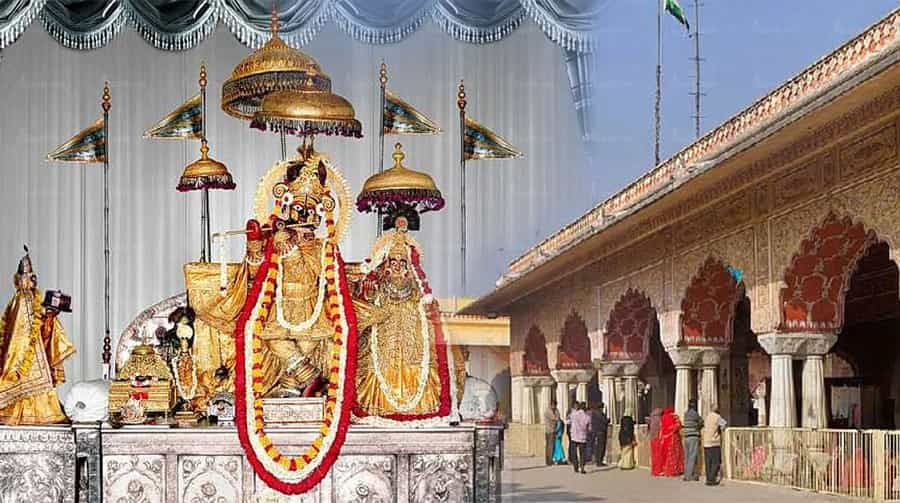
Shri Govind Dev Ji Temple
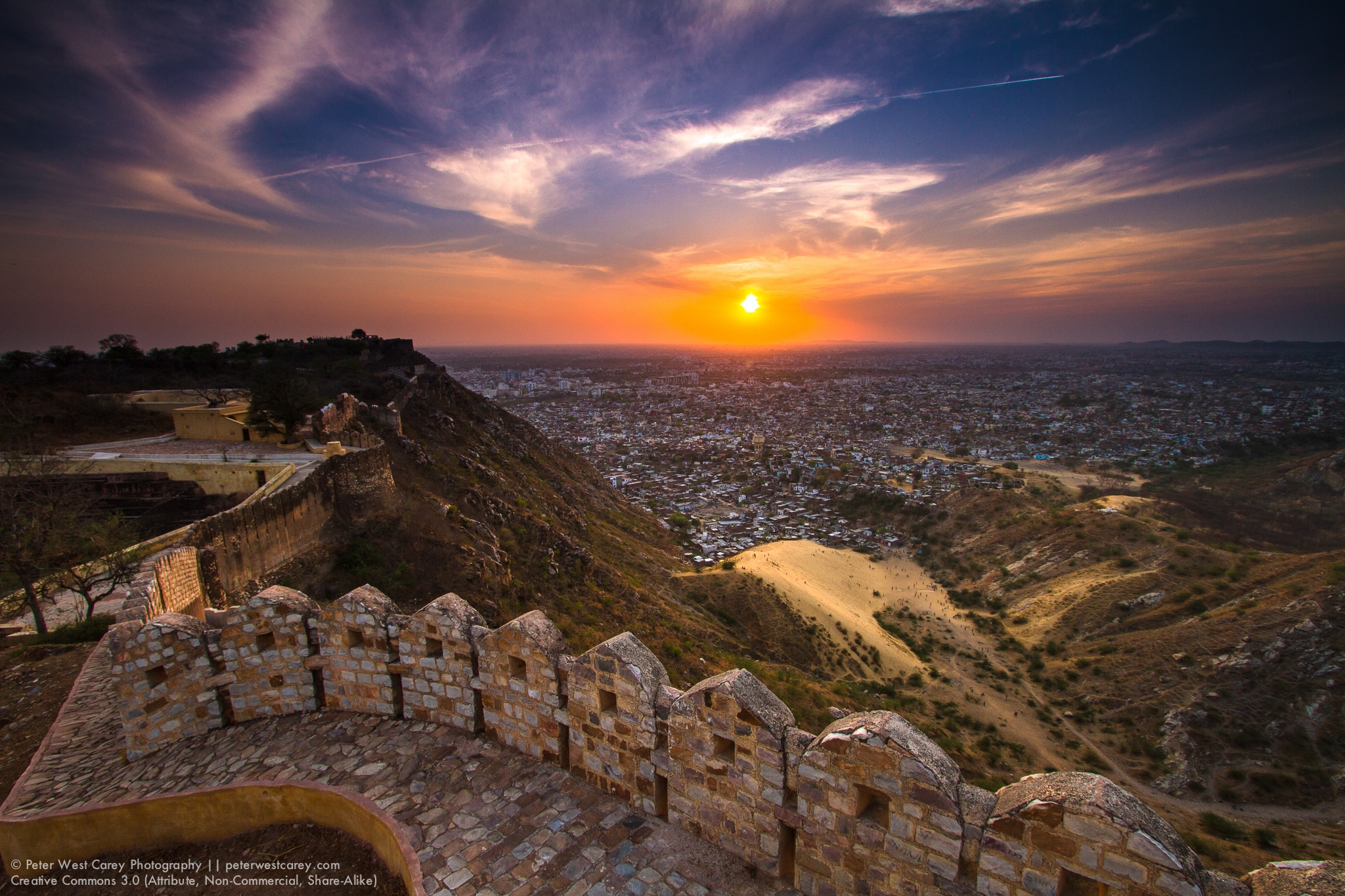
Nahargarh Fort
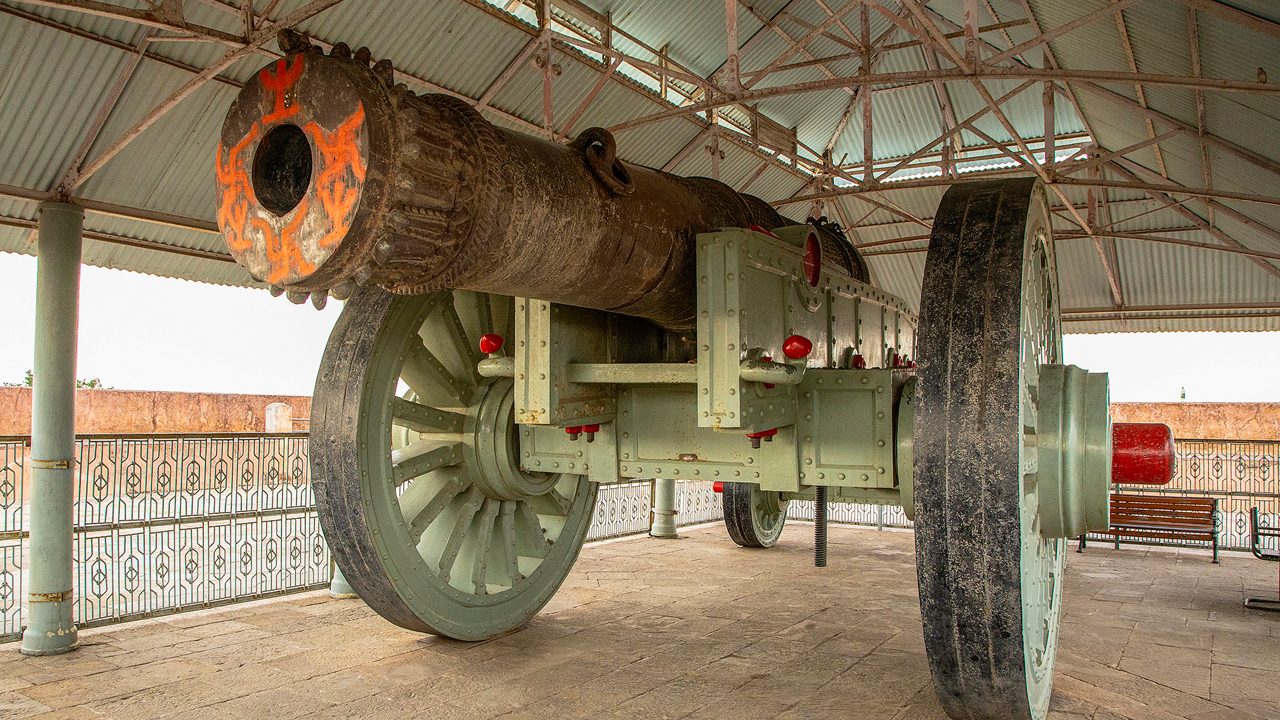
Jaigarh Fort
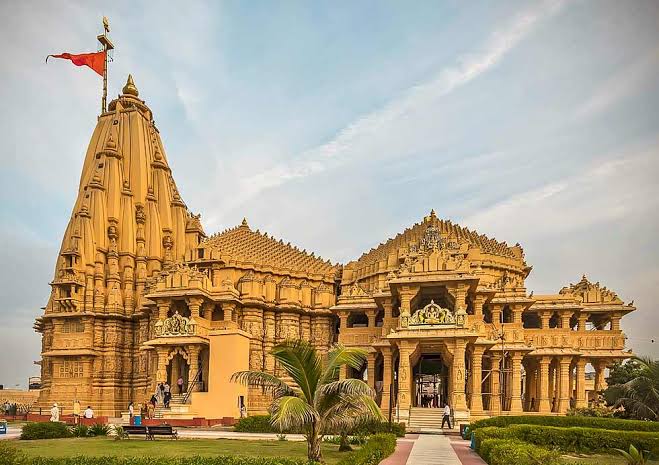
Somnath Temple
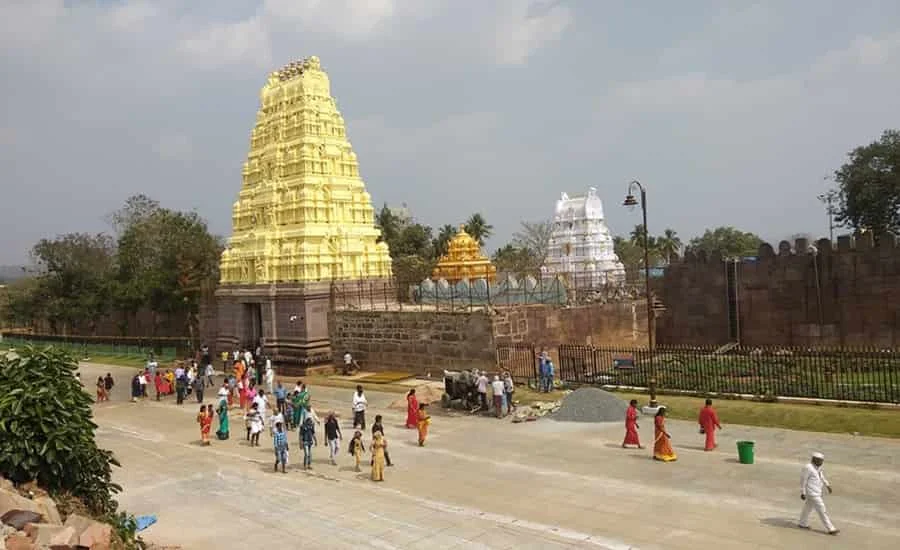
Mallikarjuna Temple
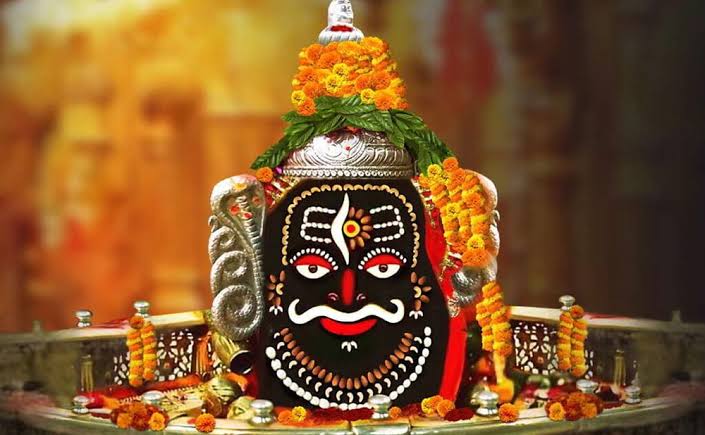
Mahakaleshwar Temple
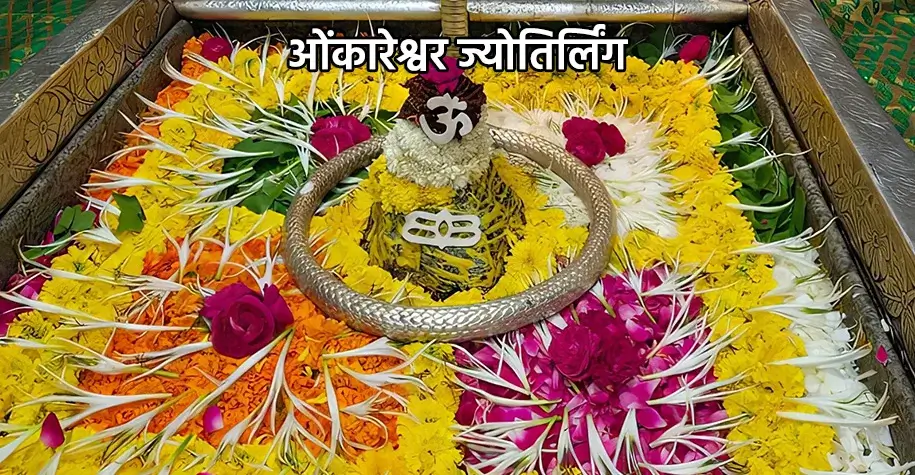
Omkareshwar Temple
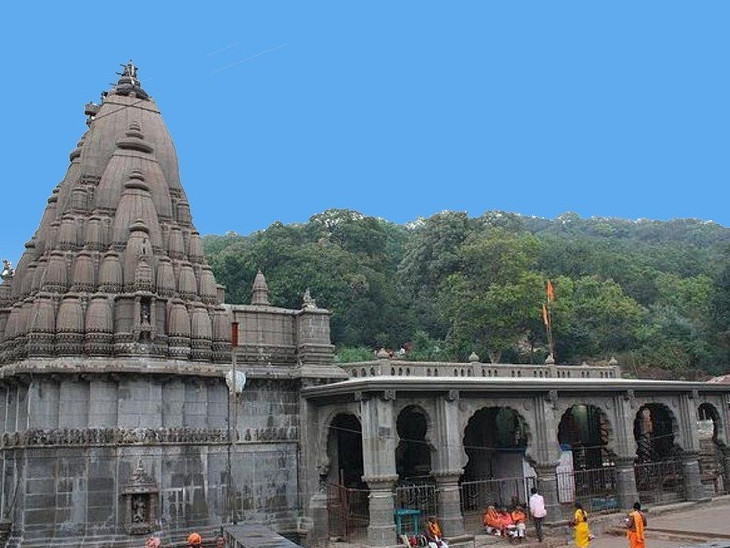
Bhimashankar Temple
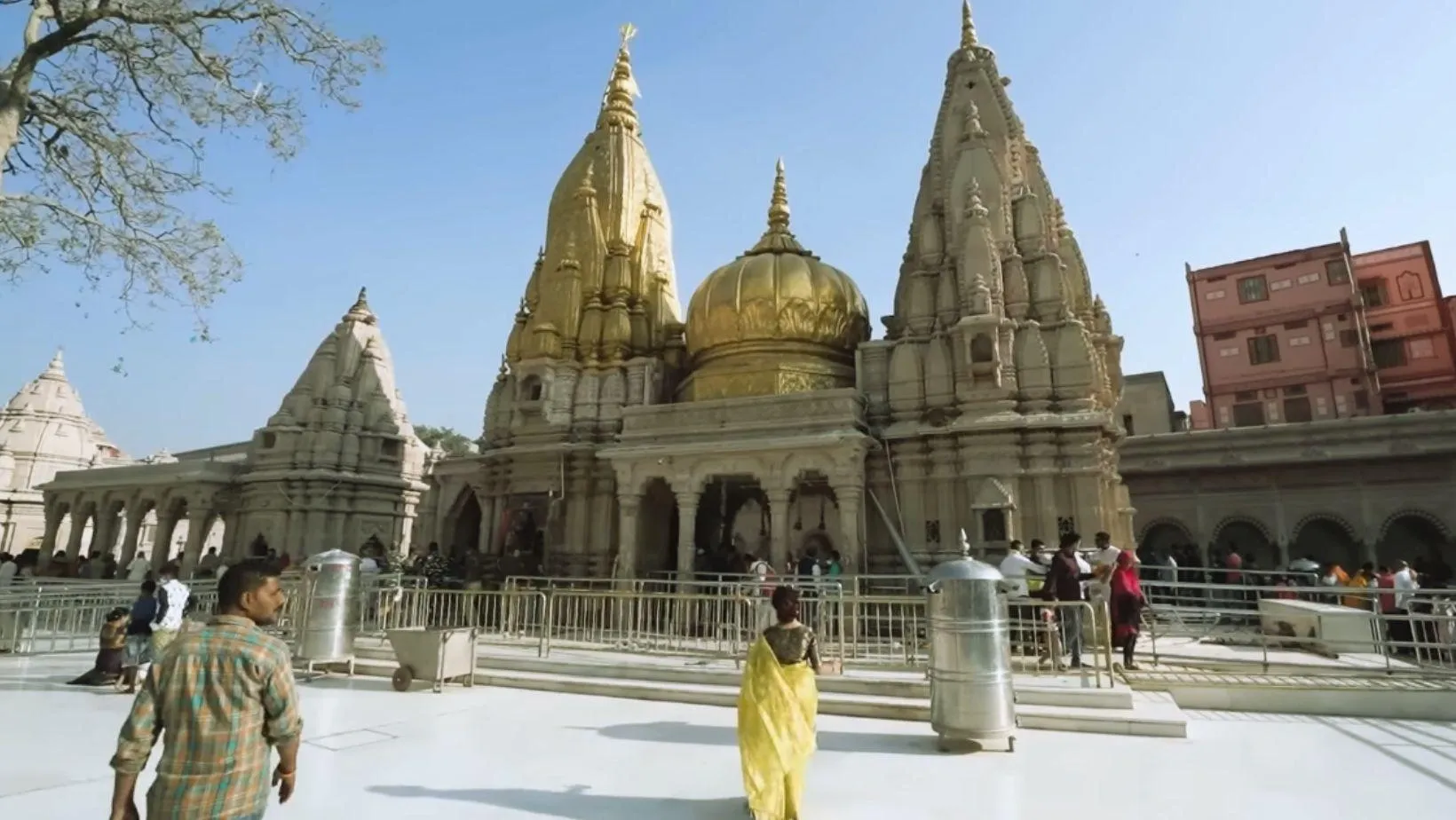
Kashi Vishwanath Temple
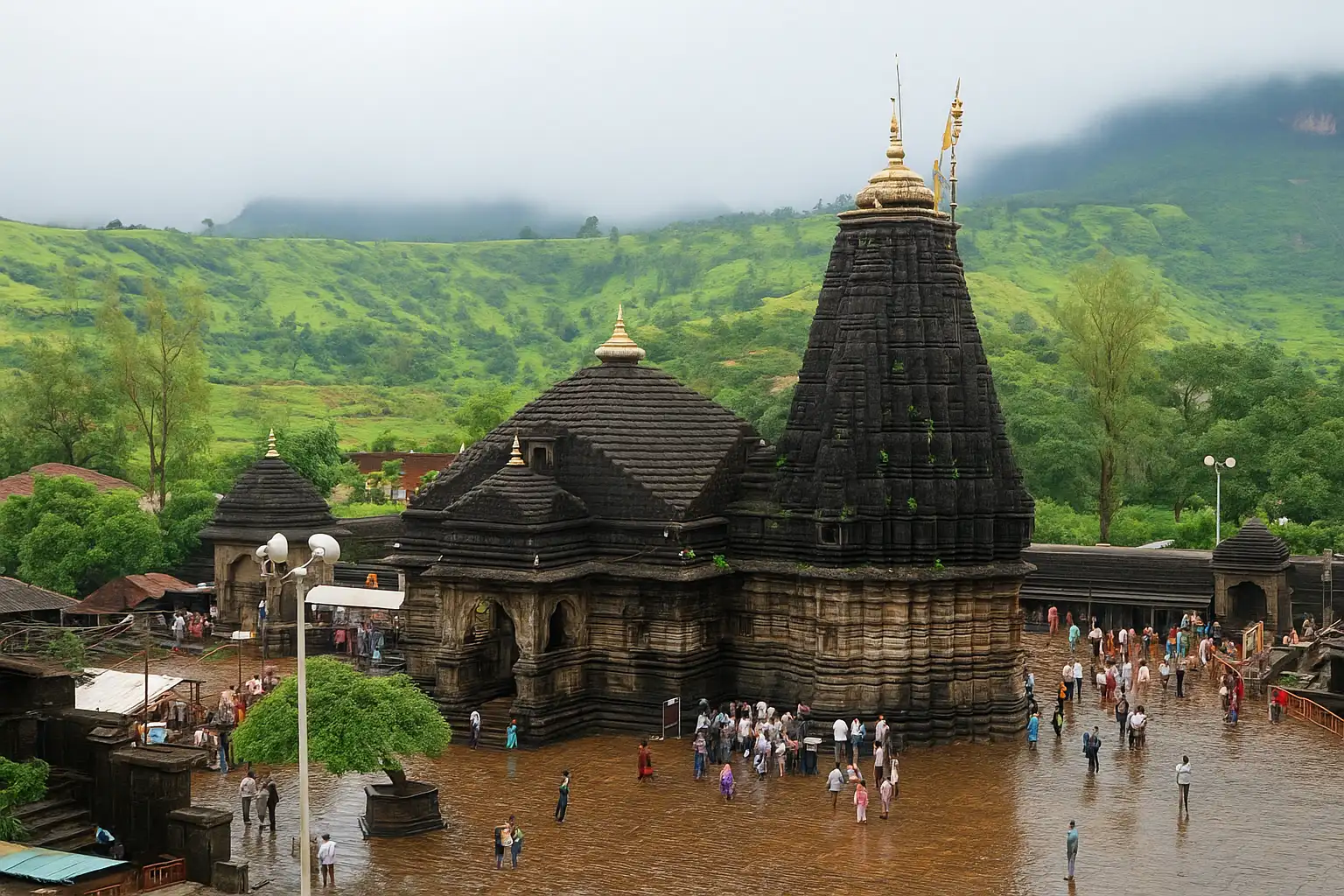
Trimbakeshwar Temple
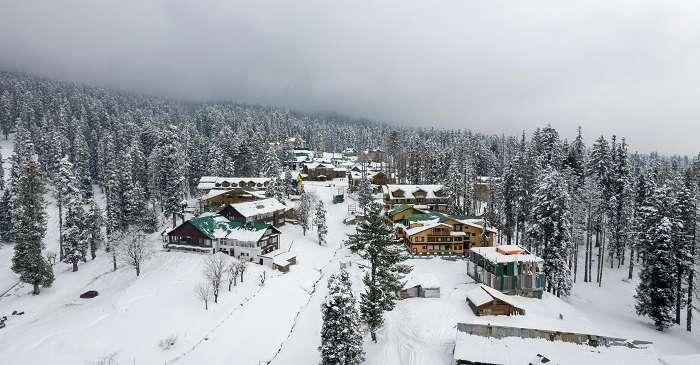
Harshil Valley
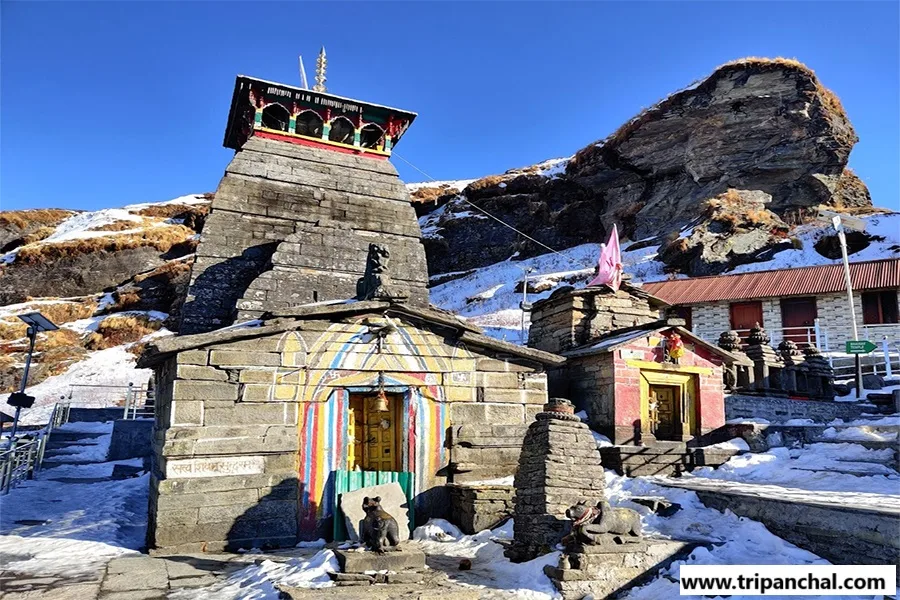
Tungnath Temple
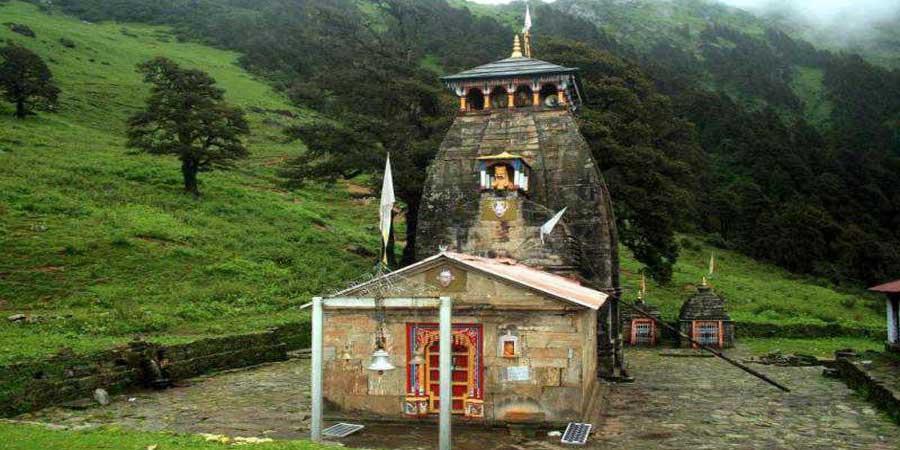
Madhyamaheshwar Temple
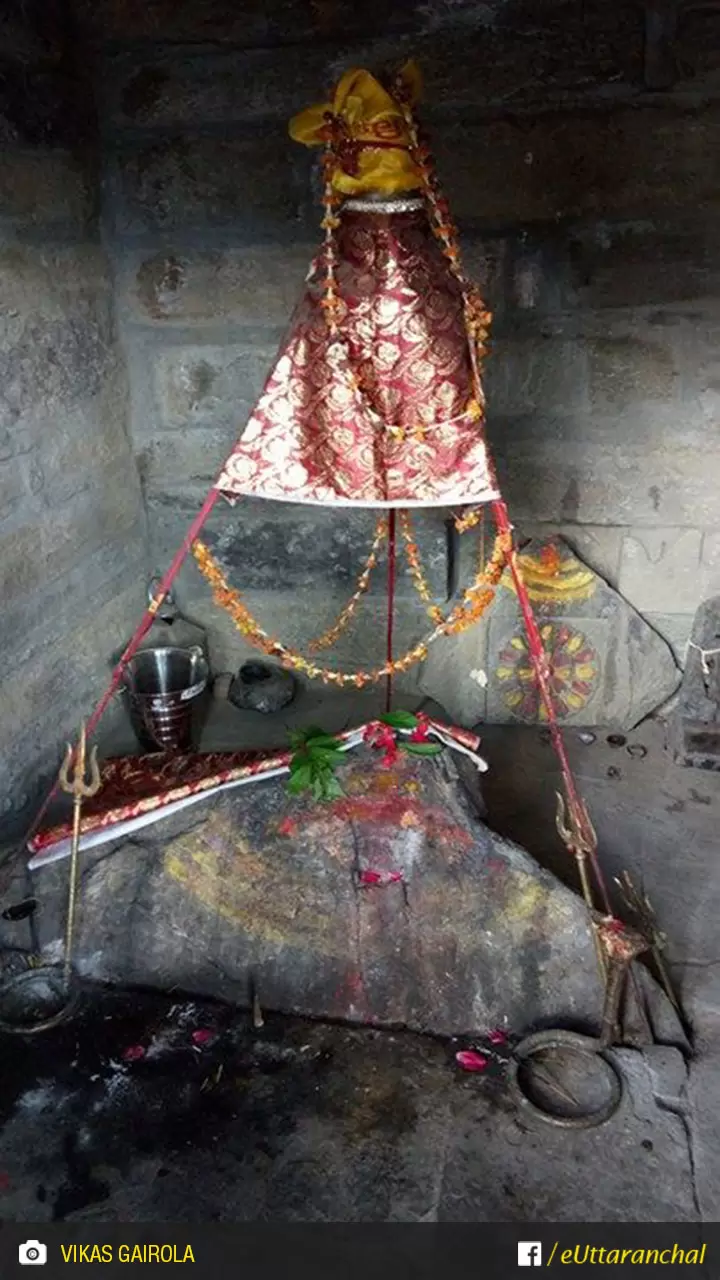
Kalpeshwar Mahadev Temple
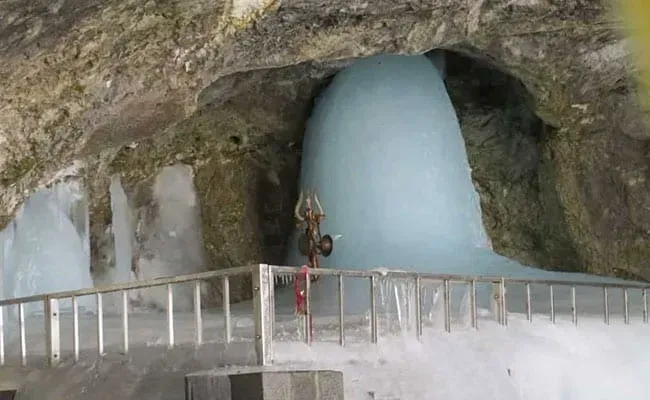
Amarnath
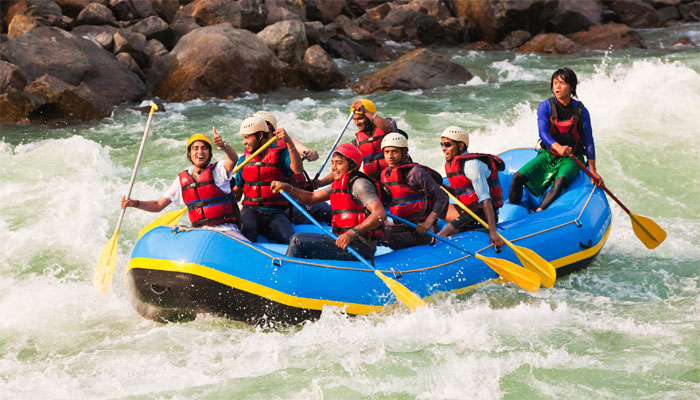
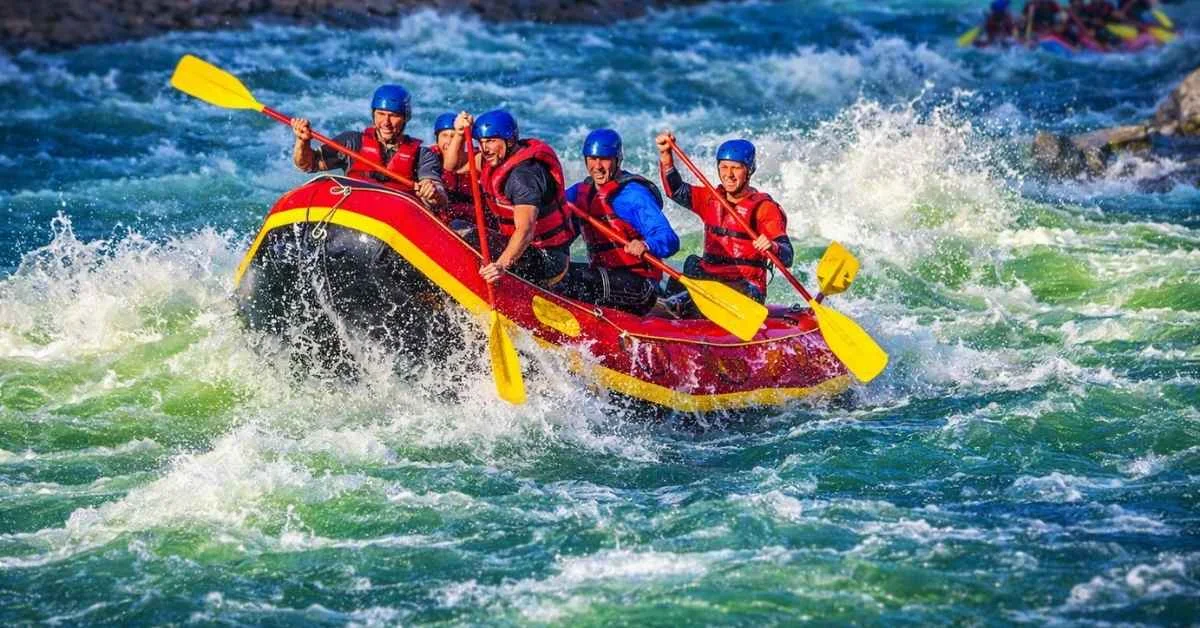
River Rafting in Rishikesh
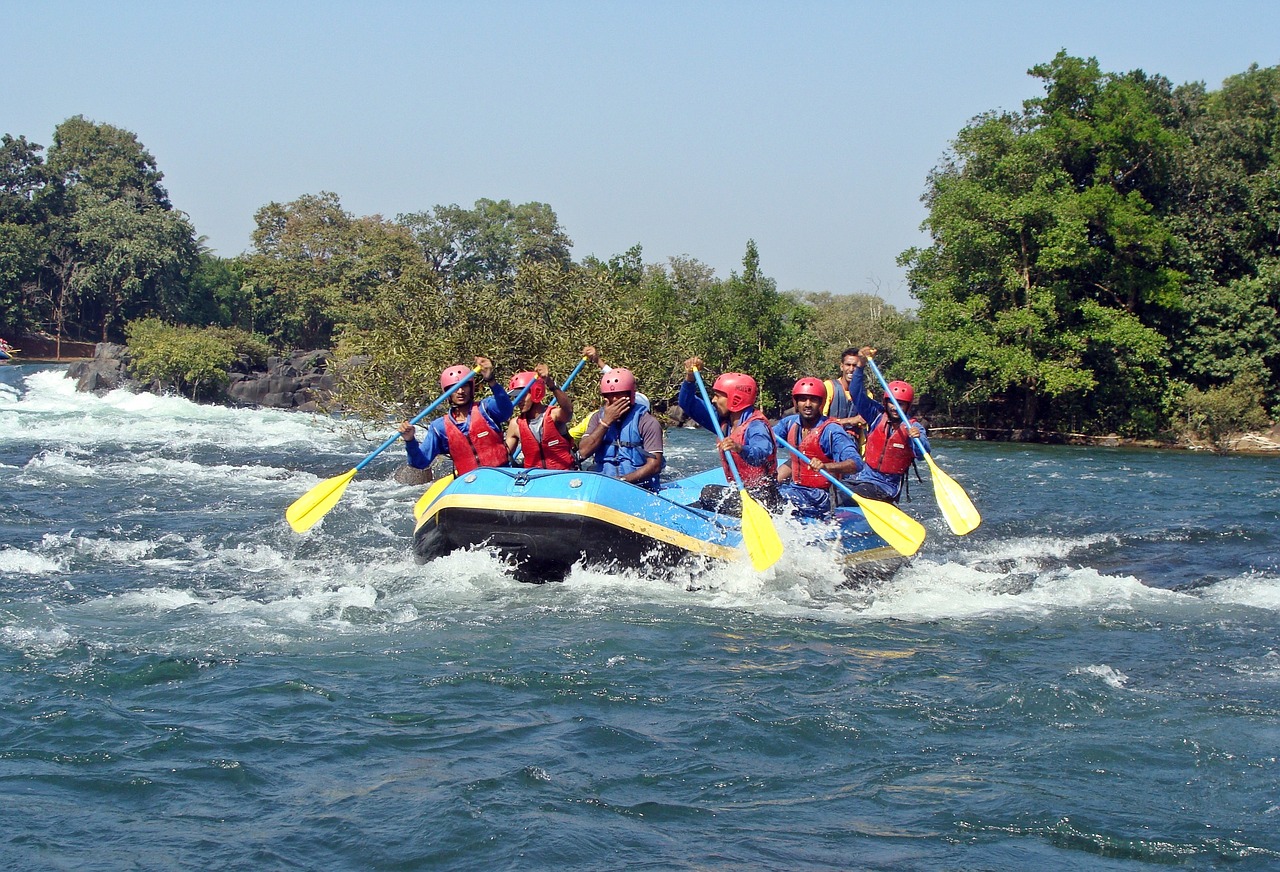
River Rafting in Manali
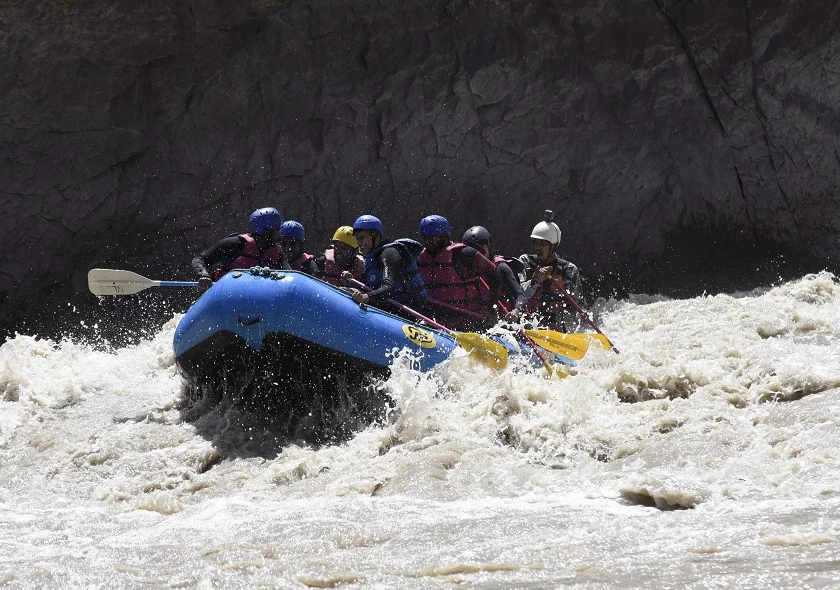
River Rafting in Kolad
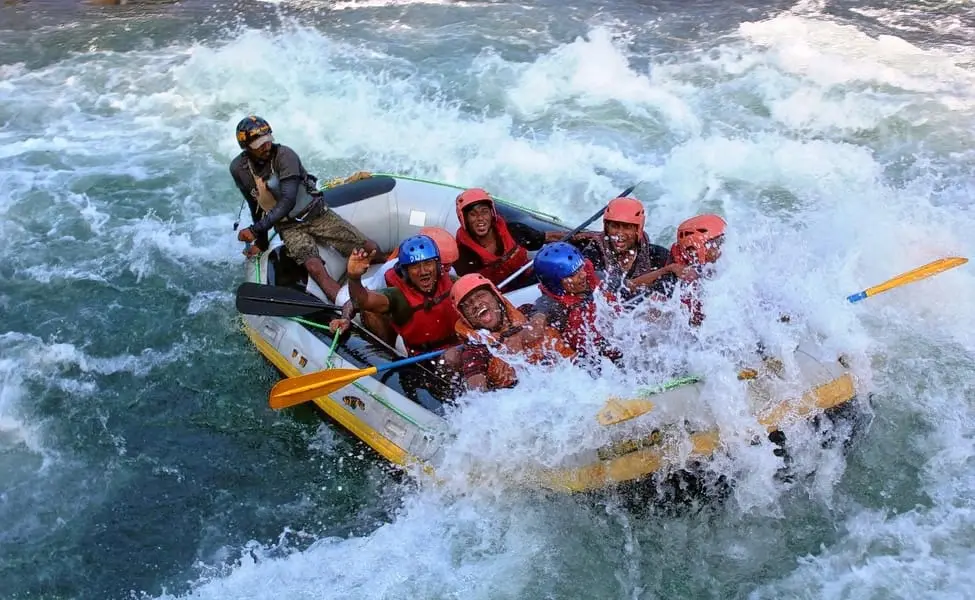
River Rafting in Zanskar
River Rafting in Teesta River
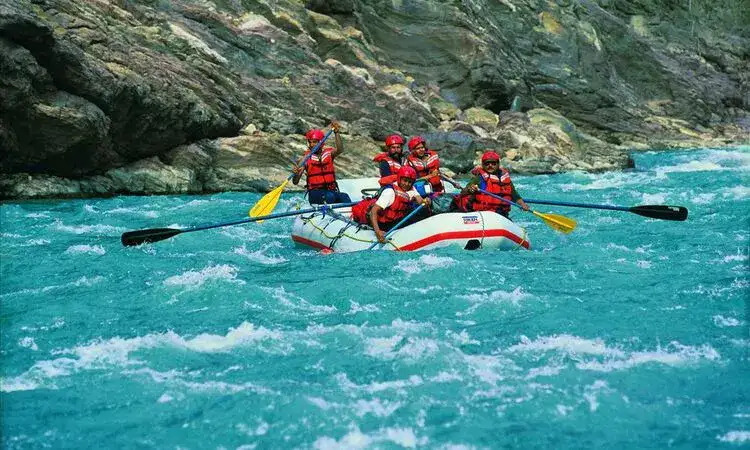
River Rafting in Kameng River
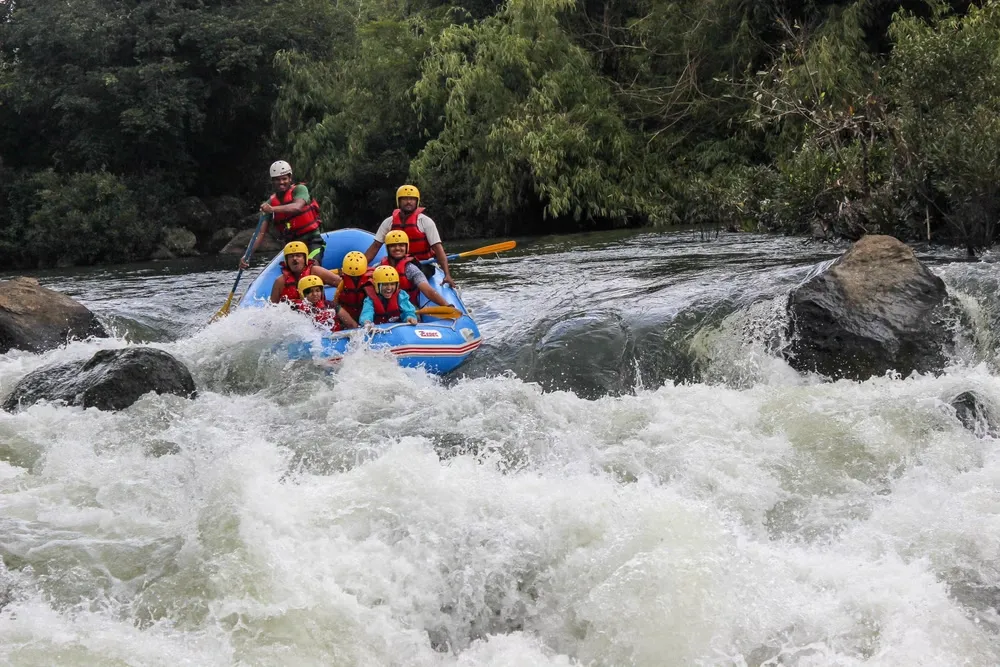
River Rafting in Barapole River
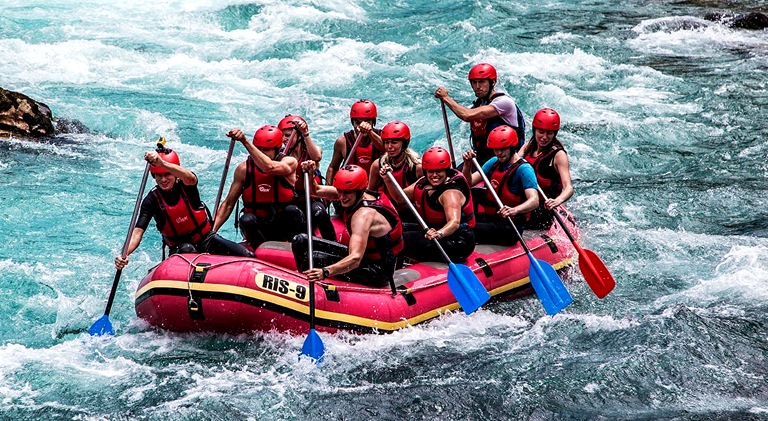
River Rafting in Alaknanda River
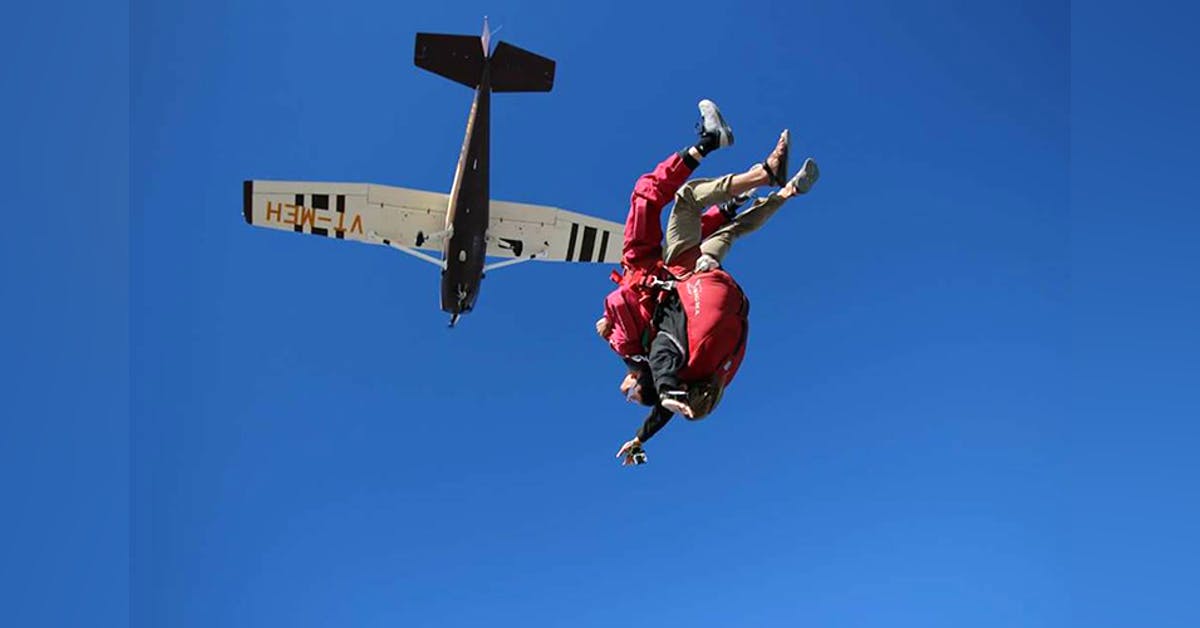
Skydiving in Mysore
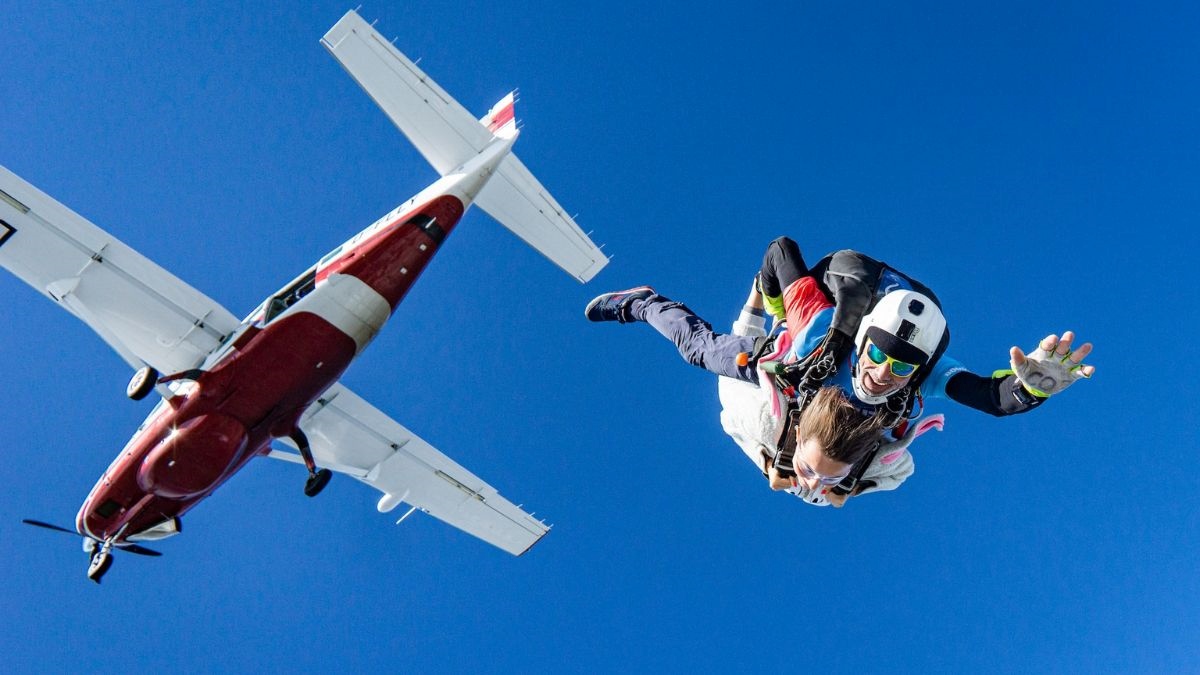
Skydiving in Dhana, Madhya Pradesh
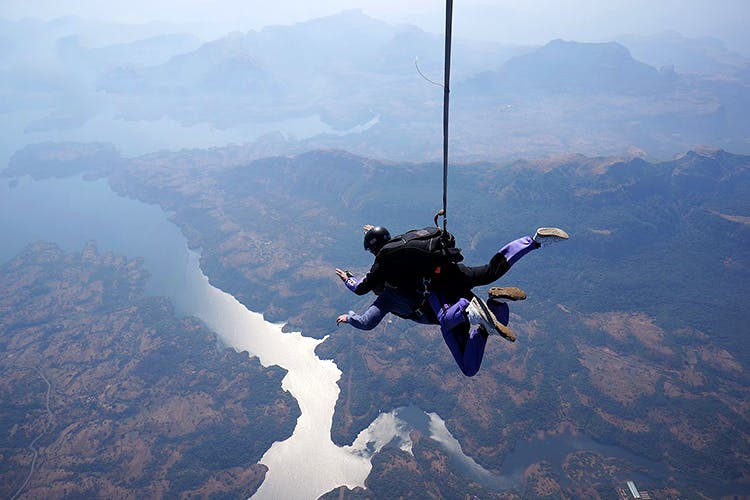
Skydiving in Aamby Valley, Maharashtra
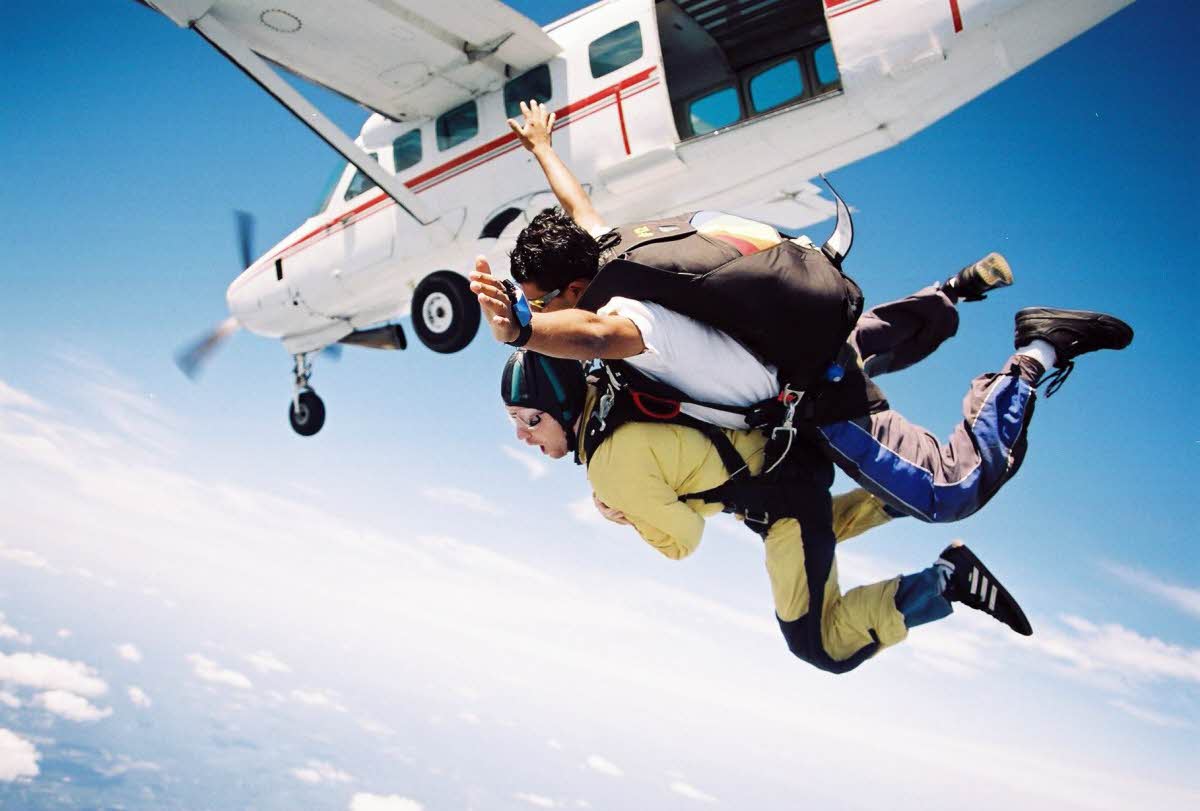
Skydiving in Deesa, Gujarat

Skydiving in Narnaul, Haryana

Skydiving in Pondicherry
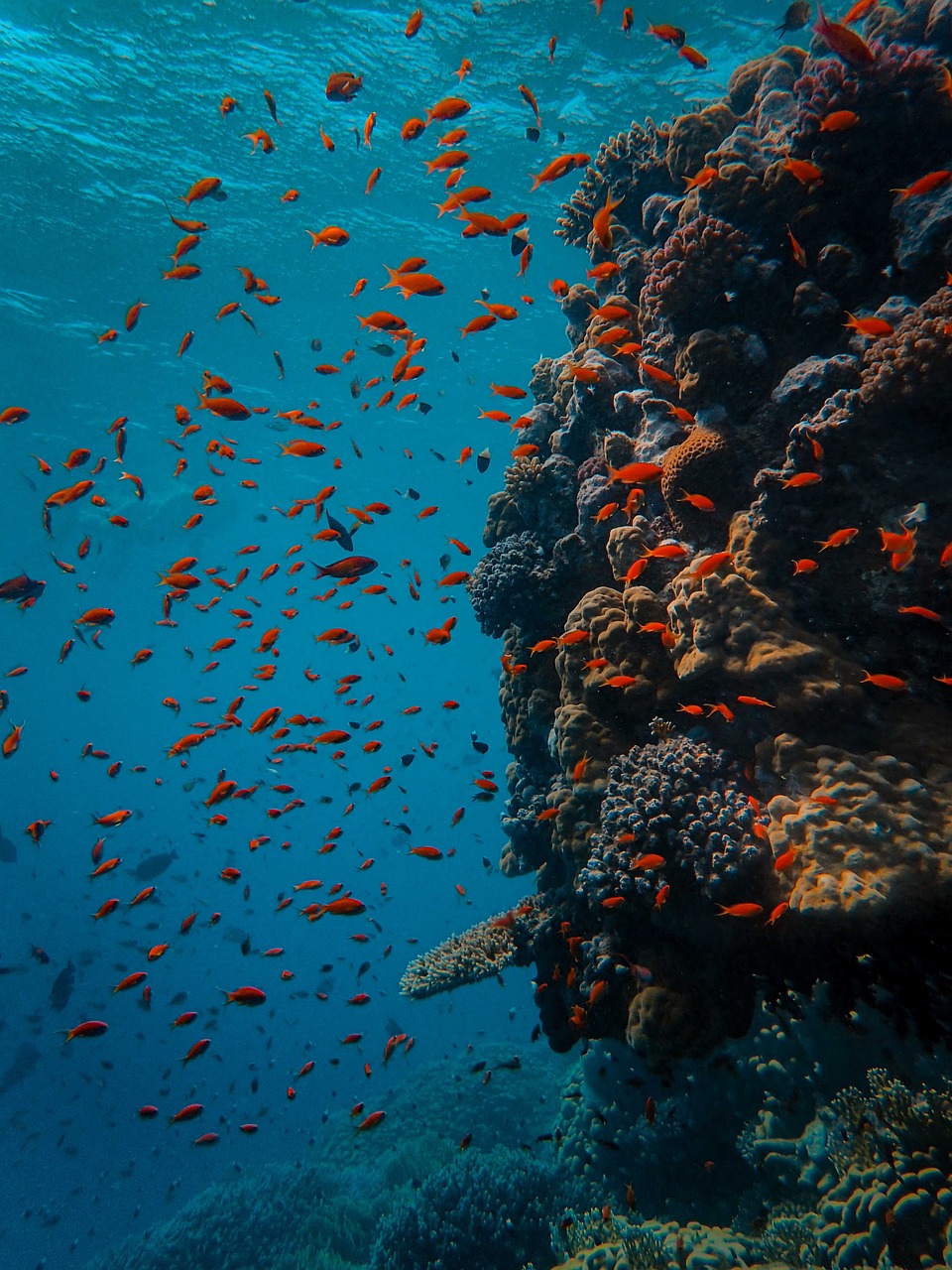
Scuba Diving in Andaman & Nicobar Islands

Scuba Diving in Lakshadweep
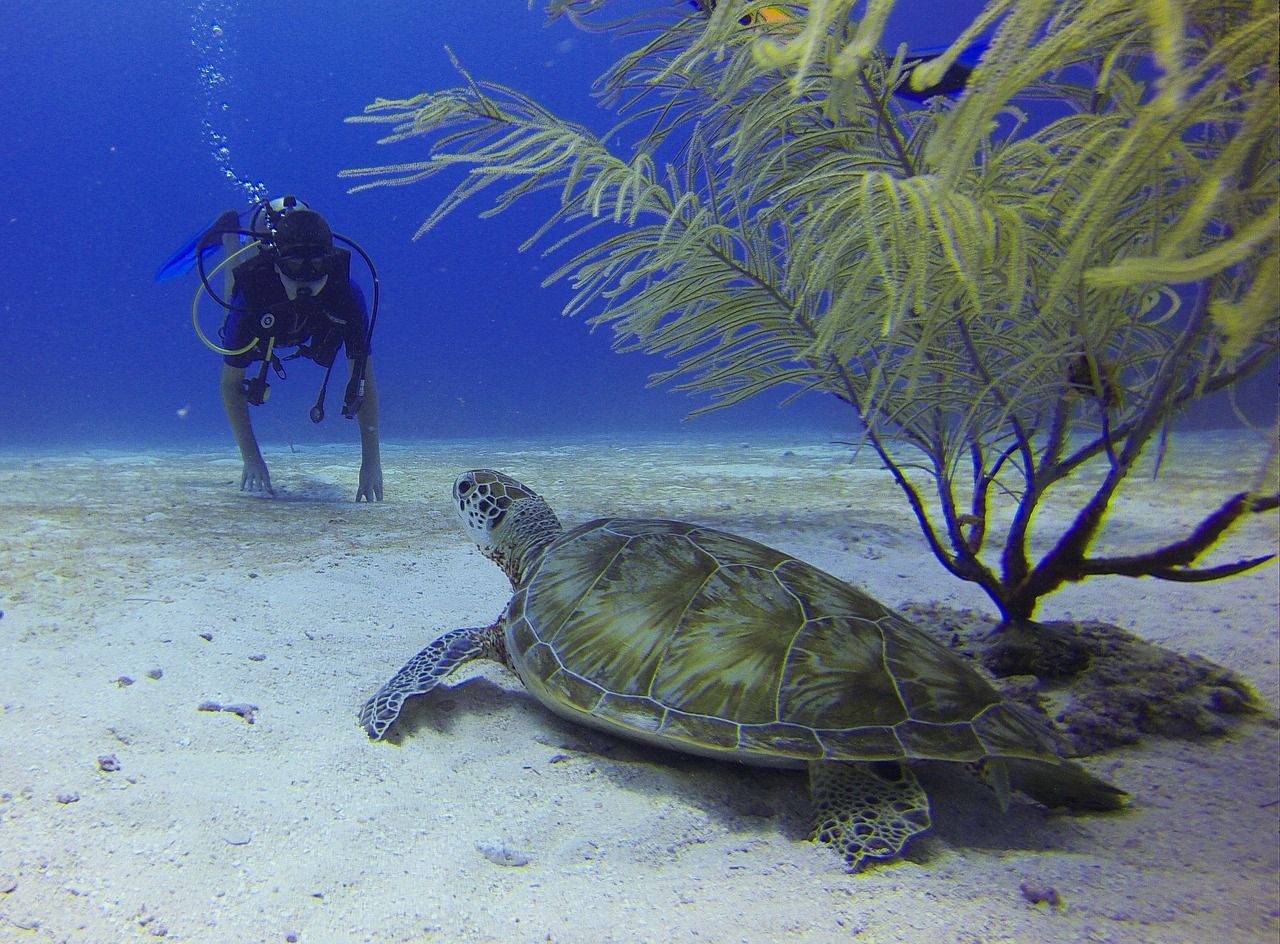
Scuba Diving in Goa
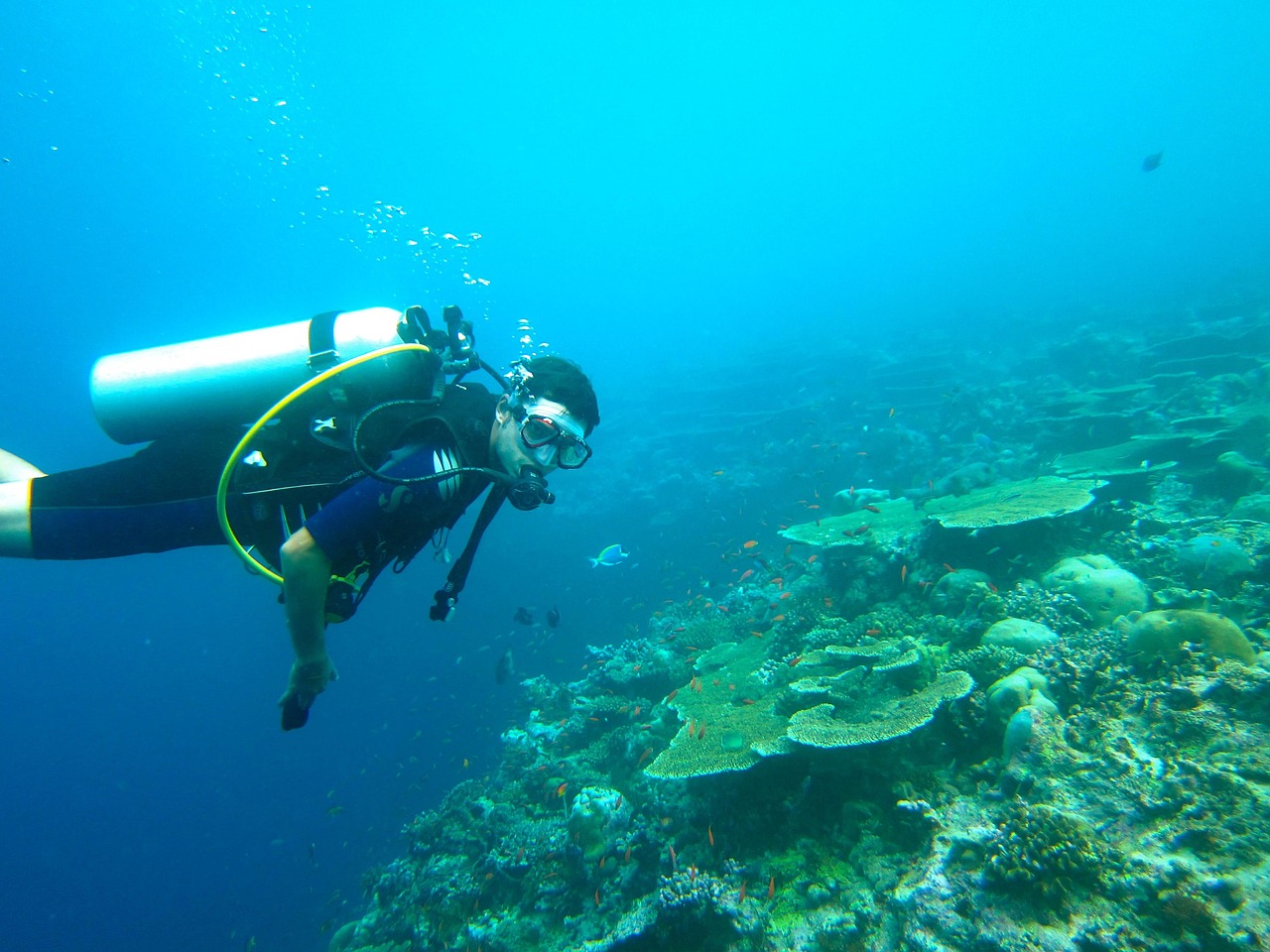
Scuba Diving in Pondicherry
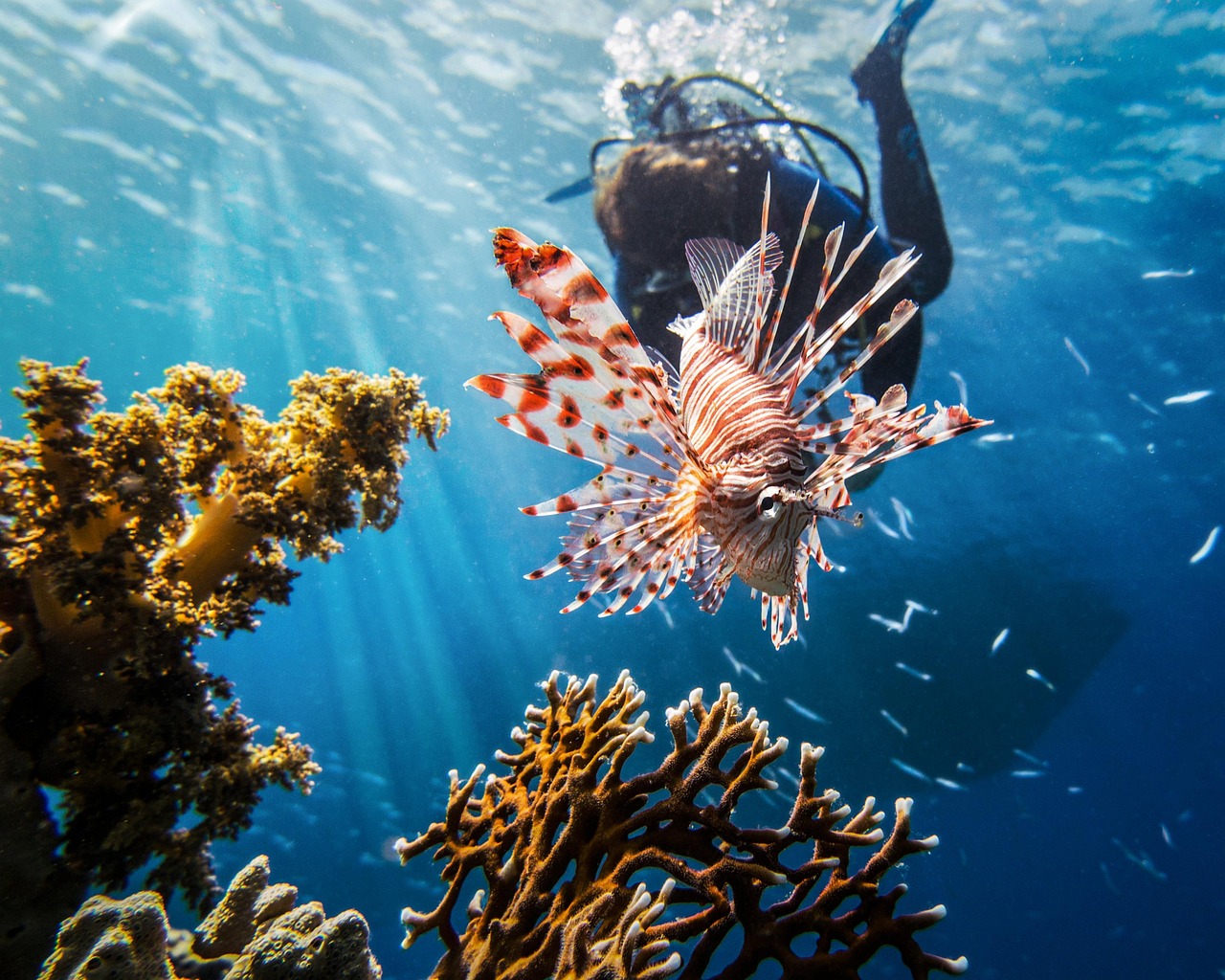
Scuba Diving in Netrani Island (Karnataka)
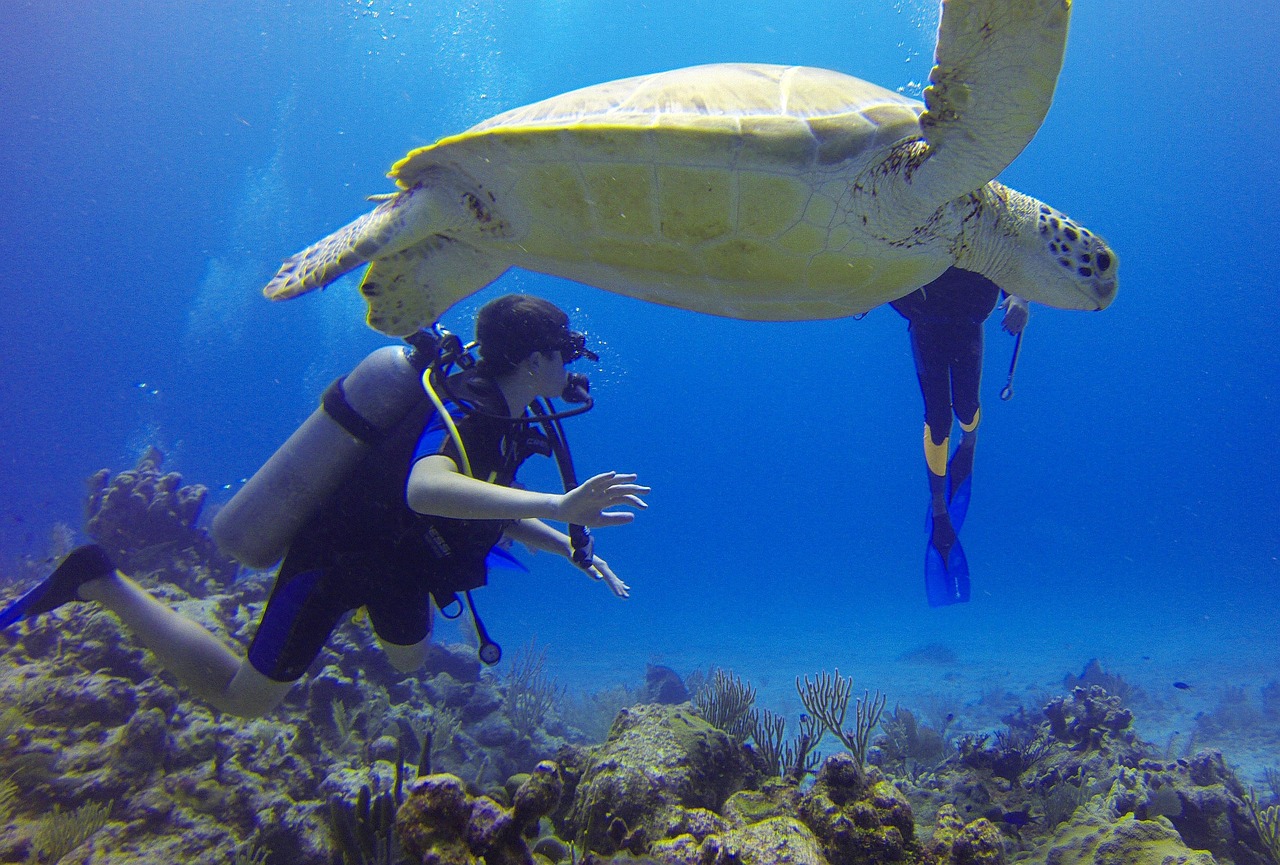
Scuba Diving in Tarkarli (Maharashtra)
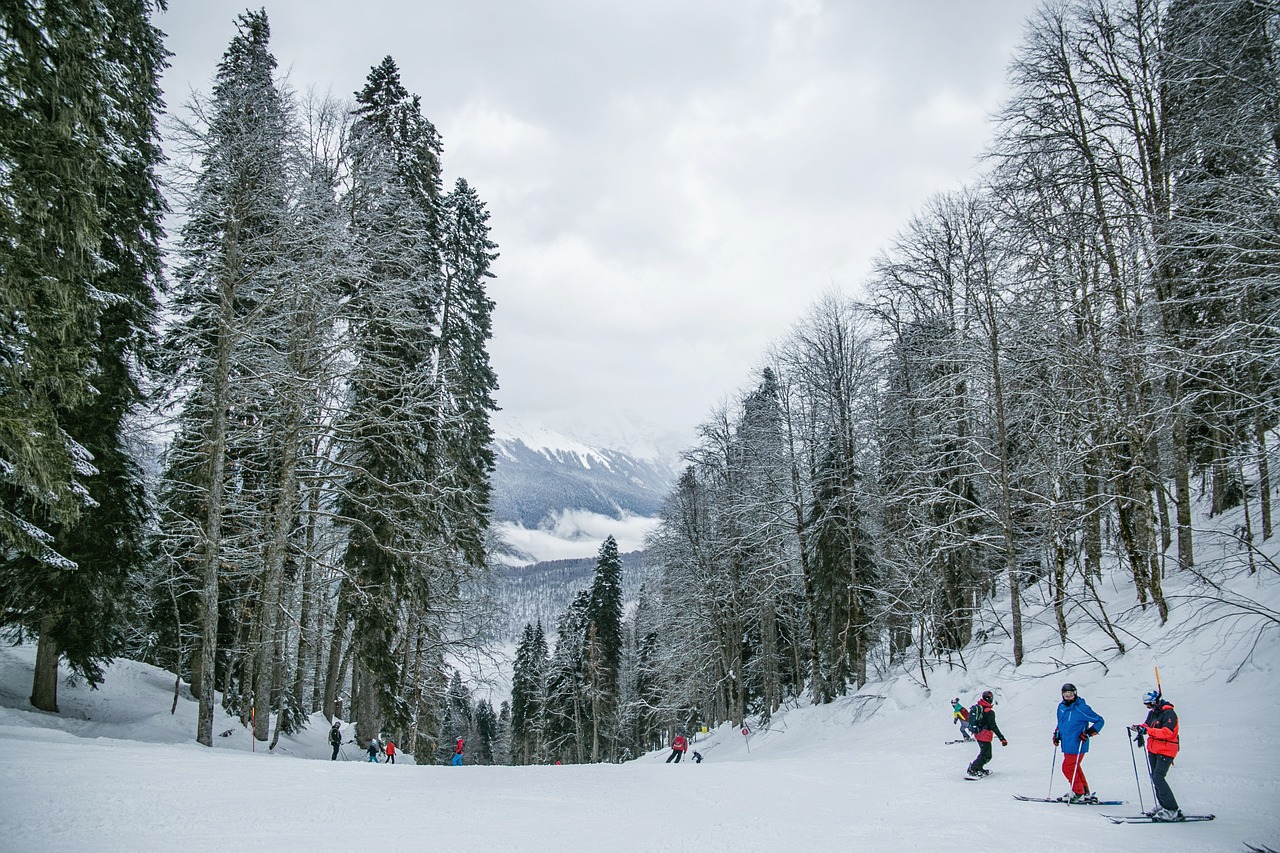
Skiing in Gulmarg

Skiing in Auli

Skiing in Solang
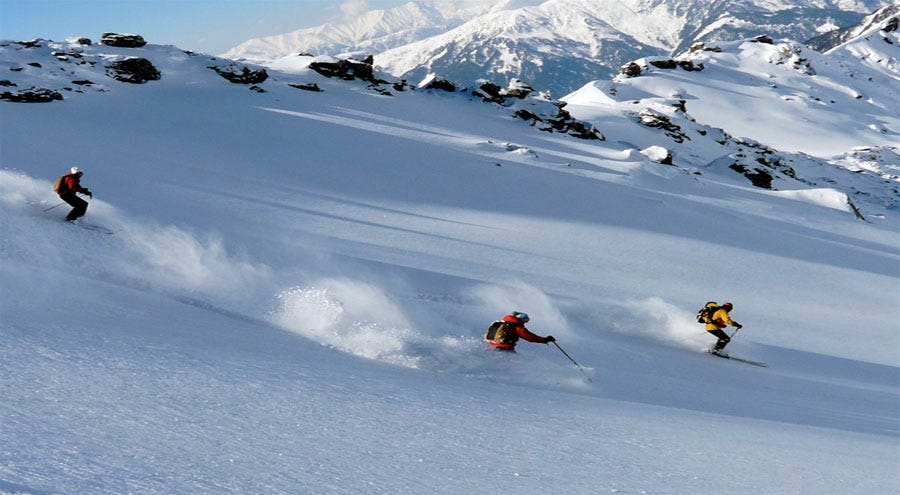
Skiing in Kufri

Skiing in Narkanda
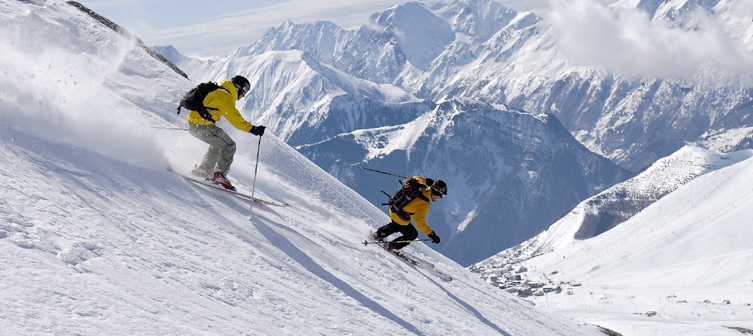
Skiing in Munsiyari
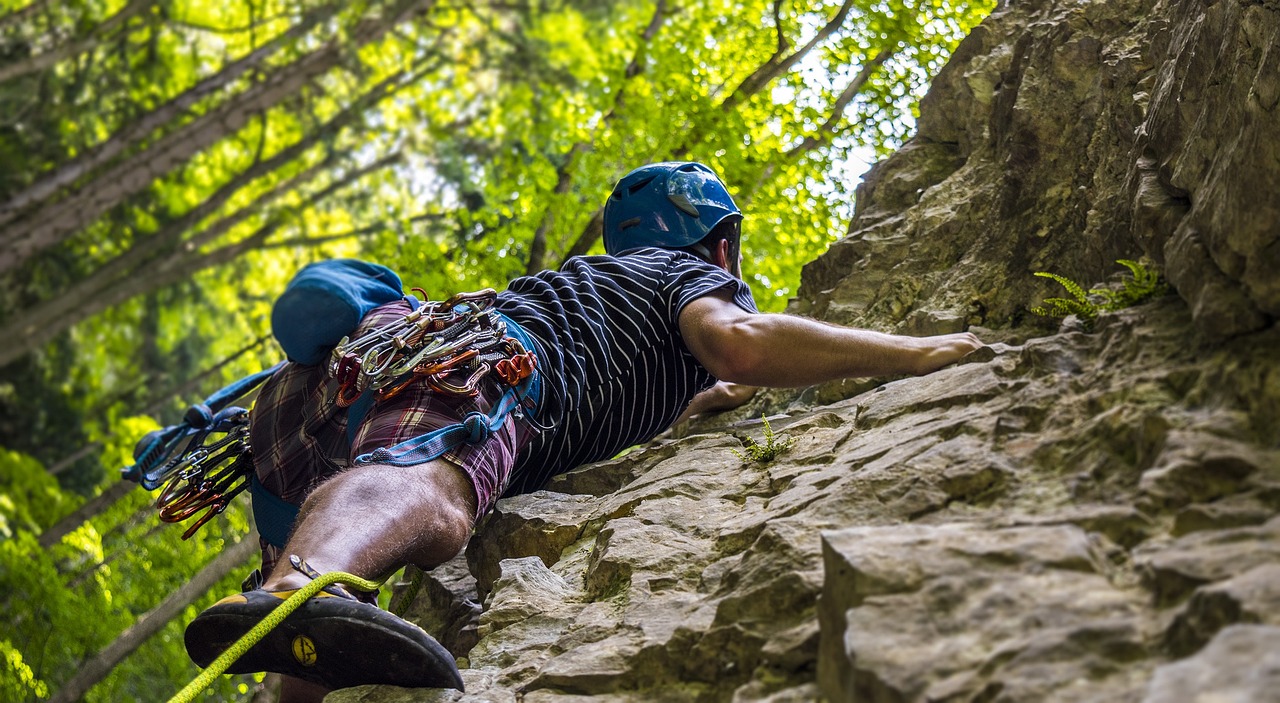
Rock Climbing in Manali
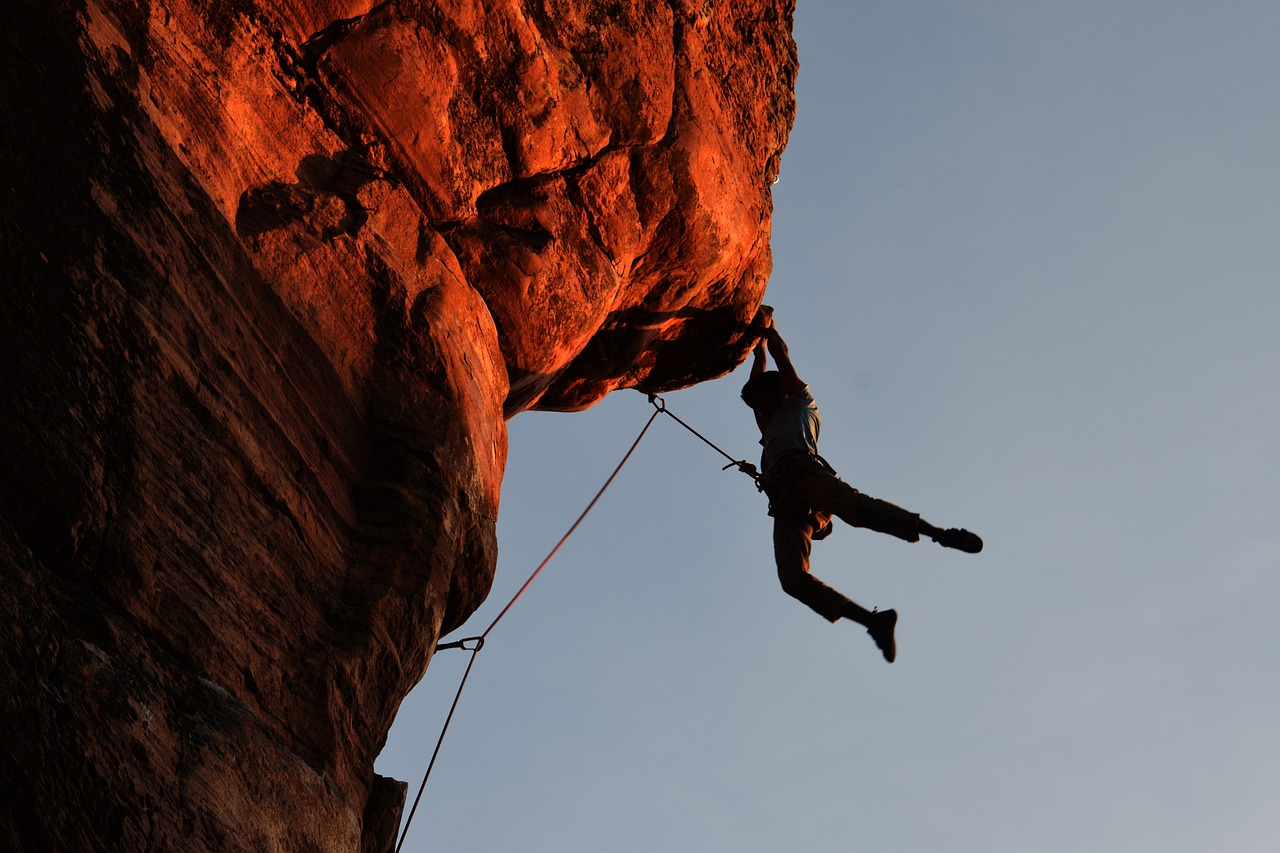
Rock climbing in Badami (Karnataka)
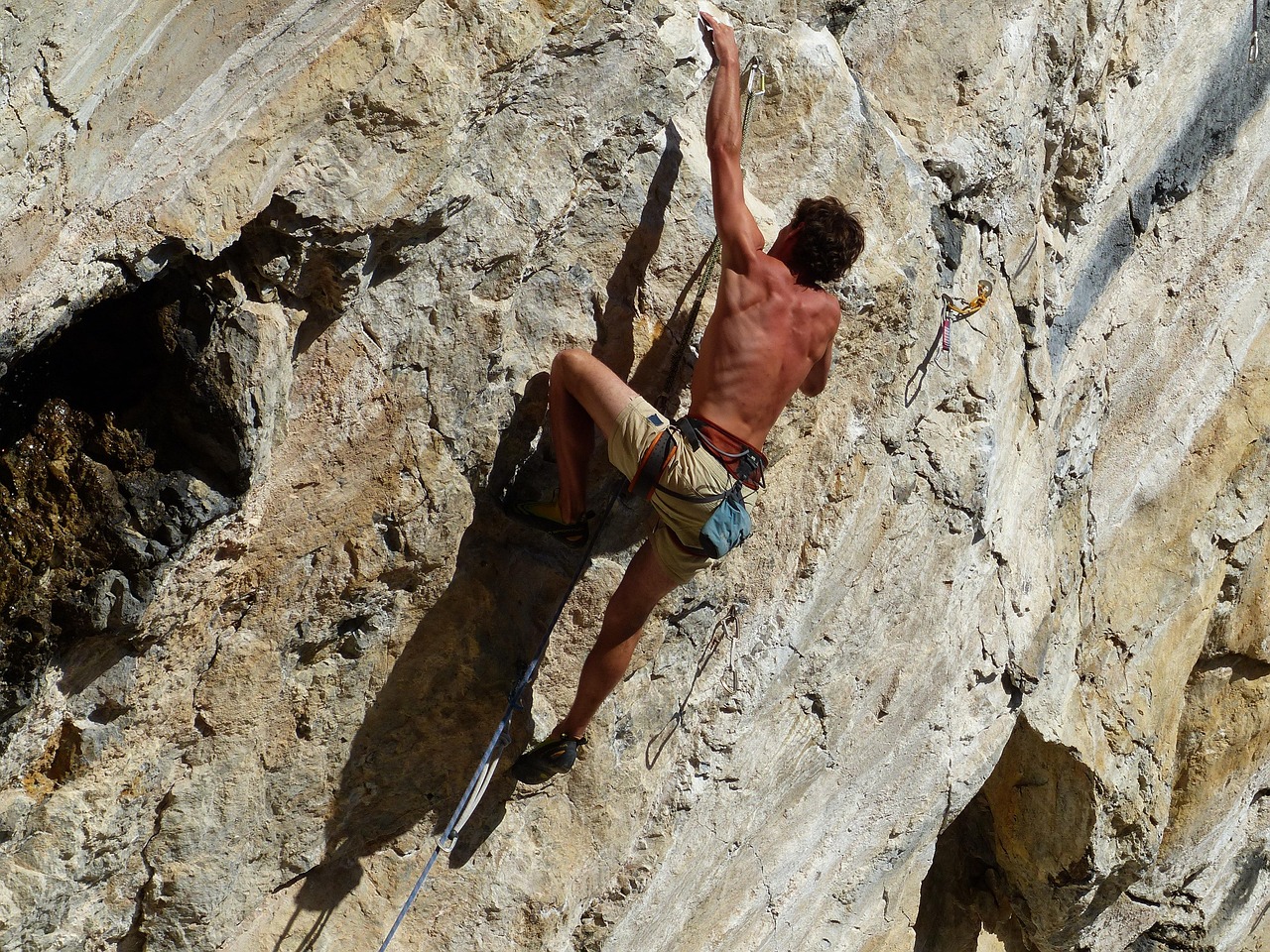
Rock climbing in Vijayapura (Karnataka)
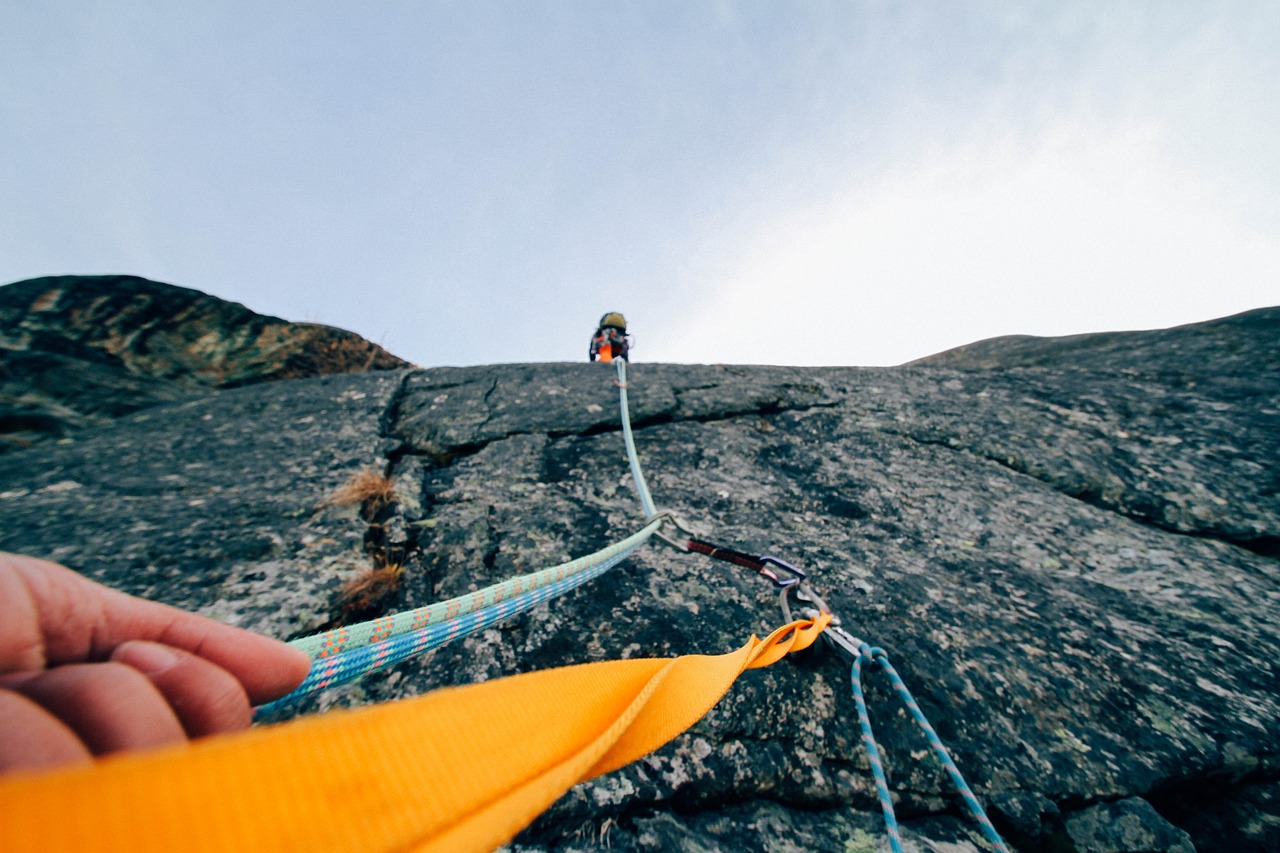
Rock climbing in Boulder Hills (Hyderabad)
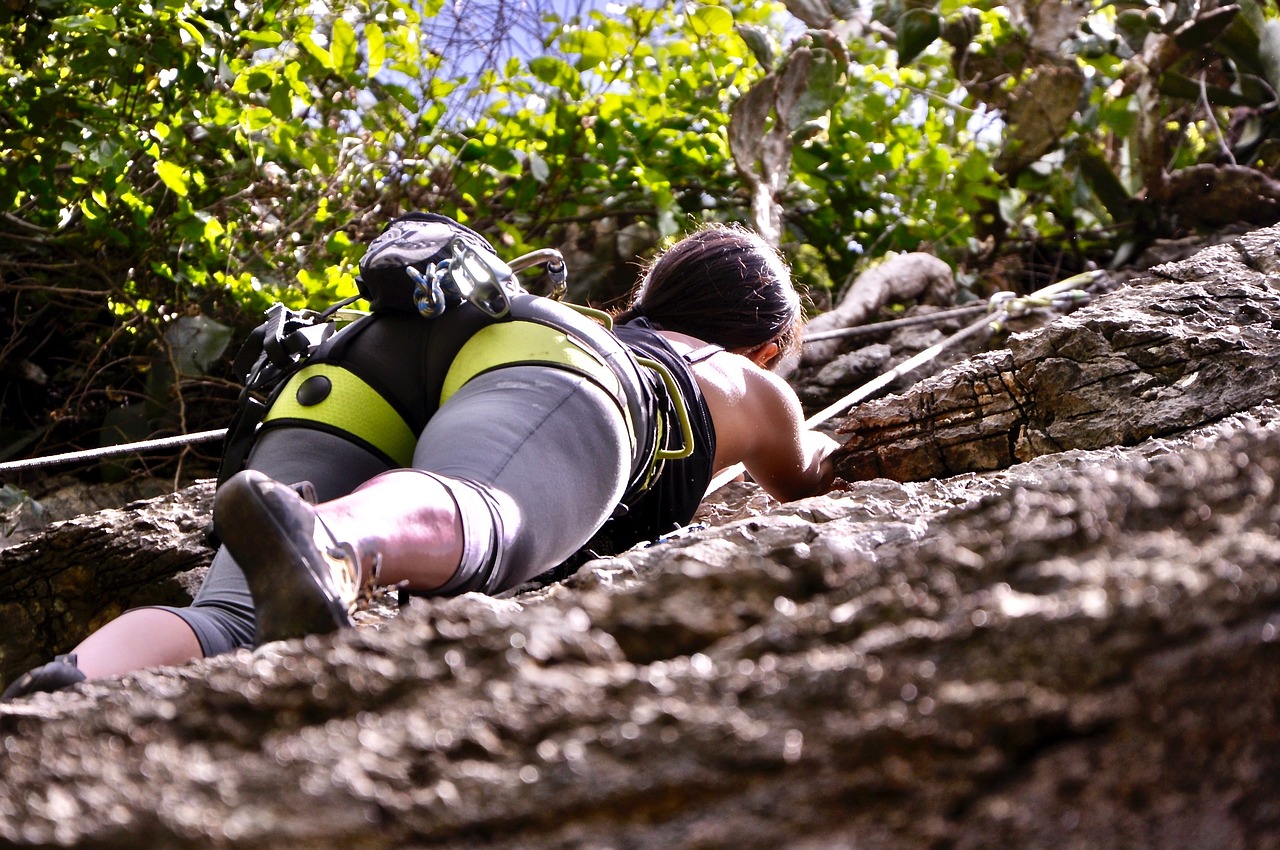
Rock climbing in Nainital
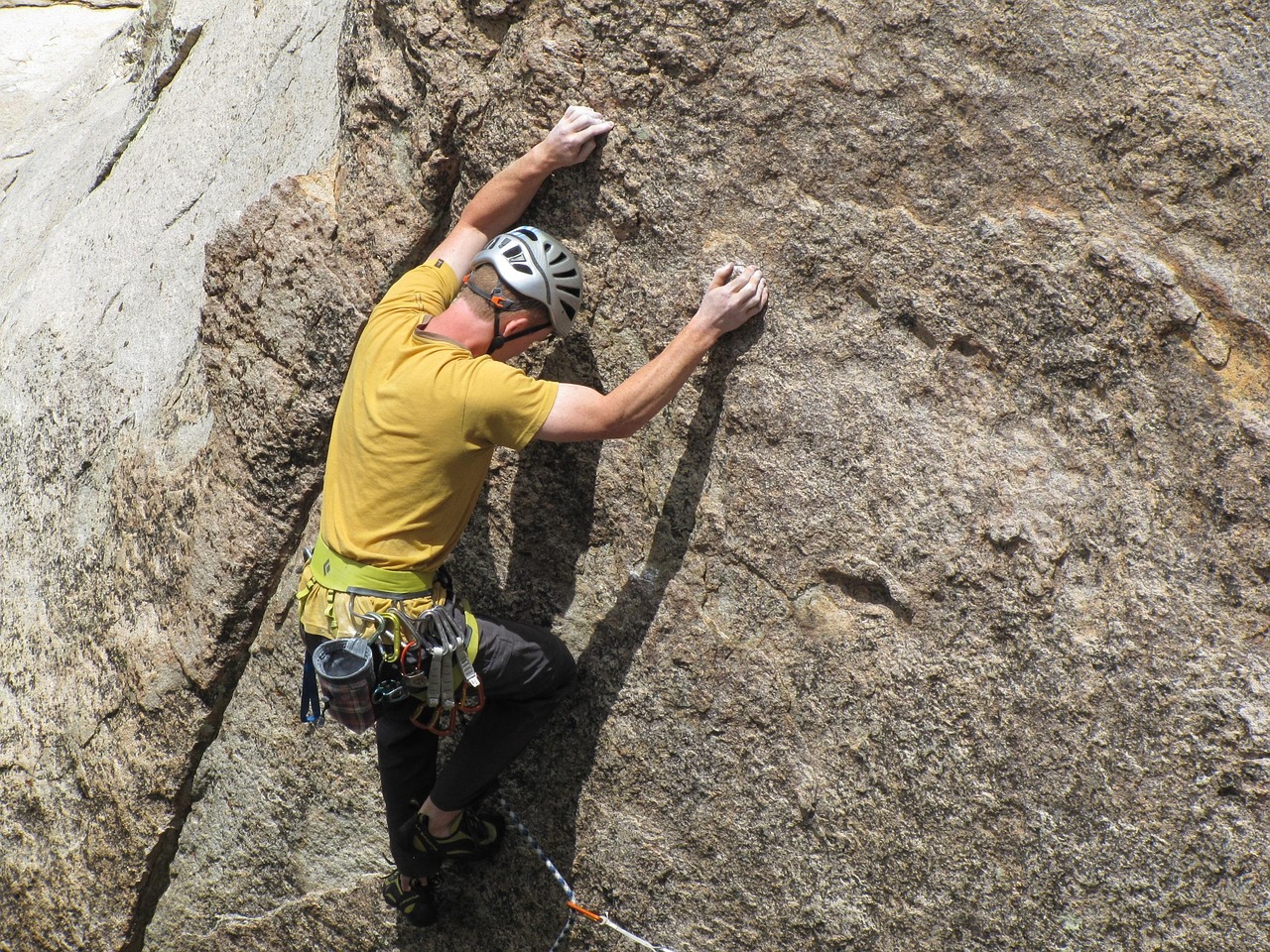
Rock climbing in Hampi (Karnataka)
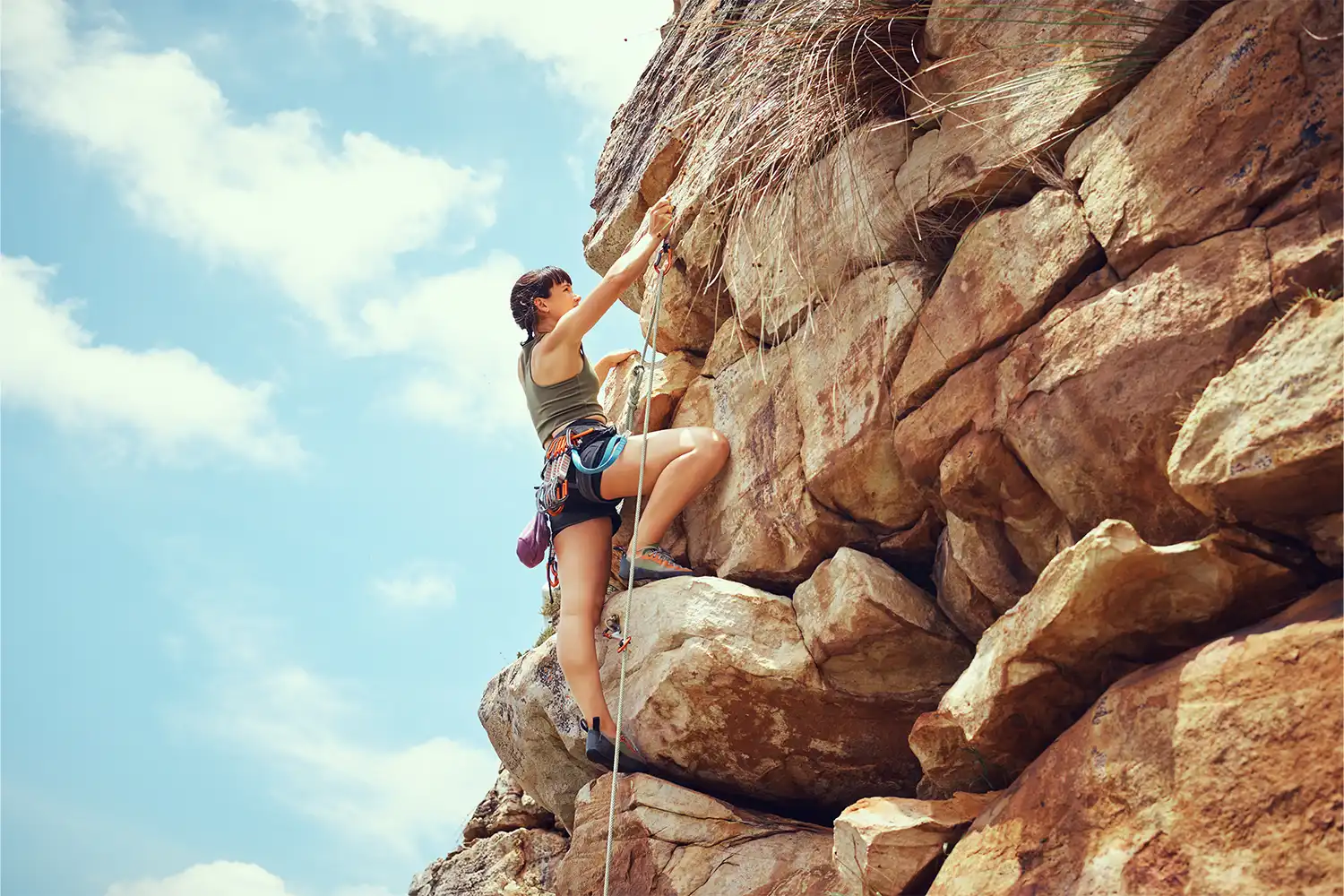
Rock climbing in Aravalli Range (Rajasthan)
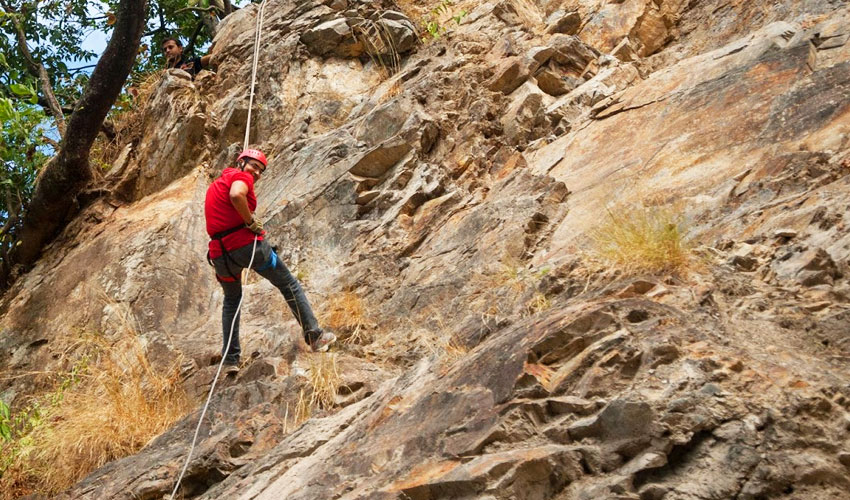
Rock climbing in Rishikesh
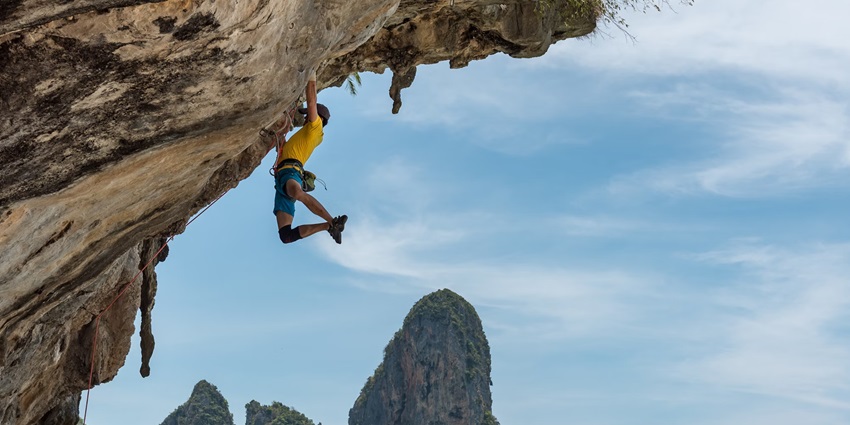
Rock climbing on Shey Rock (Ladakh)
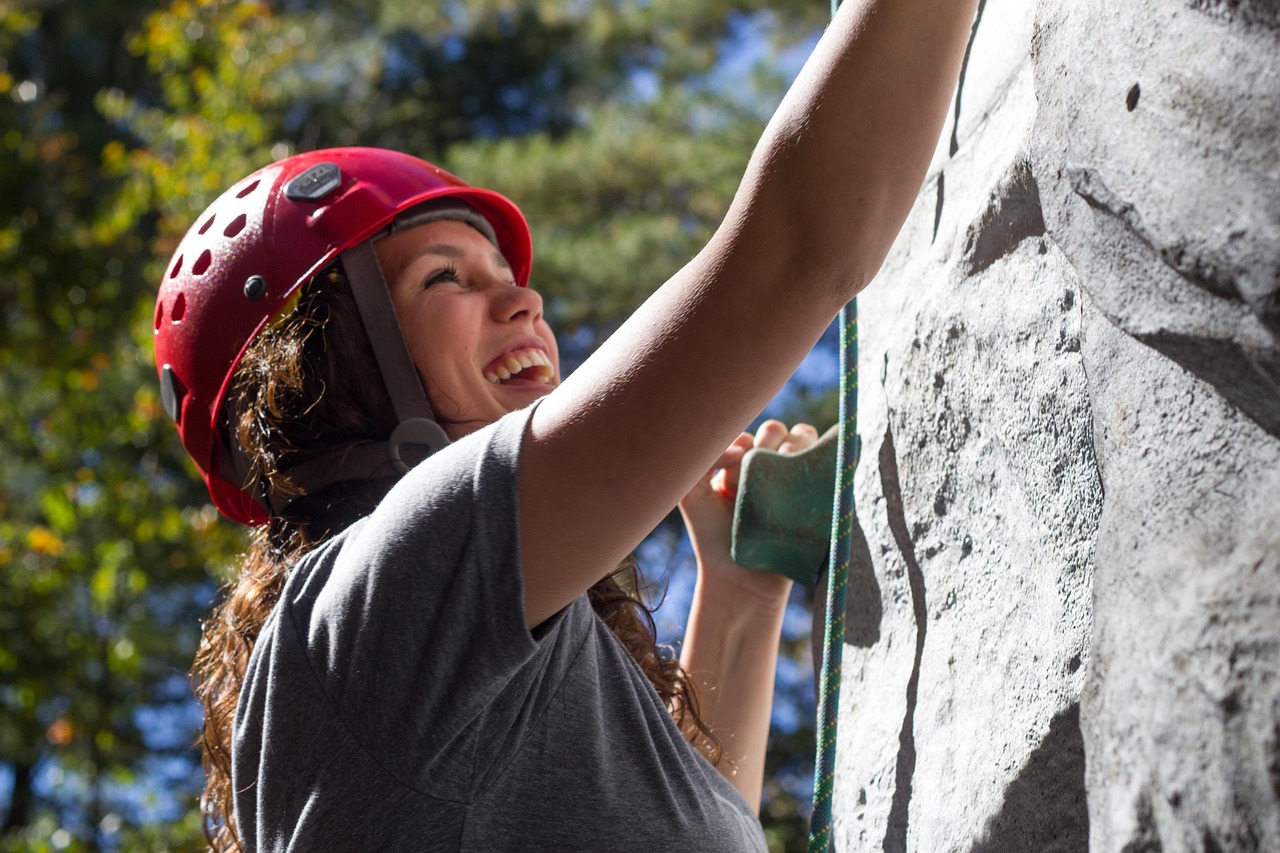
Rock climbing in Pune
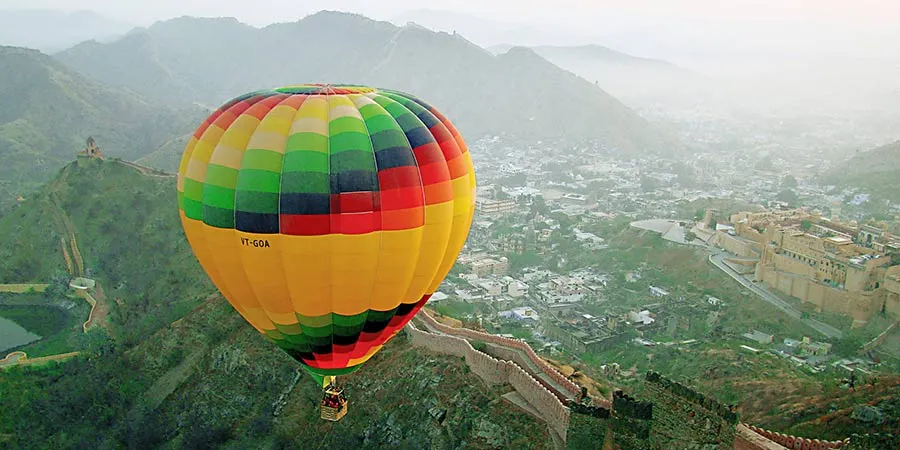
Hot Air Balloon Ride in Jaipur
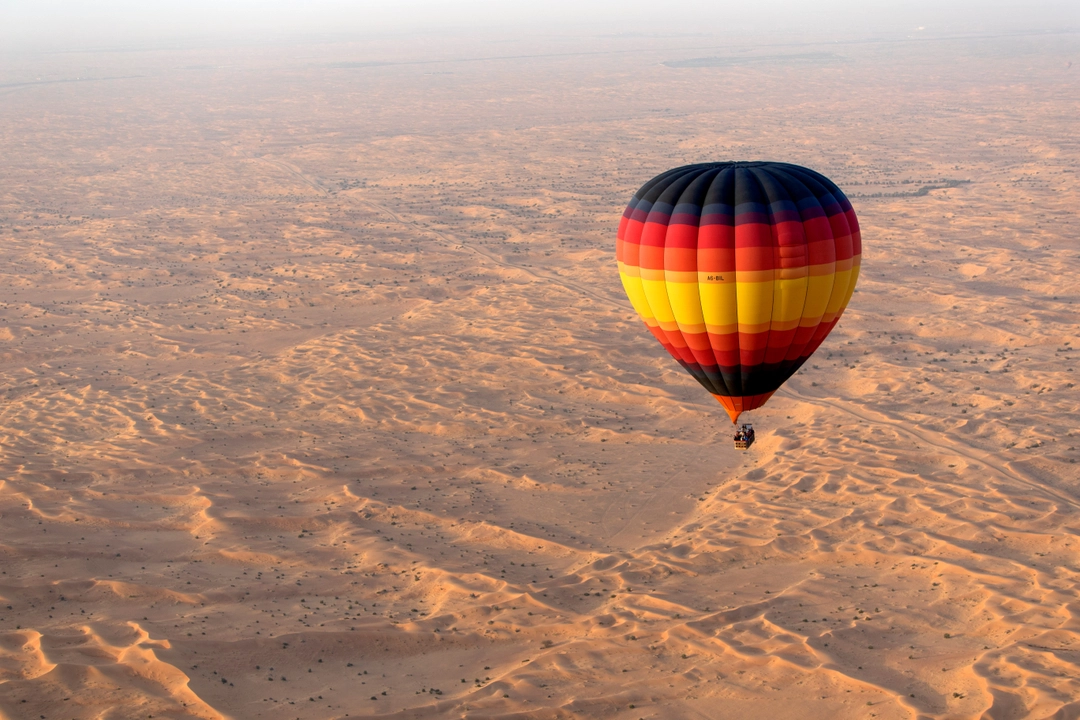
Hot Air Balloon Ride in Pushkar
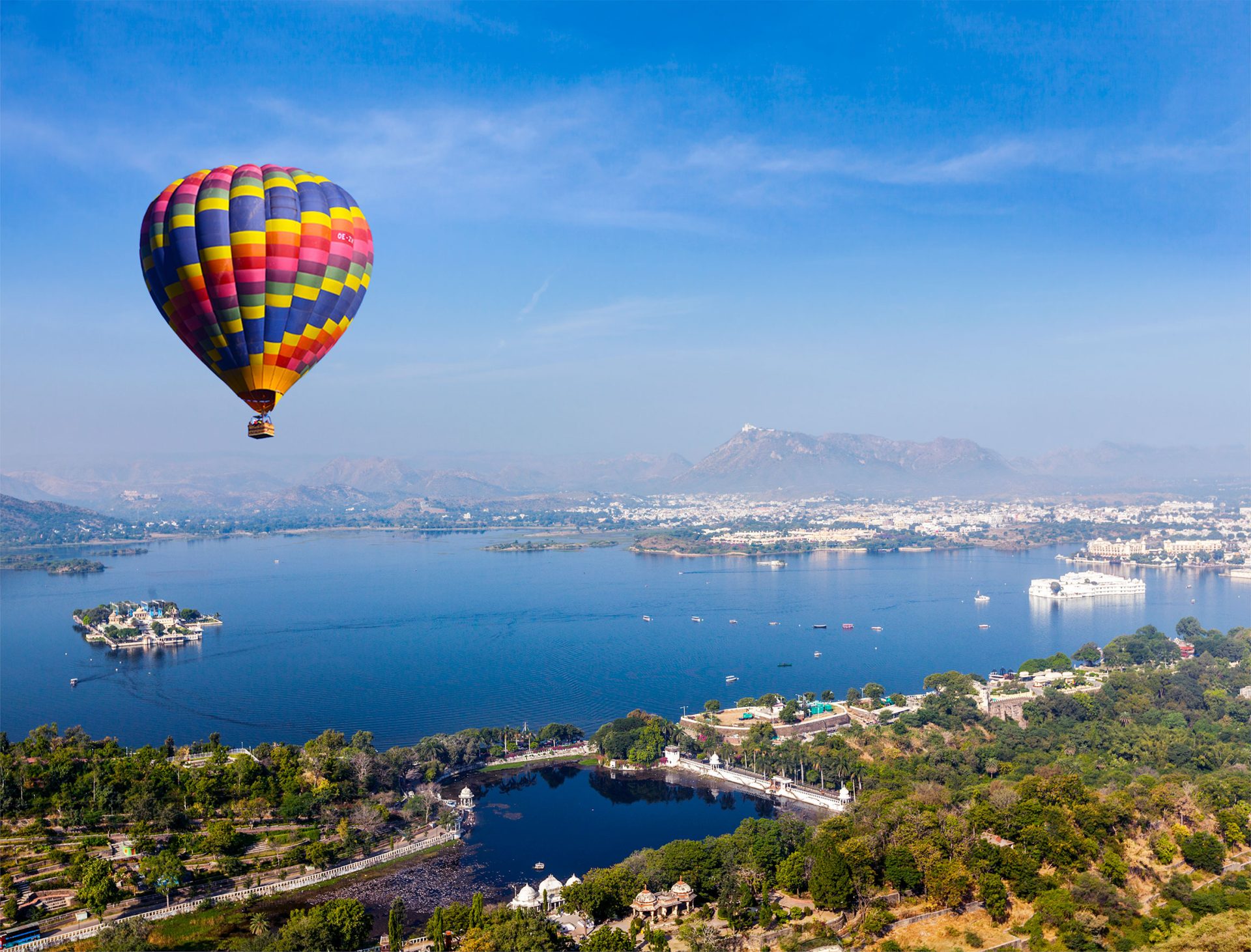
Hot Air Balloon Ride in Udaipur
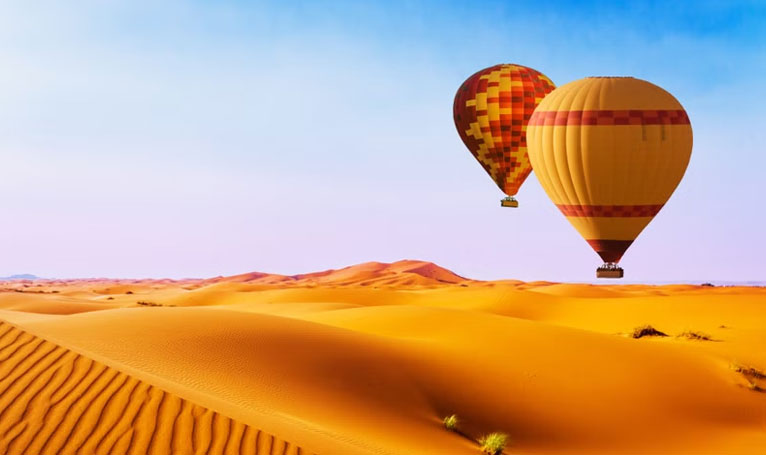
Hot Air Balloon Ride in Jaisalmer
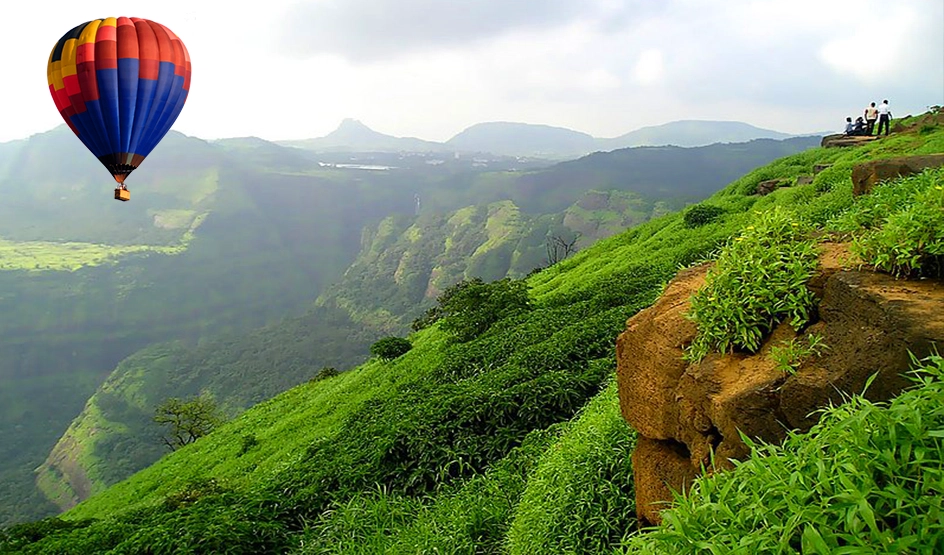
Hot Air Balloon Ride in Lonavala
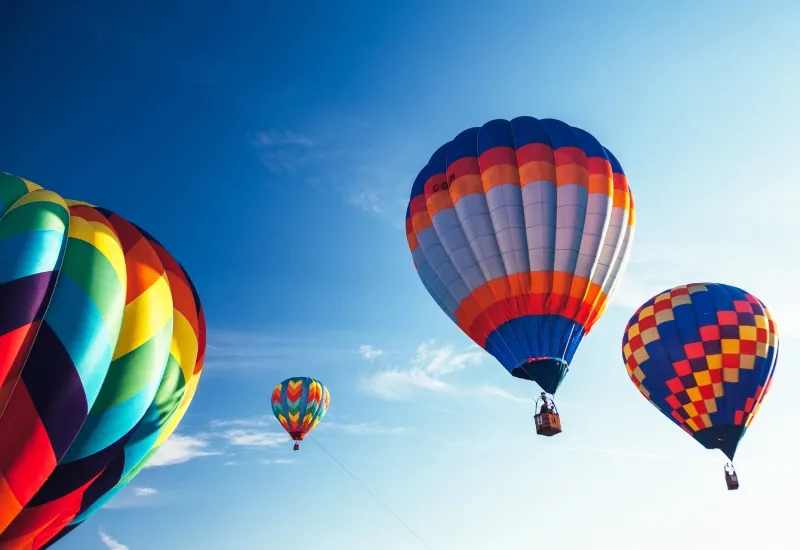
Hot air balloon ride in Mysore
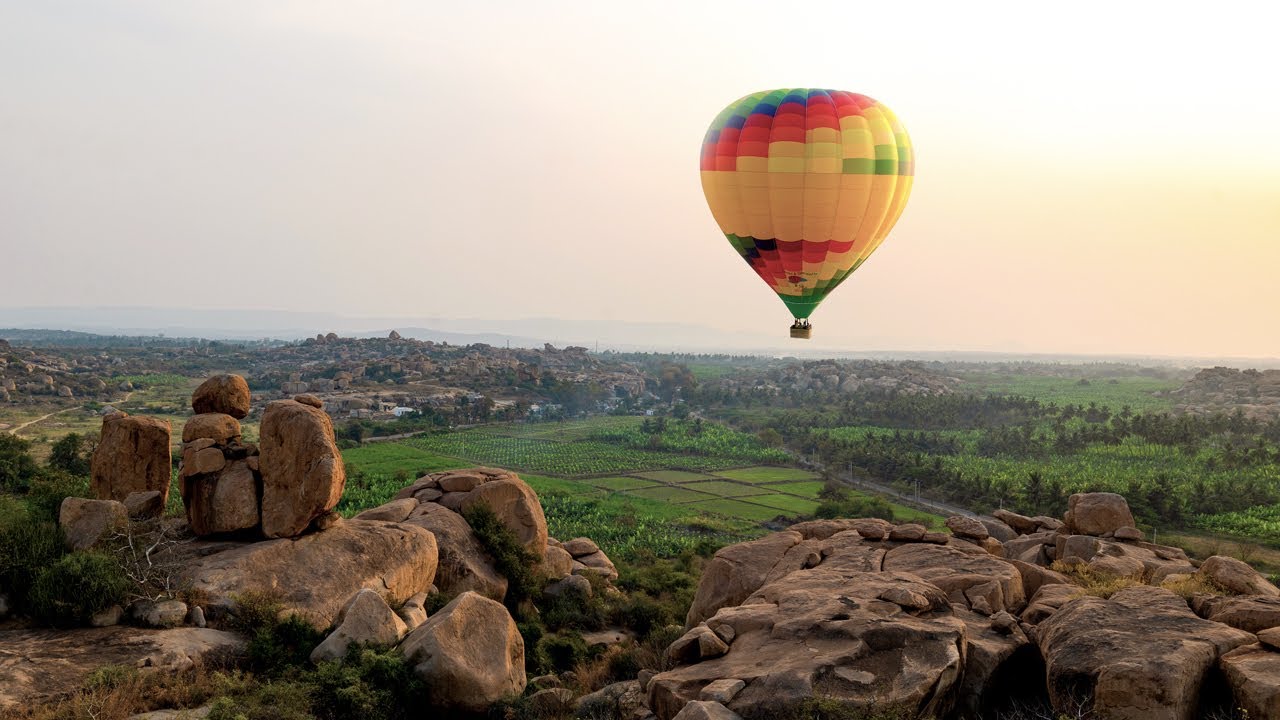
Hot air balloon ride in Hampi
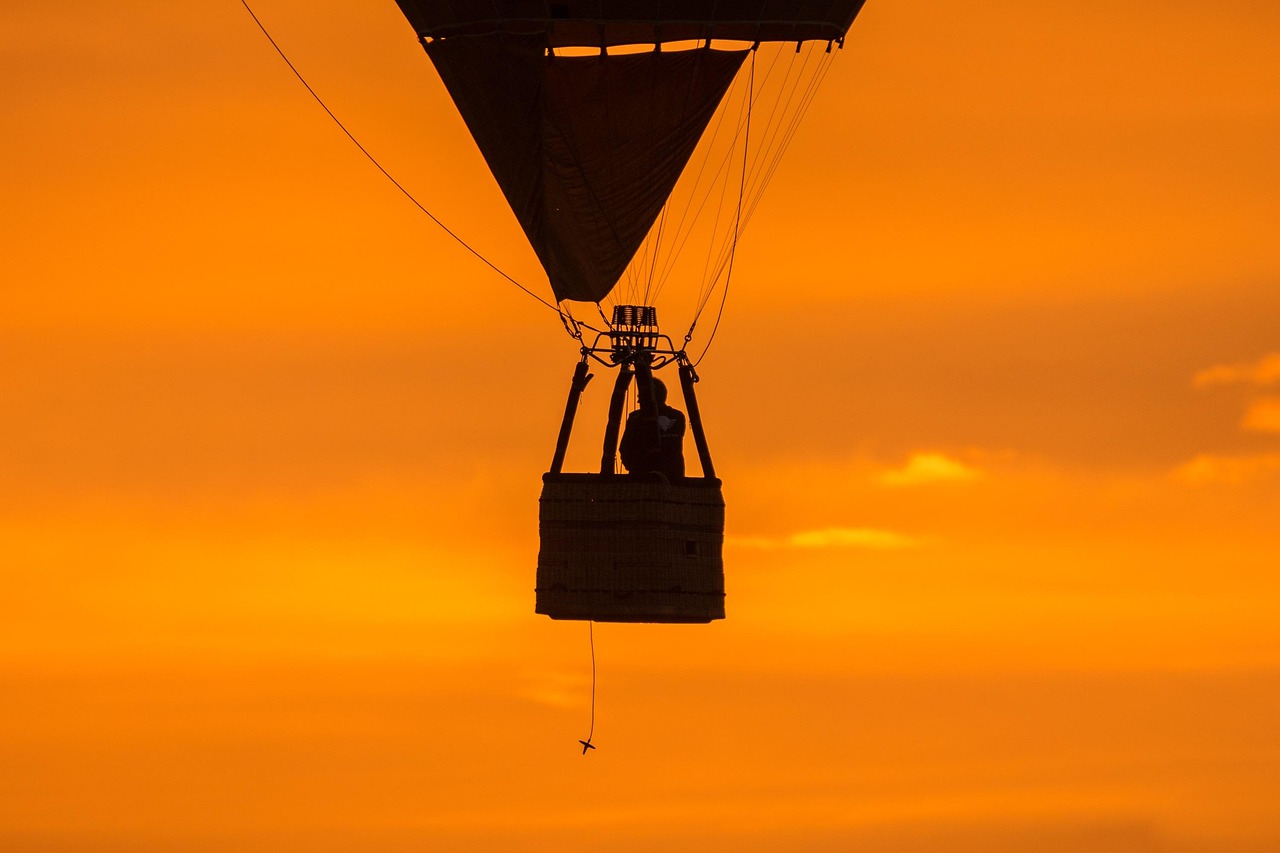
Hot air balloon ride in Nainital
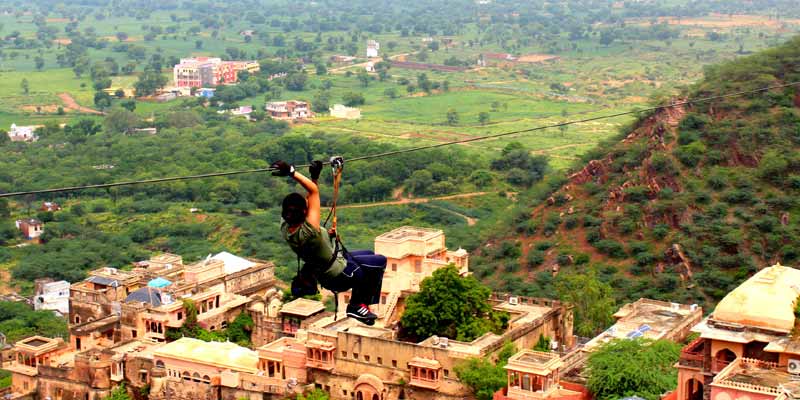
Zip Line ride in Neemrana
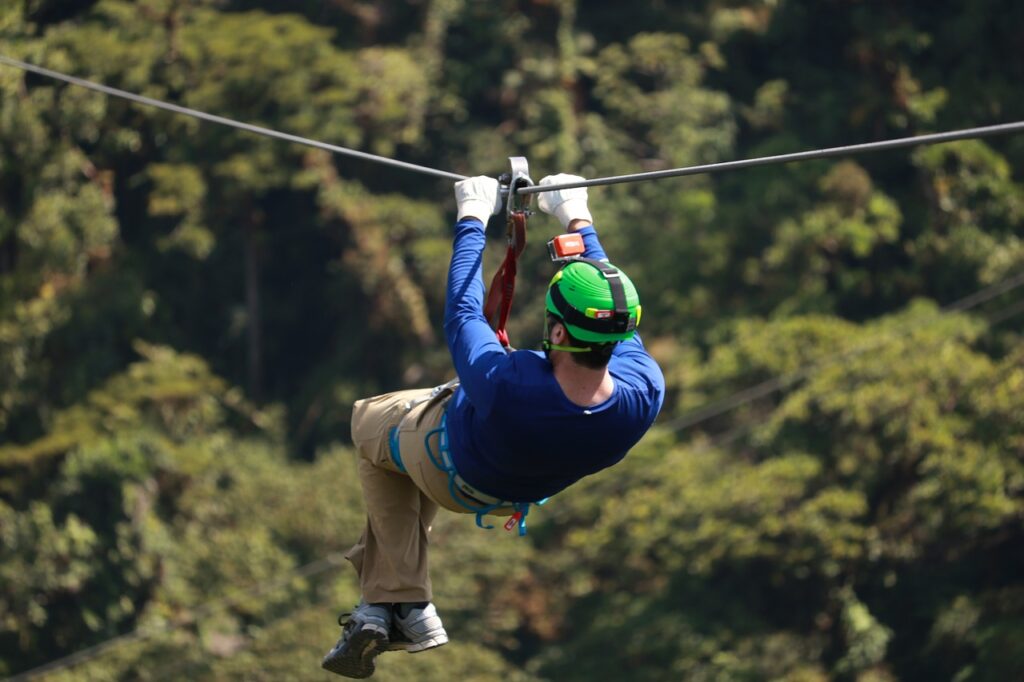
Kikar Lodge Zip Line
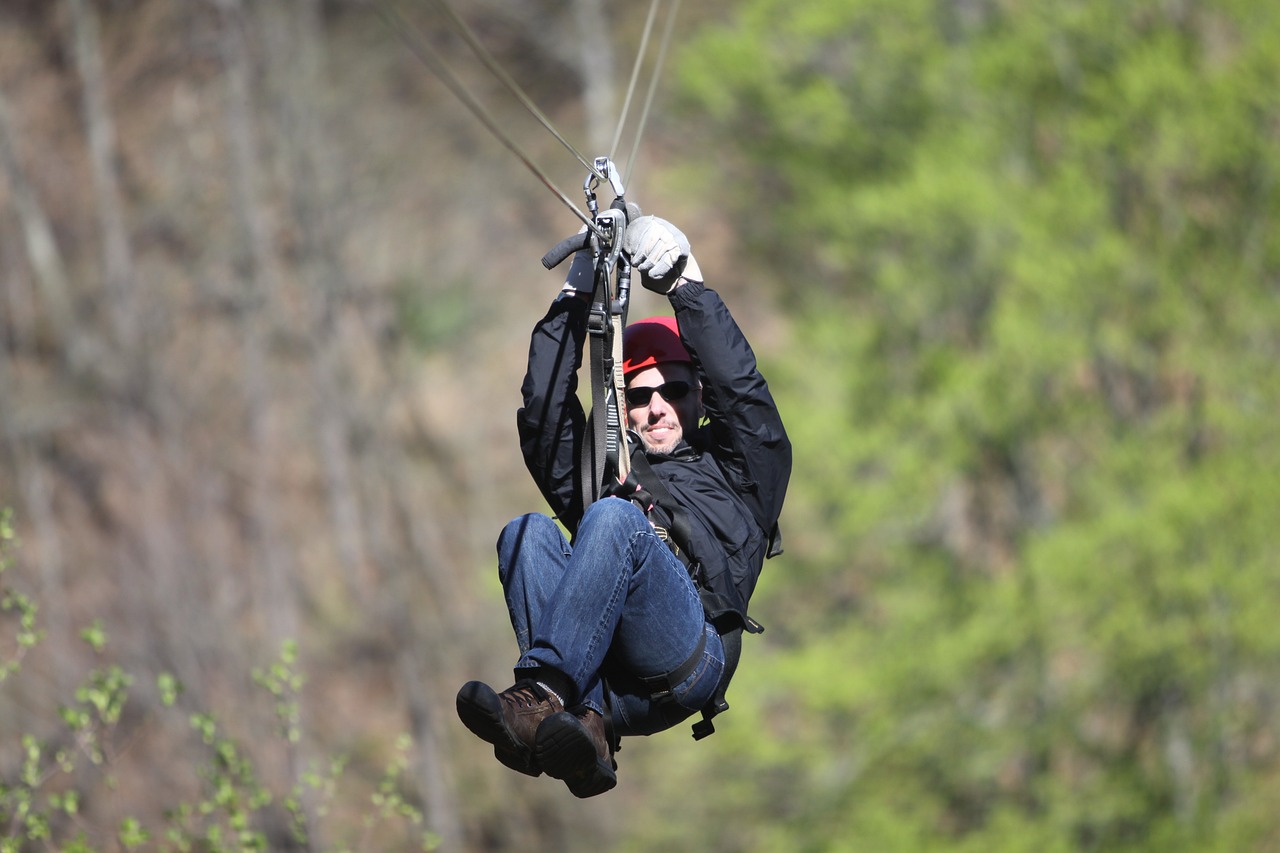
Zip Line ride in Rishikesh
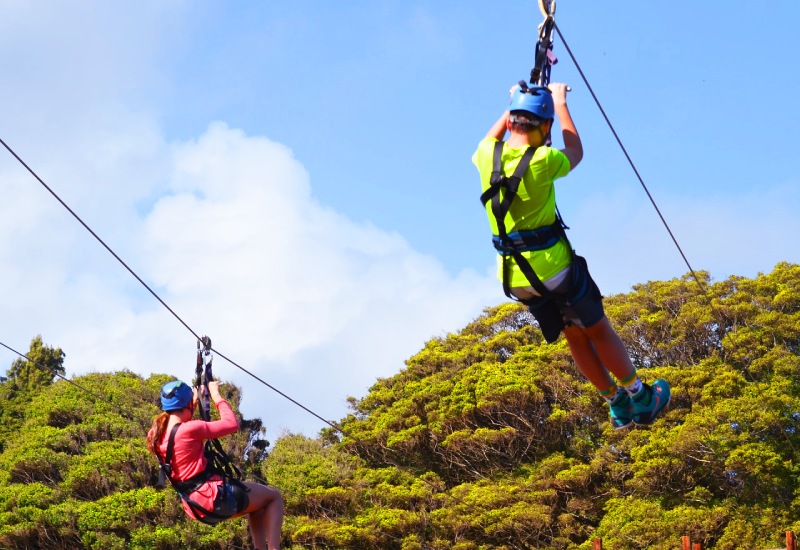
Zip Line ride in Mussoorie
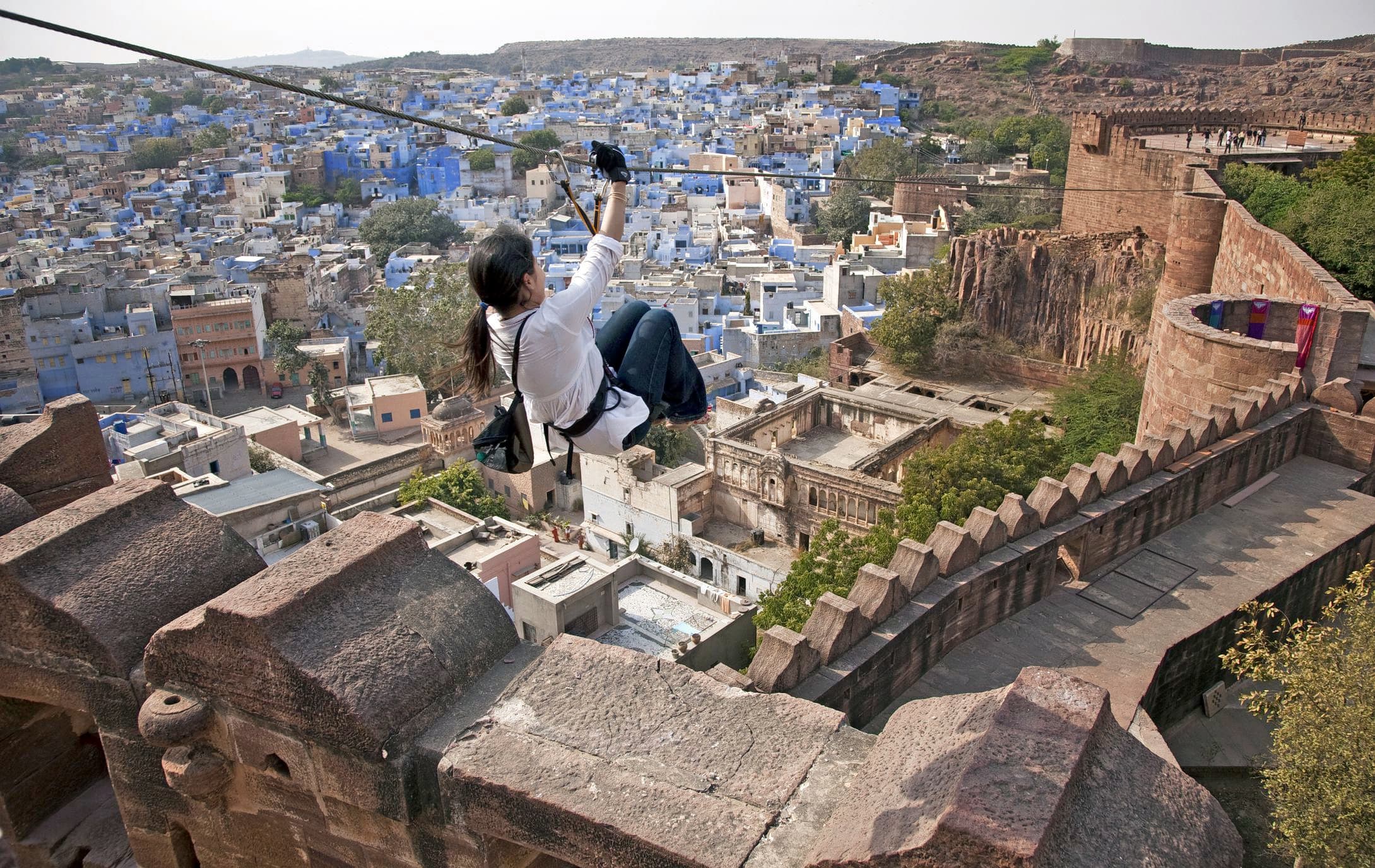
Zip Line ride in Jodhpur
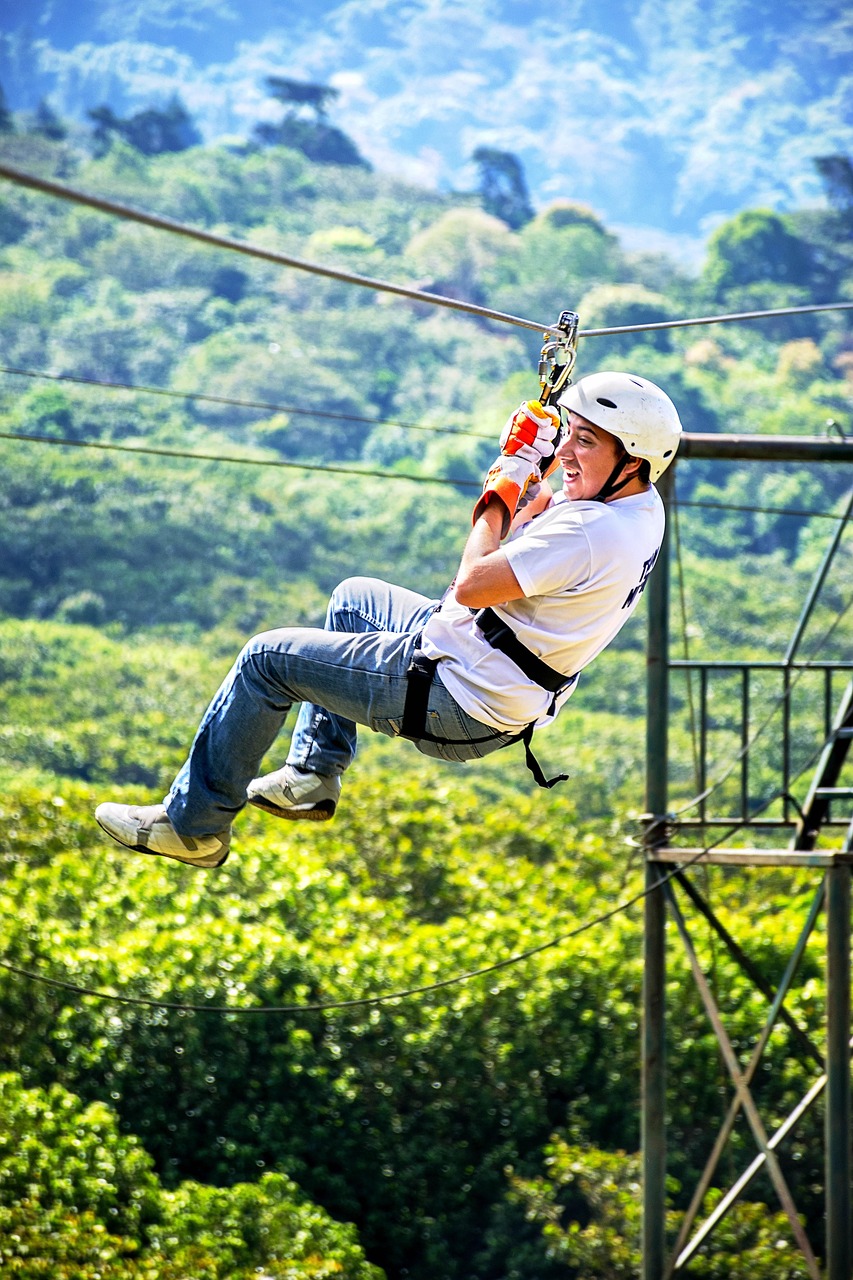
Zip Line ride in Munnar
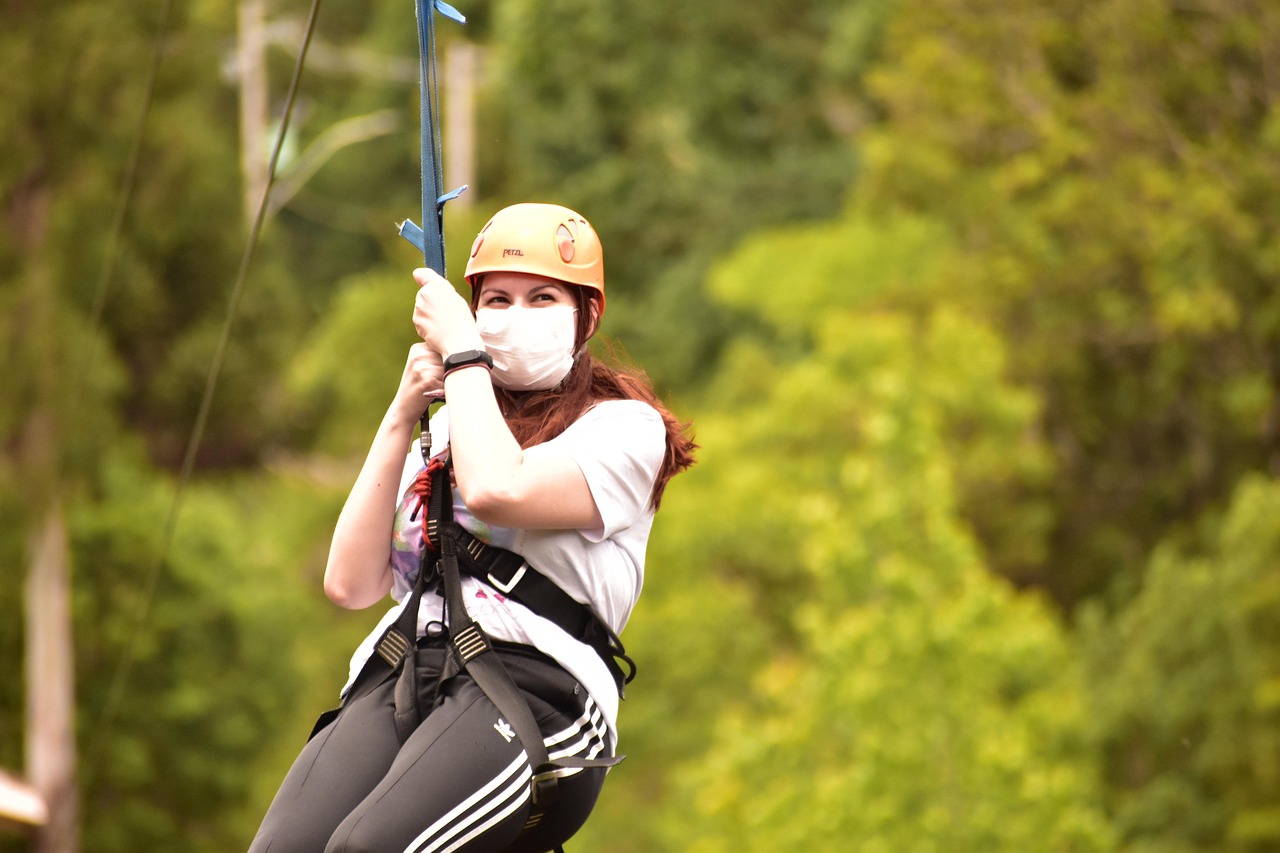
Zip Line ride in Manali
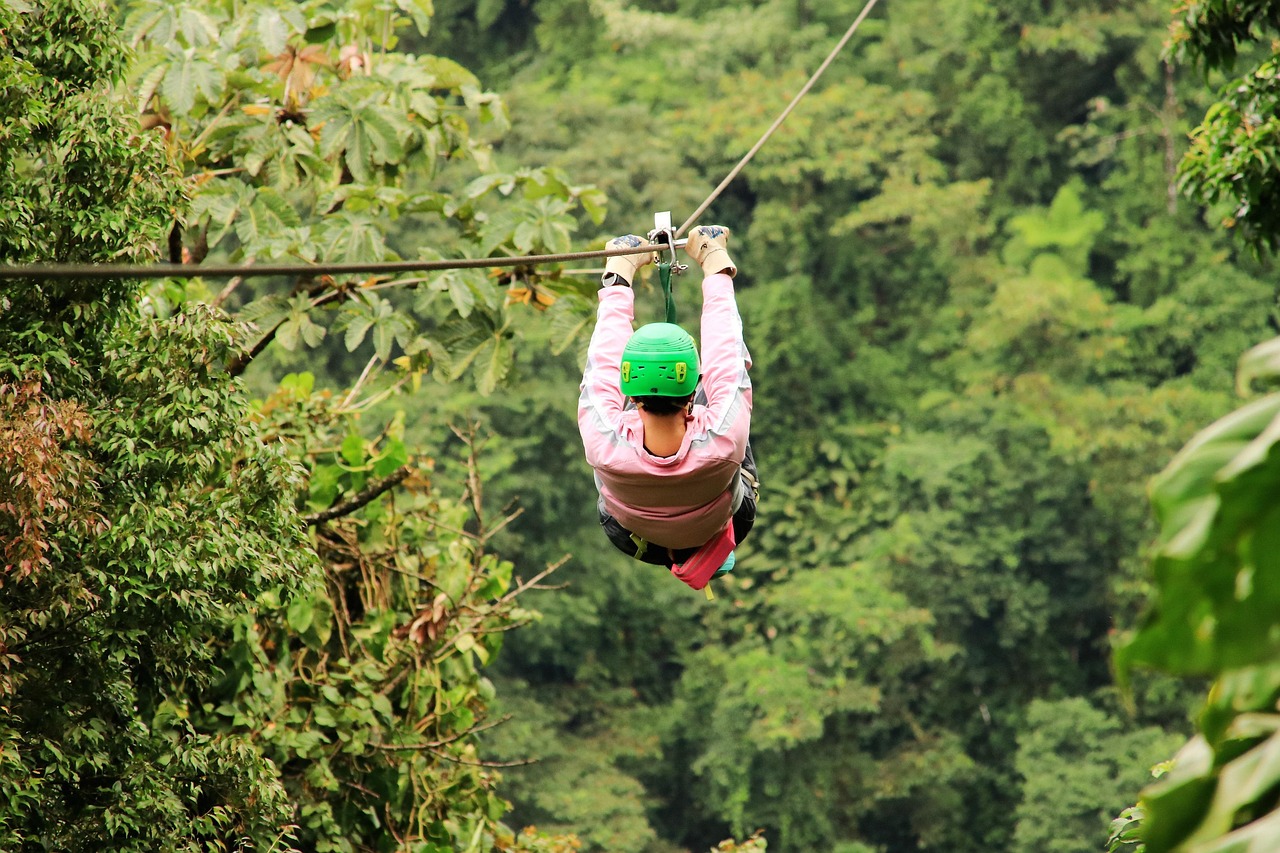
Zip Line ride in Darjeeling
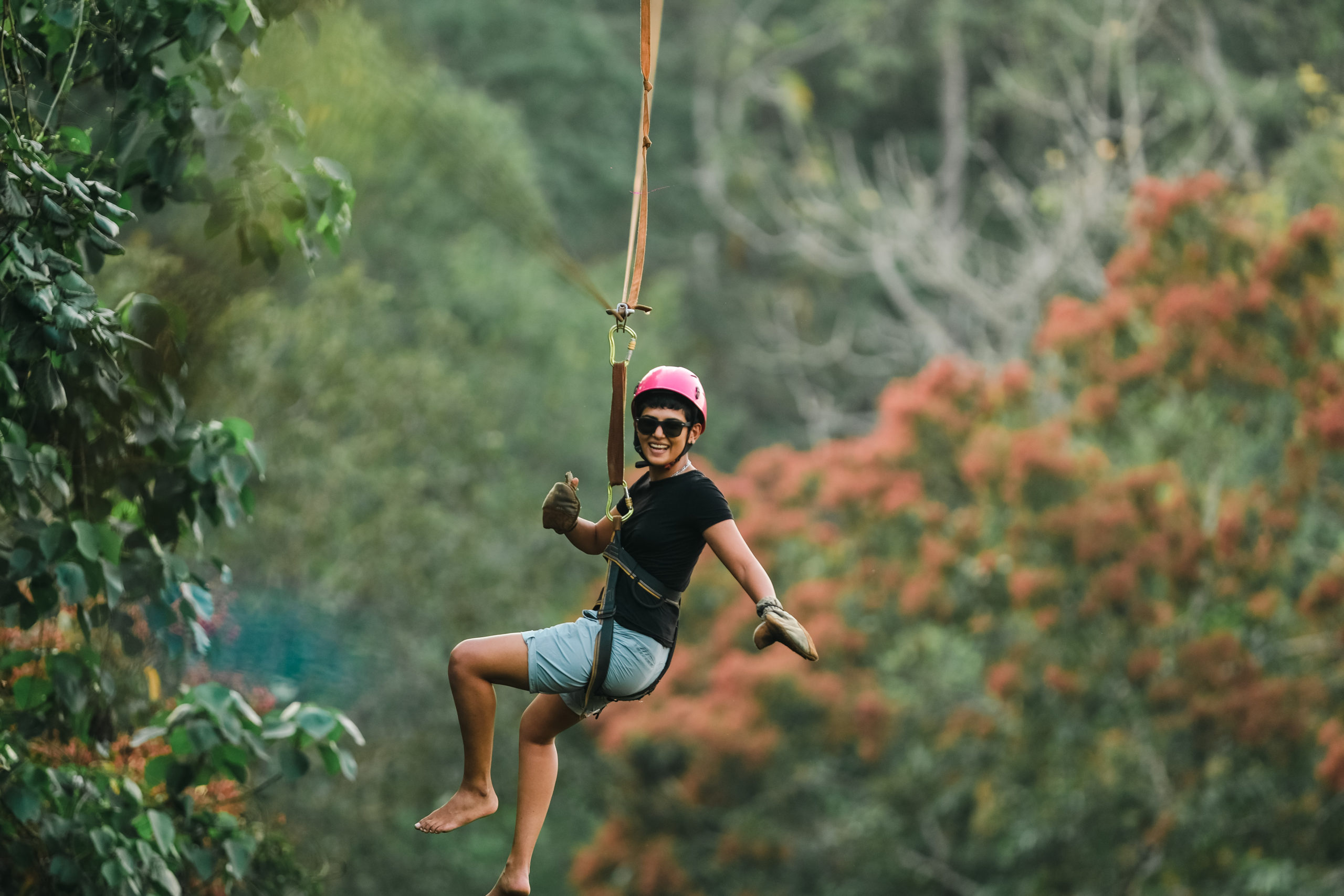
Zip Line ride in Goa
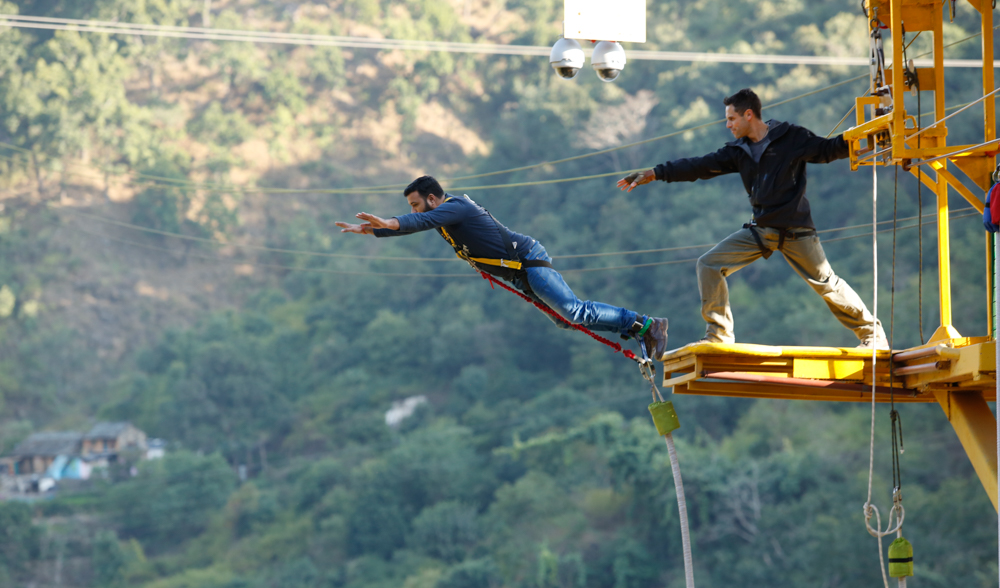
Bungee Jumping in Rishikesh
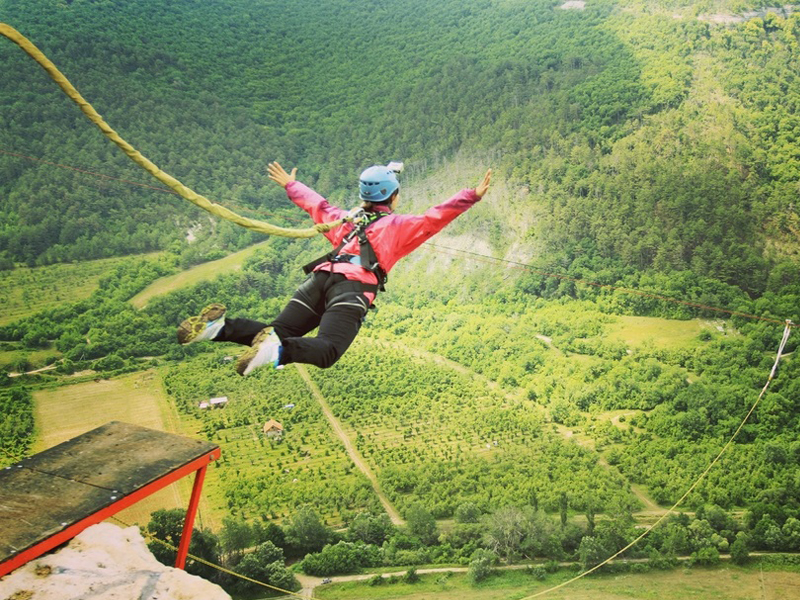
Bungee Jumping in Udaipur
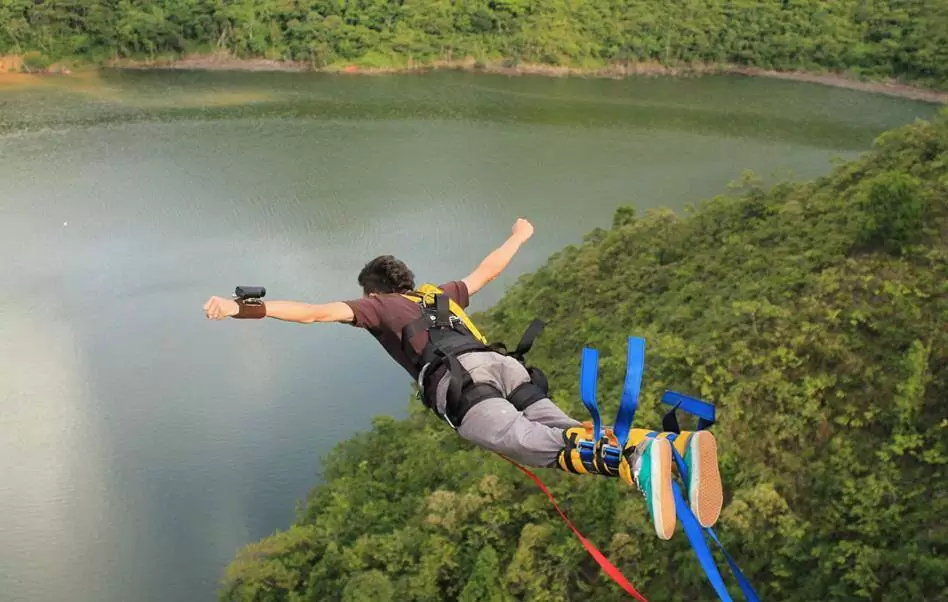
Bungee Jumping in Goa
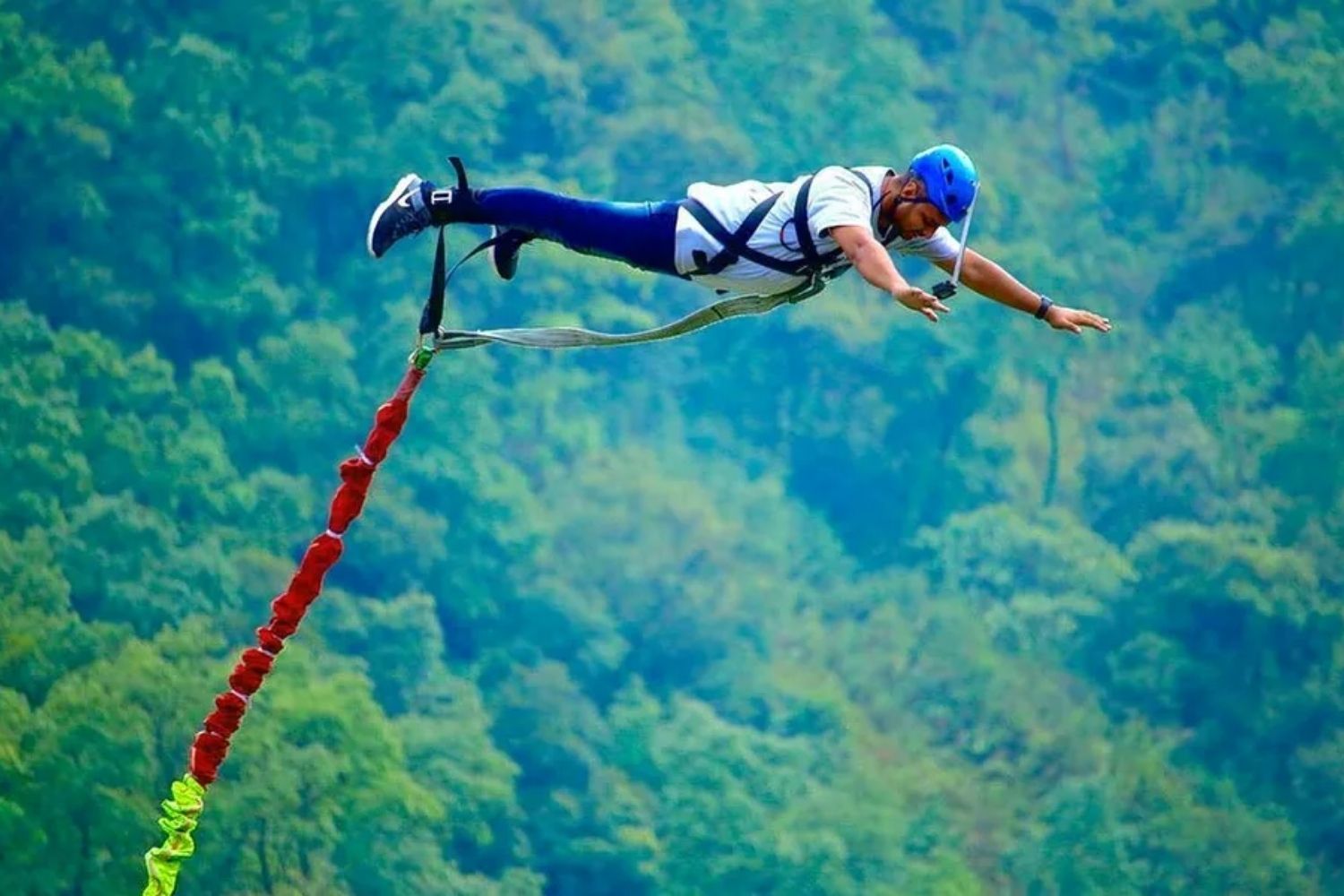
Bungee Jumping in Lonavala
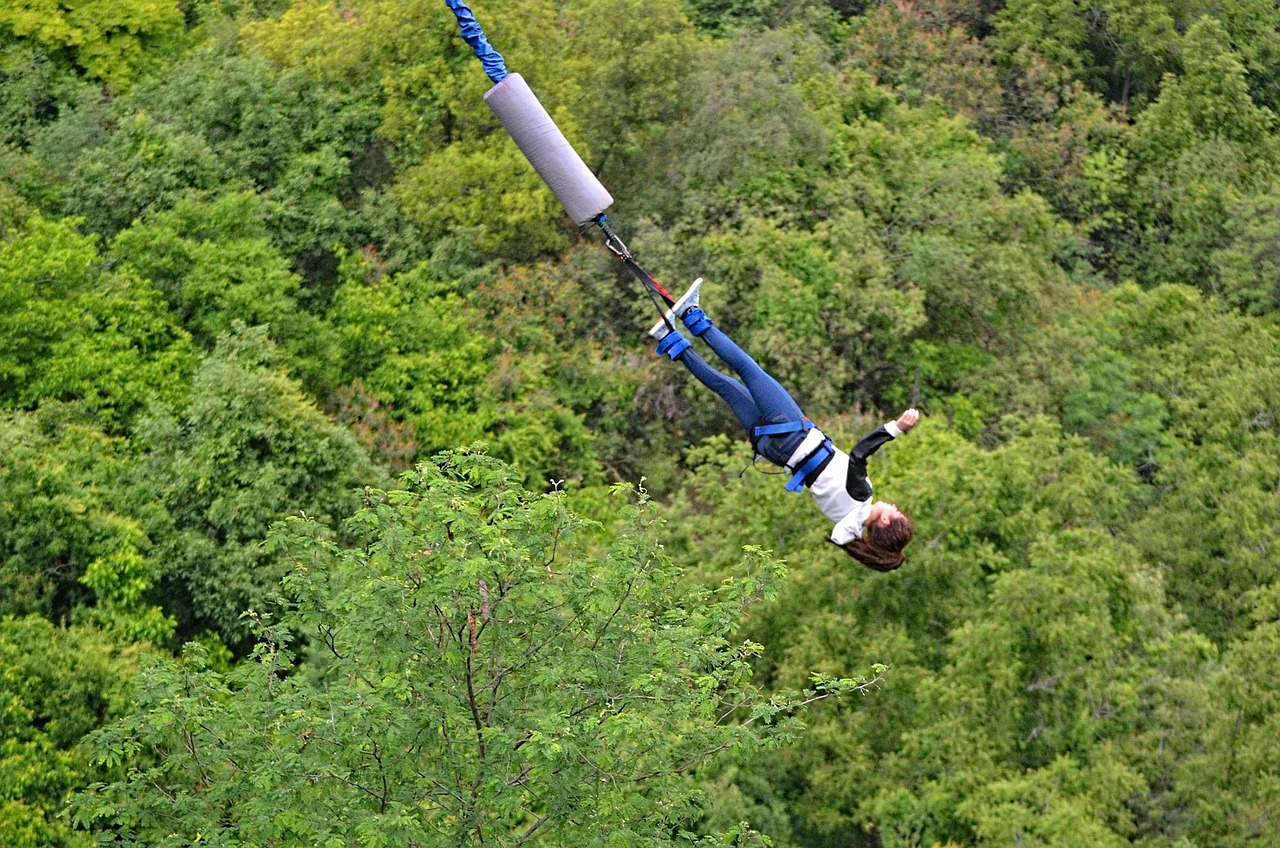
Bungee jumping in Bangalore
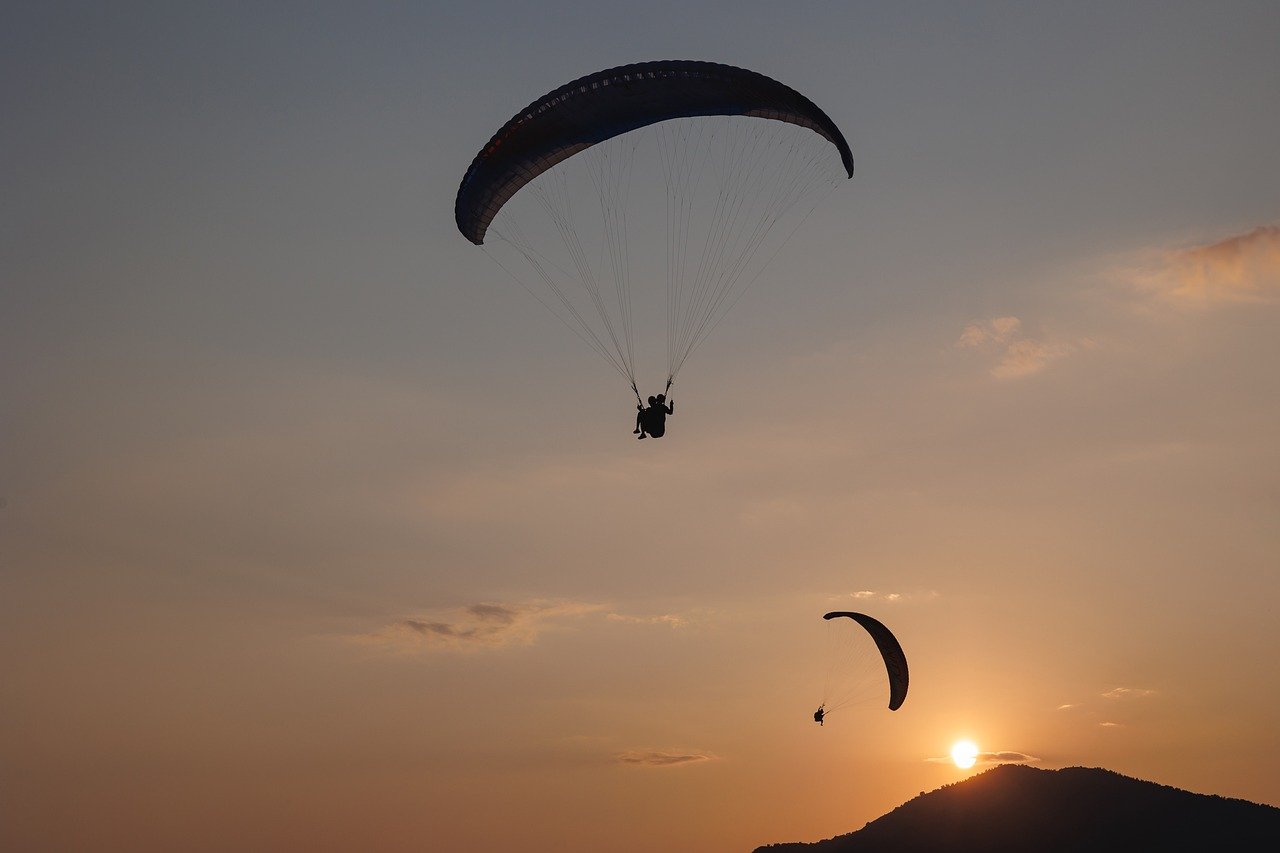
Paragliding in Bir Billing
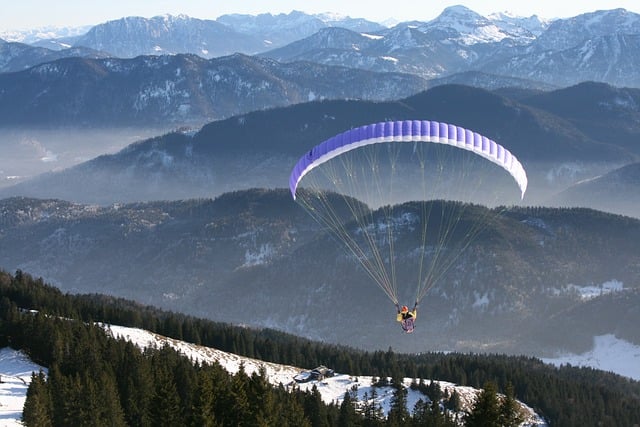
Paragliding in Manali
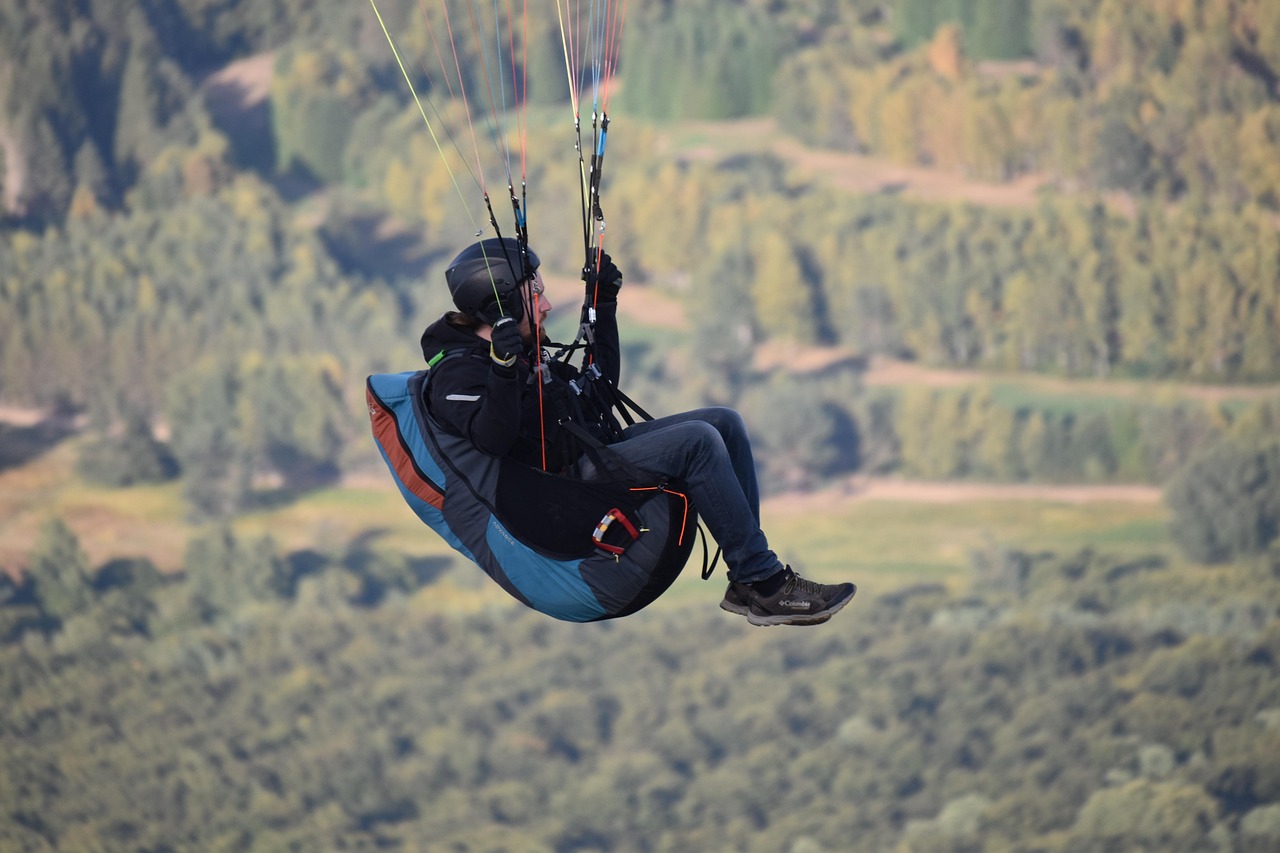
Paragliding in Nainital
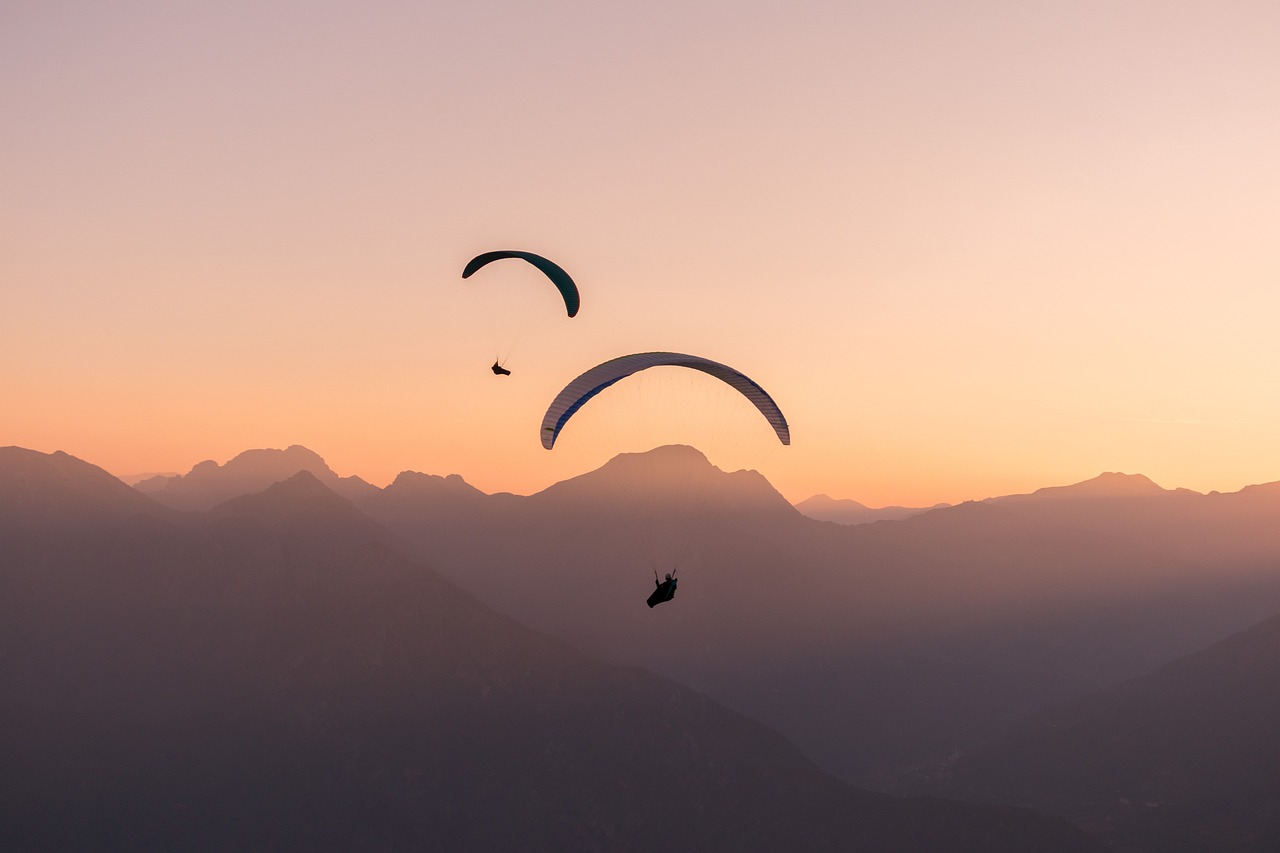
Paragliding in Kamshet
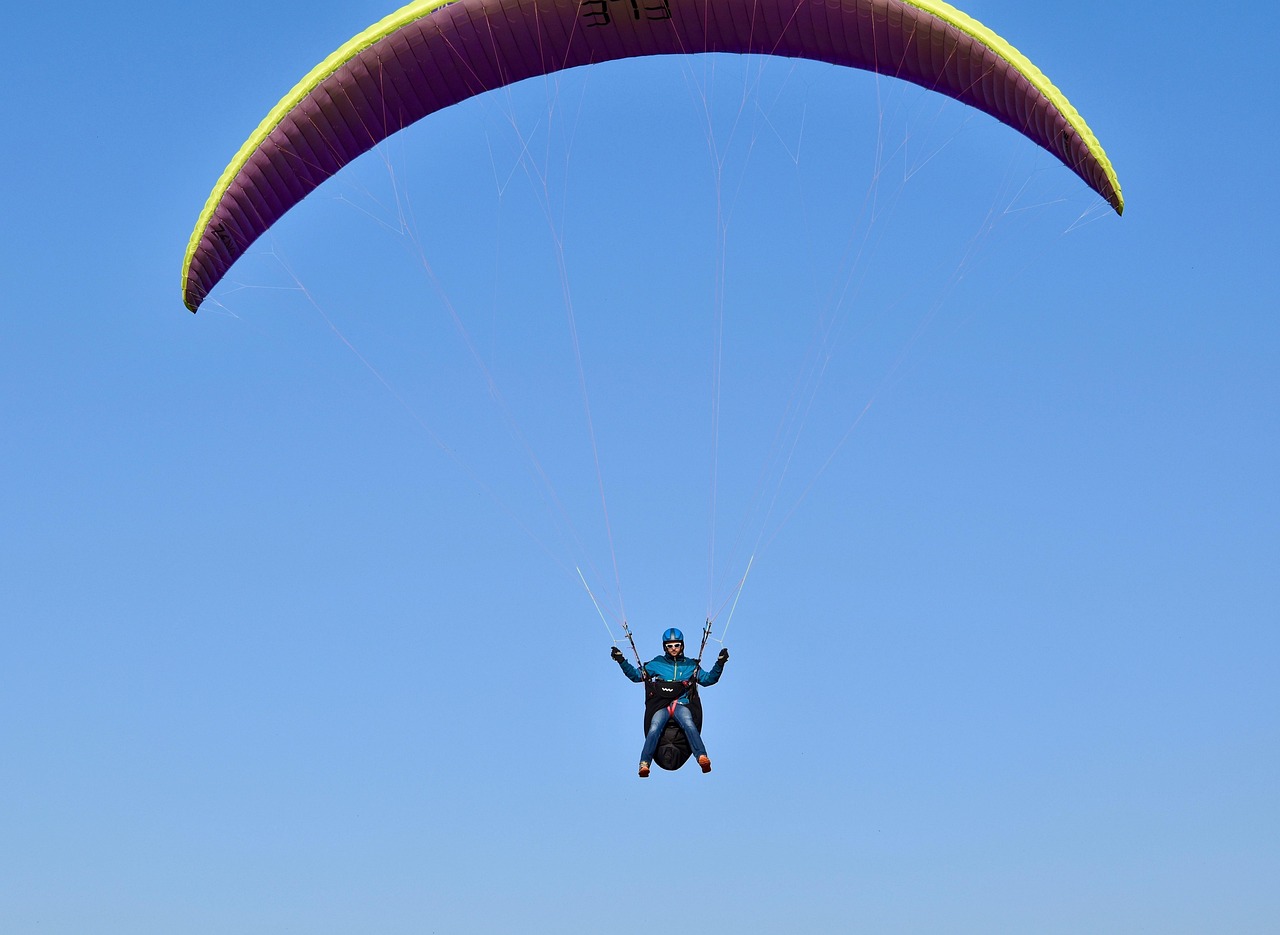
Paragliding in Ranikhet and Mukteshwar
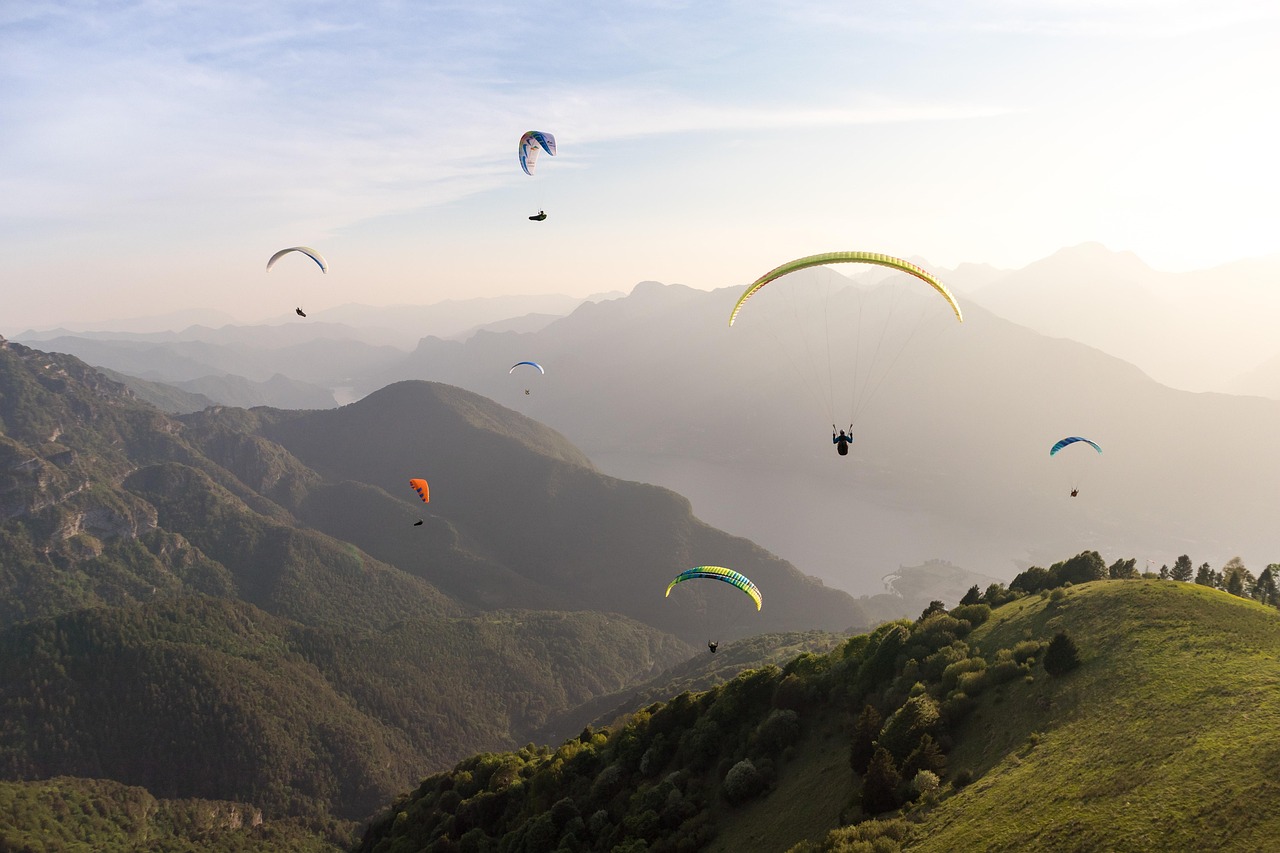
Paragliding in Gangtok
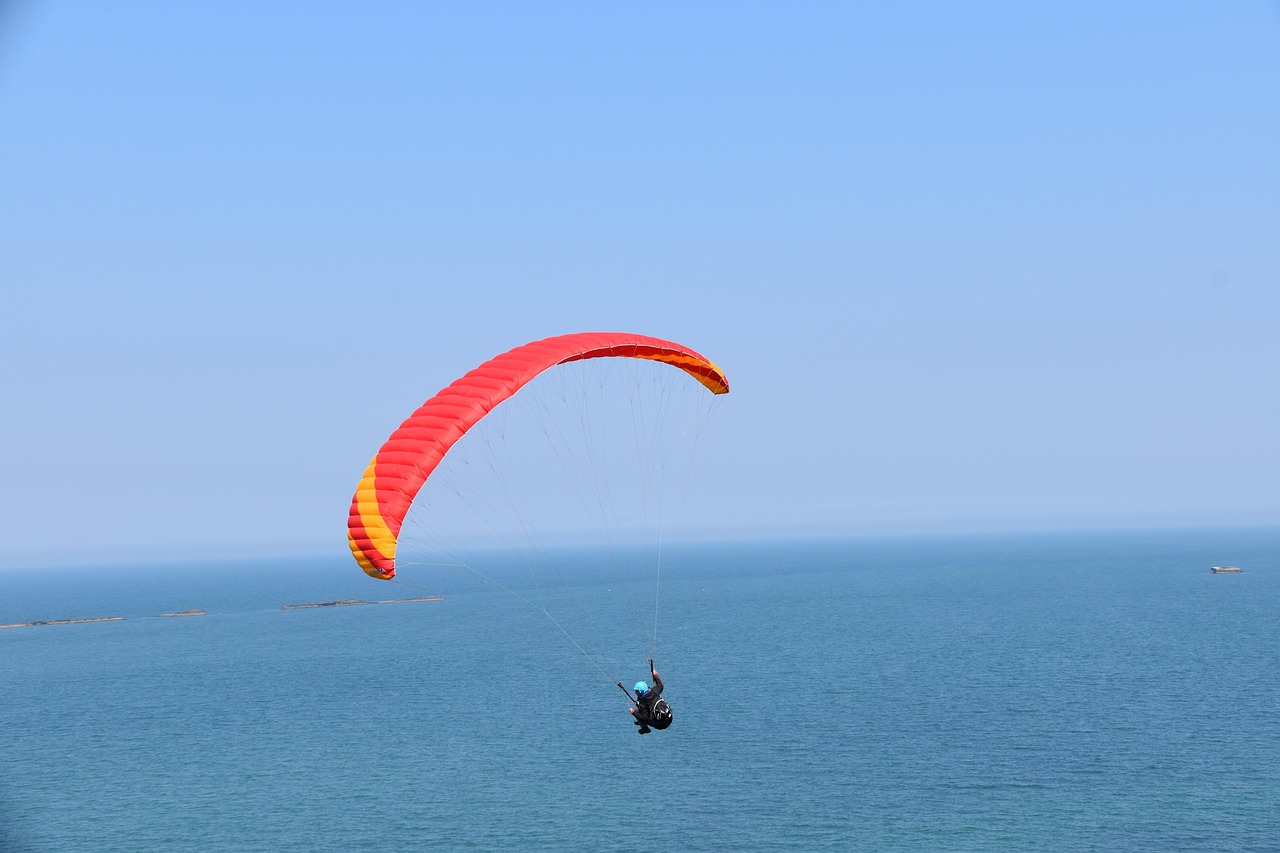
Paragliding in Arambol, Goa
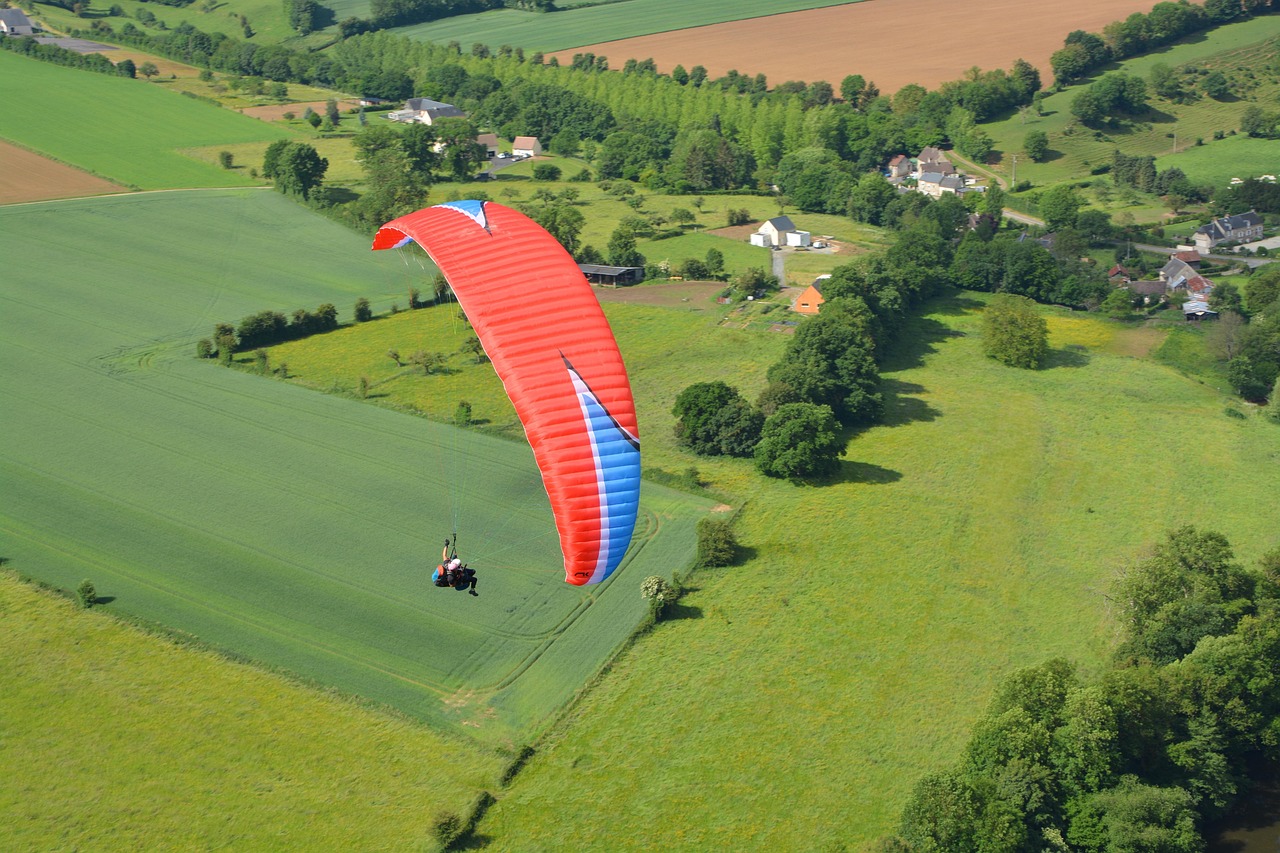
Paragliding in Pavagadh, Gujarat
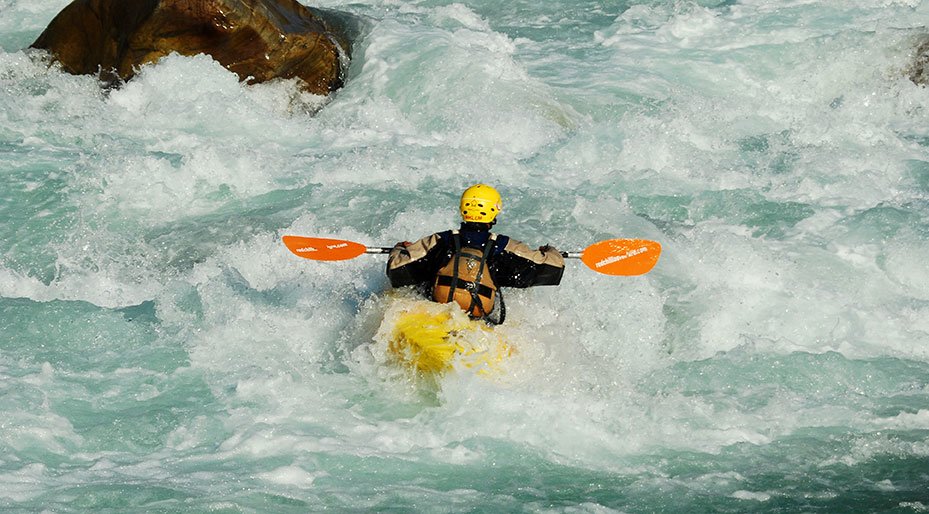
Kayaking in Rishikesh
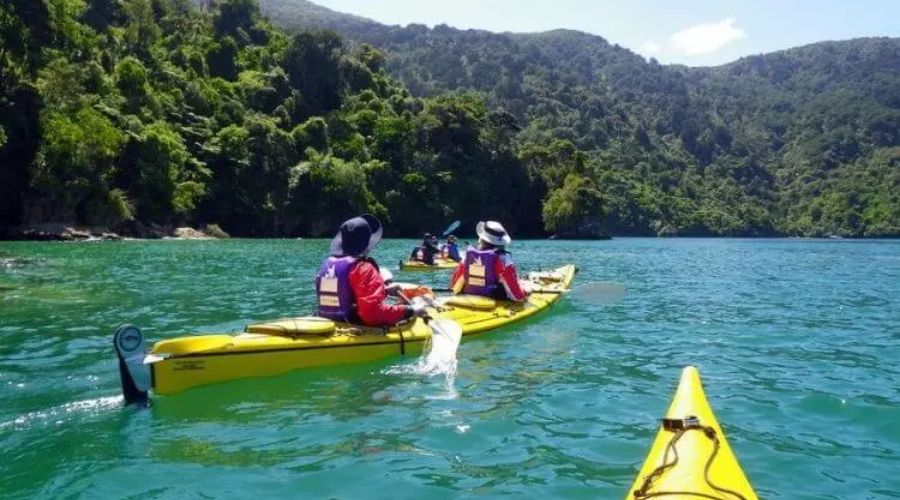
Kayaking in Andaman and Nicobar Islands

Kayaking in Kerala
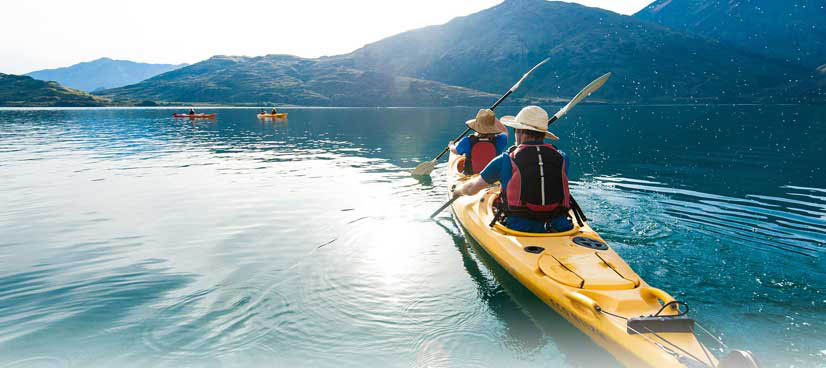
Kayaking in Sikkim
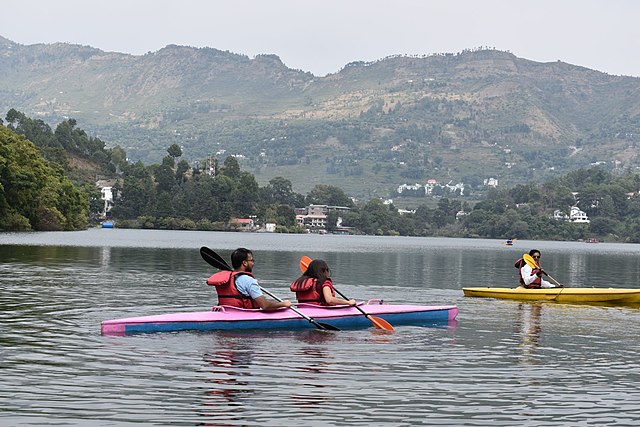
Kayaking in Nainital
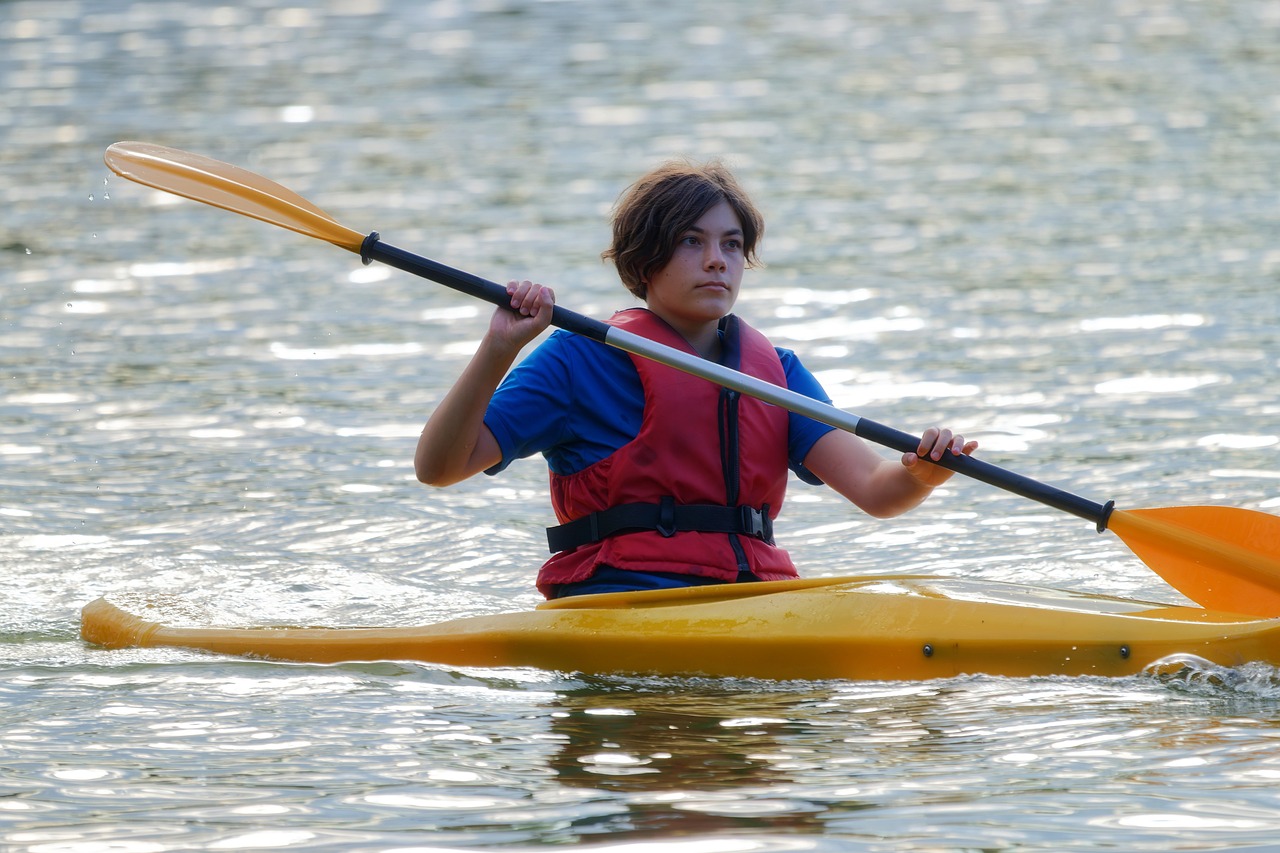
Kayaking in Tungabhadra River, Karnataka
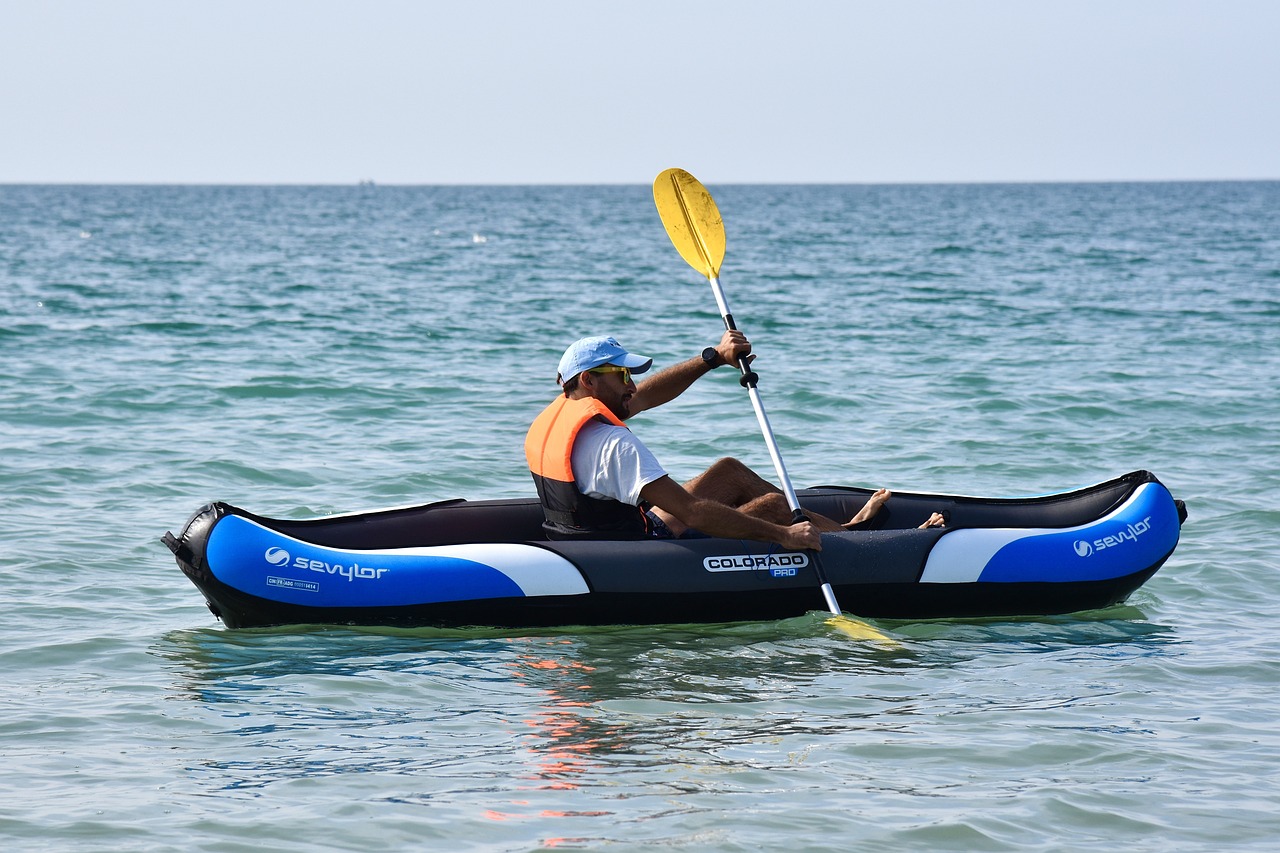
Kayaking in Pondicherry
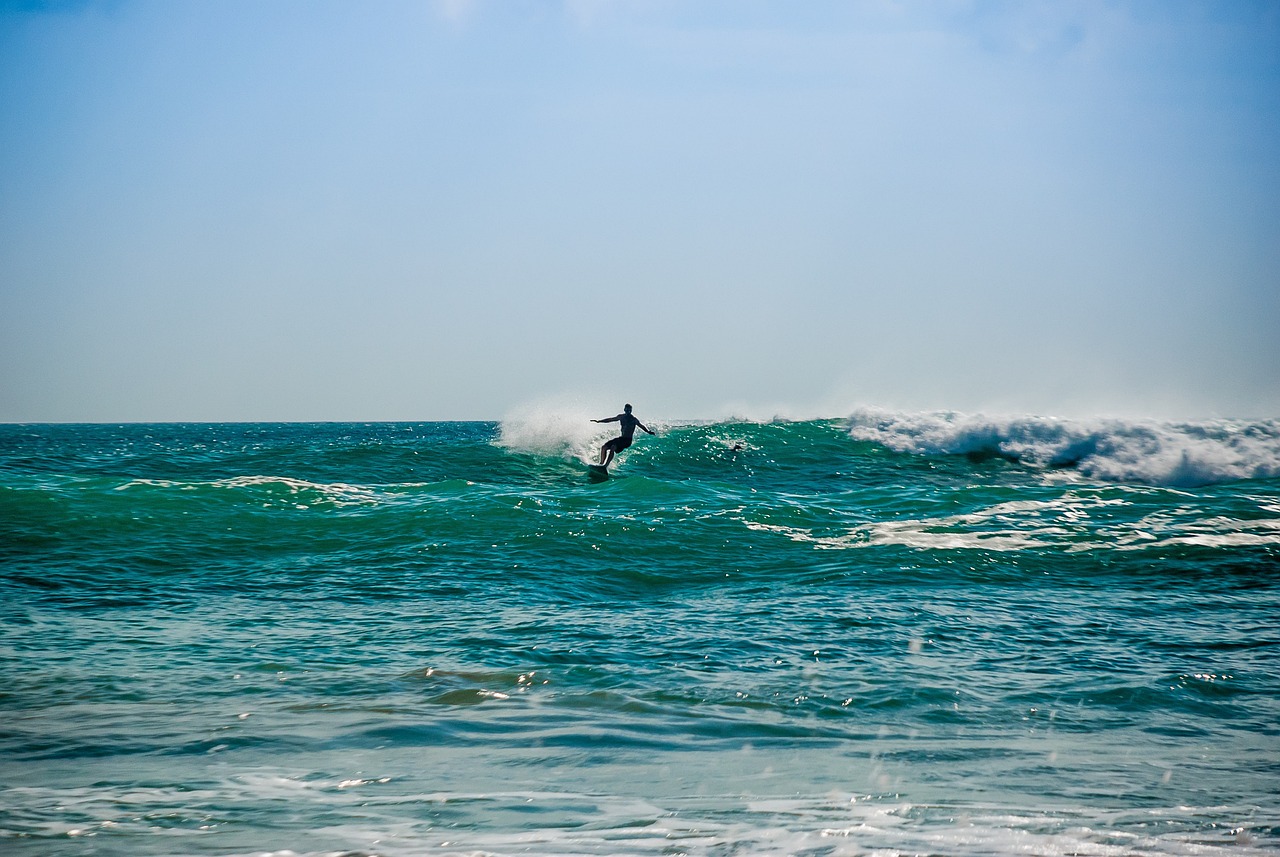
Surfing in Goa

Surfing in Varkala (Kerala)

Surfing in Kovalam (Kerala)

Surfing in Manapad (Tamil Nadu)

Surfing in Udupi (Karnataka)

Surfing in Gokarna (Karnataka)

Surfing in Puducherry
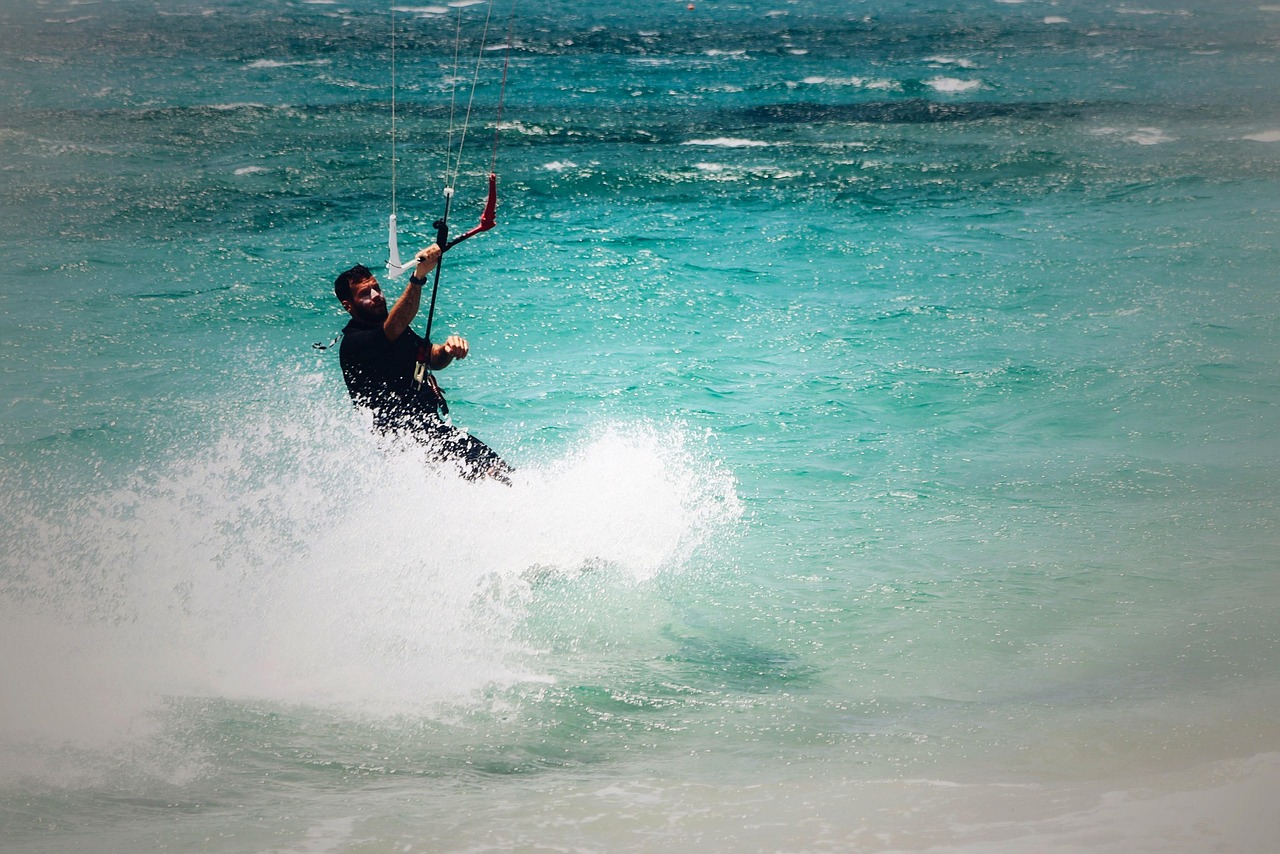
Surfing in Sindhudurg (Maharashtra)
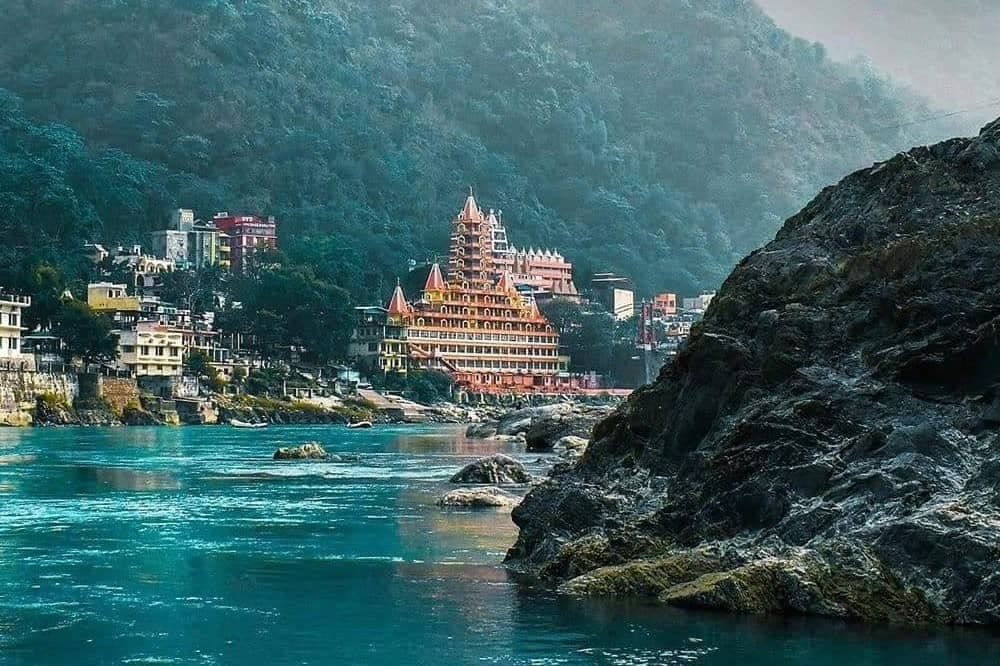
Top 10 Visiting Places in Rishikesh: Your Ultimate Travel Guide
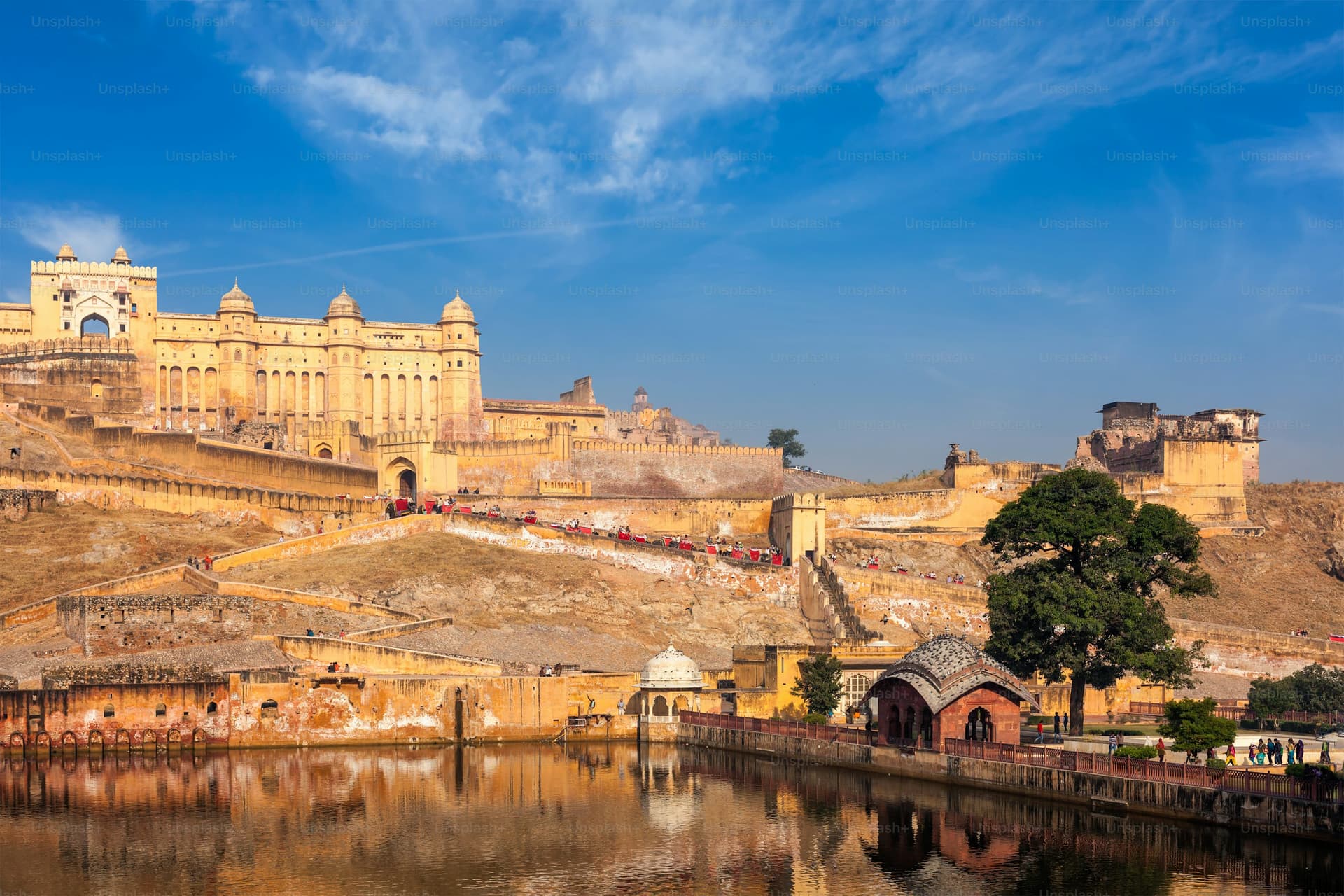
Top 10 Visiting Places in Jaipur: The Pink City’s Must-See Attractions
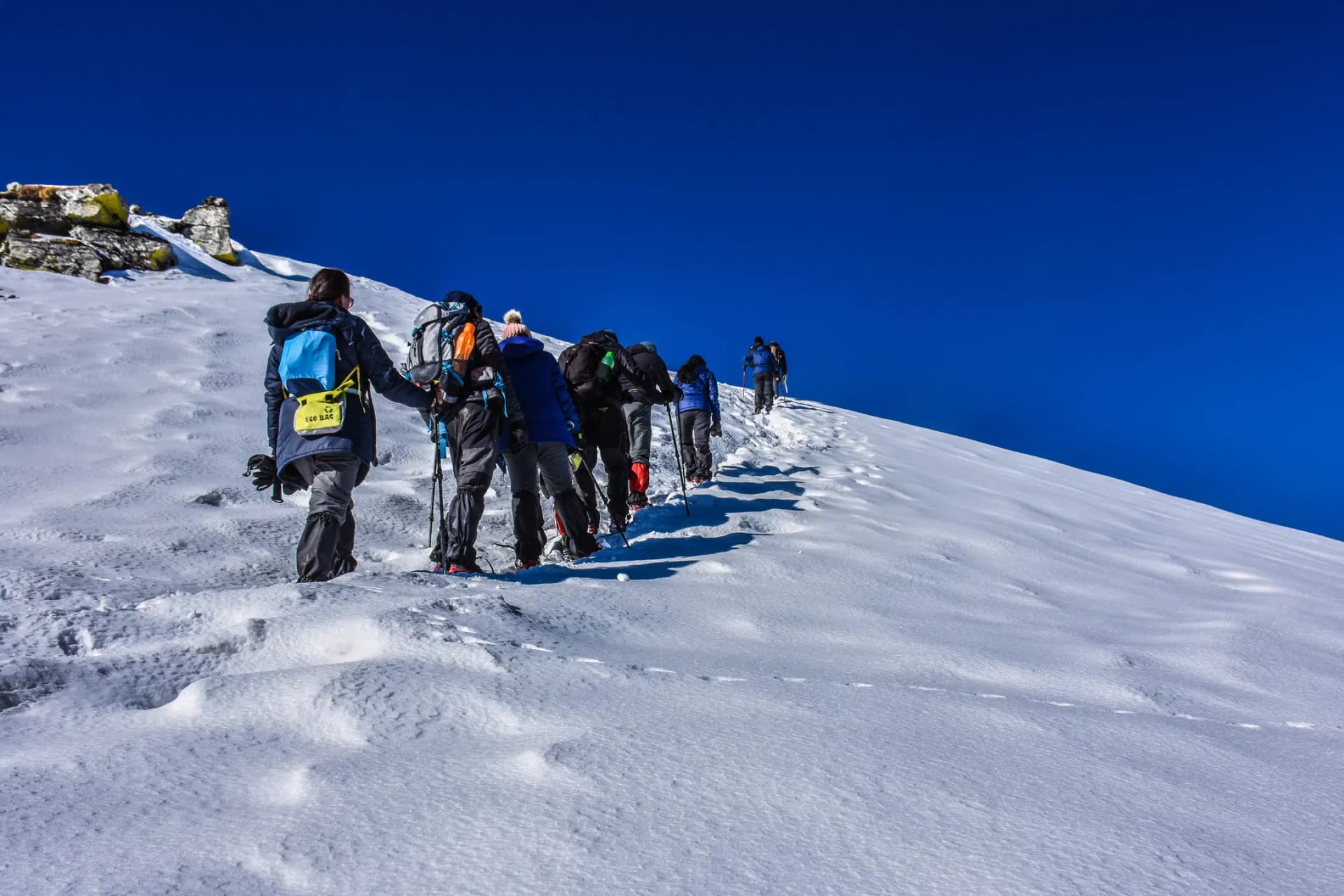
9 Amazing Treks in Uttarkashi: A Perfect Blend of Adventure, Beauty, and Peace
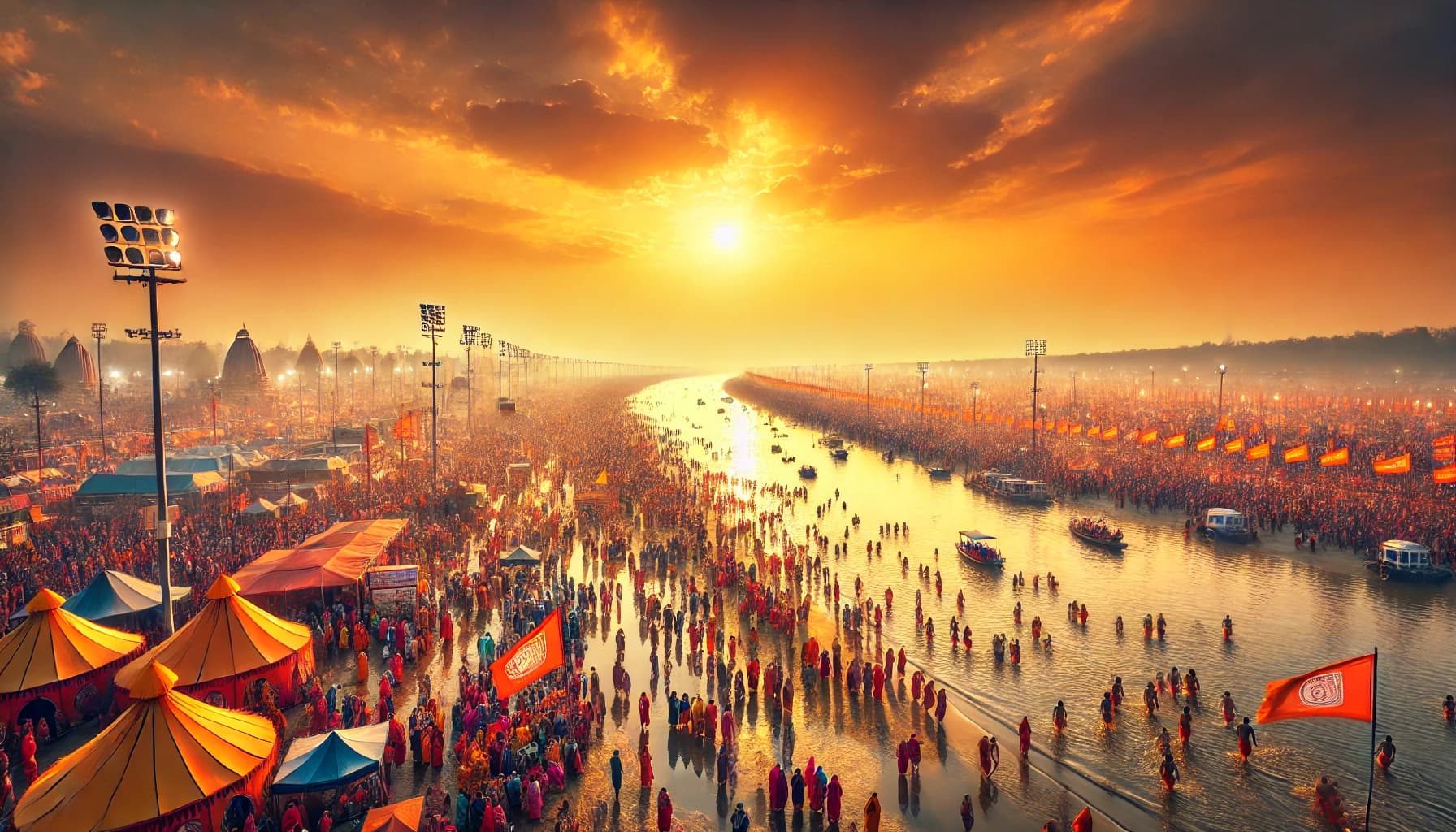
Prayagraj Maha Kumbh Mela 2025: Royal Bath Dates and Their Religious Significance
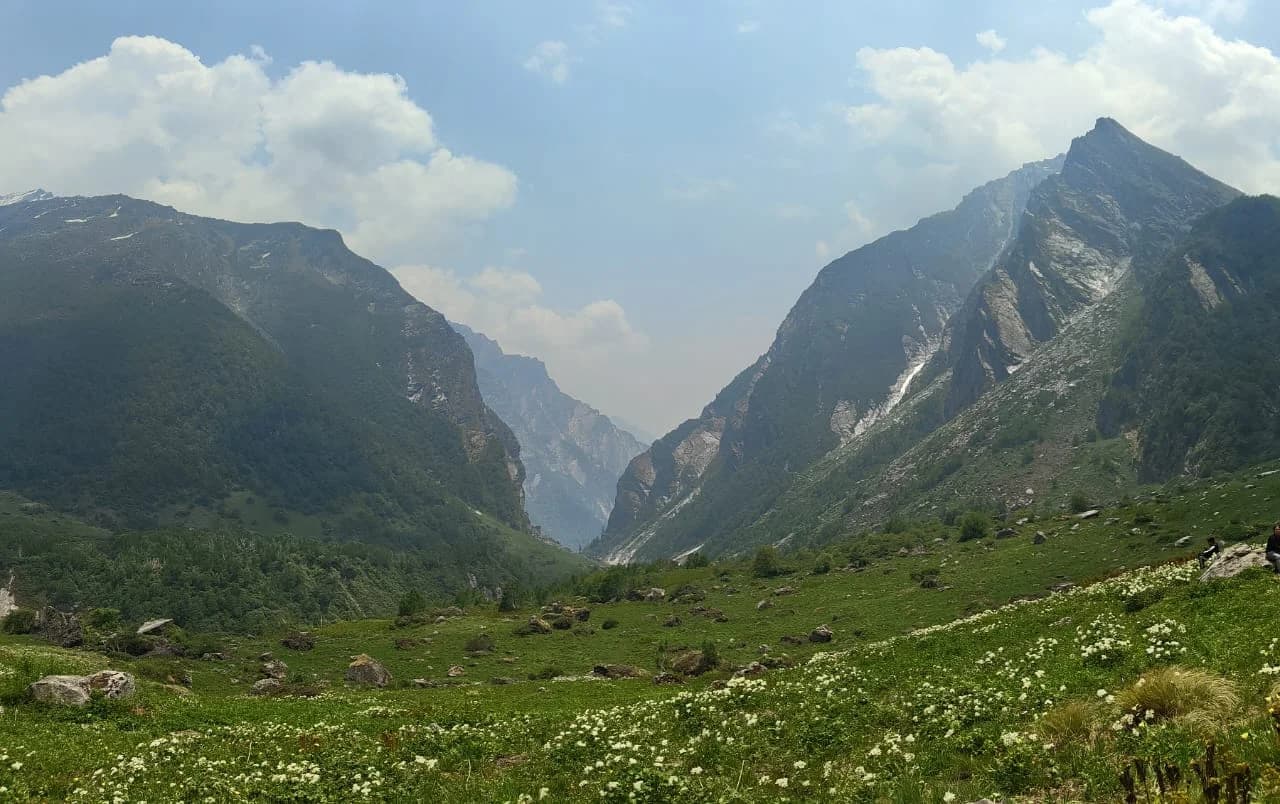
Valley of Flowers: A Himalayan Wonderland of Bloom and Beauty
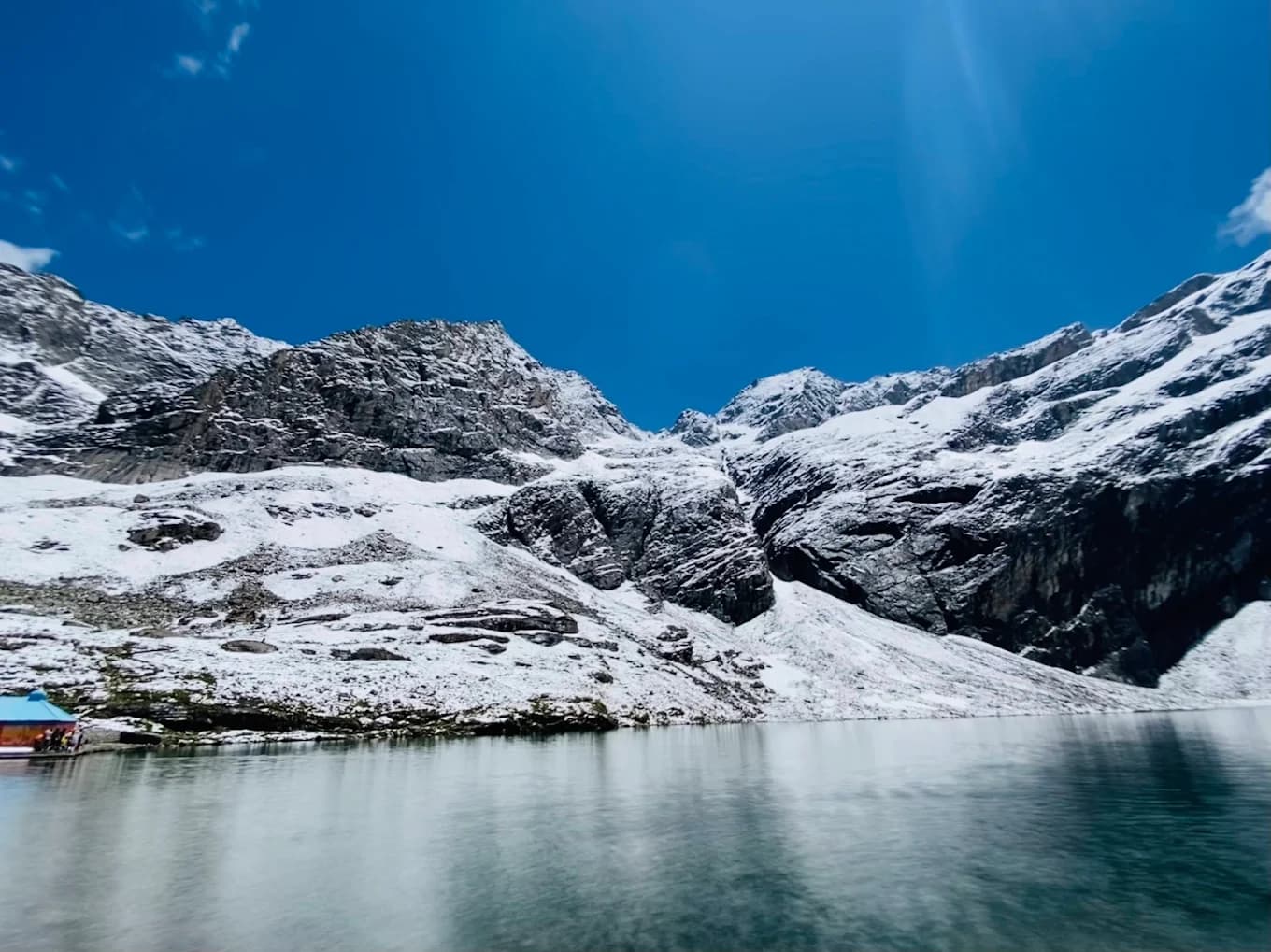
Hemkund Sahib Trek: A Divine Journey to the Sacred Himalayan Pilgrimage
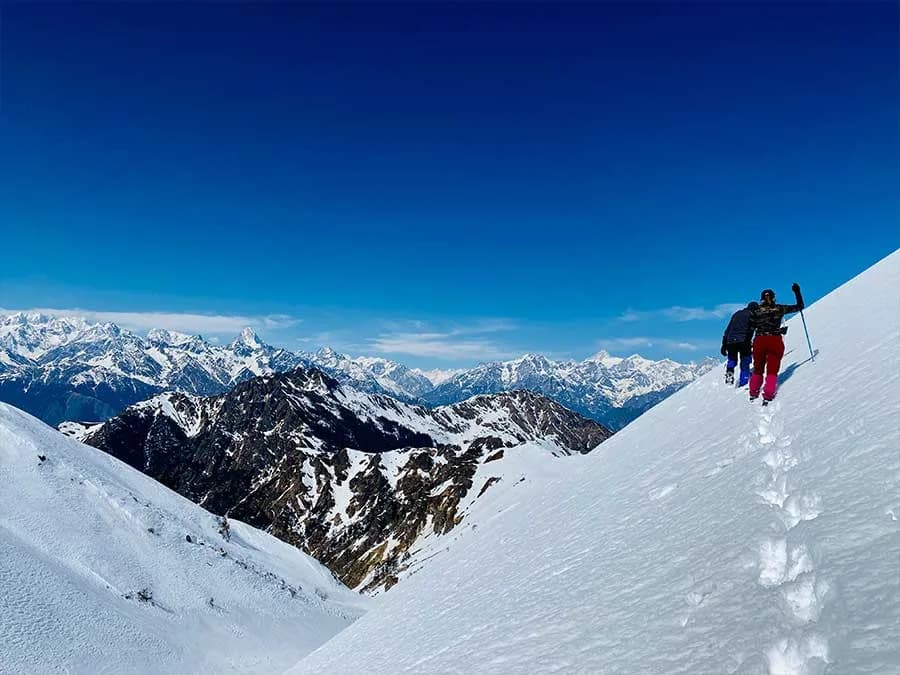
Kuari Pass Trek: A Dreamy Journey Amidst the Himalayas
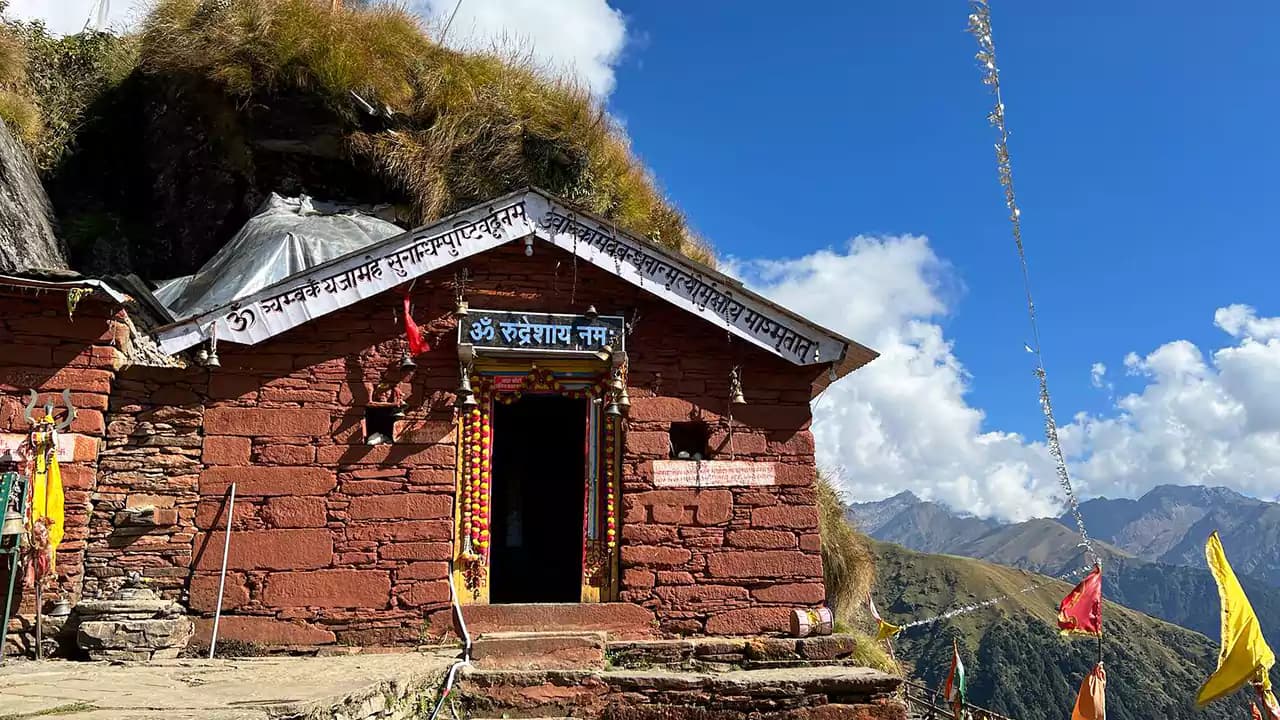
A Unique Spiritual Journey Among the Panch Kedar
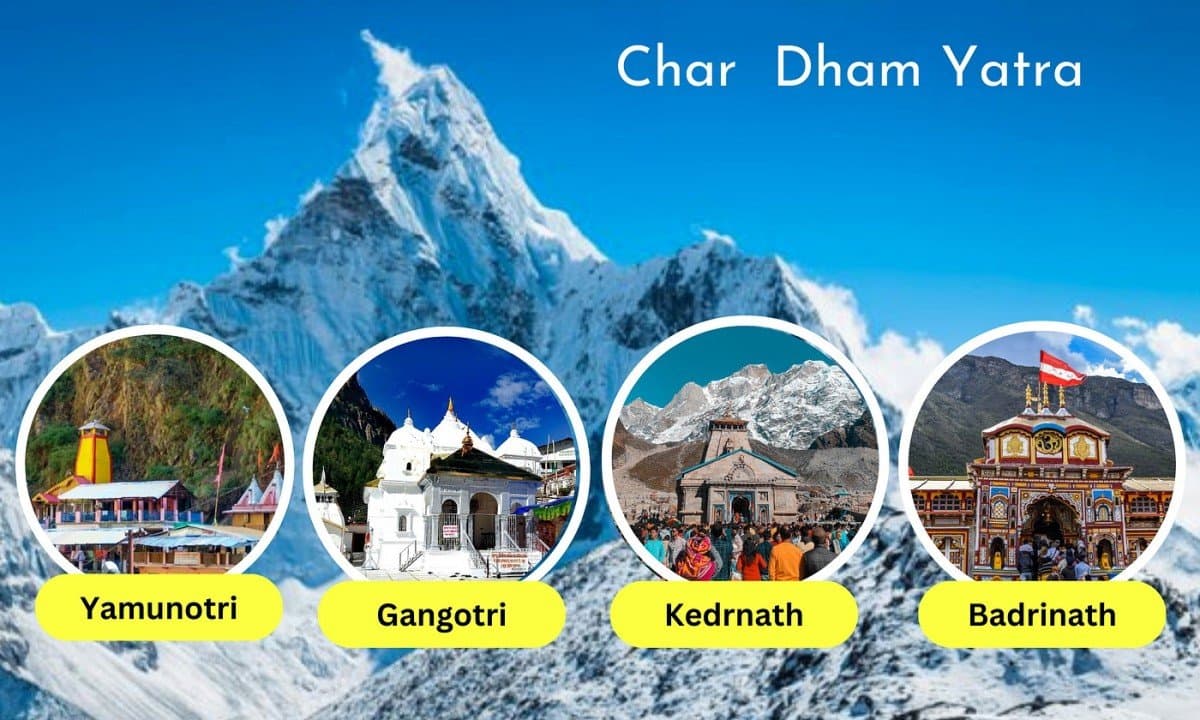
🕉️ Char Dham Yatra: A Life-Changing Spiritual Journey 🏔️🙏
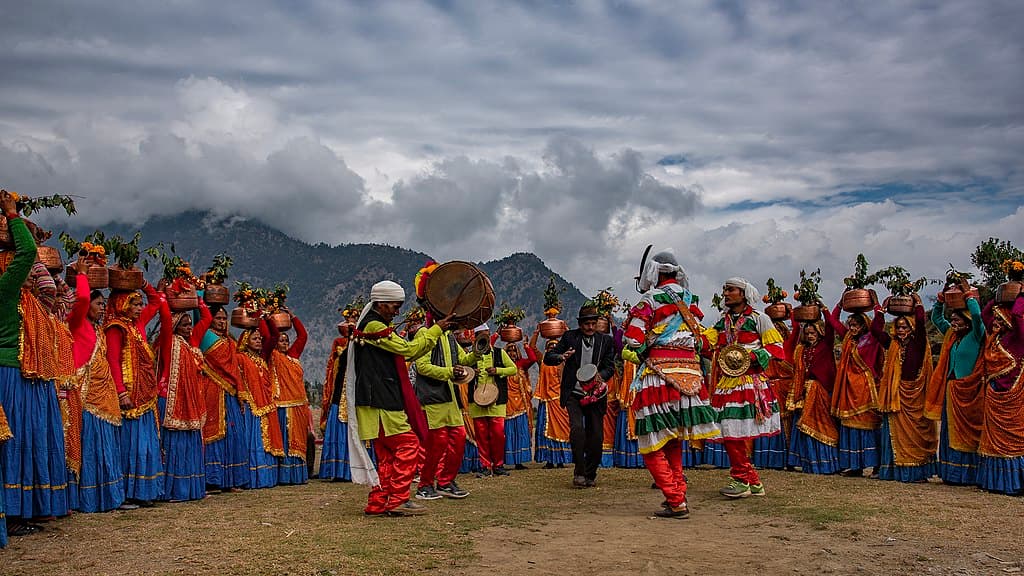
Ganga Dussehra to Nanda Devi Raj Jat: Major Festivals and Culture of Uttarakhand
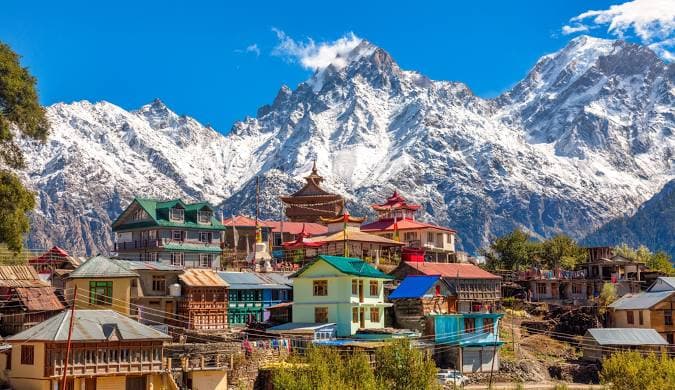
A Paradise in the Lap of the Himalayas: The Complete Travel Story of Himachal Pradesh 🏔️
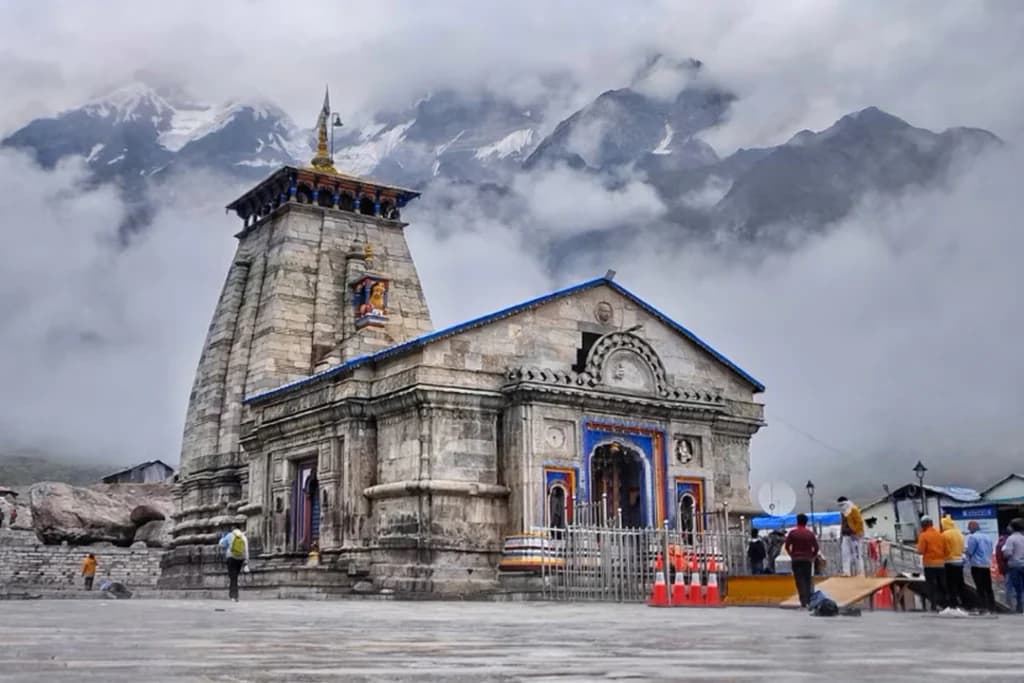
🕉️ The Doors of Baba Kedar Close — The Himalayas Echo with “Har Har Mahadev”

Kedarkantha Trek – The Crown of Winter Treks ❄️
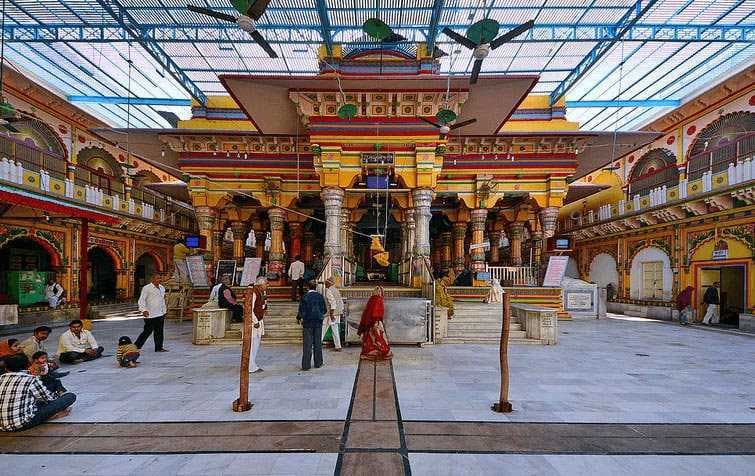
Shri Dwarkadhish Temple, Mathura – The Divine Abode of Lord Krishna
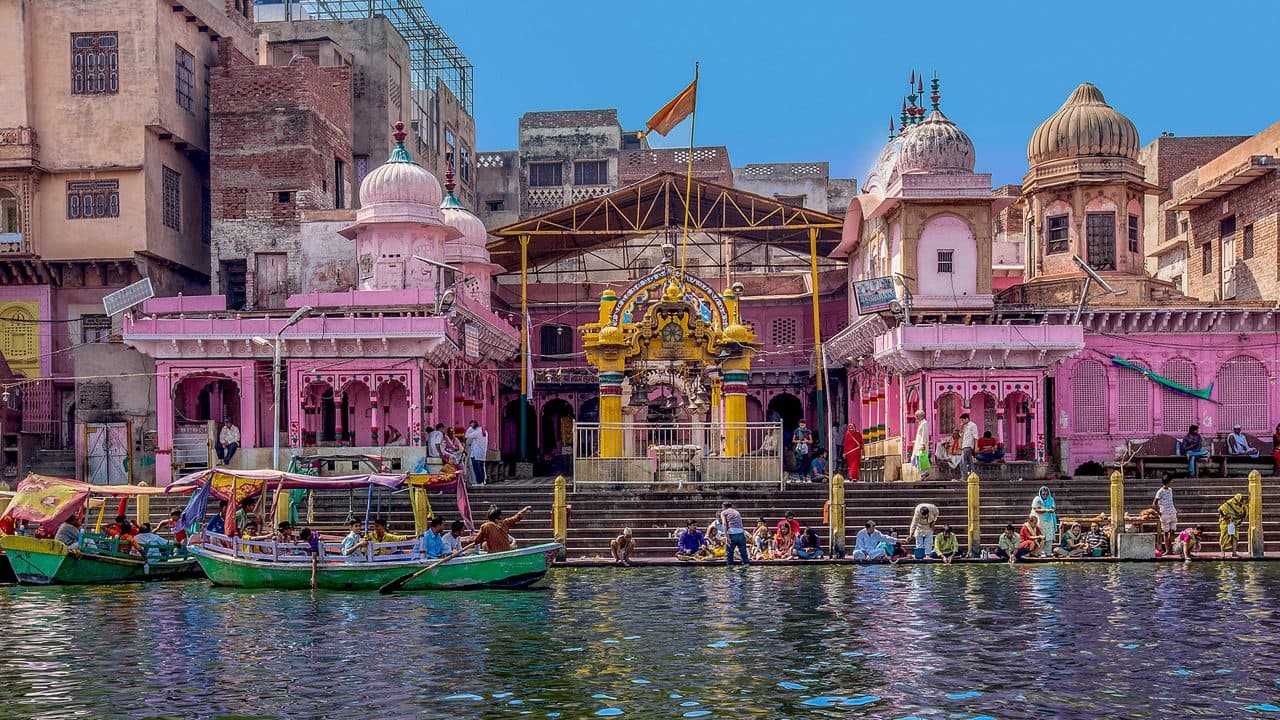
Vishram Ghat: The Sacred Riverside of Mathura
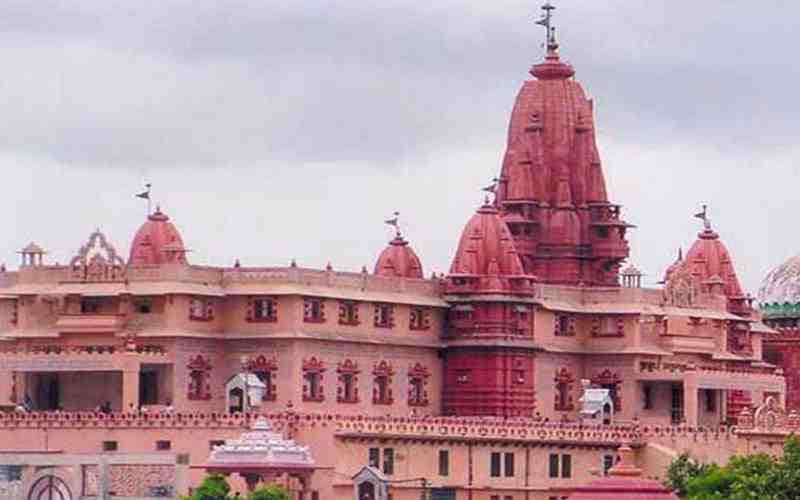
Explore Mathura – Temples, Culture, and Festivals
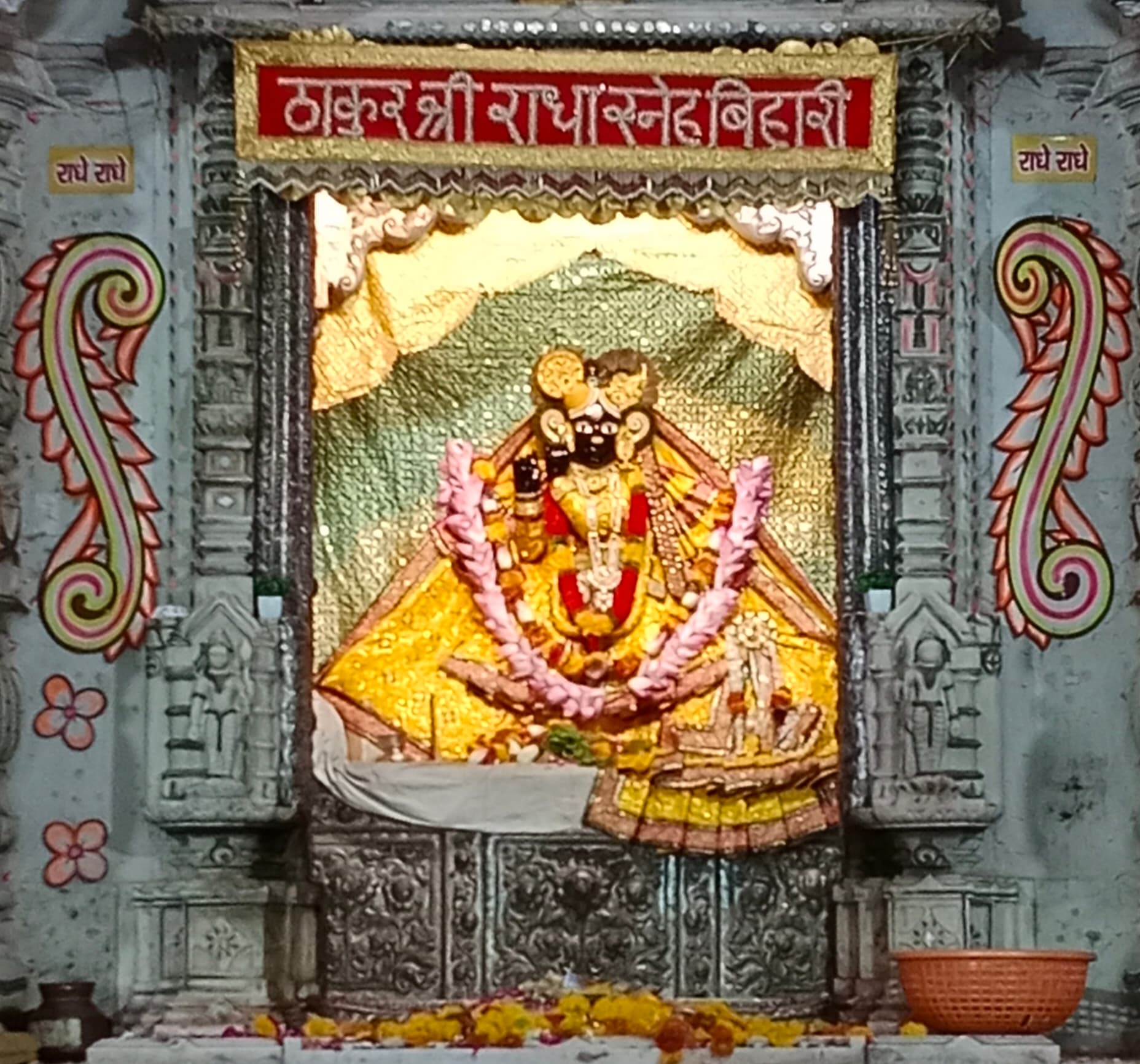
✨ Seek Blessings of Shri Banke Bihari Ji – Experience the Divine Vrindavan! 🙏
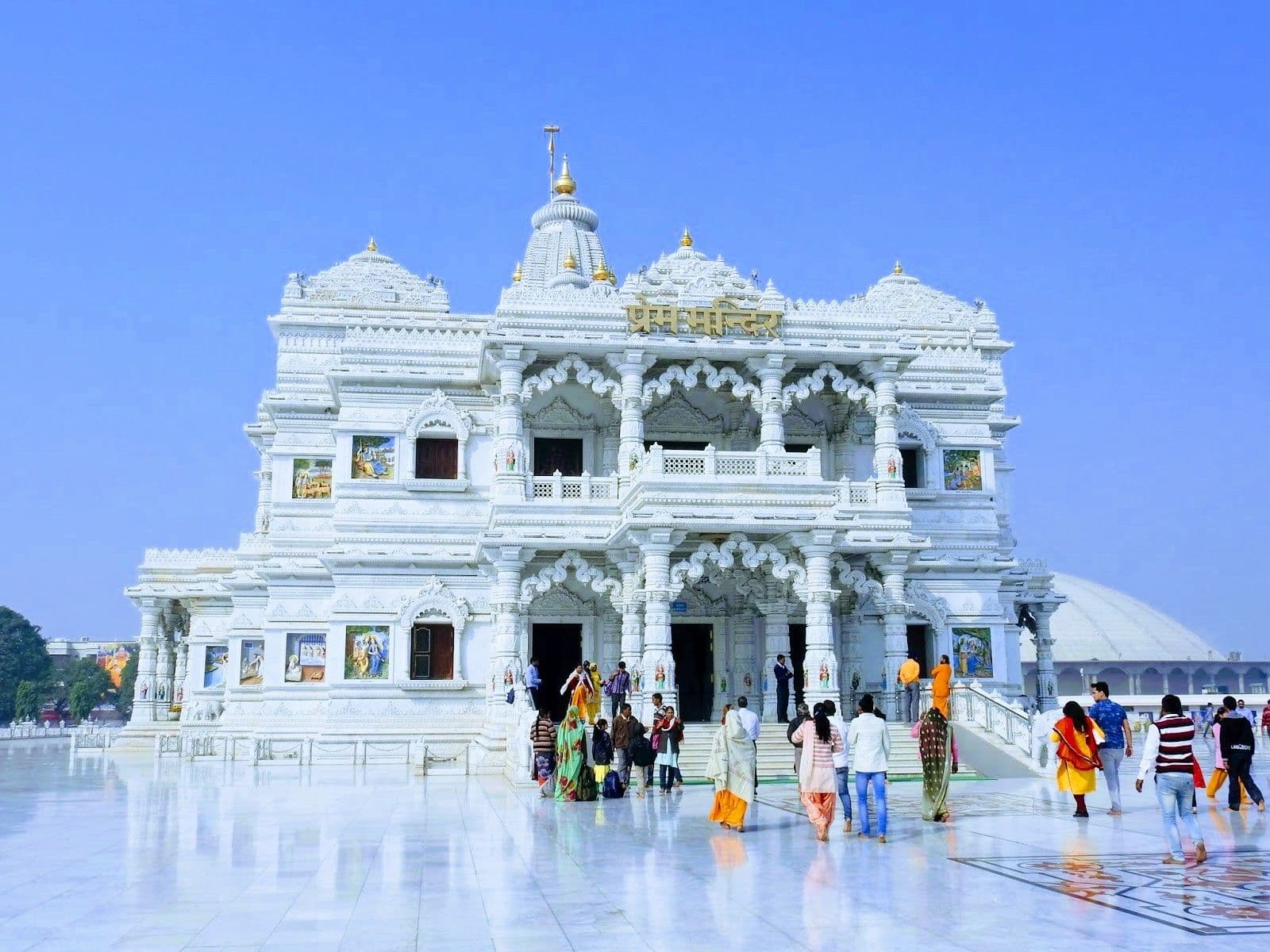
Shri Prem Mandir – Feel the Divine Love in Vrindavan 🙏
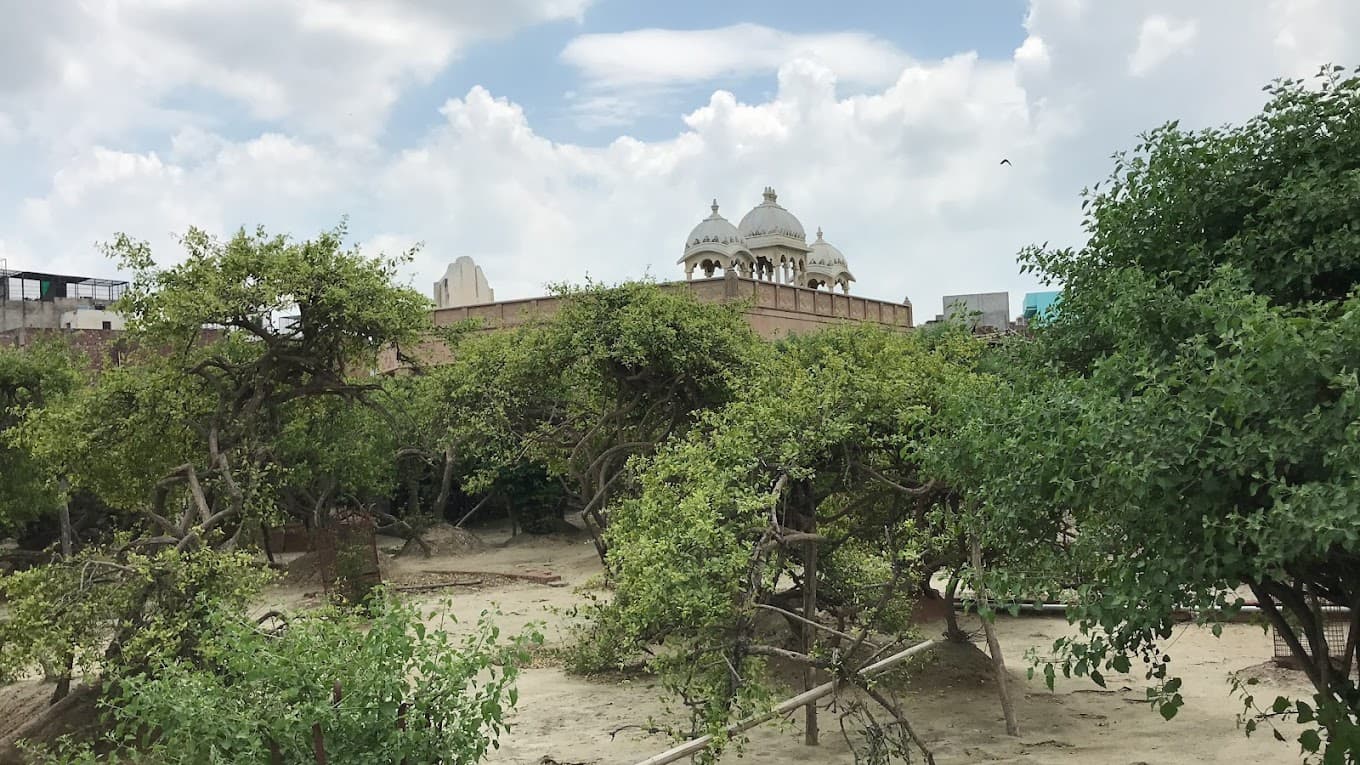
Nidhivan Vrindavan: Where Radha-Krishna Still Perform the Divine Ras Leela
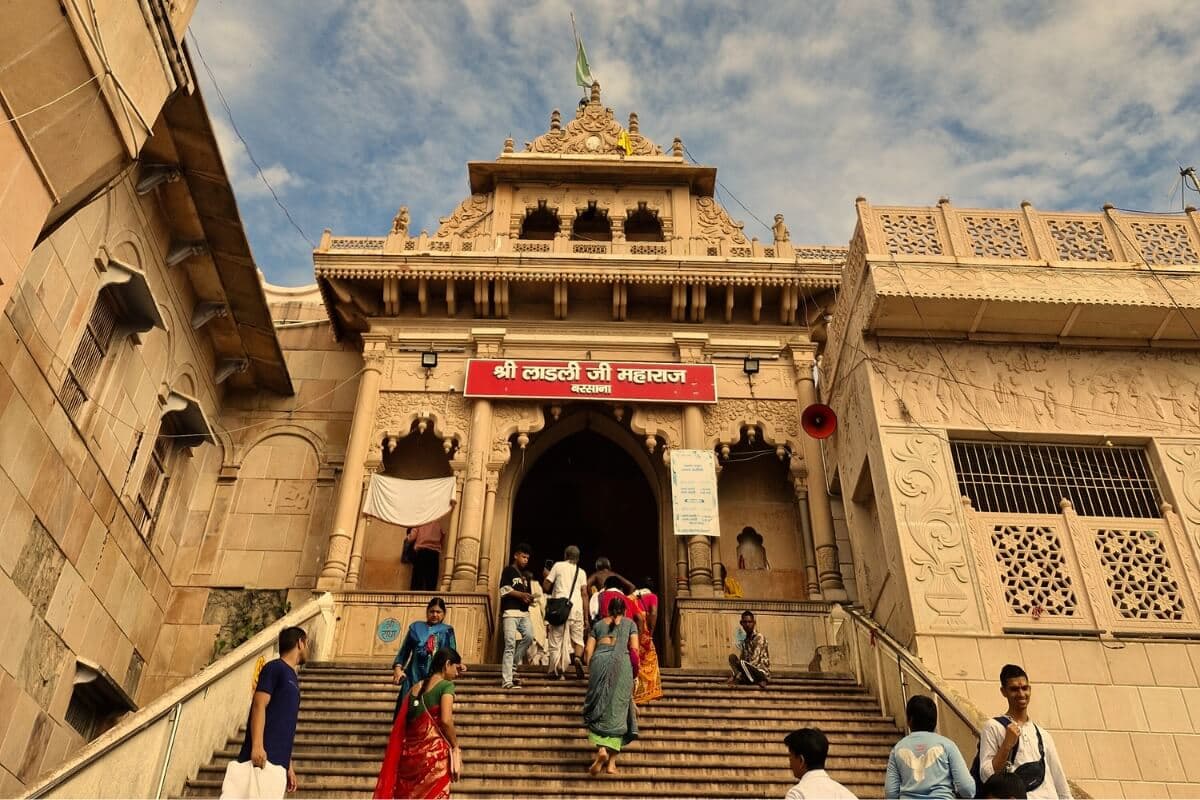
🙏 Have a divine darshan of Shri Radha Rani Temple in Barsana!
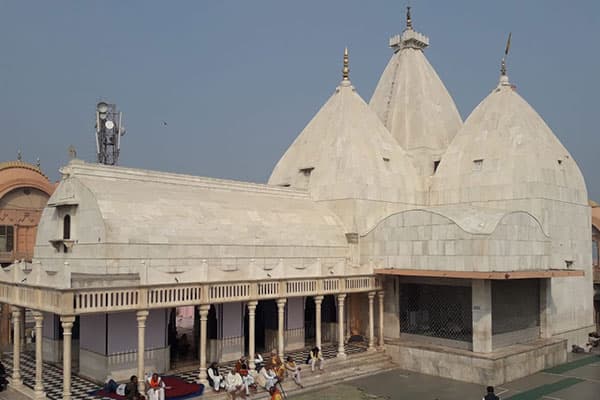
The historic Nanda Bhavan Temple in Gokul – a glimpse into the childhood of Lord Krishna
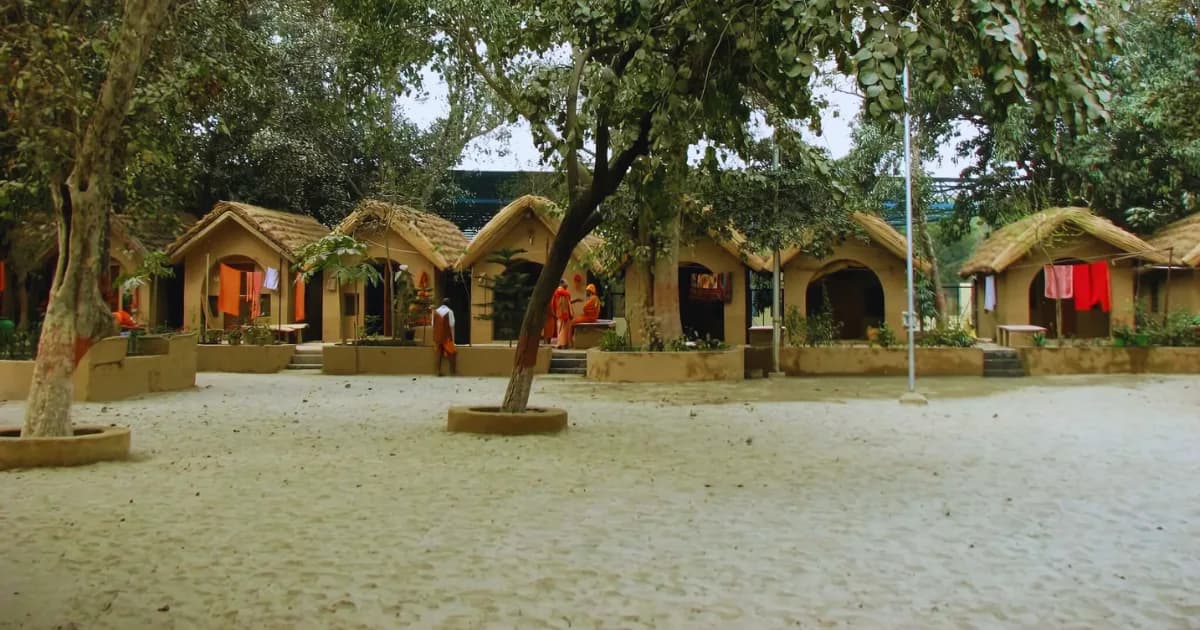
Raman Reti, Mathura: The sacred land of Balkrishna's pastimes
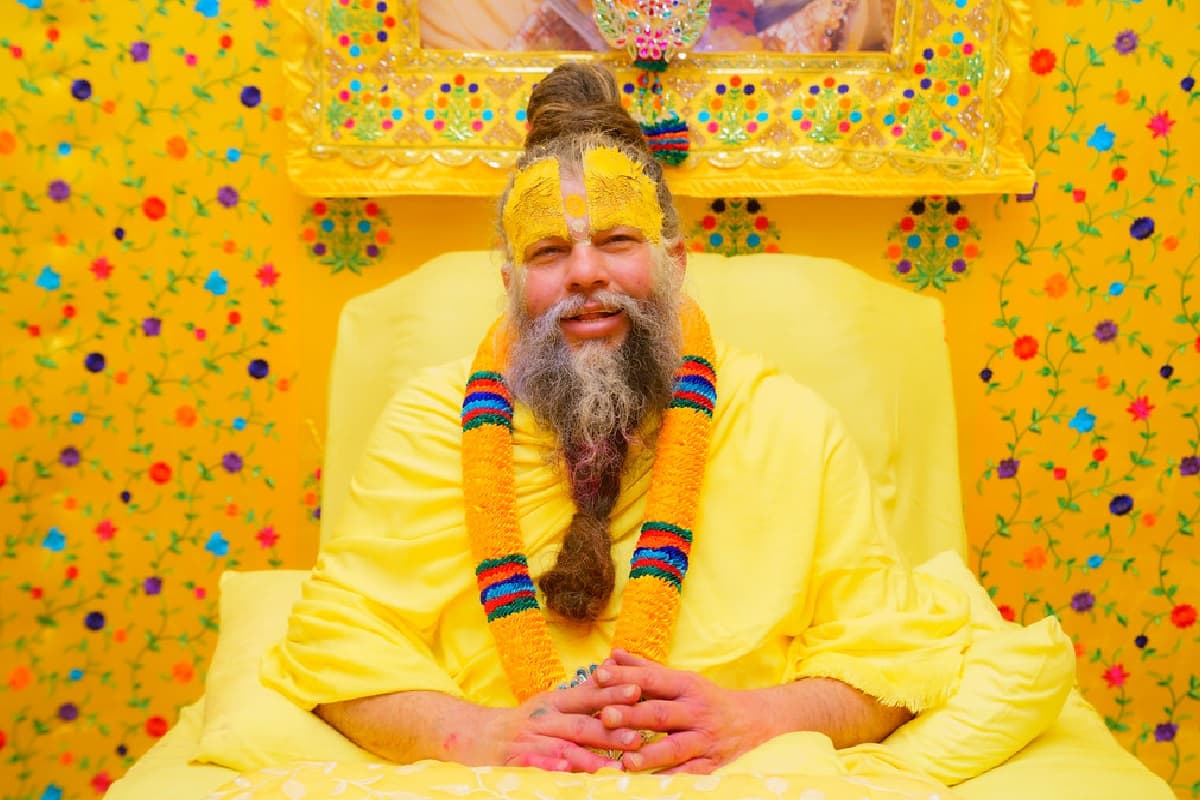
How to Get Darshan of Shri Premanand Ji Maharaj? Understand the Timings, Location & Contact Process.
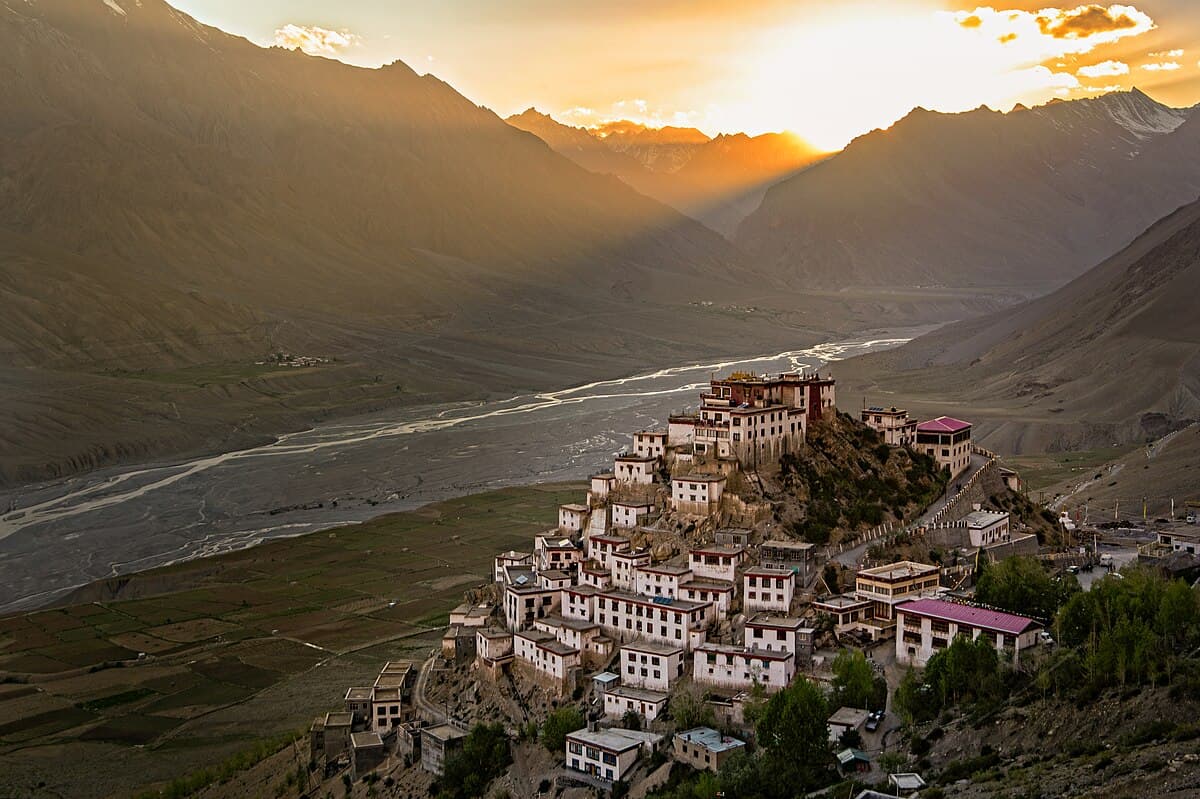
Discover the Magic of Spiti Valley – Villages, Monasteries & Scenic Wonders Await! 🏔️✨
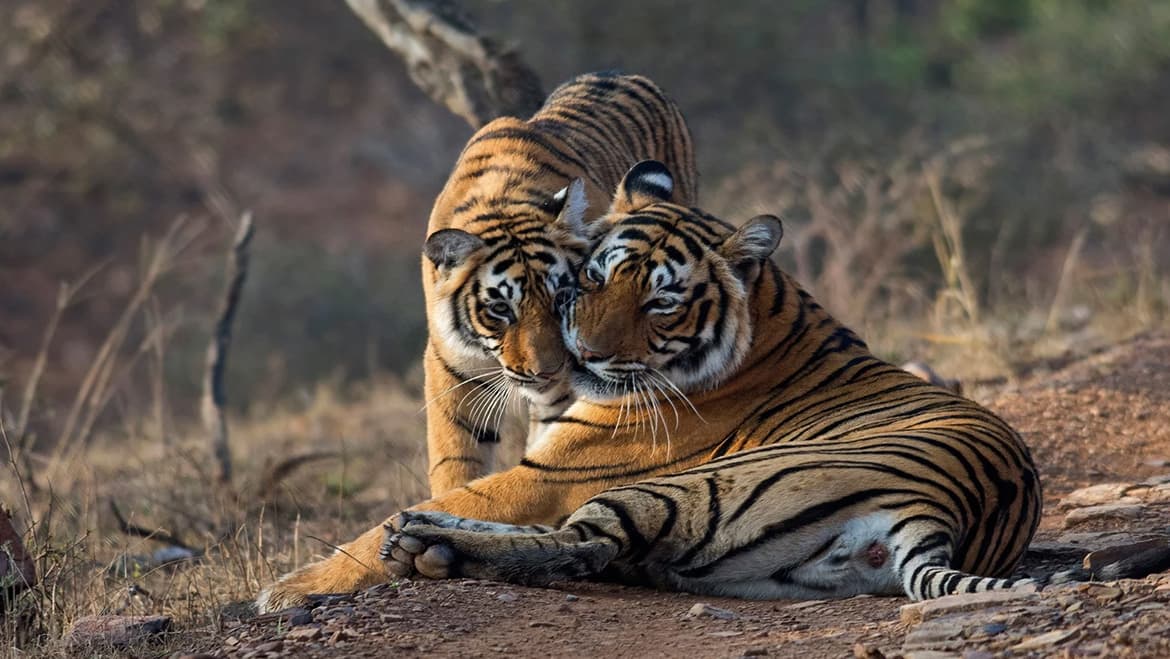
Ranthambhore National Park – Where Royal Tigers, Ancient Forts & Wilderness Come Alive
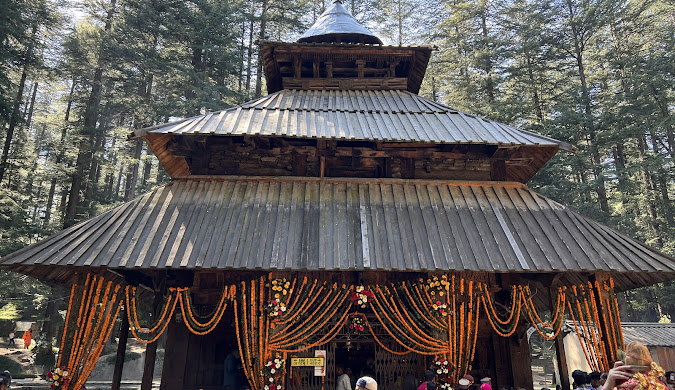
Ultimate Travel Guide to Manali: Attractions, Food, and Safety Tips
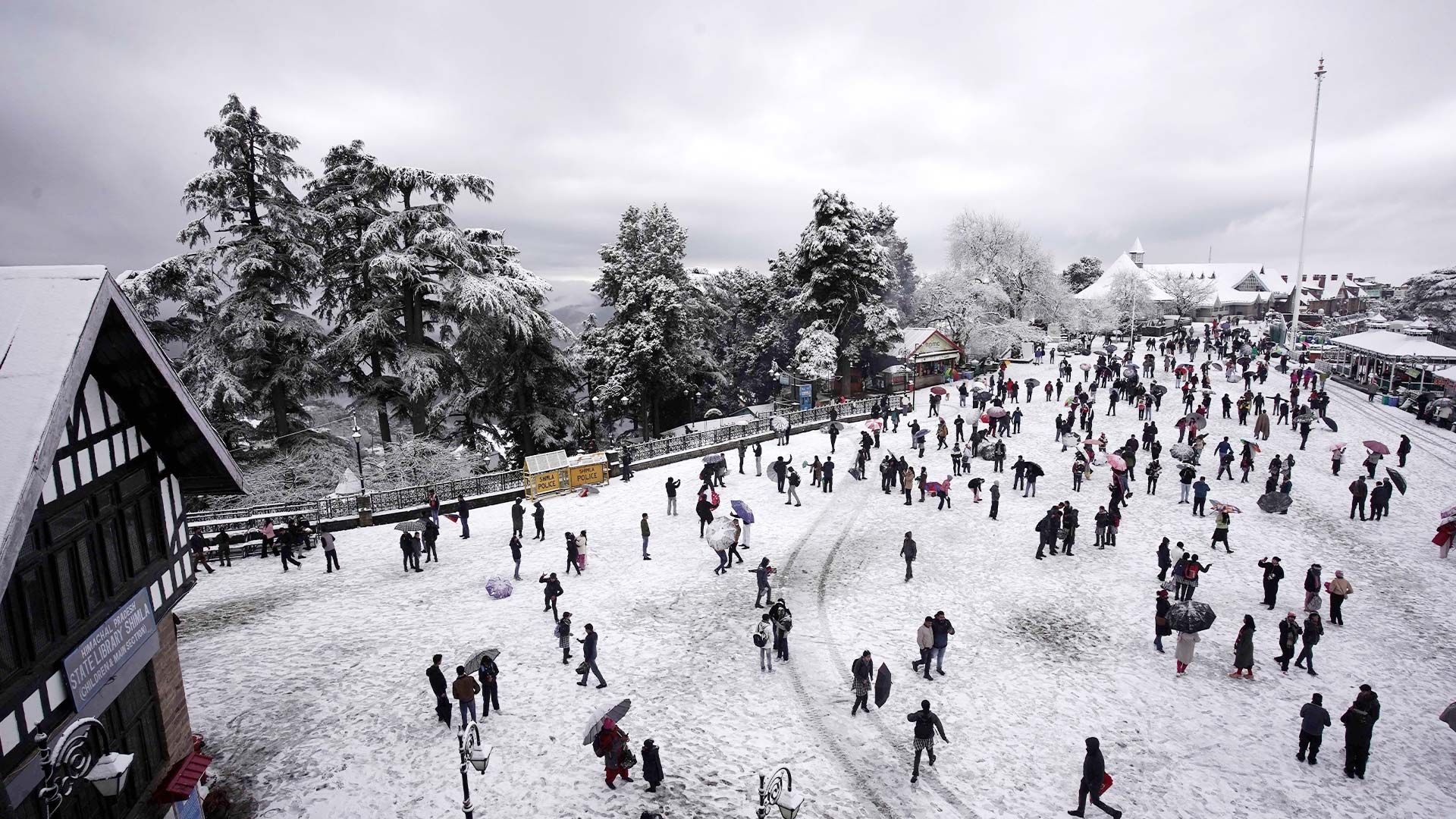
Shimla Travel Guide: Everything You Need to Know Before Visiting the Queen of Hills
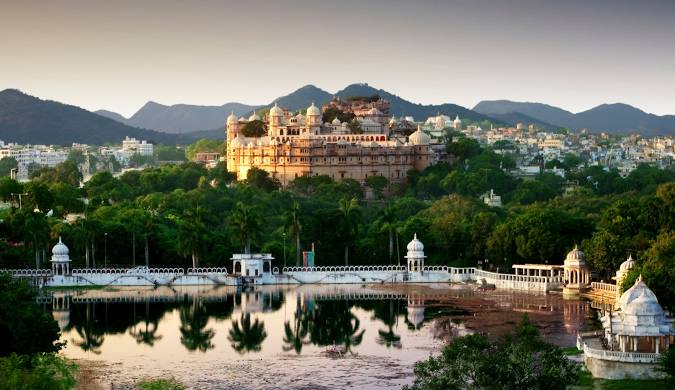
Udaipur – The Venice of the East: A Complete Travel Guide
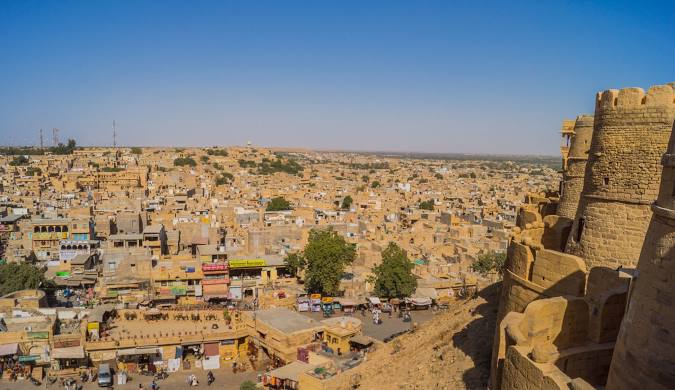
Jaisalmer Travel Guide: History, Forts, Desert Experiences, and Cultural Heritage
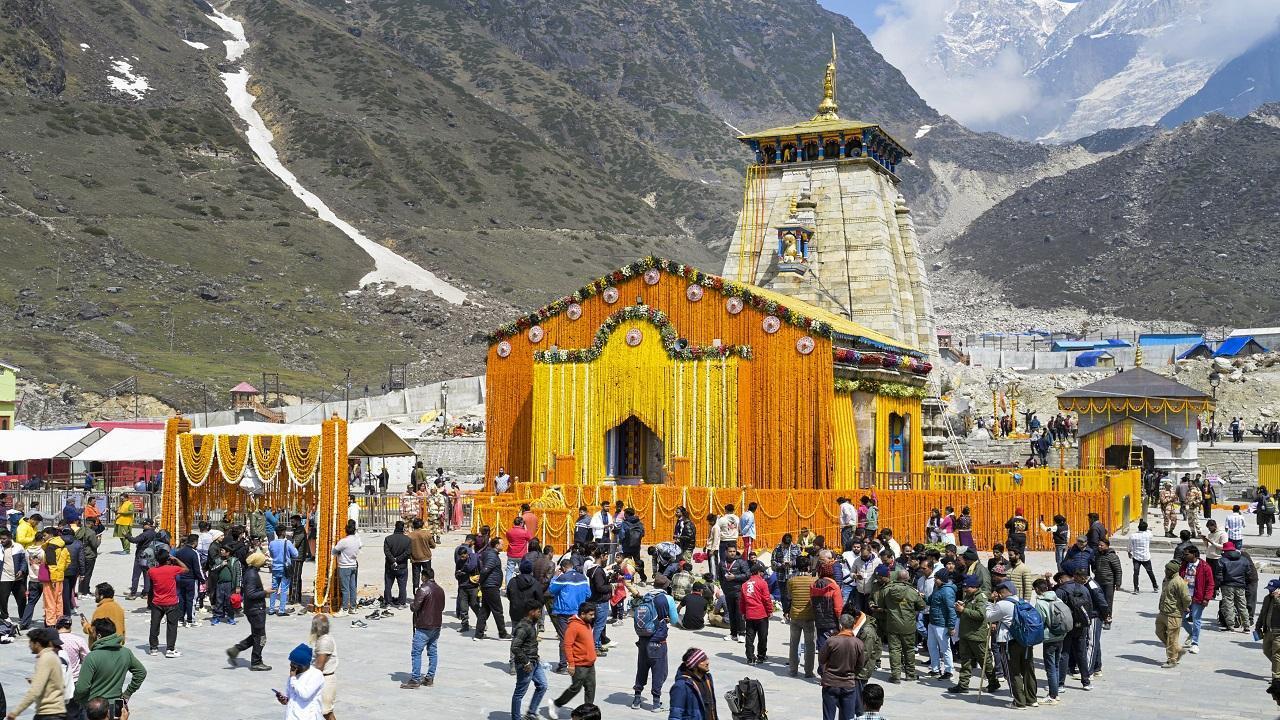
Kedarnath Yatra Registration 2026
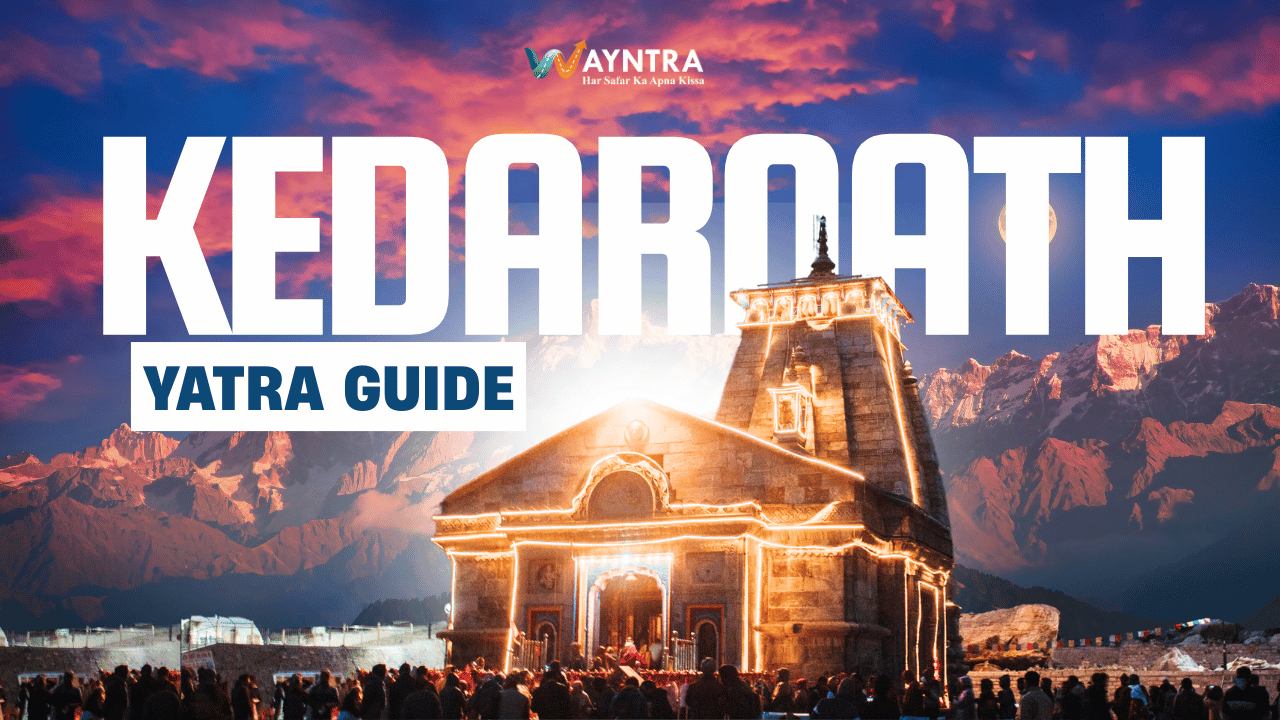
Kedarnath Yatra Guide 2026
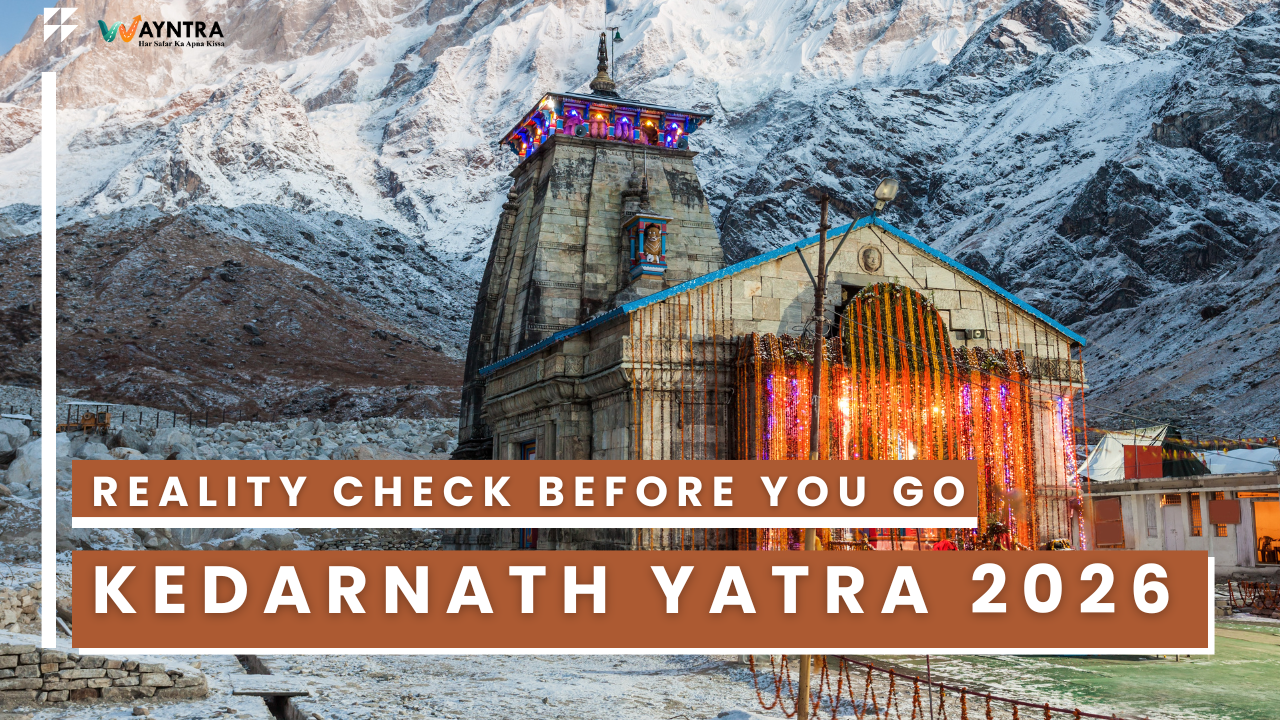
Kedarnath Helicopter Booking 2026: IRCTC Online Booking, Dates, Price & Complete Guide
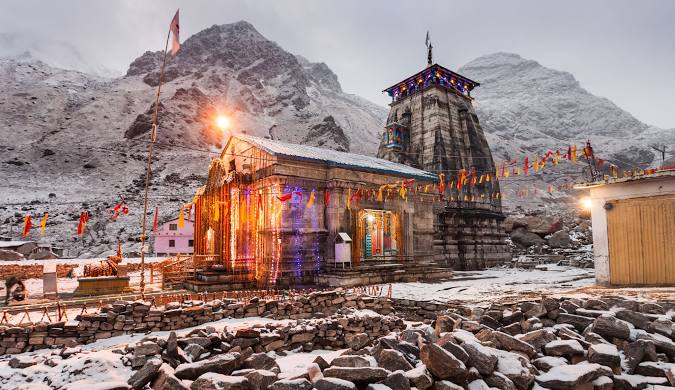
Kedarnath Temple Opens for 2026 Pilgrimage Season on April 22 at 8 AM
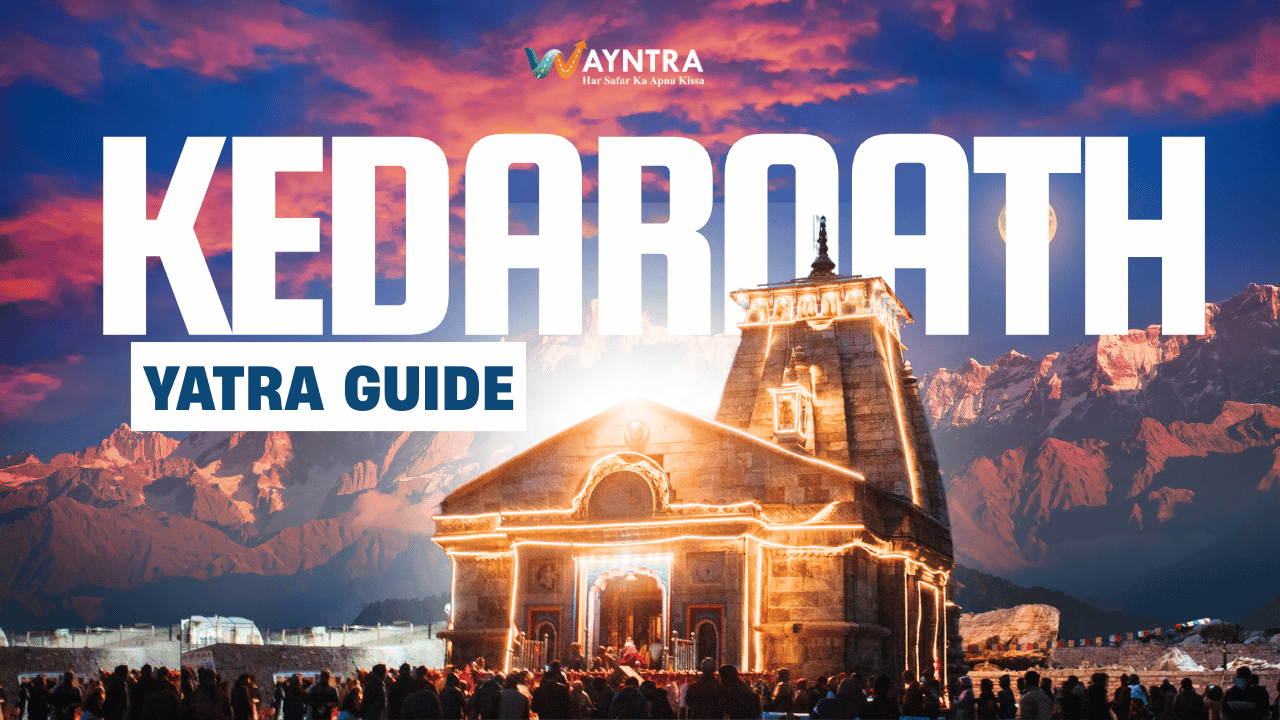
Kedarnath Yatra 2026: Ground Reality You Should Know Before Visiting
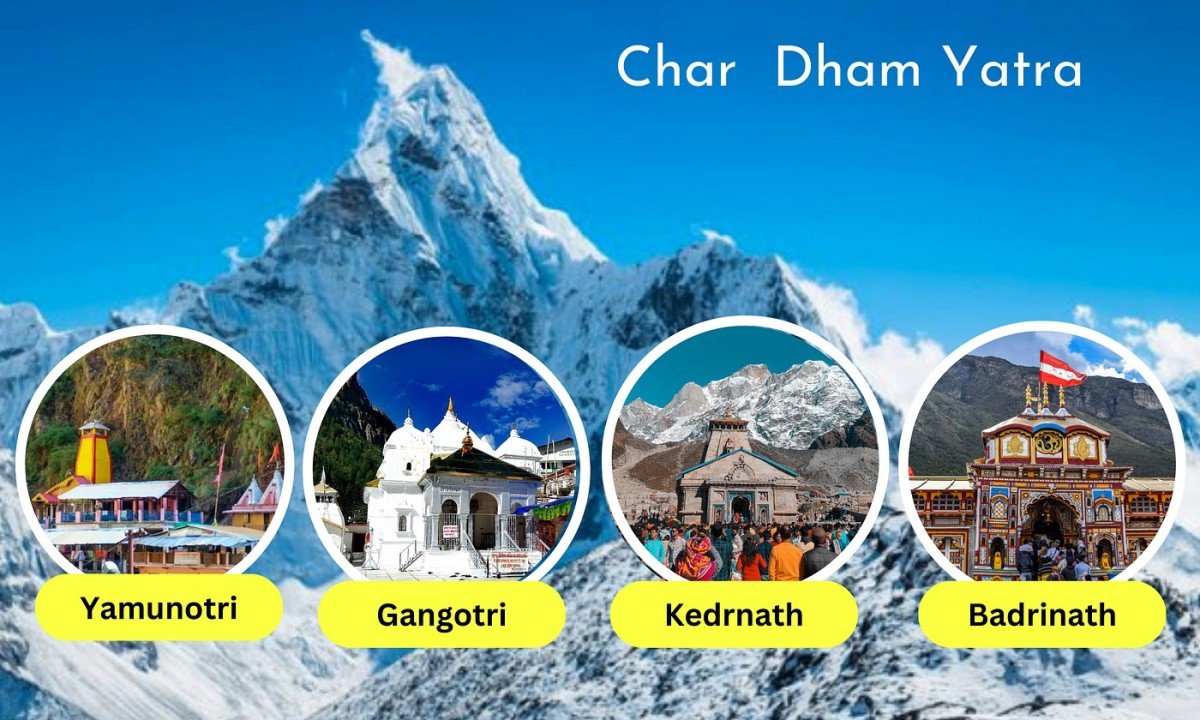
Number of Devotees on Char Dham Yatra Crosses 6.62 Lakh Till 3 May 2026
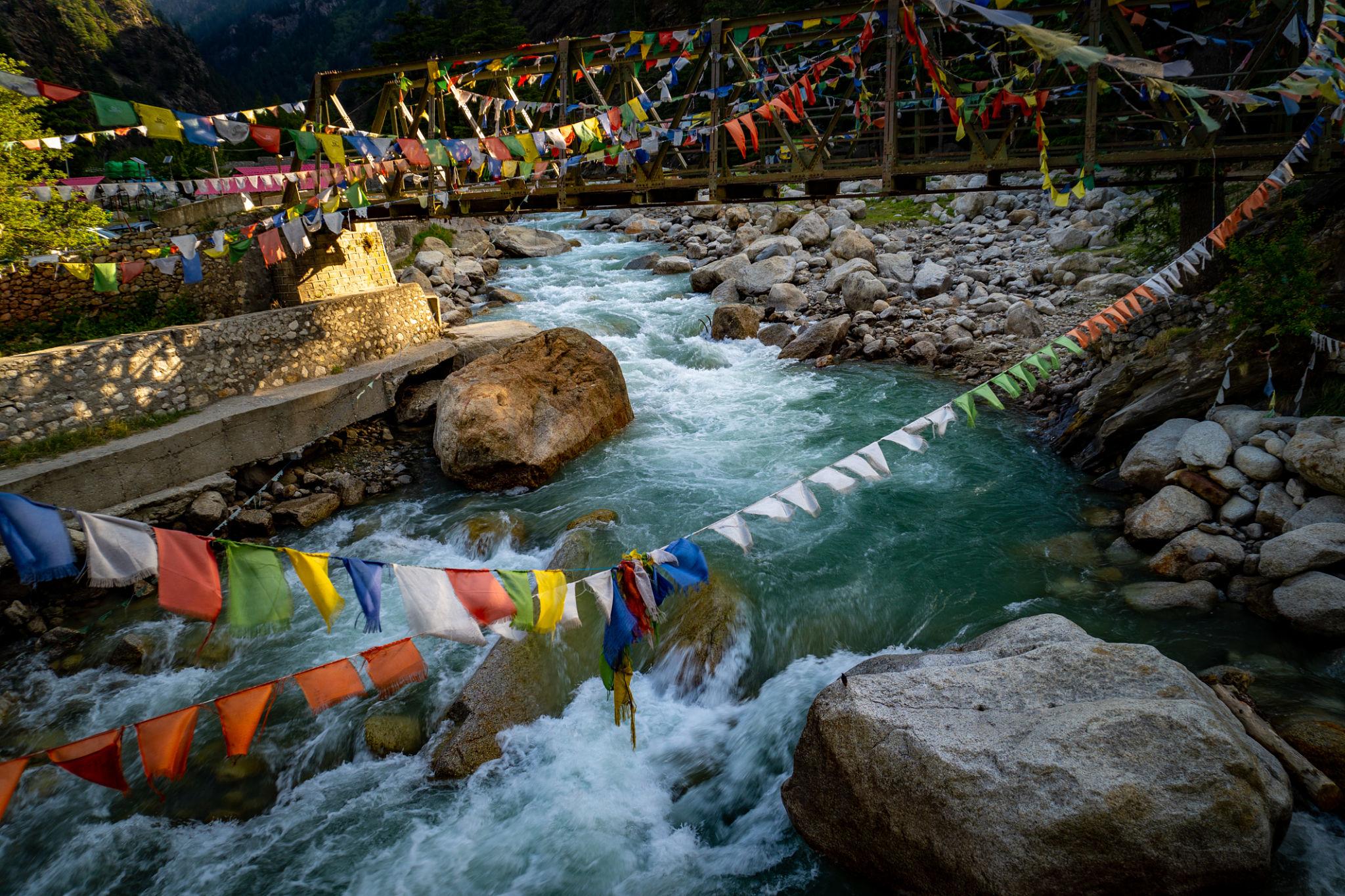
Harshil Valley – Uttarakhand’s Hidden Himalayan Paradise You Must Visit Once
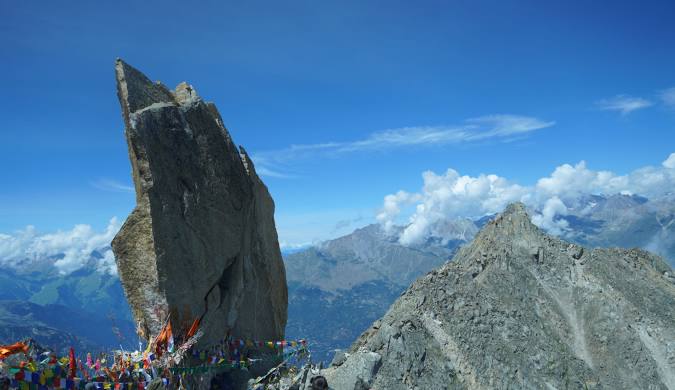
Kinner Kailash – The Mystical Abode of Lord Shiva in the Himalayas
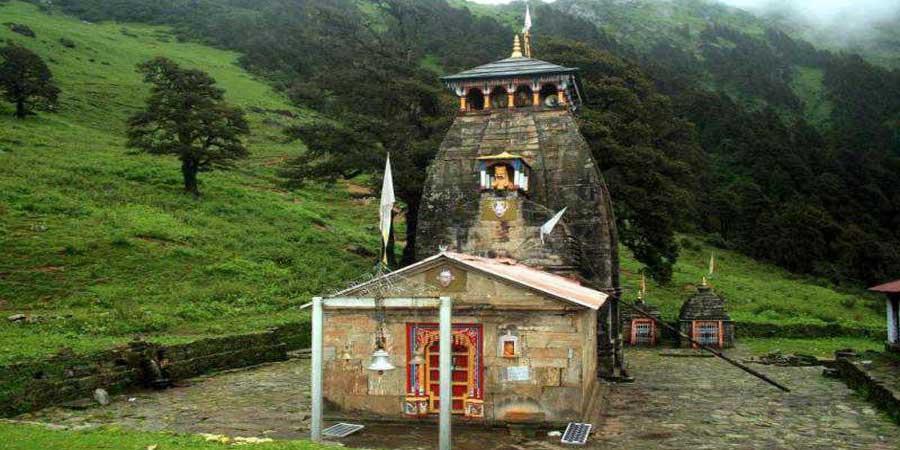
Madhyamaheshwar Temple Travel Guide 2026 – History, Trek, Route, Stay & Complete Travel Information
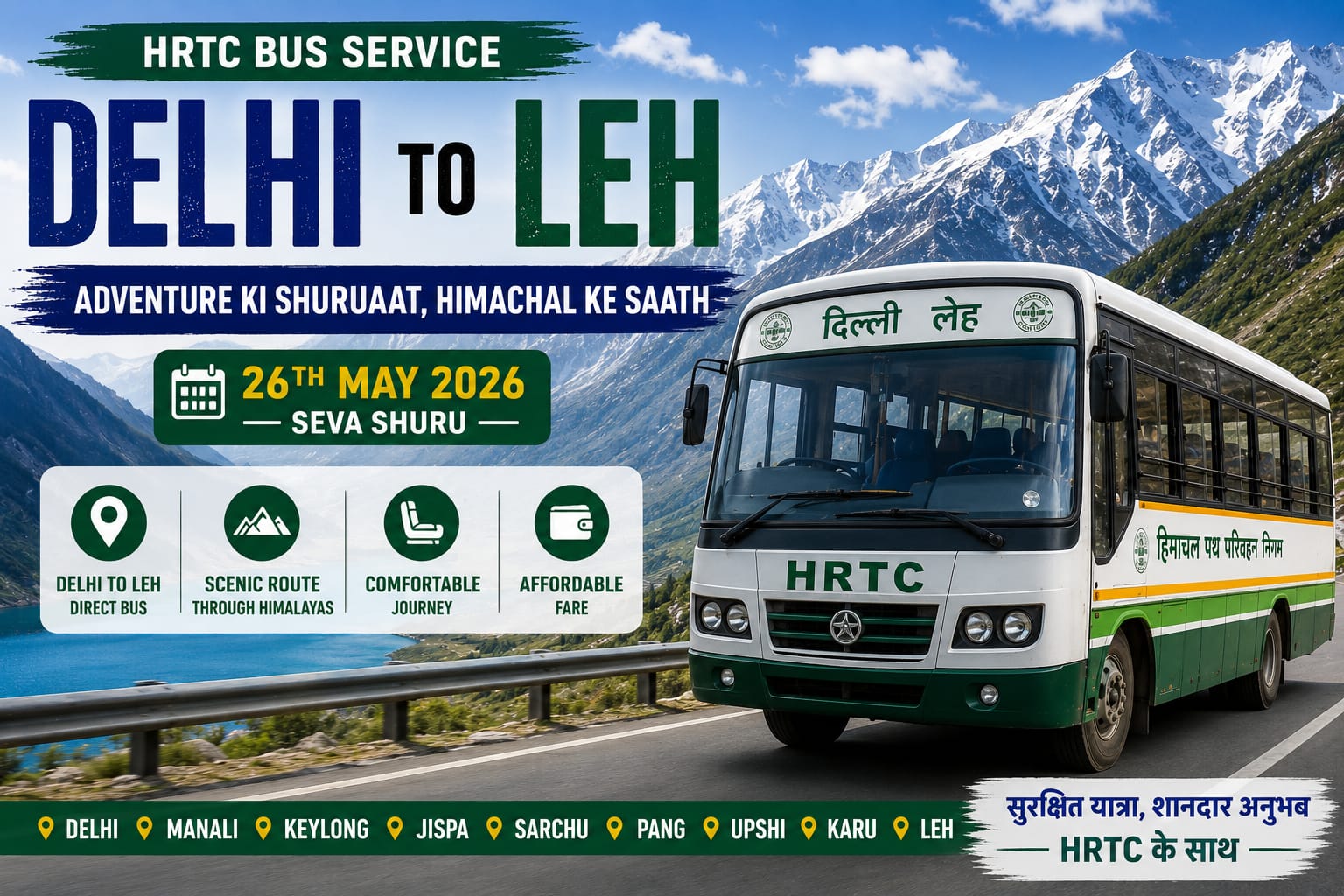
Delhi to Leh Bus Service 2026: Fare, Route, Timings, Stops & Complete Travel Guide
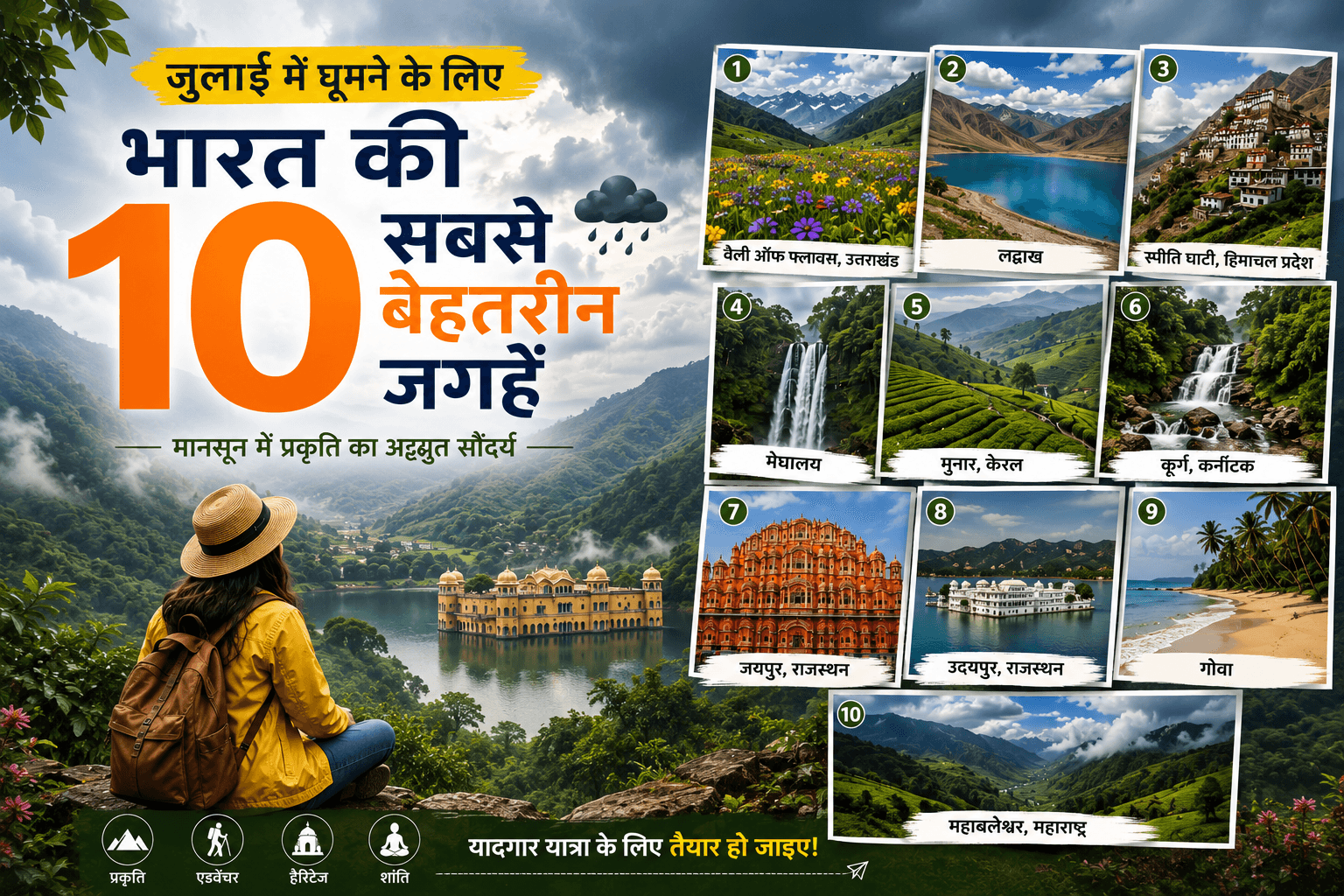
Top 10 Best Places to Visit in July in India (2026) – Monsoon Destinations You Shouldn't Miss
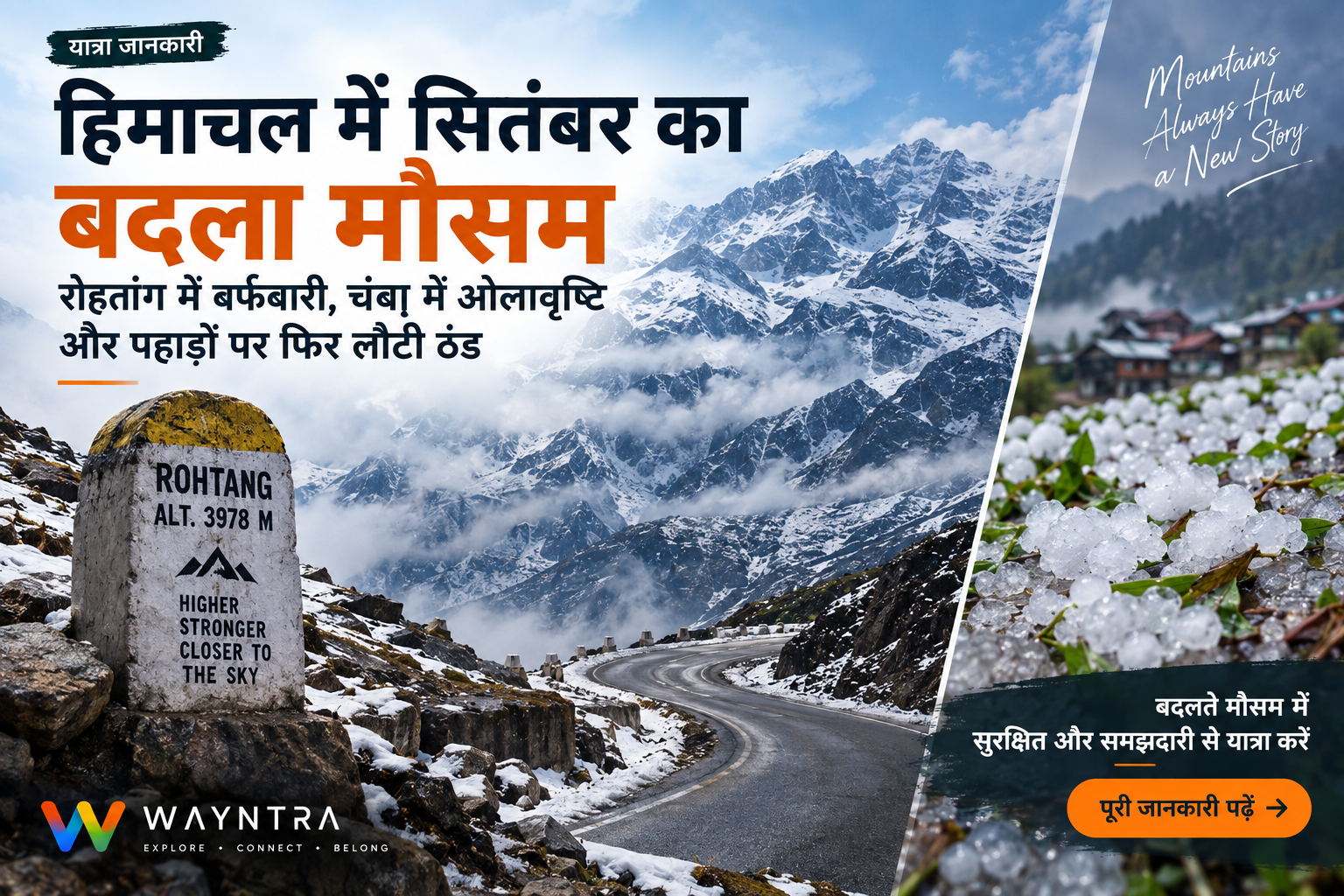
हिमाचल में सितंबर का बदला मौसम: रोहतांग में बर्फबारी, चंबा में ओलावृष्टि और पहाड़ों पर लौटी ठंड
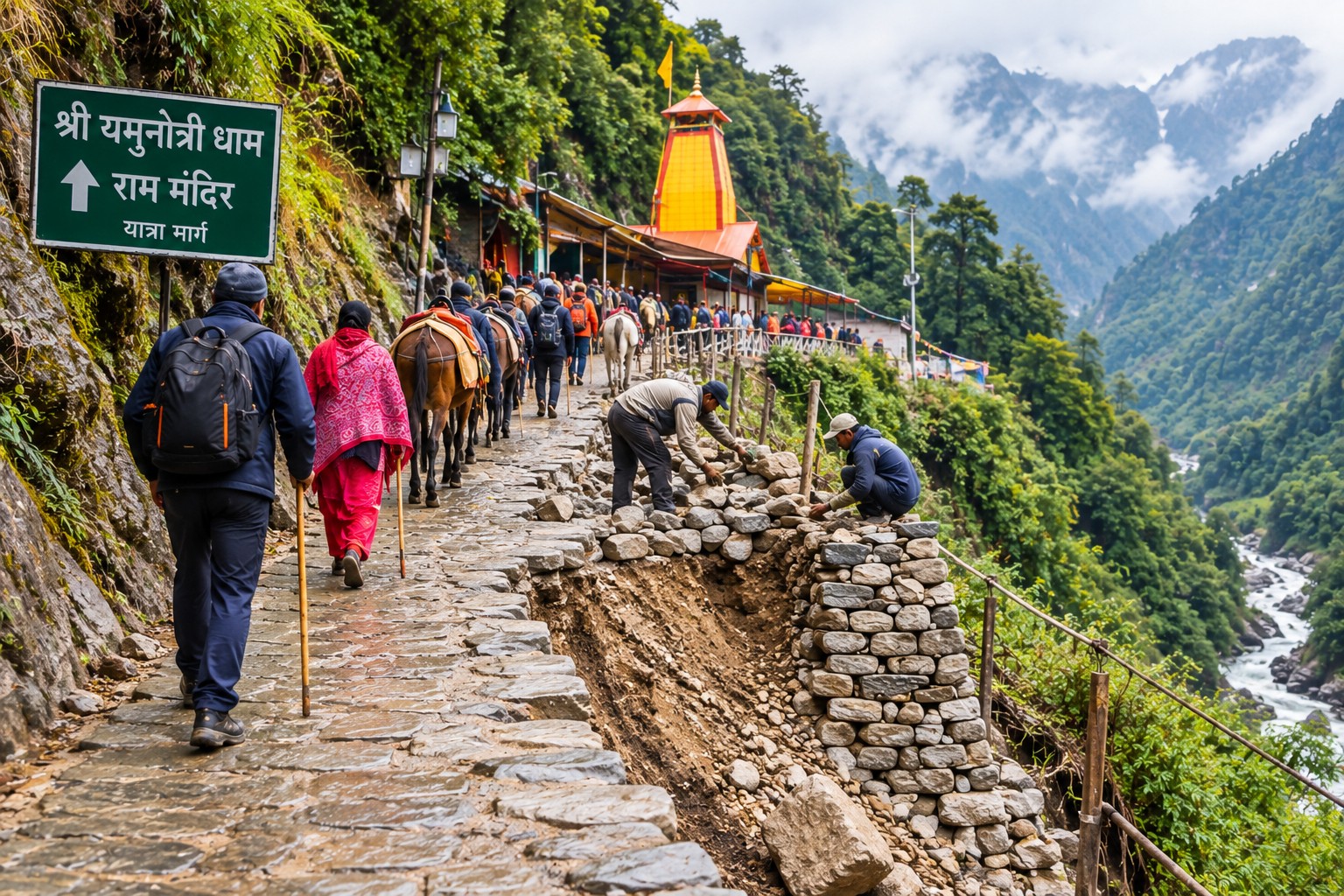
Yamunotri Dham: Safety Concerns Remain Near Ram Mandir on the Yatra Route
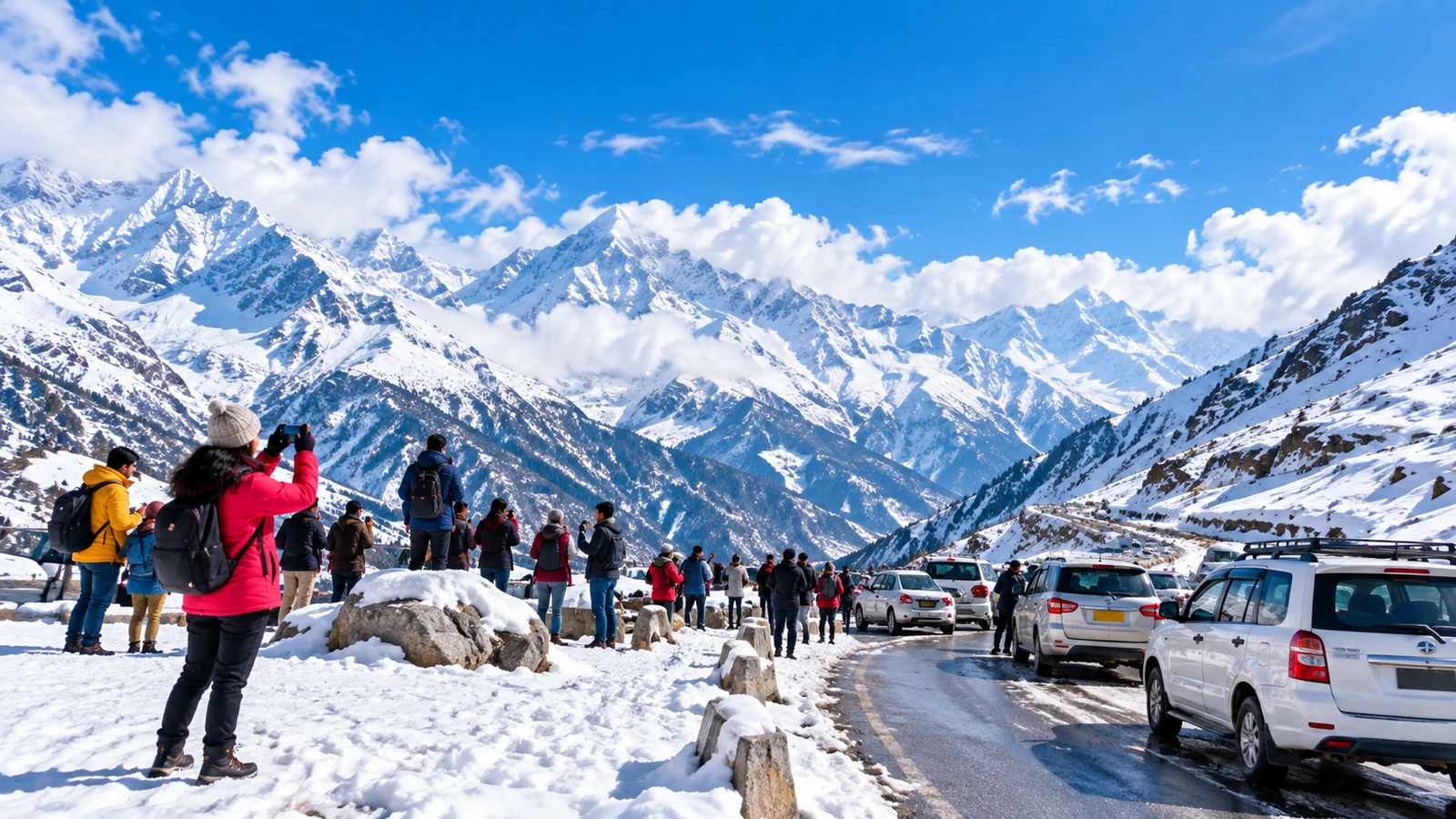
Tourists Flock to Rohtang After Snowfall, Over 600 Vehicles Arrive; Manali Comes Alive
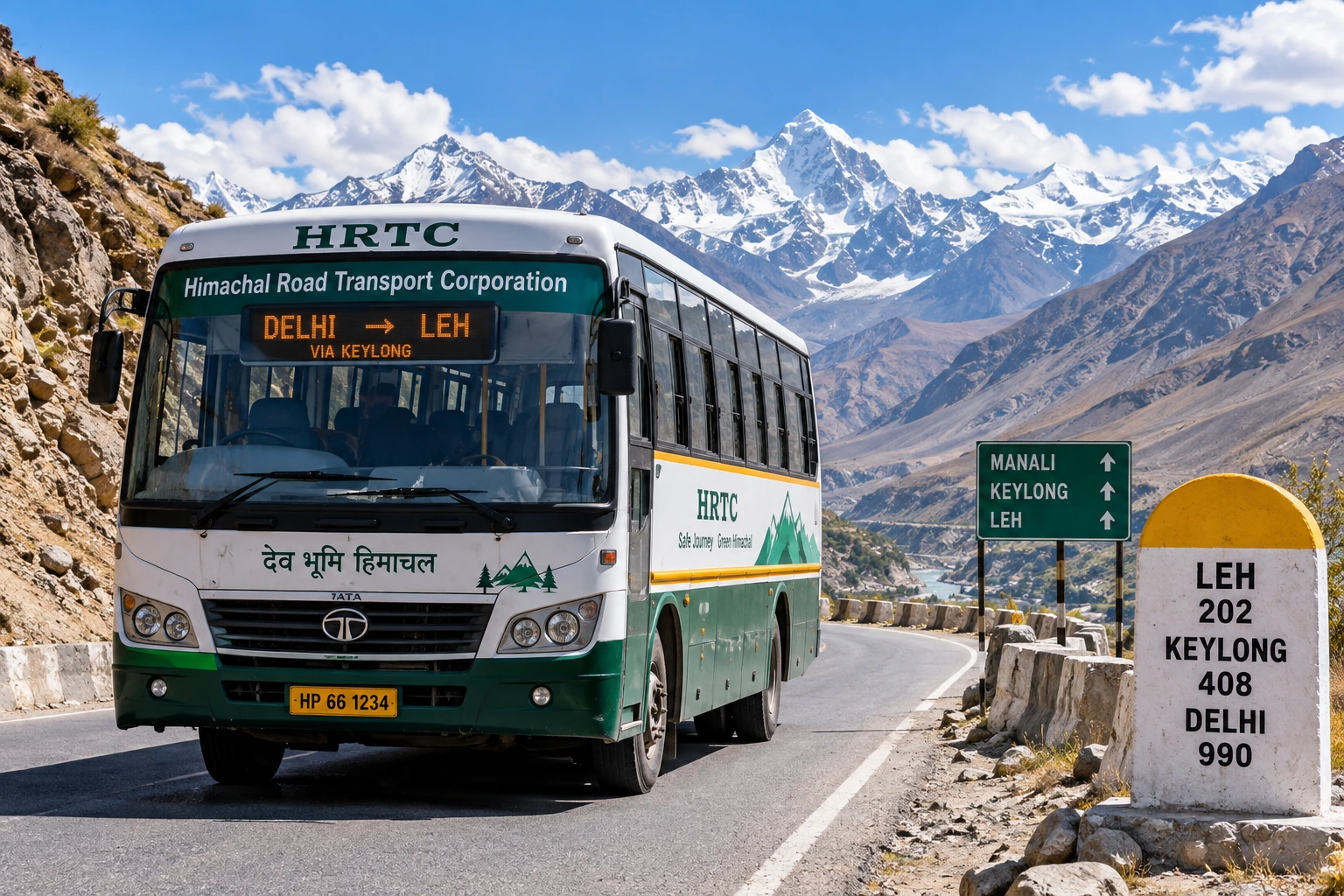
Delhi–Leh HRTC Bus Service Suspended: Service Will Resume Next May, Know All the Details

River Rafting May Resume in Rishikesh from September 23
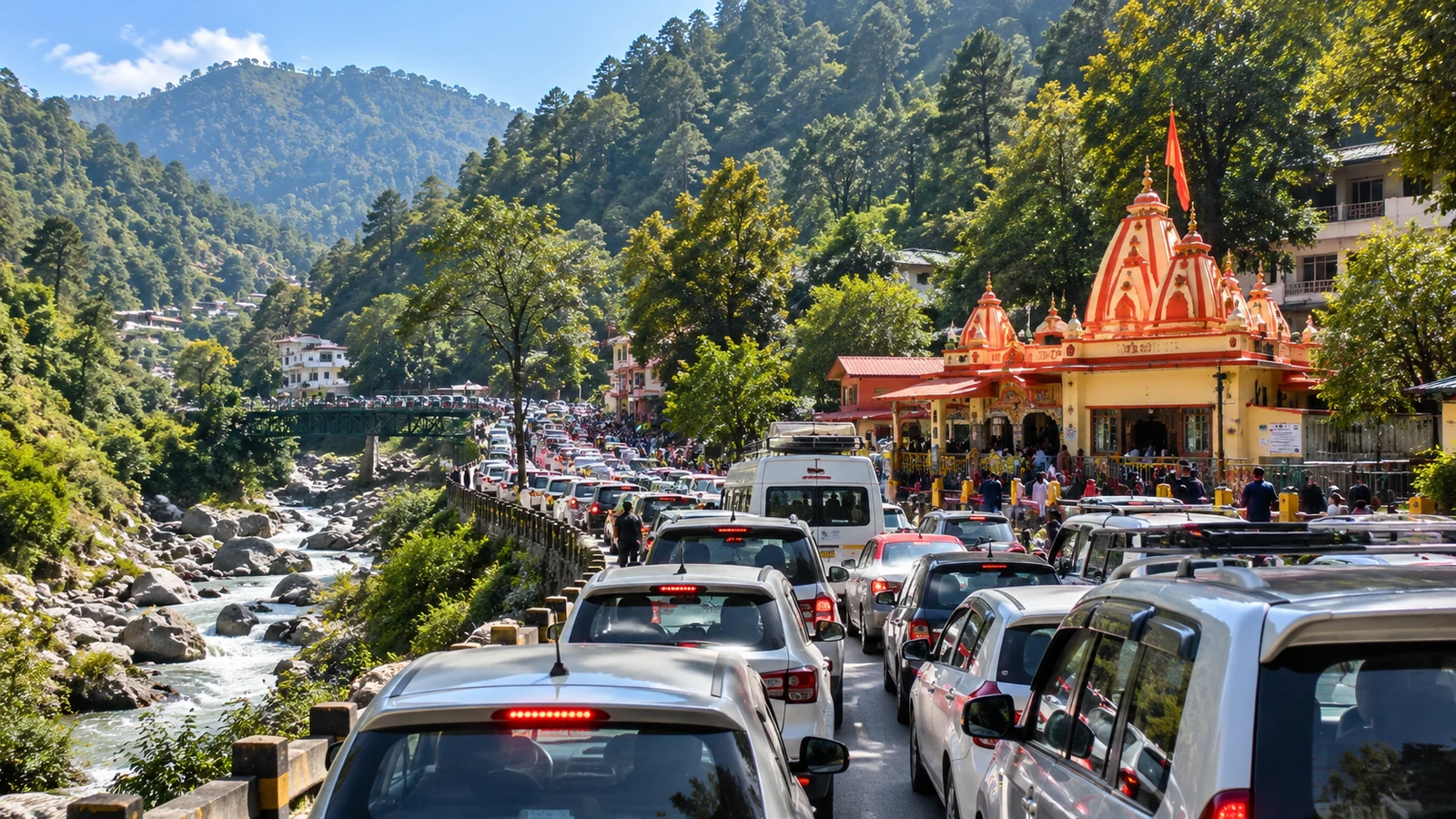
Heavy Crowd of Devotees at Kainchi Dham, 2-Km-Long Traffic Jam Reported
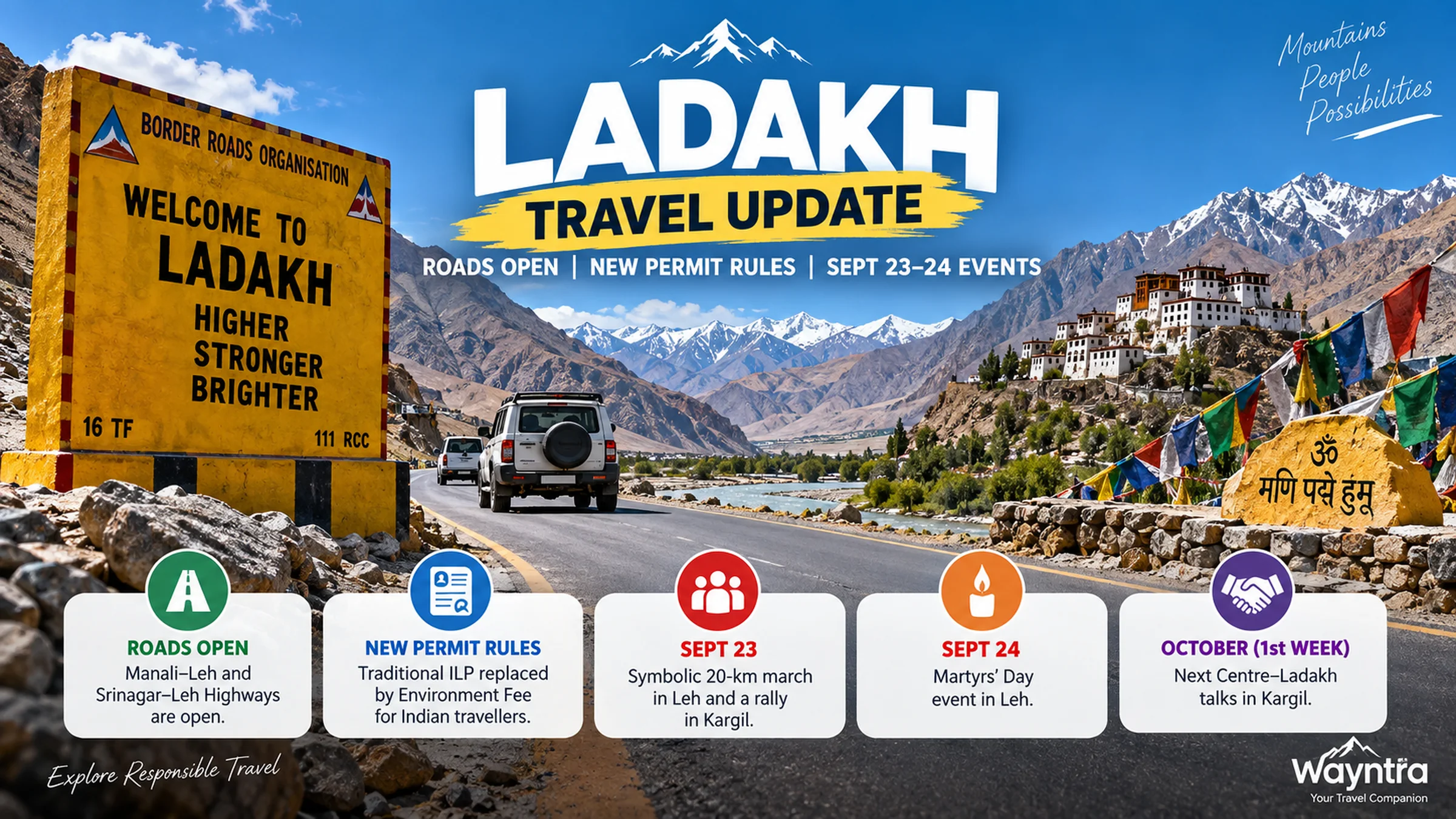
Ladakh Travel Update: Roads Open, New Permit Rules and September 23–24 Events
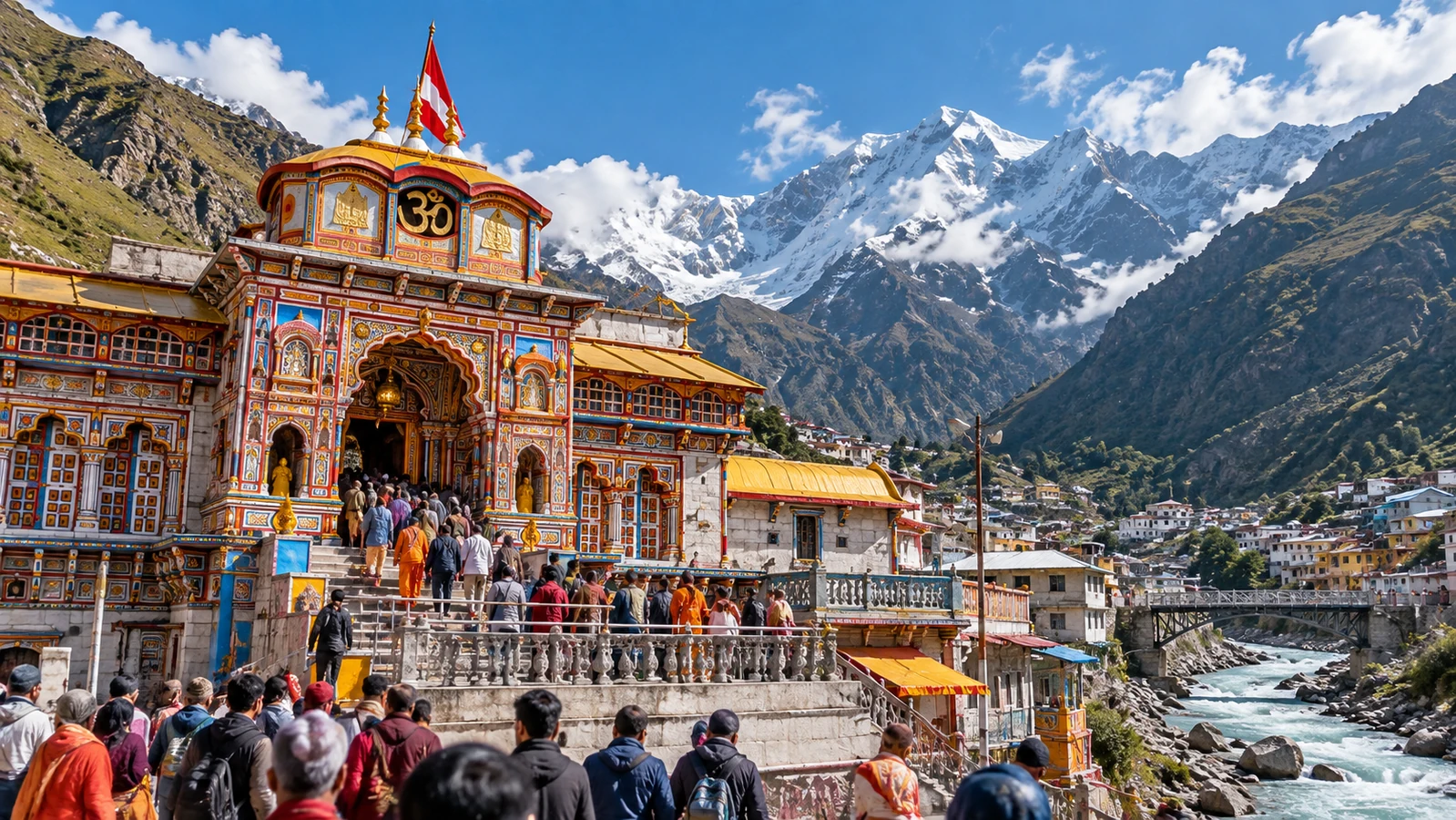
Badrinath Dham: Second Phase of Yatra Picks Up Pace, Thousands of Devotees Arriving for Darshan
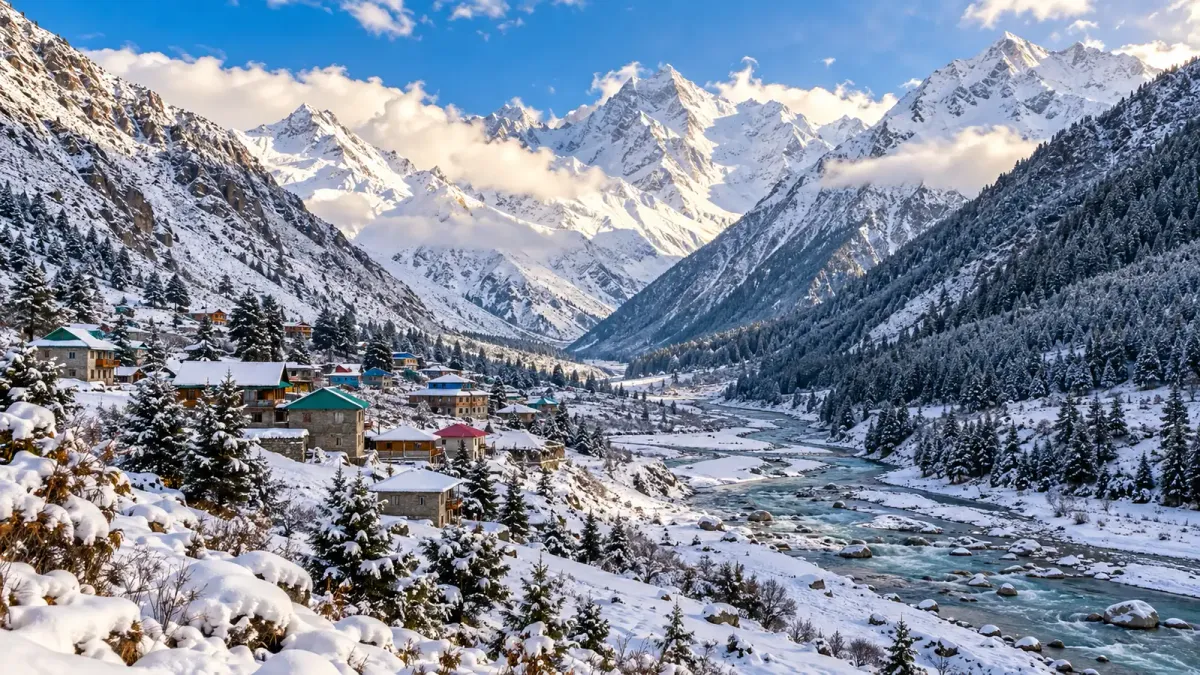
हिमाचल में सितंबर में बर्फबारी ने बदला मौसम का मिजाज, 18 साल बाद रिकॉर्ड ठंड
Other destinations in Rajasthan
Jodhpur — video
Jodhpur — travel FAQs
What is the best time to visit Jodhpur?
How can I reach Jodhpur?
What are the must-see places in Jodhpur?
How do I get around Jodhpur?
What is the significance of the Blue City?
How much time is needed to explore Jodhpur?
What is the best way to experience Jodhpur's desert landscape?
What is the famous food of Jodhpur?
What are some popular shopping areas in Jodhpur?
Is Jodhpur a safe destination for tourists?
Are there any wildlife sanctuaries near Jodhpur?
Can I visit Jodhpur in summer?
What is the history of Mehrangarh Fort?
Are there any festivals celebrated in Jodhpur?
Can I do a desert camping experience in Jodhpur?
How far is Jodhpur from Jaisalmer?
What is the cultural heritage of Jodhpur?
Is it possible to explore Jodhpur on a budget?
What are the best places to stay in Jodhpur?
How far is Jodhpur from Jaipur?
Wayntra app
Explore Jodhpur with Wayntra
Discover the best places, local experiences, businesses and travel activities around Jodhpur.